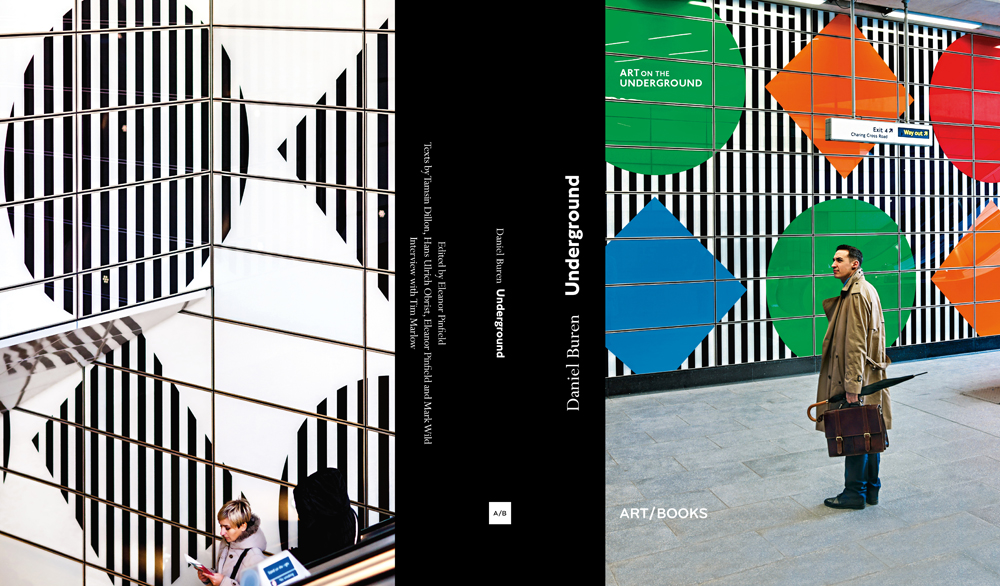
Daniel Buren Underground

Edited by Eleanor Pinfield
Foreword by Mark Wild
Texts by Tamsin Dillon, Eleanor Pinfield, Hans Ulrich Obrist
Interview by Tim Marlow

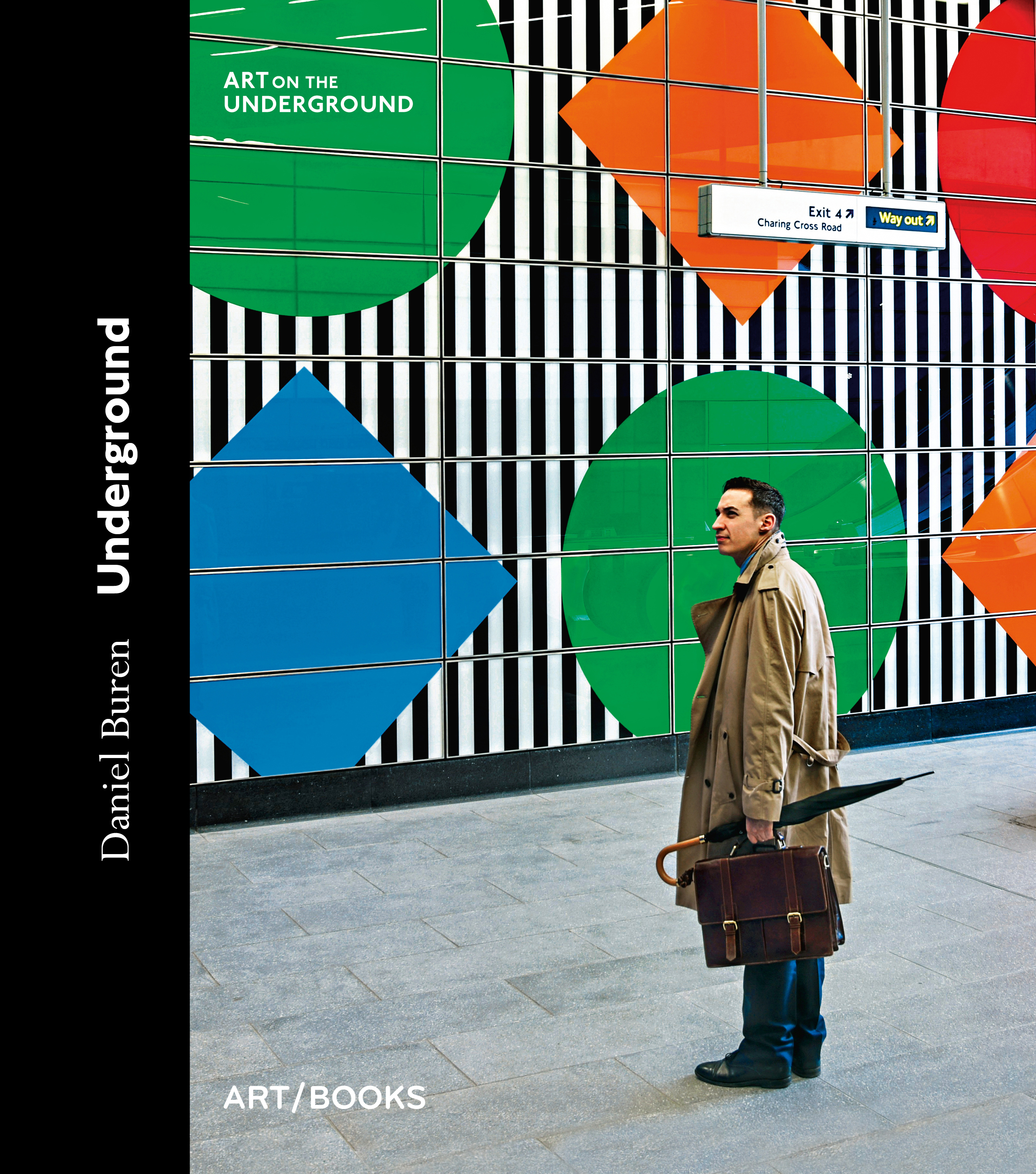
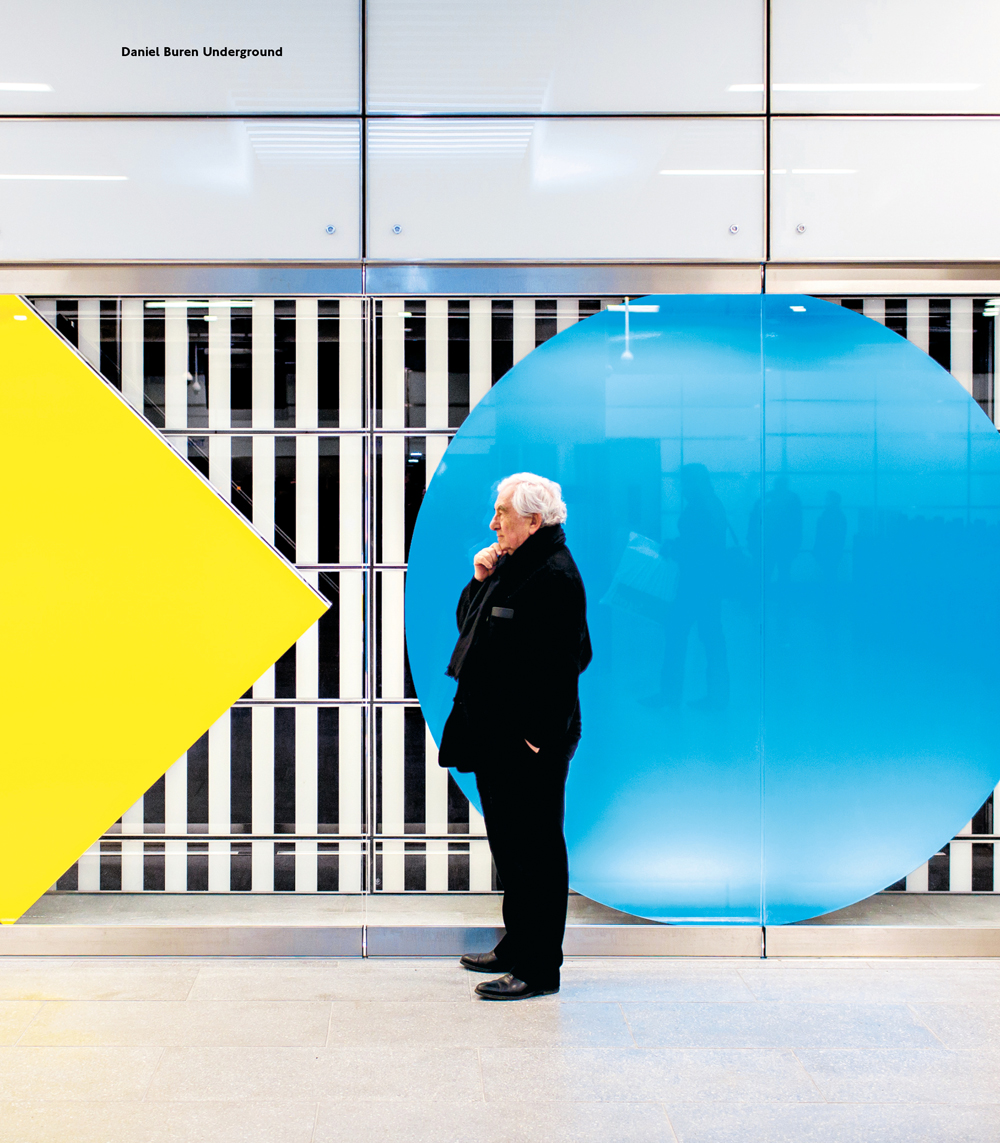
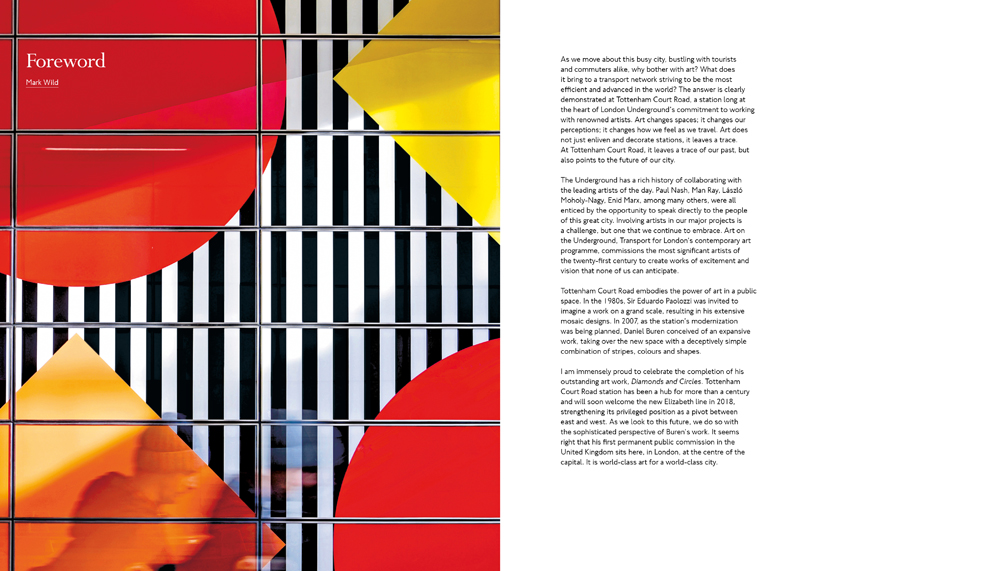
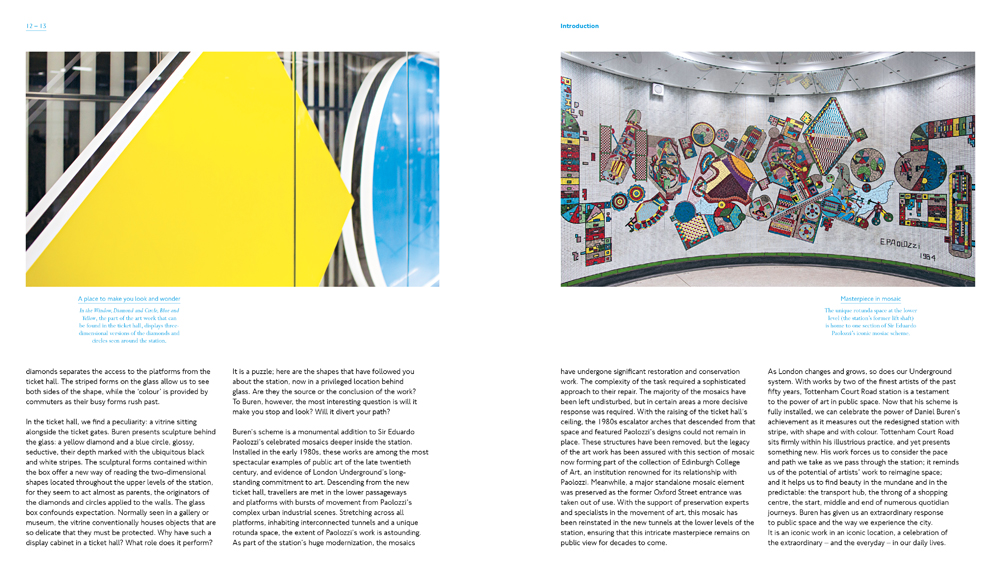
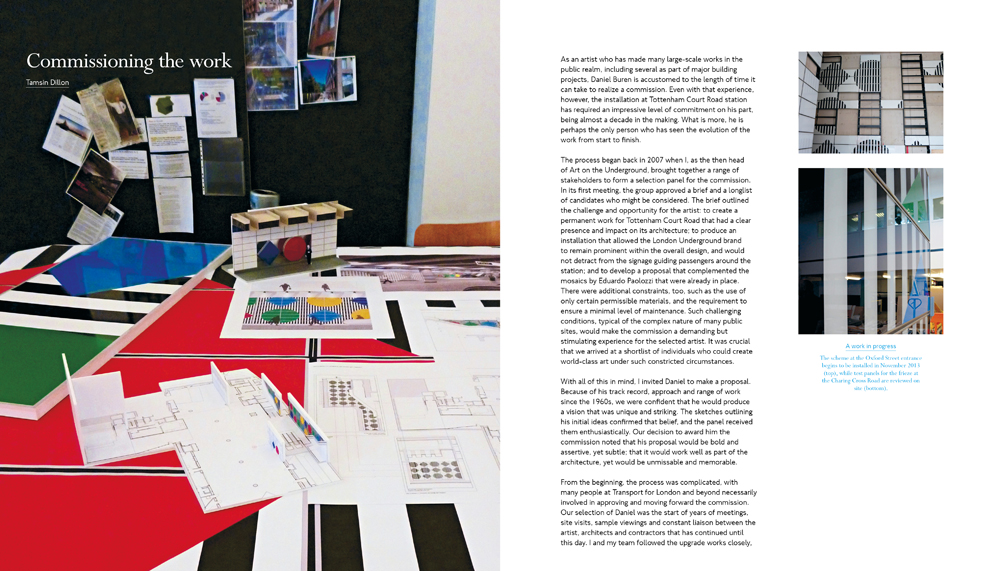
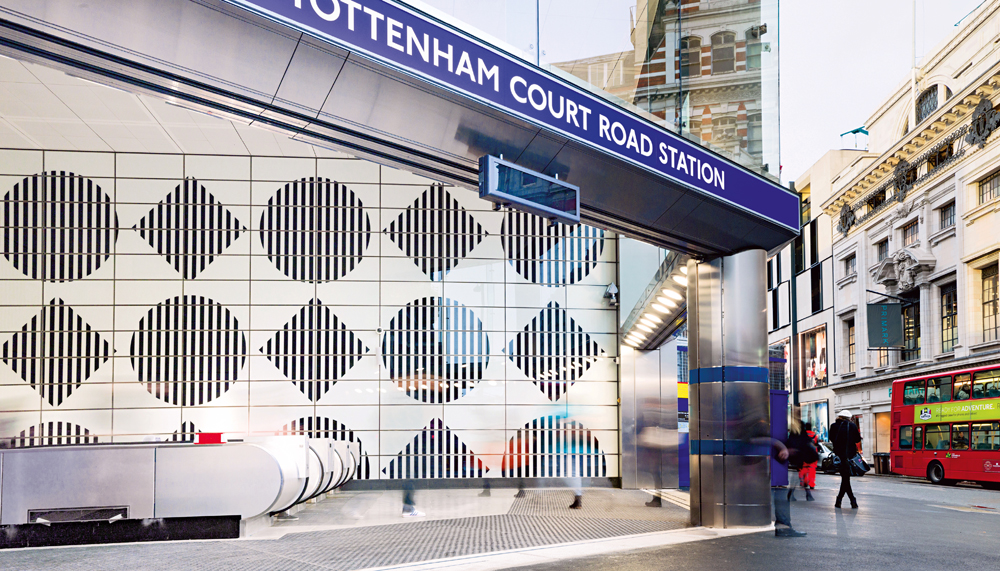
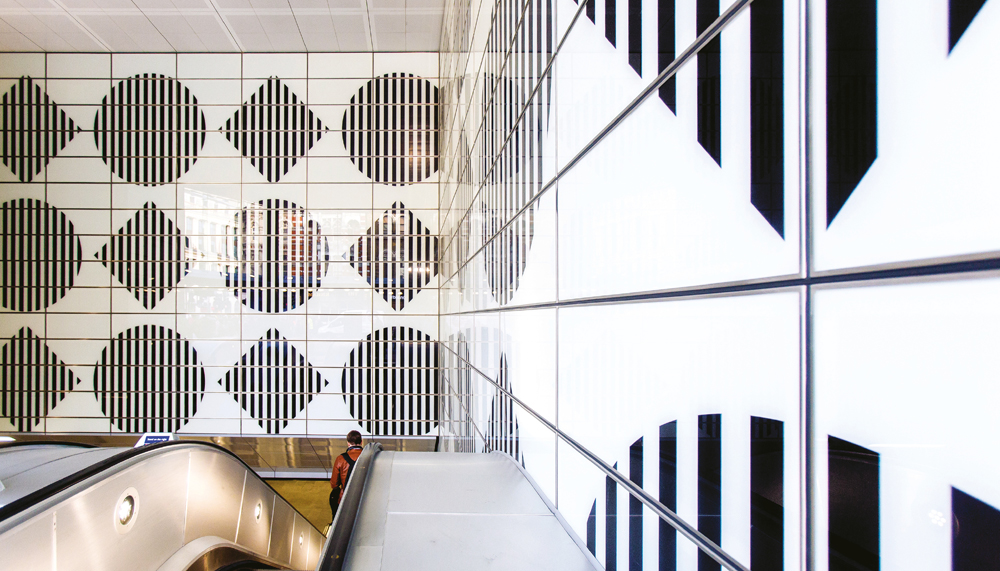
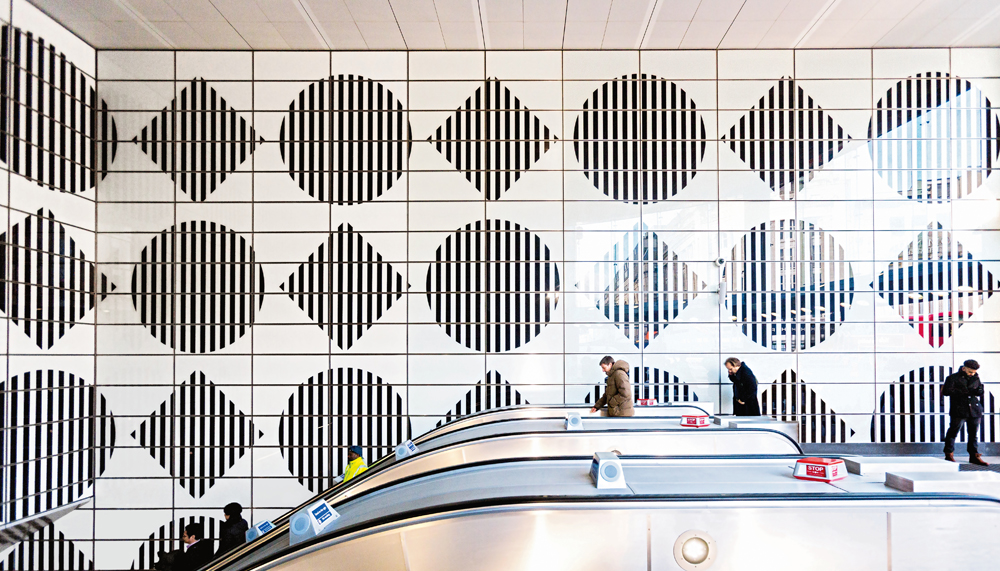
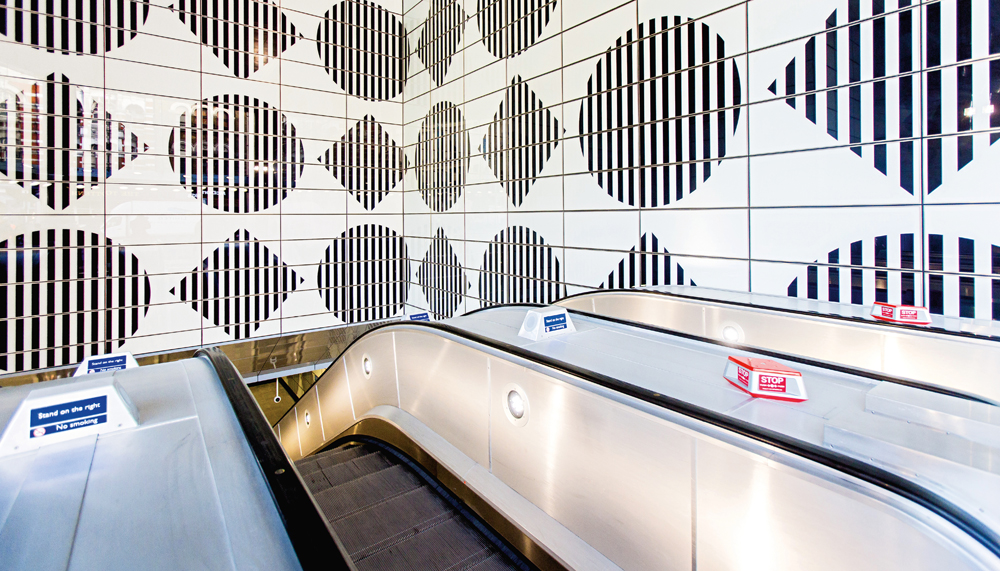
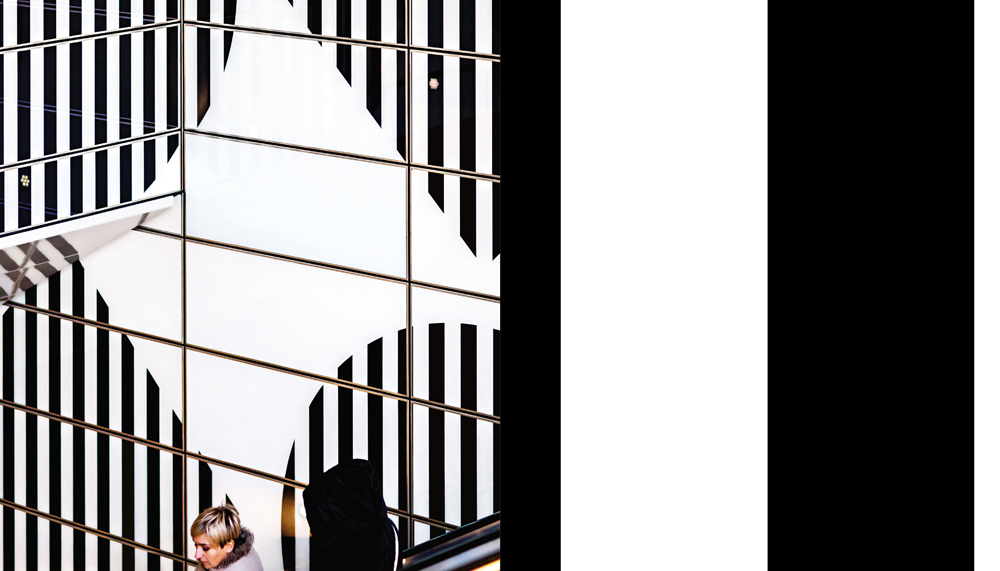
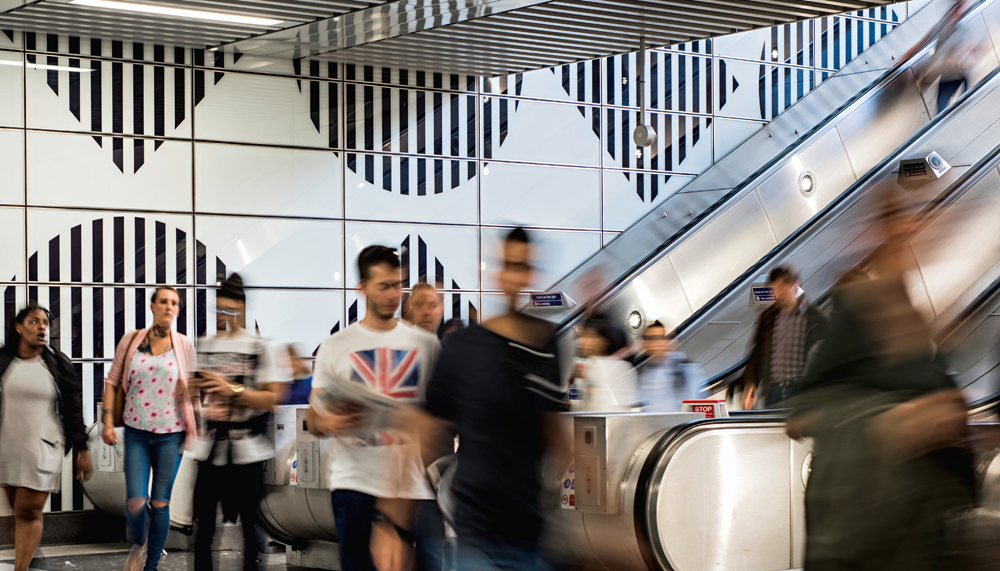
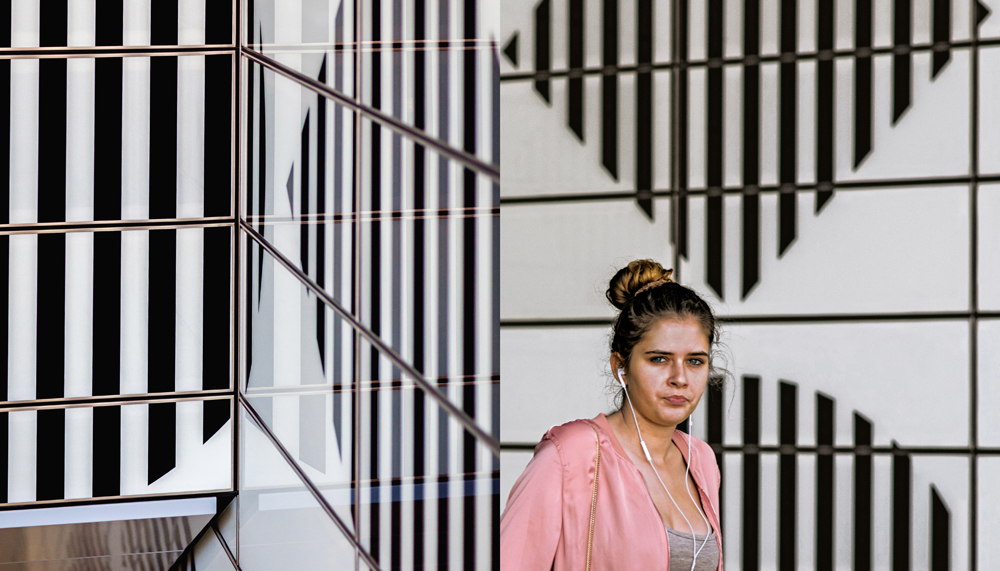
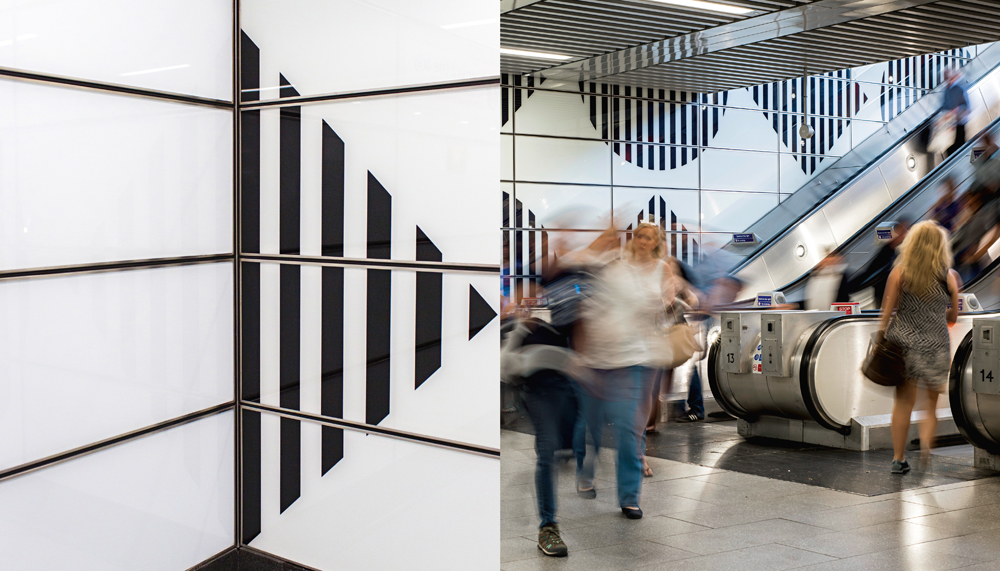
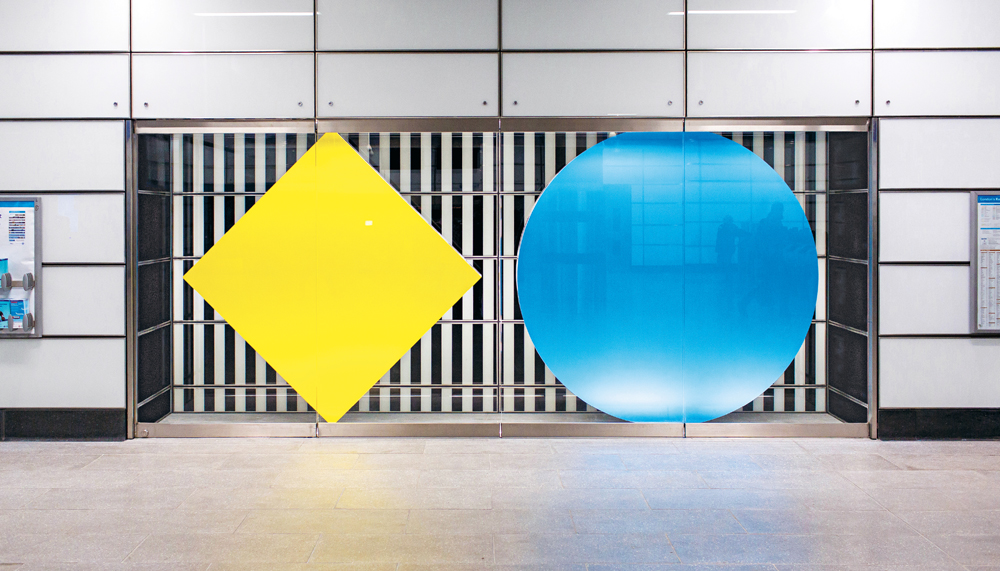
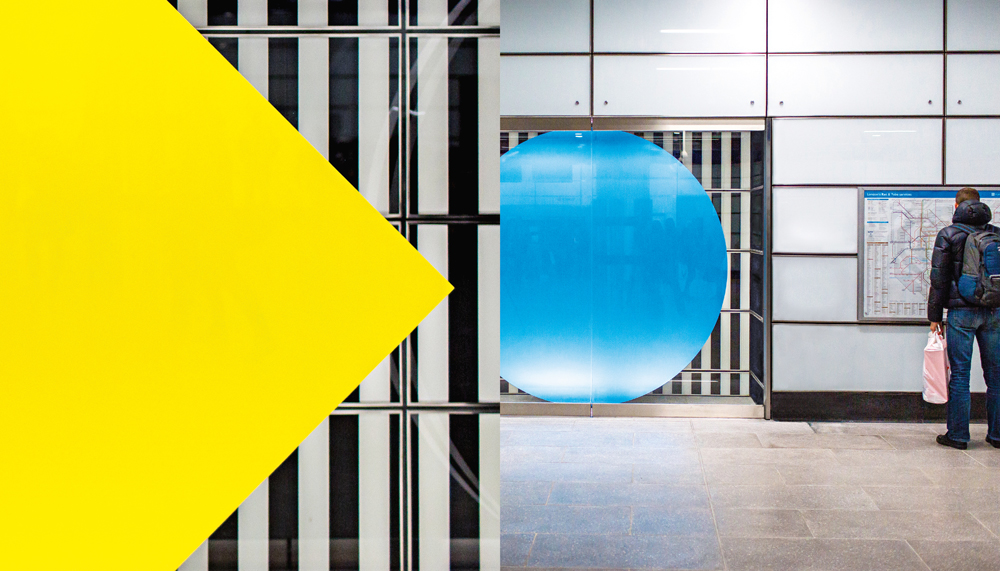
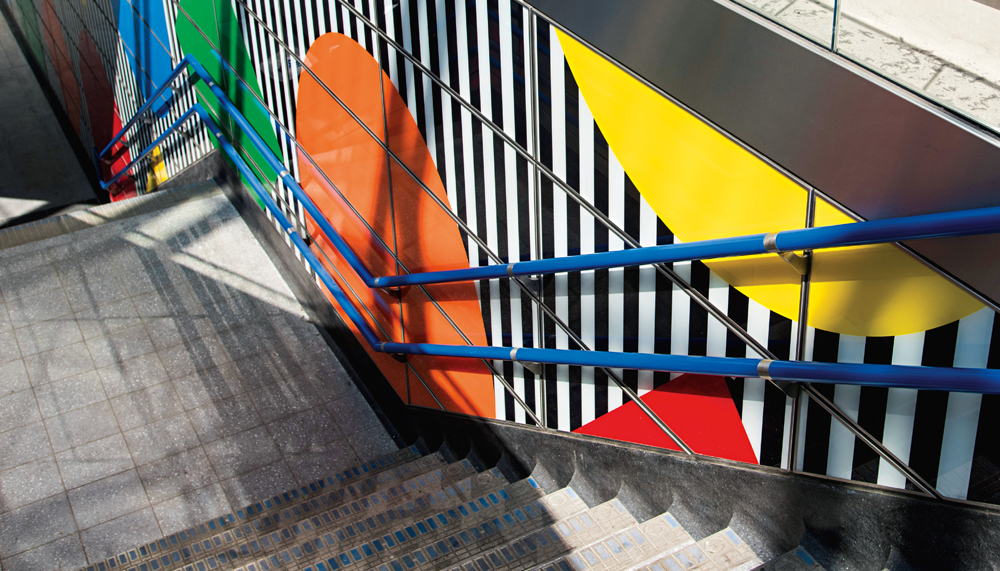
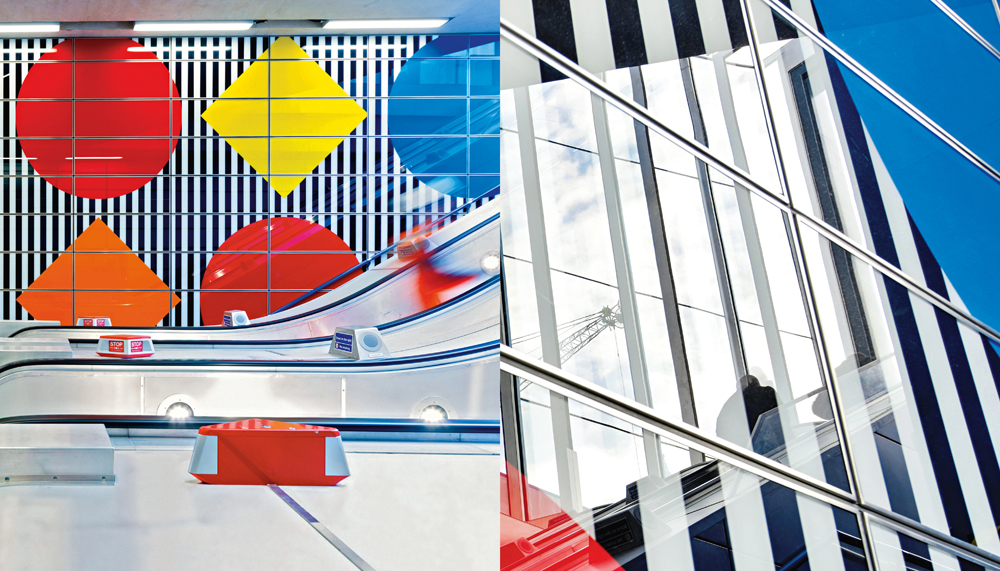
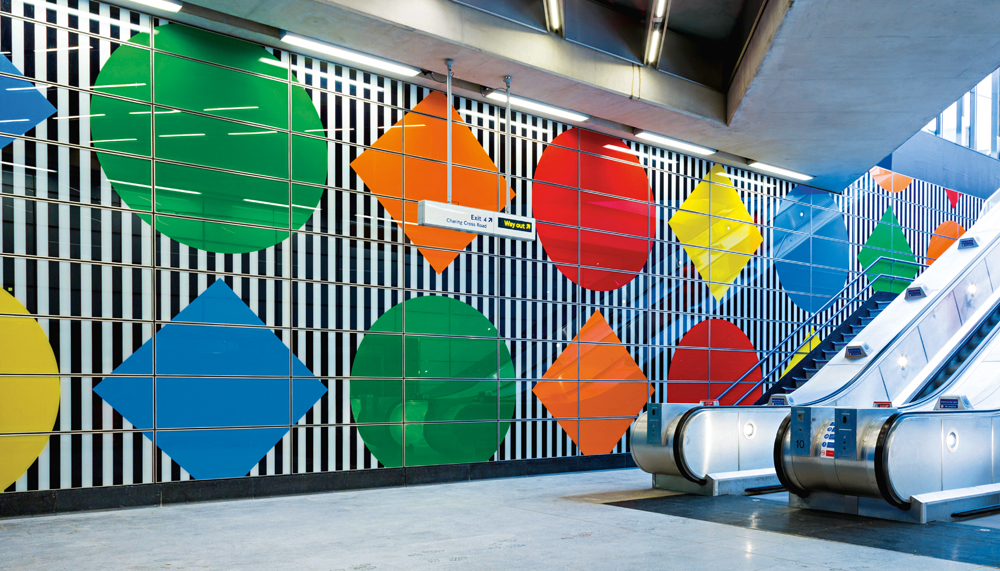
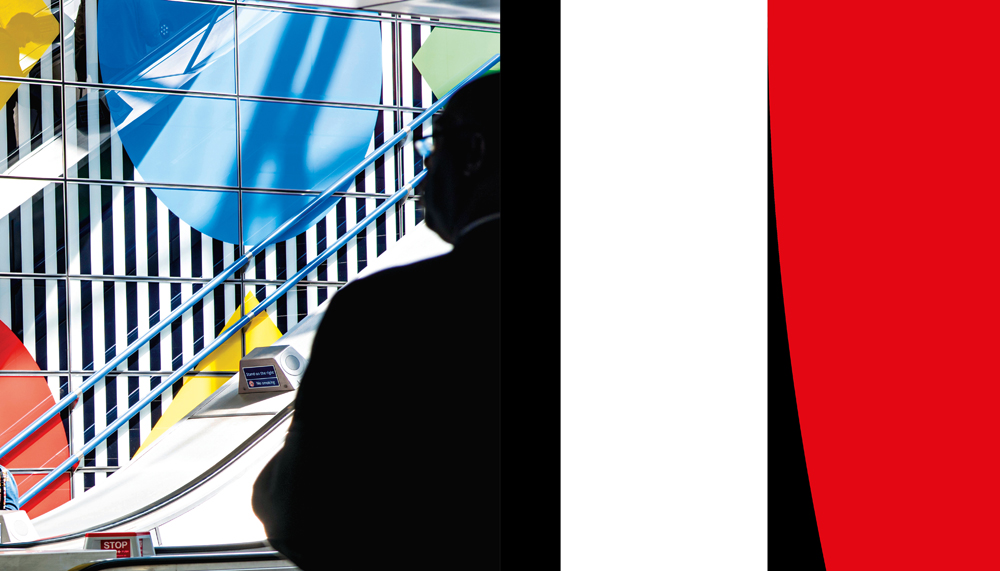
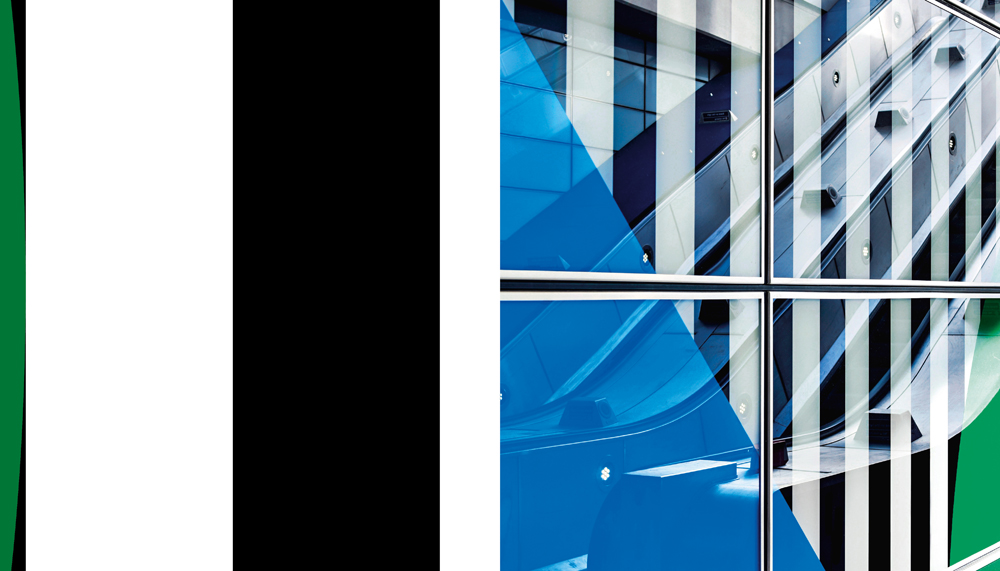
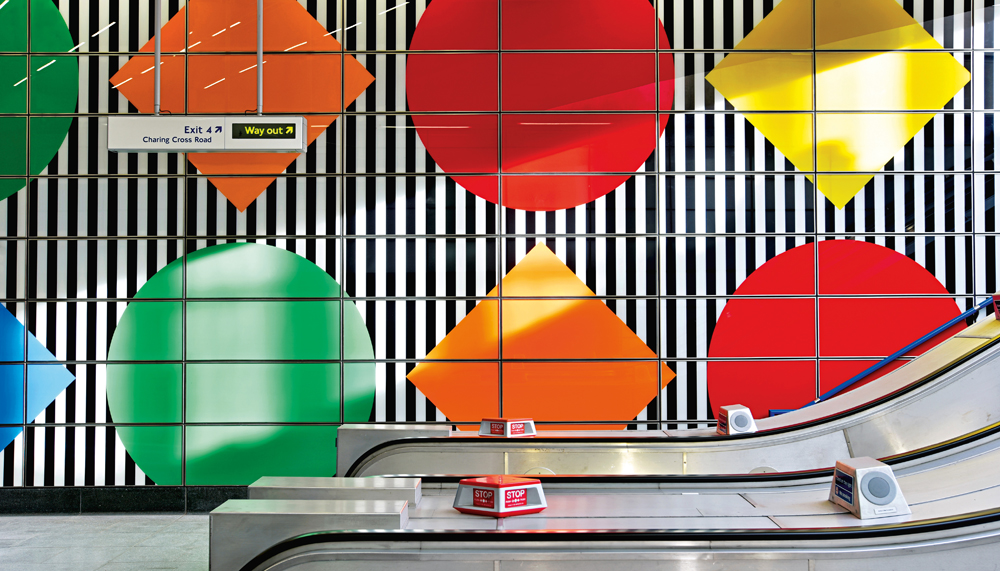
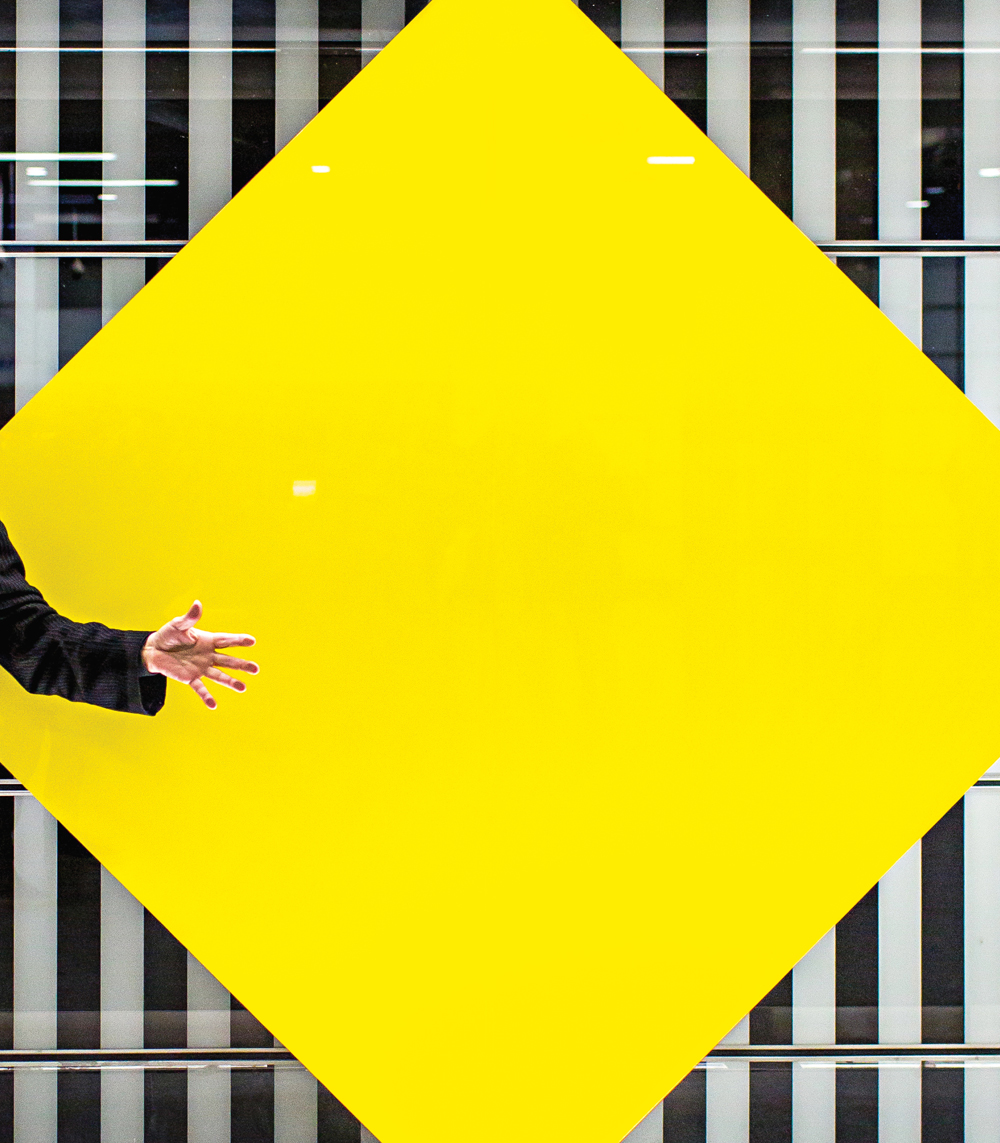
This book tells the story of the first permanent art work in Britain by Daniel Buren, widely considered France’s greatest living artist and one of the pioneers of conceptual art. Commissioned by Art on the Underground, Buren has created an expansive installation within Tottenham Court Road station in central London, taking over the space with a deceptively simple combination of shapes, colours and his trademark stripes.

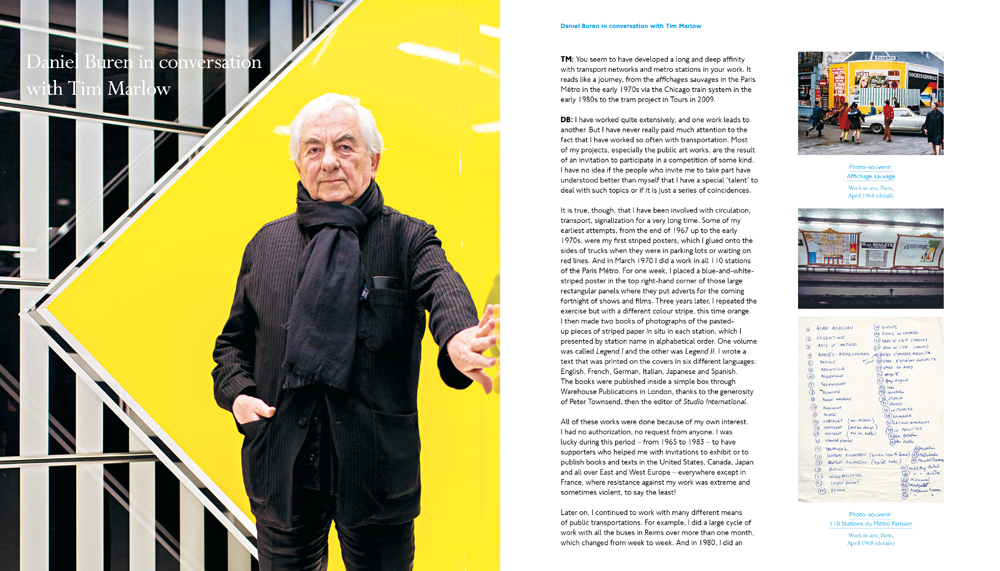
Published to coincide with the unveiling of the completed commission, the book includes stunning installation shots of the work in situ, behind-the-scenes photos of the project in progress, architects’ drawings and plans, and the artist’s notes and sketches. Texts by Eleanor Pinfield and Tamsin Dillon provide the background to the commission, while an essay by Hans Ulrich Obrist places the work in the context of Buren’s wider practice since the 1960s. In a conversation with Tim Marlow, the artist walks the reader through the Tottenham Court Road installation and discusses the work alongside his other transport commissions.

More than a rare monograph in English on one of the most influential international artists of recent decades, this volume also takes the reader on the fascinating journey from initial artistic concept through to realized physical form in the public realm.

Tamsin Dillon is an independent curator and the former Head of Art on the Underground.

Tim Marlow is Director of the Design Museum in London, the former Artistic Director at the Royal Academy of Arts, and a member of the Art on the Underground Advisory Panel. 

Hans Ulrich Obrist is Artistic Director of the Serpentine Gallery, London.

Eleanor Pinfield is Head of Art on the Underground.

Mark Wild is Managing Director of London Underground.

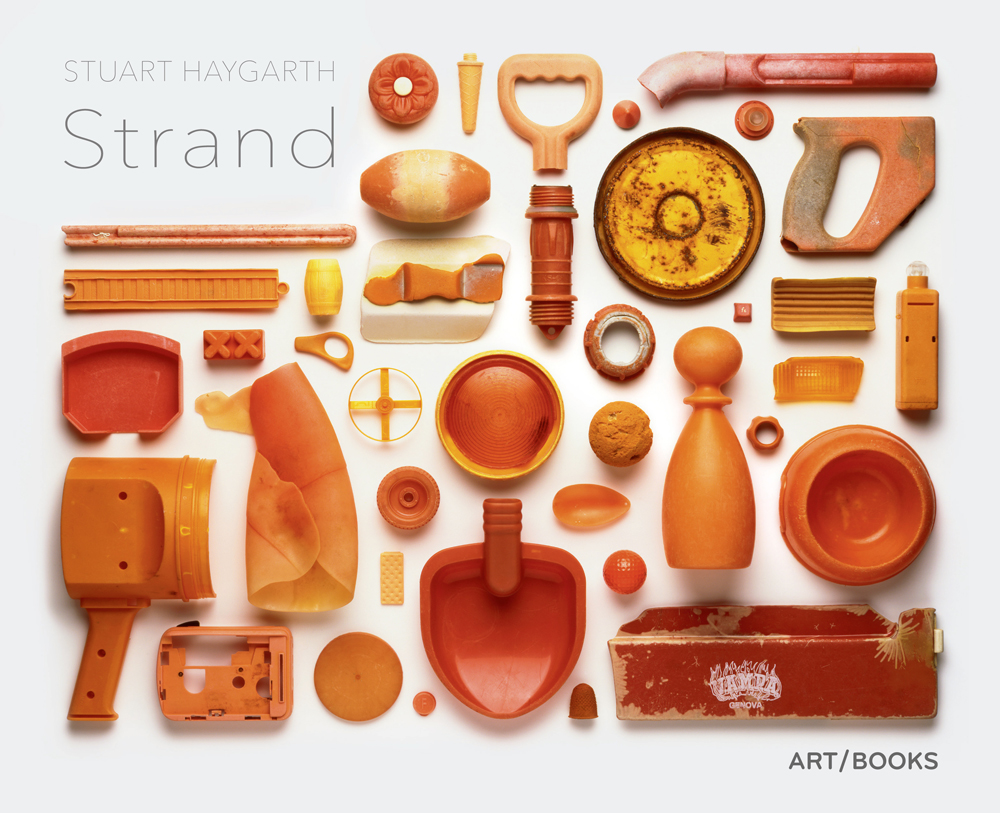
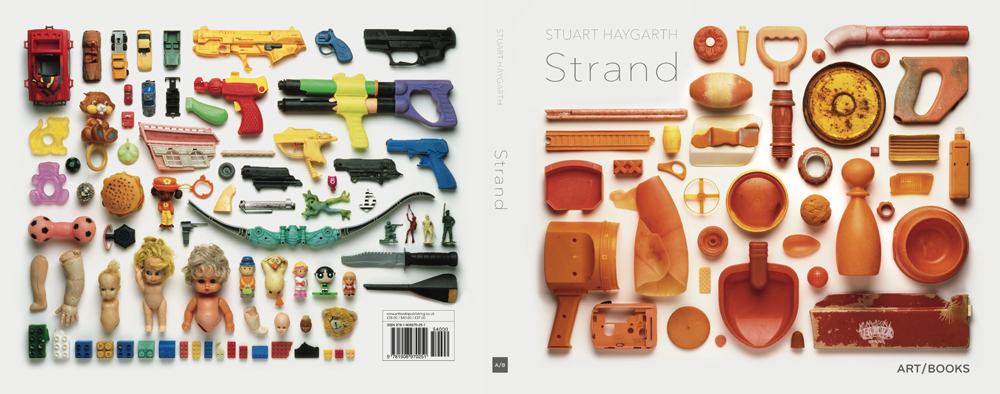
Strand

Stuart Haygarth
Texts by Robert Macfarlane and Deyan Sudjic

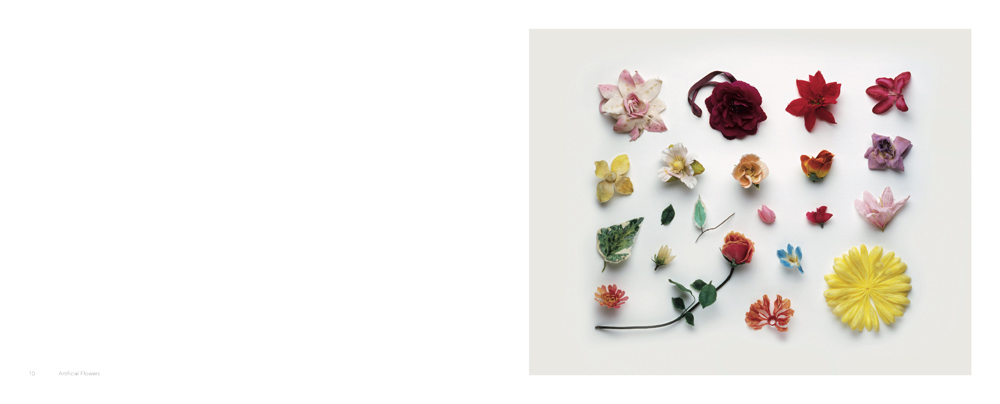
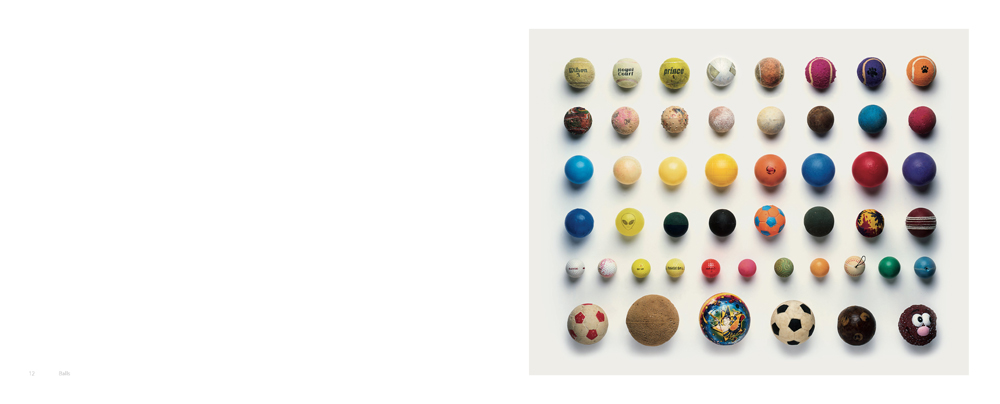
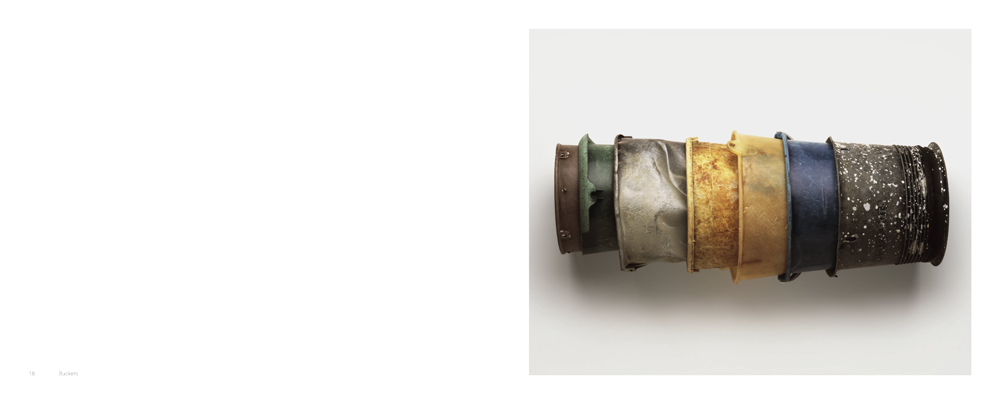
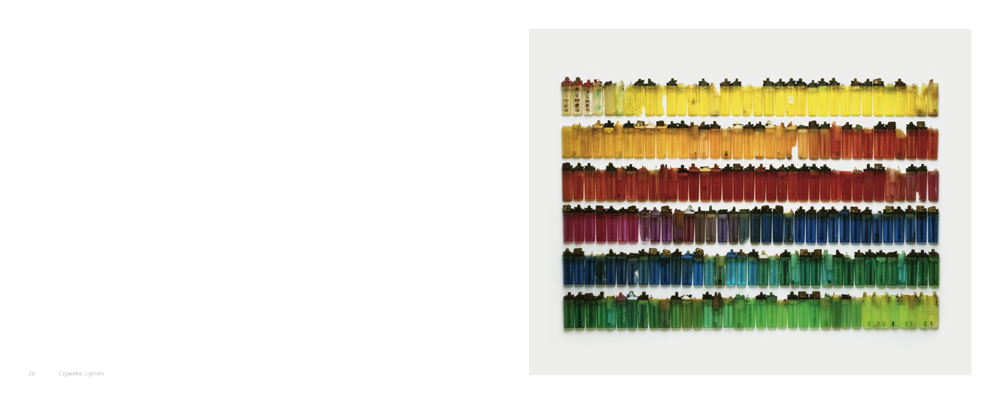
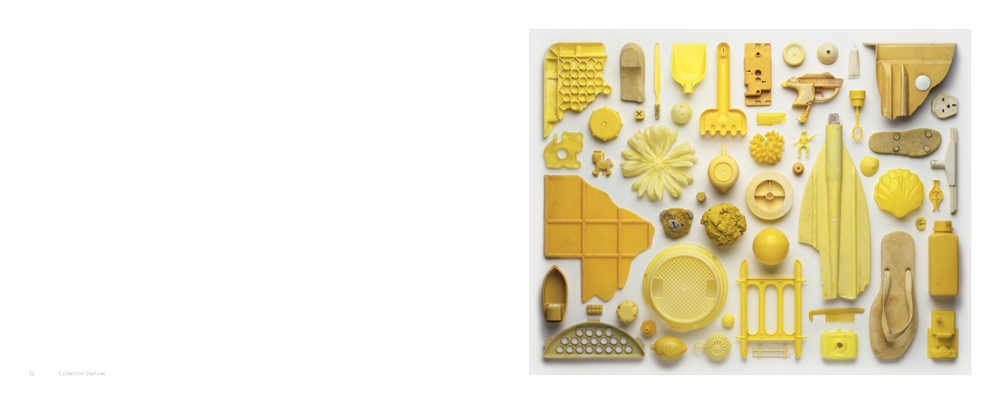
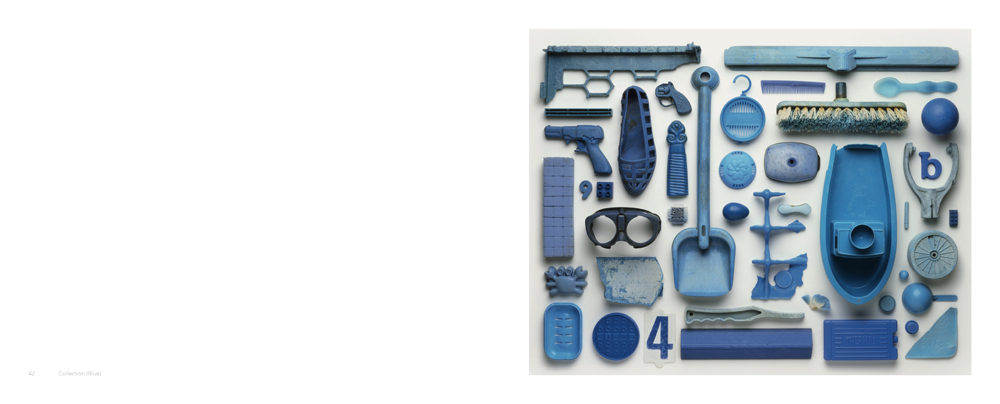
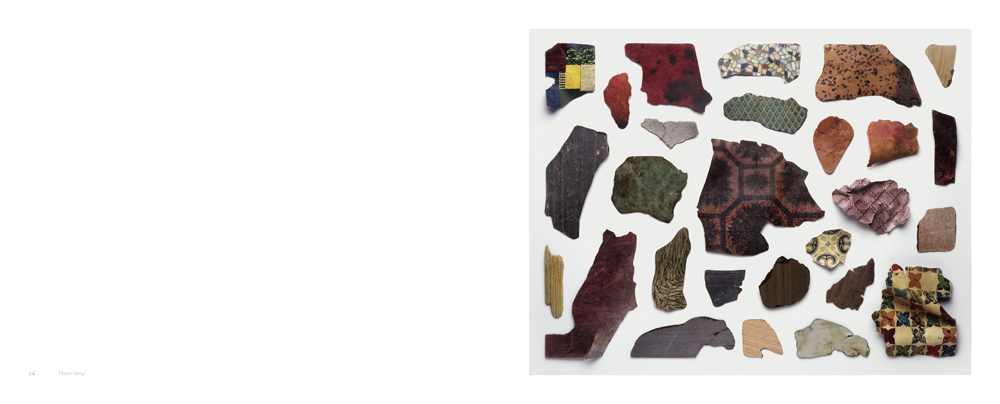
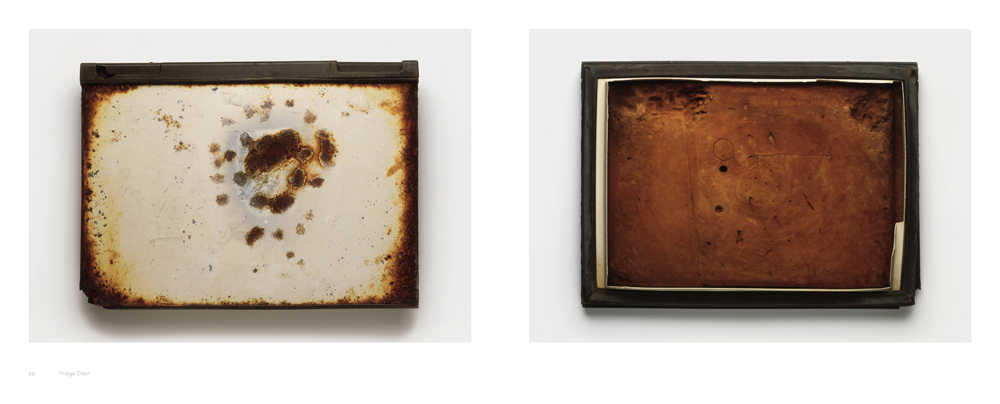
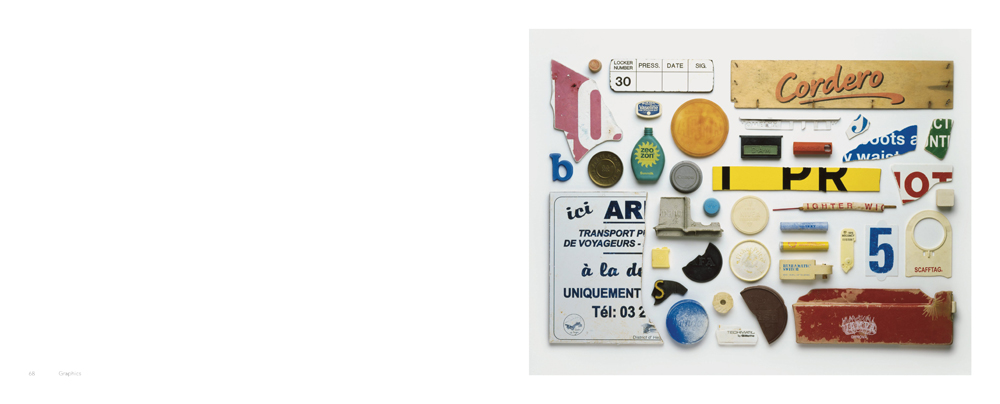
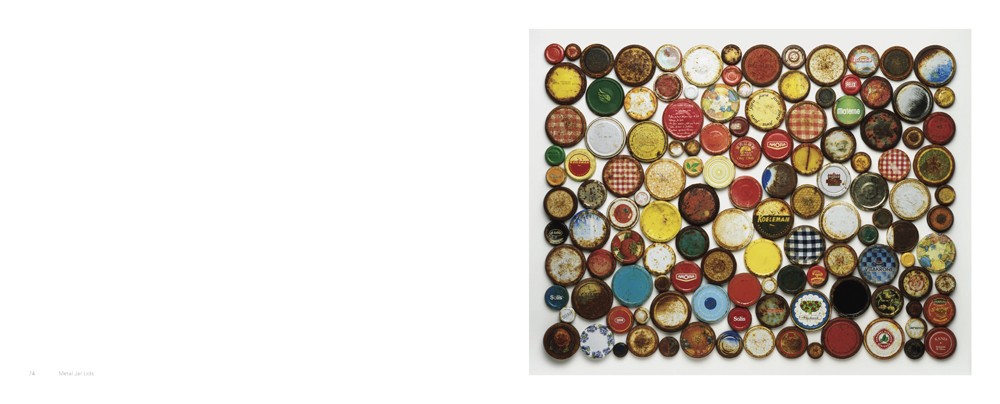
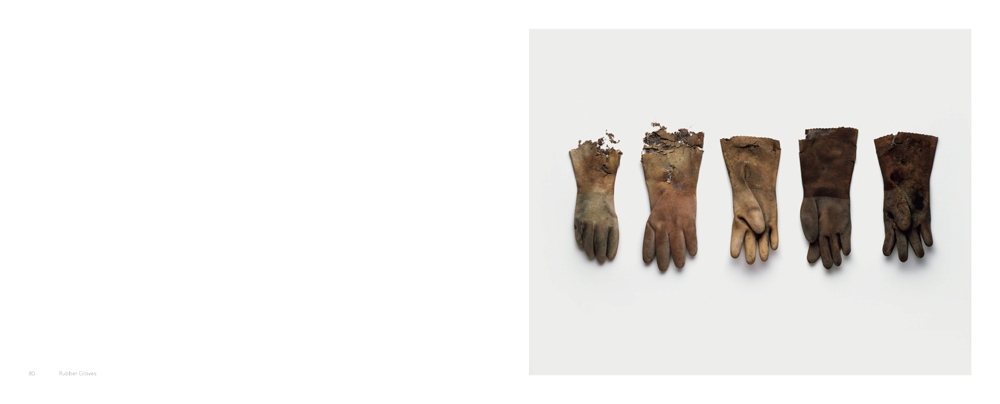
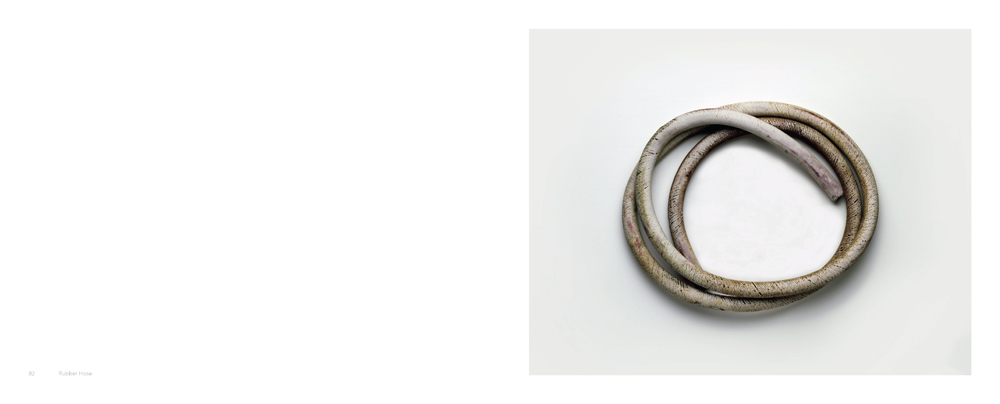
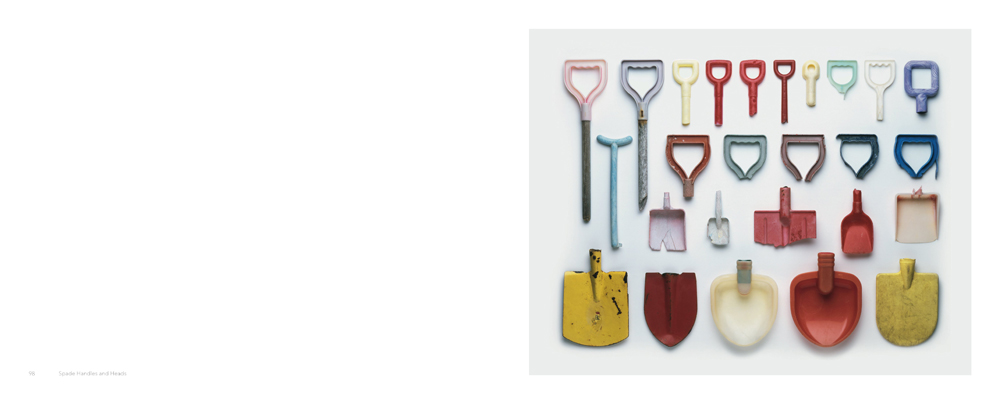
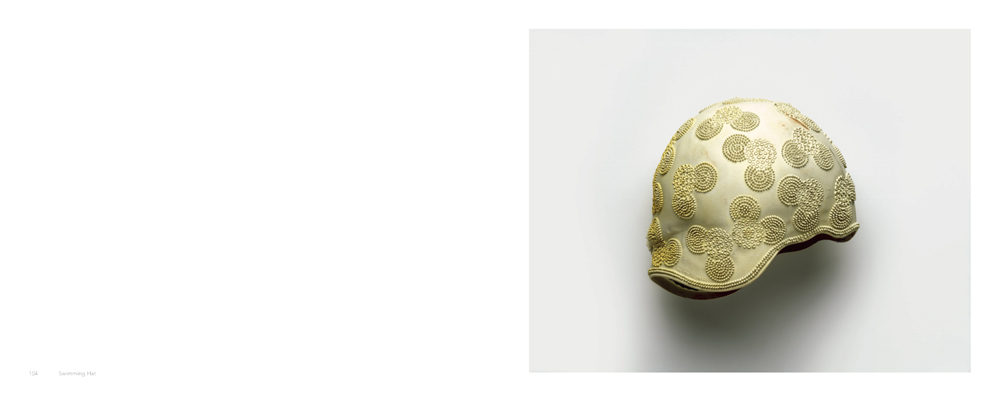
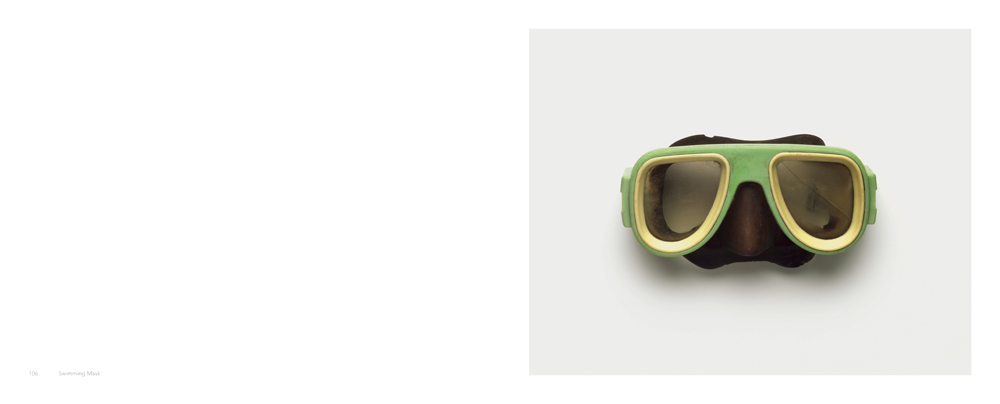
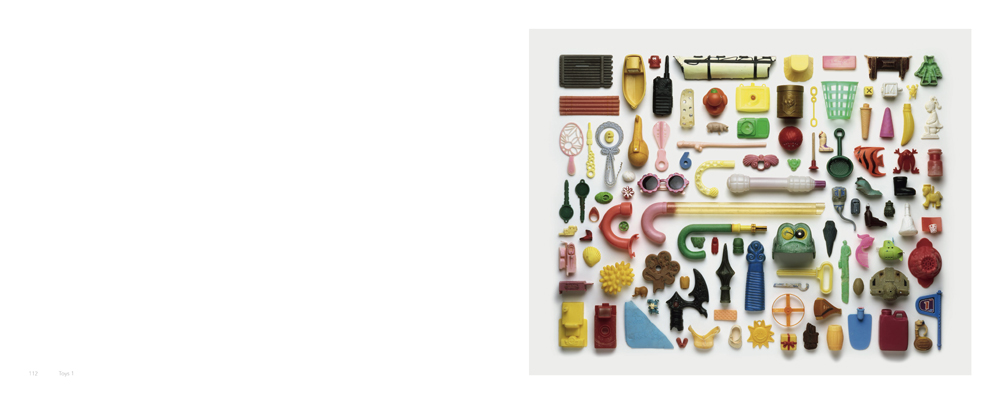
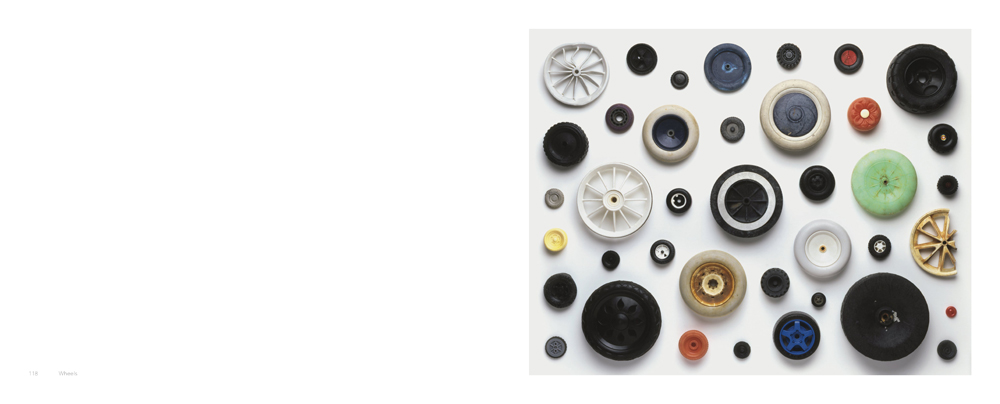
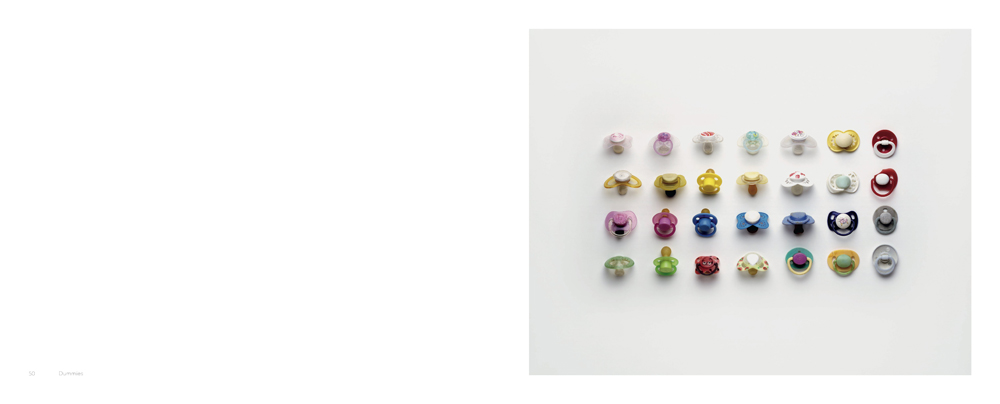
In February 2011, artist Stuart Haygarth did an unusual thing: he started to walk along the entire coast of southern England, with the goal of collecting every man-made item that he came across. He had a purpose in mind, for Haygarth gathers discarded or overlooked objects and elevates them into art, making exquisite artefacts and stunning installations out of common detritus and everyday waste. Yet his practice is as much about the process of collecting and collating materials as it is about the creation of value or beauty. For Strand – the Old English and German word for ‘beach’ – he walked from Gravesend to Land’s End and picked up the thousands of synthetic items left washed up on the shore. Combs, lighters and baby dolls, plastic balls, toys, containers and shoes were just some of the many objects he found on the 500-mile trip. Back in the studio, he categorized each one by type and colour before arranging them into precise compositions and photographing them.

Displaying the formal rigour of the designer and the aesthetic eye of the artist, the resulting images seduce with their beauty and visual immediacy. The objects form an archive of sorts, a fragmented narrative of unknown people’s lives, as well as a material document of Haygarth’s journey. But his beautiful pictures tell another tale too: the story of our reckless pollution of the environment, for each of these manufactured objects has been thrown away and carried by the world’s oceans and seas. They are the flotsam and jetsam of daily life.

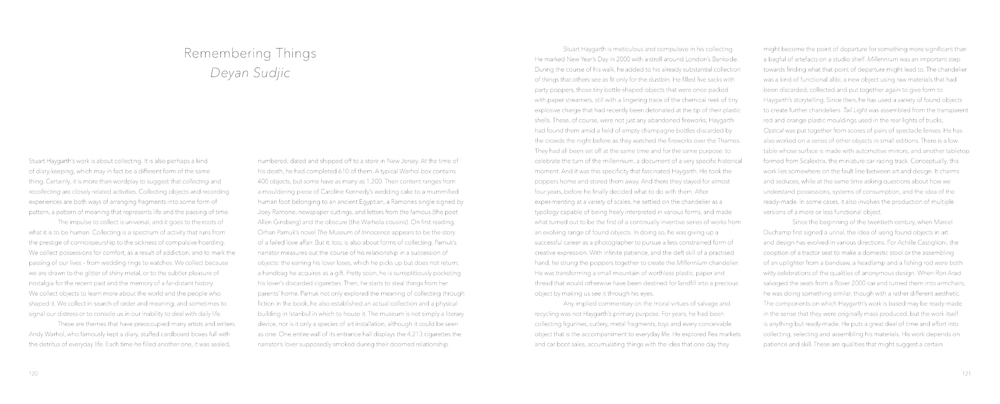
Award-winning academic and nature writer Robert Macfarlane considers the photographs of Strand as evidence of our pollution of the planet with ever-growing mountains of plastic waste, while Deyan Sudjic, director of the Design Museum, discusses Haygarth’s work as part of the tradition of artists, including Marcel Duchamp, Andy Warhol and Joseph Cornell, who collected found objects in order to make art.  

Stuart Haygarth is an award-winning British artist and designer. Originally trained as an illustrator and photographer, he began to make art works from found and collected objects in 2004. Since then, he has had numerous exhibitions and commissions in the United Kingdom, United States, France, Italy, Germany and Japan. He has won design awards from Wallpaper*, Arena and Elle Décor magazines. He is represented by Carpenters Workshop Gallery in London, Paris and New York, and his works have appeared in the Venice Biennale and Design Miami.

Robert Macfarlane is the author of a series of award-winning and internationally best-selling books about landscape, imagination and nature, including Mountains of the Mind (2003), The Wild Places (2007), The Old Ways (2012) and Landmarks (2015). His essays and articles have appeared in venues including Granta, the New York Times, and the Guardian, and his work has been widely adapted for television, film and radio. He is a Fellow of Emmanuel College, Cambridge, and a Fellow of the Royal Society of Literature.

Deyan Sudjic is the former director of the Design Museum in London. His career has spanned journalism, teaching and writing. He was director of Glasgow UK City of Architecture in 1999, and in 2002 he was the director of the Venice Architecture Biennale. He was editor of Domus magazine from 2000 to 2004, and was founding editor of Blueprint magazine from 1983 to 1996. Sudjic has published many books on design and architecture, including, most recently, B is for Bauhaus (2014).


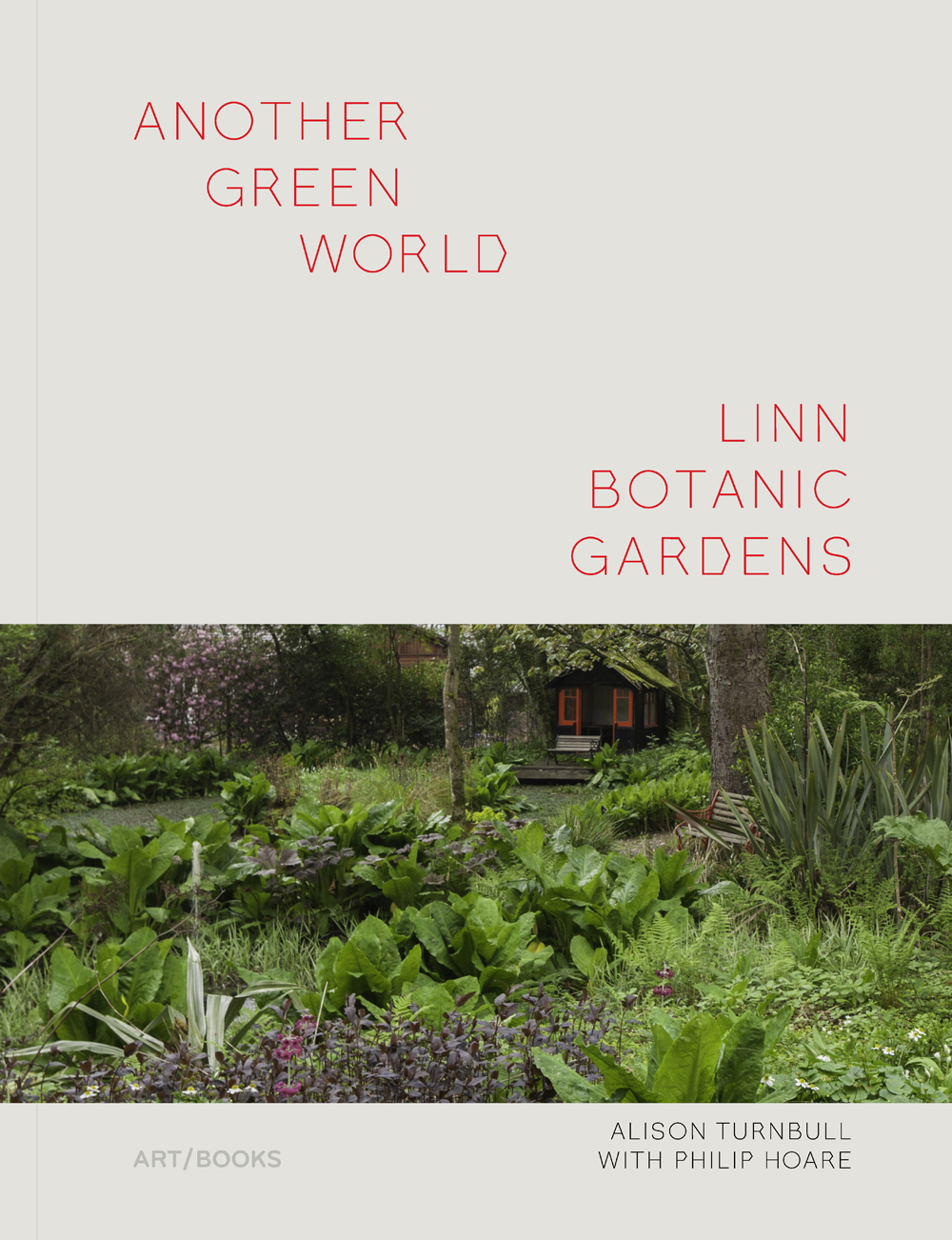
Another Green World

Linn Botanic Gardens
Encounters with a Scottish Arcadia

Alison Turnbull with Philip Hoare
With a text by Ian Edwards, photographs by Ruth Clark, and plant list by Jamie Taggart

FINALIST British Book Design & Production Awards 2016

SOLD OUT

‘A hidden gem … a magical place where the air seems almost green’ — Guardian
‘Scotland’s most extraordinary garden … [a] horticultural wonder, certainly one of the most biodiverse places in Scotland … a magical feast for all five senses … [the] beautiful new book is a work of art in itself’ – Herald
‘An emotionally charged book … a beautifully crafted artwork’ — Times Higher Education
‘A beautifully produced book … a poignant description of a love of place and plants … [It is] through the book’s fine photographs of the garden, its environment and the nineteenth-century house it surrounds that readers become vicariously acquainted with Linn.’ — Times Literary Supplement
‘A slice of deep horticultural magic’ — Guardian ‘Best Books for the Summer 2016’

_____________

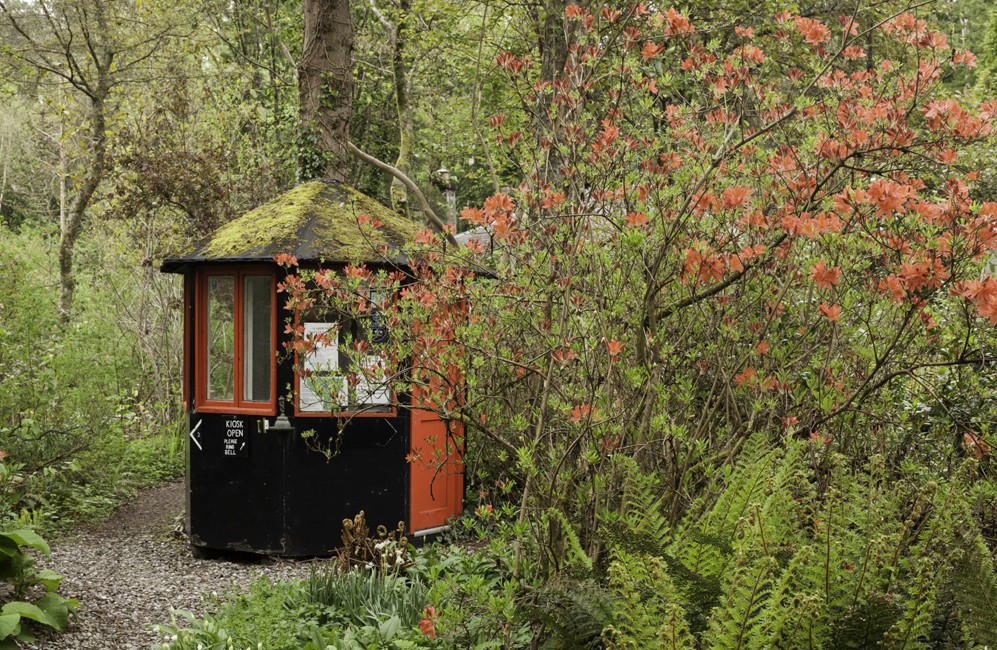
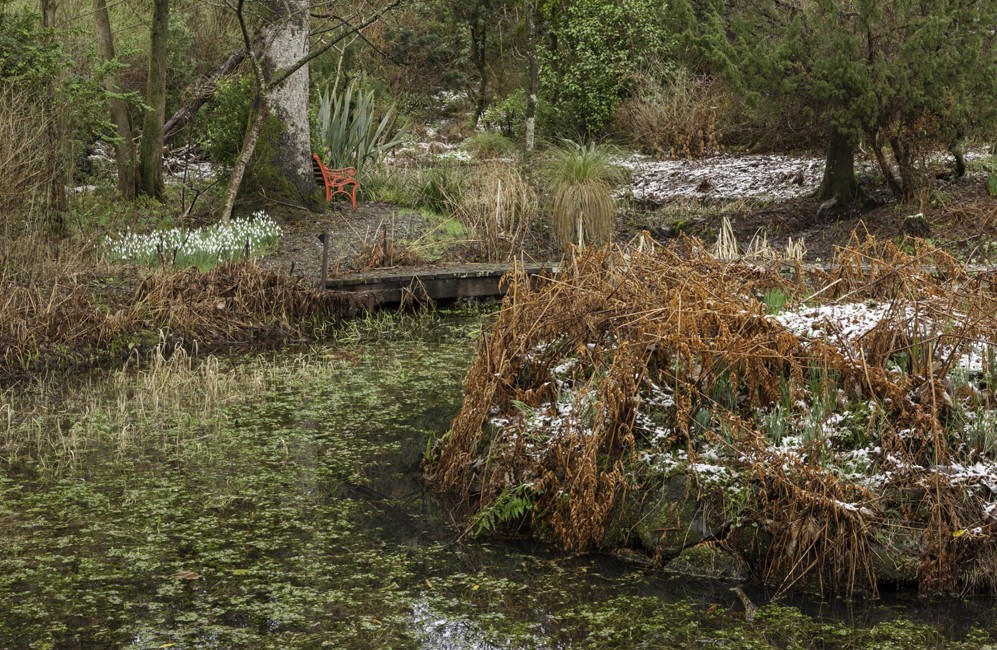
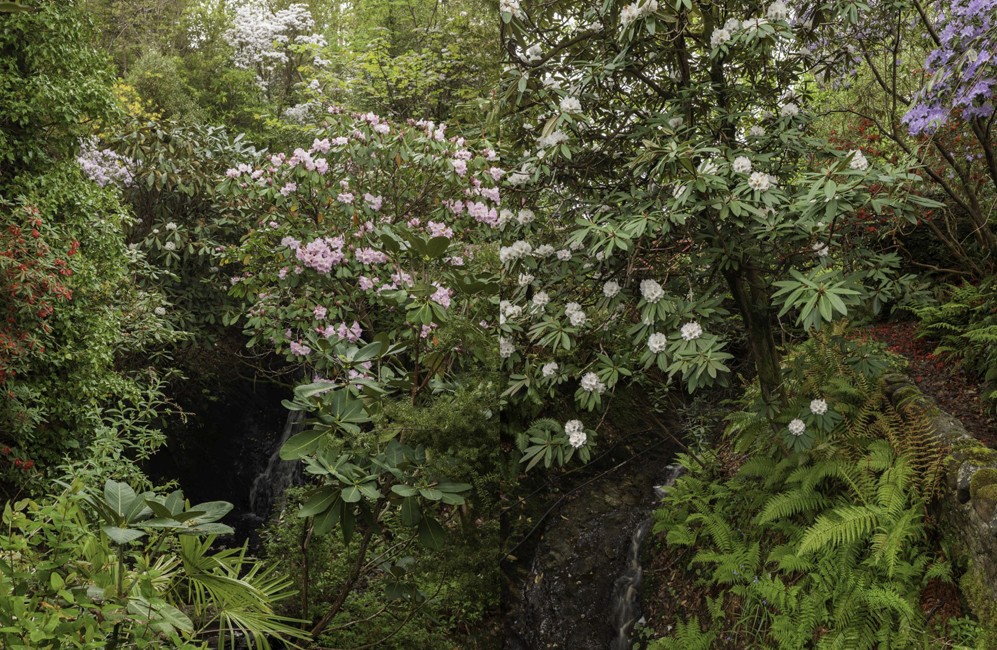
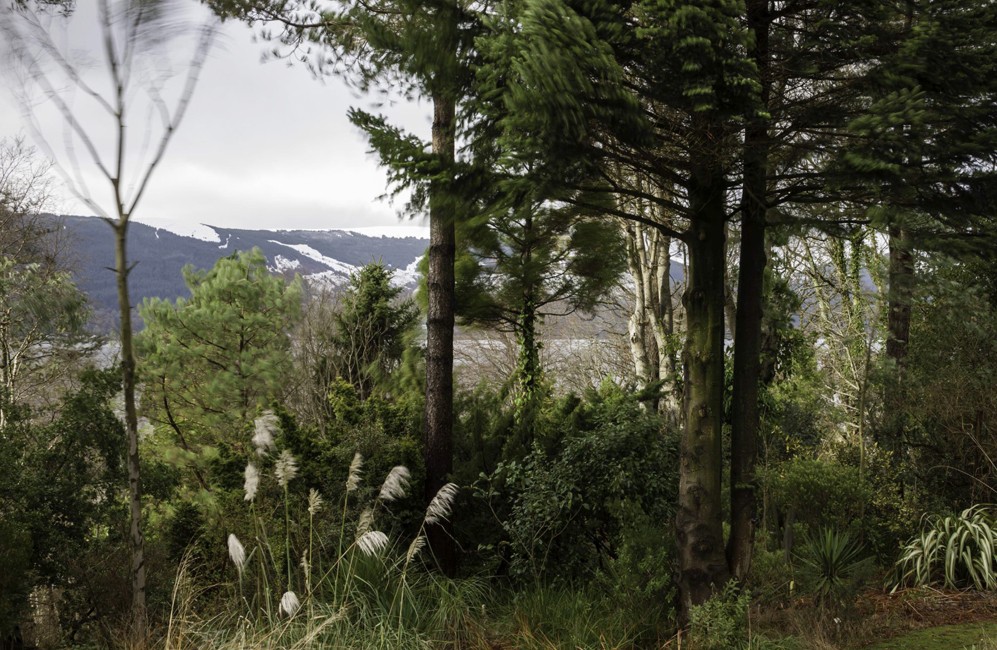
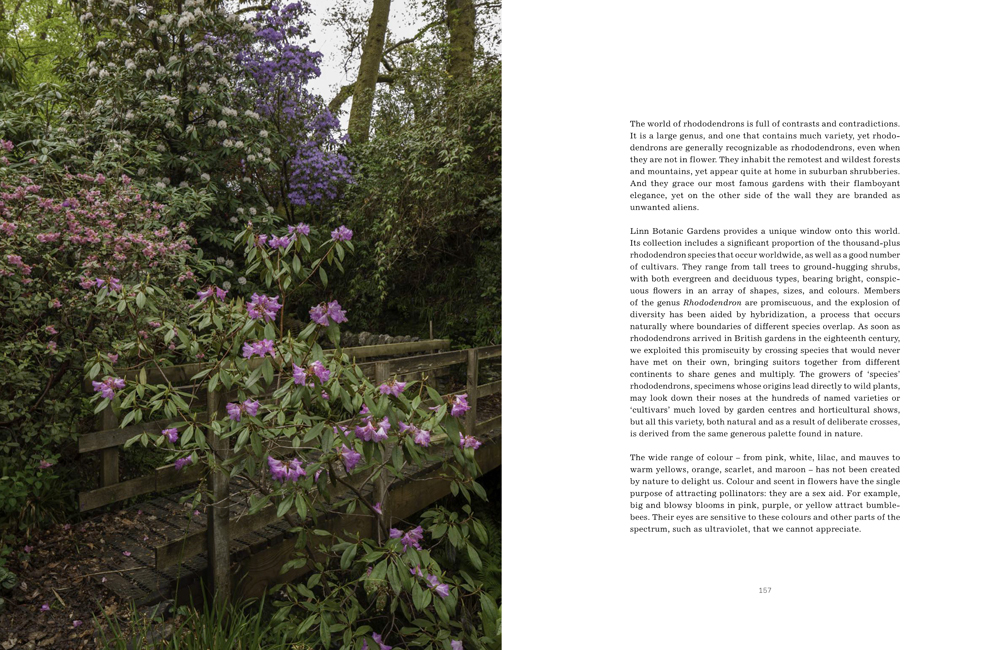
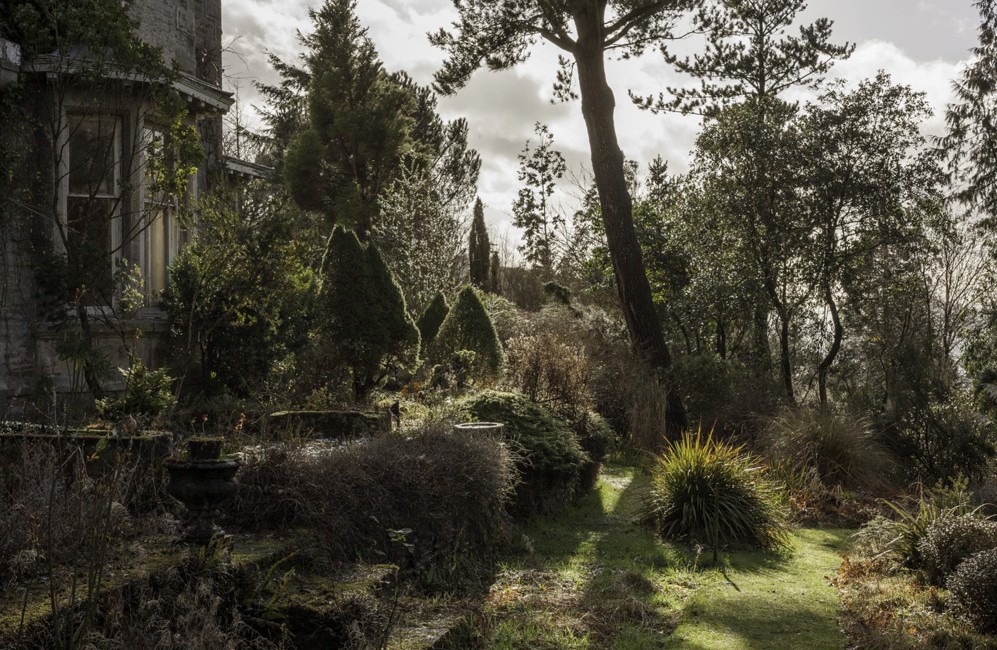
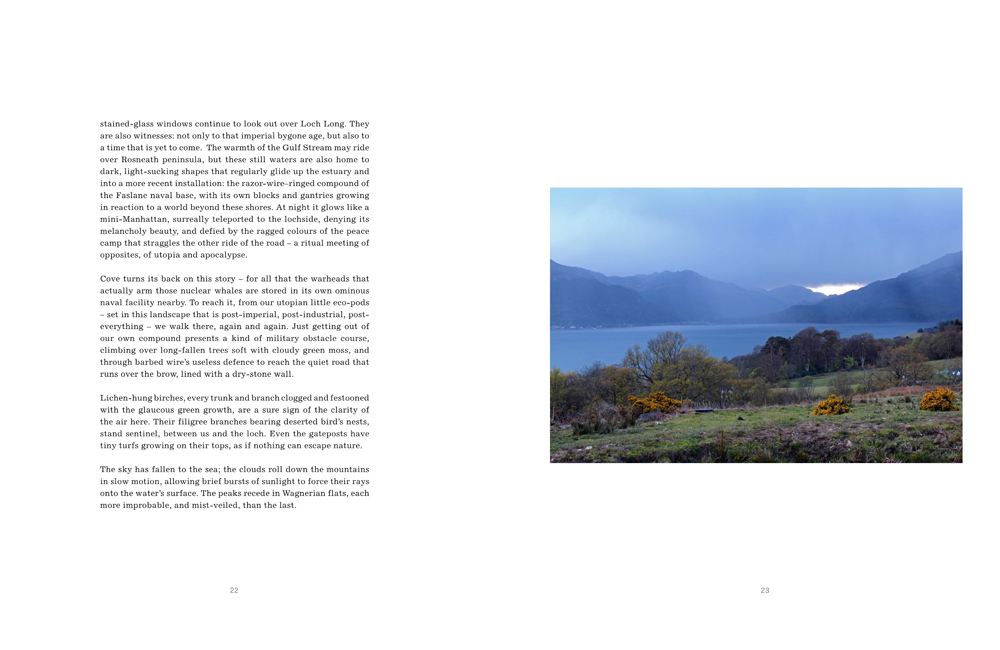
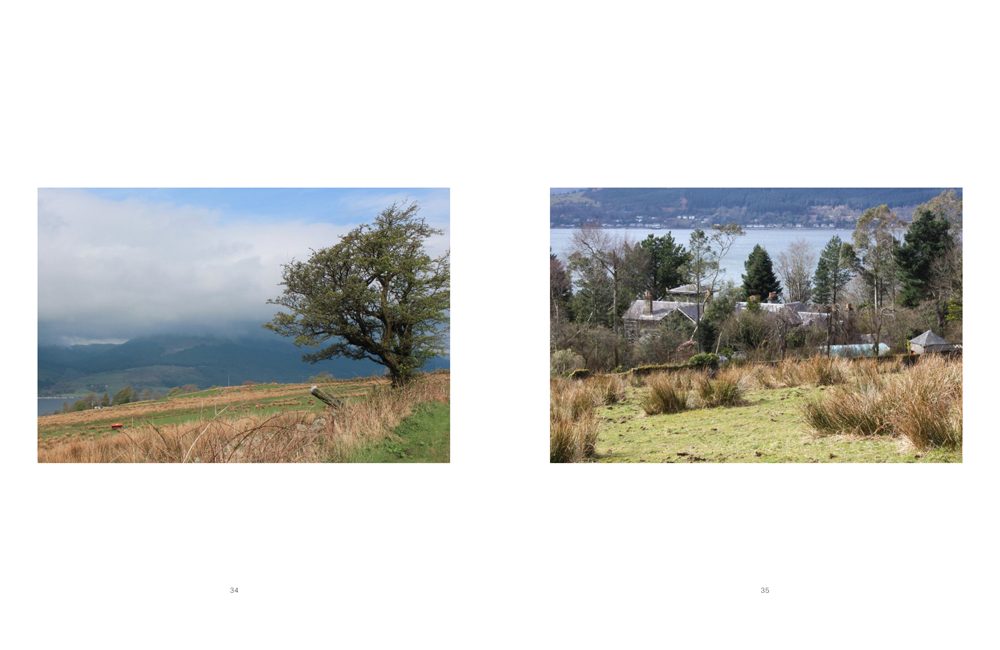
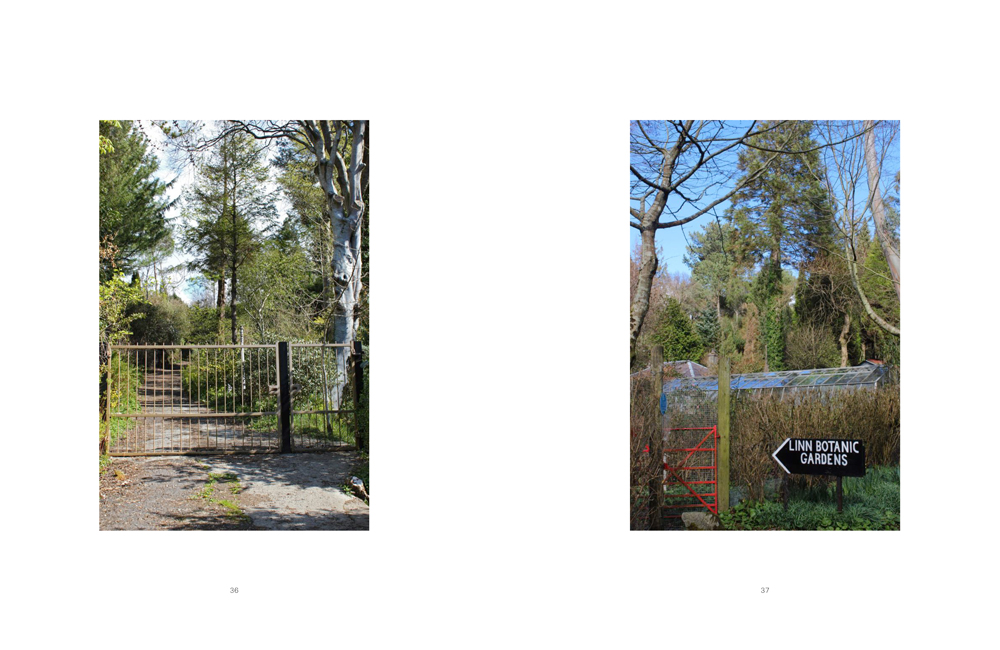
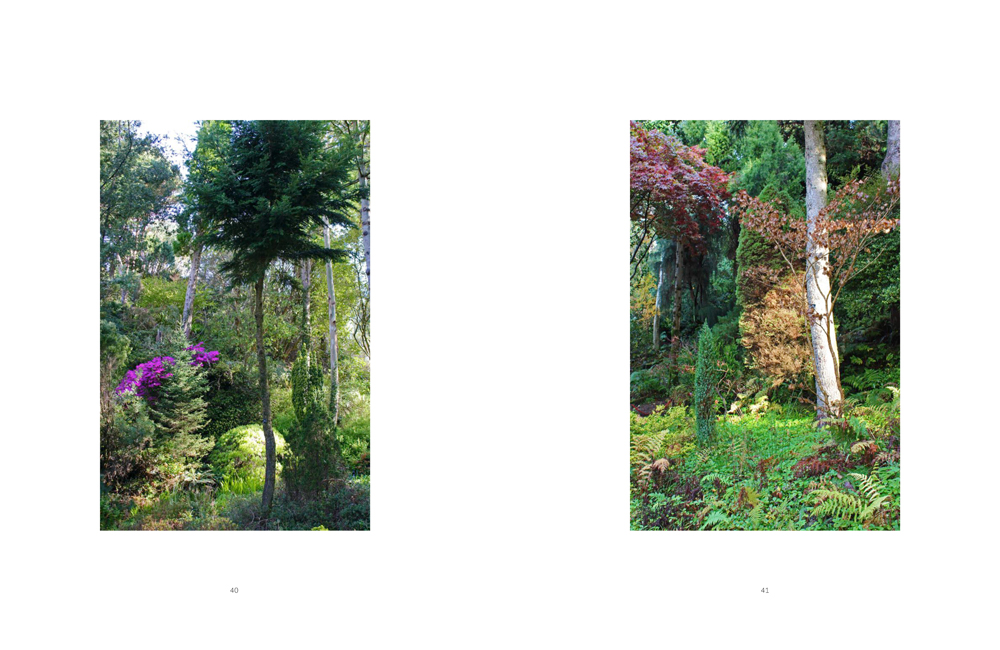
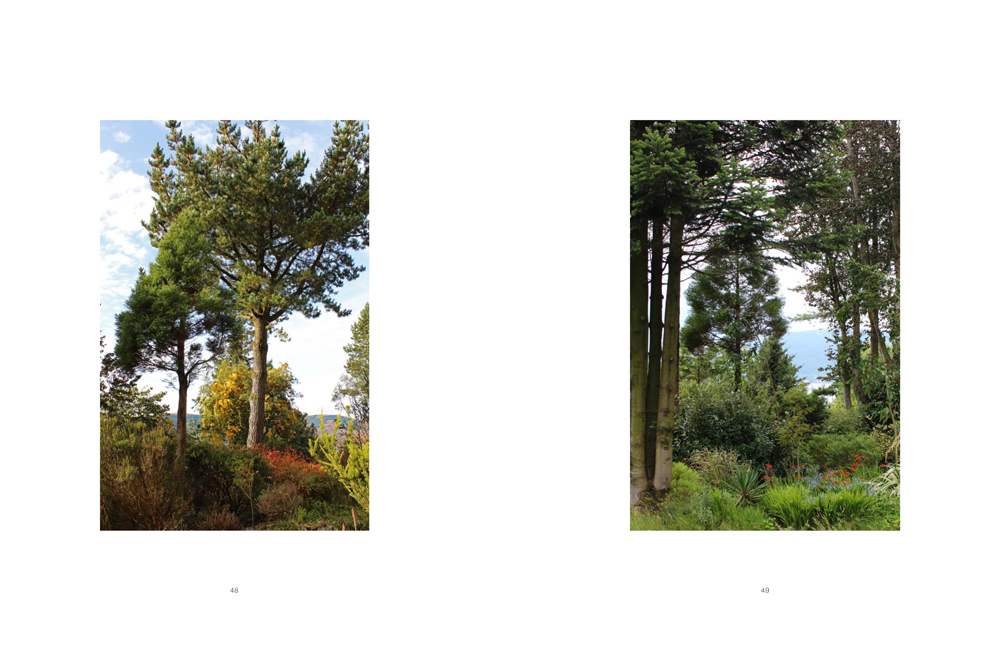
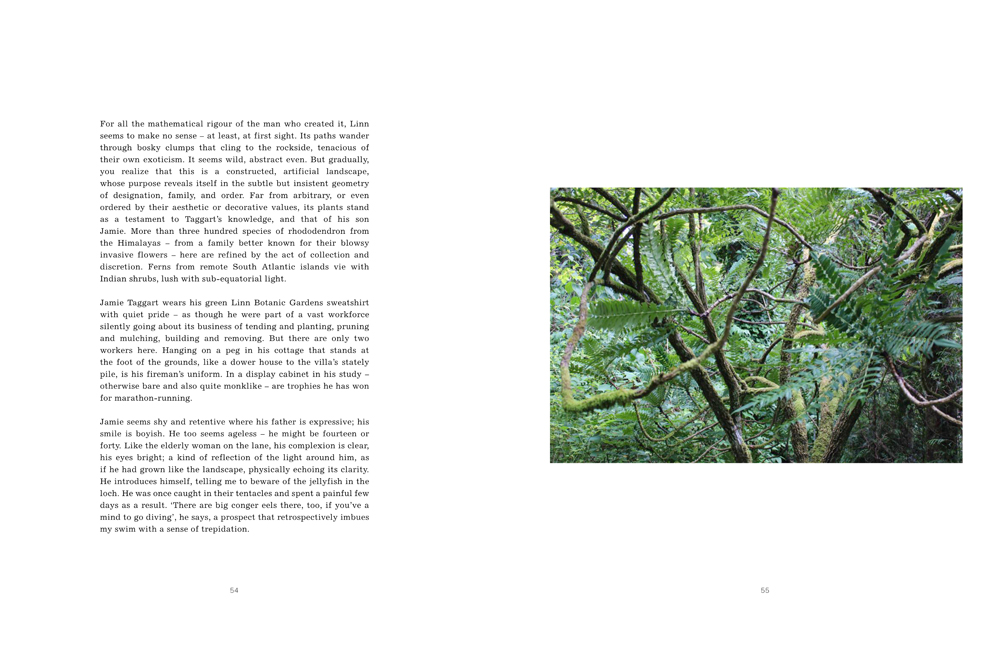
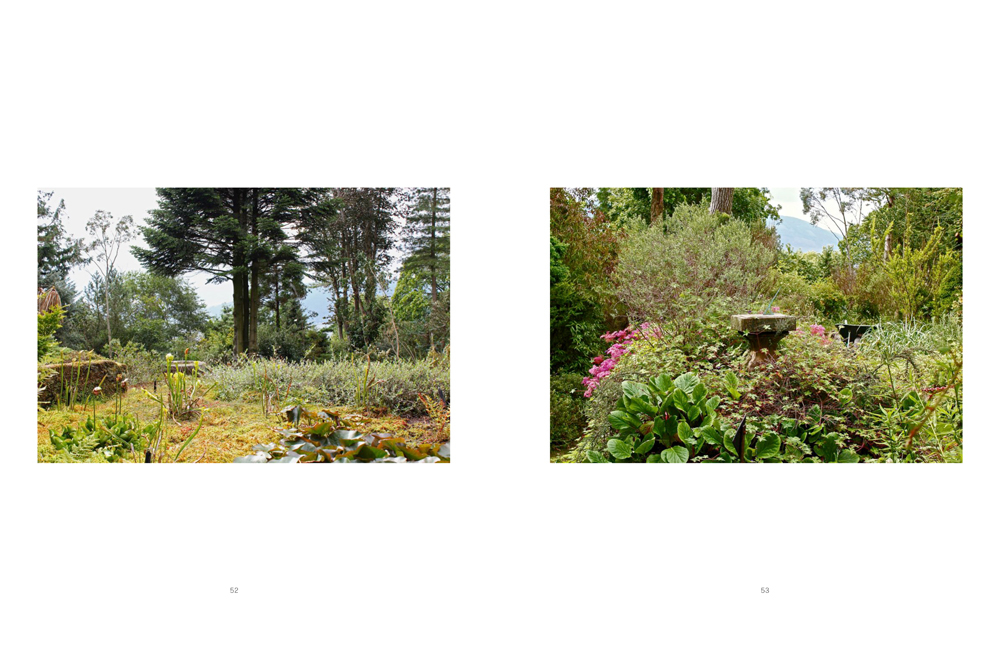
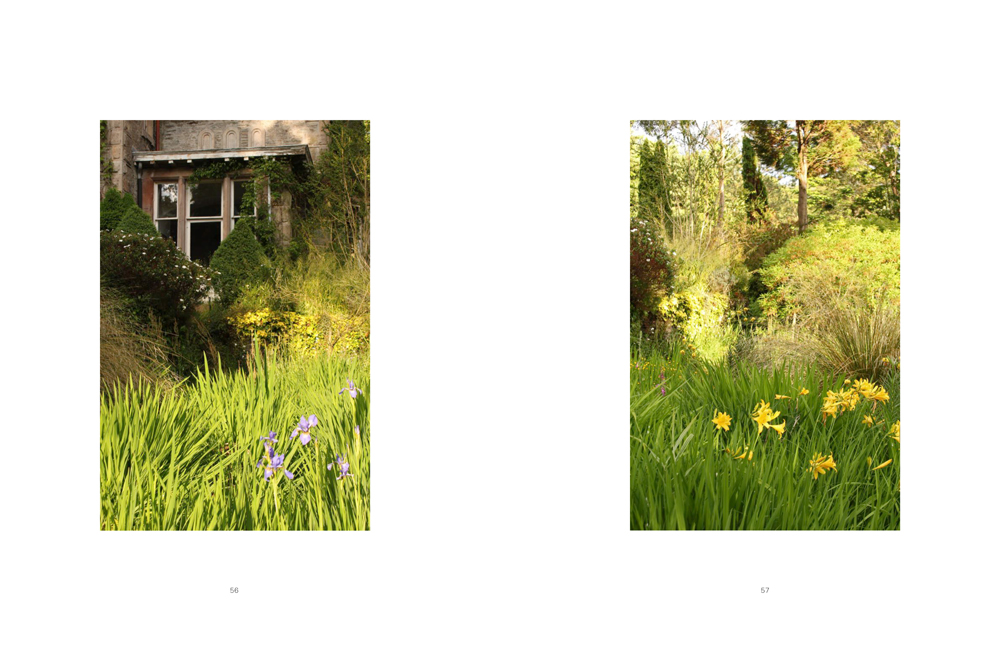
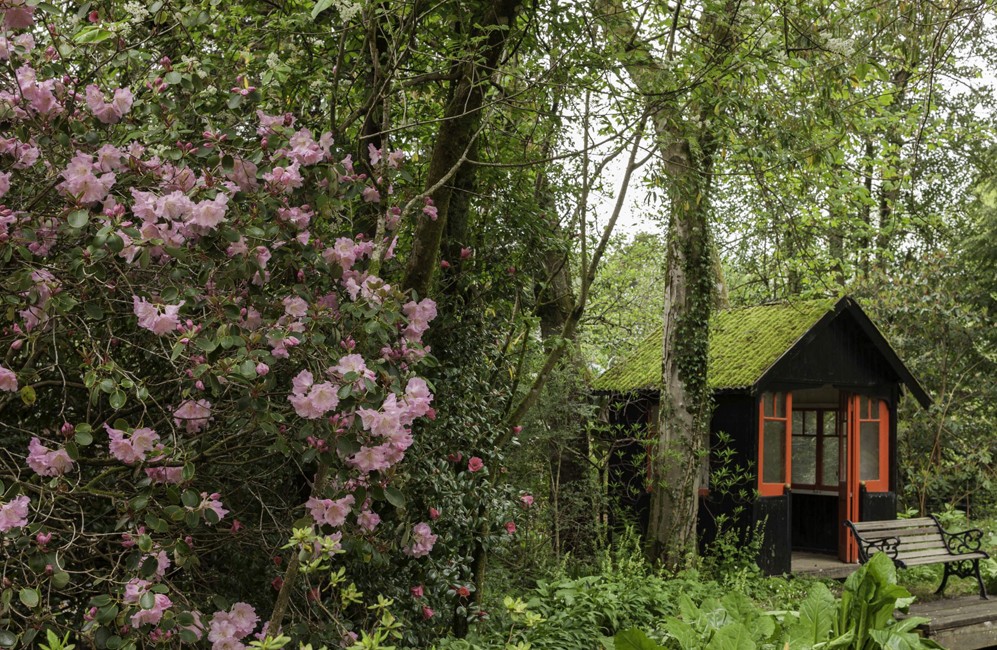
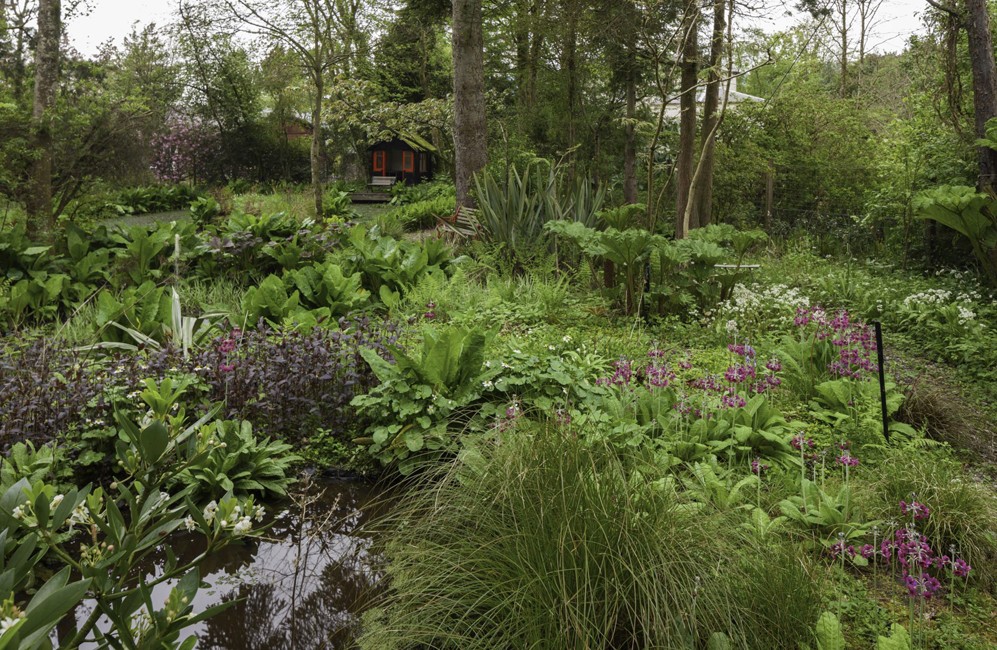
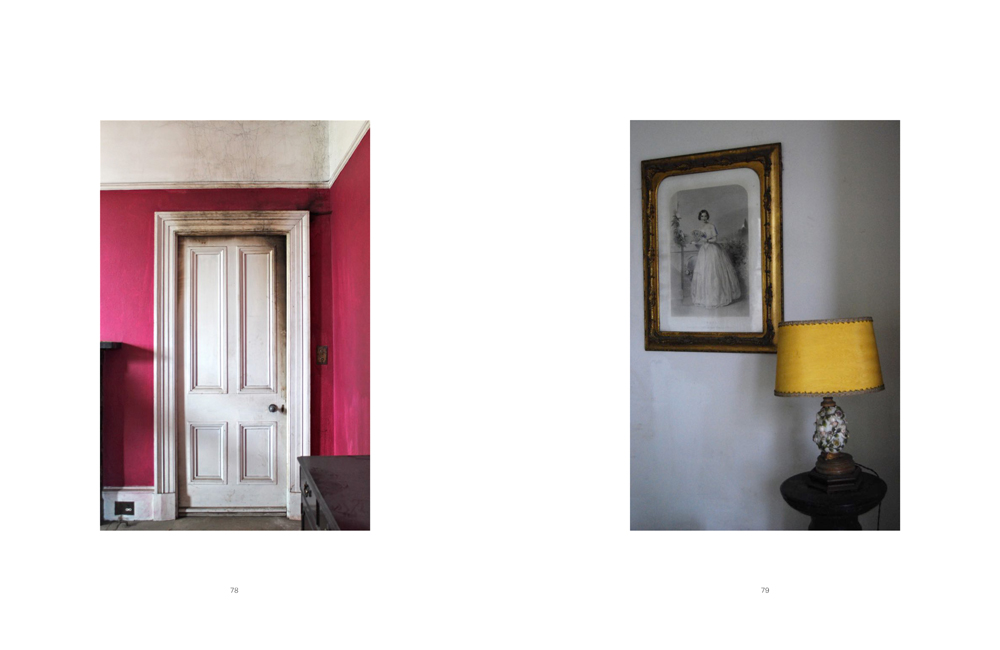
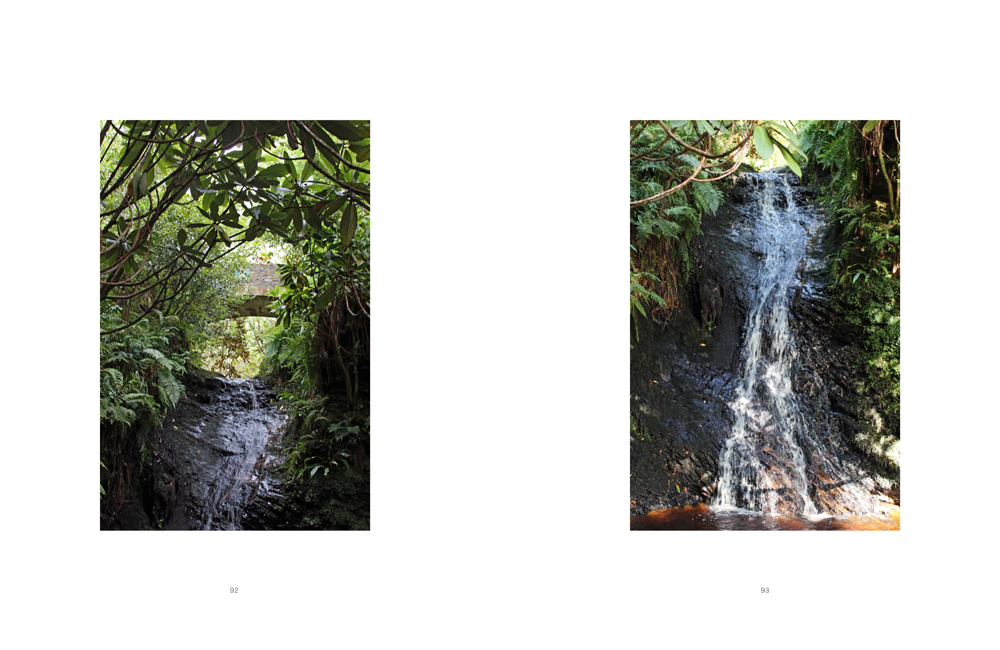
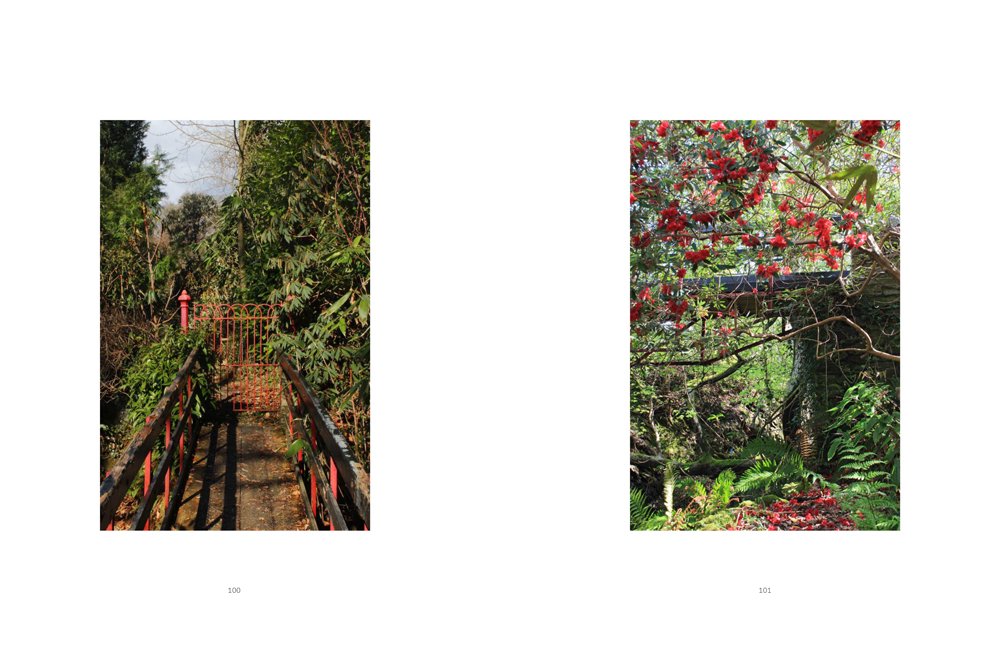
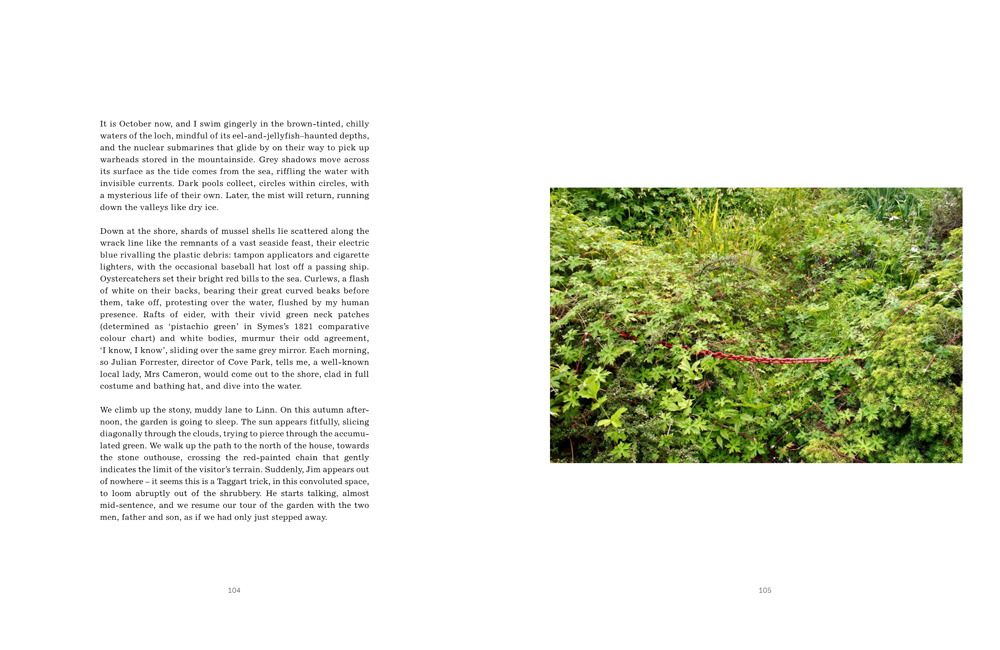
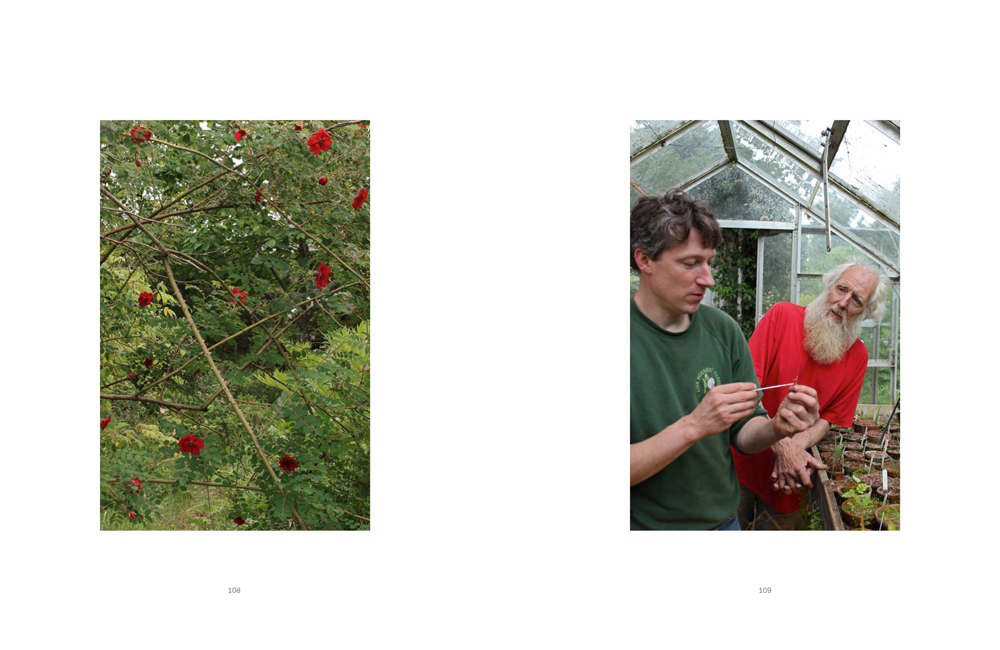
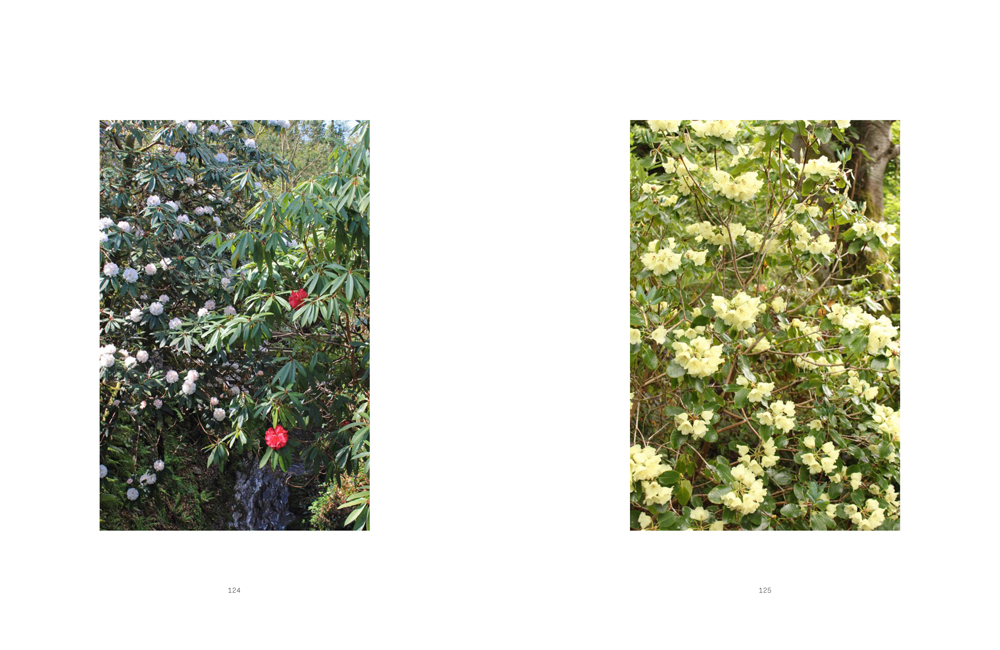
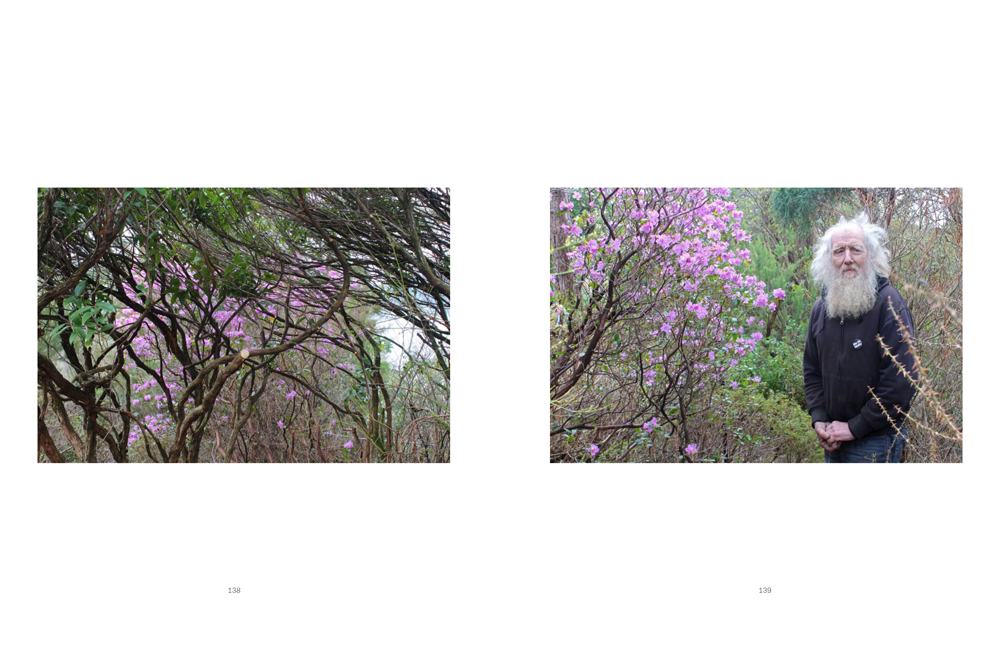
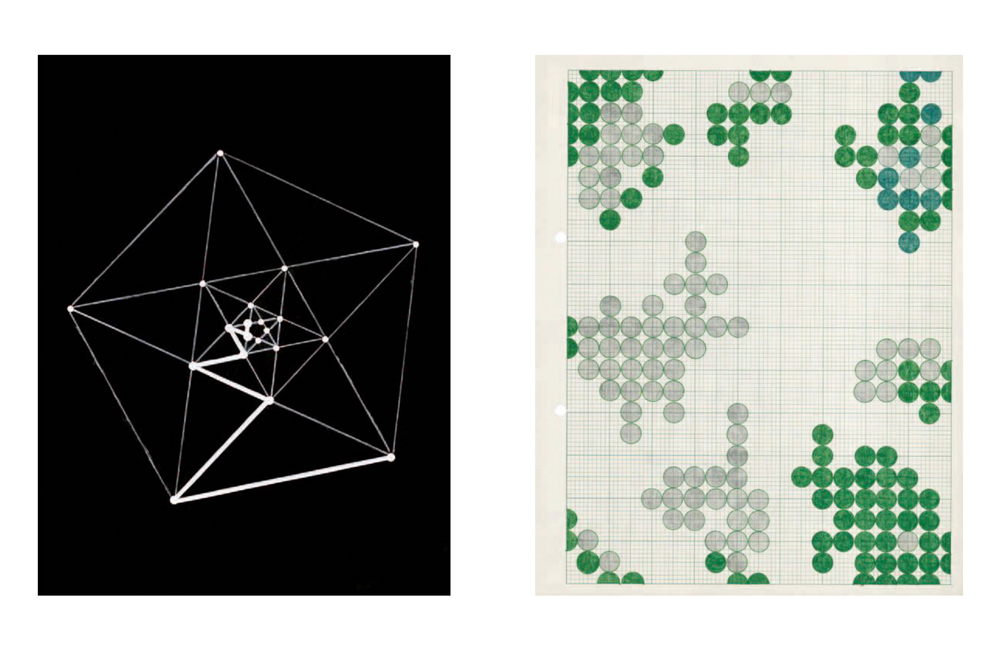
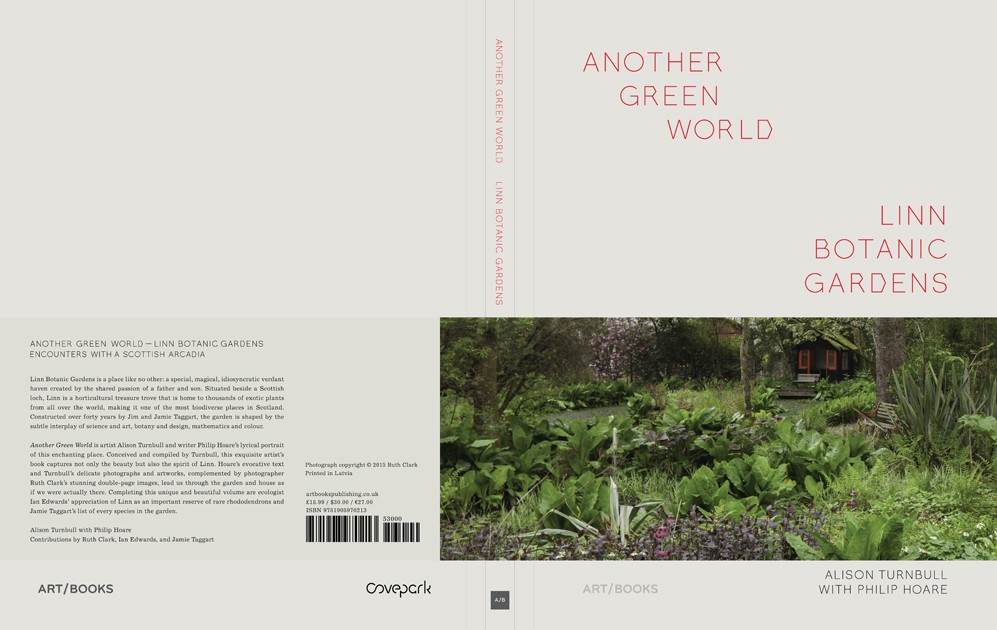
Linn Botanic Gardens is a place like no other: a magical, idiosyncratic, verdant haven created by the shared passion of a father and son. Situated beside a Scottish loch, Linn is a horticultural treasure trove that is home to thousands of exotic plants from all over the world, making it one of the most biodiverse places in Scotland. Constructed over forty years by Jim and Jamie Taggart, the garden is shaped by the subtle interplay of science and art, botany and design, mathematics and colour. At its heart, like a mysterious presence that looms over the surrounding land while being slowly consumed by the ceaseless spread of nature, stands Linn Villa, the out-of-bounds Victorian house that appears to have lain untouched for decades.

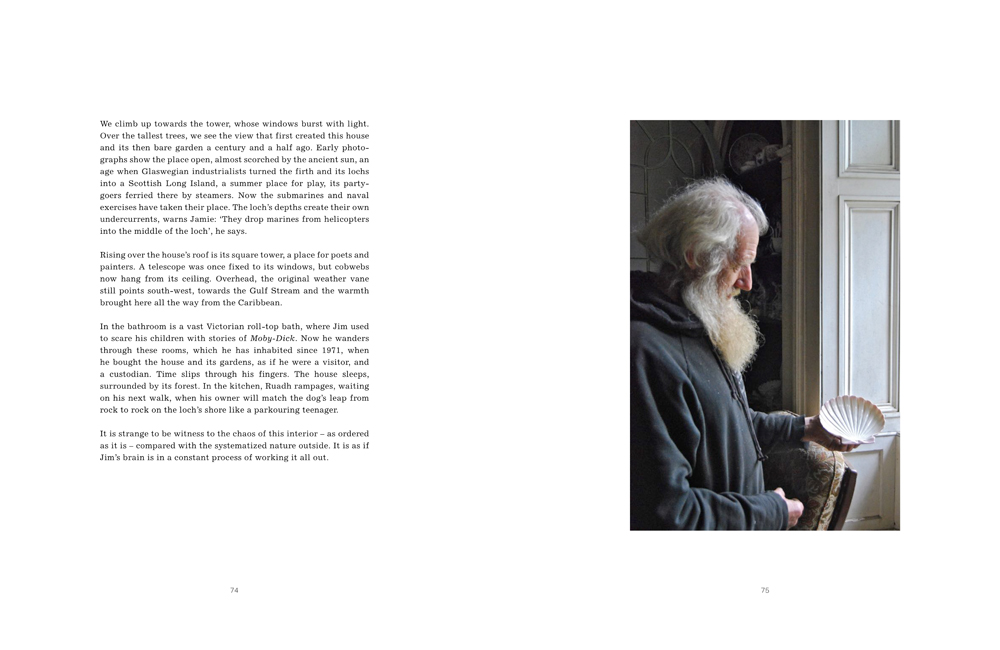
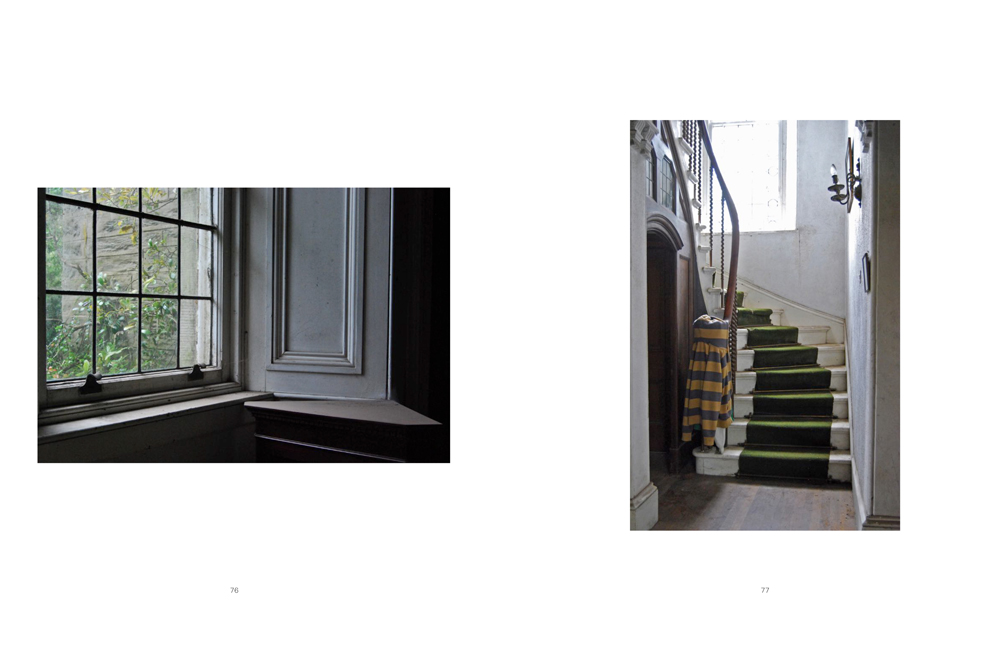
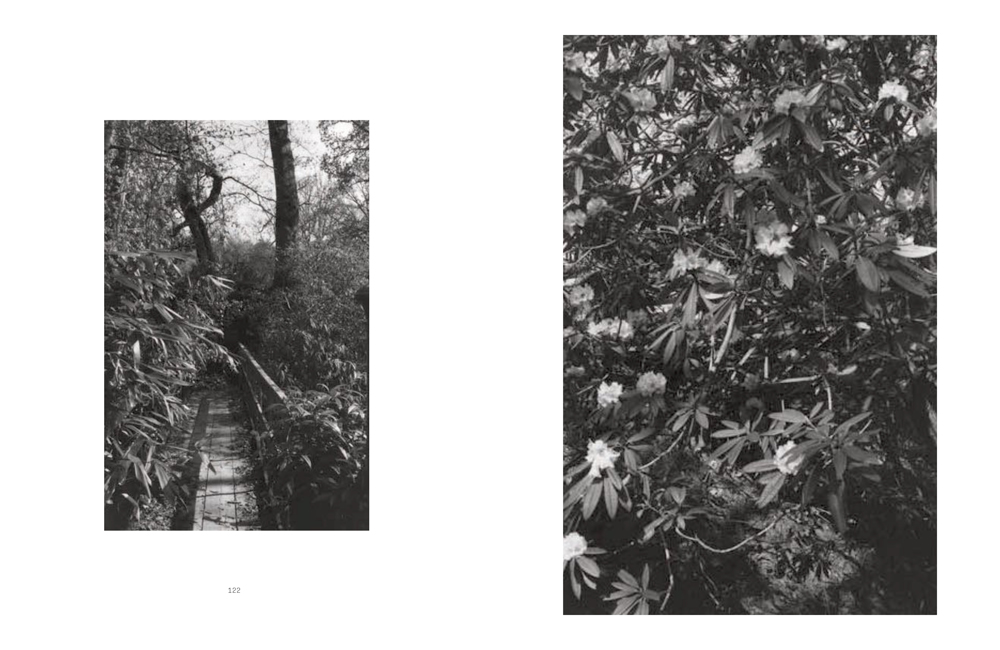
Another Green World is artist Alison Turnbull and writer Philip Hoare’s lyrical portrait of this enchanting place. Conceived and compiled by Turnbull, this exquisite artist’s book captures not only the beauty but also the spirit of Linn. Hoare’s evocative text and Turnbull’s delicate photographs, drawings, and charts, complemented by photographer Ruth Clark’s stunning double-page images, lead us through the garden and the Victorian house in its midst as if we were actually there. Completing this unique and beautiful volume are ecologist Ian Edwards’ appreciation of Linn as an important reserve of rare rhododendrons and Jamie Taggart’s list of every species in the garden.

Alison Turnbull is an artist based in London. Her solo shows include exhibitions at the De La Warr Pavilion, Bexhill on Sea (2013) and Talbot Rice Gallery, Edinburgh (2012); ‘Observatory’ at Matt’s Gallery, London (2010); ‘World in a Chamber’, University of Oxford (2005); ‘Hospital’, Matt’s Gallery (2003); and ‘Houses into Flats’, Modern Art Oxford (2001) and Milton Keynes Gallery (2000). She had a visual arts residency at Cove Park in 2011. The previous year she was Artist-in-Residence in the Department of Entomology at the Natural History Museum, London; in 2009, she took part in the Gulbenkian Galápagos Artists Programme; and in 2005, she had a residency at the University of Oxford Botanic Garden. She is represented by Matt’s Gallery, London.

Philip Hoare is an award-winning writer and broadcaster. He won the BBC Samuel Johnson Prize in 2009 for Leviathan or, The Whale (2008). He is also the author of The Sea Inside (2013), England’s Lost Eden: Adventures in a Victorian Utopia (2005), Spike Island: The Memory of a Military Hospital (2000), Wilde’s Last Stand: Decadence, Conspiracy, and the First World War (1997), Noel Coward: A Biography (1995), and Serious Pleasures: The Life of Stephen Tennant (1990). He is a visiting fellow at Southampton University, and is also the Leverhulme Artist-in-Residence at the Marine Institute, Plymouth University, which awarded him an honorary doctorate in 2011.

Ruth Clark is a photographer based on the Rosneath peninsula. She has photographed for many public and private art institutions and artists.

Dr Ian Edwards is an ecologist and currently Head of Public Engagement at the Royal Botanic Garden Edinburgh.

Jamie Taggart took over the running of Linn Botanic Gardens in 1997, assuming the role from his father, Dr Jim Taggart, who initiated the garden in 1971.

Labyrinth

A Journey Through London’s Underground
by Mark Wallinger

Edited by Louise Coysh
With contributions by Tamsin Dillon, Will Self, 
Mark Wallinger, Marina Warner and Christian Wolmar
Photographs by Thierry Bal
Design by Rose

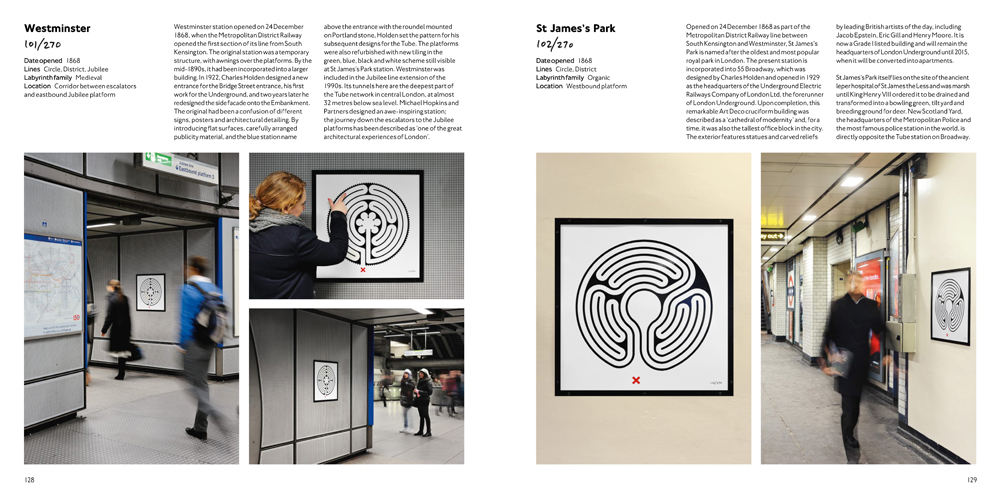
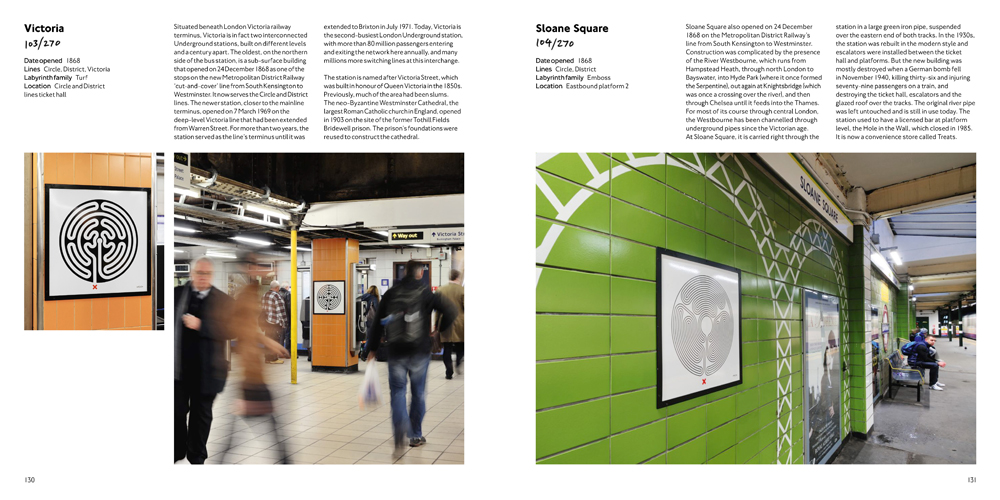
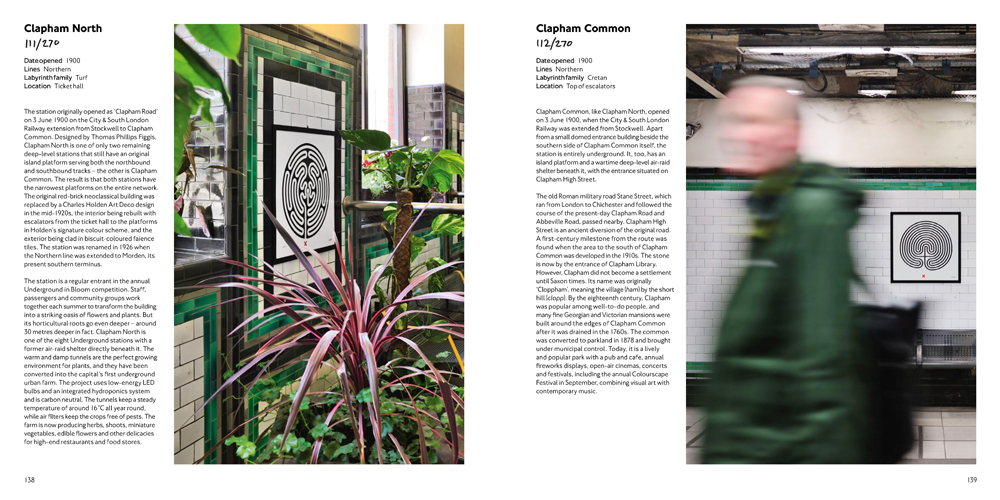
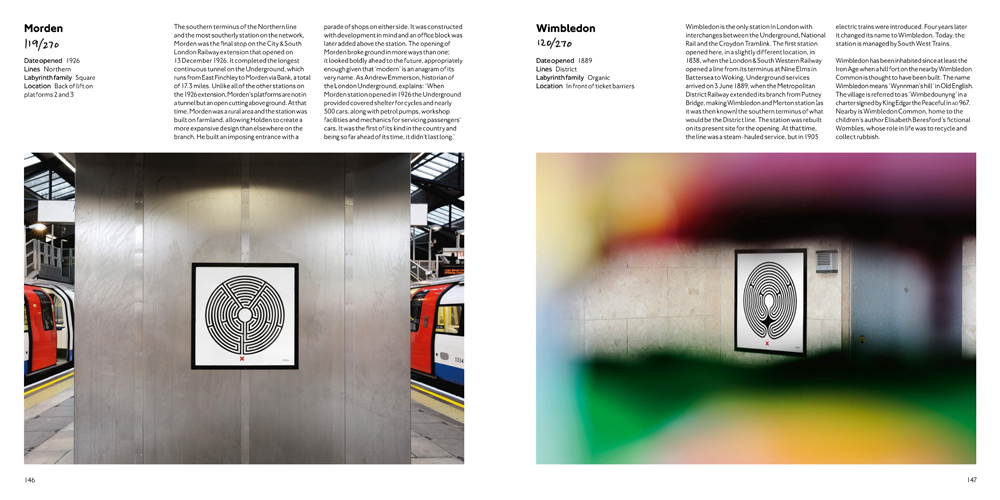
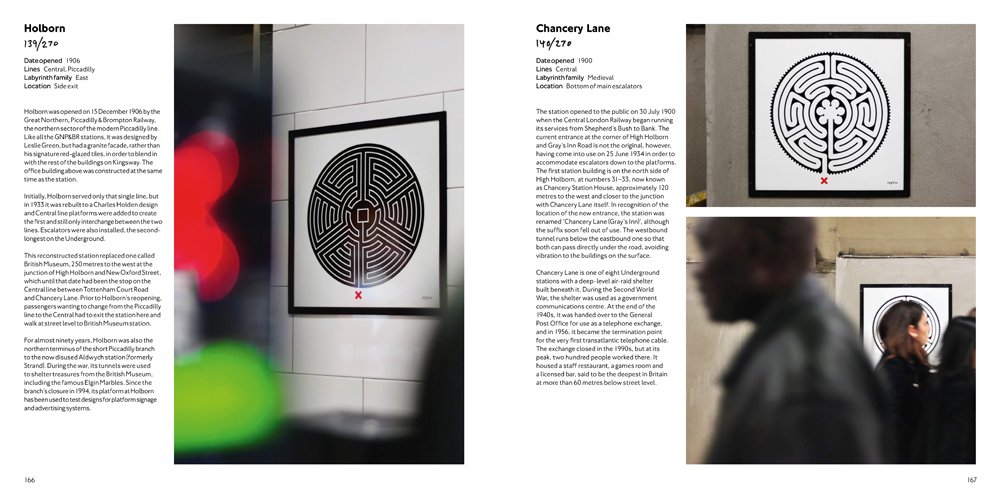
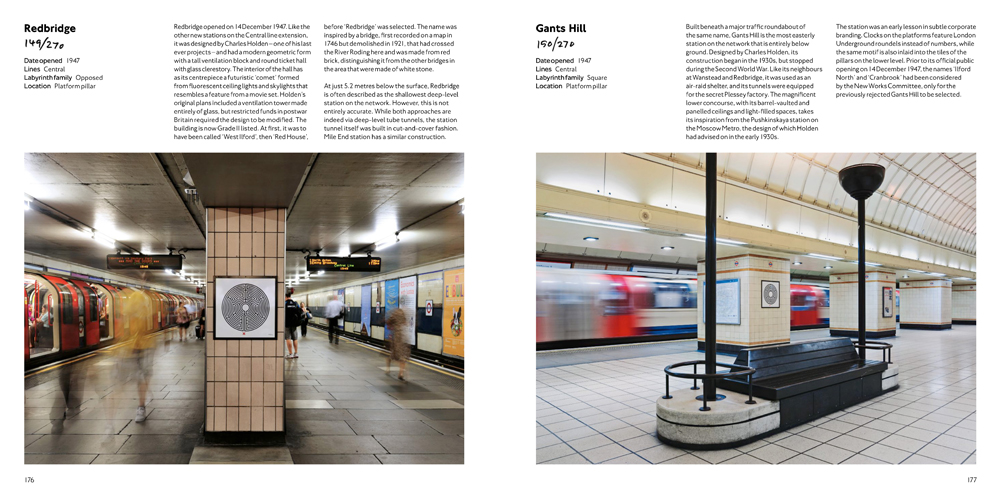
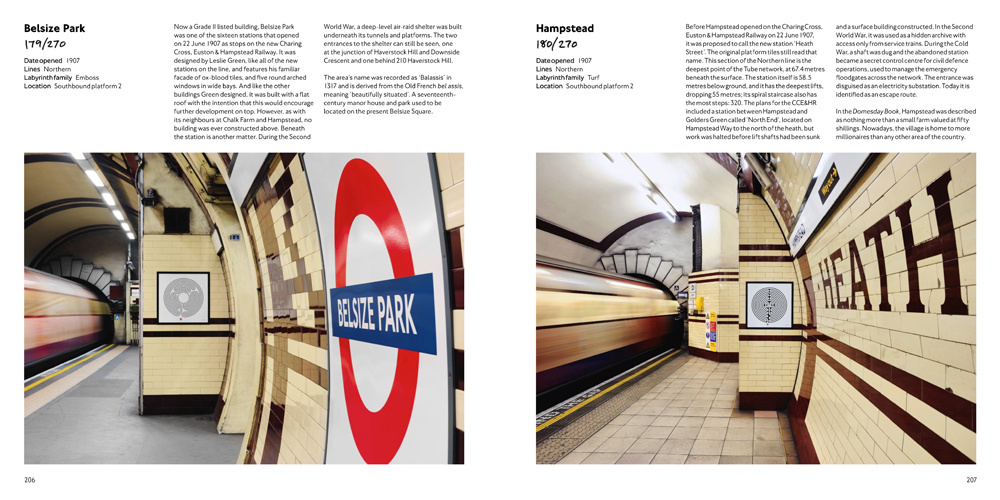
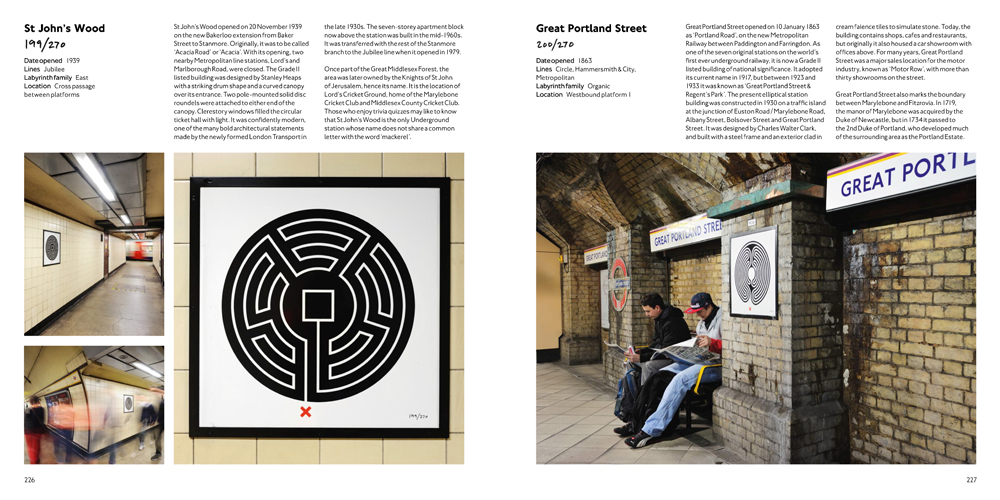
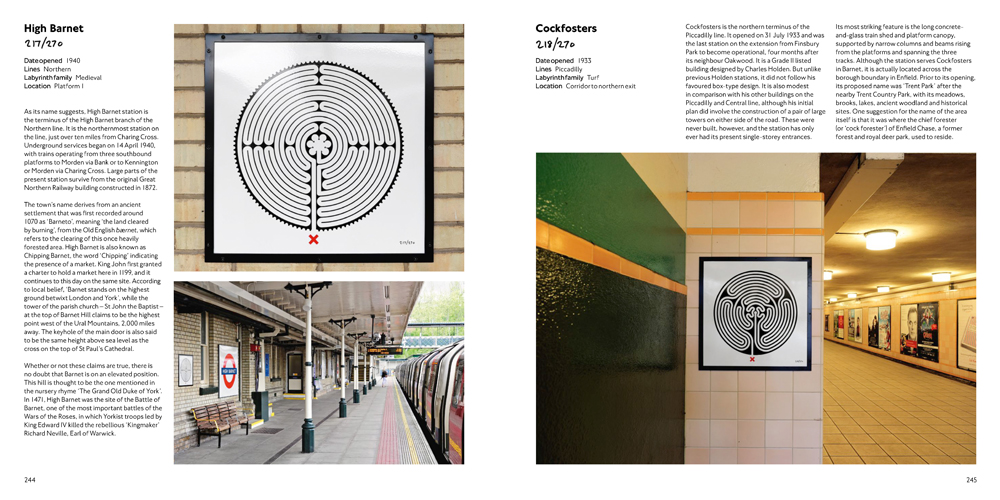
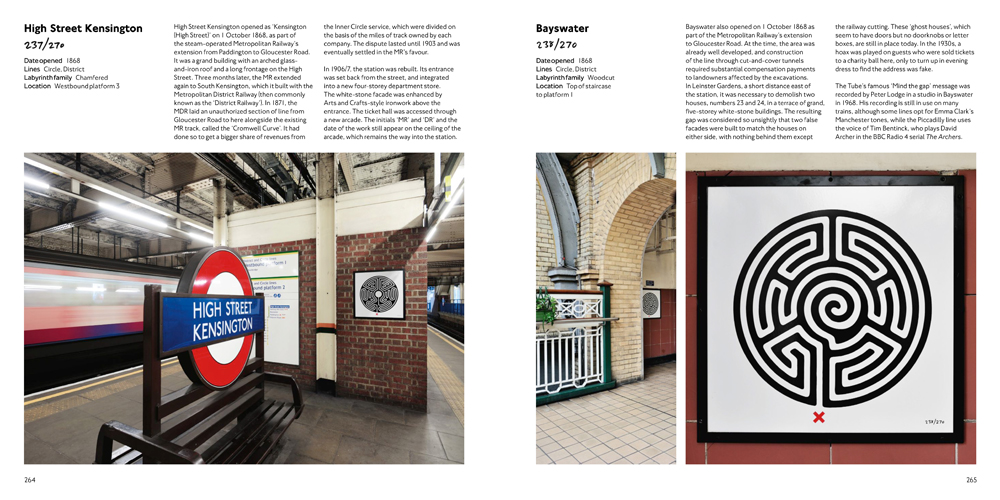
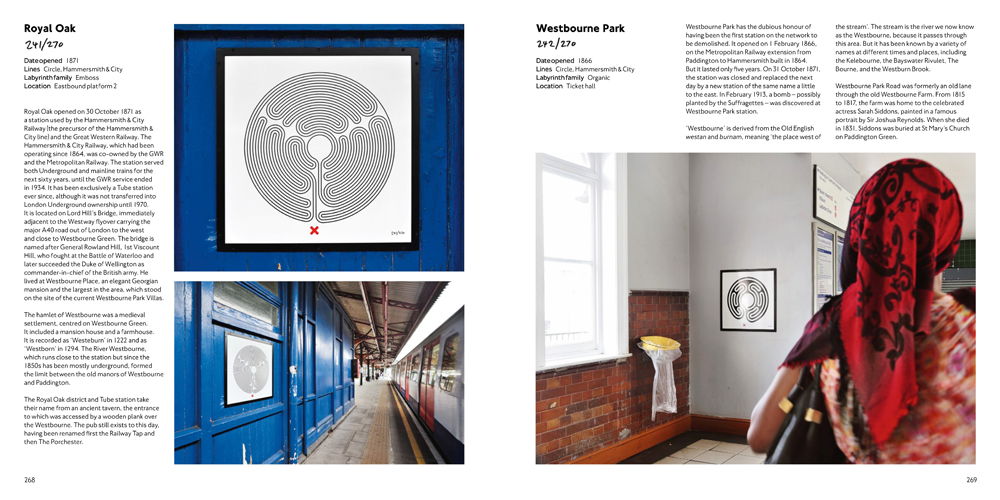
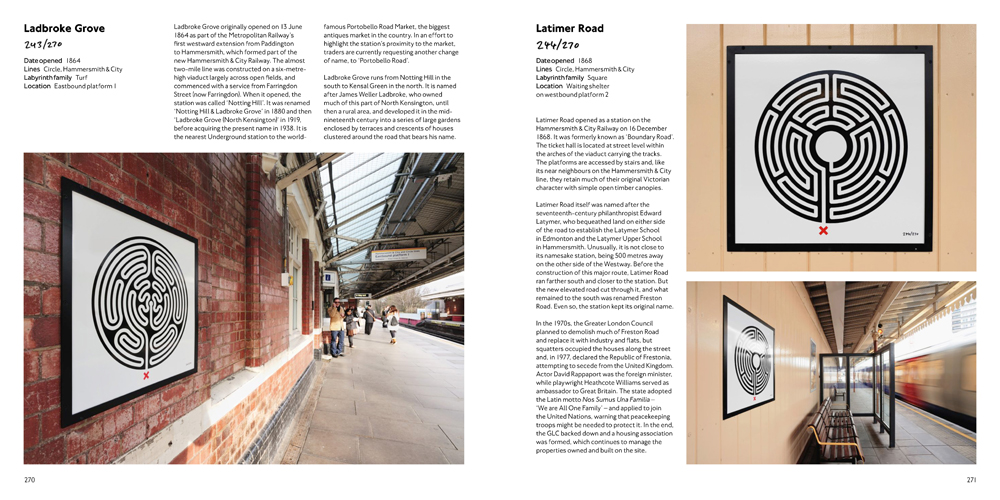
London’s underground railways are an expression of the spread and diversity of the most international of capitals. Indeed, for many Londoners, the subterranean network is the very essence of the city, its arteries carrying the pulse of urban life from the heart of the metropolis out to its farthest extremities and beyond. How to capture that breadth in one work of art? How to celebrate a single system while also reflecting the millions of lives that it transports every day?
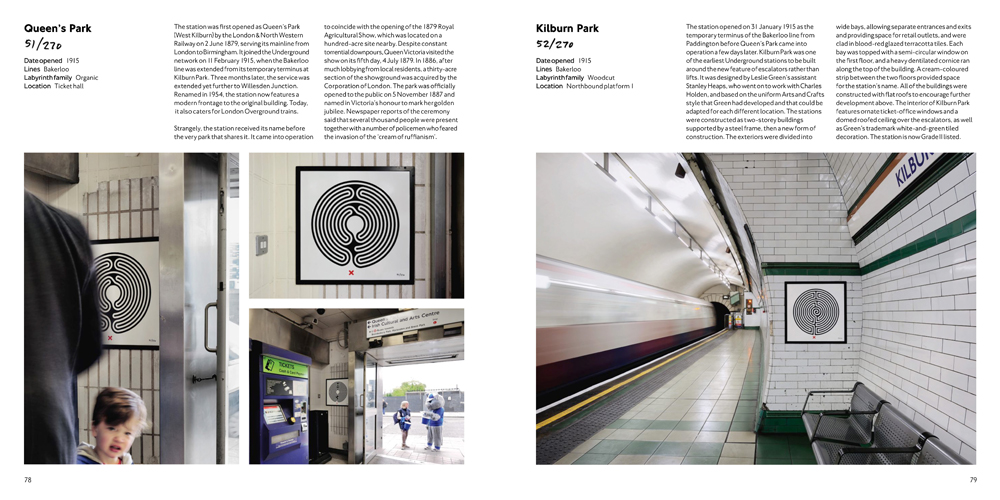
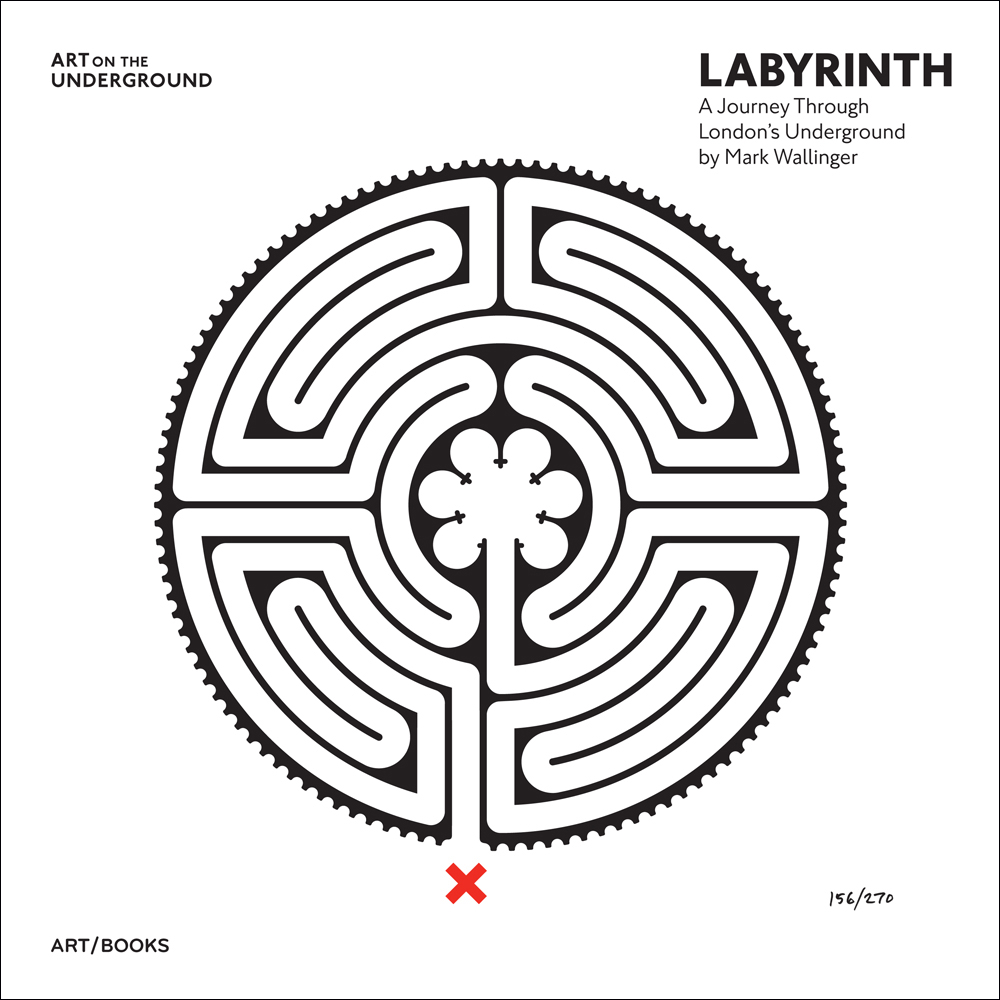
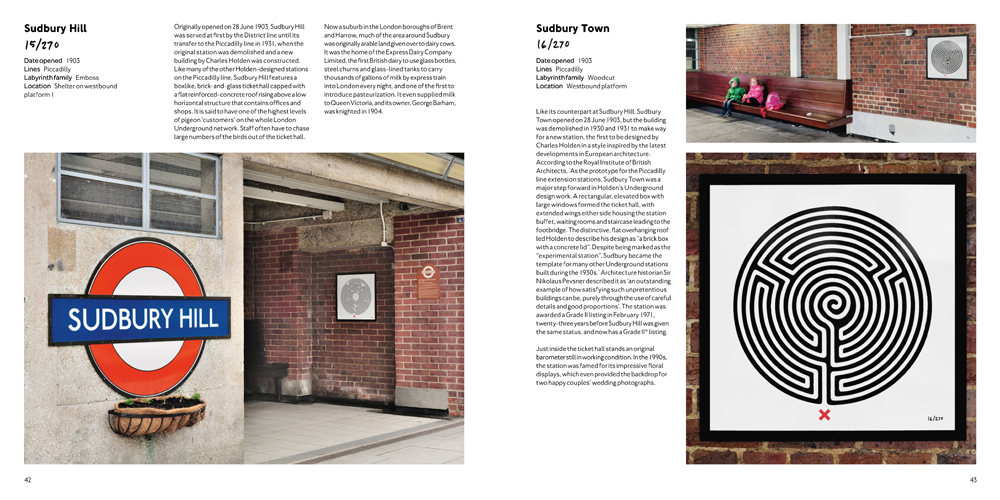
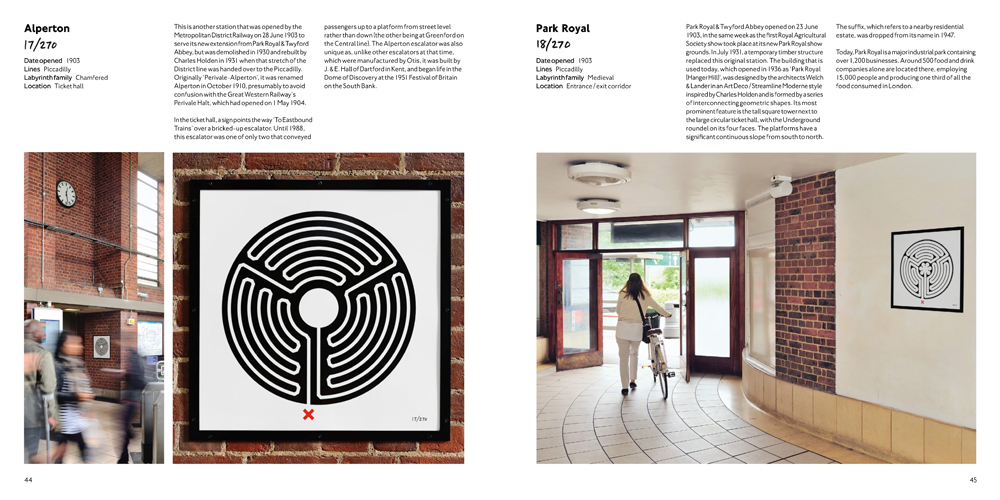
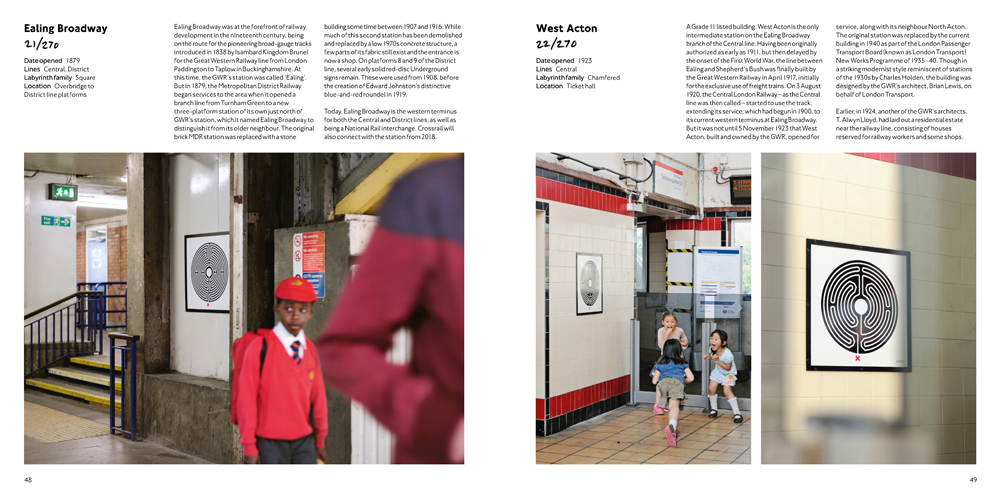
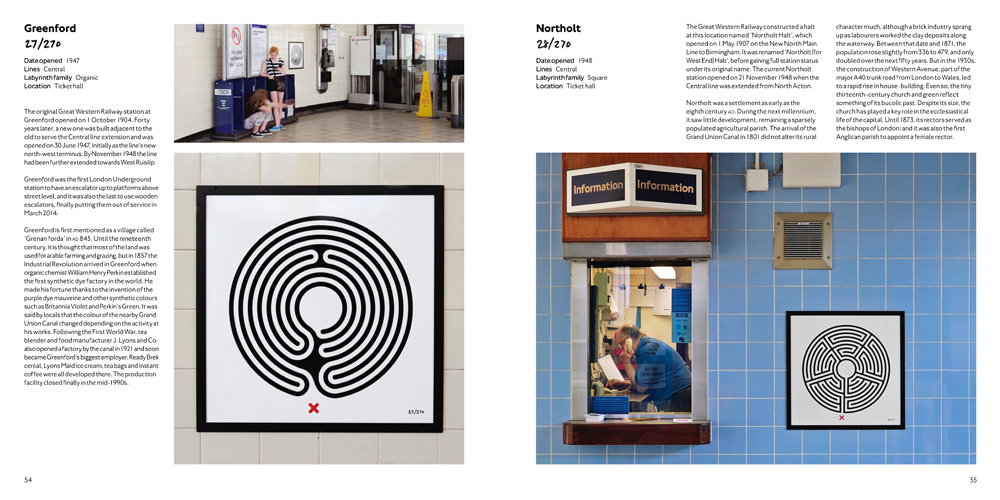
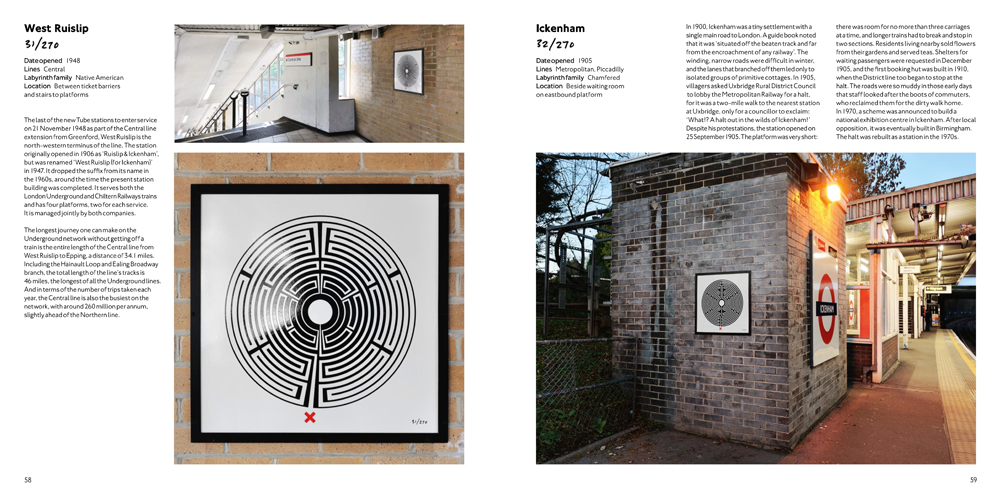
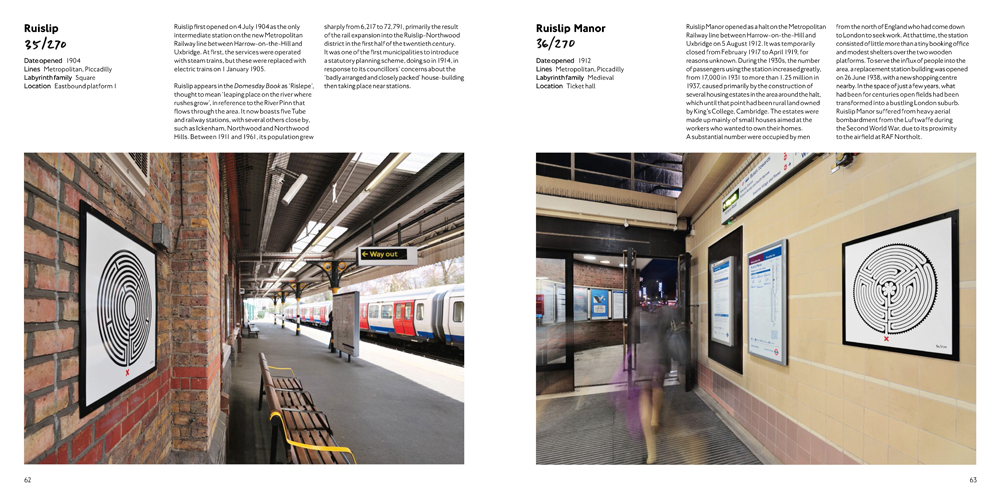
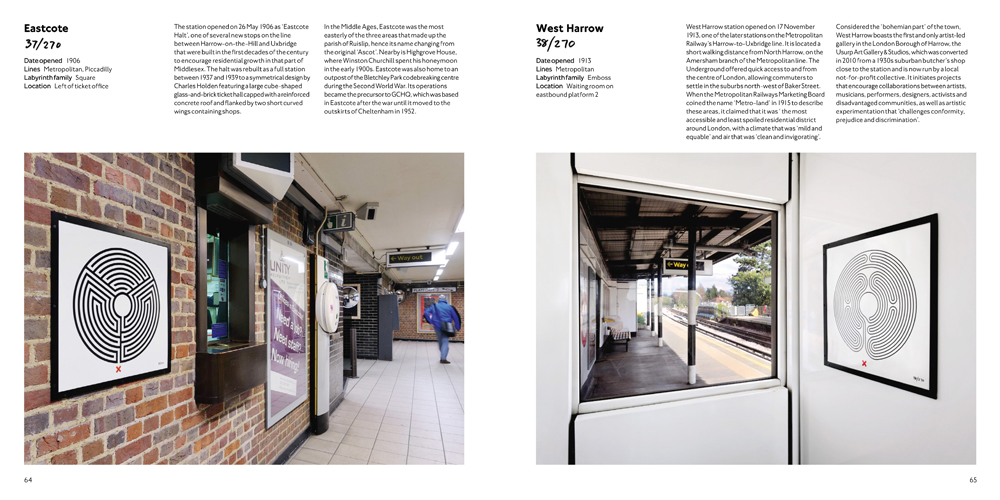
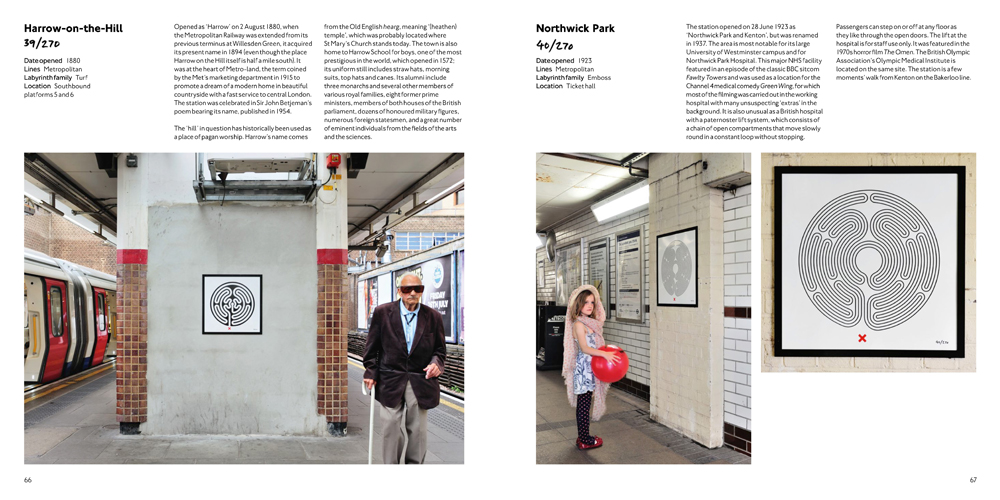
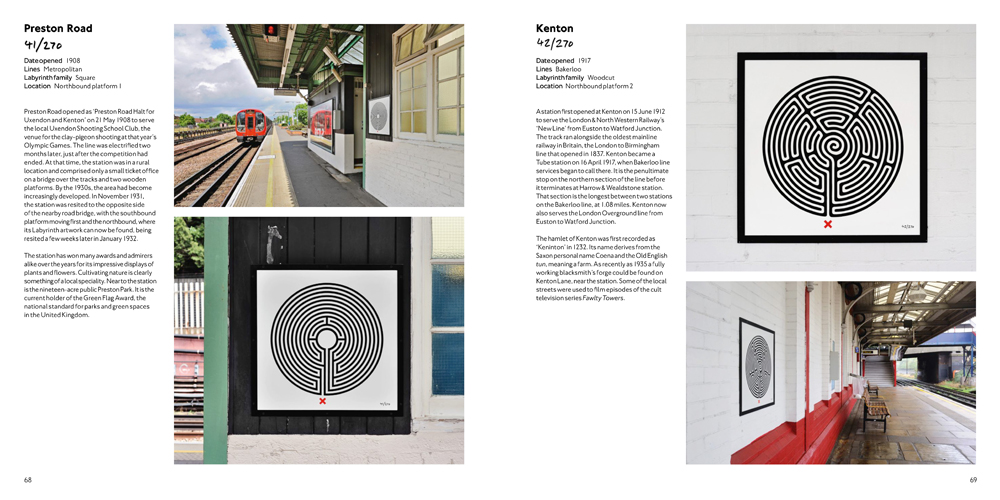
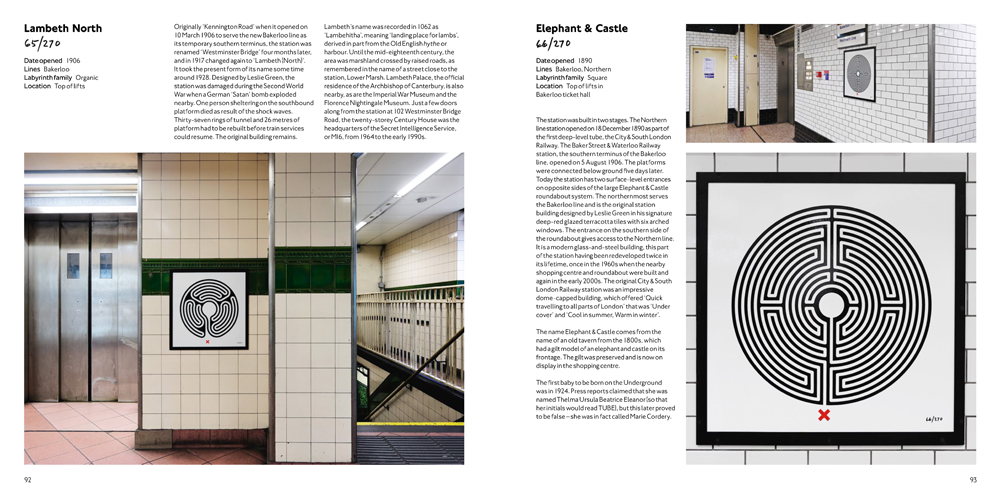
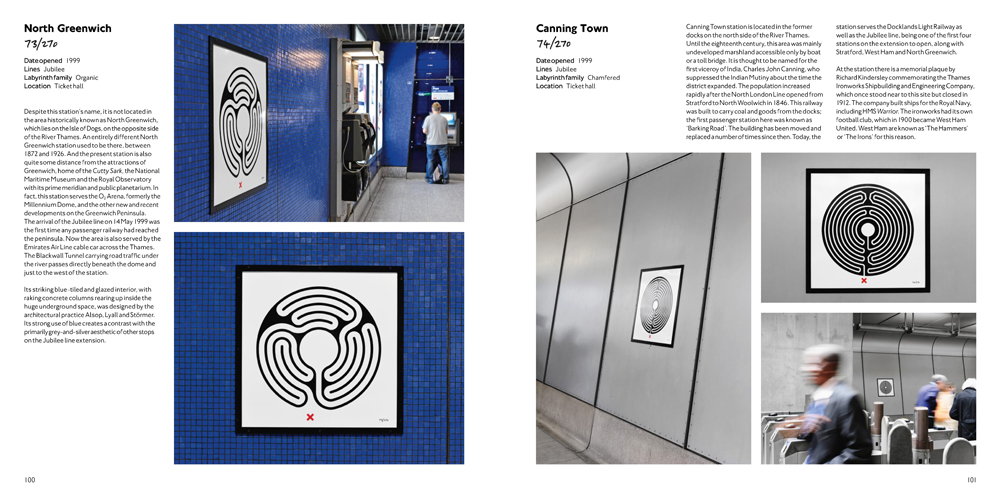
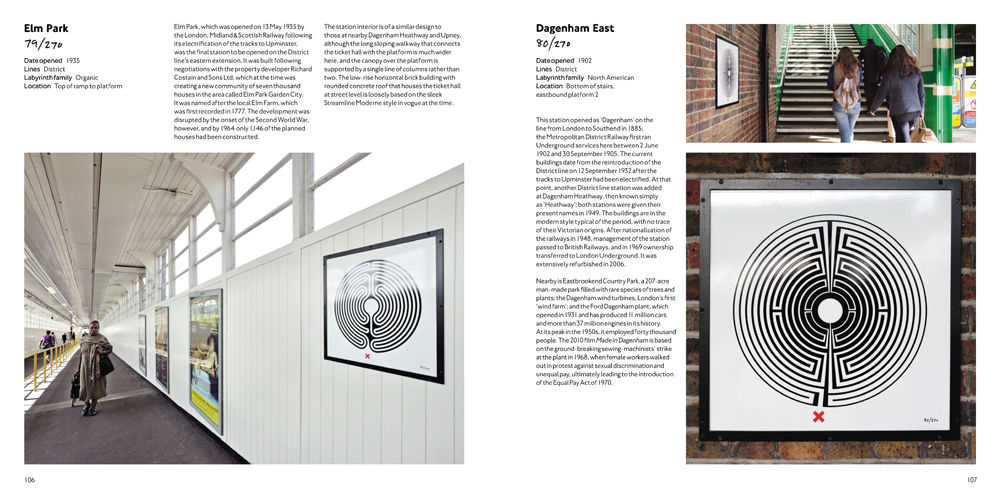
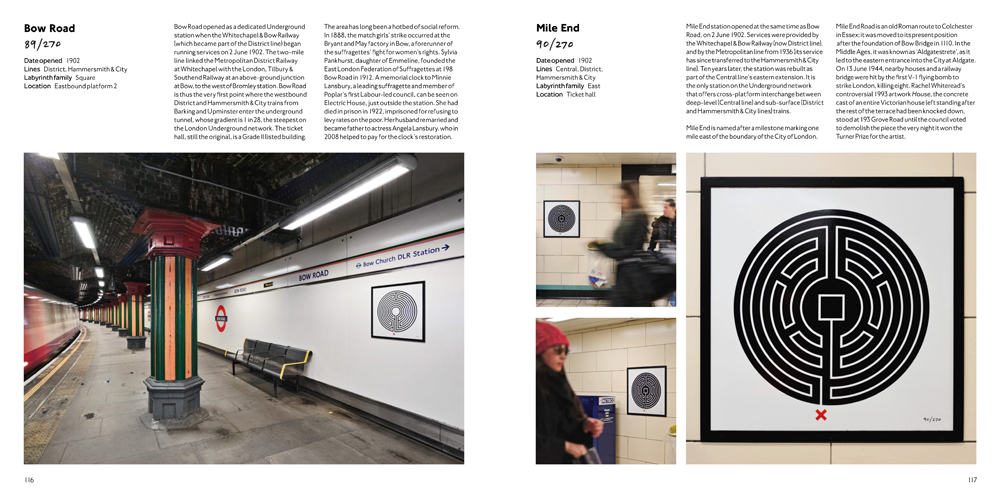
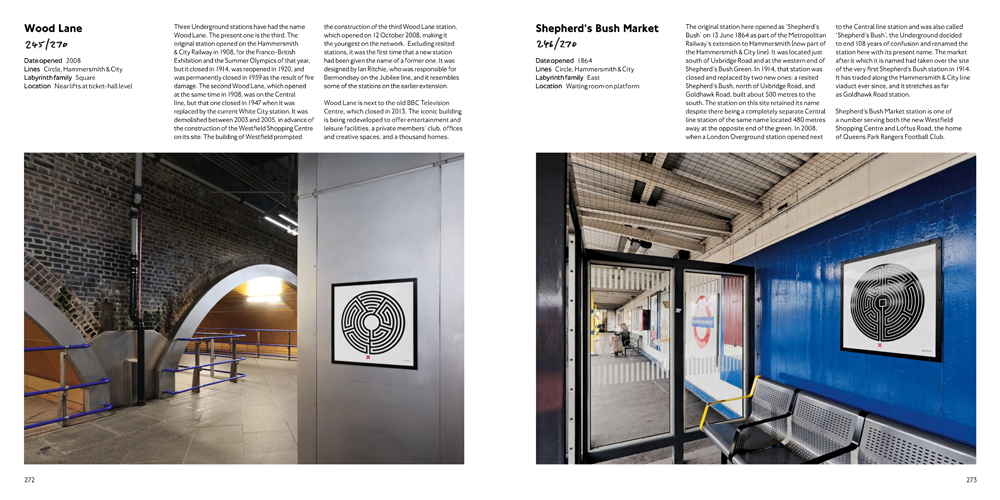
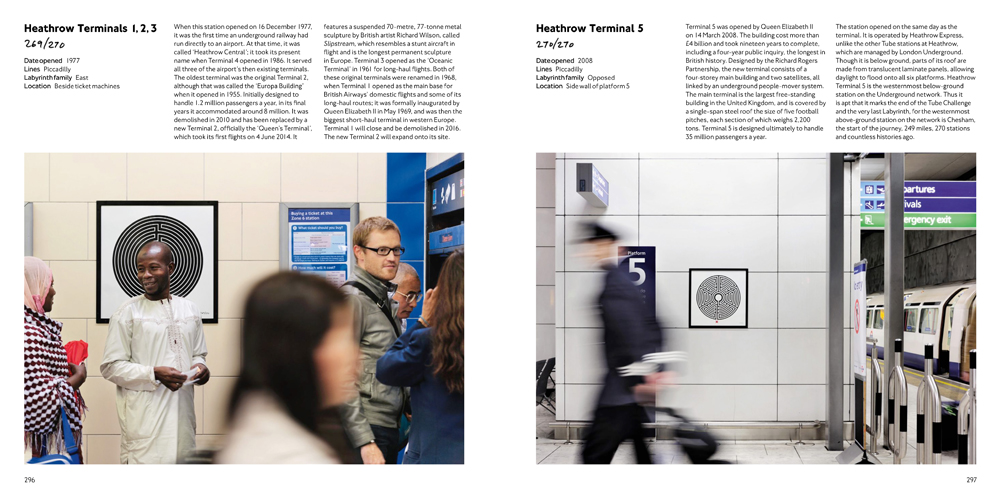
That was the challenge facing Turner Prize-winning artist Mark Wallinger. His response was to create a vast, permanent work of public art across the entire network, layered with rich cultural and historical references. In each of the Underground’s 270 stations, he placed a uniquely designed labyrinth, an ancient symbol representing spiritual and imaginative voyages akin to the countless circuitous journeys made on the Tube.

Designed by the award-winning studio Rose, Labyrinth: A Journey Through London’s Underground by Mark Wallinger is a compelling record of this extraordinary project. But more than that, it is also a vivid celebration of the London Underground and of London itself. Striking photographs of all the labyrinths in situ reveal the diverse face and fabric of the network and its users, while fascinating ‘I-never-knew-that’ facts about each station and their surrounds bring surprising perspectives to the daily commute.

Transport historian Christian Wolmar tells the story of the emergence and development of London’s subterranean rail network and the important role it has played in shaping the metropolis and those who live in it. Novelist Will Self responds to Wallinger’s piece with a personal reflection that takes us into the depths of memory and through the disorientating effects of urban life; while writer and academic Marina Warner, in conversation with the artist, explores the historical and mythological significance of the labyrinth and places the project in the context of Wallinger’s practice. Much more than a document of the creation of a work of art, this book is also a unique portrait of a system that keeps London going, the very lifeblood upon which it depends and thrives. 

Published in association with Art on the Underground


The Roundel

100 Artists Remake a London Icon

Edited by Tamsin Dillon
with contributions by Jonathan Glancey,
Claire Dobbin and Sally Shaw
Artworks by 100 contemporary artists

SOLD OUT

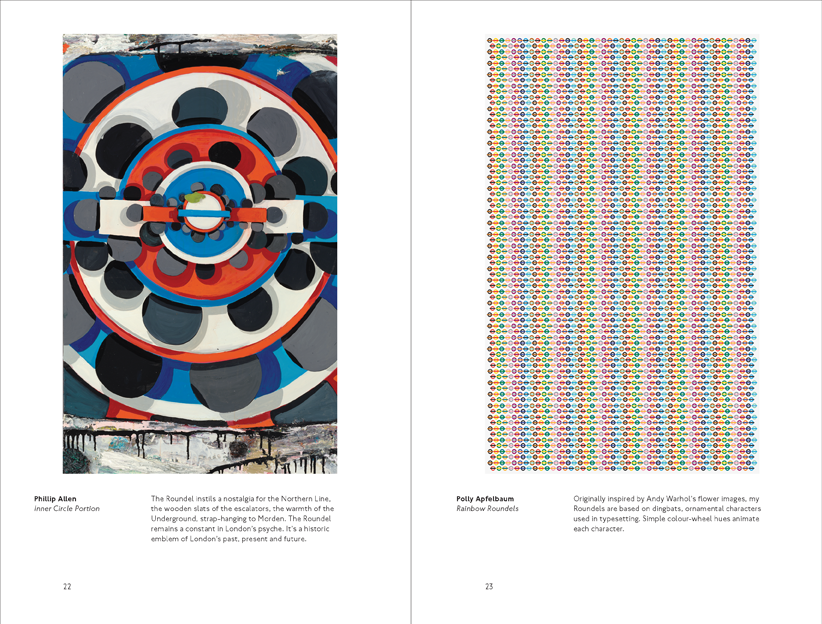
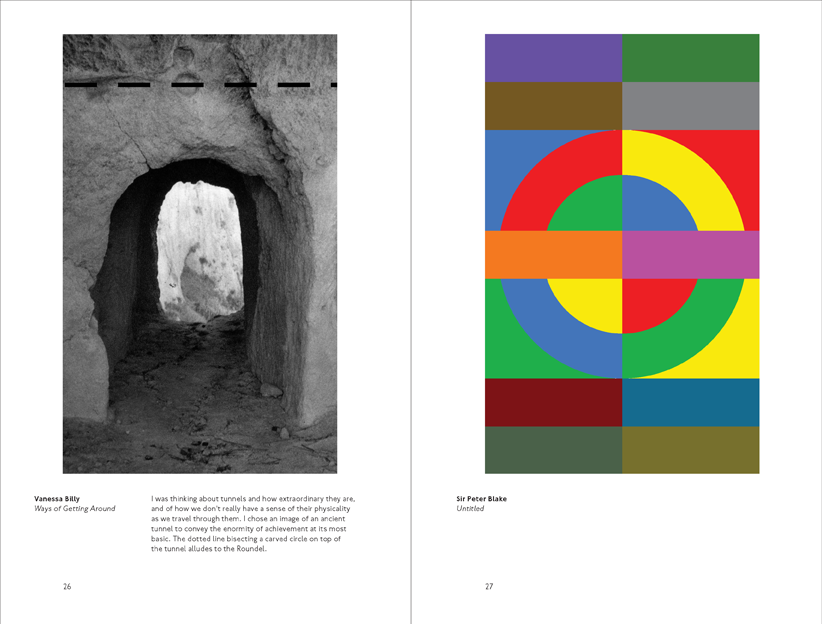
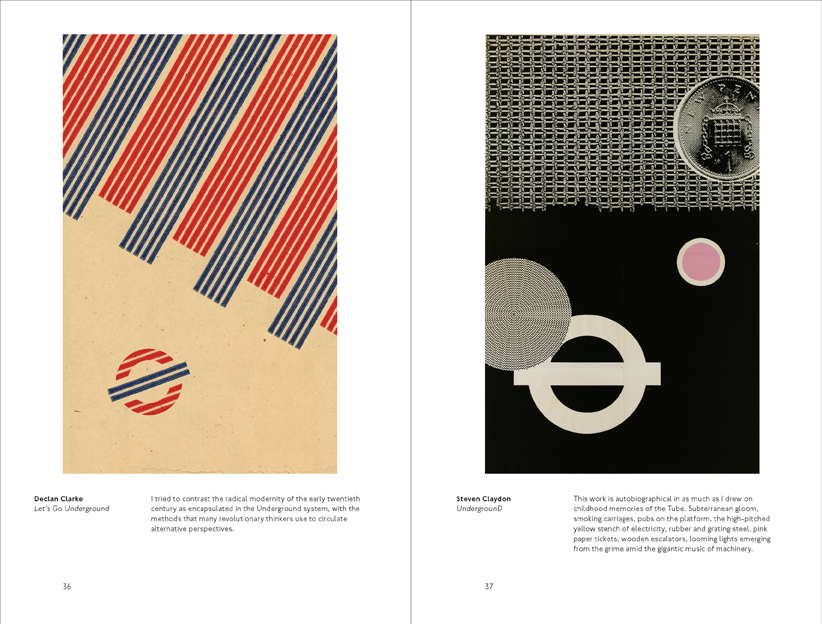
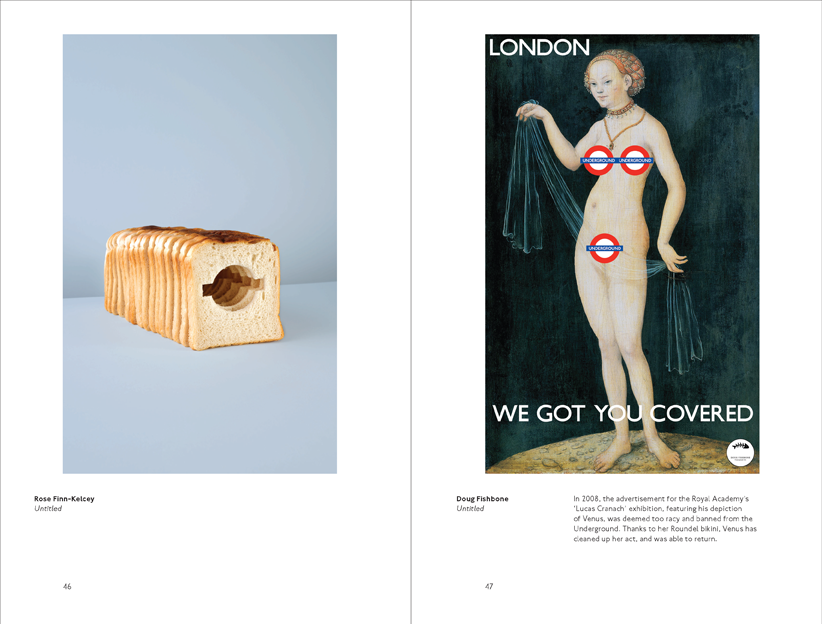
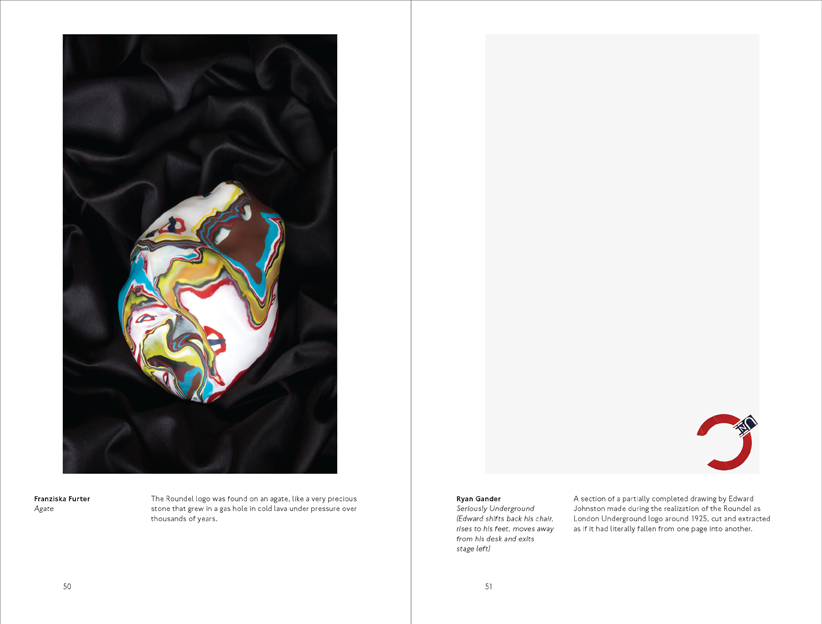
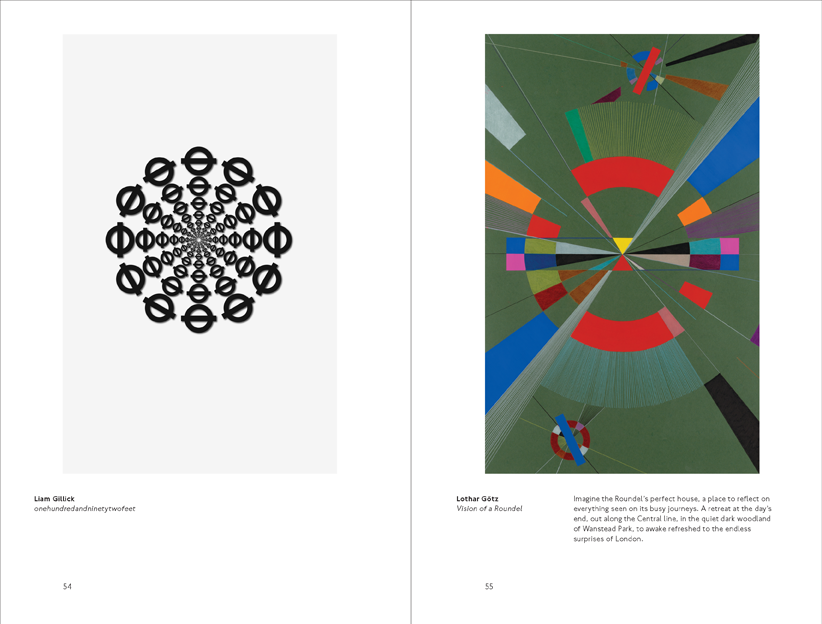
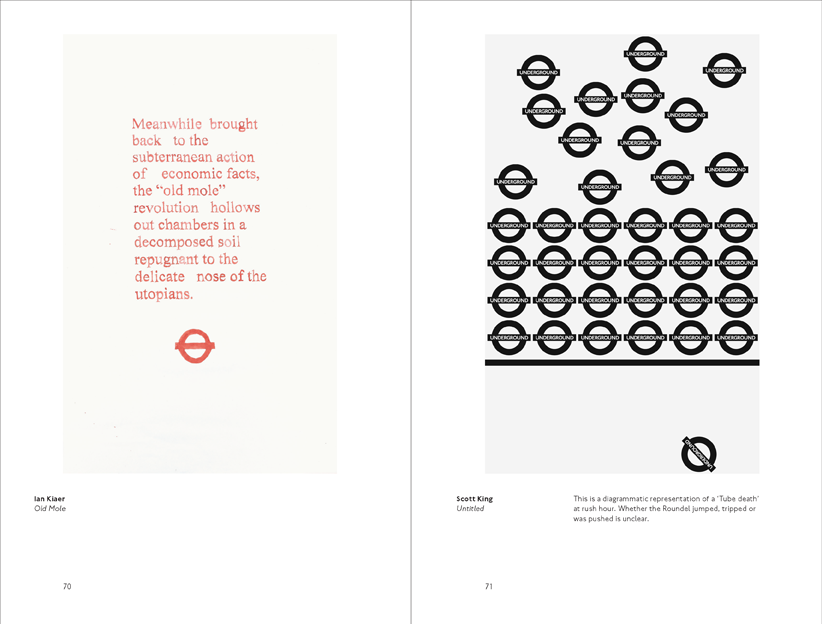
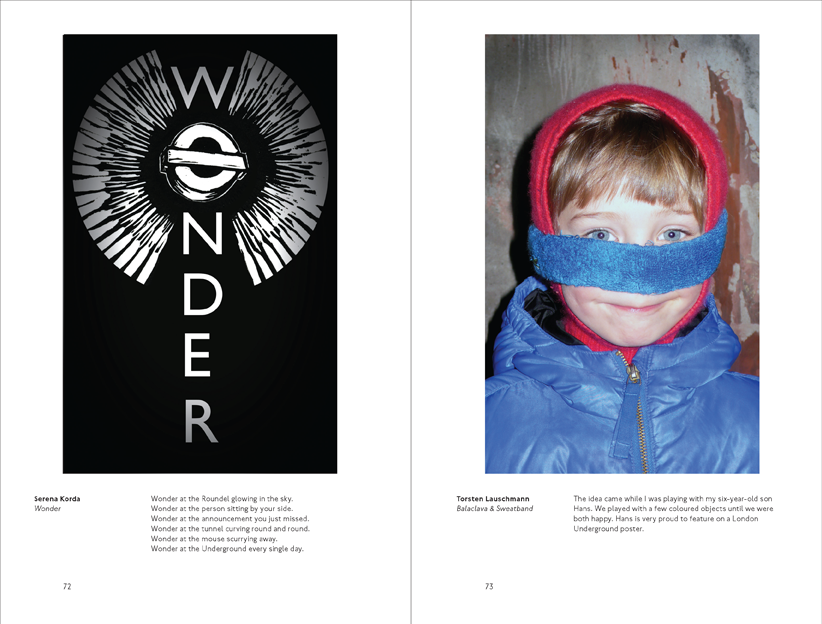
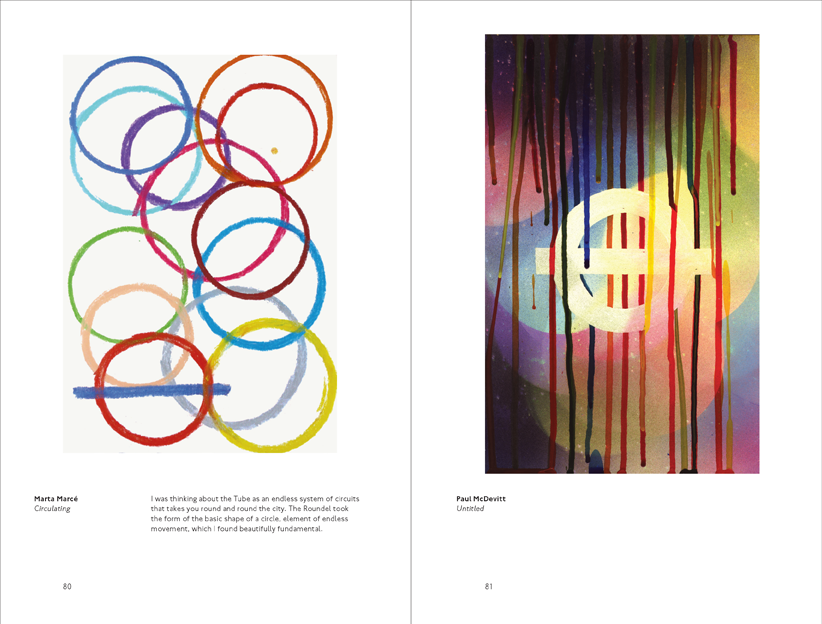
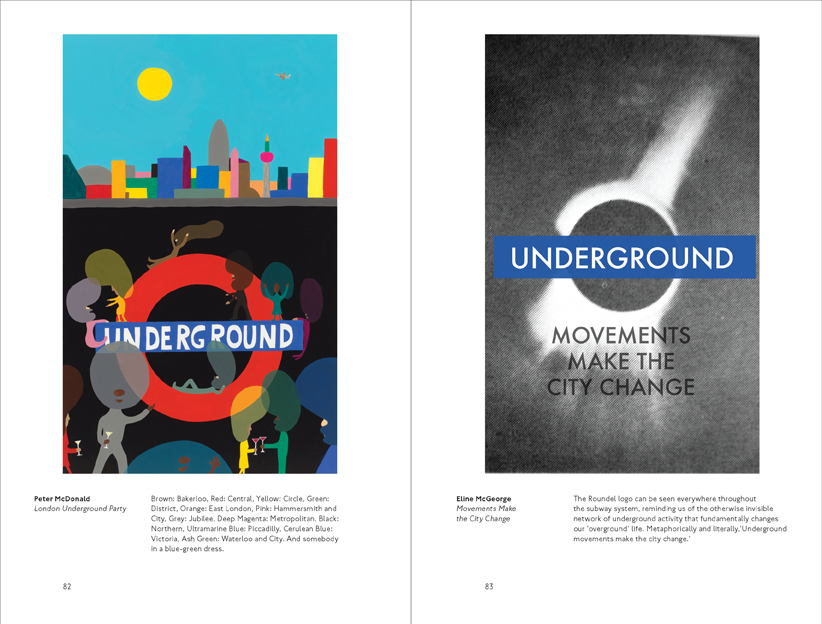
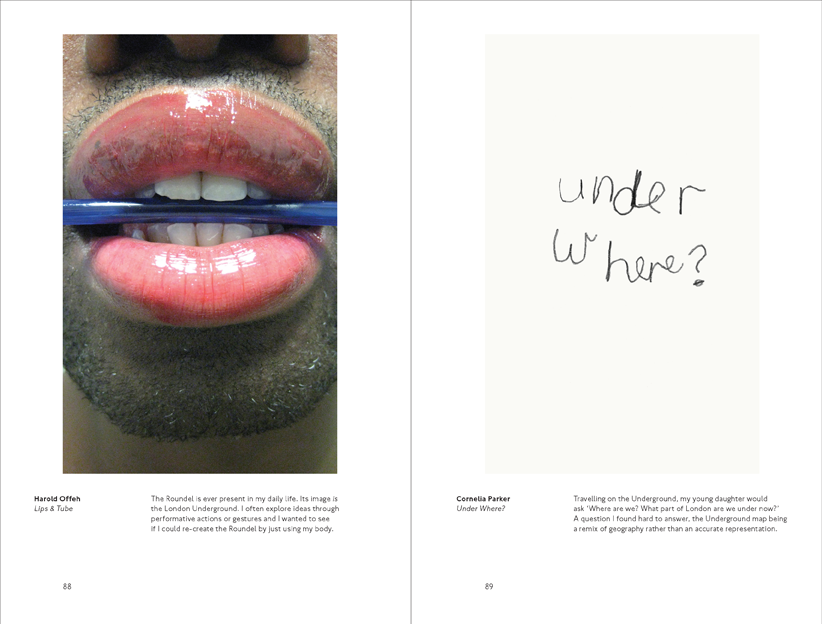
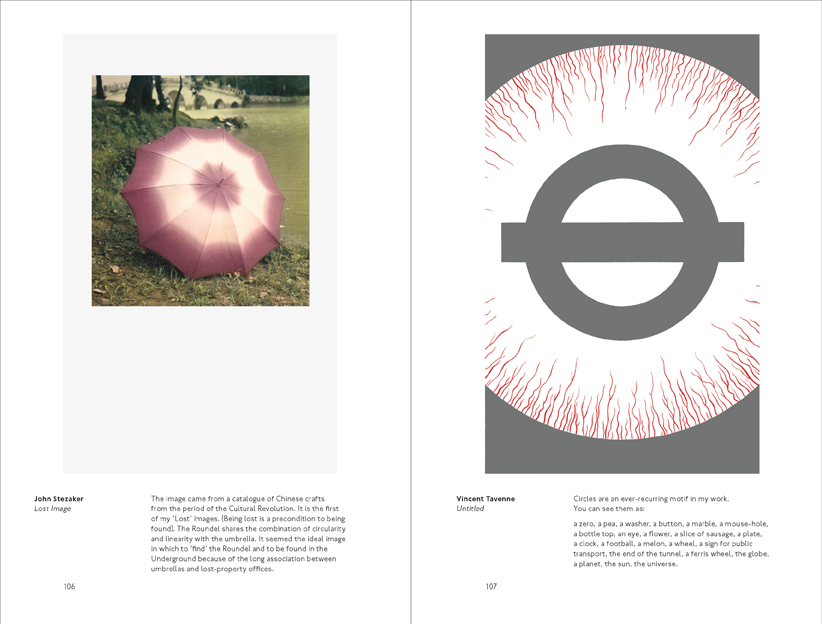
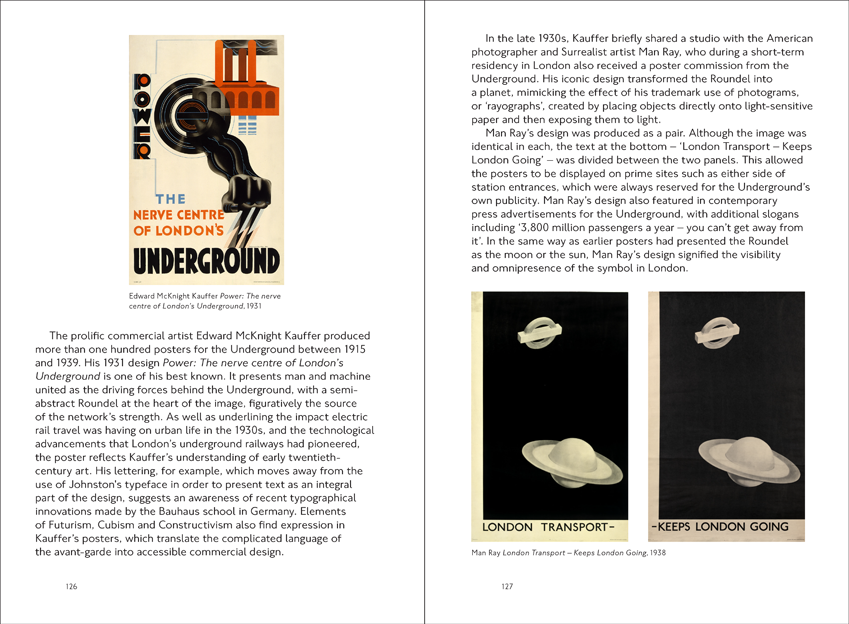
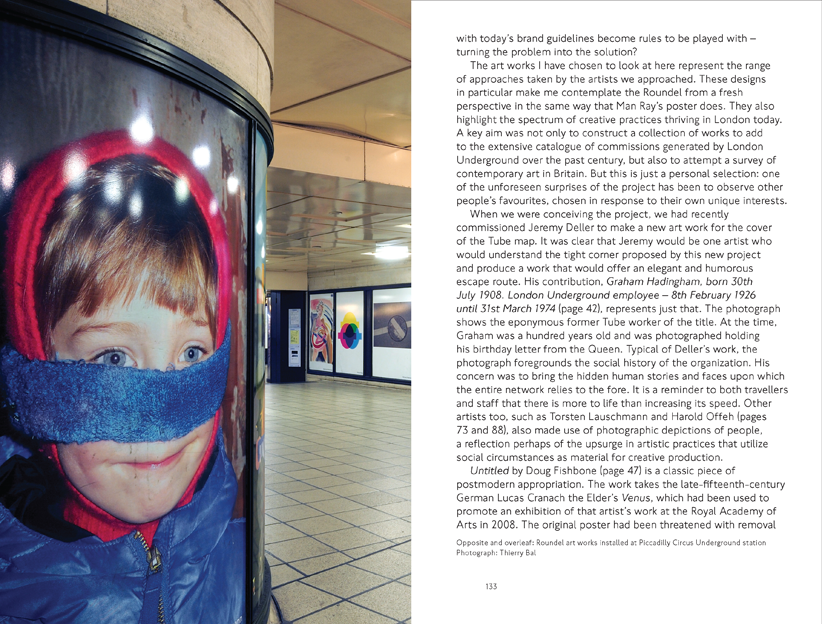
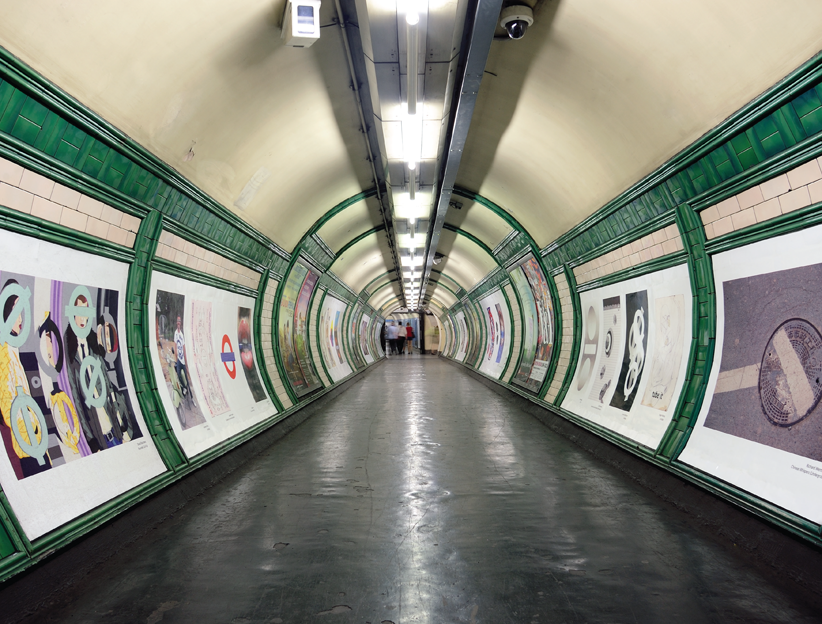
Marking the 150th anniversary of the birth of London Underground, the first ever subterranean railway, The Roundel presents the company’s famous logo rethought and refashioned by one hundred international artists. At once imaginative and playful, bold and irreverent, these new interpretations not only celebrate the symbol of London’s transport system, they also reinvent an icon of the city itself. Found the length and breadth of the metropolis, the century-old Roundel is one of the most effective, best known and most fondly regarded corporate logos in the world, spawning a host of similar designs in cities from Shanghai to Salt Lake City.

Now artists as diverse as Jeremy Deller, Sir Peter Blake, Roger Hiorns, Cornelia Parker, Yinka Shonibare, Gavin Turk, Susan Hiller and Richard Wentworth offer their personal take on the familiar motif, in photography or paint, drawing or print, collage or sculpture, revealing in their own words what inspired their creation. They follow in the footsteps of the many influential artists over the years, from Man Ray to Eduardo Paolozzi, who have taken the Roundel as a subject for their art, reflecting London’s importance as a capital city of culture.

With illuminating texts that consider the works within the history of transport design and public art, this gem of a book will delight all lovers of London and transport fanatics, as well as those who follow the latest trends in art, design and corporate branding.

Tamsin Dillon is Head of Art on the Underground.
Jonathan Glancey is an architectural critic and writer. He was architecture and design editor at the Guardian from 1997 to 2012.
Claire Dobbin is senior curator at London’s Transport Museum.
Sally Shaw is Head of Programmes at Modern Art Oxford.


What others say

‘Full of imaginative reworkings of the symbol which has had an impact on transport systems from Shanghai to Salt Lake City … an excellent new book’ — It’s Nice That (www.itsnicethat.com)

‘An affectionate mix of realistic and impressionistic ideas in painting, drawing, print and sculpture’ — Treehugger (www.treehugger.com)


The Roundel special gift edition

100 Artists Remake a London Icon

Edited by Tamsin Dillon
with contributions by Jonathan Glancey,
Claire Dobbin and Sally Shaw
Artworks by 100 contemporary artists

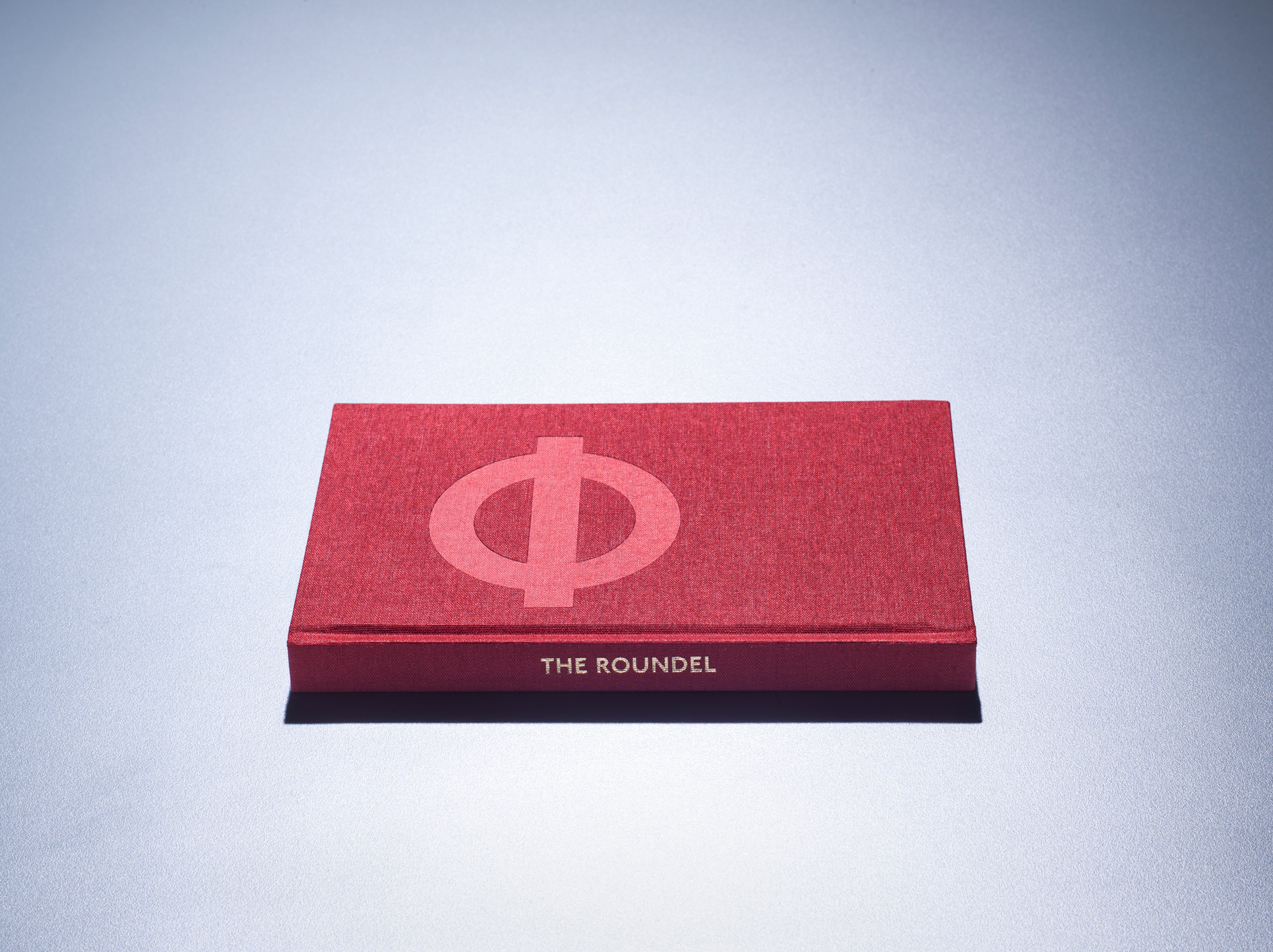
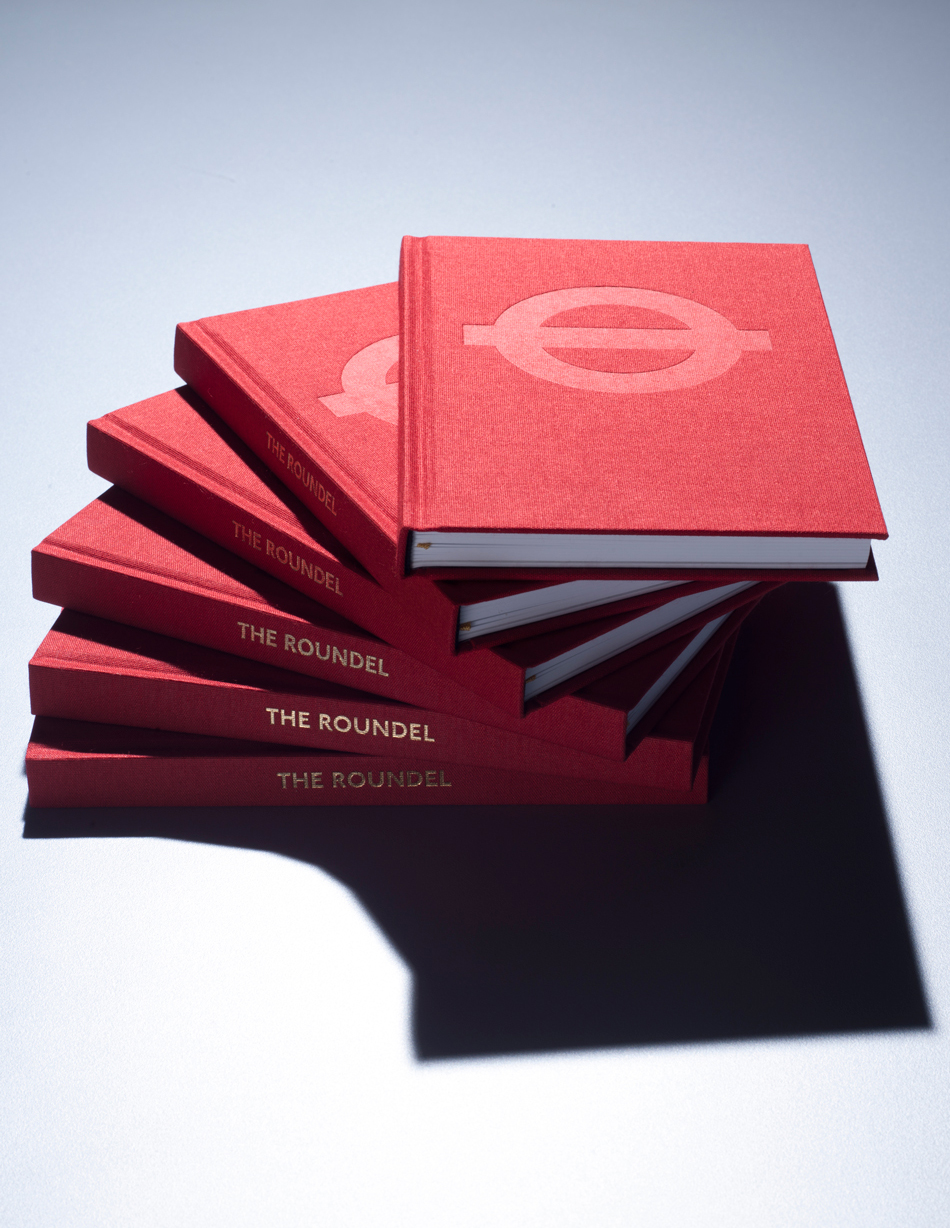
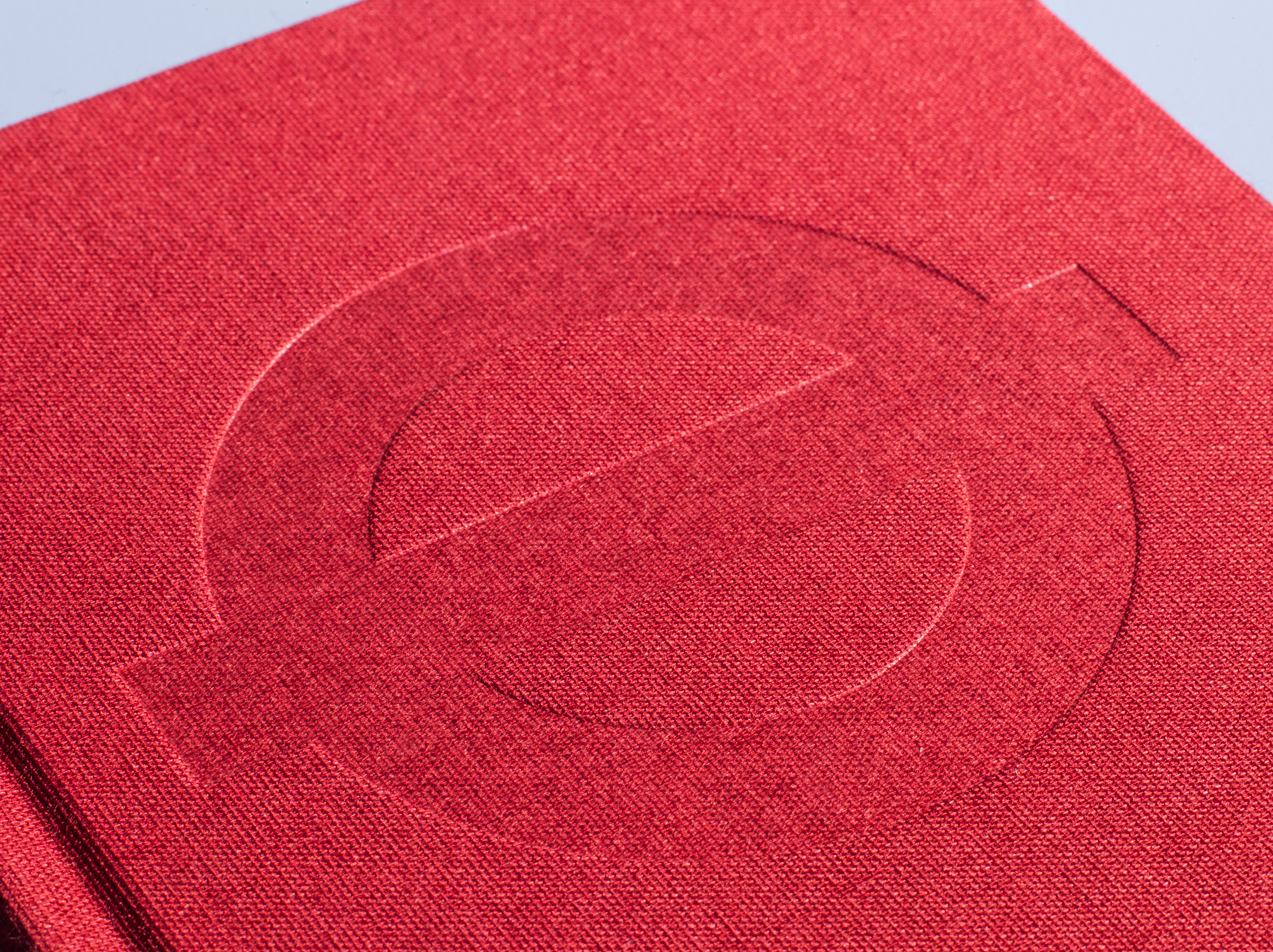
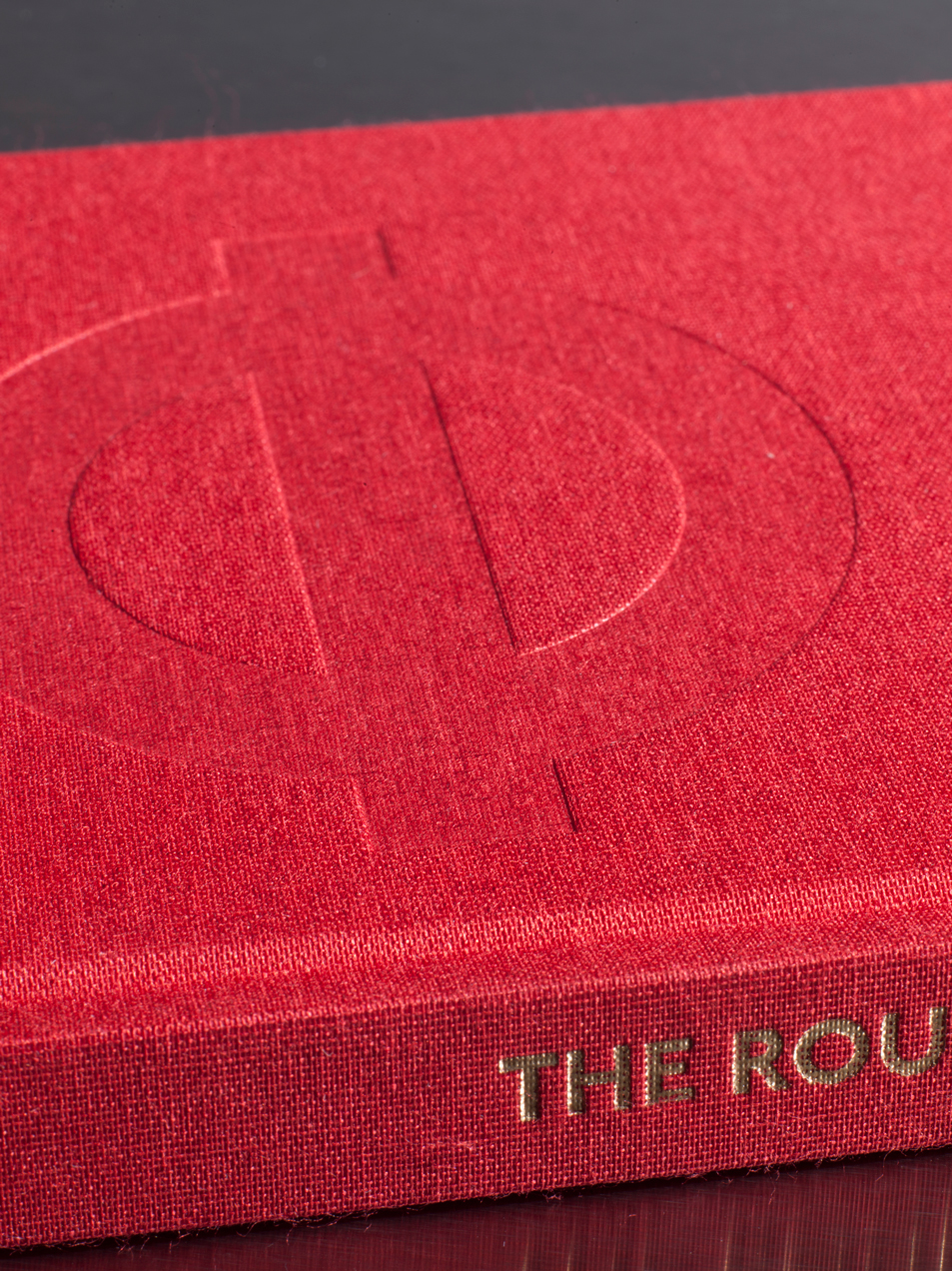
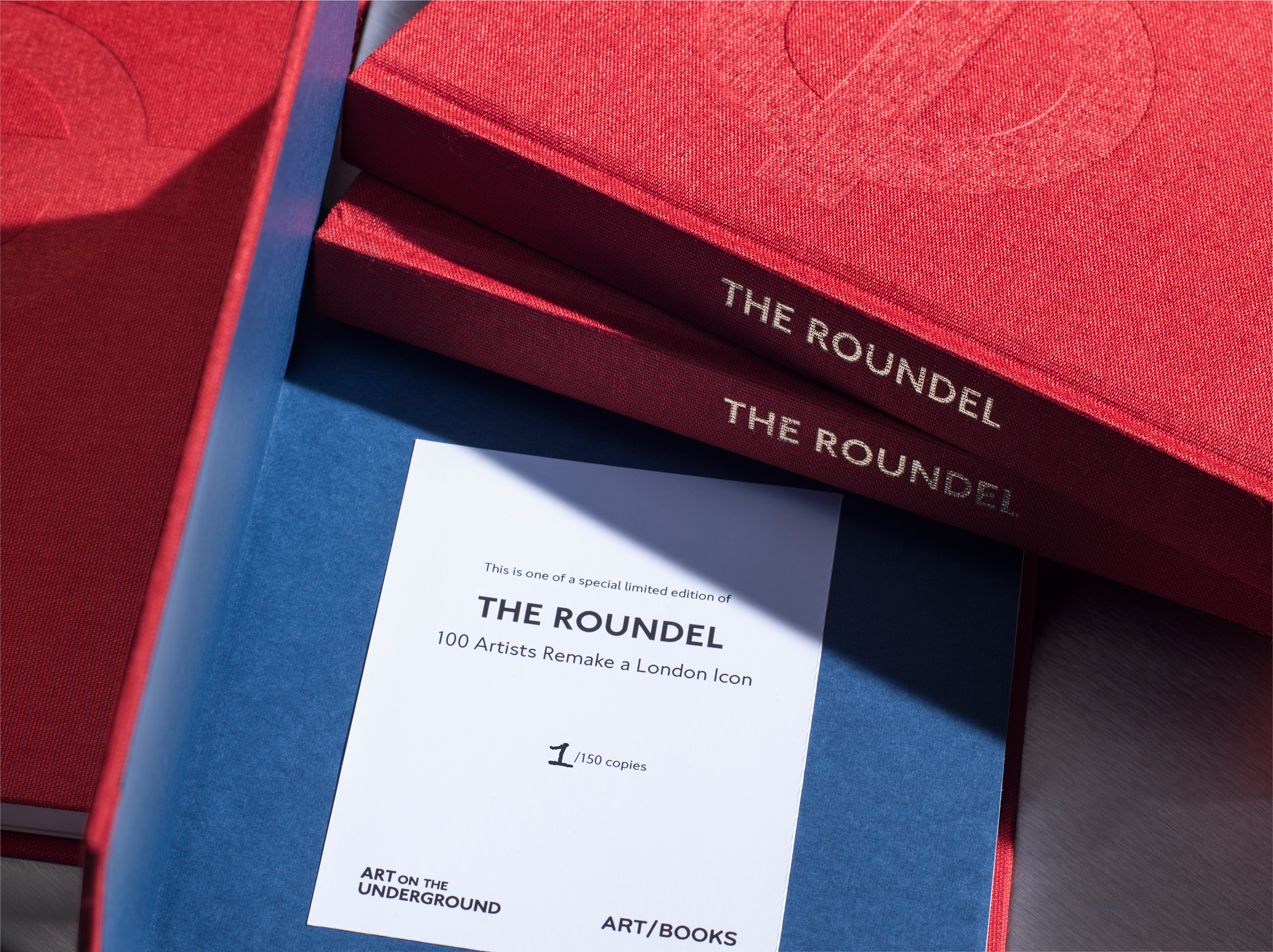
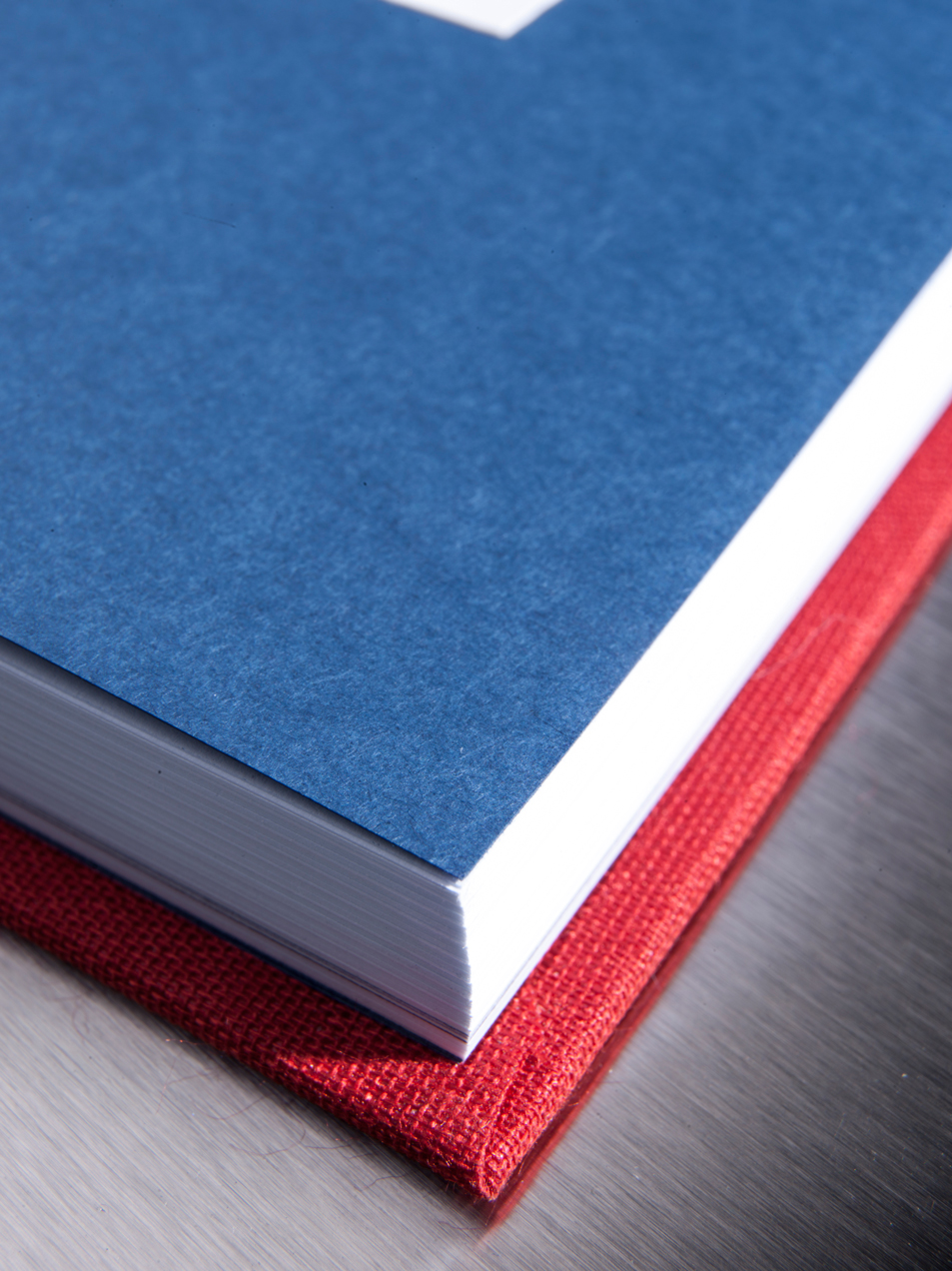
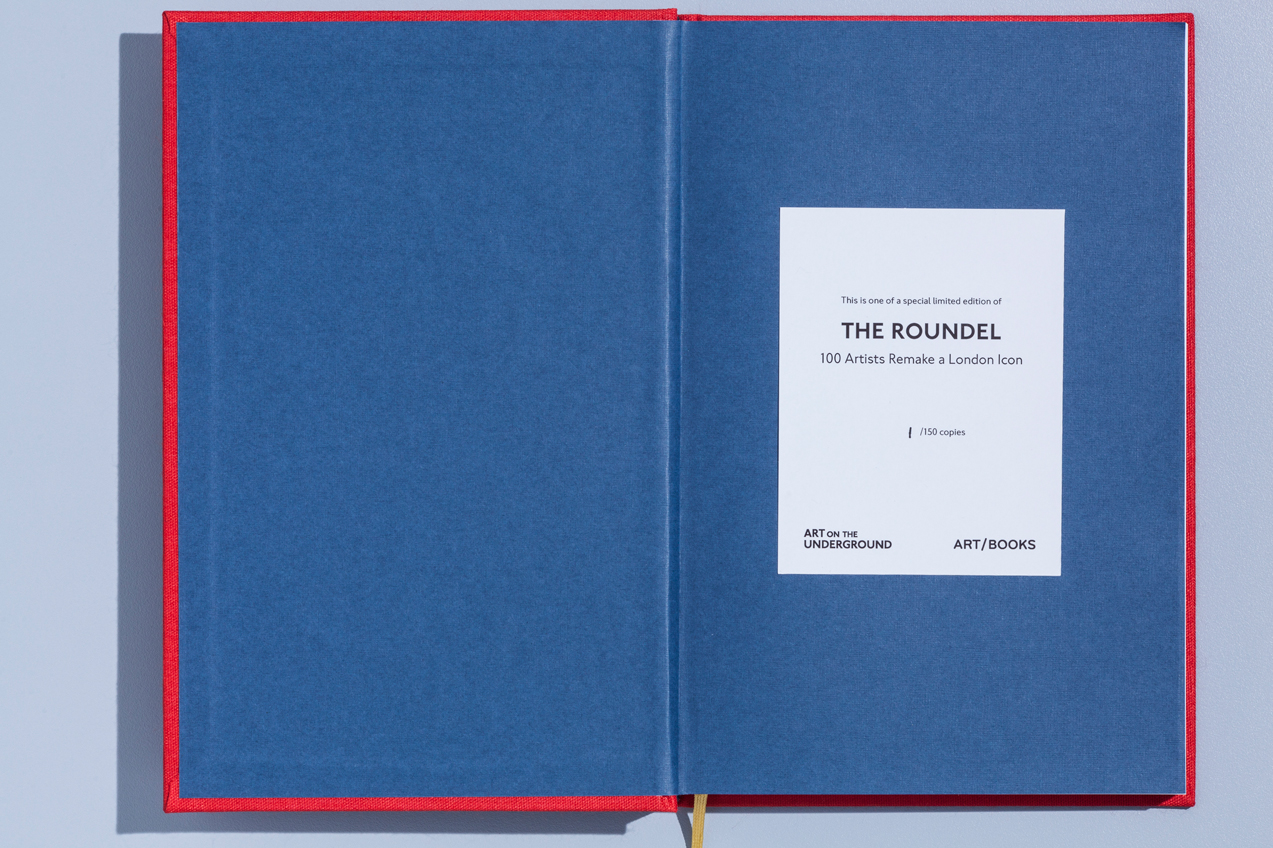
A beautiful clothbound special edition limited to just 150 copies
An ideal gift for all lovers of London’s art, design and transport 

Marking the 150th anniversary of the birth of London Underground, the first ever subterranean railway, The Roundel presents the company’s famous logo rethought and refashioned by one hundred international artists. At once imaginative and playful, bold and irreverent, these new interpretations not only celebrate the symbol of London’s transport system, they also reinvent an icon of the city itself. Found the length and breadth of the metropolis, the century-old Roundel is one of the most effective, best known and most fondly regarded corporate logos in the world, spawning a host of similar designs in cities from Shanghai to Salt Lake City.

Now artists as diverse as Jeremy Deller, Sir Peter Blake, Roger Hiorns, Cornelia Parker, Yinka Shonibare, Gavin Turk, Susan Hiller and Richard Wentworth offer their personal take on the familiar motif, in photography or paint, drawing or print, collage or sculpture, revealing in their own words what inspired their creation. They follow in the footsteps of the many influential artists over the years, from Man Ray to Eduardo Paolozzi, who have taken the Roundel as a subject for their art, reflecting London’s importance as a capital city of culture.

With illuminating texts that consider the works within the history of transport design and public art, this gem of a book will delight all lovers of London and transport fanatics, as well as those who follow the latest trends in art, design and corporate branding.

Tamsin Dillon is Head of Art on the Underground.
Jonathan Glancey is an architectural critic and writer. He was architecture and design editor at the Guardian from 1997 to 2012.
Claire Dobbin is senior curator at London’s Transport Museum.
Sally Shaw is Head of Programmes at Modern Art Oxford.