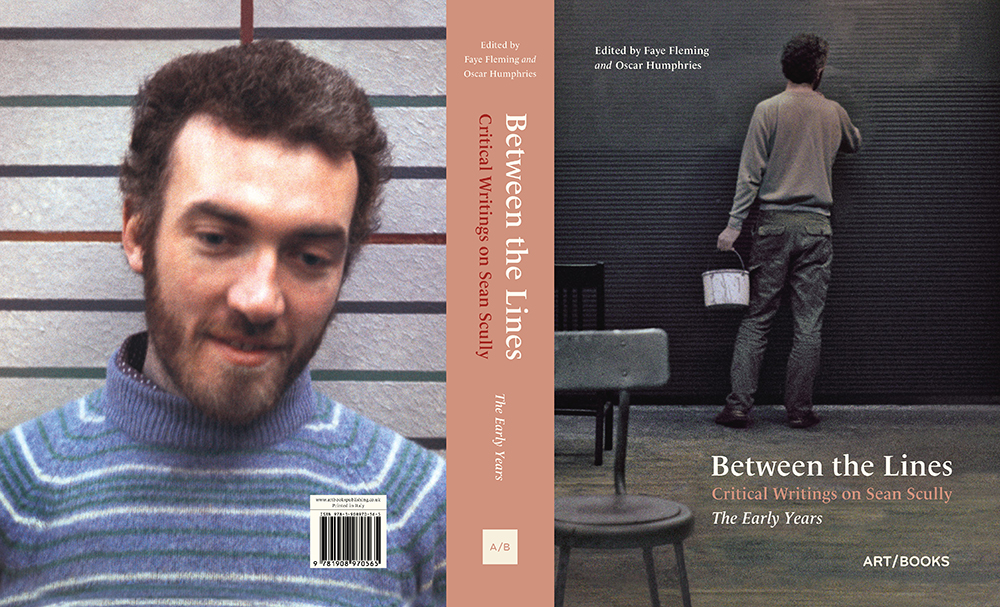
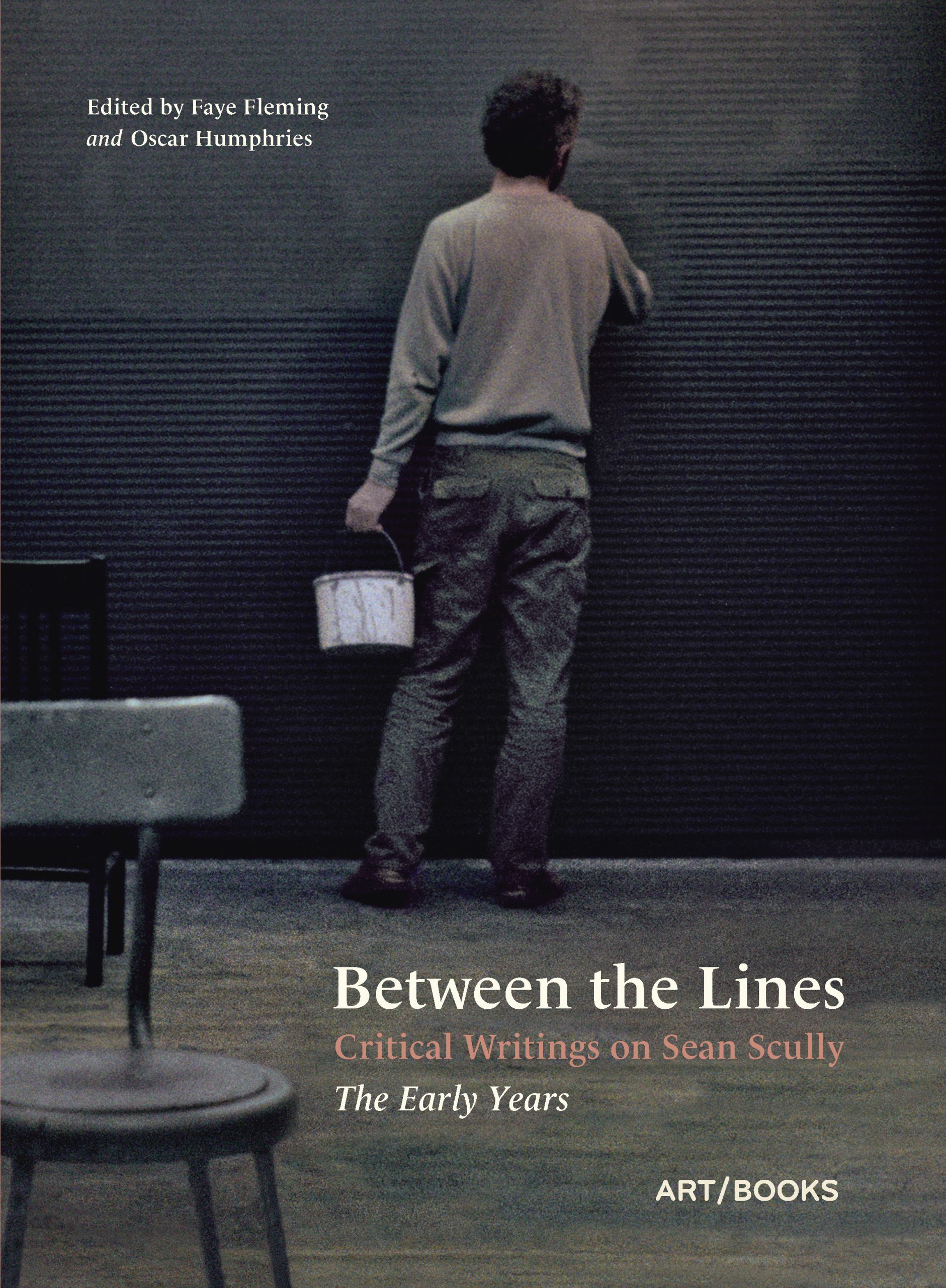
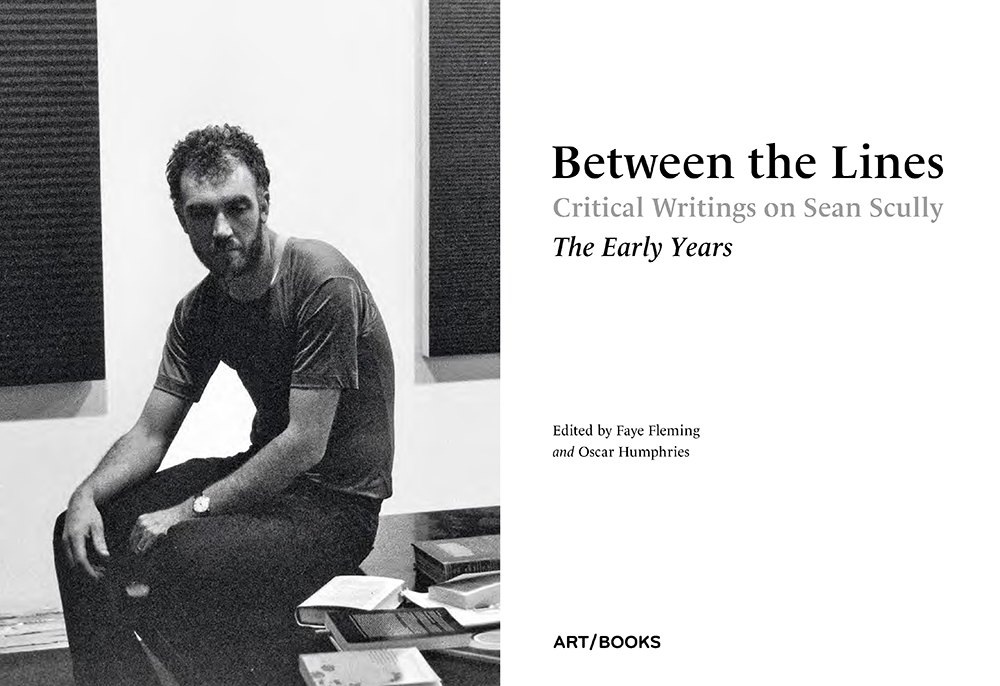
Between the Lines

Critical Writings on Sean Scully –
The Early Years

Edited by Faye Fleming and Oscar Humphries
Introduction by Martin Gayford

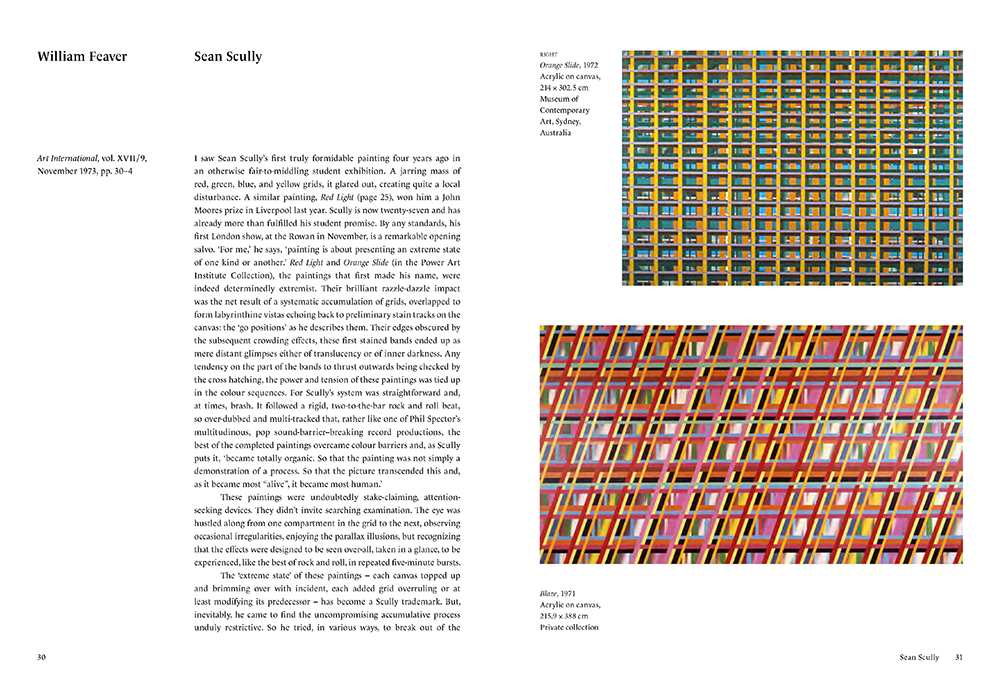
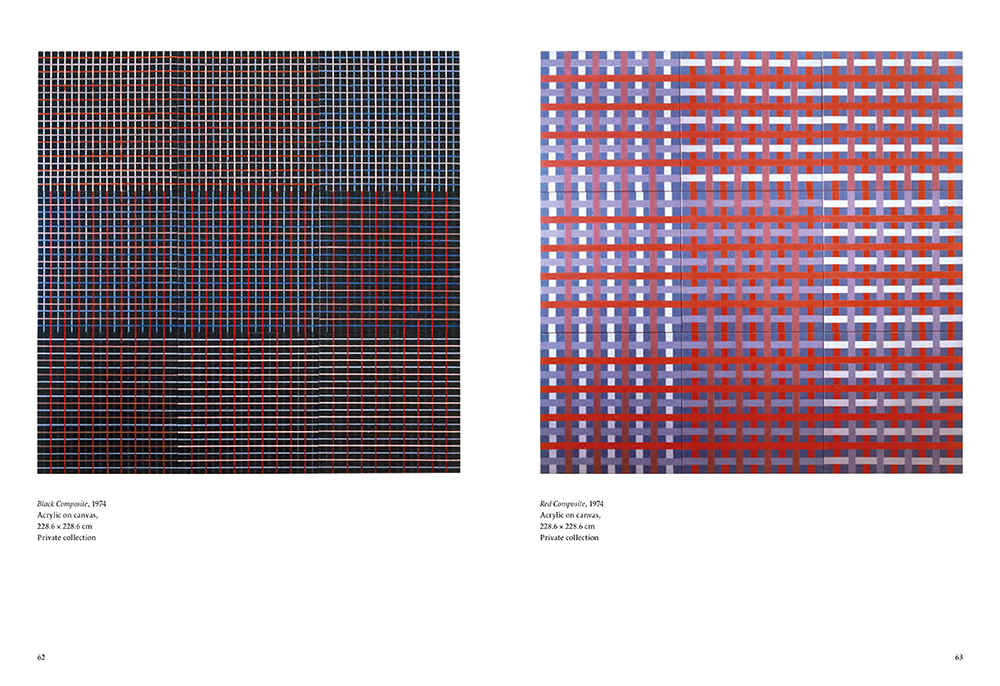
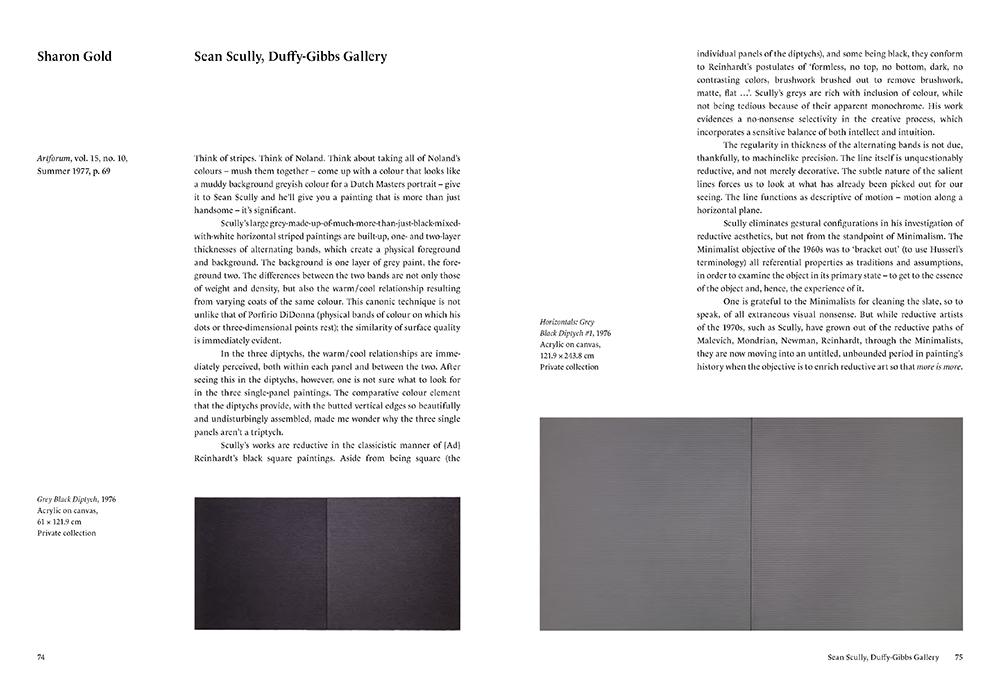
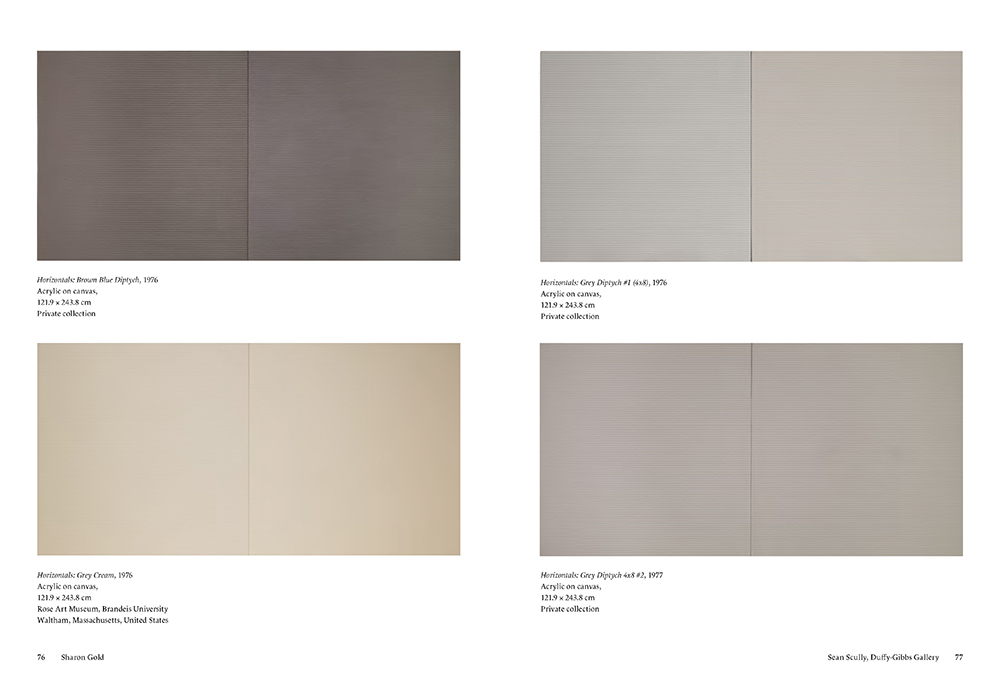
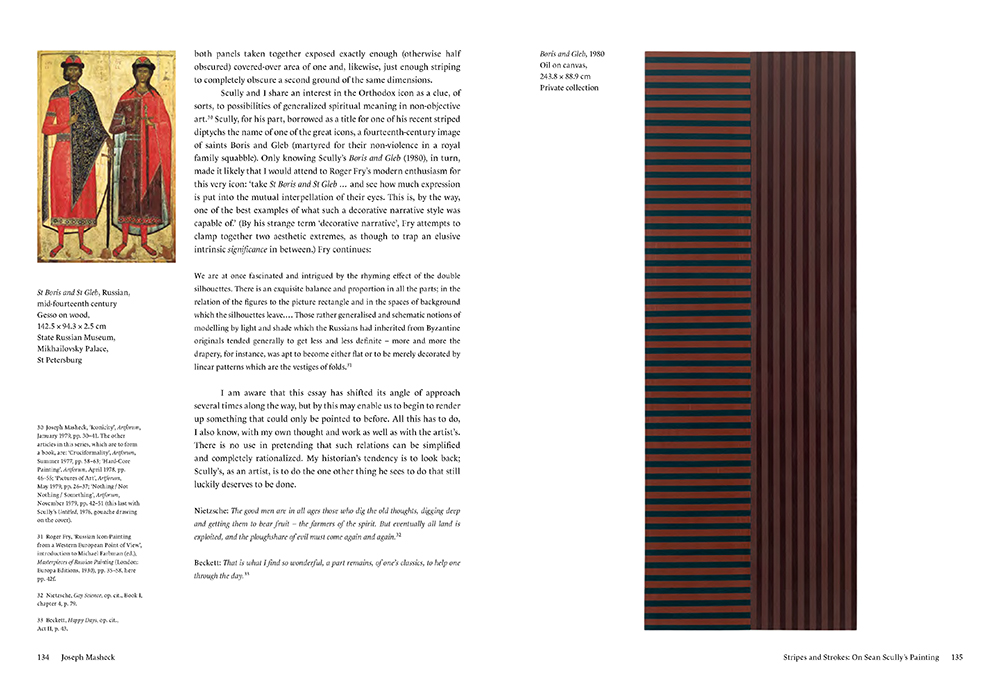
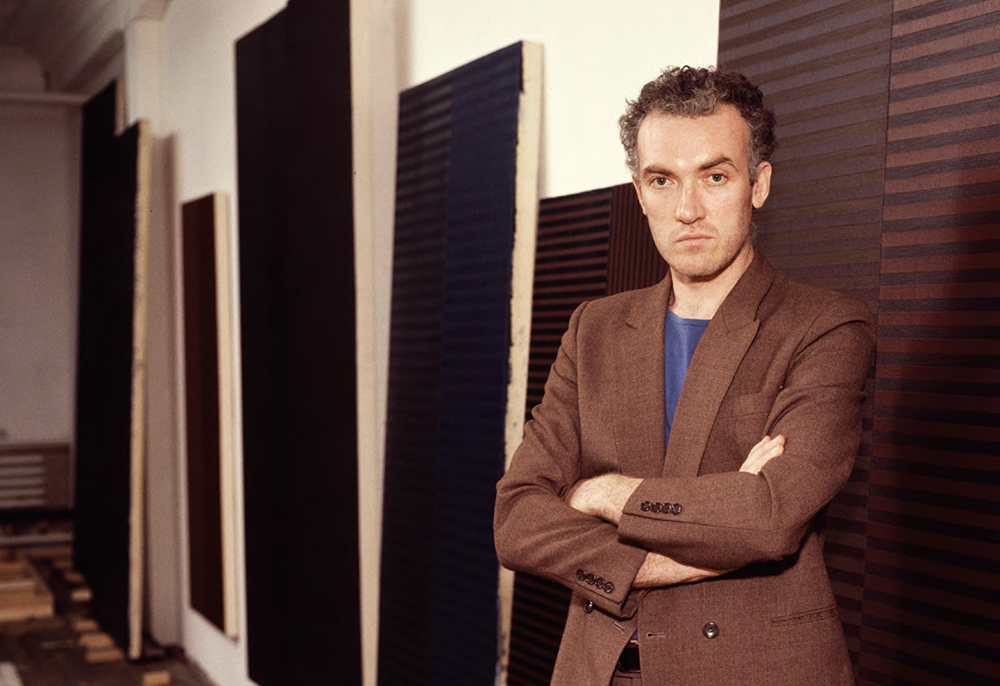
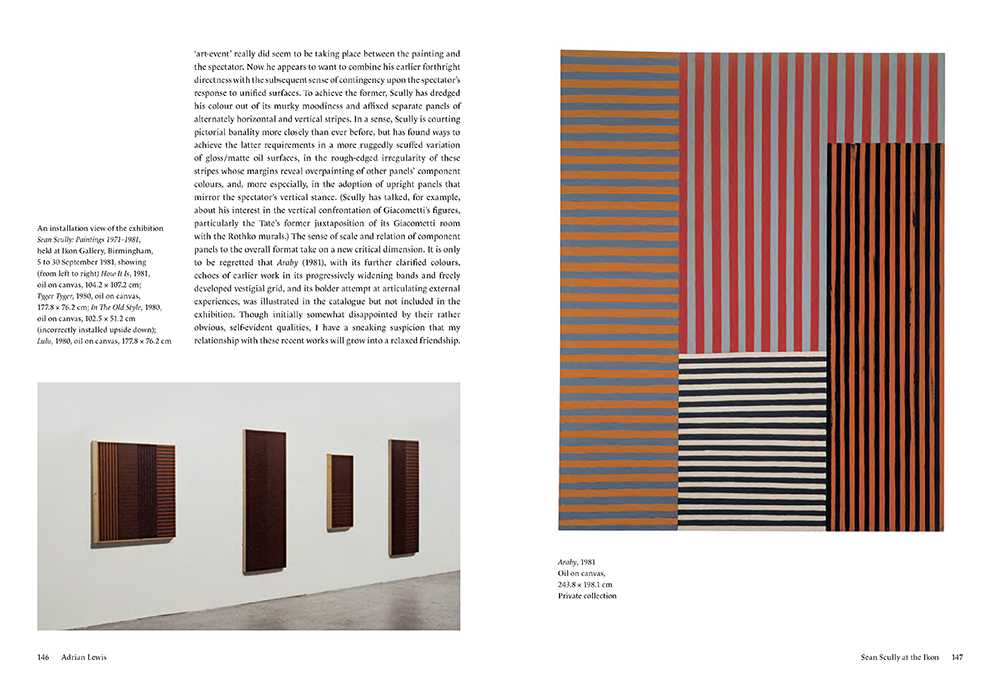
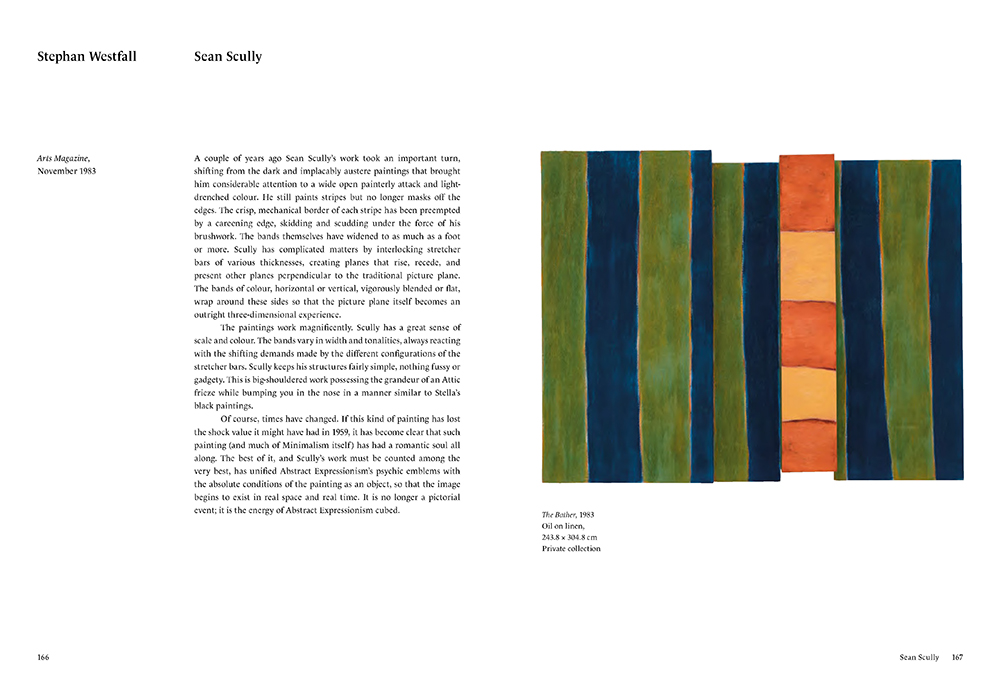
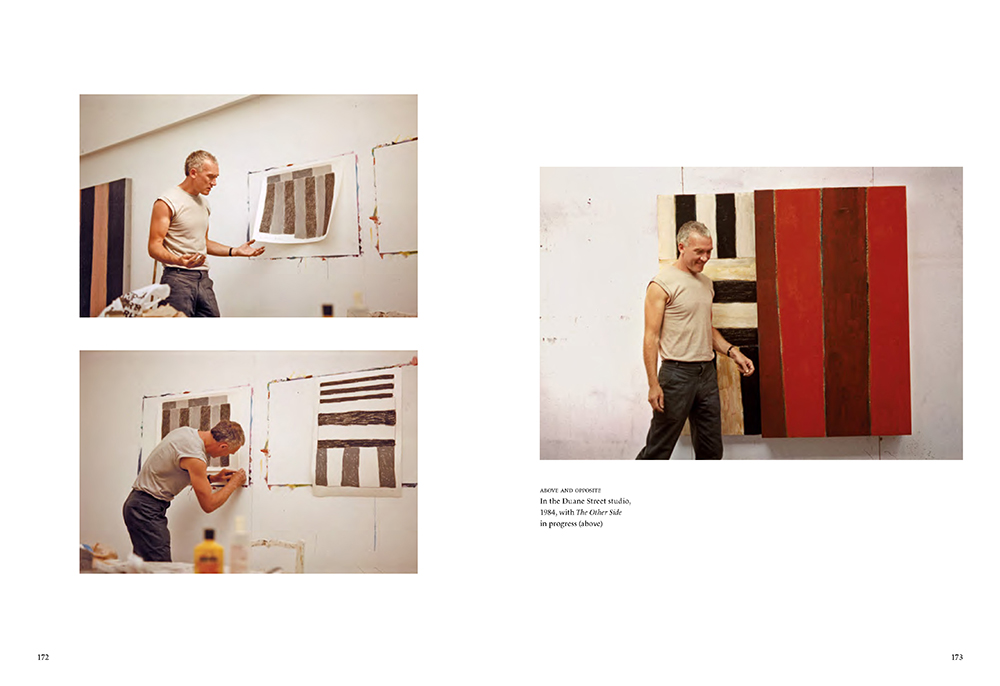
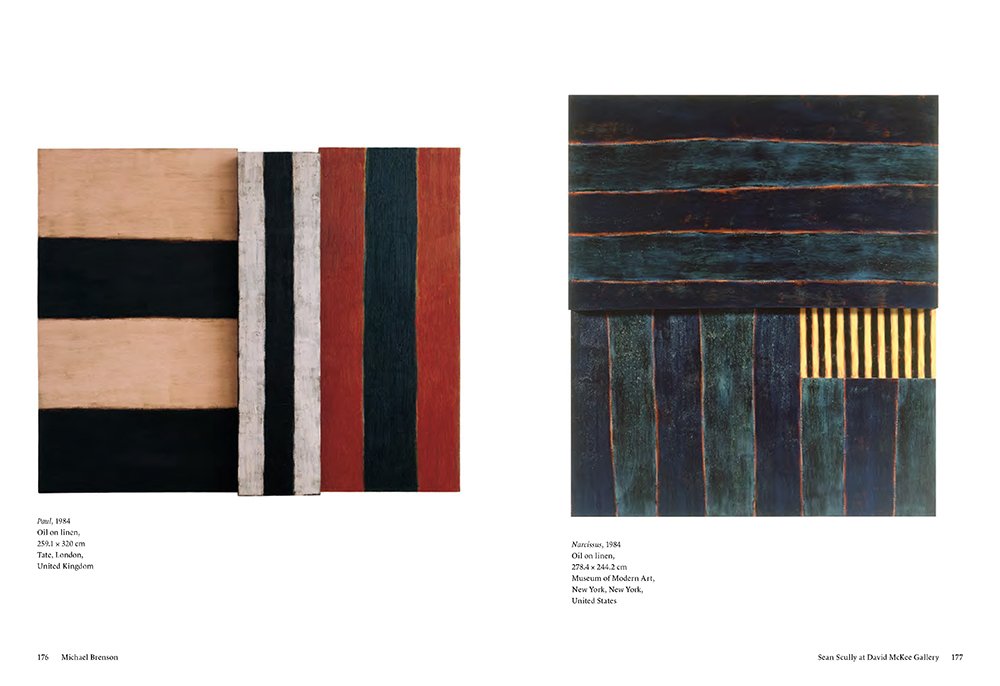
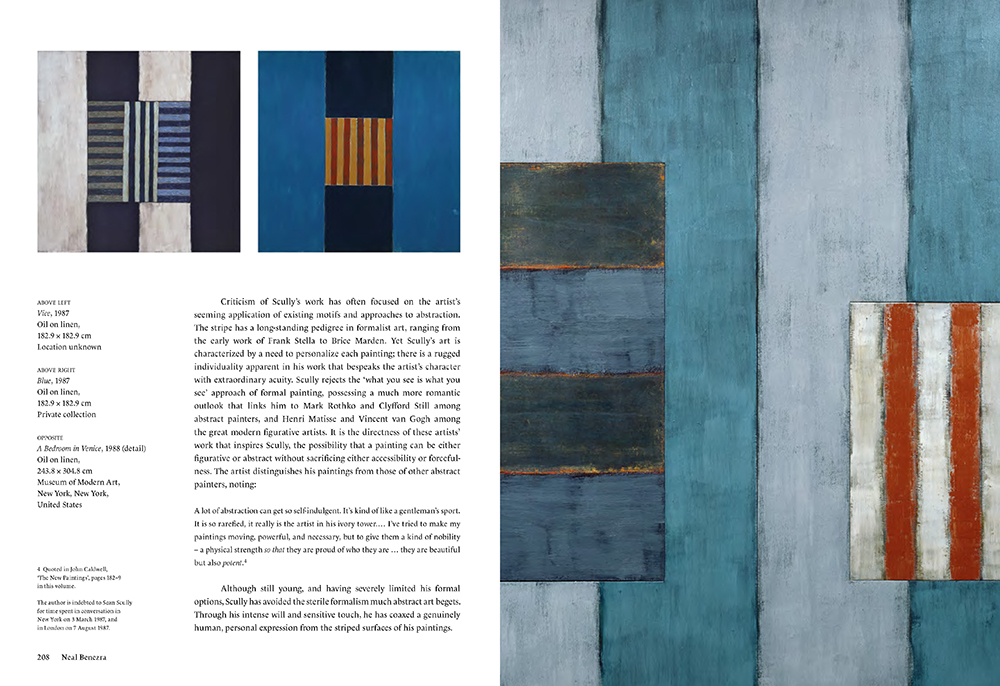
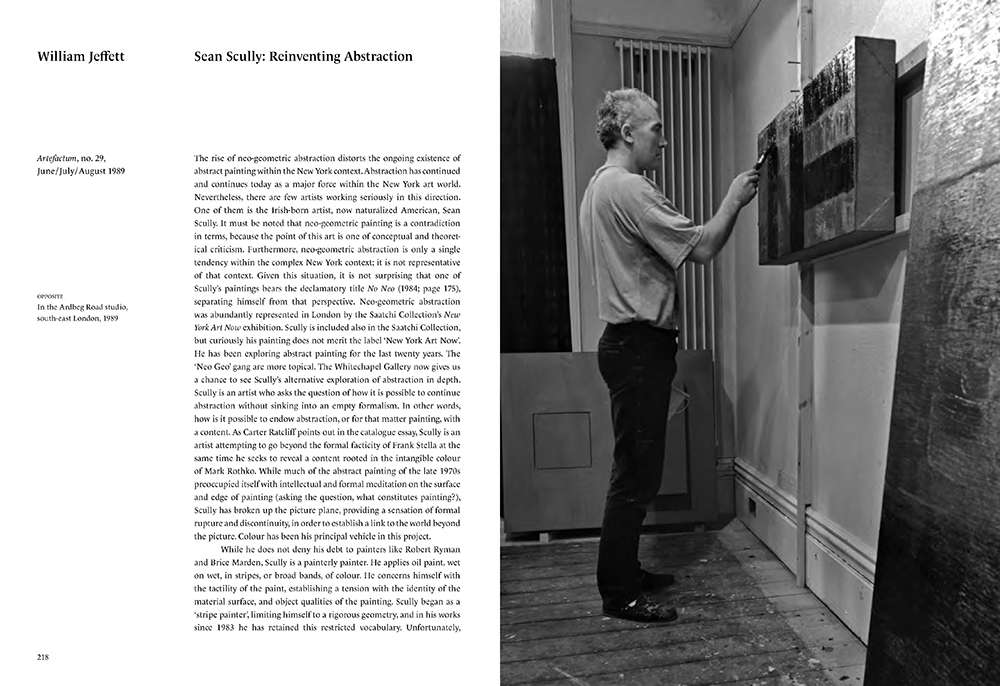
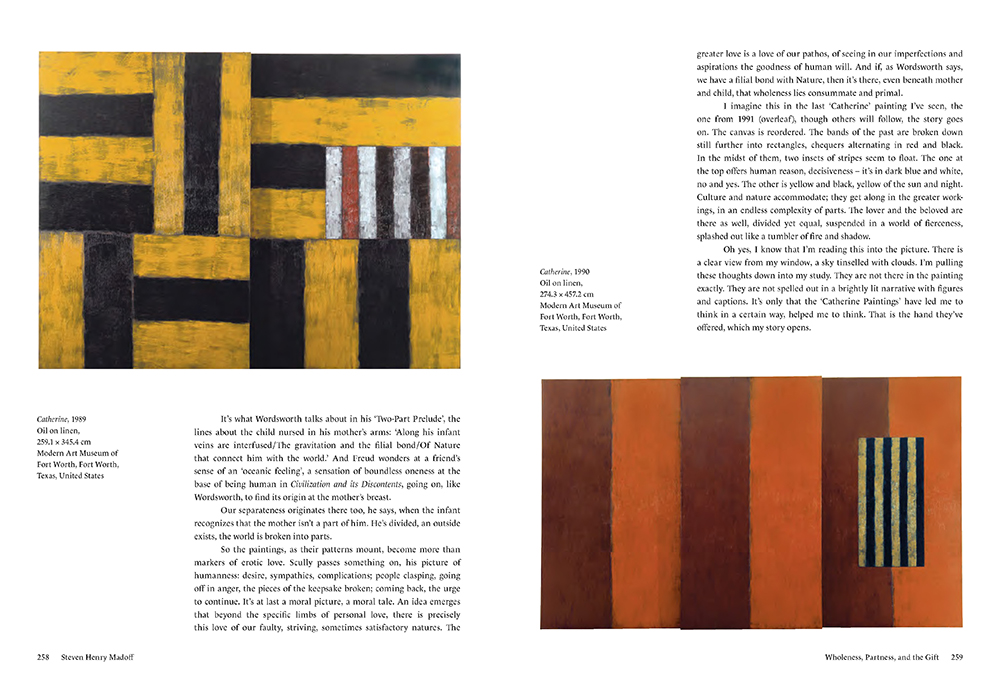
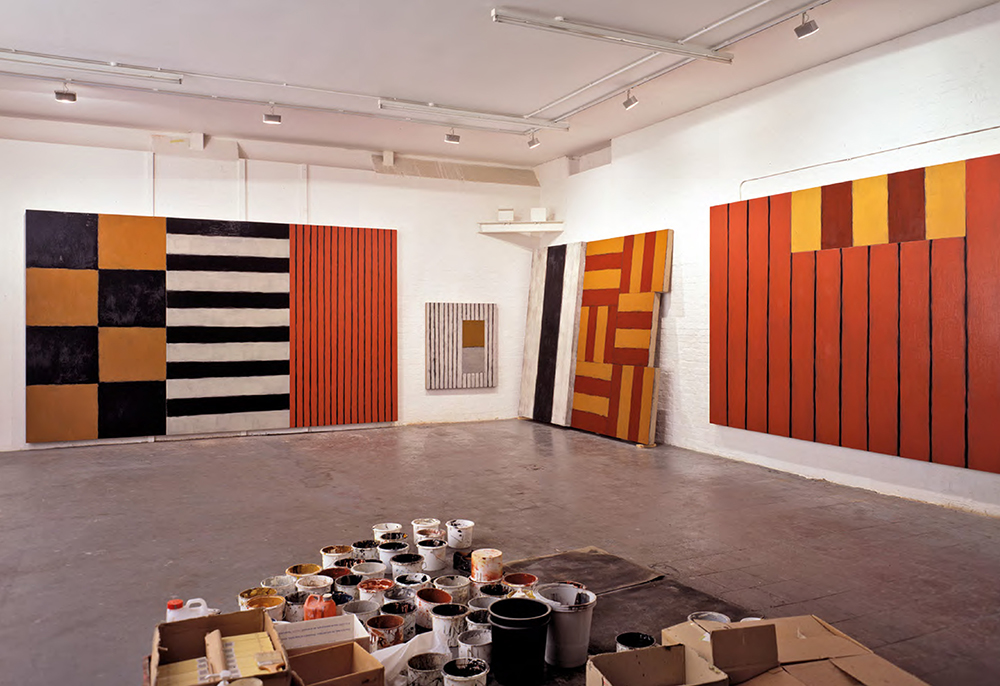
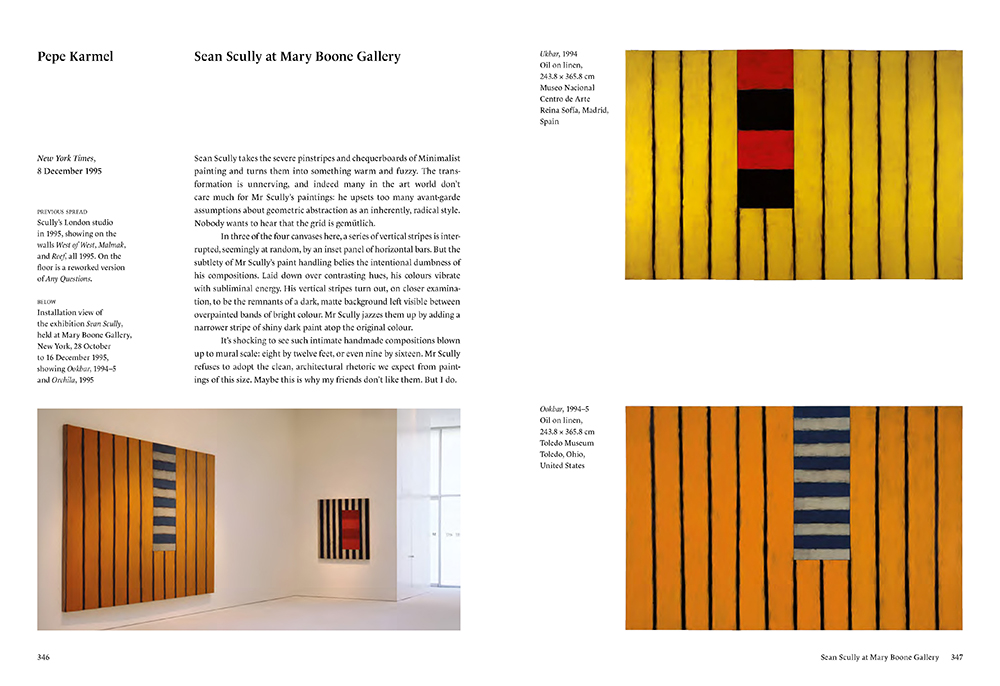
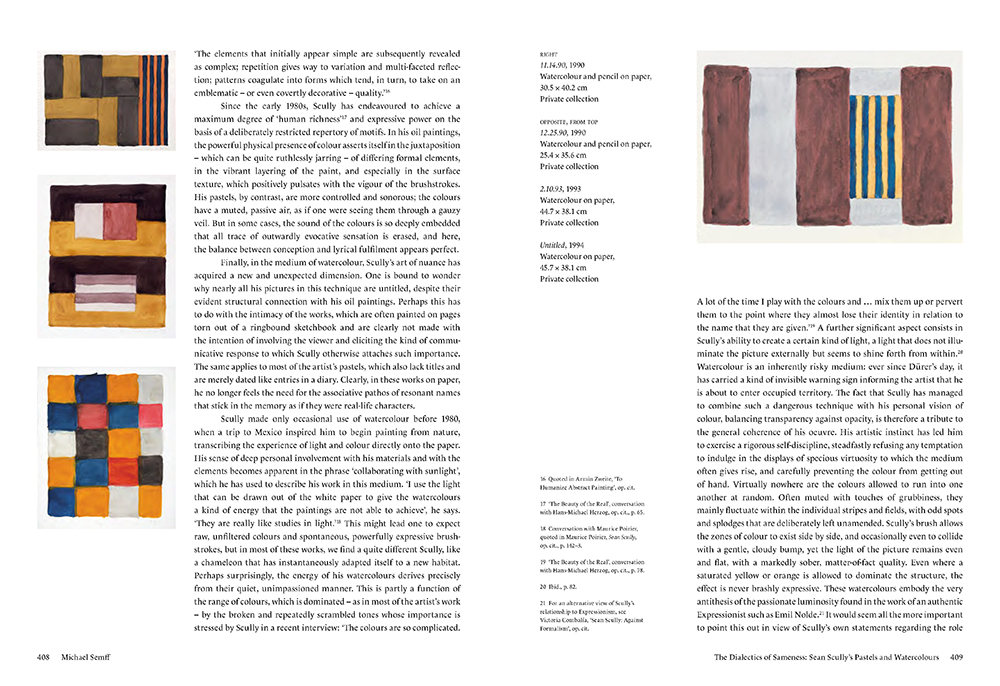
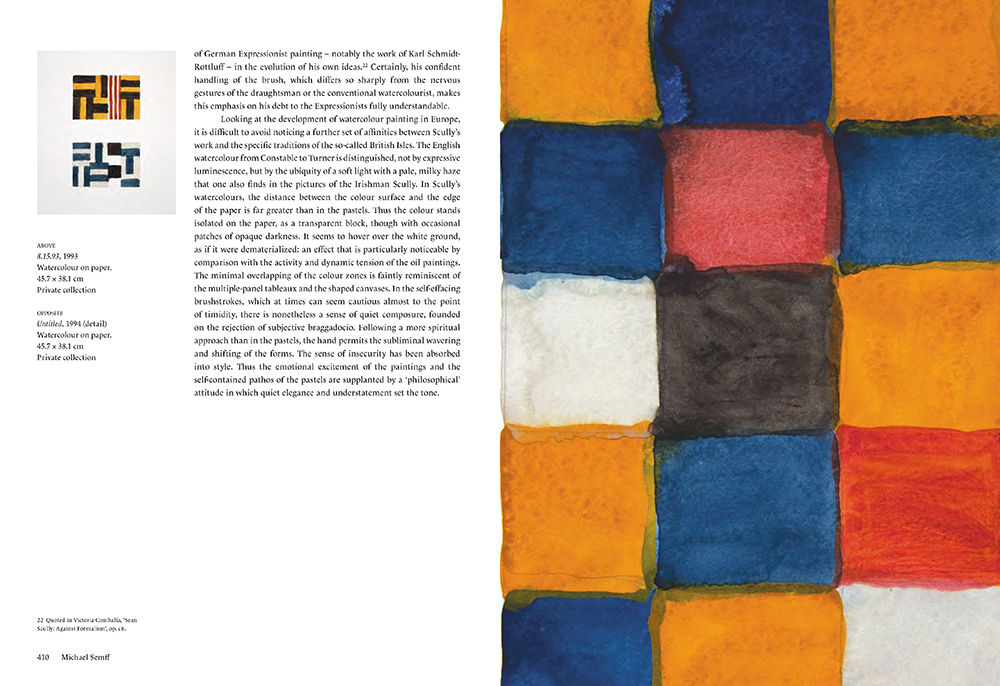
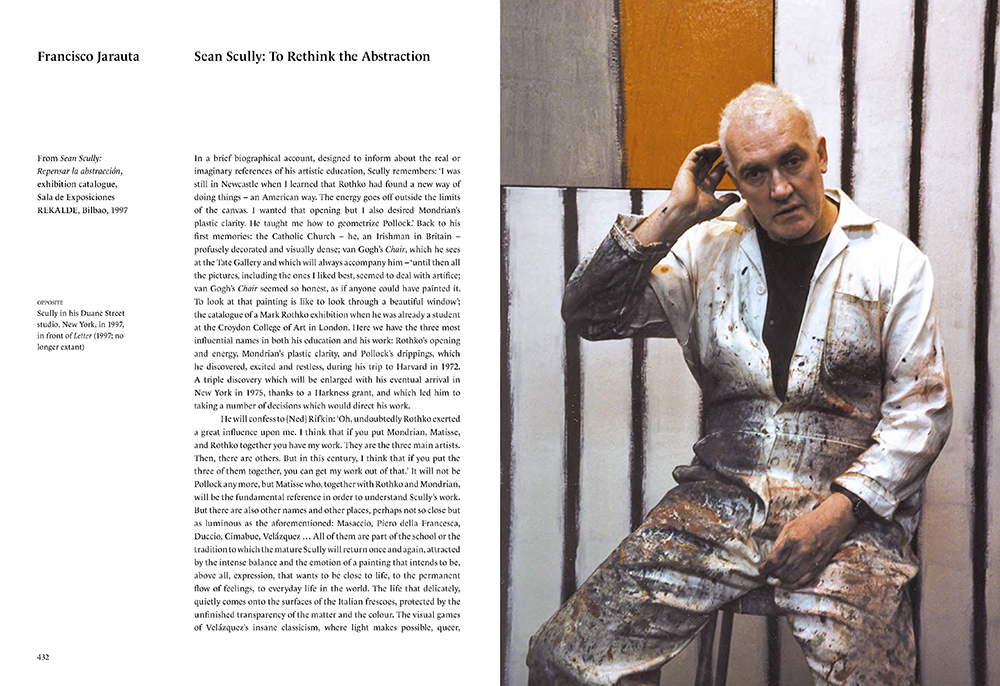
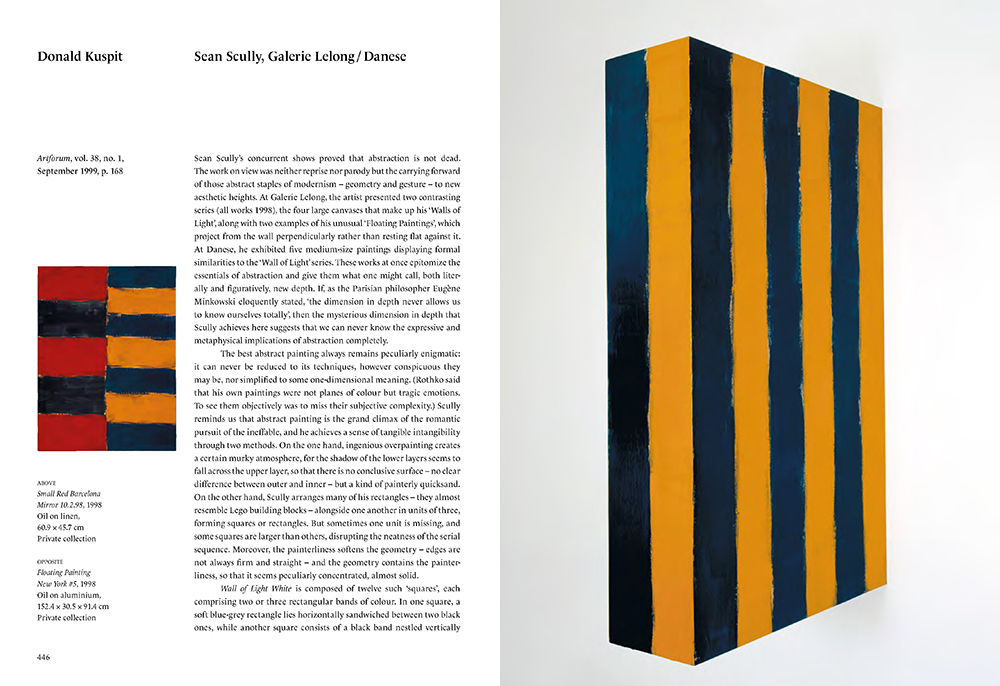
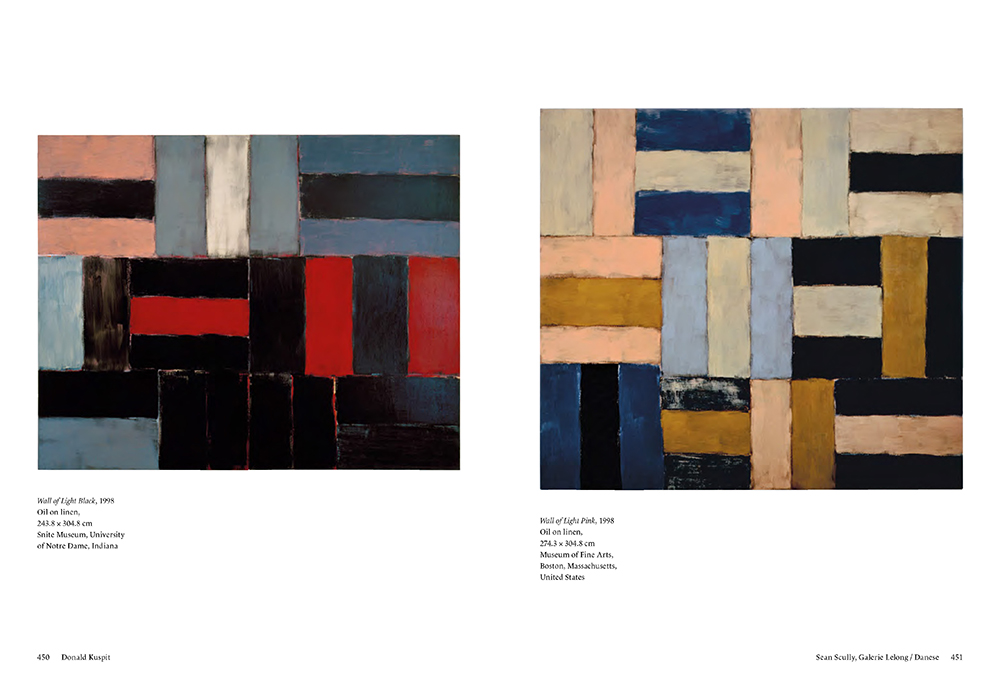
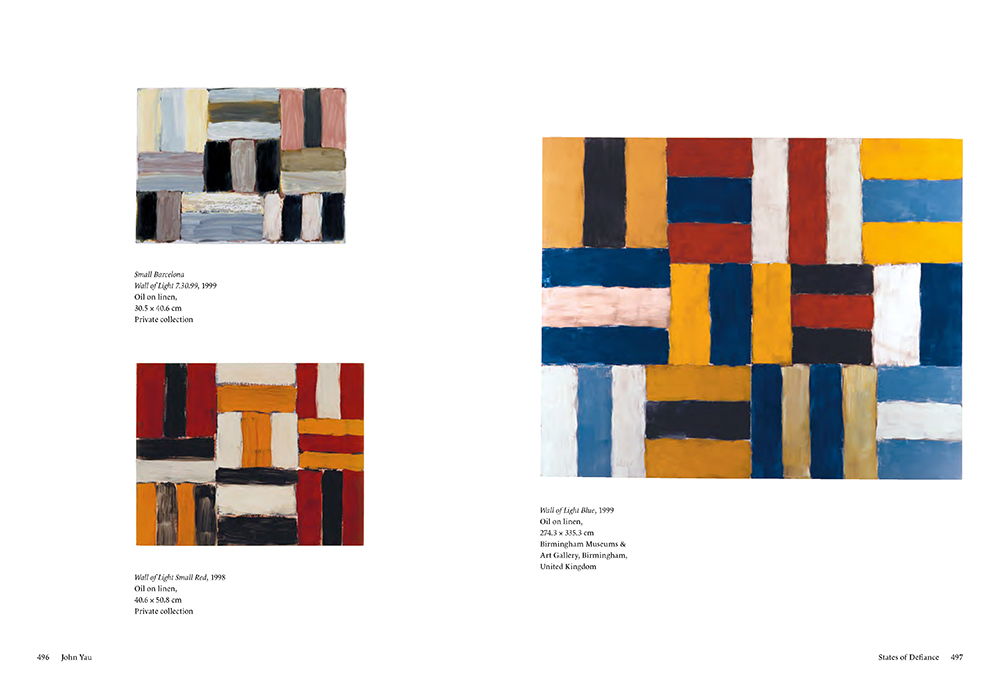
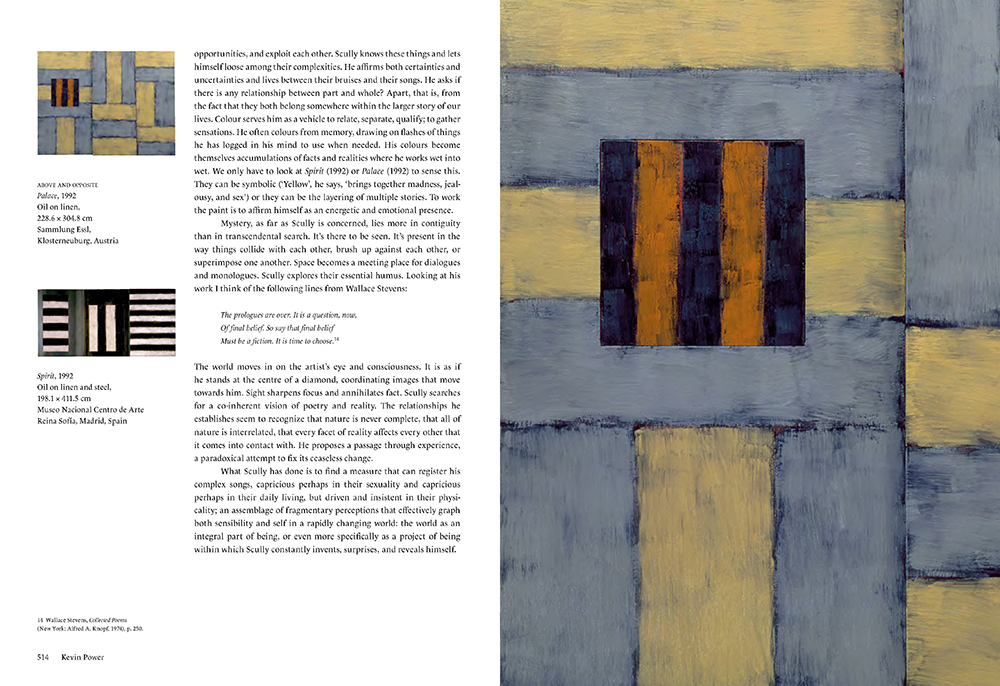
Sean Scully is recognized as one of the most important abstract artists of our age. For half a century, he has explored with unwavering determination and vision the possibilities of the stripe, band, and block as abstract forms. In doing so, he reconciled the aesthetic of pure Minimalism with a more human and expressive approach that reinvented abstraction as physical, sensual, and endowed with powerful emotion. 

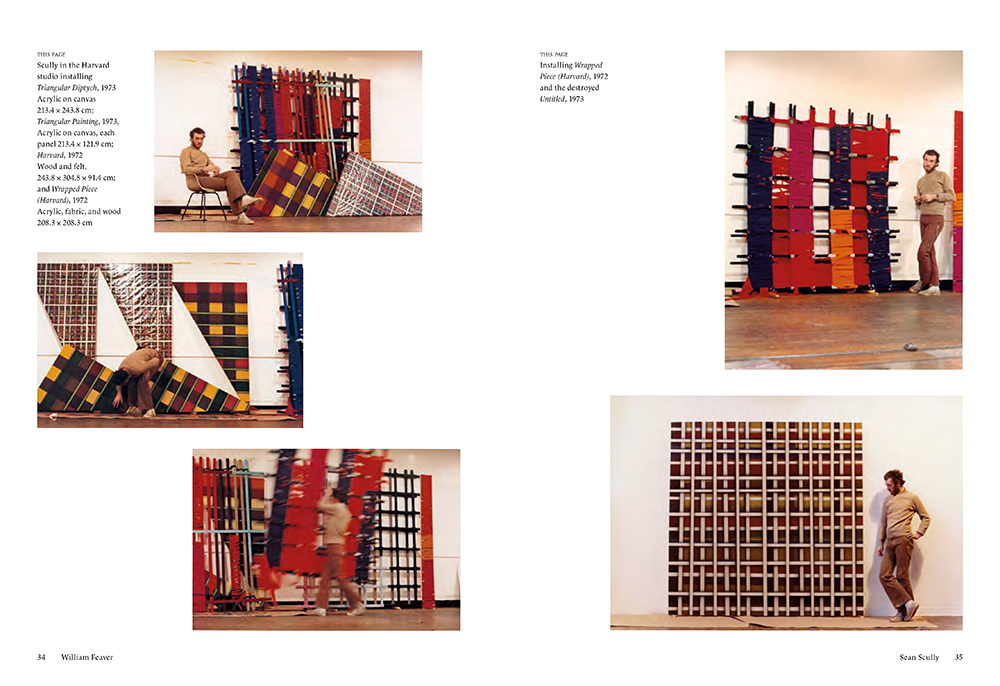
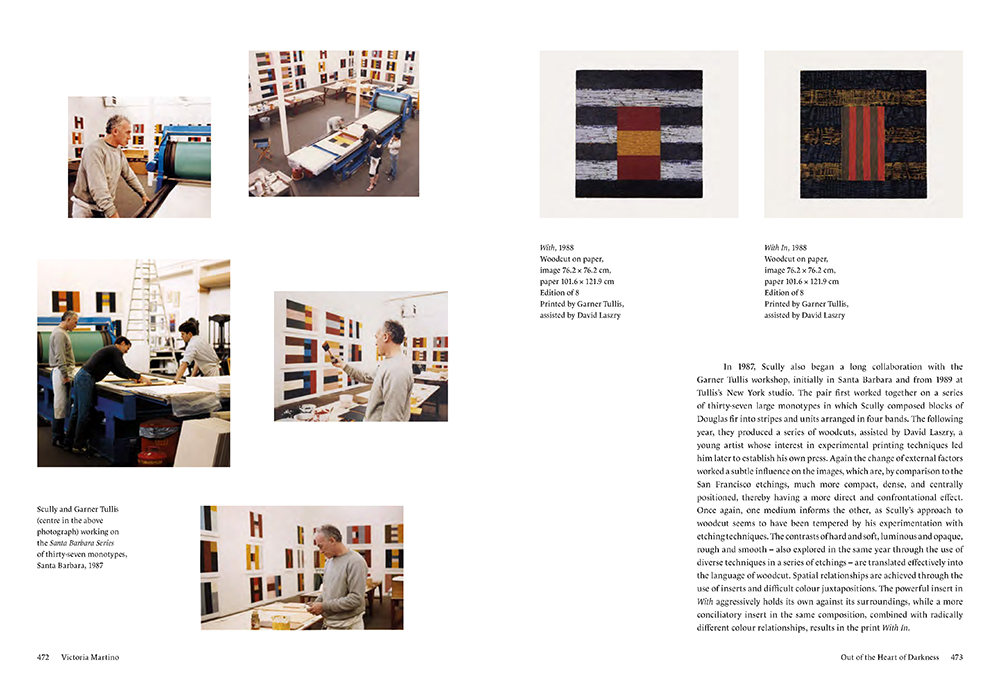
From his earliest days, Scully attracted the attention and interest of writers and thinkers who were drawn to his distinctive work. This beautiful book collates the writings of fifty critical luminaries from various disciplines who have written about his art and the singular course that he followed in the first three decades of his career. Reflecting the endless variety of his compositions, each contributor identifies novel and different aspects in the work as it developed in unexpected and intriguing ways. On publication, these texts became catalysts for the artist himself, woven into his evolution and influencing his development either as lines of enquiry to explore or as ideas to kick against. Lavishly illustrated with all of Scully’s key works from the late 1960s to 1999, and with dozens of installation views, behind-the-scenes studio shots, and portraits of the artist, many seen here for the first time, this collection provides a concise and accessible account of the early career of an artist as he set out to finally reconcile emotion and intellect in abstract painting.

Contributors
Neal Benezra • Ian Bennett • Michael Brenson • John Caldwell • David Carrier • Victoria Combalía • Lynne Cooke • Holland Cotter • Arthur C. Danto • Danilo Eccher • William Feaver • Jean Frémon • Peter Fuller • Xavier Girard • Mark Glazebrook • Sharon Gold • Hans-Michael Herzog • Andrea Hill • Robert Hughes • Sam Hunter • Francisco Jarauta • William Jeffett • Roy Johnston • Enrique Juncosa • Pepe Karmel • Bernd Klüser • Donald Kuspit • Susanne Lambrecht • Adrian Lewis • John Loughery • Edward Lucie-Smith • Mario-Andreas von Lüttichau • Steven Henry Madoff • Victoria Martino • Joseph Masheck • William Packer • Demetrio Paparoni • Kevin Power • Carter Ratcliff • John Roberts • Adrienne Rosenthal • John Russell • Michael Semff • Colm Tóibín • William Varley • Dorothy Walker • Stephan Westfall • John Yau • Armin Zweite

Faye Fleming is a gallerist and curator, currently based in New York. With Timothy Taylor in London, she worked closely with artists such as Fiona Rae, James Rielly, Alex Katz, and Jonathan Lasker, and in particular Susan Hiller, whom she brought to the gallery. In 2006, she moved to Geneva, Switzerland, to open Galerie Arquebuse, later Faye Fleming + Partner. The gallery focused on the careers of emerging international artists, being the first to represent Lynette Yiadom-Boakye with several solo exhibitions, and bringing to attention Athanasios Argianas, Charles Avery, Tim Braden, Ruth Claxton, Tami Ichino, Dietmar Lutz, André Niebur, DJ Simpson, among others. Since relocating to New York in 2011, Fleming has worked closely with Sean Scully and Liliane Tomasko.

Oscar Humphries has curated exhibitions focusing on art, design, and architecture for museums, galleries, and independently since 2009. He was formerly the publisher and editor of the art magazine Apollo from 2009 to 2013. The founding editor of the Spectator Australia, he has written for publications including the Sunday Times, the Daily Telegraph, the Evening Standard, and the Literary Review. In 2016 he curated Luis Barragán: The Architecture of Color, the first US exhibition to explore the work and influence of the architect since the Museum of Modern Art’s show in 1976. Humphries has worked extensively with Sean Scully on institutional exhibitions and numerous books.

Martin Gayford is a writer and art critic for the Spectator, having held similar posts with the Sunday Telegraph and Bloomberg News. He is the author of Modernists & Mavericks: Bacon, Freud, Hockney and the London Painters; Man with a Blue Scarf: On Sitting for a Portrait by Lucian Freud; A Bigger Message: Conversations with David Hockney; Michelangelo: His Epic Life; The Yellow House: Van Gogh, Gauguin and Nine Turbulent Weeks in Arles; and Constable in Love: Love, Landscape, Money and the Making of a Great Painter. He is also the co-author with David Hockney of A History of Pictures: From Cave to Computer Screen.
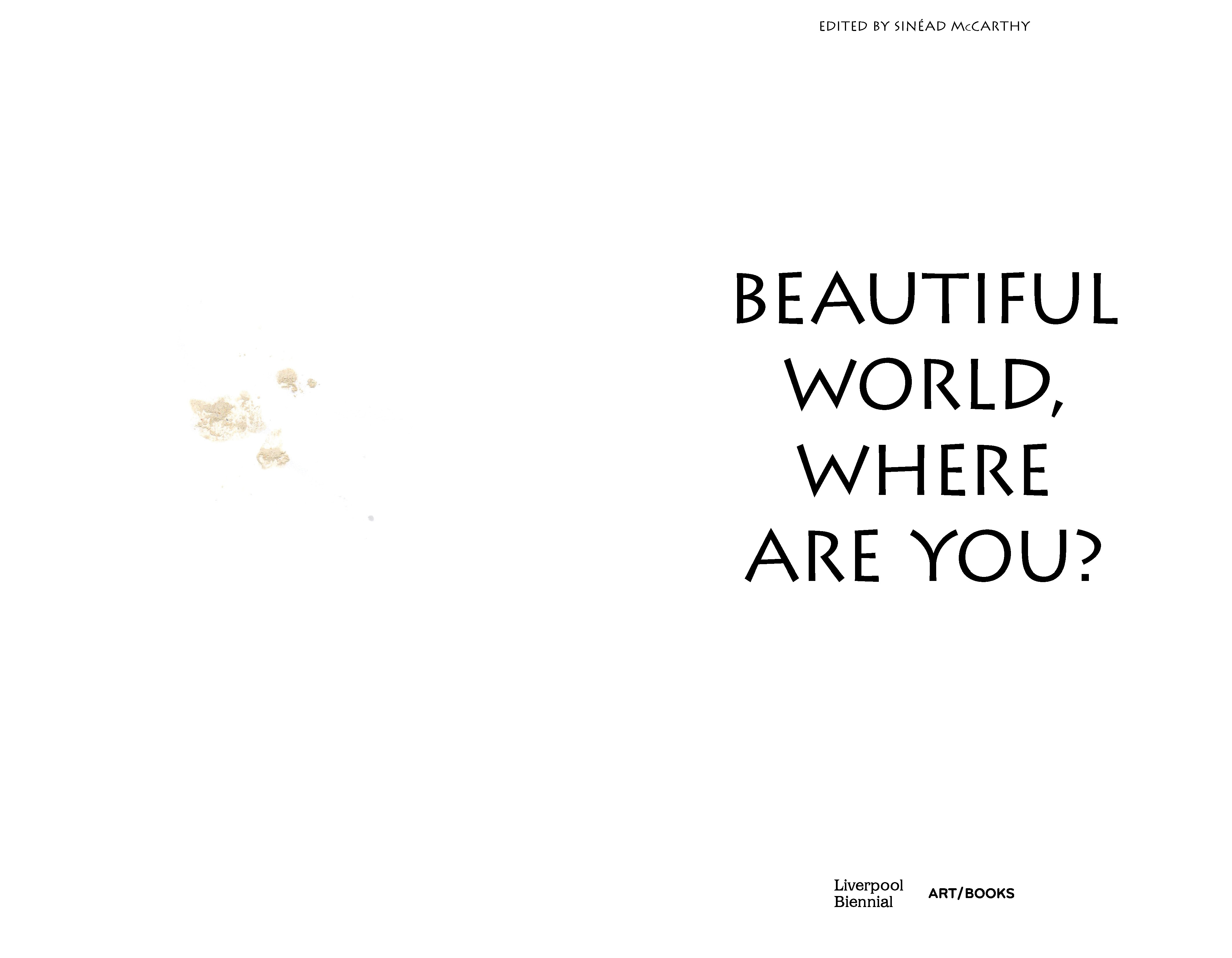
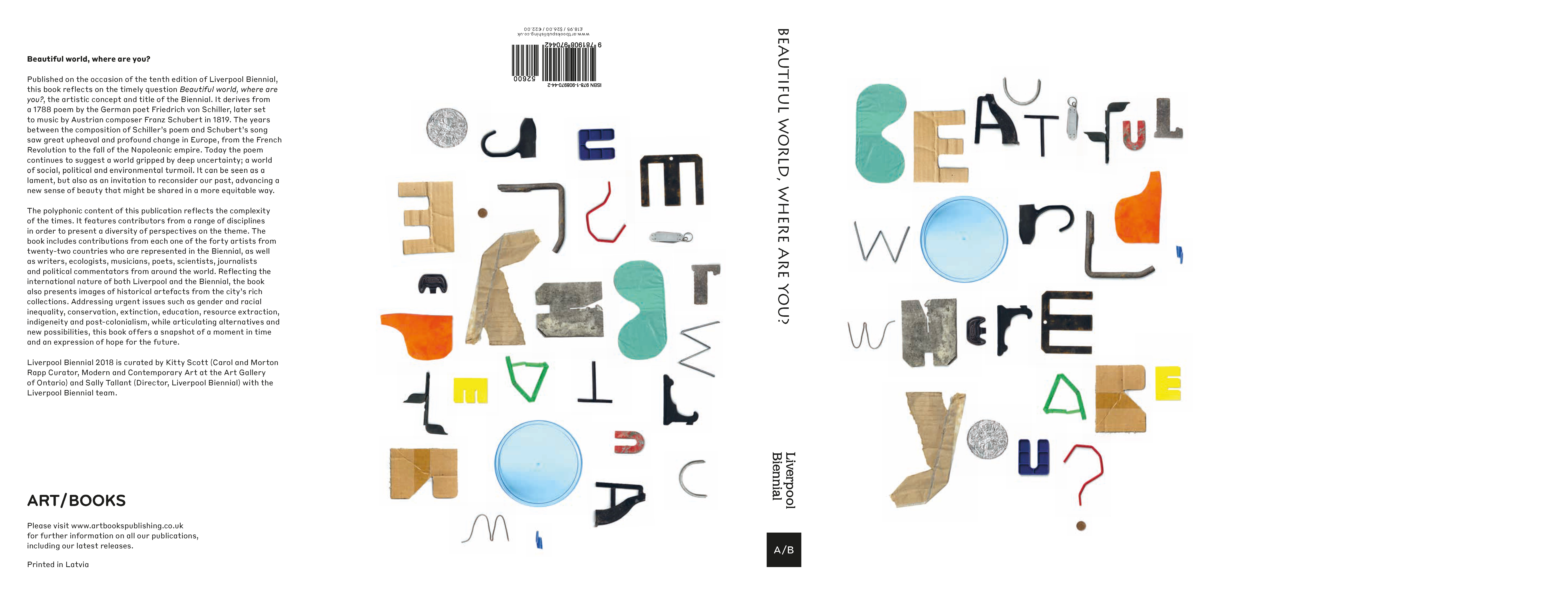
Beautiful World, Where Are You?

Edited by Sinéad McCarthy

‘Such energy and dynamism … demands [to] be seen’ — Telegraph
‘Many highlights’ — Observer
‘Invigorating’ — Times

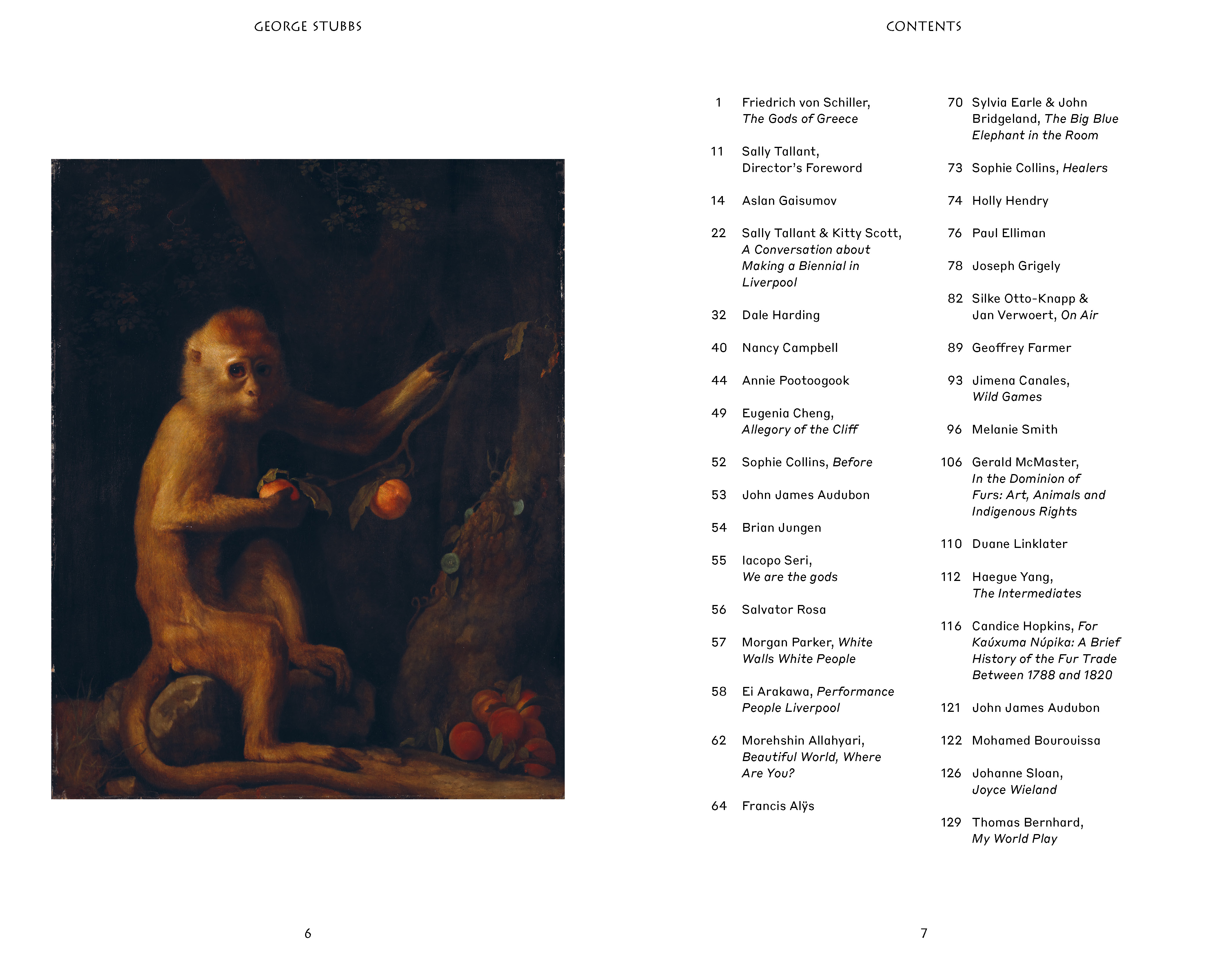
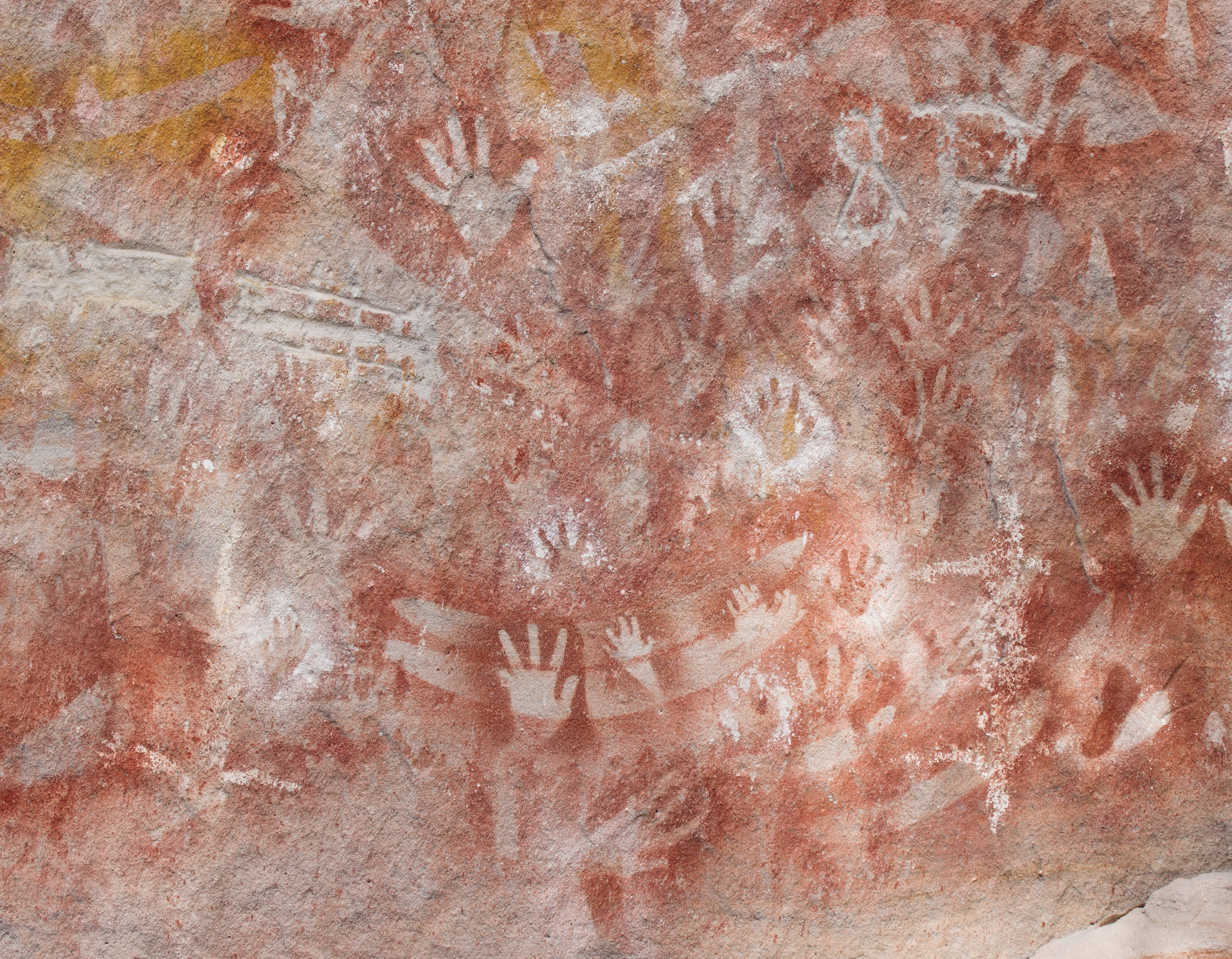
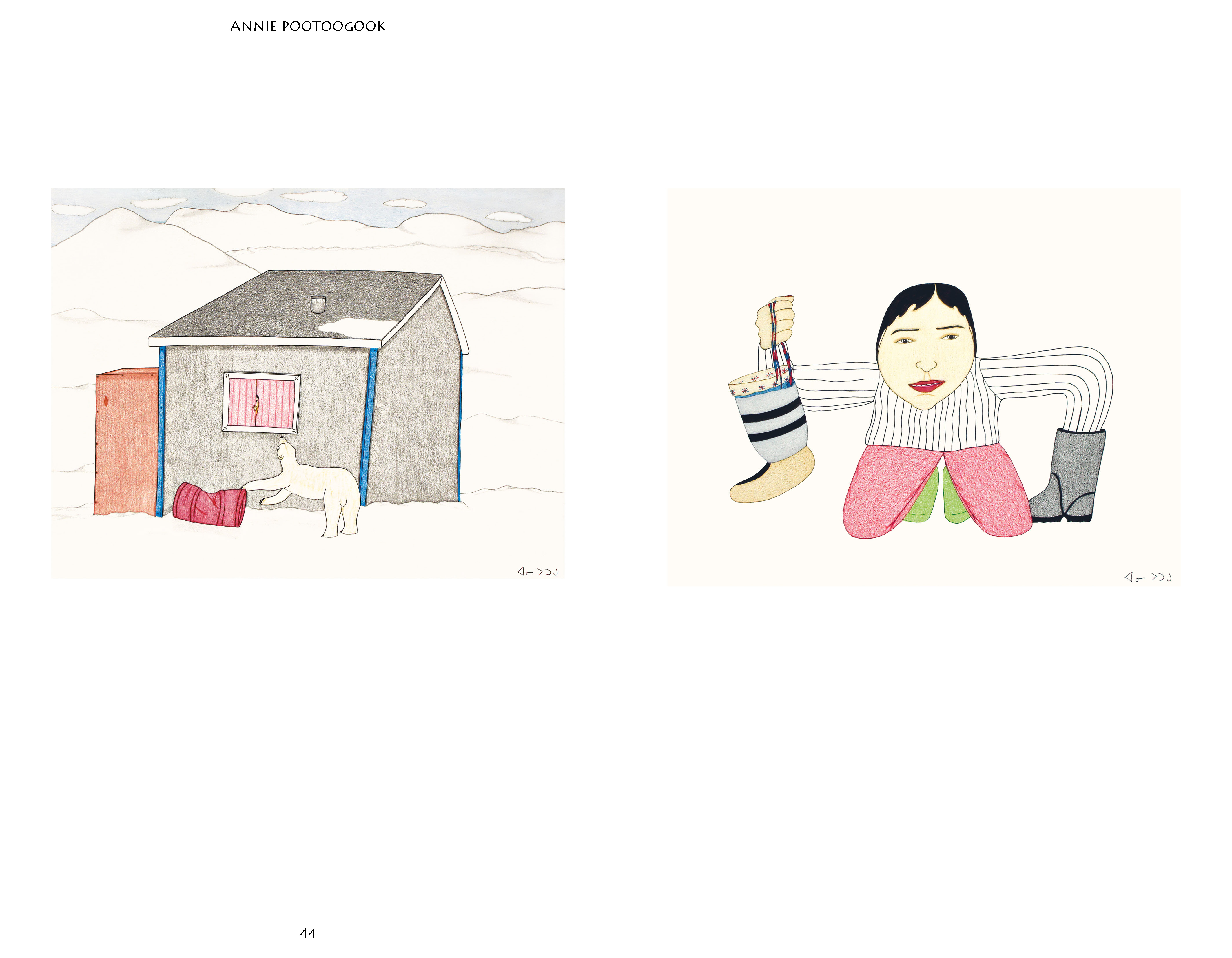
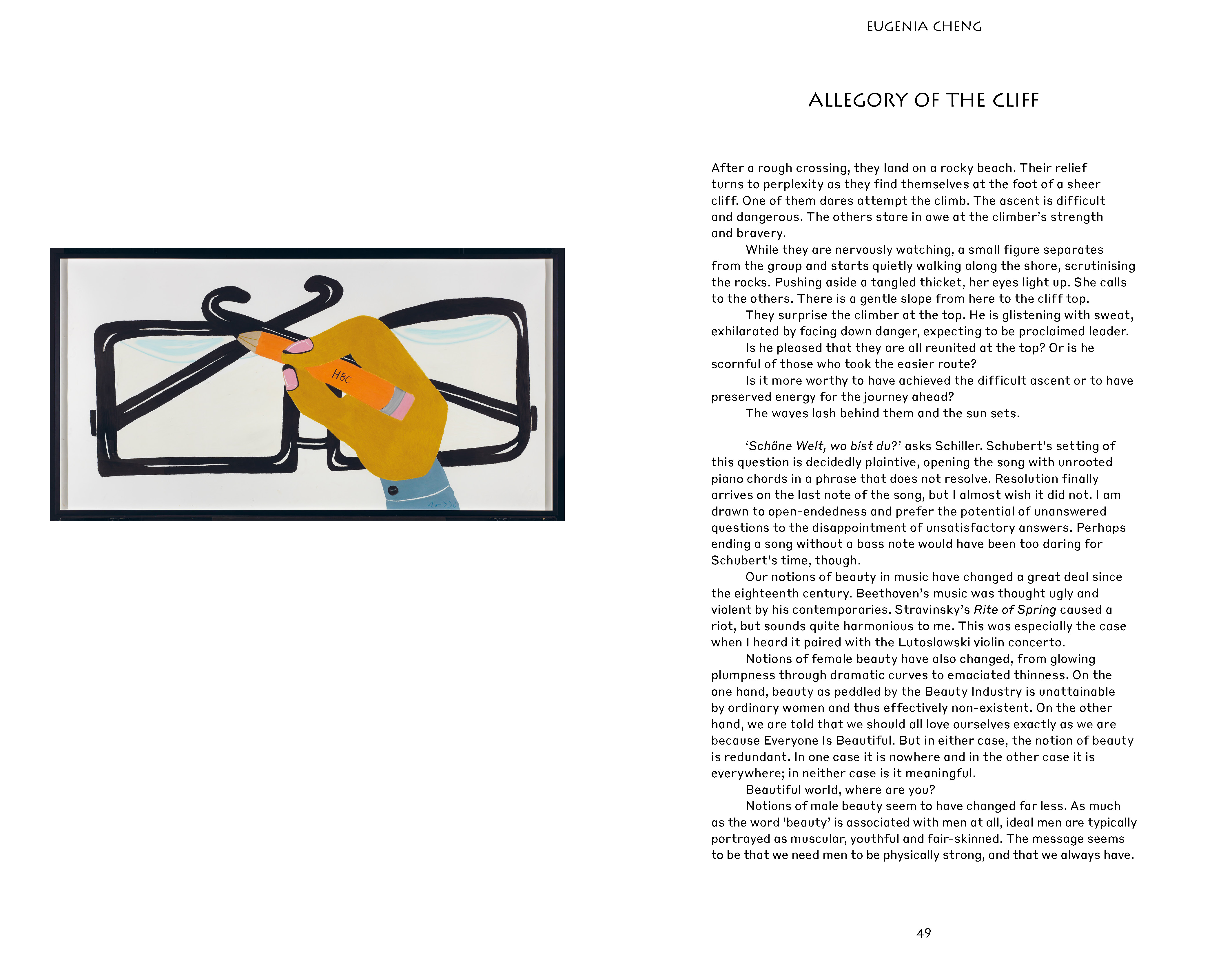
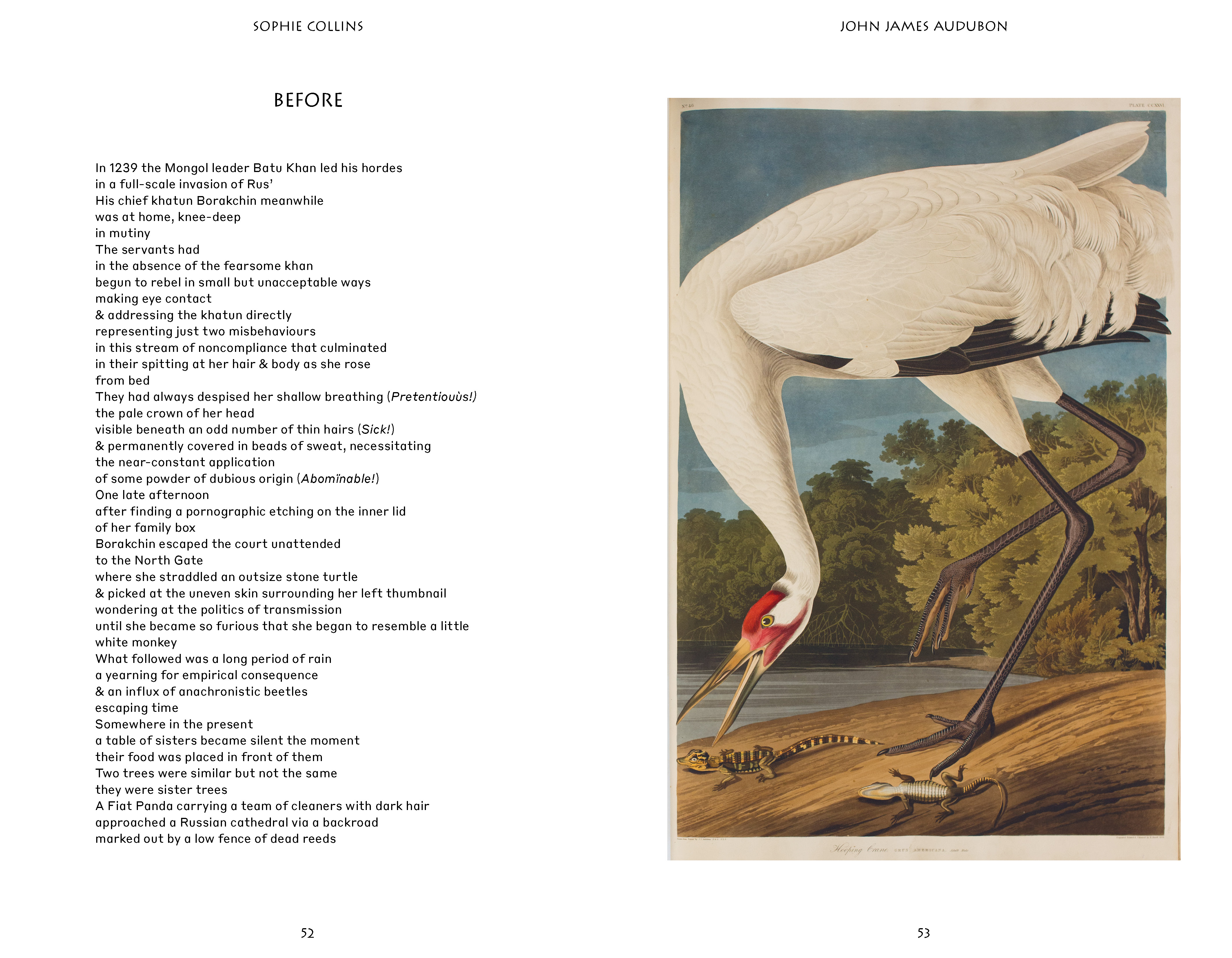
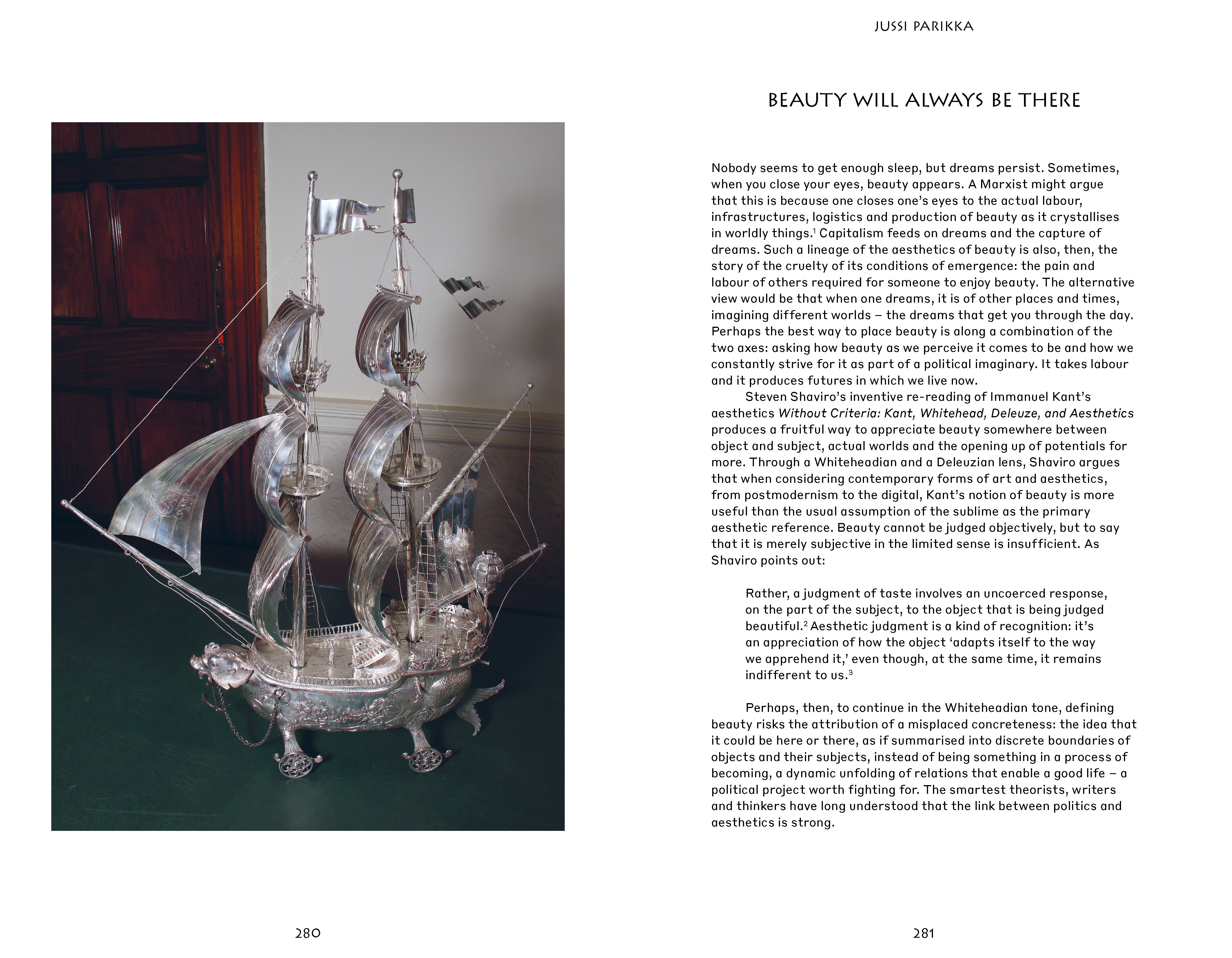
Published on the occasion of the tenth edition of Liverpool Biennial, this book reflects on the timely question Beautiful world, where are you? It is derived from a 1788 poem by the German poet Friedrich von Schiller, later set to music by Austrian composer Franz Schubert in 1819. The years between the composition of Schiller’s poem and Schubert’s song saw great upheaval and profound change in Europe, from the French Revolution to the fall of the Napoleonic empire. Today the poem continues to suggest a world gripped by deep uncertainty; a world of social, political and environmental turmoil. It can be seen as a lament, but also as an invitation to reconsider our past, advancing a new sense of beauty that might be shared in a more equitable way.

Featuring contributions from a range of disciplines and presenting a diversity of perspectives on the theme, the book includes contributions from the artists in the Biennial, as well as writers, ecologists, musicians, poets, scientists, journalists and political commentators from around the world. It considers the international nature of both Liverpool and the Biennial and presents images of historical artefacts from the city’s rich collections. Addressing urgent issues such as gender and racial inequality, conservation, extinction, education, resource extraction, indigeneity and post-colonialism, while articulating alternatives and new possibilities, this book captures a moment in time and an expression of hope for the future.

Sinéad McCarthy is Curator at Liverpool Biennial


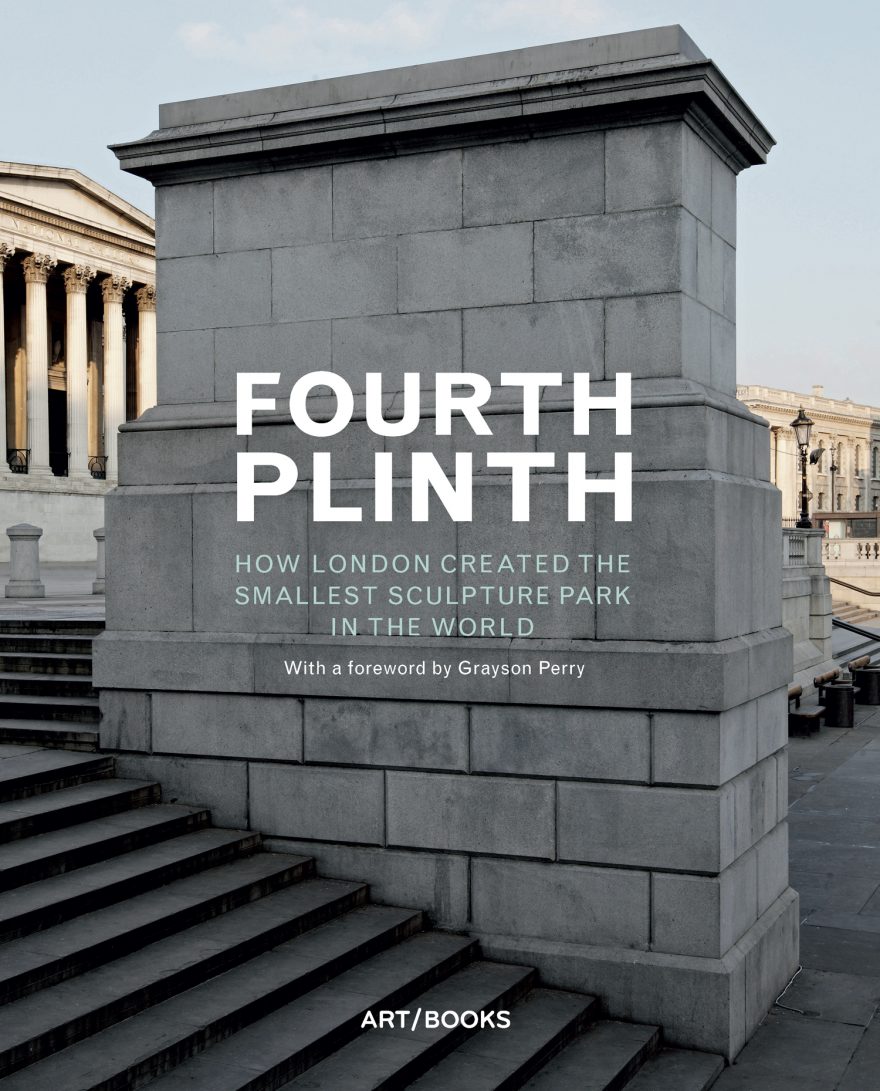
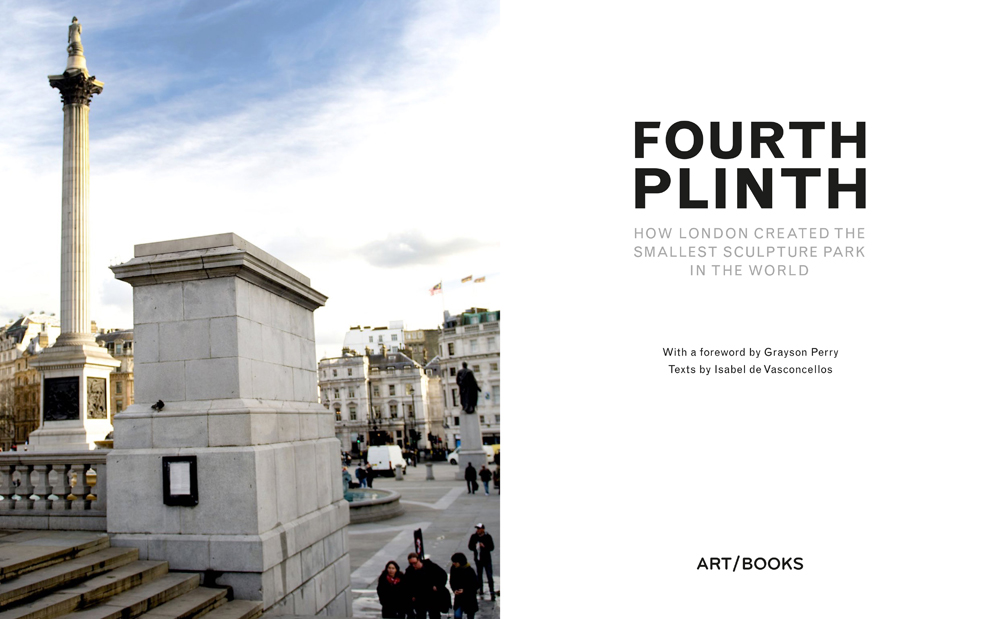
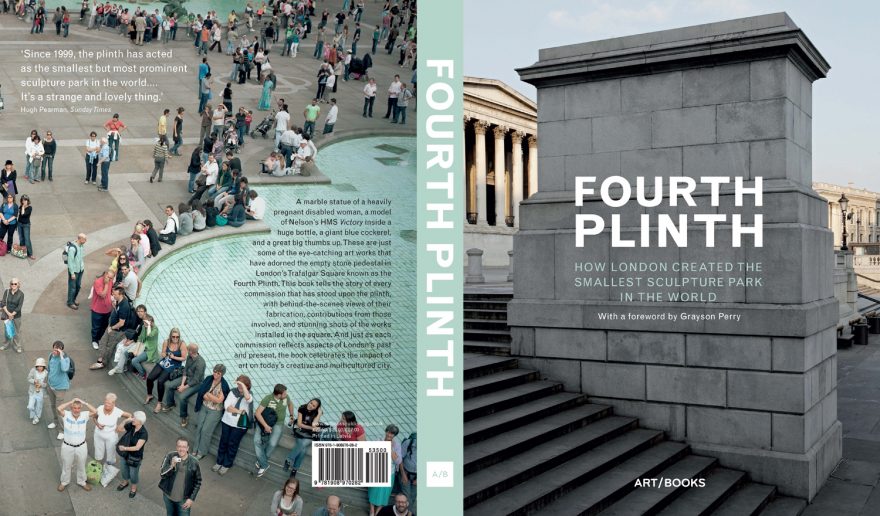
Fourth Plinth

How London Created the Smallest Sculpture Park in the World

Foreword by Grayson Perry
Texts by Isabel de Vasconcellos

‘Since 1999, the plinth has acted as the smallest but most prominent sculpture park in the world.… It’s a strange and lovely thing.’ — Sunday Times

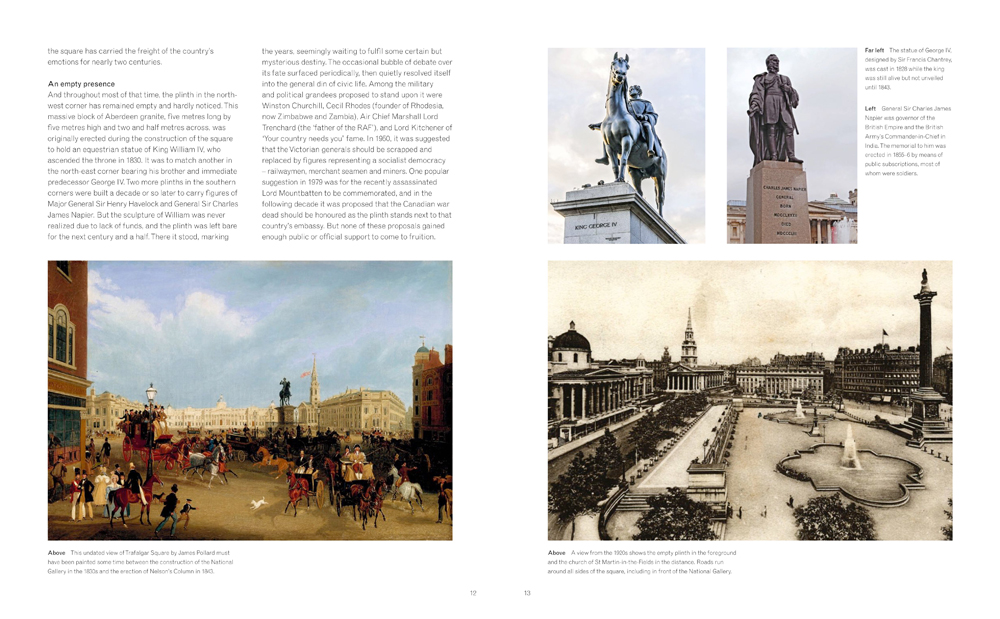
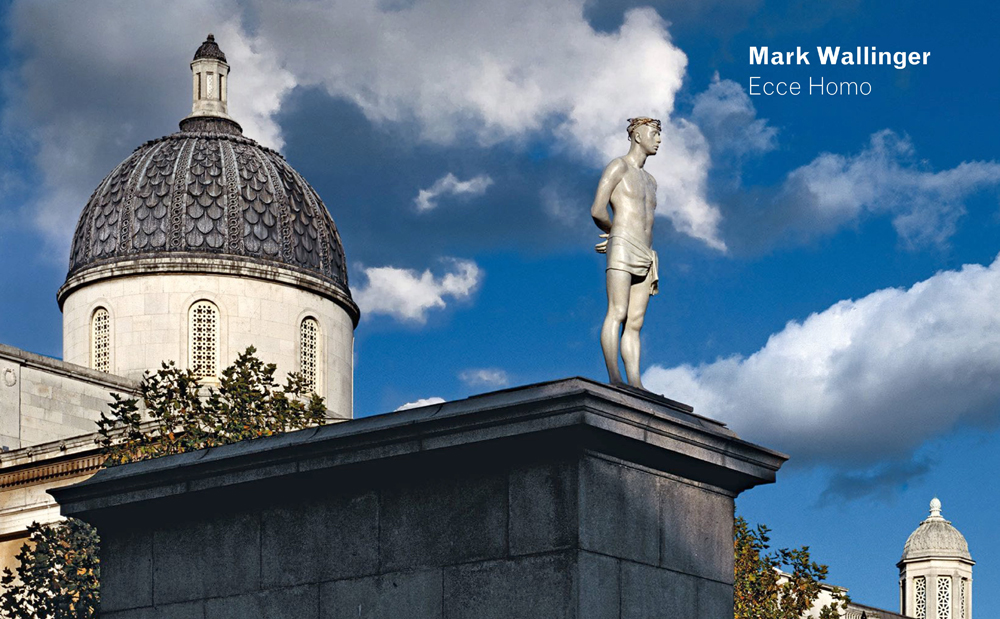
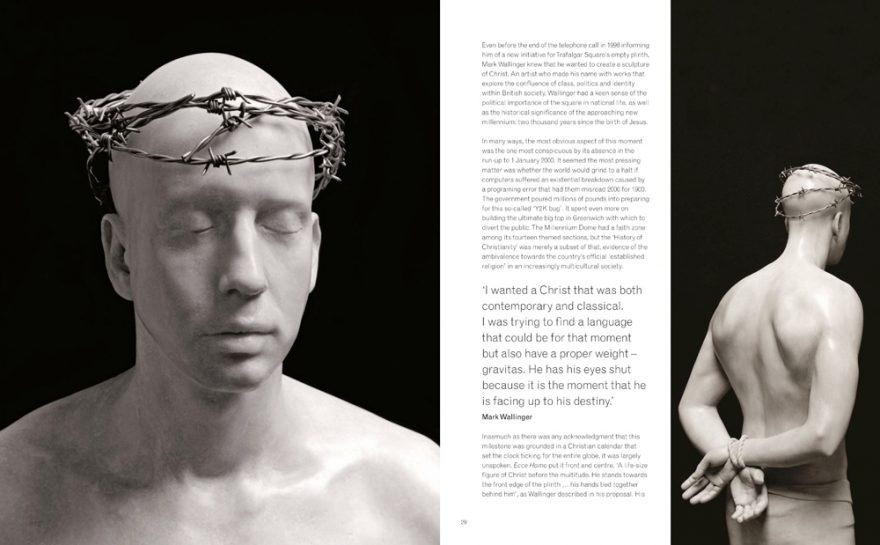
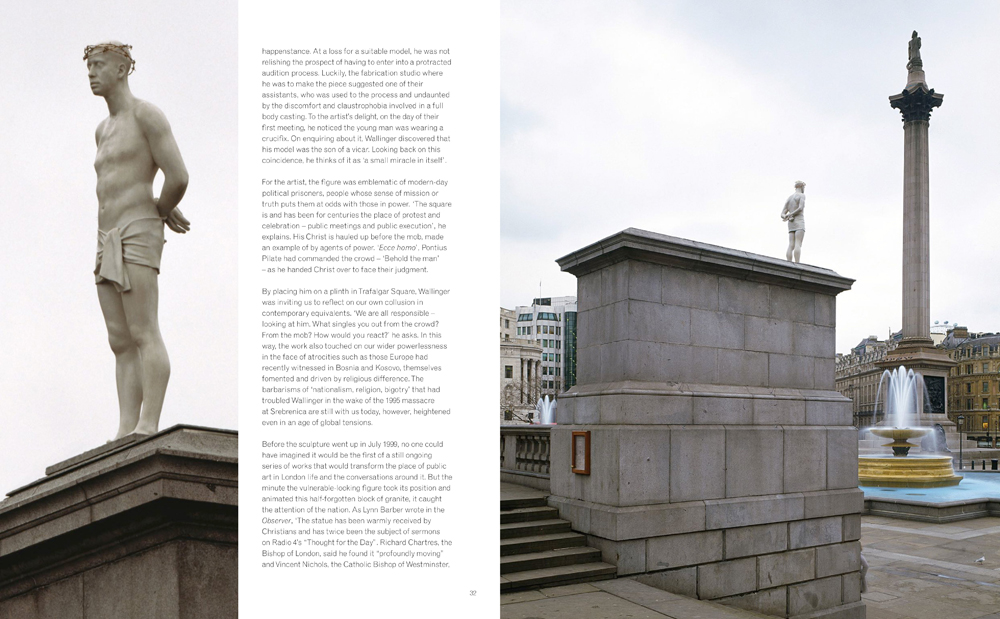
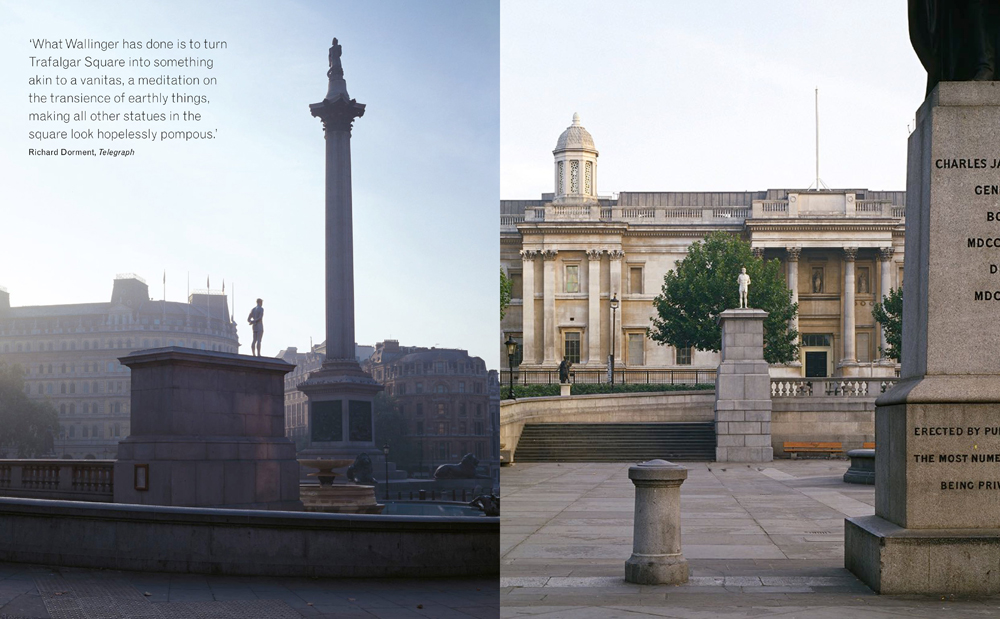
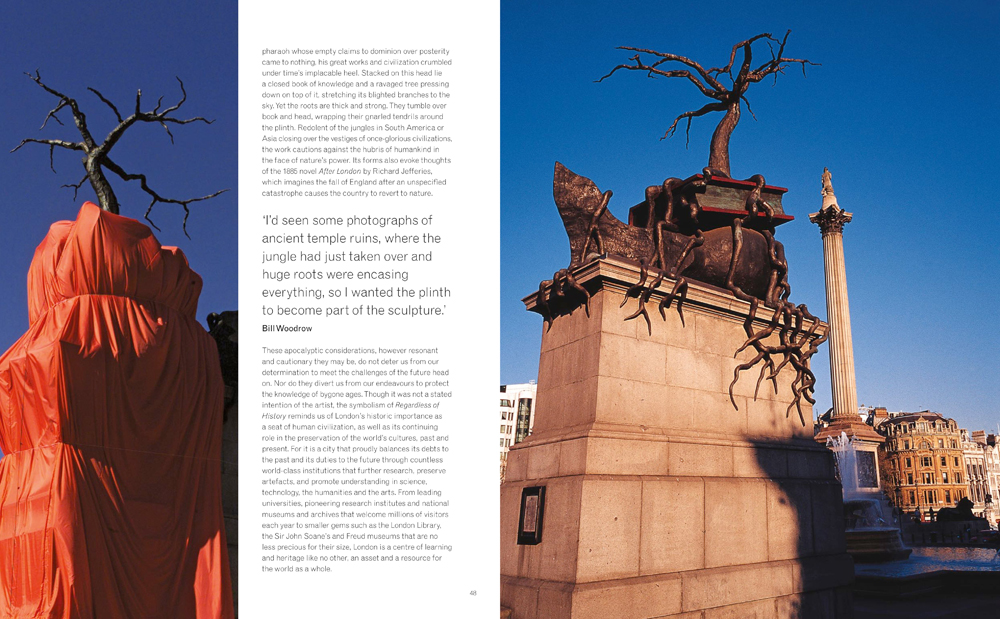
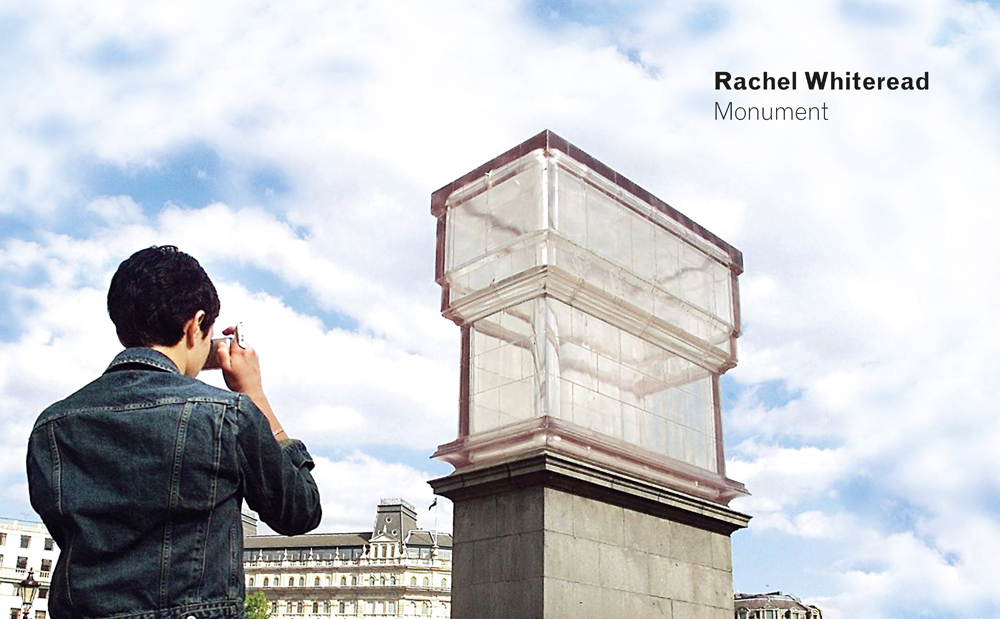
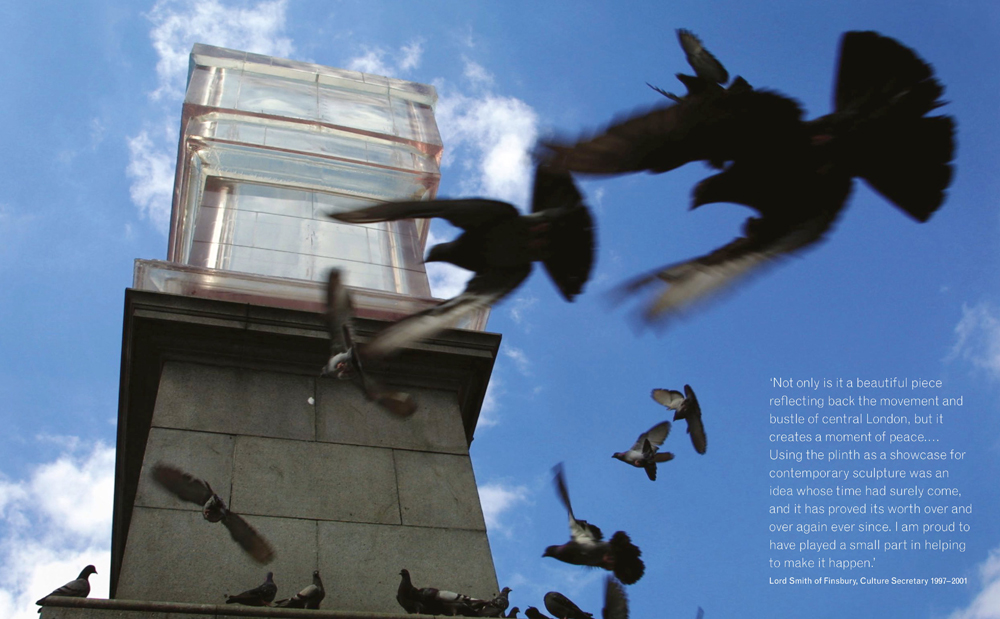
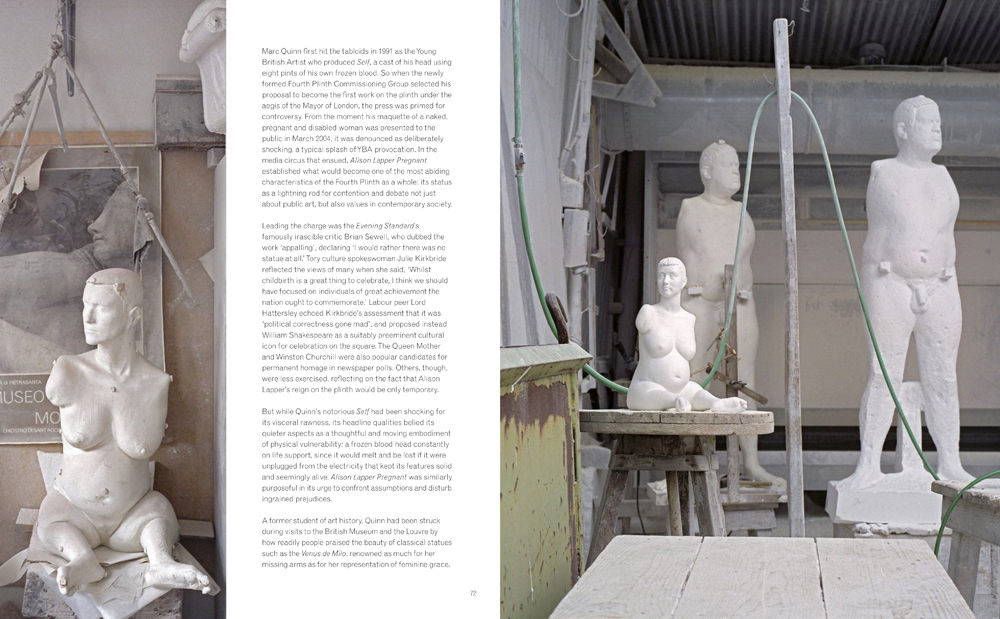
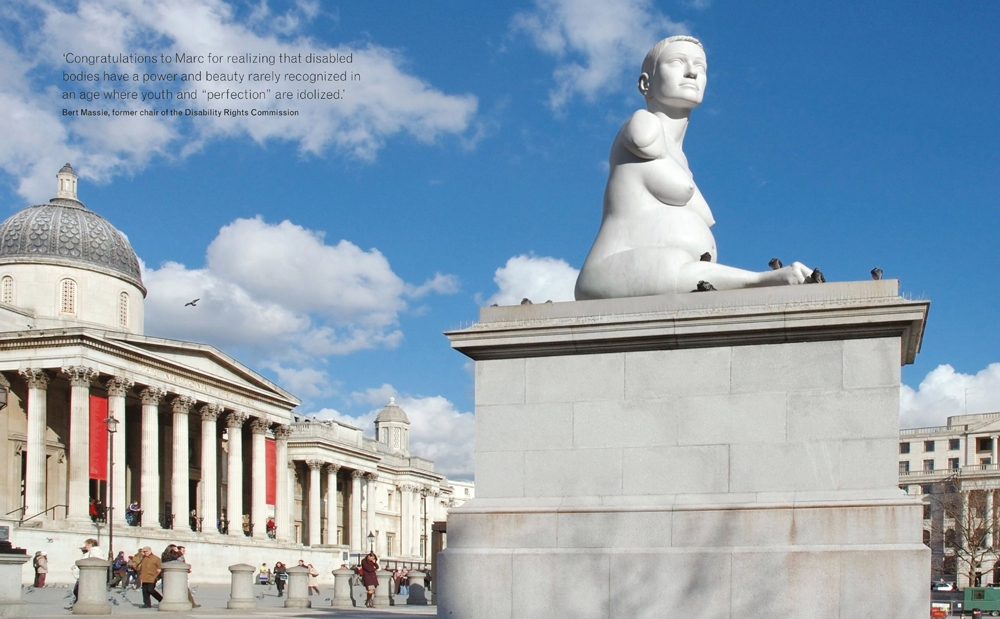
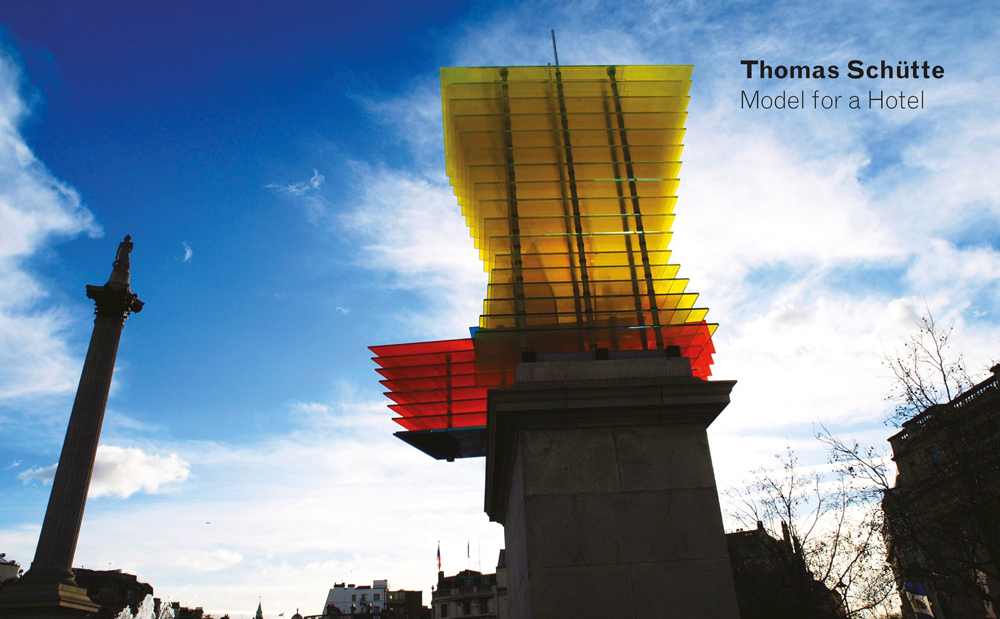
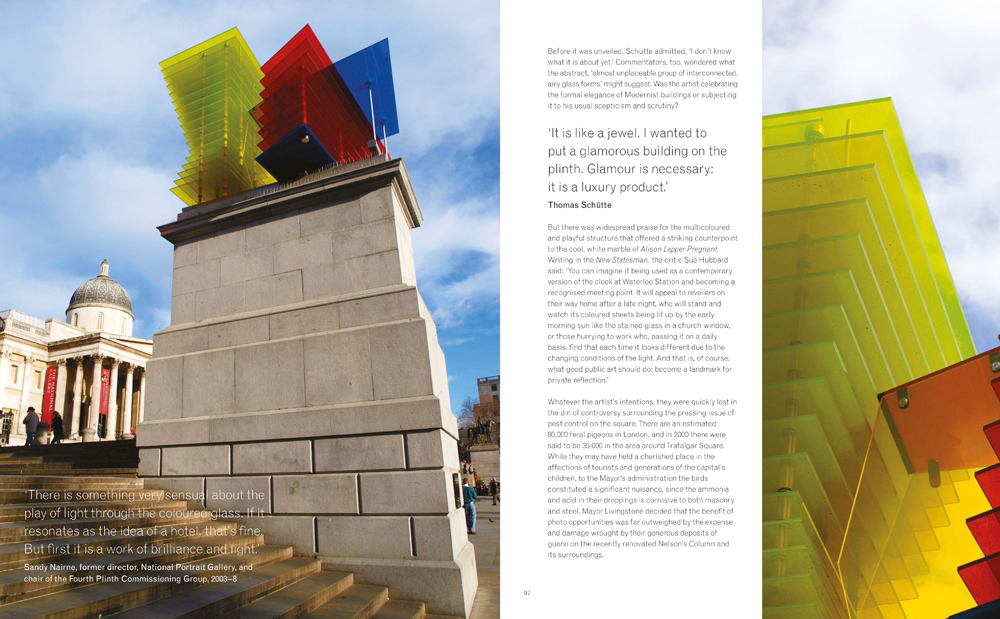
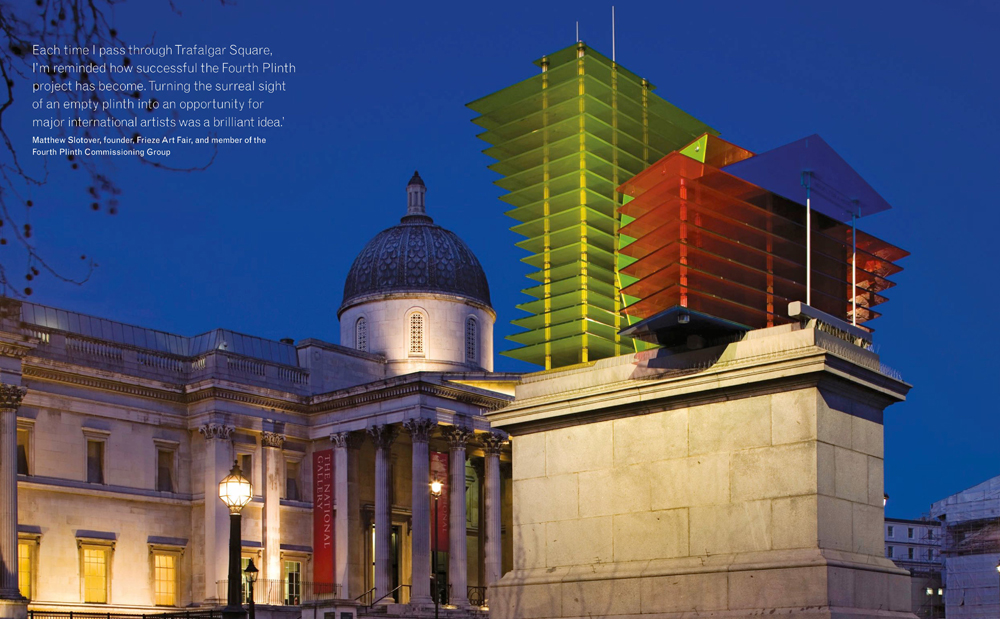
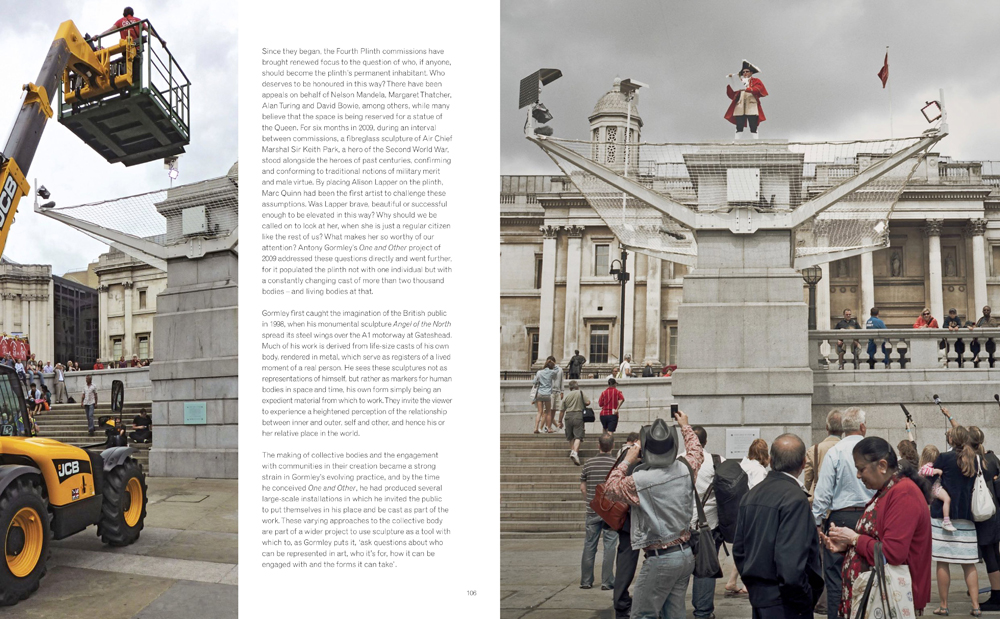
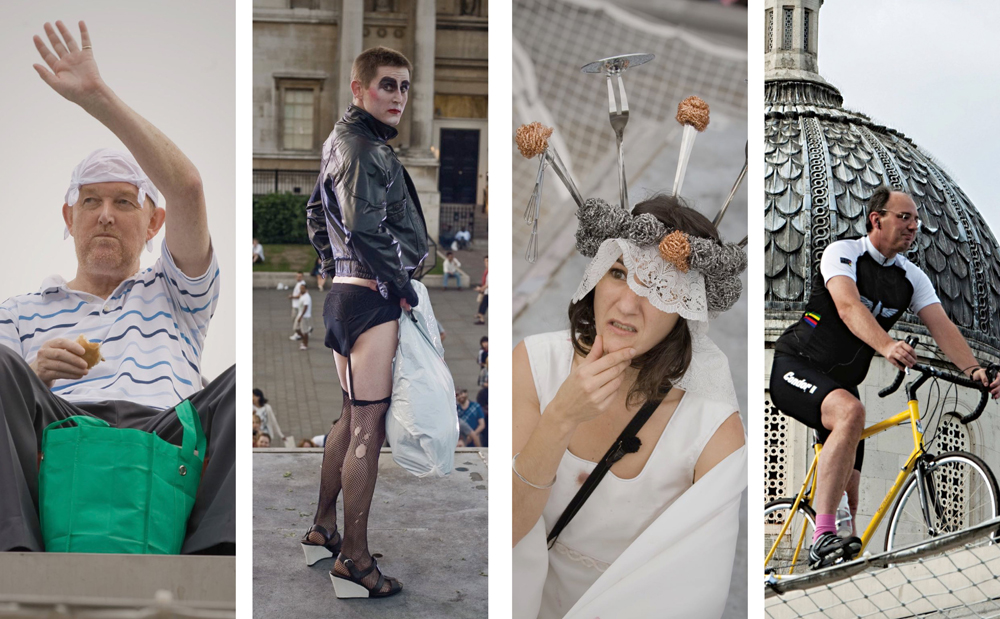
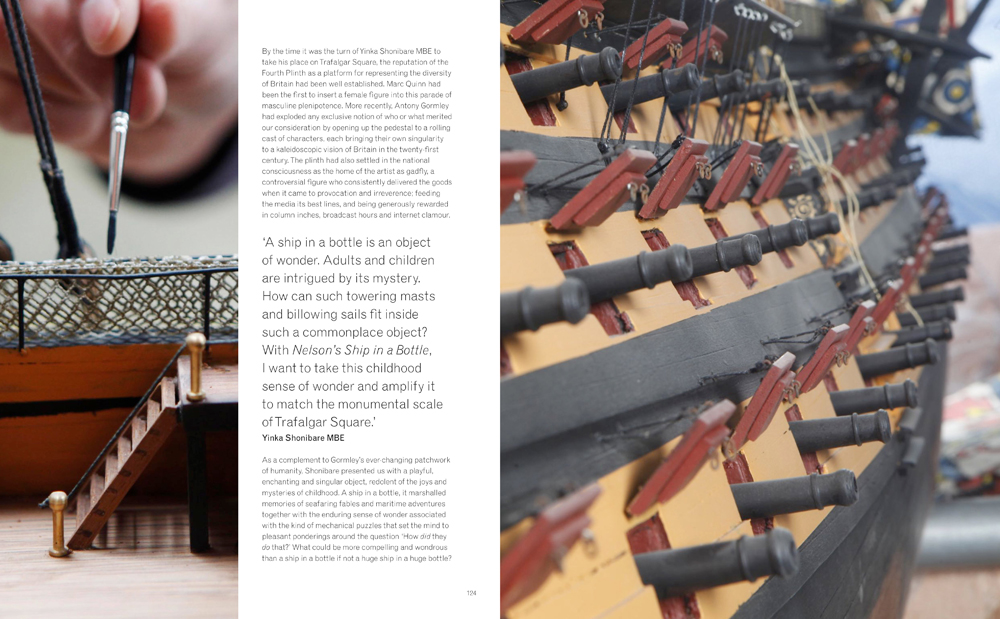
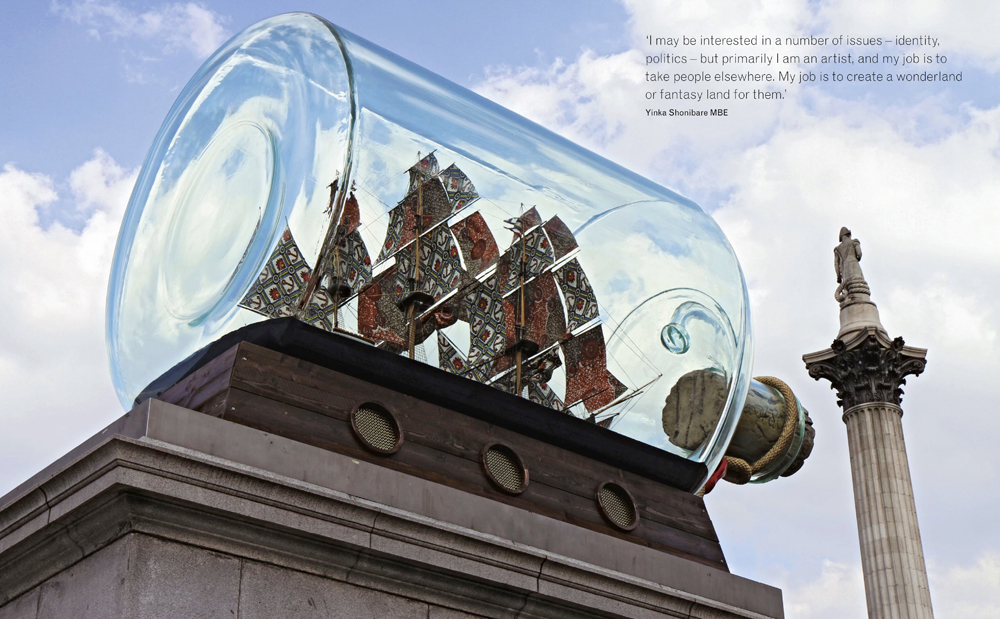
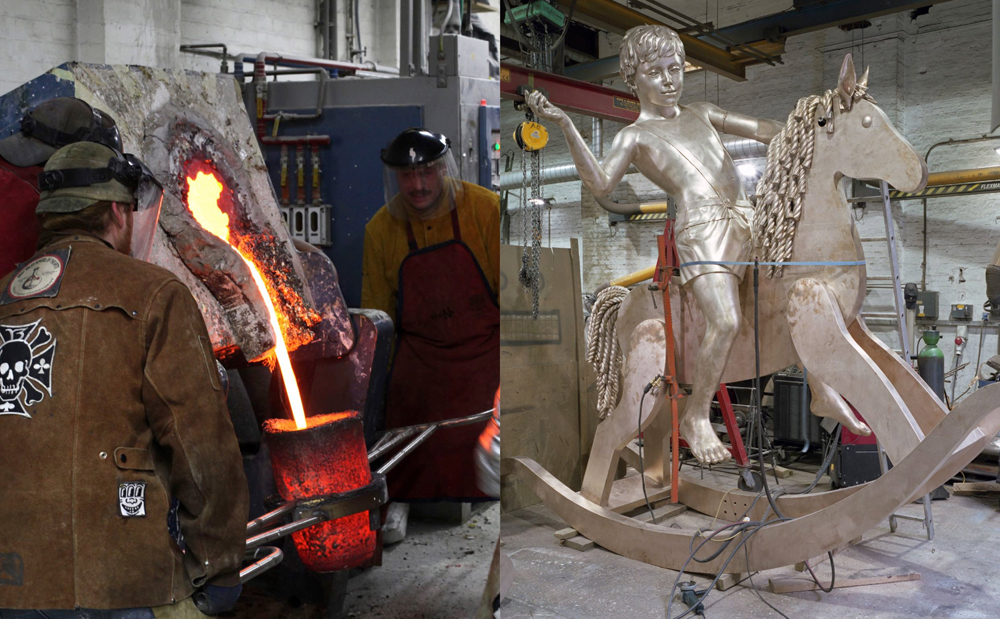
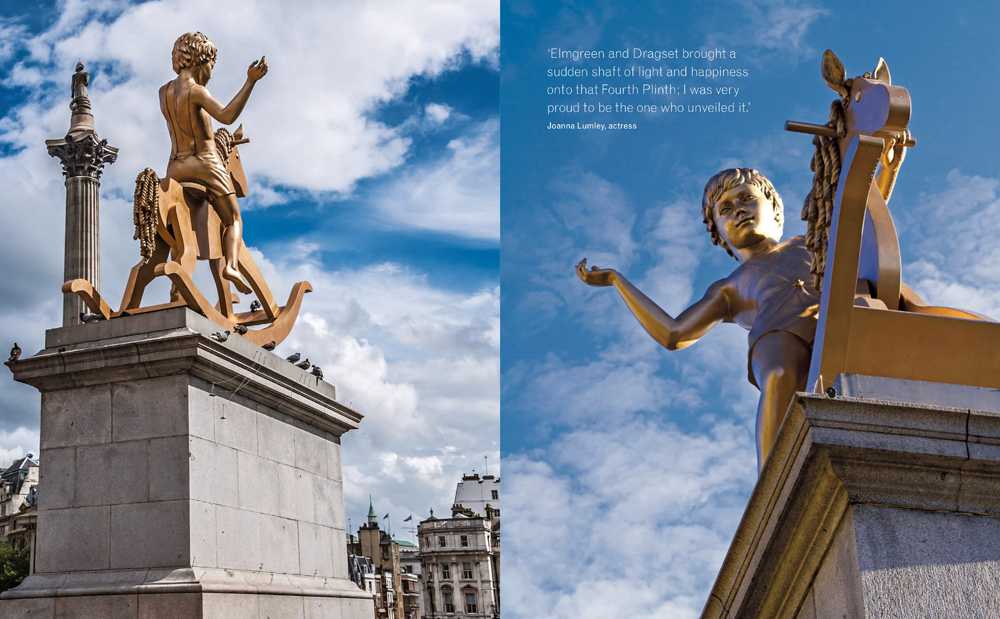
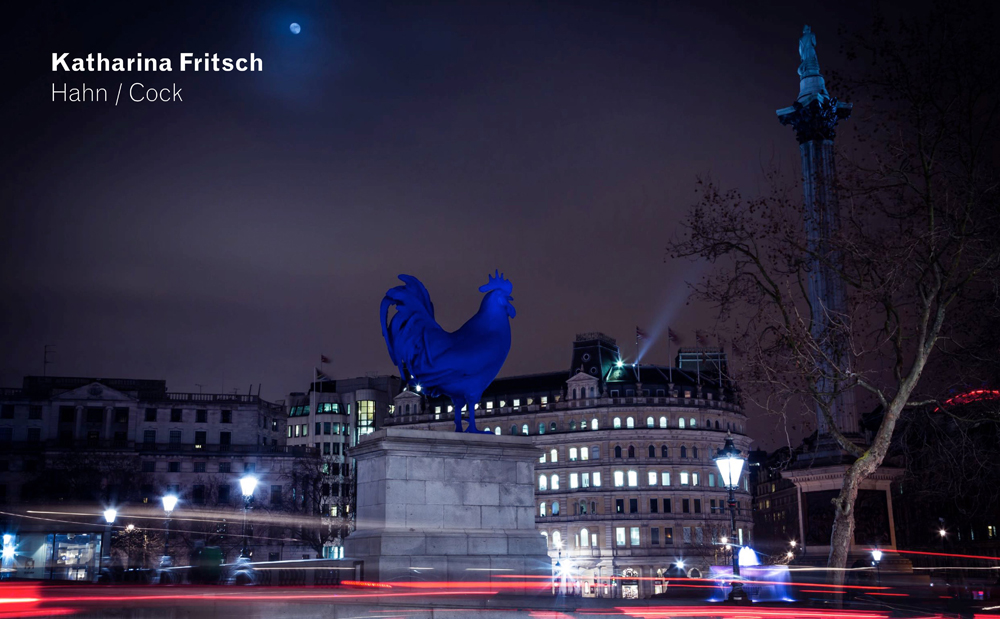
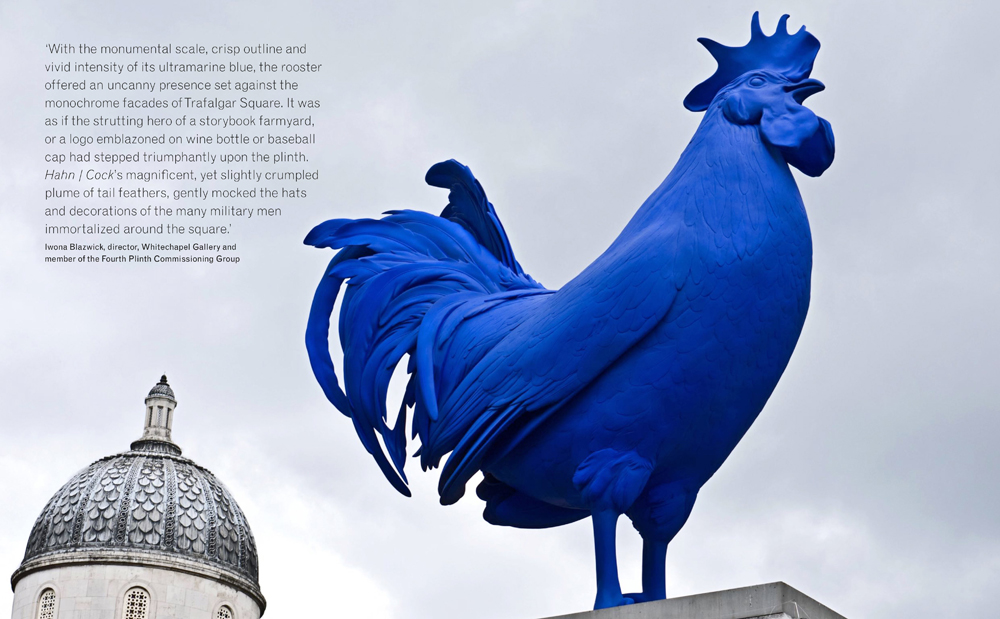
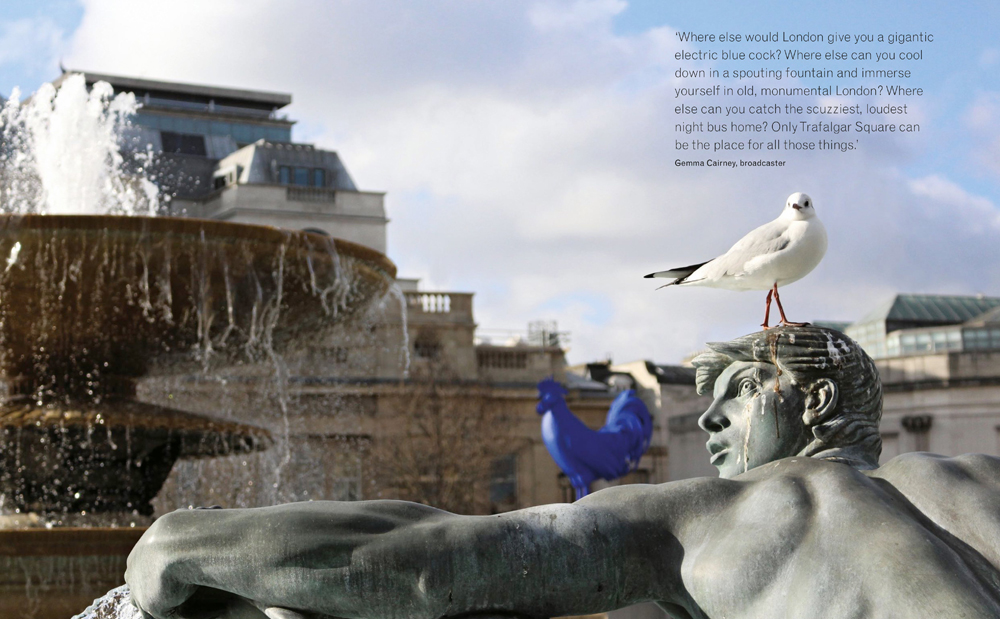
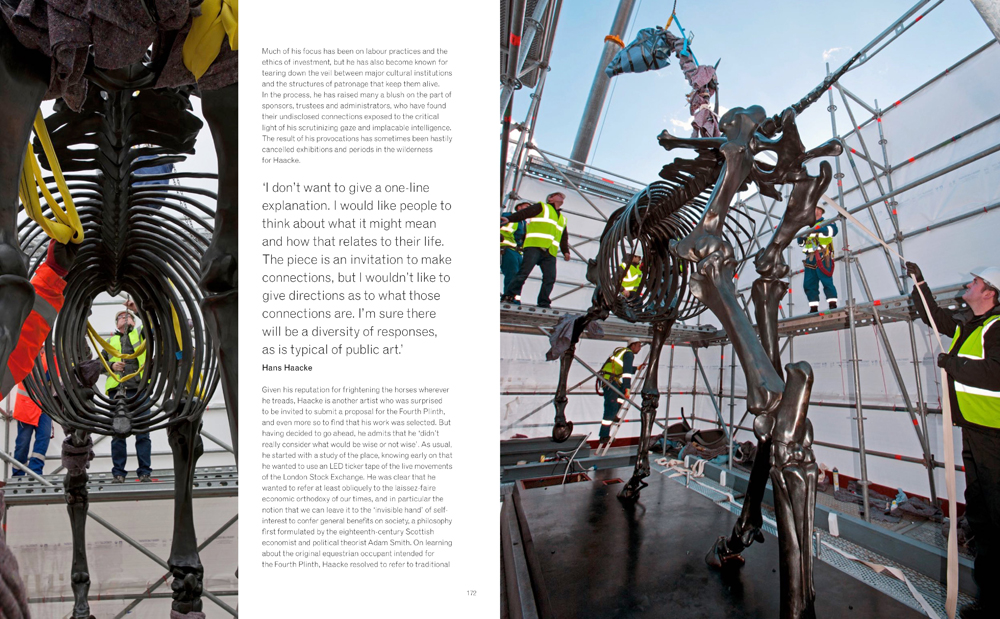
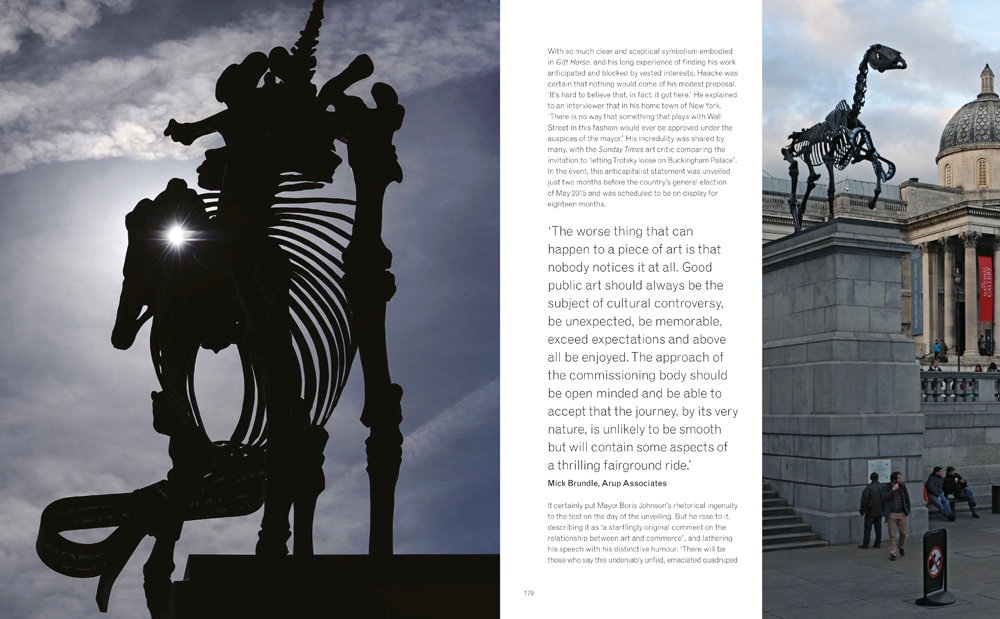
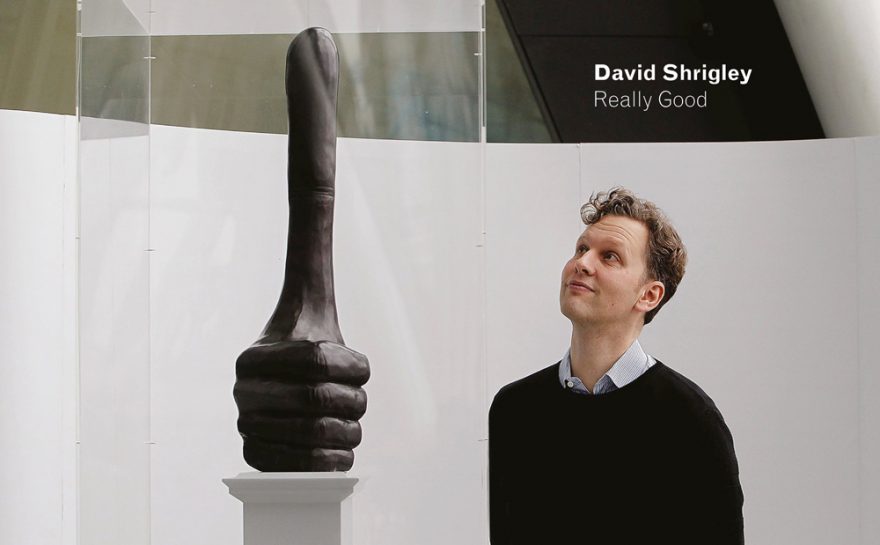
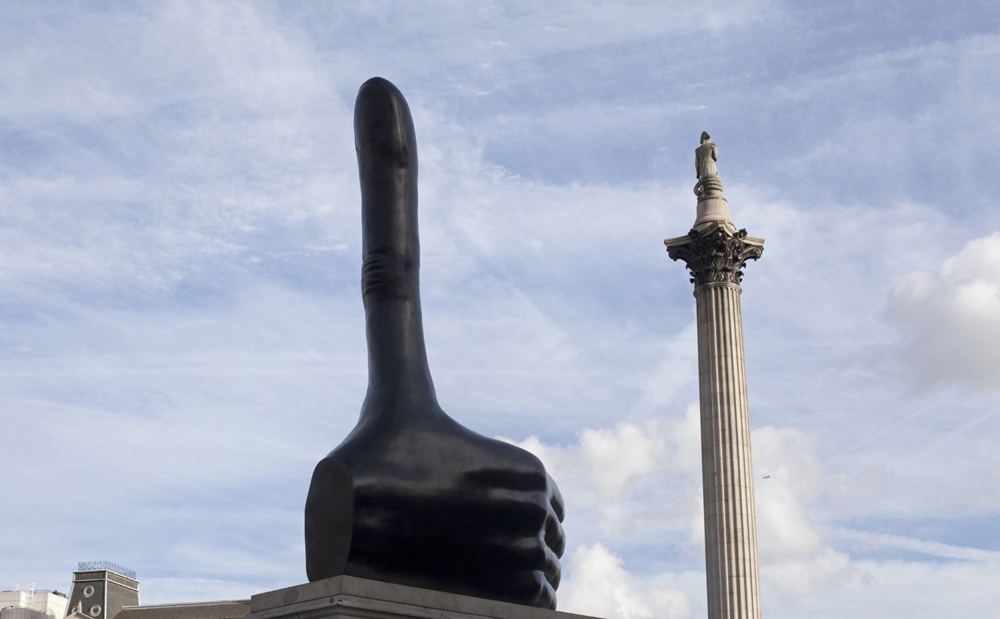
A marble statue of a heavily pregnant disabled woman, a model of Nelson’s HMS Victory inside a huge bottle, a giant blue cockerel, and a great big bronze thumbs up. These are just some of the eye-catching art works that have adorned the empty stone pedestal in London’s Trafalgar Square known as the Fourth Plinth. Since 1999, many leading international artists such as Antony Gormley, Hans Haacke, Rachel Whiteread, Mark Wallinger, Yinka Shonibare, Elmgreen and Dragset have been invited to propose works for the space. The results have divided opinion across the capital and beyond, prompting debate not only about the merits of each commission, but also about the value of art in the public realm. 

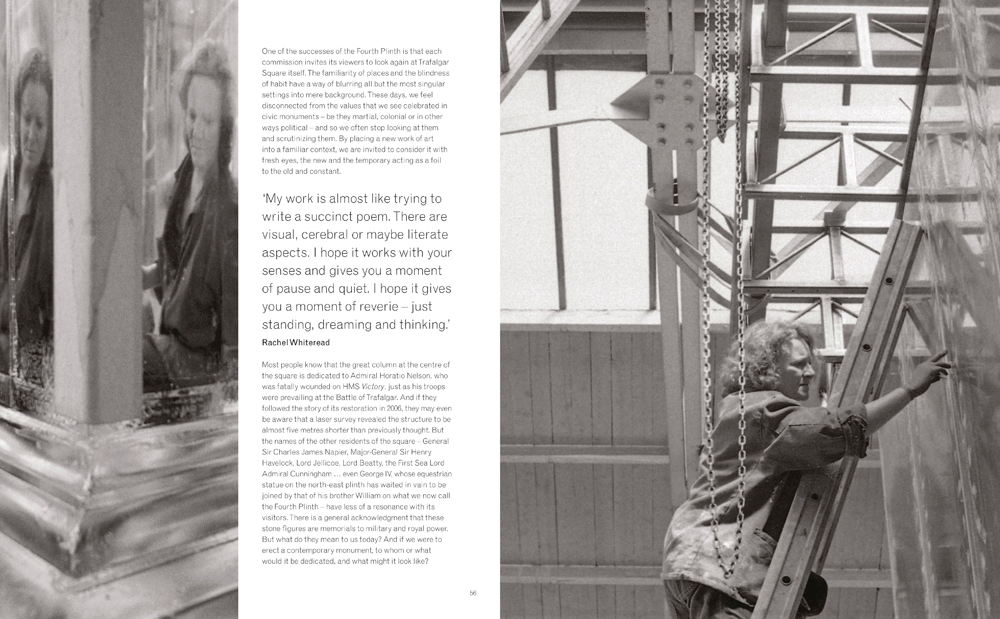
This book tells the story of every commission that has stood upon the plinth, including the very latest, David Shrigley’s Really Good, unveiled in September 2016. Individual chapters present the background and genesis of each work, with behind-the-scenes views of the fabrication, contributions from those involved, and in situ shots of all the installed works. And just as each commission reflects aspects of London’s past and present, the book celebrates the impact of art on today’s creative and multicultured city.

Grayson Perry CBE RA is an internationally celebrated artist, writer and broadcaster. He was awarded the Turner Prize in 2003 and was elected a Royal Academician in 2012; the following year, he received a CBE in the Queen’s Birthday Honours List, and in 2015 was appointed a Trustee of the British Museum and Chancellor of the University of the Arts London. Playing to the Gallery, the book of his 2013 Reith Lectures, is published by Penguin. He was a member of the Fourth Plinth Commissioning Group from 2009 to 2016.
Isabel de Vasconcellos is a writer, curator and arts advisor based in London.
 

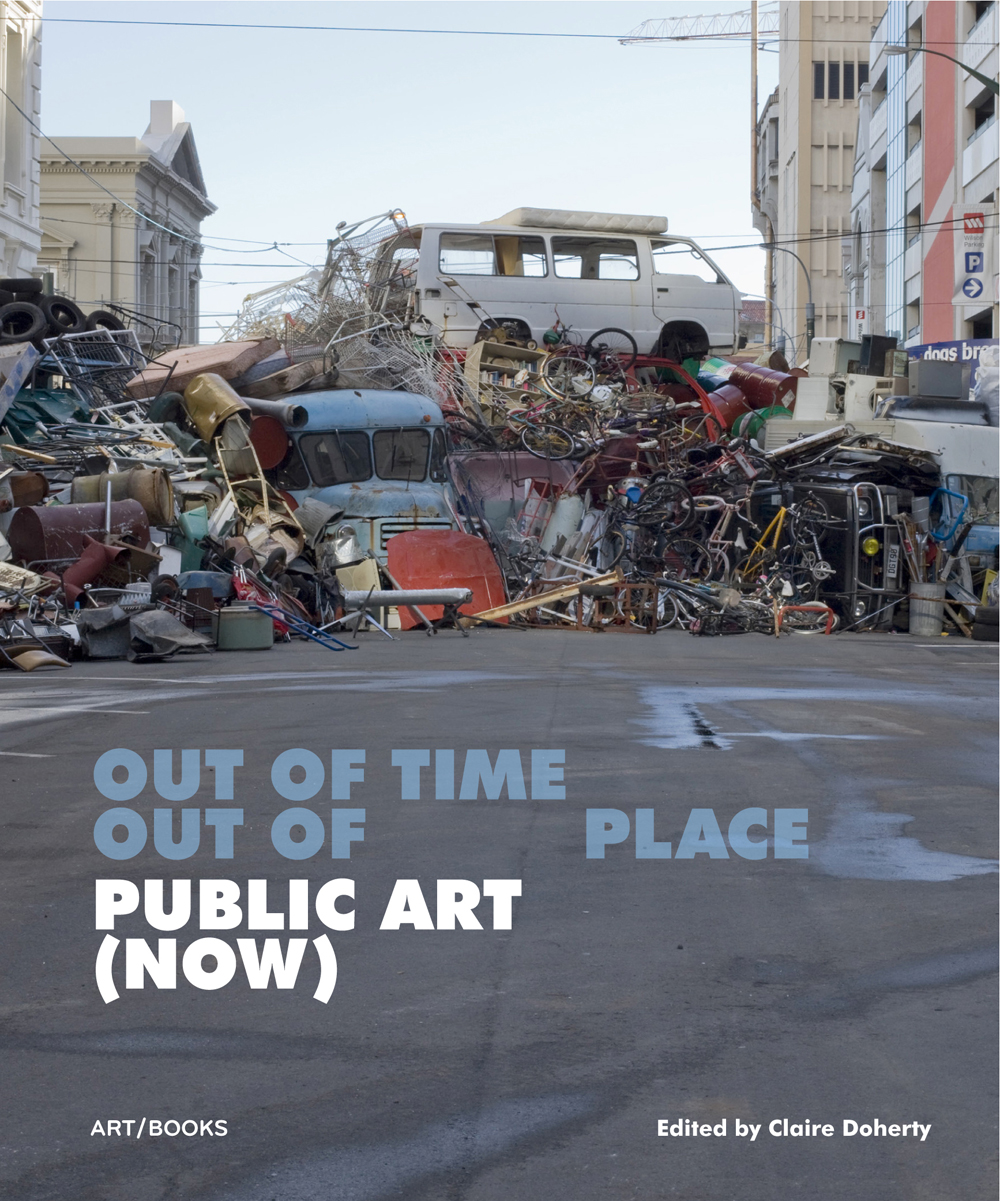
Public Art (Now)

Out of Time, Out of Place

Edited by Claire Doherty
Texts by Claire Doherty, Per Gunnar Eeg-Tverbakk, Chris Fite-Wassilak, Matteo Lucchetti, Magdalena Malm and Alexis Zimberg
Designed by Why Not Associates

SHORTLISTED Art Book Prize 2016

‘An invaluable resource for anybody interested in contemporary art that engages with the public realm’ — Burlington Magazine

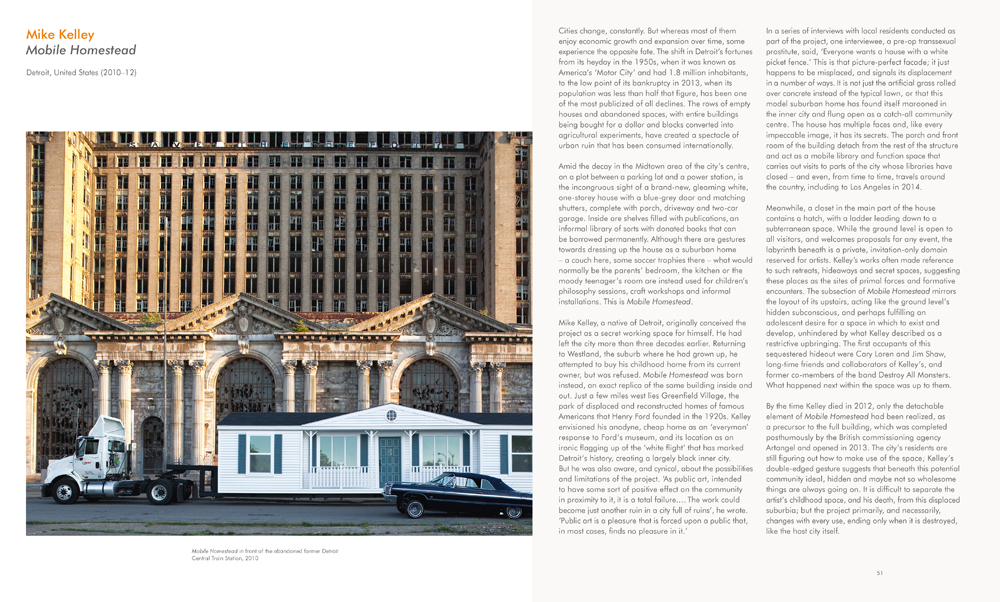
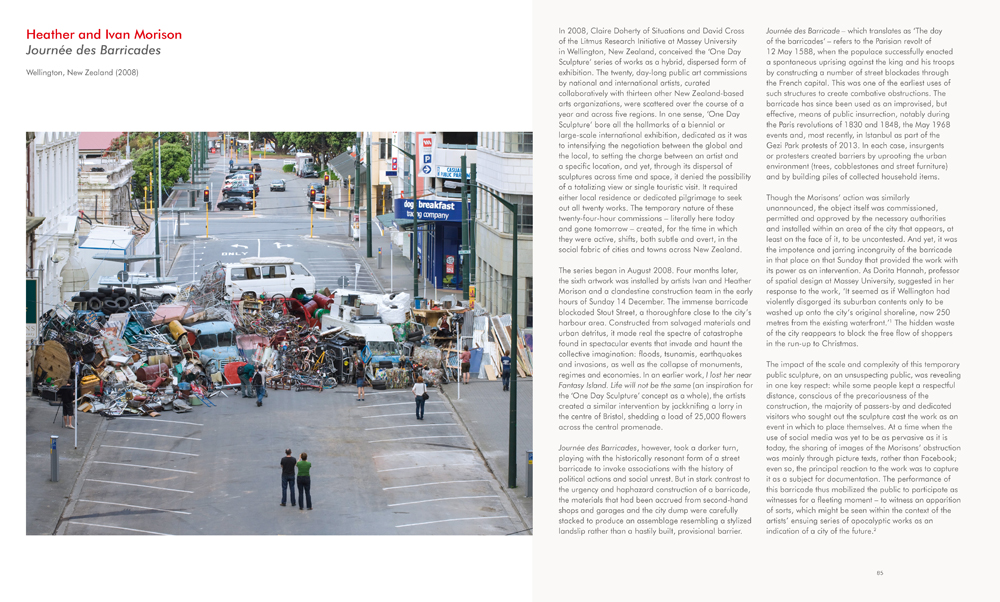
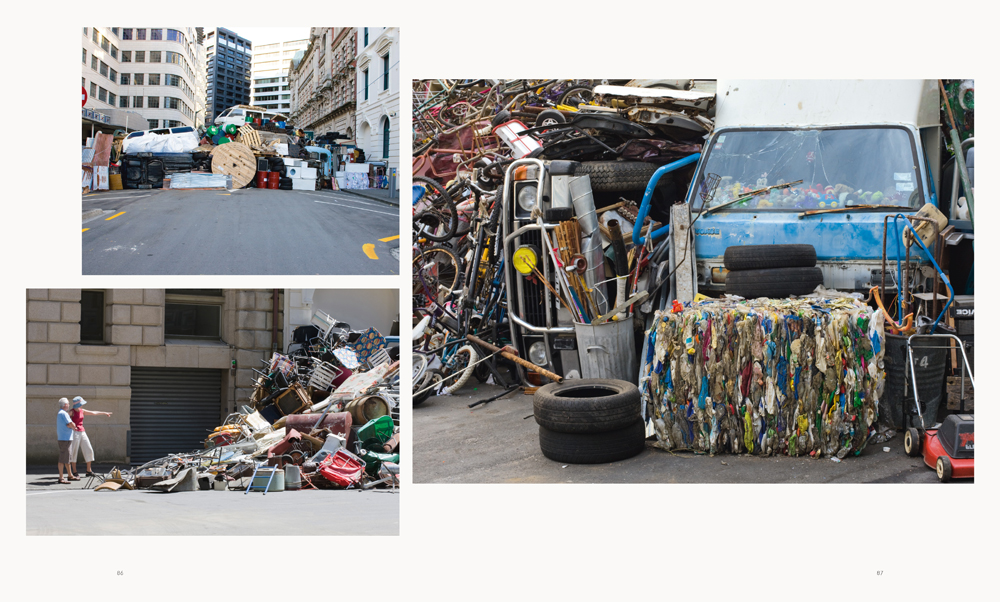
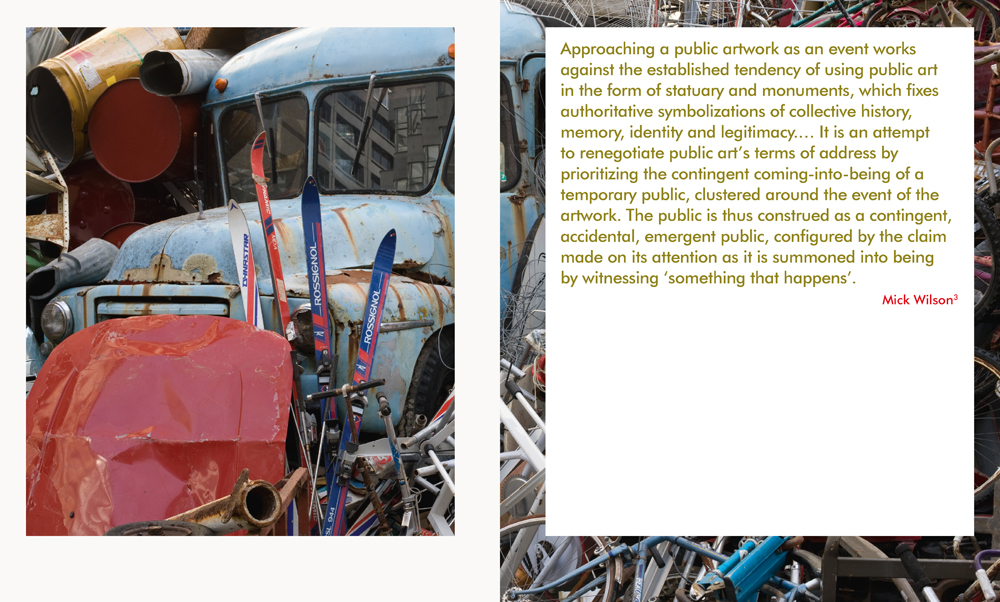
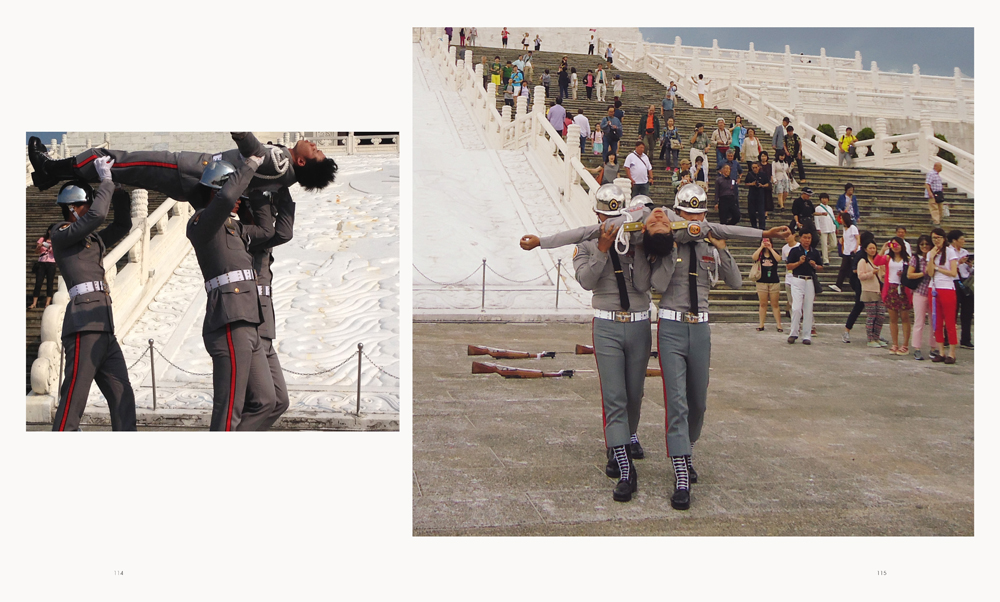
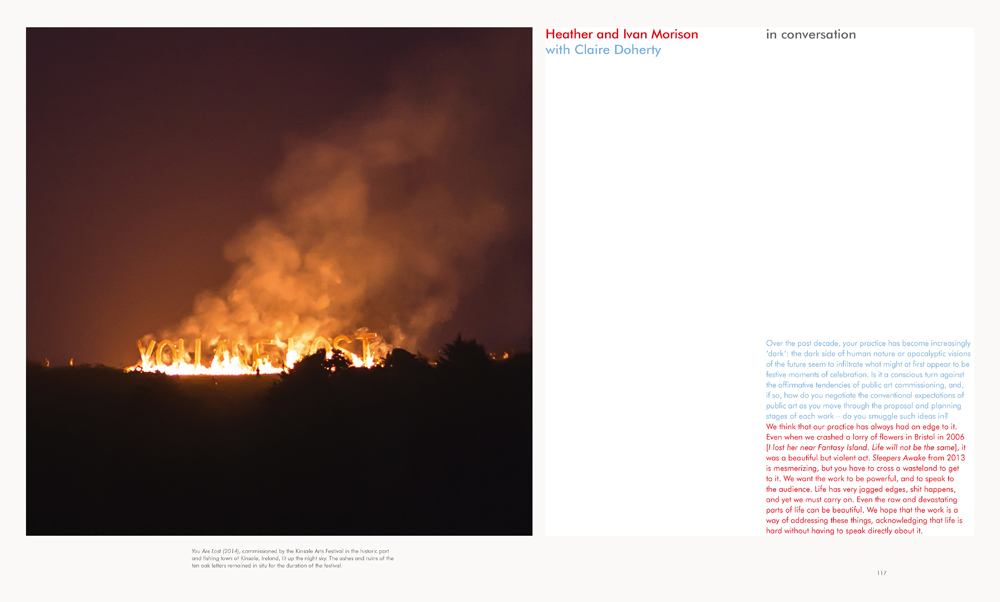
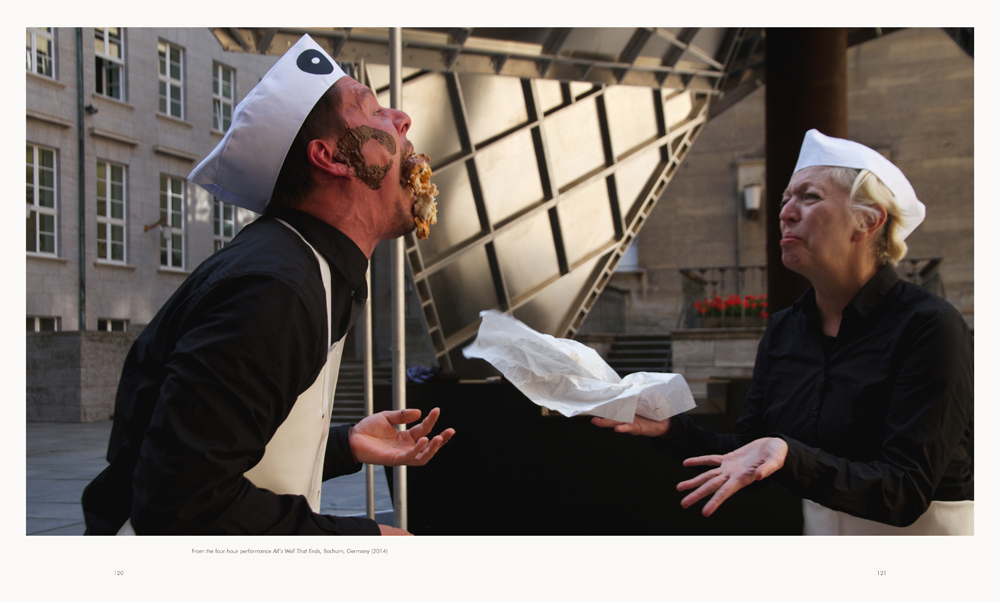
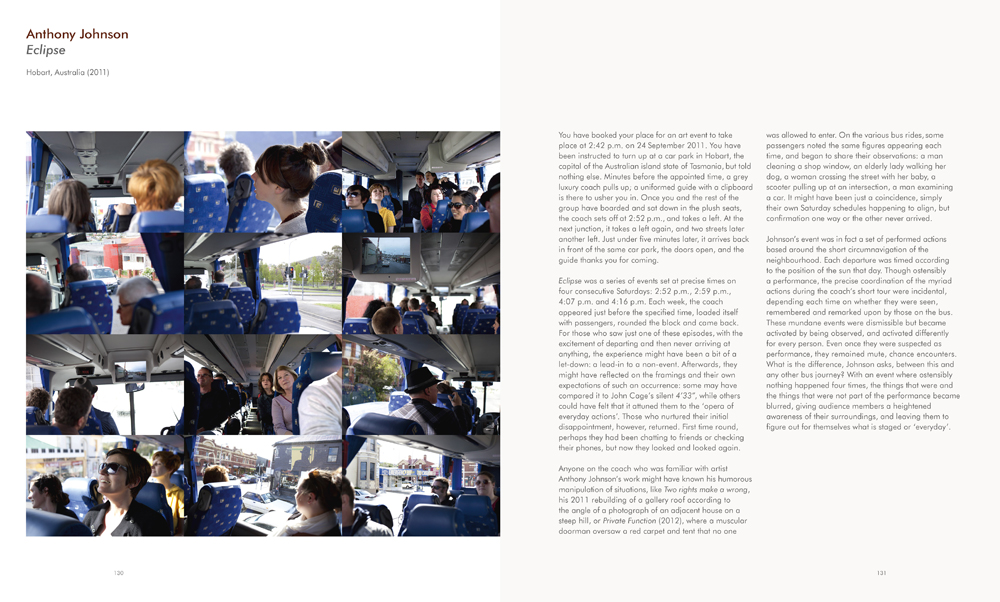
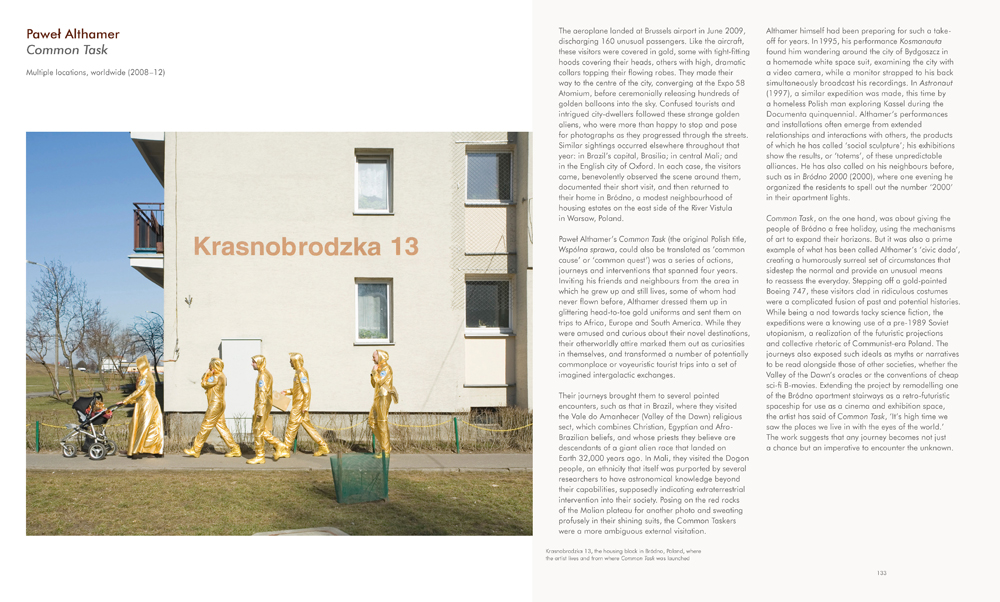
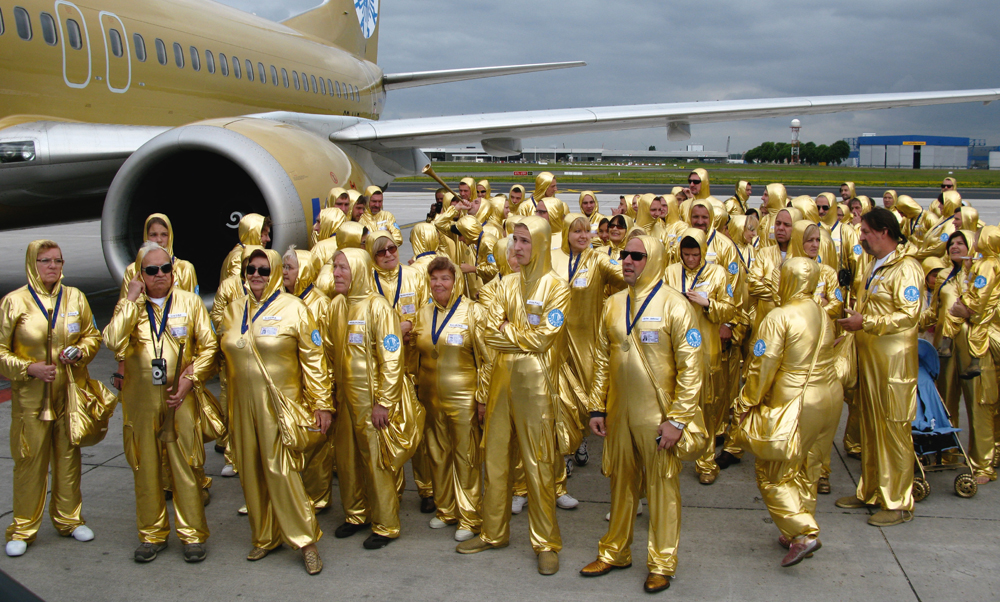
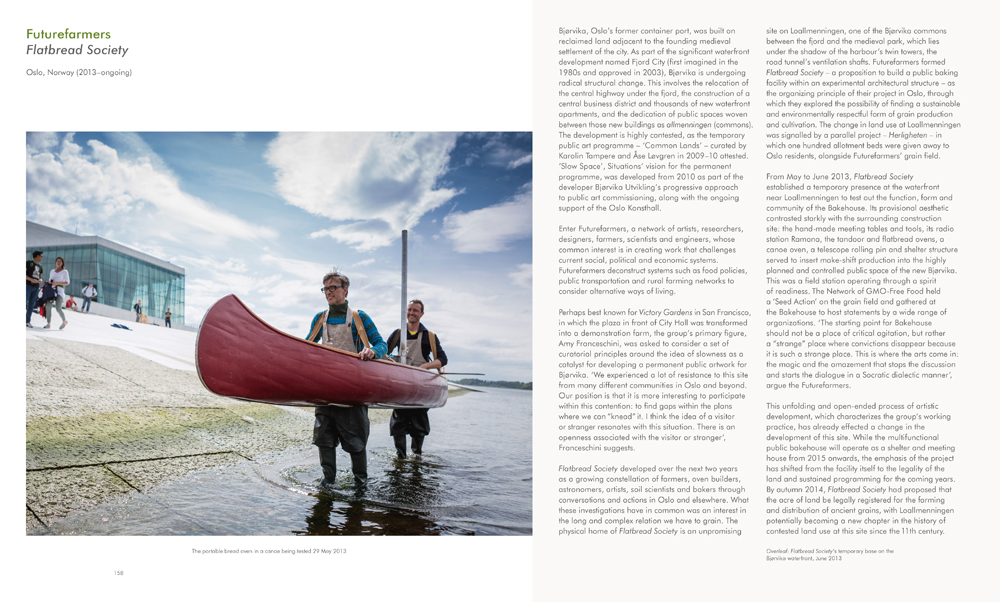
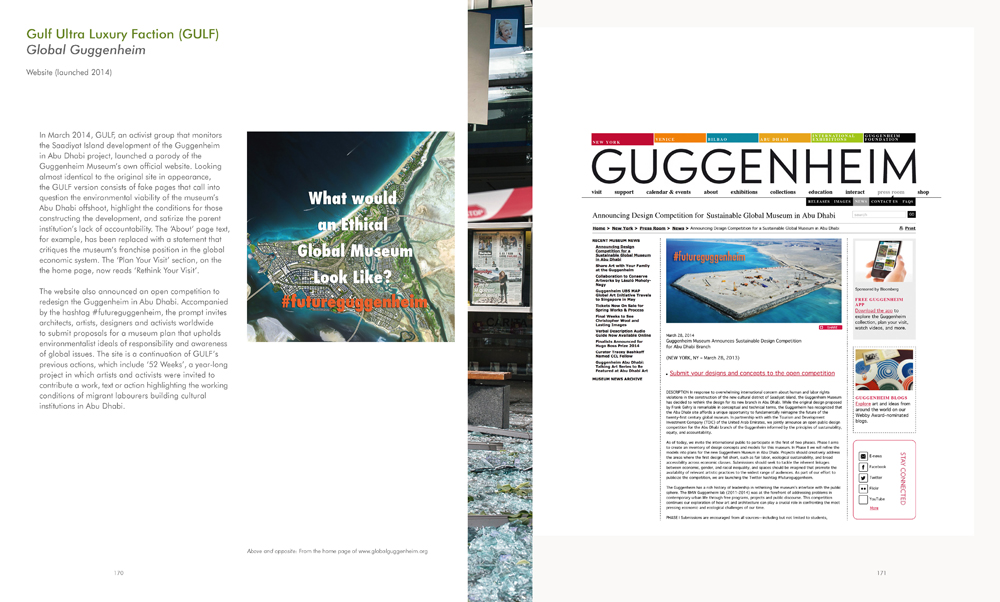
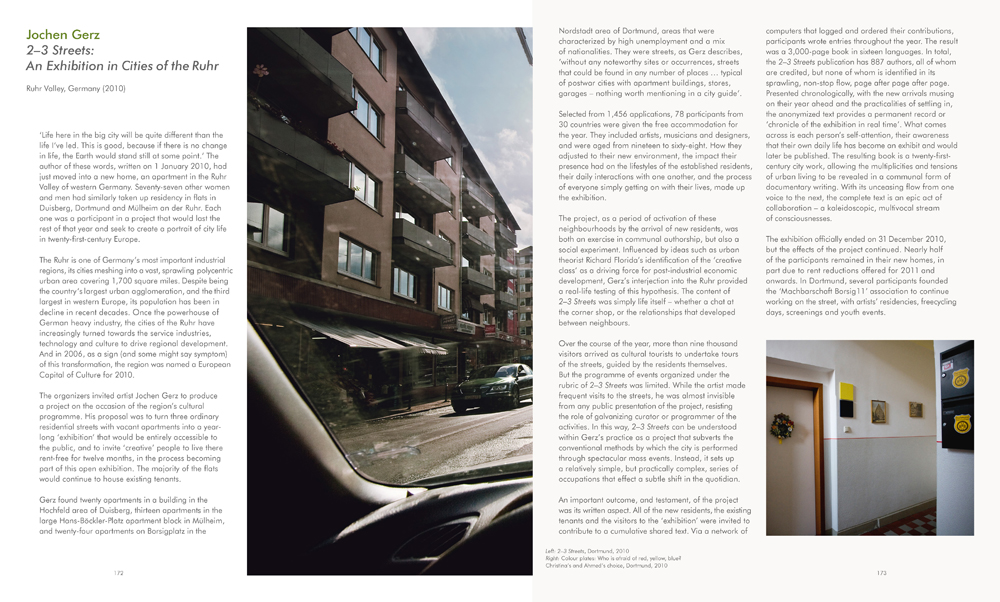
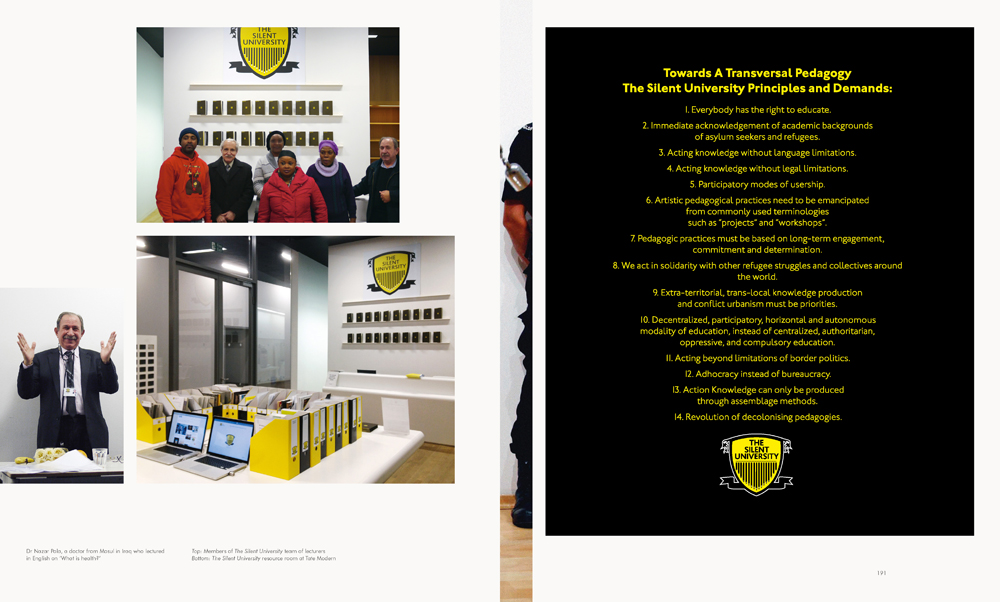
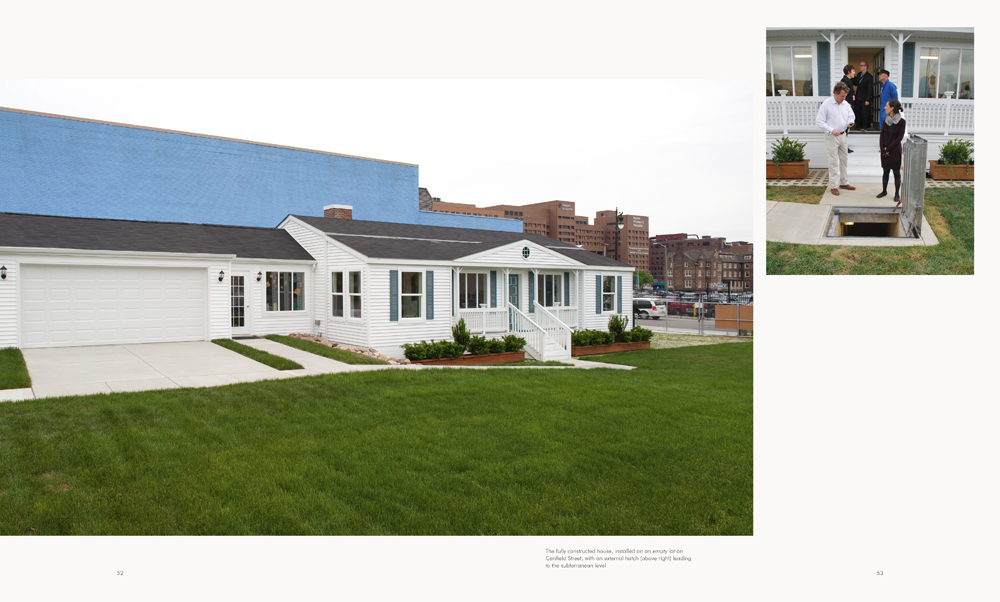
Public Art (Now): Out of Time, Out of Place is the first survey of progressive public art from around the world. It presents some of the most significant artworks in the public realm from the last decade, challenging preconceptions about where, when and how public art takes place.
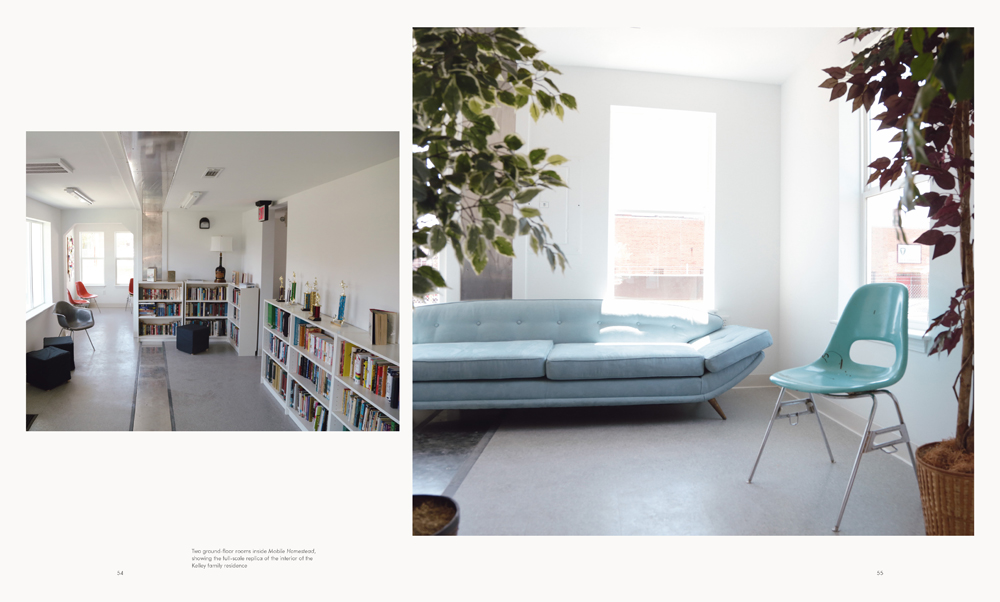
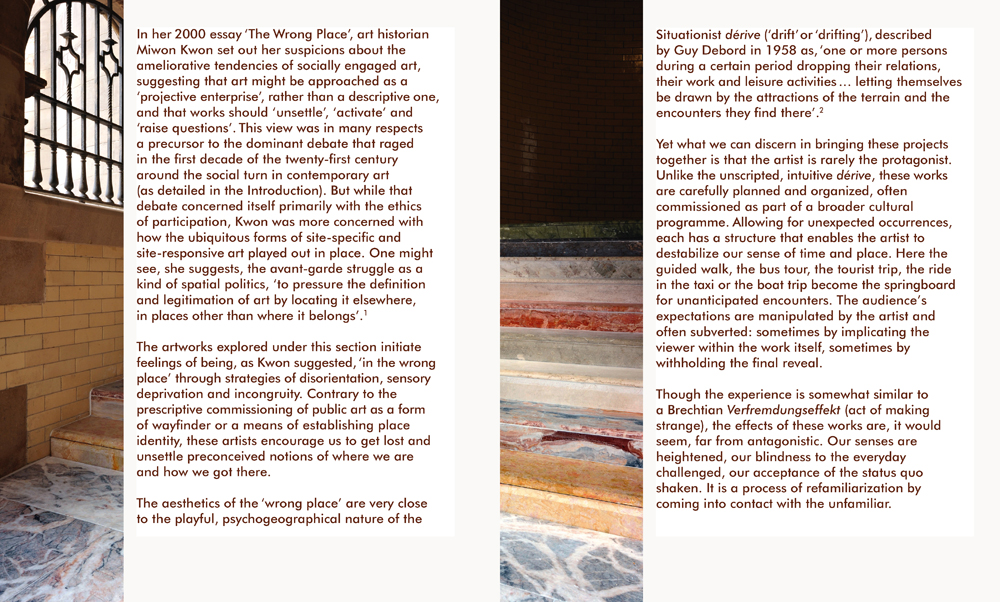
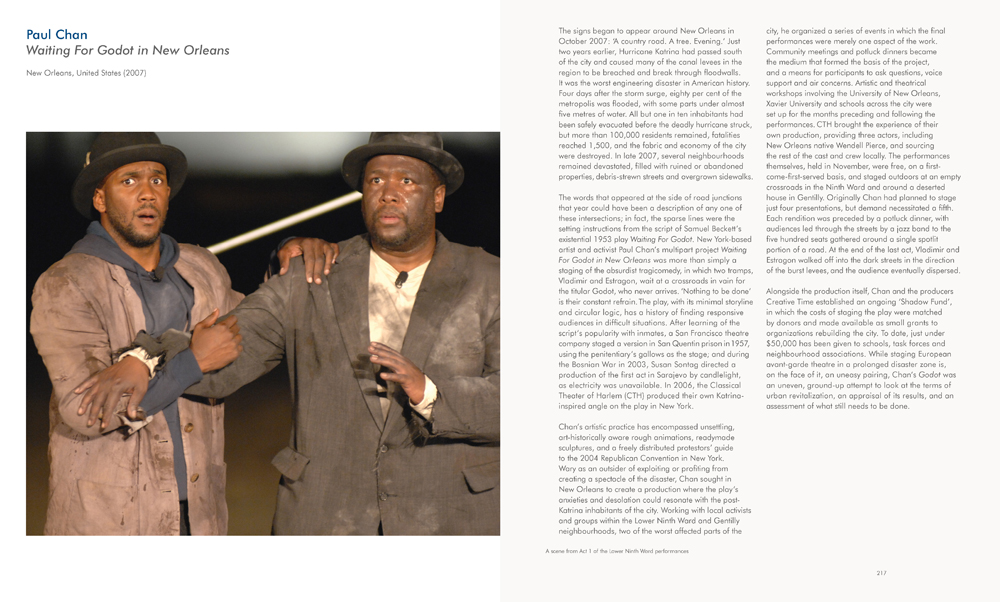
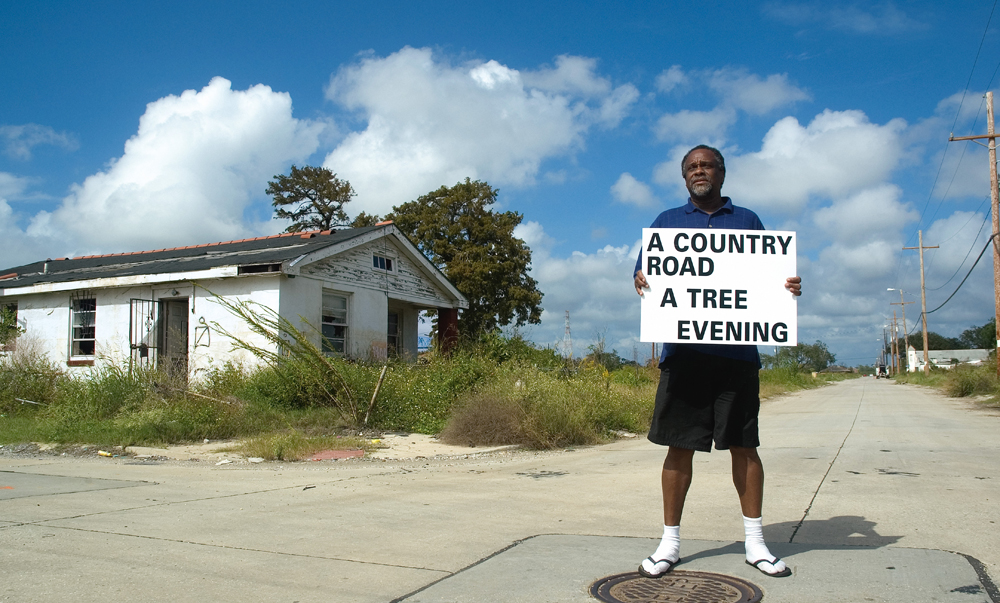
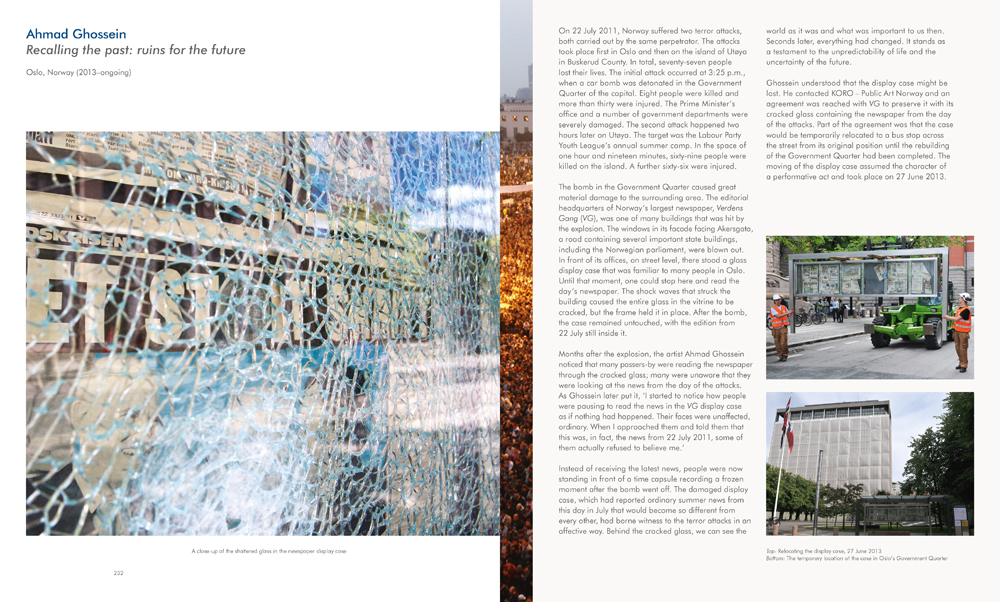
The face of public art is changing. For decades, art in the public realm has been characterized by the landmark sculpture or spectacular outdoor event that helps to define or brand a place. But in recent years, a new wave of international artists and producers has rejected the monumental scale and mass appeal of such artworks. Instead, these individuals and groups favour unconventional forms that unsettle rather than authenticate a place’s identity; disrupt rather than embellish a particular location; and contest rather than validate the design and function of public space. Performed interactions, collaborative social movements and small-scale subversive acts are just some of the unorthodox approaches taken by these artists. Their works challenge preconceived ideas about the role of art in place-making as they seek to remake places through radical forms and practices.

Public Art (Now): Out of Time, Out of Place presents the artists who have been redefining the practice of public art over the past decade. They directly address the most pressing issues of our time, including the encroachment of corporate concerns on public space, the implications of global migration and the isolation of the individual, and the potential of collective action to share the future of our towns and cities. Some forty key works from around the world are organized into five sections – ‘Displacement’, ‘Intervention’, ‘Disorientation’, ‘Occupation’ and ‘Perpetuation’ – with detailed descriptions and dozens of installation and process shots. Interviews and quotes from practitioners, commissioners and commentators reveal the impetus and context for the projects, while the editor’s introduction sets out the conceptual, practical and ethical issues raised by the works.

Bringing together the most significant artworks in the public realm of the last ten years – from ephemeral interventions to long-term ongoing projects – this dynamic survey is an essential reference for anyone interested in the ideas, issues and impulses behind progressive public art, and an accessible introduction to one of the most vibrant areas of contemporary art.

Published in association with Situations, Public Art Agency Sweden, and the European Network of Public Art Producers

Claire Doherty is an award-winning curator and writer, and the founder director of Situations, an internationally renowned commissioner and producer of public art. She was editor of Contemporary Art: From Studio to Situation (2004) and Documents of Contemporary Art: Situation (2009), and co-editor of One Day Sculpture (2009), Locating the Producers: Durational Approaches to Public Art (2011), and Heather and Ivan Morison: Falling into Place (2009). In 2009, she was awarded a prestigious Paul Hamlyn Breakthrough Award as an outstanding cultural entrepreneur.


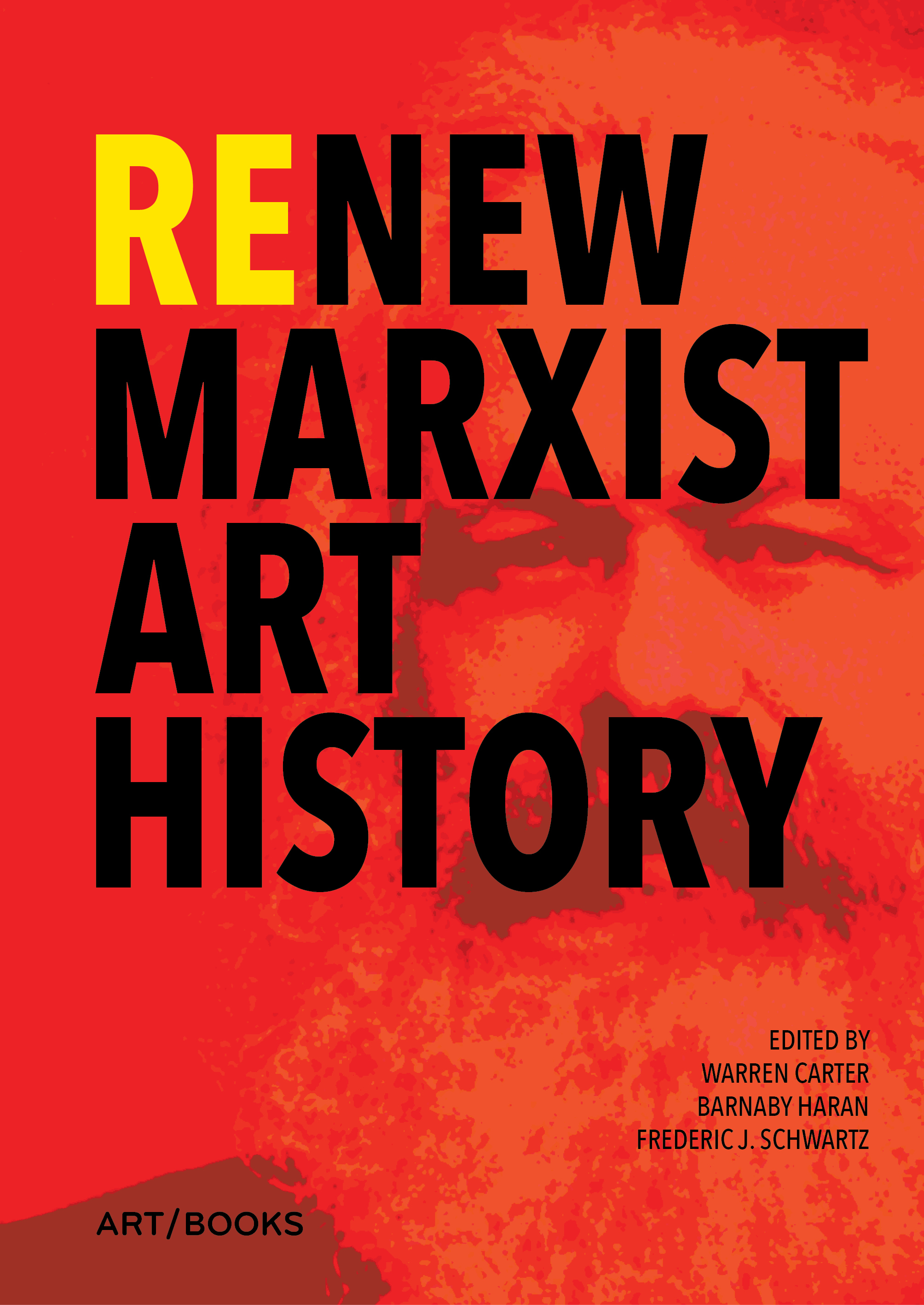
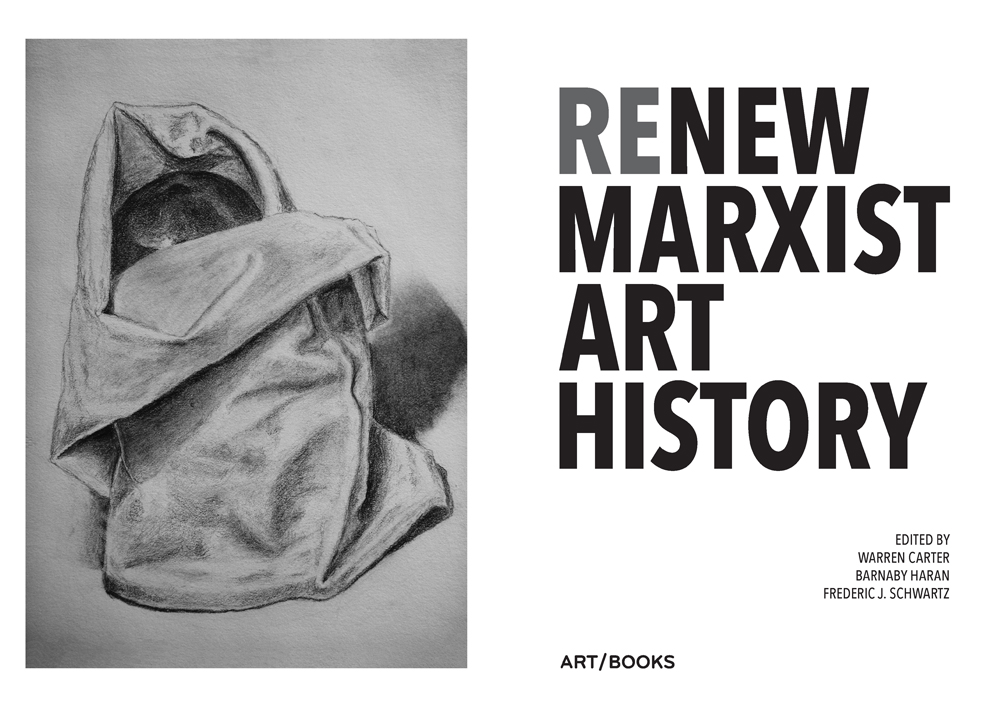
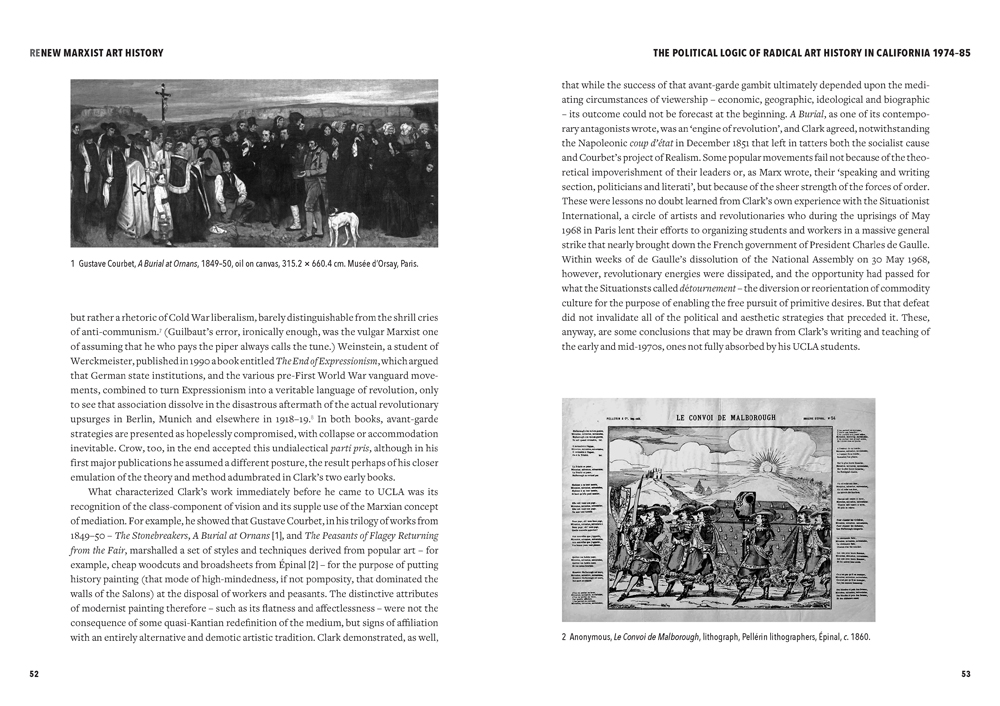
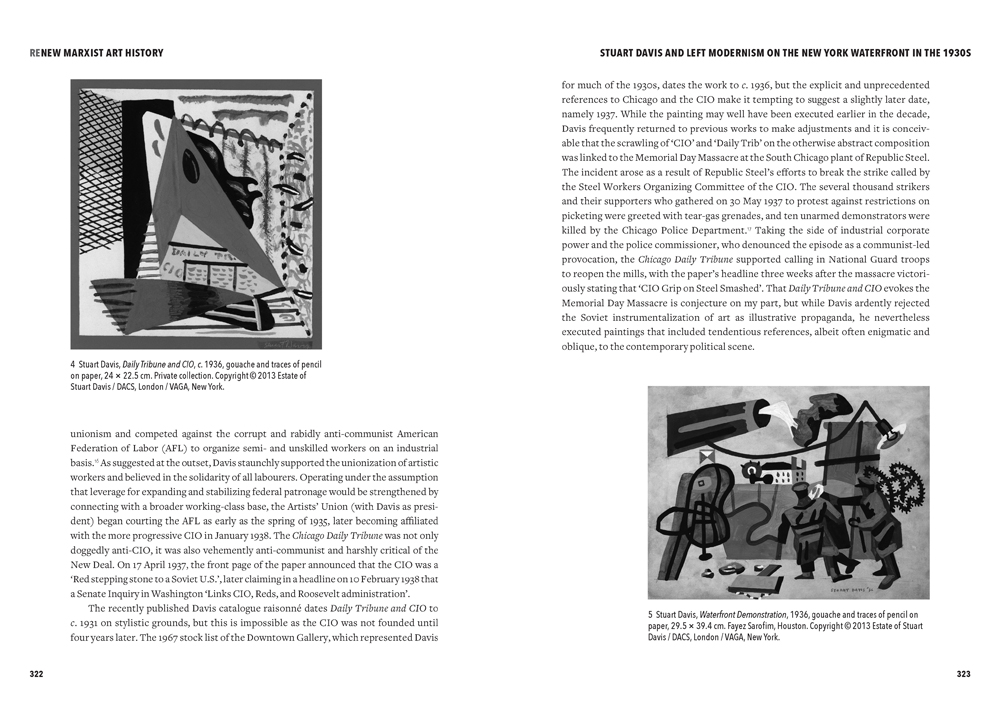
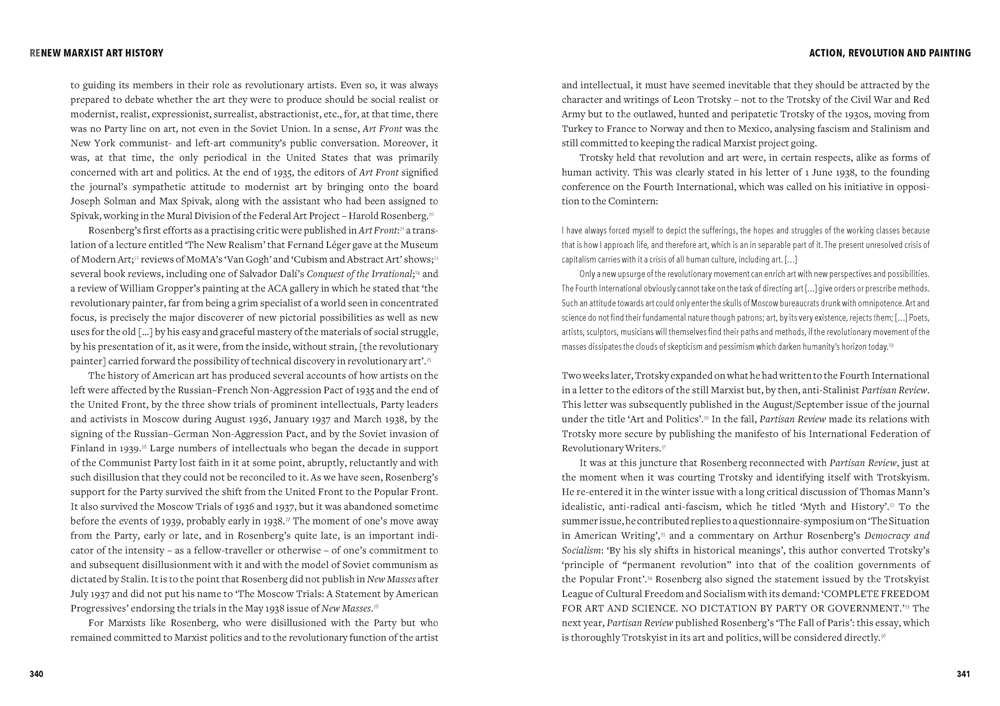
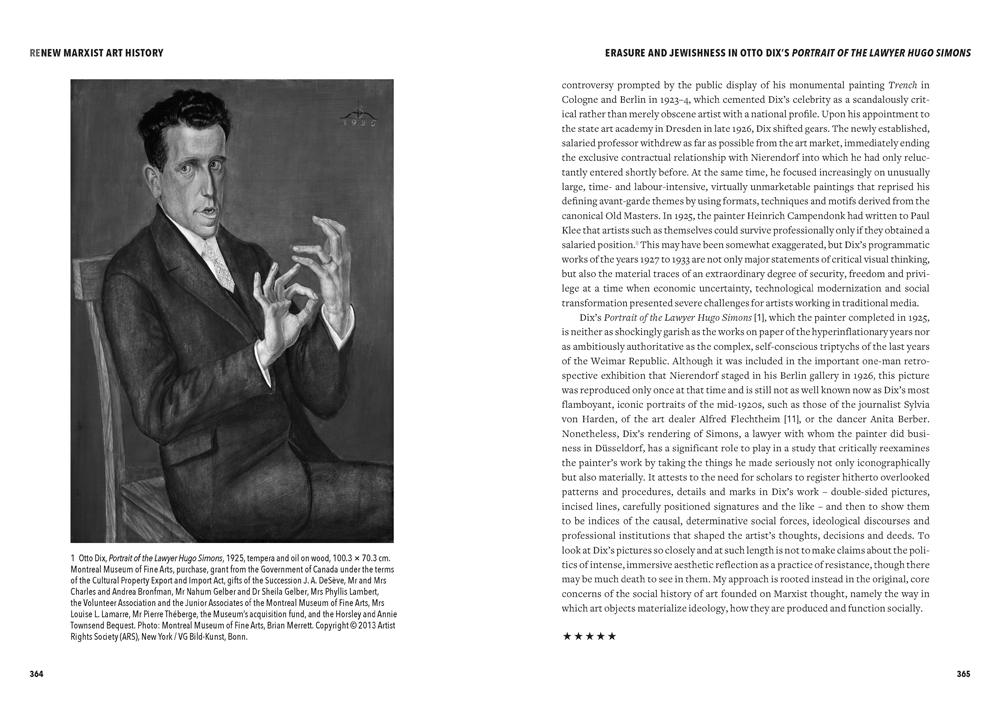
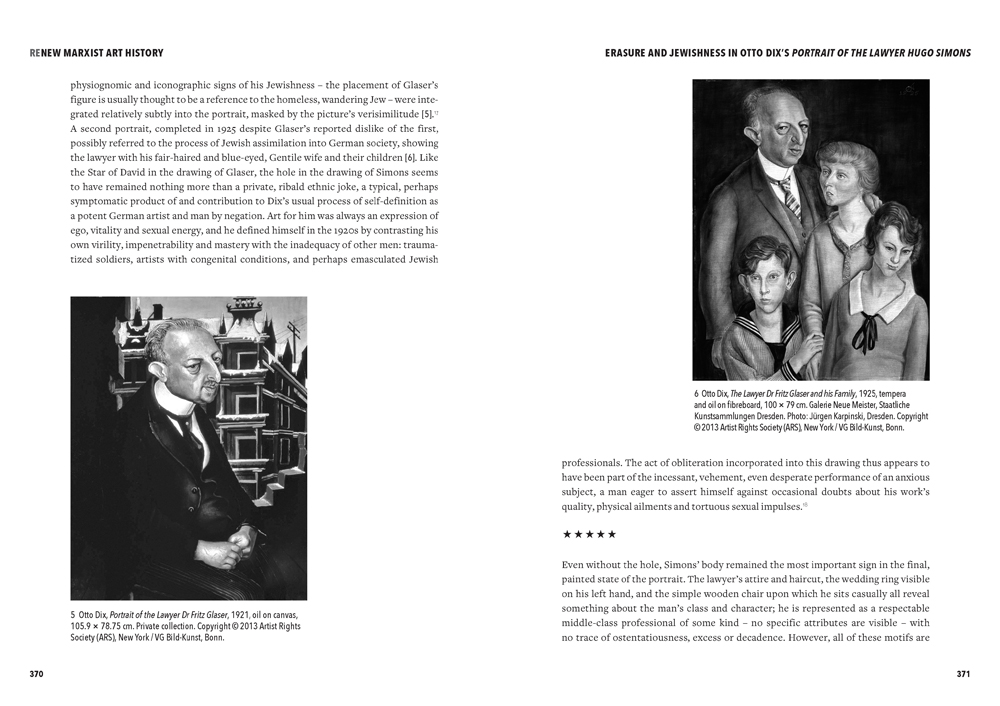
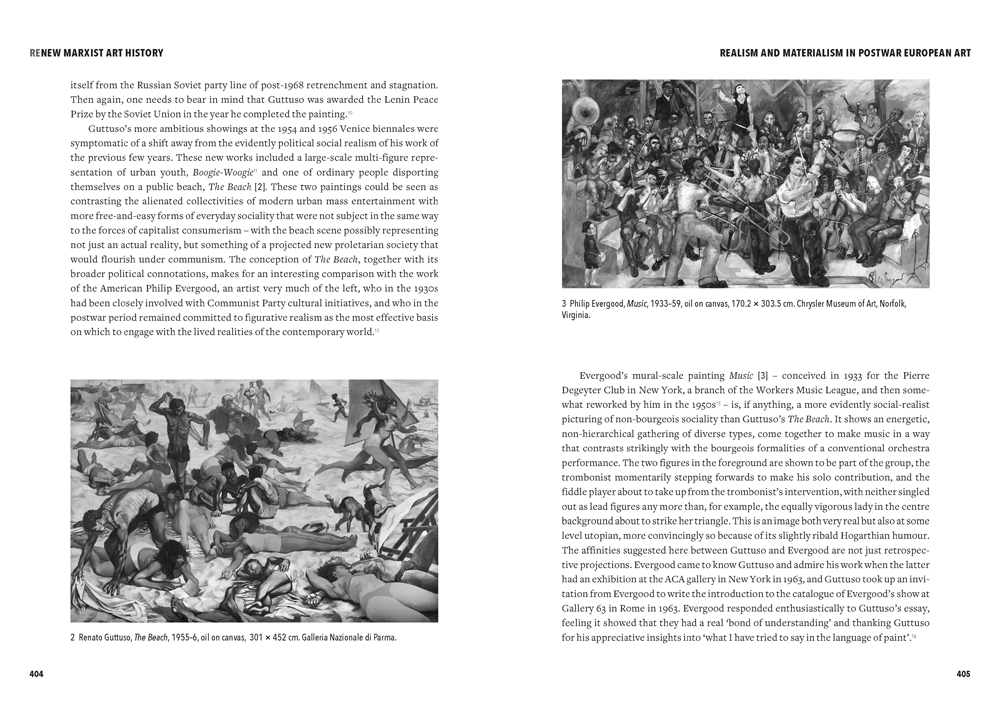
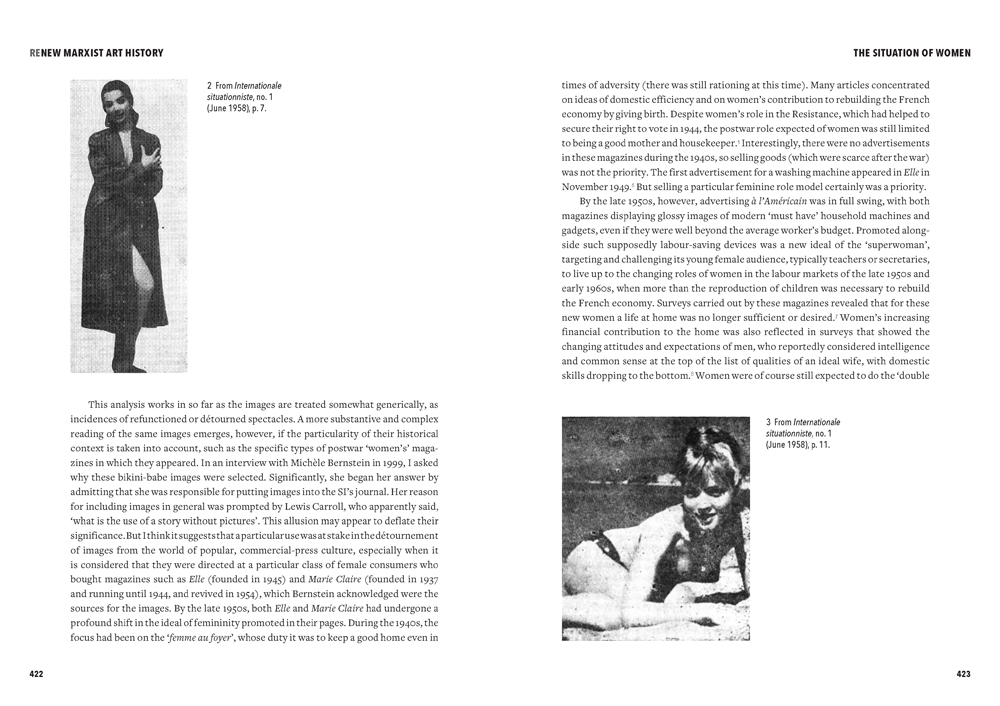
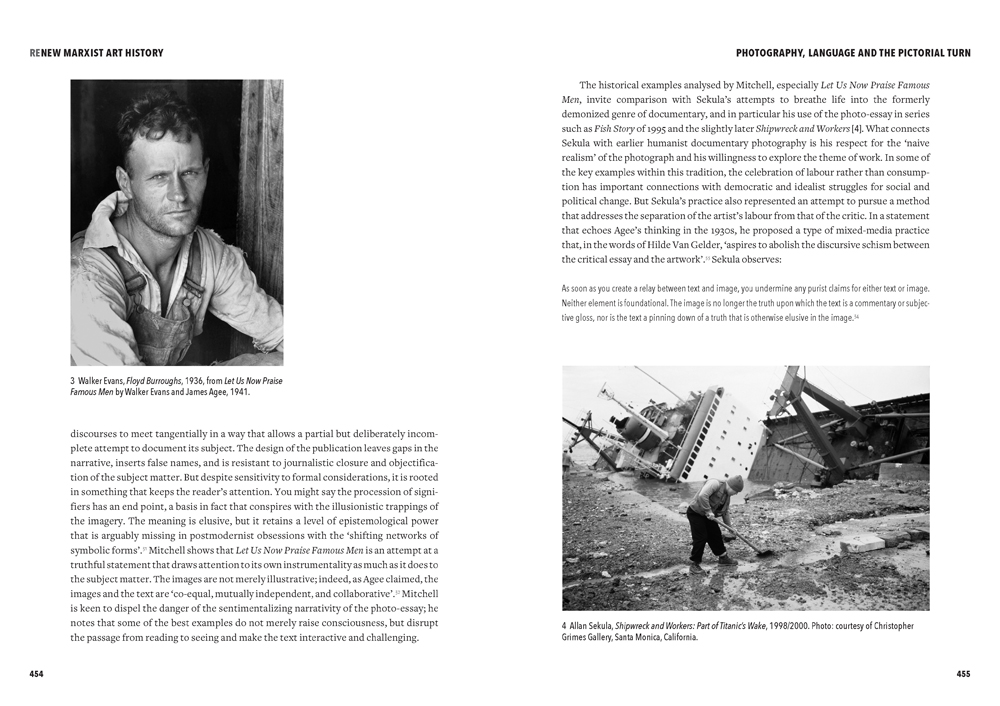
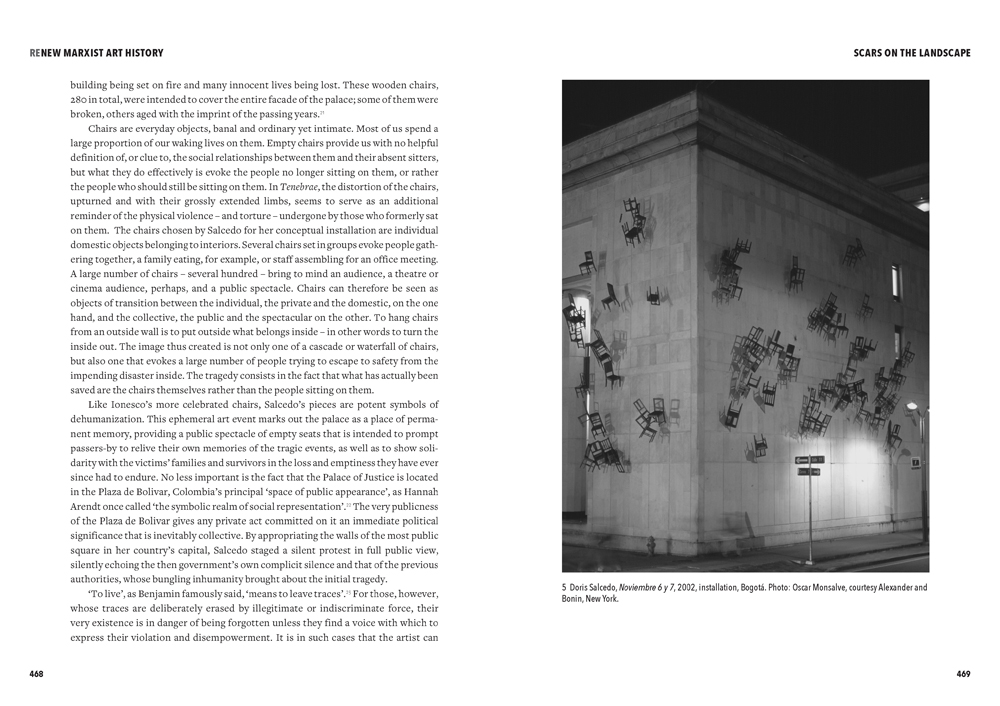
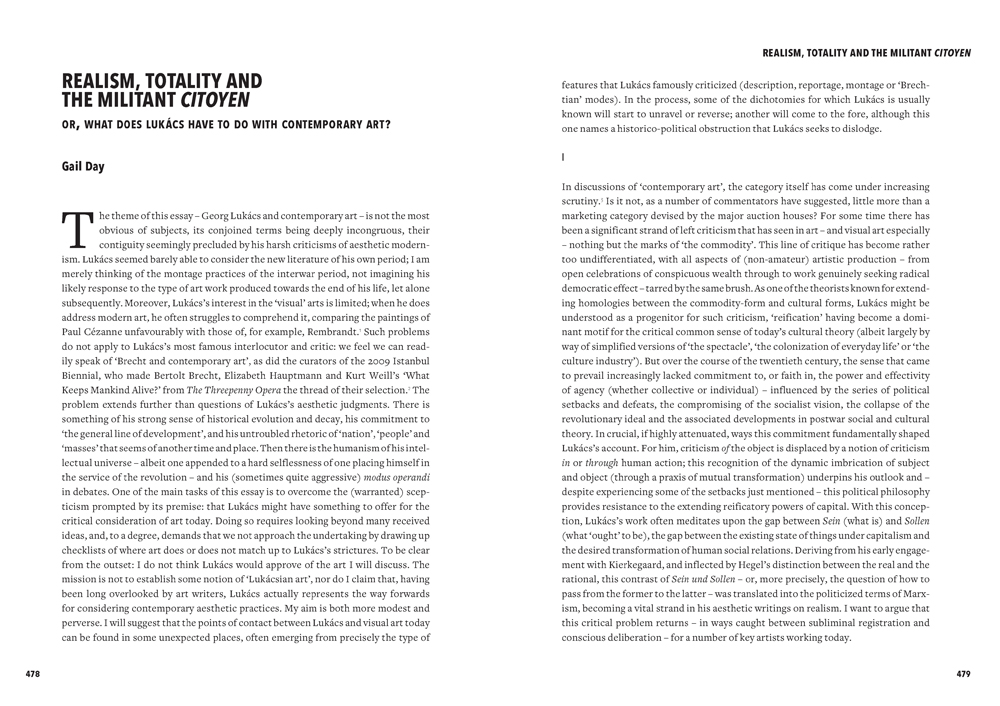
ReNew Marxist Art History

Edited by Warren Carter, Barnaby Haran and Frederic J. Schwartz

‘A lucid and important statement about where and how the discipline stands today … a useful addition to our understanding of Marxist art history’ — Socialist Review
‘Valuable … worth reading … the book’s three editors have certainly risen to the title’s double mission’ — Review 31
‘Perverse, dizzying and altogether pertinent: a clear sign that the now aged discipline, whether “renewed” or just ripening, is alive and very much responsive to an adolescent century’ — Burlington Magazine

From the beginning of the twentieth century until the 1980s, Marxist art history was at the forefront of radical approaches to the discipline. Some of the most influential names in the field were active proponents of Marxist thought: Frederick Antal, Max Raphael, Arnold Hauser, Meyer Schapiro, T. J. Clark, to name just a few. But in the last two decades of the century and into the next, Marxist art historians found themselves marginalized from the vanguard by the rise of postmodernism and identity politics, which began to dominate the subject. This came at a time when Marxism in general was itself increasingly perceived as outdated after the collapse of communism. But in the wake of the recent global crisis there has been a resurgence in interest in Marx, especially among younger generations. Today many progressive art historians are once again recognizing the relevance of his ideas to their own practice and drawing upon Marxist perspectives of the past.

This collection of essays brings together twenty-seven academics who are reshaping art history along Marxist lines. Coming from the United States, Britain, Europe and Asia, they apply Marx’s theories and those of his followers to a wide range of art-historical subjects. American landscape art of the nineteenth century; popular prints in pre-revolutionary Mexico; modernism in Weimar Germany and 1930s New York; postwar abstract and realist painting; Situationism in 1960s Paris; and documentary photography and contemporary art – these are just some of the many areas considered through the lens of Marxism as it is understood today. And in the spirit of Marxism’s long tradition of self-critique, the contributors also examine the shifting agendas and limitations of Marxist art history itself, acutely aware of the specific historical and political circumstances in which it is produced. As such, this book not only provides the very latest in Marxist art-historical writing, it also acts an essential introduction to one of the most vibrant and relevant forms of art history today – one that looks to the past but is marked by an urgent sense of the present.

Frederic J. Schwartz is the head of the history of art department at University College London. He is the author of The Werkbund: Design Theory and Mass Culture Before the First World War and Blind Spots: Critical Theory and the History of Art in Twentieth-Century Germany, both published by Yale University Press.

Warren Carter is a staff tutor at the Open University and a teaching fellow in history of art at University College London.

Barnaby Haran is a teaching fellow in history of art at the University of Bristol.  


What others say

‘This book is valuable because it disables the stretch of transhistorical categories in favour of the minor textual detail.… [It] is worth reading closely precisely because it forgoes a programmatic rehearsal of Marx’s famous 11th thesis on Feuerbach: “Philosophers have hitherto only interpreted the world in various ways; the point is to change it.” Instead this injunction to the reader – that she work to “renew” a commitment to Marxist Art History – is threaded through a complex aggregate of writing that connects lots of ground (some familiar, some untrodden). And the book’s three editors have certainly risen to the title’s double mission.… ReNew Marxist Art History is an open invitation.’ — Review 31

‘The book provides a lucid and important statement about where and how the discipline stands today.… What this volume captures is how contemporary Marxist art historians have sought to re-establish and extend the original vibrant and sophisticated tradition.… It deals with specific cultural subjects with valuable insights about particular artists and cultural developments by writers committed to using a historical materialist method.… What also recommends this volume is that even where you disagree with some of the authors’ conclusions, their framework generally allows for thought and intellectual stimulation.… The volume is a useful addition to our understanding of Marxist art history and crucially, and because of its nature, extends our understanding to the whole of class society.’ — Socialist Review

‘It is ultimately a variation of the coveted balance between theory and practice that justifies the book’s scope. Its best contributions … are produced by bullish attention to the kinks of a given subject, while holding the abstract terms that structure the Marxist tradition in firm view. This binds the texts in ways perverse, dizzying and altogether pertinent: a clear sign that the now aged discipline, whether ‘renewed’ or just ripening, is alive and very much responsive to an adolescent century.’ — Burlington Magazine


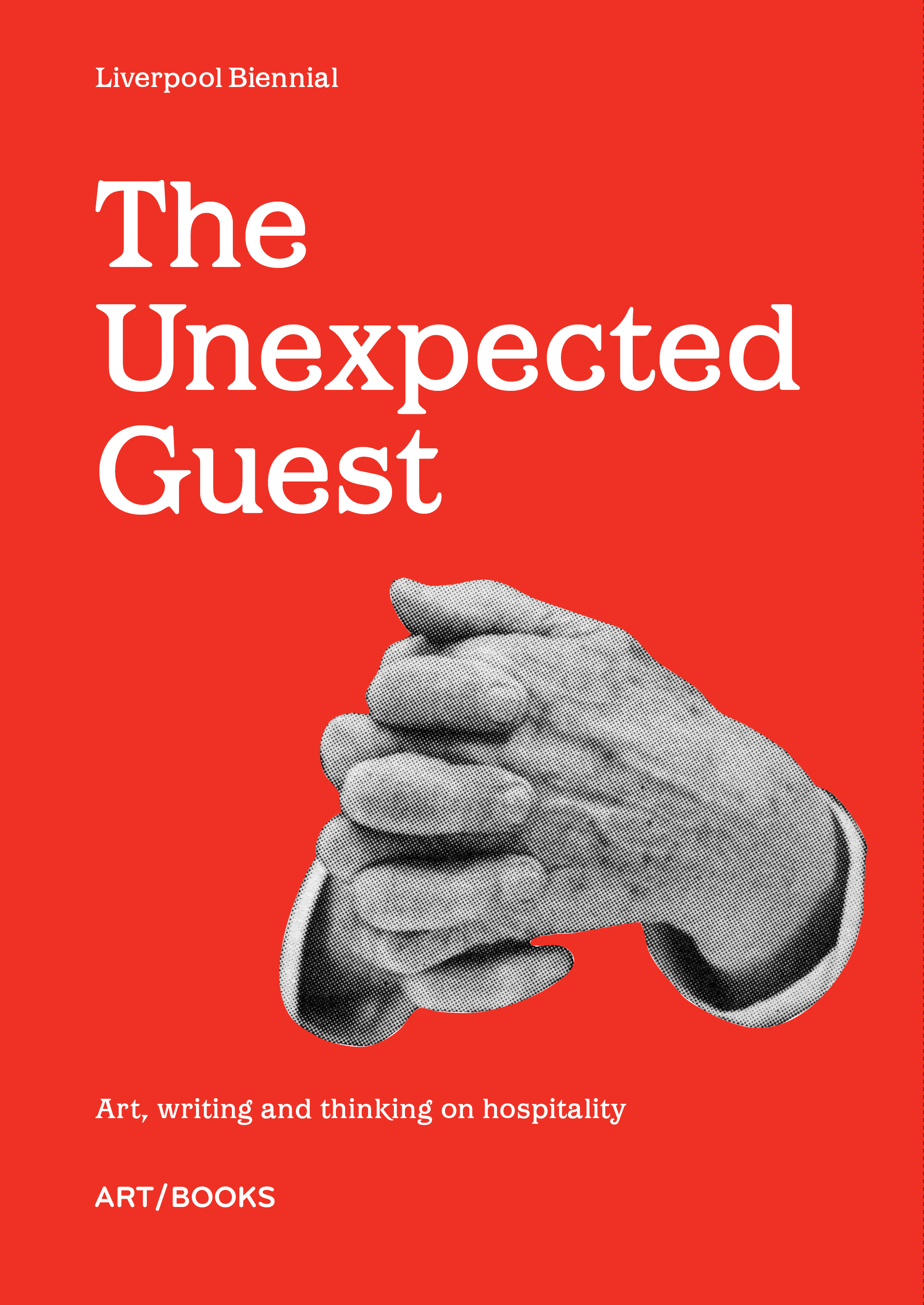
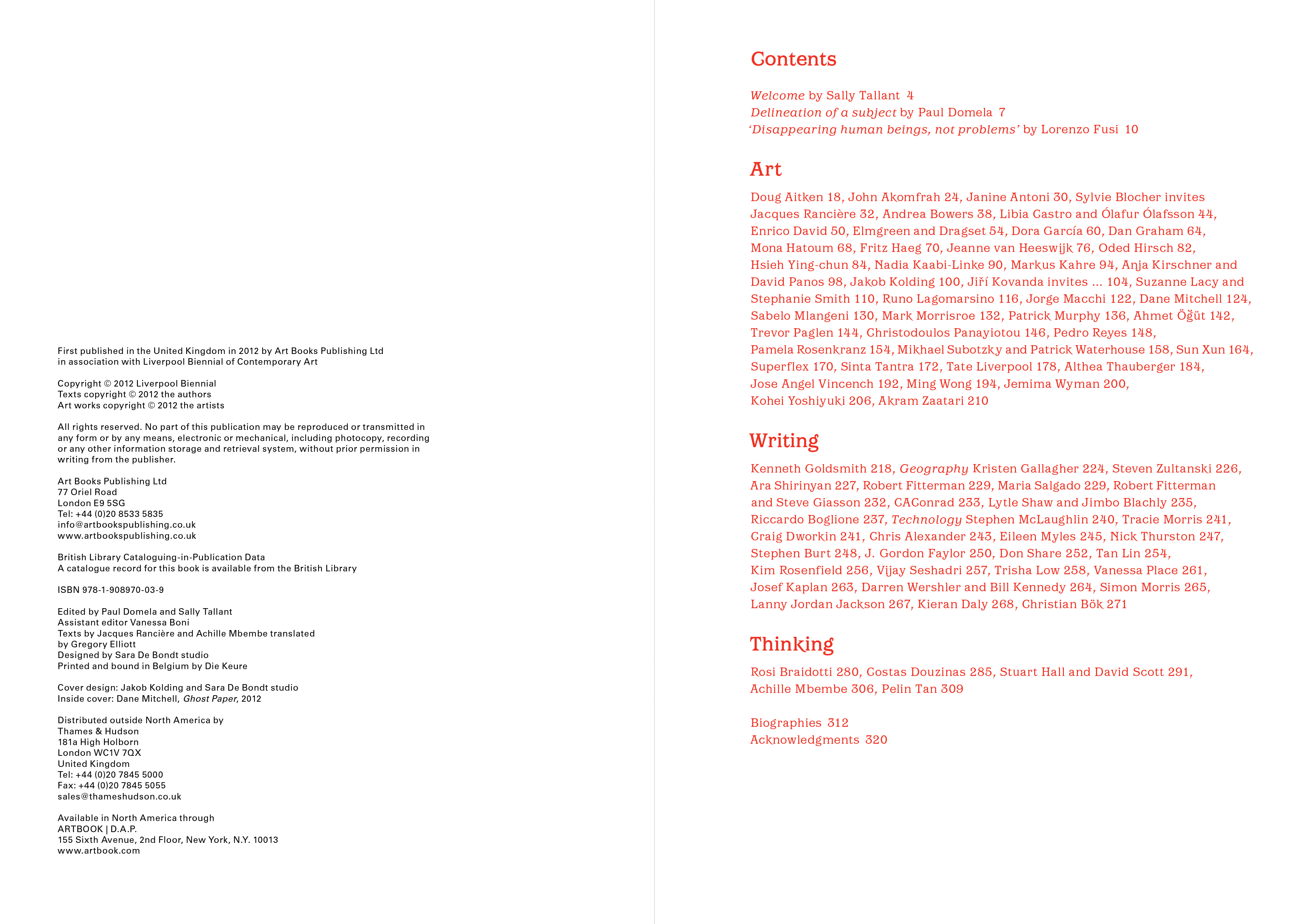
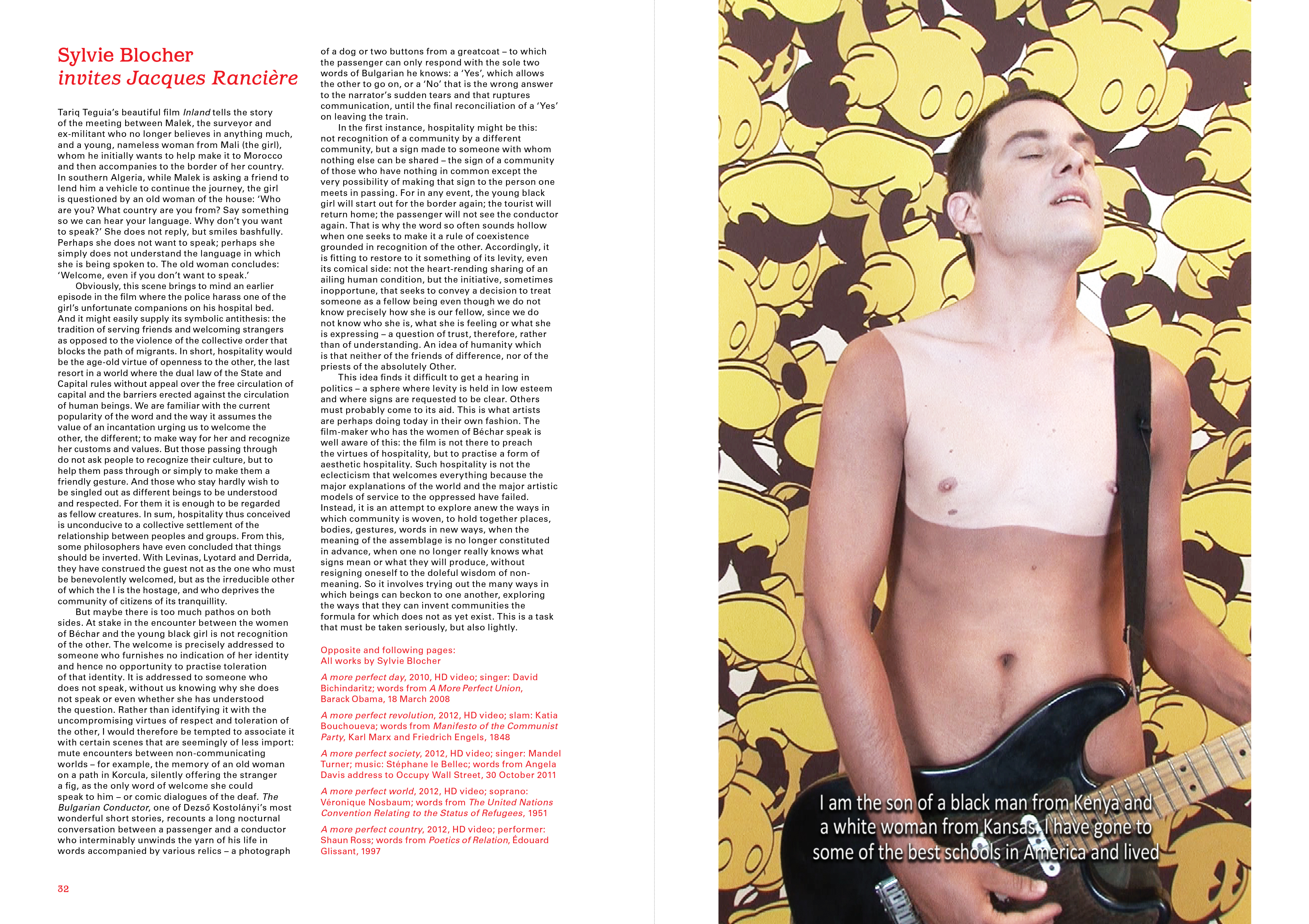
Unexpected Guest cover The Unexpected Guest

Art, writing and thinking on hospitality

Edited by Sally Tallant and Paul Domela
With a text by Lorenzo Fusi

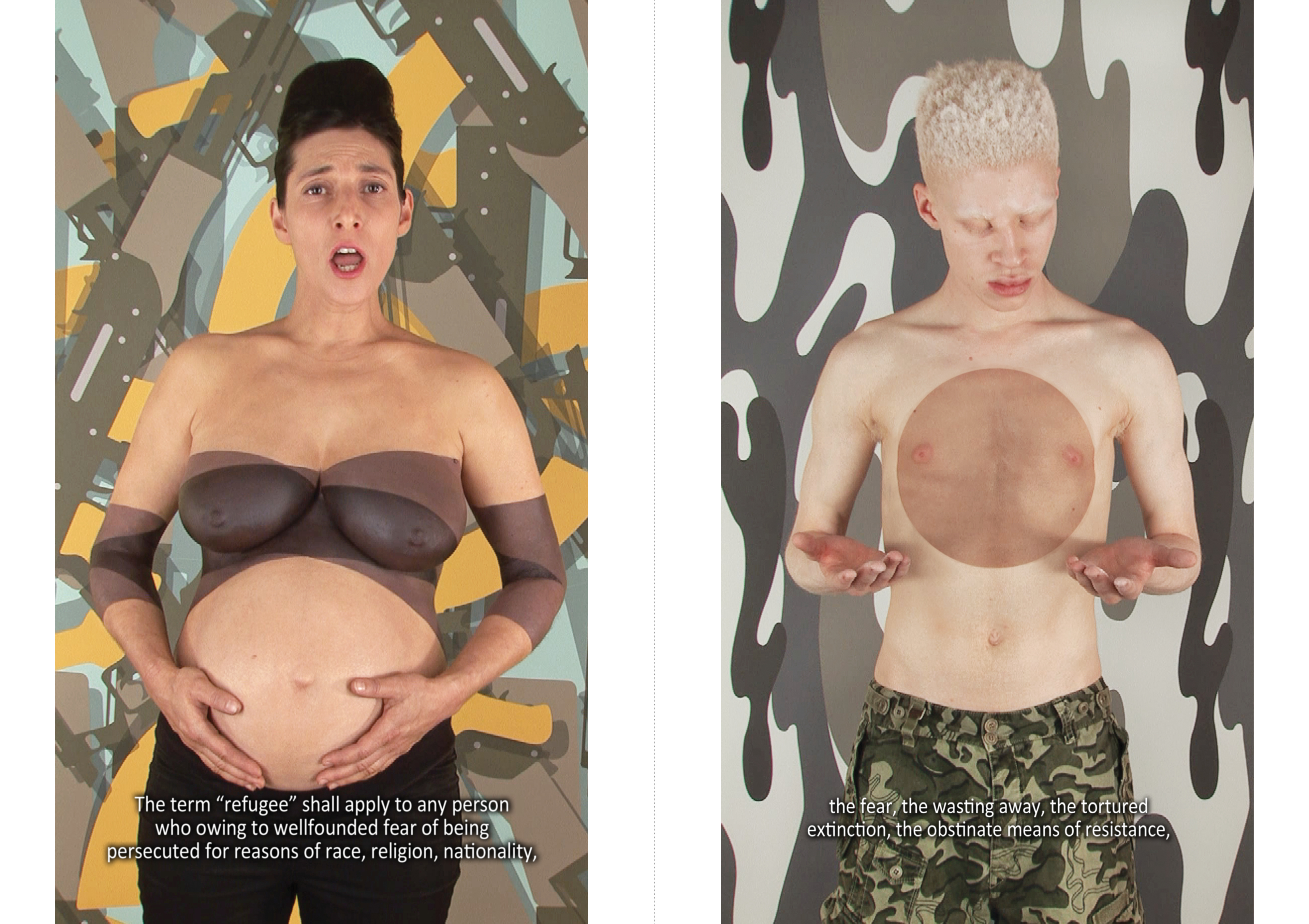
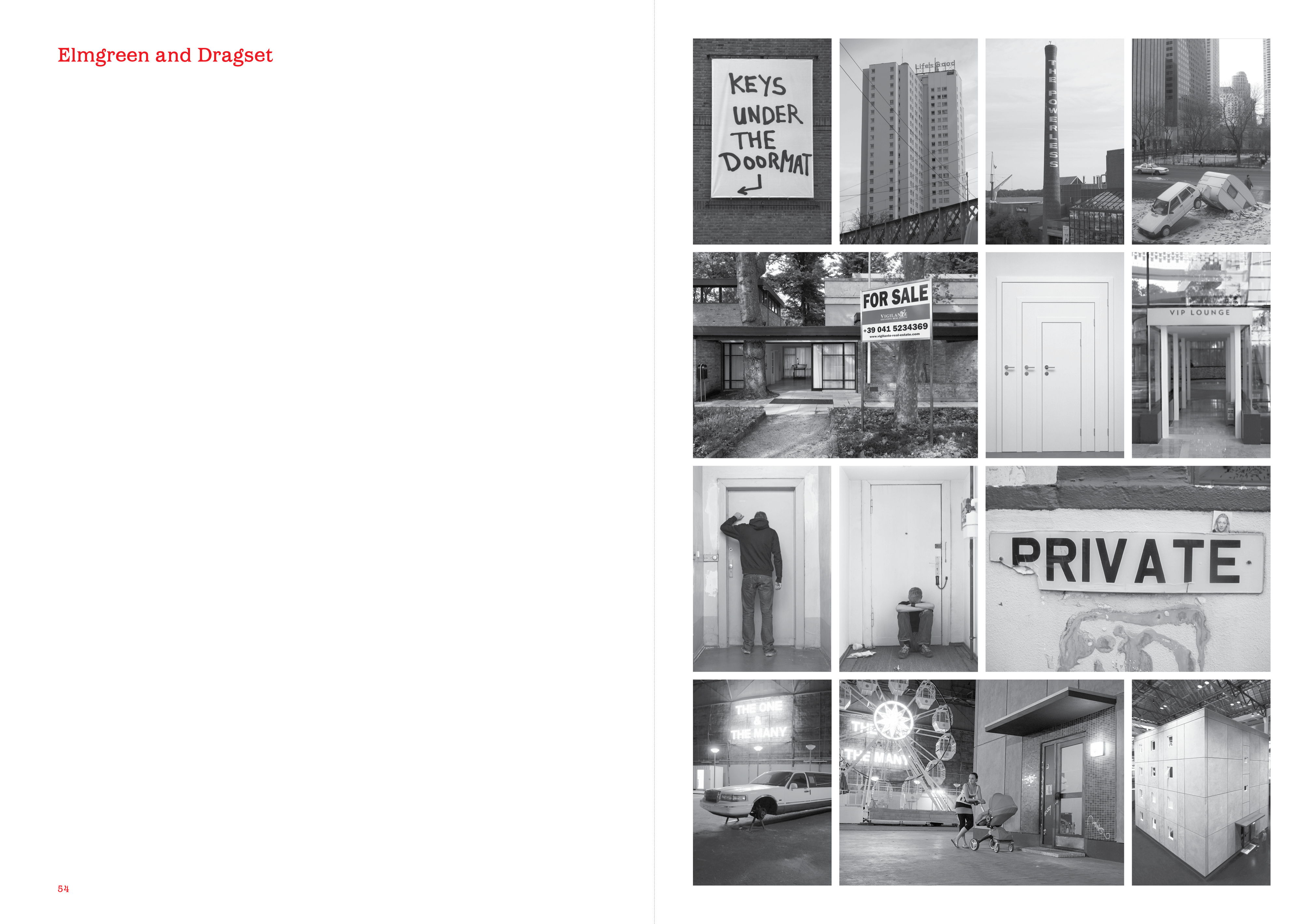
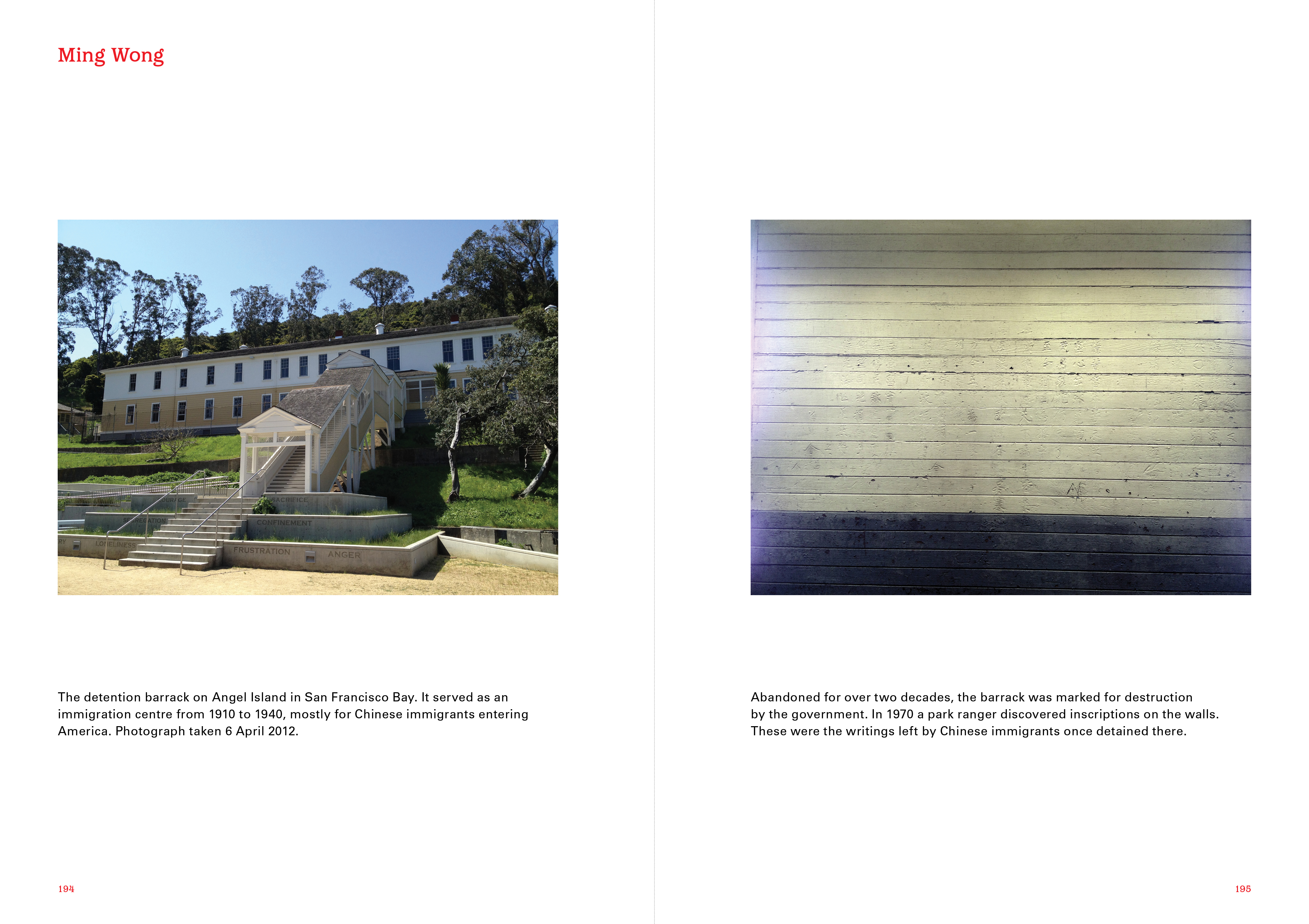
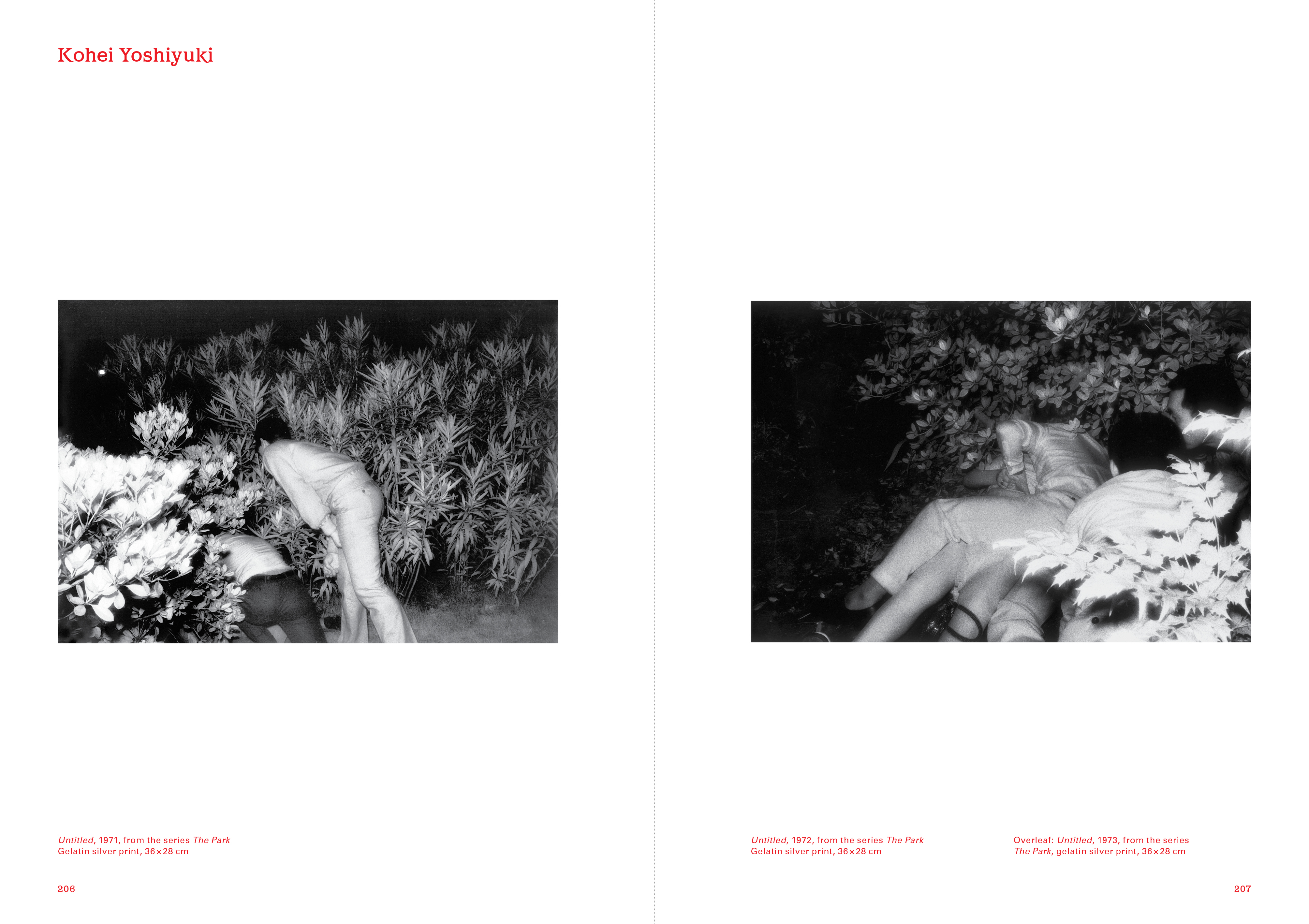
Hospitality is the welcome we extend to strangers, an attitude and a code of conduct, and a metaphor encompassing issues of the body, territory, politics, ecology, commerce and the hosting of data. It is the point where hostility becomes friendship, where the unknown becomes the familiar, and where the outside becomes the inside. But it also about the exercise of power: the power to accommodate or to exclude, the power to impose oneself on the other, and the power to outstay’s one’s welcome. In an age of unprecedented movement of both people and knowledge, different cultures of hospitality confront one another as never before.

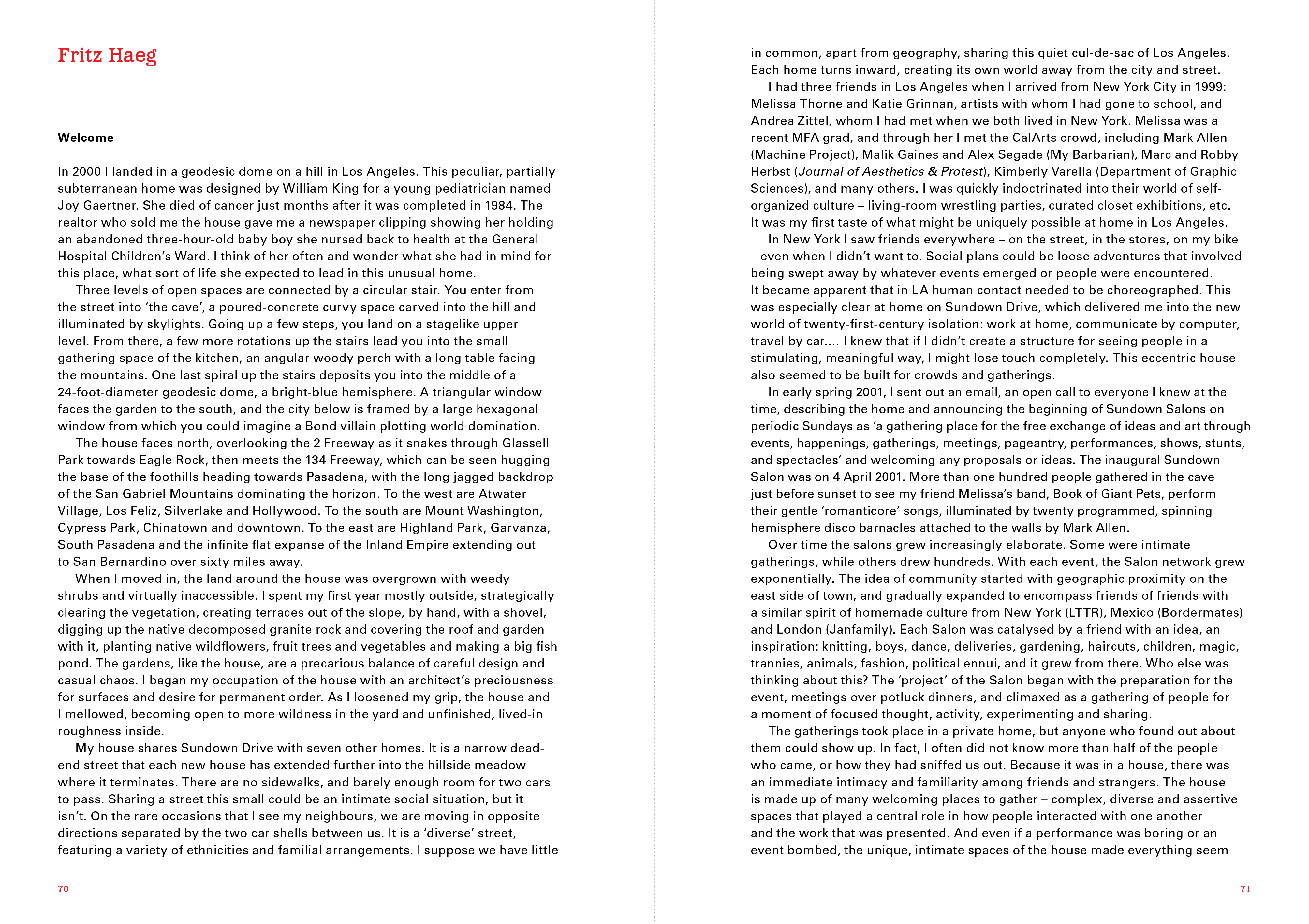
Published on the occasion of the 7th Liverpool Biennial, The Unexpected Guest welcomes and gives home to an array of artists, writers and thinkers from the four corners of the globe. It is not intended as a catalogue of the exhibition, nor is it simply a reader on the subject. Instead, it is a complex anthology of newly commissioned writing, artists’ projects and creative texts that explore one of the most pressing issues of our time.

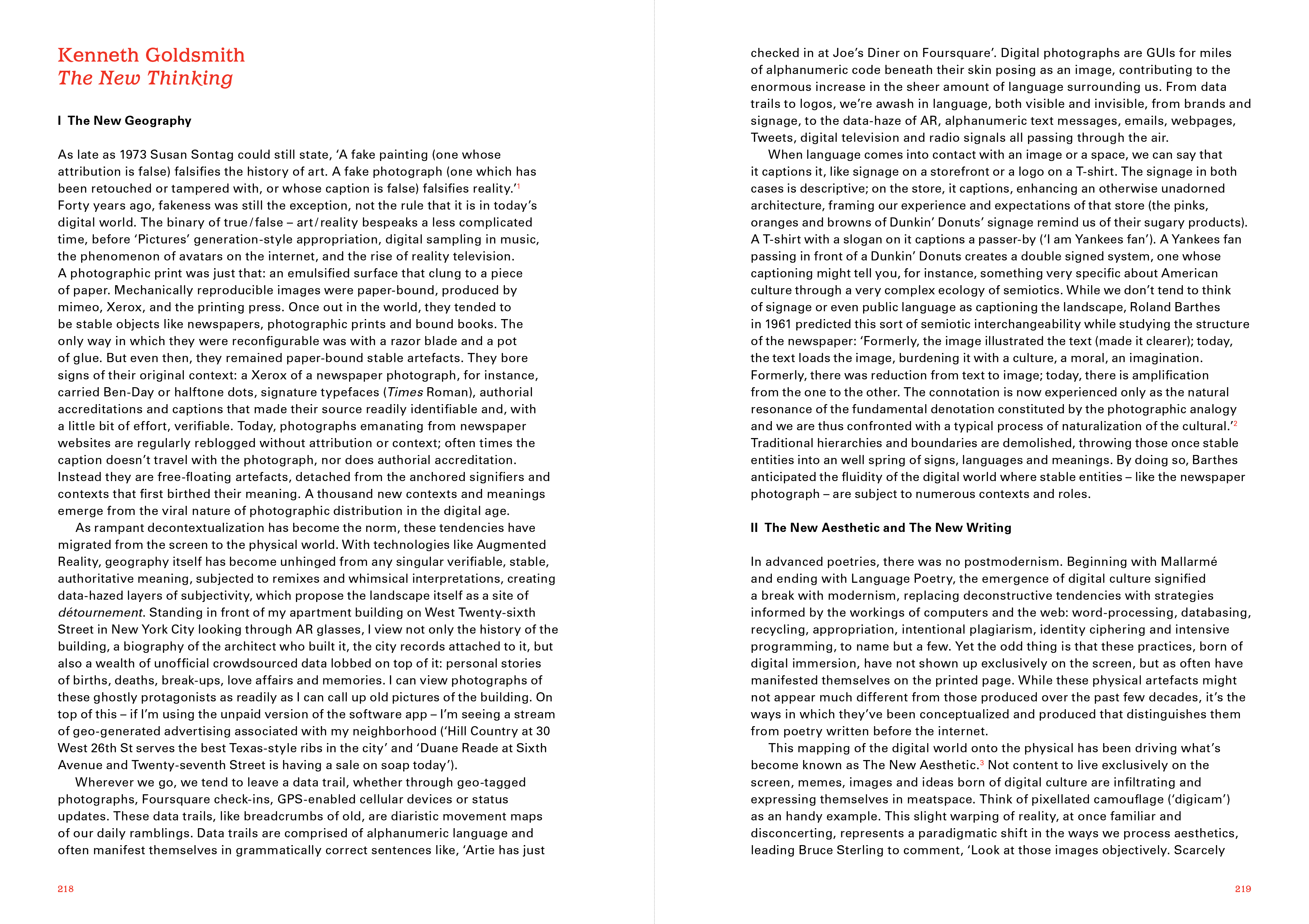
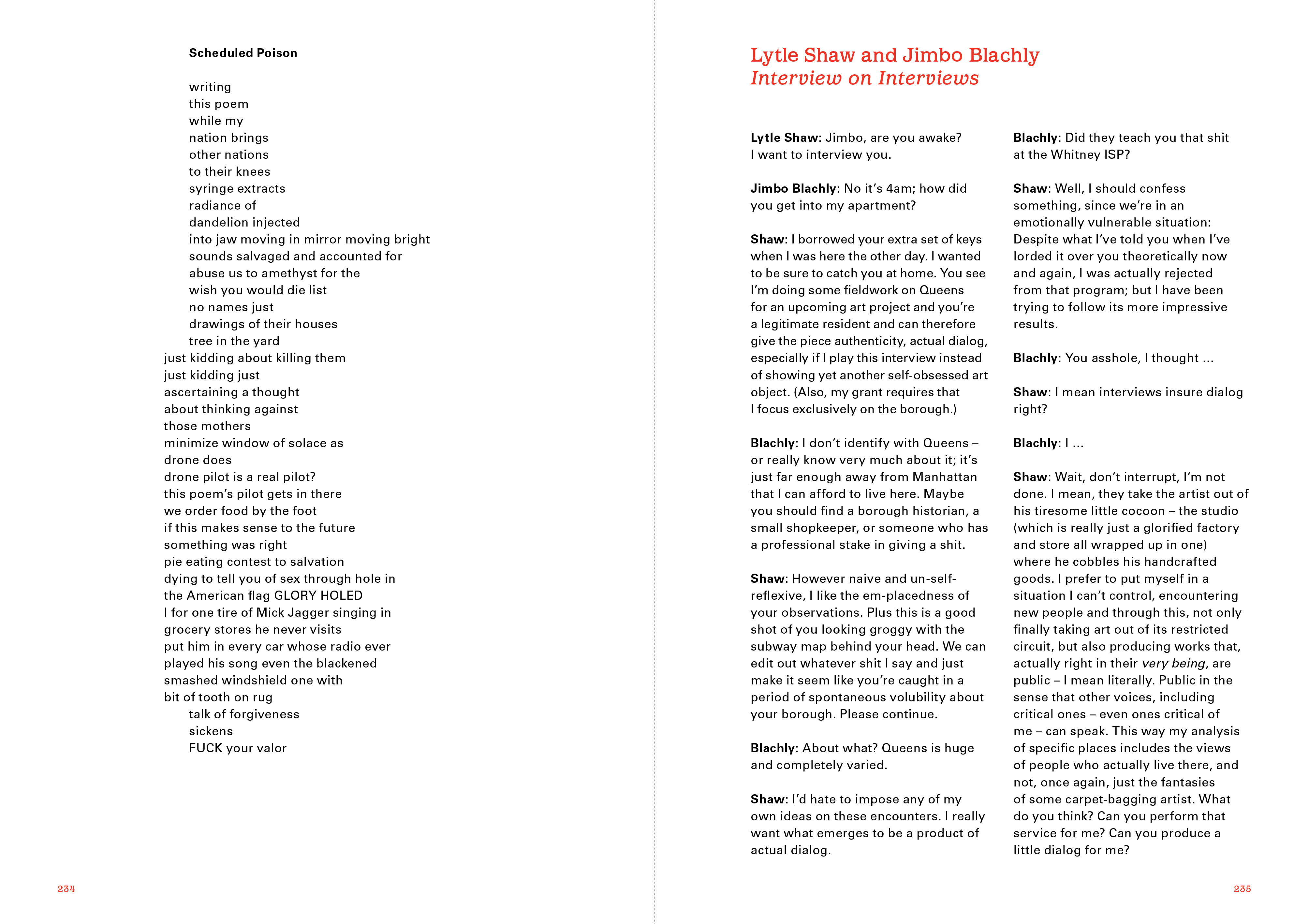
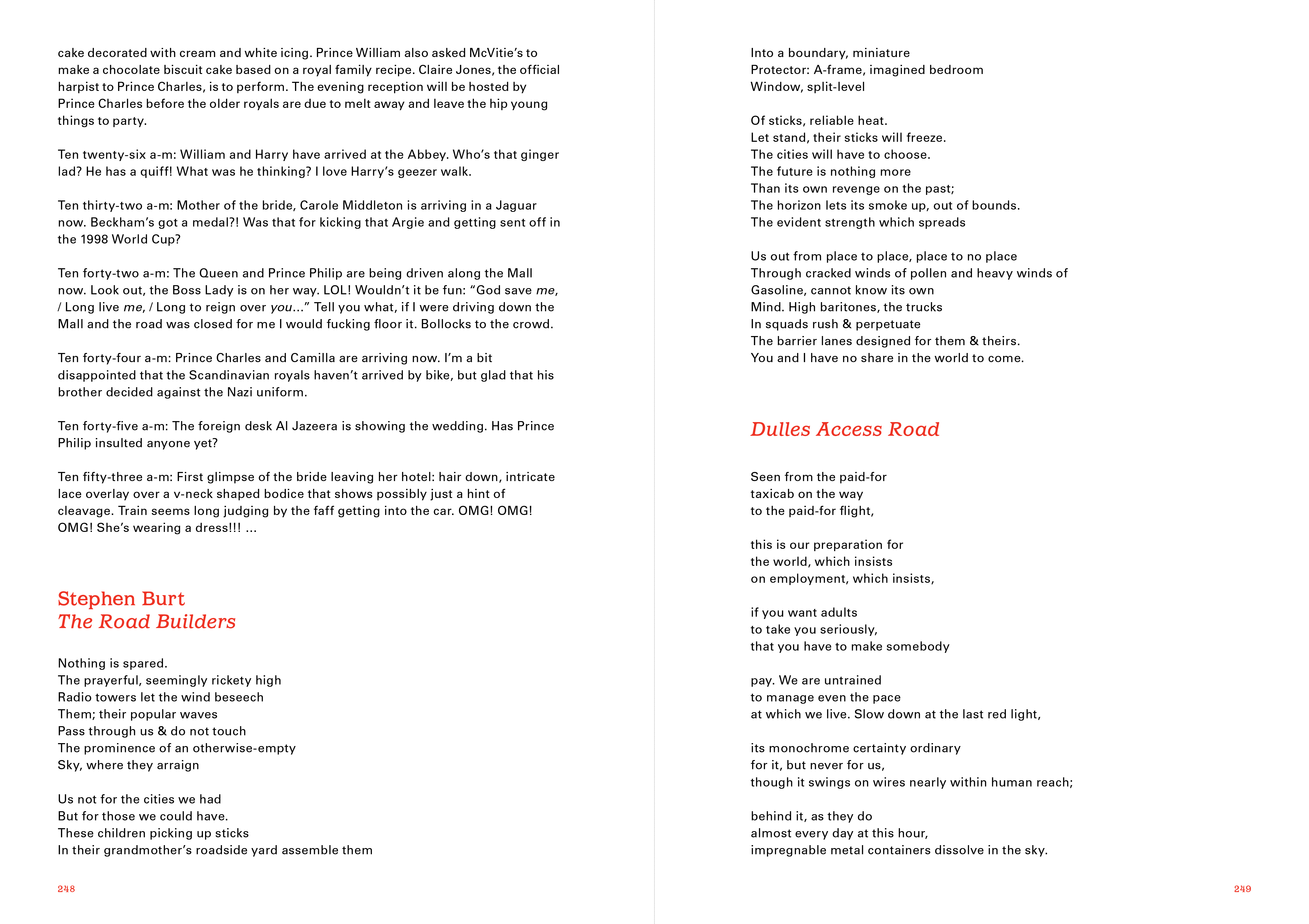
Artists have been invited to make a contribution that reflects upon a particular aspect of hospitality, or to invite a guest to occupy their space. In an extraordinary collection of new writing, Kenneth Goldsmith has invited twenty-nine fellow poets to compose works on two key areas of relevance to the subject: technology and geography. Commissioned essays by leading scholars from Africa, the Americas, Europe and Asia consider hospitality from multiple perspectives, including colonial history, spatial politics and the ethics of the host–guest relationship.

Together, this rich compilation of art, writing and thinking not only deepens our understanding of hospitality in the twenty-first century, it also offers possibilities for the future.

Sally Tallant is the director of the Liverpool Biennial
Paul Domela is programme director of the Liverpool Biennial
Lorenzo Fusi is the curator of ‘The Unexpected Guest’

Art
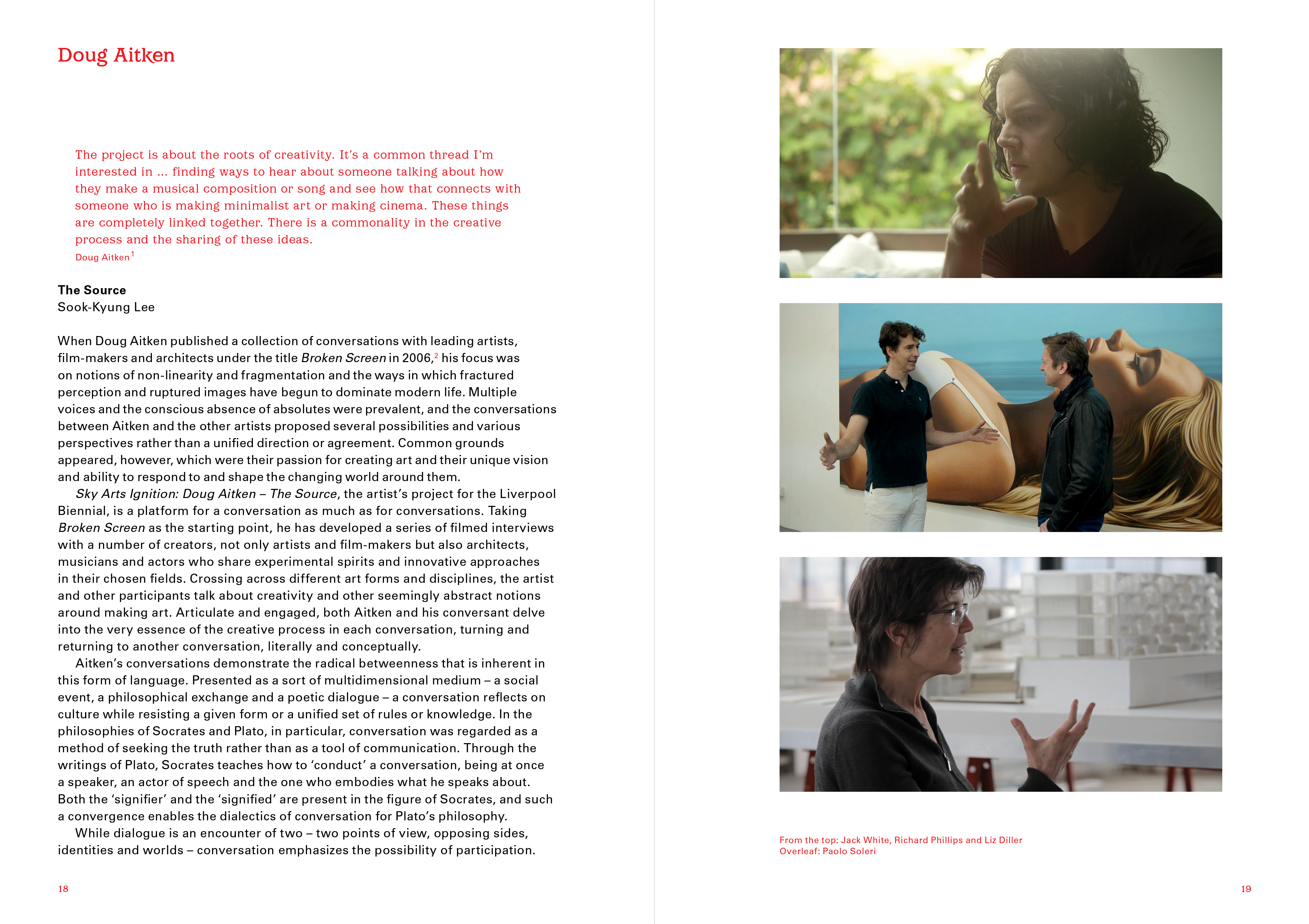
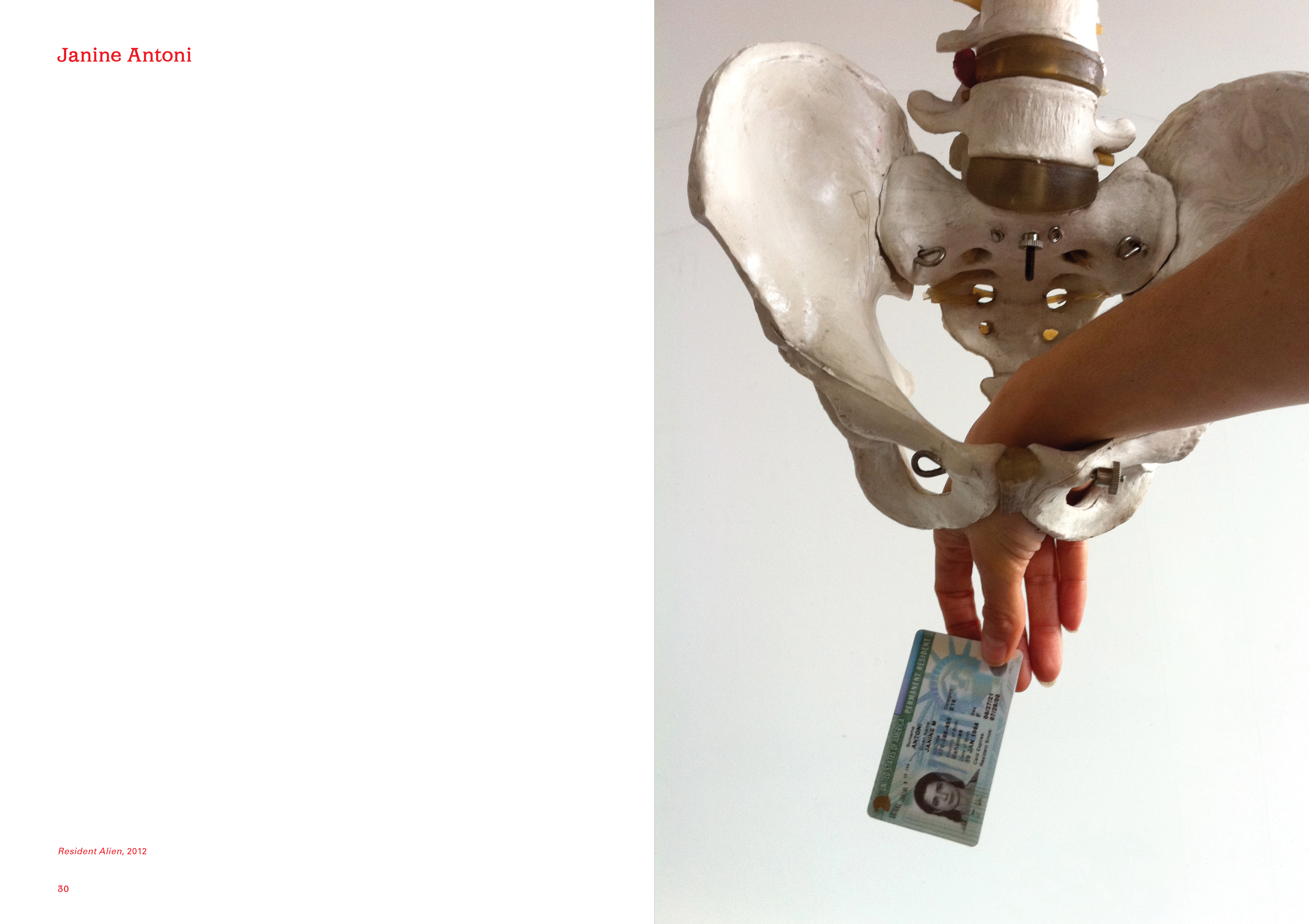
Doug Aitken • John Akomfrah • Janine Antoni • Sylvie Blocher invites Jacques Rancière • Andrea Bowers • Libia Castro and Ólafur Ólafsson •   Enrico David • Elmgreen and Dragset • Dora Garcia • Dan Graham • Mona Hatoum • Fritz Haeg • Jeanne van Heeswijk • Oded Hirsch • Hsieh Ying-chun • Nadia Kaabi-Linke • Markus Kahre • Anja Kirschner and David Panos • Jakob Kolding • Jirí Kovanda invites … • Suzanne Lacy and Stephanie Smith • Runo Lagomarsino • Jorge Macchi • Dane Mitchell • Sabelo Mlangeni • Mark Morrisroe • Patrick Murphy • Ahmet Öğüt • Trevor Paglen • Christodoulos Panayiotou • Pedro Reyes • Pamela Rosenkranz • Mikhael Subotzky and Patrick Waterhouse • Sun Xun • Superflex • Sinta Tantra • Tate Liverpool • Althea Thauberger • Jose Angel Vincench • Ming Wong • Jemima Wyman • Kohei Yoshiyuki • Akram Zaatari

Writing
Chris Alexander • Riccardo Boglione • Christian Bök • Stephen Burt • CAConrad • Kieran Daly • Craig Dworkin • J. Gordon Faylor • Robert Fitterman • Kristen Gallagher • Steve Giasson and Robert Fitterman • Kenneth Goldsmith • Lanny Jordan Jackson • Josef Kaplan • Tan Lin • Trisha Low • Stephen McLaughlin • Simon Morris • Tracie Morris • Eileen Myles • Vanessa Place • Kim Rosenfield • Vijay Seshadri • Maria Salgado • Don Share • Lytle Shaw and Jimbo Blachly • Ara Shirinyan • Nick Thurston • Darren Wershler and Bill Kennedy • Steven Zultanski

Thinking
Rosi Braidotti • Costas Douzinas • Stuart Hall and David Scott • Achille Mbembe • Pelin Tan


The Roundel

100 Artists Remake a London Icon

Edited by Tamsin Dillon
with contributions by Jonathan Glancey,
Claire Dobbin and Sally Shaw
Artworks by 100 contemporary artists

SOLD OUT

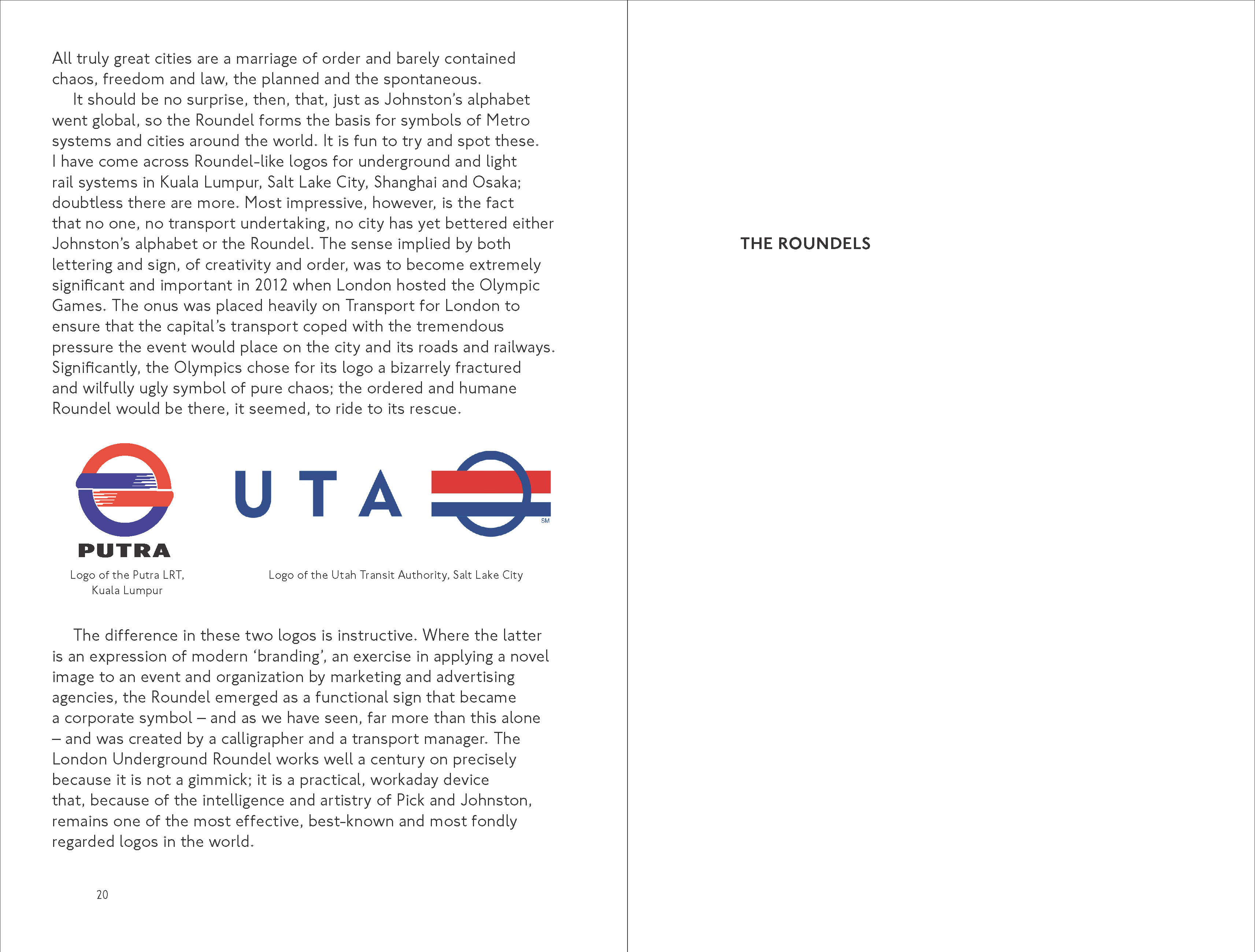
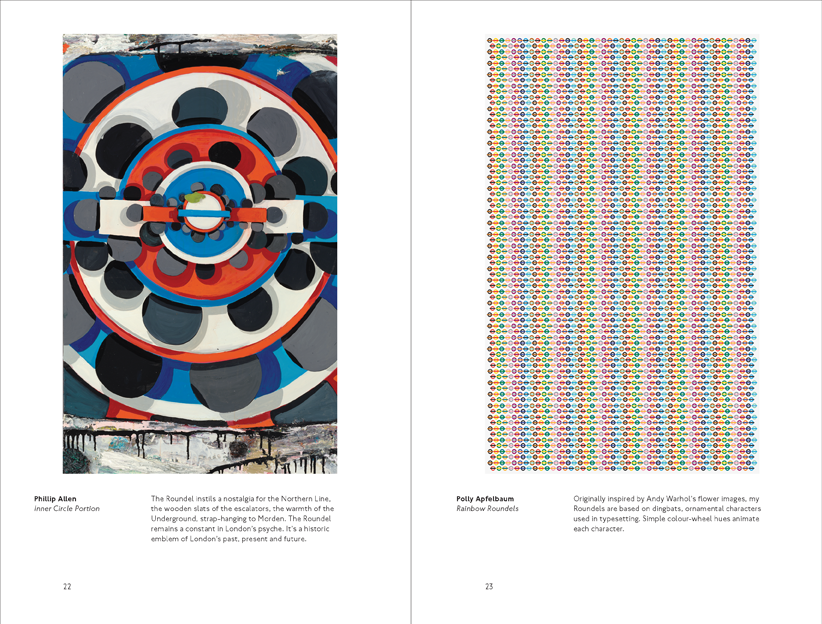
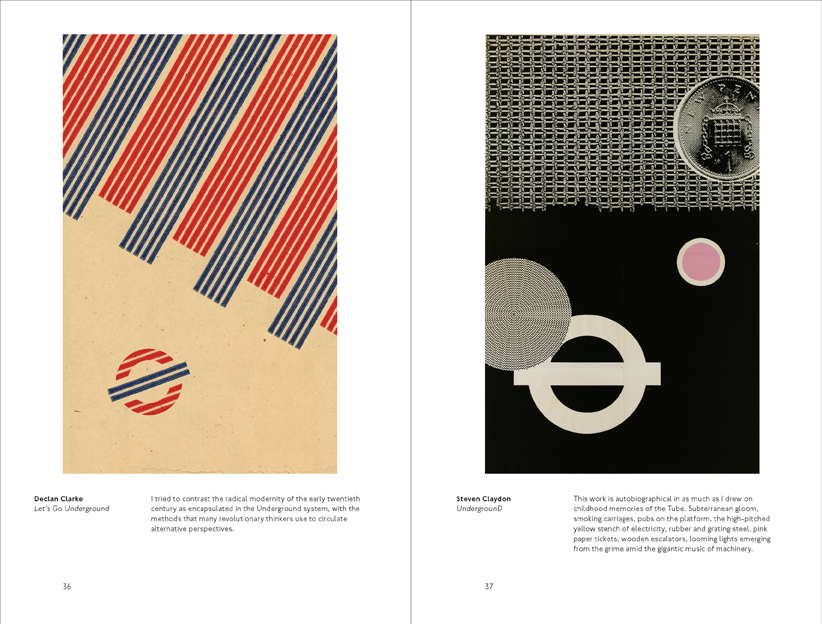
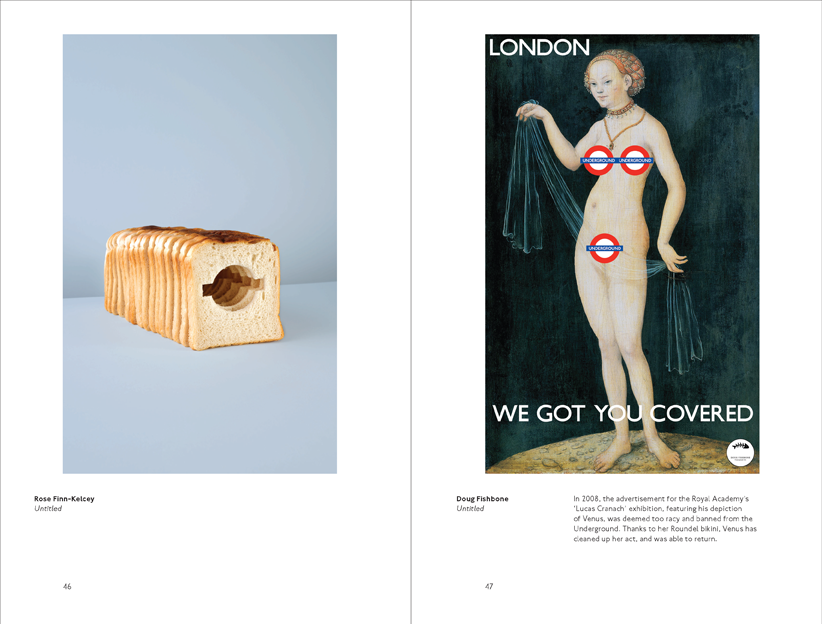
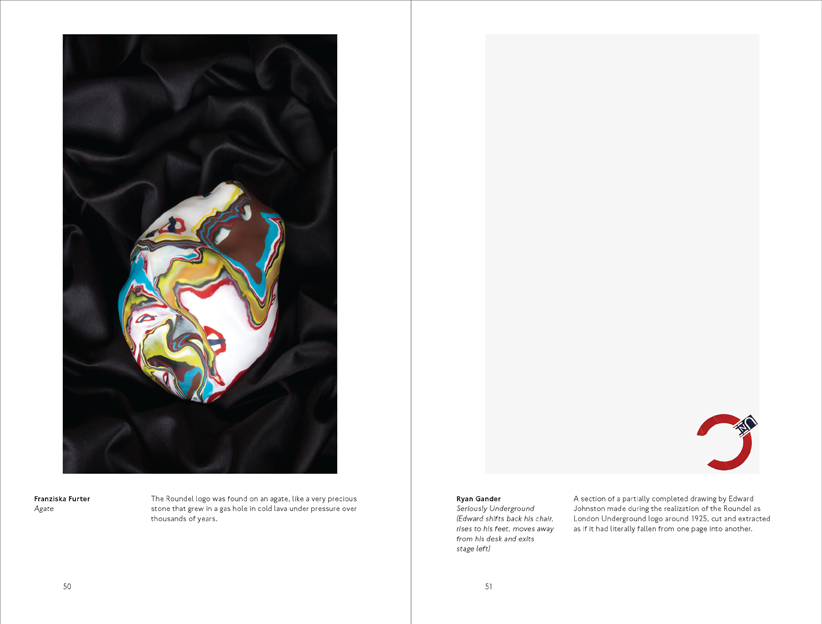
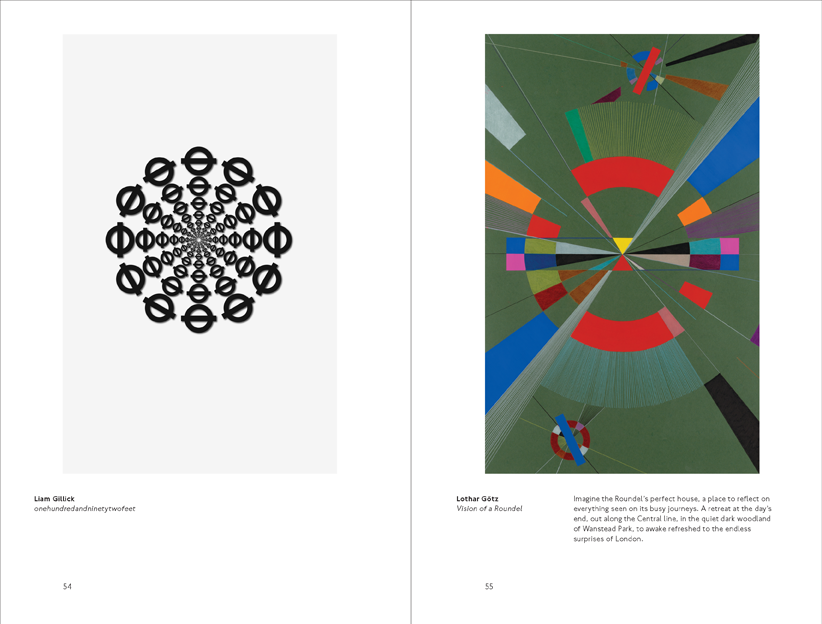
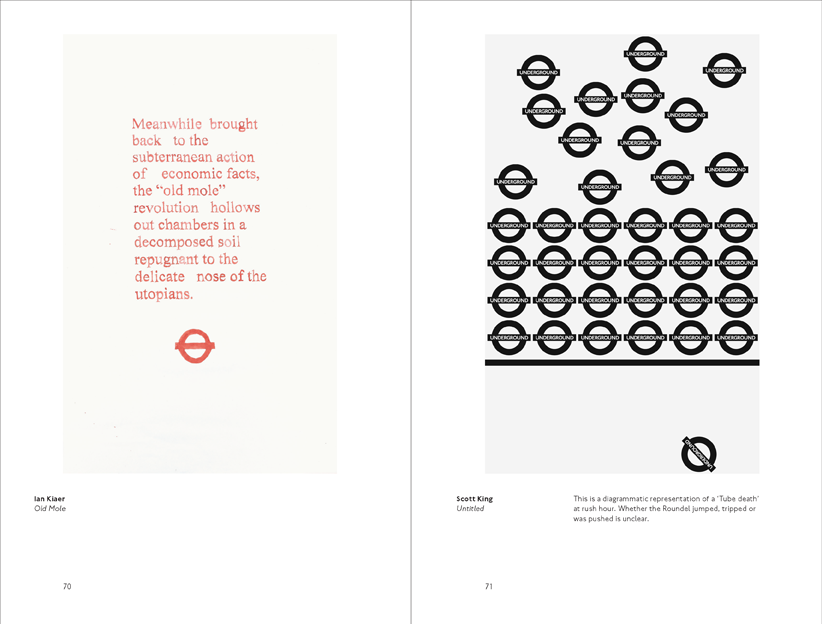
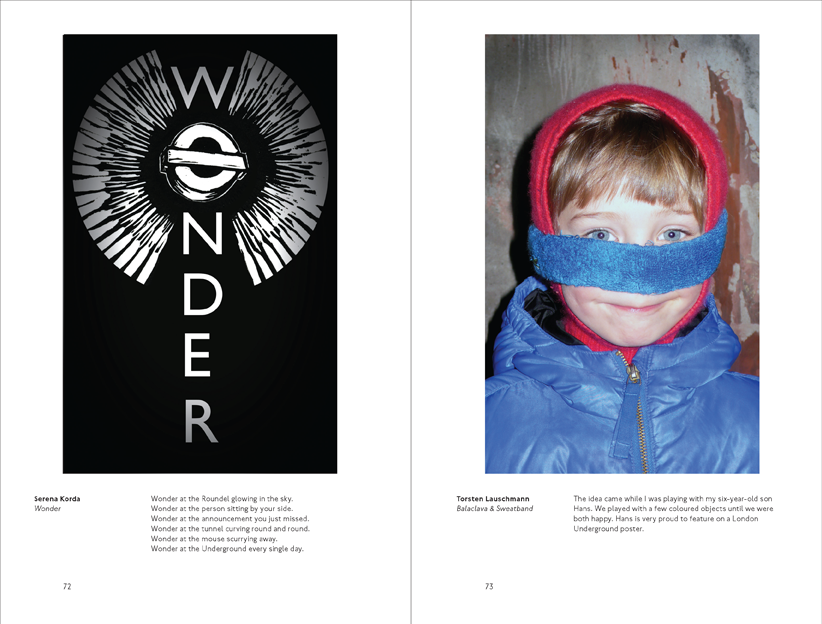
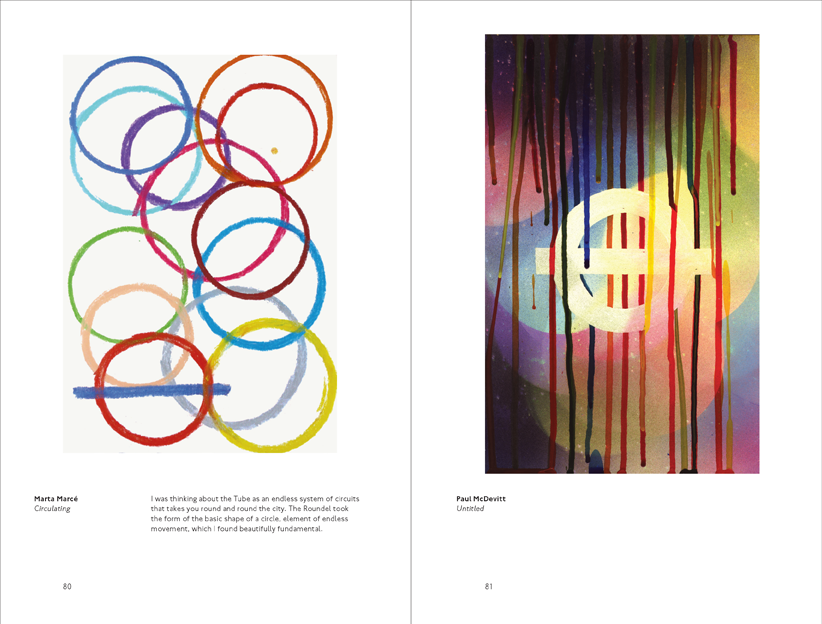
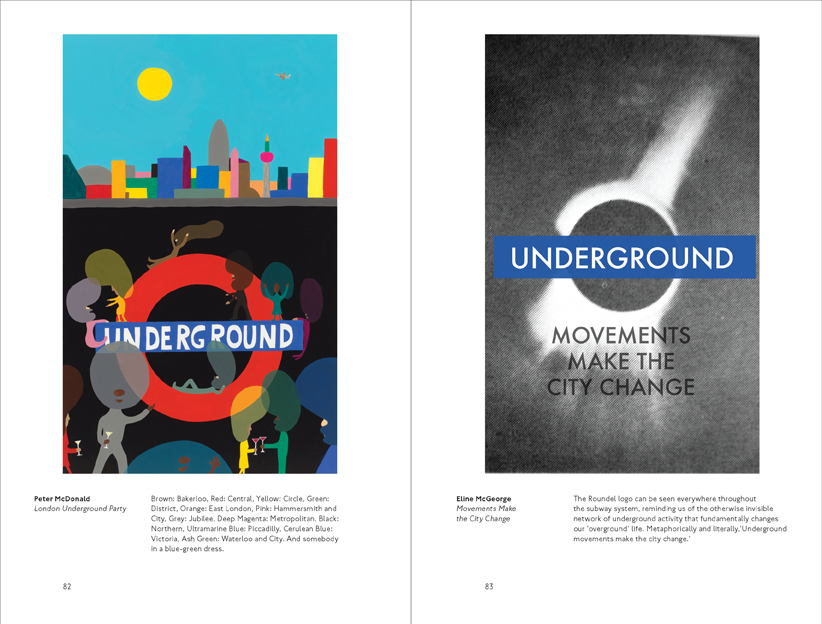
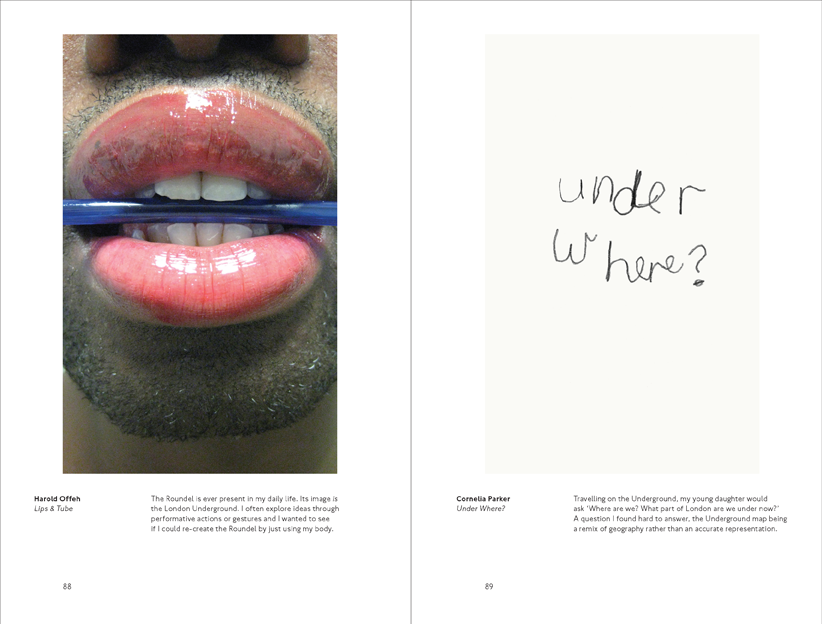
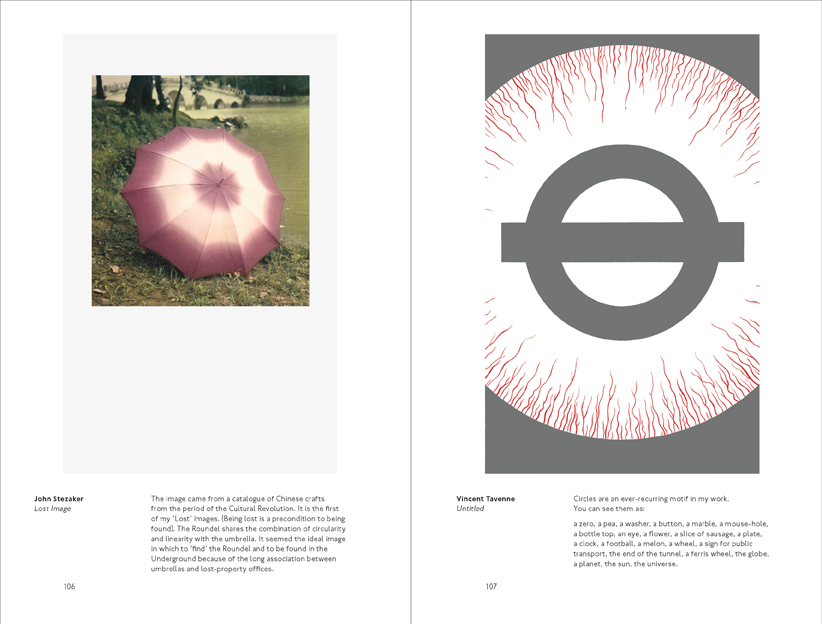
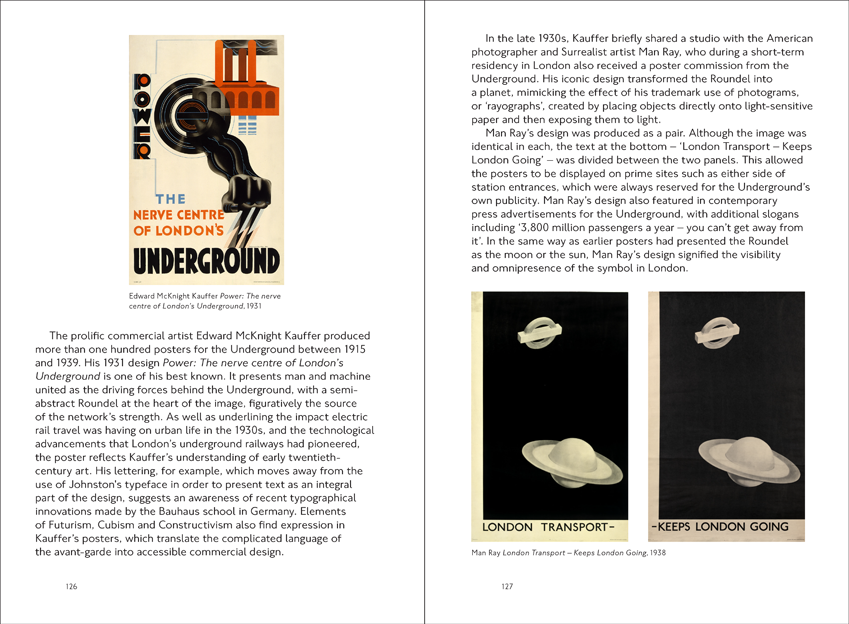
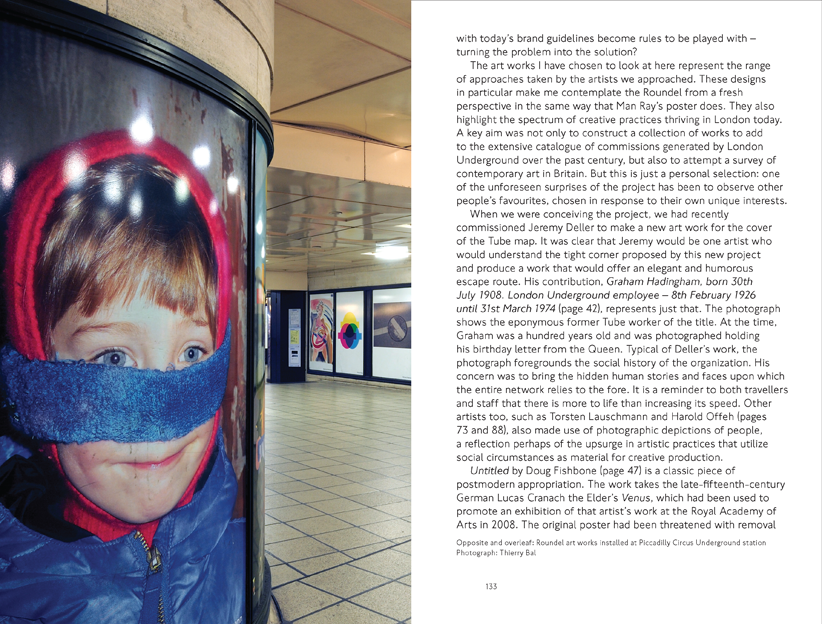
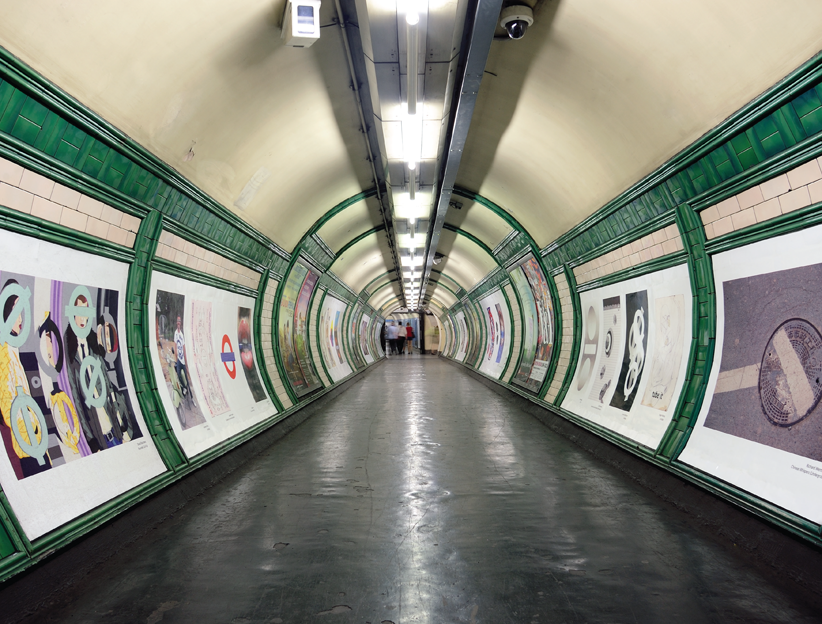
Marking the 150th anniversary of the birth of London Underground, the first ever subterranean railway, The Roundel presents the company’s famous logo rethought and refashioned by one hundred international artists. At once imaginative and playful, bold and irreverent, these new interpretations not only celebrate the symbol of London’s transport system, they also reinvent an icon of the city itself. Found the length and breadth of the metropolis, the century-old Roundel is one of the most effective, best known and most fondly regarded corporate logos in the world, spawning a host of similar designs in cities from Shanghai to Salt Lake City.

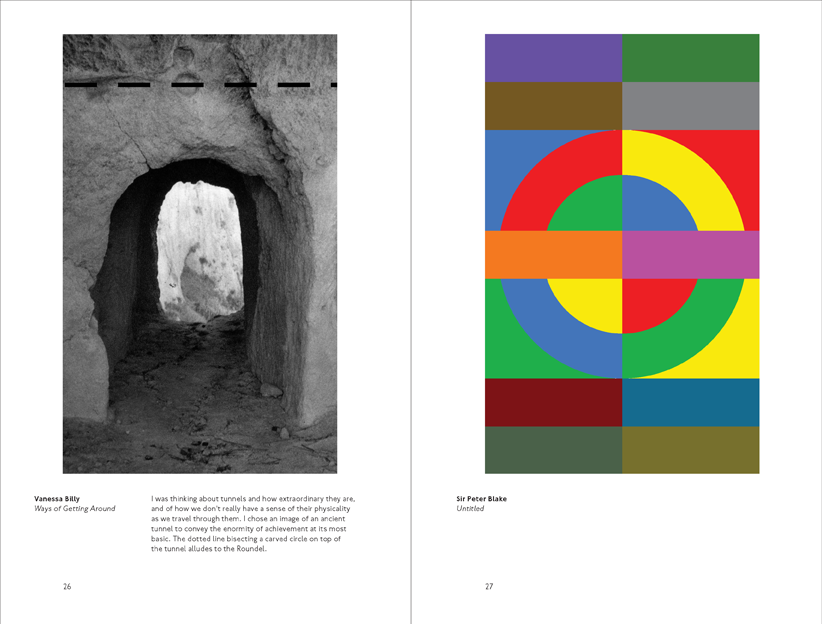
Now artists as diverse as Jeremy Deller, Sir Peter Blake, Roger Hiorns, Cornelia Parker, Yinka Shonibare, Gavin Turk, Susan Hiller and Richard Wentworth offer their personal take on the familiar motif, in photography or paint, drawing or print, collage or sculpture, revealing in their own words what inspired their creation. They follow in the footsteps of the many influential artists over the years, from Man Ray to Eduardo Paolozzi, who have taken the Roundel as a subject for their art, reflecting London’s importance as a capital city of culture.

With illuminating texts that consider the works within the history of transport design and public art, this gem of a book will delight all lovers of London and transport fanatics, as well as those who follow the latest trends in art, design and corporate branding.

Tamsin Dillon is Head of Art on the Underground.
Jonathan Glancey is an architectural critic and writer. He was architecture and design editor at the Guardian from 1997 to 2012.
Claire Dobbin is senior curator at London’s Transport Museum.
Sally Shaw is Head of Programmes at Modern Art Oxford.


What others say

‘Full of imaginative reworkings of the symbol which has had an impact on transport systems from Shanghai to Salt Lake City … an excellent new book’ — It’s Nice That (www.itsnicethat.com)

‘An affectionate mix of realistic and impressionistic ideas in painting, drawing, print and sculpture’ — Treehugger (www.treehugger.com)


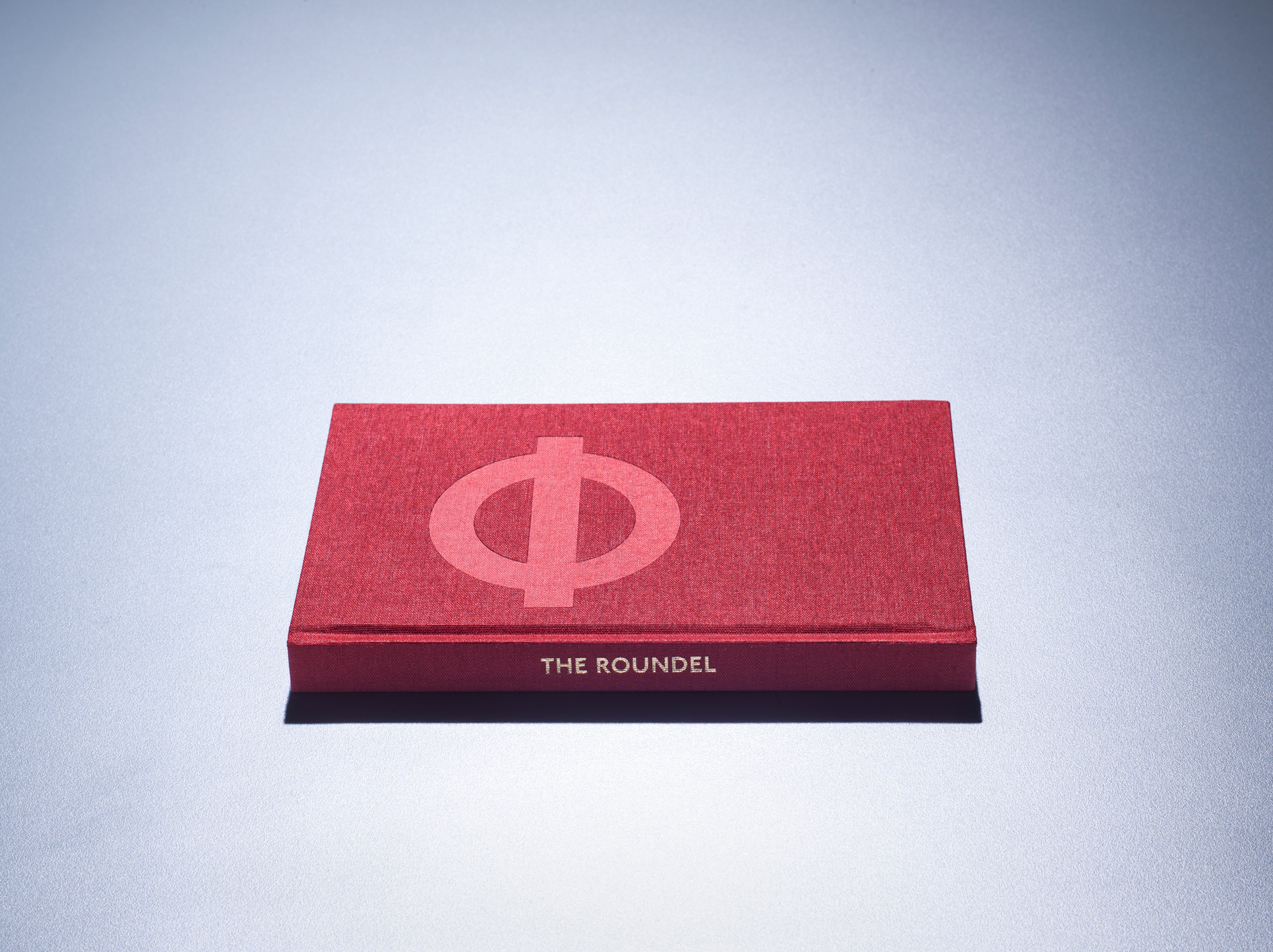
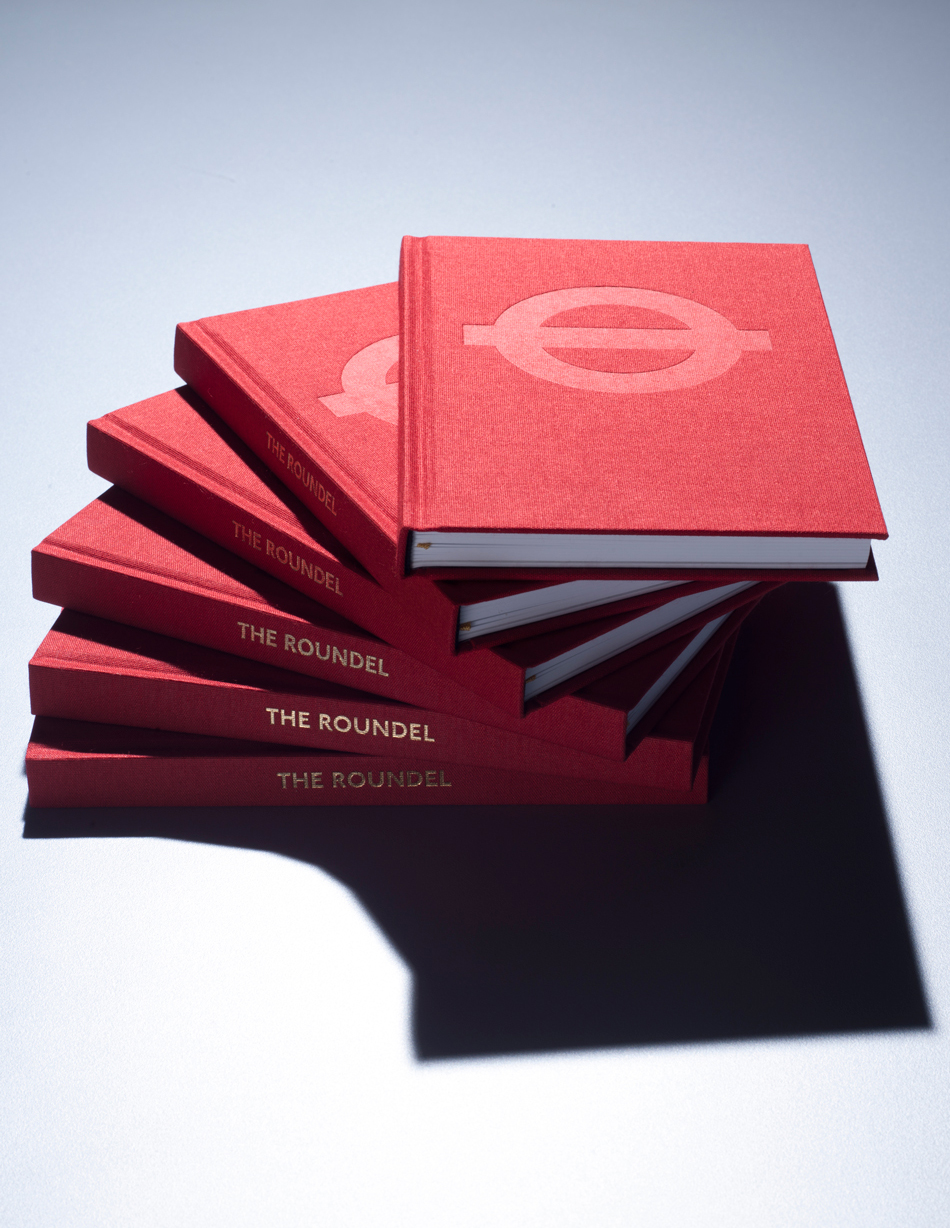
The Roundel special gift edition

100 Artists Remake a London Icon

Edited by Tamsin Dillon
with contributions by Jonathan Glancey,
Claire Dobbin and Sally Shaw
Artworks by 100 contemporary artists

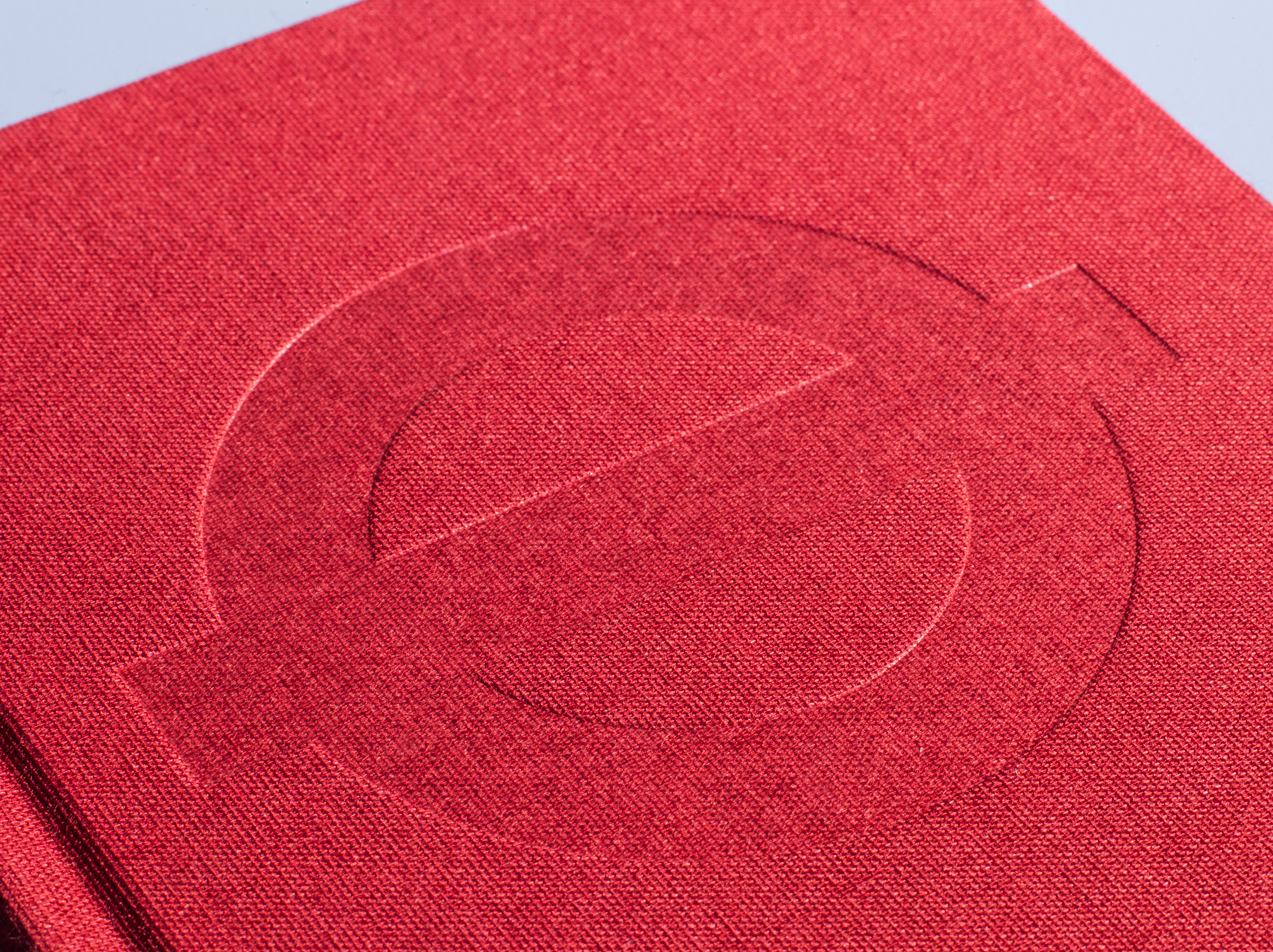
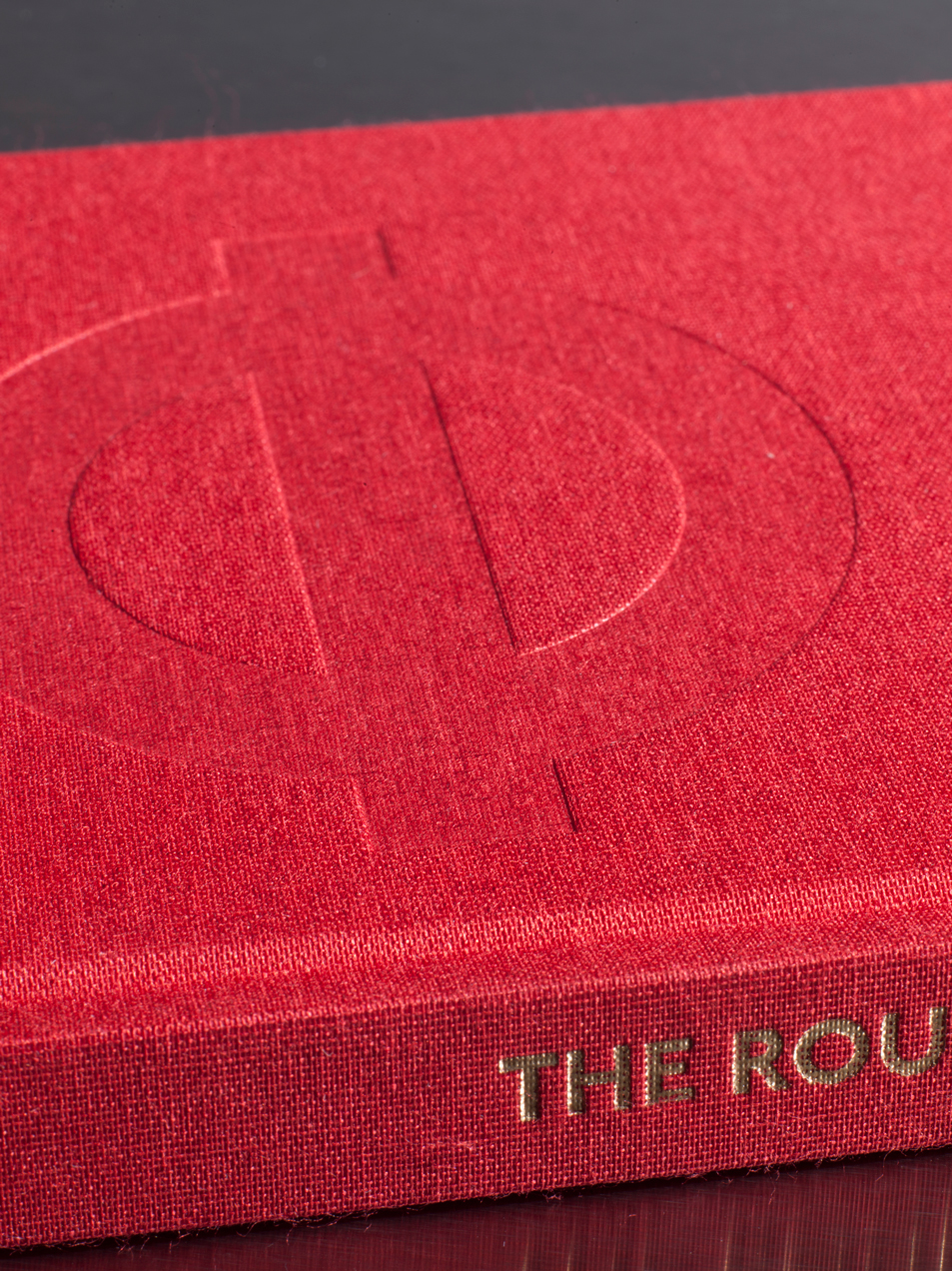
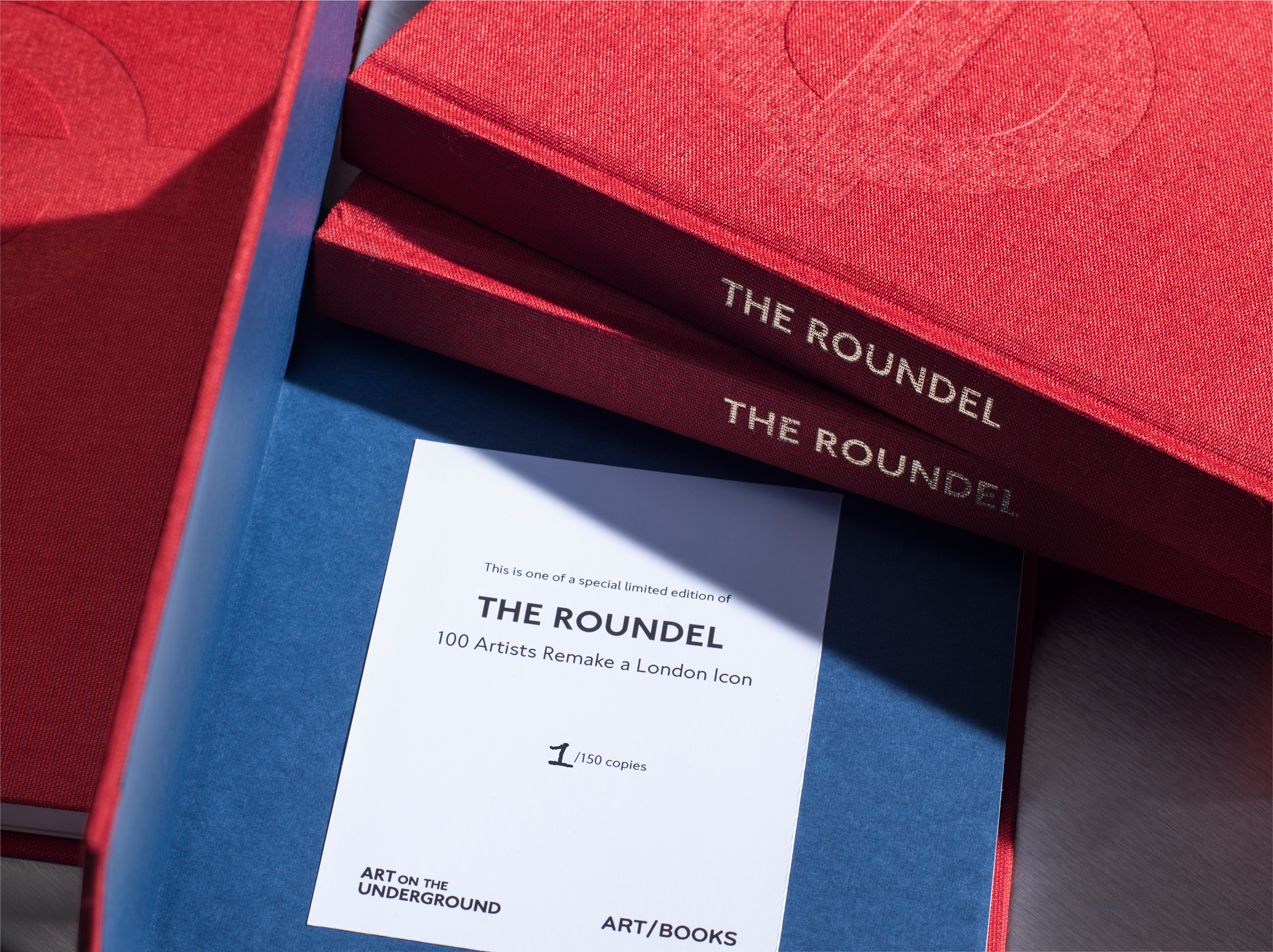
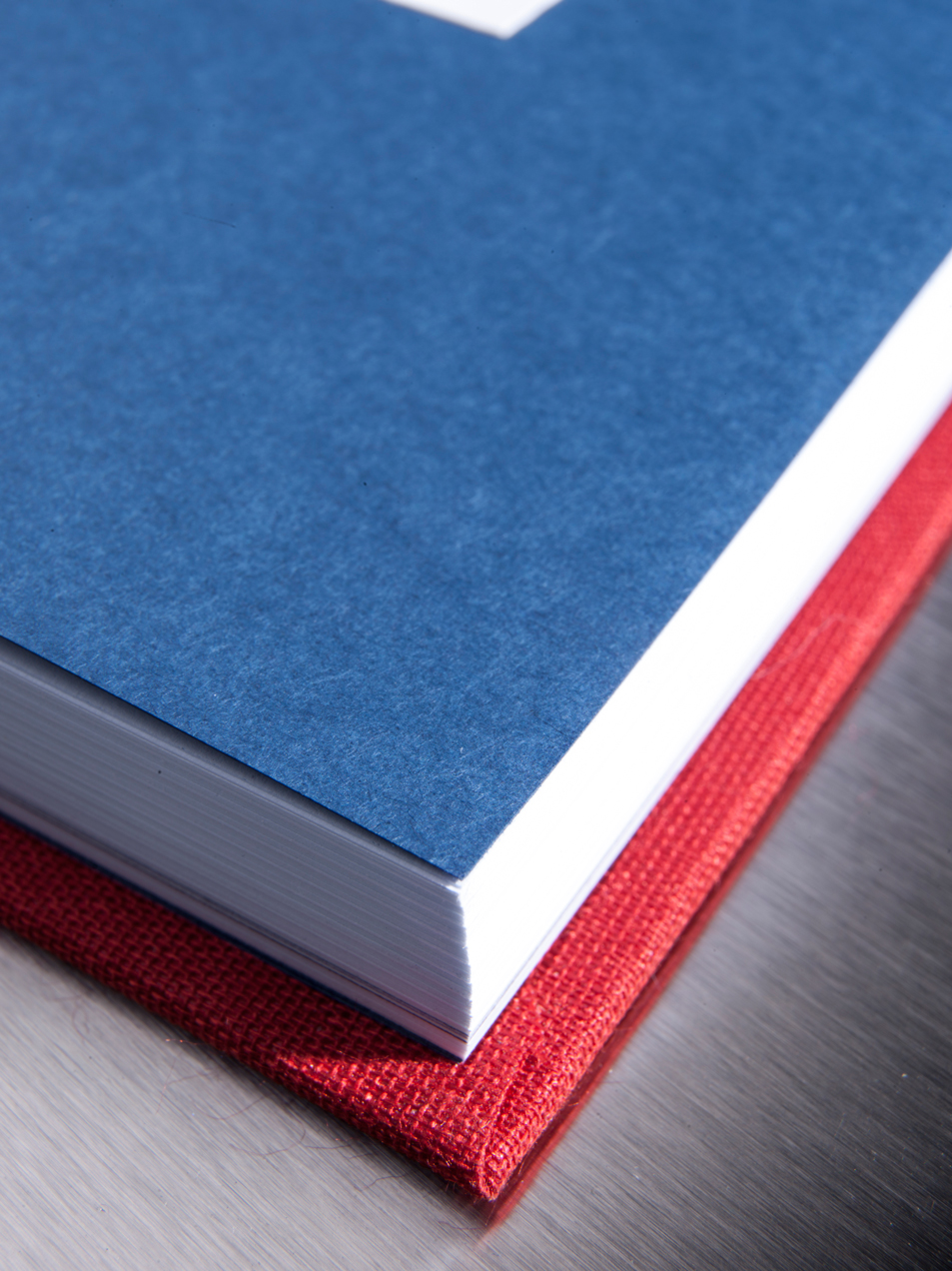
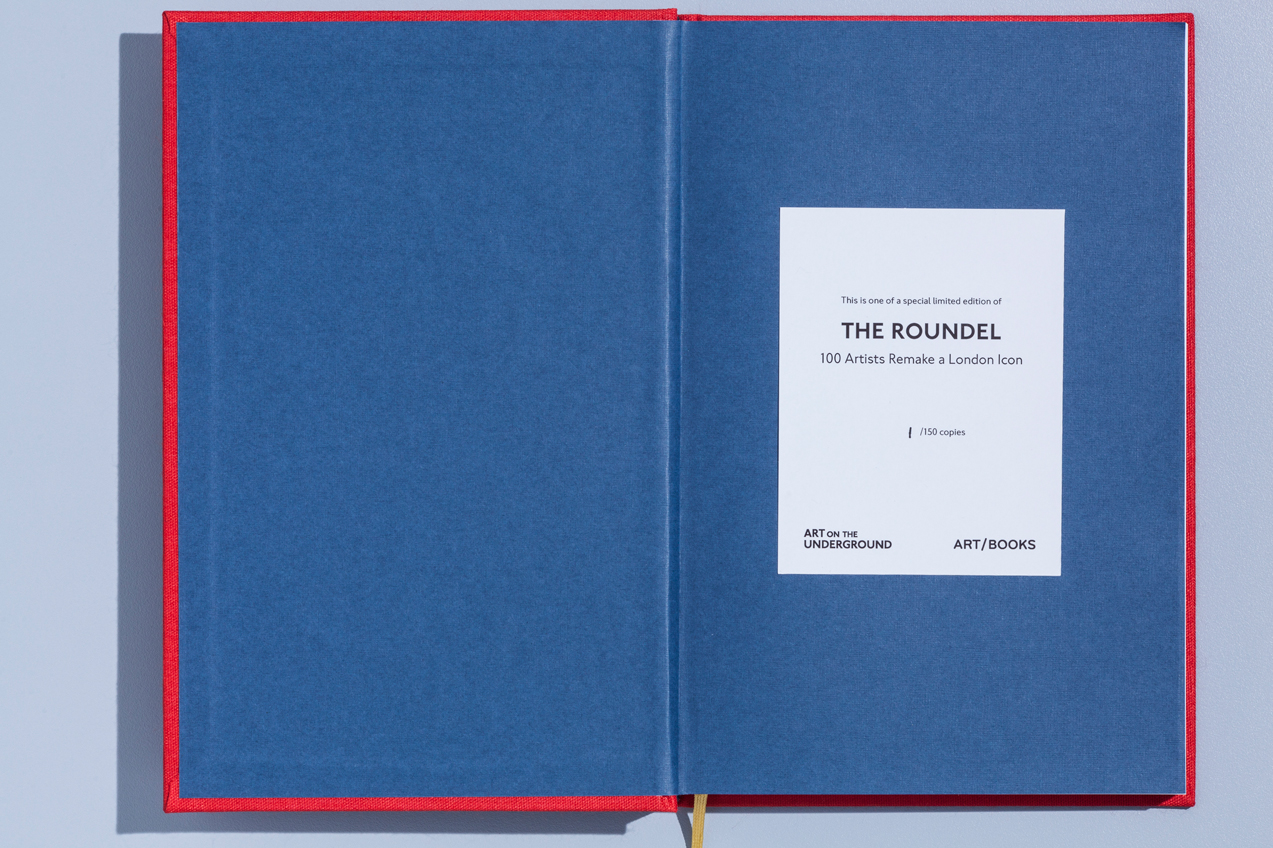
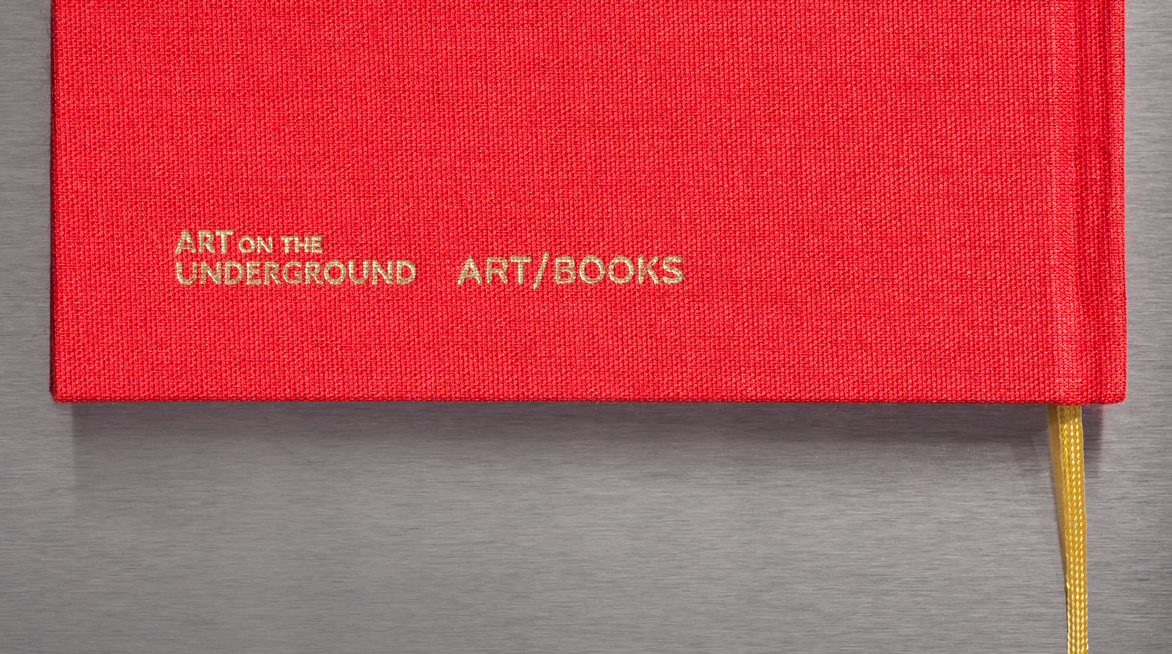
A beautiful clothbound special edition limited to just 150 copies
An ideal gift for all lovers of London’s art, design and transport 

Marking the 150th anniversary of the birth of London Underground, the first ever subterranean railway, The Roundel presents the company’s famous logo rethought and refashioned by one hundred international artists. At once imaginative and playful, bold and irreverent, these new interpretations not only celebrate the symbol of London’s transport system, they also reinvent an icon of the city itself. Found the length and breadth of the metropolis, the century-old Roundel is one of the most effective, best known and most fondly regarded corporate logos in the world, spawning a host of similar designs in cities from Shanghai to Salt Lake City.

Now artists as diverse as Jeremy Deller, Sir Peter Blake, Roger Hiorns, Cornelia Parker, Yinka Shonibare, Gavin Turk, Susan Hiller and Richard Wentworth offer their personal take on the familiar motif, in photography or paint, drawing or print, collage or sculpture, revealing in their own words what inspired their creation. They follow in the footsteps of the many influential artists over the years, from Man Ray to Eduardo Paolozzi, who have taken the Roundel as a subject for their art, reflecting London’s importance as a capital city of culture.

With illuminating texts that consider the works within the history of transport design and public art, this gem of a book will delight all lovers of London and transport fanatics, as well as those who follow the latest trends in art, design and corporate branding.

Tamsin Dillon is Head of Art on the Underground.
Jonathan Glancey is an architectural critic and writer. He was architecture and design editor at the Guardian from 1997 to 2012.
Claire Dobbin is senior curator at London’s Transport Museum.
Sally Shaw is Head of Programmes at Modern Art Oxford.