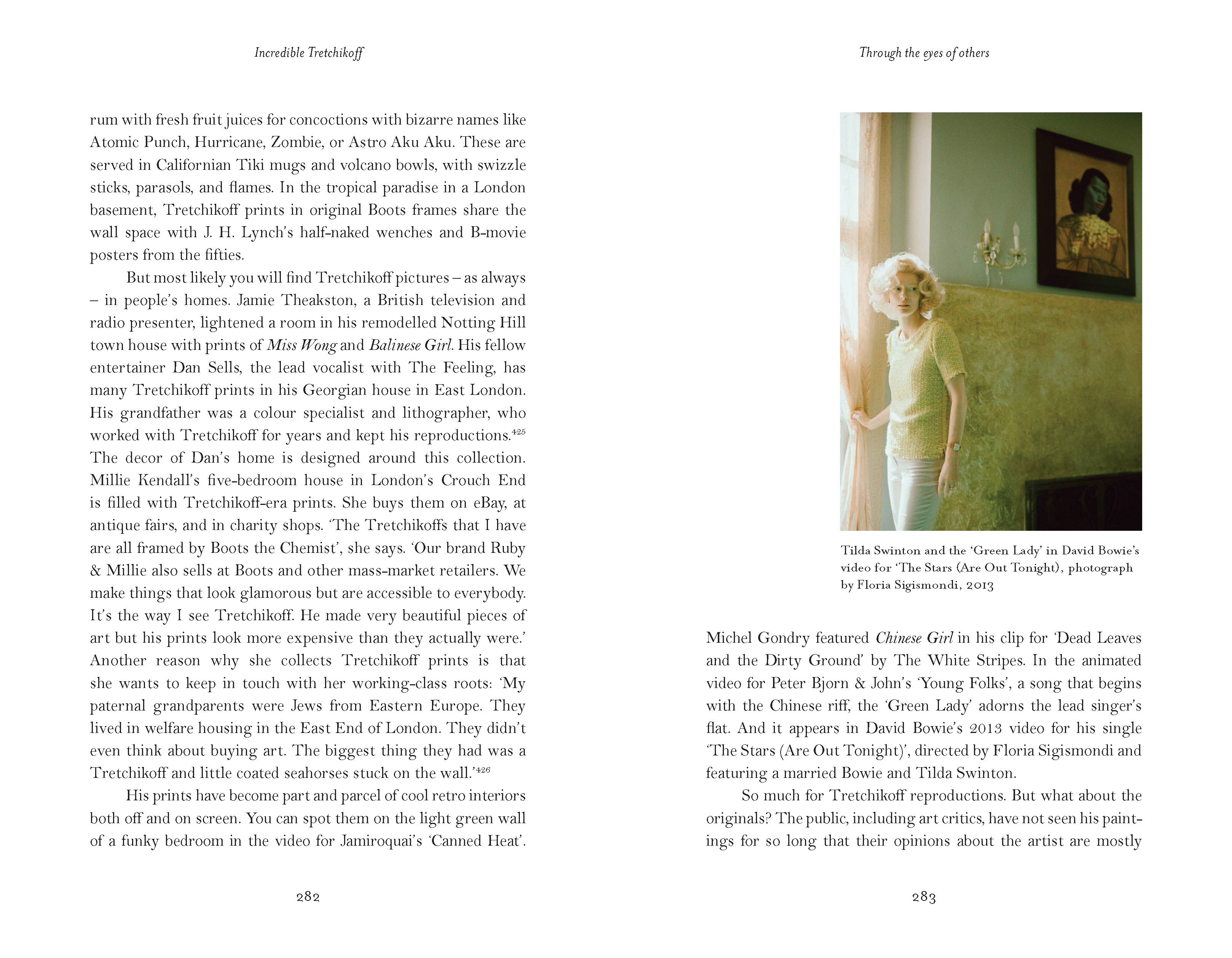
Could Have, Would Have, Should Have

Inside the World of the Art Collector

Tiqui Atencio
with illustrations by Pablo Helguera

‘A fascinating insider’s guide to collecting art’ — Jeffrey Deitch, former director, MOCA LA, art dealer and advisor
‘The best book I know on this subject’— Benedikt Taschen, publisher
‘An inspiring summary for new collectors and old’ — Laurence Graff, jeweller and collector
‘A must-read for anyone starting an art collection’ — Evening Standard
‘Reads beautifully and extremely interesting’ — Bob Colacello, author and special correspondent, Vanity Fair
‘Thoroughly enjoyable’ — Financial Times
‘A fascinating read filled with reflections from some of the legendary names in collecting today’ — Sotheby’s Magazine
‘Tiqui Atencio has amassed a vivid and engrossing collection of collectors for this fun and informative book.’ — Patricia Phelps de Cisneros, collector
‘The list of featured collectors is staggering’ — fineartmultiple.com
‘Unputdownable’ — Lekha Poddar, co-founder, Devi Art Foundation, Delhi
‘Tiqui Atencio … is a sage observer of the art world, and as this book demonstrates, possesses both acute vision and admirable empathy.’ — Richard Armstrong, director, Solomon R. Guggenheim Museum

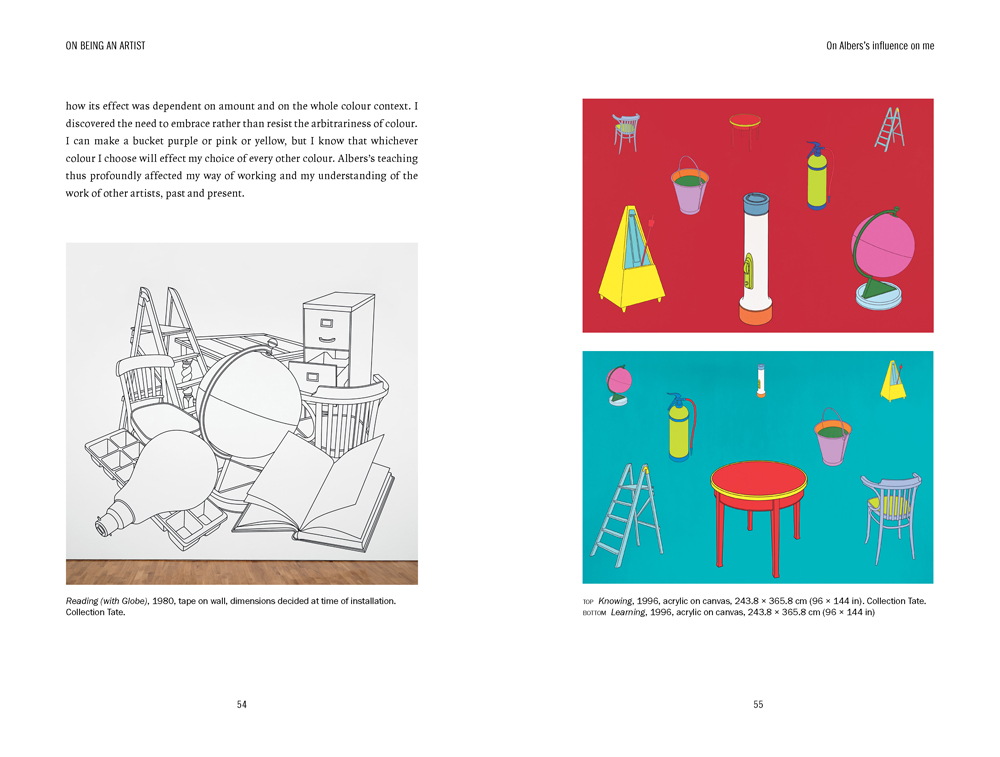
What does it take to be a serious art collector? What drives someone to go after a particular work regardless of the cost? What form of addiction or compulsion causes an individual to devote vast amounts of time, money and emotional energy in pursuit of something that is unobtainable to most people? Tiqui Atencio has been collecting since she was eighteen years old. Decades later, she is one of the most prominent collectors of contemporary art, on the boards of international museums and art-world power lists. For Could Have, Would Have, Should Have, she has interviewed almost one hundred of the world’s most influential collectors – from financiers to artists – and asked them to tell their own story of how they started to collect and what continues to motivate them.

In chapters such as ‘Ways of collecting’, ‘Dealing with dealers’, ‘Living with art’, ‘But it doesn’t fit!’ and ‘What was I thinking?’, they reveal their highs and lows, the successes and regrets, the shared passions and intense rivalries, the works that got away … and the ones that perhaps should have done. Their anecdotes and recollections reveal the many practical and emotional aspects of collecting art, all the unexpected pleasures and challenges. What emerges is a frank and honest, surprising and eye-opening, and at times hilarious account of a lifelong dedication that is described by some as a heroic commitment and by others as a crazy sickness. Cartoons by celebrated artist and satirist Pablo Helguera complement the entertaining text and provide an alternative view onto the world of collectors and collecting.

Tiqui Atencio is a prominent collector of Latin American, pre-Columbian, and modern and contemporary art. She was born in Maracaibo, Venezuela, and studied in Italy, the United States and France. Between 1998 and 2004, she was on the advisory board of the Art Institutes International. Since 2005, she has been an ex-officio trustee of the Guggenheim Museum and is chair of the museum’s International Director’s Council. In 2003, she founded Tate’s Latin American Acquisition Committee and has been its chair since then. She is also a member of the museum’s International Executive Committee and an ex-officio trustee of Tate America’s Foundation. She is on the board of advisors of Art at Auction magazine and performed the same role for the UBS Art Collection. She is a member of the Société des Amis du Musée d’Art Moderne de la Ville de Paris and of the Monaco Projects for the Arts.

Pablo Helguera is a visual and performance artist living in New York. He is the author of more than twenty books, including Artoons, Education for Socially Engaged Art and The Parable Conference.

Interviewees: Basma Al Sulaiman; Ann and Steven Ames; Prince Pierre d’Arenberg; Richard Armstrong; Ara Arslanian; Monique Barbier-Mueller; Bill Bell Jr; Poonam Bhagat; Ivor Braka; Irma and Norman Braman; Peter Brant; Eli Broad; Estrellita Brodsky; Clarissa Bronfman; Trudy and Paul Cejas; Adrian Cheng; Michael Chow; Bob Colacello; Halit Cıngıllıoglu; Kemal Cıngıllıoglu; George Condo; Dimitris Daskalopoulos; Hélène David-Weill; Jeffrey Deitch; Ago Demirdjian; Beth Rudin DeWoody; Negar and Kamran Diba; Ulla Dreyfus-Best; Stefan Edlis and Gael Neeson; Sevda Elgiz; Kim Esteve; Wendy Fisher; Lady Elena Foster; Glenn Fuhrman; Laurence Graff; Agnes Gund; Terry de Gunzburg; James Hedges IV; J. Tomilson Hill; Damien Hirst; Maja Hoffmann; Jane Holzer; Dakis Joannou; Pearl Lam; Rachel Lehmann; Dominique and Sylvain Levy; Karen Levy; Adam Lindemann; Fatima and Eskandar Maleki; Jean-Claude and Nicole Marian; Nada and Taha Mikati; Lady Alison Myners; David Nahmad; Helly Nahmad; Gwen and Peter Norton; Anthony d’Offay; Paulina Palacios Leroy; Sagrario Pérez Soto de Atencio; Catherine Petitgas; Patricia Phelps de Cisneros; Jean Pigozzi; Lekha Poddar; Eugenio Re Rebaudengo; Almine Rech; Ursula von Rydingsvard; Rolf Sachs; Muriel and Freddy Salem; Patrizia Sandretto Re Rebaudengo; Denise Saul; Kenny Schachter; Uli Sigg; Jennifer Blei Stockman; Norah and Norman Stone; Mercedes Stoutzker; Benedikt Taschen; David Teiger; Samir Traboulsi; Igor Tsukanov; Axel Vervoordt; Paulo Vieira; Angela Westwater and David Meitus; Andrea Wild Botero; Juan Yarur; Neda Young; Anita Zabludowicz; and other collectors who chose to remain anonymous.

On Being An Artist – hardback

Sir Michael Craig-Martin

‘One of the best books of an artist’s writings in years: elegant, pithy and full of insights’ — Sir Nicholas Serota, Chair, Arts Council England and former Director, Tate
‘Coherent, absorbing … such a compelling read … Craig-Martin writes brilliantly’ — The Art Newspaper
‘[An] absorbing and important book … a must-have for anyone with the slightest interest in today’s art scene’ — Telegraph, Best Art Books of 2015
‘Extraordinary … positively quakes with brilliance … Brimming with intelligence, Craig-Martin’s book gathers a lifetime of artistic wisdom.… Since finishing [it] I do nothing but recommend it.’ — Art Monthly
‘Erudite, insightful and hugely readable … an intelligent, entertaining and inspiring journey into the mind of one of the leading artistic figures working today’ — It’s Nice That
‘Illuminating … wise and inspiring’ — Art Quarterly
‘A revelation … brilliant … a fascinating record of a life in art’ — RA Magazine 
‘Craig-Martin is the artist-teacher par excellence … On Being an Artist is an engaging book and a useful reminder of the benefits of a life enriched by art and teaching.’ —Visual Culture in Britain
‘Written with force and intelligence … so clear, concise and coherent that we can have no doubt how much, and how well, students will have learned from him’ — Irish Arts Review
‘[Craig-Martin is] a splendid writer, humane, amusing and informative. This is a handsome, wise and often funny book, open and honest about his own life, and interested in the life and work of others.’ — Arts Journal
‘Full of stimulating and often unexpected insights into the contemporary art world, teaching and the practice of art … He writes with an elegant simplicity – totally jargon-free – and is a delight to read. He does much to enliven the ways in which the layman might think about art, and makes the reader not only think, but look – and see.’ — Burlington Magazine
‘An essential read’ — Wallpaper*
‘Only intermittently interesting’ — New Statesman 
_____________

SHORTLISTED Art Book Prize 2016

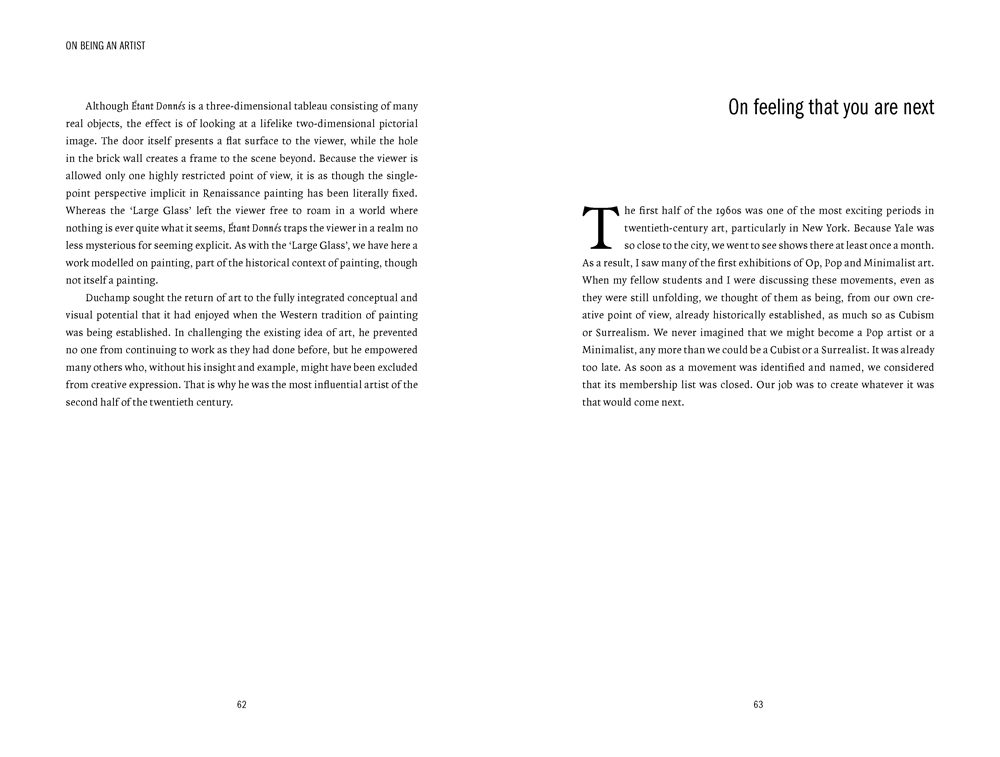
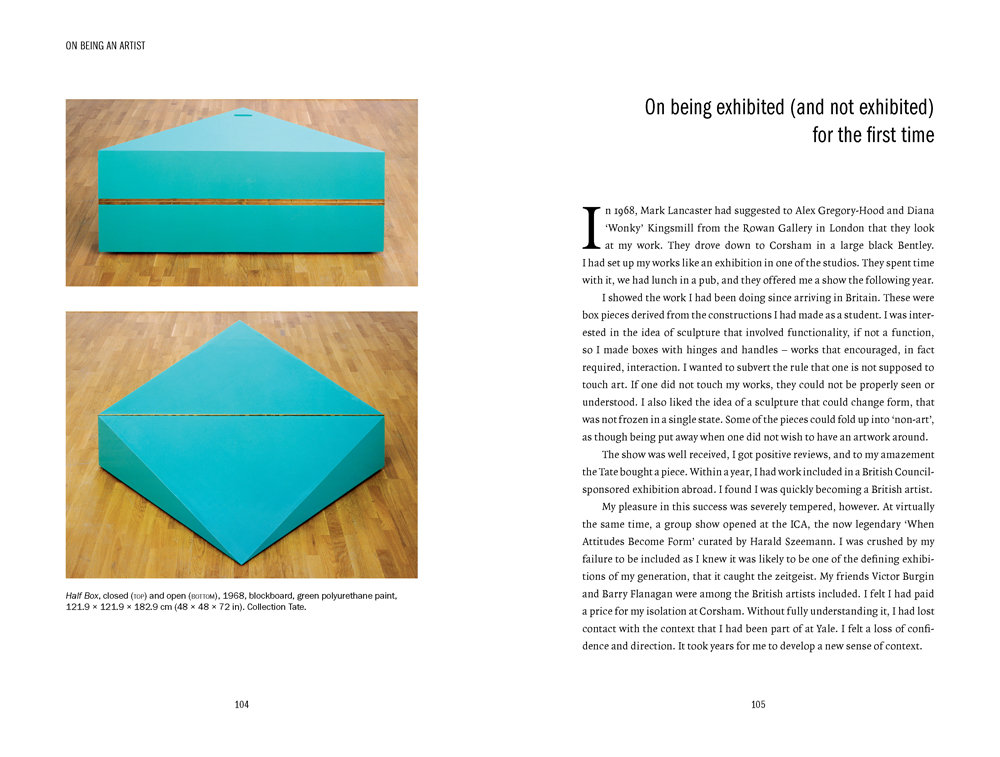
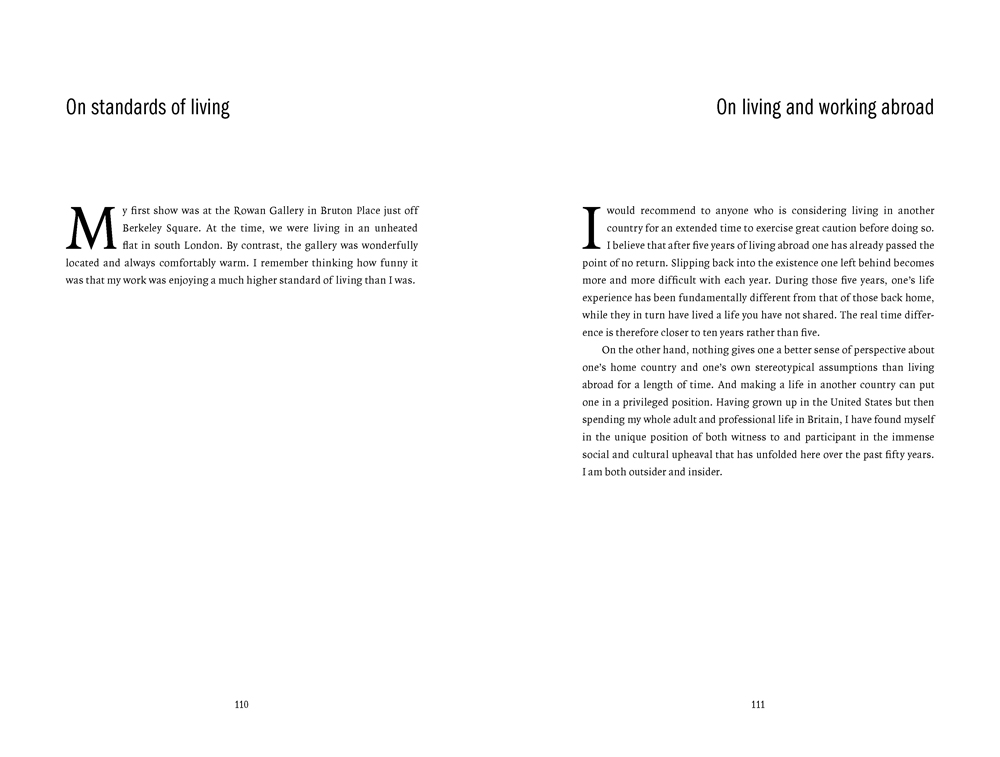
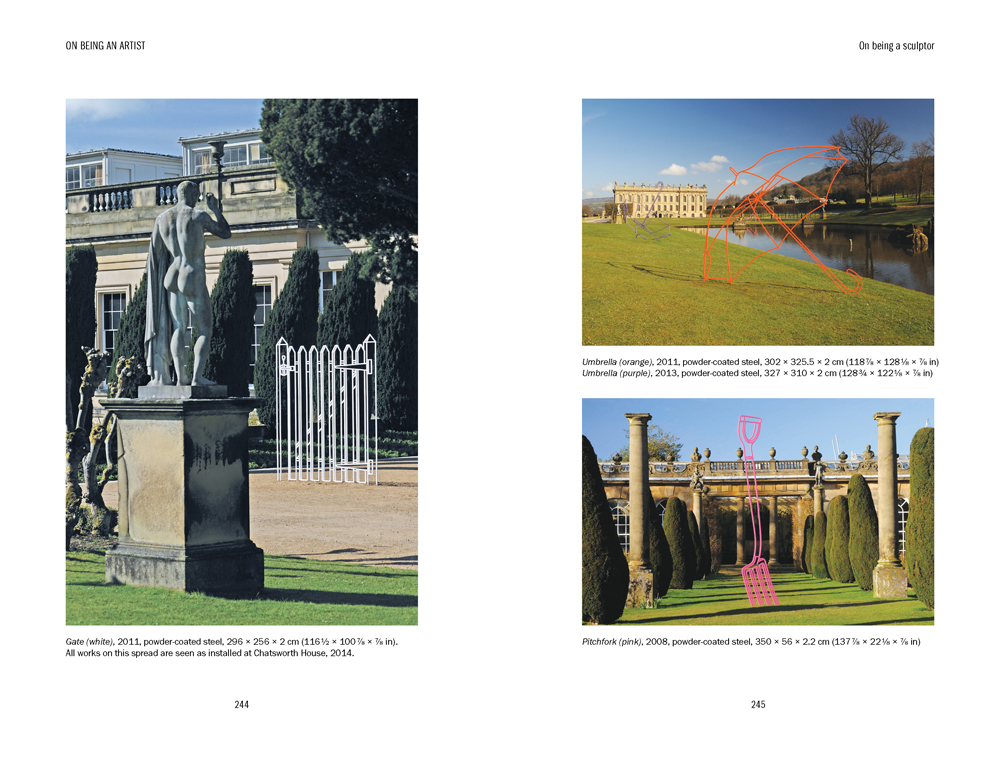
Celebrated artist and influential teacher Michael Craig-Martin’s first book is a lively mix of reminiscence, personal manifesto, anecdote and advice for the aspiring artist.

Craig-Martin’s life has been as colourful and varied as his distinctive work. From an early childhood that took him from wartime Dublin to postwar Washington D.C. and Bogotà, and student life in New York and at Yale University, he has gone on to enjoy a successful international career, feted around the world with major exhibitions, high-profile commissions and numerous honours.
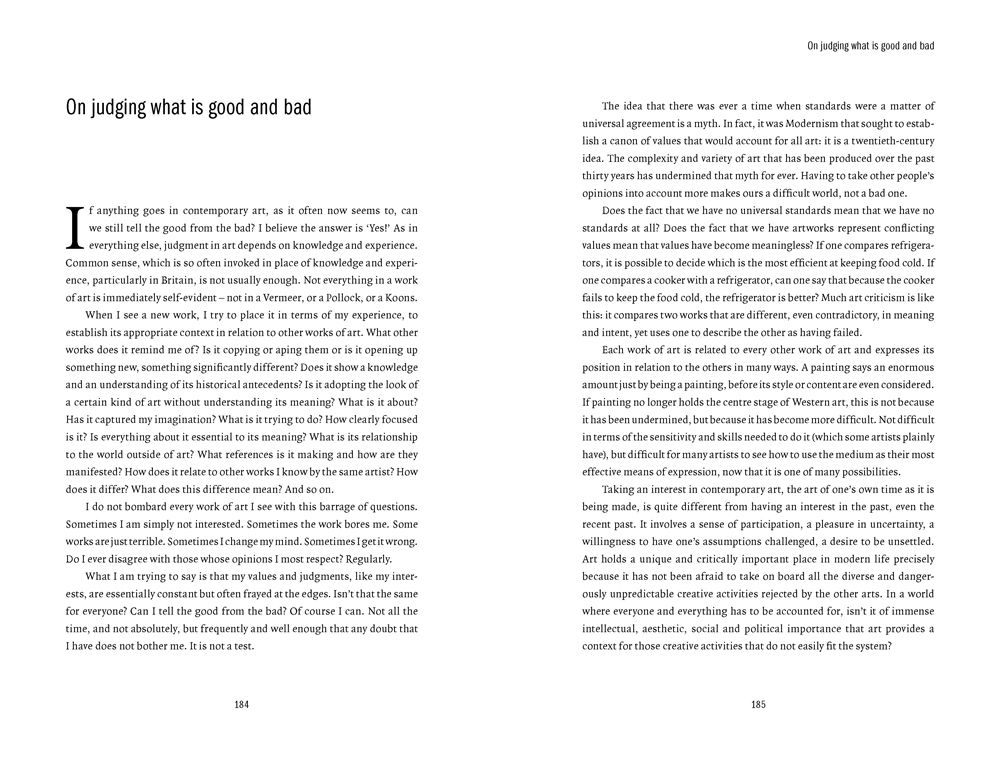
In On Being An Artist, Craig-Martin reflects with both wit and candour on the many people, ideas and events that have shaped his professional life. In a series of short and entertaining episodes, he recounts his time studying under the influence of legendary artist Josef Albers at Yale University School of Art alongside Chuck Close, Richard Serra and other soon-to-be-famous radicals; his memories of meeting personal heroes such as Andy Warhol, Jasper Johns and John Cage; his efforts to explain his art to a bewildered astrophysicist at high table at King’s College, Cambridge; his astonishment at seeing the house and art collection of Charles Saatchi for the first time; and his surreal experience of staking out Christine Keeler at the height of the Profumo scandal.

He recalls, too, his first tentative steps as a practising artist and emergence as a key figure of early conceptual art in Britain. He also looks back on his achievements as a teacher at Goldsmiths, where he nurtured two generations of students, among them Damien Hirst and Sarah Lucas, earning himself the sobriquet ‘the godfather of the YBAs’. As he considers the development of his own career and the evolution of the art world over the last half century, he offers the benefit of insights gained from his professional highs and lows, revealing the essential attributes and knowledge that one needs as an artist today. He also tackles controversial issues such as the fashionability of contemporary art, the enduring status of painting, the relevance of life drawing and practical skills, the qualities of art schools, the role of commercial dealers, the importance of speaking clearly about art, and the judgment of what is good and bad in art.

More than the life of one of the most creative minds of our age, On Being An Artist provides lesson after valuable lesson to anyone wishing to know what it means and what it takes to be an artist today.

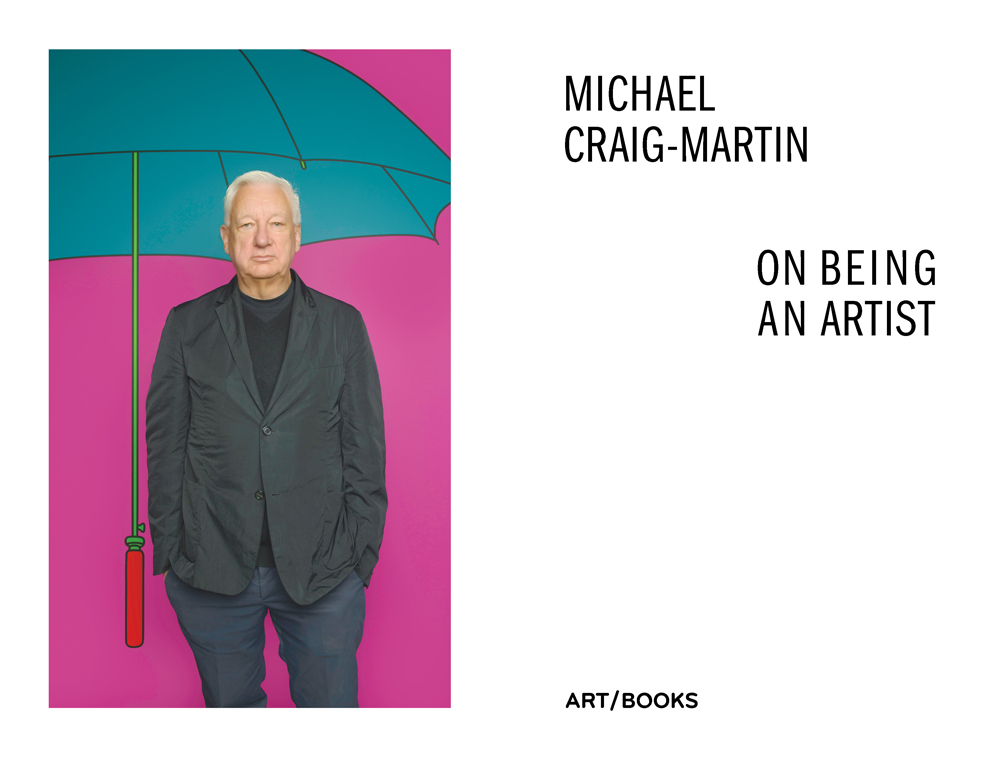
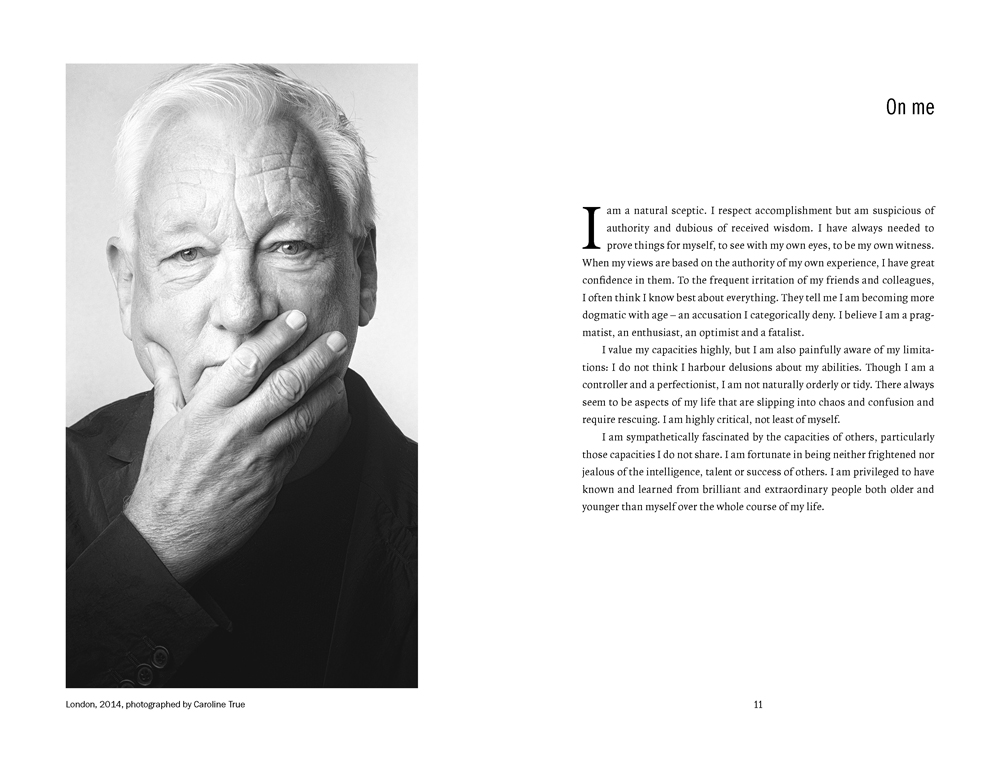
Sir Michael Craig-Martin CBE, RA was born in Dublin in 1941. At the age of four, he moved with his family to the United States, where he was brought up and educated. Between 1961 and 1966, he studied at Yale School of Art and Architecture. He returned to Europe in the mid-1960s and was a key figure in the first generation of British conceptualists. As a tutor at Goldsmiths College in London from 1973 to 1988 and again from 1994 to 2000, he had a significant influence on two generations of young British artists. He has had major exhibitions and retrospectives at museums and galleries across the world, and has several permanent large-scale installations in Europe and Asia. In 1990, he was appointed a trustee of Tate Gallery; in 2001, he was awarded a CBE; in 2006, he was elected a Royal Academician; and in 2016, he was knighted by Her Majesty Queen Elizabeth II. His work is held in many international museum collections, including Tate, London; Musée National d’Art Moderne, Centre Georges Pompidou, Paris; National Gallery of Australia, Canberra; and Museum of Modern Art, New York. He was curator of the Royal Academy Summer Exhibition 2015.


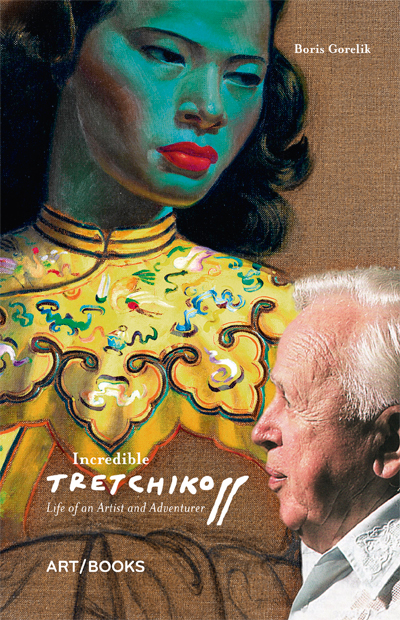
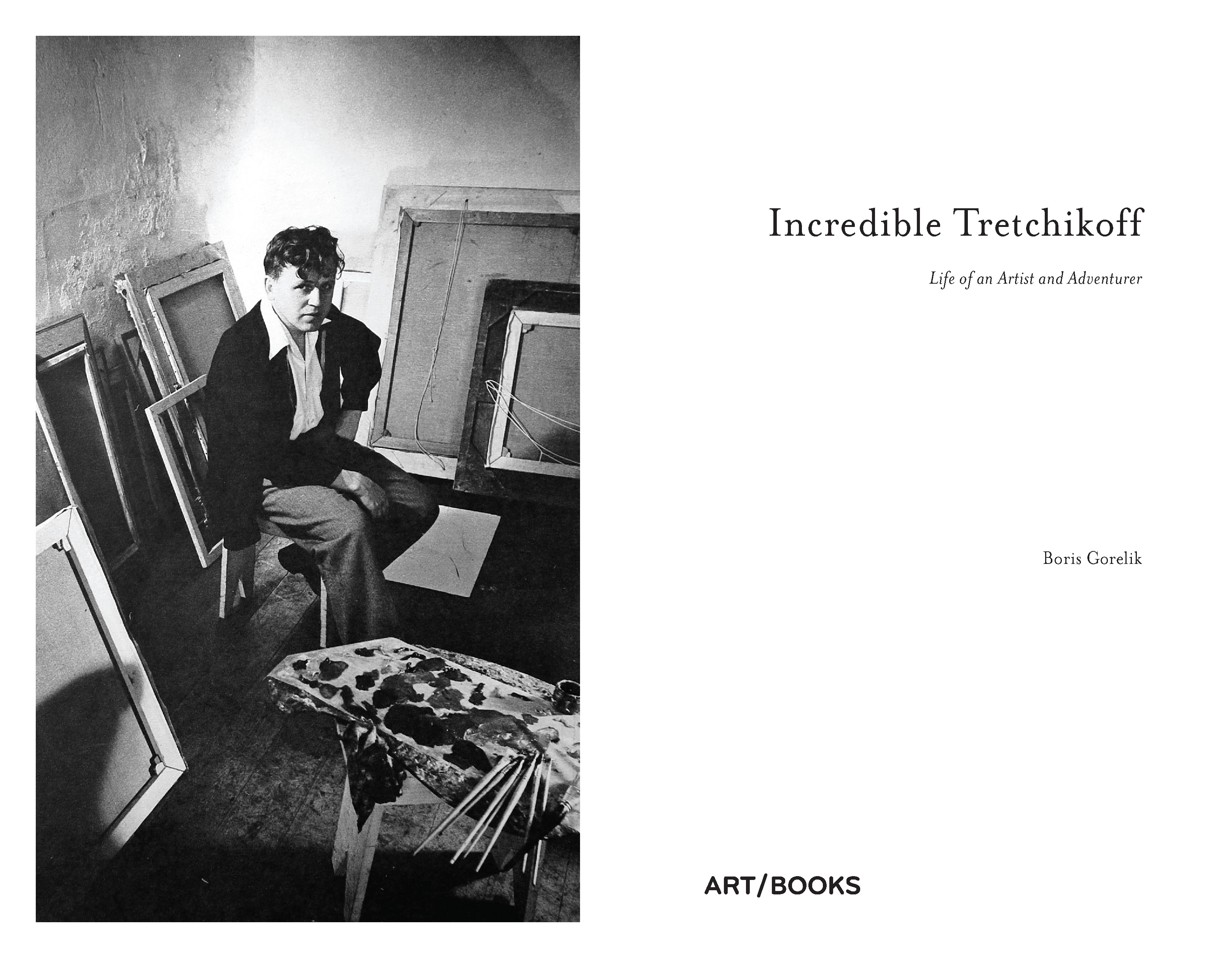
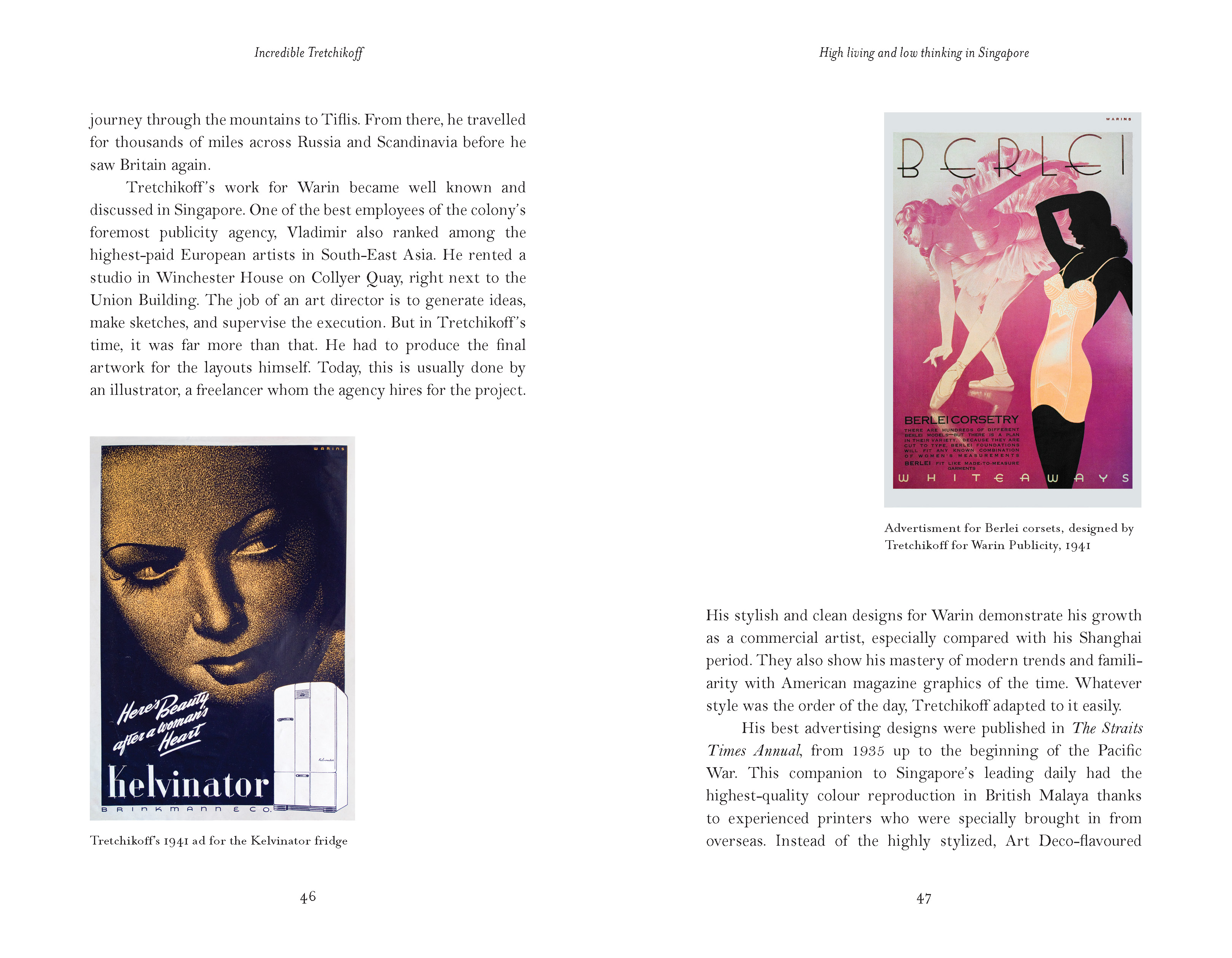
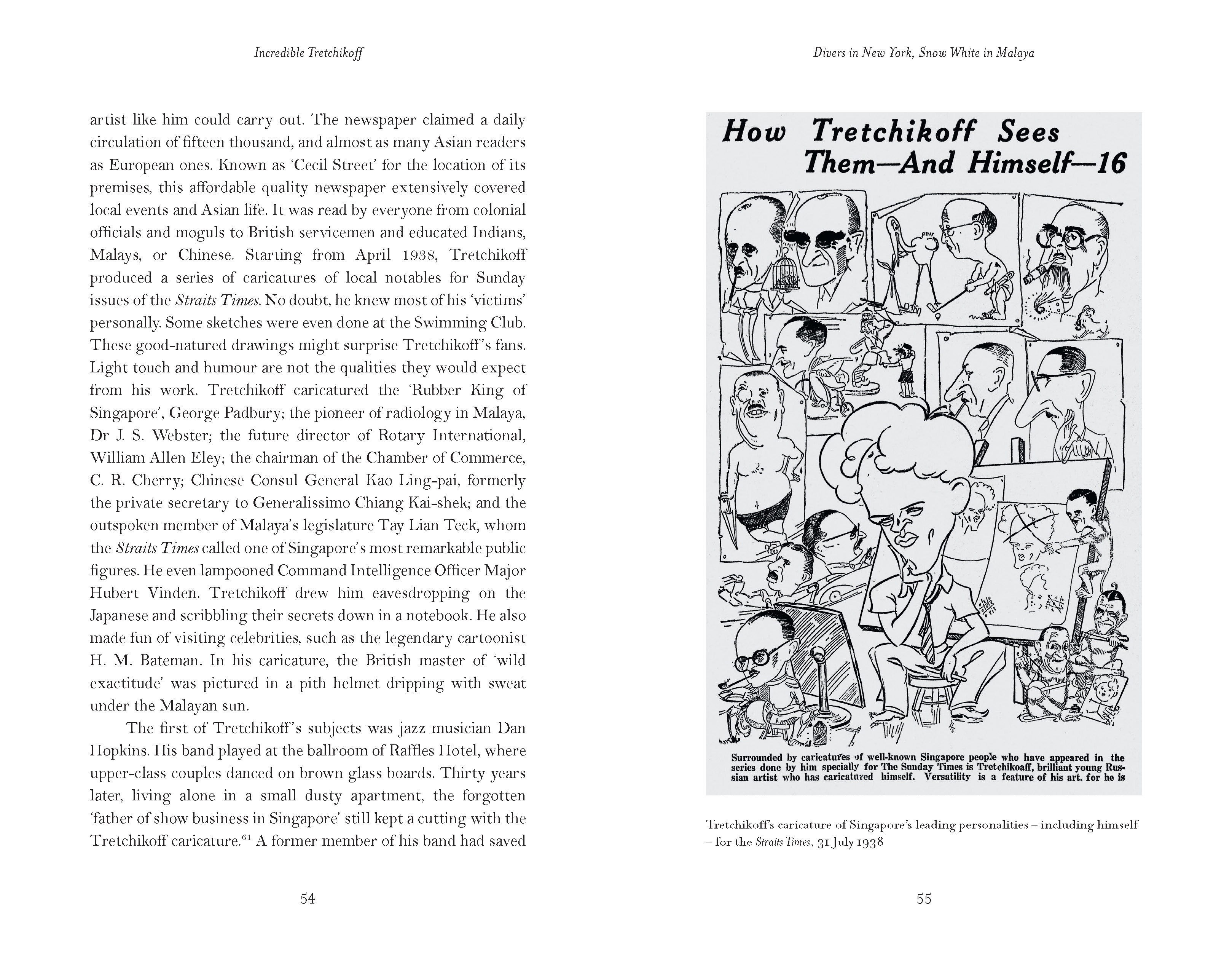
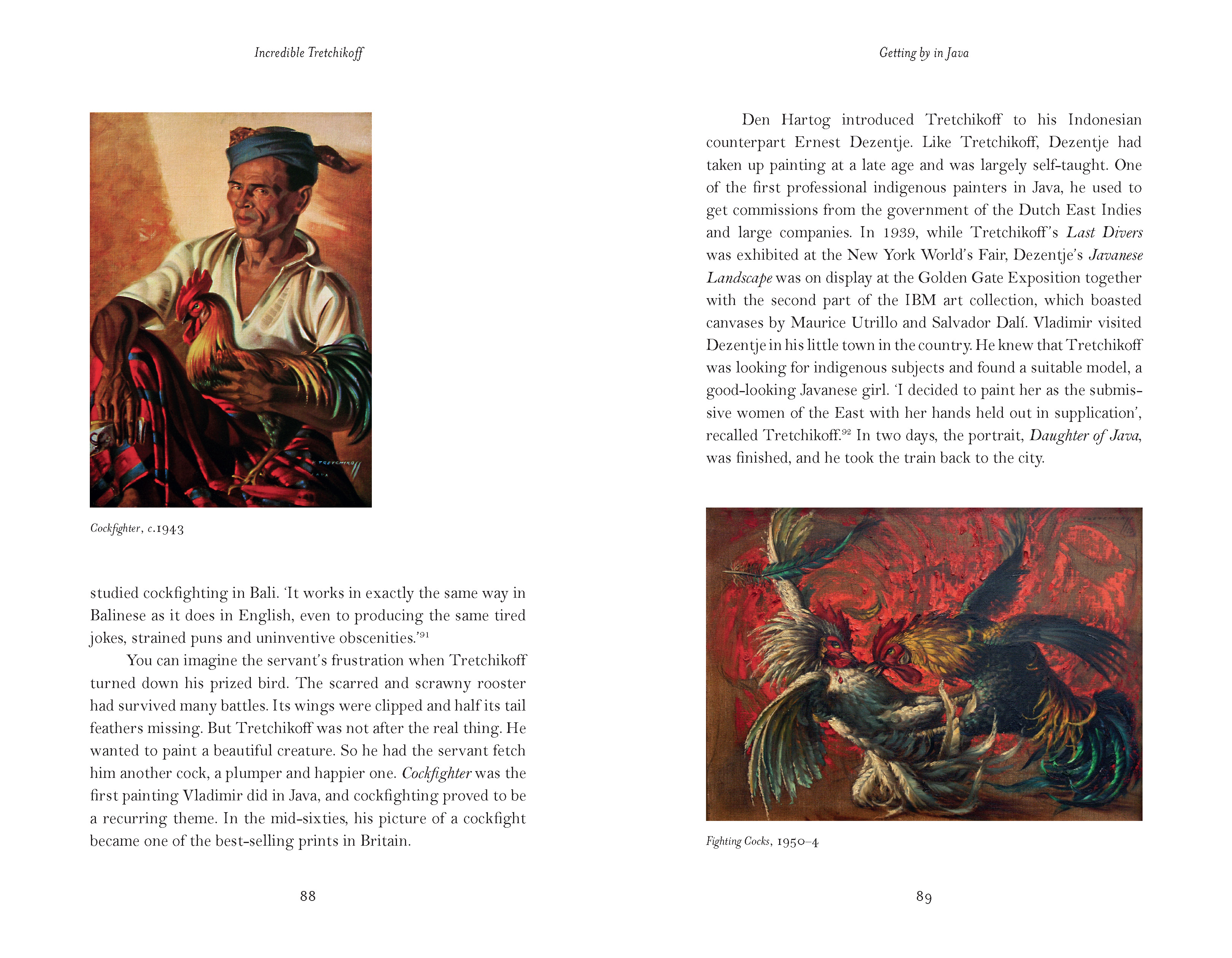
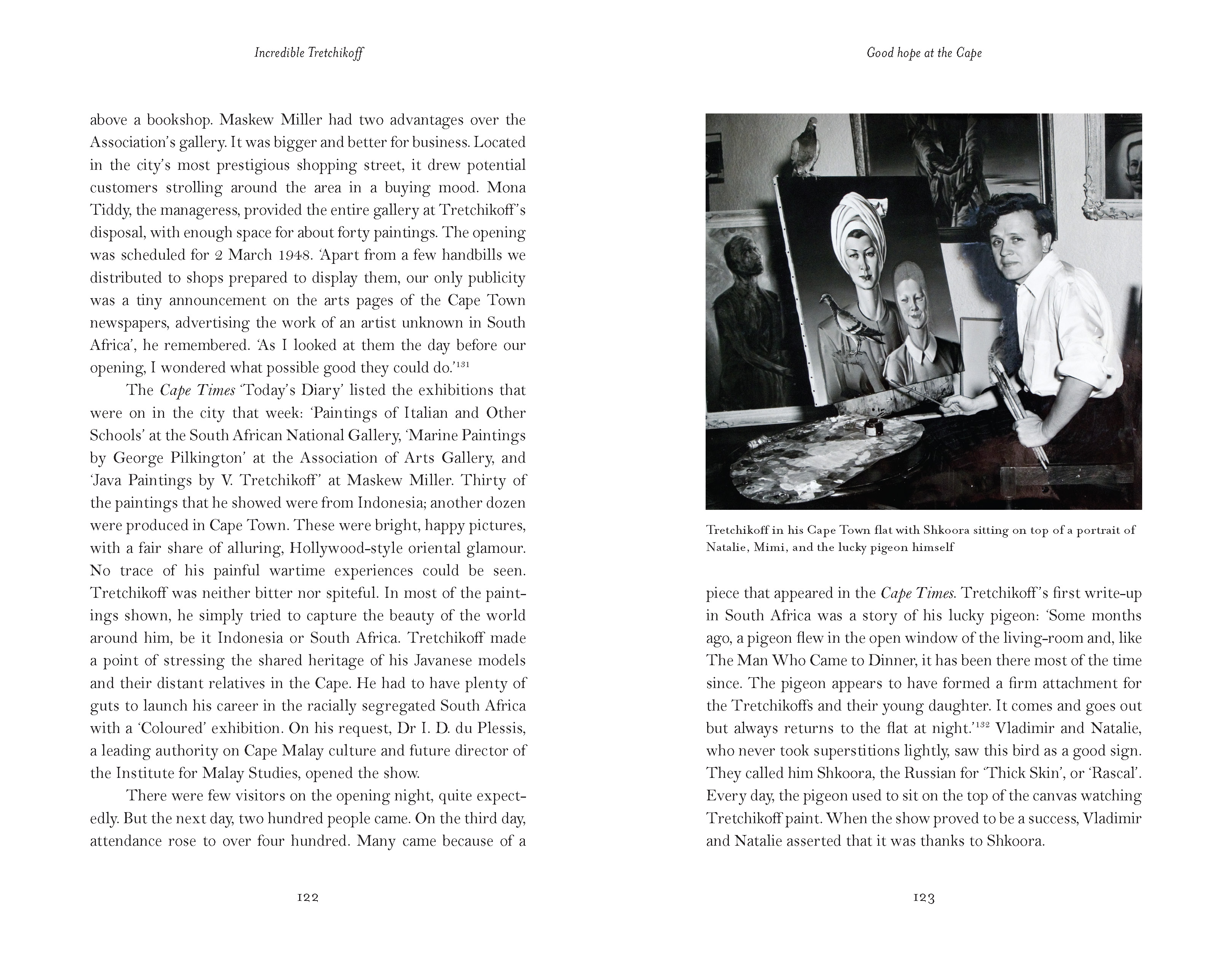
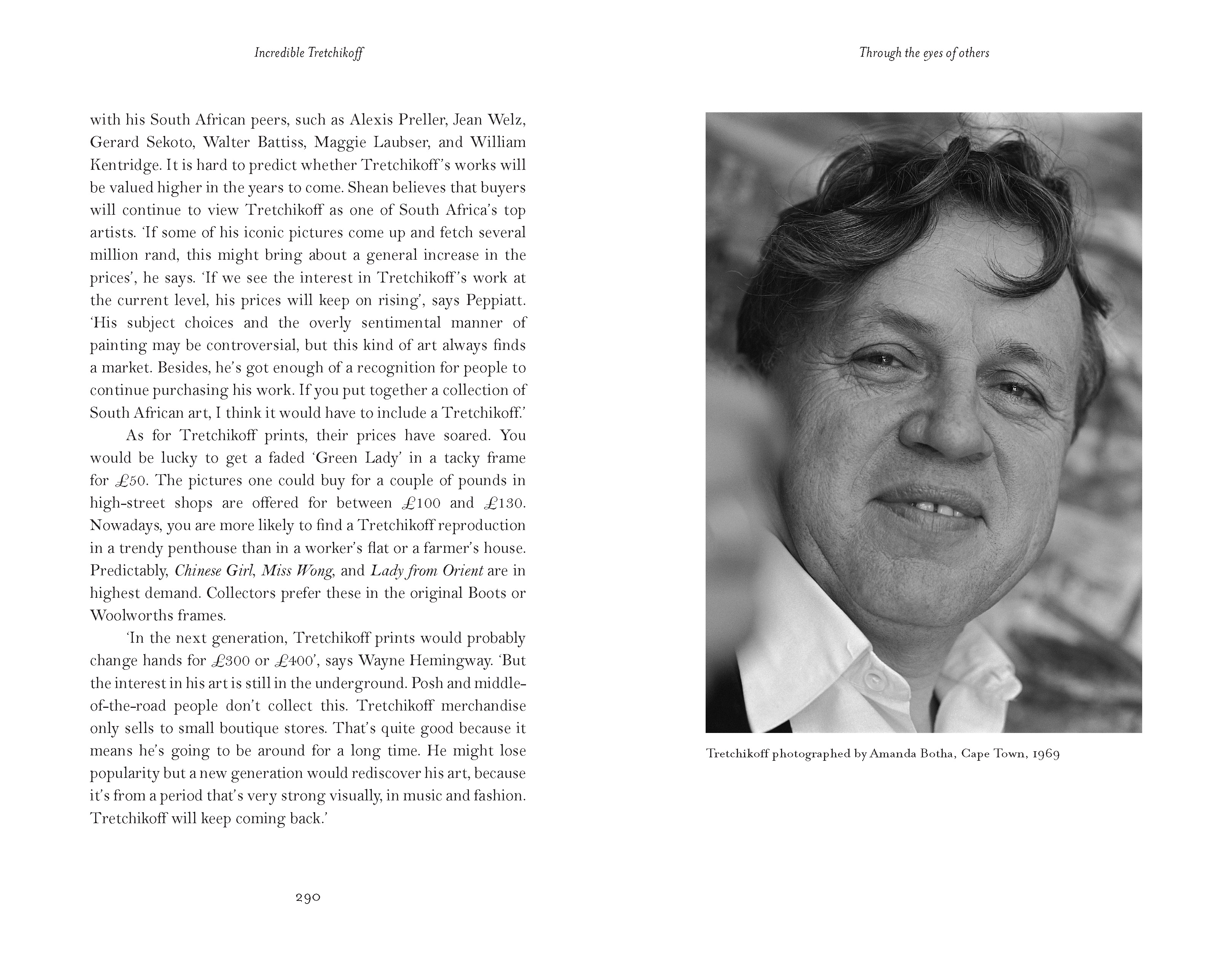
Incredible Tretchikoff

Life of an Artist and Adventurer

Boris Gorelik

‘Engaging … gripping … more than a biography’ — Independent (SA)
‘Fascinating story of an outsider … excellent’ — The Witness (SA)
‘Full of facts’ — Sunday Times (SA)
‘Gorelik has produced a book that gathers together a wealth of information, raising interesting points on many quite contentious issues’ — De Arte
‘Enthralling … highly recommended’ — Historical Novel Society
‘This book is highly recommended’ — Dimitri Tretchikoff

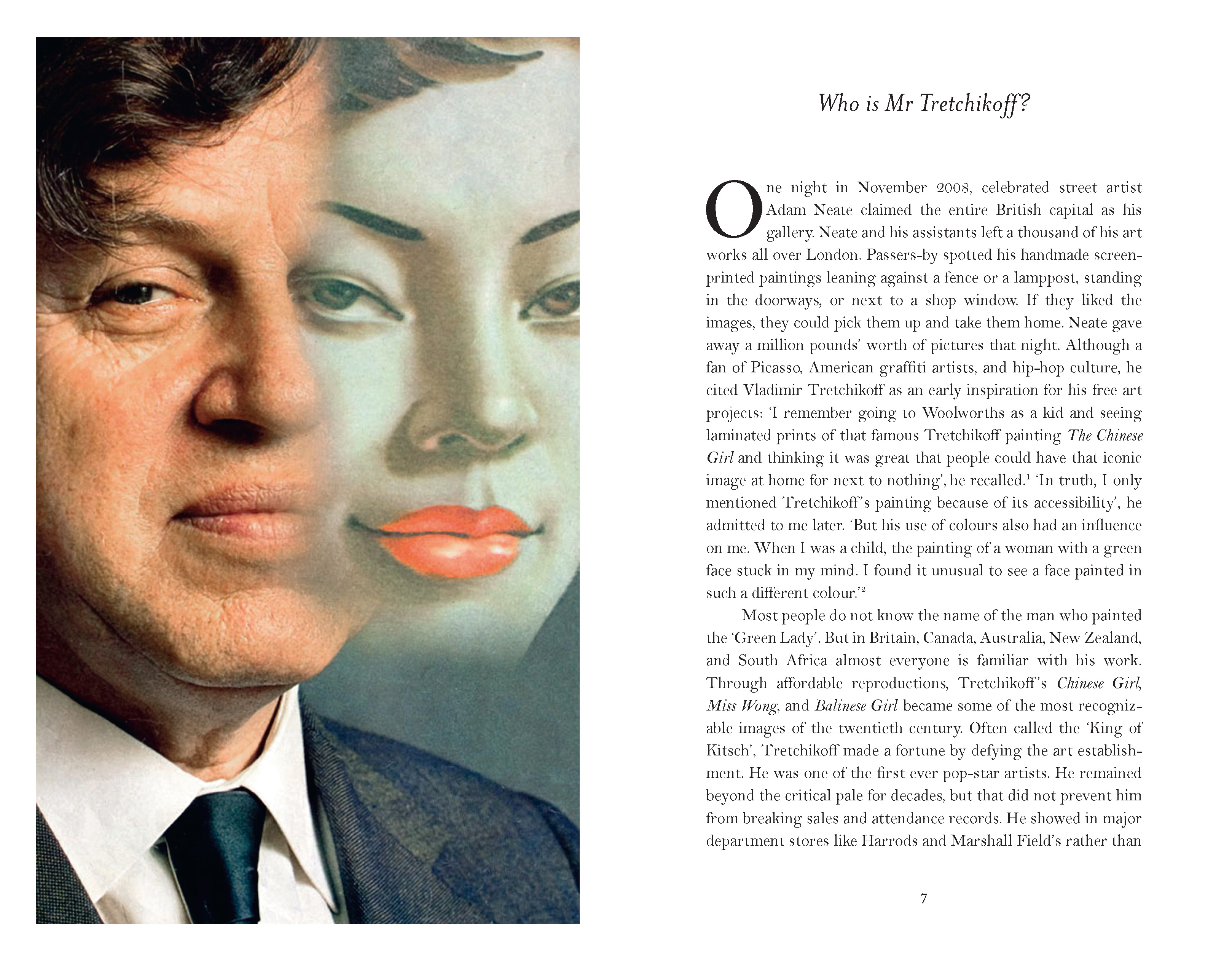
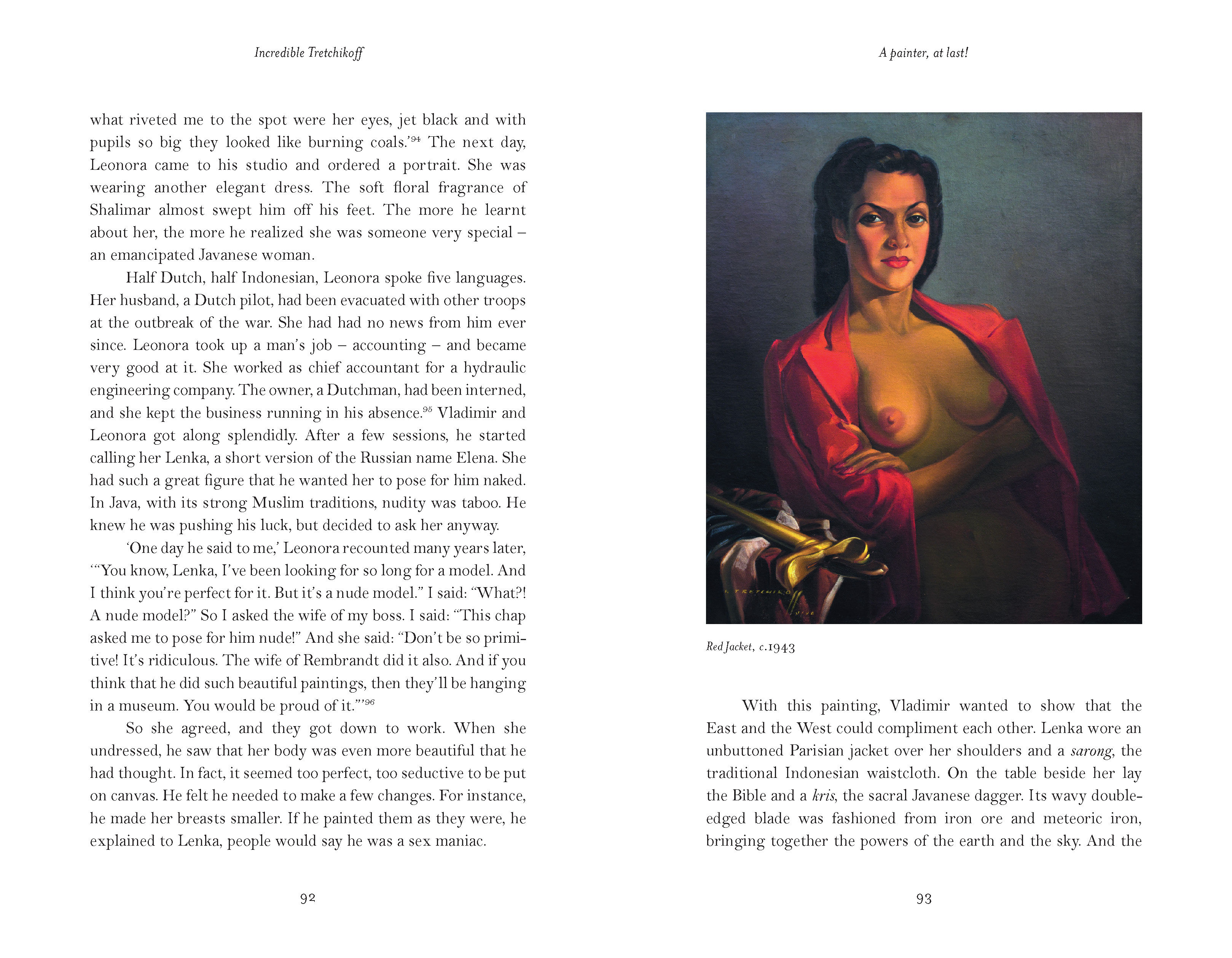
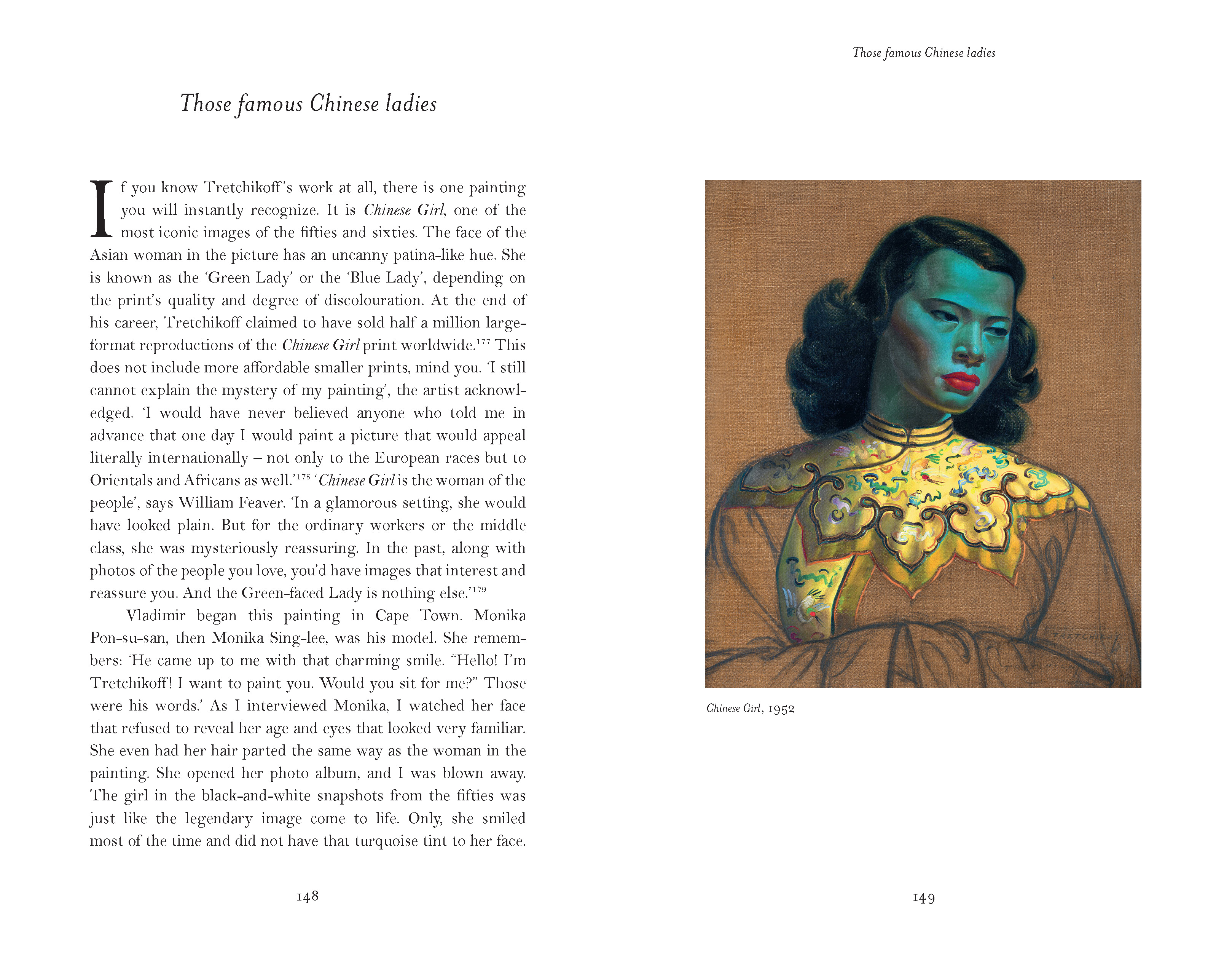
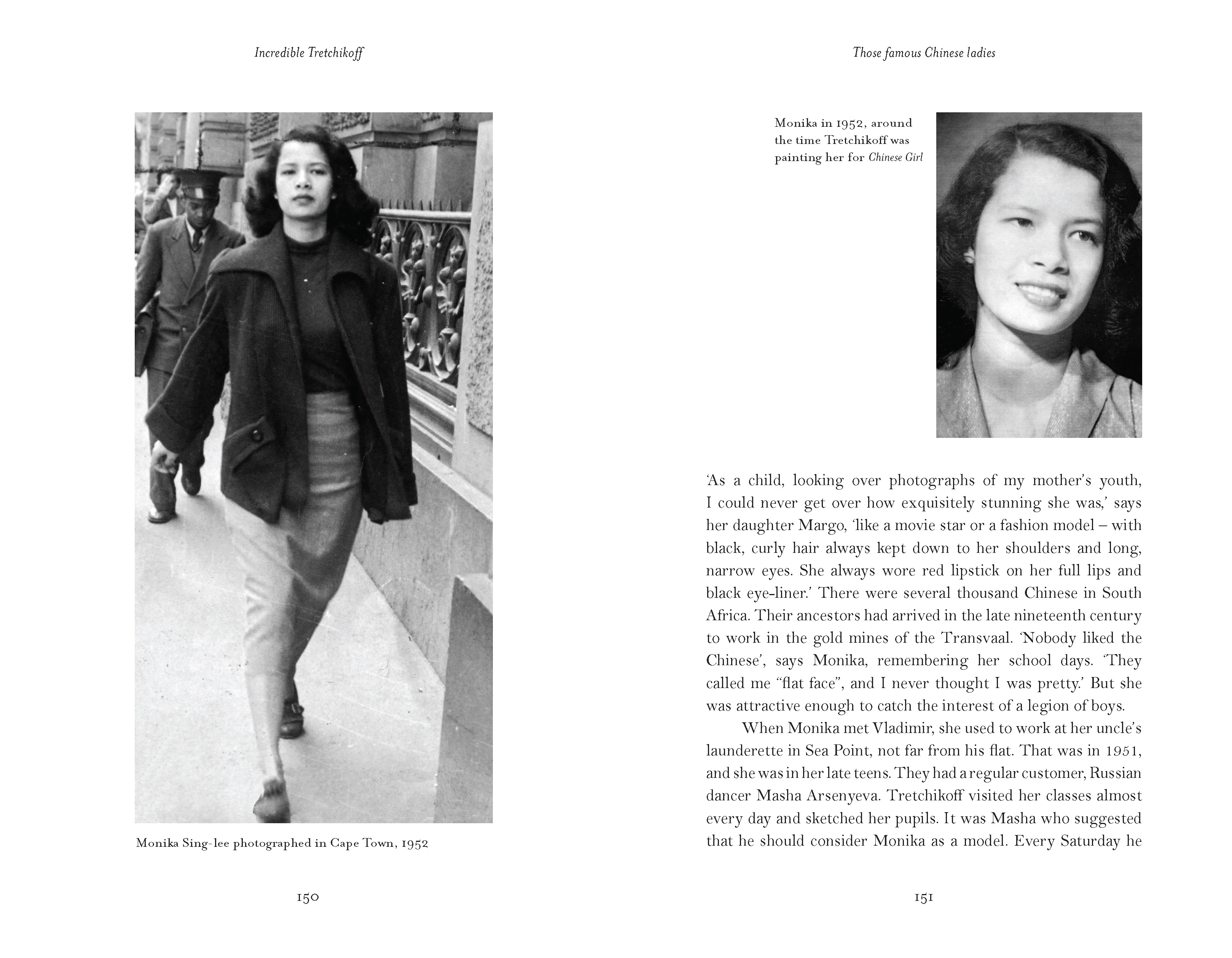
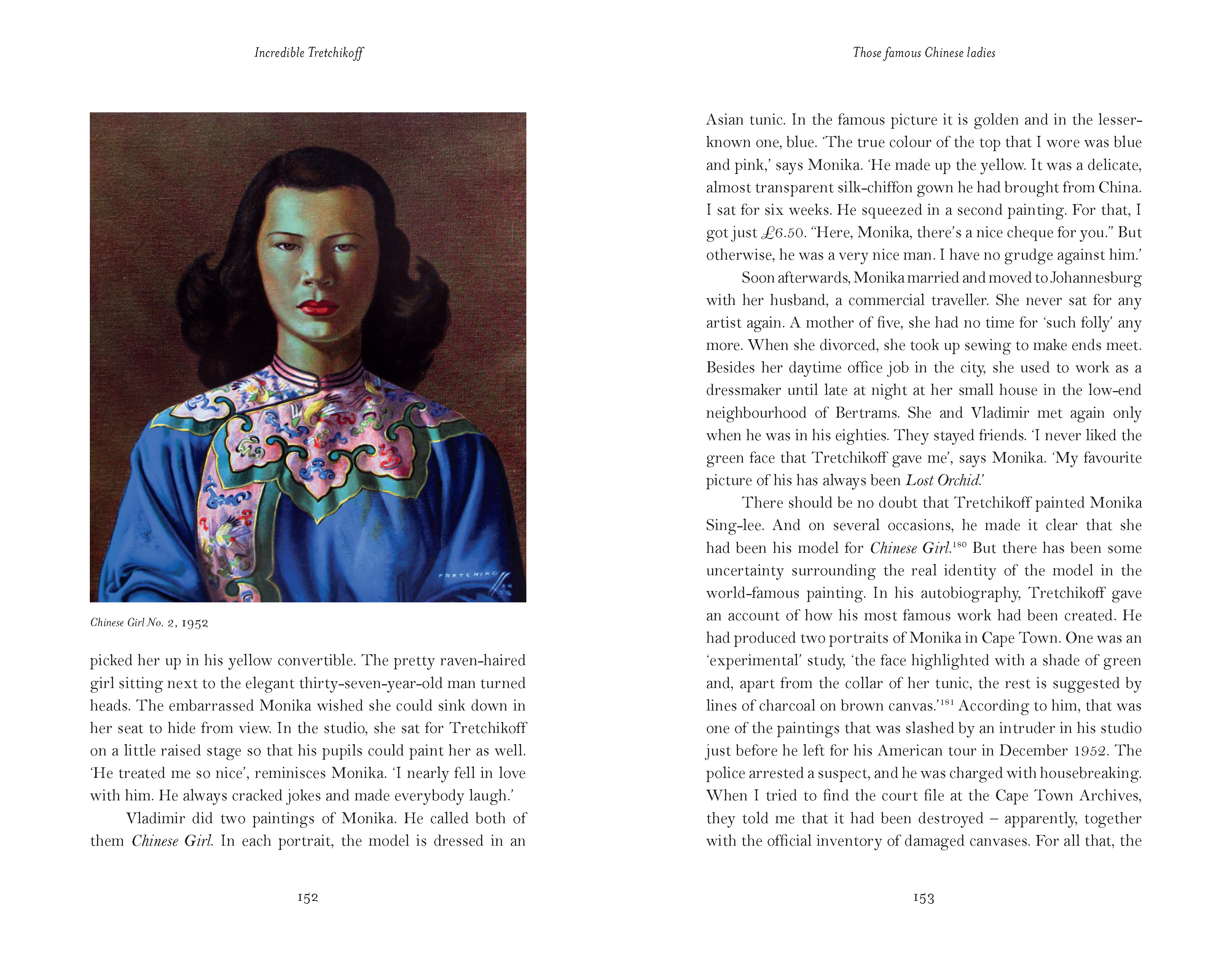
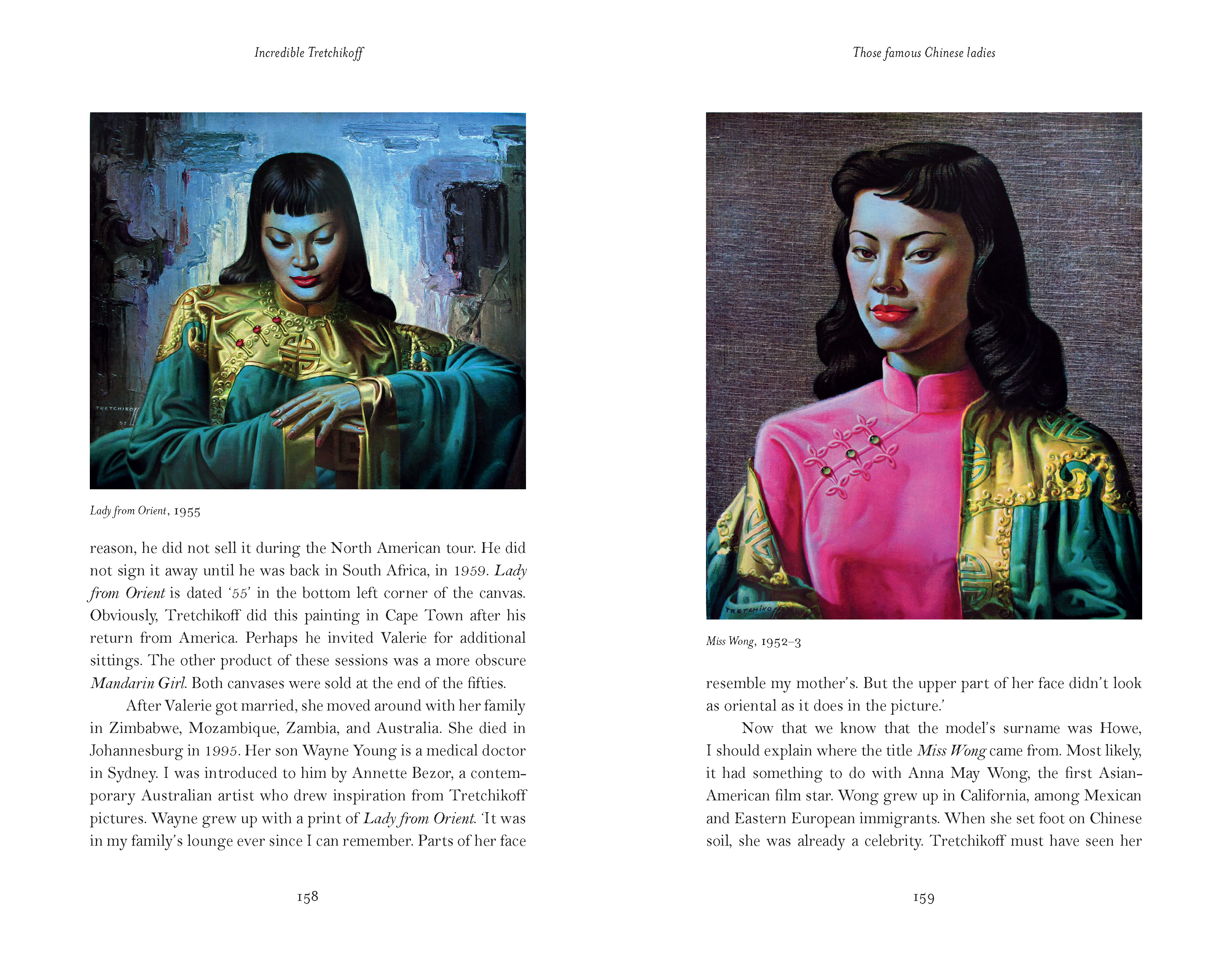
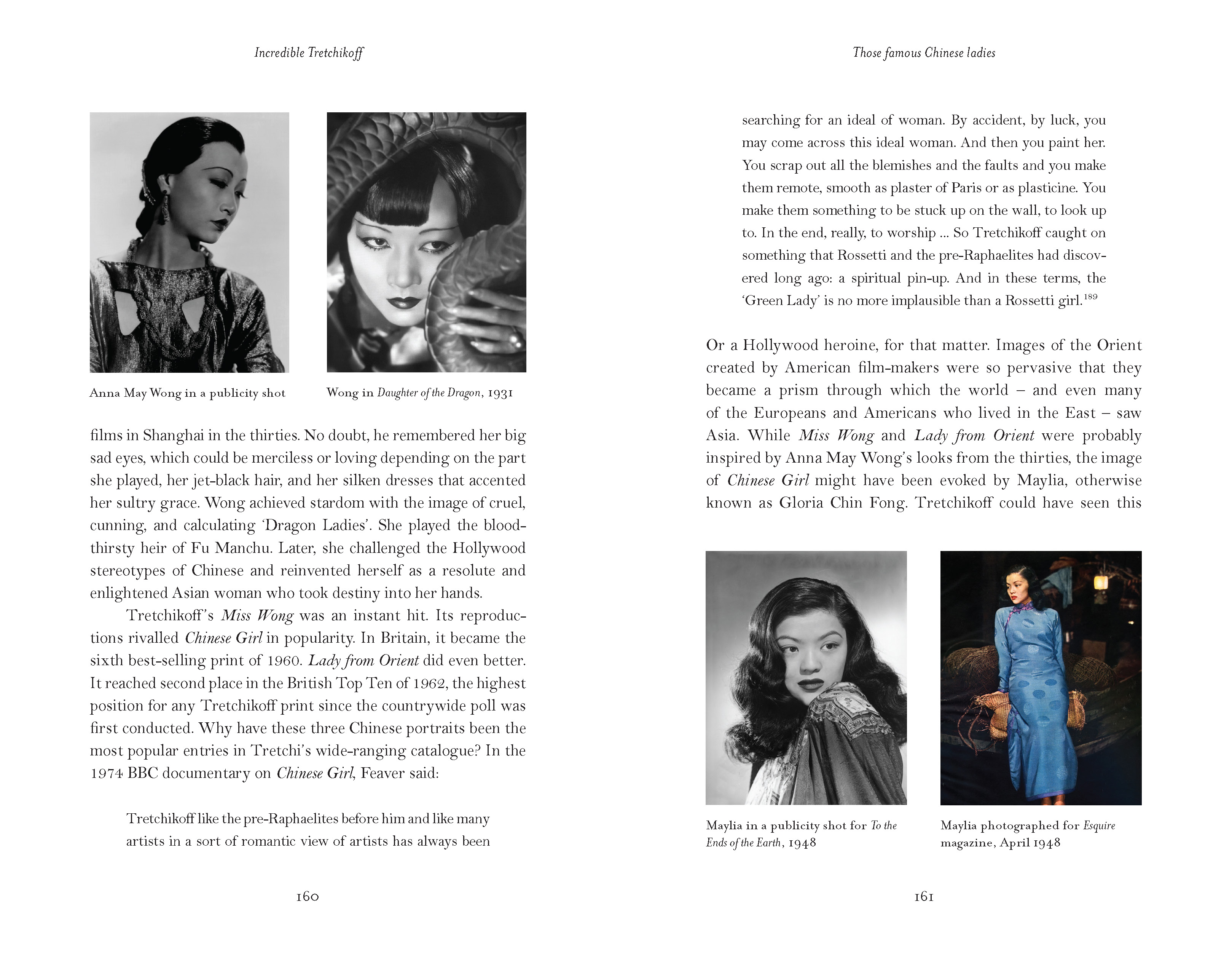
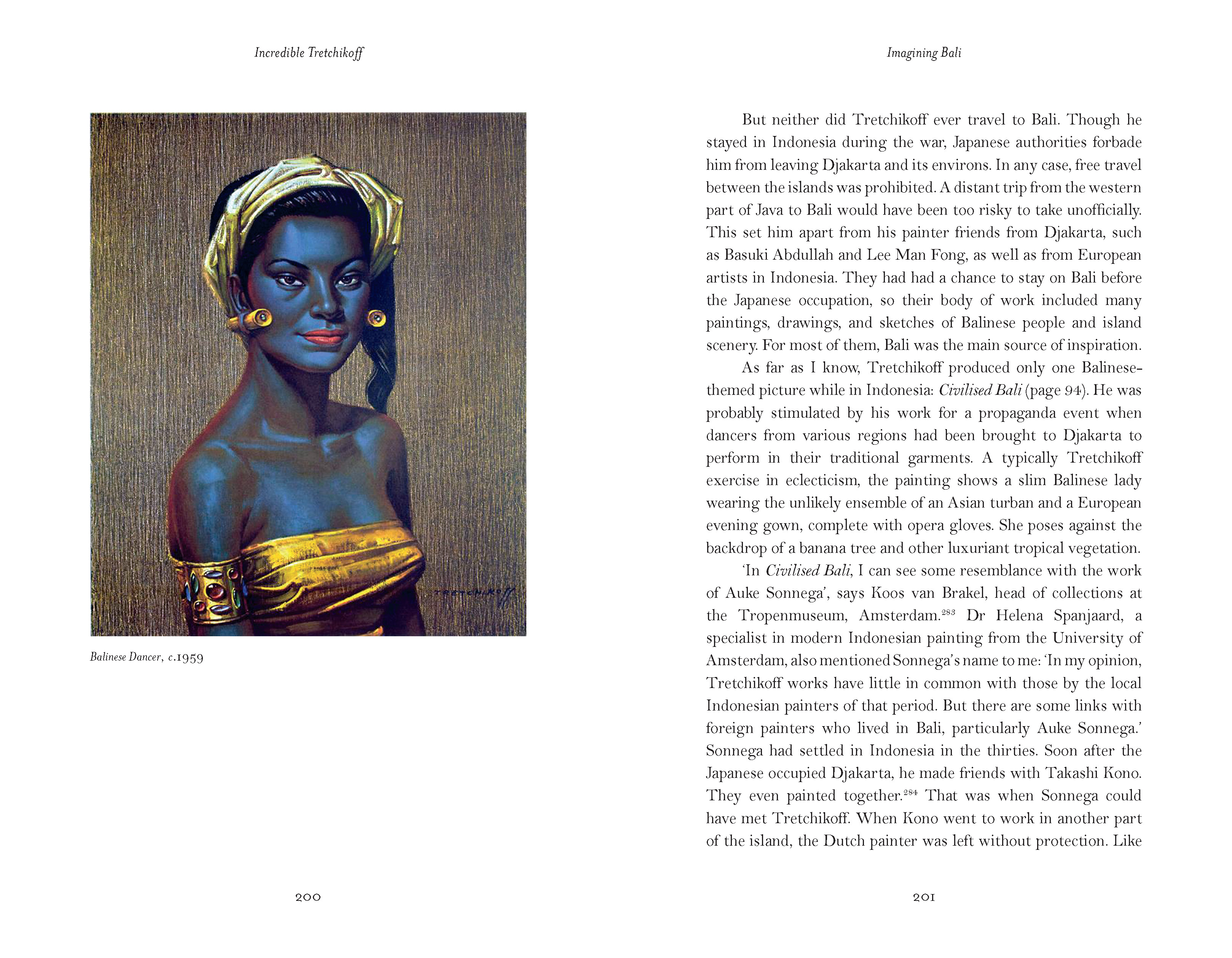
Vladimir Tretchikoff’s Chinese Girl is one of the most famous images of all time. Known as the ‘Green Lady’, it has been reproduced countless times, appearing everywhere from mugs and T-shirts to pop videos and blockbuster films. Tretchikoff lived a life as colourful as his instantly recognizable paintings. Born to a deeply religious Siberian family, he fought poverty, tragedy, captivity and near death to become one of the most celebrated artists of his time. Loathed by the critics yet loved by the public, he defied misfortune and a dismissive art establishment to enjoy phenomenal success in Britain, South Africa, Canada and the United States.

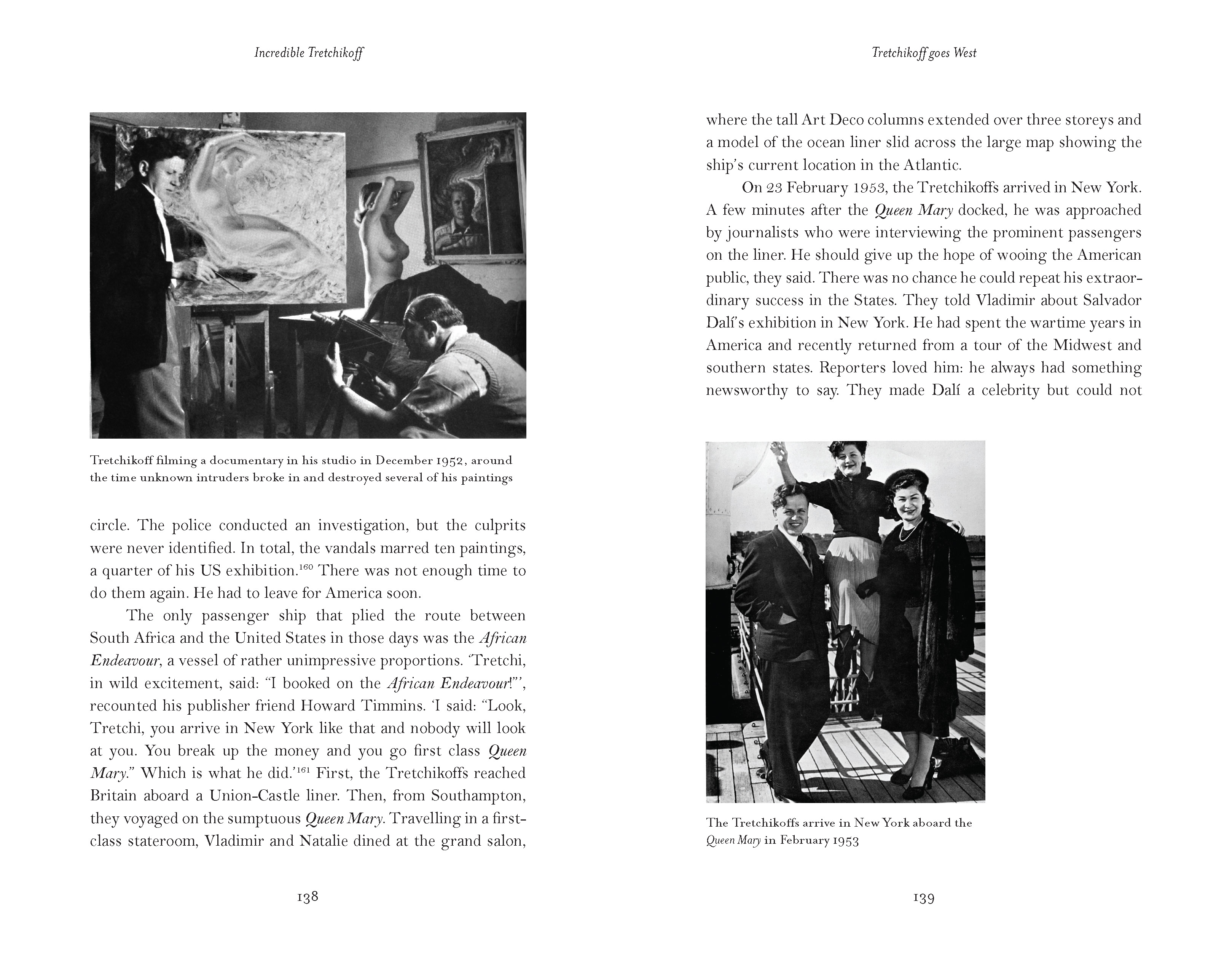
Coinciding with the centenary of his birth, Incredible Tretchikoff tells the enthralling story of this flamboyant artist from his humble beginnings to the spectacular highs and lows of his later career. We hear thrilling accounts of his early years as a Russian orphan in Manchuria and his efforts to make his way as a young man in a strange land. In Singapore in the 1930s, he was accepted into the social elite and his art became talk of the town. Meanwhile, he secretly worked for the British Ministry of Information producing anti-Axis propaganda. But his high living was brought to an abrupt end by the war. He was nearly killed when the Japanese sank the boat on which he was trying to escape; taken prisoner, he was forced to use his artistic skills for the enemy. Accused by his captors of being a spy, he somehow survived, and was eventually reunited with his wife and daughter in Cape Town after the war. Within years, through sheer determination and despite the hostility of the local art community, Tretchikoff had become South Africa’s best-selling artist and his fame had spread across the globe.

With the pace and suspense of a novel, Incredible Tretchikoff matches the drama of its subject’s extraordinary life. It reveals the adventures that lie behind his most famous pictures, while presenting recently uncovered information and previously unseen photographs. This fascinating and gripping book is a fitting record of one of the most popular and controversial painters of the twentieth century.

Boris Gorelik is a writer and researcher based in Moscow.


What others say

‘Gorelik’s publication is relevant and timeous.… [He] has produced a book that gathers together a wealth of information, raising interesting points on many quite contentious issues.… One of [its] merits is that Gorelik … contextualises the times and the climate in which Tretchikoff worked and exhibited, both locally and internationally. What emerges … is the remarkable impact of Tretchikoff’s work the world over.’ — De Arte

Incredible Tretchikoff has the combination of a good story and a compelling trek through questions of aesthetics and popularity, contrasts that sit remarkably easily together. Most important, it reads extremely well.’ — William Feaver, critic and author of Lucian Freud, Frank Auerbach, and Pitmen Painters

‘Tretchikoff gets a long overdue reassessment in this book by Boris Gorelik. He has unearthed many previously unseen works by the artist so often considered the epitome of kitsch. Here his development can be traced via early political cartoons, advertising work, sketches and book jackets in a deco/modernist style, through to the famous prints and right up to date with his continuing influence on a new generation of illustrators and artists. This is, undoubtedly, the definitive biography. Indispensable.’ — Rian Hughes, illustrator, author of Lifestyle Illustration of the 50s

‘If you are fortunate enough to possess a work by Vladimir Tretchikoff, print or original, and would like to learn more about it, I can heartily recommend Boris Gorelik’s biography. At Bonhams, we are the world leader in handling his paintings and Incredible Tretchikoff has become a trustworthy research tool.’ — Giles Peppiatt, director of South African Art and Modern and Contemporary African Art, Bonhams, London