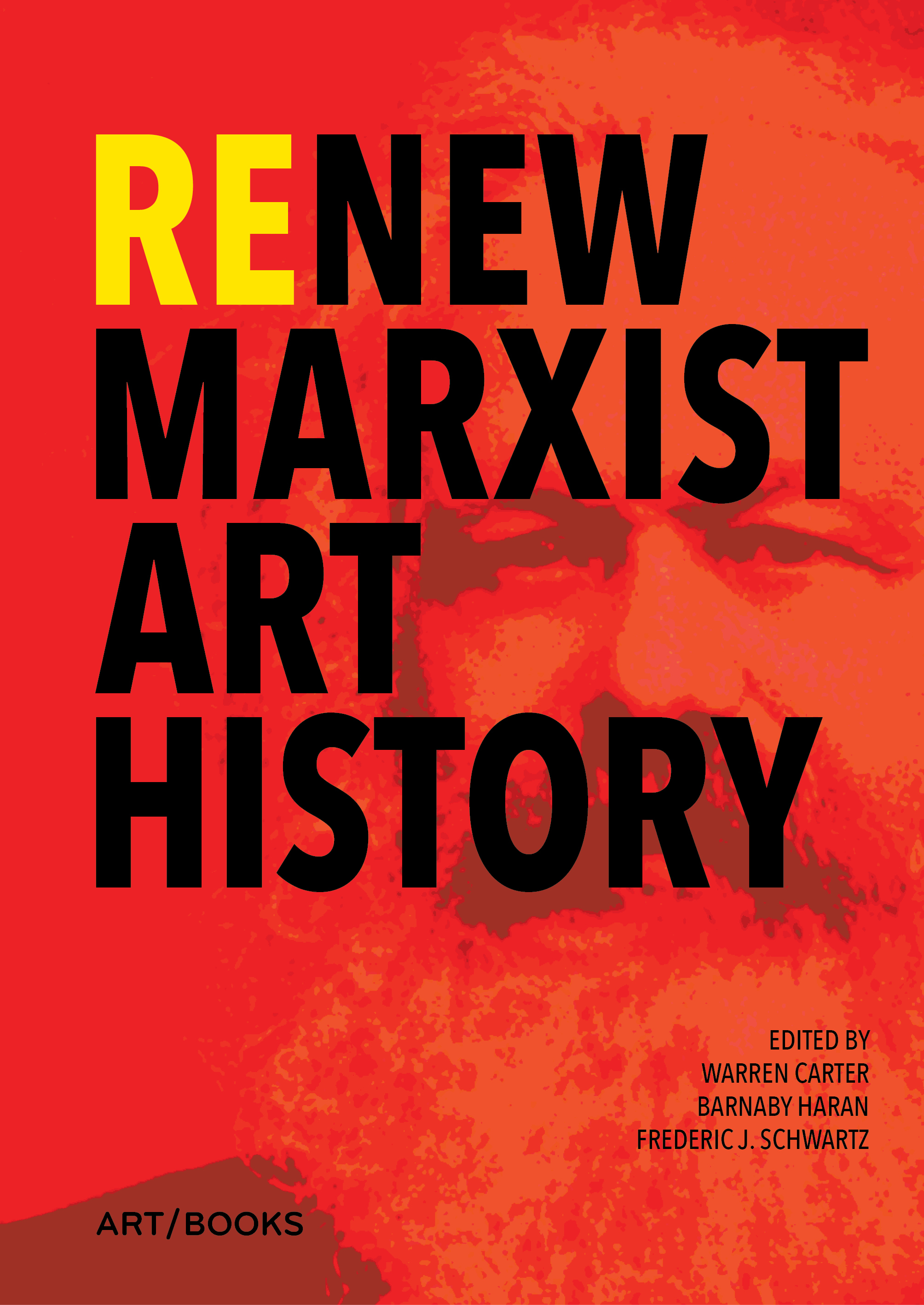
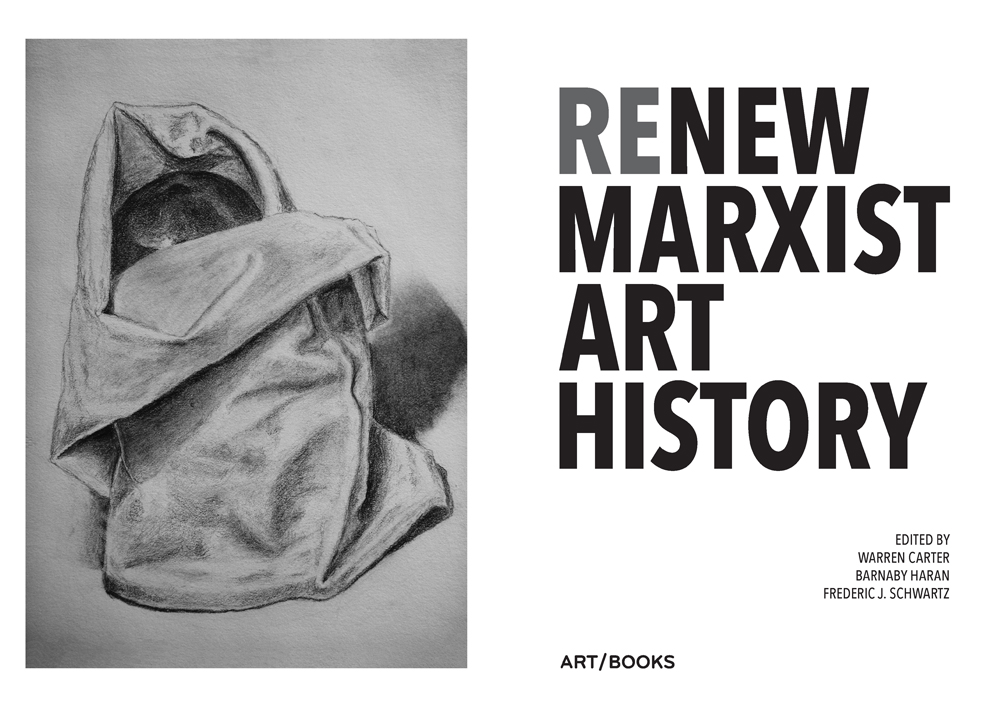
Edited by Warren Carter, Barnaby Haran and Frederic J. Schwartz
‘A lucid and important statement about where and how the discipline stands today … a useful addition to our understanding of Marxist art history’ — Socialist Review
‘Valuable … worth reading … the book’s three editors have certainly risen to the title’s double mission’ — Review 31
‘Perverse, dizzying and altogether pertinent: a clear sign that the now aged discipline, whether “renewed” or just ripening, is alive and very much responsive to an adolescent century’ — Burlington Magazine
From the beginning of the twentieth century until the 1980s, Marxist art history was at the forefront of radical approaches to the discipline. Some of the most influential names in the field were active proponents of Marxist thought: Frederick Antal, Max Raphael, Arnold Hauser, Meyer Schapiro, T. J. Clark, to name just a few. But in the last two decades of the century and into the next, Marxist art historians found themselves marginalized from the vanguard by the rise of postmodernism and identity politics, which began to dominate the subject. This came at a time when Marxism in general was itself increasingly perceived as outdated after the collapse of communism. But in the wake of the recent global crisis there has been a resurgence in interest in Marx, especially among younger generations. Today many progressive art historians are once again recognizing the relevance of his ideas to their own practice and drawing upon Marxist perspectives of the past.
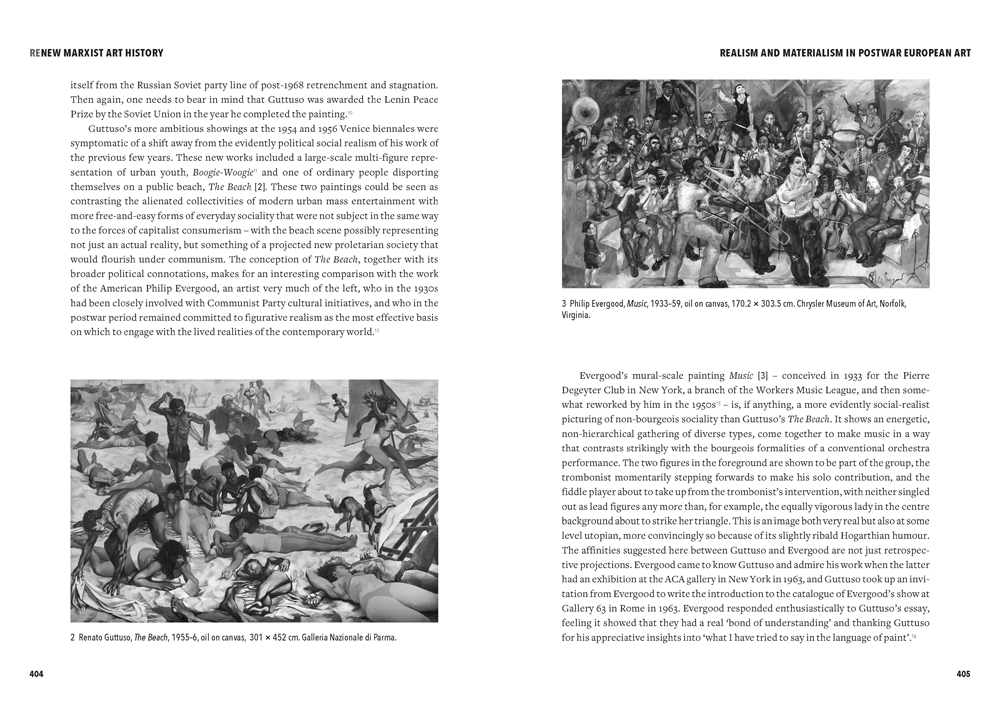
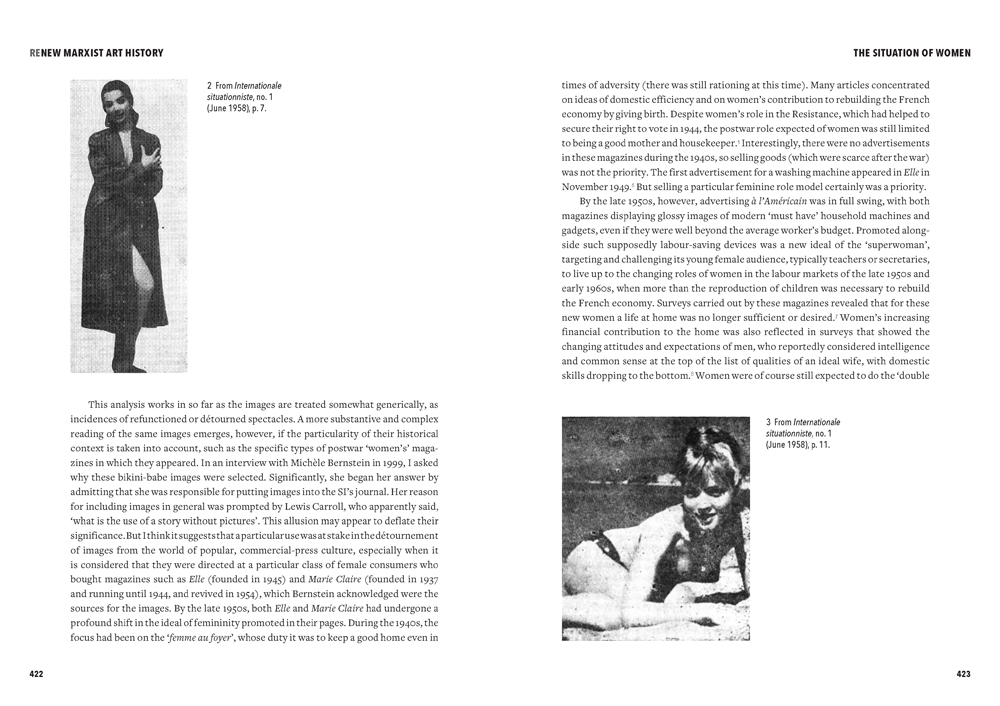
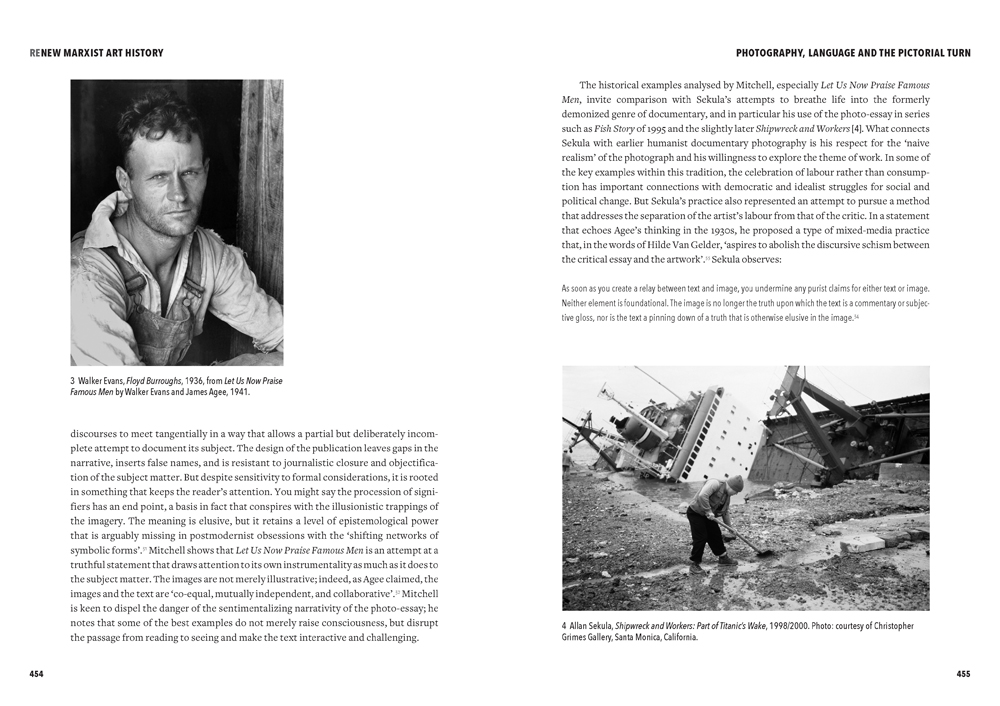
This collection of essays brings together twenty-seven academics who are reshaping art history along Marxist lines. Coming from the United States, Britain, Europe and Asia, they apply Marx’s theories and those of his followers to a wide range of art-historical subjects. American landscape art of the nineteenth century; popular prints in pre-revolutionary Mexico; modernism in Weimar Germany and 1930s New York; postwar abstract and realist painting; Situationism in 1960s Paris; and documentary photography and contemporary art – these are just some of the many areas considered through the lens of Marxism as it is understood today. And in the spirit of Marxism’s long tradition of self-critique, the contributors also examine the shifting agendas and limitations of Marxist art history itself, acutely aware of the specific historical and political circumstances in which it is produced. As such, this book not only provides the very latest in Marxist art-historical writing, it also acts an essential introduction to one of the most vibrant and relevant forms of art history today – one that looks to the past but is marked by an urgent sense of the present.
Frederic J. Schwartz is the head of the history of art department at University College London. He is the author of The Werkbund: Design Theory and Mass Culture Before the First World War and Blind Spots: Critical Theory and the History of Art in Twentieth-Century Germany, both published by Yale University Press.
Warren Carter is a staff tutor at the Open University and a teaching fellow in history of art at University College London.
Barnaby Haran is a teaching fellow in history of art at the University of Bristol.
What others say
‘This book is valuable because it disables the stretch of transhistorical categories in favour of the minor textual detail.… [It] is worth reading closely precisely because it forgoes a programmatic rehearsal of Marx’s famous 11th thesis on Feuerbach: “Philosophers have hitherto only interpreted the world in various ways; the point is to change it.” Instead this injunction to the reader – that she work to “renew” a commitment to Marxist Art History – is threaded through a complex aggregate of writing that connects lots of ground (some familiar, some untrodden). And the book’s three editors have certainly risen to the title’s double mission.… ReNew Marxist Art History is an open invitation.’ — Review 31
‘The book provides a lucid and important statement about where and how the discipline stands today.… What this volume captures is how contemporary Marxist art historians have sought to re-establish and extend the original vibrant and sophisticated tradition.… It deals with specific cultural subjects with valuable insights about particular artists and cultural developments by writers committed to using a historical materialist method.… What also recommends this volume is that even where you disagree with some of the authors’ conclusions, their framework generally allows for thought and intellectual stimulation.… The volume is a useful addition to our understanding of Marxist art history and crucially, and because of its nature, extends our understanding to the whole of class society.’ — Socialist Review
‘It is ultimately a variation of the coveted balance between theory and practice that justifies the book’s scope. Its best contributions … are produced by bullish attention to the kinks of a given subject, while holding the abstract terms that structure the Marxist tradition in firm view. This binds the texts in ways perverse, dizzying and altogether pertinent: a clear sign that the now aged discipline, whether ‘renewed’ or just ripening, is alive and very much responsive to an adolescent century.’ — Burlington Magazine