Gideon Rubin

Texts by Gabriel Coxhead, Martin Herbert, Aya Lurie, Sarah Suzuki

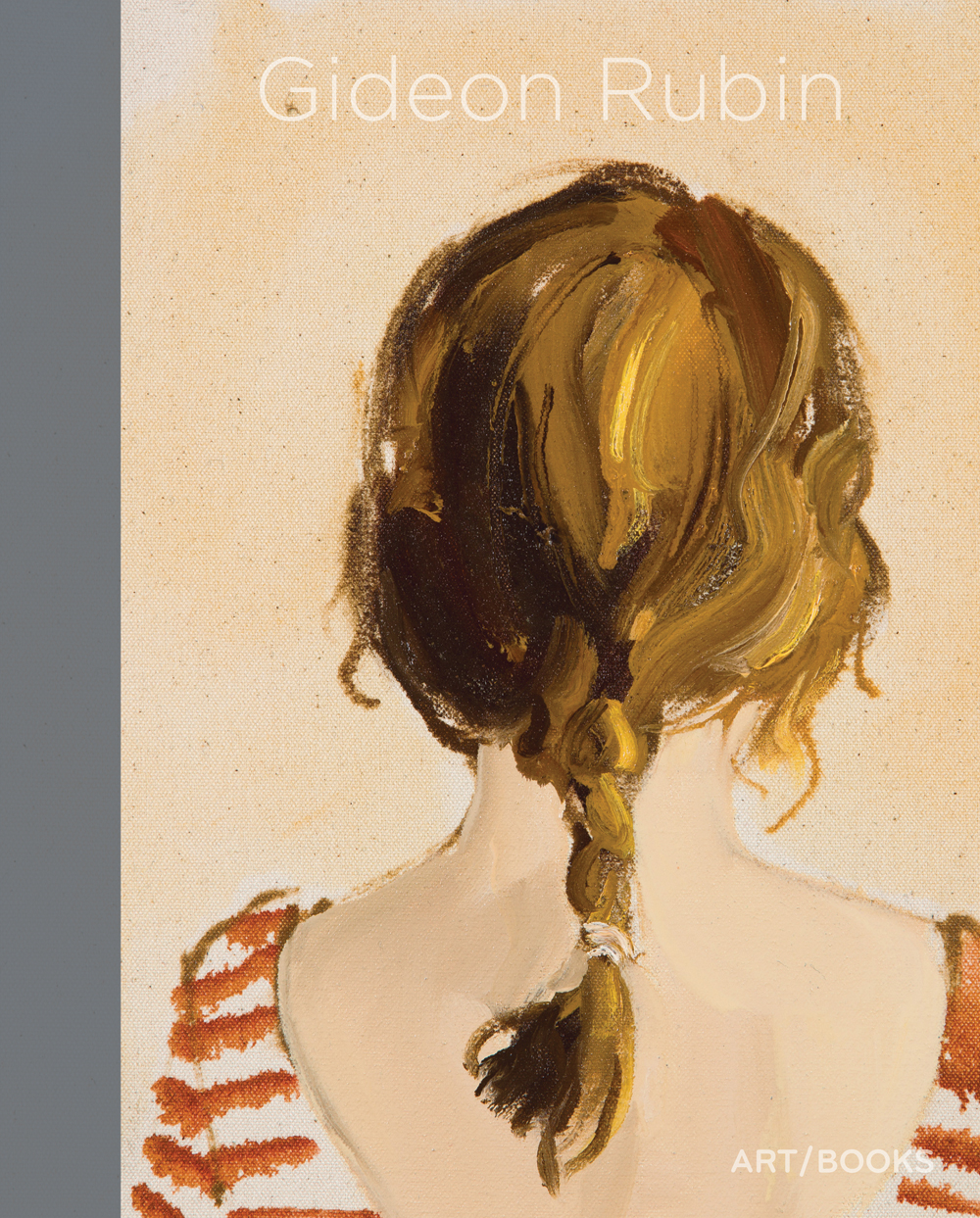
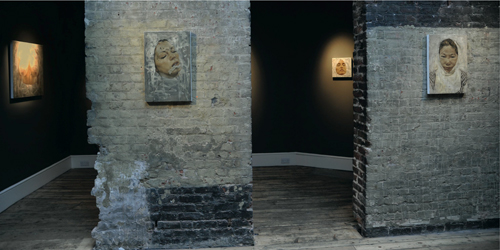
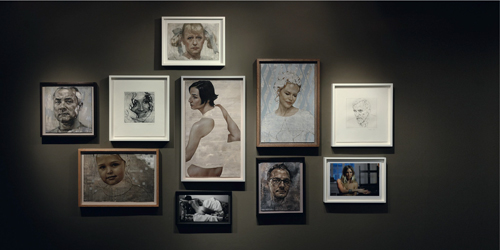
Coinciding with a touring exhibition of paintings and works on paper, this book is the first monograph on the acclaimed young Israeli painter Gideon Rubin.

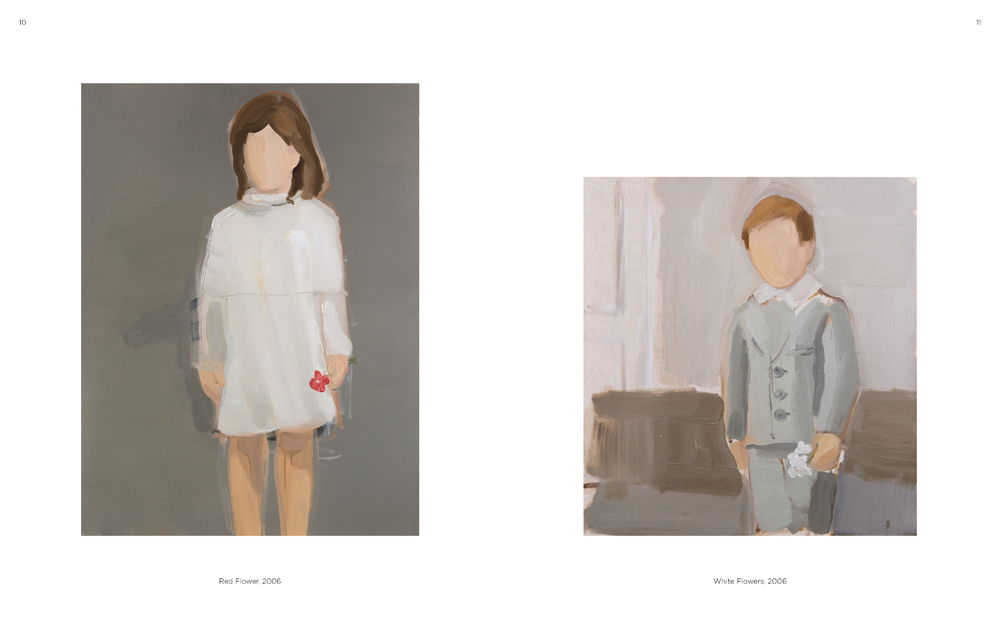
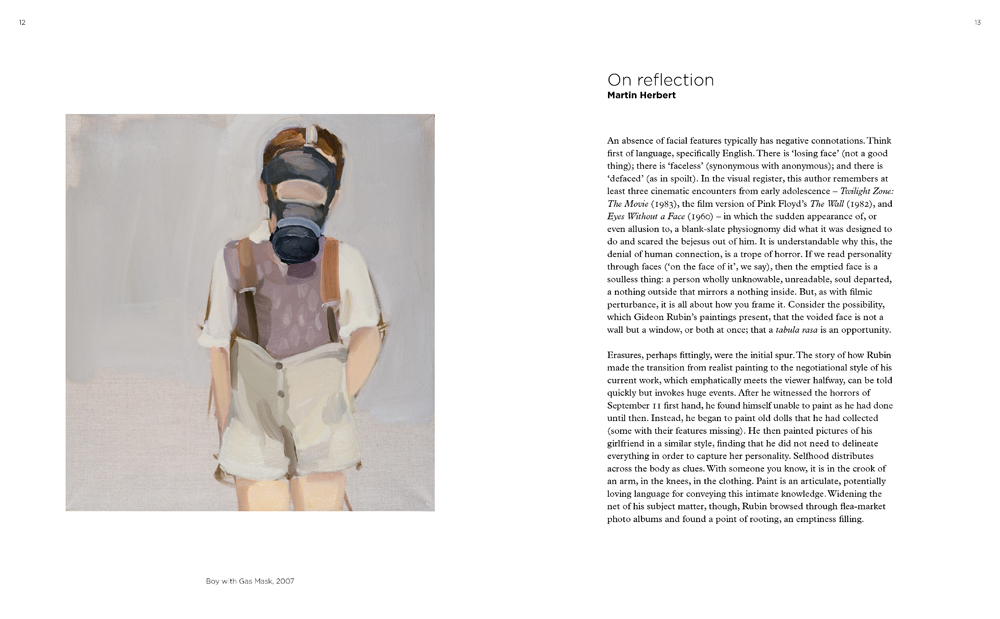
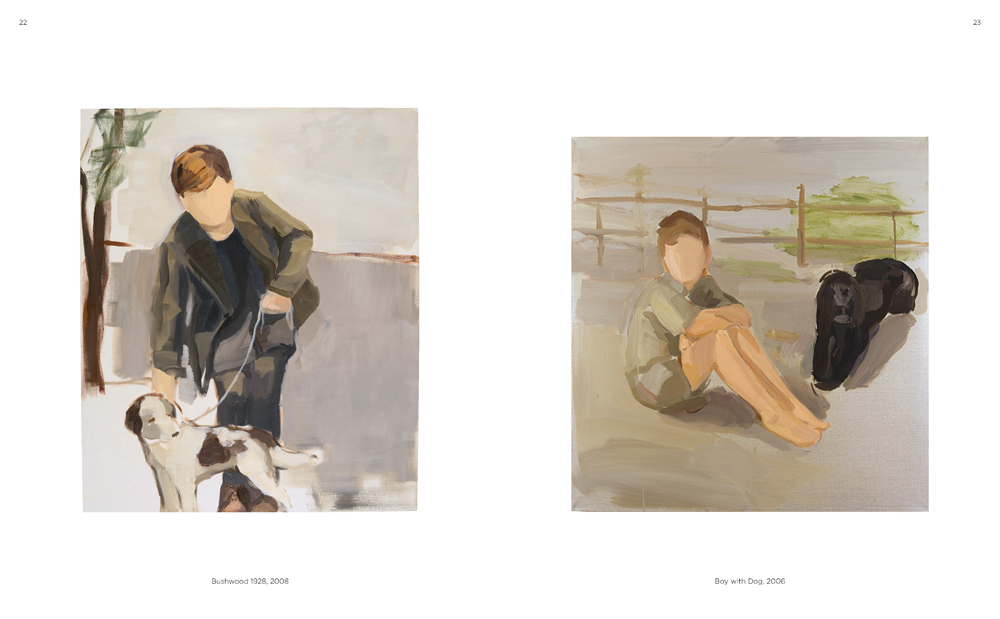
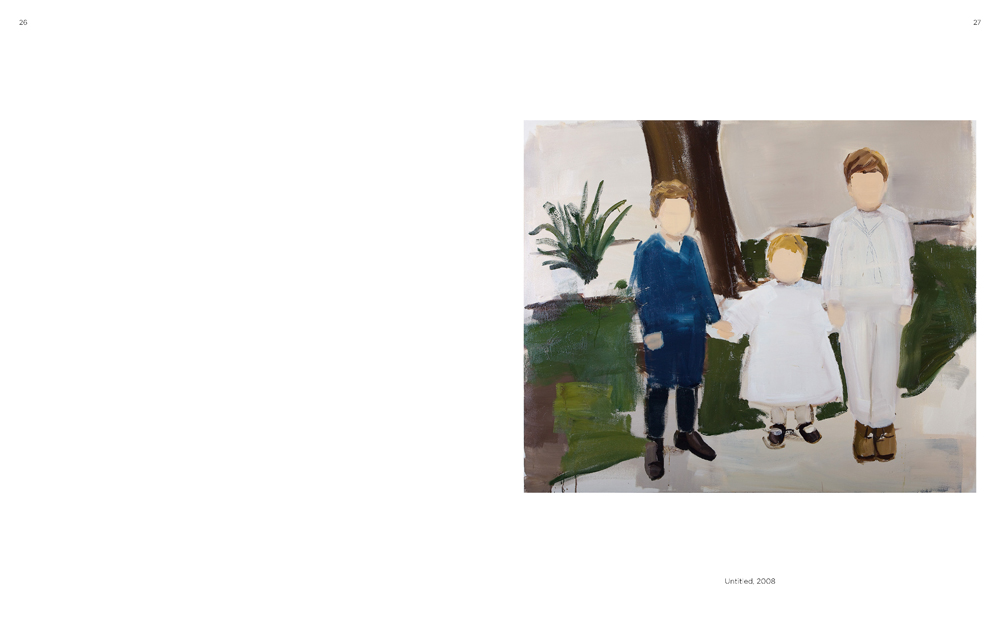
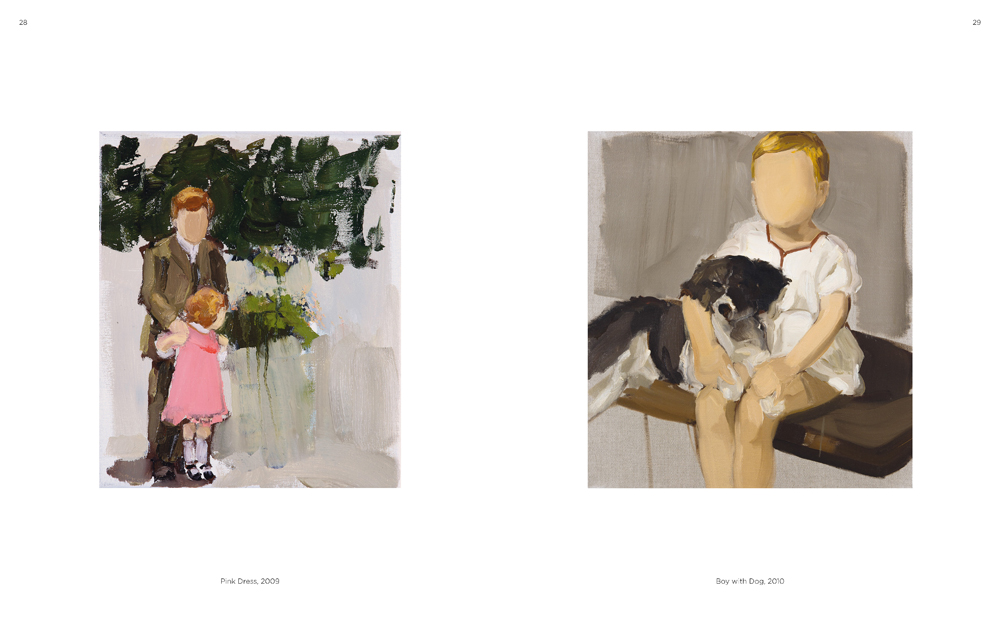
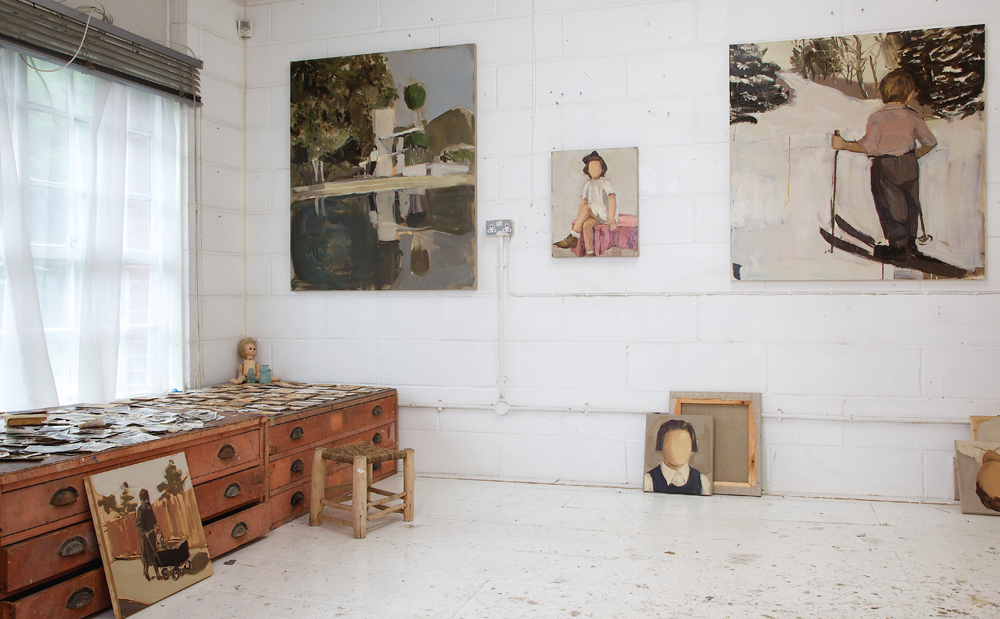
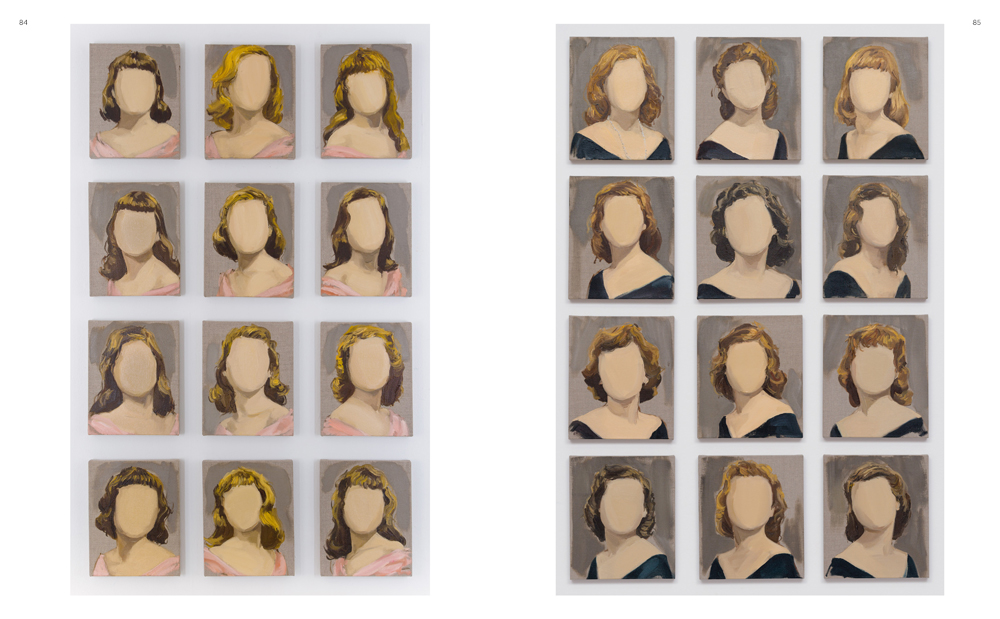
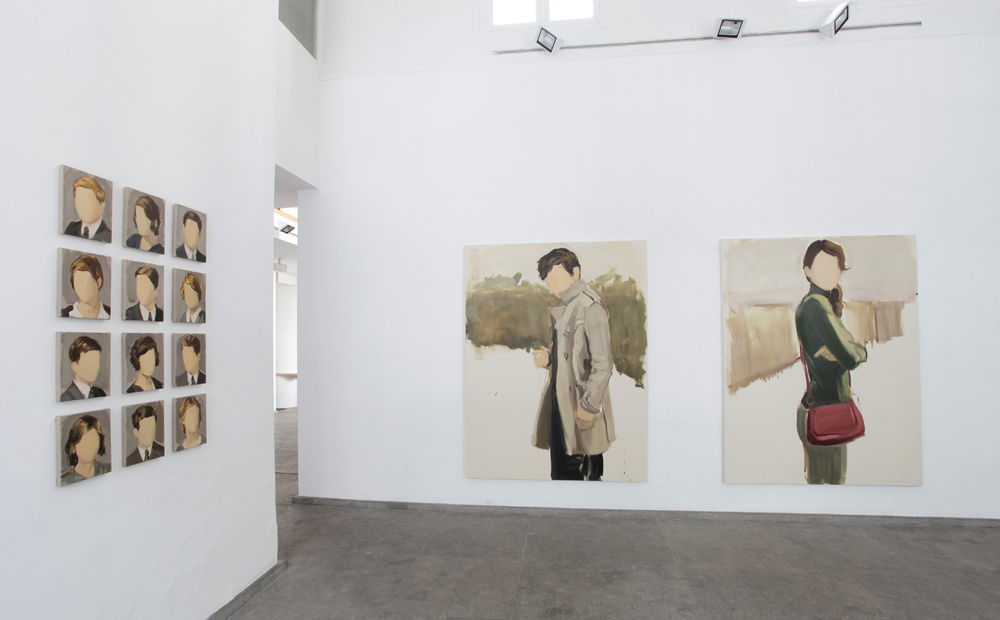
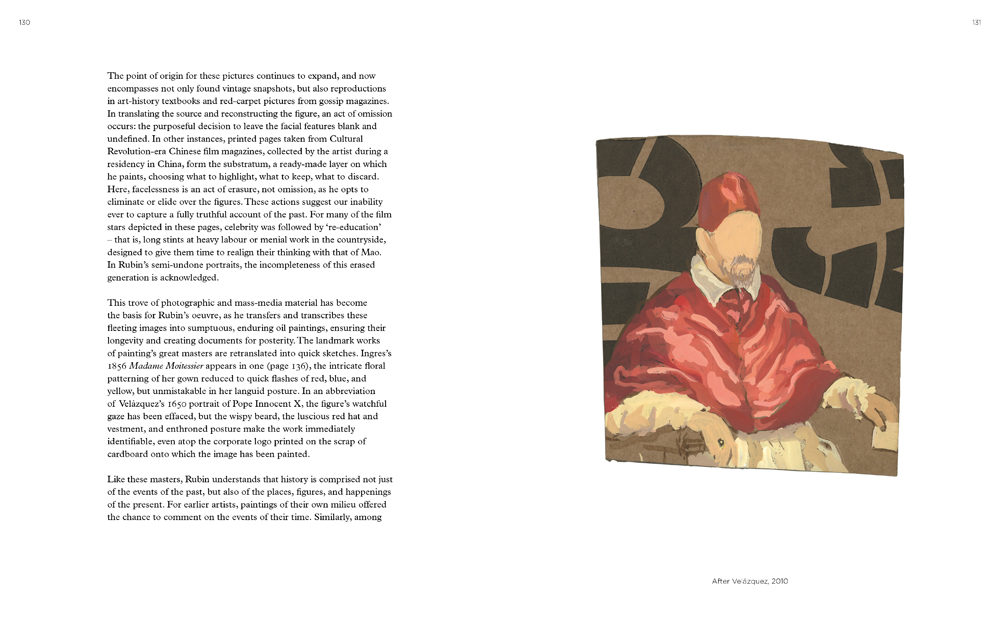
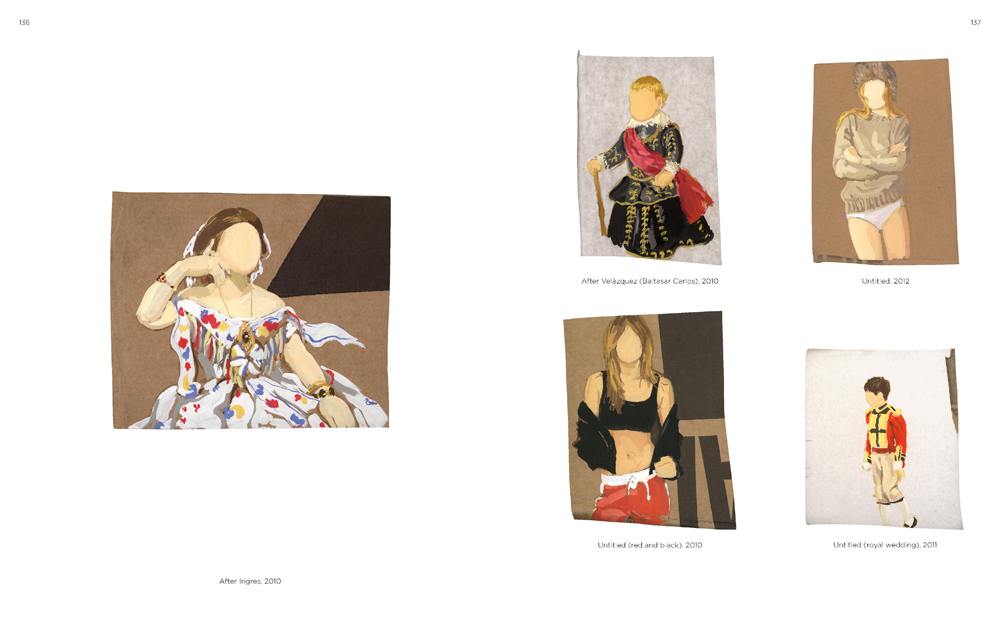
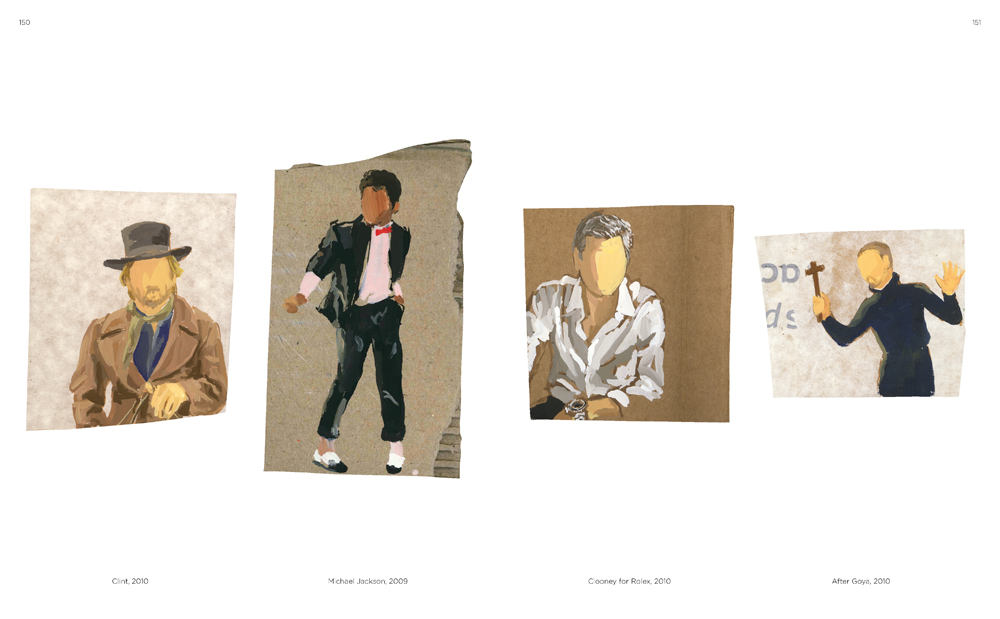
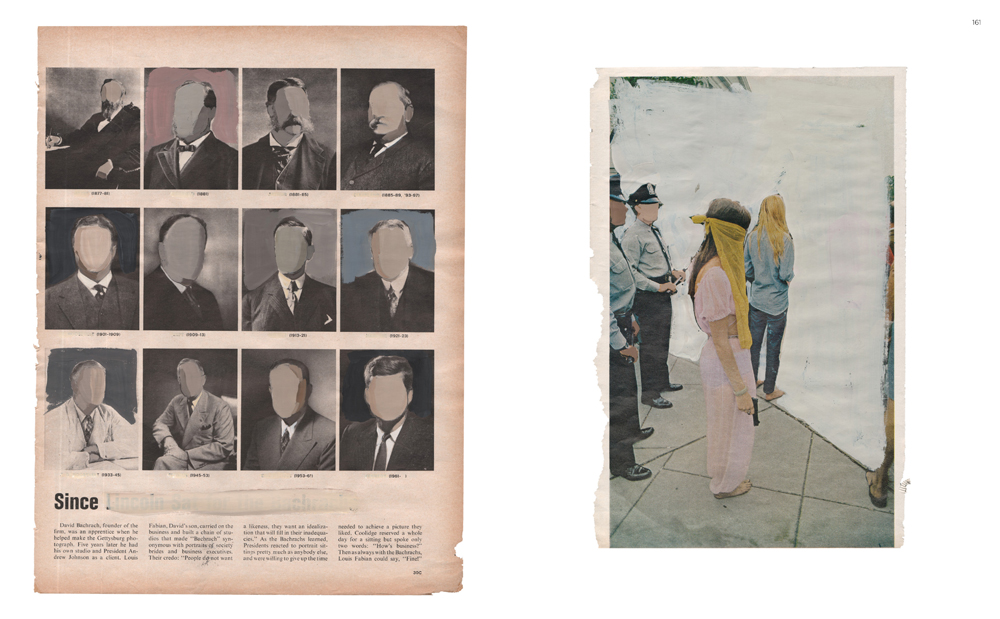
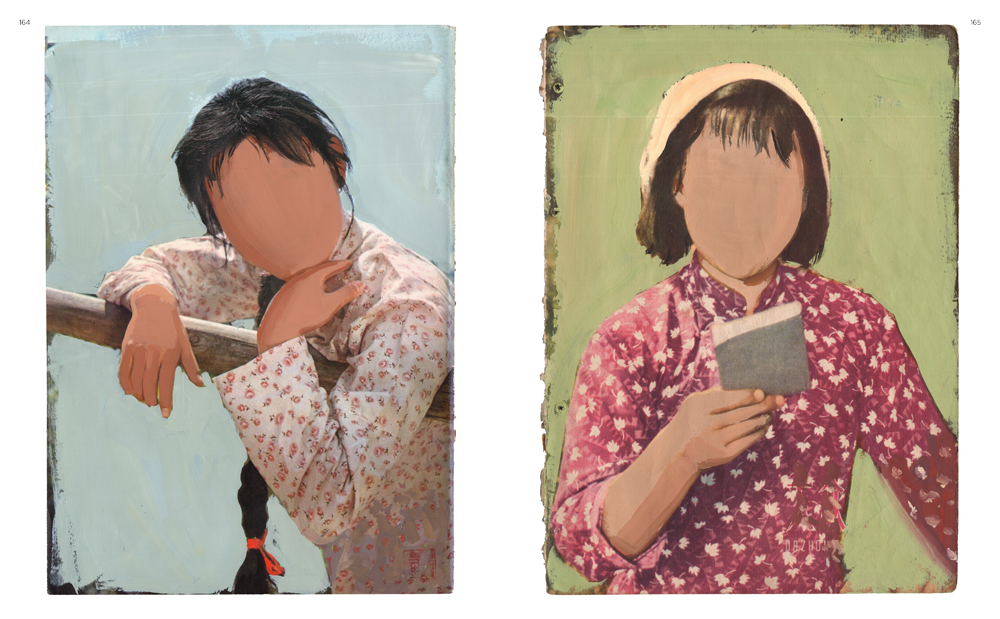
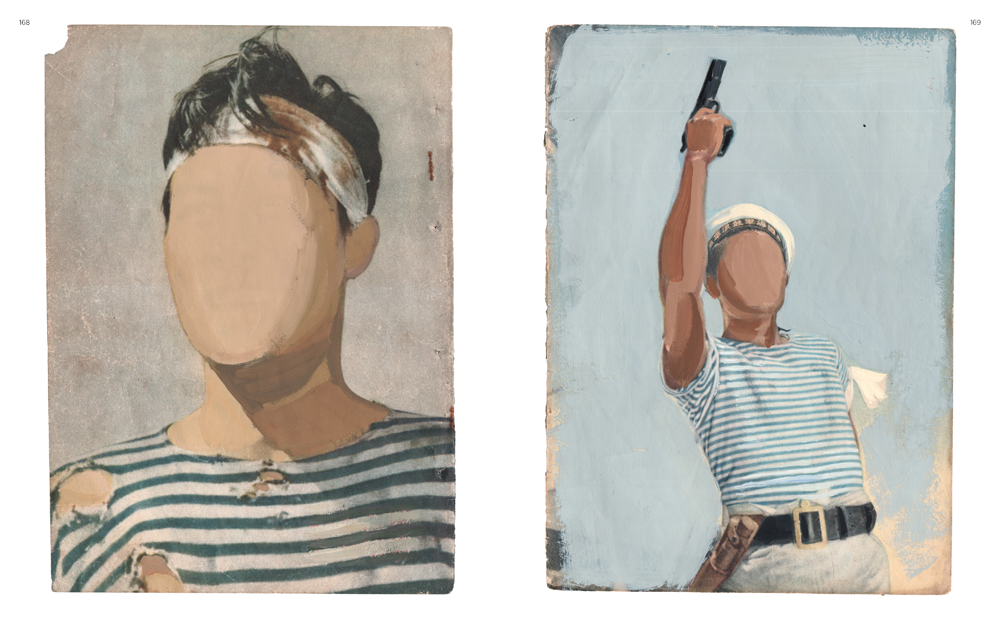
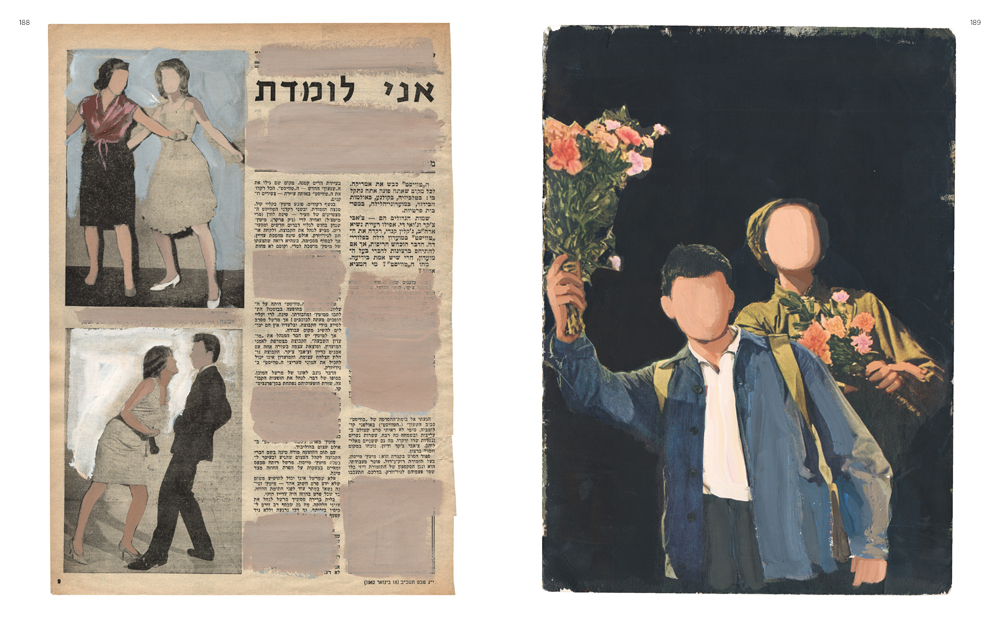
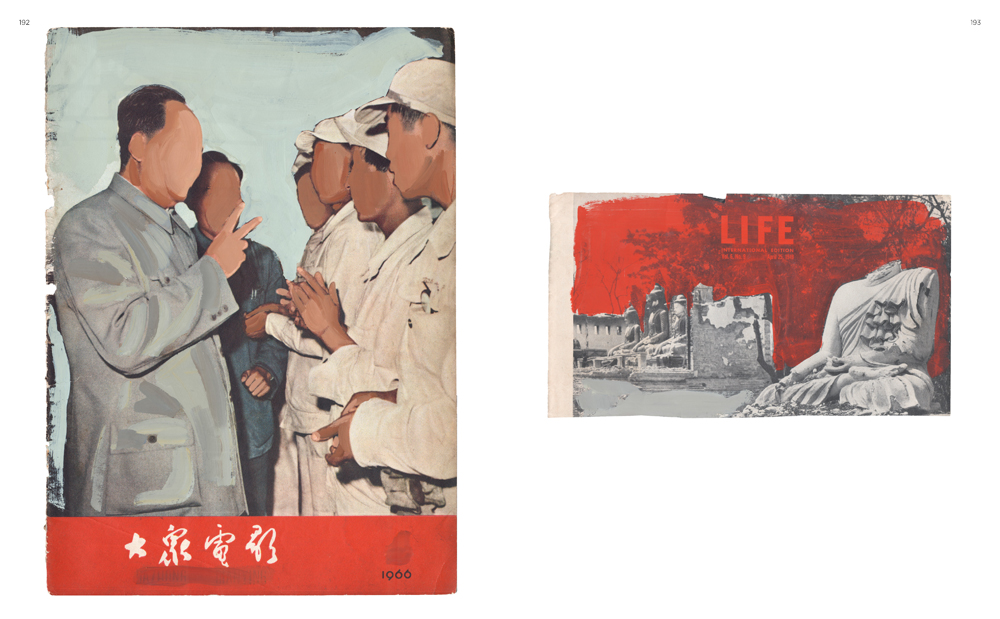
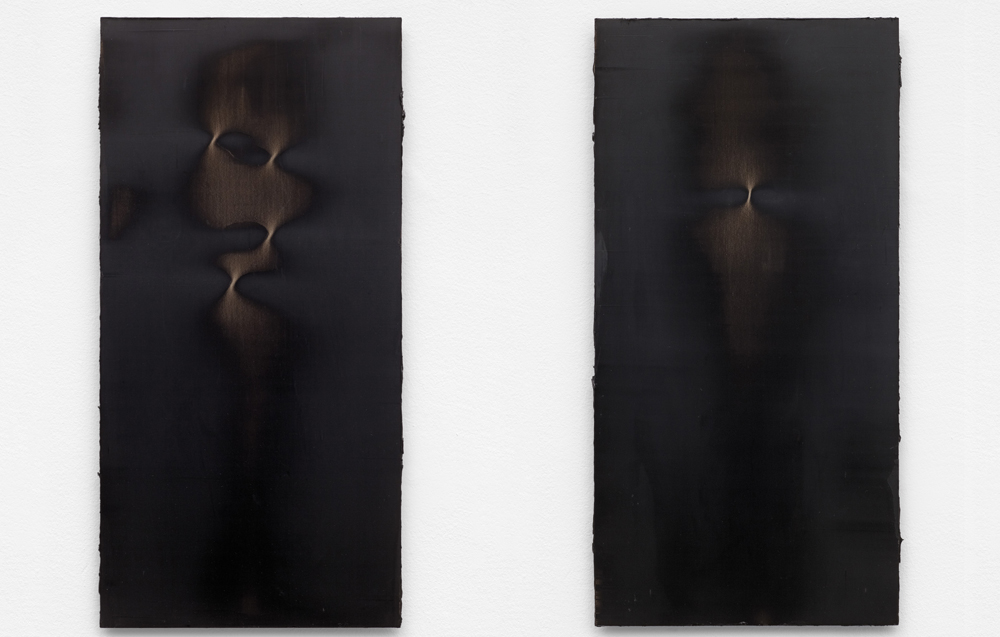
After witnessing the events of 9/11 in New York first hand, Rubin turned his back on his realist way of working and embarked on a method that has become his signature style. Taking found images of strangers in twentieth-century family albums, newspapers, and magazines, he begins a process of visual reduction and obliteration that culminates in an eerie and compelling body of work that is at once enticing and poignant, seductive yet sinister. His small and intimate portraits of faceless figures, full of life but empty of expression, are charming and chilling in equal measure. They unsettle and unnerve, yet feel strangely familiar.

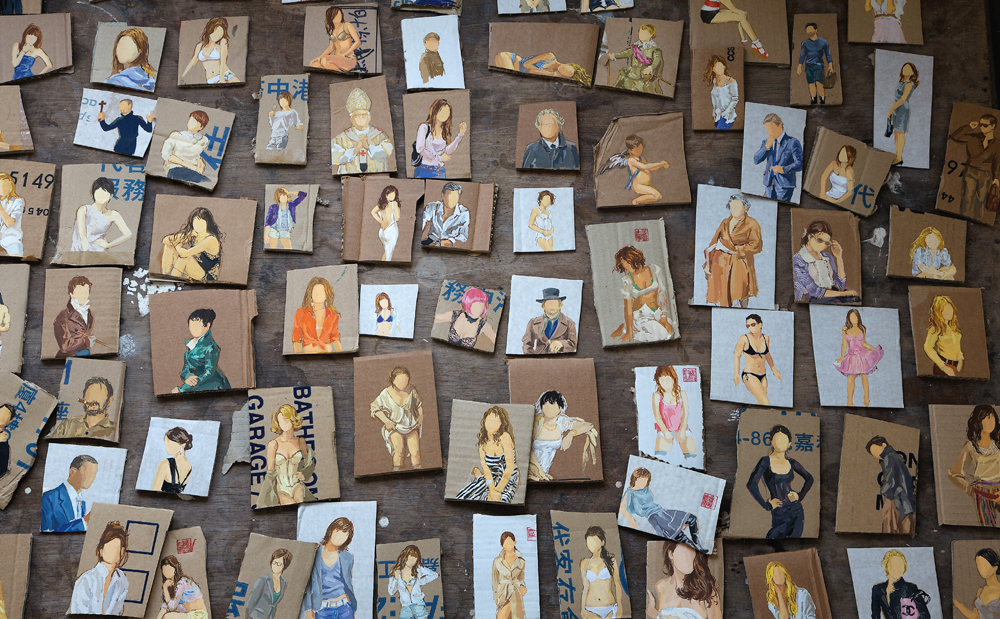
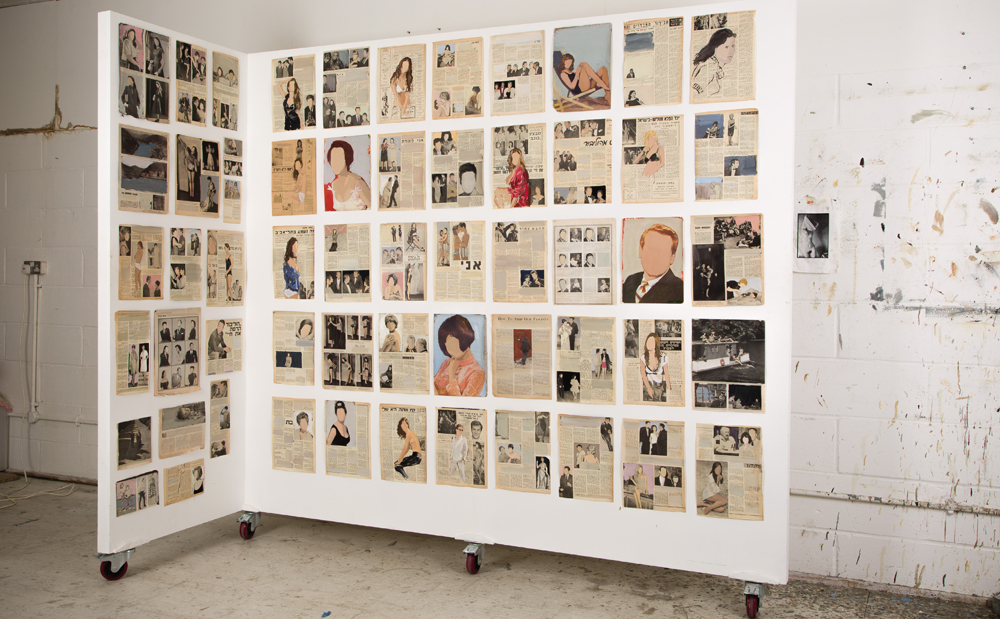
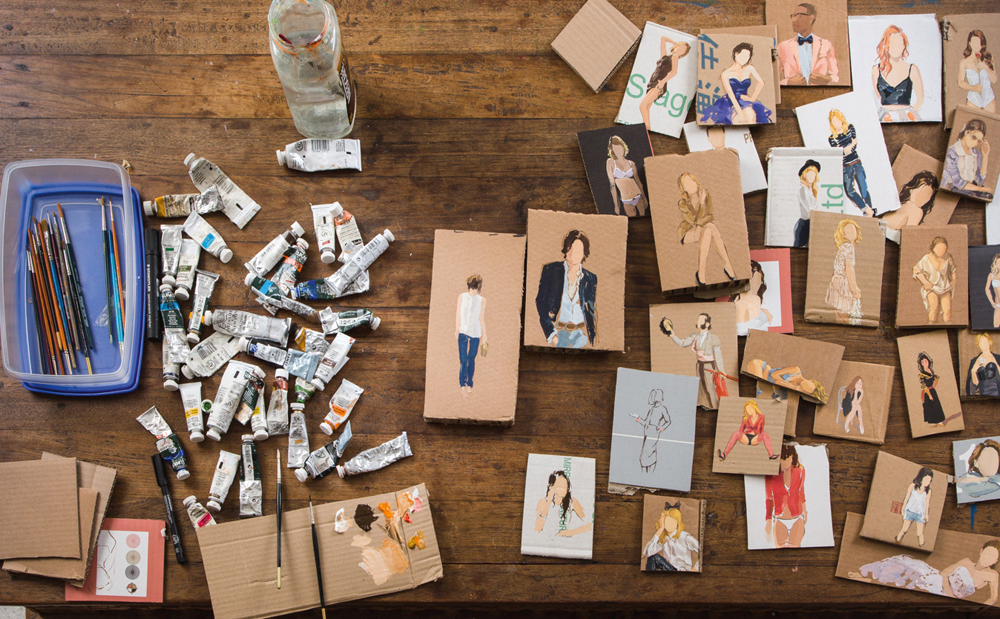
His tiny paintings on cardboard of blank-faced models, actors, pop stars, and politicians – from Che Guevara and Dominique Strauss-Kahn to Amy Winehouse and Cheryl Cole – all reduced to a generic equivalence and interchangeability, comment on the ephemeral nature of the news and the newsworthy and the disposability of our celebrity age.

These are works that evoke the selective and transformative processes of memory, but by drawing on Chinese propaganda pamphlets, celebrity magazines, the society pages of newspapers, as well as art history, they also lay bare the shared shorthands through which personality and desire are projected and read. In the age of Instagram and selfies, they remind us that photography, far from an unmediated and direct reflection of reality, is at its core unstable and subject to manipulation, be it in the interests of politics, commerce or diversion.

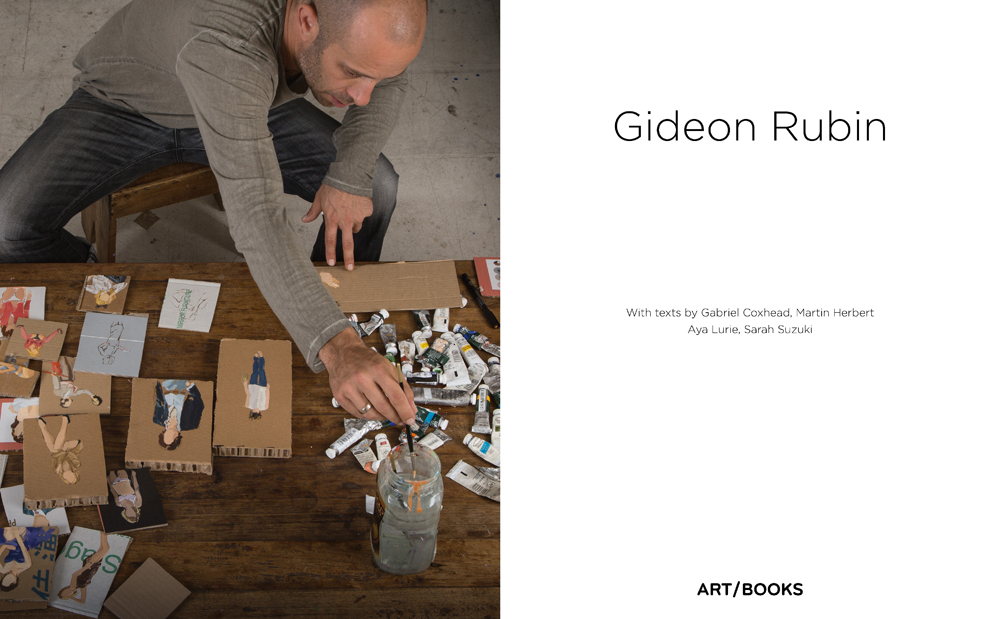
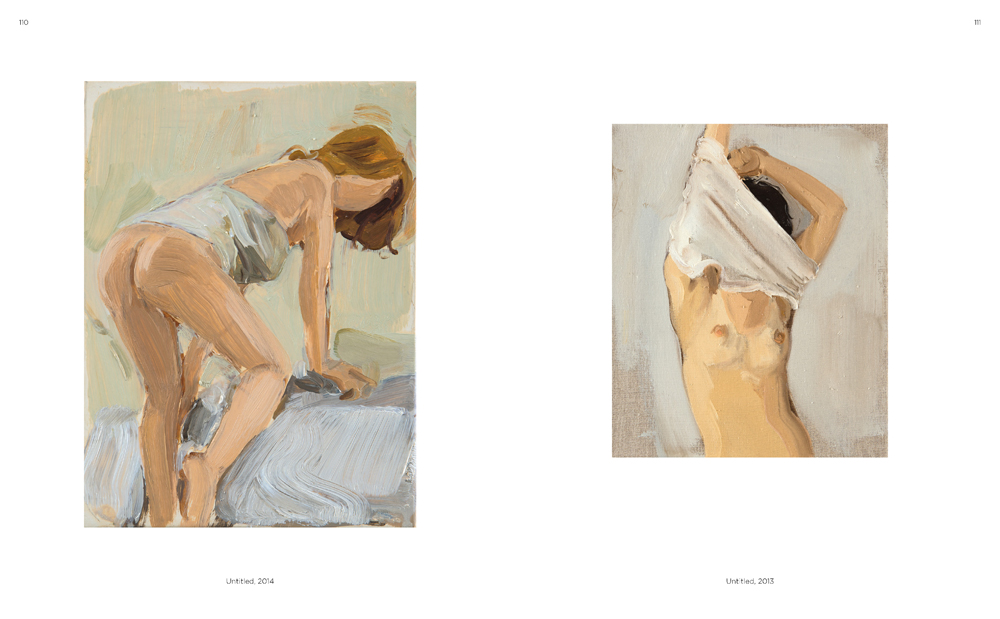
This exquisite book features high-quality reproductions of dozens of works and numerous photographs of the artist and the studio. Four international writers examine how Rubin both challenges and extends the traditions of European painted portraiture. They also consider how he employs the ancient and articulate medium of oil paint to stake a claim for the renewed relevance and enduring value of the hand-crafted picture, and to question the relative status of photography as the supposed carrier of ‘truth’.

Gideon Rubin is an Israeli artist based in London. He received his BFA from School of Visual Arts in New York and his MFA from Slade School of Art in London. He has had numerous international solo exhibitions and appeared in many group shows around the world, and his works are included in private collections in London, Hong Kong, New York, Paris and elsewhere. In 2014, he was awarded the Shifting Foundation Grant and spent time at the Da Wang Culture Highland artist residency near Shenzhen, China. In 2013, he undertook the Outset Israel Bialik Residency in Tel Aviv. He is represented by Galerie Karsten Greve Paris, Cologne and St Moritz; Rokeby, London; Hosfelt Gallery, San Franscisco; and Alon Segev Gallery, Tel Aviv.

Gabriel Coxhead is a writer, art critic and curator based in London. He is a regular contributor to Time Out London and has also written for the Guardian, Jewish Quarterly, Financial Times, Art Review and Cabinet magazine, among other publications.

Martin Herbert is a writer and critic based in Tunbridge Wells and Berlin. He is associate editor of Art Review and Modern Painters, and writes regularly for Art Monthly, Artforum and Frieze. He is the author of Mark Wallinger (T&H, 2011).

Aya Lurie is Director and Chief Curator of Herzliya Museum of Contemporary Art, Herzliya, Israel.

Sarah Suzuki is an associate curator in the Department of Prints and Illustrated Books, Museum of Modern Art, New York.

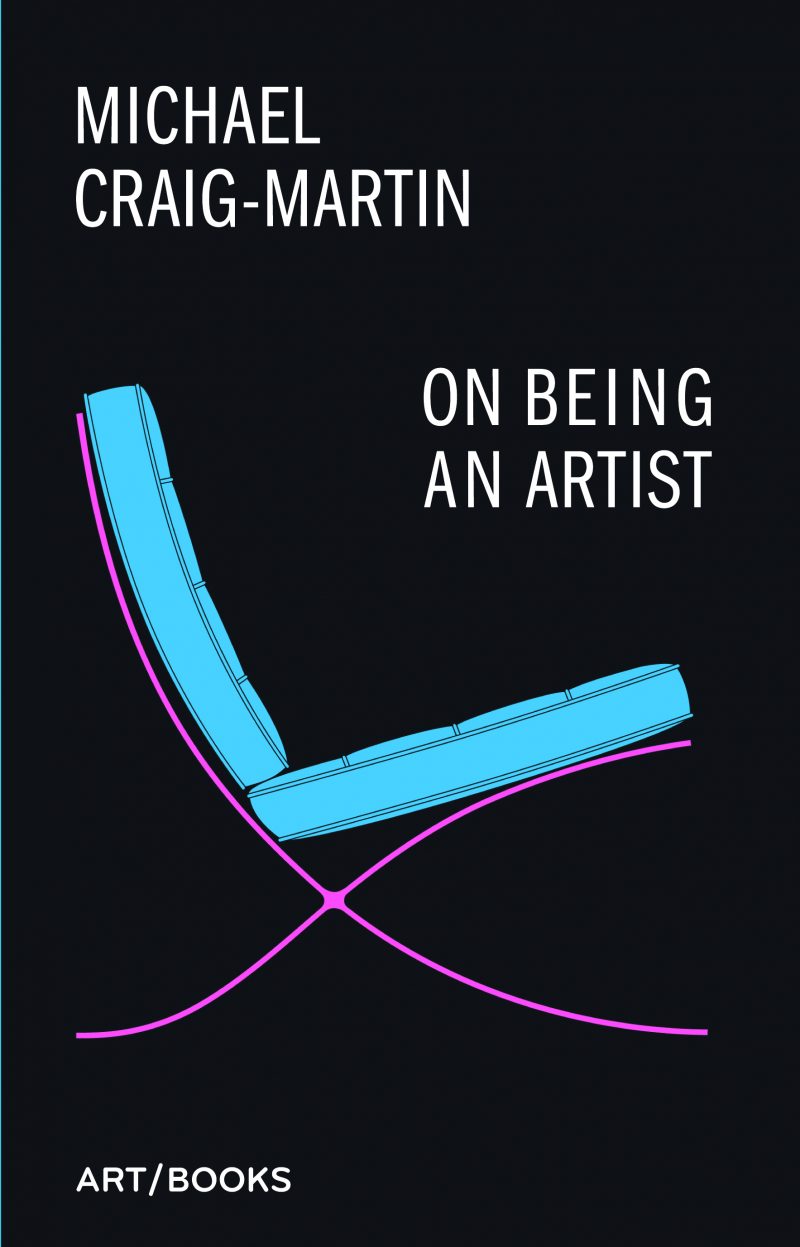
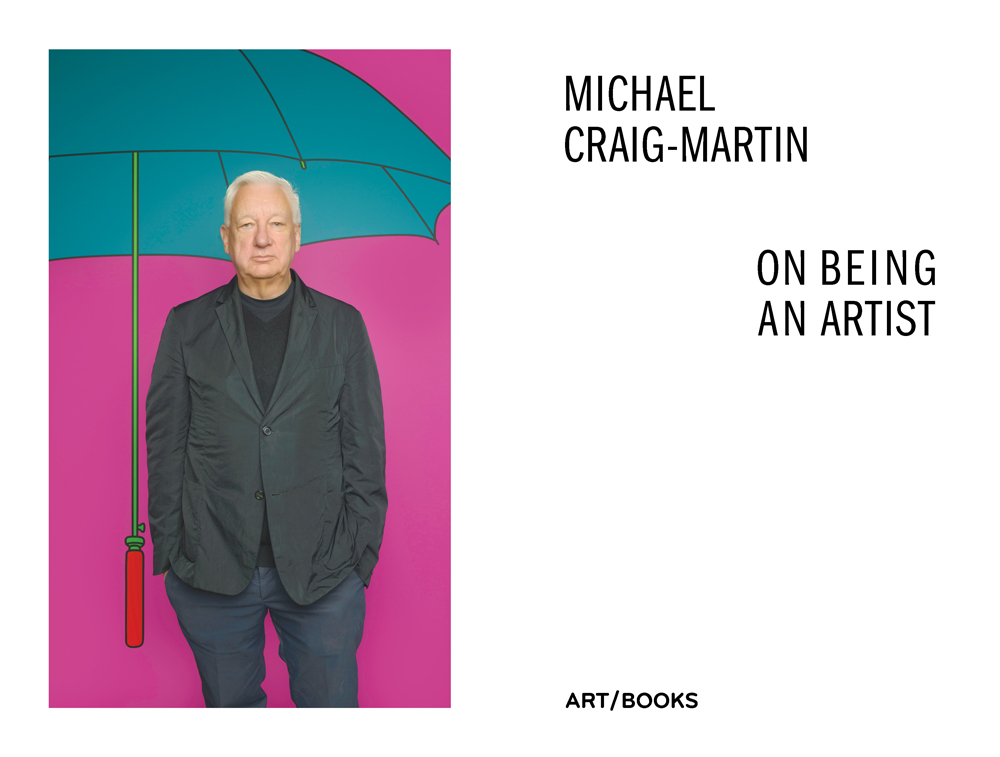
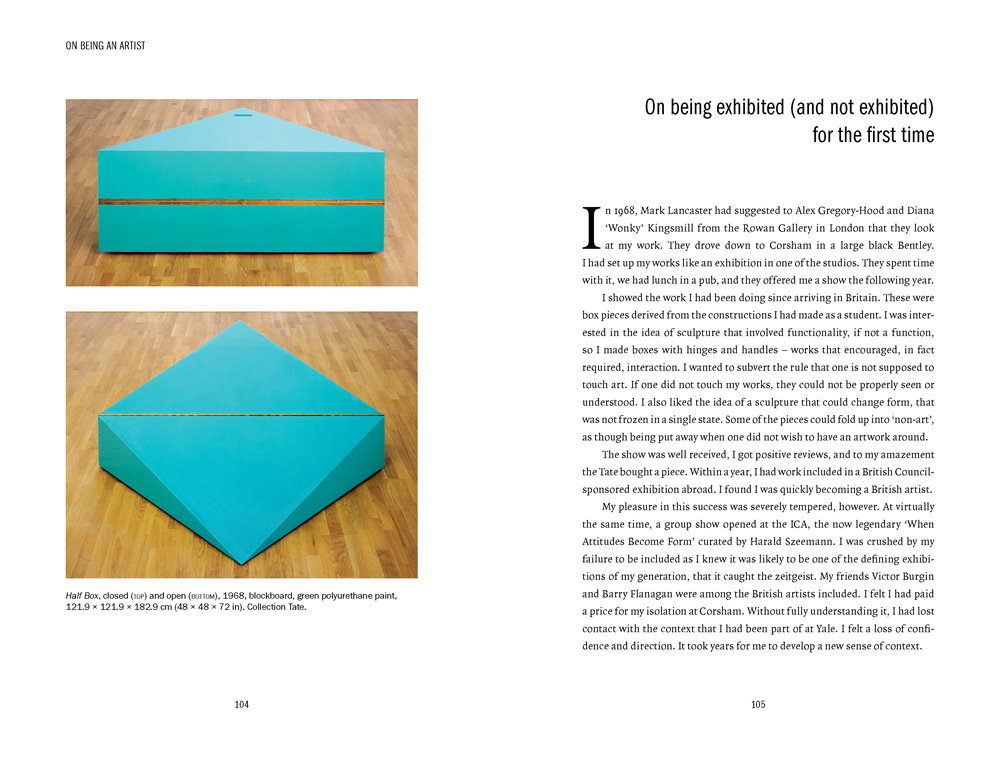
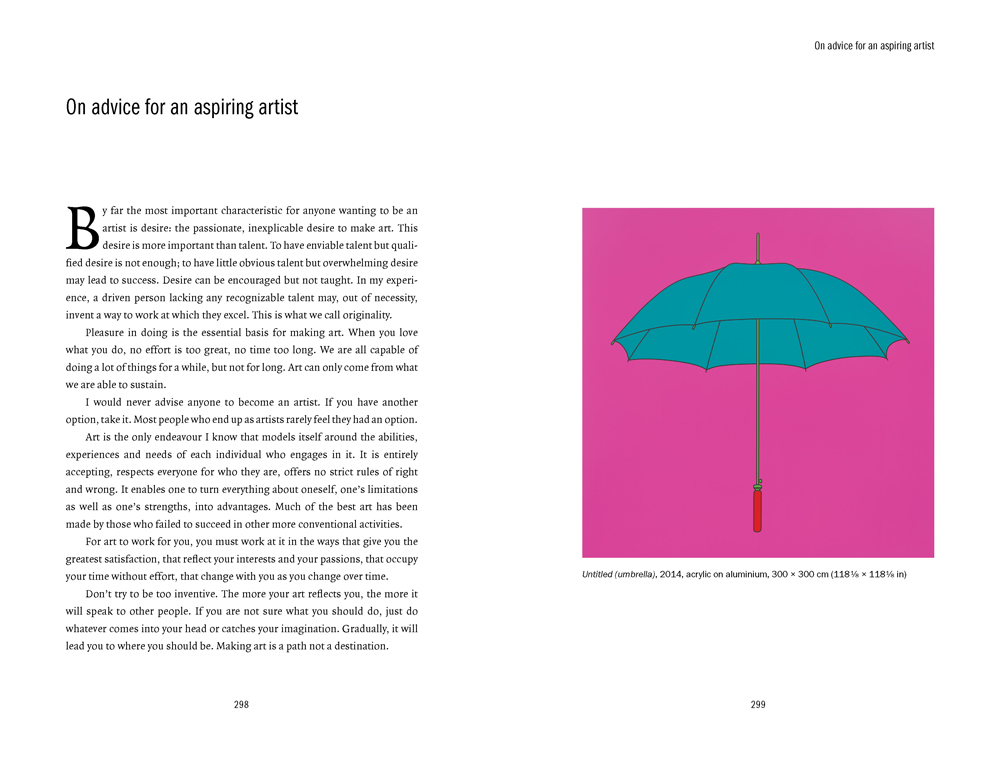
On Being An Artist – hardback

Sir Michael Craig-Martin

‘One of the best books of an artist’s writings in years: elegant, pithy and full of insights’ — Sir Nicholas Serota, Chair, Arts Council England and former Director, Tate
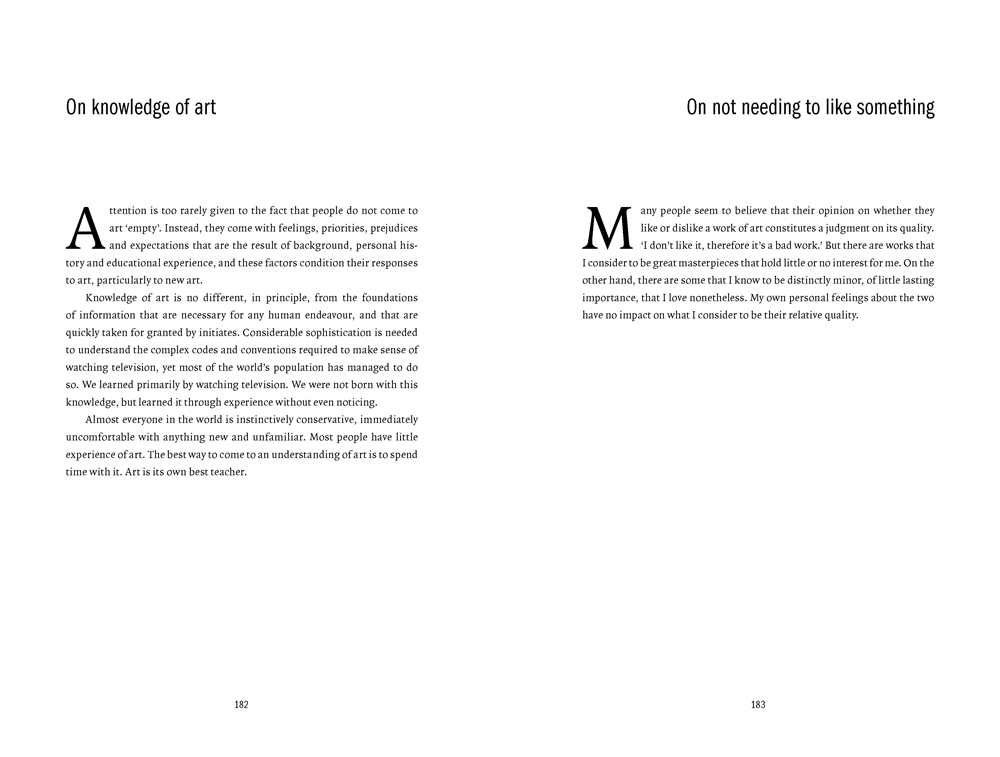
‘Coherent, absorbing … such a compelling read … Craig-Martin writes brilliantly’ — The Art Newspaper
‘[An] absorbing and important book … a must-have for anyone with the slightest interest in today’s art scene’ — Telegraph, Best Art Books of 2015
‘Extraordinary … positively quakes with brilliance … Brimming with intelligence, Craig-Martin’s book gathers a lifetime of artistic wisdom.… Since finishing [it] I do nothing but recommend it.’ — Art Monthly
‘Erudite, insightful and hugely readable … an intelligent, entertaining and inspiring journey into the mind of one of the leading artistic figures working today’ — It’s Nice That
‘Illuminating … wise and inspiring’ — Art Quarterly
‘A revelation … brilliant … a fascinating record of a life in art’ — RA Magazine 
‘Craig-Martin is the artist-teacher par excellence … On Being an Artist is an engaging book and a useful reminder of the benefits of a life enriched by art and teaching.’ —Visual Culture in Britain
‘Written with force and intelligence … so clear, concise and coherent that we can have no doubt how much, and how well, students will have learned from him’ — Irish Arts Review
‘[Craig-Martin is] a splendid writer, humane, amusing and informative. This is a handsome, wise and often funny book, open and honest about his own life, and interested in the life and work of others.’ — Arts Journal
‘Full of stimulating and often unexpected insights into the contemporary art world, teaching and the practice of art … He writes with an elegant simplicity – totally jargon-free – and is a delight to read. He does much to enliven the ways in which the layman might think about art, and makes the reader not only think, but look – and see.’ — Burlington Magazine
‘An essential read’ — Wallpaper*
‘Only intermittently interesting’ — New Statesman 
_____________

SHORTLISTED Art Book Prize 2016

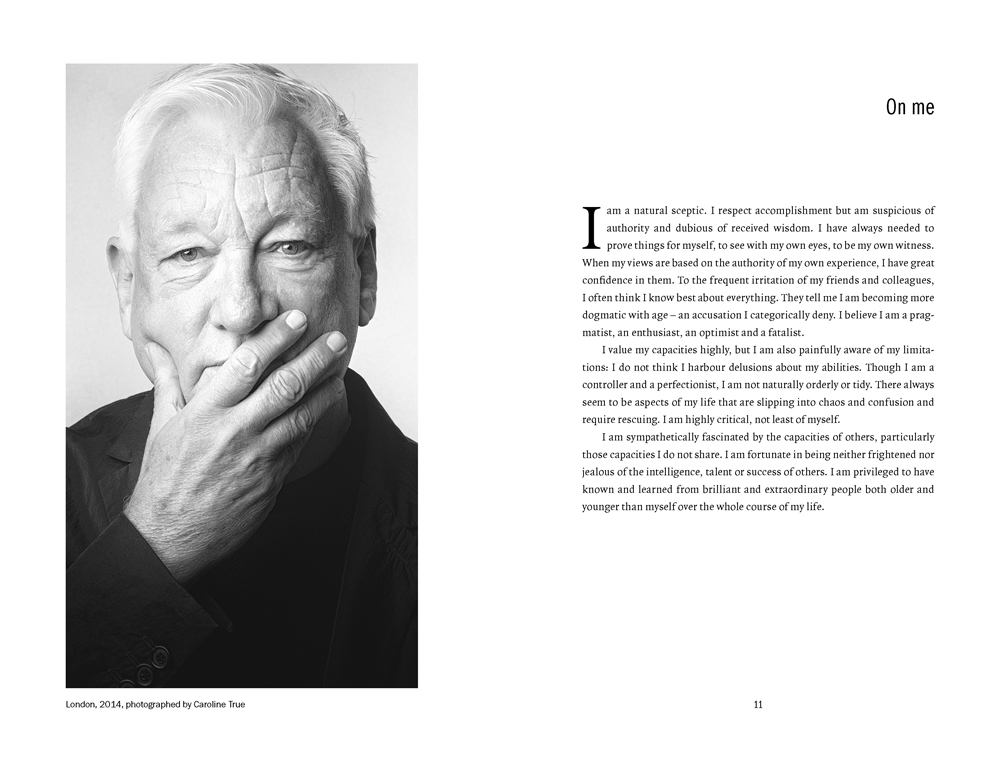
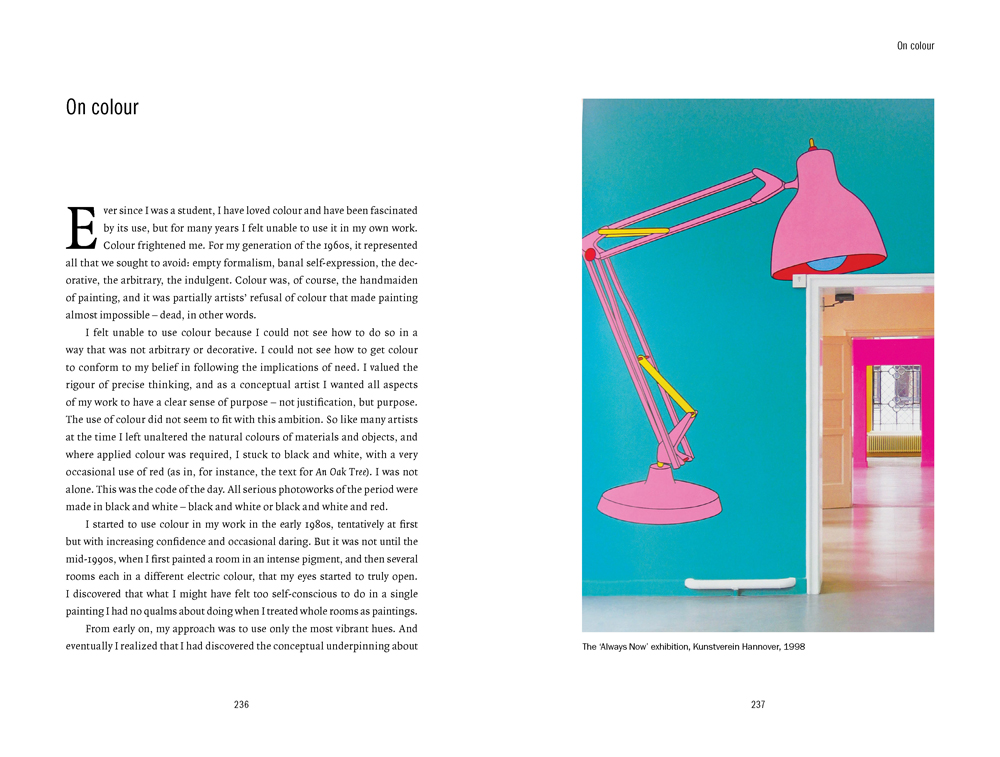
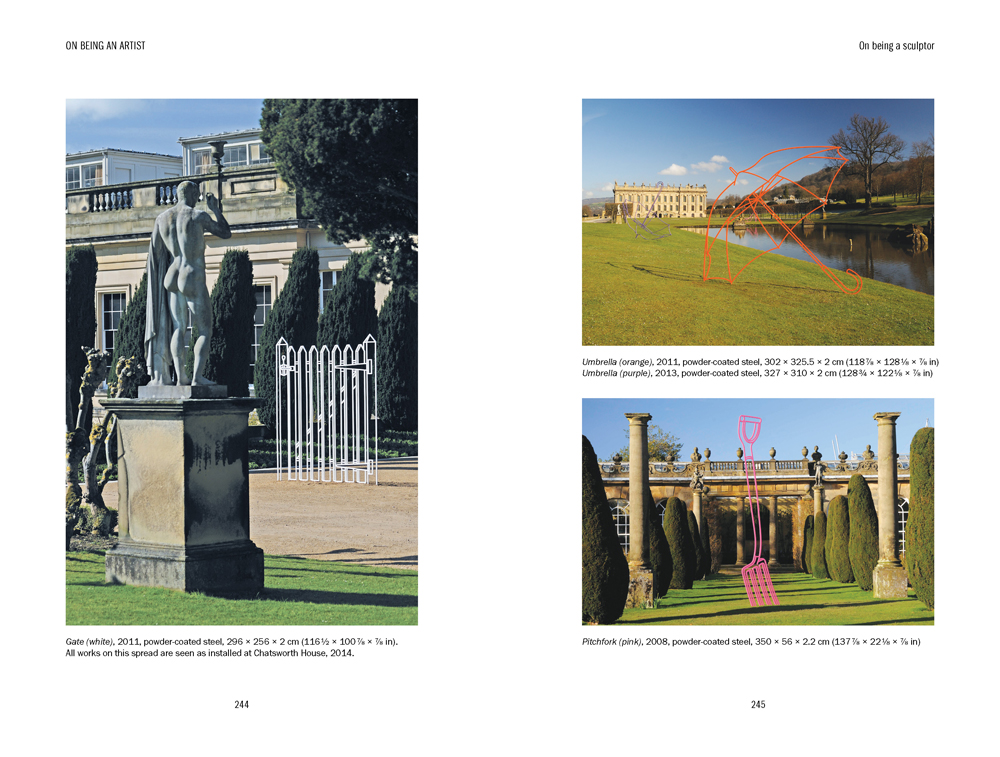
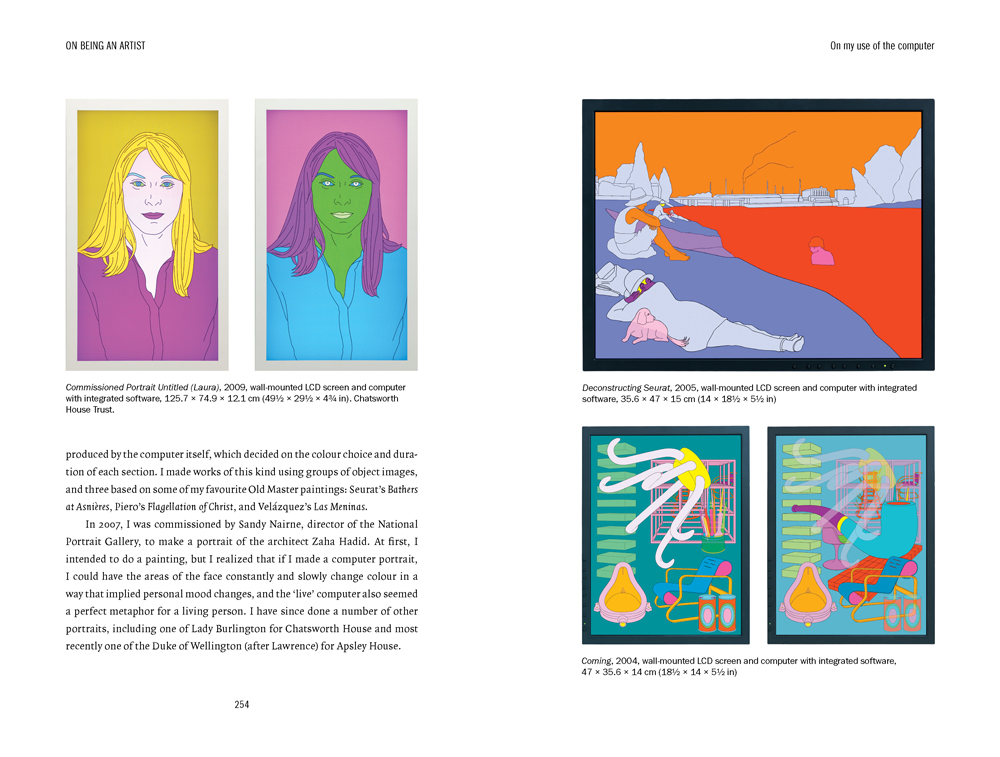
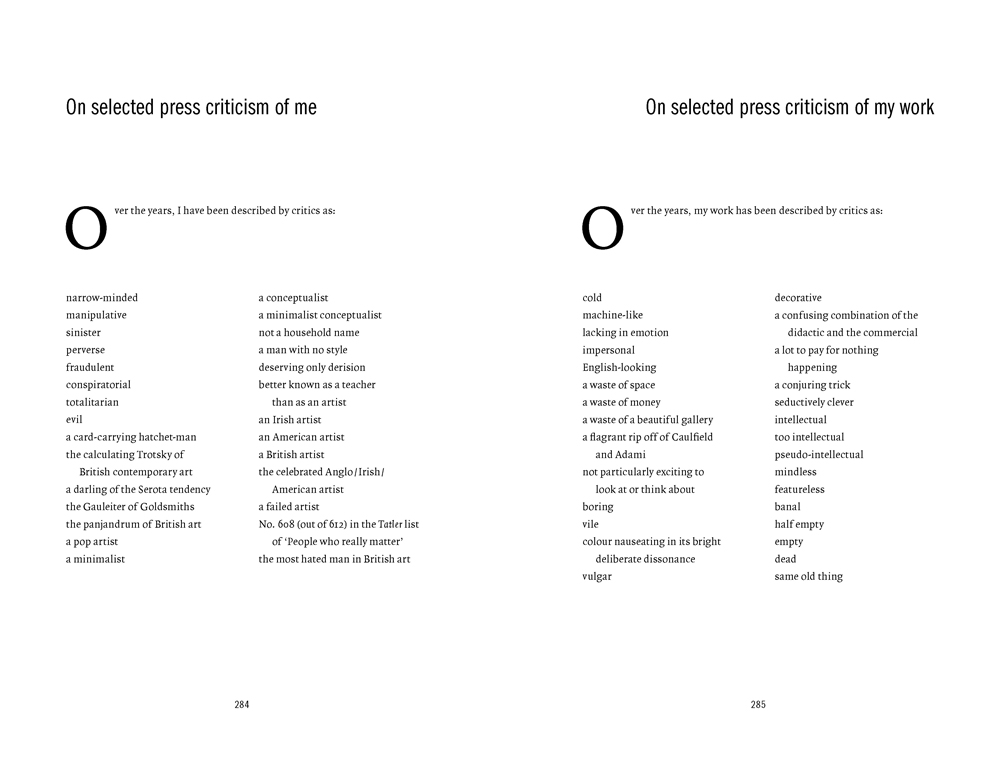
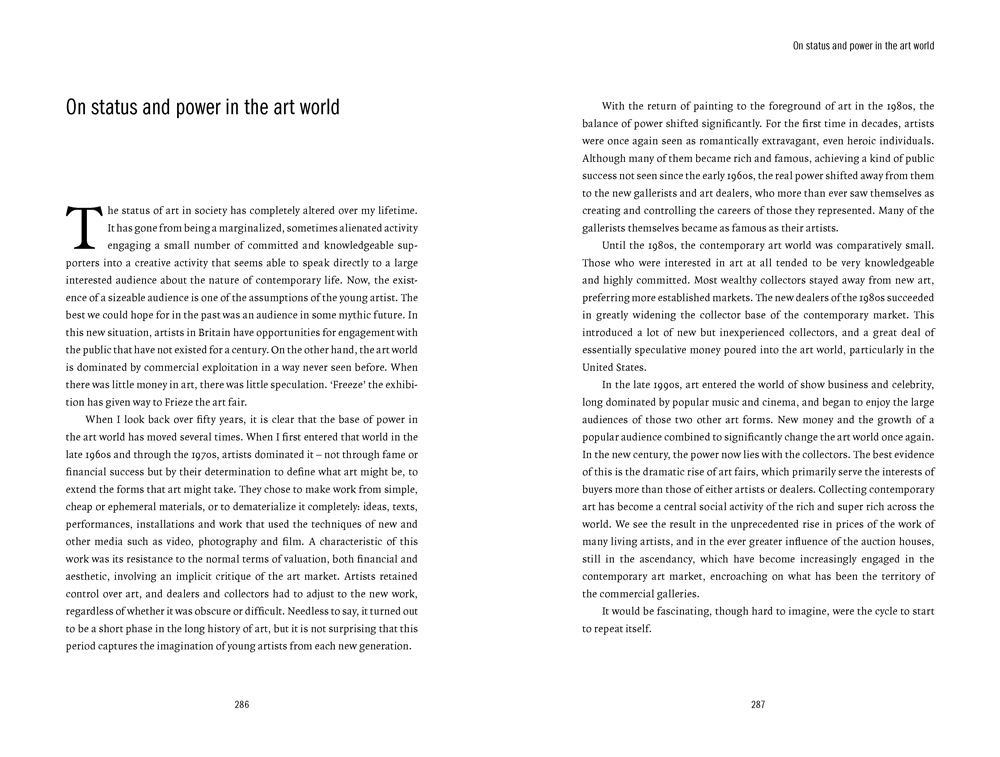
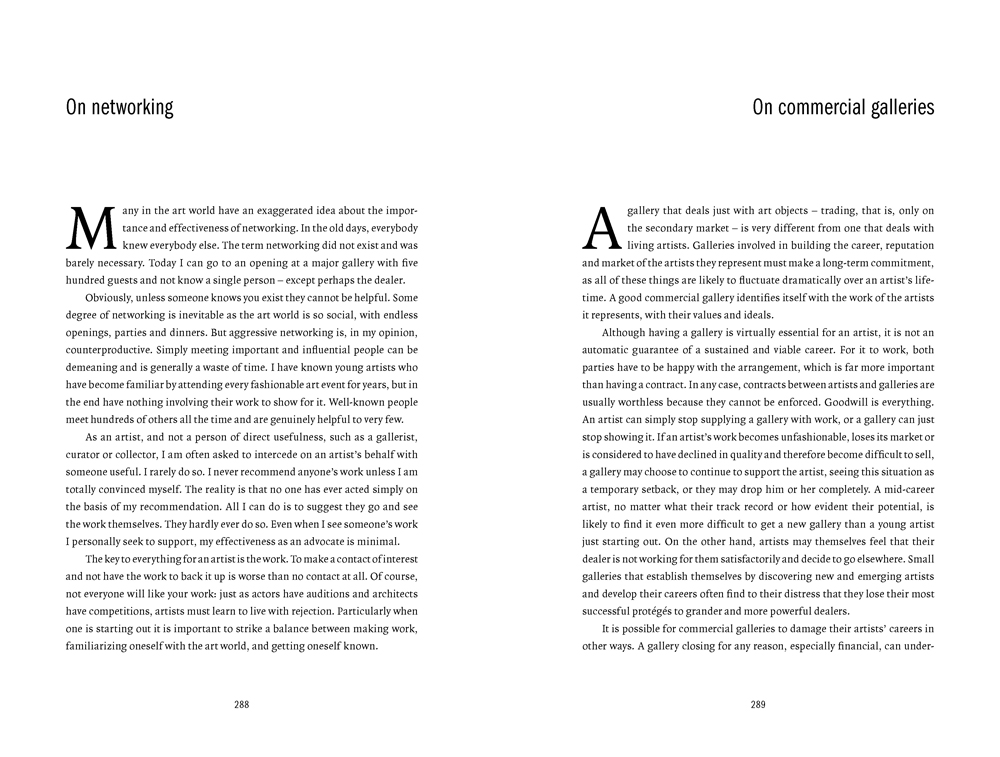
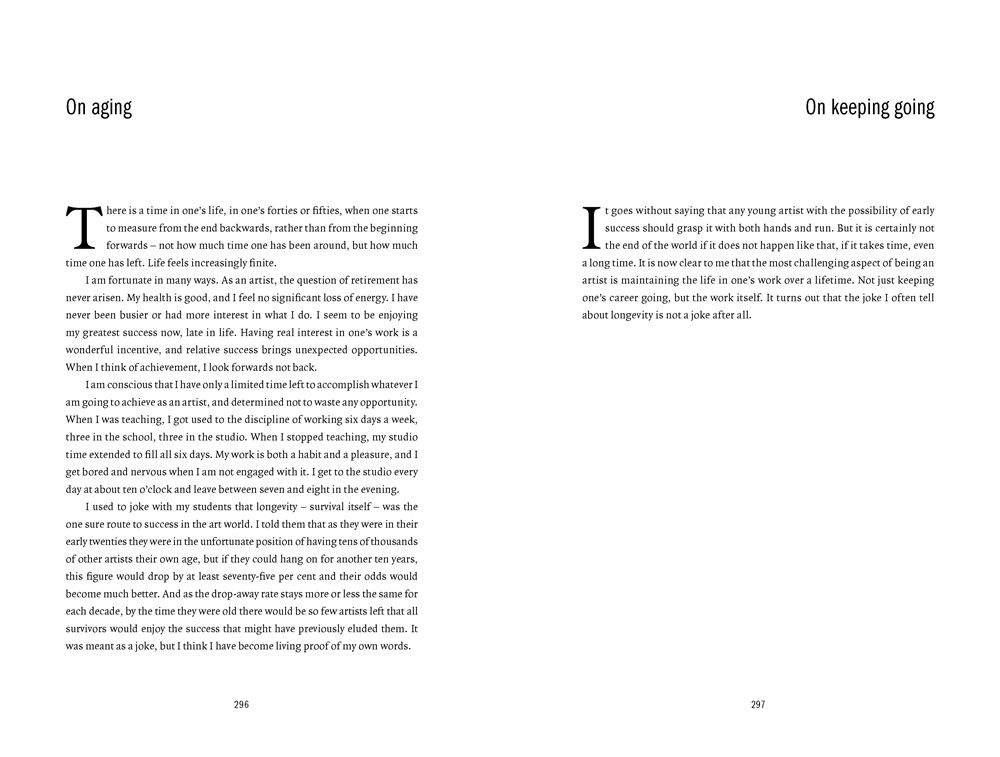
Celebrated artist and influential teacher Michael Craig-Martin’s first book is a lively mix of reminiscence, personal manifesto, anecdote and advice for the aspiring artist.

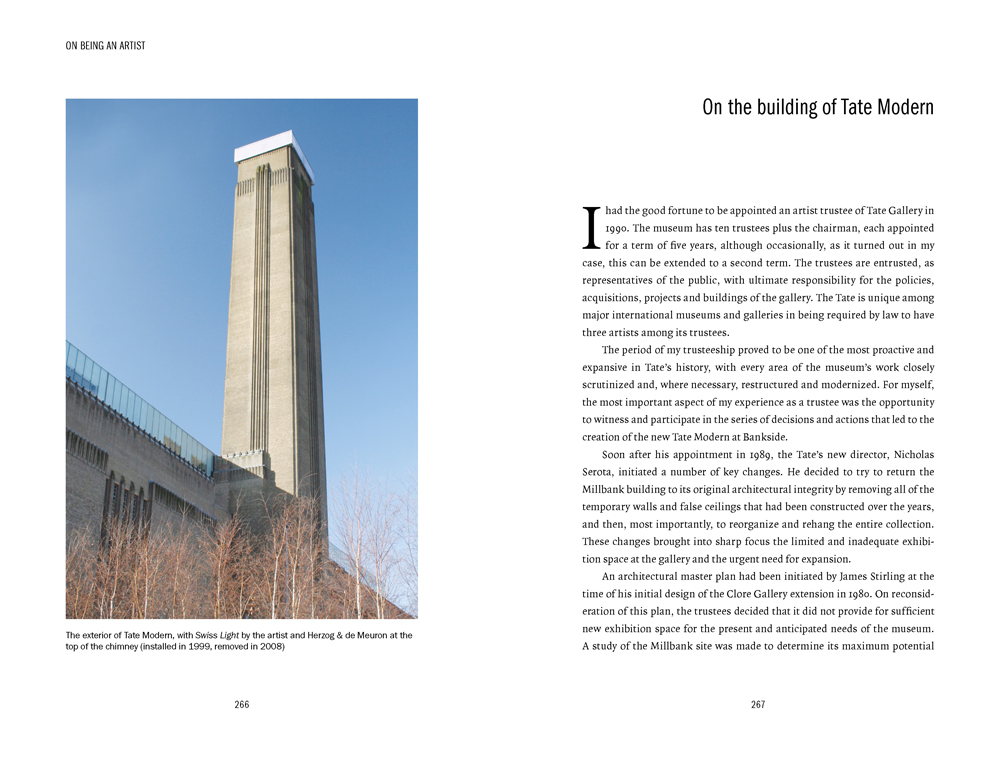
Craig-Martin’s life has been as colourful and varied as his distinctive work. From an early childhood that took him from wartime Dublin to postwar Washington D.C. and Bogotà, and student life in New York and at Yale University, he has gone on to enjoy a successful international career, feted around the world with major exhibitions, high-profile commissions and numerous honours.

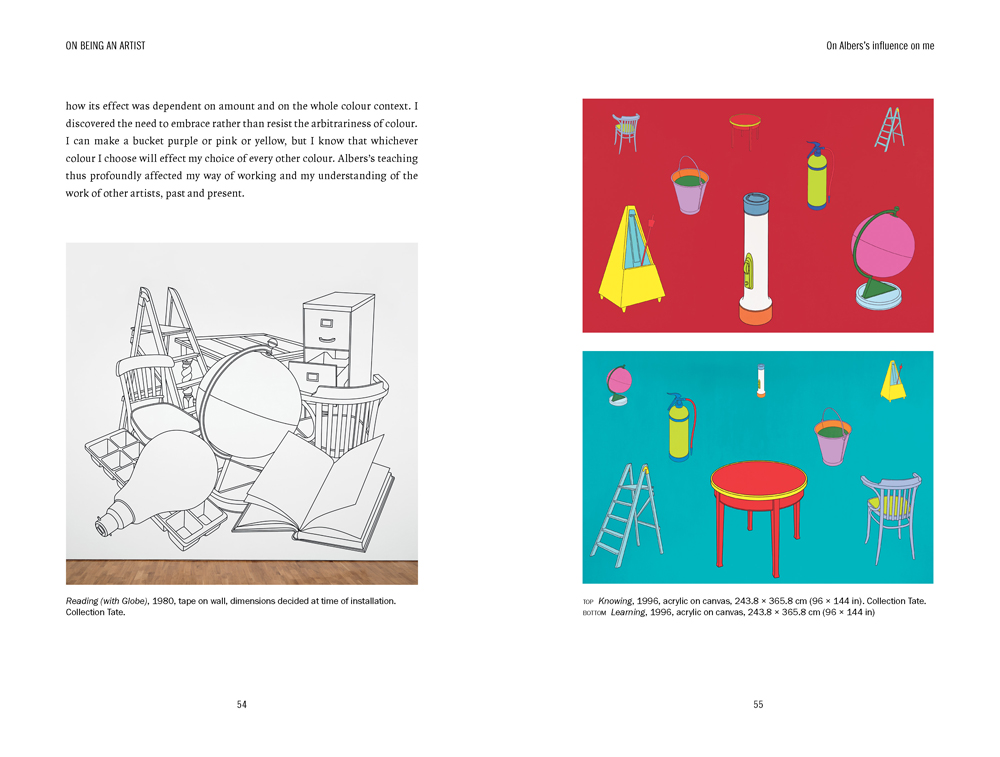
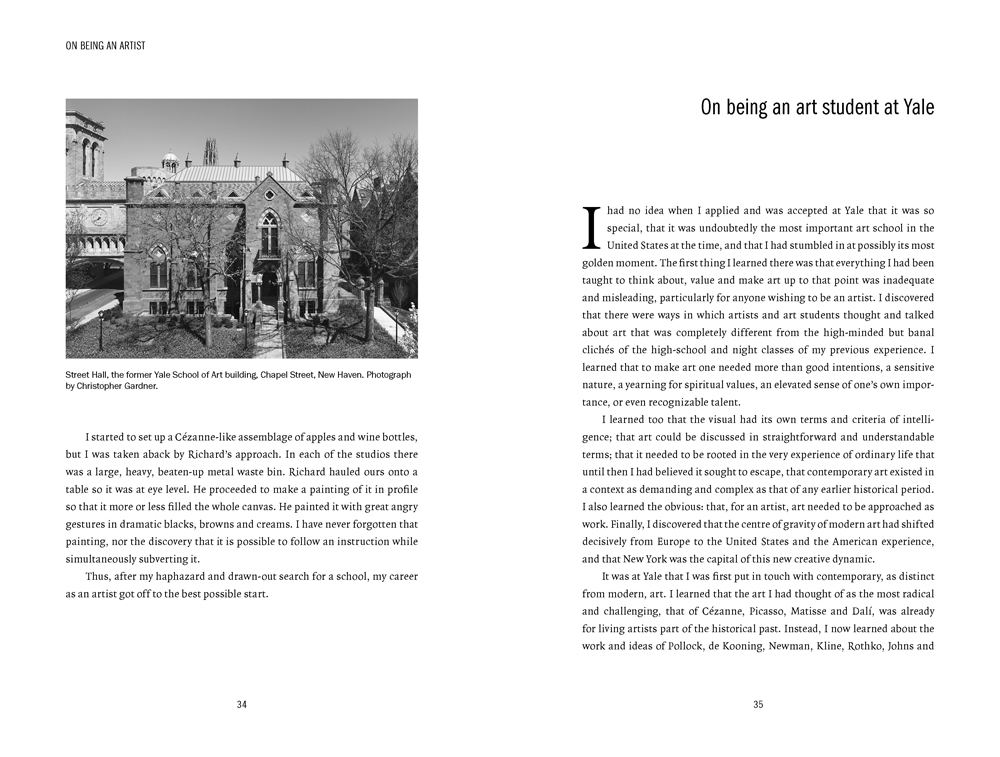
In On Being An Artist, Craig-Martin reflects with both wit and candour on the many people, ideas and events that have shaped his professional life. In a series of short and entertaining episodes, he recounts his time studying under the influence of legendary artist Josef Albers at Yale University School of Art alongside Chuck Close, Richard Serra and other soon-to-be-famous radicals; his memories of meeting personal heroes such as Andy Warhol, Jasper Johns and John Cage; his efforts to explain his art to a bewildered astrophysicist at high table at King’s College, Cambridge; his astonishment at seeing the house and art collection of Charles Saatchi for the first time; and his surreal experience of staking out Christine Keeler at the height of the Profumo scandal.

He recalls, too, his first tentative steps as a practising artist and emergence as a key figure of early conceptual art in Britain. He also looks back on his achievements as a teacher at Goldsmiths, where he nurtured two generations of students, among them Damien Hirst and Sarah Lucas, earning himself the sobriquet ‘the godfather of the YBAs’. As he considers the development of his own career and the evolution of the art world over the last half century, he offers the benefit of insights gained from his professional highs and lows, revealing the essential attributes and knowledge that one needs as an artist today. He also tackles controversial issues such as the fashionability of contemporary art, the enduring status of painting, the relevance of life drawing and practical skills, the qualities of art schools, the role of commercial dealers, the importance of speaking clearly about art, and the judgment of what is good and bad in art.

More than the life of one of the most creative minds of our age, On Being An Artist provides lesson after valuable lesson to anyone wishing to know what it means and what it takes to be an artist today.

Sir Michael Craig-Martin CBE, RA was born in Dublin in 1941. At the age of four, he moved with his family to the United States, where he was brought up and educated. Between 1961 and 1966, he studied at Yale School of Art and Architecture. He returned to Europe in the mid-1960s and was a key figure in the first generation of British conceptualists. As a tutor at Goldsmiths College in London from 1973 to 1988 and again from 1994 to 2000, he had a significant influence on two generations of young British artists. He has had major exhibitions and retrospectives at museums and galleries across the world, and has several permanent large-scale installations in Europe and Asia. In 1990, he was appointed a trustee of Tate Gallery; in 2001, he was awarded a CBE; in 2006, he was elected a Royal Academician; and in 2016, he was knighted by Her Majesty Queen Elizabeth II. His work is held in many international museum collections, including Tate, London; Musée National d’Art Moderne, Centre Georges Pompidou, Paris; National Gallery of Australia, Canberra; and Museum of Modern Art, New York. He was curator of the Royal Academy Summer Exhibition 2015.


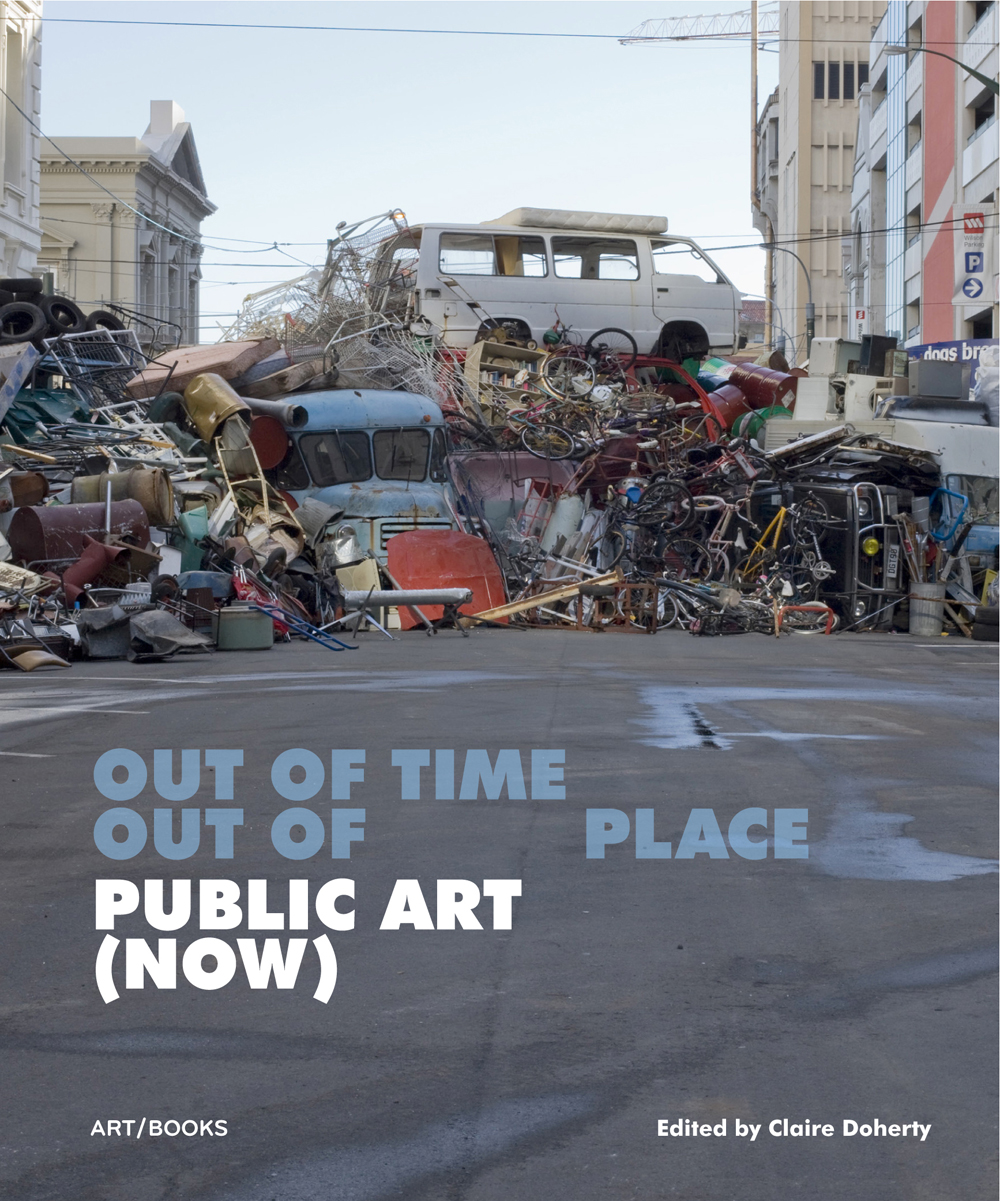
Public Art (Now)

Out of Time, Out of Place

Edited by Claire Doherty
Texts by Claire Doherty, Per Gunnar Eeg-Tverbakk, Chris Fite-Wassilak, Matteo Lucchetti, Magdalena Malm and Alexis Zimberg
Designed by Why Not Associates

SHORTLISTED Art Book Prize 2016

‘An invaluable resource for anybody interested in contemporary art that engages with the public realm’ — Burlington Magazine

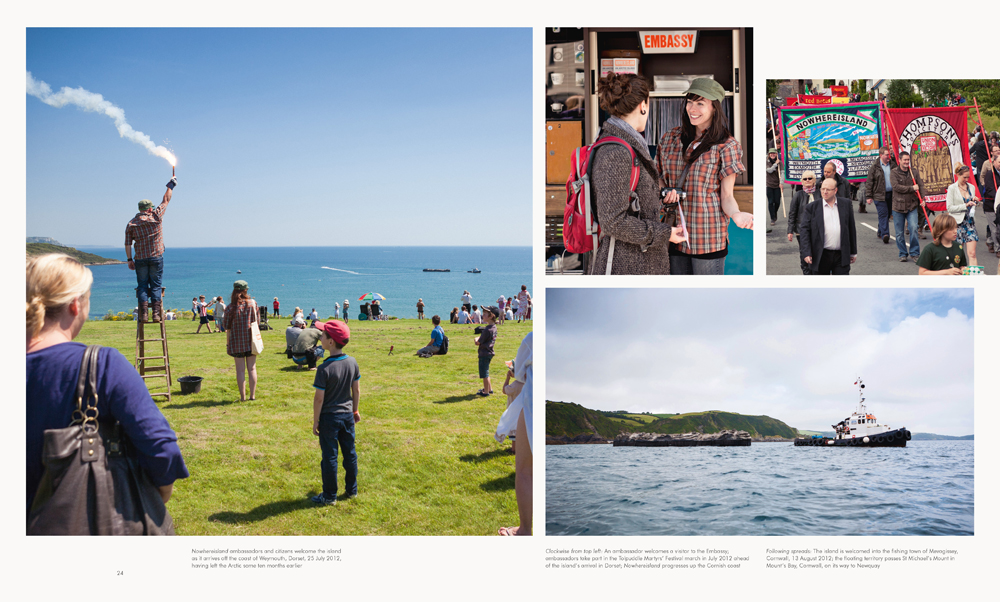
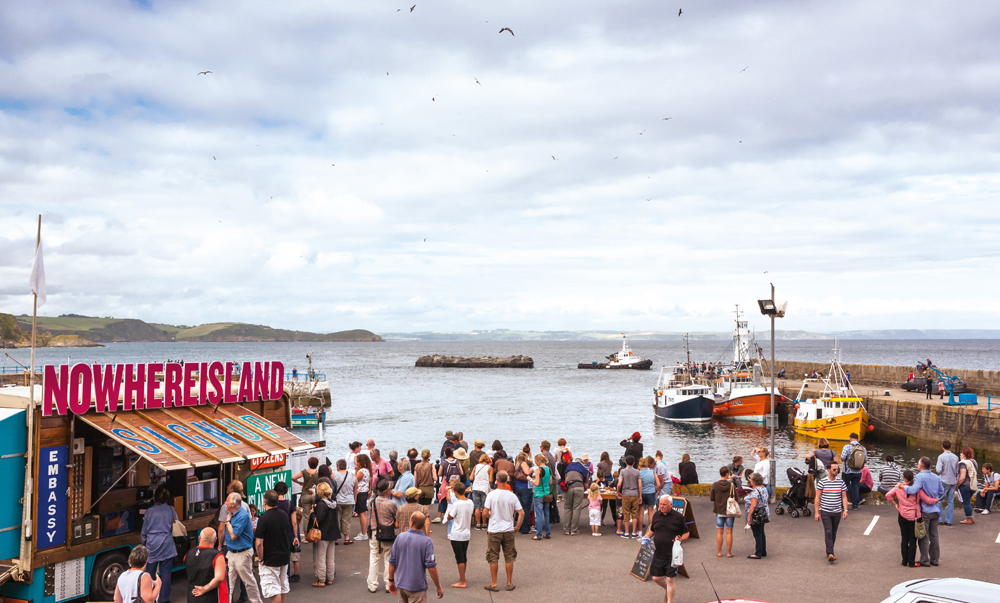
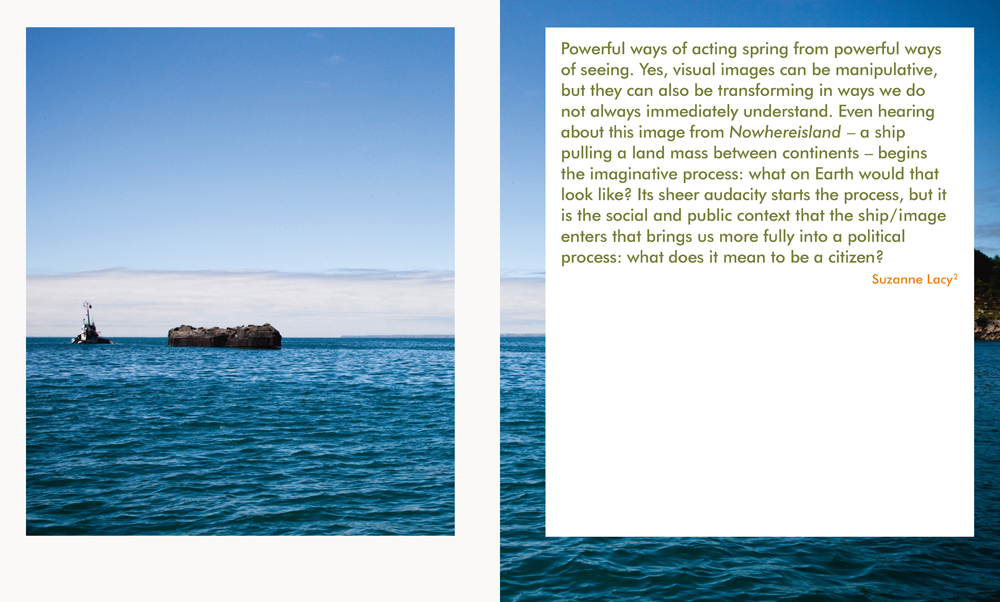
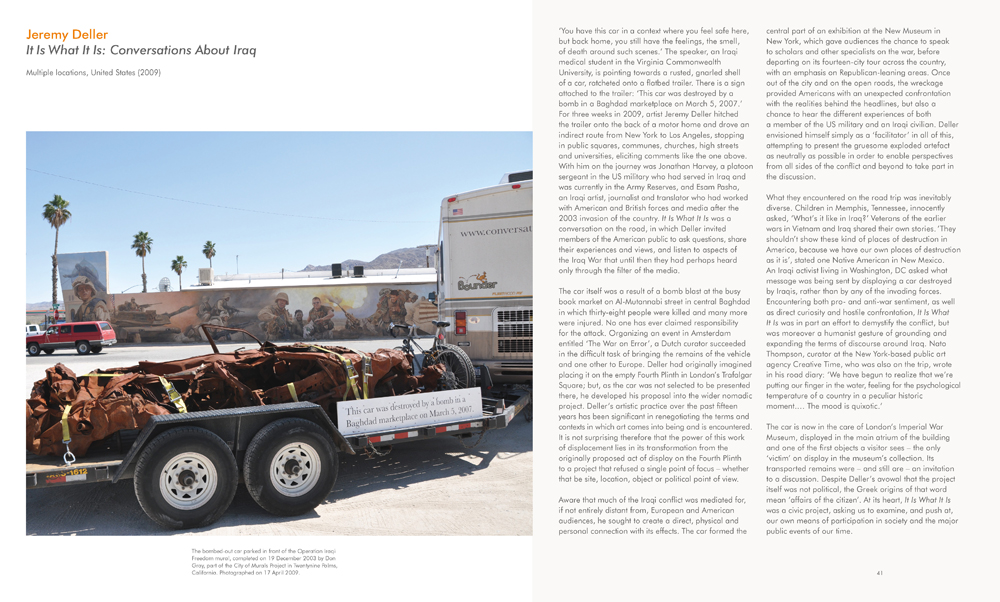
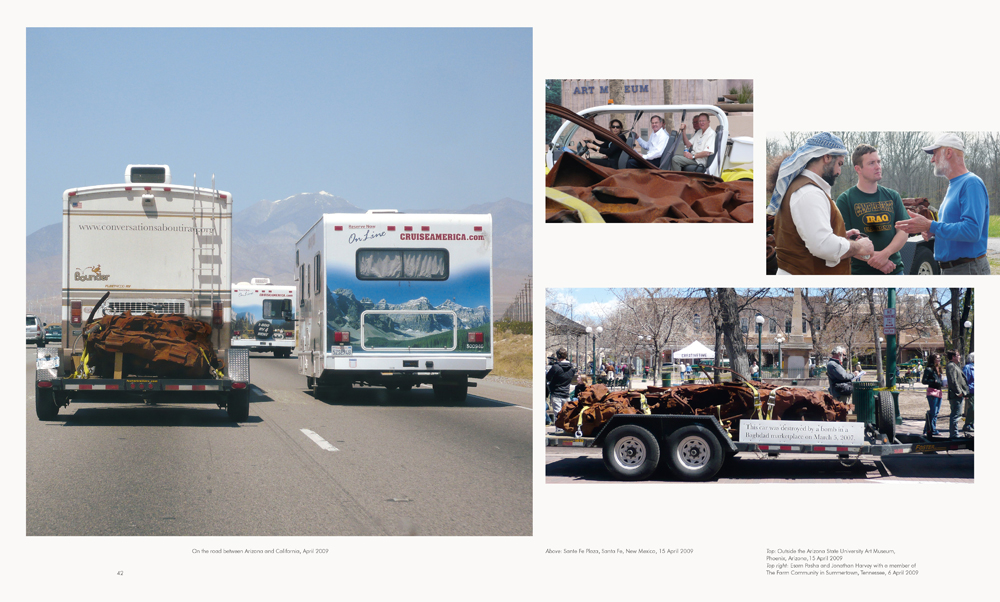
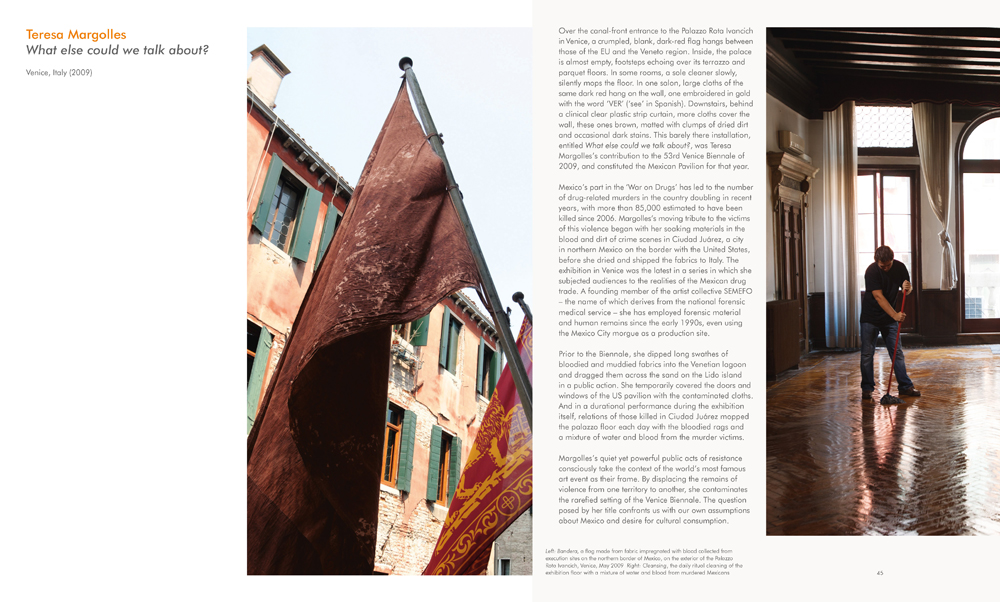
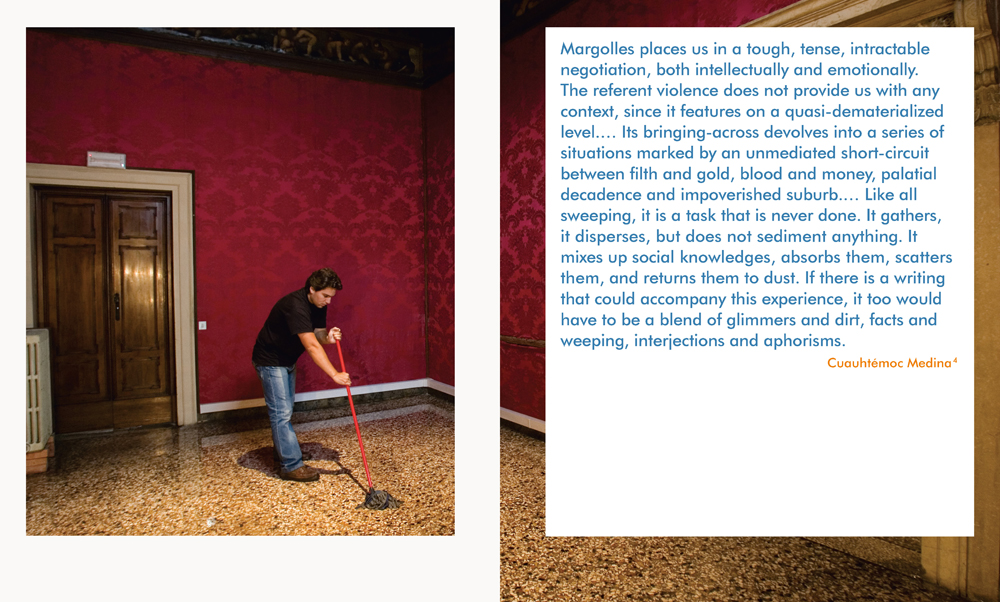
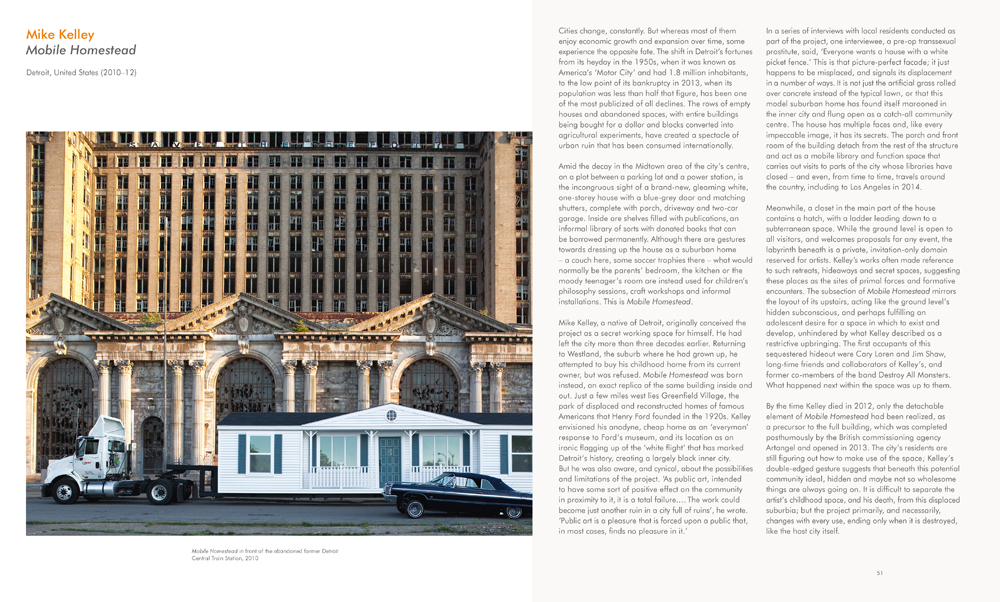
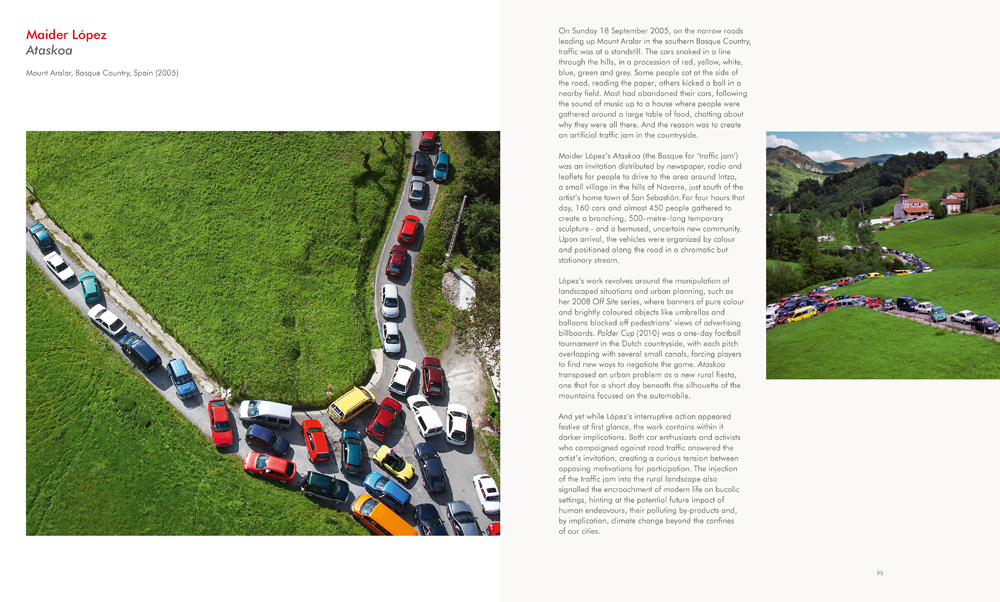
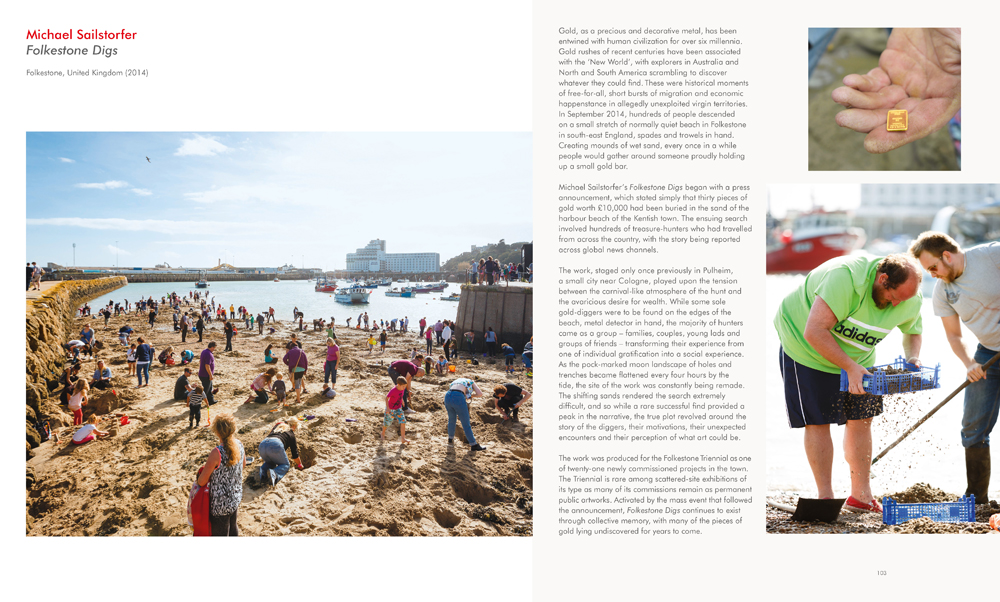
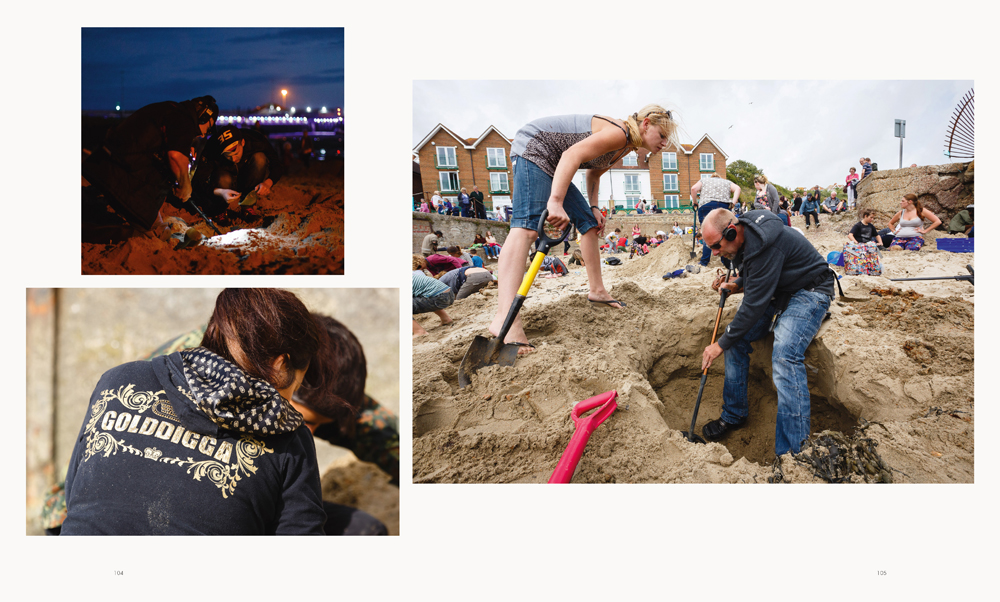
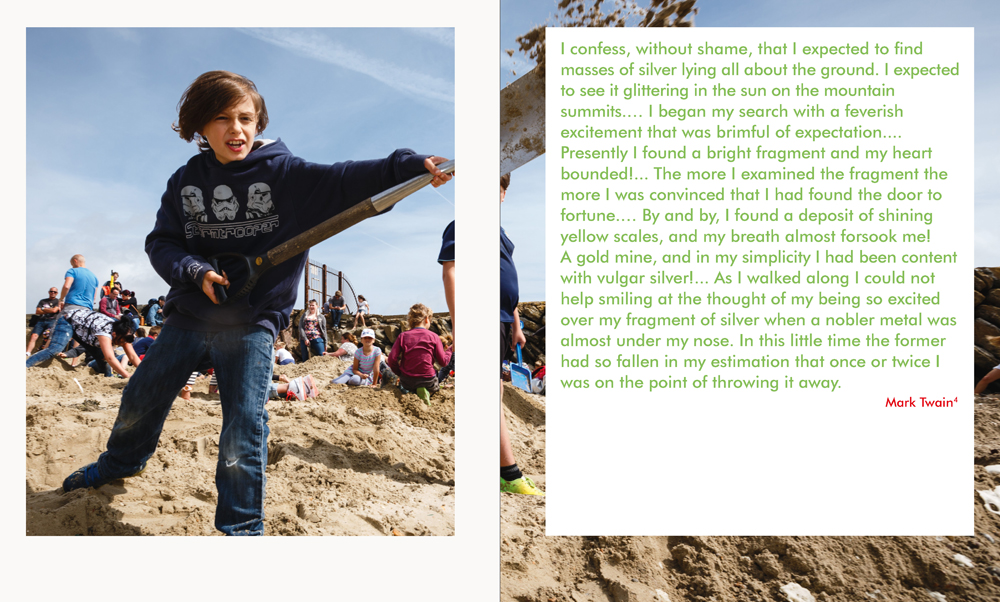
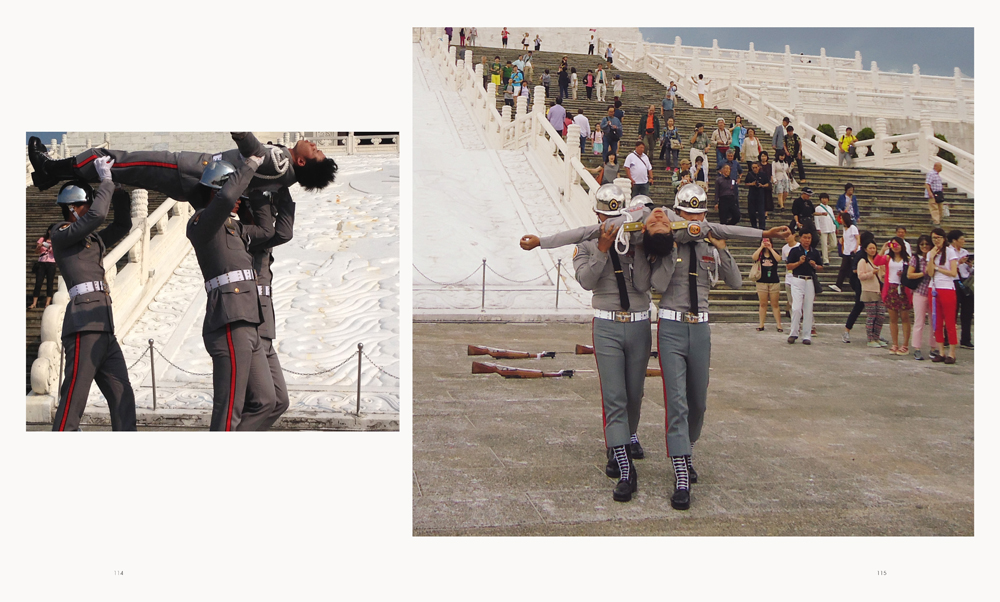
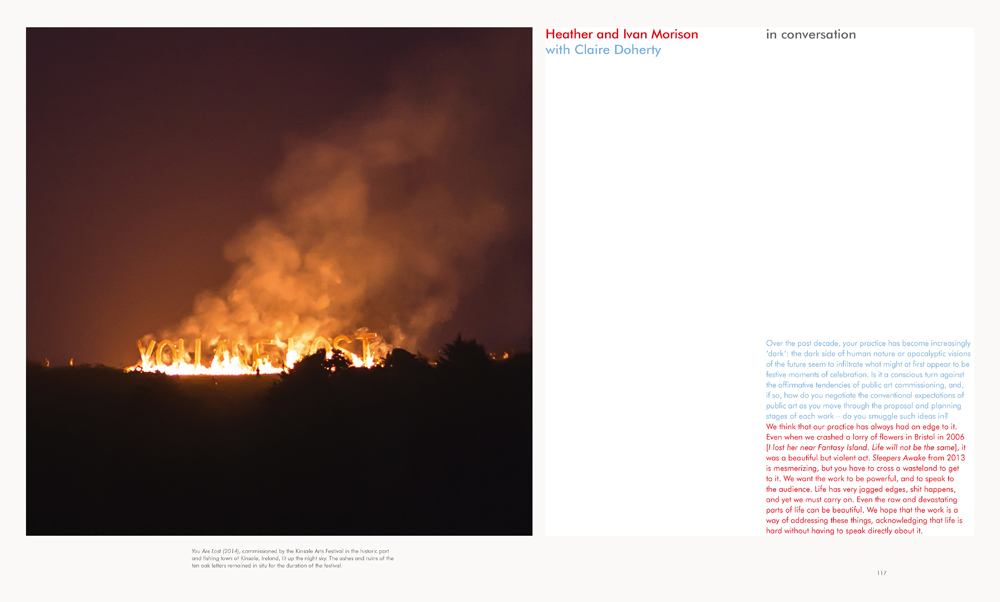
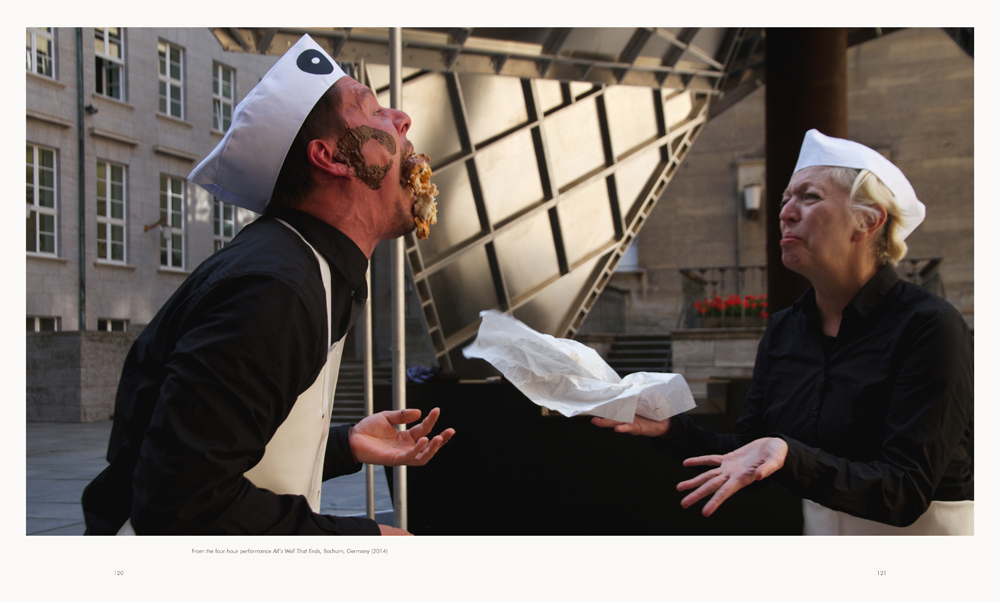
Public Art (Now): Out of Time, Out of Place is the first survey of progressive public art from around the world. It presents some of the most significant artworks in the public realm from the last decade, challenging preconceptions about where, when and how public art takes place.

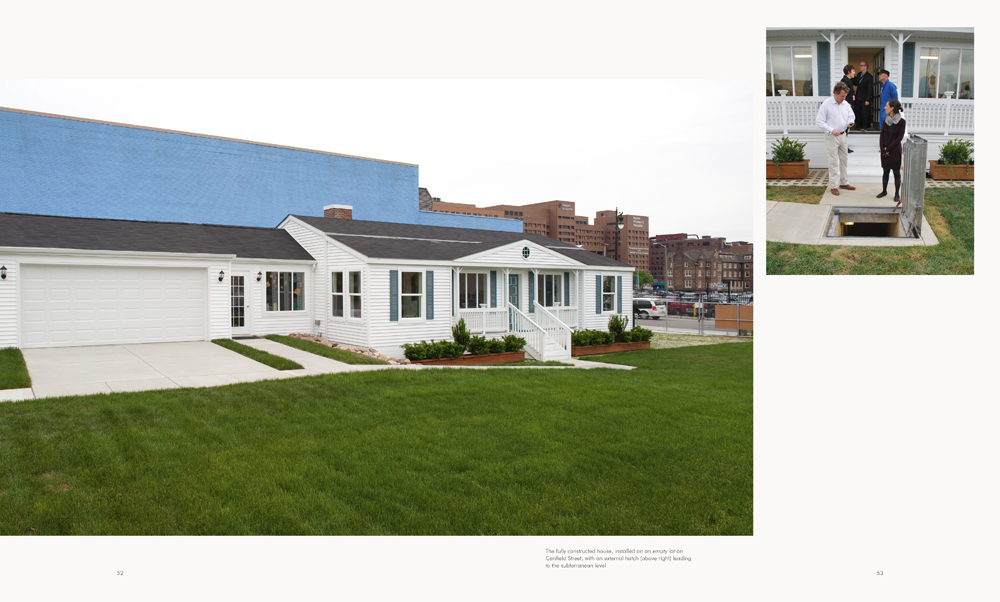
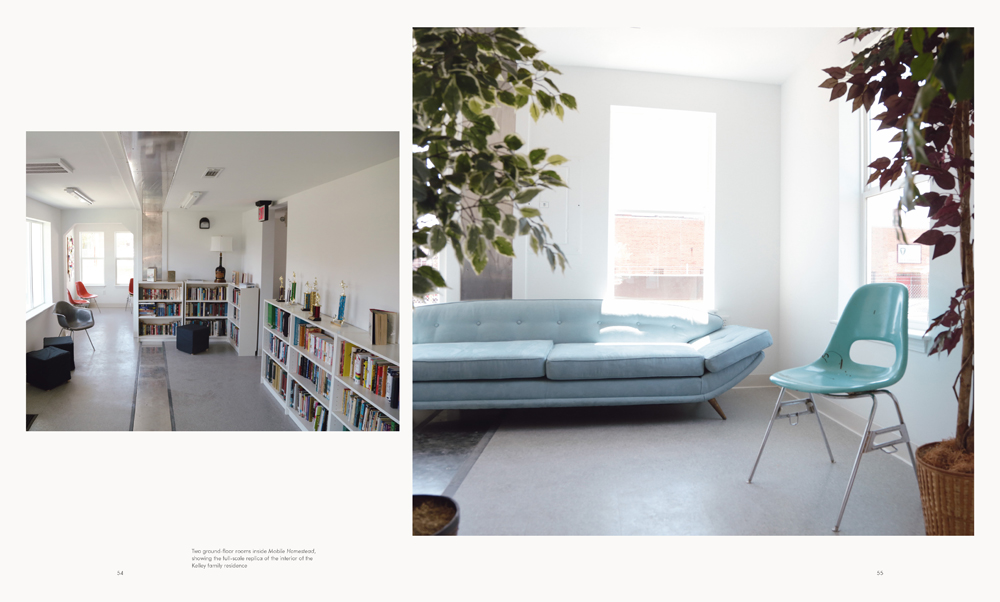
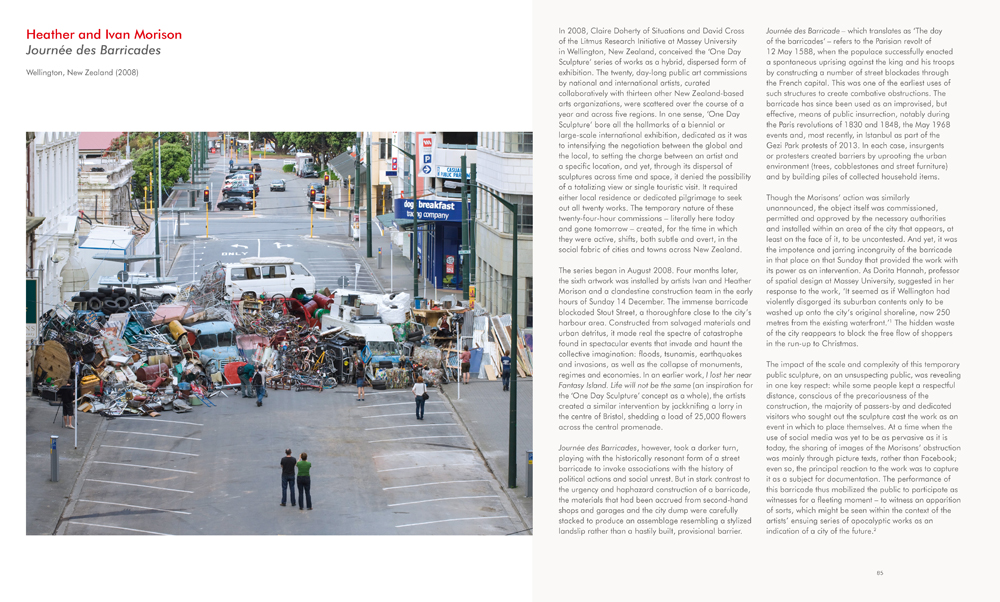
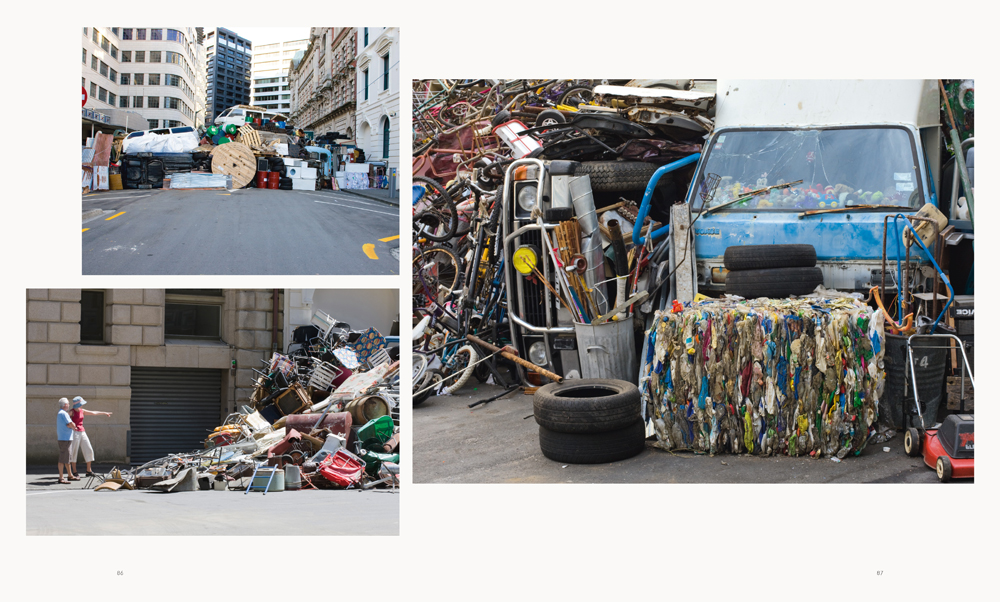
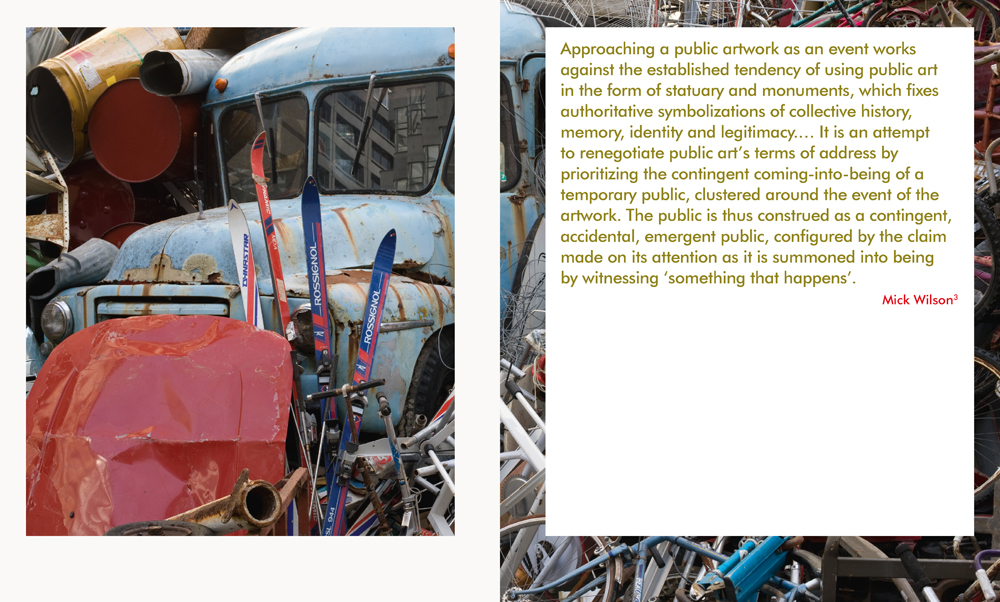
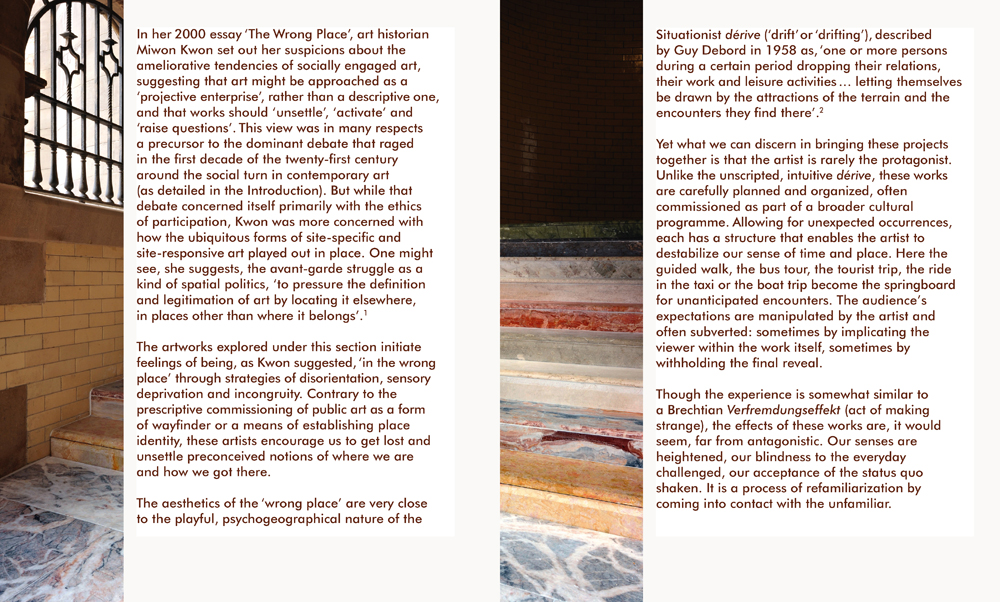
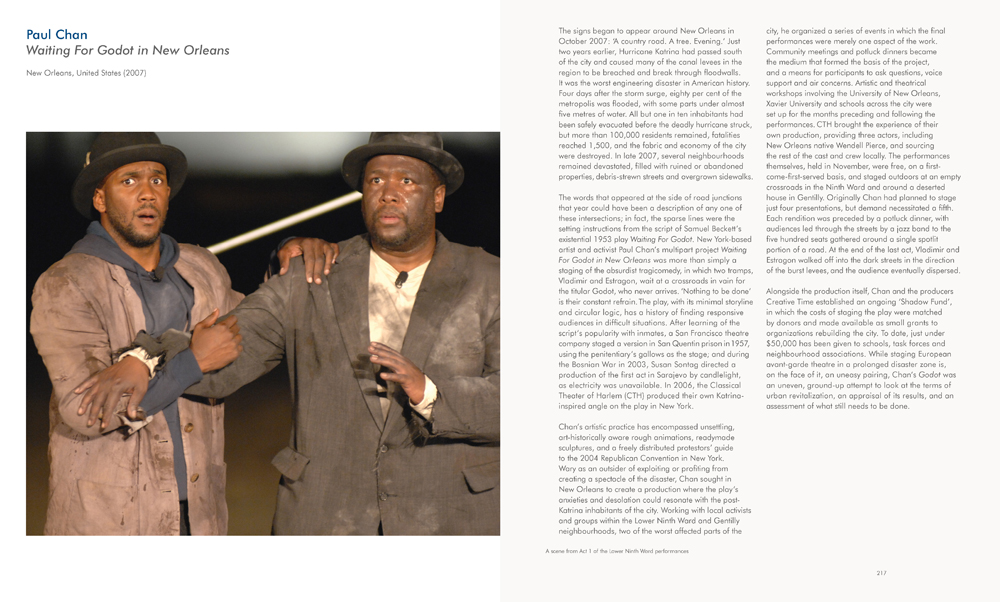
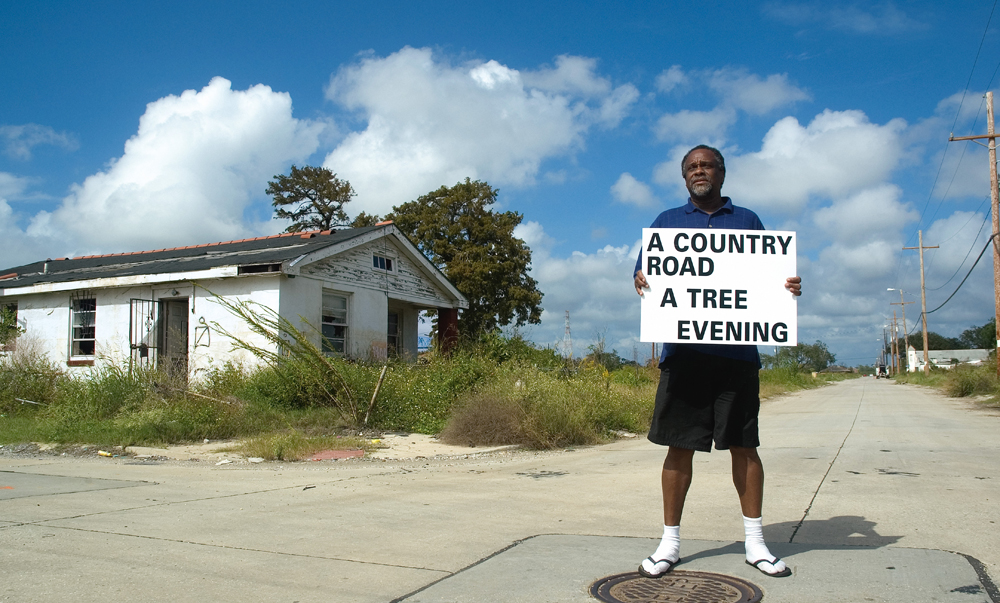
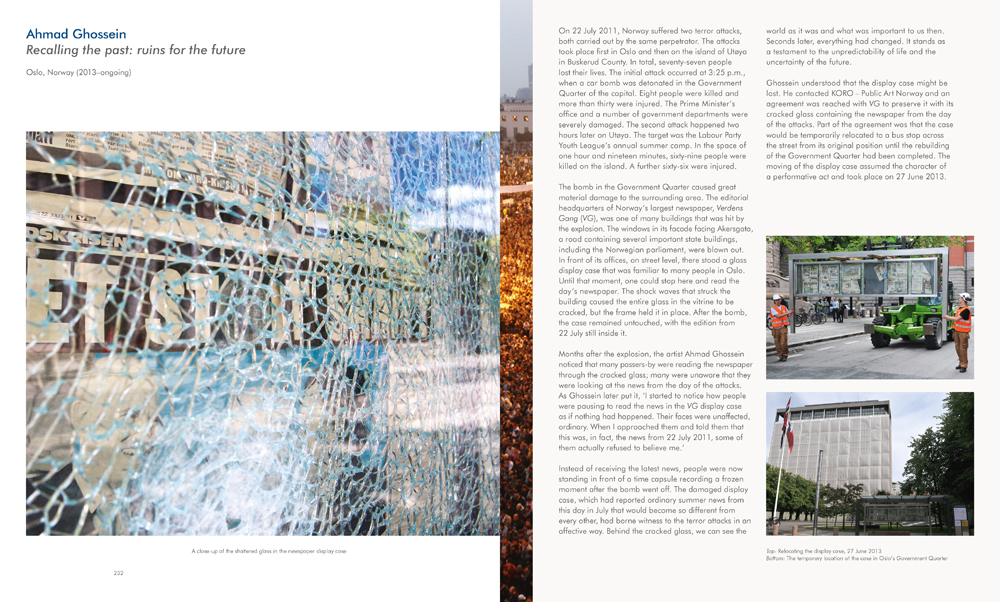
The face of public art is changing. For decades, art in the public realm has been characterized by the landmark sculpture or spectacular outdoor event that helps to define or brand a place. But in recent years, a new wave of international artists and producers has rejected the monumental scale and mass appeal of such artworks. Instead, these individuals and groups favour unconventional forms that unsettle rather than authenticate a place’s identity; disrupt rather than embellish a particular location; and contest rather than validate the design and function of public space. Performed interactions, collaborative social movements and small-scale subversive acts are just some of the unorthodox approaches taken by these artists. Their works challenge preconceived ideas about the role of art in place-making as they seek to remake places through radical forms and practices.

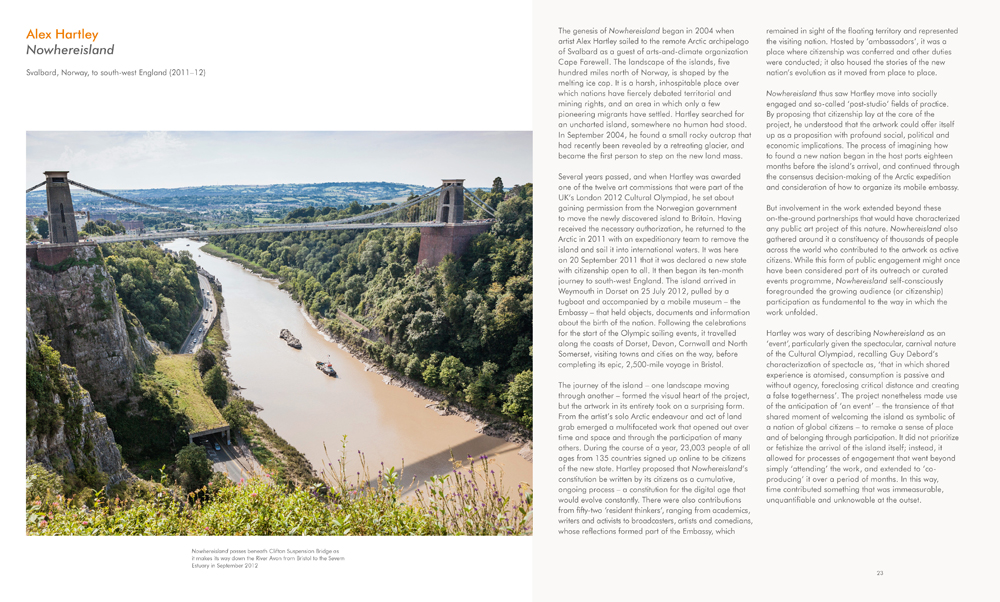
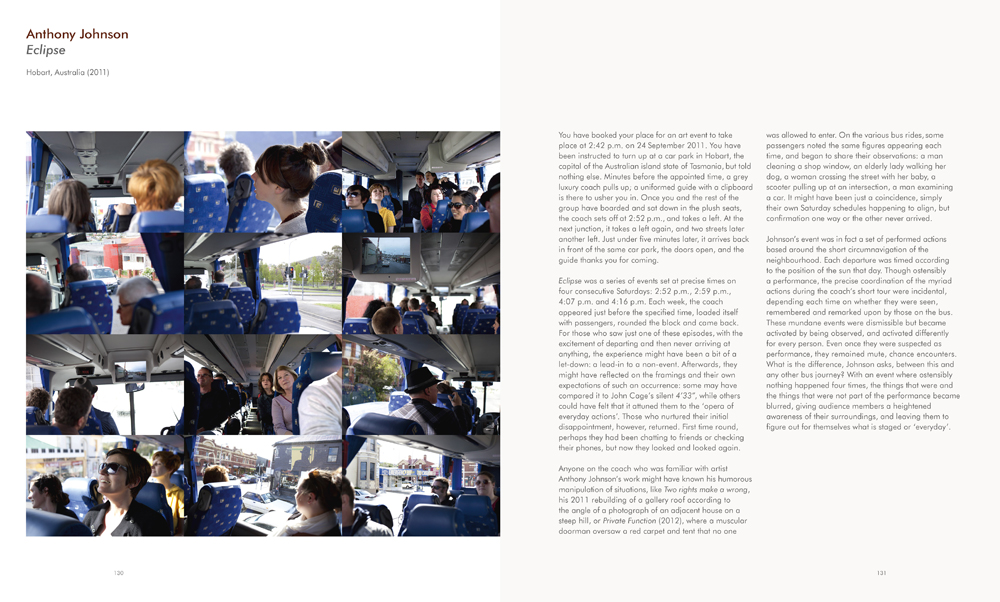
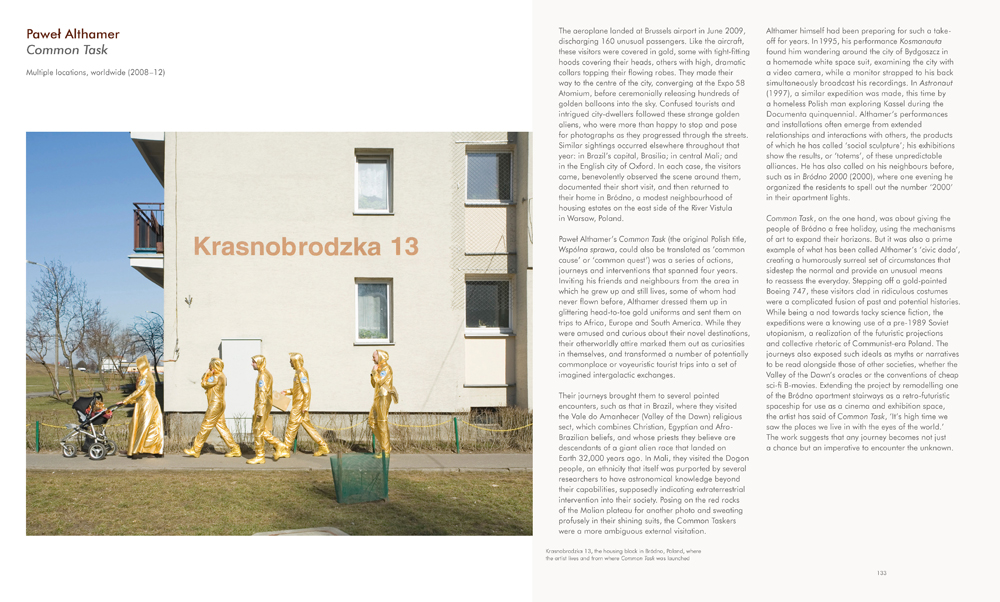
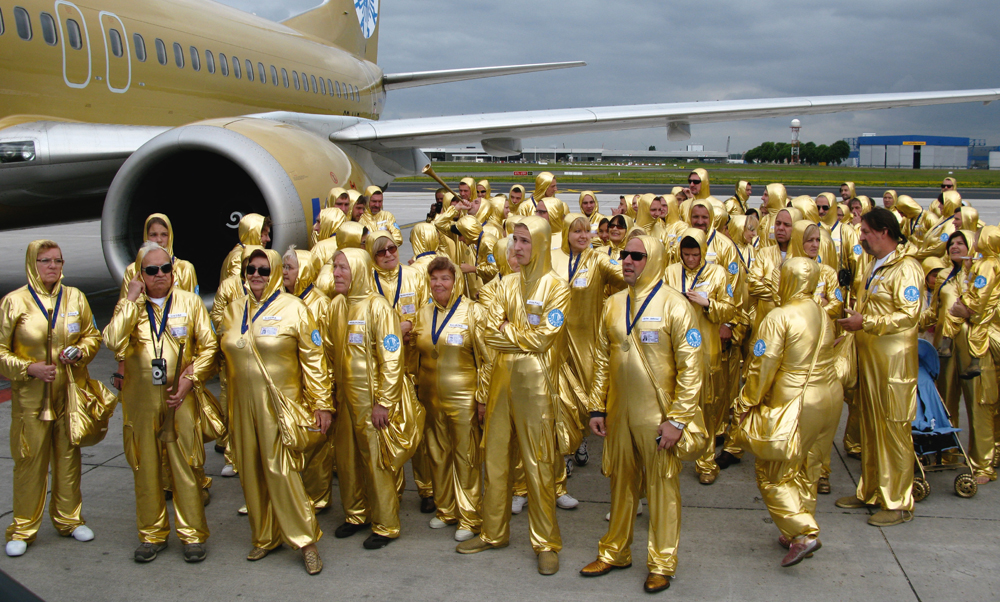
Public Art (Now): Out of Time, Out of Place presents the artists who have been redefining the practice of public art over the past decade. They directly address the most pressing issues of our time, including the encroachment of corporate concerns on public space, the implications of global migration and the isolation of the individual, and the potential of collective action to share the future of our towns and cities. Some forty key works from around the world are organized into five sections – ‘Displacement’, ‘Intervention’, ‘Disorientation’, ‘Occupation’ and ‘Perpetuation’ – with detailed descriptions and dozens of installation and process shots. Interviews and quotes from practitioners, commissioners and commentators reveal the impetus and context for the projects, while the editor’s introduction sets out the conceptual, practical and ethical issues raised by the works.

Bringing together the most significant artworks in the public realm of the last ten years – from ephemeral interventions to long-term ongoing projects – this dynamic survey is an essential reference for anyone interested in the ideas, issues and impulses behind progressive public art, and an accessible introduction to one of the most vibrant areas of contemporary art.

Published in association with Situations, Public Art Agency Sweden, and the European Network of Public Art Producers

Claire Doherty is an award-winning curator and writer, and the founder director of Situations, an internationally renowned commissioner and producer of public art. She was editor of Contemporary Art: From Studio to Situation (2004) and Documents of Contemporary Art: Situation (2009), and co-editor of One Day Sculpture (2009), Locating the Producers: Durational Approaches to Public Art (2011), and Heather and Ivan Morison: Falling into Place (2009). In 2009, she was awarded a prestigious Paul Hamlyn Breakthrough Award as an outstanding cultural entrepreneur.


A K Dolven

Please Return

Edited by Gaby Hartel
With texts by Ina Blom, Gaby Hartel, Esther Kinsky, Thomas Macho, Mark Ravenhill and Jonathan Watkins

‘Supremely elegant’ — Apollo

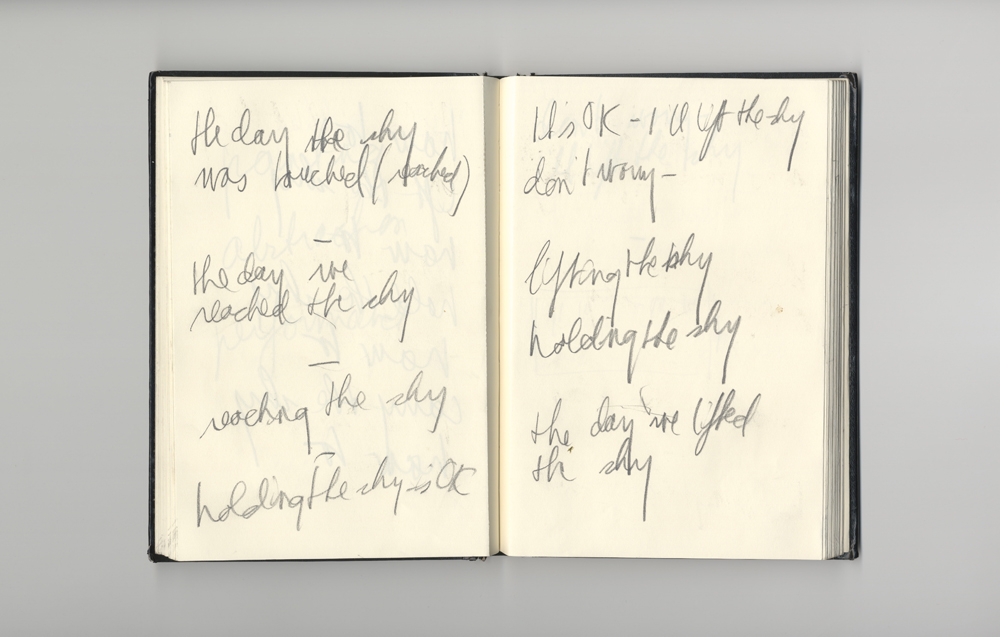
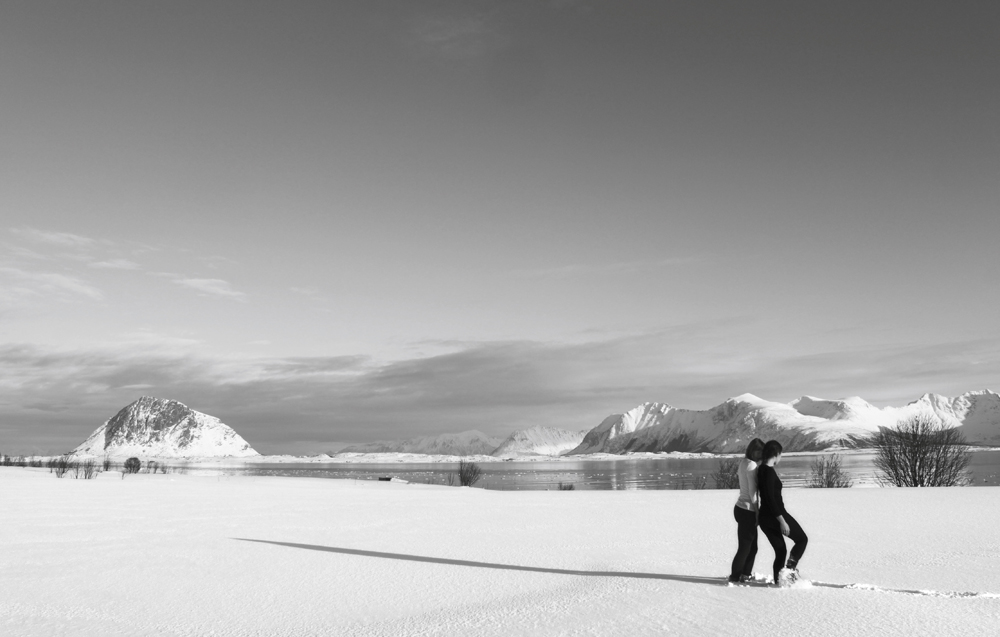
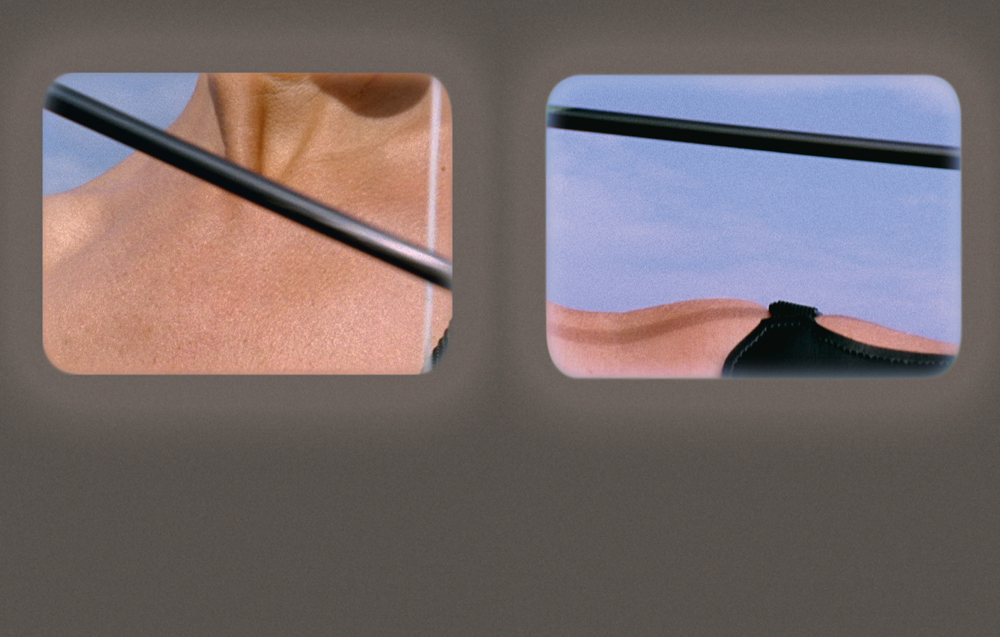
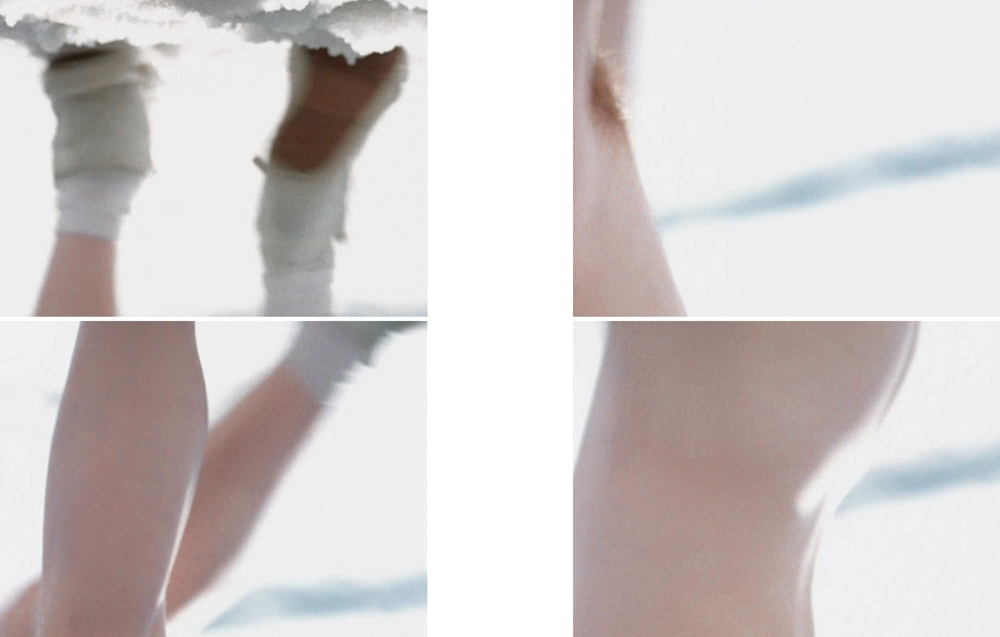
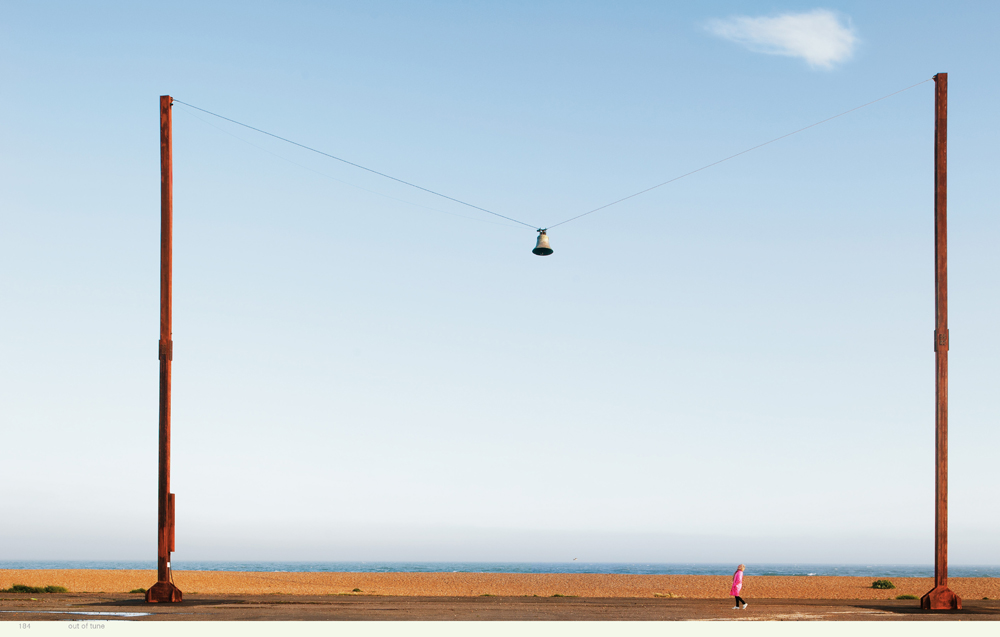
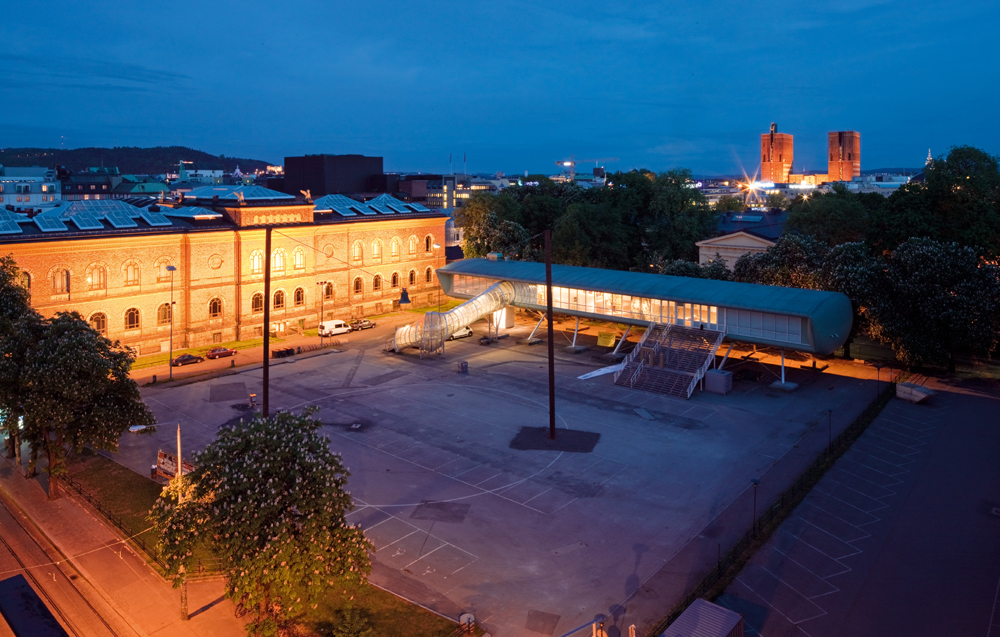
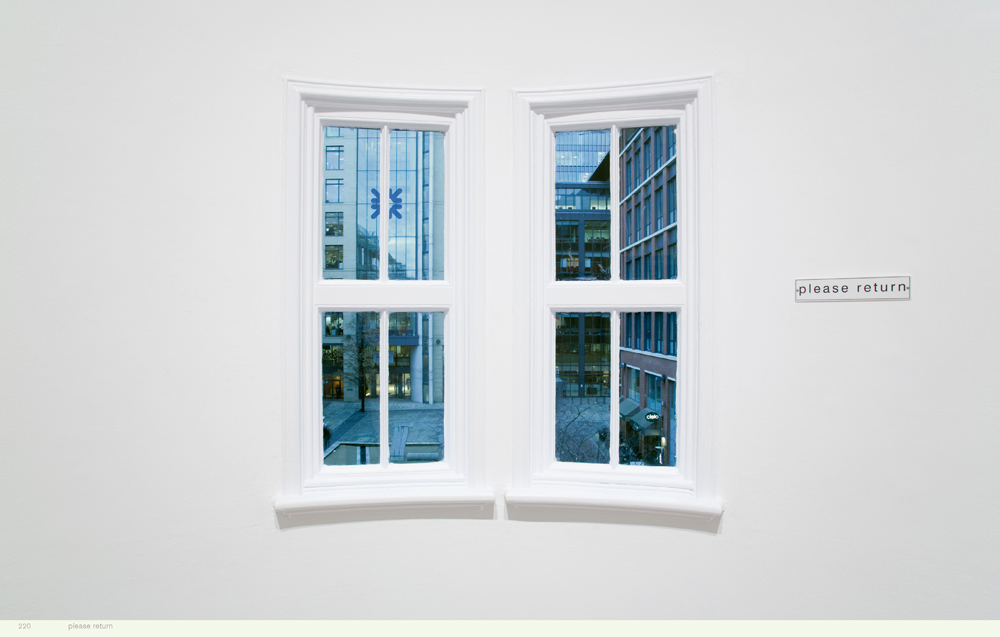
Since the 1990s, acclaimed London-based Norwegian artist A K Dolven has produced a substantial body of work exploring the relationship between individuals and the perception of their environment, the connections that bind inner and outer realities, and the representation of sublime natural forces. Using a diverse range of media, including painting, film, sound and large-scale sculptural installation, she combines seemingly simple, almost minimalistic elements to create complex responses to a particular locale – especially the frozen landscapes of the Arctic Circle in her native Norway – while maintaining a universal voice that resonates far beyond the specifics of the place. Frequently immersive in nature, her works investigate but also induce feelings of discomfort and disorientation in the eye, body and mind of the viewer, an impression of forever being at odds with one’s surroundings as encountered through the various senses.

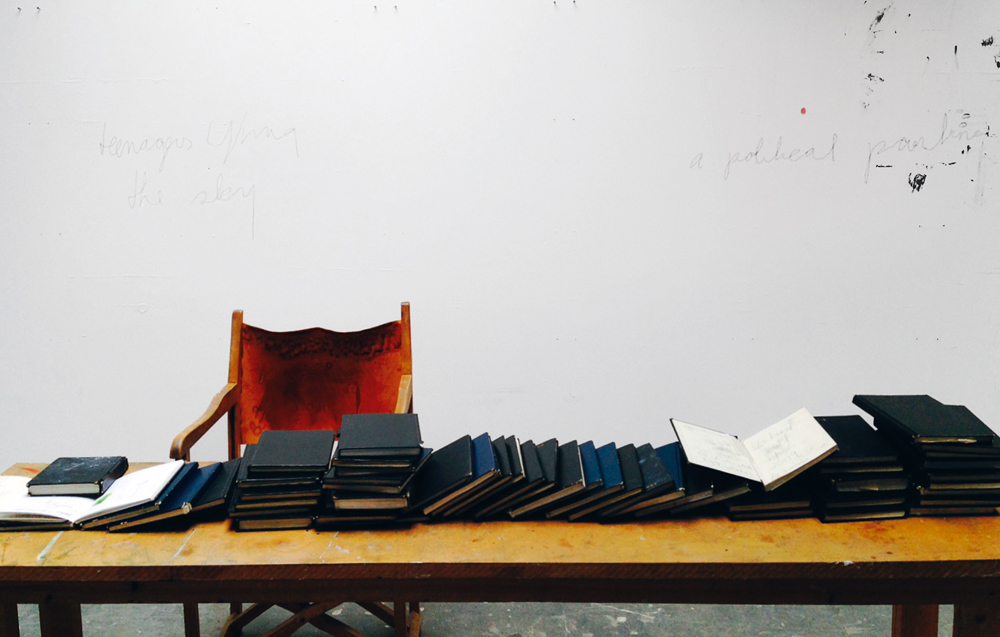
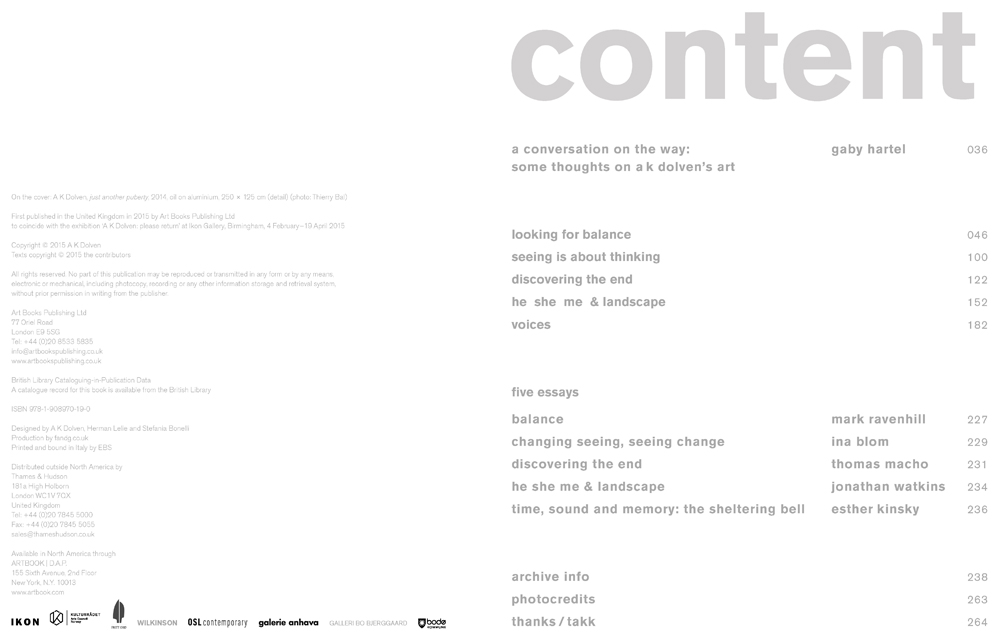
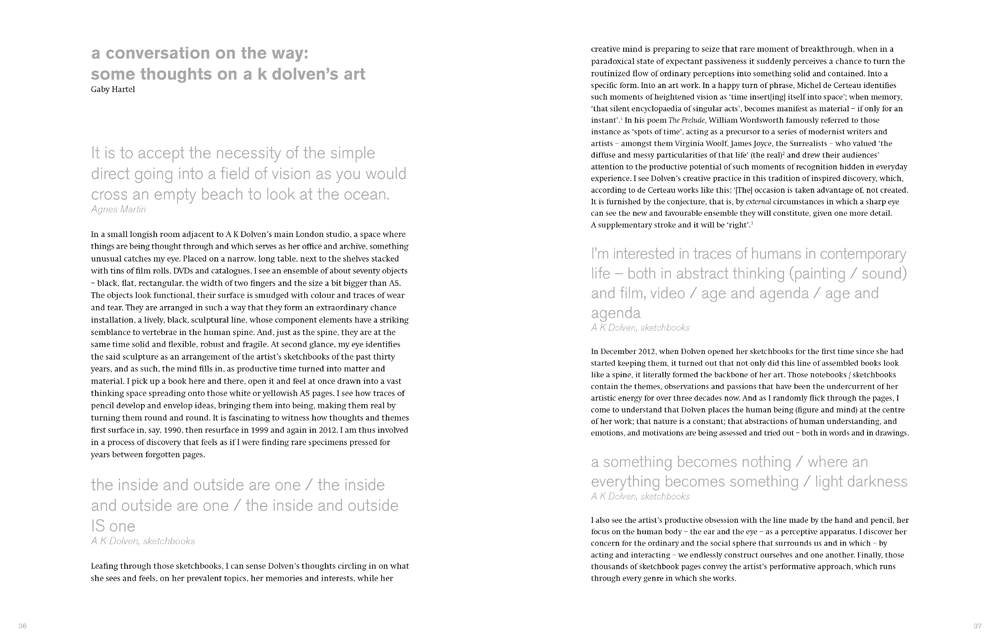
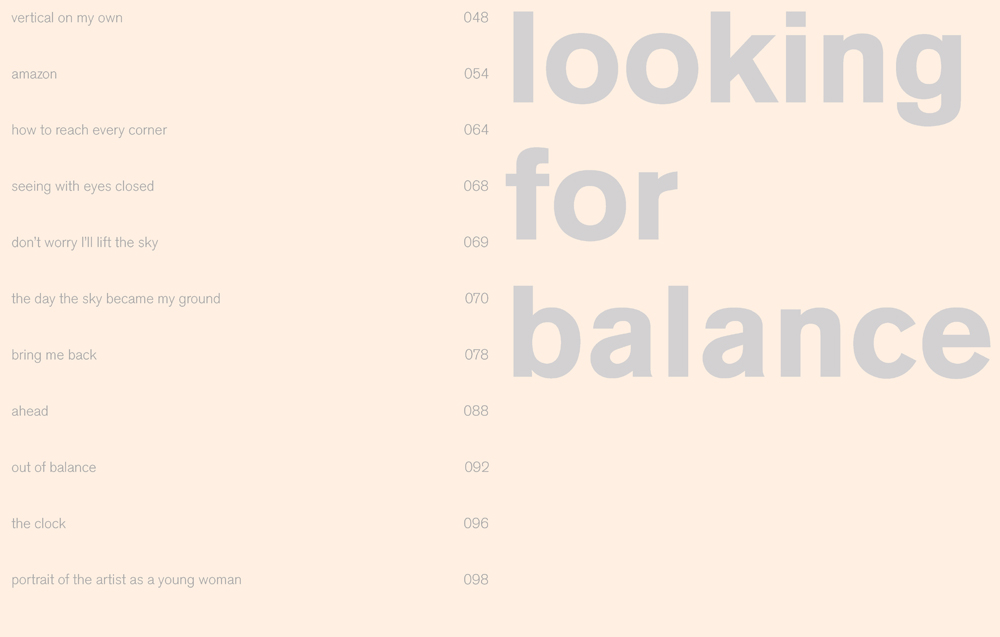
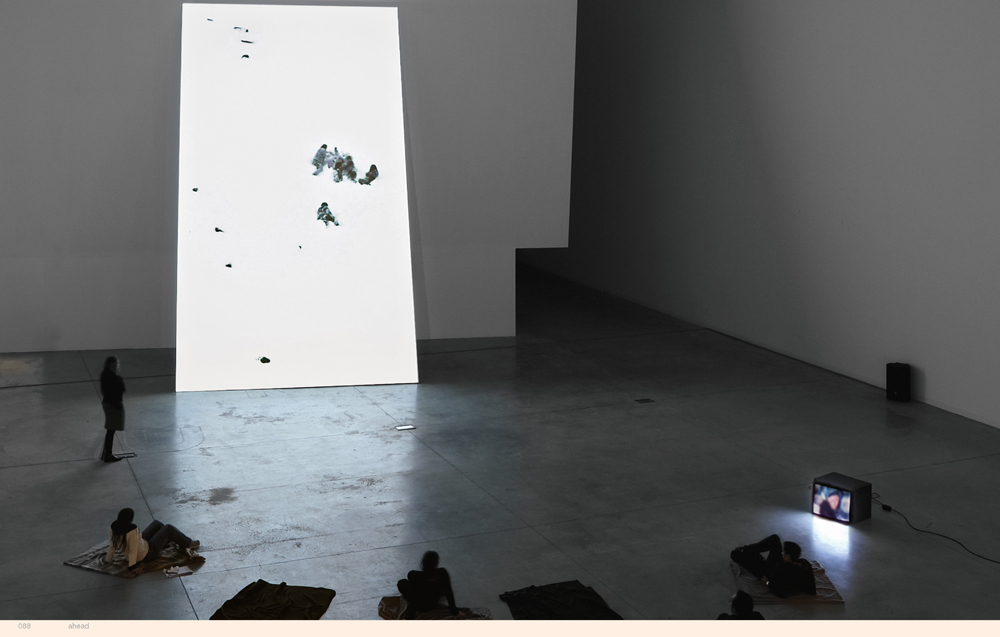
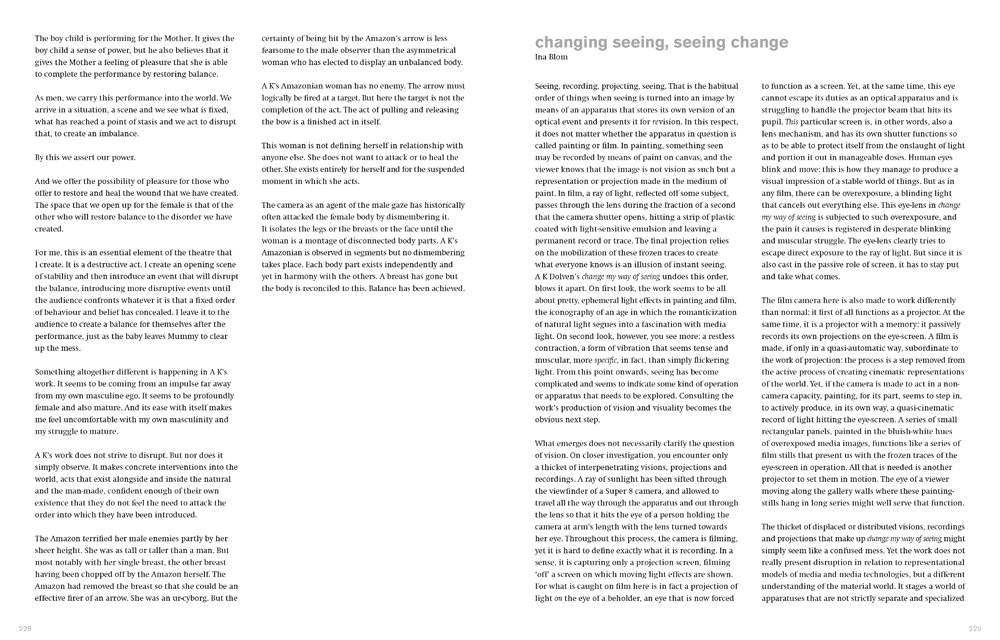
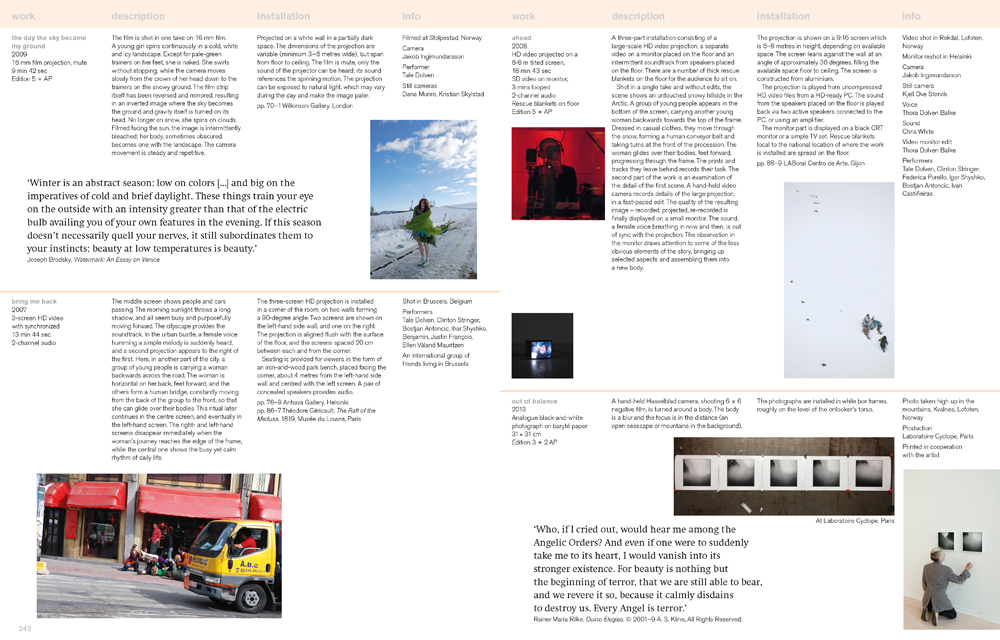
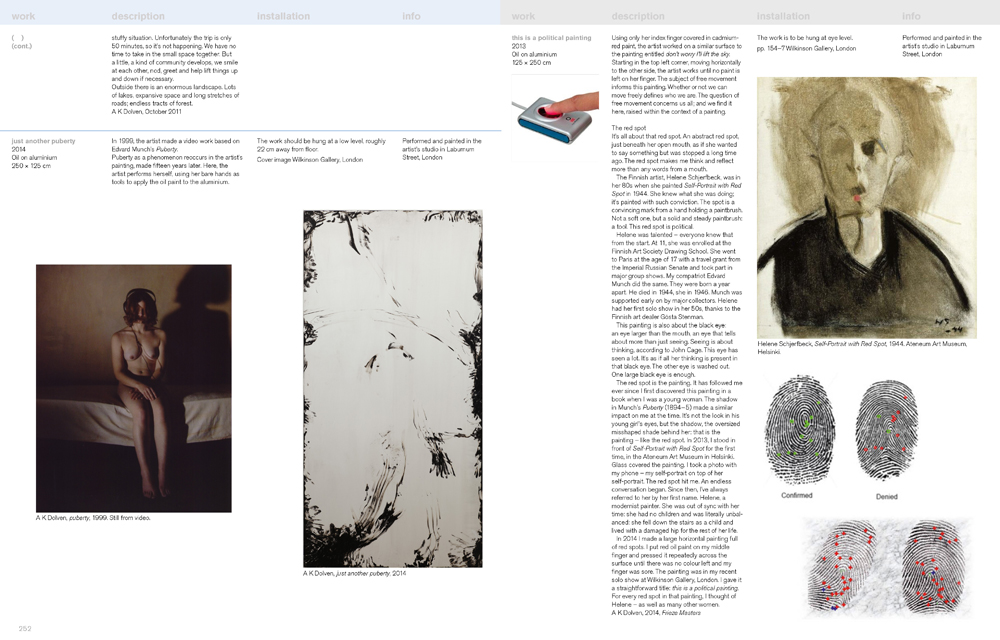
Coinciding with a solo exhibition at the Ikon Gallery, this compelling book presents the past decade of the artist’s practice. In five themed chapters, each artwork is shown in a series of large-scale installation shots and details that replicate the spatial and physical impact of the piece itself. Texts by five internationally renowned writers and thinkers illuminate various aspects of the artist’s work, addressing, among other things, its political significance, emotional intensity and philosophical depth. An introduction by Gaby Hartel considers the importance of A K Dolven’s sketchbooks to the genesis of her ideas, while an illustrated guide to the works presents the artist’s own detailed description of each one with supporting installation notes and background source material.

A K Dolven is one of Norway’s best-known and most highly acclaimed artists. Since 1997, she has lived and worked between London and Lofoten, Norway, and has exhibited widely across Europe, America and Asia. Her work is in major public and private collections around the world. She was awarded the German Fred-Thieler Prize in 2000 and the Swedish Prince Eugen Medal in 2005. In 2013, she was commissioned by the University of Cambridge to create a permanent public artwork in the city.

Ina Blom is an art critic, curator and art historian based in Oslo, Norway. Since 2001, she has been Associate Professor at the Department of Philosophy, Classics, History of Art and Ideas at the University of Oslo. She is a member of the editorial boards of Art History, Journal of the Association of Art Historians and Konsthistorisk Tidsskrift, and is a contributor to Artforum, Parkett, Afterall and Texte zur Kunst

Gaby Hartel is a cultural journalist, radio broadcaster and literary translator based in Berlin and London. She has published extensively on contemporary art, sound and literature.

Esther Kinsky is an award-winning writer and literary translator living and working in Berlin and 
Battonya, Hungary. Her first novel, Summer Resort, was 
published in English in 2011. In 2014, she was longlisted for Deutscher Buchpreis, for her novel Am Fluss, based on a series of walks along London’s River Lea.

Thomas Macho is a philosopher, curator and professor of cultural theory and history at the Humboldt-Universität zu Berlin, Institut für Kulturwissenschaft, which he co-founded. He has published widely on music and art, metaphors of death, silence, and representations of contemporary identity. 

Mark Ravenhill is a playwright, actor and journalist. His plays include Shopping and Fucking (1996), Some Explicit Polaroids (1999) and Mother Clap’s Molly House (2001). In 2012, he became the Royal Shakespeare Company’s Writer in Residence, and is Associate Director of London’s Little Opera House at the King’s Head Theatre. He is a regular contributor to the Guardian.

Jonathan Watkins is an internationally renowned curator and writer and the director of Ikon Gallery in Birmingham, United Kingdom. He has curated significant exhibitions in many countries and directed several important biennials and triennials, including those in Venice, Sydney, Guangzhou, Shanghai, Sharjah and London.


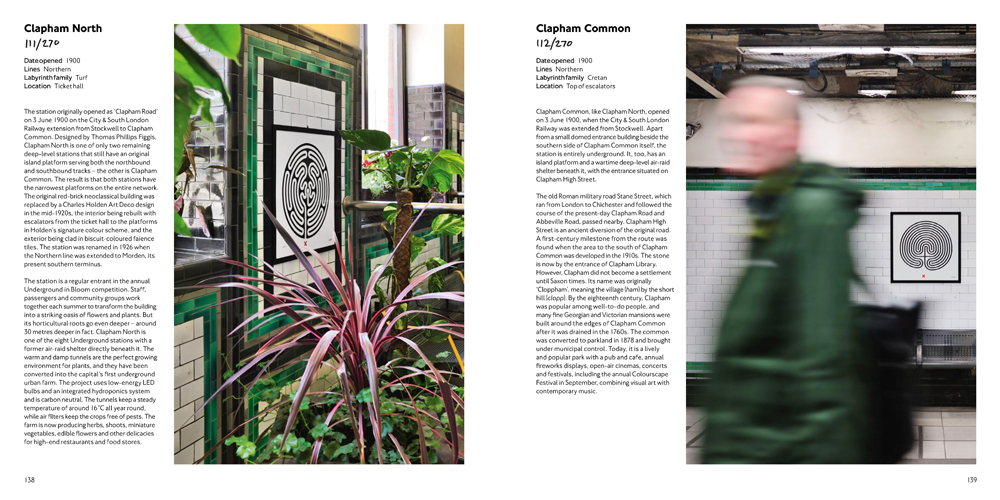
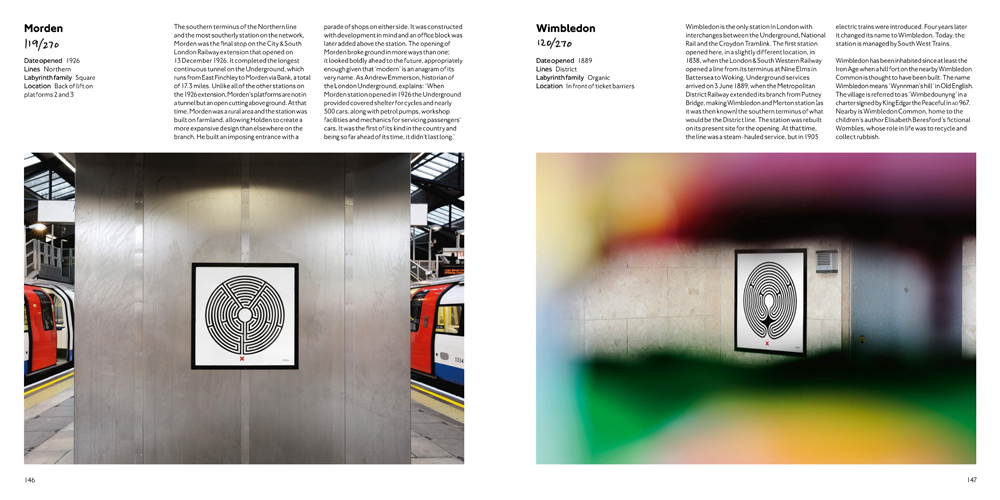
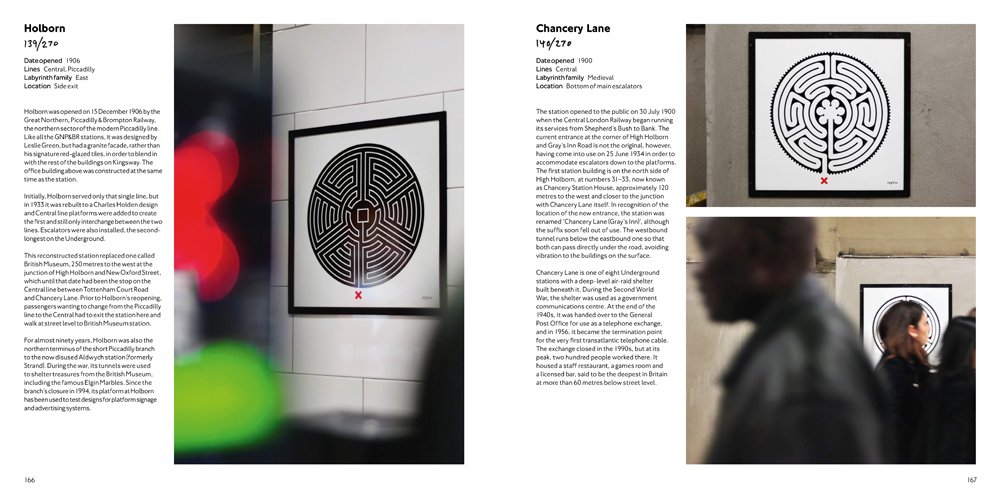
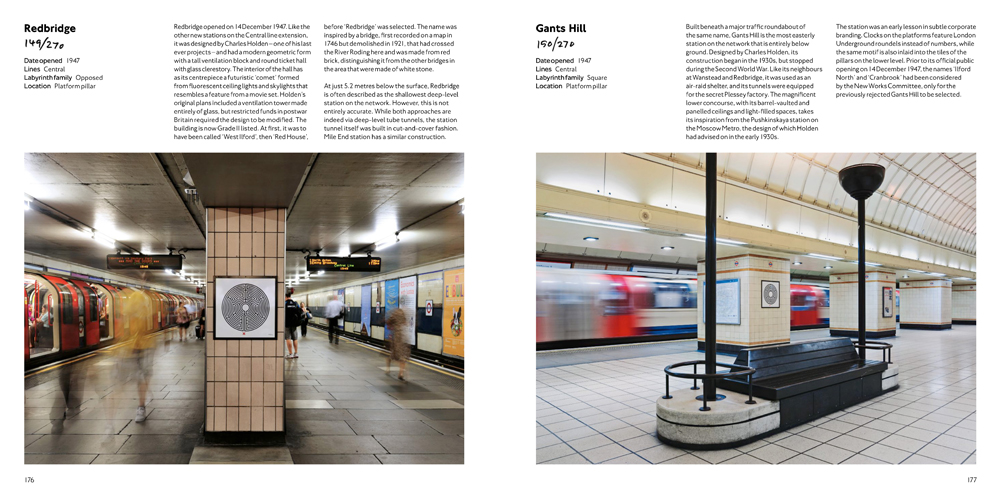
Labyrinth

A Journey Through London’s Underground
by Mark Wallinger

Edited by Louise Coysh
With contributions by Tamsin Dillon, Will Self, 
Mark Wallinger, Marina Warner and Christian Wolmar
Photographs by Thierry Bal
Design by Rose

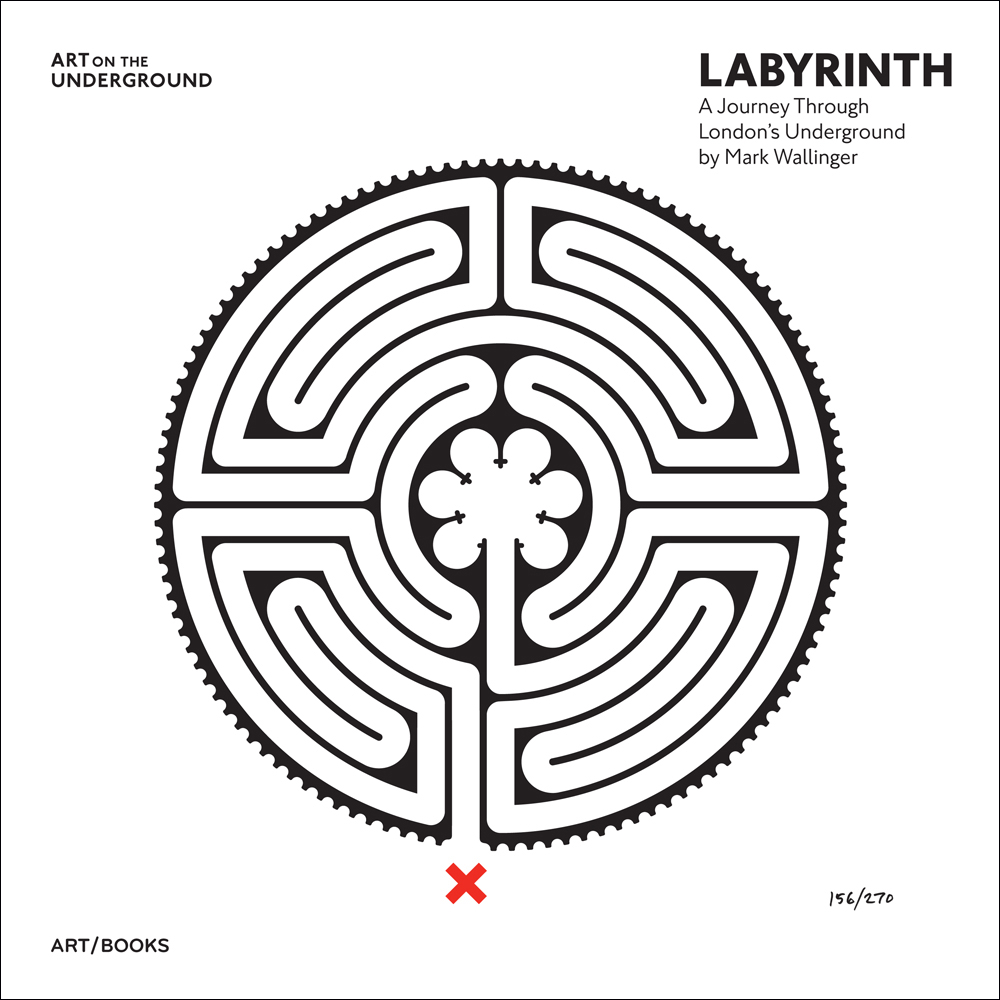
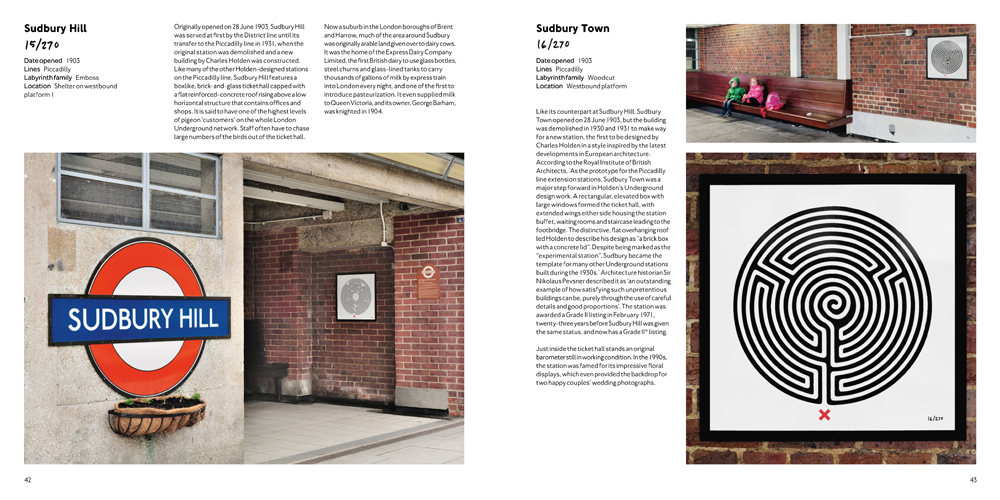
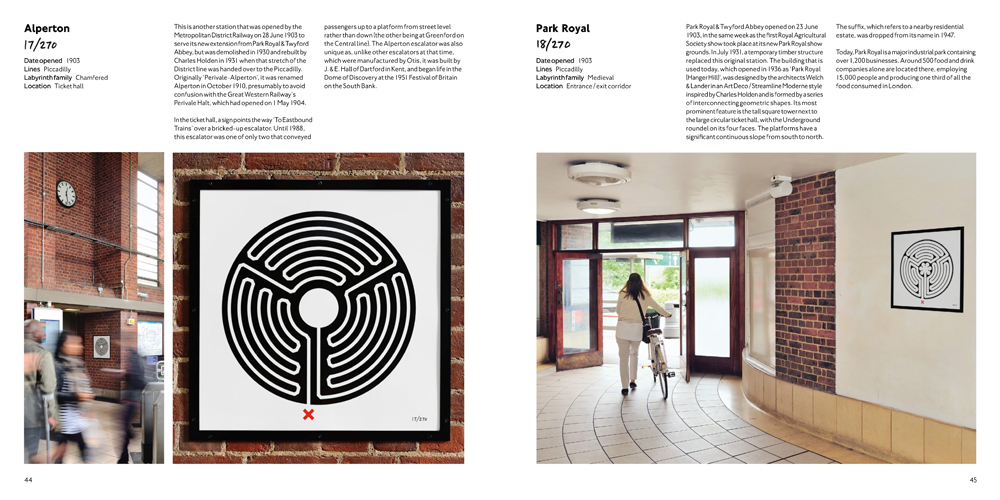
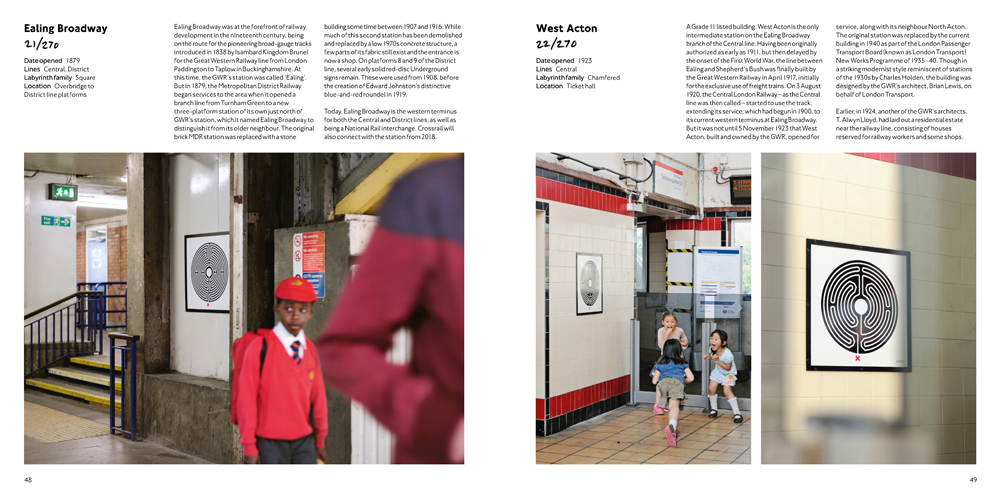
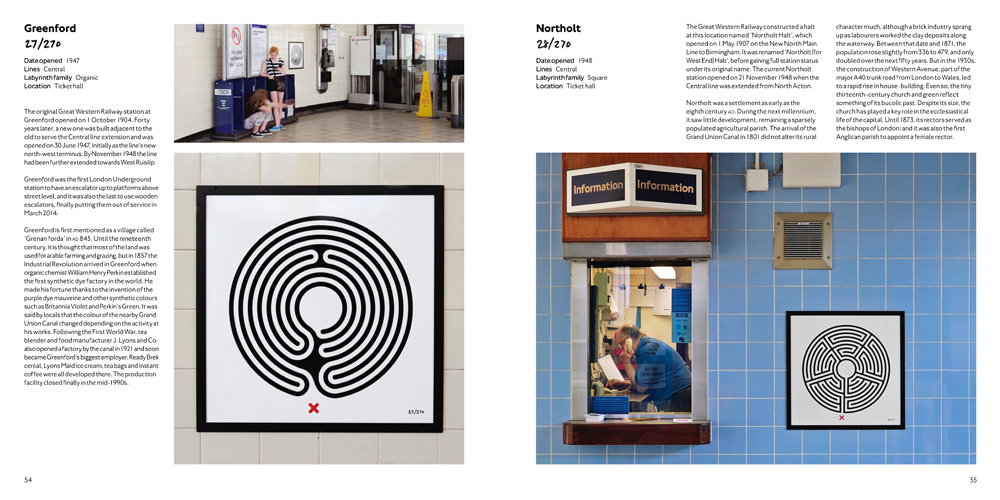
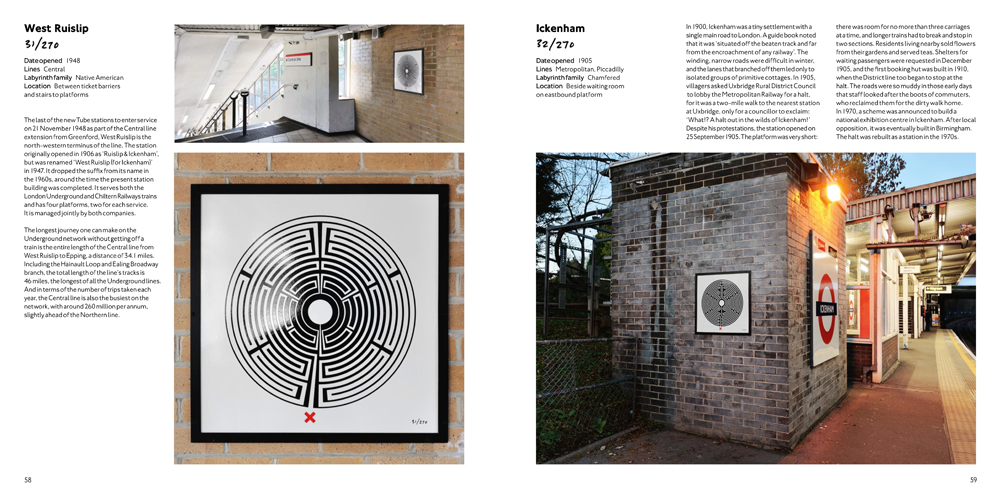
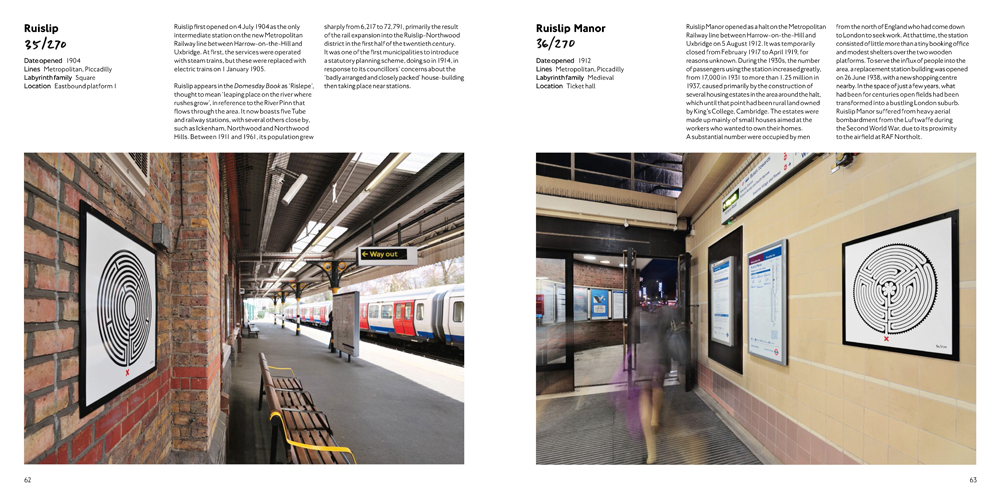
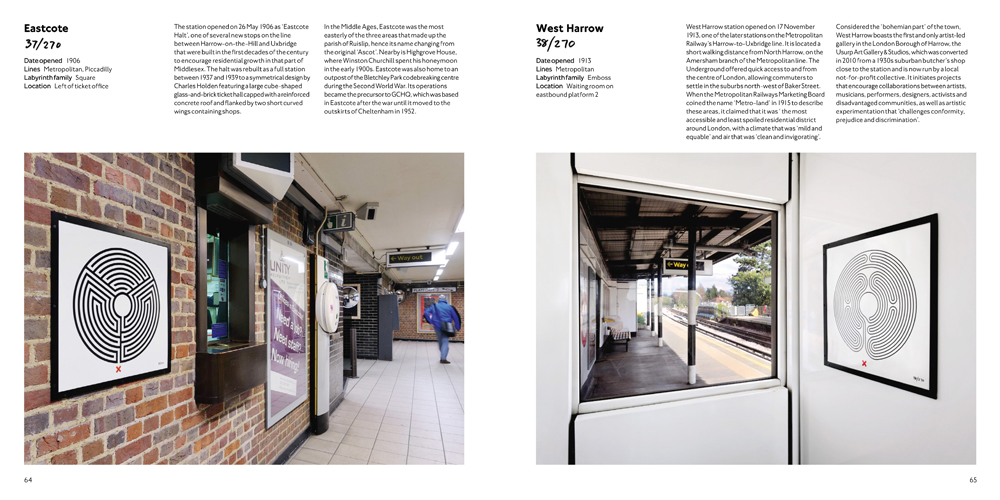
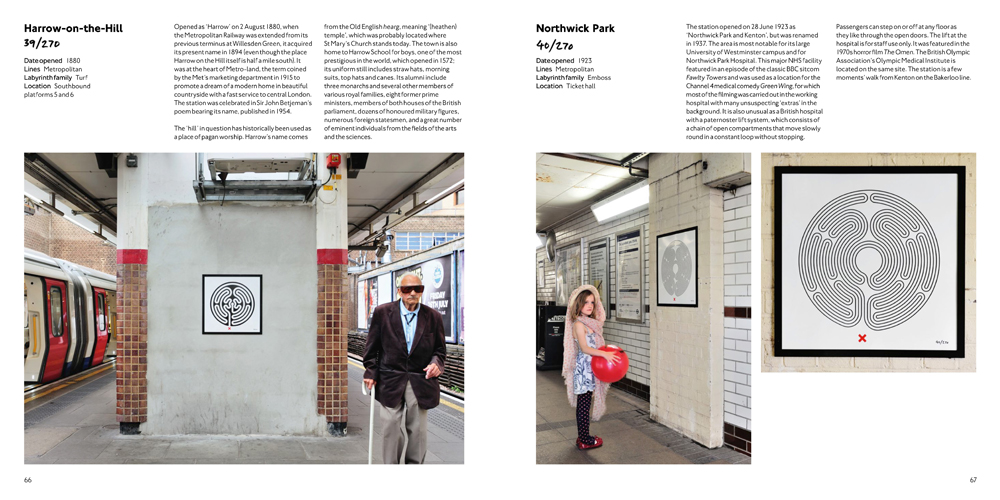
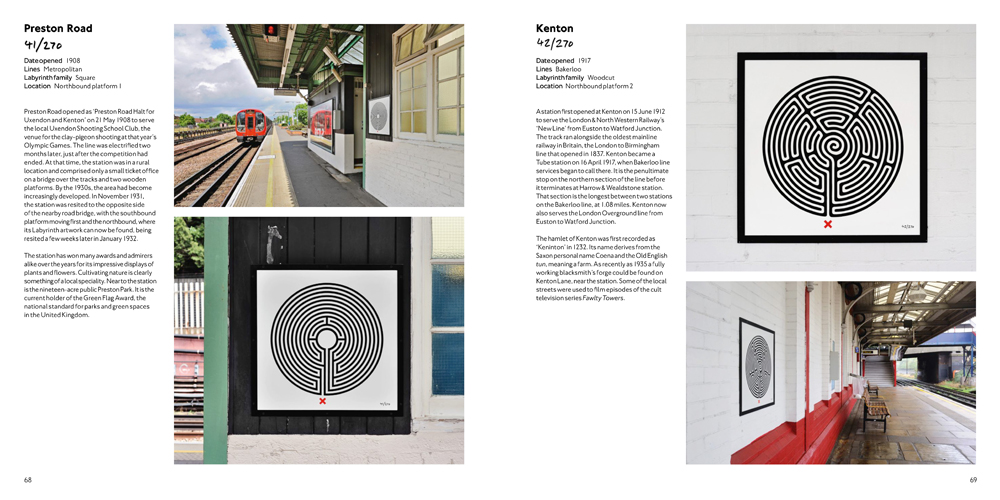
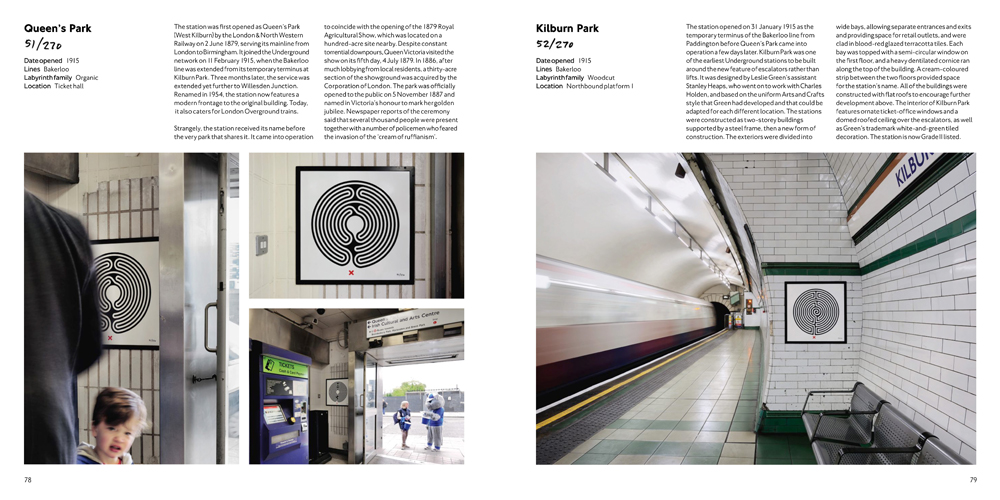
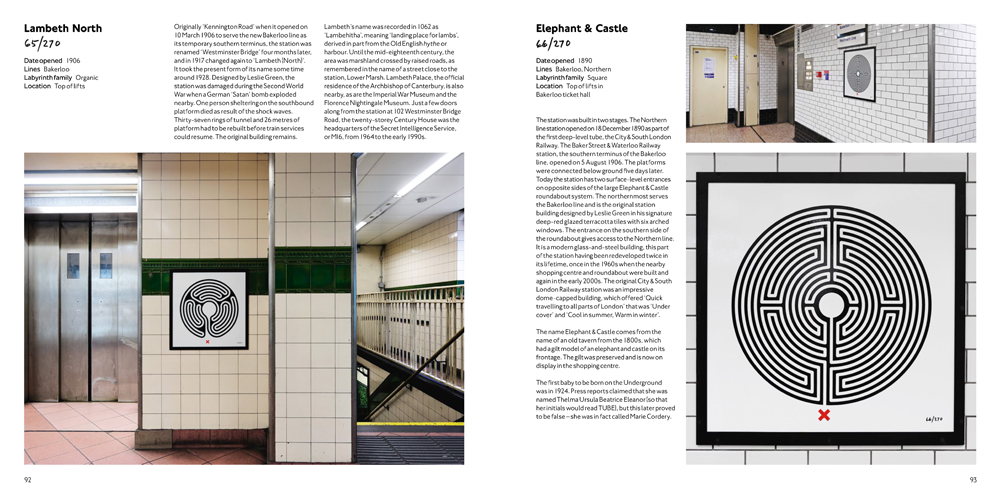
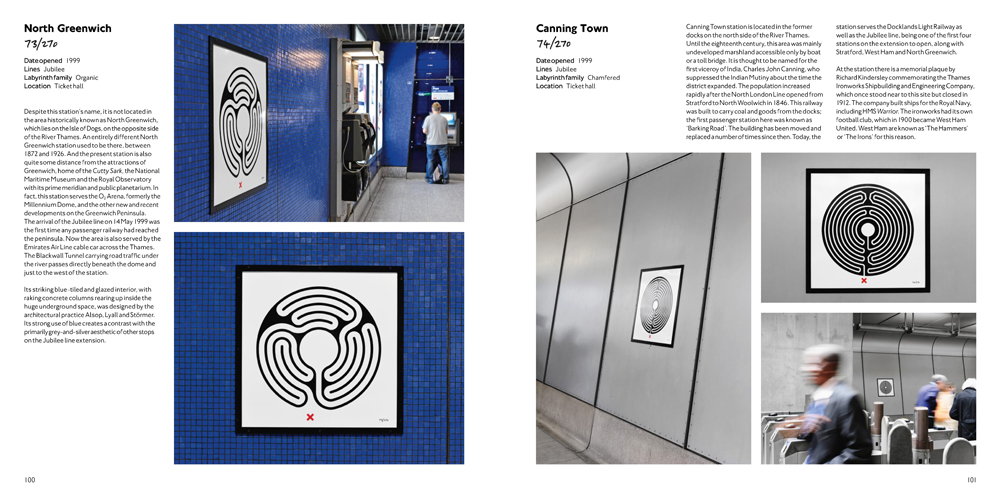
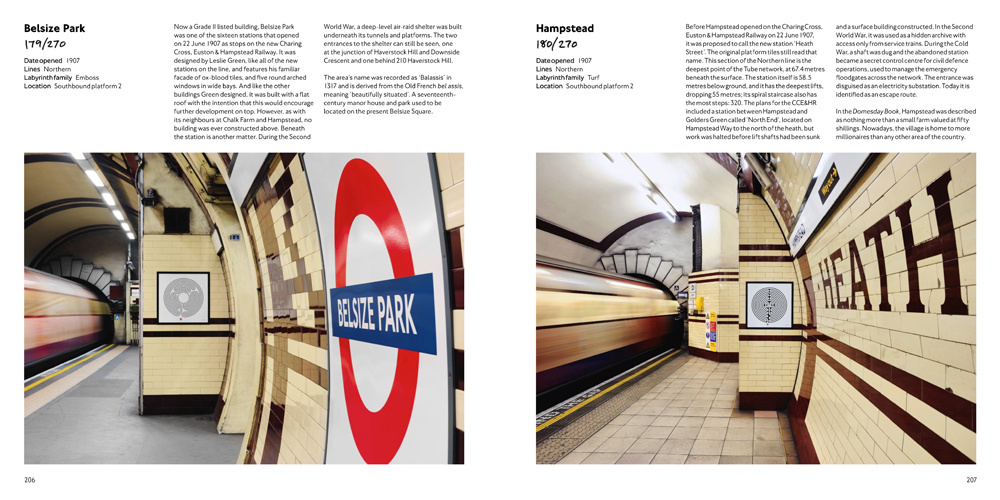
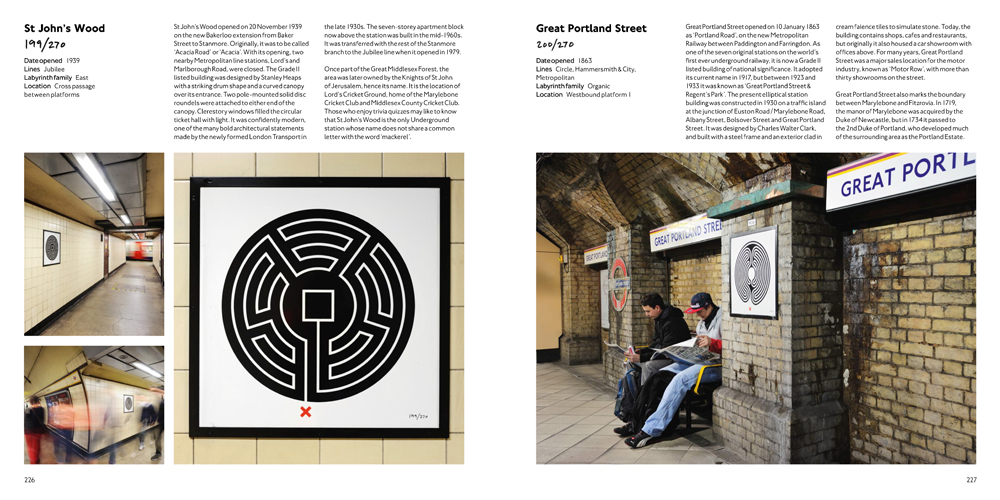
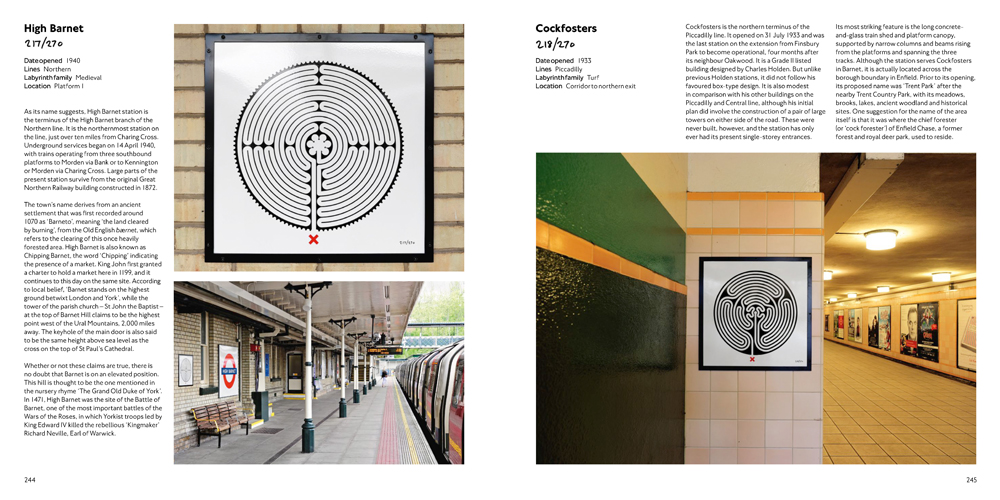
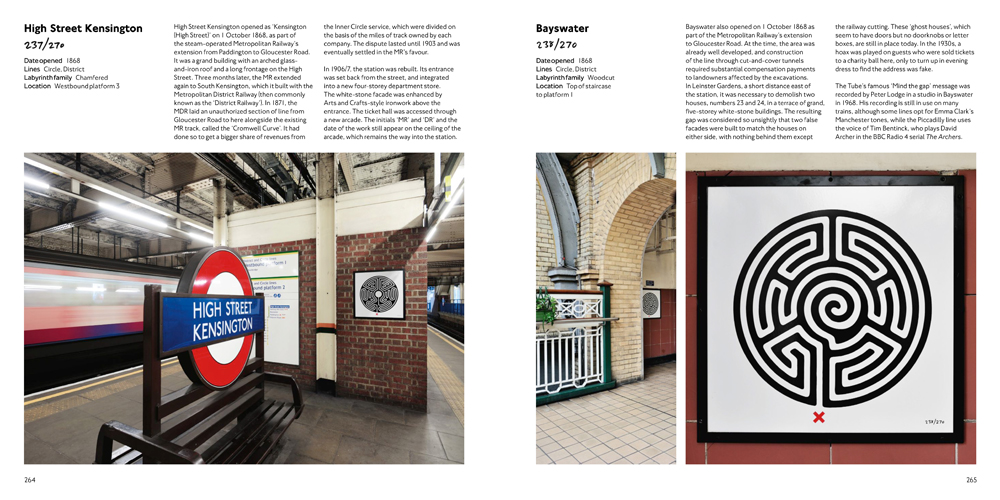
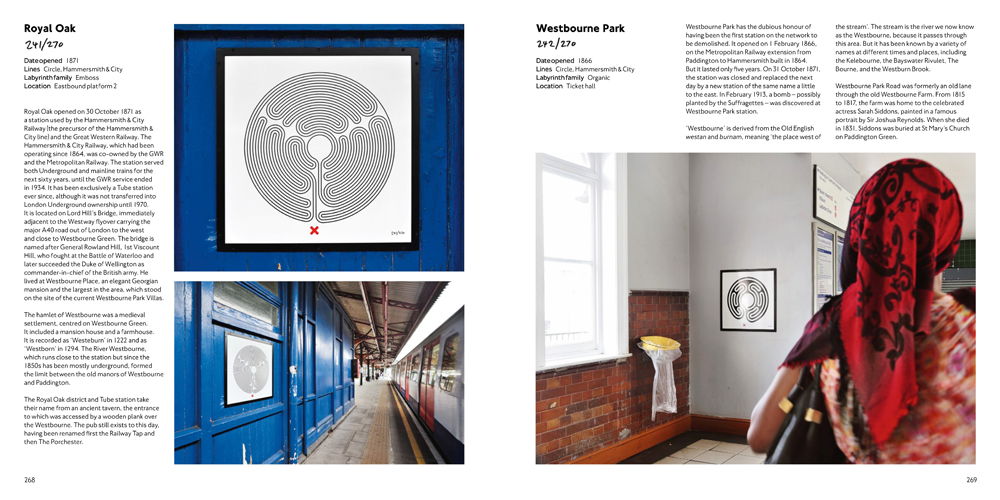
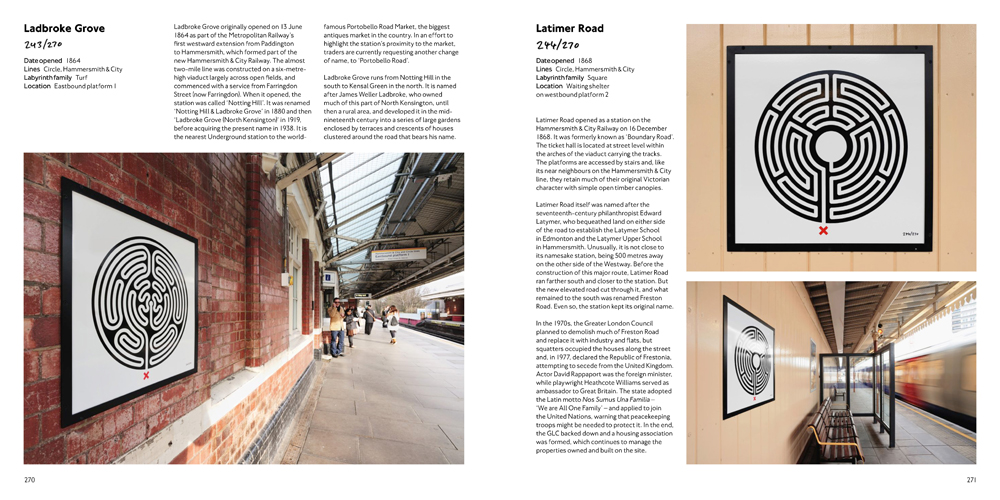
London’s underground railways are an expression of the spread and diversity of the most international of capitals. Indeed, for many Londoners, the subterranean network is the very essence of the city, its arteries carrying the pulse of urban life from the heart of the metropolis out to its farthest extremities and beyond. How to capture that breadth in one work of art? How to celebrate a single system while also reflecting the millions of lives that it transports every day?

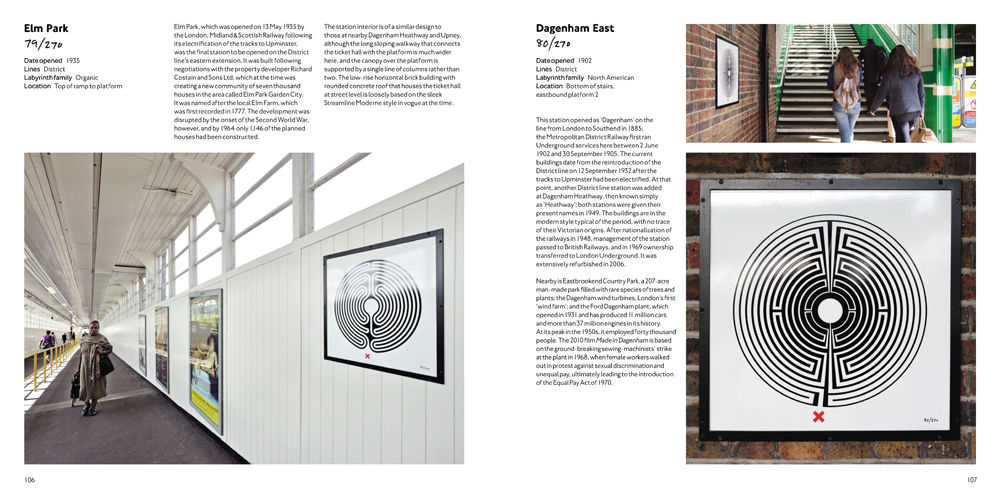
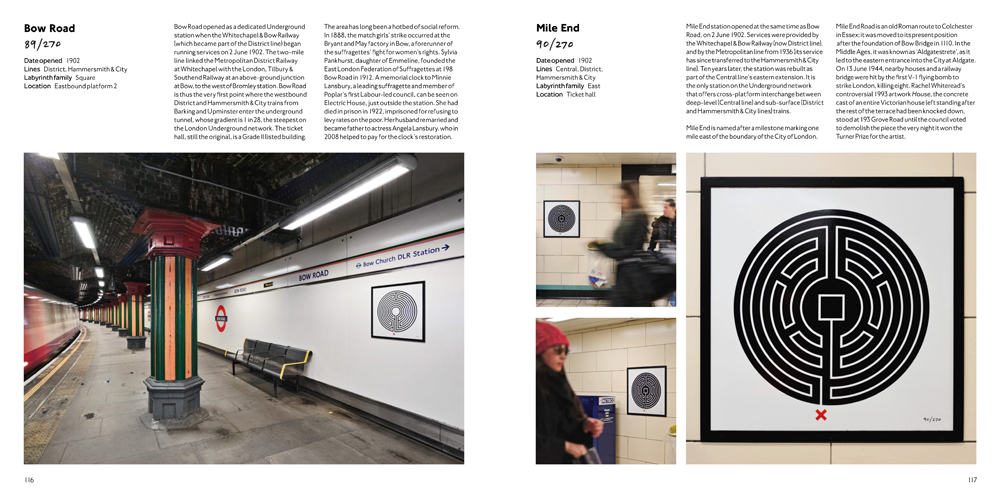
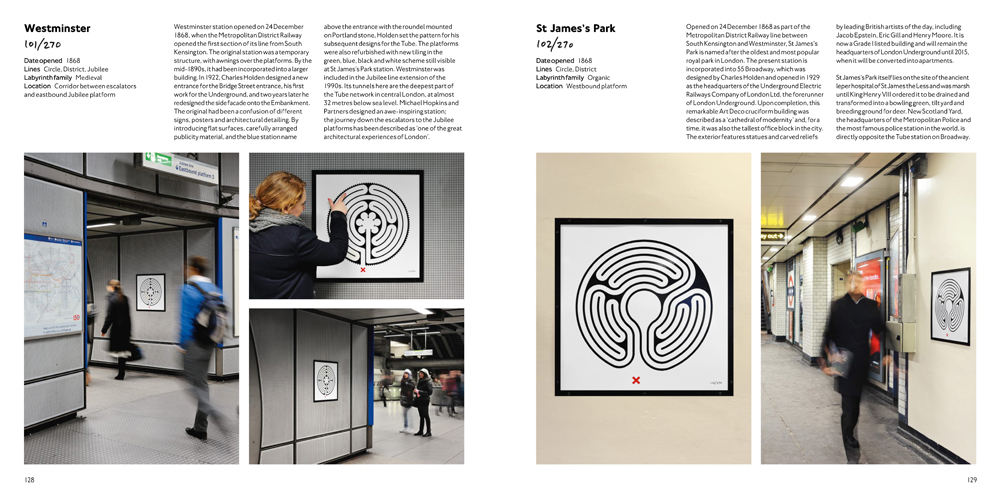
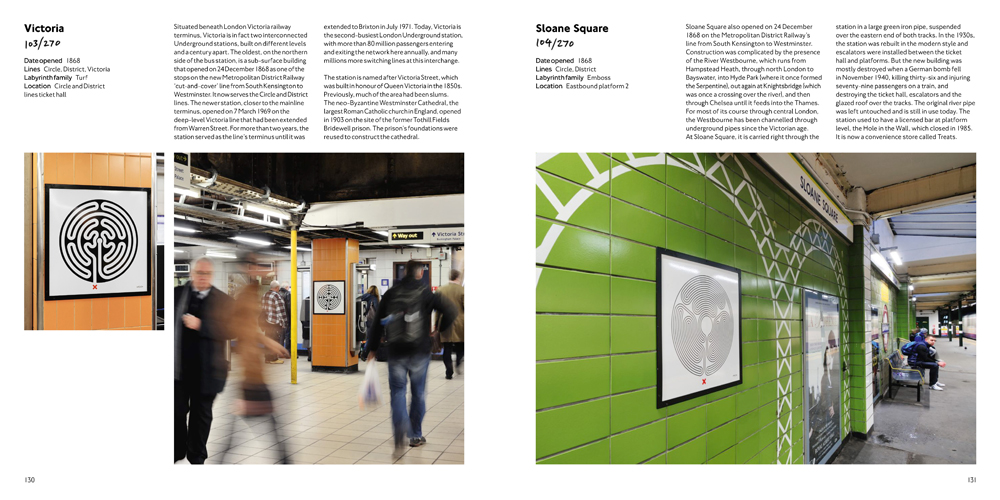
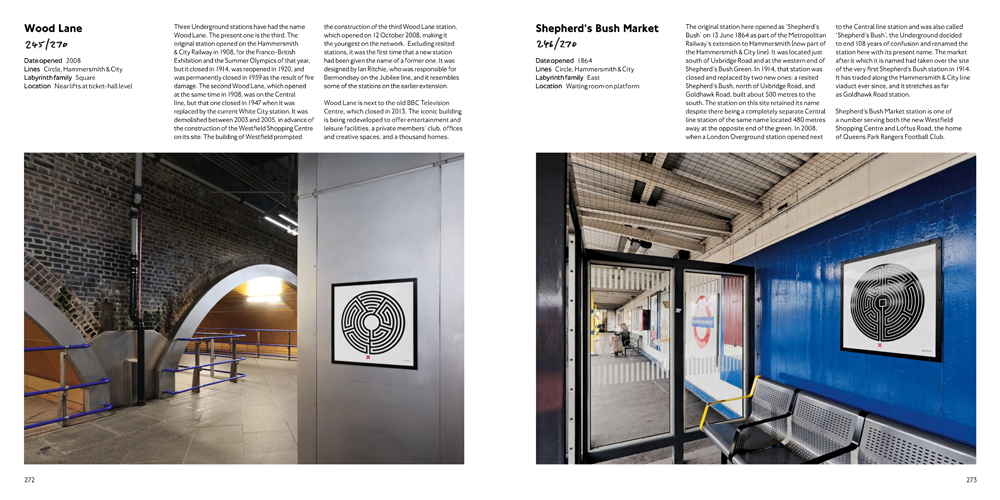
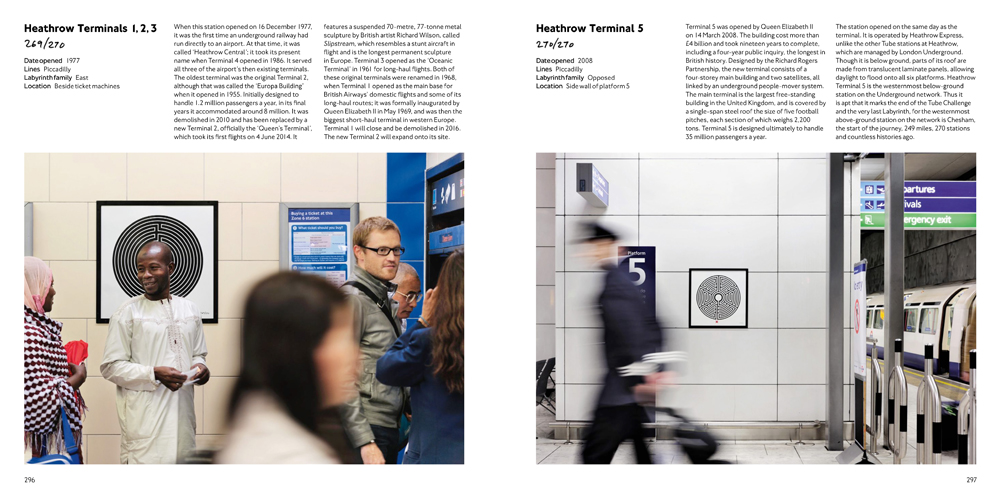
That was the challenge facing Turner Prize-winning artist Mark Wallinger. His response was to create a vast, permanent work of public art across the entire network, layered with rich cultural and historical references. In each of the Underground’s 270 stations, he placed a uniquely designed labyrinth, an ancient symbol representing spiritual and imaginative voyages akin to the countless circuitous journeys made on the Tube.

Designed by the award-winning studio Rose, Labyrinth: A Journey Through London’s Underground by Mark Wallinger is a compelling record of this extraordinary project. But more than that, it is also a vivid celebration of the London Underground and of London itself. Striking photographs of all the labyrinths in situ reveal the diverse face and fabric of the network and its users, while fascinating ‘I-never-knew-that’ facts about each station and their surrounds bring surprising perspectives to the daily commute.

Transport historian Christian Wolmar tells the story of the emergence and development of London’s subterranean rail network and the important role it has played in shaping the metropolis and those who live in it. Novelist Will Self responds to Wallinger’s piece with a personal reflection that takes us into the depths of memory and through the disorientating effects of urban life; while writer and academic Marina Warner, in conversation with the artist, explores the historical and mythological significance of the labyrinth and places the project in the context of Wallinger’s practice. Much more than a document of the creation of a work of art, this book is also a unique portrait of a system that keeps London going, the very lifeblood upon which it depends and thrives. 

Published in association with Art on the Underground


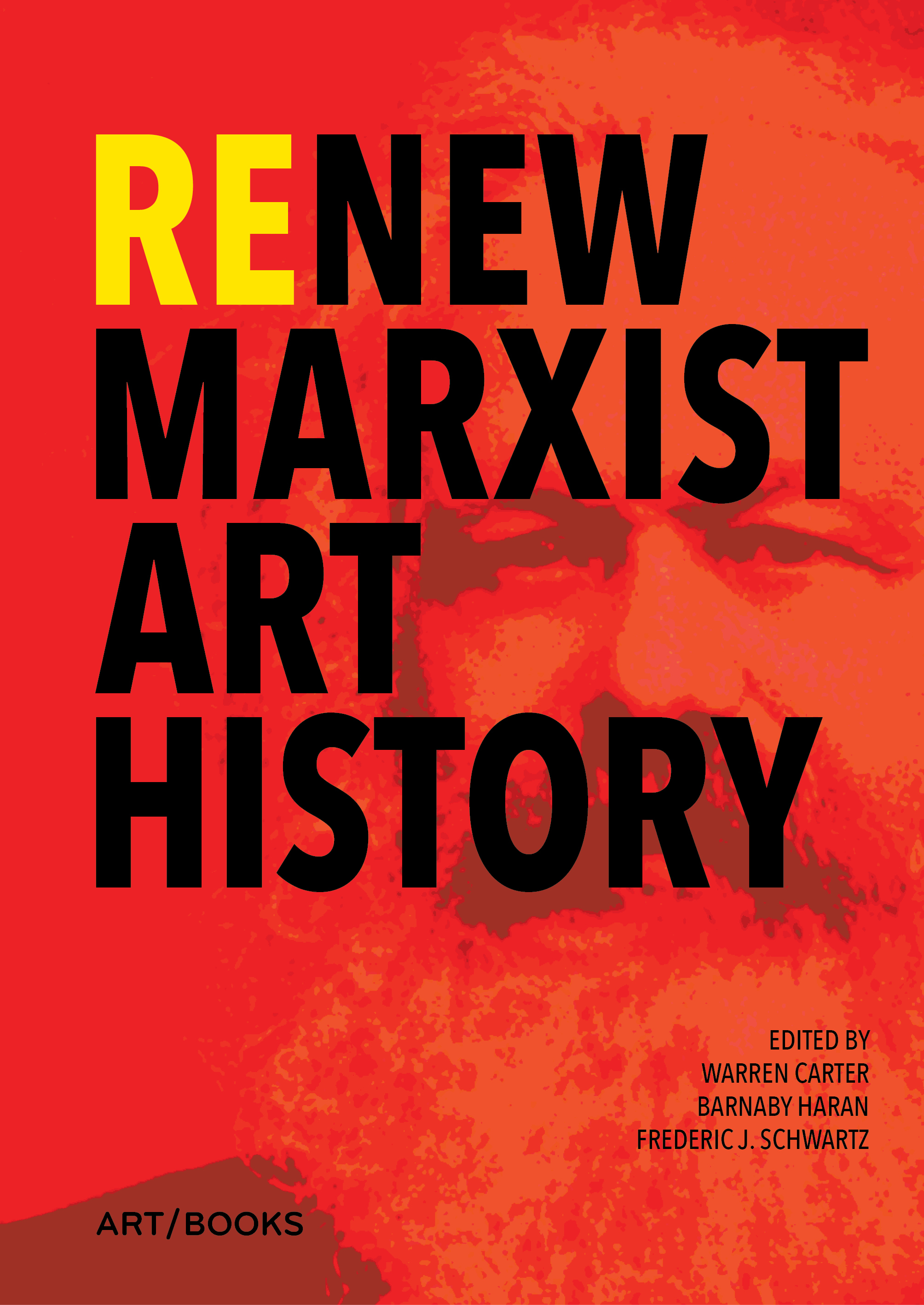
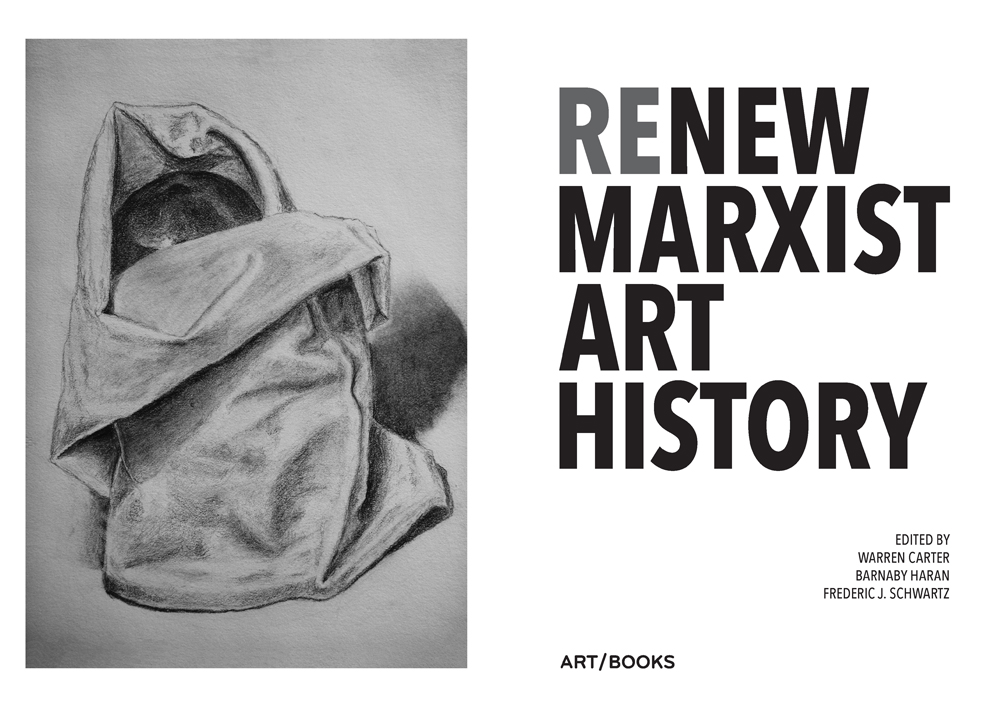
ReNew Marxist Art History

Edited by Warren Carter, Barnaby Haran and Frederic J. Schwartz

‘A lucid and important statement about where and how the discipline stands today … a useful addition to our understanding of Marxist art history’ — Socialist Review
‘Valuable … worth reading … the book’s three editors have certainly risen to the title’s double mission’ — Review 31
‘Perverse, dizzying and altogether pertinent: a clear sign that the now aged discipline, whether “renewed” or just ripening, is alive and very much responsive to an adolescent century’ — Burlington Magazine

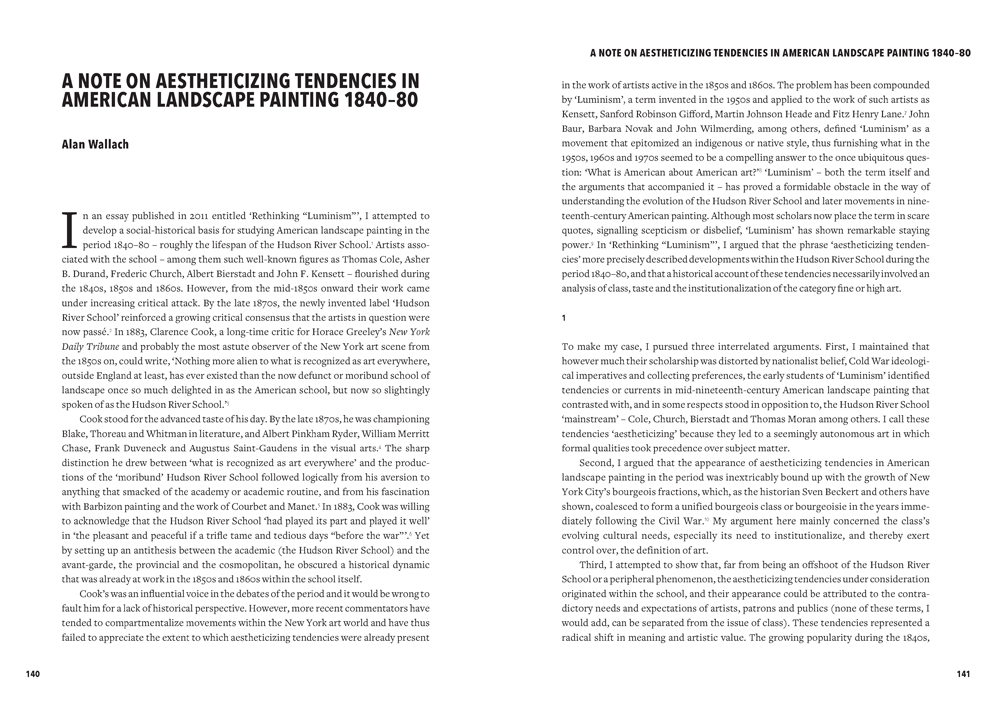
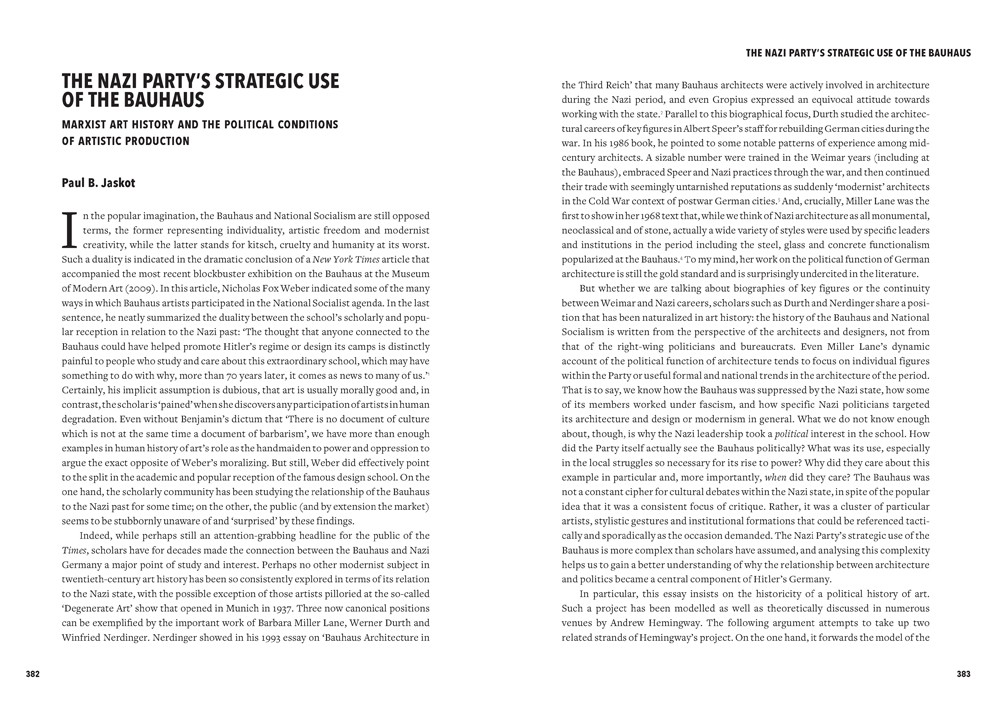
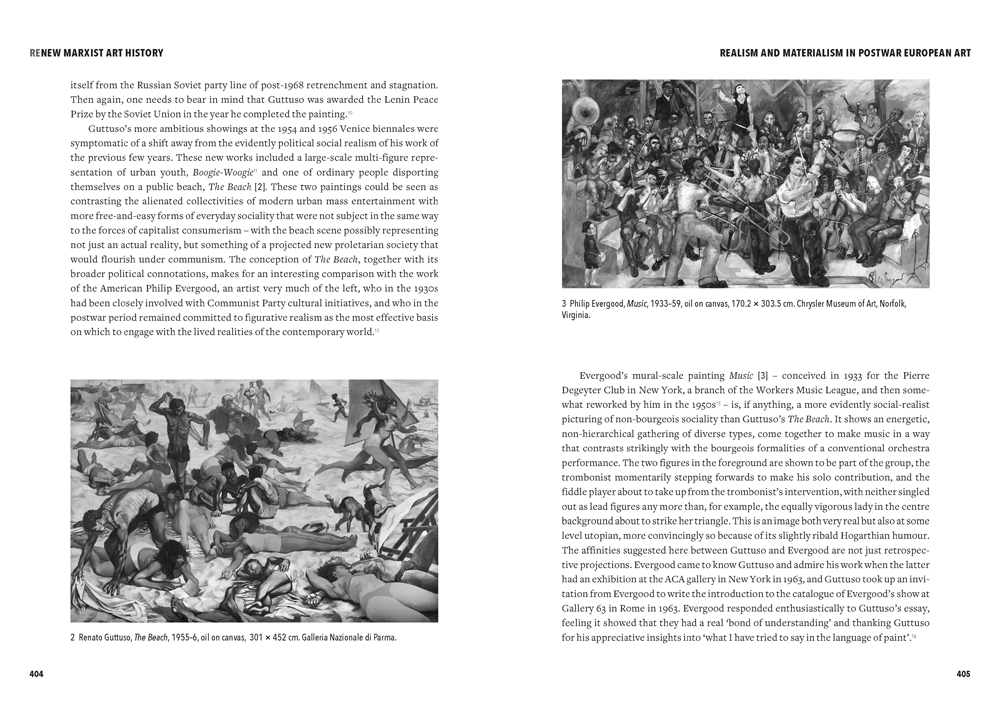
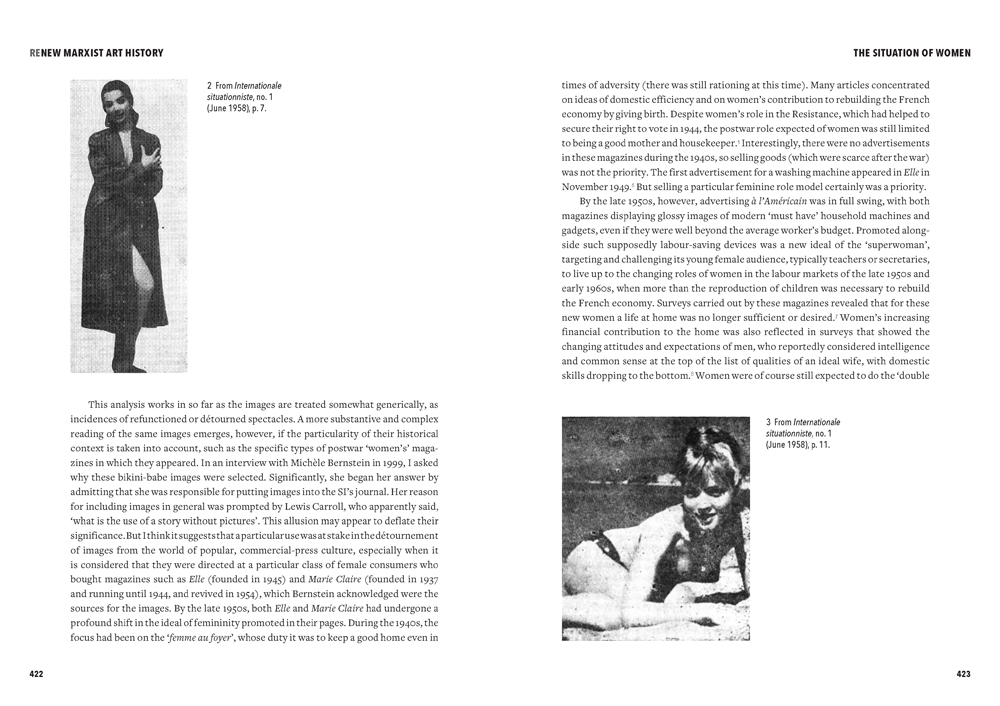
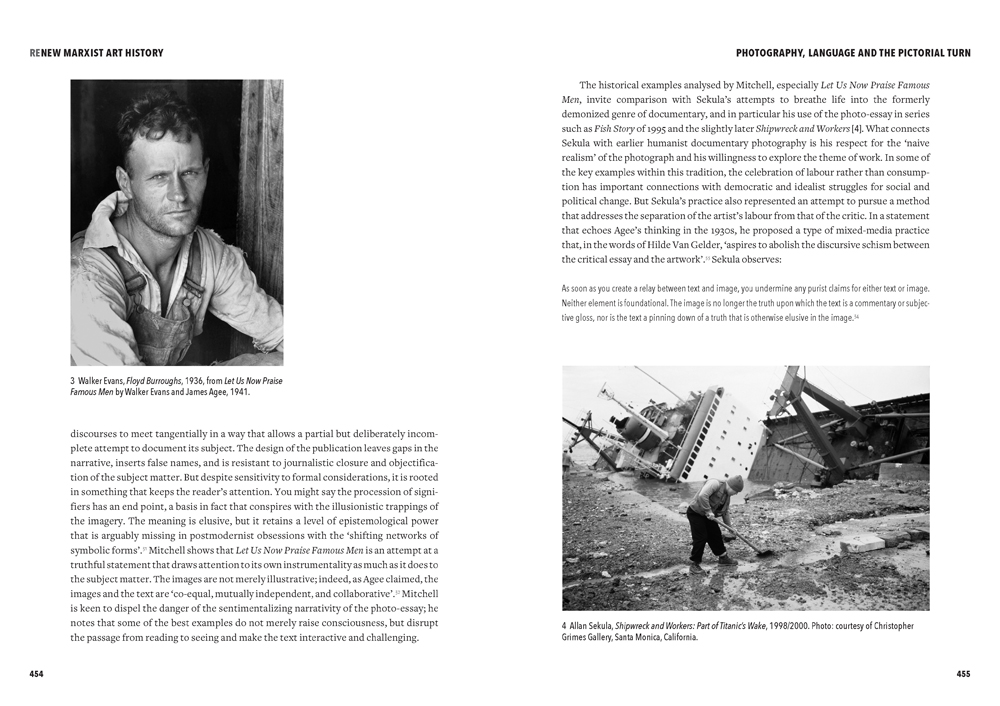
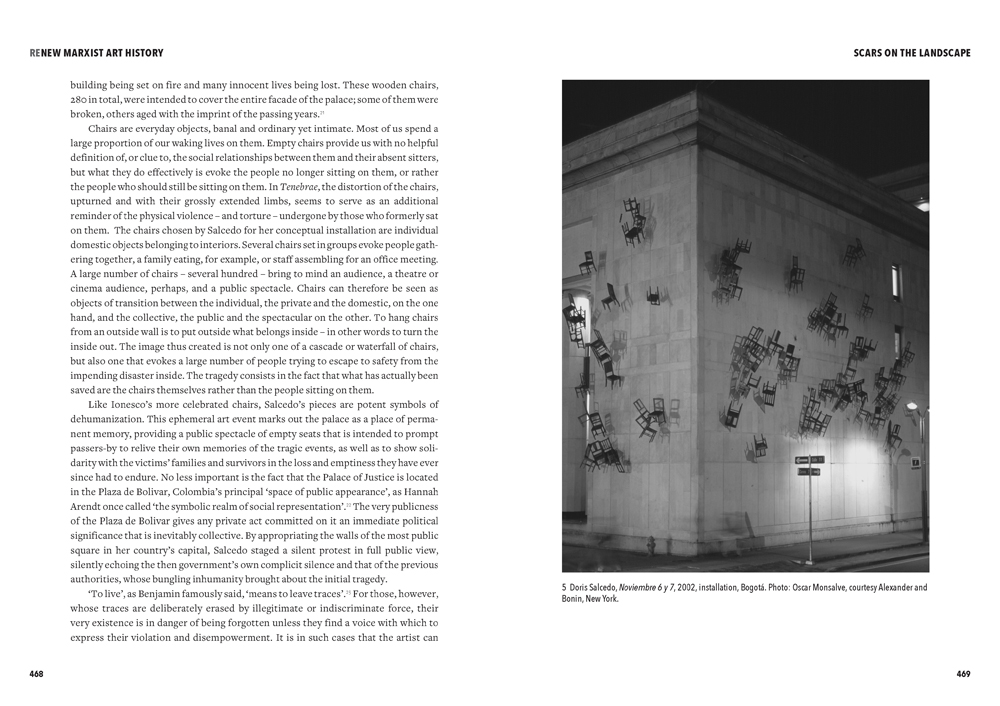
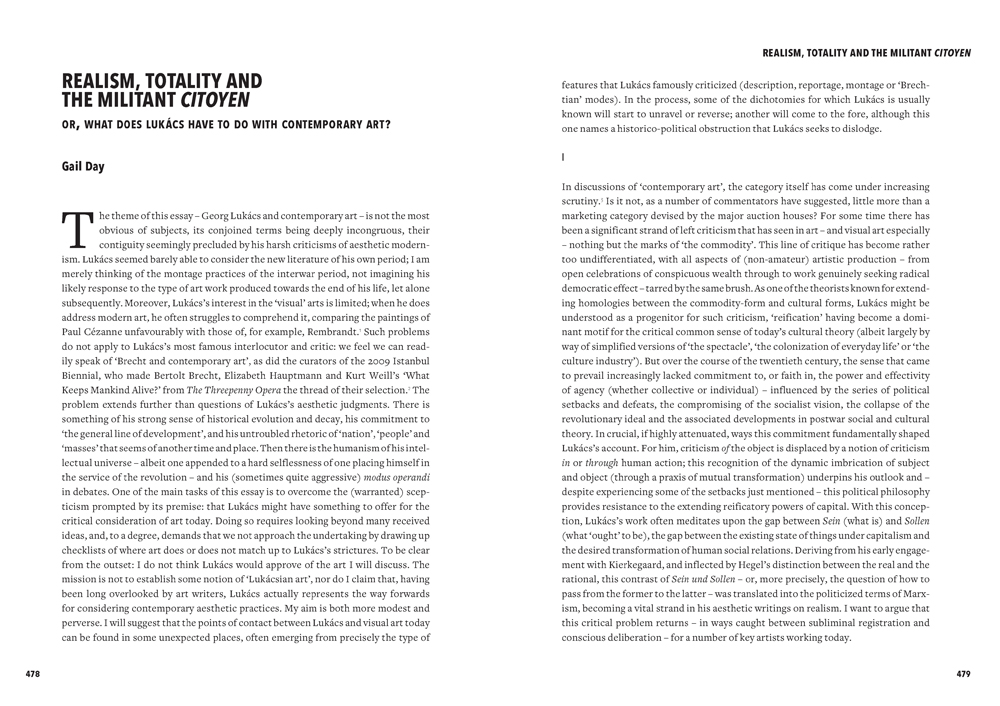
From the beginning of the twentieth century until the 1980s, Marxist art history was at the forefront of radical approaches to the discipline. Some of the most influential names in the field were active proponents of Marxist thought: Frederick Antal, Max Raphael, Arnold Hauser, Meyer Schapiro, T. J. Clark, to name just a few. But in the last two decades of the century and into the next, Marxist art historians found themselves marginalized from the vanguard by the rise of postmodernism and identity politics, which began to dominate the subject. This came at a time when Marxism in general was itself increasingly perceived as outdated after the collapse of communism. But in the wake of the recent global crisis there has been a resurgence in interest in Marx, especially among younger generations. Today many progressive art historians are once again recognizing the relevance of his ideas to their own practice and drawing upon Marxist perspectives of the past.

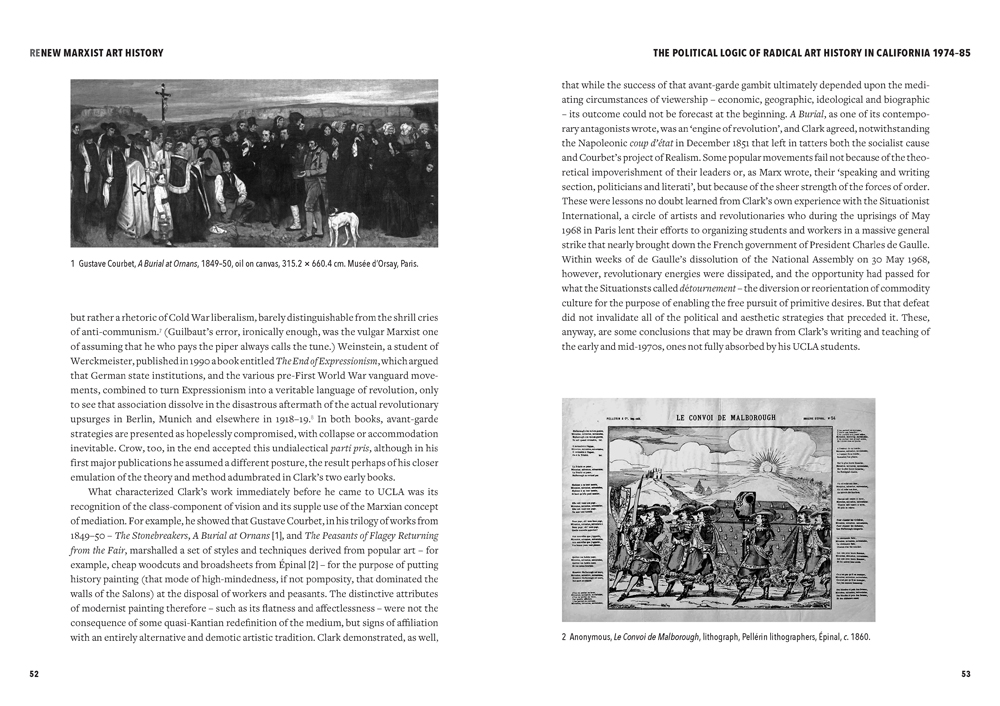
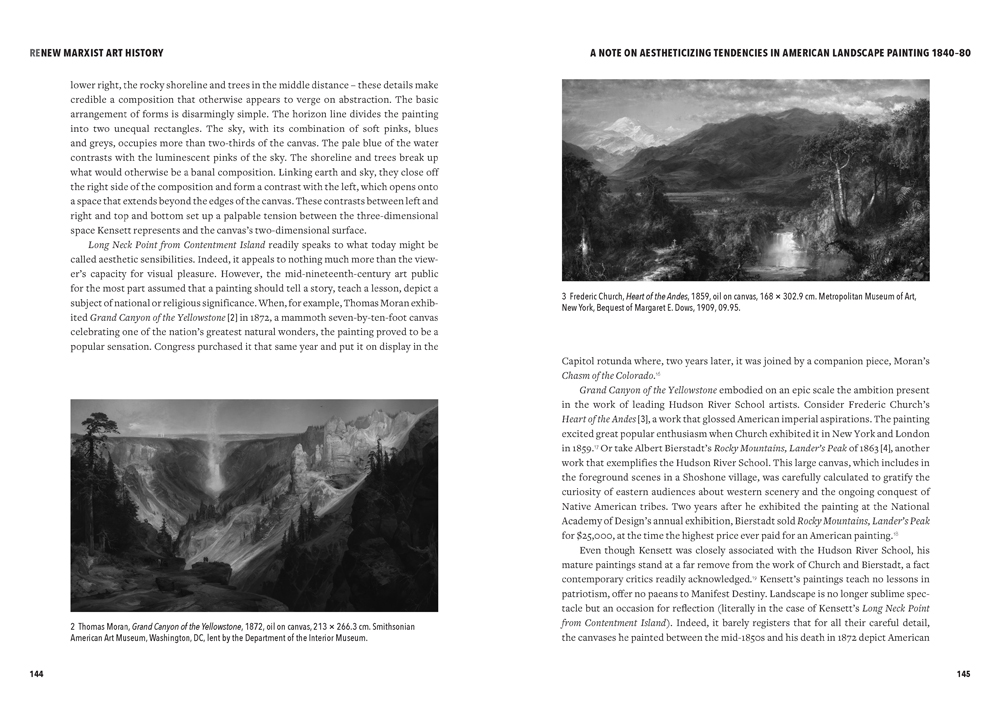
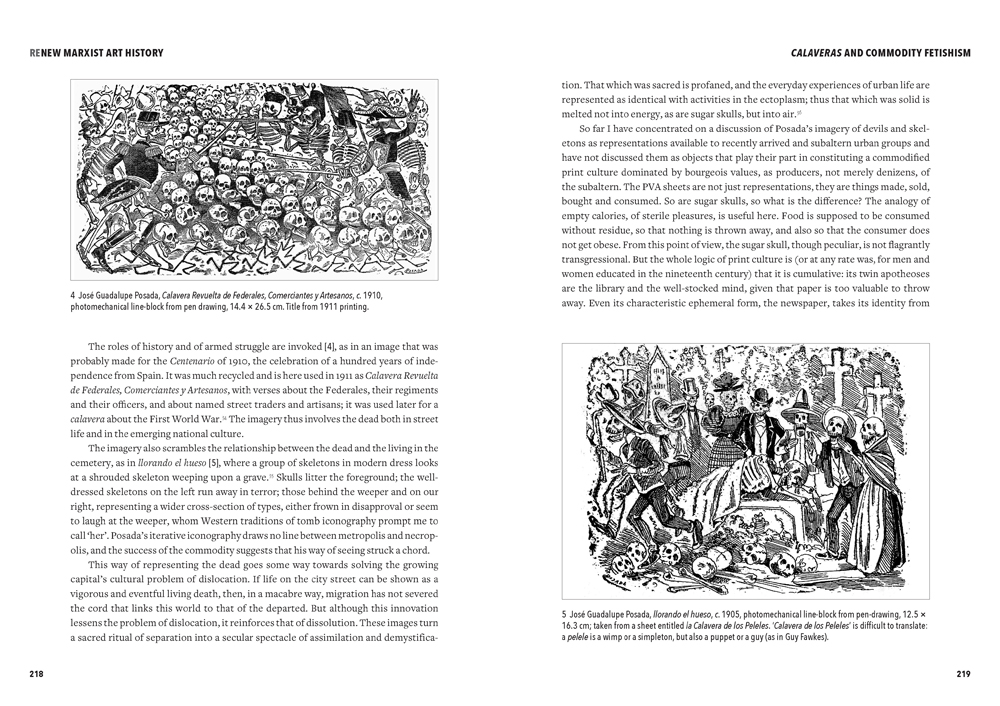
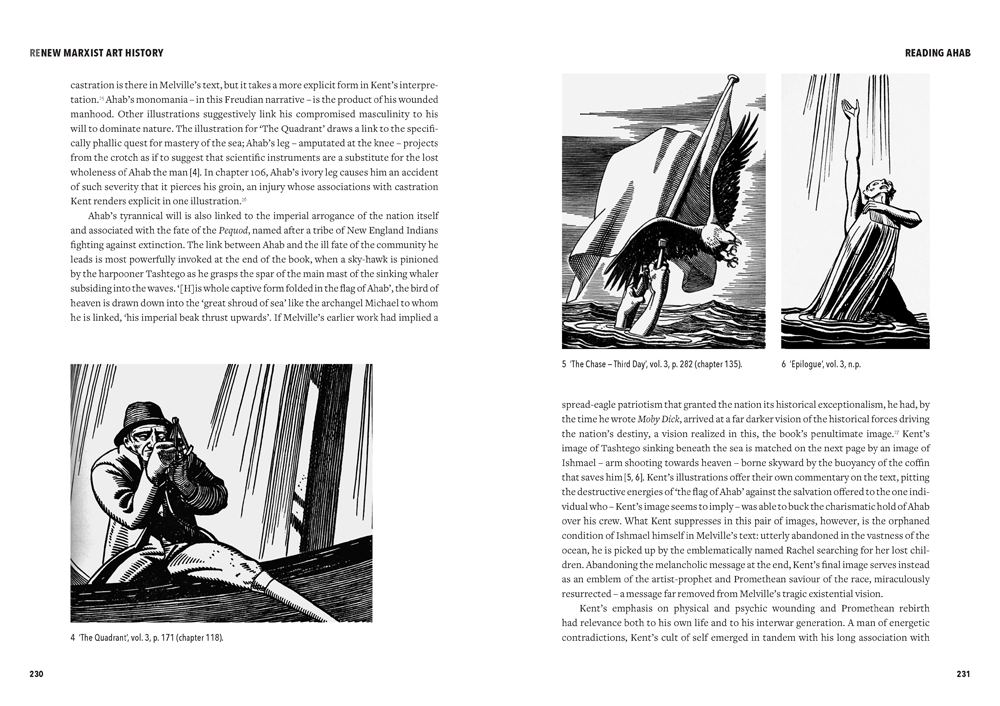
This collection of essays brings together twenty-seven academics who are reshaping art history along Marxist lines. Coming from the United States, Britain, Europe and Asia, they apply Marx’s theories and those of his followers to a wide range of art-historical subjects. American landscape art of the nineteenth century; popular prints in pre-revolutionary Mexico; modernism in Weimar Germany and 1930s New York; postwar abstract and realist painting; Situationism in 1960s Paris; and documentary photography and contemporary art – these are just some of the many areas considered through the lens of Marxism as it is understood today. And in the spirit of Marxism’s long tradition of self-critique, the contributors also examine the shifting agendas and limitations of Marxist art history itself, acutely aware of the specific historical and political circumstances in which it is produced. As such, this book not only provides the very latest in Marxist art-historical writing, it also acts an essential introduction to one of the most vibrant and relevant forms of art history today – one that looks to the past but is marked by an urgent sense of the present.

Frederic J. Schwartz is the head of the history of art department at University College London. He is the author of The Werkbund: Design Theory and Mass Culture Before the First World War and Blind Spots: Critical Theory and the History of Art in Twentieth-Century Germany, both published by Yale University Press.

Warren Carter is a staff tutor at the Open University and a teaching fellow in history of art at University College London.

Barnaby Haran is a teaching fellow in history of art at the University of Bristol.  


What others say

‘This book is valuable because it disables the stretch of transhistorical categories in favour of the minor textual detail.… [It] is worth reading closely precisely because it forgoes a programmatic rehearsal of Marx’s famous 11th thesis on Feuerbach: “Philosophers have hitherto only interpreted the world in various ways; the point is to change it.” Instead this injunction to the reader – that she work to “renew” a commitment to Marxist Art History – is threaded through a complex aggregate of writing that connects lots of ground (some familiar, some untrodden). And the book’s three editors have certainly risen to the title’s double mission.… ReNew Marxist Art History is an open invitation.’ — Review 31

‘The book provides a lucid and important statement about where and how the discipline stands today.… What this volume captures is how contemporary Marxist art historians have sought to re-establish and extend the original vibrant and sophisticated tradition.… It deals with specific cultural subjects with valuable insights about particular artists and cultural developments by writers committed to using a historical materialist method.… What also recommends this volume is that even where you disagree with some of the authors’ conclusions, their framework generally allows for thought and intellectual stimulation.… The volume is a useful addition to our understanding of Marxist art history and crucially, and because of its nature, extends our understanding to the whole of class society.’ — Socialist Review

‘It is ultimately a variation of the coveted balance between theory and practice that justifies the book’s scope. Its best contributions … are produced by bullish attention to the kinks of a given subject, while holding the abstract terms that structure the Marxist tradition in firm view. This binds the texts in ways perverse, dizzying and altogether pertinent: a clear sign that the now aged discipline, whether ‘renewed’ or just ripening, is alive and very much responsive to an adolescent century.’ — Burlington Magazine


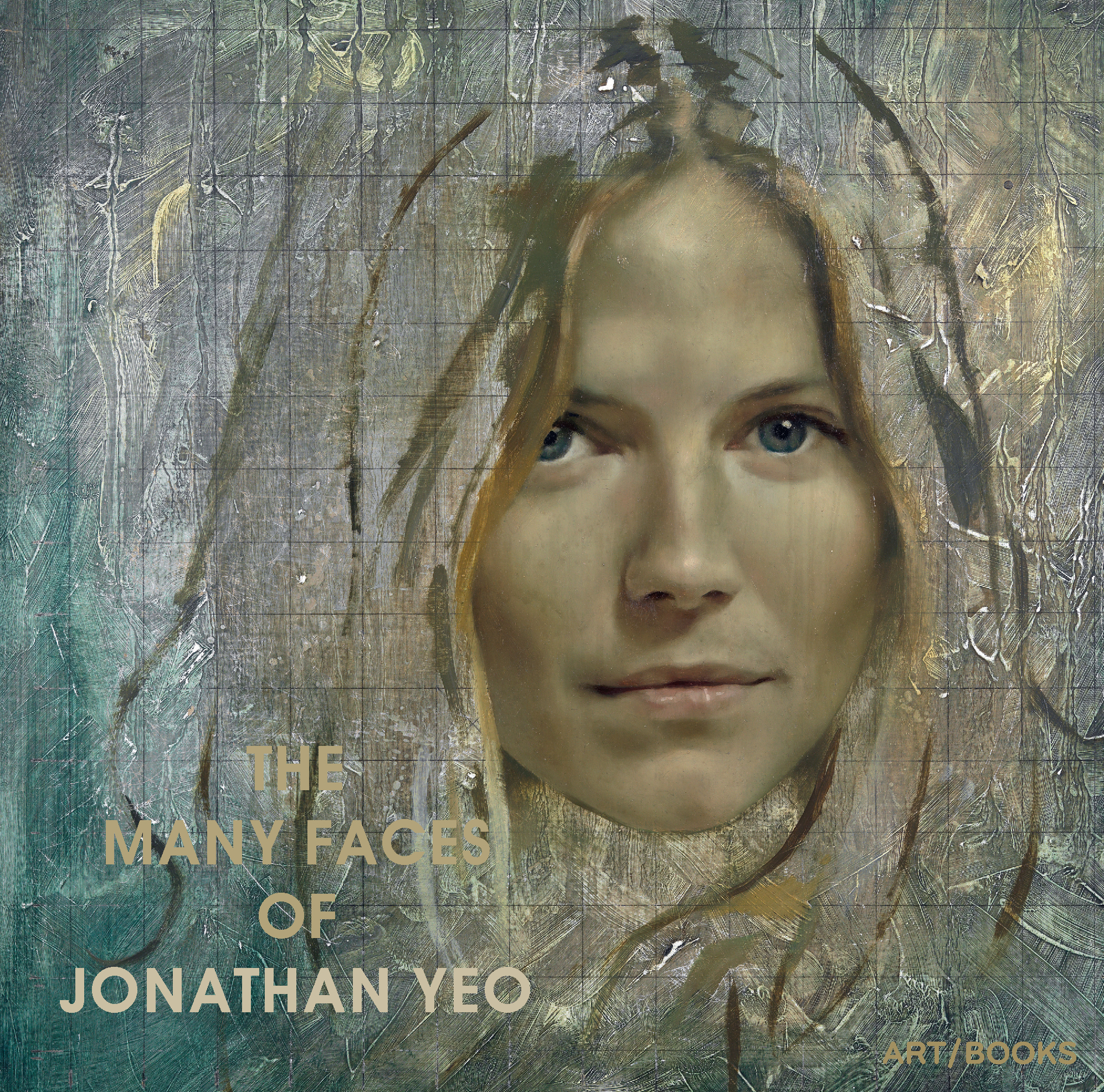
Many Faces of Jonathan Yeo_front jacket The Many Faces of Jonathan Yeo

Texts by Martin Gayford, Giles Coren, Tim Marlow and Sarah Howgate
With contributions from Damien Hirst, Baz Luhrmann, Ivan Massow, Philip Mould, Michael Parkinson, John Quin, Shebah Ronay Yeo and others

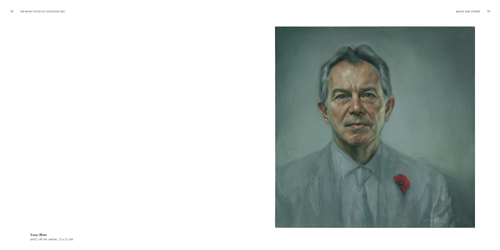
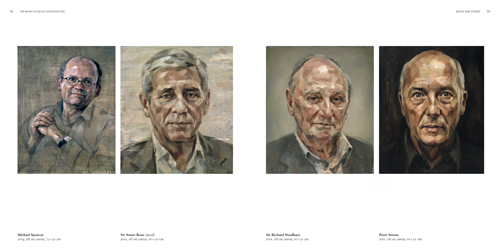
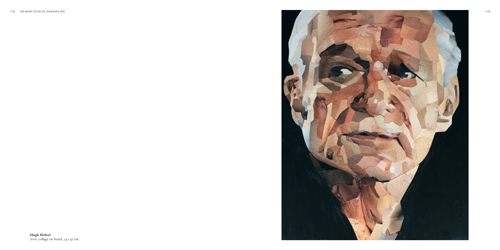
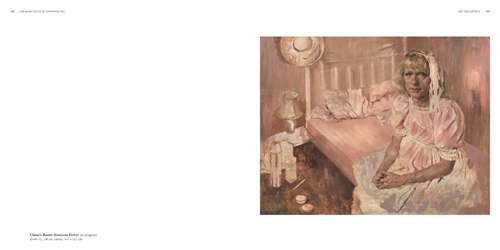
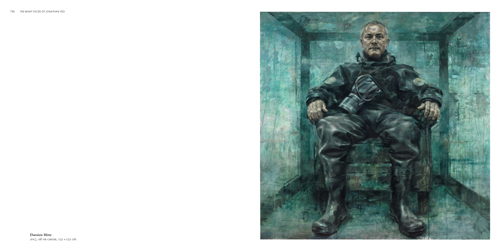
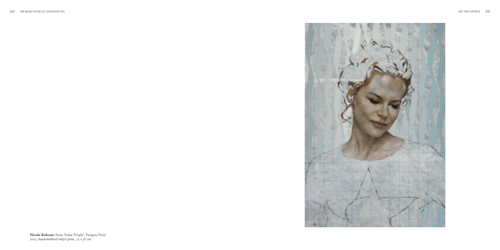
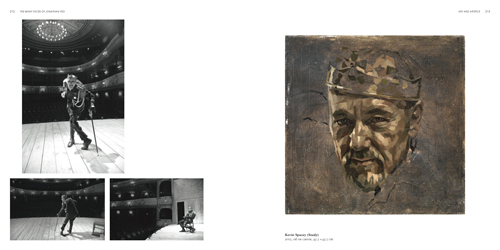
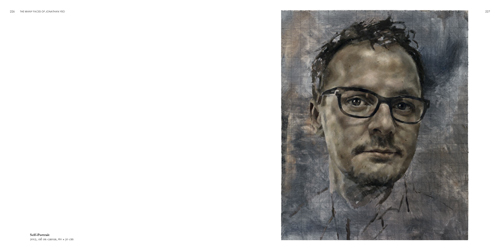
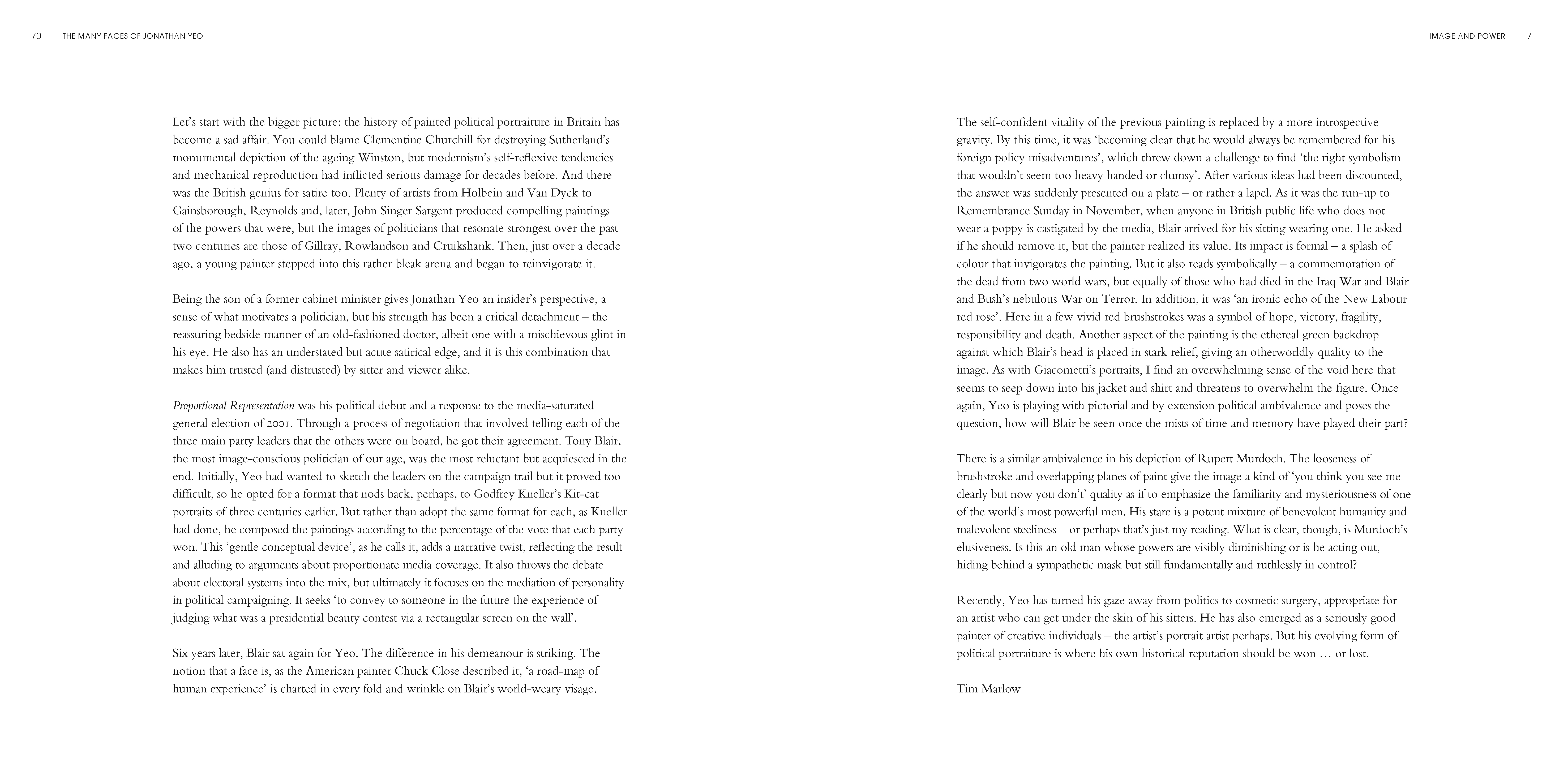
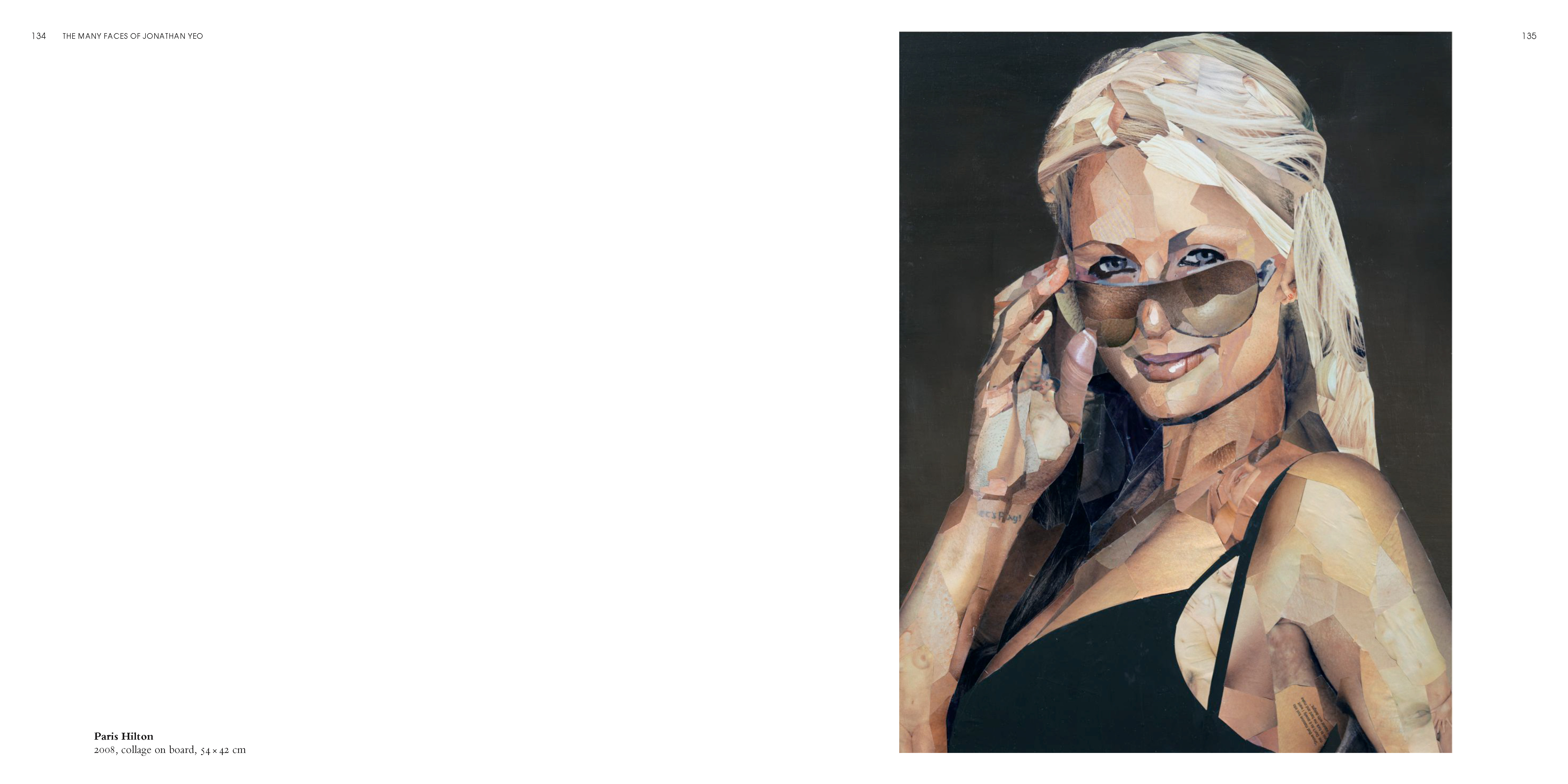
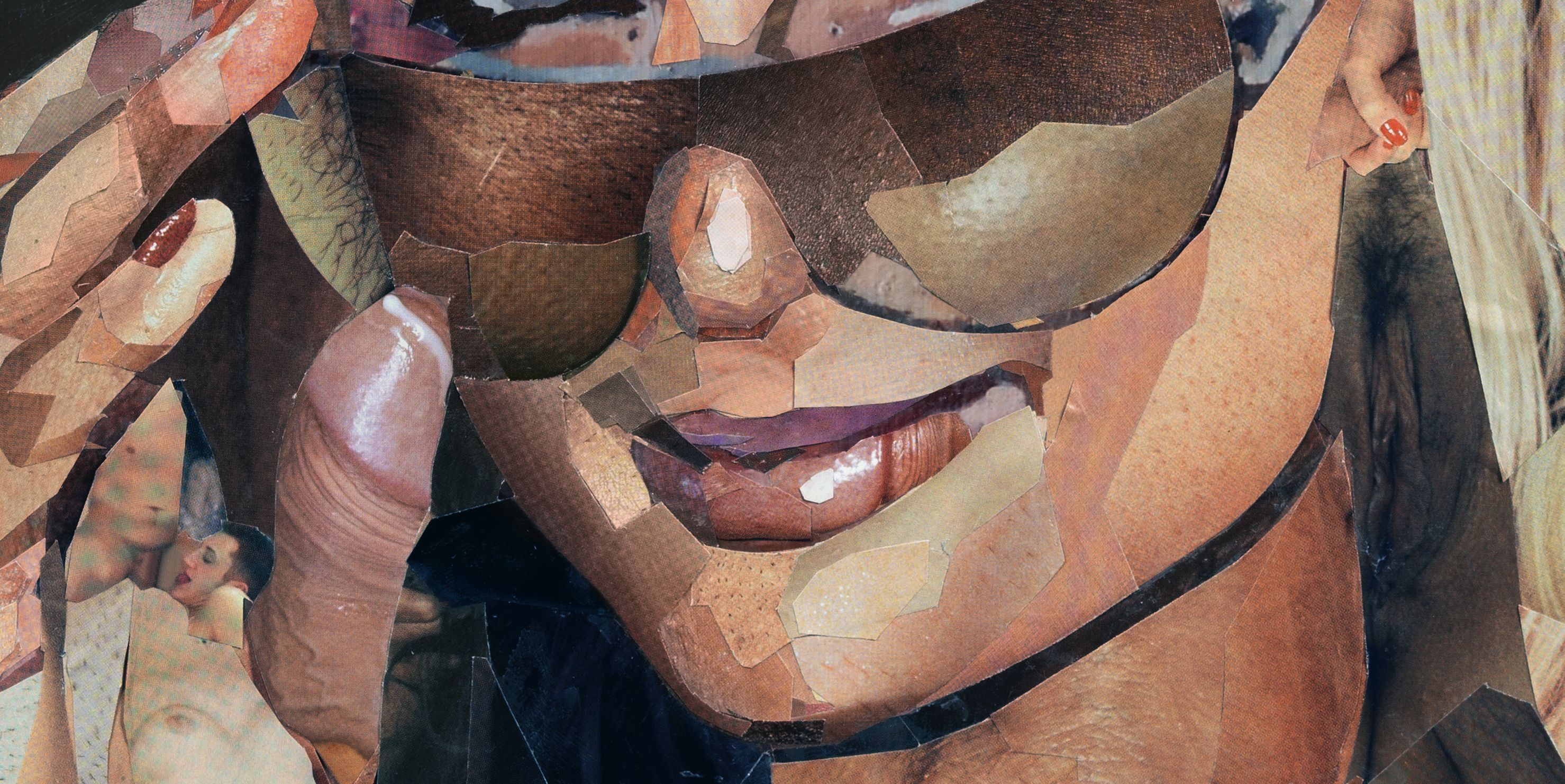
Jonathan Yeo is one of Britain’s best-known portrait painters. Over more than a decade, he has gained an international reputation for painting some of the most famous faces of our age. Models and movie stars, artists and actors, politicians and princes – all have been the subject of his iconic, and often ironic, portraits. Nicole Kidman, Dennis Hopper, Kevin Spacey, Stephen Fry, Damien Hirst, Sienna Miller, Rupert Murdoch, Grayson Perry, Tony Blair and Prince Philip are just a selection of the many household names who have sat for Yeo. Renowned for his distinctive, highly figurative canvases and controversial collages, he employs a range of media and techniques to create a diverse body of work that expands the traditions of portraiture while examining contemporary perceptions of beauty, celebrity and power.

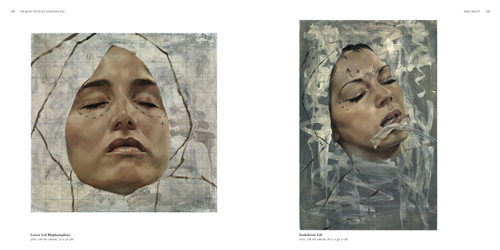
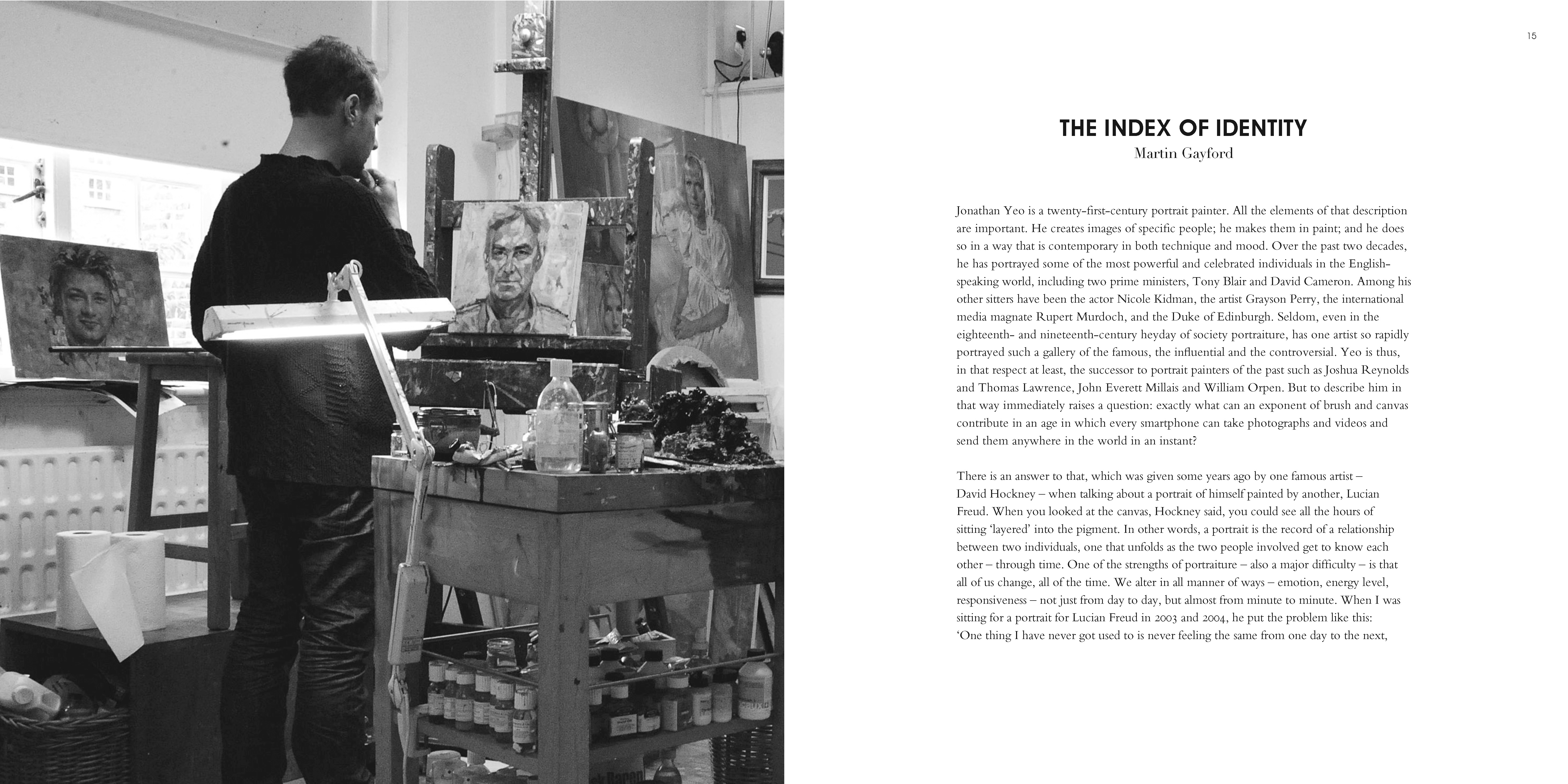
Coinciding with a retrospective exhibition at London’s National Portrait Gallery, The Many Faces of Jonathan Yeo is the first major publication on the artist. Featuring his most popular paintings, drawings, collages and prints, the book also presents several new important canvases never seen before. Alongside his intimate portraits of well-known sitters are dramatic and unsettling studies of cosmetic-surgery patients that document the compulsive and painful pursuit of physical perfection.

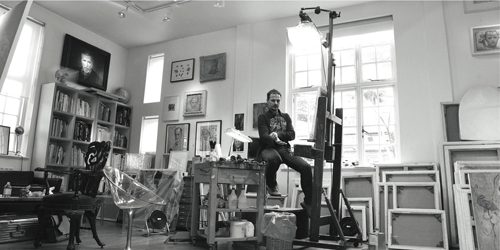
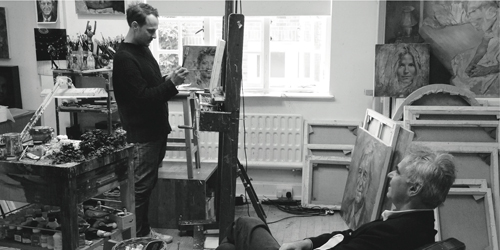
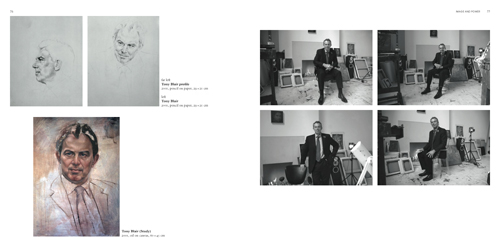
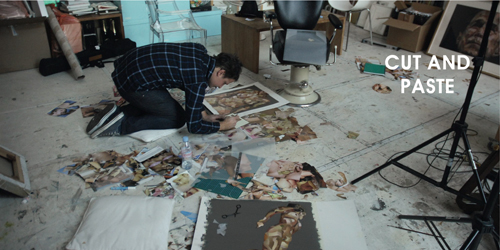
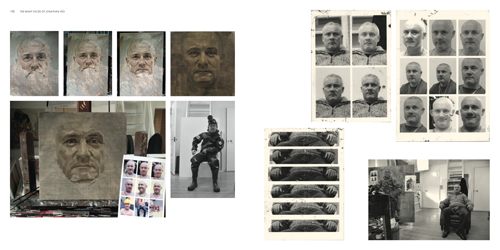
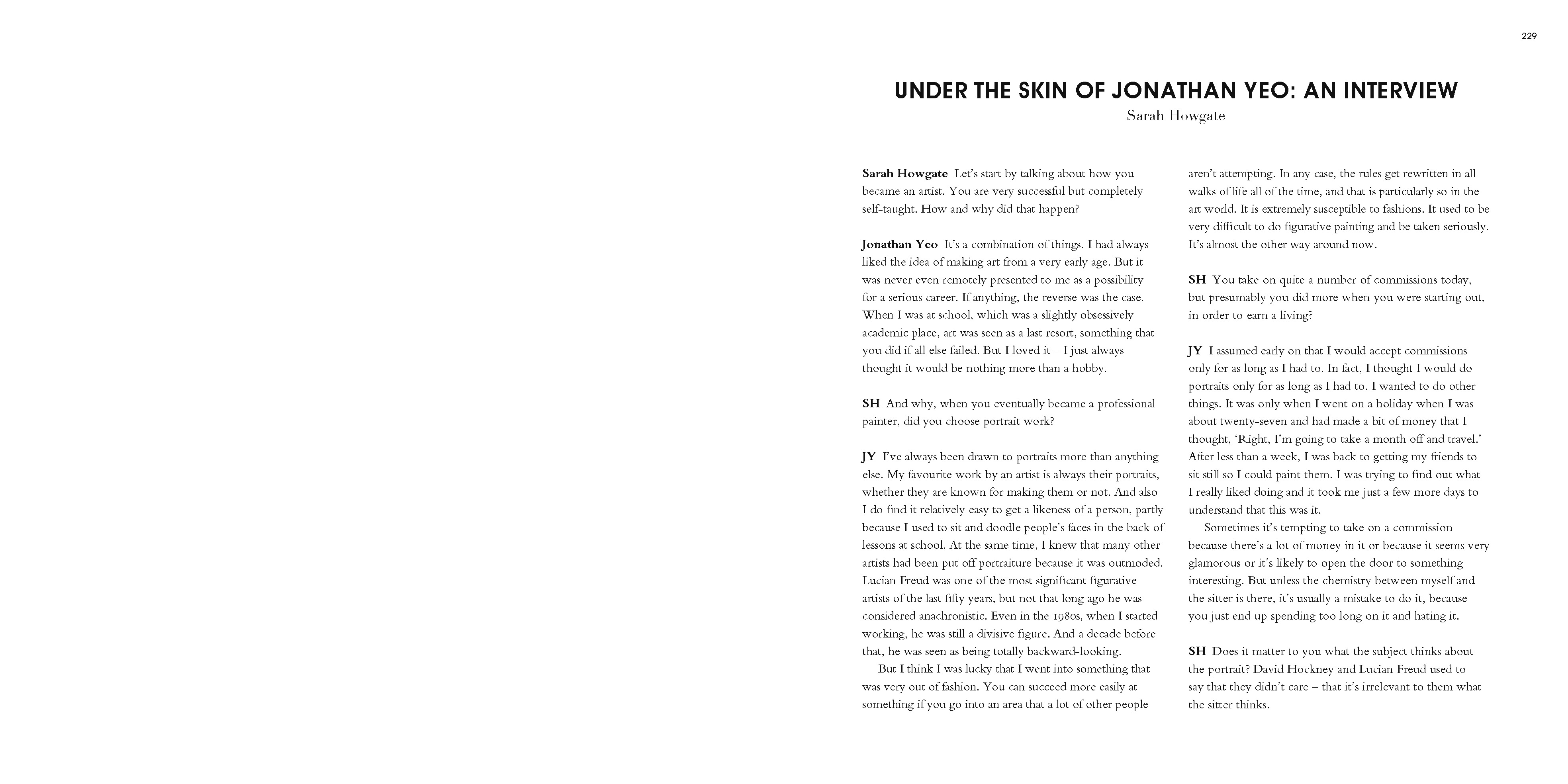
Photographs of the studio and works in progress reveal Yeo’s practice, while contributions from his subjects lift the lid on what it is like to be scrutinized by his exacting, forensic eye and to have oneself captured on canvas for ever. Martin Gayford discusses Yeo’s practice within the traditions of portraiture and compares the experience of being painted by him with that of sitting for Lucian Freud; Giles Coren offers revealing insights from the perspective of close personal friend and contemporary; Tim Marlow interprets the significance of Yeo’s political portraits; while a wide-ranging interview with Sarah Howgate, curator of the National Portrait Gallery show, considers the genesis of Yeo’s work and the relationships with his subjects. More than a monograph on a single artist, this book is also an enlightening exploration of the state of portraiture today, giving an insight into the risks faced by both portraitist and sitter.

Martin Gayford has been art critic for the Spectator and the Sunday Telegraph and is currently chief art critic for Bloomberg News. He is the author of The Yellow House: Van Gogh, Gauguin and Nine Turbulent Weeks in ArlesConstable in Love: Love, Landscape, Money and the Making of a Great PainterMan with a Blue Scarf: On Sitting for a Portrait by Lucian Freud and A Bigger Message: Conversations with David Hockney.

Giles Coren is a writer, food critic and television presenter. He has been a columnist for The Times since 1993 and was named ‘Food and Drink Writer of the Year’ in 2005. He is the author of How to Eat OutAnger Management for Beginners and the novel Winkler.

Tim Marlow is a writer, broadcaster, art historian and director of artistic programmes at the Royal Academy of Arts, London. The former director of exhibitions at White Cube, he has presented numerous television and radio programmes and has written for many newspapers and periodicals. His books include studies of Auguste Rodin and Egon Schiele.

Sarah Howgate has been Contemporary Curator at the National Portrait Gallery since 2001. Among many exhibitions, commissions and displays, she has curated ‘David Hockney Portraits’, ‘Lucian Freud Portraits’ and ‘Alex Katz Portraits’. Publications include The Portrait Now (with Sandy Nairne), David Hockney Portraits and Lucian Freud Portraits


 CNN Ones to Watch (3 parts)


Incredible Tretchikoff

Life of an Artist and Adventurer

Boris Gorelik

‘Engaging … gripping … more than a biography’ — Independent (SA)
‘Fascinating story of an outsider … excellent’ — The Witness (SA)
‘Full of facts’ — Sunday Times (SA)
‘Gorelik has produced a book that gathers together a wealth of information, raising interesting points on many quite contentious issues’ — De Arte
‘Enthralling … highly recommended’ — Historical Novel Society
‘This book is highly recommended’ — Dimitri Tretchikoff

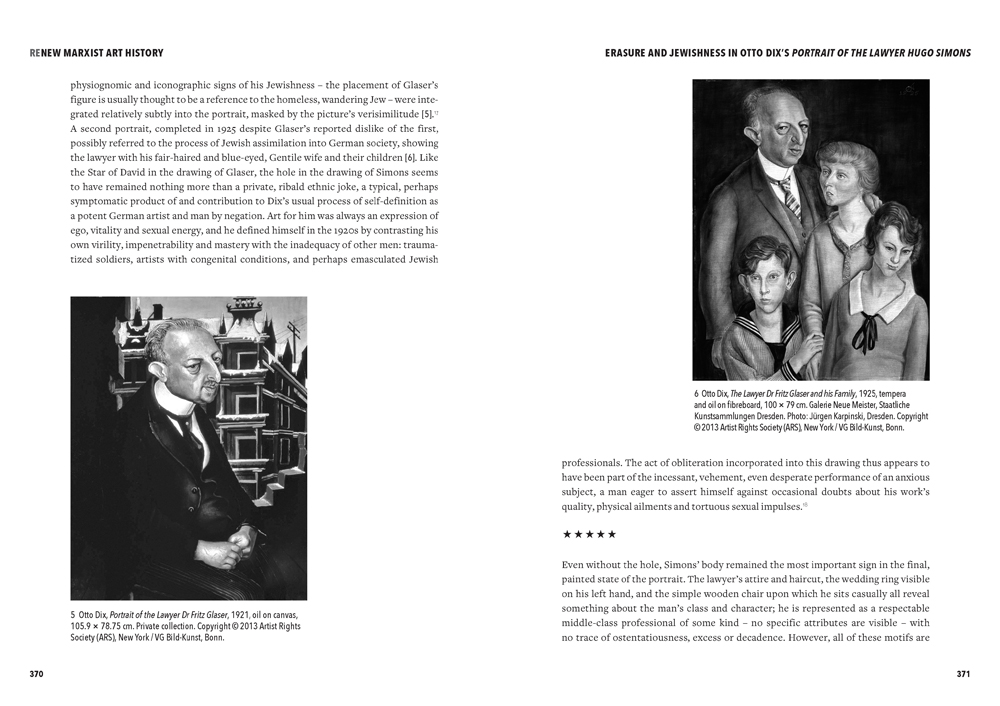
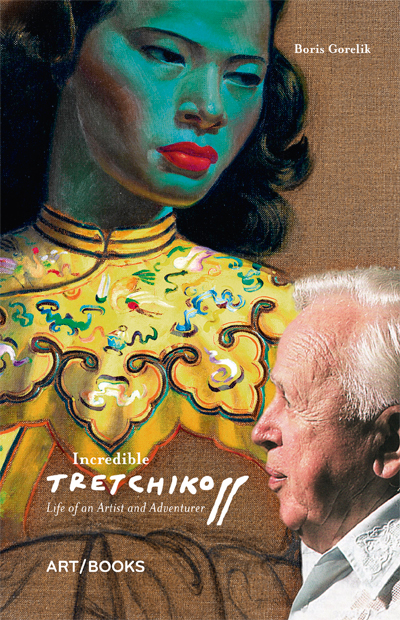
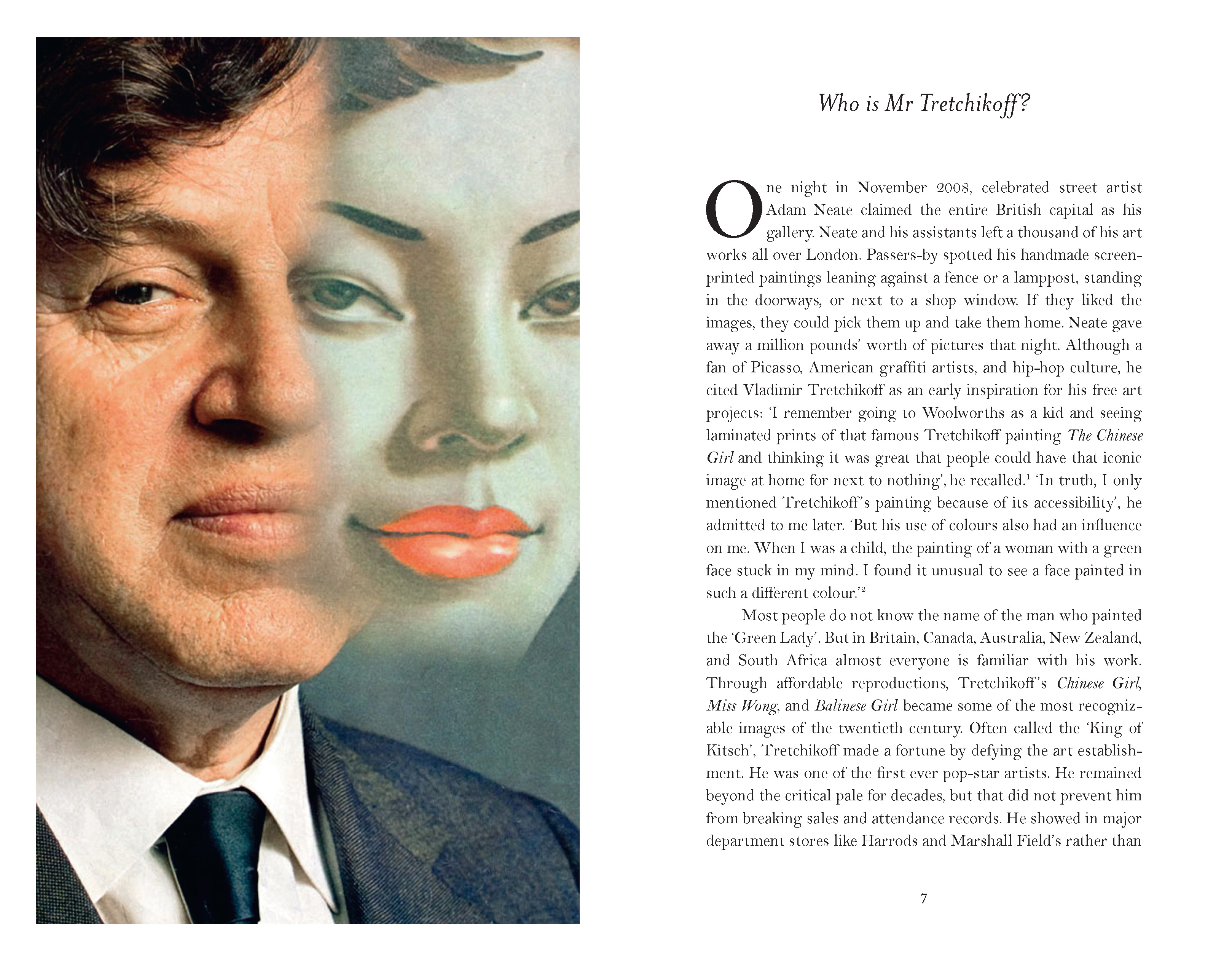
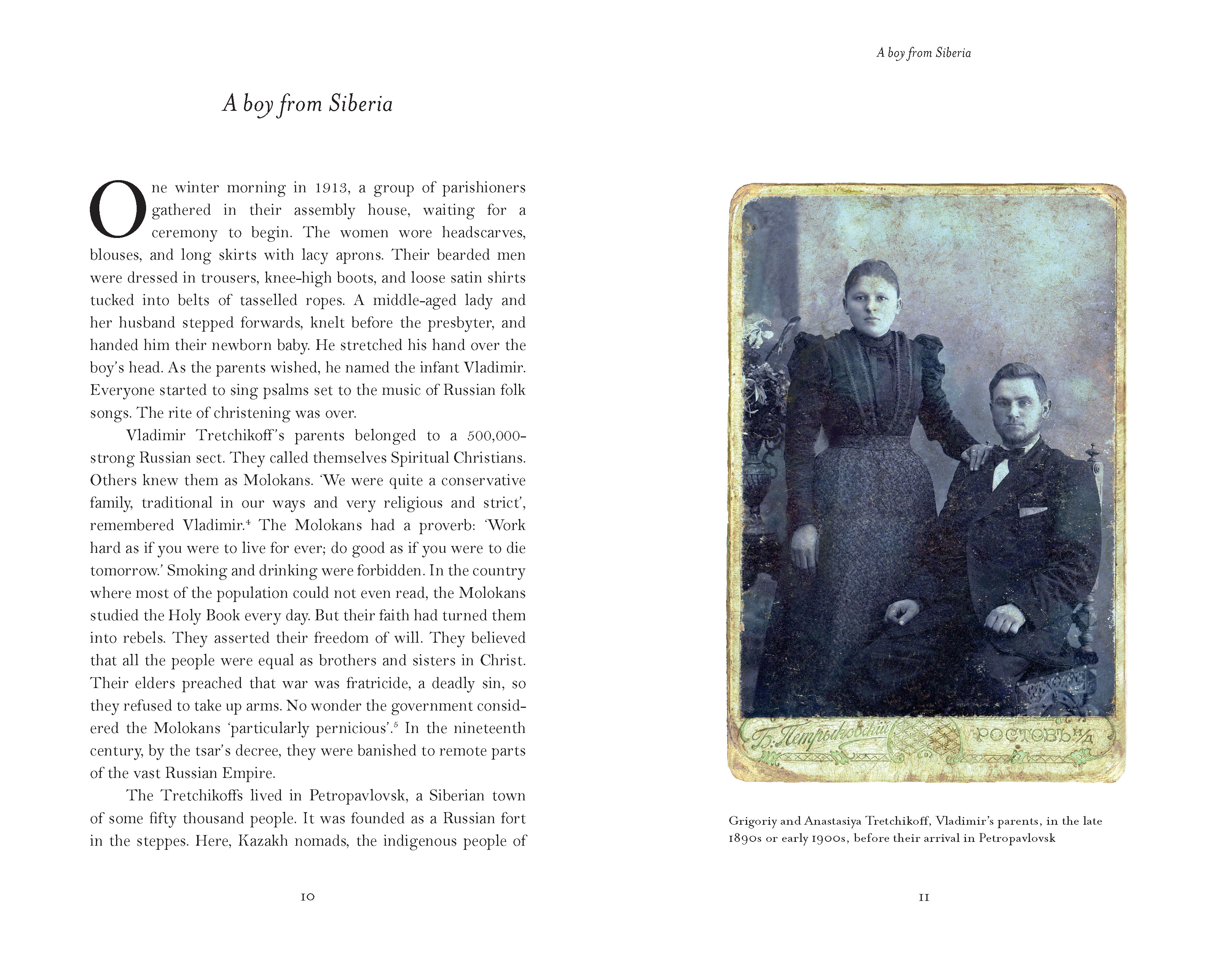
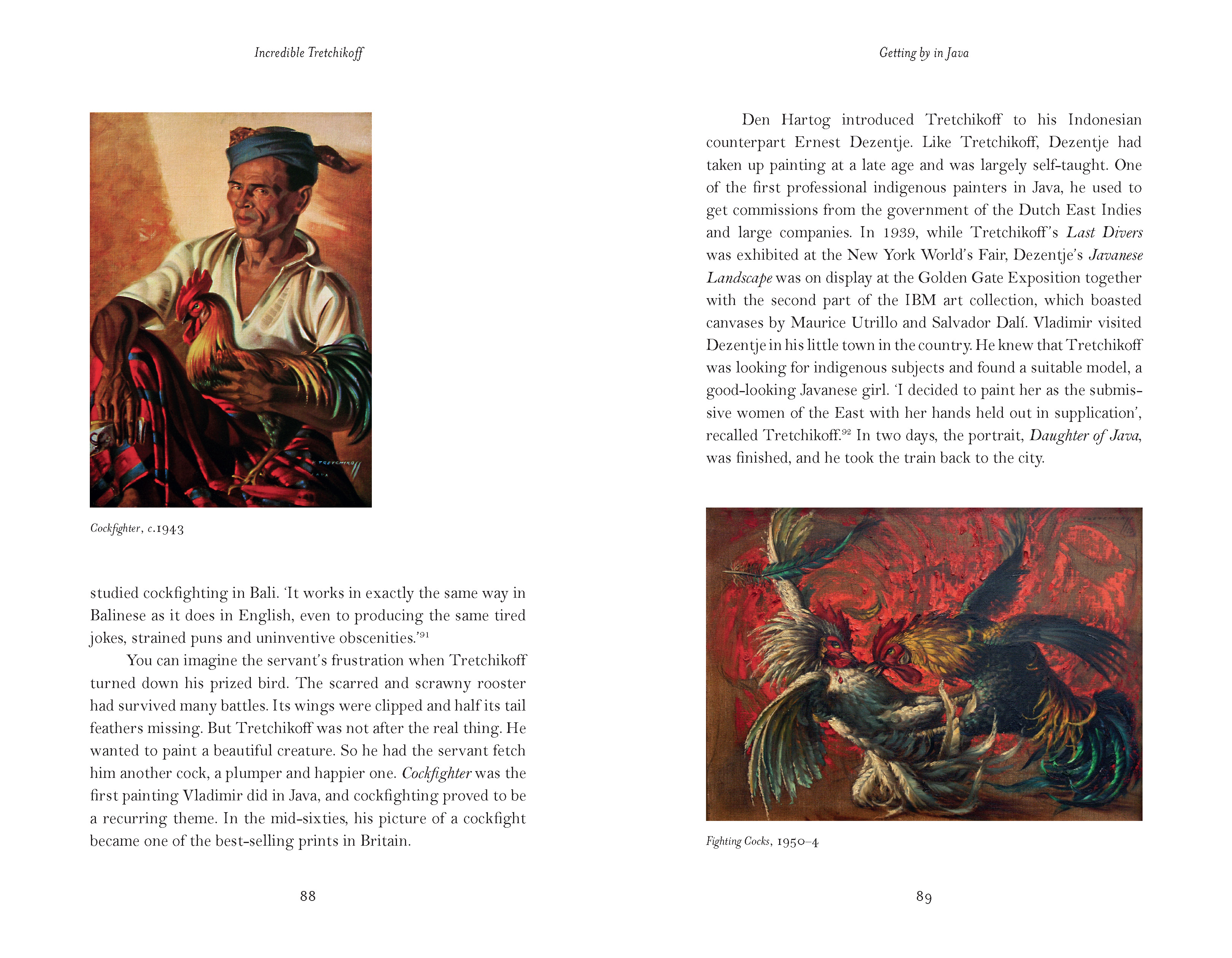
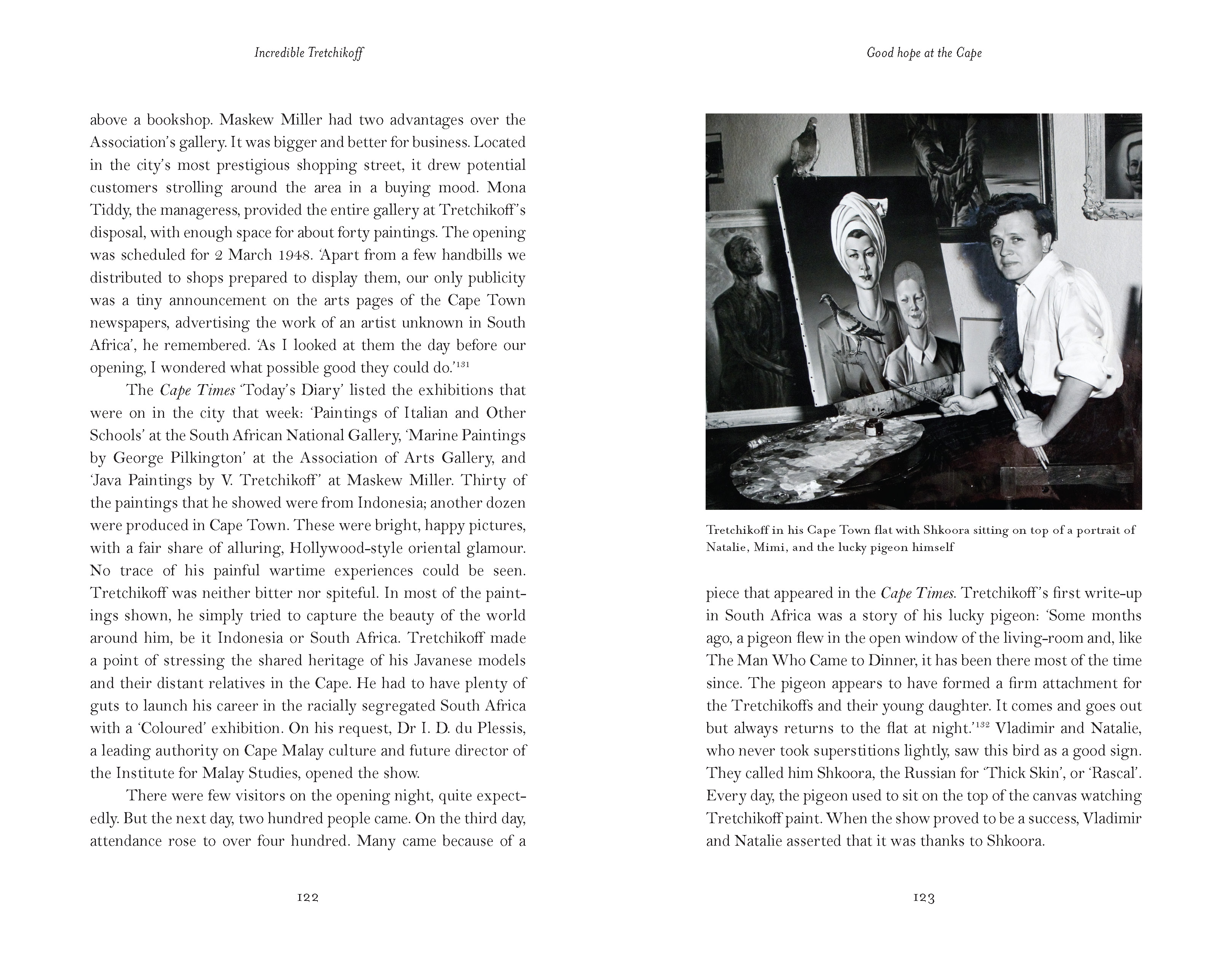
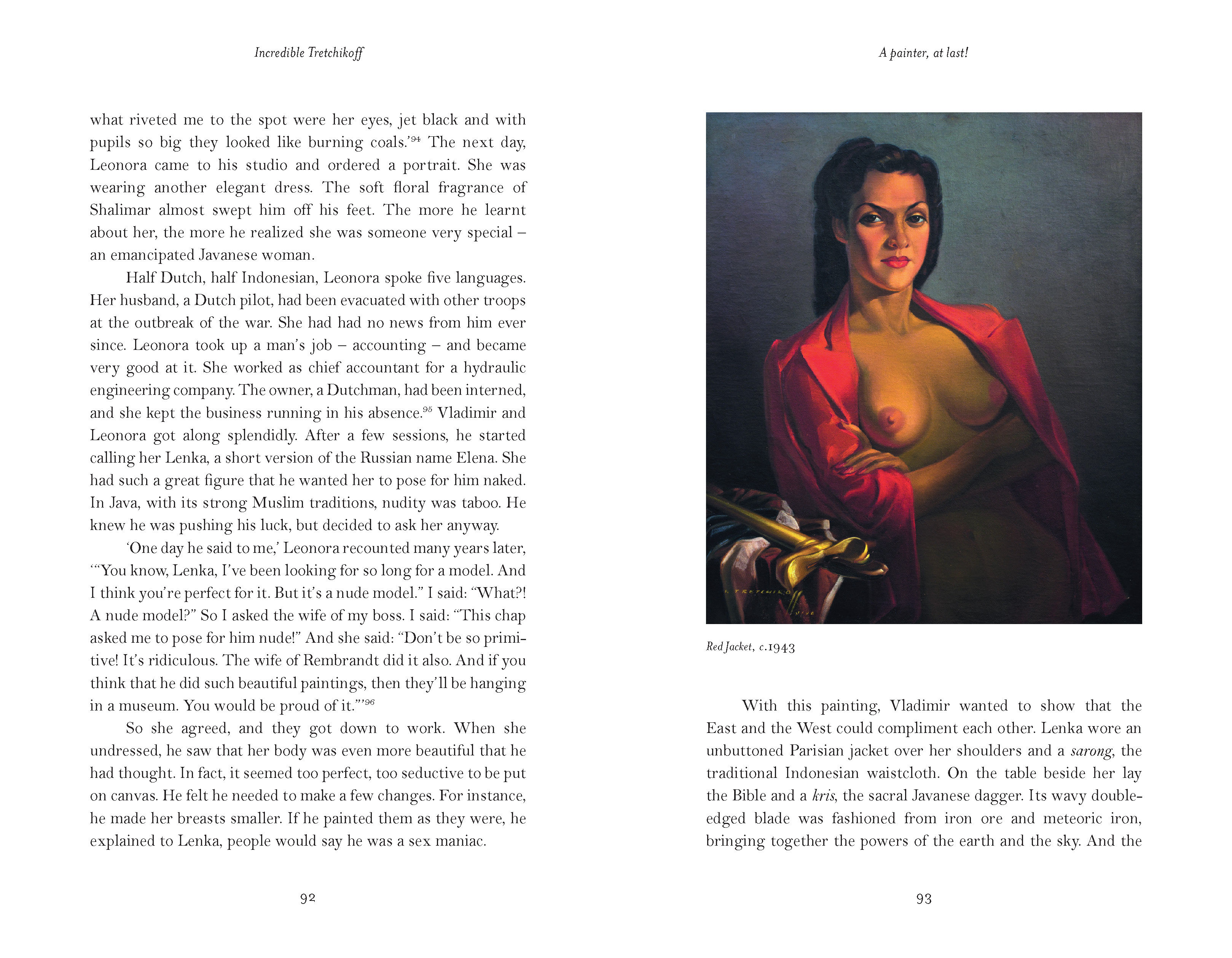
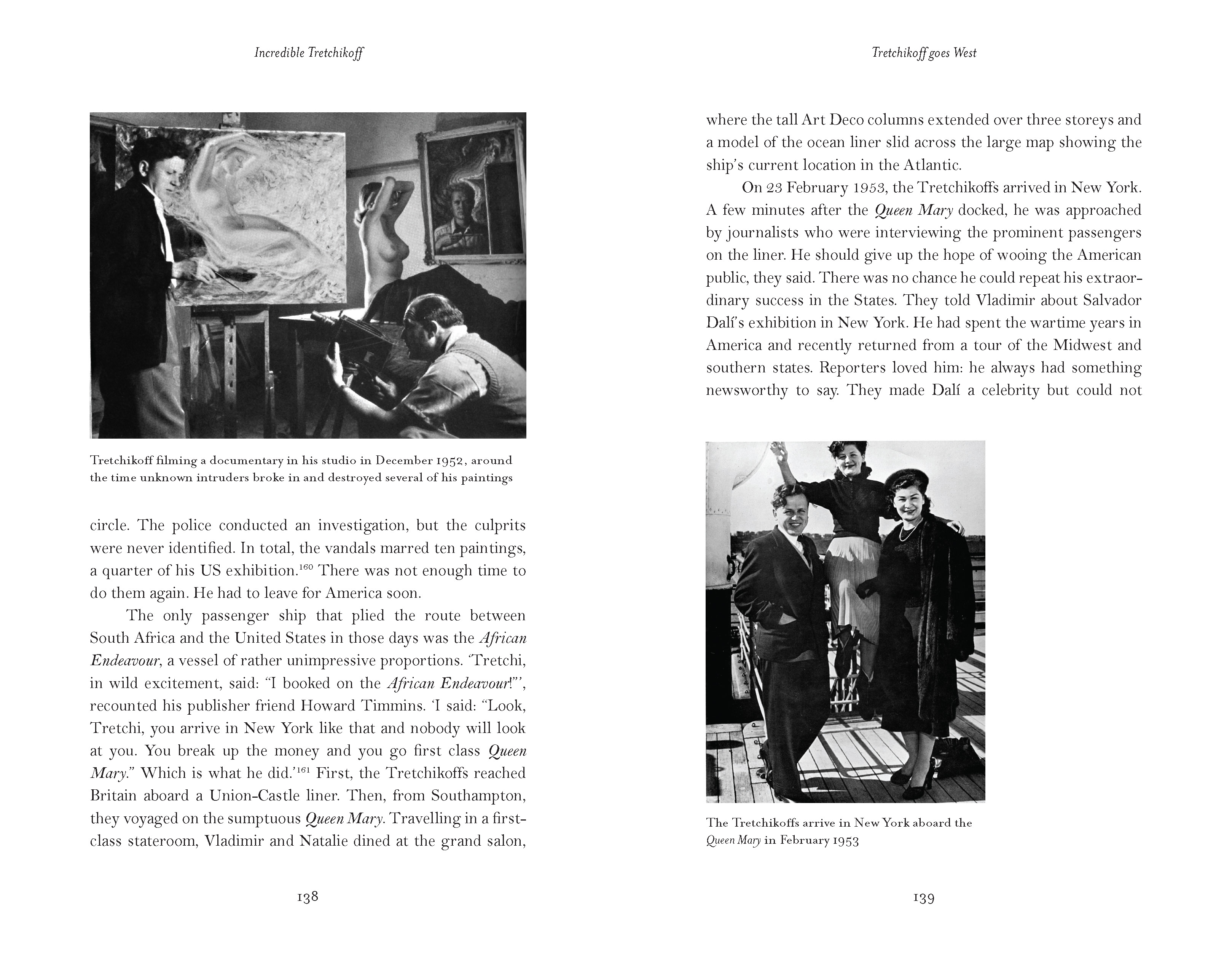
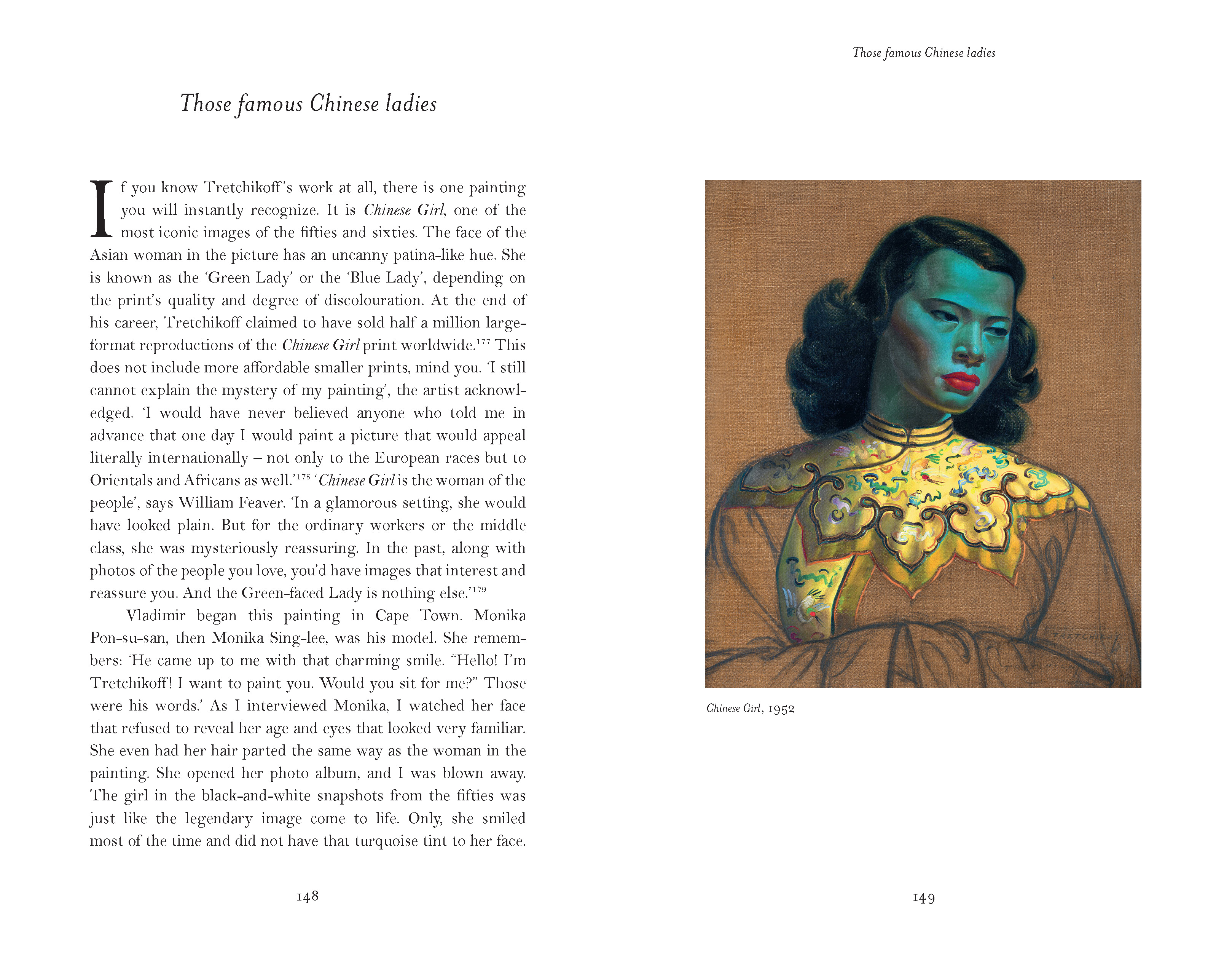
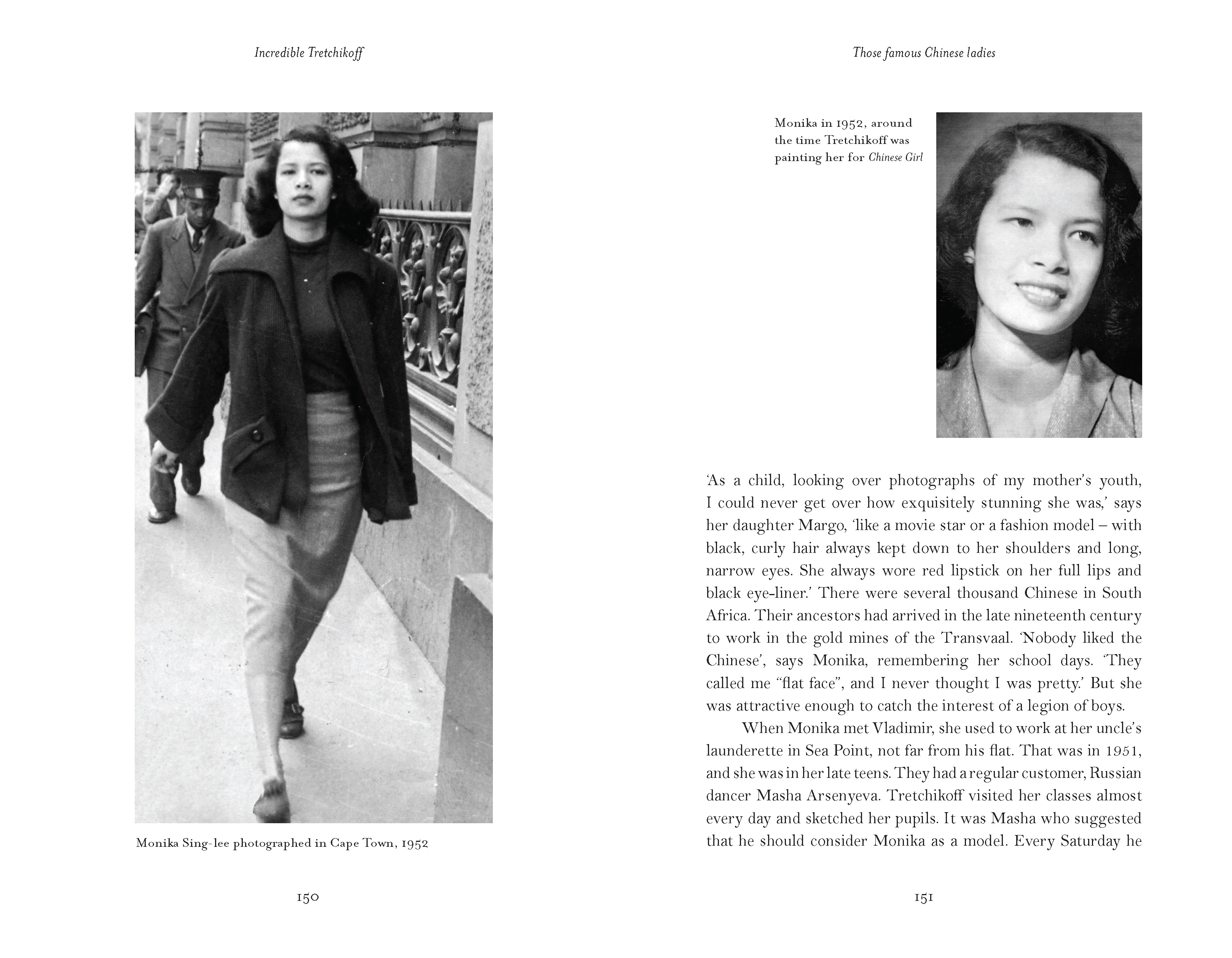
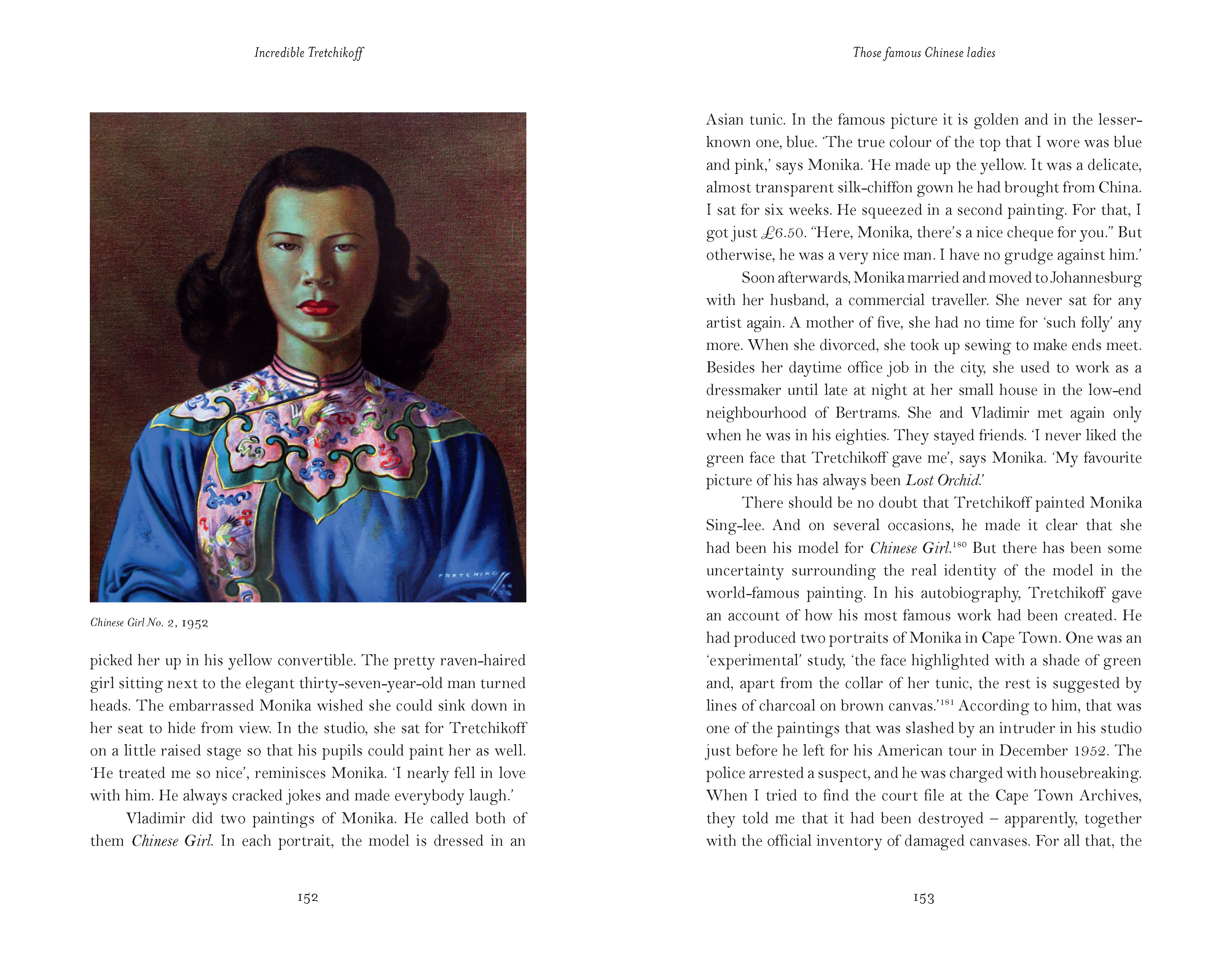
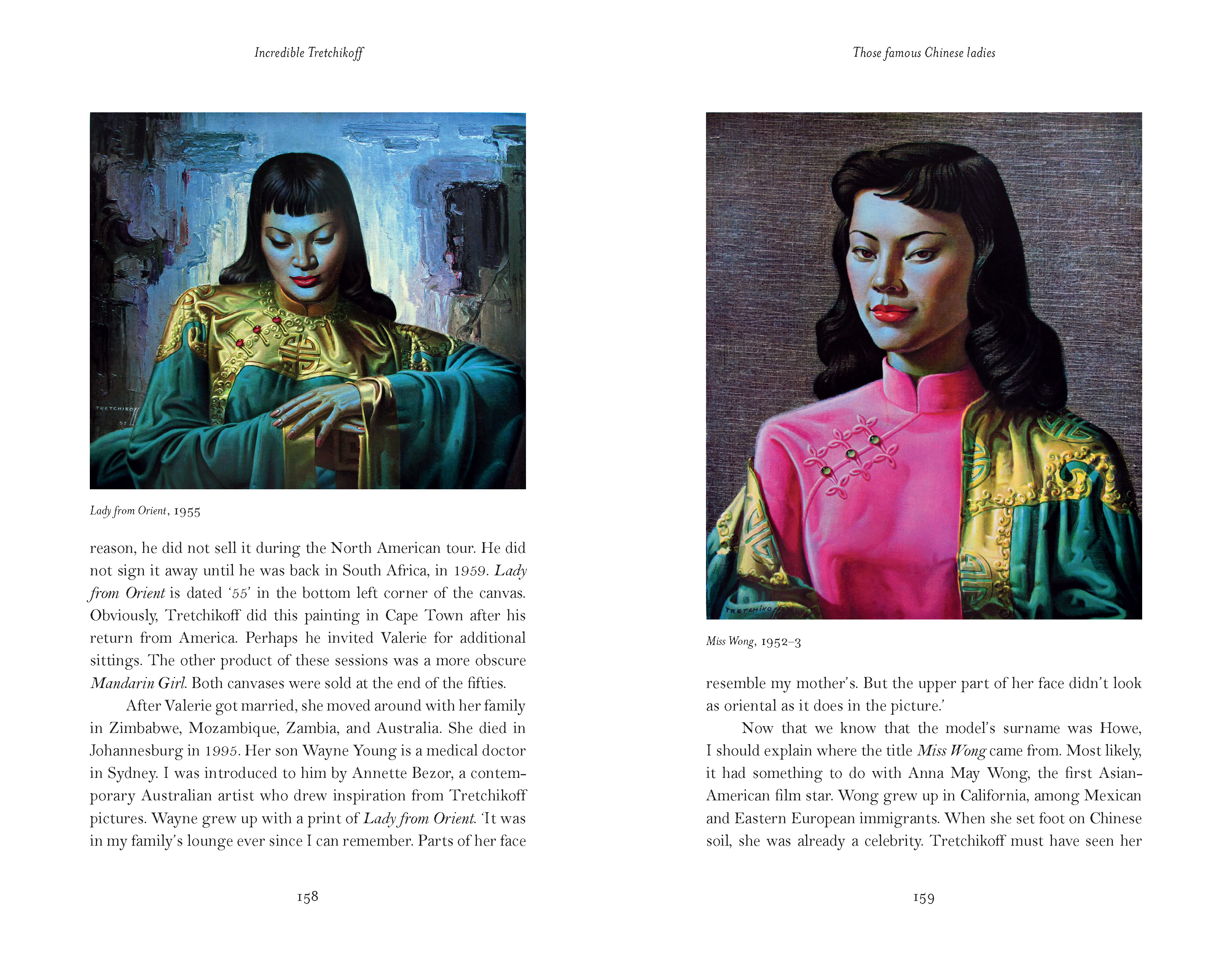
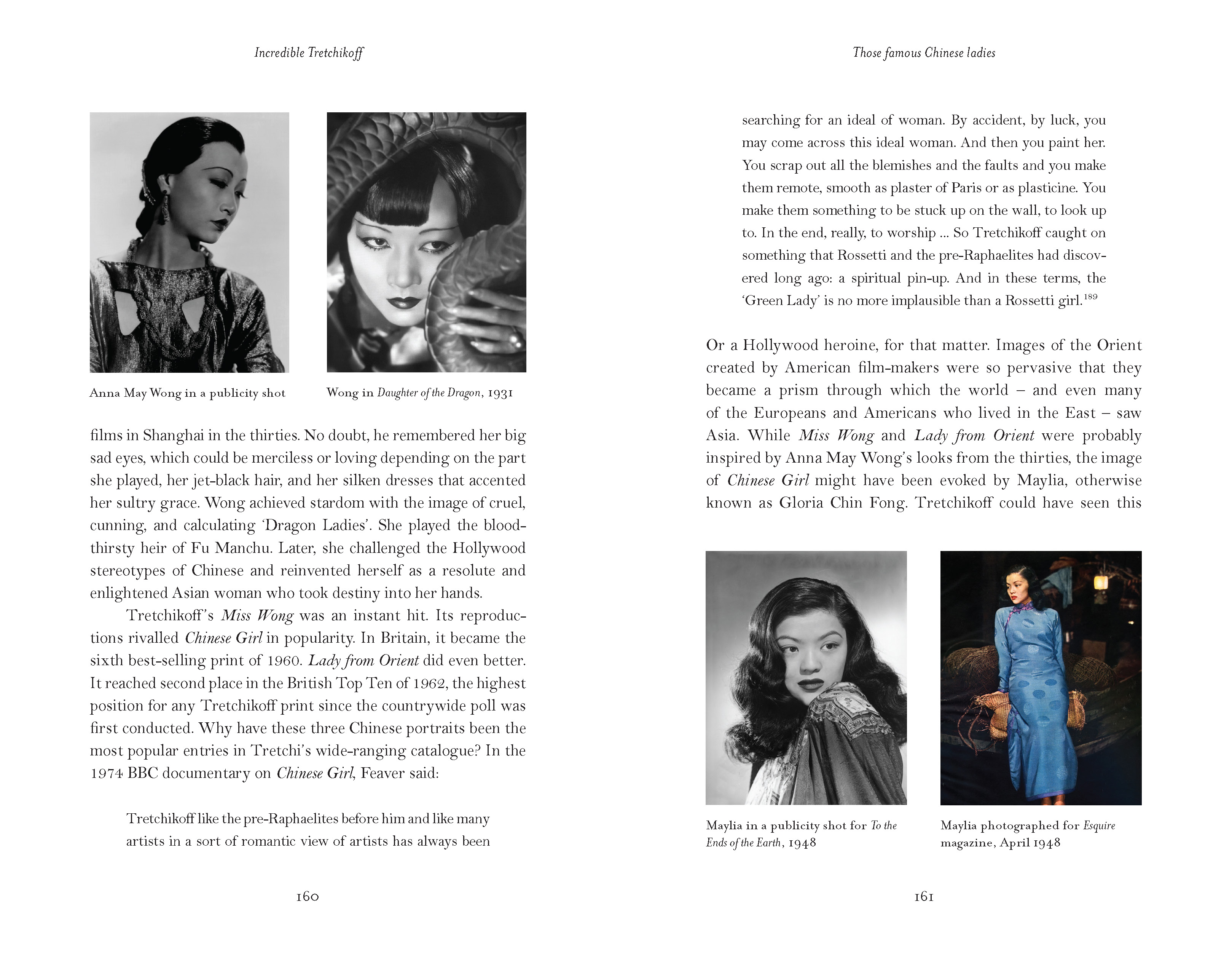
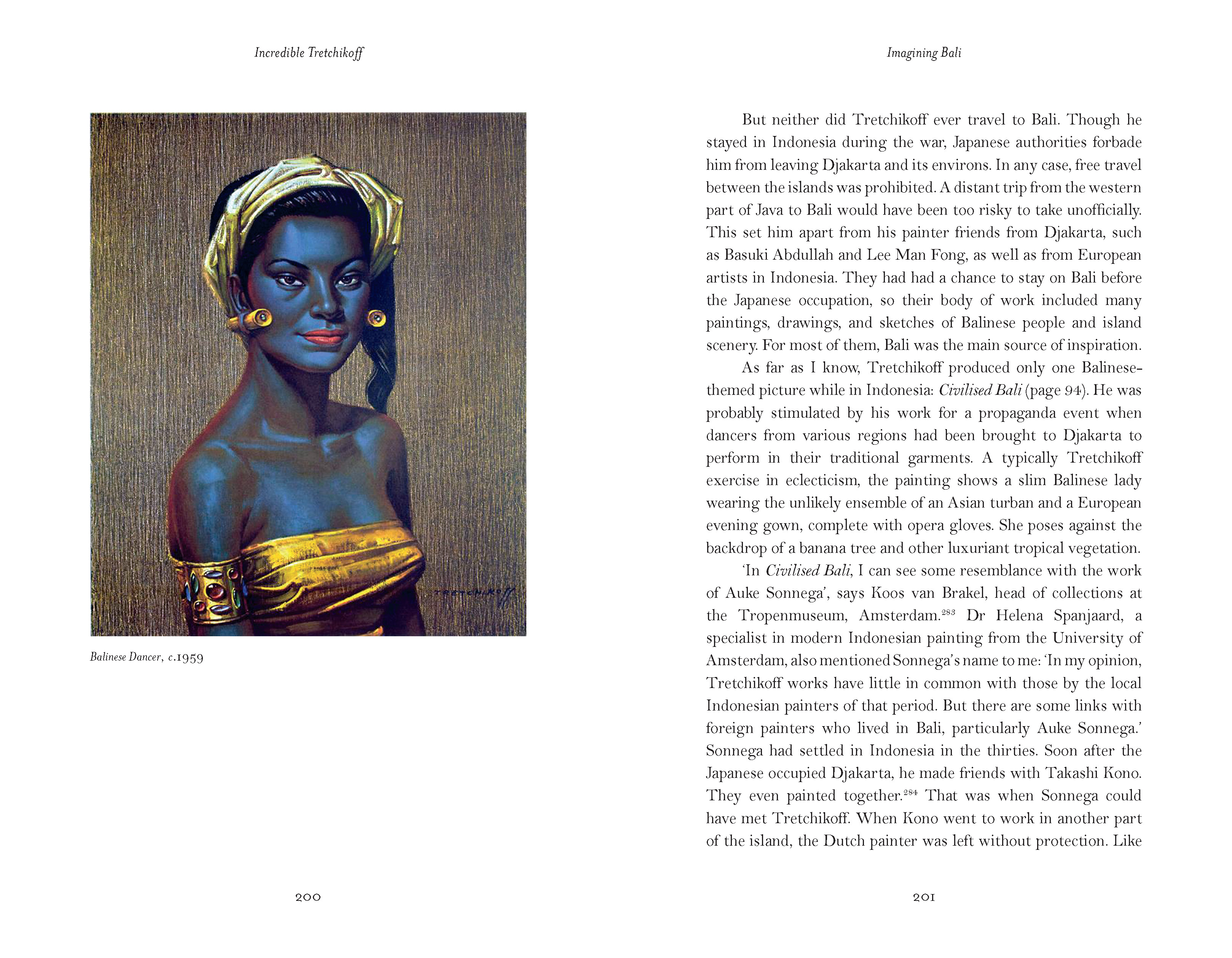
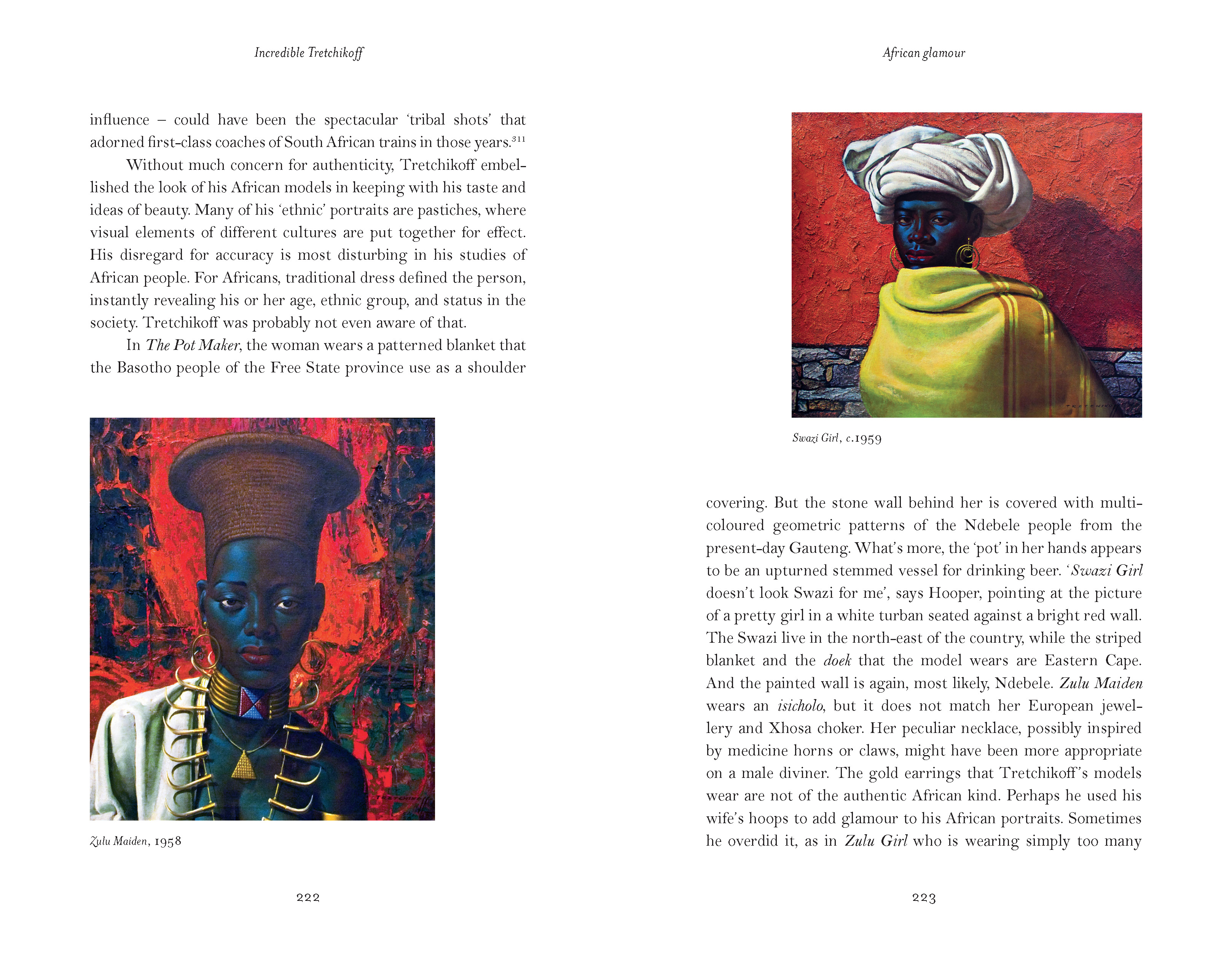
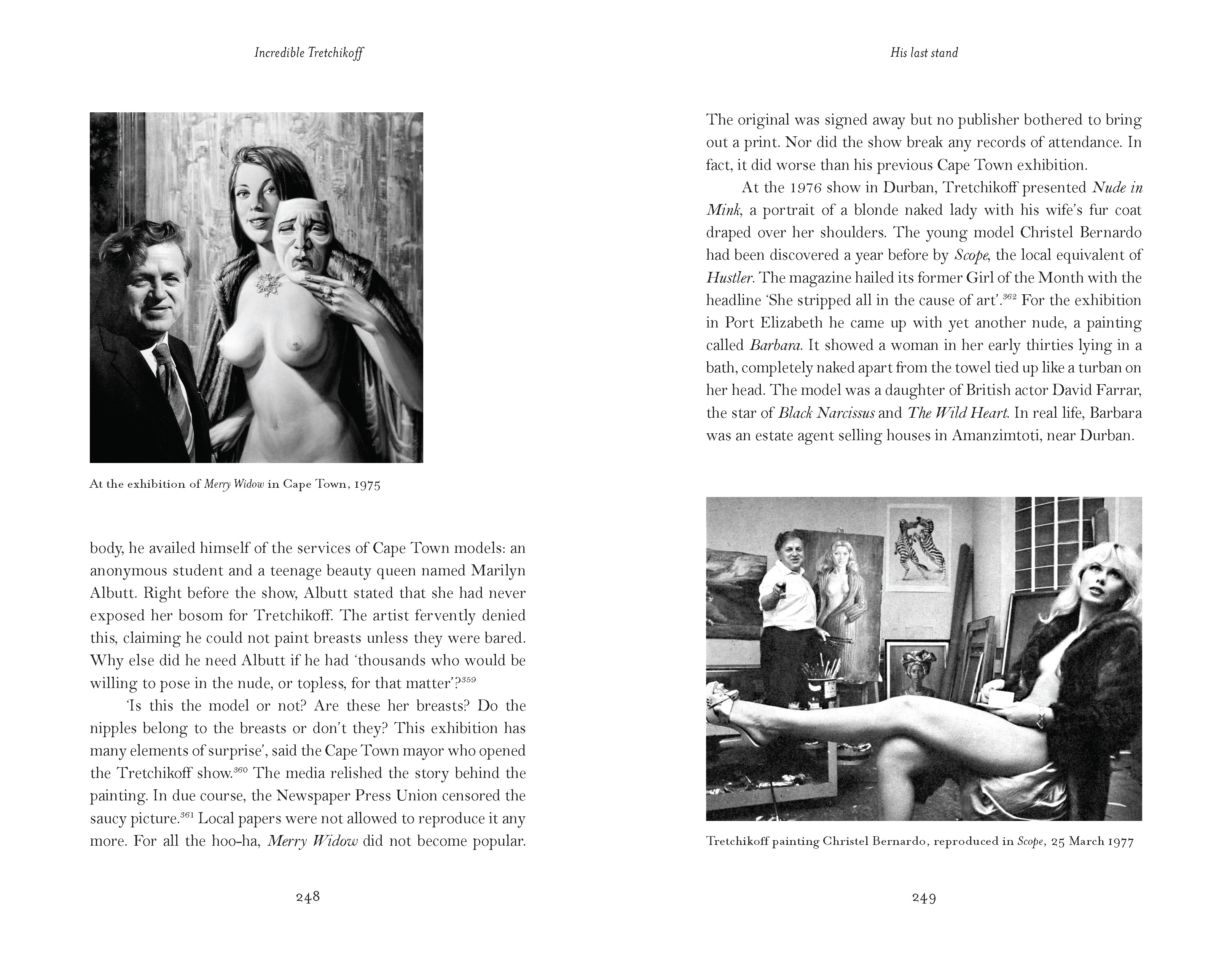
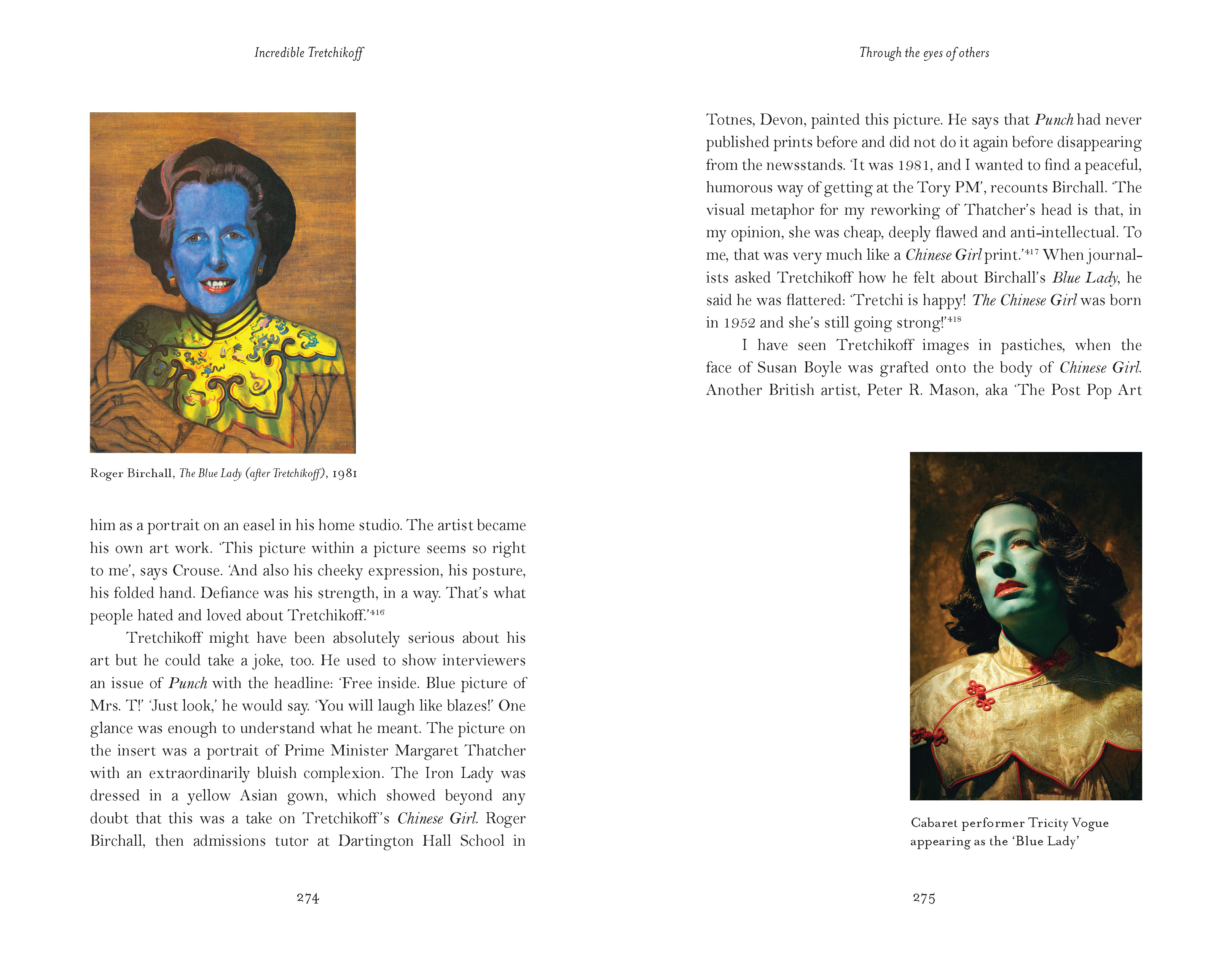
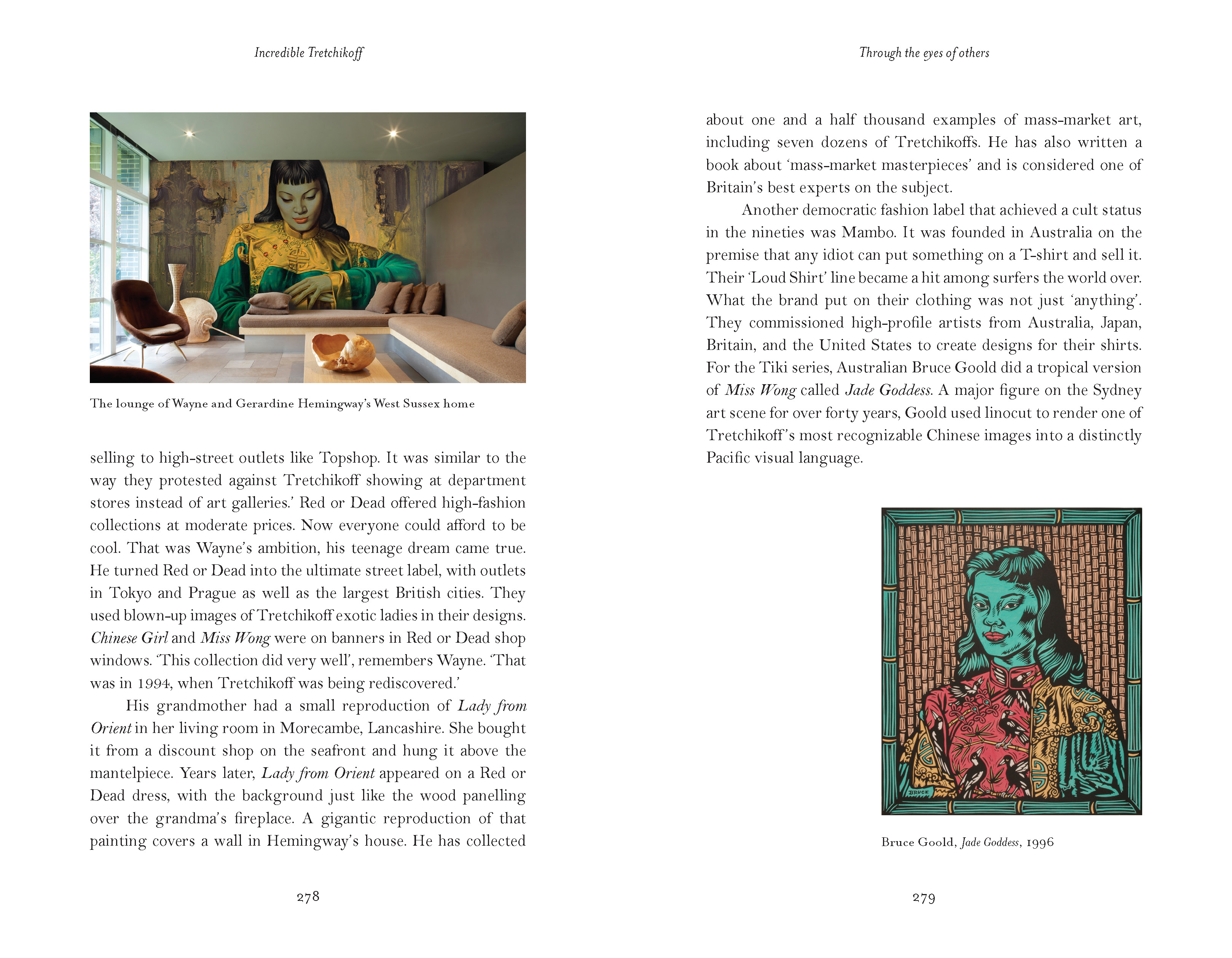
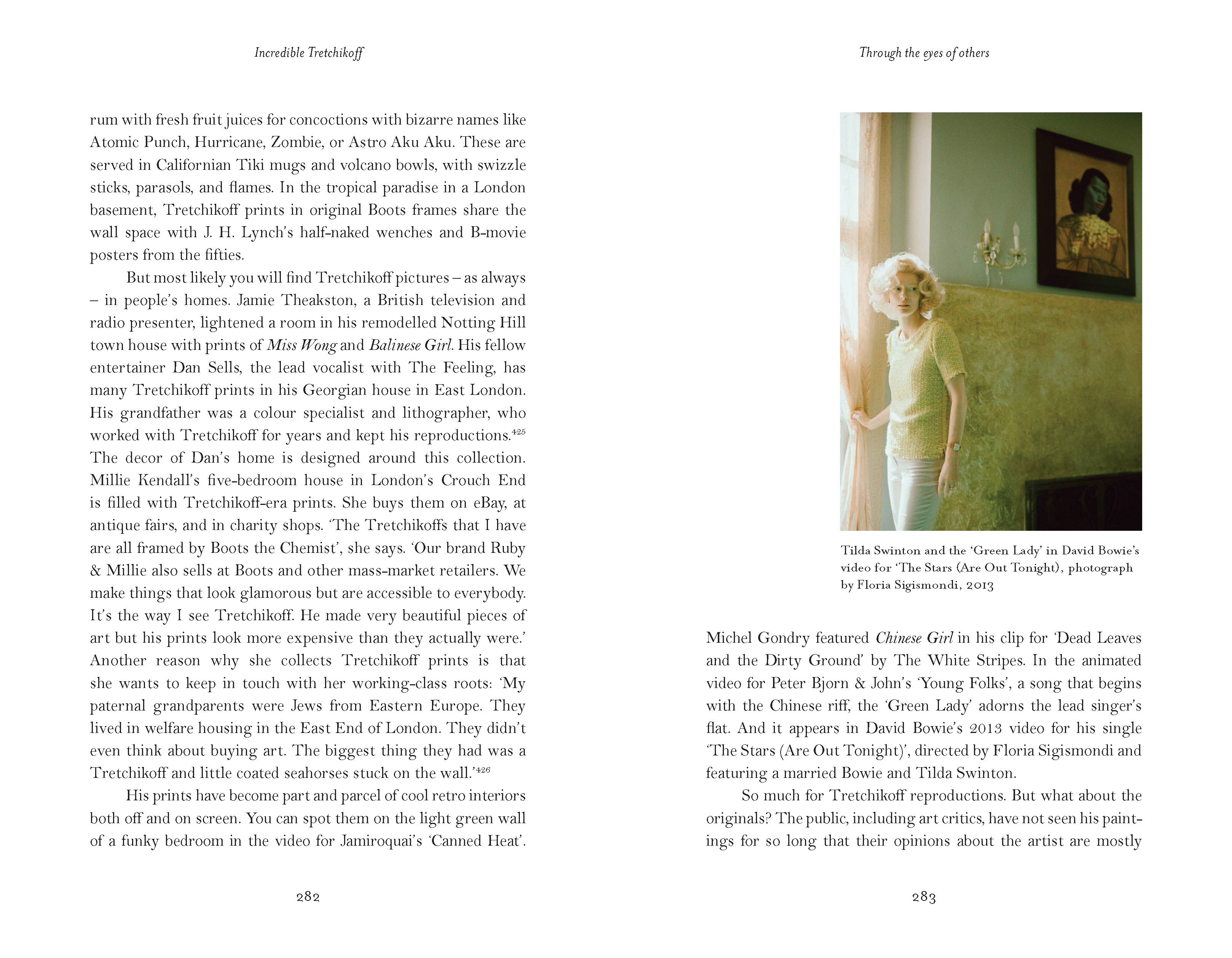
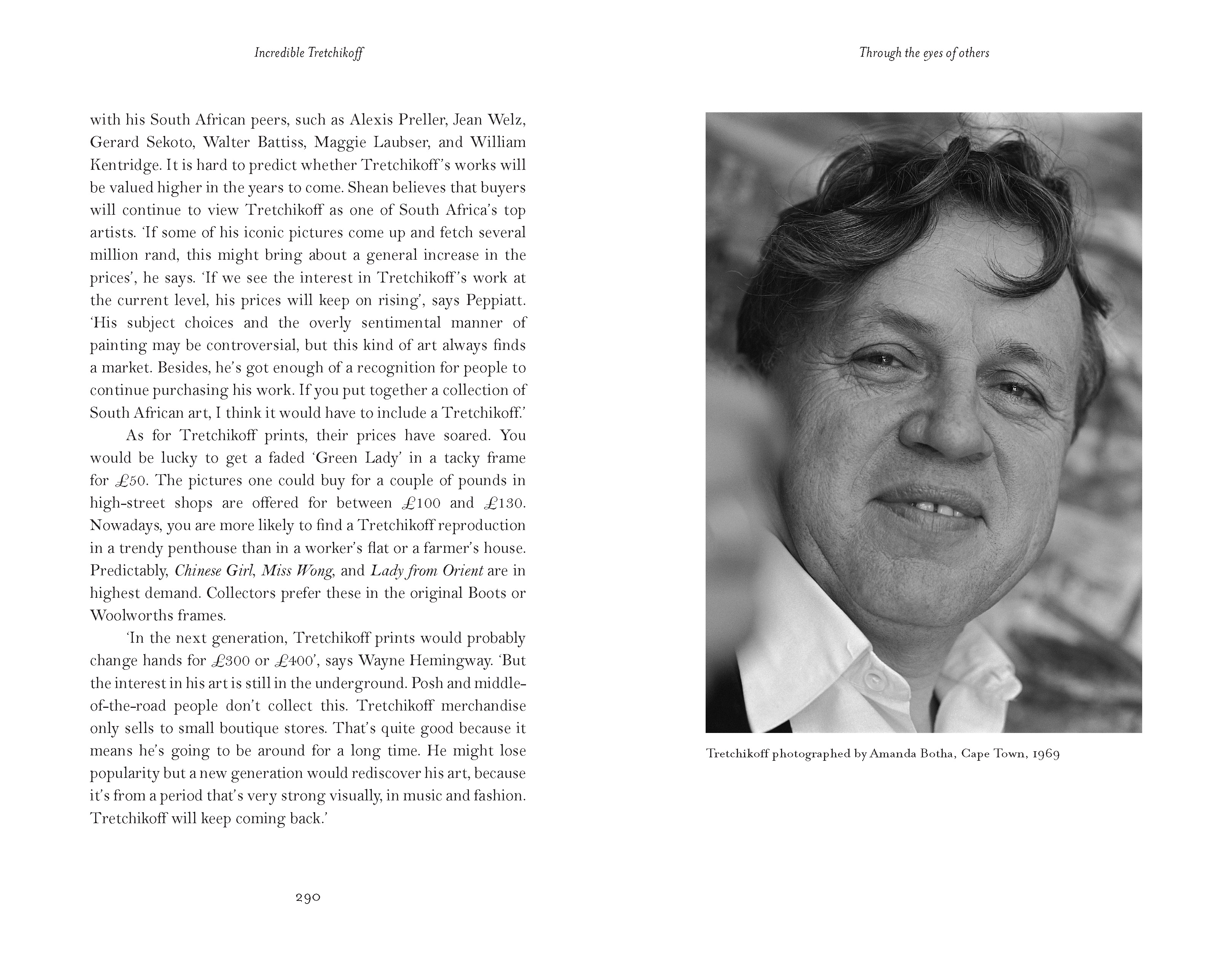
Vladimir Tretchikoff’s Chinese Girl is one of the most famous images of all time. Known as the ‘Green Lady’, it has been reproduced countless times, appearing everywhere from mugs and T-shirts to pop videos and blockbuster films. Tretchikoff lived a life as colourful as his instantly recognizable paintings. Born to a deeply religious Siberian family, he fought poverty, tragedy, captivity and near death to become one of the most celebrated artists of his time. Loathed by the critics yet loved by the public, he defied misfortune and a dismissive art establishment to enjoy phenomenal success in Britain, South Africa, Canada and the United States.

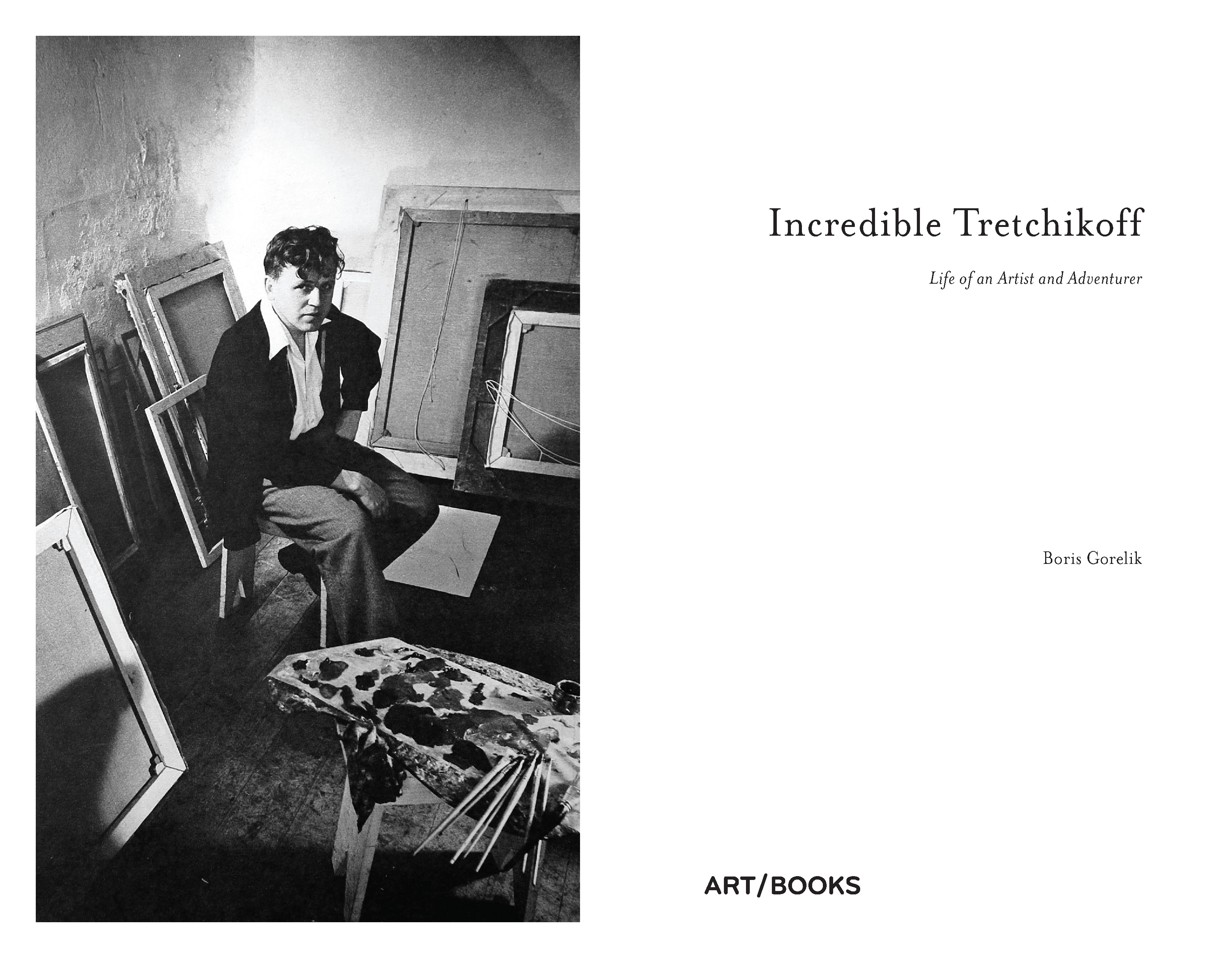
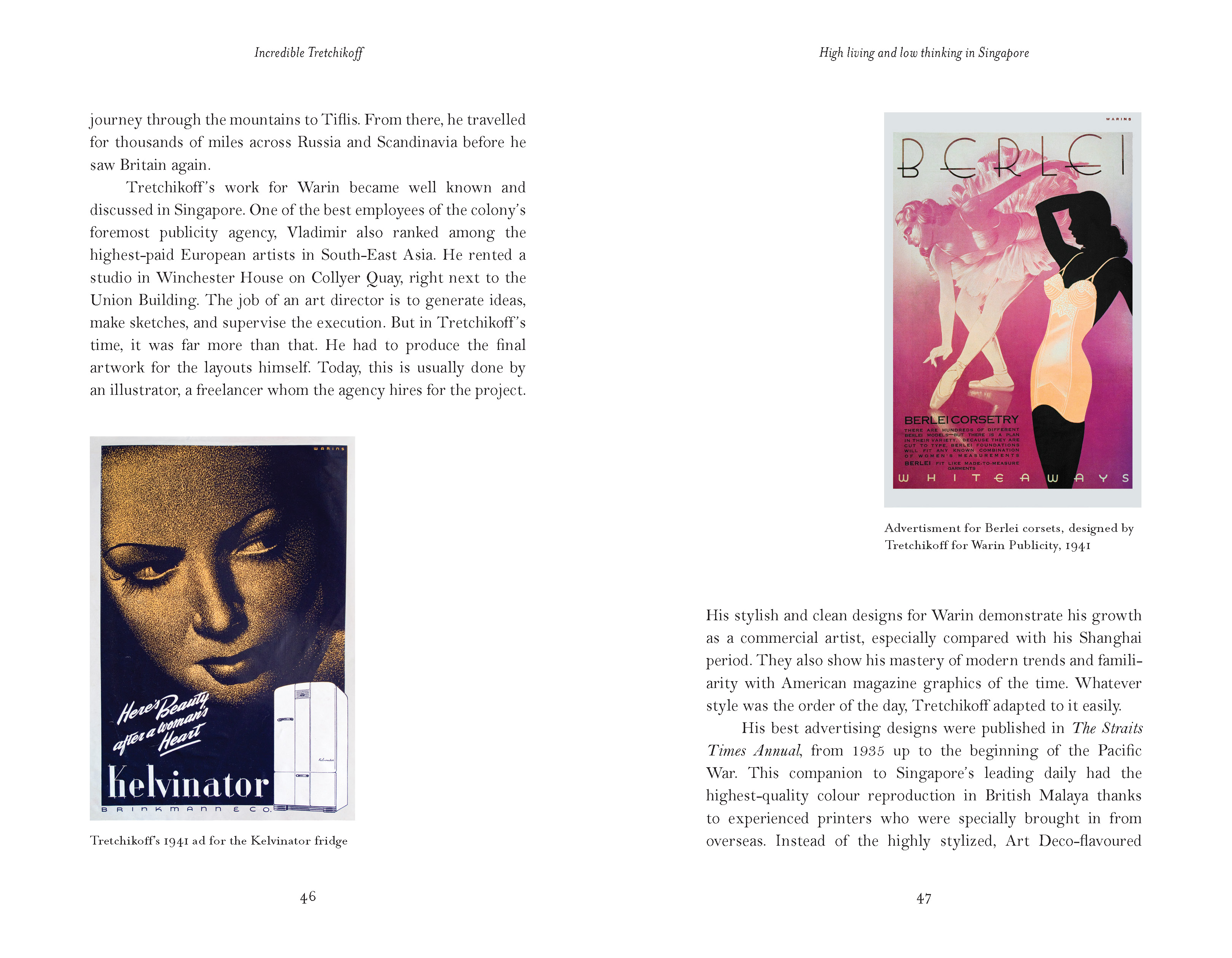
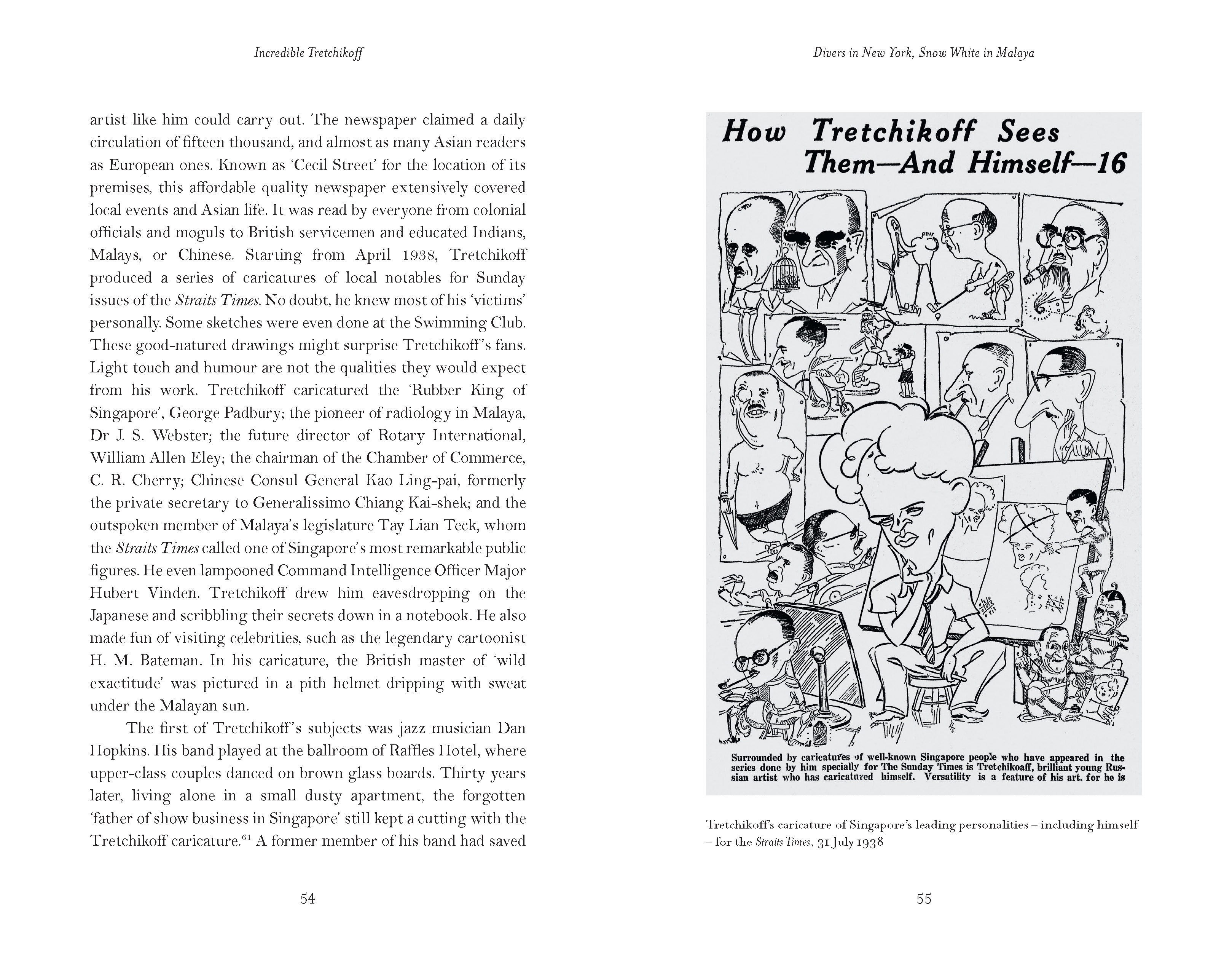
Coinciding with the centenary of his birth, Incredible Tretchikoff tells the enthralling story of this flamboyant artist from his humble beginnings to the spectacular highs and lows of his later career. We hear thrilling accounts of his early years as a Russian orphan in Manchuria and his efforts to make his way as a young man in a strange land. In Singapore in the 1930s, he was accepted into the social elite and his art became talk of the town. Meanwhile, he secretly worked for the British Ministry of Information producing anti-Axis propaganda. But his high living was brought to an abrupt end by the war. He was nearly killed when the Japanese sank the boat on which he was trying to escape; taken prisoner, he was forced to use his artistic skills for the enemy. Accused by his captors of being a spy, he somehow survived, and was eventually reunited with his wife and daughter in Cape Town after the war. Within years, through sheer determination and despite the hostility of the local art community, Tretchikoff had become South Africa’s best-selling artist and his fame had spread across the globe.

With the pace and suspense of a novel, Incredible Tretchikoff matches the drama of its subject’s extraordinary life. It reveals the adventures that lie behind his most famous pictures, while presenting recently uncovered information and previously unseen photographs. This fascinating and gripping book is a fitting record of one of the most popular and controversial painters of the twentieth century.

Boris Gorelik is a writer and researcher based in Moscow.


What others say

‘Gorelik’s publication is relevant and timeous.… [He] has produced a book that gathers together a wealth of information, raising interesting points on many quite contentious issues.… One of [its] merits is that Gorelik … contextualises the times and the climate in which Tretchikoff worked and exhibited, both locally and internationally. What emerges … is the remarkable impact of Tretchikoff’s work the world over.’ — De Arte

Incredible Tretchikoff has the combination of a good story and a compelling trek through questions of aesthetics and popularity, contrasts that sit remarkably easily together. Most important, it reads extremely well.’ — William Feaver, critic and author of Lucian Freud, Frank Auerbach, and Pitmen Painters

‘Tretchikoff gets a long overdue reassessment in this book by Boris Gorelik. He has unearthed many previously unseen works by the artist so often considered the epitome of kitsch. Here his development can be traced via early political cartoons, advertising work, sketches and book jackets in a deco/modernist style, through to the famous prints and right up to date with his continuing influence on a new generation of illustrators and artists. This is, undoubtedly, the definitive biography. Indispensable.’ — Rian Hughes, illustrator, author of Lifestyle Illustration of the 50s

‘If you are fortunate enough to possess a work by Vladimir Tretchikoff, print or original, and would like to learn more about it, I can heartily recommend Boris Gorelik’s biography. At Bonhams, we are the world leader in handling his paintings and Incredible Tretchikoff has become a trustworthy research tool.’ — Giles Peppiatt, director of South African Art and Modern and Contemporary African Art, Bonhams, London

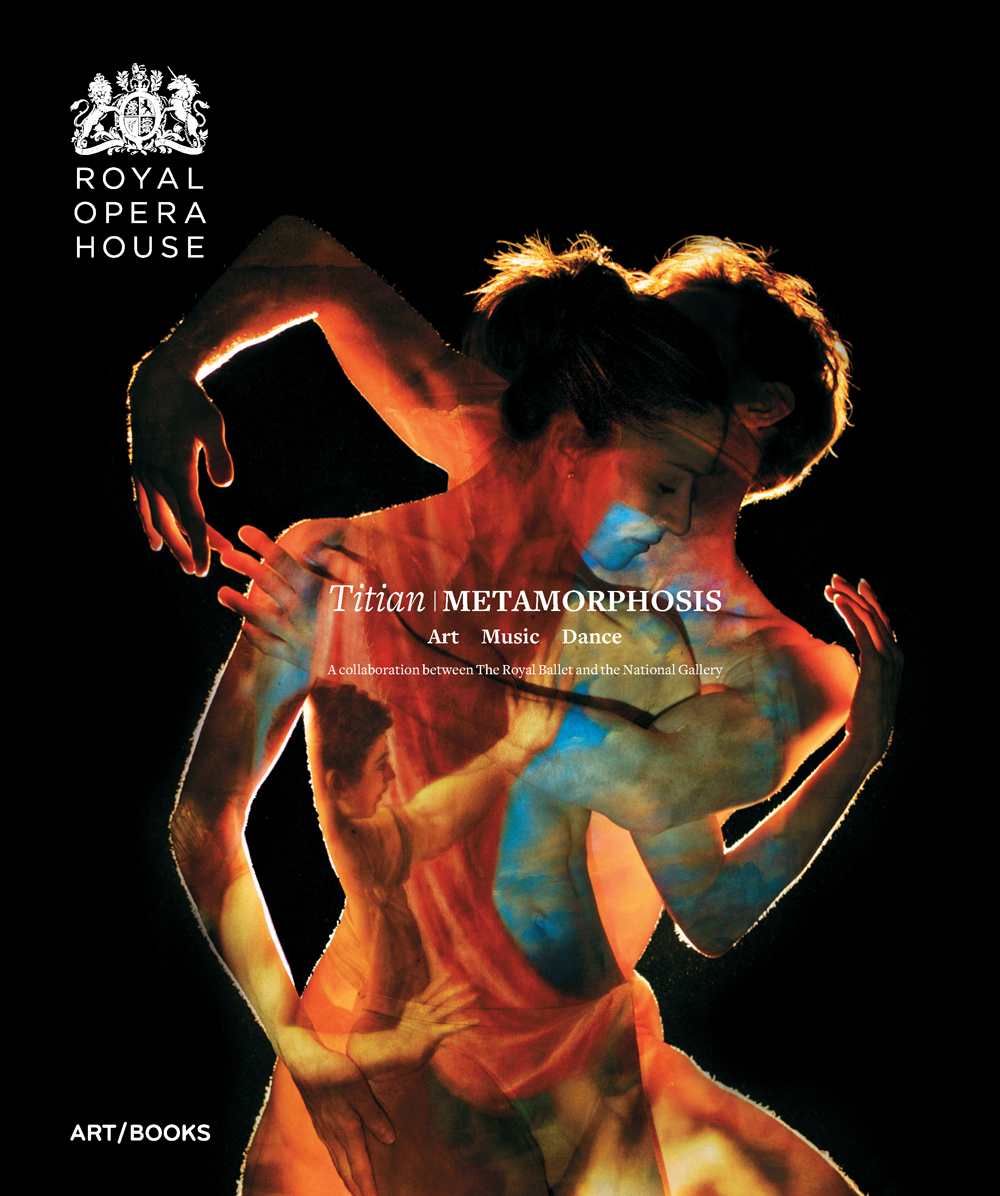
Titian Metamorphosis

ART MUSIC DANCE
A collaboration between The Royal Ballet and the National Gallery

Edited and introduced by Minna Moore Ede
Foreword by Dame Monica Mason
Photography by Gautier Deblonde, Andrej Uspenski and Johan Persson

‘Compelling … stunning … this book is a treasure’ — Ballet News
‘A work of art’ — 4dancers.org
‘One of the most extravagantly interesting collaborative projects ever seen at Covent Garden’ — Guardian
‘[Titan Metamorphosis] is resounding success … a real joy’ — New York Times
‘A book that will excite dance fans’ — London Dance

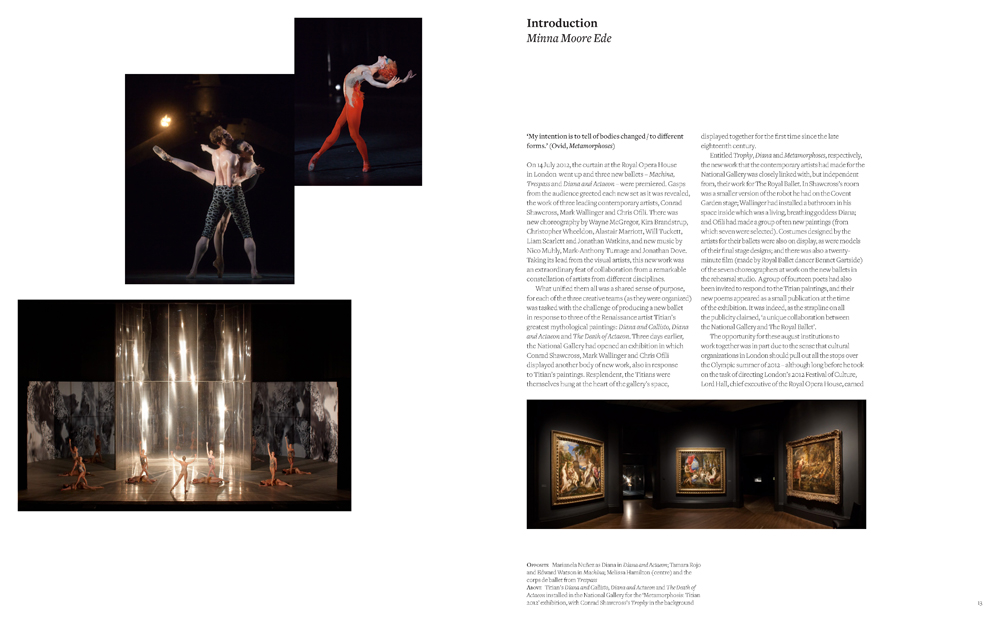
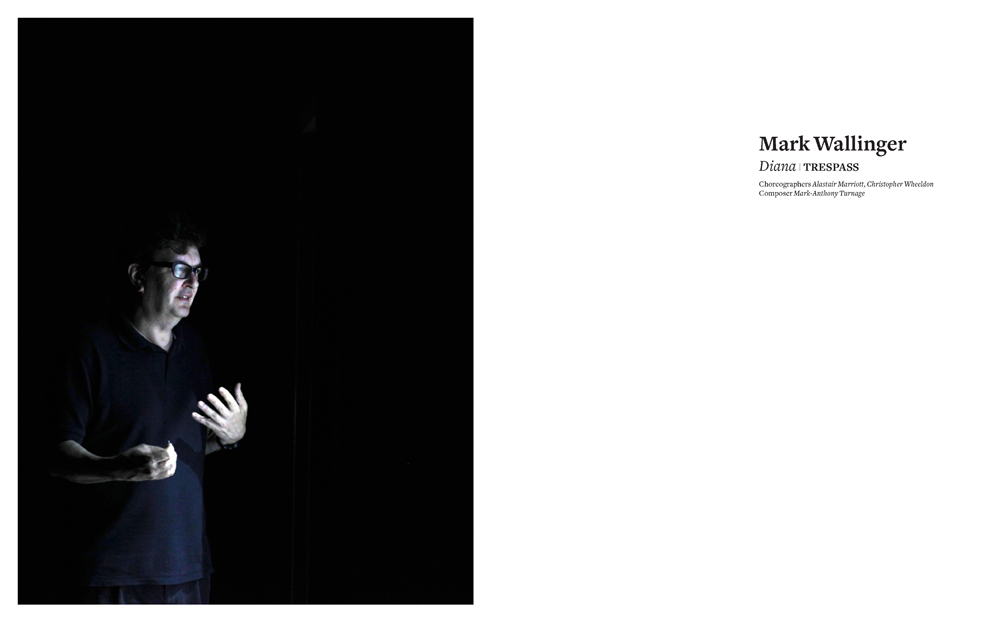
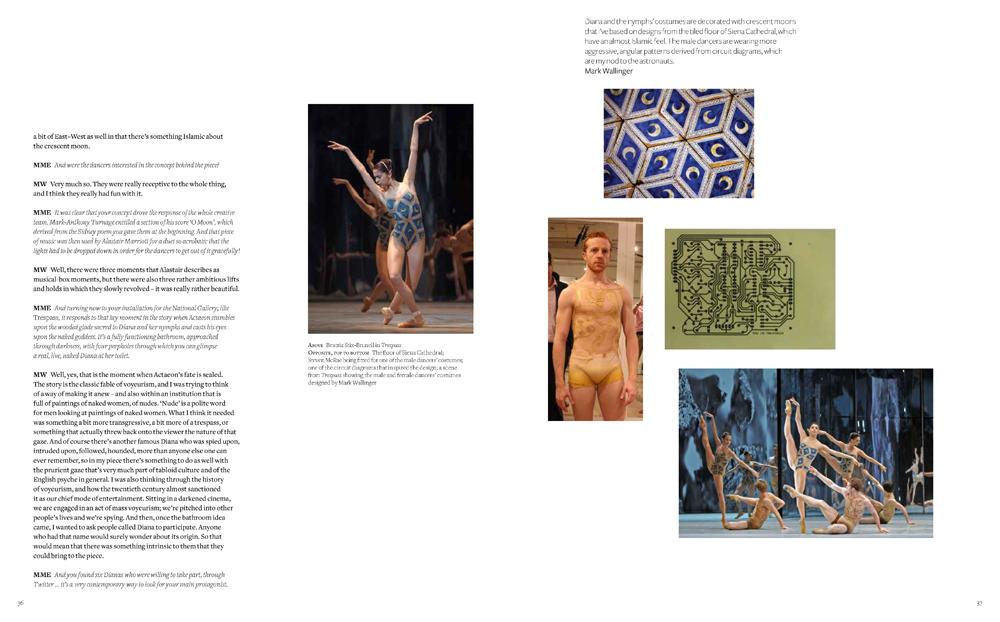
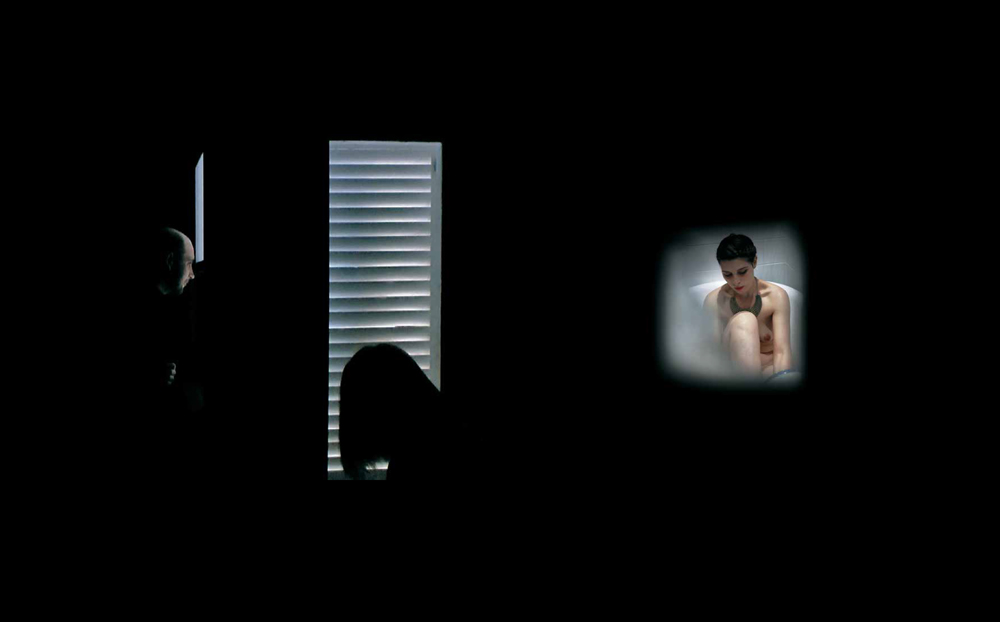
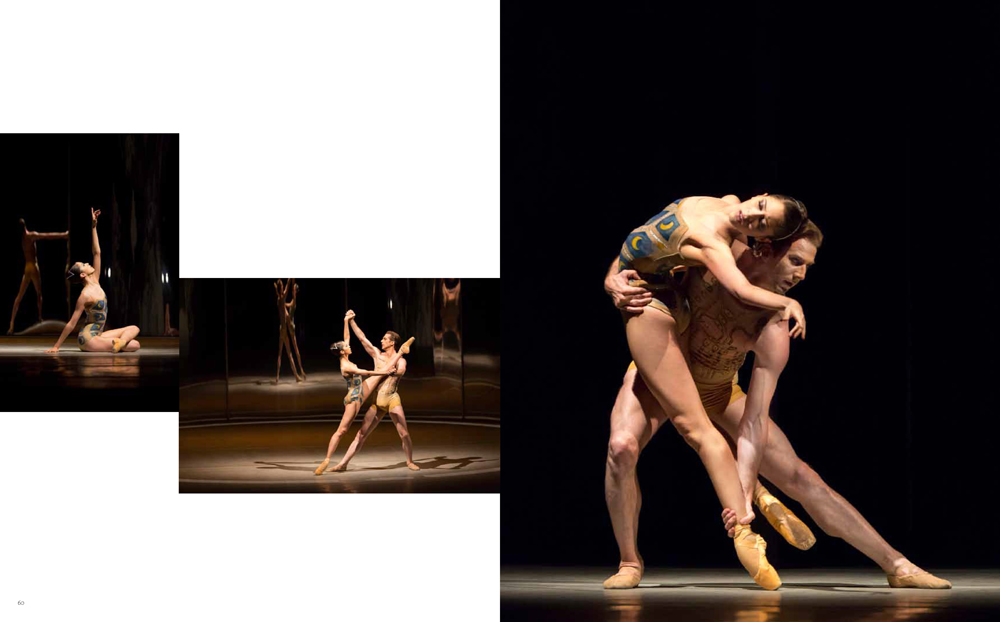
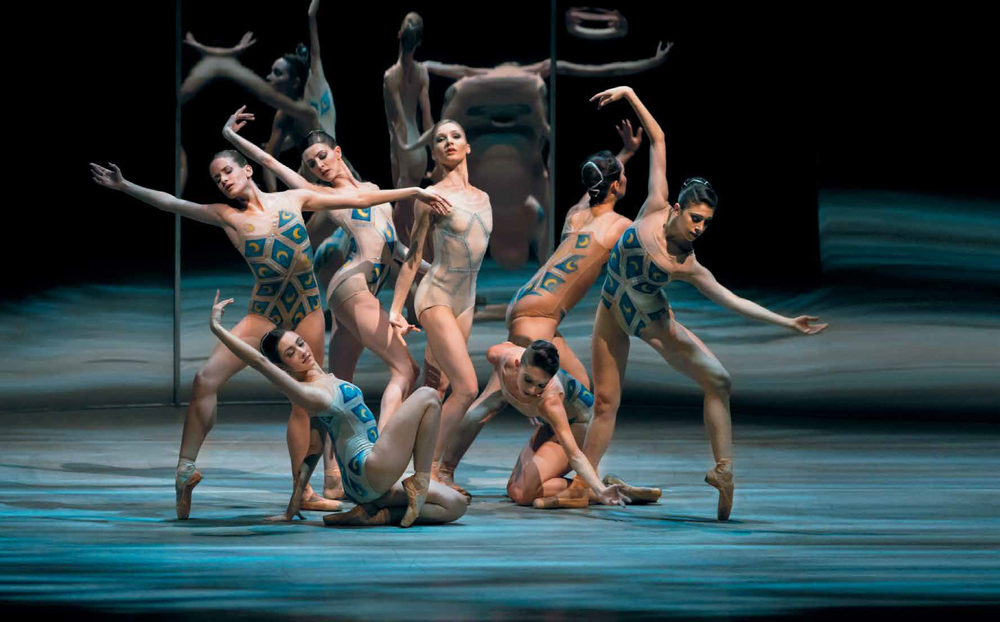
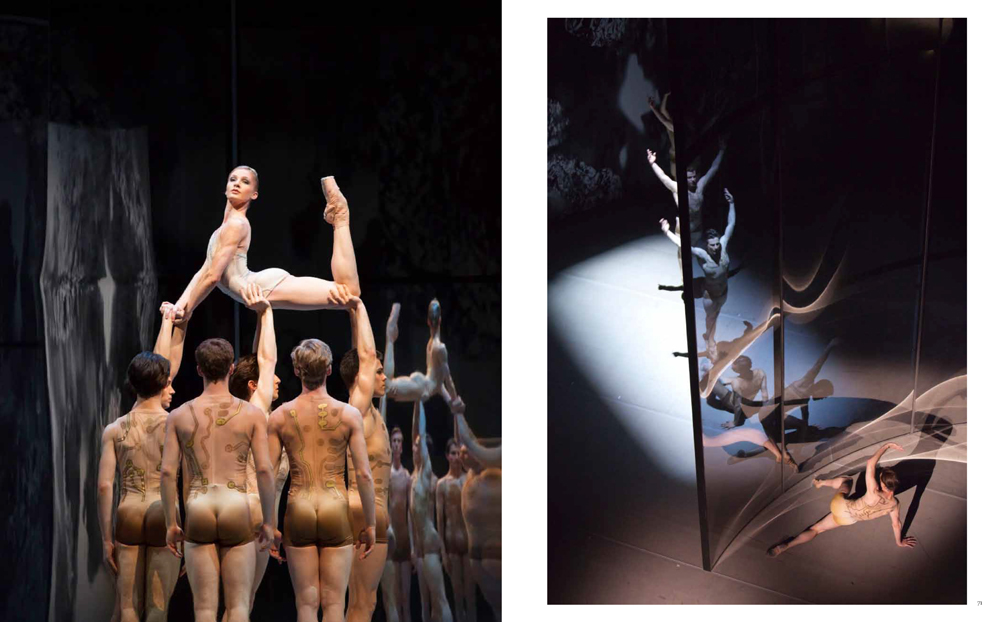
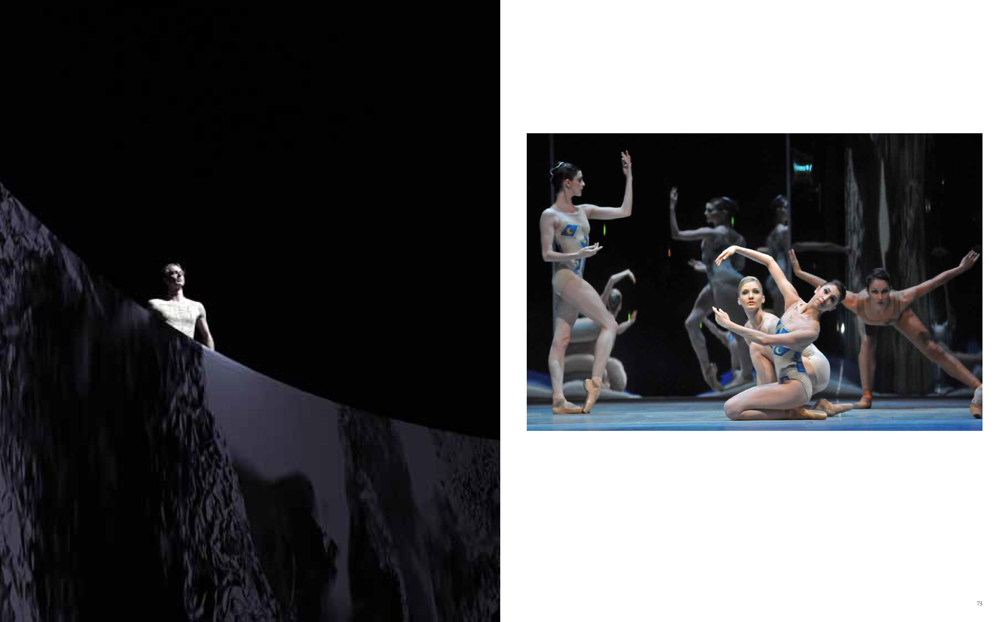
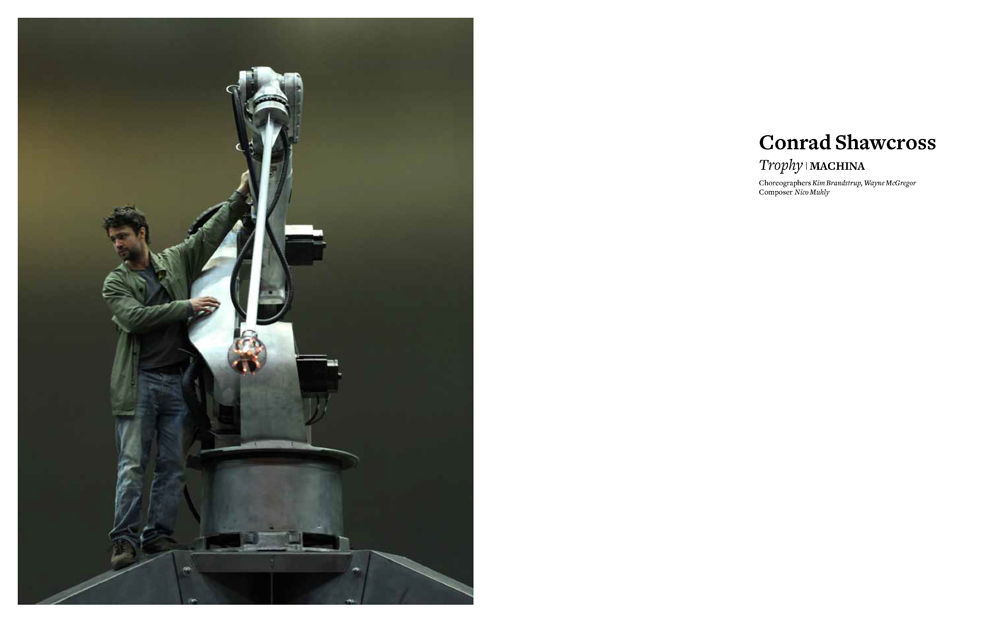
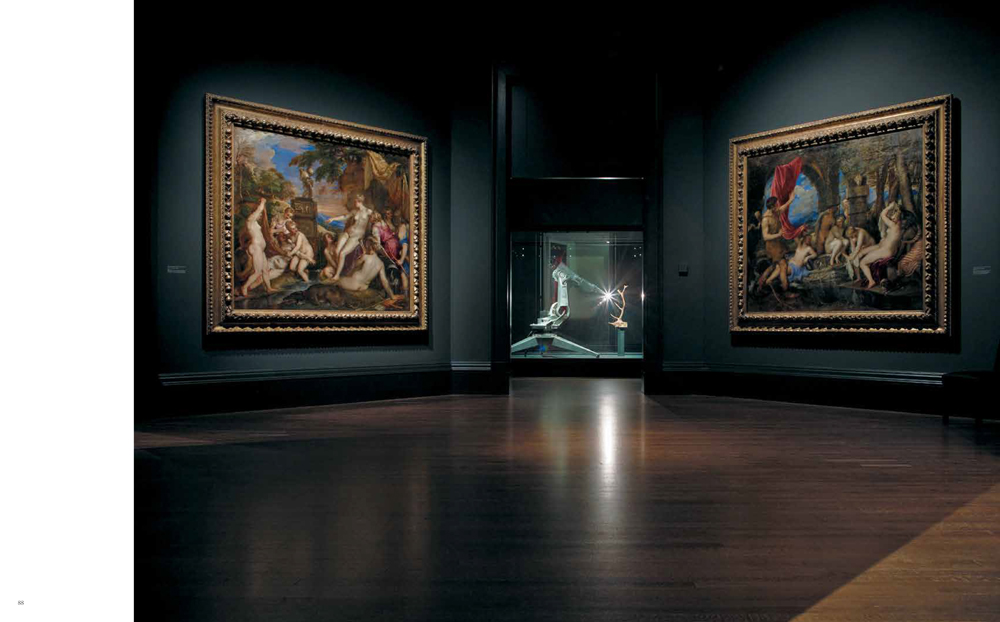
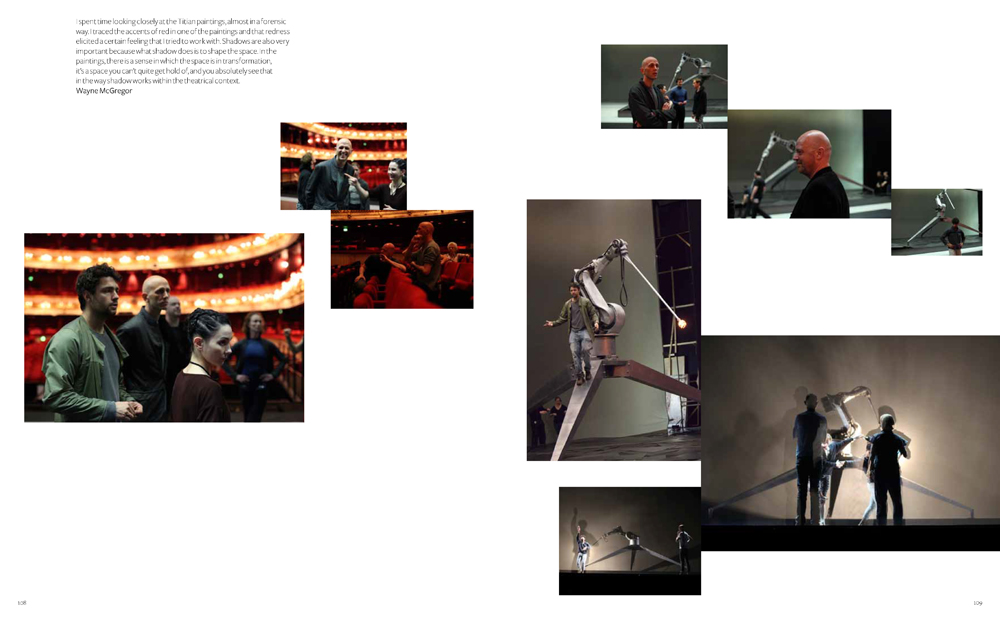
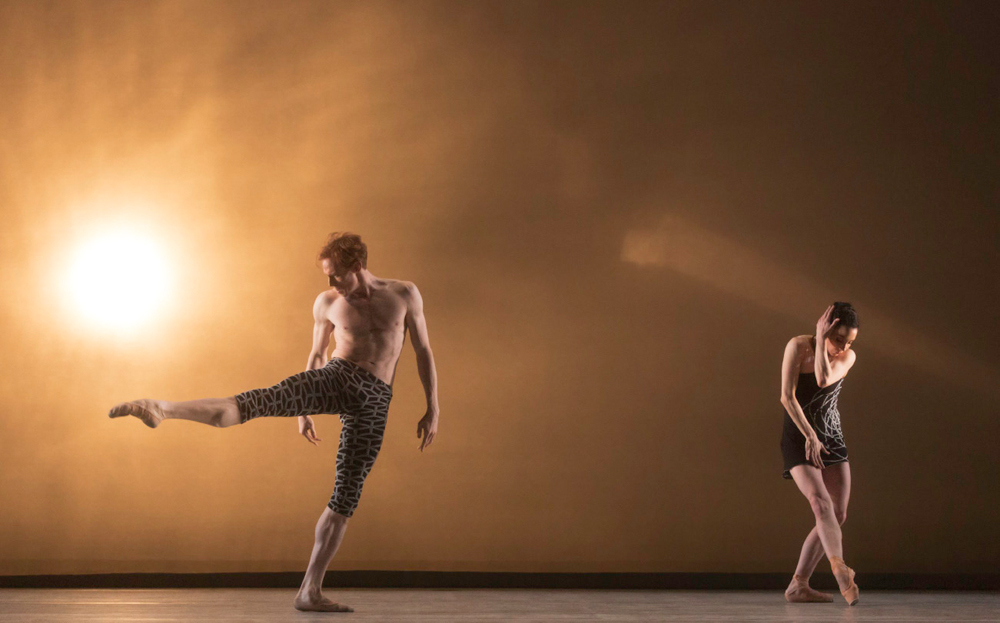
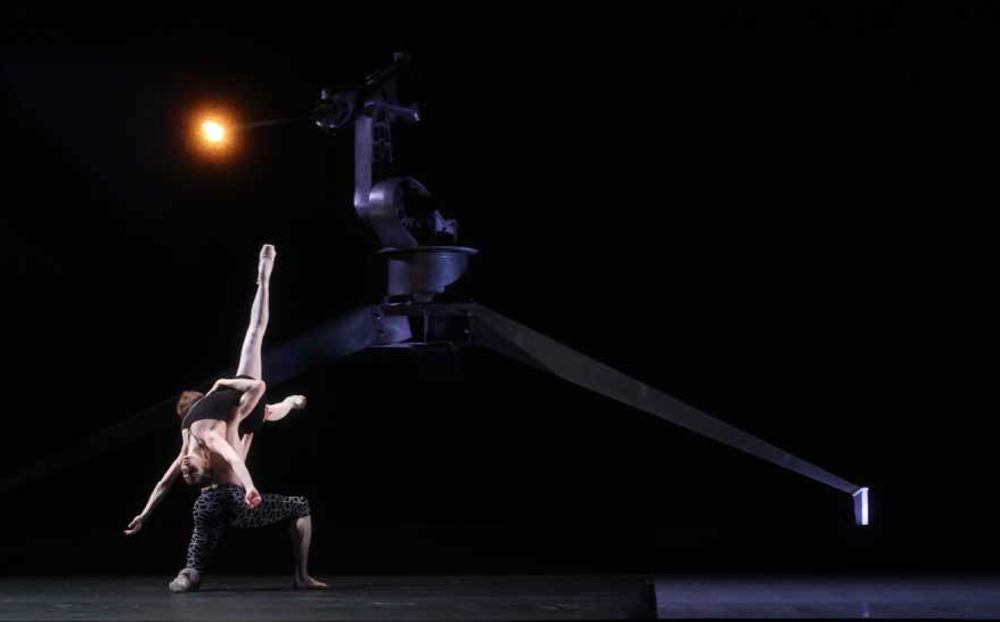
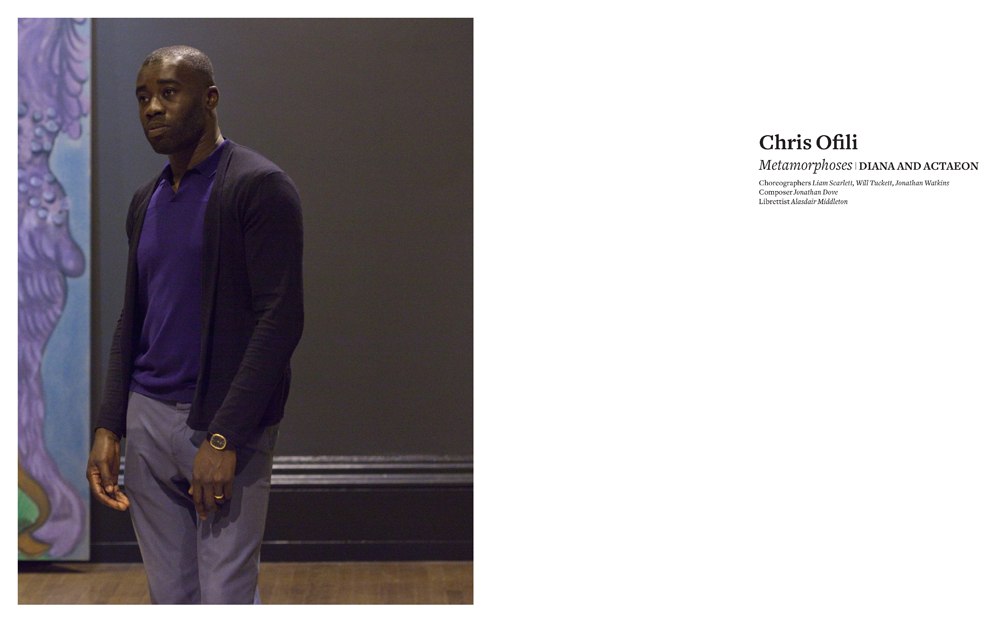
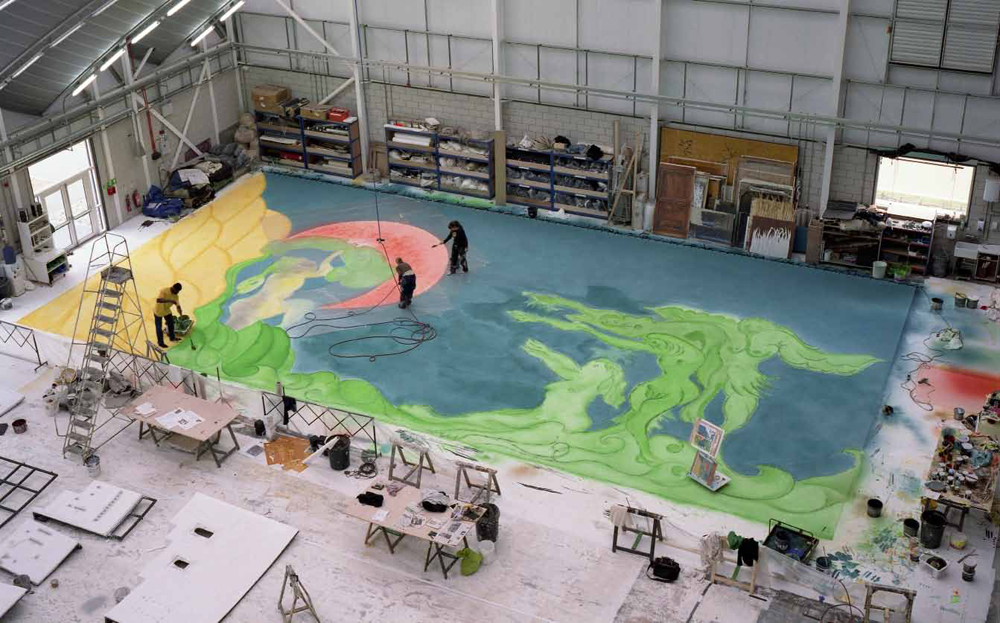
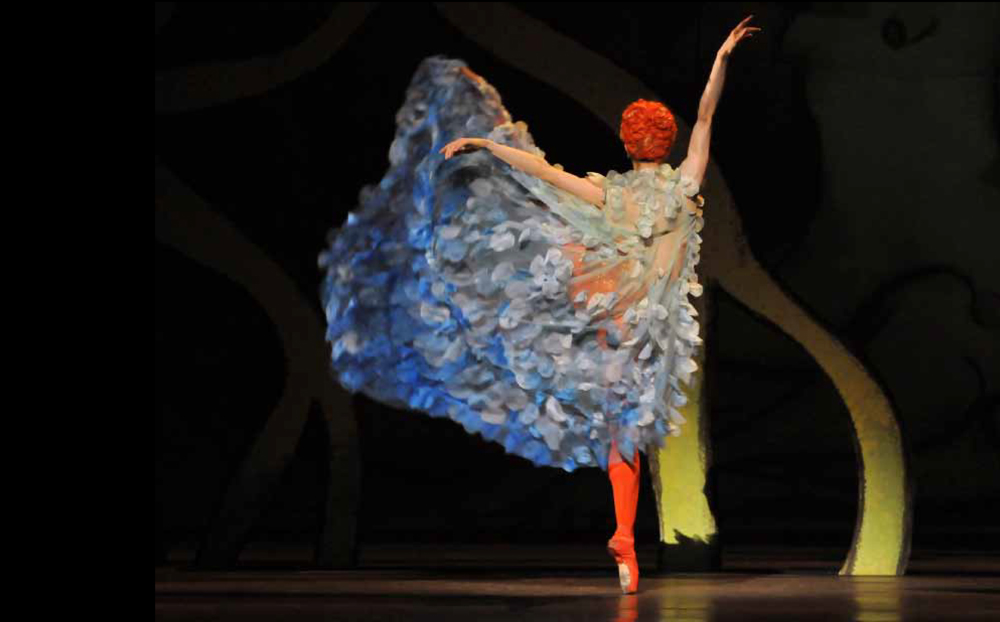
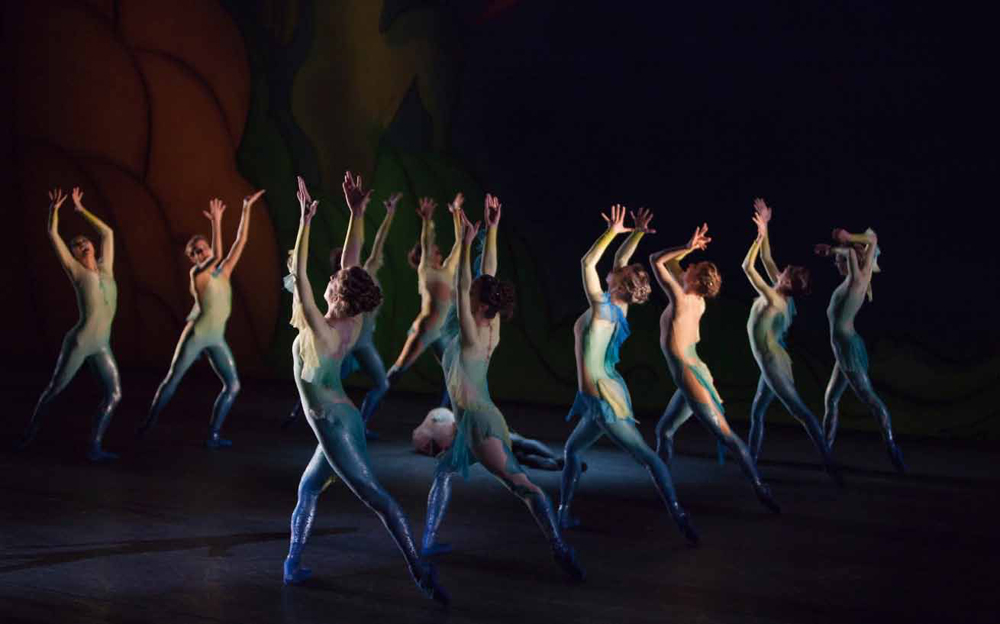
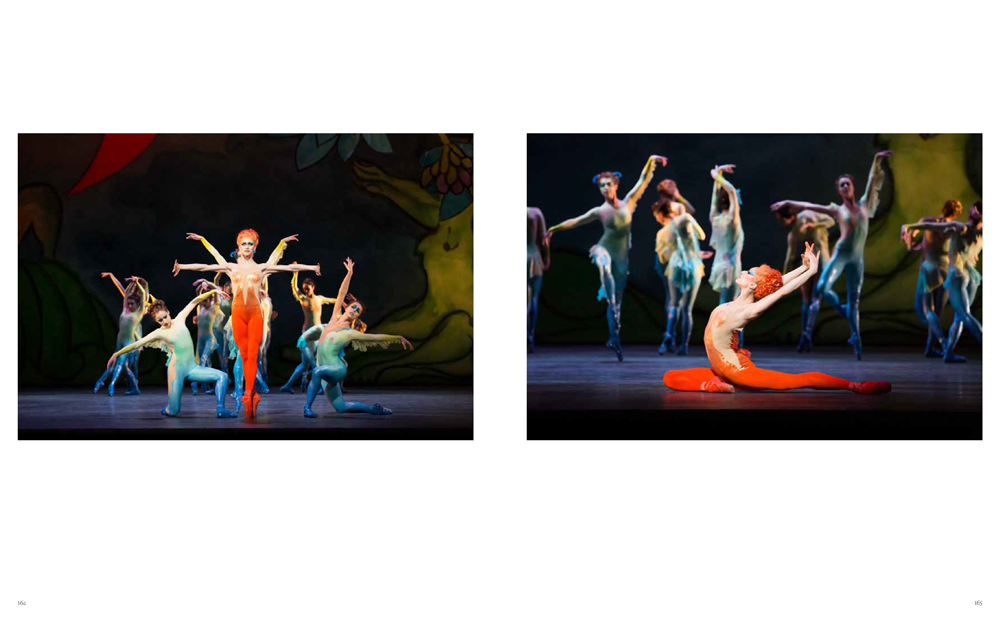
This beautiful publication celebrates a unique collaboration between two of London’s greatest cultural institutions. Together The Royal Ballet and the National Gallery commissioned three acclaimed contemporary artists – Chris Ofili, Conrad Shawcross and Mark Wallinger – to work with international choreographers and composers to create three new ballets inspired by the Titian paintings Diana and Callisto, Diana and Actaeon and The Death of Actaeon. As well as designing all the sets and costumes, the artists also produced new works in response to Titian’s masterpieces for a show at the National Gallery.

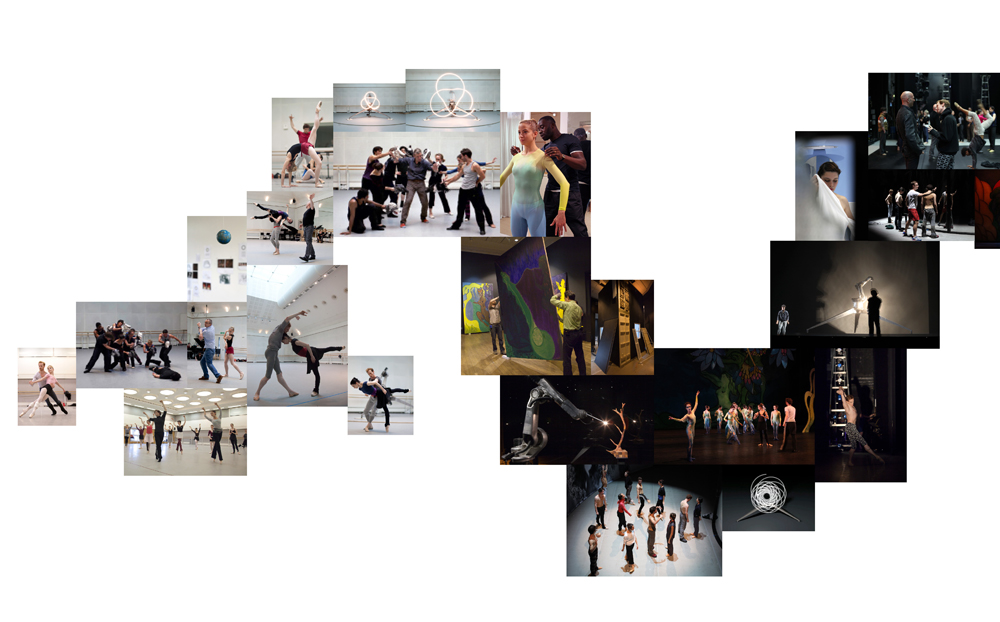
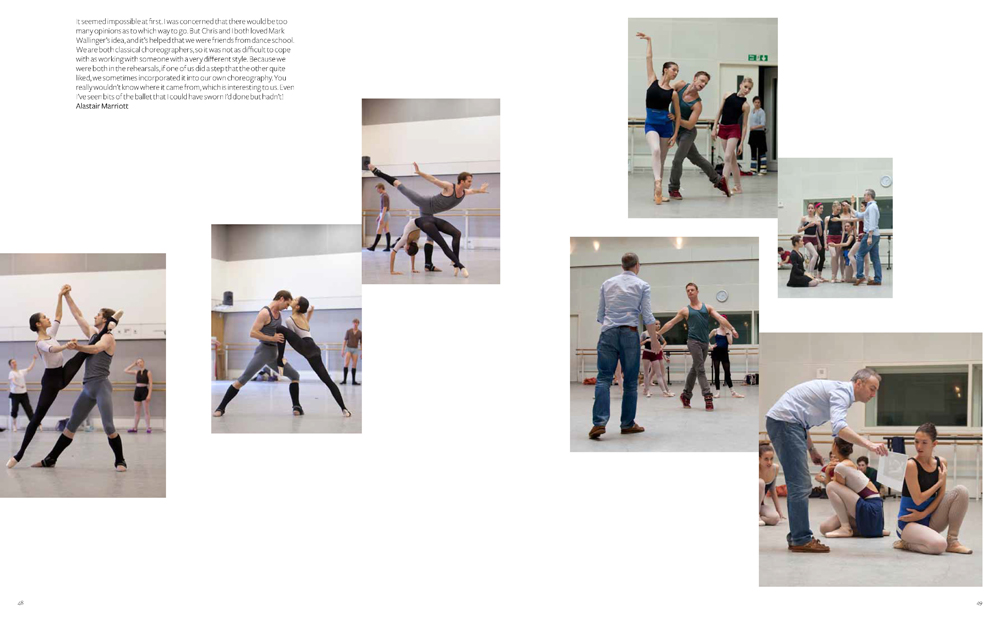
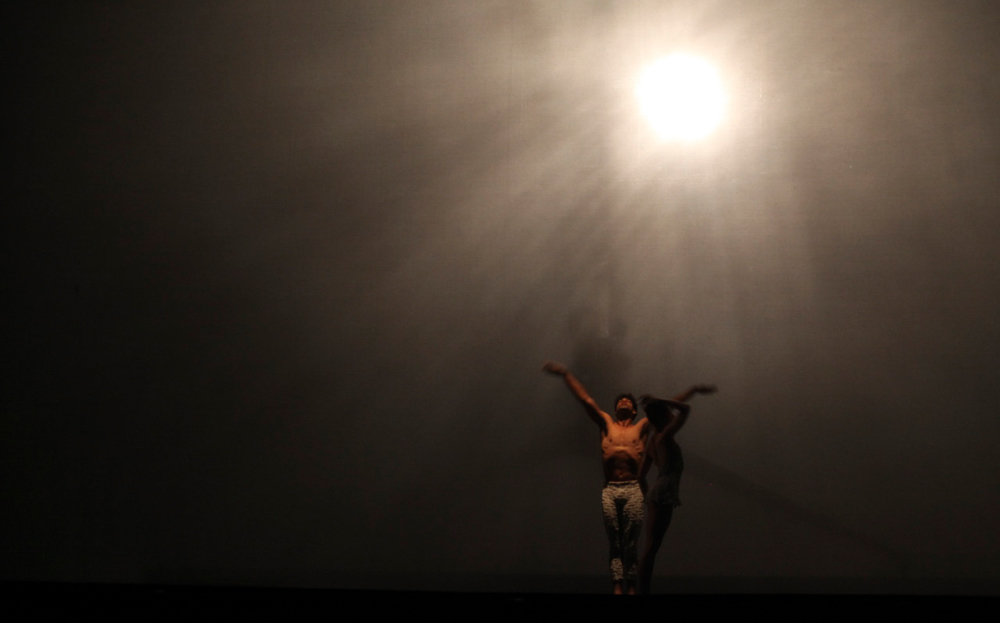
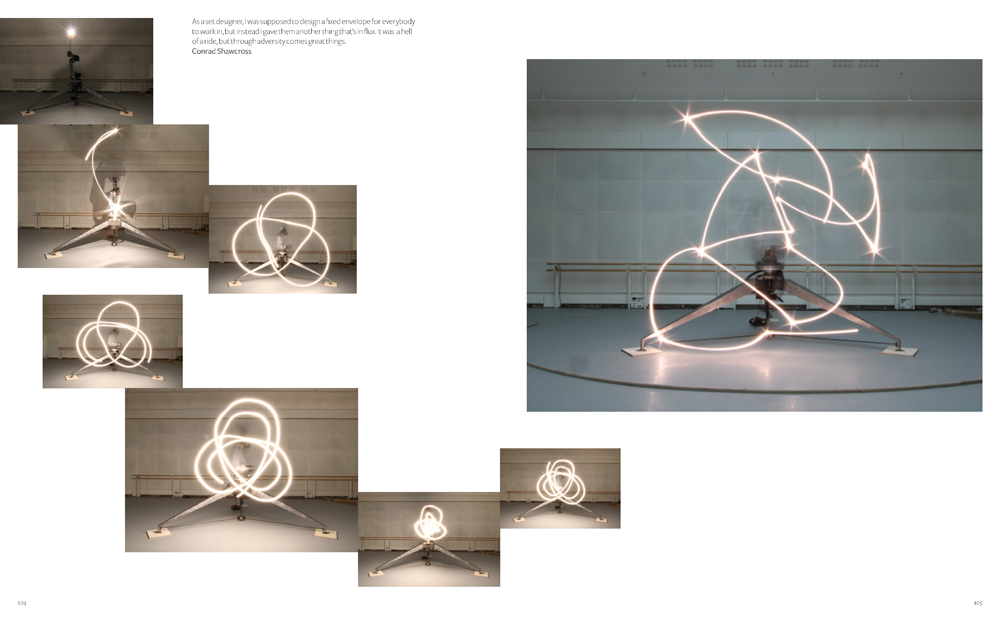
The book tells the story of this extraordinary, complex project from conception to stage and gallery. The artists’ notebooks, sketches and other material from the studio are reproduced to show how they evolved their initial ideas into working designs. Numerous views of the dancers’ rehearsals, the creation of the sets and the gallery installations, as well as dozens of unseen photographs of the performances themselves, take the reader behind the scenes to see the many processes and people involved in transforming the artists’ vision into a finished production.

All three creative teams offer their own reflections on the project and on working with very different art forms. An introduction by National Gallery curator and originator of the project, Dr Minna Moore Ede, explains how the collaboration came to fruition and unfolded. A foreword by Dame Monica Mason, outgoing director of The Royal Ballet, completes this stunning volume.

Dr Minna Moore Ede is Assistant Curator of Renaissance Paintings at the National Gallery, London, and curator of ‘Metamorphosis: Titian 2012’

Dame Monica Mason DBE is the former Director of The Royal Ballet, London 


What others say

‘So compelling that you find yourself totally absorbed within its pages for hours at a time… Page after stunning page of production photographs and rehearsal images from each of the ballets awaits you, printed on lusciously thick paper. This book is a real treasure.’ — Ballet News

‘180-plus pages of thought-provoking interviews and stunning photographs … a work of art’ — 4dancers.org

‘A book that will excite dance fans because its numerous images are so beautiful’ — London Dance

‘One of the most extravagantly interesting collaborative projects ever seen at Covent Garden … Some kind of history had been made, some benchmark set for the future … the dance event of 2012’ — Guardian 

‘[Titian Metamorphosis] is a resounding success … a real sense of collective creative energy and innovation permeated the enterprise … a real joy’ — New York Times

‘An explosion of brilliant new work’ — Time Out


Titian Metamorphosis special edition1 Titian Metamorphosis special edition

ART MUSIC DANCE 
A collaboration between The Royal Ballet and the National Gallery

Edited and introduced by Minna Moore Ede
Foreword by Dame Monica Mason
Photography by Gautier Deblonde, Andrej Uspenski and Johan Persson

Limited edition of 250 copies
Presented in a clothbound case with original artists’ prints by Chris Ofili, Conrad Shawcross and Mark Wallinger

This beautiful publication celebrates a unique collaboration between two of London’s greatest cultural institutions. Together The Royal Ballet and the National Gallery commissioned three acclaimed contemporary artists – Chris Ofili, Conrad Shawcross and Mark Wallinger – to work with international choreographers and composers to create three new ballets inspired by the Titian paintings Diana and CallistoDiana and Actaeon and The Death of Actaeon. As well as designing all the sets and costumes, the artists also produced new works in response to Titian’s masterpieces for a show at the National Gallery.

The book tells the story of this extraordinary, complex project from conception to stage and gallery. The artists’ notebooks, sketches and other material from the studio are reproduced to show how they evolved their initial ideas into working designs. Numerous views of the dancers’ rehearsals, the creation of the sets and the gallery installations, as well as dozens of unseen photographs of the performances themselves, take the reader behind the scenes to see the many processes and people involved in transforming the artists’ vision into a finished production.

All three creative teams offer their own reflections on the project and on working with very different art forms. An introduction by National Gallery curator and originator of the project, Dr Minna Moore Ede, explains how the collaboration came to fruition and unfolded. A foreword by Dame Monica Mason, outgoing director of The Royal Ballet, completes this stunning volume.