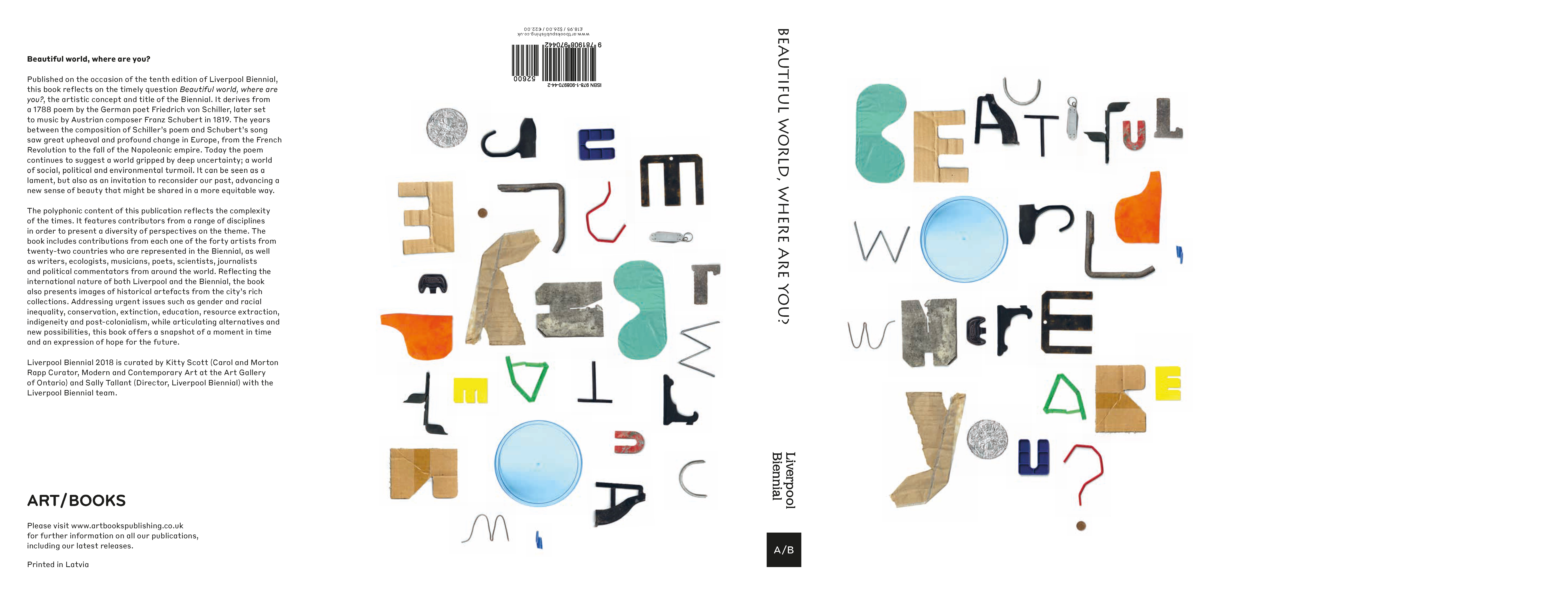
Beautiful World, Where Are You?

Edited by Sinéad McCarthy

‘Such energy and dynamism … demands [to] be seen’ — Telegraph
‘Many highlights’ — Observer
‘Invigorating’ — Times

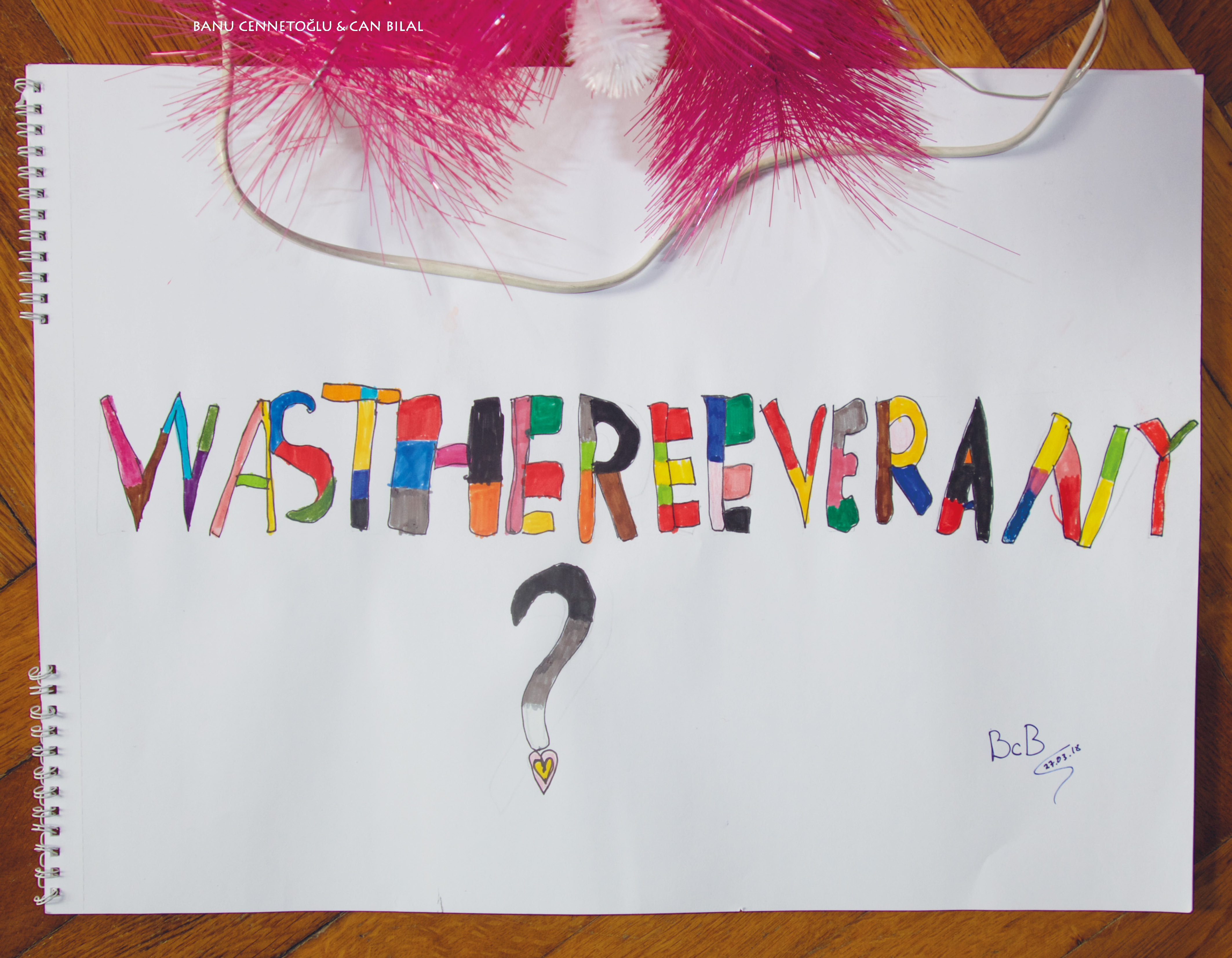
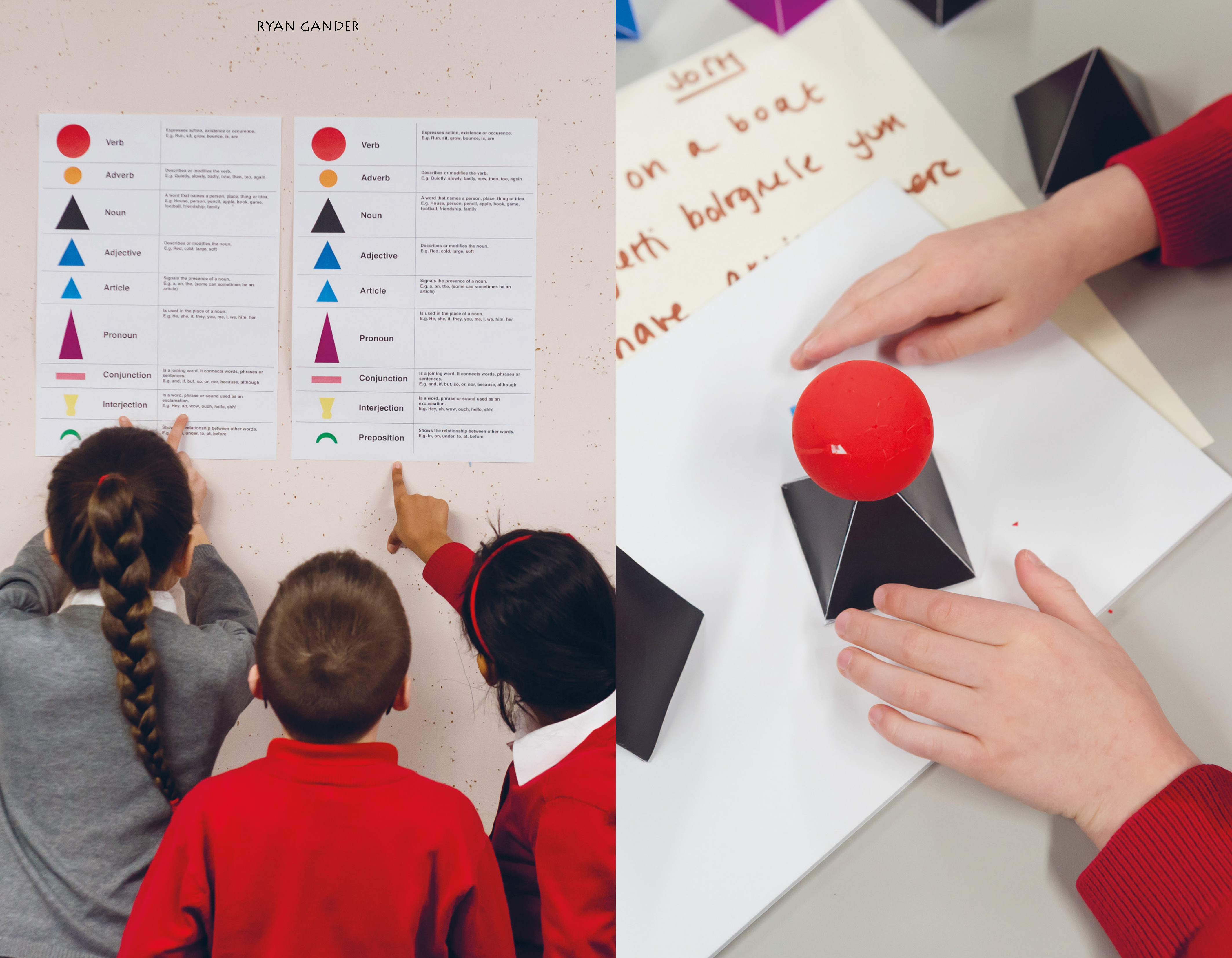
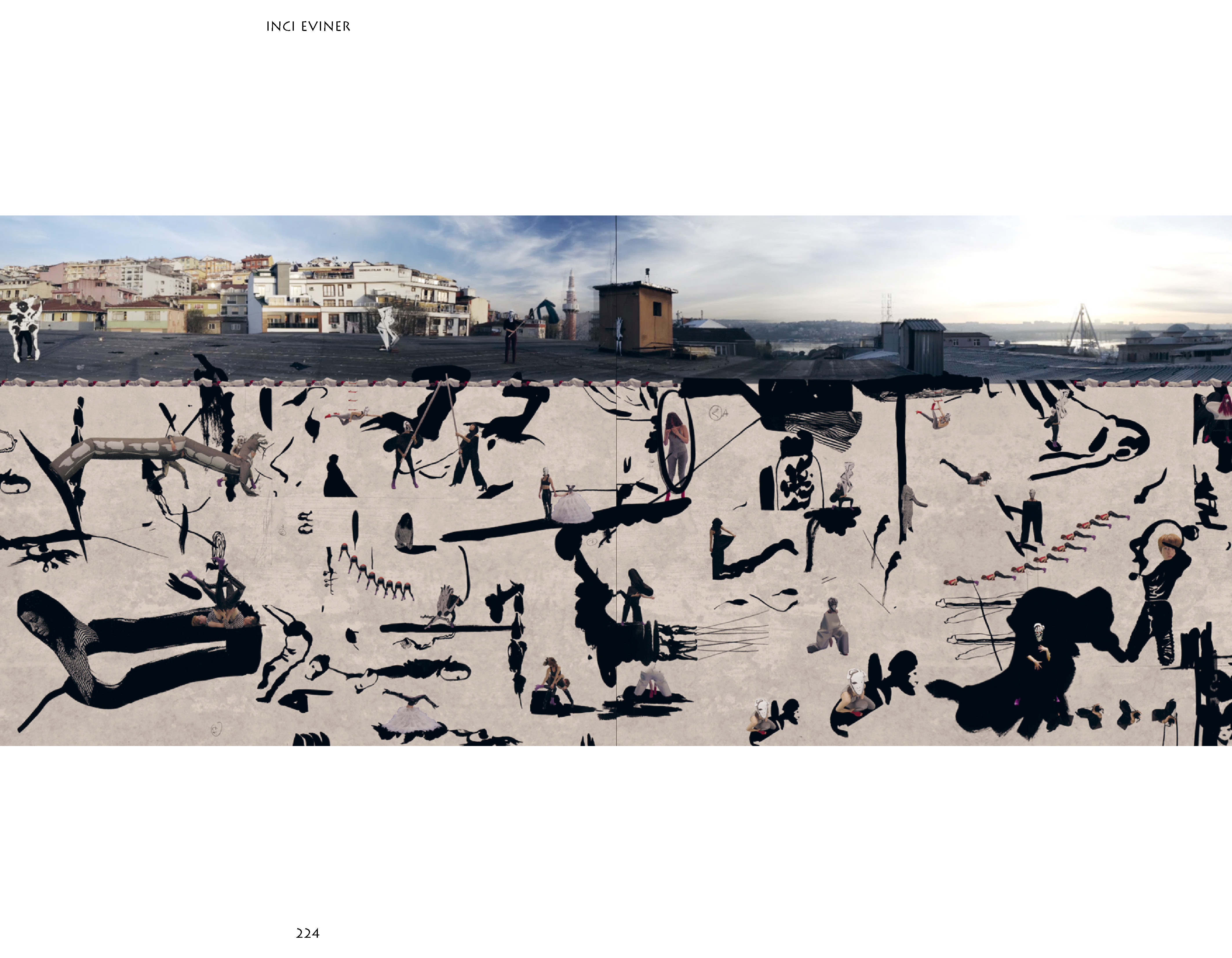
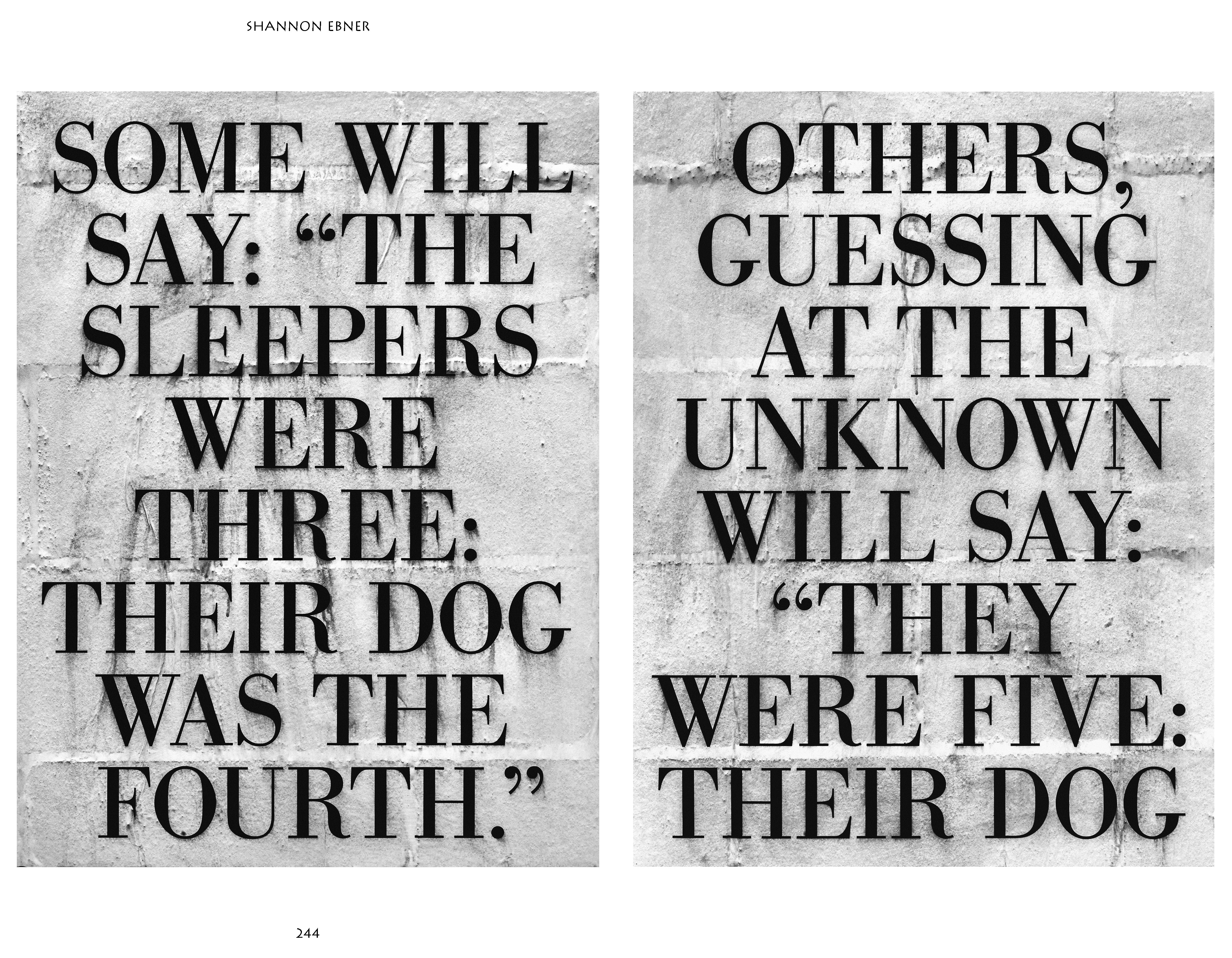
Published on the occasion of the tenth edition of Liverpool Biennial, this book reflects on the timely question Beautiful world, where are you? It is derived from a 1788 poem by the German poet Friedrich von Schiller, later set to music by Austrian composer Franz Schubert in 1819. The years between the composition of Schiller’s poem and Schubert’s song saw great upheaval and profound change in Europe, from the French Revolution to the fall of the Napoleonic empire. Today the poem continues to suggest a world gripped by deep uncertainty; a world of social, political and environmental turmoil. It can be seen as a lament, but also as an invitation to reconsider our past, advancing a new sense of beauty that might be shared in a more equitable way.

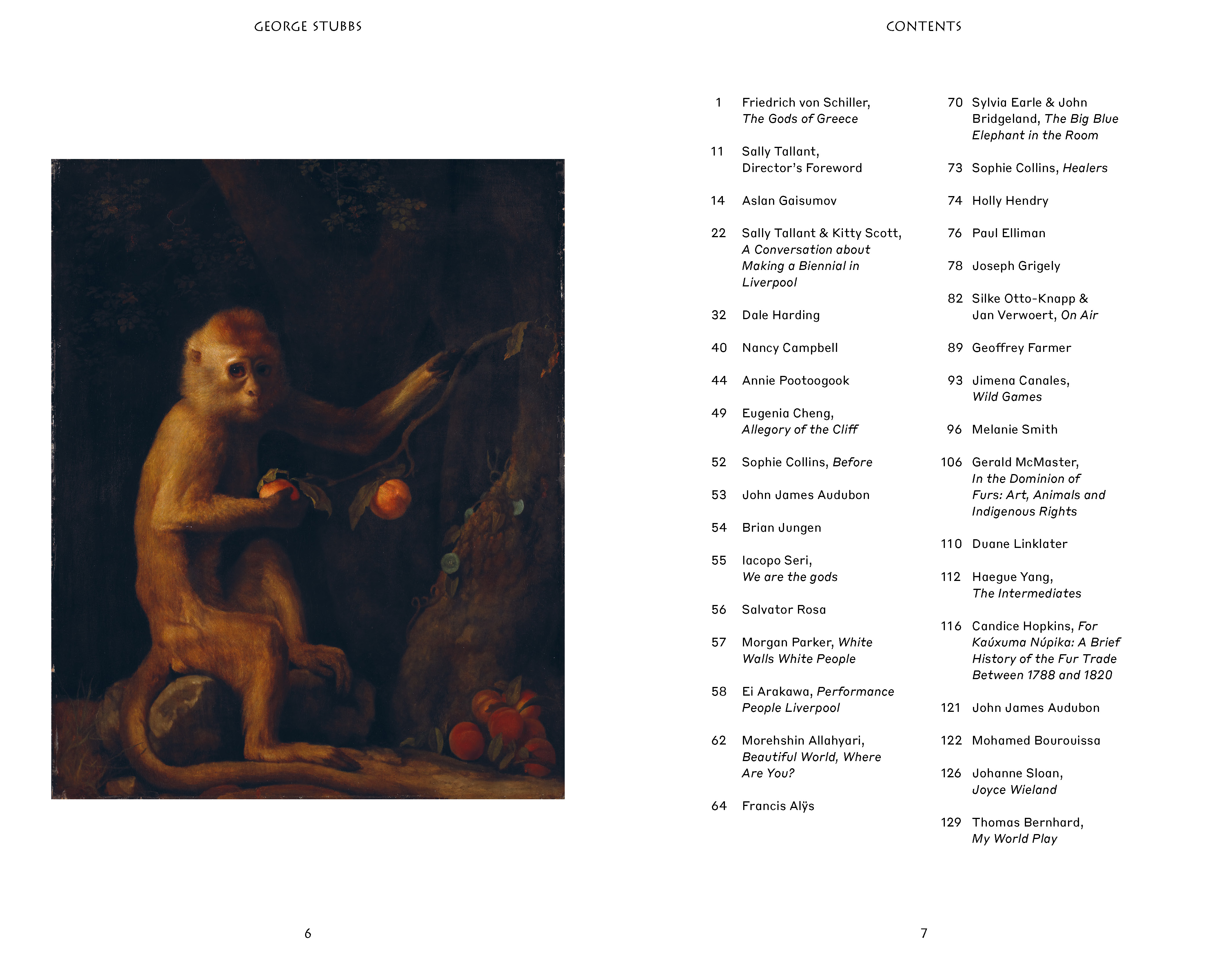
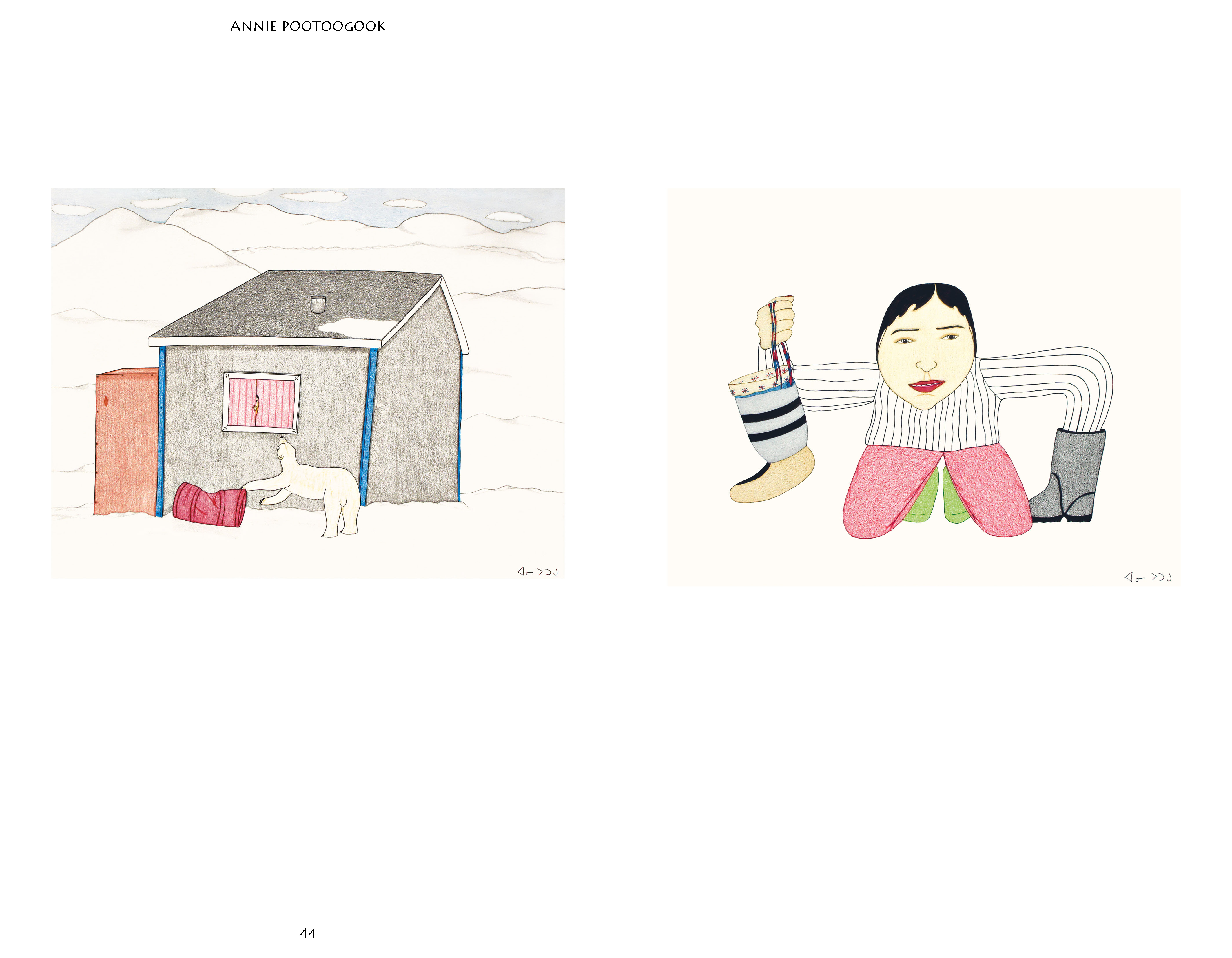
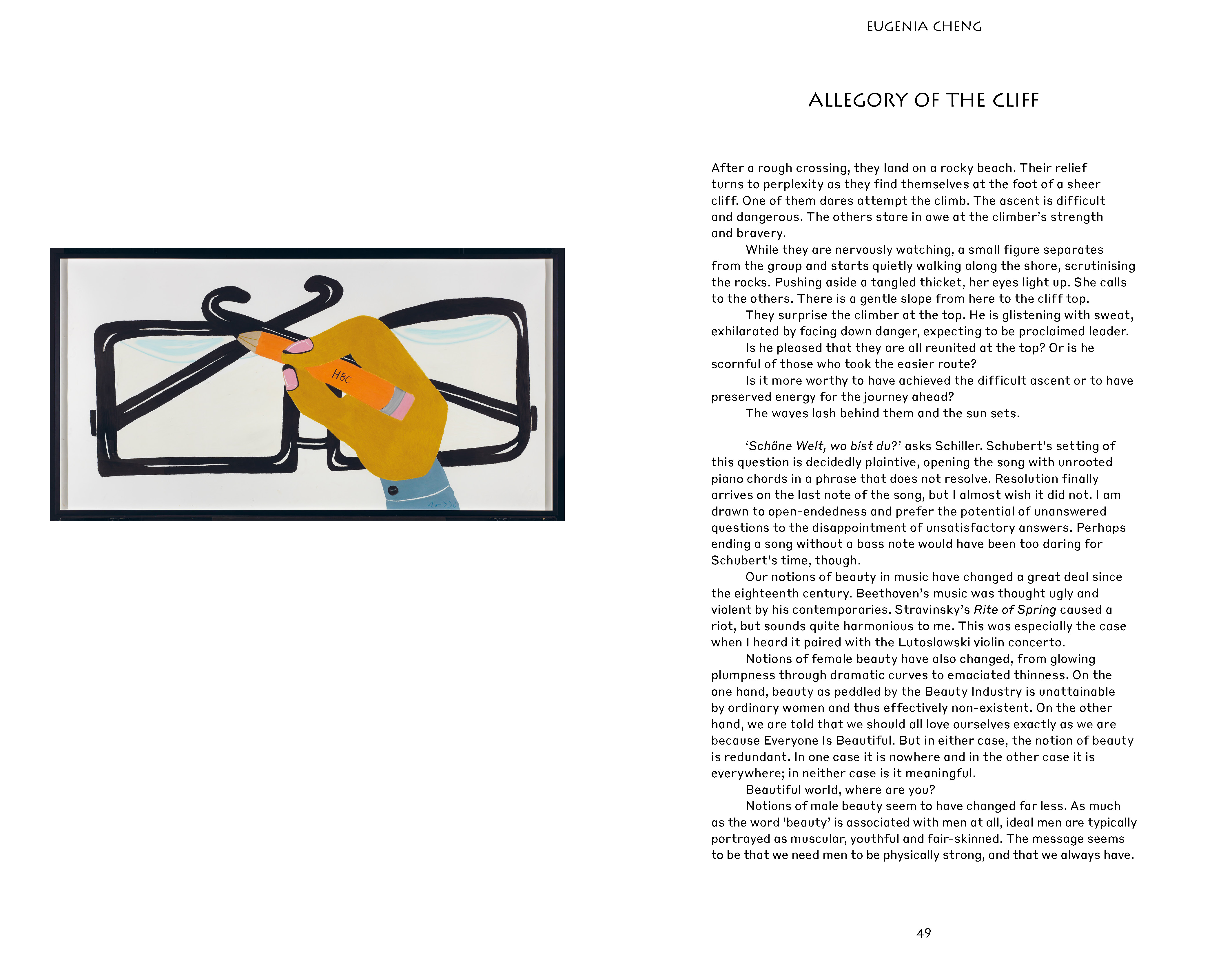
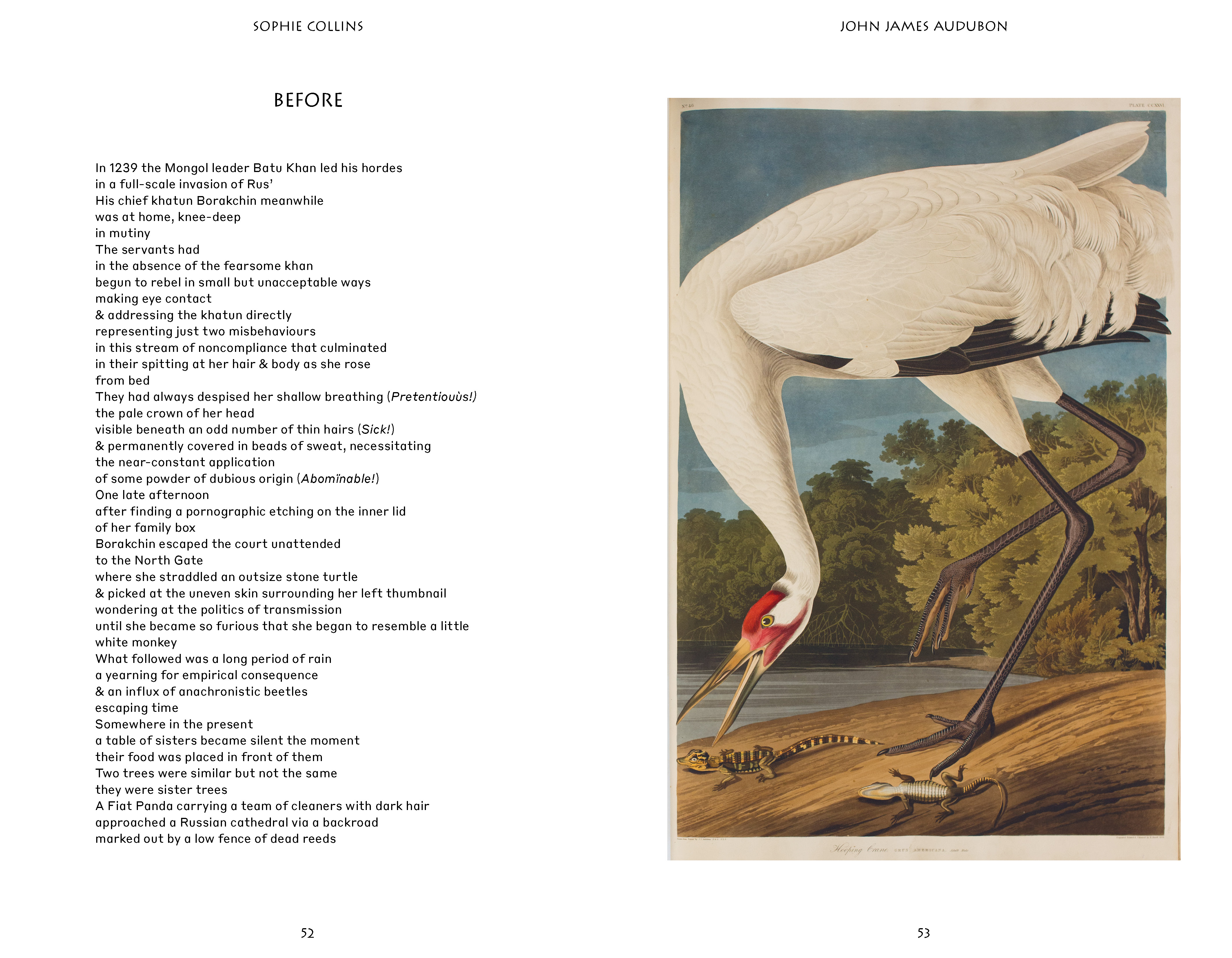
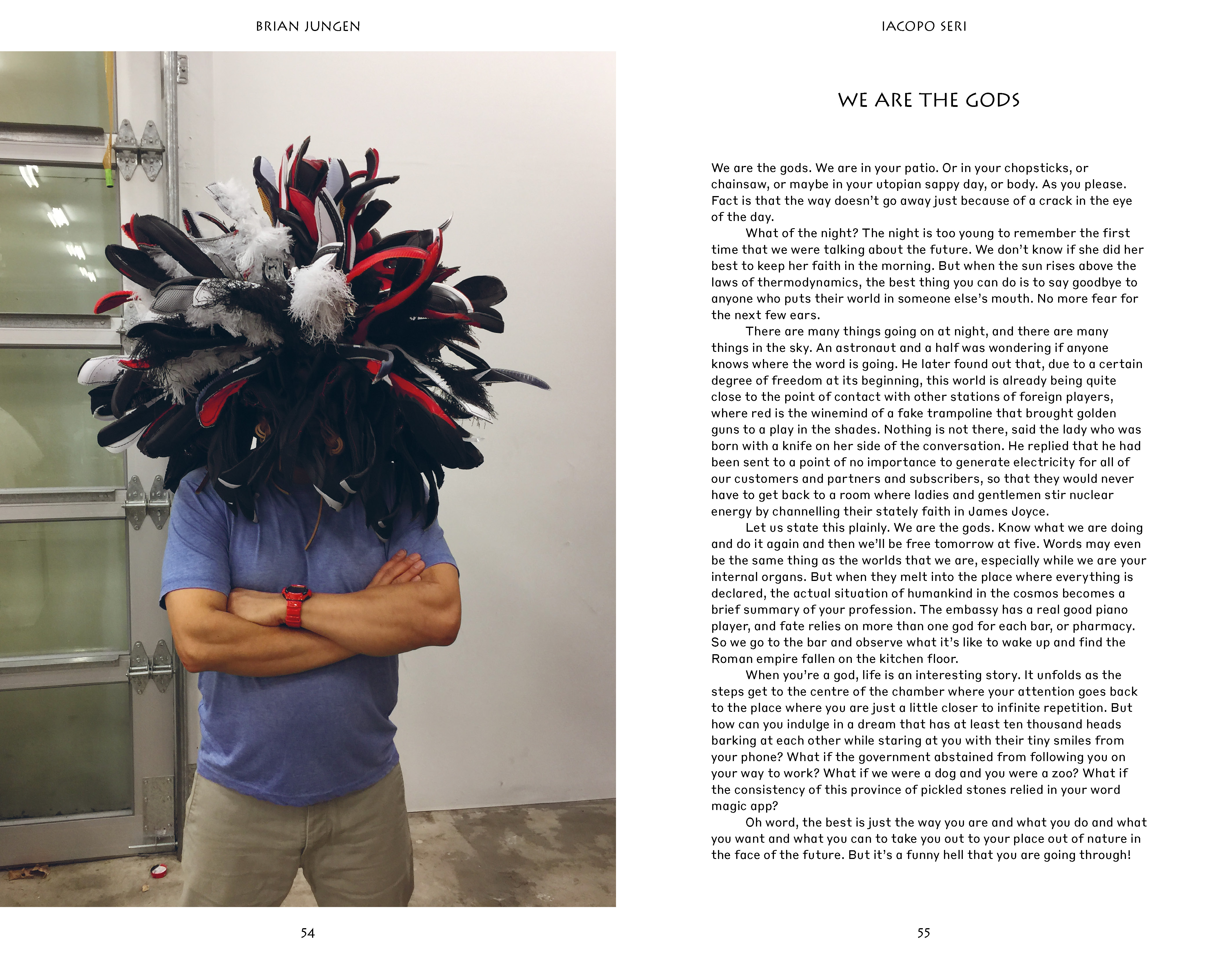
Featuring contributions from a range of disciplines and presenting a diversity of perspectives on the theme, the book includes contributions from the artists in the Biennial, as well as writers, ecologists, musicians, poets, scientists, journalists and political commentators from around the world. It considers the international nature of both Liverpool and the Biennial and presents images of historical artefacts from the city’s rich collections. Addressing urgent issues such as gender and racial inequality, conservation, extinction, education, resource extraction, indigeneity and post-colonialism, while articulating alternatives and new possibilities, this book captures a moment in time and an expression of hope for the future.

Sinéad McCarthy is Curator at Liverpool Biennial


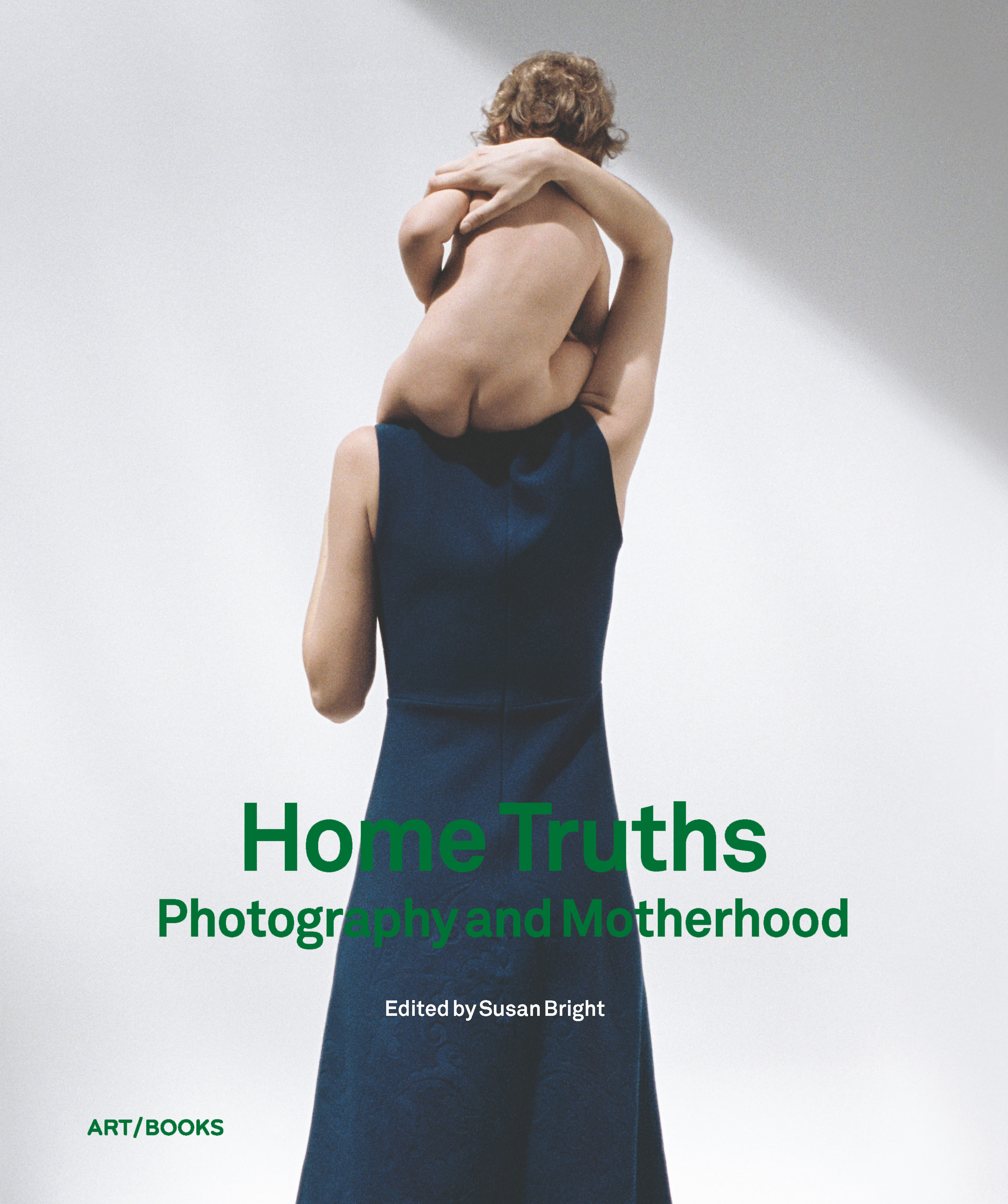
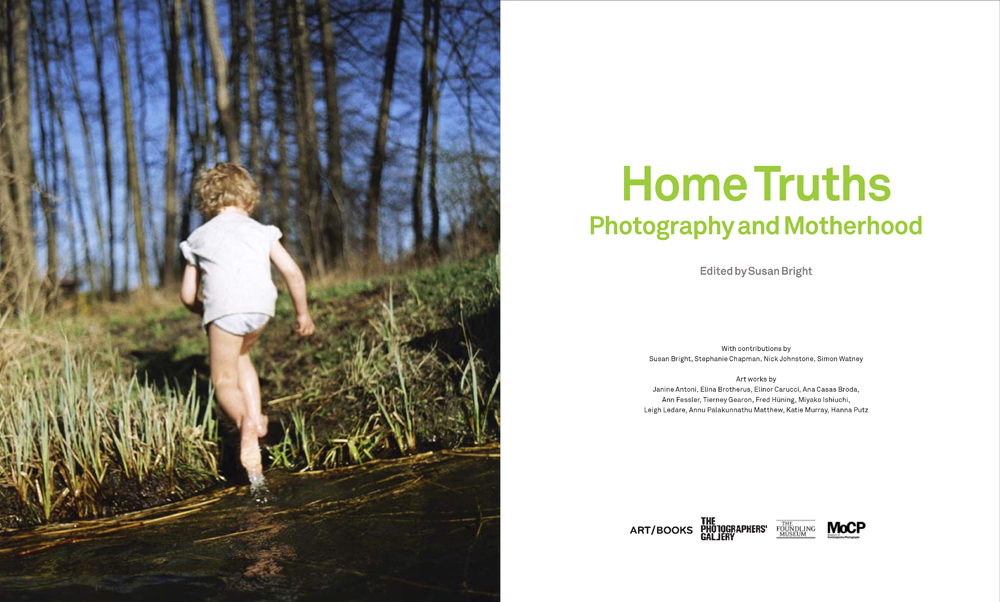
Home Truths

Photography and Motherhood

Edited by Susan Bright

Essays by Susan Bright, Stephanie Chapman, Nick Johnstone and
Simon Watney
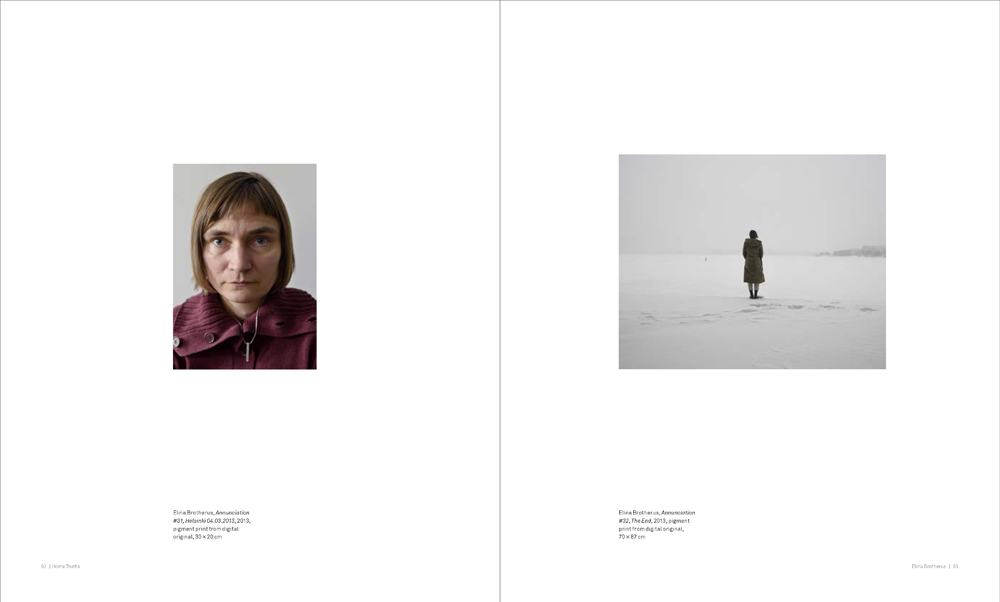
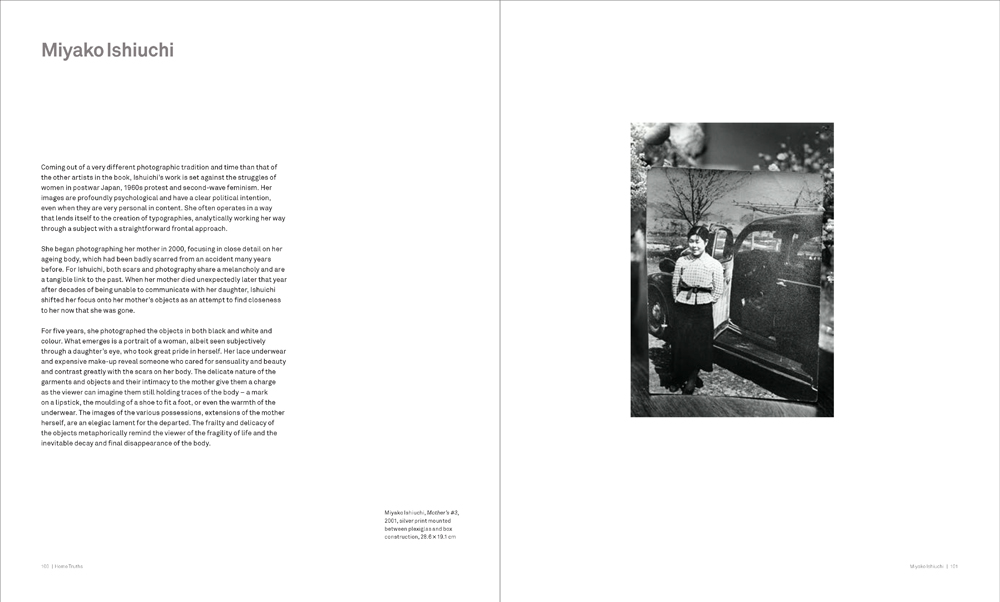
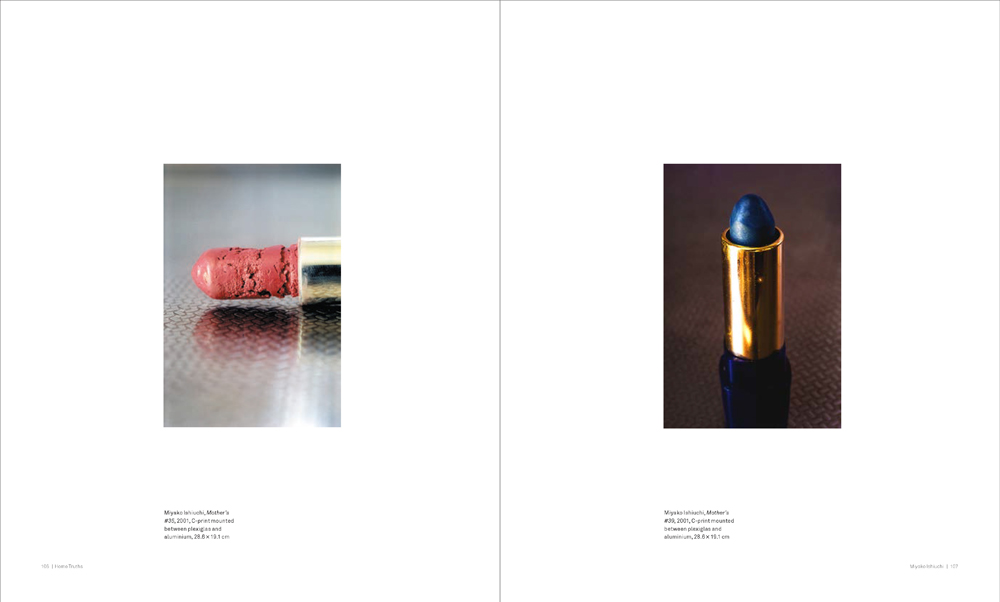
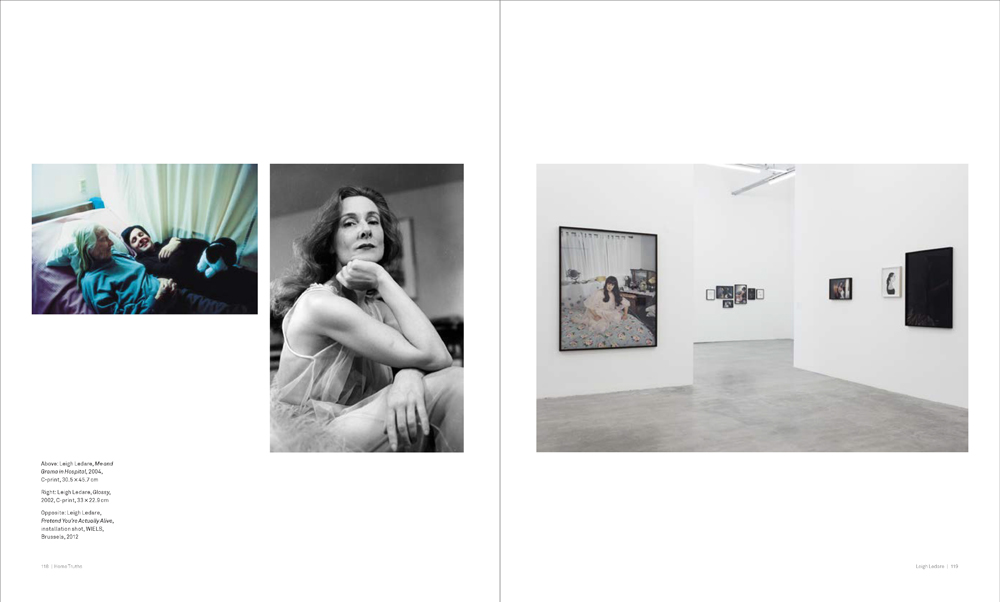
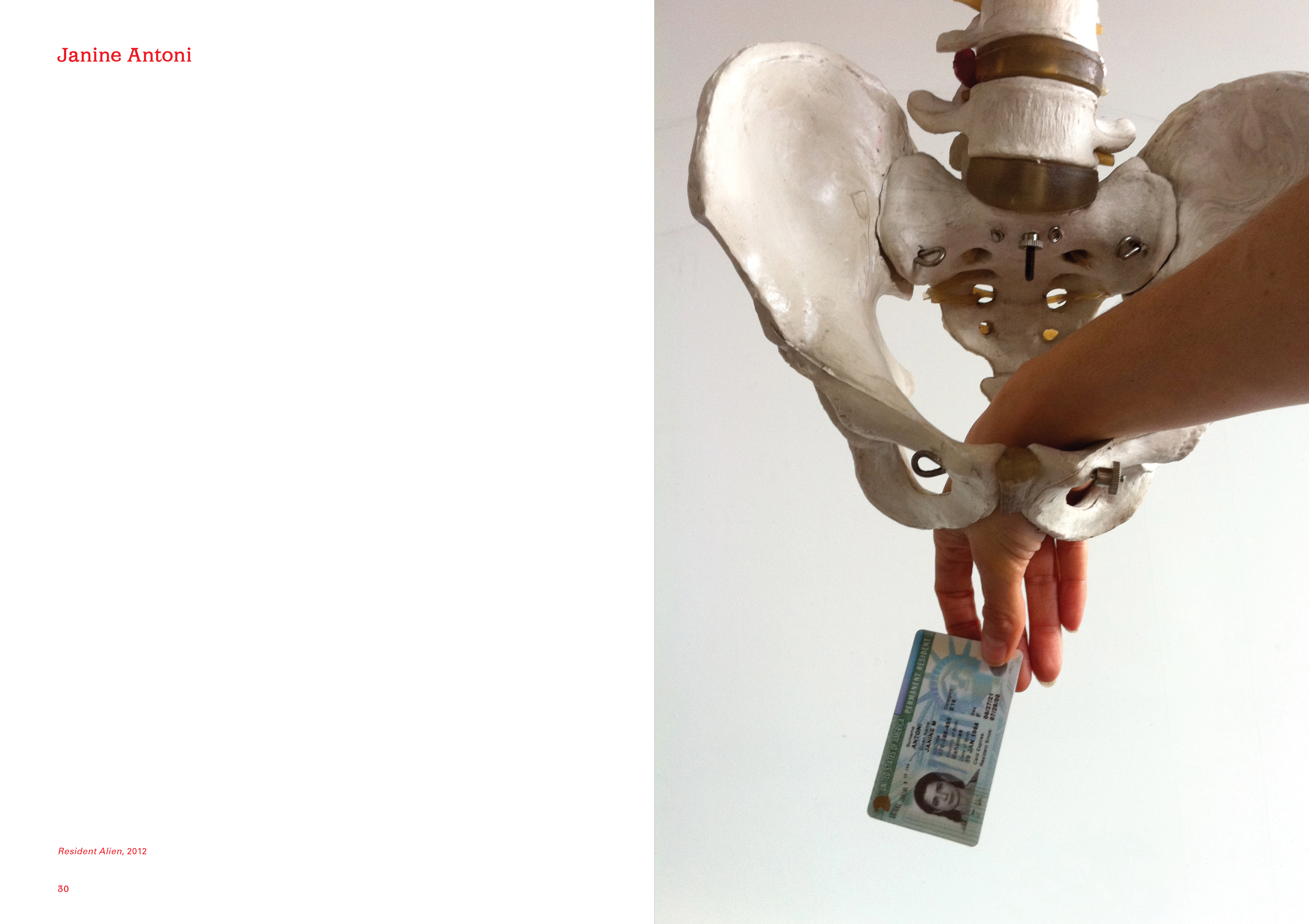
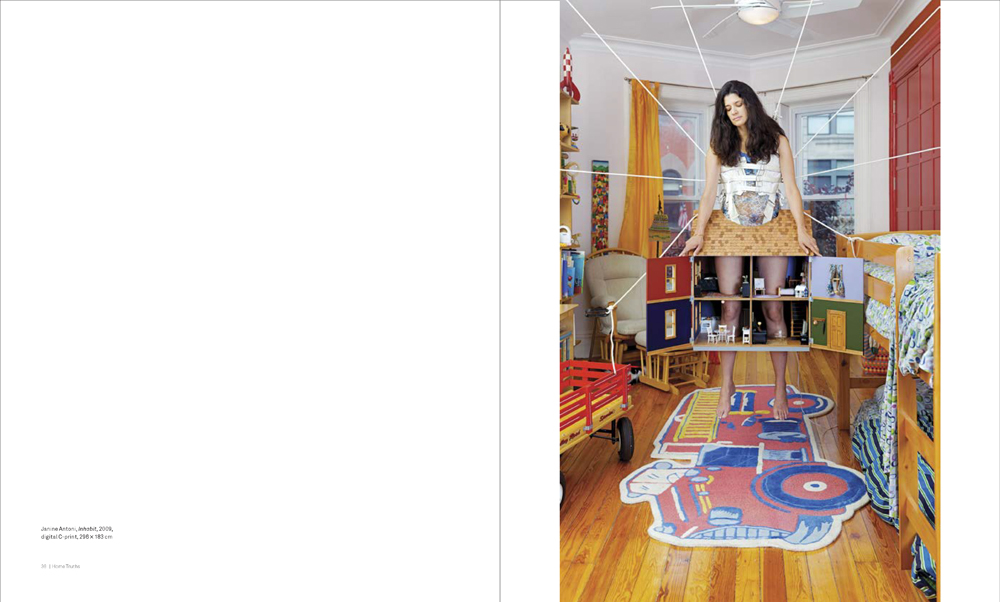
With featured artists Janine Antoni, Elina Brotherus, Elinor Carucci, Ana Casas Broda, Ann Fessler, Tierney Gearon, Miyako Ishiuchi, Fred Hüning, Leigh Ledare, Annu Palakunnathu Matthew, Katie Murray and
Hanna Putz

‘Gorgeous and brave … painfully revealing’ — Chicago Tribune 
‘Surprising, stirring and provocative’ — Evening Standard
‘Visceral and powerful’ — The F Word
‘Playful and eloquent, unsentimental yet deeply moving, this is a welcome reassessment of maternal iconography’ — Time Out 

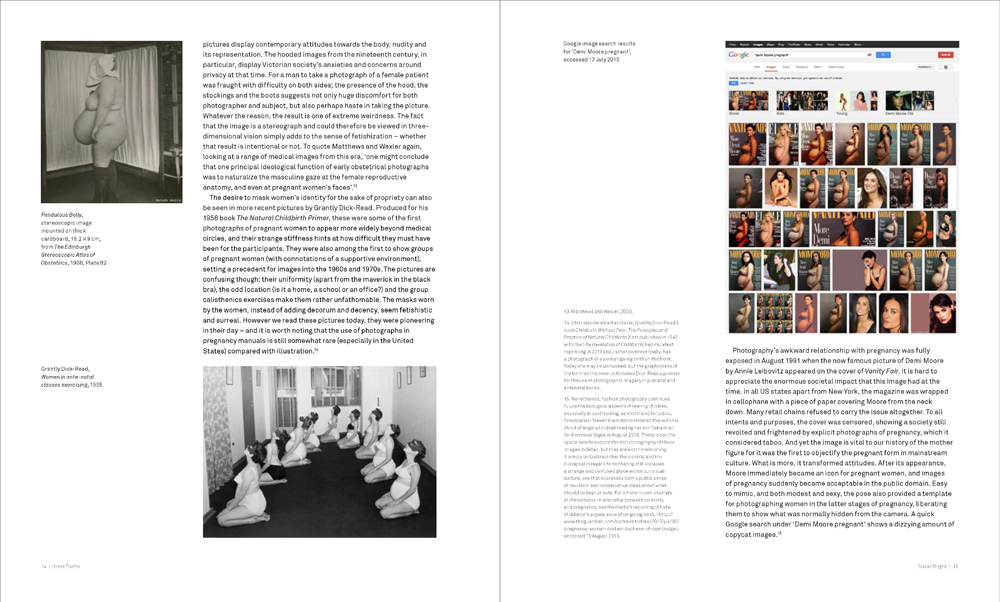
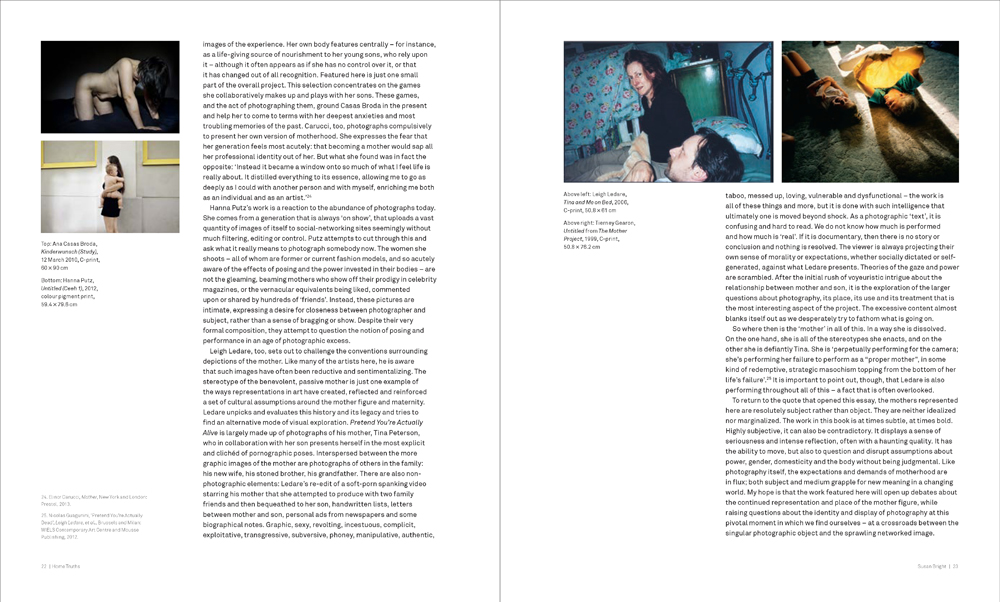
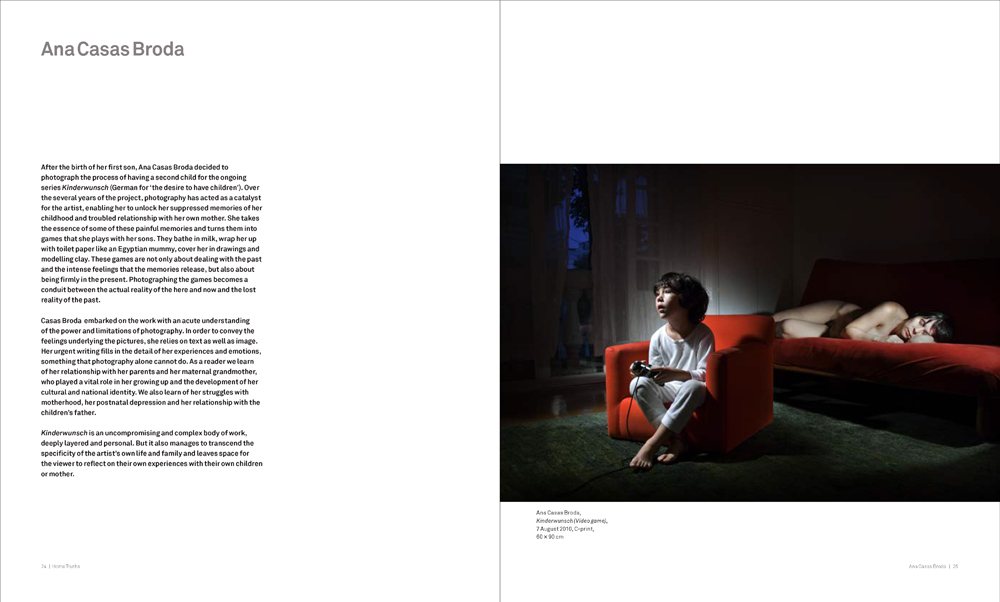
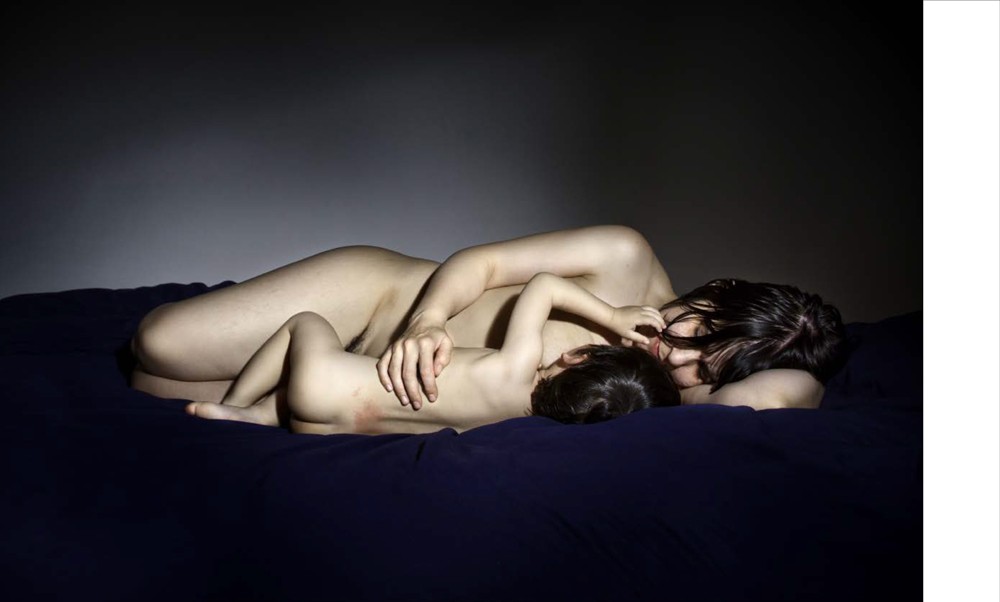
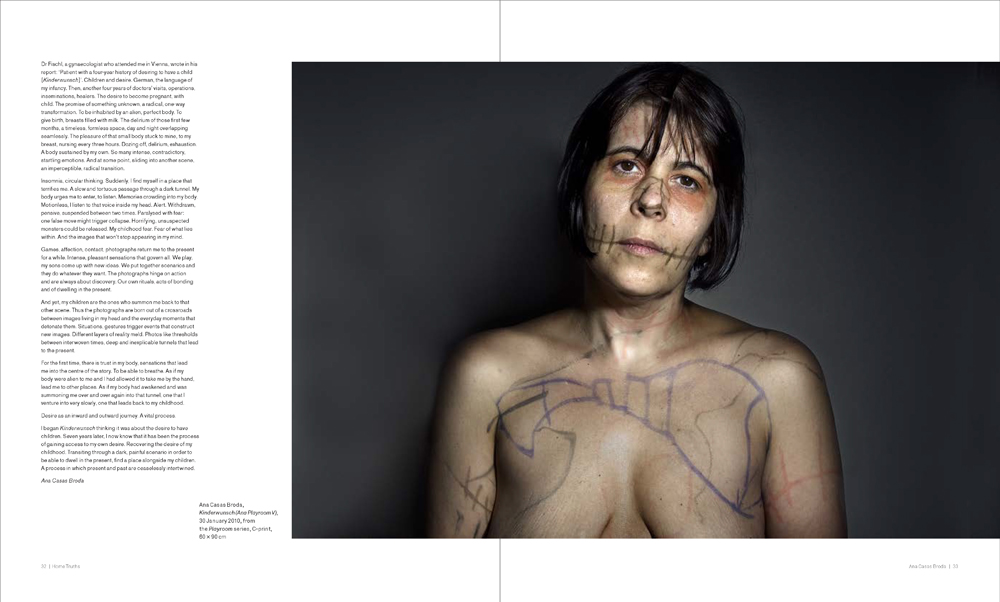
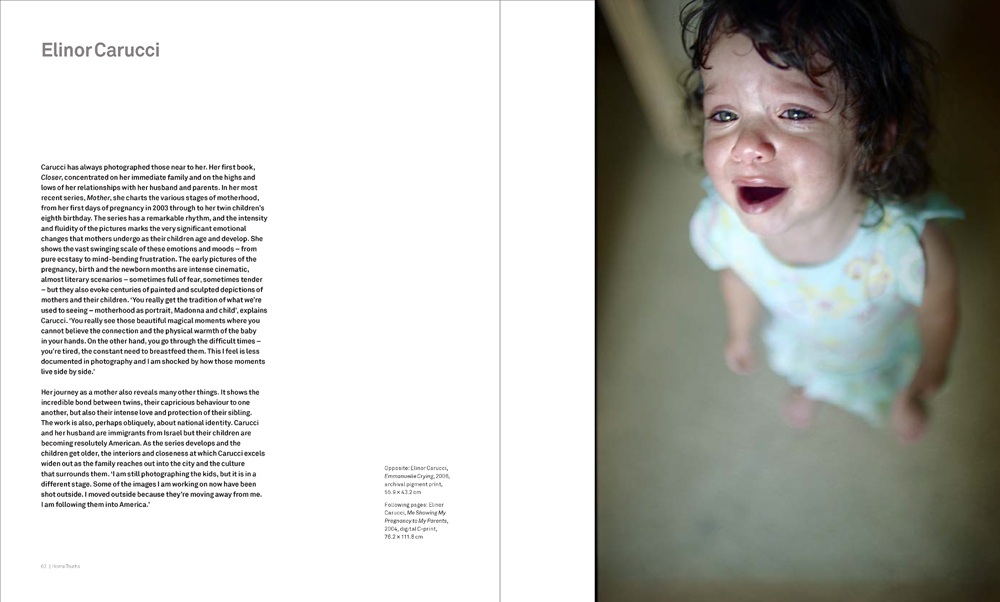
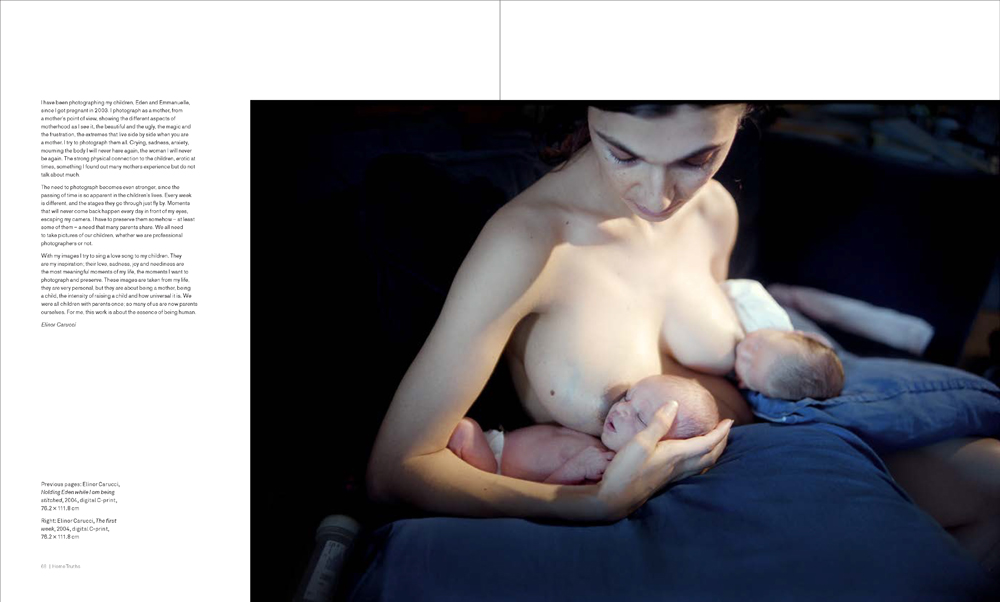
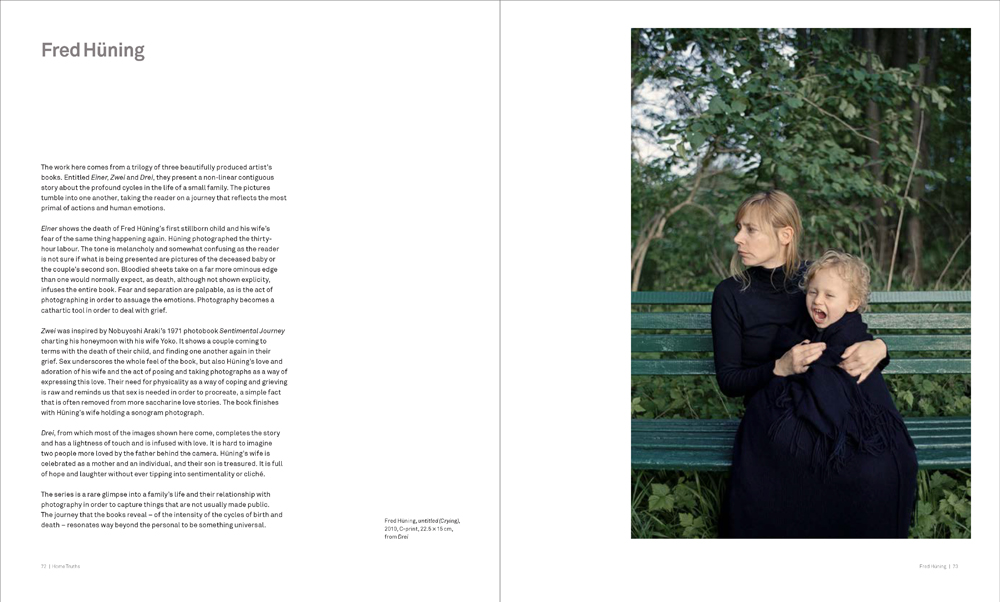
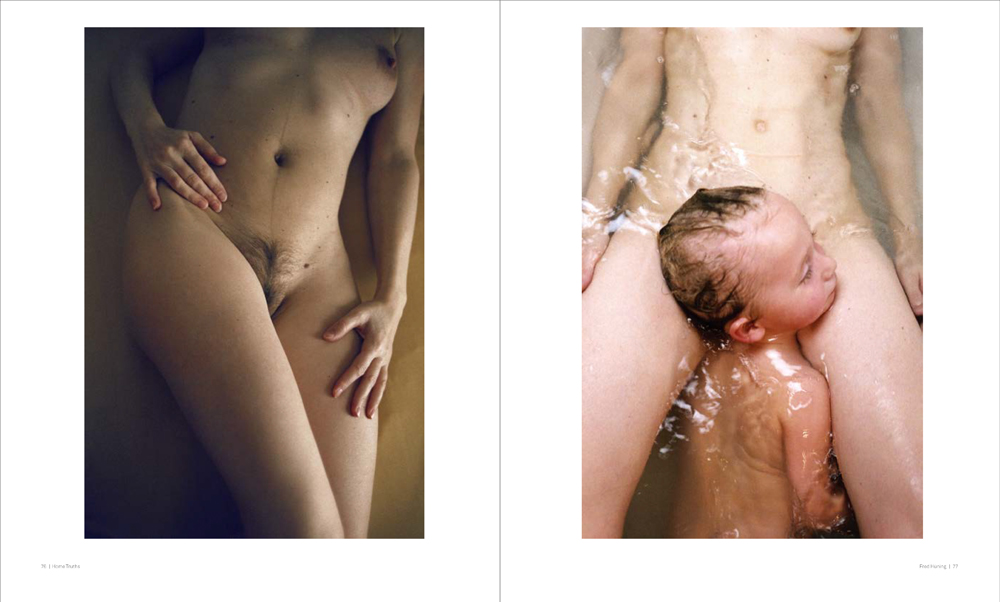
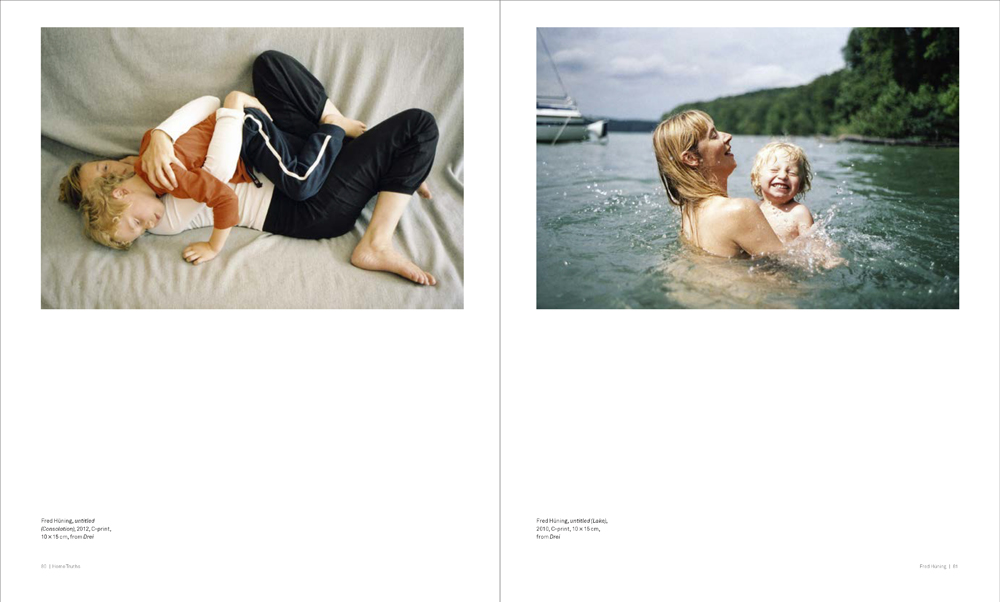
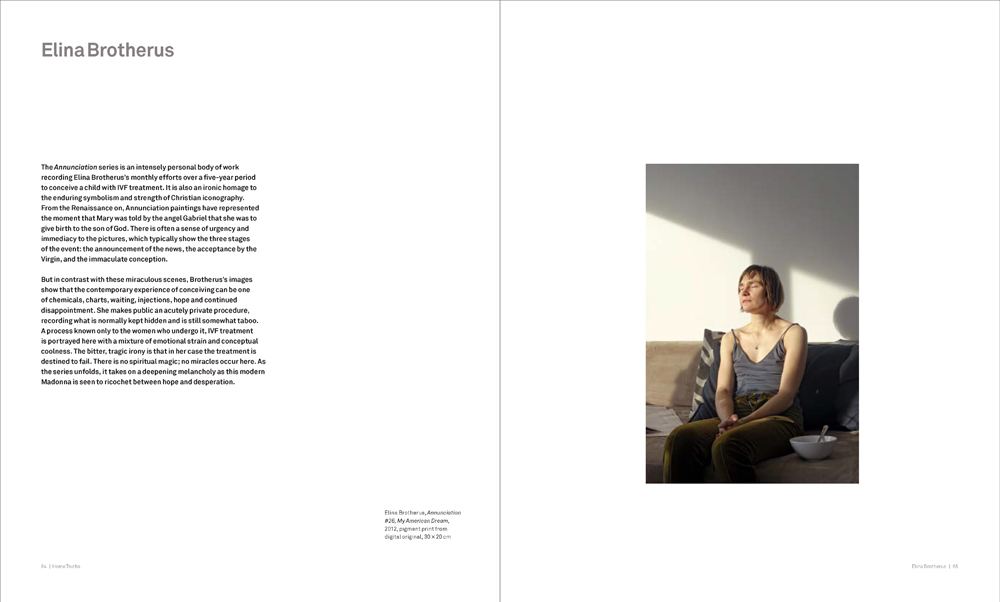
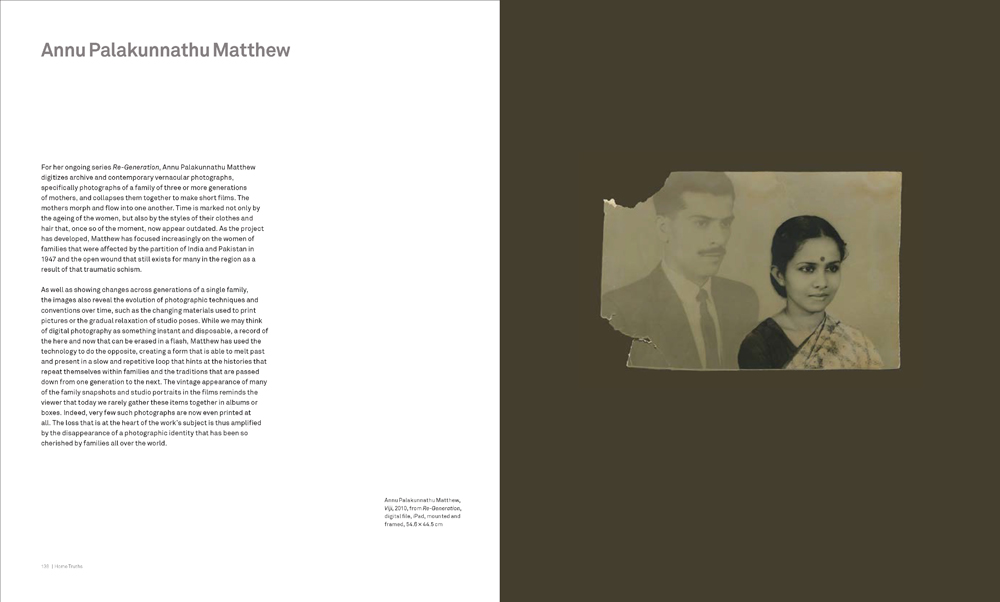
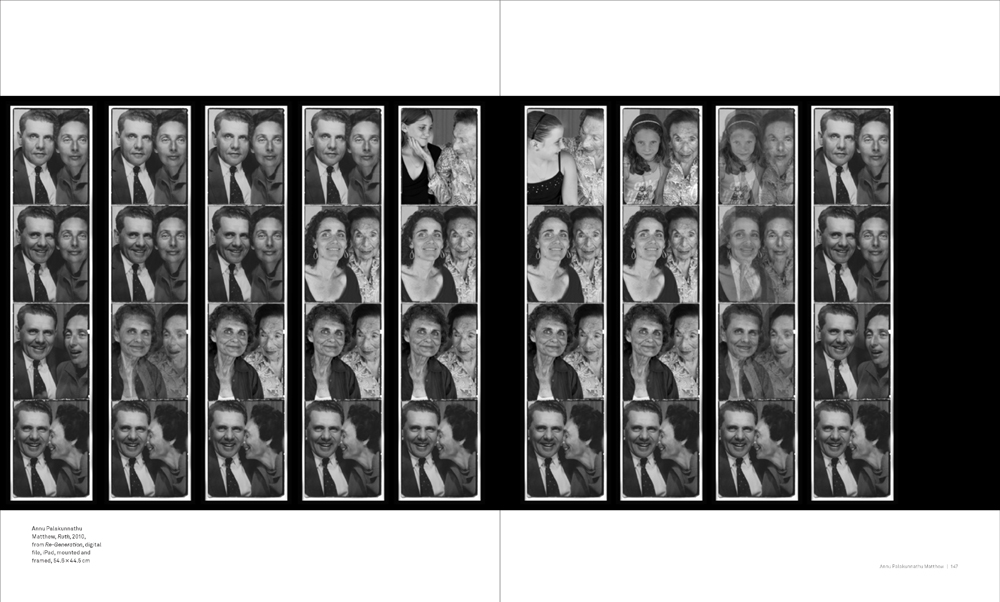
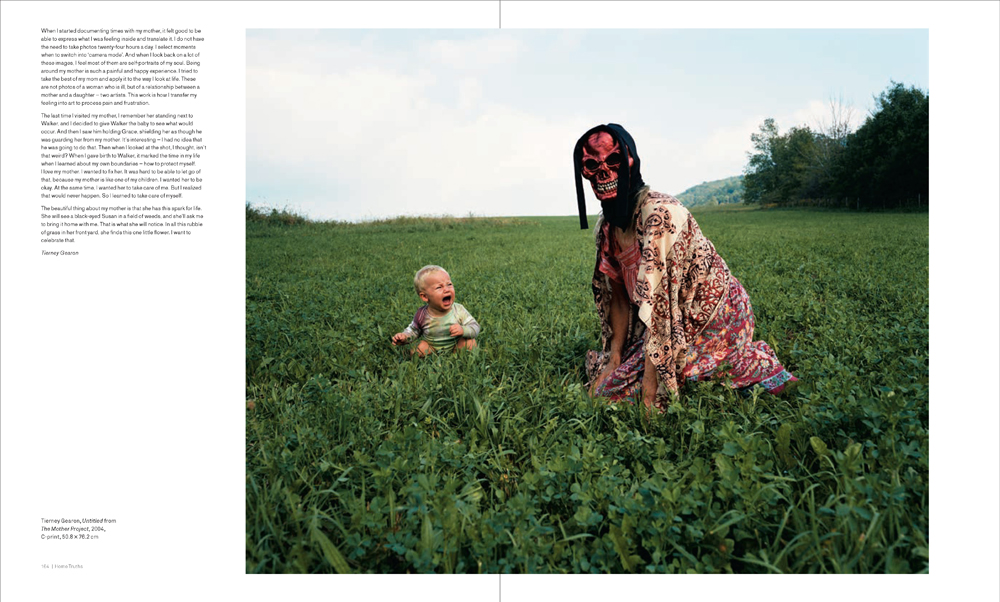
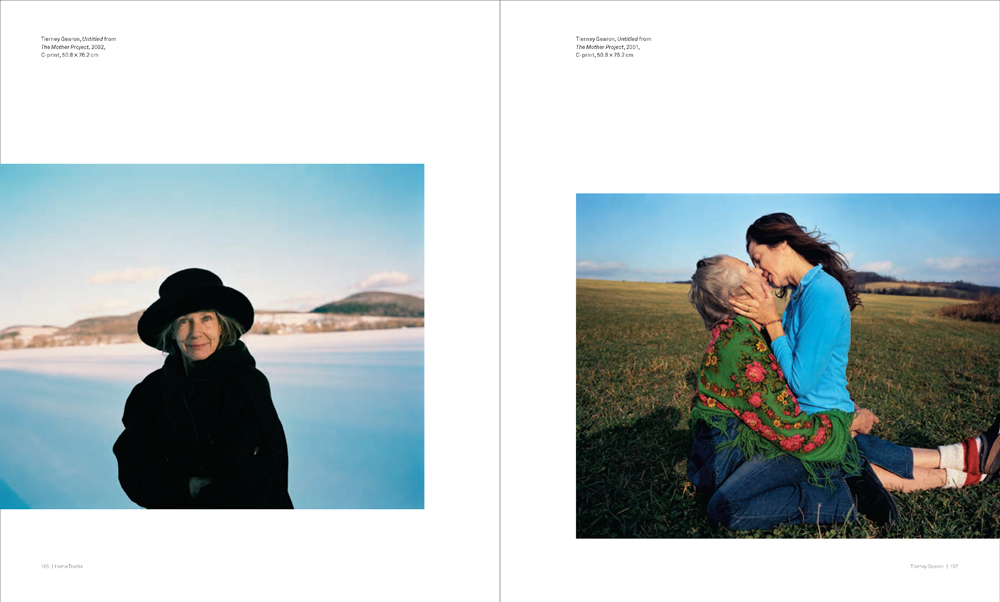
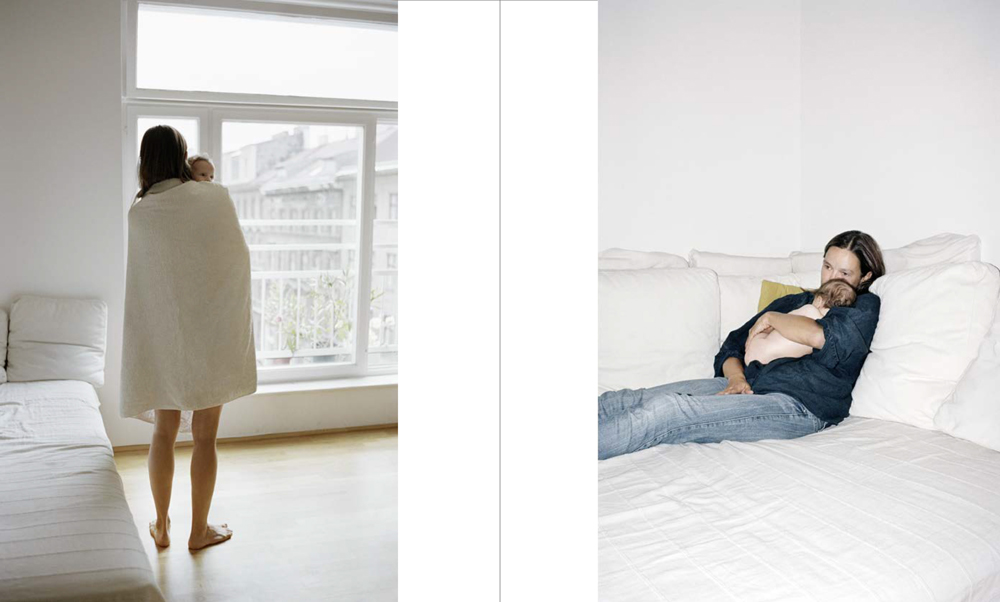
Published to coincide with an exhibition held at The Photographers’ Gallery and The Foundling Museum in London and touring to Chicago’s Museum of Contemporary Photography, this beautiful and striking book examines contemporary interpretations of one of the most enduring subjects in the history of picture-making: the image of the mother. Focusing on the work of twelve international photographic artists, the publication challenges the stereotypical or sentimental views of motherhood handed down by traditional depictions, and explores how photography can be used to address changing conditions of power, gender, domesticity, the maternal body, and female identity.

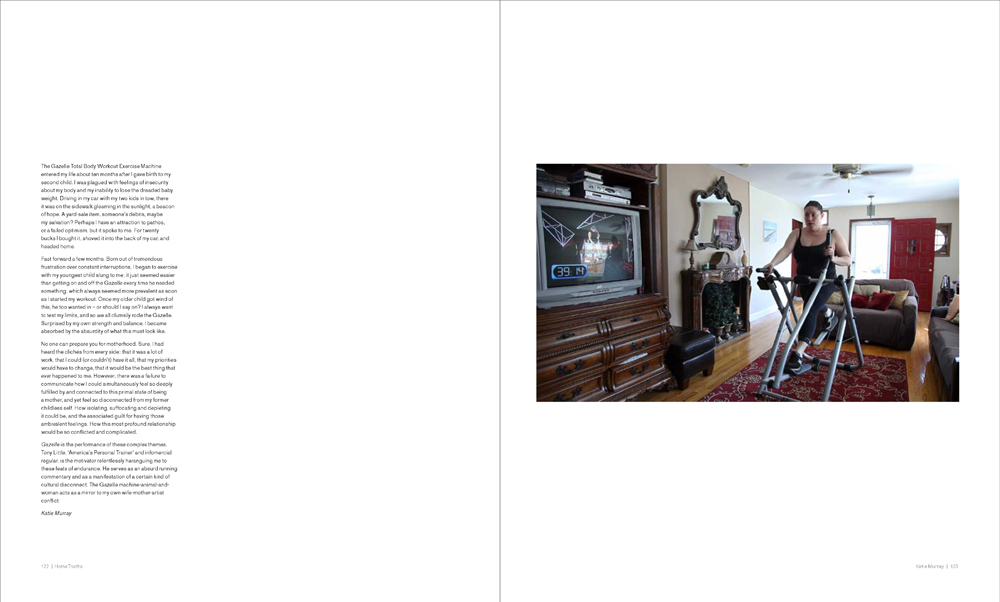
The work featured here is highly personal, often documentary in approach and with the individual subject at its centre, reflecting photography itself in the twenty-first century. The featured artists offer very different views of contemporary motherhood, from the devoted to the dysfunctional, representing the myriad ways that becoming – or even trying to become – a mother can radically alter a woman’s sense of self and how others perceive her. Each one explains in their own words the inspirations – and the emotions – behind the work.

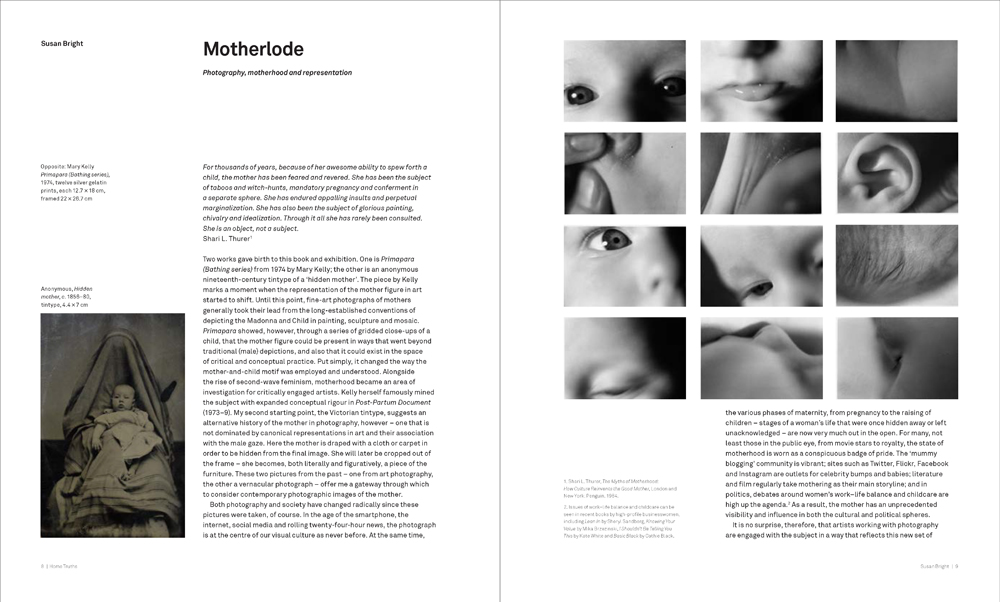
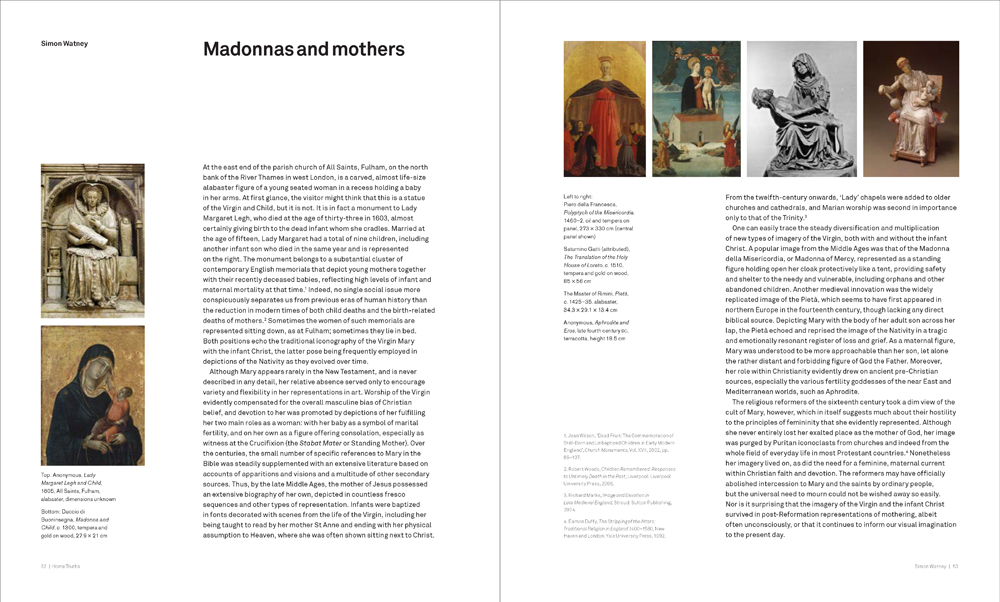
The book’s essays, illustrated with dozens of comparative images from antiquity to the present day, present the historical and contemporary context of the mother figure. Curator of the exhibition and volume editor Susan Bright traces the history of photographs of motherhood from the nineteenth century to our ‘postfeminist’ age. Simon Watney weaves a fascinating narrative of the Madonna figure through the centuries. Nick Johnstone looks at the presentation of the mother from the perspective of the father, and considers how images of fatherhood compare, while Stephanie Chapman lays out the moving history of London’s Foundling Museum through photographs and repositions the mother in a story of loss where she is strangely absent.

Presenting contemporary thinking on motherhood through an exploration of its changing representation in photography, Home Truths provides a fresh and unique insight into one of the most universal and well documented of experiences.

Susan Bright is an independent curator and writer based in New York. She was formerly Assistant Curator of Photographs at the National Portrait Gallery, Curator at the Association of Photographers and Acting Director for the MA at Sotheby’s Institute of Art, all in London. Recent exhibitions include Something Out of Nothing, Fotogalleriet, Oslo (2007), How We Are: Photographing Britain (co-curated with Val Williams), Tate Britain, London (2007) and Face of Fashion, National Portrait Gallery, London (2007). Her books include Art Photography Now and Auto Focus: The Self Portrait in Contemporary Photography.

Stephanie Chapman is the curator of exhibitions and displays at The Foundling Museum, London.

Nick Johnstone is the author of fourteen books of non-fiction. As a journalist specializing in lifestyle and culture, he has written for the Guardian, the ObserverThe Times, the Daily Telegraph, the Sydney Morning Herald, the Irish Independent and the Huffington Post.

Simon Watney is the author of several books, and writes regularly for the Art Newspaper and the Burlington Magazine, of which he is a member of the editorial advisory committee.


What others say

‘Gorgeous and brave … painfully revealing … Motherhood has too often gone unnoticed, especially in an art world that to this day regularly tells artists — female artists, on the whole — that they must choose between having children and having a career. “Home Truths” gives the lie to that fallacy, and plenty of heroic honesty along with it.’ — Chicago Tribune

‘Reveals surprising, stirring and provocative angles on relationships between mothers and their children.… The overall effect of this fascinating collection not only exposes home truths, it also suggests intriguing fantasy in the maternal links.’ — Evening Standard

‘Playful and eloquent, unsentimental yet deeply moving, this is a welcome reassessment of maternal iconography.’ — Time Out

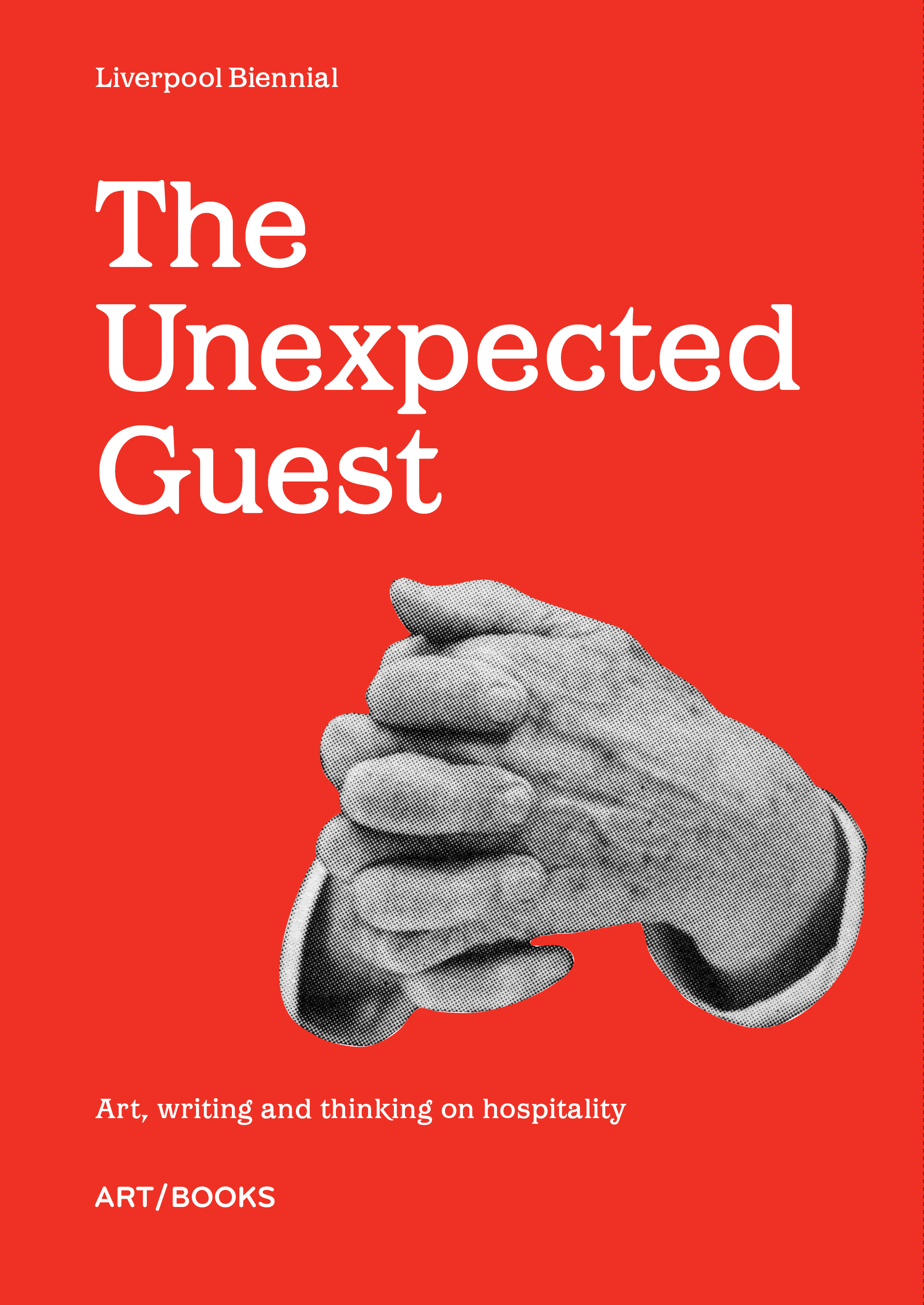
Unexpected Guest cover The Unexpected Guest

Art, writing and thinking on hospitality

Edited by Sally Tallant and Paul Domela
With a text by Lorenzo Fusi

Hospitality is the welcome we extend to strangers, an attitude and a code of conduct, and a metaphor encompassing issues of the body, territory, politics, ecology, commerce and the hosting of data. It is the point where hostility becomes friendship, where the unknown becomes the familiar, and where the outside becomes the inside. But it also about the exercise of power: the power to accommodate or to exclude, the power to impose oneself on the other, and the power to outstay’s one’s welcome. In an age of unprecedented movement of both people and knowledge, different cultures of hospitality confront one another as never before.
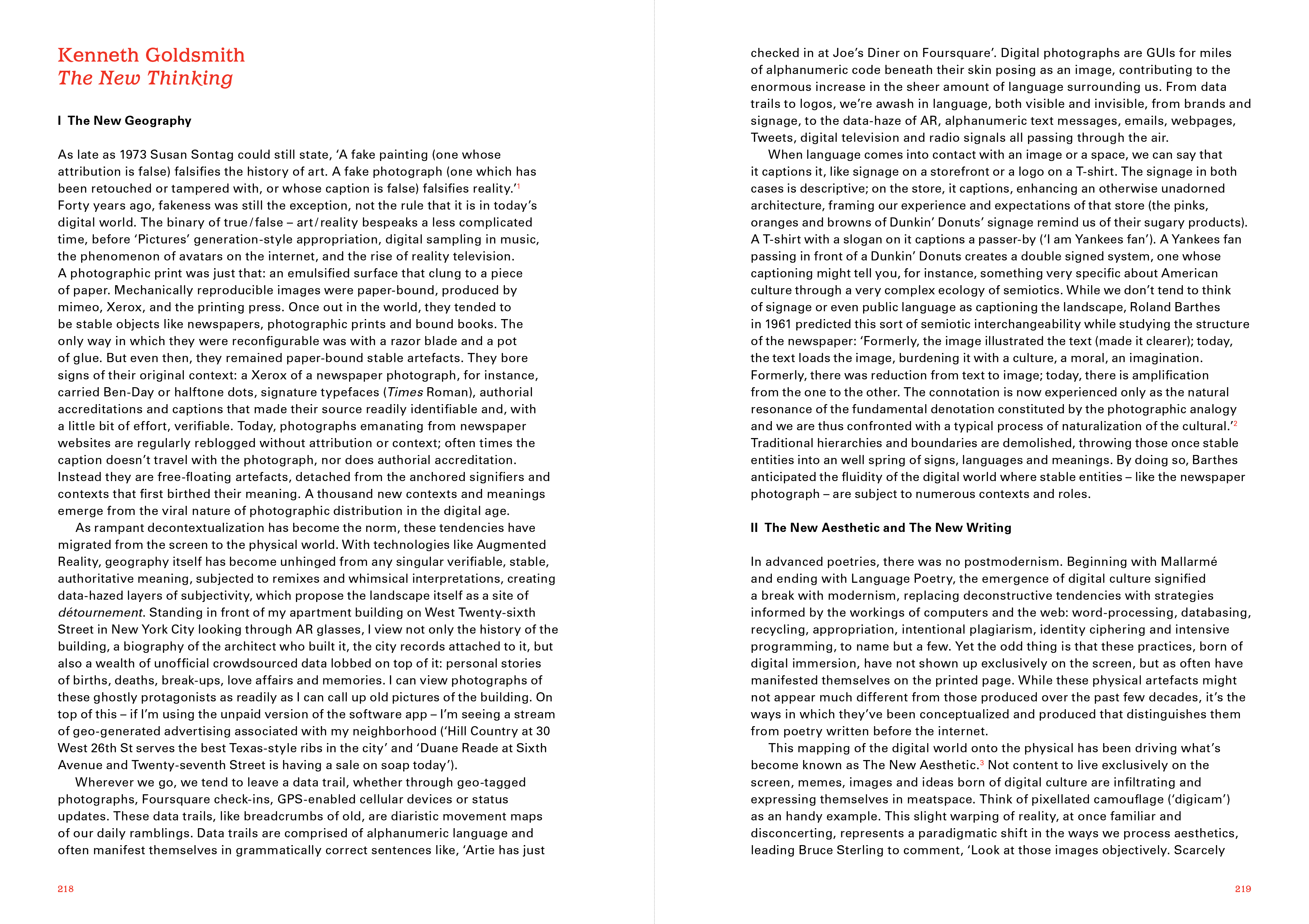
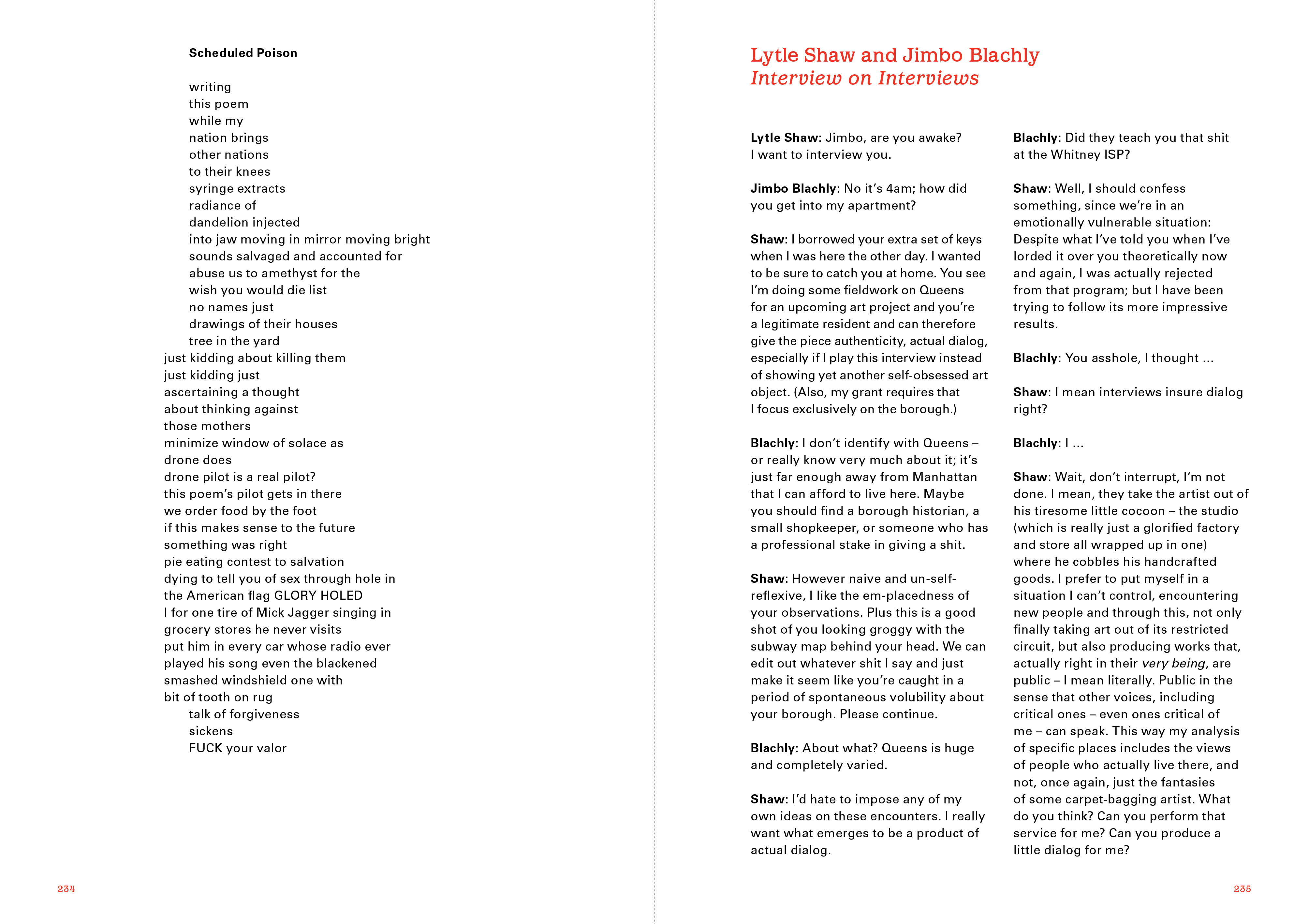
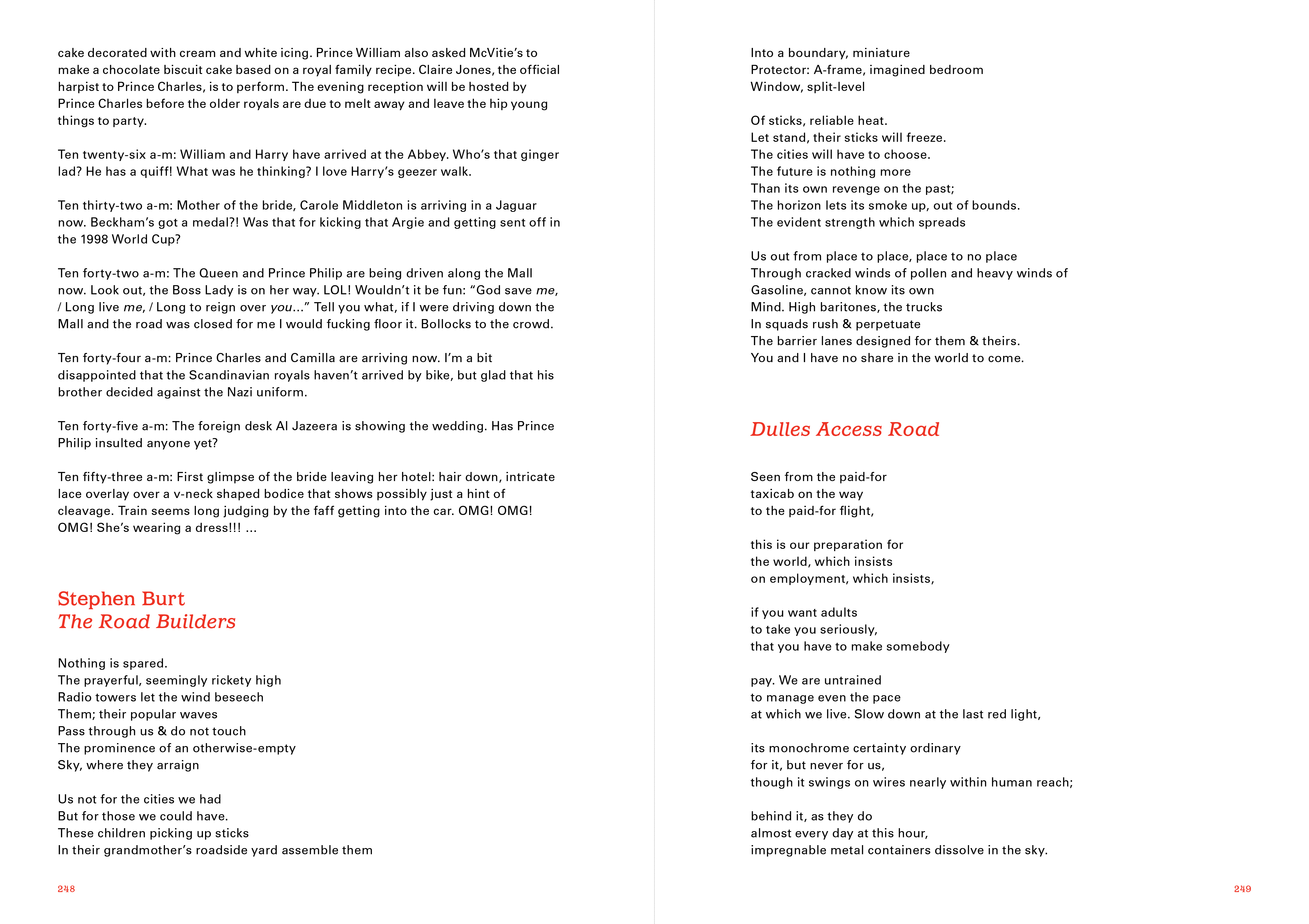
Published on the occasion of the 7th Liverpool Biennial, The Unexpected Guest welcomes and gives home to an array of artists, writers and thinkers from the four corners of the globe. It is not intended as a catalogue of the exhibition, nor is it simply a reader on the subject. Instead, it is a complex anthology of newly commissioned writing, artists’ projects and creative texts that explore one of the most pressing issues of our time.

Artists have been invited to make a contribution that reflects upon a particular aspect of hospitality, or to invite a guest to occupy their space. In an extraordinary collection of new writing, Kenneth Goldsmith has invited twenty-nine fellow poets to compose works on two key areas of relevance to the subject: technology and geography. Commissioned essays by leading scholars from Africa, the Americas, Europe and Asia consider hospitality from multiple perspectives, including colonial history, spatial politics and the ethics of the host–guest relationship.

Together, this rich compilation of art, writing and thinking not only deepens our understanding of hospitality in the twenty-first century, it also offers possibilities for the future.

Sally Tallant is the director of the Liverpool Biennial
Paul Domela is programme director of the Liverpool Biennial
Lorenzo Fusi is the curator of ‘The Unexpected Guest’

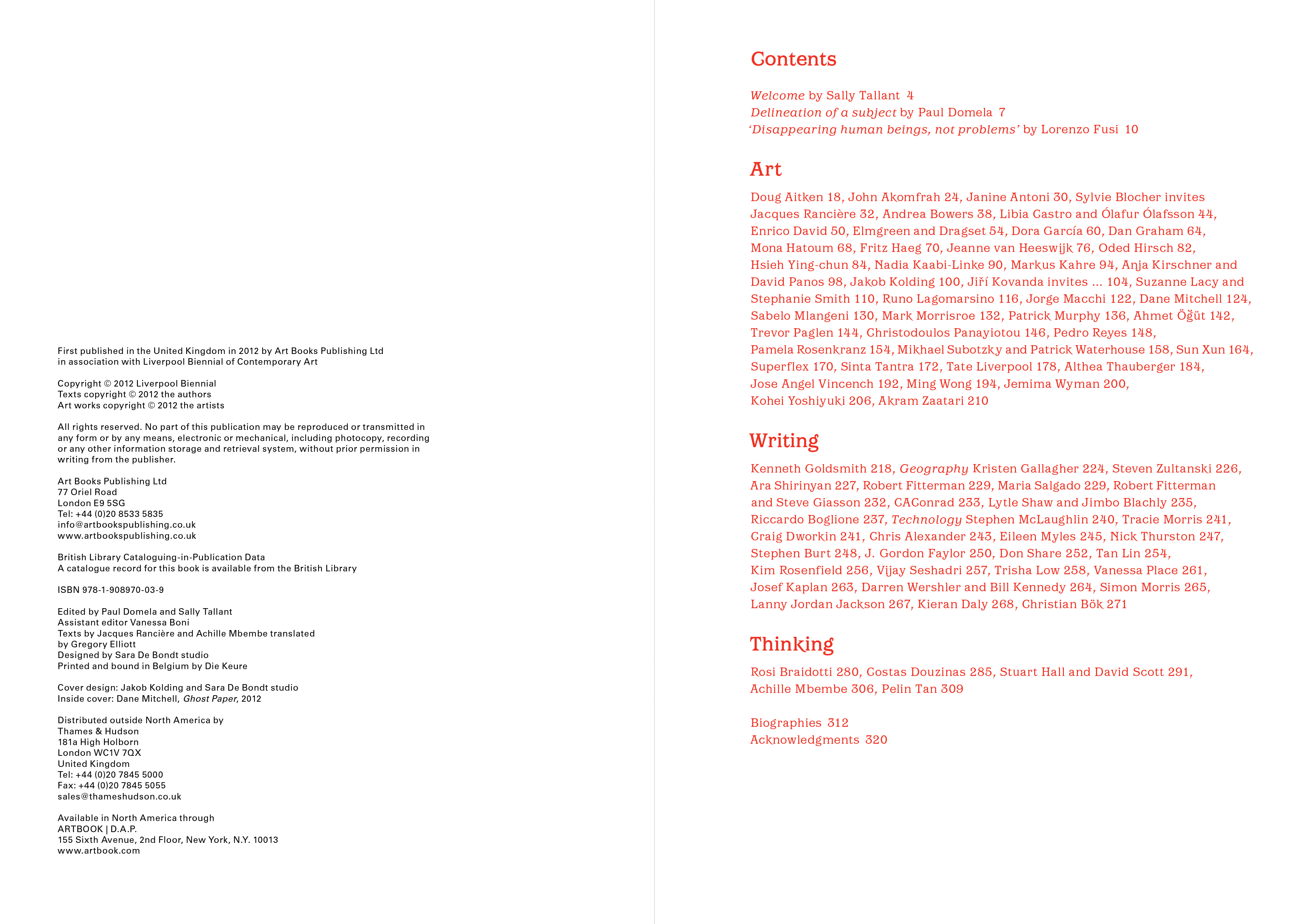
Art
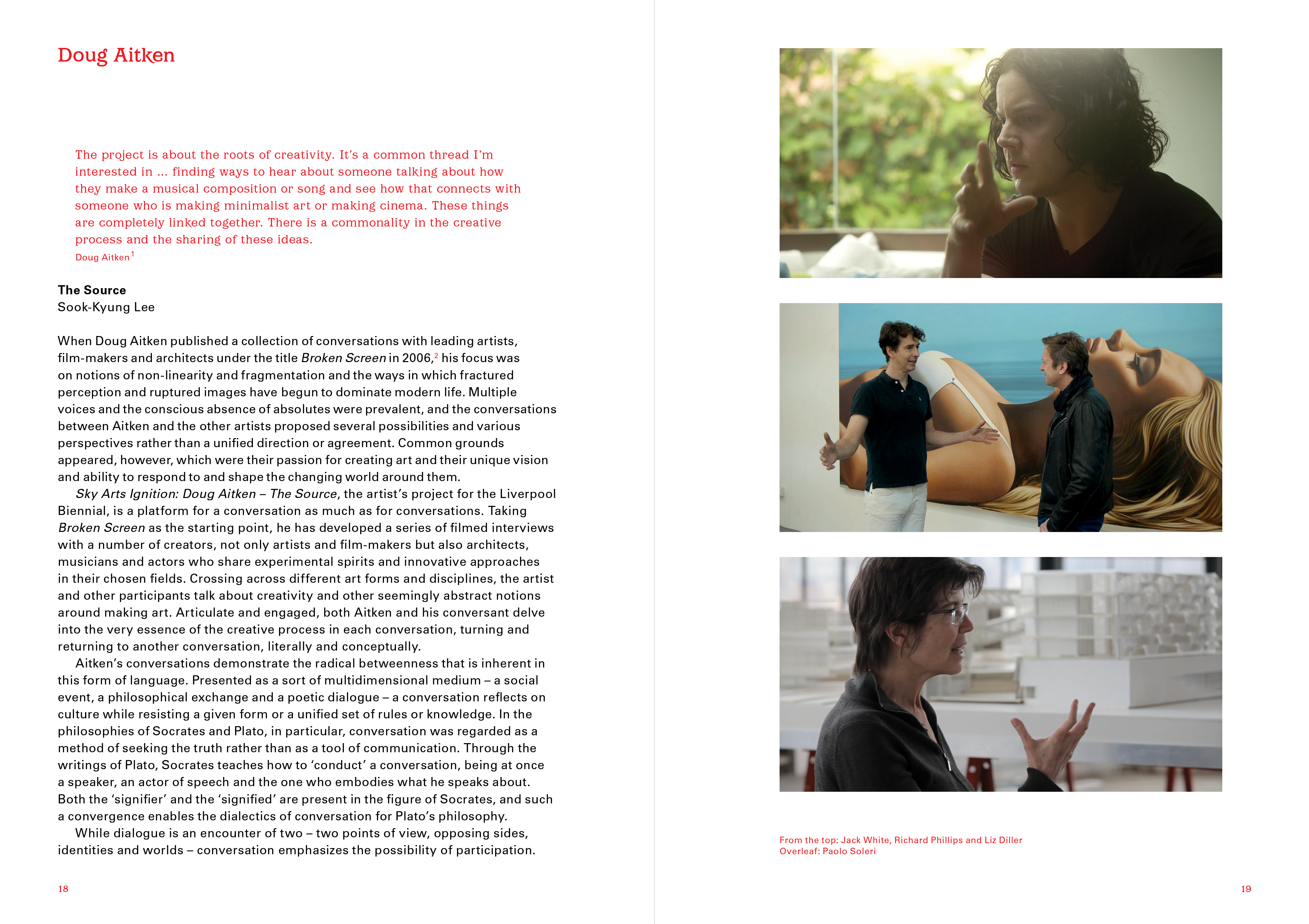
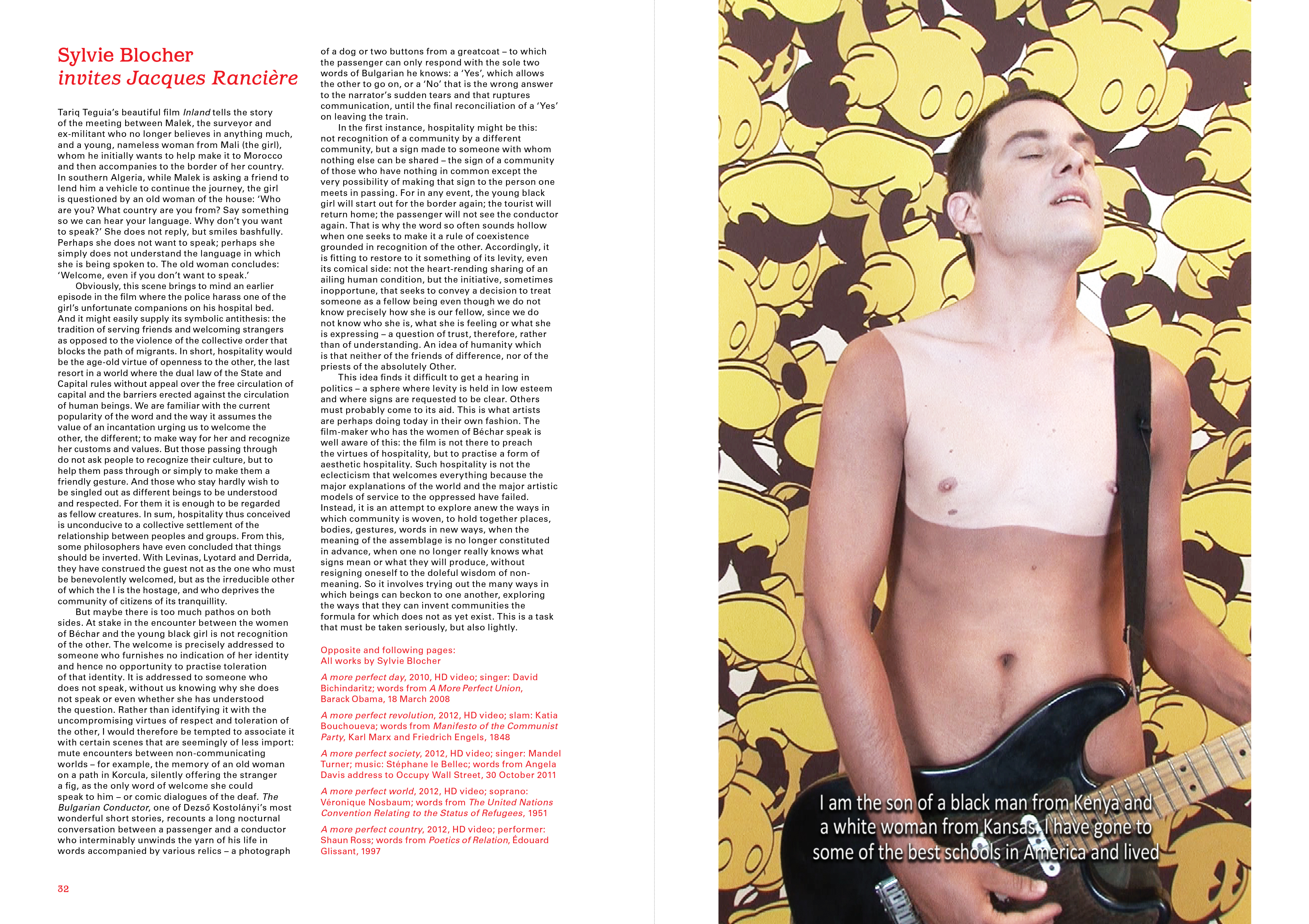
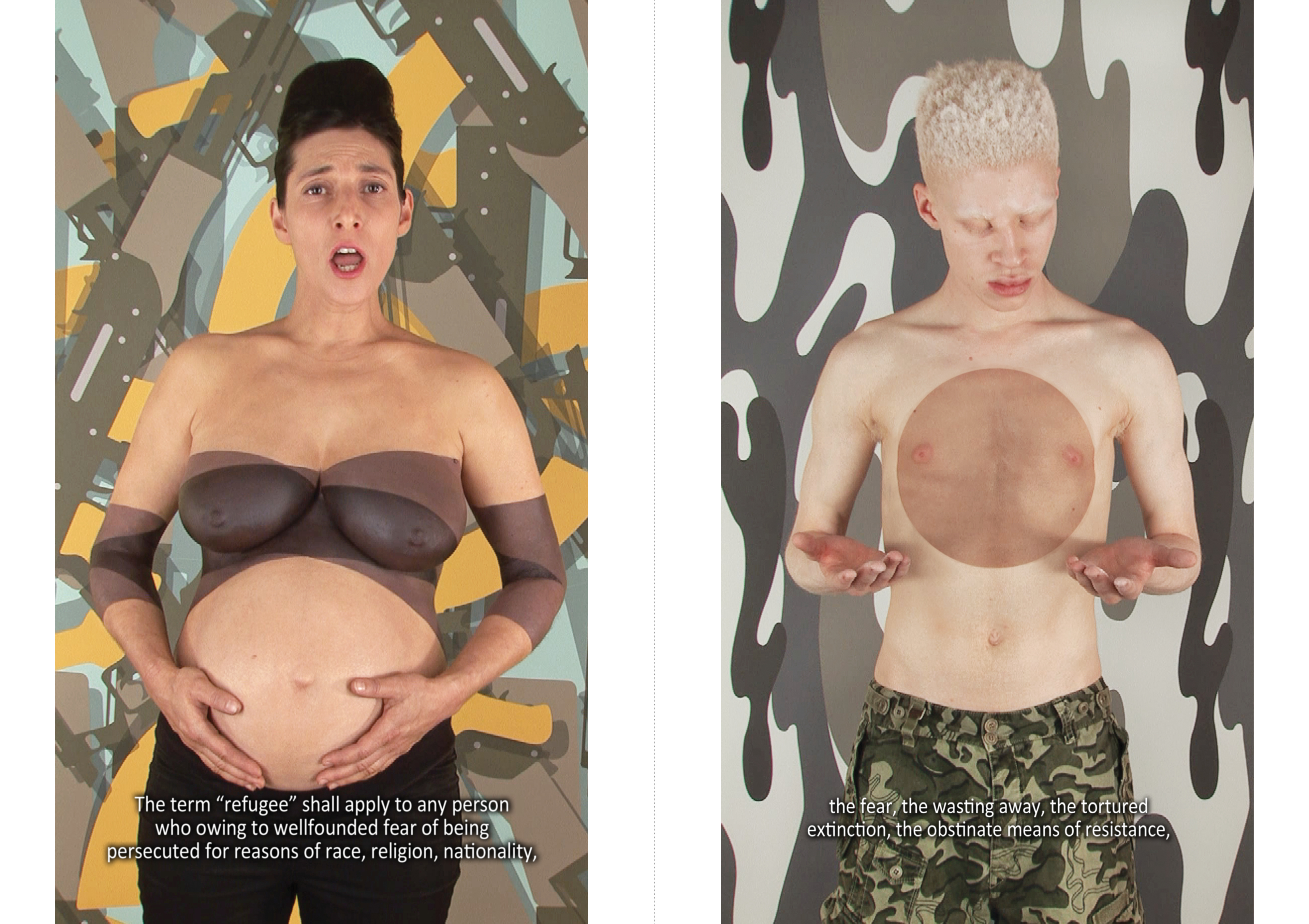
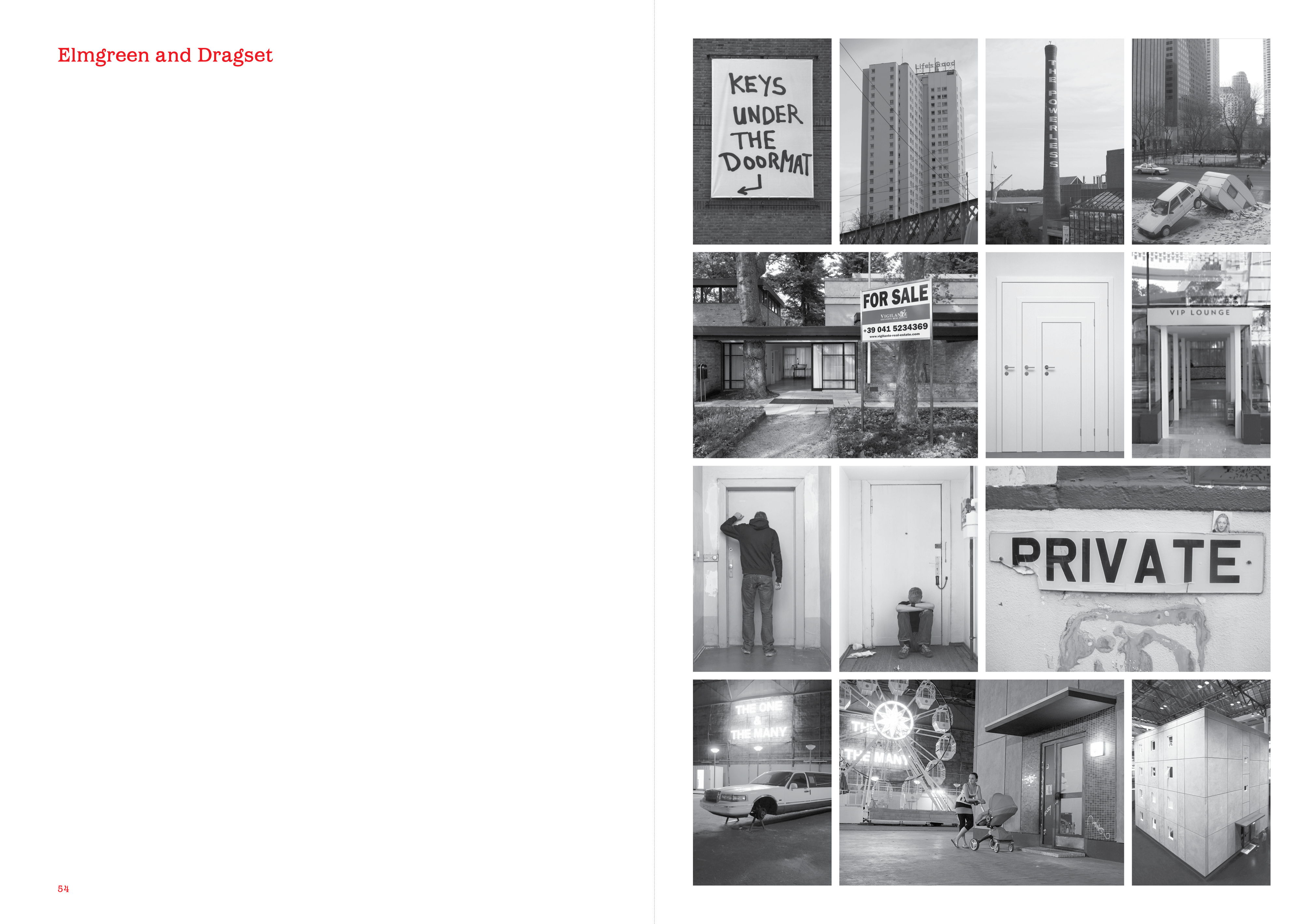
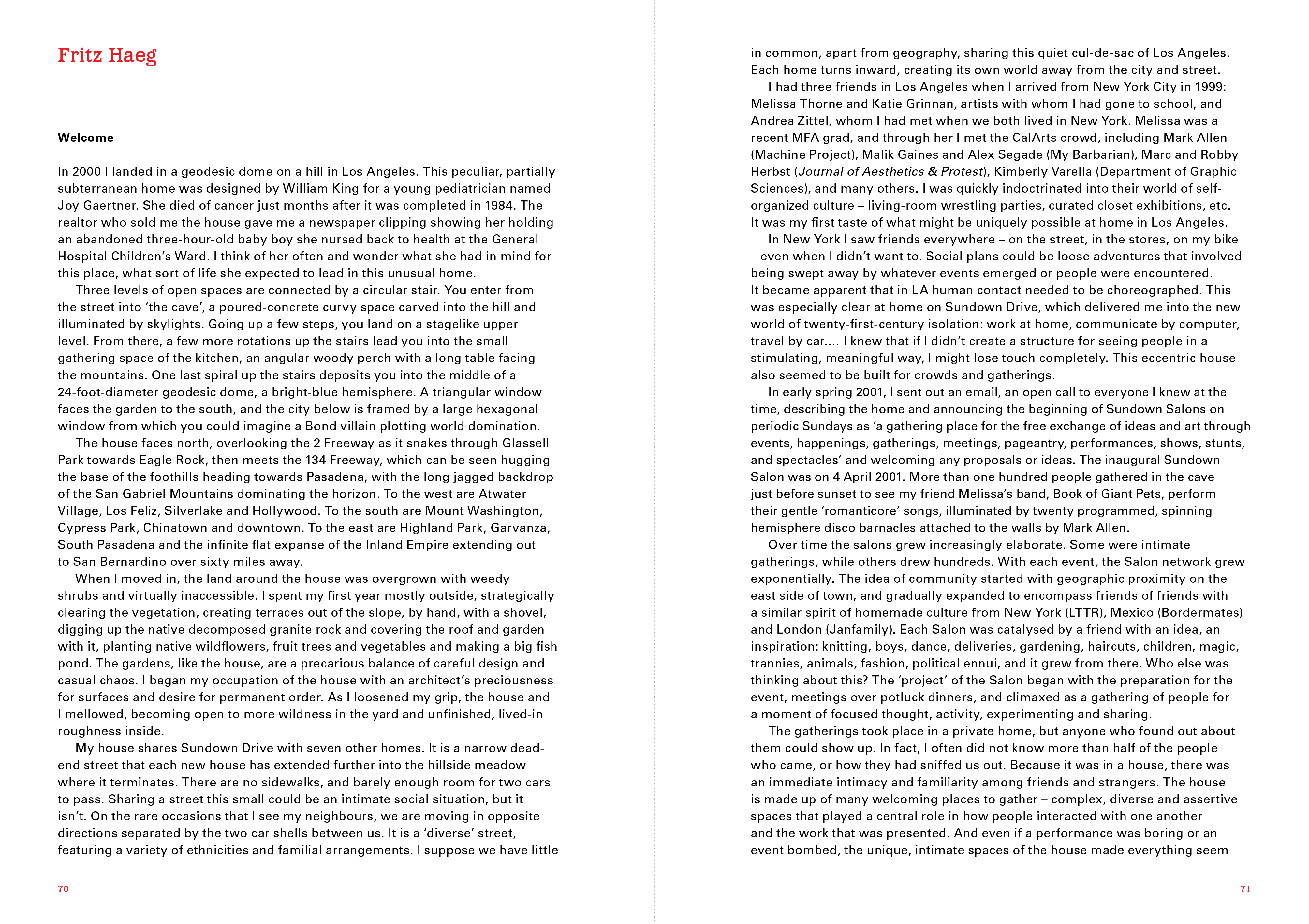
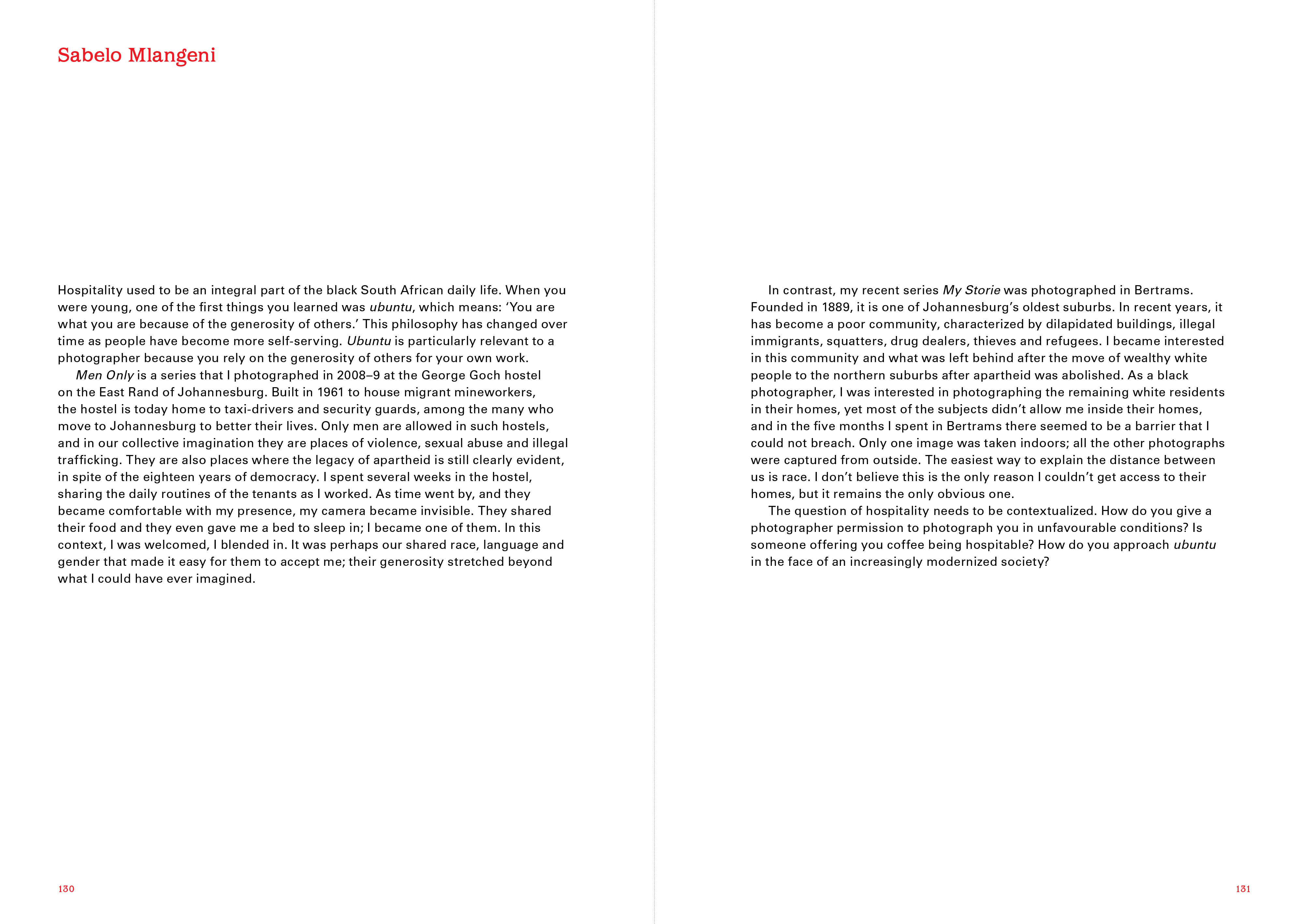
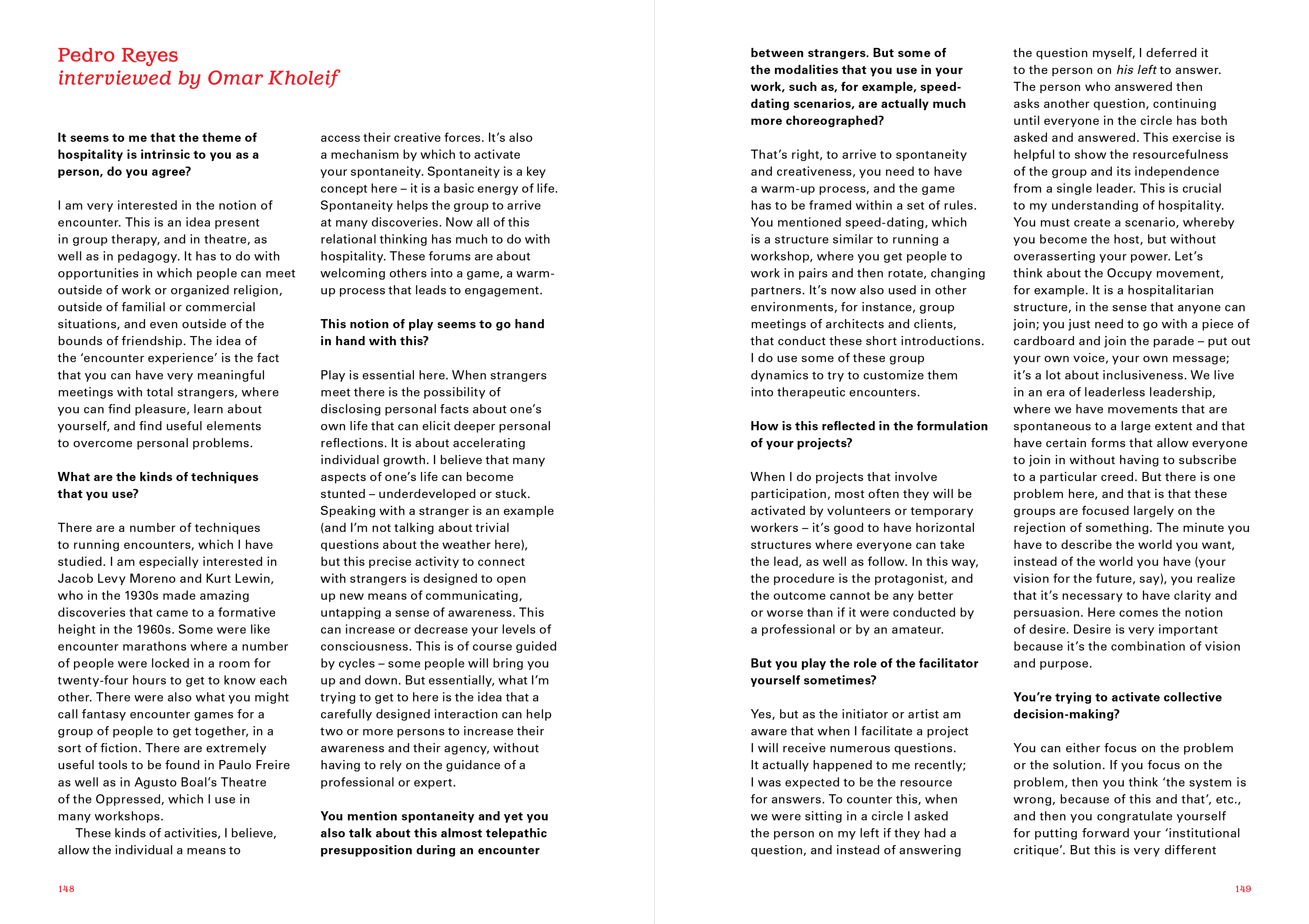
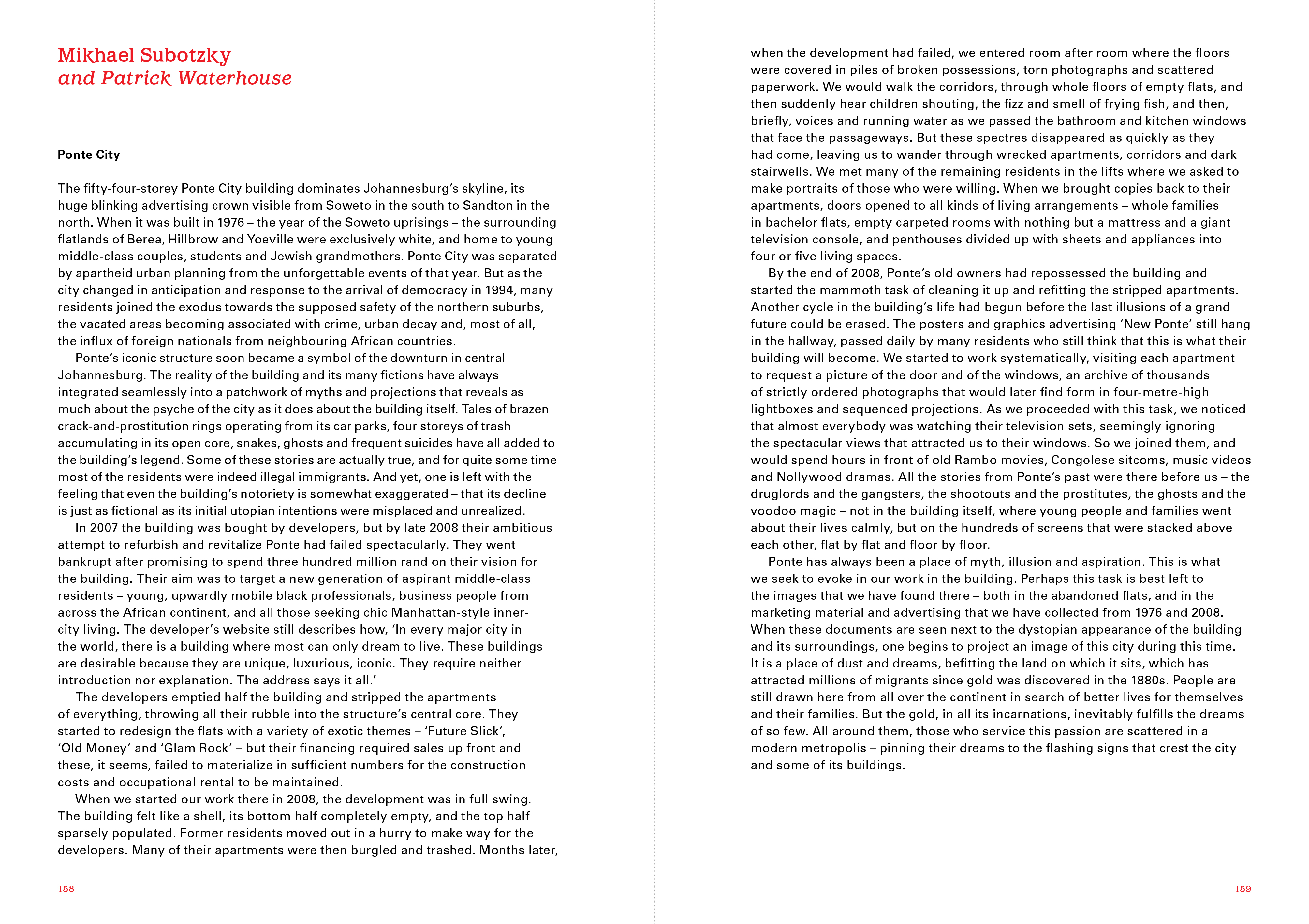
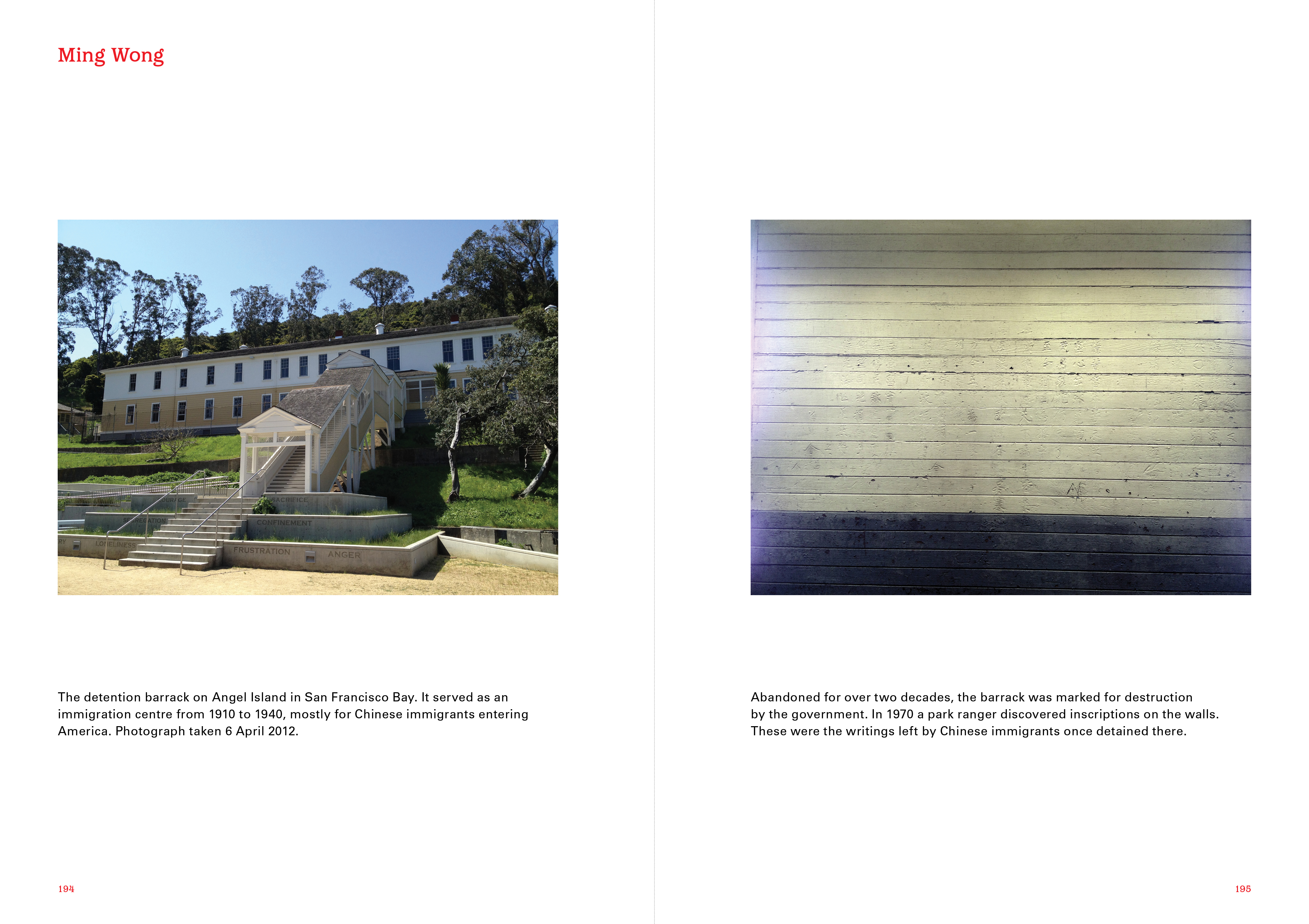
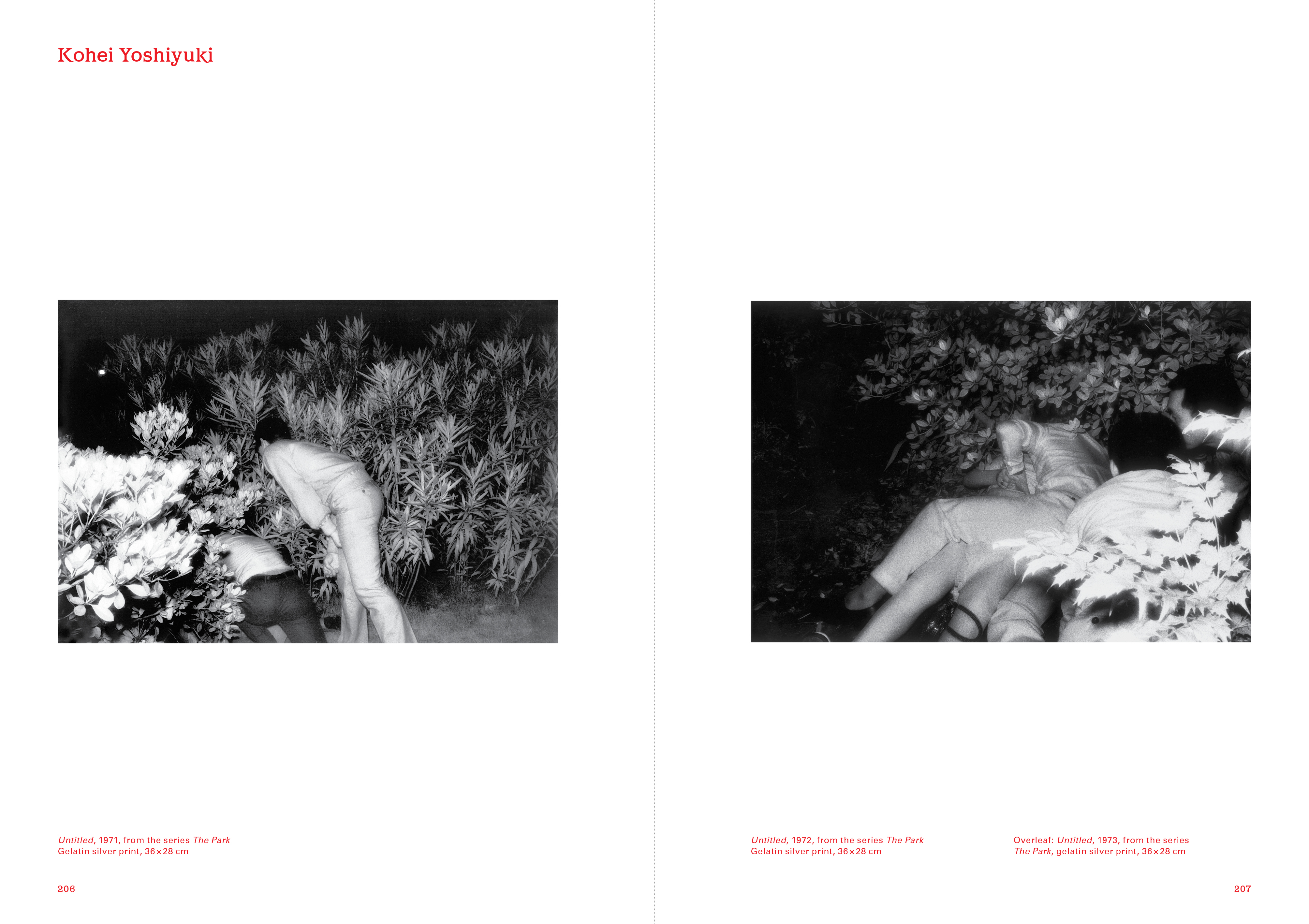
Doug Aitken • John Akomfrah • Janine Antoni • Sylvie Blocher invites Jacques Rancière • Andrea Bowers • Libia Castro and Ólafur Ólafsson •   Enrico David • Elmgreen and Dragset • Dora Garcia • Dan Graham • Mona Hatoum • Fritz Haeg • Jeanne van Heeswijk • Oded Hirsch • Hsieh Ying-chun • Nadia Kaabi-Linke • Markus Kahre • Anja Kirschner and David Panos • Jakob Kolding • Jirí Kovanda invites … • Suzanne Lacy and Stephanie Smith • Runo Lagomarsino • Jorge Macchi • Dane Mitchell • Sabelo Mlangeni • Mark Morrisroe • Patrick Murphy • Ahmet Öğüt • Trevor Paglen • Christodoulos Panayiotou • Pedro Reyes • Pamela Rosenkranz • Mikhael Subotzky and Patrick Waterhouse • Sun Xun • Superflex • Sinta Tantra • Tate Liverpool • Althea Thauberger • Jose Angel Vincench • Ming Wong • Jemima Wyman • Kohei Yoshiyuki • Akram Zaatari

Writing
Chris Alexander • Riccardo Boglione • Christian Bök • Stephen Burt • CAConrad • Kieran Daly • Craig Dworkin • J. Gordon Faylor • Robert Fitterman • Kristen Gallagher • Steve Giasson and Robert Fitterman • Kenneth Goldsmith • Lanny Jordan Jackson • Josef Kaplan • Tan Lin • Trisha Low • Stephen McLaughlin • Simon Morris • Tracie Morris • Eileen Myles • Vanessa Place • Kim Rosenfield • Vijay Seshadri • Maria Salgado • Don Share • Lytle Shaw and Jimbo Blachly • Ara Shirinyan • Nick Thurston • Darren Wershler and Bill Kennedy • Steven Zultanski

Thinking
Rosi Braidotti • Costas Douzinas • Stuart Hall and David Scott • Achille Mbembe • Pelin Tan