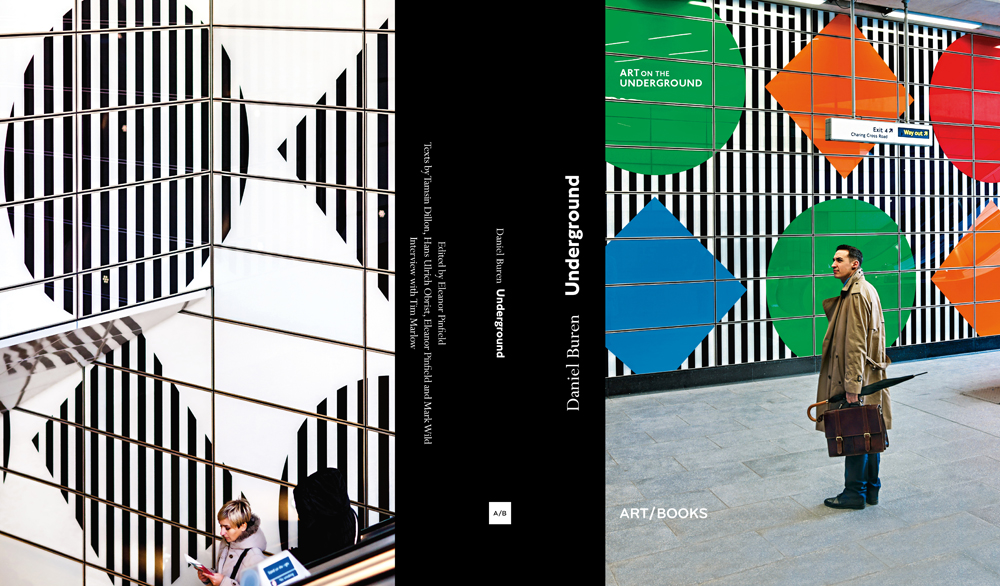
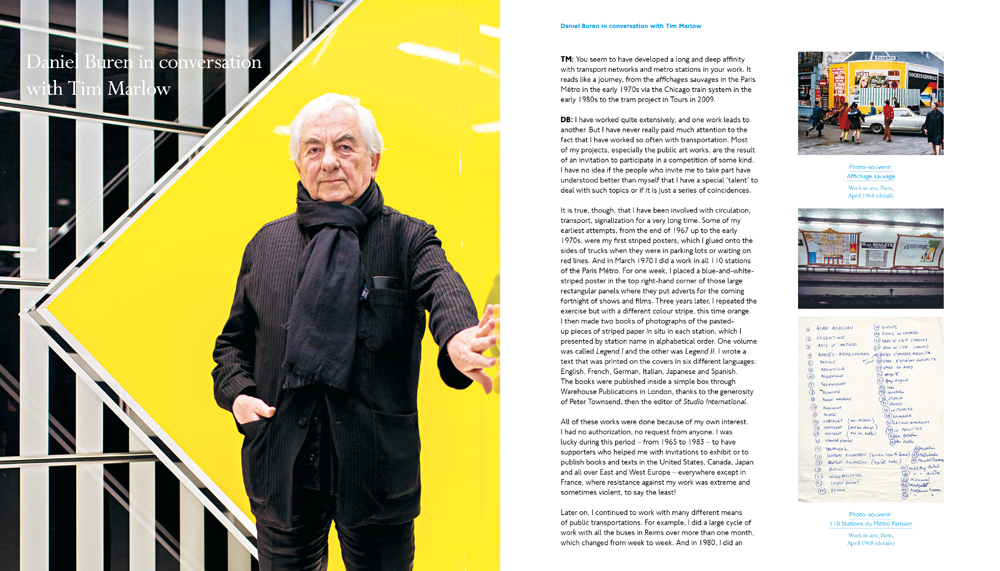
Daniel Buren Underground

Edited by Eleanor Pinfield
Foreword by Mark Wild
Texts by Tamsin Dillon, Eleanor Pinfield, Hans Ulrich Obrist
Interview by Tim Marlow

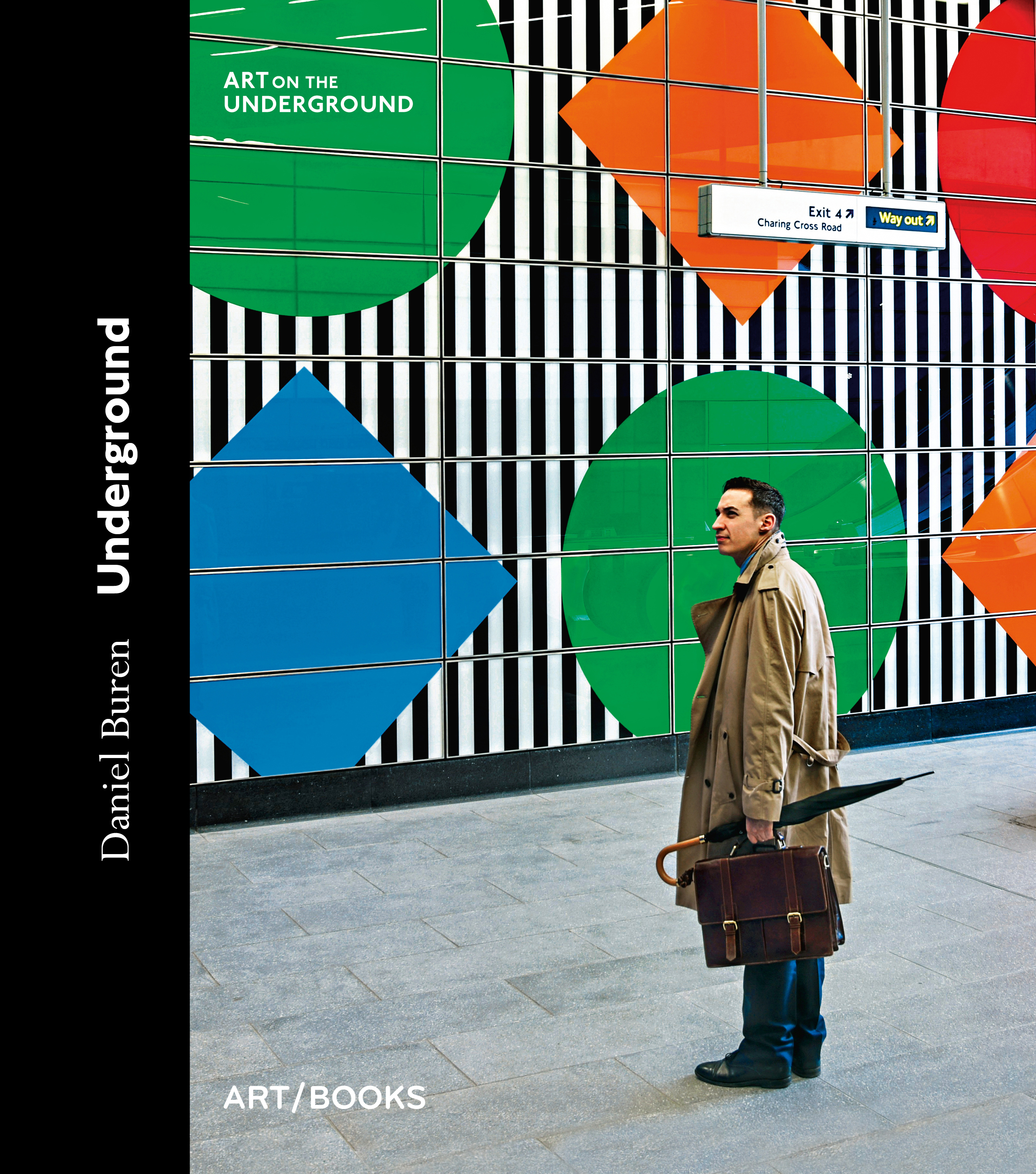
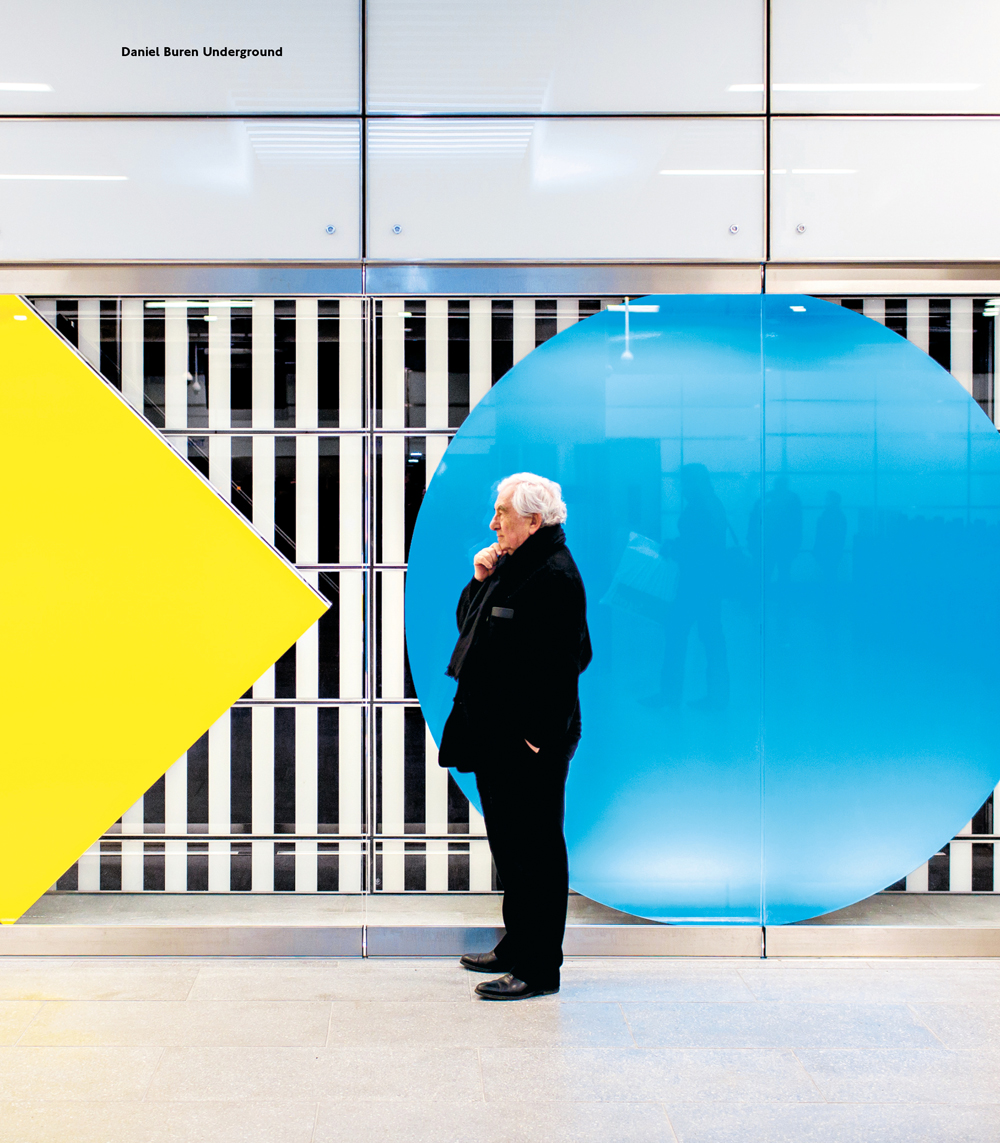
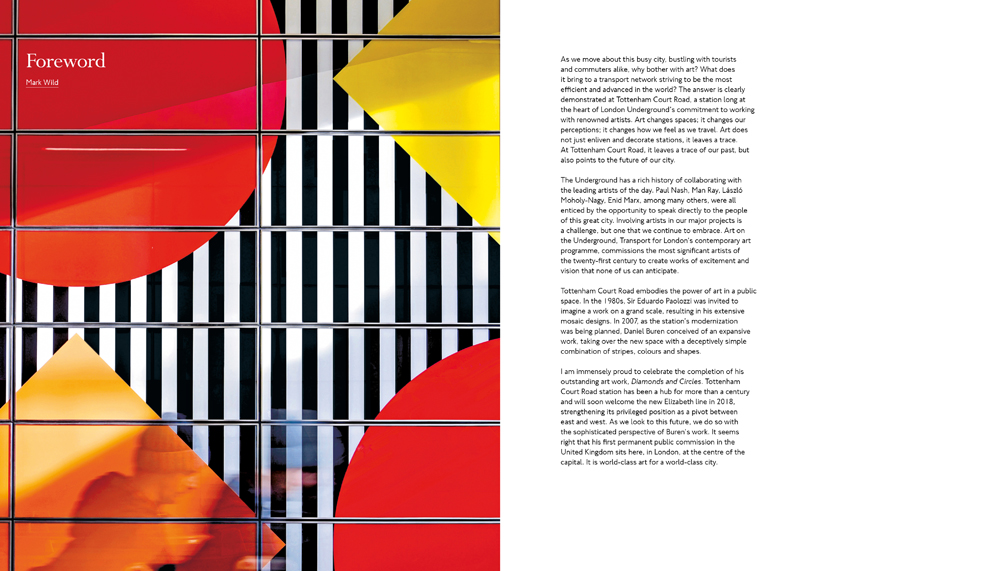
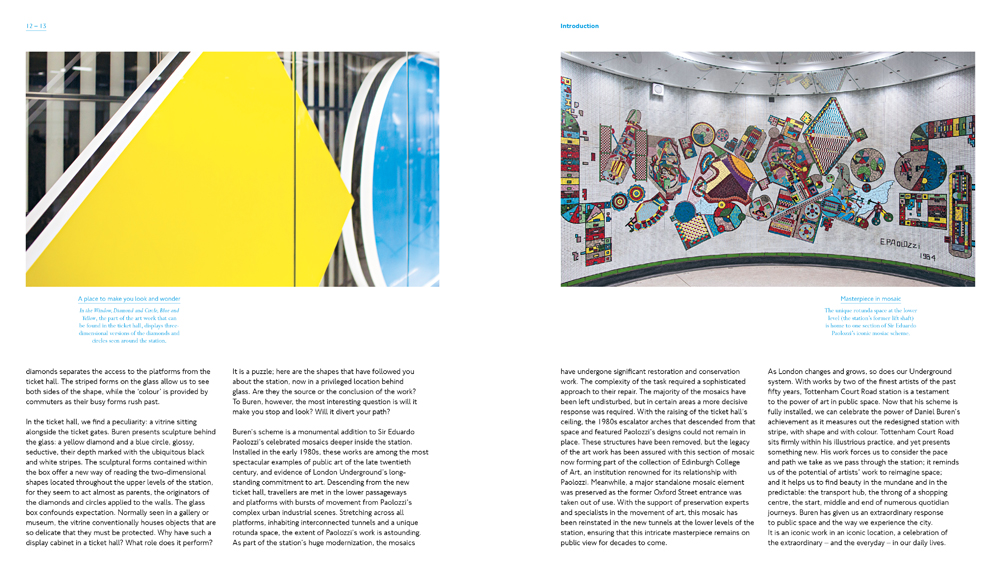
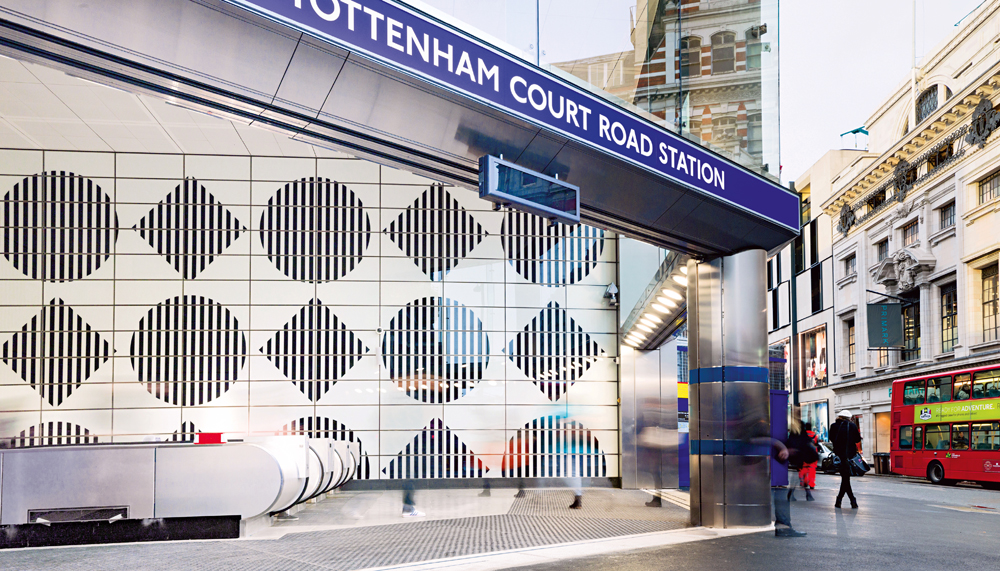
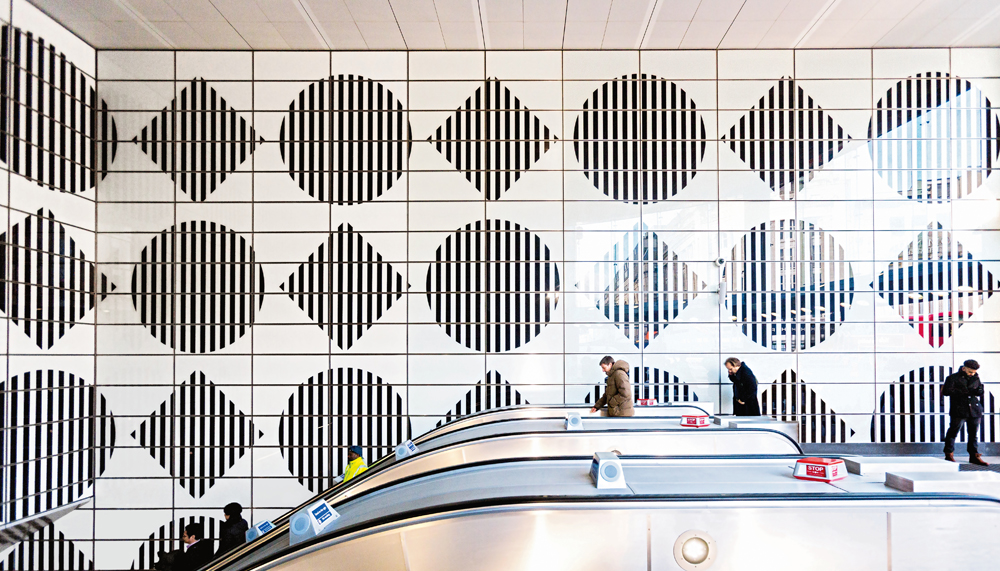
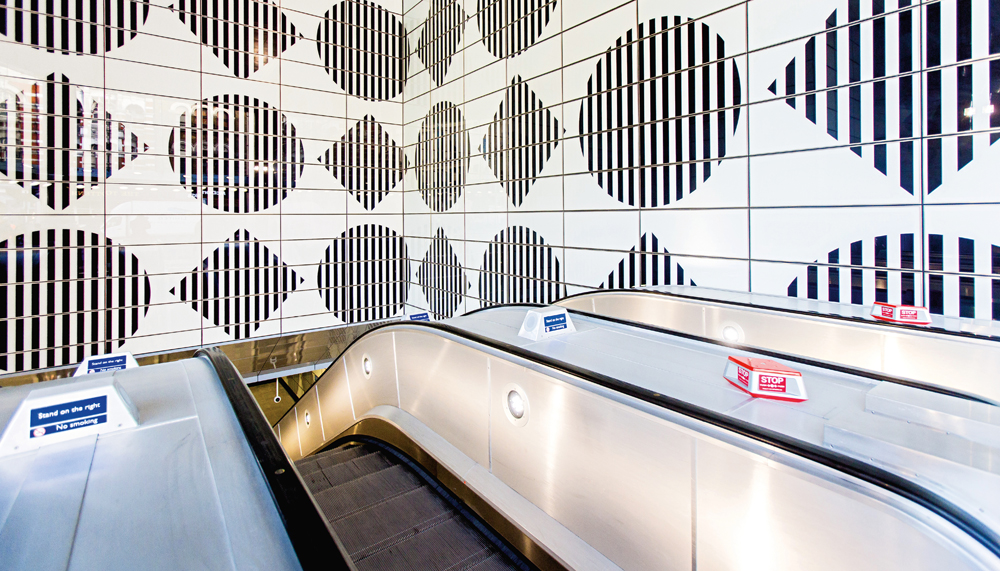
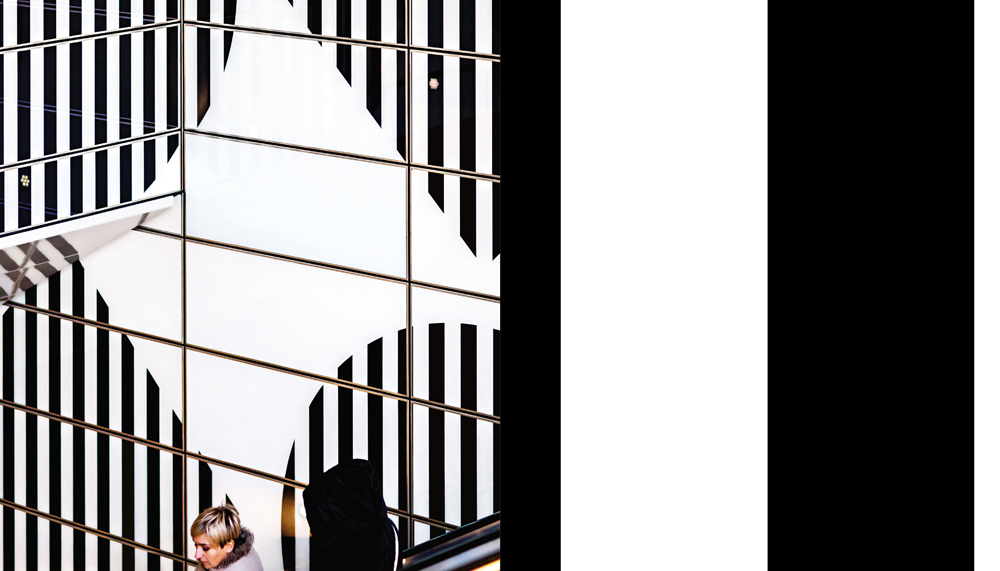
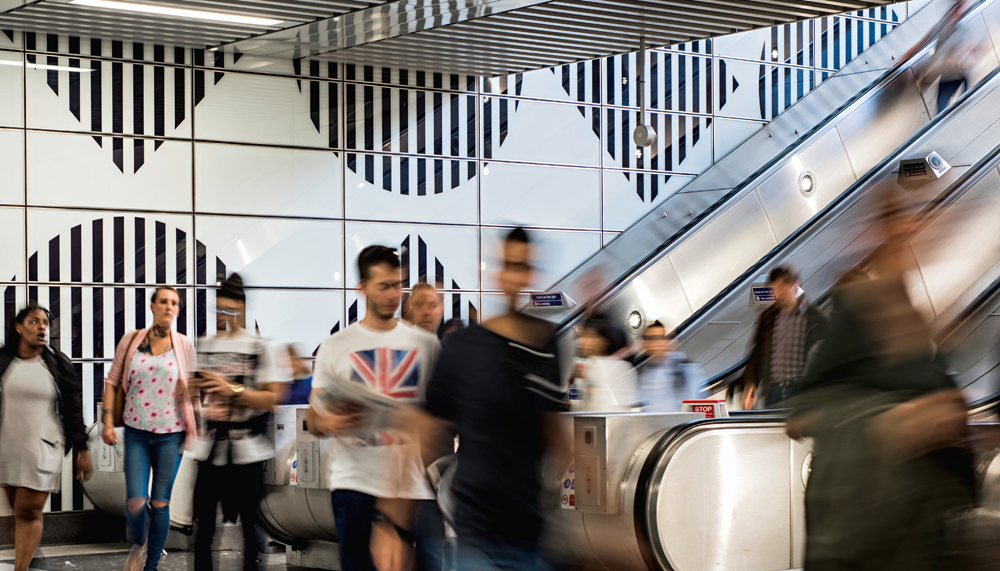
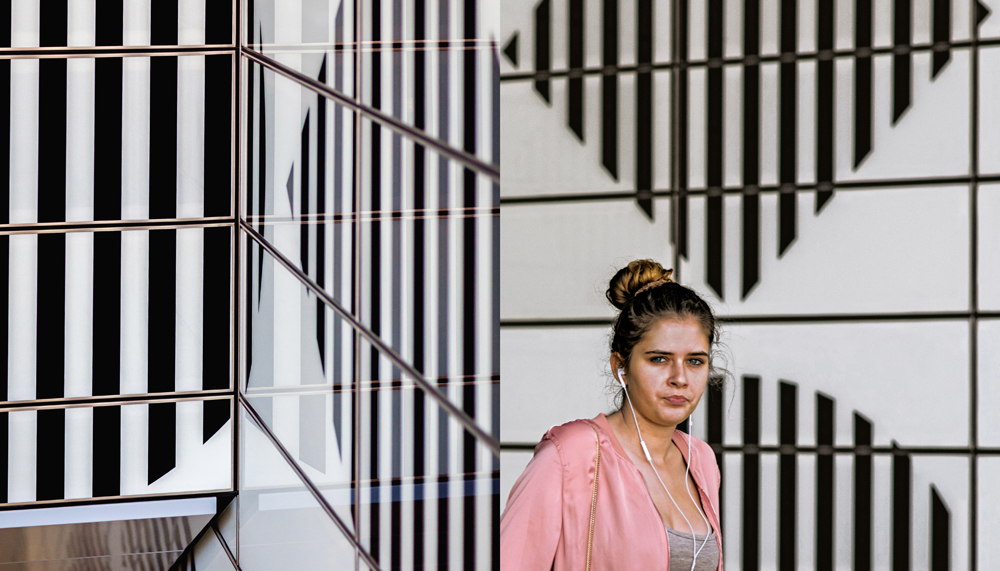
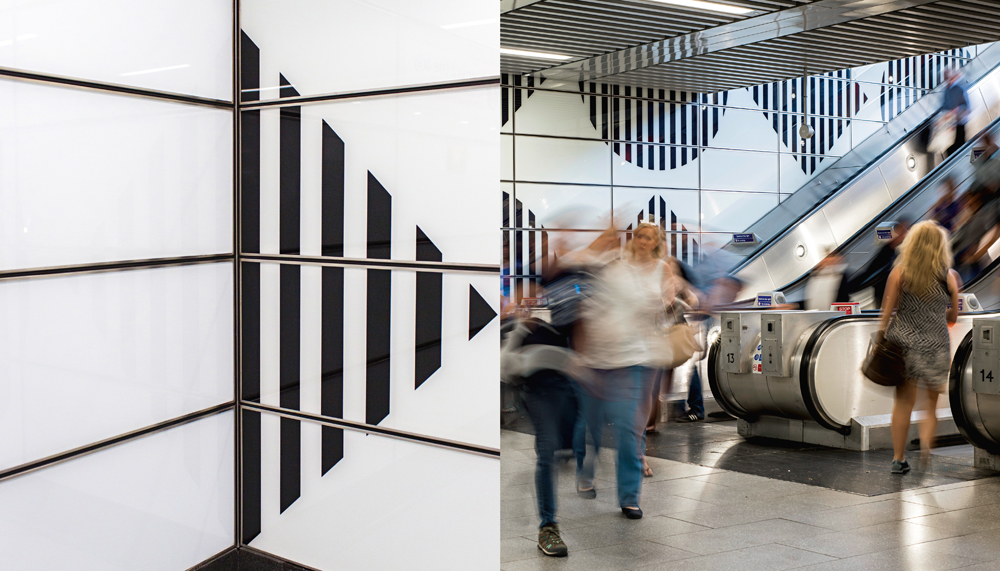
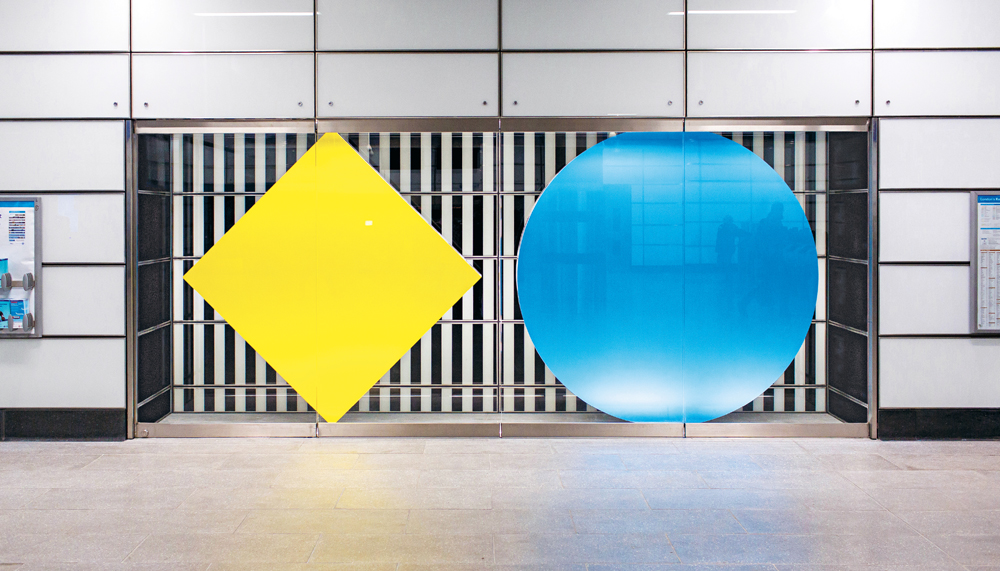
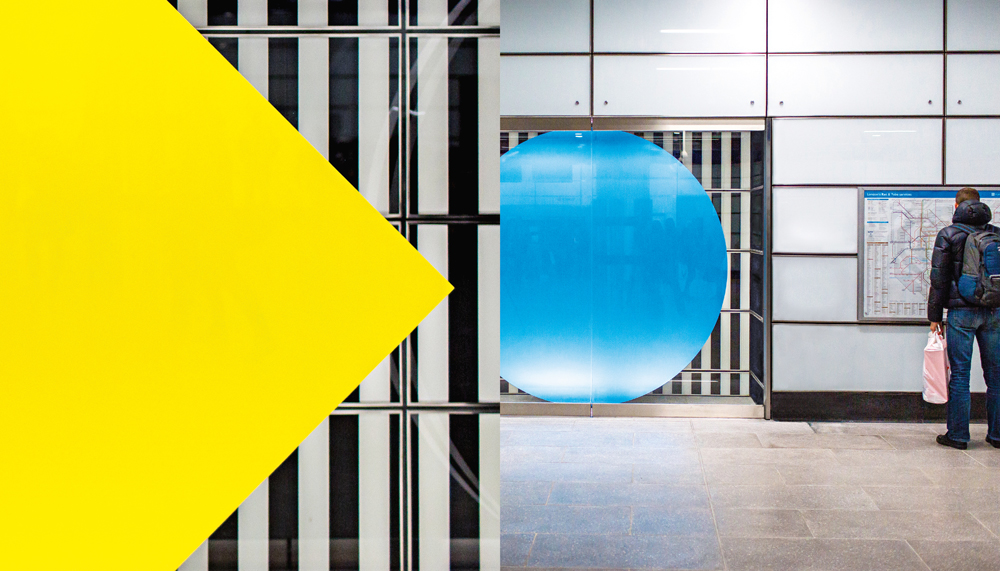
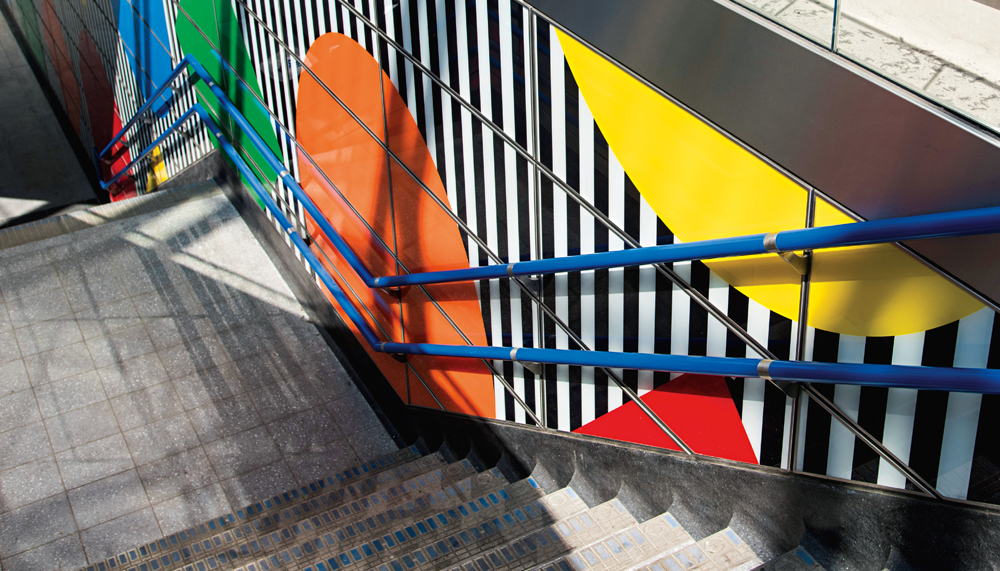
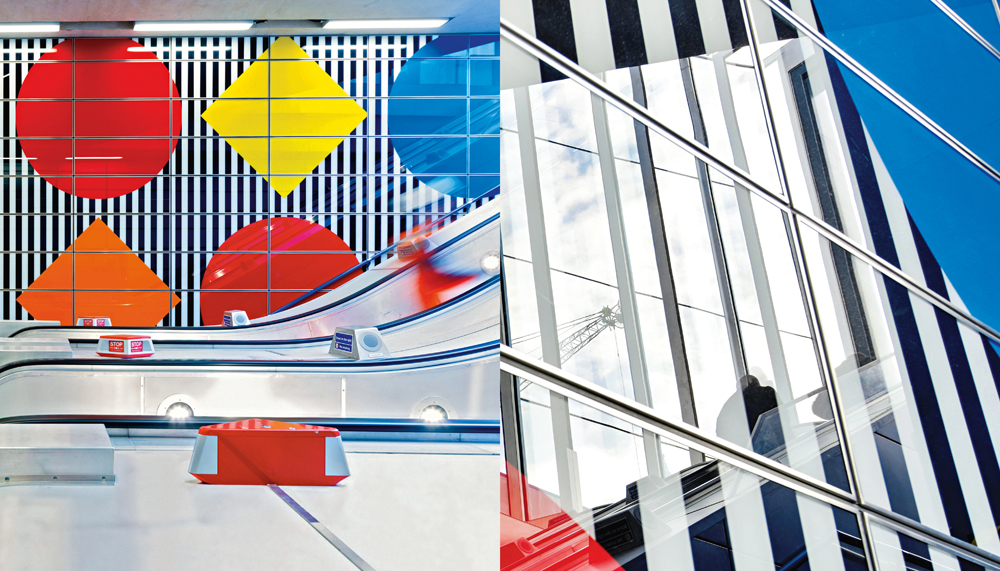
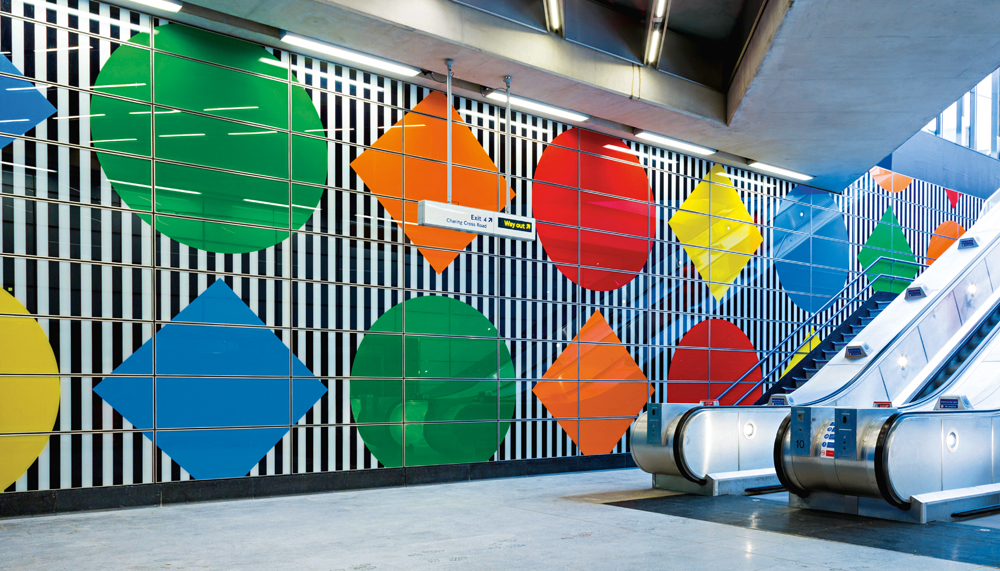
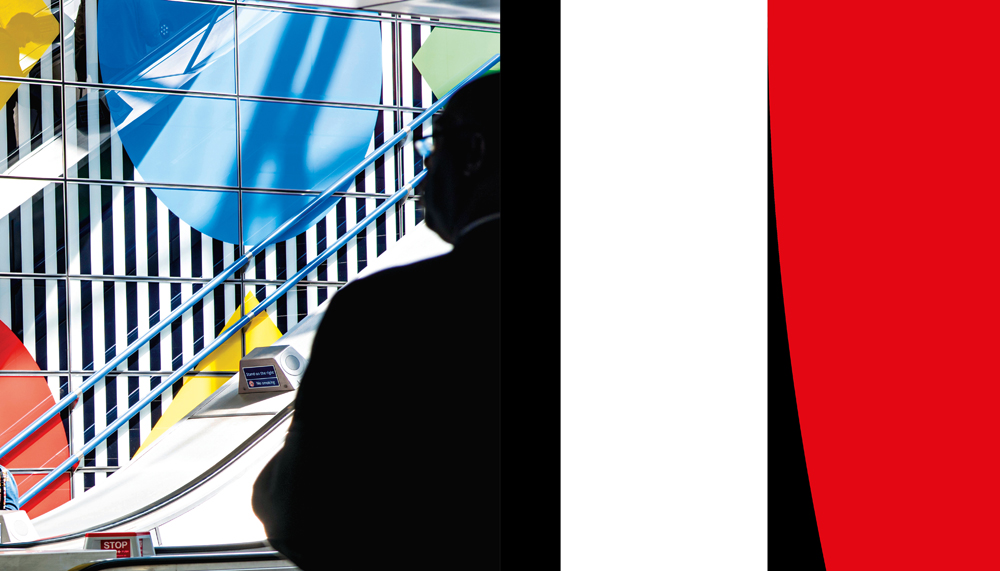
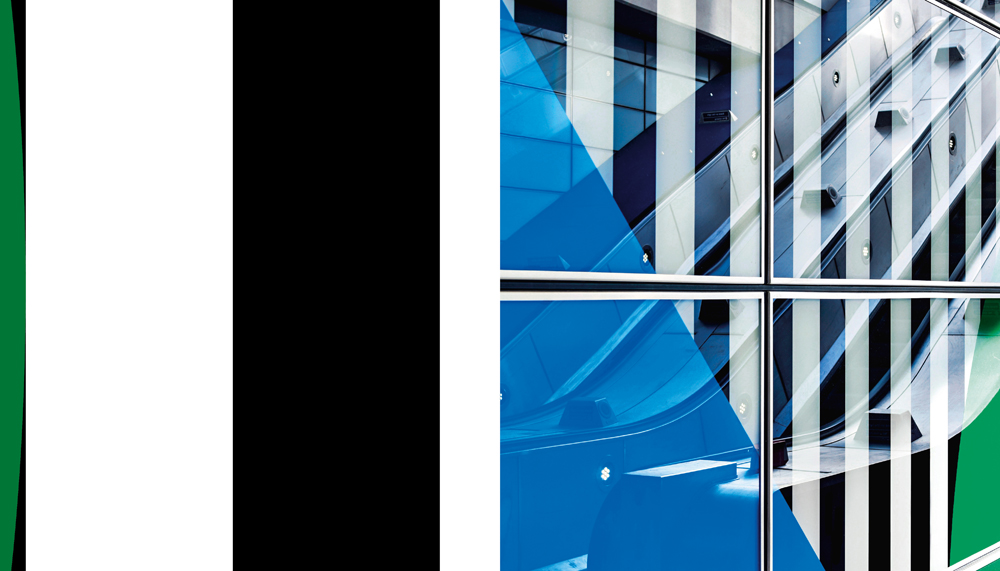
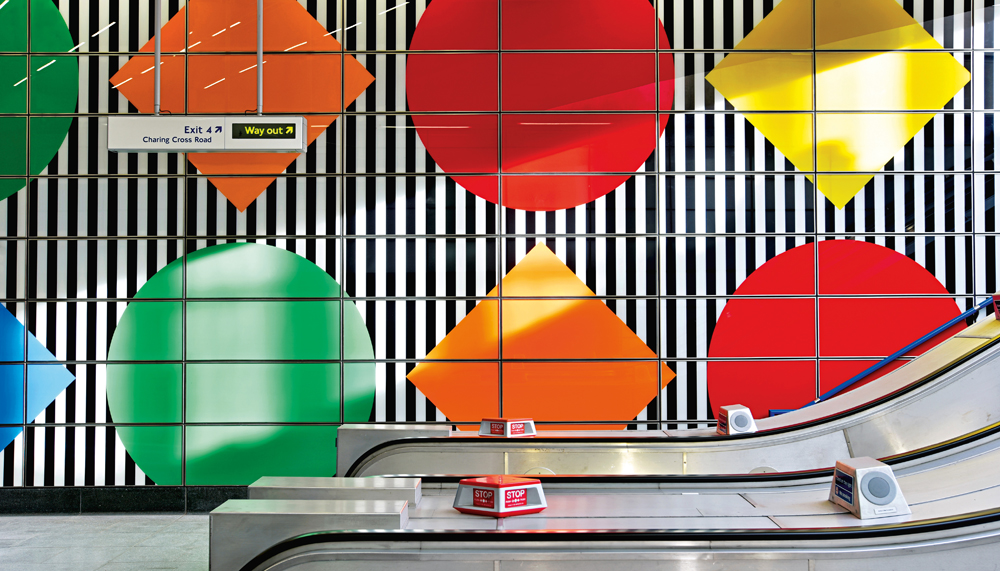
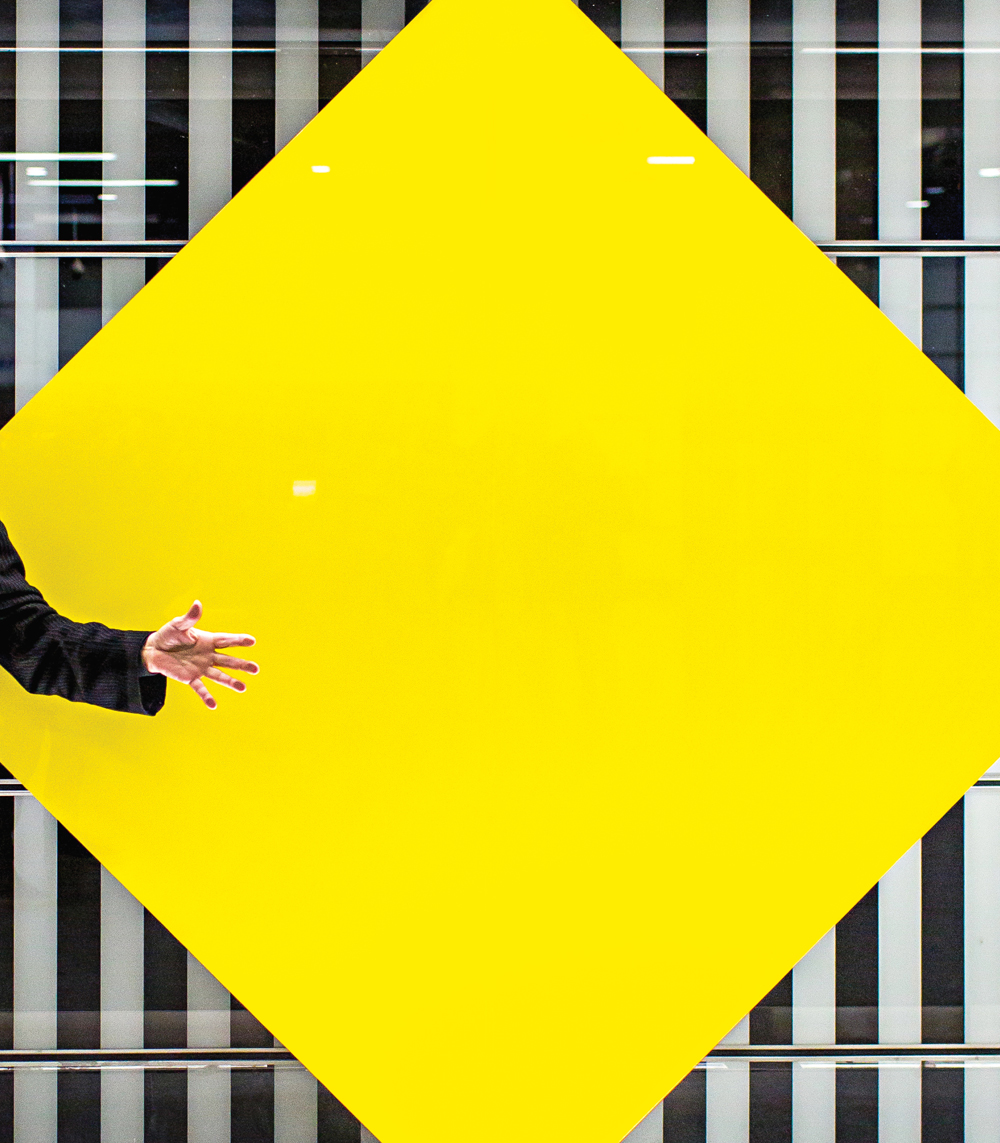
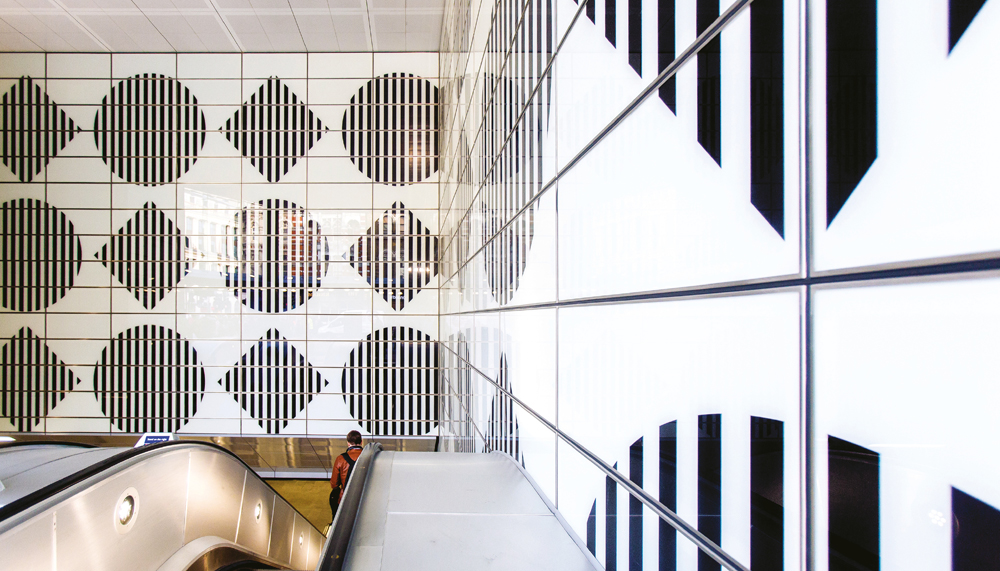
This book tells the story of the first permanent art work in Britain by Daniel Buren, widely considered France’s greatest living artist and one of the pioneers of conceptual art. Commissioned by Art on the Underground, Buren has created an expansive installation within Tottenham Court Road station in central London, taking over the space with a deceptively simple combination of shapes, colours and his trademark stripes.

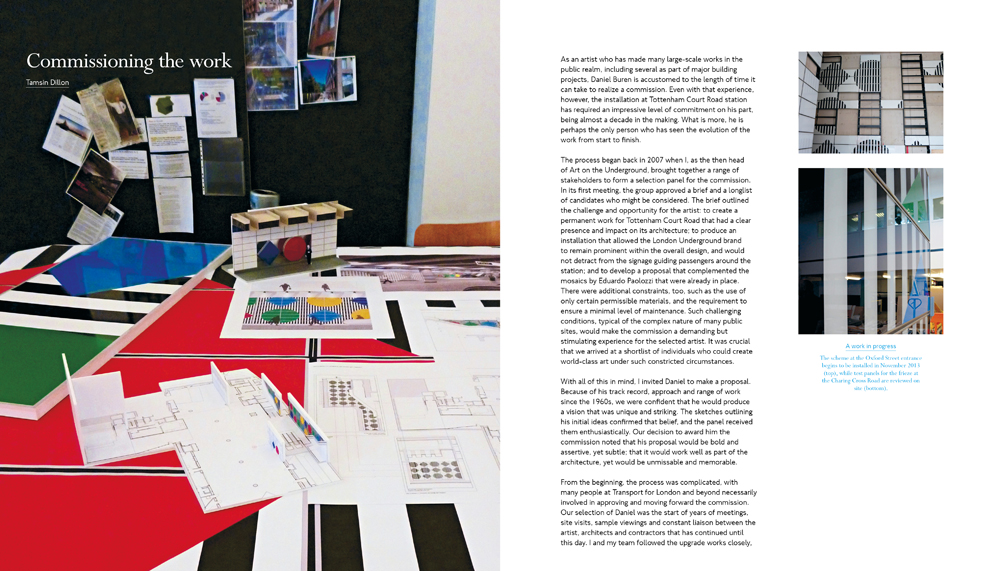
Published to coincide with the unveiling of the completed commission, the book includes stunning installation shots of the work in situ, behind-the-scenes photos of the project in progress, architects’ drawings and plans, and the artist’s notes and sketches. Texts by Eleanor Pinfield and Tamsin Dillon provide the background to the commission, while an essay by Hans Ulrich Obrist places the work in the context of Buren’s wider practice since the 1960s. In a conversation with Tim Marlow, the artist walks the reader through the Tottenham Court Road installation and discusses the work alongside his other transport commissions.

More than a rare monograph in English on one of the most influential international artists of recent decades, this volume also takes the reader on the fascinating journey from initial artistic concept through to realized physical form in the public realm.

Tamsin Dillon is an independent curator and the former Head of Art on the Underground.

Tim Marlow is Director of the Design Museum in London, the former Artistic Director at the Royal Academy of Arts, and a member of the Art on the Underground Advisory Panel. 

Hans Ulrich Obrist is Artistic Director of the Serpentine Gallery, London.

Eleanor Pinfield is Head of Art on the Underground.

Mark Wild is Managing Director of London Underground.

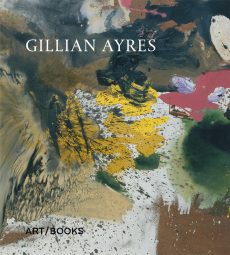
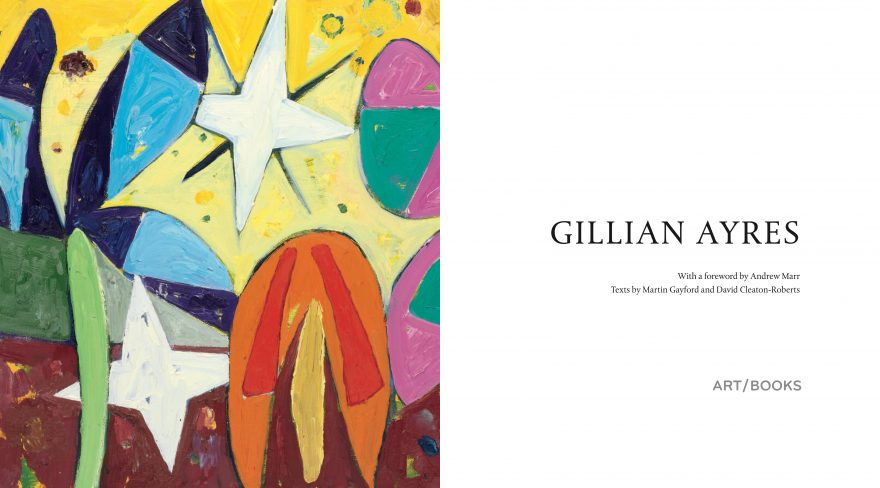
Gillian Ayres

Foreword by Andrew Marr
Texts by Martin Gayford and David Cleaton-Roberts
Designed by Tim Harvey

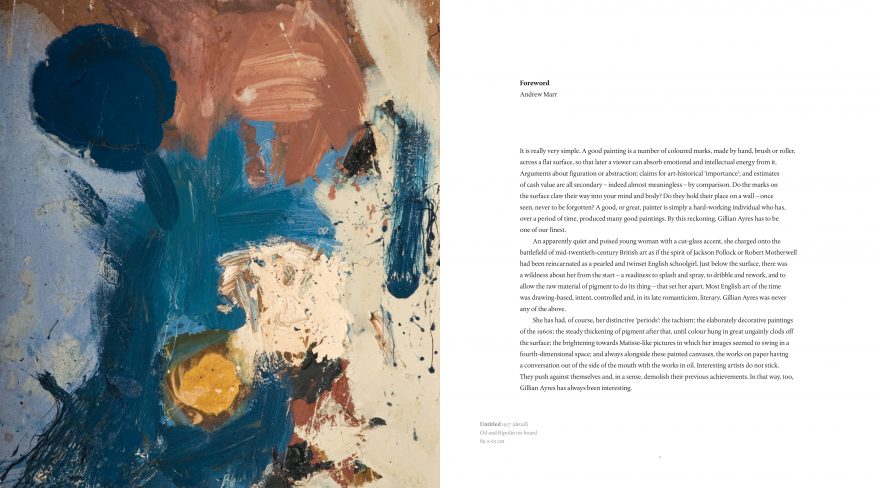
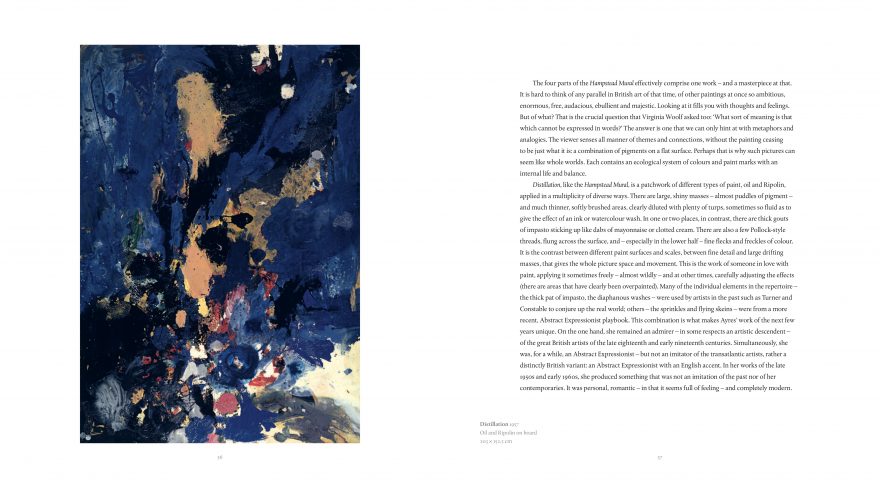
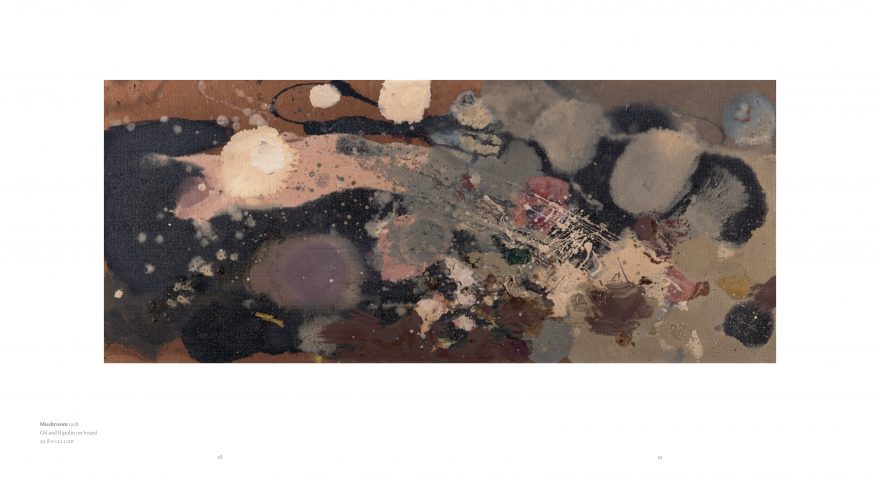
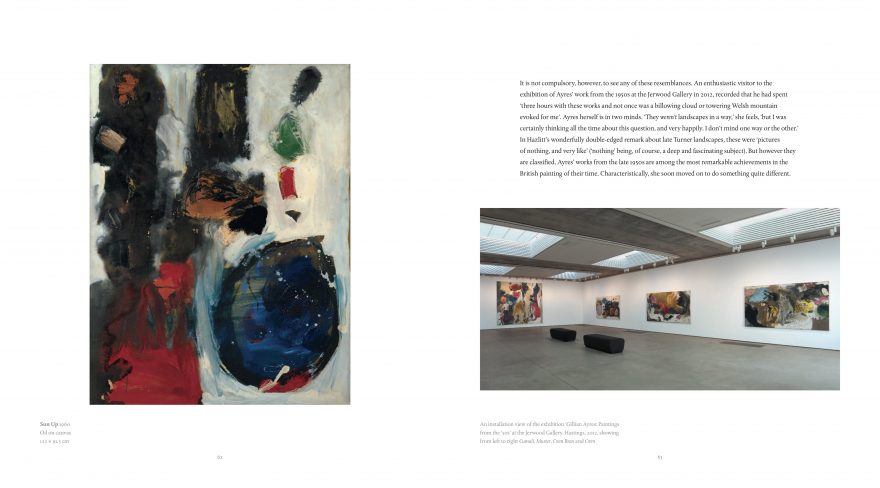
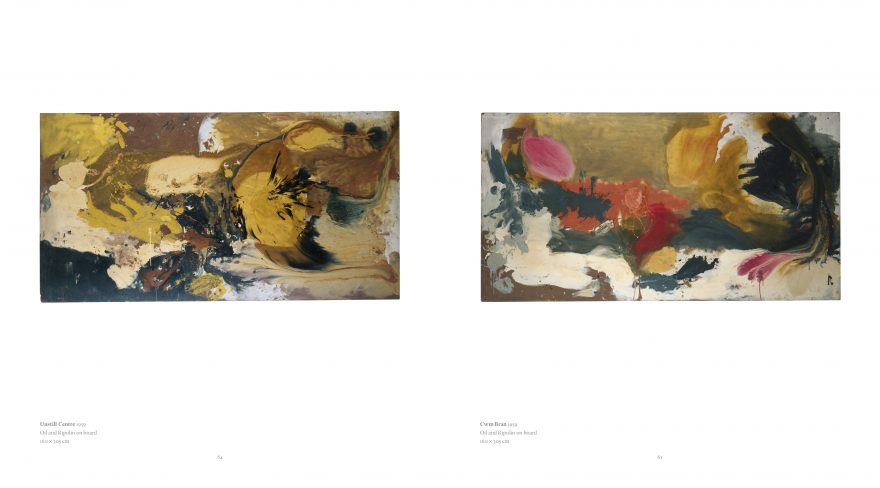
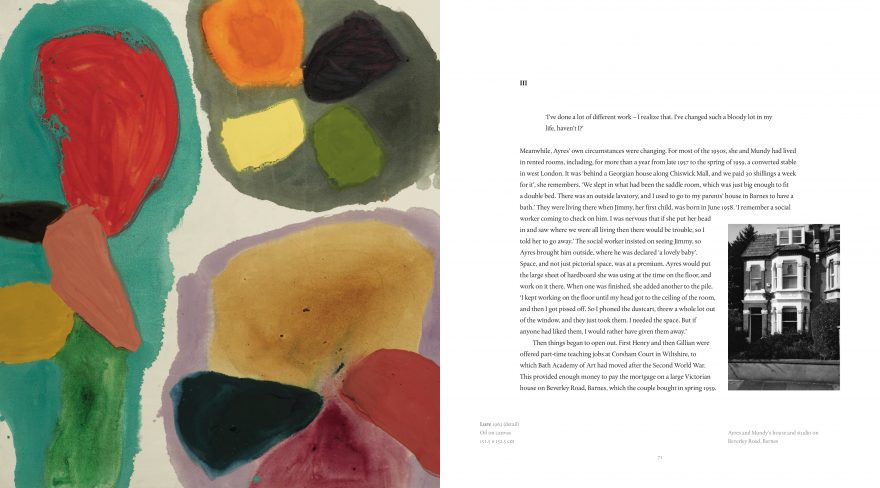
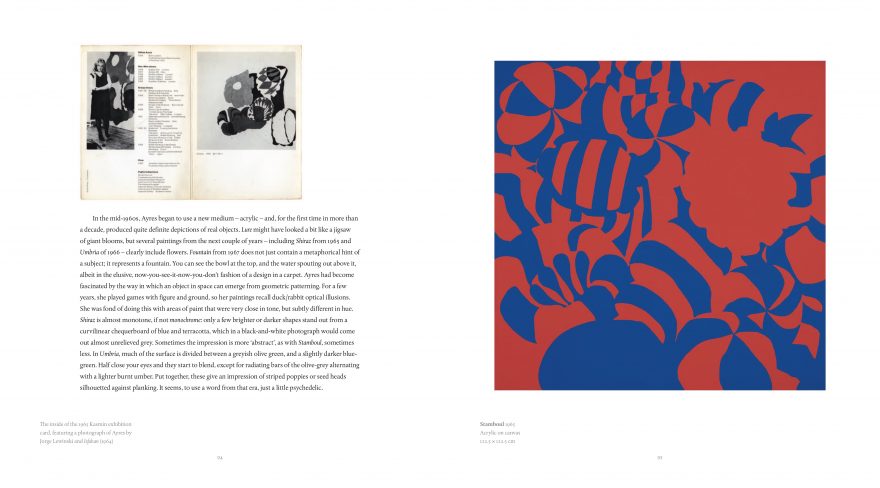
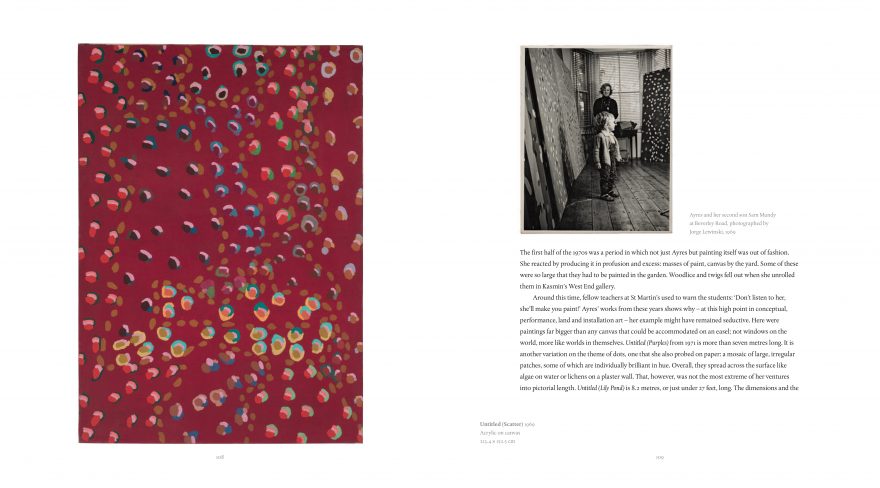
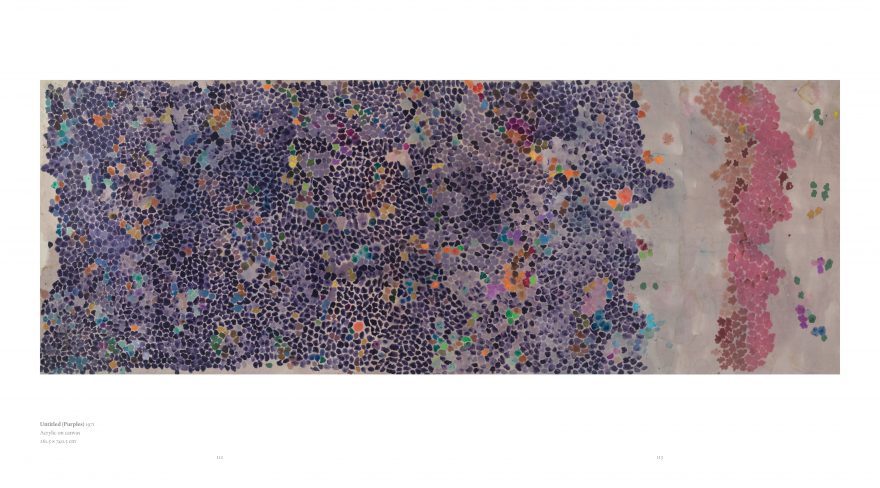
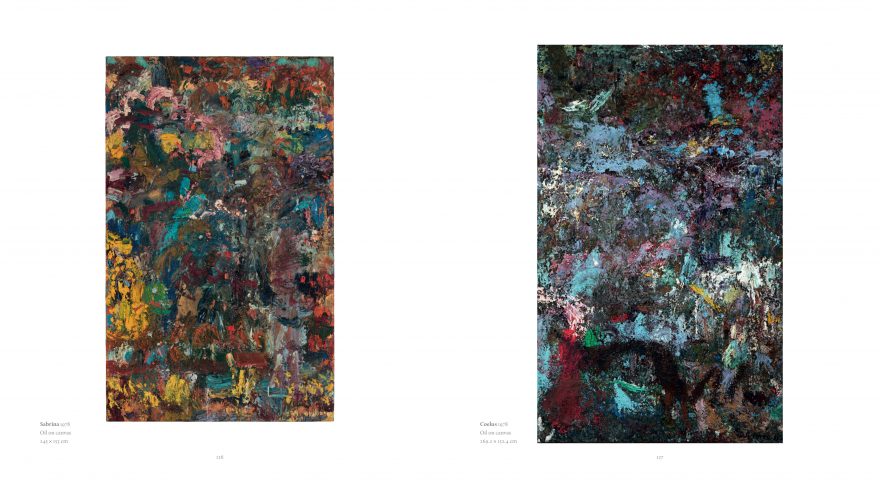
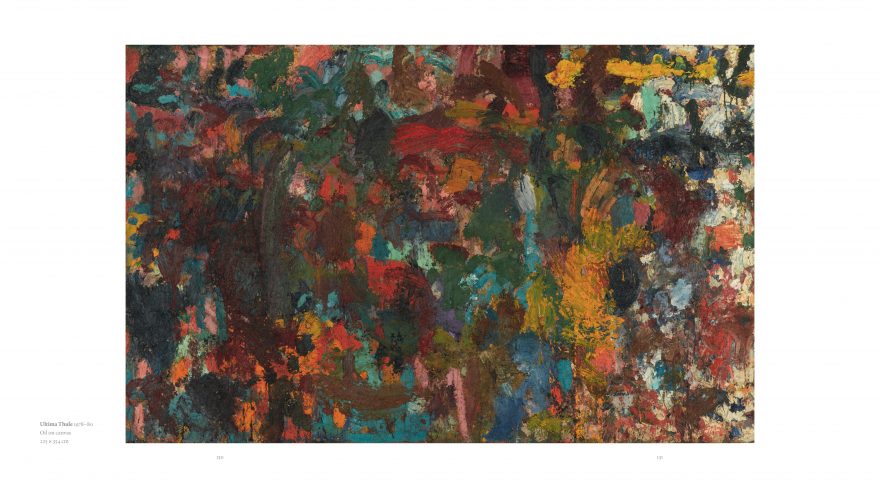
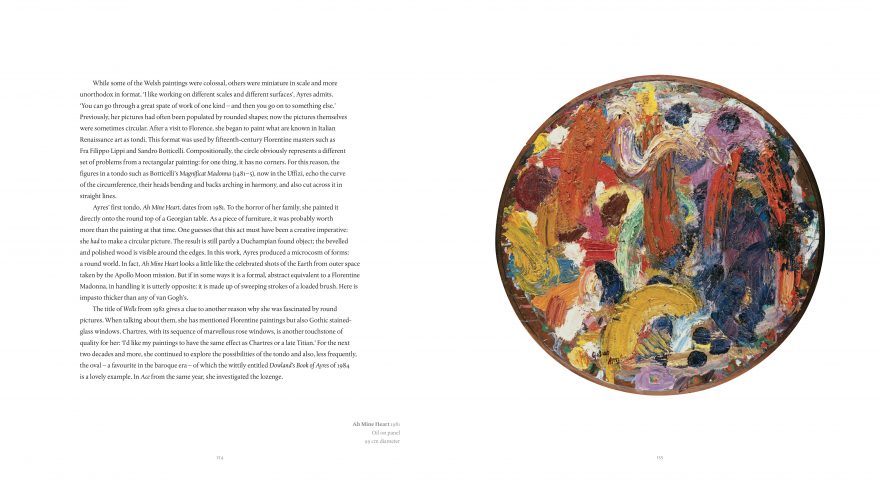
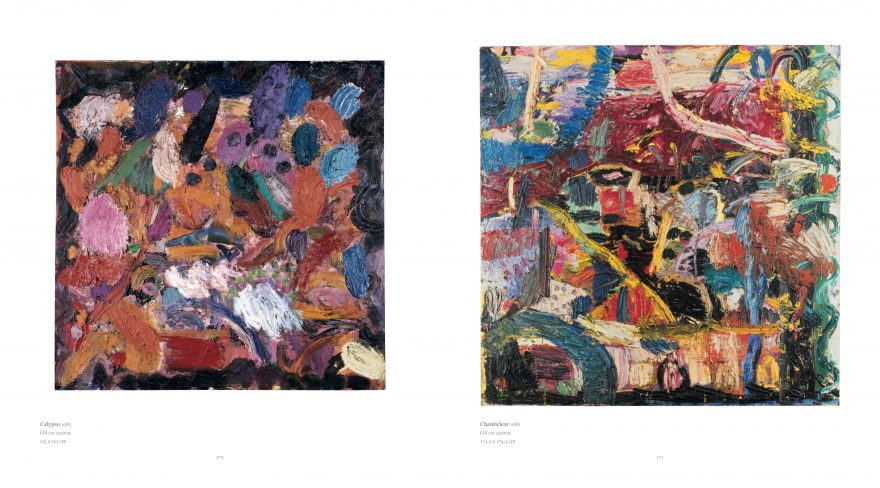
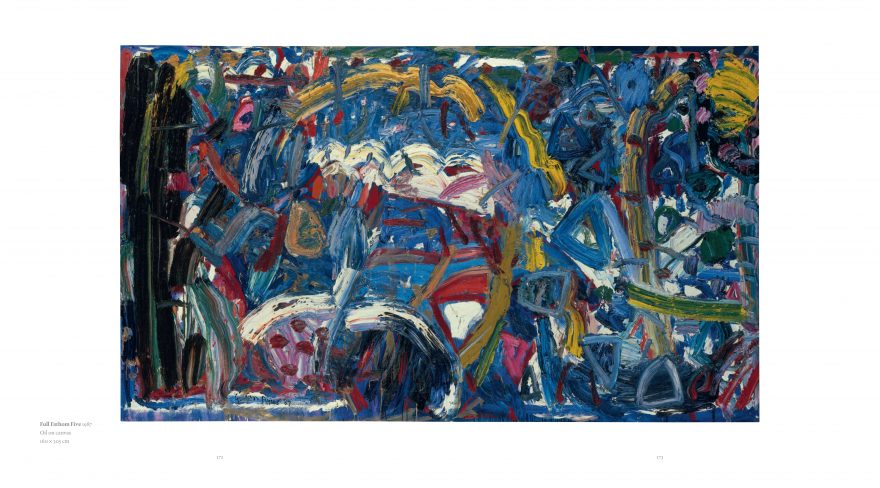
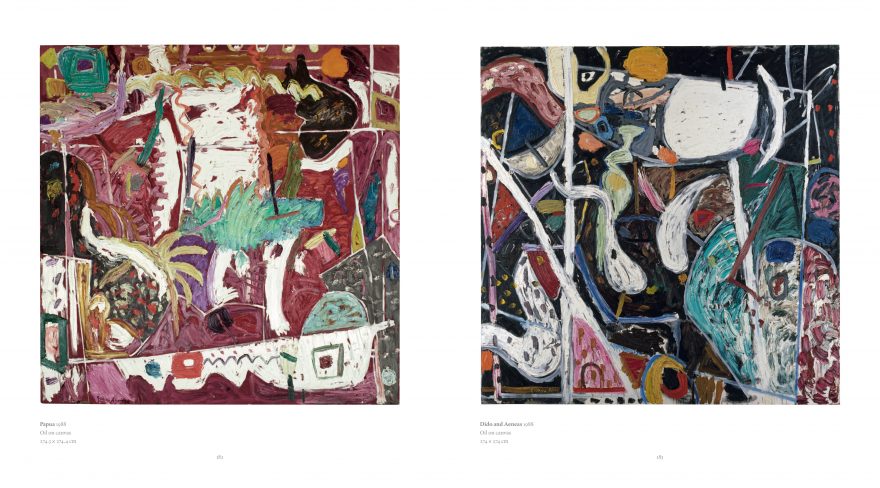
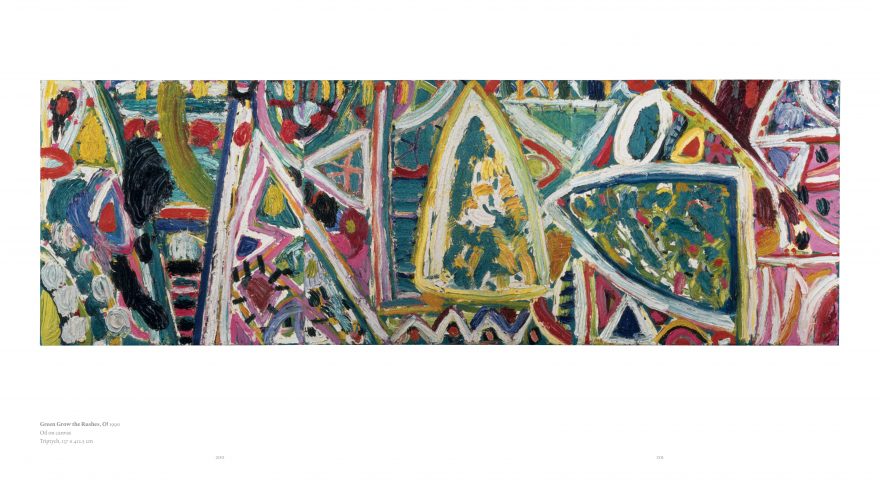
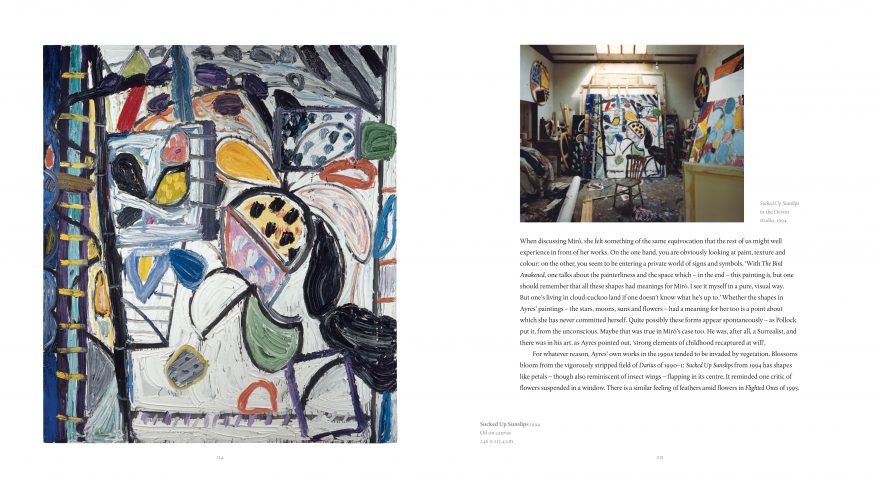
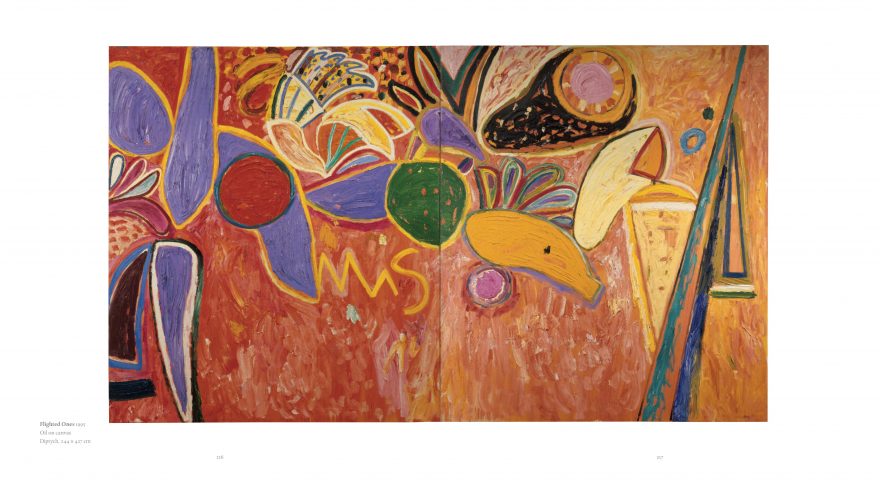
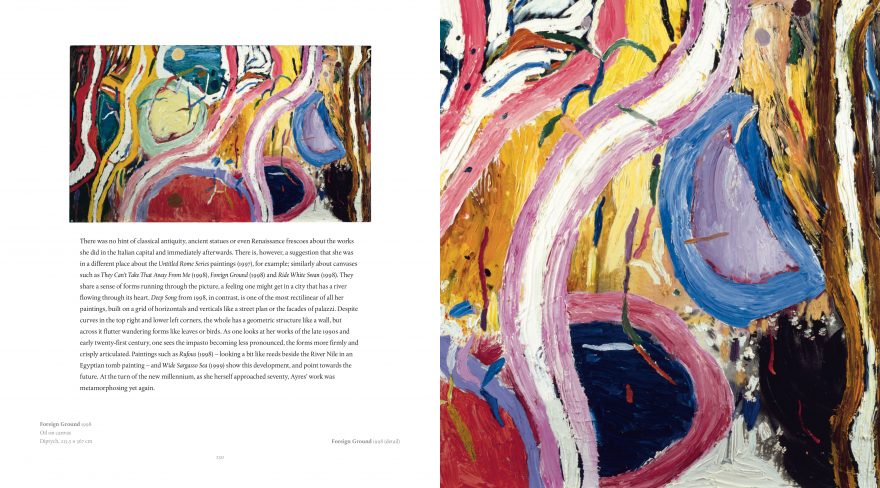
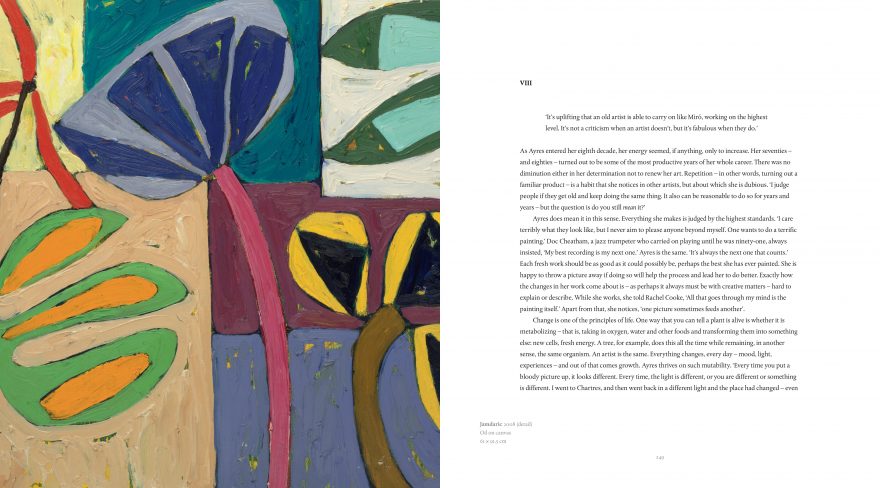
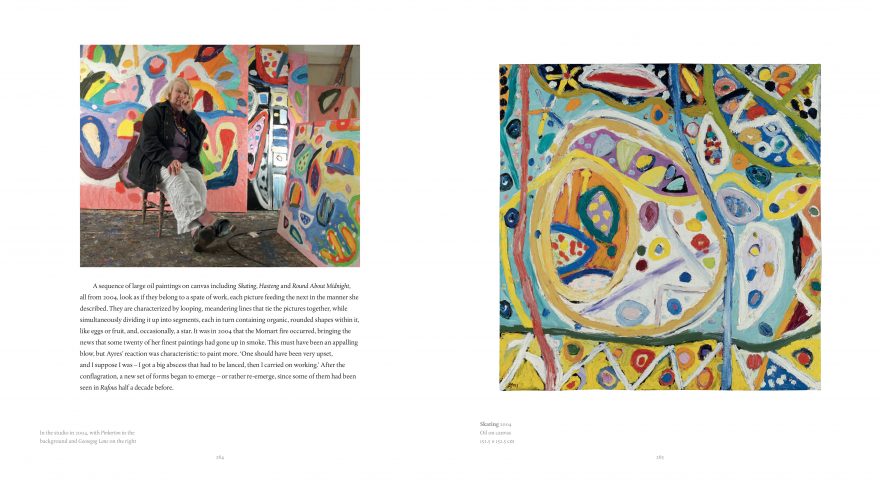
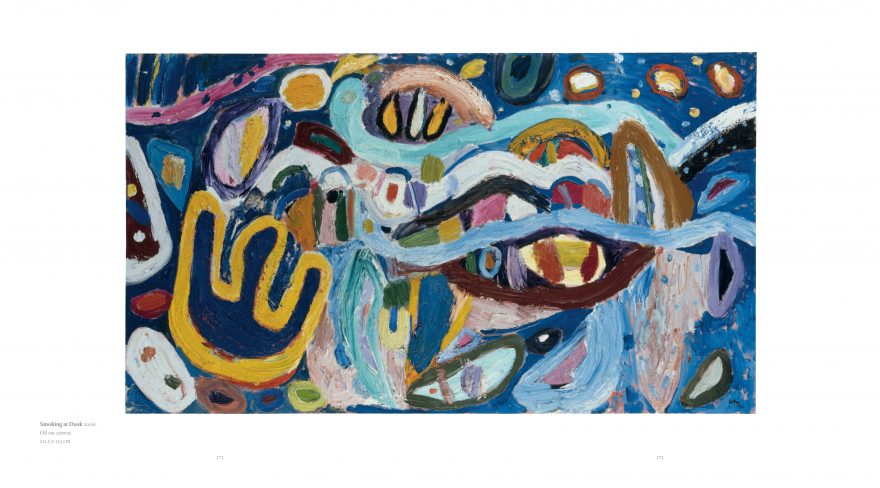
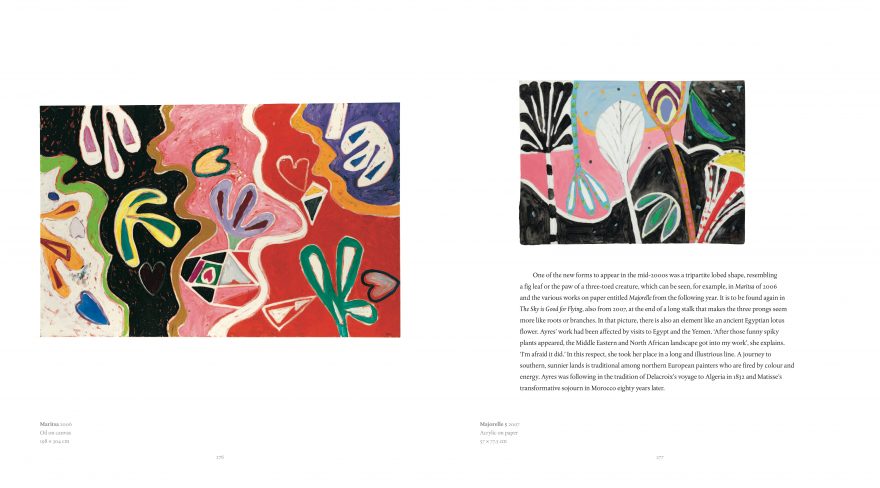
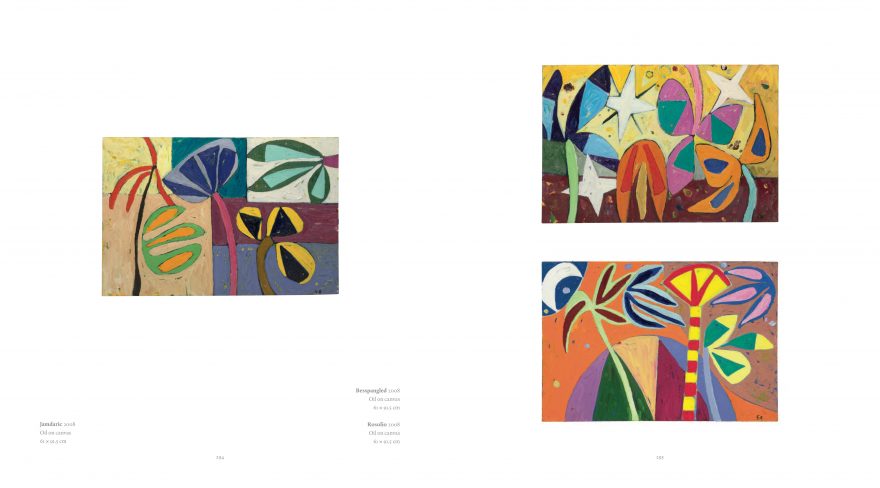
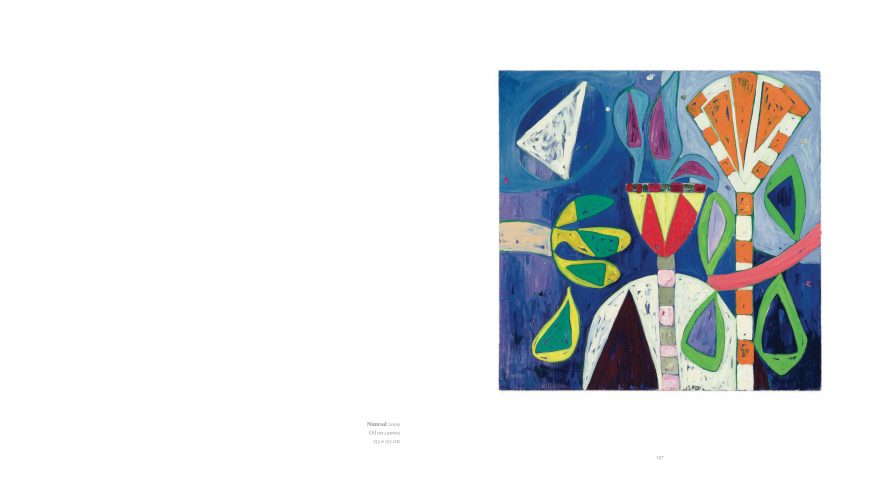
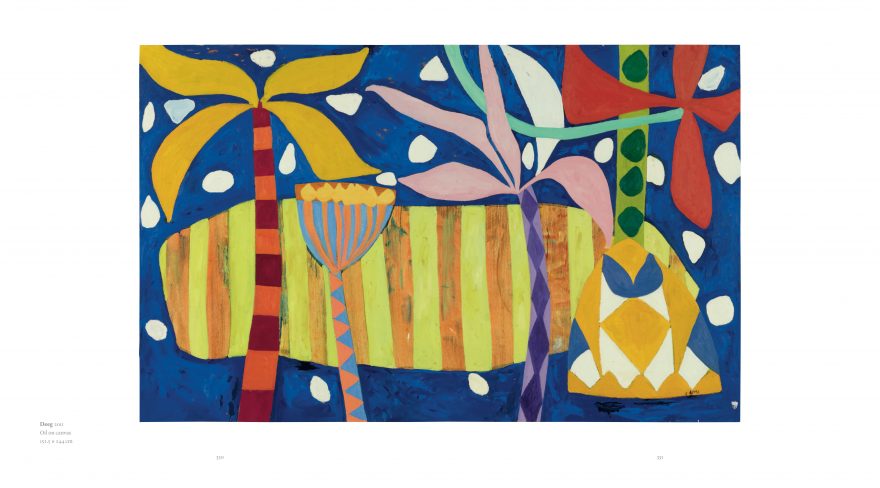
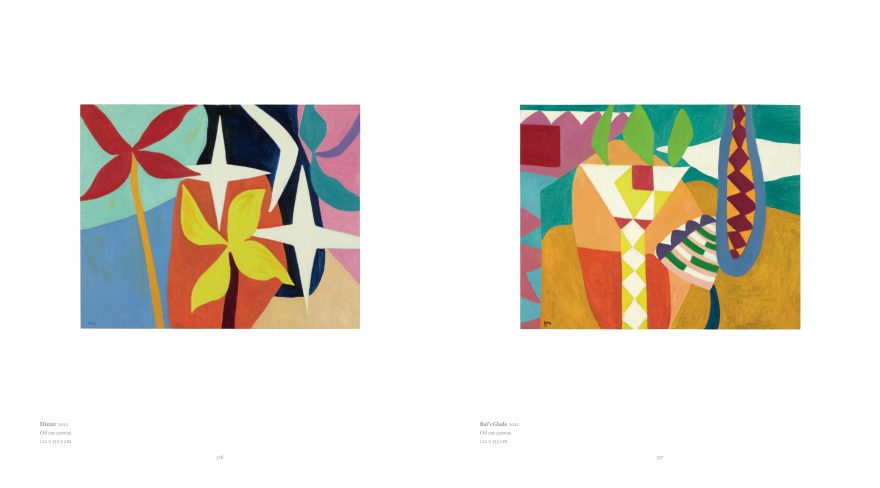
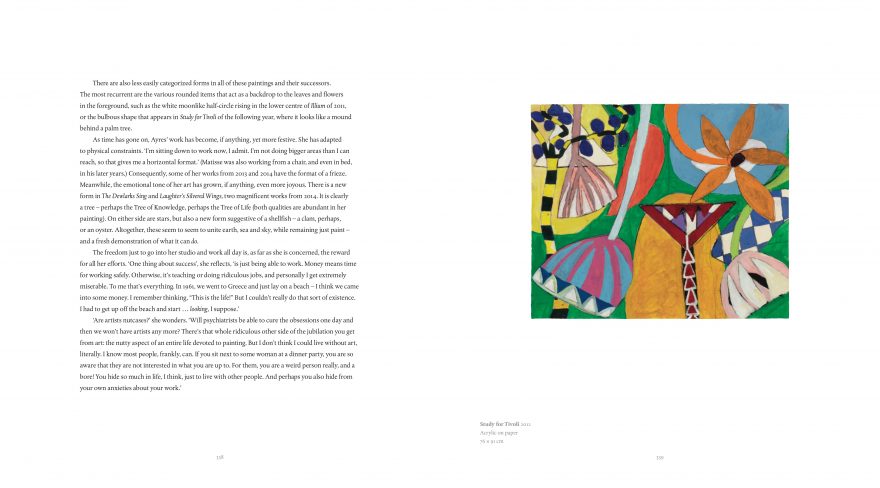
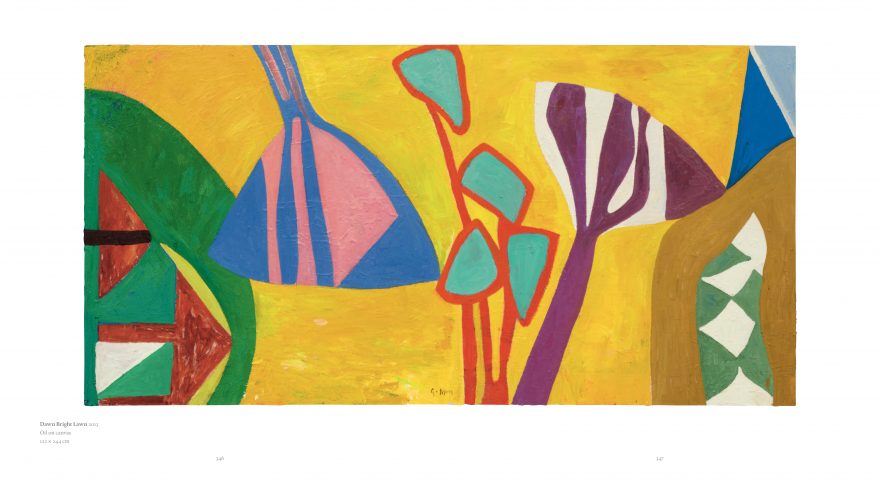
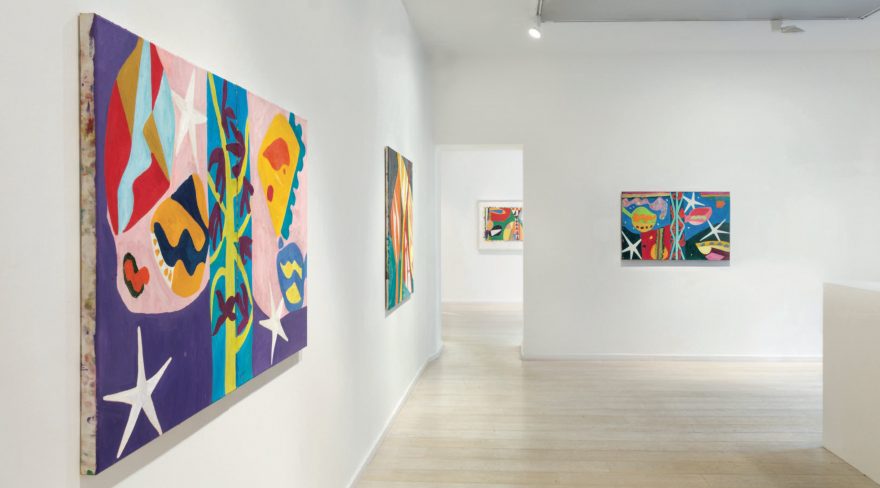
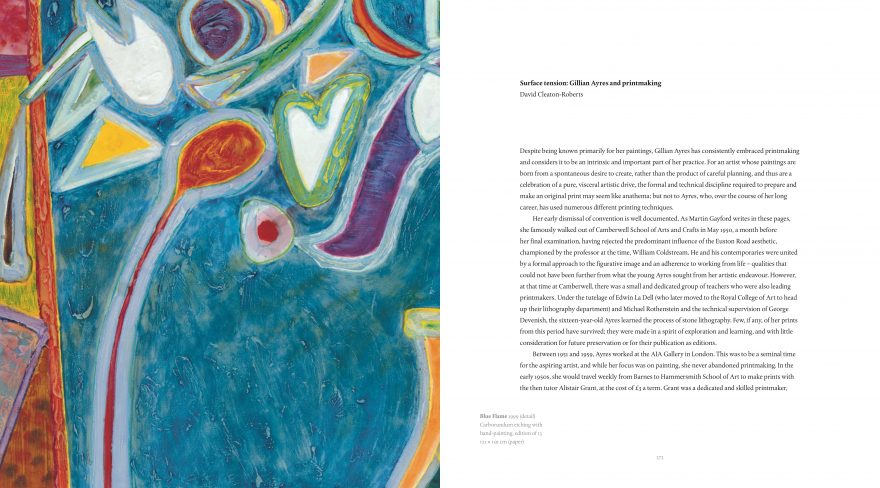
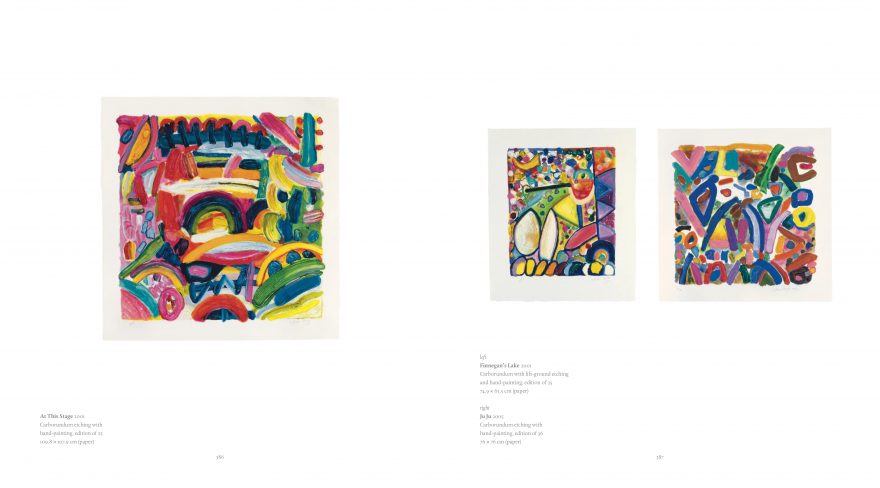
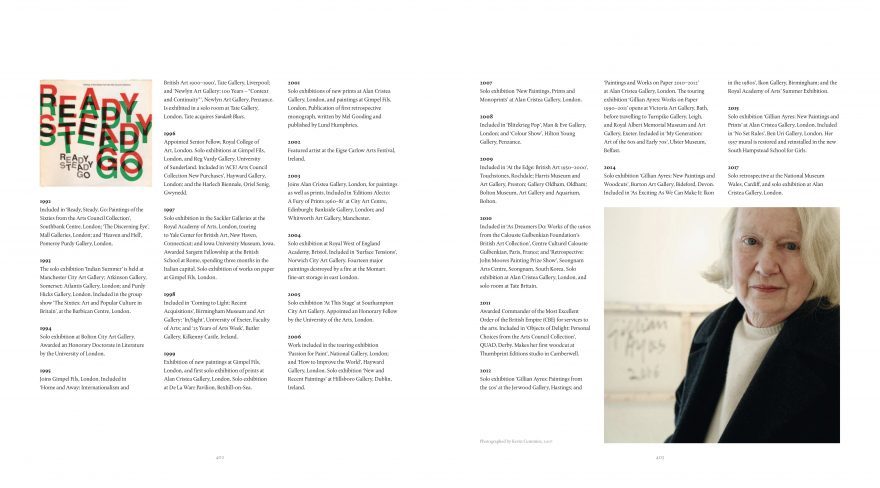
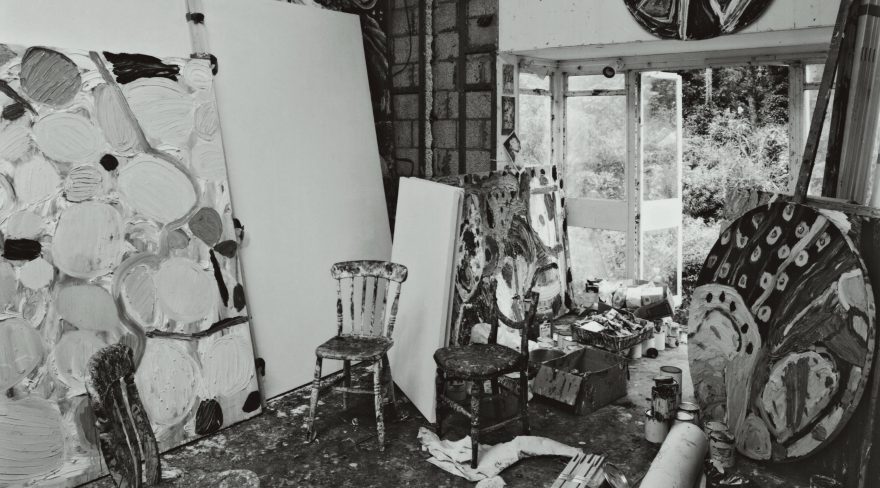
This book is the definitive monograph on an artist described by many commentators as Britain’s finest abstract painter. For more than six decades, the late Gillian Ayres (1930–2018) has been celebrated for her use of vibrant colour and bold forms to create exuberant compositions full of movement and energy. Unconventional in life and in work, she forged her own individual path regardless of fashion or opinion. Not wishing to conform or to be categorized in any way, she adopted a variety of styles and techniques throughout her career. In the 1950s, she applied oils and household paint with rags and brushes, and by pouring and squirting, in gestural works reminiscent of tachiste painting and Abstract Expressionism. In the 1960s, she created light-filled images in oils and acrylics in keeping with the hedonistic and optimistic mood of that age. In the 1970s, she approached the canvas as an expanse to be filled with an extreme and painterly alloverness. Later in that decade and into the 1980s, she began to use thick and heavy impasto in carefully designed arrangements; and in recent decades, she developed a distinctive style of simplified organic motifs and areas of flat yet intense colour. At all times, Ayres explored the mysterious territory that lies between abstraction and representation, attempting to discover, as she puts it, ‘what painting is, and what can be done with paint’.

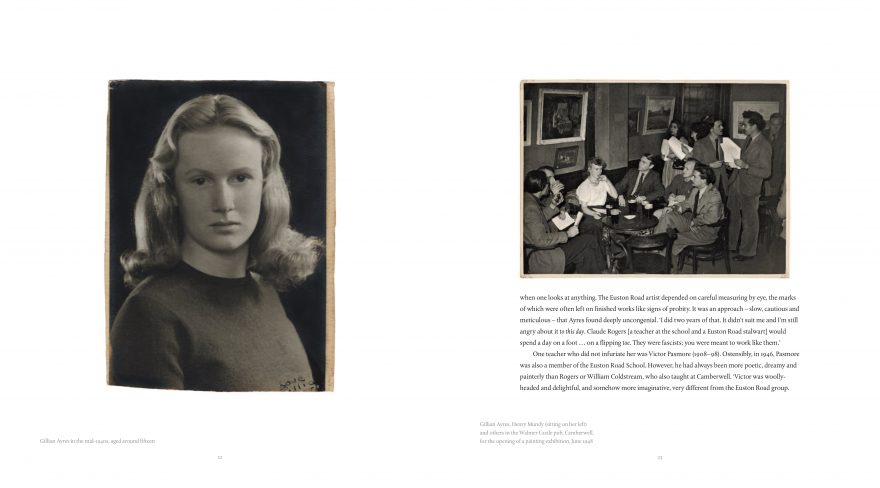
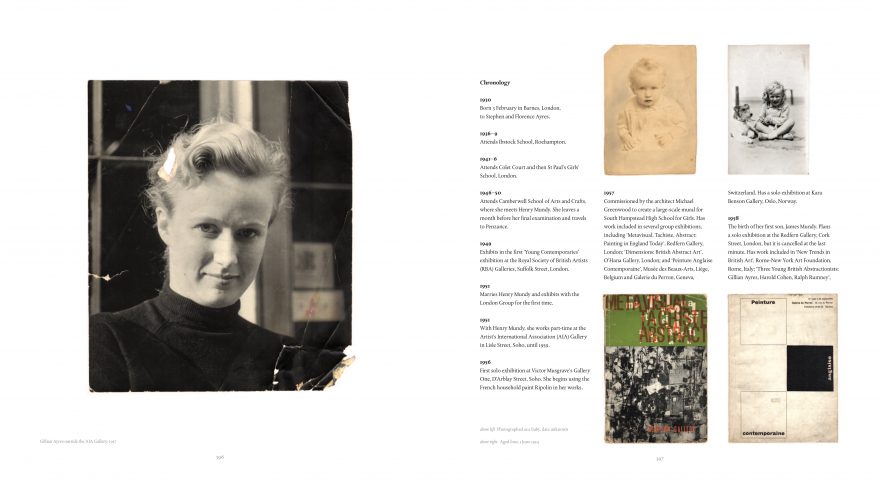
Coinciding with a major retrospective exhibition at the National Museum Wales in Cardiff, this beautifully produced volume spans Ayres’ long career, from her student days to the very latest works. It includes all of her major paintings, with a dedicated section on her substantial body of prints. The book also features many photographs of the artist in the studio and at home and other ephemeral materials, making the publication the complete word on this acclaimed and original artist’s life and work.

David Cleaton-Roberts is a director of Alan Cristea Gallery, London. He has written extensively on printmaking, including catalogues o­­­n Gillian Ayres, Tom Wesselmann, Ian Davenport and Jan Dibbets, and articles for Art Review and Printmaking Today. He is currently the vice-president and European representative for the International Fine Print Dealers Association and a patron of the Jerwood Gallery in Hastings.

Martin Gayford is art critic for the Spectator and has held similar posts with the Sunday Telegraph and Bloomberg News. He is the acclaimed author of Man with a Blue Scarf: On Sitting for a Portrait by Lucian Freud; A Bigger Message: Conversations with David Hockney; Michelangelo: His Epic Life; The Yellow House: Van Gogh, Gauguin and Nine Turbulent Weeks in Arles; and Constable in Love: Love, Landscape, Money and the Making of a Great Painter. He is also the co-author with David Hockney of A History of Pictures: From Cave to Computer Screen, and with Philippe de Montebello of Rendez-Vous with Art.

Andrew Marr is an award-winning British author, broadcaster and journalist. His many books include The Making of Modern Britain (2009) and A History of the World (2012).
 

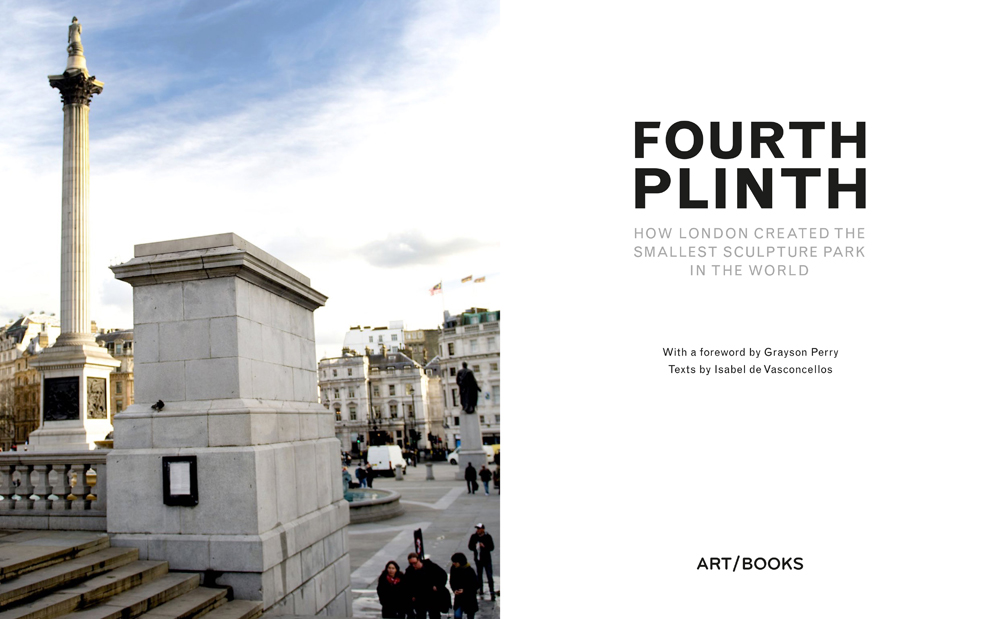
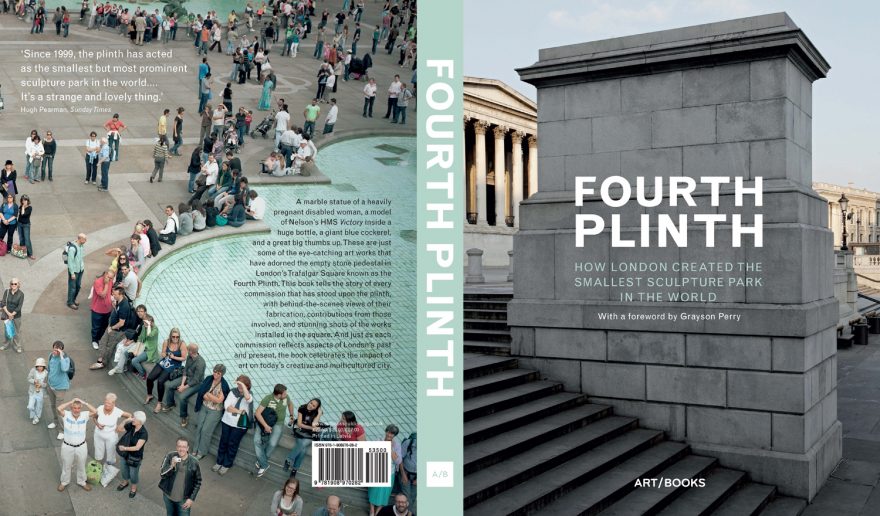
Fourth Plinth

How London Created the Smallest Sculpture Park in the World

Foreword by Grayson Perry
Texts by Isabel de Vasconcellos

‘Since 1999, the plinth has acted as the smallest but most prominent sculpture park in the world.… It’s a strange and lovely thing.’ — Sunday Times

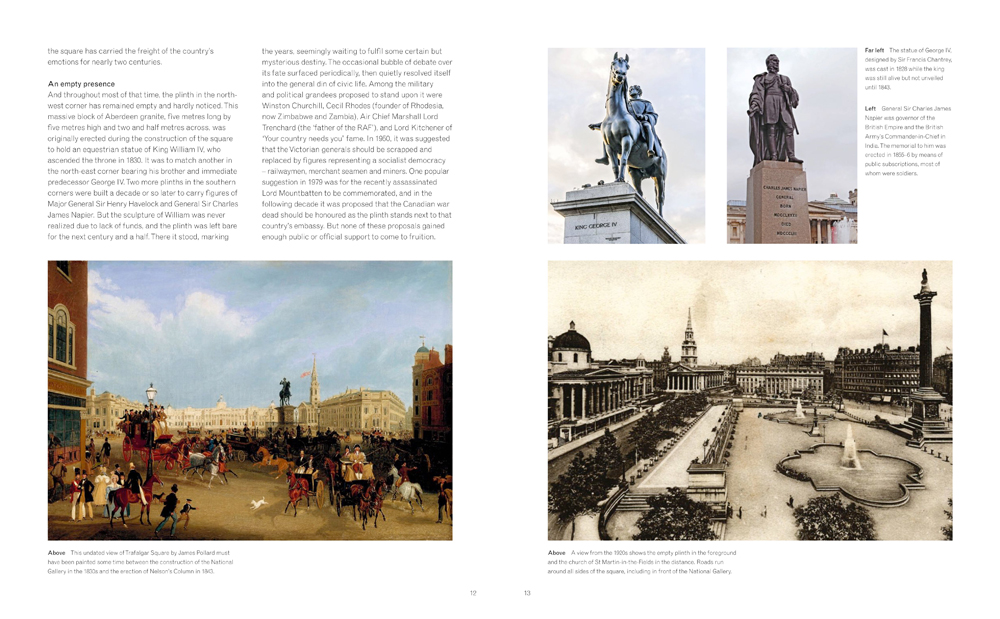
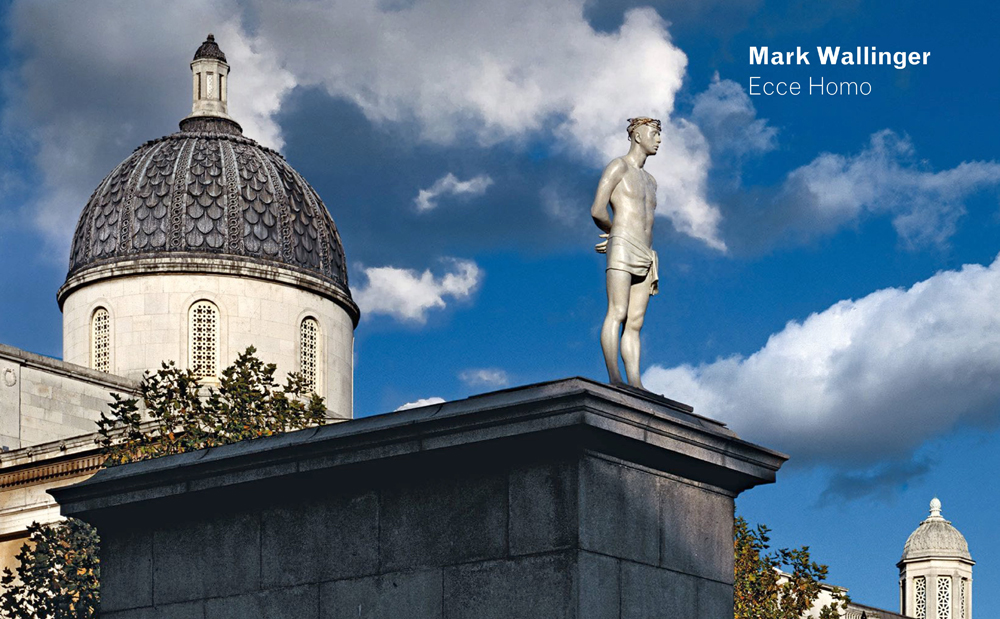
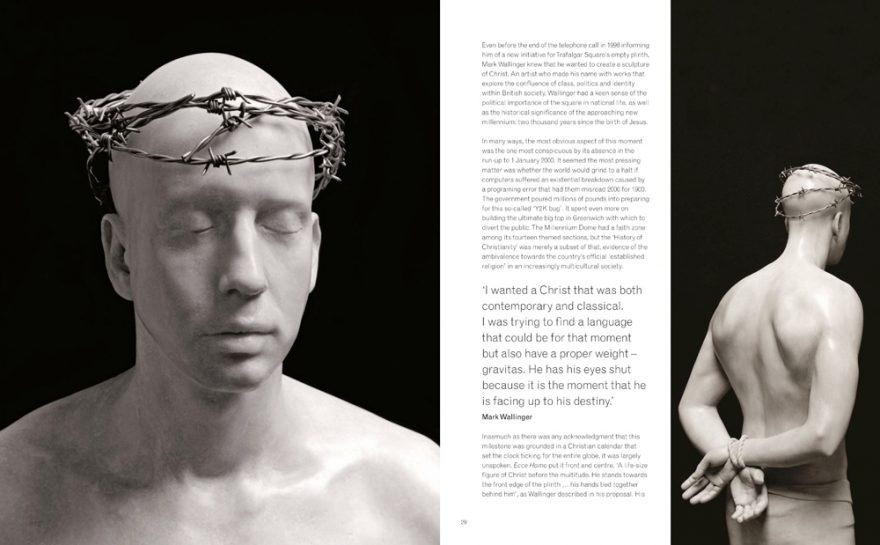
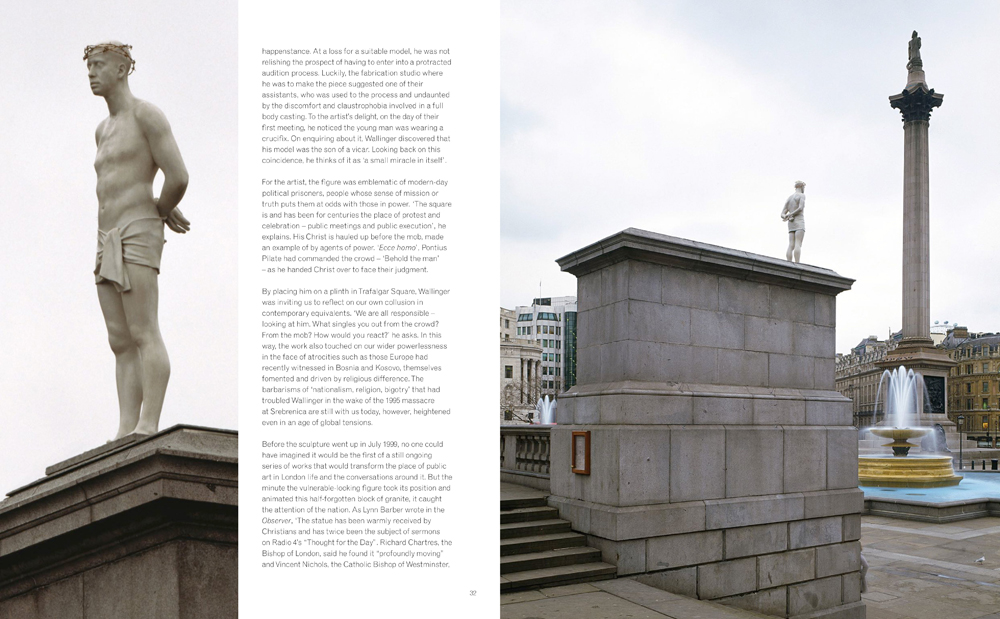
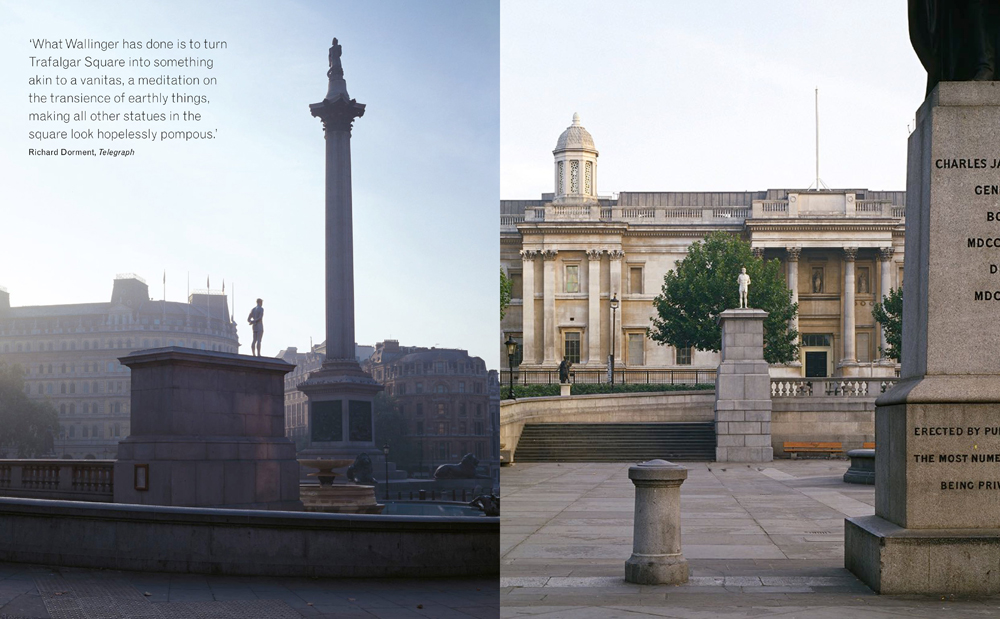
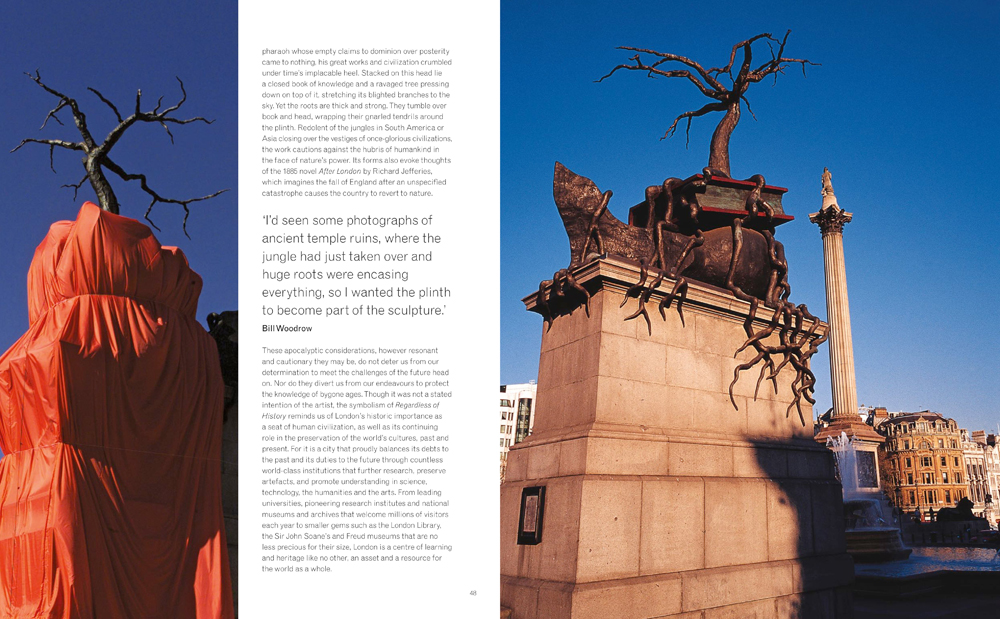
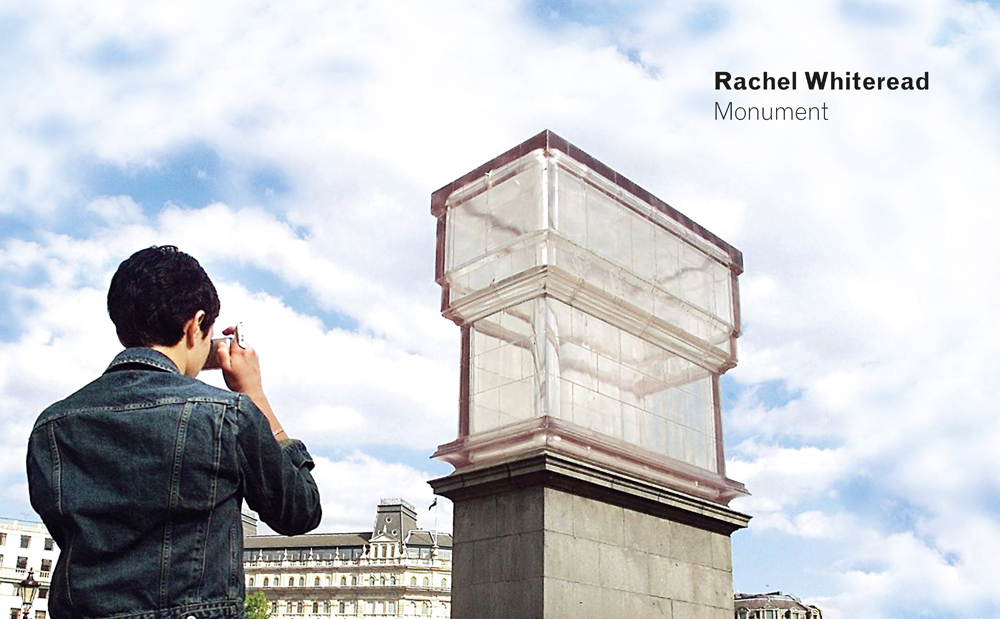
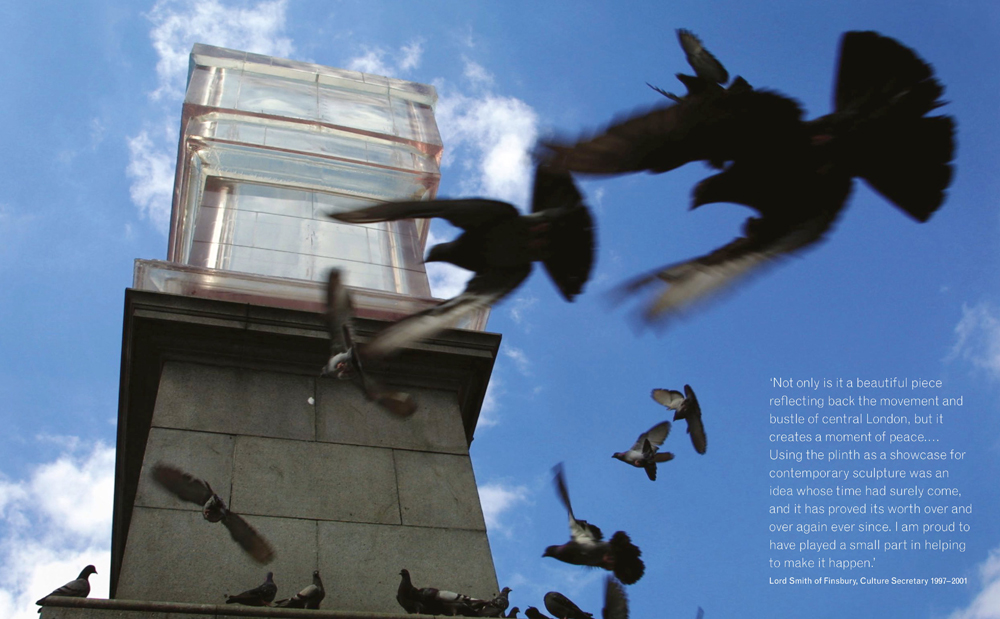
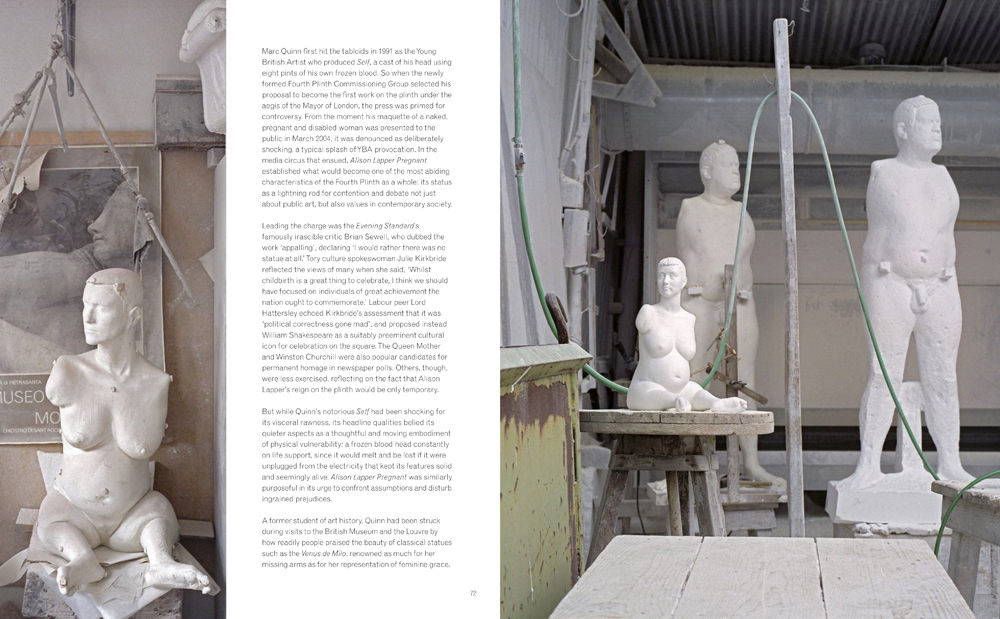
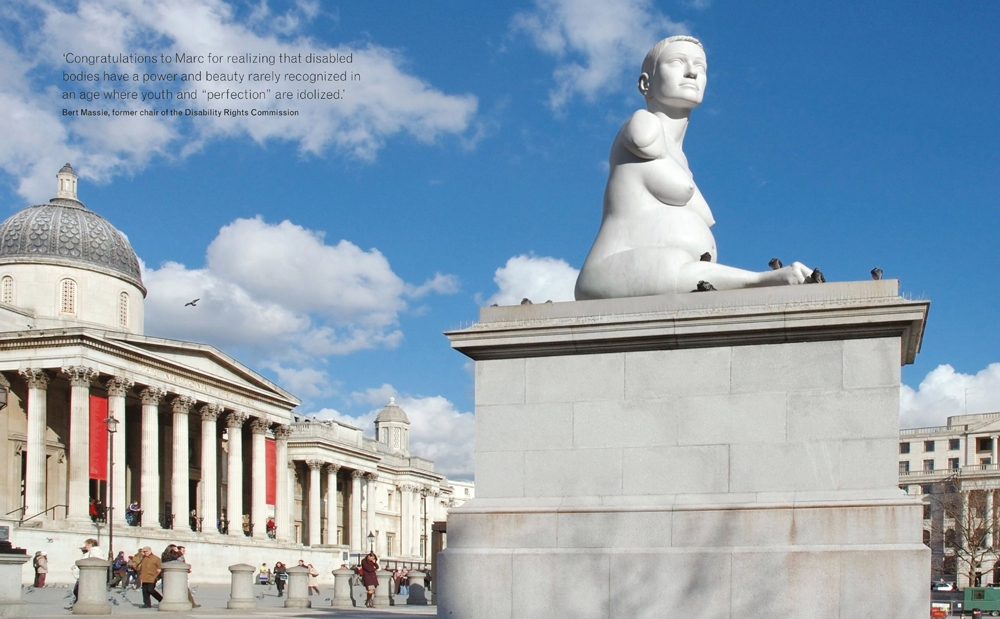
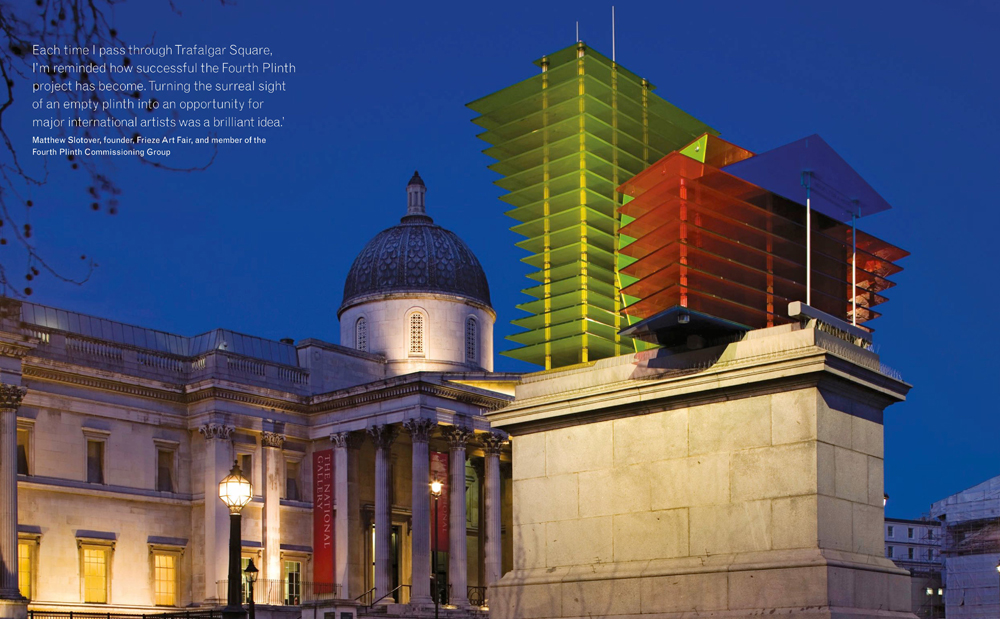
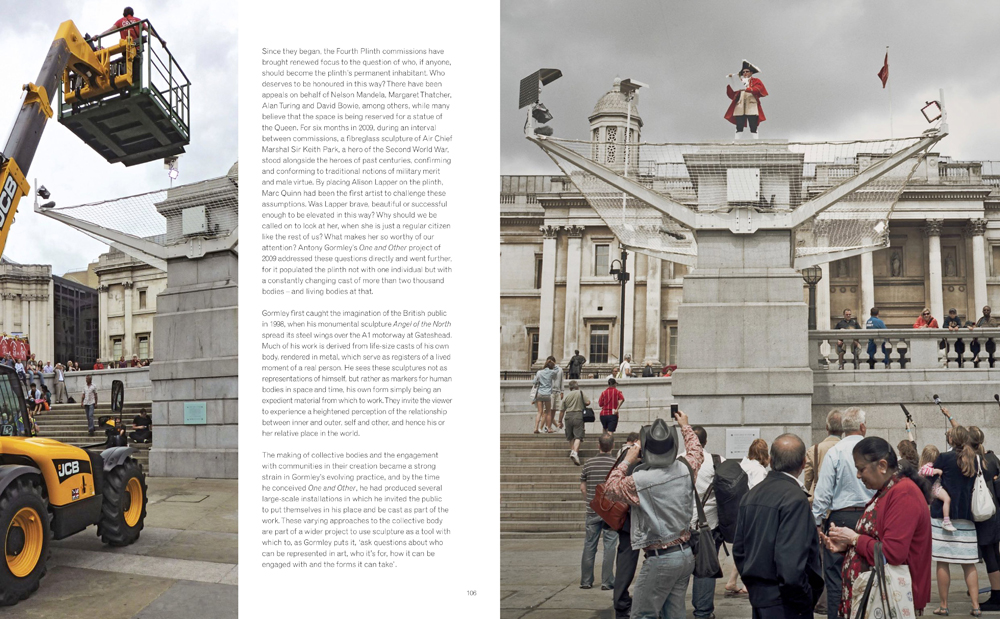
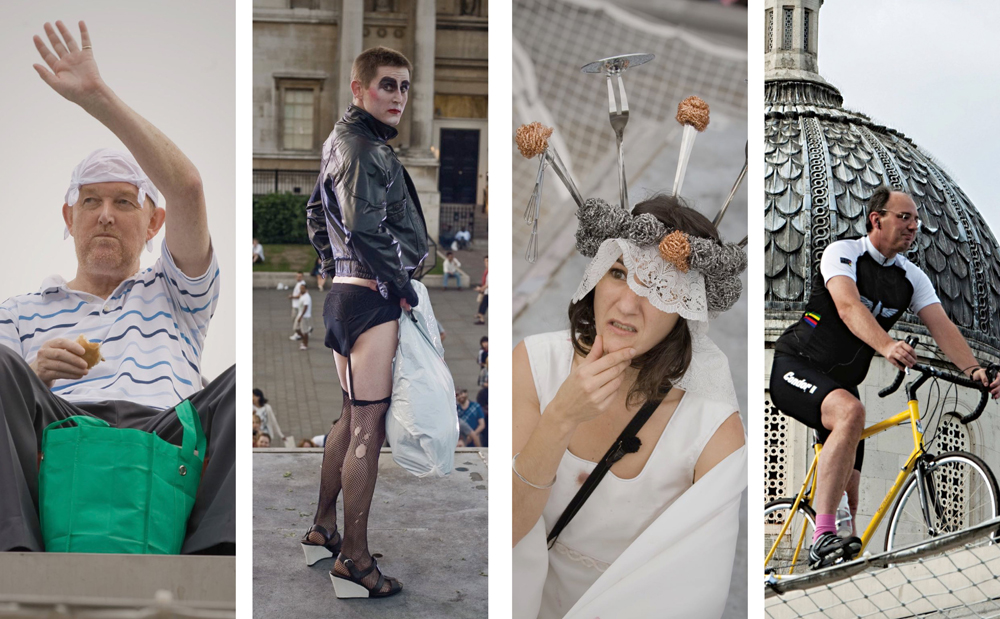
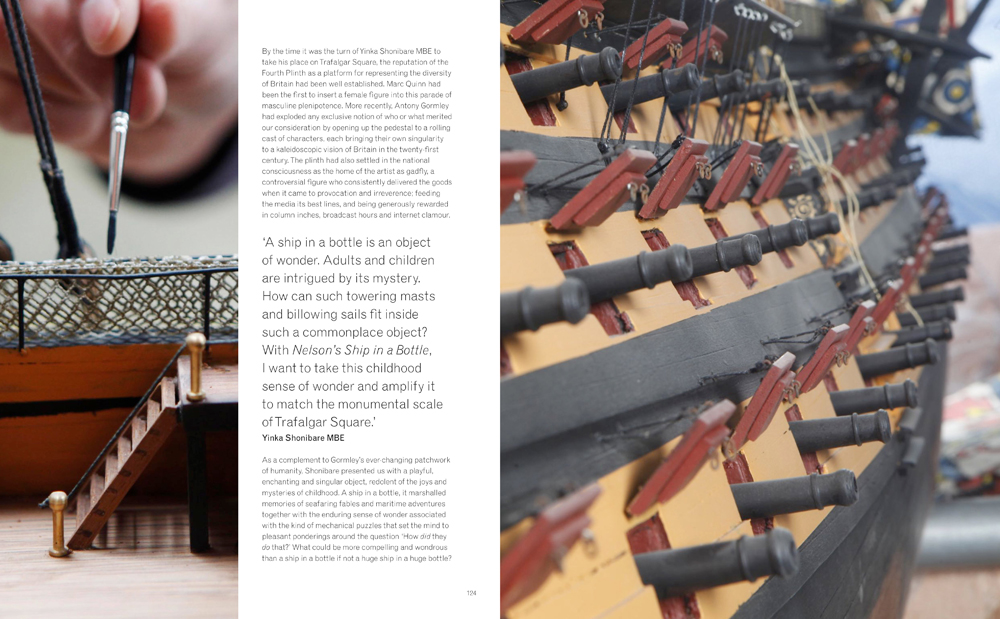
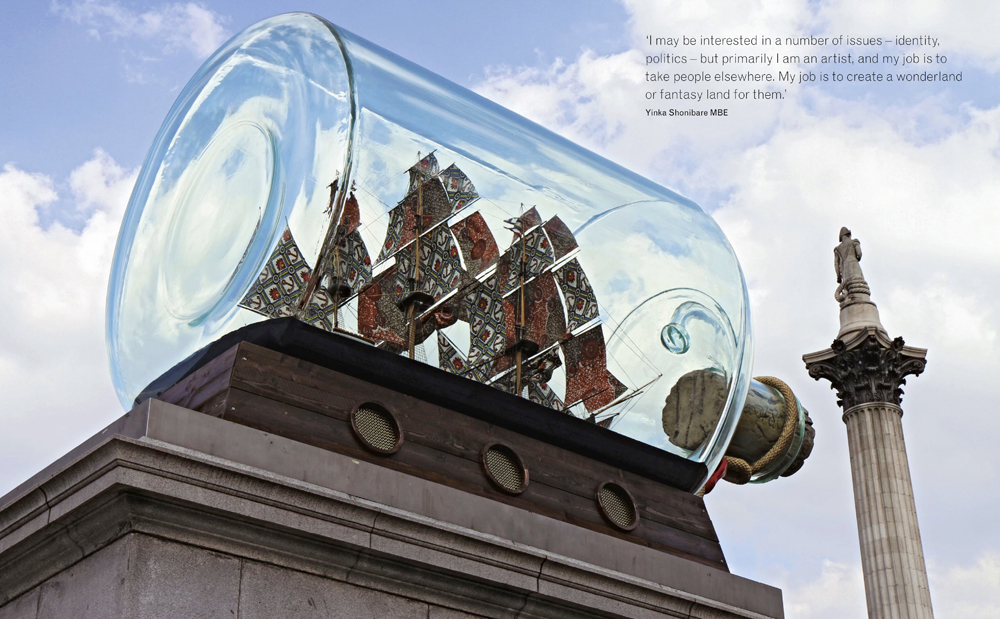
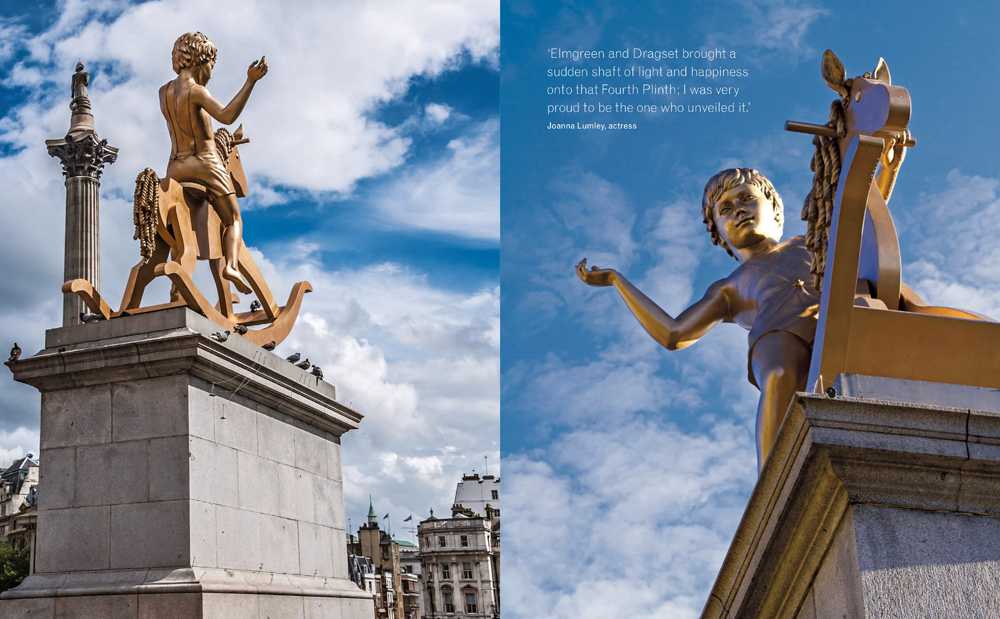
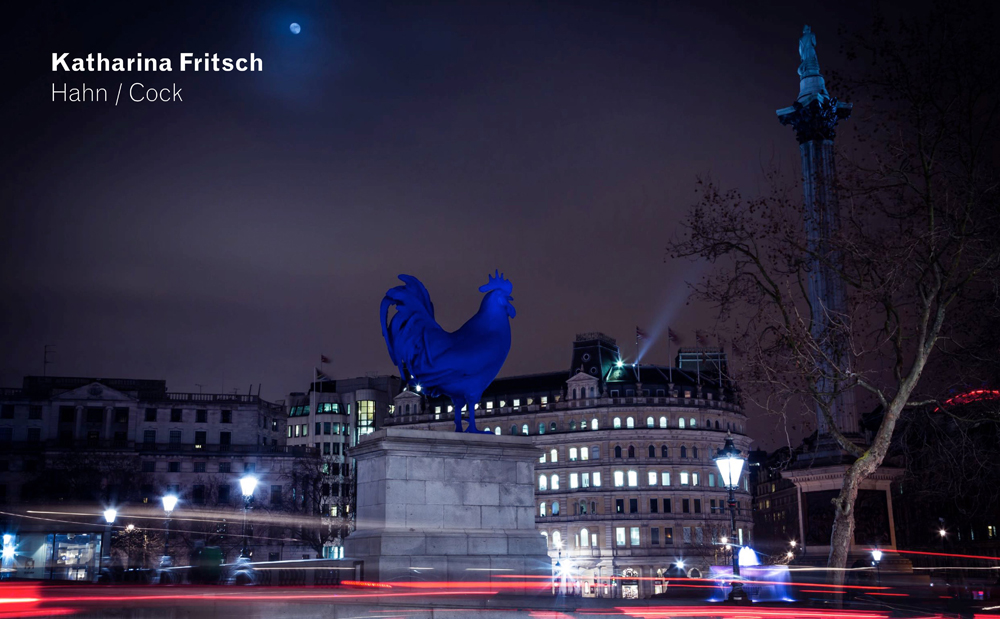
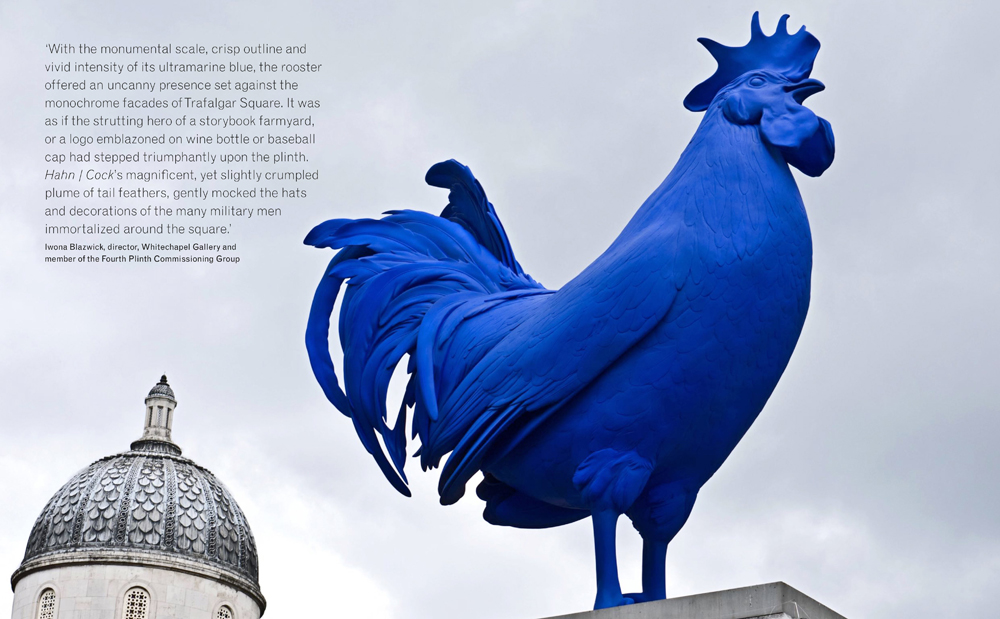
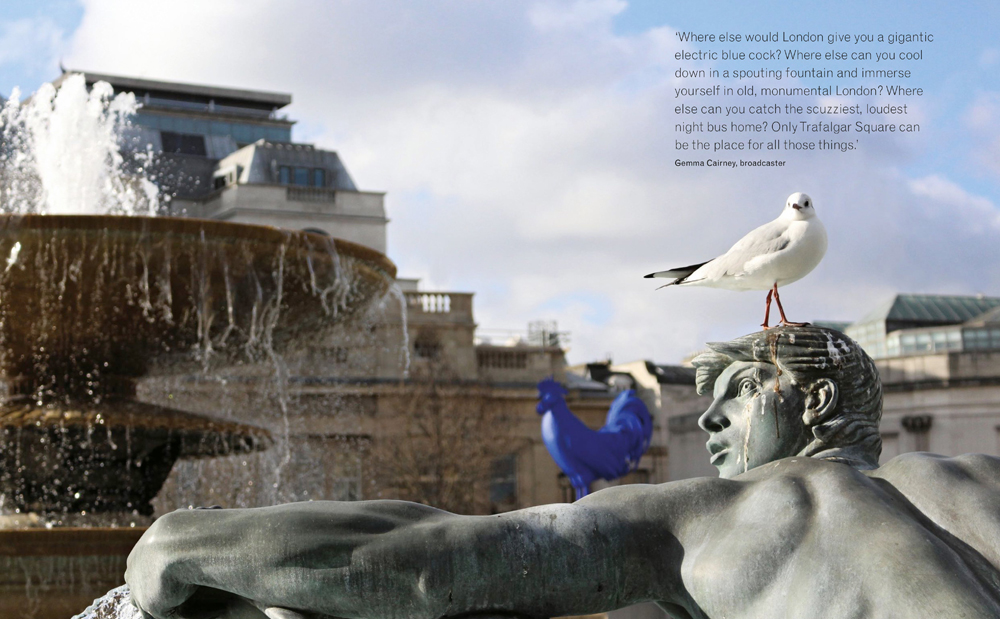
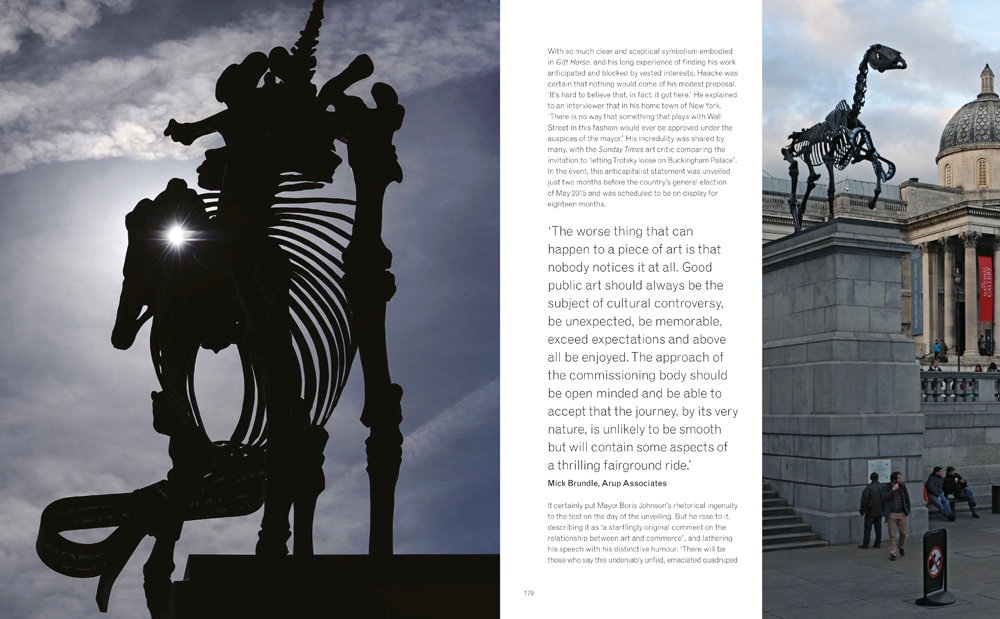
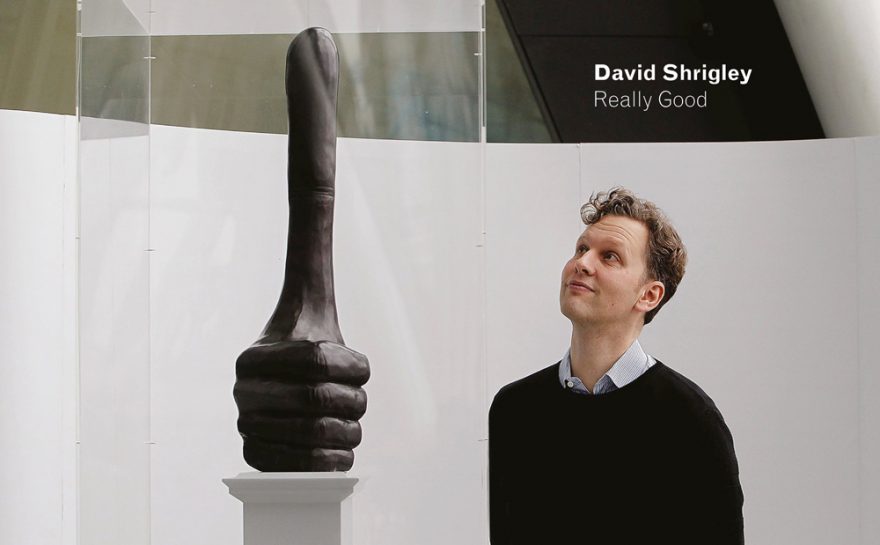
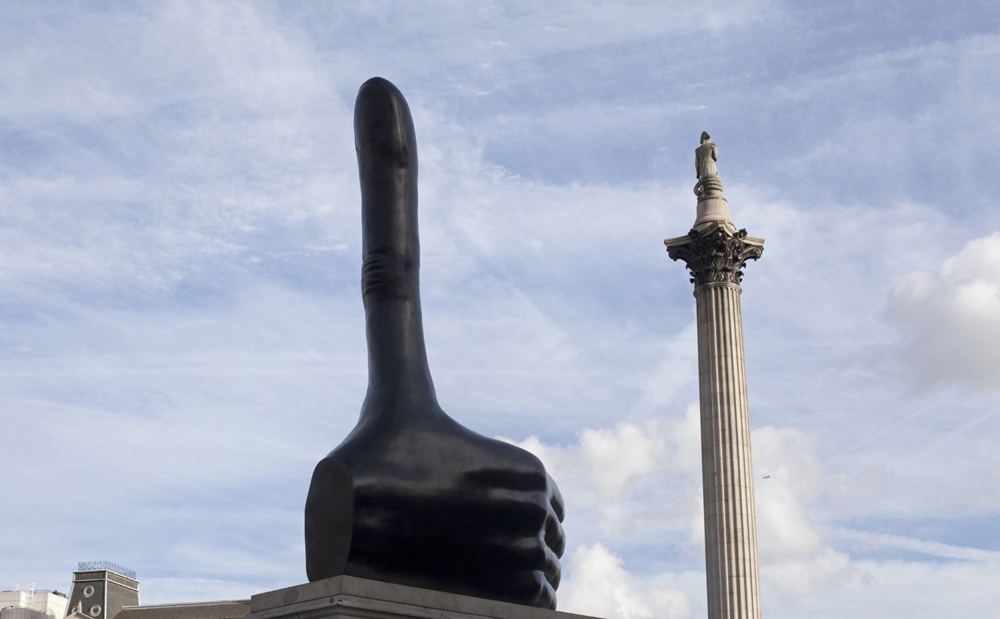
A marble statue of a heavily pregnant disabled woman, a model of Nelson’s HMS Victory inside a huge bottle, a giant blue cockerel, and a great big bronze thumbs up. These are just some of the eye-catching art works that have adorned the empty stone pedestal in London’s Trafalgar Square known as the Fourth Plinth. Since 1999, many leading international artists such as Antony Gormley, Hans Haacke, Rachel Whiteread, Mark Wallinger, Yinka Shonibare, Elmgreen and Dragset have been invited to propose works for the space. The results have divided opinion across the capital and beyond, prompting debate not only about the merits of each commission, but also about the value of art in the public realm. 
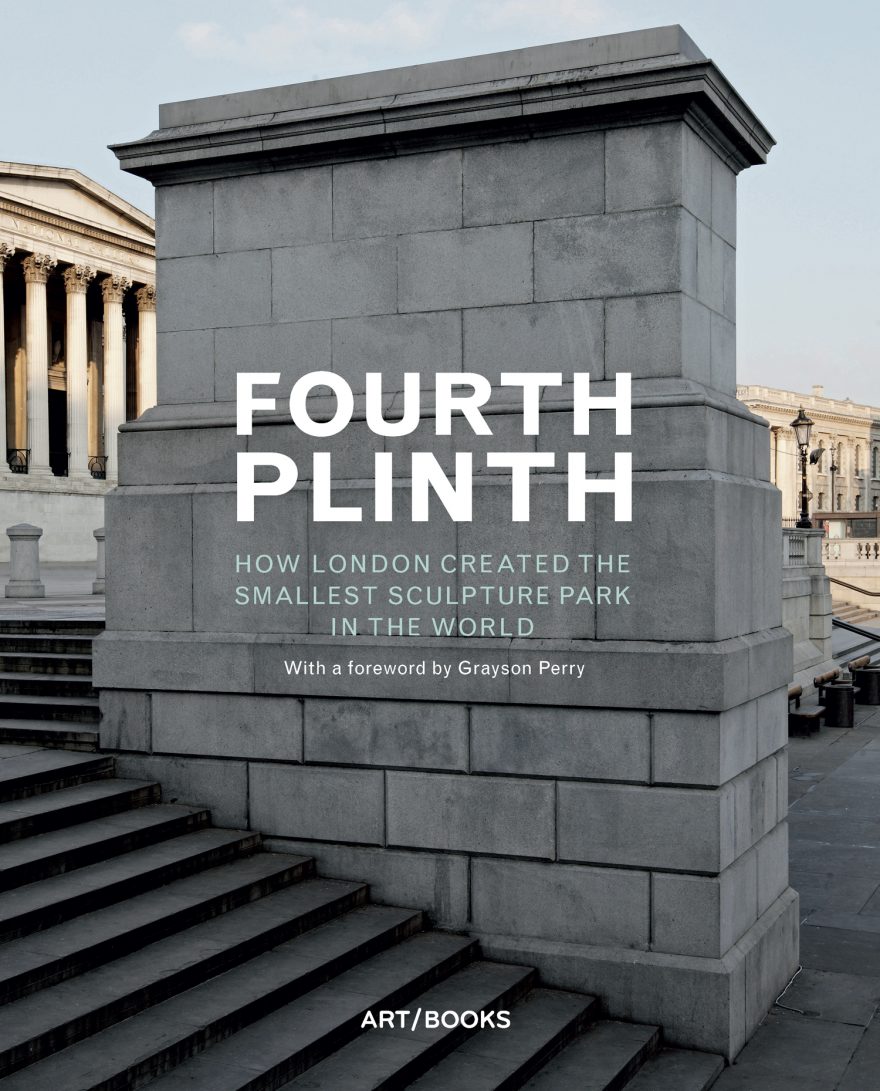
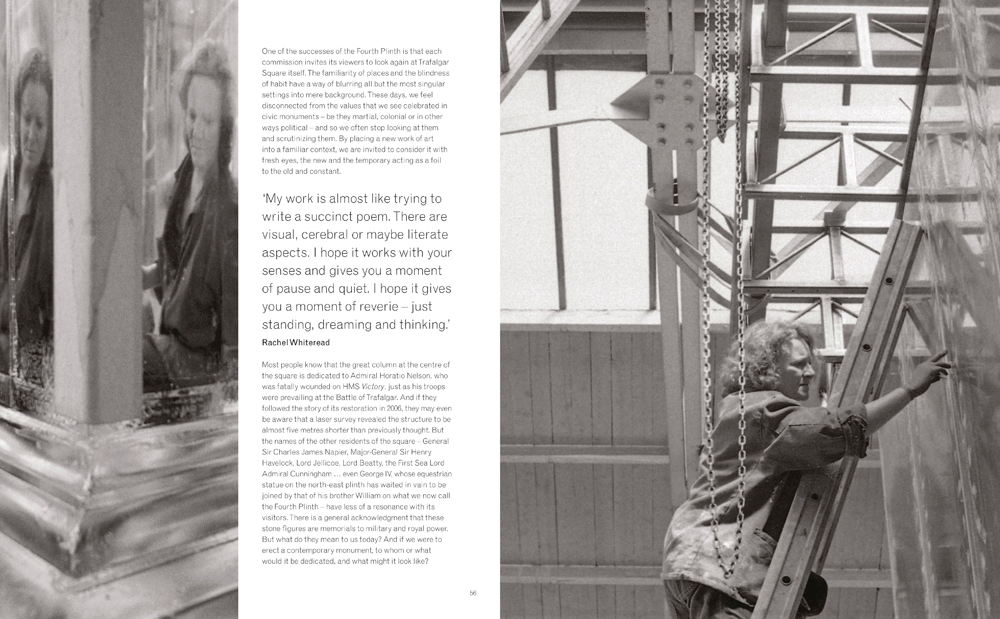
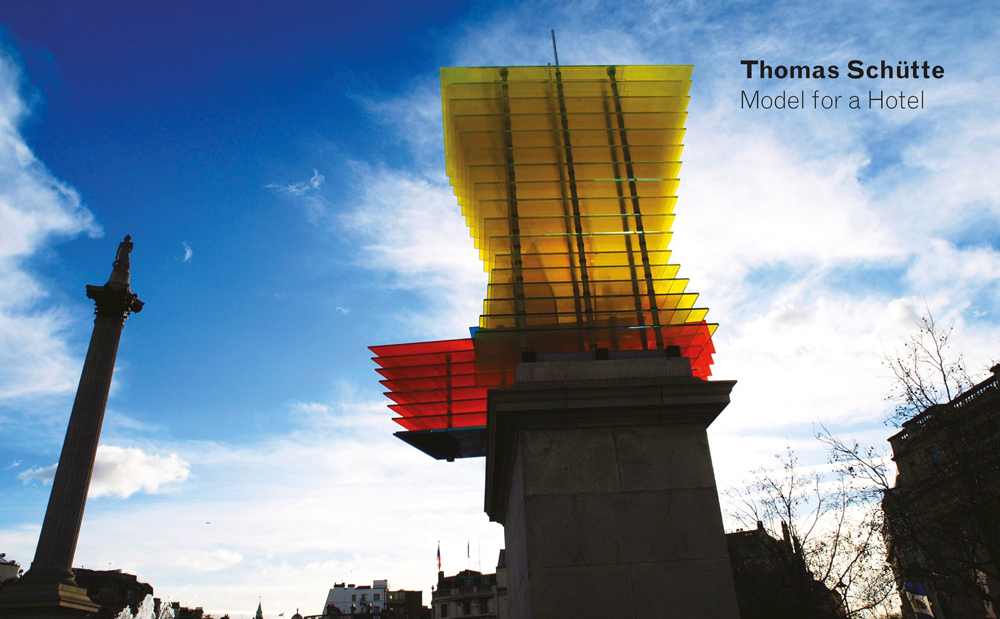
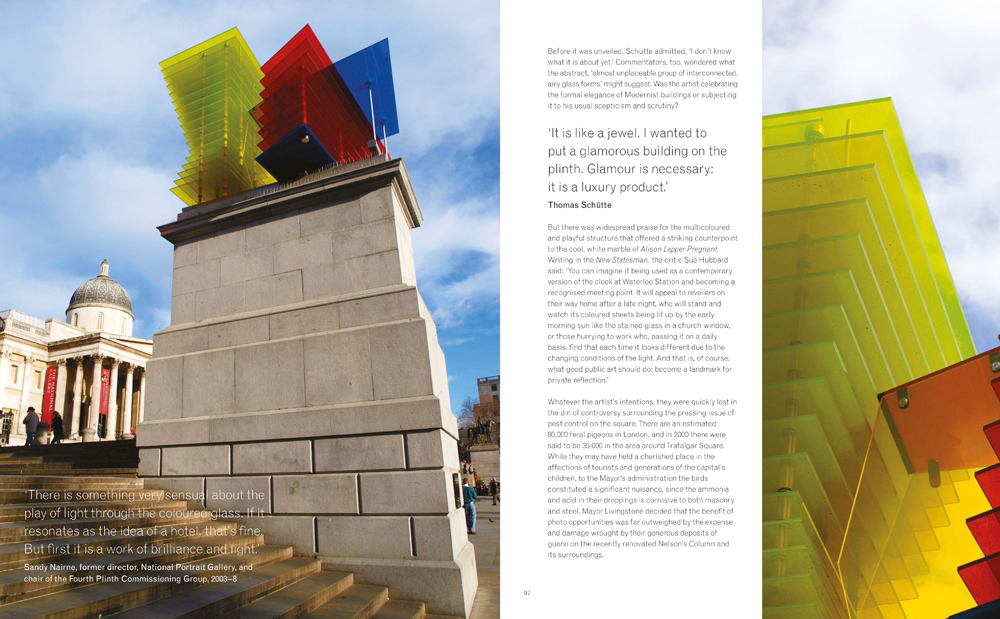
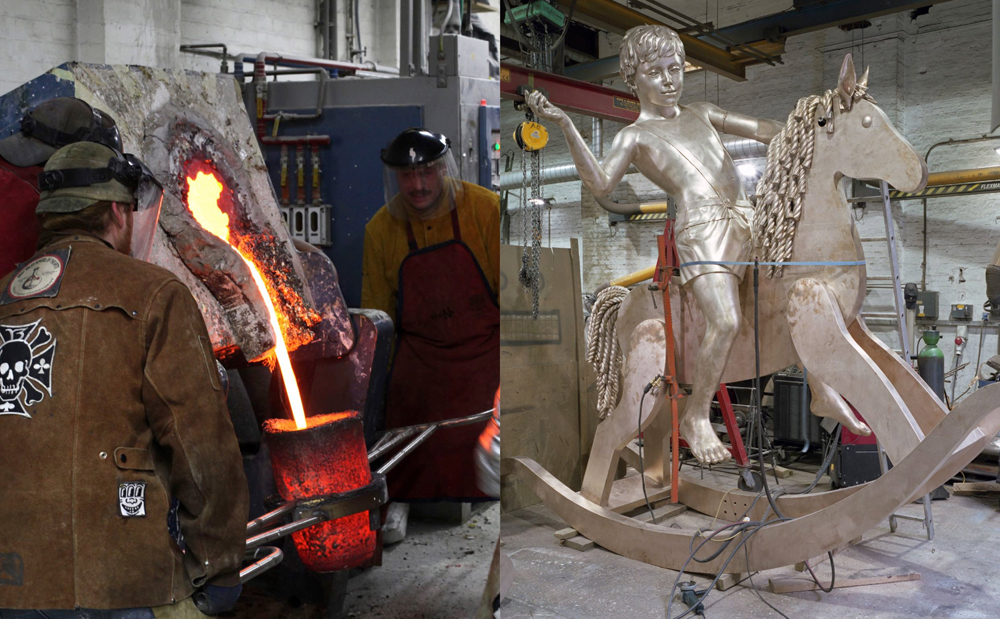
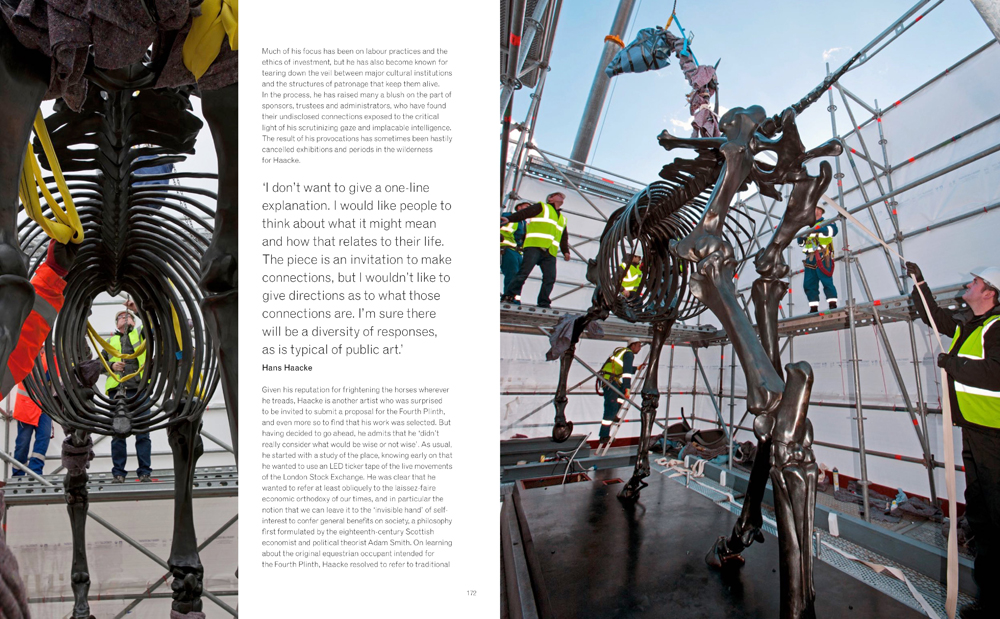
This book tells the story of every commission that has stood upon the plinth, including the very latest, David Shrigley’s Really Good, unveiled in September 2016. Individual chapters present the background and genesis of each work, with behind-the-scenes views of the fabrication, contributions from those involved, and in situ shots of all the installed works. And just as each commission reflects aspects of London’s past and present, the book celebrates the impact of art on today’s creative and multicultured city.

Grayson Perry CBE RA is an internationally celebrated artist, writer and broadcaster. He was awarded the Turner Prize in 2003 and was elected a Royal Academician in 2012; the following year, he received a CBE in the Queen’s Birthday Honours List, and in 2015 was appointed a Trustee of the British Museum and Chancellor of the University of the Arts London. Playing to the Gallery, the book of his 2013 Reith Lectures, is published by Penguin. He was a member of the Fourth Plinth Commissioning Group from 2009 to 2016.

Isabel de Vasconcellos is a writer, curator and arts advisor based in London.