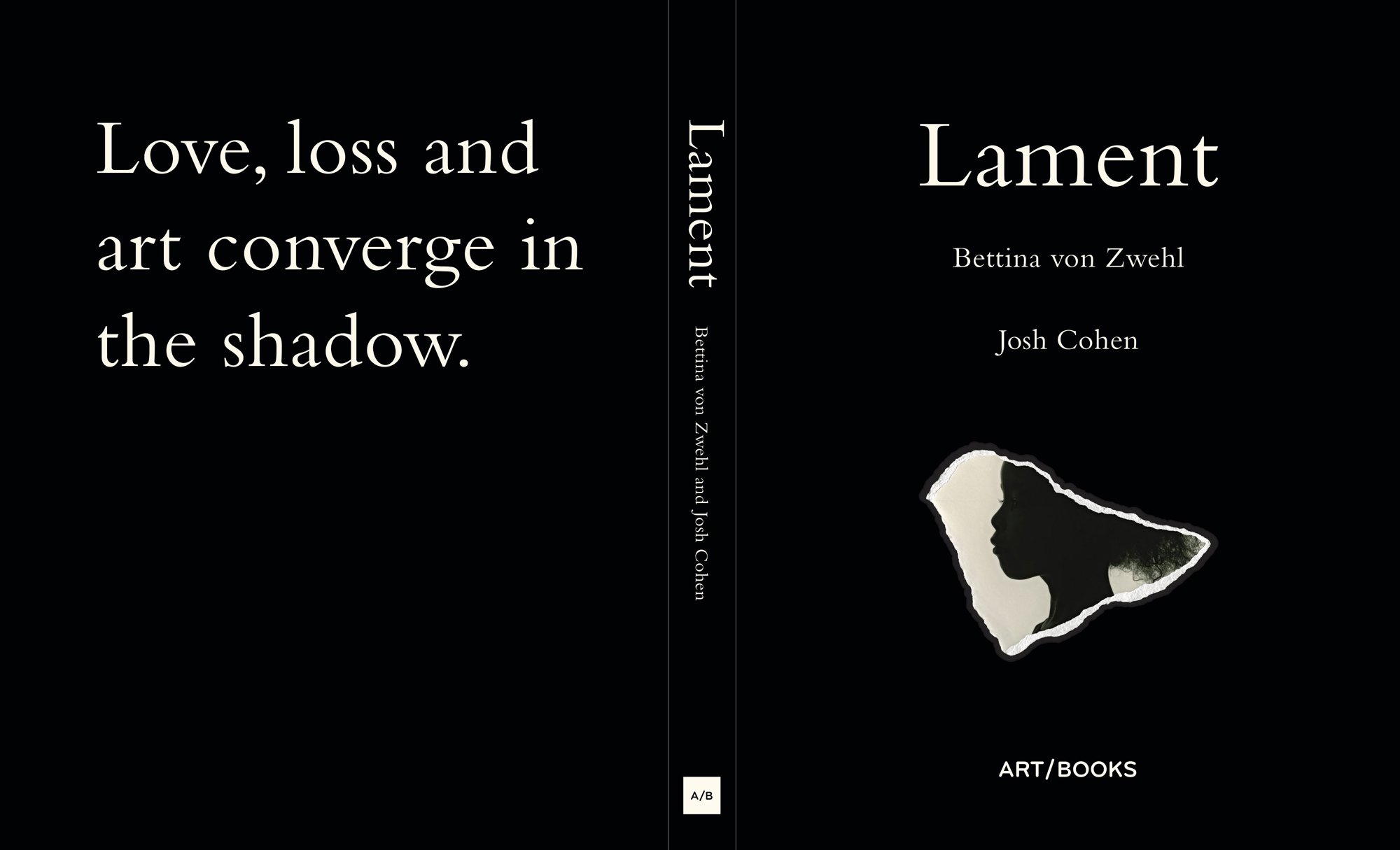
Bettina von Zwehl and Josh Cohen
Winner of the 2016 Antalis Grand Print Master Award
‘With its handsome layout, words and haunting visual images, Lament is one of the most engaging volumes it has been my pleasure to read, look at and ponder.’ — Times Higher Education
‘A delicate and in-depth exploration of grief, loss and friendship’ — LensCulture
‘In its theme, light and dark, echoing the rhythm of life and death, the book goes back to the foundations of photography.’ — Photomonitor
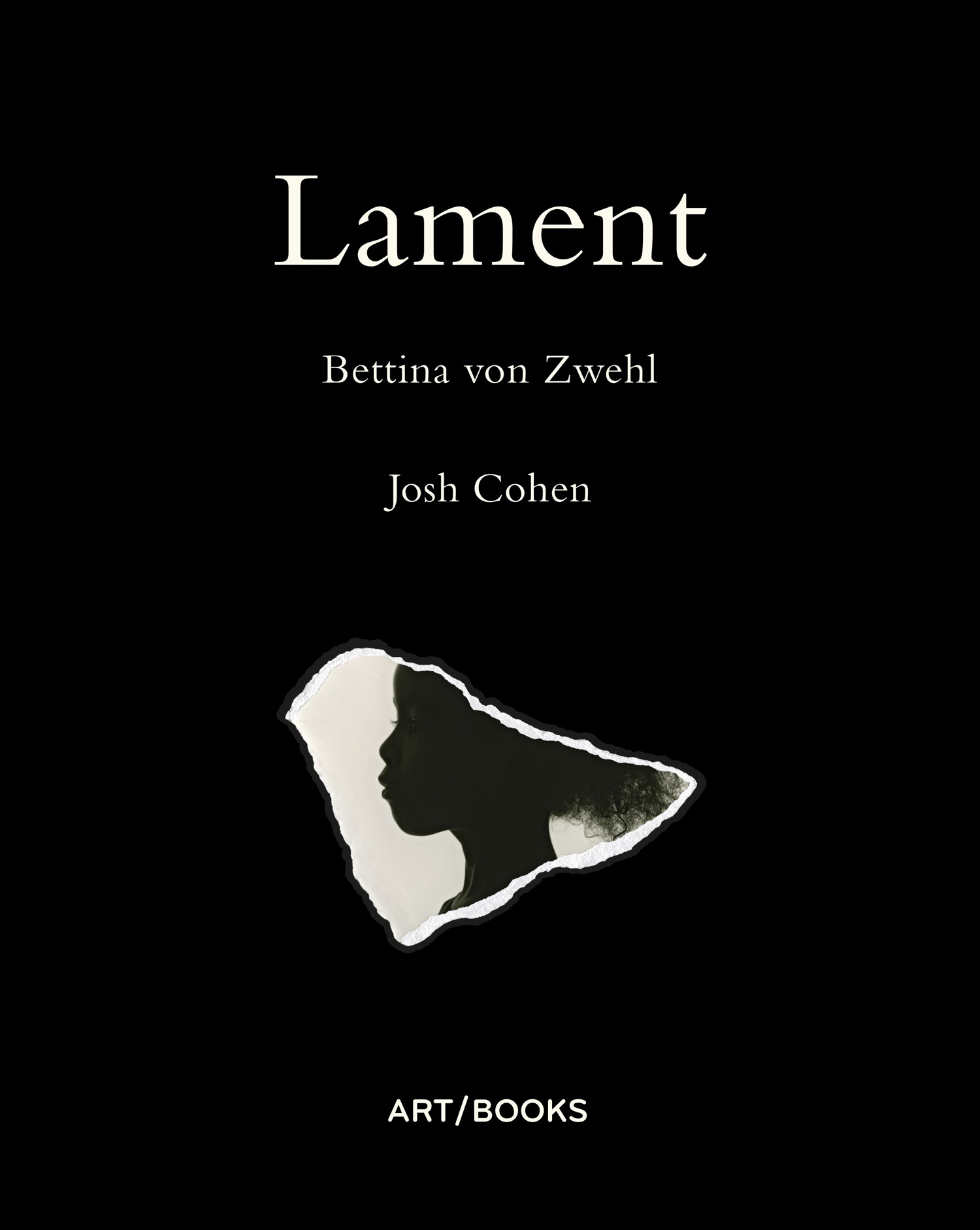
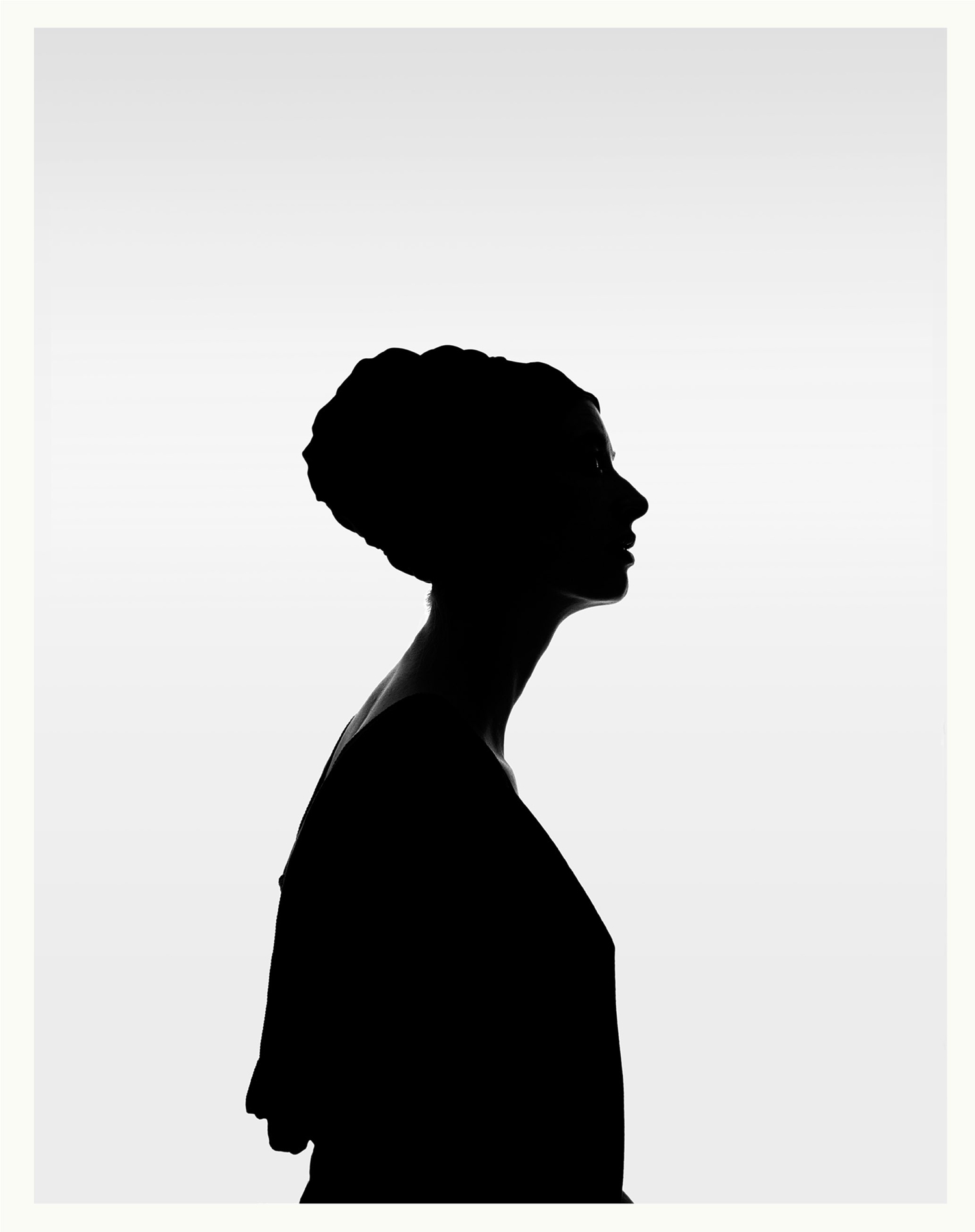
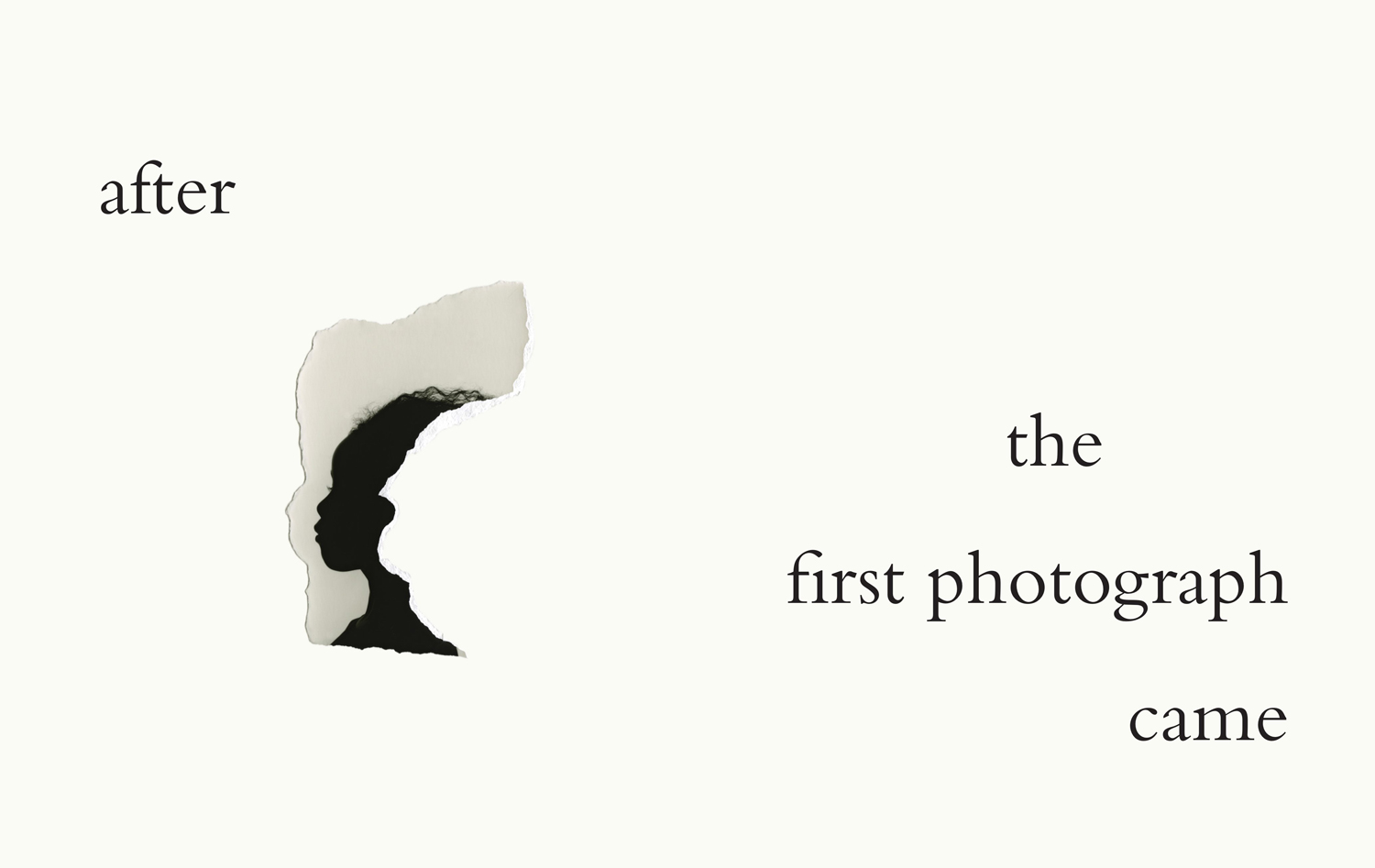
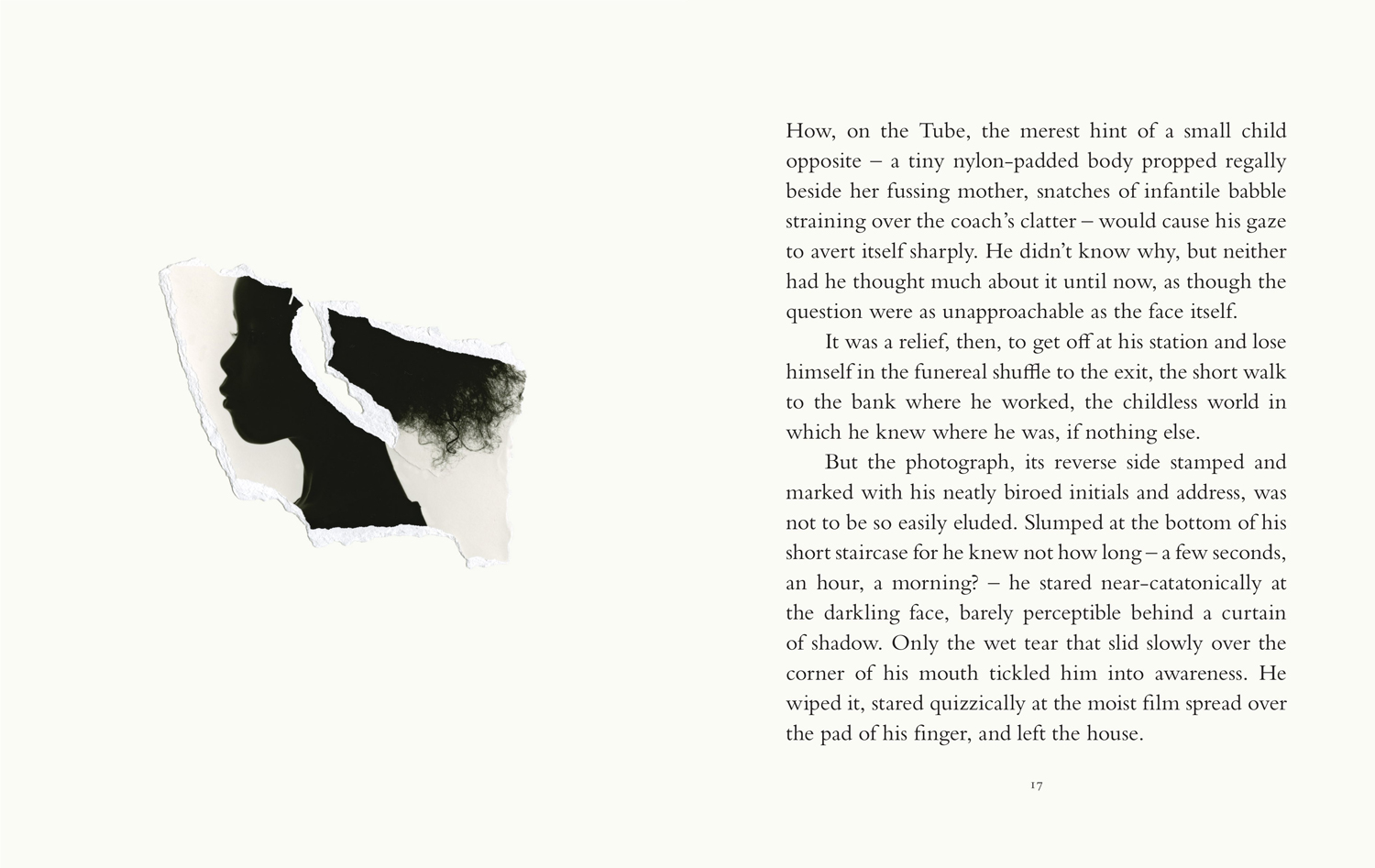
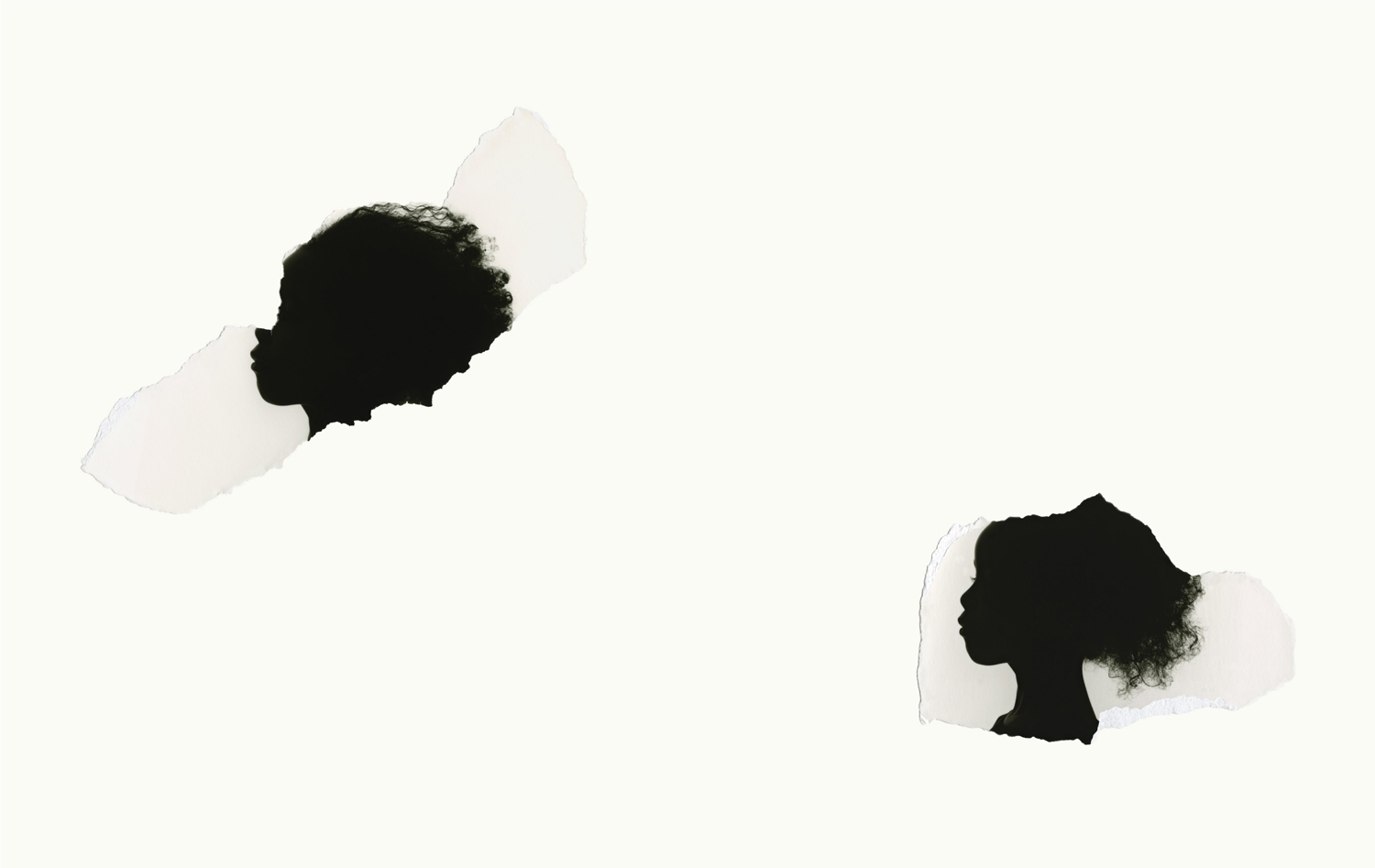
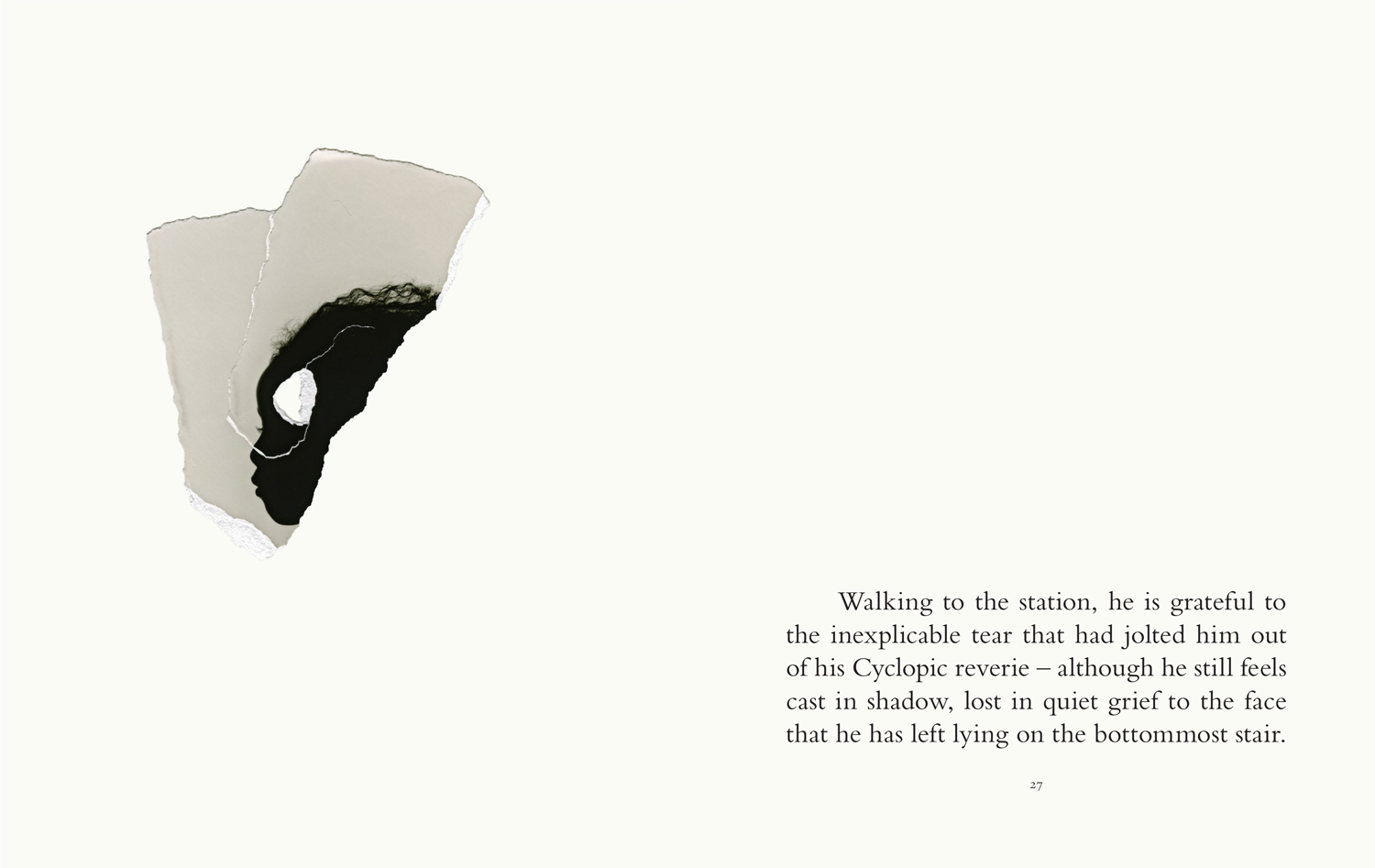
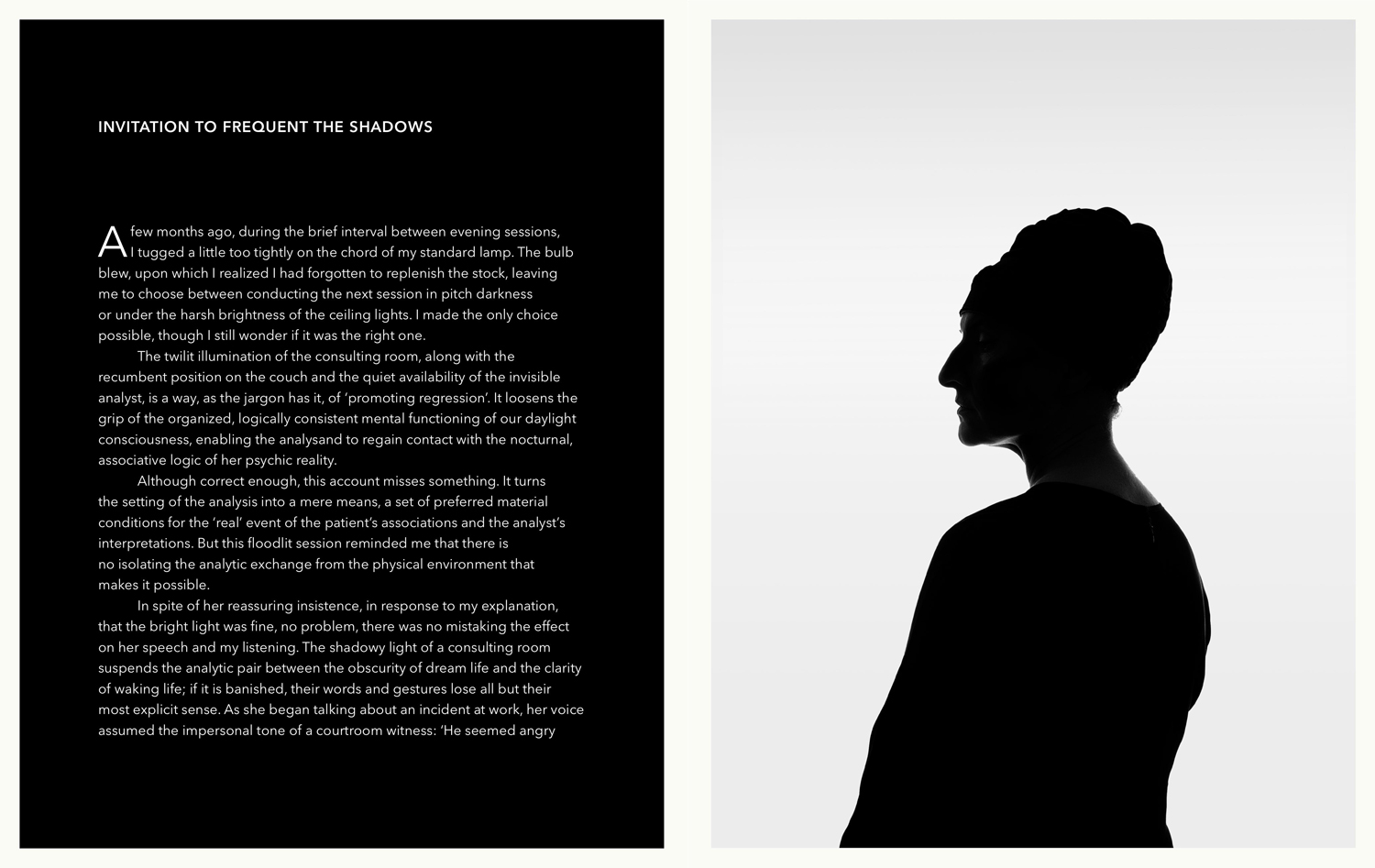
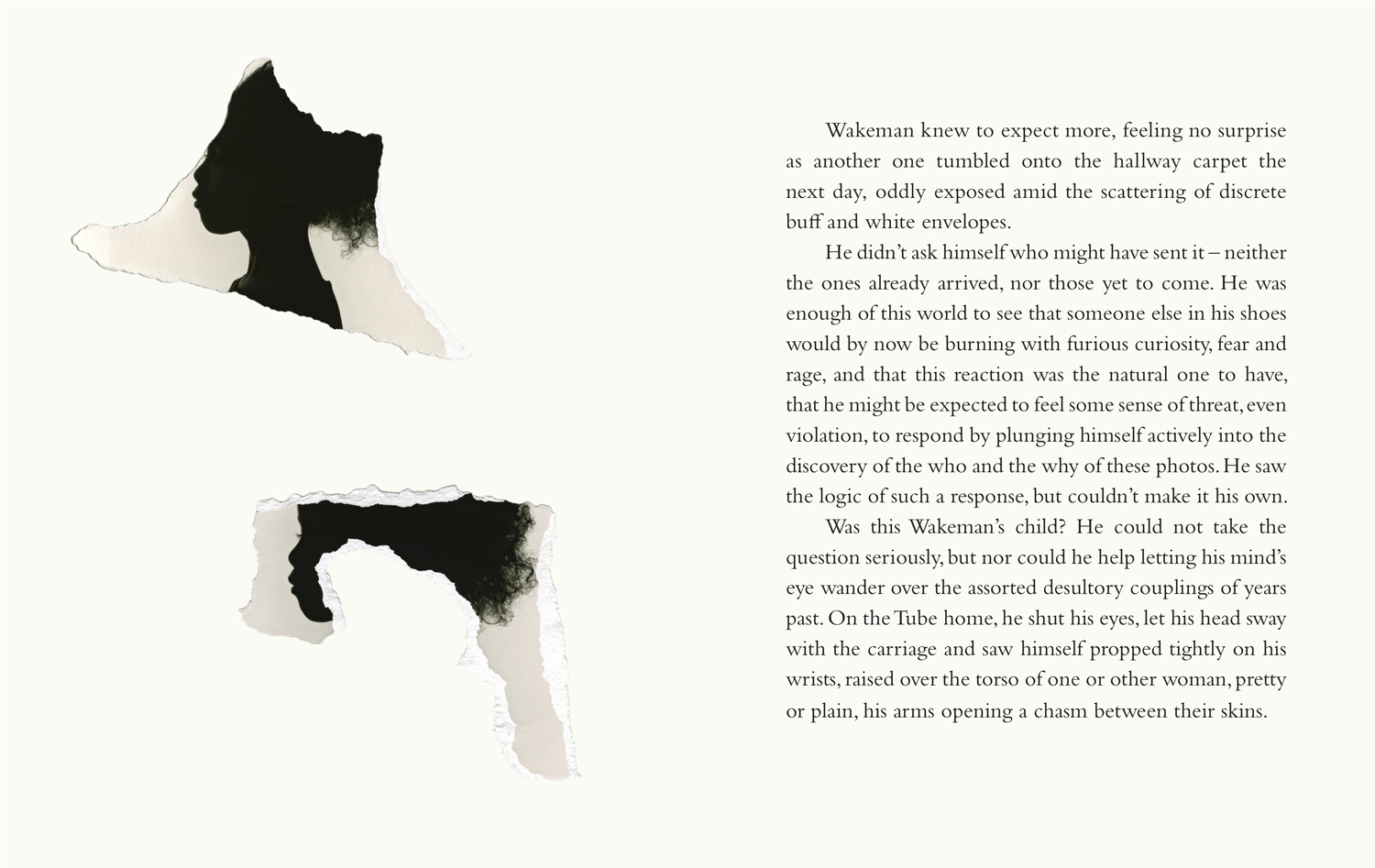
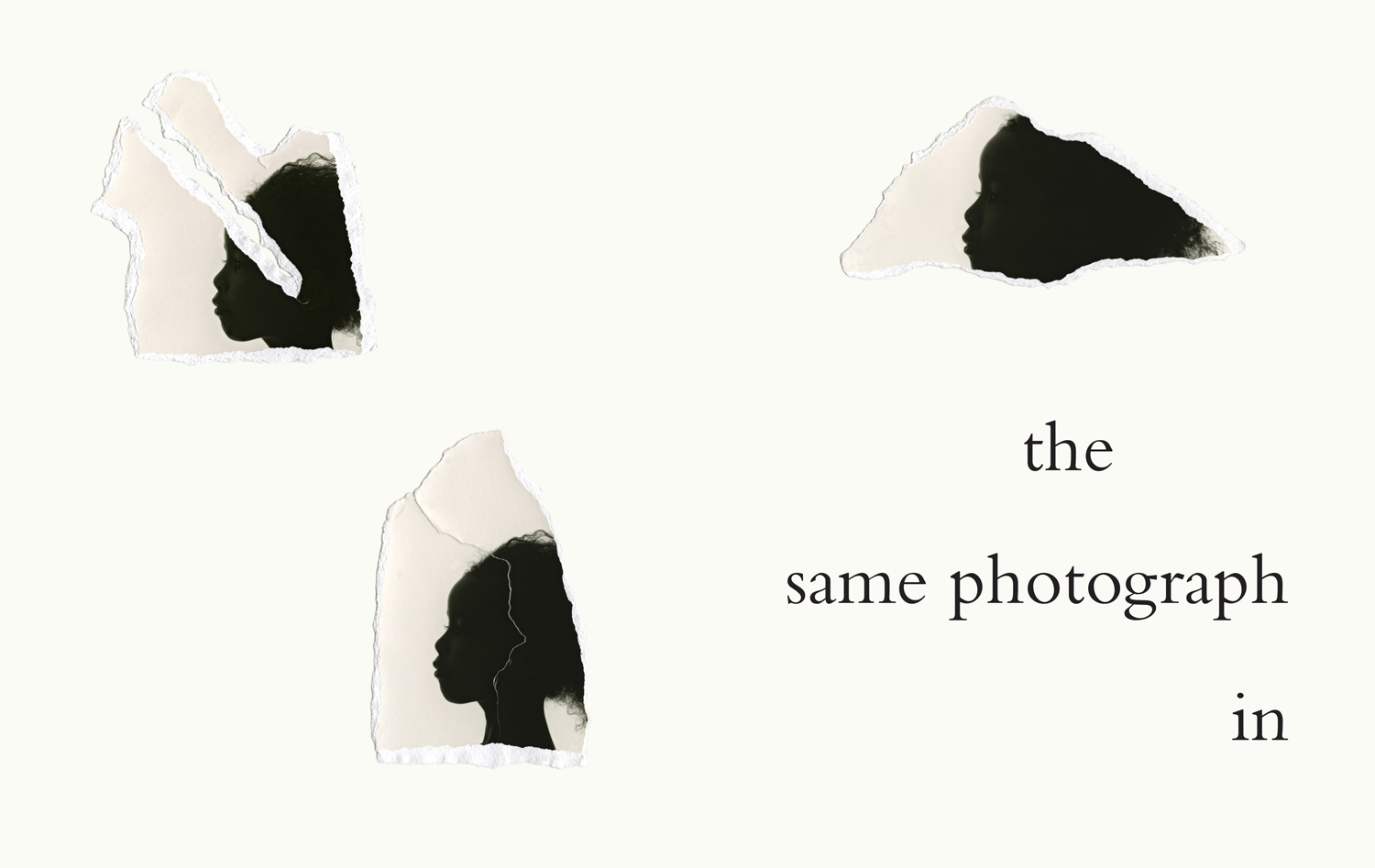
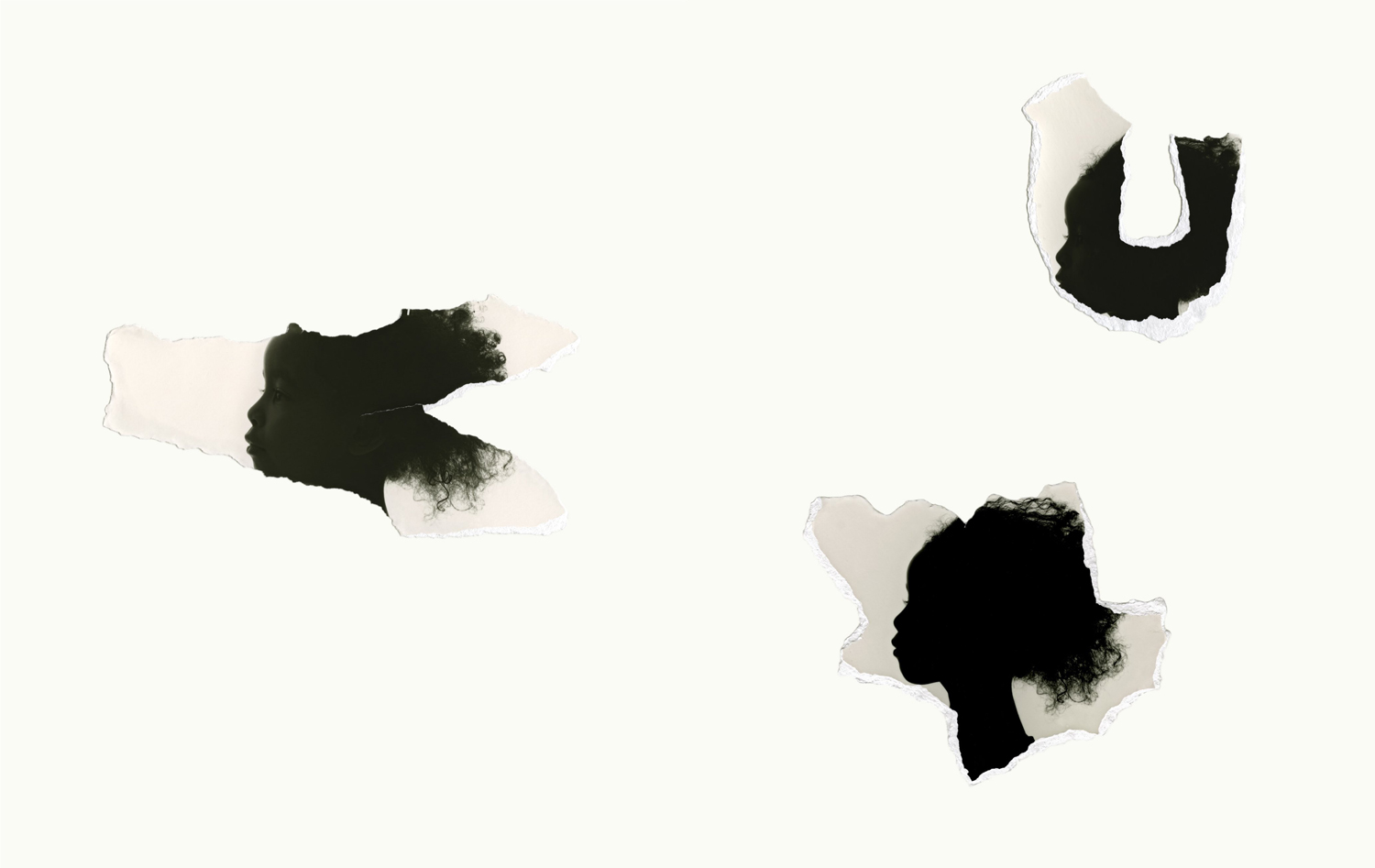
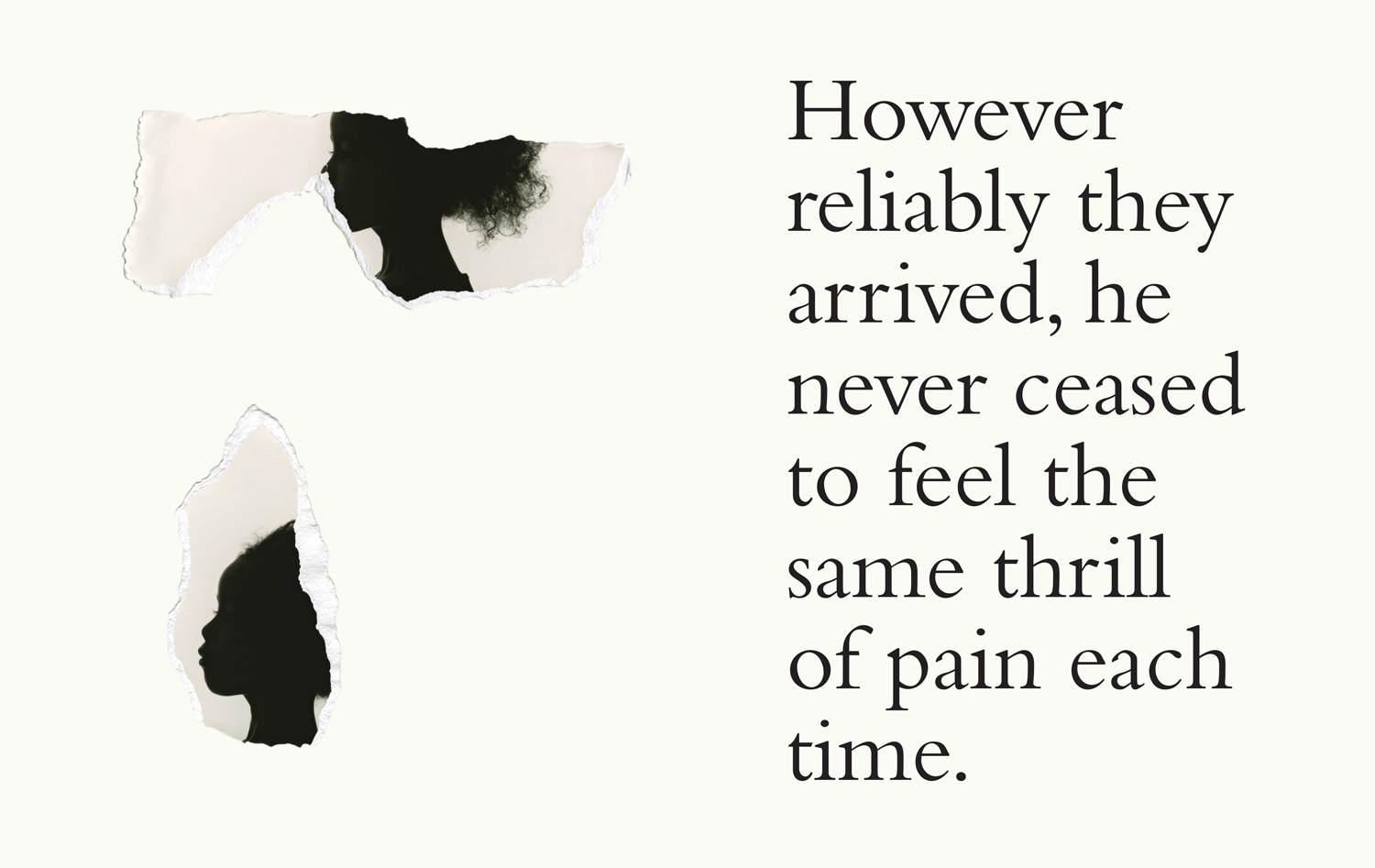
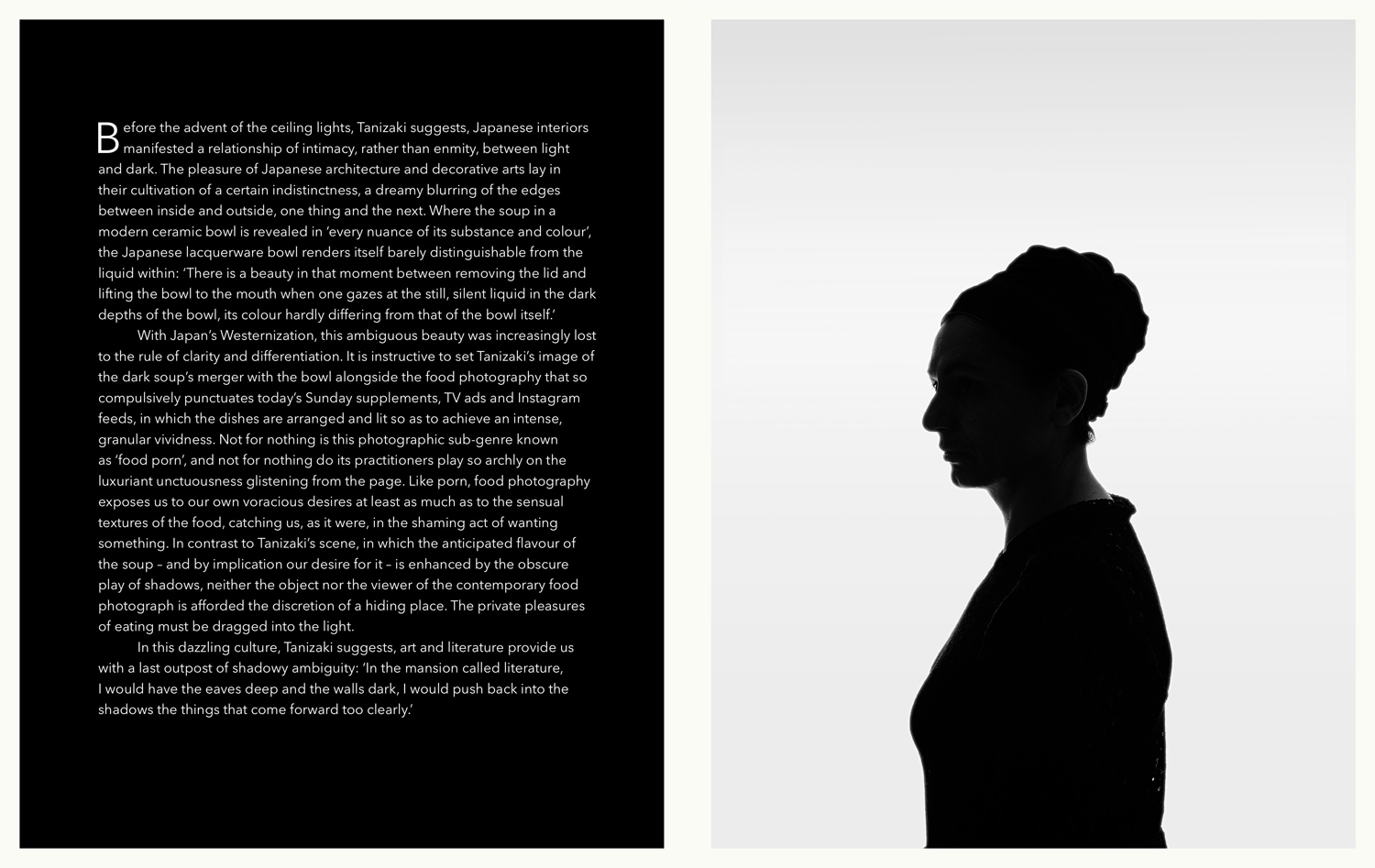
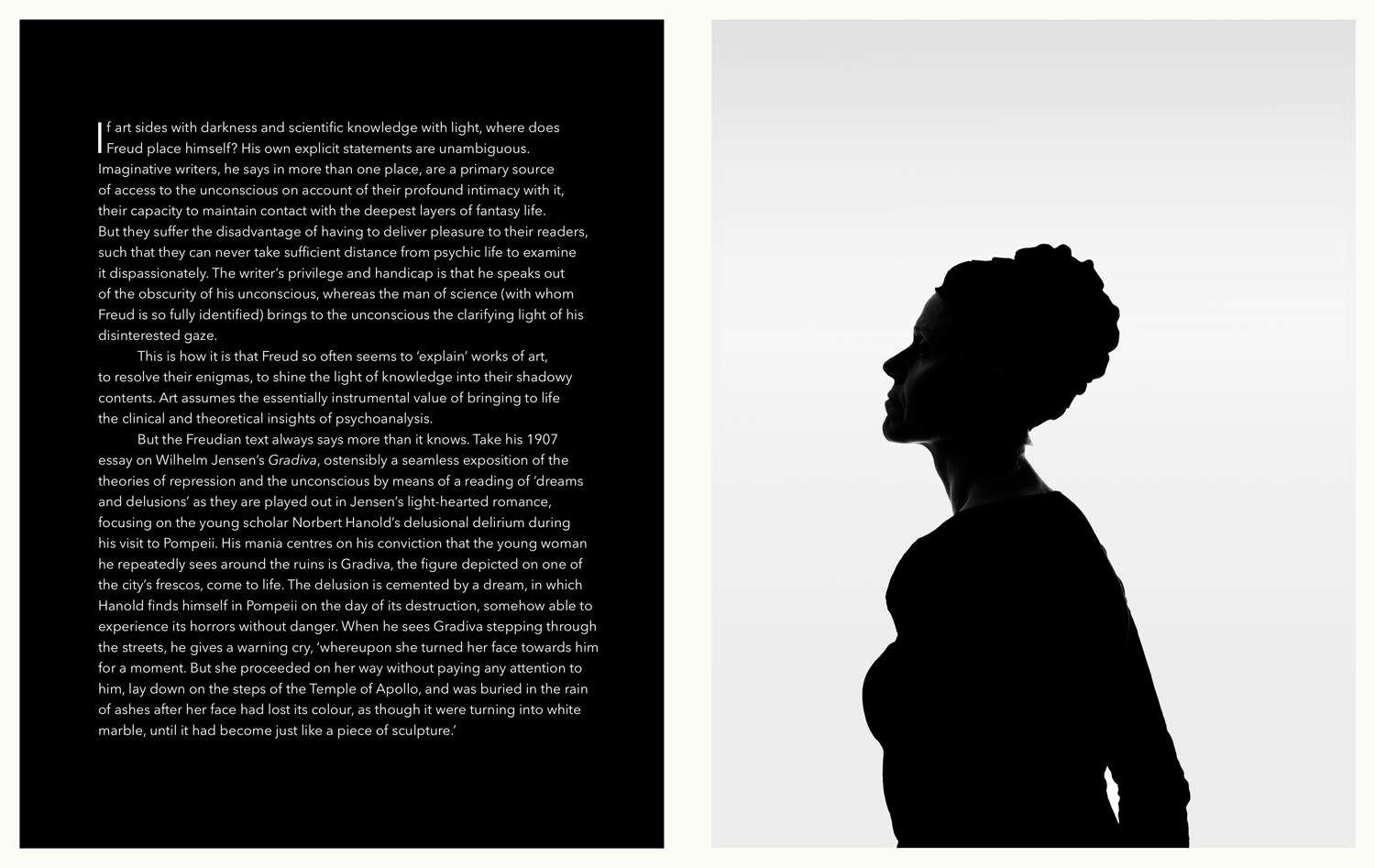
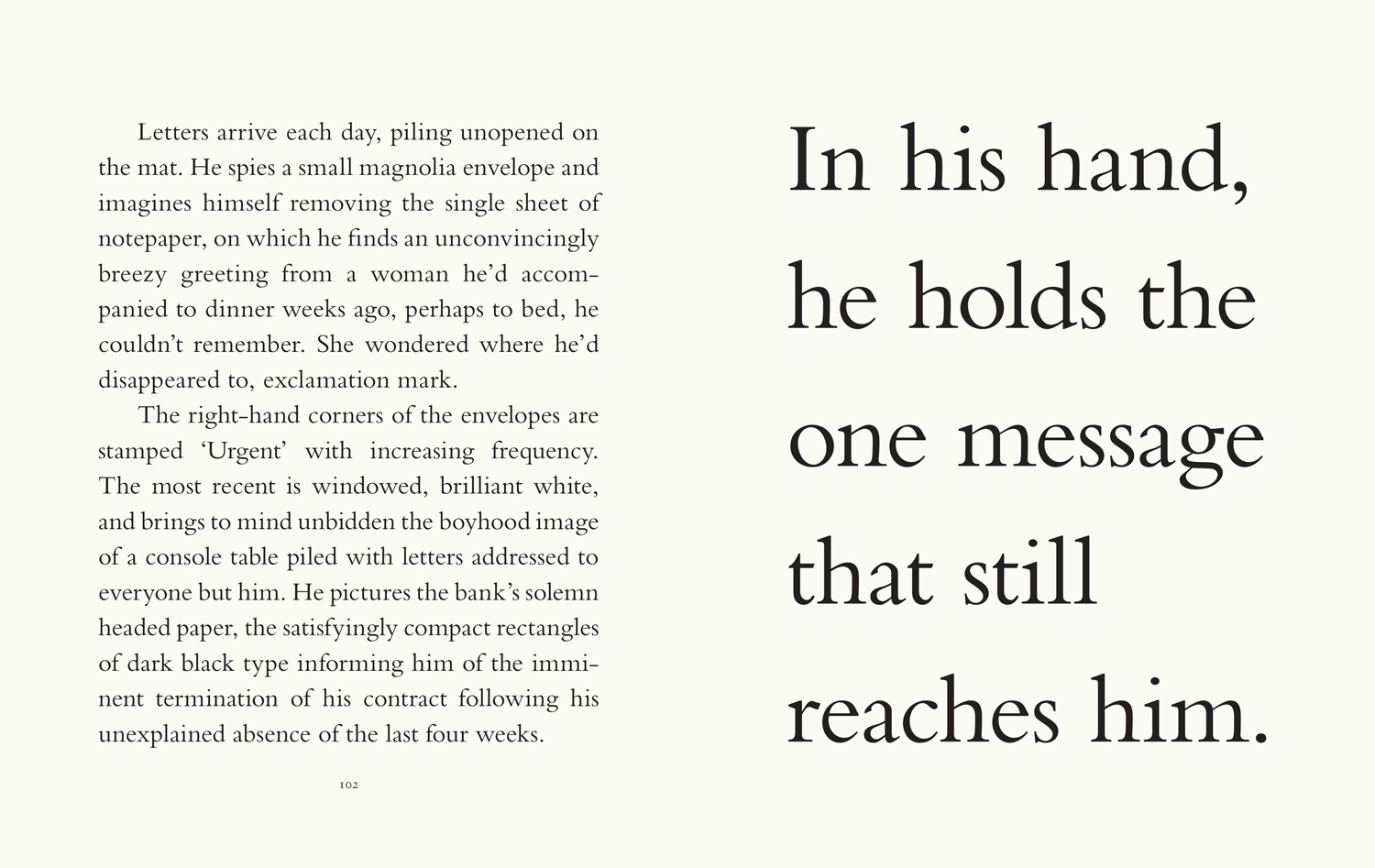
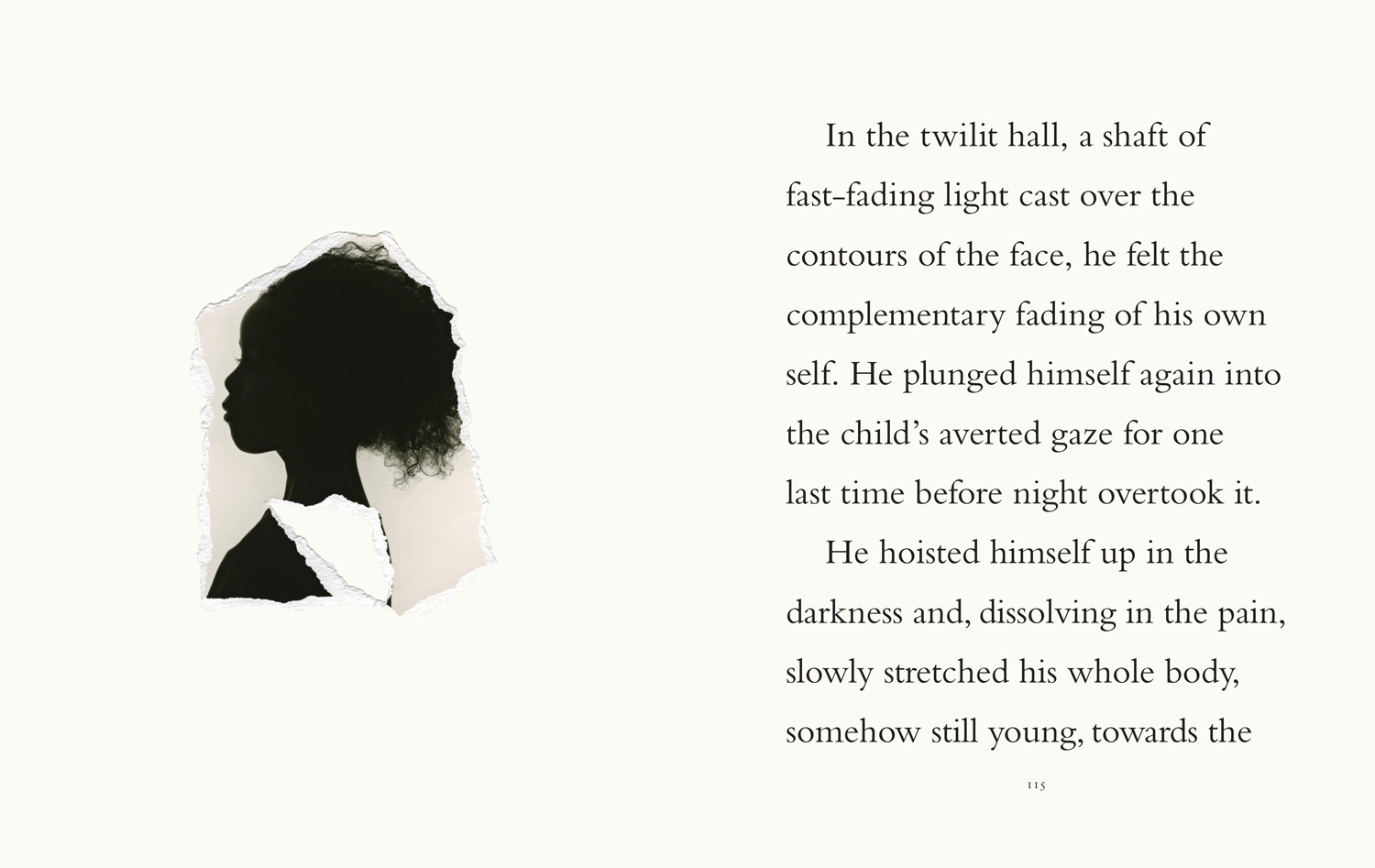
Published to coincide with an exhibition at the Freud Museum in London, this beautiful, original and affecting volume is the result of a unique collaboration between the artist Bettina von Zwehl and the psychoanalyst and academic Josh Cohen. Two series of images by von Zwehl – fifteen black-and-white silhouette portraits of women in near darkness, and fifty fragments of a single repeated photo of a young girl – appear alongside and within two parallel pieces of writing by Cohen – one a critical reflection on light and shadow, truth and lies, the other a short story inspired by the torn fragments – to create an extraordinary hybrid work of art and letters.
Each series of photographs and text can be read separately, but it is through the combination and interplay of word and image that a new narrative emerges and an additional layer of meaning appears in the gaps, folds and blurred edges between the two. The result is a powerful and moving meditation on the themes of light and dark, love and loss, life and death.
Von Zwehl produced the silhouette portraits of women – which she called Laments – following a residency at the Freud Museum in 2013 / 14. Inspired by Anna Freud’s passionate letters with women friends, they are an expression of the female bonds in the artist’s own life after the sudden death of a close friend.
She also made the fifty torn fragments in response to her study of the life and legacy of Anna Freud, as well as her own experience of psychoanalysis. Their title – The Sessions – refers to the patient’s fifty-minute session with the analyst, the artist’s sessions with the child, and her many sessions in the darkroom as she sought the essence of both image and subject. She made each piece by first tearing the photographic paper and then exposing the chosen negative onto it. By breaking down one moment repeatedly and obsessively in this way, infinite possibilities, failures and associations are opened up. At the same time, the torn fragments form an archive of scraps and ‘mistakes’ that echoes the seemingly ‘unimportant’ material stored in the mind of the analysand – material that has the potential to illuminate the patient’s deepest issues.
Cohen’s short story ‘The Arrivals’ was written as a response to these fragments, while also evoking various ideas and scenes he had himself encountered in analysis. His parallel essay, ‘Invitation to Frequent the Shadows’, is a critical reflection on light and shadow, art and artifice, and truth and lies prompted by his reading of the Laments portraits, and it continues his ongoing investigations into darkness, privacy and the hidden self.
Bettina von Zwehl is an artist living and working in London. She has built an international reputation for her subtle and unnerving photographic portraits. From early works in which she photographed subjects under a range of exacting conditions to more recent projects that reprise the traditions of the painted miniature, she has consistently explored the nature and limits of portraiture. She was artist-in-residence at the Victoria & Albert Museum in 2011 and had a five-month residency at the Freud Museum in London in 2013–14. Solo exhibitions of her work have been held at a number of leading European and American museums and galleries, including the Sigmund Freud Museum (Vienna, 2016), Freud Museum (London, 2016), Fotogaleriet (Oslo, 2014) National Portrait Gallery (London, 2014), Centrum Kultury Zamek (Poznan, 2011), V&A Museum of Childhood (London, 2009), The Photographers’ Gallery (London 2005) and Lombard Freid Gallery (New York, 2004). Her photographs are held in the collections of the Solomon R. Guggenheim Museum, New York; Mint Museum, Charlotte, North Carolina; Victoria and Albert Museum, Arts Council Collection, London; National Portrait Gallery, London; the Rubell Family Collection, Miami, Florida; and Pier 24 Photography, San Francisco
Josh Cohen is a psychoanalyst and writer and teaches at Goldsmiths University of London. He is the author of The Private Life: Why We Remain in the Dark (2013), which won the BMA Board of Science Chair’s Choice Award for 2014 and was longlisted for the JQ/Wingate Literary Award; How to Read Freud (2005); Interrupting Auschwitz: Art, Religion, Philosophy (2003); and Spectacular Allegories: Postmodern American Writing and the Politics of Seeing (1998), as well as numerous reviews and articles on modern literature, philosophy and psychoanalysis. He was a finalist in the 2015 Notting Hill Editions Essay Prize for ‘The Incurious Rabbit’, part of a book in progress on inertia in psychic and cultural life. He appears regularly in the TLS, Guardian and New Statesman. He is a Fellow of the British Psychoanalytical Society.