Kasmin’s Camera

Texts by Chris Stephens and Judith Goldman

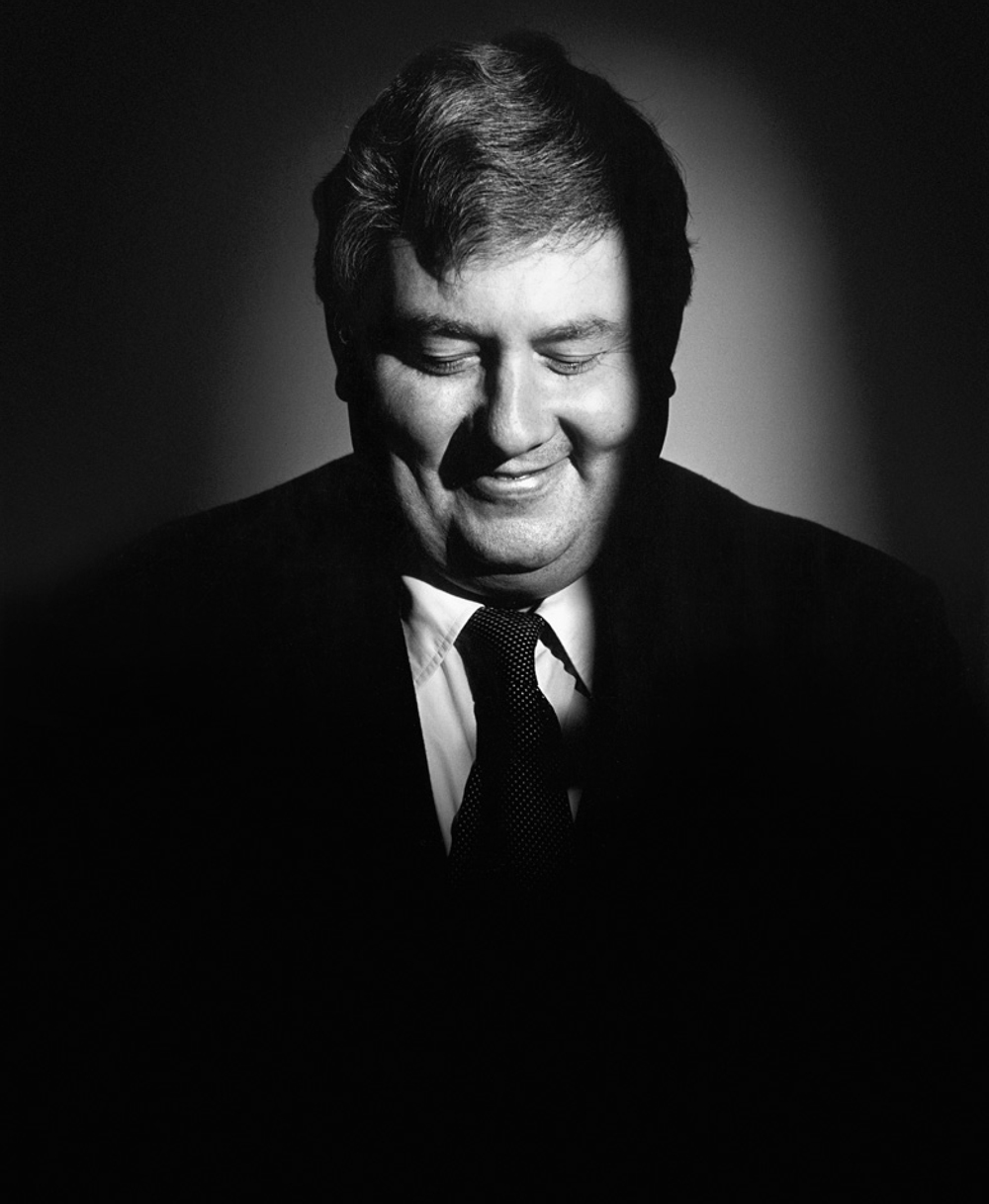
John Kasmin, known to all simply as Kasmin, was the most important dealer in contemporary art in Britain in the 1960s. At the eponymous Kasmin Gallery on New Bond Street, he worked with the leading British and American artists of the day, notably Barnett Newman, Kenneth Noland, Jules Olitski, Helen Frankenthaler, Frank Stella, Anthony Caro, Richard Smith, Robyn Denny, Gillian Ayres, Howard Hodgkin, and David Hockney. Kasmin gave many of these artists their first show and was an early champion of their art. A true pioneer, he introduced the work of American Abstract Expressionists and minimalists to Britain, and helped bring young British artists to American audiences for the first time. In the process, he transformed the London art world and became as recognizable as his gallery artists.

Less well known is that Kasmin is also an accomplished photographer, having started his working life as an assistant to the celebrated portrait photographer Ida Kar. Throughout his life, he has always carried his camera, constantly photographing – and being photographed with – his bohemian artist and writer friends and family members. This remarkable book is the first time that he has published a collection of his favourite and most intimate photographs. With a focus on the 1960s and 1970s, these images tell a rich story of a fertile period when Kasmin was working with an array of diverse creative figures. We see Newman, Frankenthaler, and others in their studios; we hang out with Clement Greenberg, Leo Castelli, and other important figures of the New York scene; we join Hockney as he learns to drive in Los Angeles and as he holidays in France with Kasmin and his children and their shared circle of friends, among them Celia Birtwell, Ossie Clark, and Wayne Sleep; we witness the same artist again in playful mood with his parents at home in Bradford; and we follow Kasmin as he and his close friend the travel writer Bruce Chatwin voyage to Africa and the Caribbean, and as he visits India with Howard Hodgkin.

Drawn directly from Kasmin’s personal archive, the book contains dozens of images that have never been seen before. Each photograph, whether a posed portrait or a hastily grabbed snapshot, reveals something new, something private about some of the best-known names in postwar art and the milieu in which they lived. They capture key moments – such as Hockney’s early days in California – and the close friendships within Kasmin’s circle. Seen together, they bear witness to an exciting time when young, dynamic artists were finding a new language and shaping a new world.

Accompanying the photographs are texts by the British art historian and curator Chris Stephens, writing about Kasmin’s circle in the 1960s and 1970s, and his long-time friend American curator and writer Judith Goldman, who offers a more personal account of Kasmin and his life.

Dr Chris Stephens has been Director of the Holburne Museum in Bath since 2017. Prior to that he worked at Tate for more than twenty years, as Head of Displays, Tate Britain, for much of that time, and also as Head of Modern British Art.

Judith Goldman is an award-winning writer, curator, and publisher in New York City. A former editor of ARTnews, she was also the curator of prints at the Whitney Museum of Art from 1977 to 1991. She has established the Blue Heron Press and Deuce II Editions to publish artists’ books and editions.

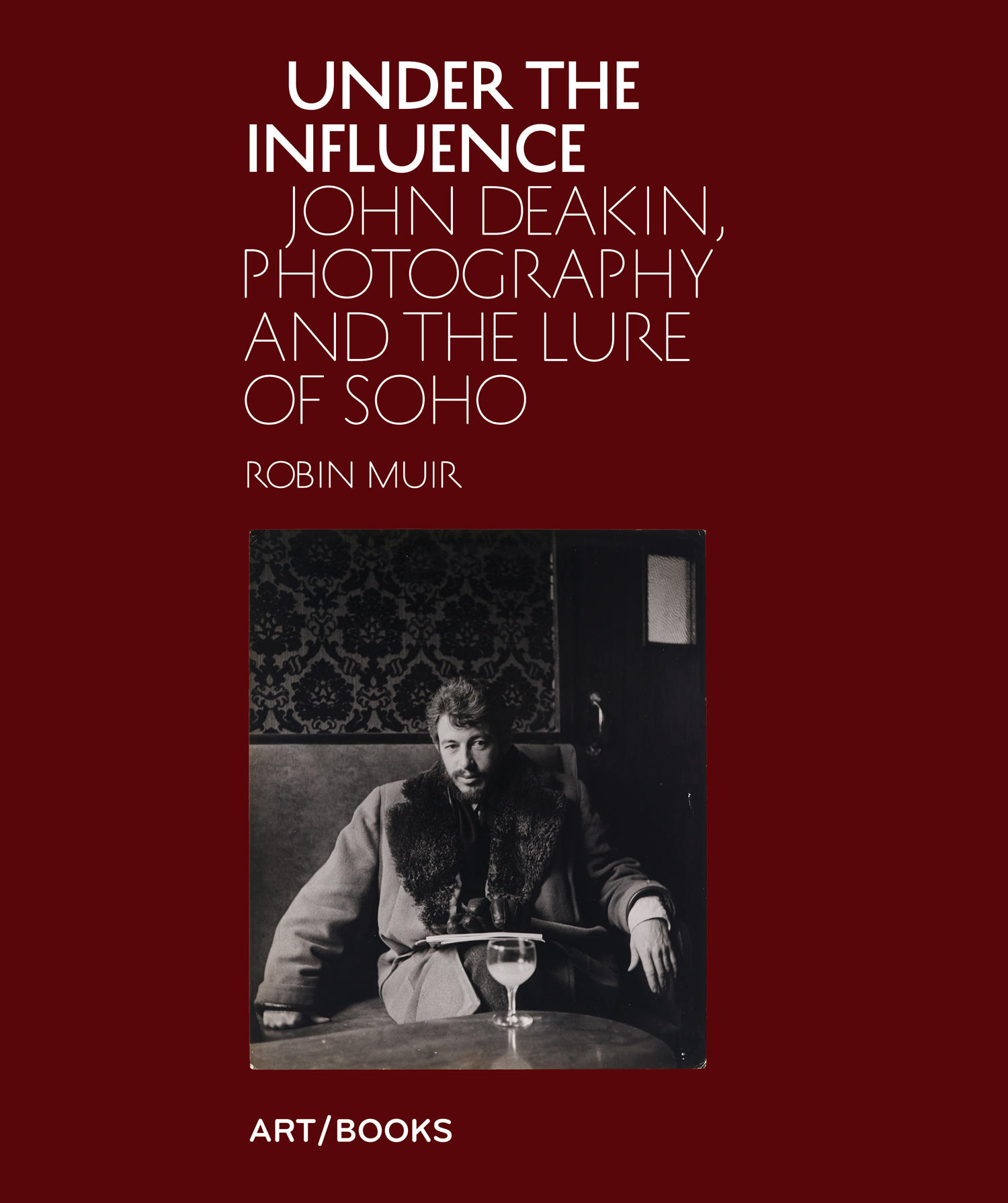
Under the Influence

John Deakin, Photography and the Lure of Soho

Robin Muir

‘This beautifully produced book testifies to a talent that still astonishes’ — Guardian
‘Deakin’s work speaks for itself.… His work offers a fascinating glimpse into post-war London’ — Sunday Times
‘A marvellous record of the Soho of the 50s and 60s’ — AnOther Magazine
‘A fascinating retrospective’ — Black+White Photography
‘In his role as chief chronicler of Soho [Deakin] developed a candid and sympathetic eye’ — New Statesman, ‘Picture Book of the Week’
‘His portraits of Soho characters changed photography’ — Guardian G2 
‘Deakin was a legend in the style of postwar Soho: brilliantly original, reliably nonconformist, and belligerently self-destructive’ — The New Criterion
‘A beautifully produced book that does justice to Deakin’s extraordinary images’ — Photojournalism Now 
‘A stylish and well-produced volume … anyone with the slightest interest in photography should get their hands on a copy’ — Dublin Review of Books 

_____________

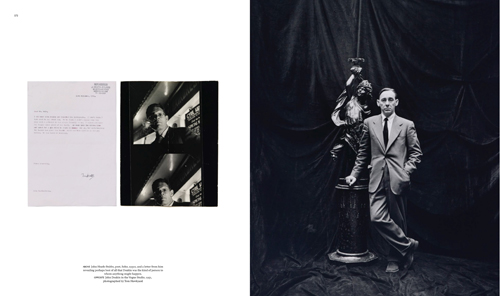
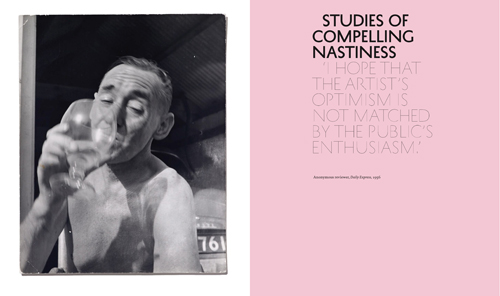
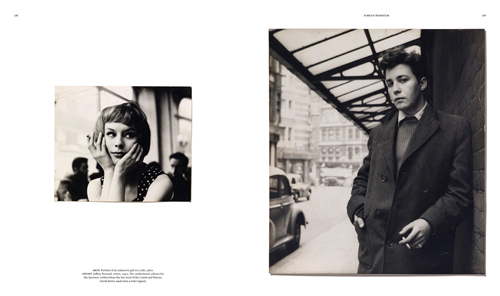
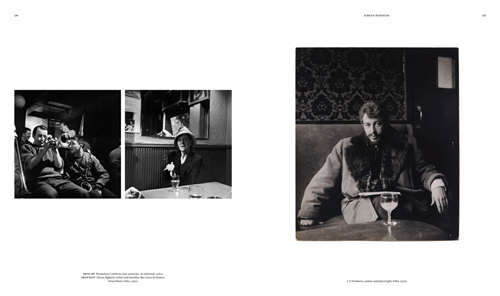
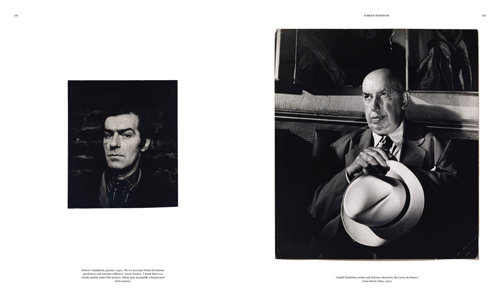
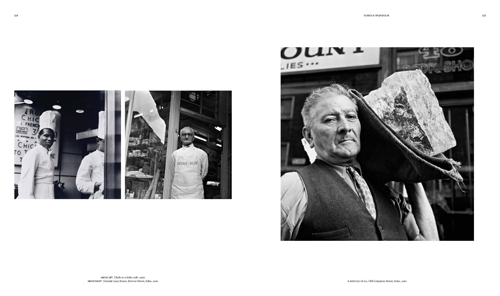
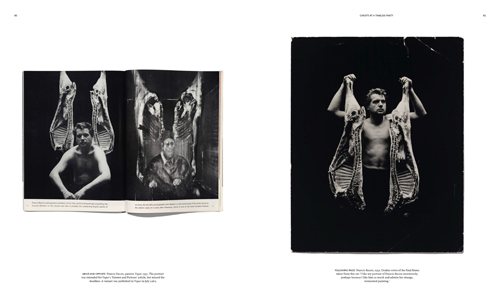
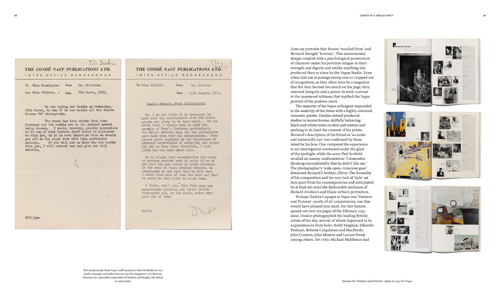
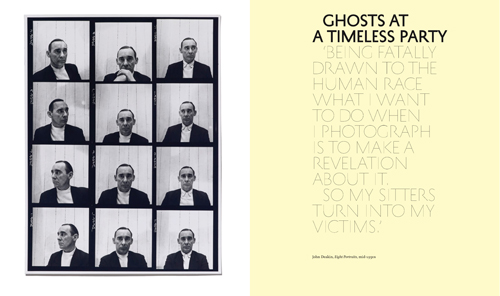
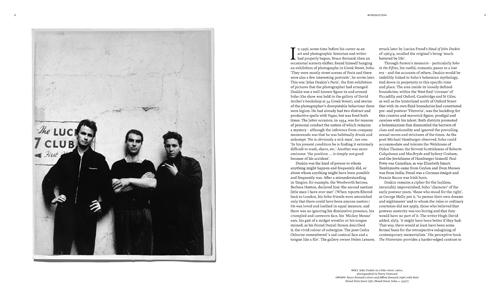
John Deakin was one of London’s greatest postwar photographers, renowned for his penetrating portraits, haunting street scenes and inventive fashion work. Though recognized as a genius by both peers and rivals – a ‘photographer with extraordinary eyes’, as one contemporary described him – he was prodigal and careless with his talent. He flourished briefly at Vogue, but the lure of nearby Soho with its pubs, clubs and subterranean watering holes led him away from regular employment. Loved and loathed in equal measure, Deakin was a legendary member of the quarter’s bohemian crowd of artists and misfits. His circle included the painters Francis Bacon and Lucian Freud, the writers Dylan Thomas and Jeffrey Bernard, and the socialite Henrietta Moraes and Muriel Belcher, proprietor of fabled drinking den the Colony Room.
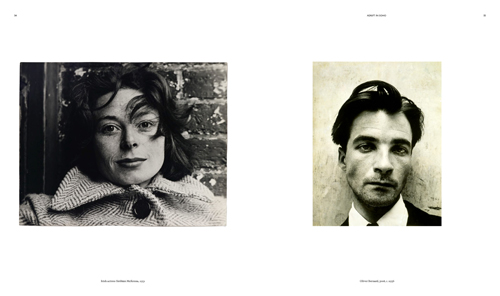
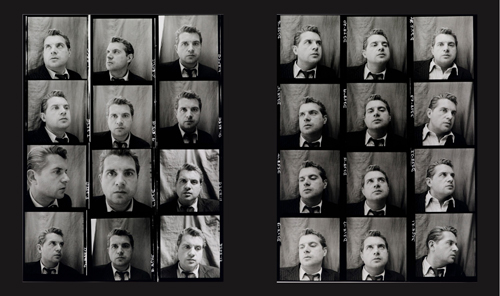
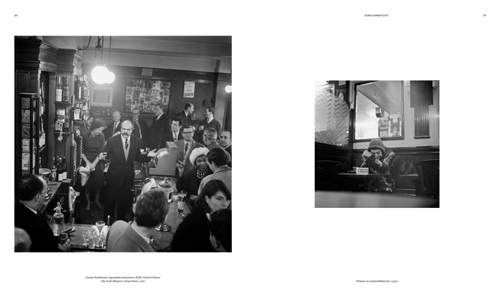
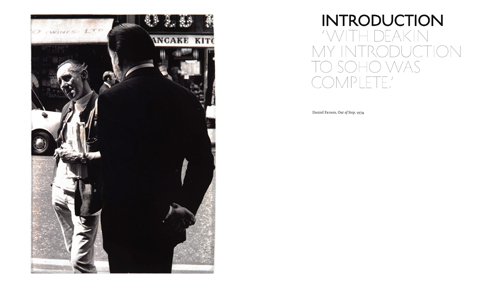
Coinciding with an exhibition at The Photographers’ Gallery, Under the Influence: John Deakin, Photography and the Lure of Soho explores the hidden corners and colourful characters of this notorious part of London as seen through Deakin’s eyes. With dozens of his most compelling images, letters and contact sheets, it is an evocative record of life in and around the four parallels of Wardour, Dean, Frith and Greek streets in the 1950s and 1960s, the backdrop for this creative and maverick figure ‘whose pictures take you by the scruff of the neck and insist that you see’.

Robin Muir is a photographic curator and historian. A former picture editor for British Vogue, he is contributing editor to both the British and Russian editions of the magazine. He is author of numerous books on the history of photography, including David Bailey: Chasing Rainbows (2001), A Maverick Eye: The Street Photography of John Deakin (2002), Norman Parkinson: Portraits in Fashion (2004), Unseen Vogue: The Secret History of Fashion Photography (2004) and Terence Donovan Fashion (2012). 


What others say

‘Deakin’s portraits of Soho characters and artists changed photography.… His wayward talent, only partially recognised at the time, makes it essential viewing on its own merits.… [His] photographs are timeless … our best record of the old bohemia, and some are masterpieces. Deakin was out on his own, a pariah in his way, but also a pioneer. ‘ — Guardian G2

‘The images are a marvellous record of the Soho of the 50s and 60s – a time when the area enjoyed a wealth of bohemianism and dissolution, its bars stuffed with dipsomaniac writers and artists like Dylan Thomas, Frank Auerbach, Lucian Freud and Bacon himself, all of whom Deakin photographed, along with the general riff-raff of Soho.’ — AnOther Magazine

‘Deakin’s photographs reveal the hidden corners and colourful figures of the 1950s and 60s Soho scene.… The modern feel to his images is remarkable.’ — Black+White Photography

‘This beautifully produced book testifies to a talent that still astonishes. Clapping it shut you will be struck by a powerful sense that when the glory days of Soho are remembered it will be largely through the dark-adapted eye of John Deakin.’ — Guardian

‘Newsstands and drag artists sit alongside Soho’s inner circle in this nostalgic black-and-white series.’ — Nowness

‘He has a drunk’s sensitivity as well as a drunk’s aggression, and the lives of his sitters in all their glamorous and grotesque contradictions pour out of these pictures.’ — Time Out

Under the Influence is a beautifully produced book that does justice to Deakin’s extraordinary images in its exquisite reproduction of the black and white images in particular. These photographs leap from the page enhanced by the book’s design – clean and uncluttered, with blank white pages throughout – that allow the images to convey their stories without distraction.… Muir’s prose reads more like fiction such is the fascinating tale of Deakin’s numerous rises and falls and the pace of the narrative.… Wrapped in a dark aubergine fabric with Deakin’s portrait of author JP Donleavy, resplendent in a fur trimmed coat sitting in a Soho bar, inlaid on the cover, Under the Influence holds within its covers the unfurling of a story that once known is not easily forgotten.’ — Photojournalism Now

If you ever want to know what the 1950s looked like, seek out his images. Deakin shot the bohemians of Soho – the artists, the writers, the chancers and the drunks. He pinned them all to the page in images so sharp you could cut your eye on them.’ — Herald


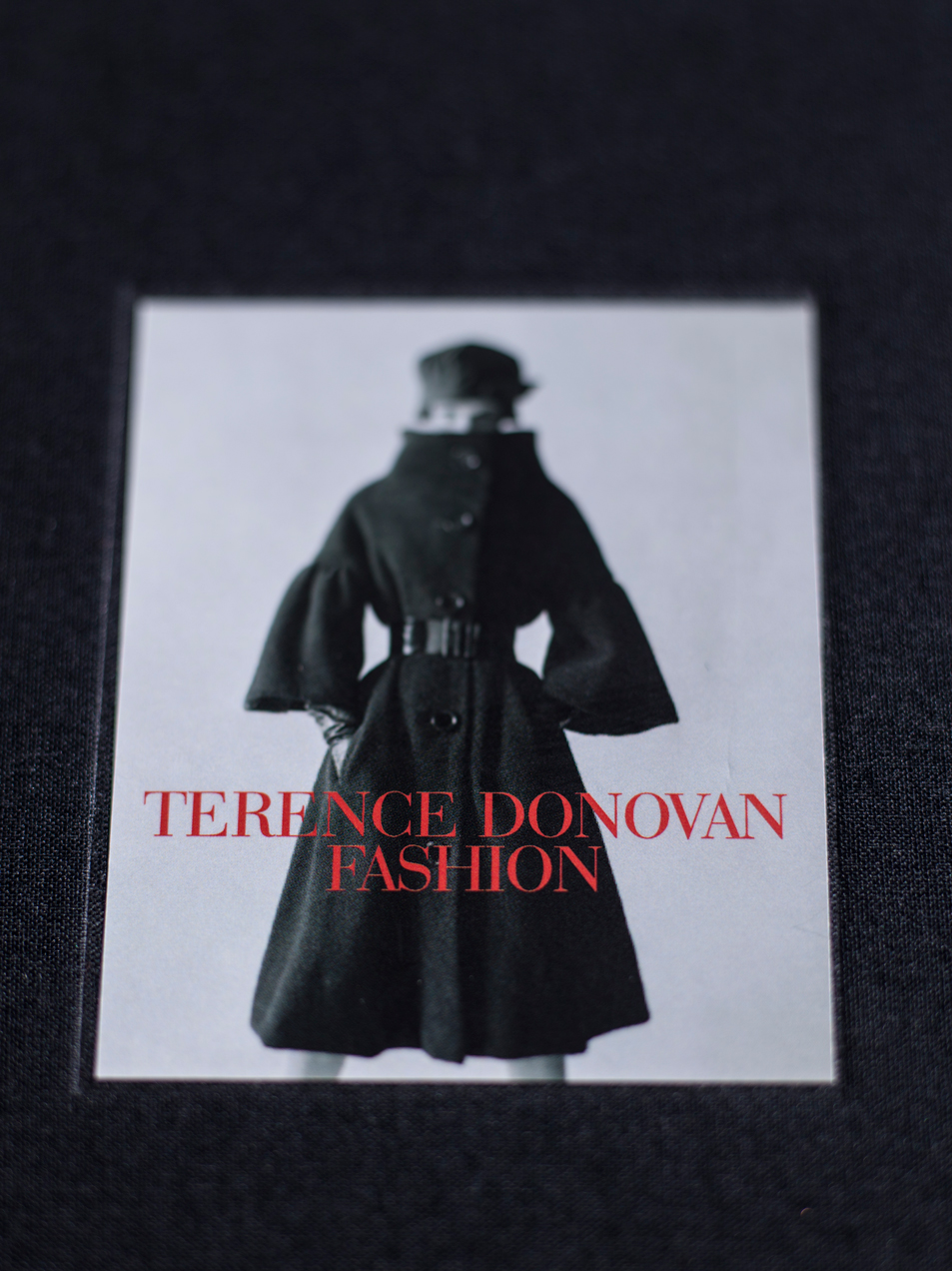
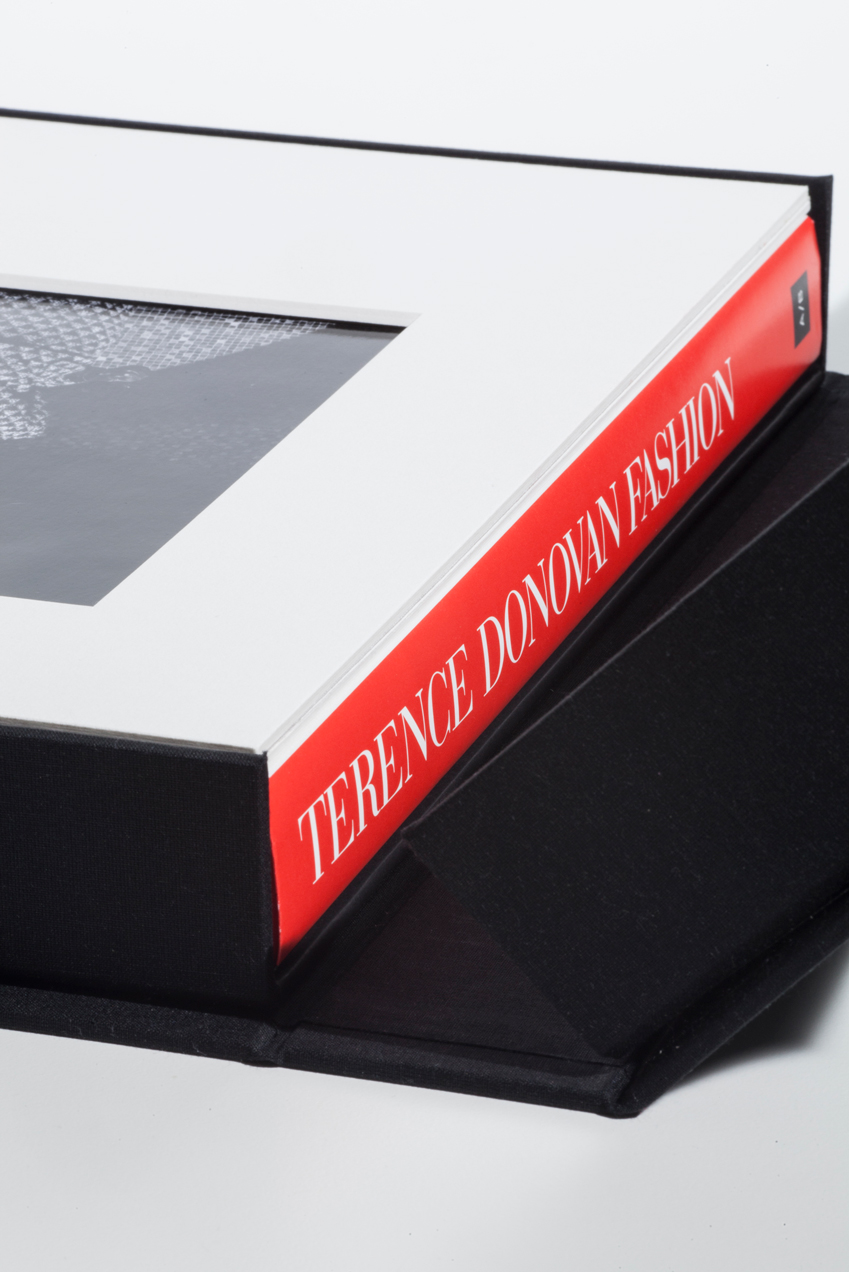
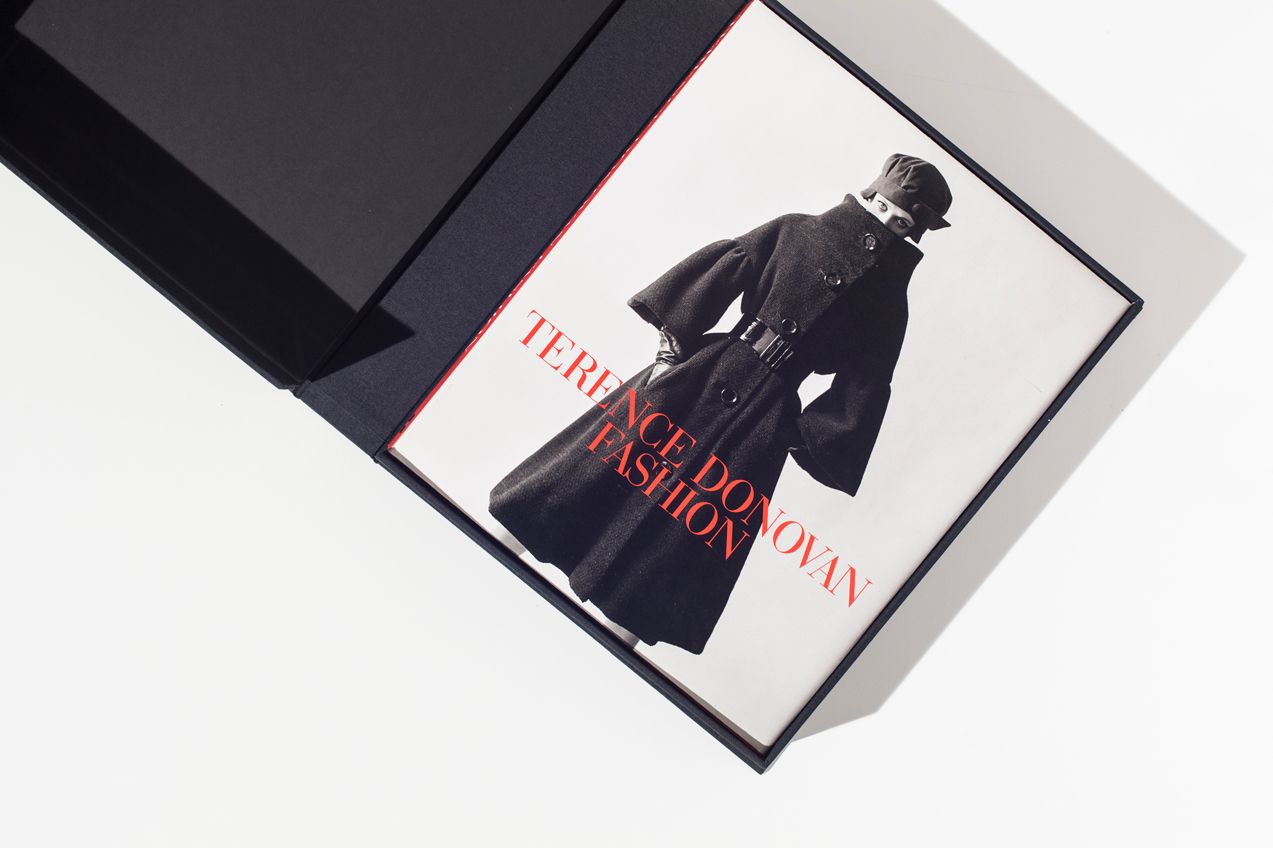
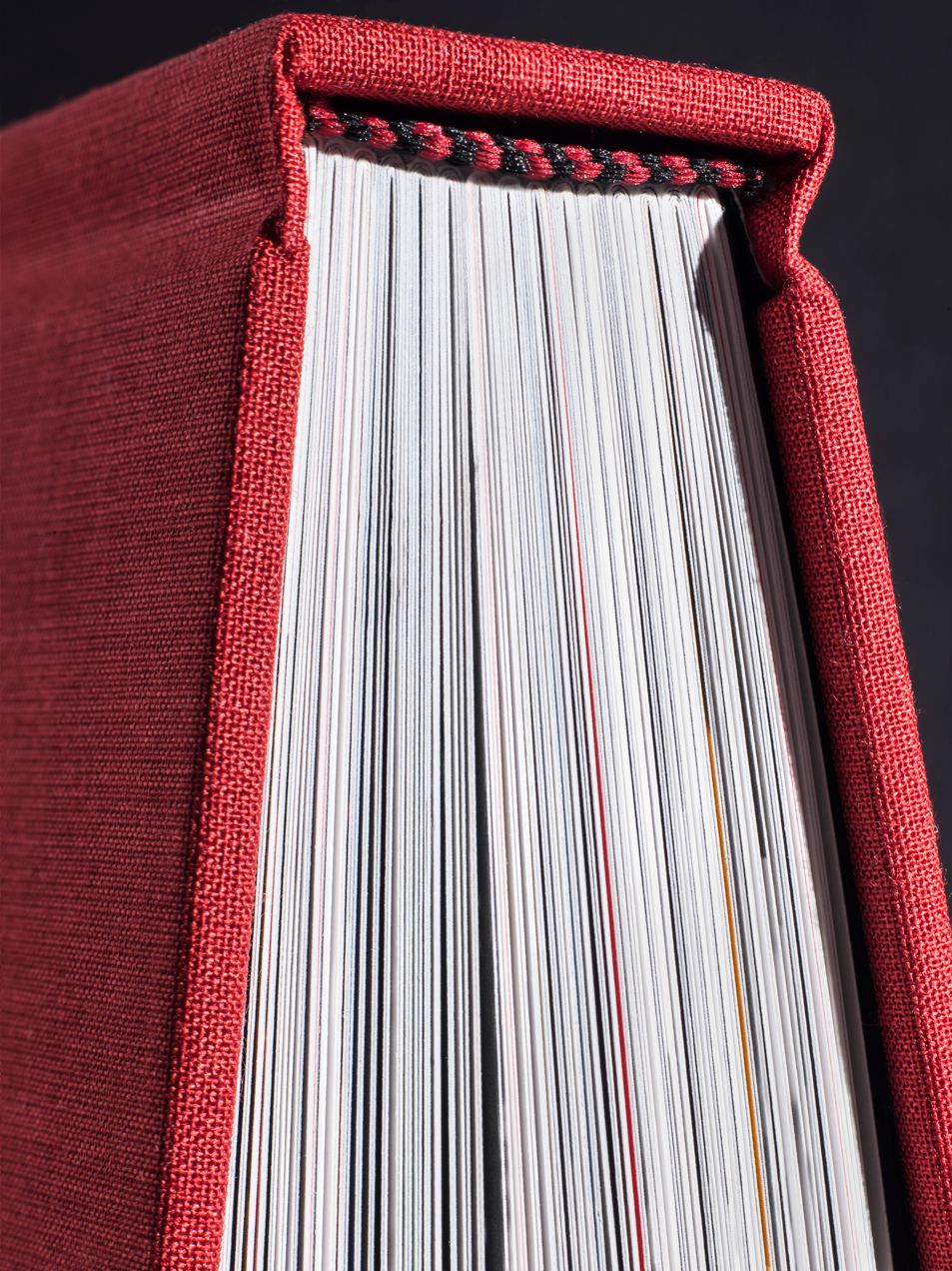
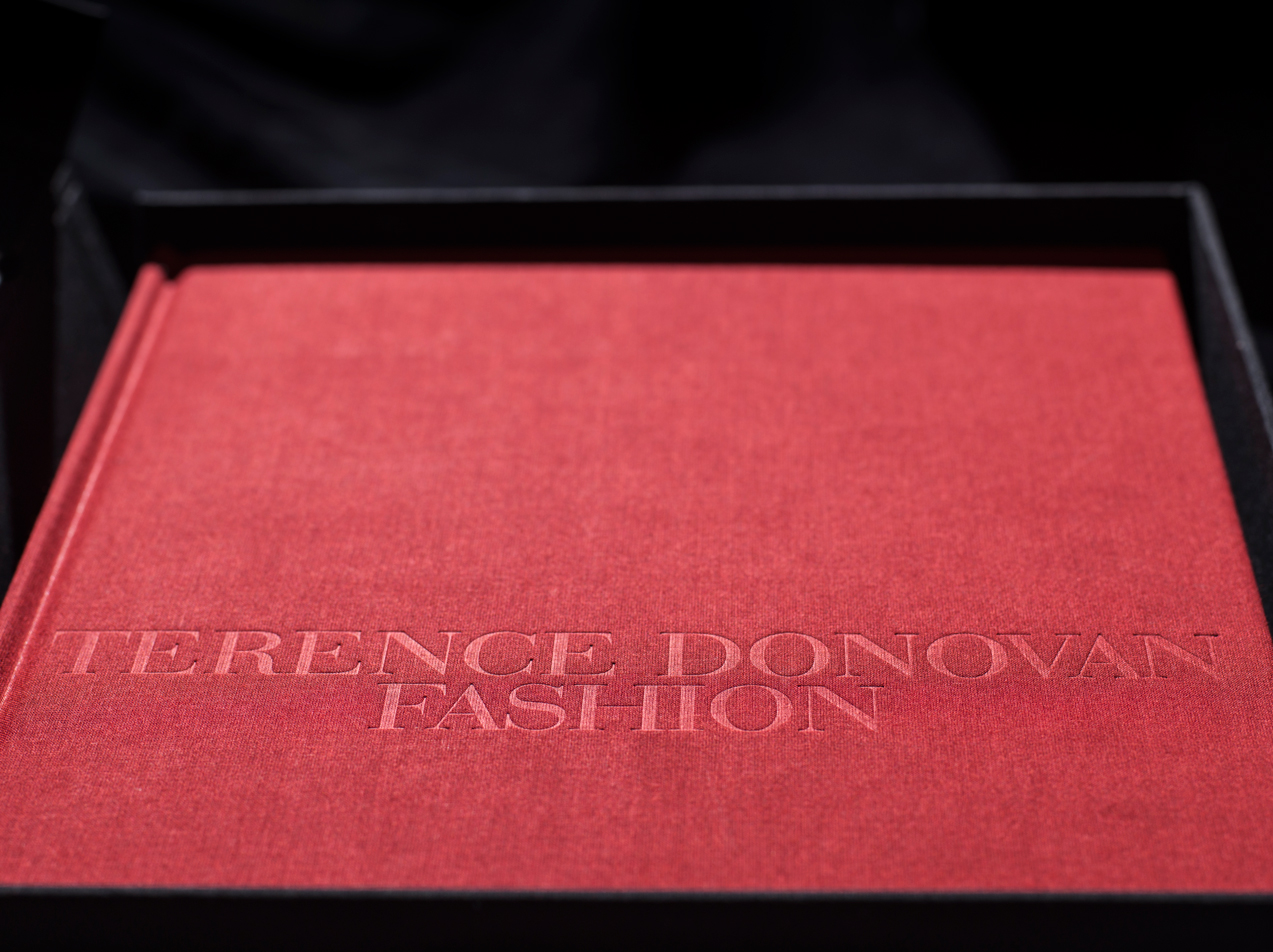
Terence Donovan Fashion special edition

Edited by Diana Donovan and David Hillman
Text by Robin Muir
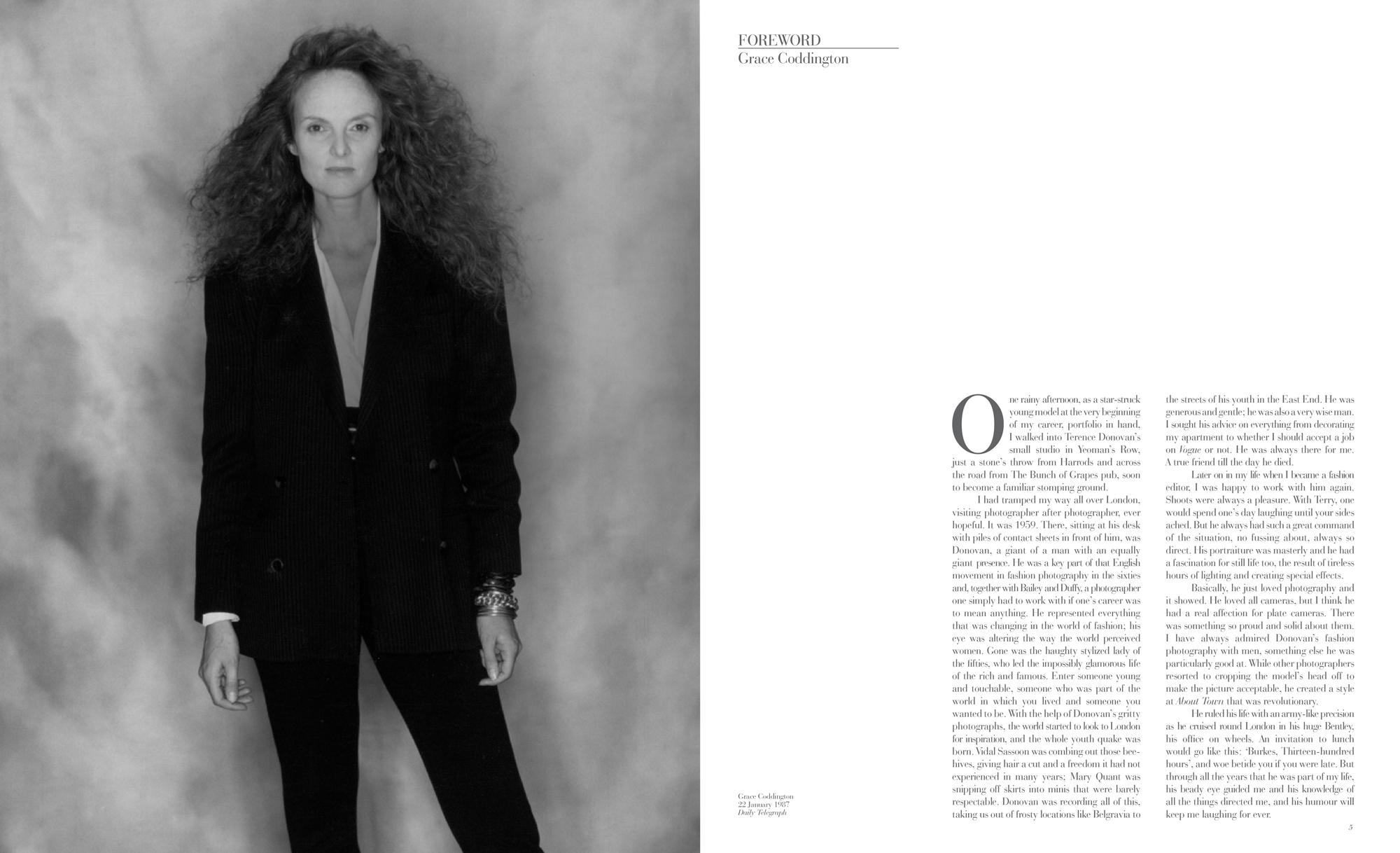
Foreword by Grace Coddington
Designed by David Hillman

‘Flawless’ — New York Journal of Books
‘Superb’ — Observer
‘Stylish’ — Sunday Telegraph, ‘Favourite Books of the Year’

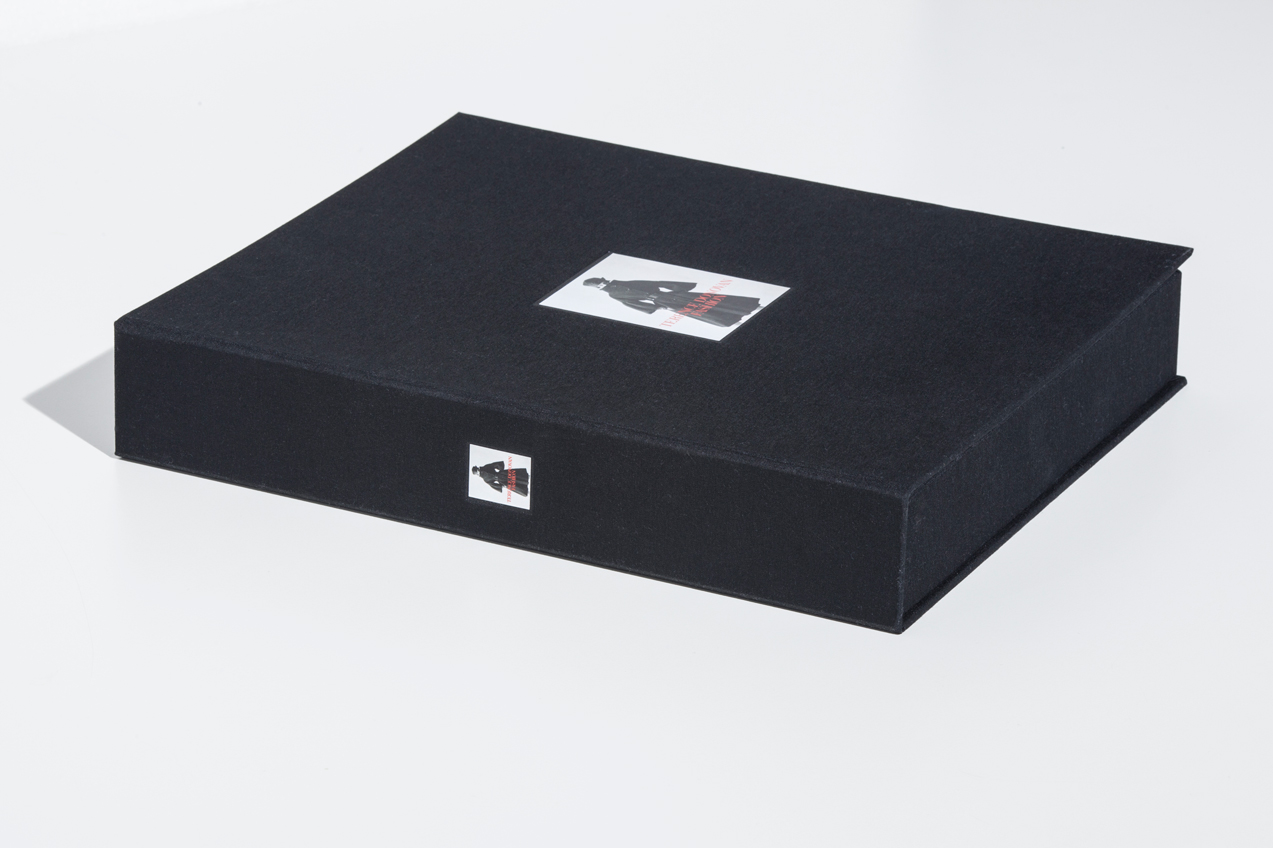
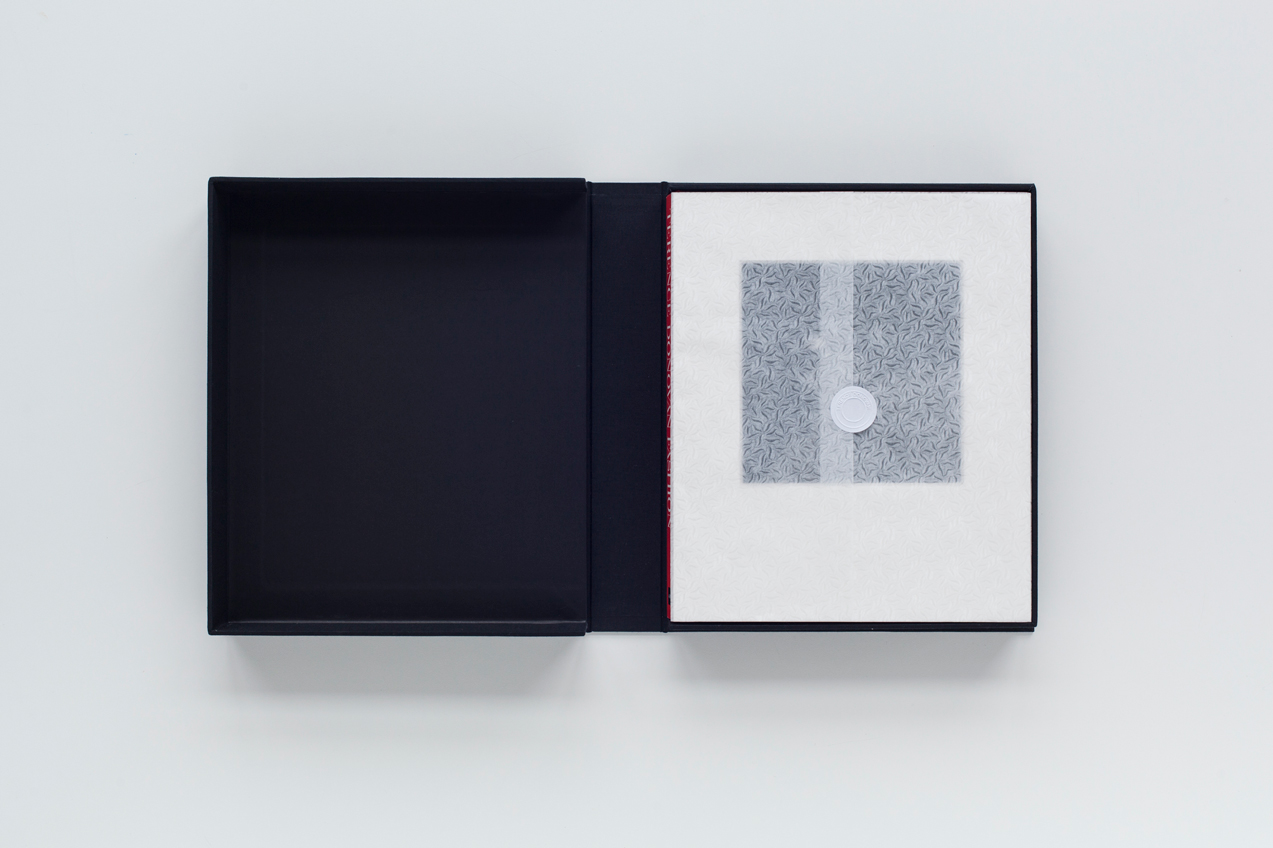
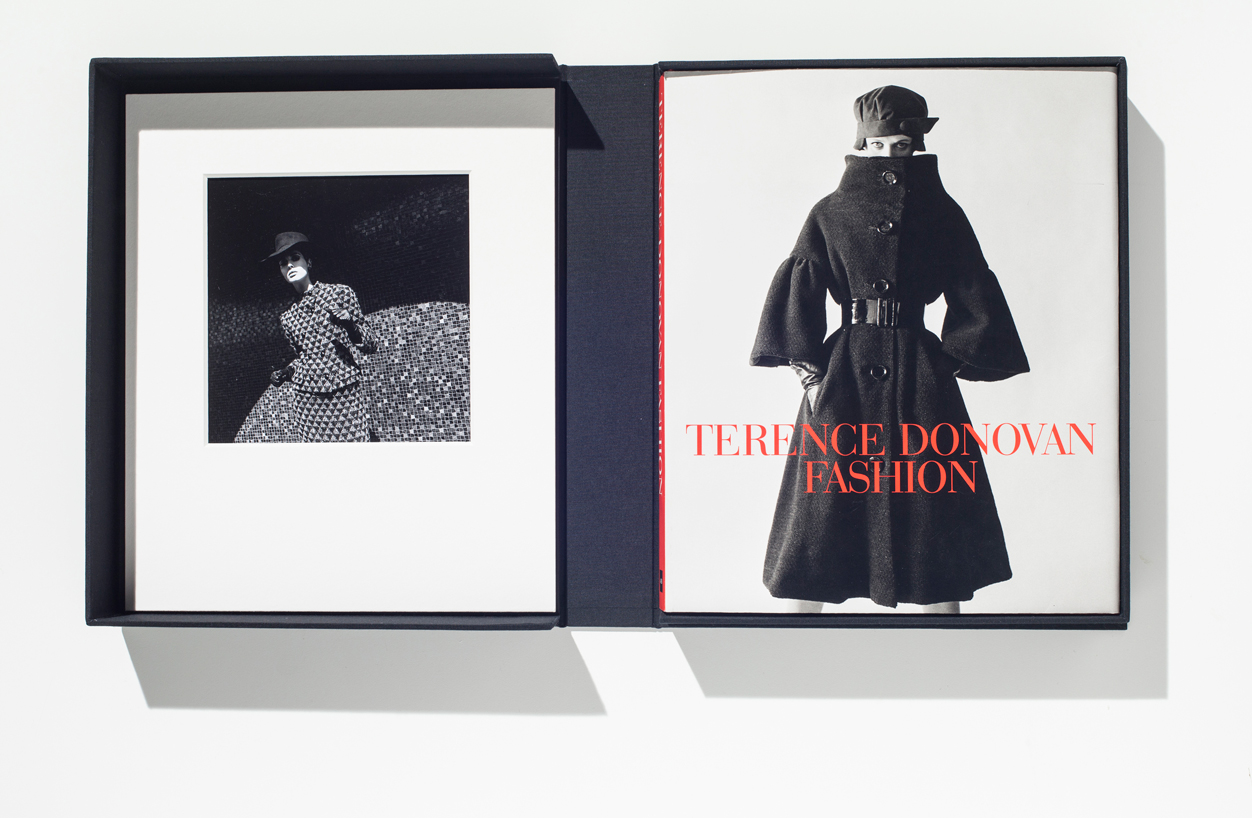
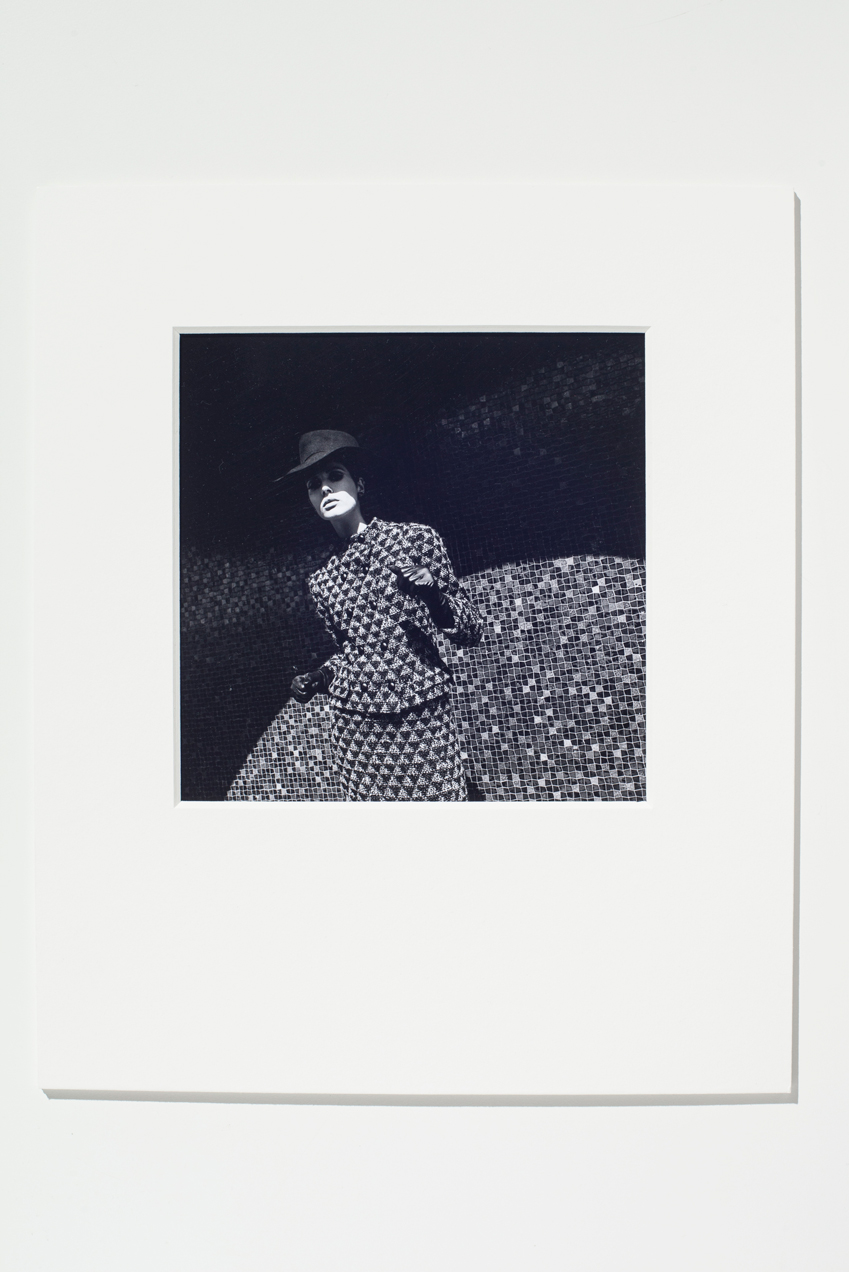
Limited edition of 30 with a silver gelatin print on Ilford Galerie fibre-based paper in an archival mount, signed and numbered by the Terence Donovan Archive, with a signed certificate of authentication

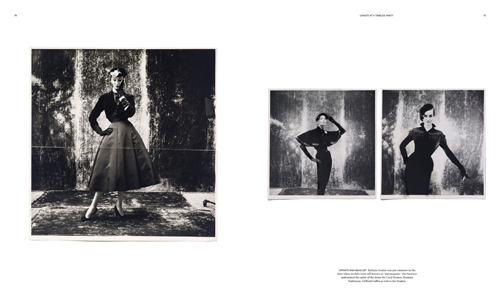
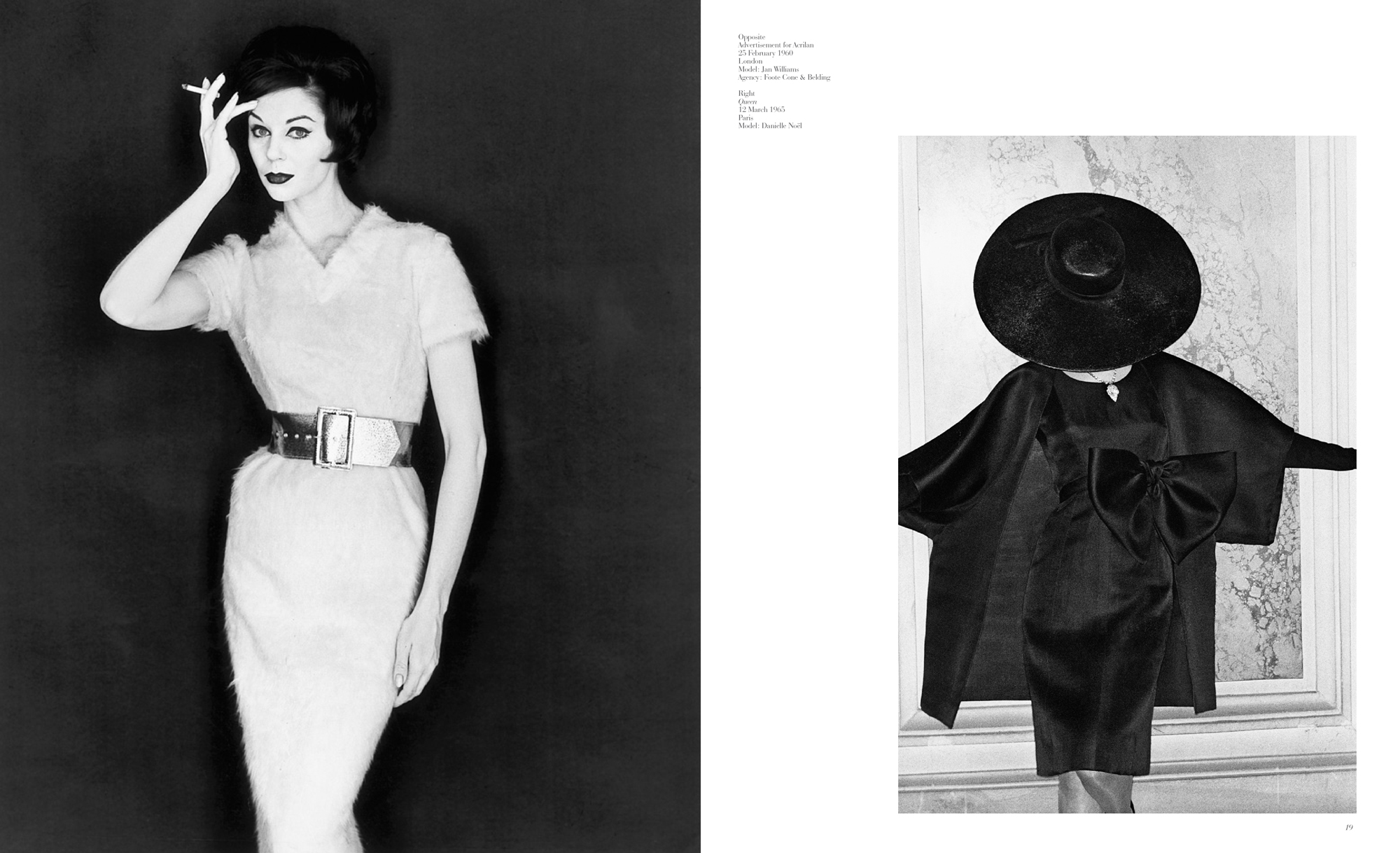
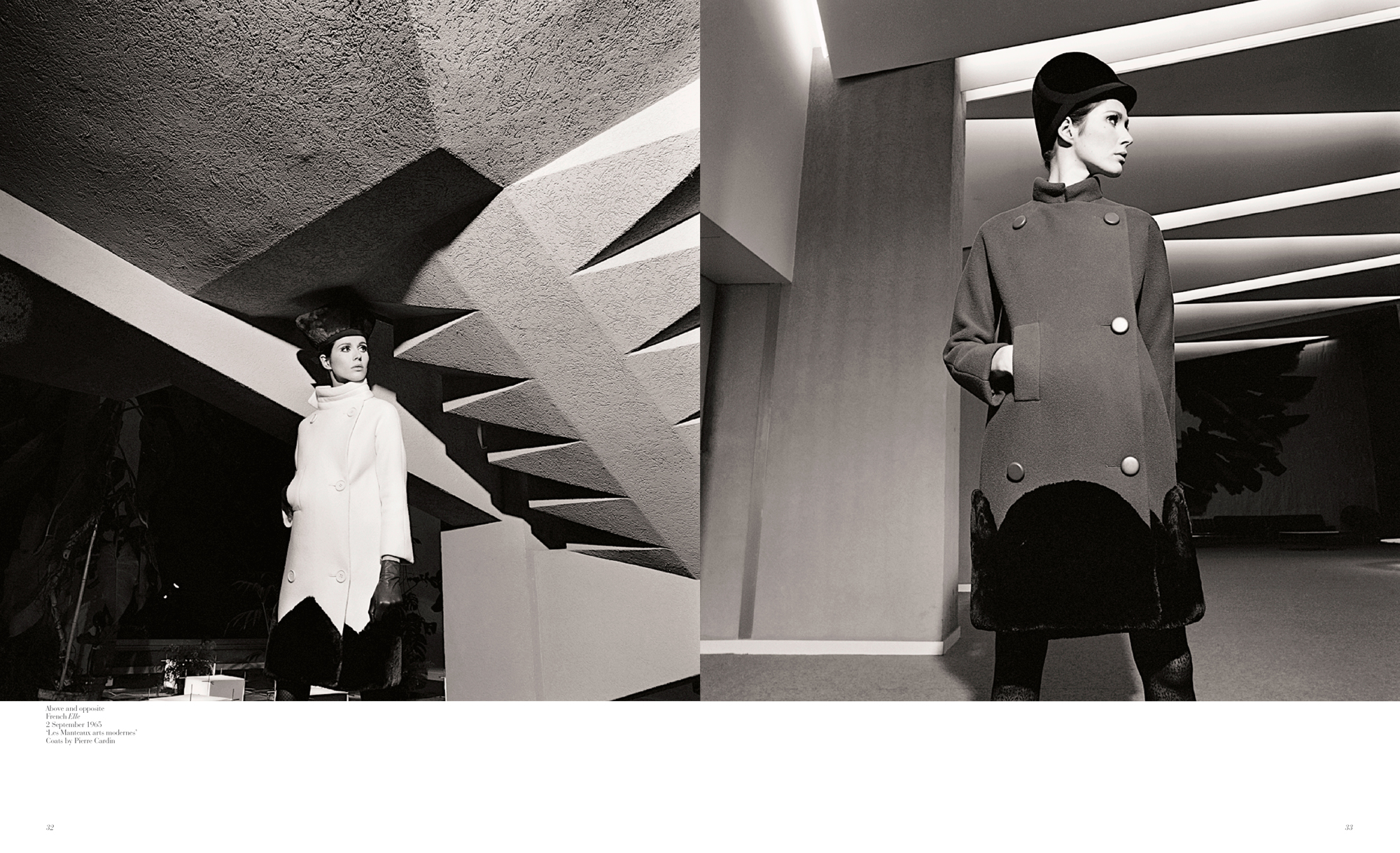
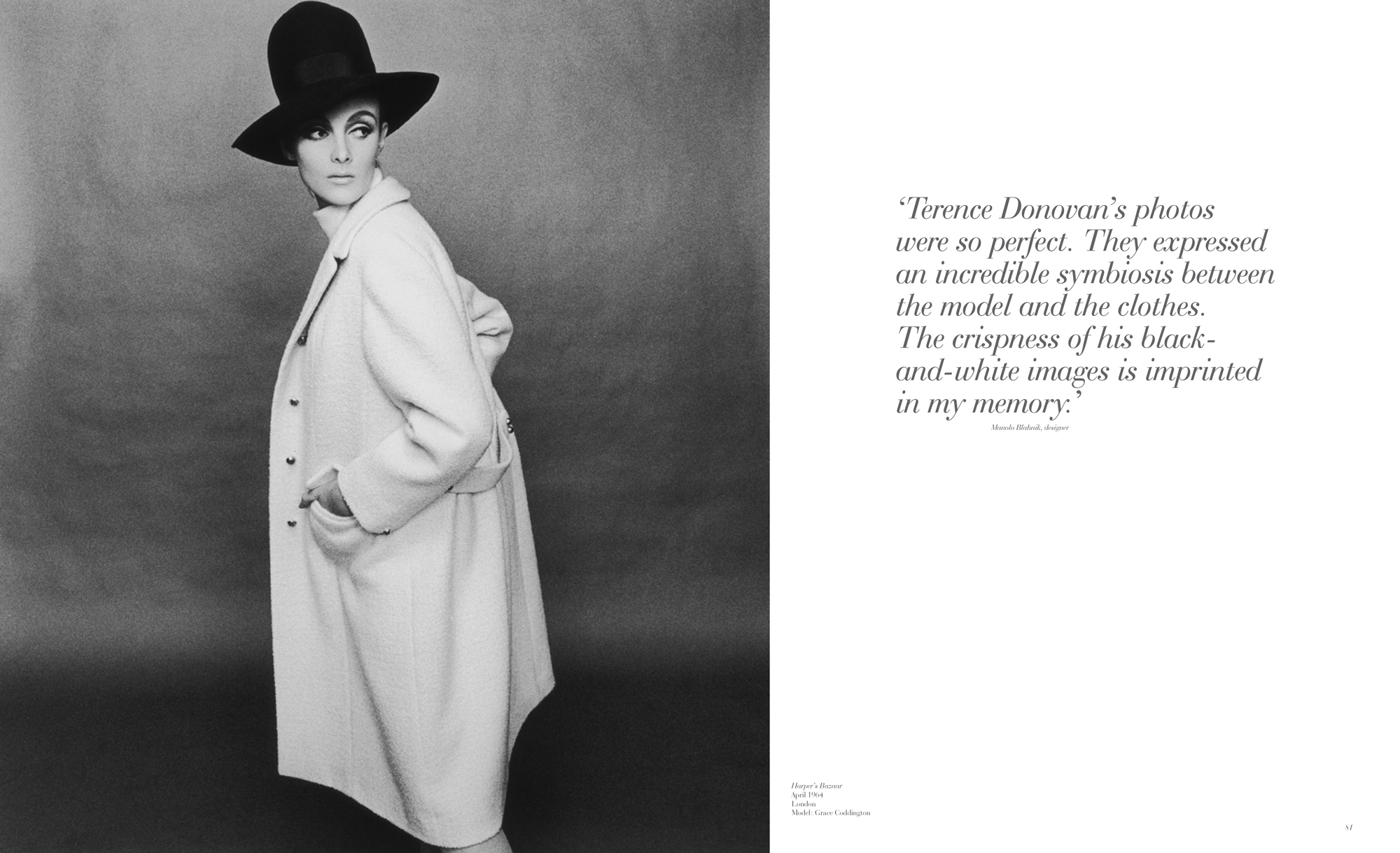
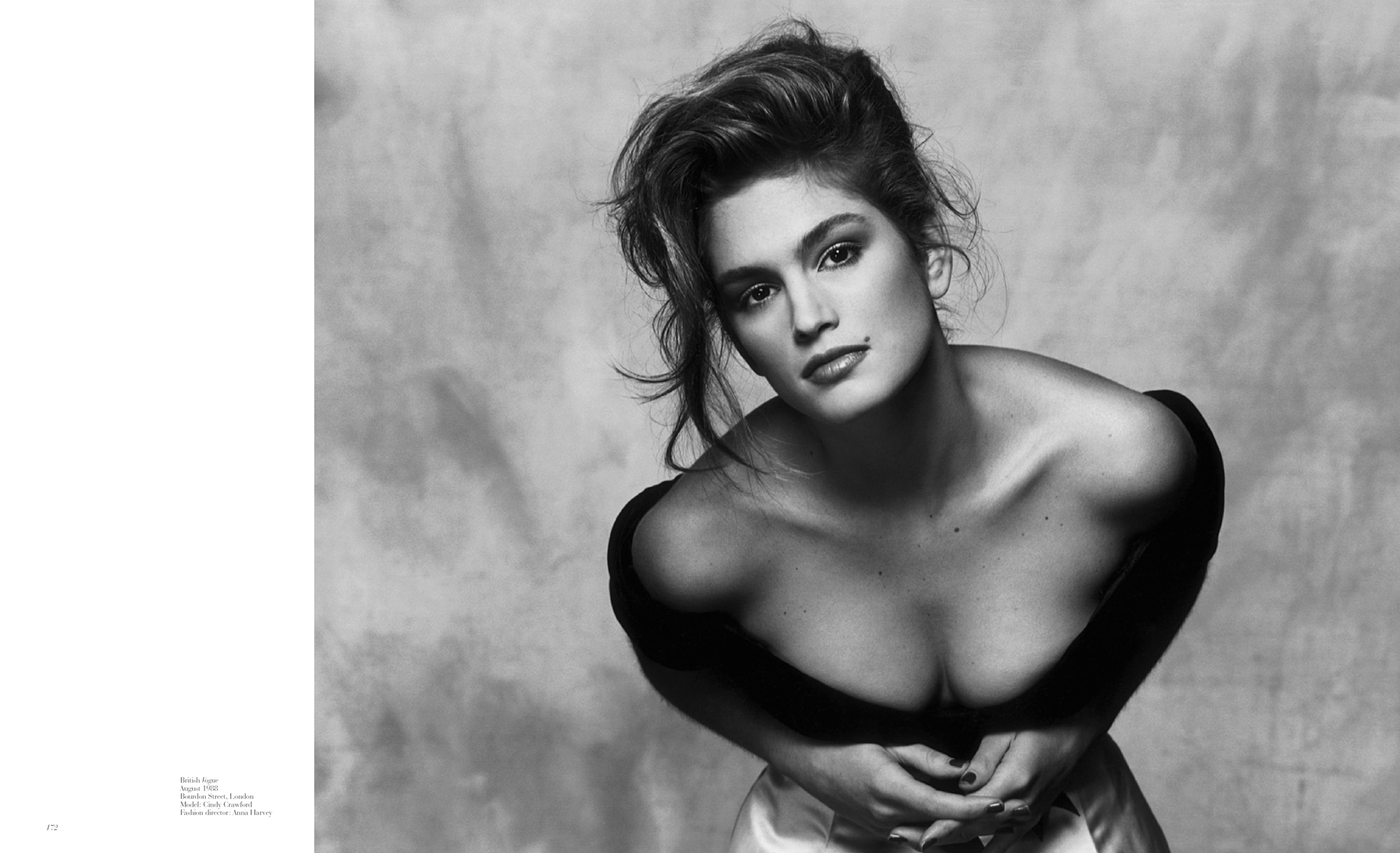
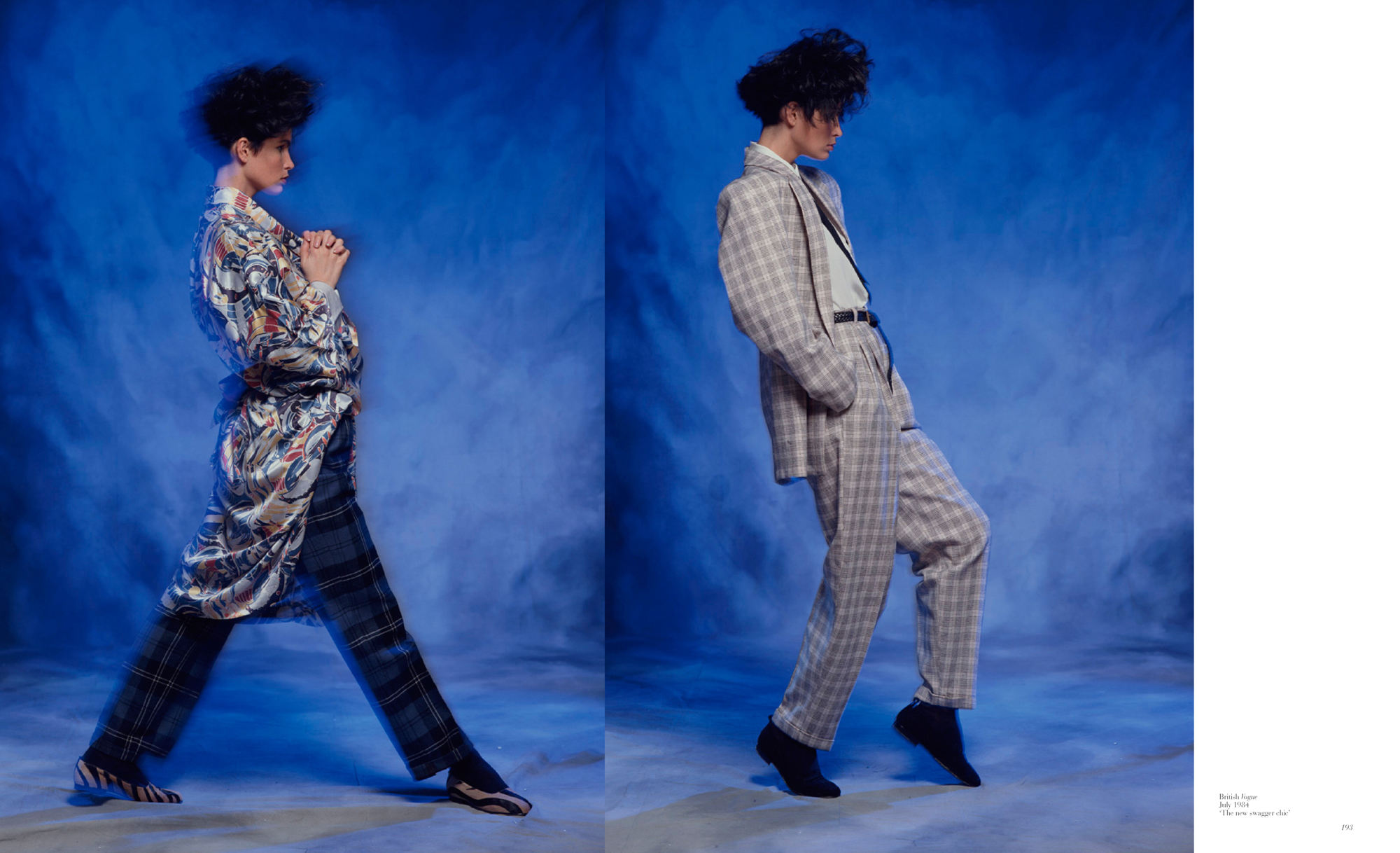
‘In a 1965 shoot for Elle, a gamine model in graphic patterned suit by Dior, leather gloves and fedora is caught in a dramatic arc of light against a mosaic wall. The model appears defiant, punching the air, glaring at the lens and delivering what is now known as “attitude”, but back then would have appeared threatening, radical.’ — Harriet Quick, Observer

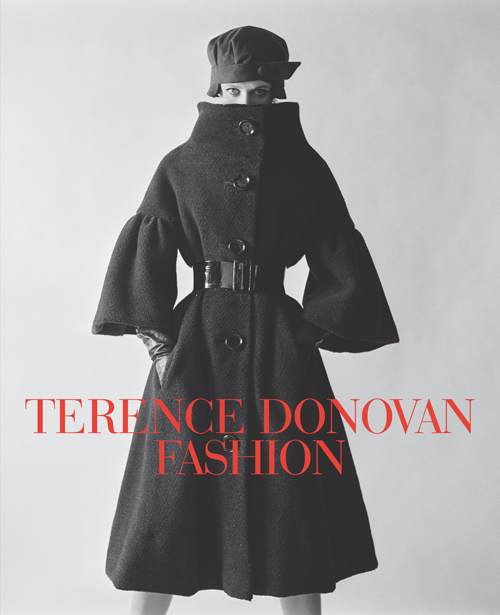
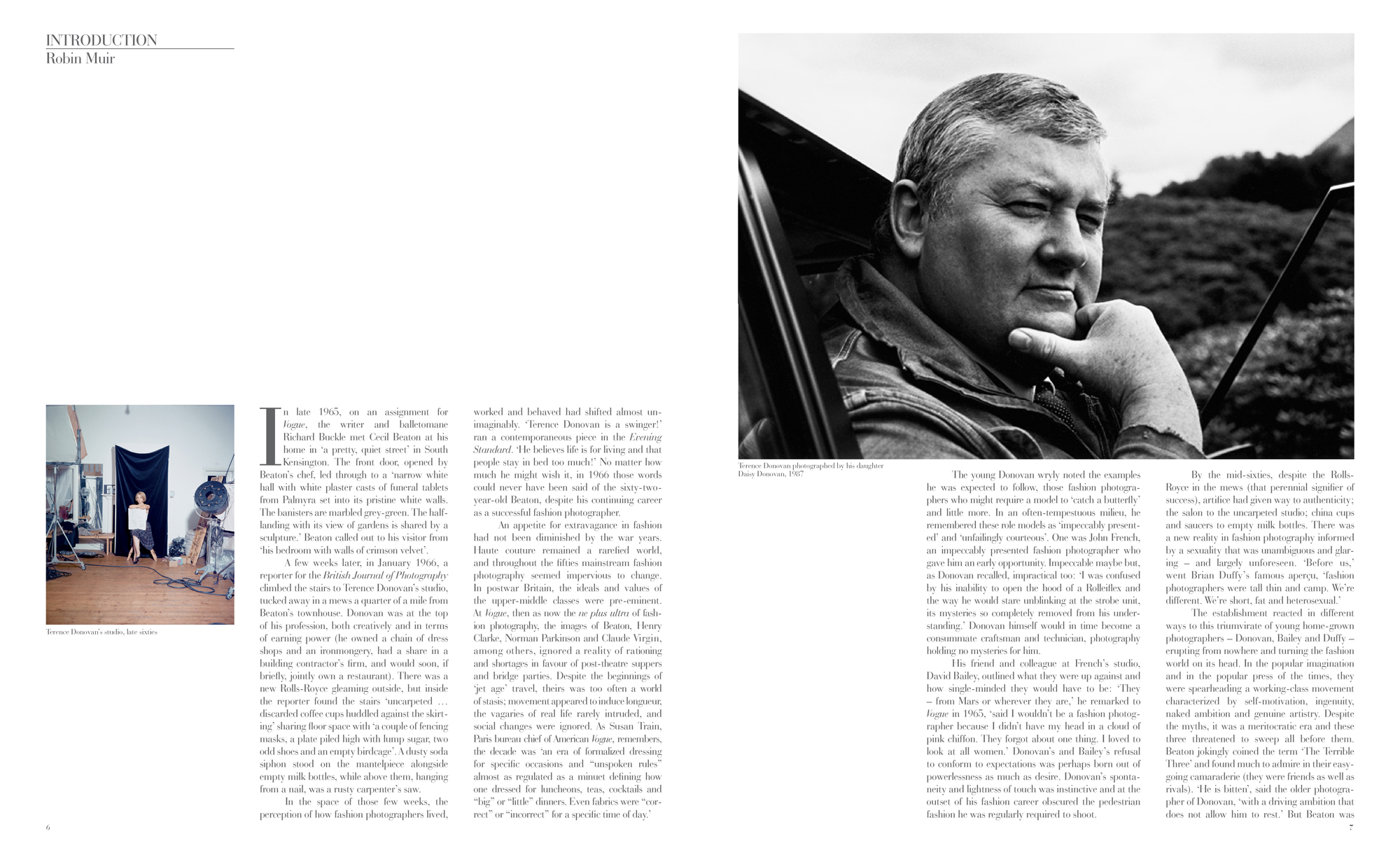
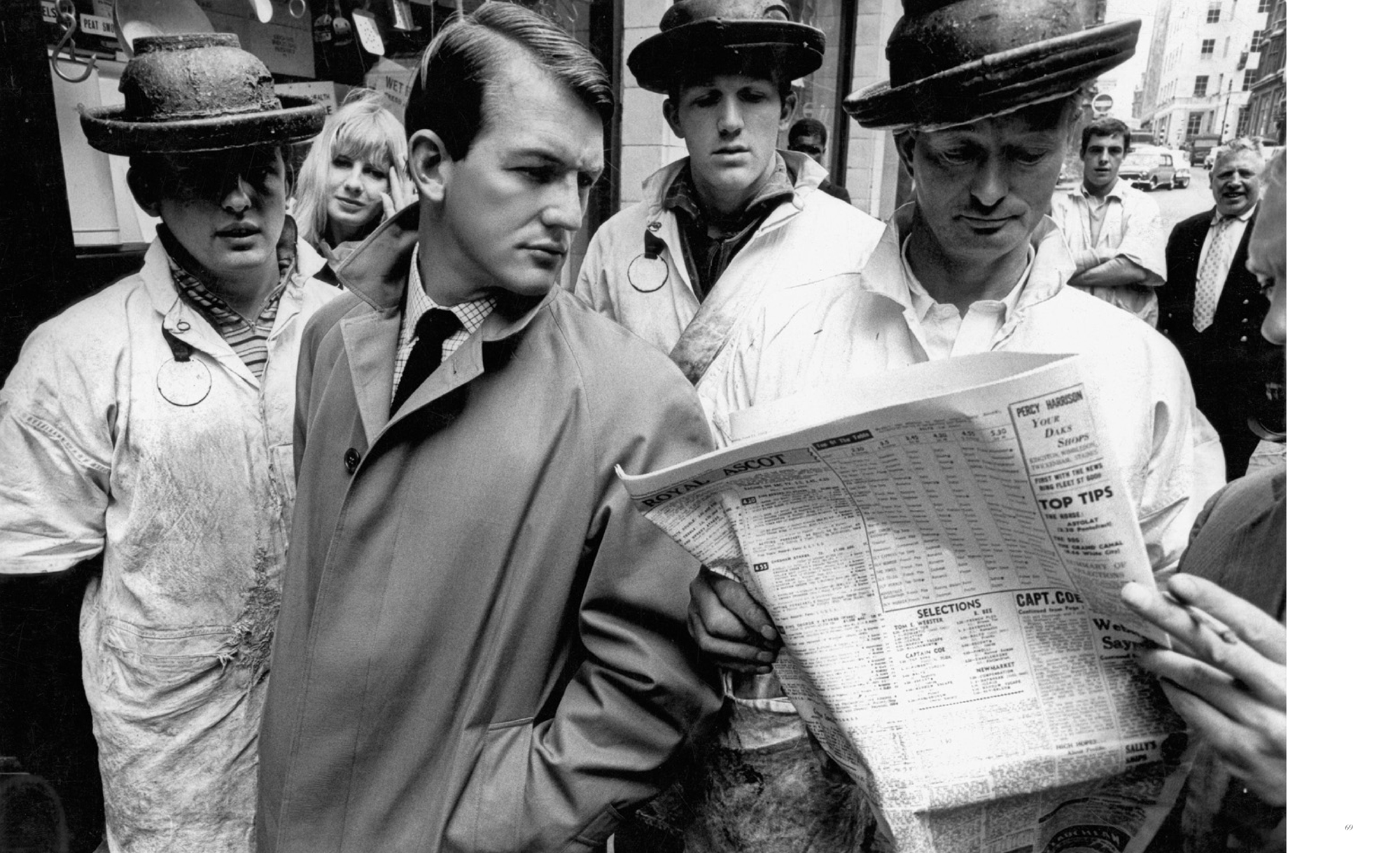
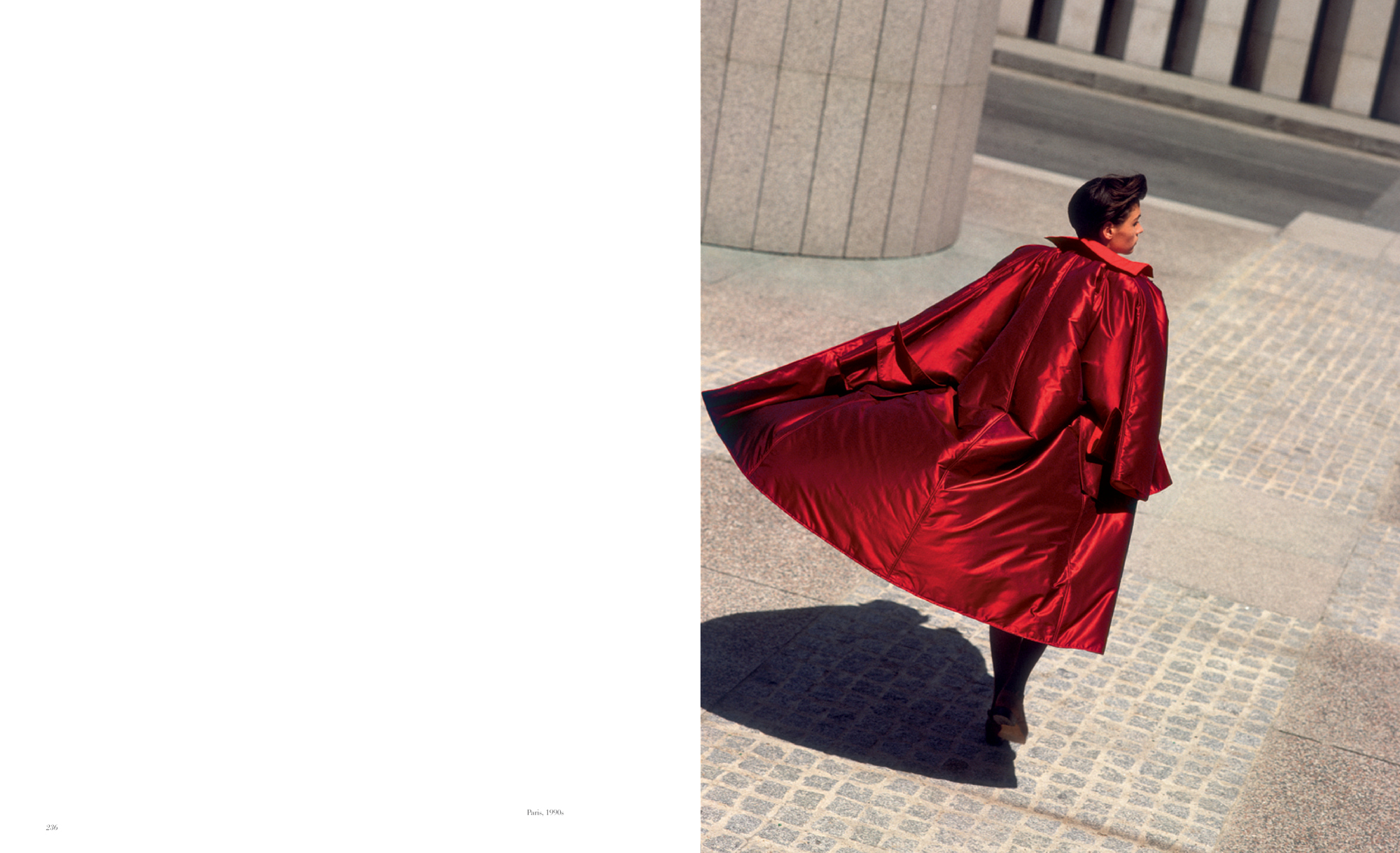
Terence Donovan was one of the foremost photographers of his generation – among the greatest Britain has ever produced. He came to prominence in London as part of a postwar renaissance in art, fashion, graphic design and photography. His working-class background and outlook helped change the face of British fashion photography and made him a major figure of London’s Swinging Sixties. A star in his own right, he was equally at home with celebrities and royalty as well as the ordinary girl on the street, whose mannerisms informed his photographs.

Gifted with an unerring eye for the iconic image, Donovan was also master of his craft, a technical genius who strove to push the limits of what was possible. And yet despite his fame and status, there has never been a publication devoted solely to his fashion work. Terence Donovan Fashion is the first time his fashion pictures have been collected together in book form.

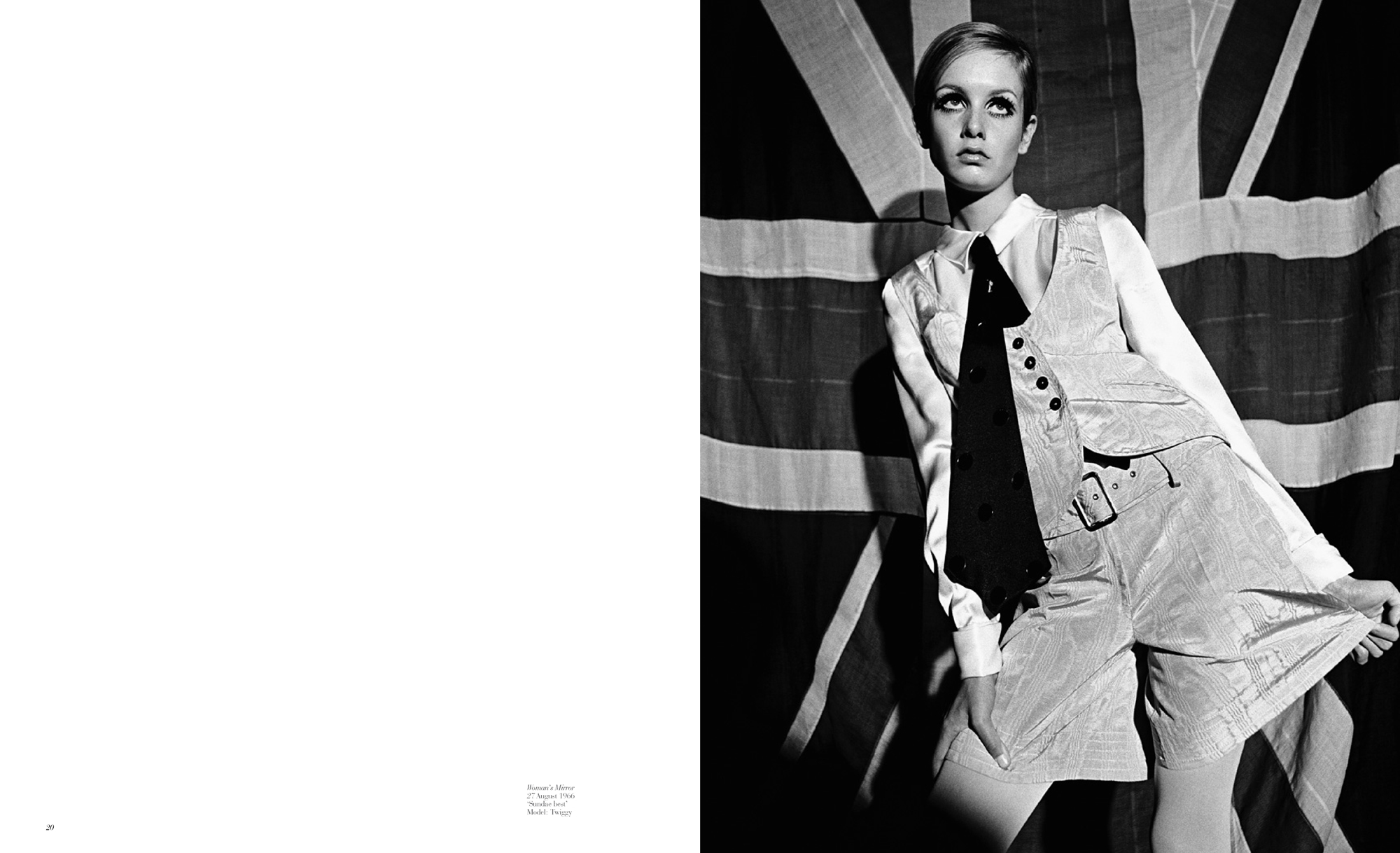
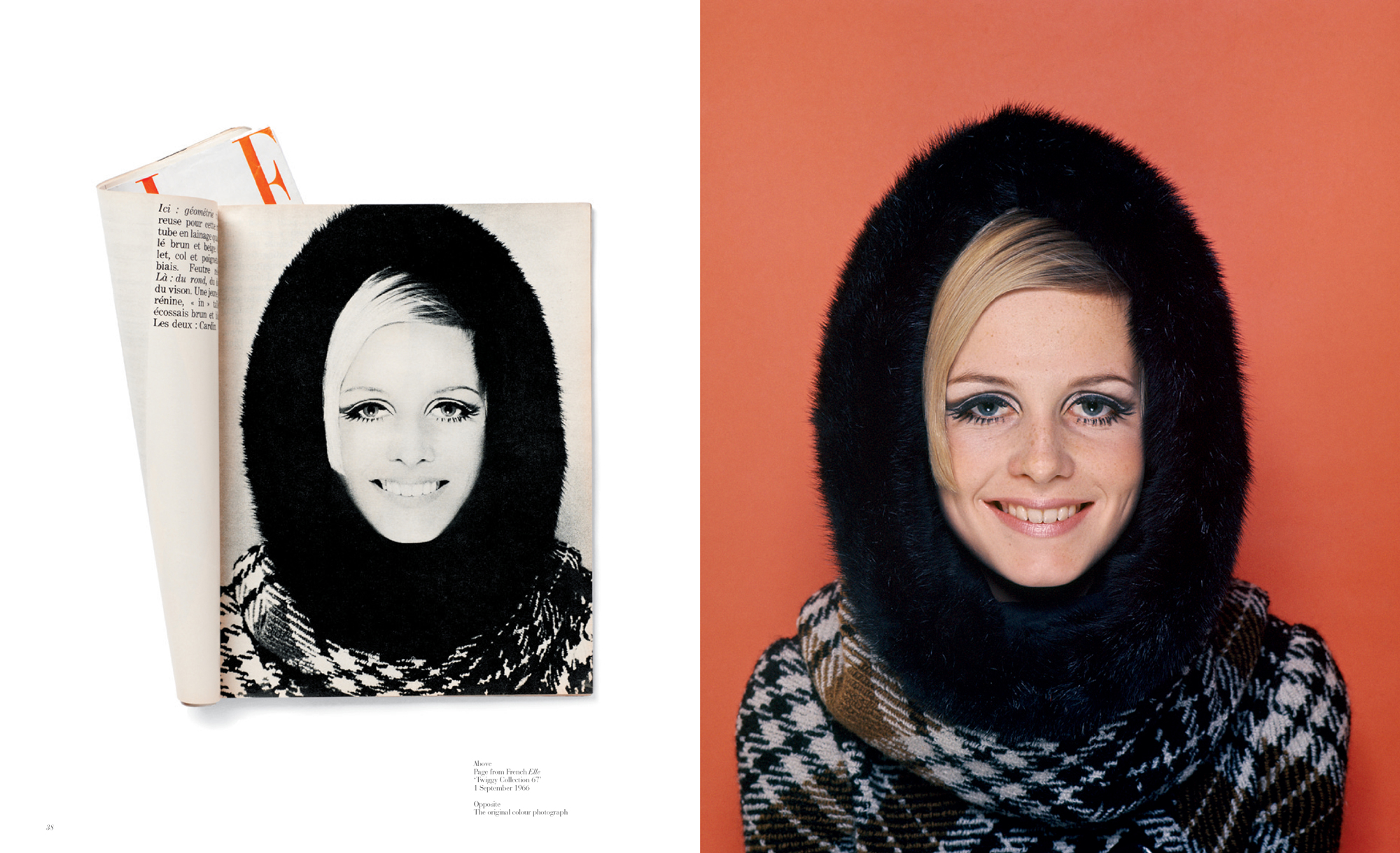
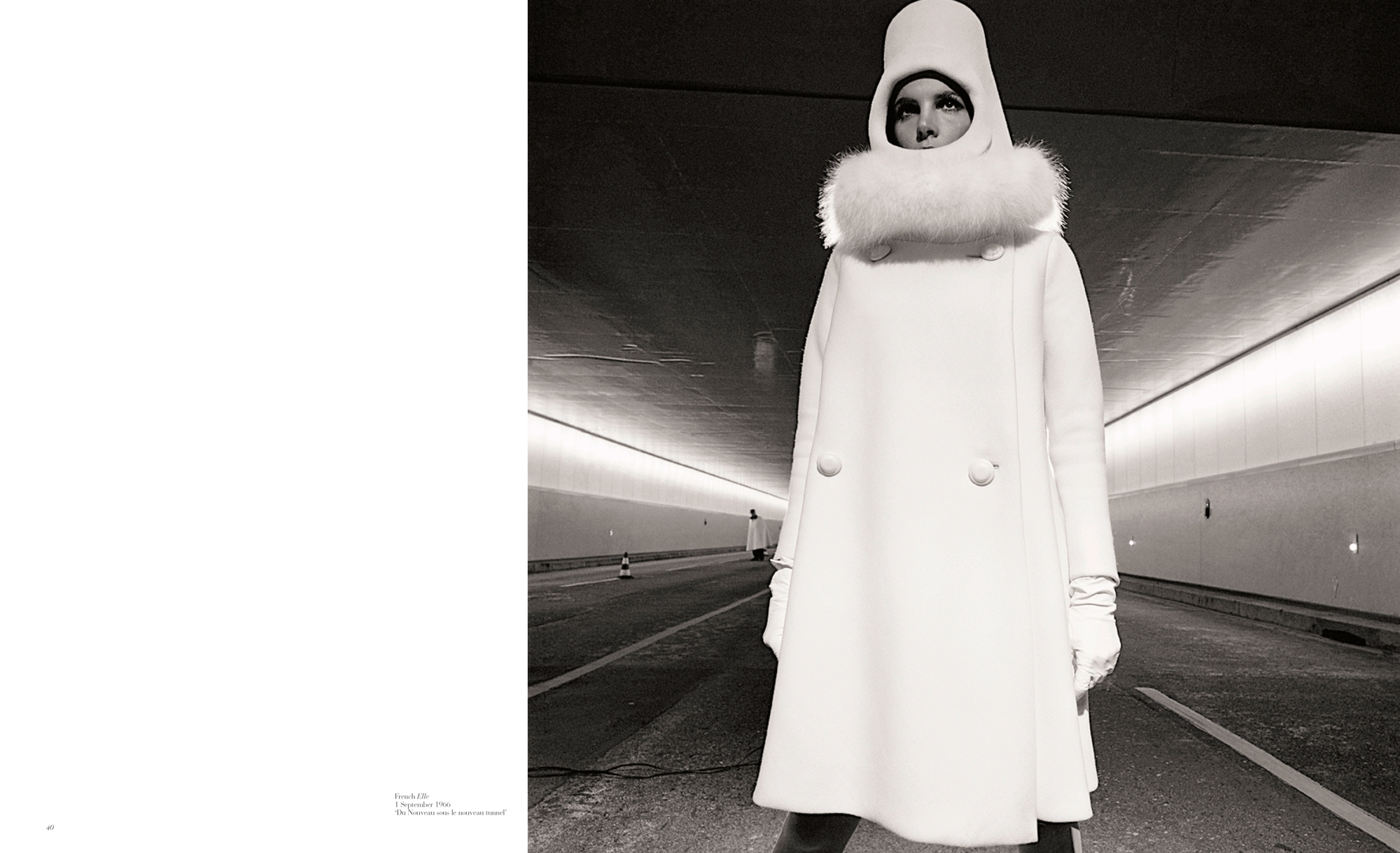
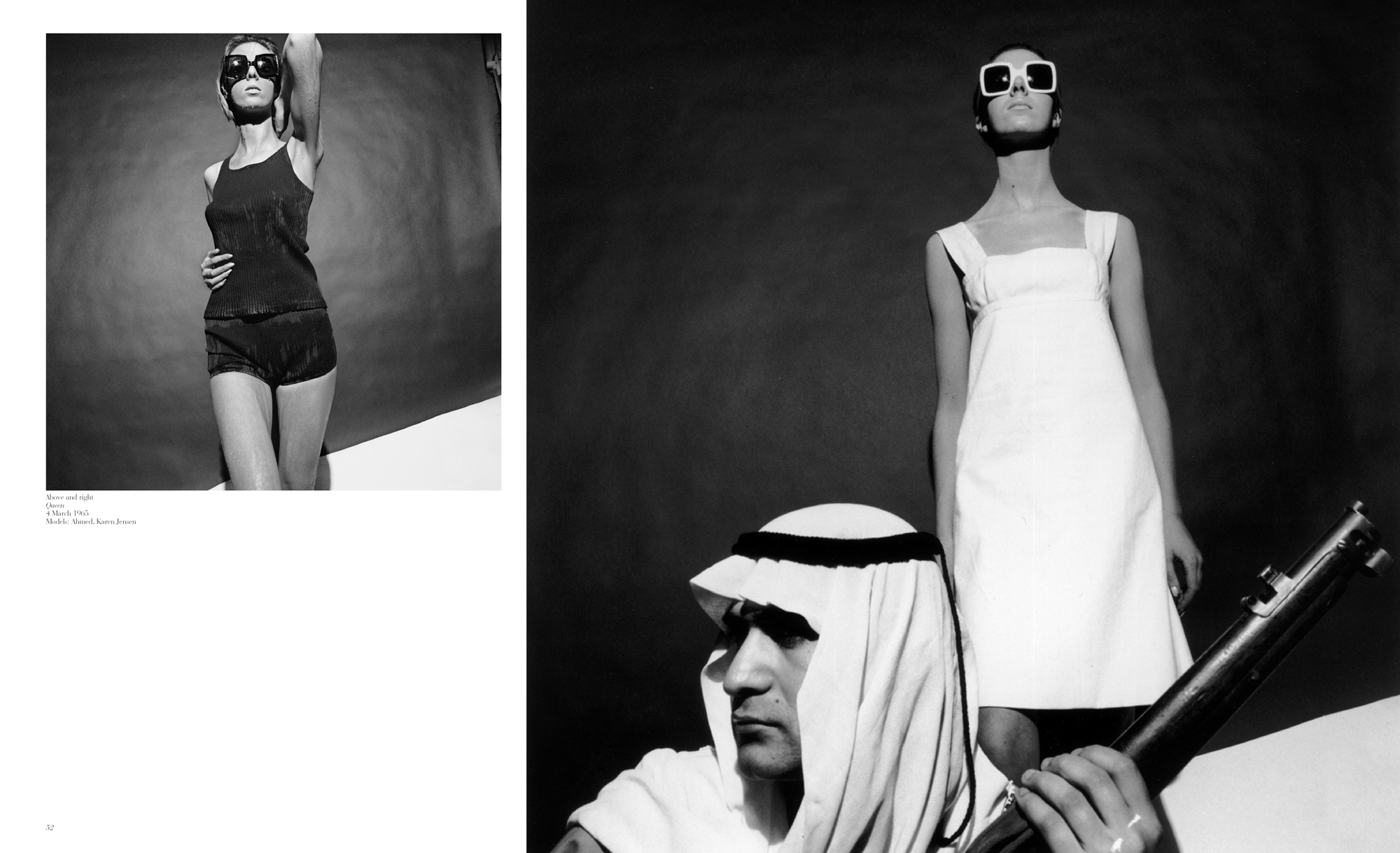
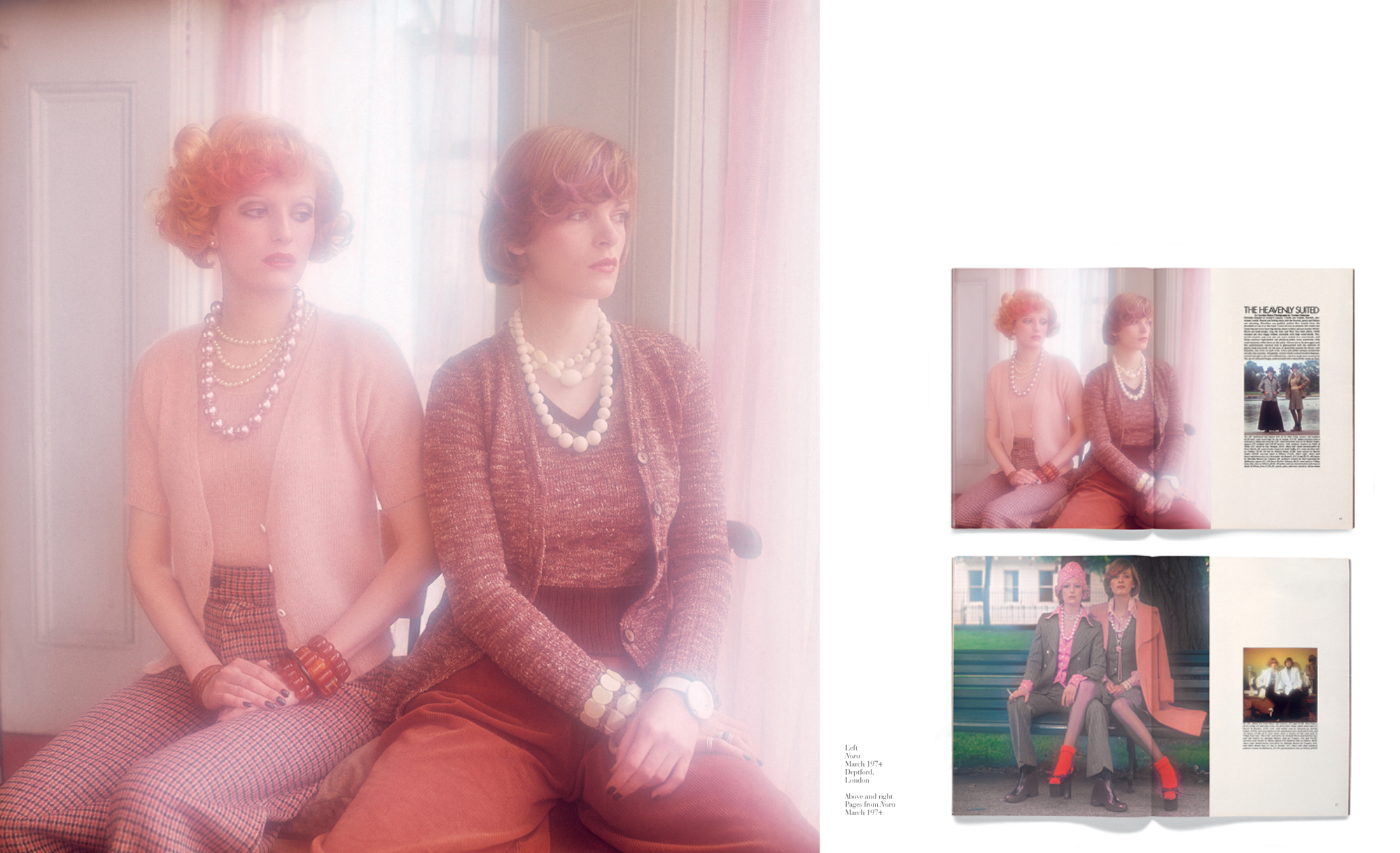
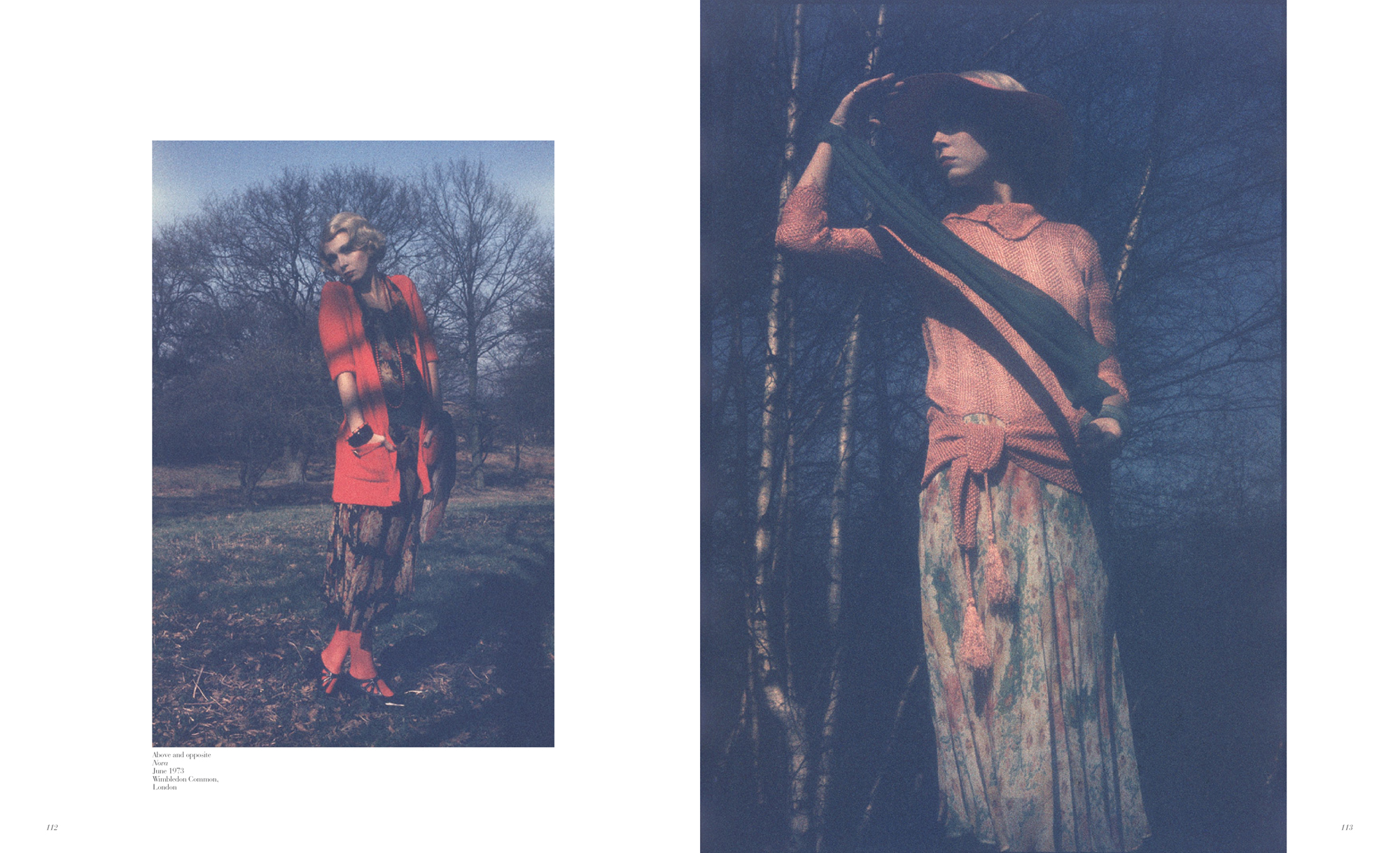
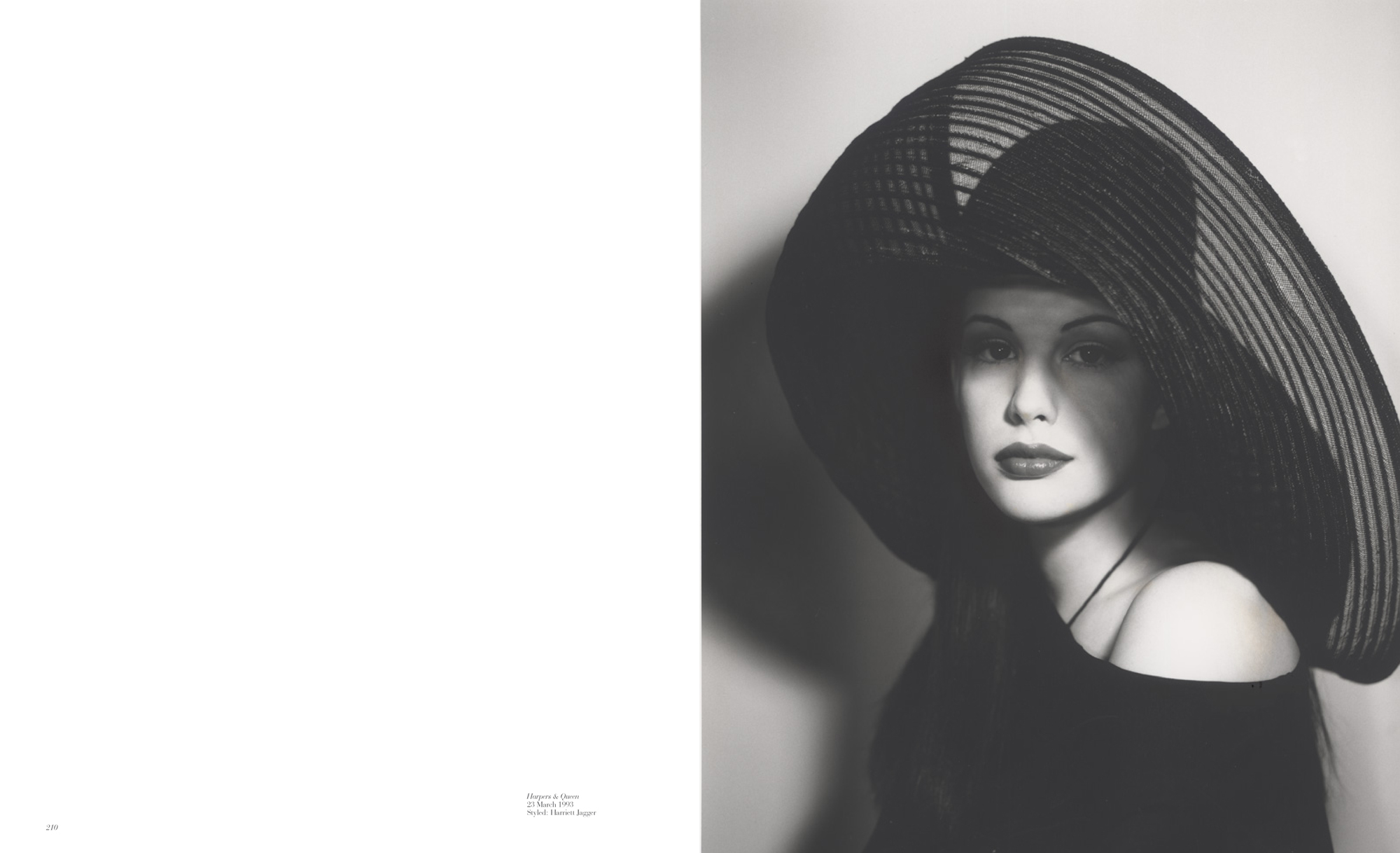
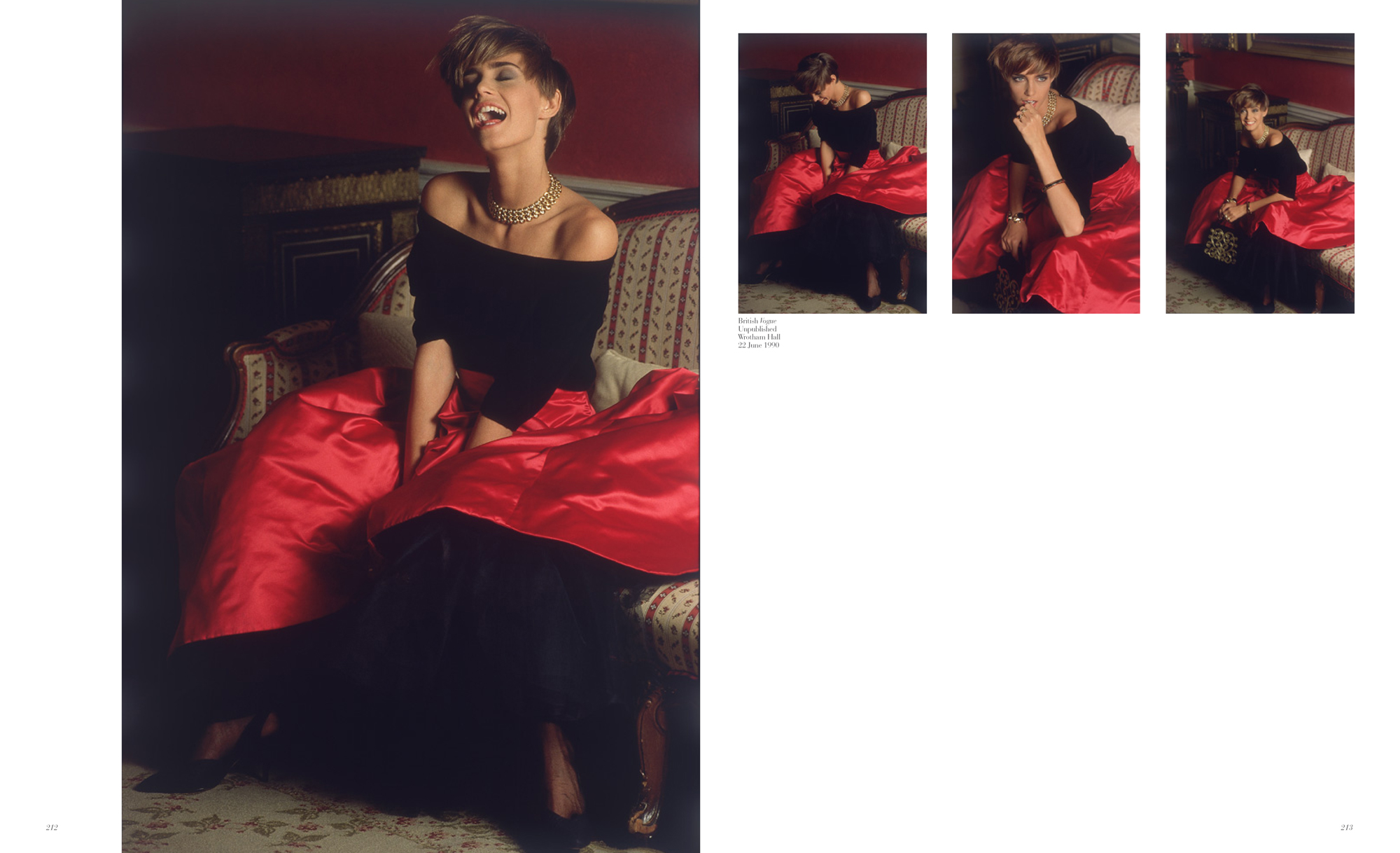
Arranged chronologically, from the gritty monochromatic 1960s and 1970s to the vibrant and colourful 1980s and 1990s, the book reveals how constant invention and experimentation set Donovan apart from his contemporaries and influenced generations to come.

The pictures have been selected by his wife Diana Donovan and the former art director of Nova magazine and Pentagram partner David Hillman, who worked closely with Donovan for over a decade. With a text by the photographic historian Robin Muir, and a foreword by Grace Coddington, creative director of American VogueTerence Donovan Fashion is a landmark in the history of fashion photography.

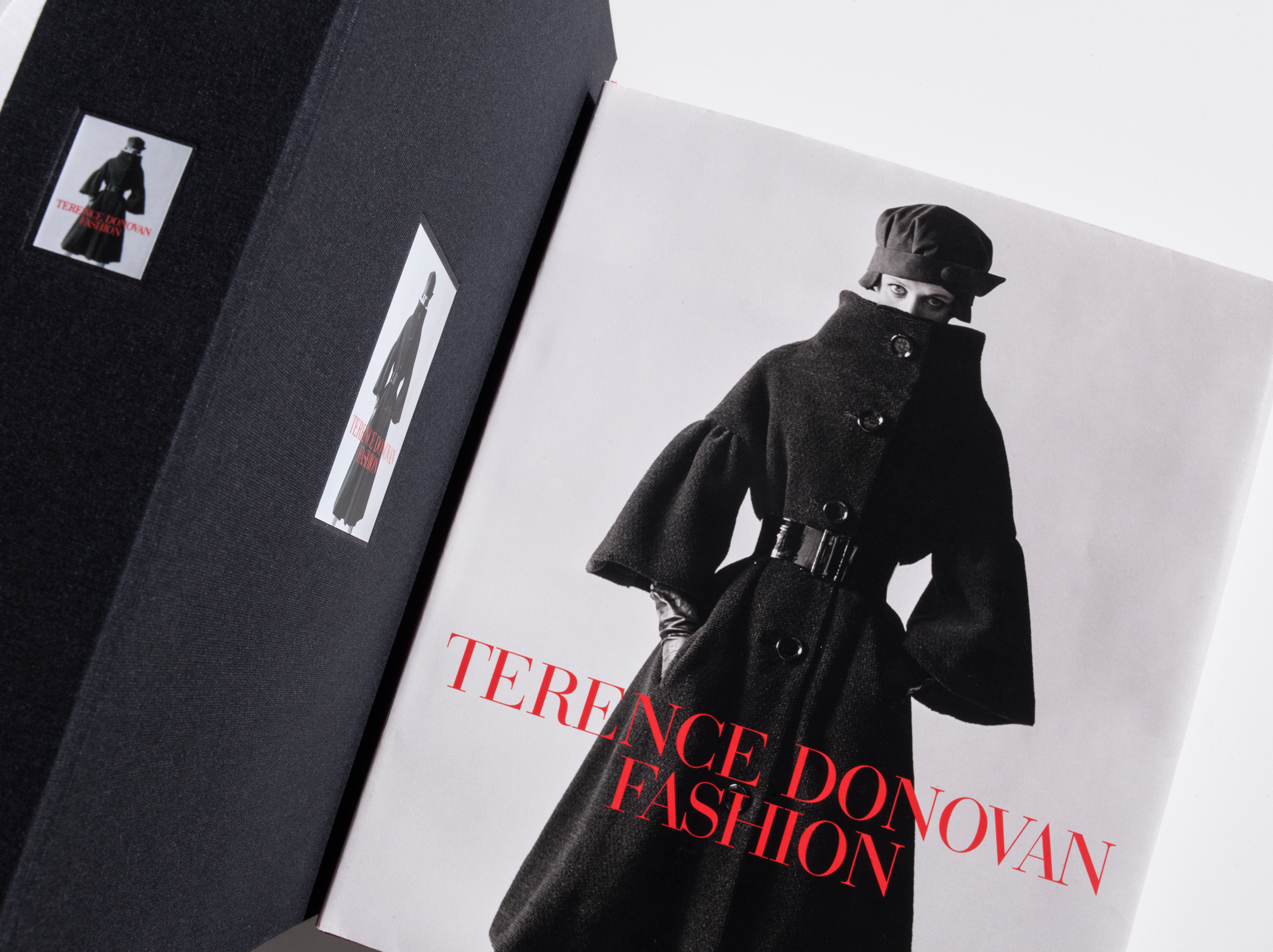
Terence Donovan Fashion

Edited by Diana Donovan and David Hillman
Text by Robin Muir
Foreword by Grace Coddington
Designed by David Hillman

‘Flawless’ — New York Journal of Books
‘Superb’ — Observer
‘Stylish’ — Sunday Telegraph, ‘Favourite Books of the Year’
‘The story of fashion photography in the UK’ — Herald

_____________

Terence Donovan was one of the foremost photographers of his generation – among the greatest Britain has ever produced. He came to prominence in London as part of a postwar renaissance in art, fashion, graphic design and photography. His working-class background and outlook helped change the face of British fashion photography and made him a major figure of London’s Swinging Sixties. A star in his own right, he was equally at home with celebrities and royalty as well as the ordinary girl on the street, whose mannerisms informed his photographs.

Gifted with an unerring eye for the iconic image, Donovan was also master of his craft, a technical genius who strove to push the limits of what was possible. And yet despite his fame and status, there has never been a publication devoted solely to his fashion work. Terence Donovan Fashion is the first time his fashion pictures have been collected together in book form.

Arranged chronologically, from the gritty monochromatic 1960s and 1970s to the vibrant and colourful 1980s and 1990s, the book reveals how constant invention and experimentation set Donovan apart from his contemporaries and influenced generations to come.

The pictures have been selected by his wife Diana Donovan and the former art director of Nova magazine and Pentagram partner David Hillman, who worked closely with Donovan for over a decade. With a text by the photographic historian Robin Muir, and a foreword by Grace Coddington, creative director of American VogueTerence Donovan Fashion is a landmark in the history of fashion photography.

What others say

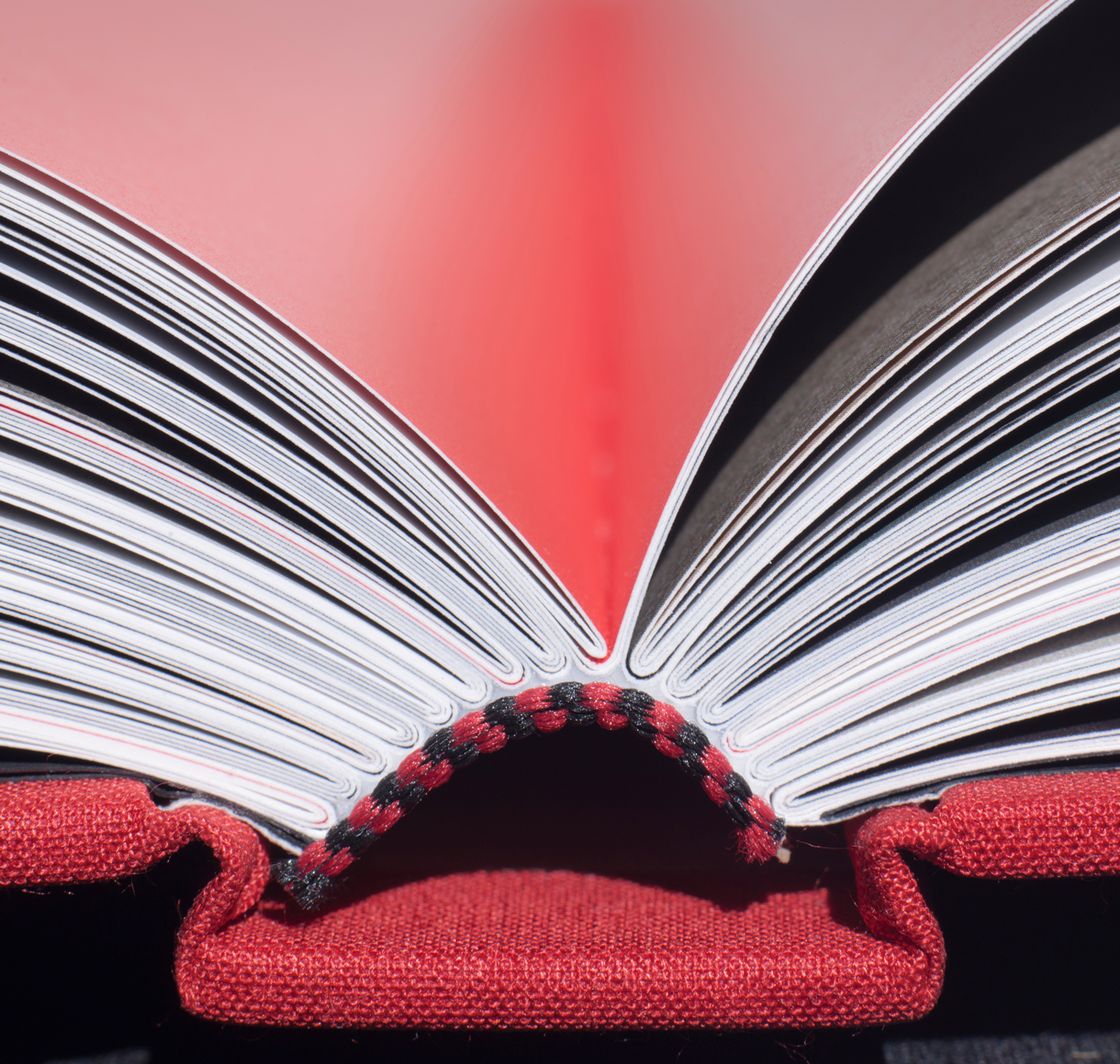
‘A superb retrospective … Donovan is a “great”.… Just when you thought there could not possibly be space for another fashion book rooted in the 1960s, this one proves rather compelling.… The heavy paper and high quality reproduction rewards the viewer … a handsome posthumous monograph.’ — Observer

‘Make no mistake: This flawless volume is a love letter and a paean to a brilliant photographer … [a] rare opportunity to see what can only be deemed as a brilliant collection of timeless and classic photos of a caliber that is steadily dwindling … what a beautiful body of work. Mr Donovan left behind for us all to appreciate.’ — New York Journal of Books

‘Terence Donovan’s influence on fashion photography – and visual culture in general – can’t be underestimated.… Ushering in an era of experimentation and adventurousness, Donovan worked hard, combining huge technical proficiency and rigorous professionalism with a larger than life character. This monograph is the first full collection of his fashion work.’ — Wallpaper*

‘An impressive tome dedicated to one of the most prolific fashion photographers … Throughout the book, his obsessive approach to his craft is noticeable.… It is this high standard, page after page, which makes this a memorable publication.’ — Photomonitor

‘A stylish window onto a remarkable period of fashion history.’ — Sunday Telegraph, ‘Favourite Books of the Year’

‘A long-overdue volume’ — Sunday Times, ‘Best Fashion Books of the Year’

‘His pictures will take you through the decades’ — The Times, ‘Favourite Fashion Books’

‘The best fashion photography book of the year’ — 20 Minutos

‘Terence Donovan redefined fashion photography.… It is hard to look at the sixties images in Terence Donovan Fashion and not be impressed. By their sense of nowness, by their casual brilliance. It is possible that nobody has ever done better.’ — Herald

‘Robin Muir, Vogue‘s revered former picture editor, writes brilliantly about the explosive impact of Donovan.’ — Town magazine

‘The success of Terence Donovan Fashion lies in its wide selection of fashion images.… The assured text by Robin Muir illuminates not just his subject’s craft, but also the life and personality of the man himself.… Terence Donovan Fashion takes a portion of Donovan’s prolific output and moves it canon-ward.’ — V&A Magazine

‘[Donovan] changed the face of fashion photography during the Sixties.… If you need any further proof of the man’s reputation, note that the foreword was written by American Vogue creative director Grace Coddington. You don’t get a more stylish seal of approval than that.’ 
— GQ