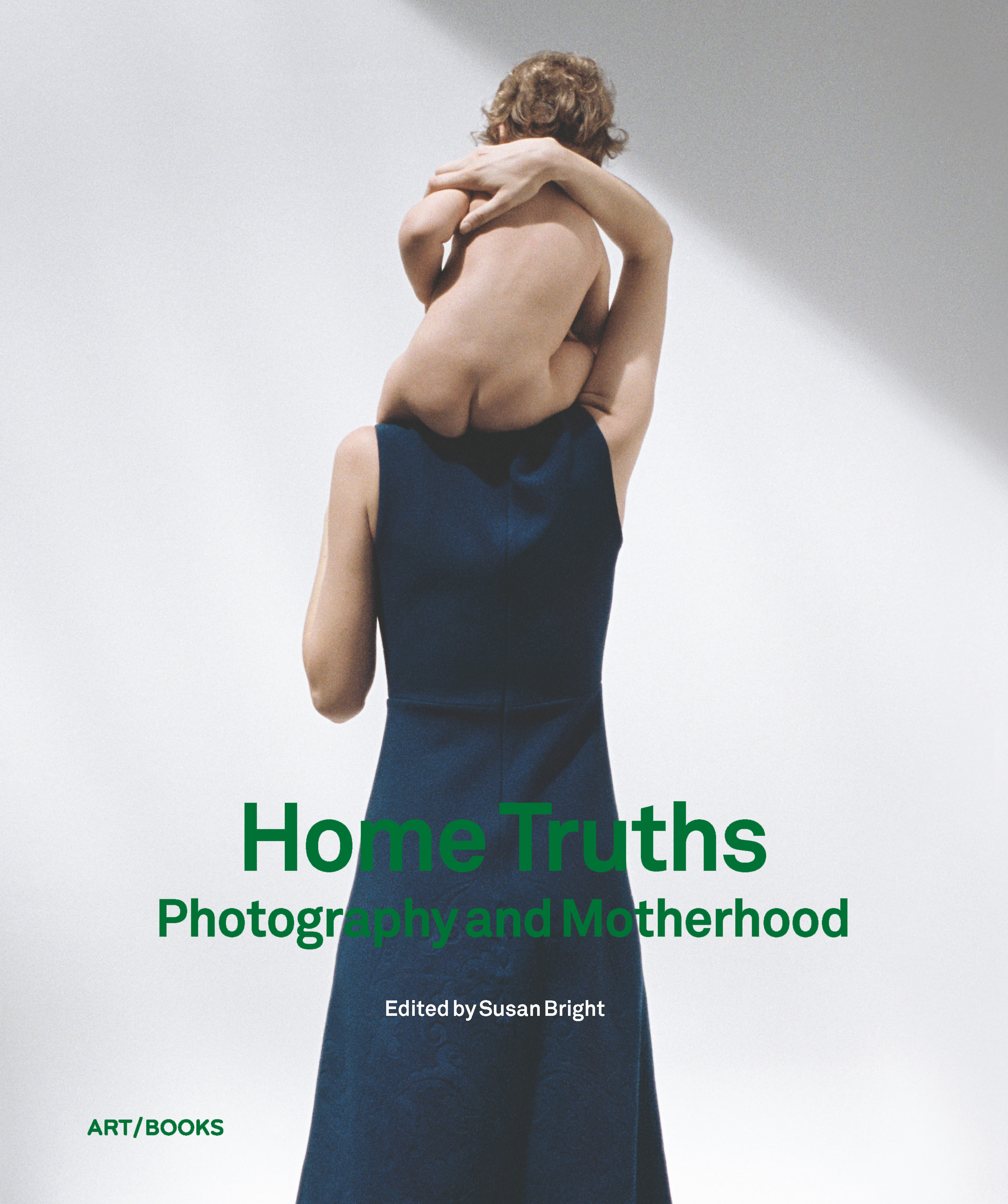
Home Truths

Photography and Motherhood

Edited by Susan Bright

Essays by Susan Bright, Stephanie Chapman, Nick Johnstone and
Simon Watney
With featured artists Janine Antoni, Elina Brotherus, Elinor Carucci, Ana Casas Broda, Ann Fessler, Tierney Gearon, Miyako Ishiuchi, Fred Hüning, Leigh Ledare, Annu Palakunnathu Matthew, Katie Murray and
Hanna Putz

‘Gorgeous and brave … painfully revealing’ — Chicago Tribune 
‘Surprising, stirring and provocative’ — Evening Standard
‘Visceral and powerful’ — The F Word
‘Playful and eloquent, unsentimental yet deeply moving, this is a welcome reassessment of maternal iconography’ — Time Out 

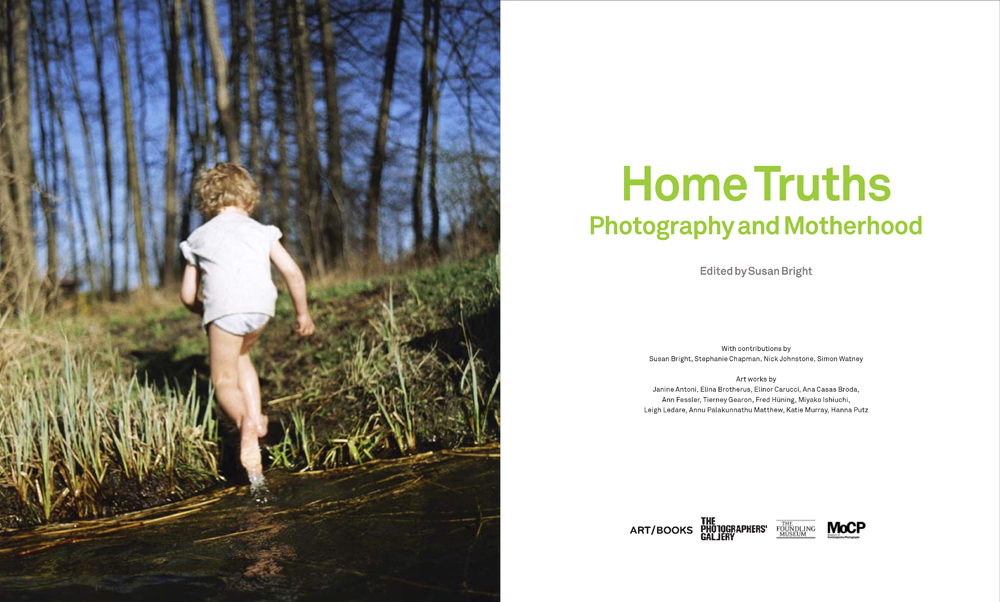
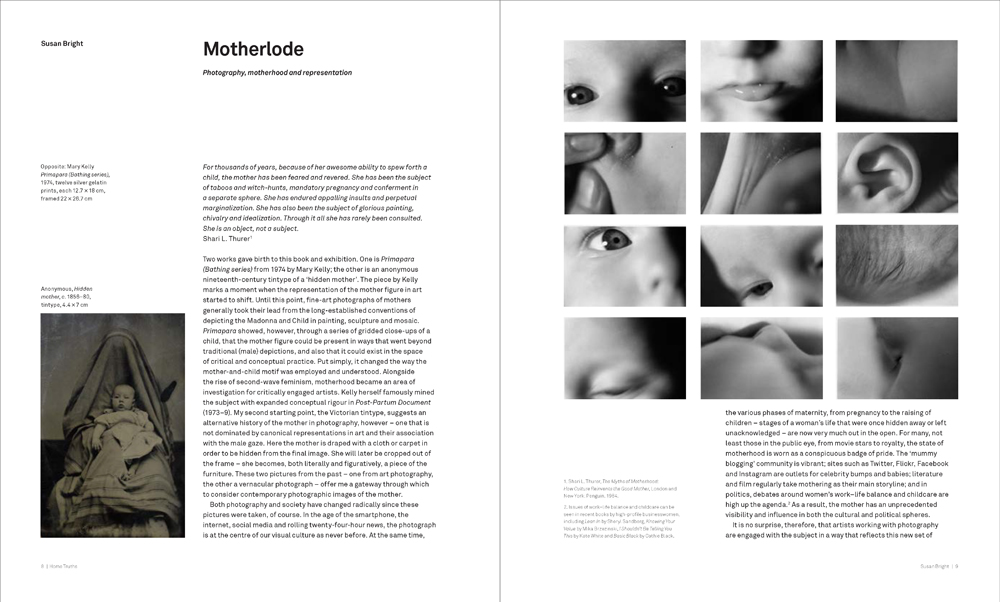
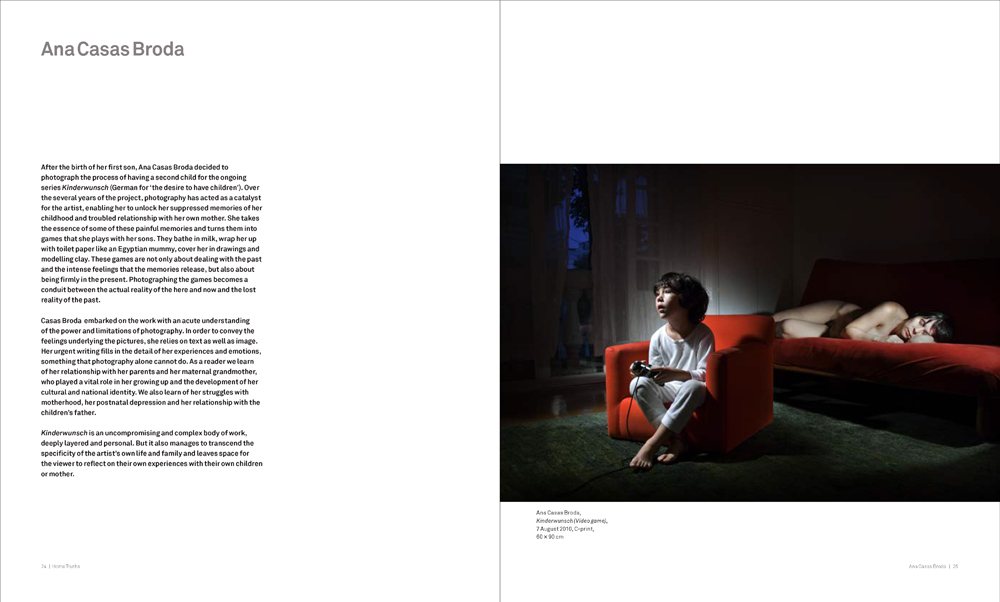
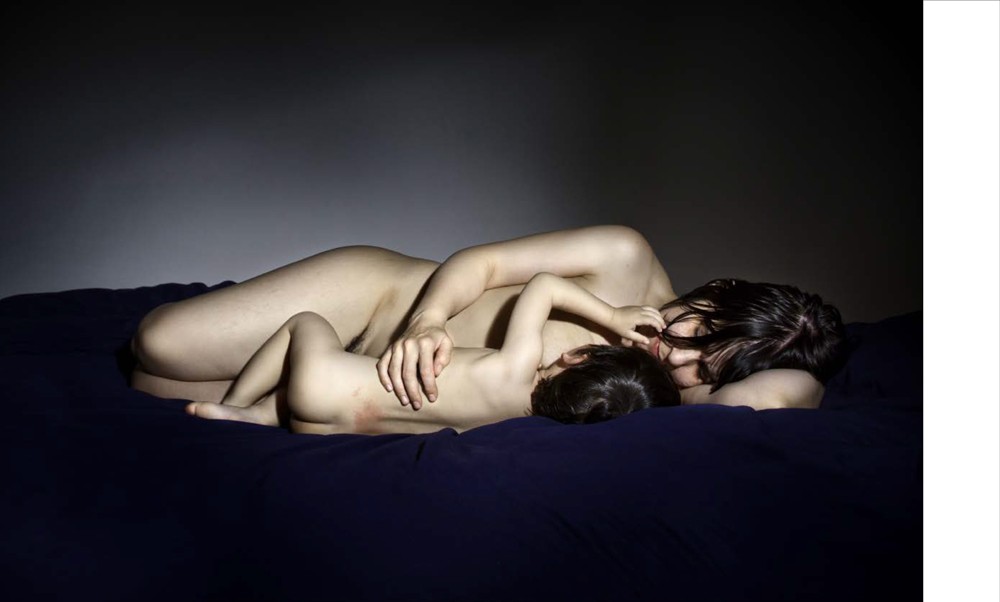
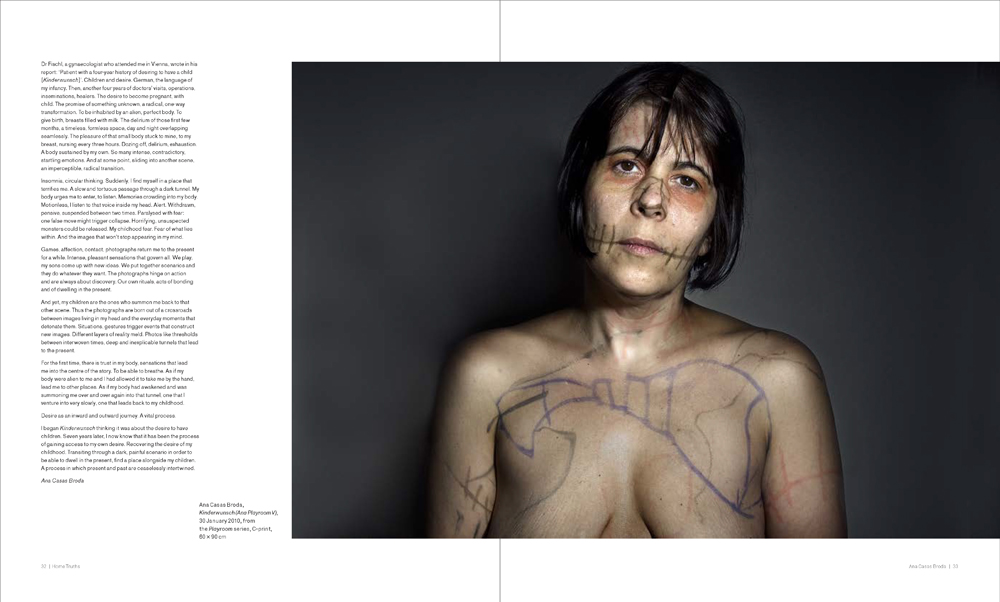
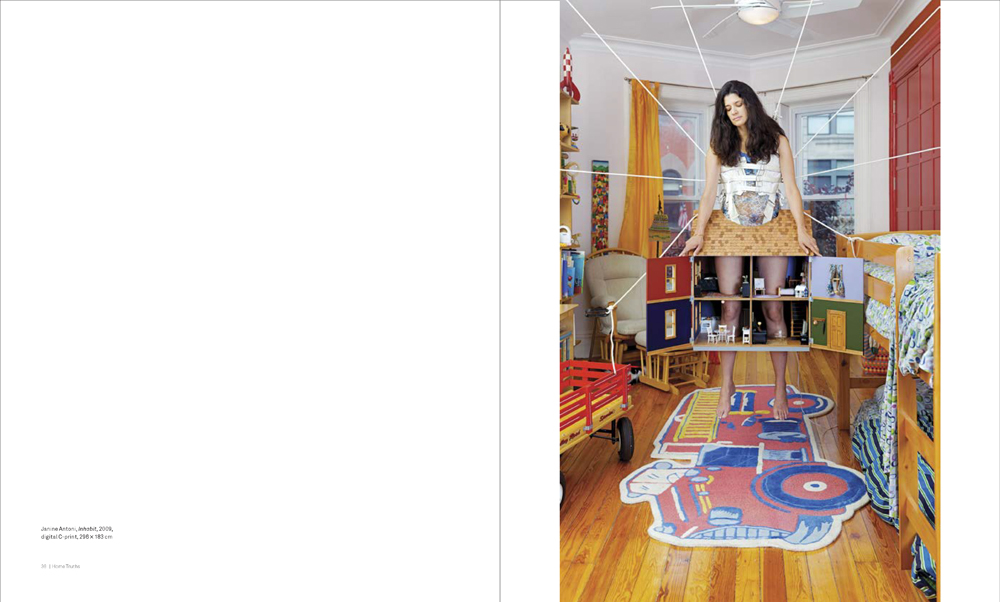
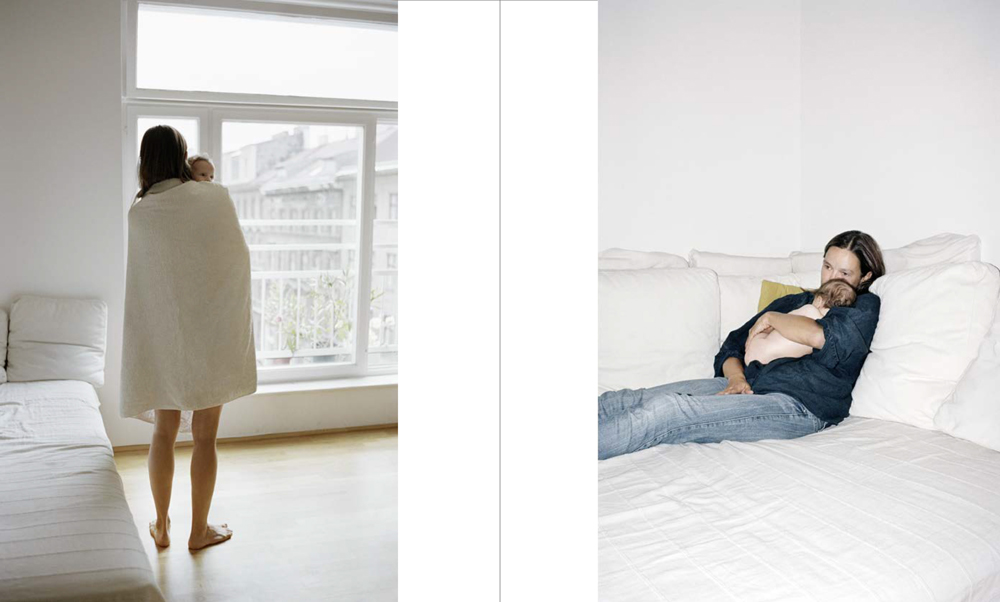
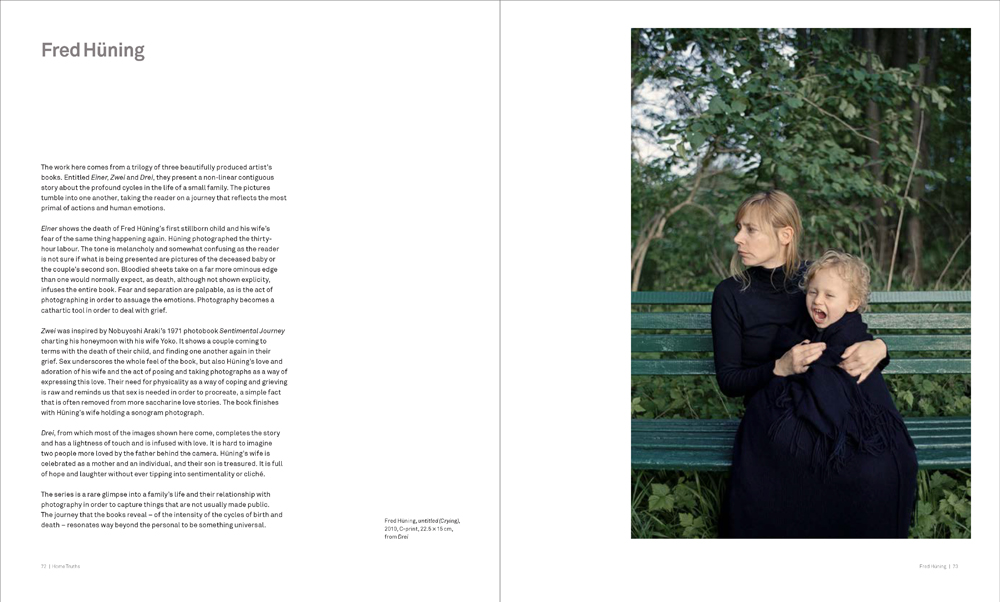
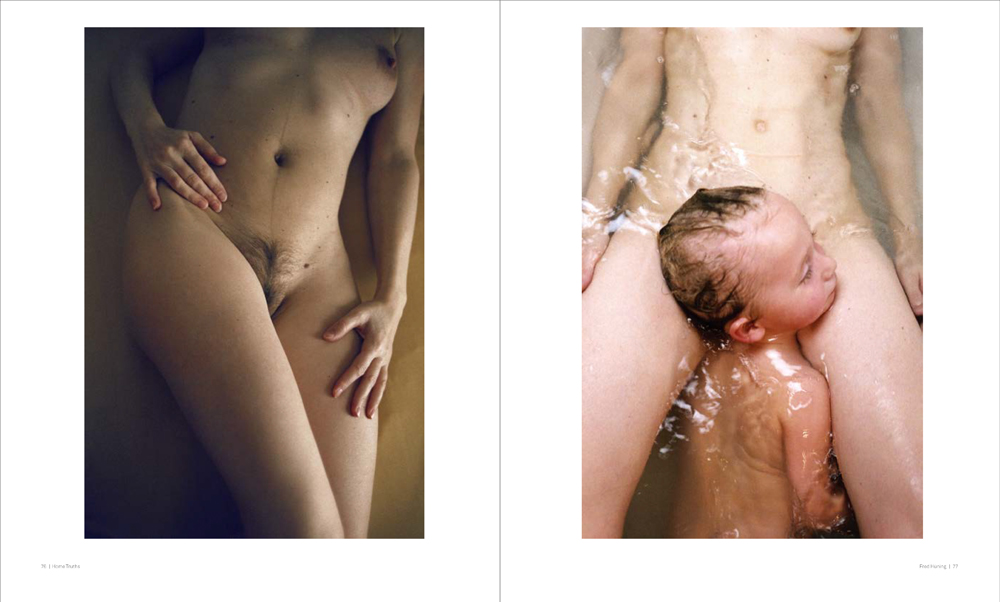
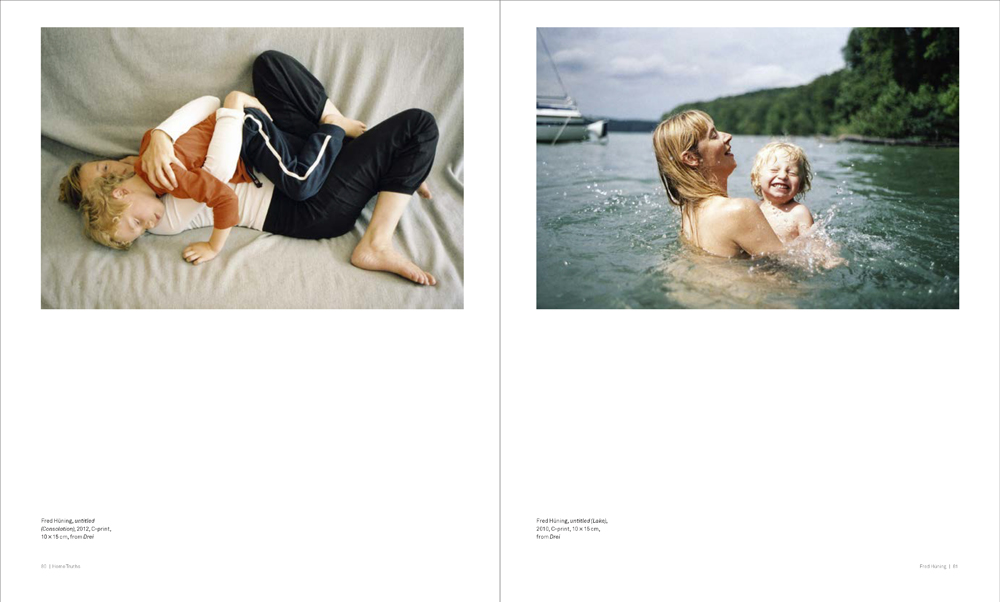
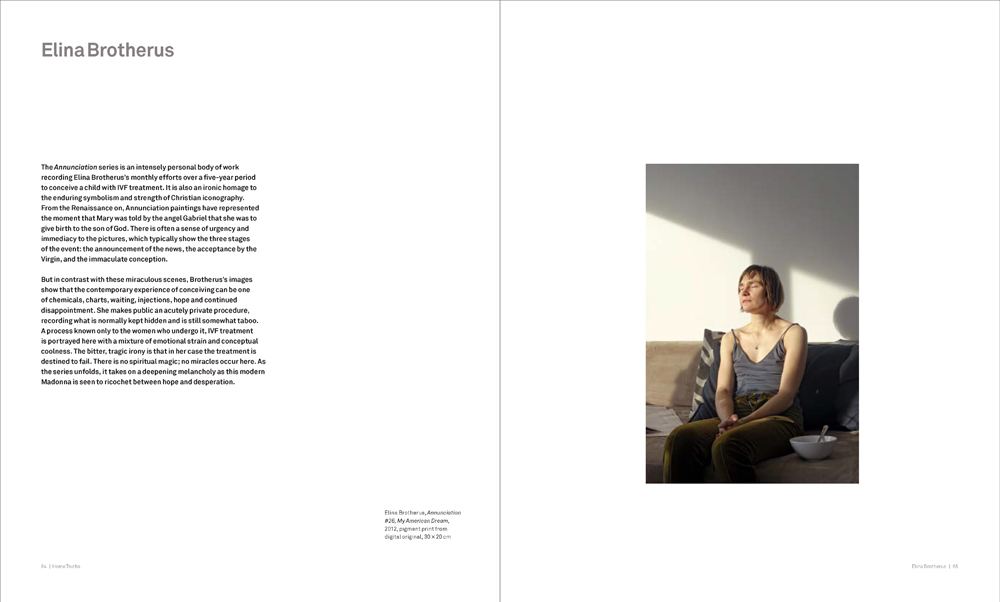
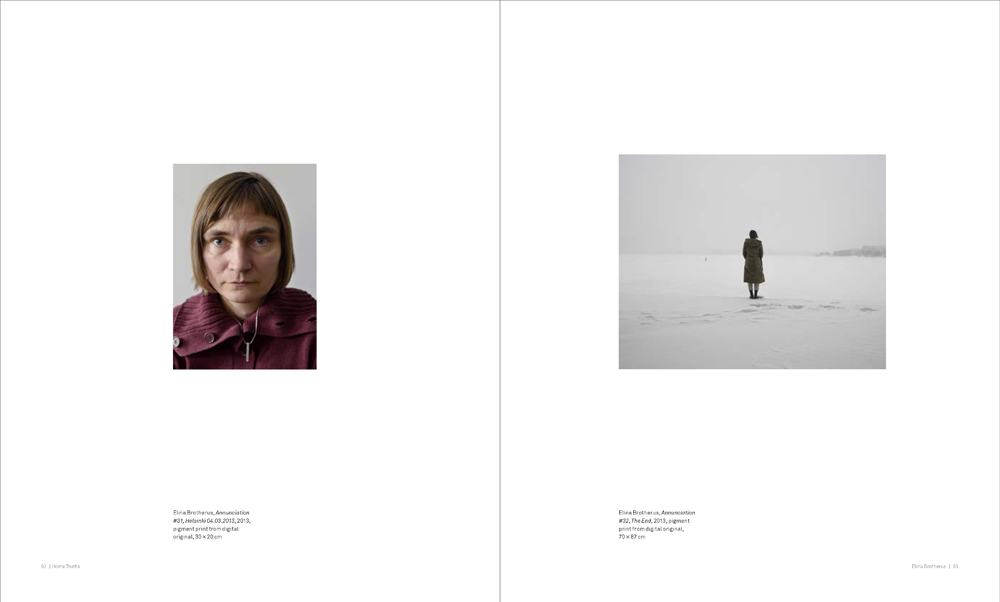
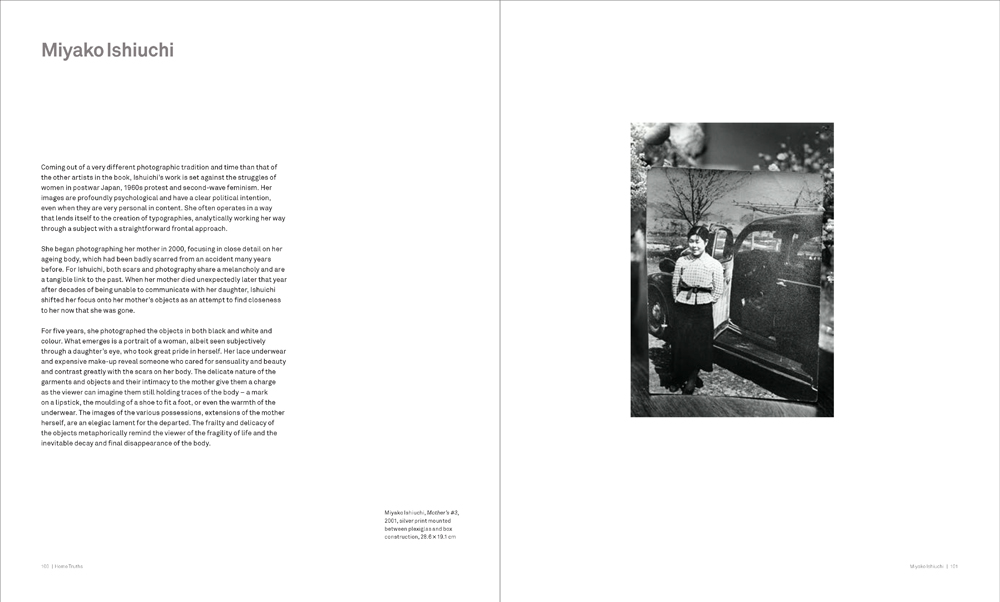
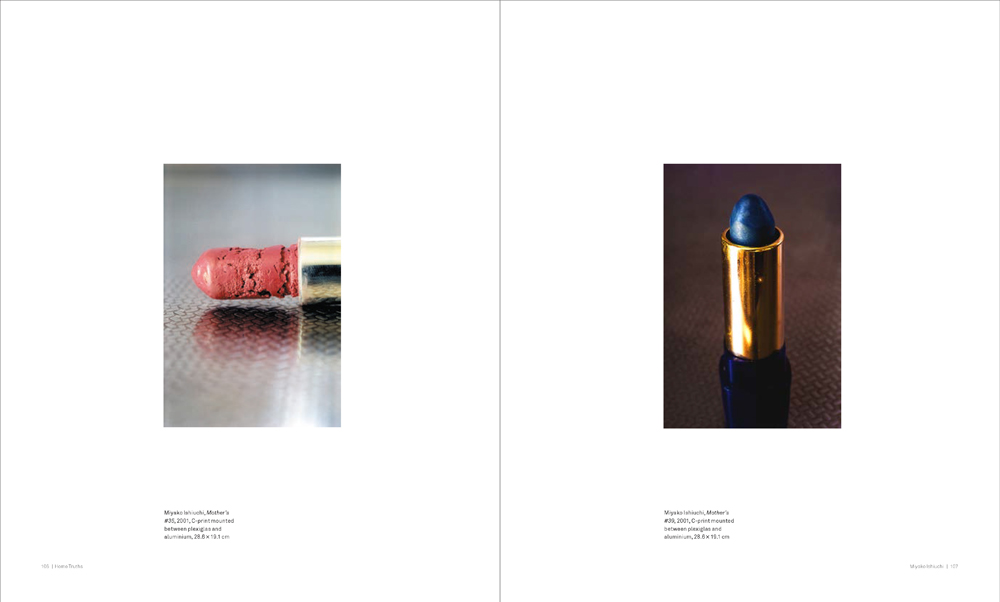
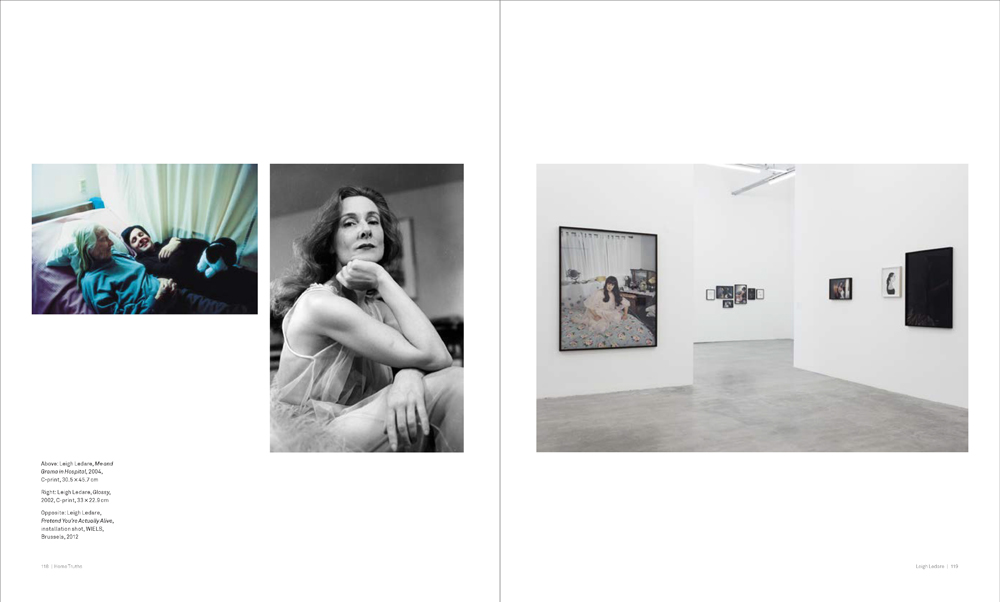
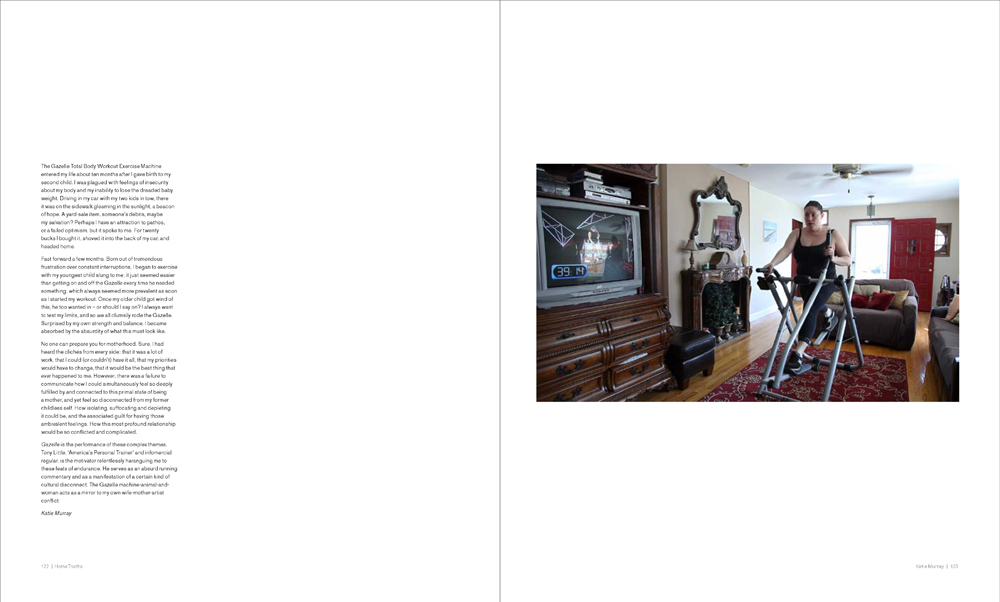
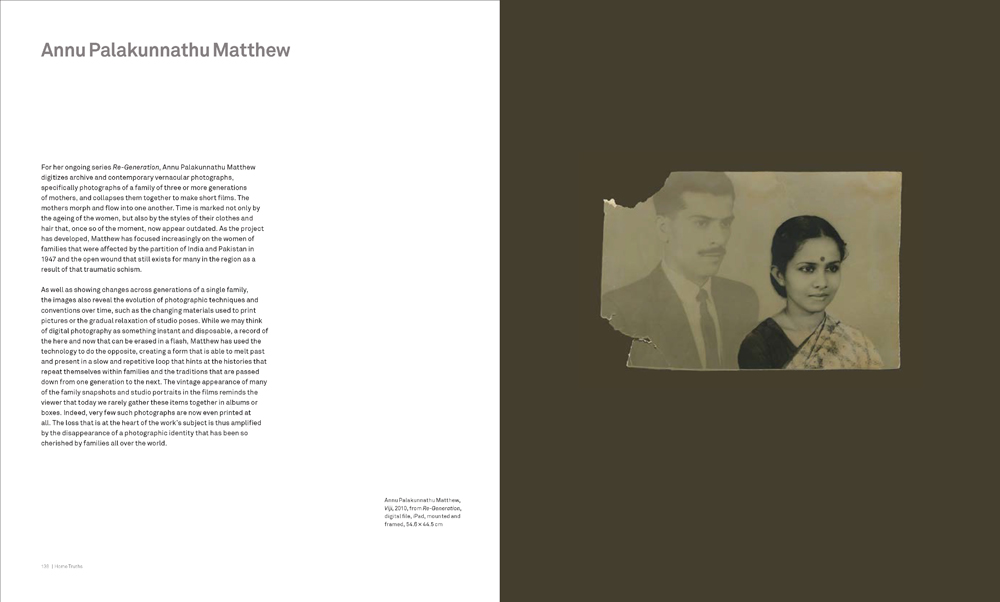
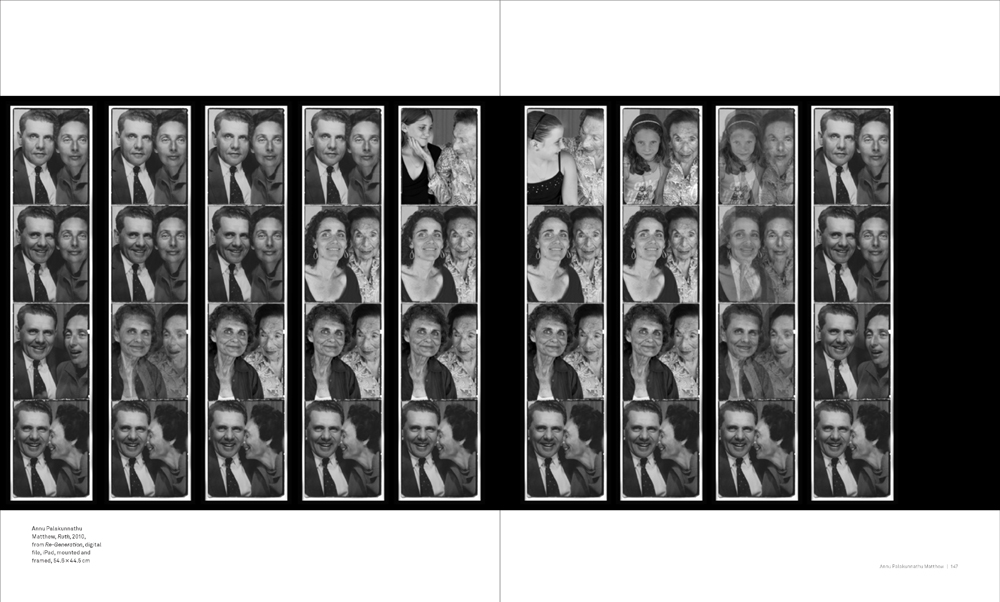
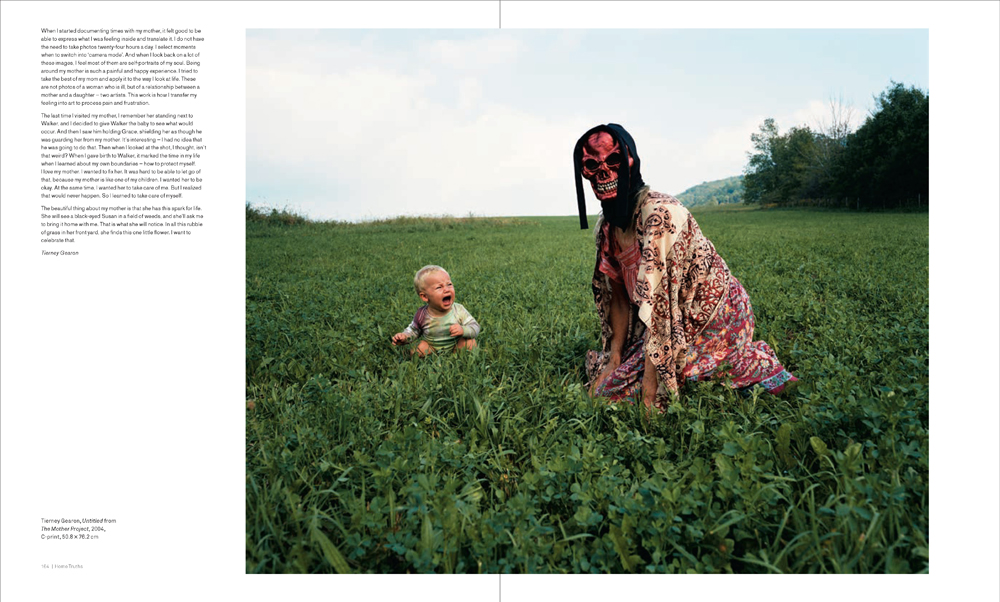
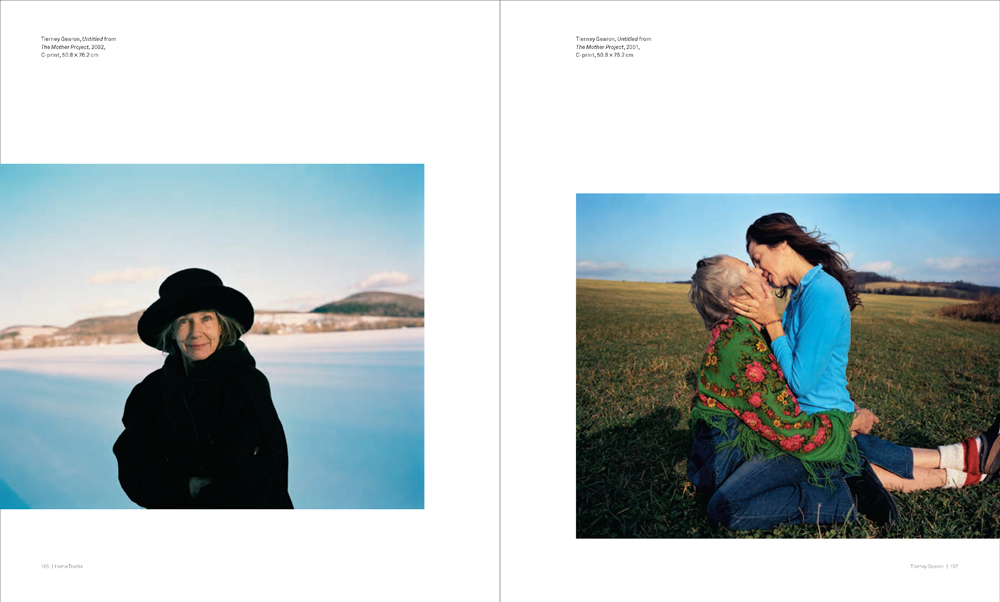
Published to coincide with an exhibition held at The Photographers’ Gallery and The Foundling Museum in London and touring to Chicago’s Museum of Contemporary Photography, this beautiful and striking book examines contemporary interpretations of one of the most enduring subjects in the history of picture-making: the image of the mother. Focusing on the work of twelve international photographic artists, the publication challenges the stereotypical or sentimental views of motherhood handed down by traditional depictions, and explores how photography can be used to address changing conditions of power, gender, domesticity, the maternal body, and female identity.

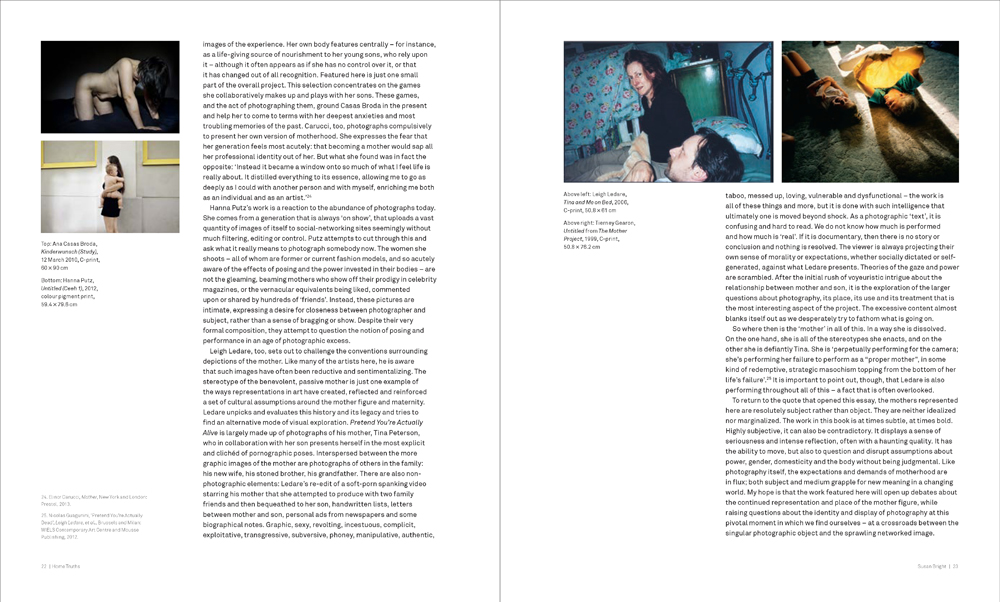
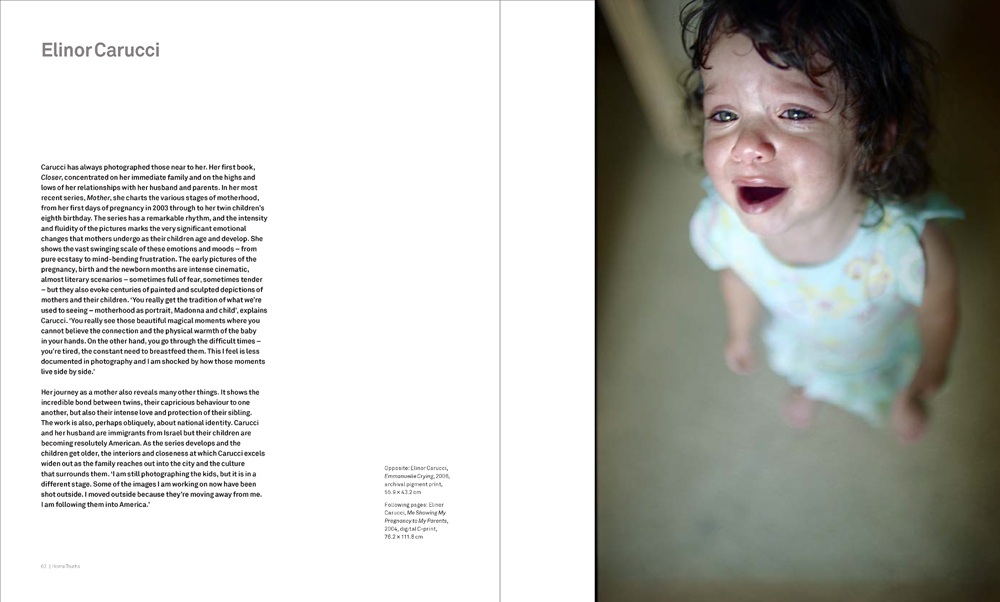
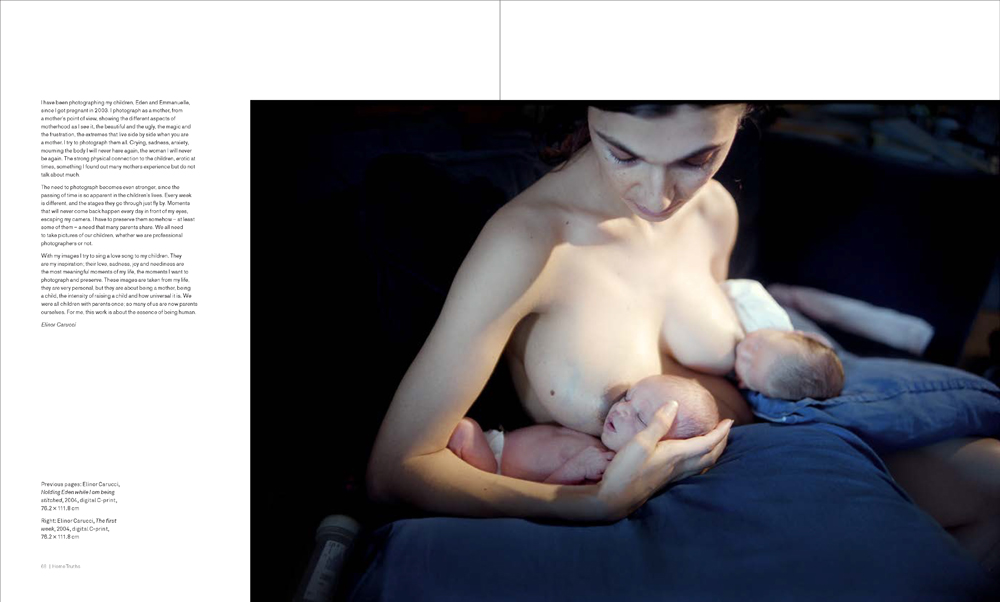
The work featured here is highly personal, often documentary in approach and with the individual subject at its centre, reflecting photography itself in the twenty-first century. The featured artists offer very different views of contemporary motherhood, from the devoted to the dysfunctional, representing the myriad ways that becoming – or even trying to become – a mother can radically alter a woman’s sense of self and how others perceive her. Each one explains in their own words the inspirations – and the emotions – behind the work.

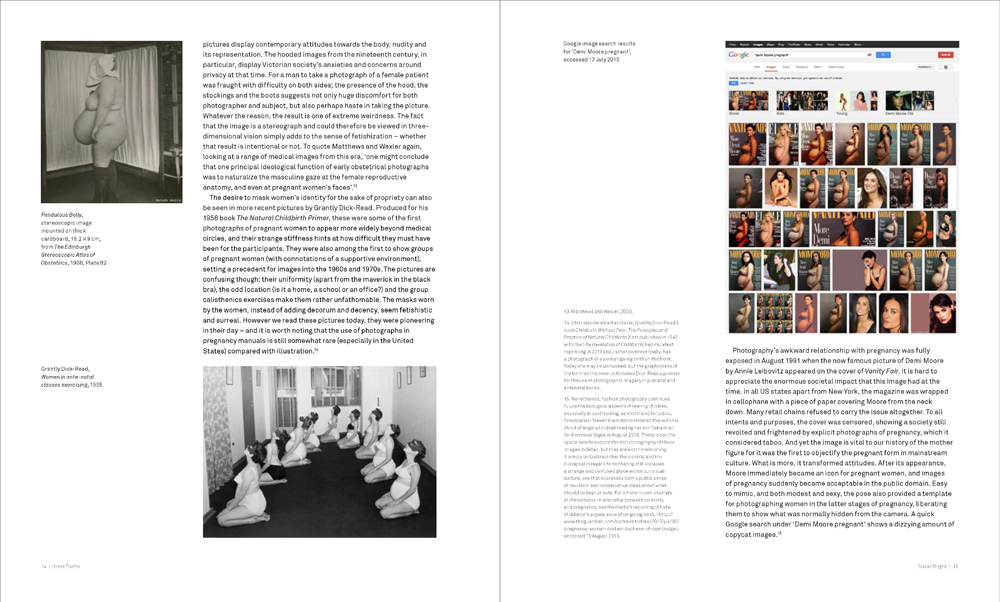
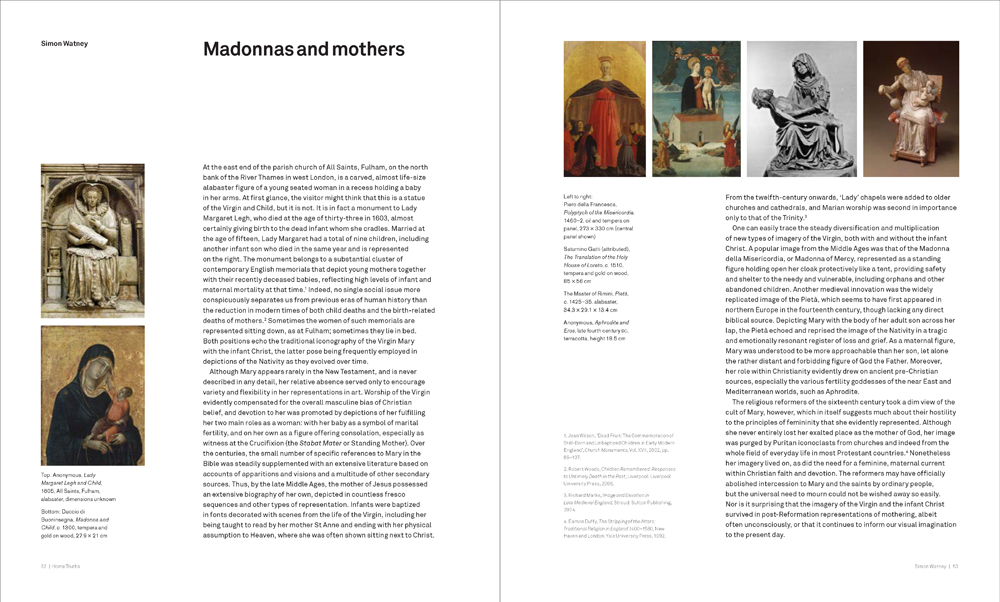
The book’s essays, illustrated with dozens of comparative images from antiquity to the present day, present the historical and contemporary context of the mother figure. Curator of the exhibition and volume editor Susan Bright traces the history of photographs of motherhood from the nineteenth century to our ‘postfeminist’ age. Simon Watney weaves a fascinating narrative of the Madonna figure through the centuries. Nick Johnstone looks at the presentation of the mother from the perspective of the father, and considers how images of fatherhood compare, while Stephanie Chapman lays out the moving history of London’s Foundling Museum through photographs and repositions the mother in a story of loss where she is strangely absent.

Presenting contemporary thinking on motherhood through an exploration of its changing representation in photography, Home Truths provides a fresh and unique insight into one of the most universal and well documented of experiences.

Susan Bright is an independent curator and writer based in New York. She was formerly Assistant Curator of Photographs at the National Portrait Gallery, Curator at the Association of Photographers and Acting Director for the MA at Sotheby’s Institute of Art, all in London. Recent exhibitions include Something Out of Nothing, Fotogalleriet, Oslo (2007), How We Are: Photographing Britain (co-curated with Val Williams), Tate Britain, London (2007) and Face of Fashion, National Portrait Gallery, London (2007). Her books include Art Photography Now and Auto Focus: The Self Portrait in Contemporary Photography.

Stephanie Chapman is the curator of exhibitions and displays at The Foundling Museum, London.

Nick Johnstone is the author of fourteen books of non-fiction. As a journalist specializing in lifestyle and culture, he has written for the Guardian, the ObserverThe Times, the Daily Telegraph, the Sydney Morning Herald, the Irish Independent and the Huffington Post.

Simon Watney is the author of several books, and writes regularly for the Art Newspaper and the Burlington Magazine, of which he is a member of the editorial advisory committee.
 

What others say

‘Gorgeous and brave … painfully revealing … Motherhood has too often gone unnoticed, especially in an art world that to this day regularly tells artists — female artists, on the whole — that they must choose between having children and having a career. “Home Truths” gives the lie to that fallacy, and plenty of heroic honesty along with it.’ — Chicago Tribune

‘Reveals surprising, stirring and provocative angles on relationships between mothers and their children.… The overall effect of this fascinating collection not only exposes home truths, it also suggests intriguing fantasy in the maternal links.’ — Evening Standard

‘Playful and eloquent, unsentimental yet deeply moving, this is a welcome reassessment of maternal iconography.’ — Time Out

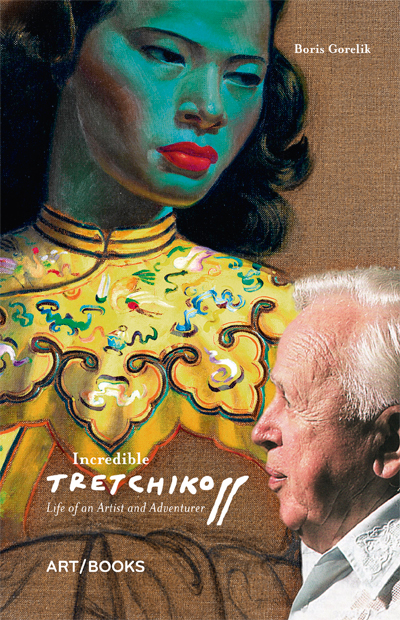
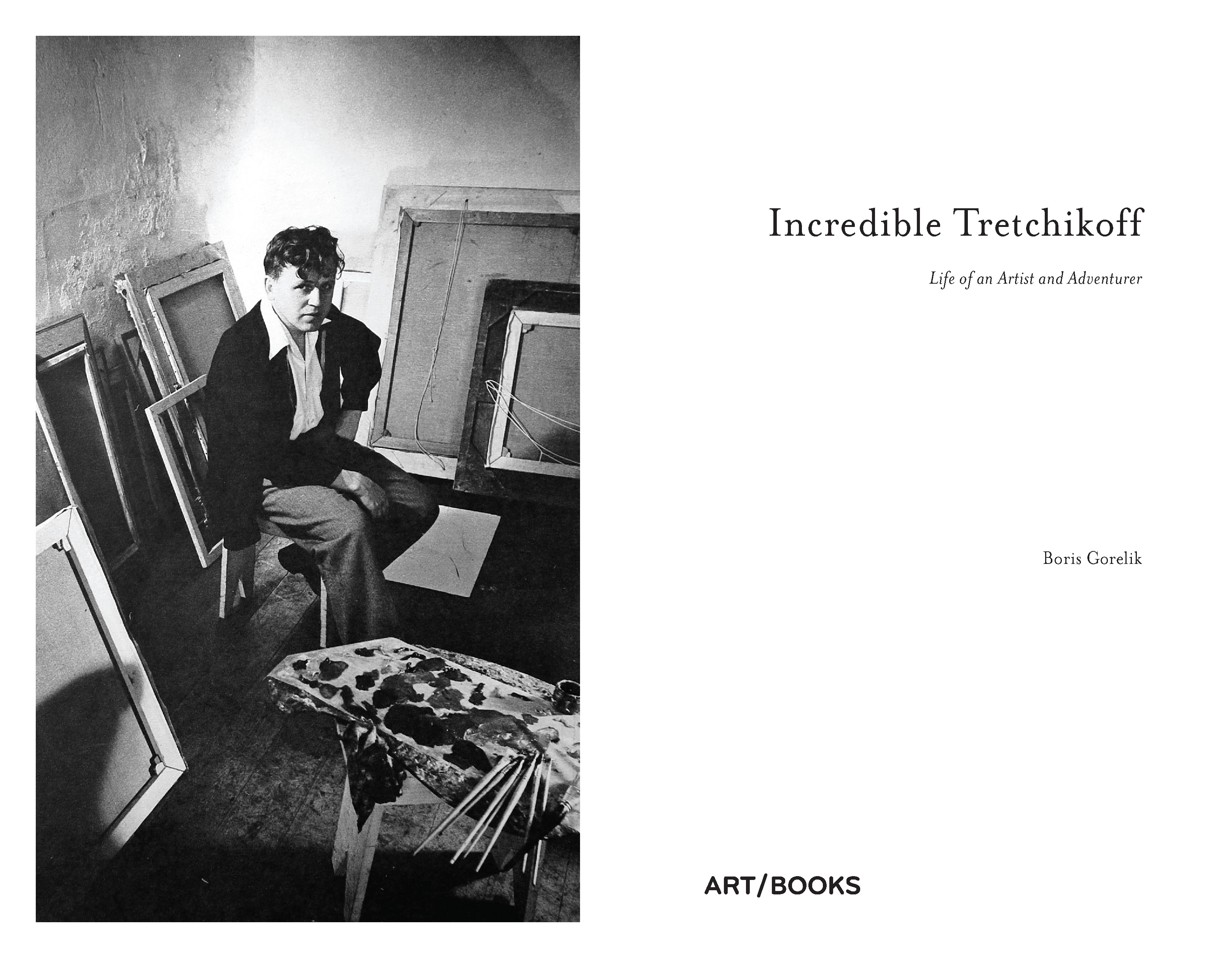
Incredible Tretchikoff

Life of an Artist and Adventurer

Boris Gorelik

‘Engaging … gripping … more than a biography’ — Independent (SA)
‘Fascinating story of an outsider … excellent’ — The Witness (SA)
‘Full of facts’ — Sunday Times (SA)
‘Gorelik has produced a book that gathers together a wealth of information, raising interesting points on many quite contentious issues’ — De Arte
‘Enthralling … highly recommended’ — Historical Novel Society
‘This book is highly recommended’ — Dimitri Tretchikoff

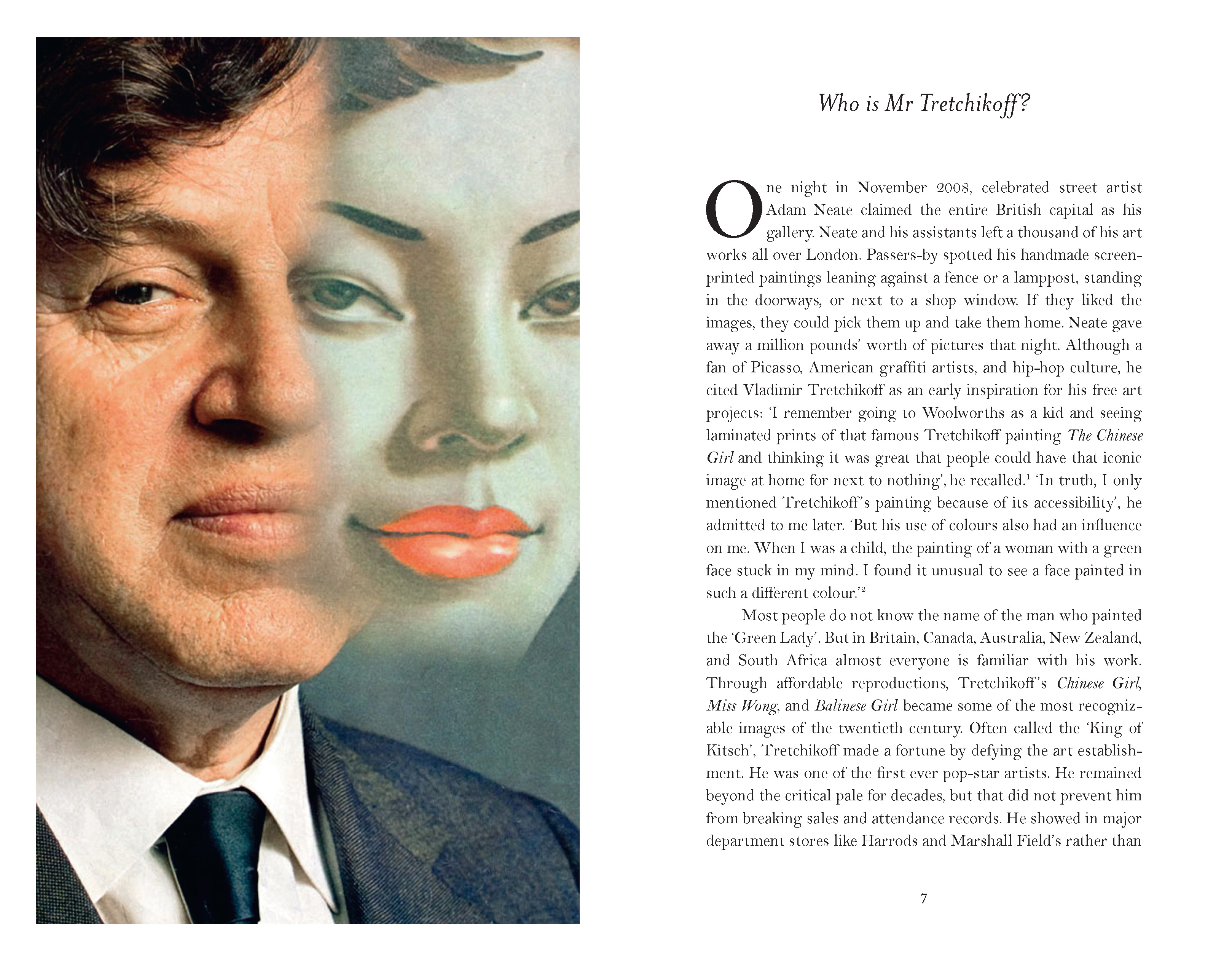
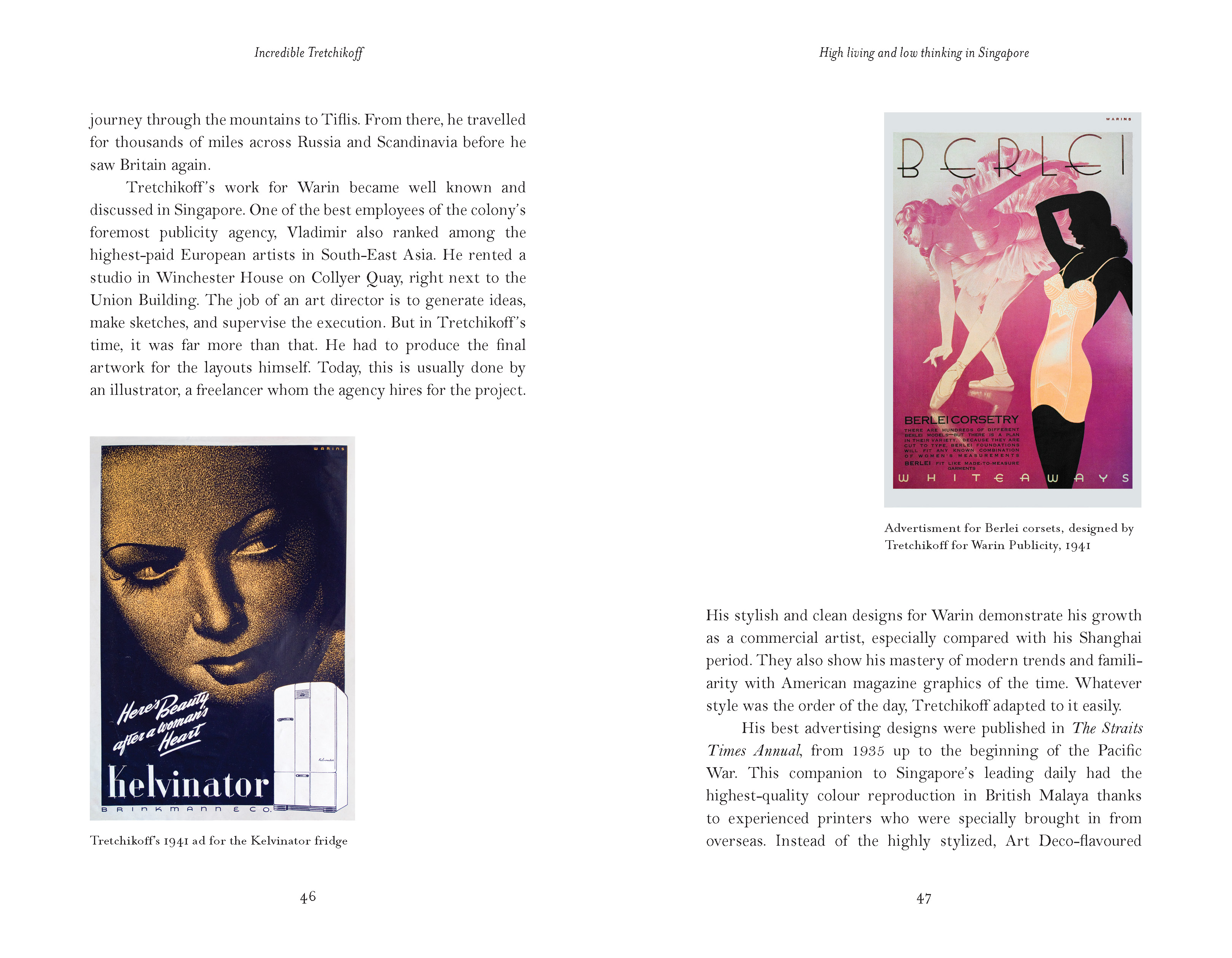
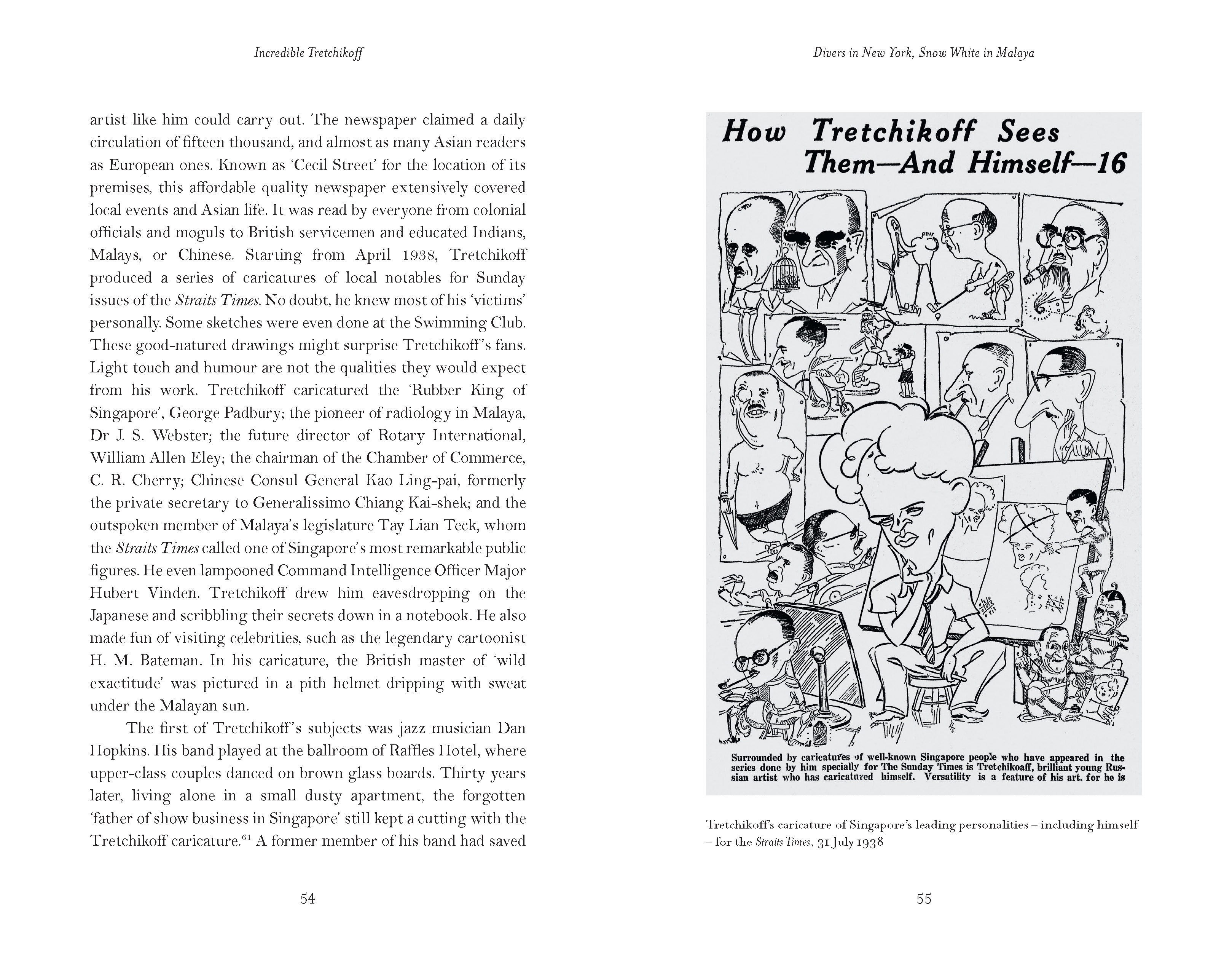
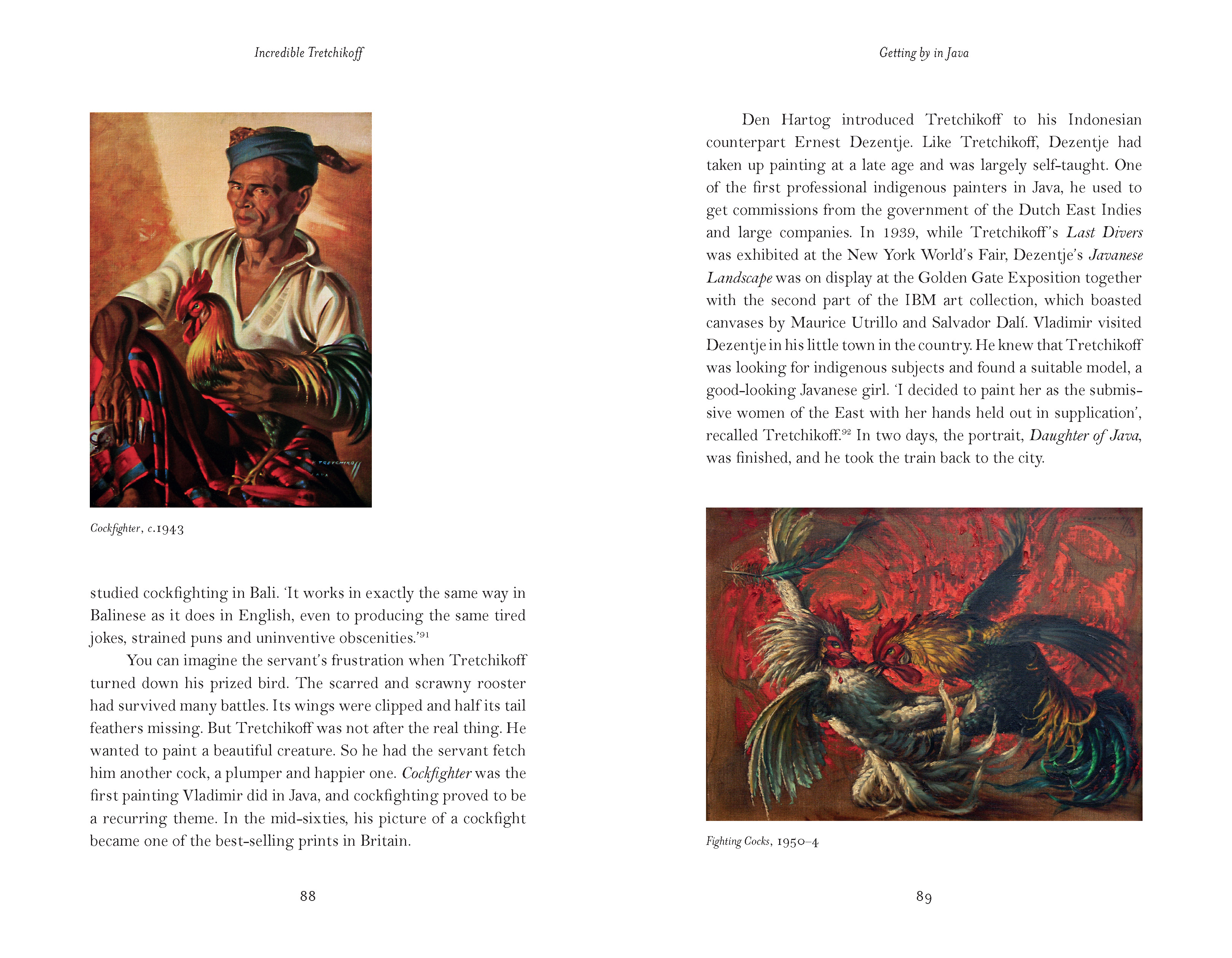
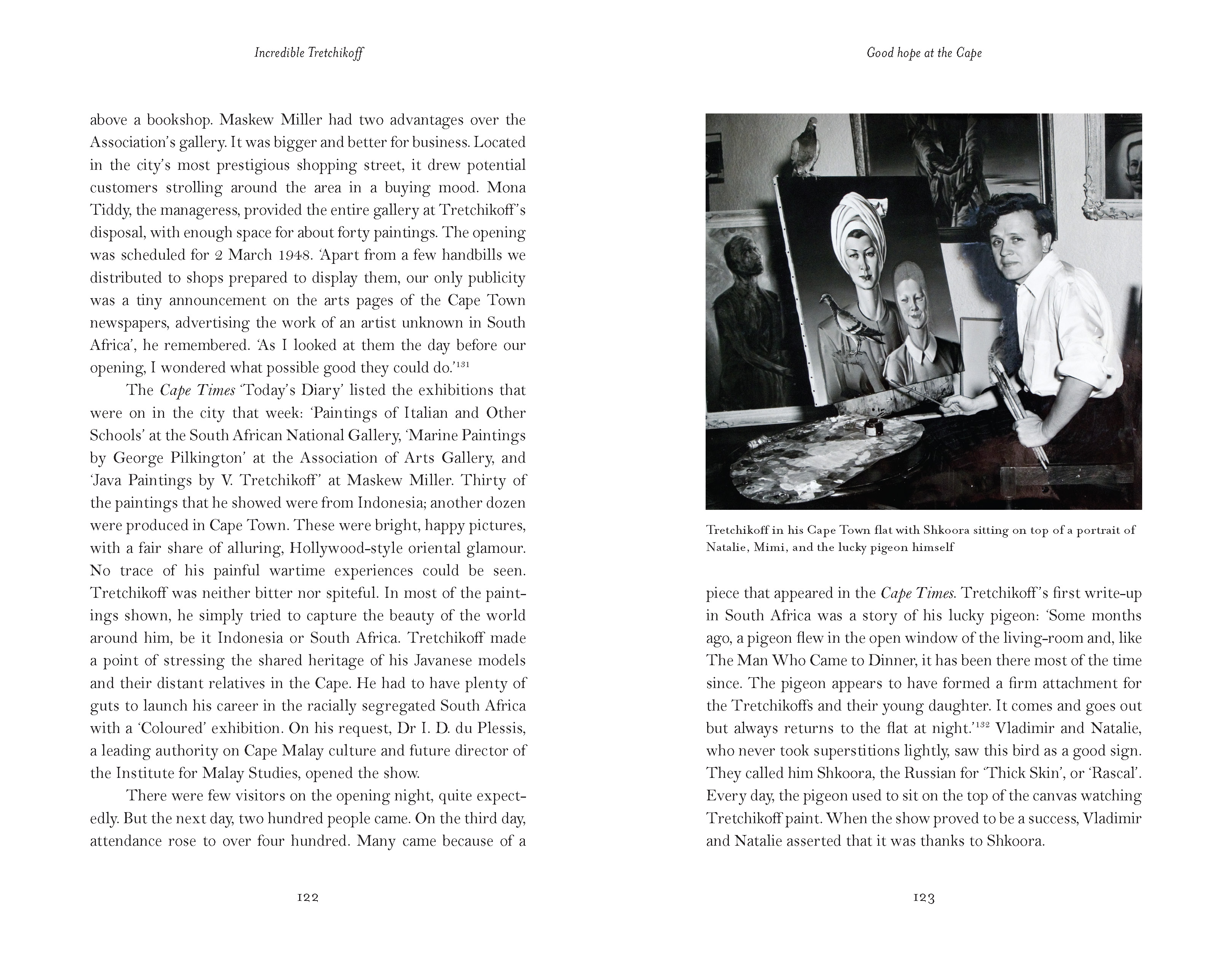
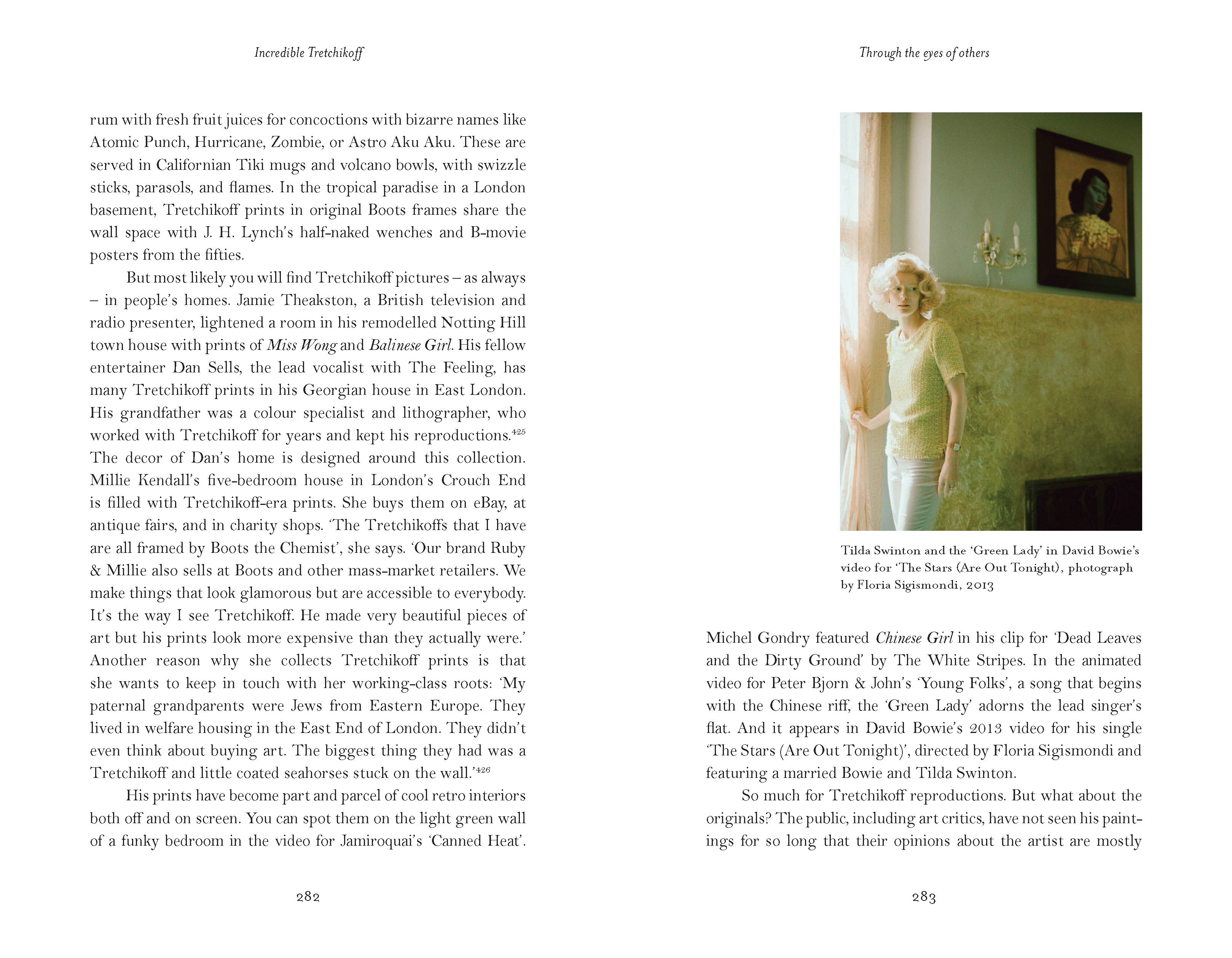
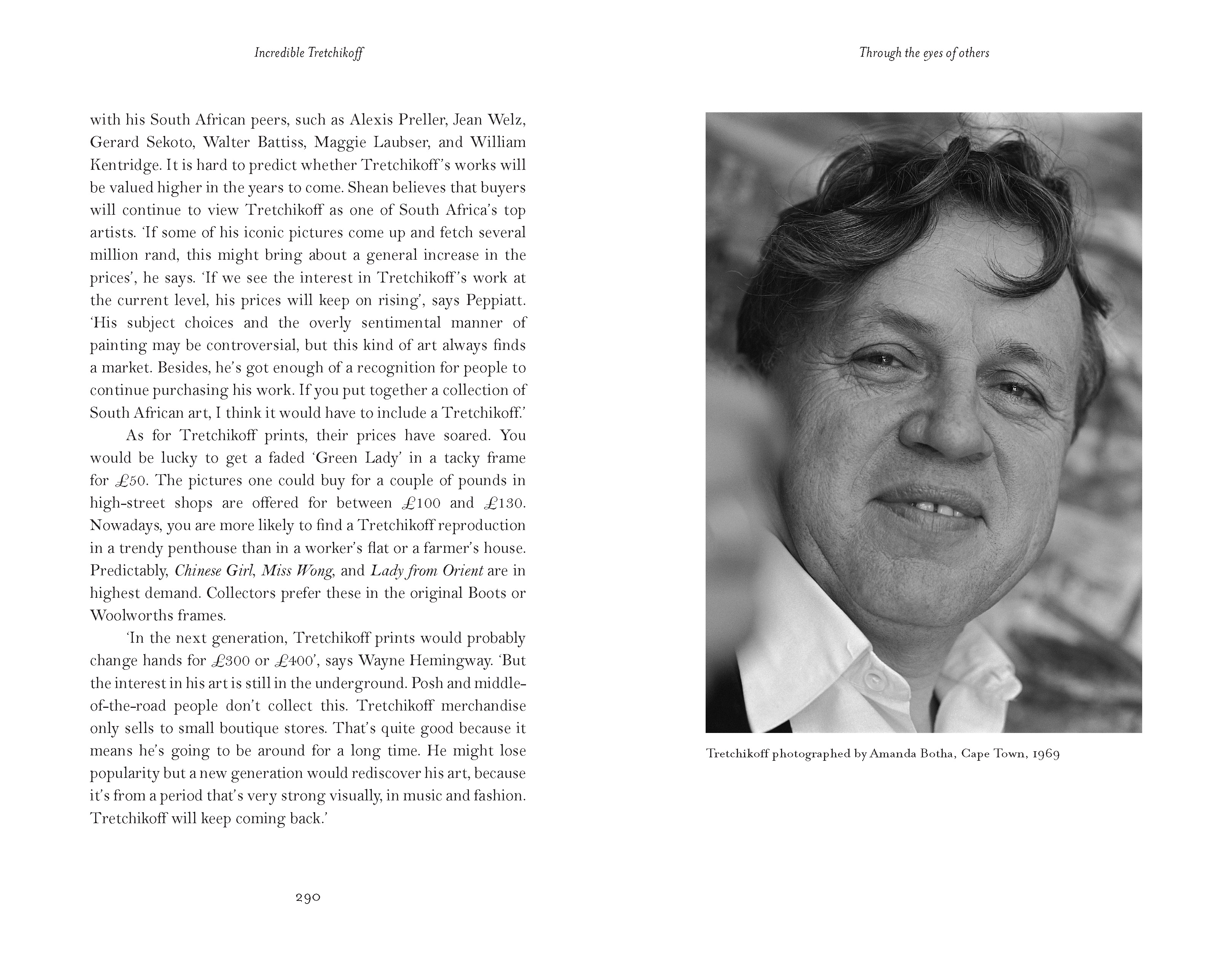
Vladimir Tretchikoff’s Chinese Girl is one of the most famous images of all time. Known as the ‘Green Lady’, it has been reproduced countless times, appearing everywhere from mugs and T-shirts to pop videos and blockbuster films. Tretchikoff lived a life as colourful as his instantly recognizable paintings. Born to a deeply religious Siberian family, he fought poverty, tragedy, captivity and near death to become one of the most celebrated artists of his time. Loathed by the critics yet loved by the public, he defied misfortune and a dismissive art establishment to enjoy phenomenal success in Britain, South Africa, Canada and the United States.

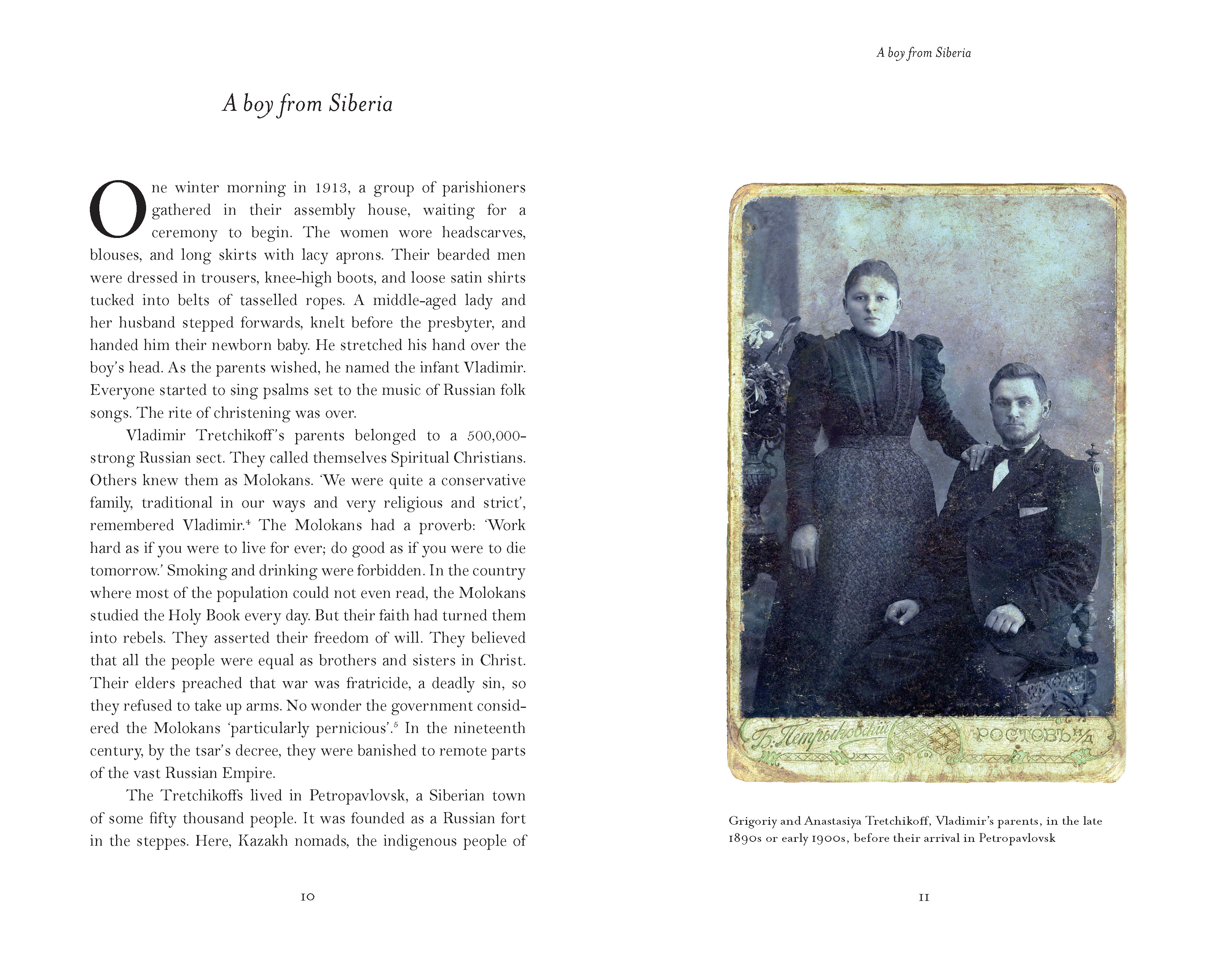
Coinciding with the centenary of his birth, Incredible Tretchikoff tells the enthralling story of this flamboyant artist from his humble beginnings to the spectacular highs and lows of his later career. We hear thrilling accounts of his early years as a Russian orphan in Manchuria and his efforts to make his way as a young man in a strange land. In Singapore in the 1930s, he was accepted into the social elite and his art became talk of the town. Meanwhile, he secretly worked for the British Ministry of Information producing anti-Axis propaganda. But his high living was brought to an abrupt end by the war. He was nearly killed when the Japanese sank the boat on which he was trying to escape; taken prisoner, he was forced to use his artistic skills for the enemy. Accused by his captors of being a spy, he somehow survived, and was eventually reunited with his wife and daughter in Cape Town after the war. Within years, through sheer determination and despite the hostility of the local art community, Tretchikoff had become South Africa’s best-selling artist and his fame had spread across the globe.

With the pace and suspense of a novel, Incredible Tretchikoff matches the drama of its subject’s extraordinary life. It reveals the adventures that lie behind his most famous pictures, while presenting recently uncovered information and previously unseen photographs. This fascinating and gripping book is a fitting record of one of the most popular and controversial painters of the twentieth century.

Boris Gorelik is a writer and researcher based in Moscow.


What others say

‘Gorelik’s publication is relevant and timeous.… [He] has produced a book that gathers together a wealth of information, raising interesting points on many quite contentious issues.… One of [its] merits is that Gorelik … contextualises the times and the climate in which Tretchikoff worked and exhibited, both locally and internationally. What emerges … is the remarkable impact of Tretchikoff’s work the world over.’ — De Arte

Incredible Tretchikoff has the combination of a good story and a compelling trek through questions of aesthetics and popularity, contrasts that sit remarkably easily together. Most important, it reads extremely well.’ — William Feaver, critic and author of Lucian Freud, Frank Auerbach, and Pitmen Painters

‘Tretchikoff gets a long overdue reassessment in this book by Boris Gorelik. He has unearthed many previously unseen works by the artist so often considered the epitome of kitsch. Here his development can be traced via early political cartoons, advertising work, sketches and book jackets in a deco/modernist style, through to the famous prints and right up to date with his continuing influence on a new generation of illustrators and artists. This is, undoubtedly, the definitive biography. Indispensable.’ — Rian Hughes, illustrator, author of Lifestyle Illustration of the 50s

‘If you are fortunate enough to possess a work by Vladimir Tretchikoff, print or original, and would like to learn more about it, I can heartily recommend Boris Gorelik’s biography. At Bonhams, we are the world leader in handling his paintings and Incredible Tretchikoff has become a trustworthy research tool.’ — Giles Peppiatt, director of South African Art and Modern and Contemporary African Art, Bonhams, London

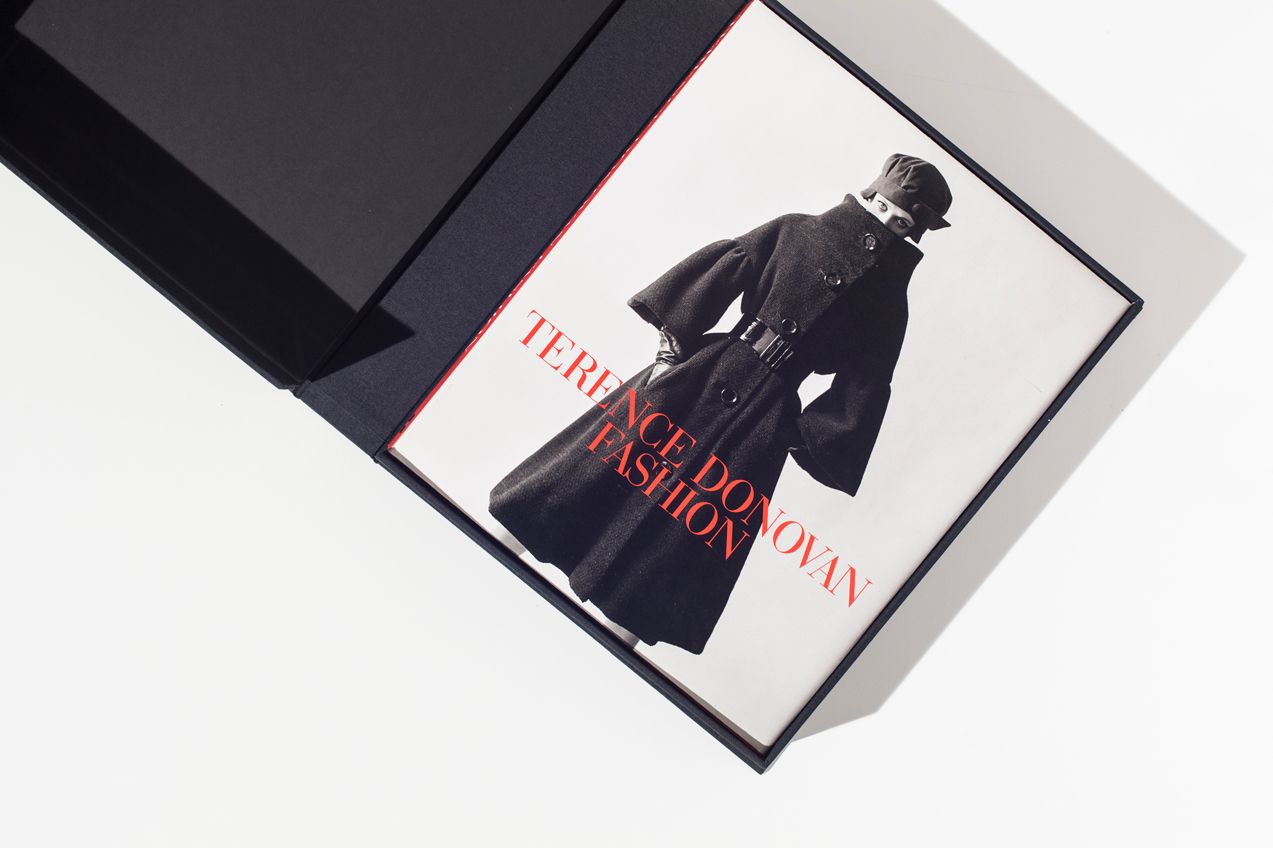
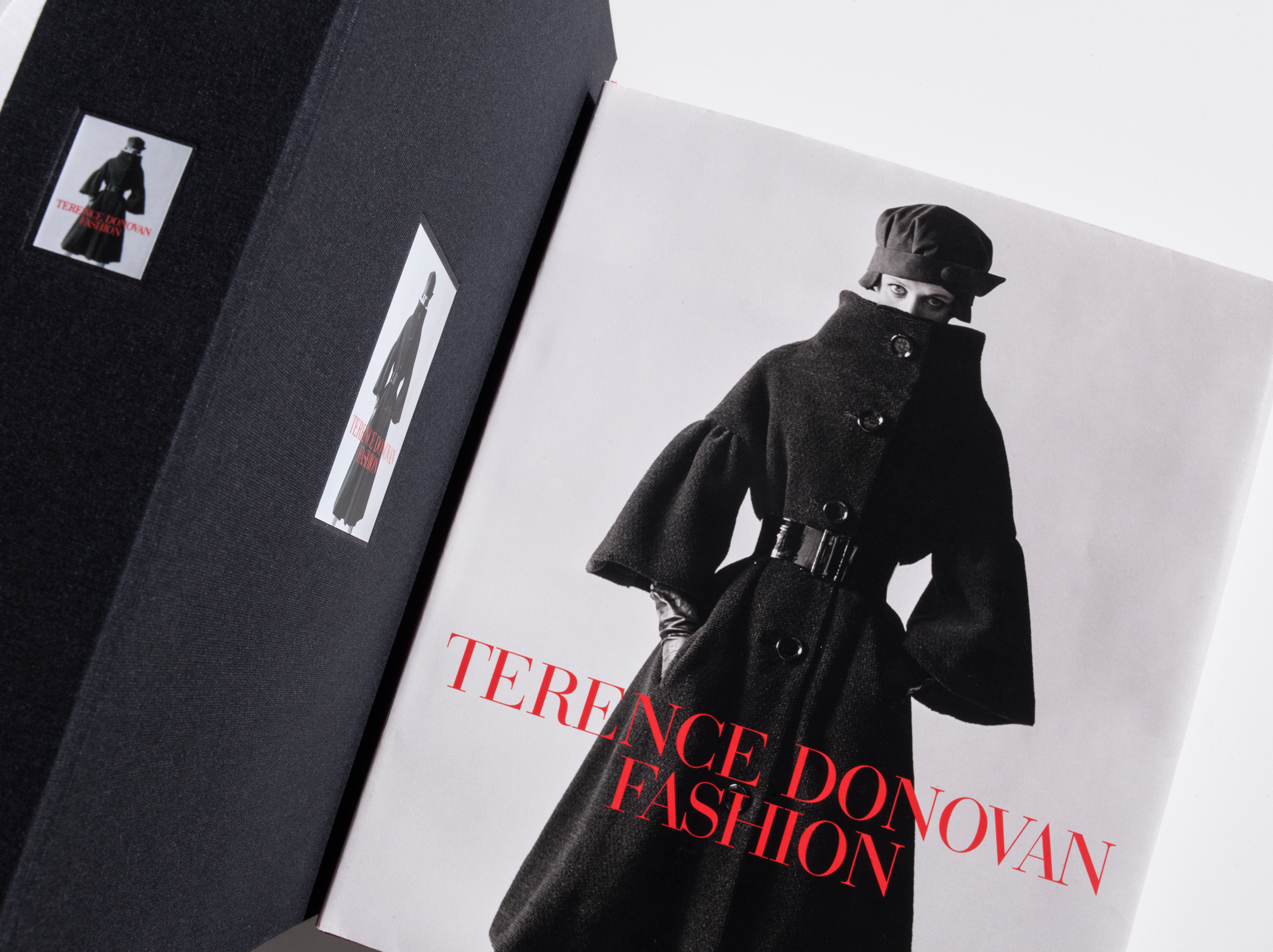
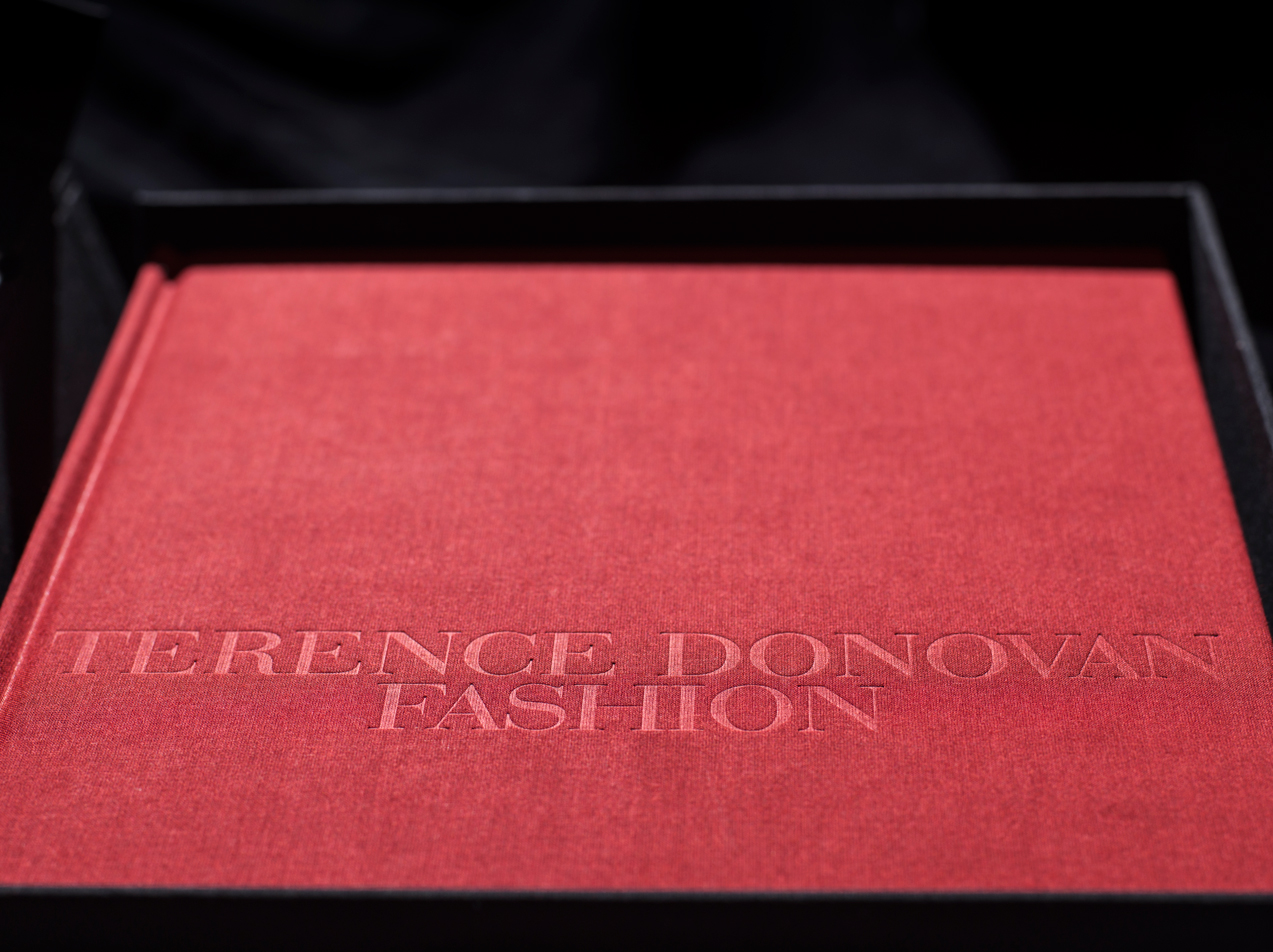
Terence Donovan Fashion special edition

Edited by Diana Donovan and David Hillman
Text by Robin Muir
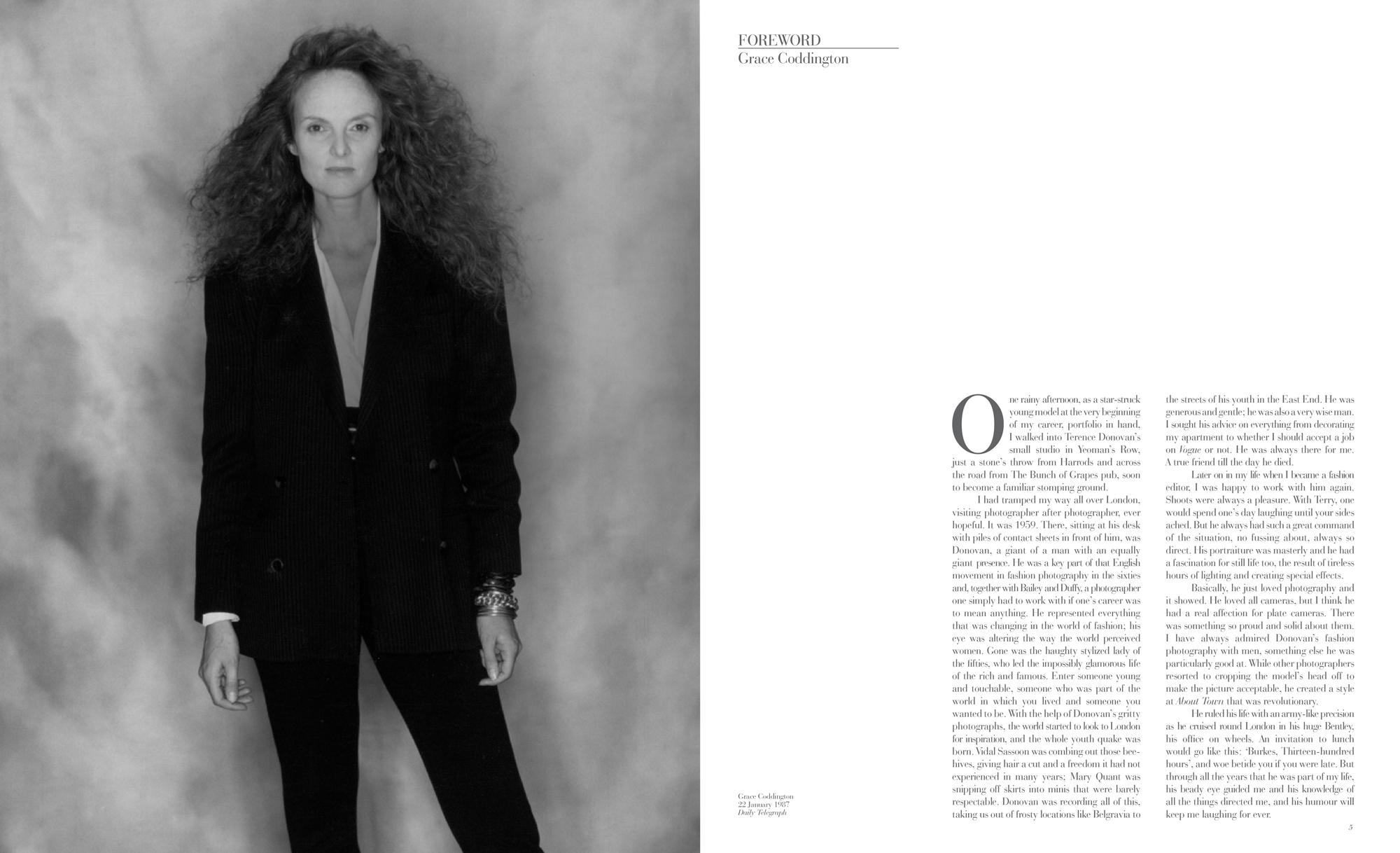
Foreword by Grace Coddington
Designed by David Hillman

‘Flawless’ — New York Journal of Books
‘Superb’ — Observer
‘Stylish’ — Sunday Telegraph, ‘Favourite Books of the Year’

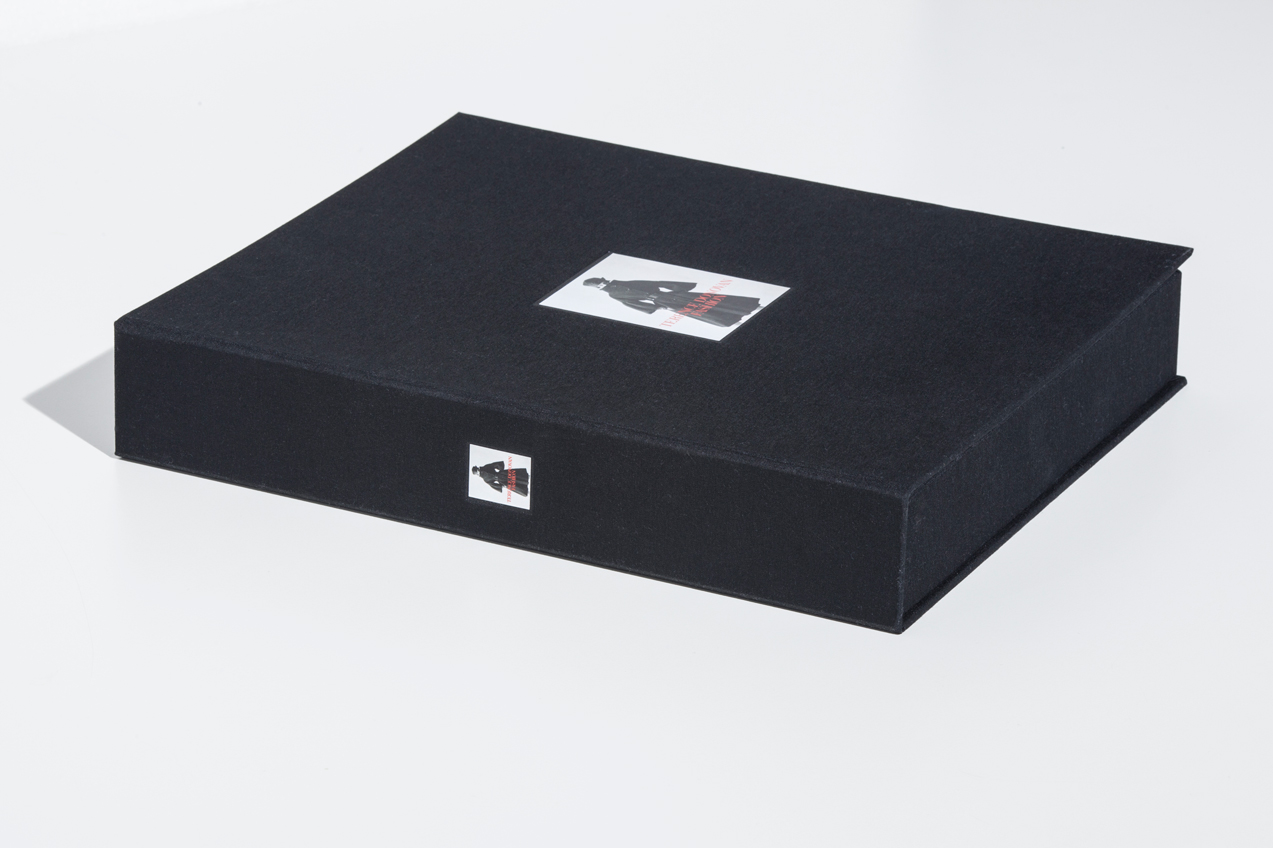
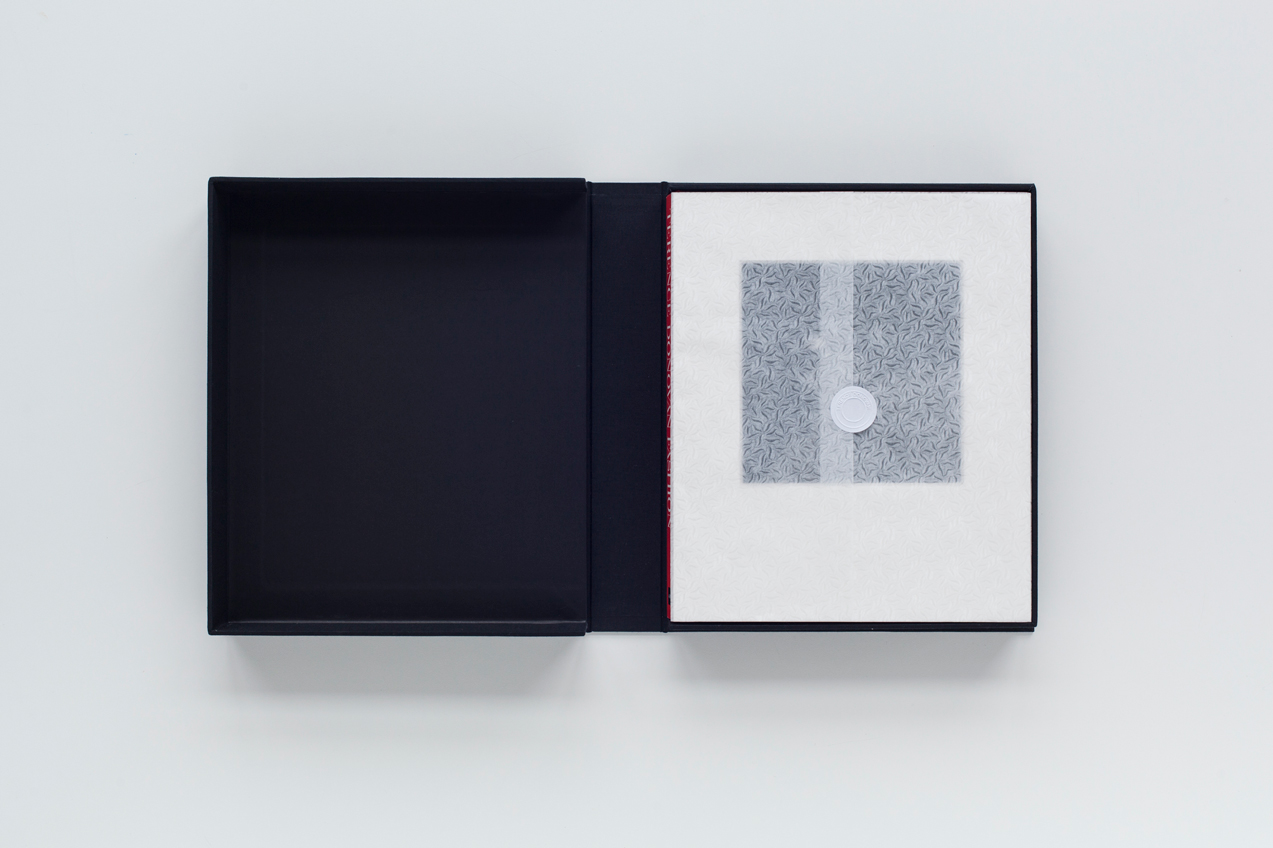
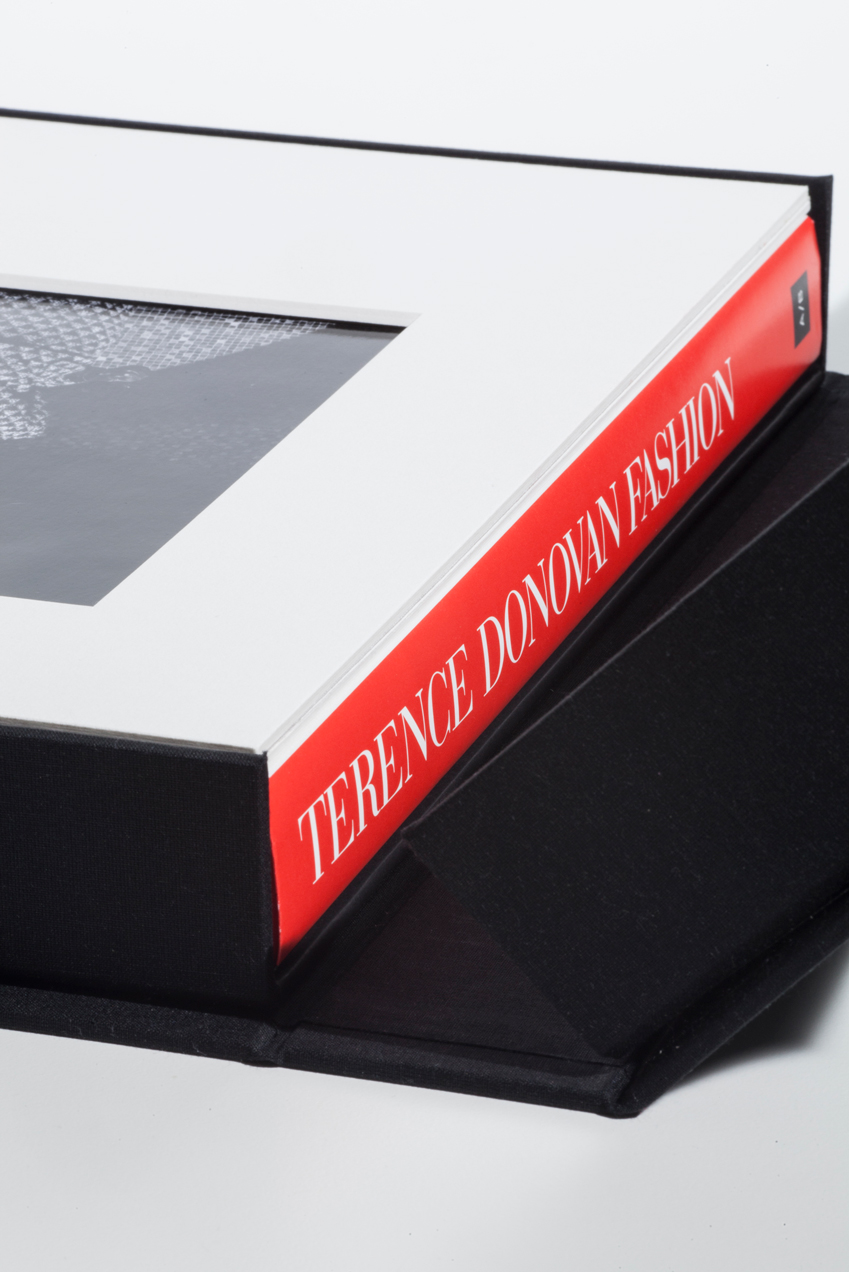
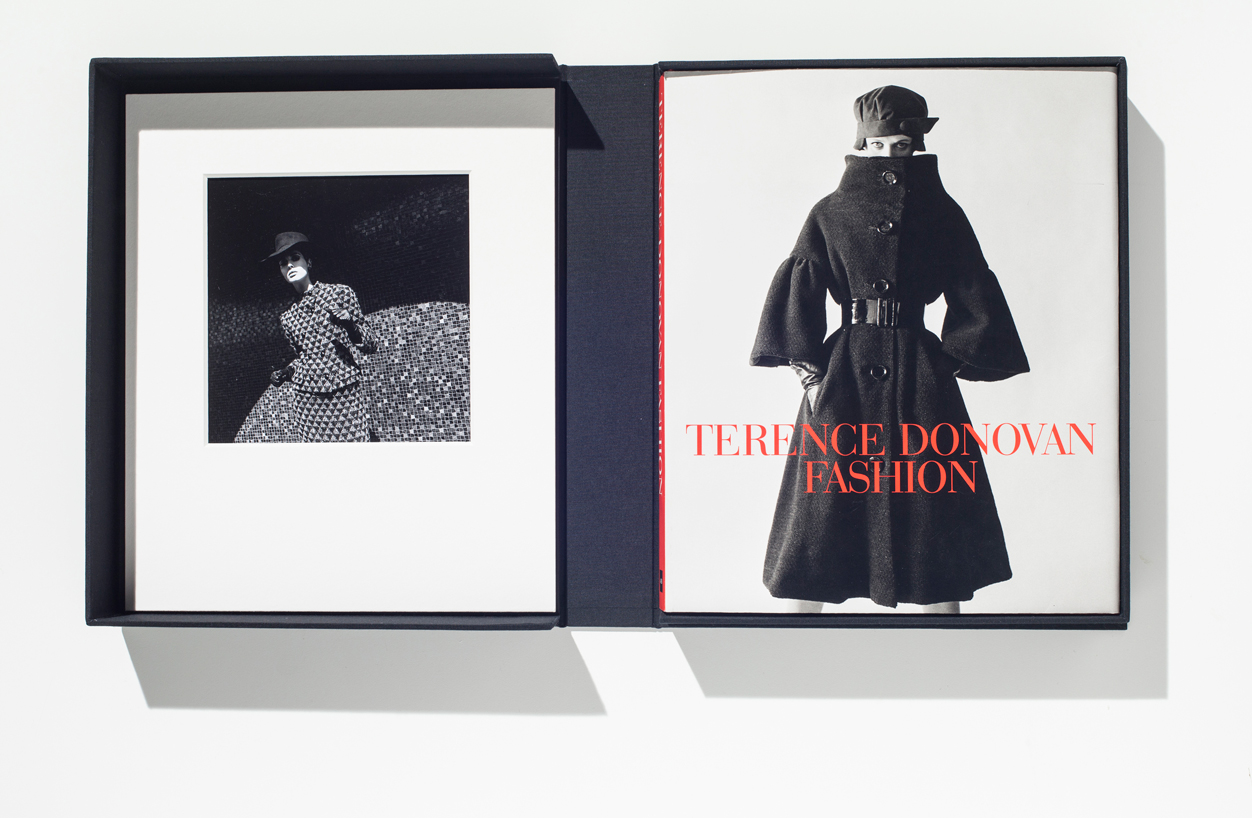
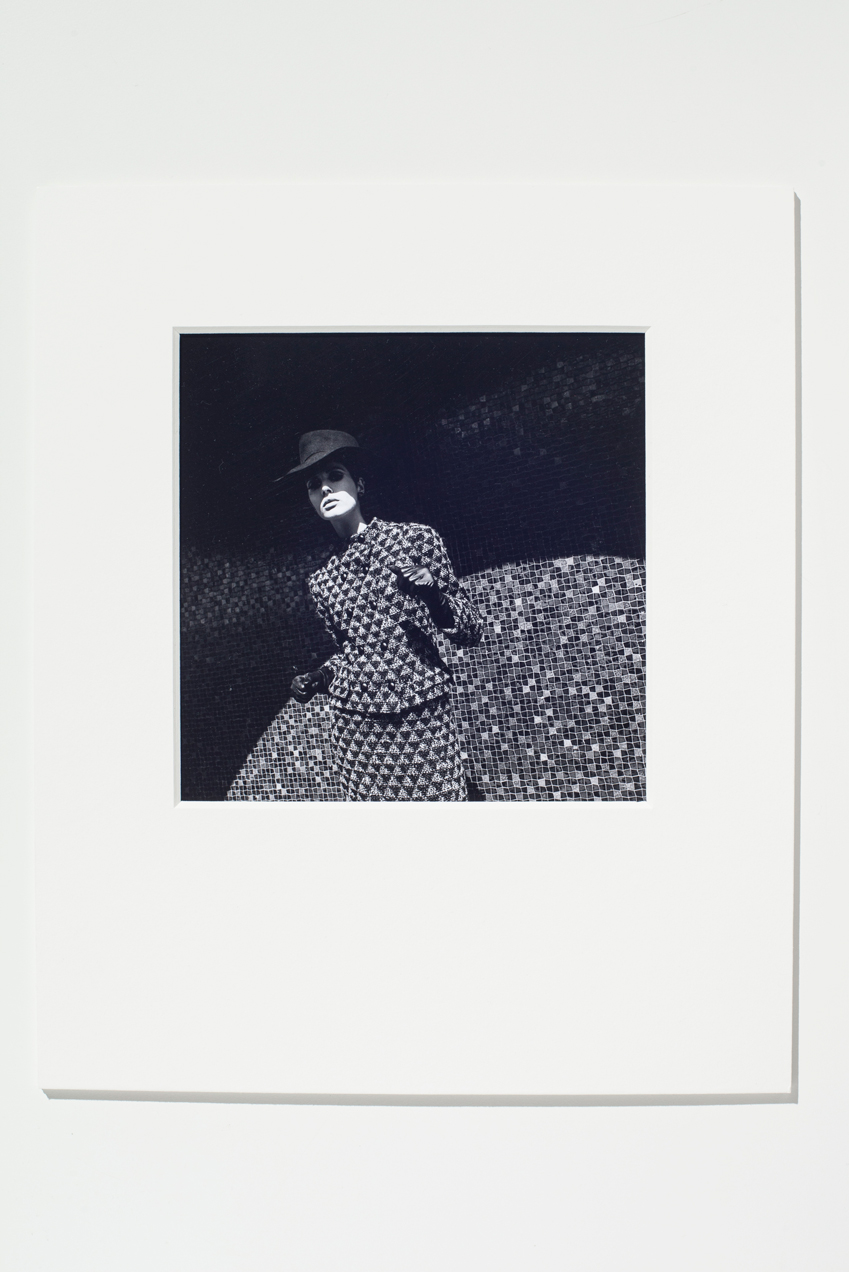
Limited edition of 30 with a silver gelatin print on Ilford Galerie fibre-based paper in an archival mount, signed and numbered by the Terence Donovan Archive, with a signed certificate of authentication

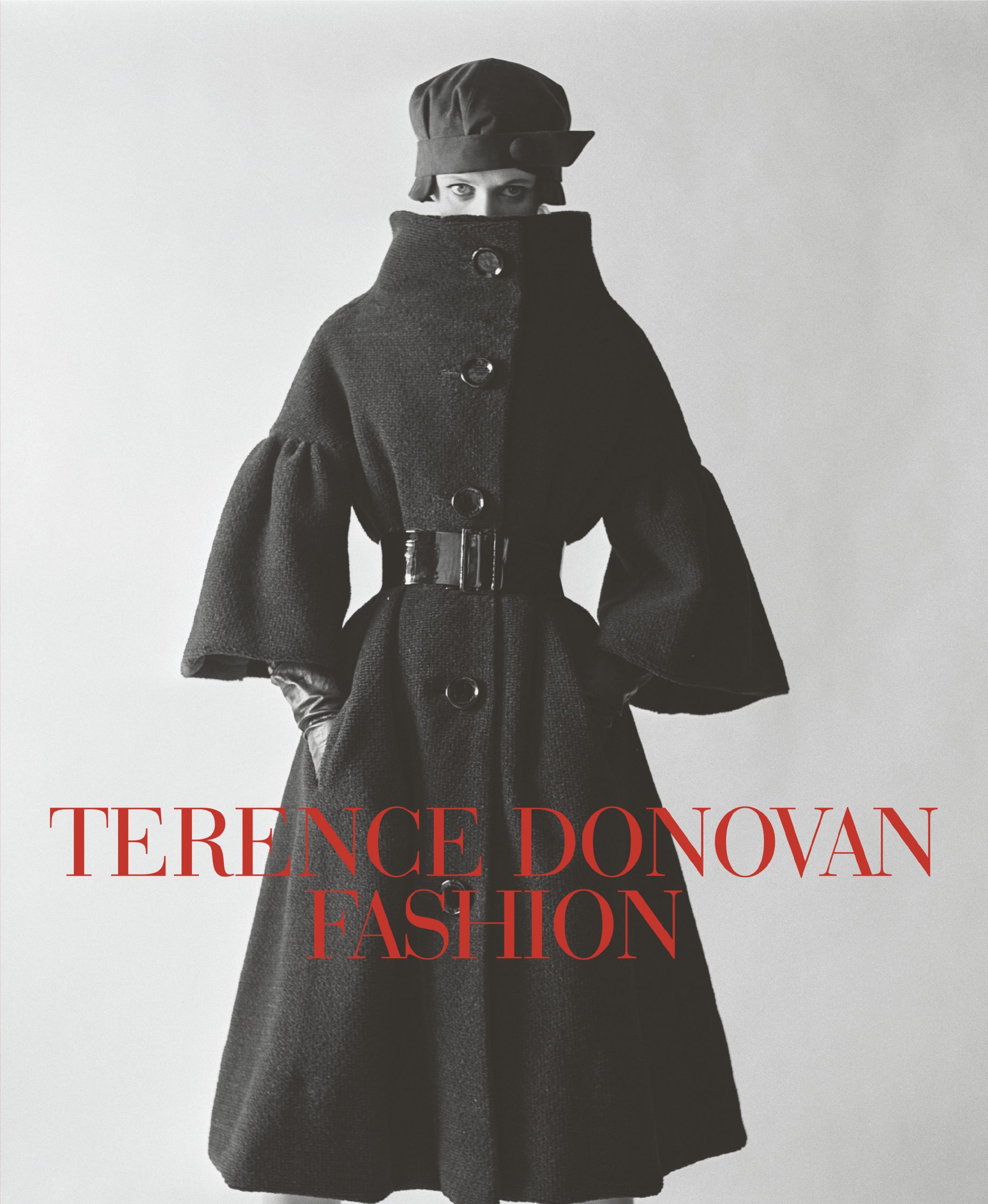
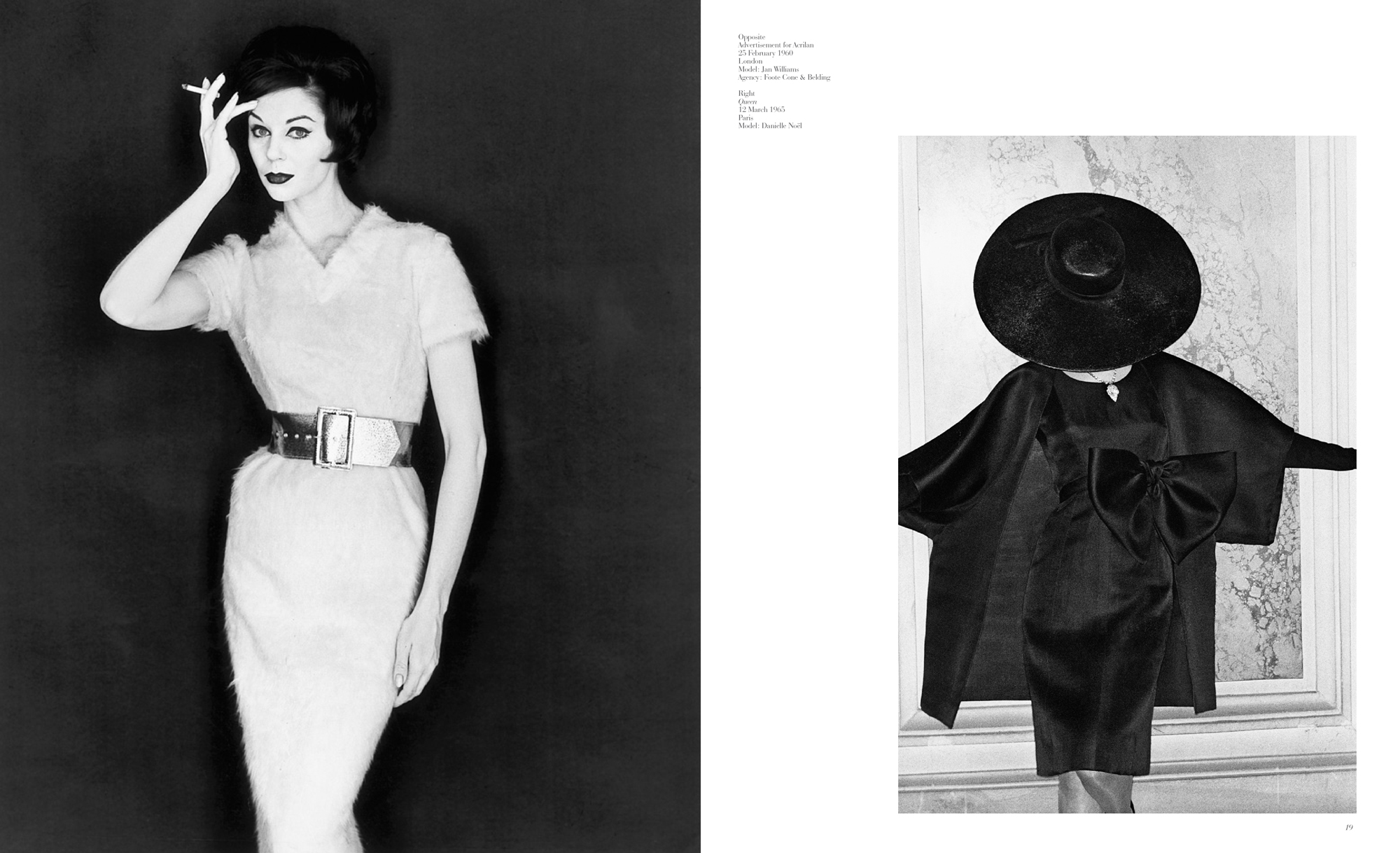
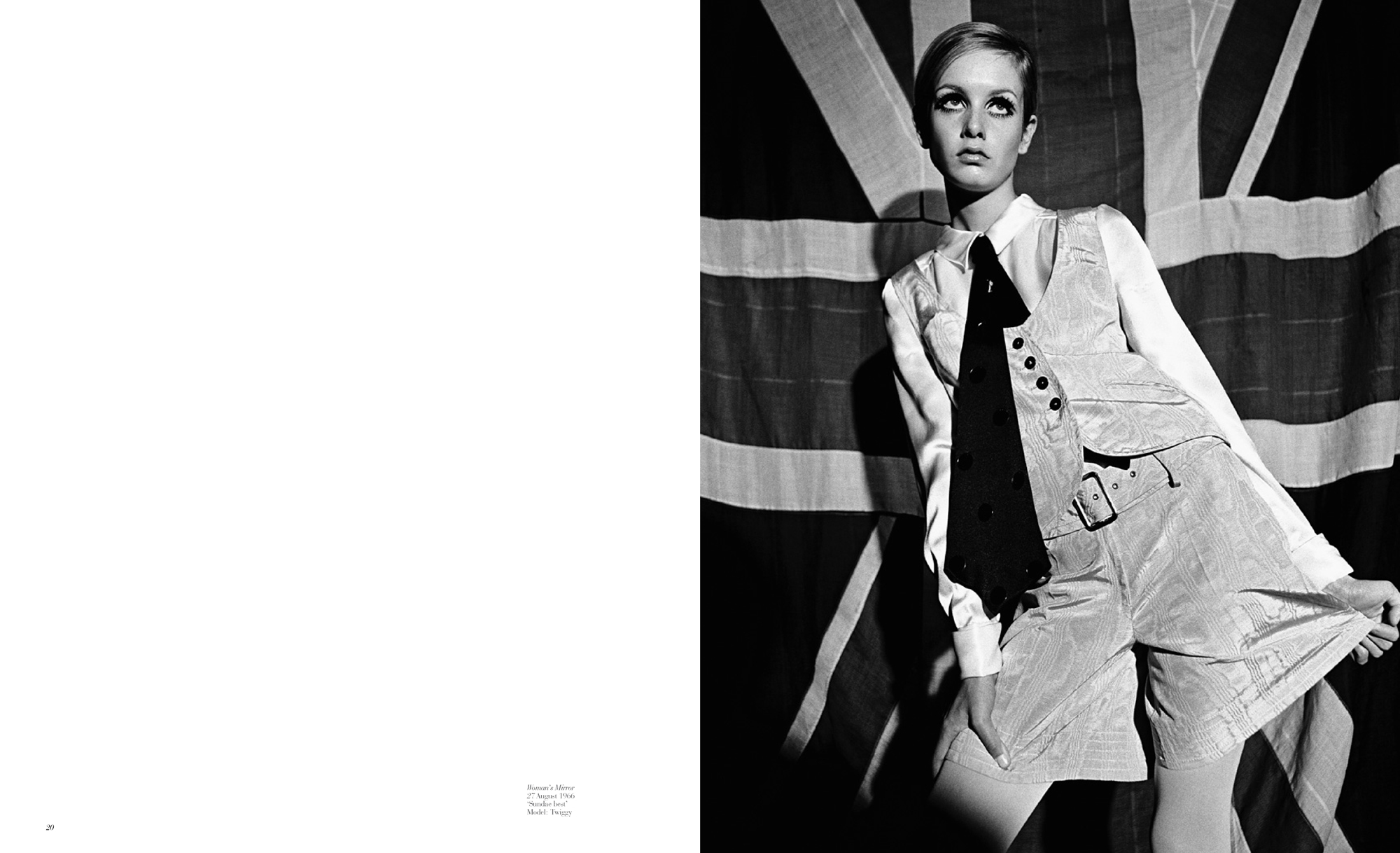
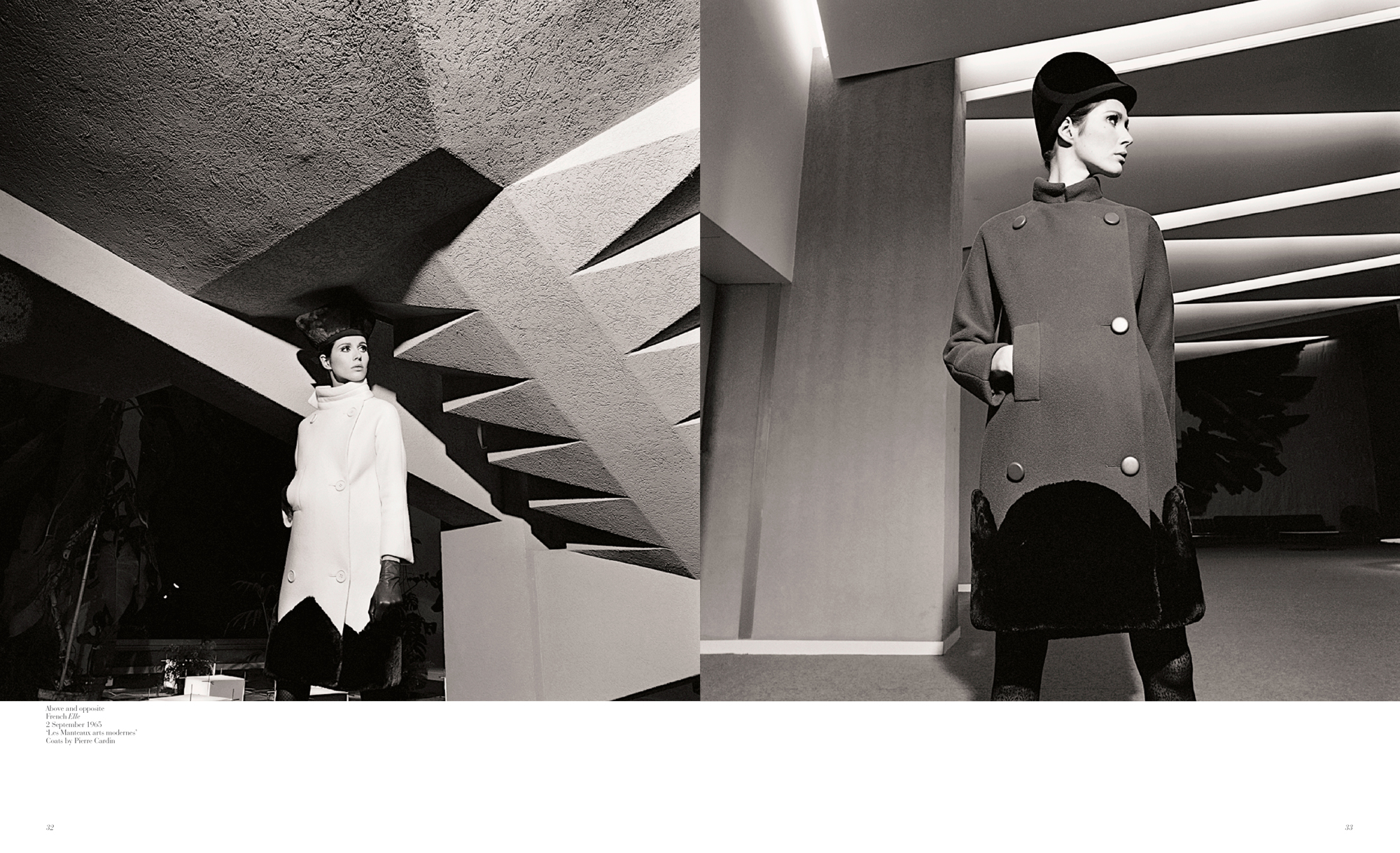
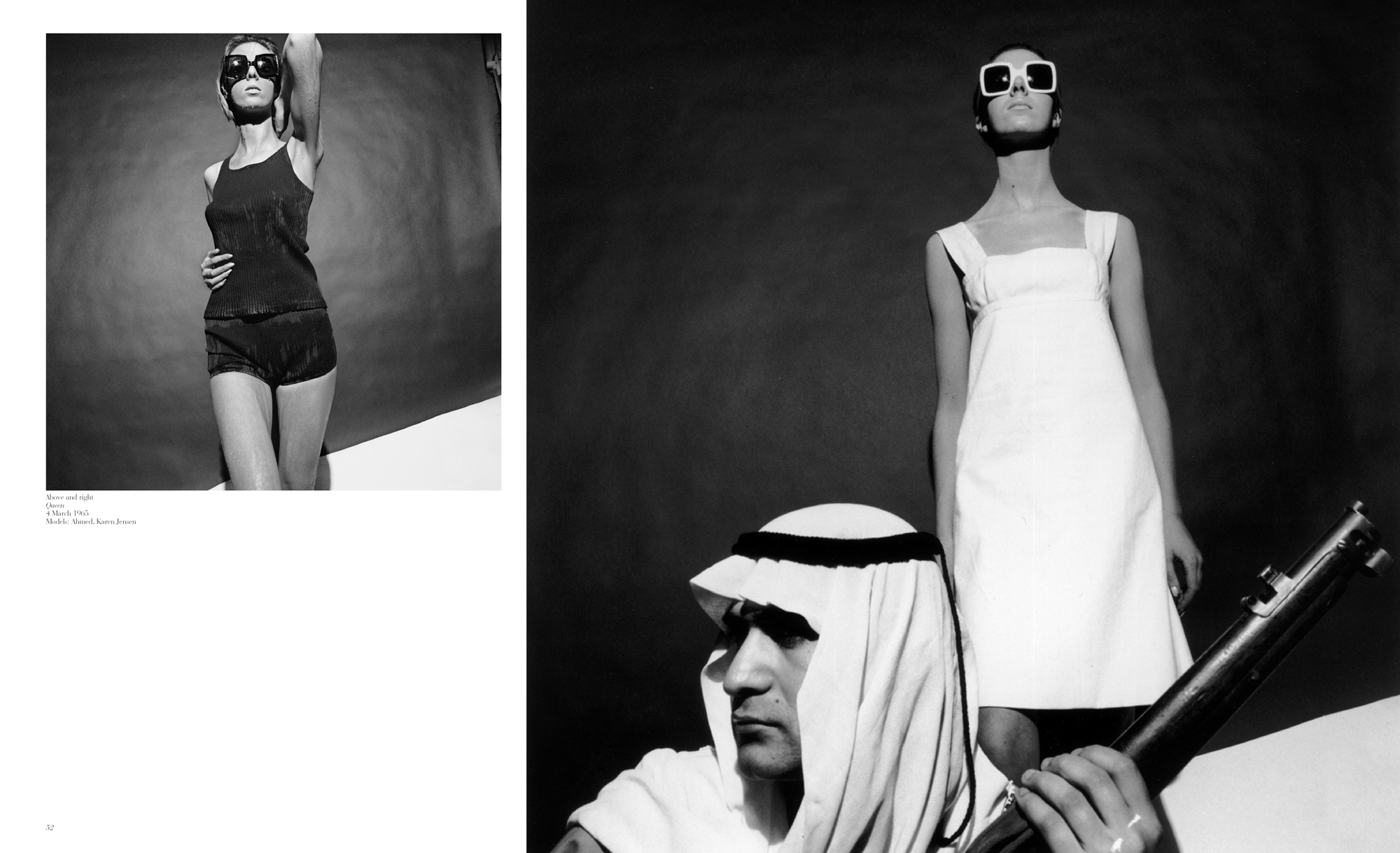
‘In a 1965 shoot for Elle, a gamine model in graphic patterned suit by Dior, leather gloves and fedora is caught in a dramatic arc of light against a mosaic wall. The model appears defiant, punching the air, glaring at the lens and delivering what is now known as “attitude”, but back then would have appeared threatening, radical.’ — Harriet Quick, Observer

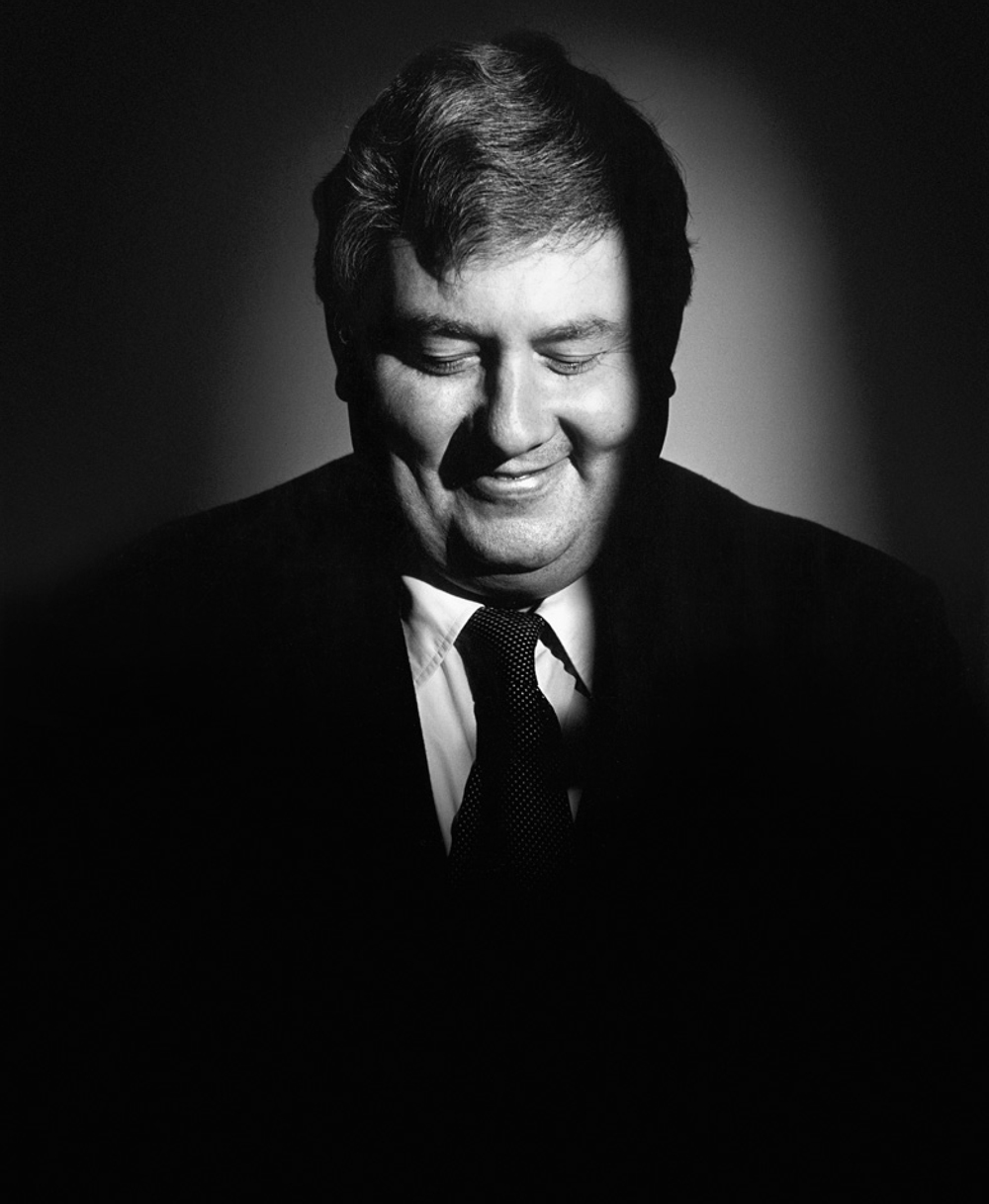
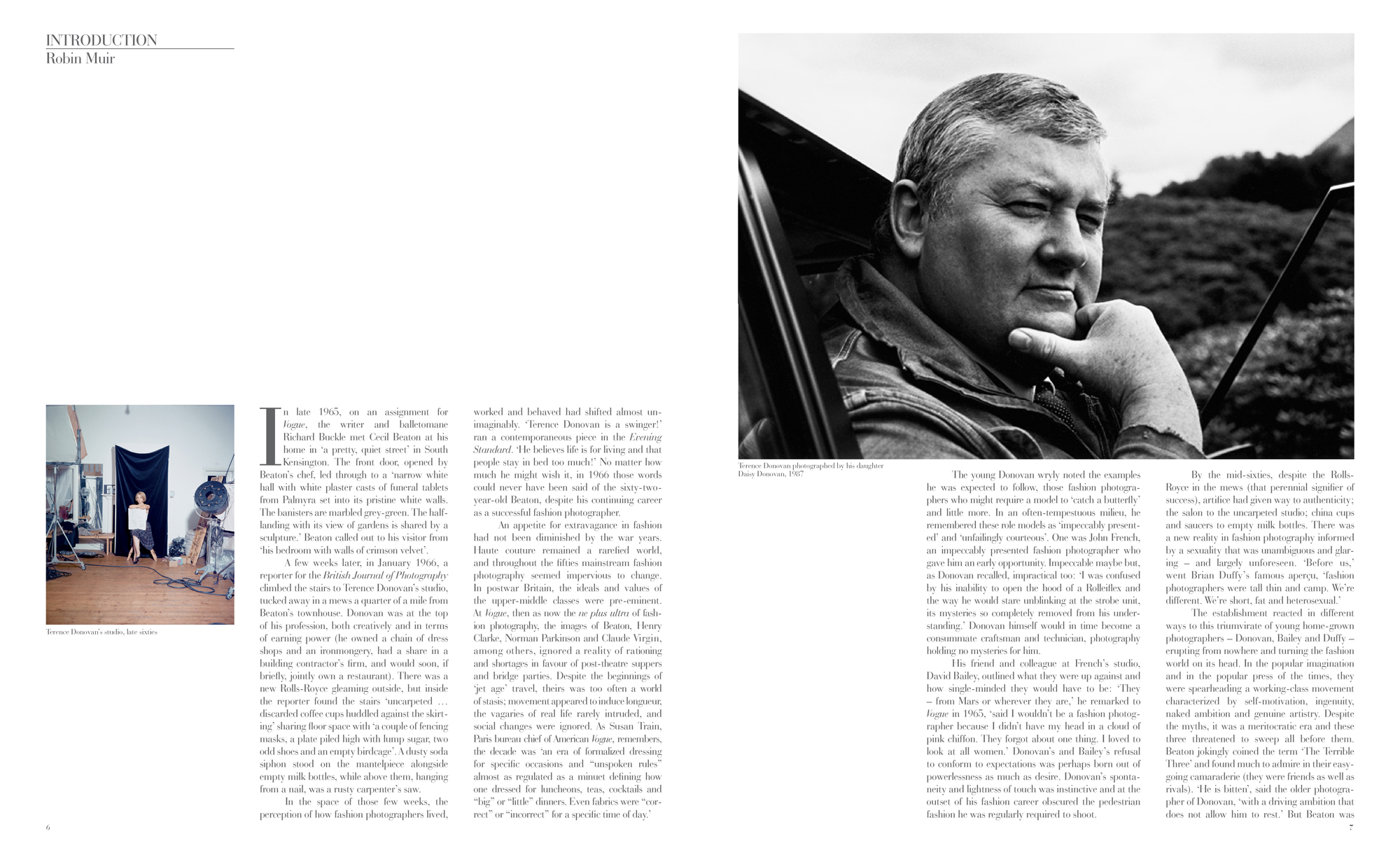
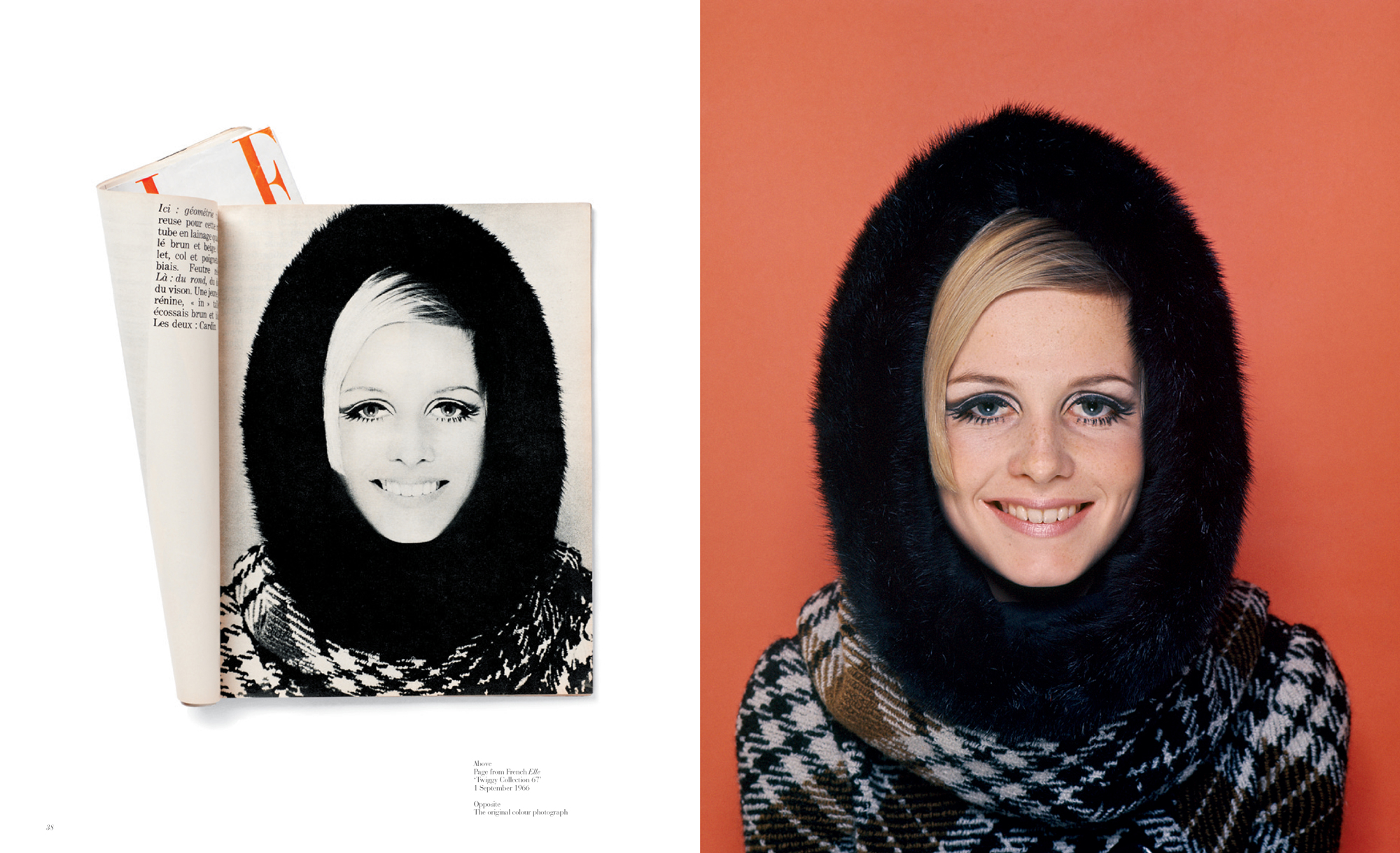
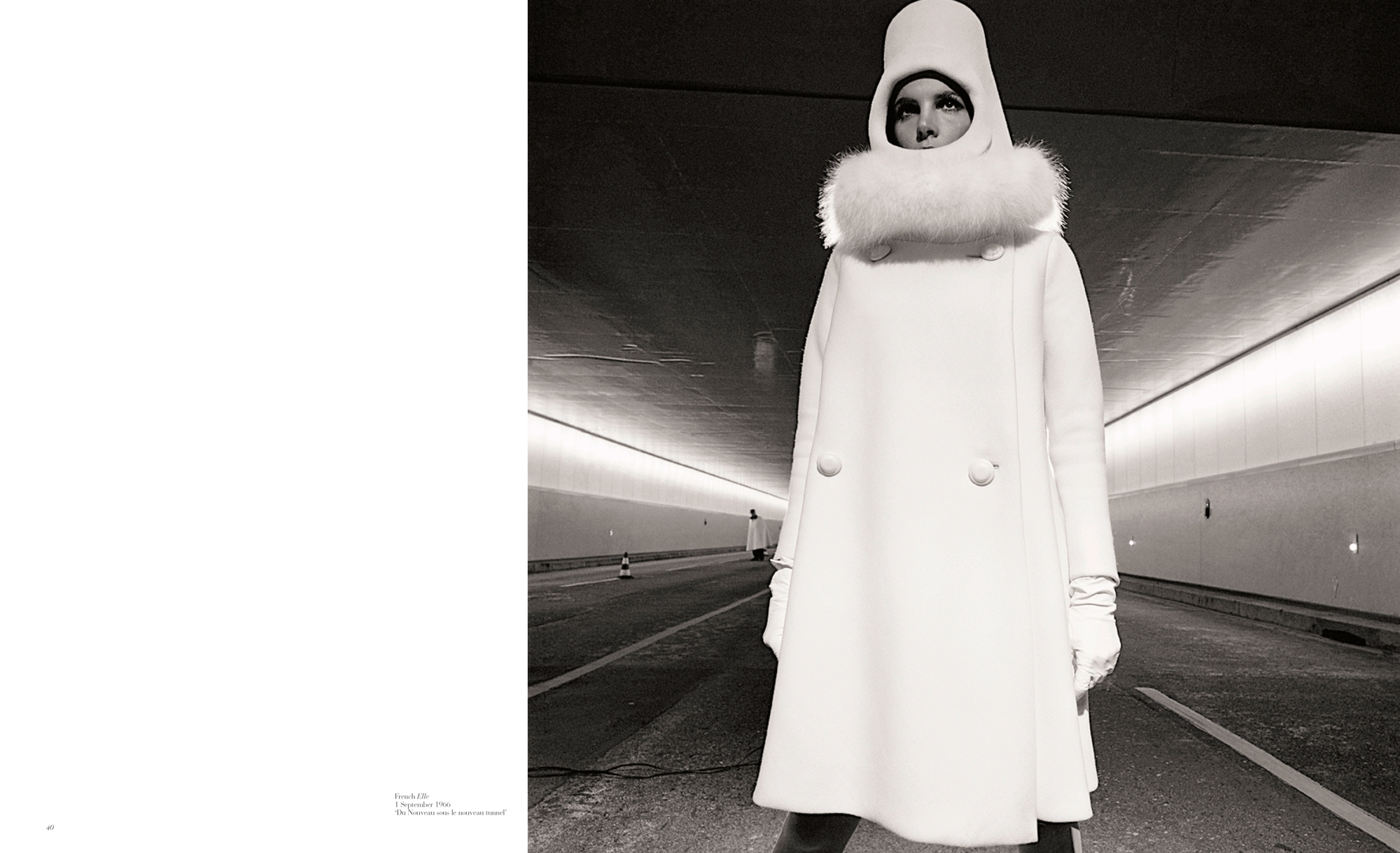
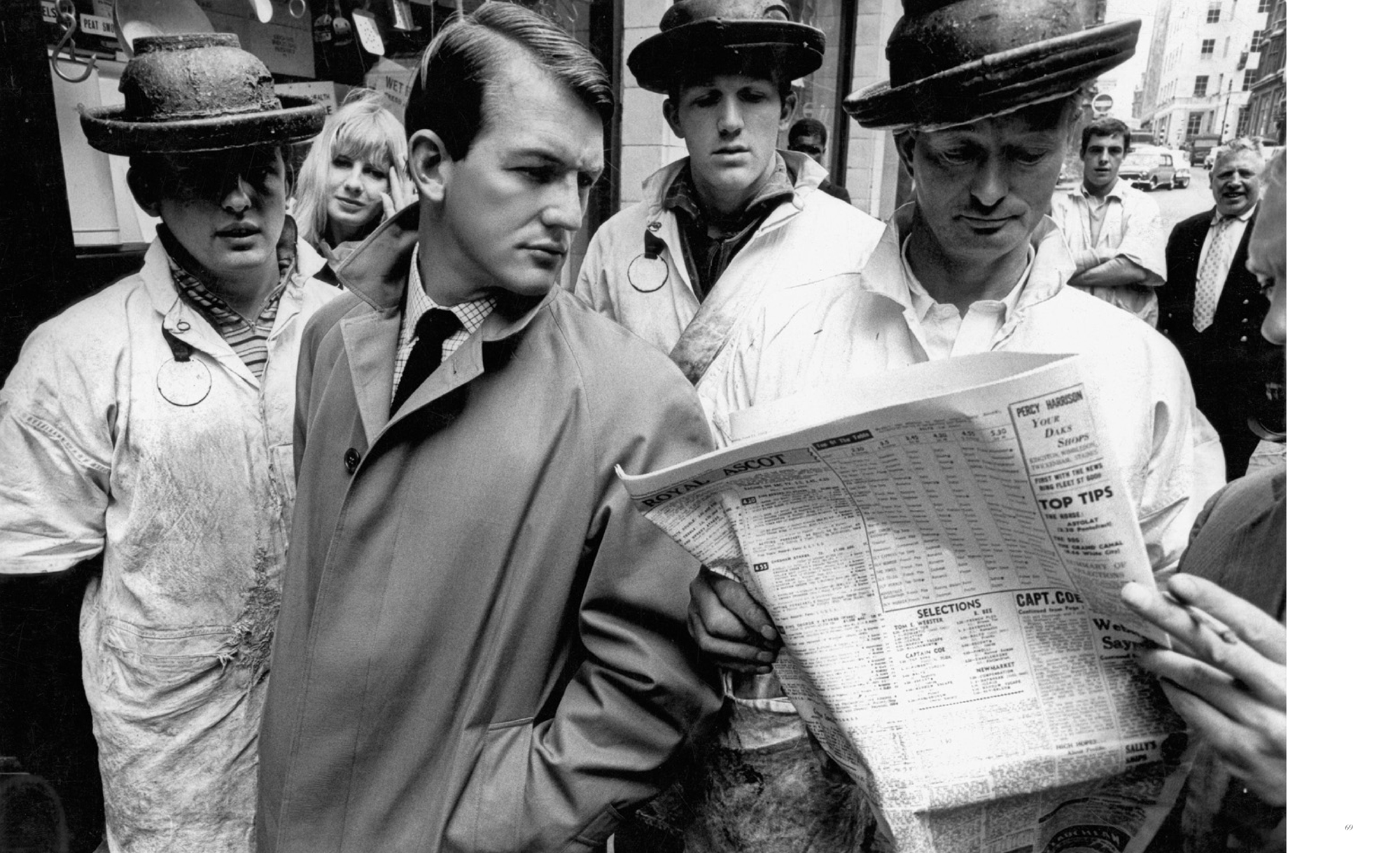
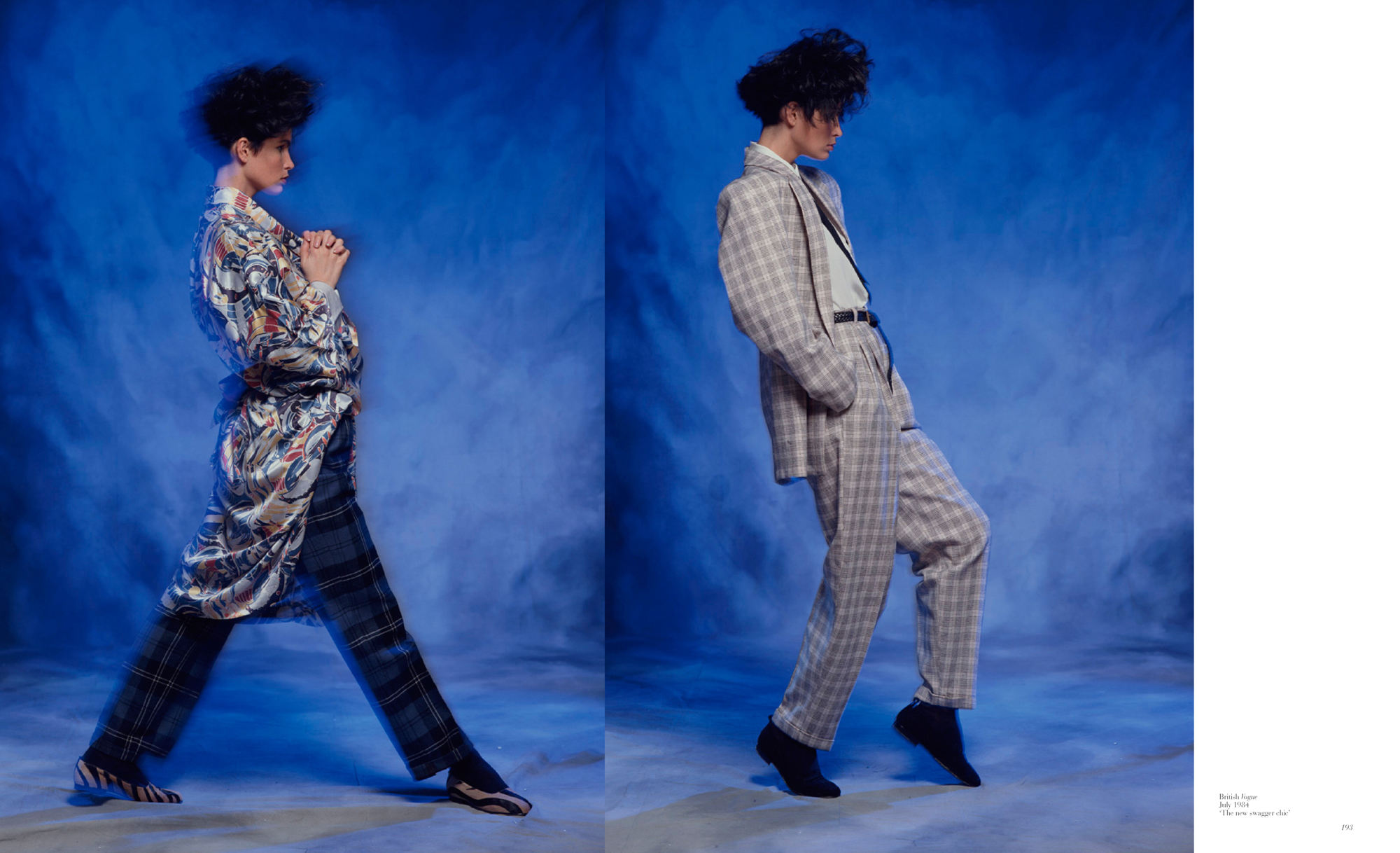
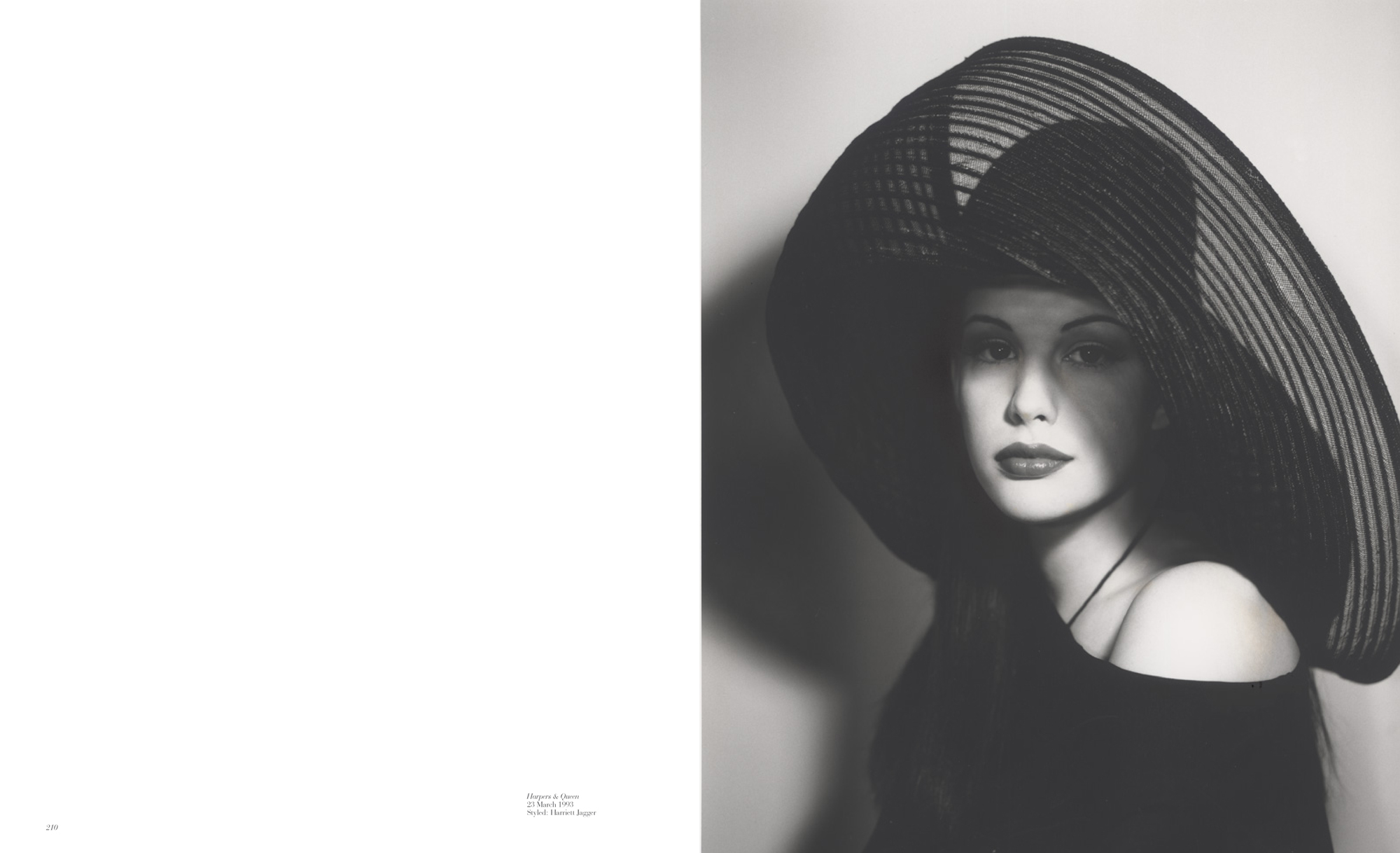
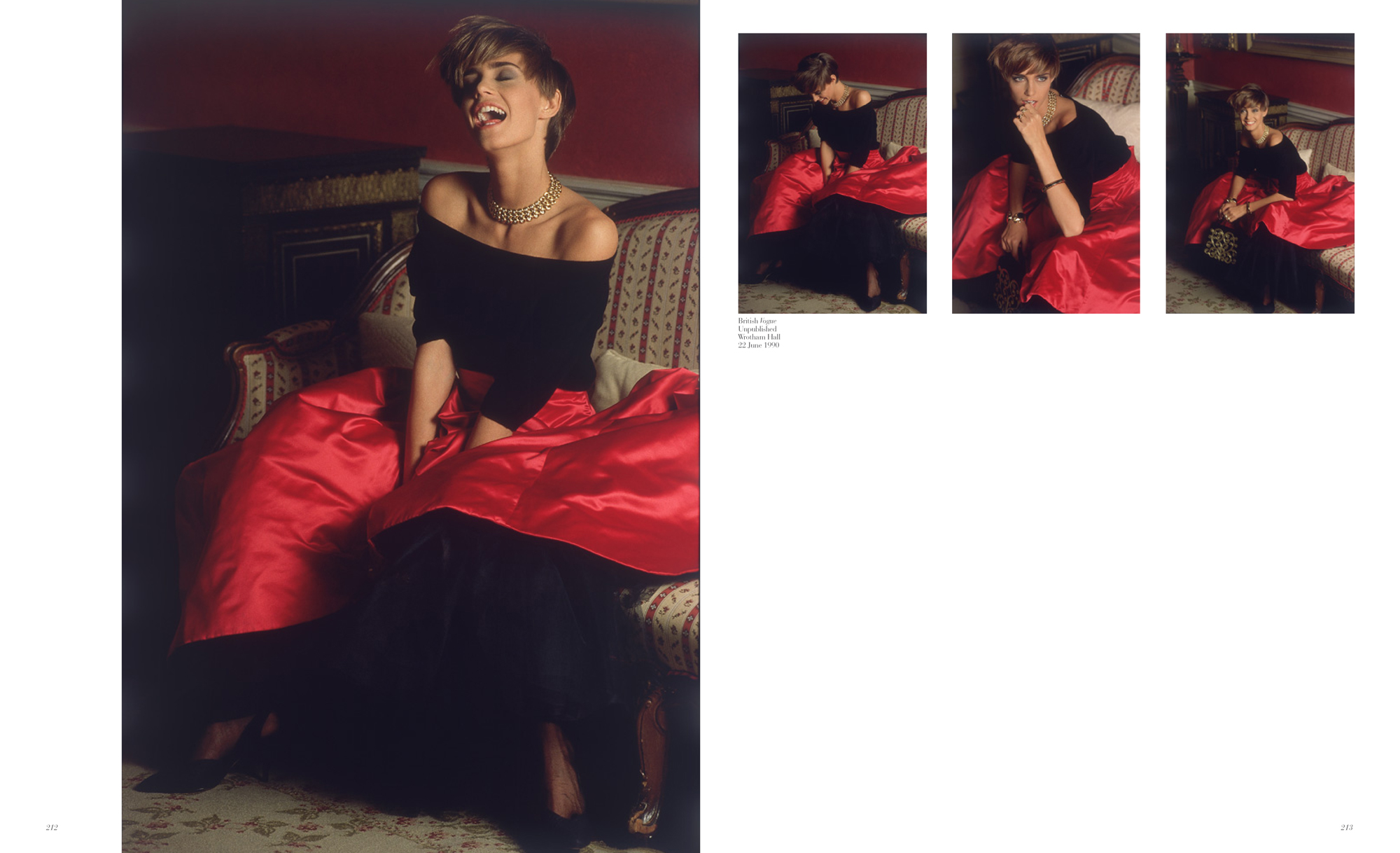
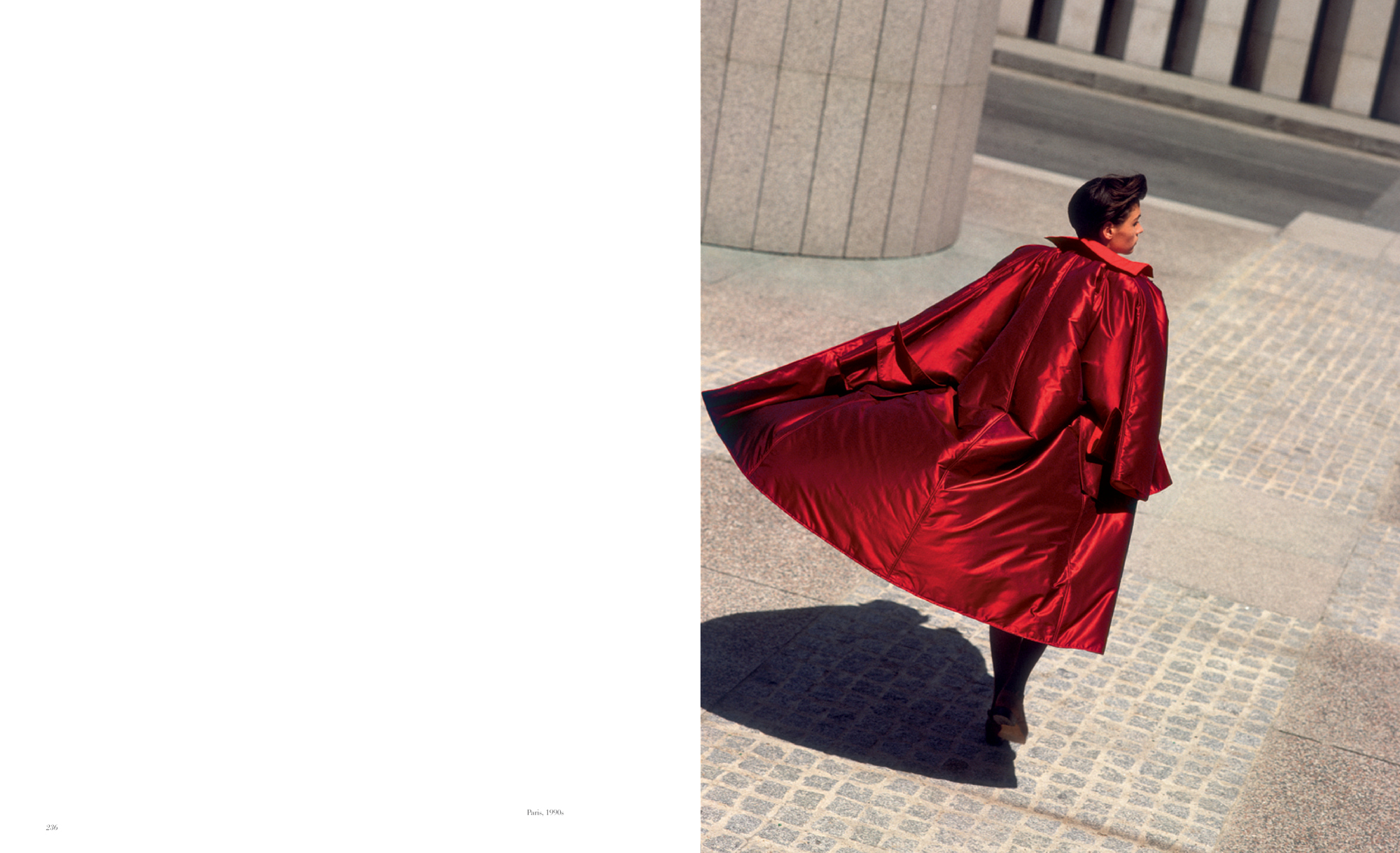
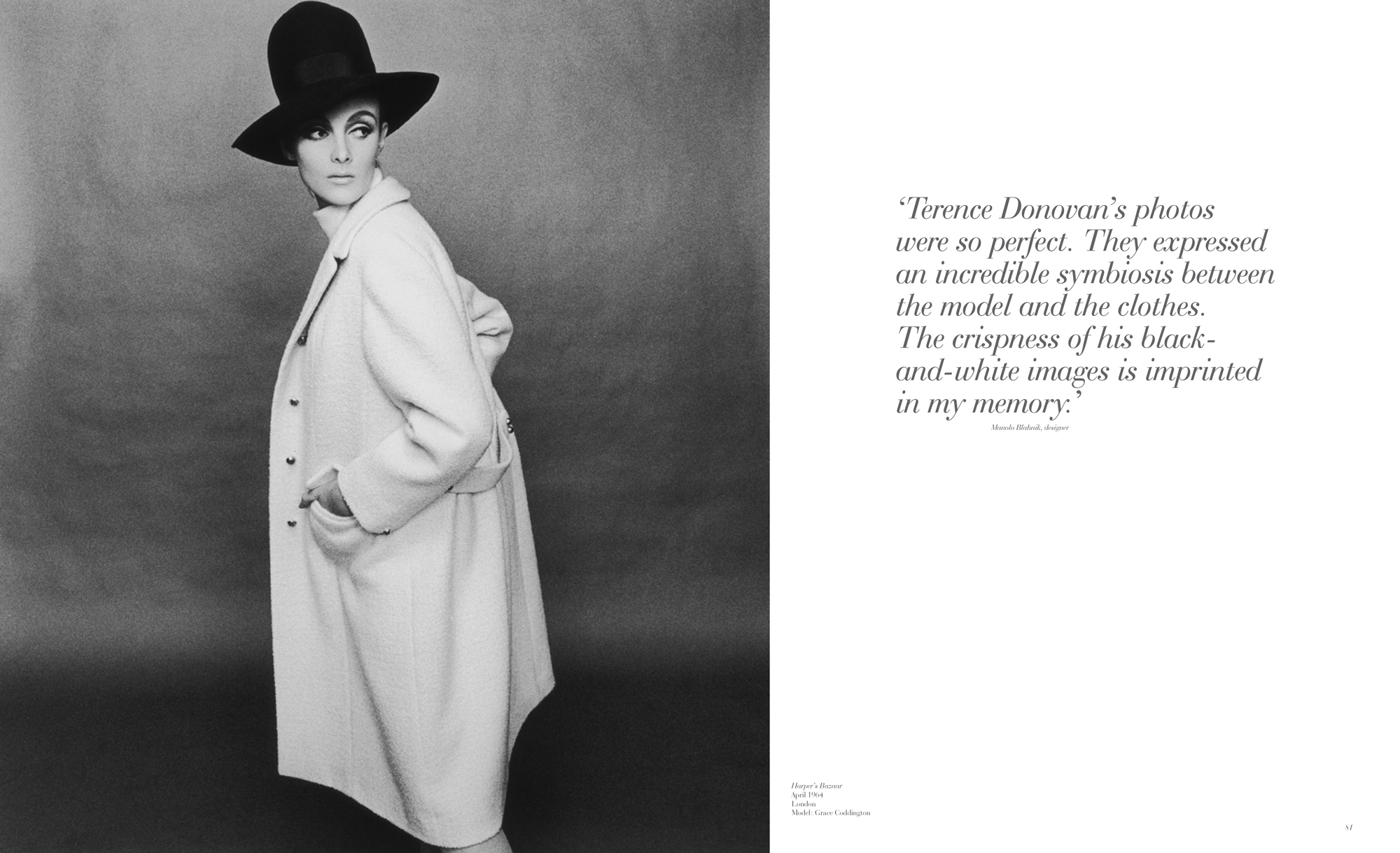
Terence Donovan was one of the foremost photographers of his generation – among the greatest Britain has ever produced. He came to prominence in London as part of a postwar renaissance in art, fashion, graphic design and photography. His working-class background and outlook helped change the face of British fashion photography and made him a major figure of London’s Swinging Sixties. A star in his own right, he was equally at home with celebrities and royalty as well as the ordinary girl on the street, whose mannerisms informed his photographs.

Gifted with an unerring eye for the iconic image, Donovan was also master of his craft, a technical genius who strove to push the limits of what was possible. And yet despite his fame and status, there has never been a publication devoted solely to his fashion work. Terence Donovan Fashion is the first time his fashion pictures have been collected together in book form.

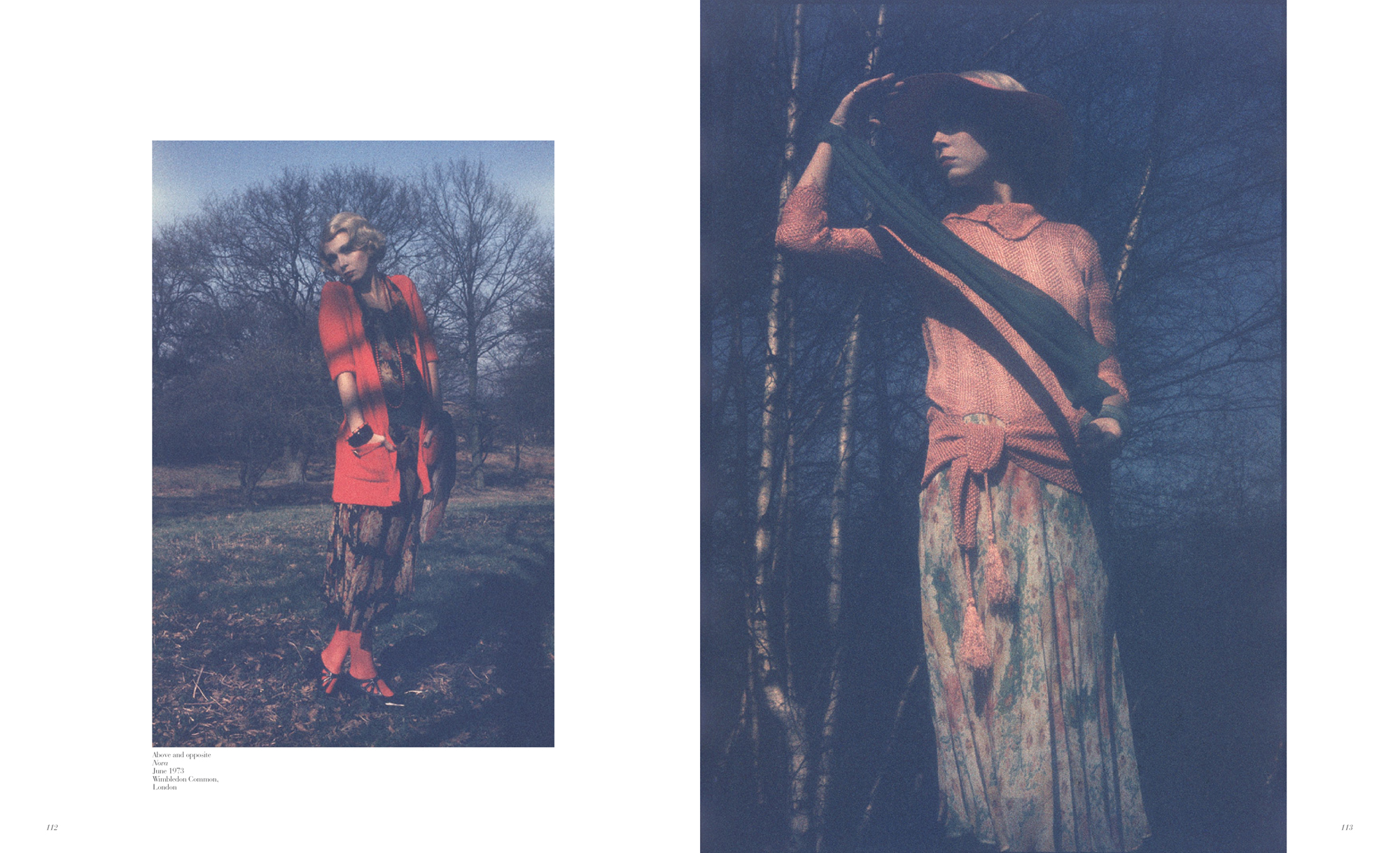
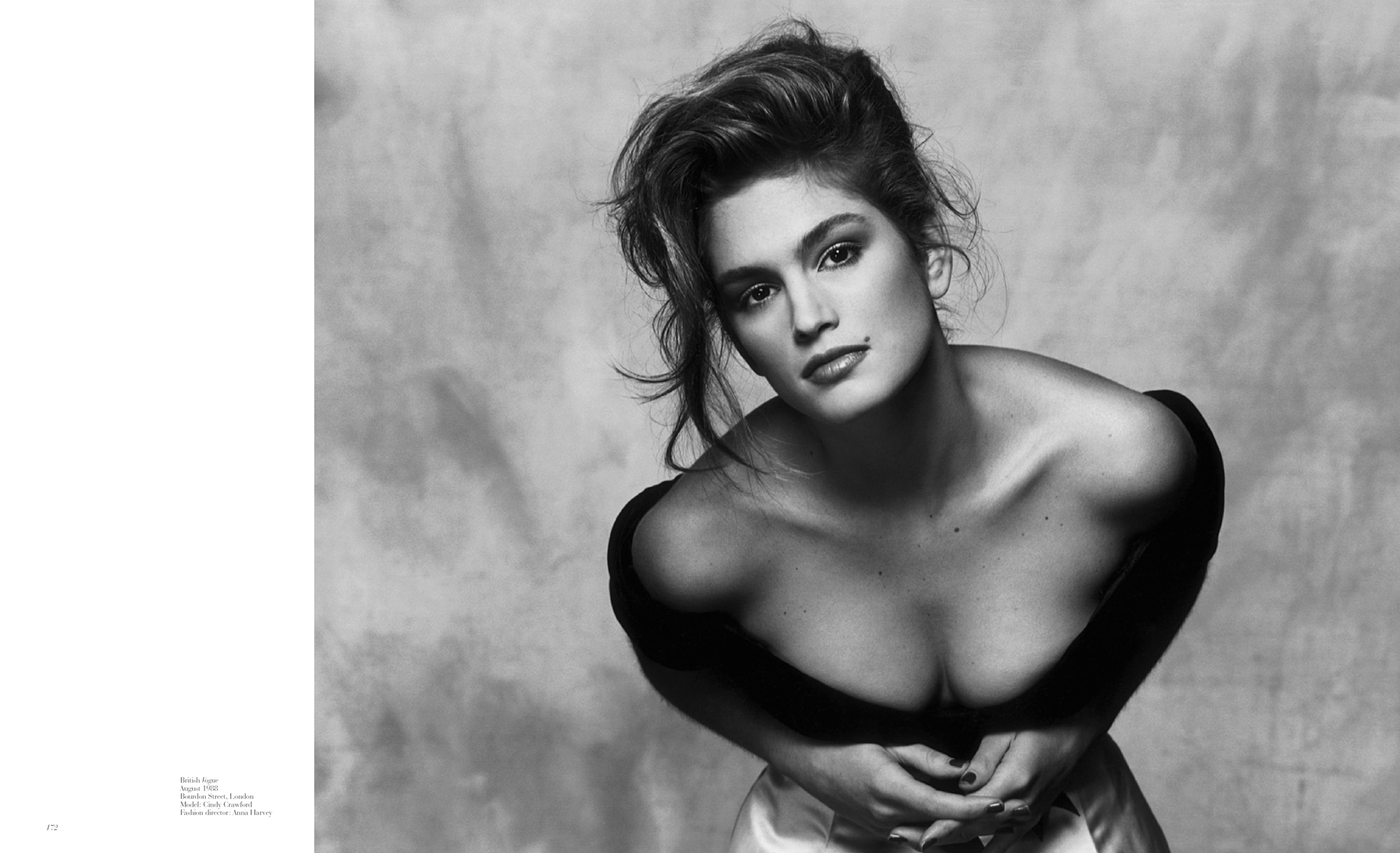
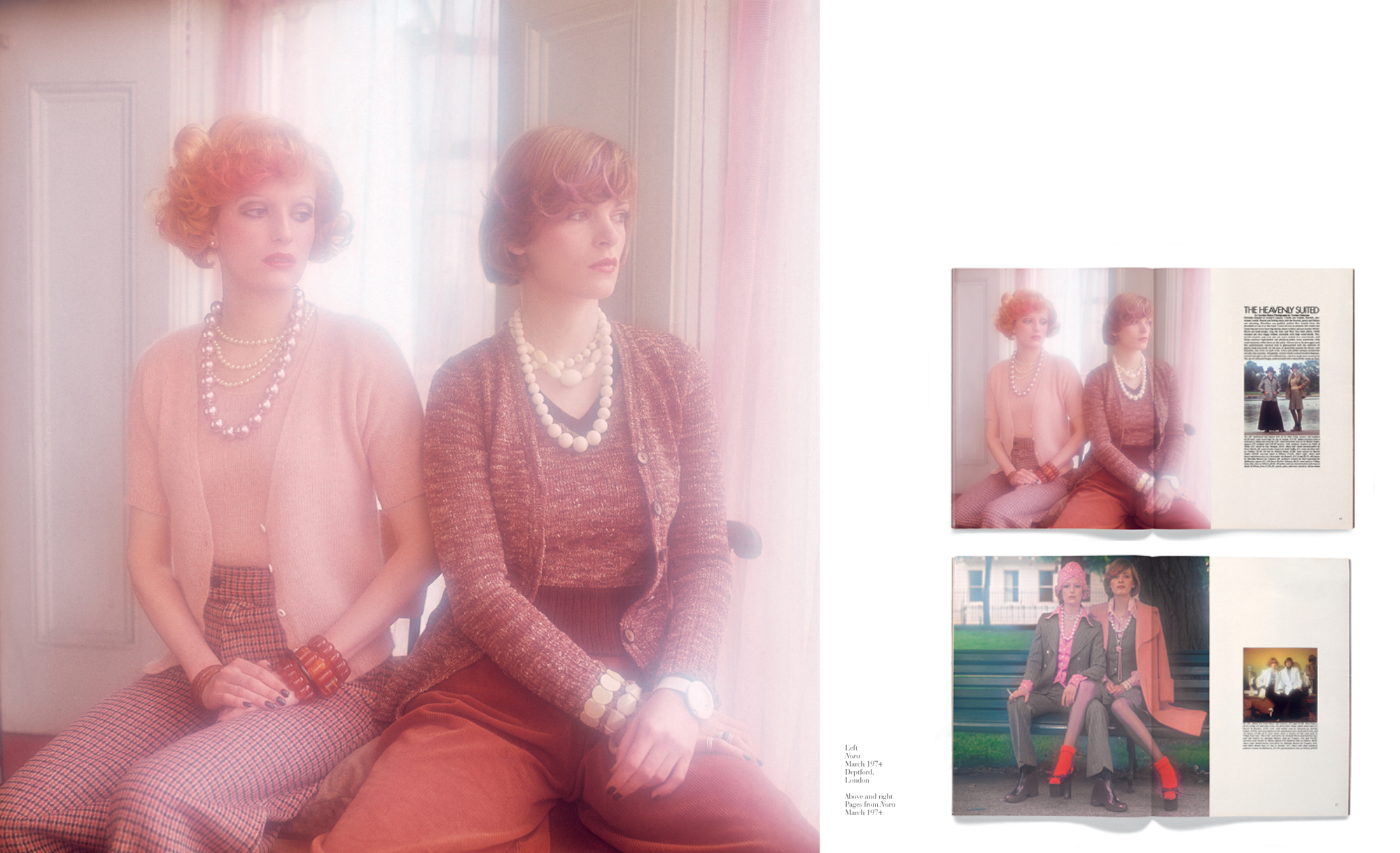
Arranged chronologically, from the gritty monochromatic 1960s and 1970s to the vibrant and colourful 1980s and 1990s, the book reveals how constant invention and experimentation set Donovan apart from his contemporaries and influenced generations to come.

The pictures have been selected by his wife Diana Donovan and the former art director of Nova magazine and Pentagram partner David Hillman, who worked closely with Donovan for over a decade. With a text by the photographic historian Robin Muir, and a foreword by Grace Coddington, creative director of American VogueTerence Donovan Fashion is a landmark in the history of fashion photography.

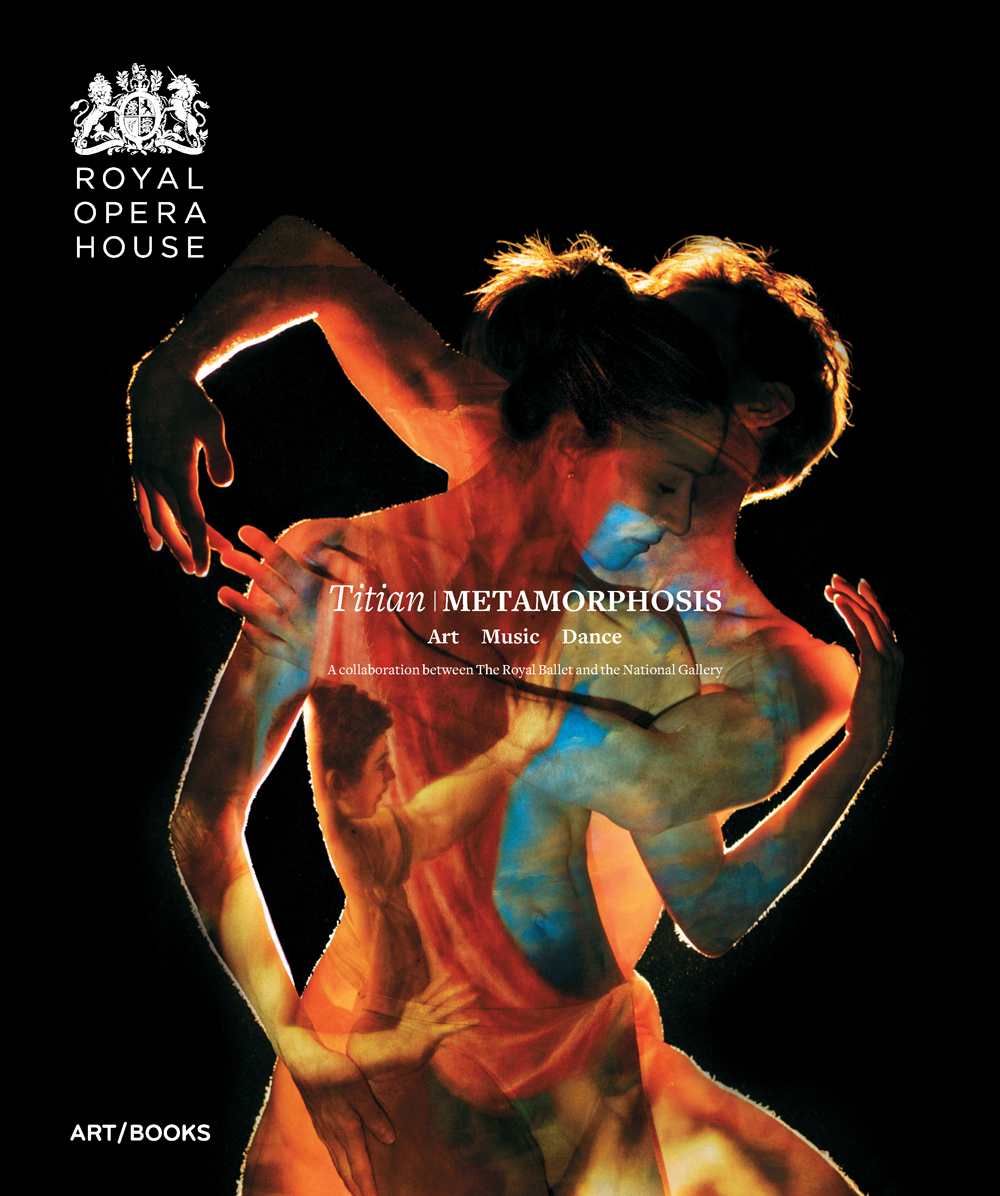
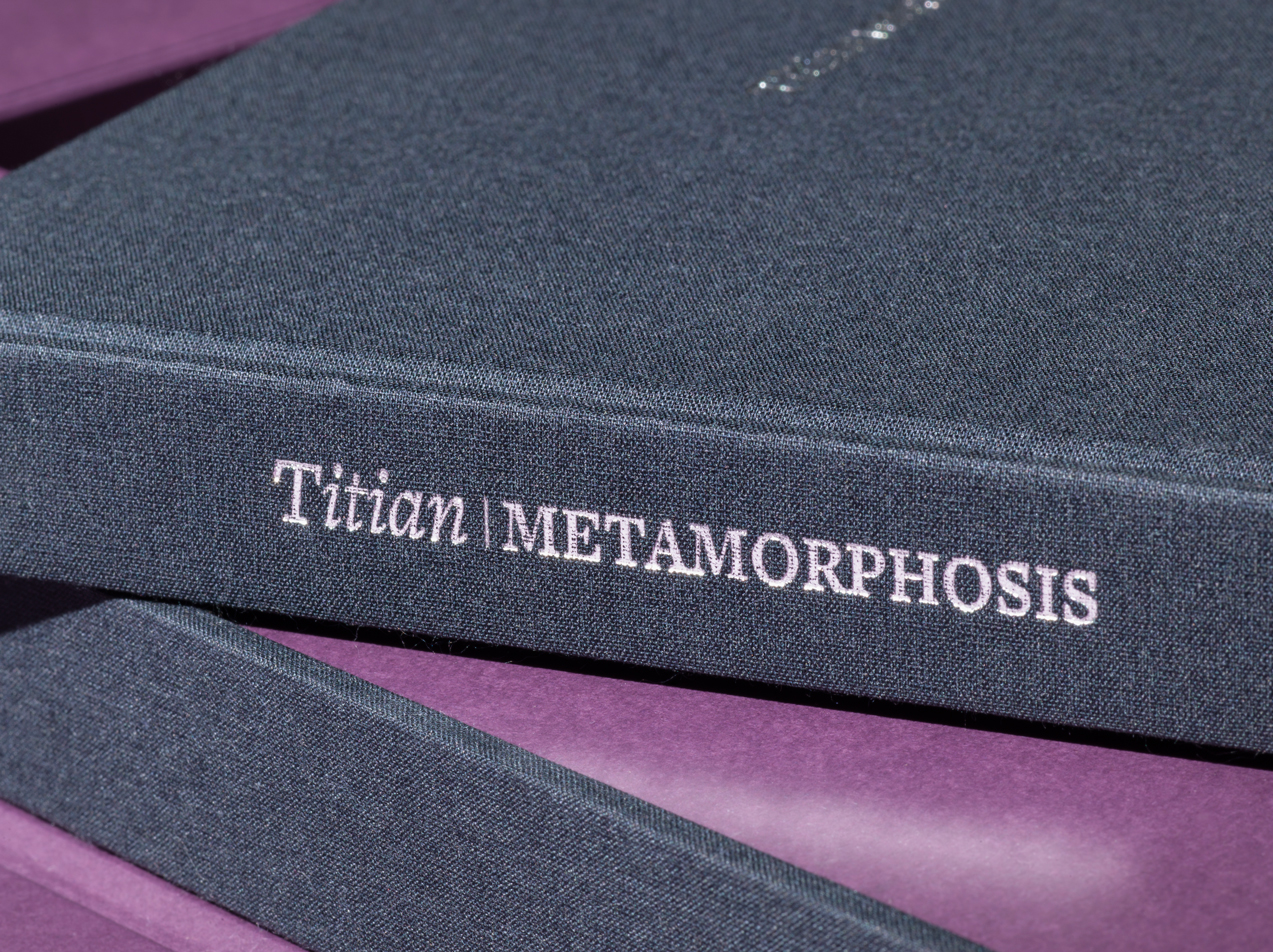
Titian Metamorphosis

ART MUSIC DANCE
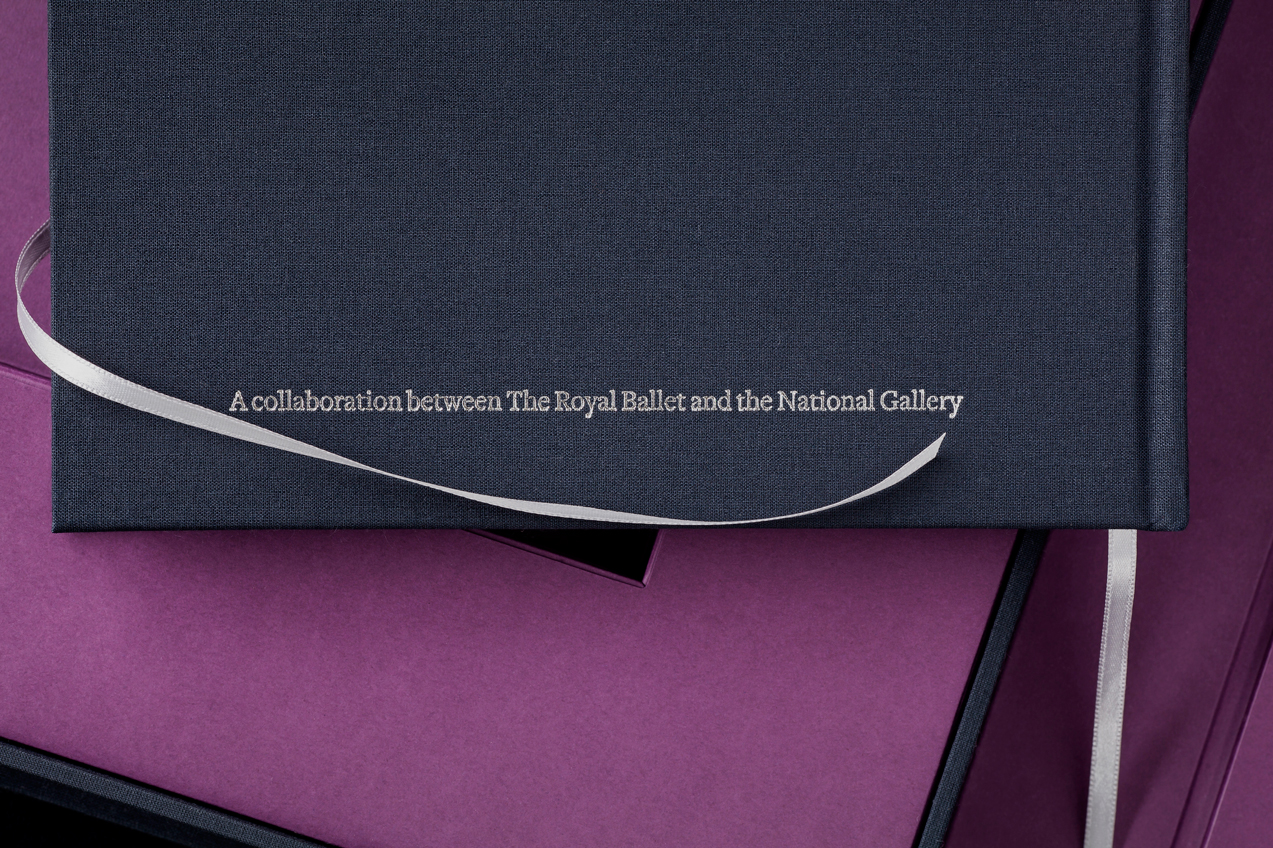
A collaboration between The Royal Ballet and the National Gallery

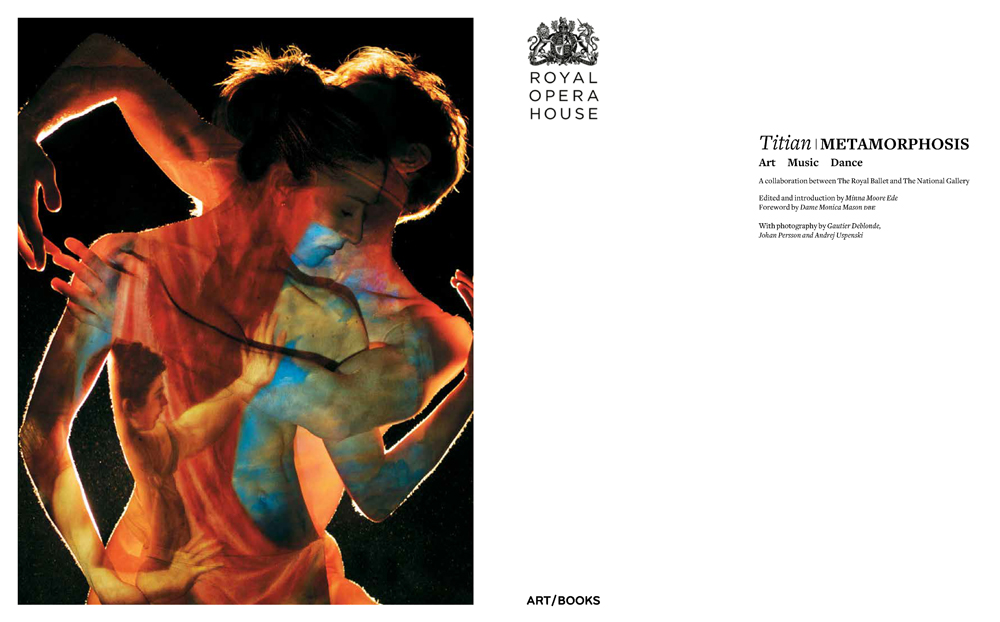
Edited and introduced by Minna Moore Ede
Foreword by Dame Monica Mason
Photography by Gautier Deblonde, Andrej Uspenski and Johan Persson

‘Compelling … stunning … this book is a treasure’ — Ballet News
‘A work of art’ — 4dancers.org
‘One of the most extravagantly interesting collaborative projects ever seen at Covent Garden’ — Guardian
‘[Titan Metamorphosis] is resounding success … a real joy’ — New York Times
‘A book that will excite dance fans’ — London Dance

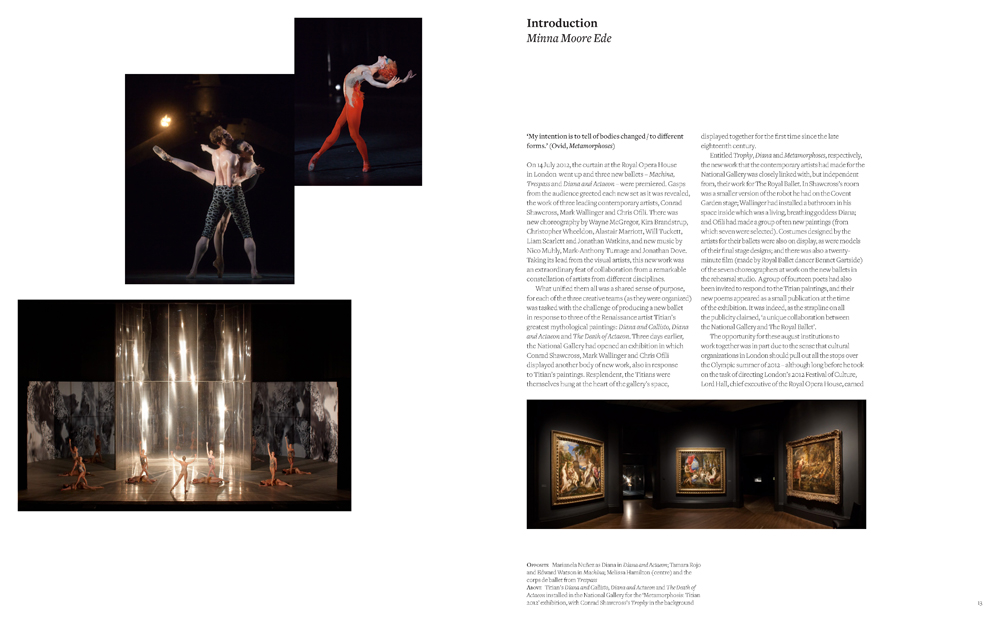
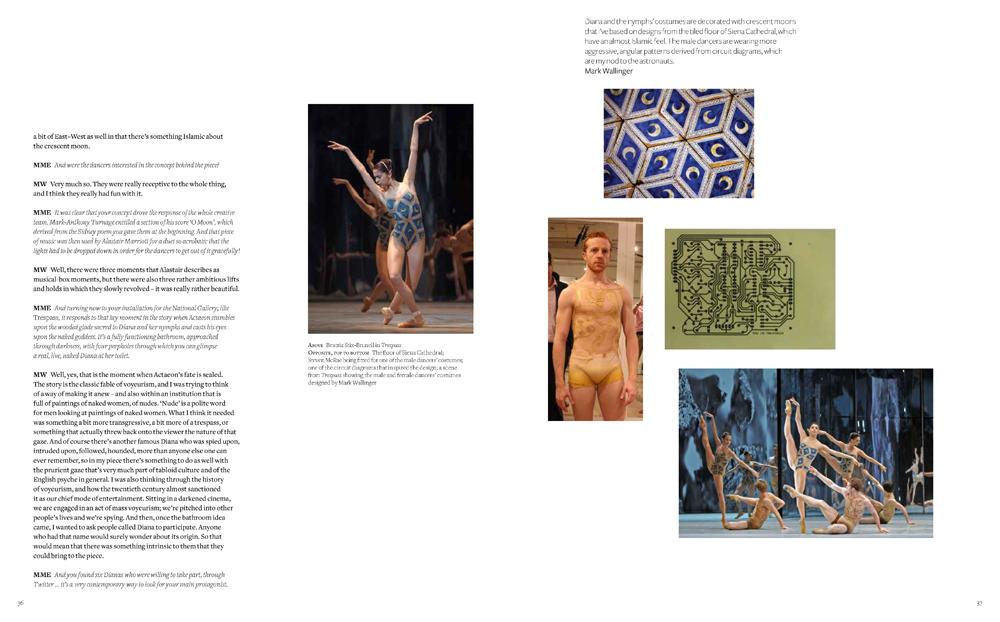
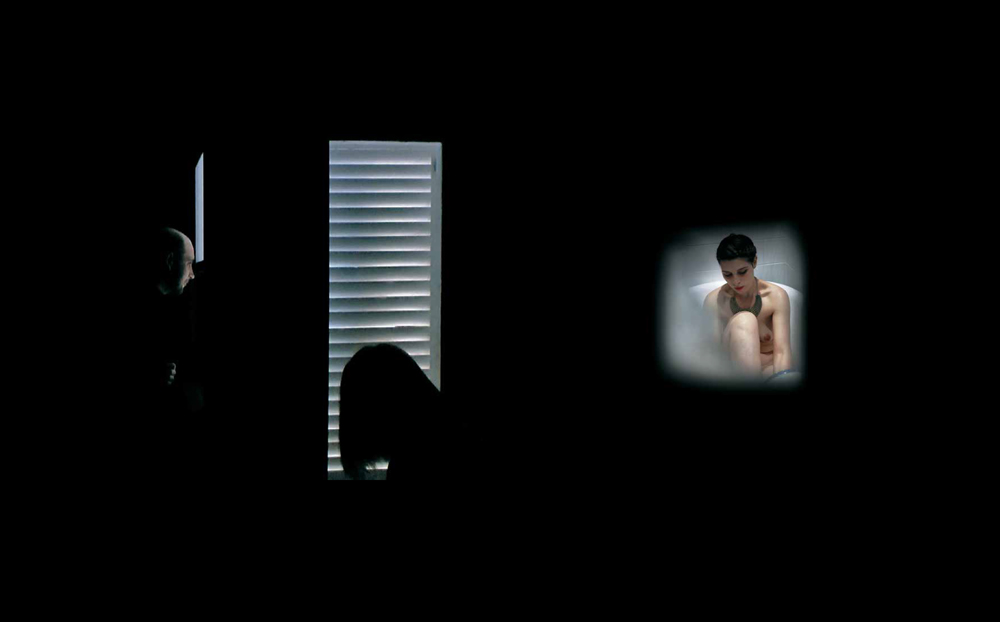
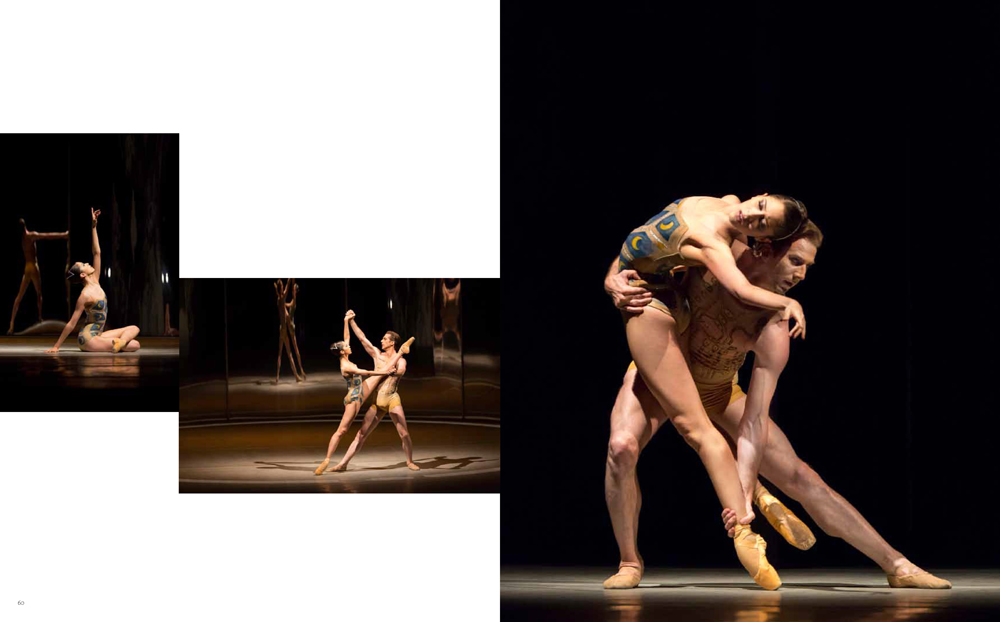
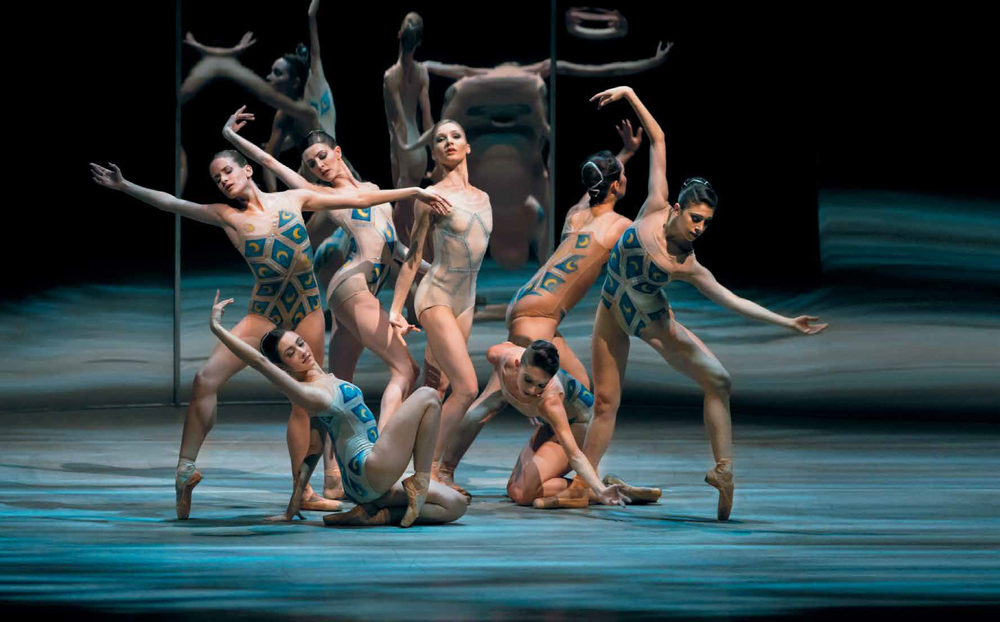
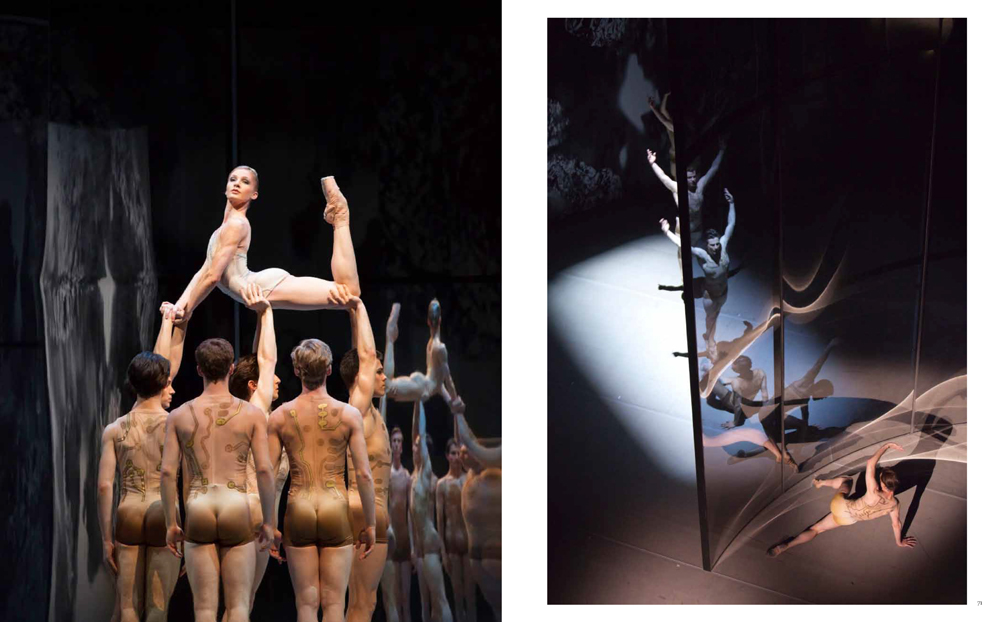
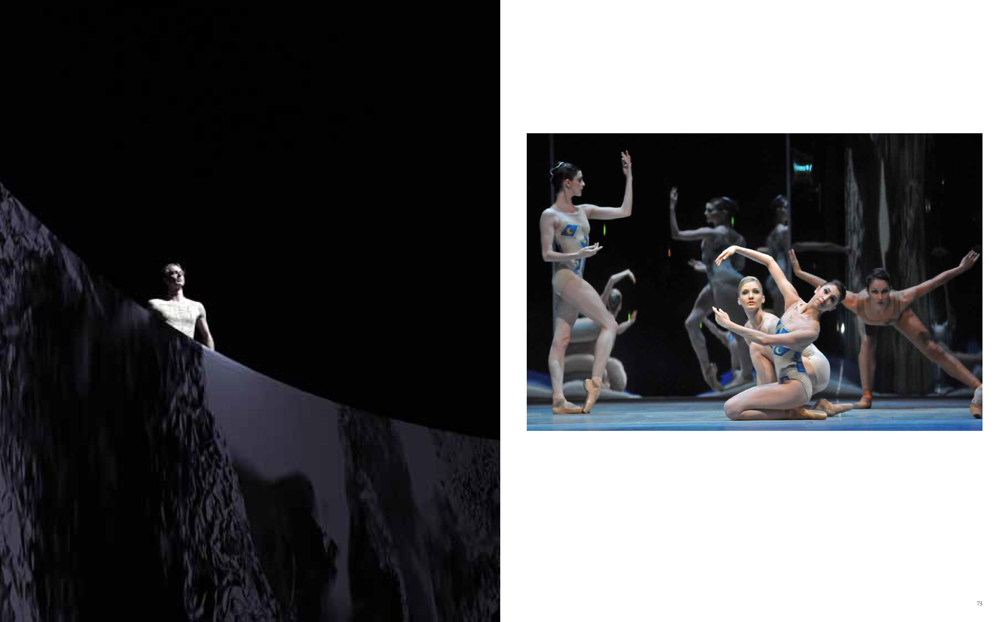
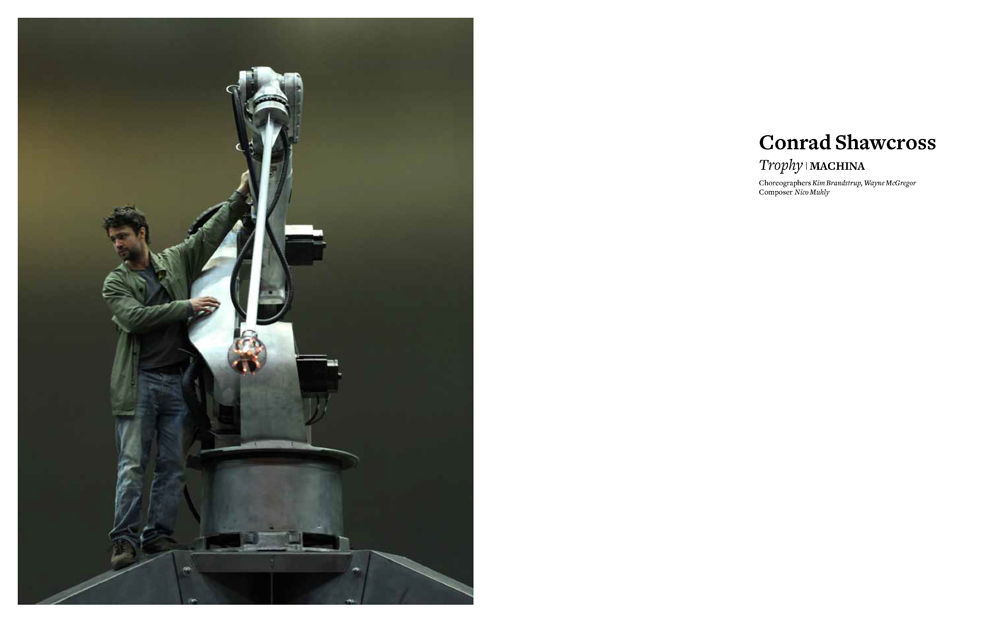
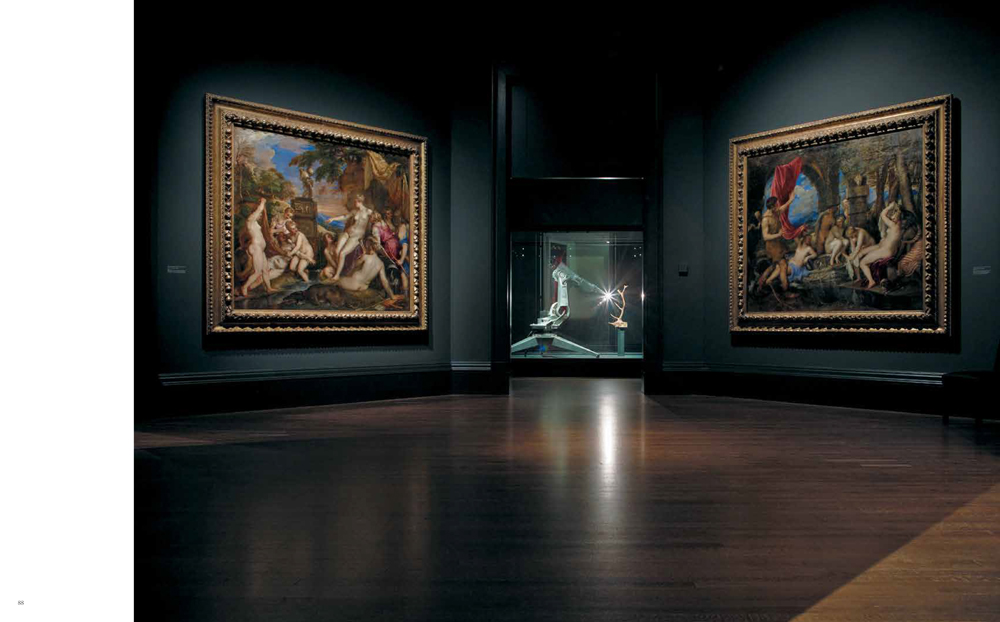
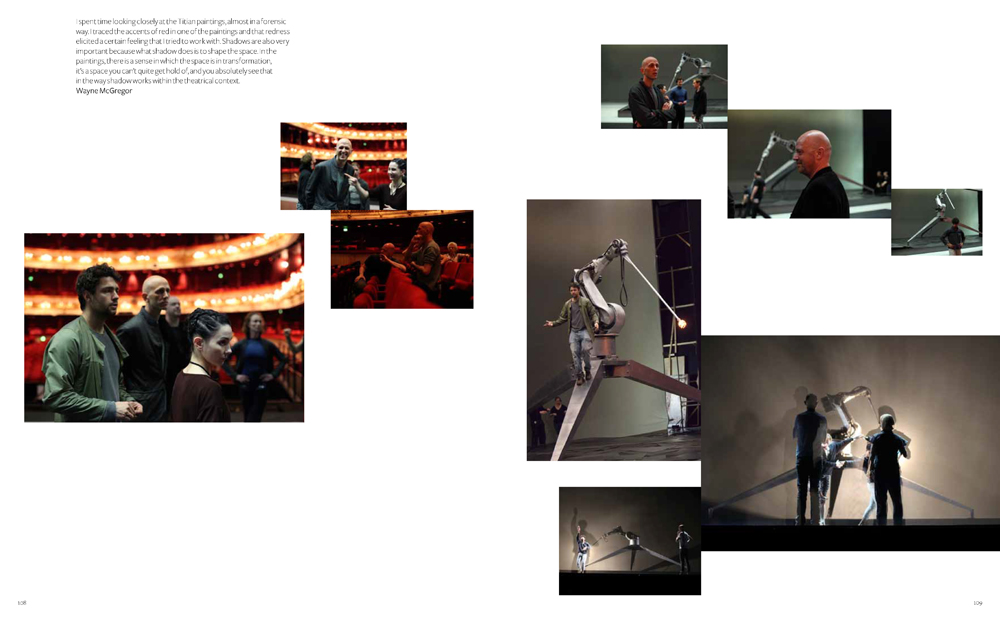
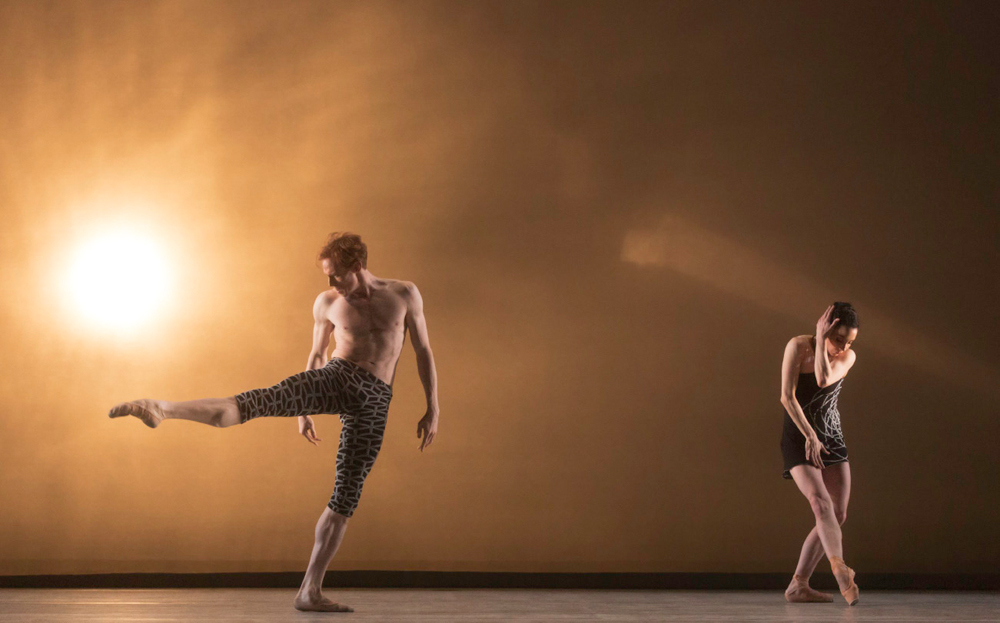
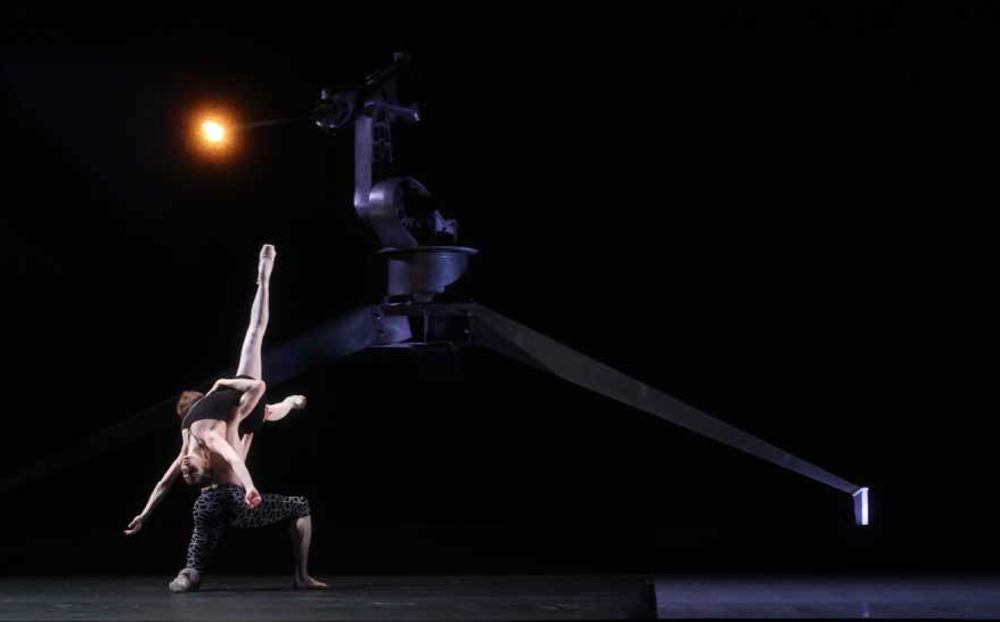
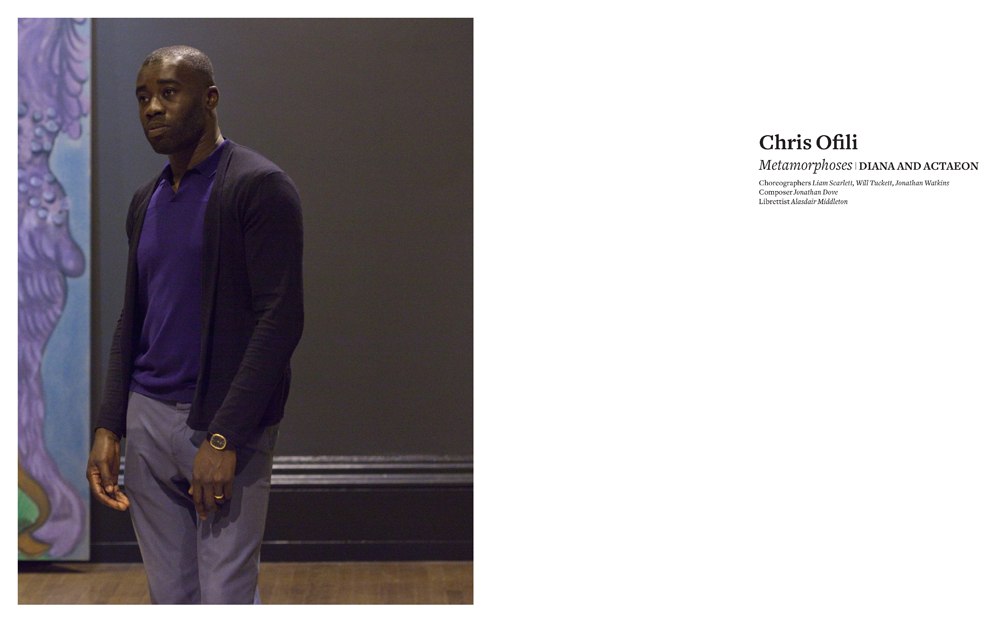
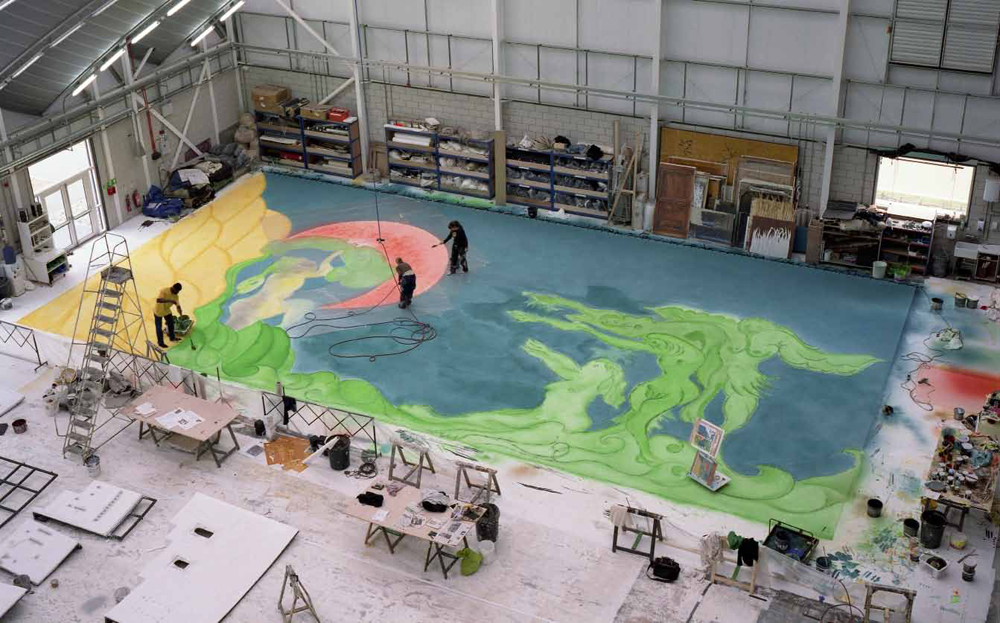
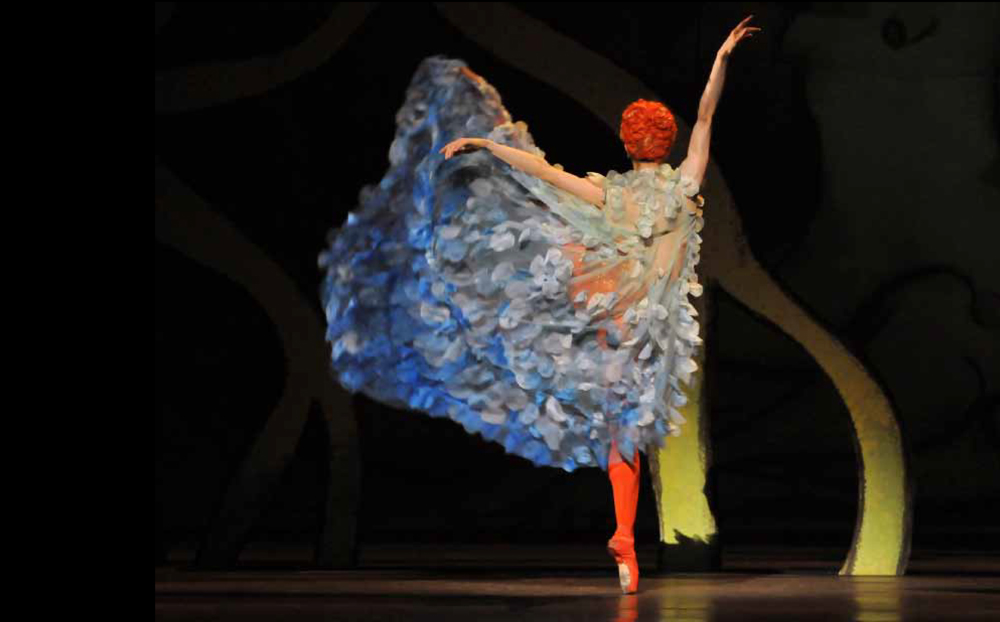
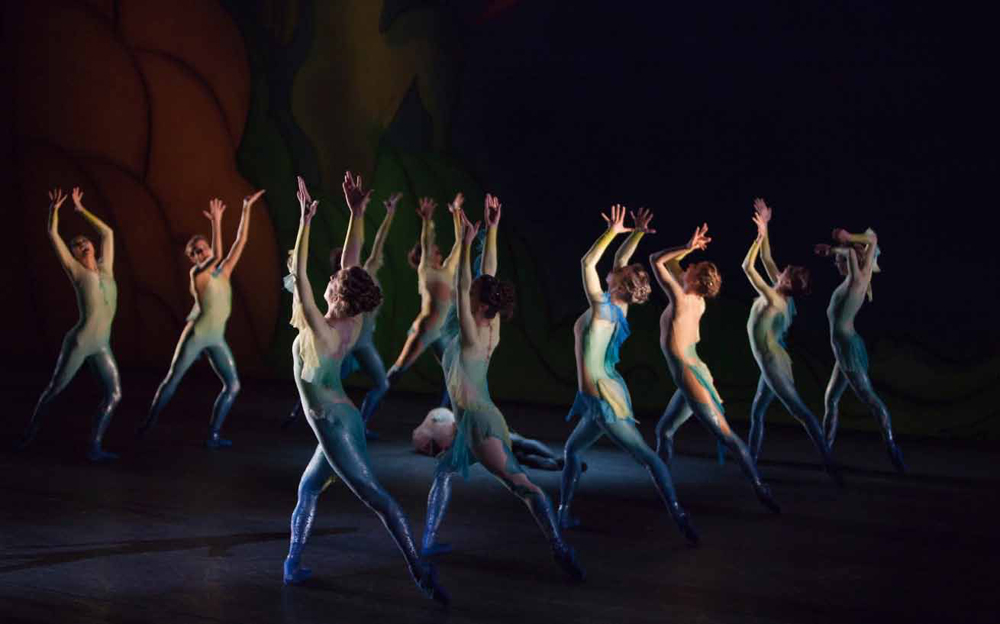
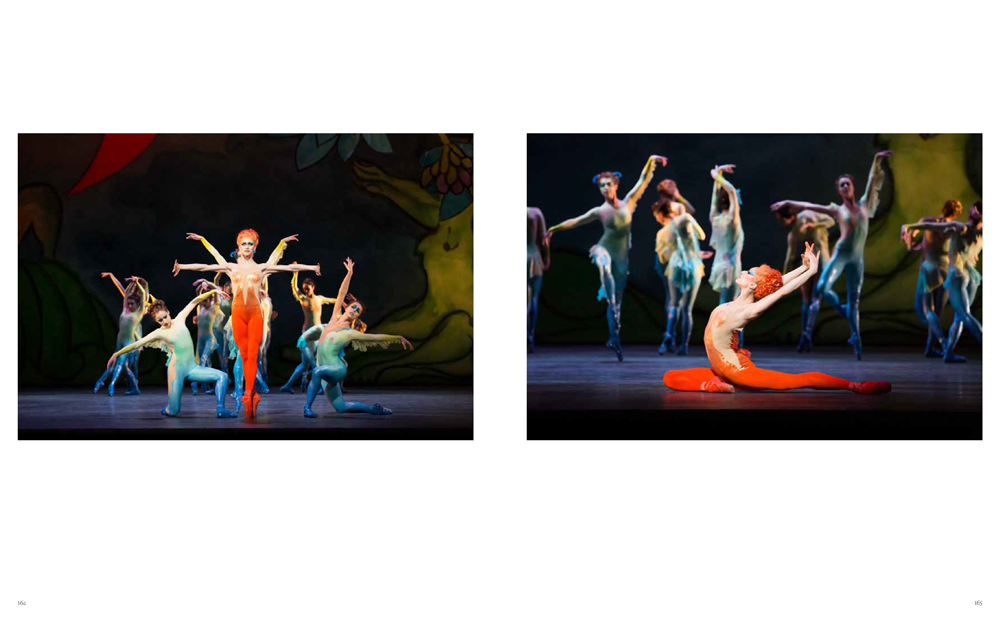
This beautiful publication celebrates a unique collaboration between two of London’s greatest cultural institutions. Together The Royal Ballet and the National Gallery commissioned three acclaimed contemporary artists – Chris Ofili, Conrad Shawcross and Mark Wallinger – to work with international choreographers and composers to create three new ballets inspired by the Titian paintings Diana and Callisto, Diana and Actaeon and The Death of Actaeon. As well as designing all the sets and costumes, the artists also produced new works in response to Titian’s masterpieces for a show at the National Gallery.

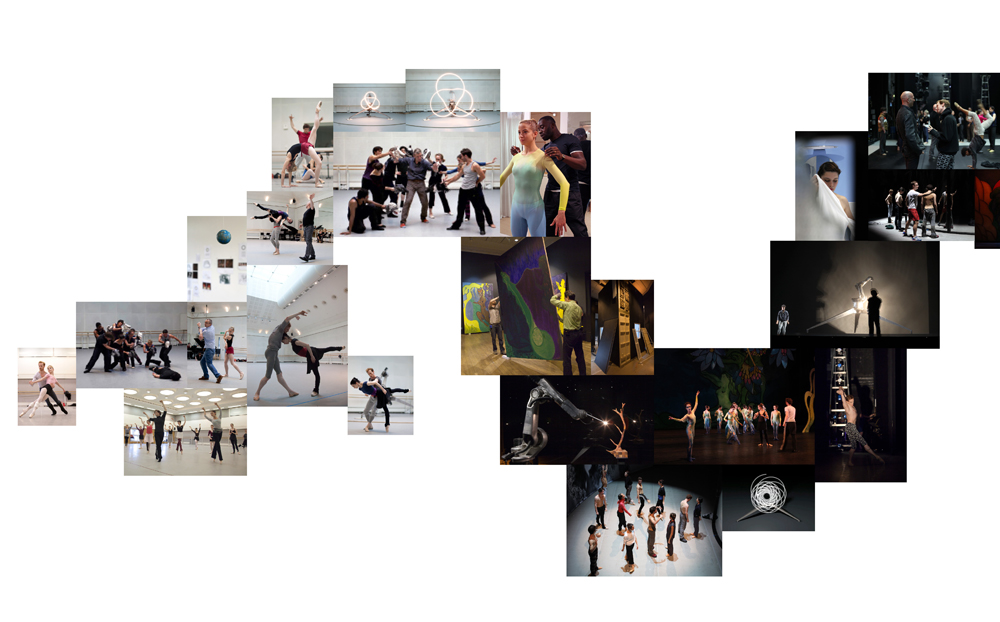
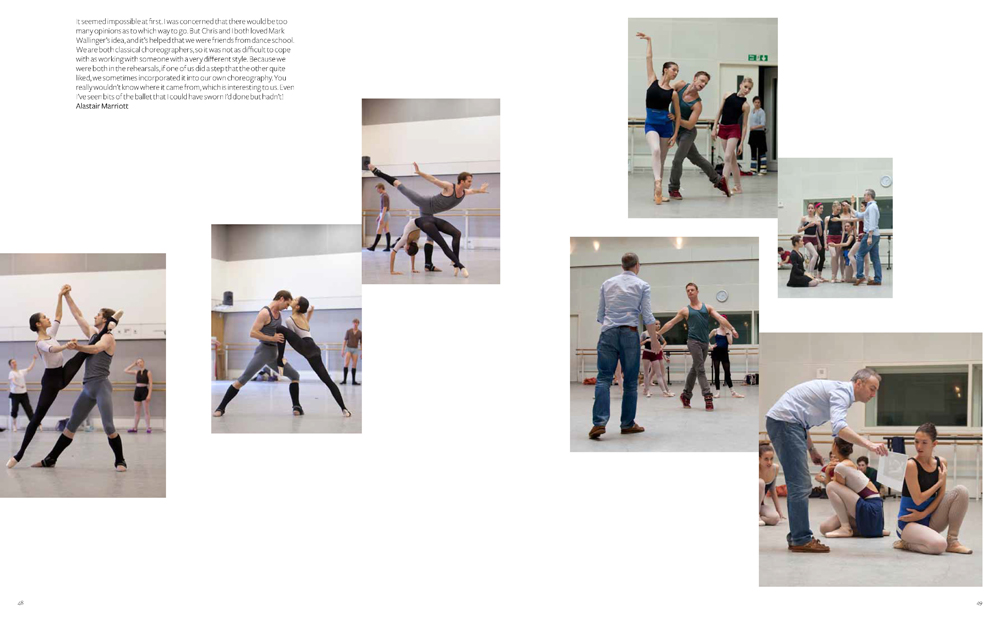
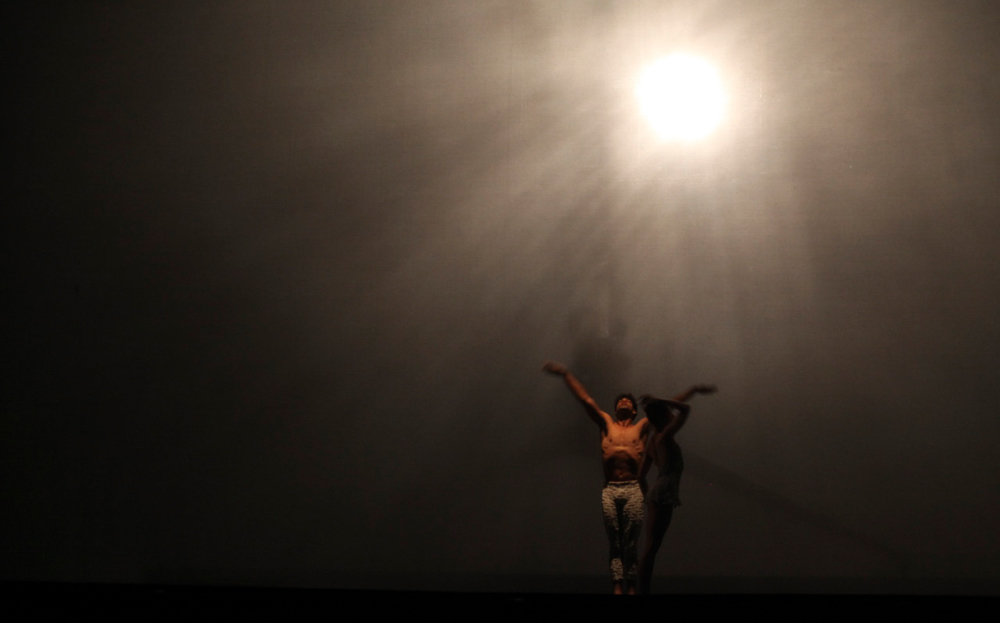
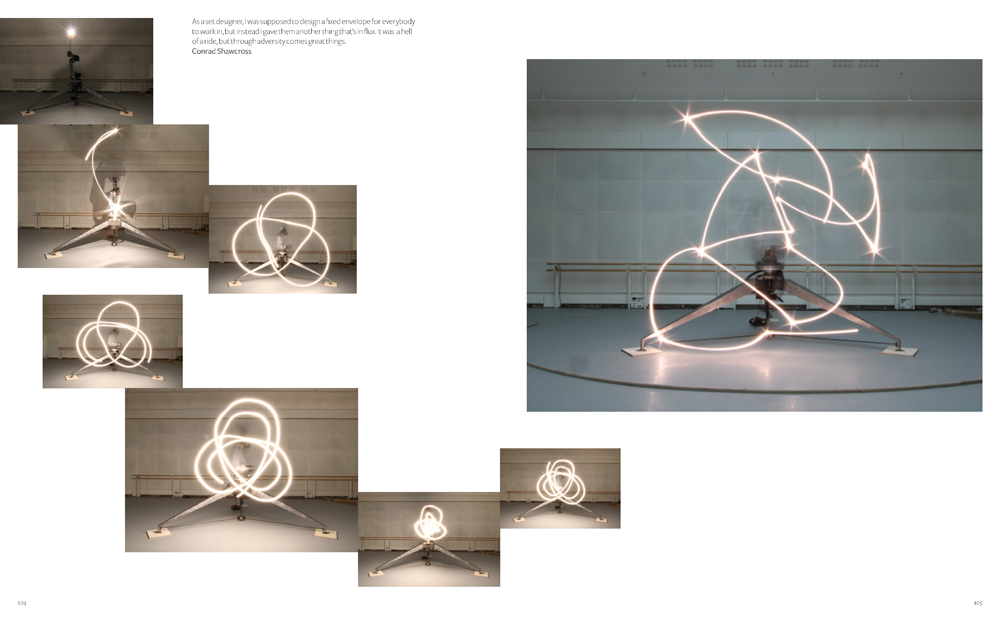
The book tells the story of this extraordinary, complex project from conception to stage and gallery. The artists’ notebooks, sketches and other material from the studio are reproduced to show how they evolved their initial ideas into working designs. Numerous views of the dancers’ rehearsals, the creation of the sets and the gallery installations, as well as dozens of unseen photographs of the performances themselves, take the reader behind the scenes to see the many processes and people involved in transforming the artists’ vision into a finished production.

All three creative teams offer their own reflections on the project and on working with very different art forms. An introduction by National Gallery curator and originator of the project, Dr Minna Moore Ede, explains how the collaboration came to fruition and unfolded. A foreword by Dame Monica Mason, outgoing director of The Royal Ballet, completes this stunning volume.

Dr Minna Moore Ede is Assistant Curator of Renaissance Paintings at the National Gallery, London, and curator of ‘Metamorphosis: Titian 2012’

Dame Monica Mason DBE is the former Director of The Royal Ballet, London 


What others say

‘So compelling that you find yourself totally absorbed within its pages for hours at a time… Page after stunning page of production photographs and rehearsal images from each of the ballets awaits you, printed on lusciously thick paper. This book is a real treasure.’ — Ballet News

‘180-plus pages of thought-provoking interviews and stunning photographs … a work of art’ — 4dancers.org

‘A book that will excite dance fans because its numerous images are so beautiful’ — London Dance

‘One of the most extravagantly interesting collaborative projects ever seen at Covent Garden … Some kind of history had been made, some benchmark set for the future … the dance event of 2012’ — Guardian 

‘[Titian Metamorphosis] is a resounding success … a real sense of collective creative energy and innovation permeated the enterprise … a real joy’ — New York Times

‘An explosion of brilliant new work’ — Time Out
 

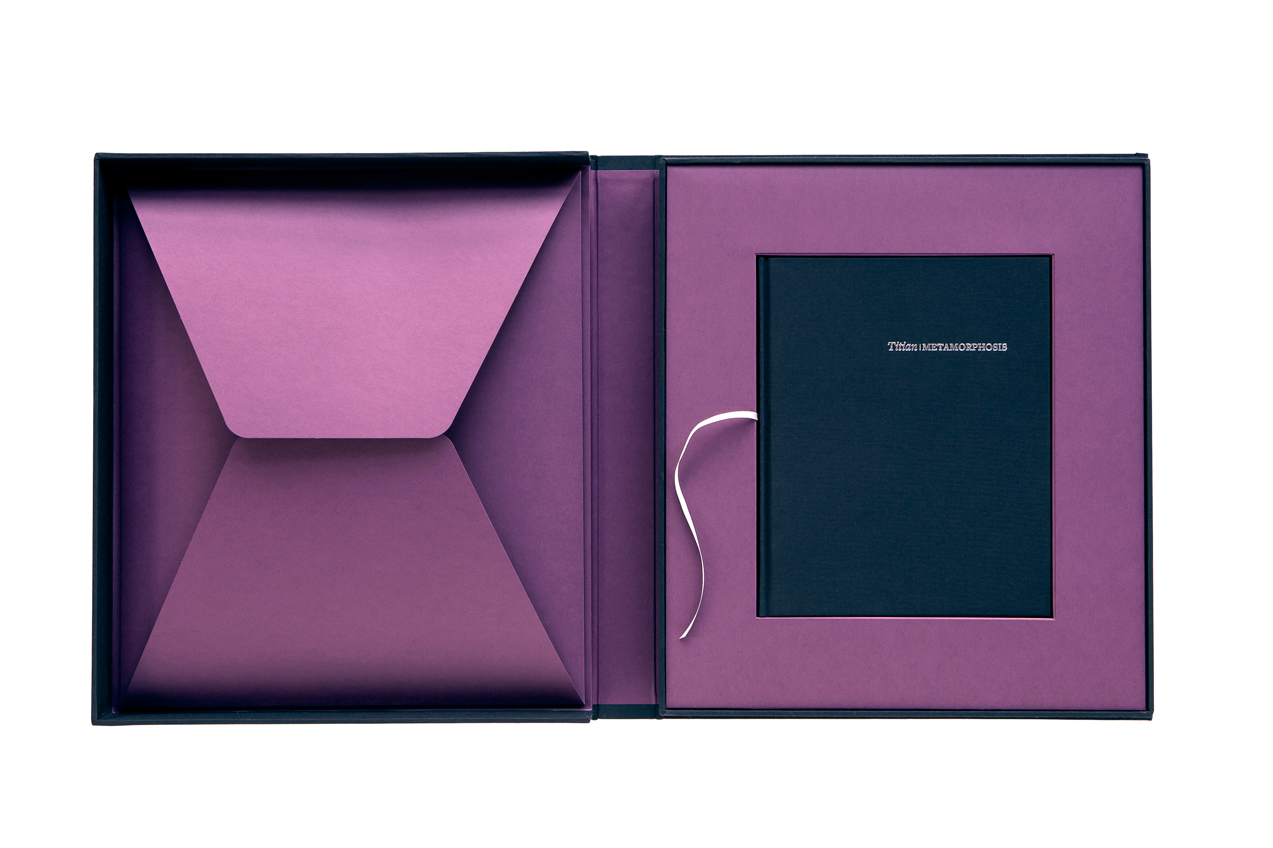
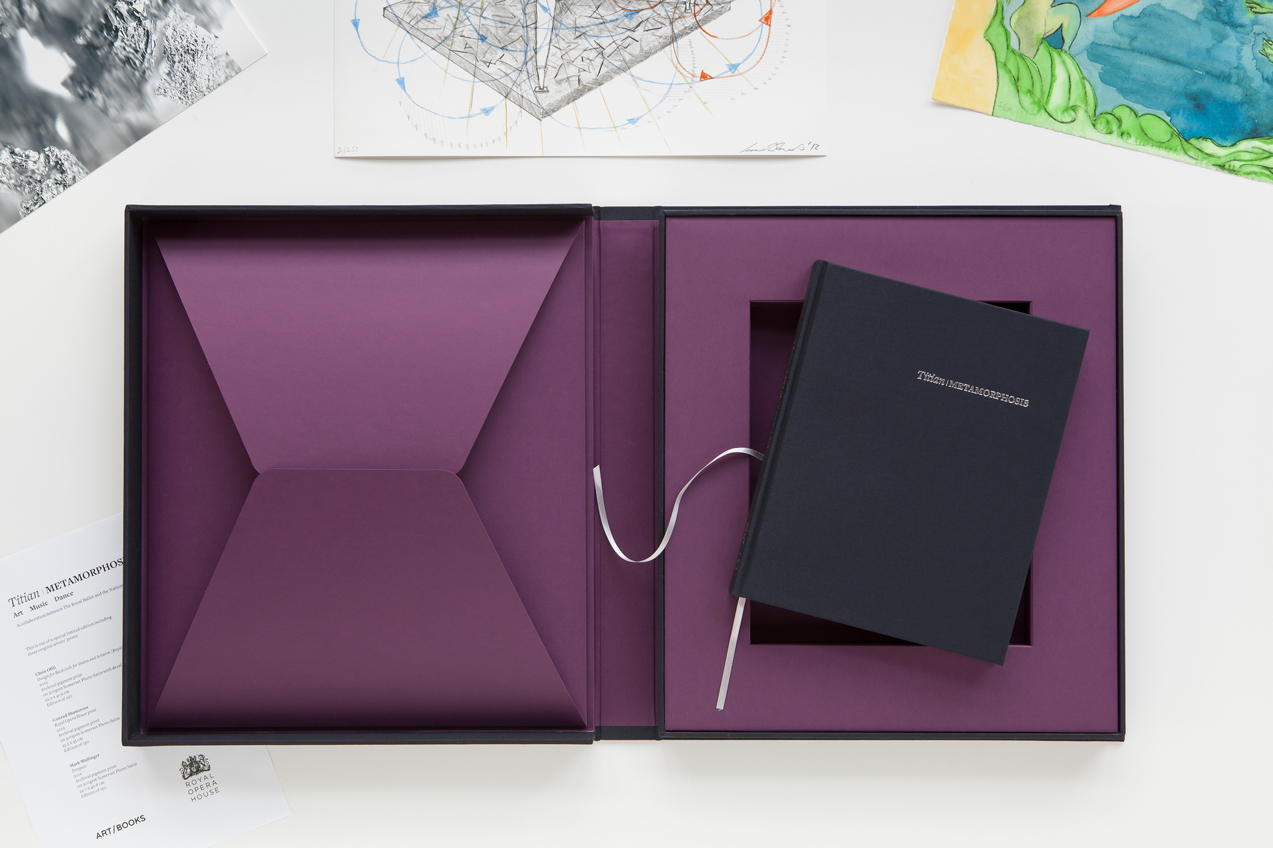
Titian Metamorphosis special edition1 Titian Metamorphosis special edition

ART MUSIC DANCE 
A collaboration between The Royal Ballet and the National Gallery

Edited and introduced by Minna Moore Ede
Foreword by Dame Monica Mason
Photography by Gautier Deblonde, Andrej Uspenski and Johan Persson

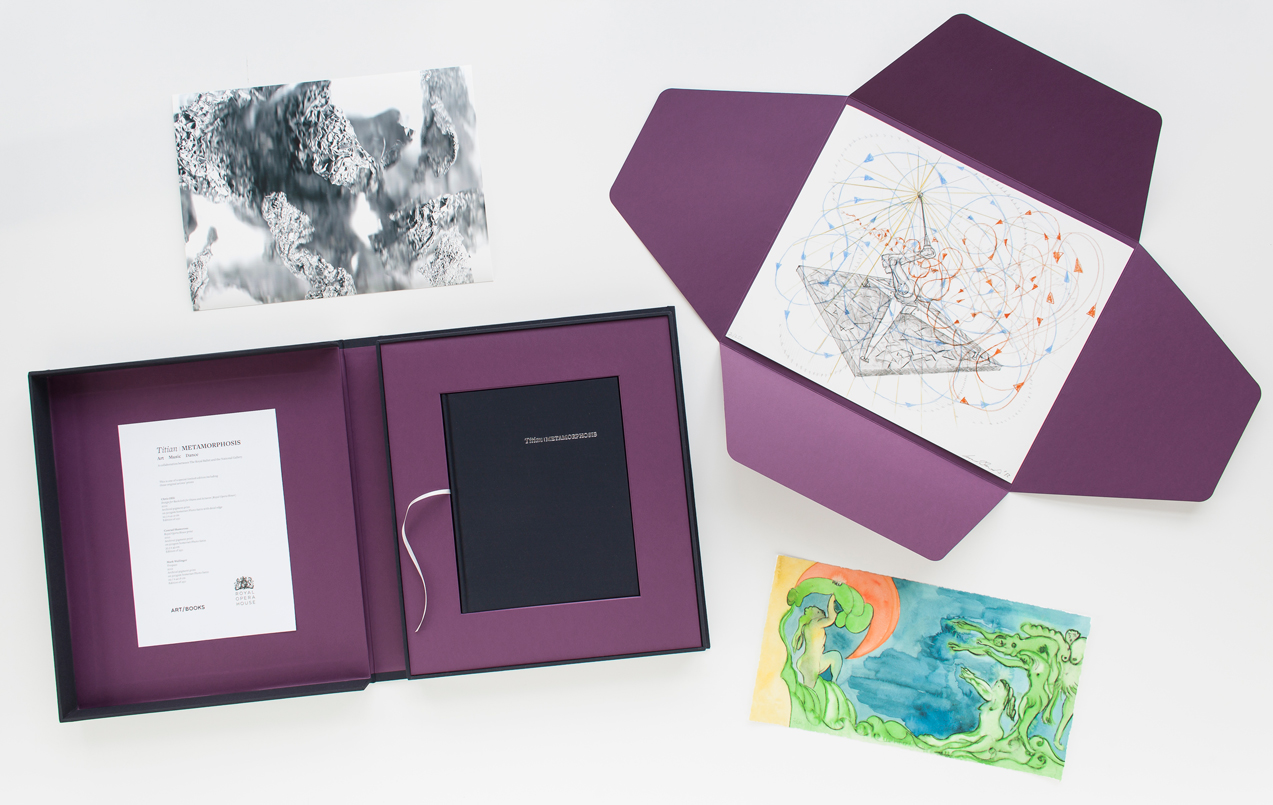
Limited edition of 250 copies
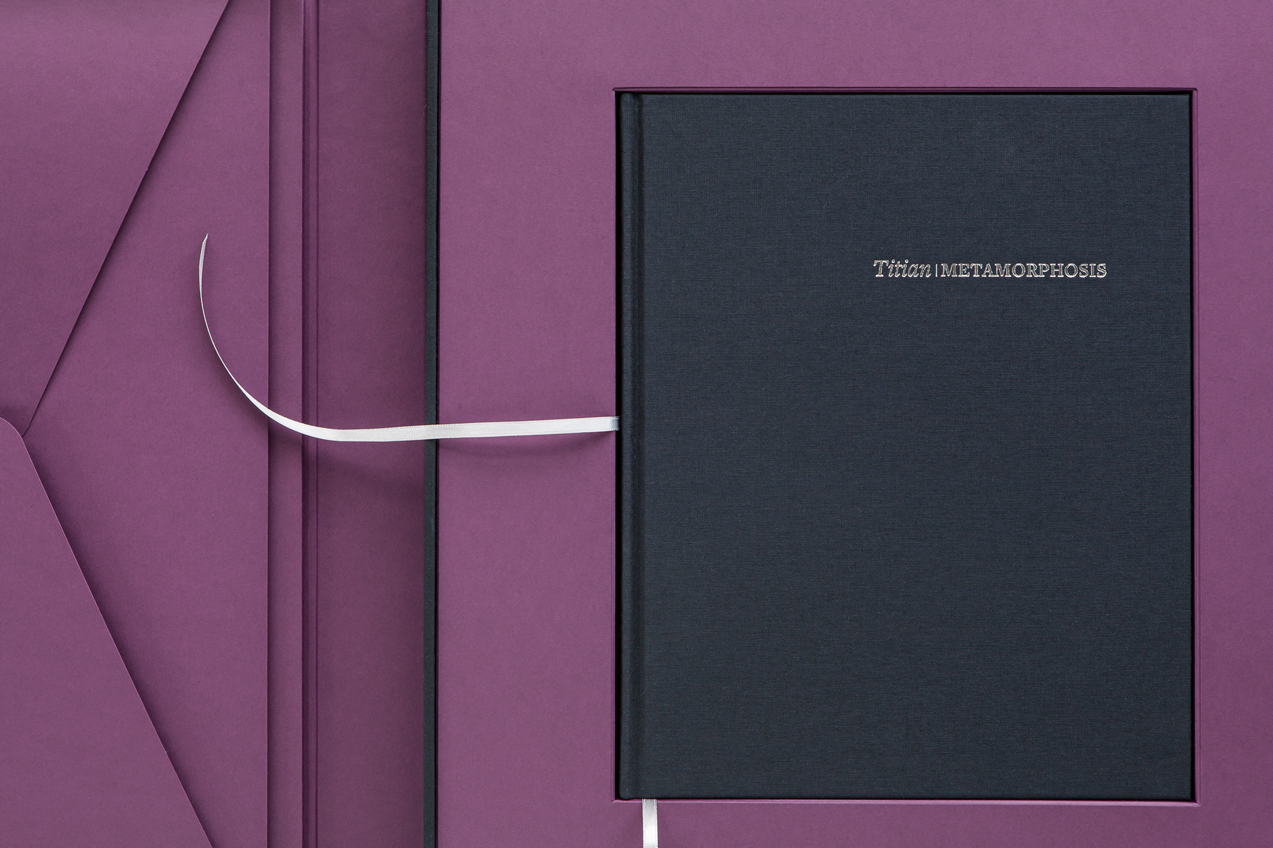
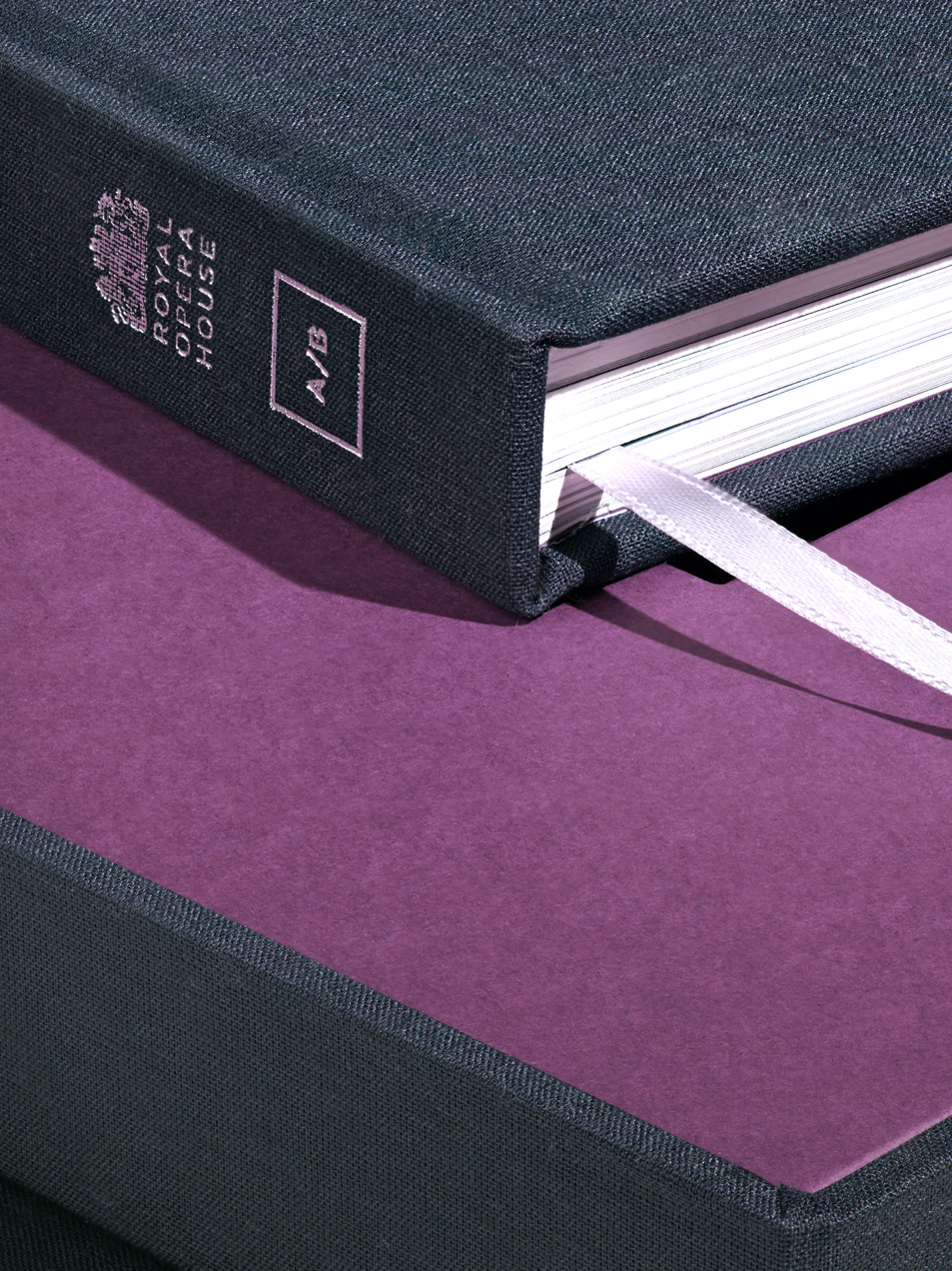
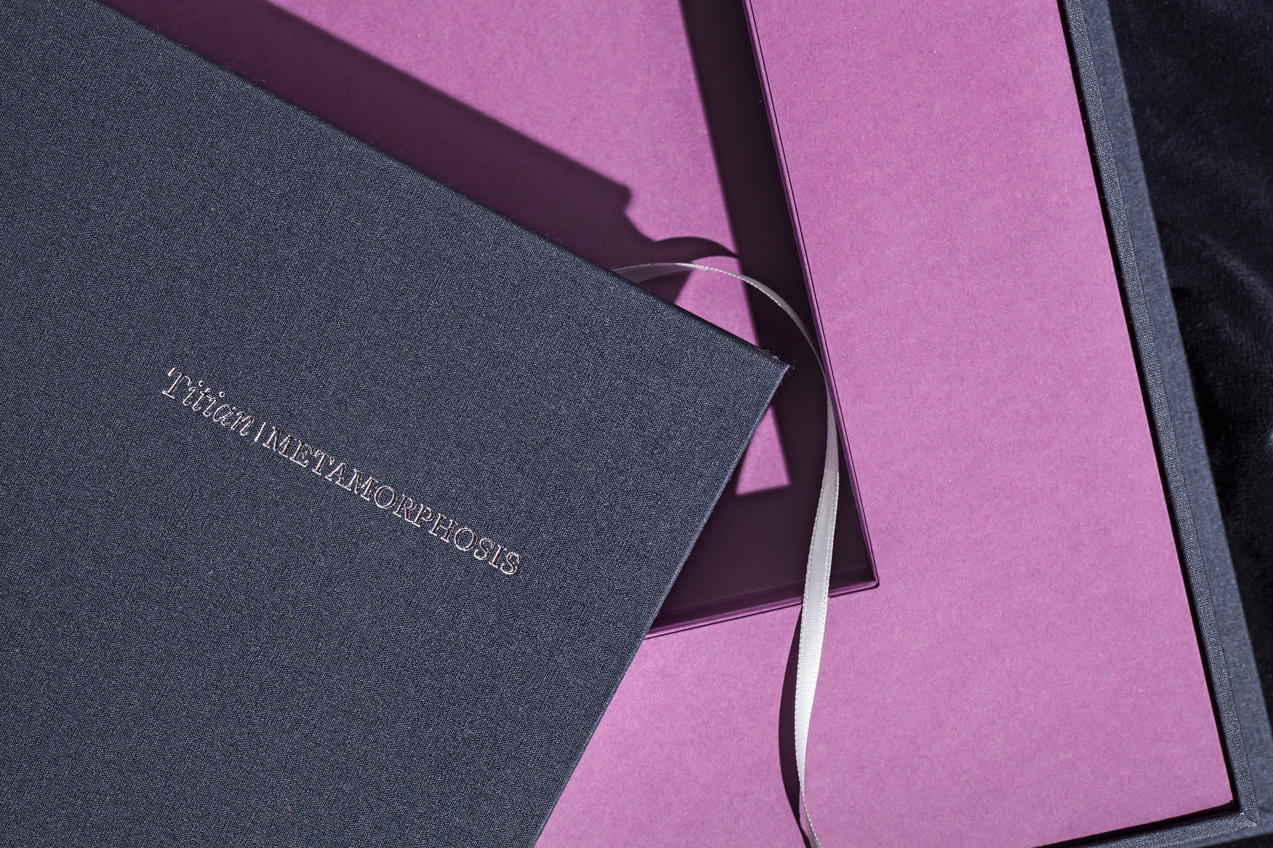
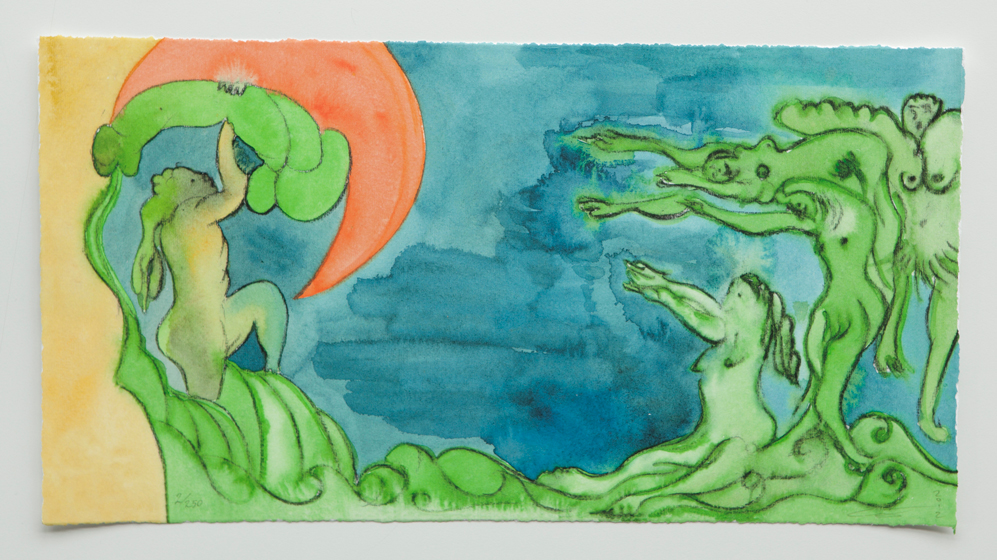
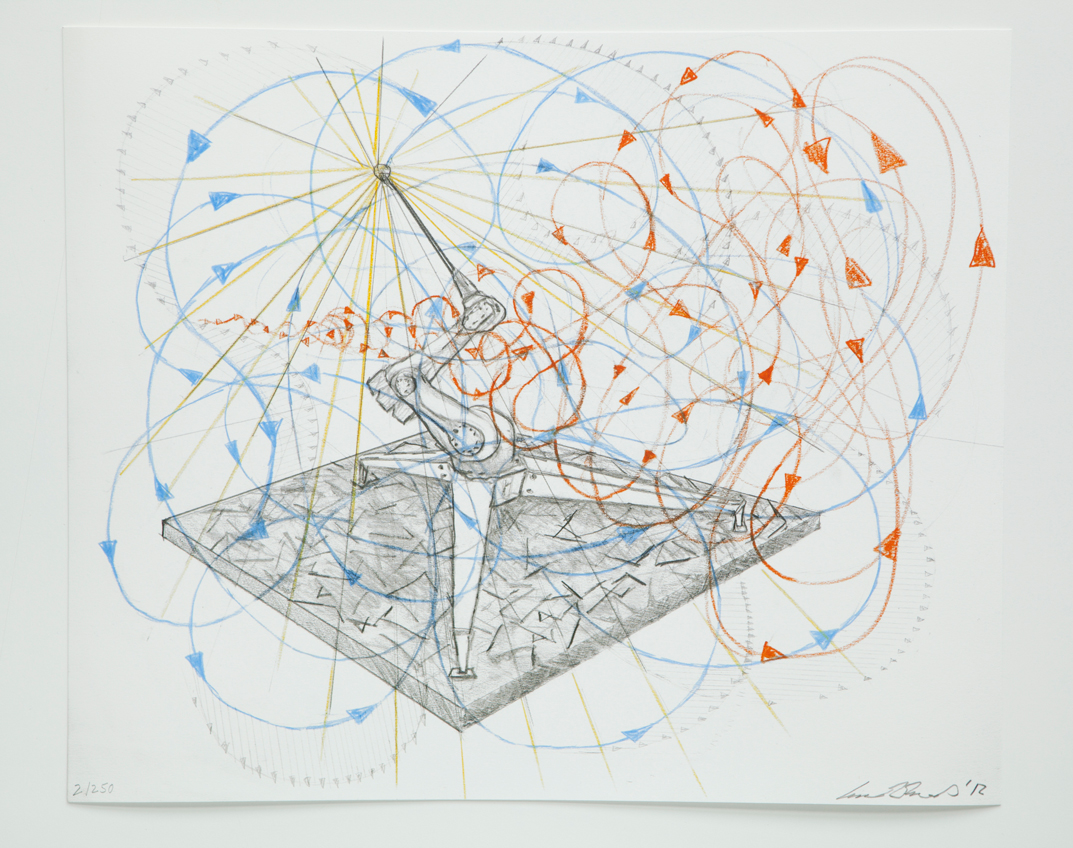
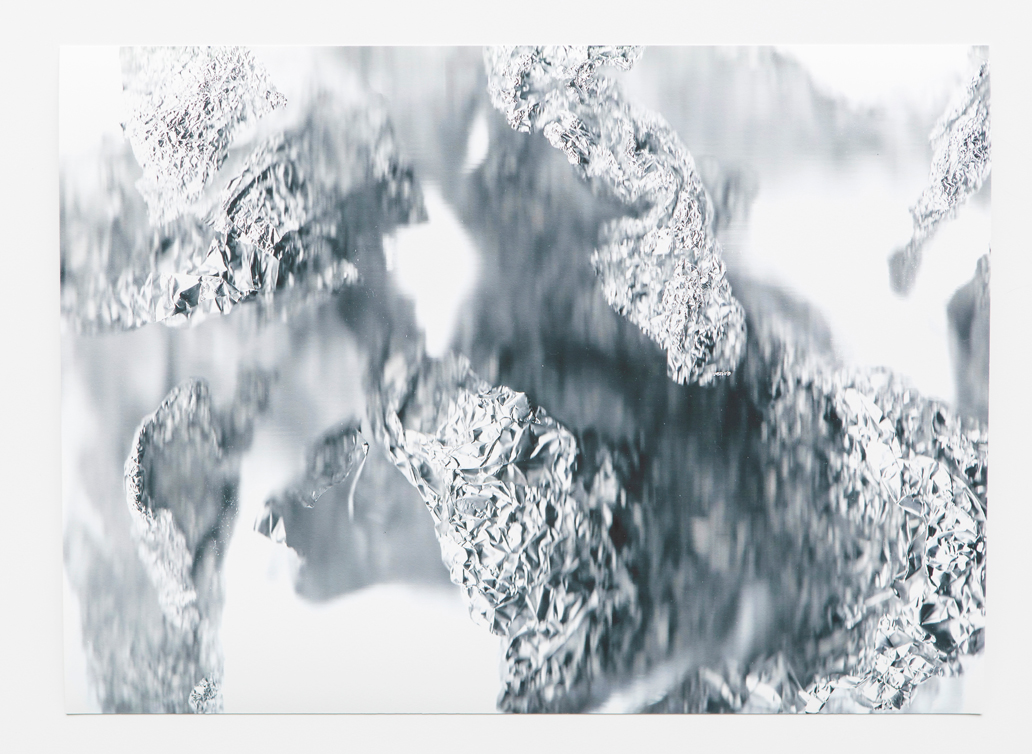
Presented in a clothbound case with original artists’ prints by Chris Ofili, Conrad Shawcross and Mark Wallinger

This beautiful publication celebrates a unique collaboration between two of London’s greatest cultural institutions. Together The Royal Ballet and the National Gallery commissioned three acclaimed contemporary artists – Chris Ofili, Conrad Shawcross and Mark Wallinger – to work with international choreographers and composers to create three new ballets inspired by the Titian paintings Diana and CallistoDiana and Actaeon and The Death of Actaeon. As well as designing all the sets and costumes, the artists also produced new works in response to Titian’s masterpieces for a show at the National Gallery.

The book tells the story of this extraordinary, complex project from conception to stage and gallery. The artists’ notebooks, sketches and other material from the studio are reproduced to show how they evolved their initial ideas into working designs. Numerous views of the dancers’ rehearsals, the creation of the sets and the gallery installations, as well as dozens of unseen photographs of the performances themselves, take the reader behind the scenes to see the many processes and people involved in transforming the artists’ vision into a finished production.

All three creative teams offer their own reflections on the project and on working with very different art forms. An introduction by National Gallery curator and originator of the project, Dr Minna Moore Ede, explains how the collaboration came to fruition and unfolded. A foreword by Dame Monica Mason, outgoing director of The Royal Ballet, completes this stunning volume.


Terence Donovan Fashion

Edited by Diana Donovan and David Hillman
Text by Robin Muir
Foreword by Grace Coddington
Designed by David Hillman

‘Flawless’ — New York Journal of Books
‘Superb’ — Observer
‘Stylish’ — Sunday Telegraph, ‘Favourite Books of the Year’
‘The story of fashion photography in the UK’ — Herald

_____________

Terence Donovan was one of the foremost photographers of his generation – among the greatest Britain has ever produced. He came to prominence in London as part of a postwar renaissance in art, fashion, graphic design and photography. His working-class background and outlook helped change the face of British fashion photography and made him a major figure of London’s Swinging Sixties. A star in his own right, he was equally at home with celebrities and royalty as well as the ordinary girl on the street, whose mannerisms informed his photographs.

Gifted with an unerring eye for the iconic image, Donovan was also master of his craft, a technical genius who strove to push the limits of what was possible. And yet despite his fame and status, there has never been a publication devoted solely to his fashion work. Terence Donovan Fashion is the first time his fashion pictures have been collected together in book form.

Arranged chronologically, from the gritty monochromatic 1960s and 1970s to the vibrant and colourful 1980s and 1990s, the book reveals how constant invention and experimentation set Donovan apart from his contemporaries and influenced generations to come.

The pictures have been selected by his wife Diana Donovan and the former art director of Nova magazine and Pentagram partner David Hillman, who worked closely with Donovan for over a decade. With a text by the photographic historian Robin Muir, and a foreword by Grace Coddington, creative director of American VogueTerence Donovan Fashion is a landmark in the history of fashion photography.


What others say

‘A superb retrospective … Donovan is a “great”.… Just when you thought there could not possibly be space for another fashion book rooted in the 1960s, this one proves rather compelling.… The heavy paper and high quality reproduction rewards the viewer … a handsome posthumous monograph.’ — Observer

‘Make no mistake: This flawless volume is a love letter and a paean to a brilliant photographer … [a] rare opportunity to see what can only be deemed as a brilliant collection of timeless and classic photos of a caliber that is steadily dwindling … what a beautiful body of work. Mr Donovan left behind for us all to appreciate.’ — New York Journal of Books

‘Terence Donovan’s influence on fashion photography – and visual culture in general – can’t be underestimated.… Ushering in an era of experimentation and adventurousness, Donovan worked hard, combining huge technical proficiency and rigorous professionalism with a larger than life character. This monograph is the first full collection of his fashion work.’ — Wallpaper*

‘An impressive tome dedicated to one of the most prolific fashion photographers … Throughout the book, his obsessive approach to his craft is noticeable.… It is this high standard, page after page, which makes this a memorable publication.’ — Photomonitor
‘A stylish window onto a remarkable period of fashion history.’ — Sunday Telegraph, ‘Favourite Books of the Year’

‘A long-overdue volume’ — Sunday Times, ‘Best Fashion Books of the Year’

‘His pictures will take you through the decades’ — The Times, ‘Favourite Fashion Books’

‘The best fashion photography book of the year’ — 20 Minutos

‘Terence Donovan redefined fashion photography.… It is hard to look at the sixties images in Terence Donovan Fashion and not be impressed. By their sense of nowness, by their casual brilliance. It is possible that nobody has ever done better.’ — Herald

‘Robin Muir, Vogue‘s revered former picture editor, writes brilliantly about the explosive impact of Donovan.’ — Town magazine
‘The success of Terence Donovan Fashion lies in its wide selection of fashion images.… The assured text by Robin Muir illuminates not just his subject’s craft, but also the life and personality of the man himself.… Terence Donovan Fashion takes a portion of Donovan’s prolific output and moves it canon-ward.’ — V&A Magazine

‘[Donovan] changed the face of fashion photography during the Sixties.… If you need any further proof of the man’s reputation, note that the foreword was written by American Vogue creative director Grace Coddington. You don’t get a more stylish seal of approval than that.’ 
— GQ

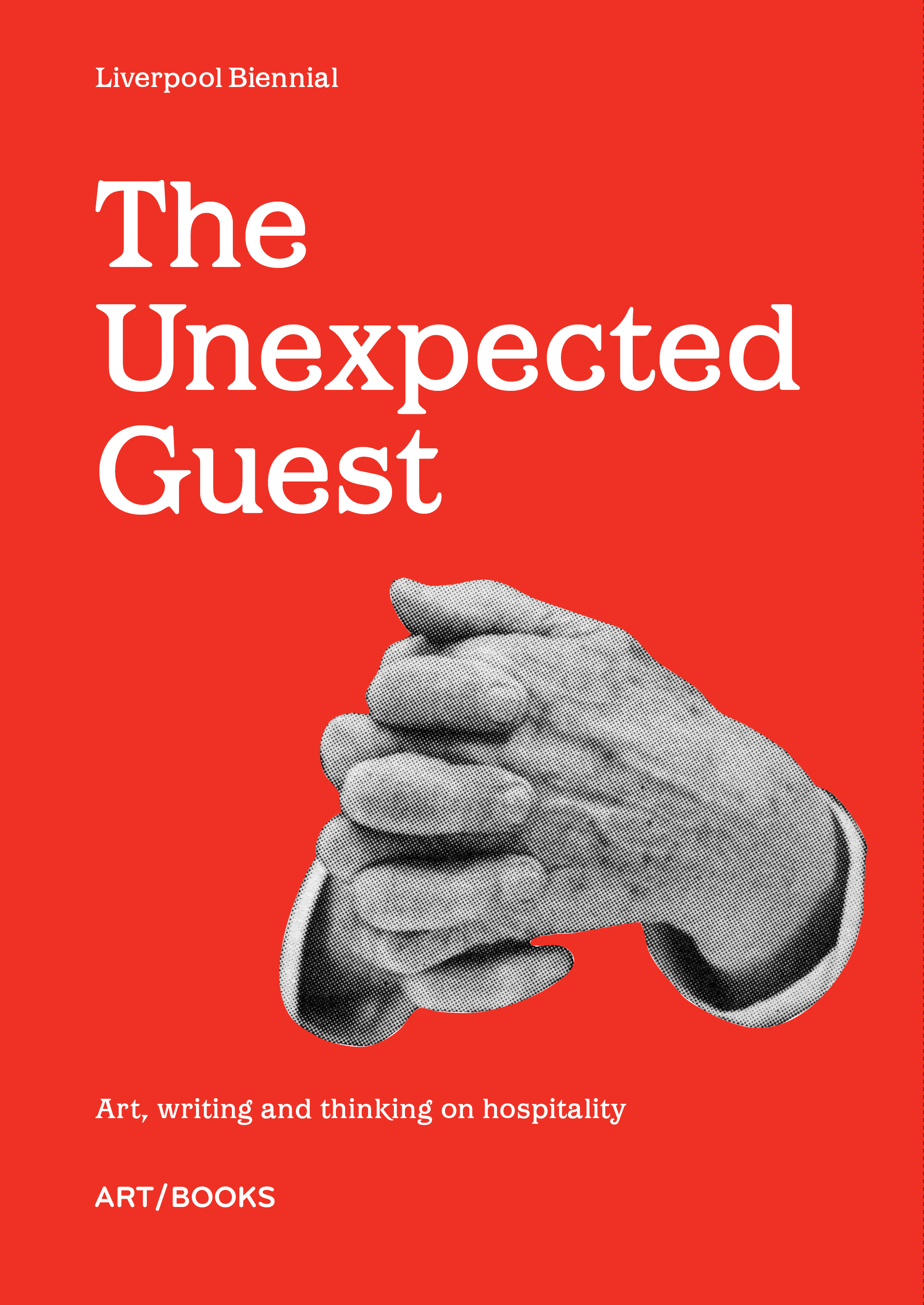
Unexpected Guest cover The Unexpected Guest

Art, writing and thinking on hospitality

Edited by Sally Tallant and Paul Domela
With a text by Lorenzo Fusi

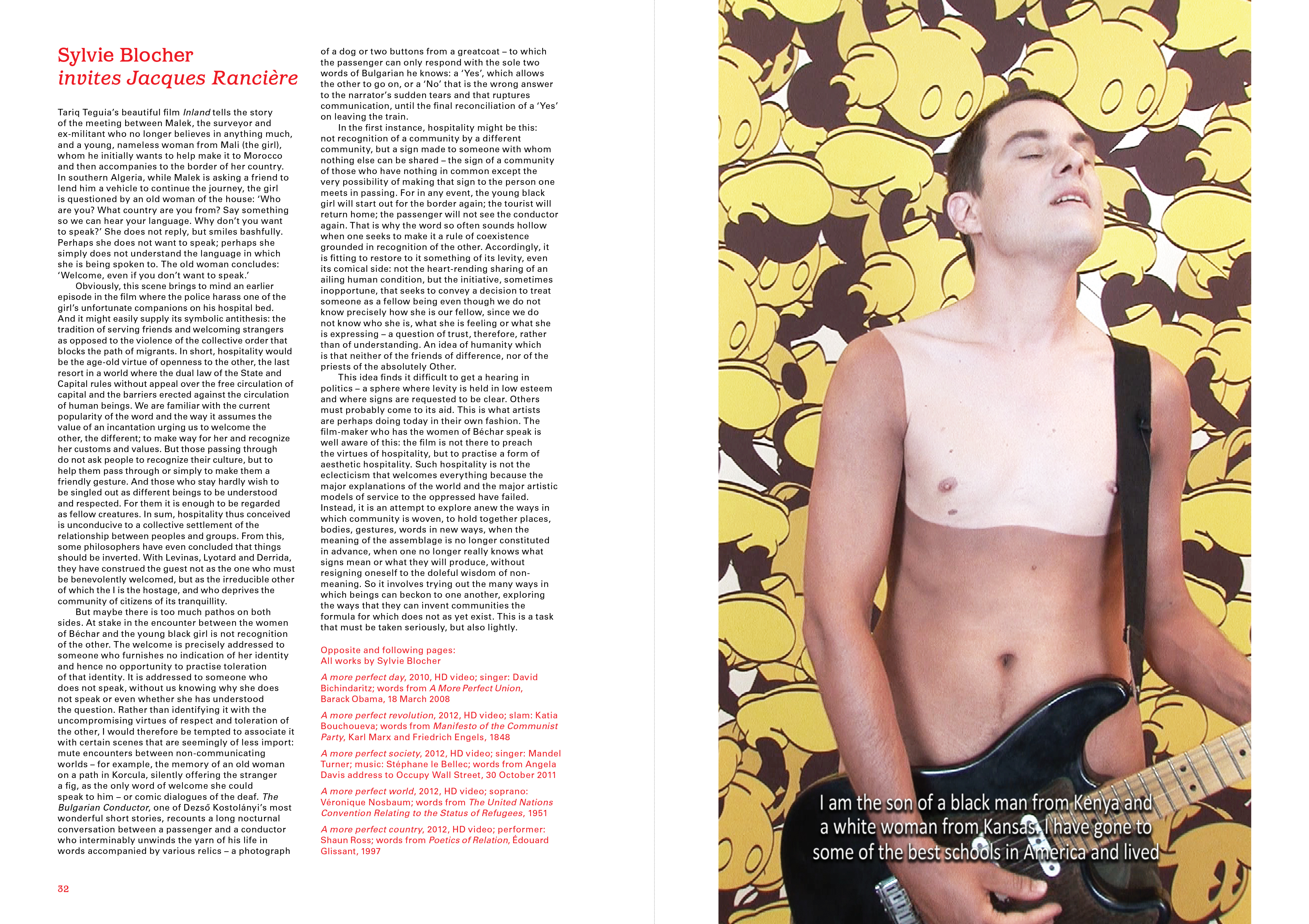
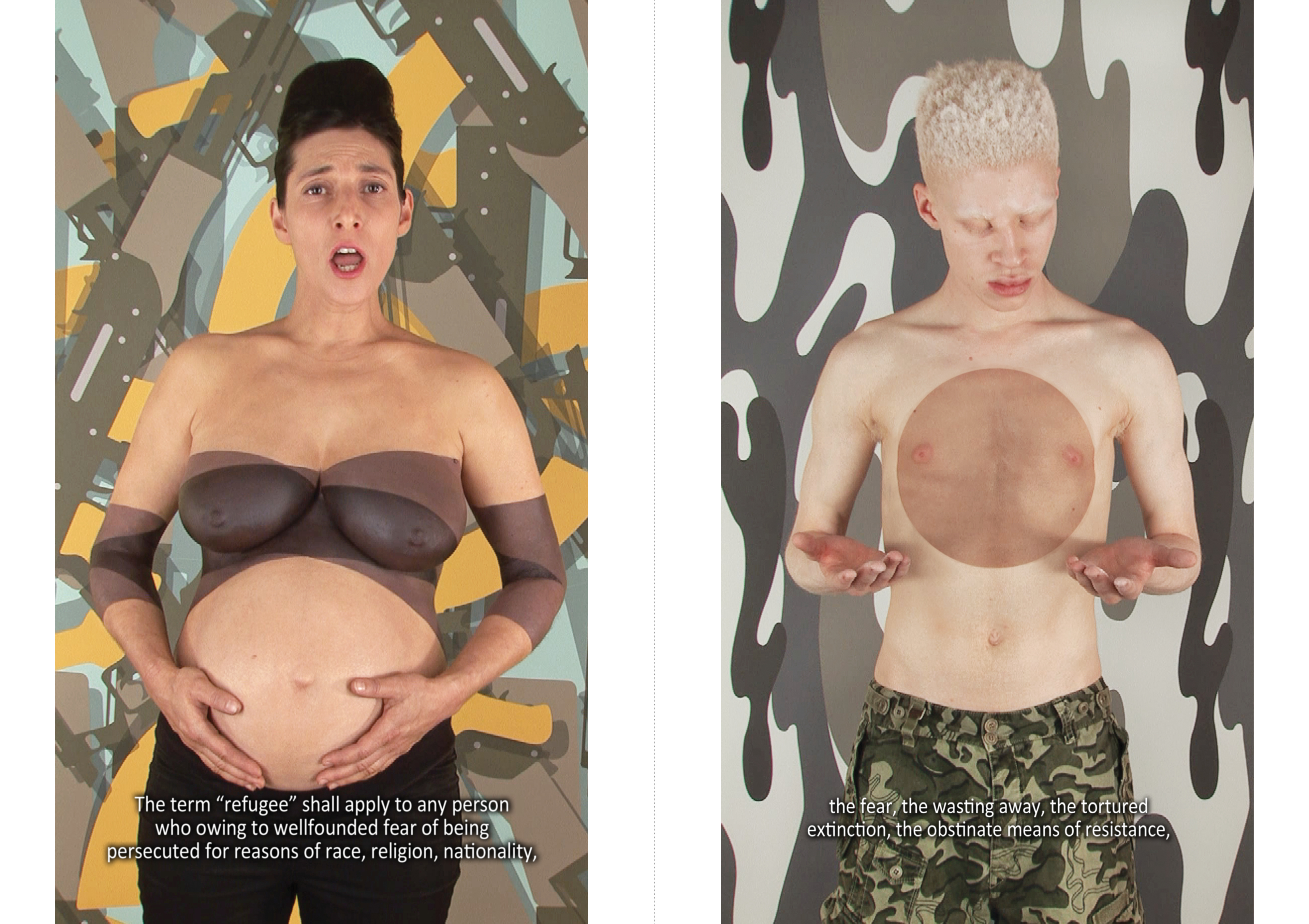
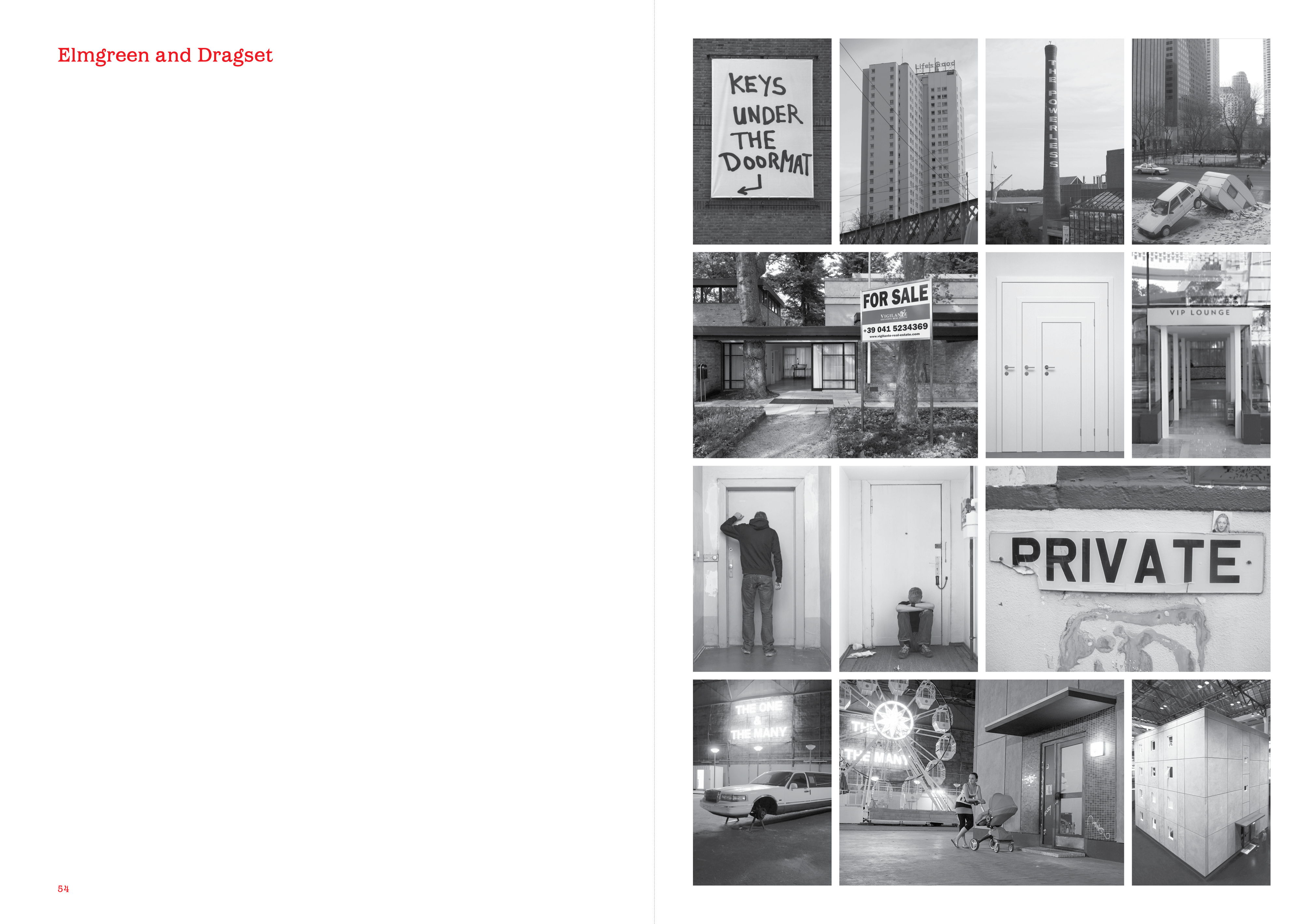
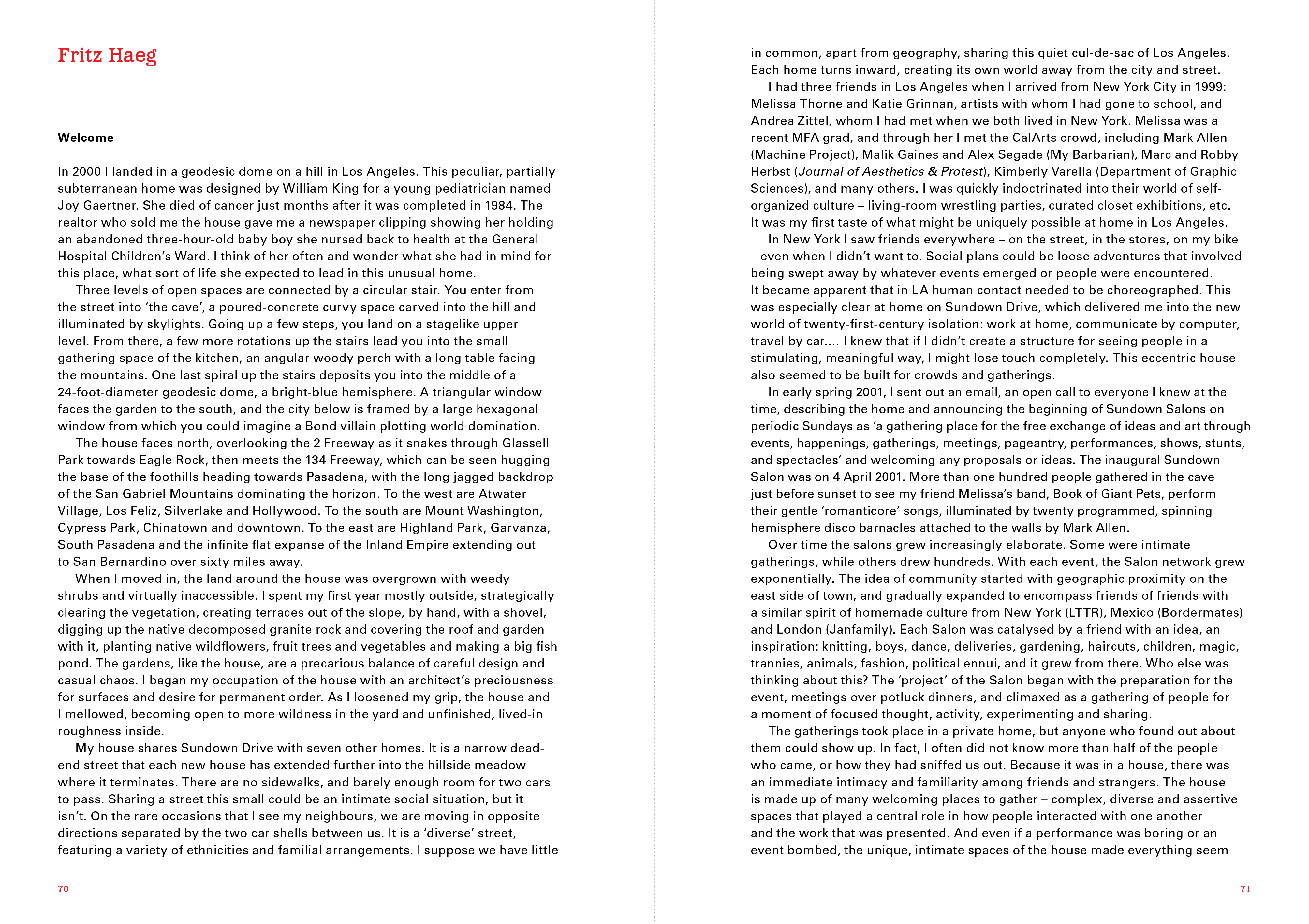
Hospitality is the welcome we extend to strangers, an attitude and a code of conduct, and a metaphor encompassing issues of the body, territory, politics, ecology, commerce and the hosting of data. It is the point where hostility becomes friendship, where the unknown becomes the familiar, and where the outside becomes the inside. But it also about the exercise of power: the power to accommodate or to exclude, the power to impose oneself on the other, and the power to outstay’s one’s welcome. In an age of unprecedented movement of both people and knowledge, different cultures of hospitality confront one another as never before.

Published on the occasion of the 7th Liverpool Biennial, The Unexpected Guest welcomes and gives home to an array of artists, writers and thinkers from the four corners of the globe. It is not intended as a catalogue of the exhibition, nor is it simply a reader on the subject. Instead, it is a complex anthology of newly commissioned writing, artists’ projects and creative texts that explore one of the most pressing issues of our time.

Artists have been invited to make a contribution that reflects upon a particular aspect of hospitality, or to invite a guest to occupy their space. In an extraordinary collection of new writing, Kenneth Goldsmith has invited twenty-nine fellow poets to compose works on two key areas of relevance to the subject: technology and geography. Commissioned essays by leading scholars from Africa, the Americas, Europe and Asia consider hospitality from multiple perspectives, including colonial history, spatial politics and the ethics of the host–guest relationship.

Together, this rich compilation of art, writing and thinking not only deepens our understanding of hospitality in the twenty-first century, it also offers possibilities for the future.

Sally Tallant is the director of the Liverpool Biennial
Paul Domela is programme director of the Liverpool Biennial
Lorenzo Fusi is the curator of ‘The Unexpected Guest’

Art
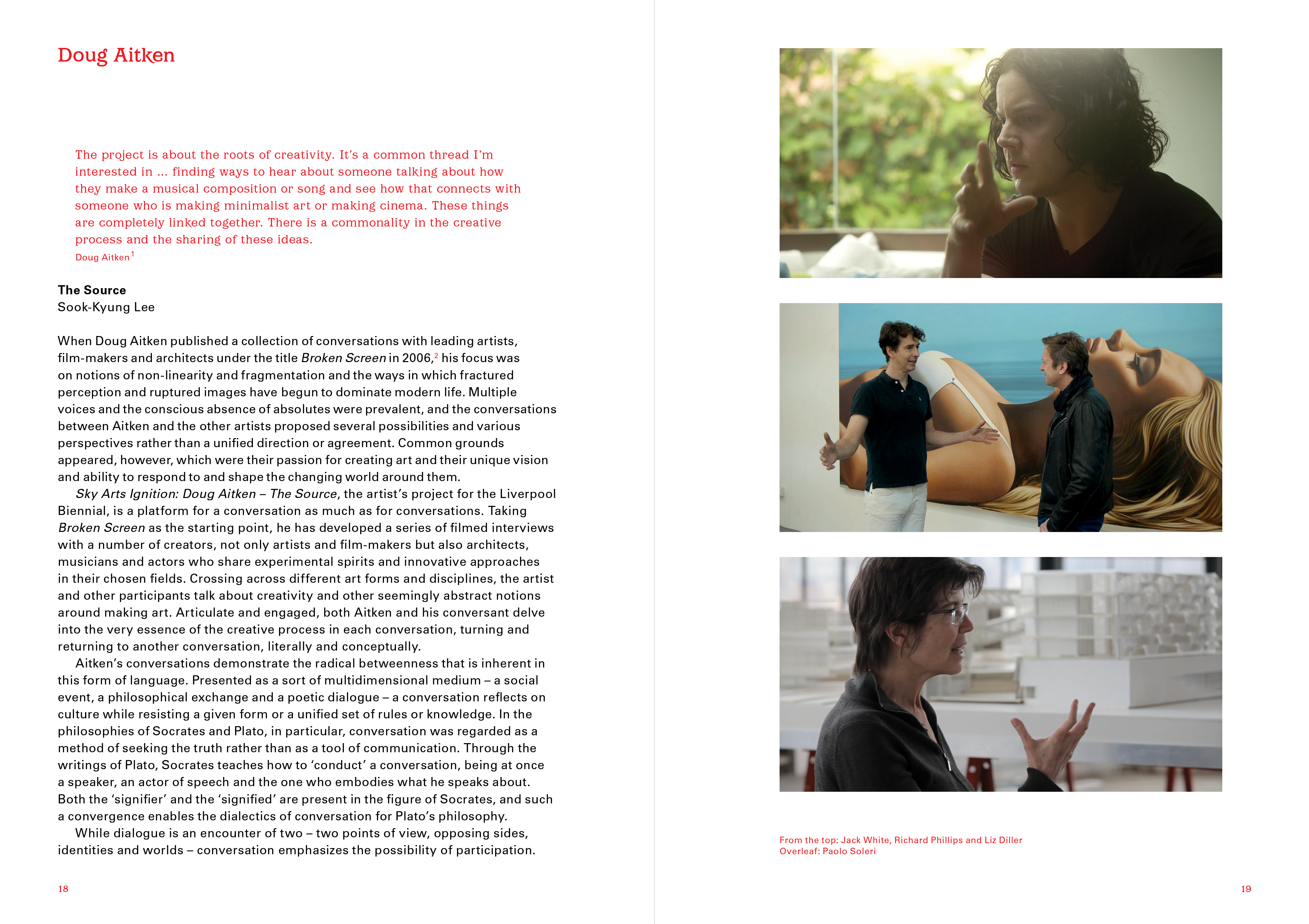
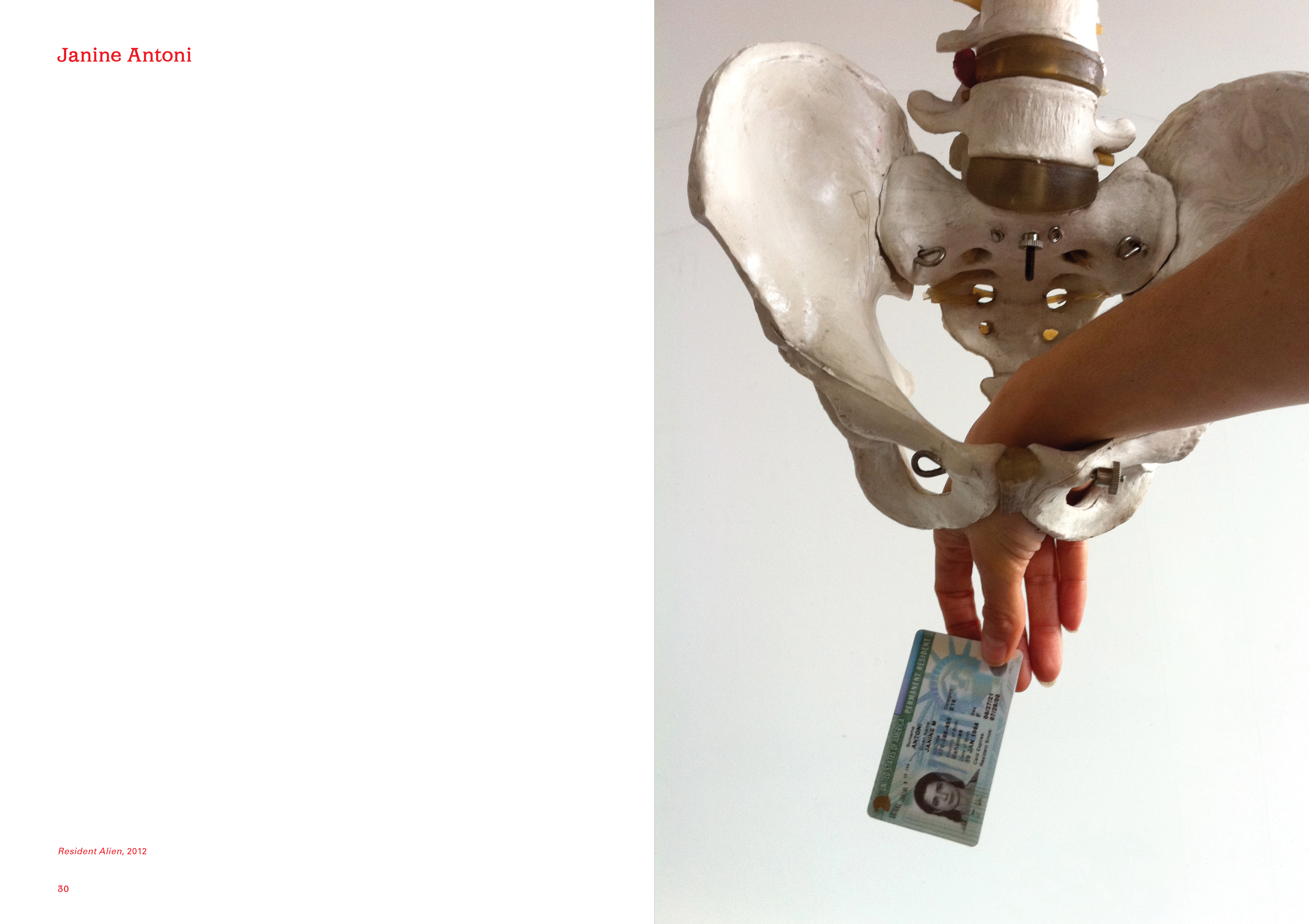
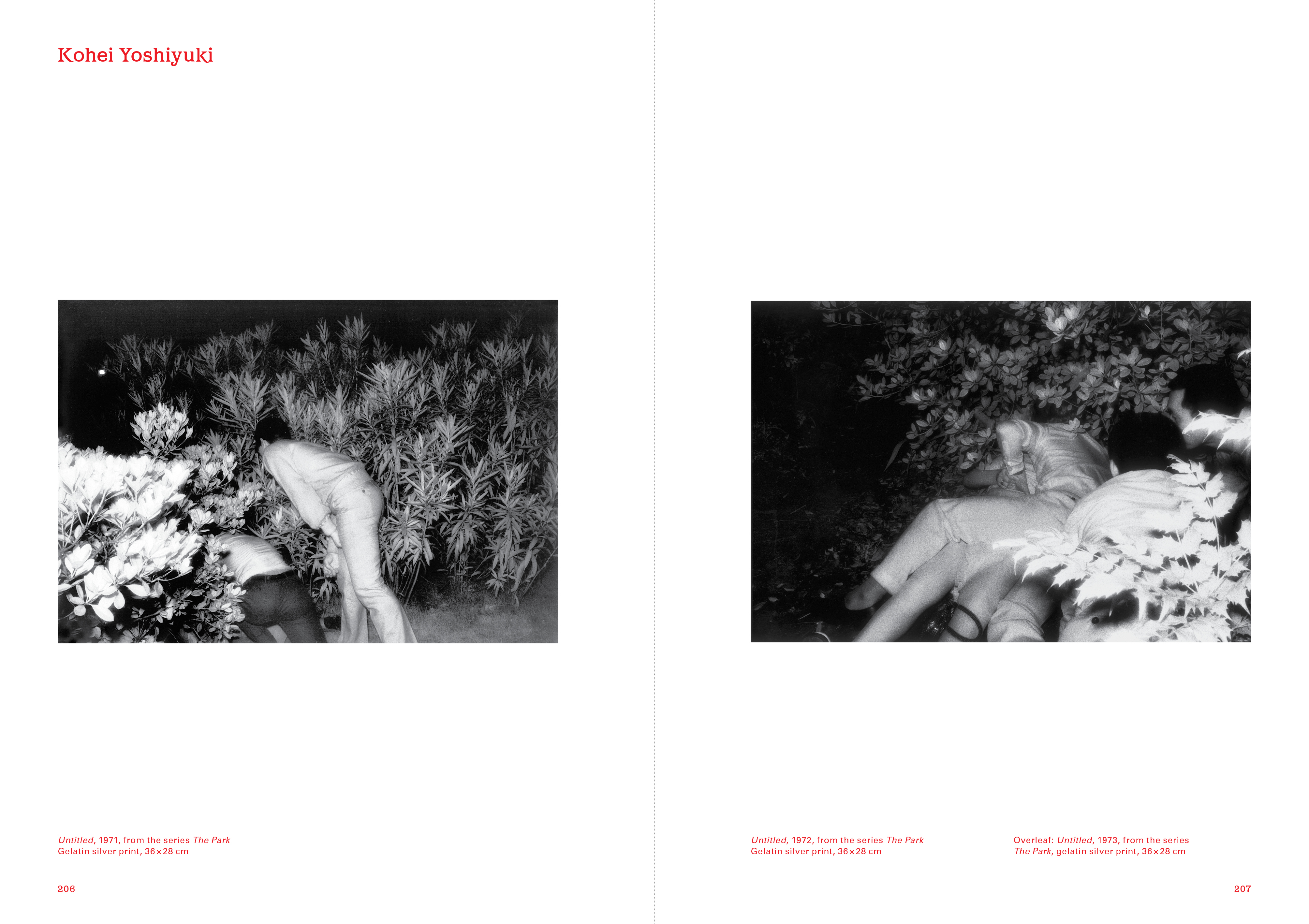
Doug Aitken • John Akomfrah • Janine Antoni • Sylvie Blocher invites Jacques Rancière • Andrea Bowers • Libia Castro and Ólafur Ólafsson •   Enrico David • Elmgreen and Dragset • Dora Garcia • Dan Graham • Mona Hatoum • Fritz Haeg • Jeanne van Heeswijk • Oded Hirsch • Hsieh Ying-chun • Nadia Kaabi-Linke • Markus Kahre • Anja Kirschner and David Panos • Jakob Kolding • Jirí Kovanda invites … • Suzanne Lacy and Stephanie Smith • Runo Lagomarsino • Jorge Macchi • Dane Mitchell • Sabelo Mlangeni • Mark Morrisroe • Patrick Murphy • Ahmet Öğüt • Trevor Paglen • Christodoulos Panayiotou • Pedro Reyes • Pamela Rosenkranz • Mikhael Subotzky and Patrick Waterhouse • Sun Xun • Superflex • Sinta Tantra • Tate Liverpool • Althea Thauberger • Jose Angel Vincench • Ming Wong • Jemima Wyman • Kohei Yoshiyuki • Akram Zaatari

Writing
Chris Alexander • Riccardo Boglione • Christian Bök • Stephen Burt • CAConrad • Kieran Daly • Craig Dworkin • J. Gordon Faylor • Robert Fitterman • Kristen Gallagher • Steve Giasson and Robert Fitterman • Kenneth Goldsmith • Lanny Jordan Jackson • Josef Kaplan • Tan Lin • Trisha Low • Stephen McLaughlin • Simon Morris • Tracie Morris • Eileen Myles • Vanessa Place • Kim Rosenfield • Vijay Seshadri • Maria Salgado • Don Share • Lytle Shaw and Jimbo Blachly • Ara Shirinyan • Nick Thurston • Darren Wershler and Bill Kennedy • Steven Zultanski

Thinking
Rosi Braidotti • Costas Douzinas • Stuart Hall and David Scott • Achille Mbembe • Pelin Tan


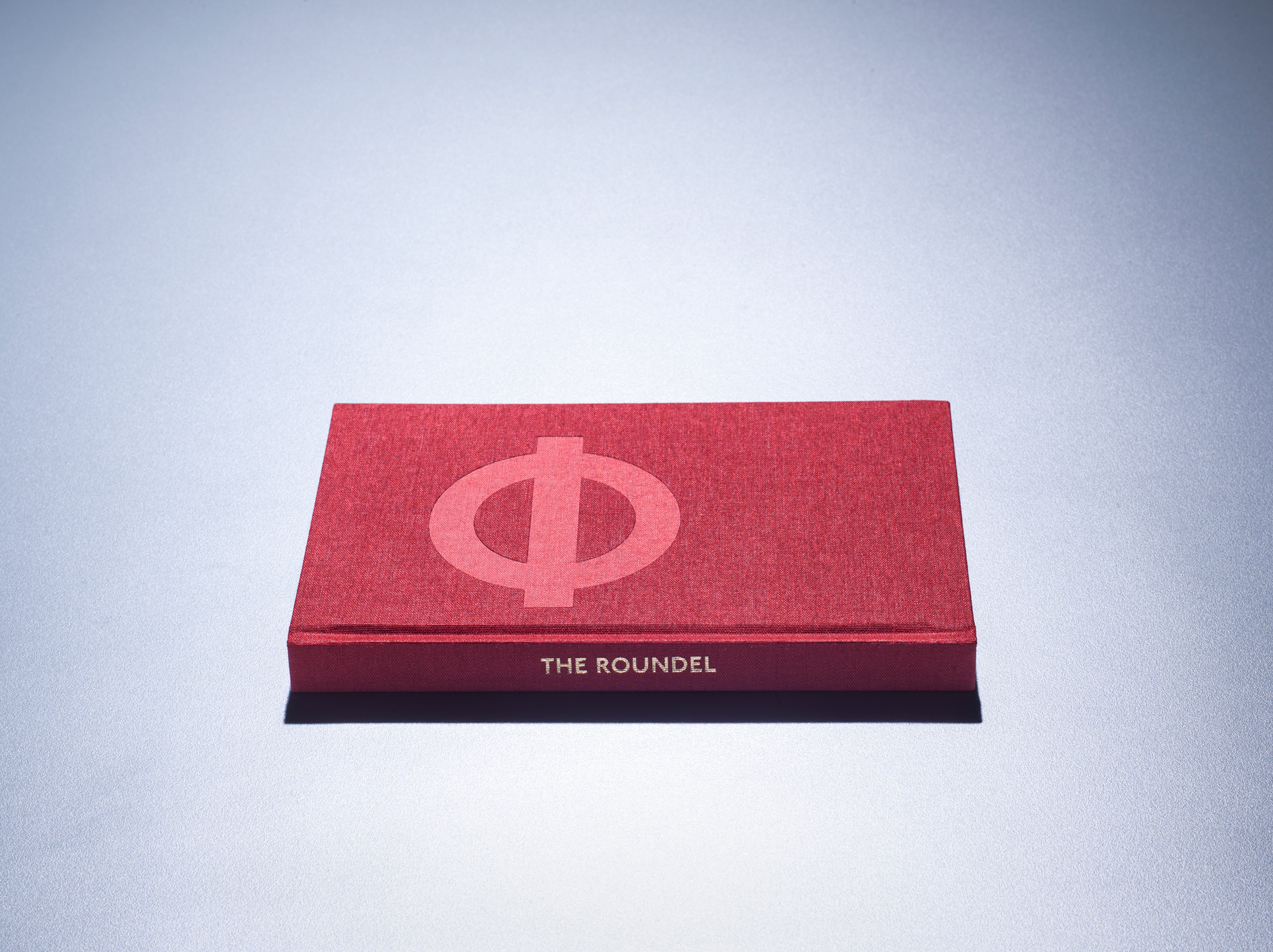
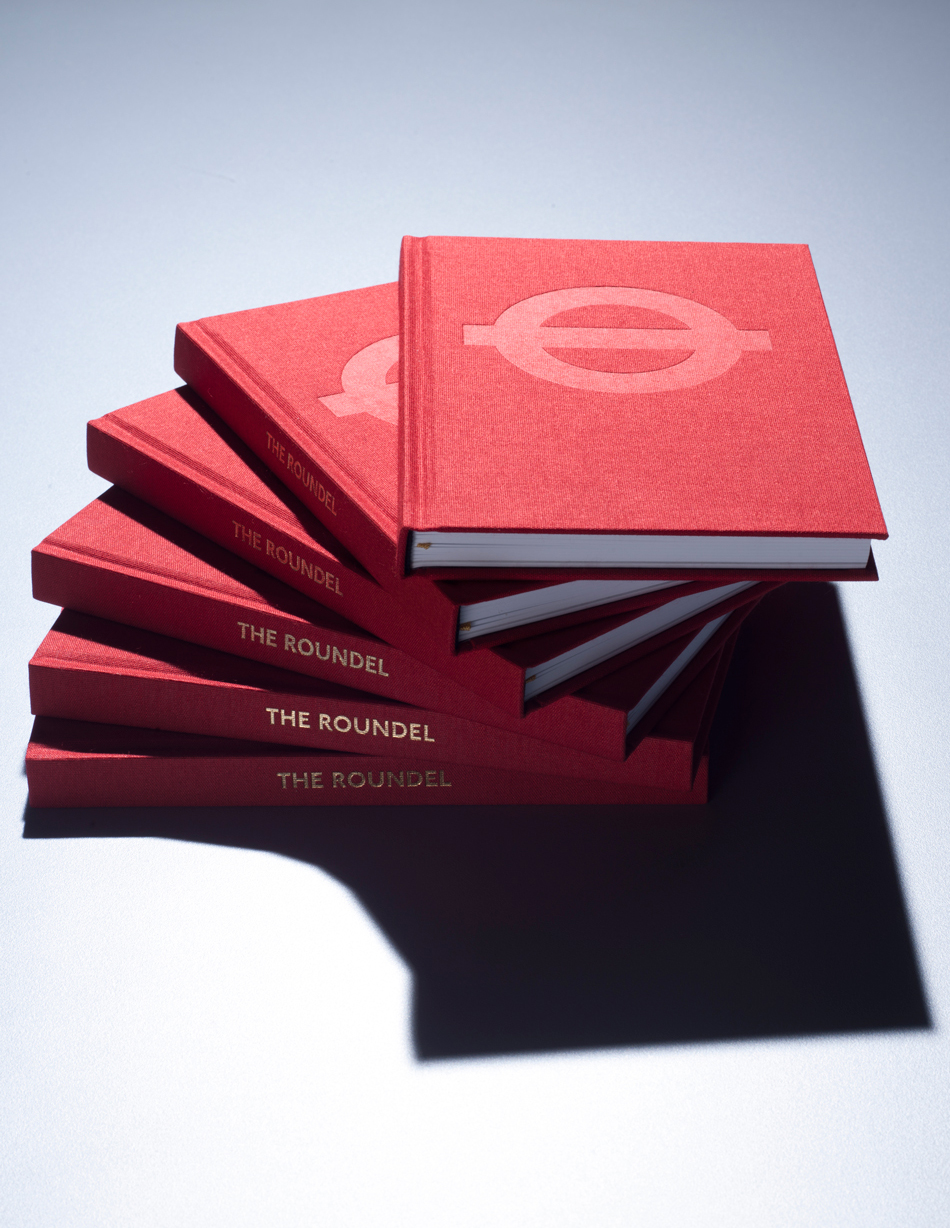
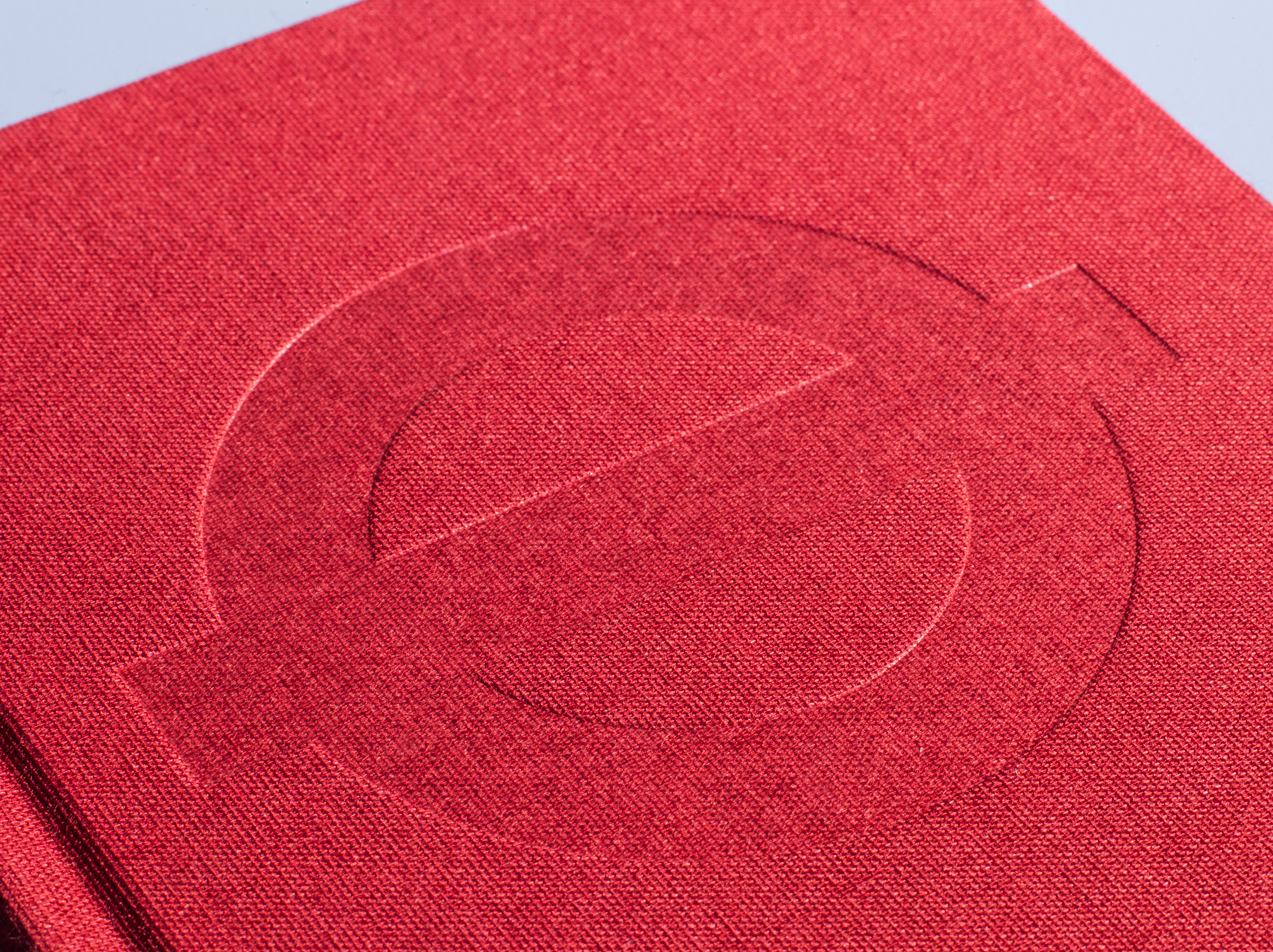
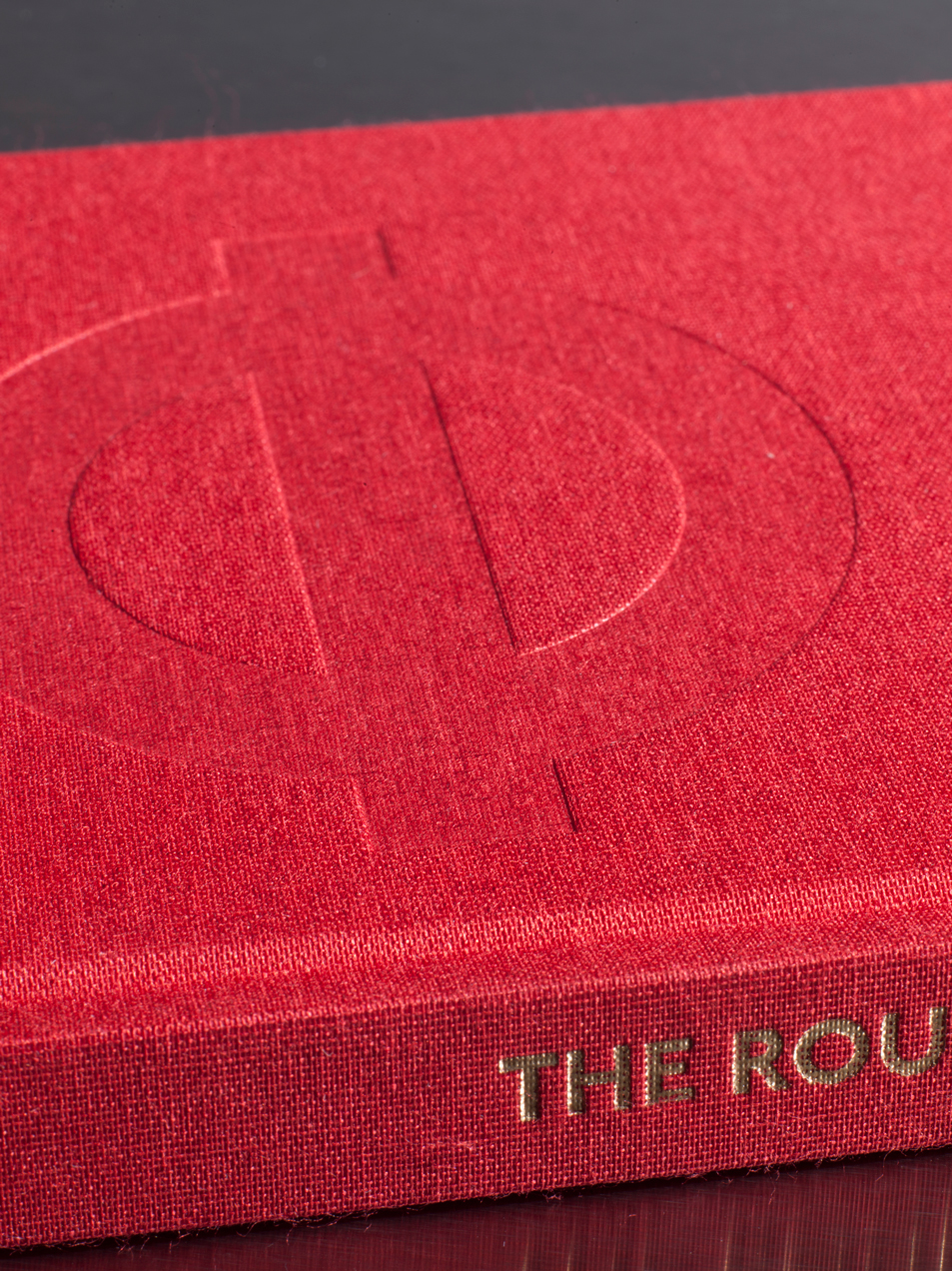
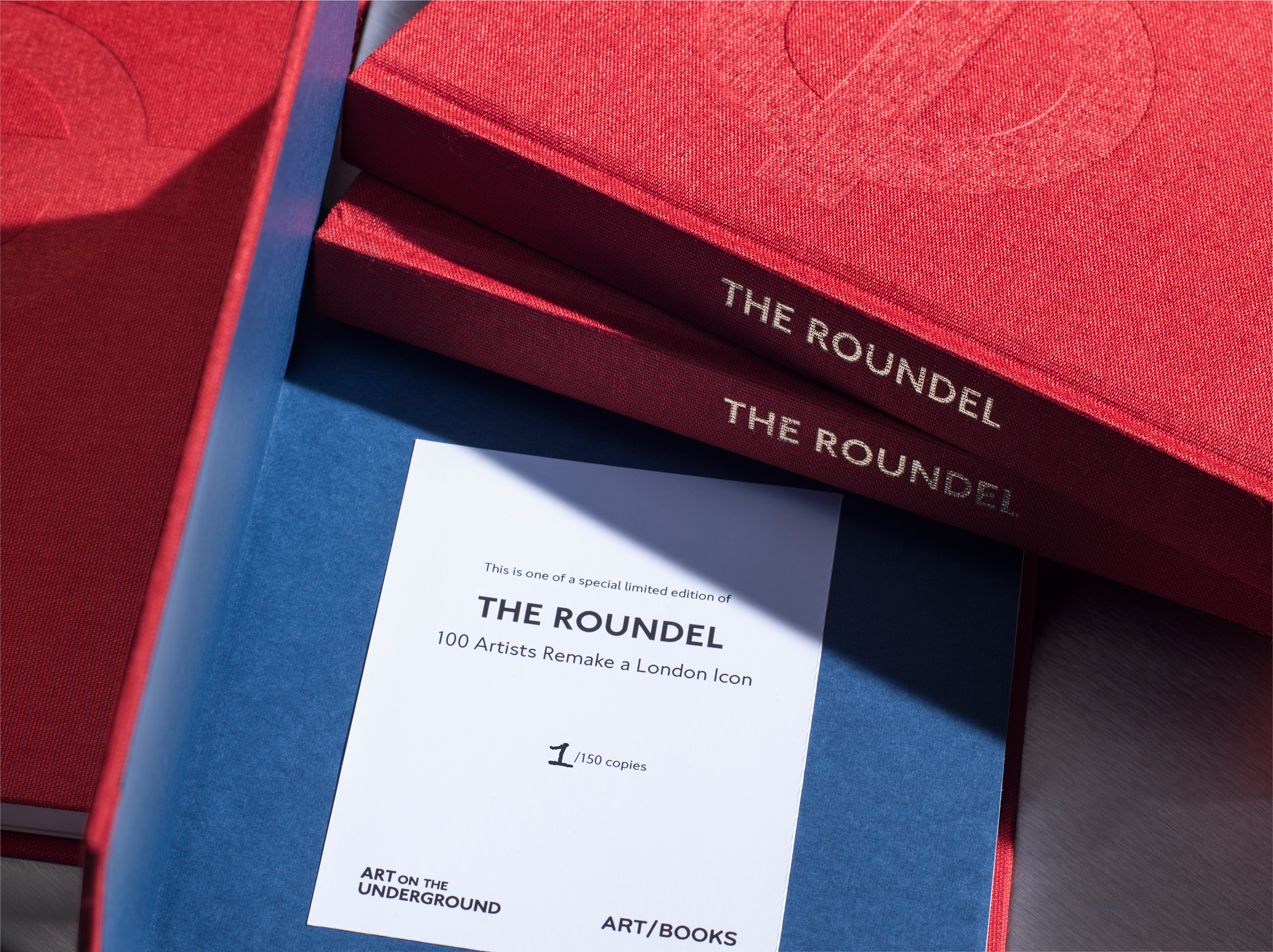
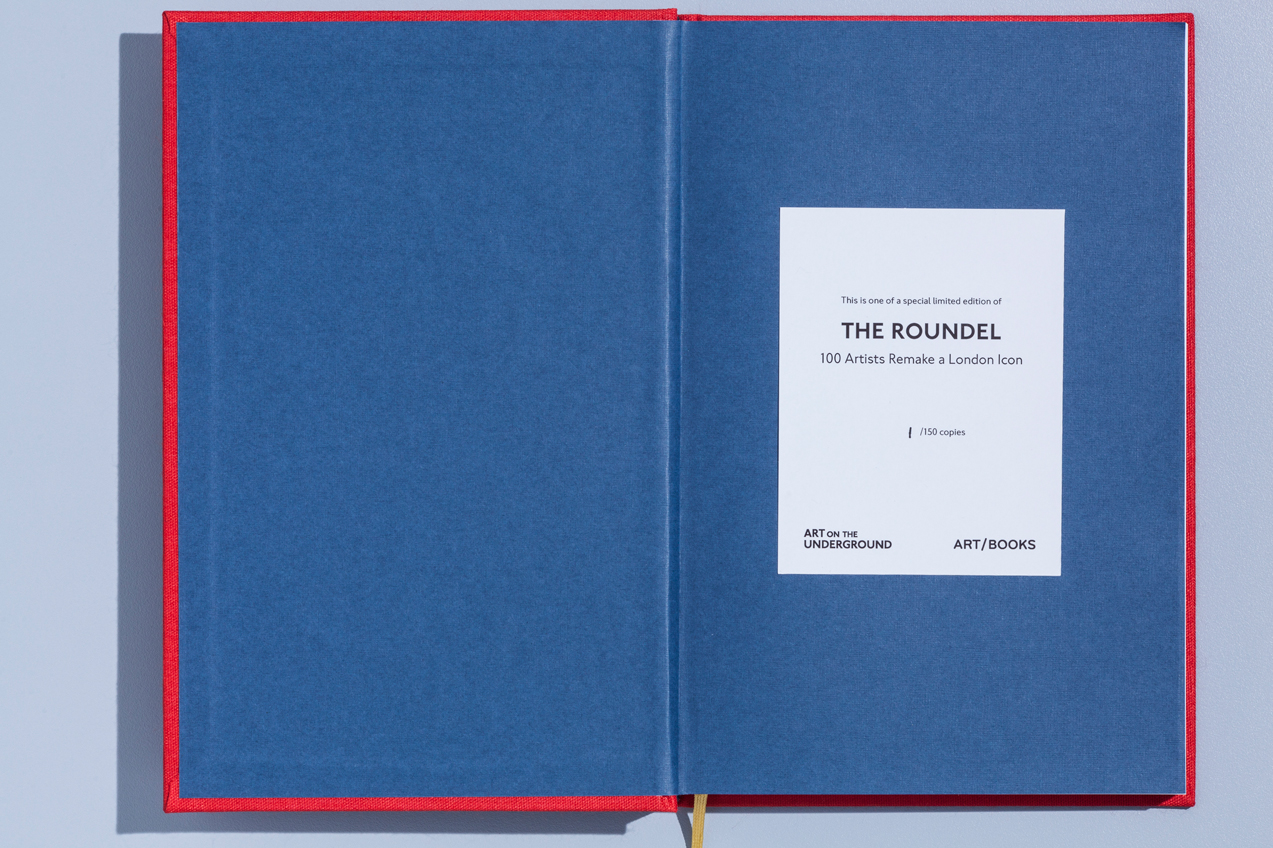
The Roundel special gift edition

100 Artists Remake a London Icon

Edited by Tamsin Dillon
with contributions by Jonathan Glancey,
Claire Dobbin and Sally Shaw
Artworks by 100 contemporary artists

A beautiful clothbound special edition limited to just 150 copies
An ideal gift for all lovers of London’s art, design and transport 

Marking the 150th anniversary of the birth of London Underground, the first ever subterranean railway, The Roundel presents the company’s famous logo rethought and refashioned by one hundred international artists. At once imaginative and playful, bold and irreverent, these new interpretations not only celebrate the symbol of London’s transport system, they also reinvent an icon of the city itself. Found the length and breadth of the metropolis, the century-old Roundel is one of the most effective, best known and most fondly regarded corporate logos in the world, spawning a host of similar designs in cities from Shanghai to Salt Lake City.

Now artists as diverse as Jeremy Deller, Sir Peter Blake, Roger Hiorns, Cornelia Parker, Yinka Shonibare, Gavin Turk, Susan Hiller and Richard Wentworth offer their personal take on the familiar motif, in photography or paint, drawing or print, collage or sculpture, revealing in their own words what inspired their creation. They follow in the footsteps of the many influential artists over the years, from Man Ray to Eduardo Paolozzi, who have taken the Roundel as a subject for their art, reflecting London’s importance as a capital city of culture.

With illuminating texts that consider the works within the history of transport design and public art, this gem of a book will delight all lovers of London and transport fanatics, as well as those who follow the latest trends in art, design and corporate branding.

Tamsin Dillon is Head of Art on the Underground.
Jonathan Glancey is an architectural critic and writer. He was architecture and design editor at the Guardian from 1997 to 2012.
Claire Dobbin is senior curator at London’s Transport Museum.
Sally Shaw is Head of Programmes at Modern Art Oxford.