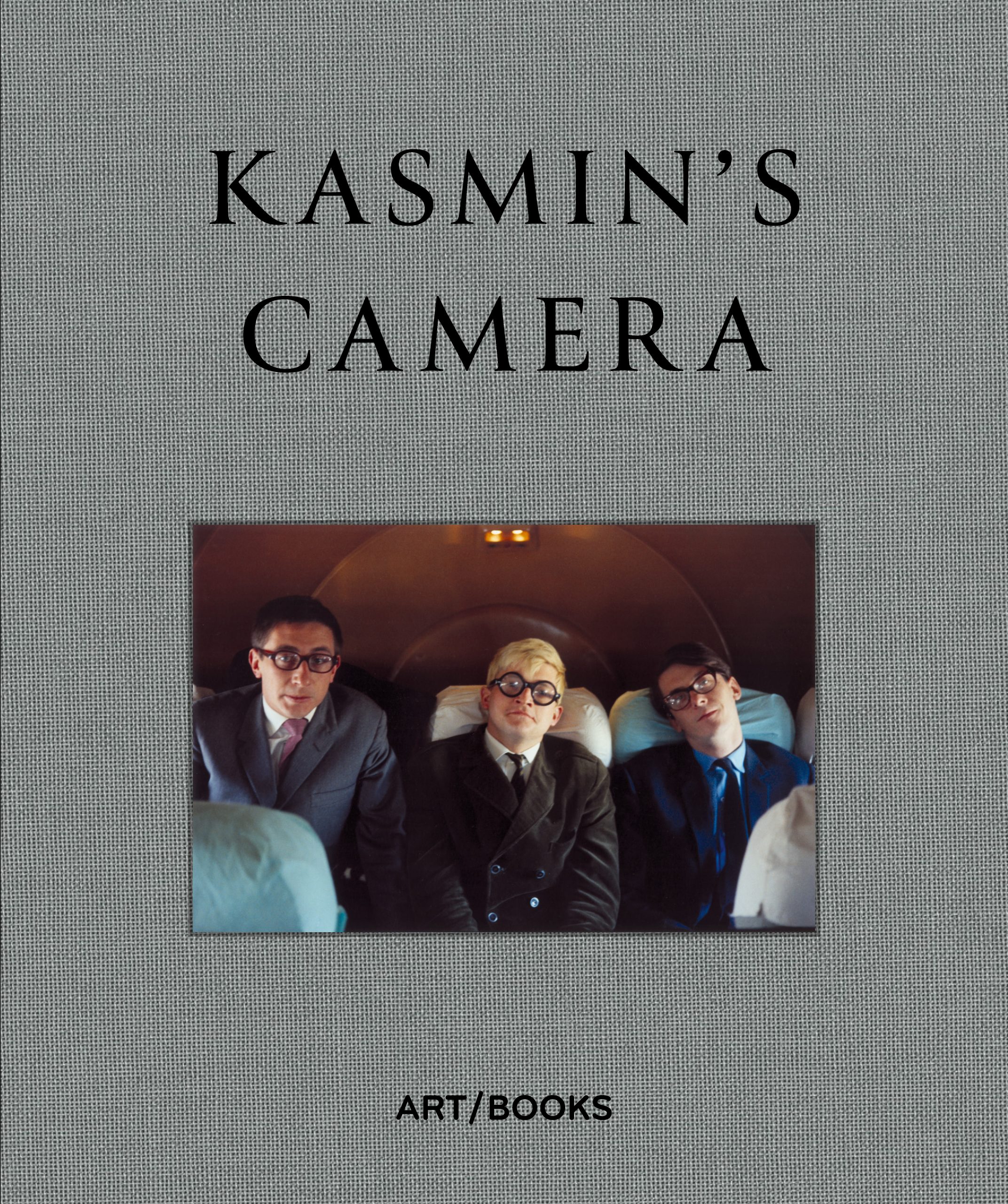
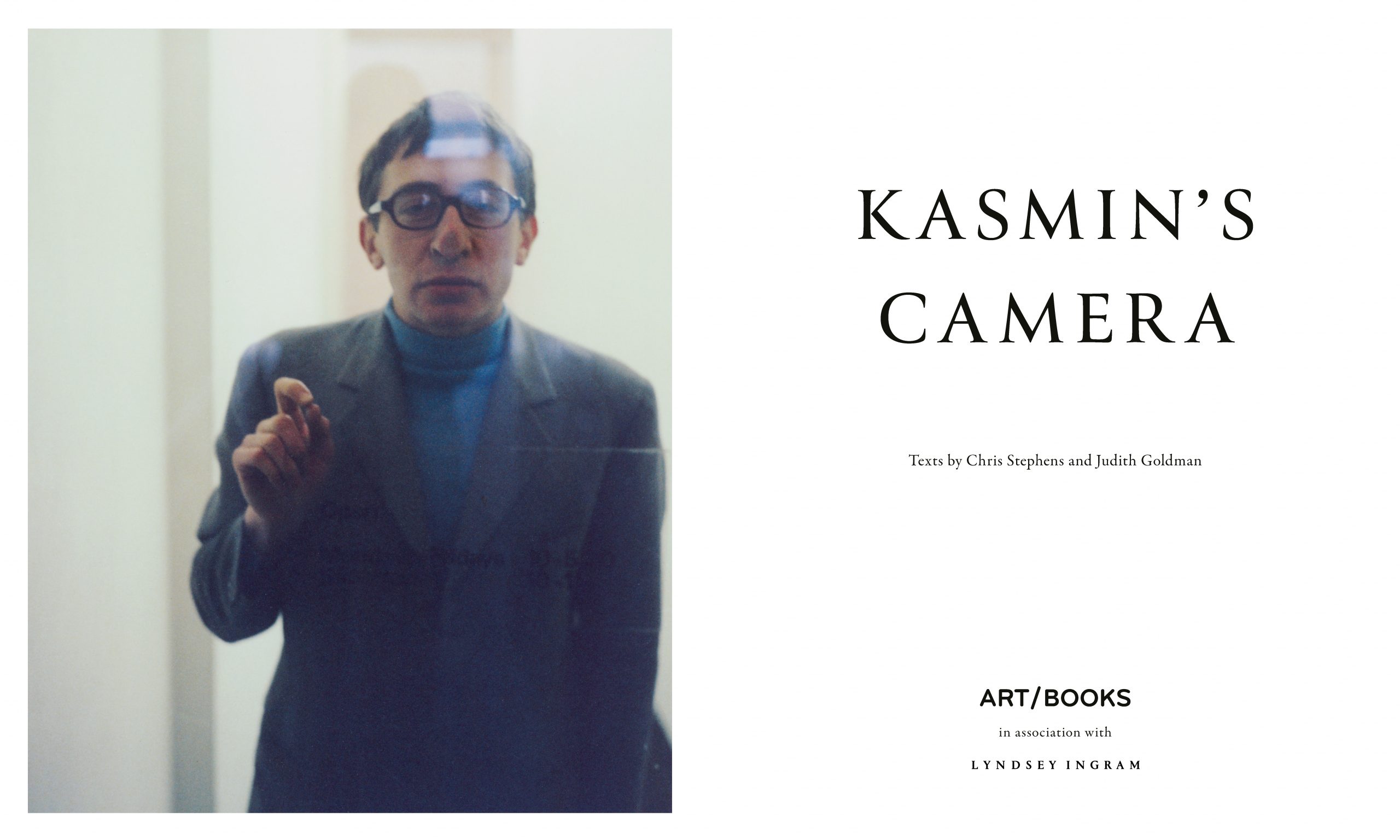
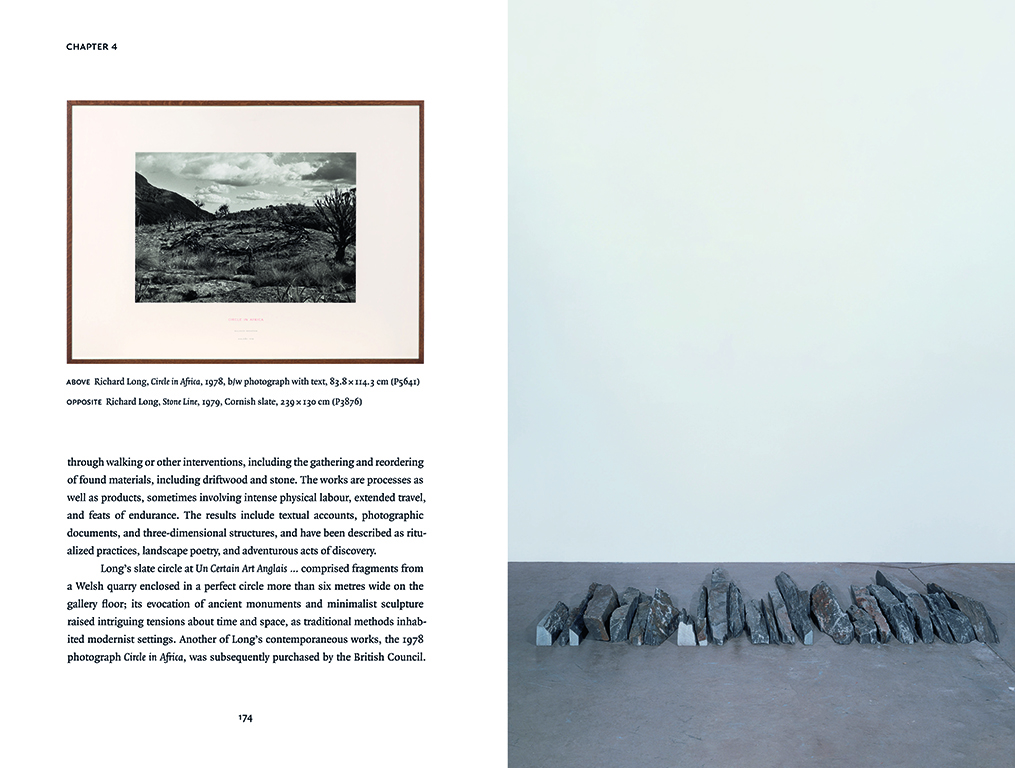
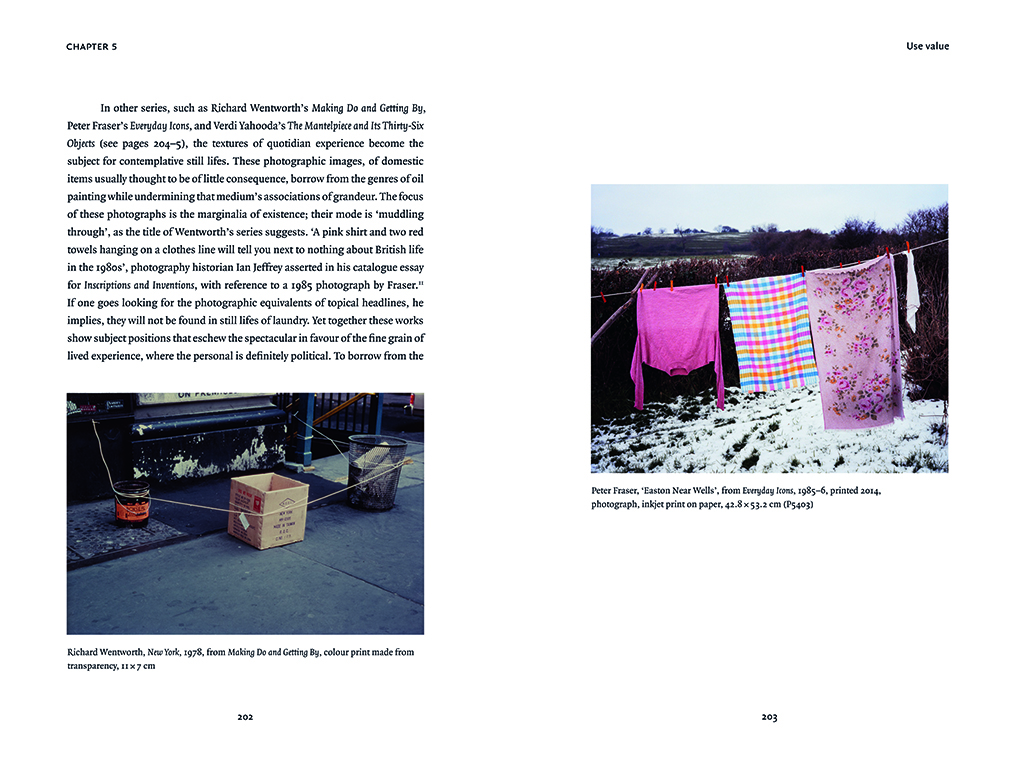
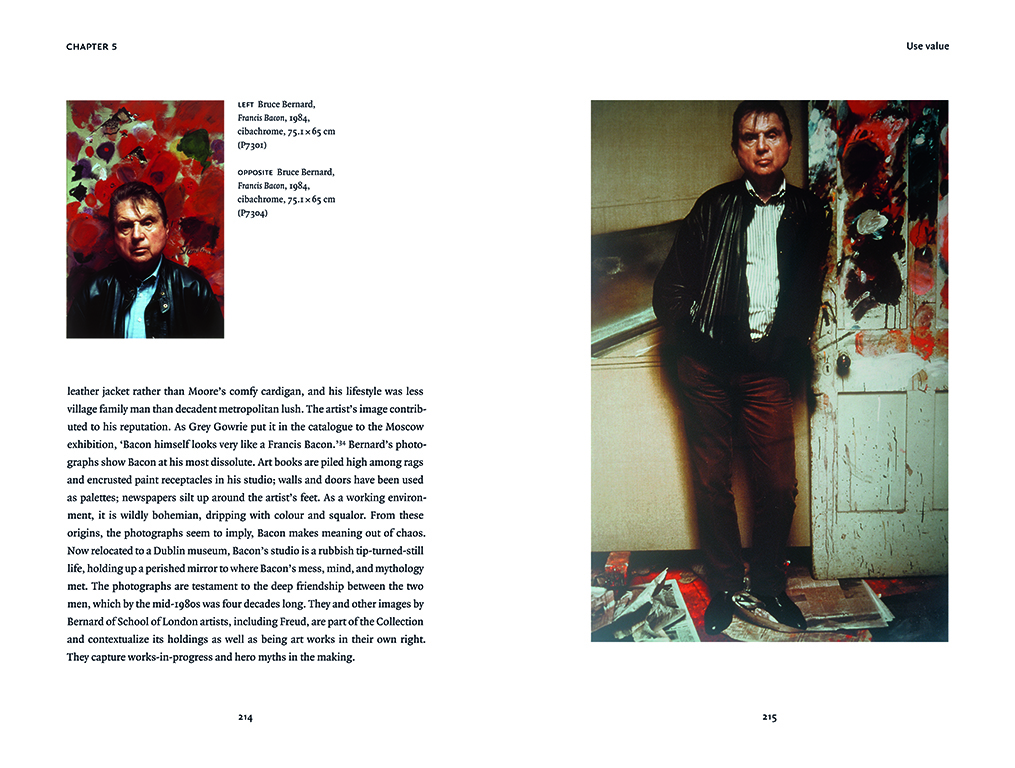
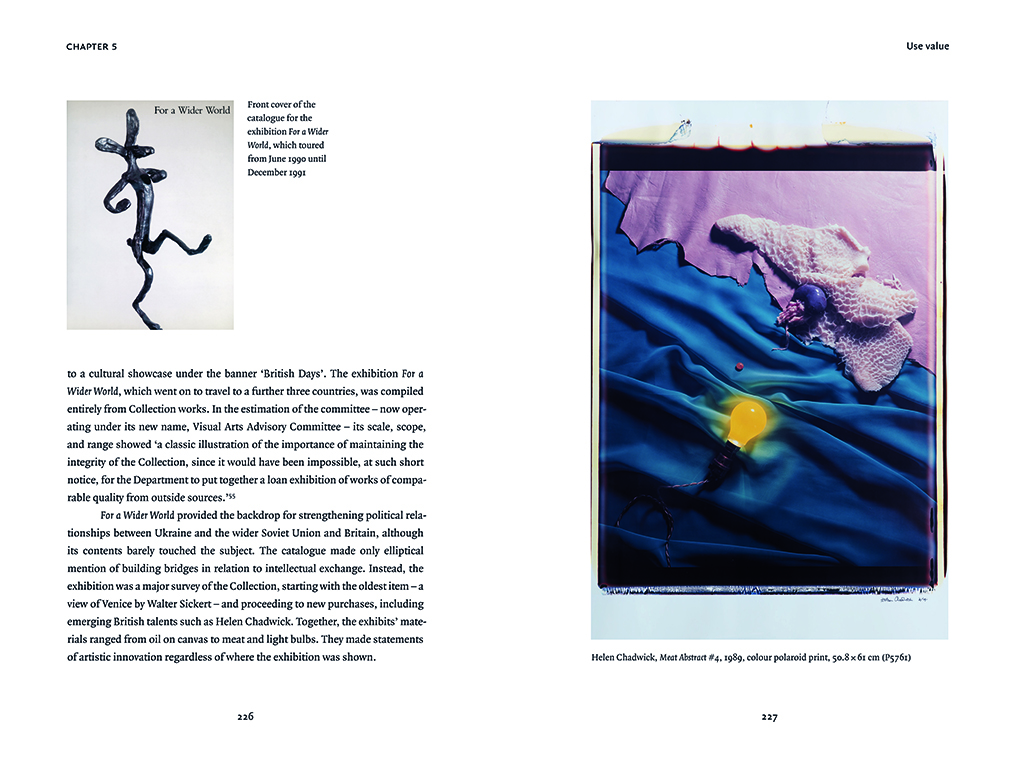
Kasmin’s Camera

Texts by Chris Stephens and Judith Goldman

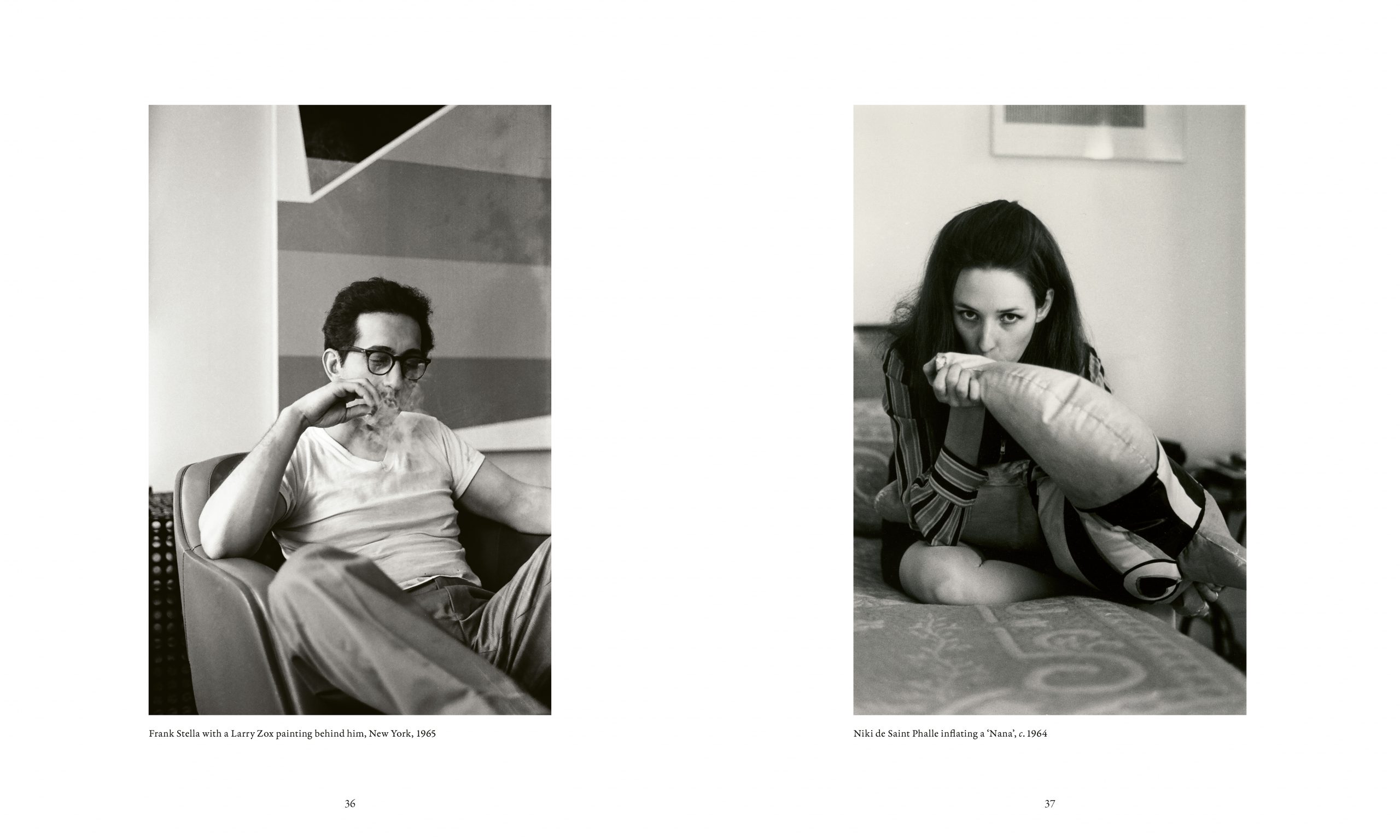
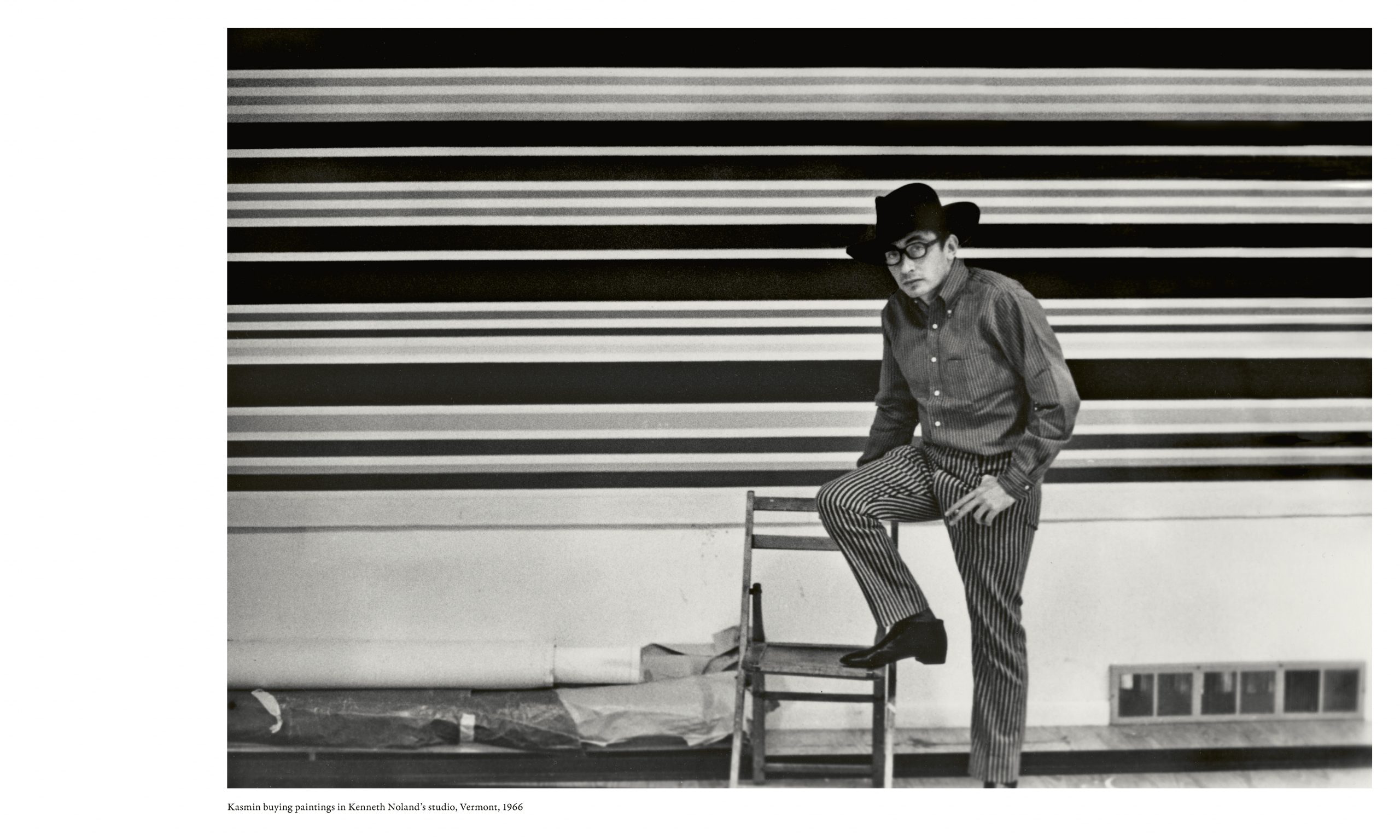
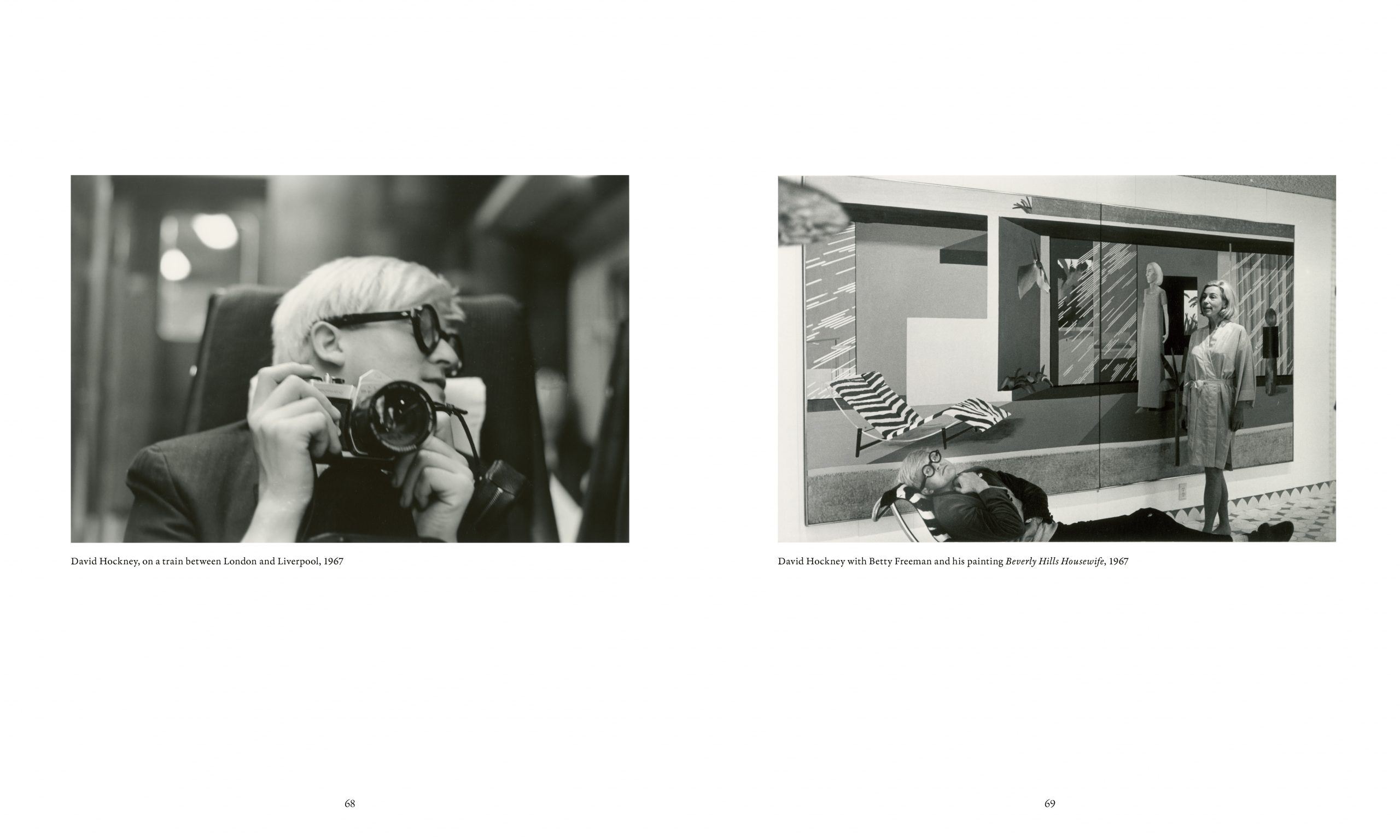
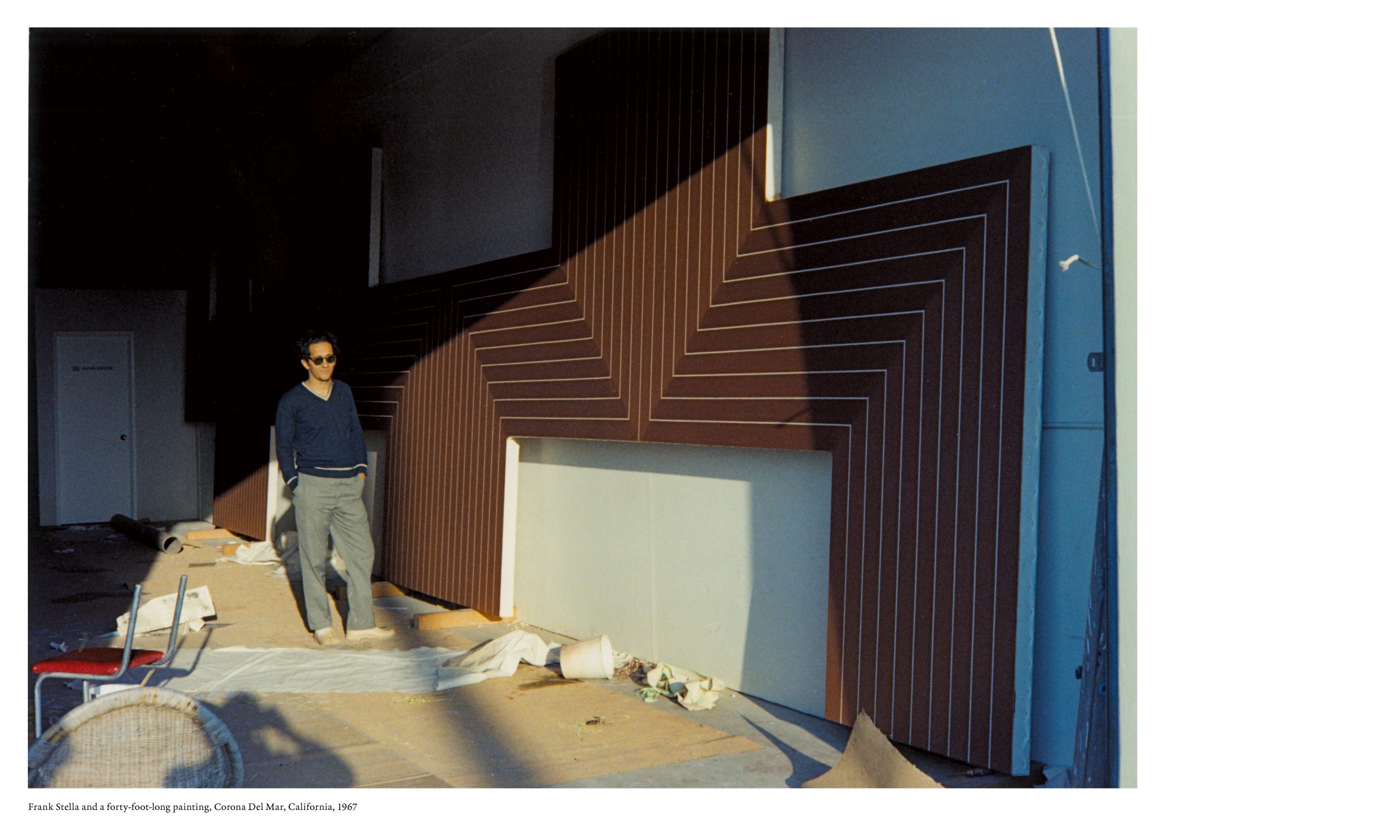
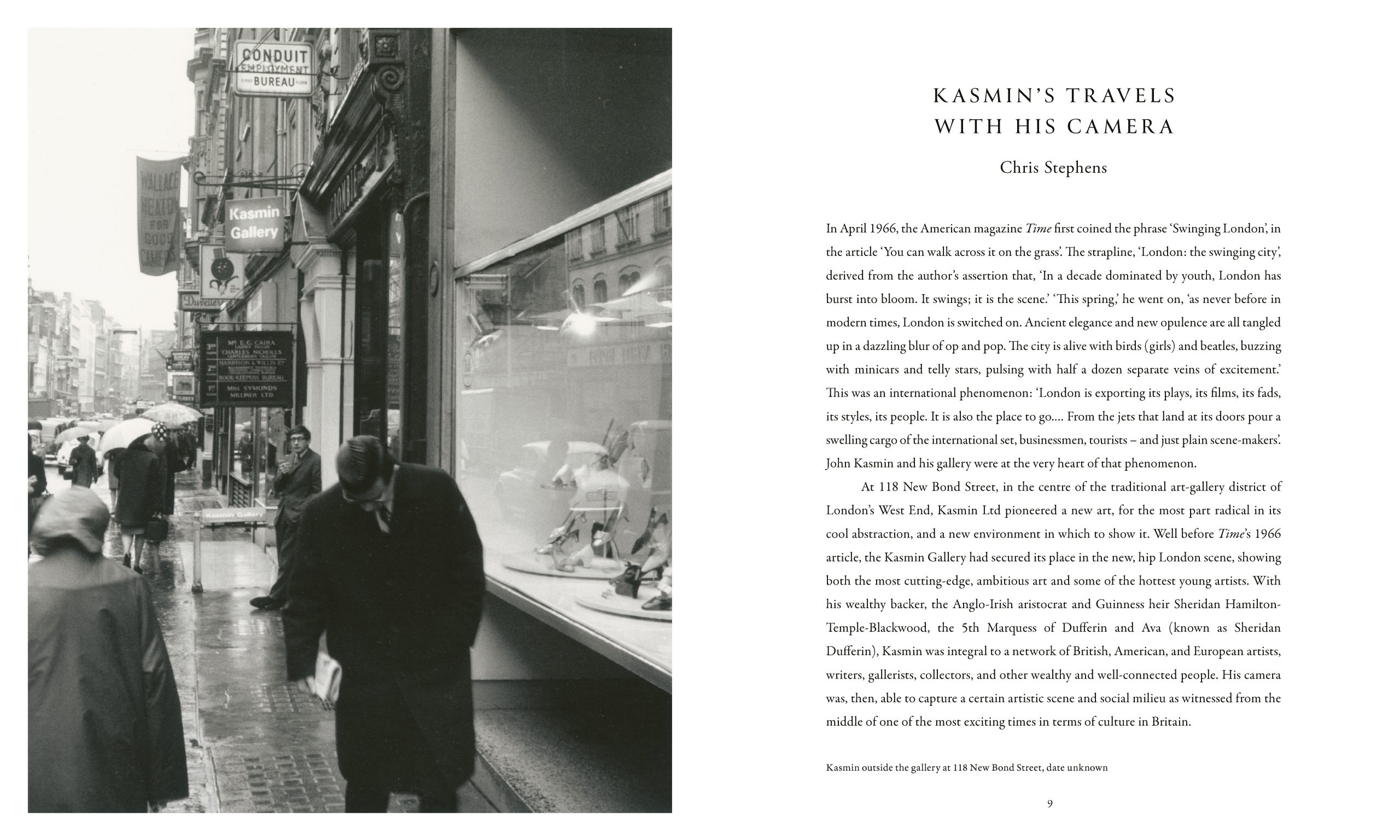
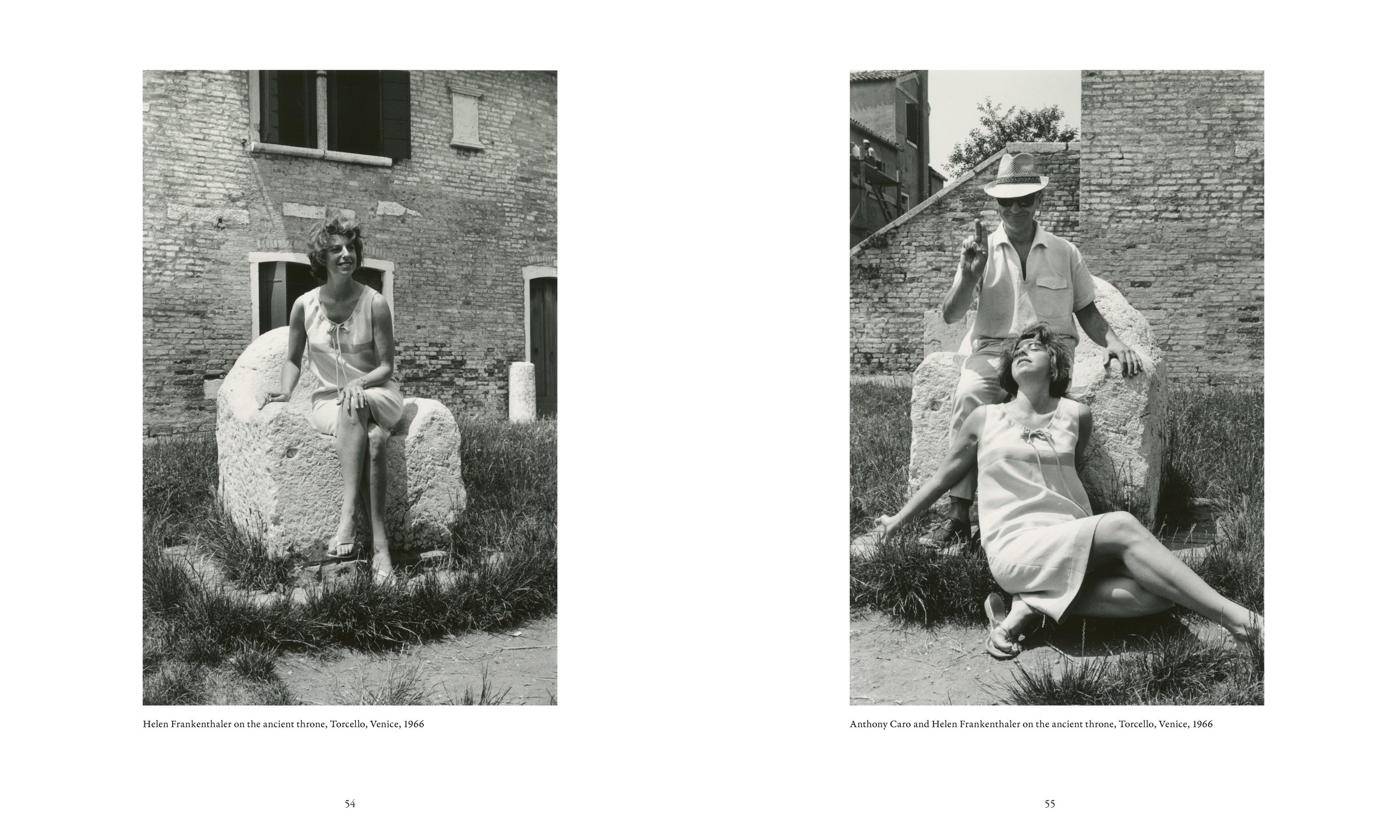
John Kasmin, known to all simply as Kasmin, was the most important dealer in contemporary art in Britain in the 1960s. At the eponymous Kasmin Gallery on New Bond Street, he worked with the leading British and American artists of the day, notably Barnett Newman, Kenneth Noland, Jules Olitski, Helen Frankenthaler, Frank Stella, Anthony Caro, Richard Smith, Robyn Denny, Gillian Ayres, Howard Hodgkin, and David Hockney. Kasmin gave many of these artists their first show and was an early champion of their art. A true pioneer, he introduced the work of American Abstract Expressionists and minimalists to Britain, and helped bring young British artists to American audiences for the first time. In the process, he transformed the London art world and became as recognizable as his gallery artists.

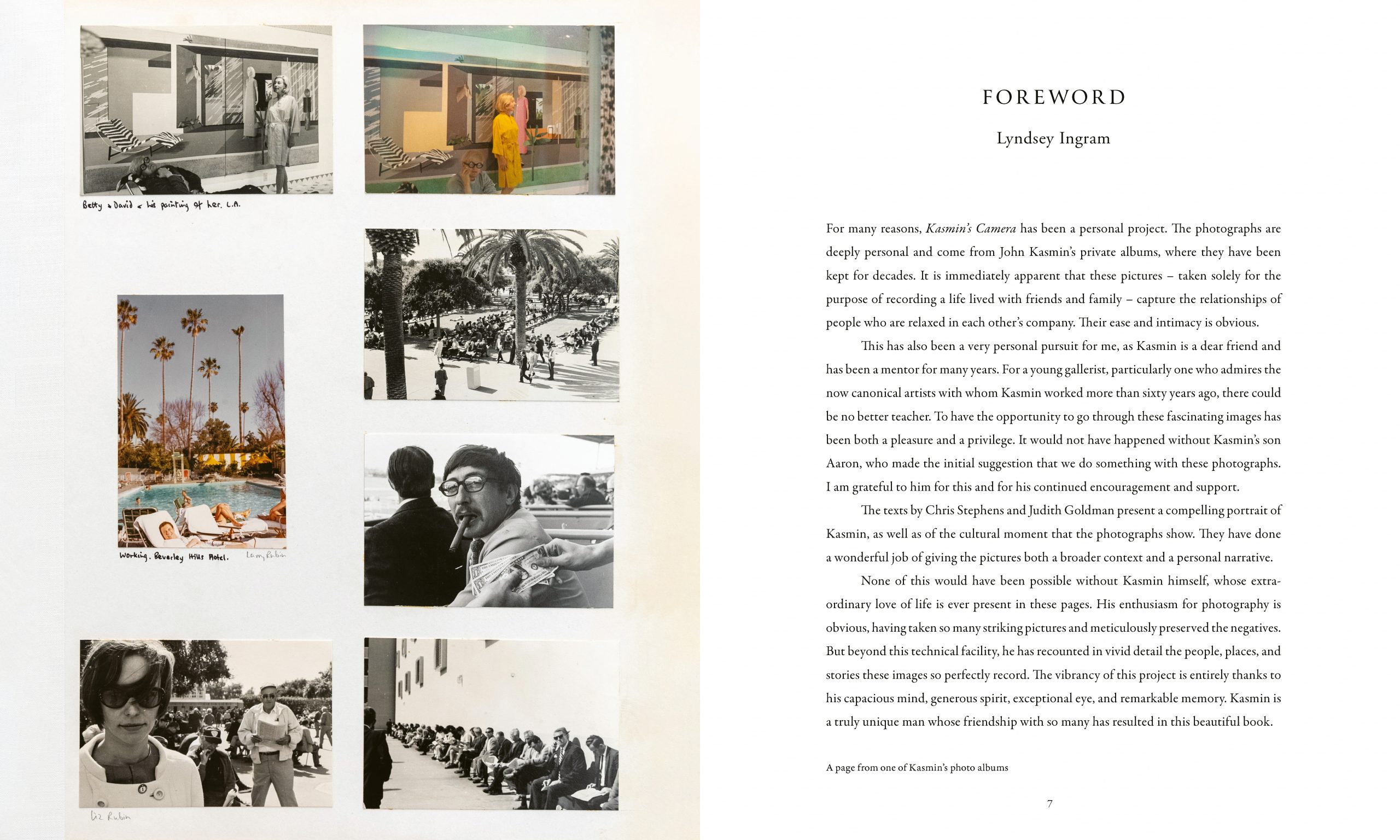
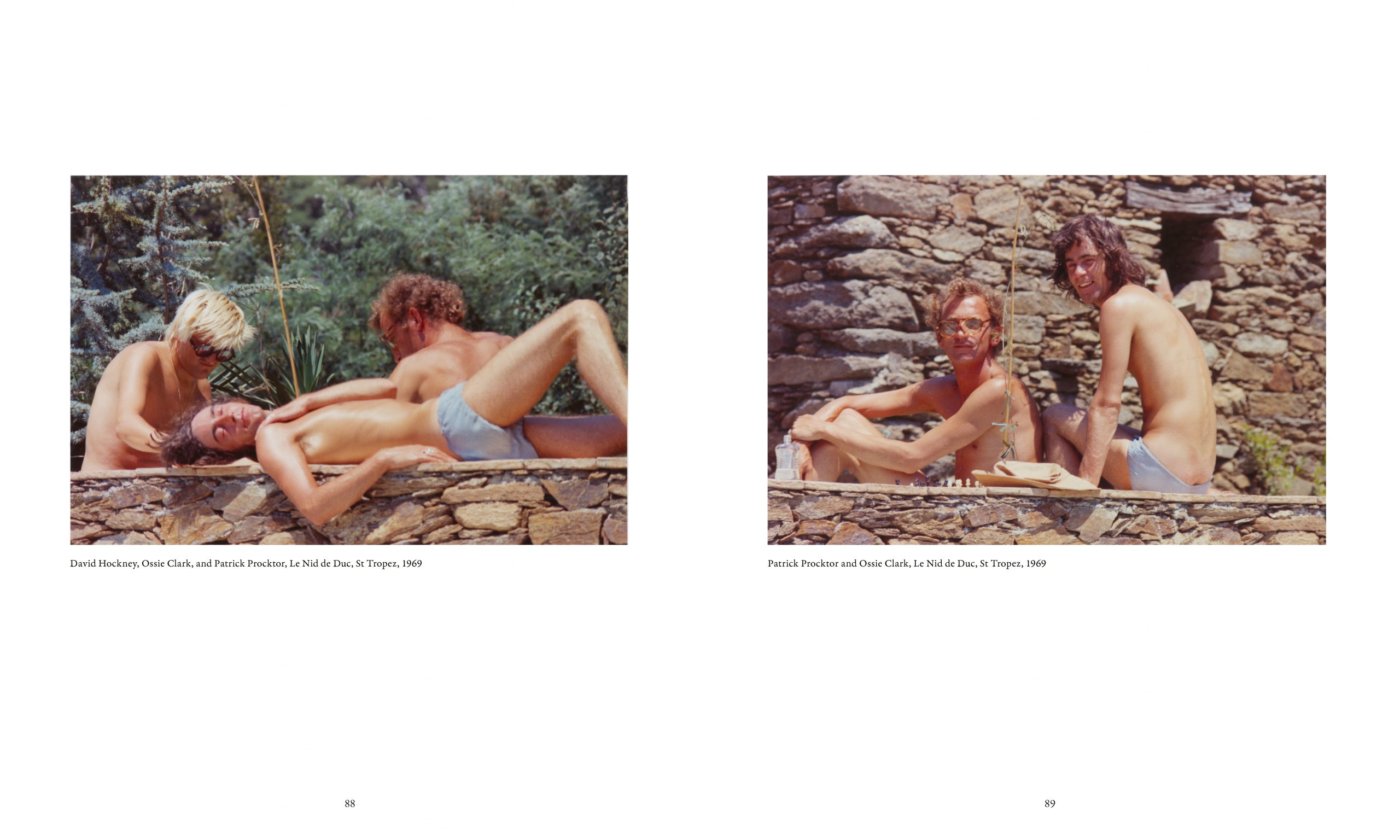
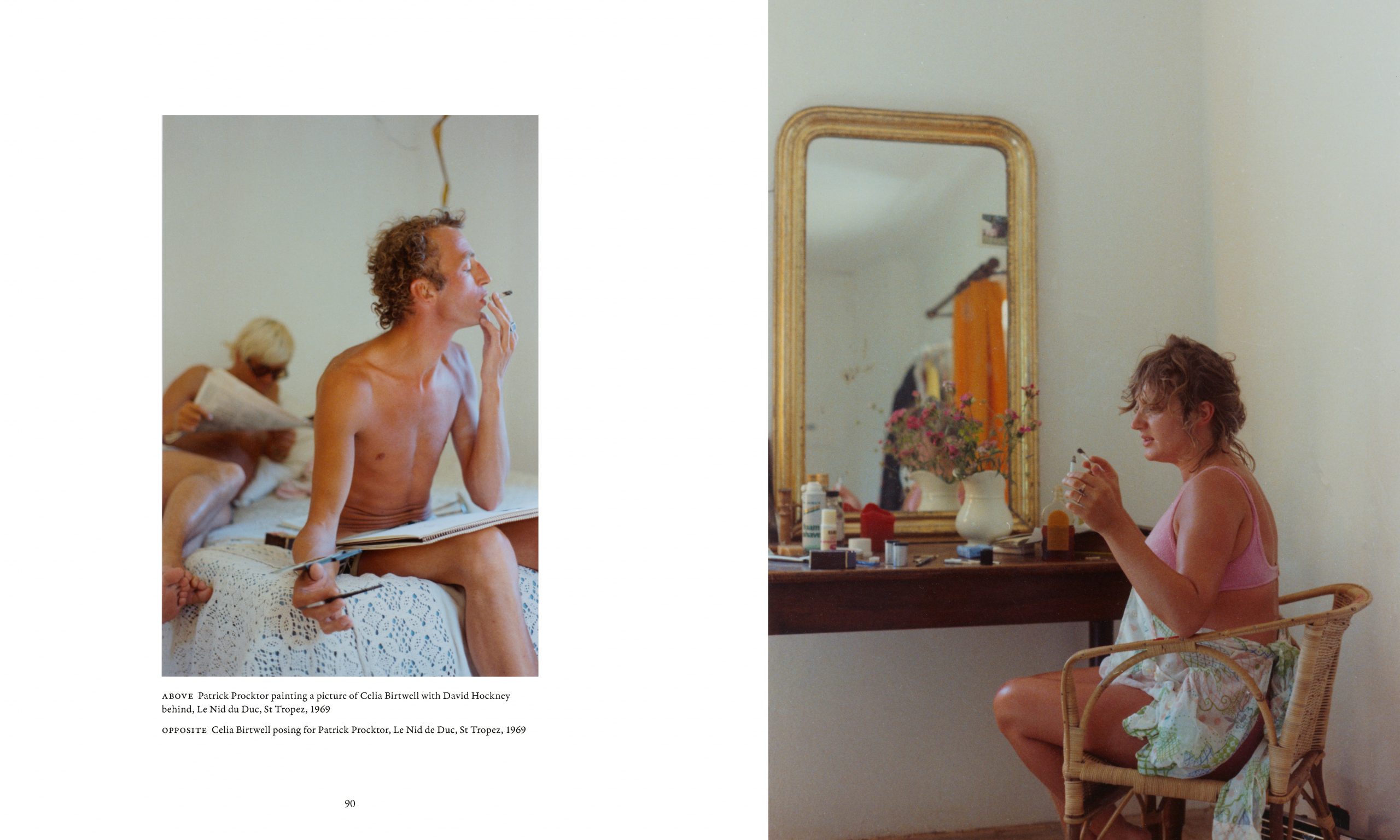
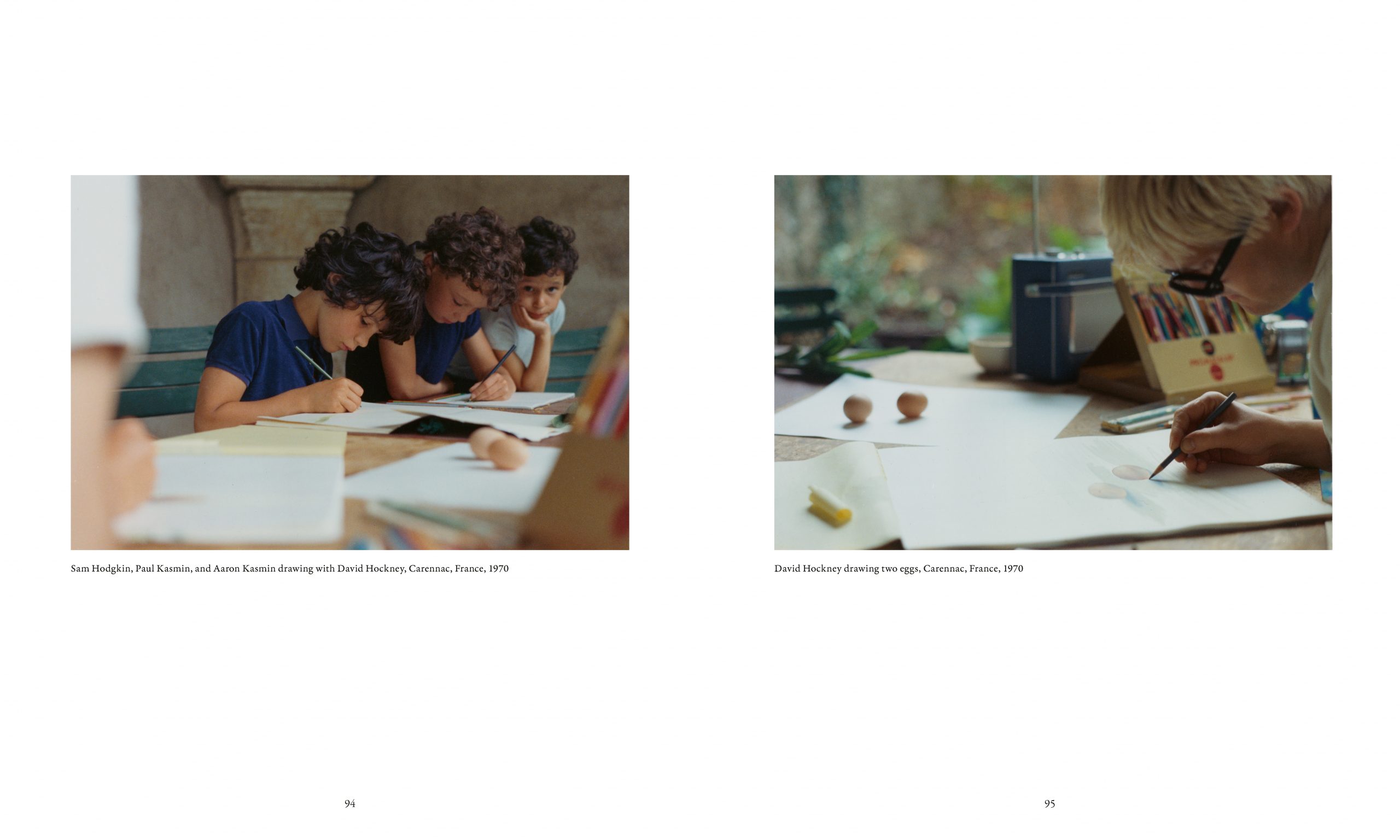
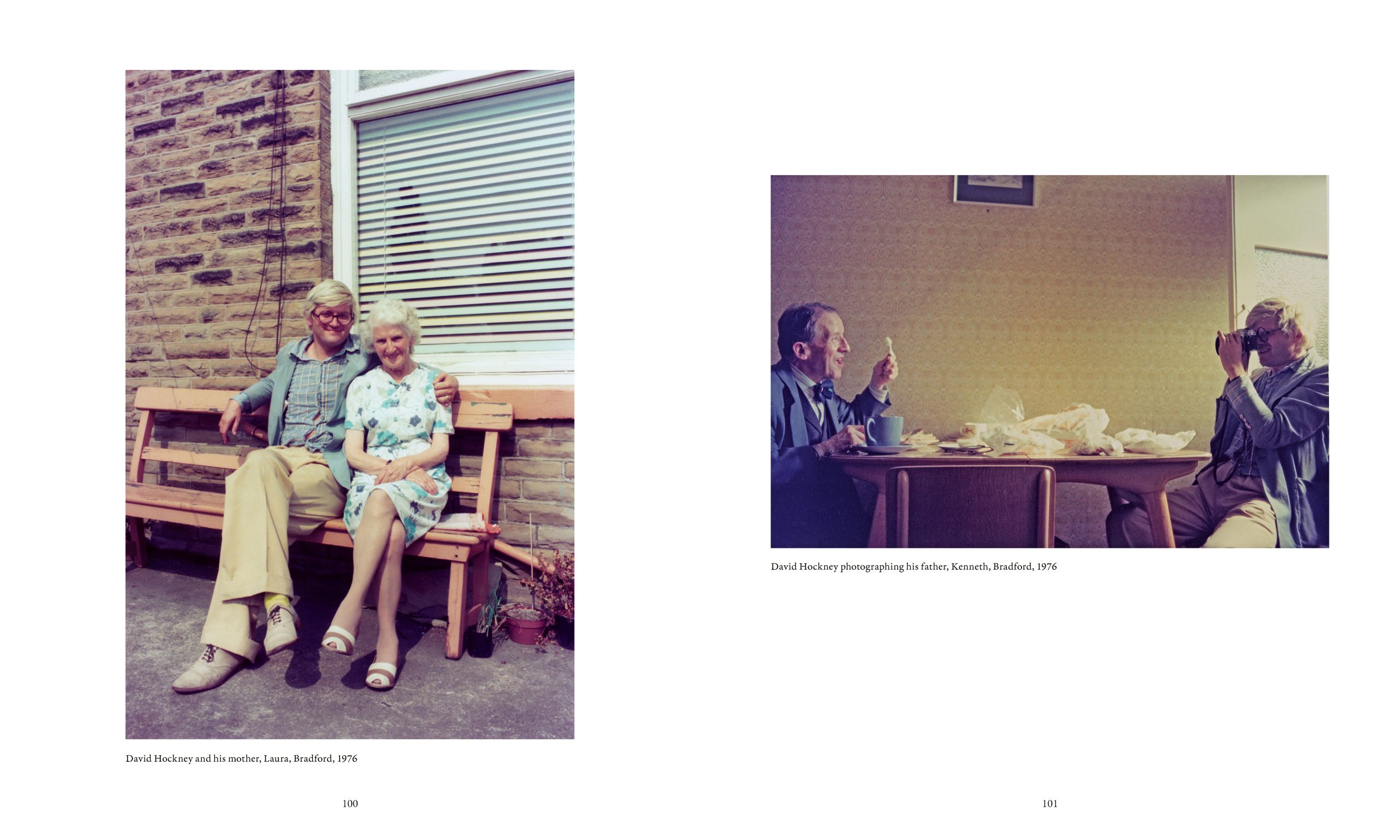
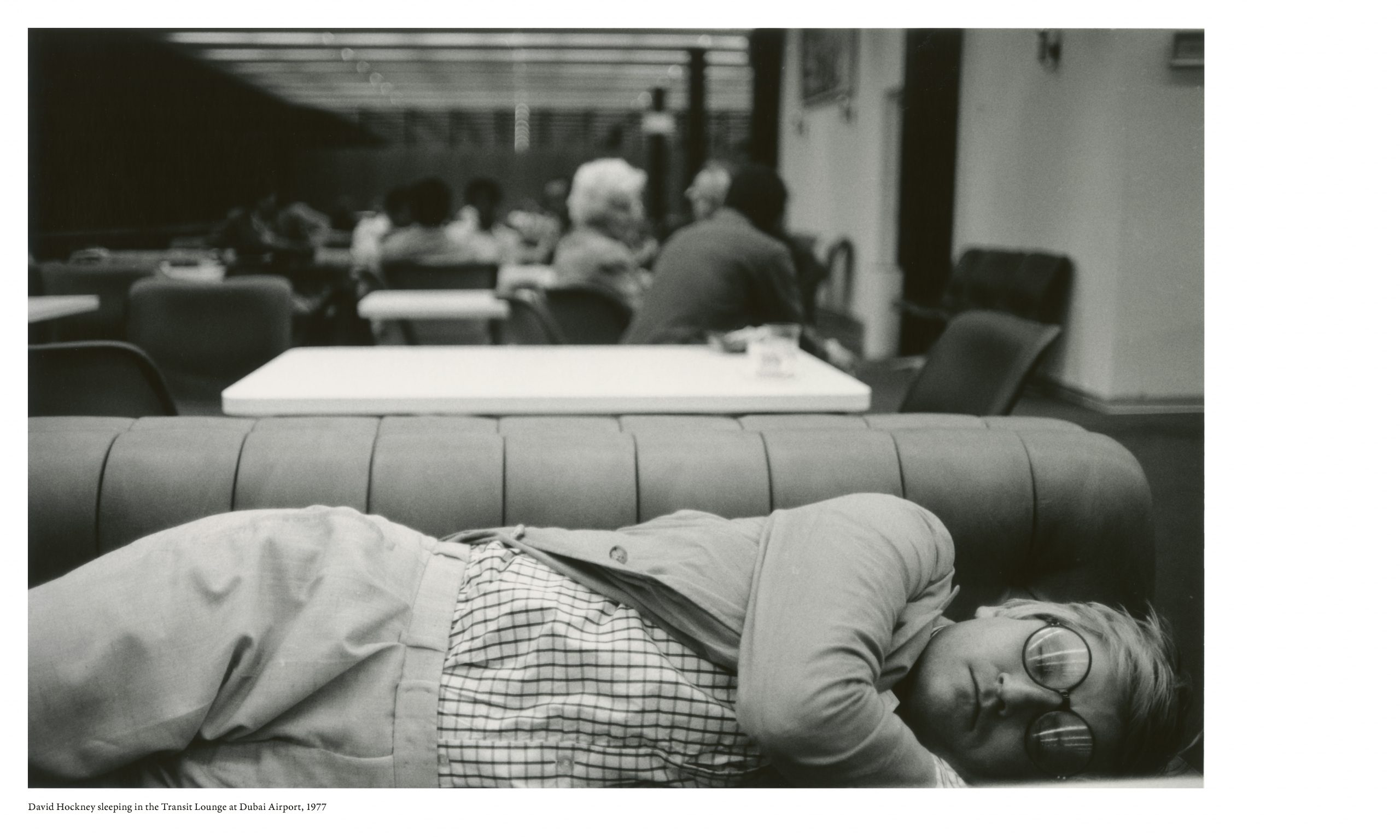
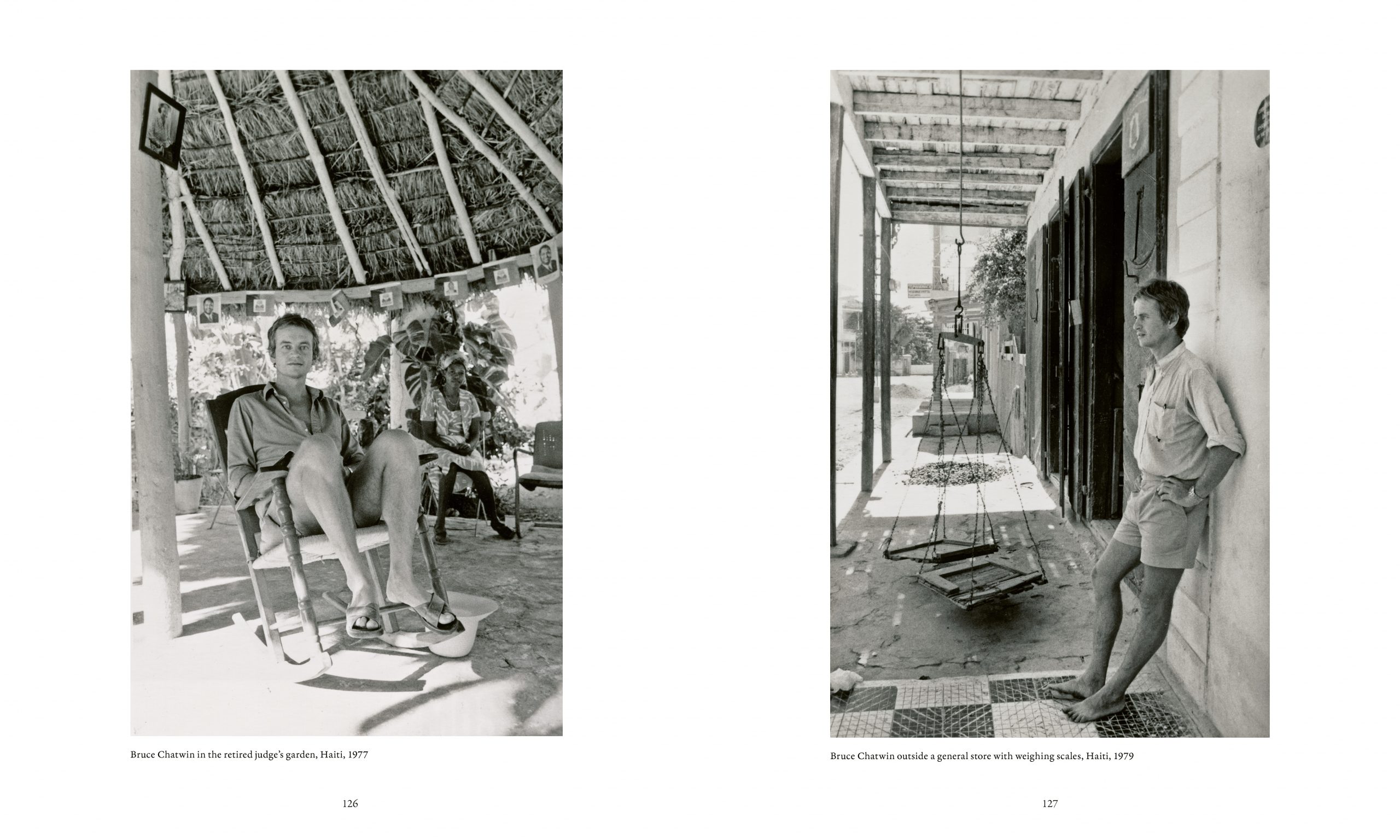
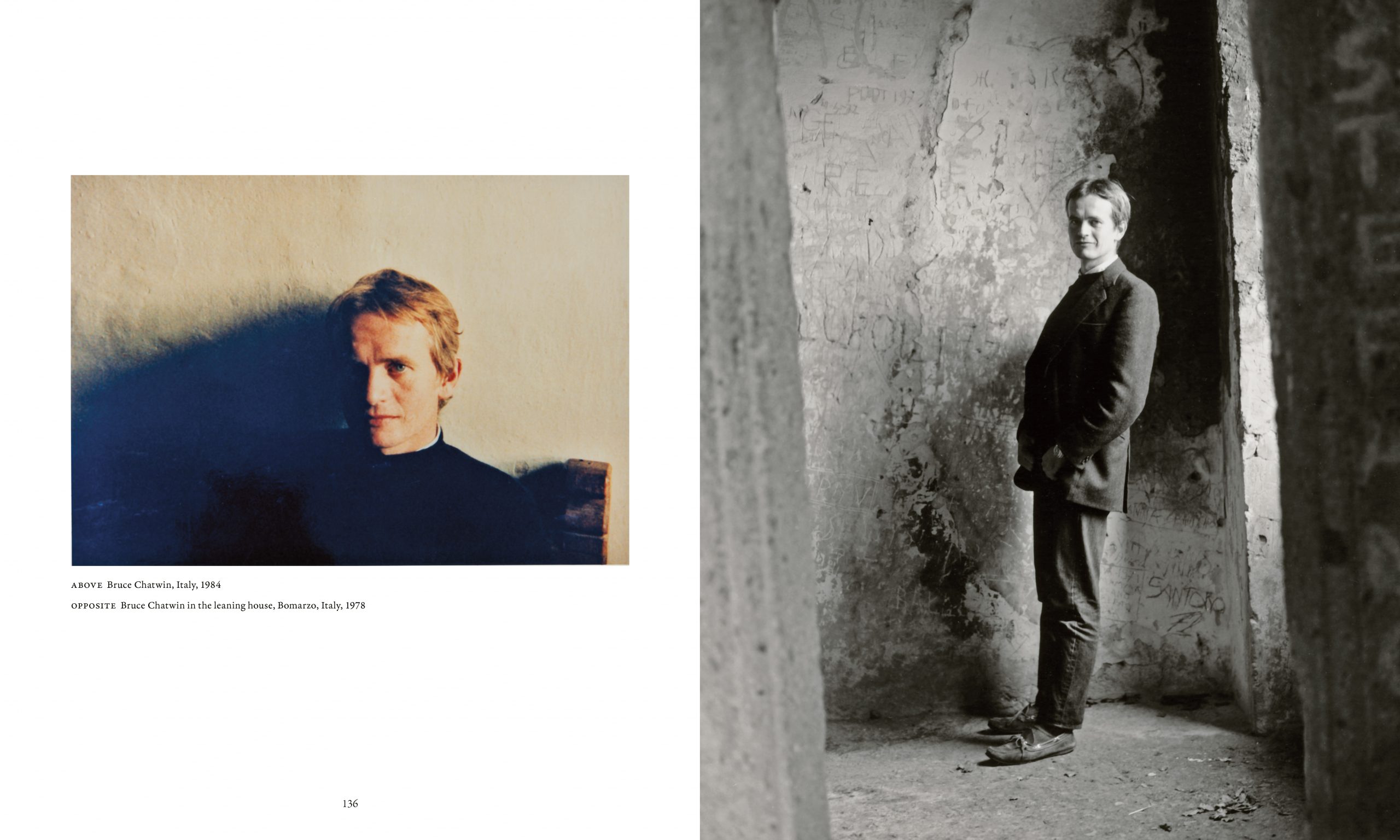
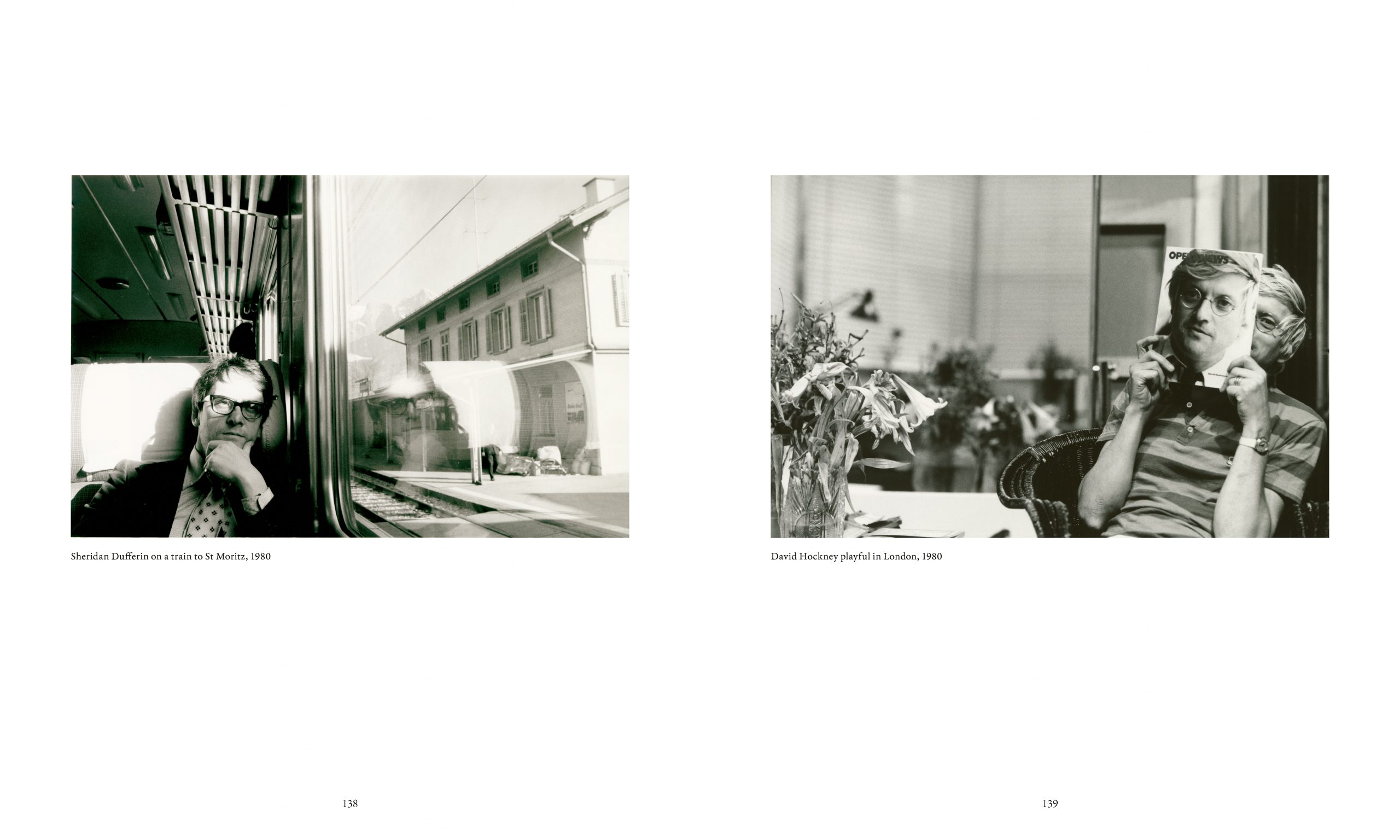
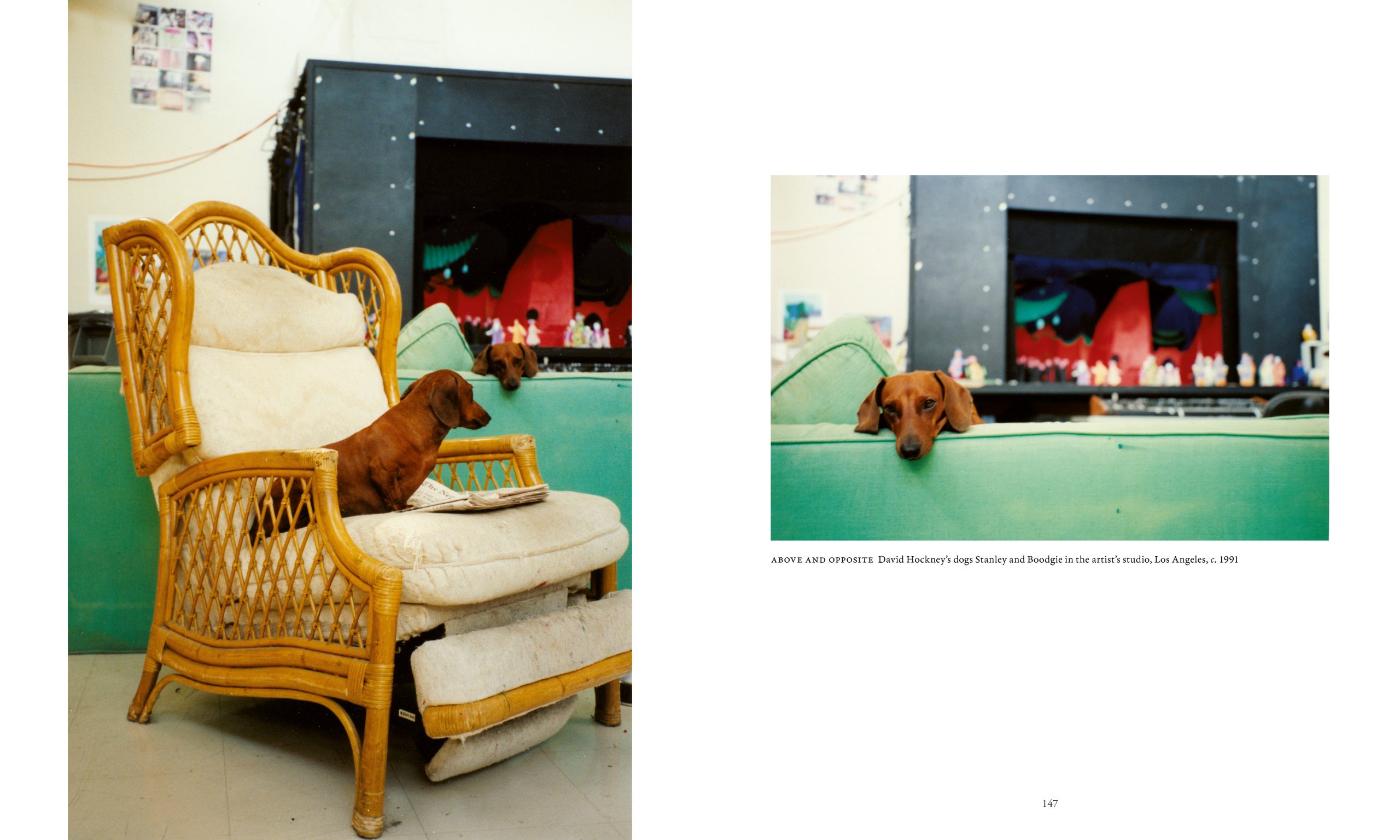
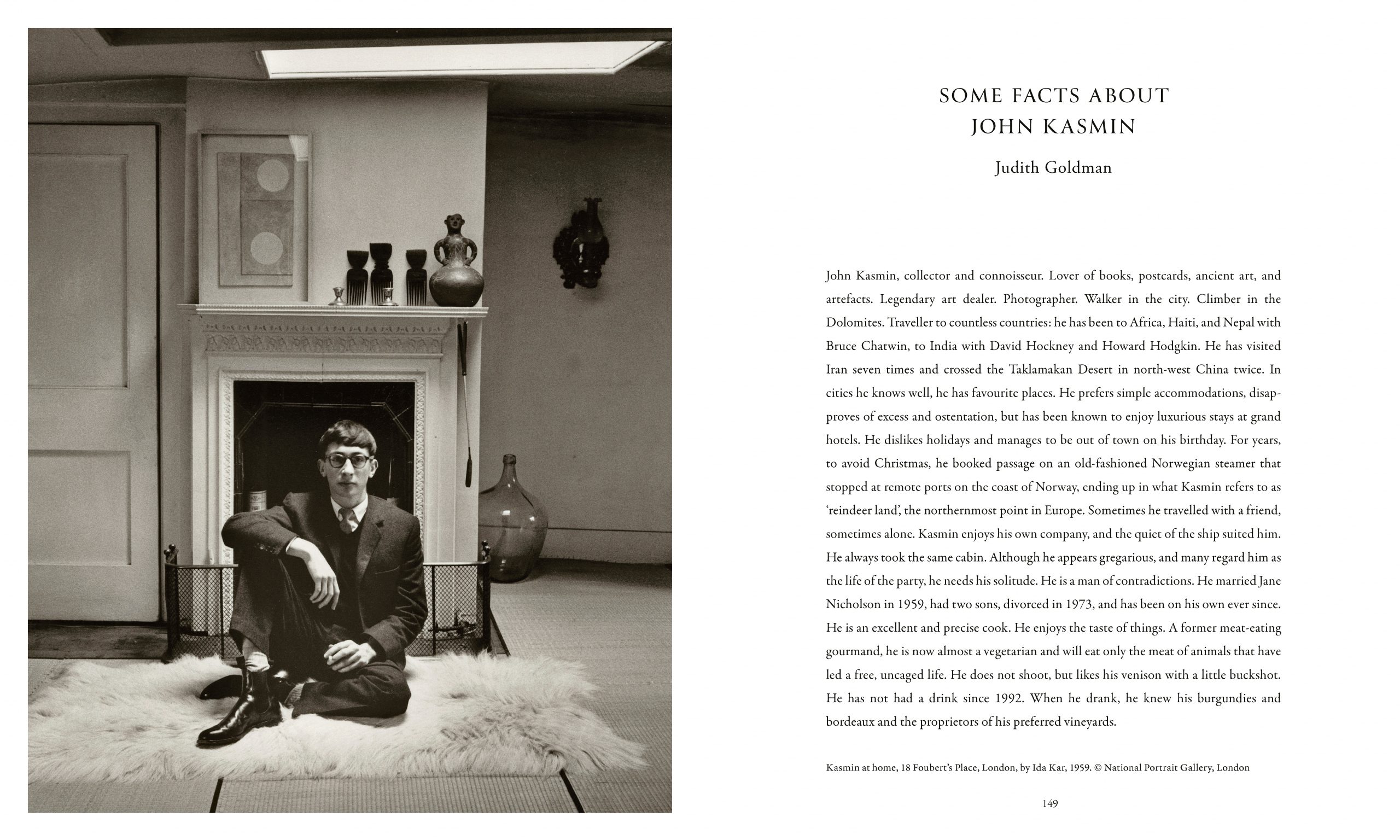
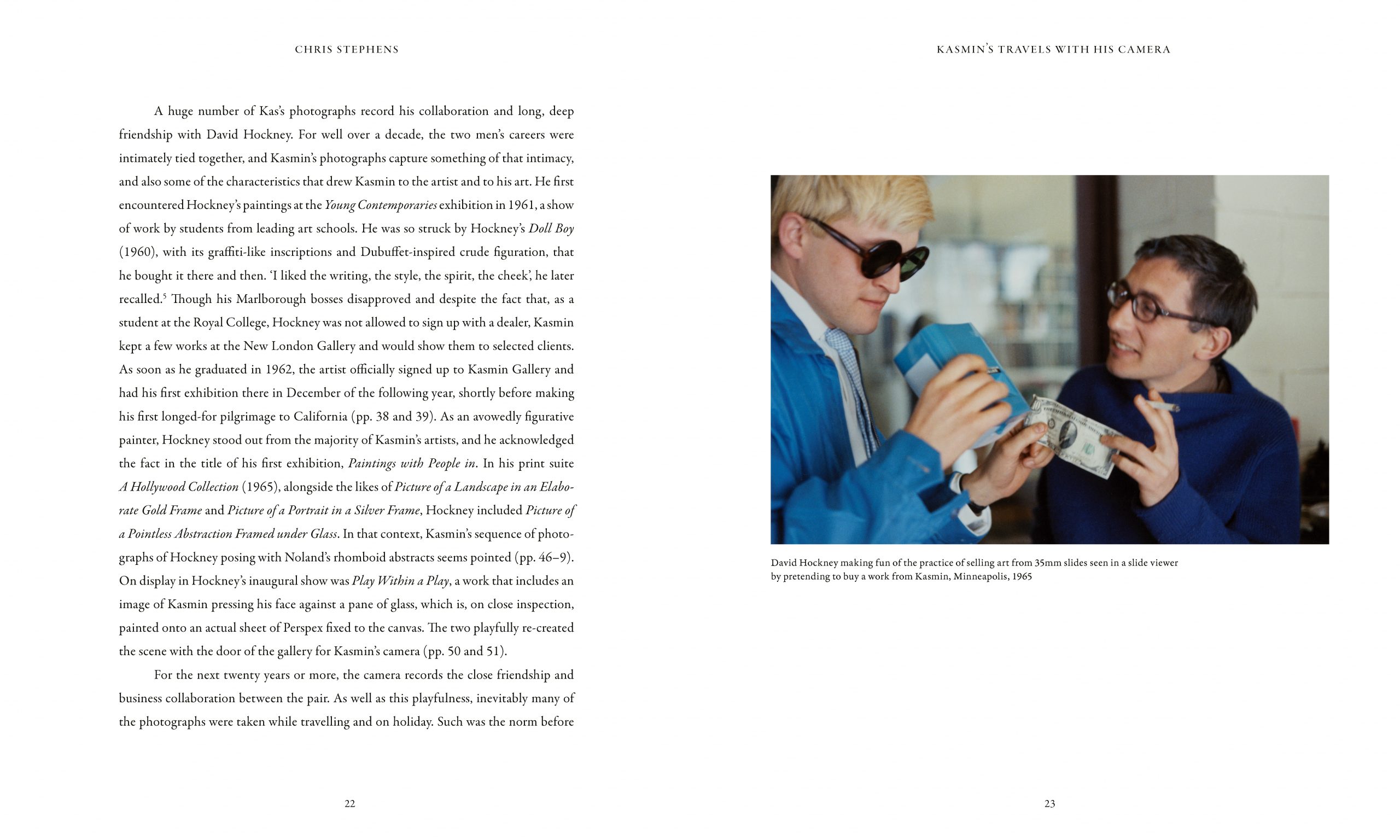
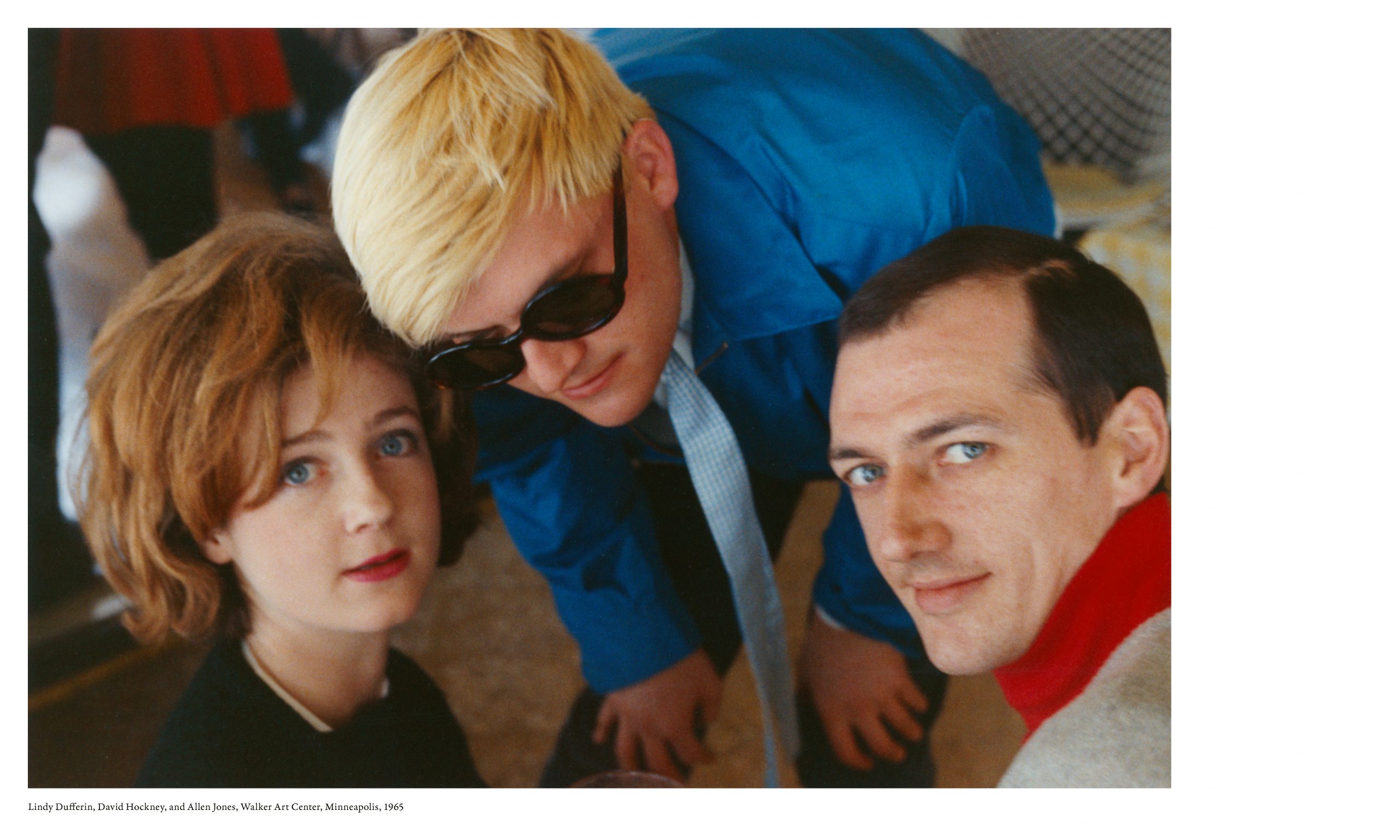
Less well known is that Kasmin is also an accomplished photographer, having started his working life as an assistant to the celebrated portrait photographer Ida Kar. Throughout his life, he has always carried his camera, constantly photographing – and being photographed with – his bohemian artist and writer friends and family members. This remarkable book is the first time that he has published a collection of his favourite and most intimate photographs. With a focus on the 1960s and 1970s, these images tell a rich story of a fertile period when Kasmin was working with an array of diverse creative figures. We see Newman, Frankenthaler, and others in their studios; we hang out with Clement Greenberg, Leo Castelli, and other important figures of the New York scene; we join Hockney as he learns to drive in Los Angeles and as he holidays in France with Kasmin and his children and their shared circle of friends, among them Celia Birtwell, Ossie Clark, and Wayne Sleep; we witness the same artist again in playful mood with his parents at home in Bradford; and we follow Kasmin as he and his close friend the travel writer Bruce Chatwin voyage to Africa and the Caribbean, and as he visits India with Howard Hodgkin.

Drawn directly from Kasmin’s personal archive, the book contains dozens of images that have never been seen before. Each photograph, whether a posed portrait or a hastily grabbed snapshot, reveals something new, something private about some of the best-known names in postwar art and the milieu in which they lived. They capture key moments – such as Hockney’s early days in California – and the close friendships within Kasmin’s circle. Seen together, they bear witness to an exciting time when young, dynamic artists were finding a new language and shaping a new world.

Accompanying the photographs are texts by the British art historian and curator Chris Stephens, writing about Kasmin’s circle in the 1960s and 1970s, and his long-time friend American curator and writer Judith Goldman, who offers a more personal account of Kasmin and his life.

Dr Chris Stephens has been Director of the Holburne Museum in Bath since 2017. Prior to that he worked at Tate for more than twenty years, as Head of Displays, Tate Britain, for much of that time, and also as Head of Modern British Art.

Judith Goldman is an award-winning writer, curator, and publisher in New York City. A former editor of ARTnews, she was also the curator of prints at the Whitney Museum of Art from 1977 to 1991. She has established the Blue Heron Press and Deuce II Editions to publish artists’ books and editions.

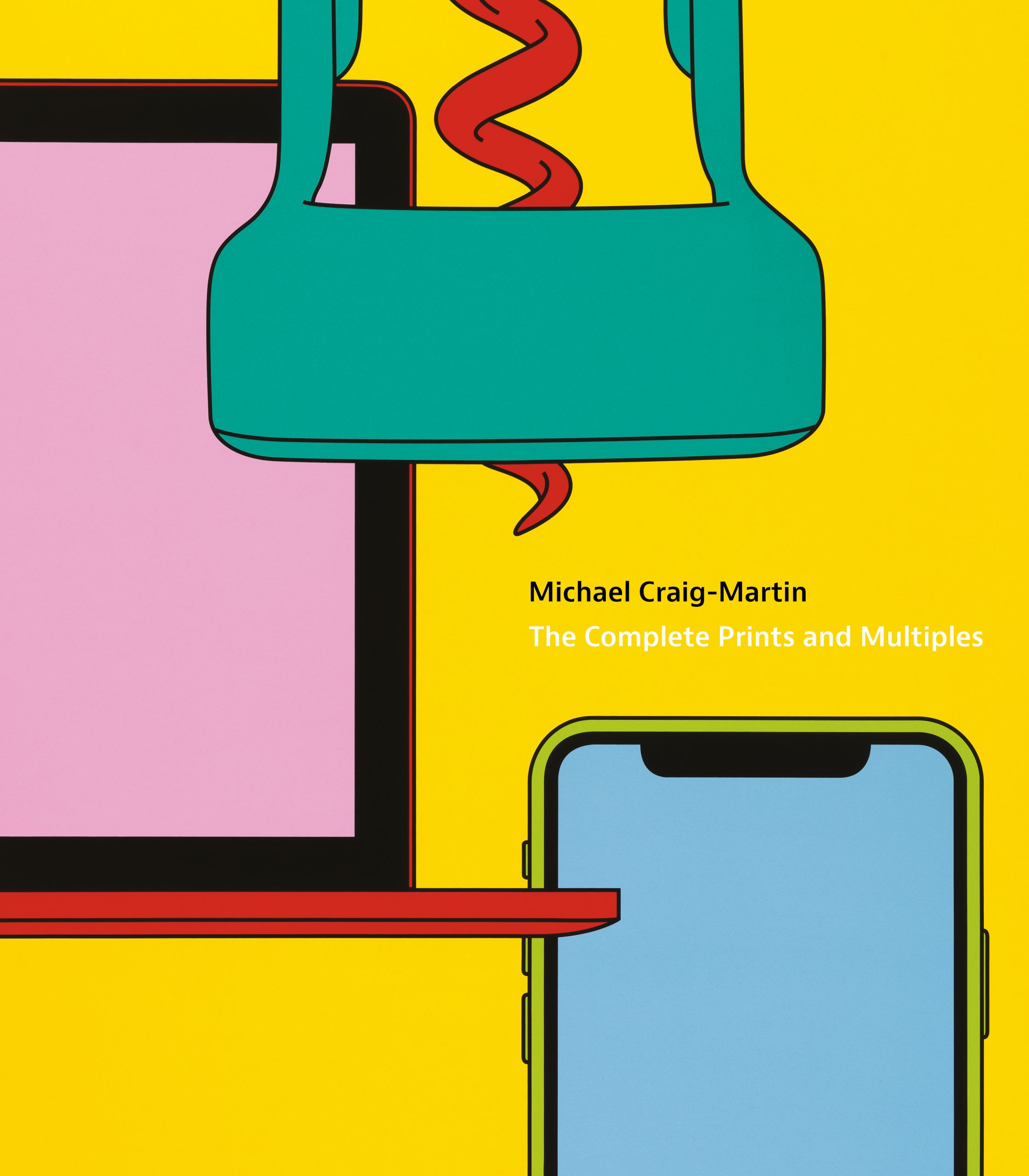
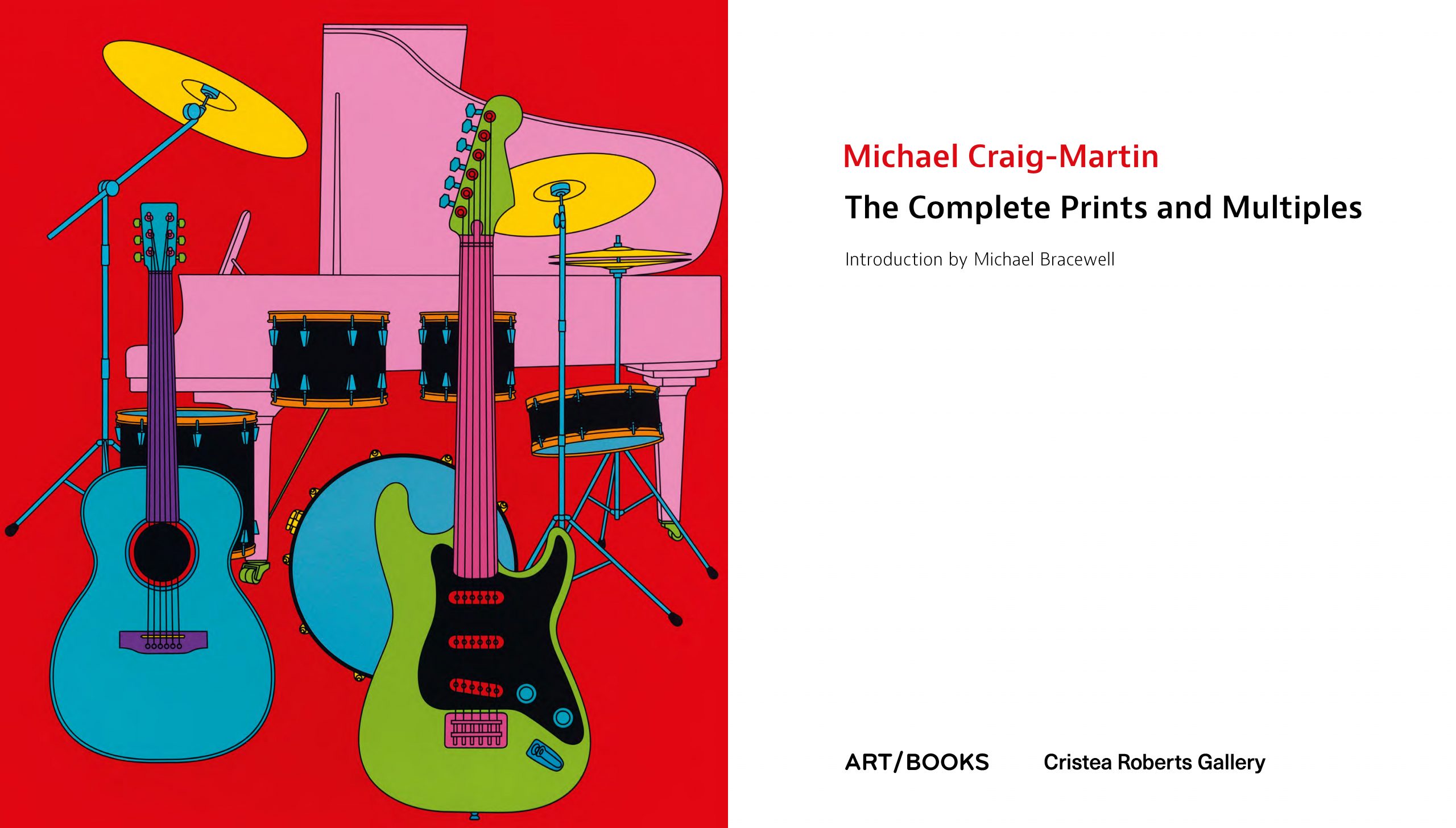
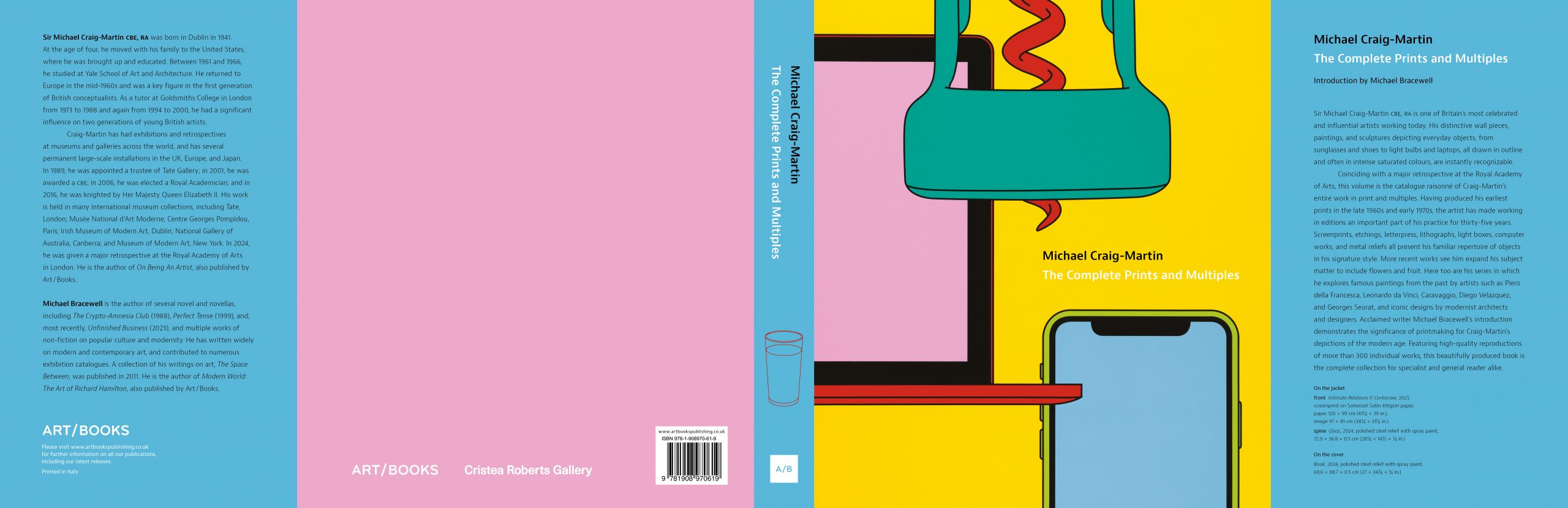
Michael Craig-Martin: The Complete Prints and Multiples

Introduction by Michael Bracewell

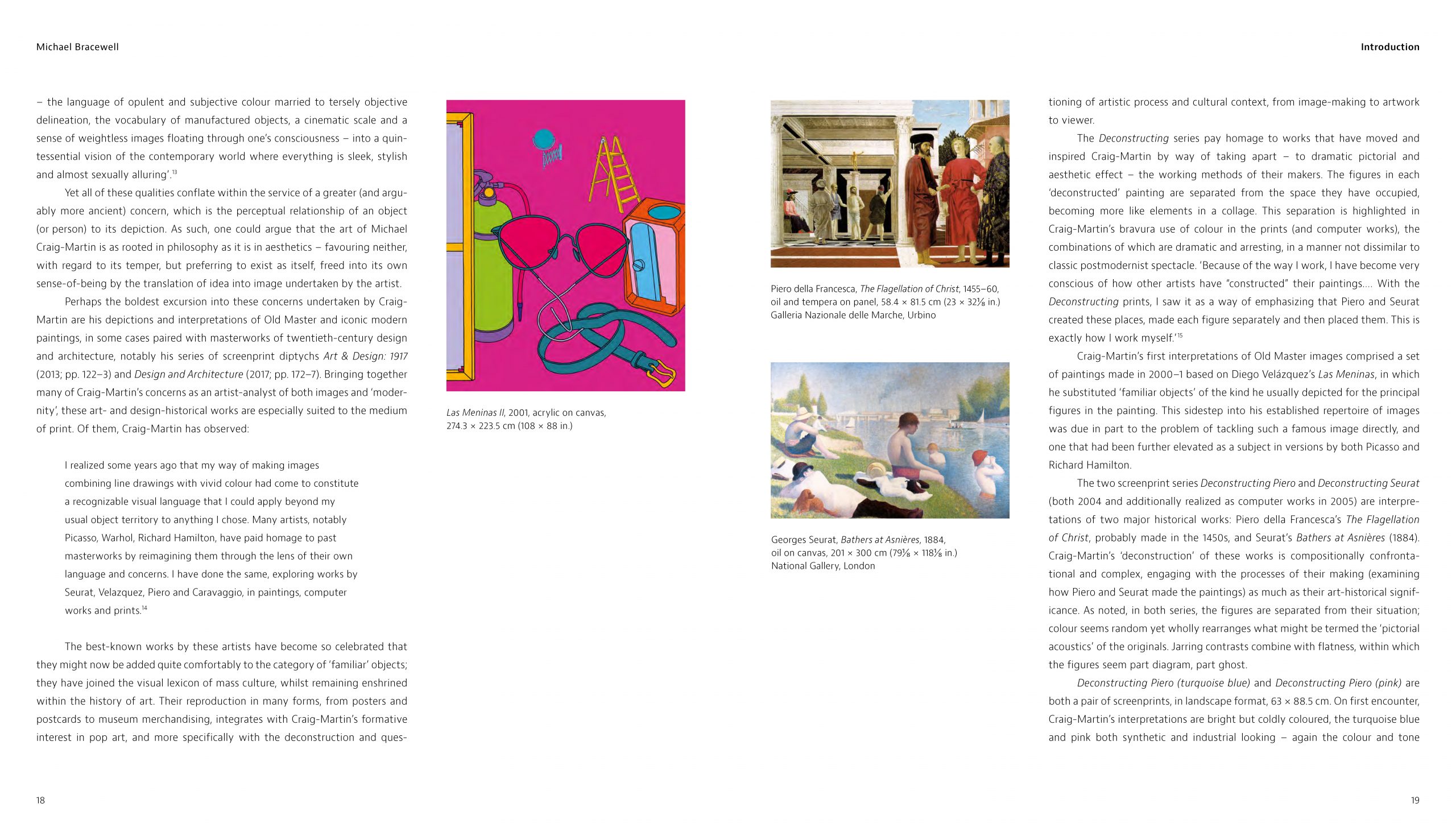
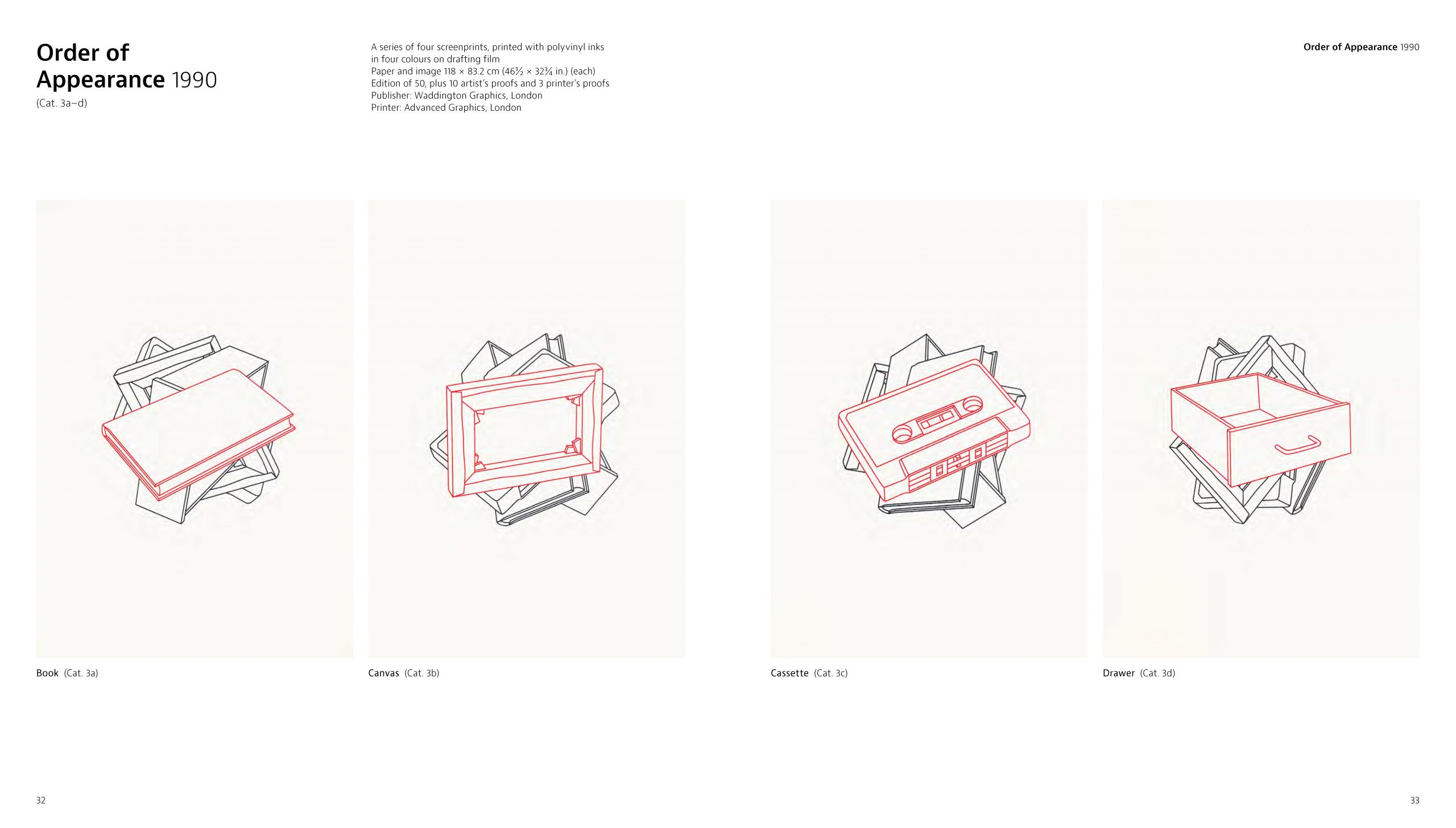
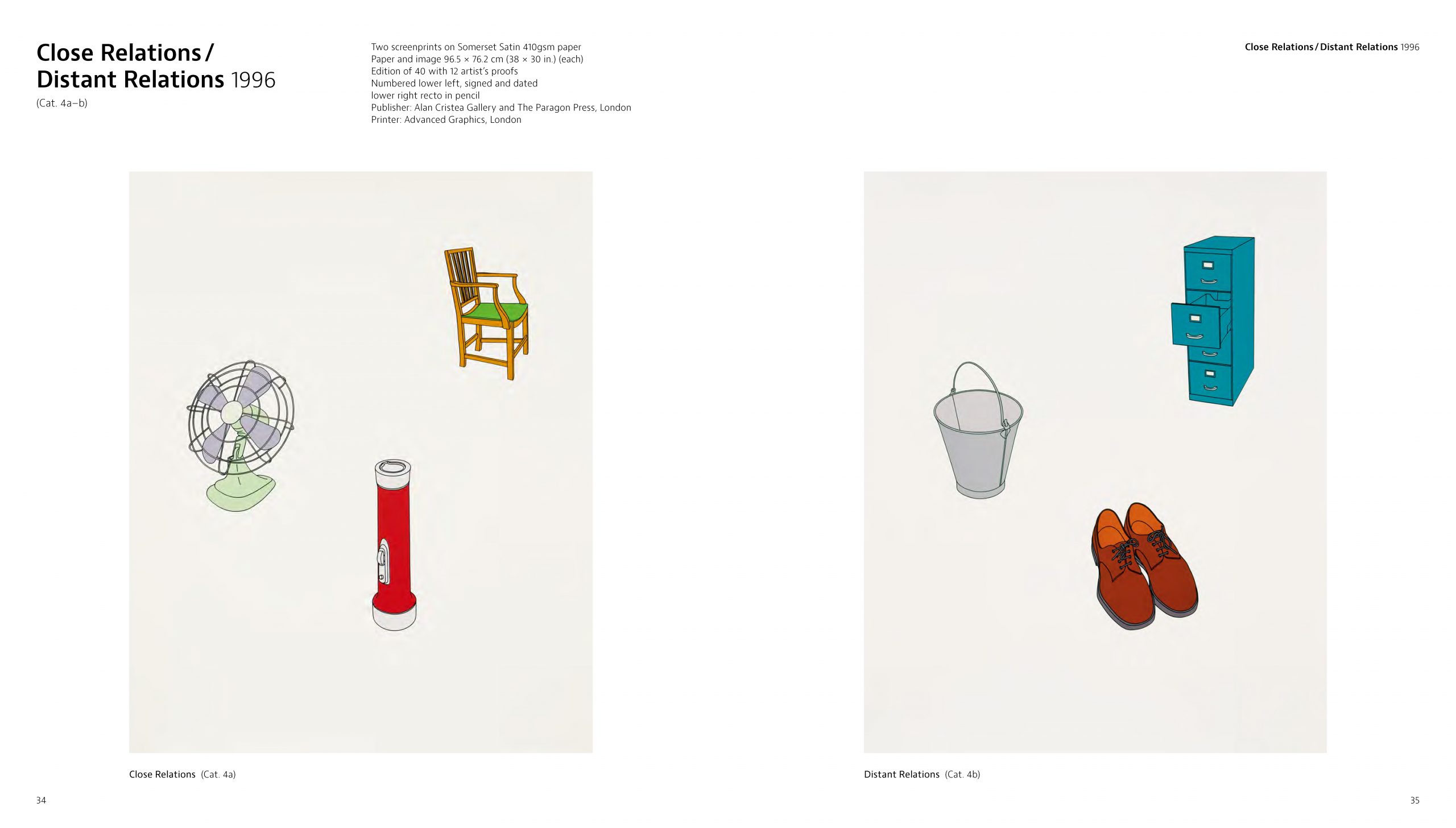
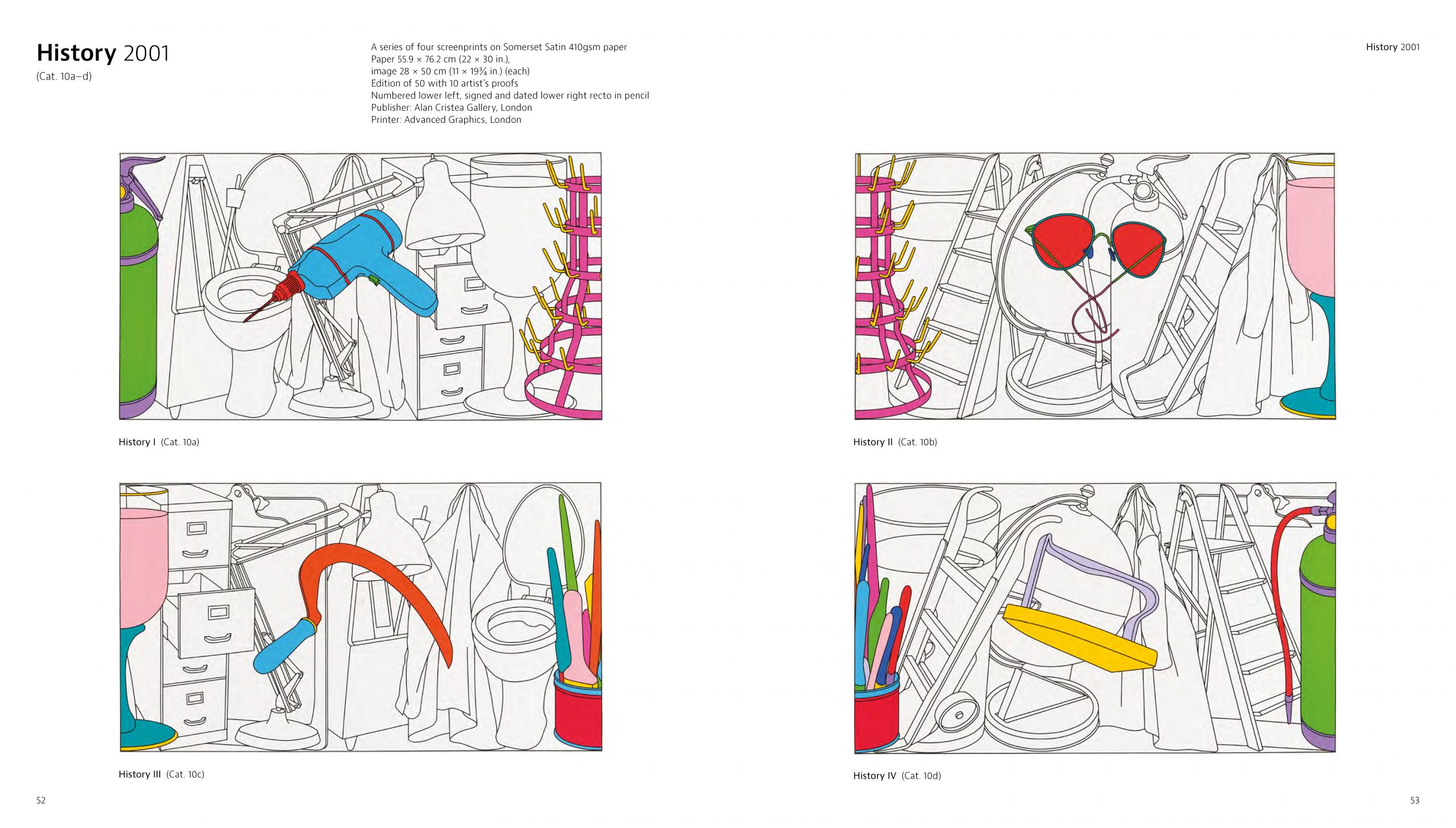
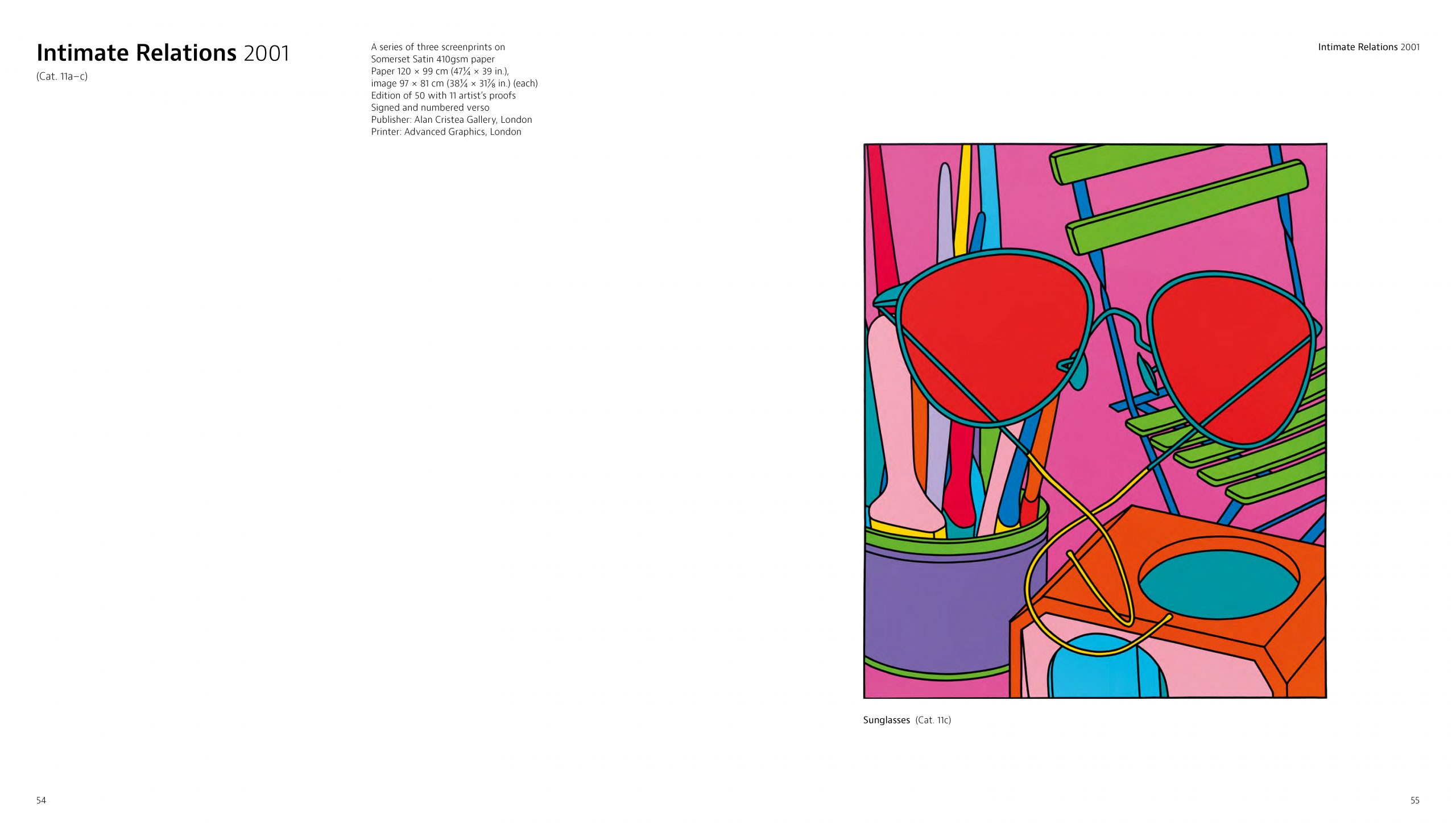
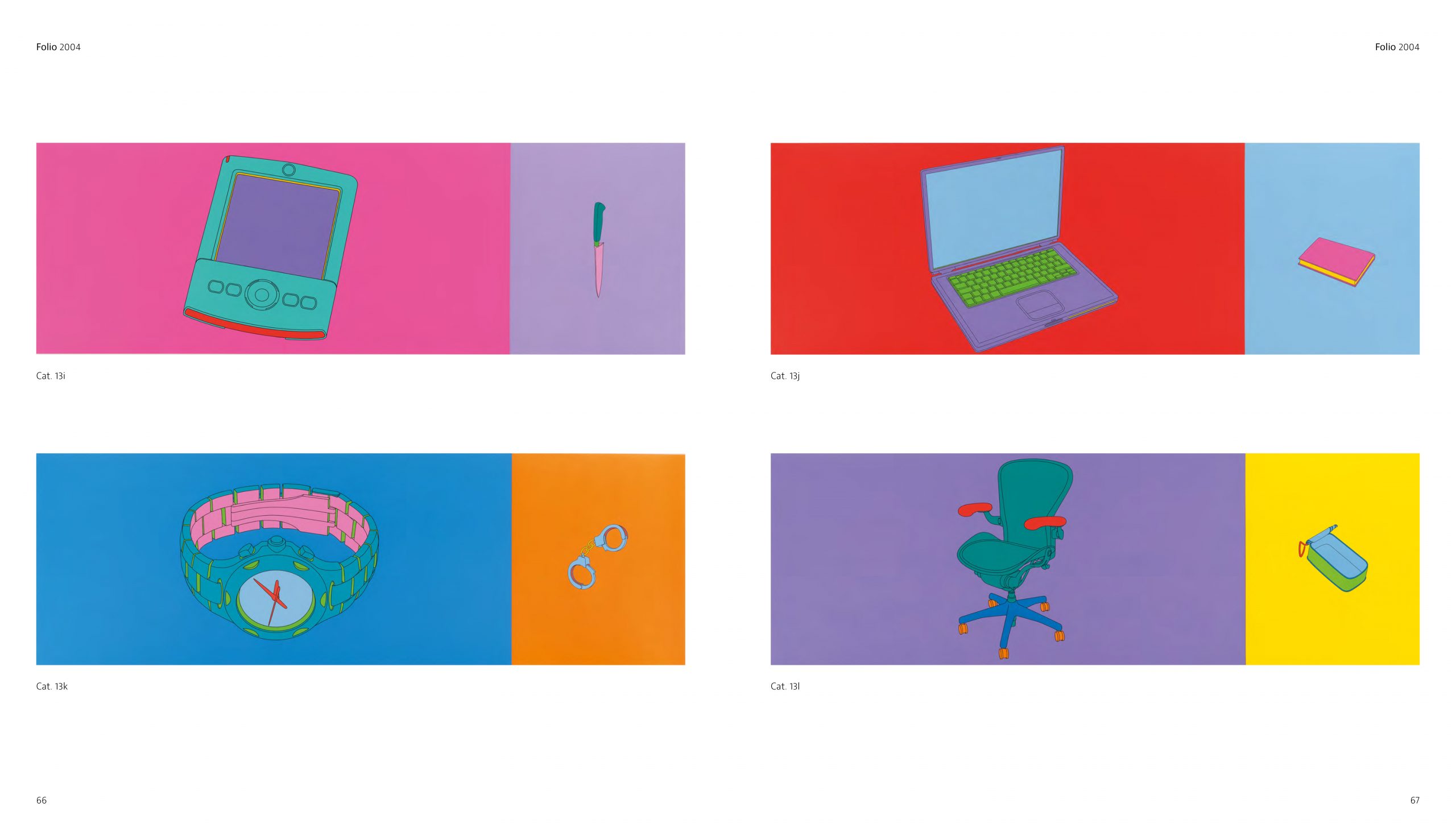
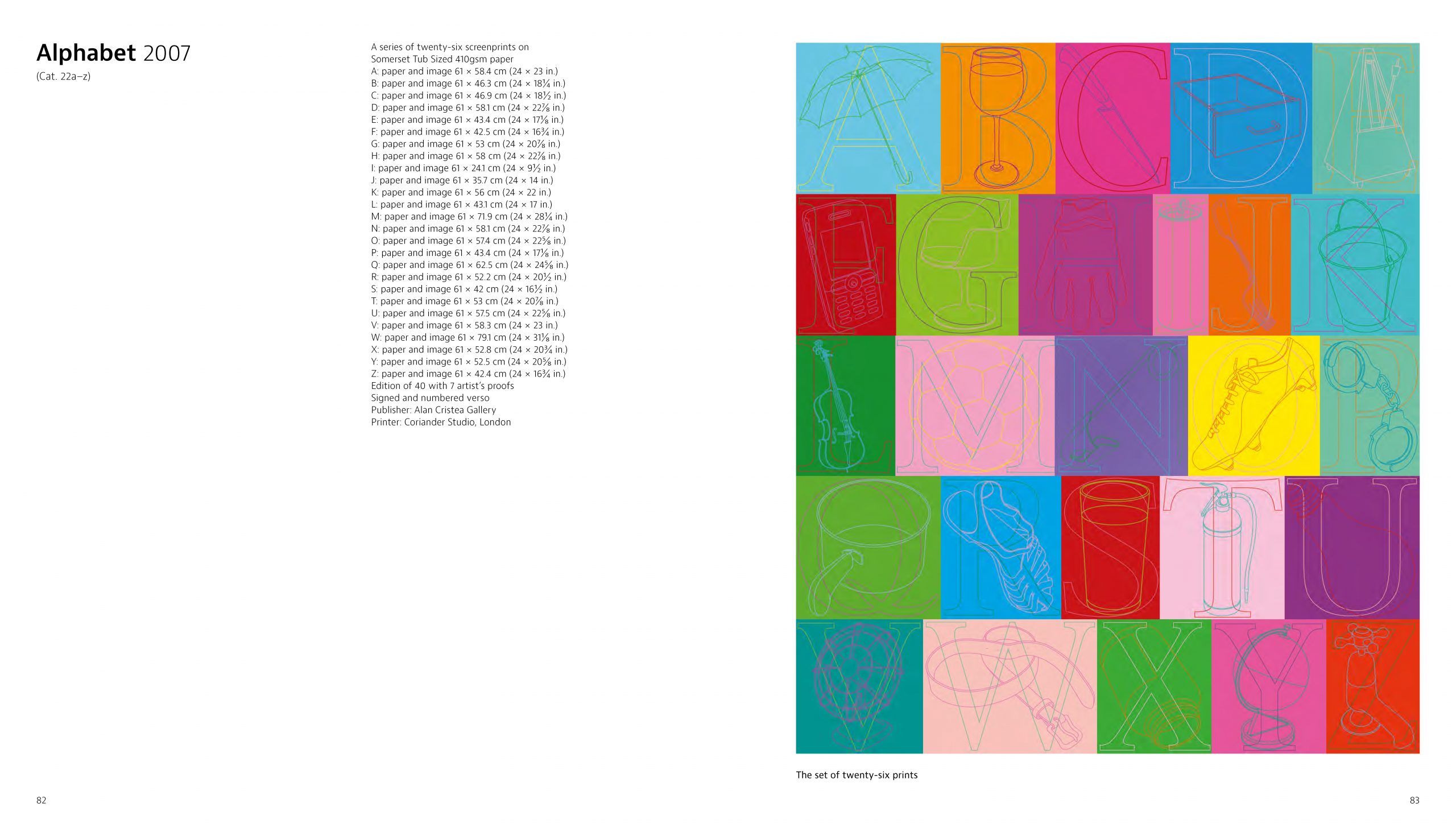
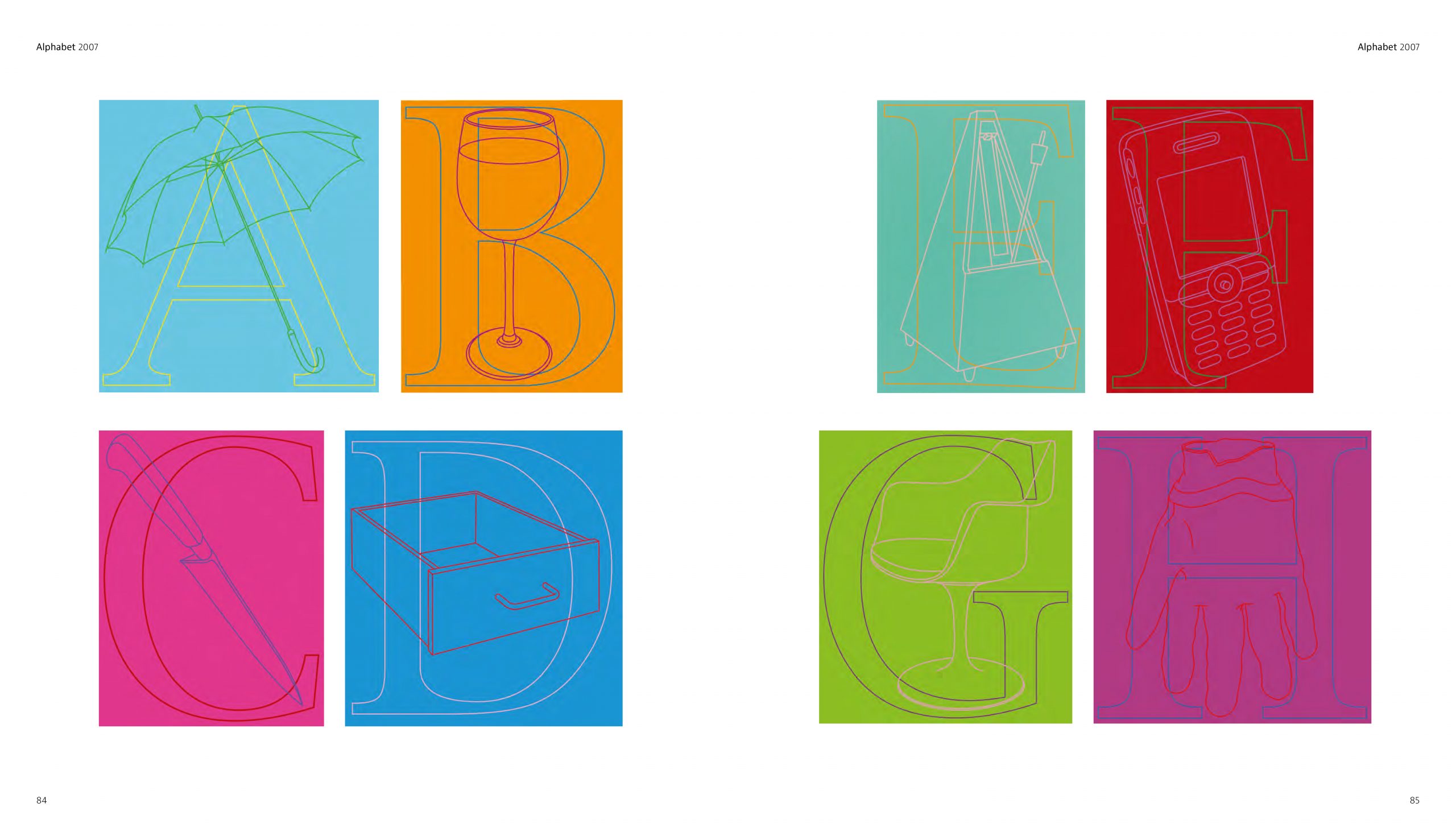
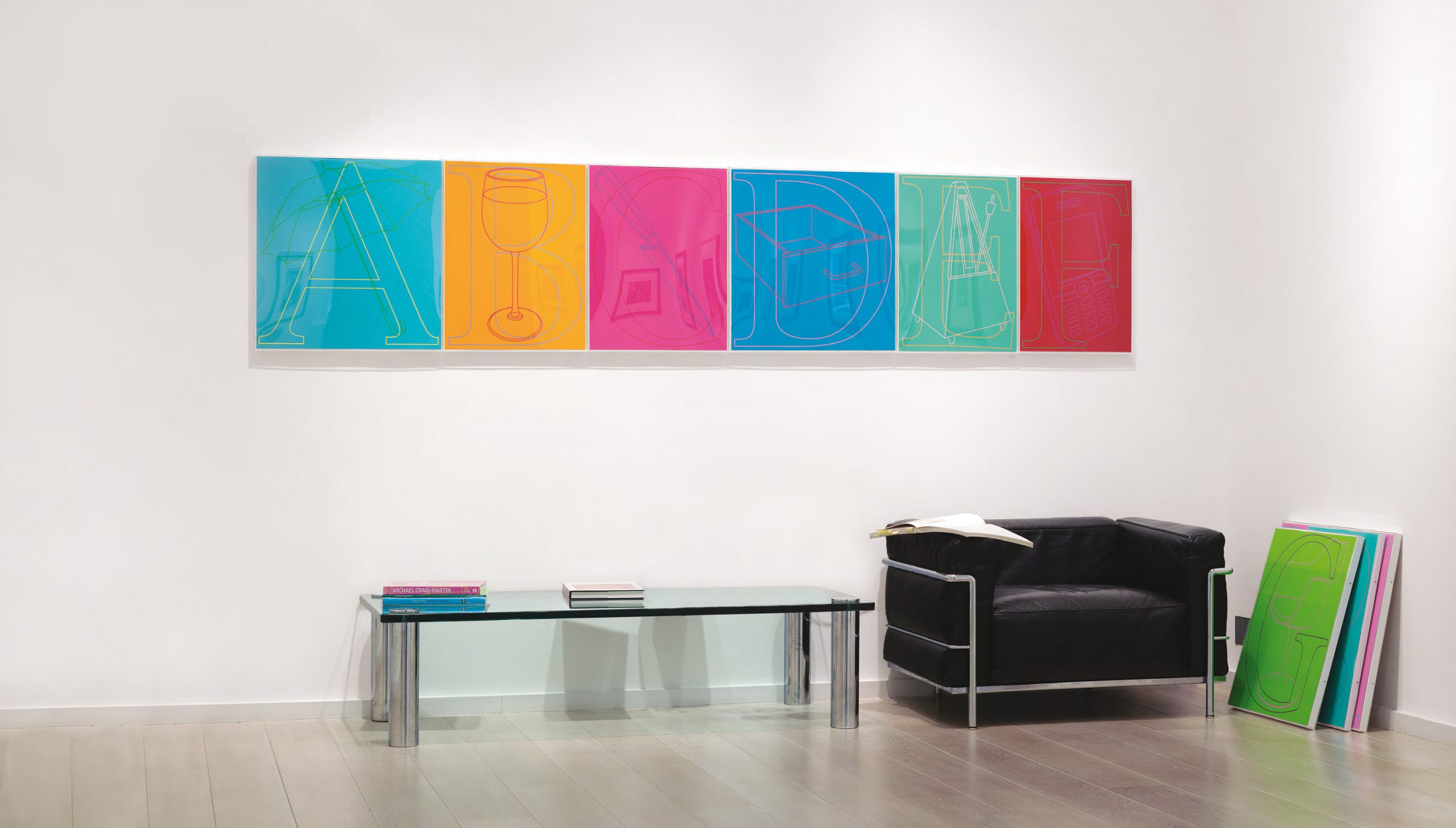
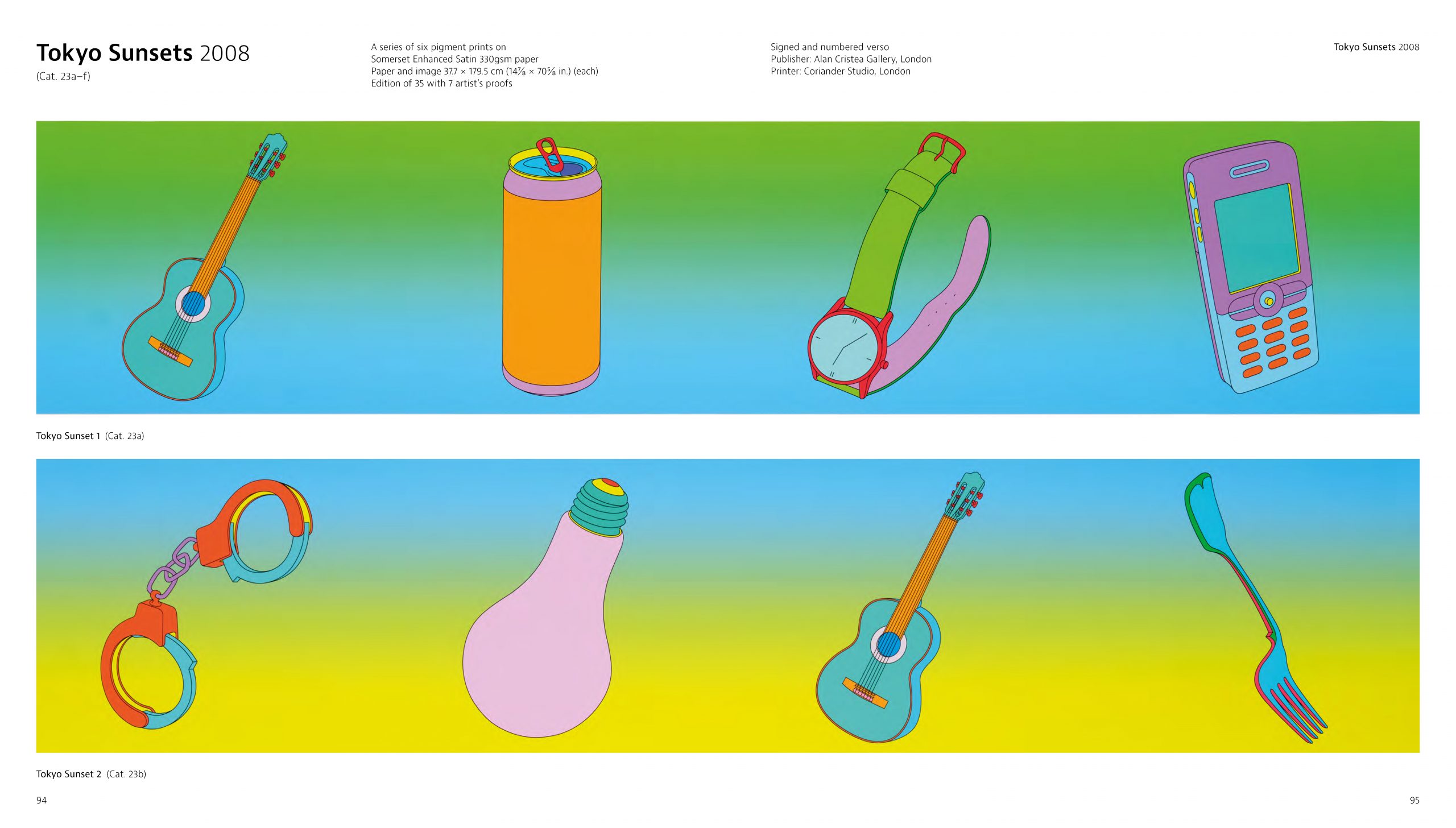
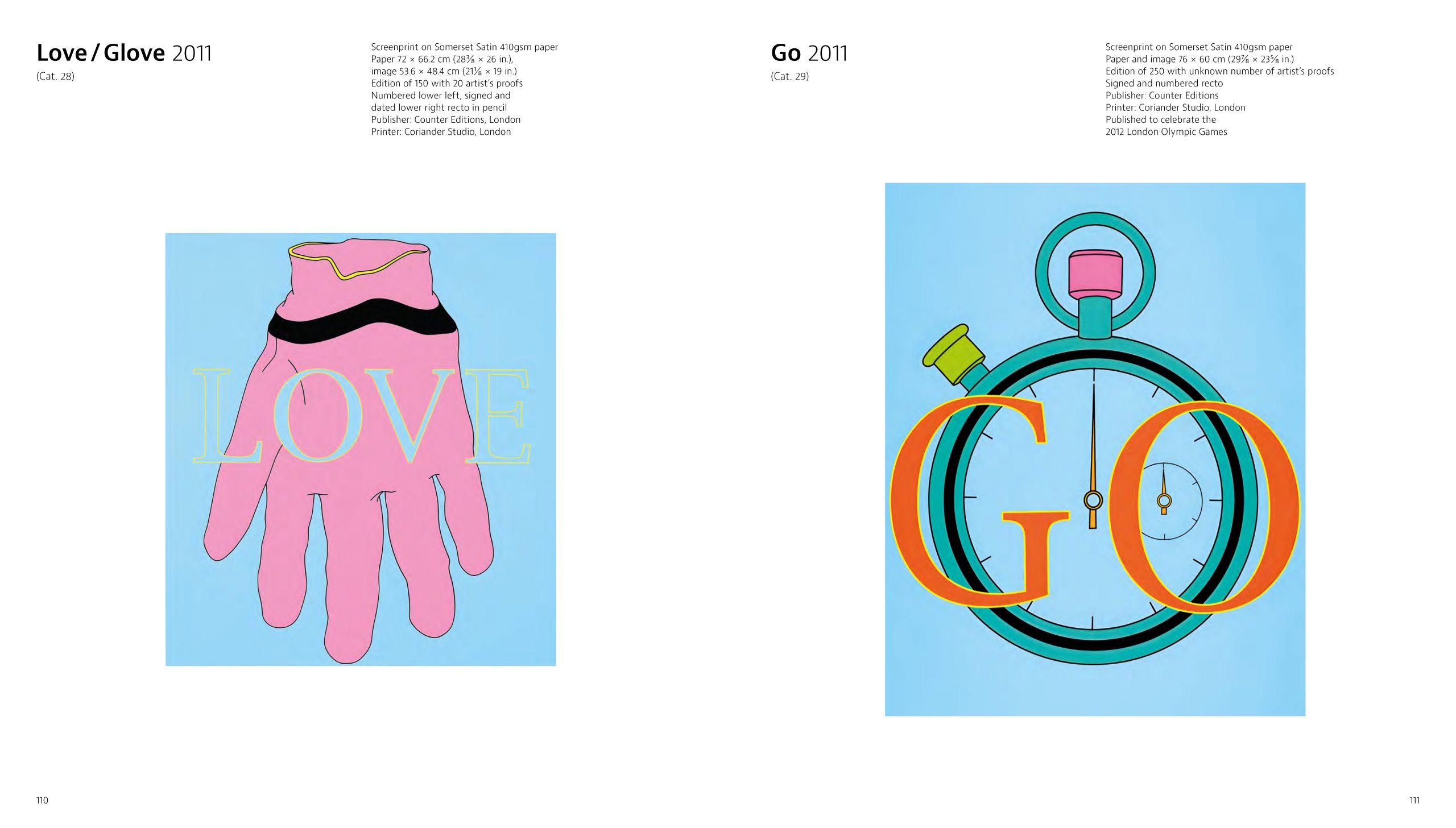
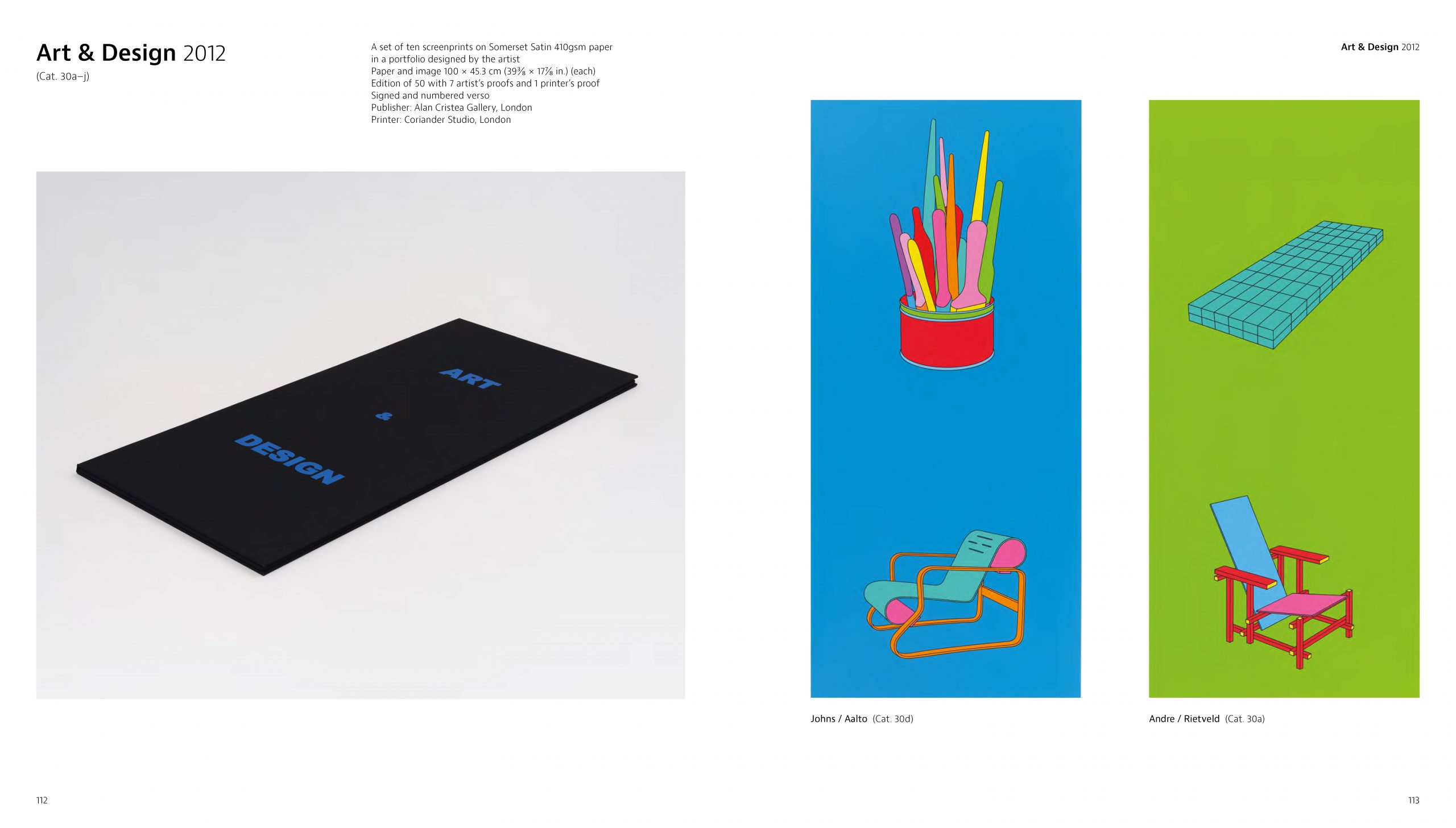
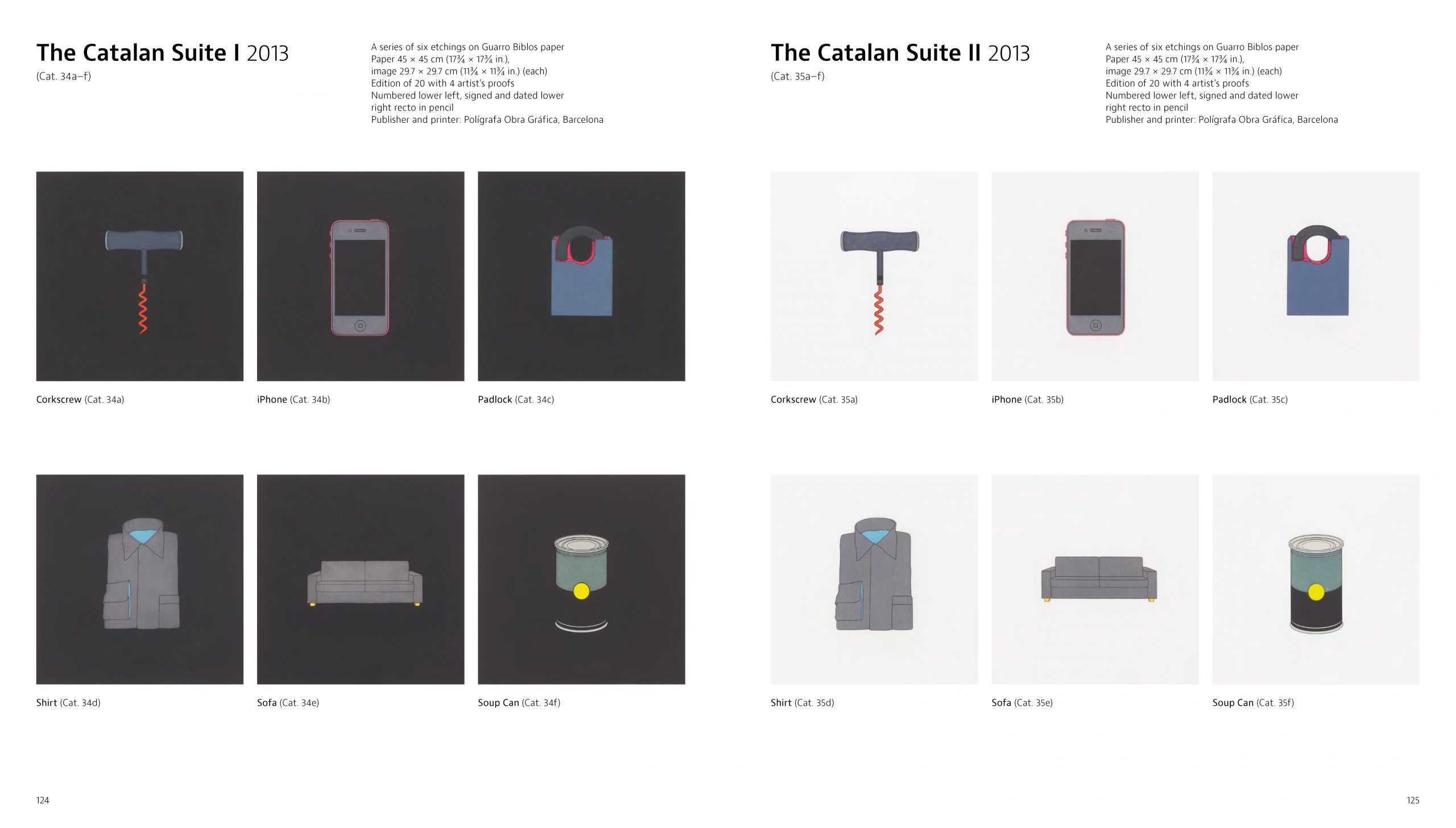
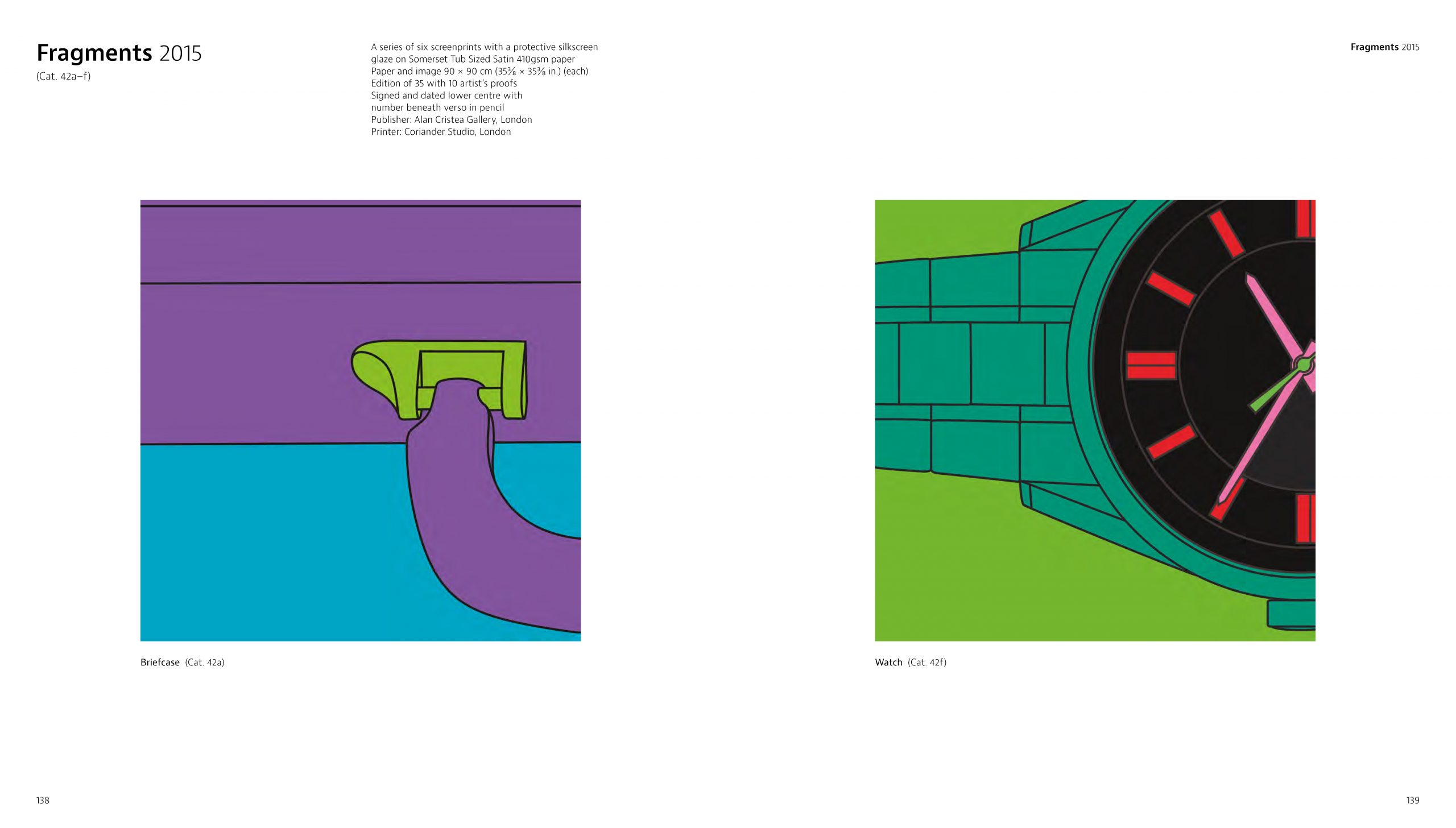
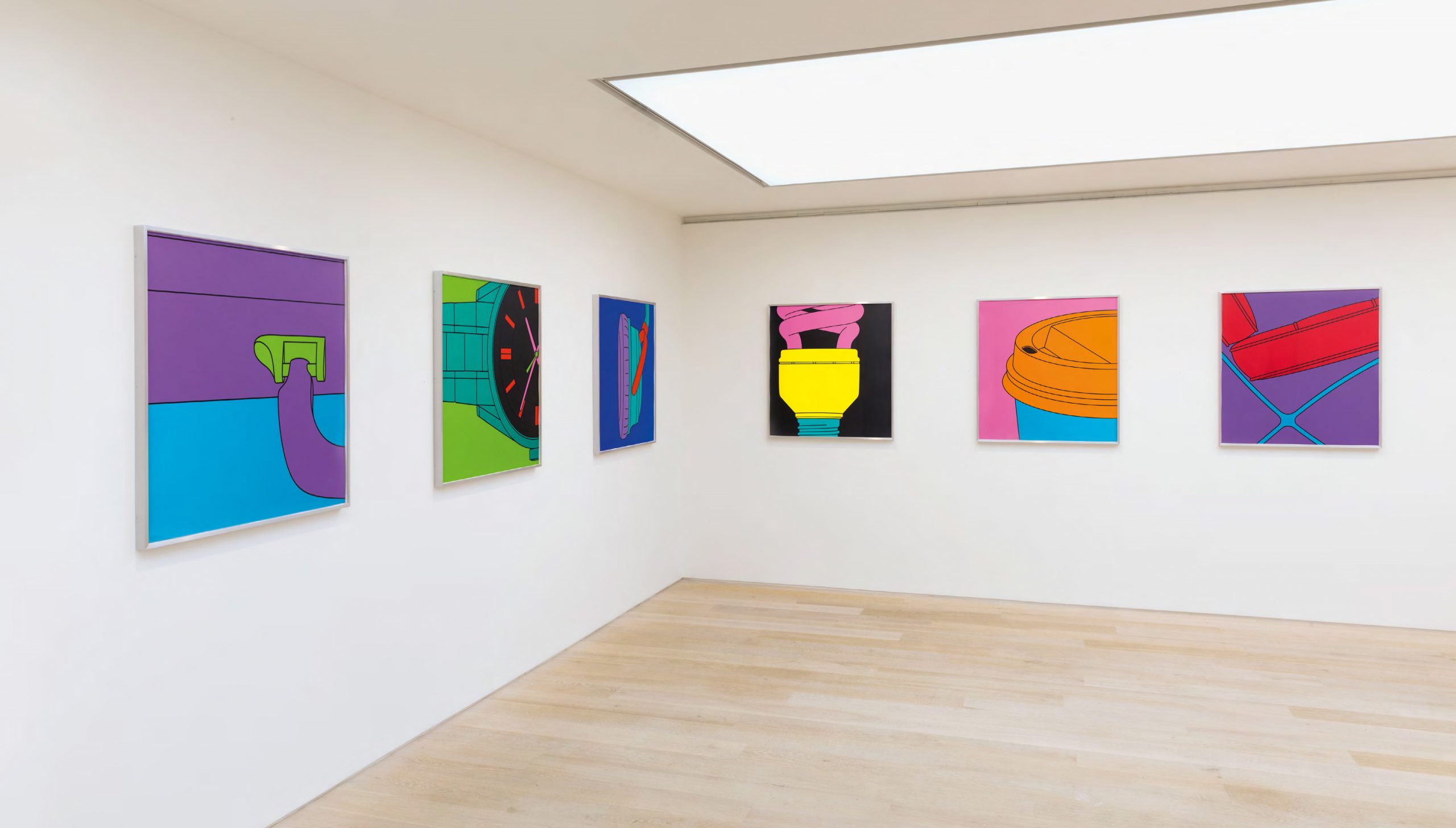
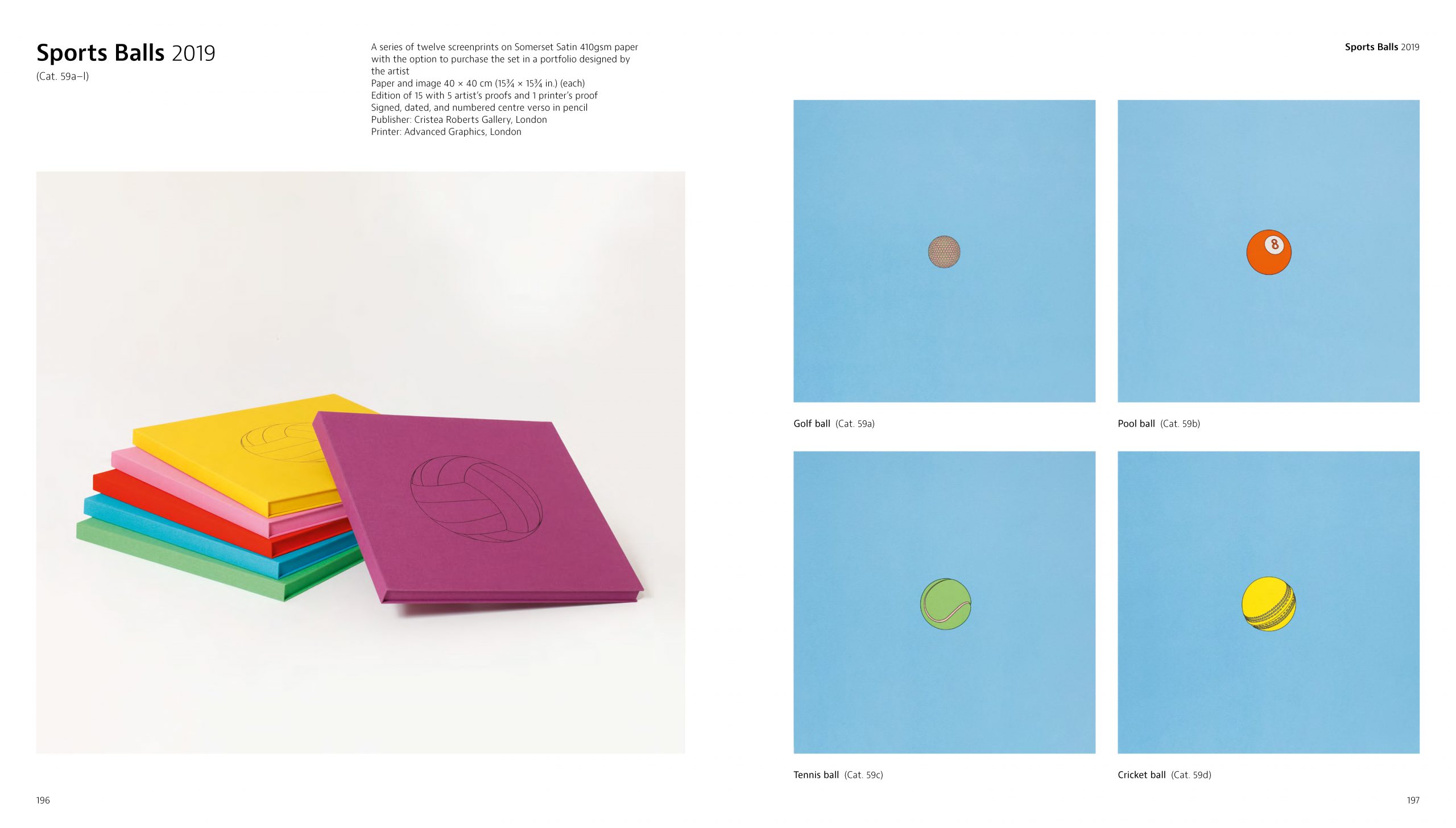
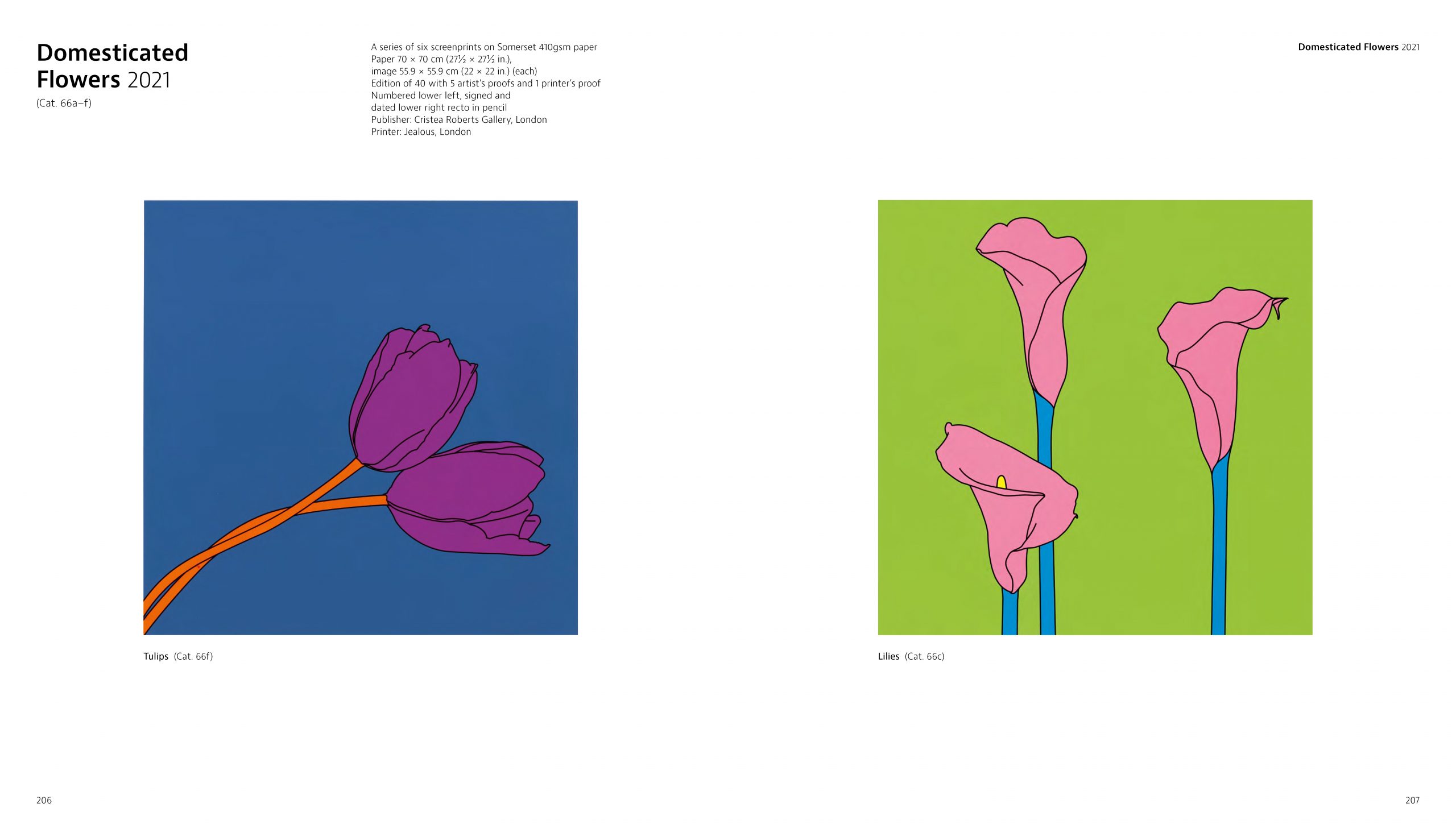
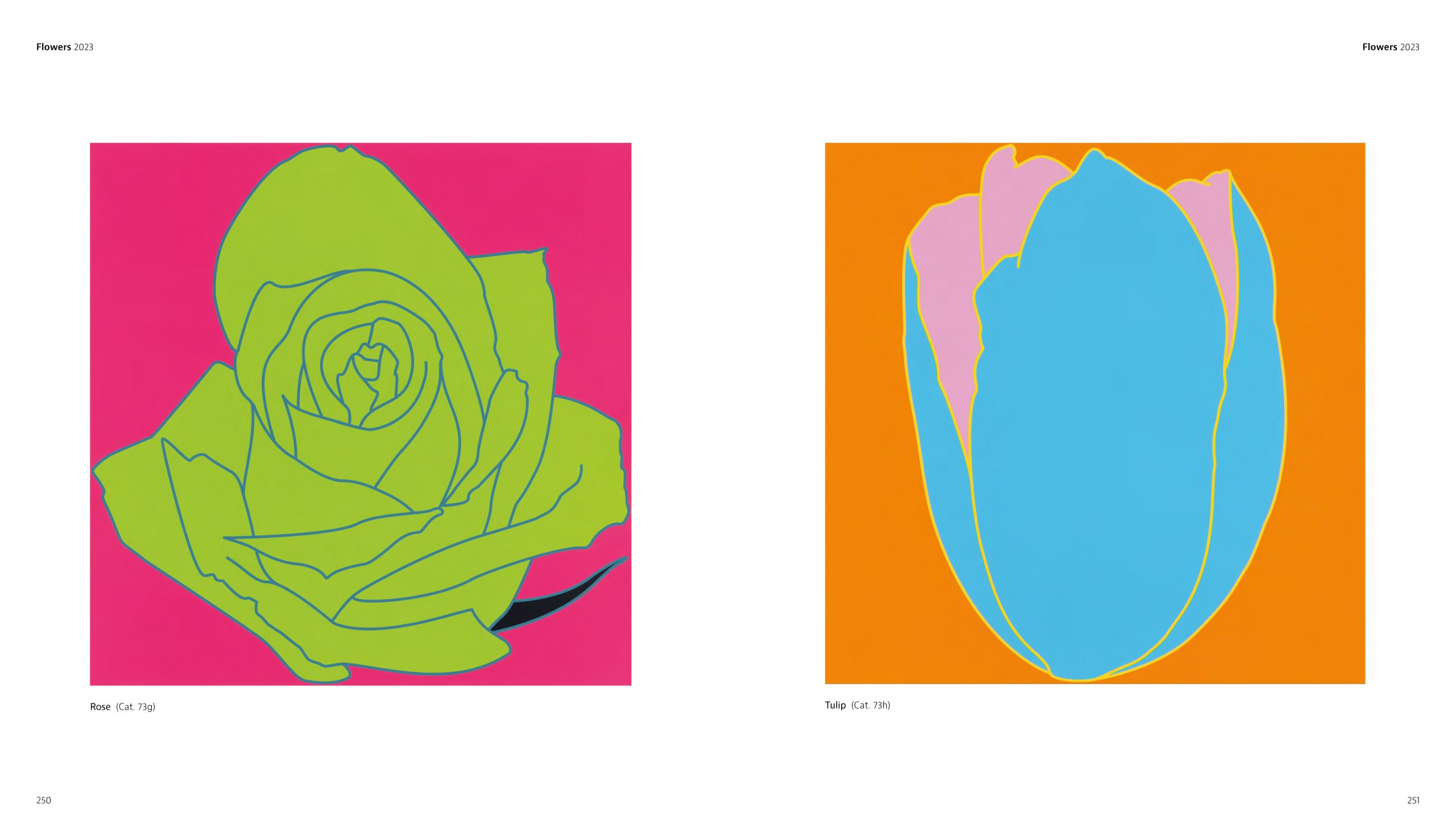
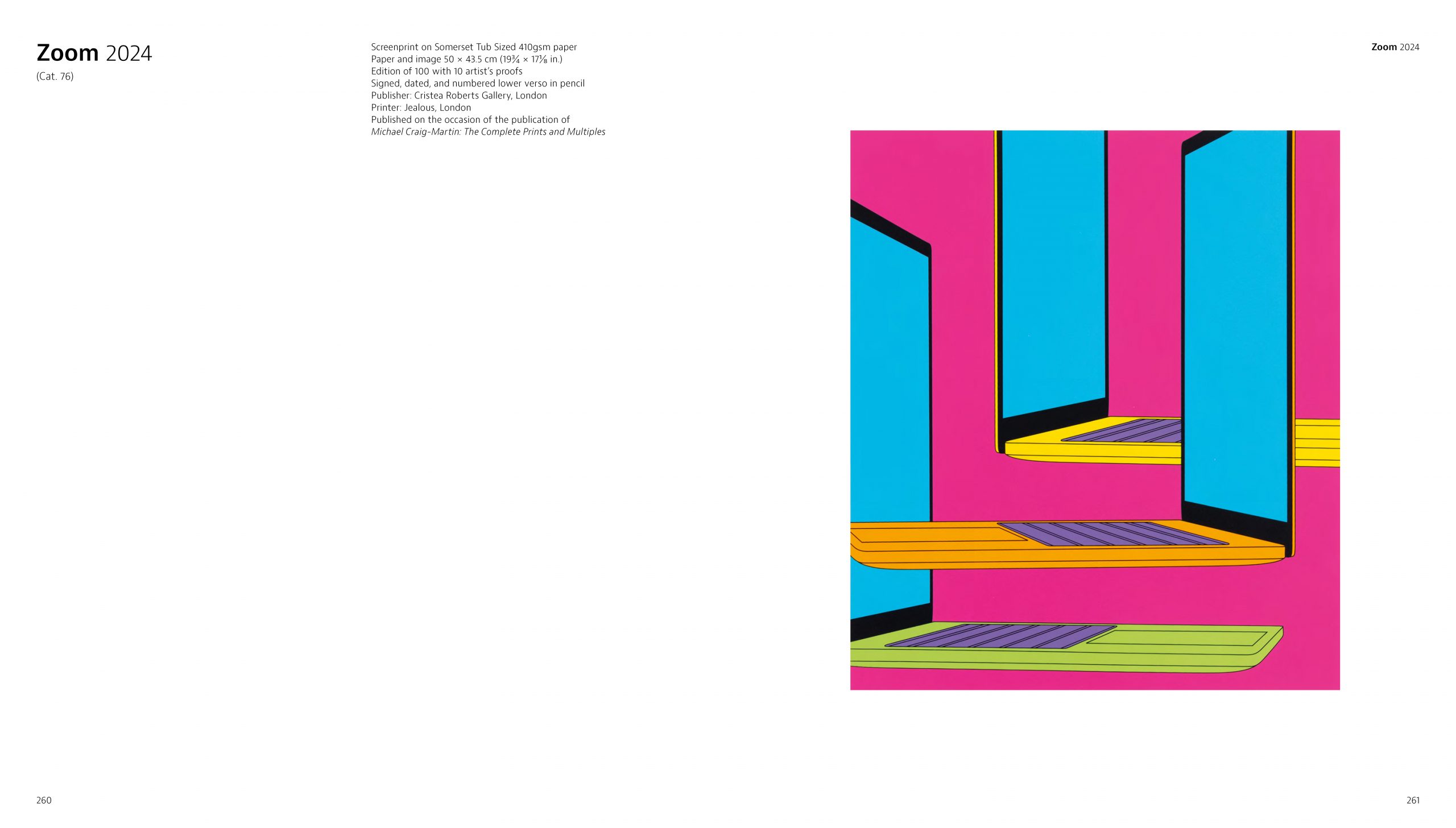
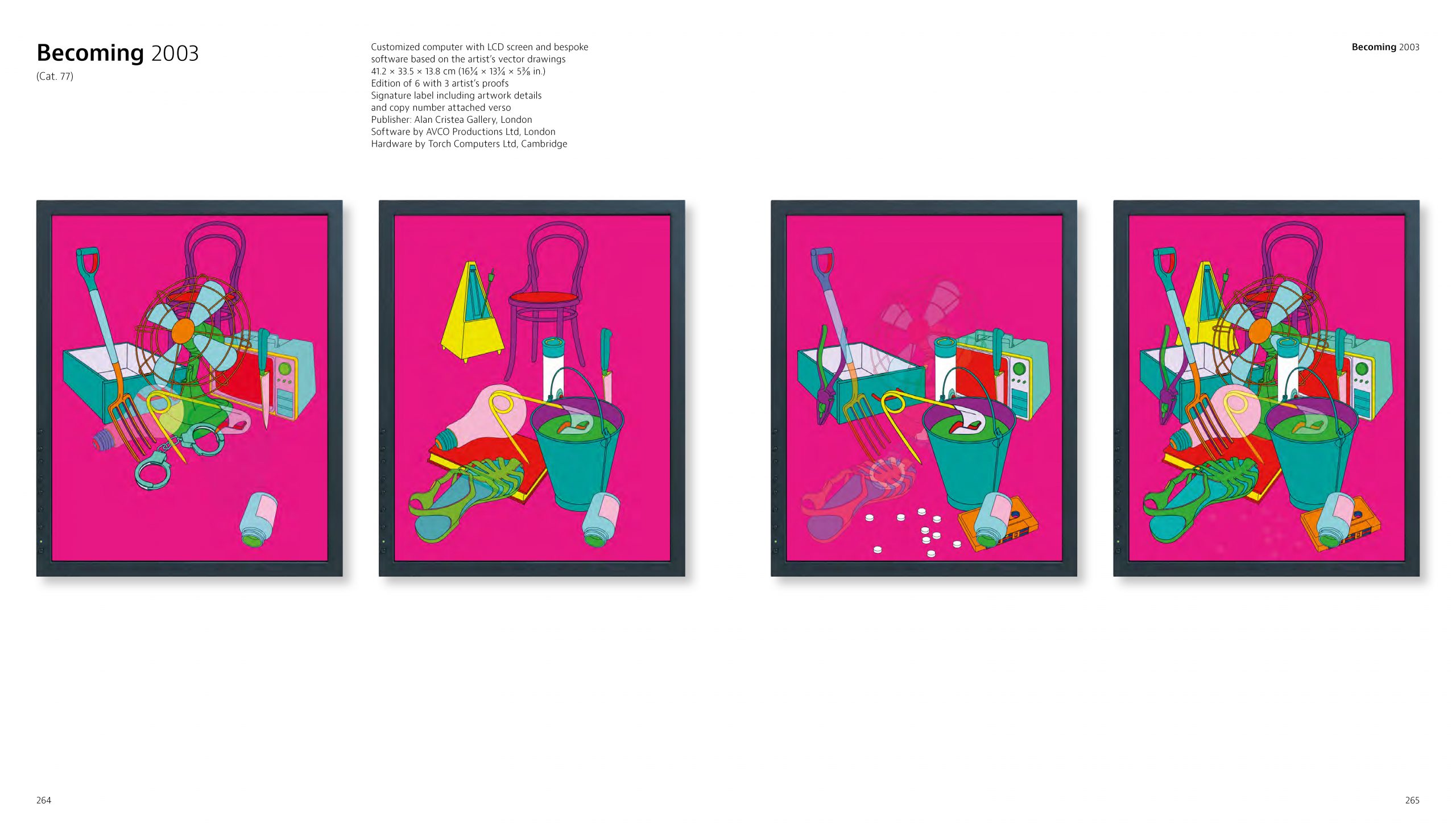
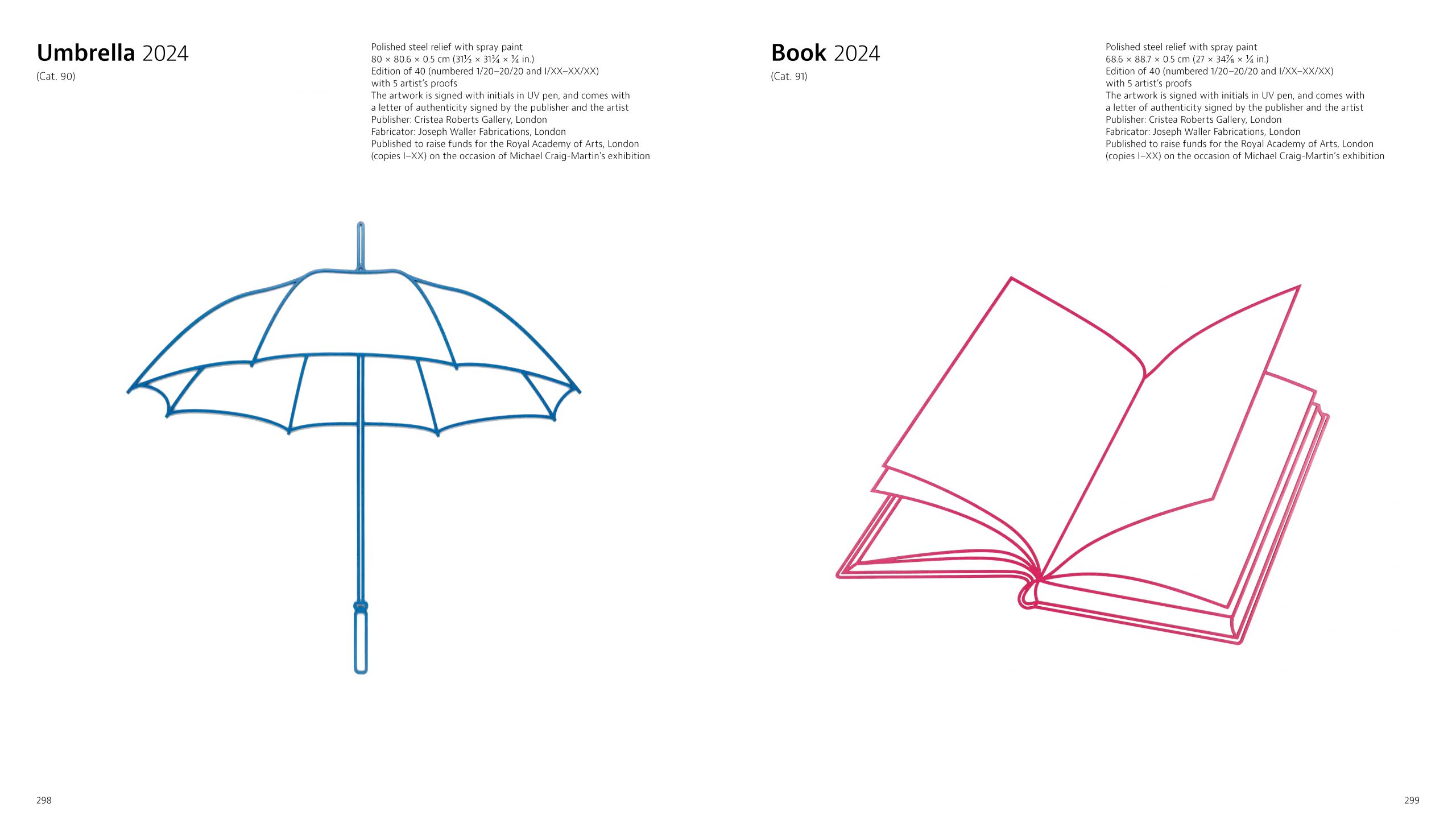
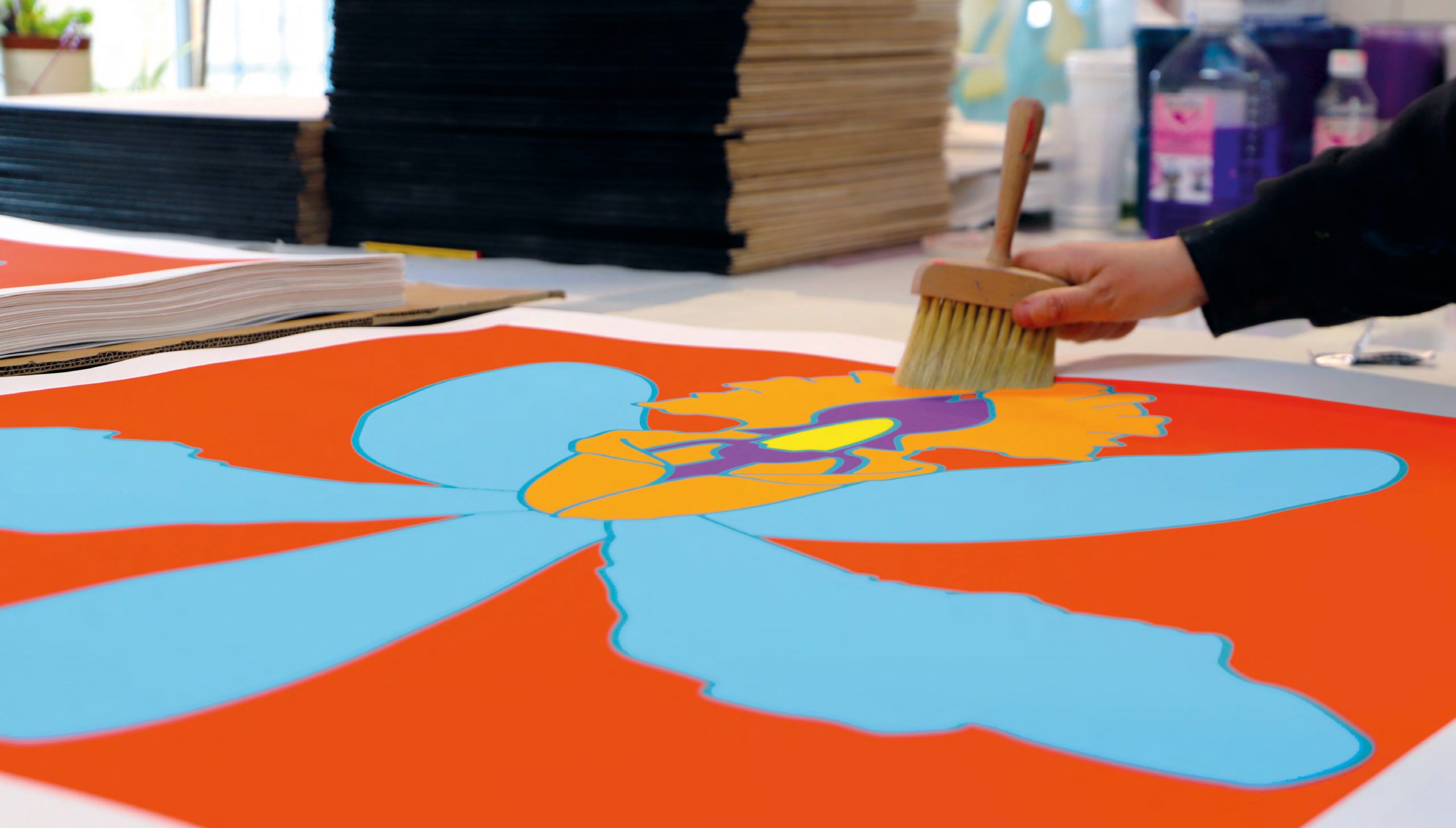
Sir Michael Craig-Martin CBE, RA is one of Britain’s most celebrated and influential artists working today. His distinctive wall pieces, paintings, and sculptures depicting everyday objects, from sunglasses and shoes to light bulbs and laptops, all drawn in outline and often in intense saturated colours, are instantly recognizable.

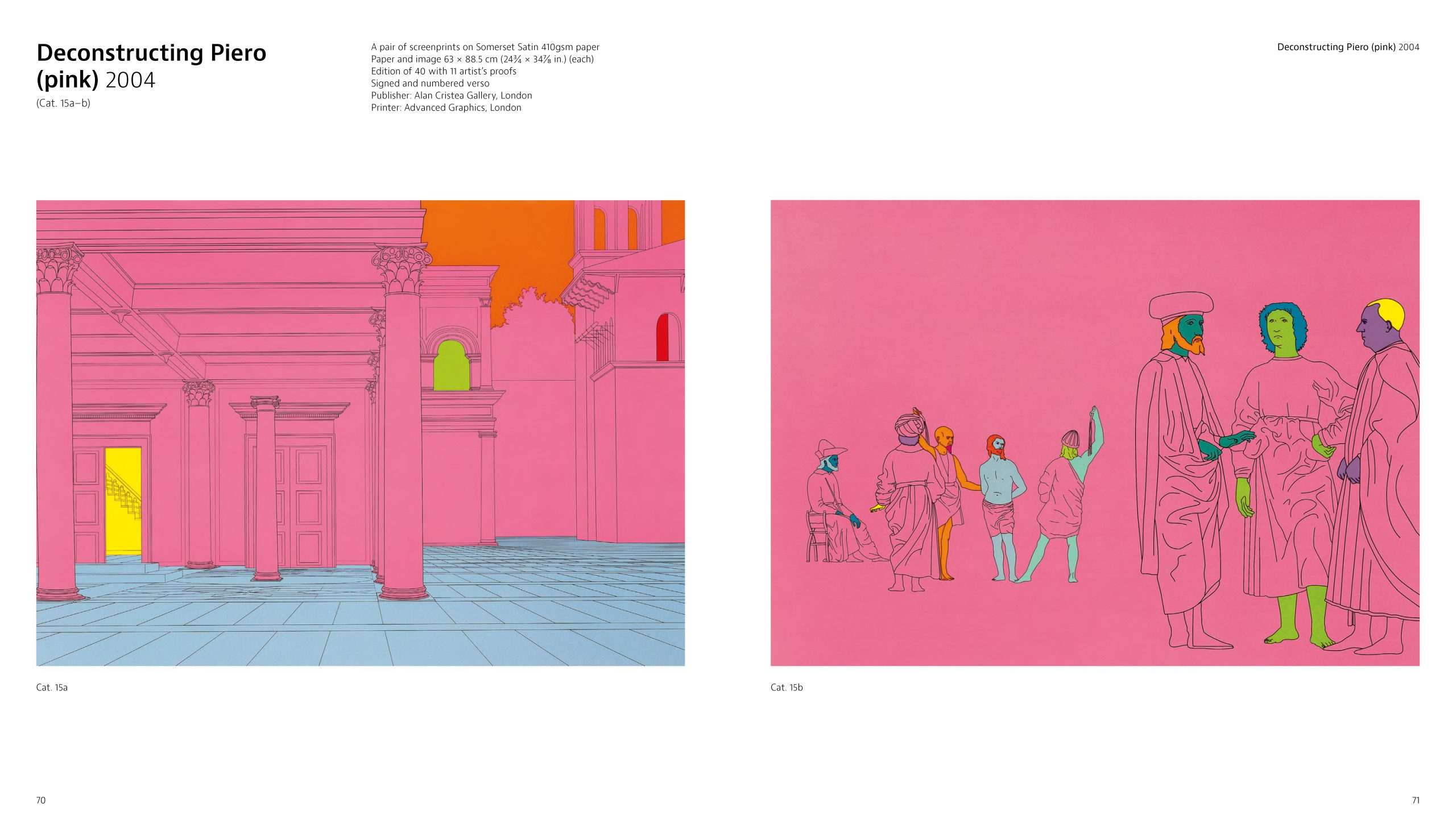
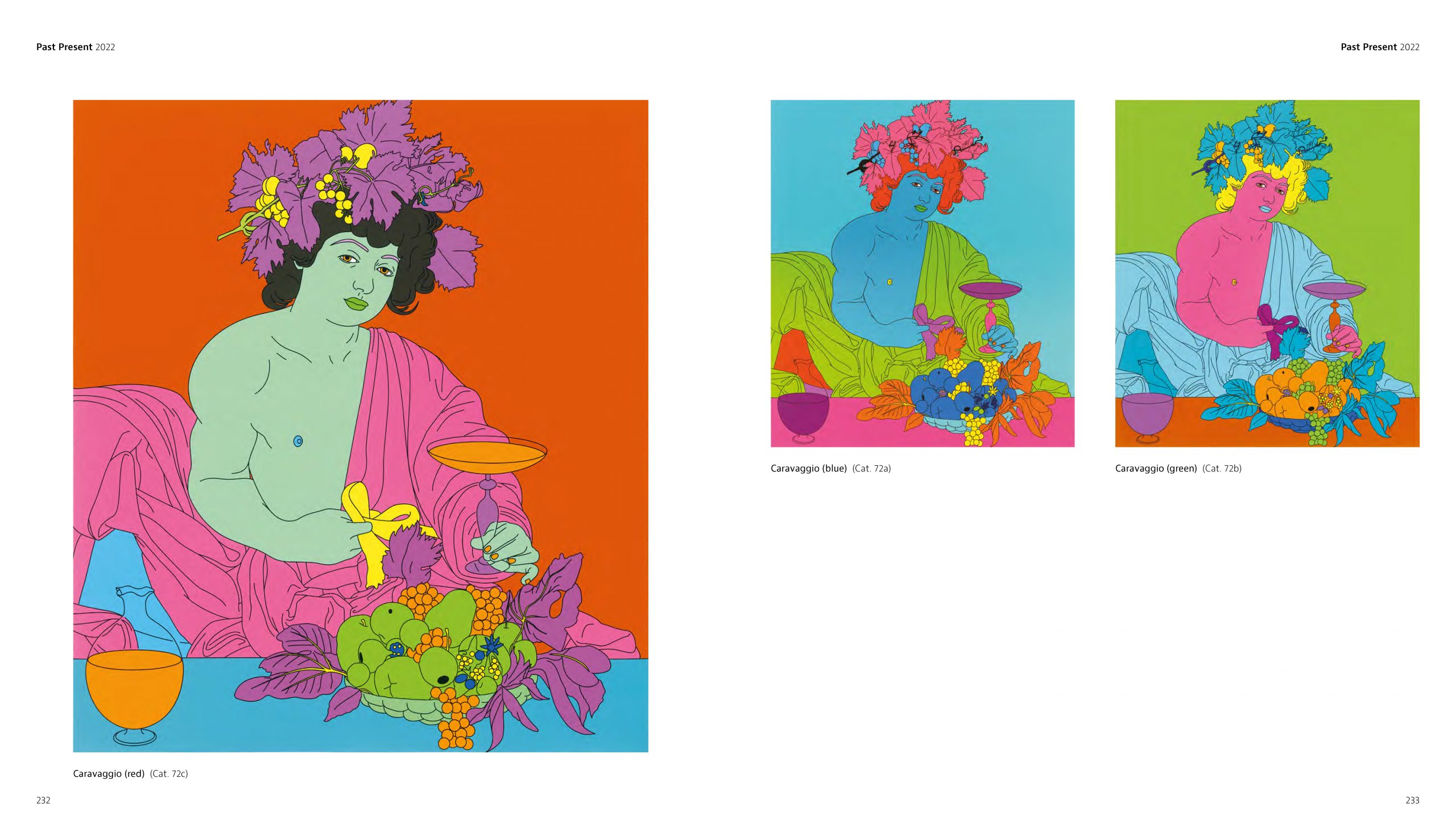
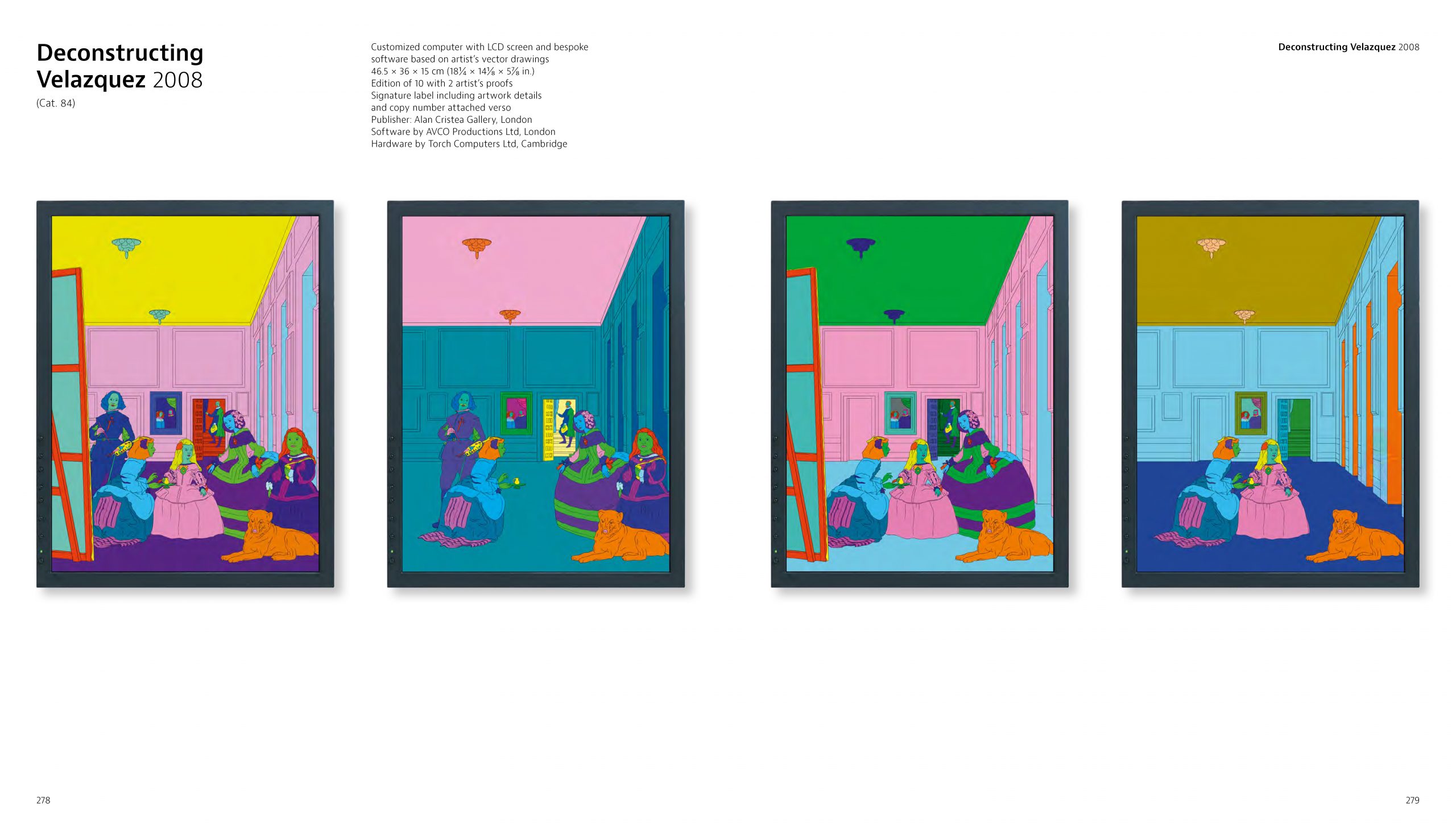
Coinciding with a major retrospective at the Royal Academy of Arts, this volume is the catalogue raisonné of Craig-Martin’s entire work in print and multiples. Having produced his earliest prints in the late 1960s and early 1970s, the artist has made working in editions an important part of his practice for thirty-five years. Screenprints, etchings, letterpress, lithographs, light boxes, computer works, and metal reliefs all present his familiar repertoire of objects in his signature style. More recent works see him expand his subject matter to include flowers and fruit. Here too are his series in which he explores famous paintings from the past by artists such as Piero della Francesca, Leonardo da Vinci, Caravaggio, Diego Velázquez, and Georges Seurat, and iconic designs by modernist architects and designers. Acclaimed writer Michael Bracewell’s introduction demonstrates the significance of printmaking for Craig-Martin’s depictions of the modern age. Featuring high-quality reproductions of more than 300 individual works, this beautifully produced book is the complete collection for specialist and general reader alike.

Sir Michael Craig-Martin CBE, RA was born in Dublin in 1941. At the age of four, he moved with his family to the United States, where he was brought up and educated. Between 1961 and 1966, he studied at Yale School of Art and Architecture. He returned to Europe in the mid-1960s and was a key figure in the first generation of British conceptualists. As a tutor at Goldsmiths College in London from 1973 to 1988 and again from 1994 to 2000, he had a significant influence on two generations of young British artists.
Craig-Martin has had exhibitions and retrospectives at museums and galleries across the world, and has several permanent large-scale installations in the UK, Europe, and Japan. In 1989, he was appointed a trustee of Tate Gallery; in 2001, he was awarded a CBE; in 2006, he was elected a Royal Academician; and in 2016, he was knighted by Her Majesty Queen Elizabeth II. His work is held in many international museum collections, including Tate, London; Musée National d’Art Moderne, Centre Georges Pompidou, Paris; Irish Museum of Modern Art, Dublin; National Gallery of Australia, Canberra; and Museum of Modern Art, New York. In 2024, he was given a major retrospective at the Royal Academy of Arts in London. He is the author of On Being An Artist, also published by Art / Books.

Michael Bracewell is the author of several novel and novellas, including The Crypto-Amnesia Club (1988), Perfect Tense (1999), and, most recently, Unfinished Business (2023), and multiple works of non-fiction on popular culture and modernity. He has written widely on modern and contemporary art, and contributed to numerous exhibition catalogues. A collection of his writings on art, The Space Between, was published in 2011. He is the author of Modern World: The Art of Richard Hamilton, also published by Art / Books.

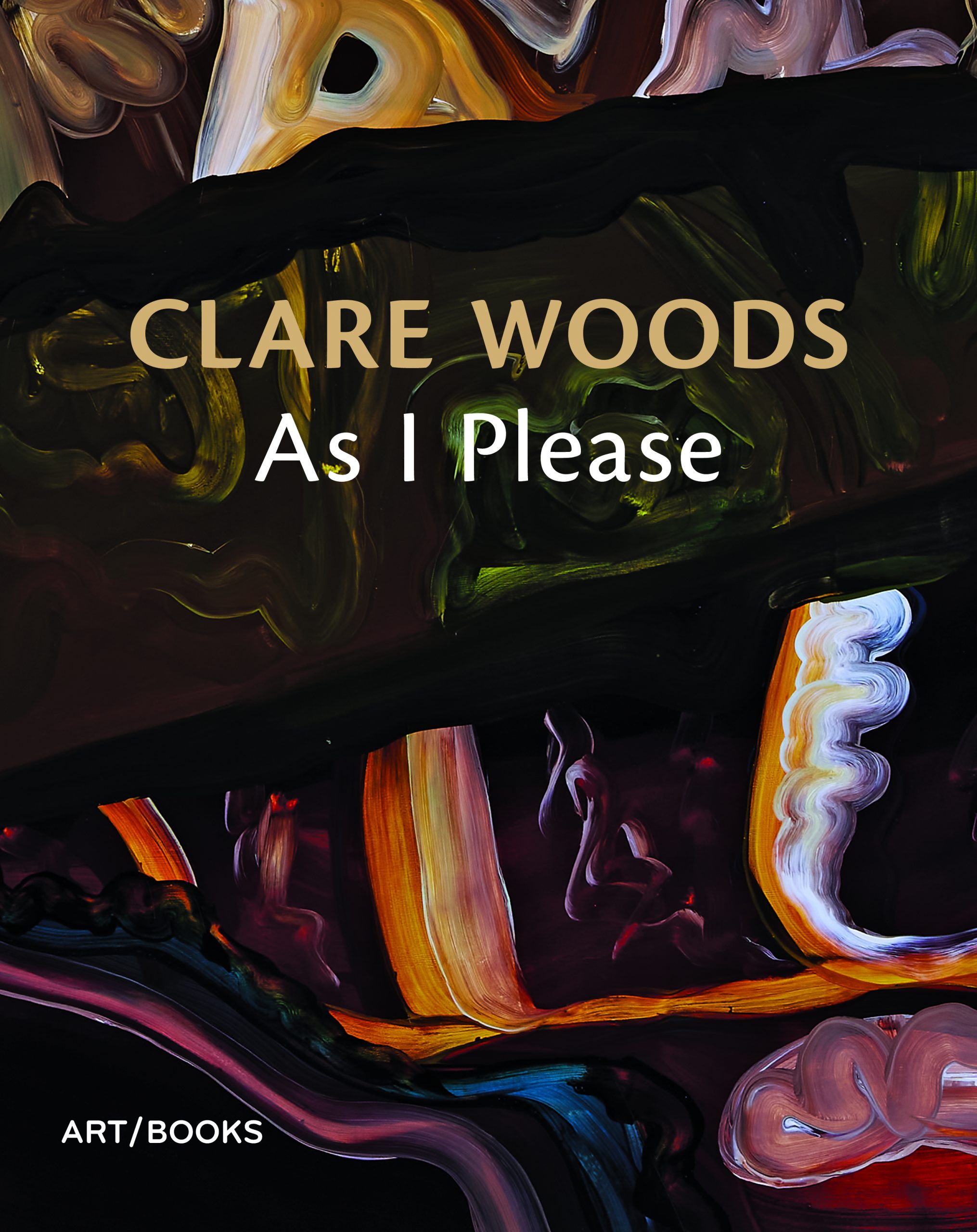
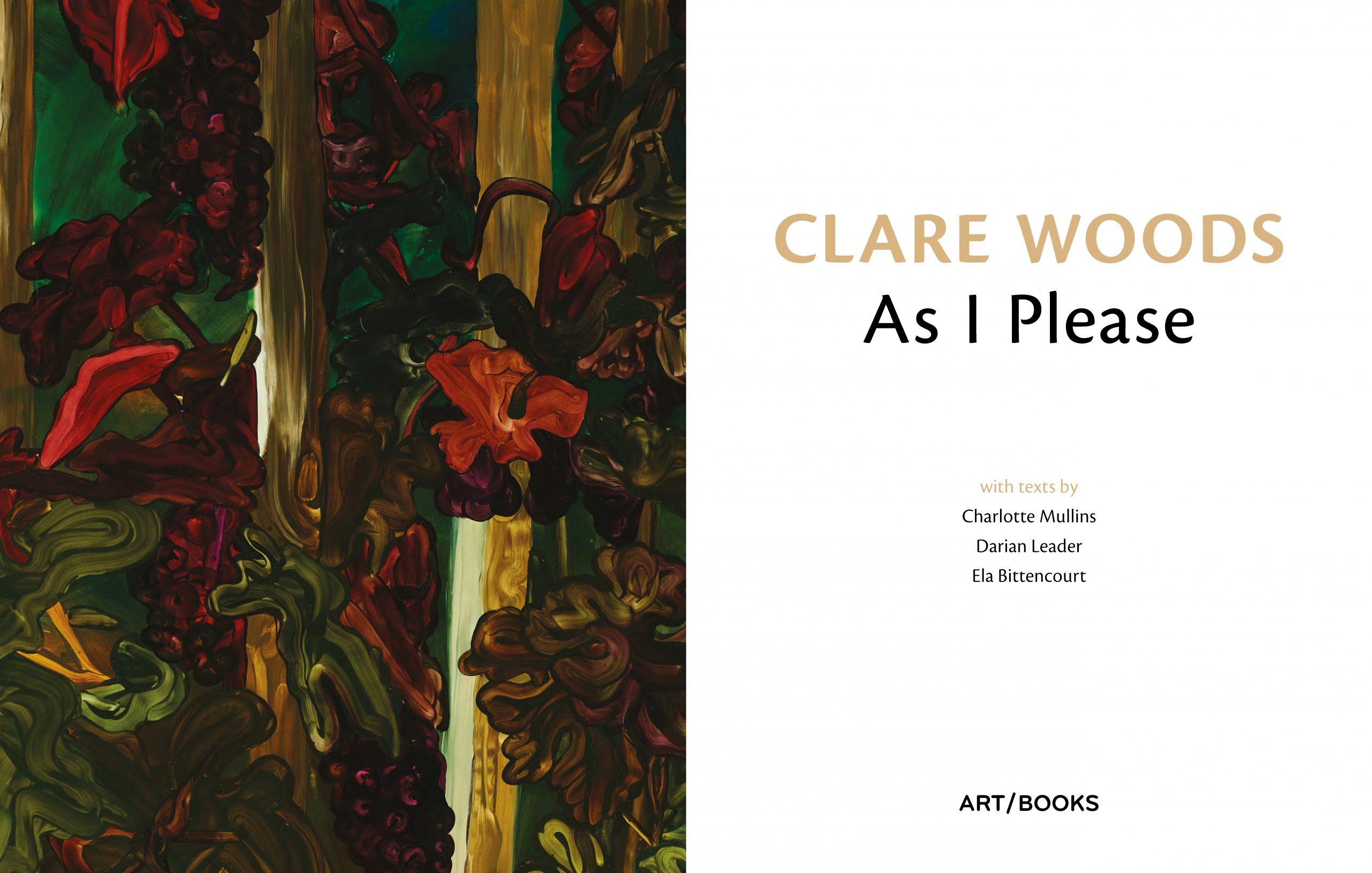
Clare Woods: As I Please

Texts by Charlotte Mullins, Darian Leader, and Ela Bittencourt

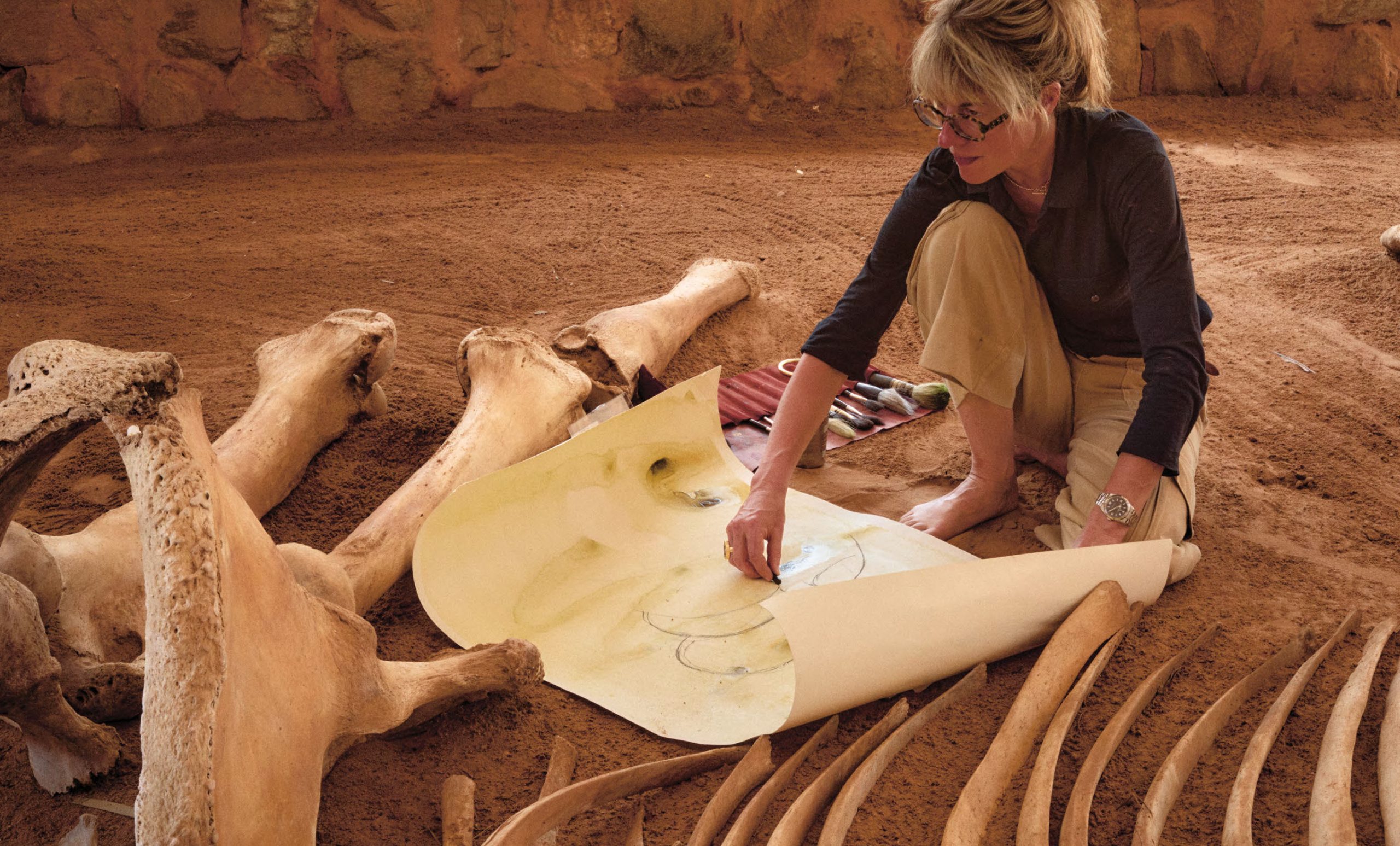
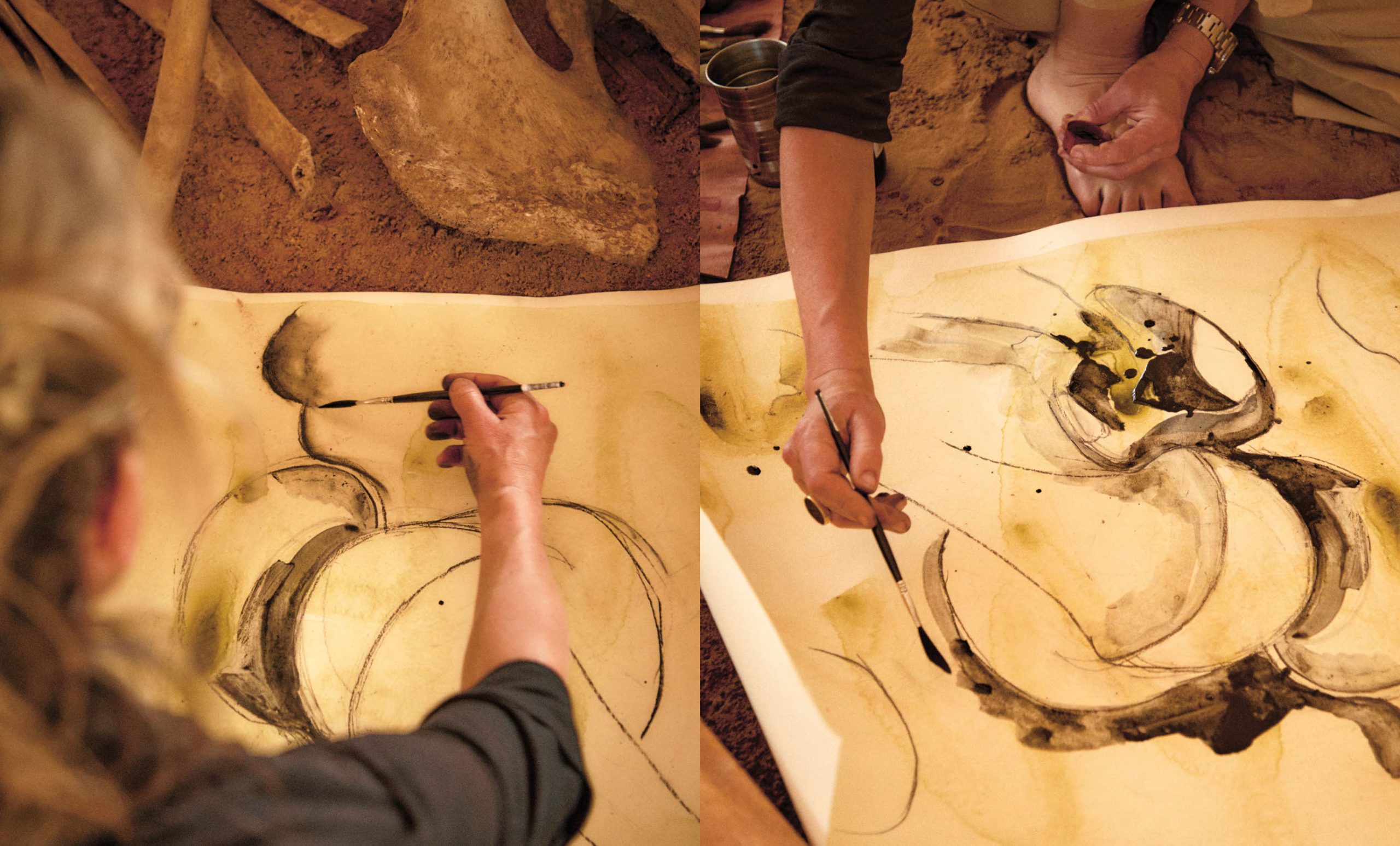
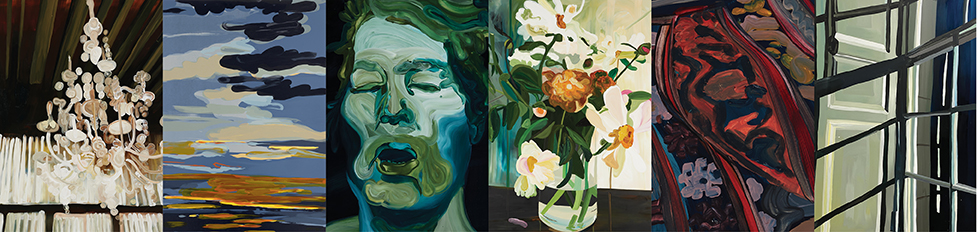
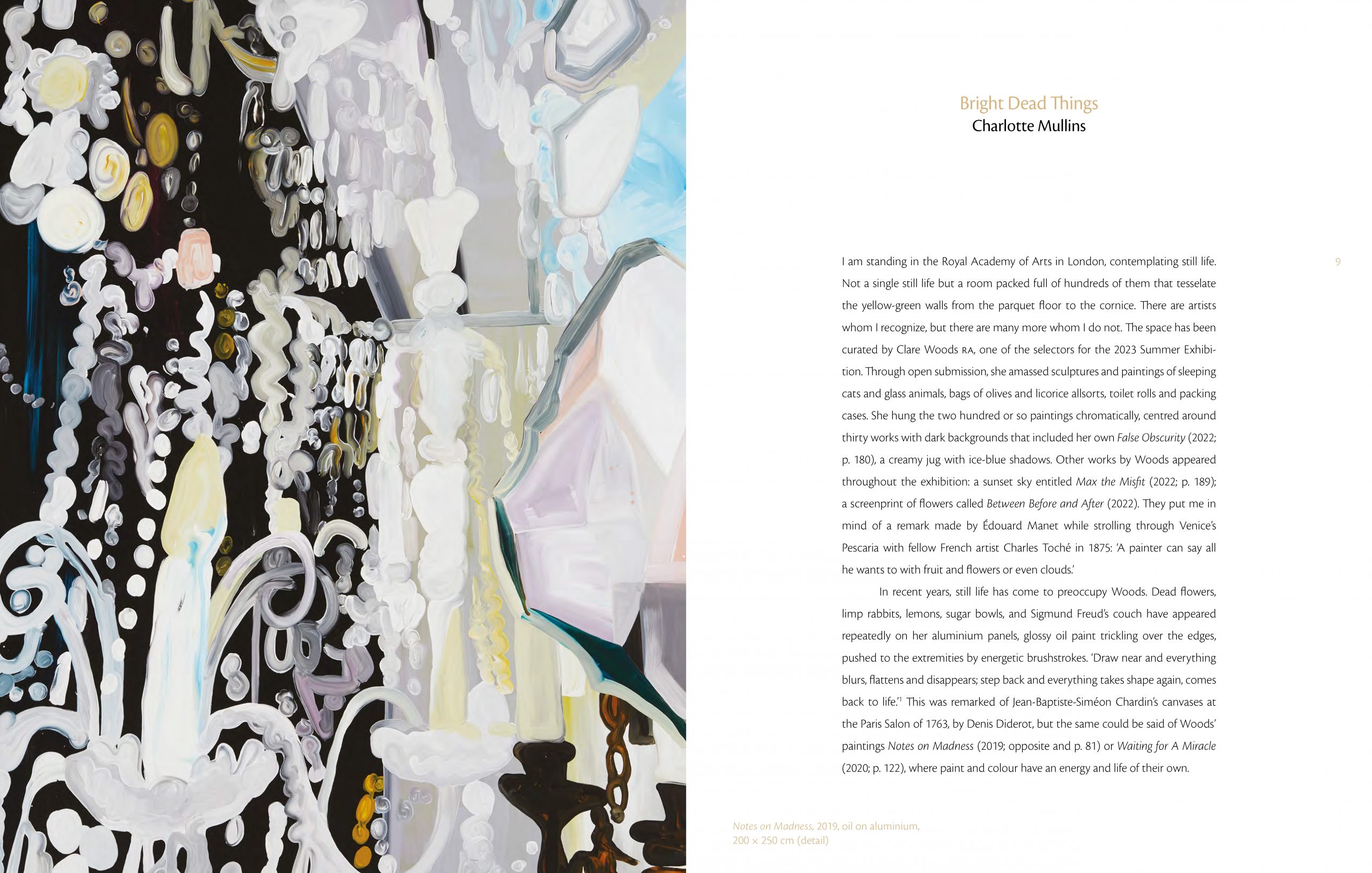
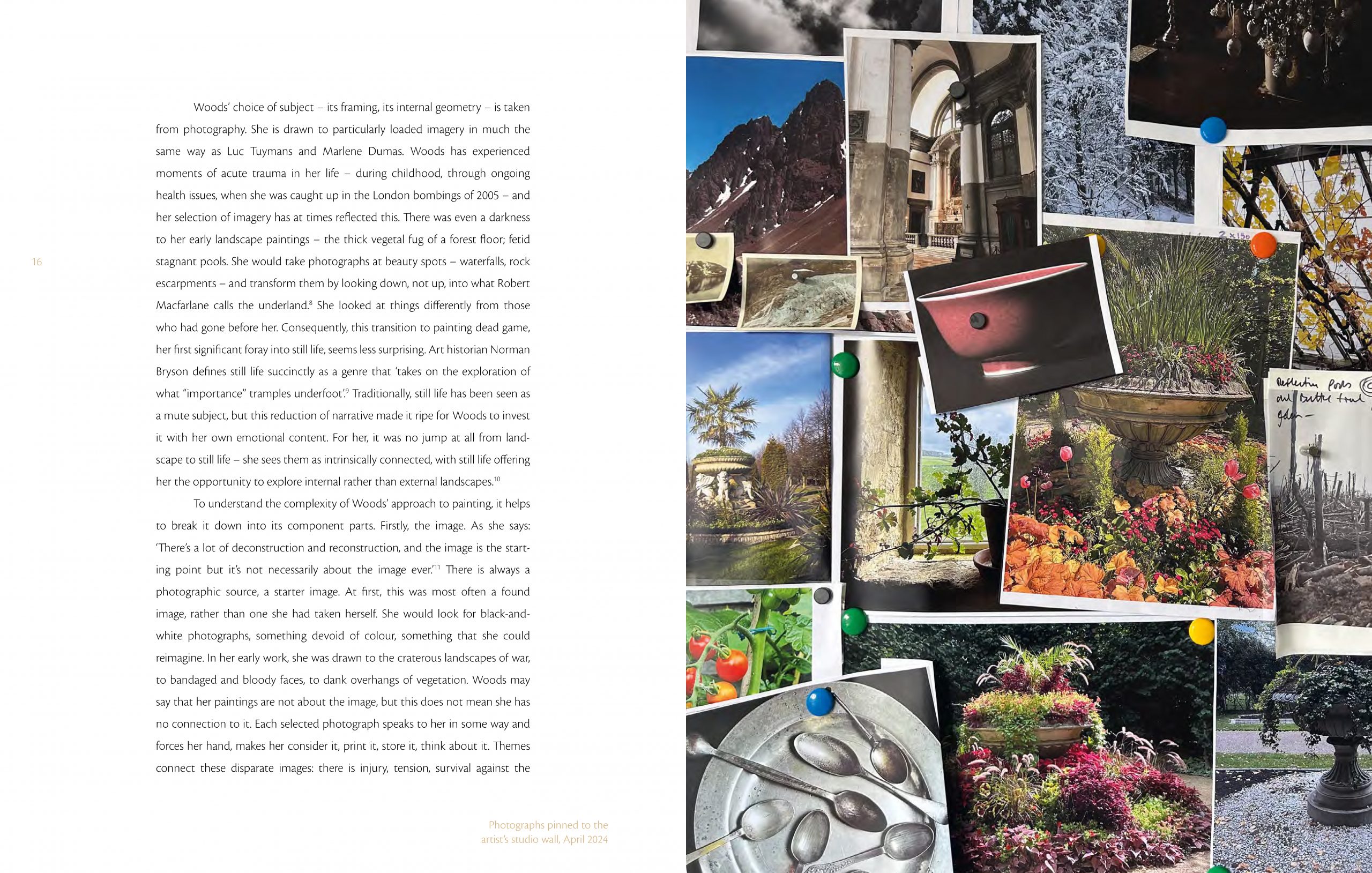
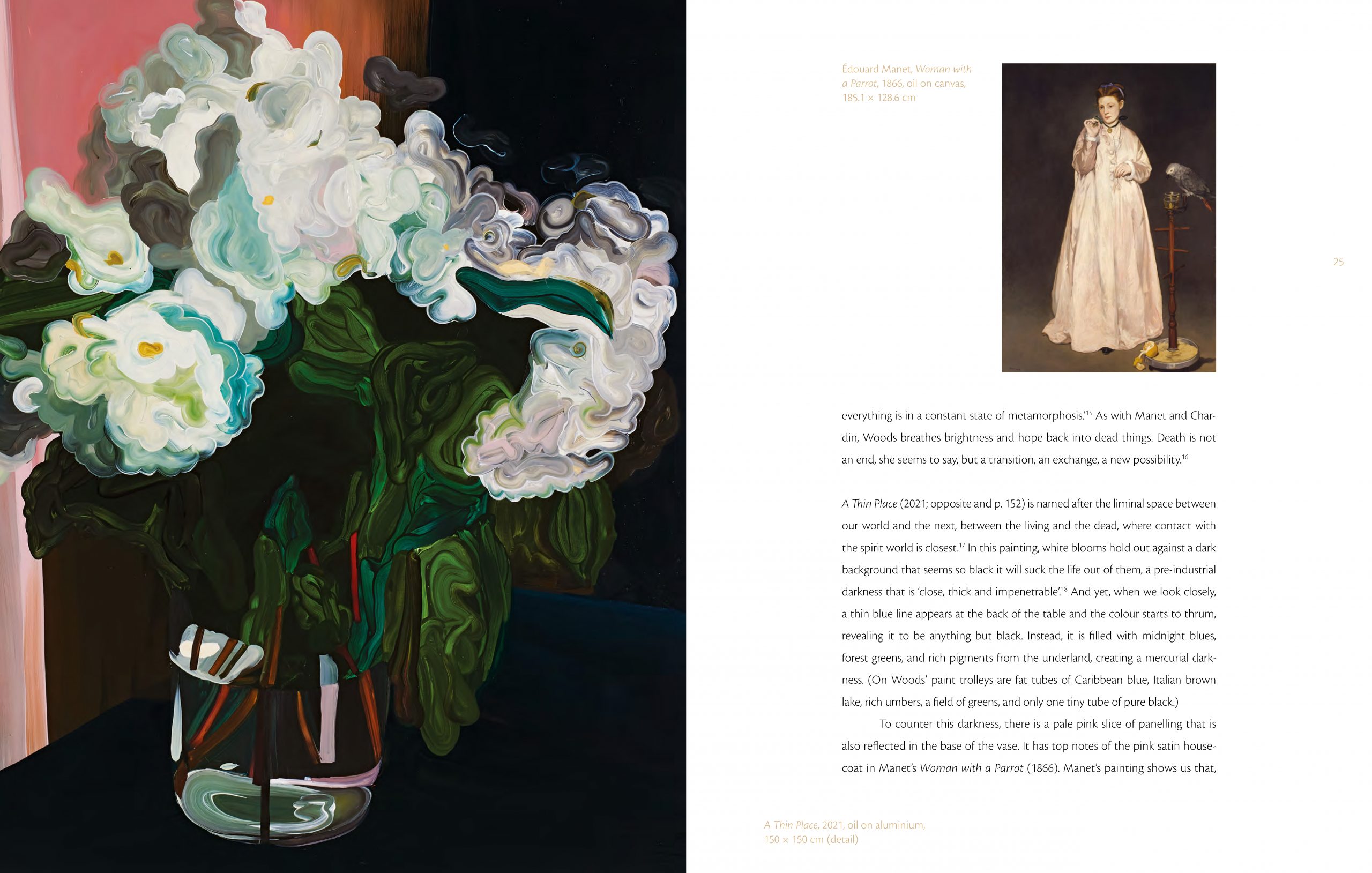
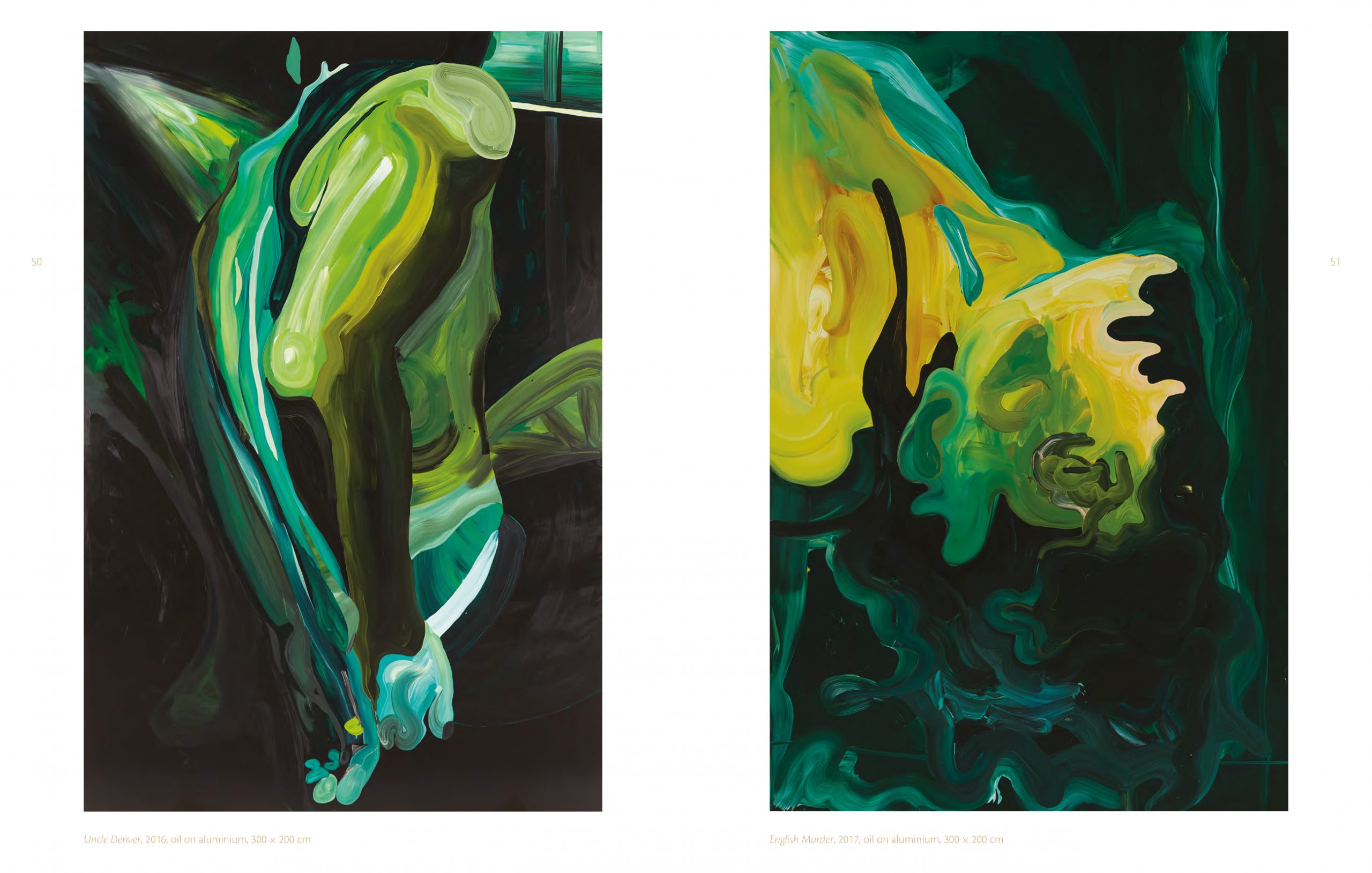
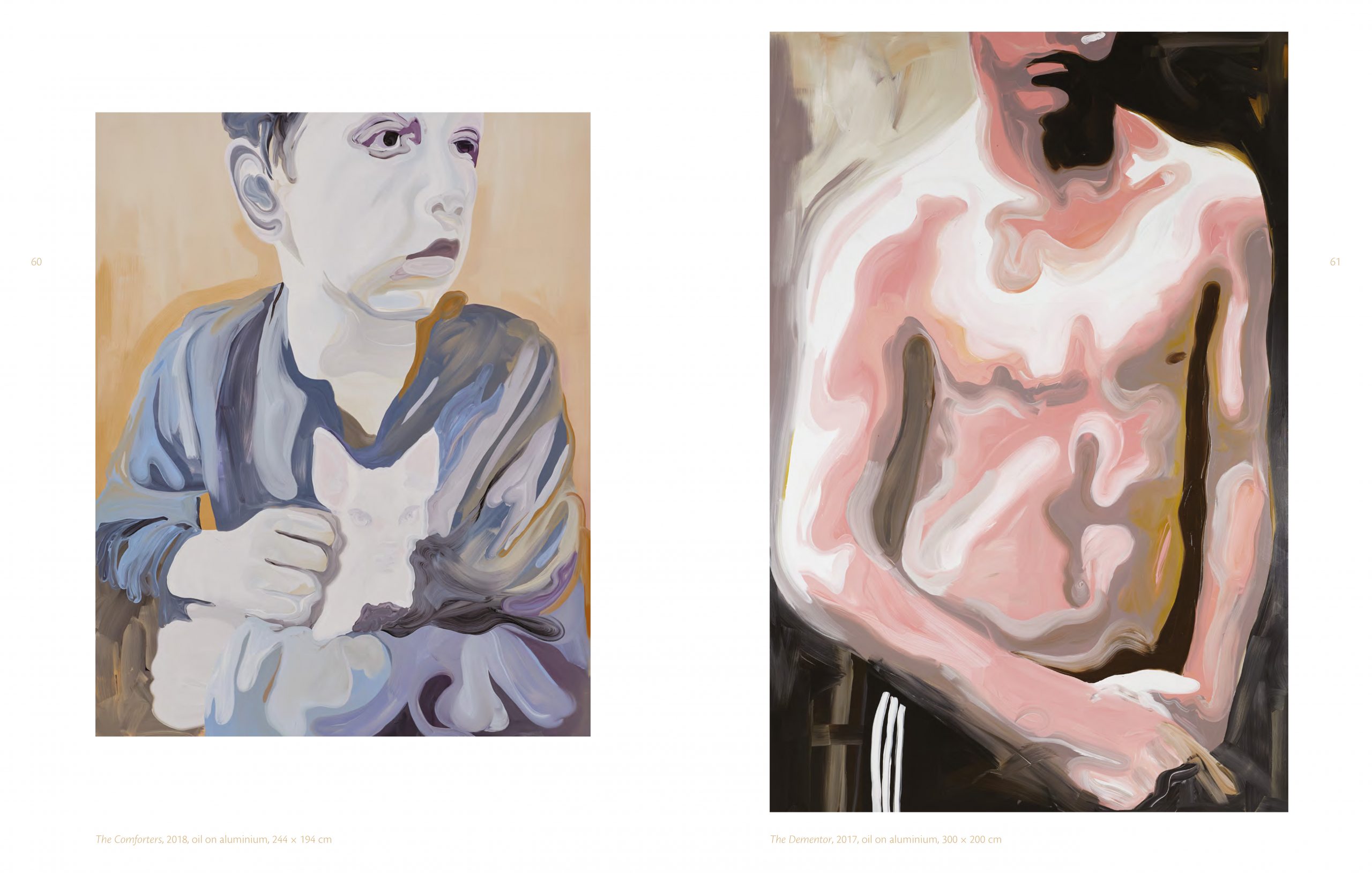
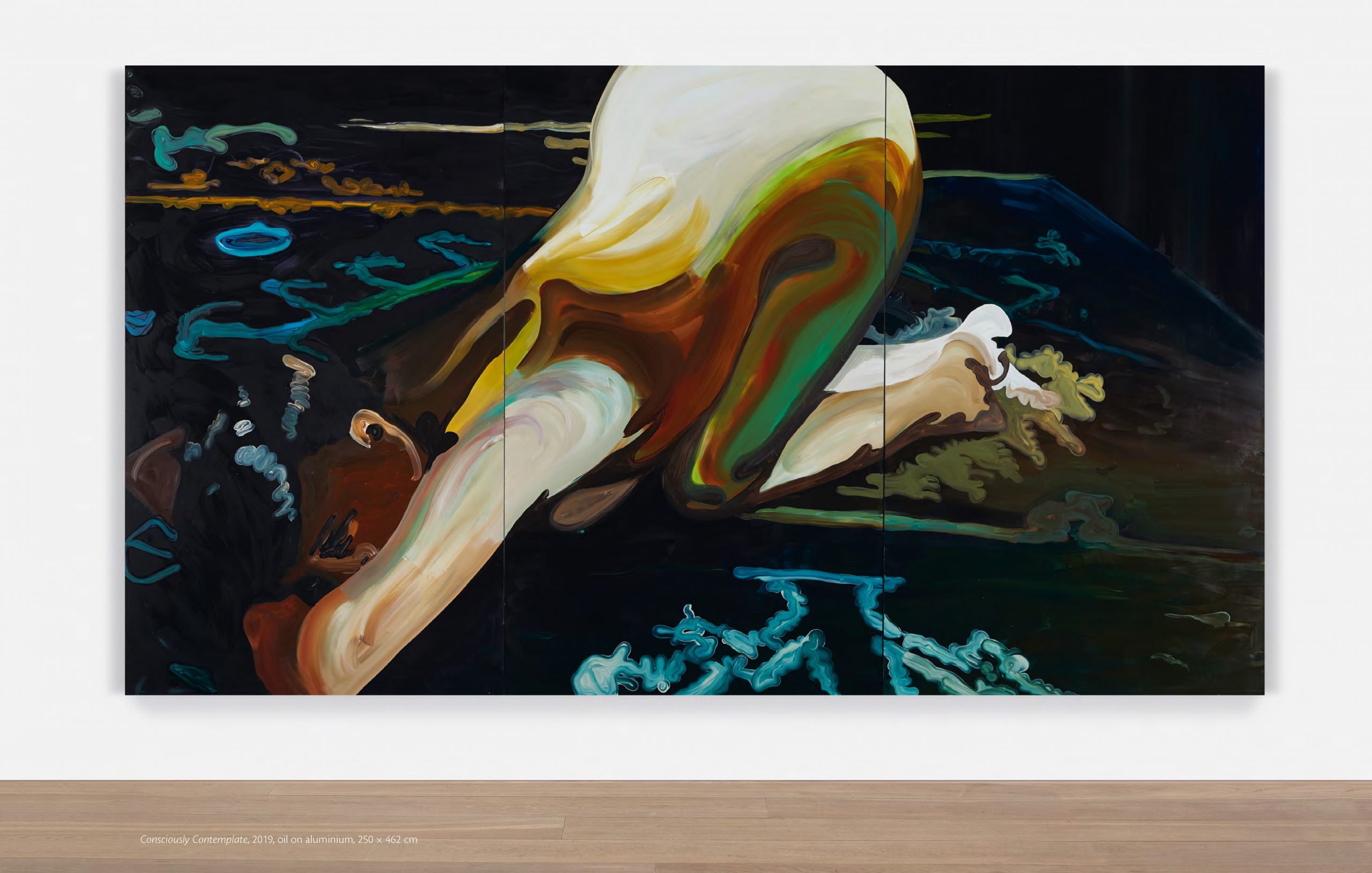
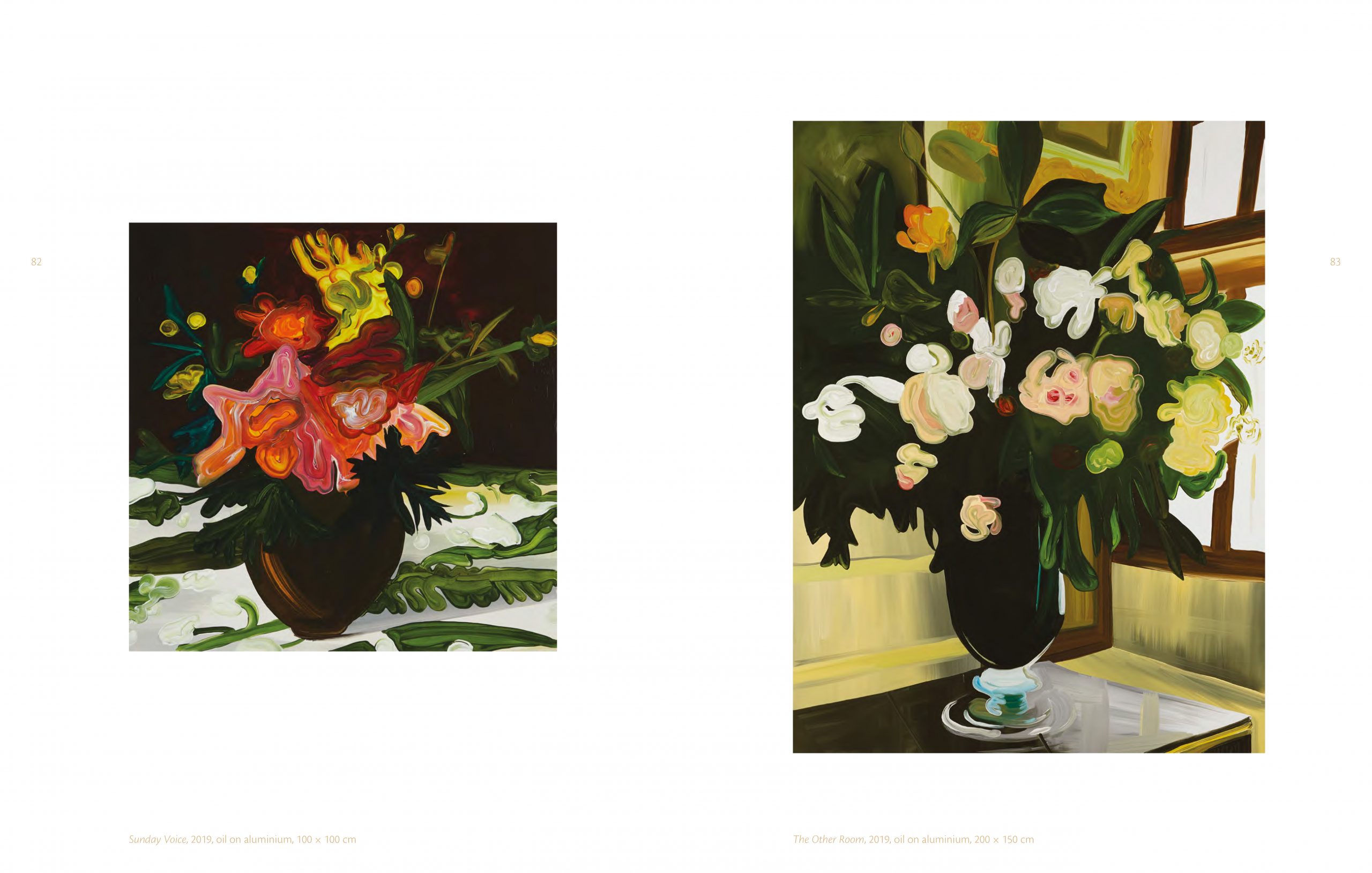
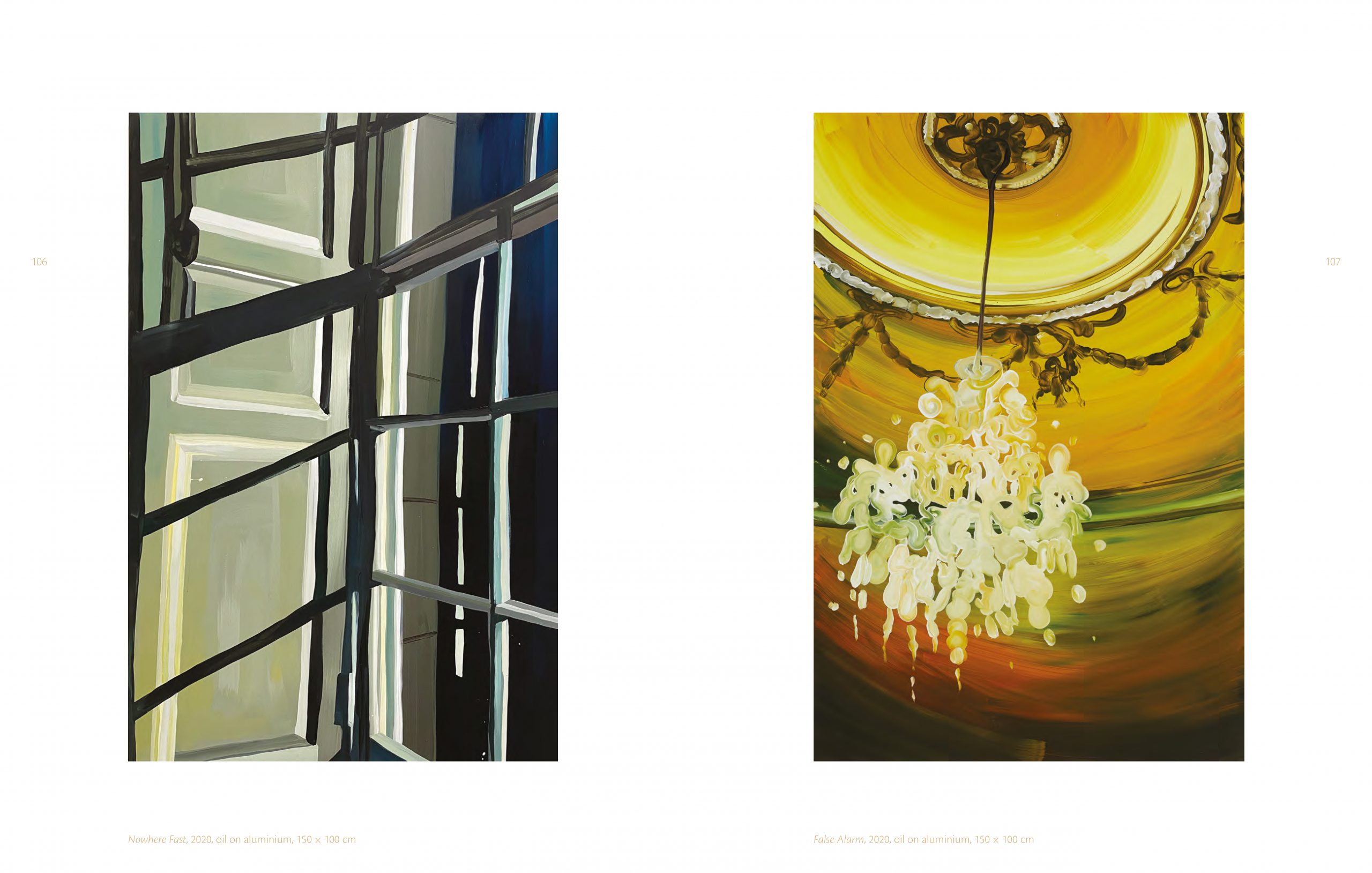
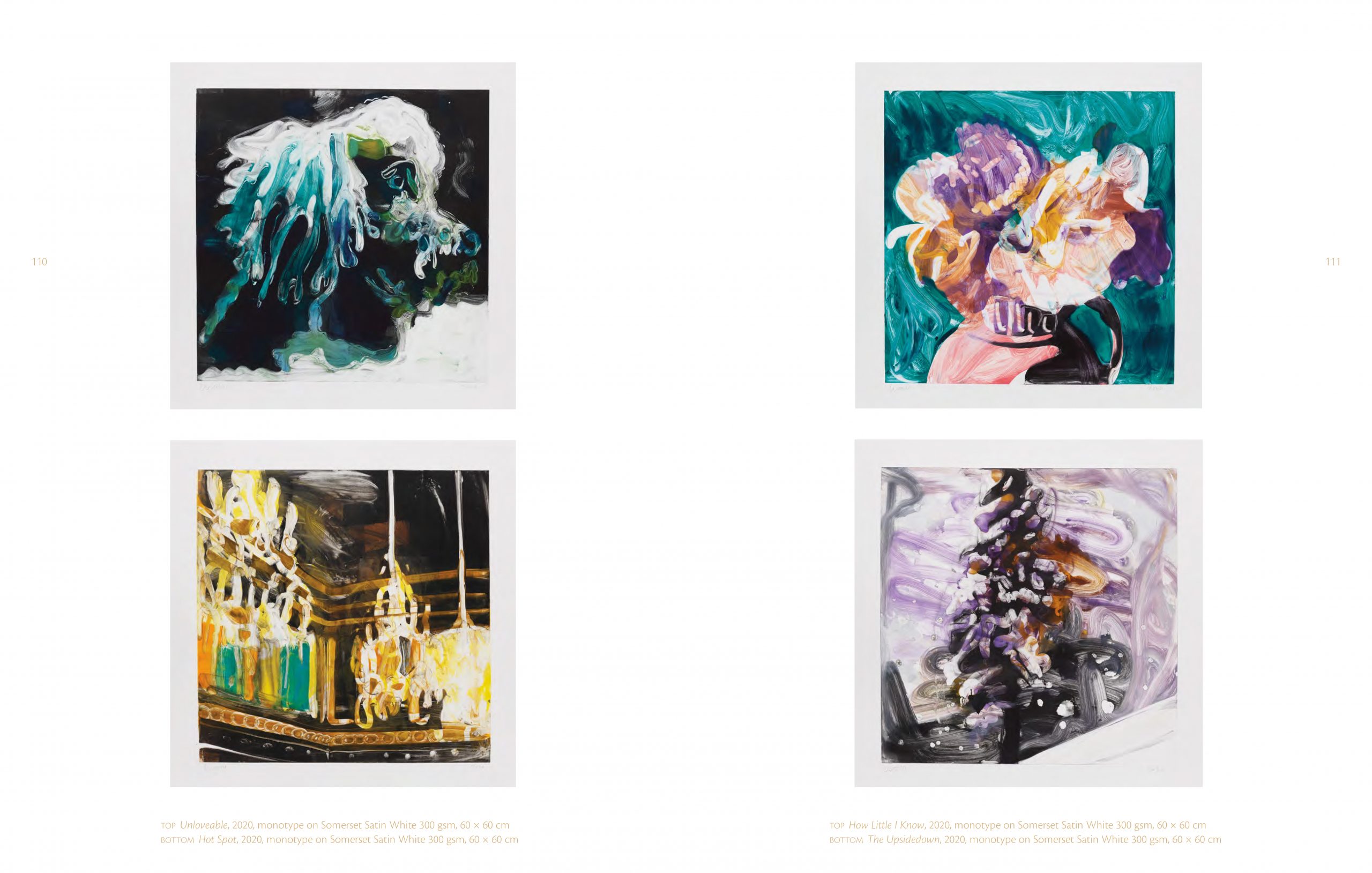
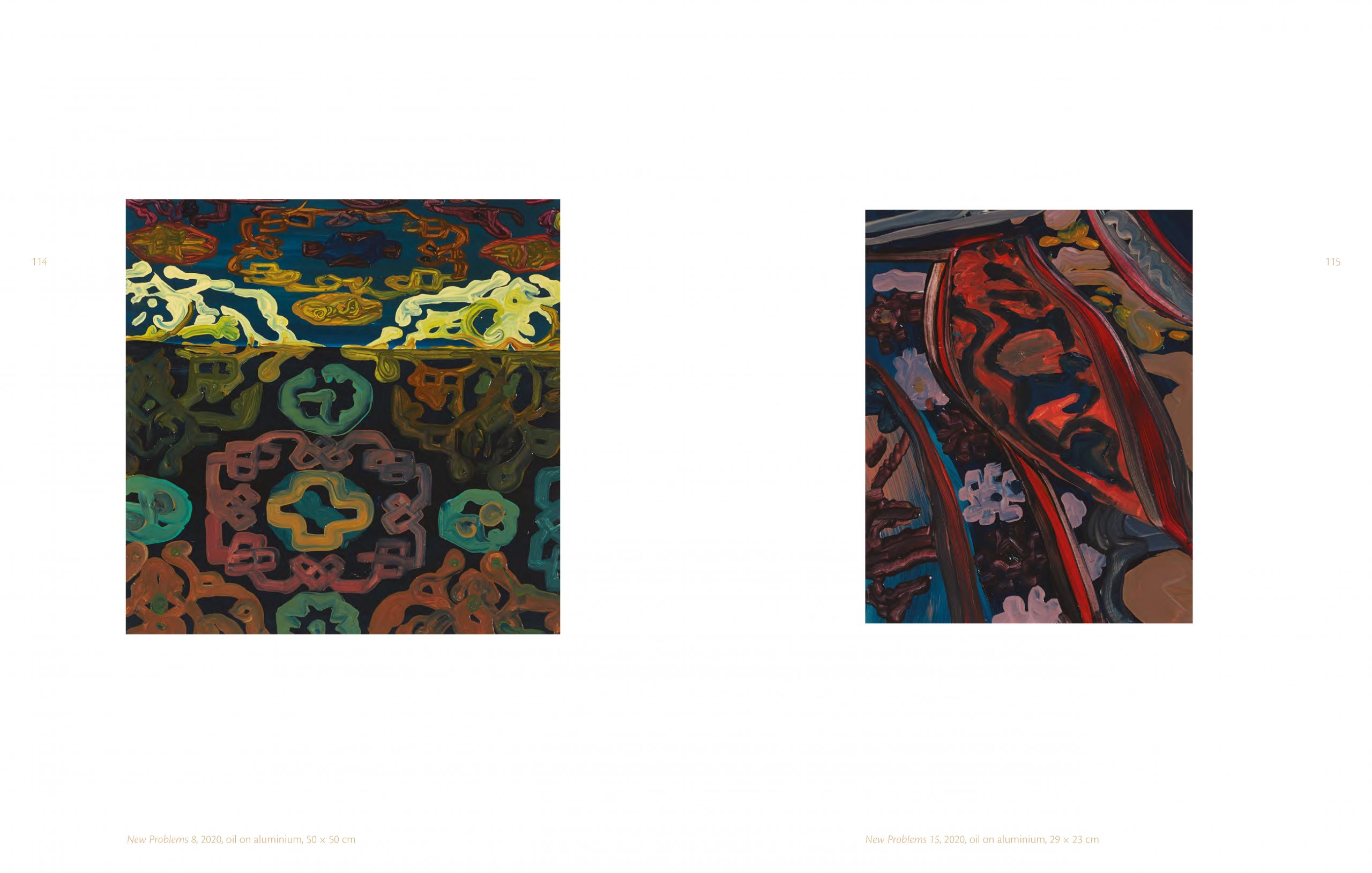
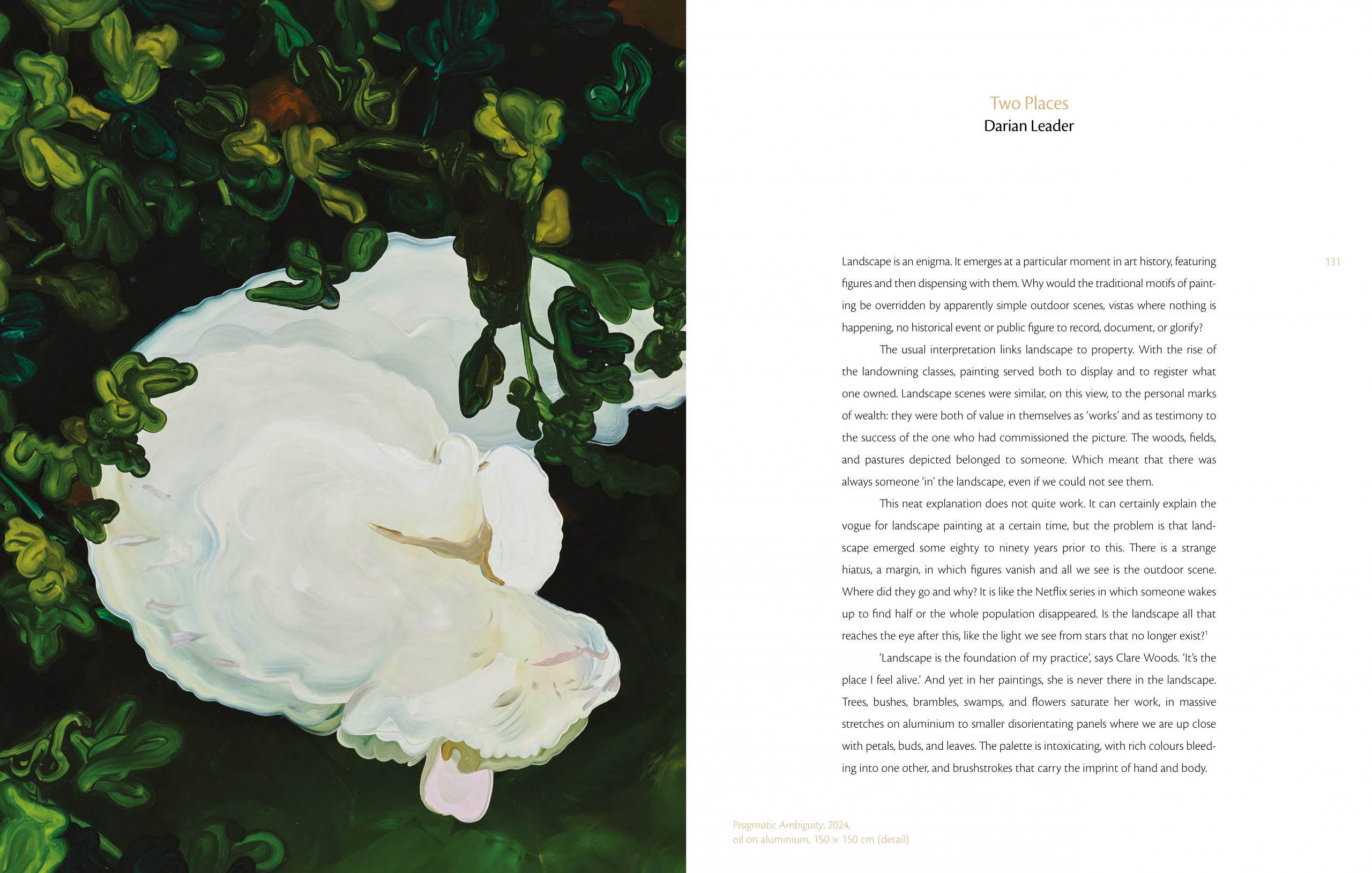
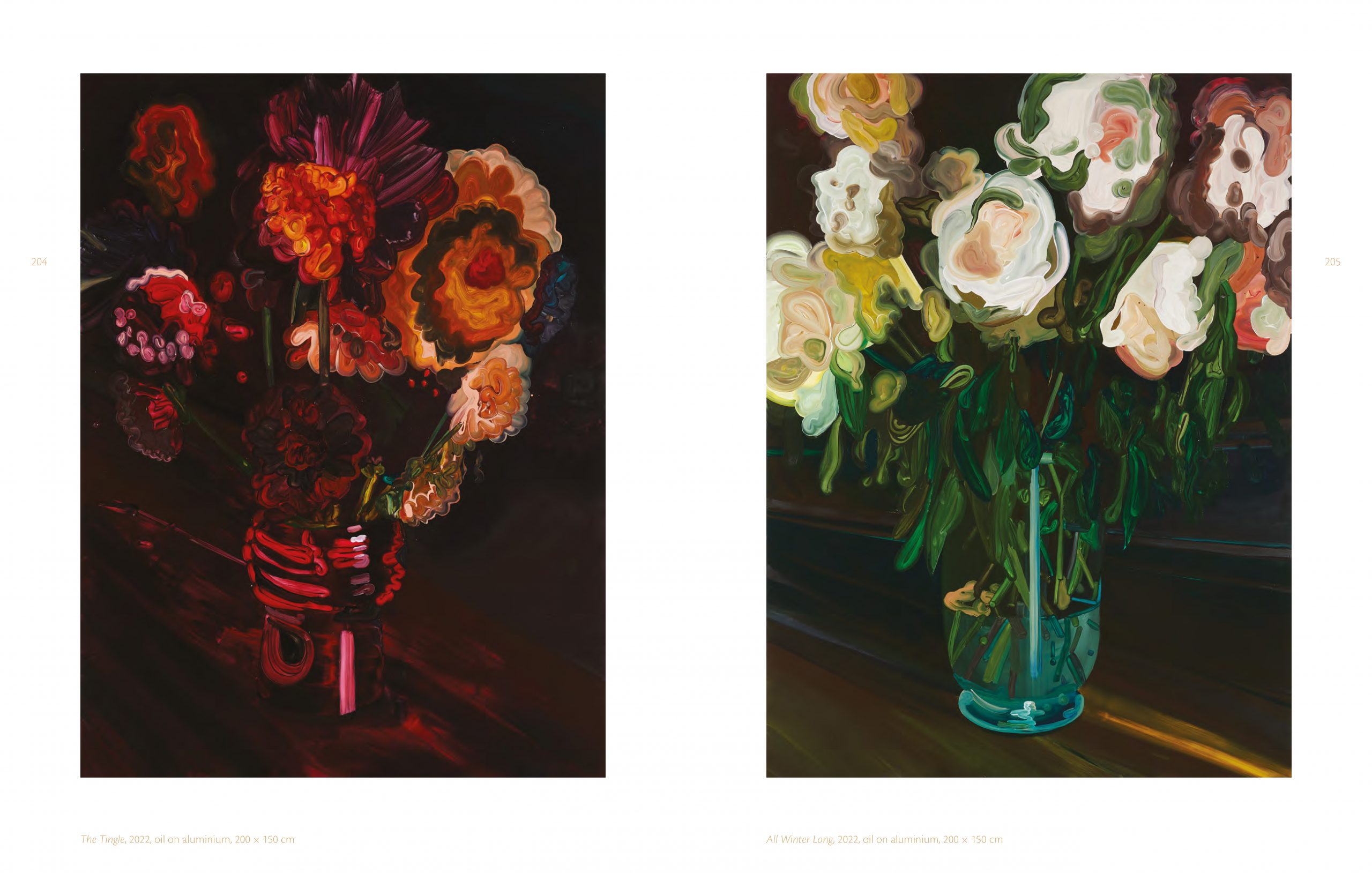
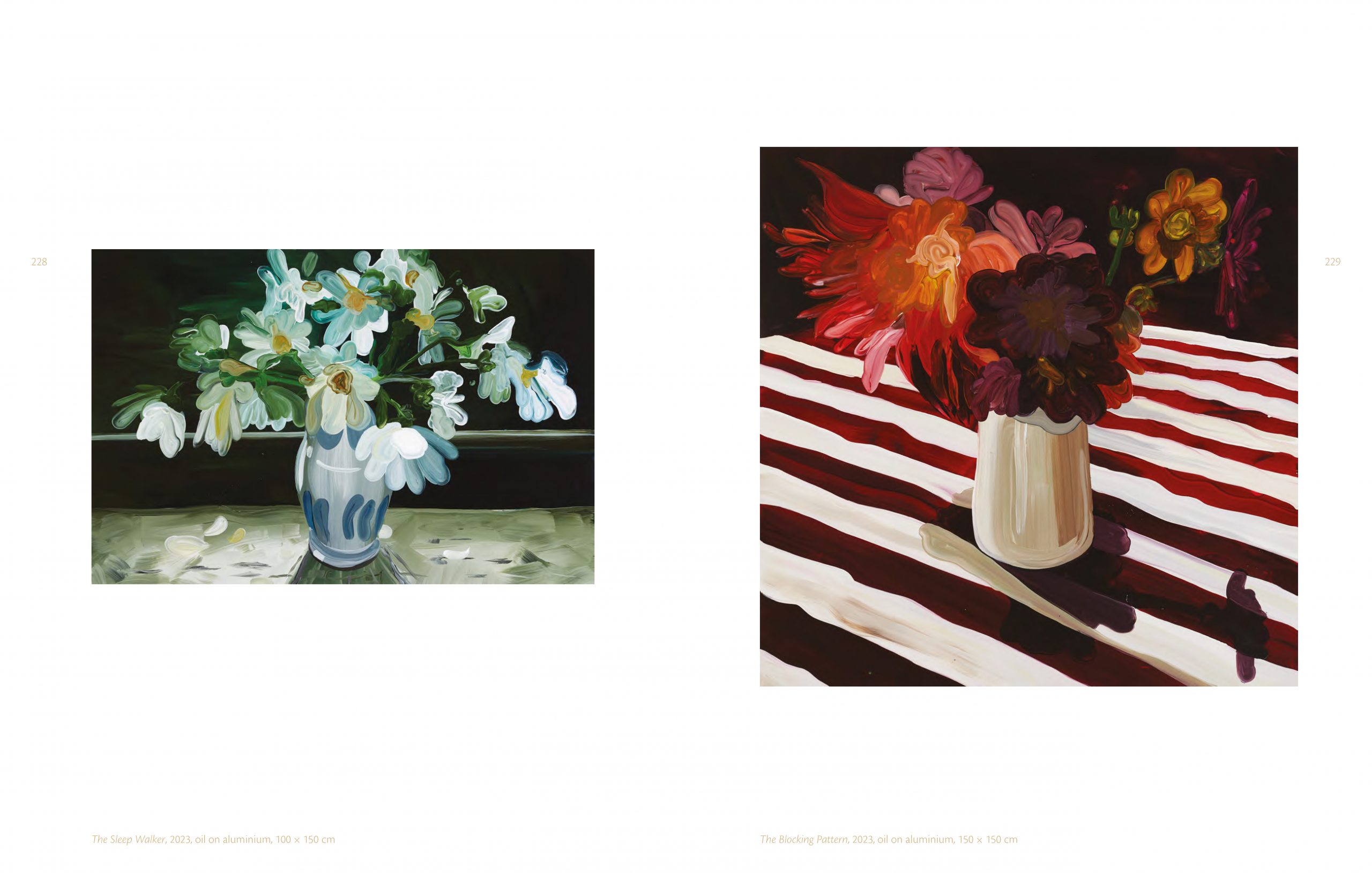
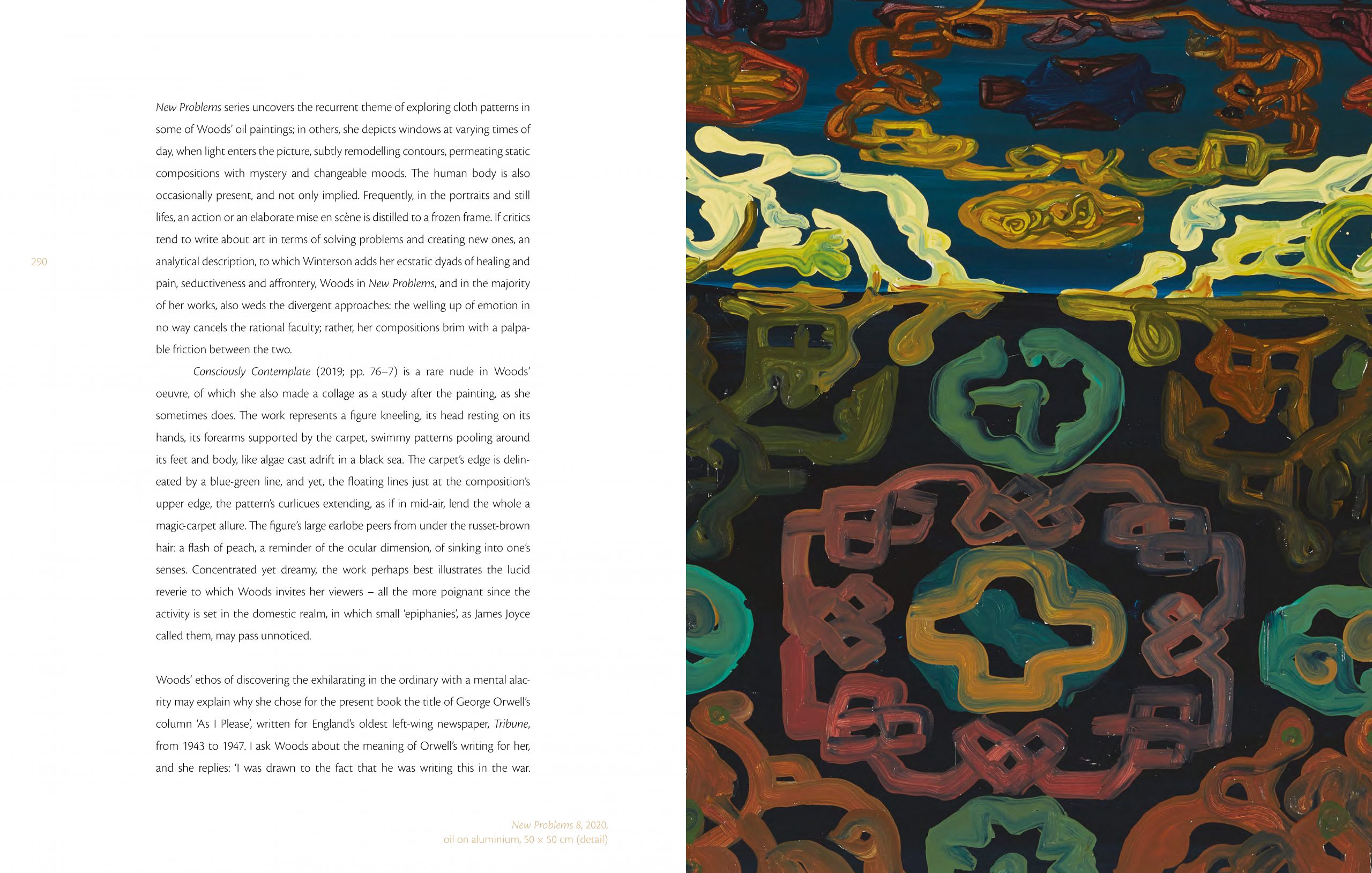
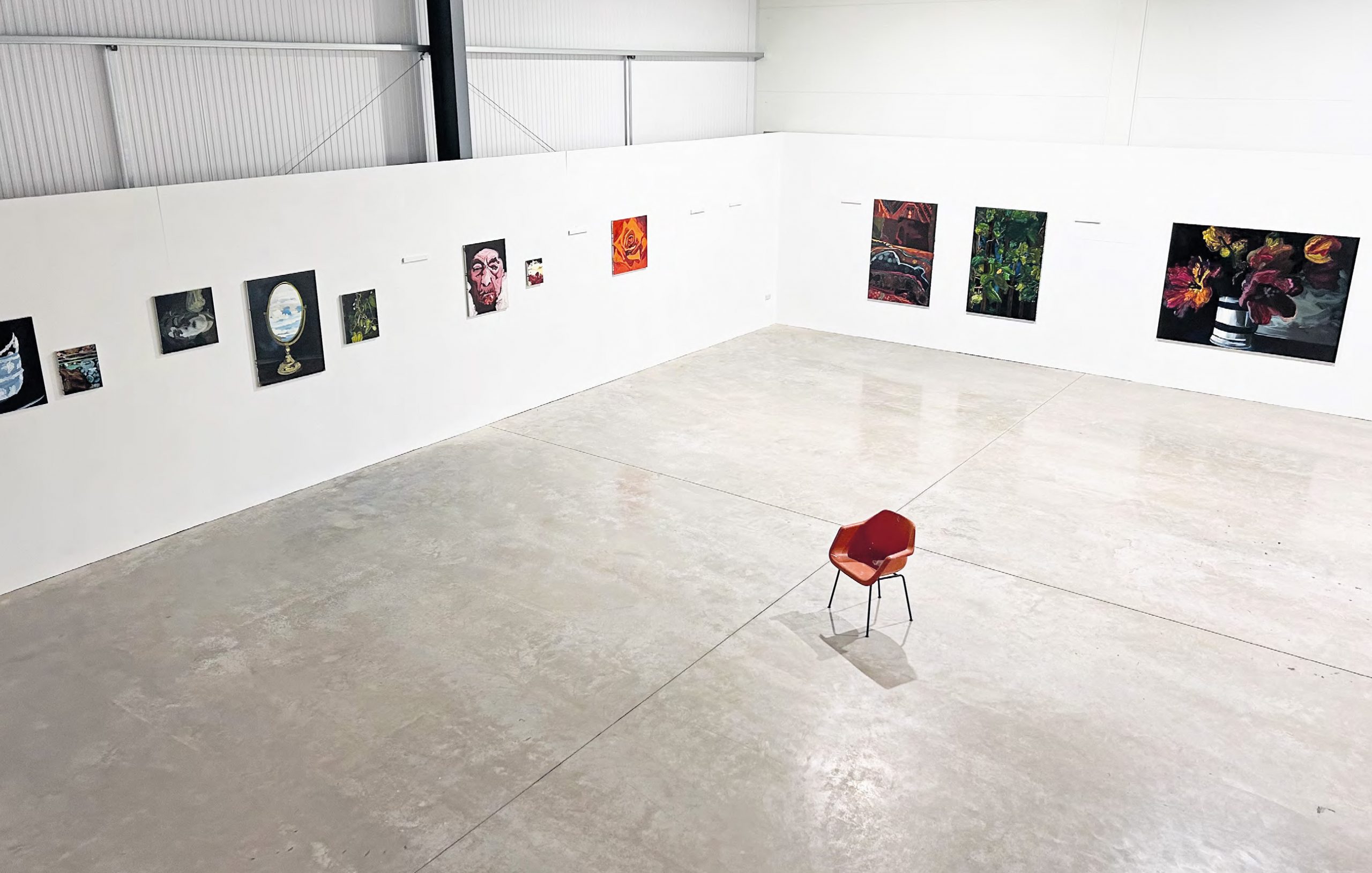
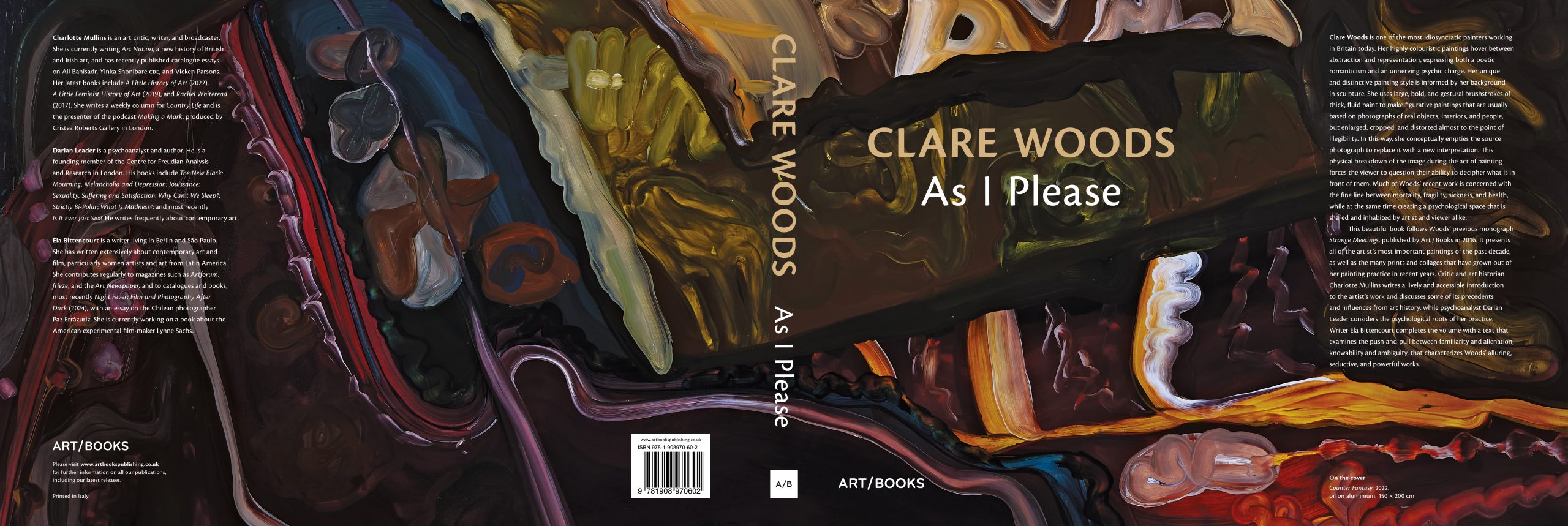
Clare Woods is one of the most idiosyncratic painters working in Britain today. Her highly colouristic paintings hover between abstraction and representation, expressing both a poetic romanticism and an unnerving psychic charge. Her unique and distinctive painting style is informed by her background in sculpture. She uses large, bold, and gestural brushstrokes of thick, fluid paint to make figurative paintings that are usually based on photographs of real objects, interiors, and people, but enlarged, cropped, and distorted almost to the point of illegibility. In this way, she conceptually empties the source photograph to replace it with a new interpretation. This physical breakdown of the image during the act of painting forces the viewer to question their ability to decipher what is in front of them. Much of Woods’ recent work is concerned with the fine line between mortality, fragility, sickness, and health, while at the same time creating a psychological space that is shared and inhabited by artist and viewer alike.
This beautiful book follows Woods’ previous monograph Strange Meetings, published by Art / Books in 2016. It presents all of the artist’s most important paintings of the past decade, as well as the many prints and collages that have grown out of her painting practice in recent years. Critic and art historian Charlotte Mullins writes a lively and accessible introduction to the artist’s work and discusses some of its precedents and influences from art history, while psychoanalyst Darian Leader considers the psychological roots of her practice. Writer Ela Bittencourt completes the volume with a text that examines the push-and-pull between familiarity and alienation, knowability and ambiguity, that characterizes Woods’ alluring, seductive, and powerful works.
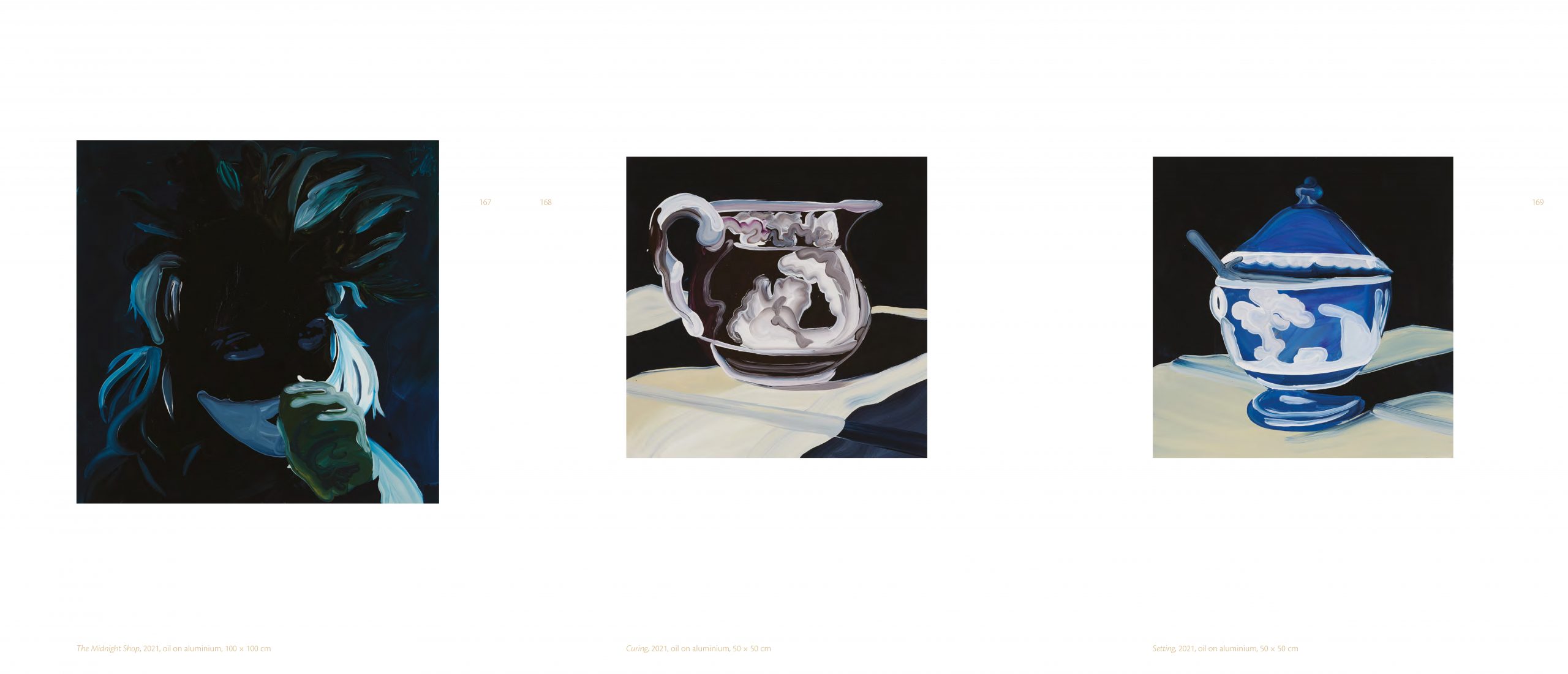
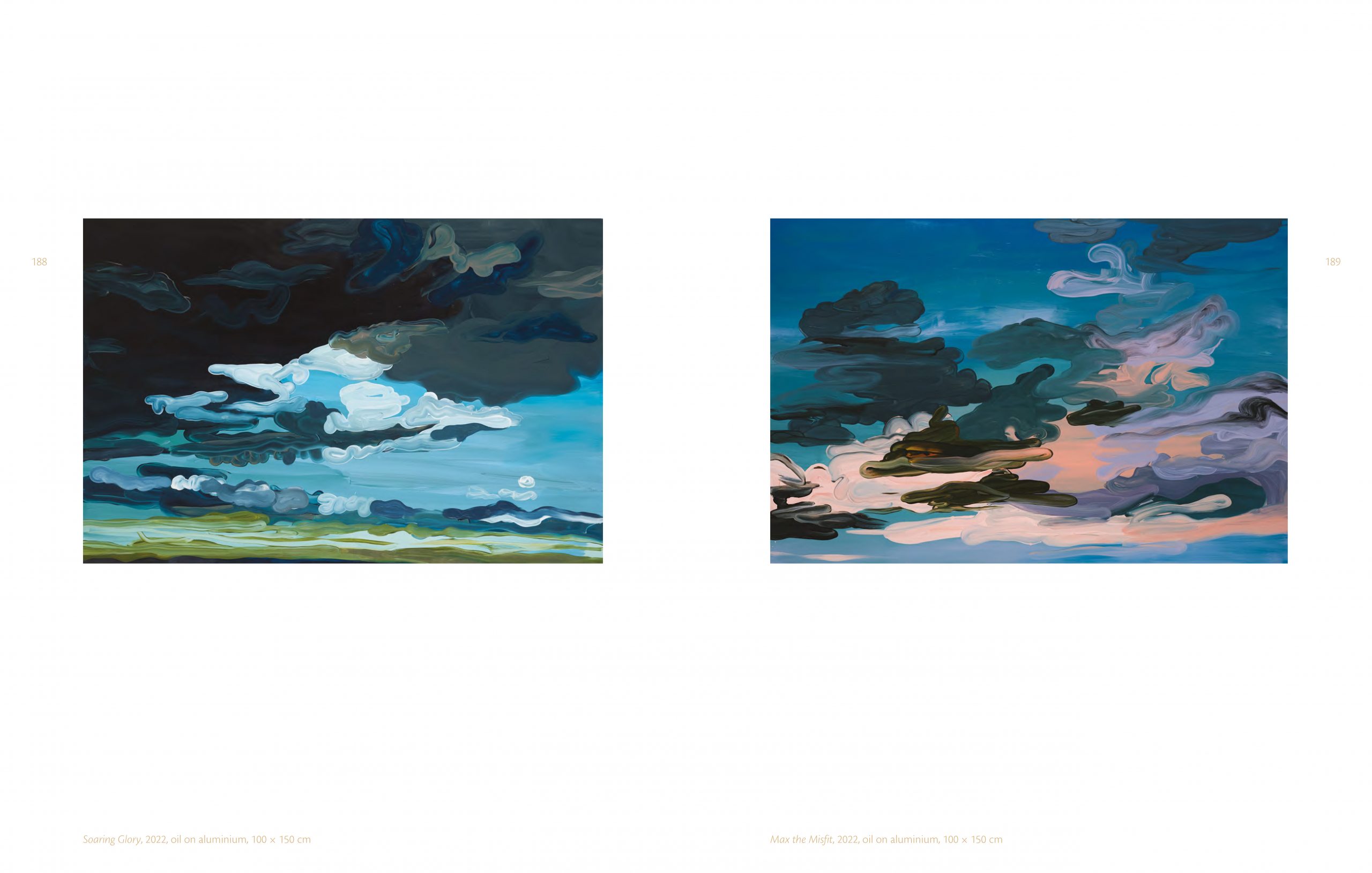
Clare Woods RA (b. 1972) was elected a Royal Academician in 2022. She completed her MA at Goldsmith’s College, London in 1999, following a BA at Bath School of Art in 1994. She has presented solo shows at Night Gallery, Los Angeles; Simon Lee Gallery, London; Martin Asbæk Gallery, Copenhagen; Cristea Roberts Gallery, London; and Buchmann Galerie, Berlin. Recent solo shows include the touring exhibition Between Before and After at Norrtälje Kunsthal, Sweden (2024), CCA Museum, Andratx, Spain (2023), and Serlachius Museums, Mänttä, Finland (2023). She has had recent institutional solo exhibitions at Pallant House Gallery, Chichester; Mead Gallery, University of Warwick; Dundee Contemporary Art; Harewood House, Yorkshire; Southampton City Art Gallery; and Hepworth Wakefield. Group exhibitions include Fernweh Space, Beijing; National Museum of Wales, Cardiff; ARKEN Museum of Modern Art, Copenhagen; Tate St Ives; and Buffalo AKG Art Museum, Buffalo, New York. In 2012, she was commissioned to create a permanent ceramic mural for the London 2012 Olympic Park, and in 2015 she produced a 15 x 8 metre painting for Aarhus VIA University College, Denmark. Other public commissions include a vast façade for a residential building in Chelsea, London (2005–7); a permanent ceramic mural at Hampstead Heath Station (2010–11); and a large-scale painting for The Hive library, Worcester (2012). A monograph on Woods entitled Strange Meetings was published in 2016 by Art / Books, London, and her work has been featured in Frontrunner magazine, Studio International, Art Newspaper, Frieze, Independent, and Financial Times. Her work is held in many national and international public and private collections, including Albright-Knox Art Gallery, Buffalo, USA; Arken Museum of Modern Art, Denmark; Arts Council Collection, UK; British Council, UK; Royal Academy of Arts Collection, London, UK; CCA Andratx, Mallorca, Spain; Colección VAC, Valencia, Spain; Government Art Collection, UK; National Museum Wales, Cardiff; Dakis Joannou Collection Foundation, Athens, Greece. She is represented by Stephen Friedman Gallery, London; Night Gallery, Los Angeles; Buchmann Galerie, Berlin; and Martin Asbæk Gallery, Copenhagen; and Cristea Roberts Gallery London.

Charlotte Mullins is an art critic, writer, and broadcaster. She is currently writing Art Nation, a new history of British and Irish art, and has recently published catalogue essays on Ali Banisadr, Yinka Shonibare cbe, and Vicken Parsons. Her latest books include A Little History of Art (2022), A Little Feminist History of Art (2019), and Rachel Whiteread (2017). She writes a weekly column for Country Life and is the presenter of the podcast Making a Mark, produced by Cristea Roberts Gallery in London.

Darian Leader is a psychoanalyst and author. He is a founding member of the Centre for Freudian Analysis and Research in London. His books include The New Black: Mourning, Melancholia and Depression; Jouissance: Sexuality, Suffering and Satisfaction; Why Can’t We Sleep?; Strictly Bi-Polar; What Is Madness?; and most recently Is It Ever Just Sex? He writes frequently about contemporary art. 

Ela Bittencourt is a writer living in Berlin and São Paulo. She has written extensively about contemporary art and film, particularly women artists and art from Latin America. She contributes regularly to magazines such as Artforumfrieze, and the Art Newspaper, and to catalogues and books, most recently Night Fever: Film and Photography After Dark (2024), with an essay on the Chilean photographer Paz Errázuriz. She is currently working on a book about the American experimental film-maker Lynne Sachs.

Vicken Parsons

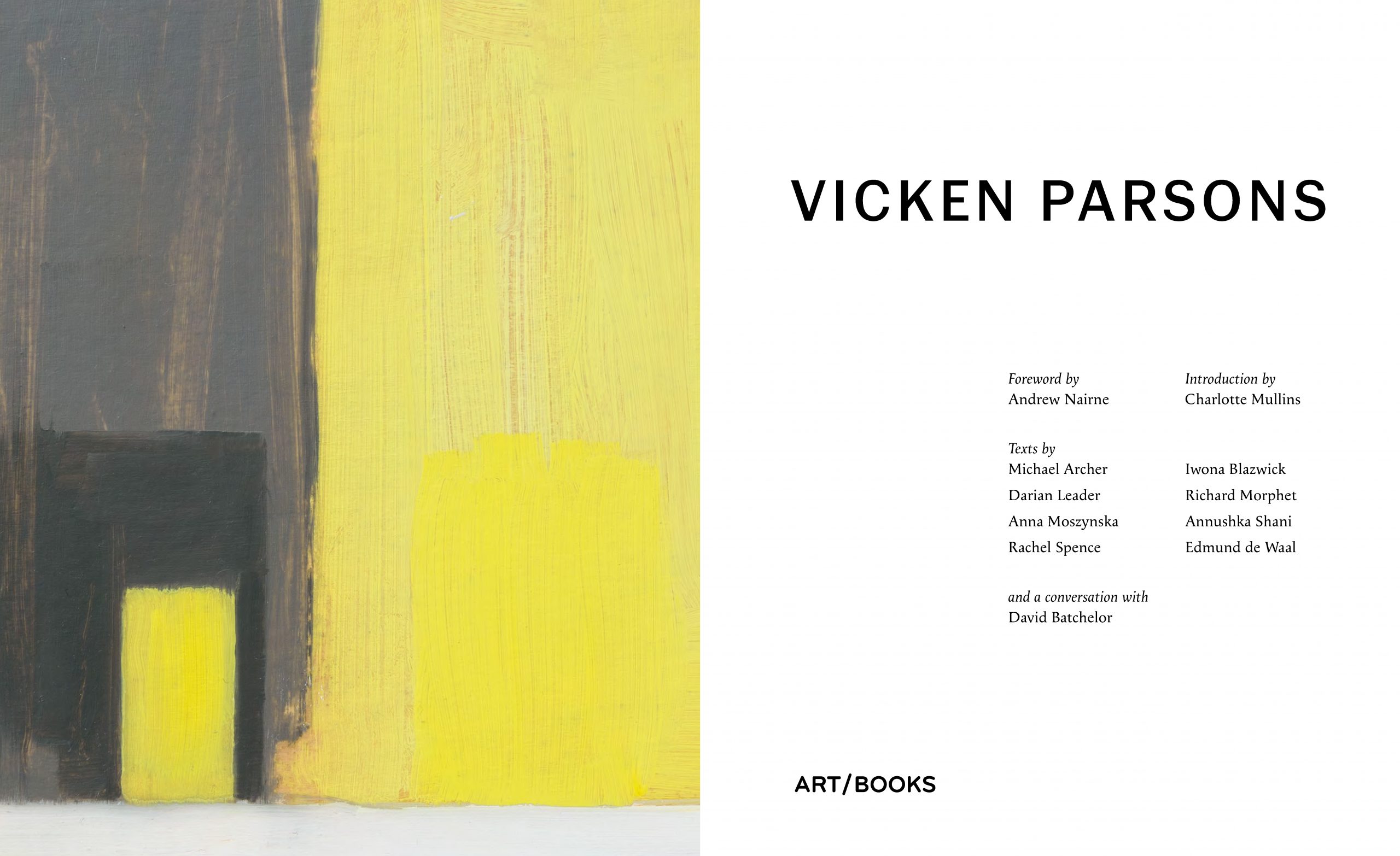
Foreword by Andrew Nairne
Introduction by Charlotte Mullins
Texts by Michael Archer, Iwona Blazwick, Darian Leader, Richard Morphet, Anna Moszynska, Annushka Shani, Rachel Spence, Edmund de Waal
Conversation with David Batchelor

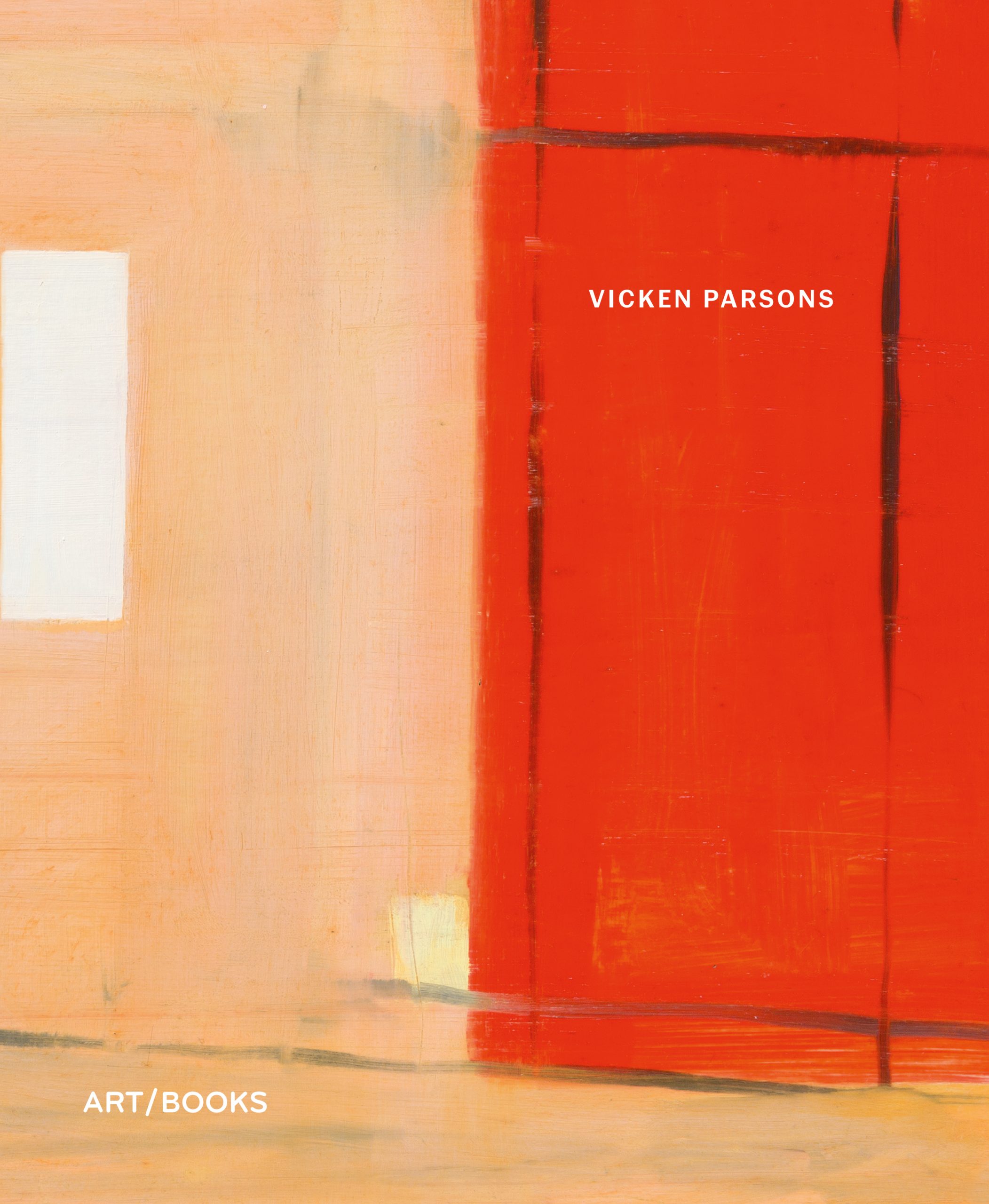
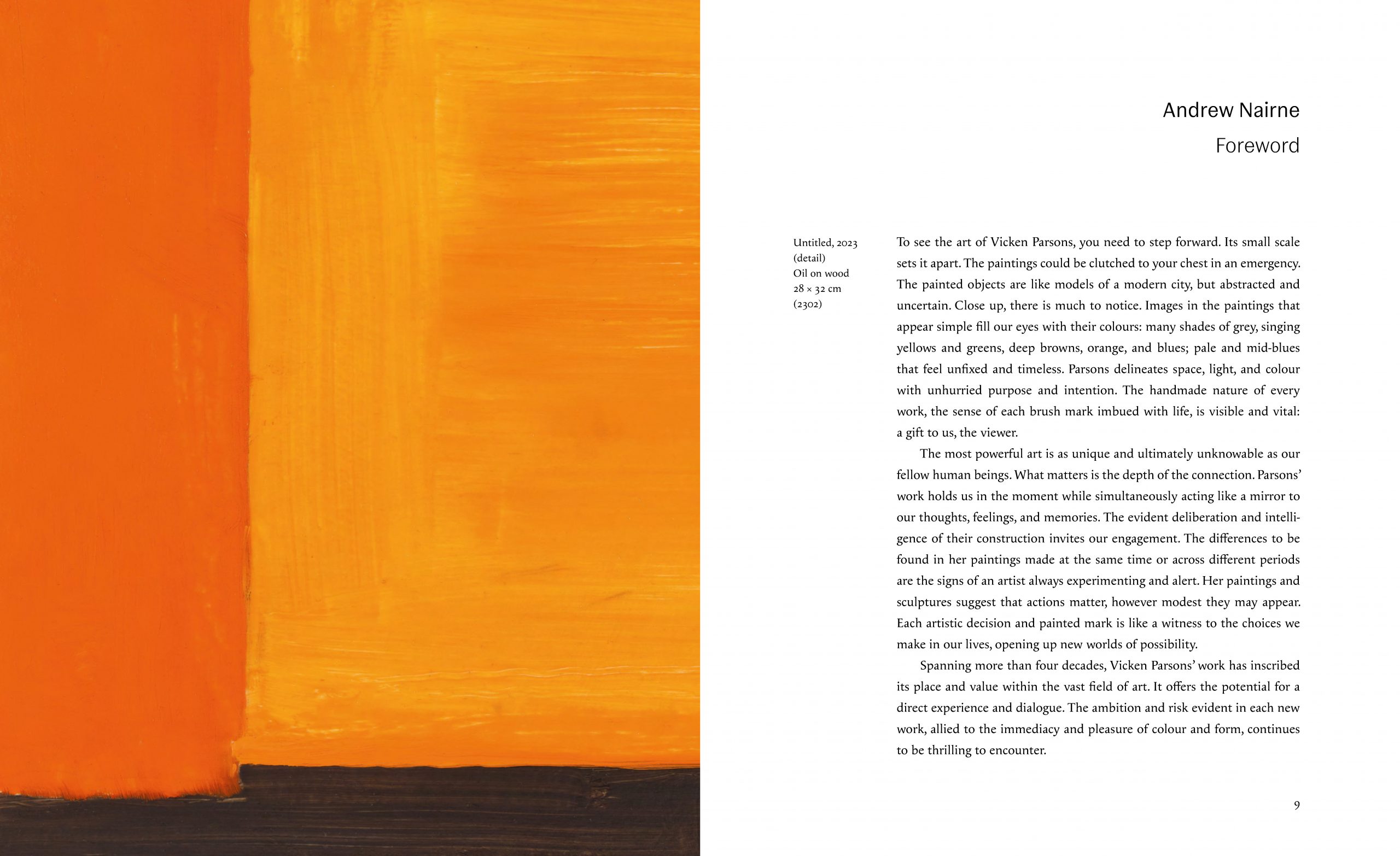
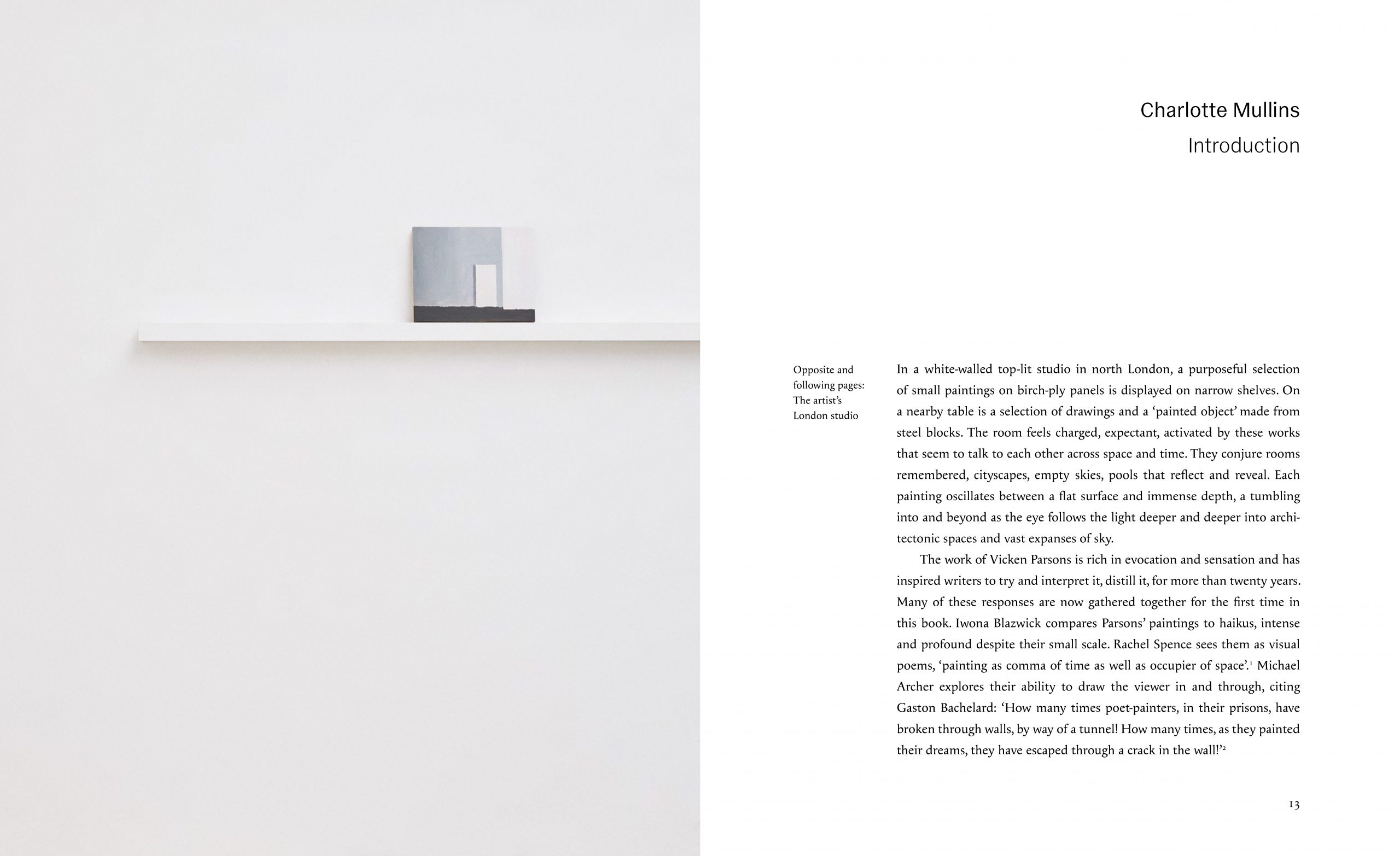
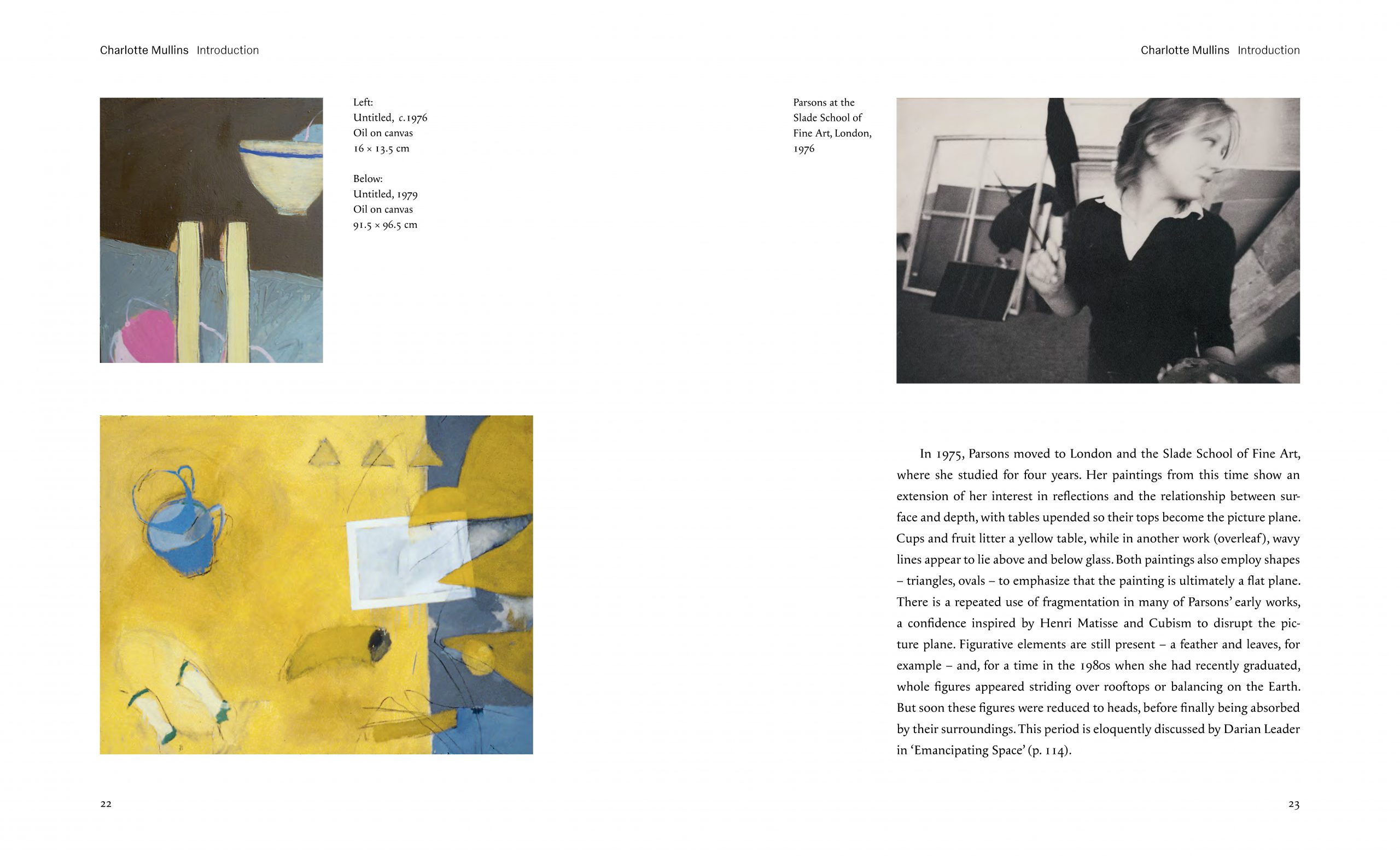
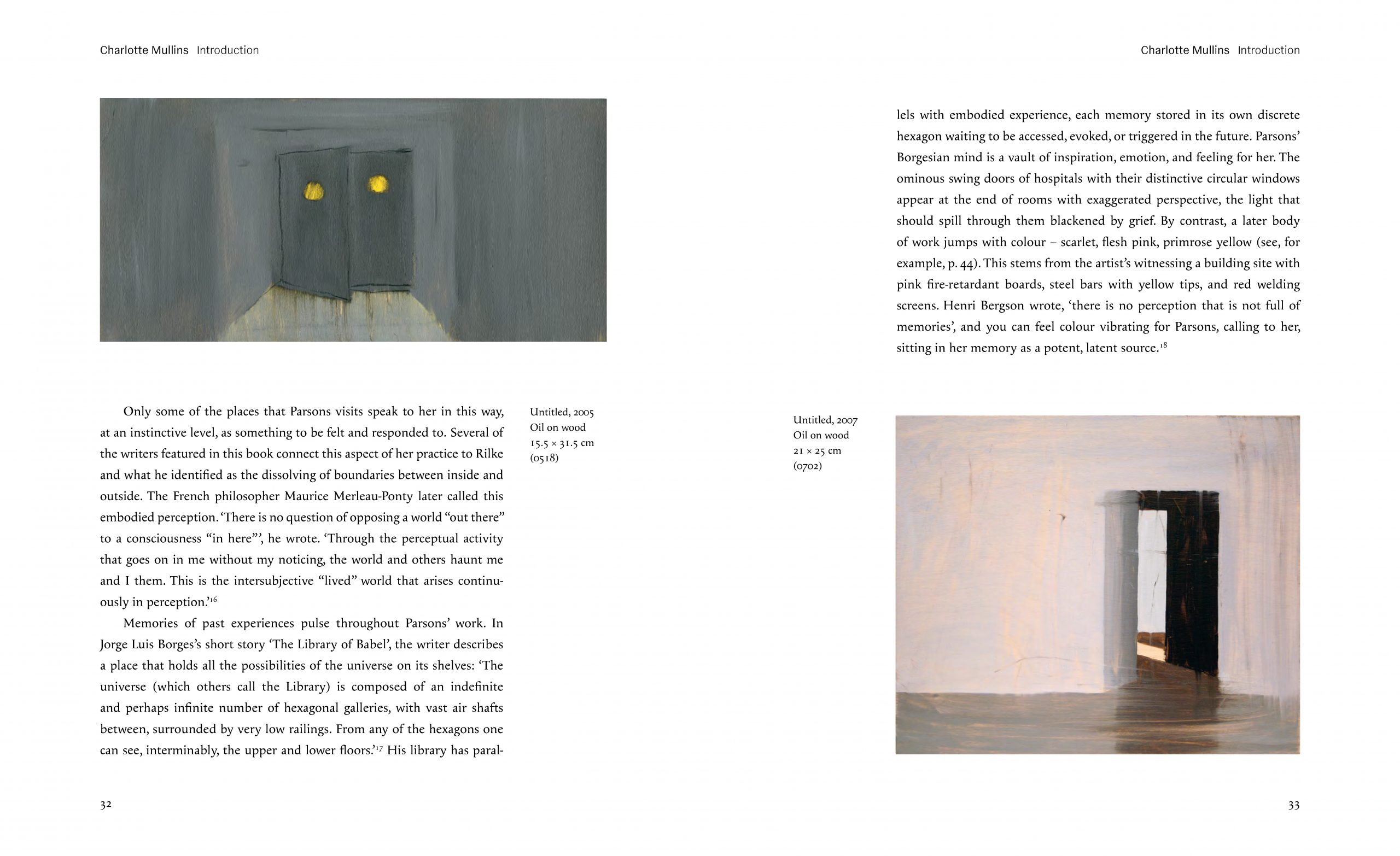
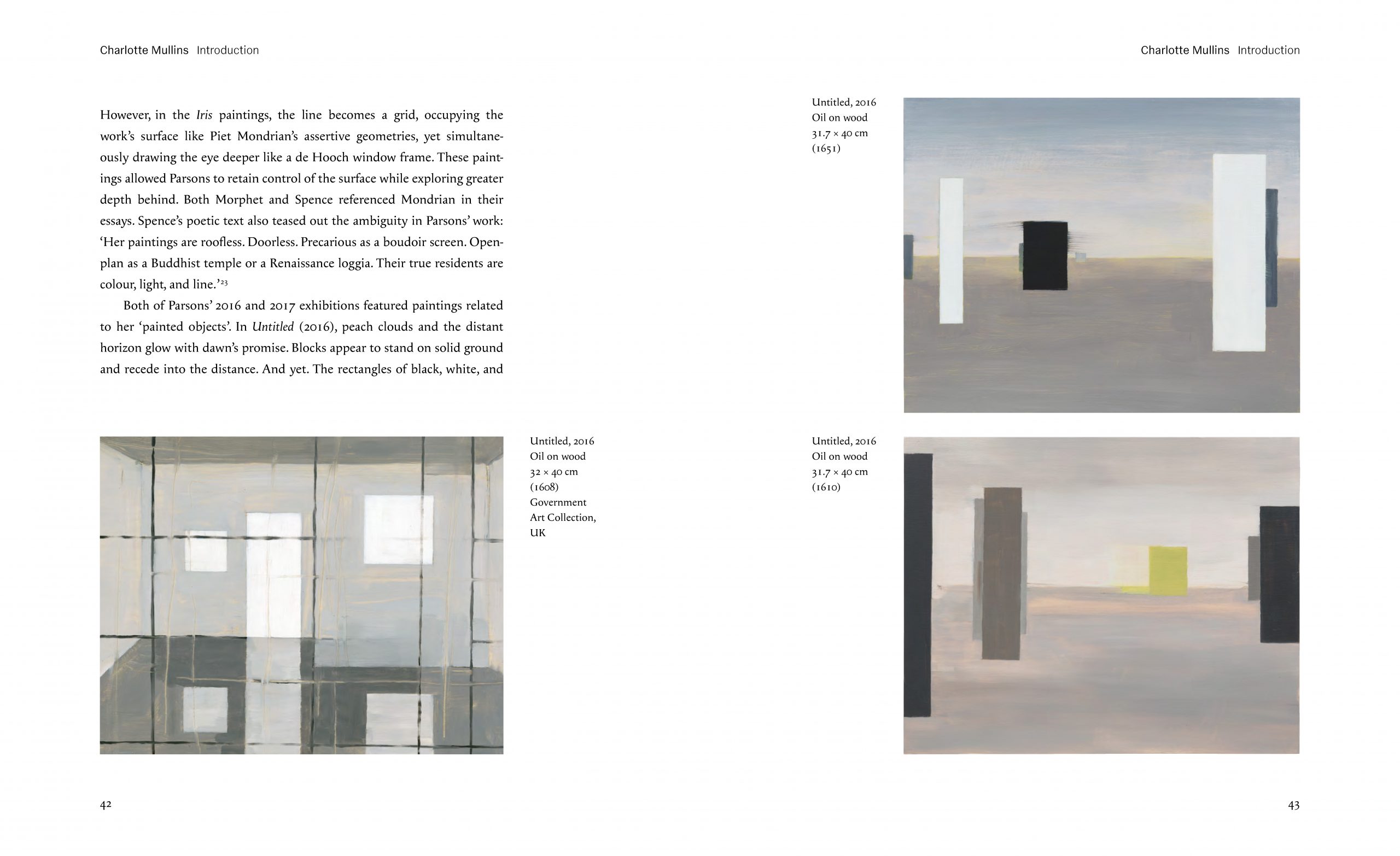
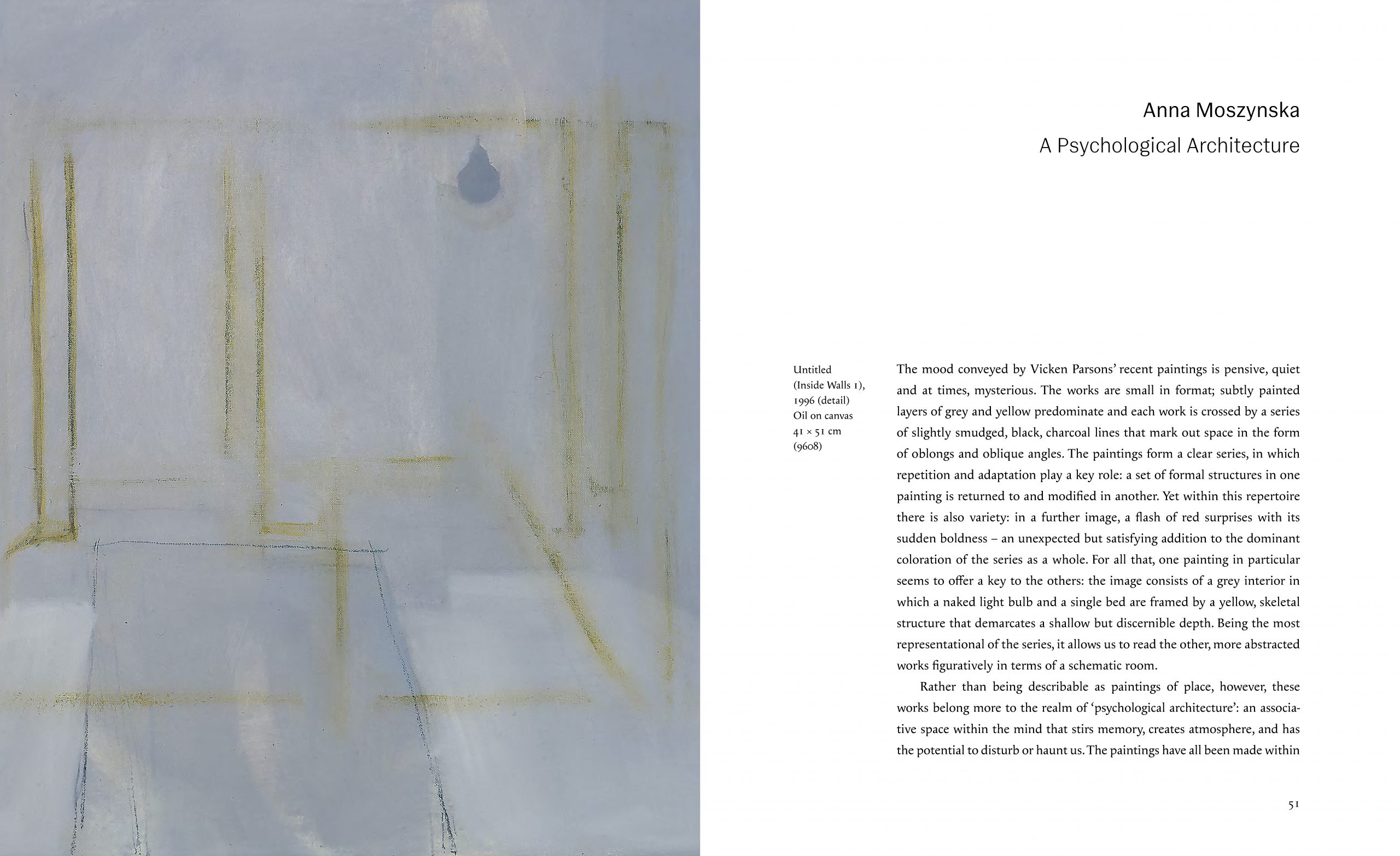
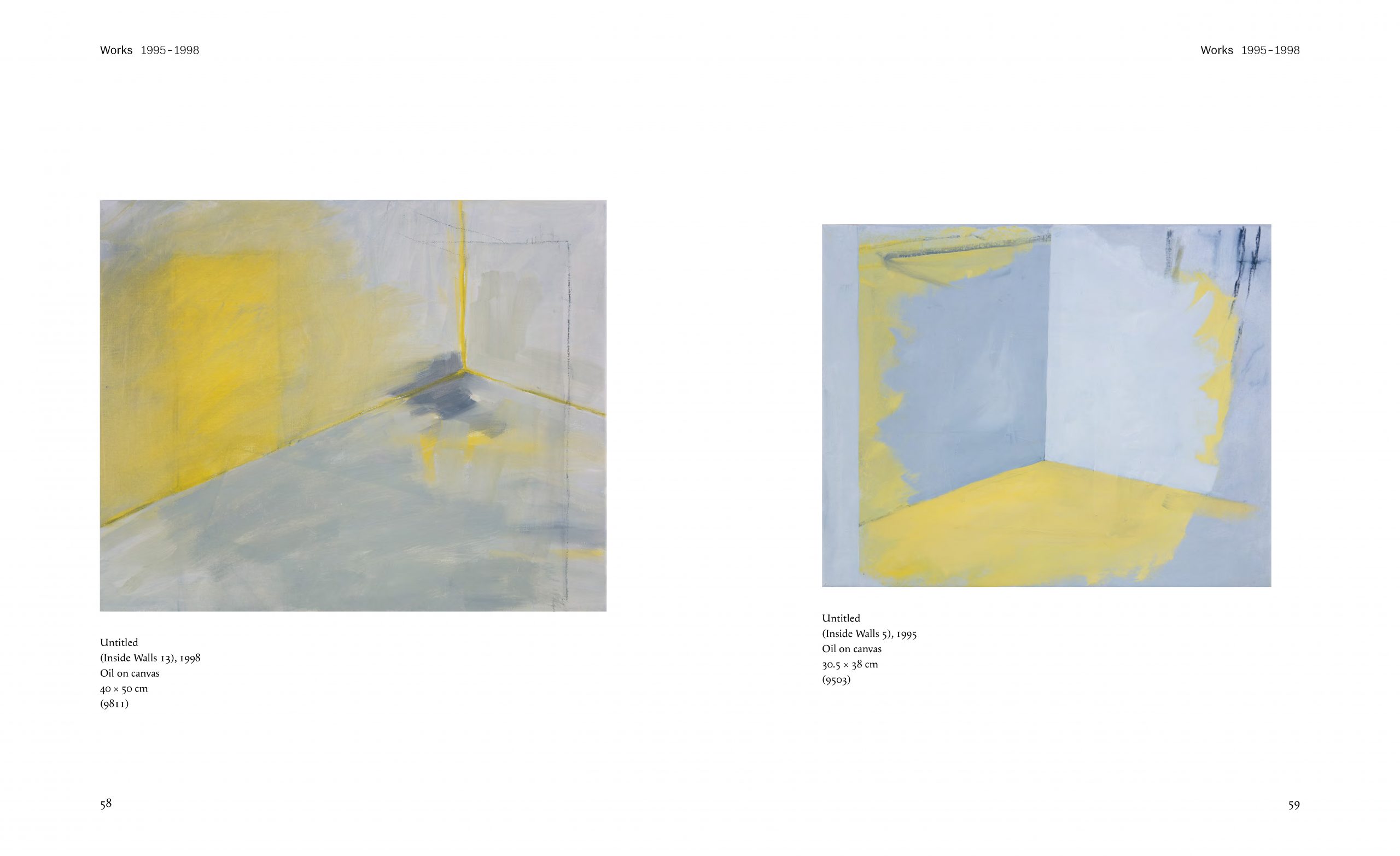
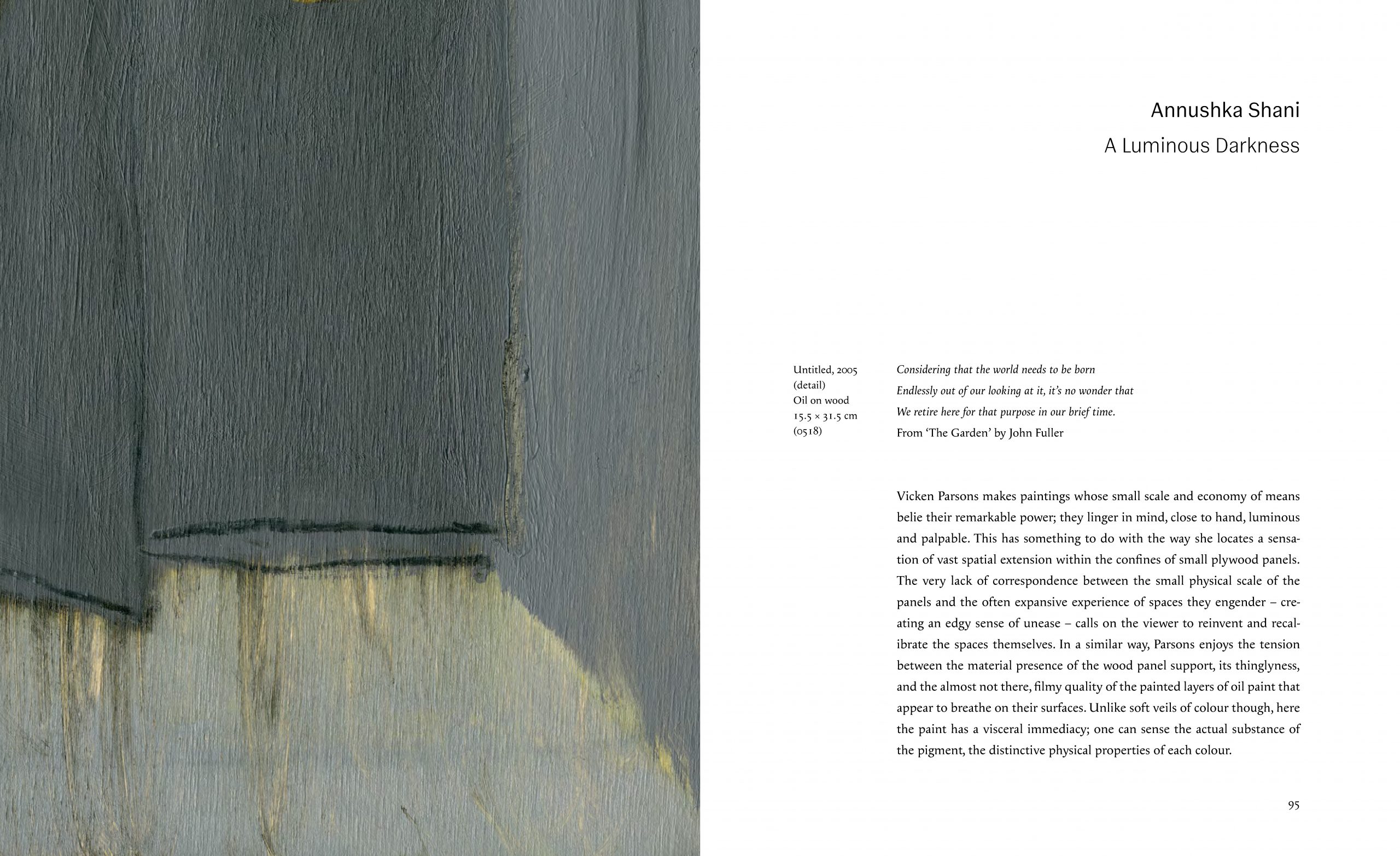
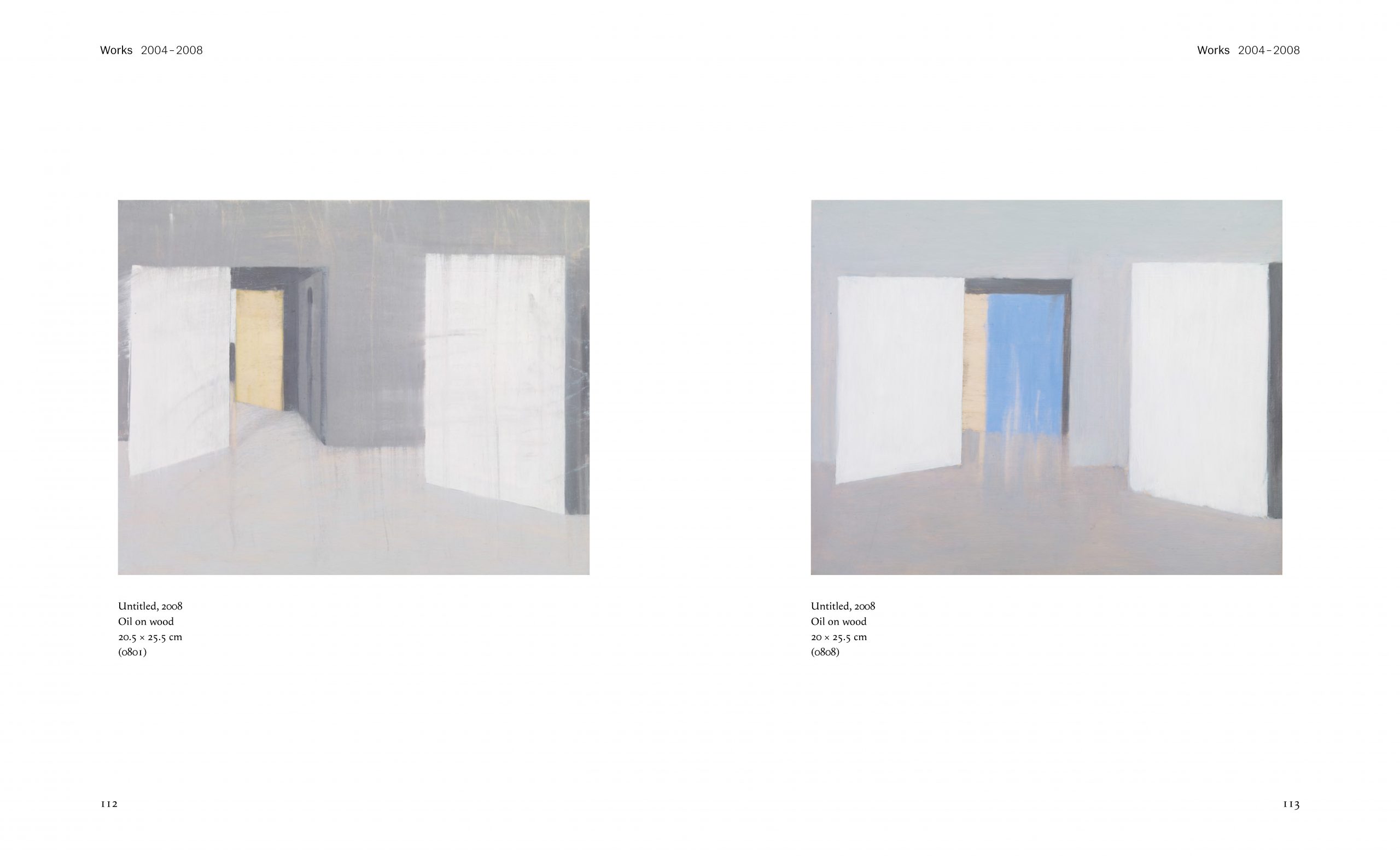
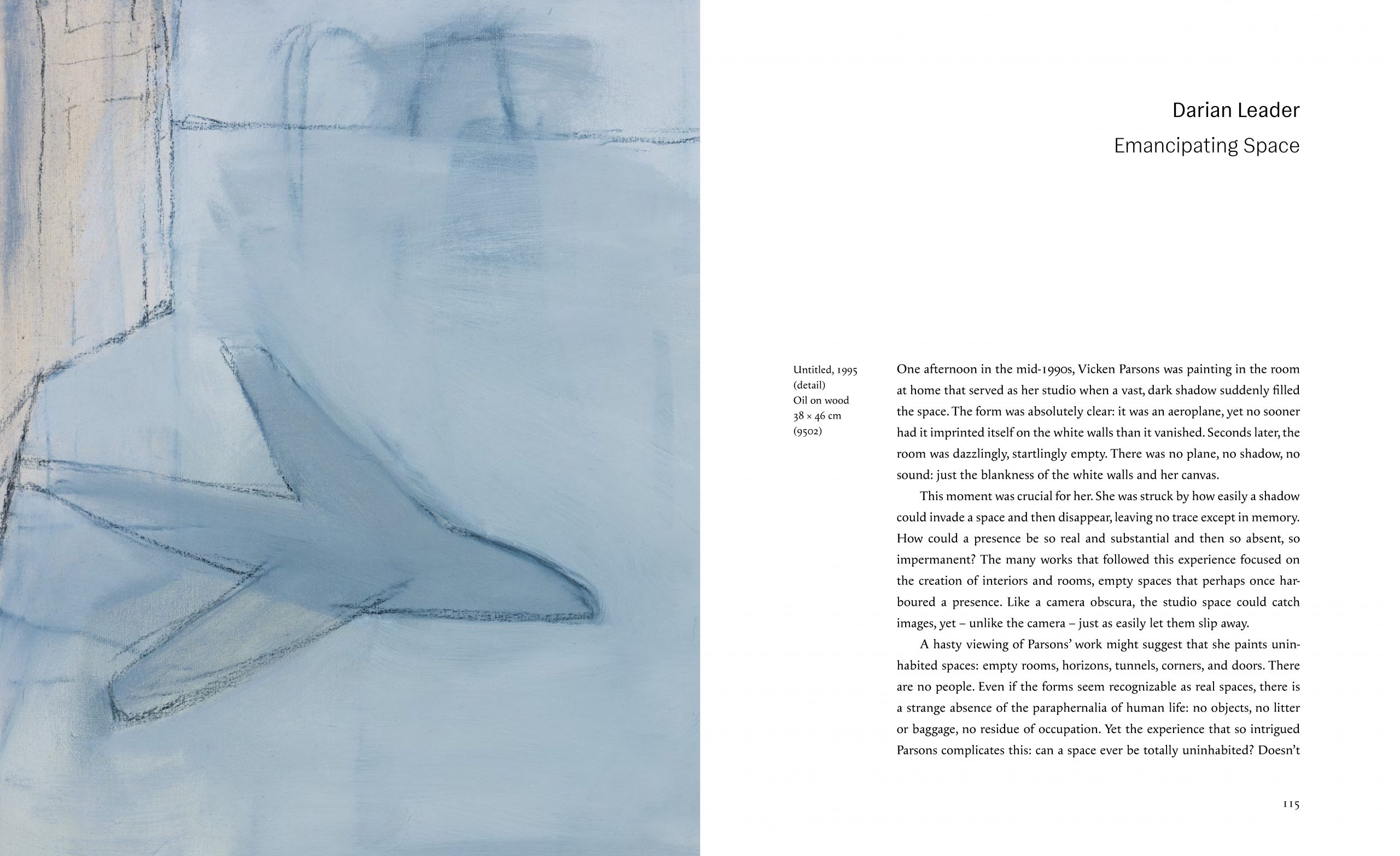
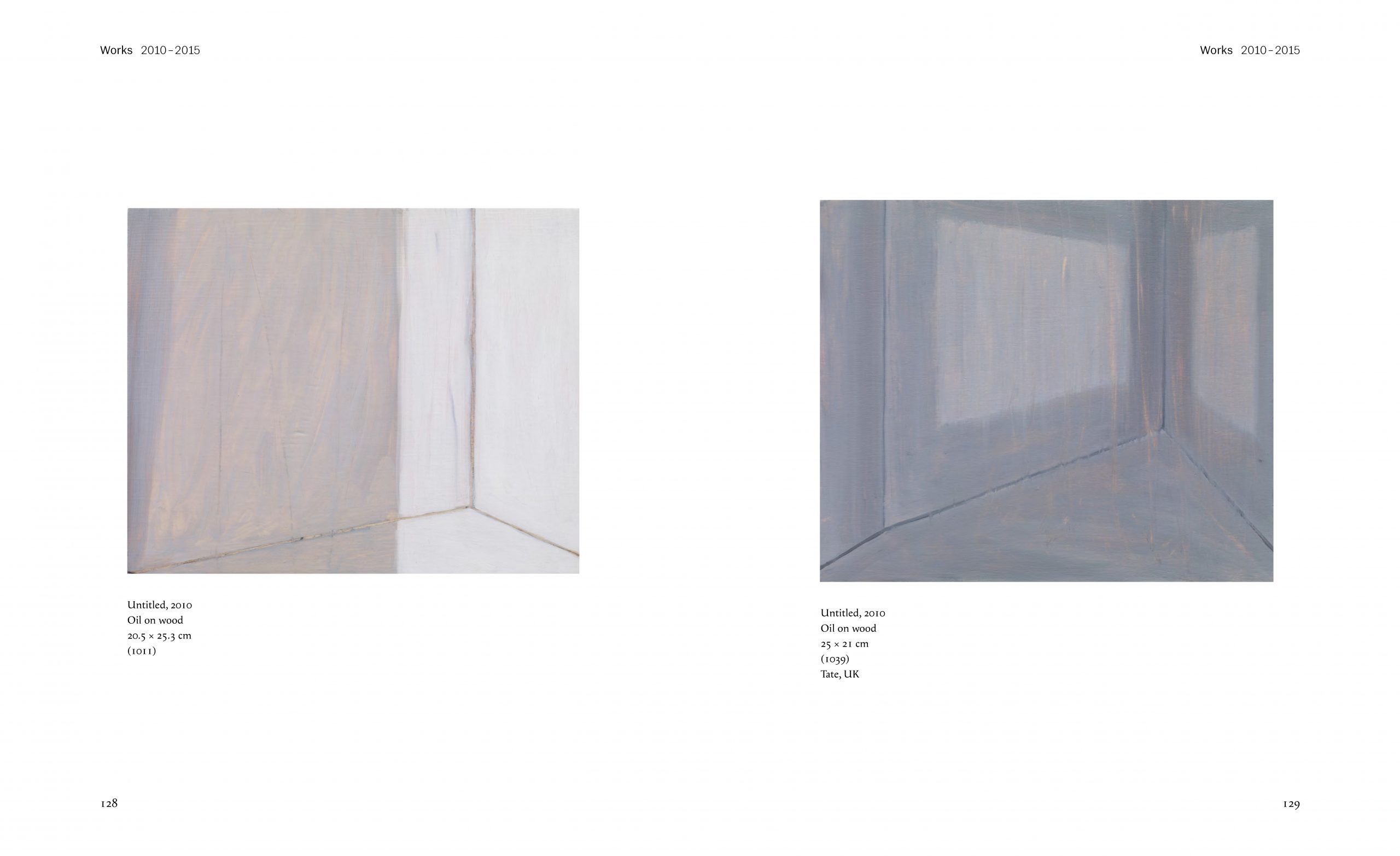
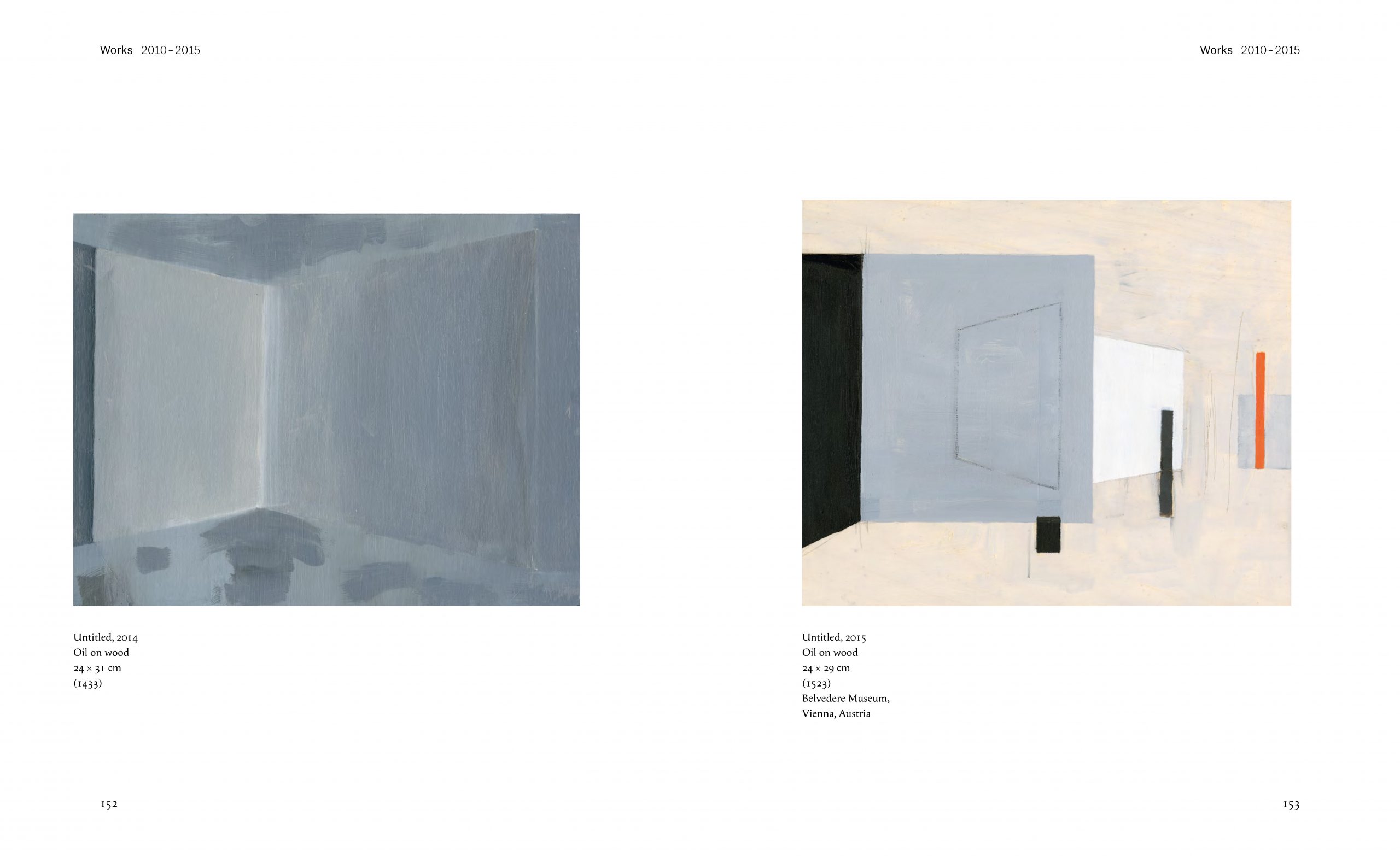
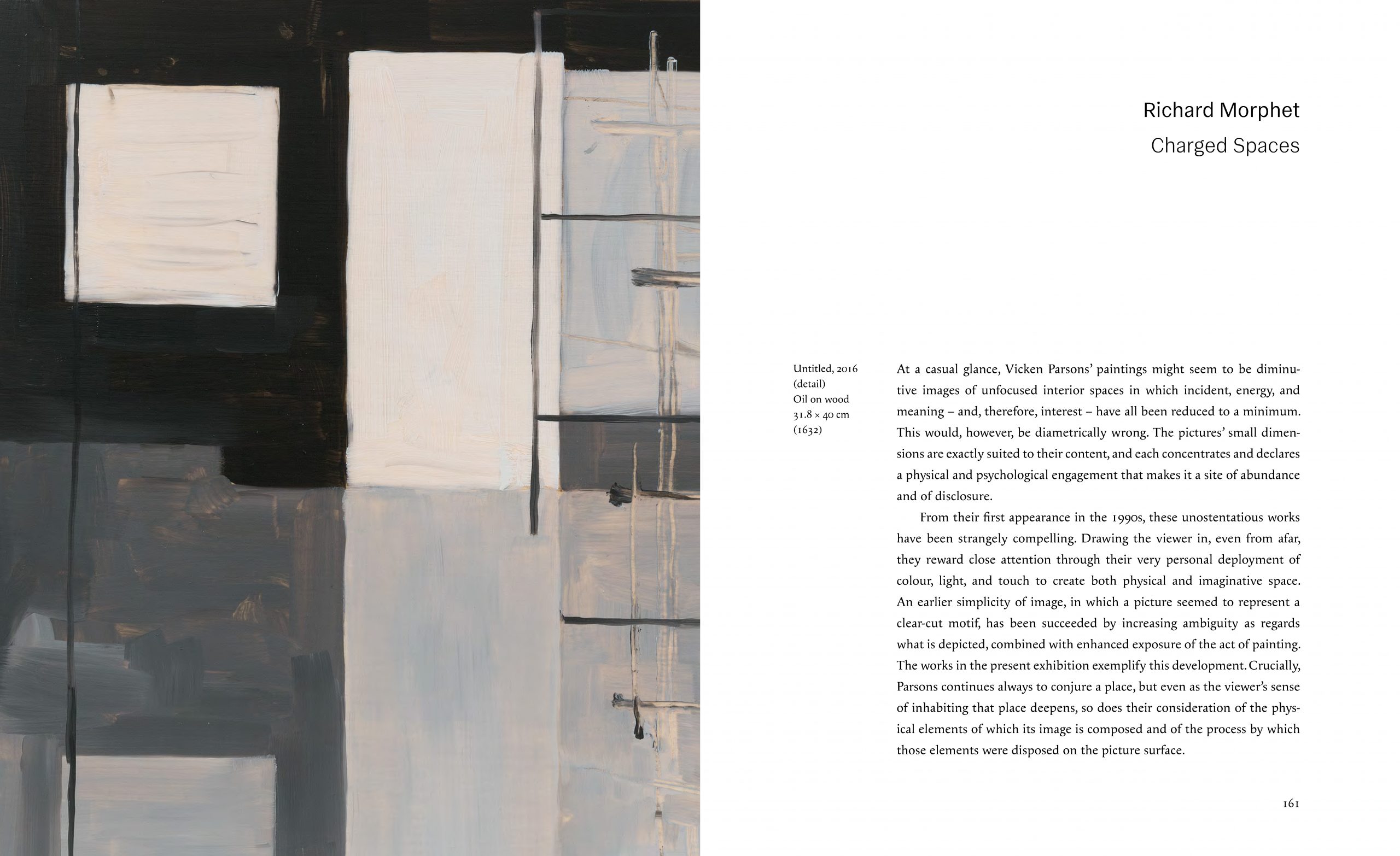
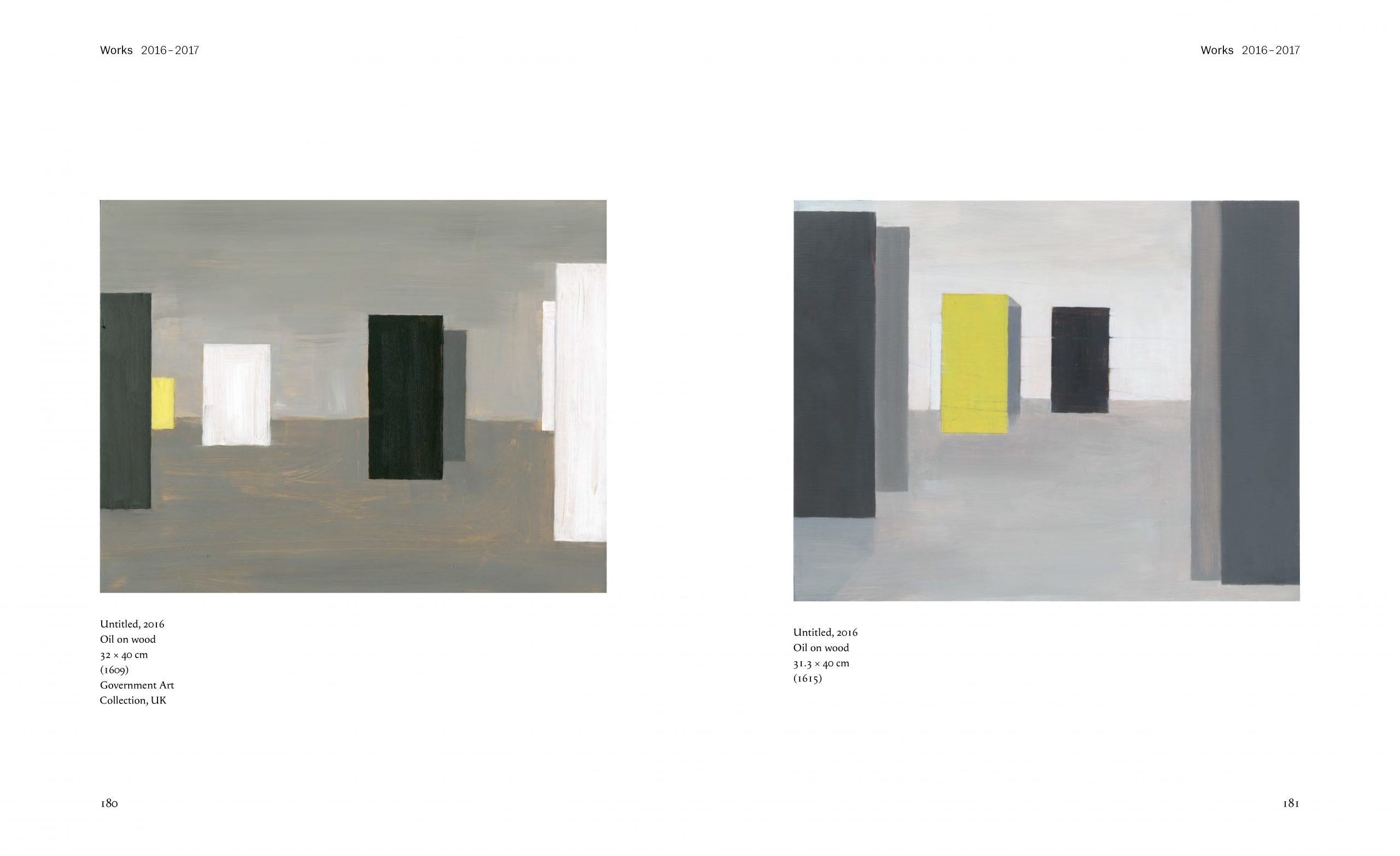
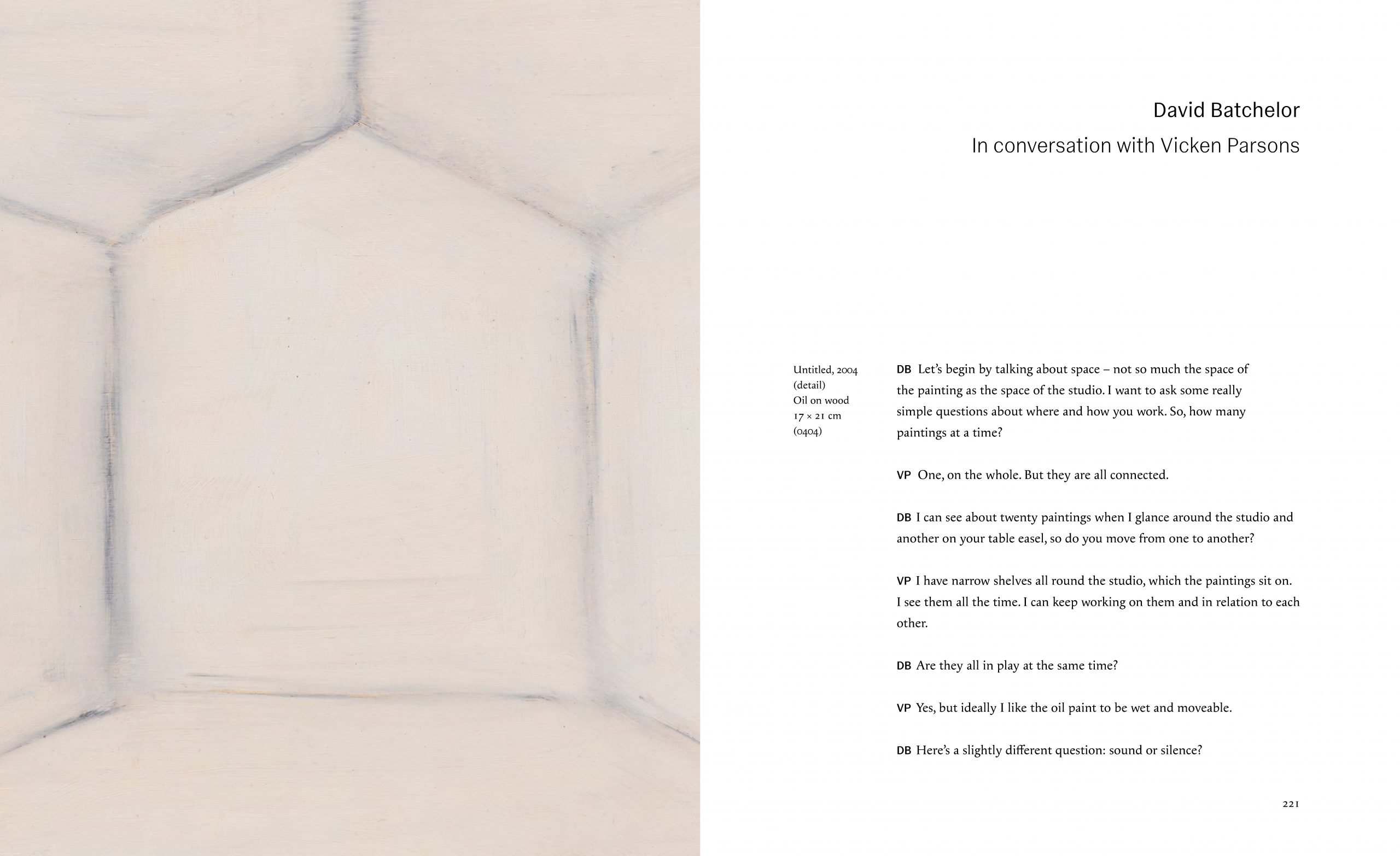
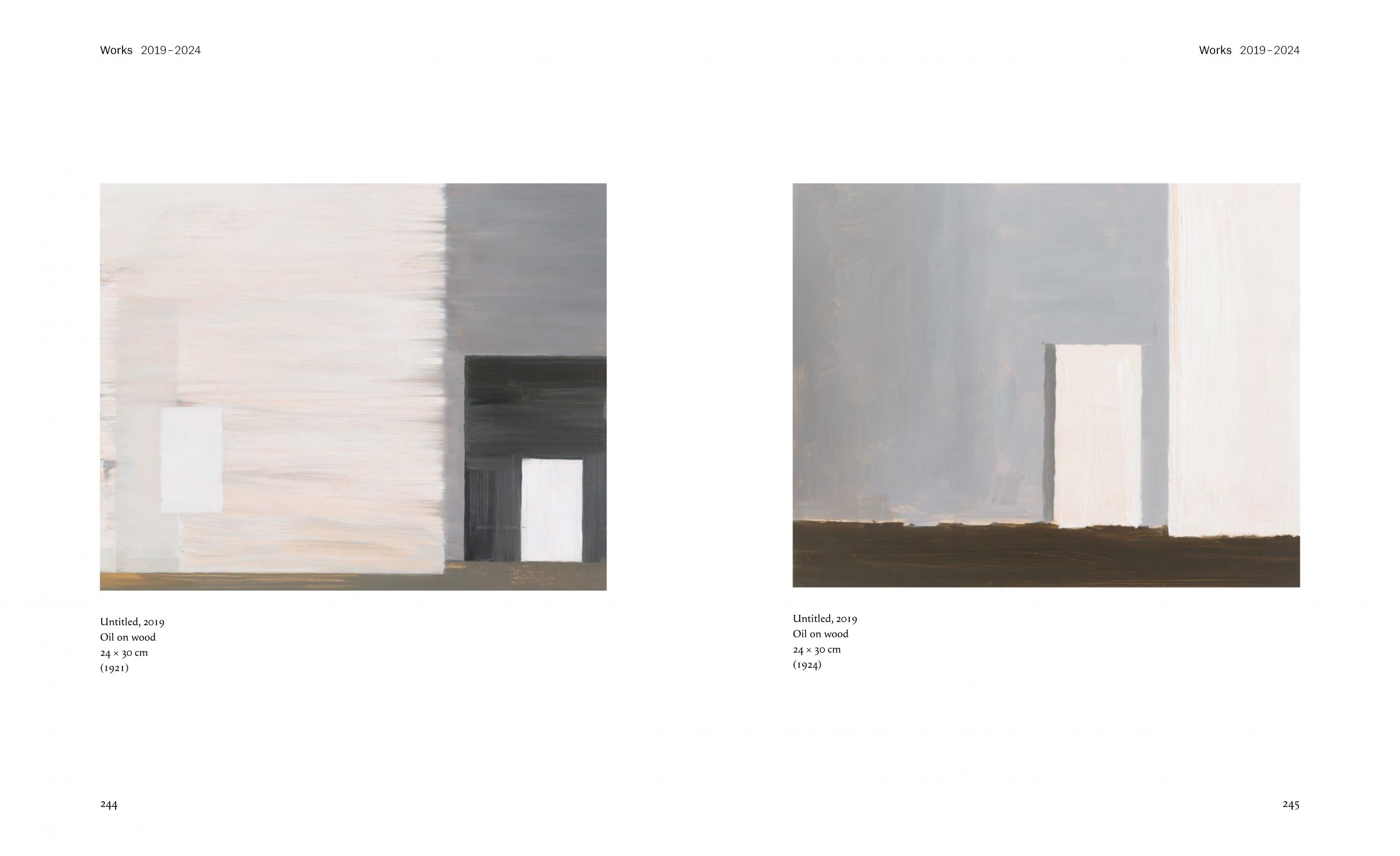
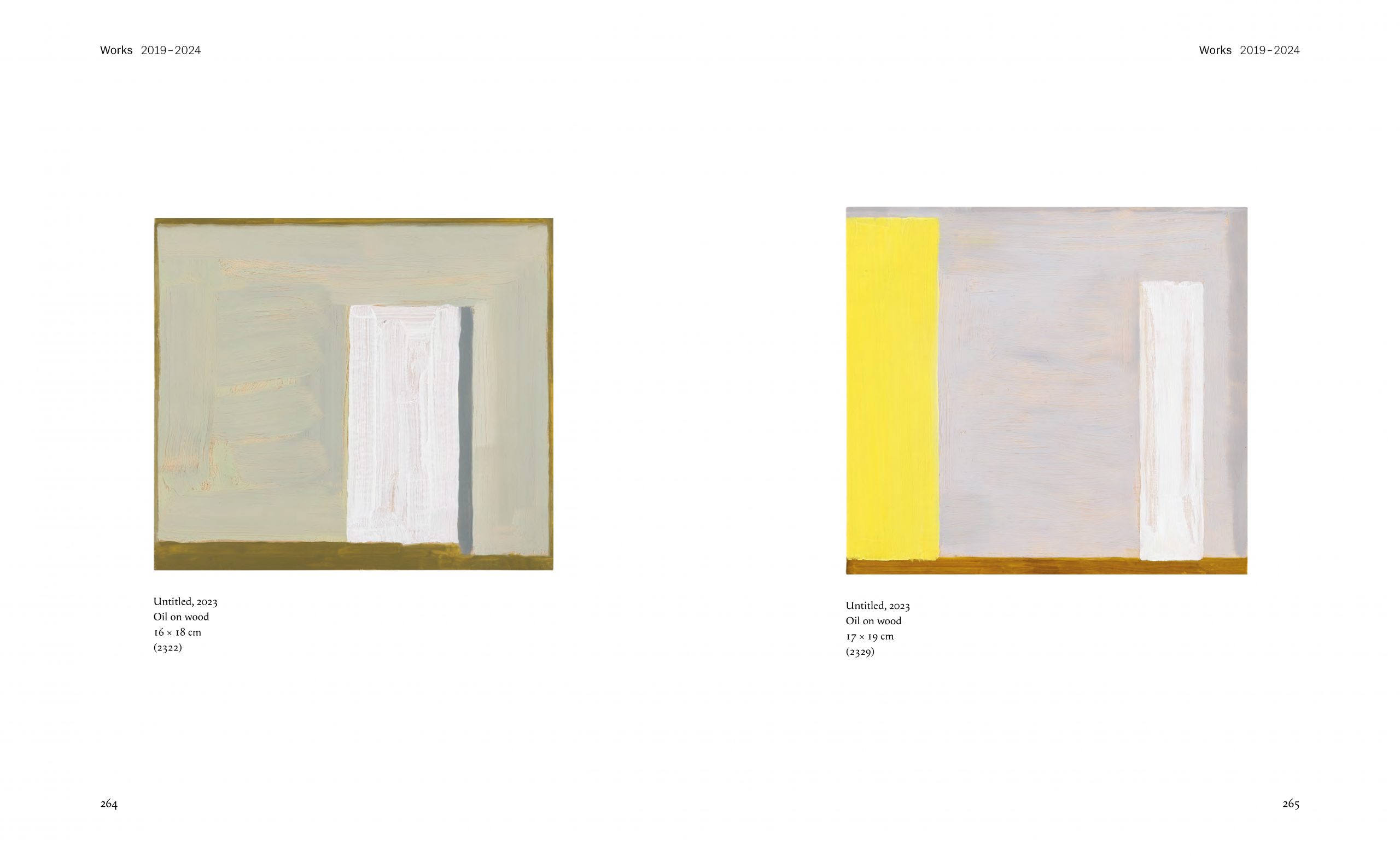
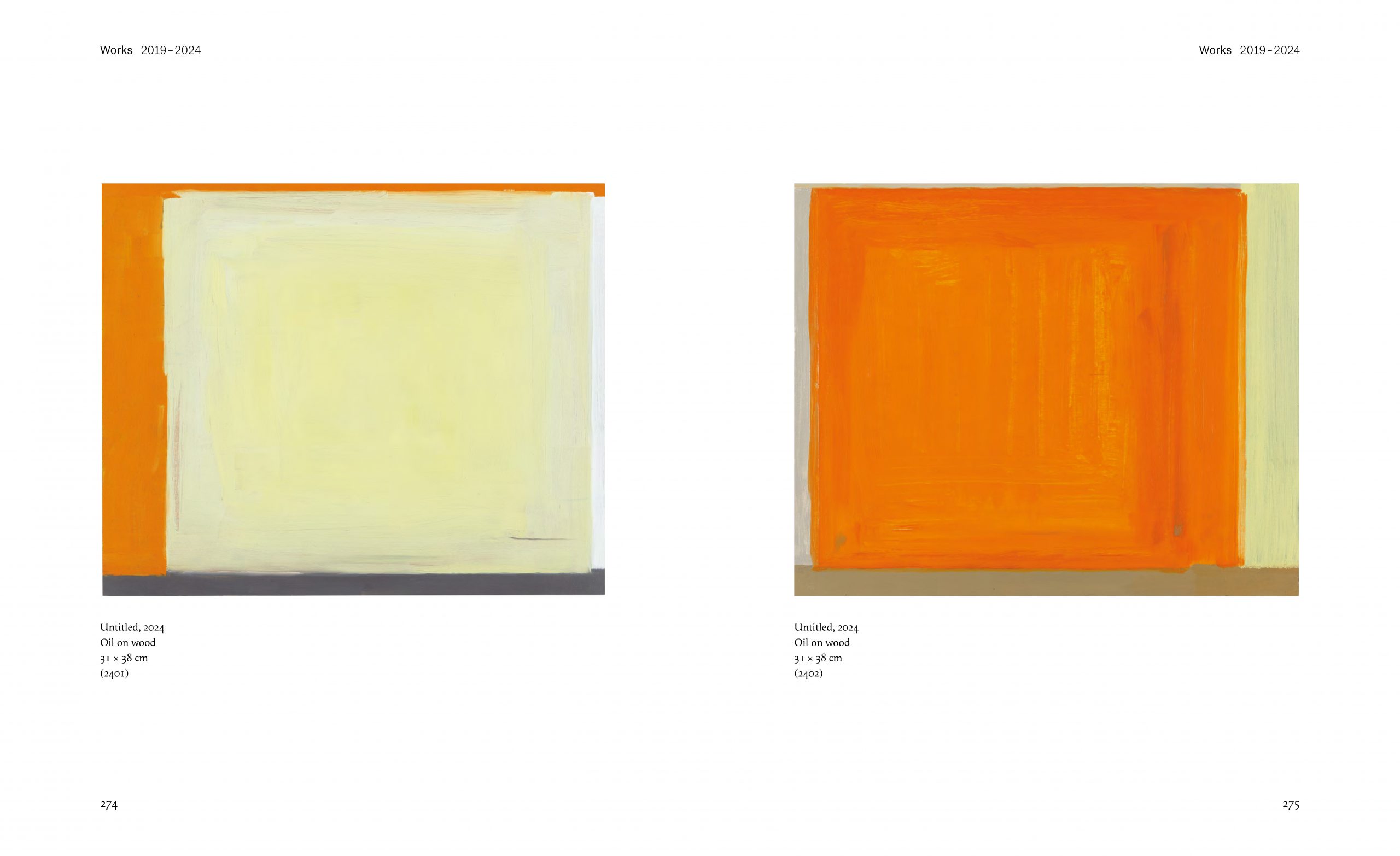
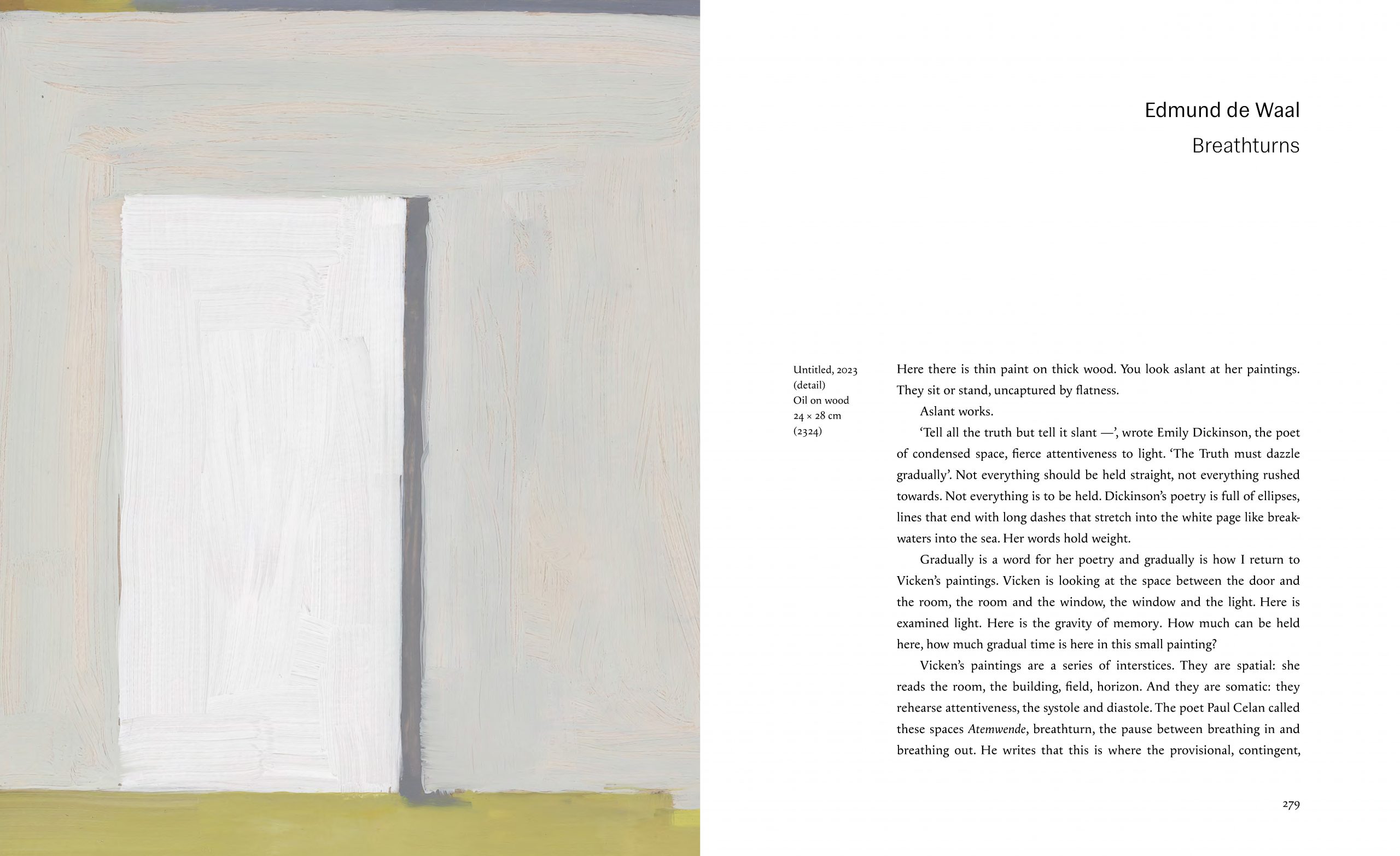
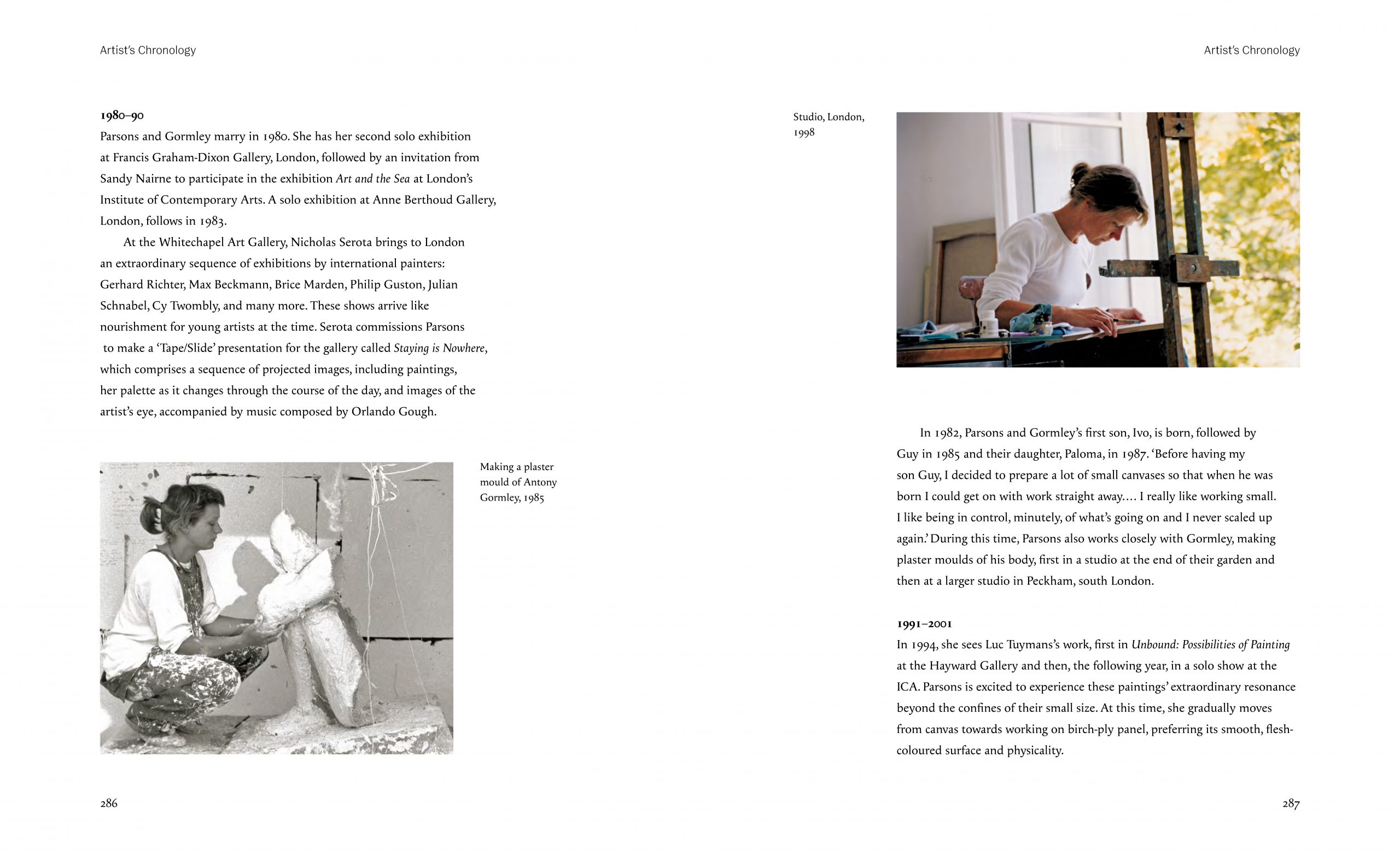
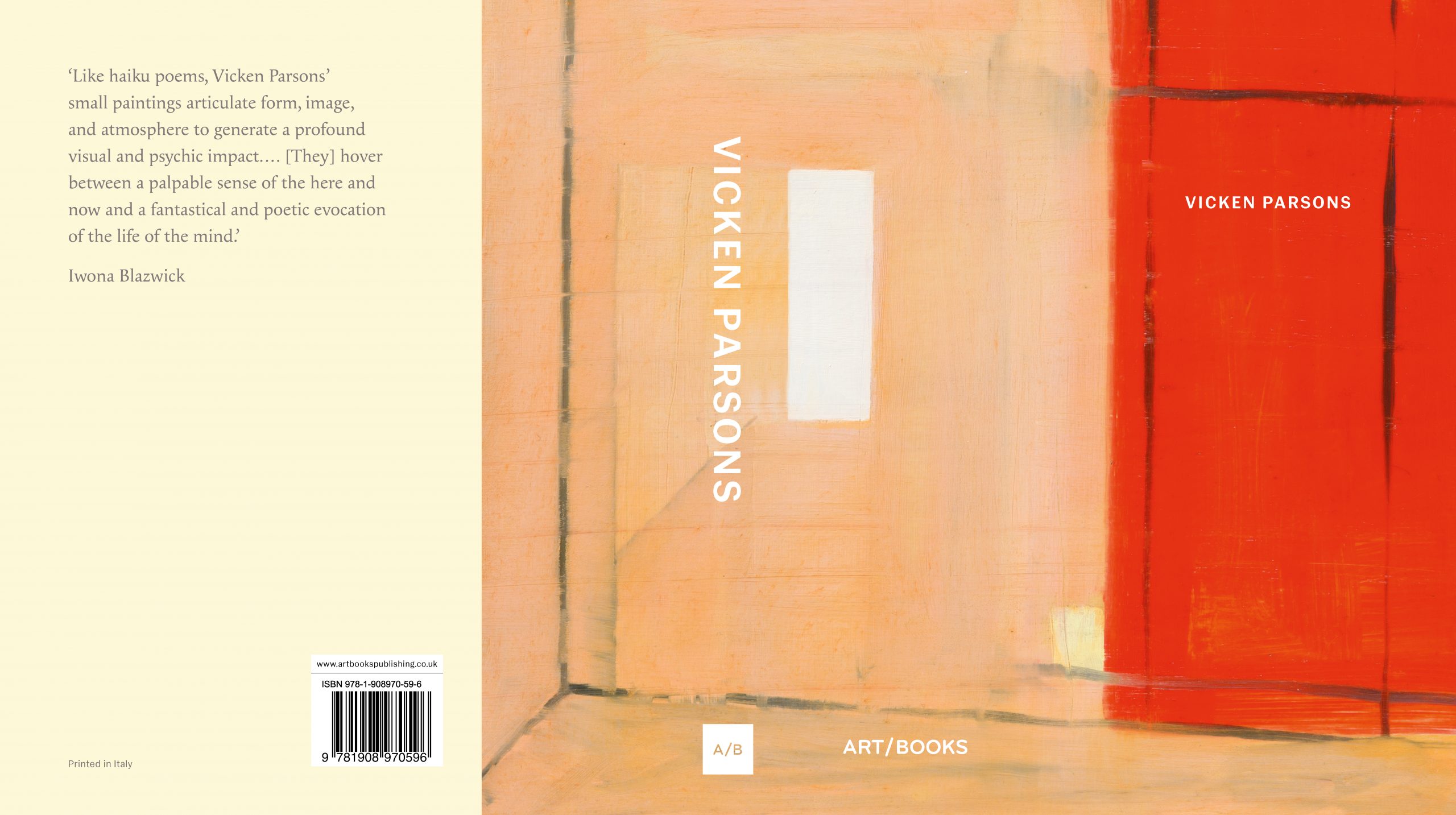
Vicken Parsons makes small, intimate paintings on wood panel using thin layers of oil paint. Her subjects are usually partial views of interior spaces or landscapes, some remembered and others imagined. Details of rooms such as corners or doorways or glimpses of fleeting clouds conjure up worlds that are contained yet expansive. Her paintings are quiet and meditative in mood, but also richly evocative, drawing in the viewer through their expressive brushwork, instinctive interplay of colour and light, and unnerving tension between surface and depth. 

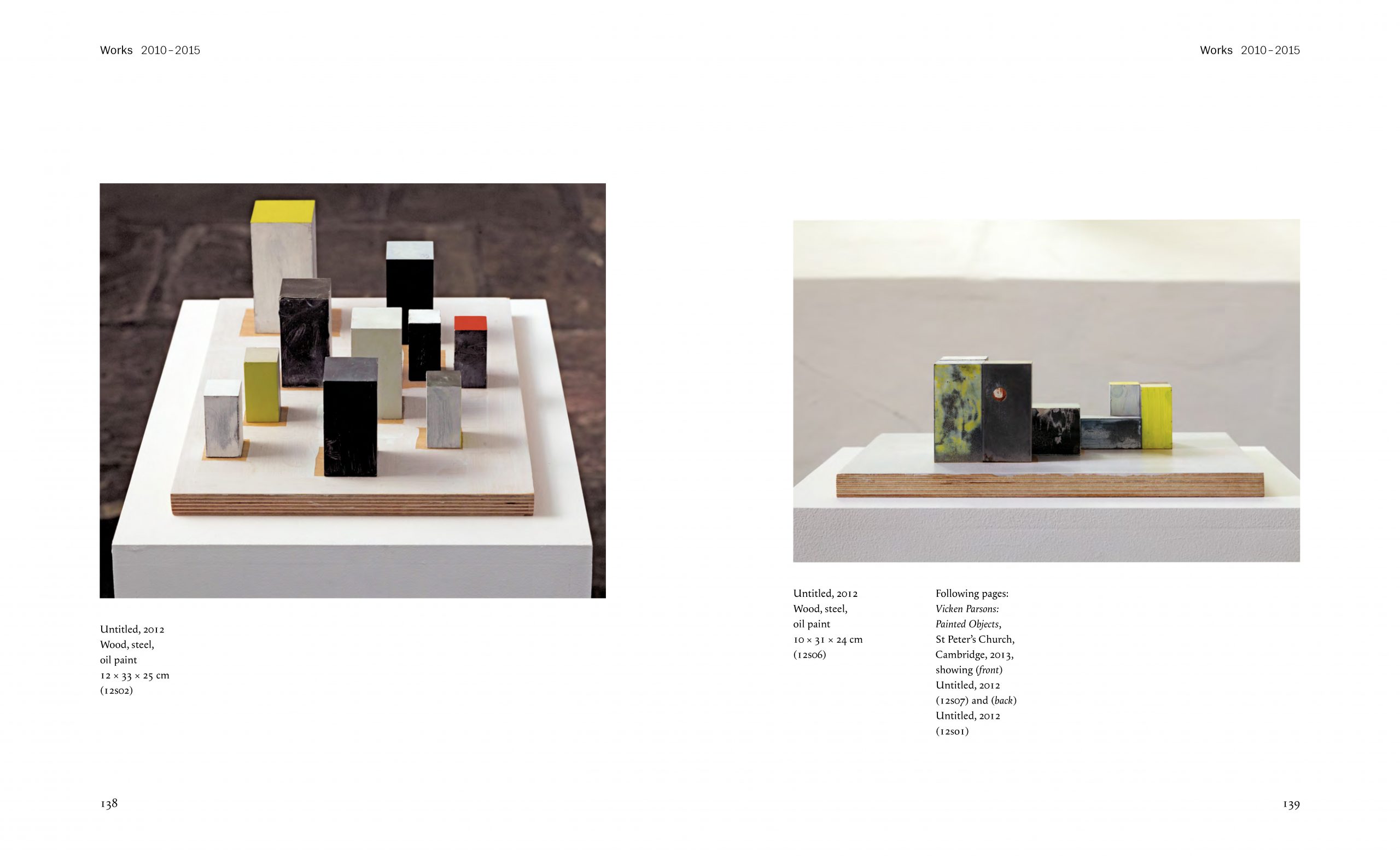
Parsons’ work has beguiled and inspired writers from the fields of art, literature, and psychoanalysis for several decades. Their responses to her ‘visual poems’ are gathered here for the first time in this collection of writings on her practice. Dozens of her most celebrated paintings are reproduced, alongside some of her drawings, until now never shown, and her ‘painted objects’, in which she extends her pictorial investigation of space, reflection, and illusion into three-dimensional form. This beautiful book is a demonstration of painting’s power to evoke emotion and sensation even when on the smallest of scales. 

Vicken Parsons (b. 1957) studied at Slade School of Fine Art in London in the late 1970s. She has work in many private and public collections in Britain, including Tate, Arts Council England, the Government Art Collection, and the Scottish National Gallery of Modern Art, and across and Europe. She is represented by Cristea Roberts Gallery, London; Galerie Christine König, Vienna; and Kristof De Clercq Gallery, Ghent. She lives and works in London. 

Michael Archer is a critic and writer. He is a former professor of art at Goldsmiths, London, where he was Programme Leader for BA Fine Art.
David Batchelor is an artist and writer.
Iwona Blazwick is an art critic, curator, and lecturer. She is the former Director of Whitechapel Gallery, London.
Darian Leader is a practising psychoanalyst and art critic and writer.
Richard Morphet is an art historian and the former Keeper of the Modern Collections at the Tate Gallery, London.
Anna Moszynska is an art historian, lecturer, author, and curator. She co-founded and is senior consultant for the MA in Contemporary Art at Sotheby’s Institute of Art, London.
Charlotte Mullins is art critic, writer and broadcaster. She is former arts editor of the Independent on Sunday and the former editor of Art Review, the V&A Magazine and Art Quarterly and has written more than ten books on art and artists.
Andrew Nairne is Director of Kettle’s Yard, Cambridge, UK.
Annushka Shani is a curator, writer, and practising psychoanalyst.
Rachel Spence is a poet and art writer.
Edmund de Waal is an artist and writer.

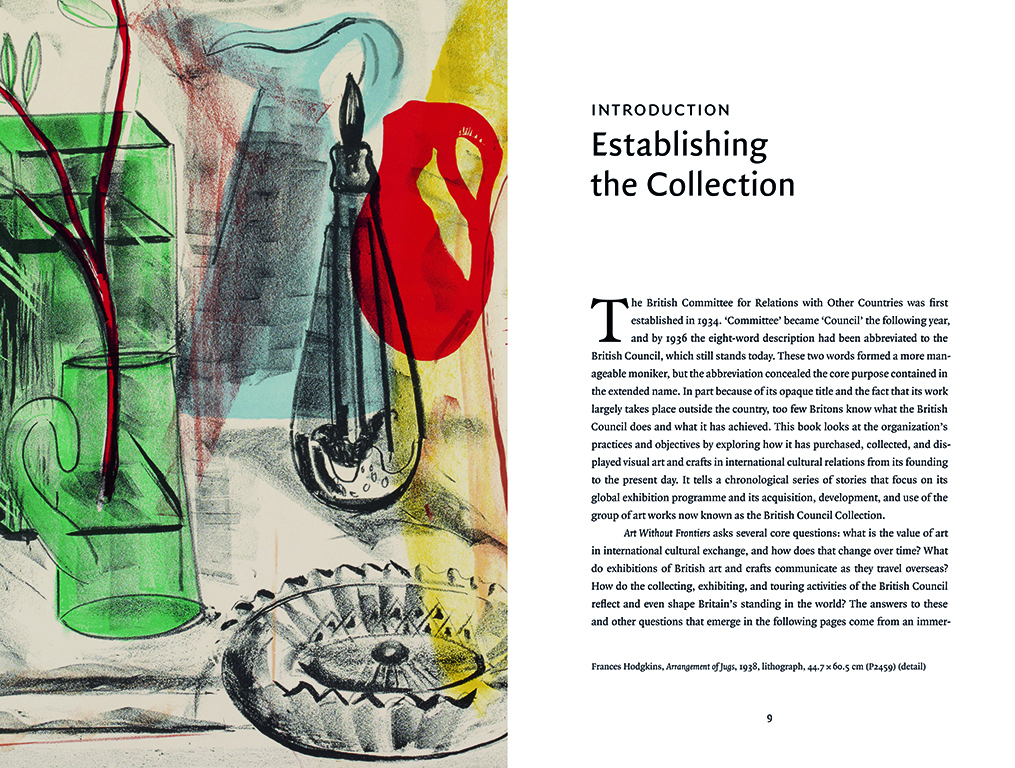
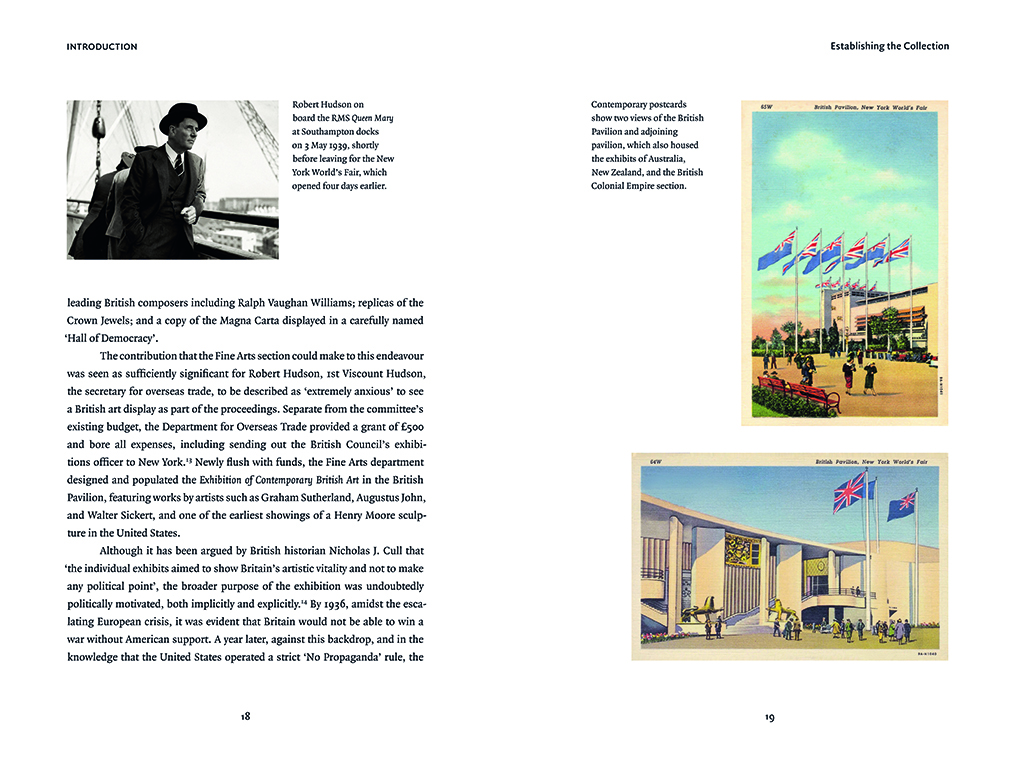
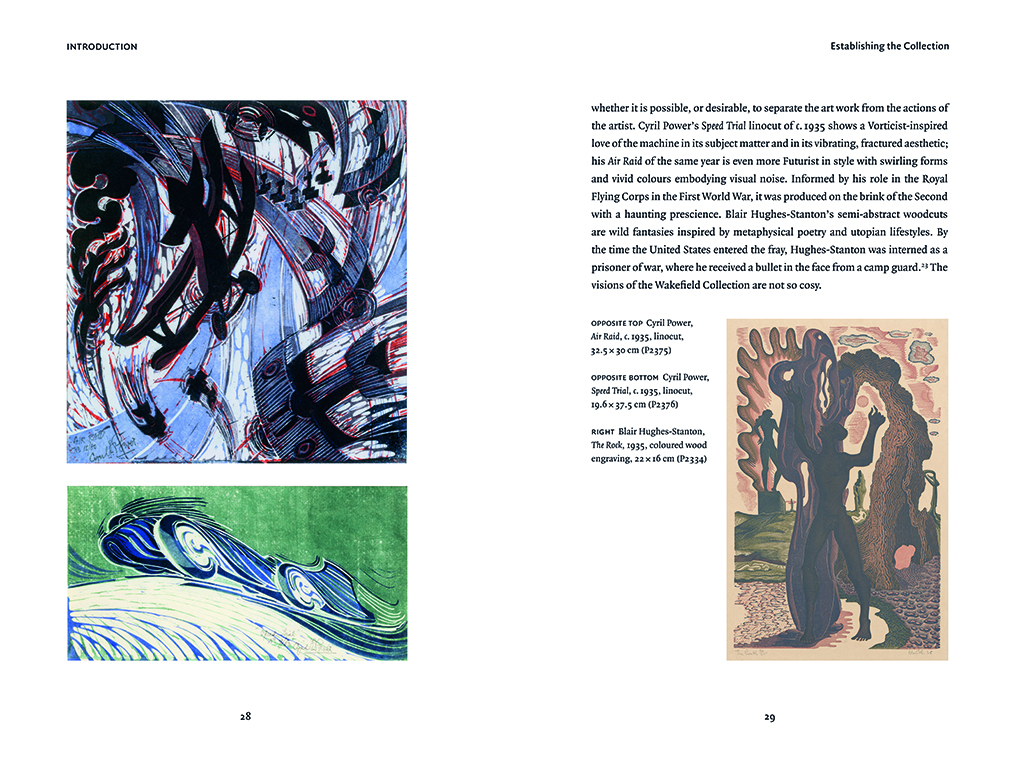
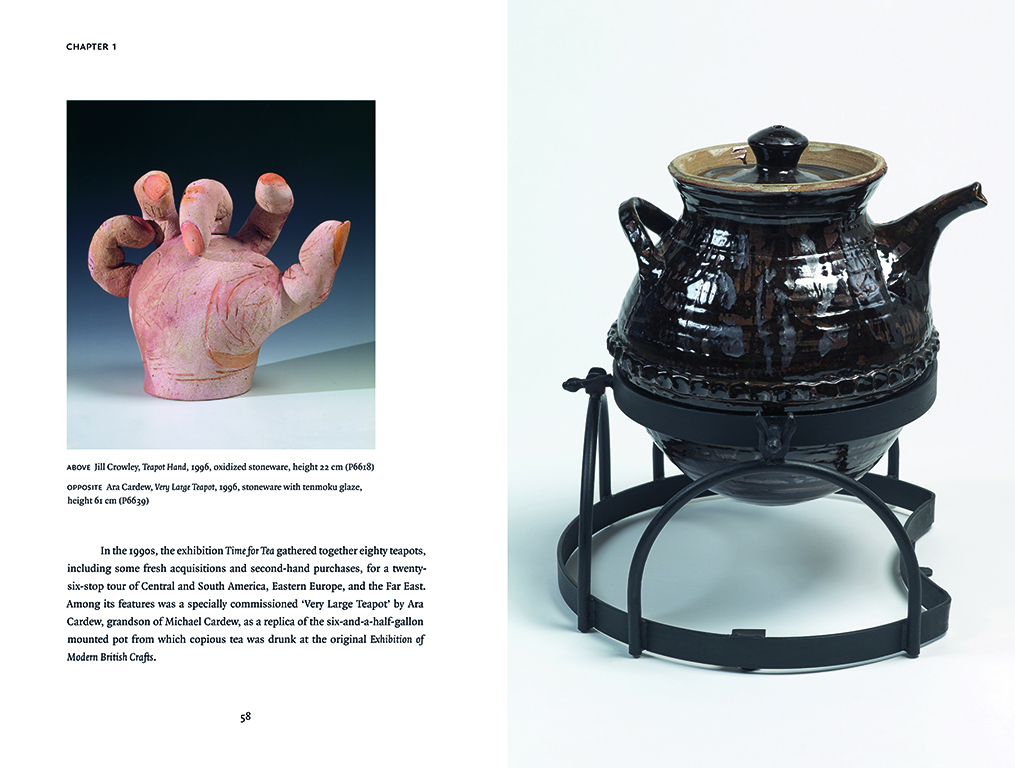
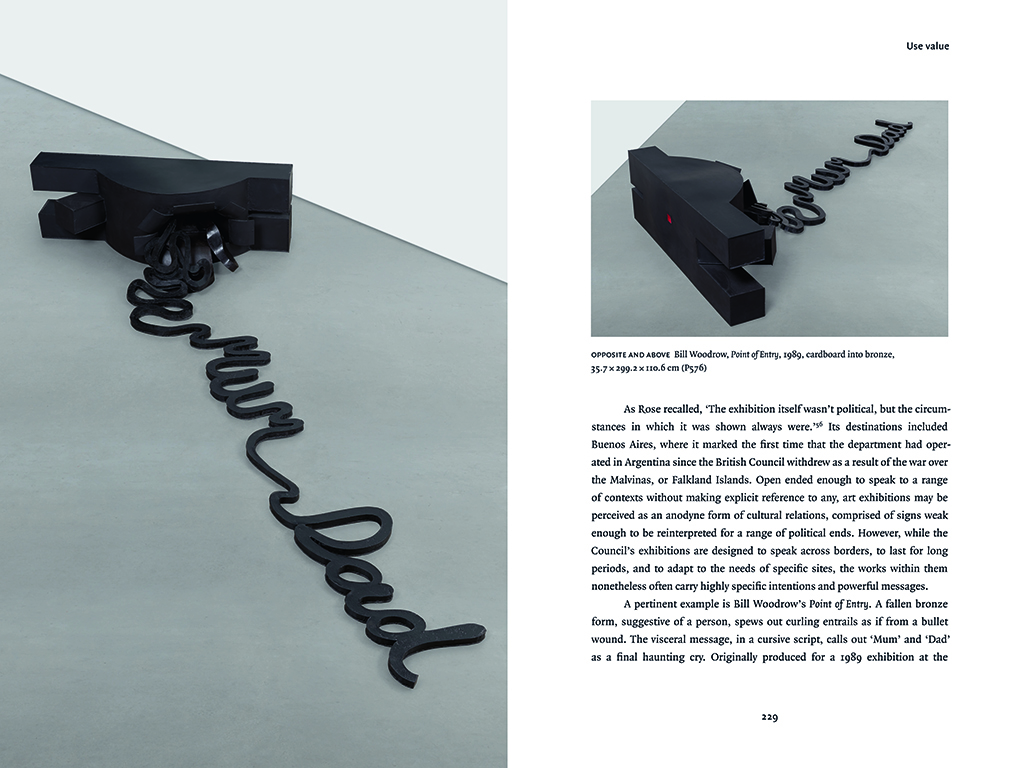
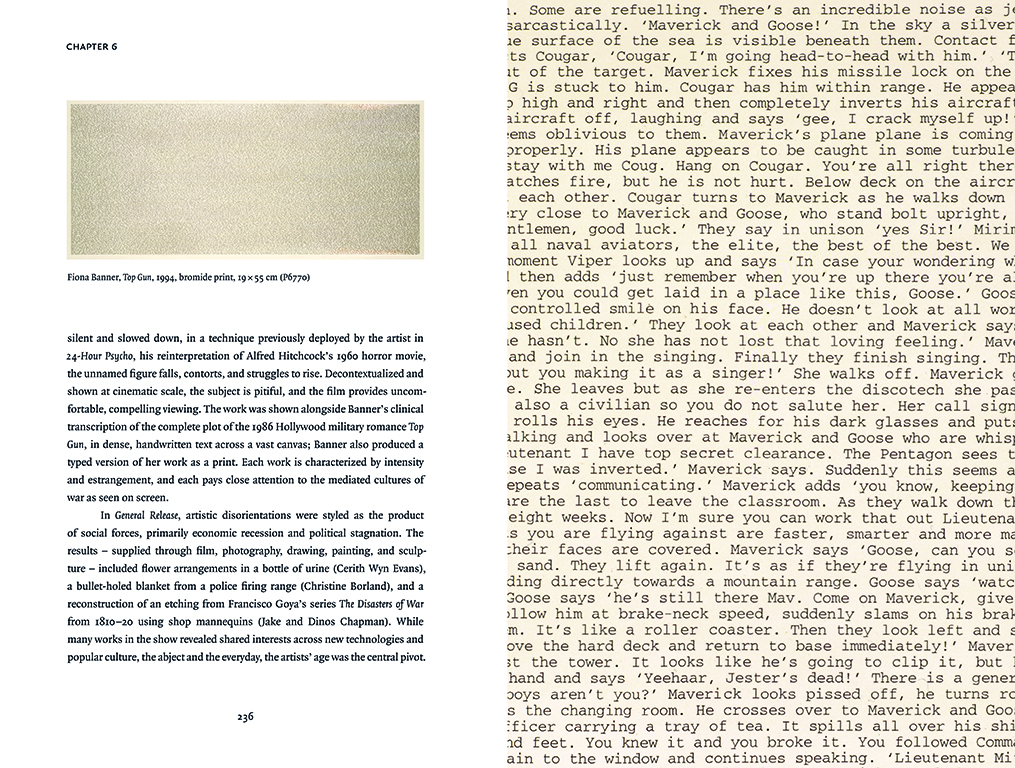
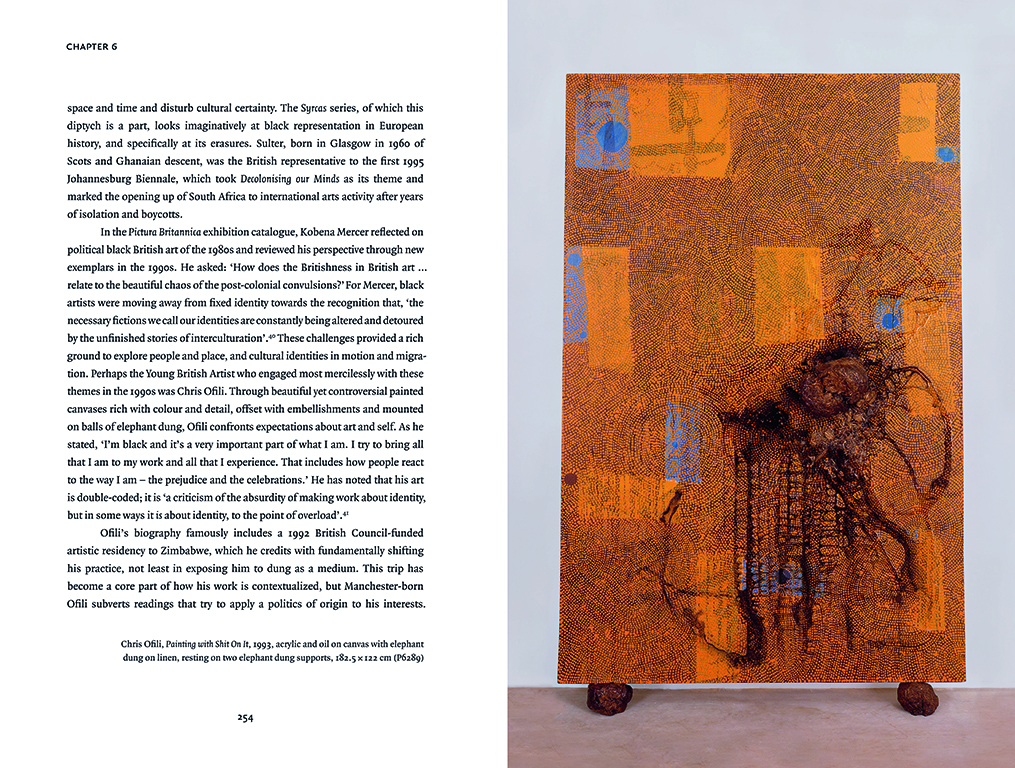
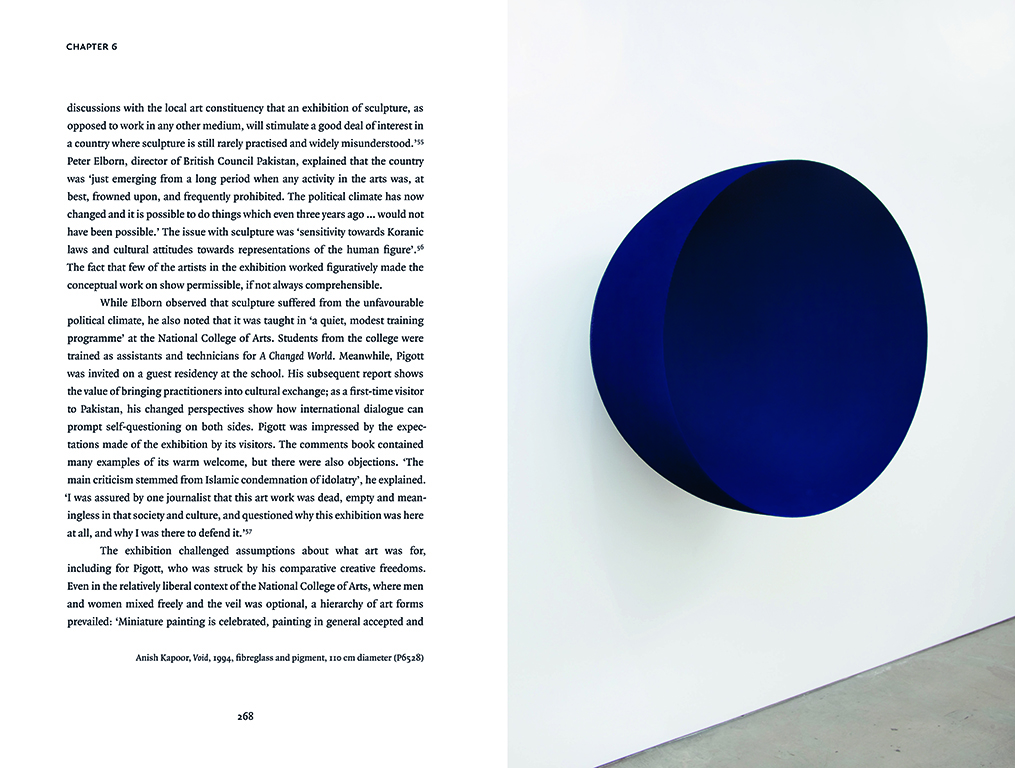
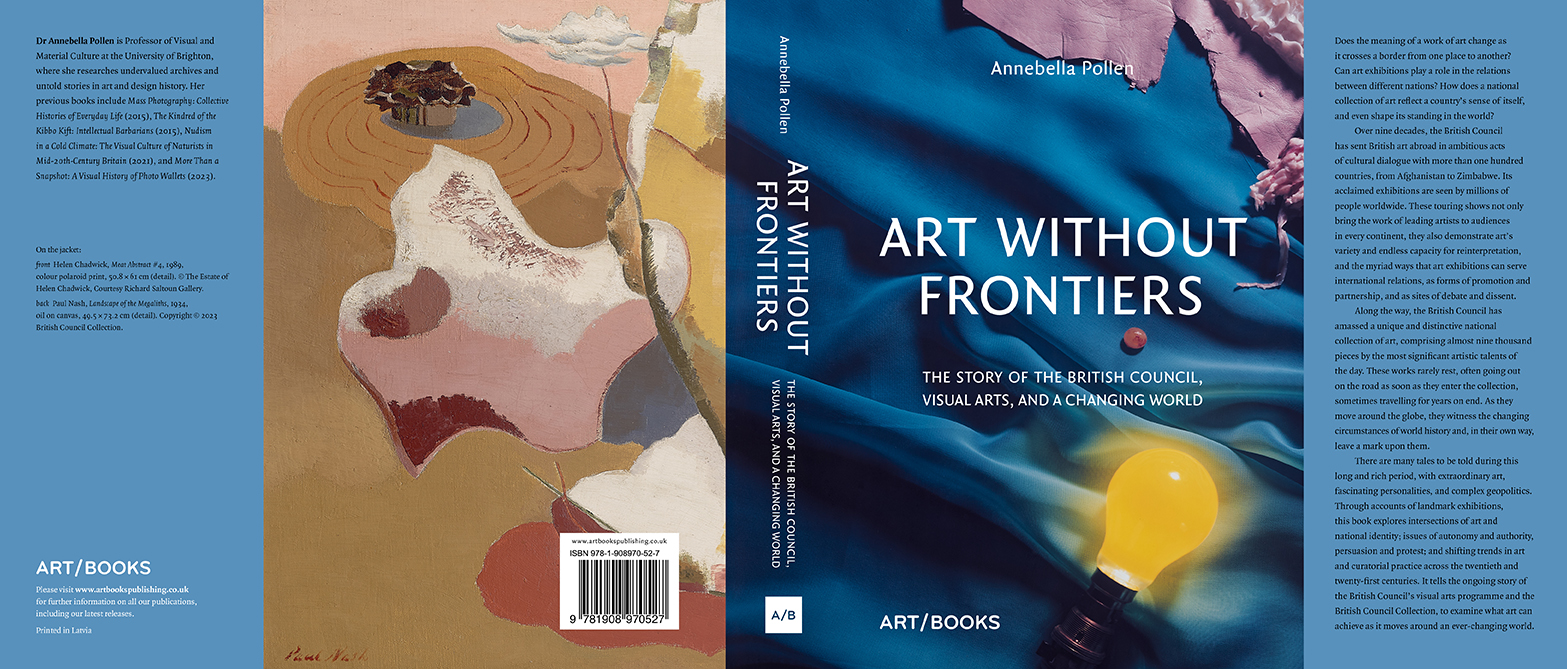
Art Without Frontiers

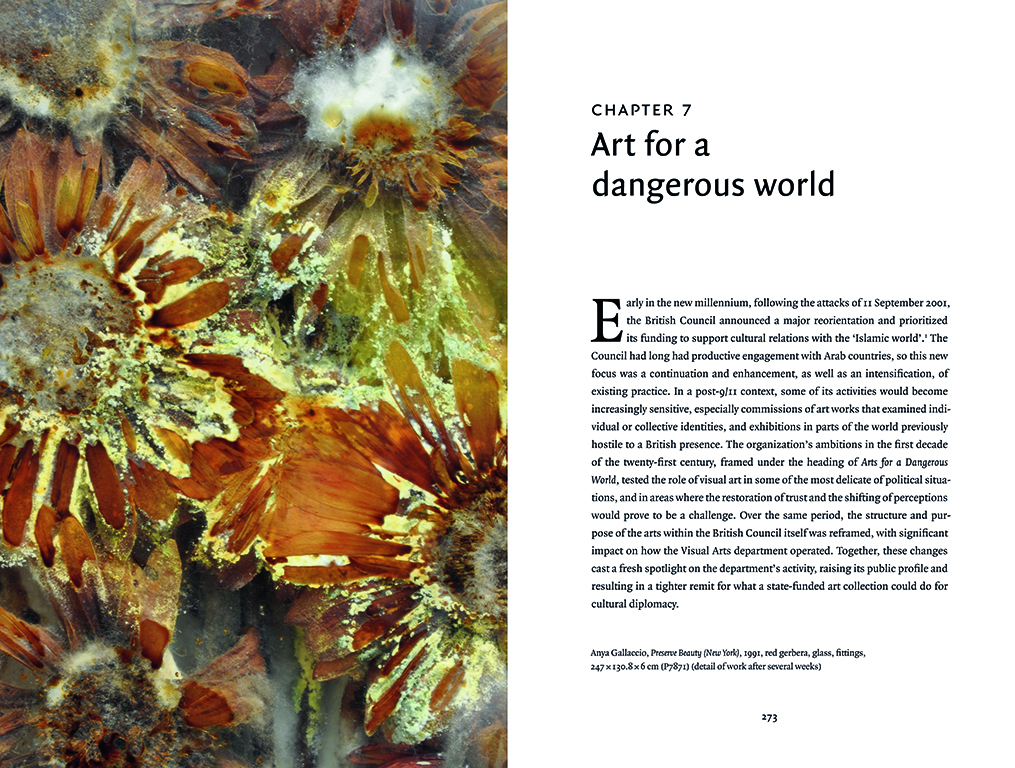
The Story of the British Council, Visual Arts, and a Changing World

Annebella Pollen

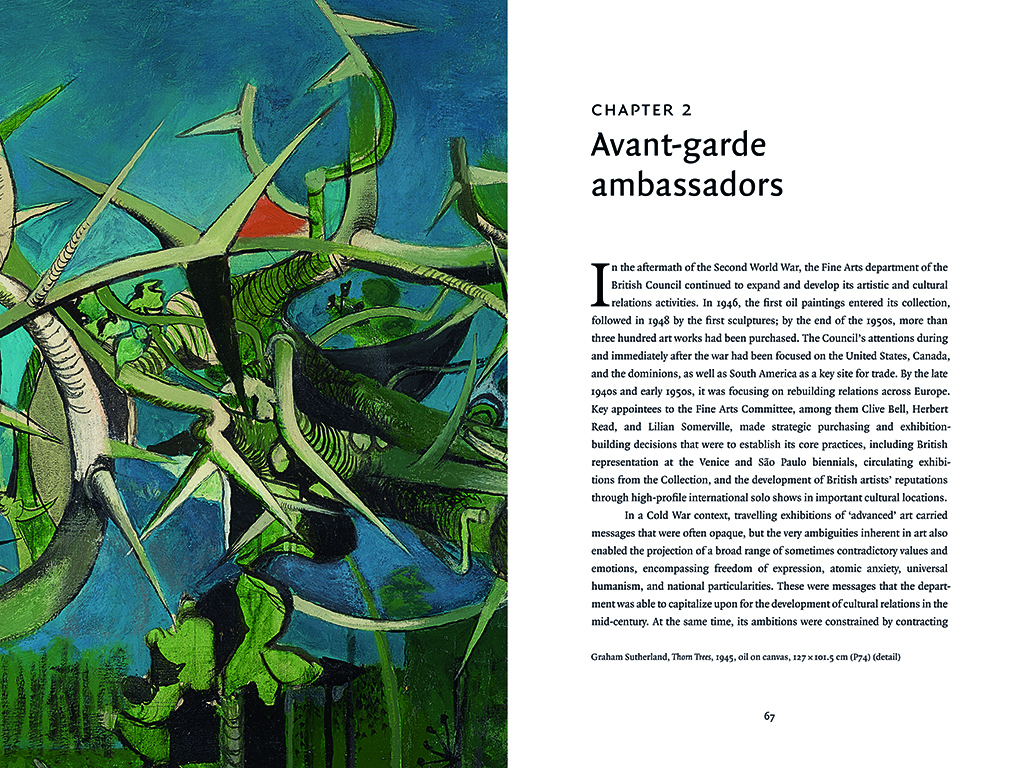
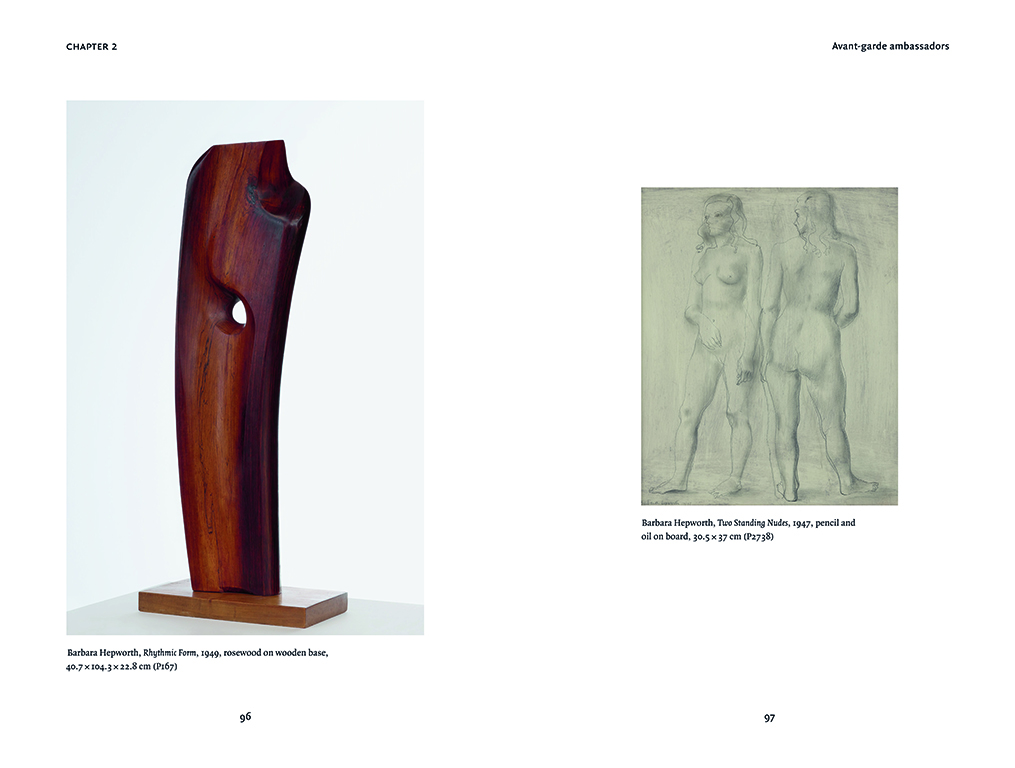
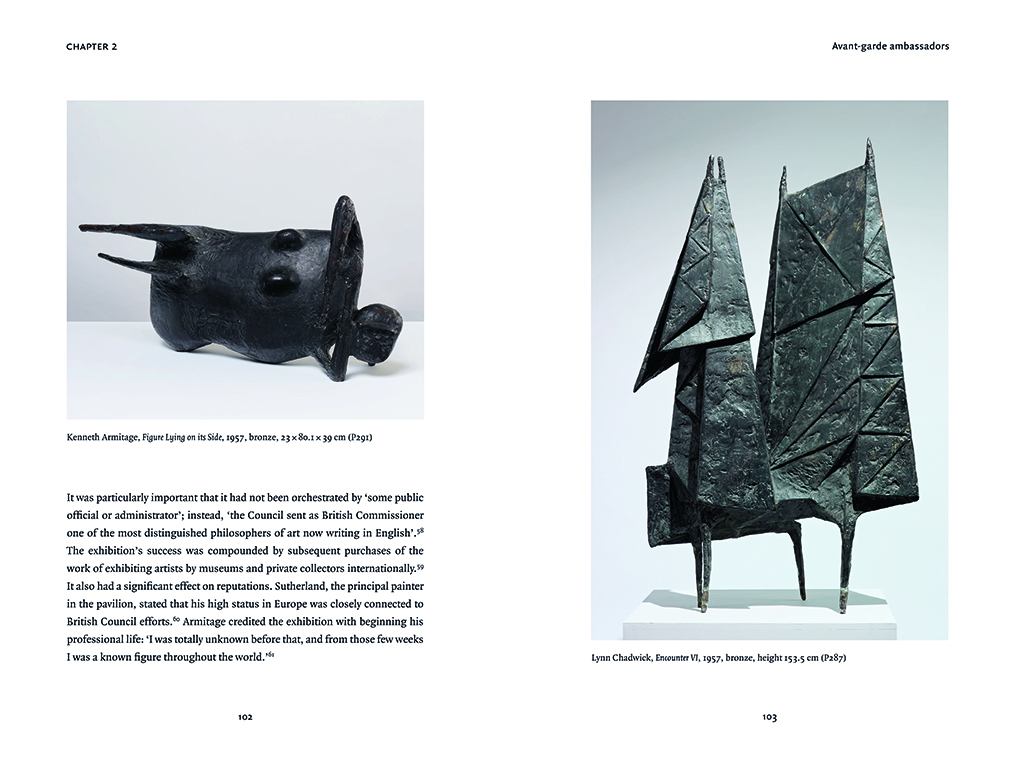
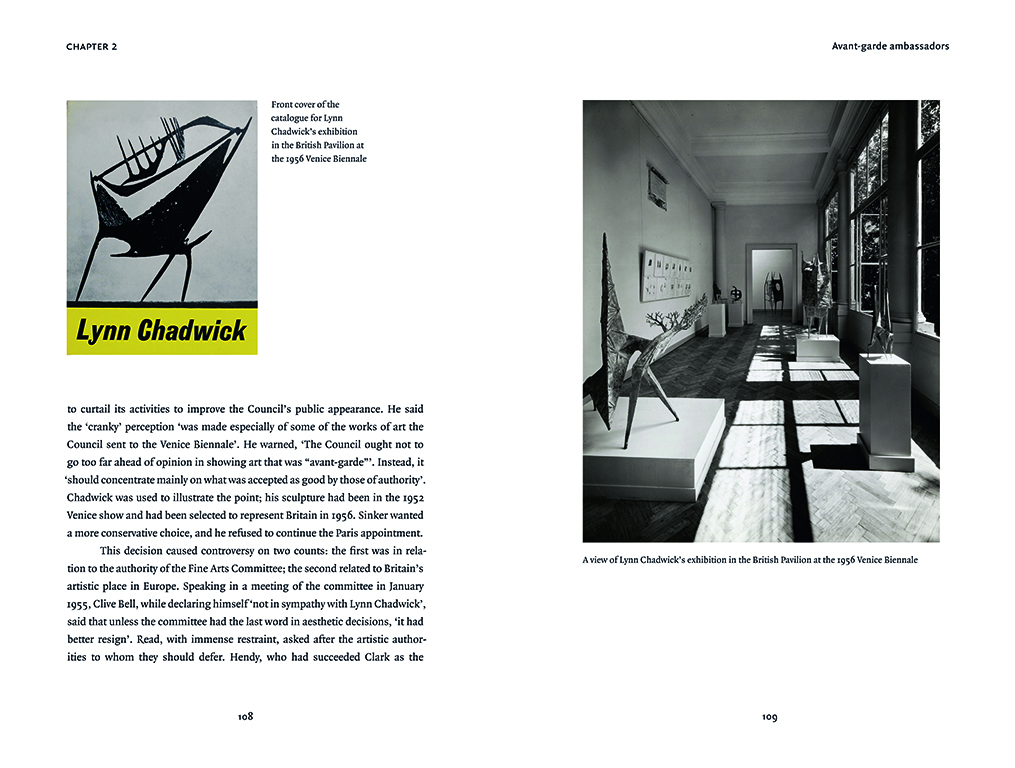
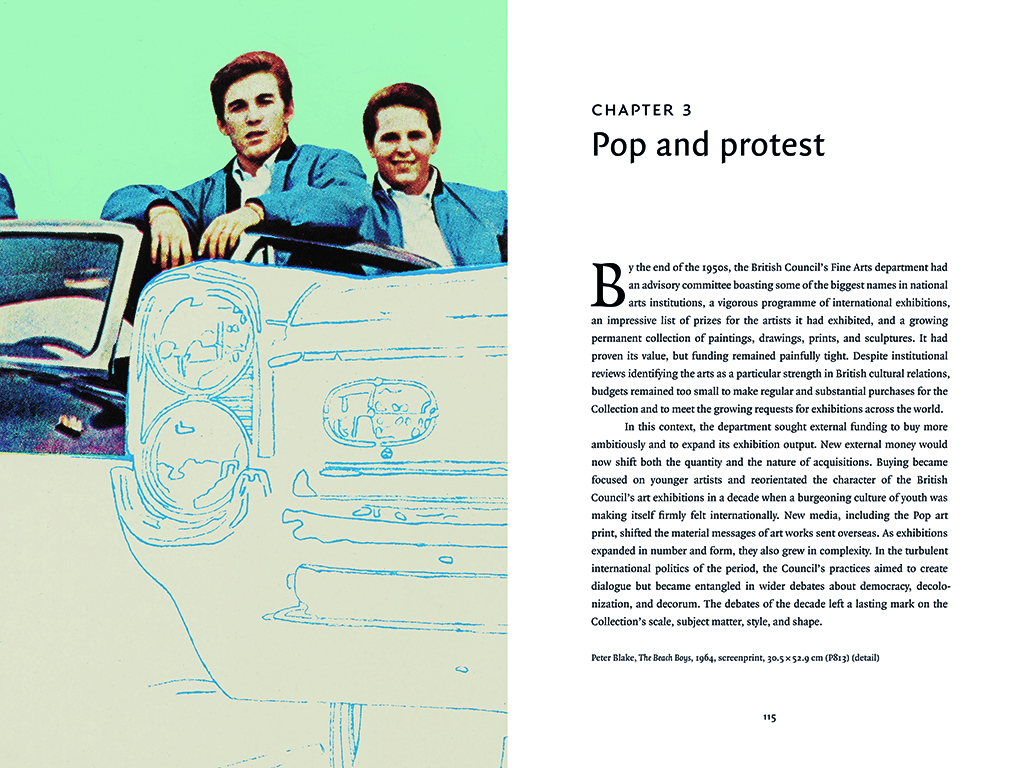
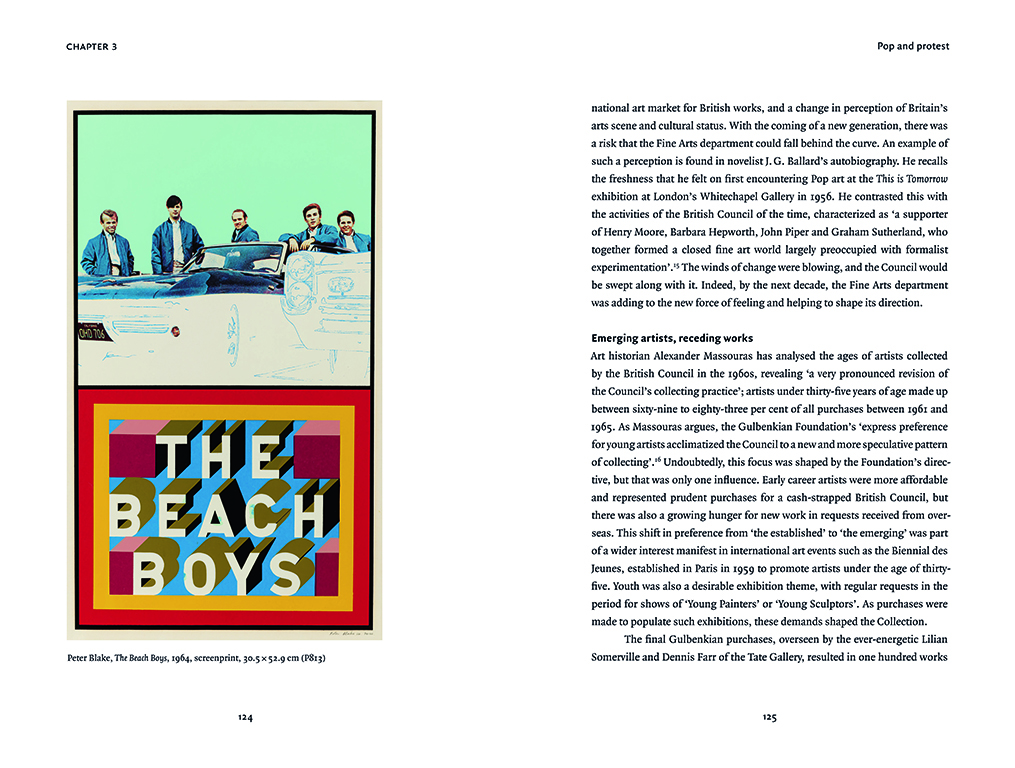
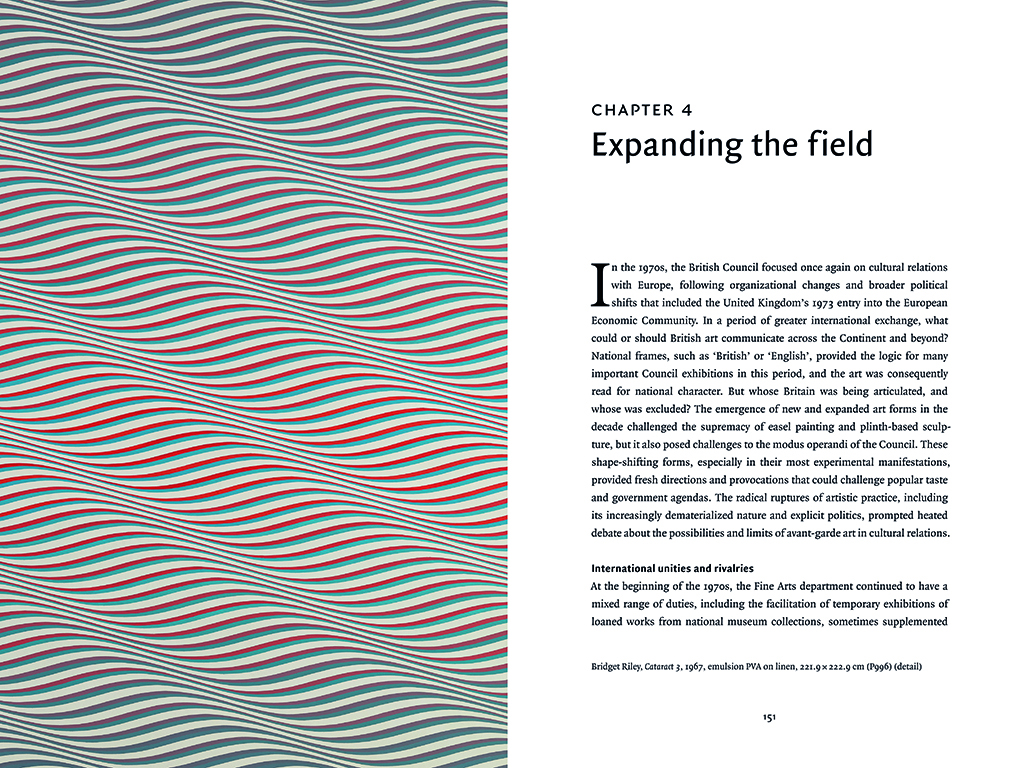
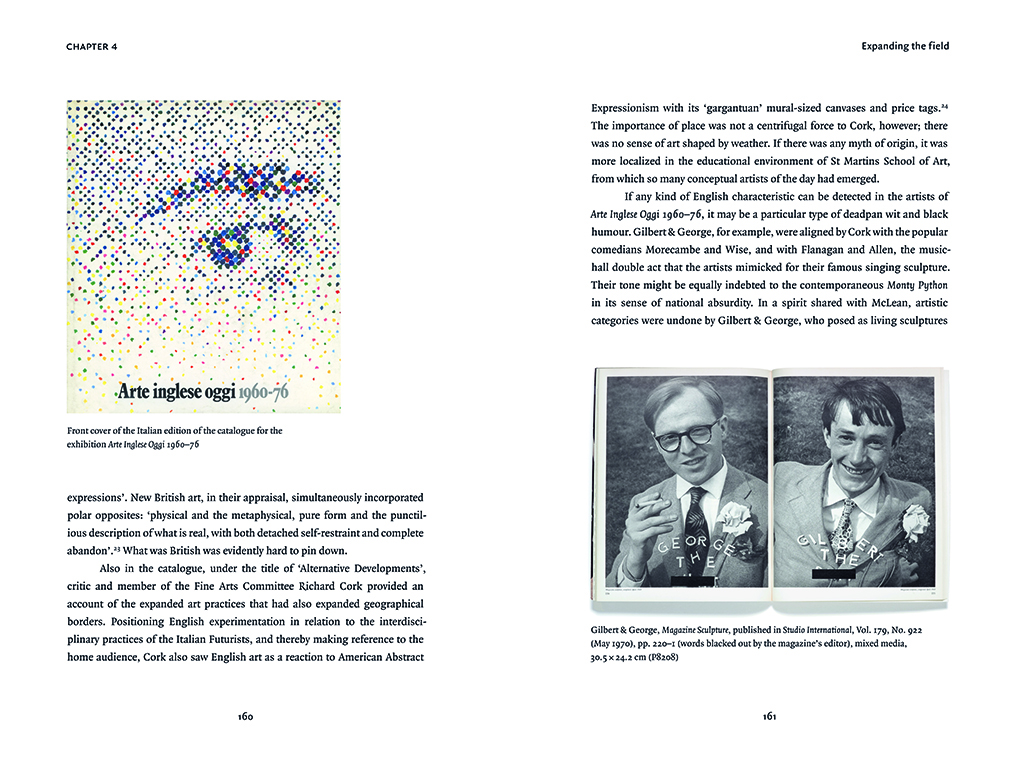
Does the meaning of a work of art change as it crosses a border from one place to another? Can art exhibitions play a role in the relations between different nations? How does a national collection of art reflect a country’s sense of itself, and even shape its standing in the world?

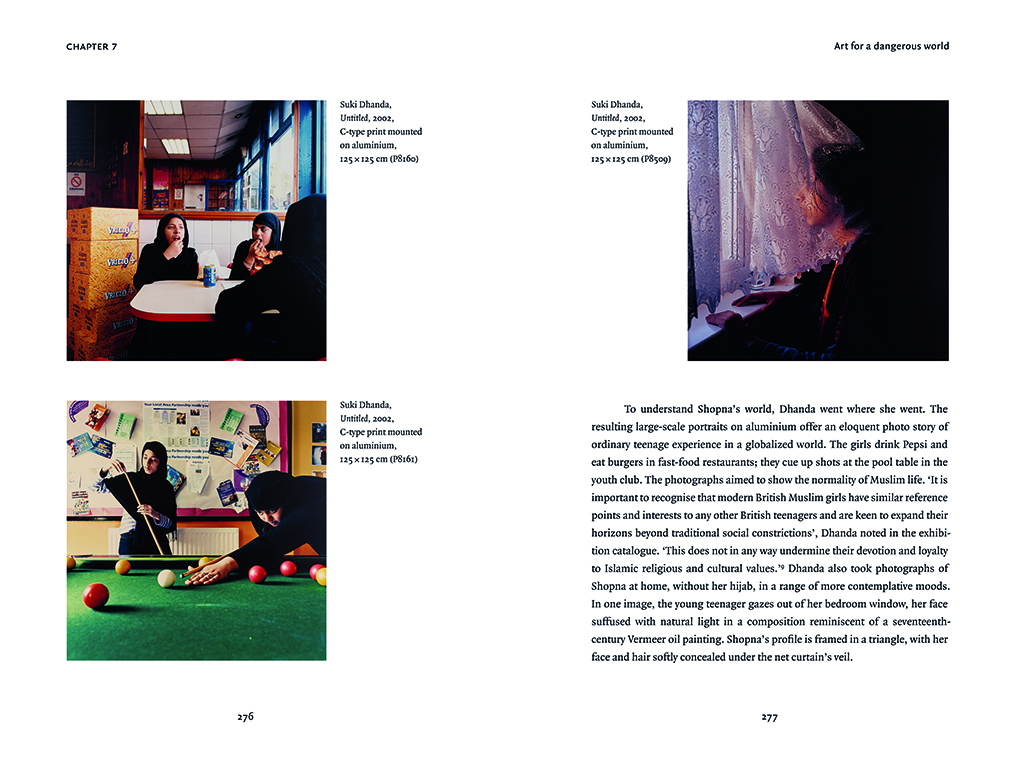
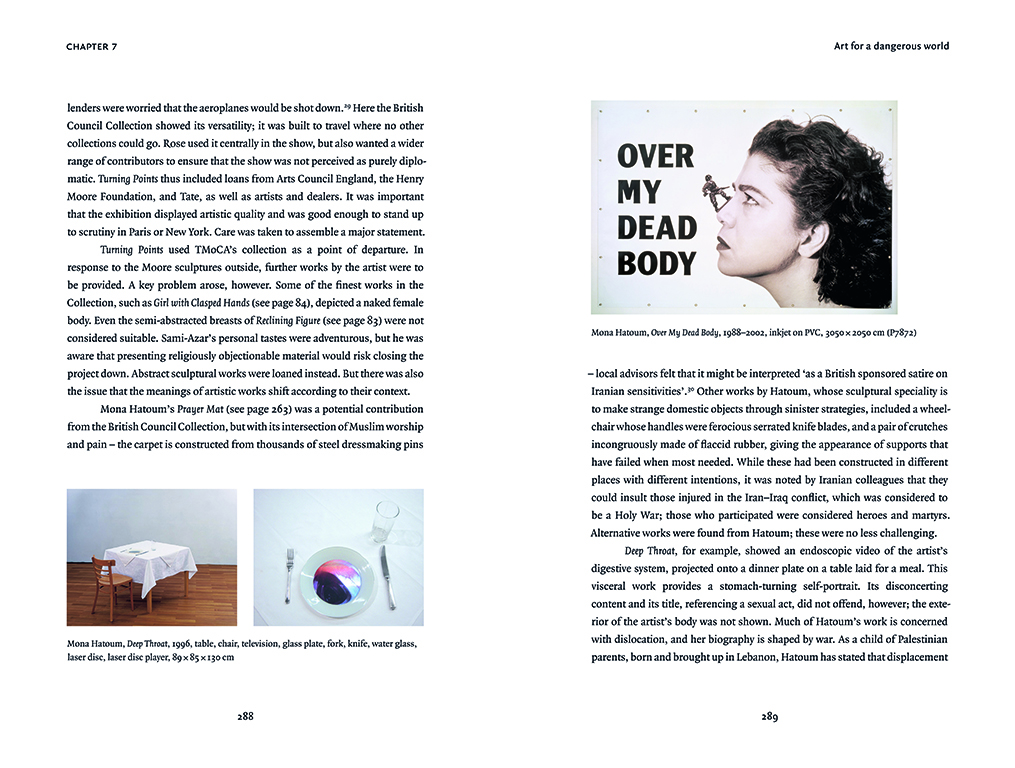
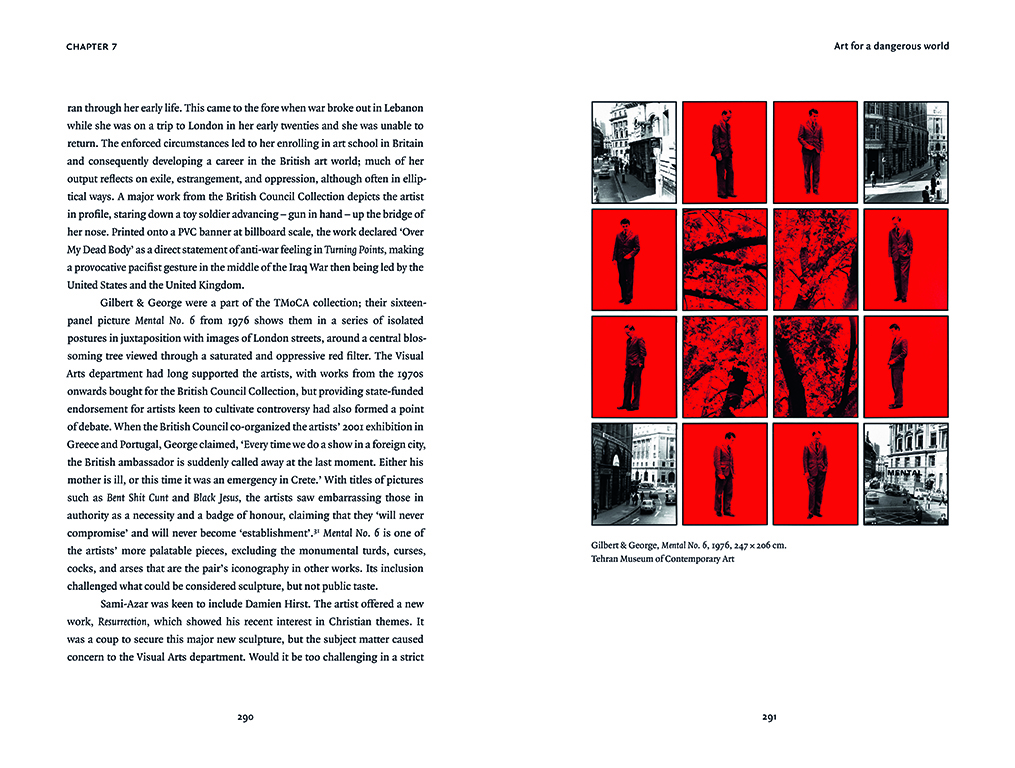
Over nine decades, the British Council has sent British art abroad in ambitious acts of cultural dialogue with more than one hundred countries, from Afghanistan to Zimbabwe. Its acclaimed exhibitions are seen by millions of people worldwide. These touring shows not only bring the work of leading artists to audiences in every continent, they also demonstrate art’s variety and endless capacity for reinterpretation, and the myriad ways that art exhibitions can serve international relations, as forms of promotion and partnership, and as sites of debate and dissent.

Along the way, the British Council has amassed a unique and distinctive national collection of art, comprising almost nine thousand pieces by the most significant artistic talents of the day. These works rarely rest, often going out on the road as soon as they enter the collection, sometimes travelling for years on end. As they move around the globe, they witness the changing circumstances of world history and, in their own way, leave a mark upon them.

There are many tales to be told during this long and rich period, with extraordinary art, fascinating personalities, and complex geopolitics. Through accounts of landmark exhibitions, this book explores intersections of art and national identity; issues of autonomy and authority, persuasion and protest; and shifting trends in art and curatorial practice across the twentieth and twenty-first centuries. It tells the ongoing story of the British Council’s visual arts programme and the British Council Collection, to examine what art can achieve as it moves around an ever-changing world.

Dr Annebella Pollen is Professor of Visual and Material Culture at the University of Brighton, where she researches undervalued archives and untold stories in art and design history. Her previous books include Mass Photography: Collective Histories of Everyday Life (2015), The Kindred of the Kibbo Kift: Intellectual Barbarians (2015), Nudism
in a Cold Climate: The Visual Culture of Naturists in Mid-20th-Century Britain (2021), and More Than a Snapshot: A Visual History of Photo Wallets (2023).


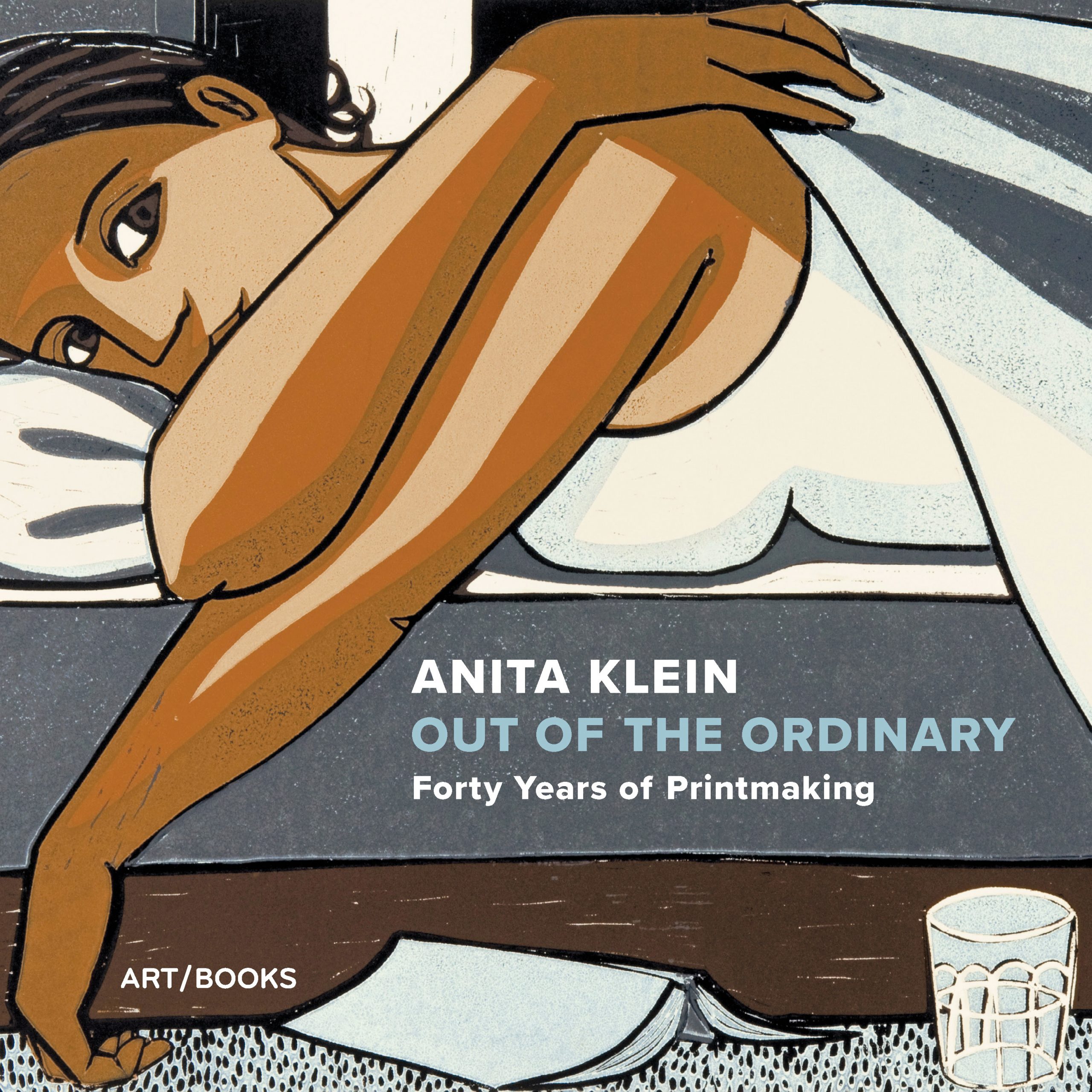
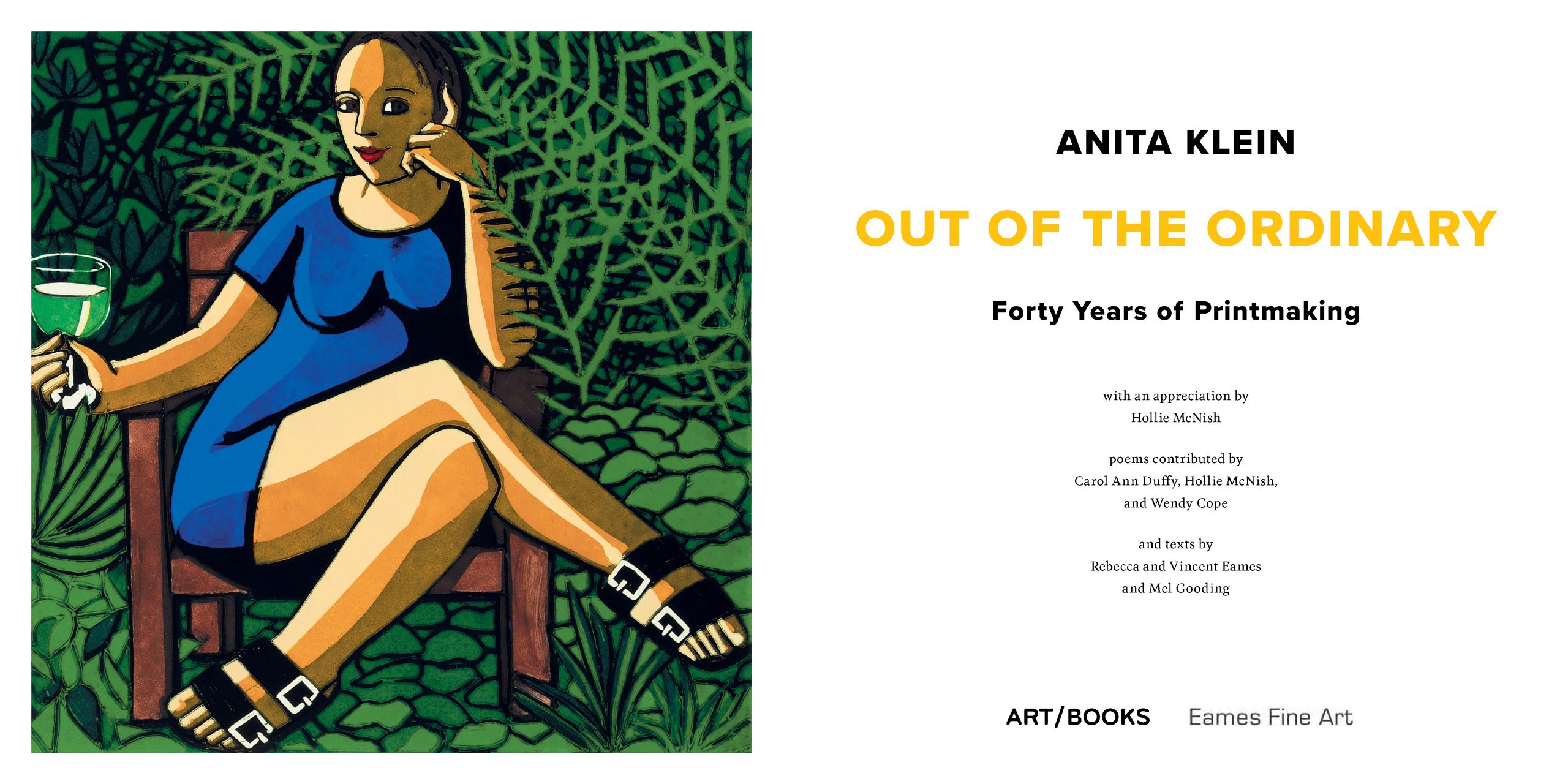
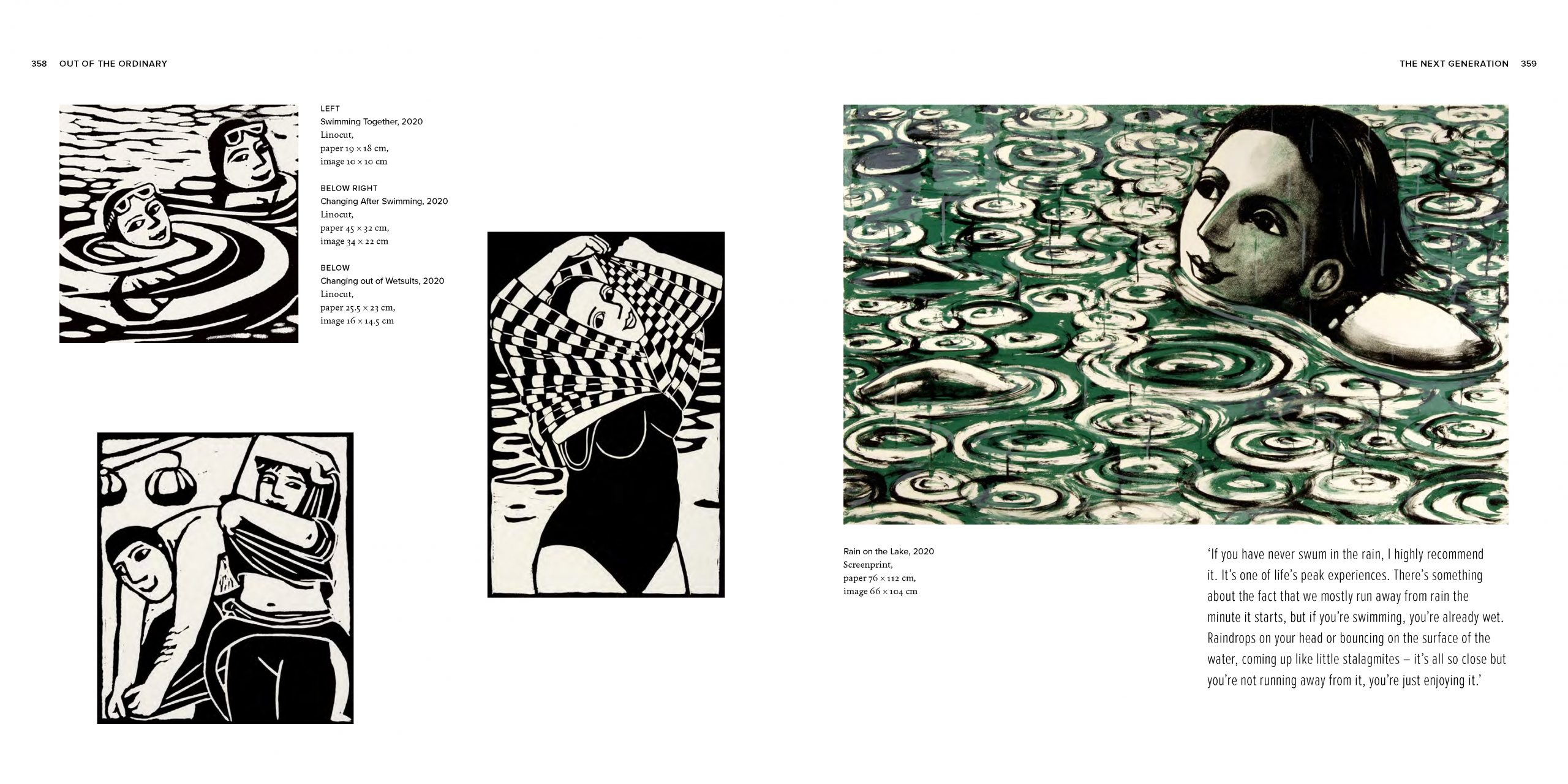
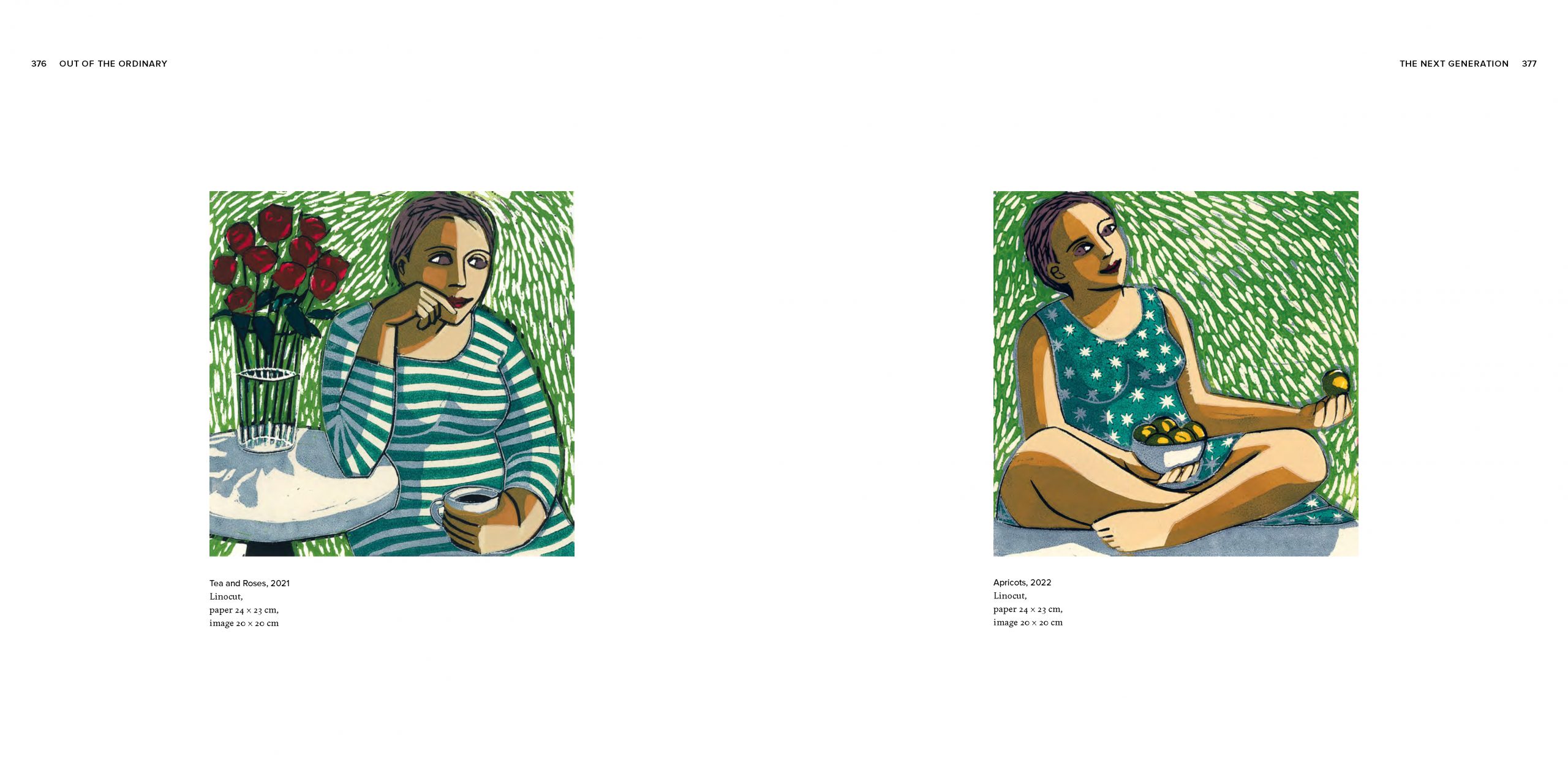
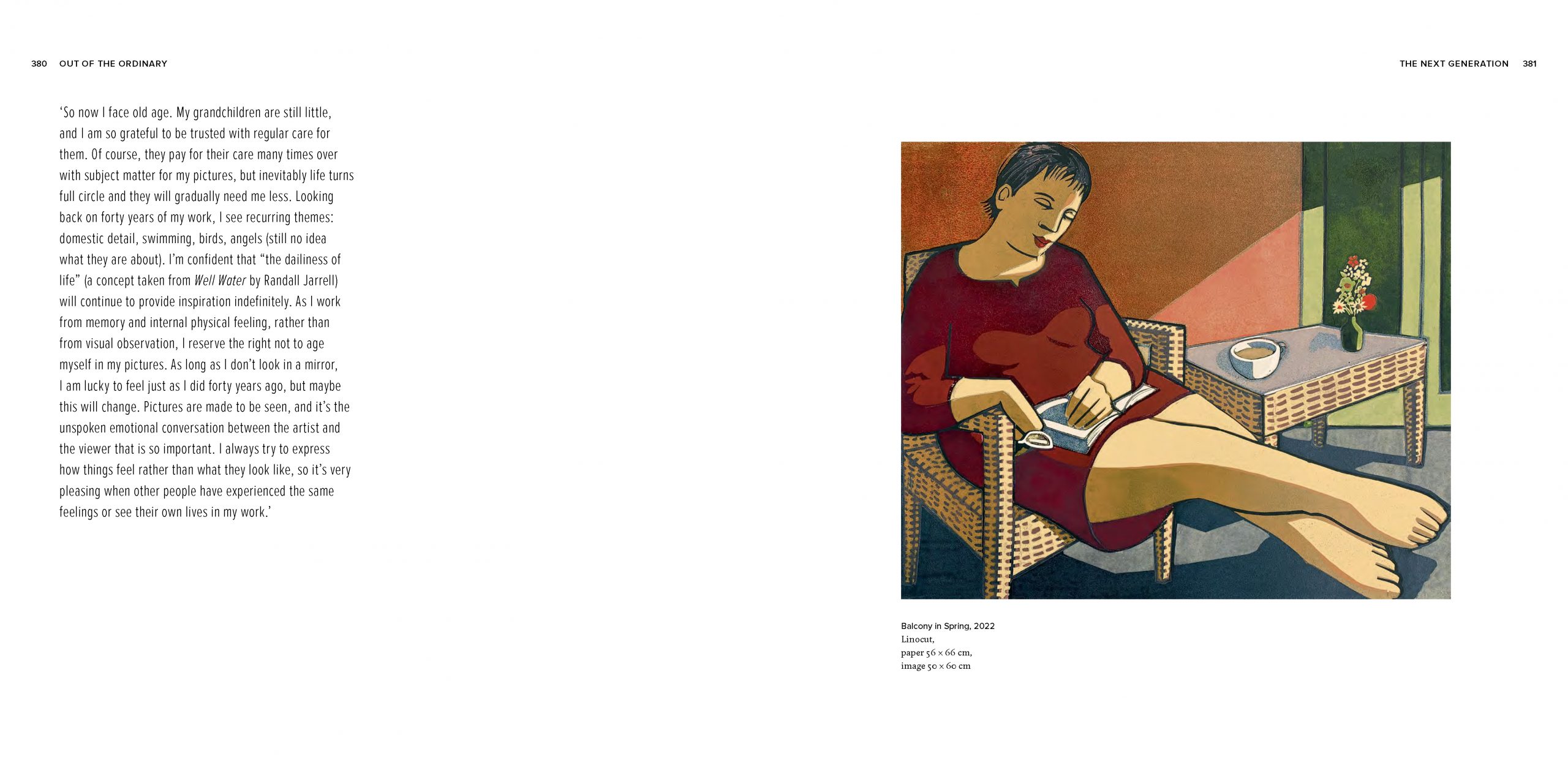
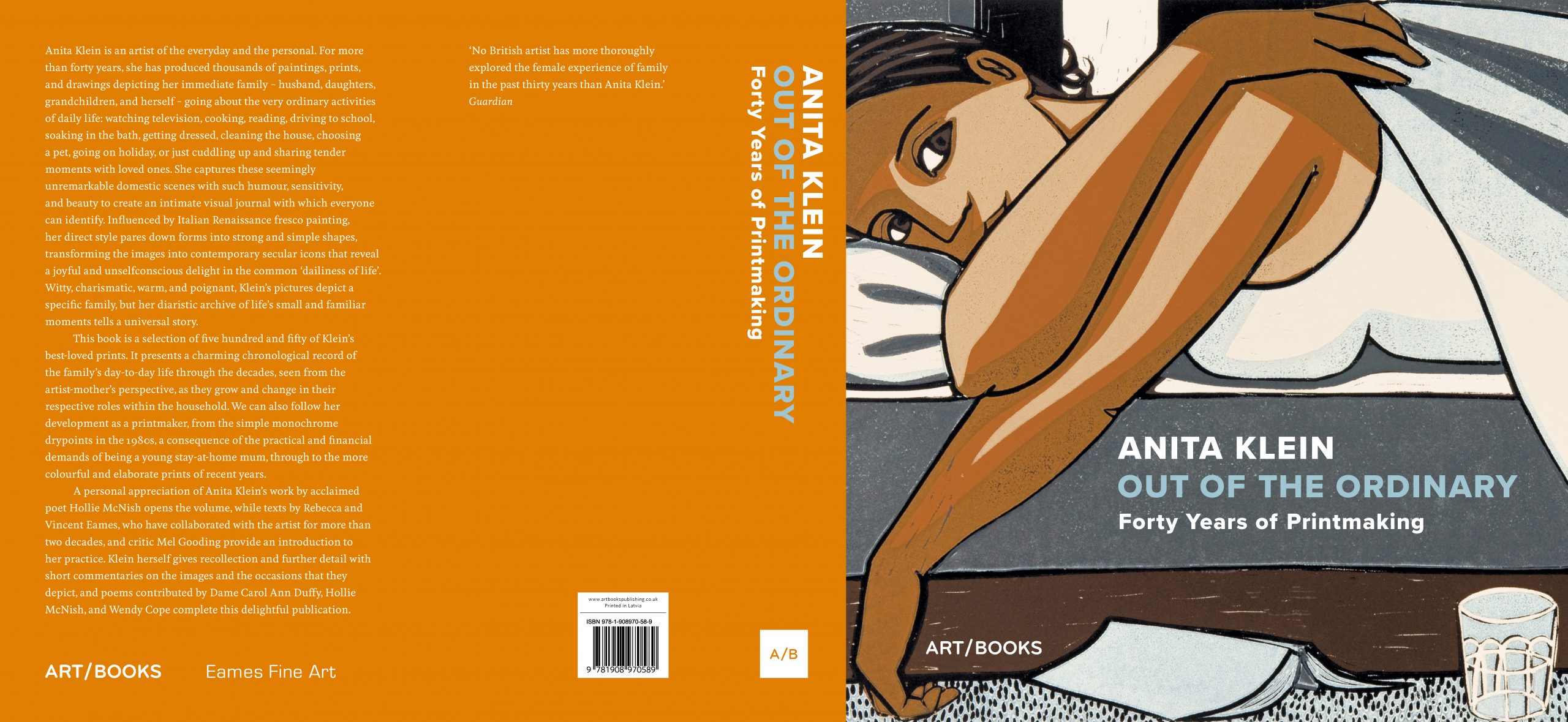
Anita Klein: Out of the Ordinary

Forty Years of Printmaking

Foreword by Hollie McNish
Texts by Mel Gooding and Rebecca and Vincent Eames
Poems contributed by Dame Carol Ann Duffy, Hollie McNish, and Wendy Cope

‘No British artist has more thoroughly explored the female experience of family in the past thirty years than Anita Klein’ — Guardian
‘It’s refreshing to hold in your hands a book that presents a visual life without filter or contrivance. One that is packed with the mastery of a manual craft and reflects the everyday made intimate, joyful and universal.’ — Printmaking Today

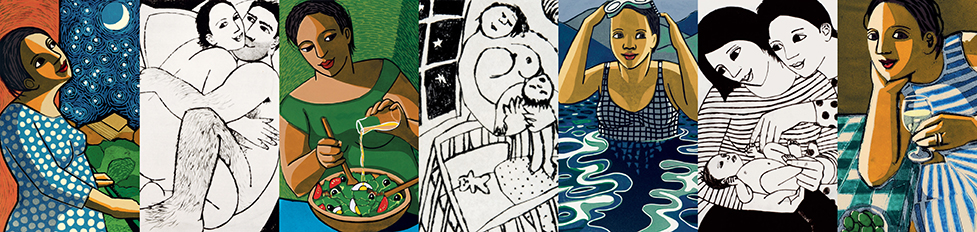
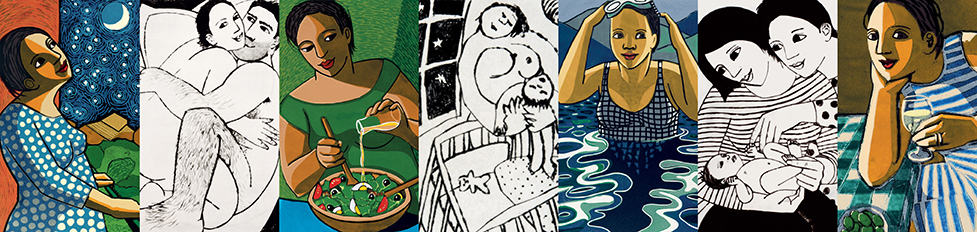
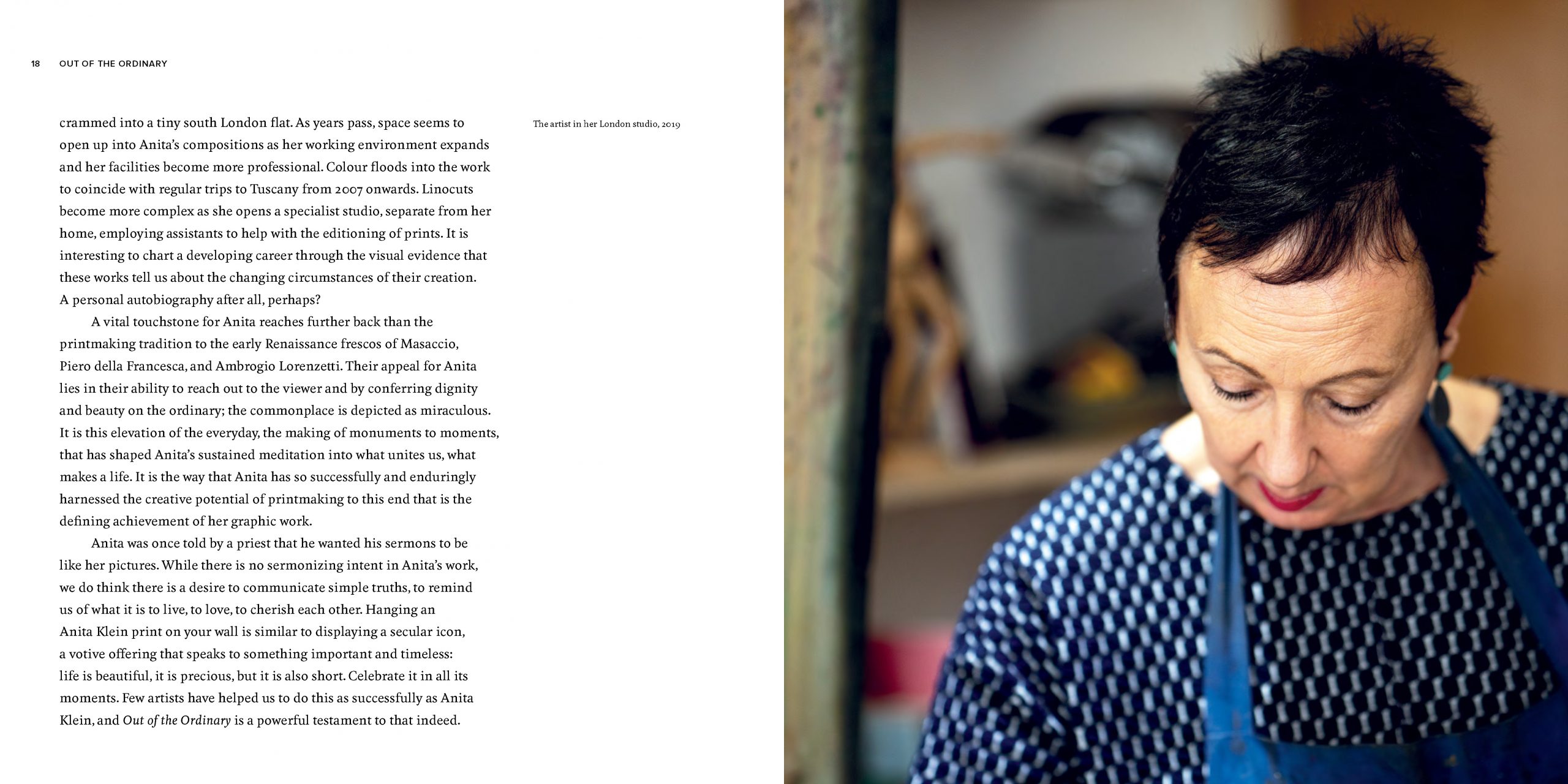
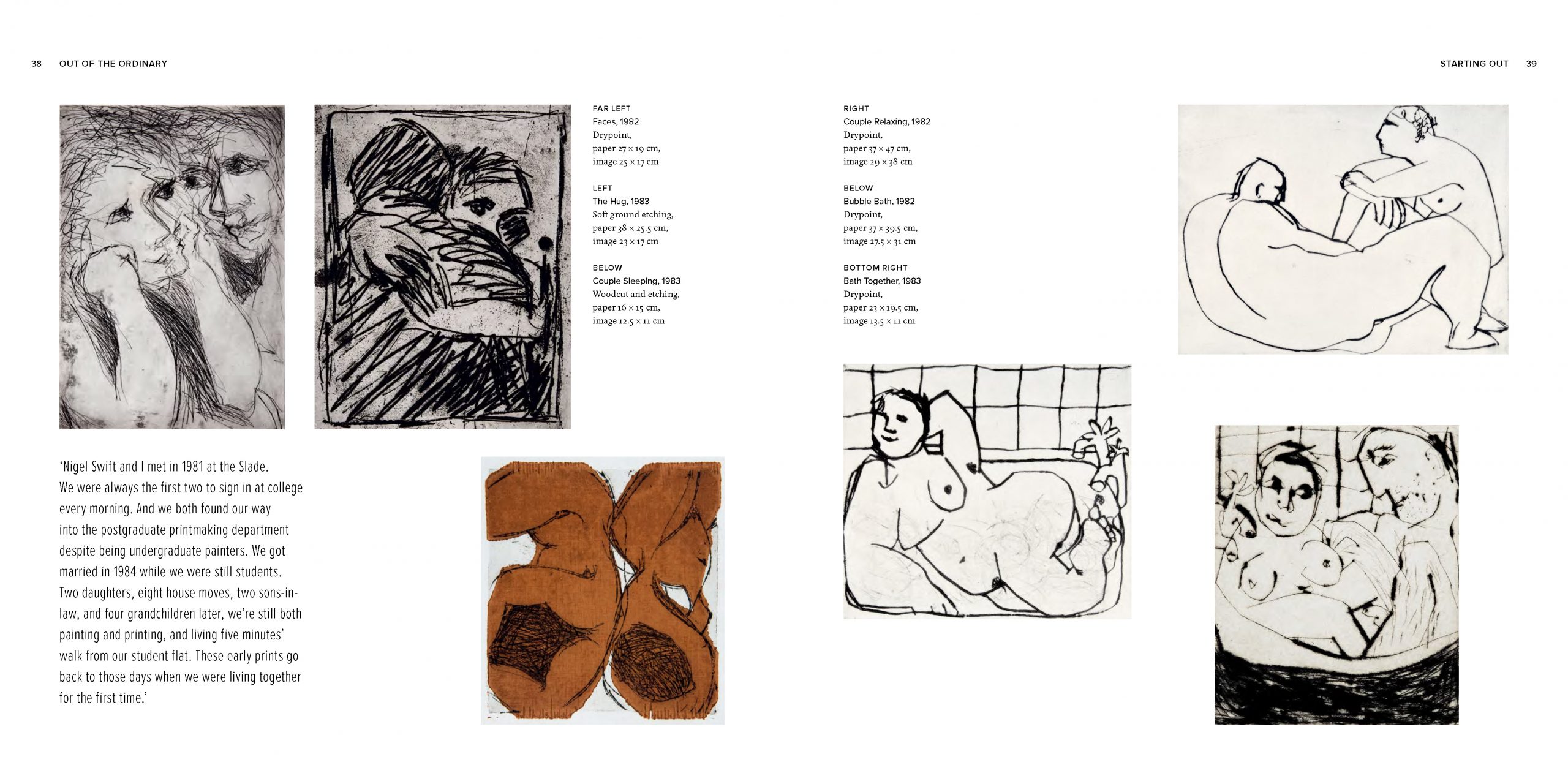
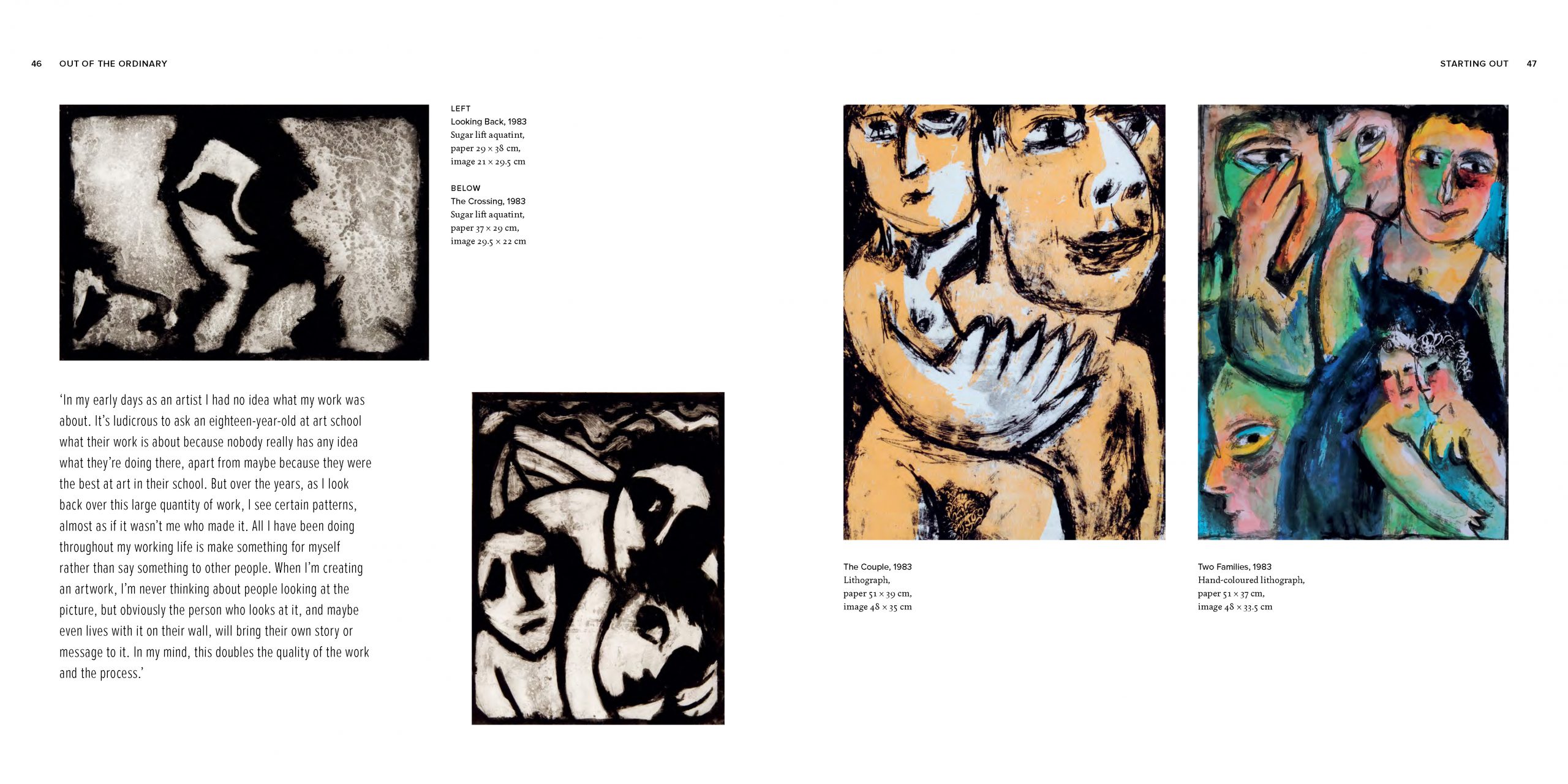
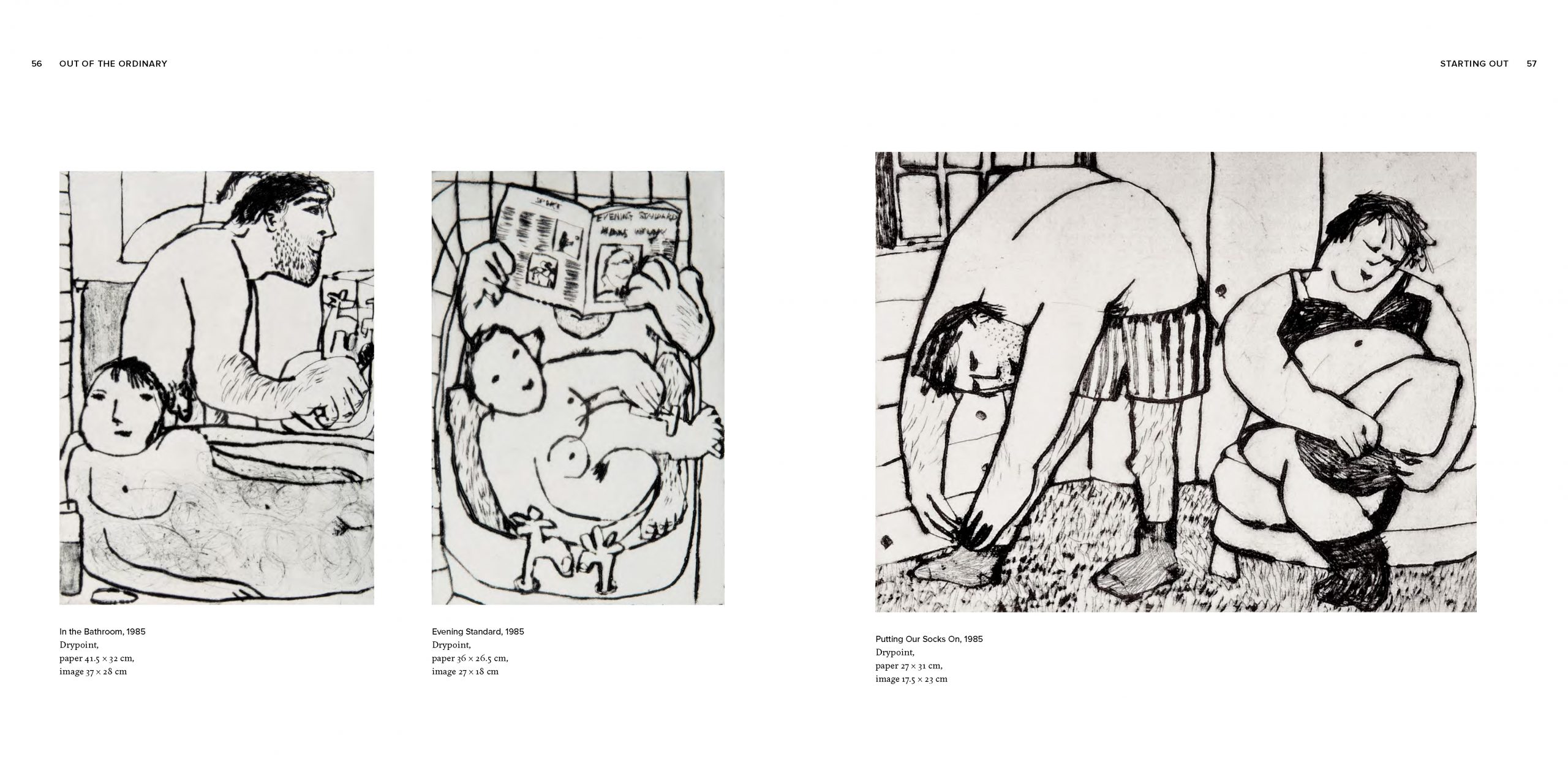
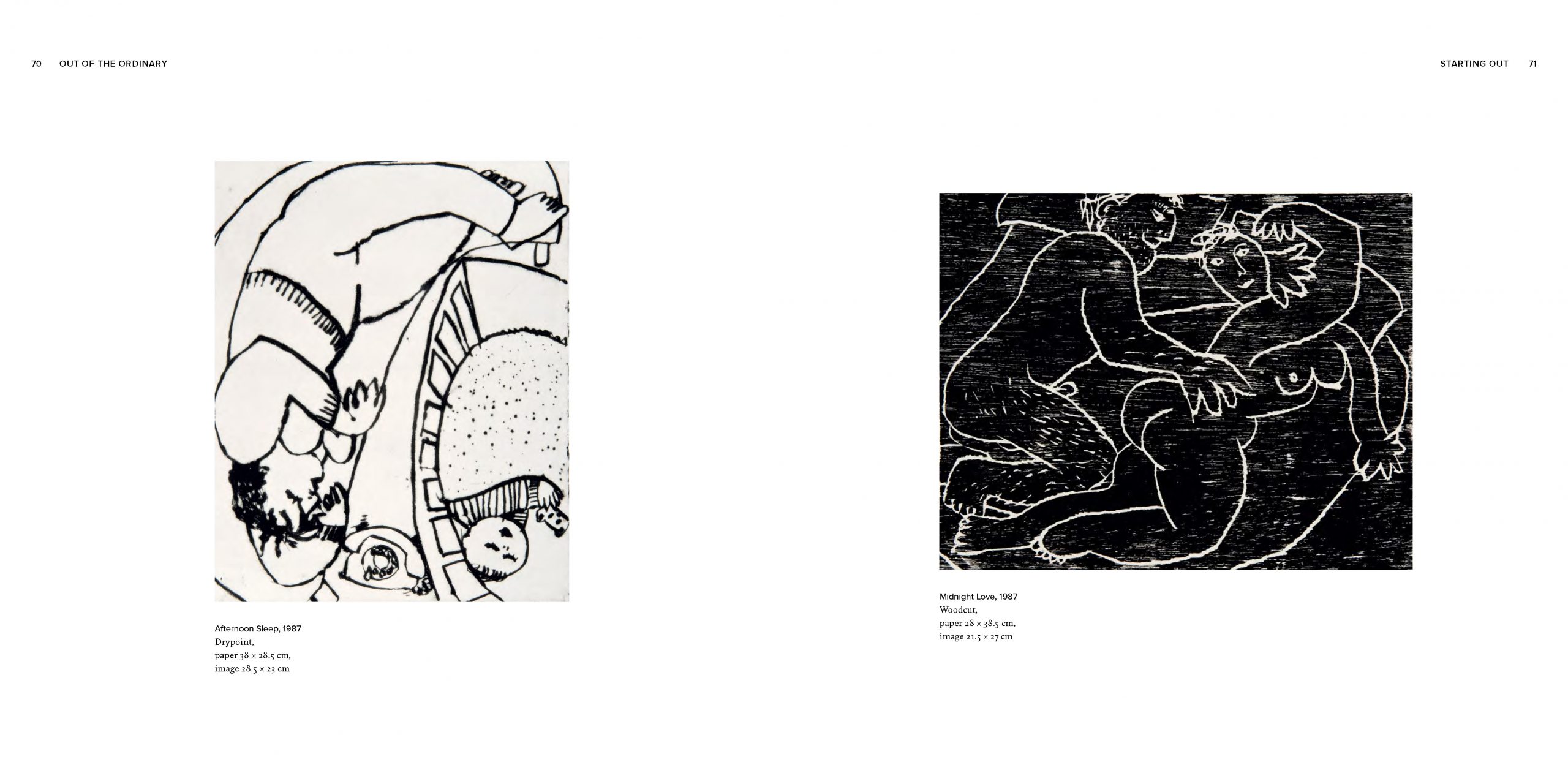
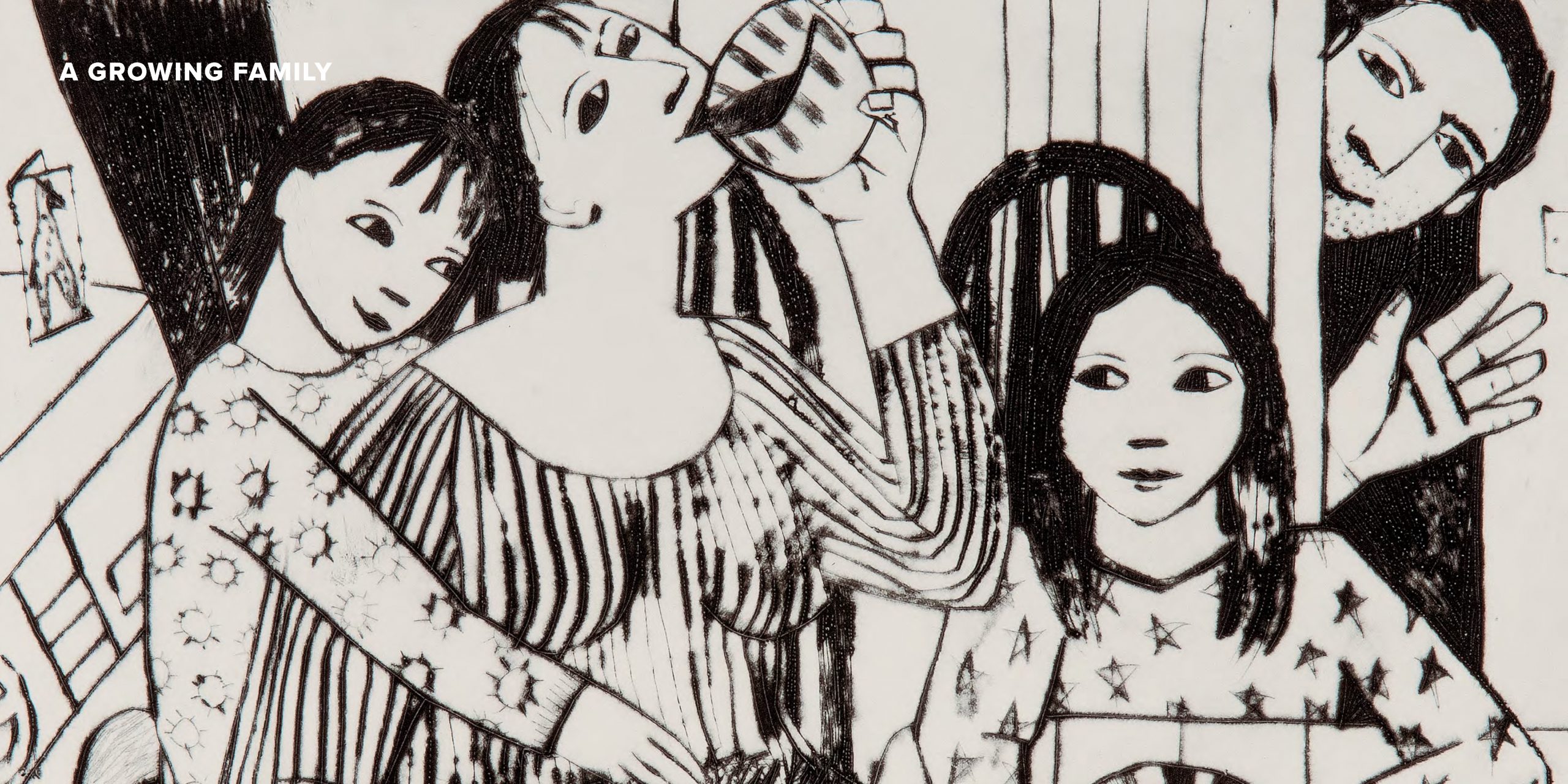
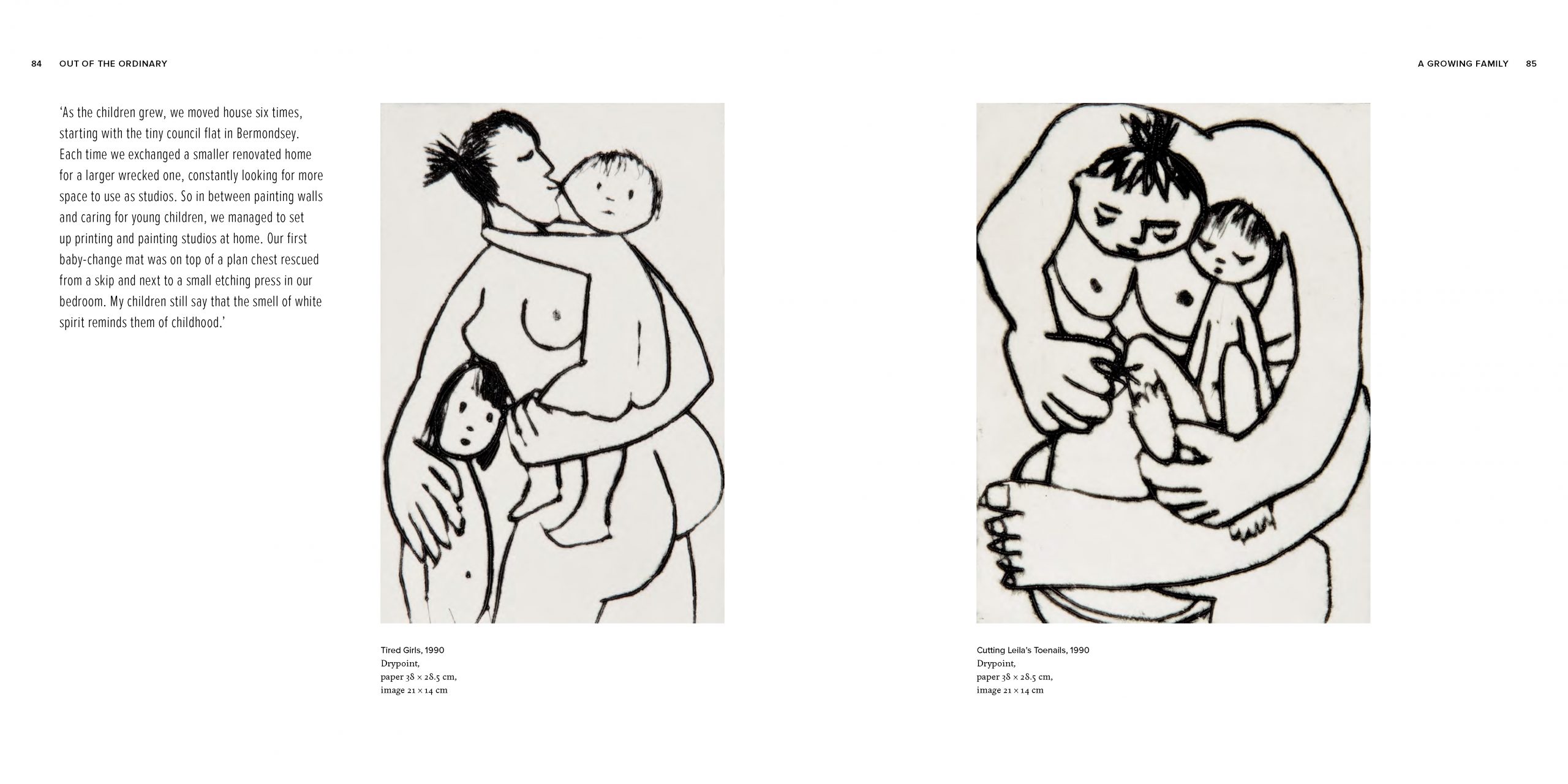
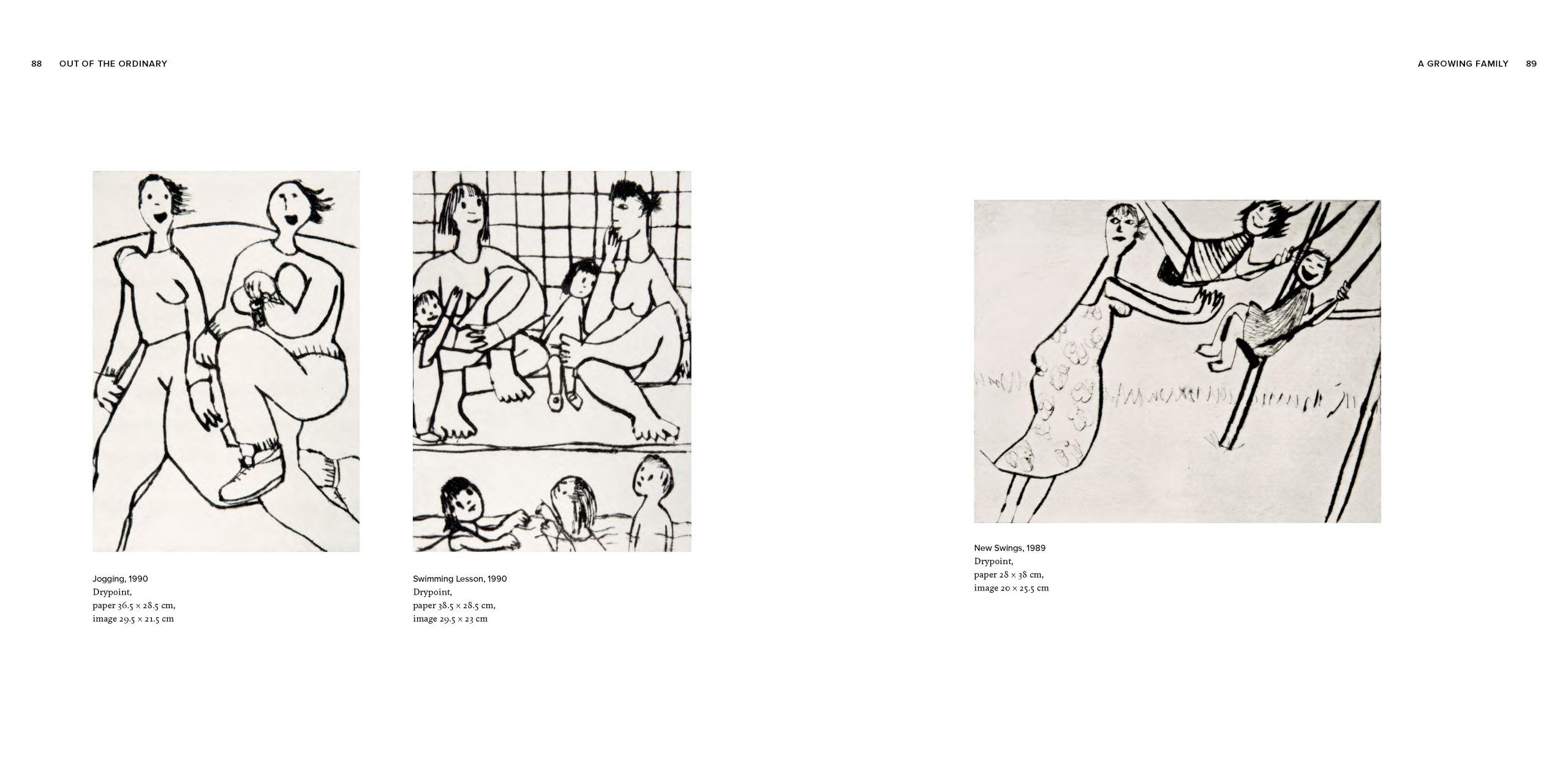
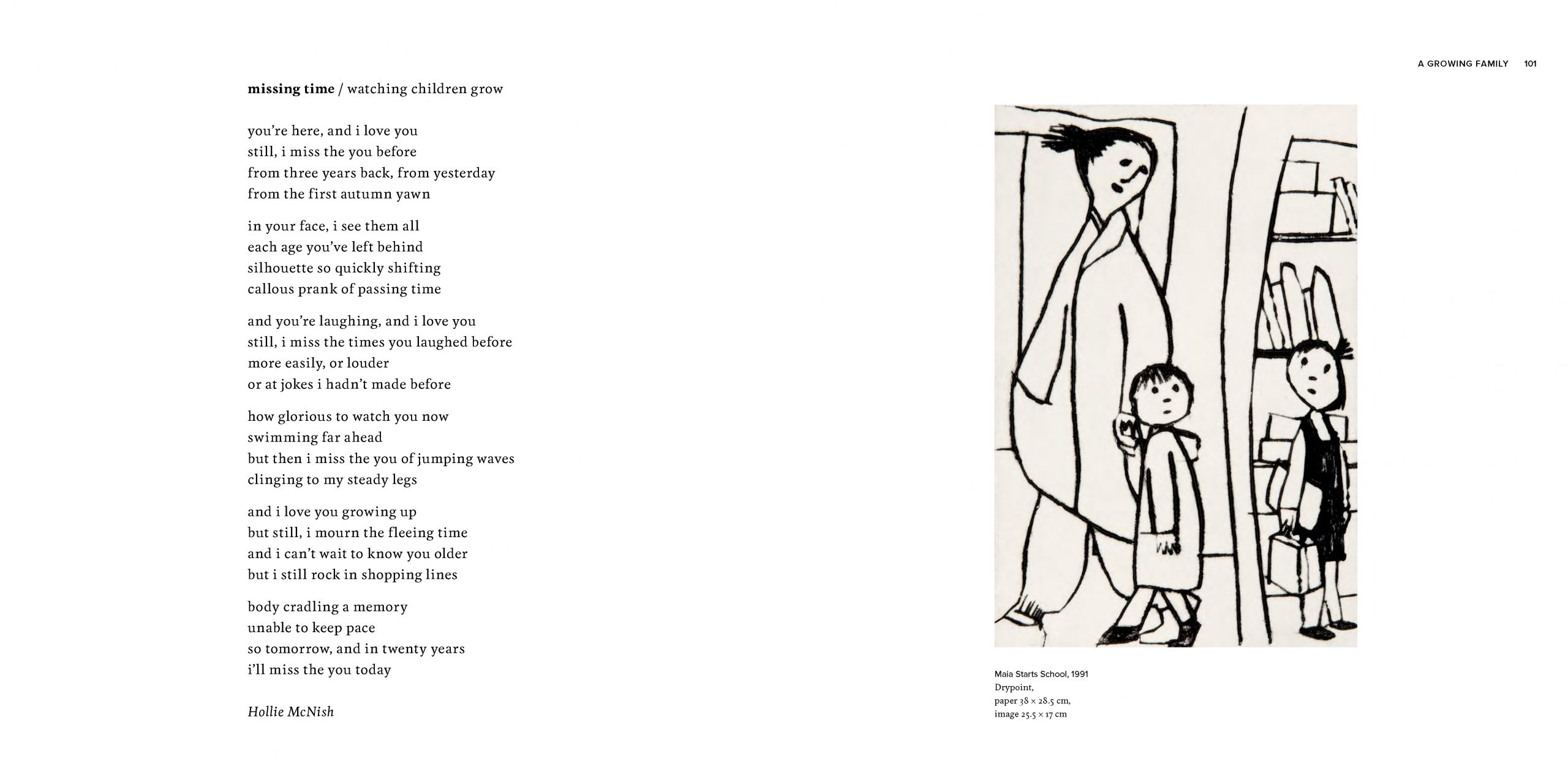
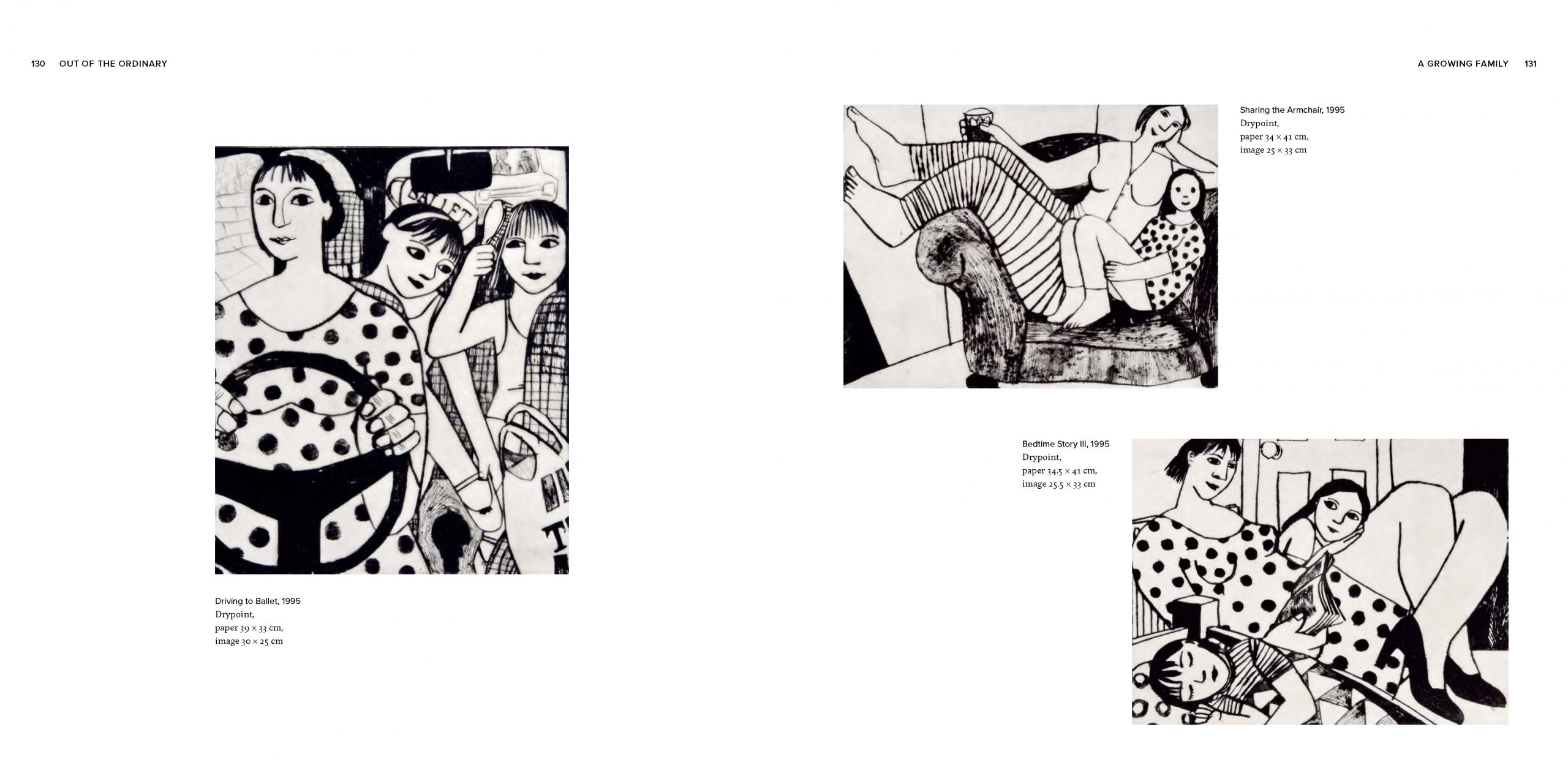
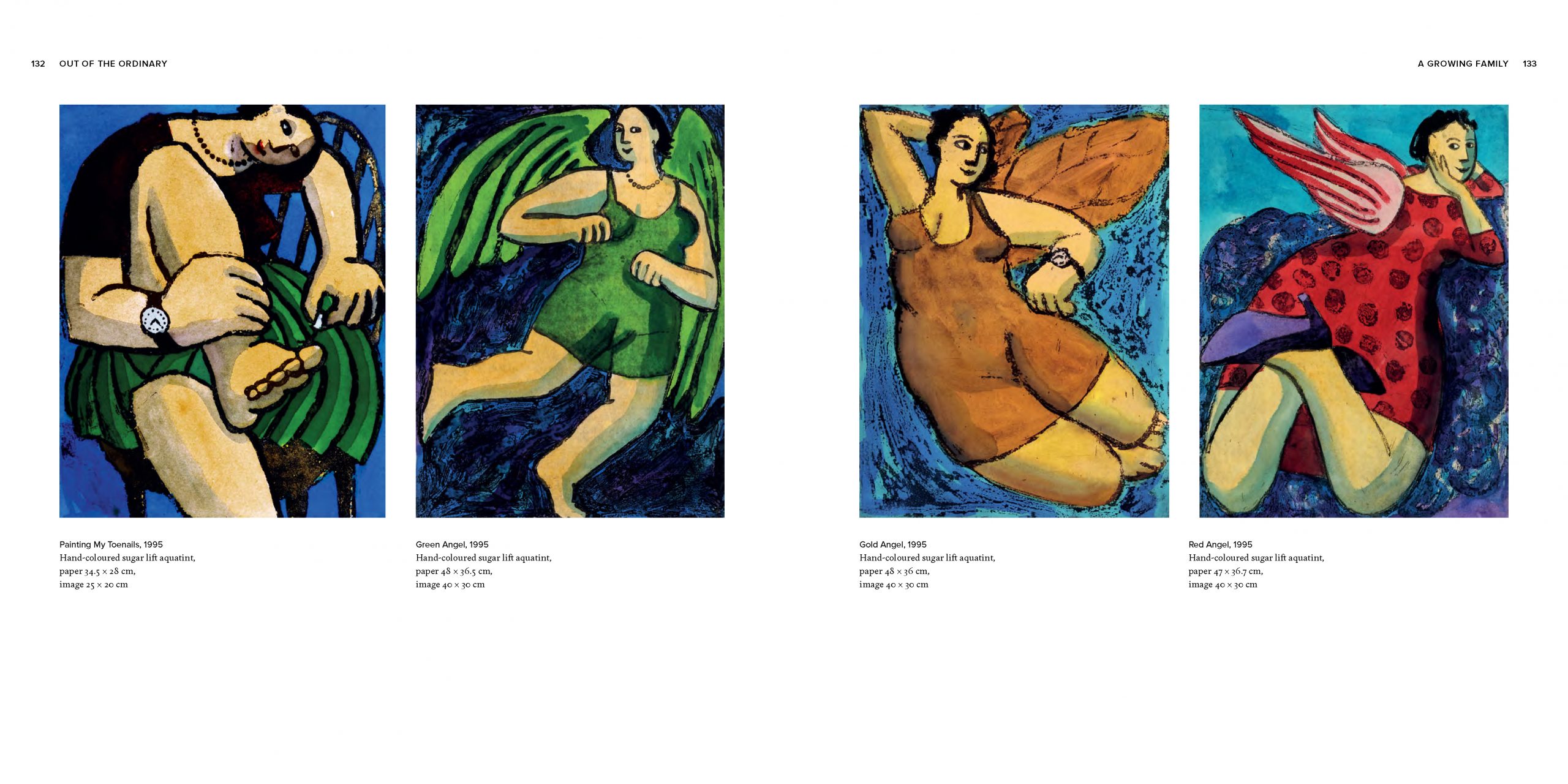
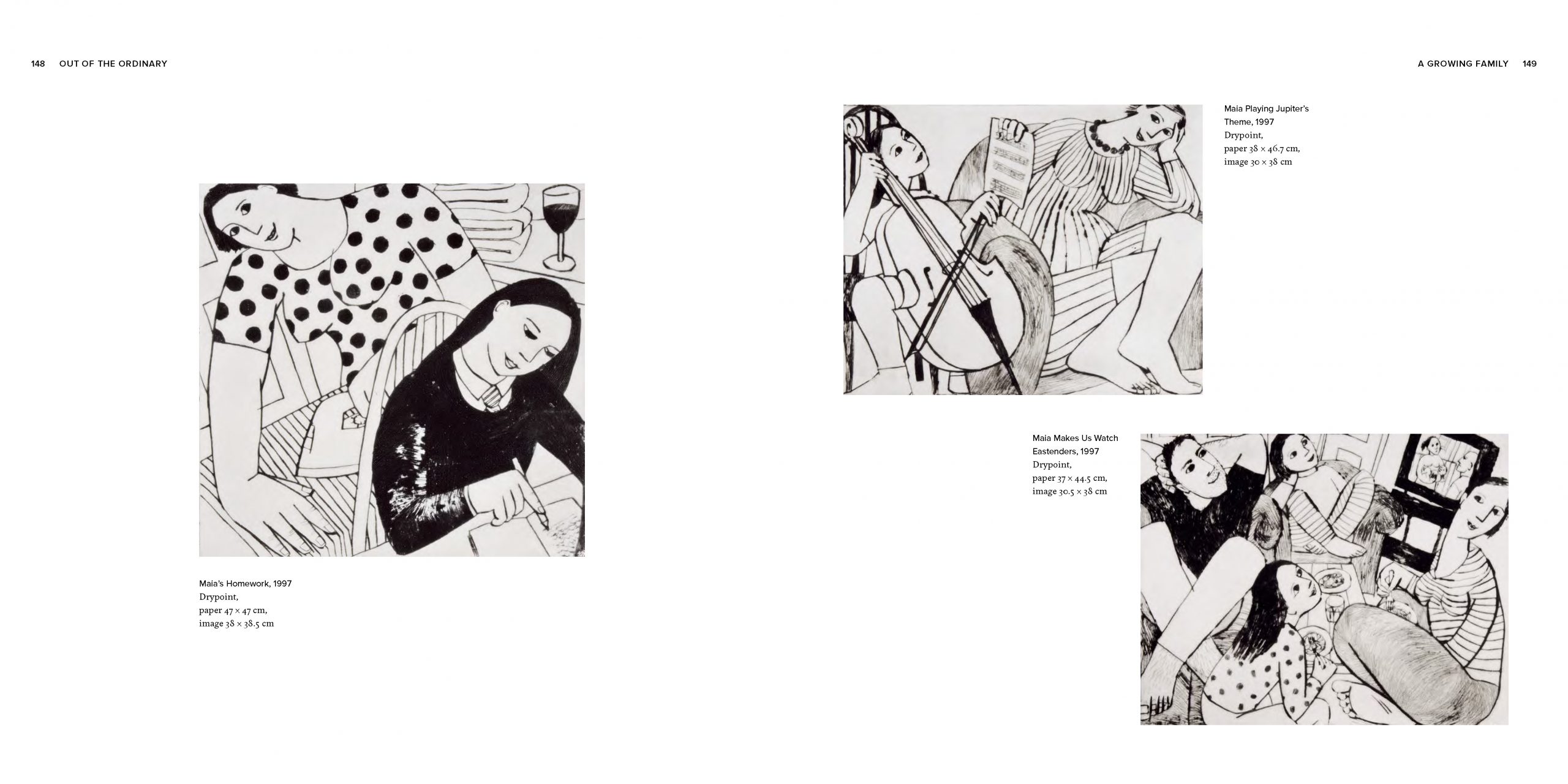
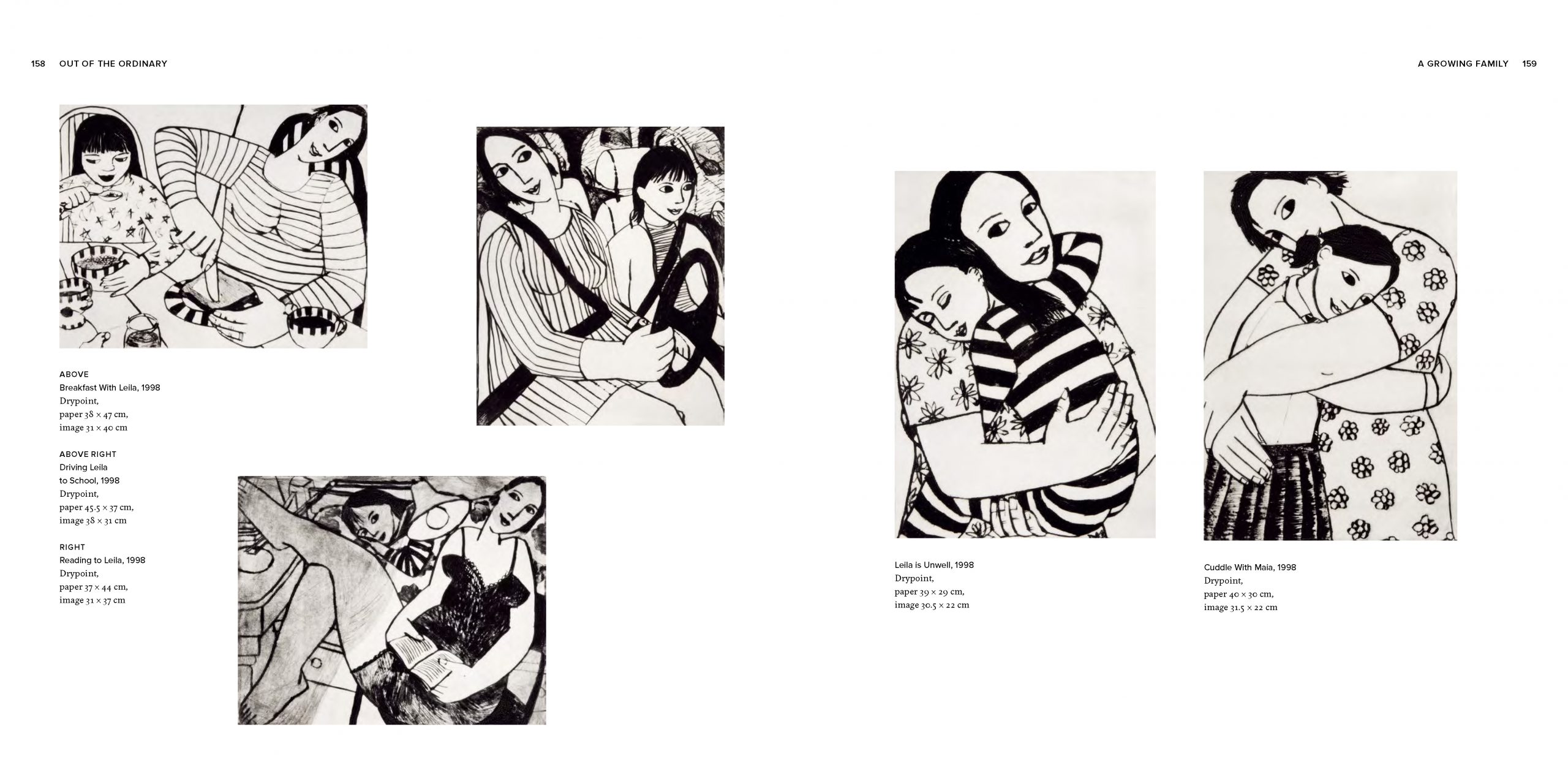
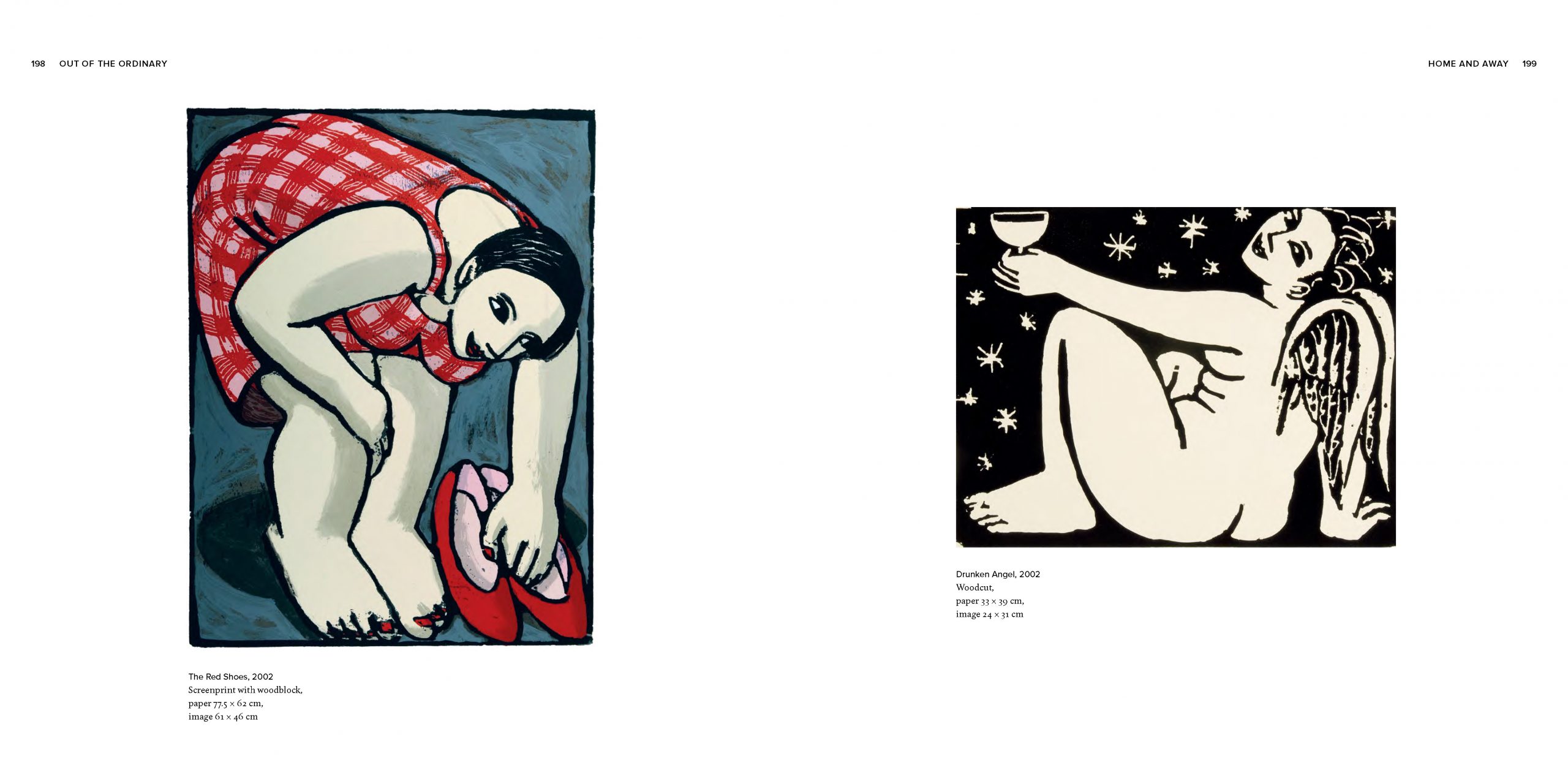
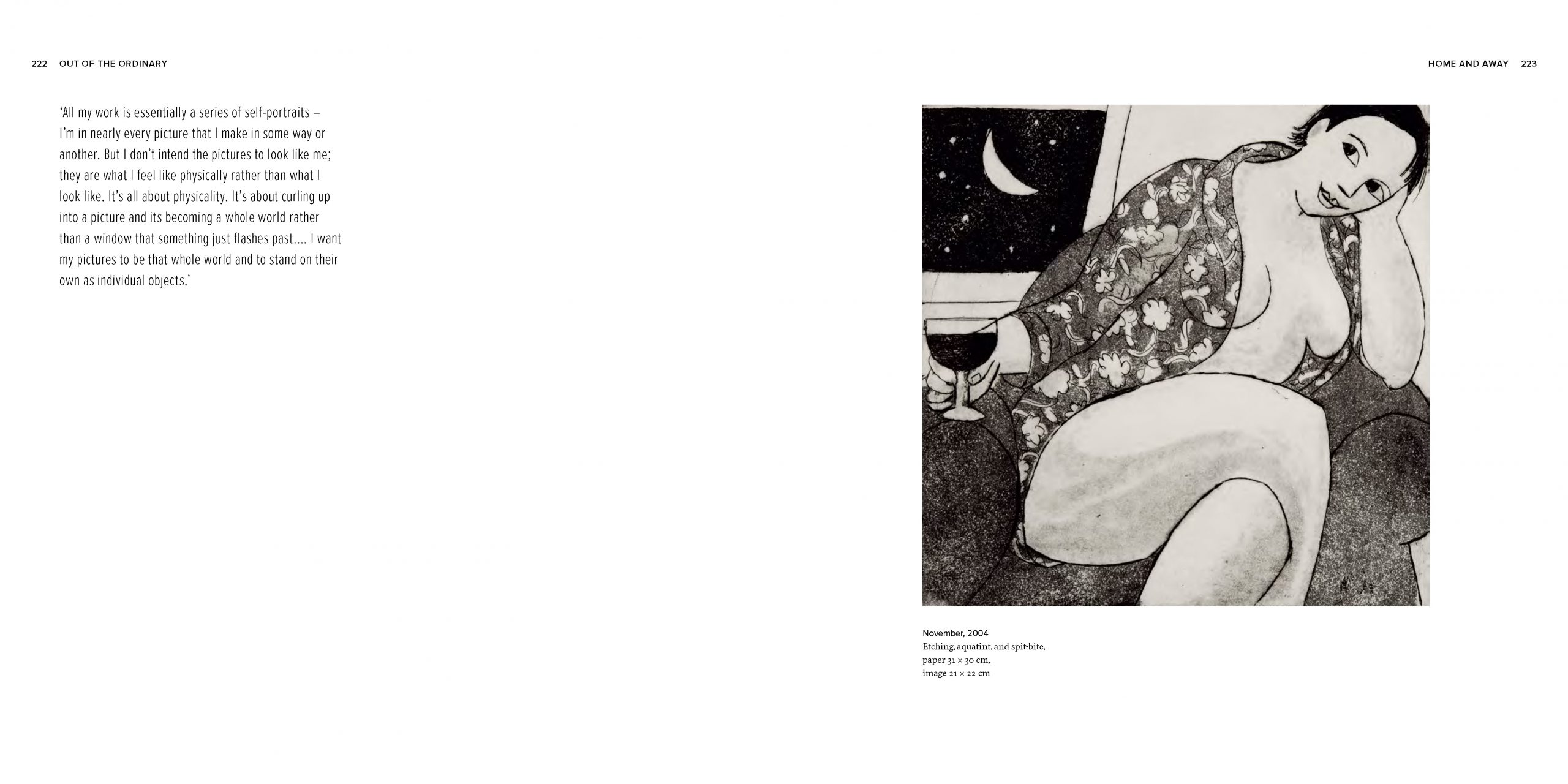
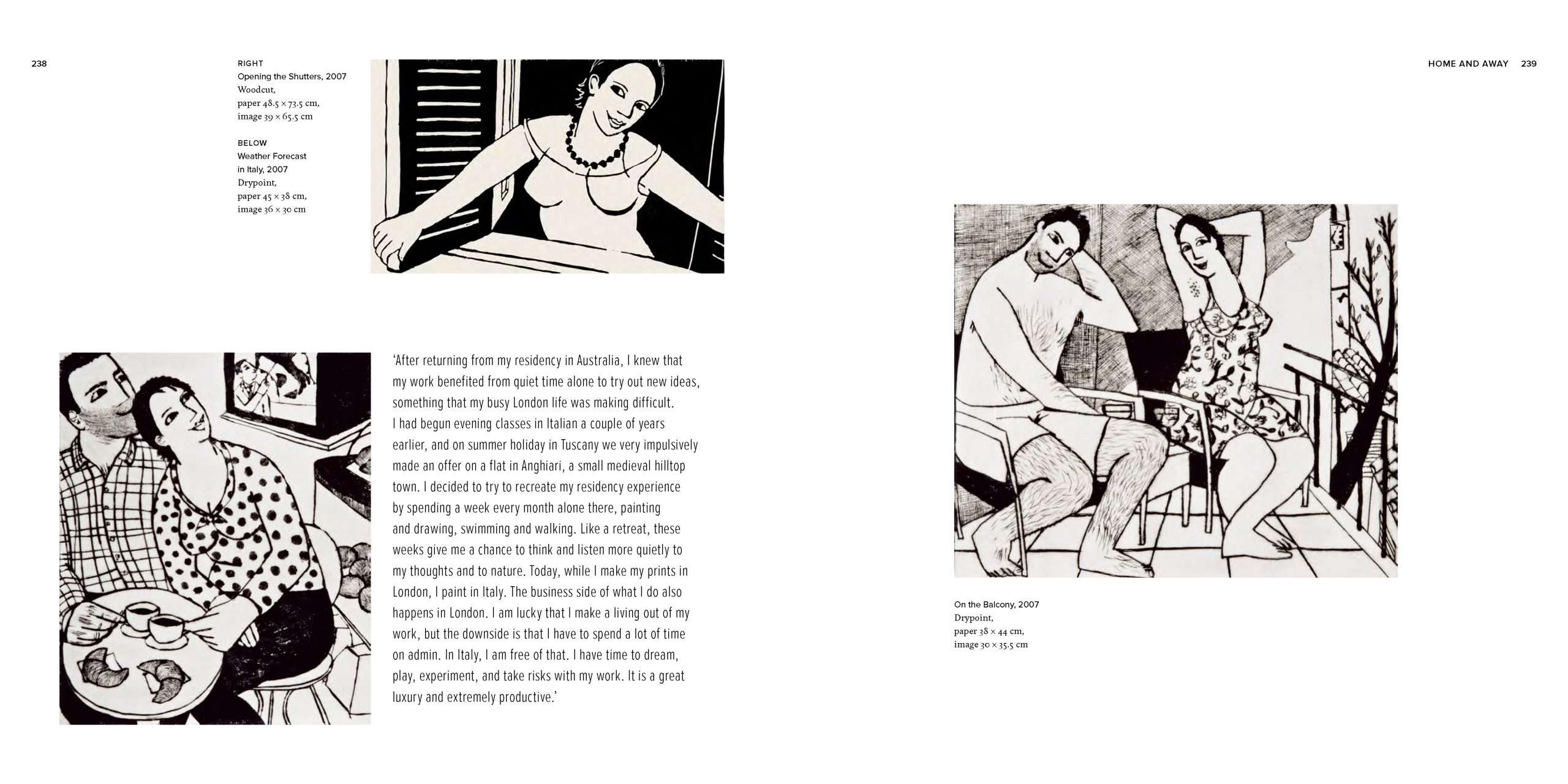
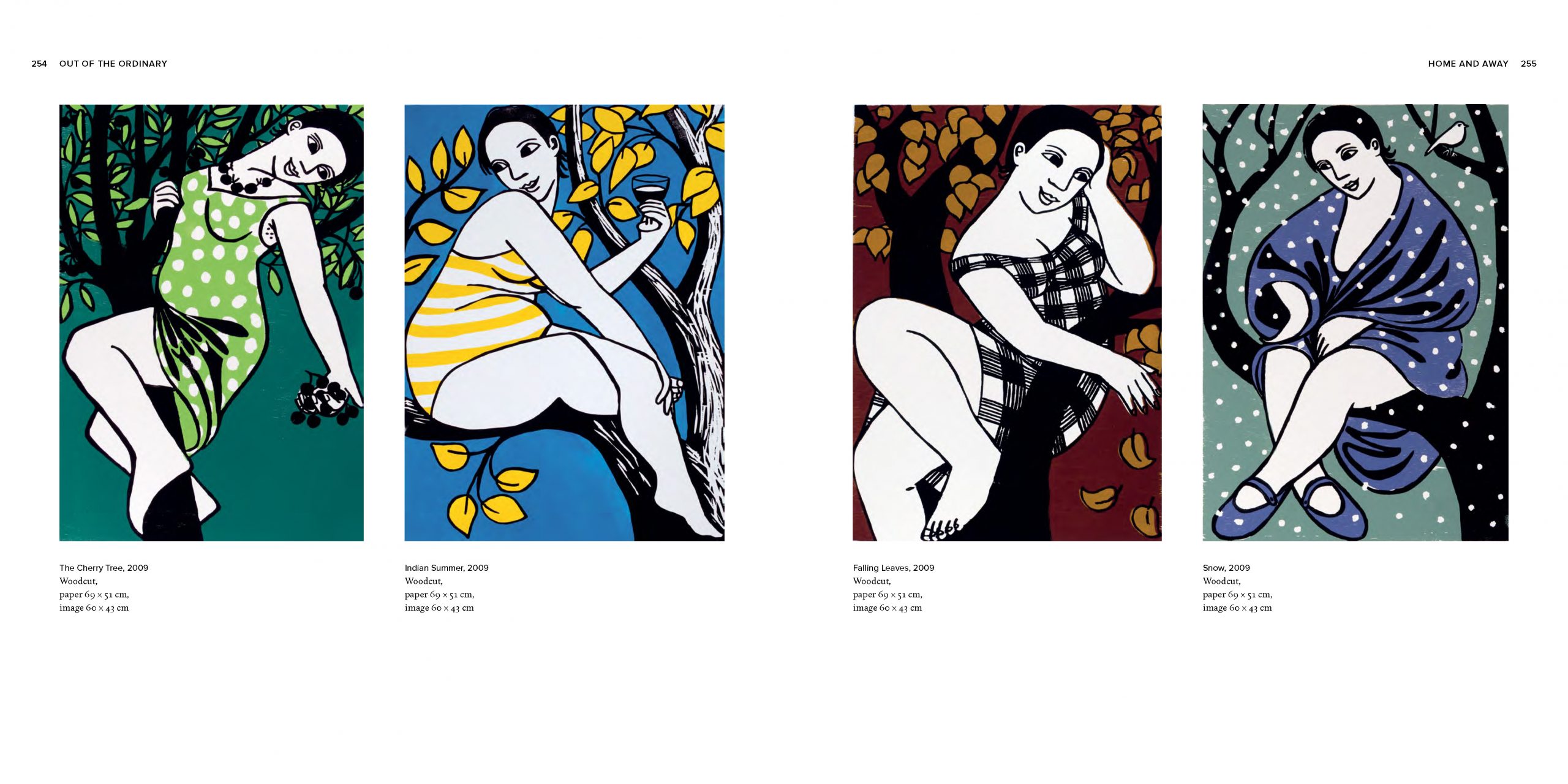
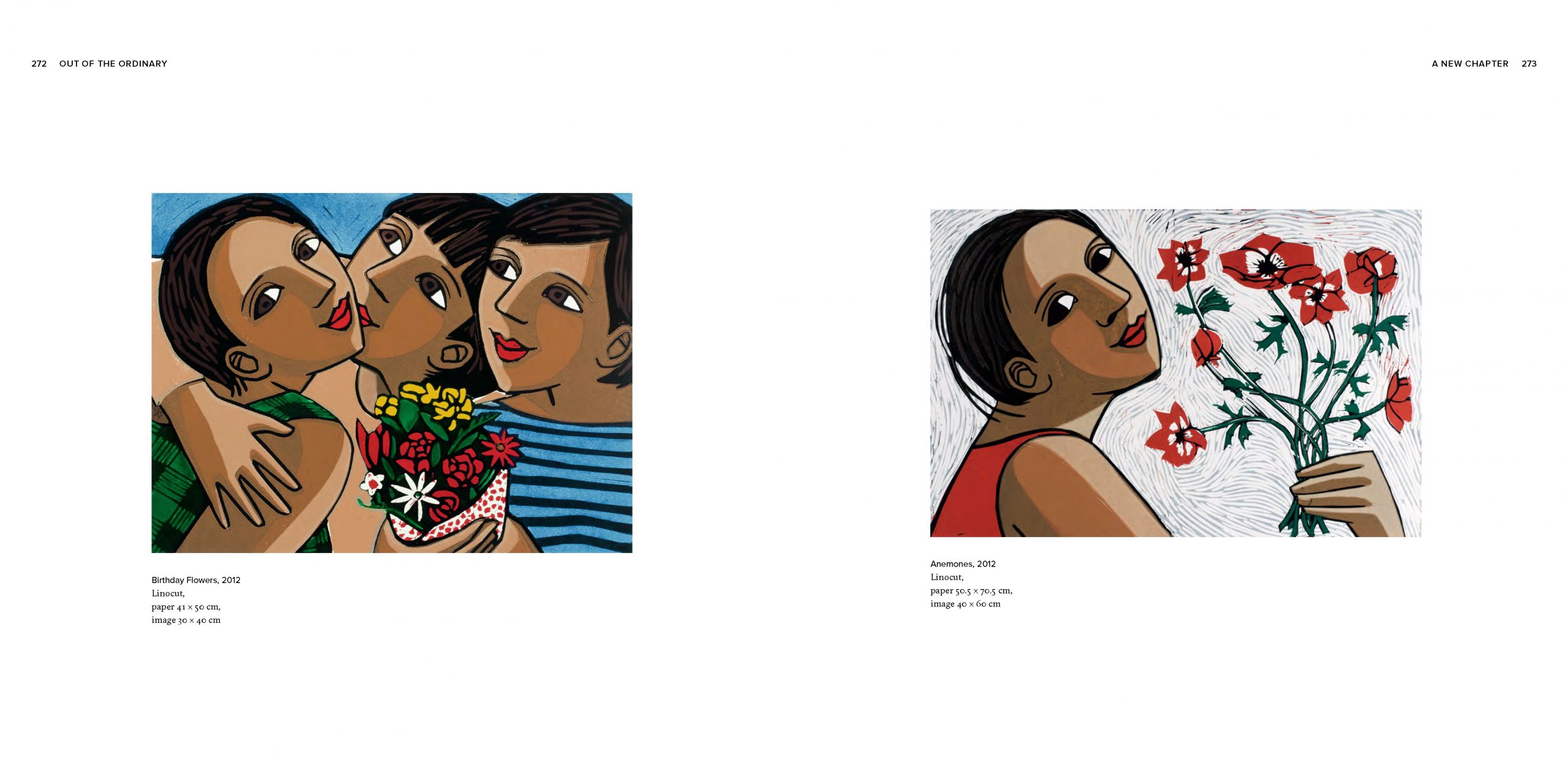
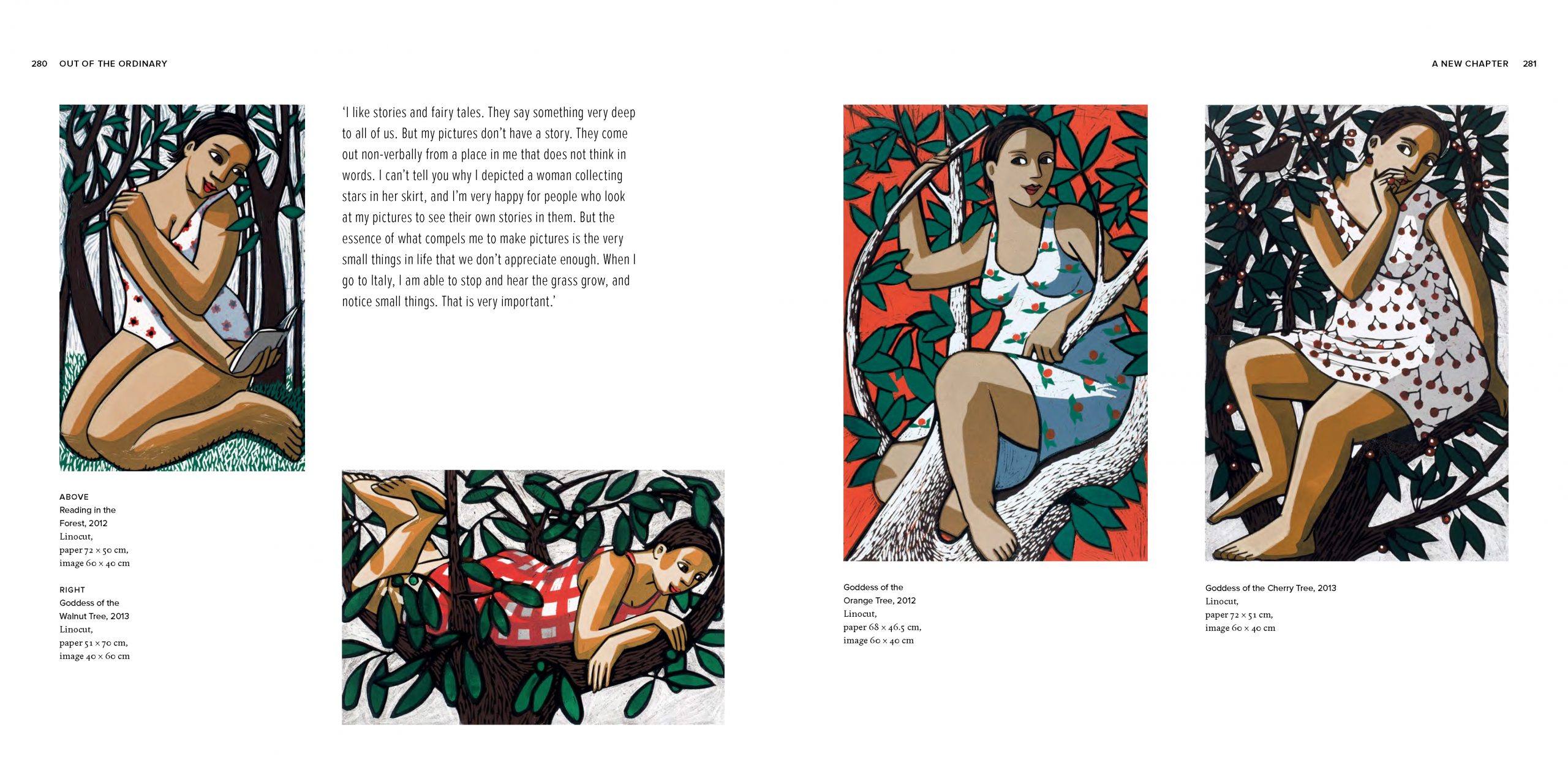
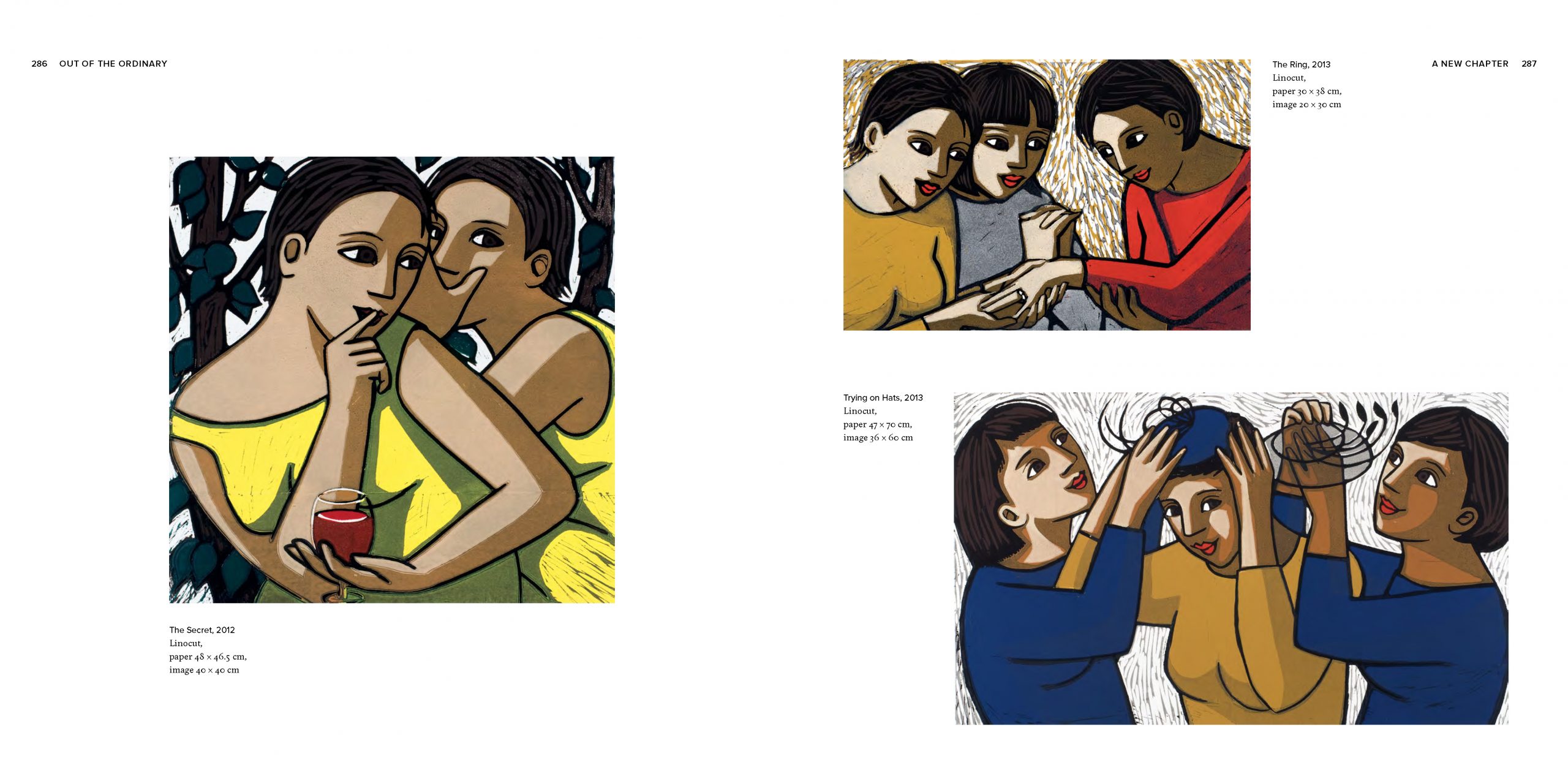
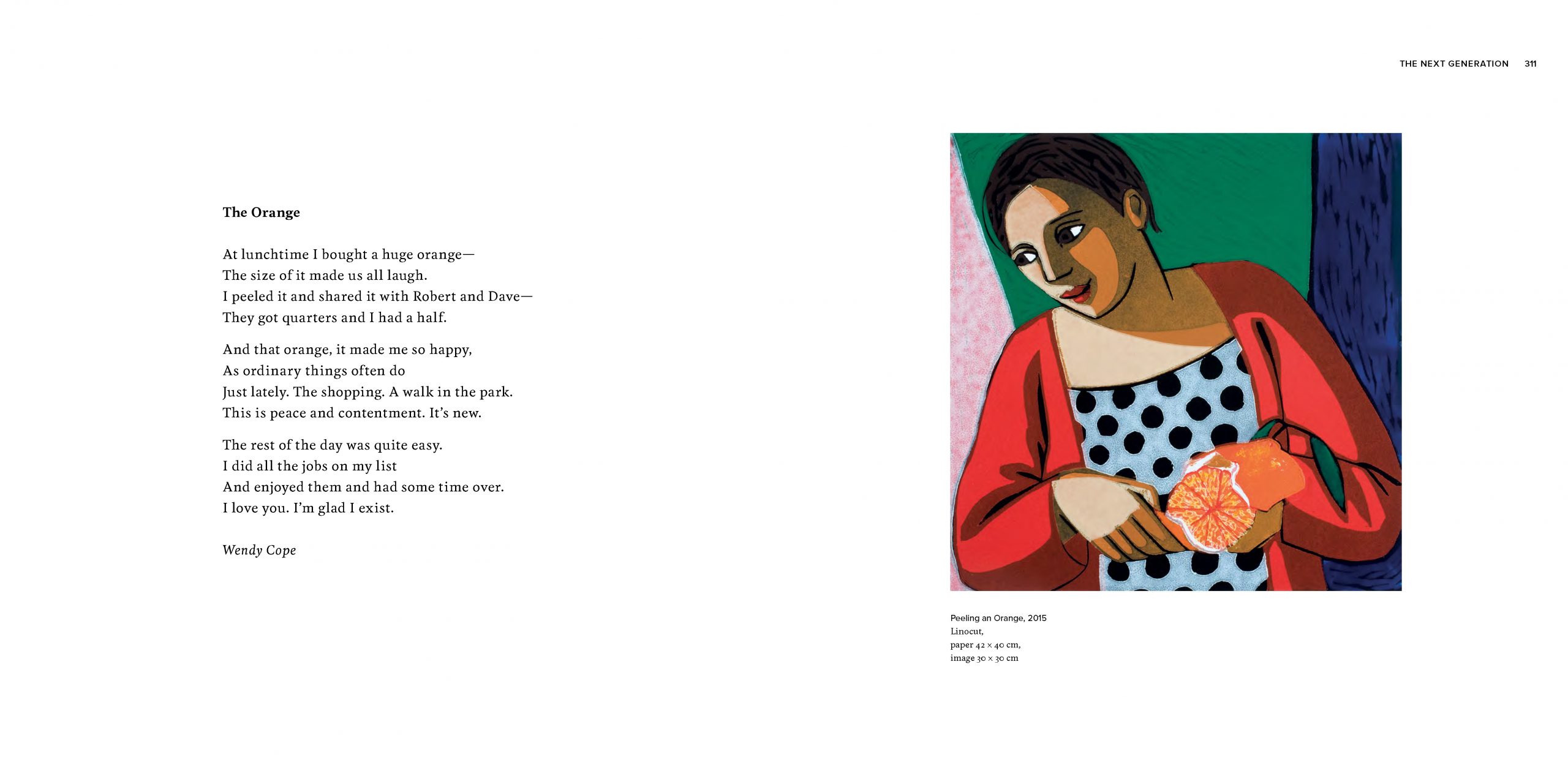
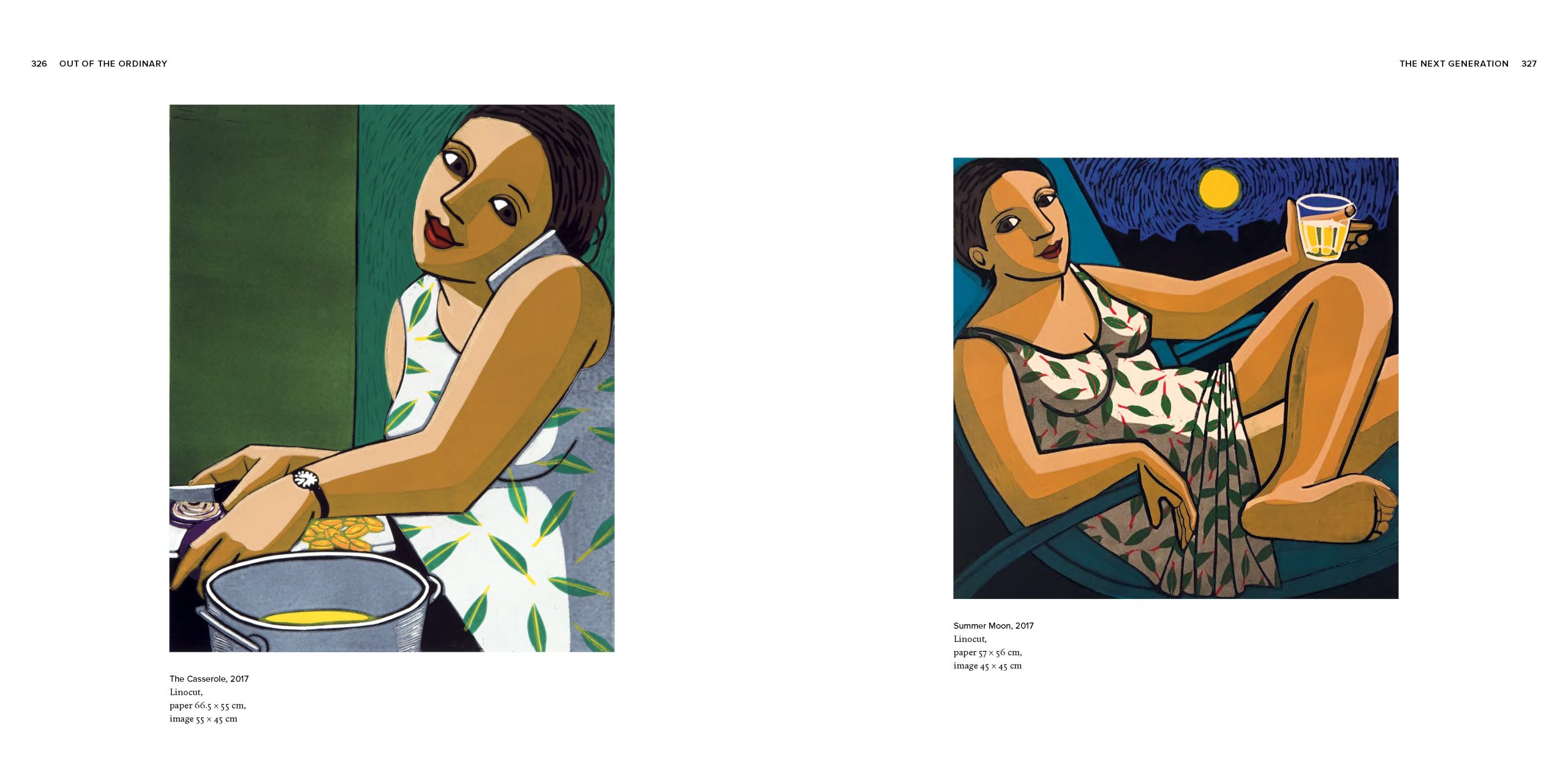
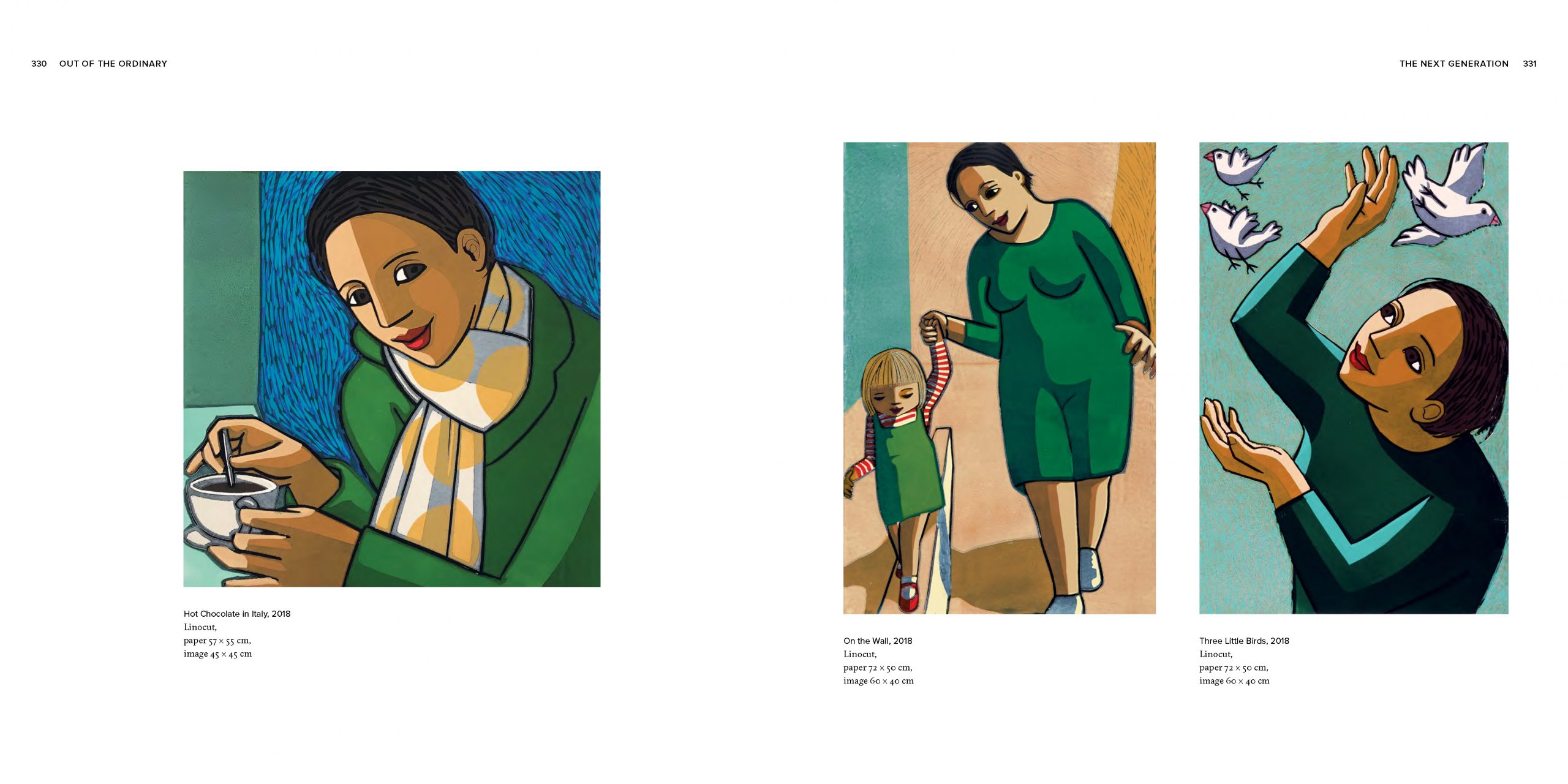
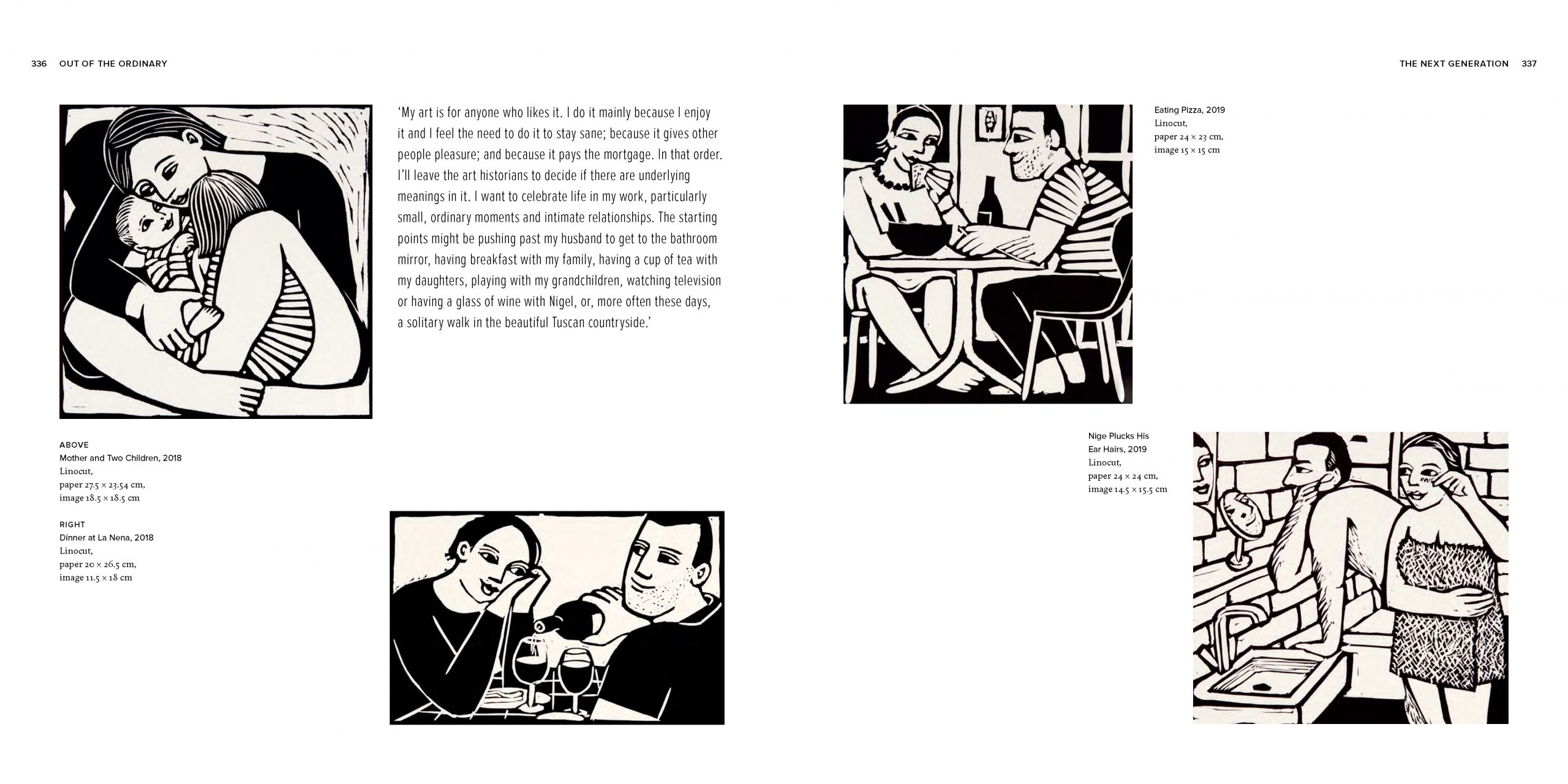
Anita Klein is an artist of the everyday and the personal. For more than forty years, she has produced thousands of paintings, prints, and drawings depicting her immediate family – husband, daughters, grandchildren, and herself – going about the very ordinary activities of daily life: watching television, cooking, reading, driving to school, soaking in the bath, getting dressed, cleaning the house, choosing a pet, going on holiday, or just cuddling up and sharing tender moments with loved ones. She captures these seemingly unremarkable domestic scenes with such humour, sensitivity, and beauty to create an intimate visual journal with which everyone can identify. Influenced by Italian Renaissance fresco painting, her direct style pares down forms into strong and simple shapes, transforming the images into contemporary secular icons that reveal a joyful and unselfconscious delight in the common ‘dailiness of life’. Witty, charismatic, warm, and poignant, Klein’s pictures depict a specific family, but her diaristic archive of life’s small and familiar moments tells a universal story.

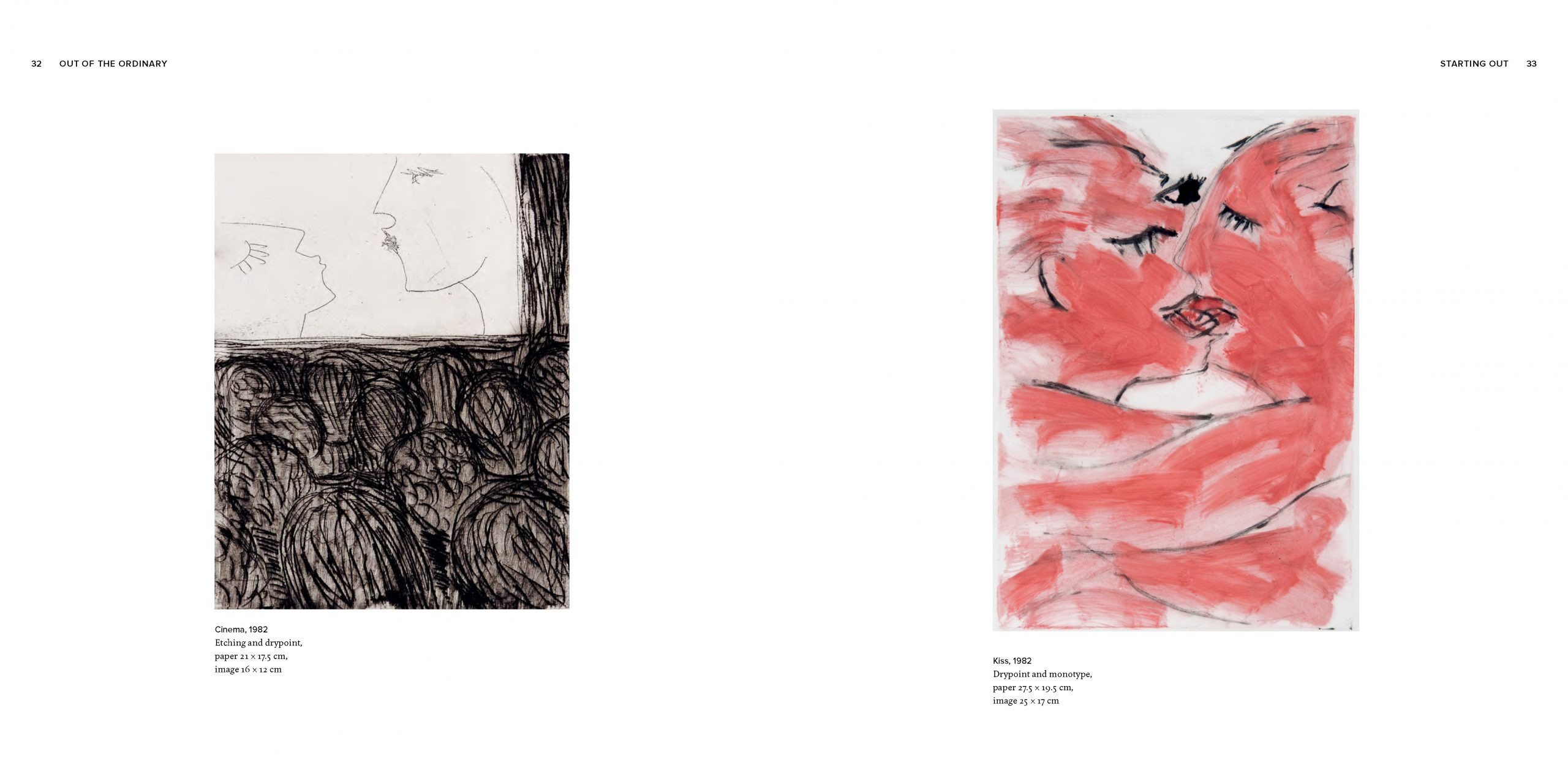
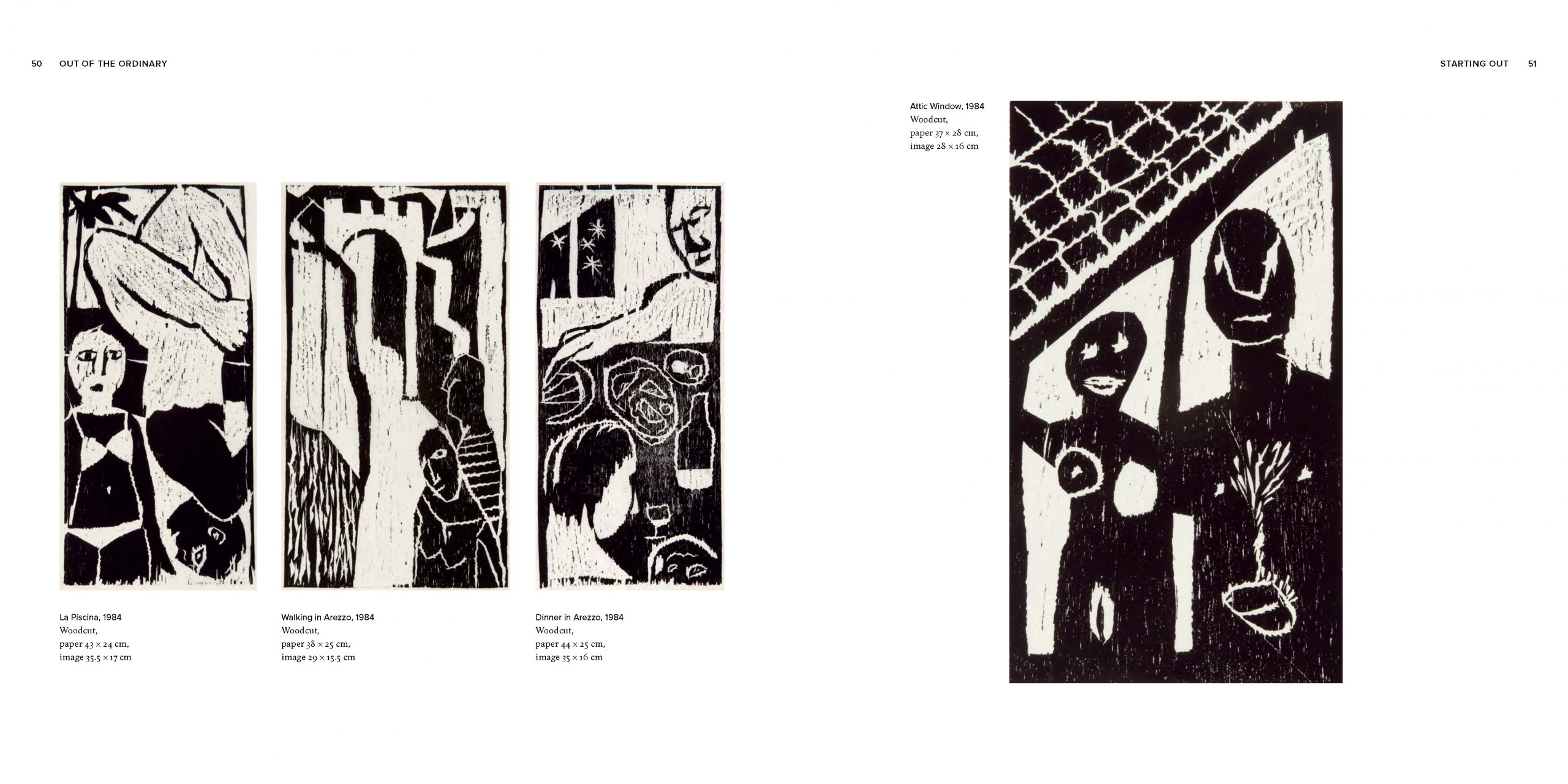
This book is a selection of five hundred and fifty of Klein’s best-loved prints. It presents a charming chronological record of the family’s day-to-day life through the decades, seen from the artist-mother’s perspective, as they grow and change in their respective roles within the household. We can also follow her development as a printmaker, from the simple monochrome drypoints in the 1980s, a consequence of the practical and financial demands of being a young stay-at-home mum, through to the more colourful and elaborate prints of recent years.

A personal appreciation of Anita Klein’s work by acclaimed poet Hollie McNish opens the volume, while texts by Rebecca and Vincent Eames, who have collaborated with the artist for more than two decades, and critic Mel Gooding provide an introduction to her practice. Klein herself gives recollection and further detail with short commentaries on the images and the occasions that they depict, and poems contributed by Dame Carol Ann Duffy, Hollie McNish, and Wendy Cope complete this delightful publication.

Anita Klein (b.1960) studied at Chelsea and Slade Schools of Art in London in the early 1980s, studying under Paula Rego among other tutors. She has work in many private and public collections in Europe, the United States, and Australia, including the Arts Council England, the British Museum and the British Library. She has had many solo exhibitions in the London as well as worldwide, and three monographs of her paintings have been published. She was President of the Royal Society of Painter Printmakers from 2003 to 2006, and she was awarded Printmaker of the Year at the 2020 Printfest International Festival of Printmaking in the UK. She lives and works between London and Italy.

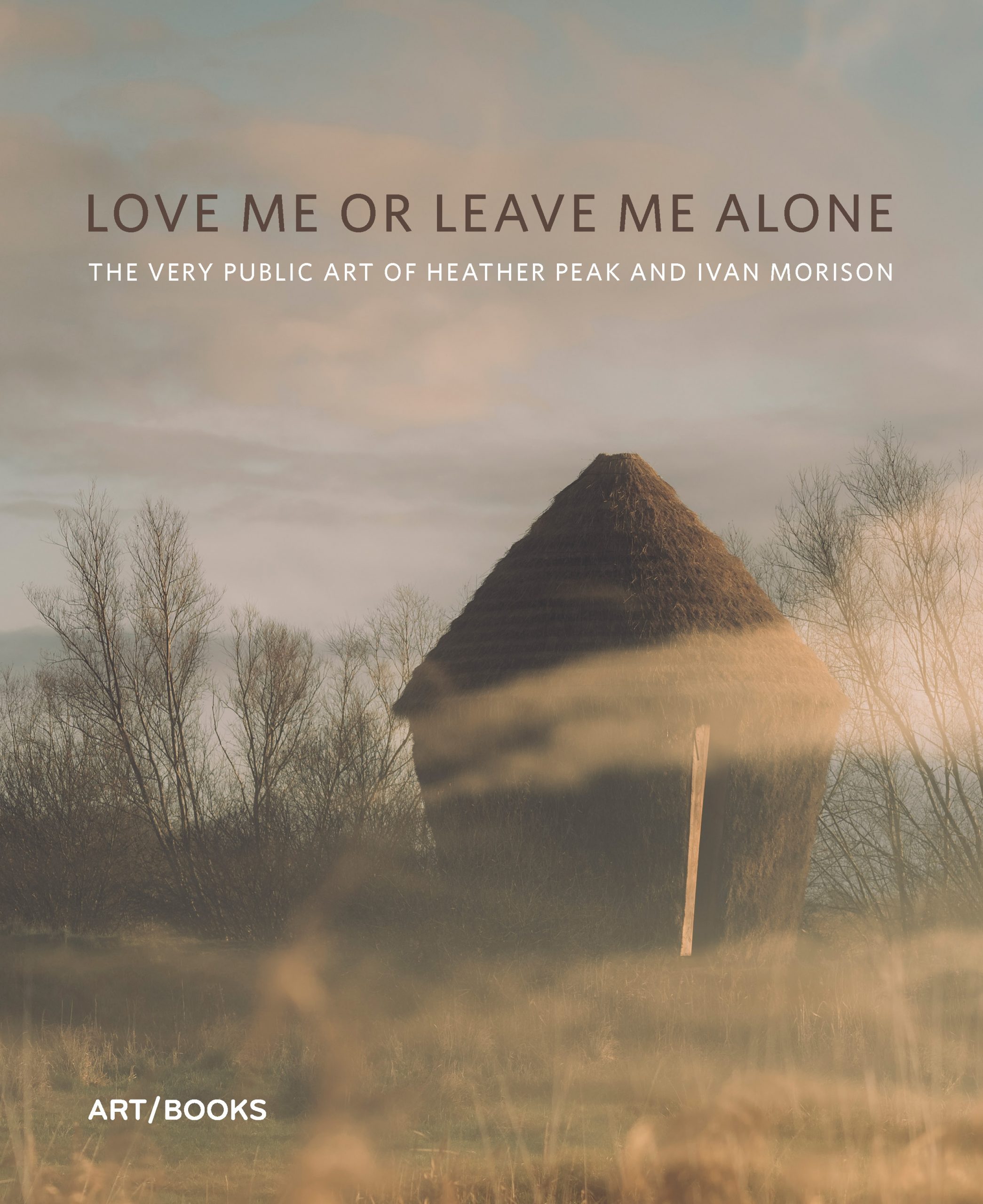
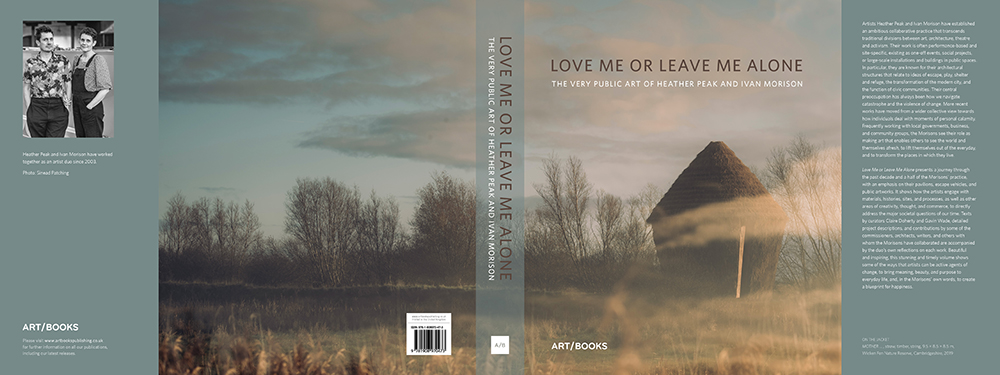
Love Me Or Leave Me Alone

The Very Public Art of Heather Peak and Ivan Morison

Texts by Claire Doherty and Gavin Wade
With additional contributions from Danielle Arnaud, Monica Boekholt, Jemima Burrill, David Cross, Lucy Davies, Sarah Farrar, Hannah Firth, Eric Fredericksen, Synthia Griffin, Dorita Hannah, Philip Hewat Jaboor, Rose Higham-Stainton, Ellie Jones, Mark Lanctôt, Clare Lilley, Karin Lohr, Donna Lynas, John McGraff, Elizabeth Ann Macgregor, Marie McPartlin, Marie-Anne McQuay, Laura Mansfield, Sally O’Reilly, Peta Rake, Miles Richardson, Kathleen Ritter, Clint Roenisch, Andrea Schlieker, Anthony Spira, Ben Tufnell, Sarah Weir

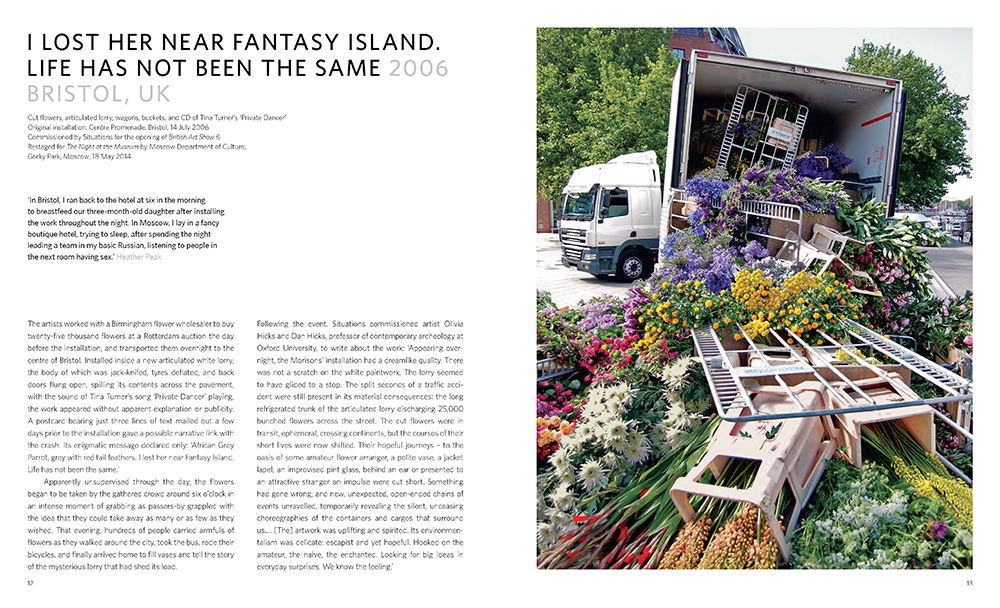
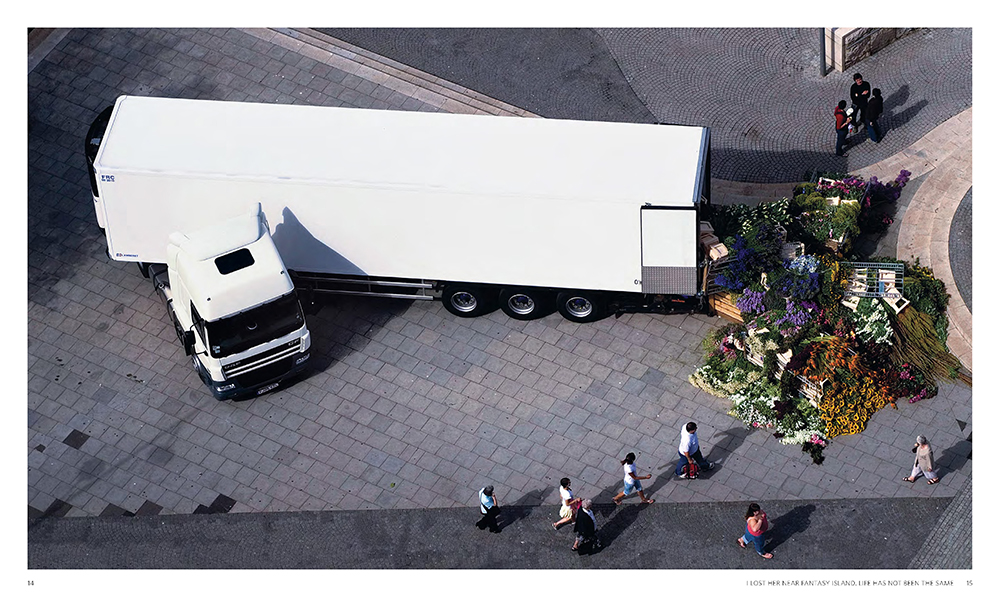
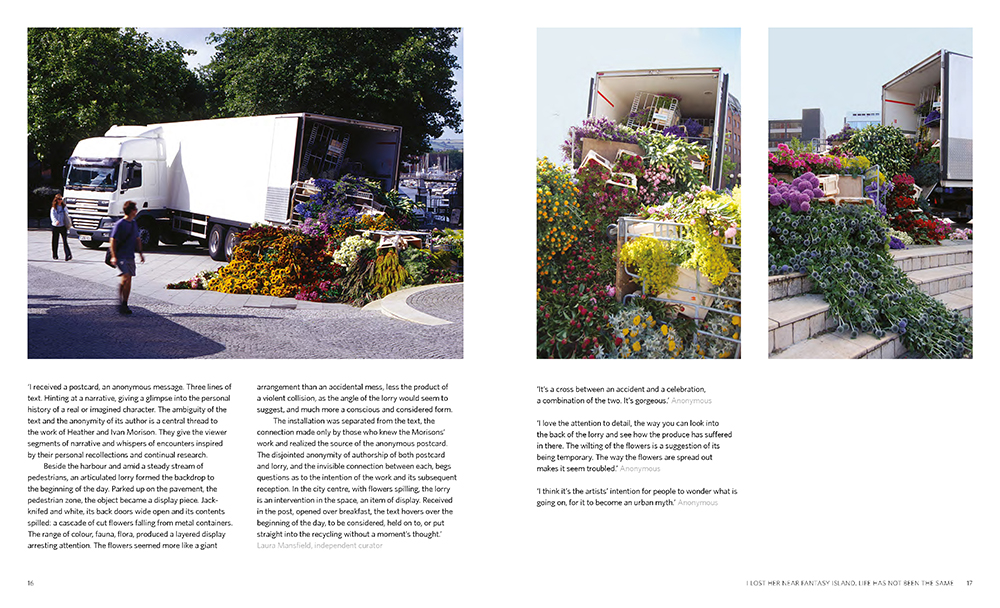
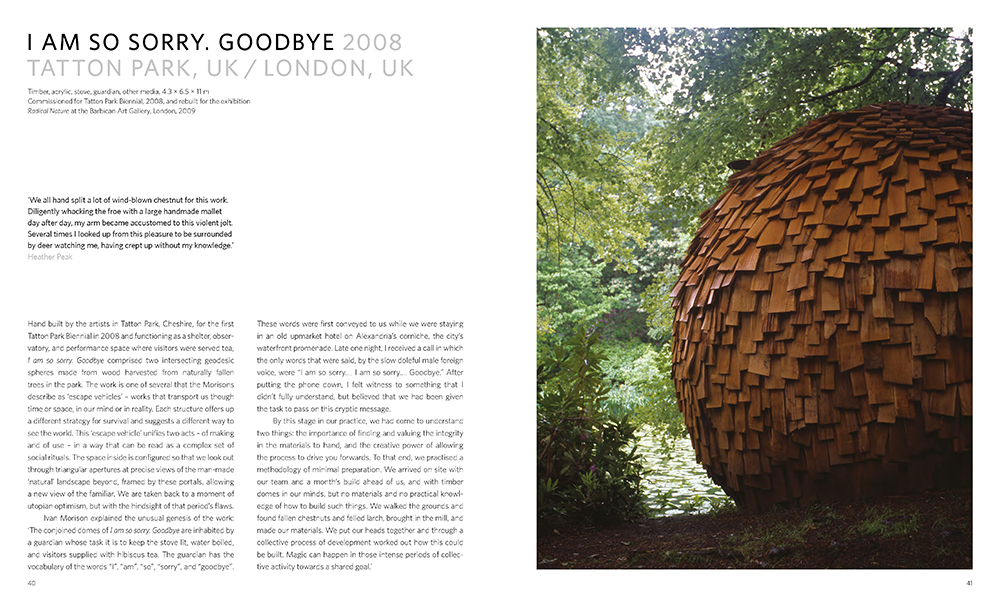
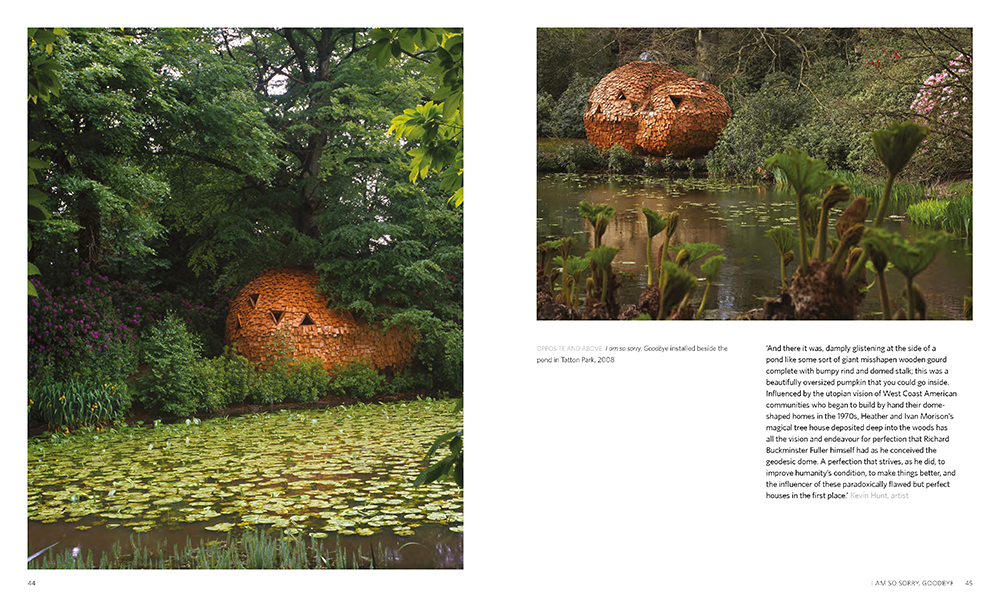
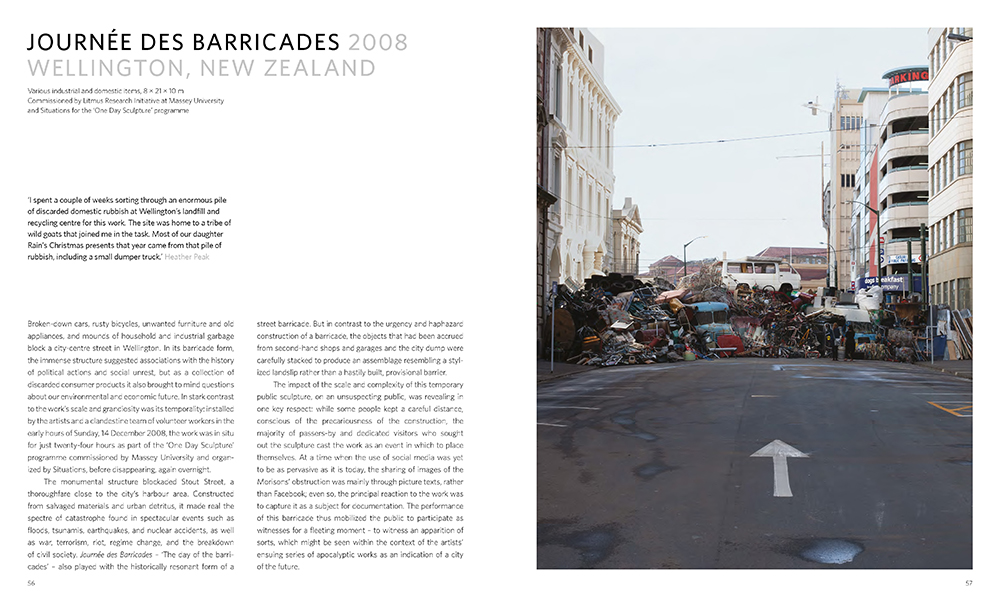
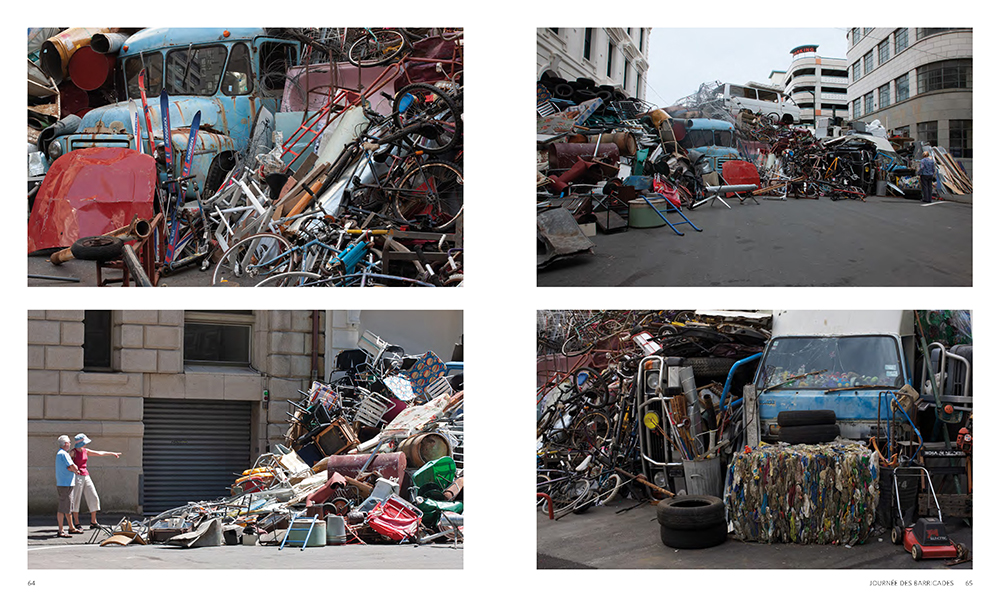
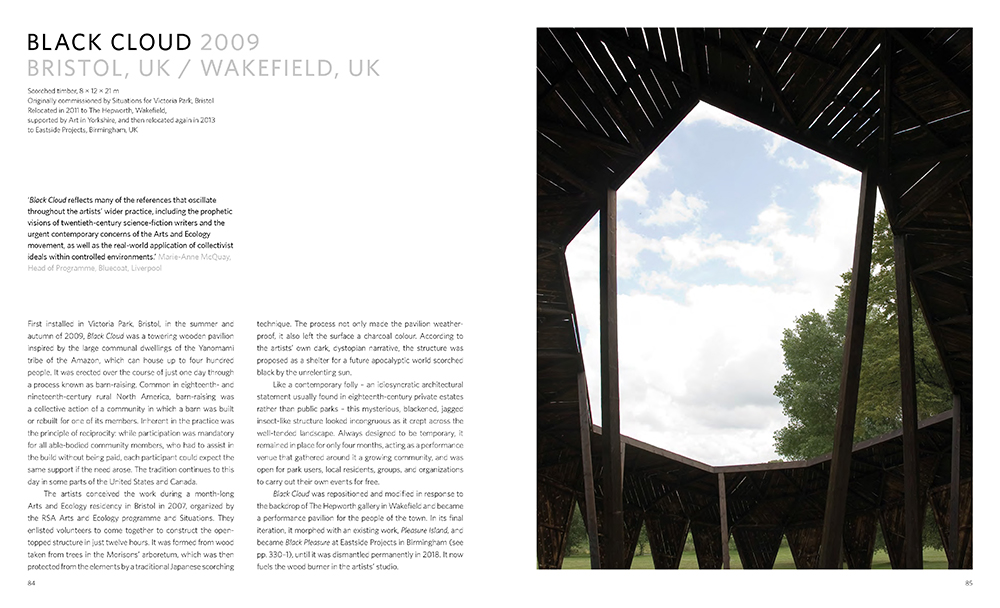
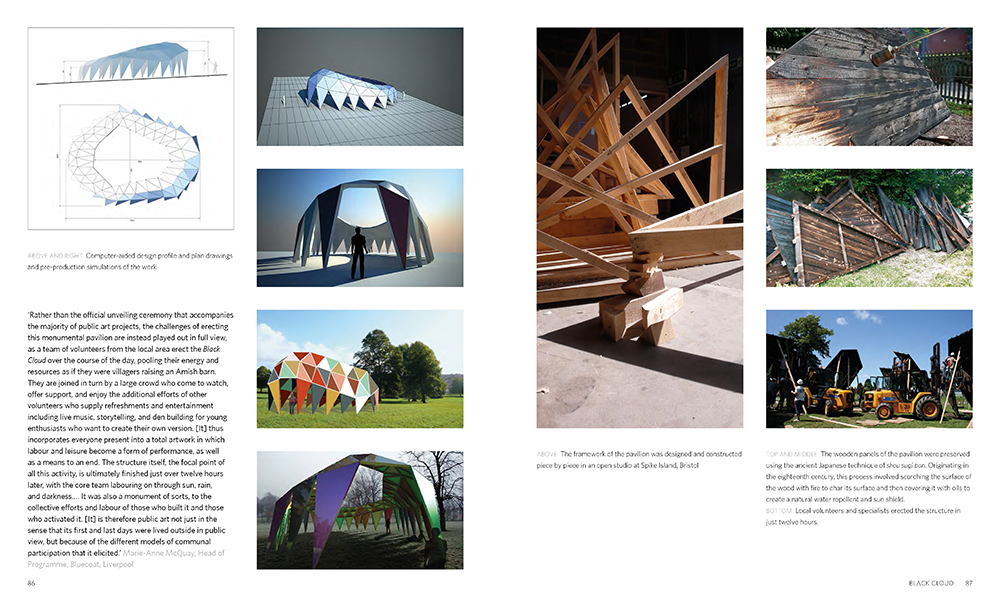
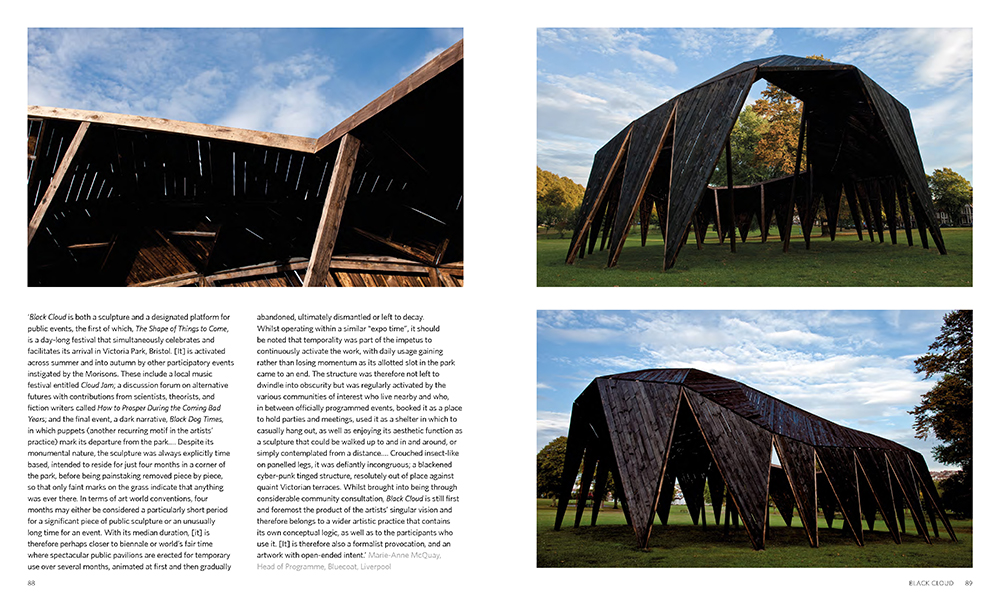
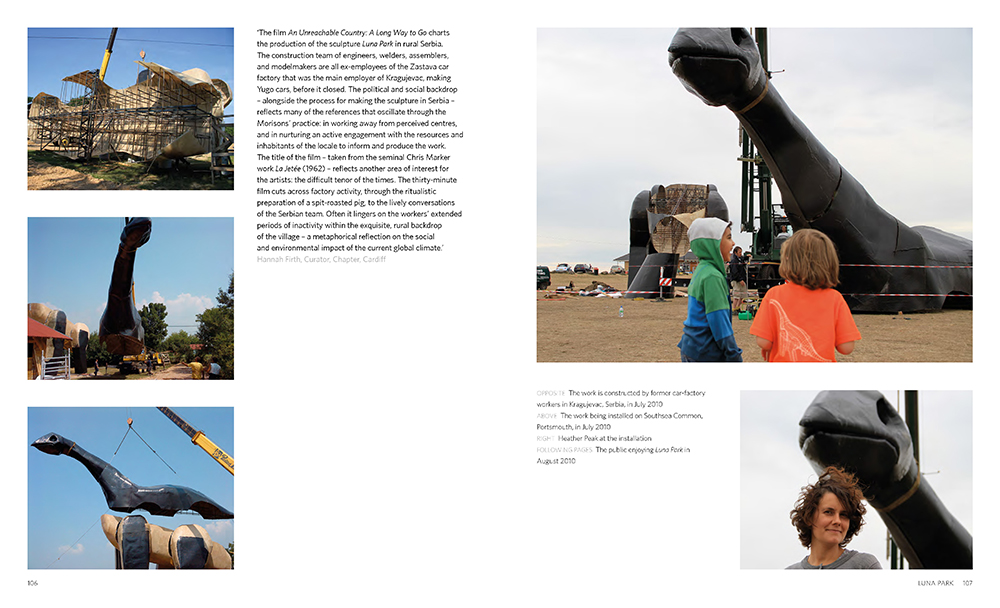
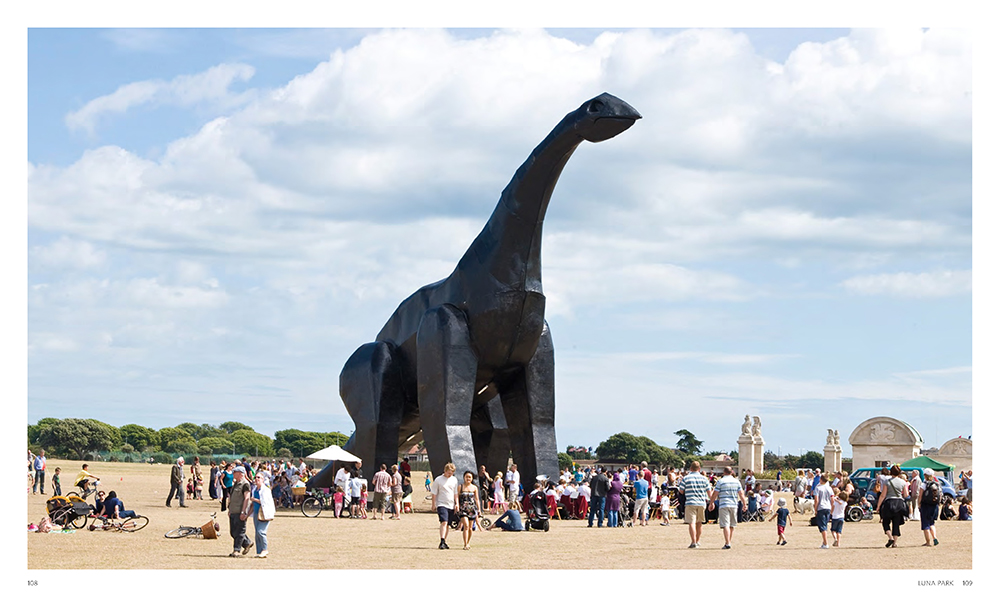
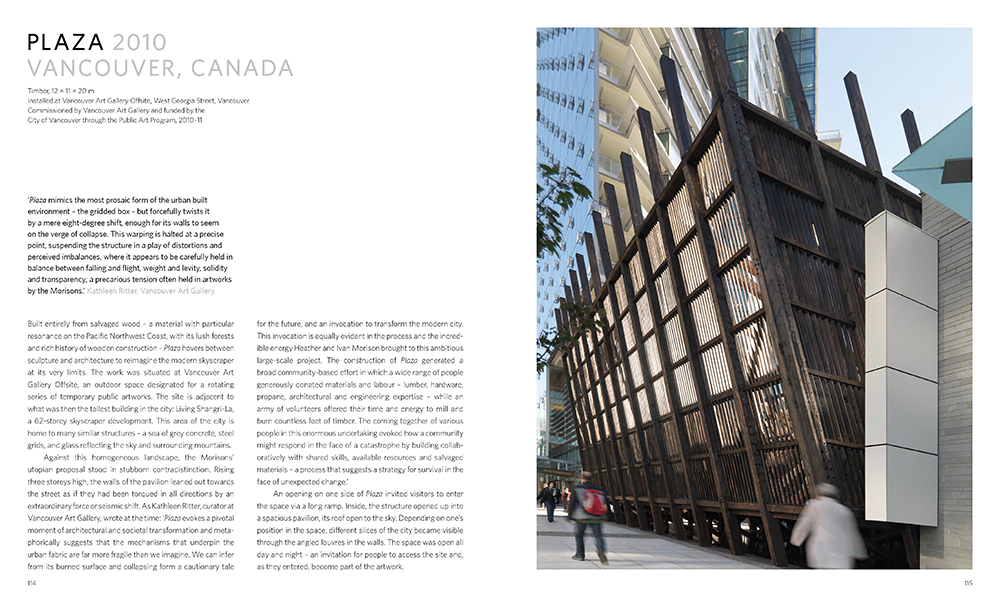
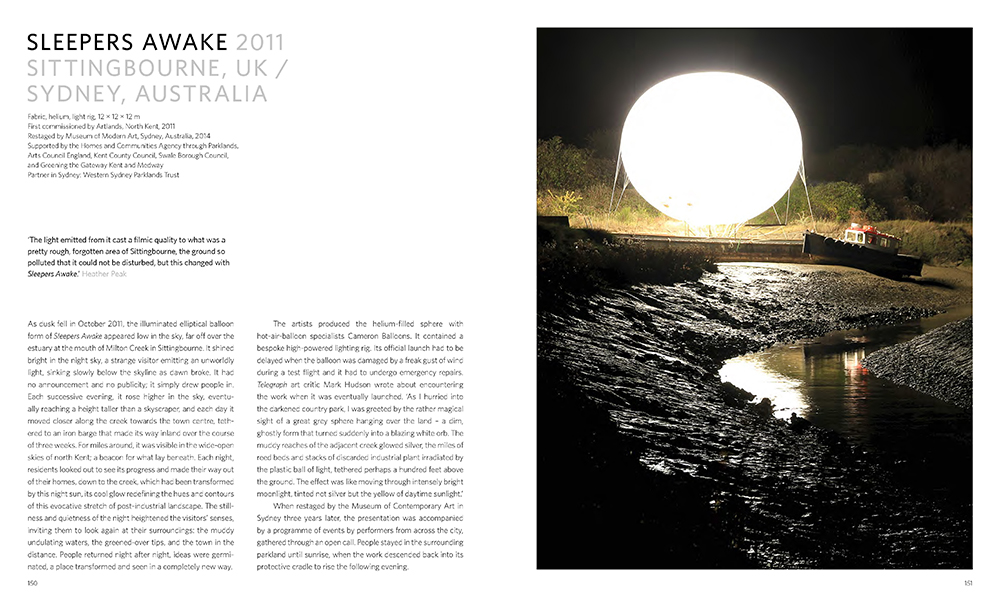
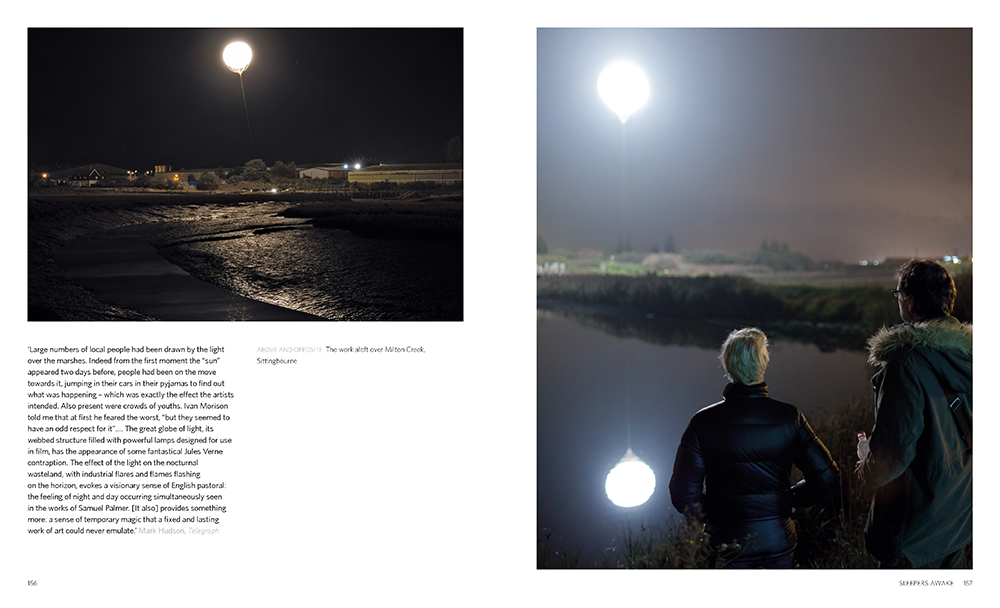
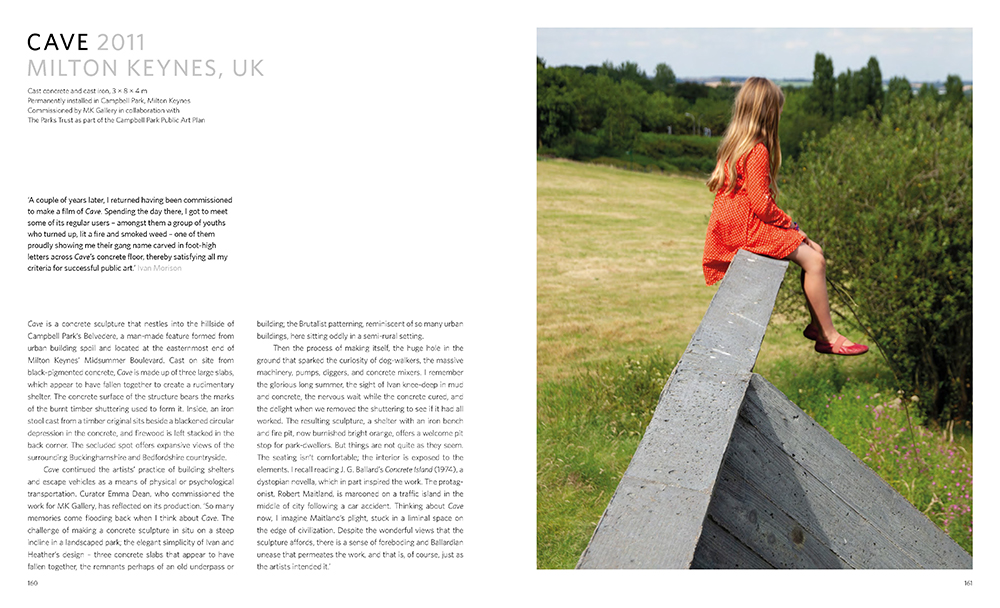
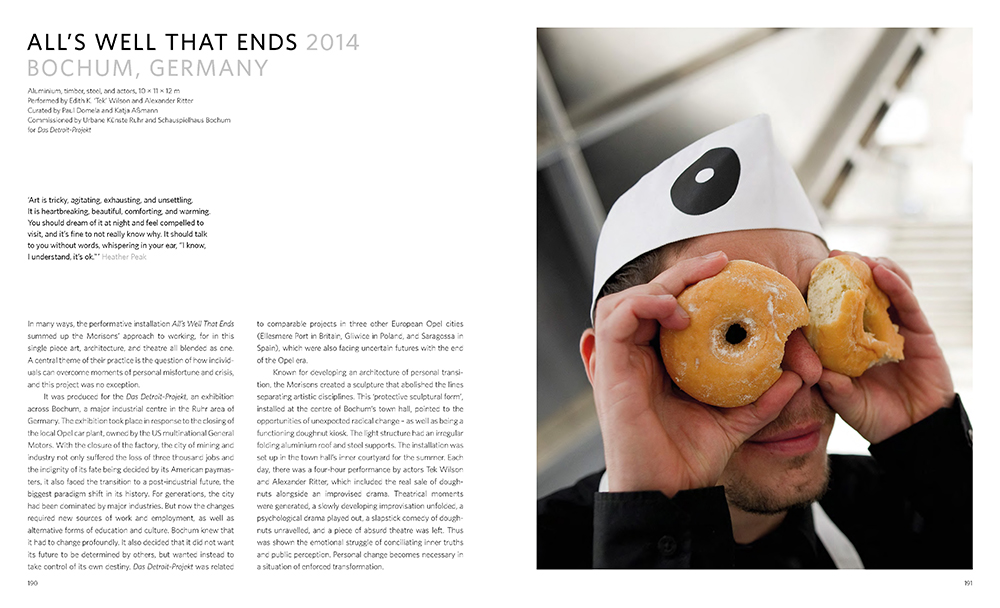
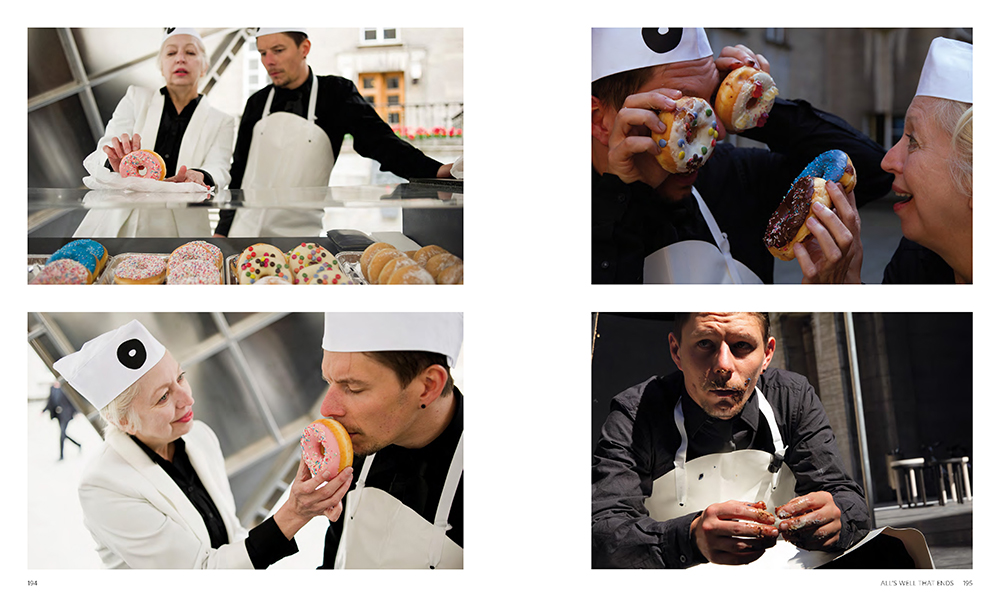
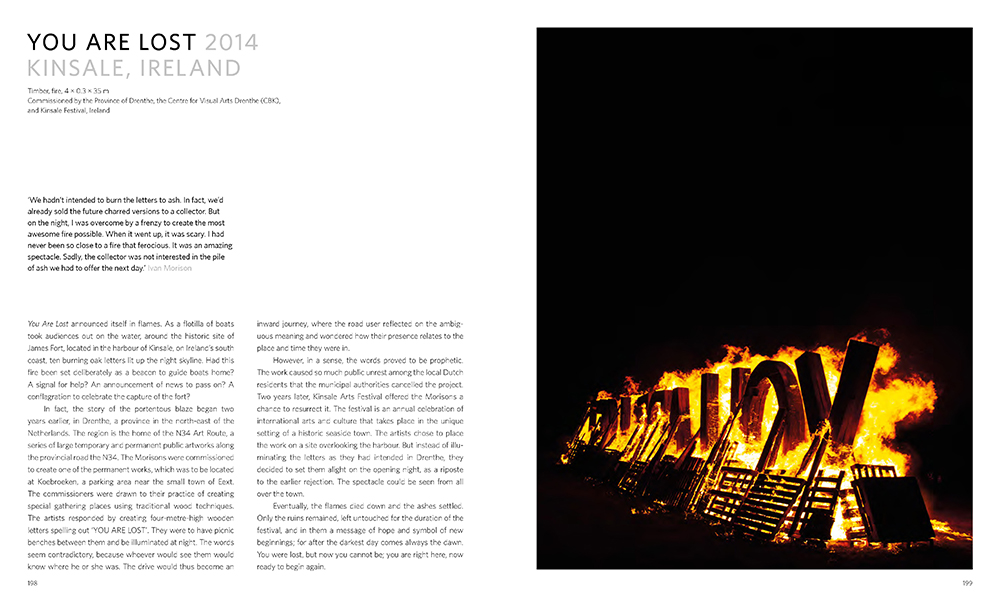
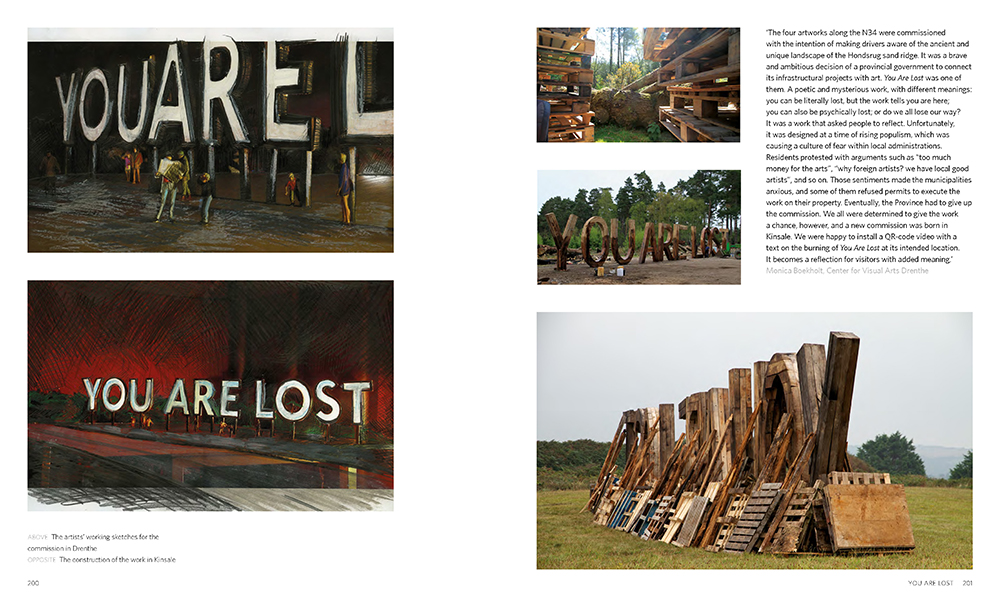
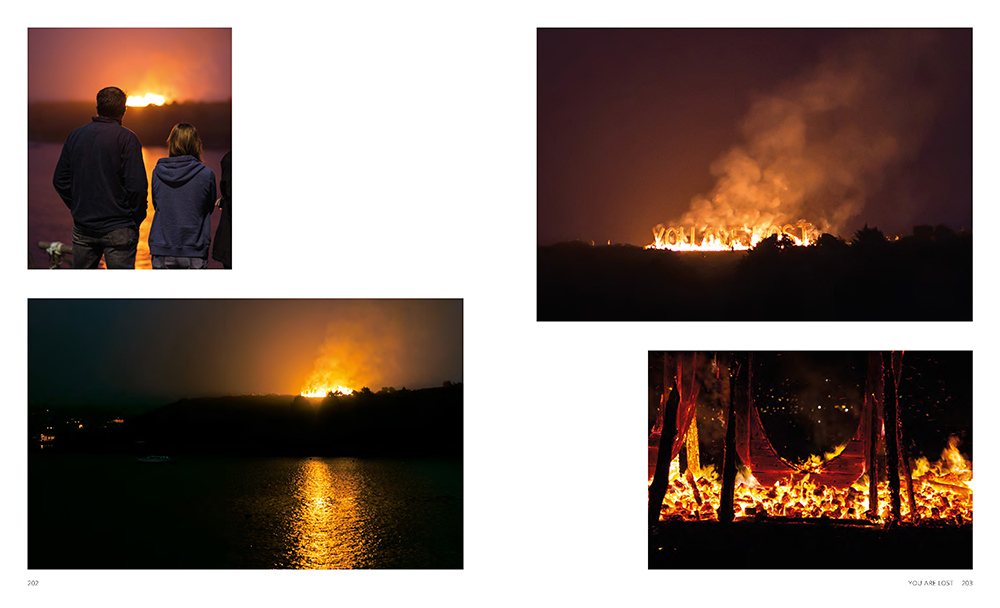
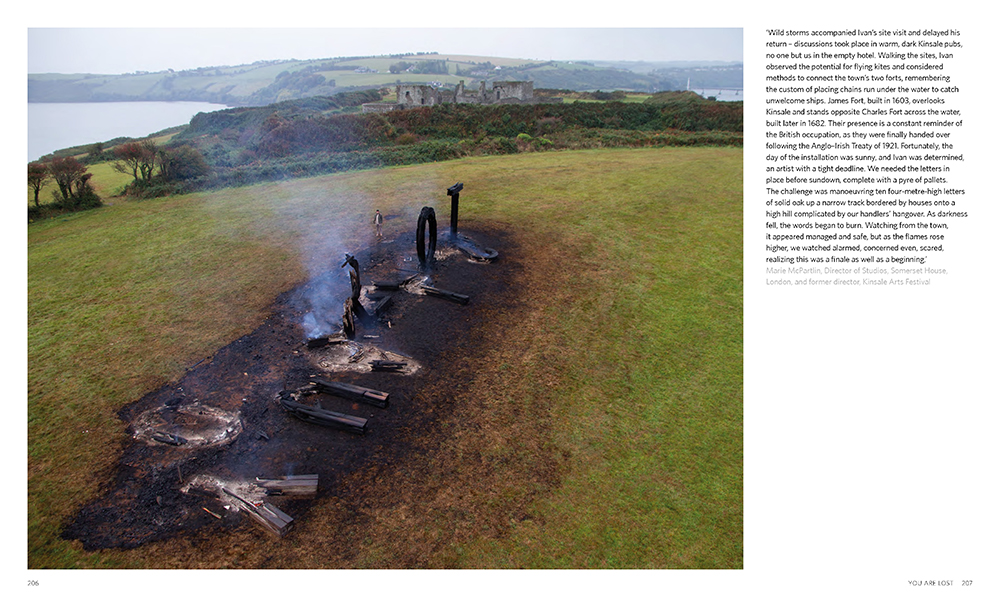
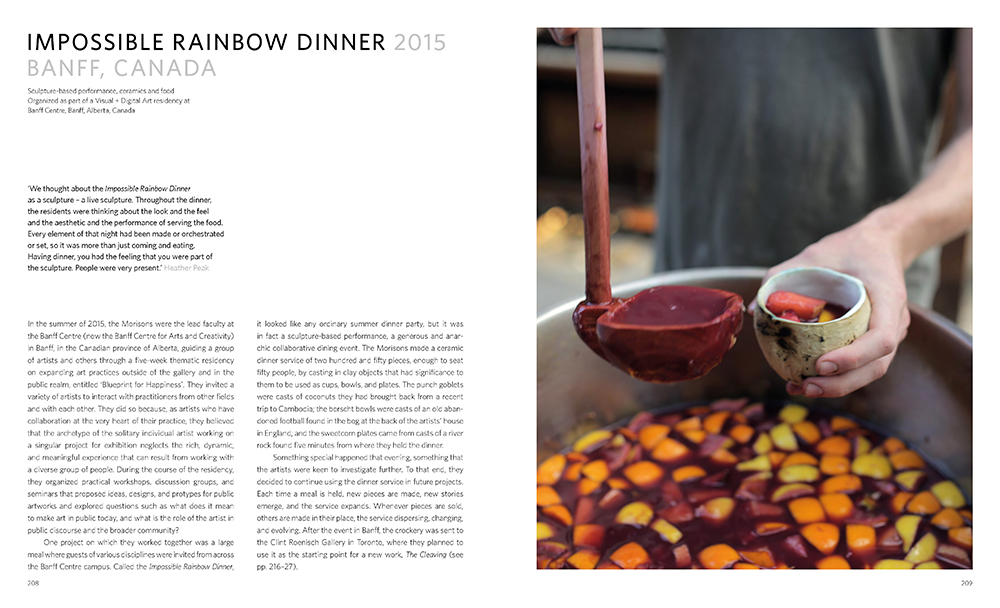
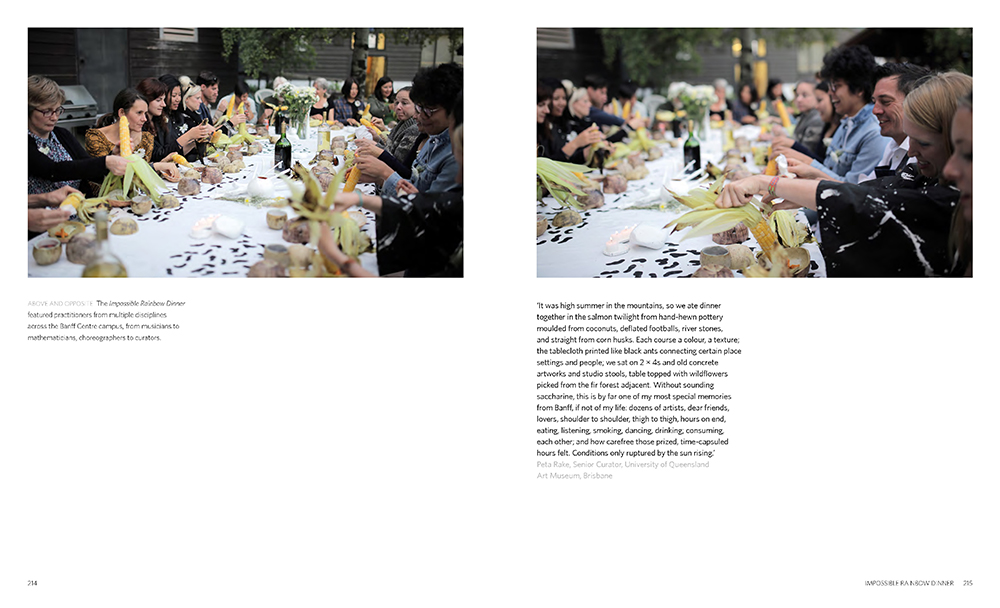
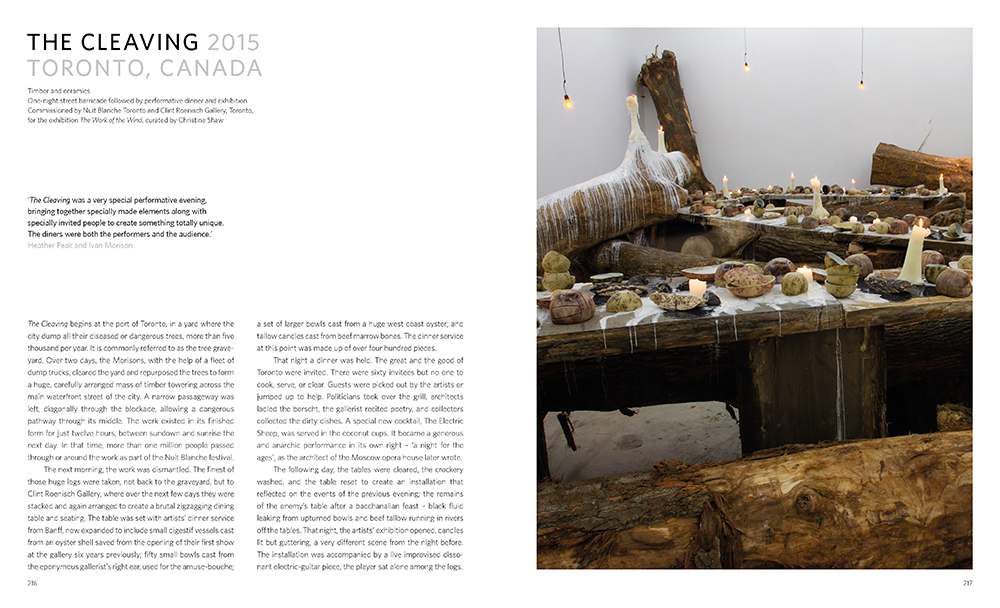
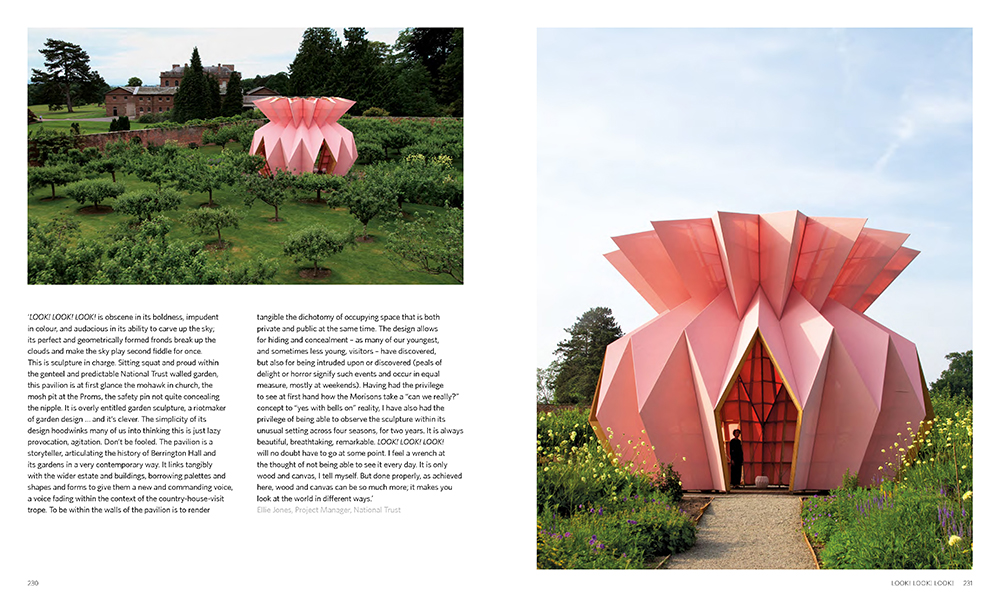
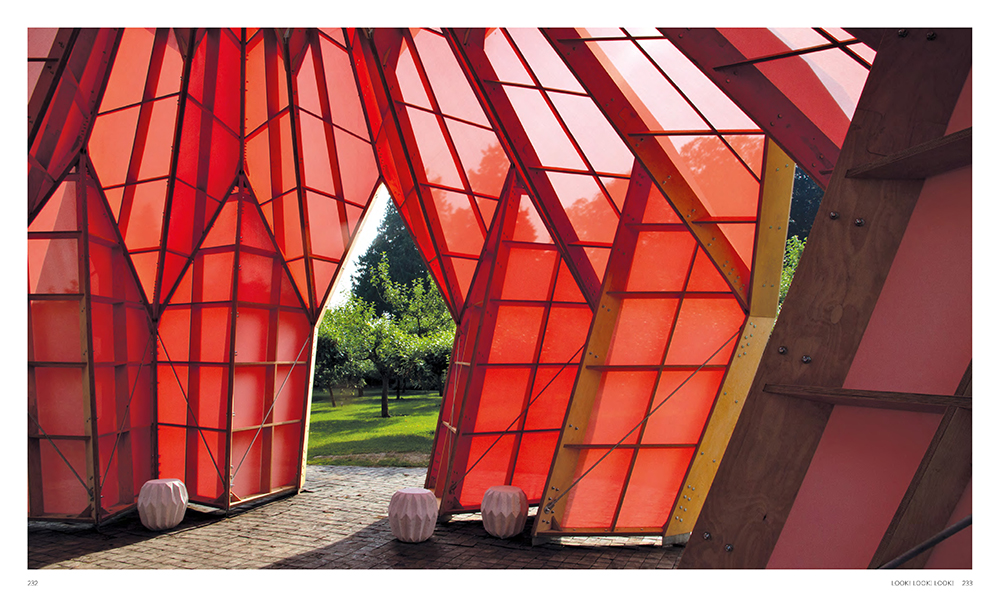
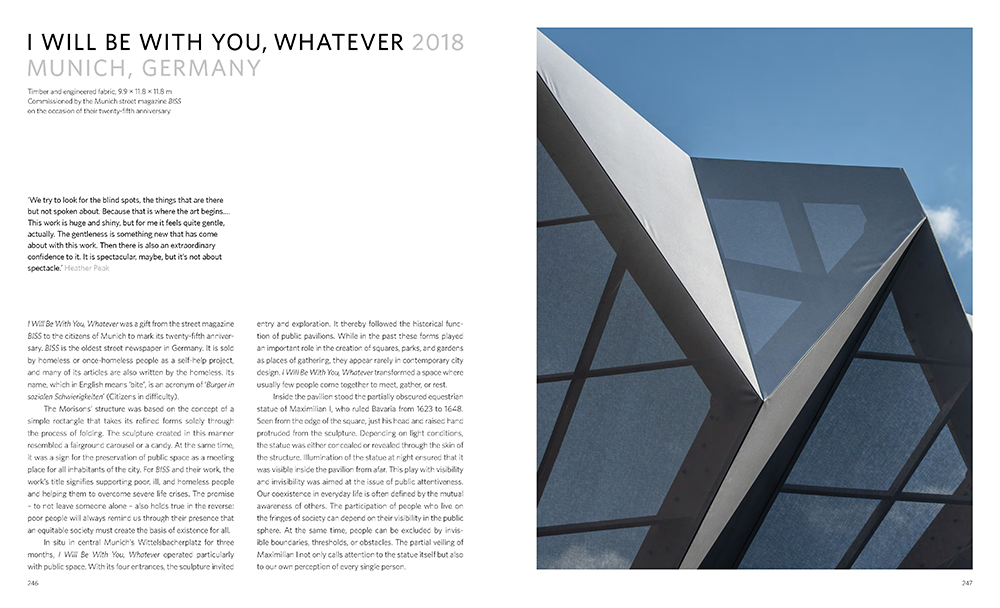
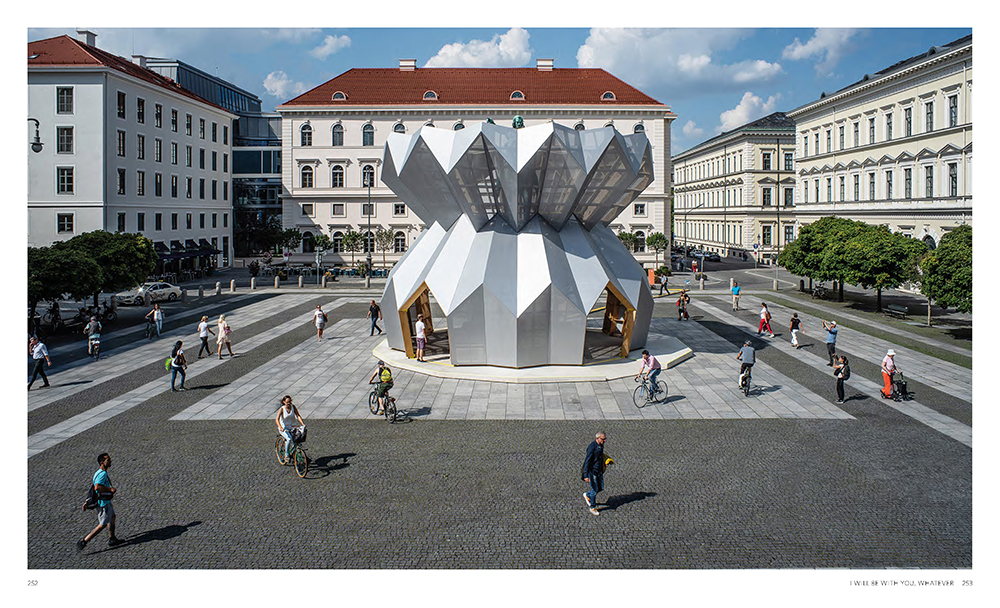
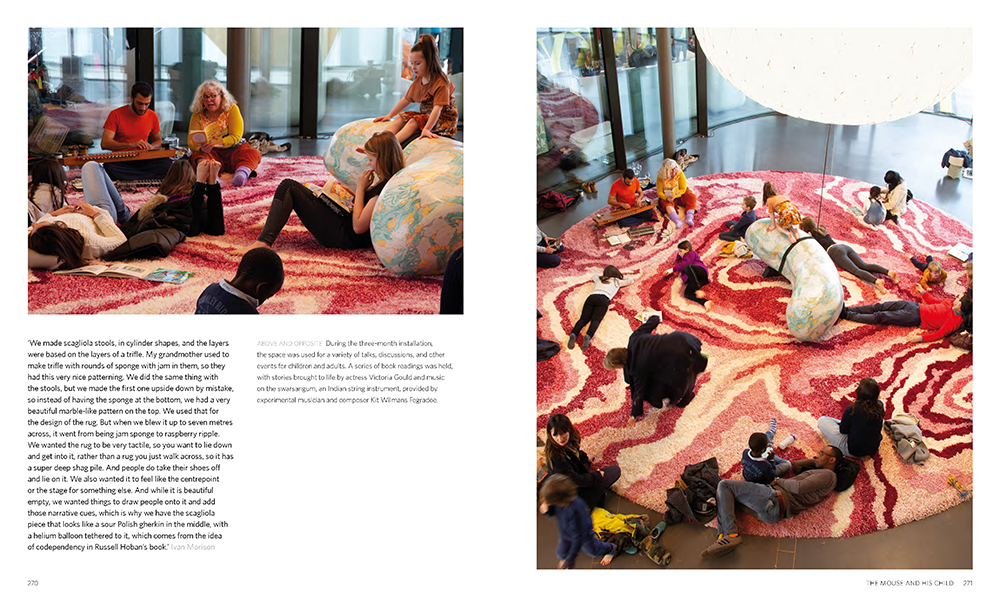
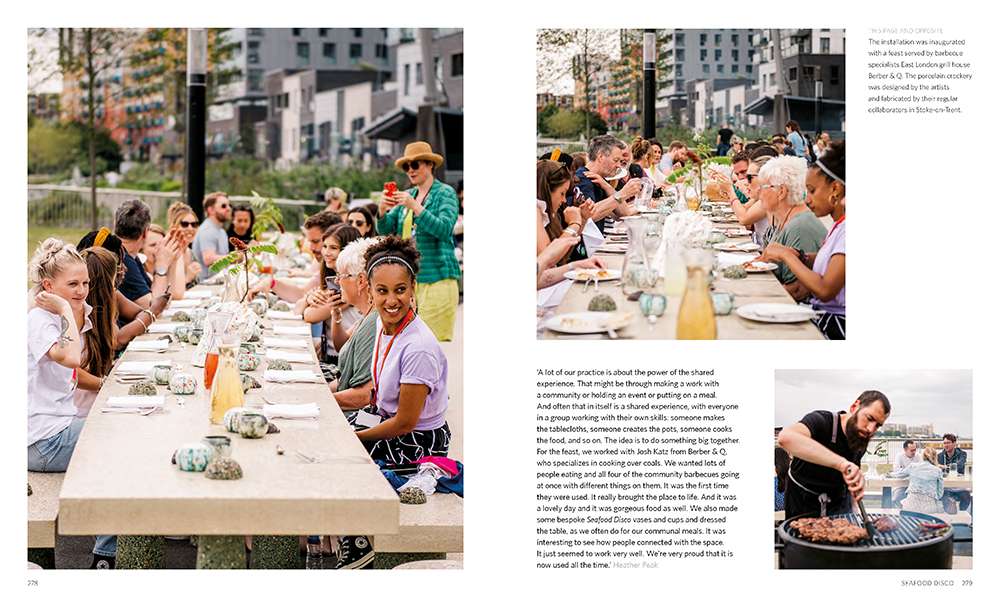
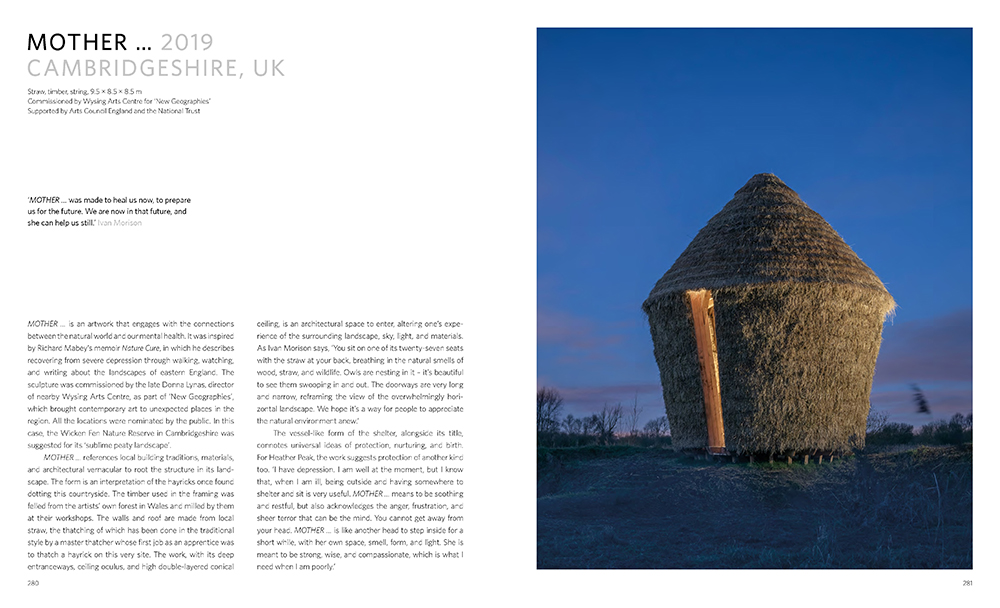
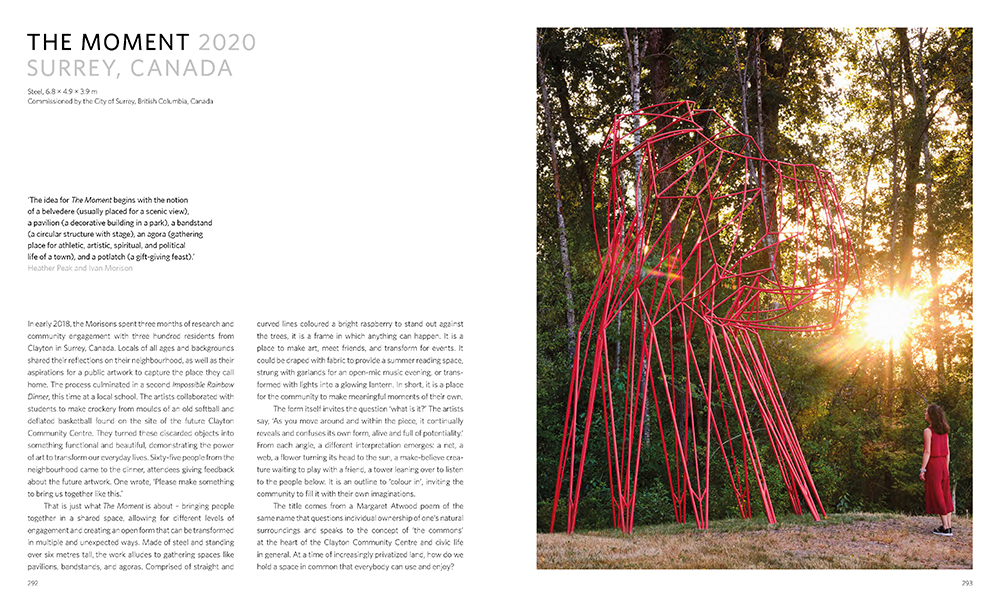
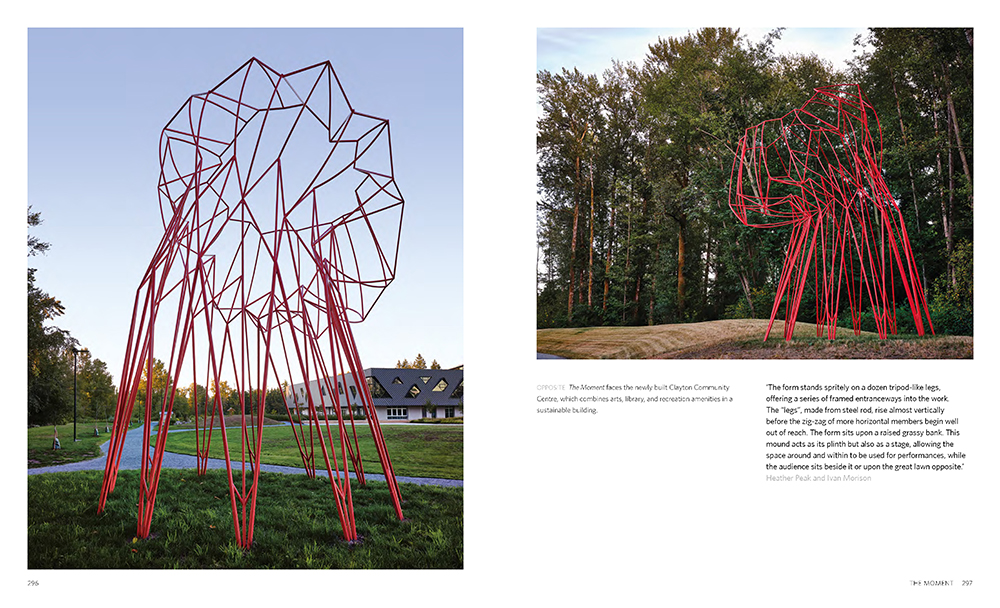
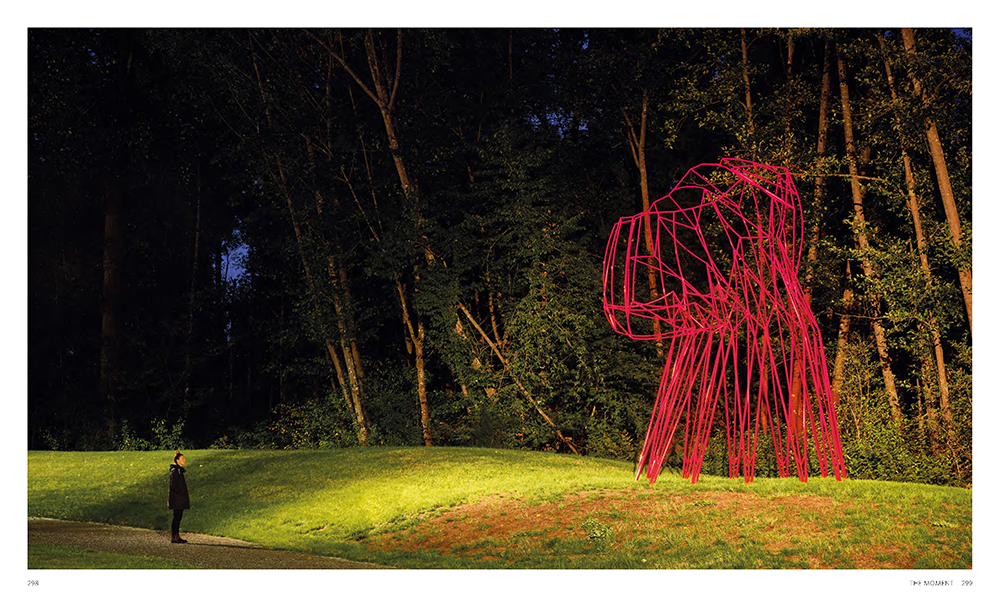
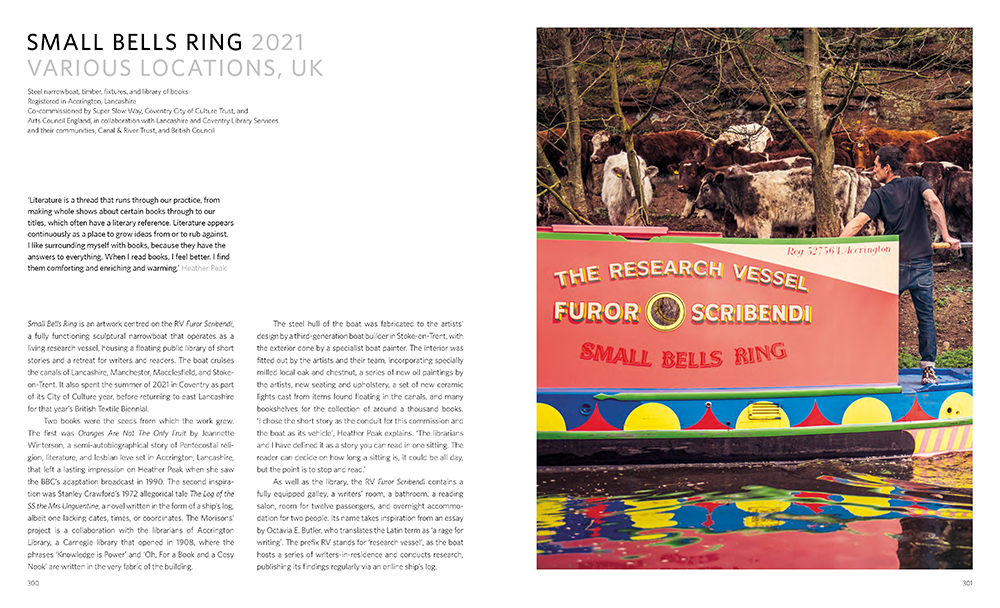
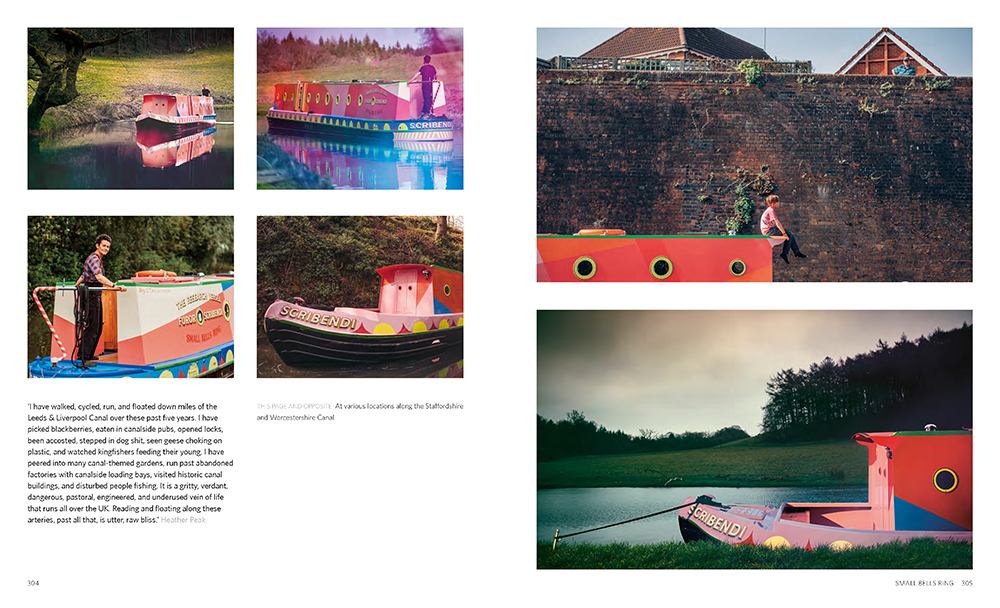
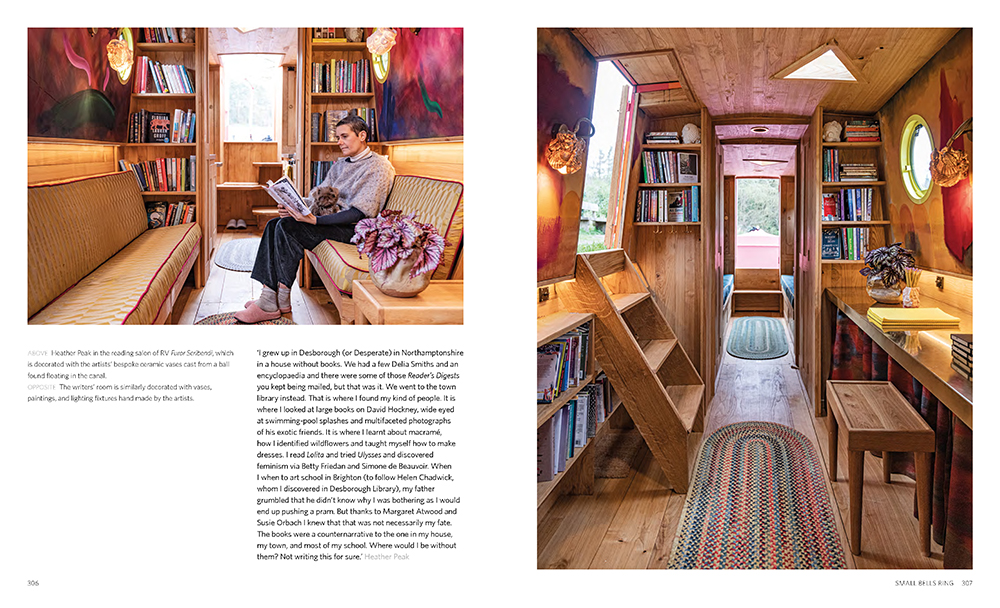
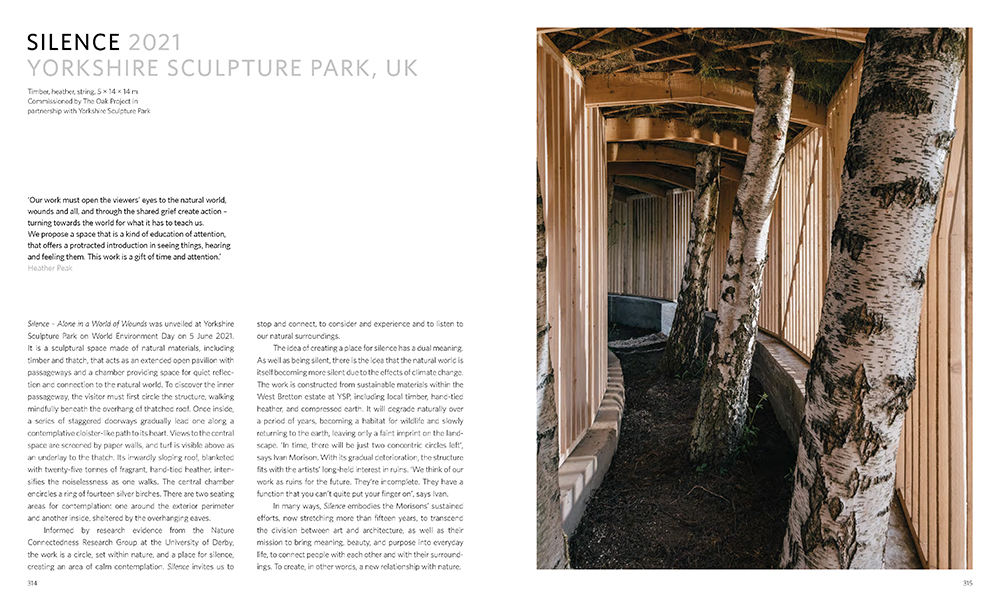
Artists Heather Peak and Ivan Morison have established an ambitious collaborative practice that transcends traditional divisions between art, architecture, theatre and activism. Their work is often performance-based and site-specific, existing as one-off events, social projects, or large-scale installations and buildings in public spaces. In particular, they are known for their architectural structures that relate to ideas of escape, play, shelter and refuge, the transformation of the modern city, and the function of civic communities. Their central preoccupation has always been how we navigate catastrophe and the violence of change. More recent works have moved from a wider collective view towards how individuals deal with moments of personal calamity. Frequently working with local governments, business, and community groups, the Morisons see their role as making art that enables others to see the world and themselves afresh, to lift themselves out of the everyday, and to transform the places in which they live. 

Love Me or Leave Me Alone presents a journey through the past decade and a half of the Morisons’ practice, with an emphasis on their pavilions, escape vehicles, and public artworks. It shows how the artists engage with materials, histories, sites, and processes, as well as other areas of creativity, thought, and commerce, to directly address the major societal questions of our time. Texts by curators Claire Doherty and Gavin Wade, detailed project descriptions, and contributions by some of the commissioners, architects, writers, and others with whom the Morisons have collaborated are accompanied by the duo’s own reflections on each work. Beautiful and inspiring, this stunning and timely volume shows some of the ways that artists can be active agents of change, to bring meaning, beauty, and purpose to everyday life, and, in the Morisons’ own words, to create a blueprint for happiness.

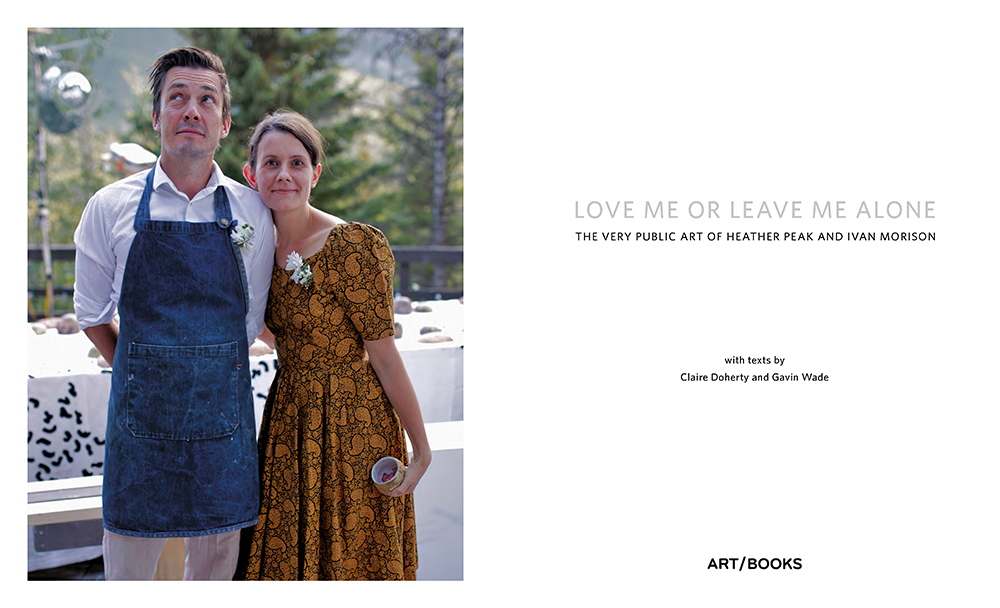
Heather Peak and Ivan Morison have worked together as an artist duo since 2003.

Claire Doherty MBE is an award-winning producer and writer. Currently the creative director of Collective Cymru, a partnership of Welsh arts organizations and artists led by National Theatre Wales, producing GALWAD in 2022. She is the former director of Arnolfini in Bristol and former founder director of Situations, an internationally renowned commissioner and producer of public art. She lectures and publishes widely on producing and commissioning public and place-based creative projects. She was awarded the prestigious Paul Hamlyn Breakthrough Fund Award as an outstanding cultural entrepreneur in 2009.

Gavin Wade is an award-winning artist, writer, and curator, and director of the artist-run gallery space Eastside Projects in Birmingham. He is Senior Research Fellow at Birmingham City University and was previously Research Fellow in Curating at Wolverhampton University. He received the Paul Hamlyn Foundation Breakthrough Fund Award in 2010. He has curated numerous solo and group exhibitions and artists’ projects internationally, and his many published books include Upcycle this Book (2017), Has Man a Function in Universe? (2008), and Curating in the 21st Century (2000). 

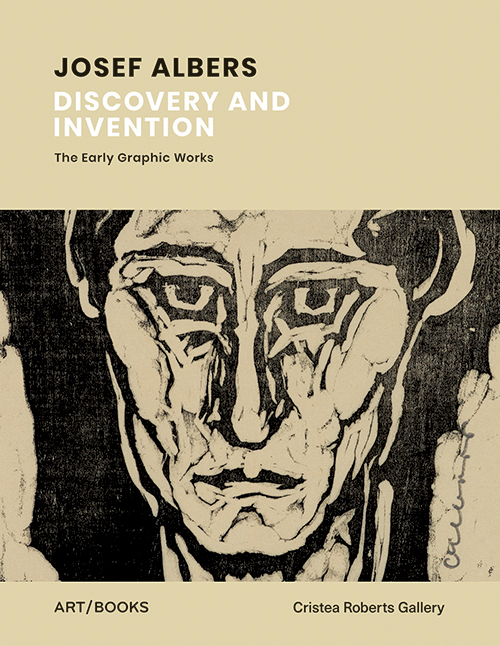
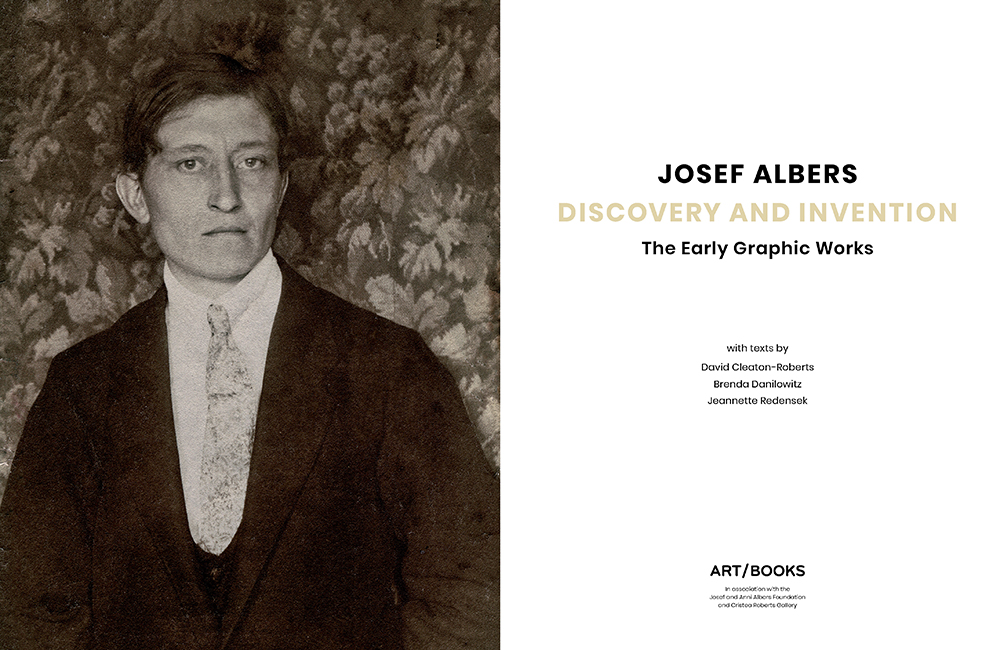
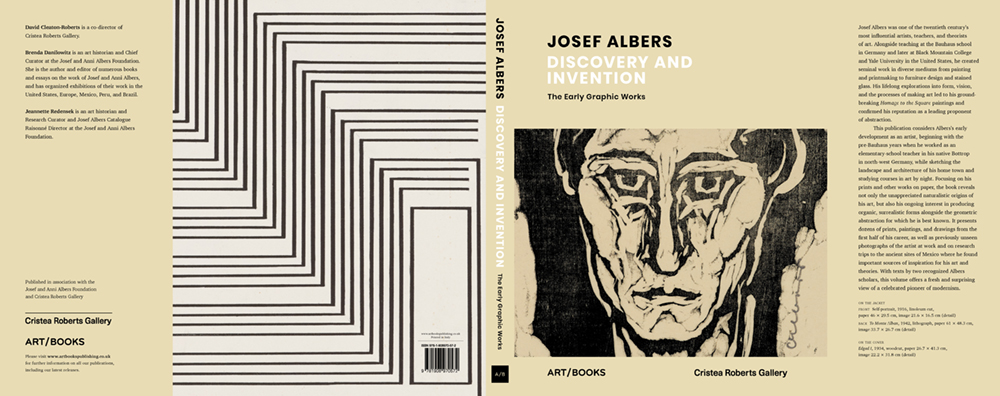
Josef Albers

Discovery and Invention –
The Early Graphic Works

Foreword by David Cleaton-Roberts
Texts by Brenda Danilowitz and Jeannette Redensek 

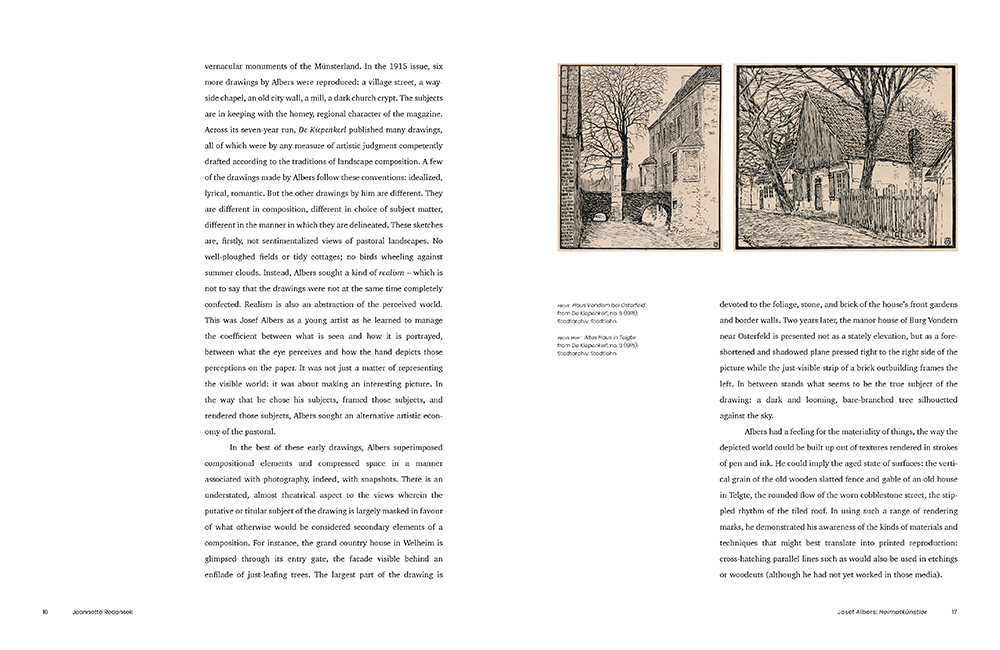
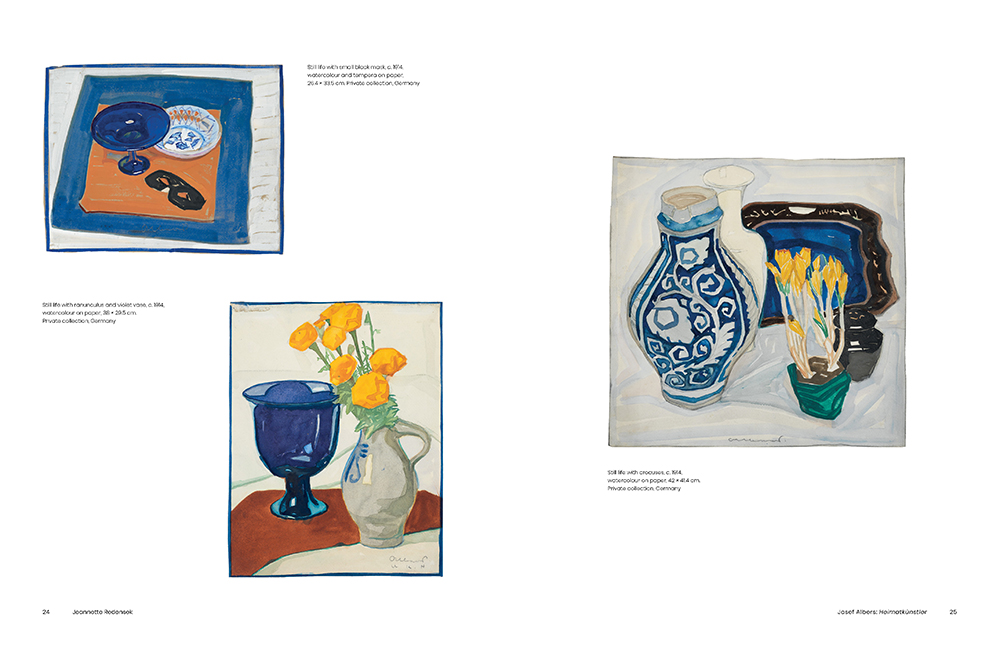
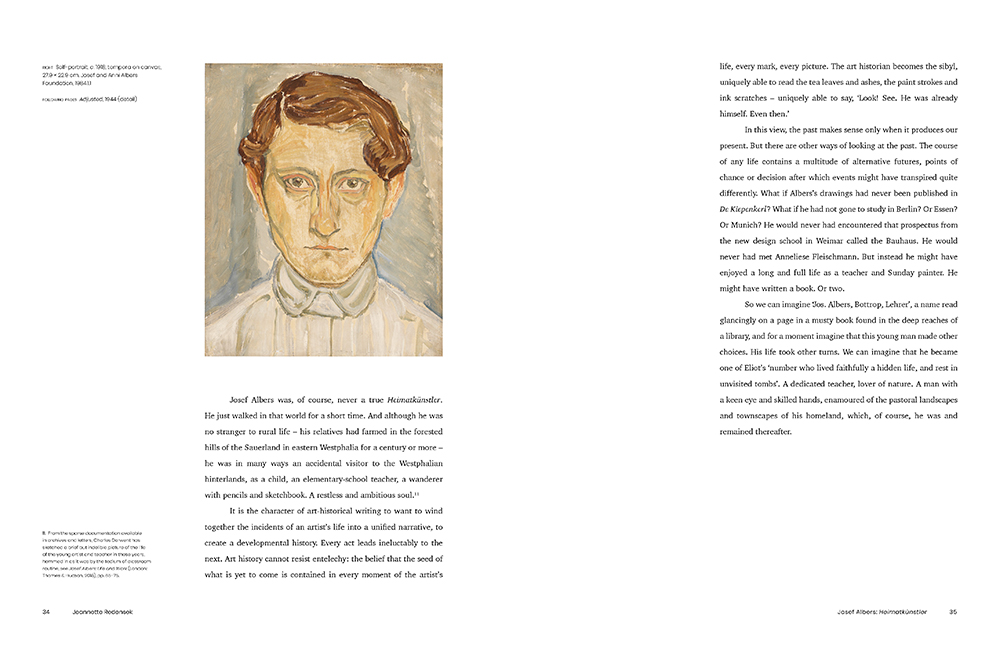
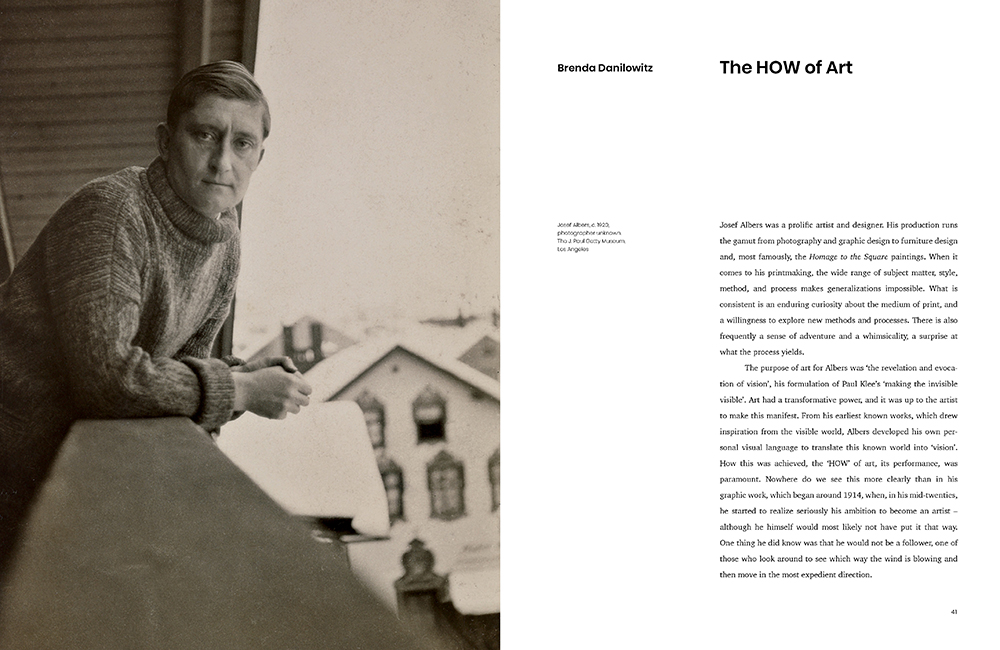
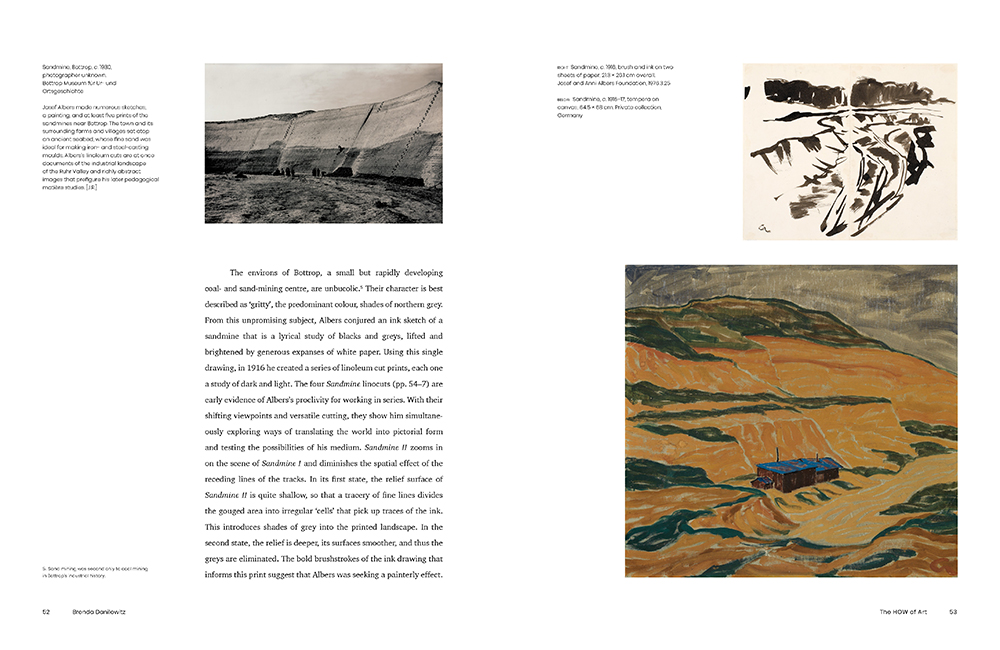
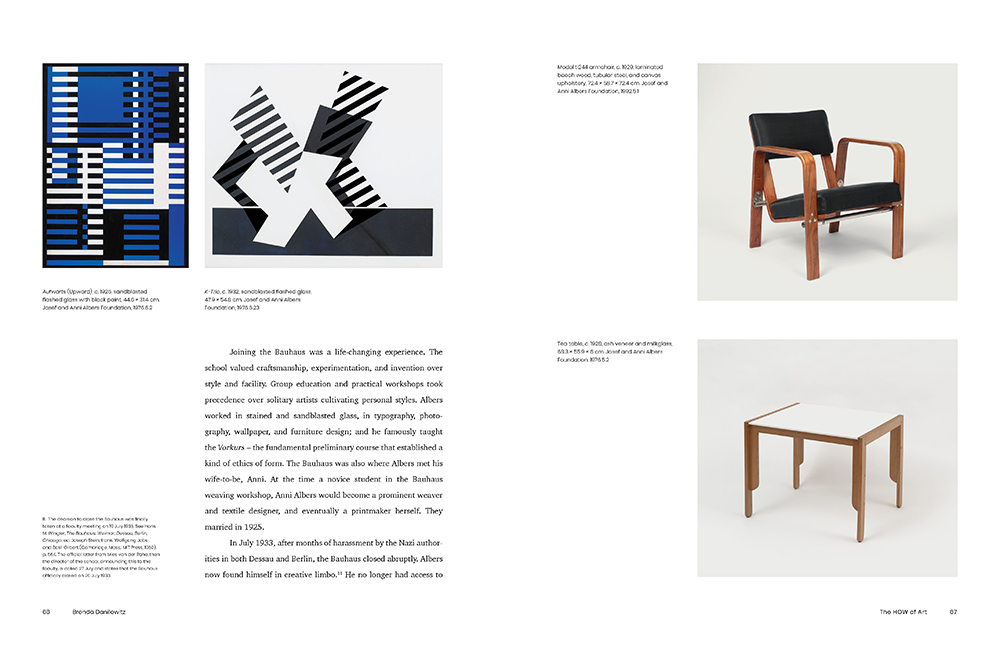
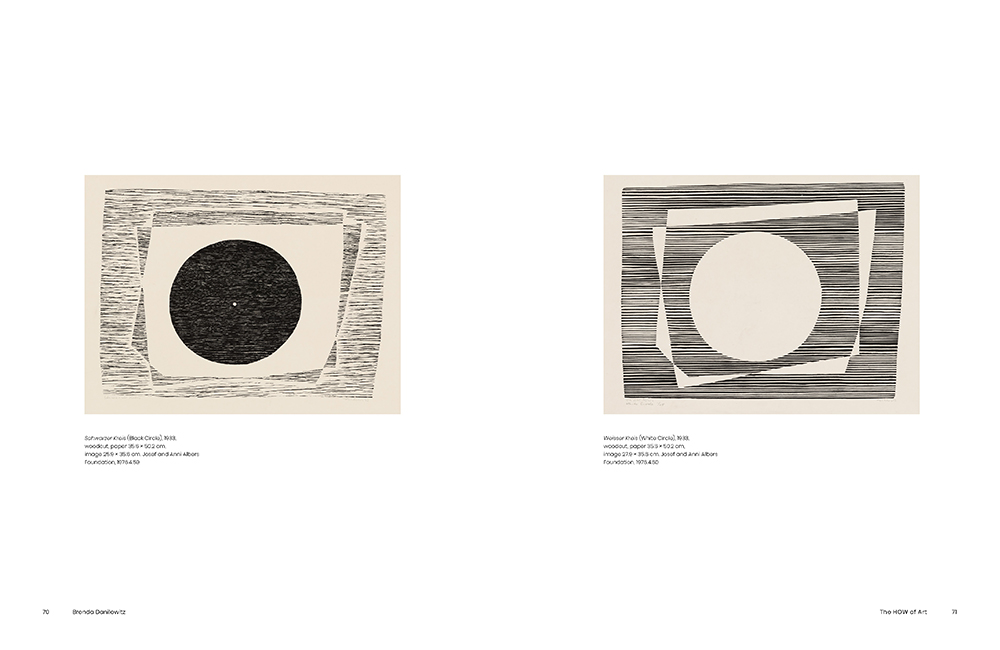
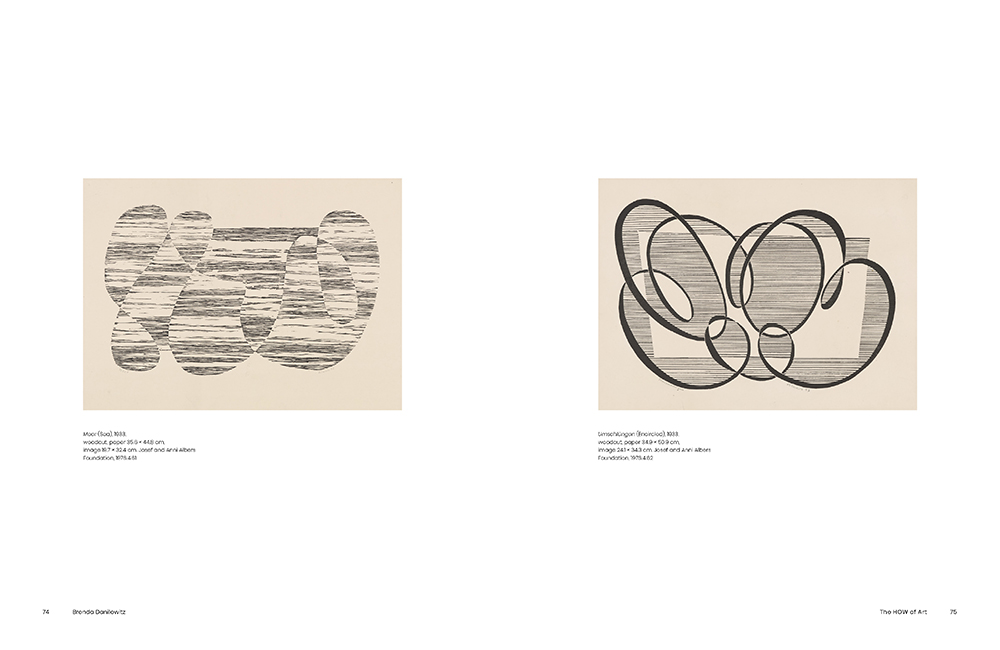
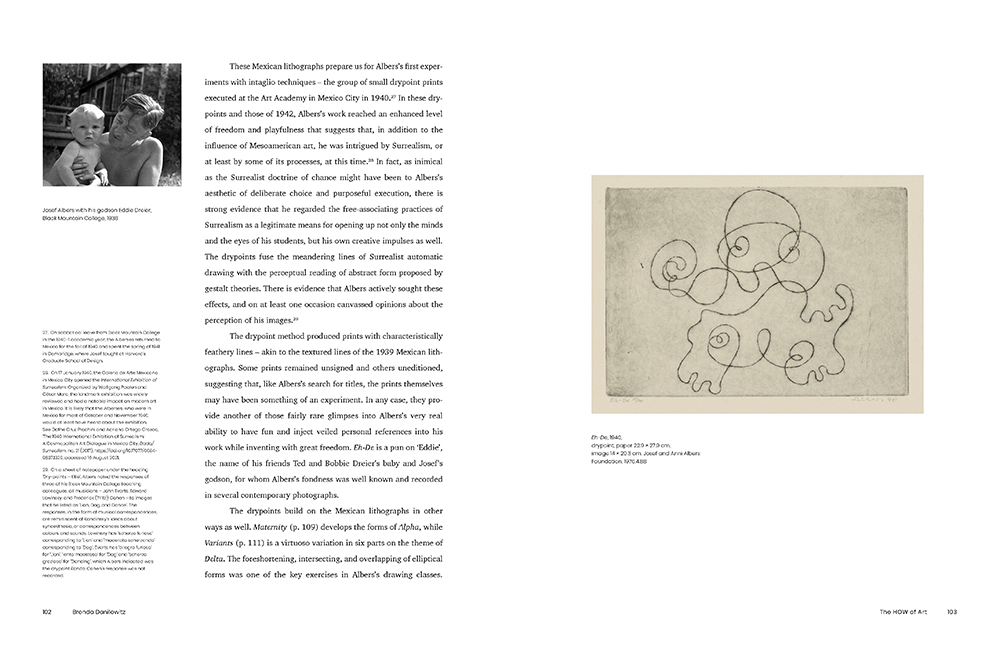
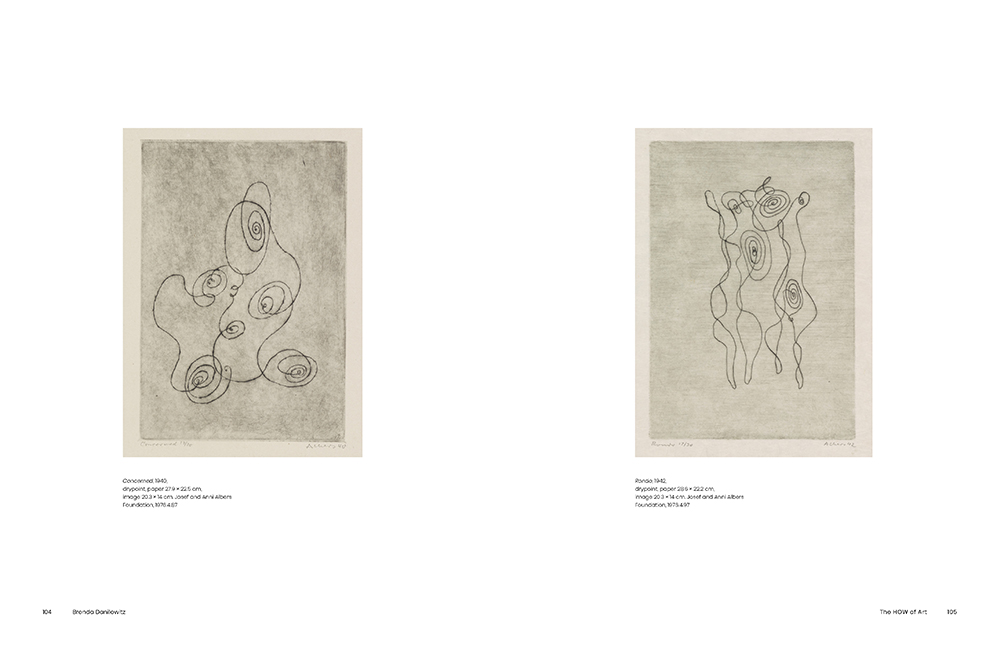
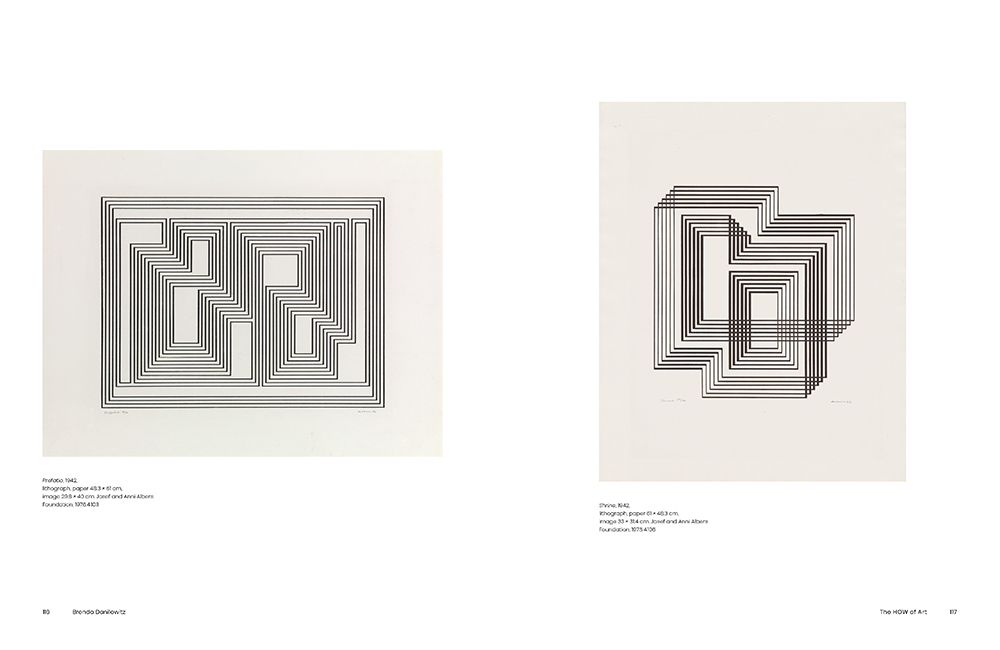
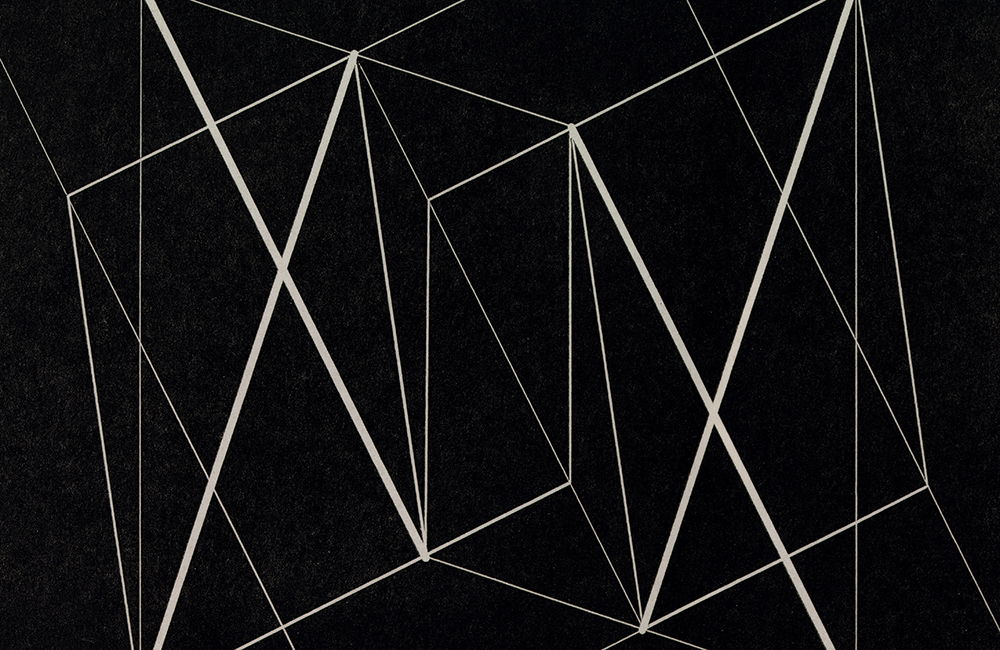
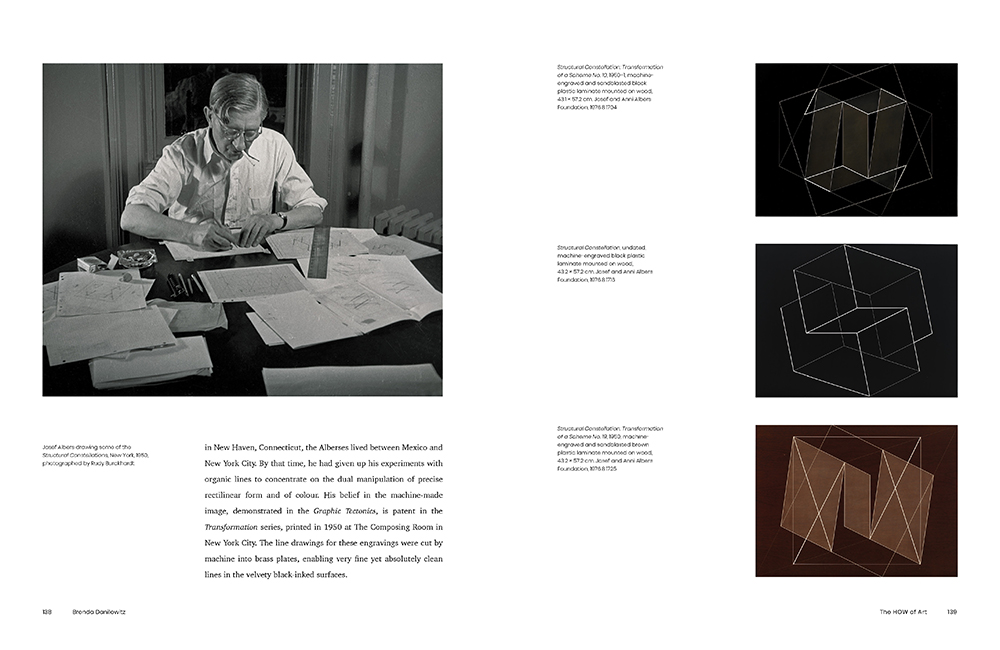
Josef Albers was one of the twentieth century’s most influential artists, teachers, and theorists of art. Alongside teaching at the Bauhaus school in Germany and later at Black Mountain College and Yale University in the United States, he created seminal work in diverse mediums from painting and printmaking to furniture design and stained glass. His lifelong explorations into form, vision, and the processes of making art led to his ground-breaking Homage to the Square paintings and confirmed his reputation as a leading proponent of abstraction.

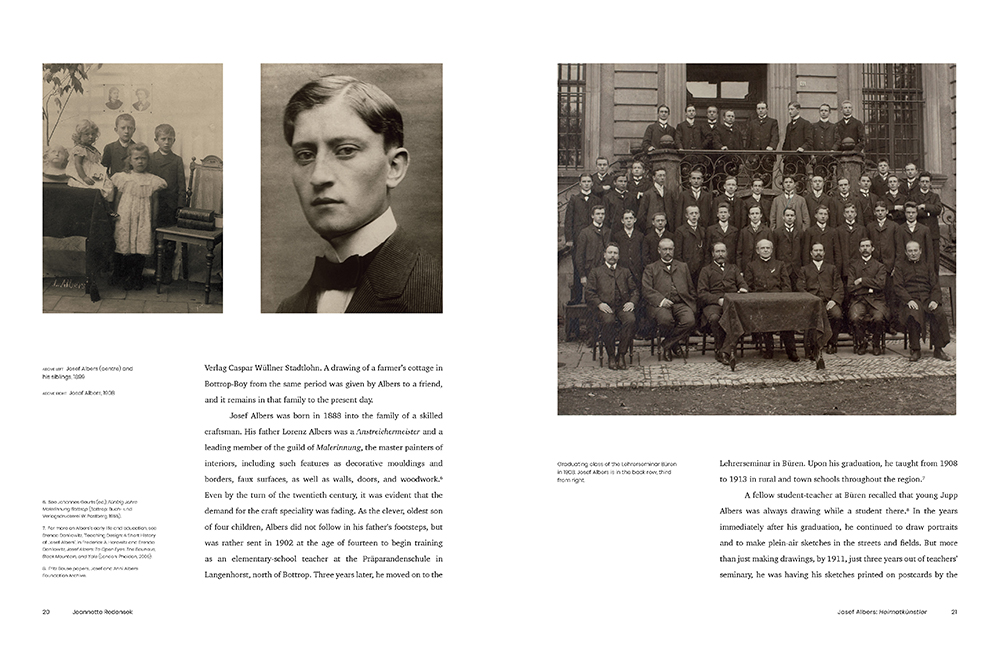
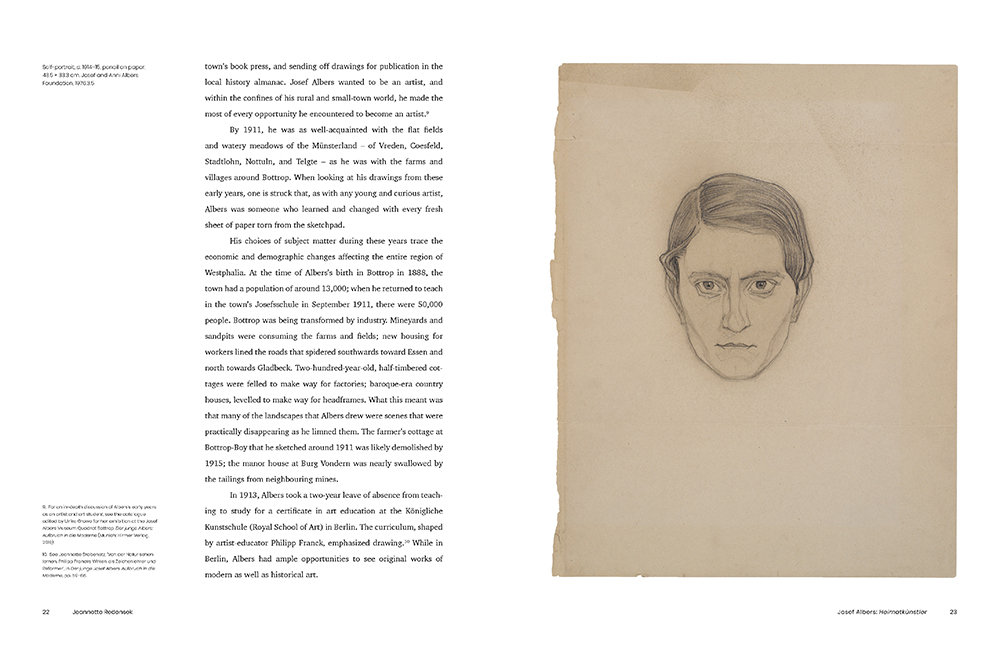
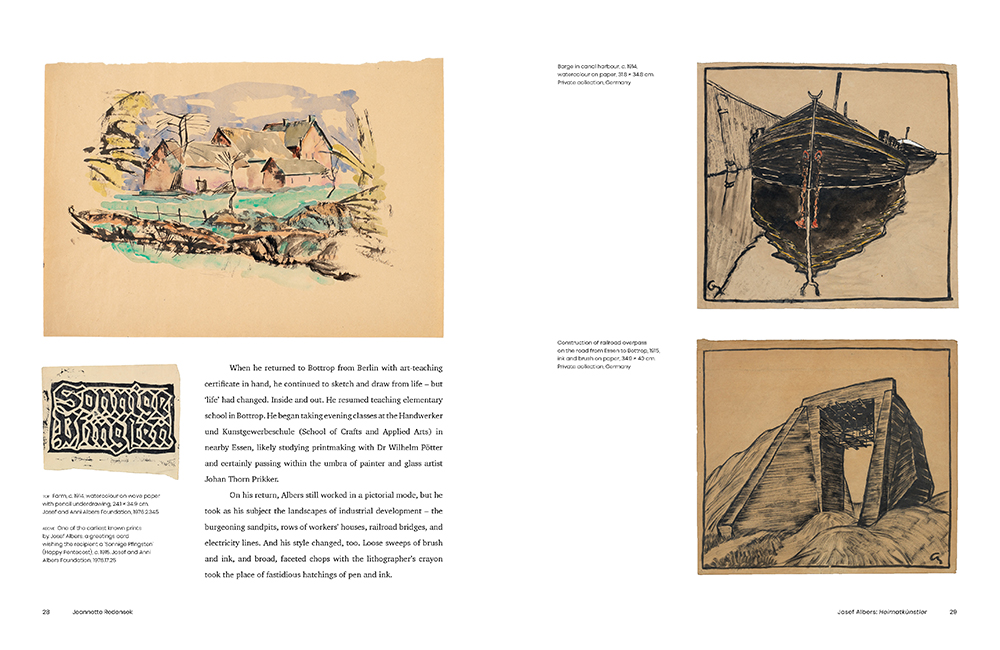
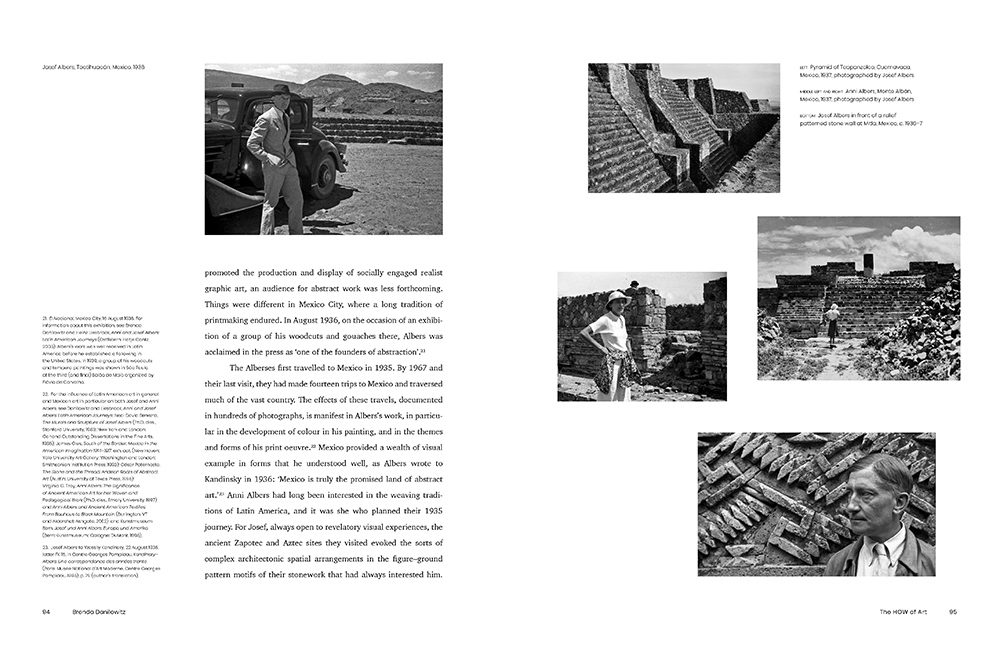
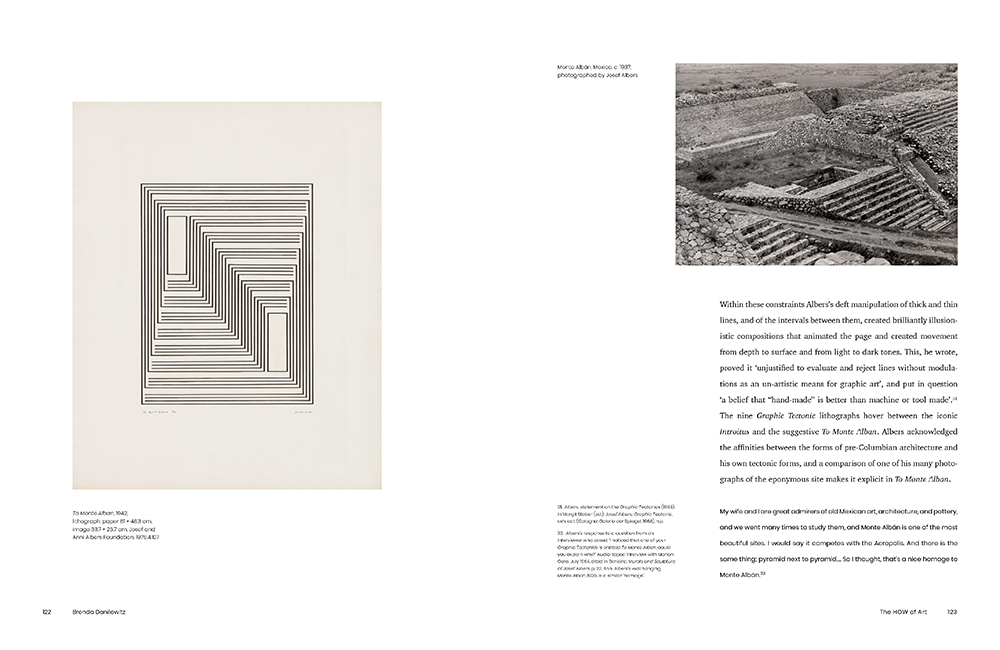
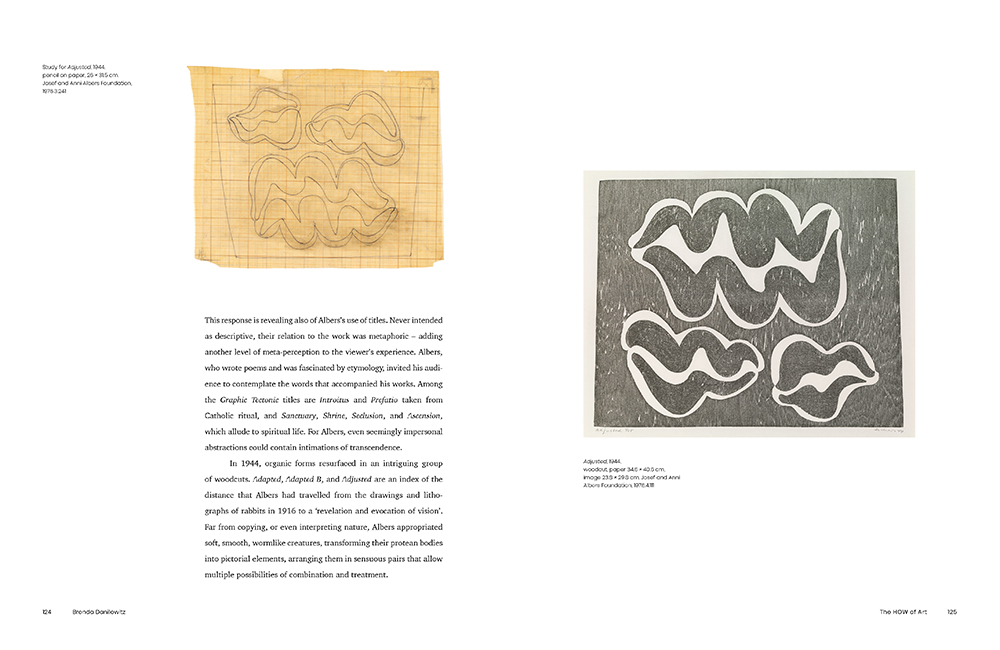
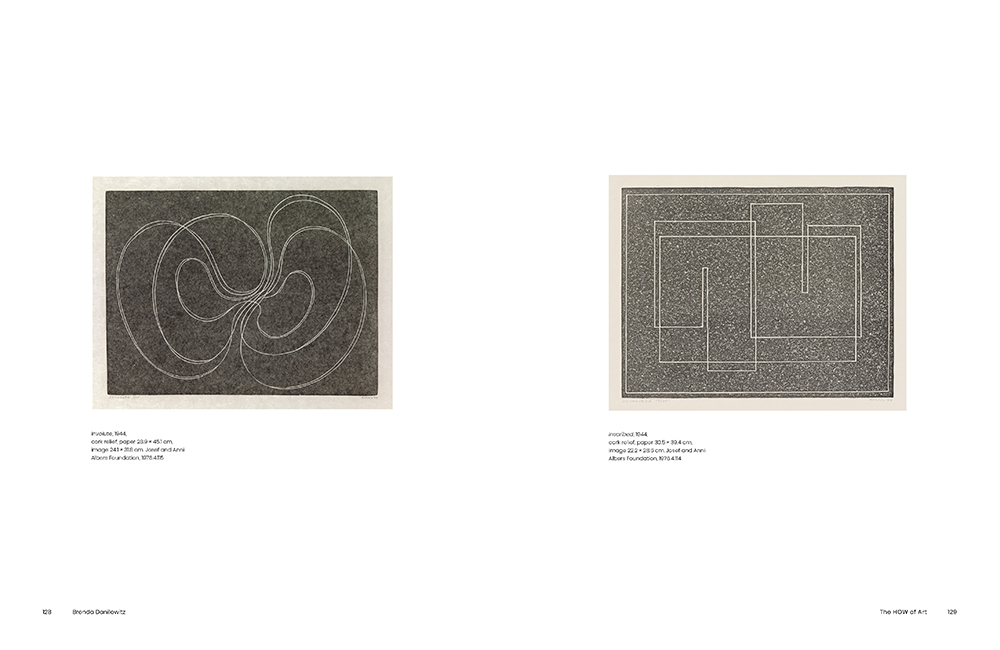
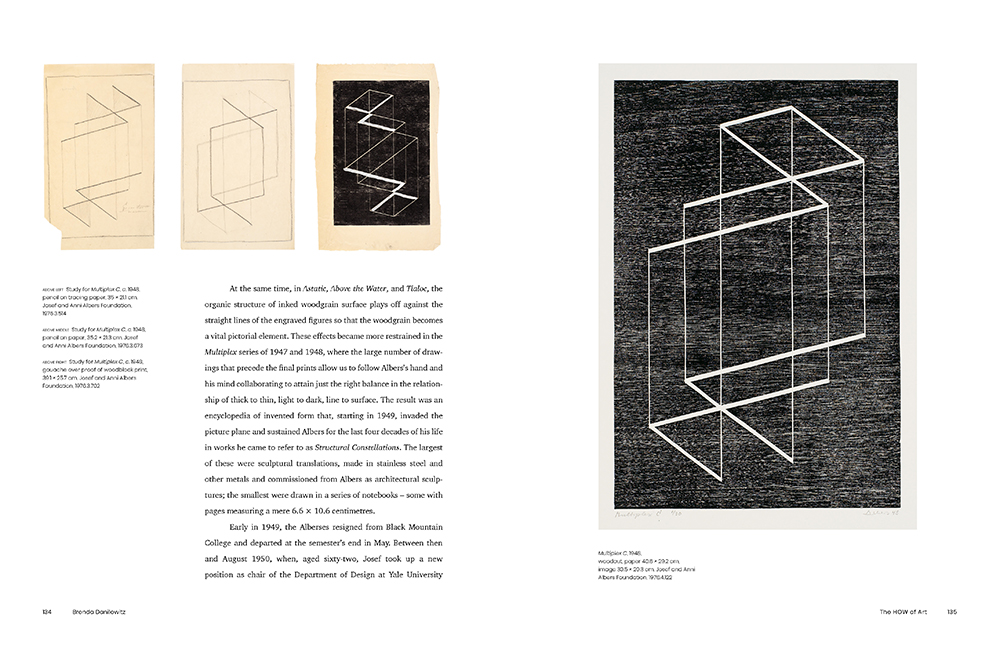
This publication considers Albers’s early development as an artist, beginning with the pre-Bauhaus years when he worked as an elementary-school teacher in his native Bottrop in north-west Germany, while sketching the landscape and architecture of his home town and studying courses in art by night. Focusing on his prints and other works on paper, the book reveals not only the unappreciated naturalistic origins of his art, but also his ongoing interest in producing organic, surrealistic forms alongside the geometric abstraction for which he is best known. It presents dozens of prints, paintings, and drawings from the first half of his career, as well as previously unseen photographs of the artist at work and on research trips to the ancient sites of Mexico where he found important sources of inspiration for his art and theories. With texts by two recognized Albers scholars, this volume offers a fresh and surprising view of a celebrated pioneer of modernism.

David Cleaton-Roberts is a co-director of Cristea Roberts Gallery.

Brenda Danilowitz is an art historian and Chief Curator at the Josef and Anni Albers Foundation. She is the author and editor of numerous books and essays on the work of Josef and Anni Albers, and has organized exhibitions of their work in the United States, Europe, Mexico, Peru, and Brazil.

Jeannette Redensek is an art historian and Research Curator and Josef Albers Catalogue Raisonné Director at the Josef and Anni Albers Foundation. 

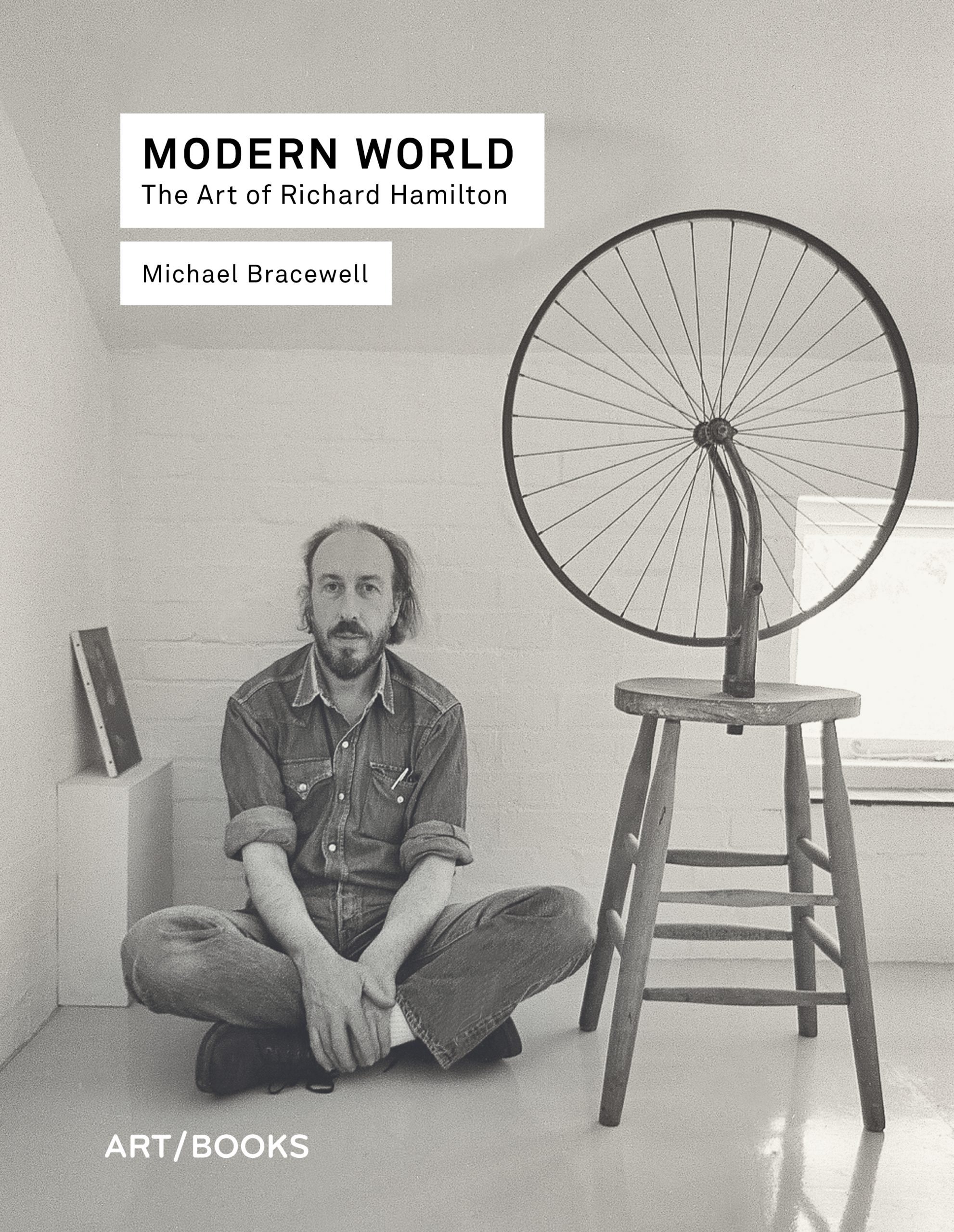
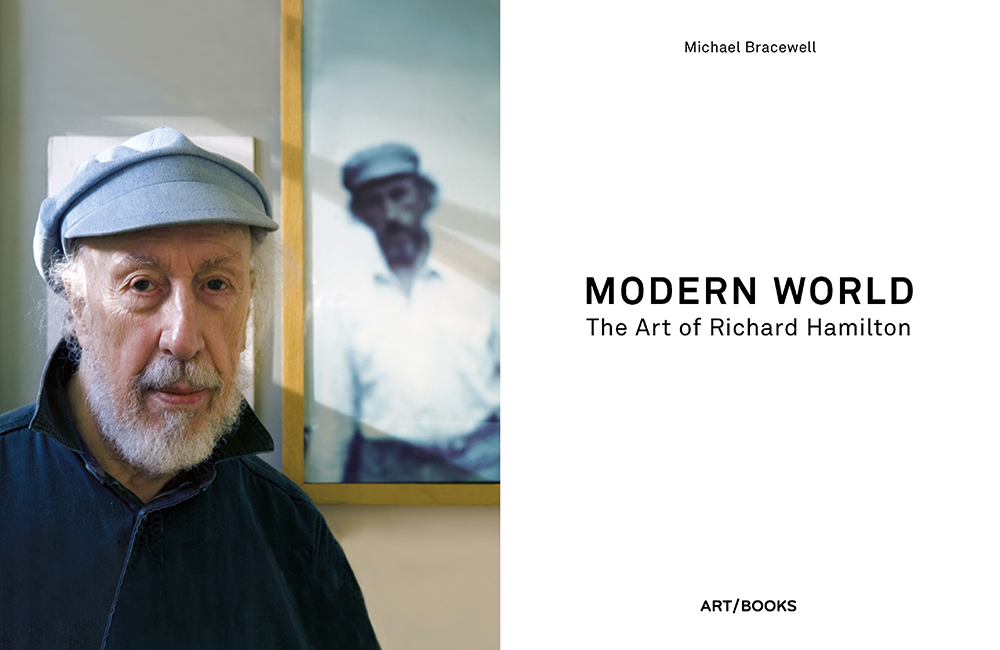
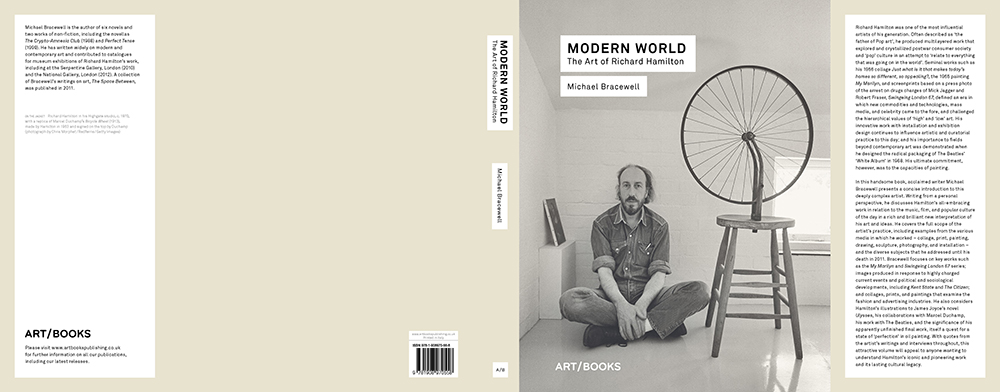
Modern World

The Art of Richard Hamilton

Michael Bracewell

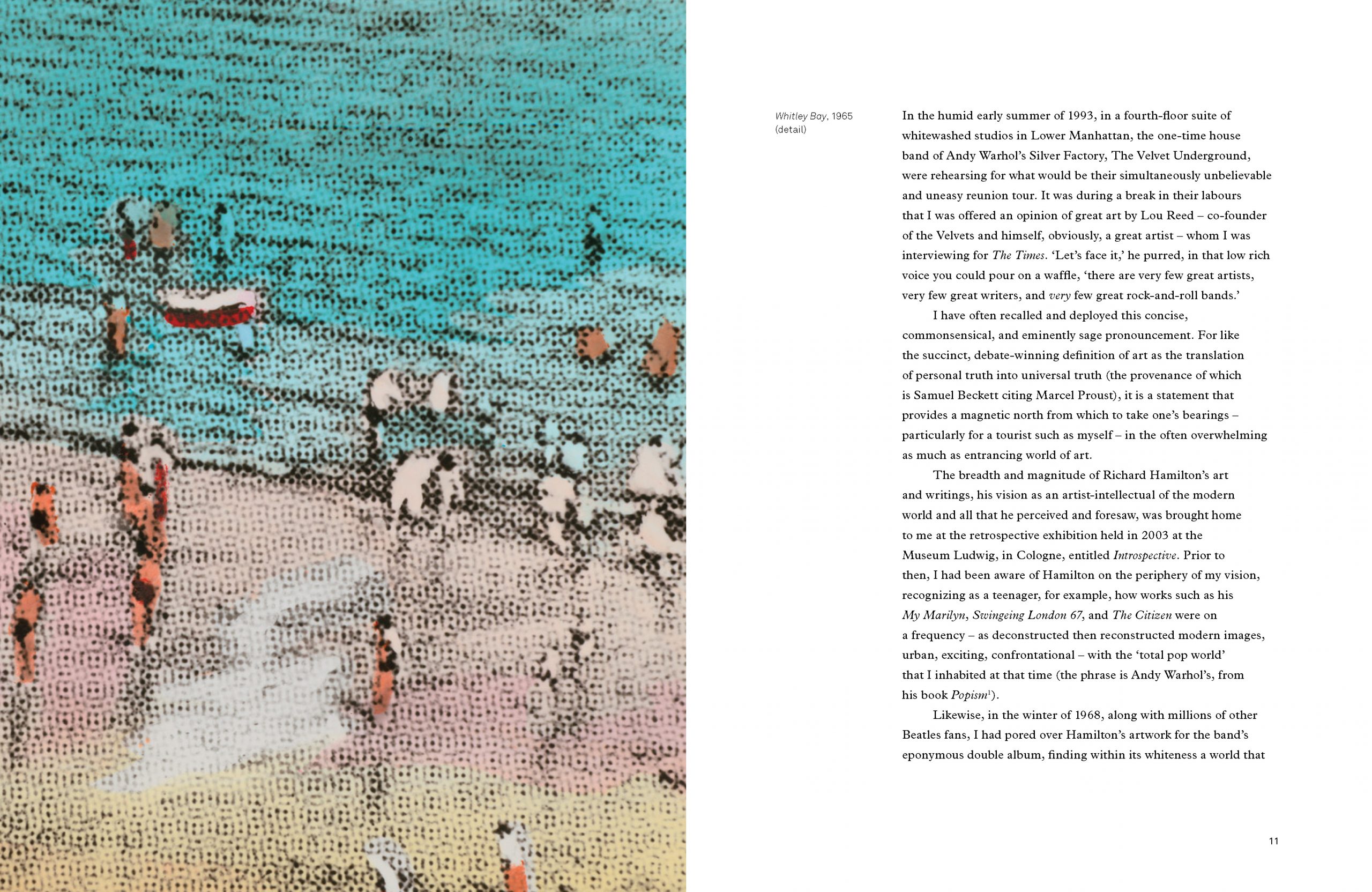
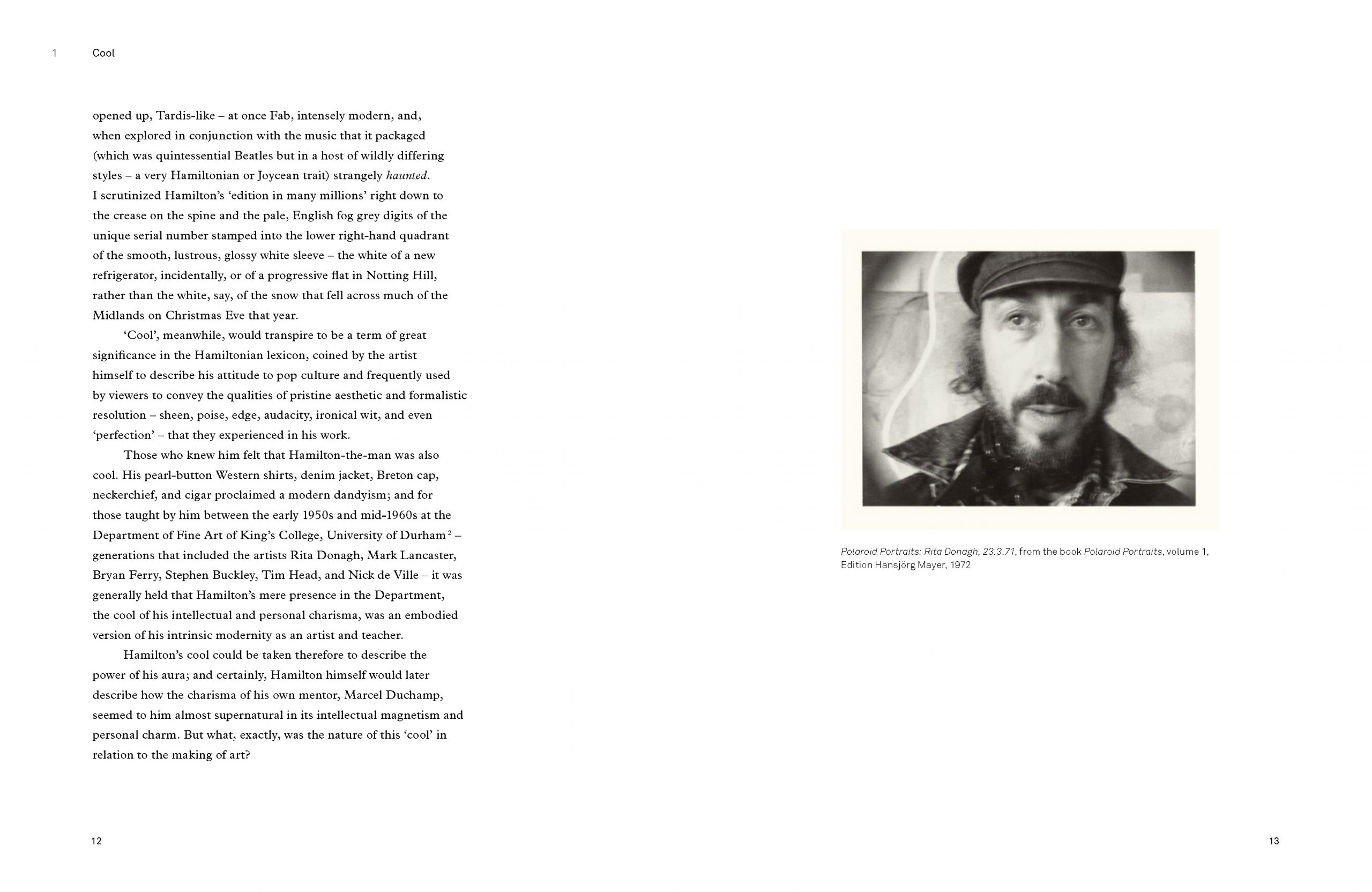
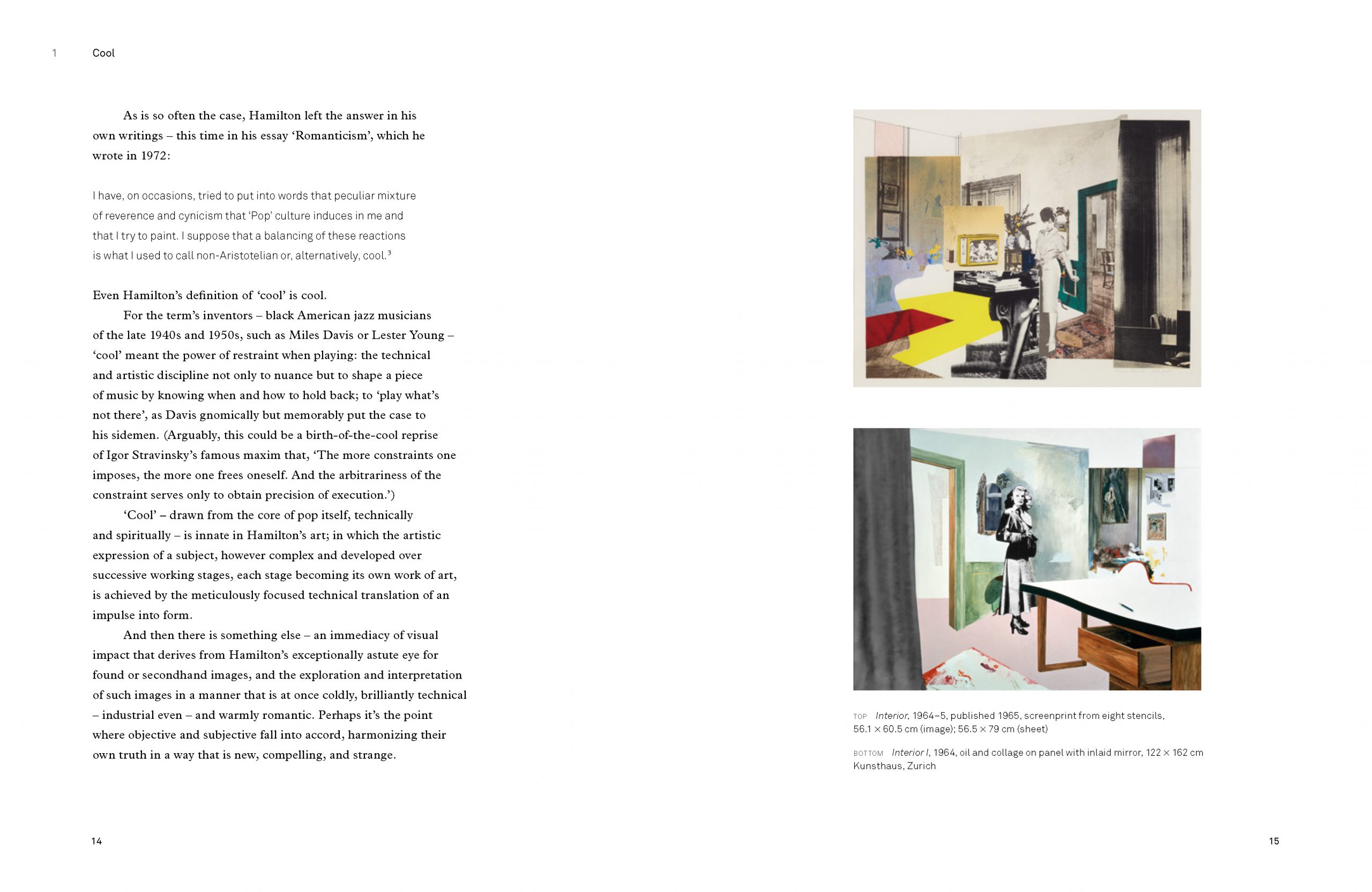
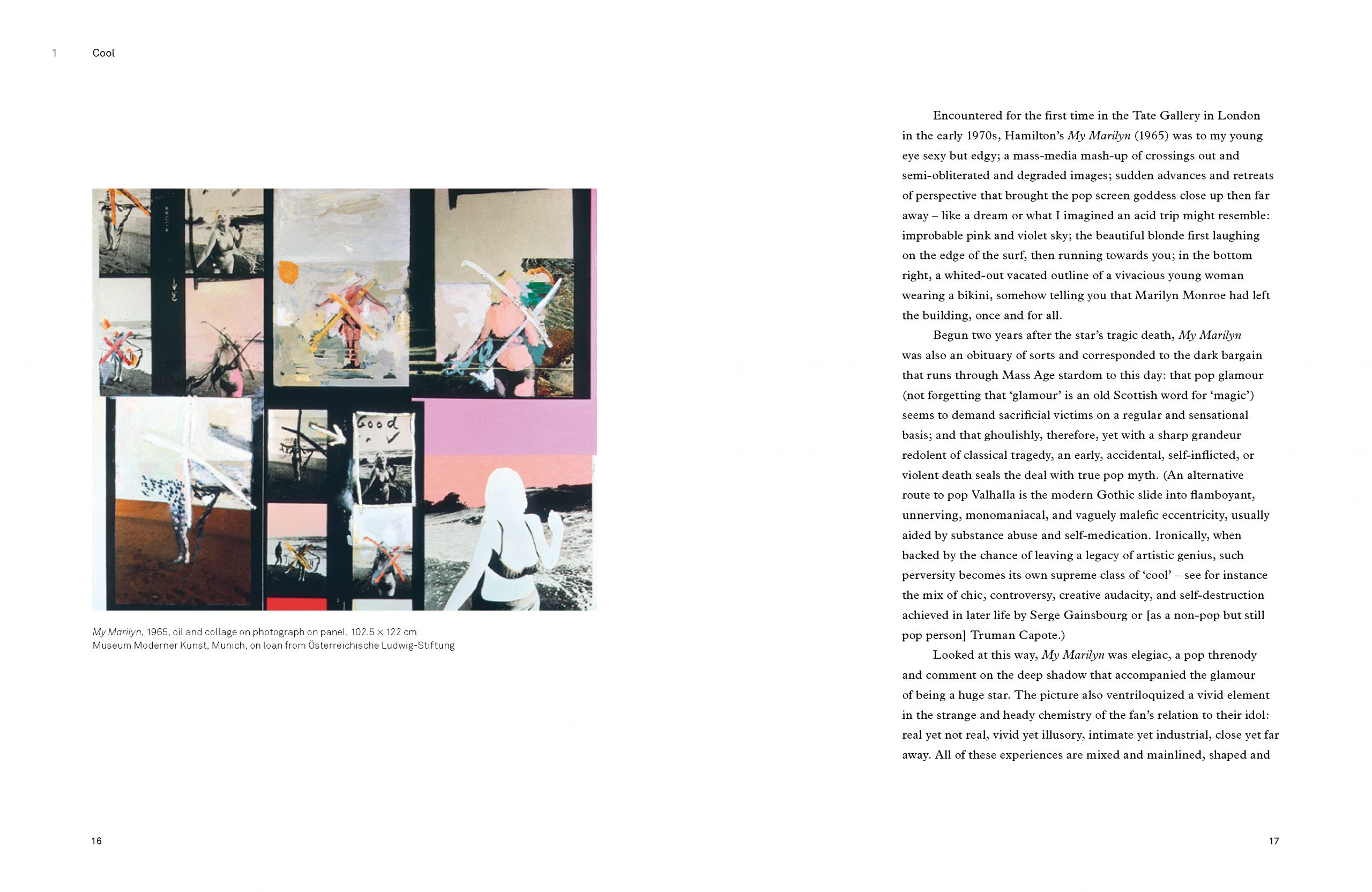
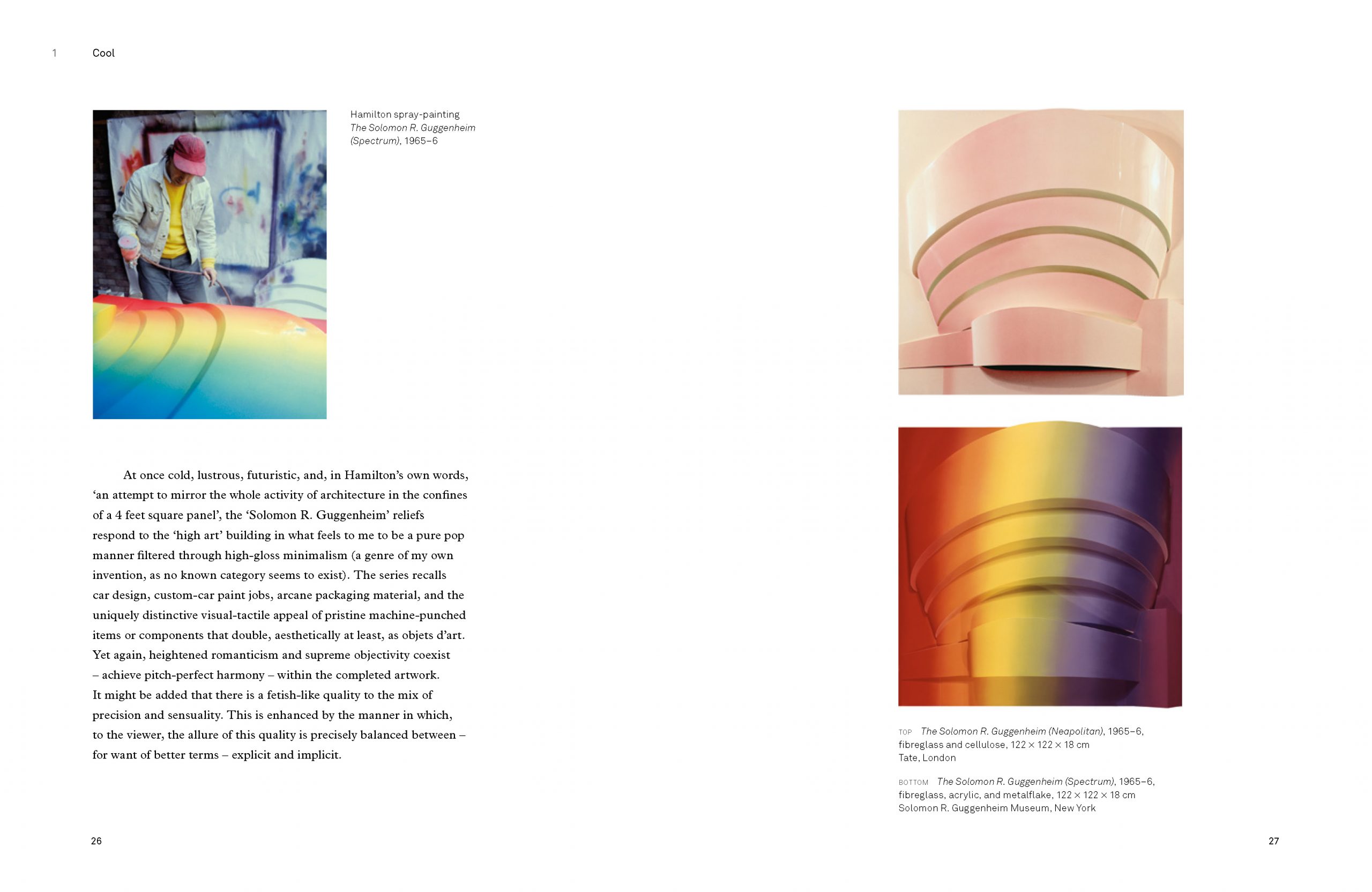
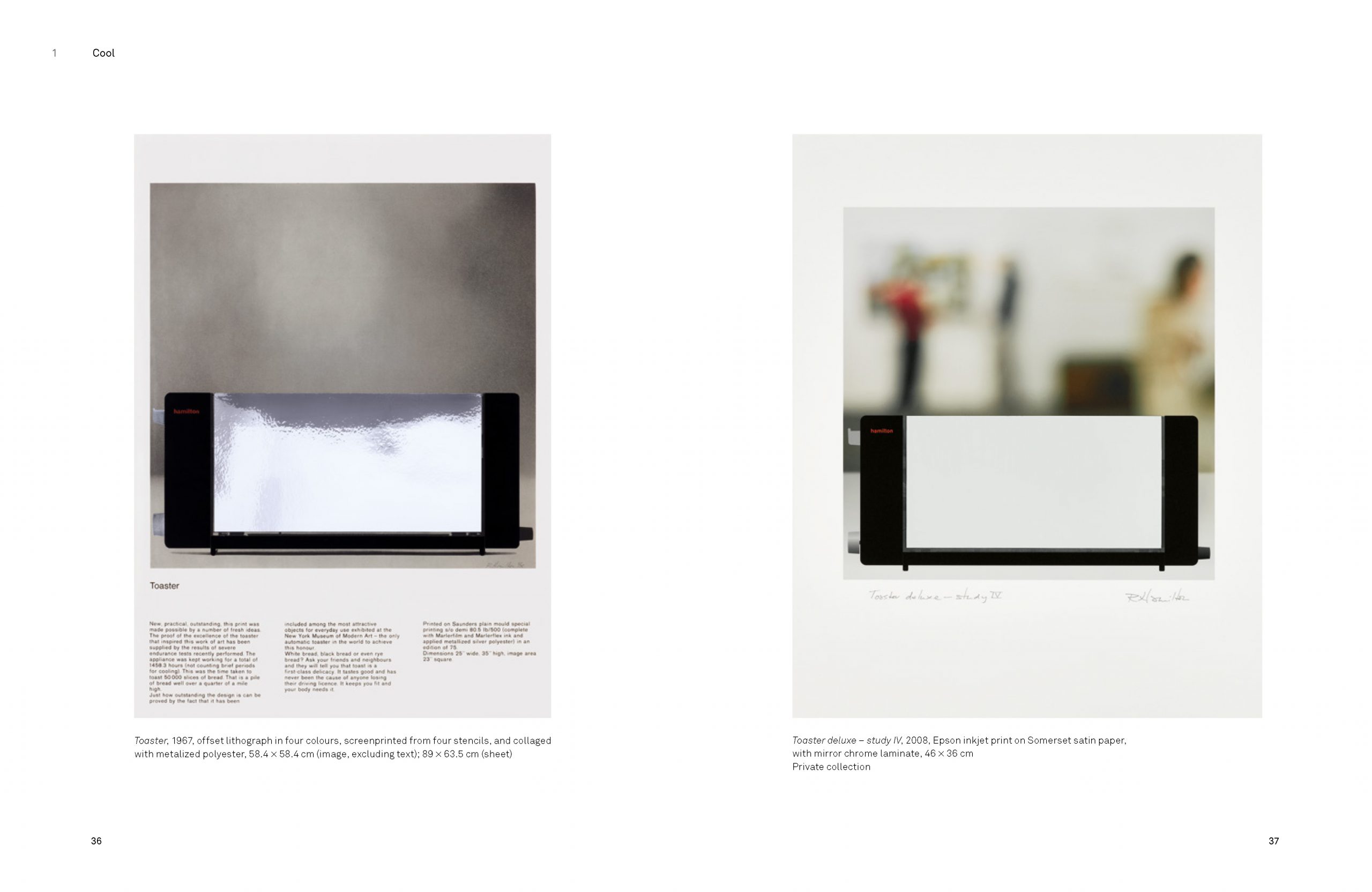
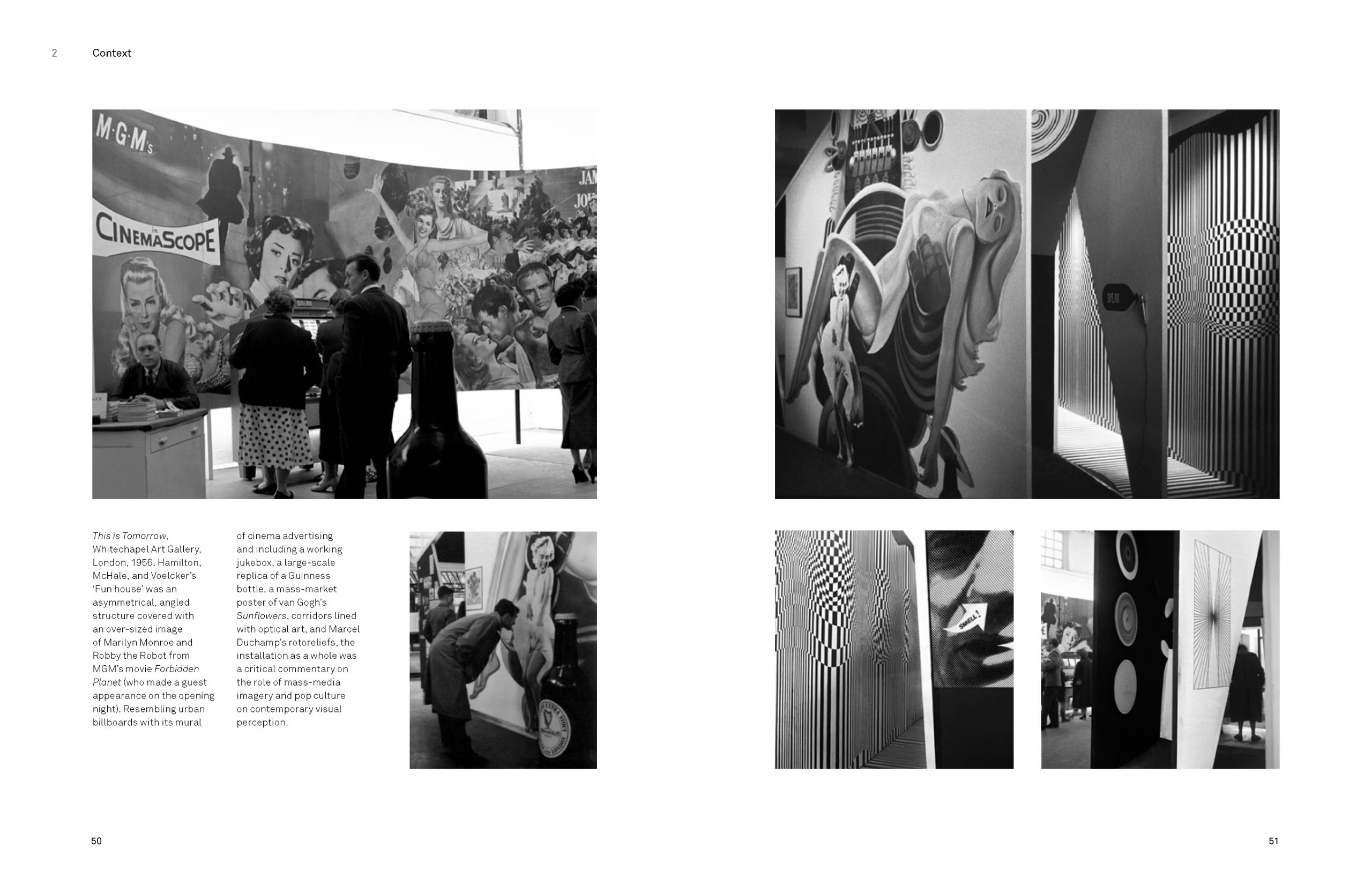
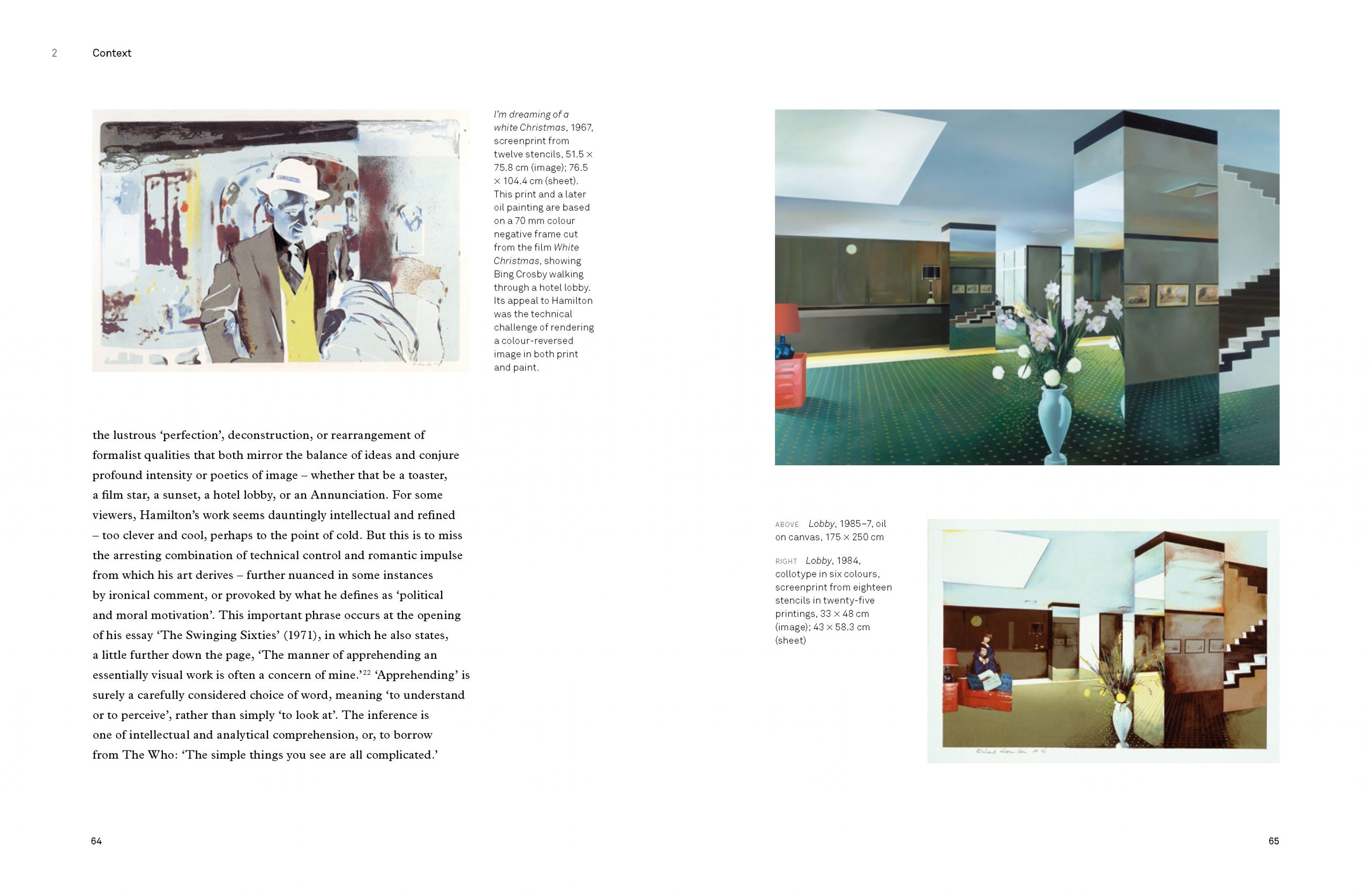
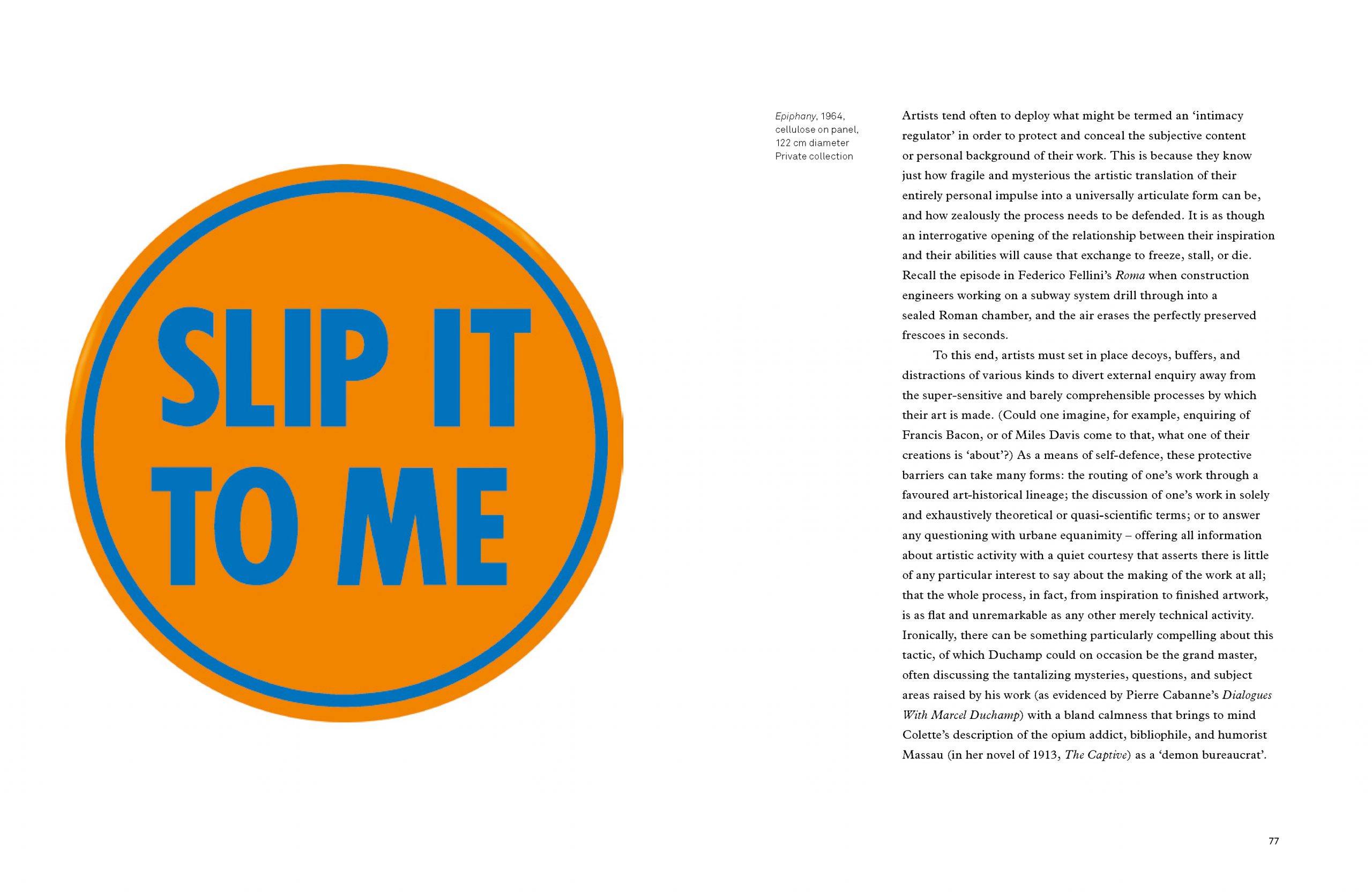
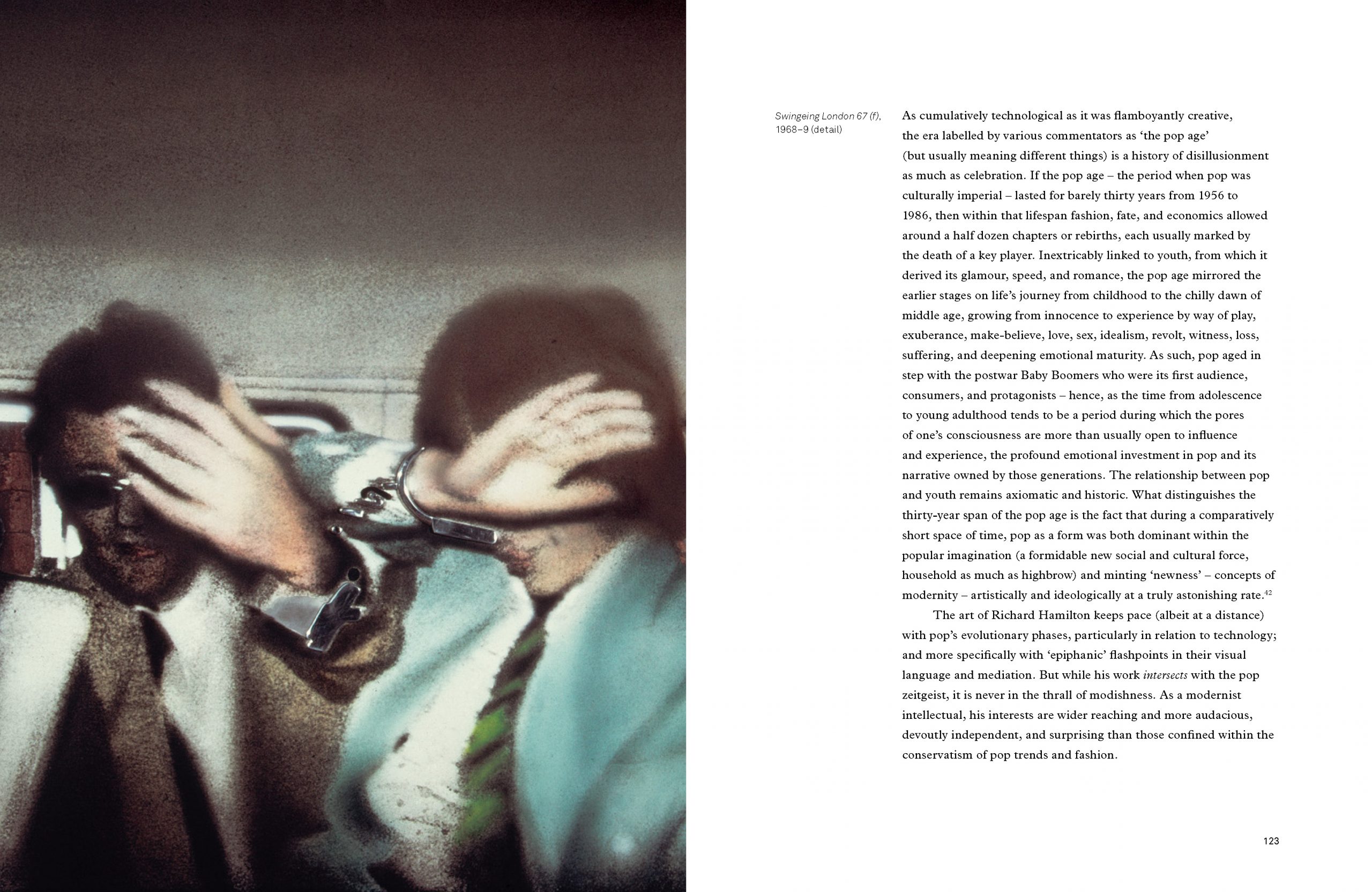
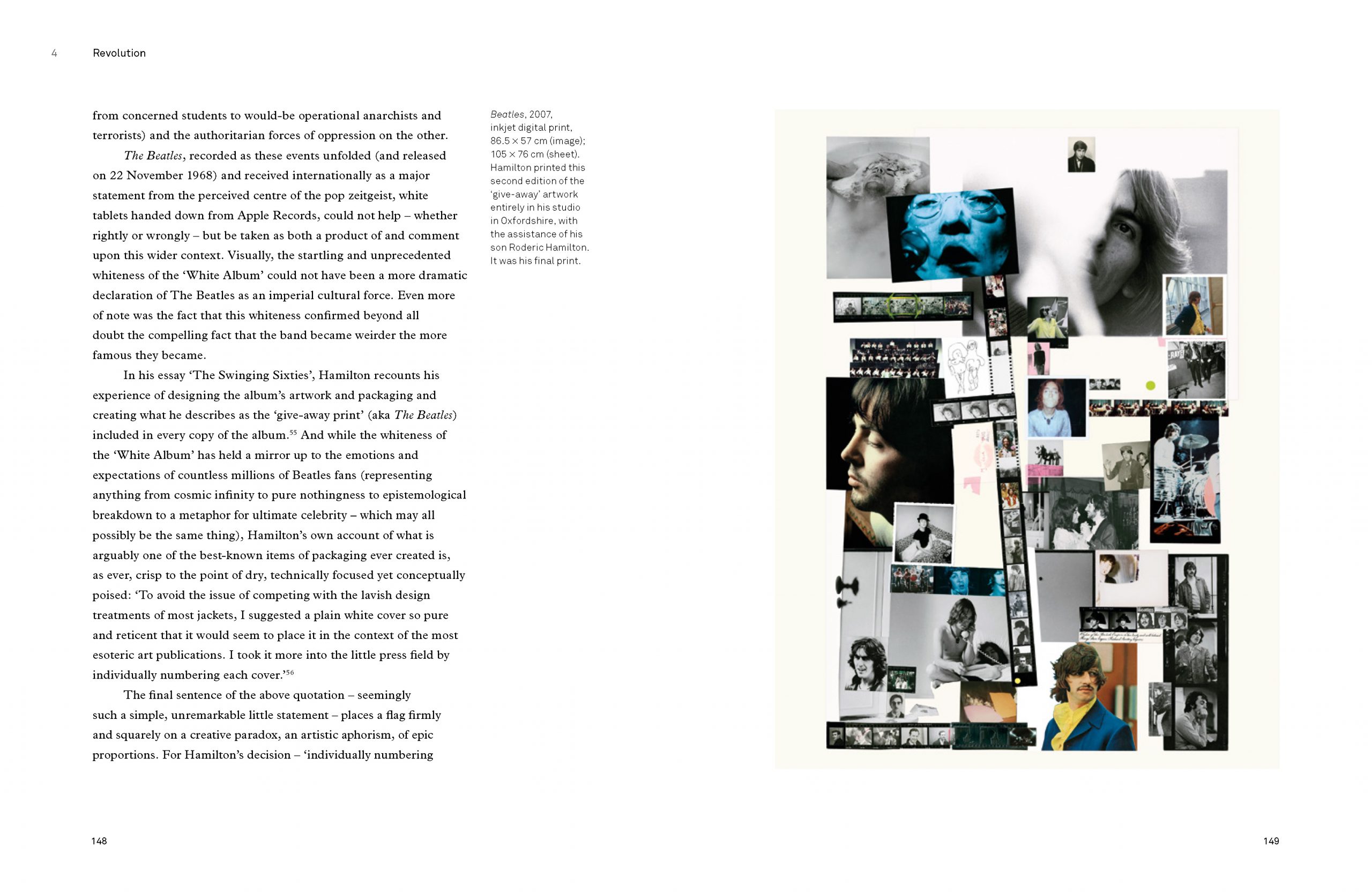
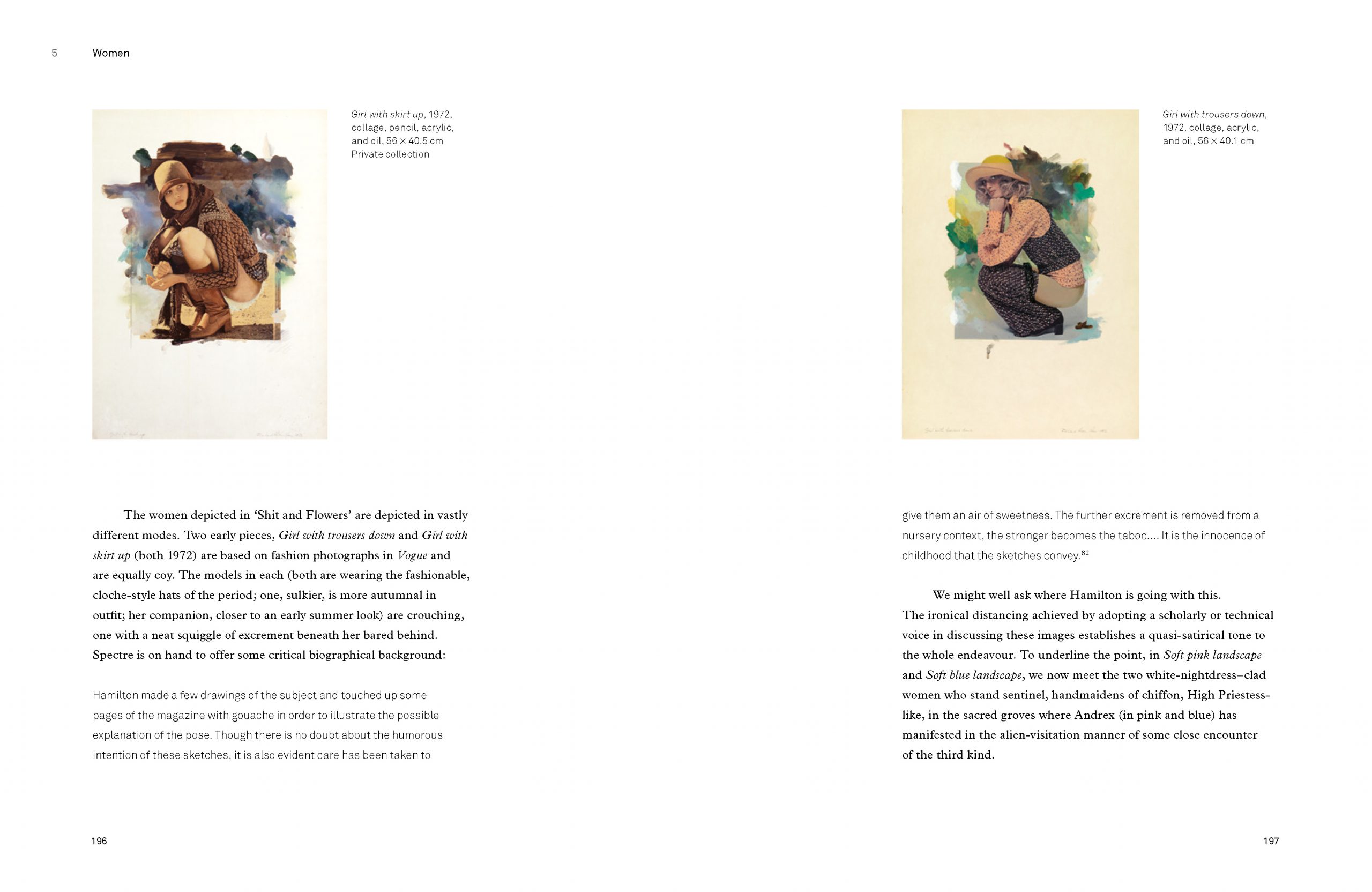
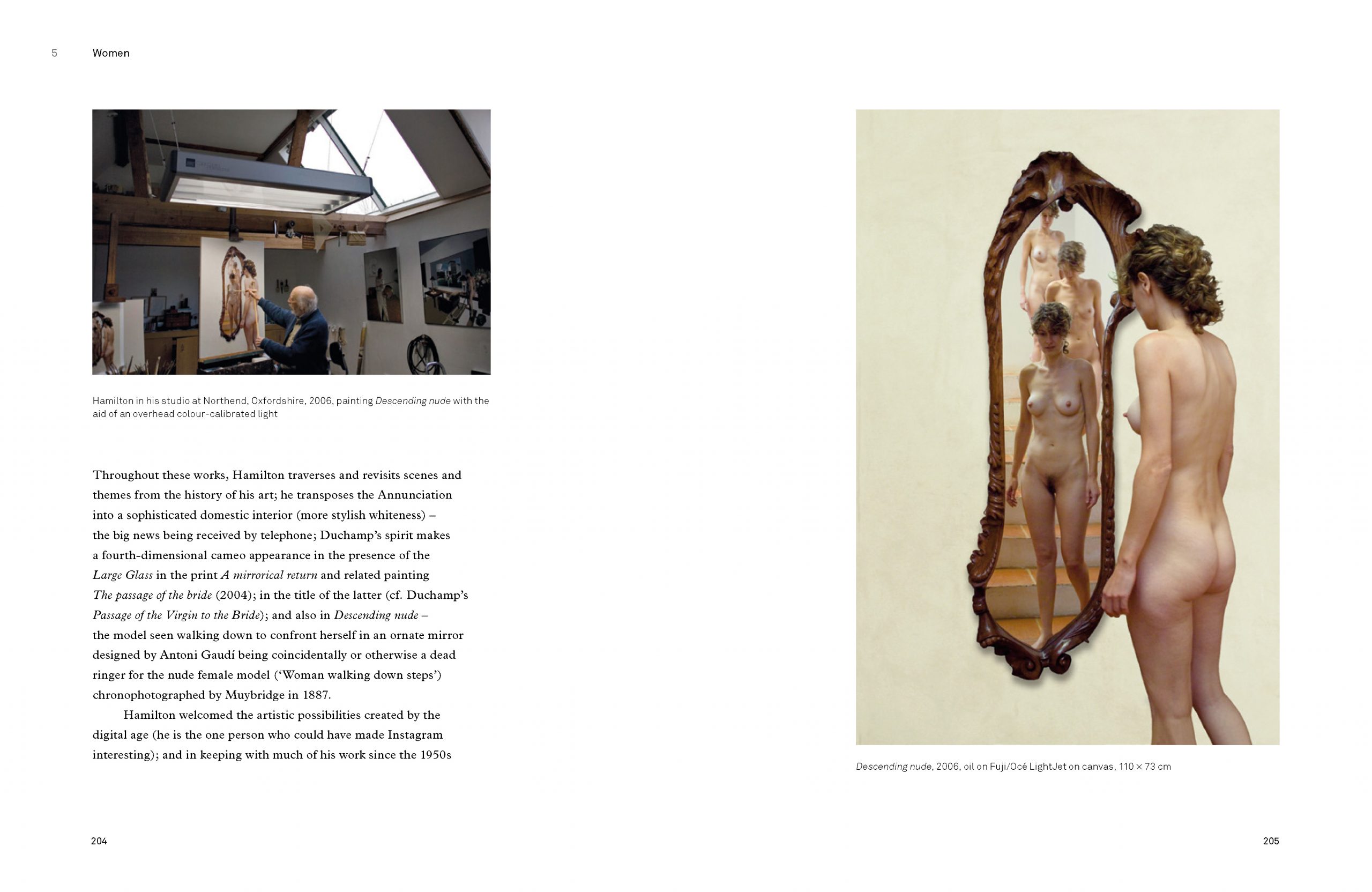
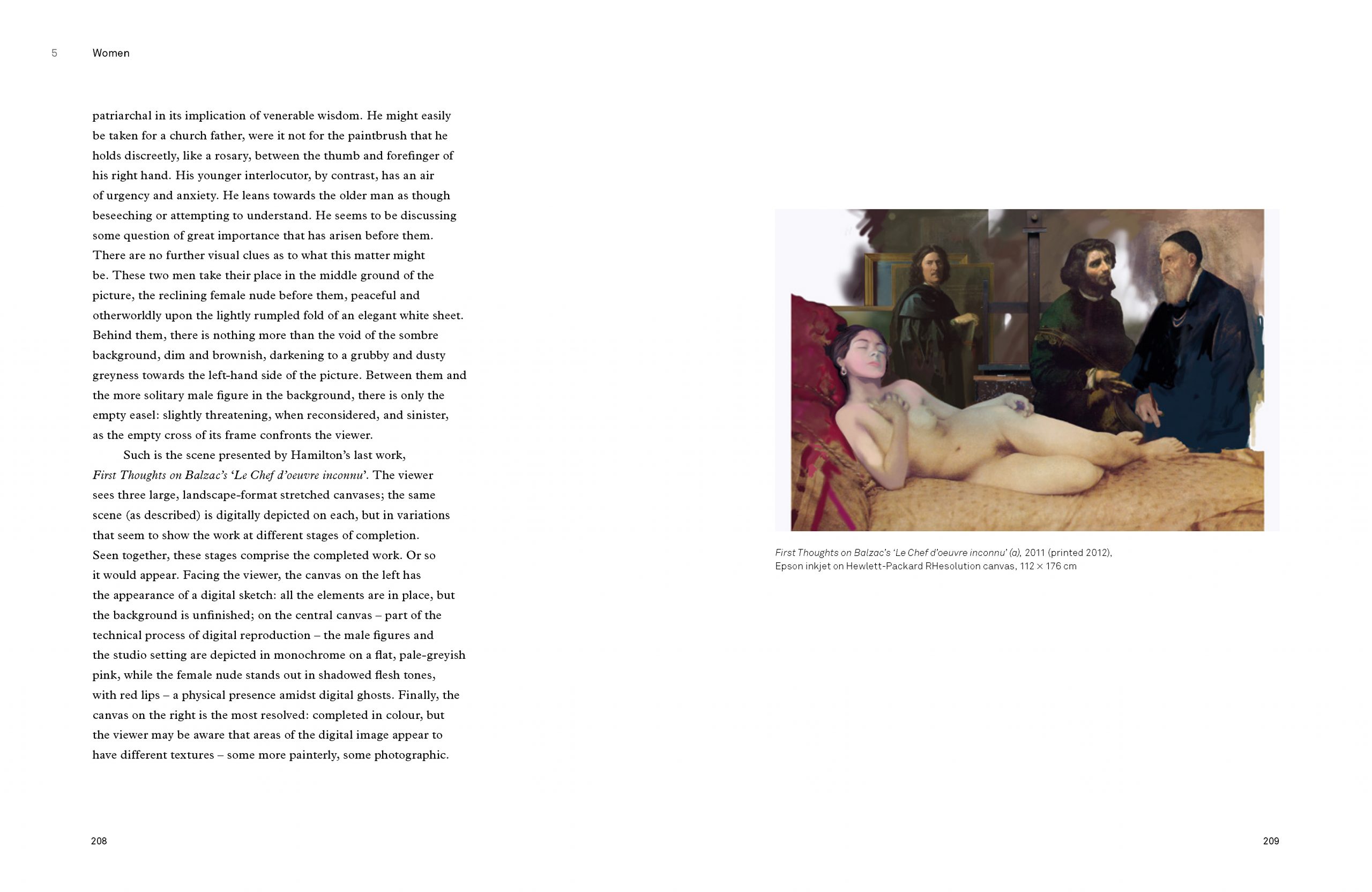
Richard Hamilton was one of the most influential artists of his generation. Often described as ‘the father of Pop art’, he produced multilayered work that explored and crystallized postwar consumer society and ‘pop’ culture in an attempt to ‘relate to everything that was going on in the world’. Seminal works such as his 1956 collage Just what is it that makes today’s homes so different, so appealing?, the 1965 painting My Marilyn, and screenprints based on a press photo of the arrest on drugs charges of Mick Jagger and Robert Fraser, Swingeing London 67, defined an era in which new commodities and technologies, mass media, and celebrity came to the fore, and challenged the hierarchical values of ‘high’ and ‘low’ art. His innovative work with installation and exhibition design continues to influence artistic and curatorial practice to this day; and his importance to fields beyond contemporary art was demonstrated when he designed the radical packaging of The Beatles’ ‘White Album’ in 1968. His ultimate commitment, however, was to the capacities of painting.

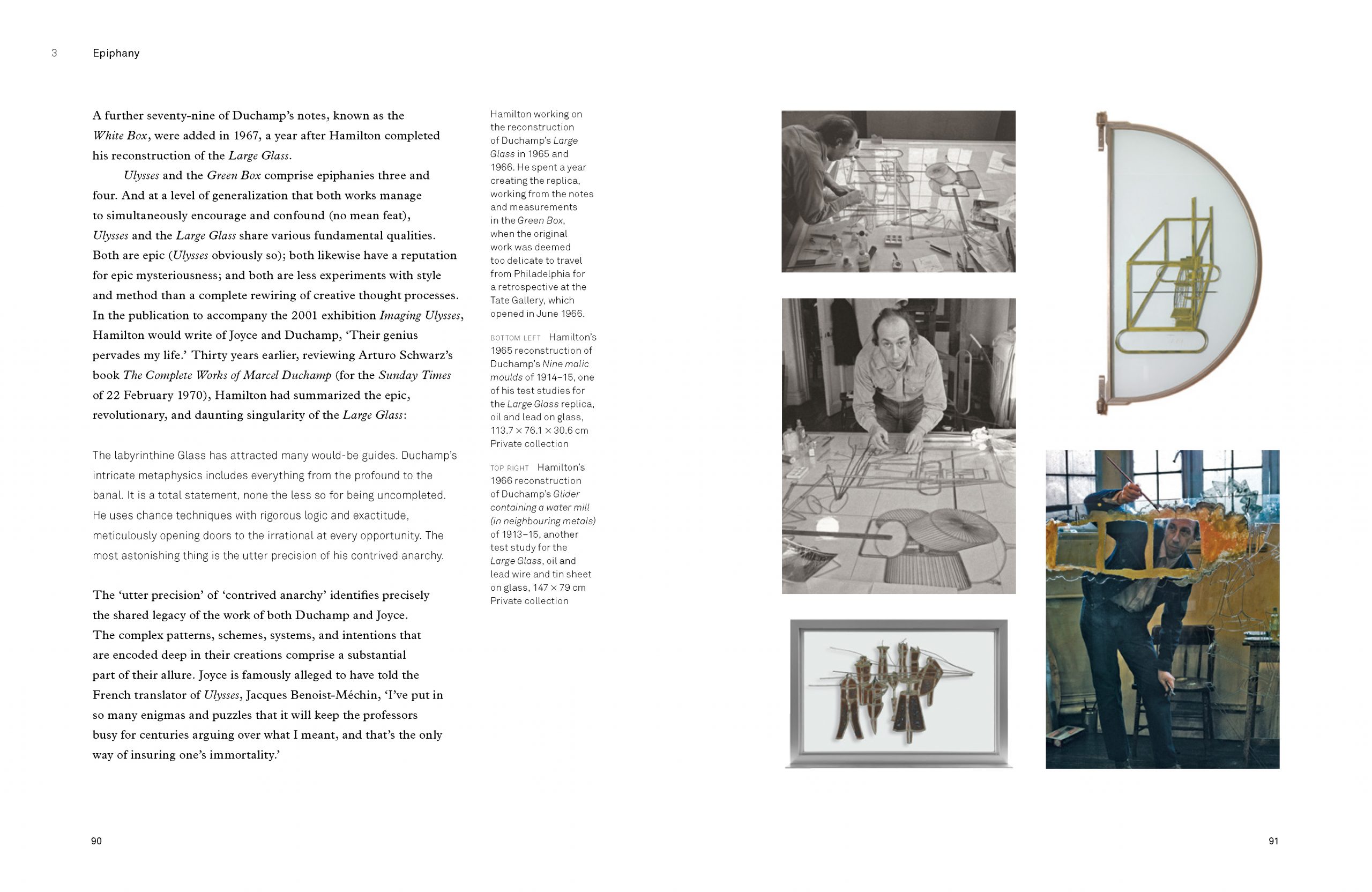
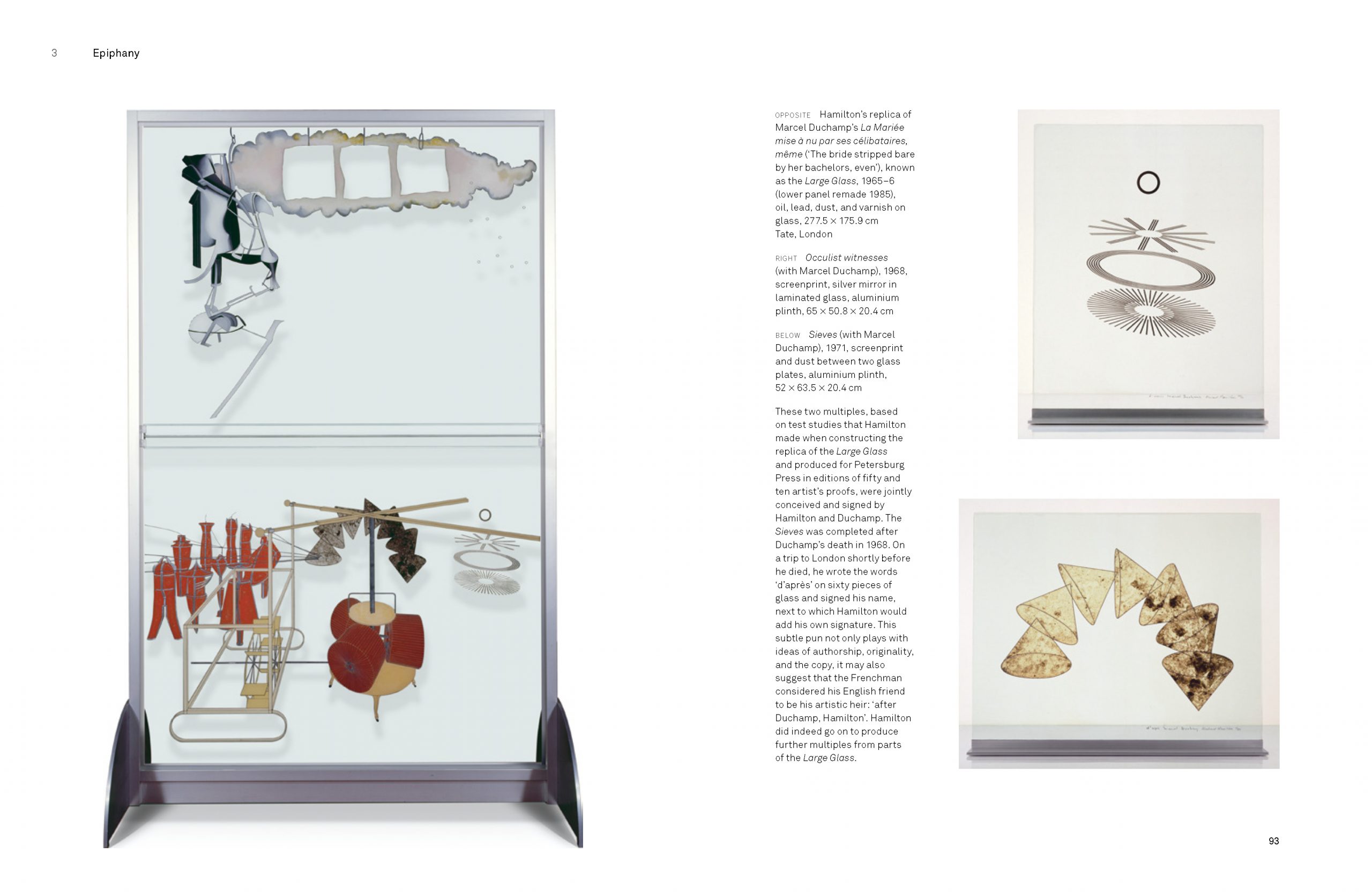
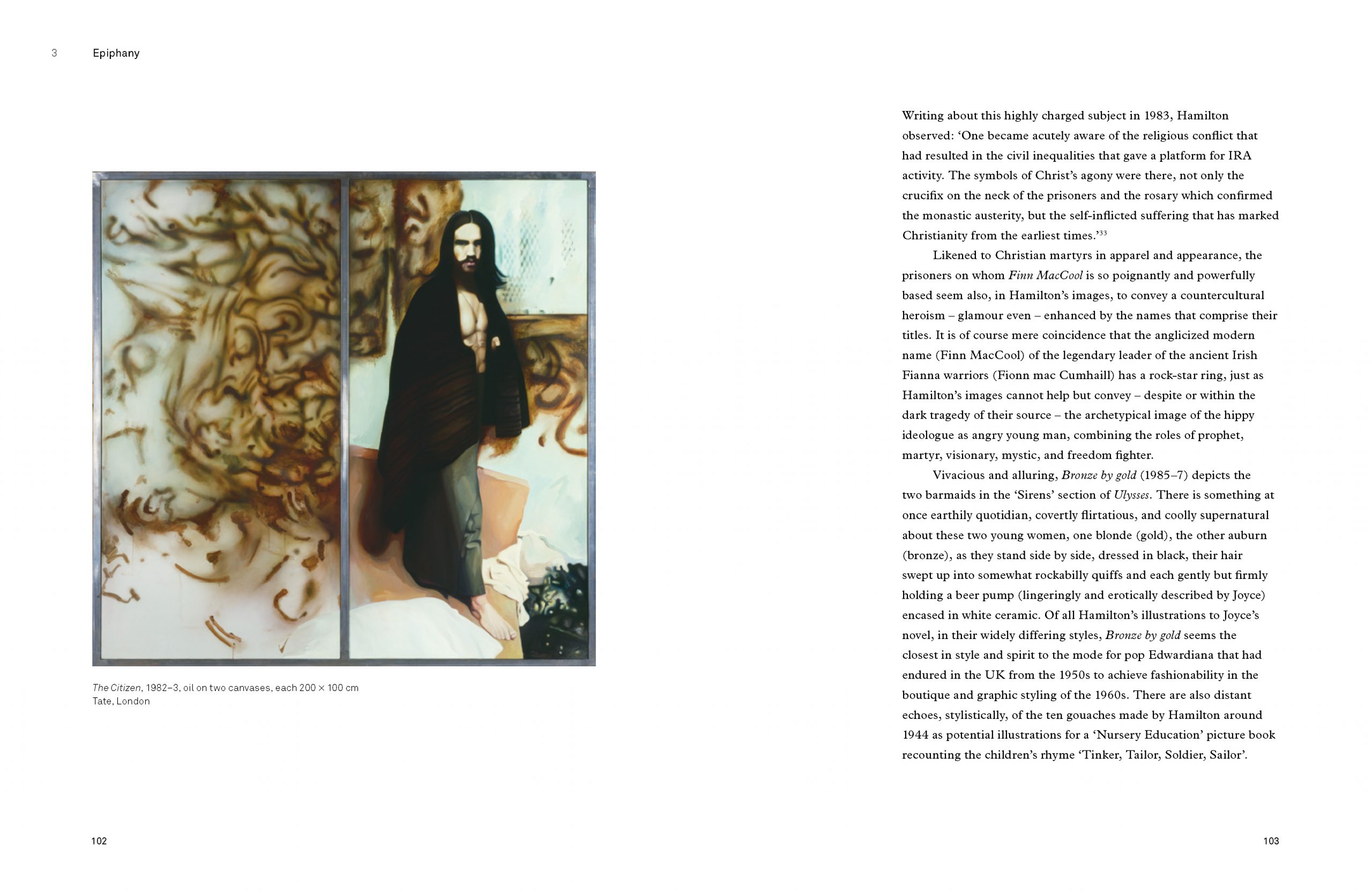
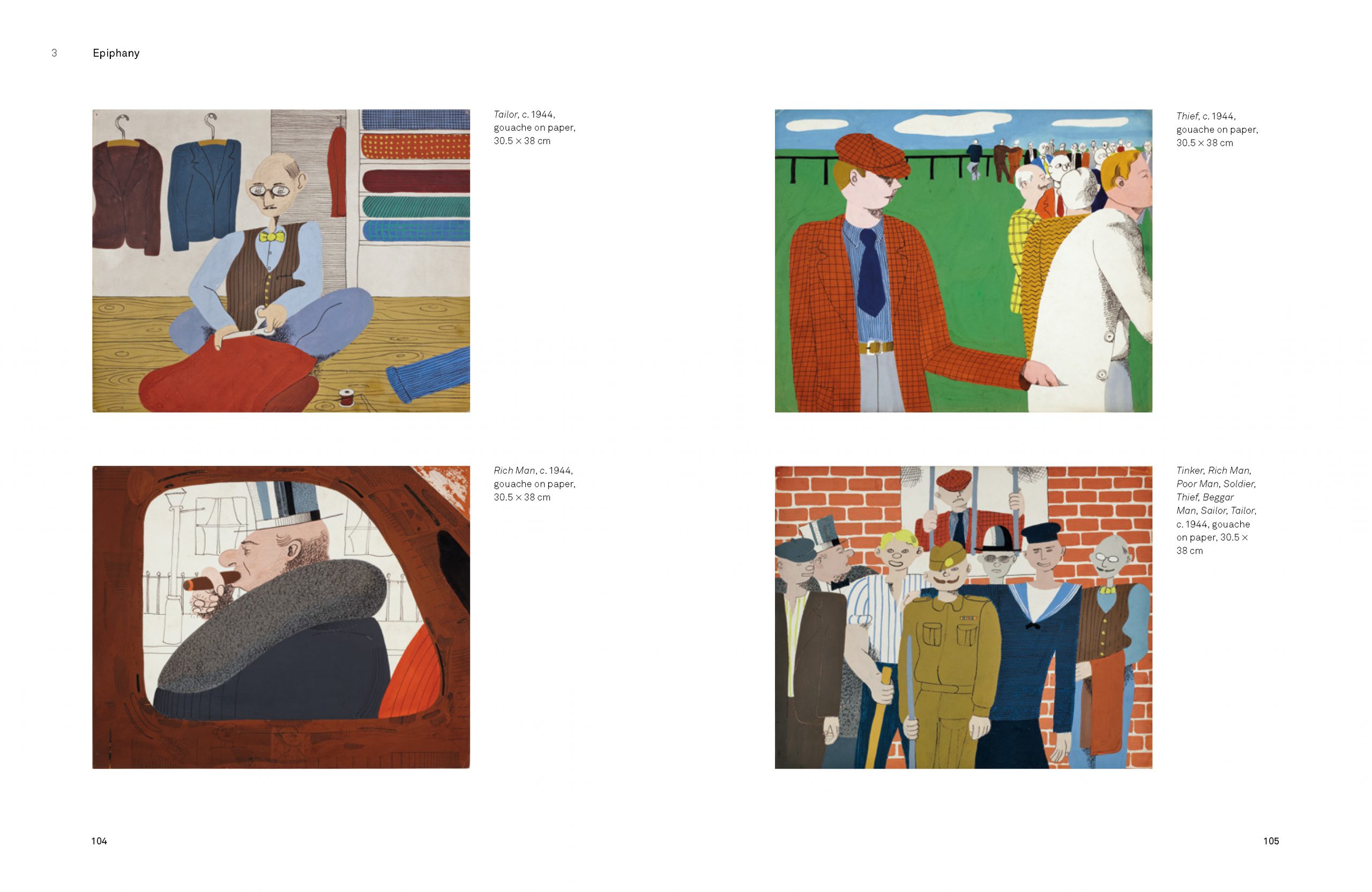
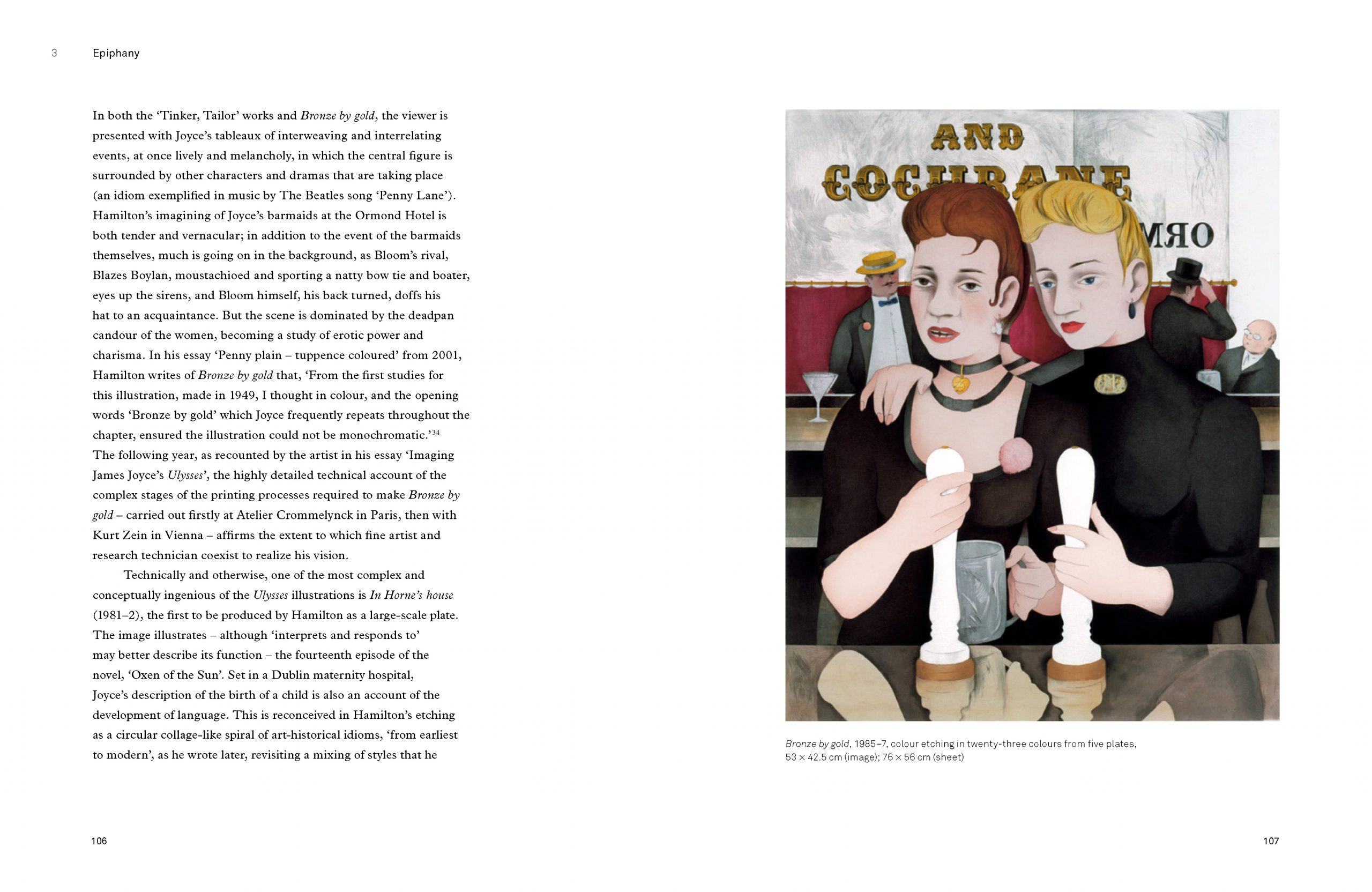
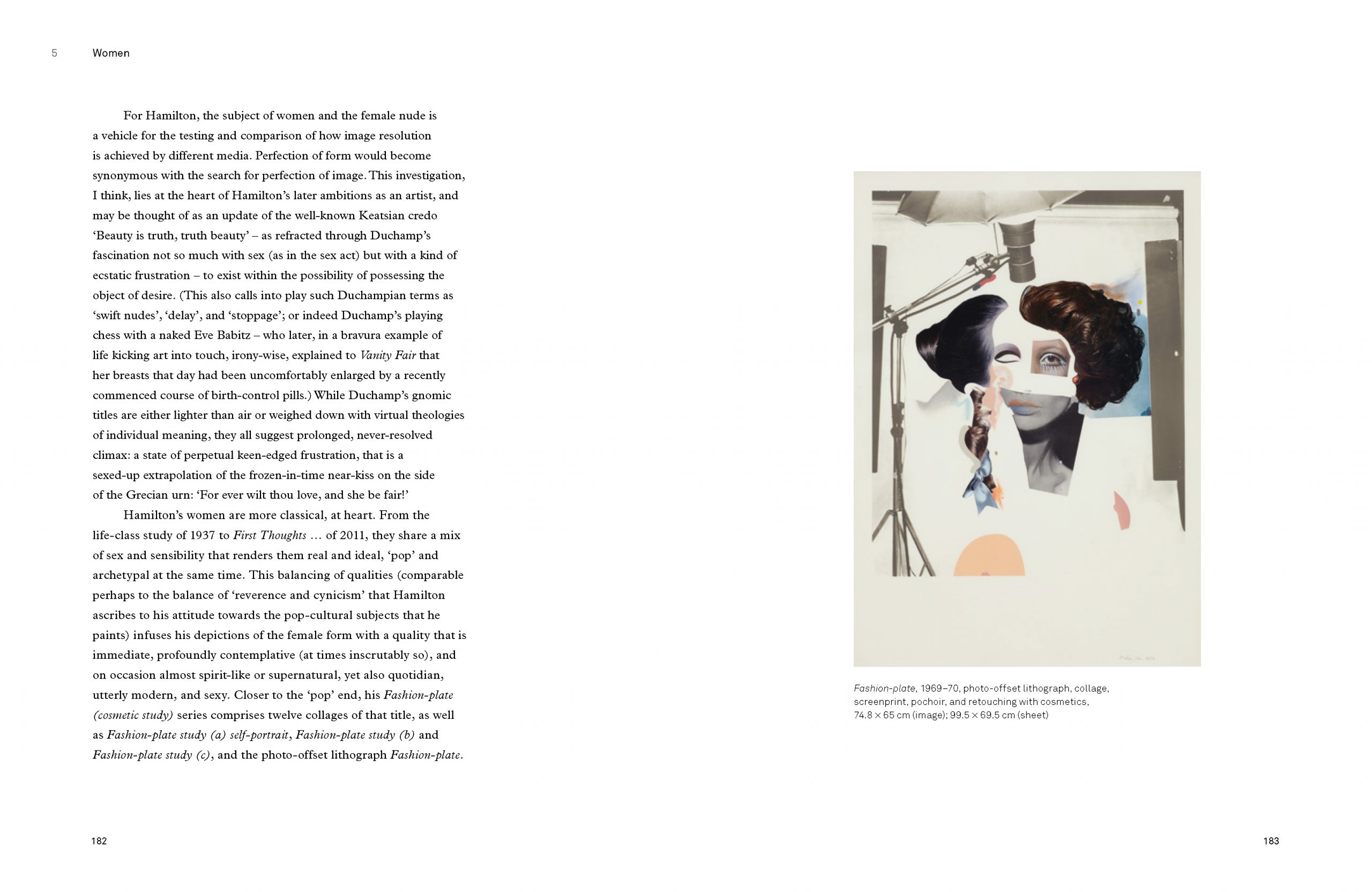
In this handsome book, acclaimed writer Michael Bracewell presents a concise introduction to this deeply complex artist. Writing from a personal perspective, he discusses Hamilton’s all-embracing work in relation to the music, film, and popular culture of the day in a rich and brilliant new interpretation of his art and ideas. He covers the full scope of the artist’s practice, including examples from the various media in which he worked – collage, print, painting, drawing, sculpture, photography, and installation – and the diverse subjects that he addressed until his death in 2011. Bracewell focuses on key works such as the My Marilyn and Swingeing London 67 series; images produced in response to highly charged current events and political and sociological developments, including Kent State and The Citizen; and collages, prints, and paintings that examine the fashion and advertising industries. He also considers Hamilton’s illustrations to James Joyce’s novel Ulysses, his collaborations with Marcel Duchamp, his work with The Beatles, and the significance of his apparently unfinished final work, itself a quest for a state of ‘perfection’ in oil painting. With quotes from the artist’s writings and interviews throughout, this attractive volume will appeal to anyone wanting to understand Hamilton’s iconic and pioneering work and its lasting cultural legacy.

Michael Bracewell is the author of six novels and two works of non-fiction, including the novellas The Crypto-Amnesia Club (1988) and Perfect Tense (1999). He has written widely on modern and contemporary art and contributed to catalogues for museum exhibitions of Richard Hamilton’s work, including at the Serpentine Gallery, London (2010) and the National Gallery, London (2012). A collection of Bracewell’s writings on art, The Space Between, was published in 2011.

Between the Lines

Critical Writings on Sean Scully –
The Early Years

Edited by Faye Fleming and Oscar Humphries
Introduction by Martin Gayford

Sean Scully is recognized as one of the most important abstract artists of our age. For half a century, he has explored with unwavering determination and vision the possibilities of the stripe, band, and block as abstract forms. In doing so, he reconciled the aesthetic of pure Minimalism with a more human and expressive approach that reinvented abstraction as physical, sensual, and endowed with powerful emotion. 

From his earliest days, Scully attracted the attention and interest of writers and thinkers who were drawn to his distinctive work. This beautiful book collates the writings of fifty critical luminaries from various disciplines who have written about his art and the singular course that he followed in the first three decades of his career. Reflecting the endless variety of his compositions, each contributor identifies novel and different aspects in the work as it developed in unexpected and intriguing ways. On publication, these texts became catalysts for the artist himself, woven into his evolution and influencing his development either as lines of enquiry to explore or as ideas to kick against. Lavishly illustrated with all of Scully’s key works from the late 1960s to 1999, and with dozens of installation views, behind-the-scenes studio shots, and portraits of the artist, many seen here for the first time, this collection provides a concise and accessible account of the early career of an artist as he set out to finally reconcile emotion and intellect in abstract painting.

Contributors
Neal Benezra • Ian Bennett • Michael Brenson • John Caldwell • David Carrier • Victoria Combalía • Lynne Cooke • Holland Cotter • Arthur C. Danto • Danilo Eccher • William Feaver • Jean Frémon • Peter Fuller • Xavier Girard • Mark Glazebrook • Sharon Gold • Hans-Michael Herzog • Andrea Hill • Robert Hughes • Sam Hunter • Francisco Jarauta • William Jeffett • Roy Johnston • Enrique Juncosa • Pepe Karmel • Bernd Klüser • Donald Kuspit • Susanne Lambrecht • Adrian Lewis • John Loughery • Edward Lucie-Smith • Mario-Andreas von Lüttichau • Steven Henry Madoff • Victoria Martino • Joseph Masheck • William Packer • Demetrio Paparoni • Kevin Power • Carter Ratcliff • John Roberts • Adrienne Rosenthal • John Russell • Michael Semff • Colm Tóibín • William Varley • Dorothy Walker • Stephan Westfall • John Yau • Armin Zweite

Faye Fleming is a gallerist and curator, currently based in New York. With Timothy Taylor in London, she worked closely with artists such as Fiona Rae, James Rielly, Alex Katz, and Jonathan Lasker, and in particular Susan Hiller, whom she brought to the gallery. In 2006, she moved to Geneva, Switzerland, to open Galerie Arquebuse, later Faye Fleming + Partner. The gallery focused on the careers of emerging international artists, being the first to represent Lynette Yiadom-Boakye with several solo exhibitions, and bringing to attention Athanasios Argianas, Charles Avery, Tim Braden, Ruth Claxton, Tami Ichino, Dietmar Lutz, André Niebur, DJ Simpson, among others. Since relocating to New York in 2011, Fleming has worked closely with Sean Scully and Liliane Tomasko.

Oscar Humphries has curated exhibitions focusing on art, design, and architecture for museums, galleries, and independently since 2009. He was formerly the publisher and editor of the art magazine Apollo from 2009 to 2013. The founding editor of the Spectator Australia, he has written for publications including the Sunday Times, the Daily Telegraph, the Evening Standard, and the Literary Review. In 2016 he curated Luis Barragán: The Architecture of Color, the first US exhibition to explore the work and influence of the architect since the Museum of Modern Art’s show in 1976. Humphries has worked extensively with Sean Scully on institutional exhibitions and numerous books.

Martin Gayford is a writer and art critic for the Spectator, having held similar posts with the Sunday Telegraph and Bloomberg News. He is the author of Modernists & Mavericks: Bacon, Freud, Hockney and the London Painters; Man with a Blue Scarf: On Sitting for a Portrait by Lucian Freud; A Bigger Message: Conversations with David Hockney; Michelangelo: His Epic Life; The Yellow House: Van Gogh, Gauguin and Nine Turbulent Weeks in Arles; and Constable in Love: Love, Landscape, Money and the Making of a Great Painter. He is also the co-author with David Hockney of A History of Pictures: From Cave to Computer Screen.