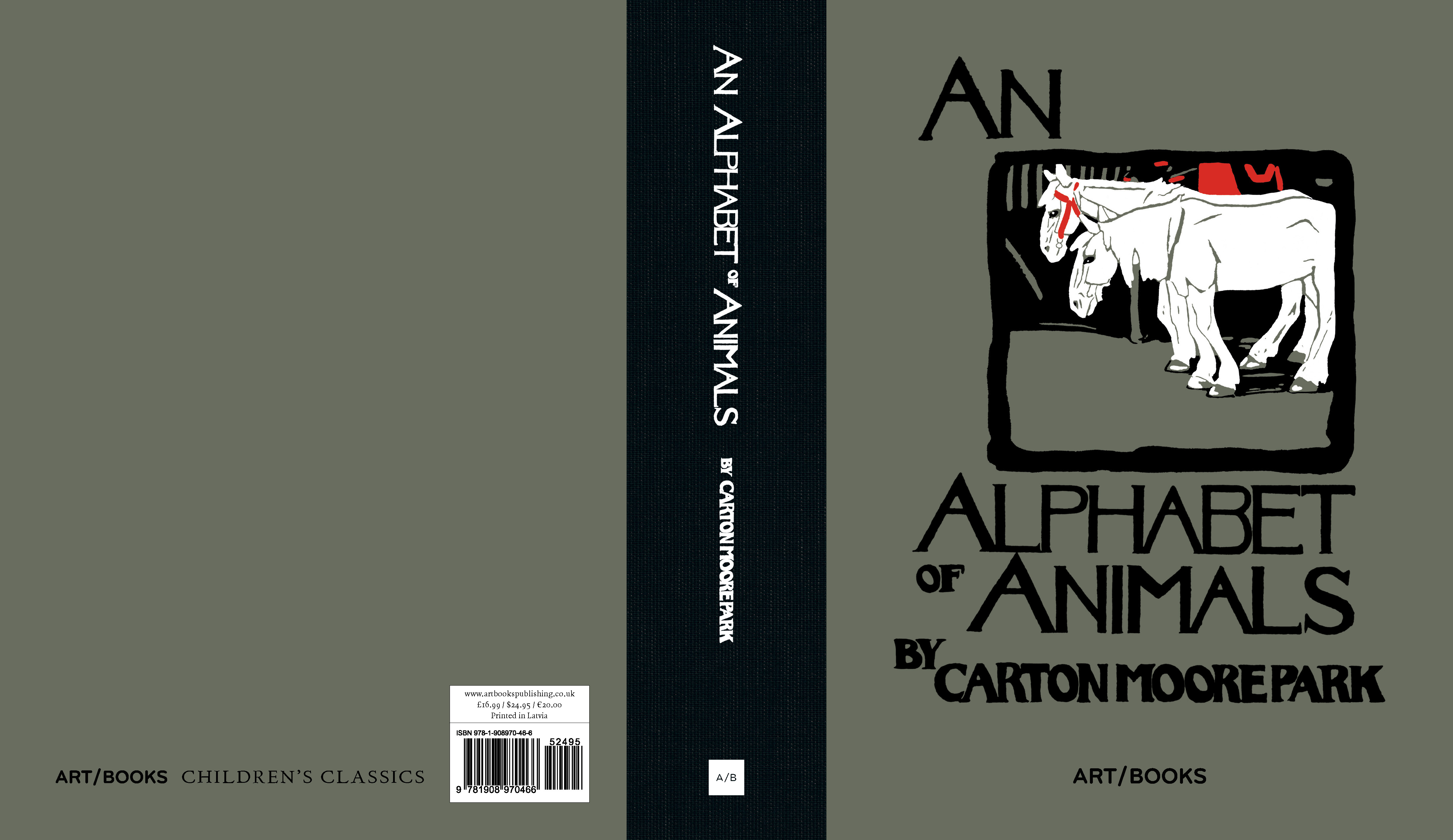
An Alphabet of Animals

Carton Moore Park

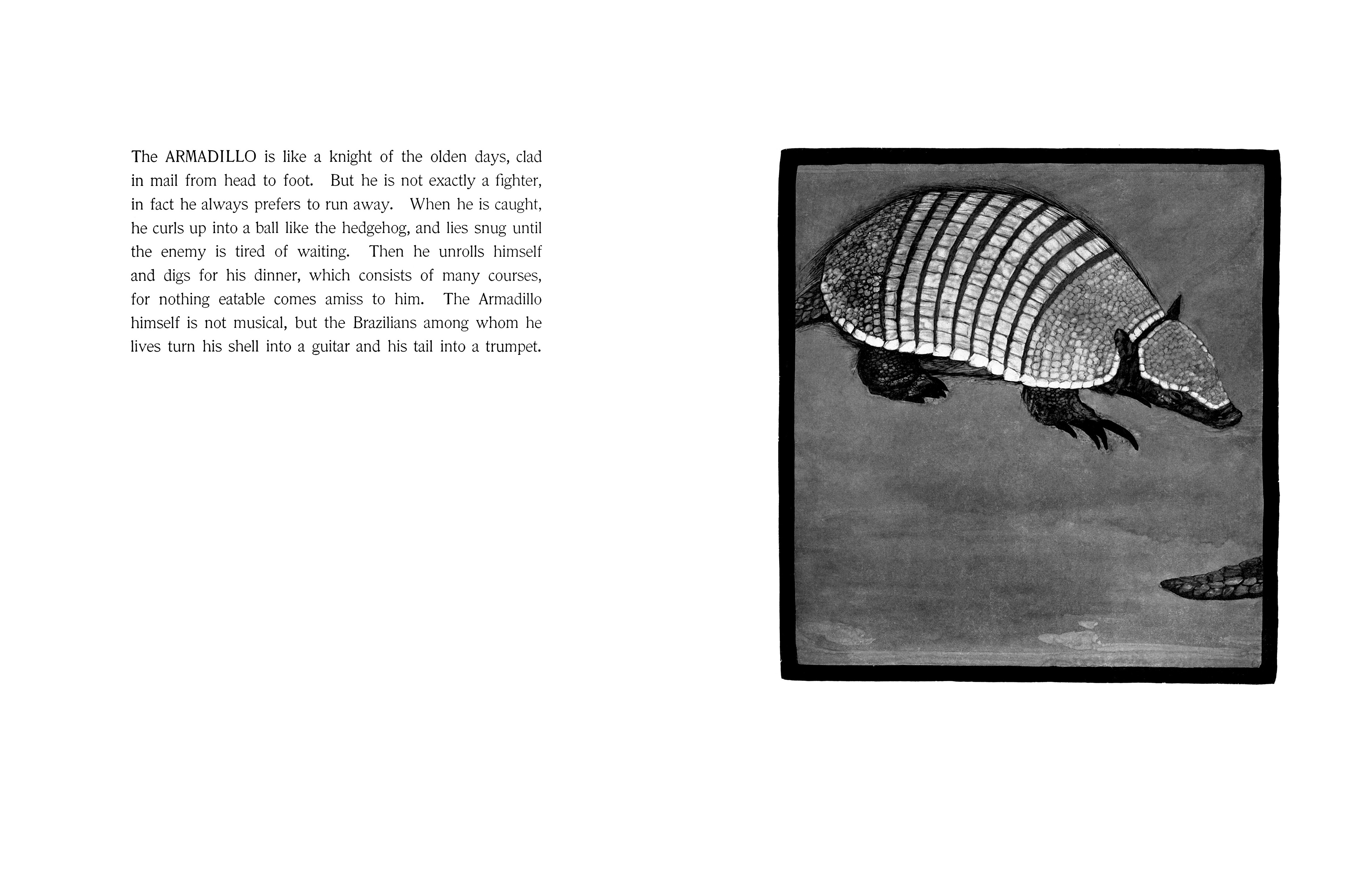
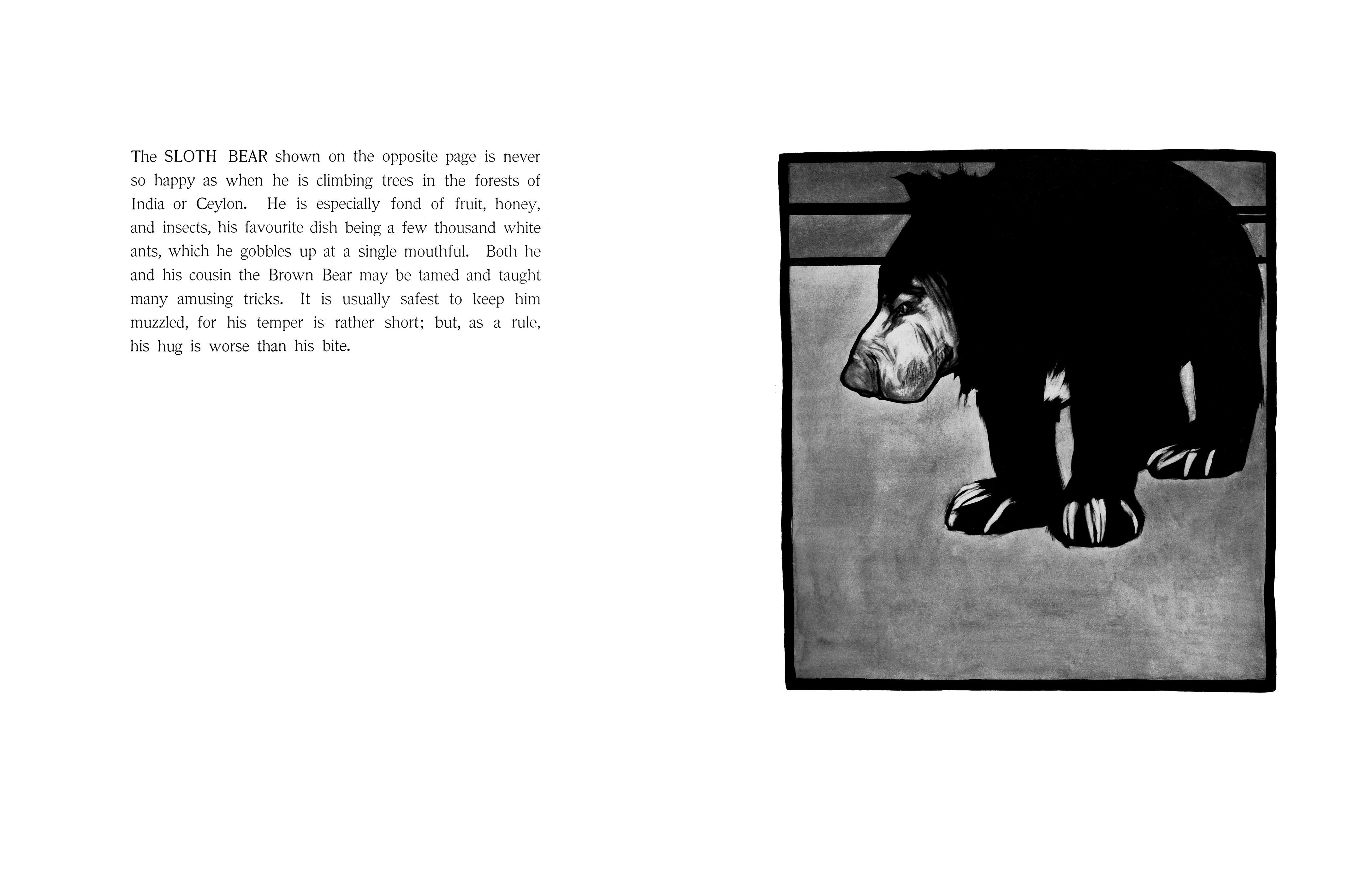
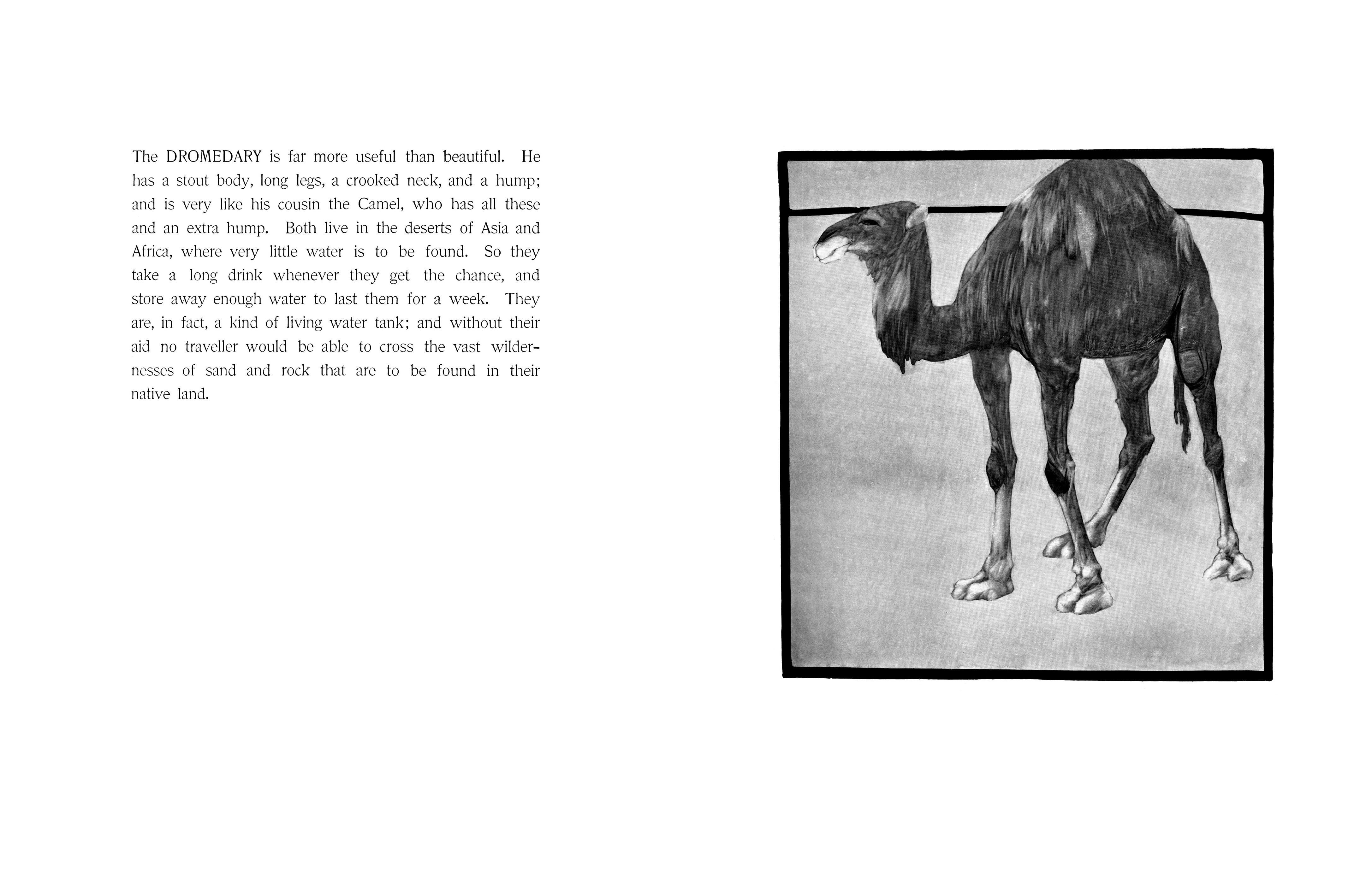
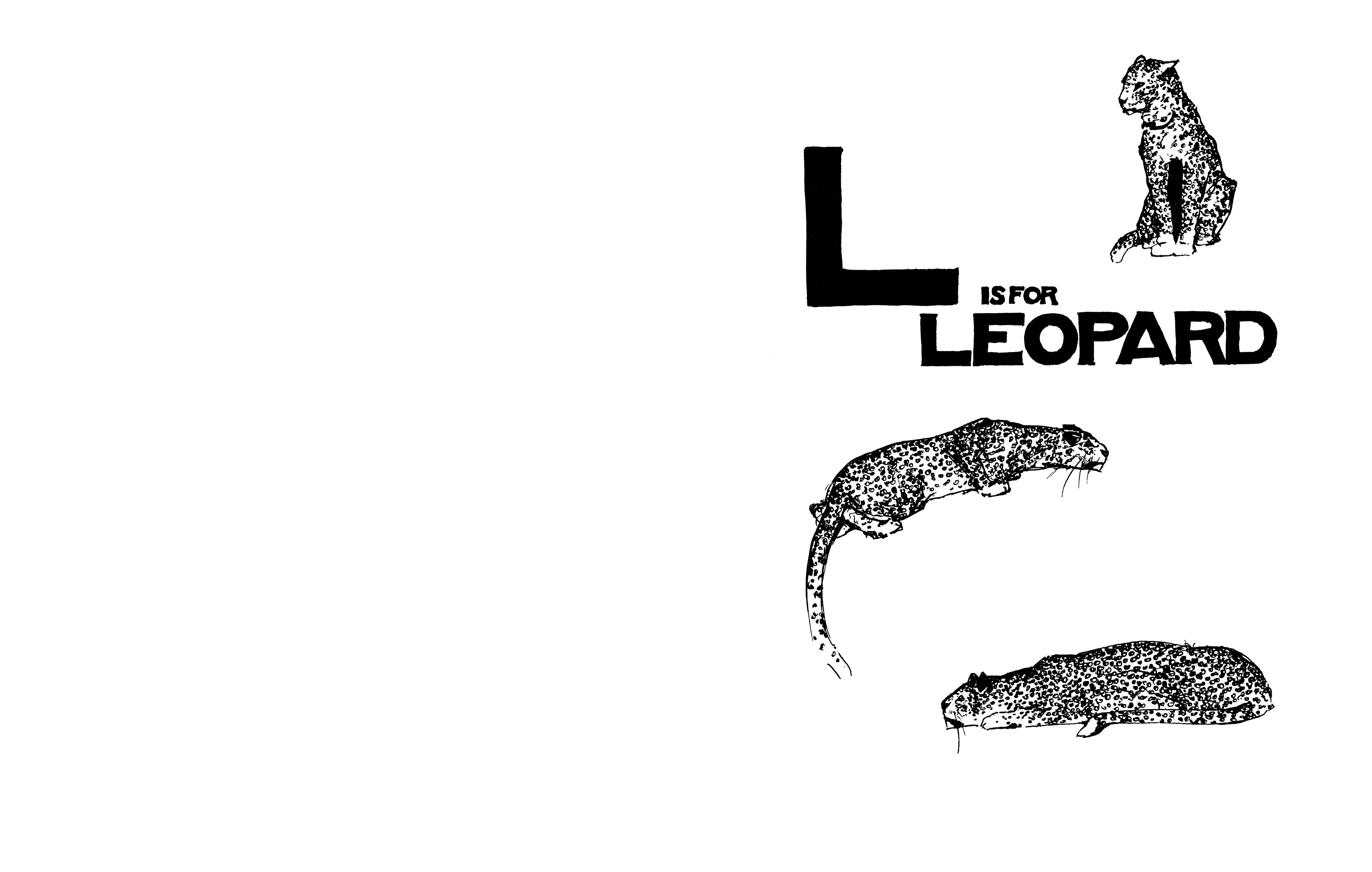
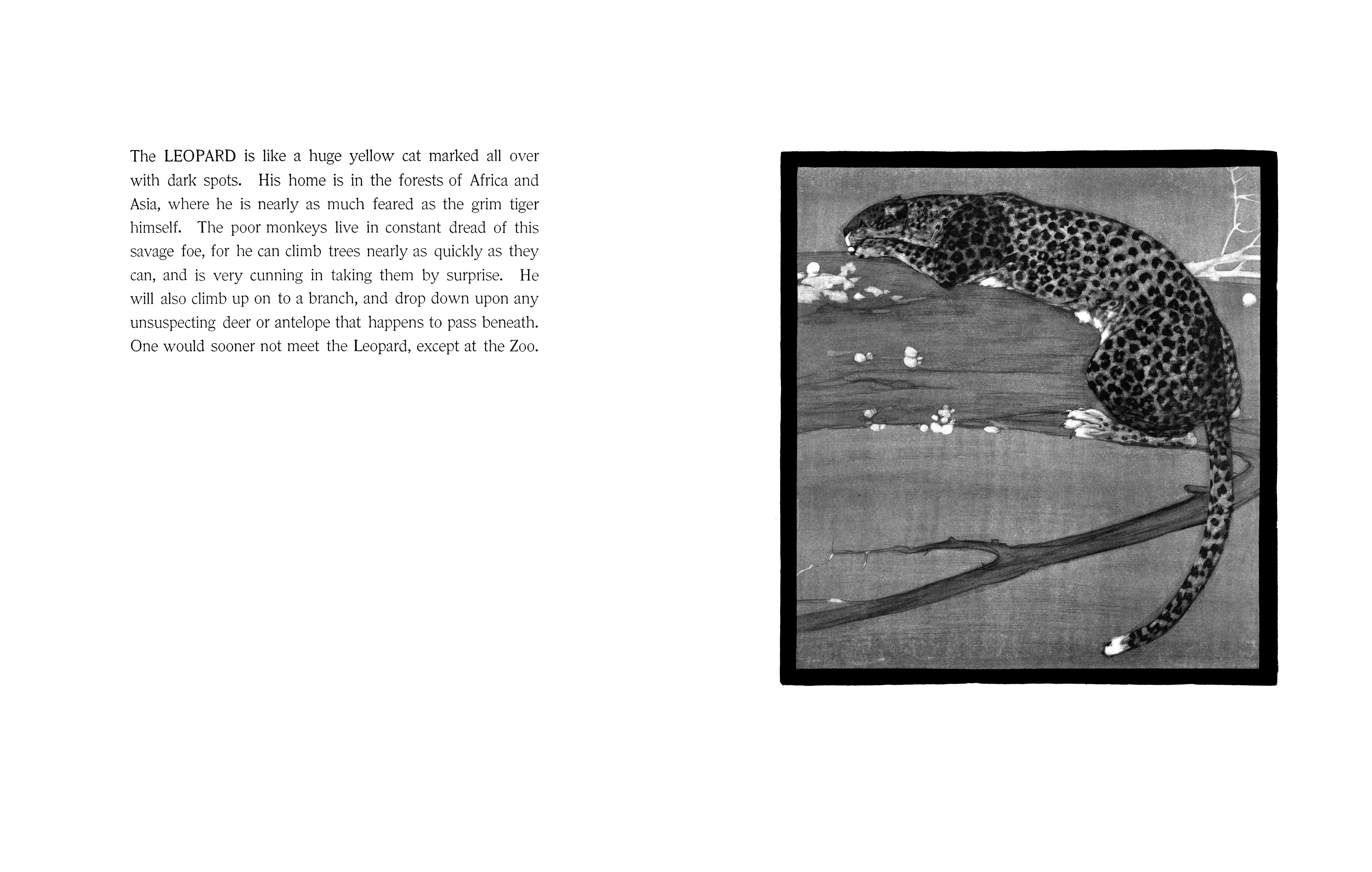
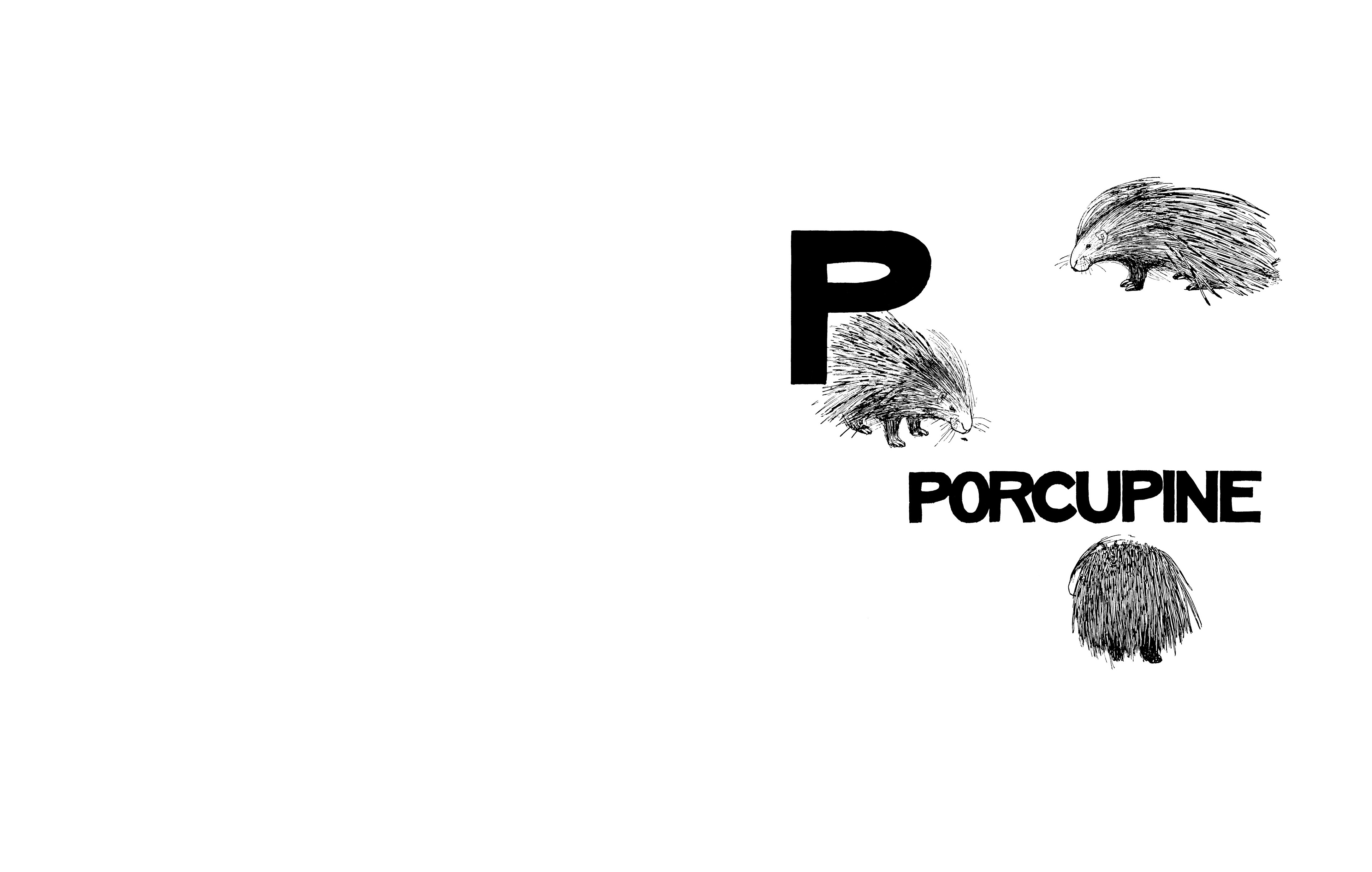
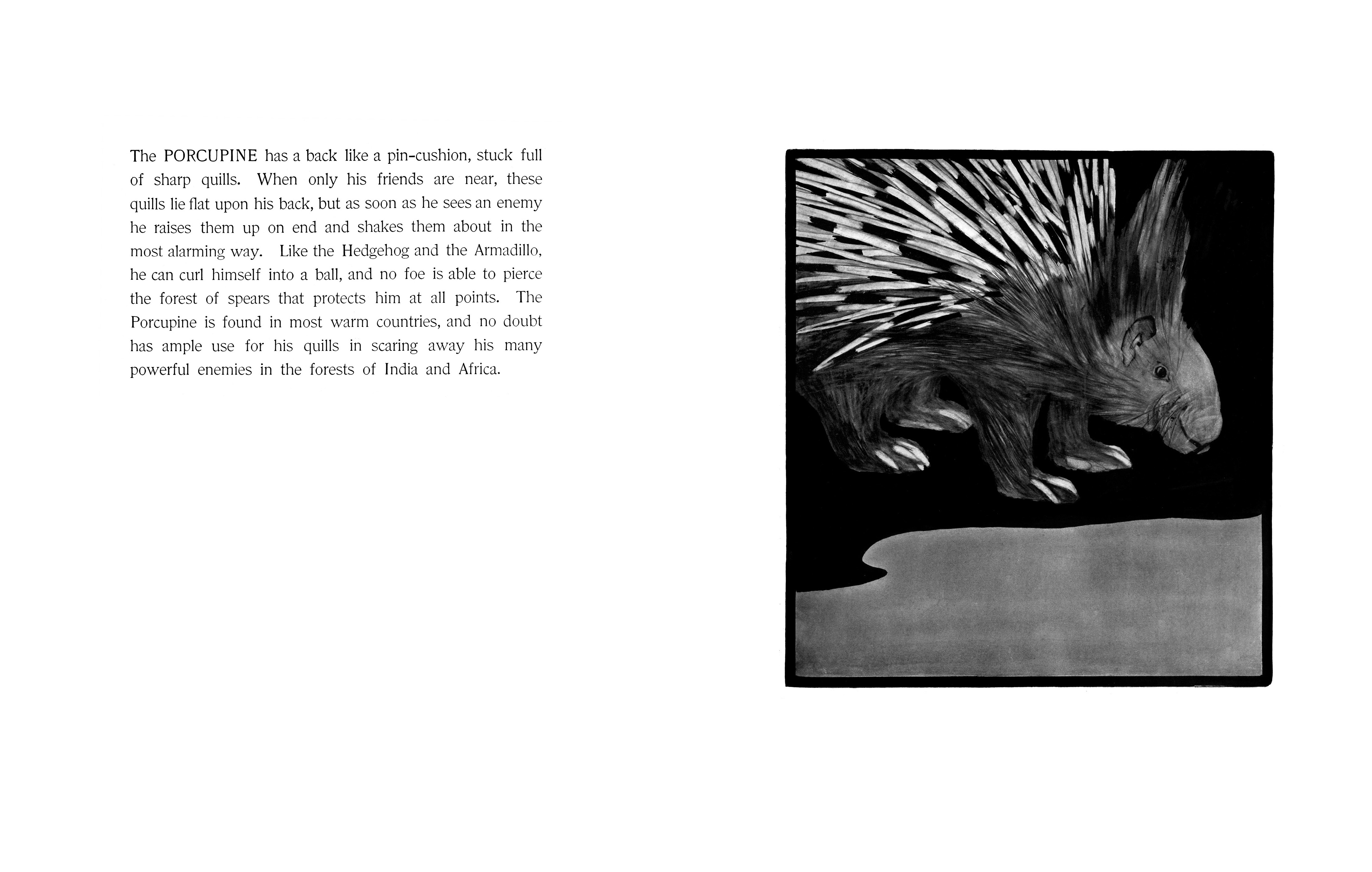
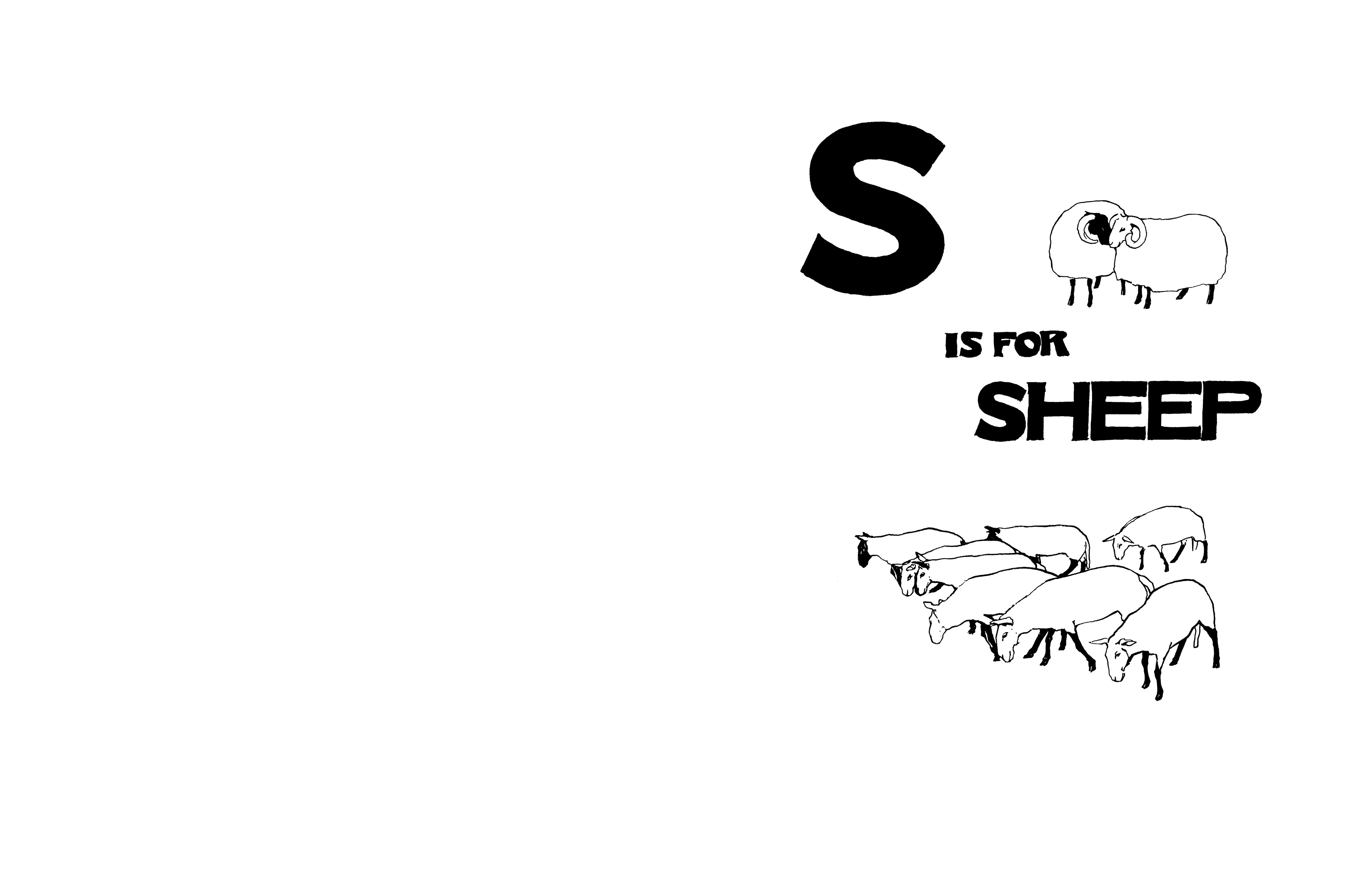
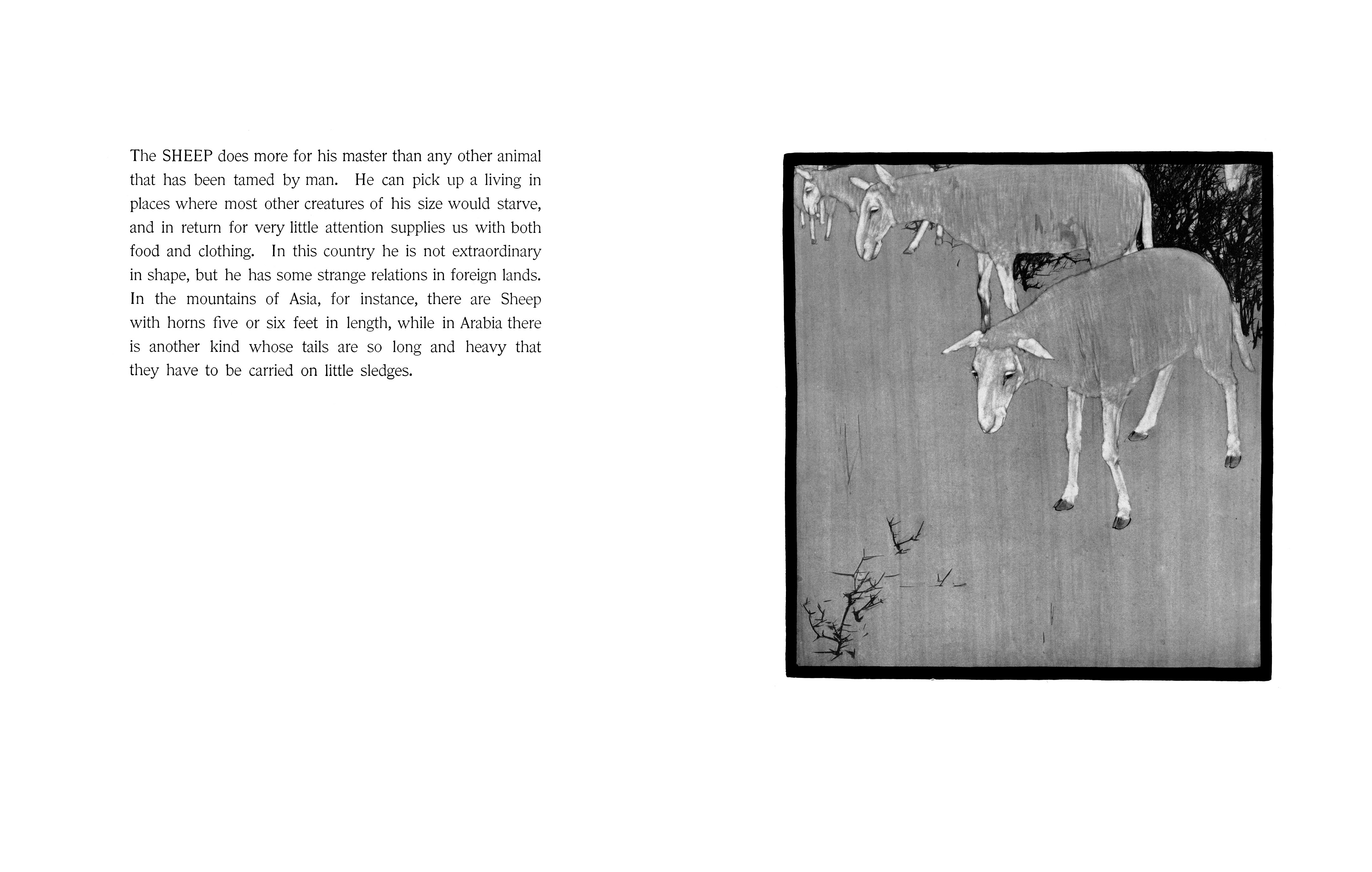
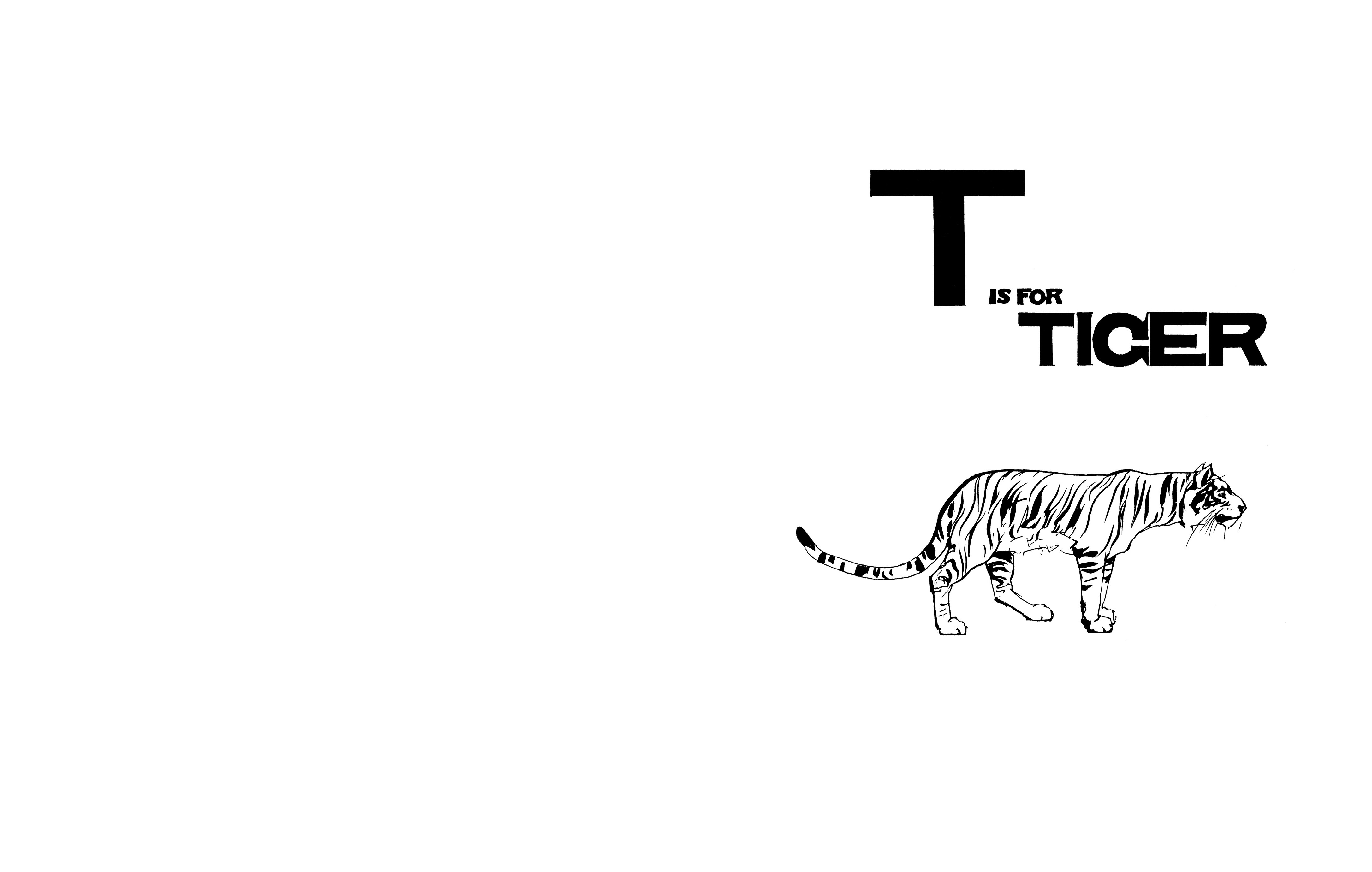
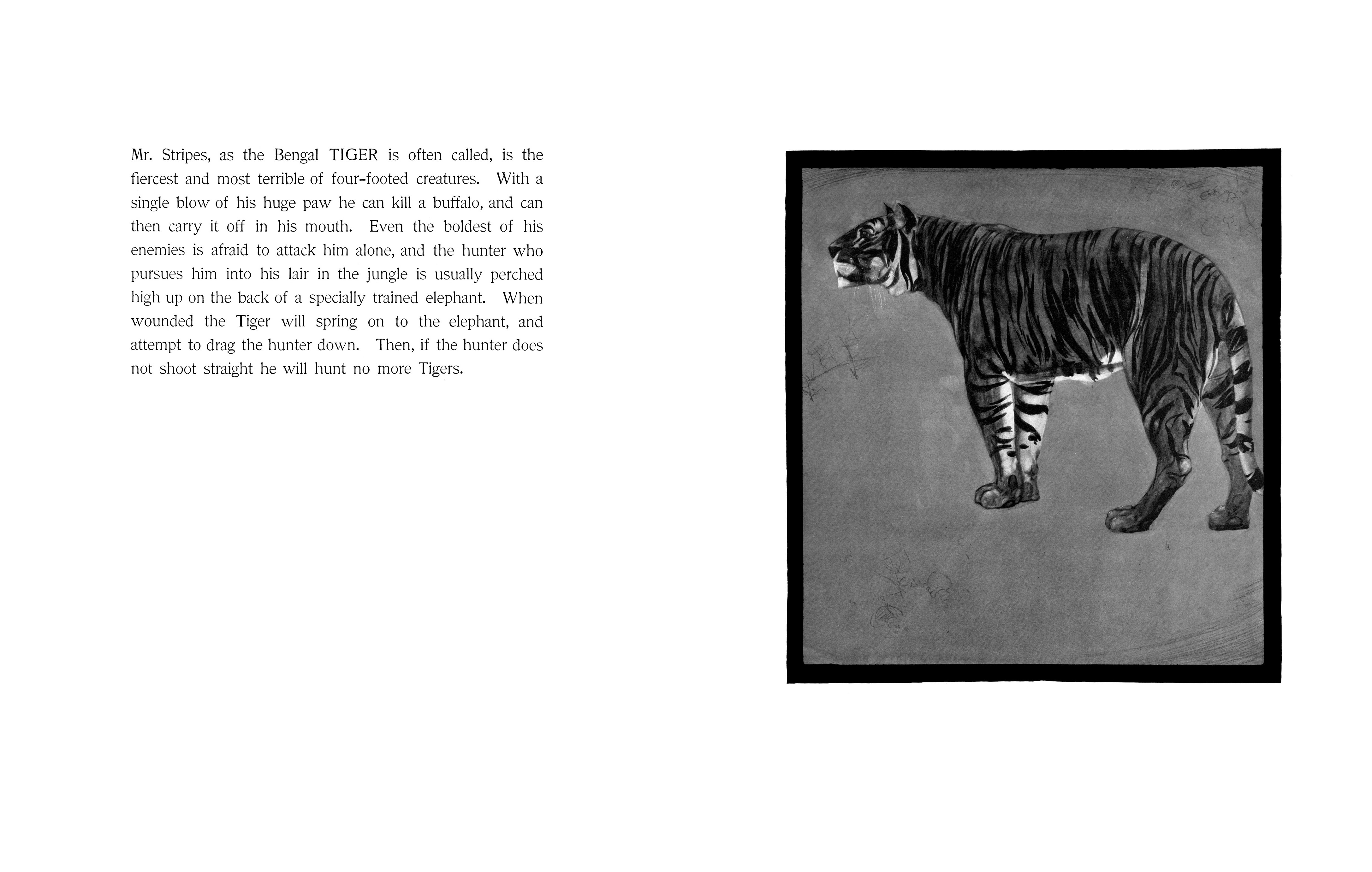
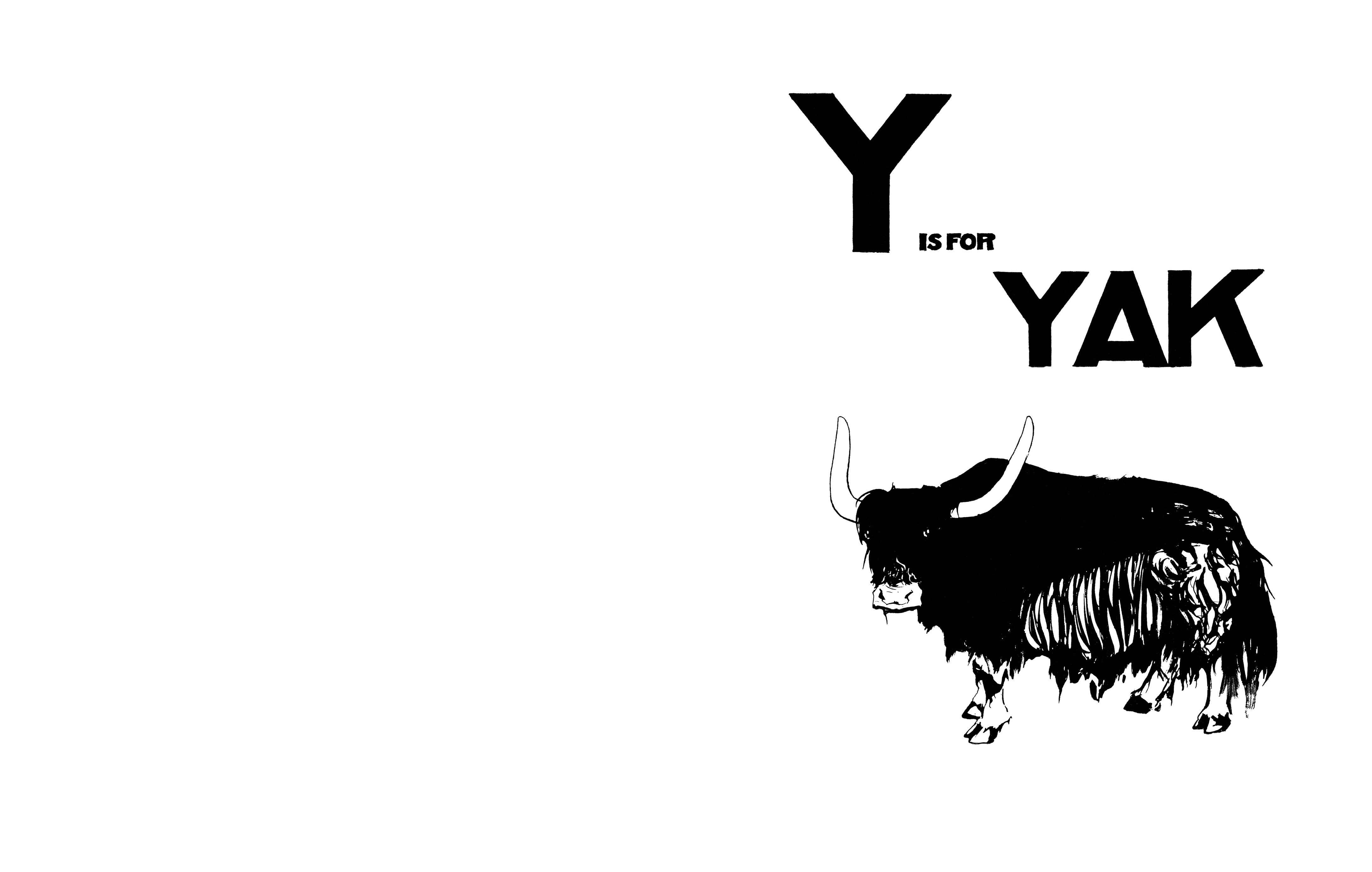
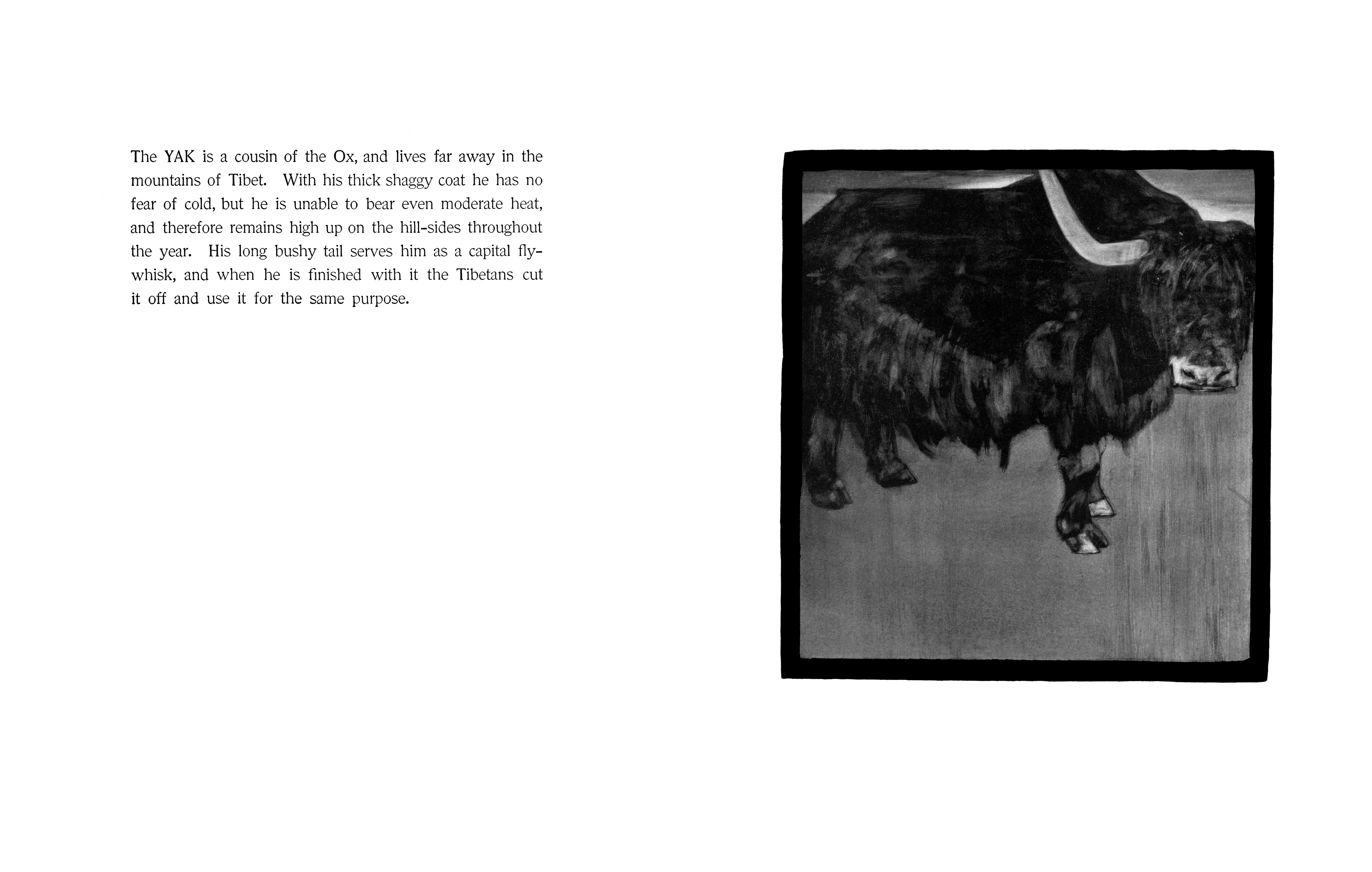
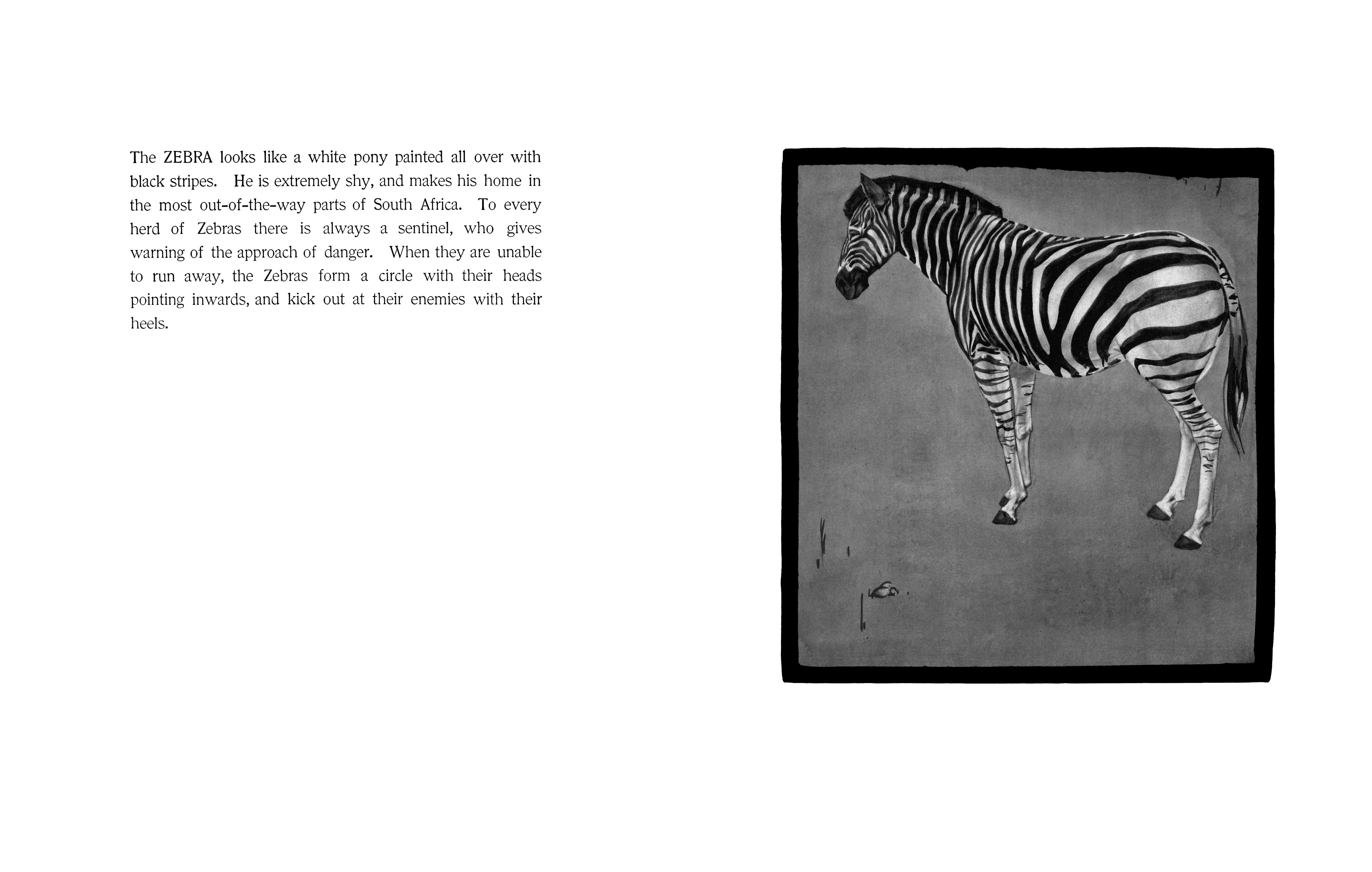
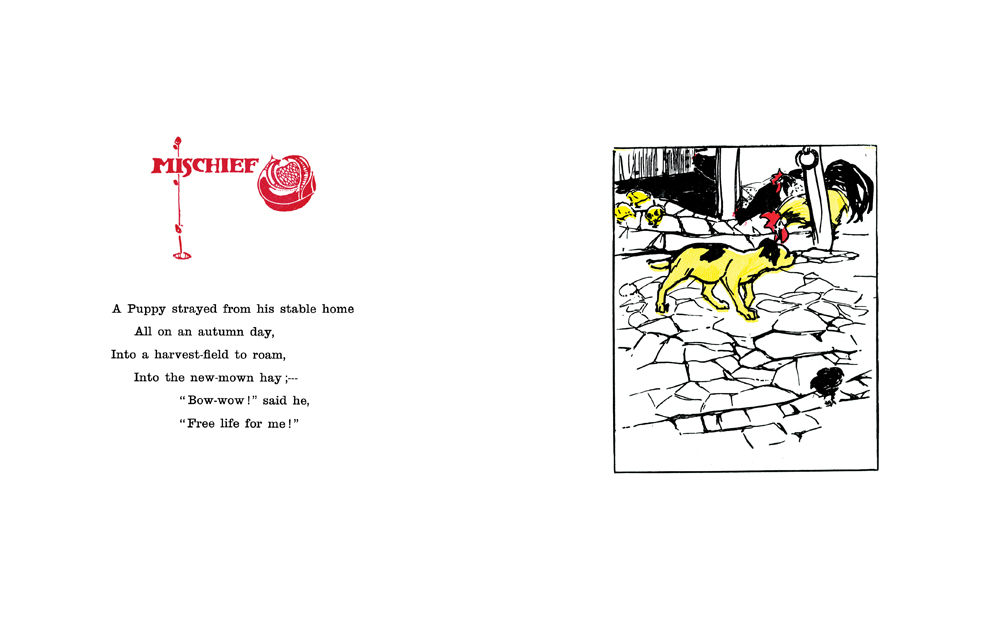
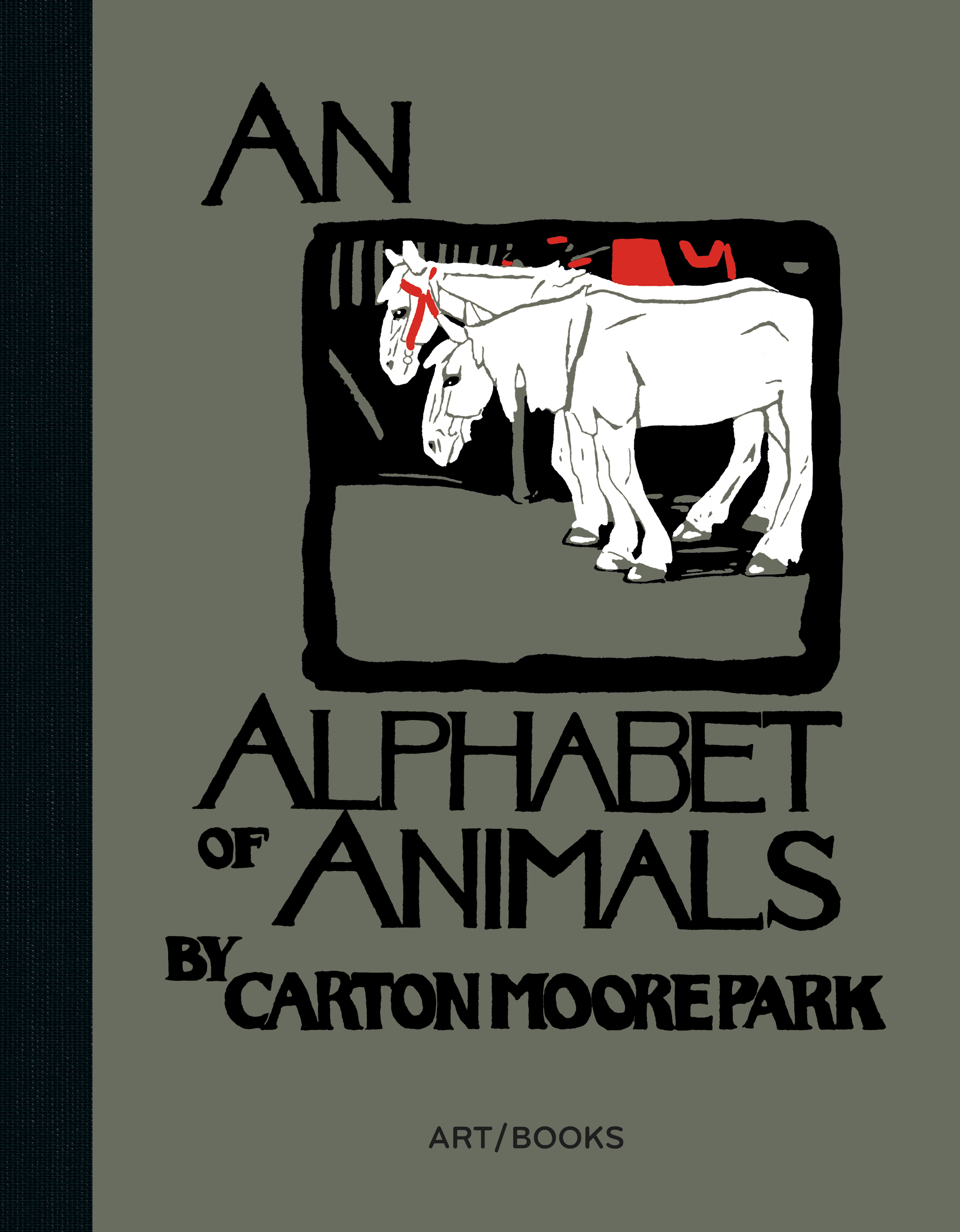
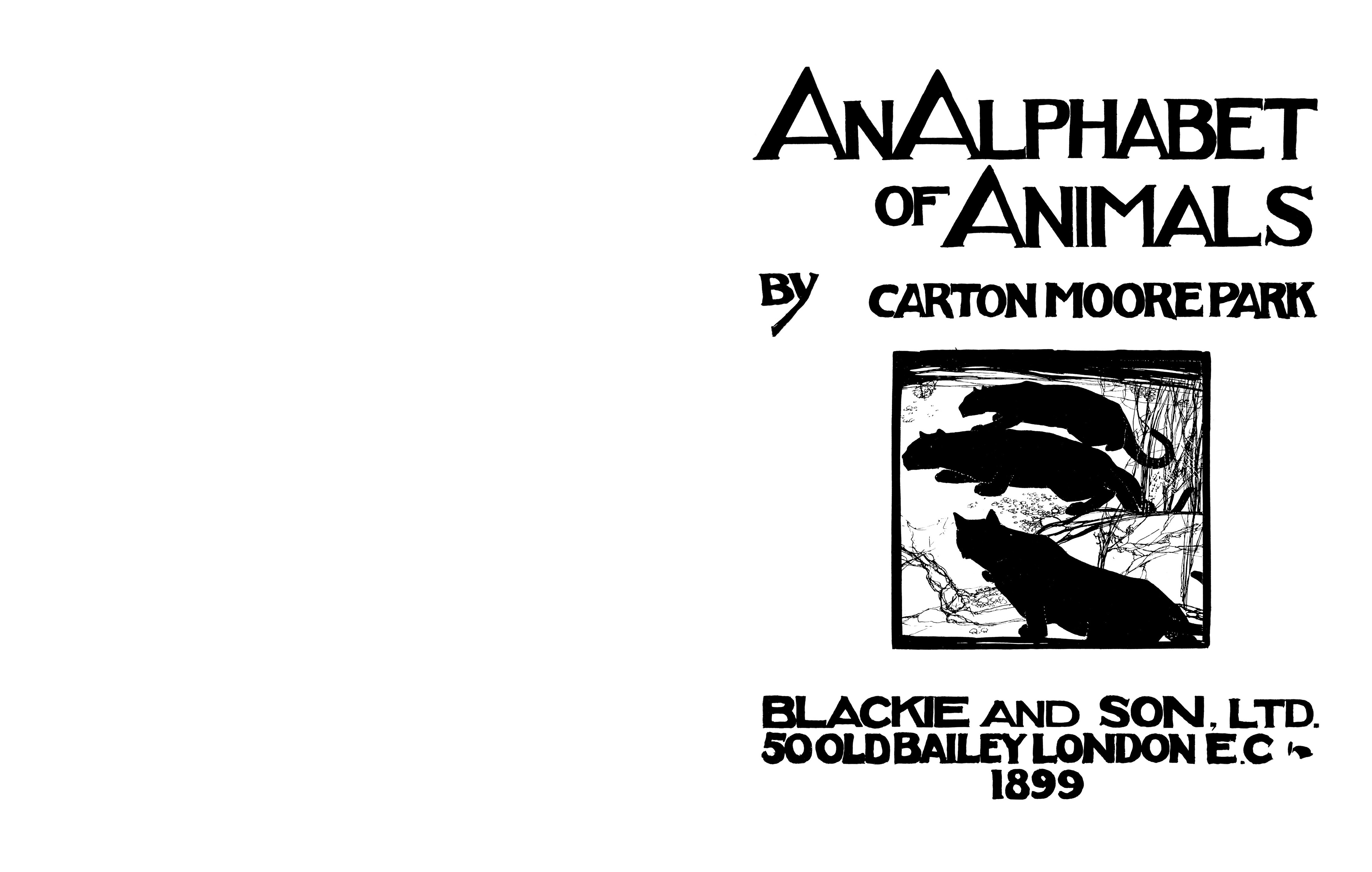
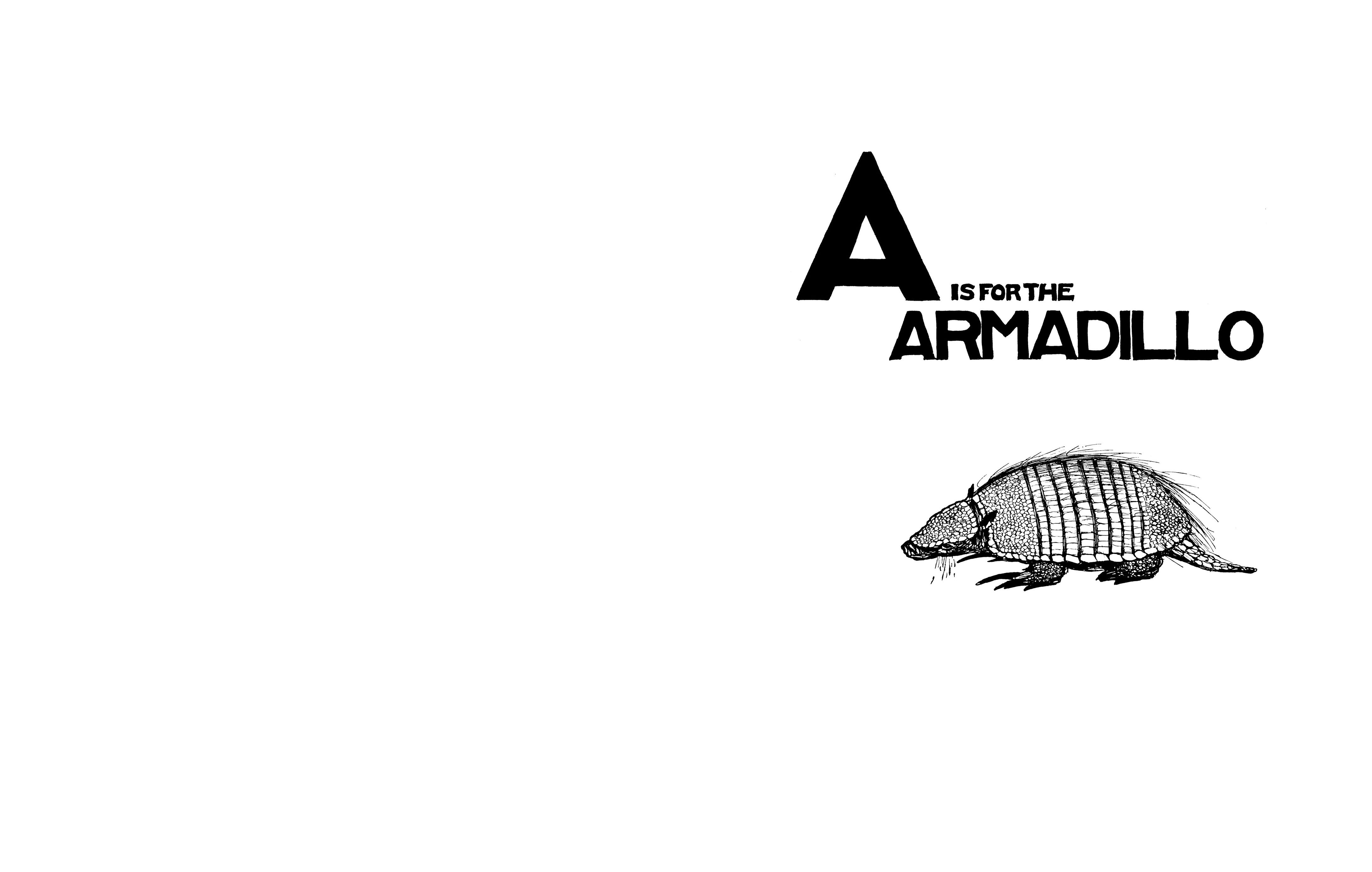
This charming book is a facsimile of a children’s alphabet of animals first published in 1899. Commissioned by Glasgow and London publisher Blackie and Son, it contains a short description and a full-page grisaille drawing for each of the animals, with vignettes accompanying the letters of the alphabet. It was the first publication by Scottish artist Carton Moore Park, who specialized in animal subjects, and whose style was strongly influenced by the art of Japan. The quirky drawings, with their modern-looking cropping and close-up perspective, made the book stand out from all other alphabets of the day. When it was first published, critics acclaimed the artist’s strong handling and accurate anatomical knowledge, as well as his profound appreciation of the habits and movements of each animal depicted and his close sympathy with his subjects. One reviewer wrote that, ‘It is certainly the best book of the kind we have ever seen.’ A hundred and twenty years after it appeared, this exquisite rediscovered volume – very much of its moment but modern in spirit – will enchant and inform
a new generation of children.

Carton Moore Park (1877–1956) was a British painter, illustrator and teacher, born in Scotland. He studies at the Glasgow School of Art between 1893 and 1897. During the 1890s, he was best known for his illustrations of animals, which appeared in Glasgow Weekly Citizen and Saint Mungo. His illustrated books were Alphabet of AnimalsBook of Birds, and A Book of Elfin Rhymes. He lived in London until 1910, when he emigrated to New York, where he spent the rest of his life.
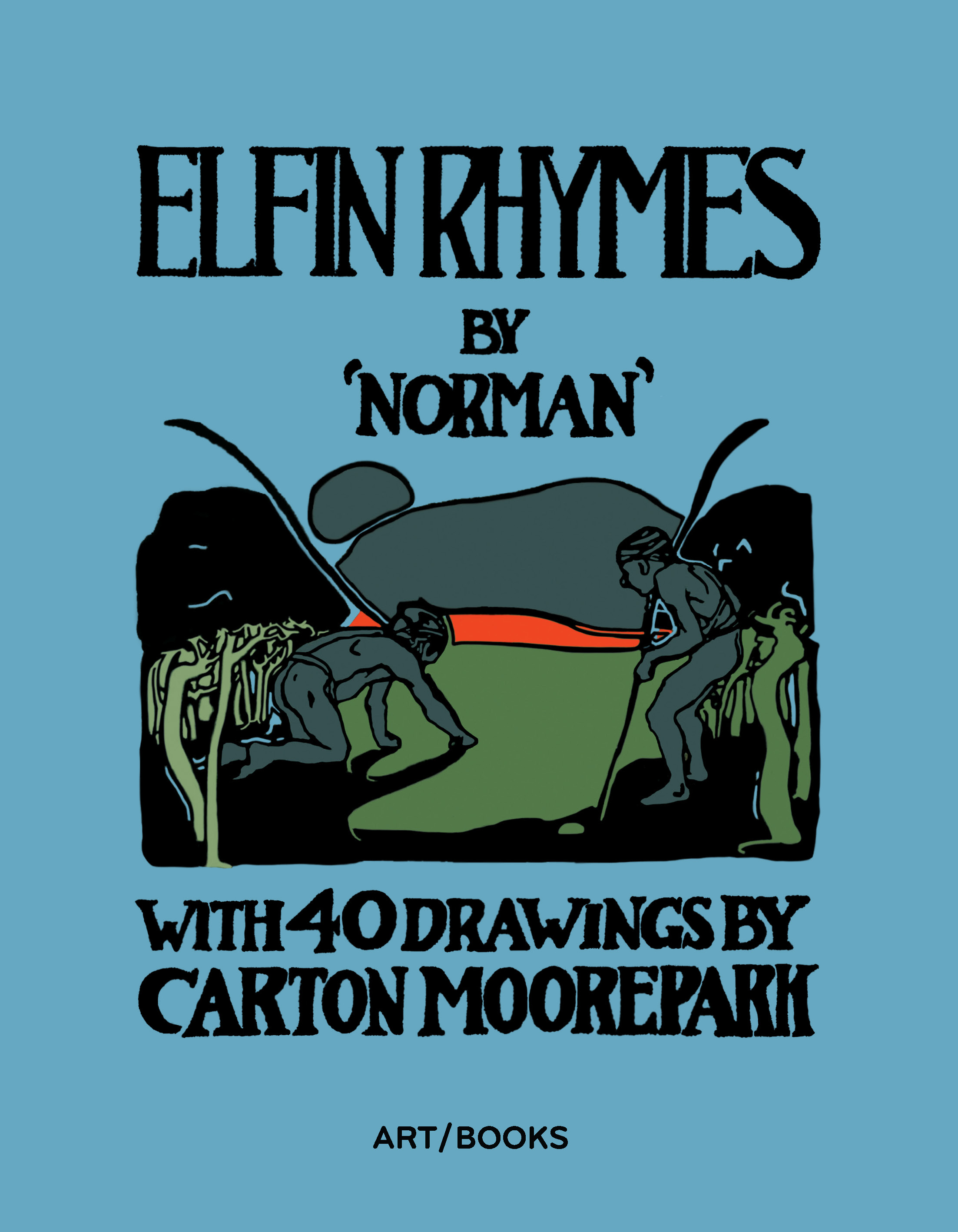
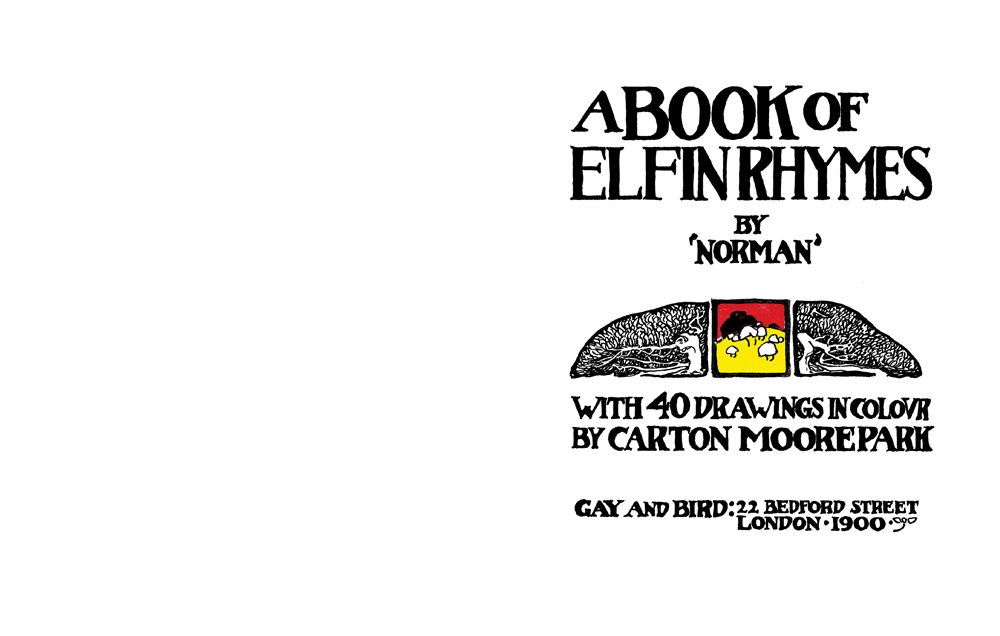
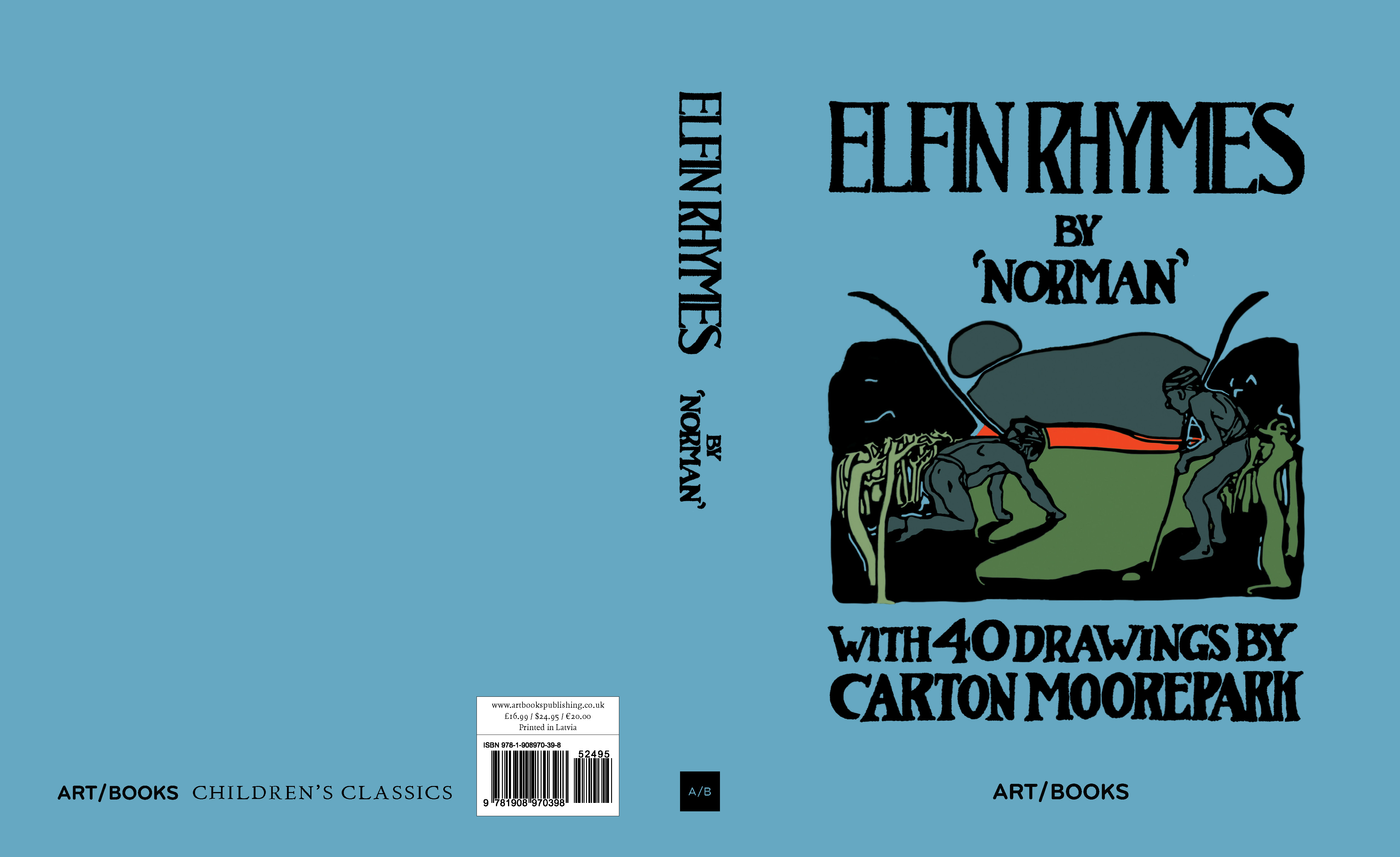
A Book of Elfin Rhymes

‘Norman’
with drawings by Carton Moore Park

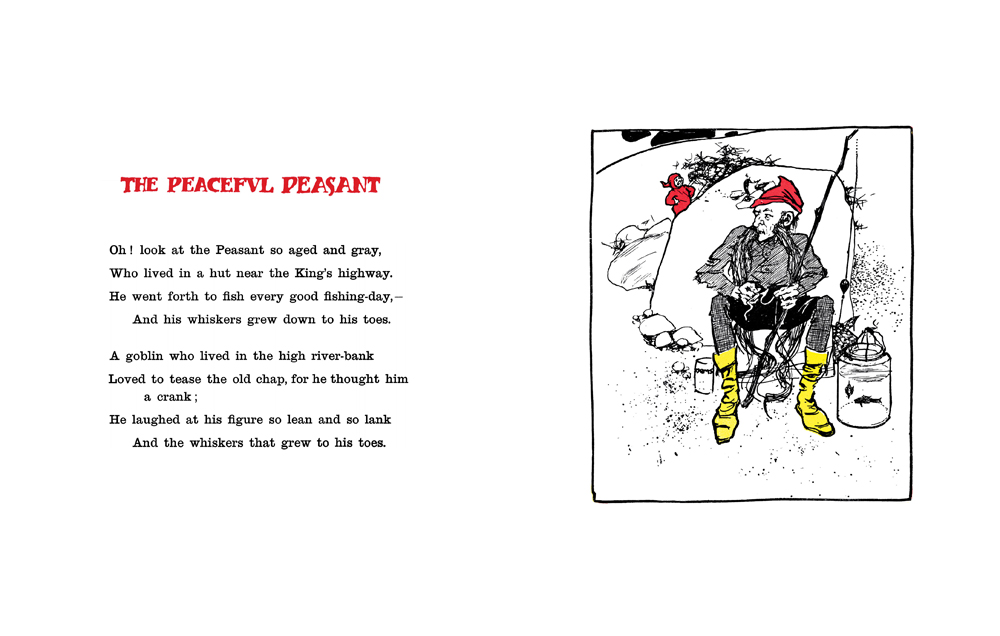
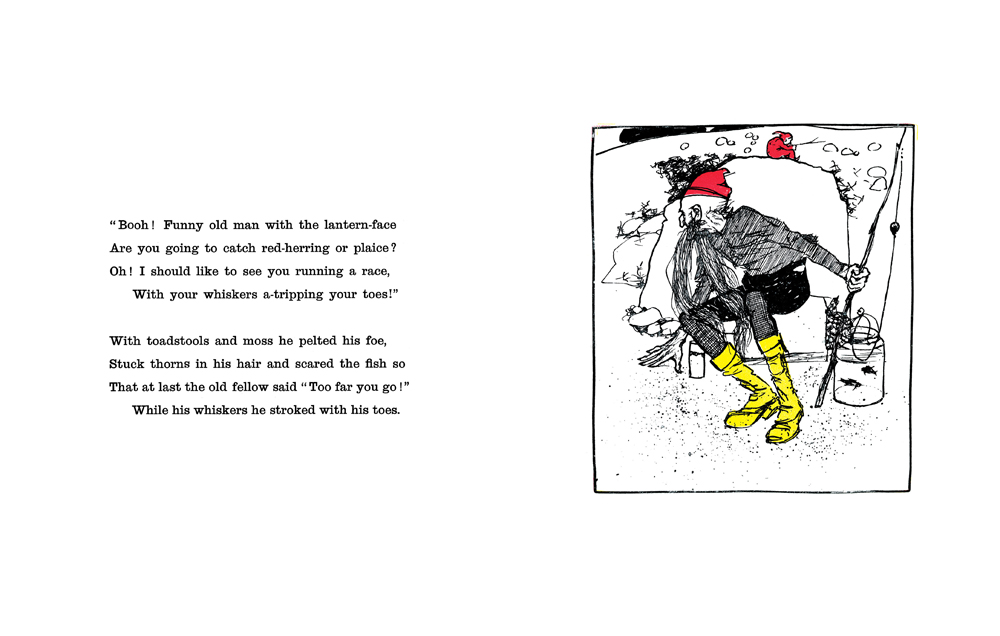
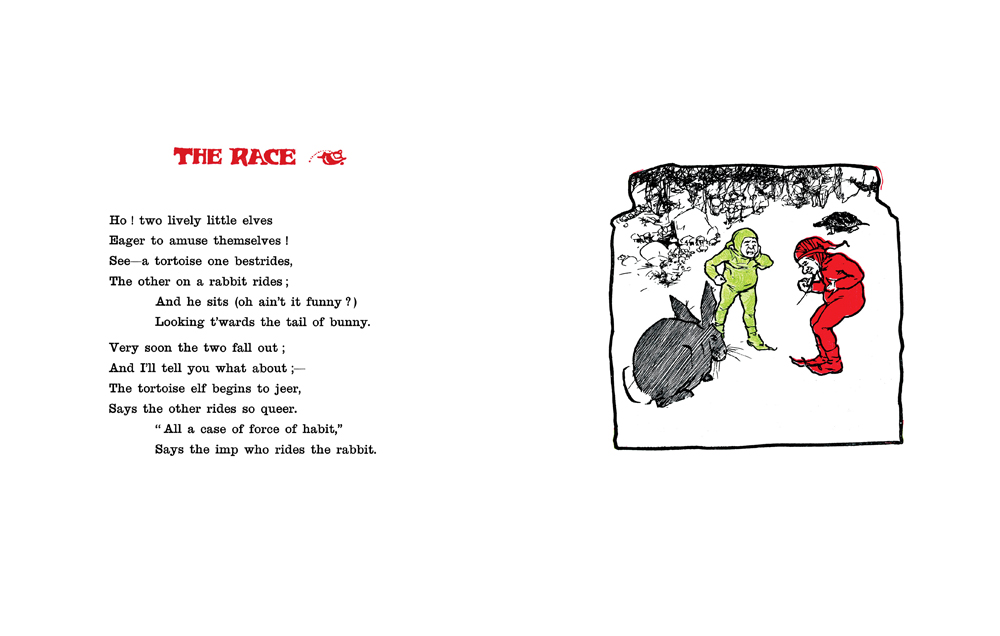
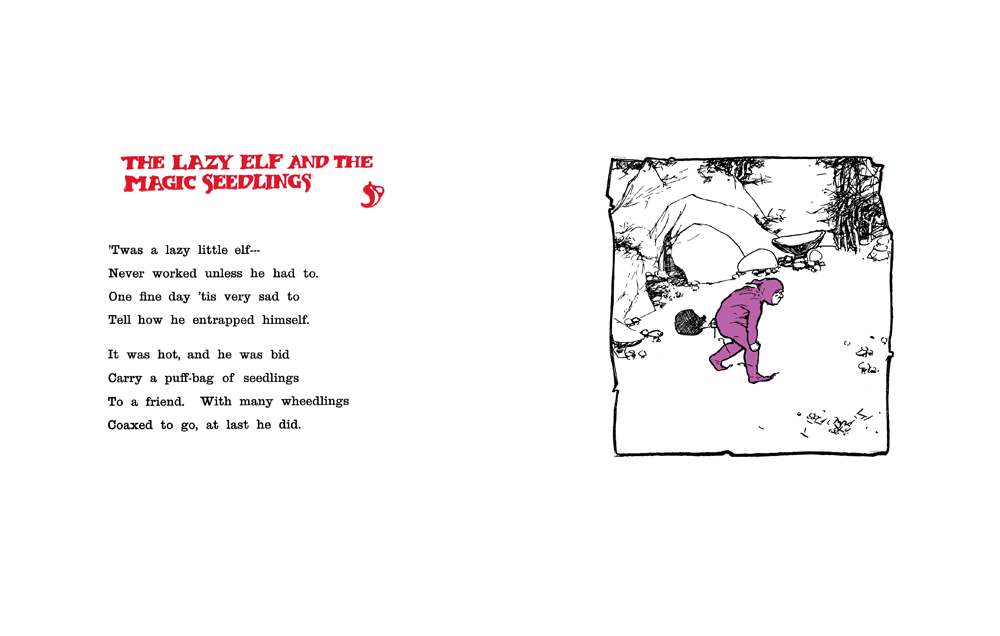
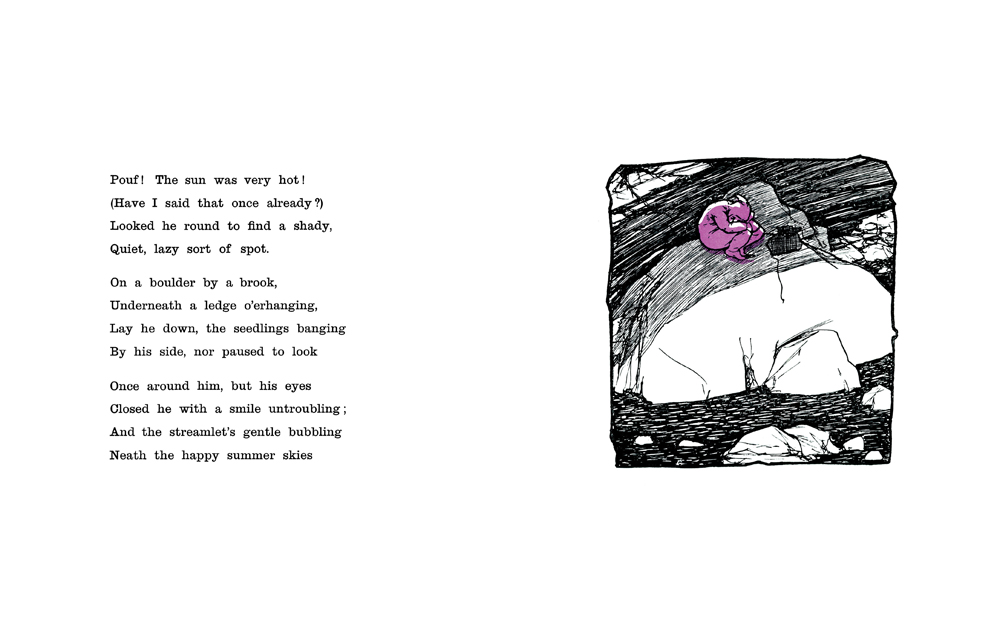
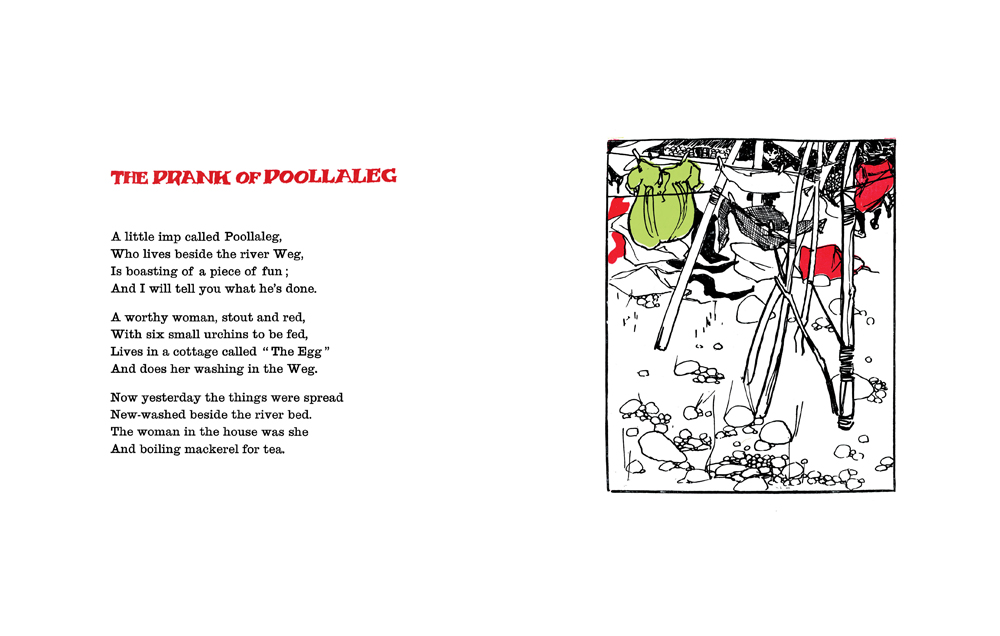
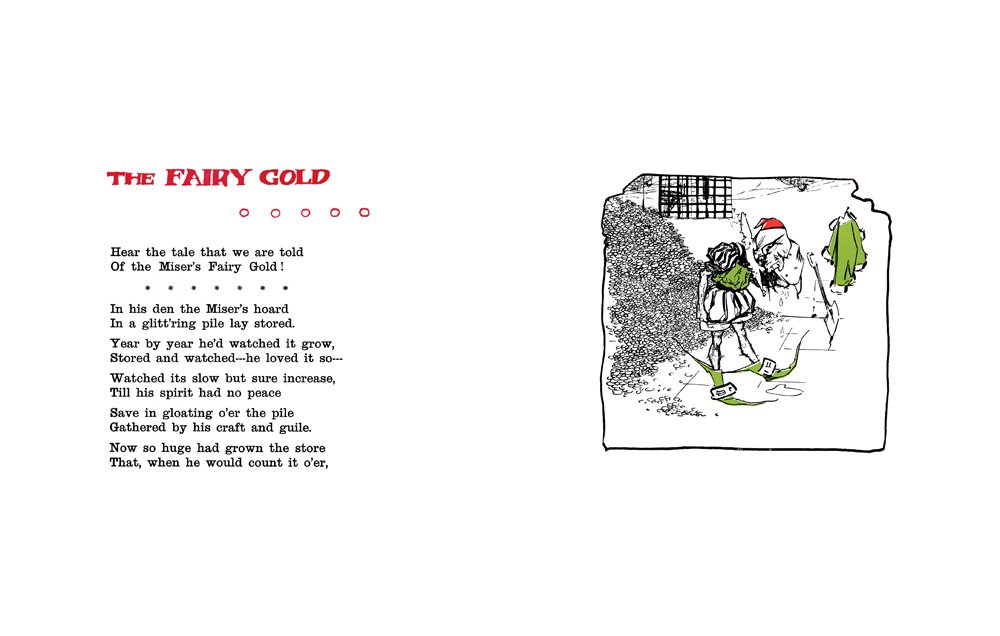
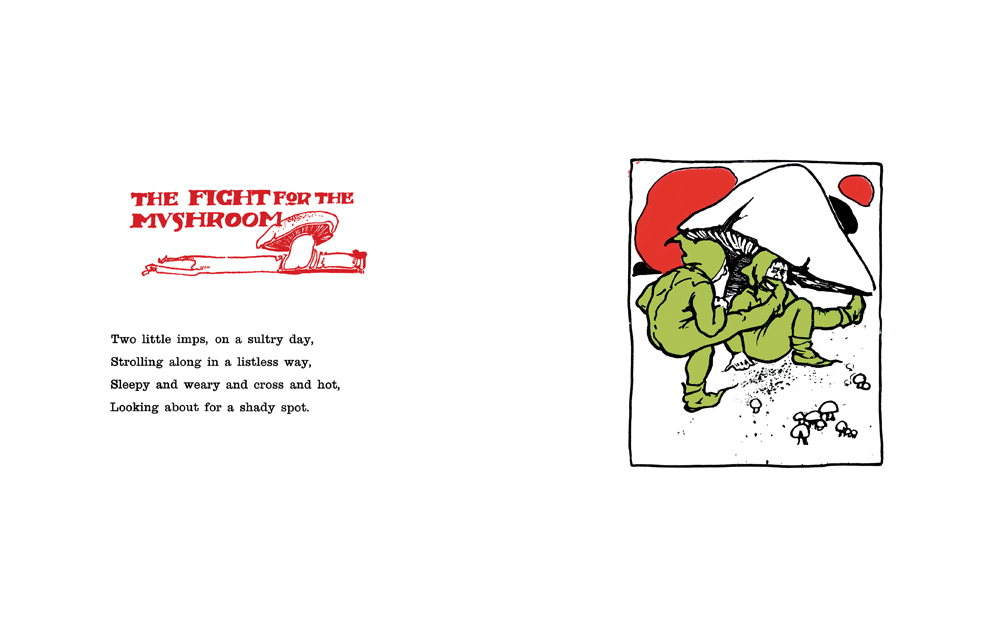
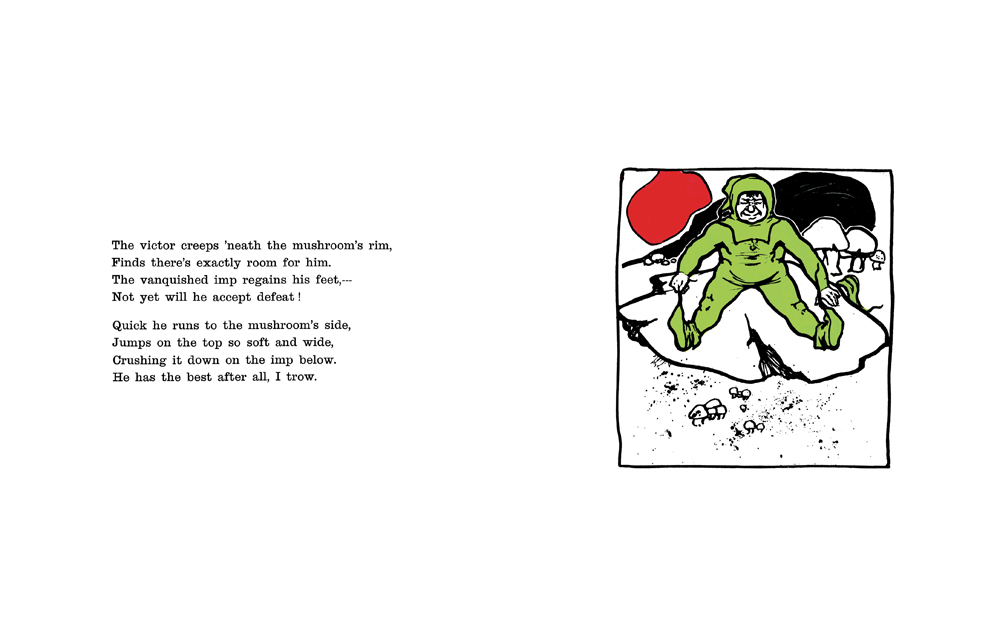
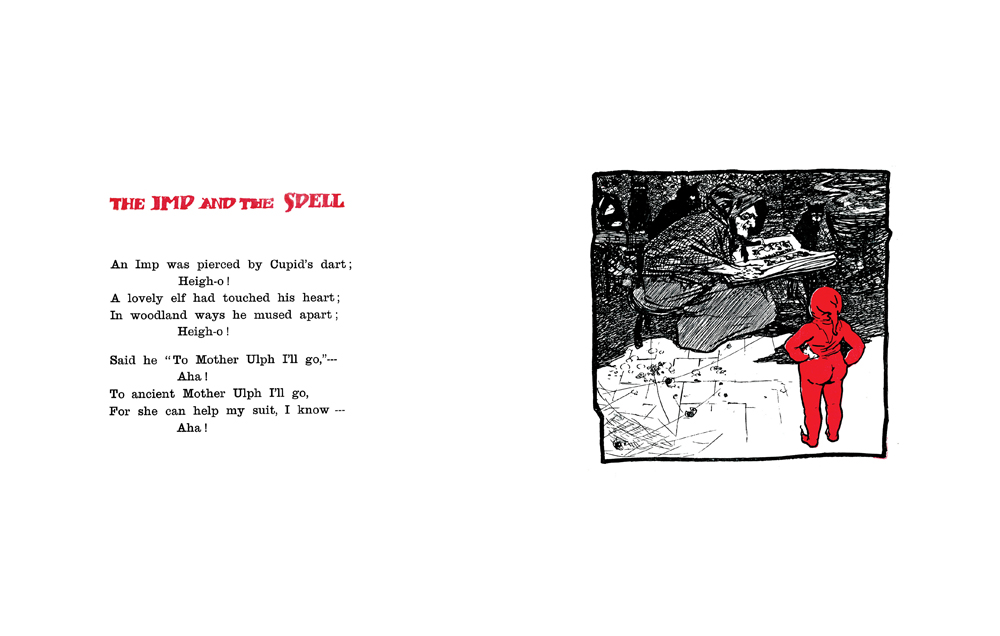
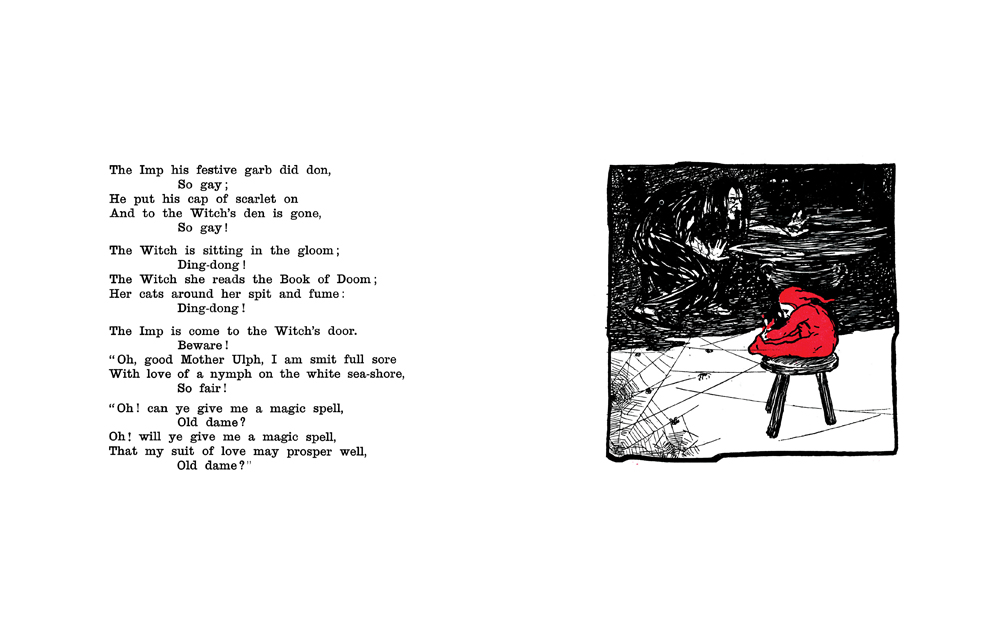
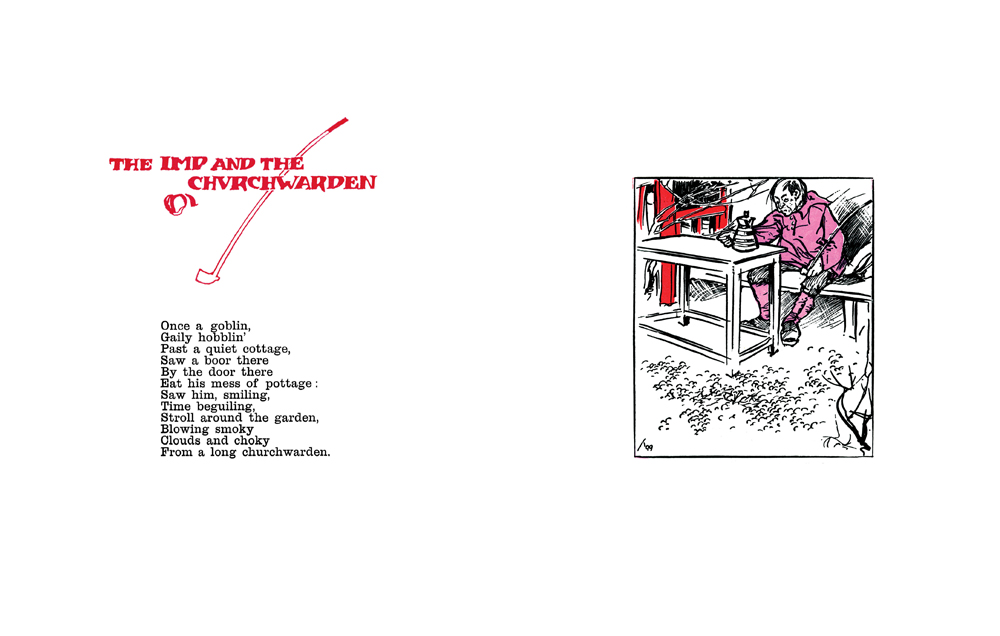
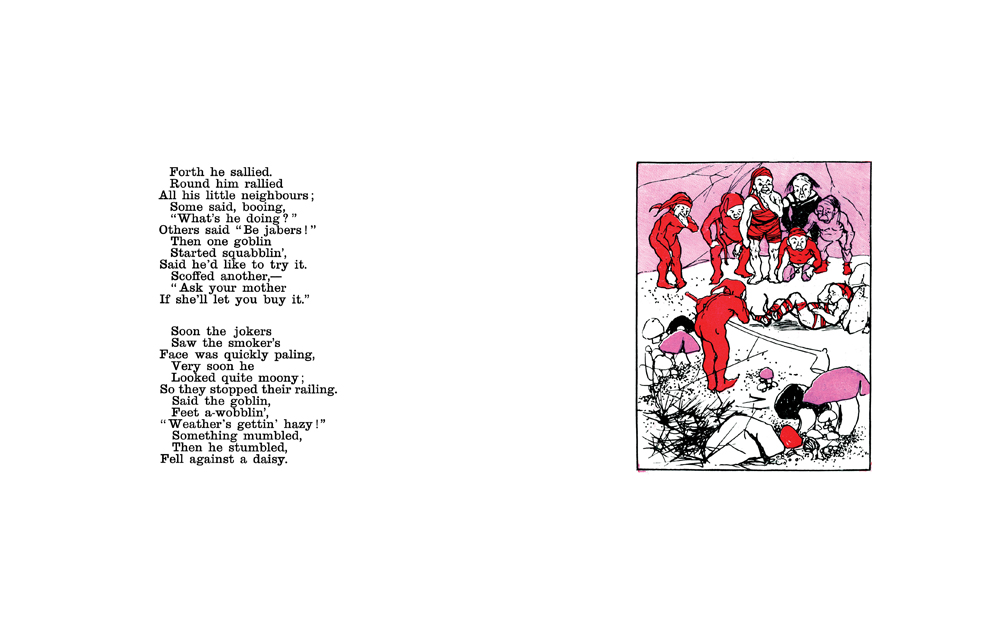
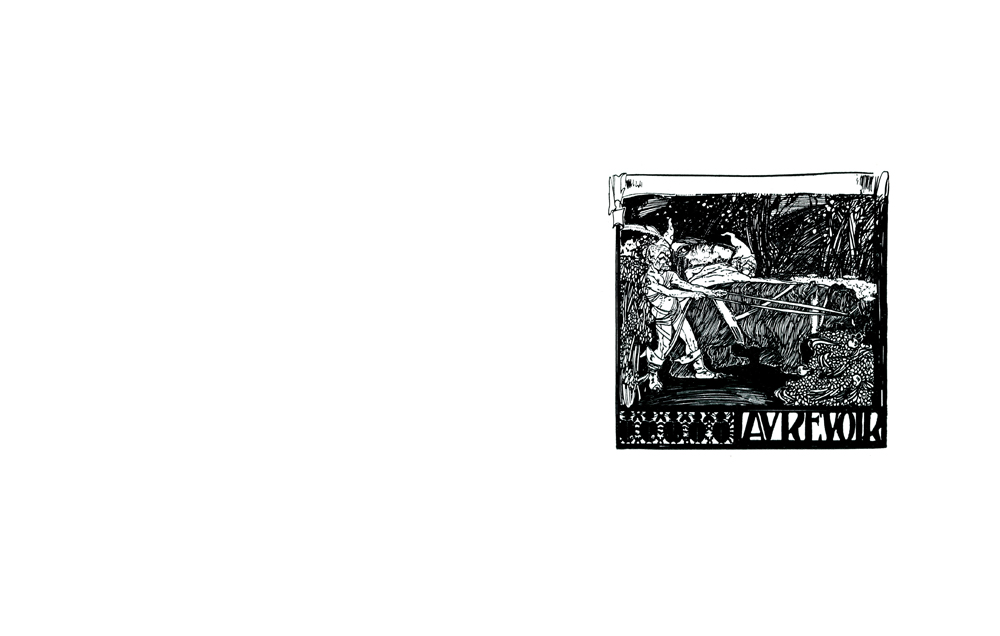
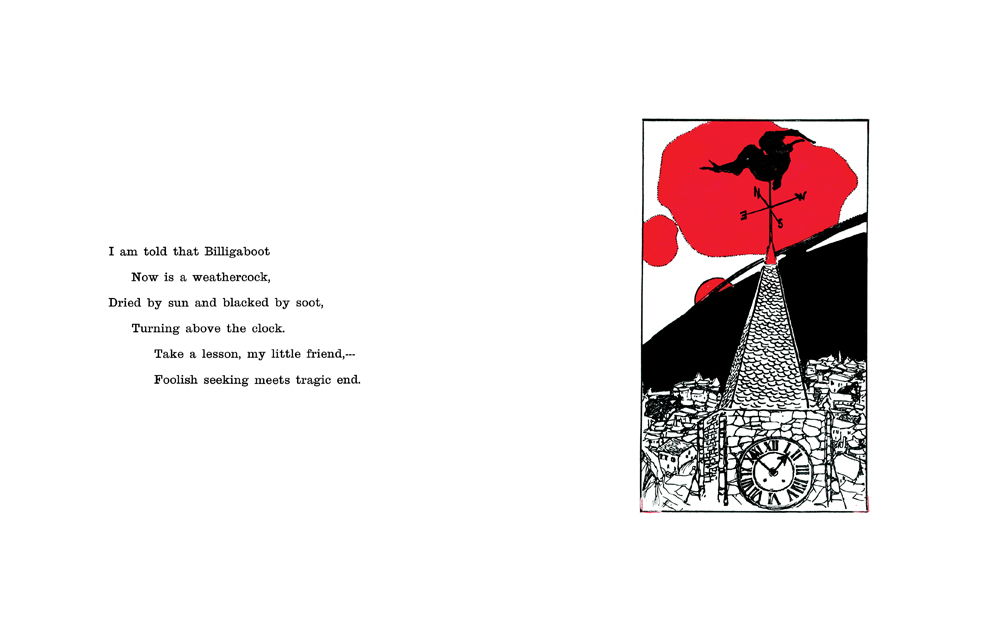
This charming children’s book, written by an anonymous author known only as ‘Norman’ and first published in 1900, features eleven rhymes that capture the mysterious and sometimes ridiculous world of goblins, witches and fairies. Children and parents alike will delight at these stories of naughty imps and elves who love to play pranks, tease and make mischief on humans, animals and one another. And while few of these fairy tales have a happy ending, all of them offer the reader a moral lesson of sorts. Each verse is accompanied by several drawings by illustrator Carton Moore Park in either one, two or three simple colours in a style that not only conveys the magic of the fairy-realm, but also is strikingly modern in character. This facsimile edition is beautifully printed on high-quality paper to create a collectible object that recipients young and old will treasure long into adulthood. It is the latest volume in a series of special facsimiles of historic illustrated children’s titles selected and produced by Art / Books.

Carton Moore Park (1877–1956) was a British painter, illustrator and teacher, born in Scotland. He studies at the Glasgow School of Art between 1893 and 1897. During the 1890s, he was best known for his illustrations of animals, which appeared in Glasgow Weekly Citizen and Saint Mungo. His illustrated books were Alphabet of AnimalsBook of Birds, and A Book of Elfin Rhymes. He lived in London until 1910, when he emigrated to New York, where he spent the rest of his life.
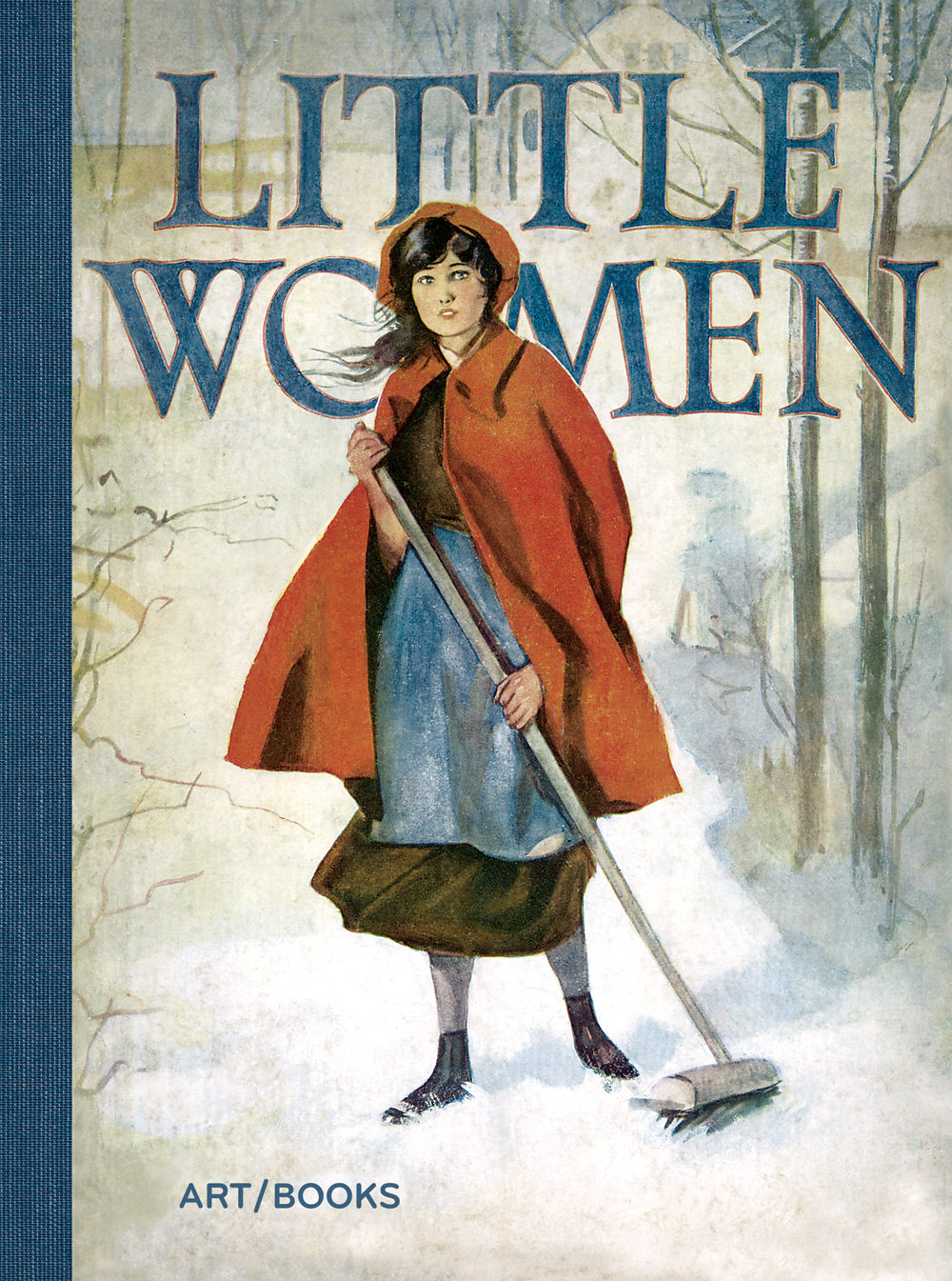
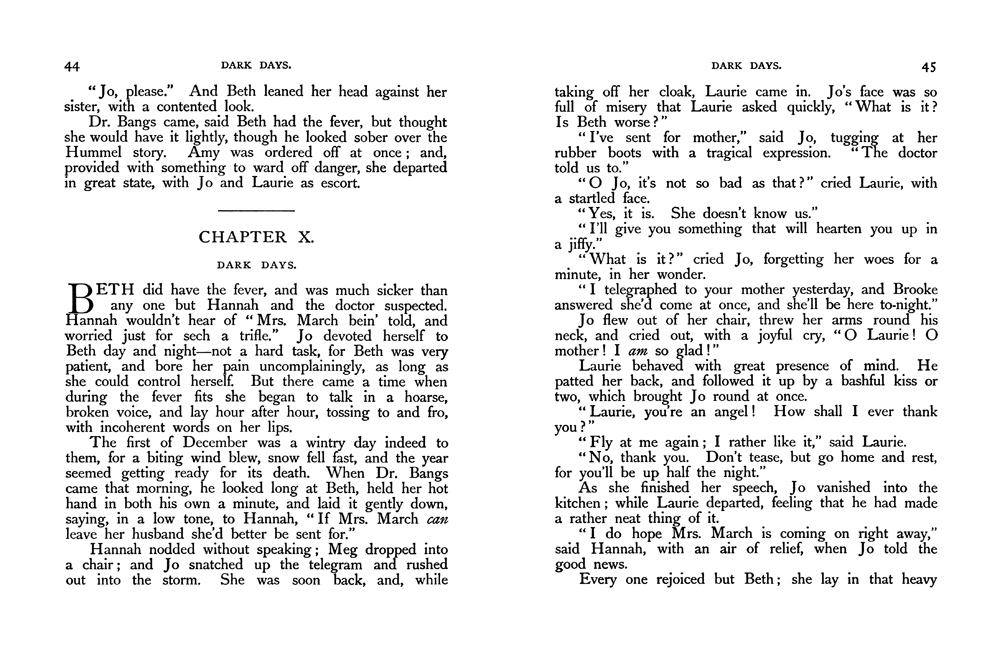
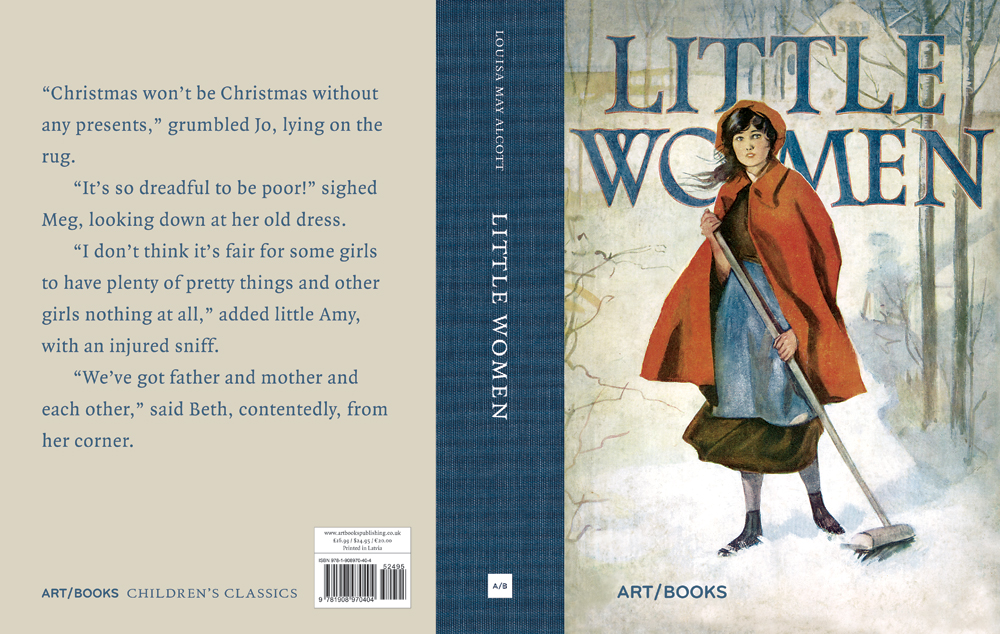
Little Women

Louisa M. Alcott
Abridged by W. Dingwall Fordyce
Illustrations by Norman Little

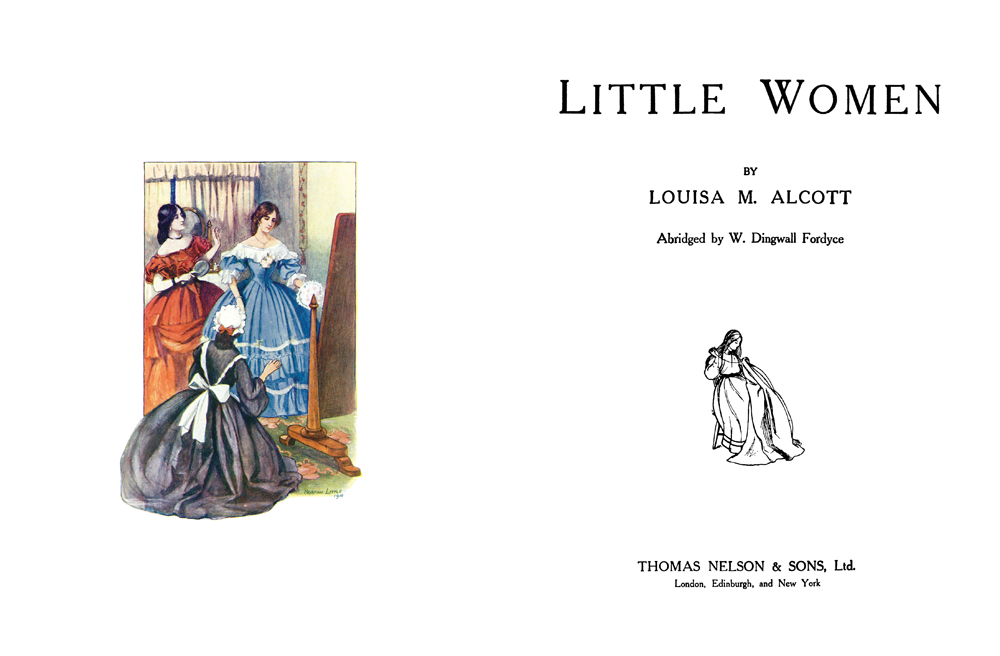
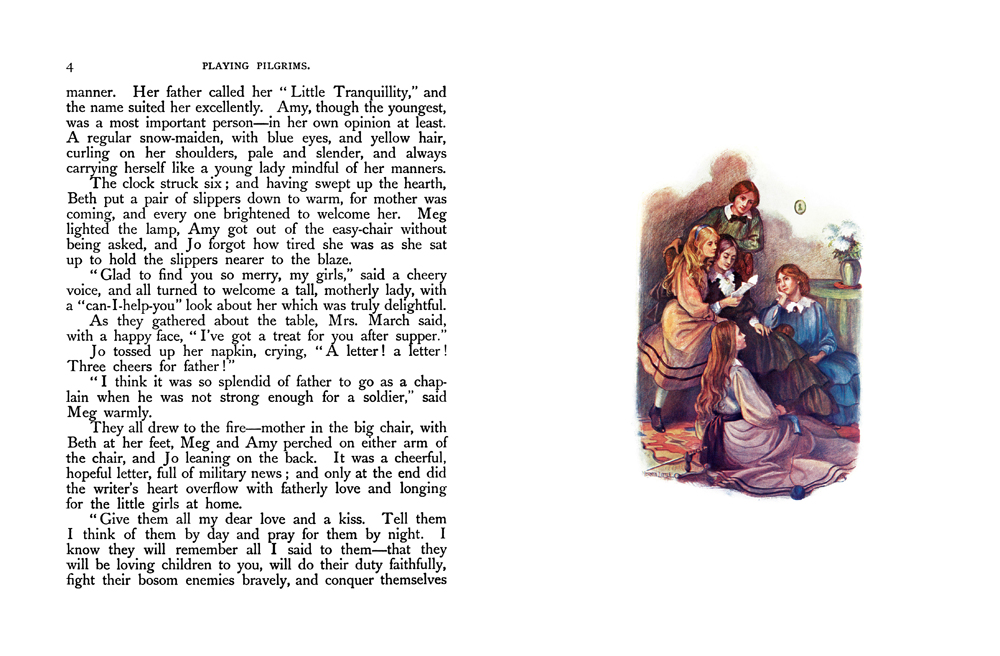
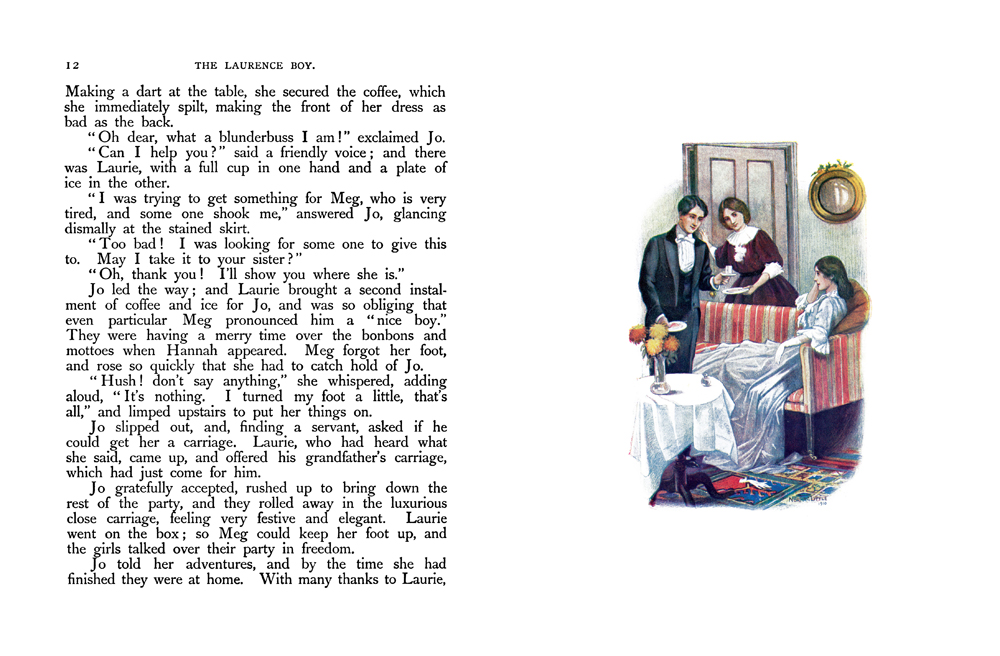
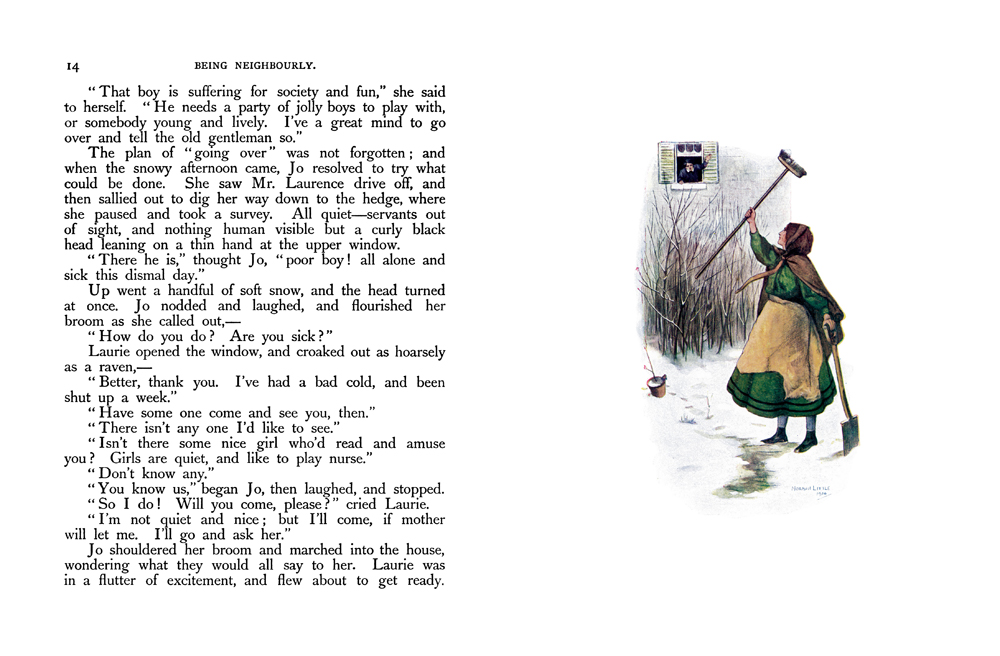
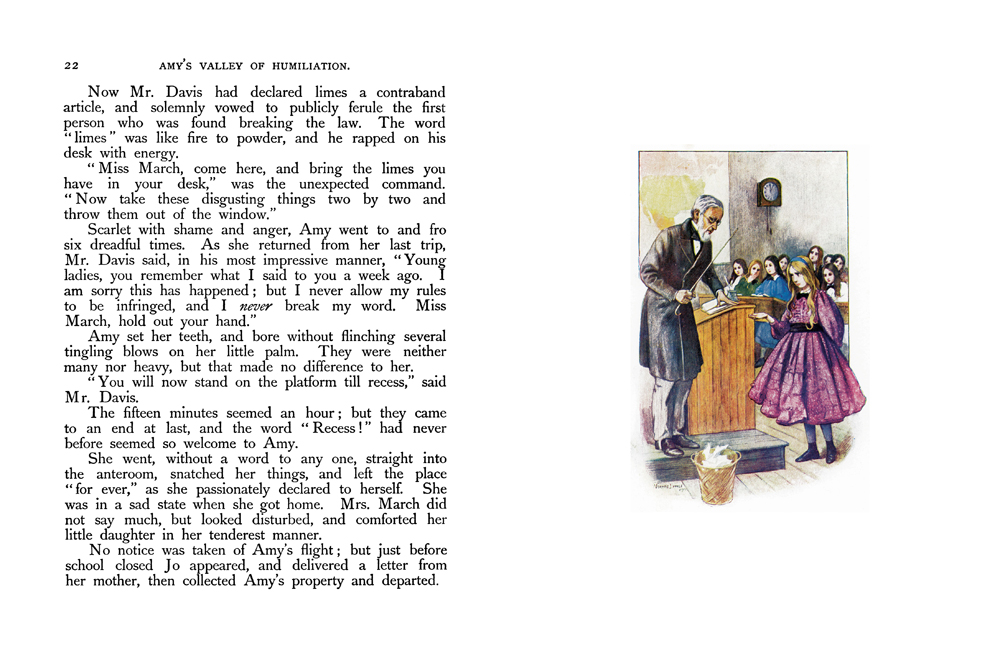
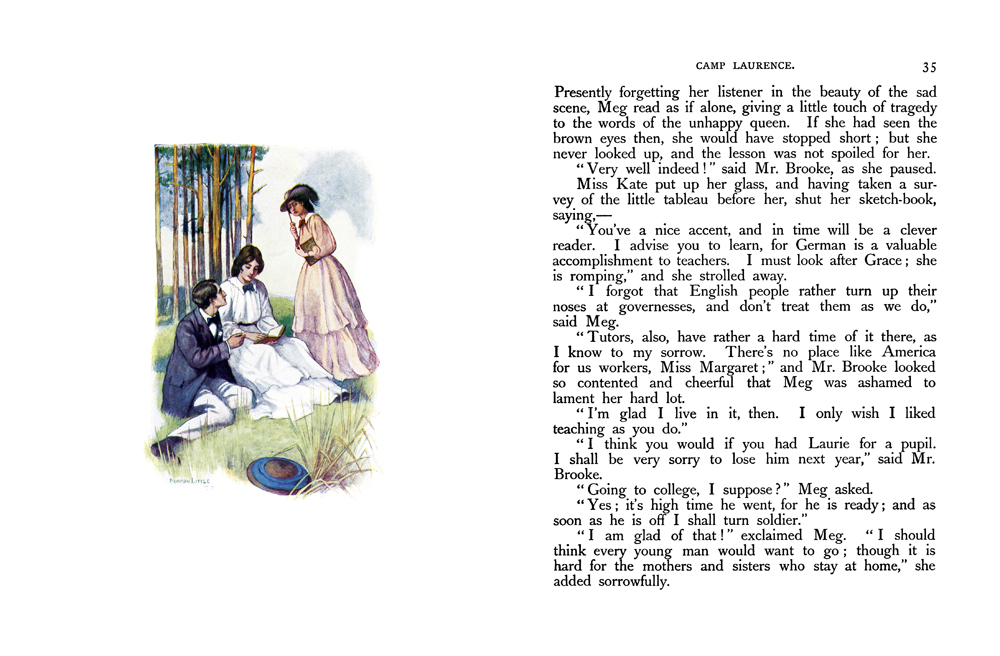
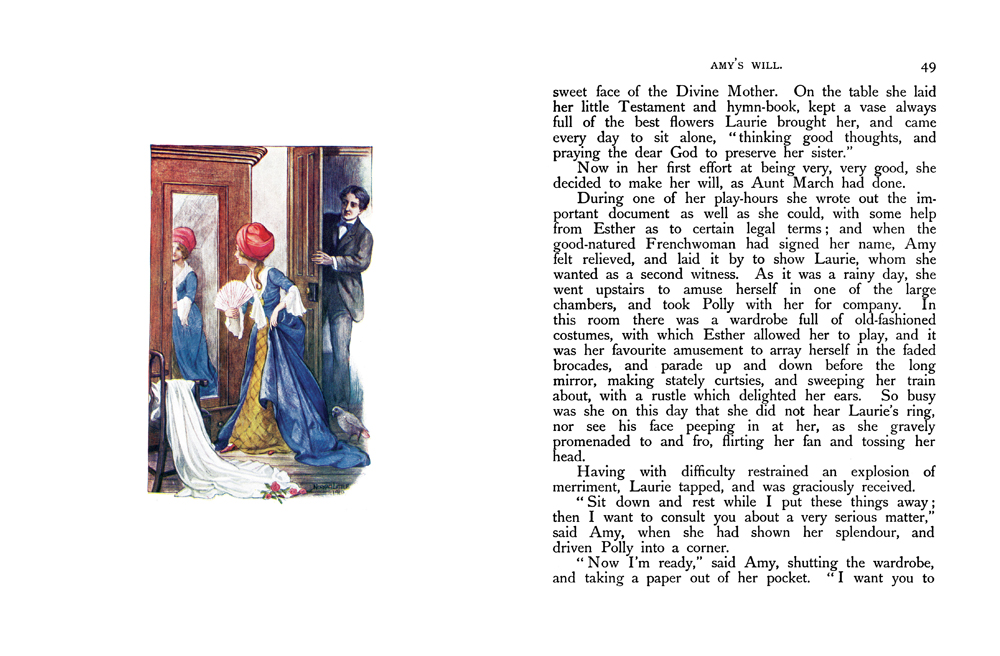
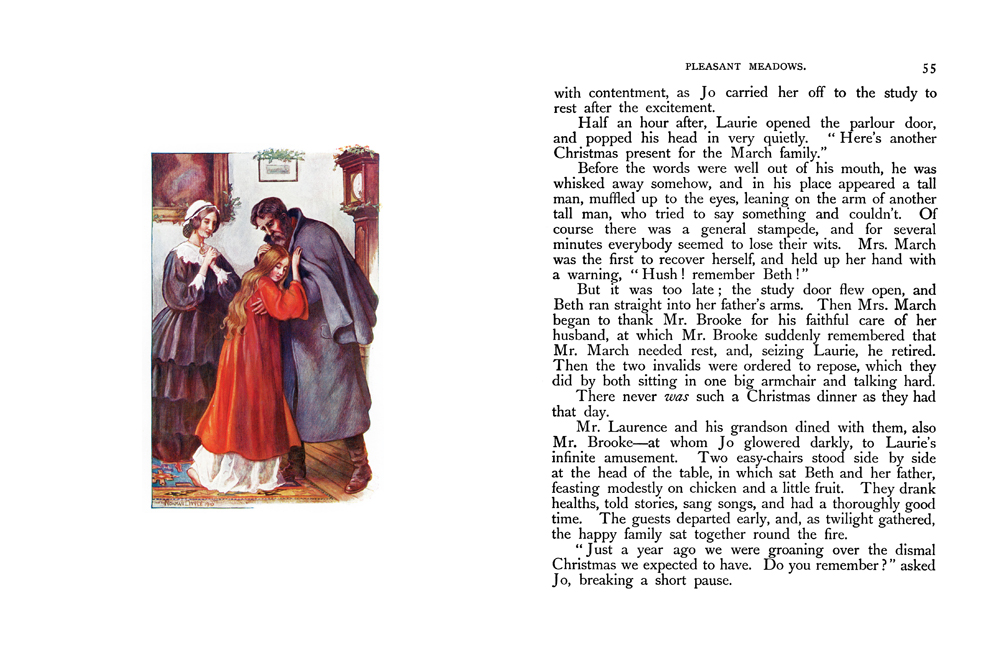
Louisa May Alcott’s beloved children’s novel Little Women is one of the classics of American literature. The novel follows the lives of the March sisters Meg, Jo, Beth and Amy and details their passage from childhood to womanhood during the years of the American Civil War. The story was loosely based on Alcott and her sisters’ own experiences of growing up in Concord, Massachusetts. The book became an immediate roaring success when it was published on 30 September 1868. The first two thousand copies sold out at once and it has never been out of print since. This 150th-anniversary facsimile edition faithfully reproduces an abridged version of the book published in 1910. It presents the story in an easy-to-read format, accompanied by delightful colour drawings illustrating key moments in the story by the Australian artist Norman Little. Beautifully produced as a quarter-bound hardback printed on high-quality paper, it is a perfect gift for readers of all ages.

Louisa May Alcott (1832–88) was an American novelist and poet, best known as the author of the novel Little Women (1868) and its sequels Little Men (1871) and Jo’s Boys(1886).

W. Dingwall Fordyce was the author of the adventure novels for children Our Secret Society, The Gun-Runners, In Search of Gold and The Jewelled Lizard, among other books. He also wrote abridged versions of classic novels, including Jonathan Swift’s Gulliver’s Travels, Nathaniel Hawthorne’s Tanglewood Tales and Louisa M. Alcott’s Little Women.

Norman Little (1883–1917) was an Australian artist and illustrator. He illustrated several books, including The Gateway to Tennyson and Faust and Marguerite, and produced many drawings, watercolours, and oil paintings of rural and military life. One of his paintings is held by the National Army Museum. He served with the Royal Fusiliers 11th Batallion as a lieutenant, and was killed in action in 1917.

ABC

An Alphabet

Written and pictured by Mrs Arthur Gaskin

An Art / Books Children’s Classic

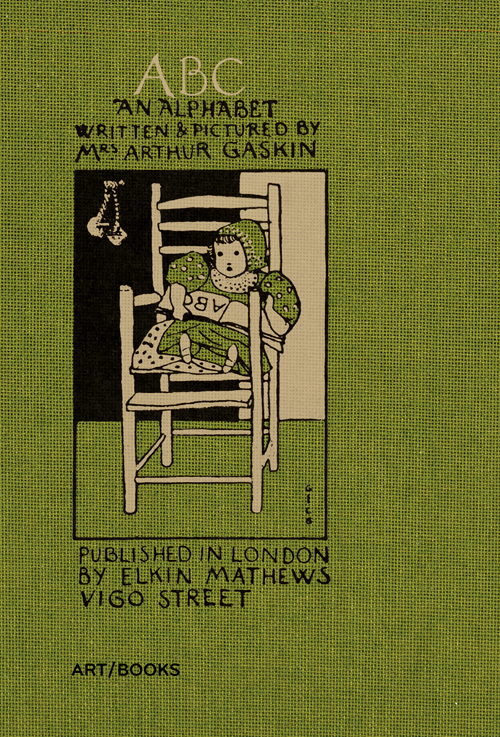
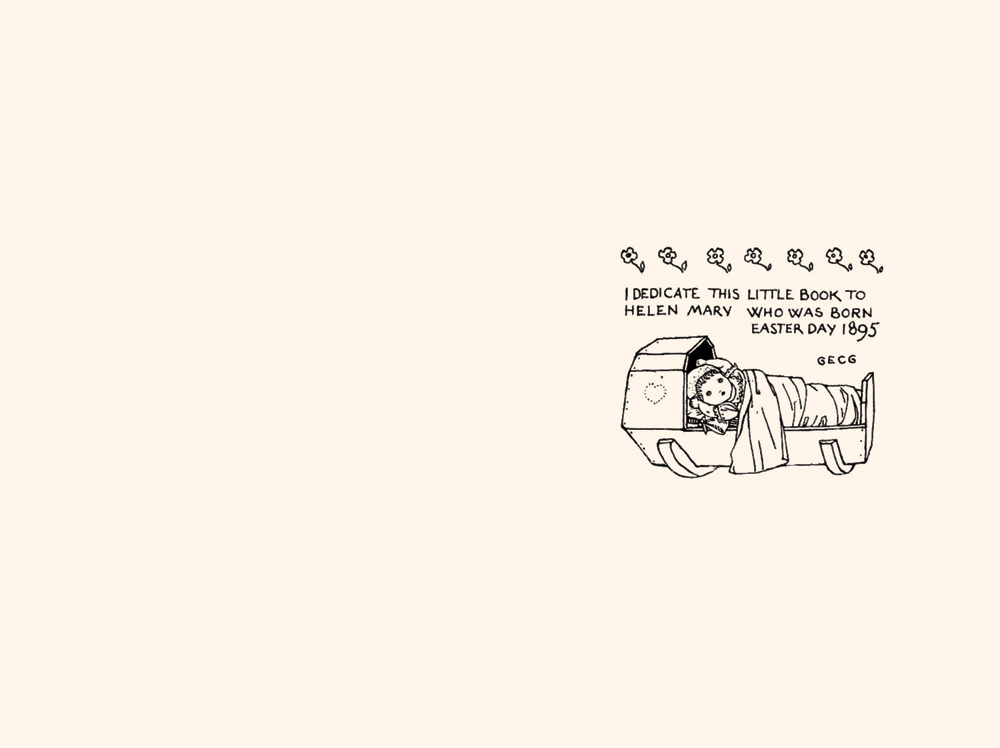
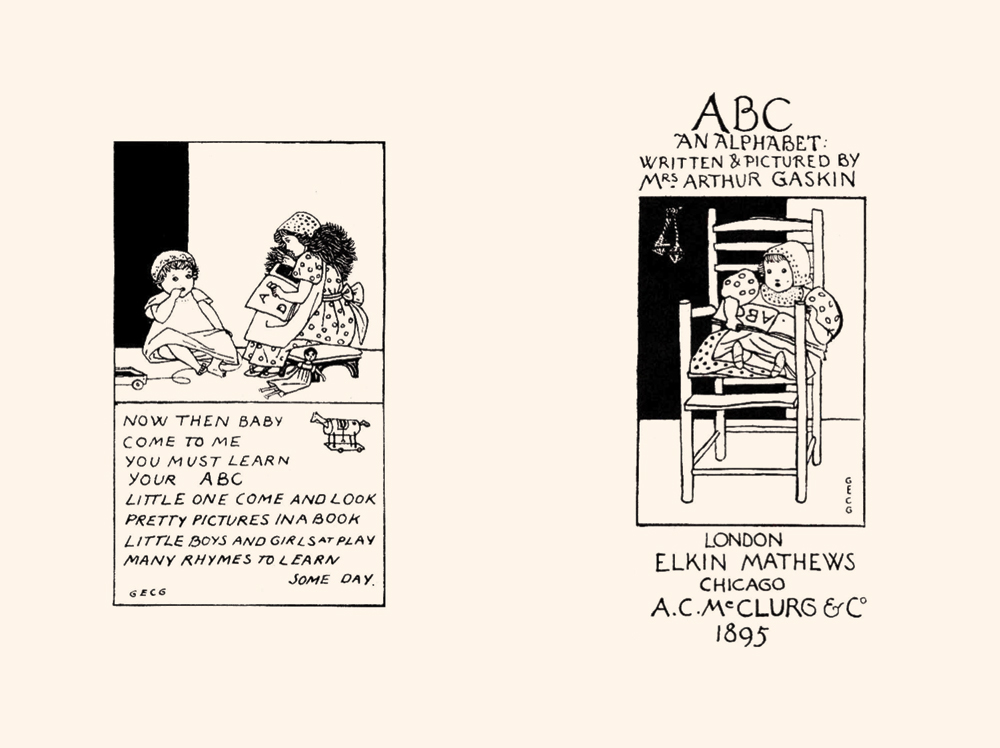
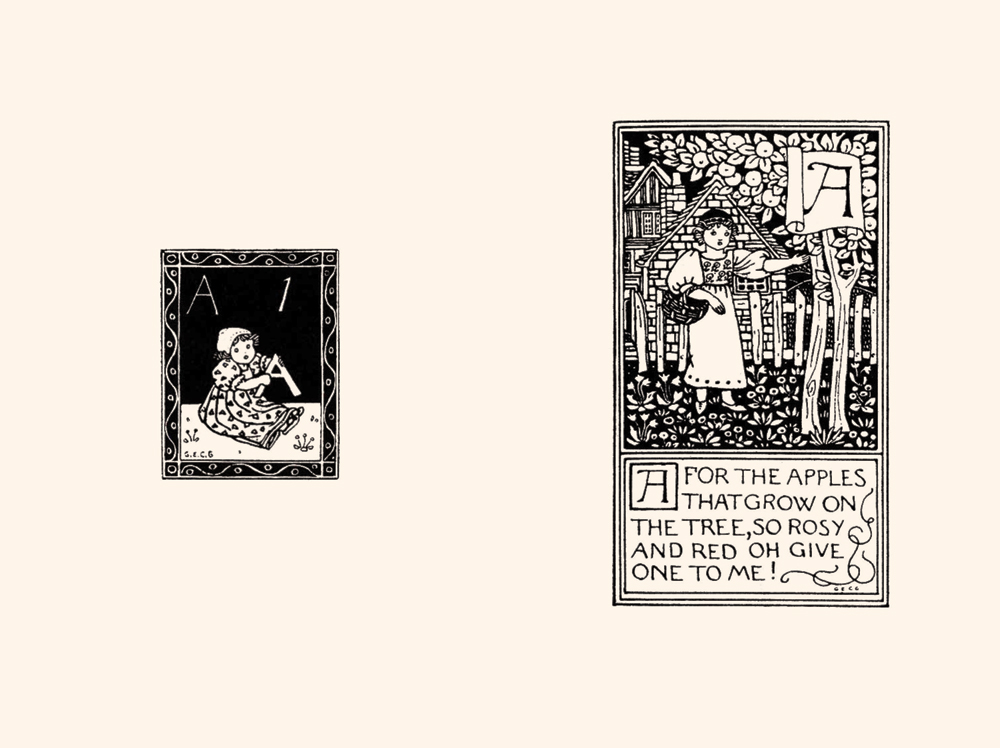
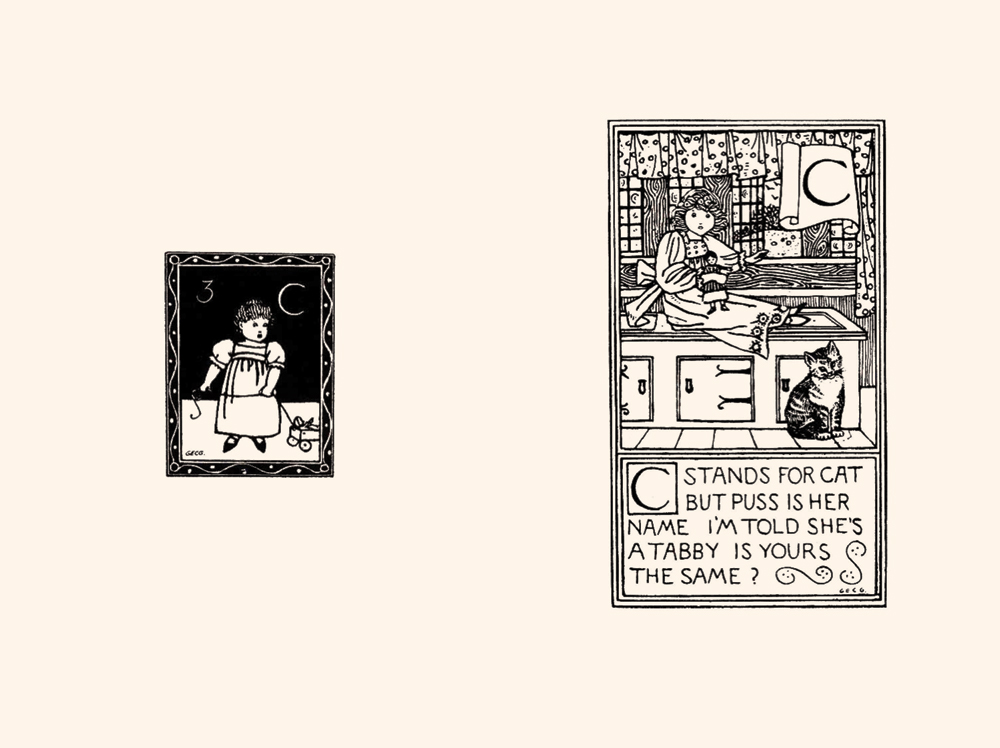
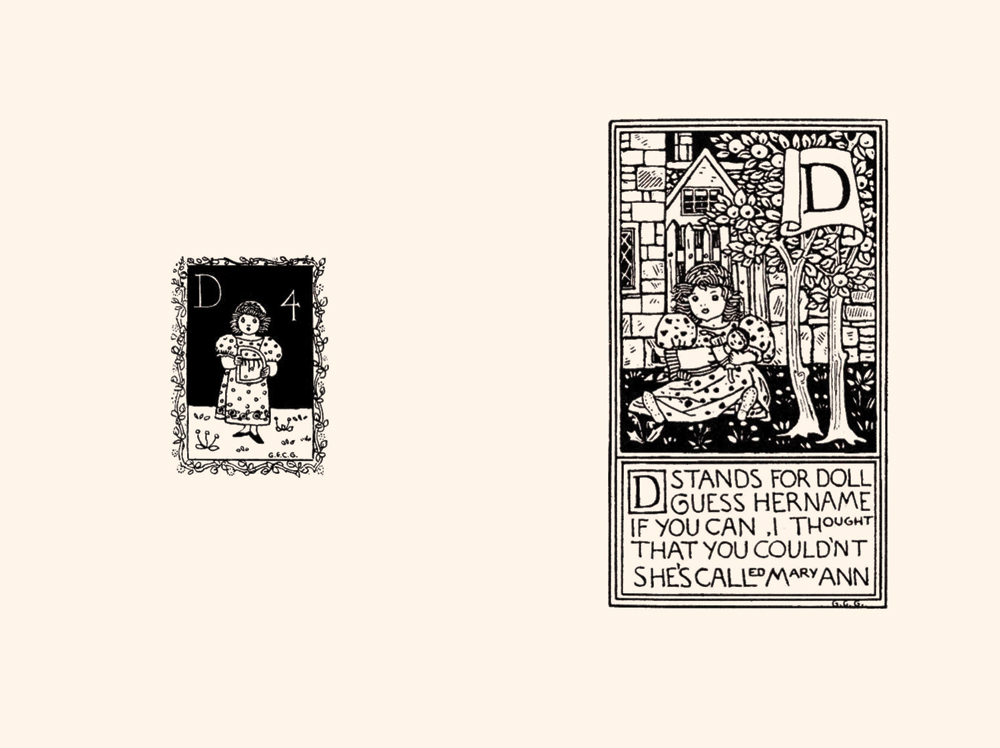
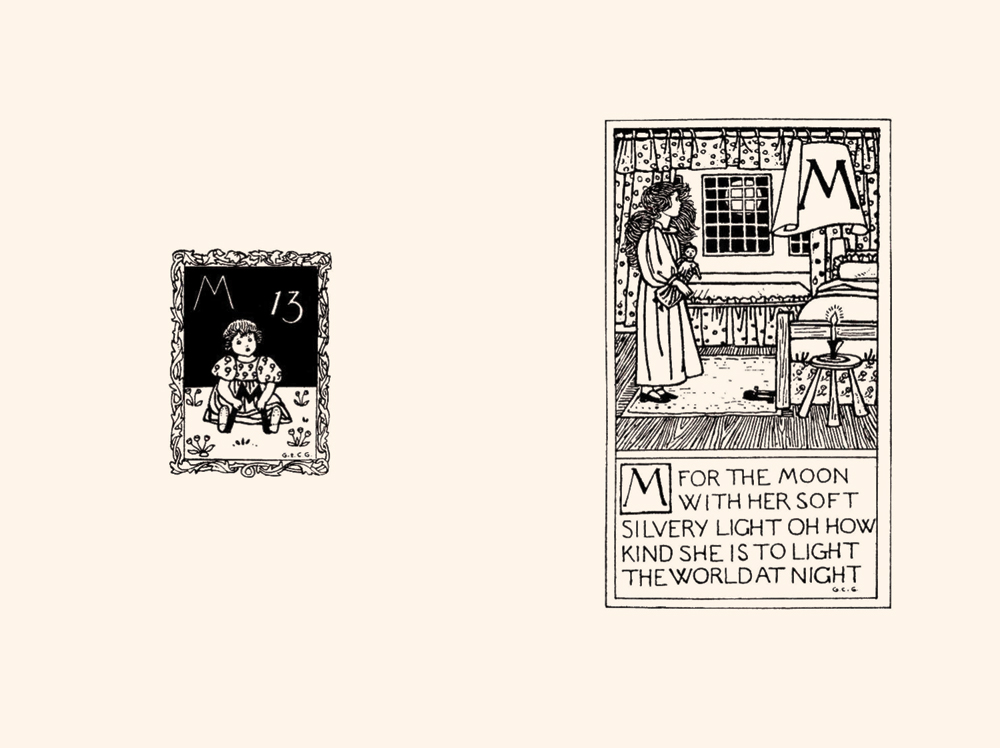
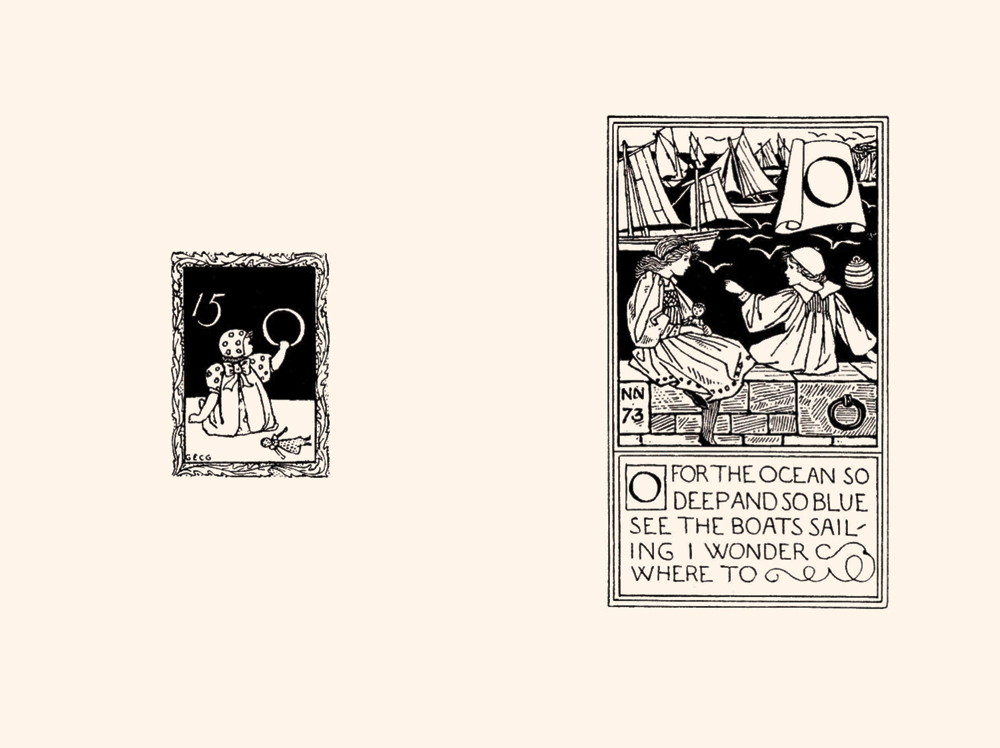
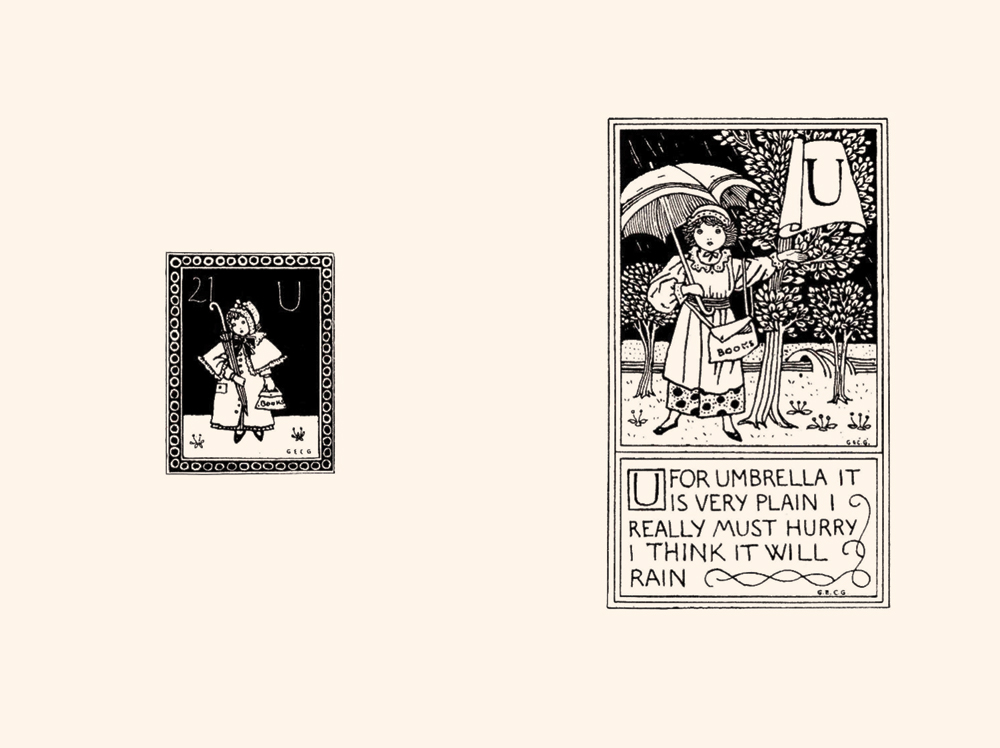
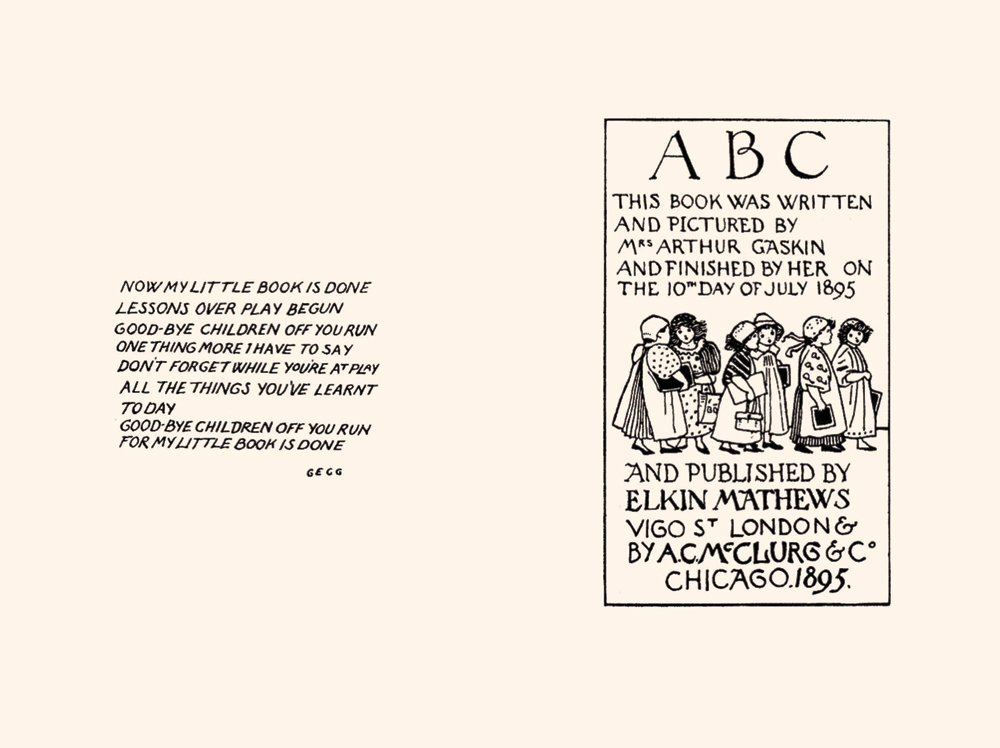
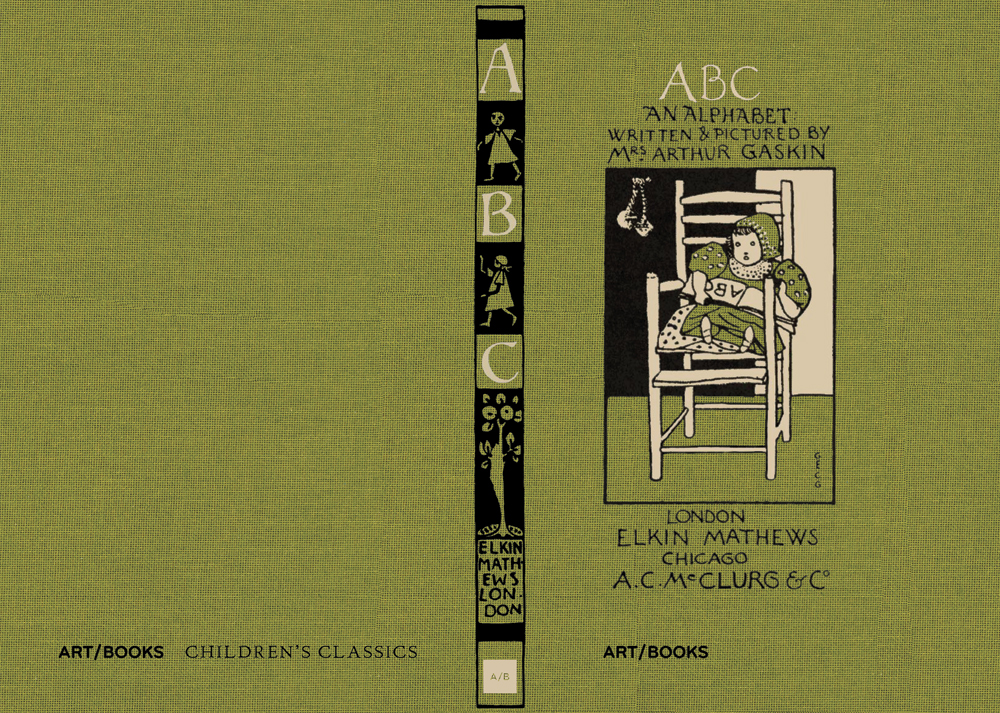
This classic Victorian children’s ABC primer was originally published in London and Chicago in 1895. It was the first book by the Arts and Crafts artist and designer Georgie Gaskin, celebrated for the jewellery she produced with her husband Arthur. Exquisite woodcut illustrations and rhymes by Gaskin accompany each letter of the alphabet and combine to create a volume that charms and delights both children and adults. It soon became a favourite and was published in several editions from the late 1890s, including a hand-painted deluxe version printed on vellum of only a handful of copies. This new facsimile is the first to reproduce the original clothbound trade edition of 1895. It is bound with a silkscreened cloth cover and printed on high-quality paper to create a collectible object that recipients will treasure long into adulthood. It is the first volume in a series of special facsimiles of historic illustrated children’s titles selected and produced by Art / Books.

Georgina Evelyn Cave Gaskin (1866–1934), known as Georgie Gaskin, was an English jewellery and metalwork designer. With her husband Arthur Gaskin, she was one of the original members of the Birmingham Group of Artist-Craftsmen, and a leading jeweller of the Arts and Crafts movement. They produced silver and enamel work, book illustrations and jewellery, both independently and in partnership. Georgie wrote and illustrated a number of books under her own name and as Mrs Arthur Gaskin, beginning with ABC: An Alphabet in 1895, a year after the couple married. She continued to design jewellery until shortly before her death.