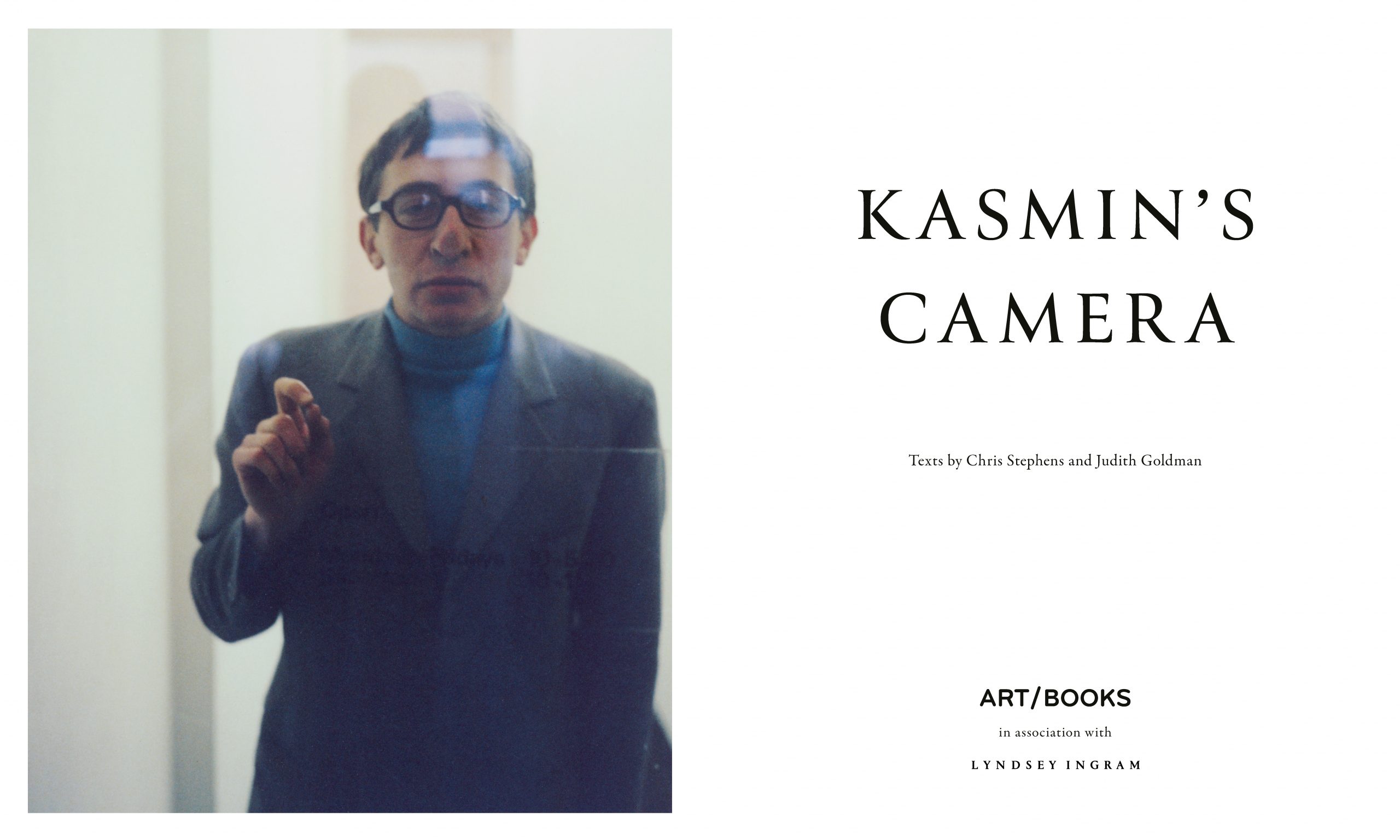
Kasmin’s Camera

Texts by Chris Stephens and Judith Goldman

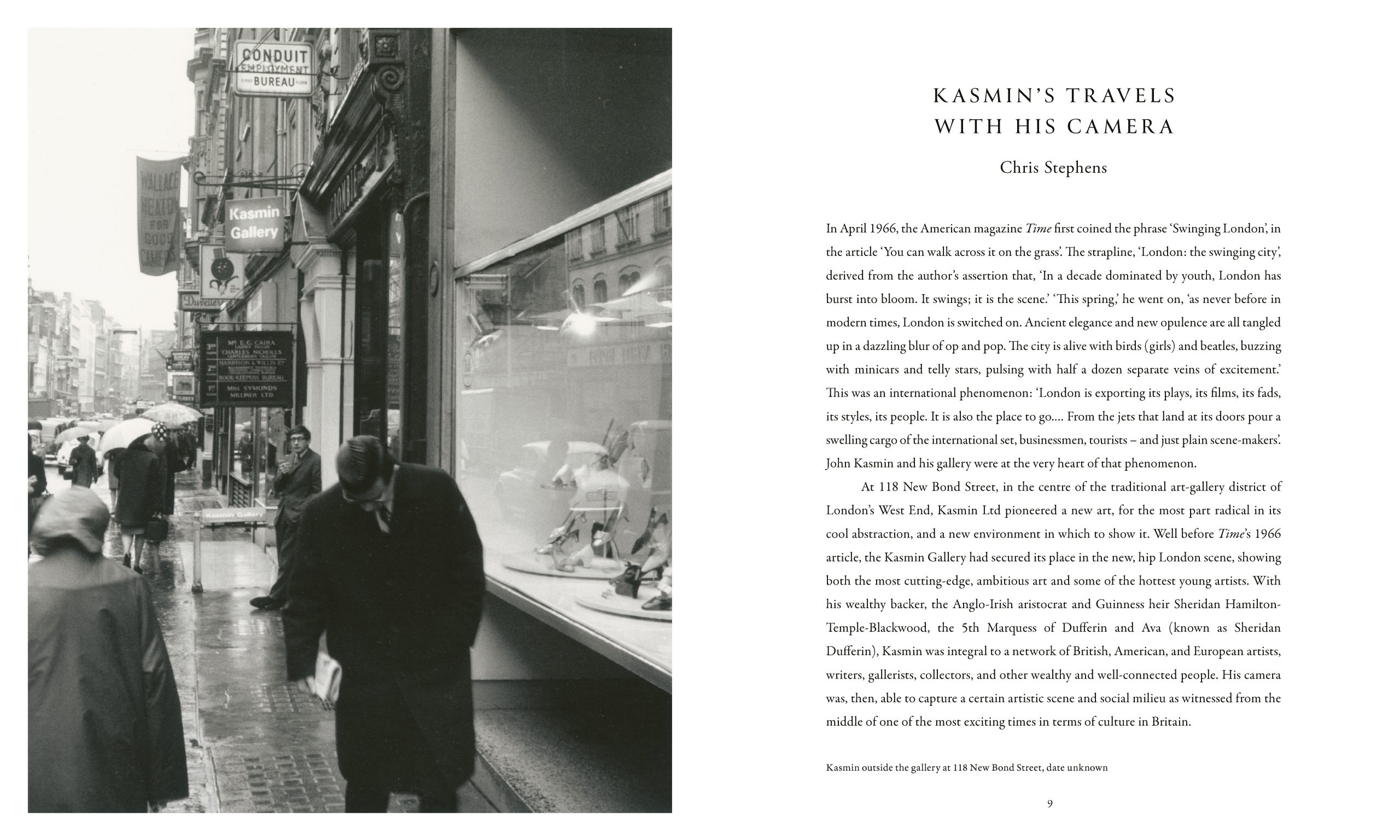
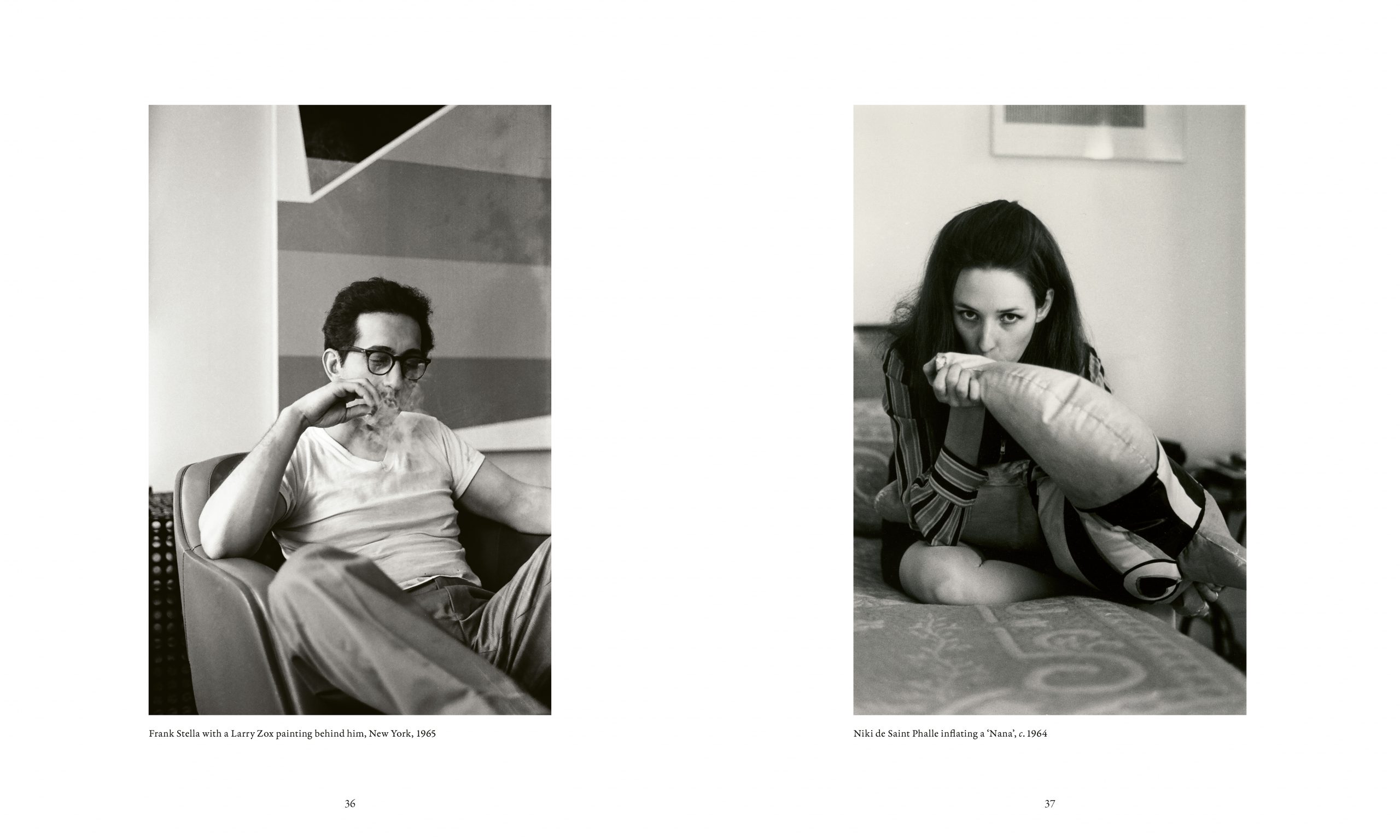
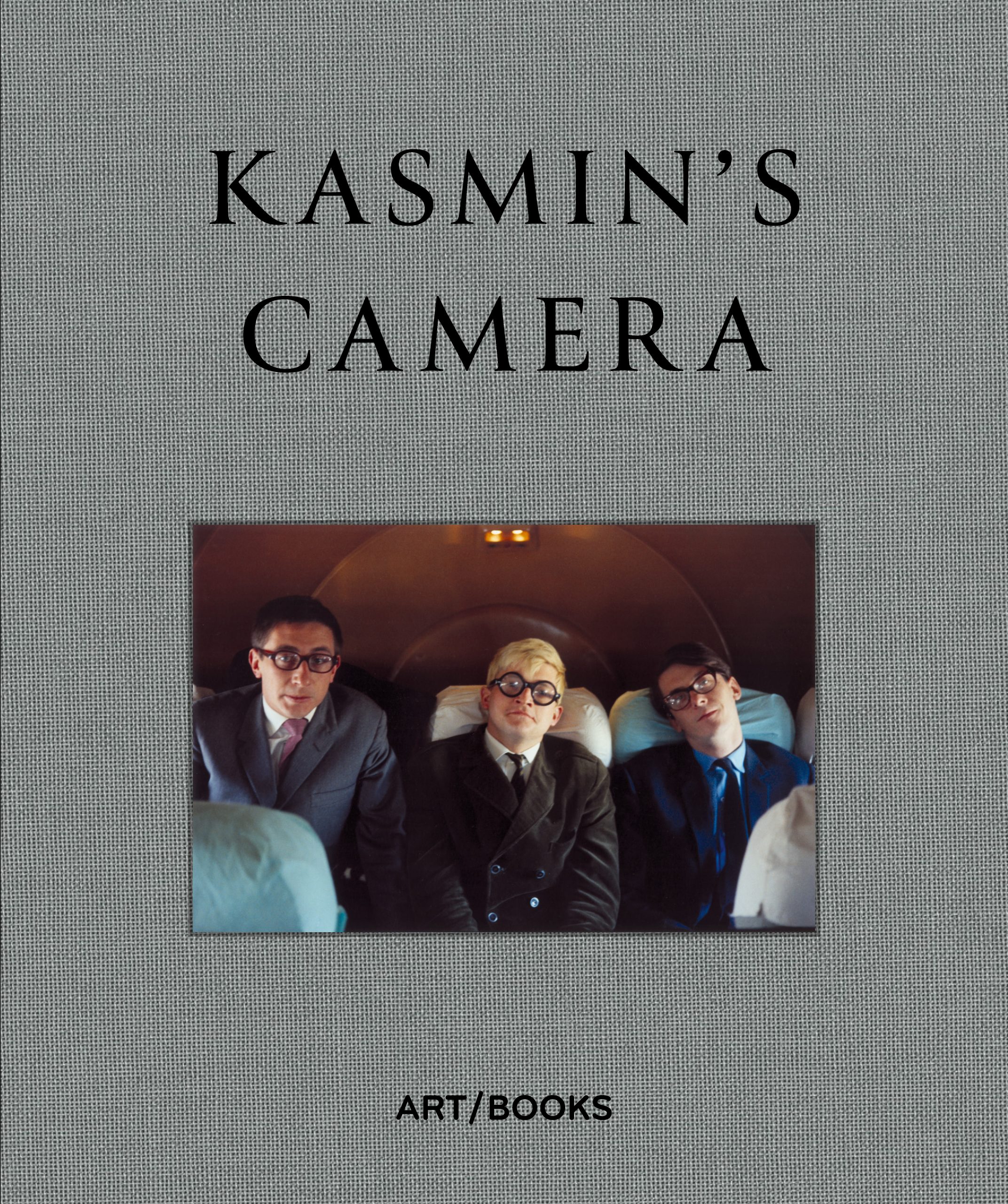
John Kasmin, known to all simply as Kasmin, was the most important dealer in contemporary art in Britain in the 1960s. At the eponymous Kasmin Gallery on New Bond Street, he worked with the leading British and American artists of the day, notably Barnett Newman, Kenneth Noland, Jules Olitski, Helen Frankenthaler, Frank Stella, Anthony Caro, Richard Smith, Robyn Denny, Gillian Ayres, Howard Hodgkin, and David Hockney. Kasmin gave many of these artists their first show and was an early champion of their art. A true pioneer, he introduced the work of American Abstract Expressionists and minimalists to Britain, and helped bring young British artists to American audiences for the first time. In the process, he transformed the London art world and became as recognizable as his gallery artists.

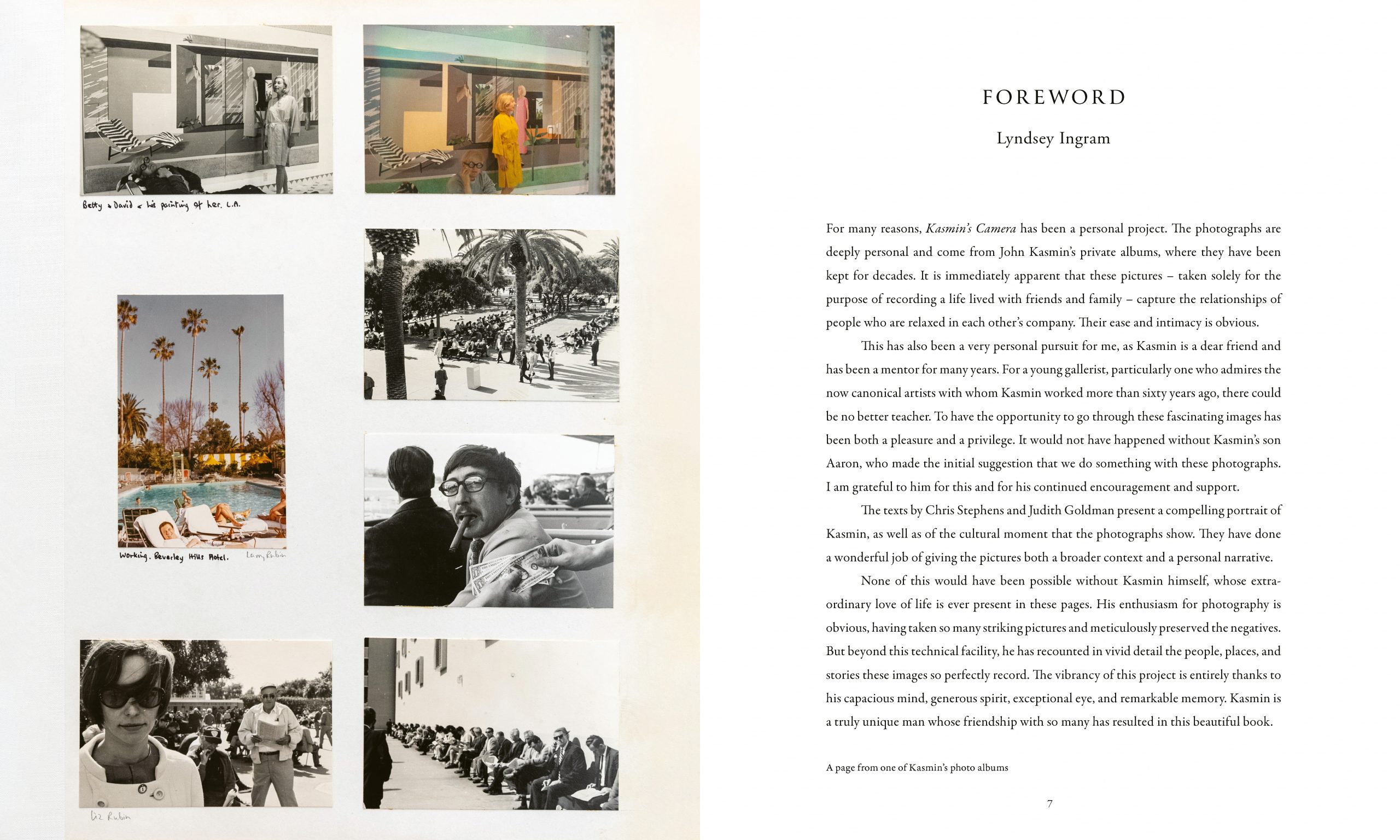
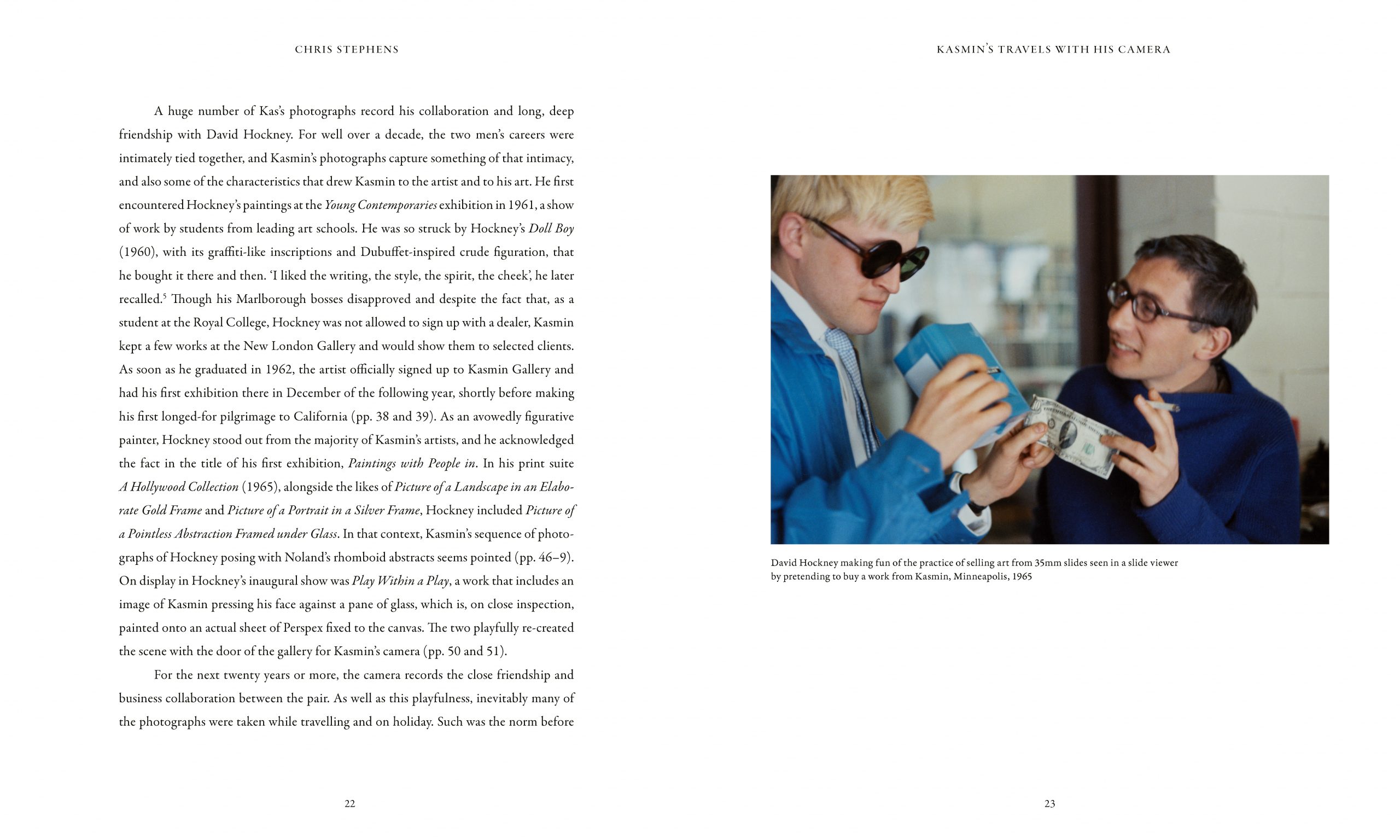
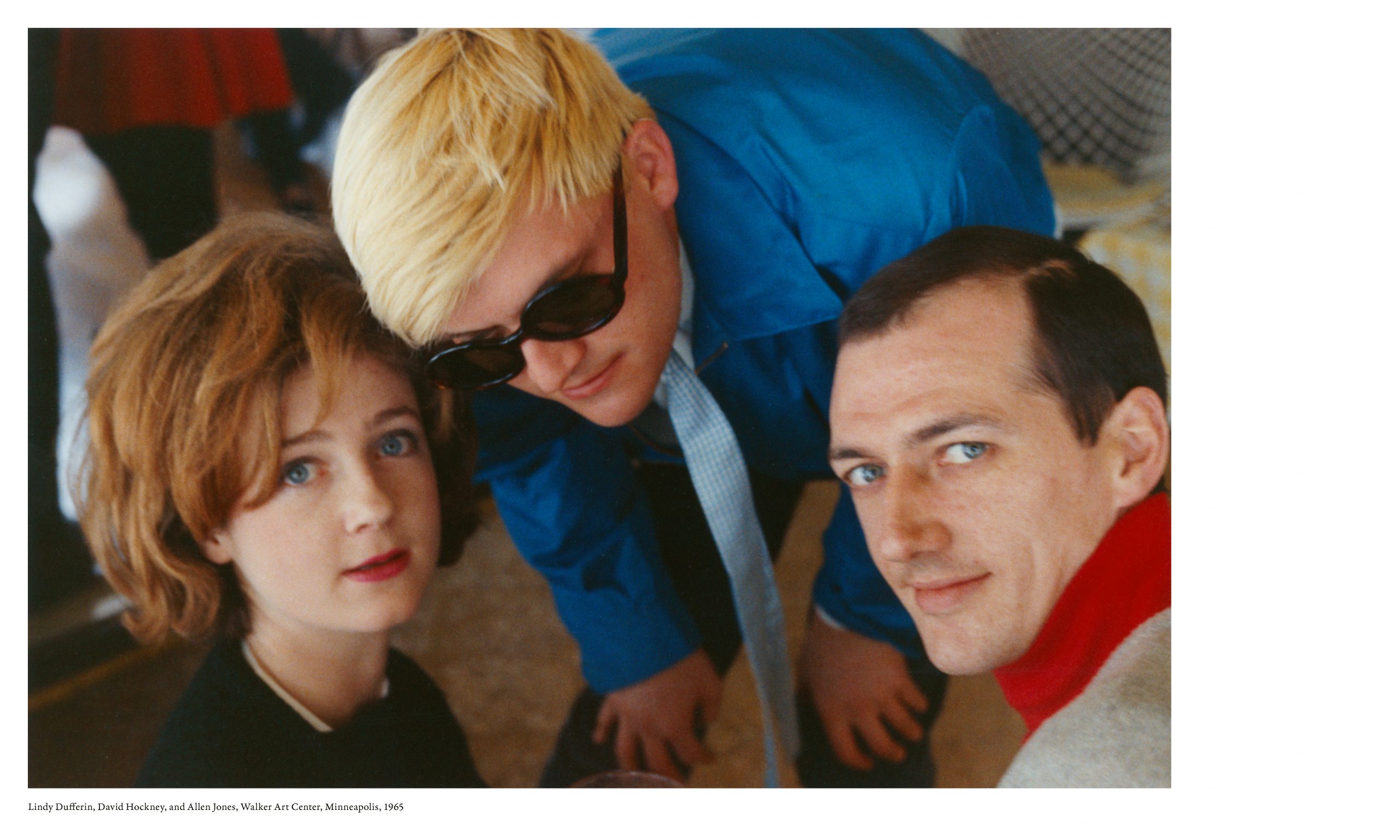
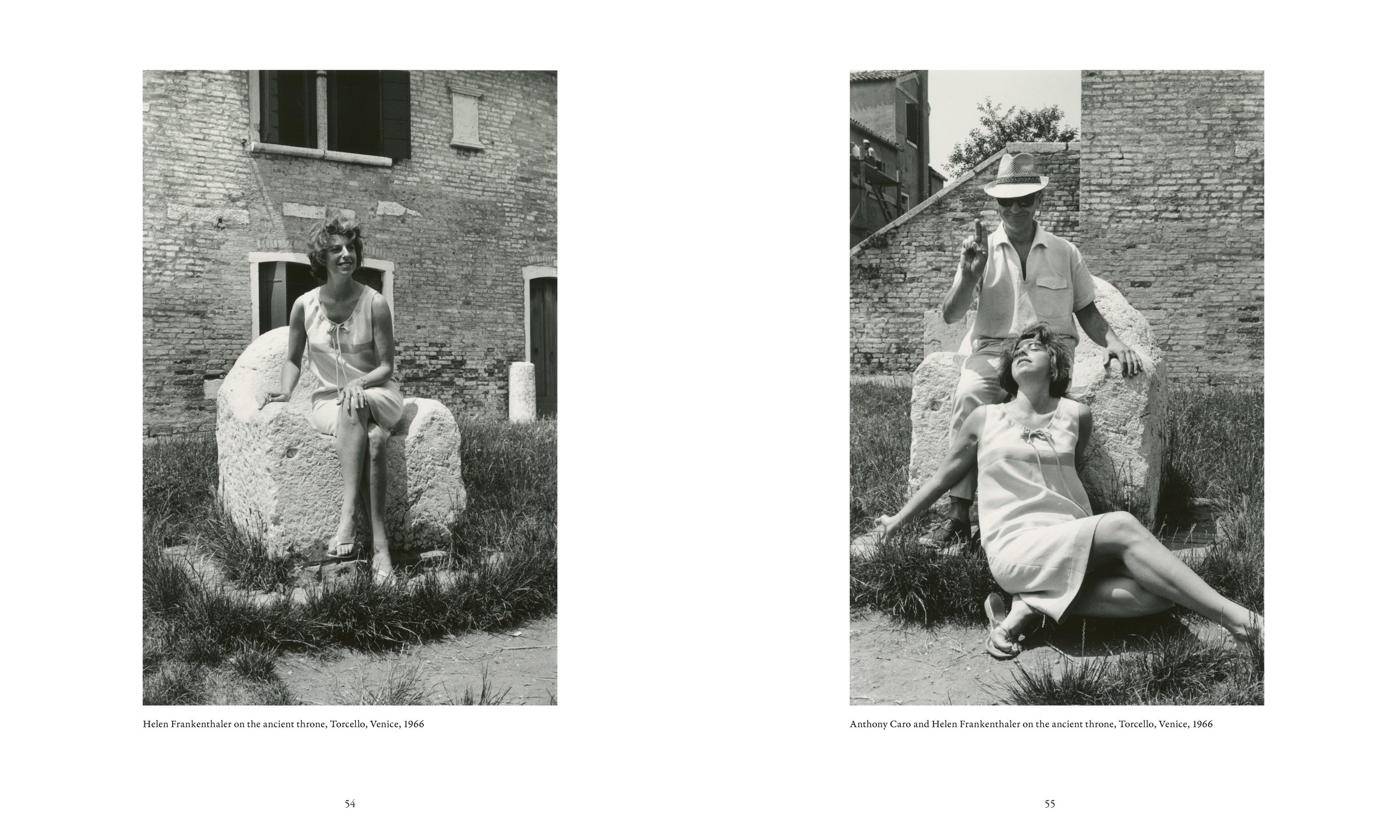
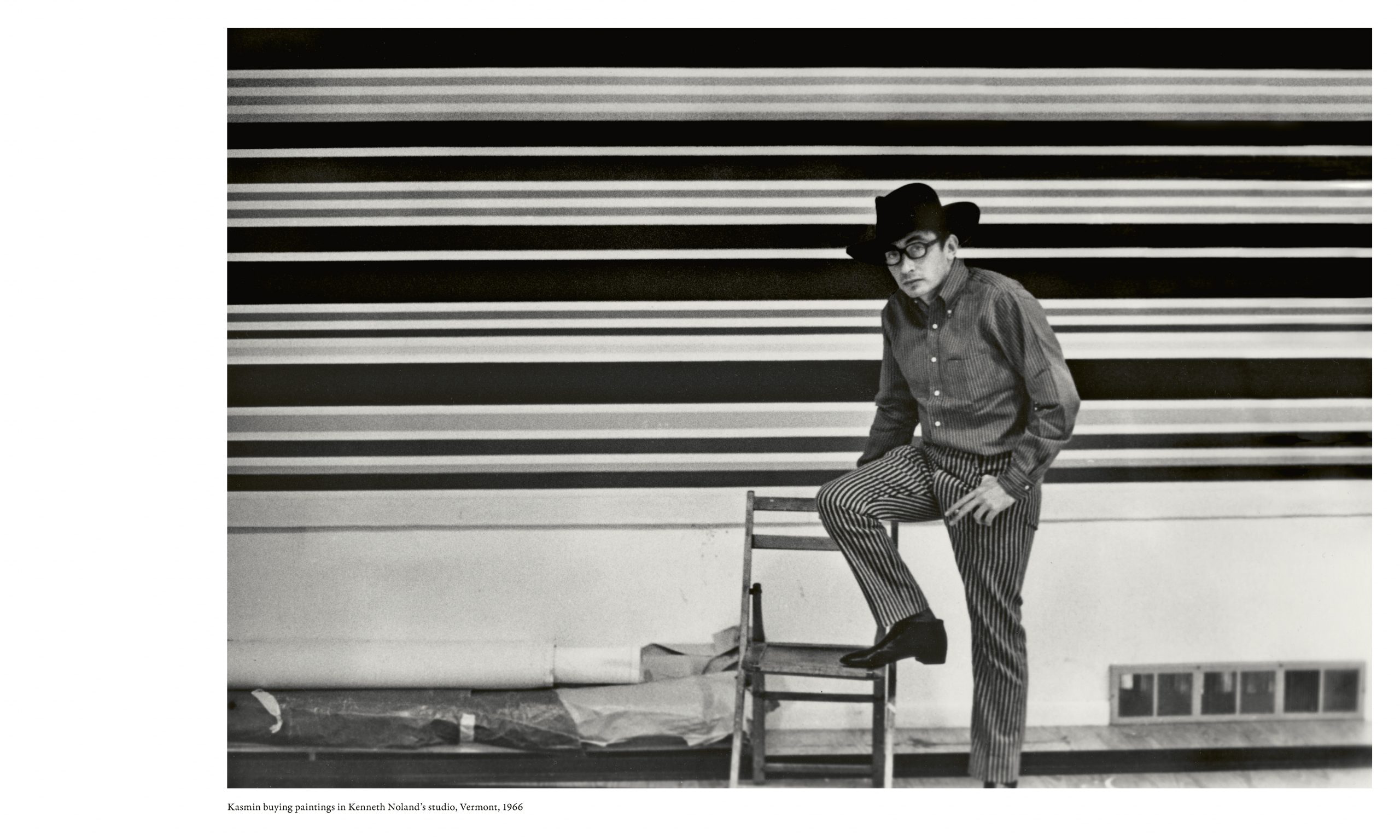
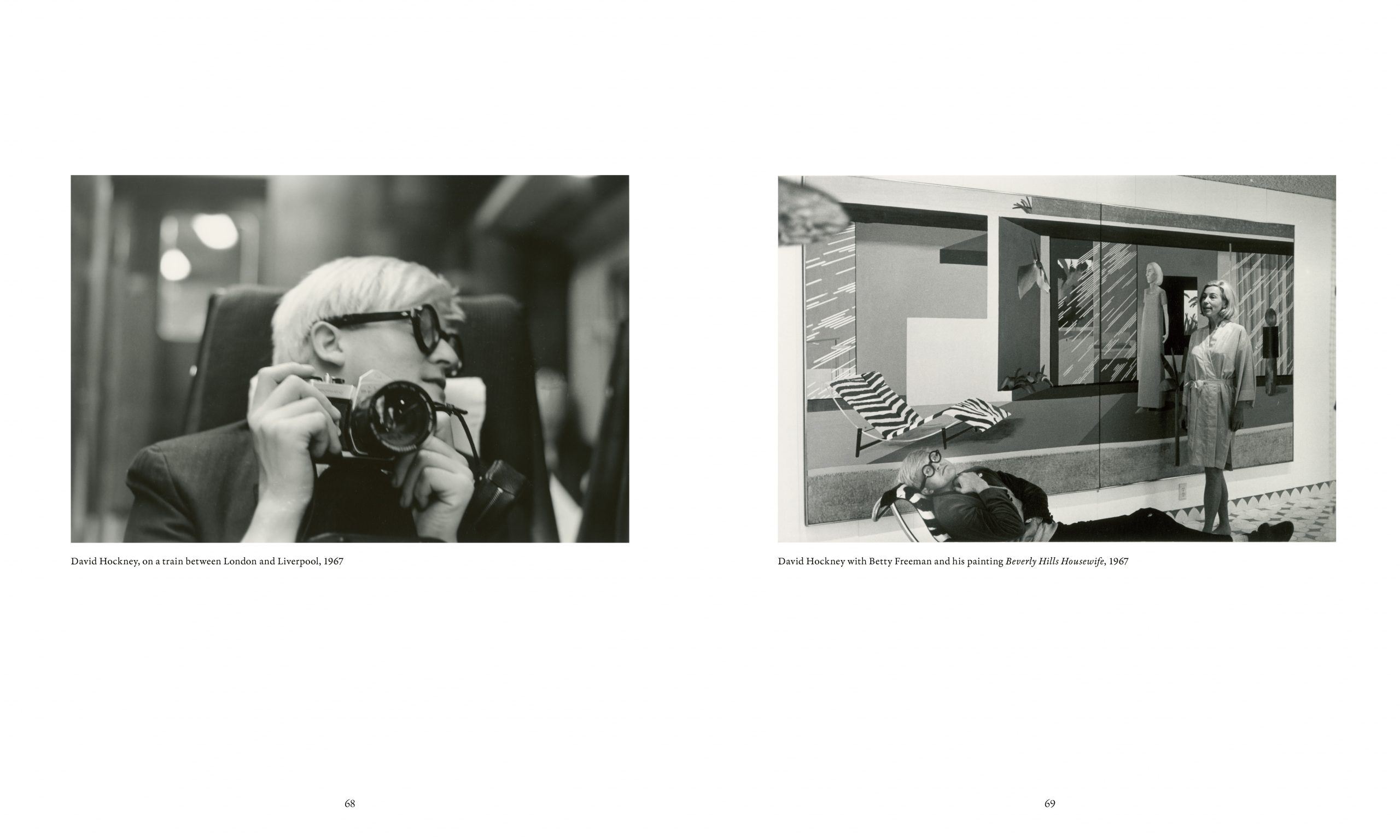
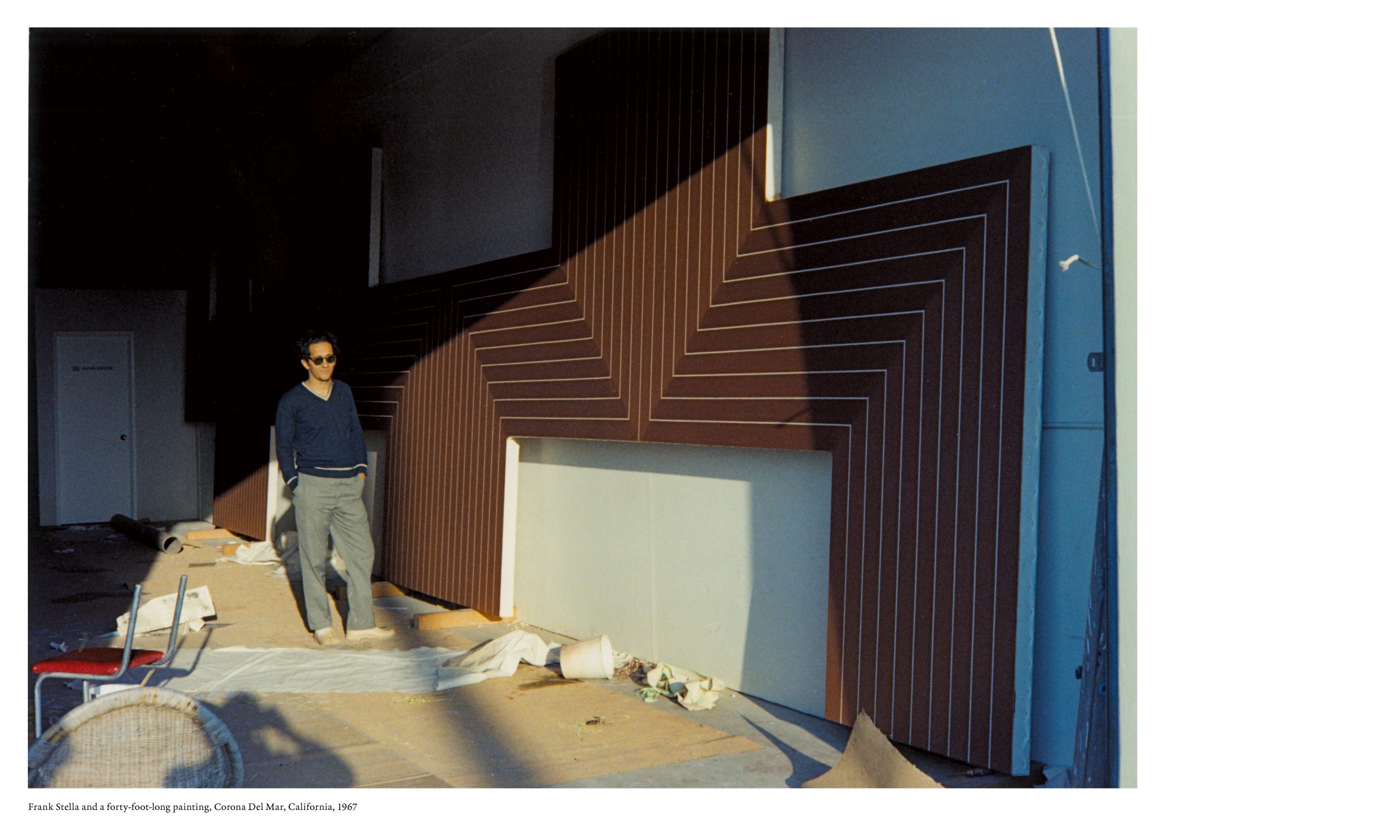
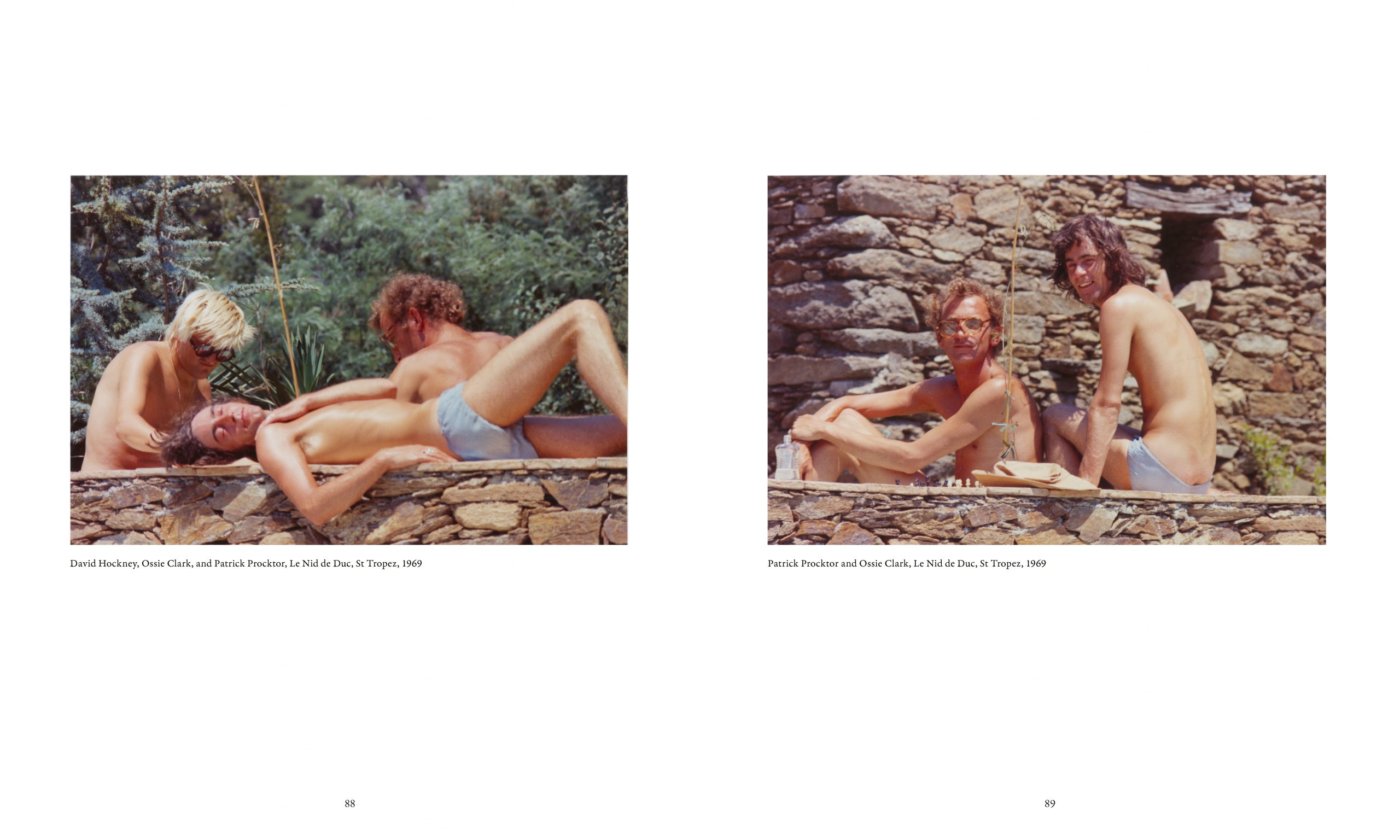
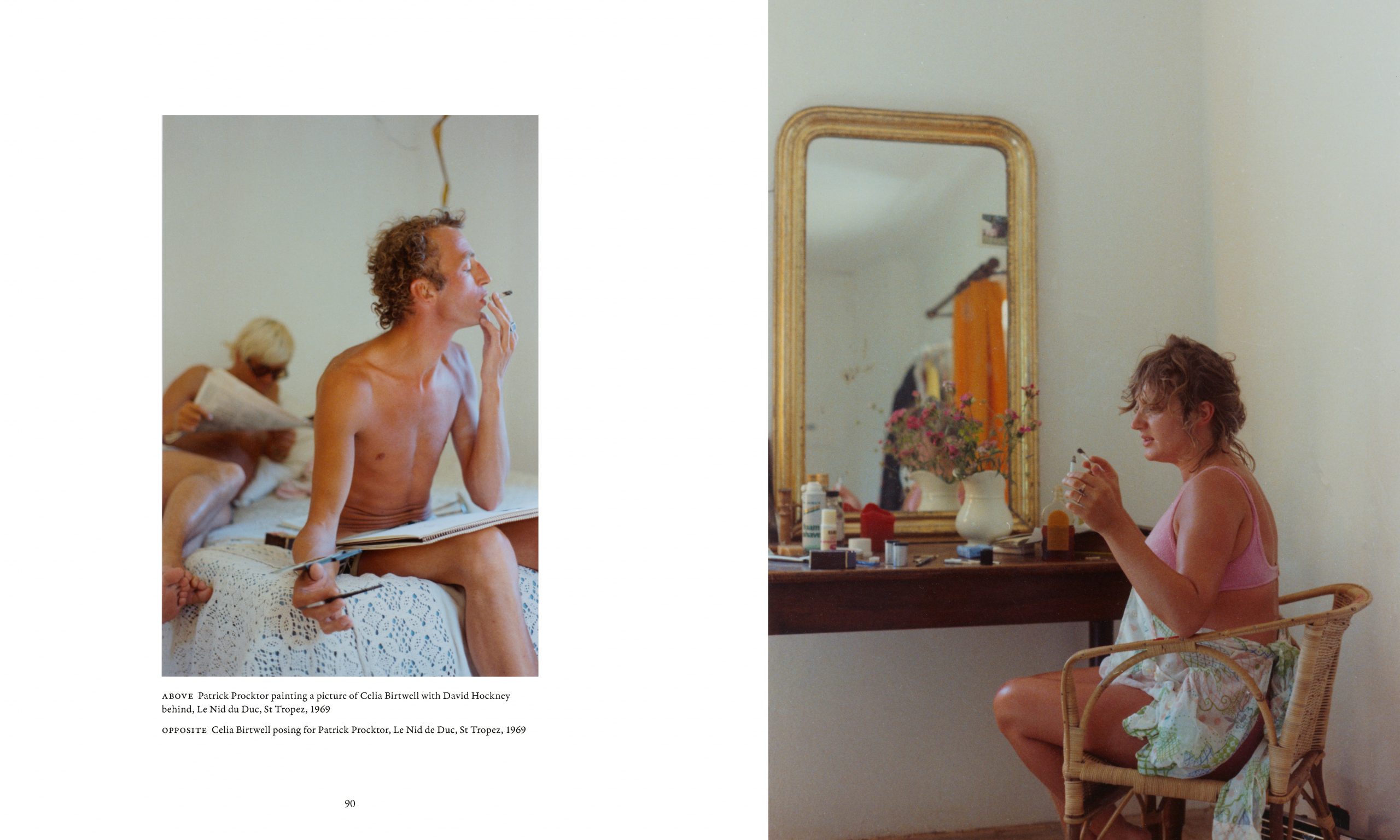
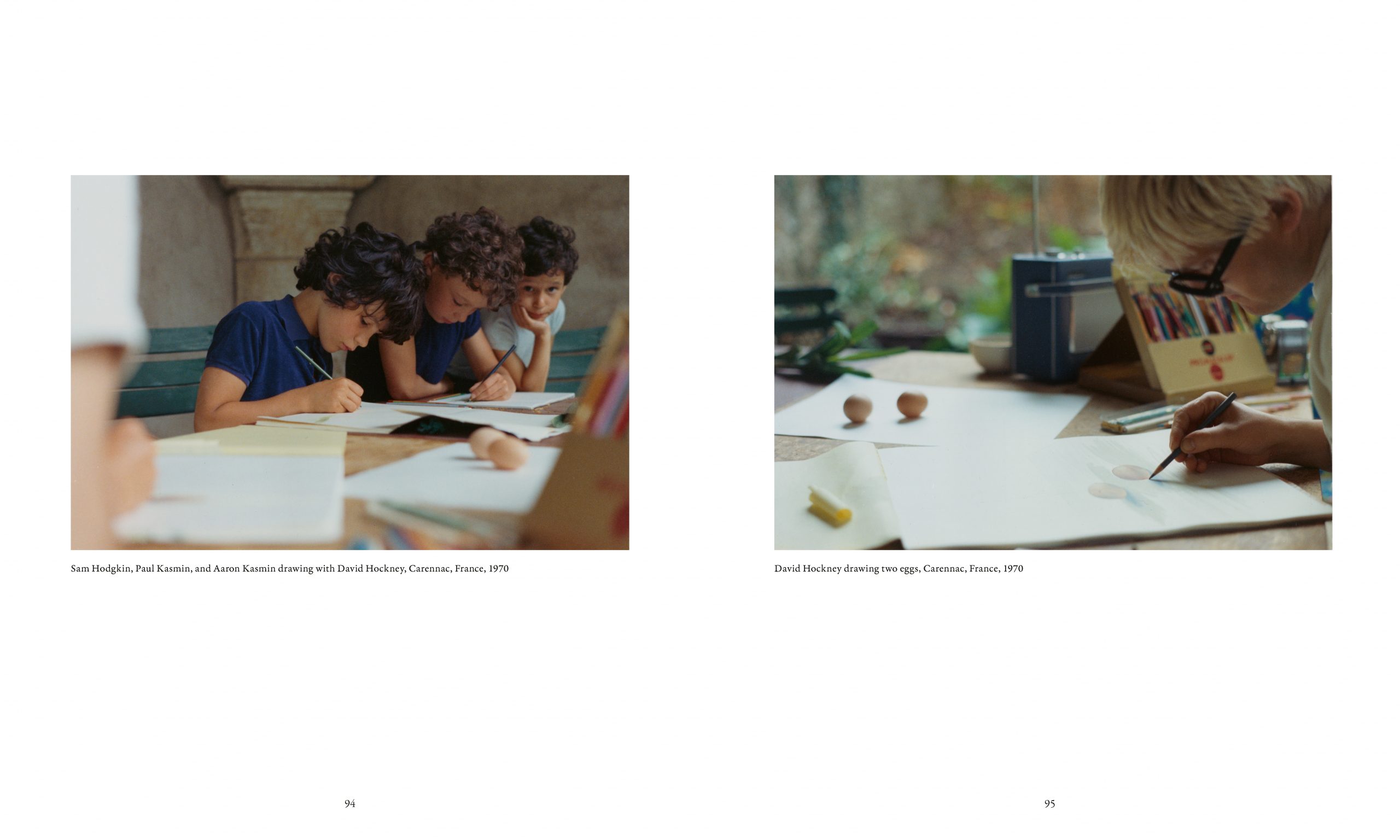
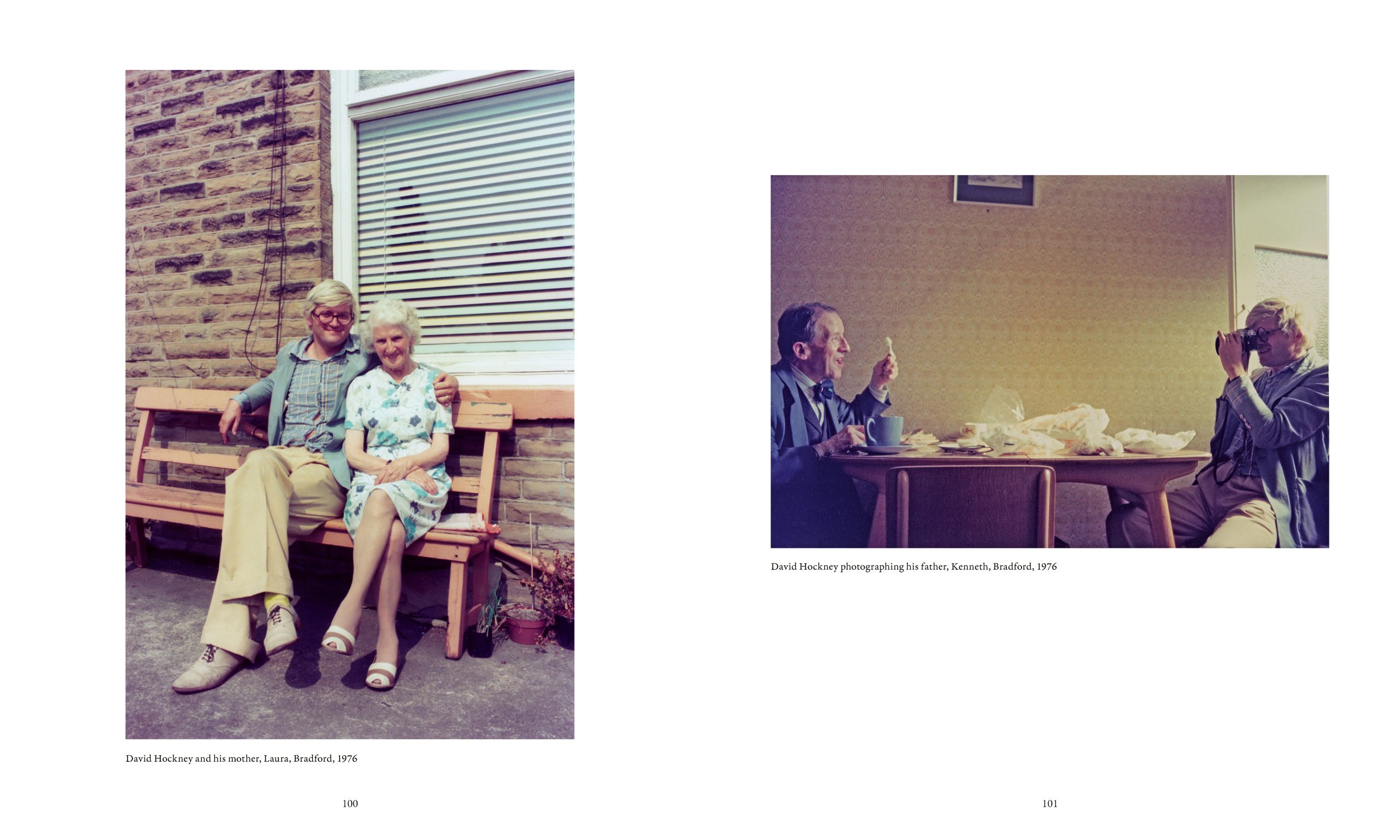
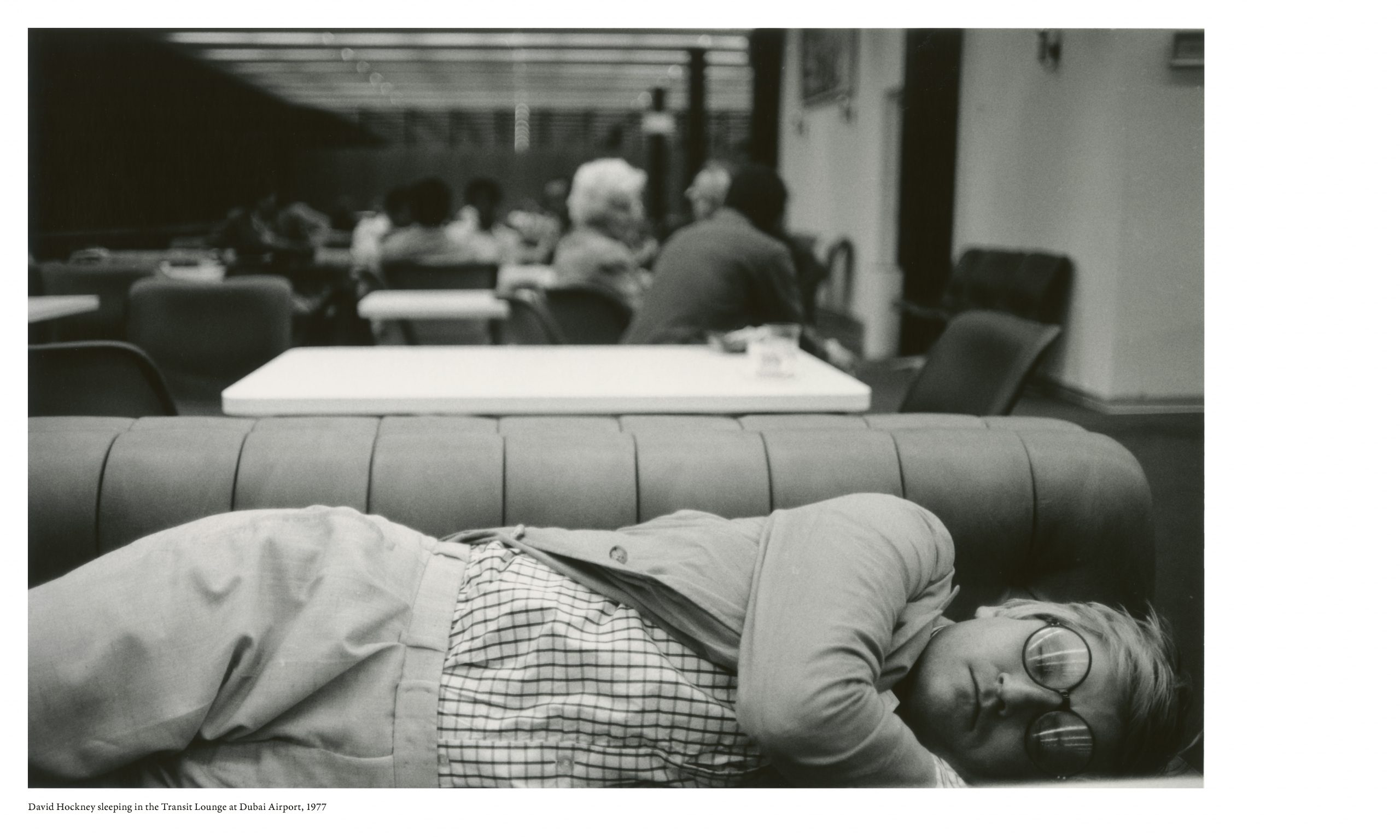
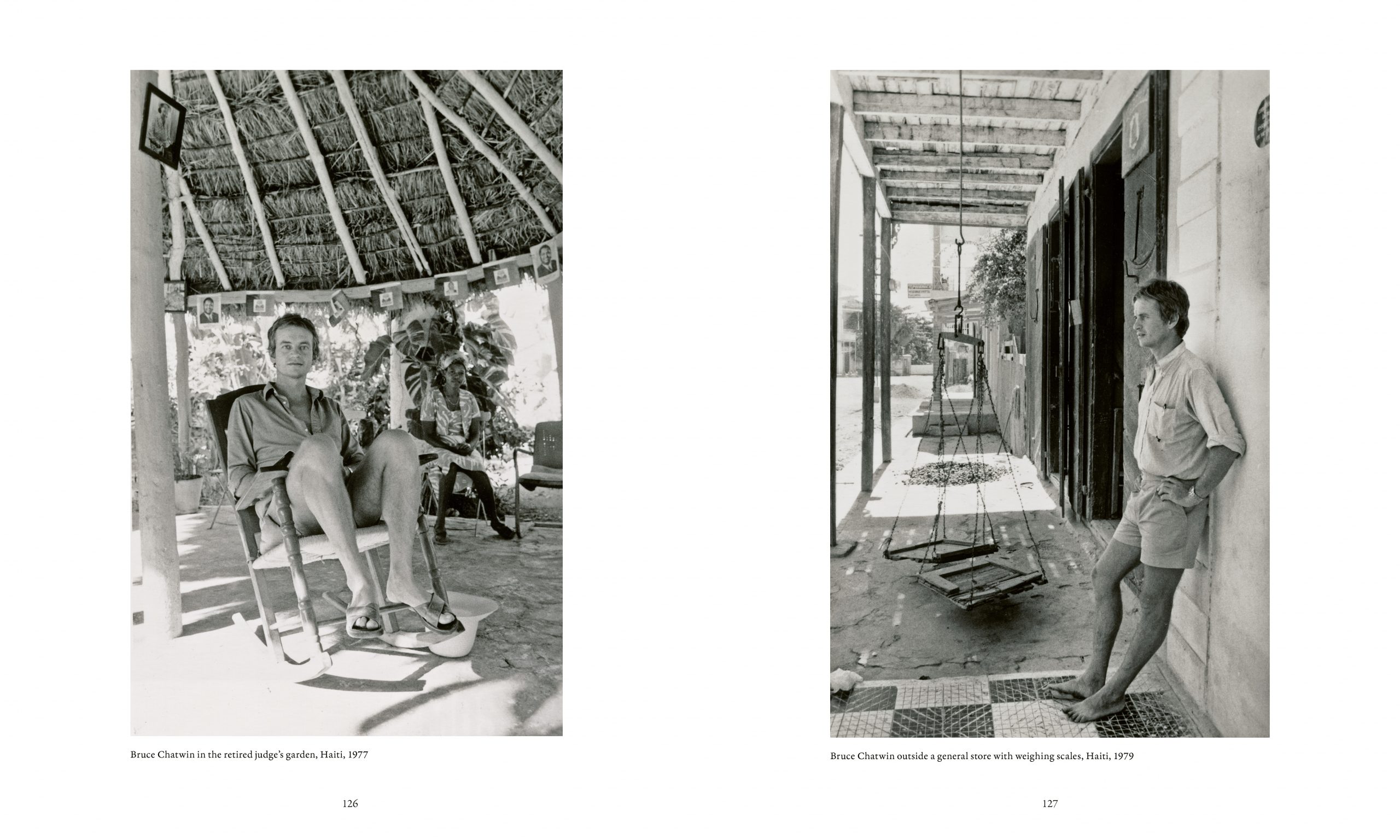
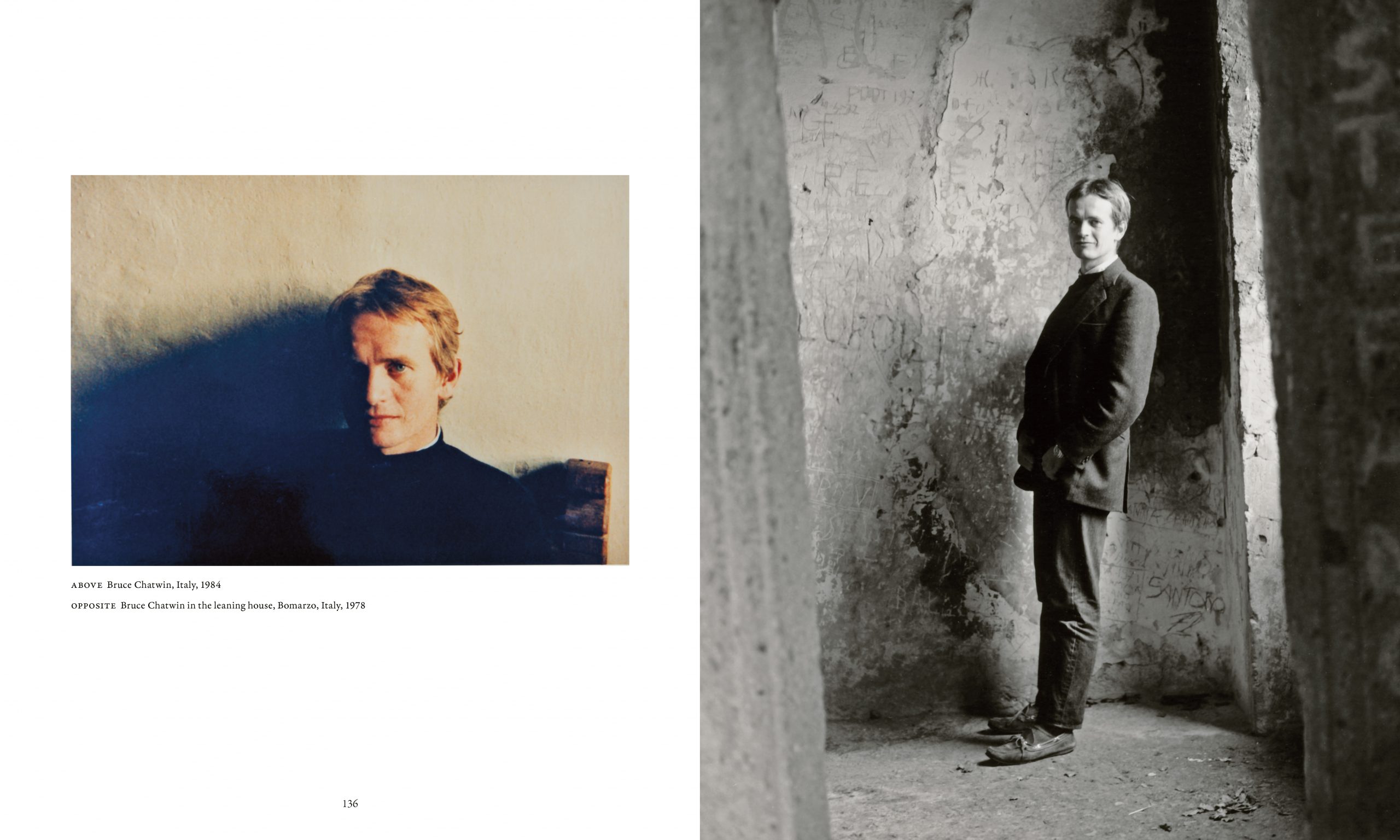
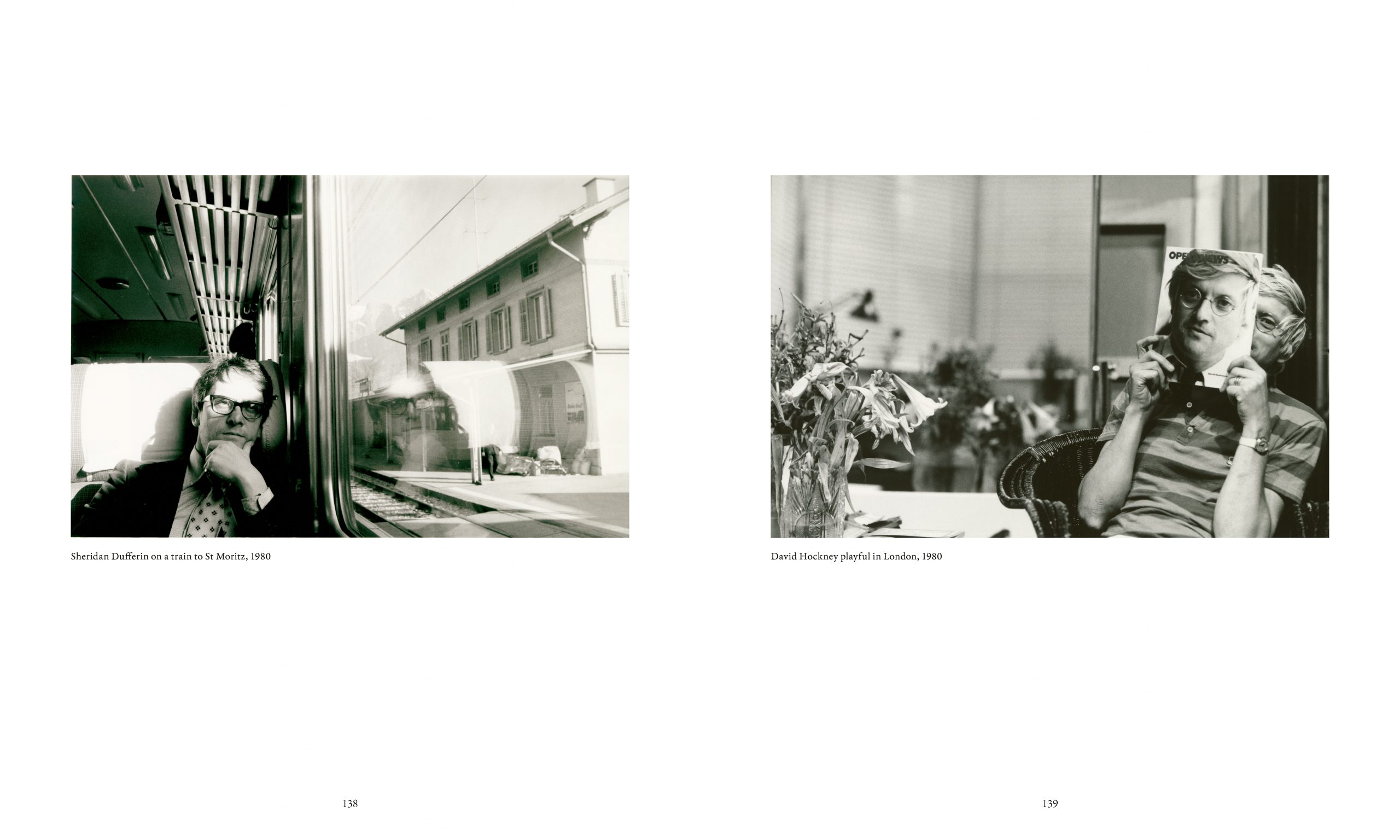
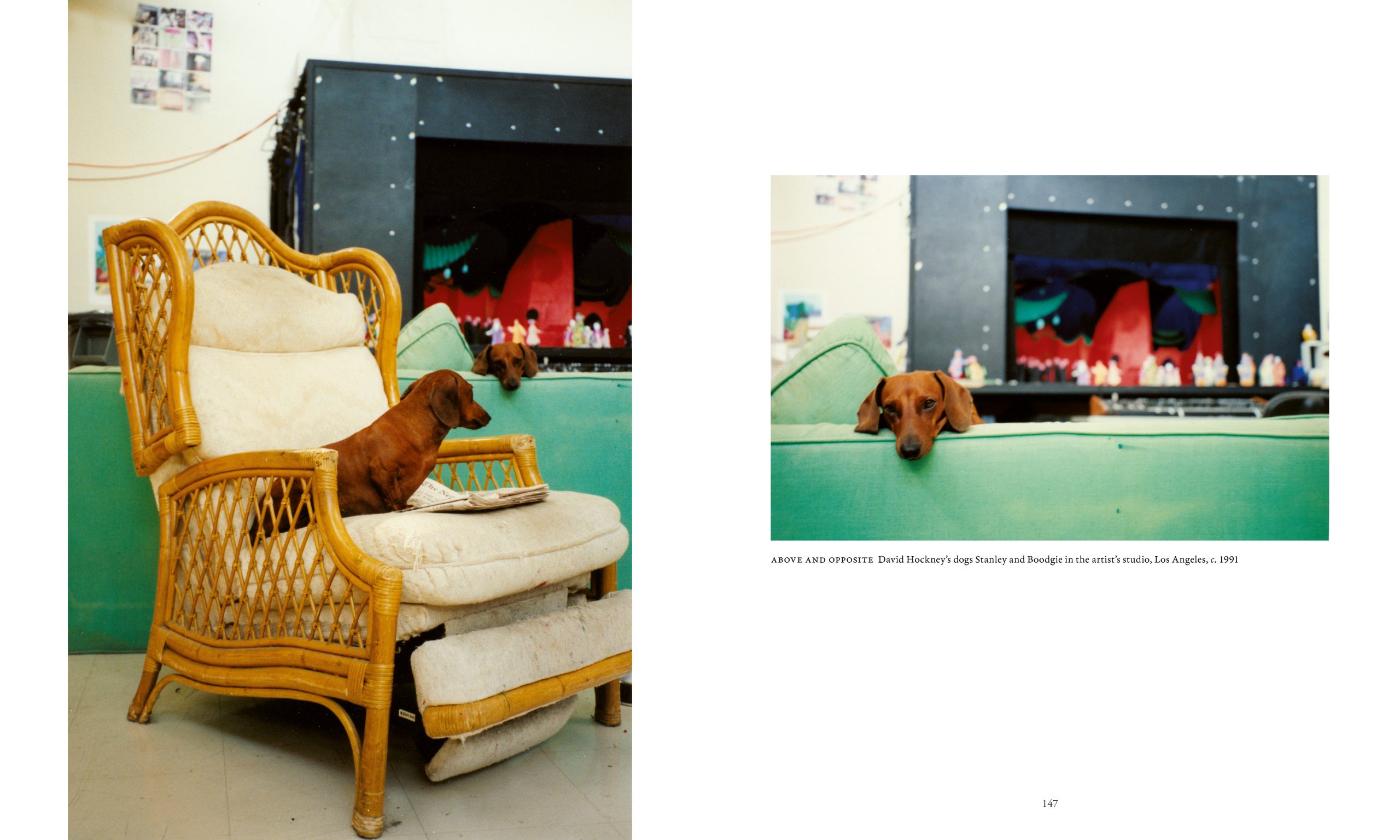
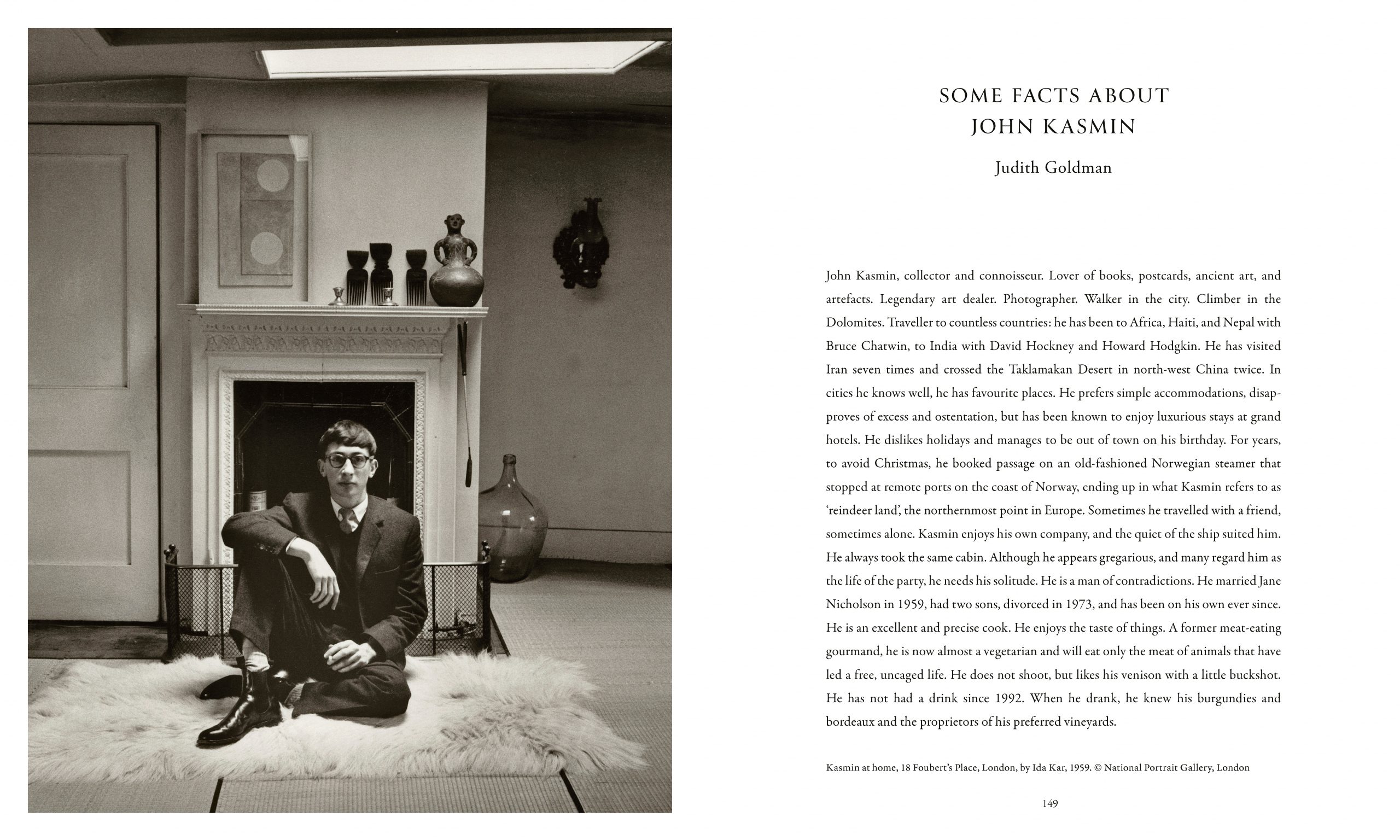
Less well known is that Kasmin is also an accomplished photographer, having started his working life as an assistant to the celebrated portrait photographer Ida Kar. Throughout his life, he has always carried his camera, constantly photographing – and being photographed with – his bohemian artist and writer friends and family members. This remarkable book is the first time that he has published a collection of his favourite and most intimate photographs. With a focus on the 1960s and 1970s, these images tell a rich story of a fertile period when Kasmin was working with an array of diverse creative figures. We see Newman, Frankenthaler, and others in their studios; we hang out with Clement Greenberg, Leo Castelli, and other important figures of the New York scene; we join Hockney as he learns to drive in Los Angeles and as he holidays in France with Kasmin and his children and their shared circle of friends, among them Celia Birtwell, Ossie Clark, and Wayne Sleep; we witness the same artist again in playful mood with his parents at home in Bradford; and we follow Kasmin as he and his close friend the travel writer Bruce Chatwin voyage to Africa and the Caribbean, and as he visits India with Howard Hodgkin.

Drawn directly from Kasmin’s personal archive, the book contains dozens of images that have never been seen before. Each photograph, whether a posed portrait or a hastily grabbed snapshot, reveals something new, something private about some of the best-known names in postwar art and the milieu in which they lived. They capture key moments – such as Hockney’s early days in California – and the close friendships within Kasmin’s circle. Seen together, they bear witness to an exciting time when young, dynamic artists were finding a new language and shaping a new world.

Accompanying the photographs are texts by the British art historian and curator Chris Stephens, writing about Kasmin’s circle in the 1960s and 1970s, and his long-time friend American curator and writer Judith Goldman, who offers a more personal account of Kasmin and his life.

Dr Chris Stephens has been Director of the Holburne Museum in Bath since 2017. Prior to that he worked at Tate for more than twenty years, as Head of Displays, Tate Britain, for much of that time, and also as Head of Modern British Art.

Judith Goldman is an award-winning writer, curator, and publisher in New York City. A former editor of ARTnews, she was also the curator of prints at the Whitney Museum of Art from 1977 to 1991. She has established the Blue Heron Press and Deuce II Editions to publish artists’ books and editions.
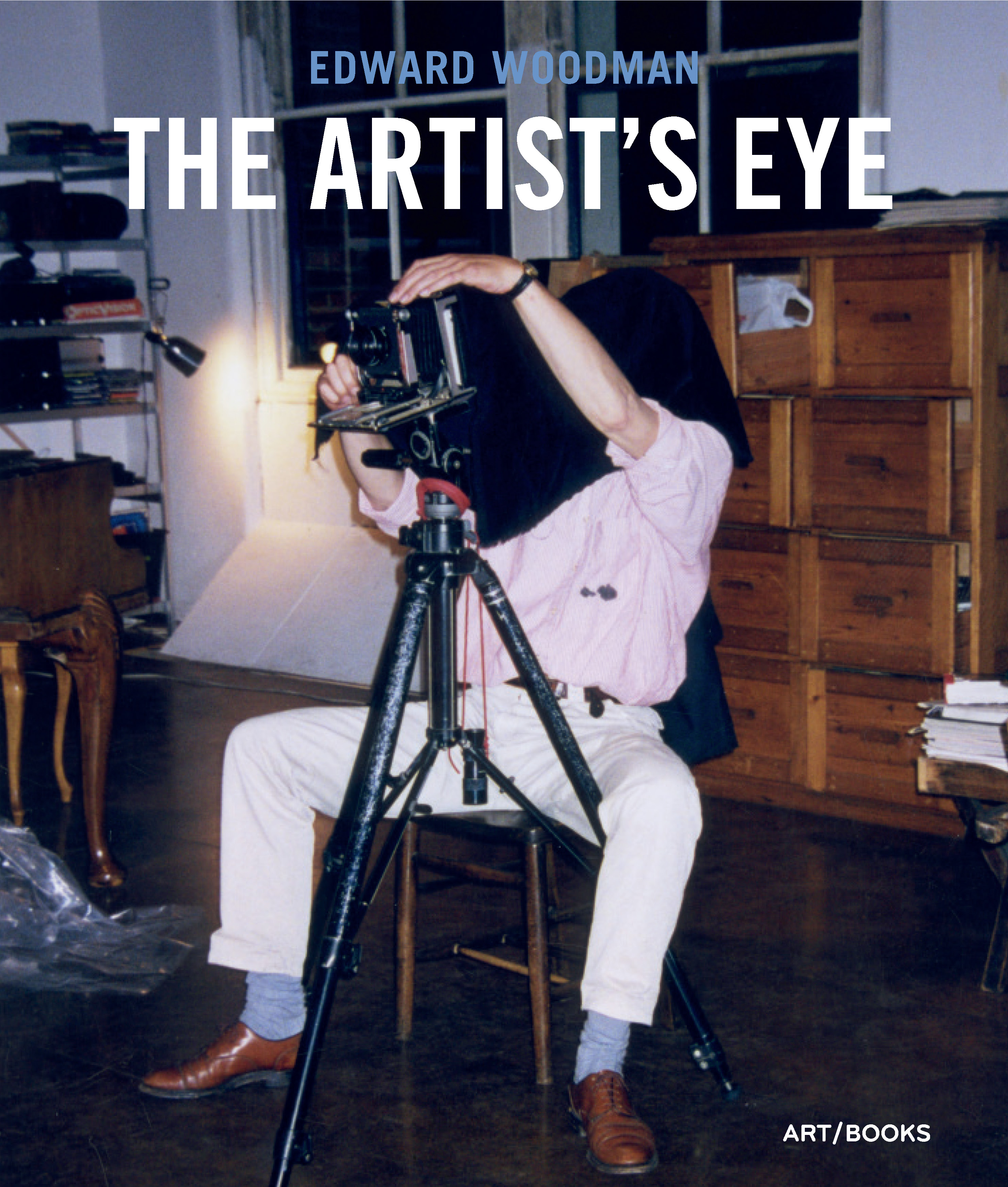
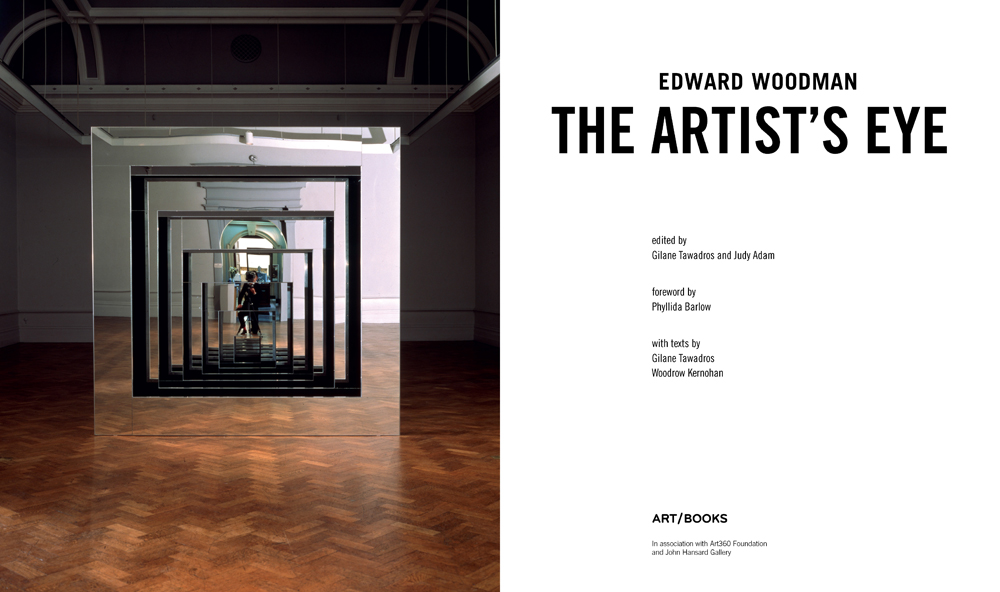
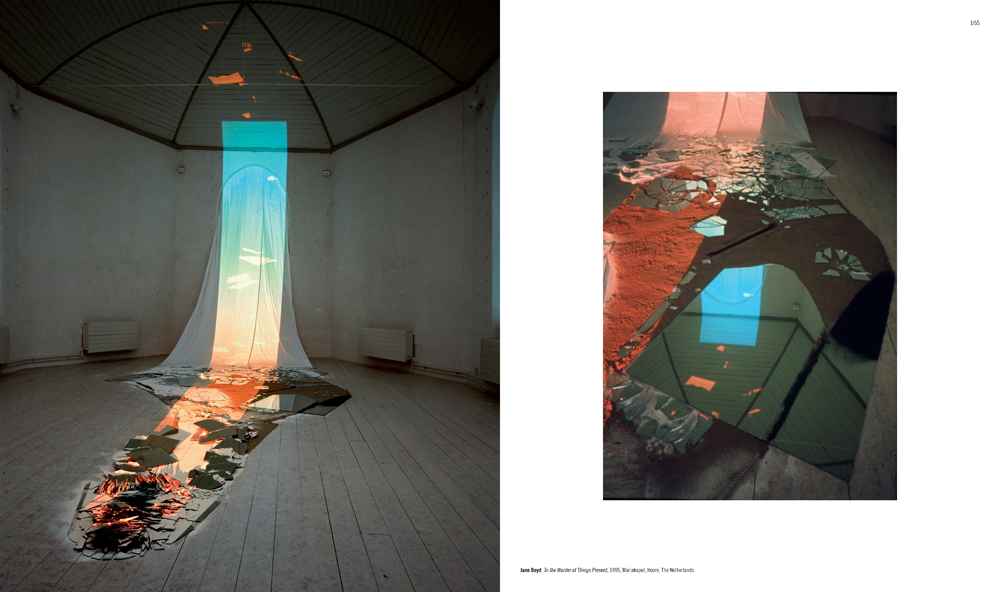
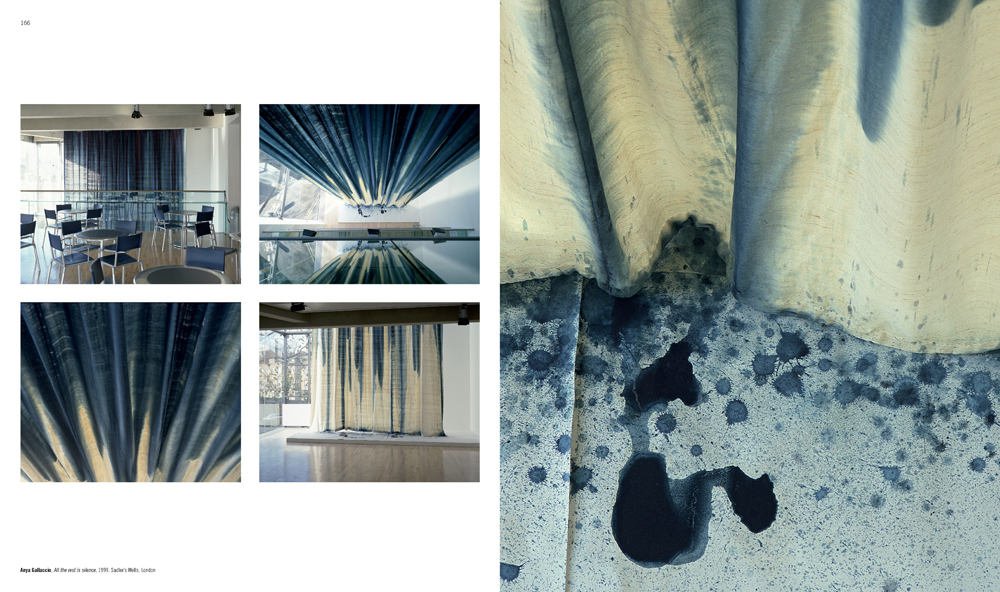
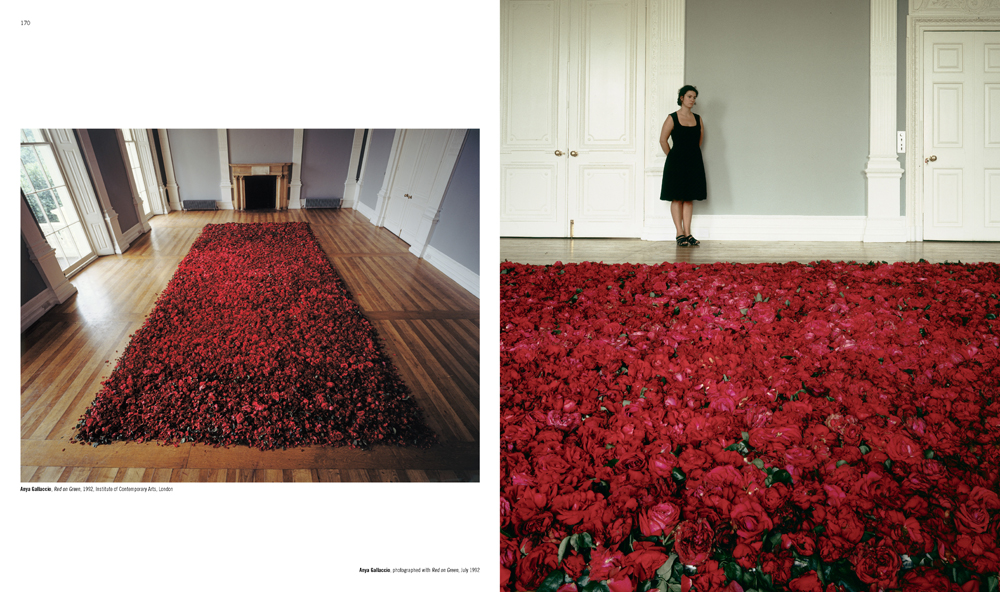
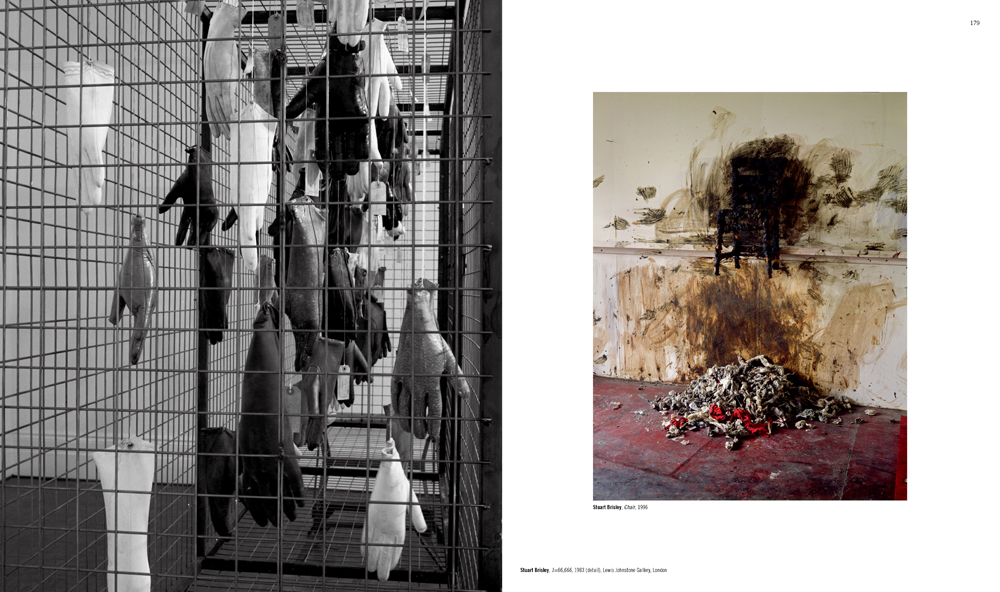
Edward Woodman

The Artist’s Eye

Edited by Gilane Tawadros and Judy Adam
Foreword by Phyllida Barlow
Texts by Gilane Tawadros and Woodrow Kernohan

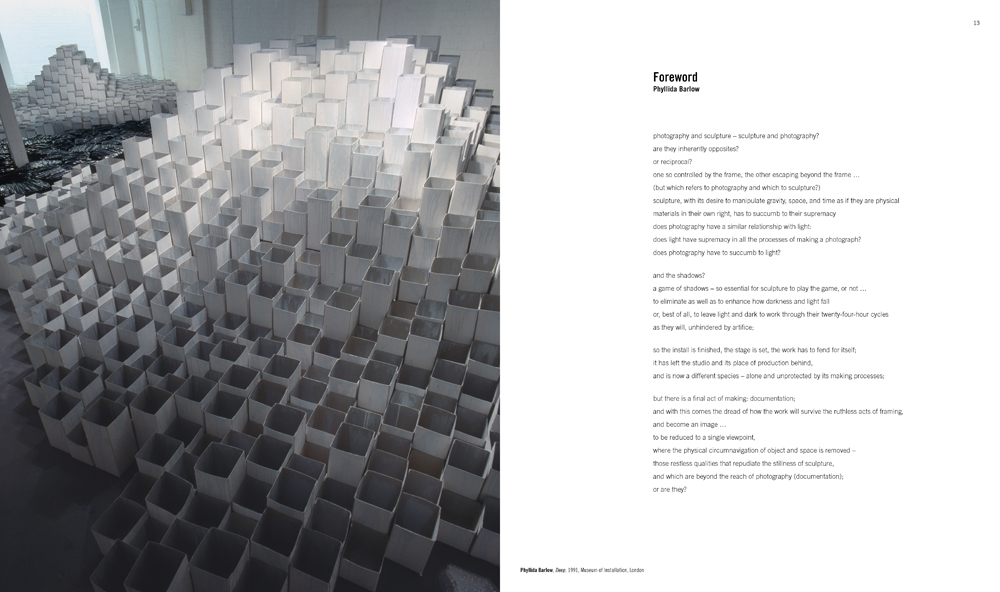
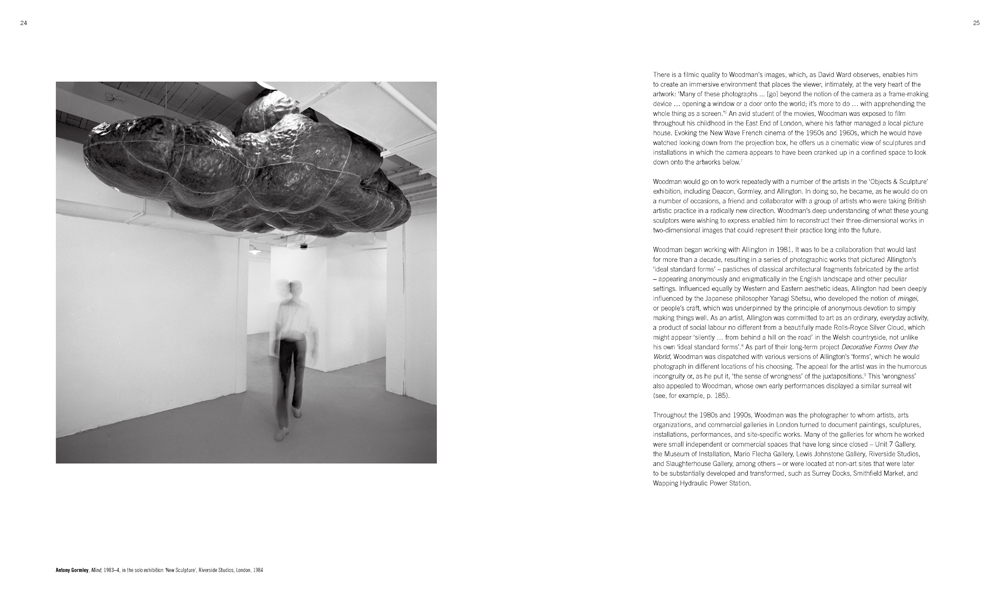
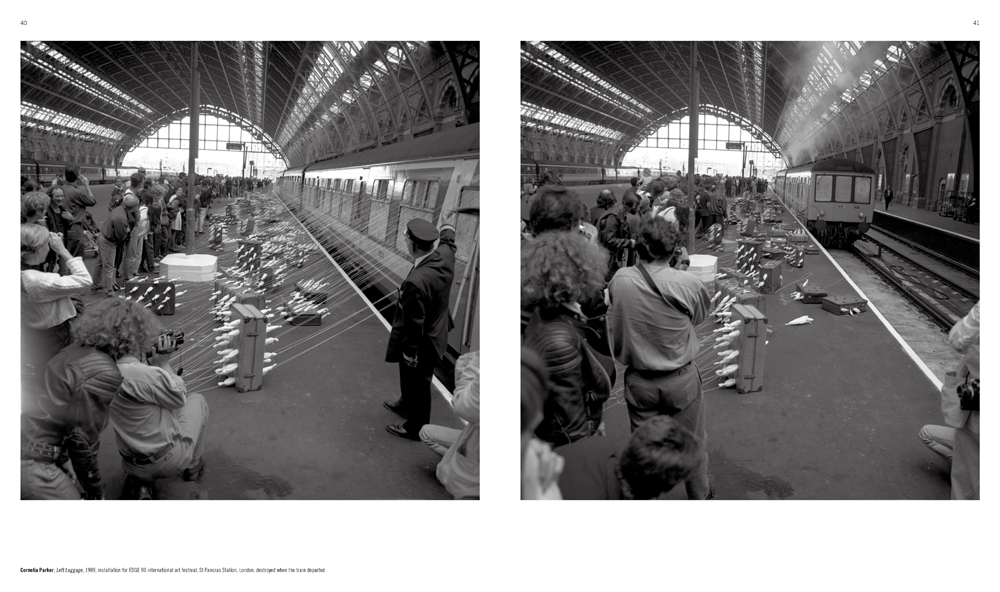
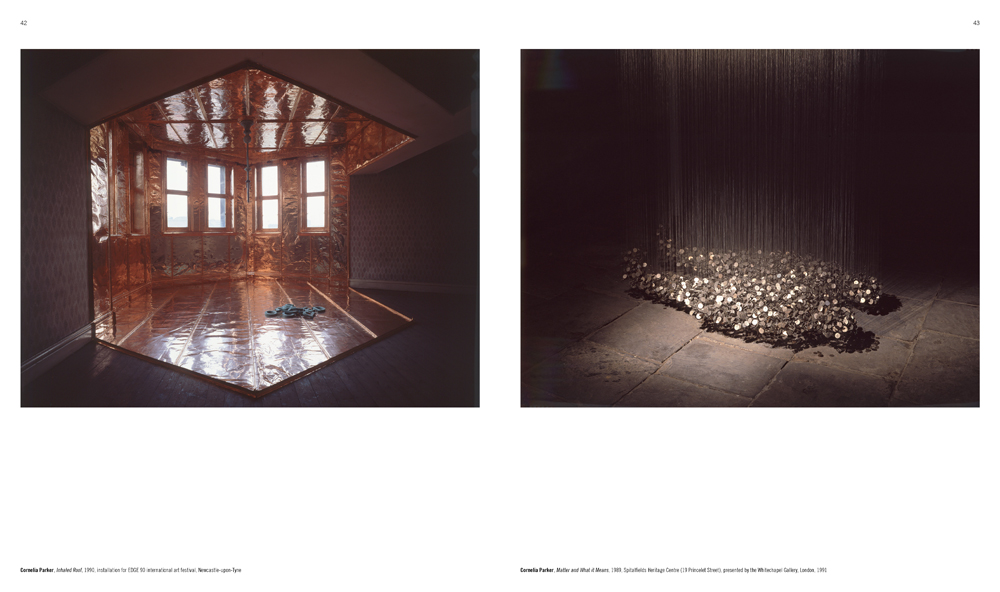
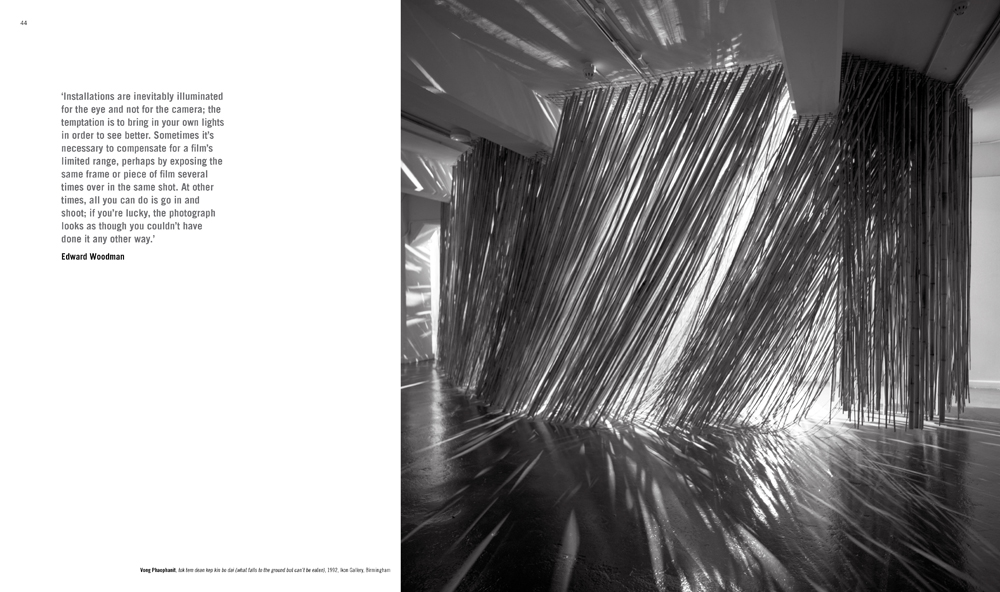
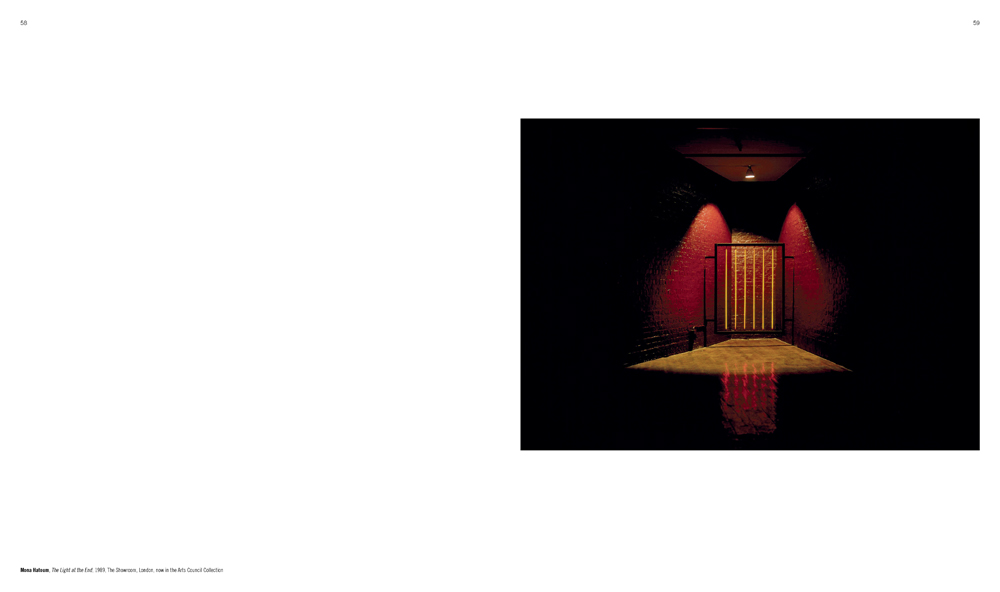
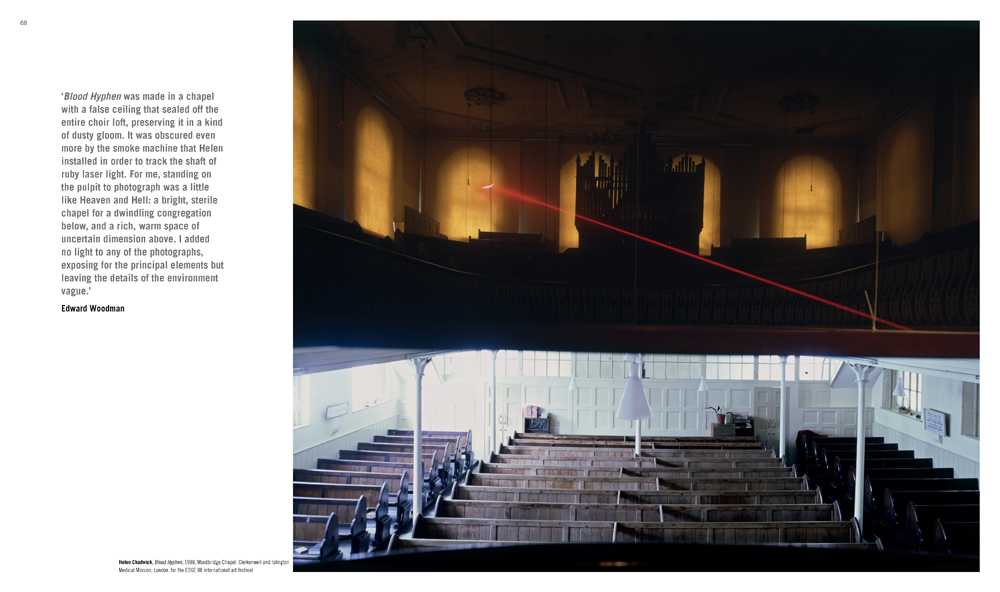
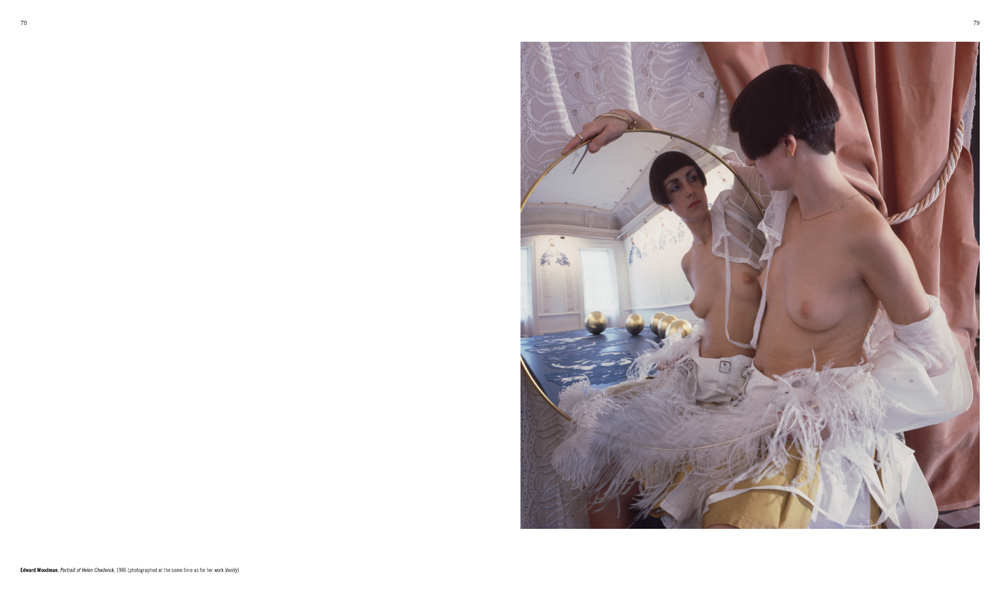
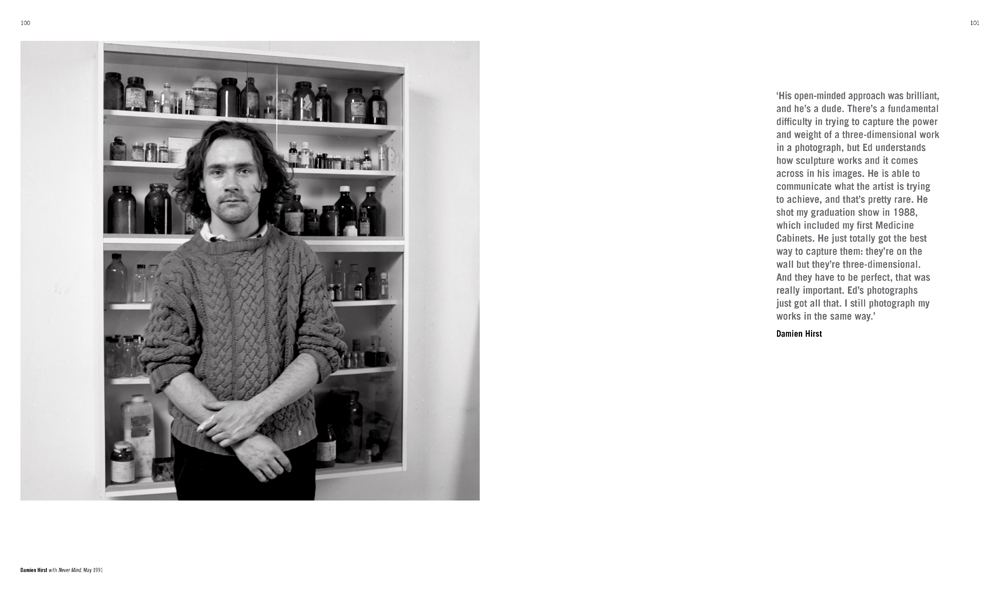
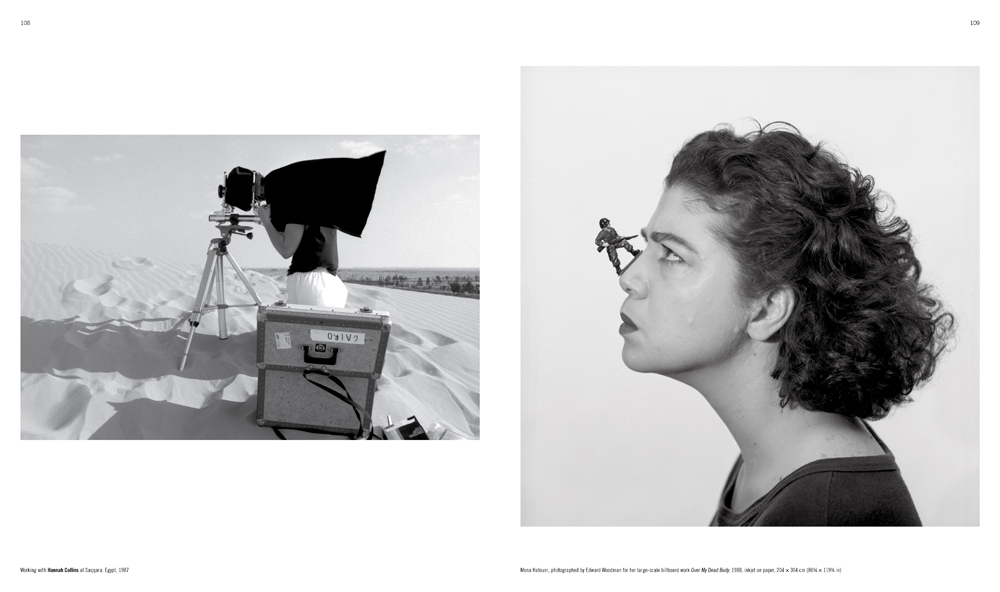
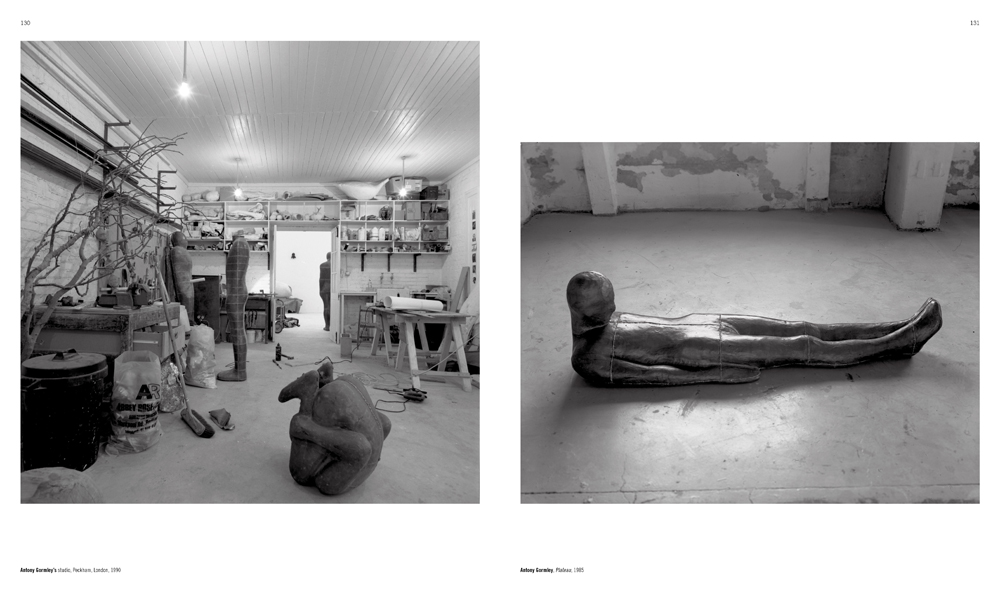
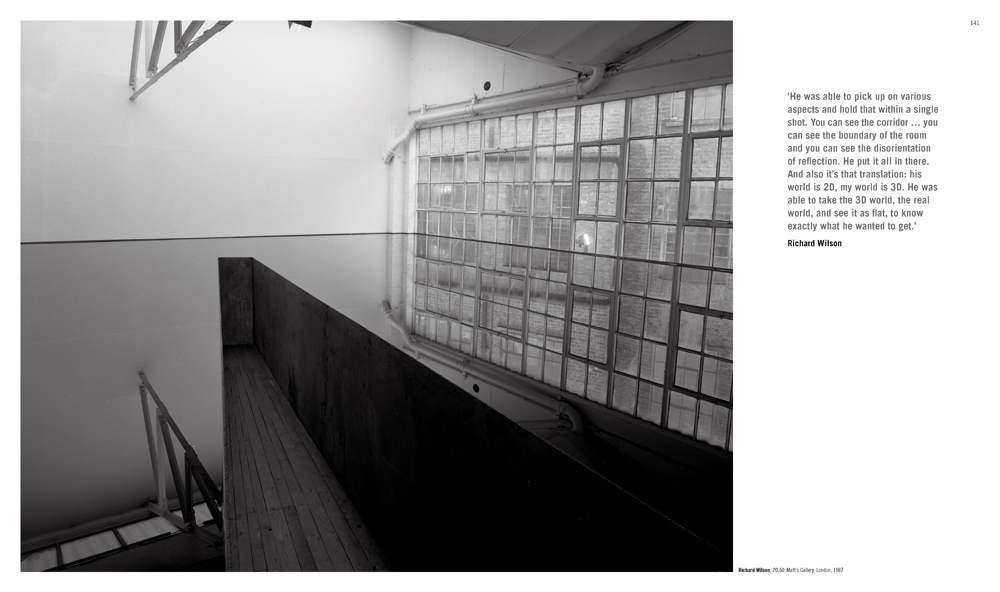
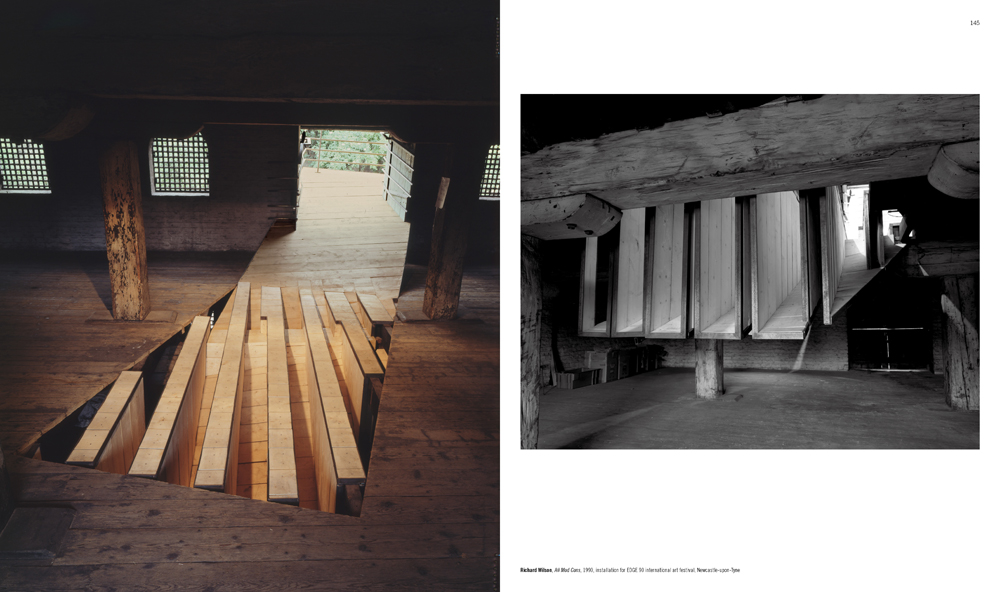
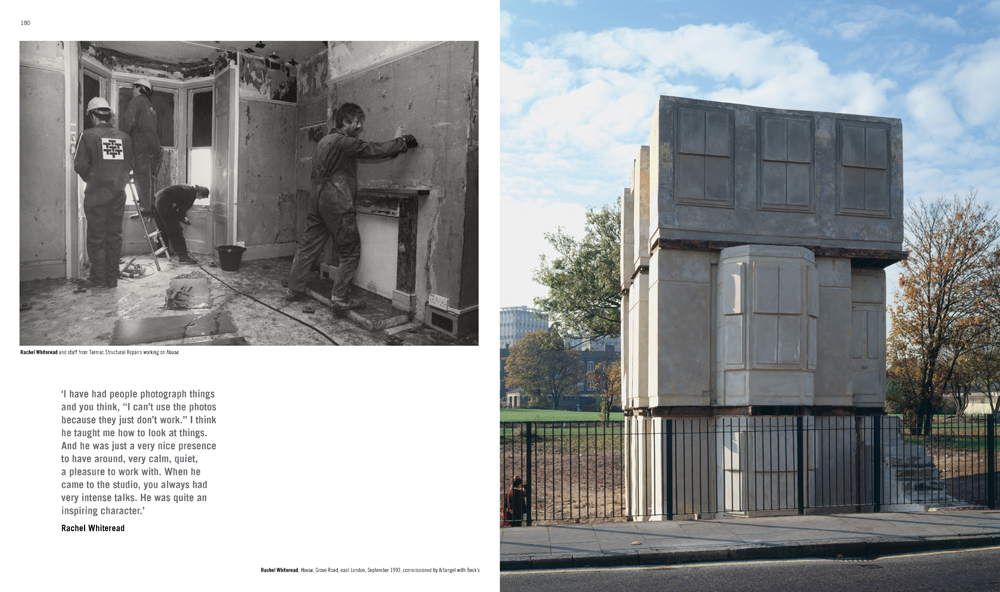
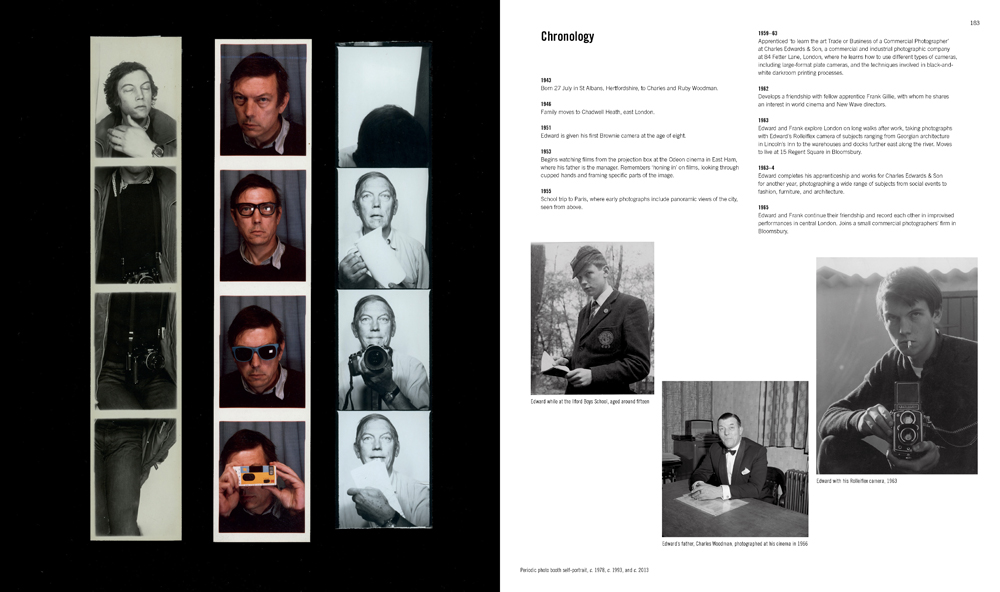
Edward Woodman was the photographer of choice for two generations of British artists, from Richard Deacon, Antony Gormley, and Cornelia Parker to Mona Hatoum, Rachel Whiteread, and Damien Hirst. These and other artists recognized Woodman’s acute sensitivity to their intentions and his unparalleled ability to present their radical works and ideas through photography. But his beautiful and distinctive images go beyond mere documentation, for they are traces of creative relationships that became intrinsic to the artworks and the way they have been received by audiences. As acclaimed sculptor Phyllida Barlow writes in her foreword, Woodman’s ‘images of artists’ works are themselves the work of an artist. His art is a visual poetry.’
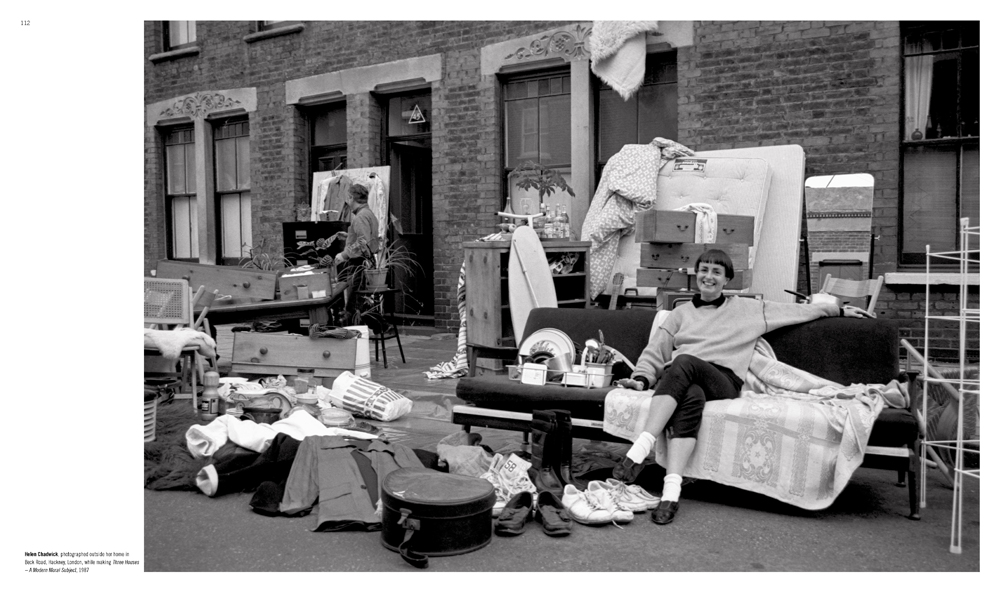
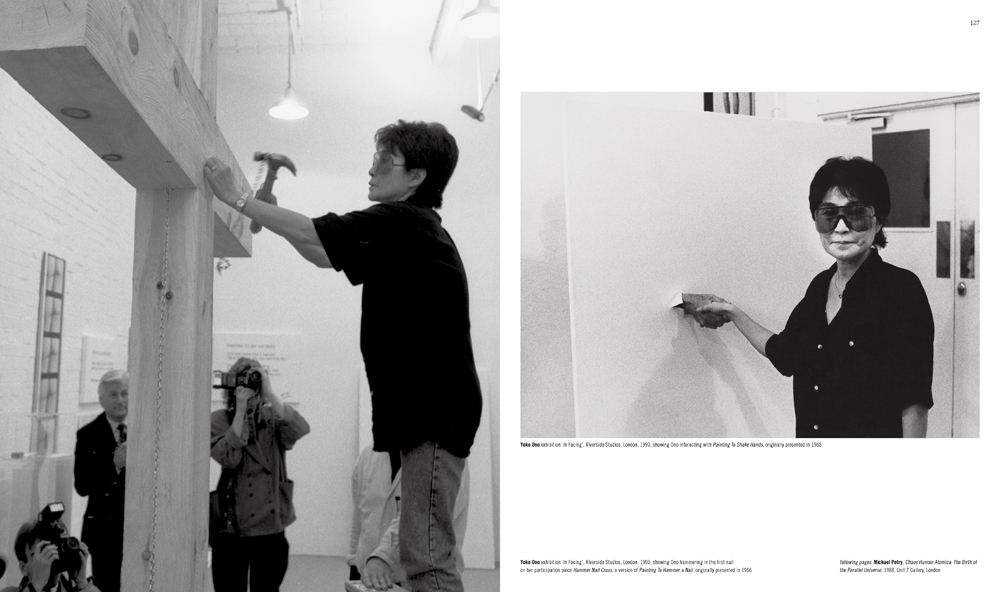
Published to coincide with a retrospective exhibition at John Hansard Gallery in Southampton, this book presents many of Woodman’s best-known photographs, including numerous iconic images of the most celebrated works of recent British art and portraits of their makers, as well as subjects captured for personal interest. Frame after frame reveal his extraordinary capacity to create photographs that enable us as future viewers to experience these sculptures, installations, and performances as if we had been there, in the present, sometimes years and decades after the event.

Gilane Tawadros is a curator and writer, based in London. She is the Chief Executive of DACS, a visual artists’ rights management organization. She was the founding director of the Institute of International Visual Arts (Iniva) in London. She has curated numerous exhibitions and has written extensively on contemporary art. Her books include The New Economy of Art (2014), Changing States: Contemporary Art and Ideas in an Era of Globalisation (2004) and Life is More Important Than Art (2007).

Judy Adam is an independent curator and consultant.

Woodrow Kernohan is Director of the John Hansard Gallery in Southampton. He was previously Director/CEO of EVA International, Ireland’s biennial of contemporary art, and Co-Director of the photography festival Brighton Photo Fringe. In 2015, he was also the Curator of the Irish Pavilion at the 56th Venice Biennale.


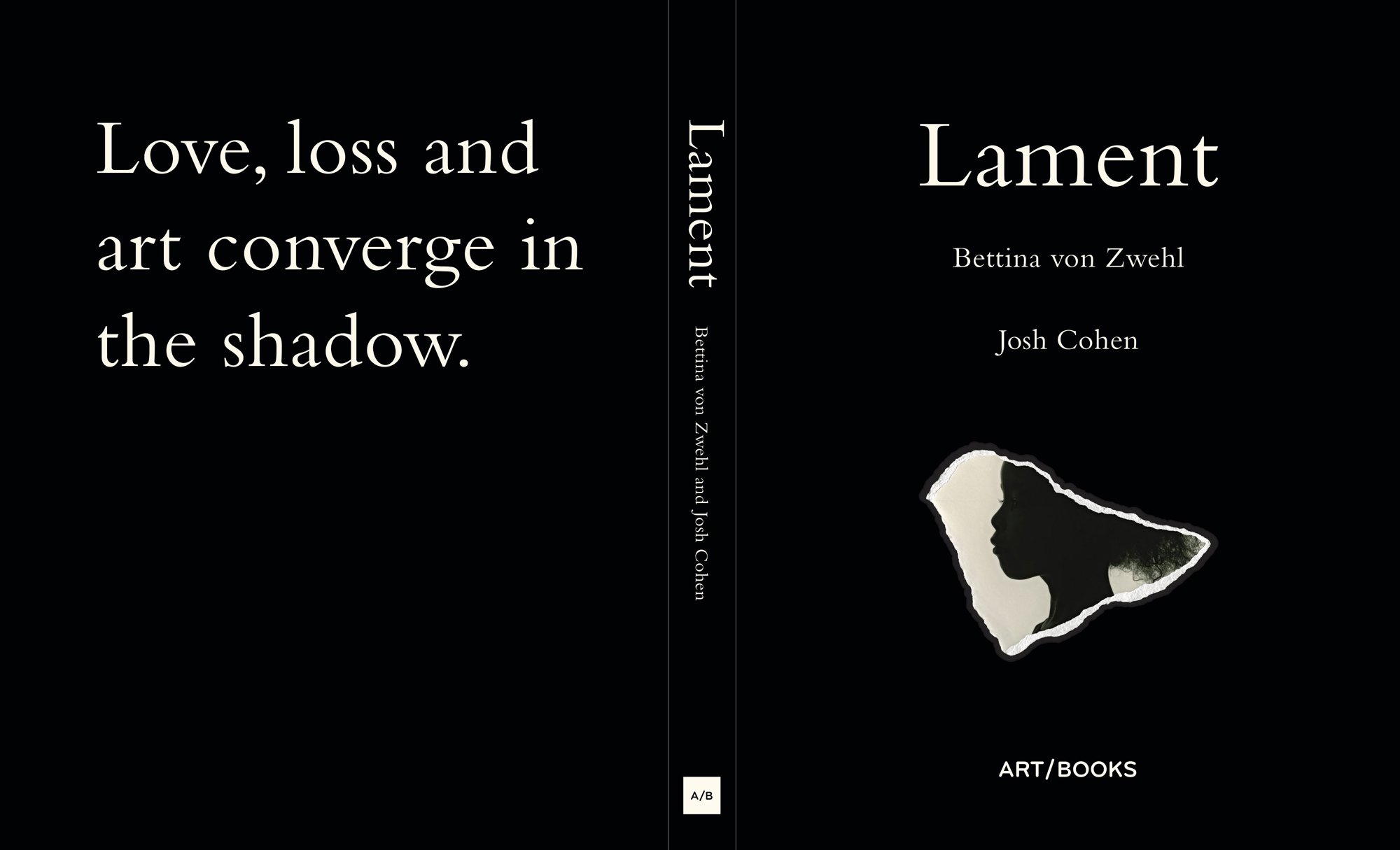
Lament

Bettina von Zwehl and Josh Cohen

Winner of the 2016 Antalis Grand Print Master Award

‘With its handsome layout, words and haunting visual images, Lament is one of the most engaging volumes it has been my pleasure to read, look at and ponder.’ — Times Higher Education
‘A delicate and in-depth exploration of grief, loss and friendship’ — LensCulture
‘In its theme, light and dark, echoing the rhythm of life and death, the book goes back to the foundations of photography.’ — Photomonitor

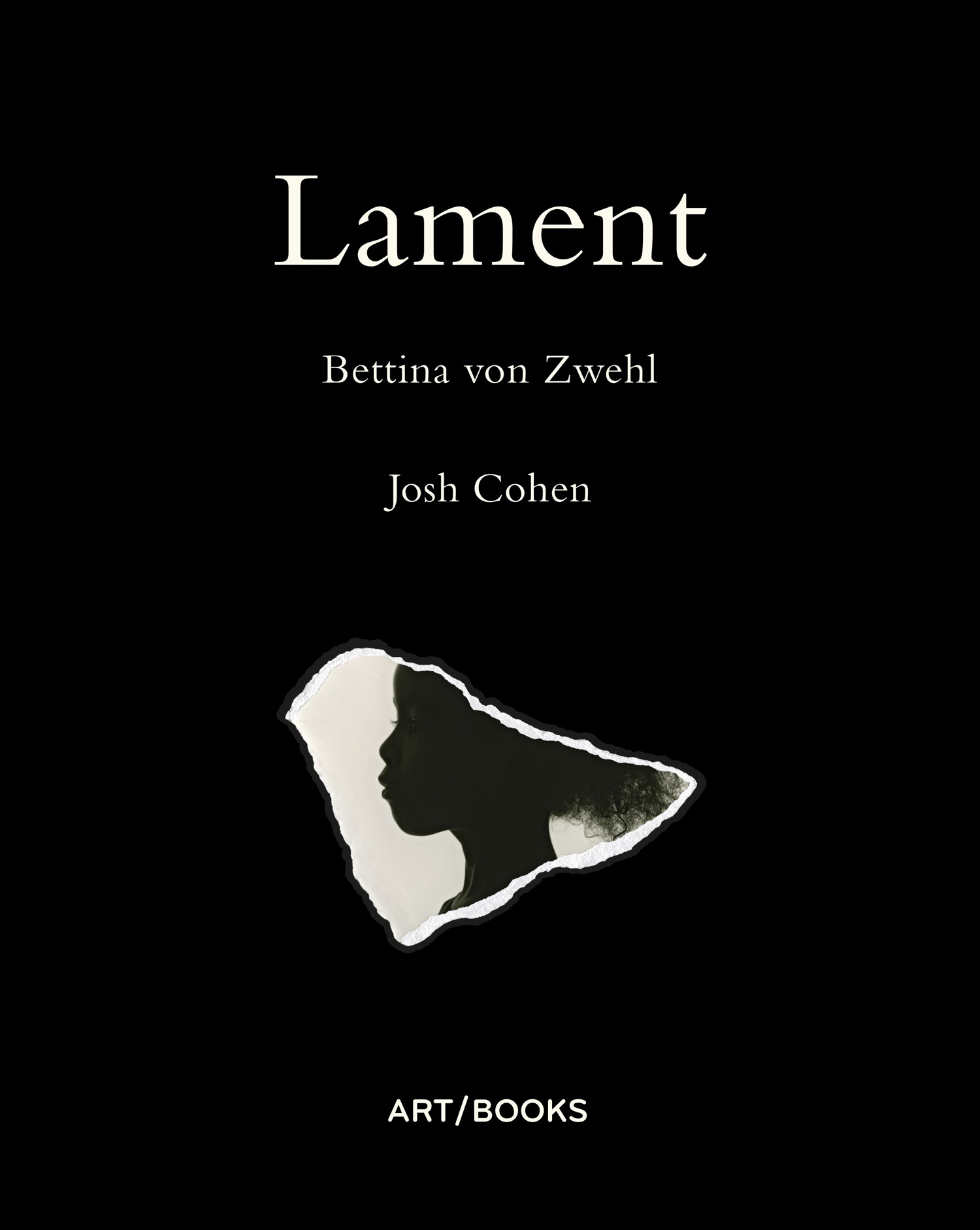
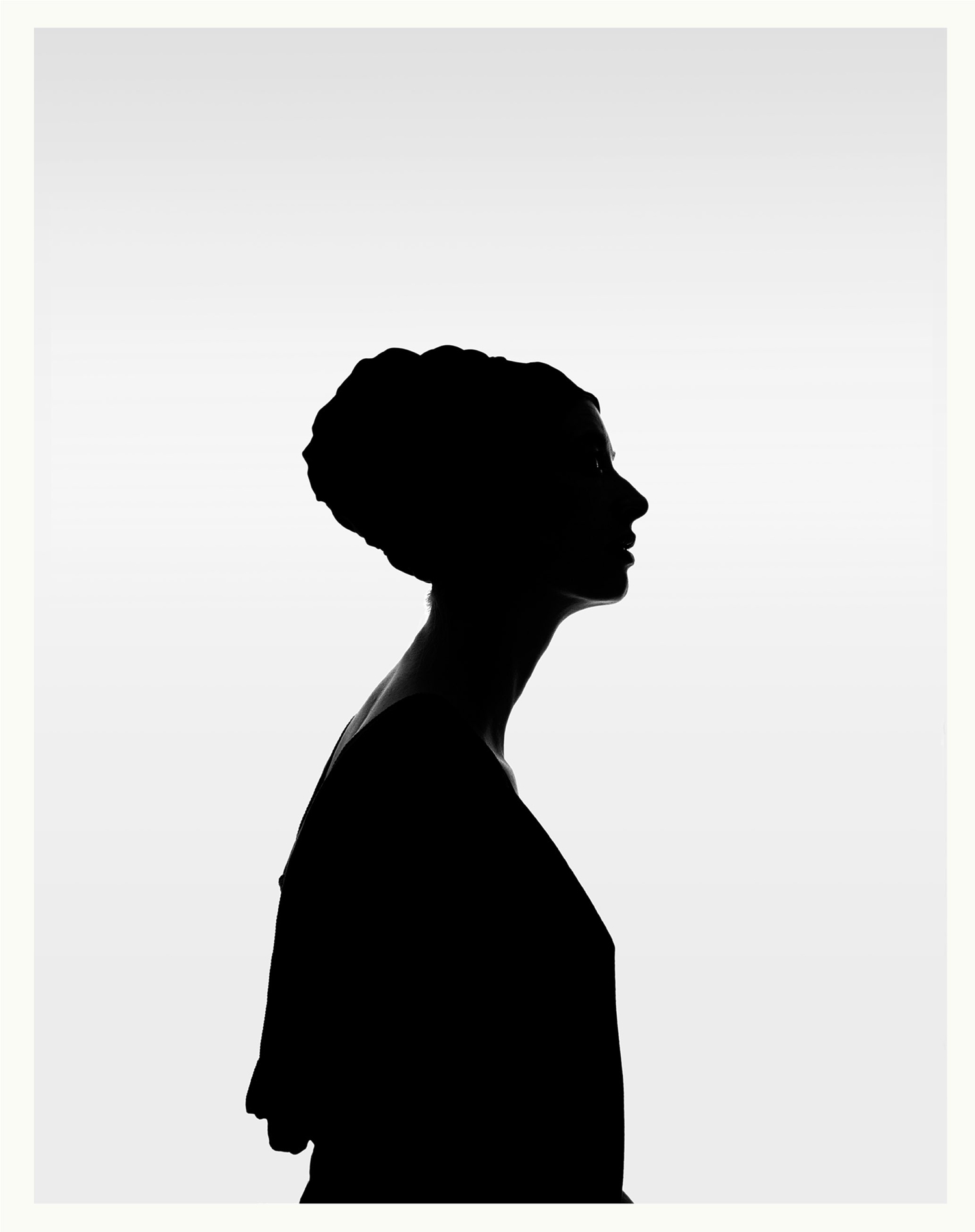
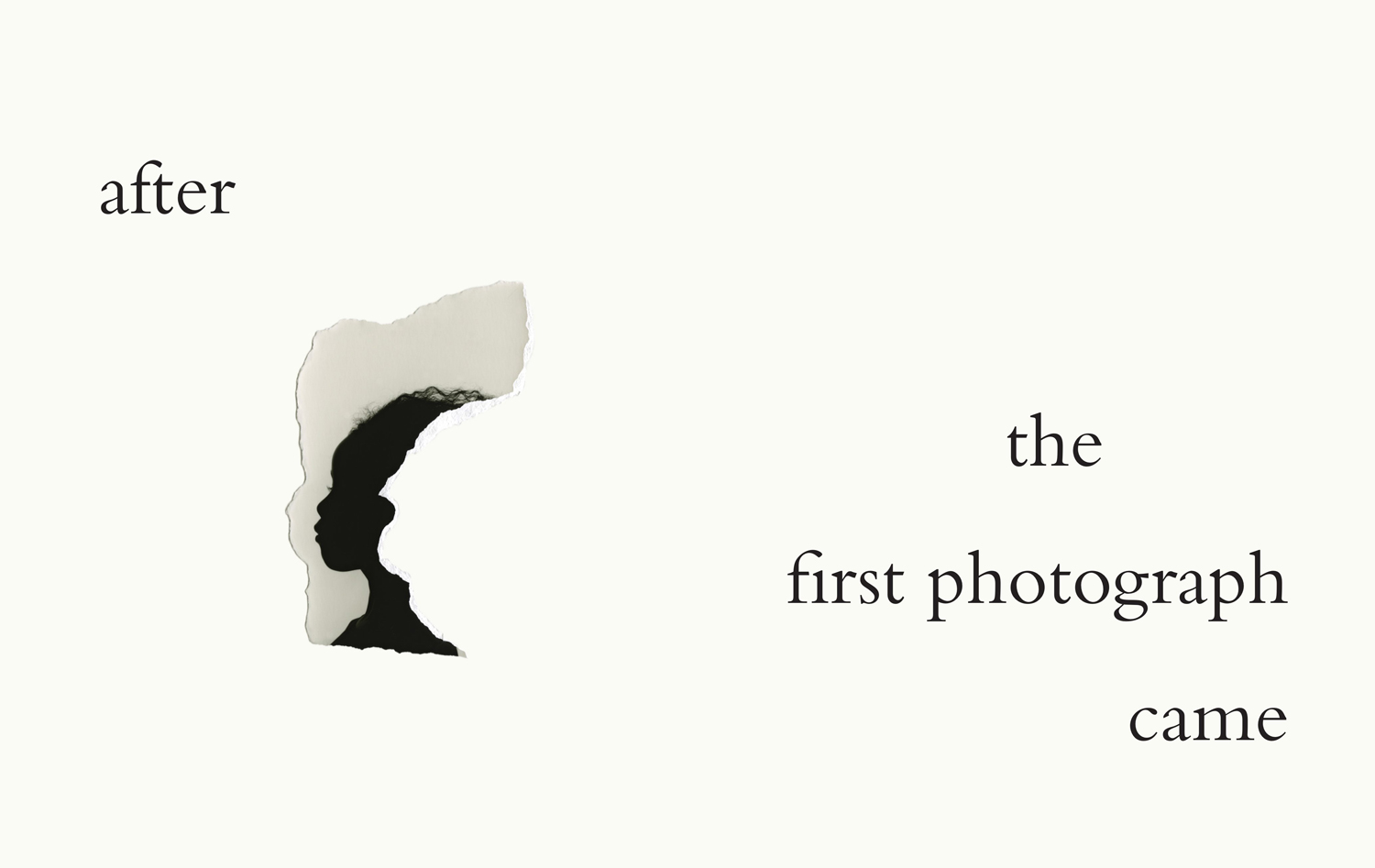
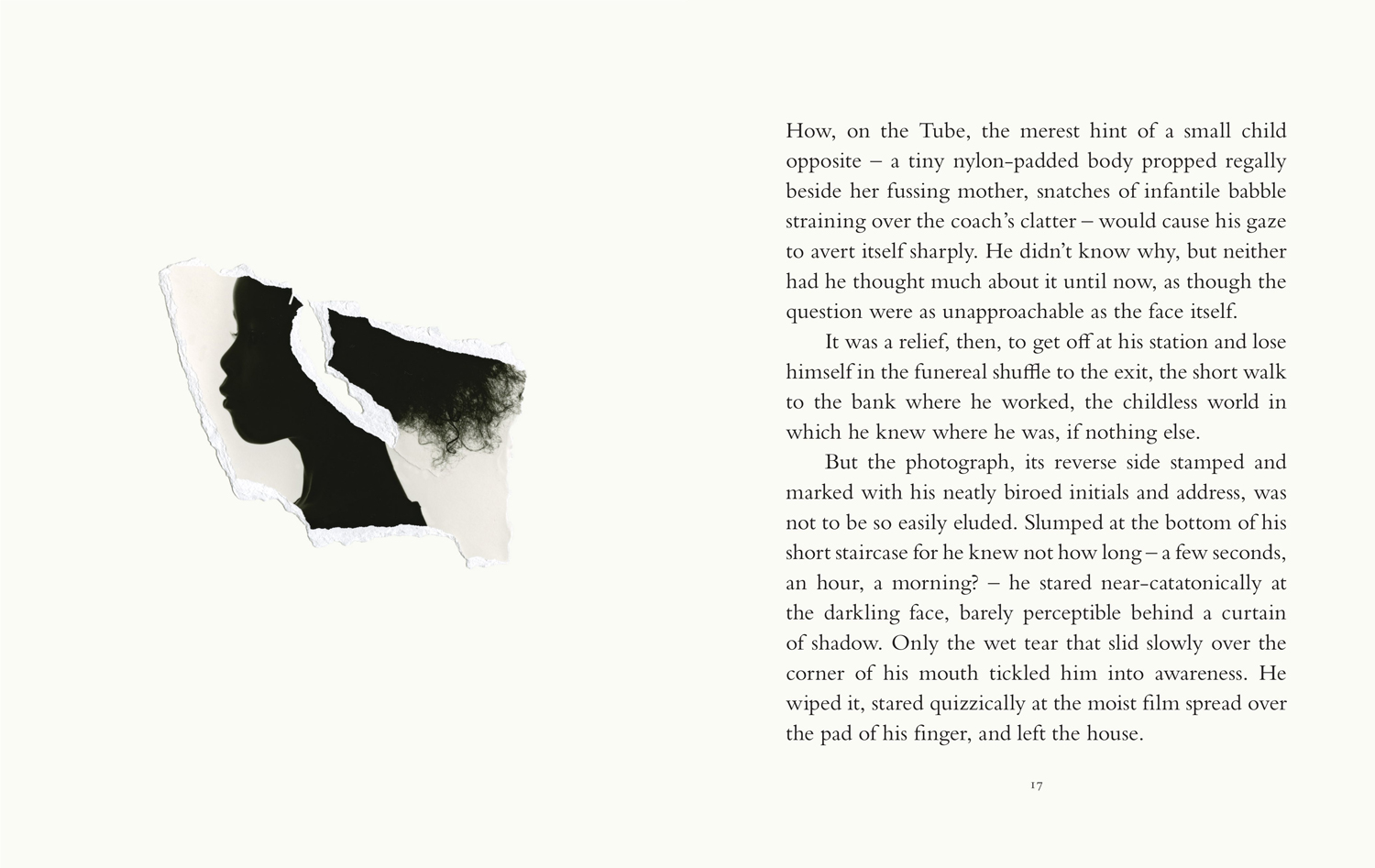
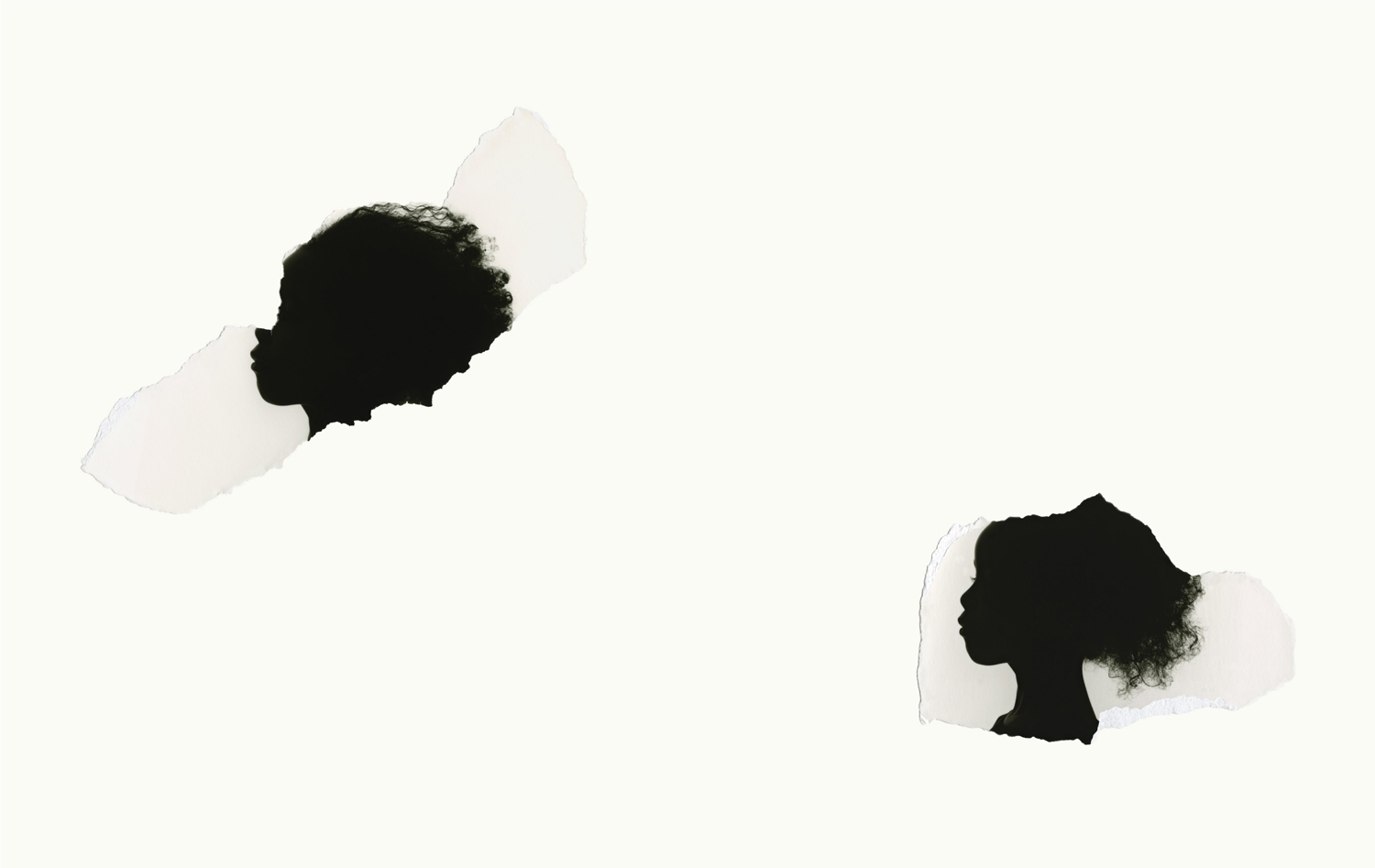
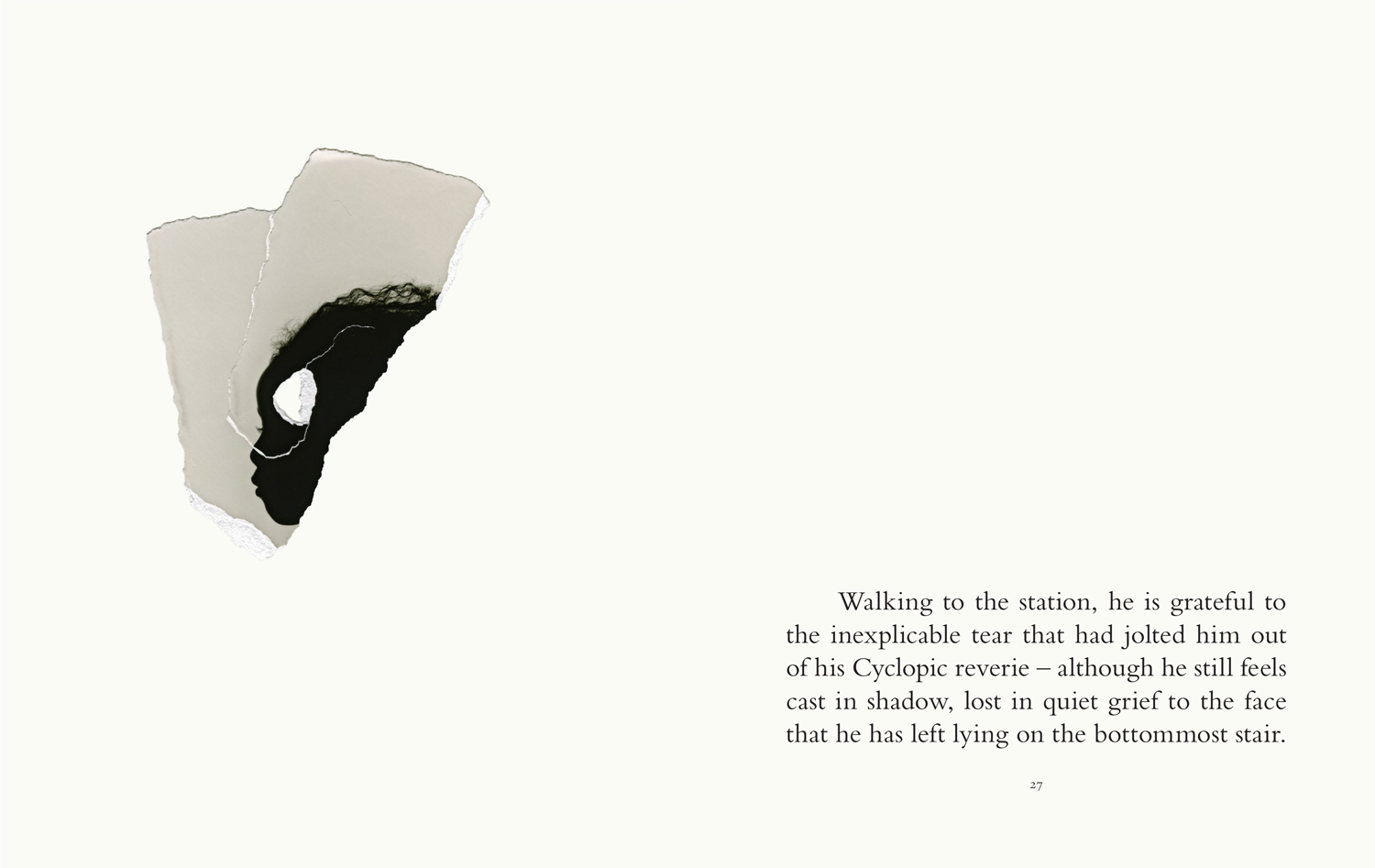
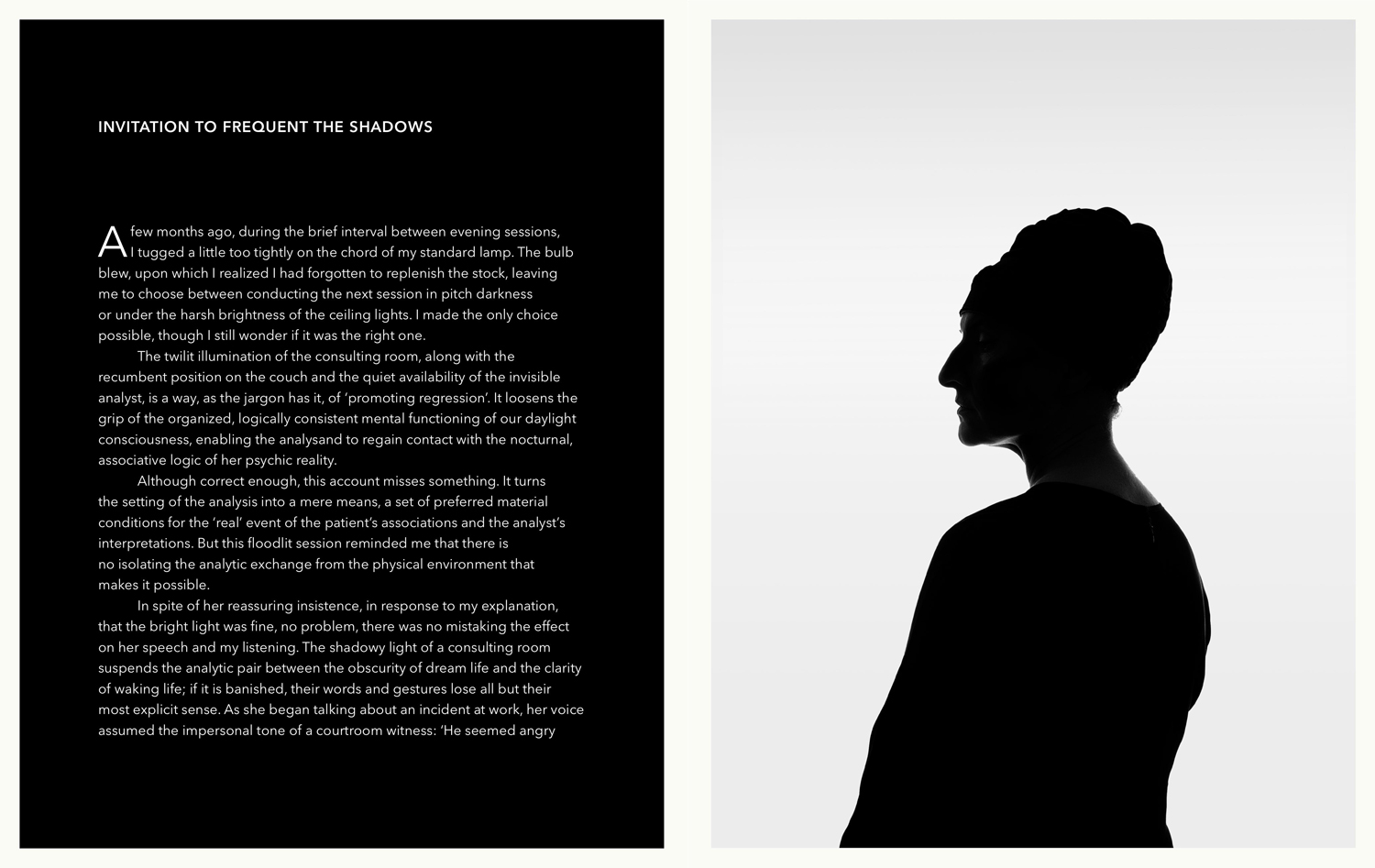
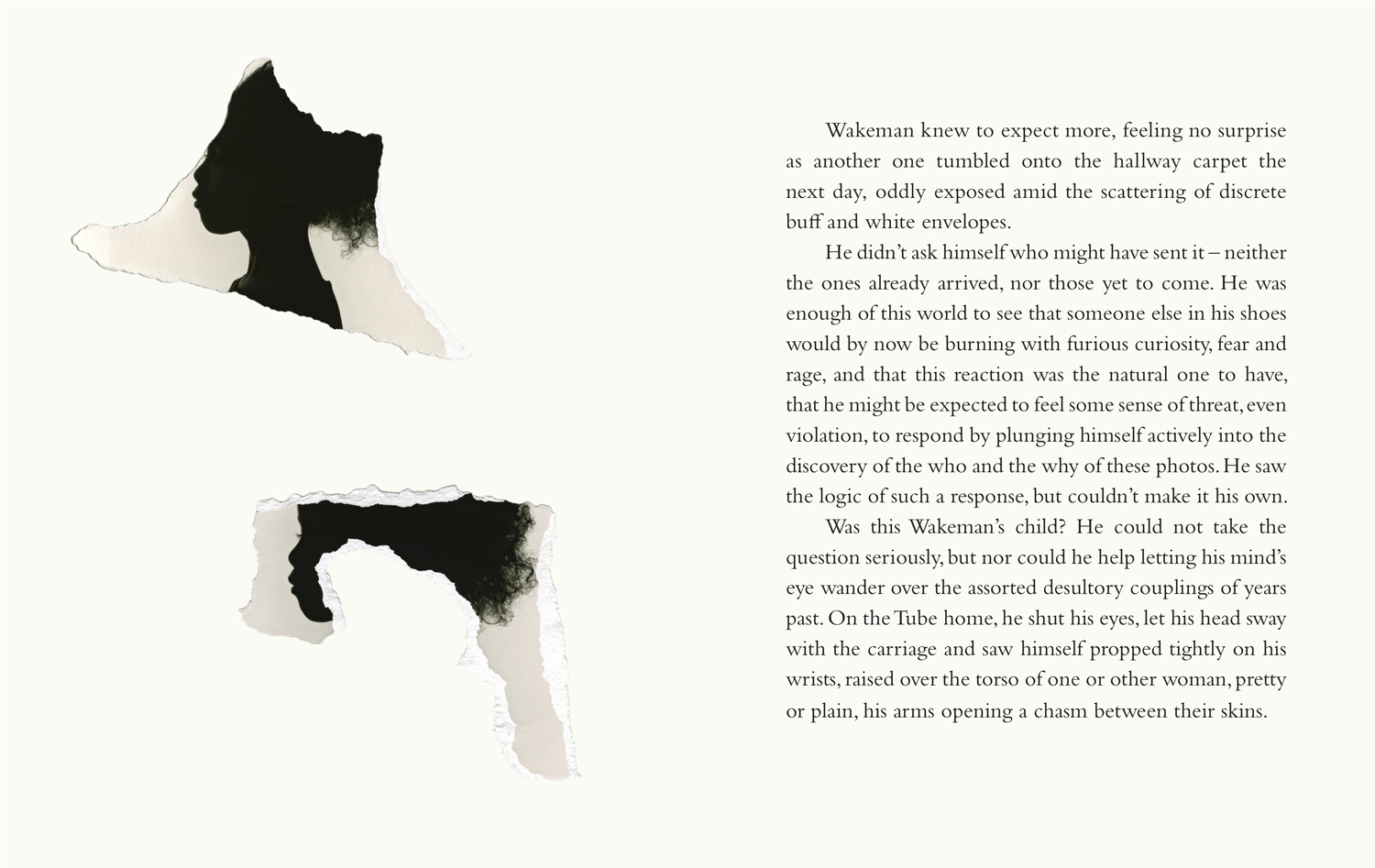
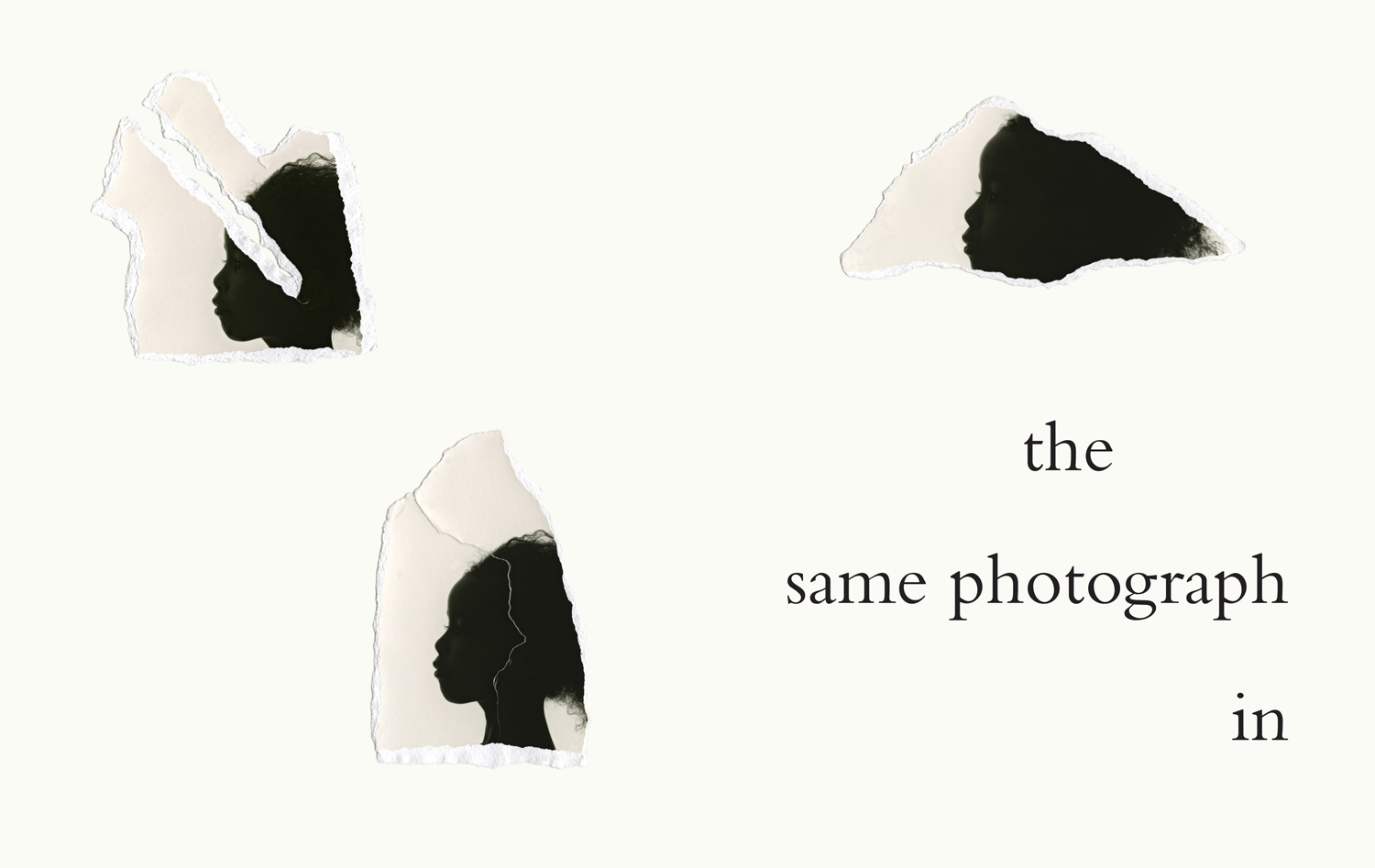
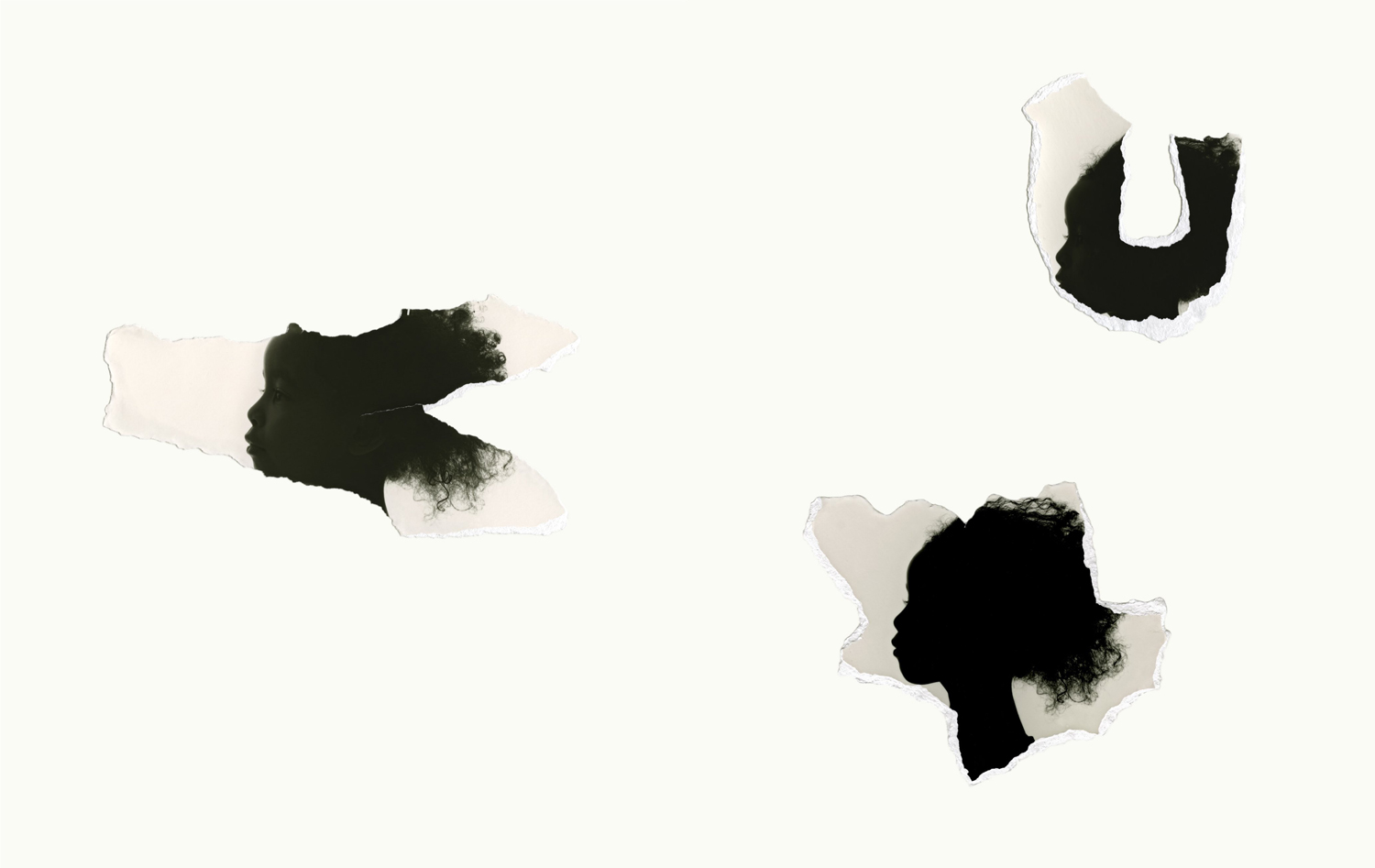
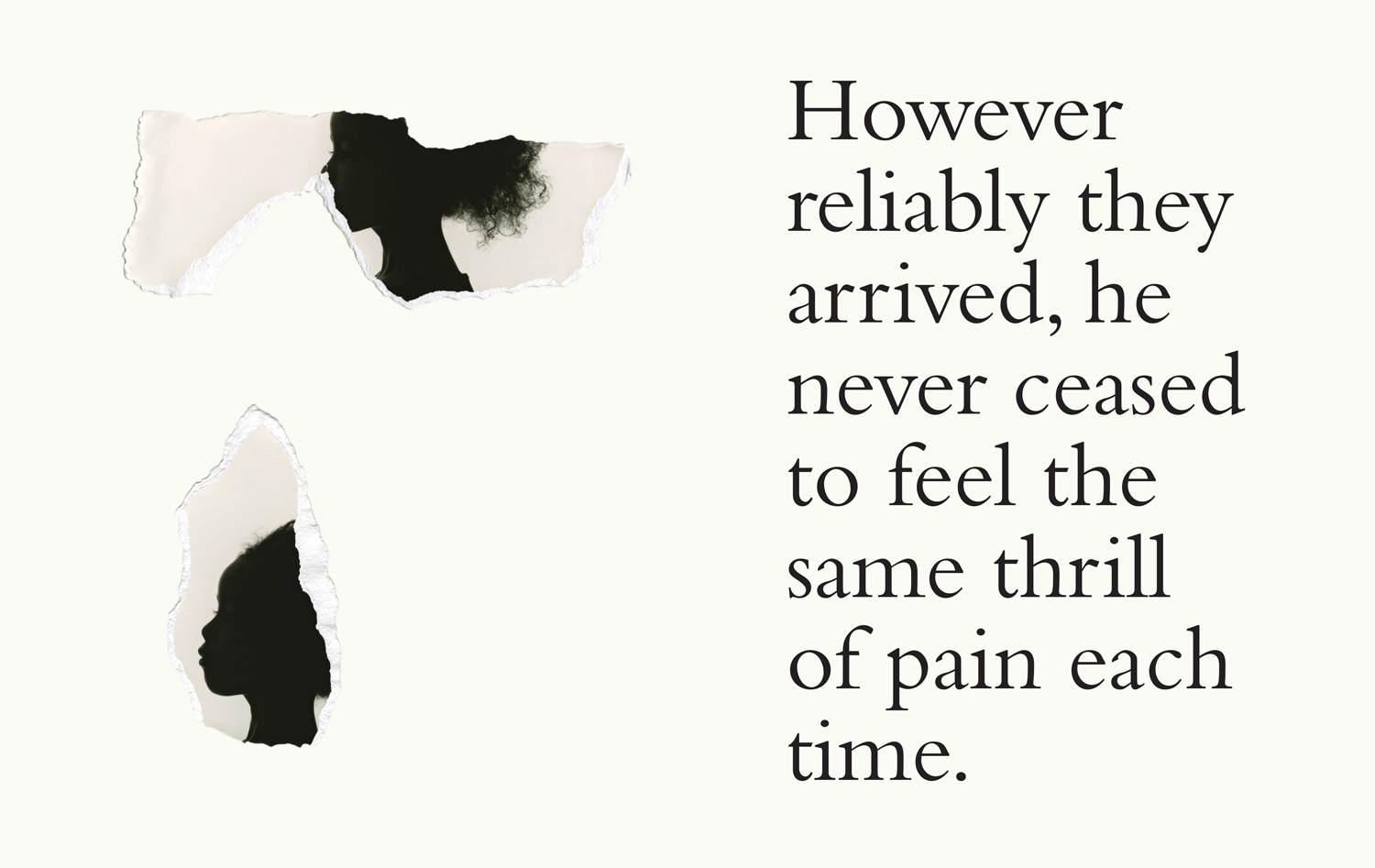
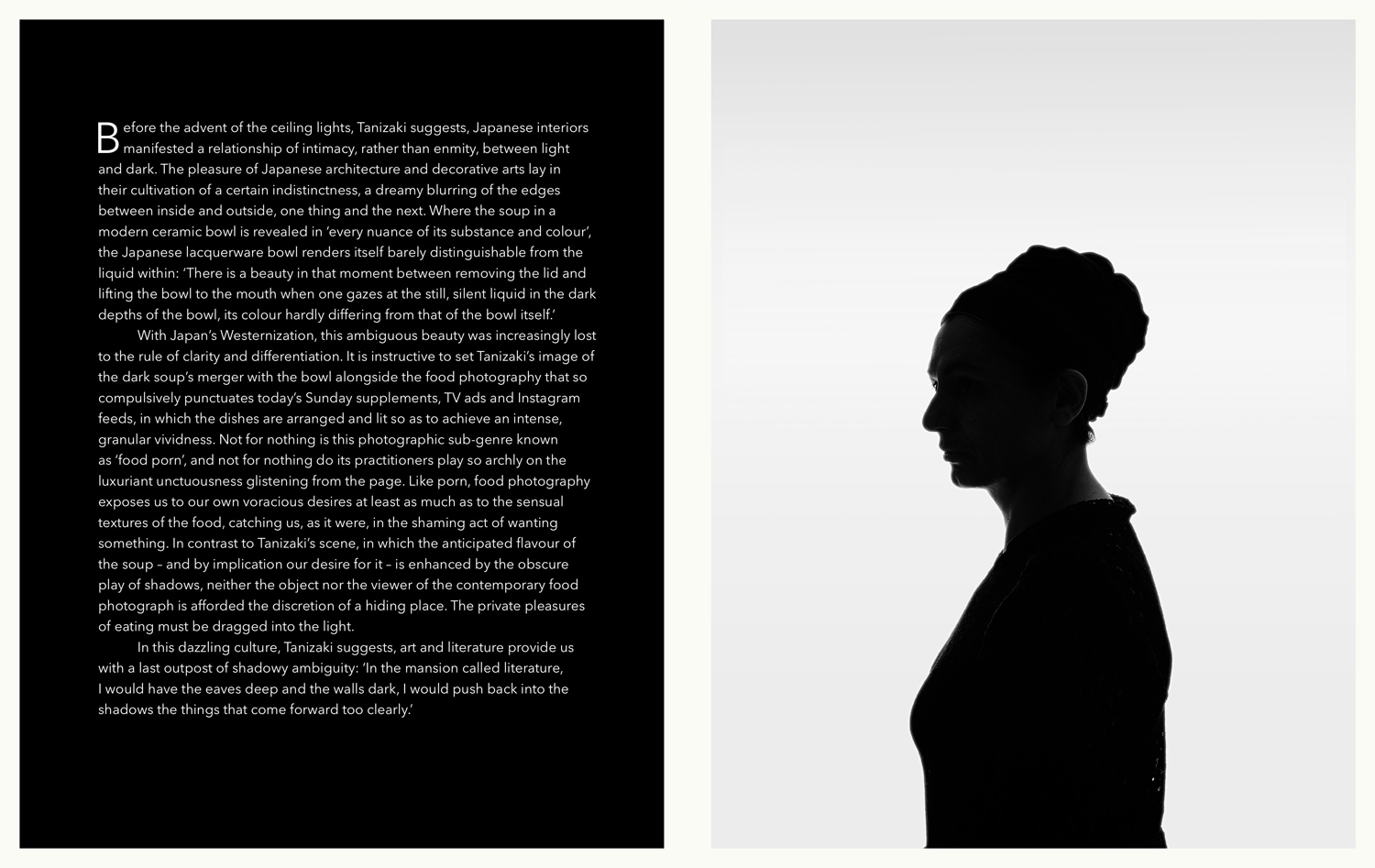
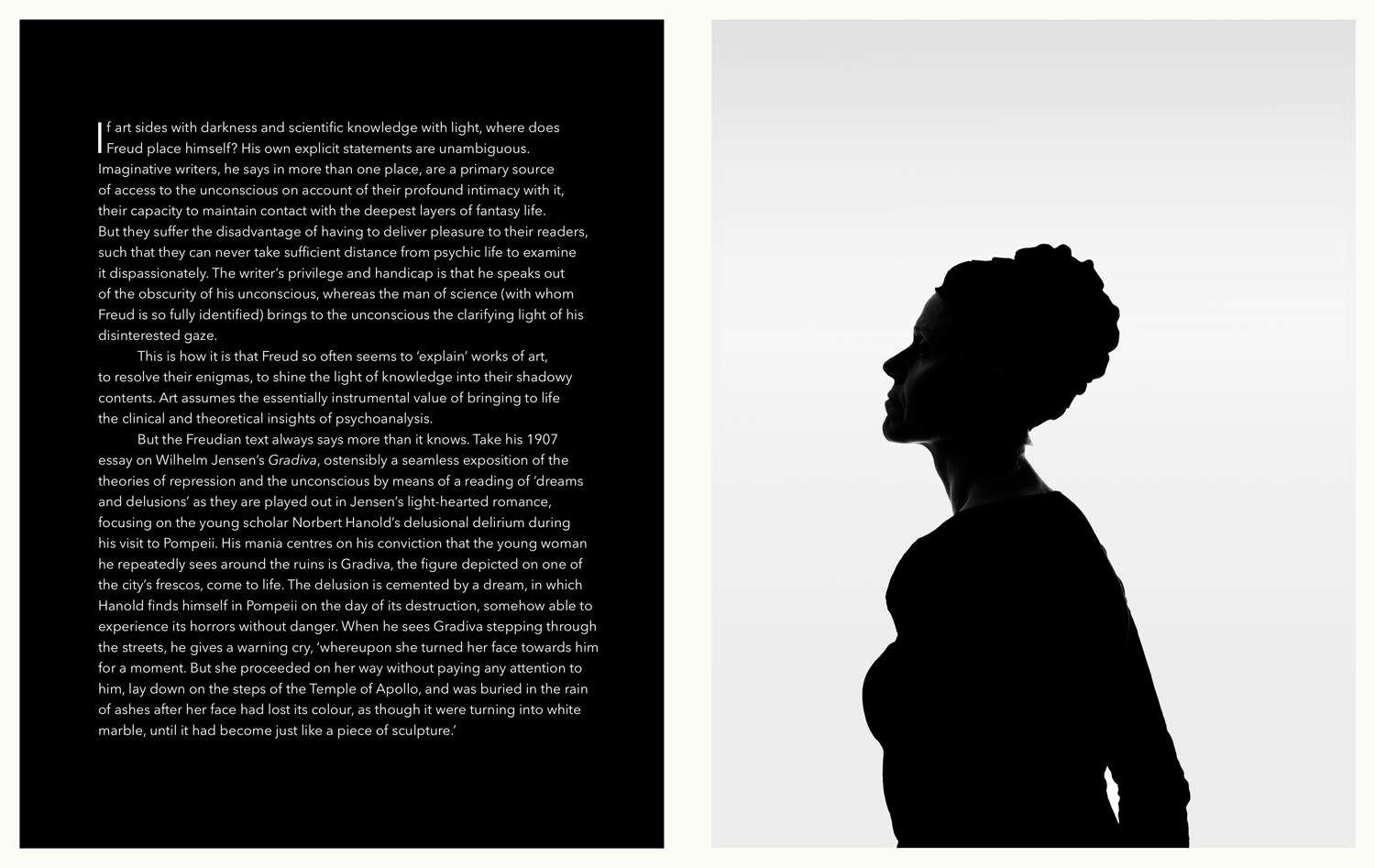
Published to coincide with an exhibition at the Freud Museum in London, this beautiful, original and affecting volume is the result of a unique collaboration between the artist Bettina von Zwehl and the psychoanalyst and academic Josh Cohen. Two series of images by von Zwehl – fifteen black-and-white silhouette portraits of women in near darkness, and fifty fragments of a single repeated photo of a young girl – appear alongside and within two parallel pieces of writing by Cohen – one a critical reflection on light and shadow, truth and lies, the other a short story inspired by the torn fragments – to create an extraordinary hybrid work of art and letters.
Each series of photographs and text can be read separately, but it is through the combination and interplay of word and image that a new narrative emerges and an additional layer of meaning appears in the gaps, folds and blurred edges between the two. The result is a powerful and moving meditation on the themes of light and dark, love and loss, life and death.
Von Zwehl produced the silhouette portraits of women – which she called Laments – following a residency at the Freud Museum in 2013 / 14. Inspired by Anna Freud’s passionate letters with women friends, they are an expression of the female bonds in the artist’s own life after the sudden death of a close friend.

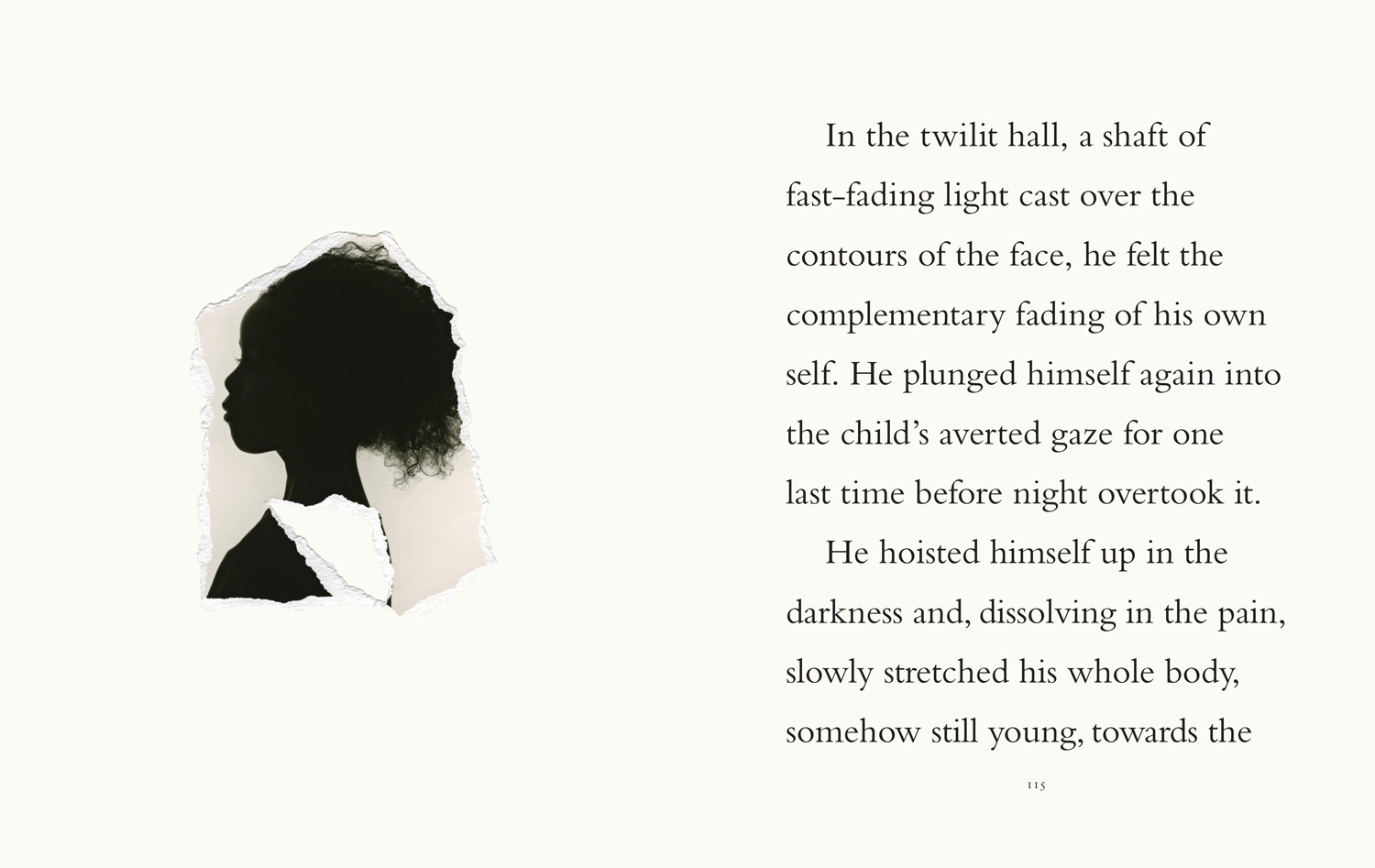
She also made the fifty torn ­­fragments in response to her study of the life and legacy of Anna Freud, as well as her own experience of psychoanalysis. Their title – The Sessions – refers to the patient’s fifty-minute session with the analyst, the artist’s sessions with the child, and her many sessions in the darkroom as she sought the essence of both image and subject. She made each piece by first tearing the photographic paper and then exposing the chosen negative onto it. By breaking down one moment repeatedly and obsessively in this way, infinite possibilities, failures and associations are opened up. At the same time, the torn fragments form an archive of scraps and ‘mistakes’ that echoes the seemingly ‘unimportant’ material stored in the mind of the analysand – material that has the potential to illuminate the patient’s deepest issues.

Cohen’s short story ‘The Arrivals’ was written as a response to these fragments, while also evoking various ideas and scenes he had himself encountered in analysis. His parallel essay, ‘Invitation to Frequent the Shadows’, is a critical reflection on light and shadow, art and artifice, and truth and lies prompted by his reading of the Laments portraits, and it continues his ongoing investigations into darkness, privacy and the hidden self.

Bettina von Zwehl is an artist living and working in London. She has built an international reputation for her subtle and unnerving photographic portraits. From early works in which she photographed subjects under a range of exacting conditions to more recent projects that reprise the traditions of the painted miniature, she has consistently explored the nature and limits of portraiture. She was artist-in-residence at the Victoria & Albert Museum in 2011 and had a five-month residency at the Freud Museum in London in 2013–14. Solo exhibitions of her work have been held at a number of leading European and American museums and galleries, including the Sigmund Freud Museum (Vienna, 2016), Freud Museum (London, 2016), Fotogaleriet (Oslo, 2014) National Portrait Gallery (London, 2014), Centrum Kultury Zamek (Poznan, 2011), V&A Museum of Childhood (London, 2009), The Photographers’ Gallery (London 2005) and Lombard Freid Gallery (New York, 2004). Her photographs are held in the collections of the Solomon R. Guggenheim Museum, New York; Mint Museum, Charlotte, North Carolina; Victoria and Albert Museum, Arts Council Collection, London; National Portrait Gallery, London; the Rubell Family Collection, Miami, Florida; and Pier 24 Photography, San Francisco

Josh Cohen is a psychoanalyst and writer and teaches at Goldsmiths University of London. He is the author of The Private Life: Why We Remain in the Dark (2013), which won the BMA Board of Science Chair’s Choice Award for 2014 and was longlisted for the JQ/Wingate Literary Award; How to Read Freud (2005); Interrupting Auschwitz: Art, Religion, Philosophy (2003); and Spectacular Allegories: Postmodern American Writing and the Politics of Seeing (1998), as well as numerous reviews and articles on modern literature, philosophy and psychoanalysis. He was a finalist in the 2015 Notting Hill Editions Essay Prize for ‘The Incurious Rabbit’, part of a book in progress on inertia in psychic and cultural life. He appears regularly in the TLS, Guardian and New Statesman. He is a Fellow of the British Psychoanalytical Society.

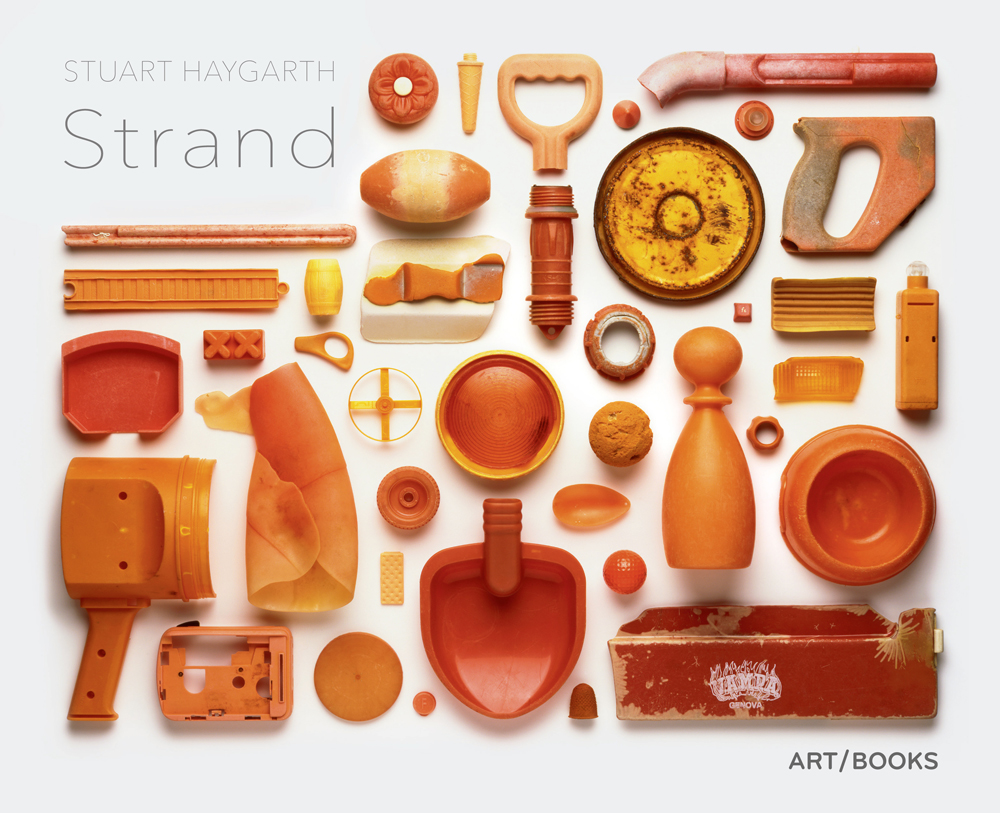
Strand

Stuart Haygarth
Texts by Robert Macfarlane and Deyan Sudjic

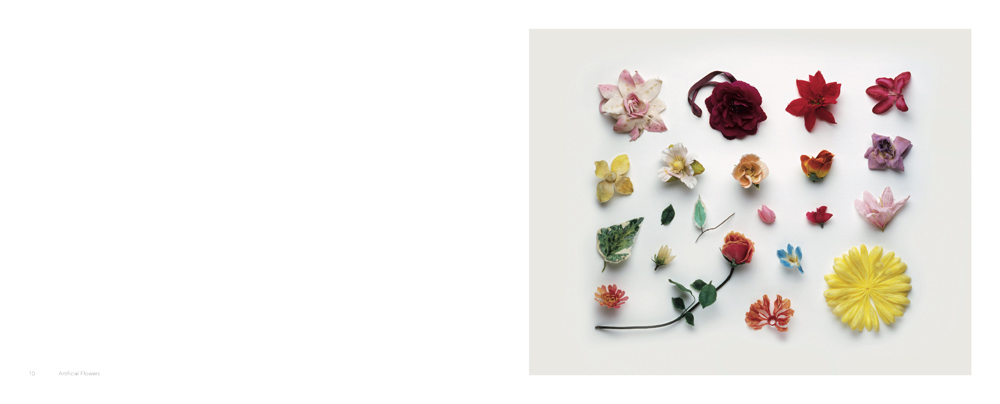
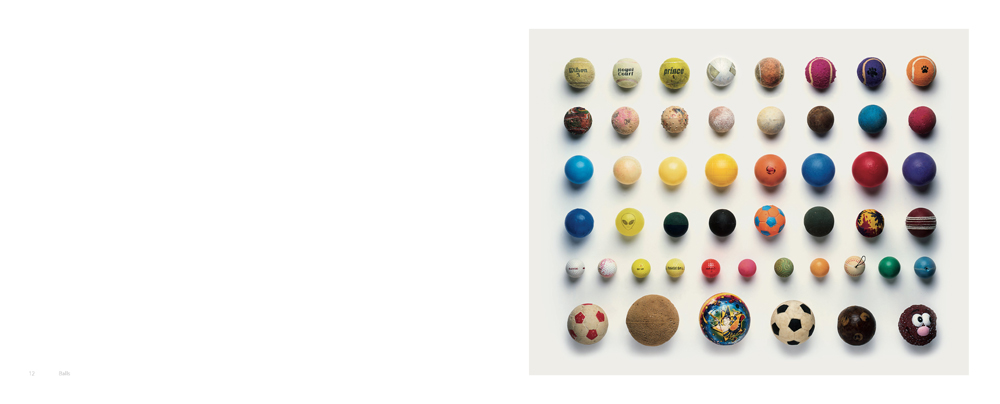
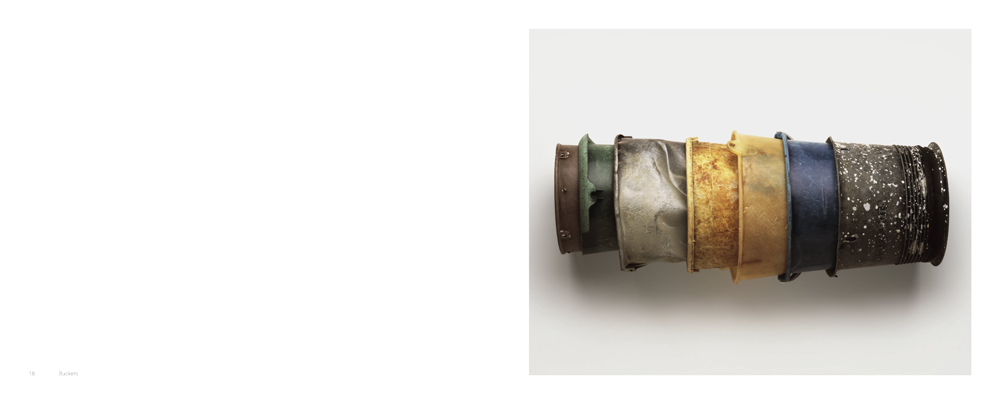
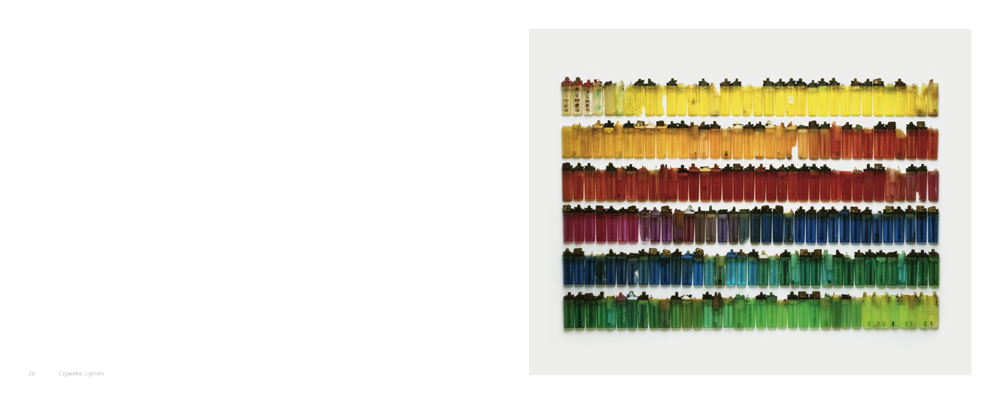
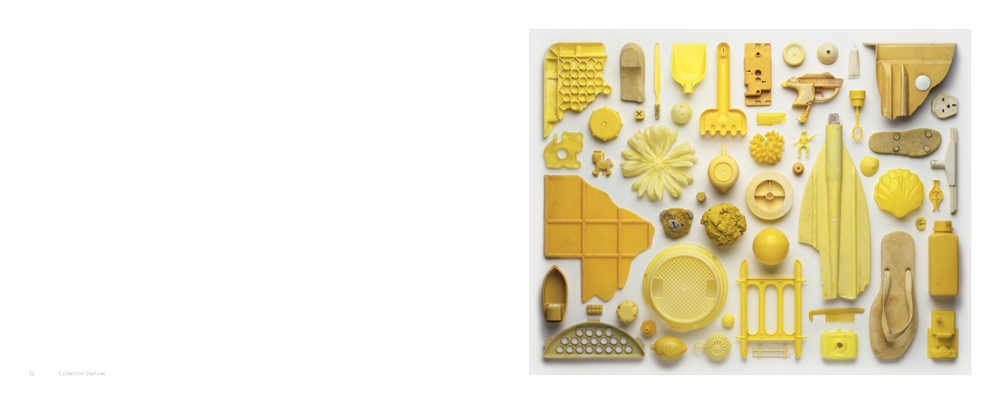
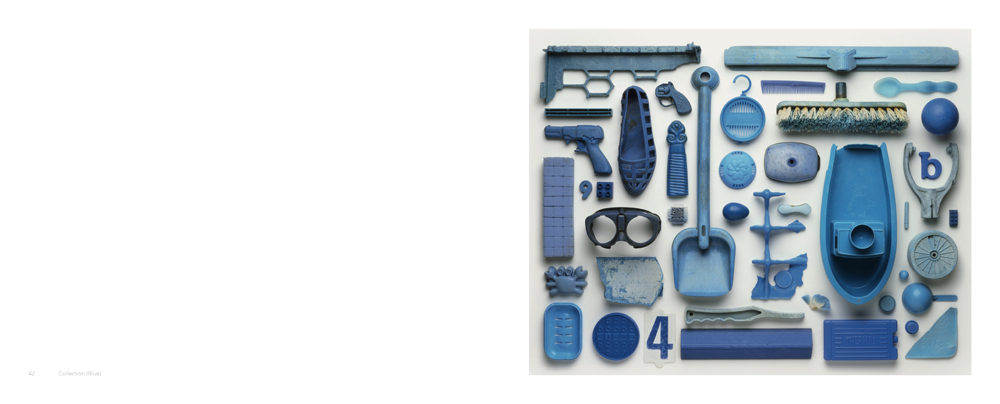
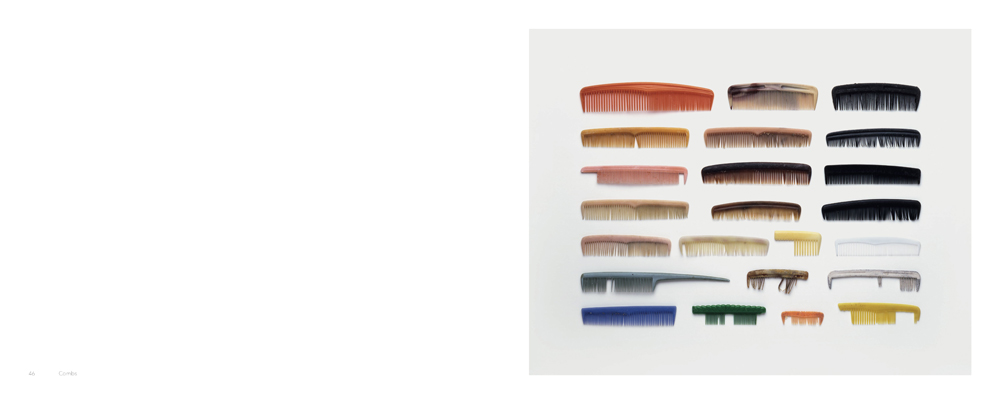
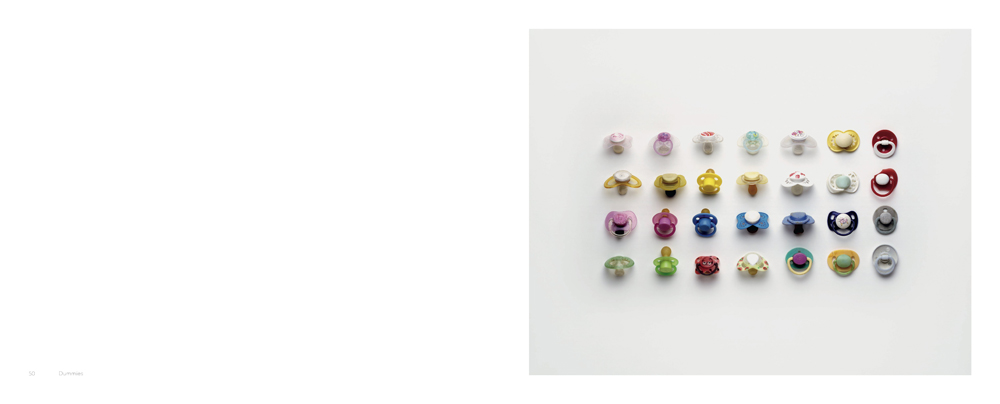
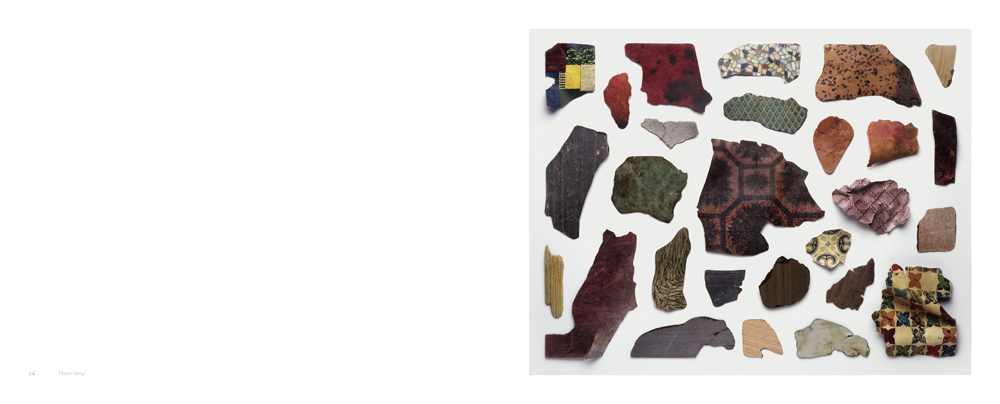
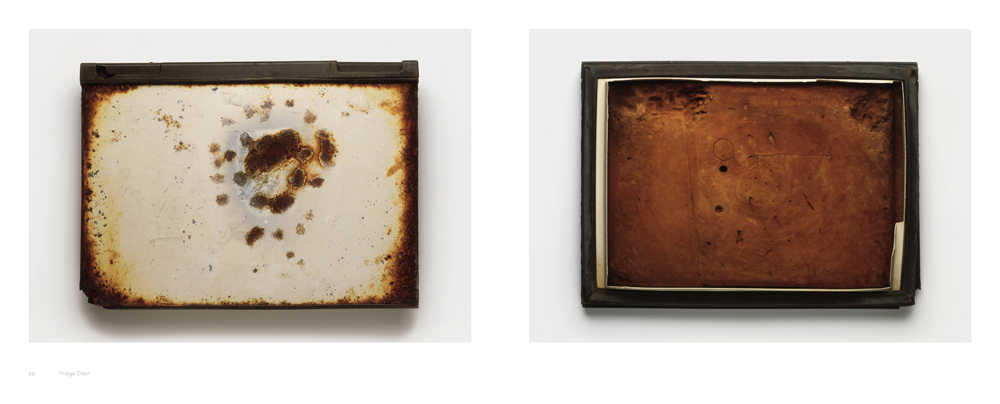
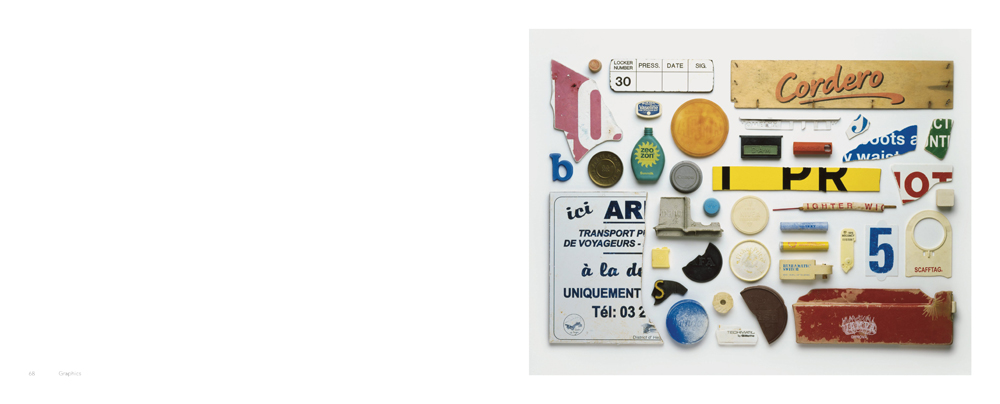
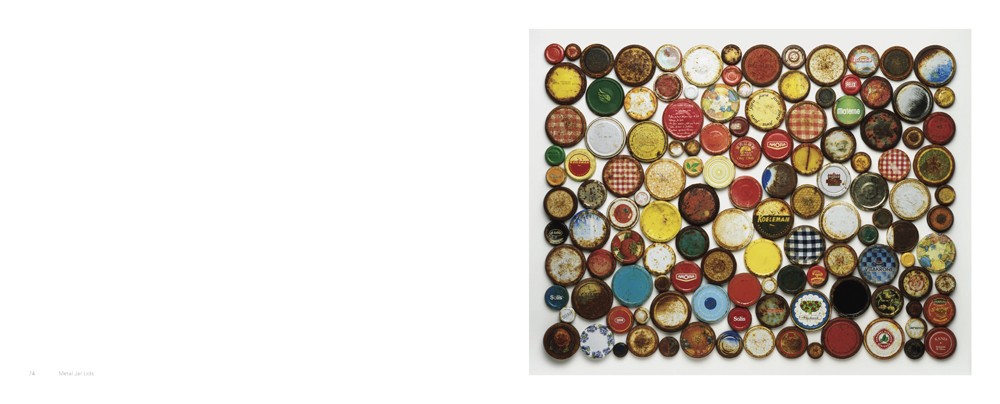
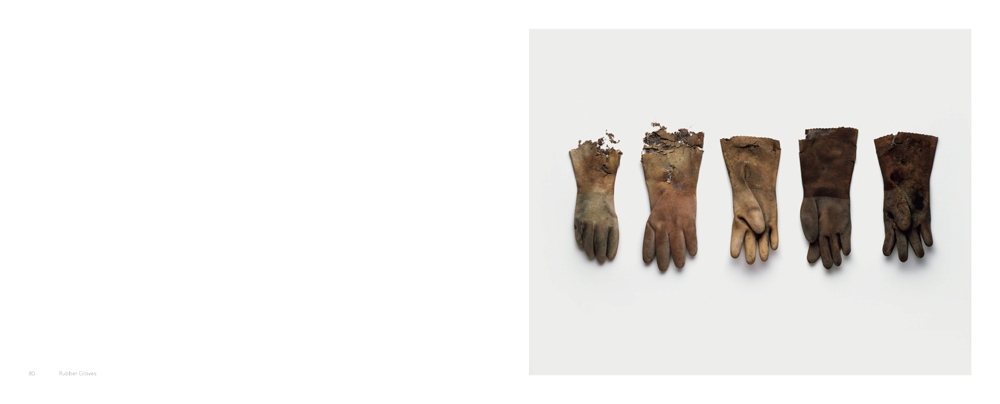
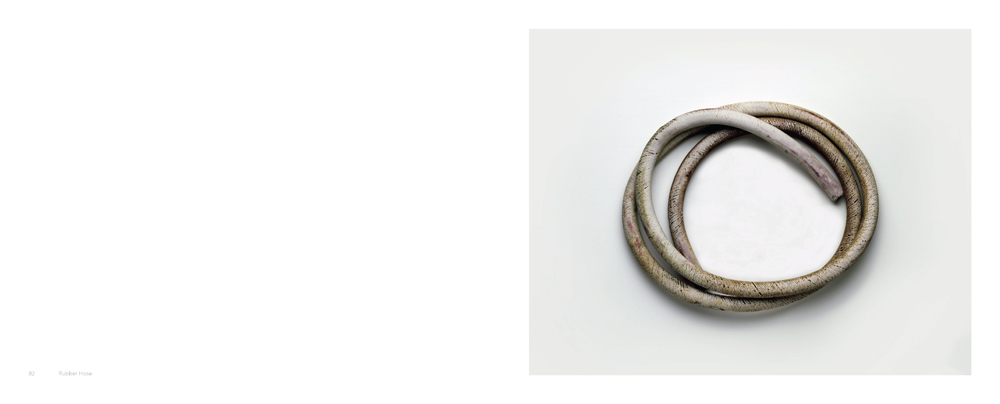
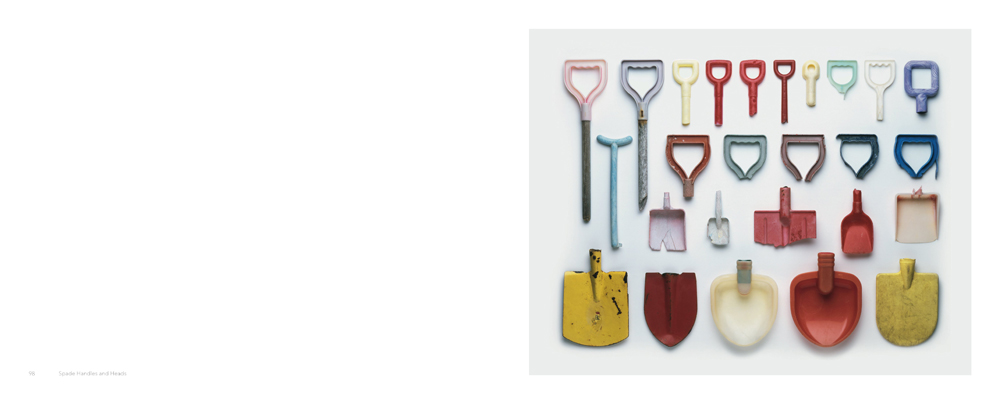
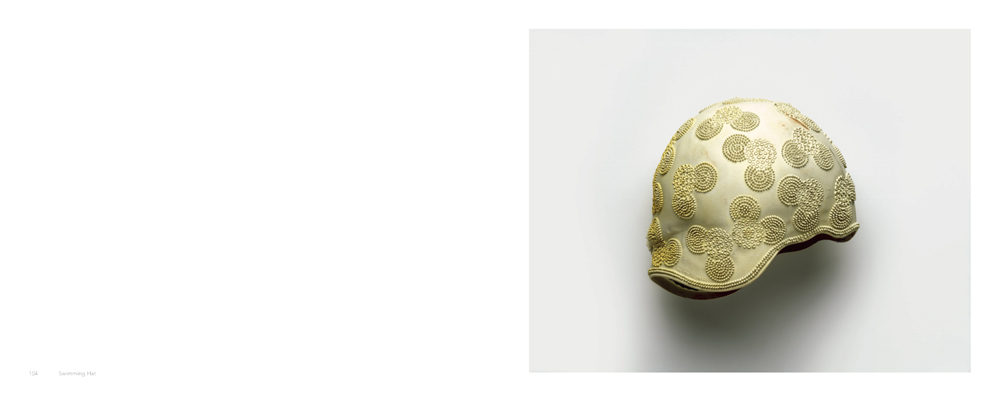
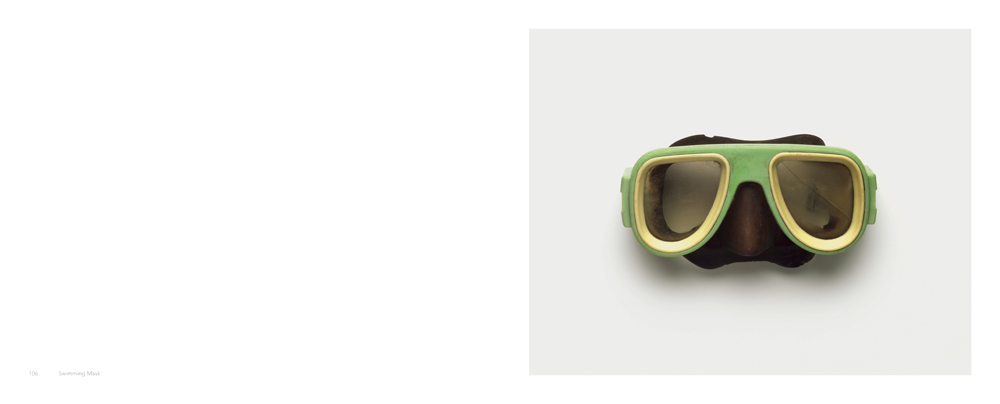
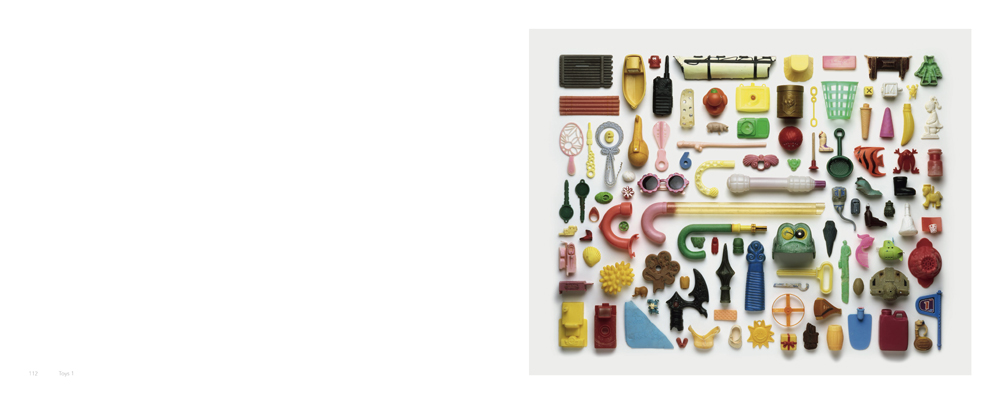
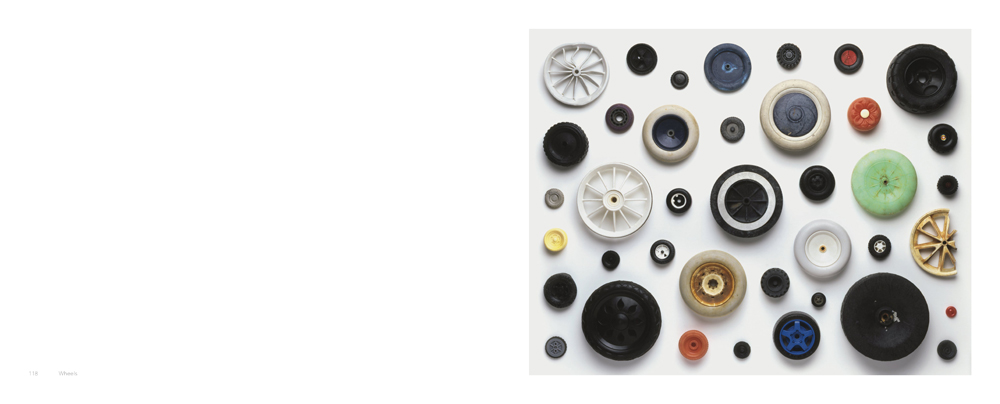
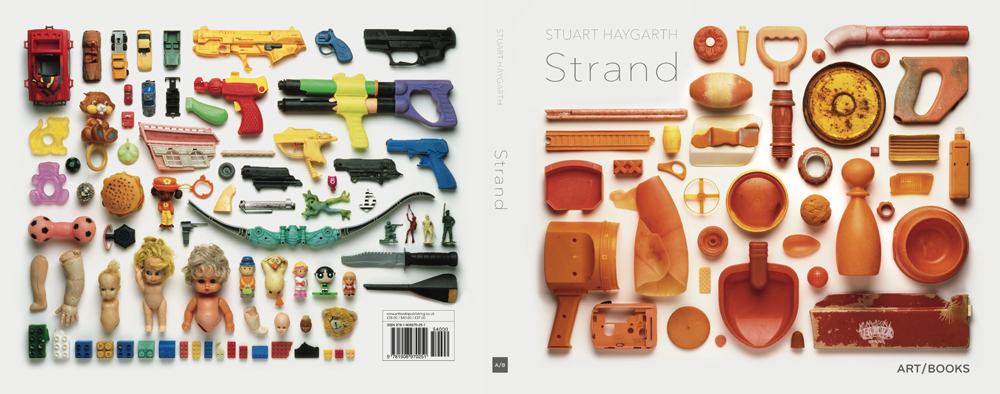
In February 2011, artist Stuart Haygarth did an unusual thing: he started to walk along the entire coast of southern England, with the goal of collecting every man-made item that he came across. He had a purpose in mind, for Haygarth gathers discarded or overlooked objects and elevates them into art, making exquisite artefacts and stunning installations out of common detritus and everyday waste. Yet his practice is as much about the process of collecting and collating materials as it is about the creation of value or beauty. For Strand – the Old English and German word for ‘beach’ – he walked from Gravesend to Land’s End and picked up the thousands of synthetic items left washed up on the shore. Combs, lighters and baby dolls, plastic balls, toys, containers and shoes were just some of the many objects he found on the 500-mile trip. Back in the studio, he categorized each one by type and colour before arranging them into precise compositions and photographing them.

Displaying the formal rigour of the designer and the aesthetic eye of the artist, the resulting images seduce with their beauty and visual immediacy. The objects form an archive of sorts, a fragmented narrative of unknown people’s lives, as well as a material document of Haygarth’s journey. But his beautiful pictures tell another tale too: the story of our reckless pollution of the environment, for each of these manufactured objects has been thrown away and carried by the world’s oceans and seas. They are the flotsam and jetsam of daily life.

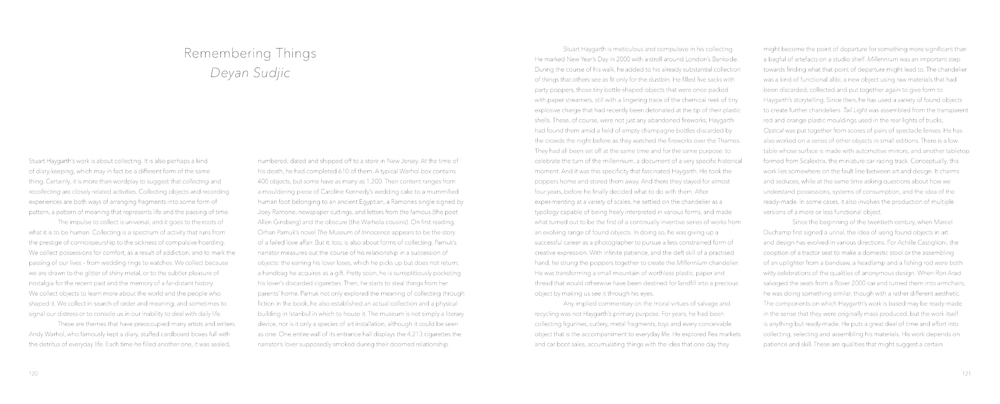
Award-winning academic and nature writer Robert Macfarlane considers the photographs of Strand as evidence of our pollution of the planet with ever-growing mountains of plastic waste, while Deyan Sudjic, director of the Design Museum, discusses Haygarth’s work as part of the tradition of artists, including Marcel Duchamp, Andy Warhol and Joseph Cornell, who collected found objects in order to make art.  

Stuart Haygarth is an award-winning British artist and designer. Originally trained as an illustrator and photographer, he began to make art works from found and collected objects in 2004. Since then, he has had numerous exhibitions and commissions in the United Kingdom, United States, France, Italy, Germany and Japan. He has won design awards from Wallpaper*, Arena and Elle Décor magazines. He is represented by Carpenters Workshop Gallery in London, Paris and New York, and his works have appeared in the Venice Biennale and Design Miami.

Robert Macfarlane is the author of a series of award-winning and internationally best-selling books about landscape, imagination and nature, including Mountains of the Mind (2003), The Wild Places (2007), The Old Ways (2012) and Landmarks (2015). His essays and articles have appeared in venues including Granta, the New York Times, and the Guardian, and his work has been widely adapted for television, film and radio. He is a Fellow of Emmanuel College, Cambridge, and a Fellow of the Royal Society of Literature.

Deyan Sudjic is the former director of the Design Museum in London. His career has spanned journalism, teaching and writing. He was director of Glasgow UK City of Architecture in 1999, and in 2002 he was the director of the Venice Architecture Biennale. He was editor of Domus magazine from 2000 to 2004, and was founding editor of Blueprint magazine from 1983 to 1996. Sudjic has published many books on design and architecture, including, most recently, B is for Bauhaus (2014).


Want More

Alex Schneideman
With texts by Paul Dolan and Harry Eyres

‘This is a study of mass consumer excess in which somehow, with all the choice, there is still not quite enough.… Portraying frozen moments in the lives of alienated consumers, it is a timely publication.’ — Irish Times
‘The pictures [reveal] a gap between the fantasy and the lived reality.’ — B+W Photography
_____________

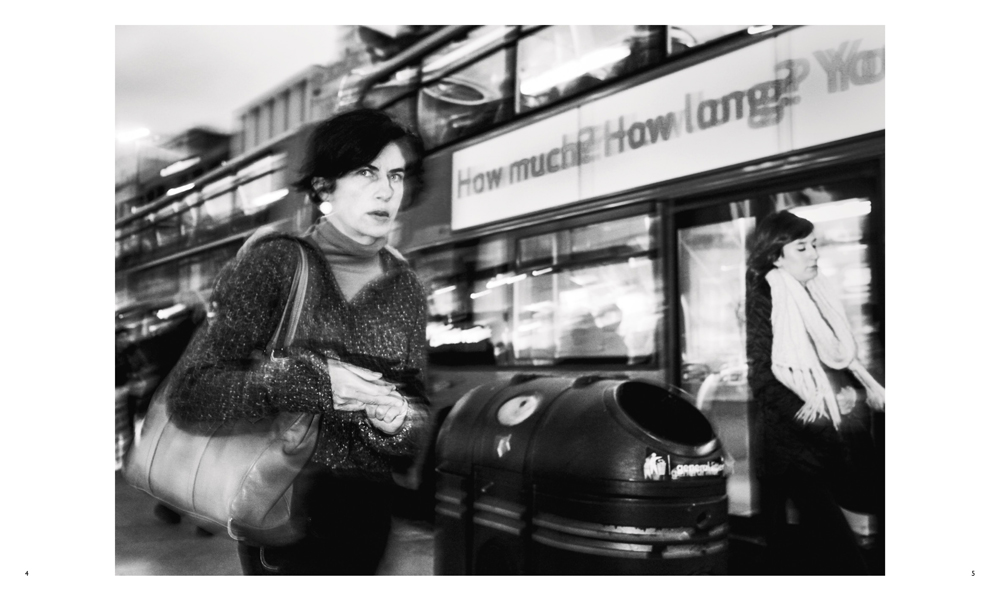
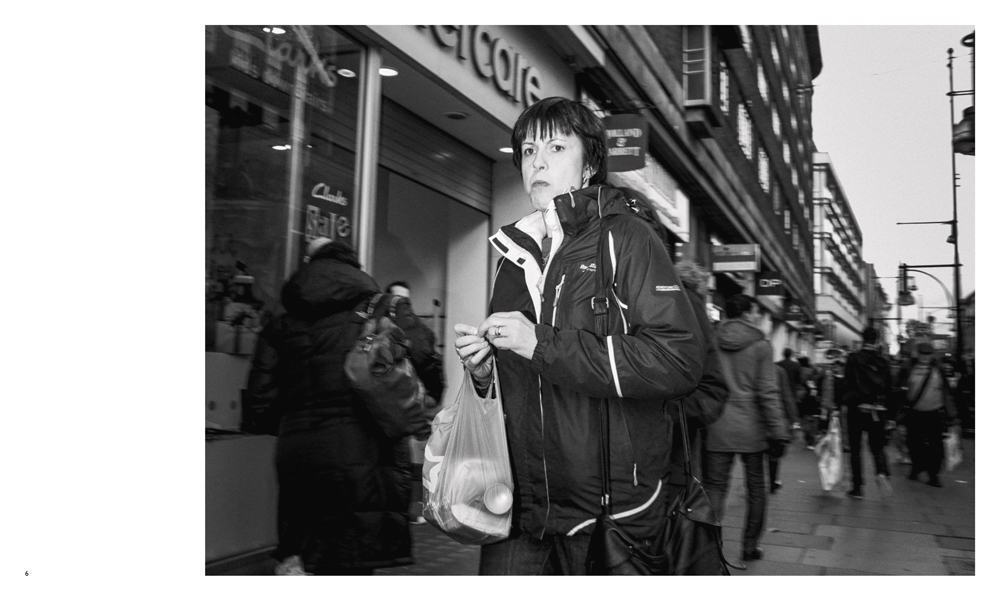
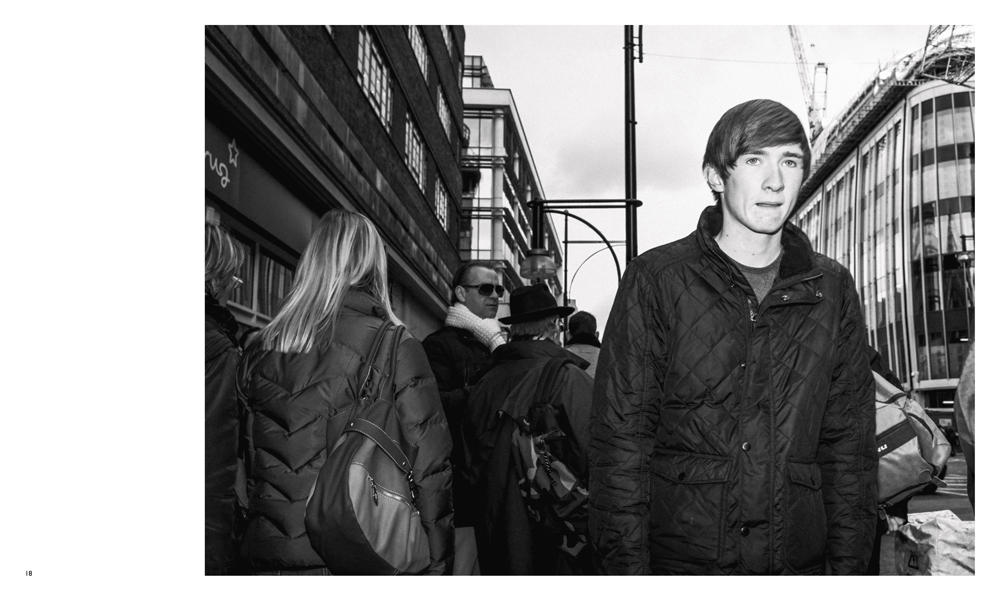
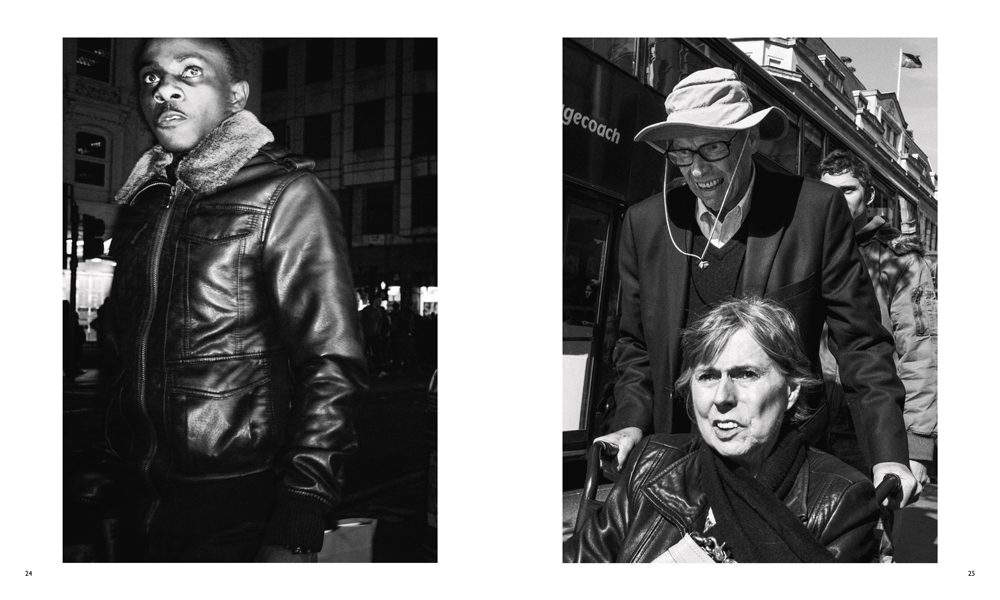
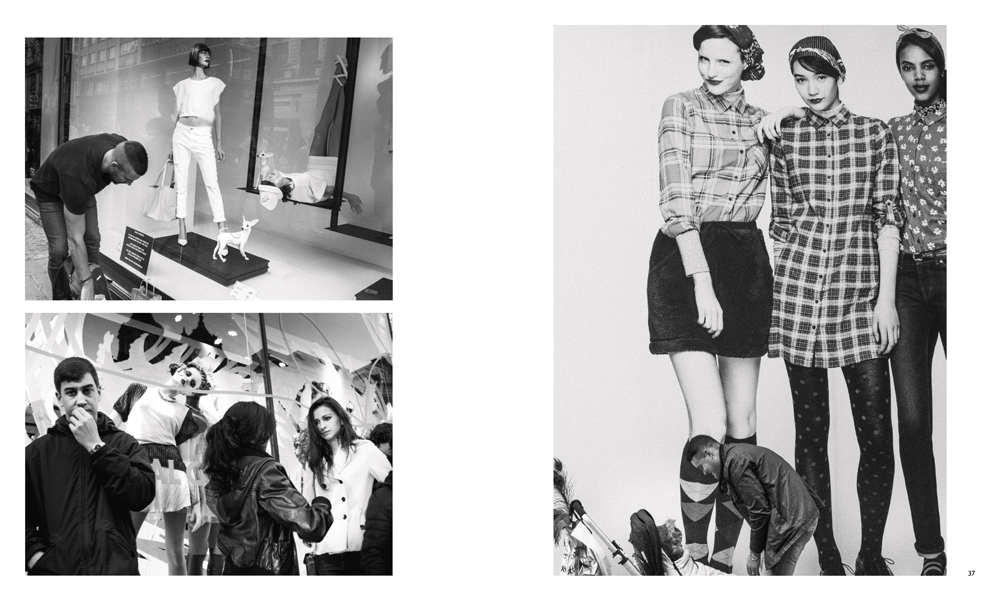
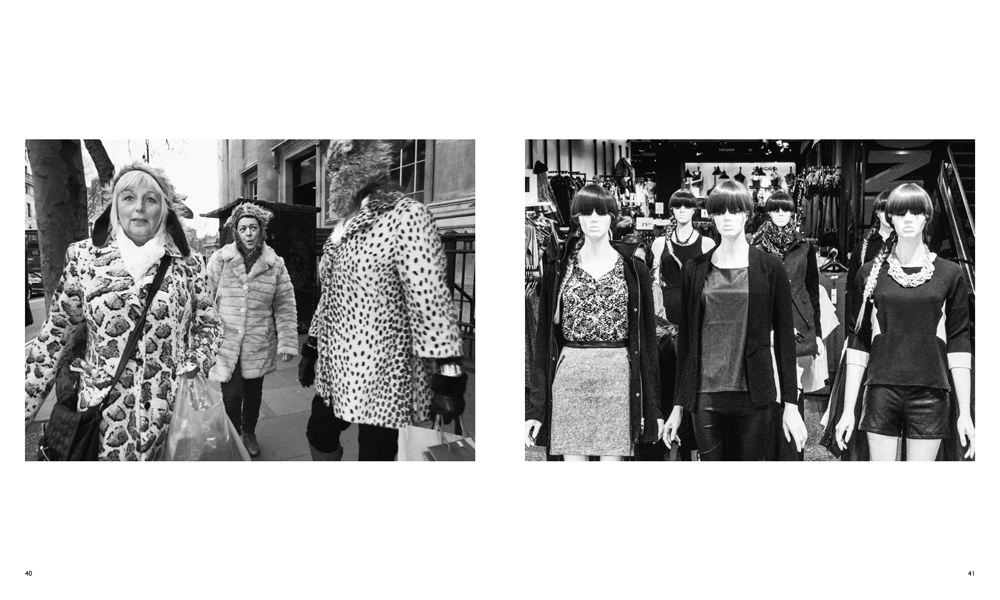
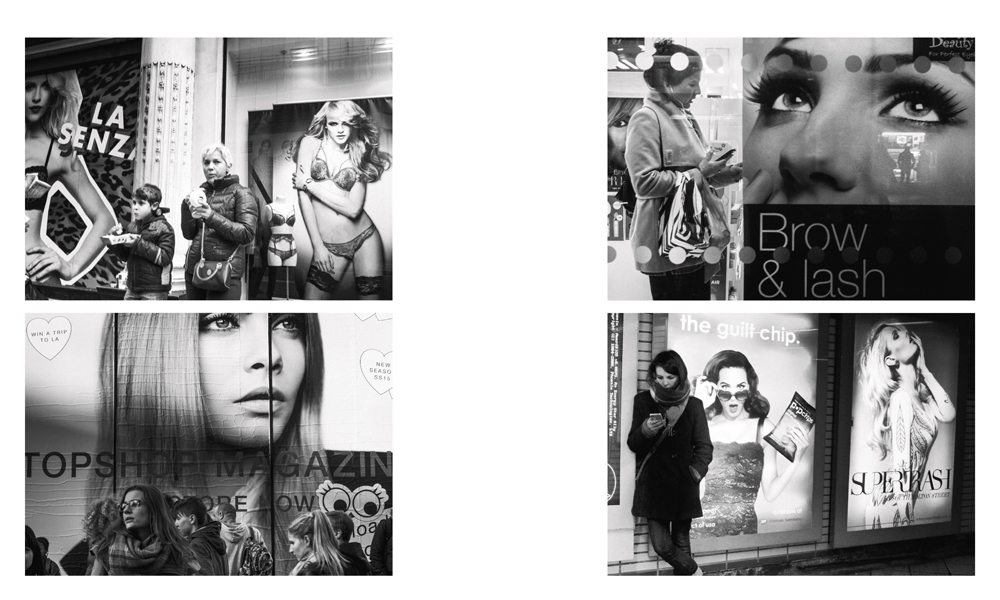
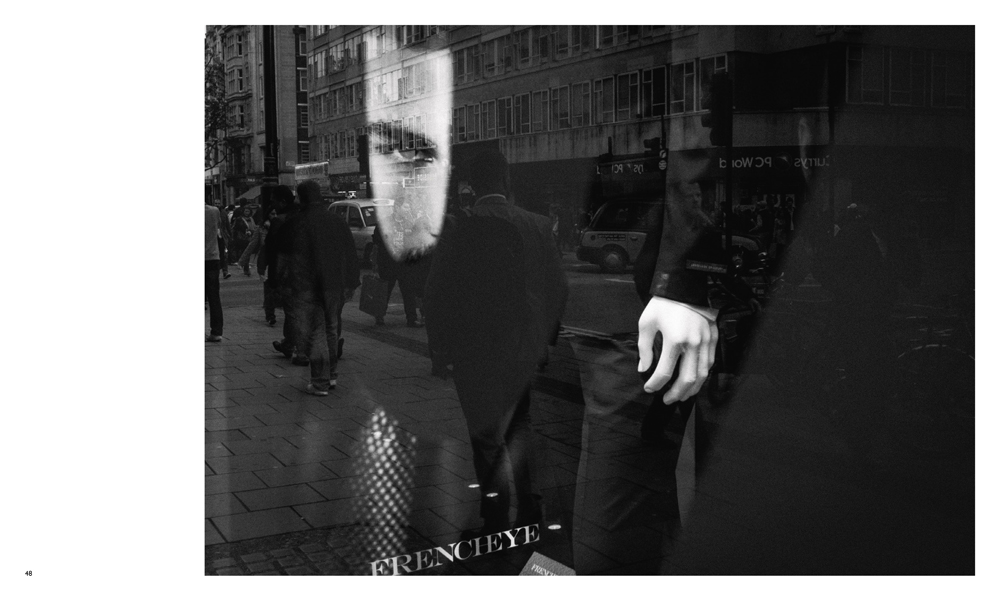
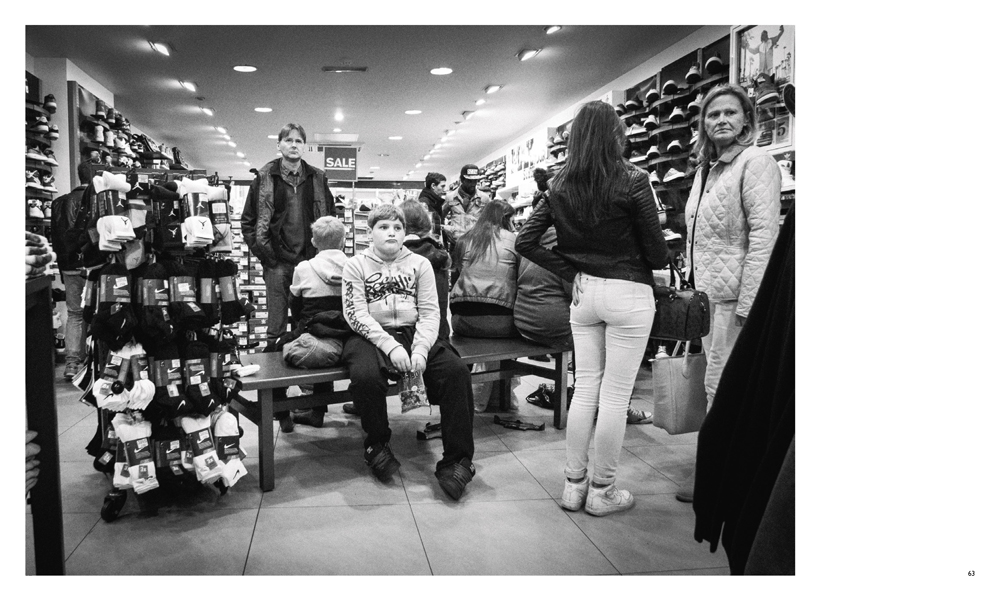
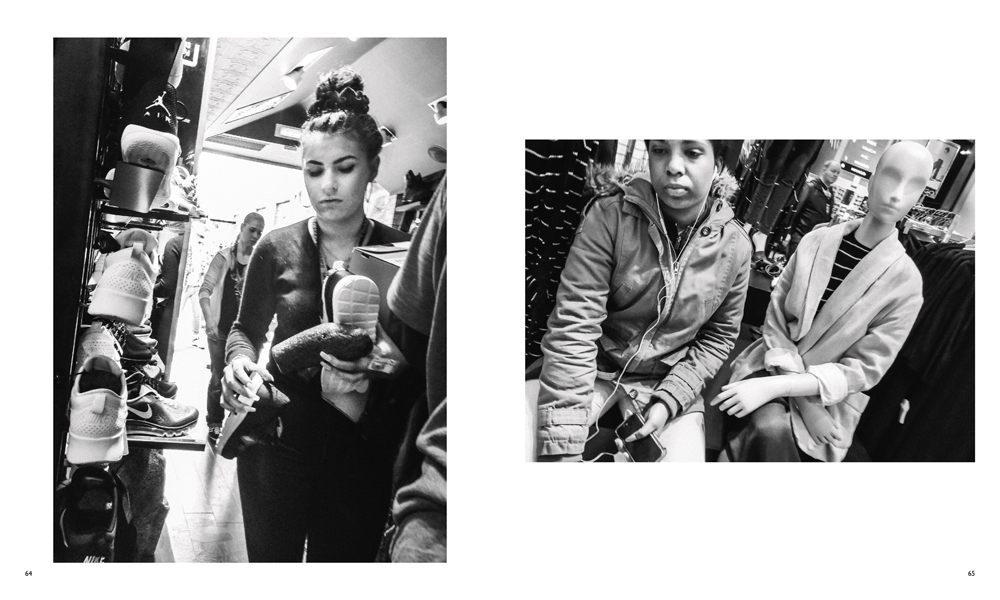
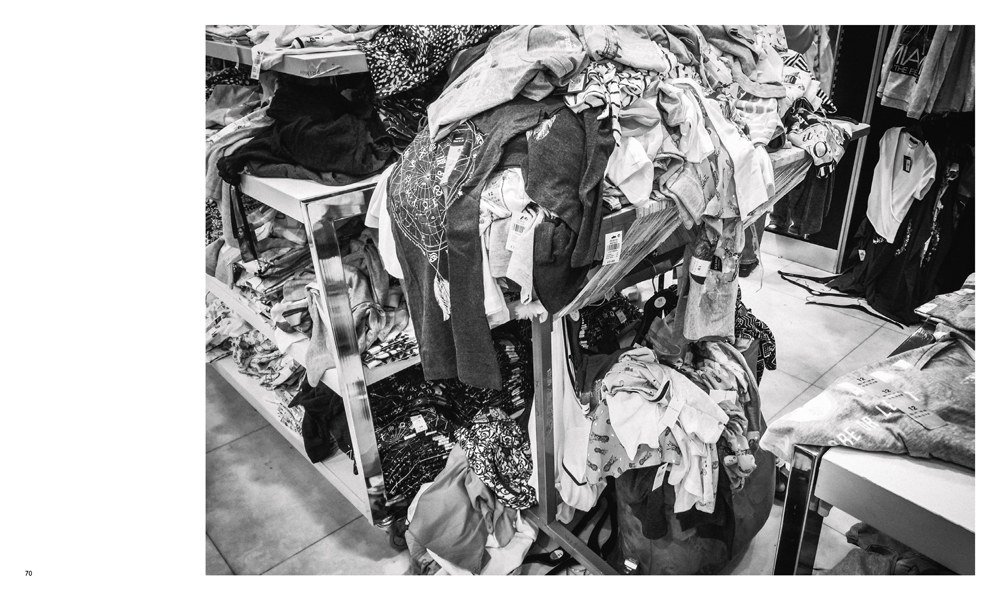
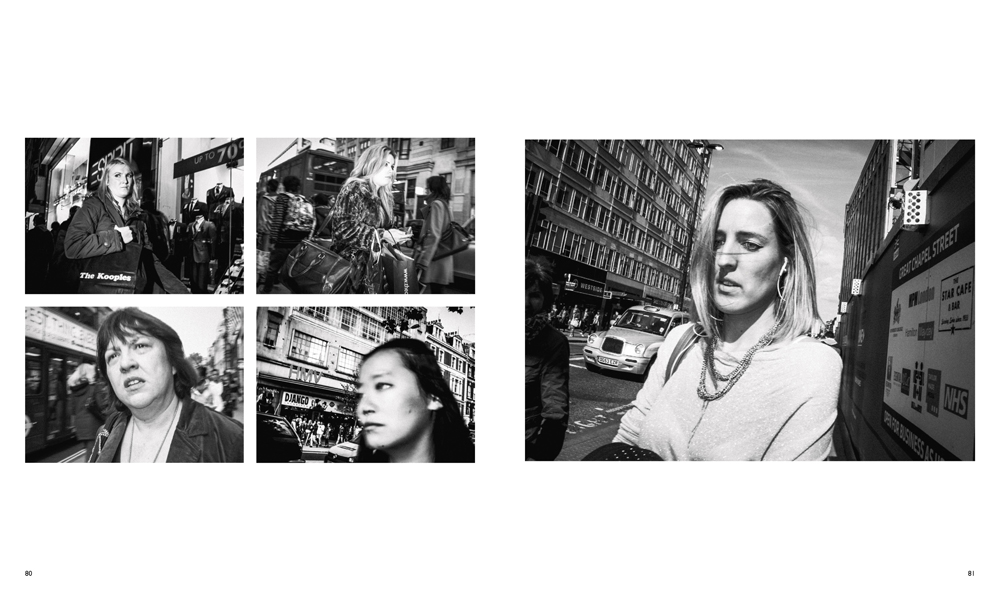
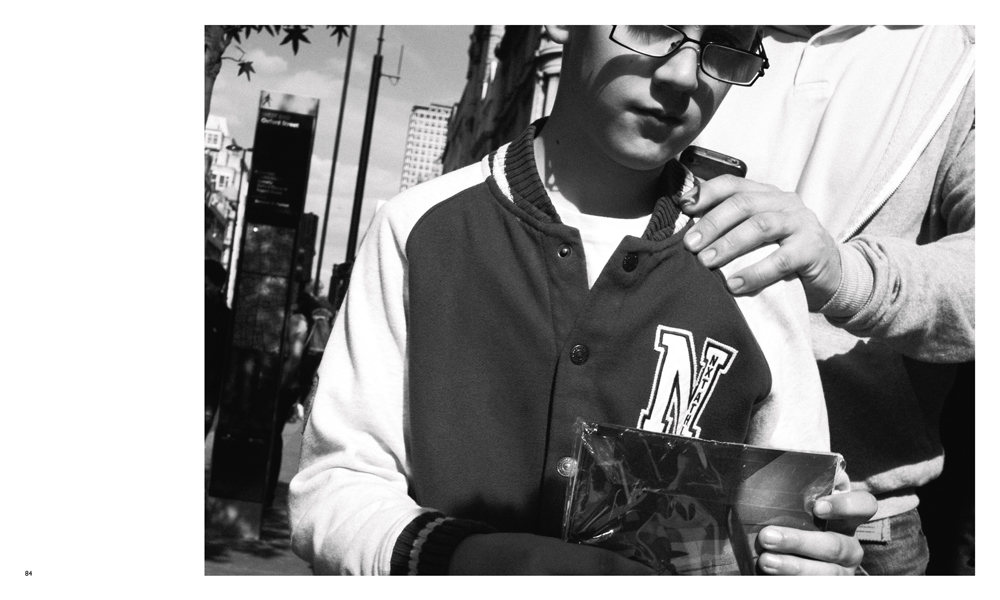
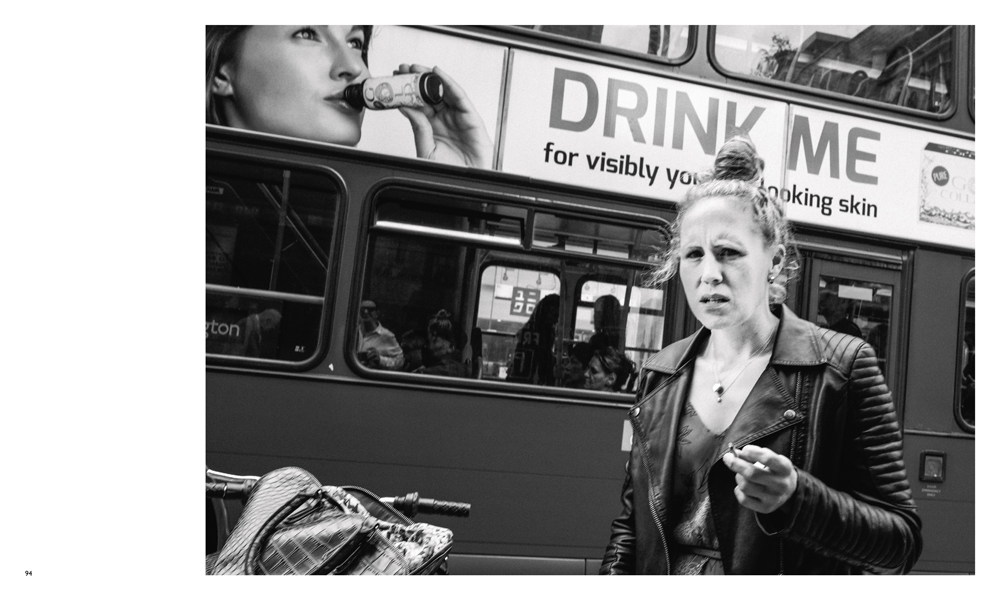
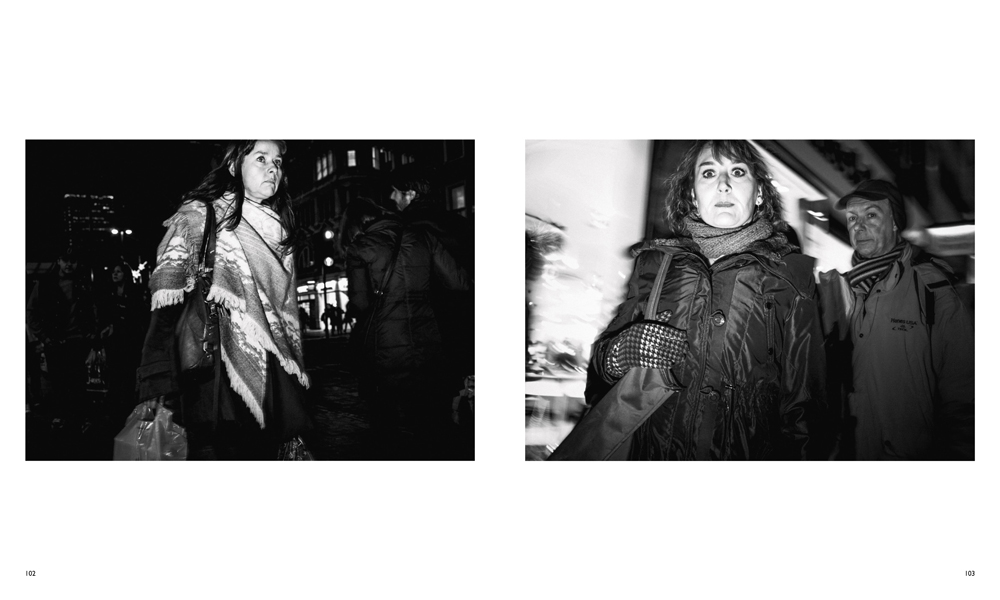
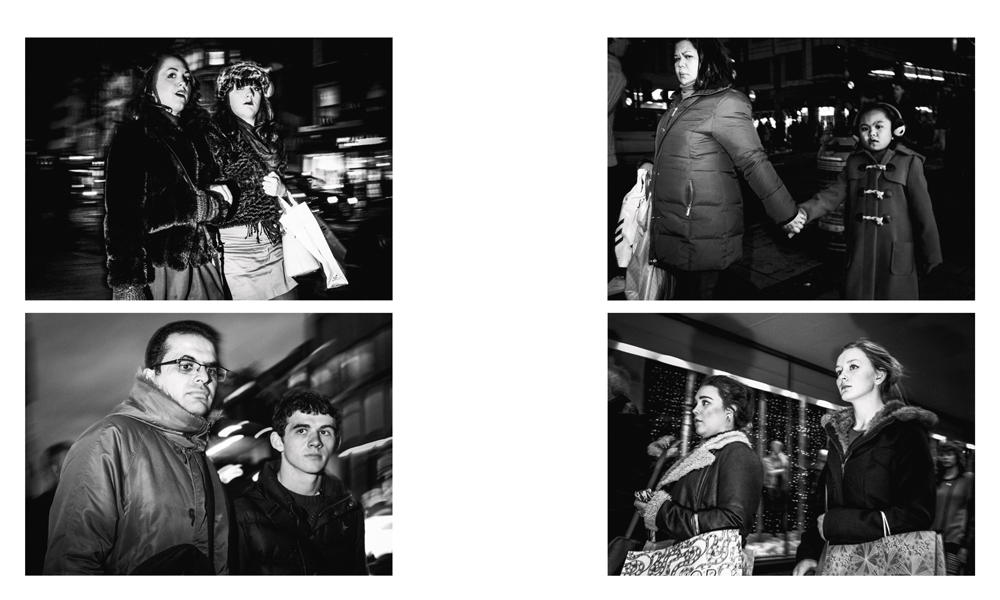
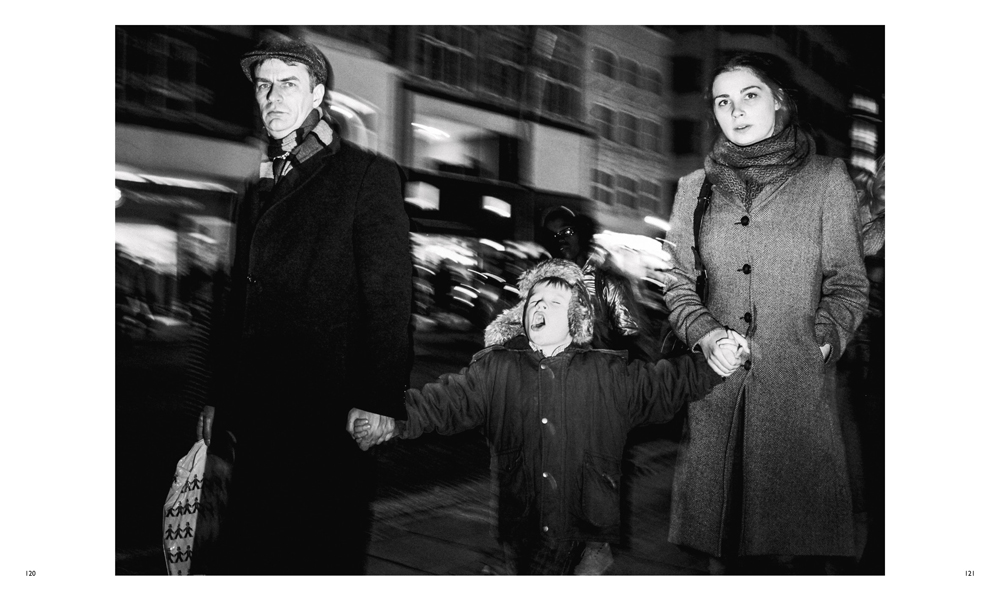
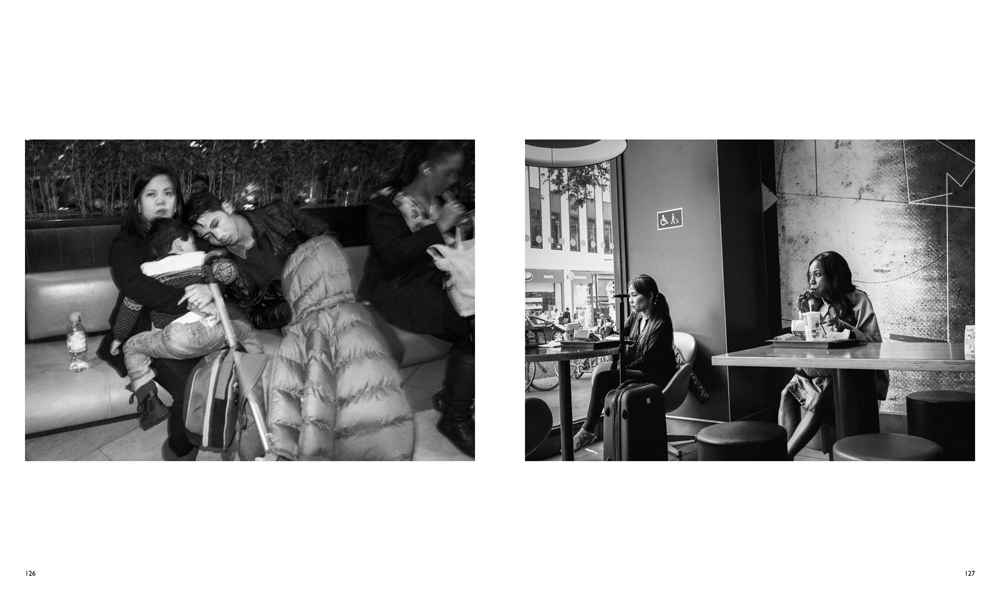
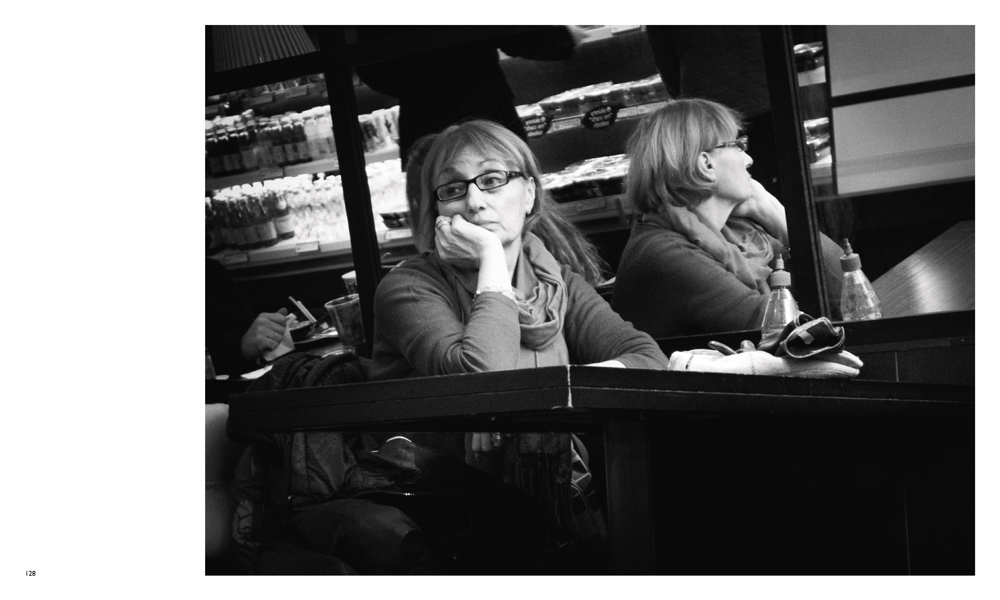
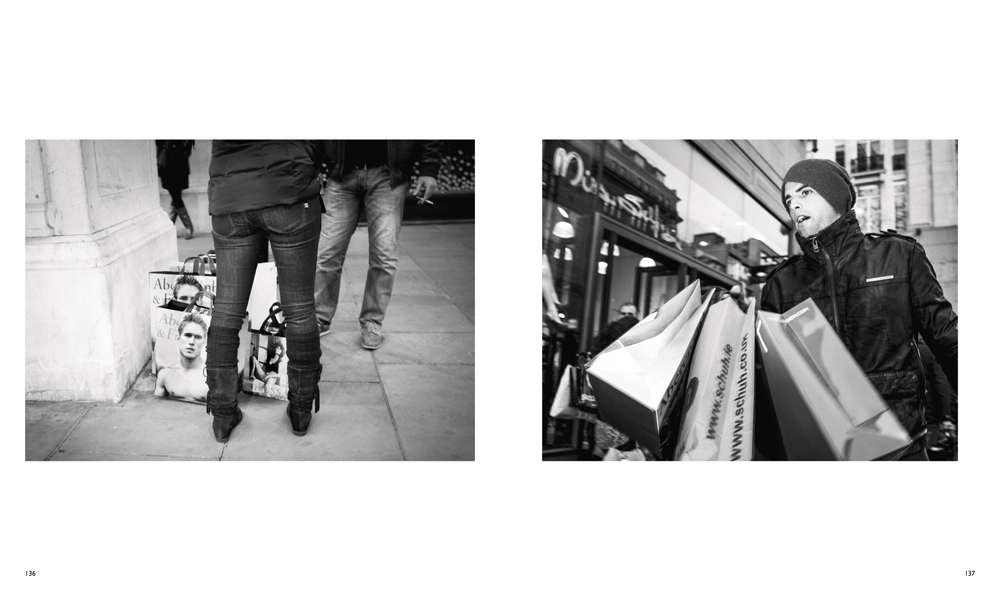
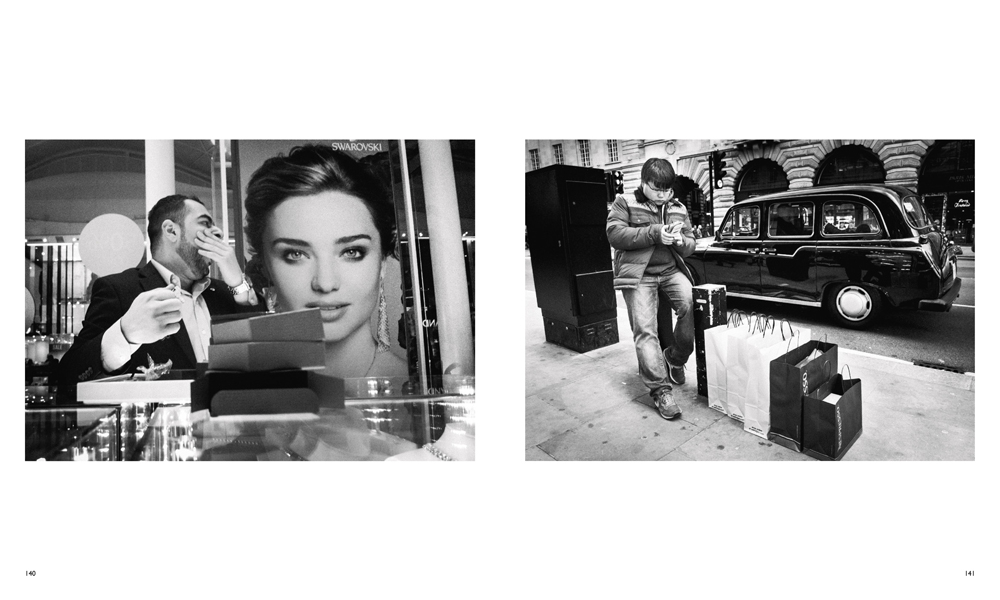
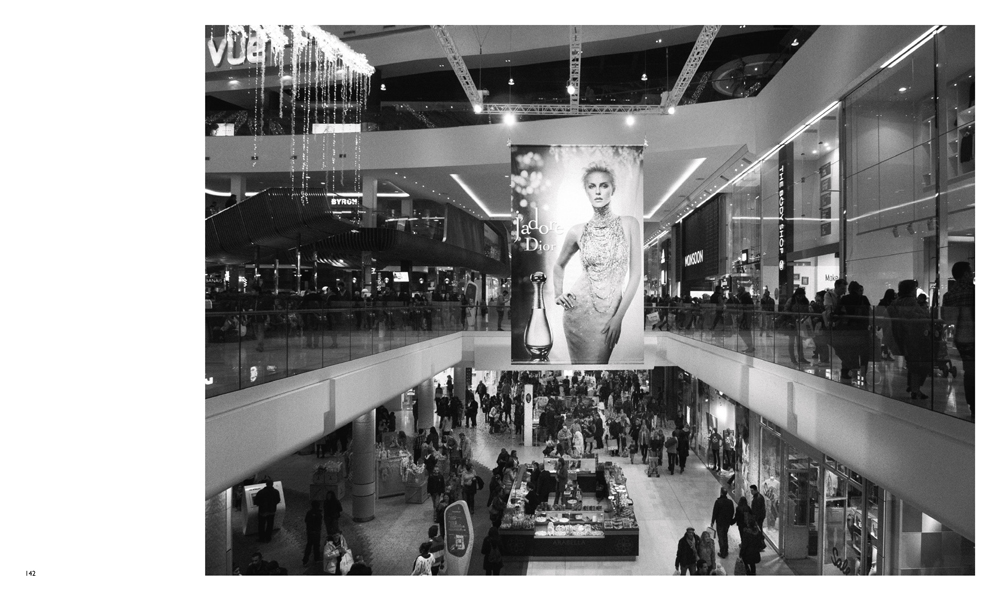
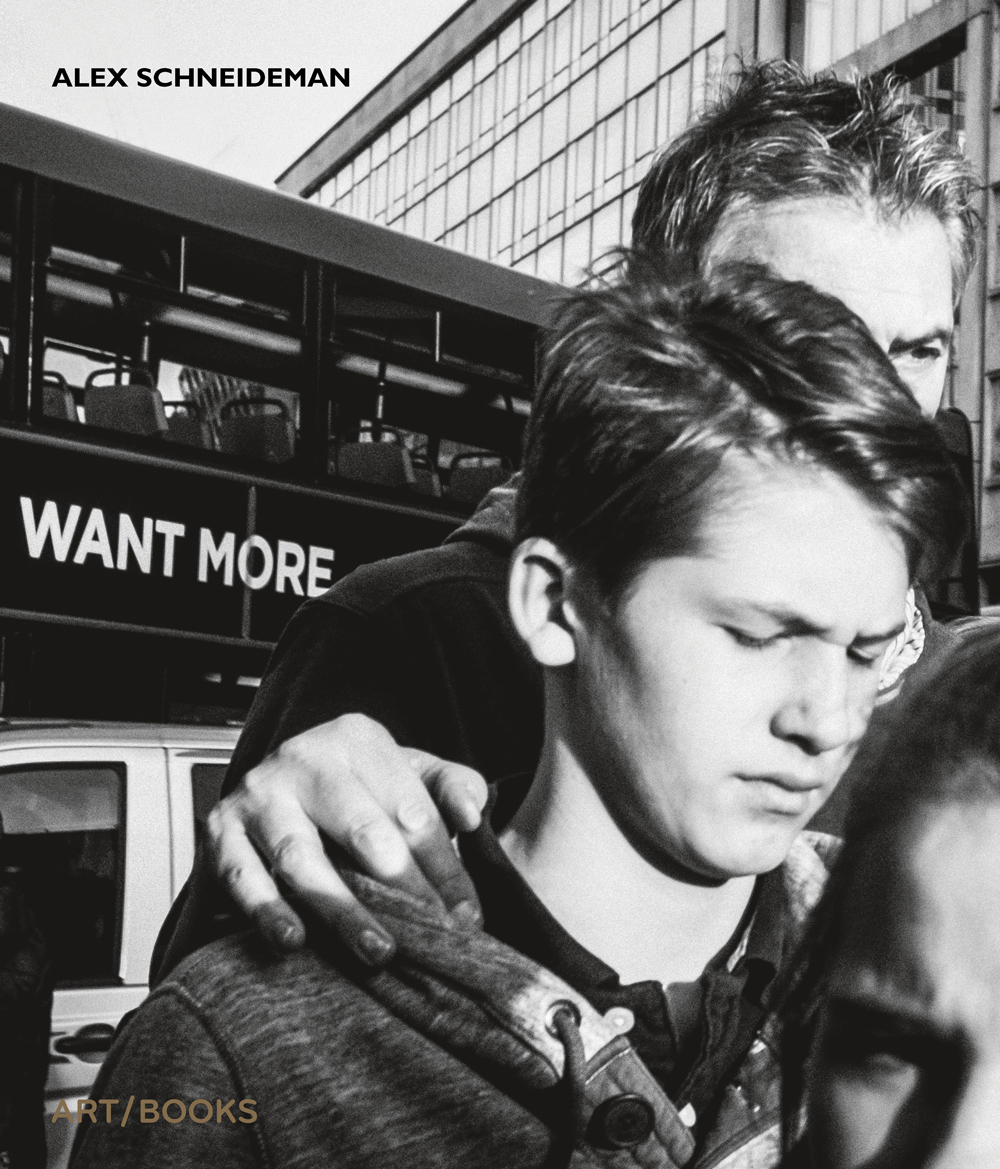
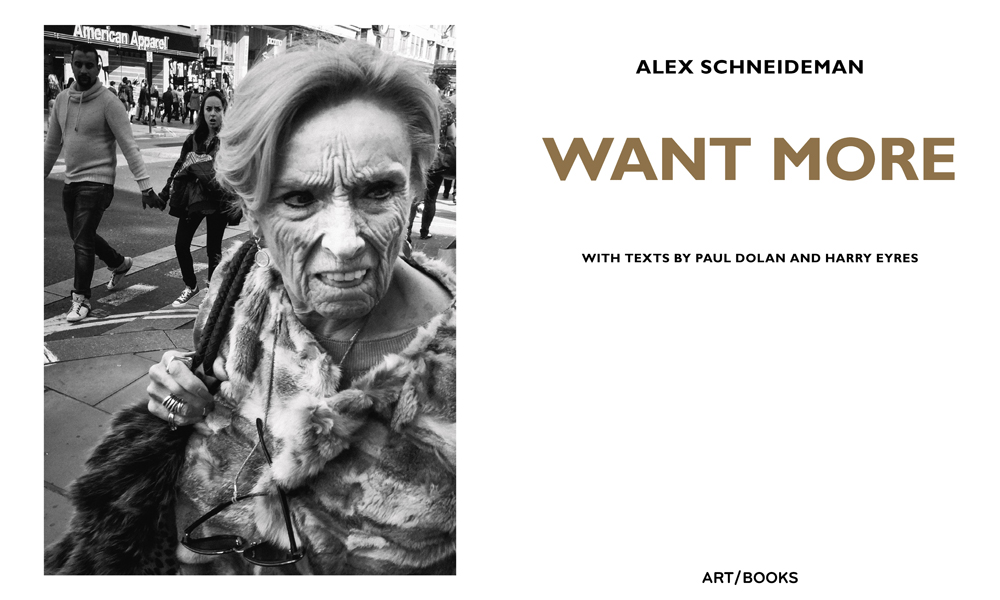
Want More is a stark and hard-hitting portrayal of late capitalism in action. In a series of arresting, atmospheric, and strikingly beautiful images, Alex Schneideman captures the alienating and numbing effects of mass consumerism as he photographs shoppers in stores, at the mall, and on the street. Tedium, anxiety, frustration, and exhaustion are the dominant emotions in evidence as his subjects appear ground down by their duty as consumer-citizens to spend, spend, spend. Mostly unaware of the photographer’s lens, these individuals of all ages and backgrounds unwittingly express a collective desire that is both inescapable and universal, one that transcends a specific time and place.

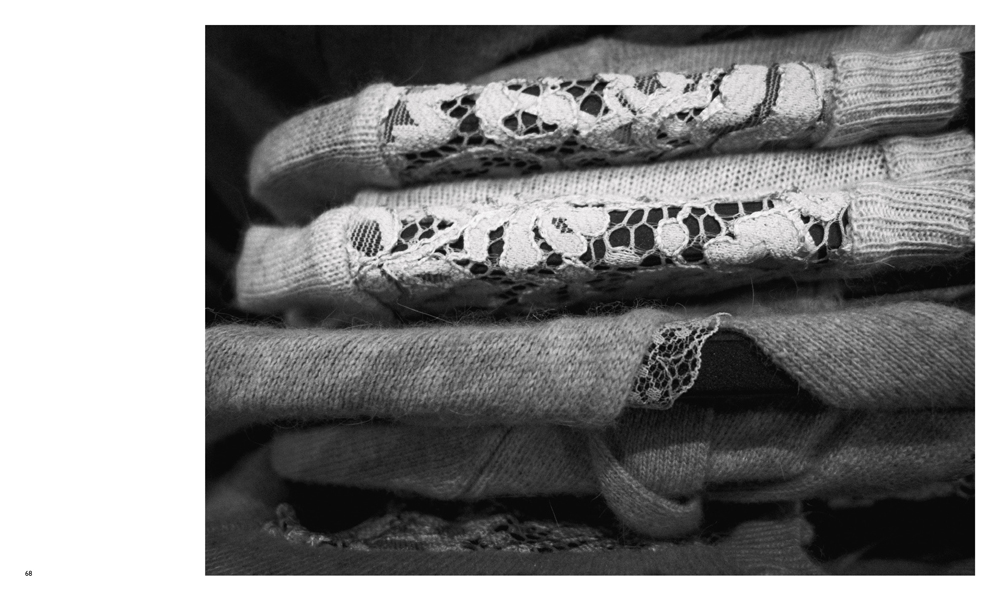
Wherever we look, haunted and desperate faces betray a driven compulsion to consume. Recurring gestures, expressions, and clothes reflect the homogeneity of modern material life. Inconspicuous details – words inscribed on shop fronts and advertisements, the watchful and seductive eyes of models and mannequins, the chance coming together of random elements – contain a hidden logic that reveals further truths about our global consumerist society and the relentless imperative to buy. But amidst these scenes of joyless alienation there remains the potential for human love and beauty.

A foreword by behavioural scientist Paul Dola­­­n considers the photographs as evidence of the old adage that money cannot buy us happiness, while writer Harry Eyres celebrates the photographer’s gift for serendipity and his use of dark, ironic humour to examine the effects of constantly wanting more.

Positioned somewhere between documentary and art photography, Want More confronts us with the lived reality of the ‘have-it-all’ culture – of needing the latest products and coolest brands – and shows how the contemporary world works, and works on all of us. 

Alex Schneideman is a London-based photographer and a specialist photographic printer for artists and galleries around the world. Beginning his career in advertising photography, he soon moved into documentary and portraiture. His work has been exhibited in several solo and group shows in the UK, Asia and the US. He has produced two books of his photography, Hardlight (2011) and Skin (2012). He is a visiting lecturer in photography and fine-art printing at various colleges and is founding editor of Smack, a quarterly print magazine dedicated to art and human experience.

Paul Dolan is Professor of Behavioural Science at London School of Economics and Political Science, a world-leading thinker of the science of happiness, and adviser to the UK government on well-being. He has held academic posts at York, Newcastle, Sheffield and Imperial and he has been a visiting scholar at Princeton University. He is the author of Happiness by Design: Finding Pleasure and Purpose in Everyday Life (Penguin, 2014), with a foreword by Nobel Prize winner Daniel Kahneman, and was awarded the Philip Leverhulme Prize in Economics for his contribution to health economics.

Harry Eyres is a journalist, writer and poet. He was a theatre critic and arts writer for The Times from 1987 to 1993, the wine editor of Harpers & Queen from 1989 to 1996, and the wine columnist for the Spectator magazine from 1984 to 1989. He was Poetry Editor of the Daily Express from 1996 to 2001. For eleven years until 2015, he wrote a weekly column for the Financial Times, titled ‘Slow Lane’, which celebrated the more enduring, often uncosted and uncostly, pleasures and pursuits of the truly well-lived life. He is the author of Horace and Me: Life Lessons from an Ancient Poet (Bloomsbury, 2013) and Beginner’s Guide to Plato’s The Republic (Hodder & Stoughton, 2001).

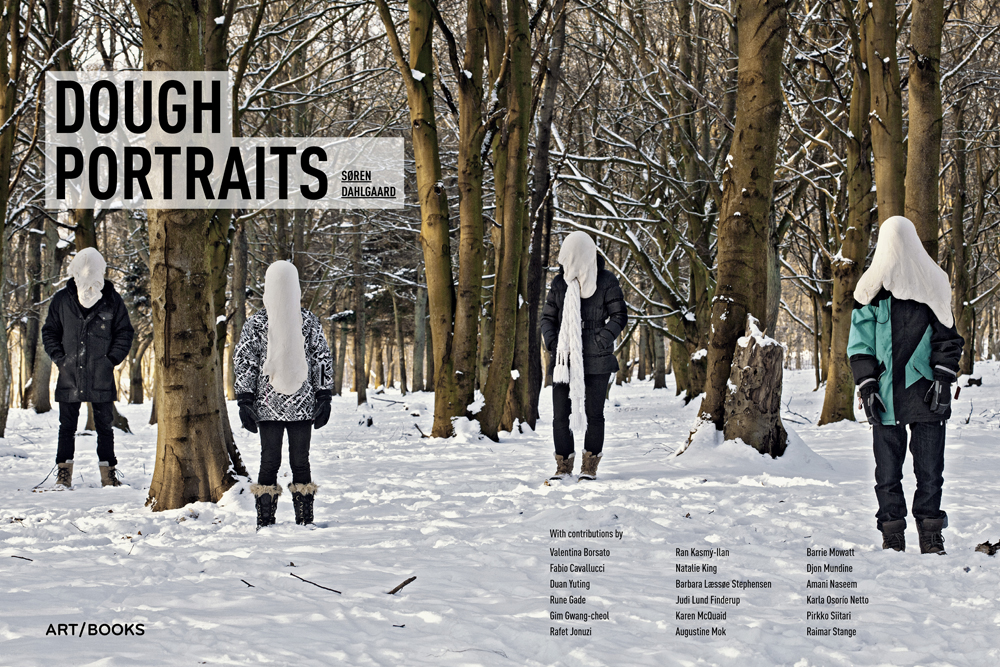
Dough Portraits

Søren Dahlgaard
With texts by Raimer Stange et al

‘Here’s an artist who does things a little differently – and his perversely brilliant work is all the better for it’ – We Heart
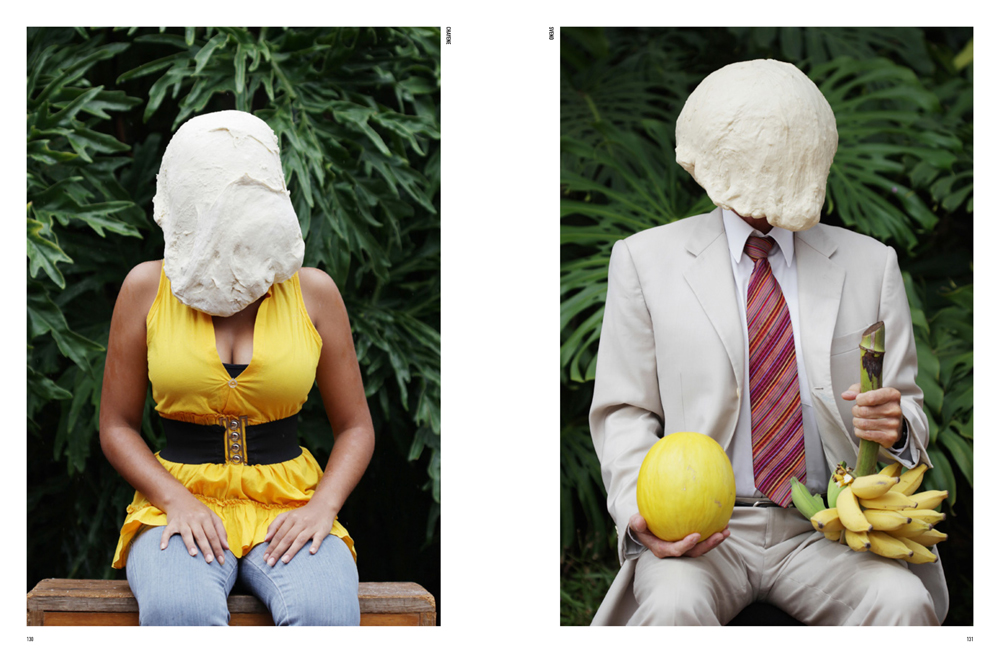
‘Dahlgaard upturns portraiture by taking away that crucial indicator of race, age, gender and, more subtly, character and culture: the face.’ — Sydney Morning Herald
‘Dahlgaard’s photographs are remarkably effective in their interrogation of portraiture, challenging our preconceptions about the relationships between artist, subject and viewer. [The] book documenting this ongoing project reveals the dough portraits as silly, sensitive, insightful and clever’ — The Arts Desk
‘Rich … full of insights’ — Weekendavisen
‘A pleasure walk through this highly alternative portraiture’ — Kunsten.nu
‘Coming across Danish artist Søren Dahlgaard’s series of Dough Portraits is like one of those moments where the skies open, sunlight beams down upon us, and the opera “aahh’s” chime in’ – Lost at E Minor
_____________

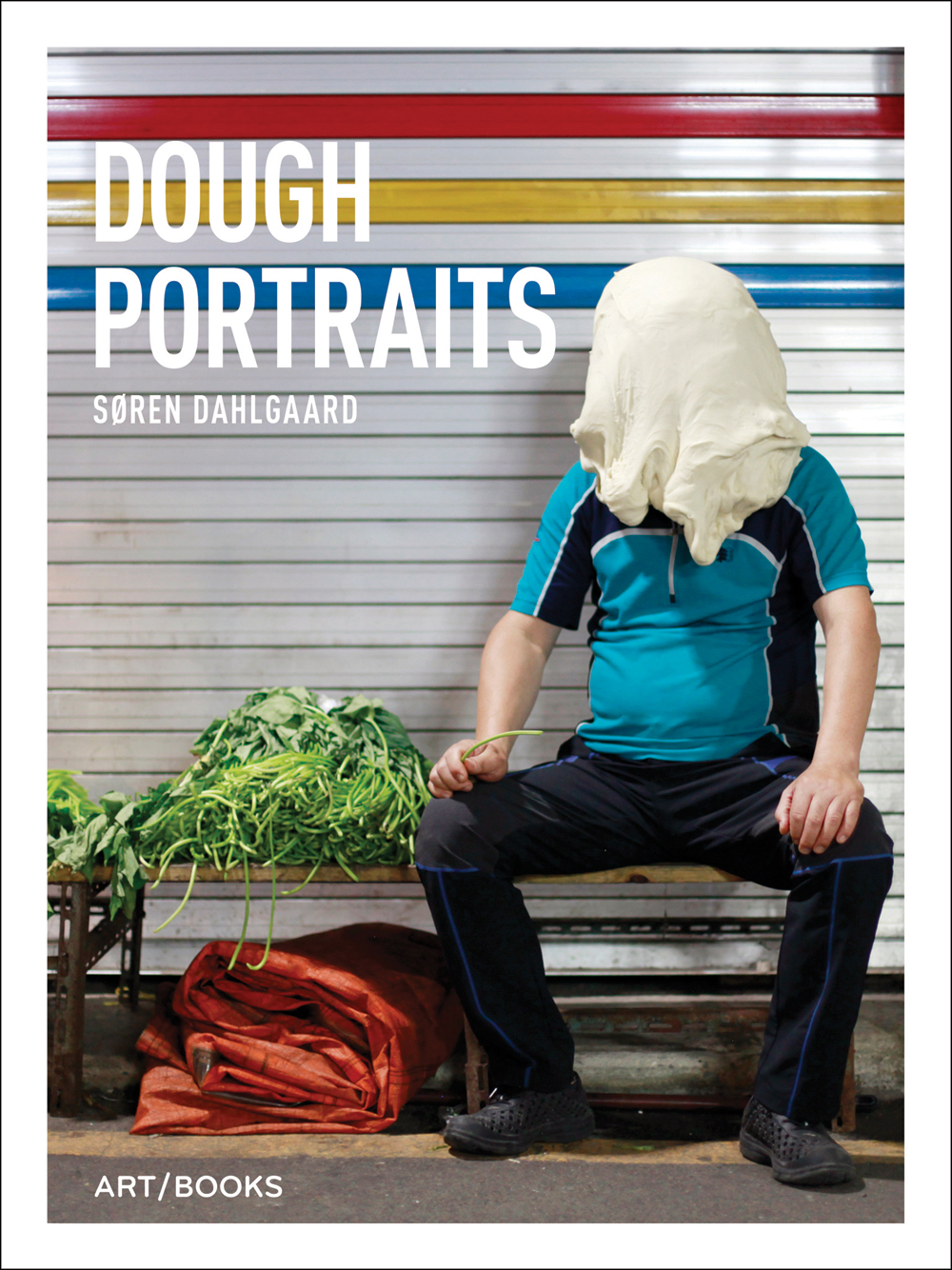
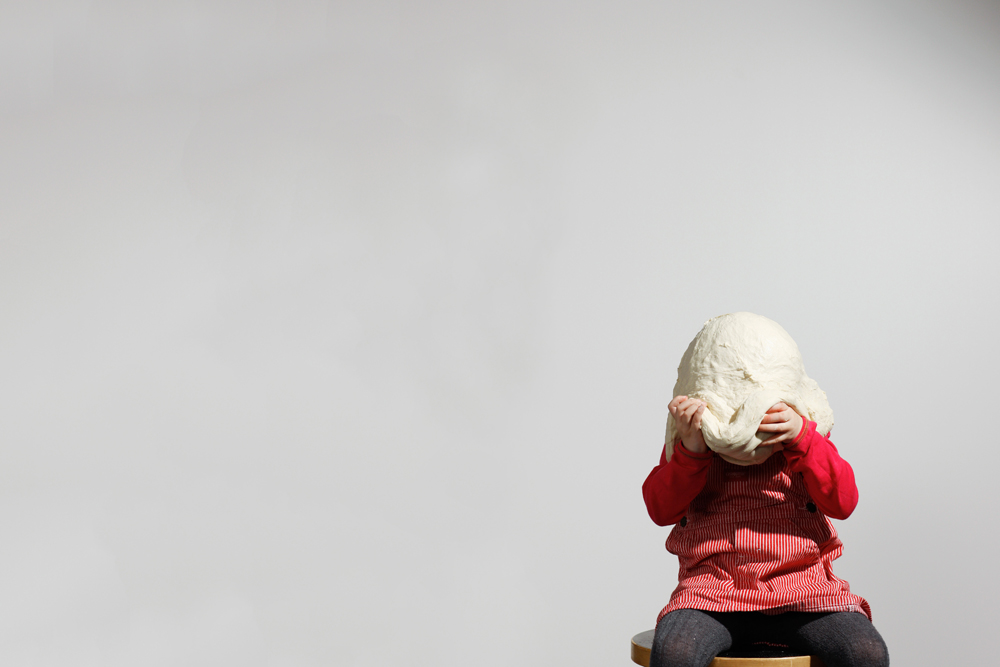
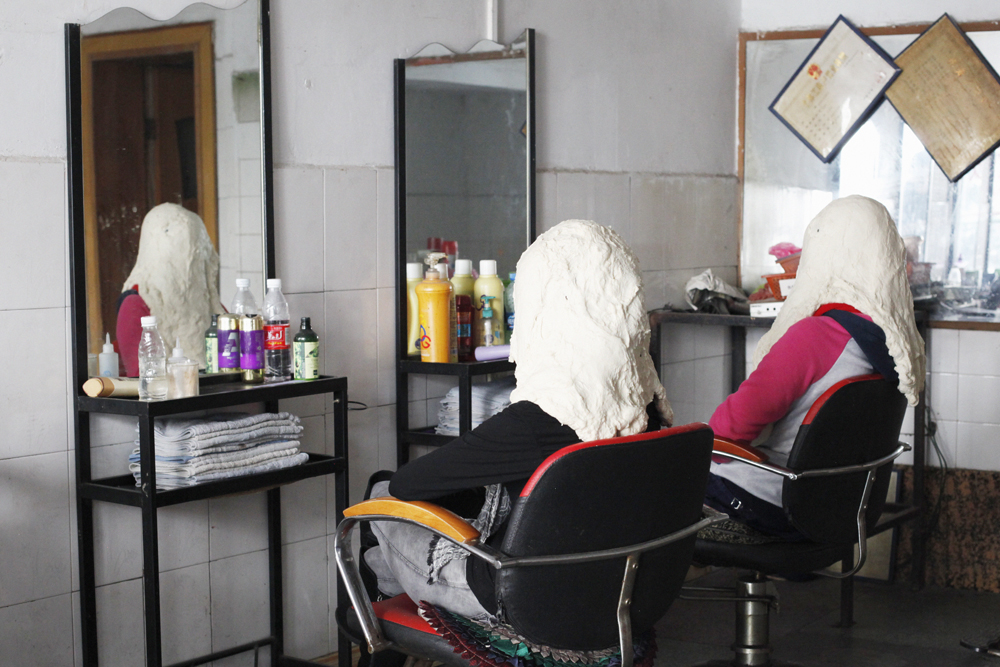
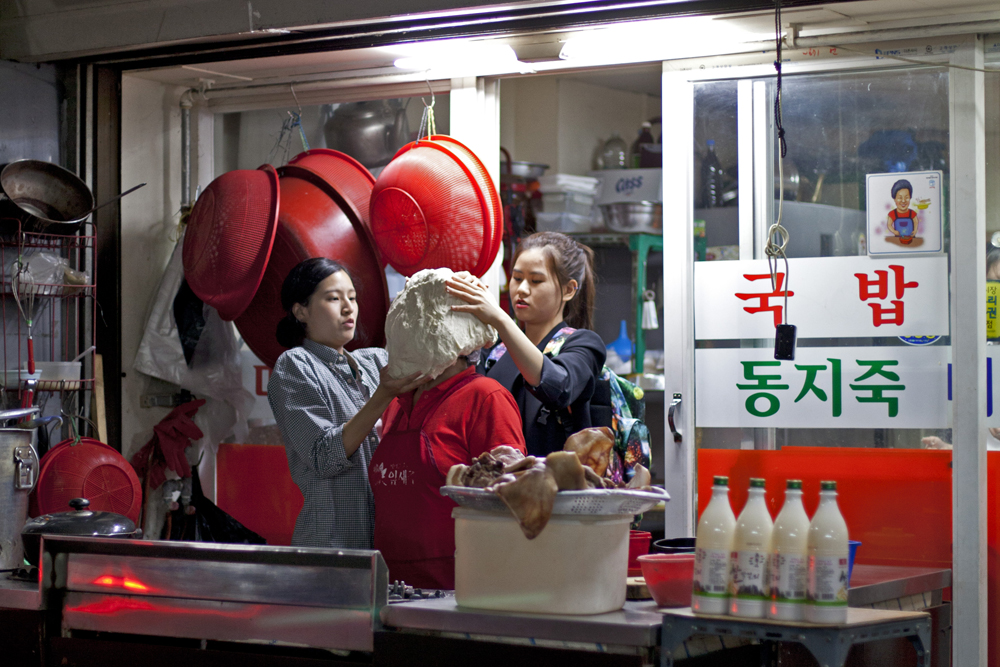
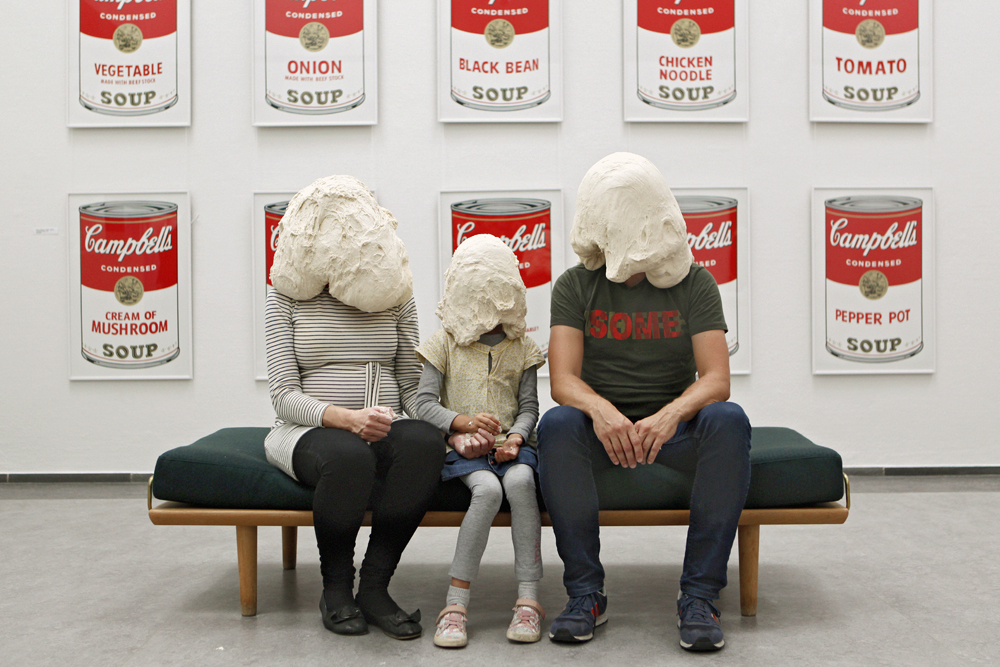
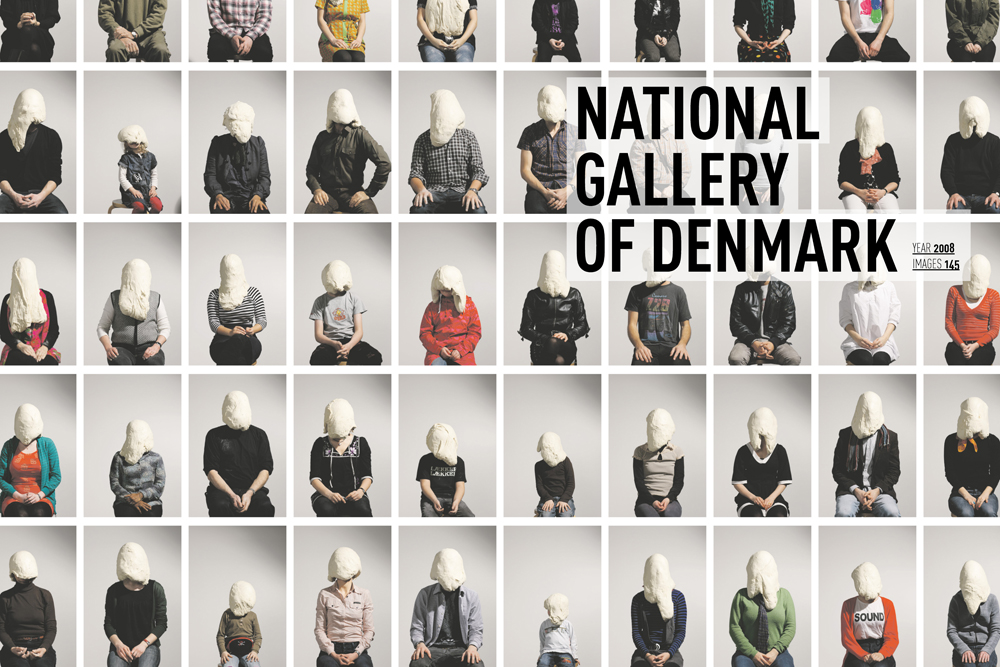
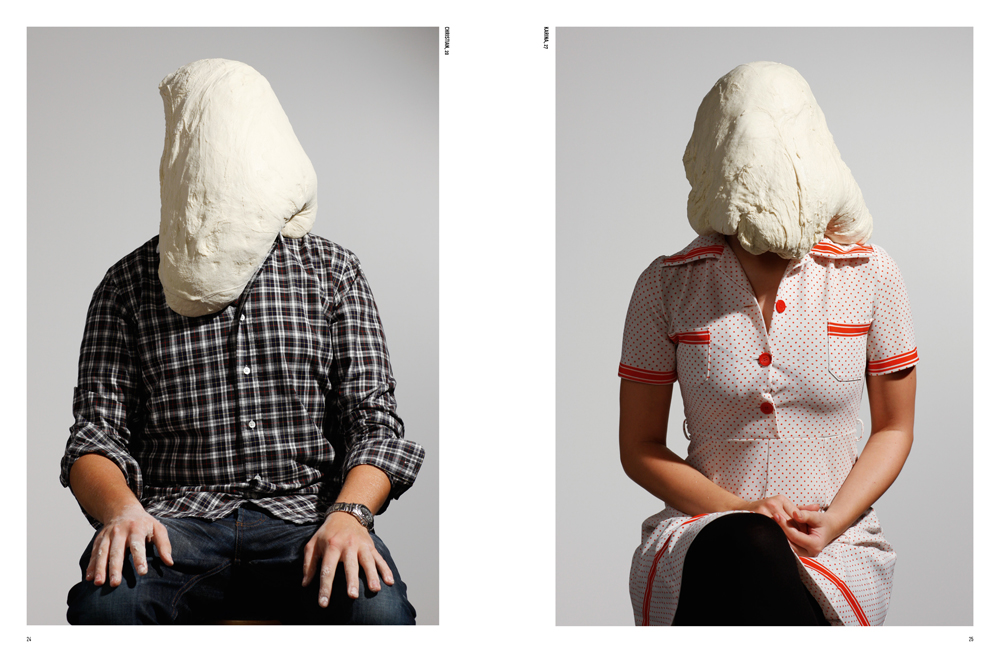
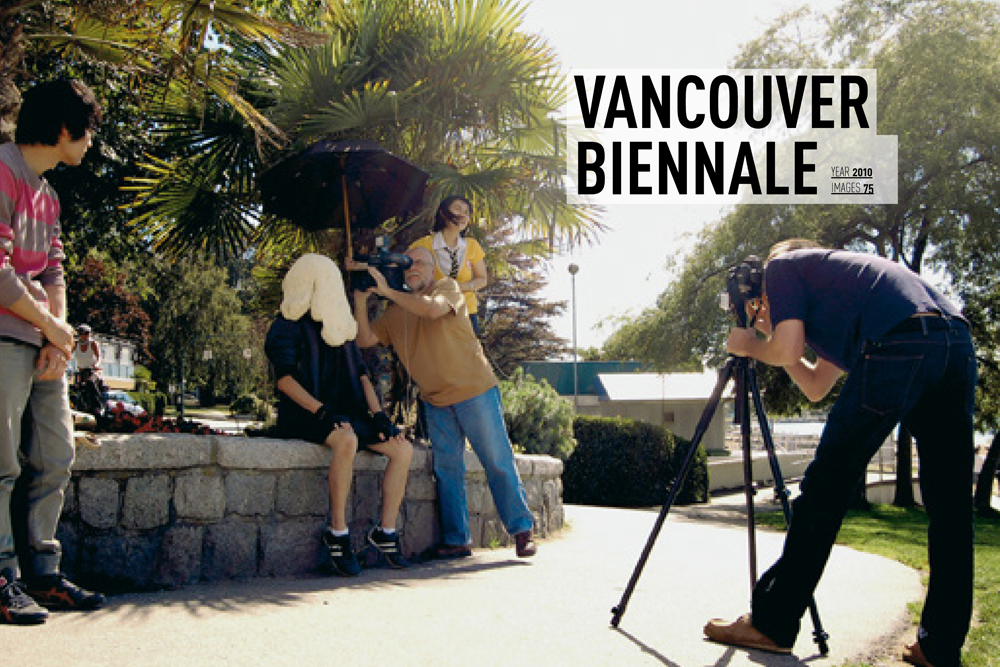
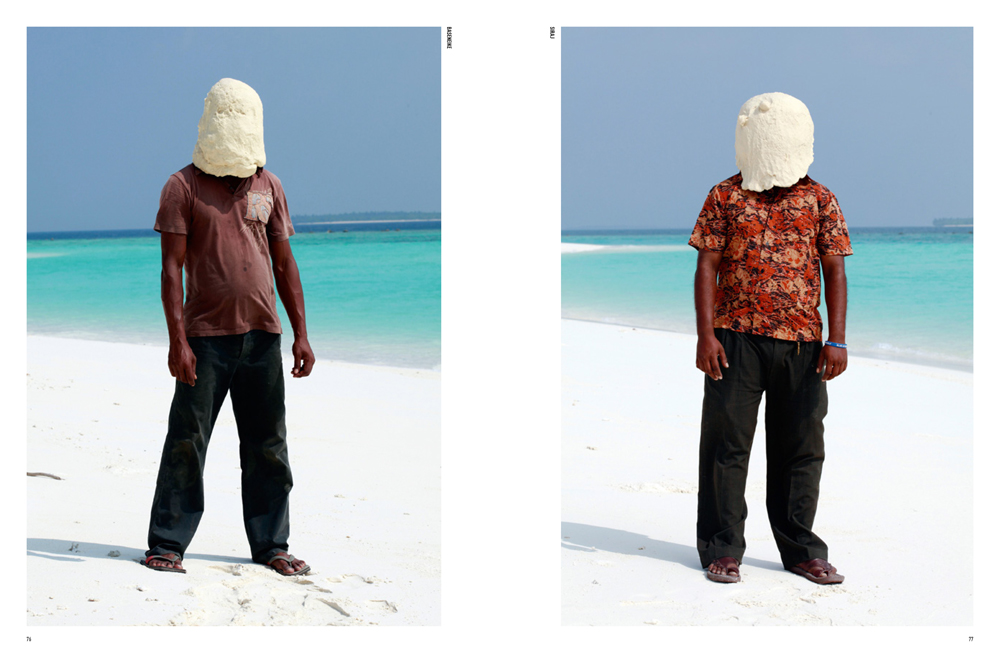
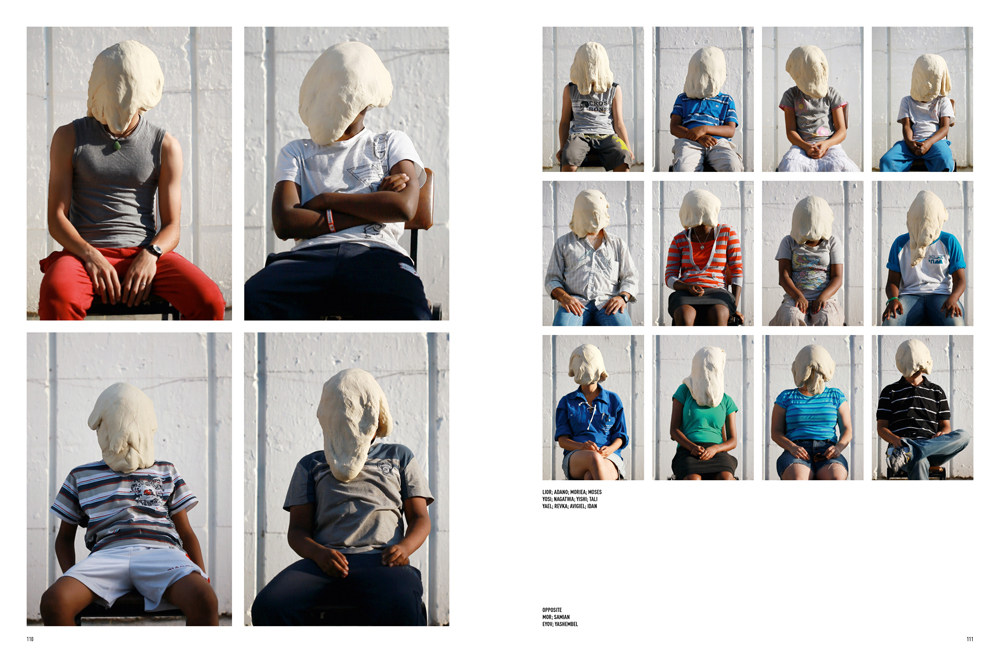
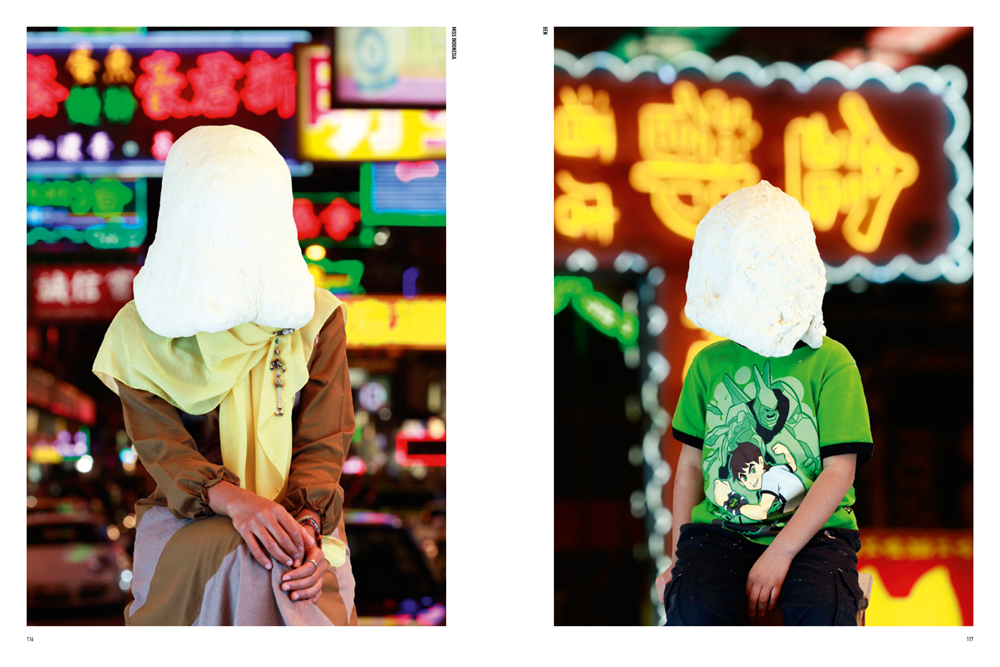
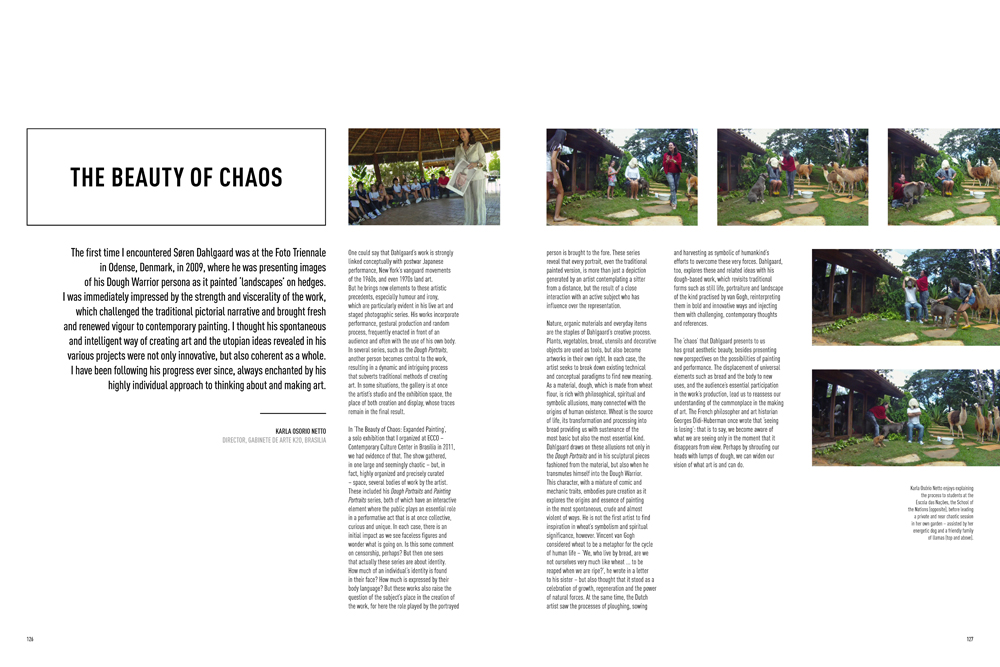
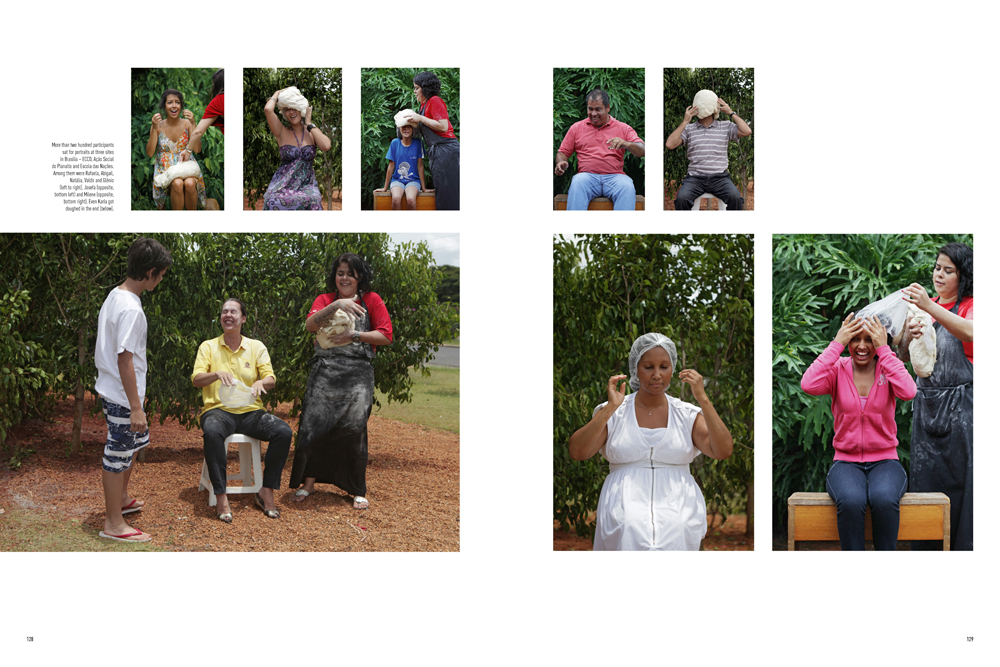
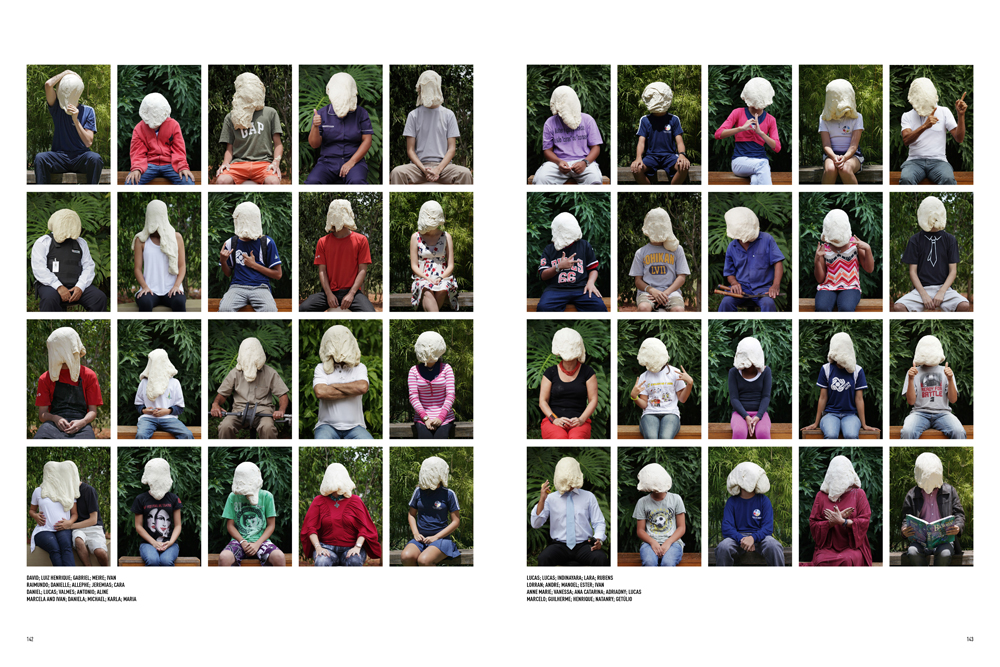
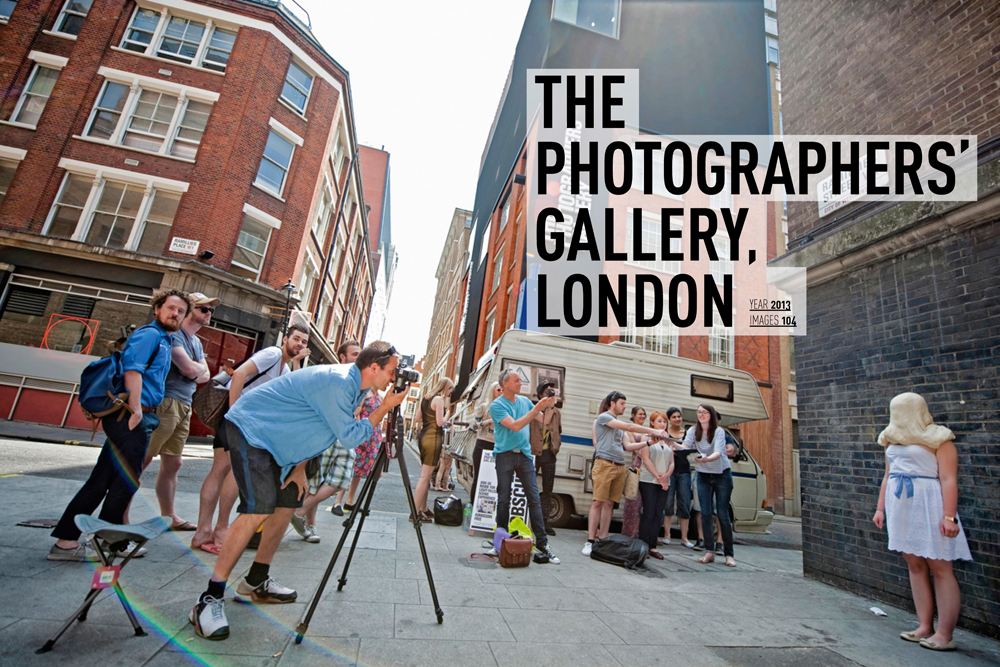
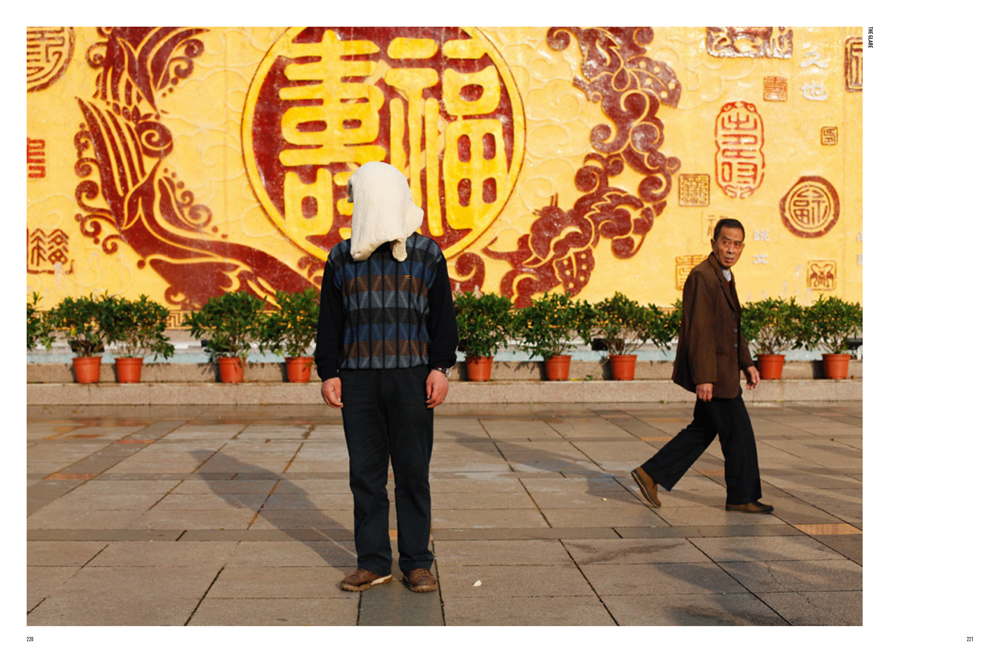
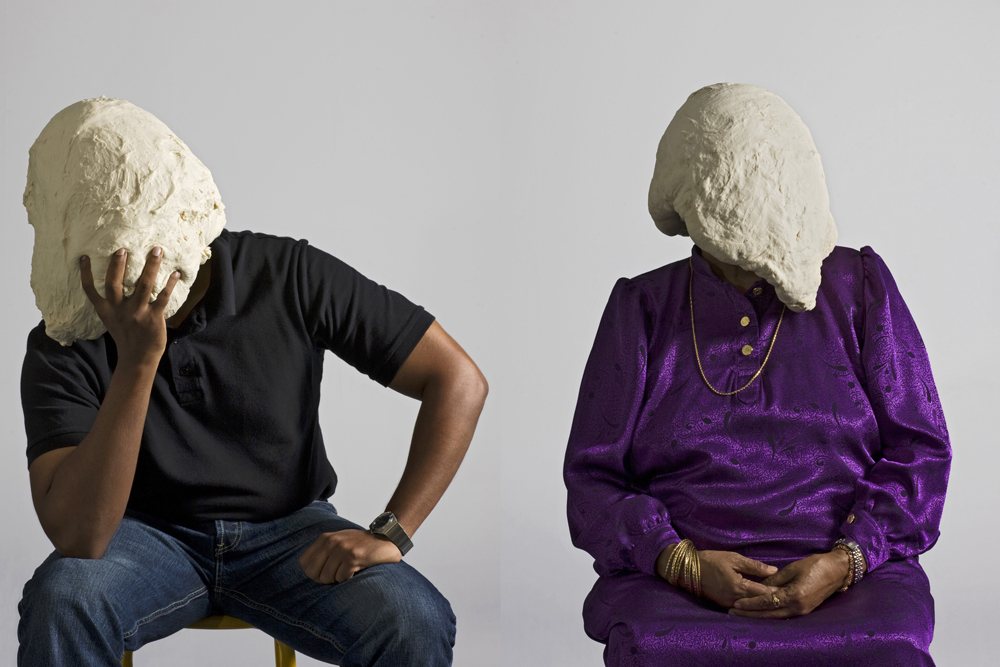
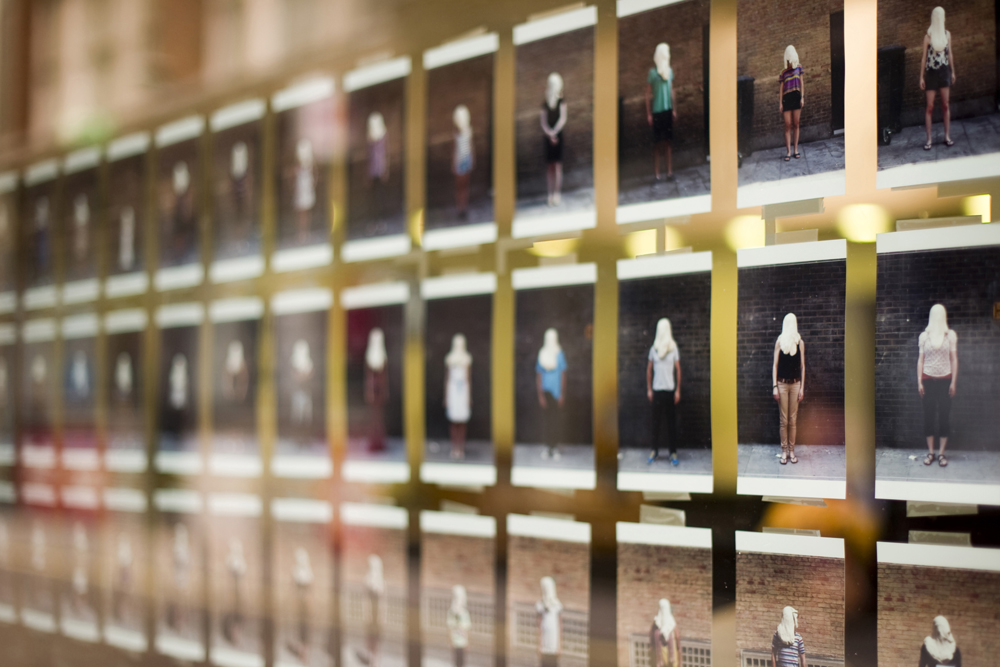
This visually stunning, hilarious and outlandish book presents Danish performance and conceptual artist Søren Dahlgaard’s ongoing series of Dough Portraits, in which he creates absurdist portraits of people with their heads encased in dough. Invited by art galleries, museums, biennales and institutions from all over the world to undertake commissions, he has photographed more than two thousand sitters of all ages and backgrounds in diverse settings in countries as far afield as Canada and the United States, Denmark, Brazil, the Maldives, Finland, Kosovo, China, South Korea and Australia. Collaboration, process and performance are as much elements of the work as the finished image itself, with each participant ‘co-creating’ their own portrait, first by kneading the dough, then by placing it on their head, and then by carefully selecting a pose – all before of an audience of amused or bemused onlookers. As a result, while their faces might be covered, their individual personalities shine through, these sticky lumpen masks revealing as much as they conceal. Humorous and ridiculous as the pictures are, they also carry a darker sense of the uncanny and the sinister. They also allude to the ways we define ourselves and express our own unique identities, as well how we measure the stranger in an age when the covered face is so contested politically and ethically.

Selected portraits from all the main projects in the series are reproduced in colourful splendour and surreal detail, alongside photos and video stills of the shoots as they took place. Commentaries by some of those who commissioned the work, as well as others who were smothered in dough and then photographed or who merely witnessed the events unfold, recount their experiences and reflect on the aesthetic, ethical and social issues raised by Dahlgaard’s transformation of this everyday and universal material into the stuff of art.

Søren Dahlgaard is a Danish artist currrently living in Melbourne, Australia. A graduate of the Slade School of Art in London, he has participated in numerous group exhibitions and had solo shows, projects and commissions at prestigious institutions and biennales all over the world, including Venice Biennale; National Art Gallery, Copenhagen; Louisiana Museum of Modern Art, Denmark; ECCO – Espaço Cultural Contemporâneo, Brasília; Photographers’ Gallery, London; Gwangju Biennale, South Korea; Vancouver Biennale; Lianzhou International Photography Festival, China; HKW Haus der Kulturen der Welt, Berlin; CCA Andratx Contemporary Art Center Mallorca; Tate Modern, London; and MoMA PS1, New York.

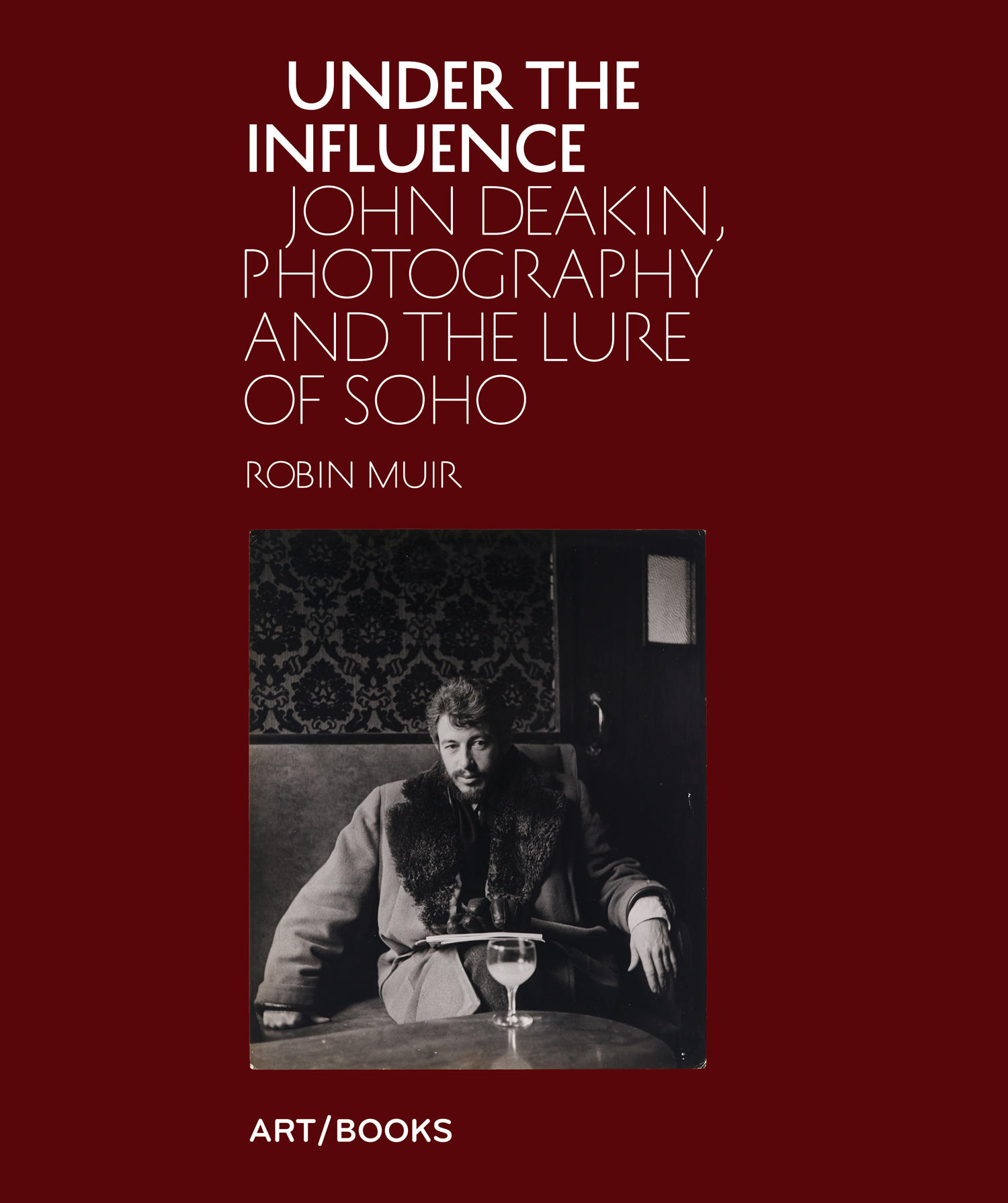
Under the Influence

John Deakin, Photography and the Lure of Soho

Robin Muir

‘This beautifully produced book testifies to a talent that still astonishes’ — Guardian
‘Deakin’s work speaks for itself.… His work offers a fascinating glimpse into post-war London’ — Sunday Times
‘A marvellous record of the Soho of the 50s and 60s’ — AnOther Magazine
‘A fascinating retrospective’ — Black+White Photography
‘In his role as chief chronicler of Soho [Deakin] developed a candid and sympathetic eye’ — New Statesman, ‘Picture Book of the Week’
‘His portraits of Soho characters changed photography’ — Guardian G2 
‘Deakin was a legend in the style of postwar Soho: brilliantly original, reliably nonconformist, and belligerently self-destructive’ — The New Criterion
‘A beautifully produced book that does justice to Deakin’s extraordinary images’ — Photojournalism Now 
‘A stylish and well-produced volume … anyone with the slightest interest in photography should get their hands on a copy’ — Dublin Review of Books 

_____________

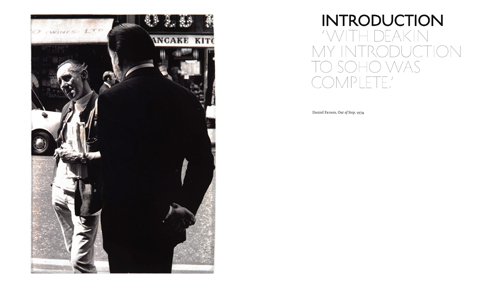
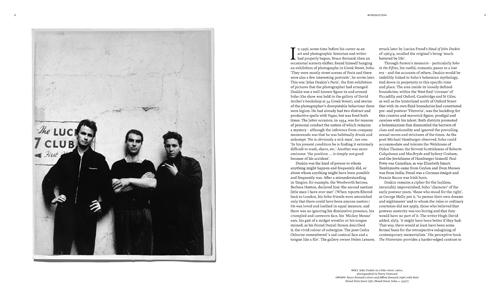
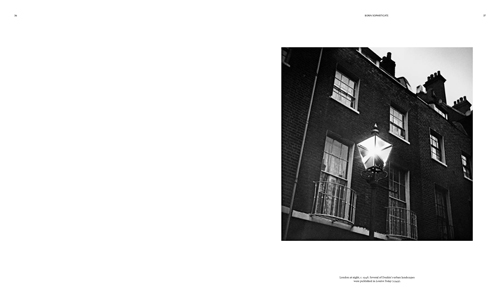
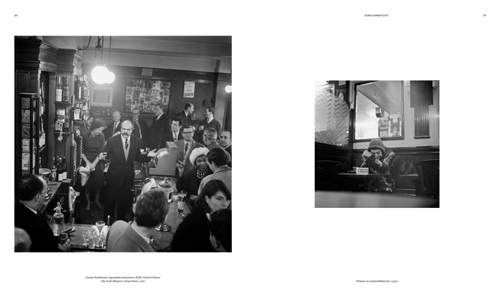
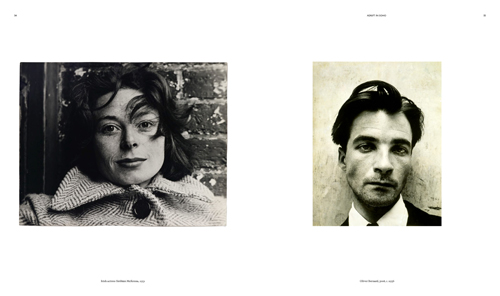
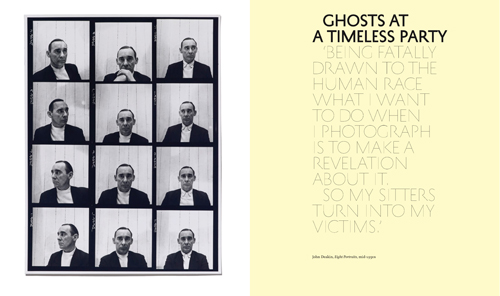
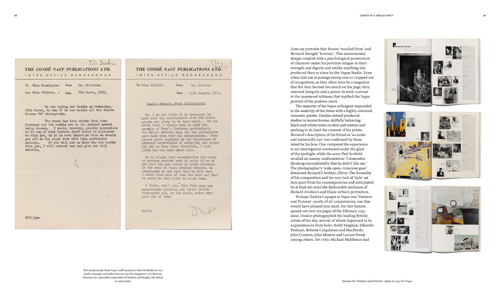
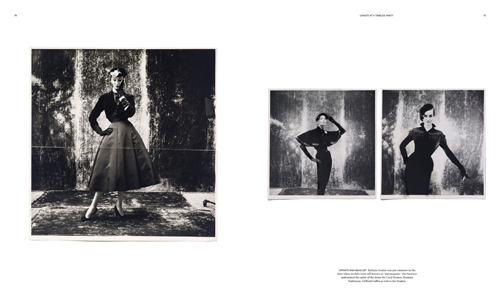
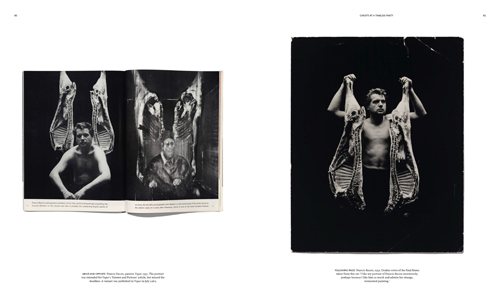
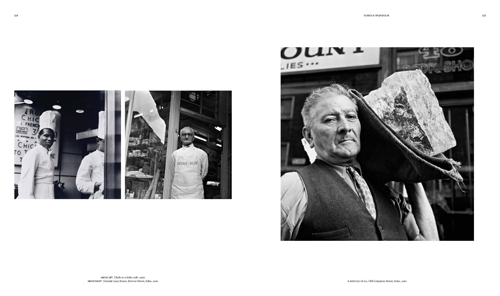
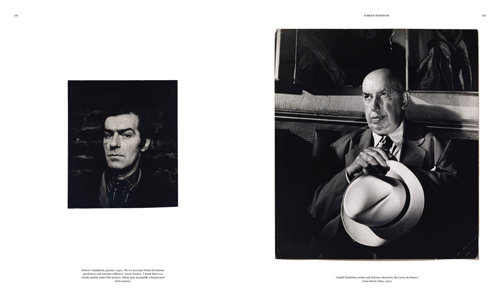
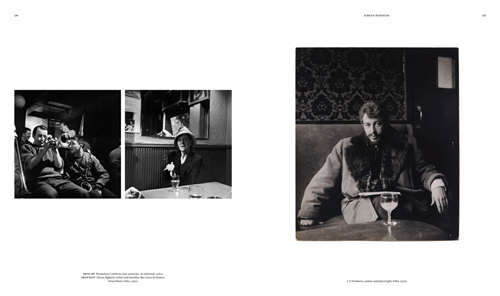
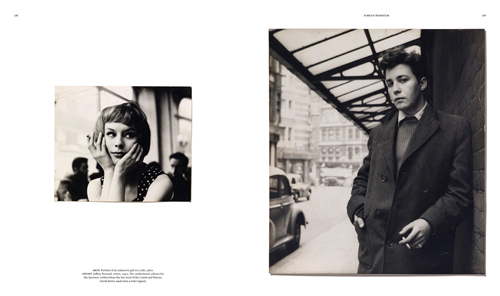
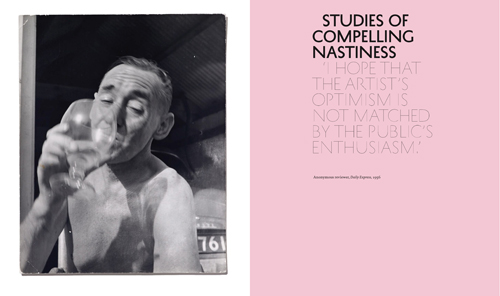
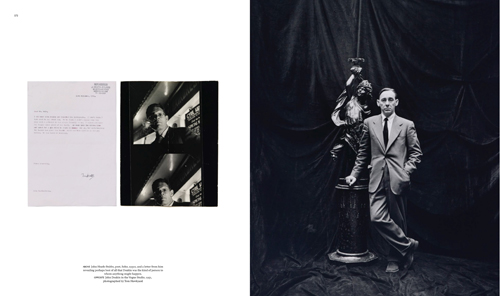
John Deakin was one of London’s greatest postwar photographers, renowned for his penetrating portraits, haunting street scenes and inventive fashion work. Though recognized as a genius by both peers and rivals – a ‘photographer with extraordinary eyes’, as one contemporary described him – he was prodigal and careless with his talent. He flourished briefly at Vogue, but the lure of nearby Soho with its pubs, clubs and subterranean watering holes led him away from regular employment. Loved and loathed in equal measure, Deakin was a legendary member of the quarter’s bohemian crowd of artists and misfits. His circle included the painters Francis Bacon and Lucian Freud, the writers Dylan Thomas and Jeffrey Bernard, and the socialite Henrietta Moraes and Muriel Belcher, proprietor of fabled drinking den the Colony Room.

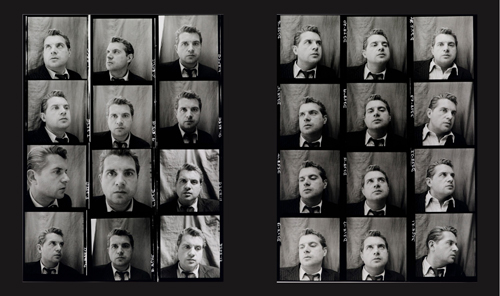
Coinciding with an exhibition at The Photographers’ Gallery, Under the Influence: John Deakin, Photography and the Lure of Soho explores the hidden corners and colourful characters of this notorious part of London as seen through Deakin’s eyes. With dozens of his most compelling images, letters and contact sheets, it is an evocative record of life in and around the four parallels of Wardour, Dean, Frith and Greek streets in the 1950s and 1960s, the backdrop for this creative and maverick figure ‘whose pictures take you by the scruff of the neck and insist that you see’.

Robin Muir is a photographic curator and historian. A former picture editor for British Vogue, he is contributing editor to both the British and Russian editions of the magazine. He is author of numerous books on the history of photography, including David Bailey: Chasing Rainbows (2001), A Maverick Eye: The Street Photography of John Deakin (2002), Norman Parkinson: Portraits in Fashion (2004), Unseen Vogue: The Secret History of Fashion Photography (2004) and Terence Donovan Fashion (2012). 


What others say

‘Deakin’s portraits of Soho characters and artists changed photography.… His wayward talent, only partially recognised at the time, makes it essential viewing on its own merits.… [His] photographs are timeless … our best record of the old bohemia, and some are masterpieces. Deakin was out on his own, a pariah in his way, but also a pioneer. ‘ — Guardian G2

‘The images are a marvellous record of the Soho of the 50s and 60s – a time when the area enjoyed a wealth of bohemianism and dissolution, its bars stuffed with dipsomaniac writers and artists like Dylan Thomas, Frank Auerbach, Lucian Freud and Bacon himself, all of whom Deakin photographed, along with the general riff-raff of Soho.’ — AnOther Magazine

‘Deakin’s photographs reveal the hidden corners and colourful figures of the 1950s and 60s Soho scene.… The modern feel to his images is remarkable.’ — Black+White Photography

‘This beautifully produced book testifies to a talent that still astonishes. Clapping it shut you will be struck by a powerful sense that when the glory days of Soho are remembered it will be largely through the dark-adapted eye of John Deakin.’ — Guardian

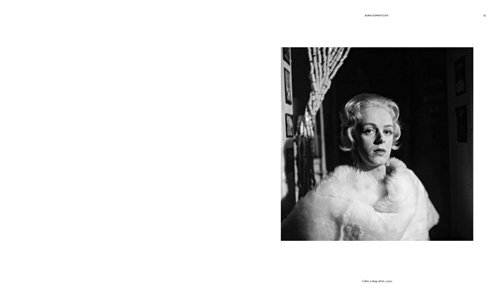
‘Newsstands and drag artists sit alongside Soho’s inner circle in this nostalgic black-and-white series.’ — Nowness

‘He has a drunk’s sensitivity as well as a drunk’s aggression, and the lives of his sitters in all their glamorous and grotesque contradictions pour out of these pictures.’ — Time Out

Under the Influence is a beautifully produced book that does justice to Deakin’s extraordinary images in its exquisite reproduction of the black and white images in particular. These photographs leap from the page enhanced by the book’s design – clean and uncluttered, with blank white pages throughout – that allow the images to convey their stories without distraction.… Muir’s prose reads more like fiction such is the fascinating tale of Deakin’s numerous rises and falls and the pace of the narrative.… Wrapped in a dark aubergine fabric with Deakin’s portrait of author JP Donleavy, resplendent in a fur trimmed coat sitting in a Soho bar, inlaid on the cover, Under the Influence holds within its covers the unfurling of a story that once known is not easily forgotten.’ — Photojournalism Now

If you ever want to know what the 1950s looked like, seek out his images. Deakin shot the bohemians of Soho – the artists, the writers, the chancers and the drunks. He pinned them all to the page in images so sharp you could cut your eye on them.’ — Herald


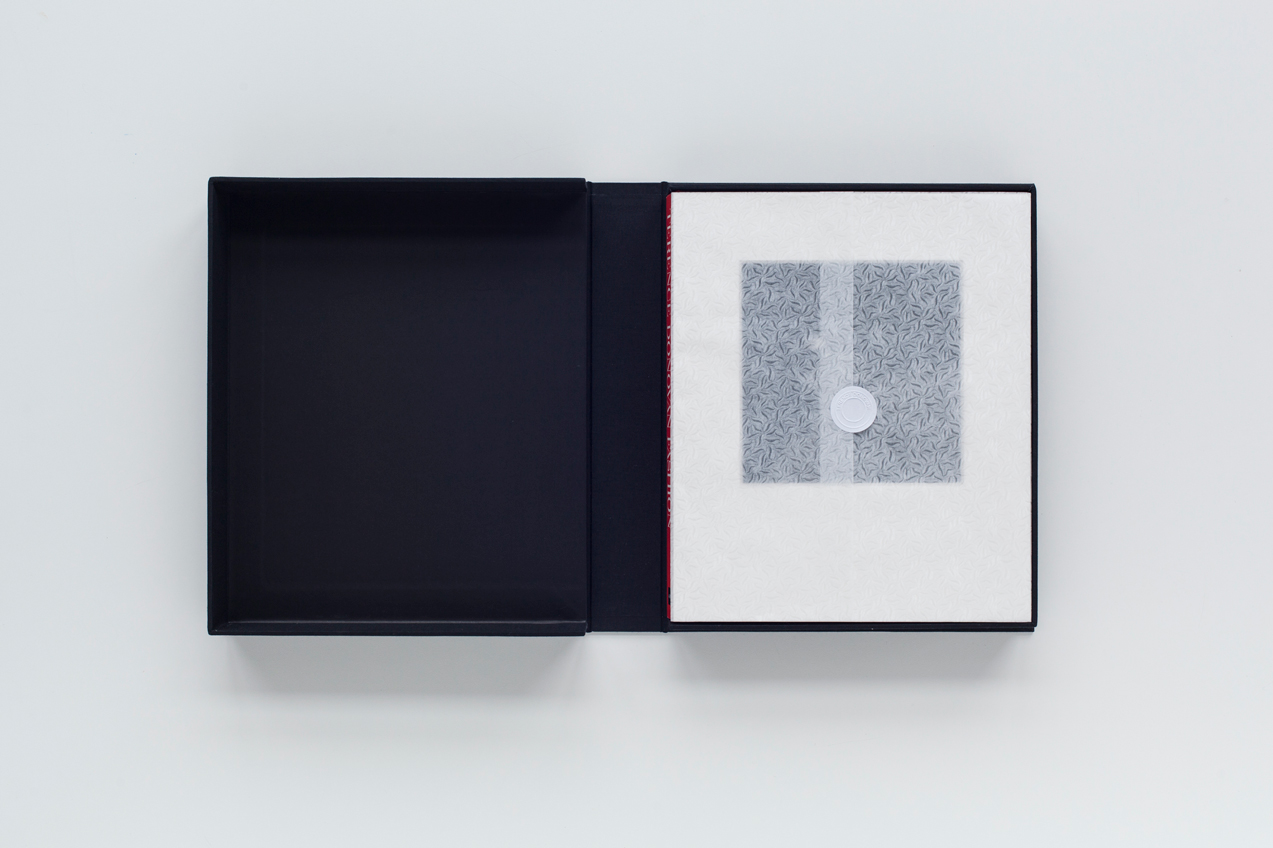
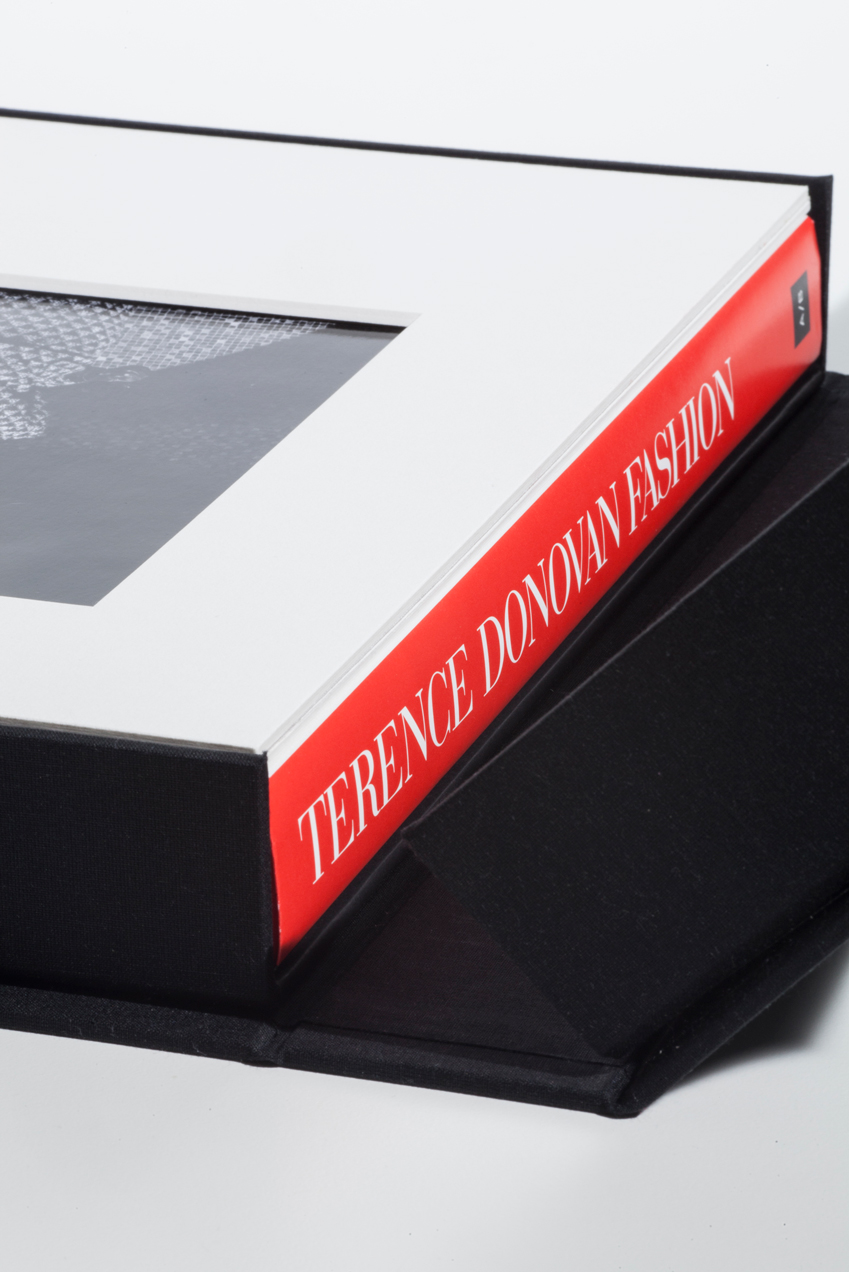
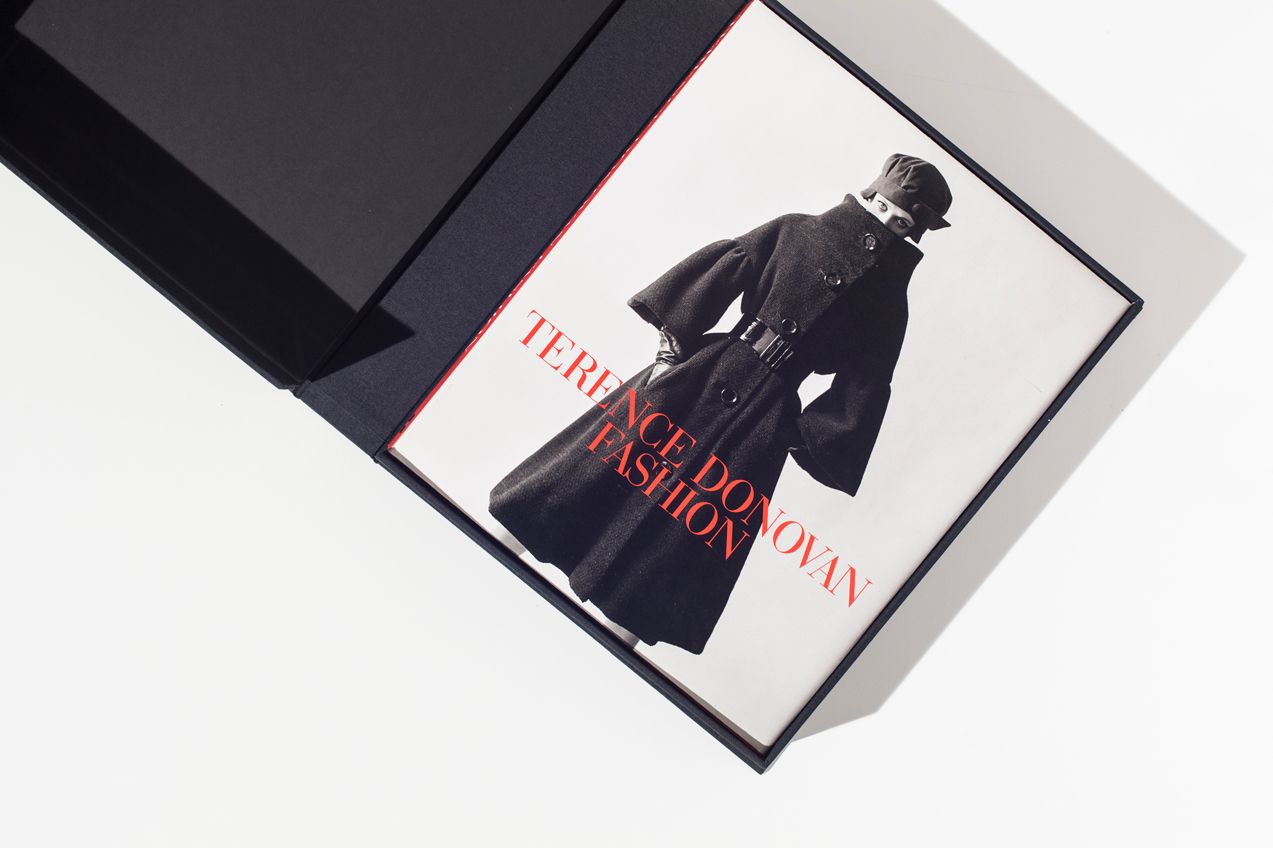
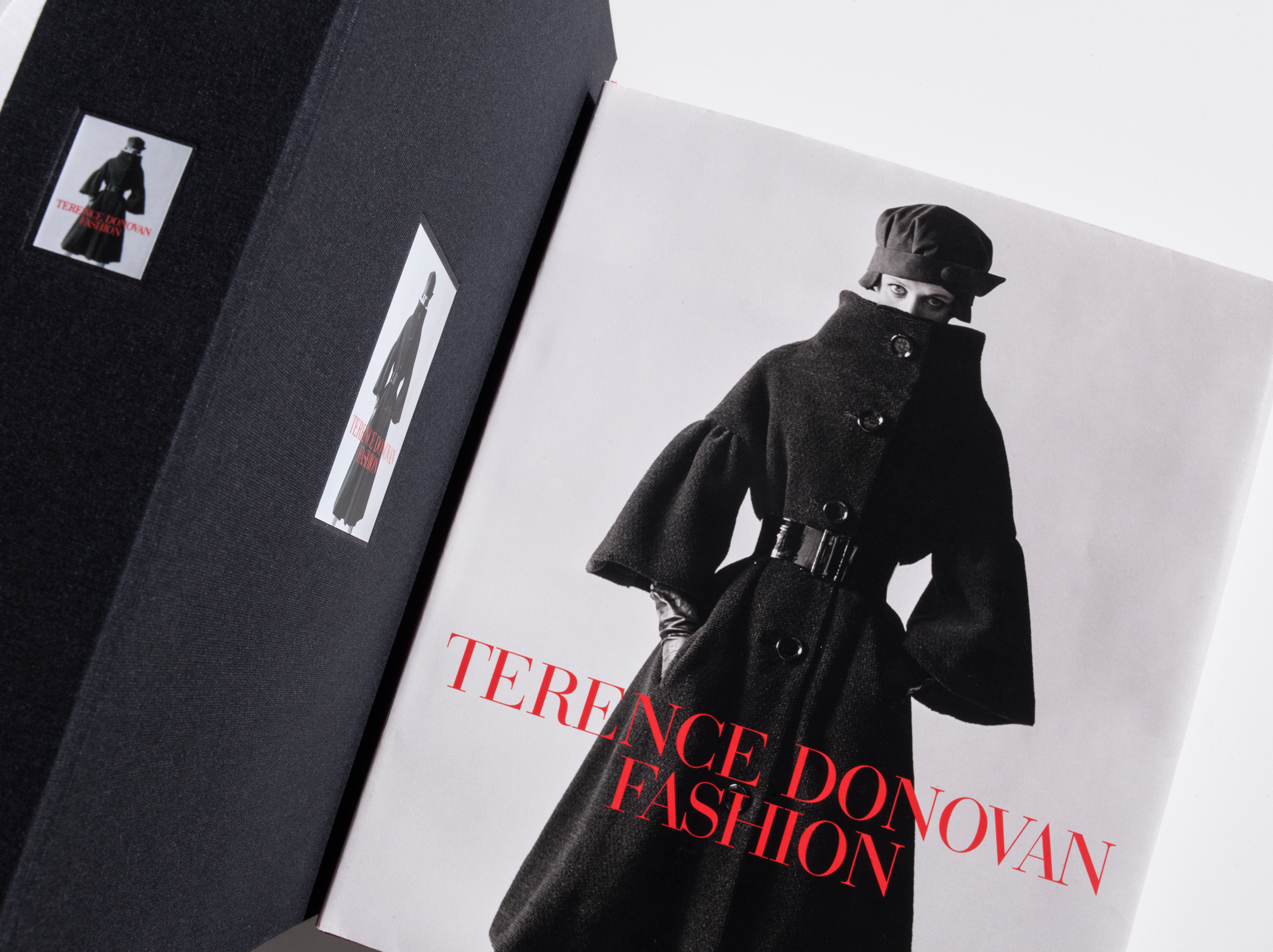
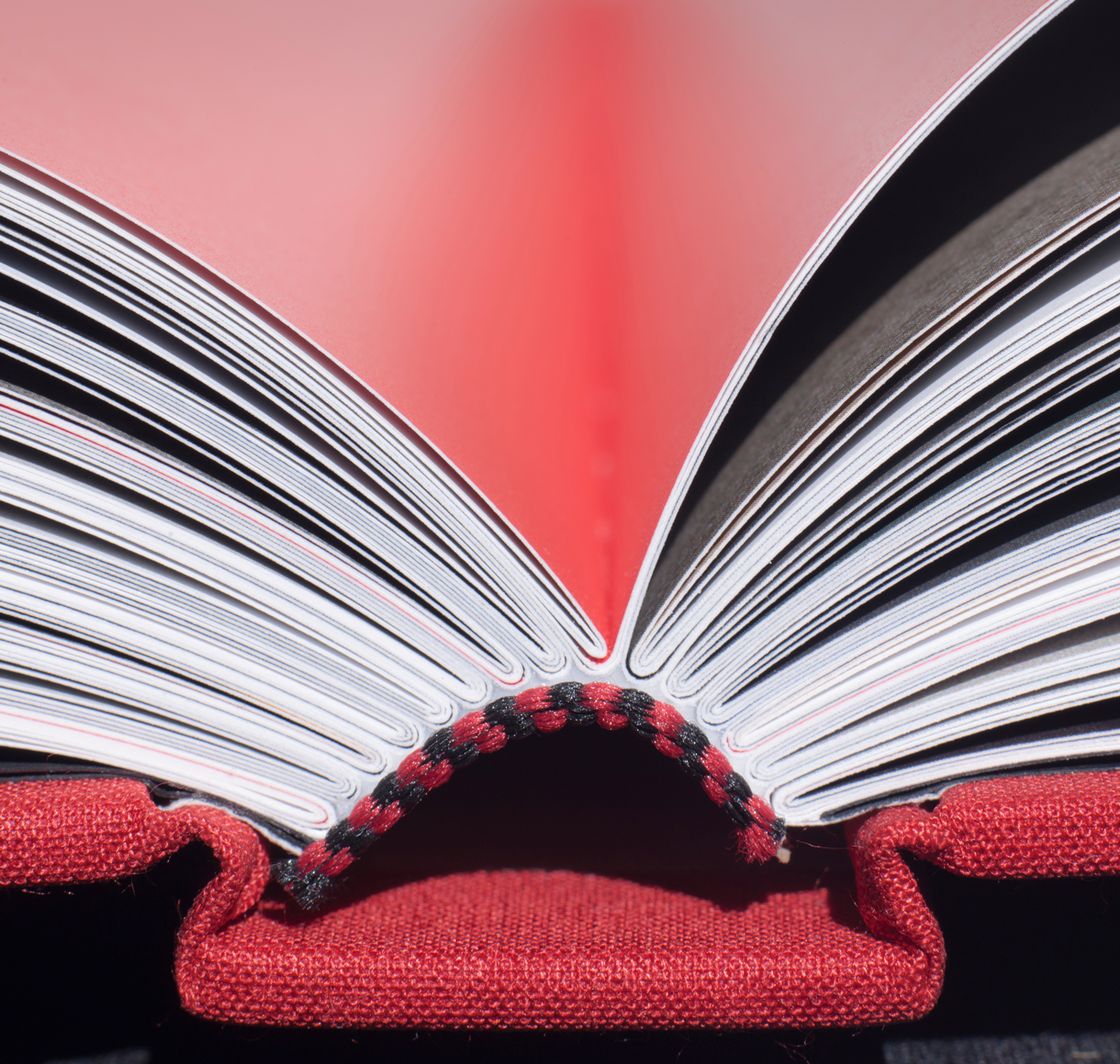
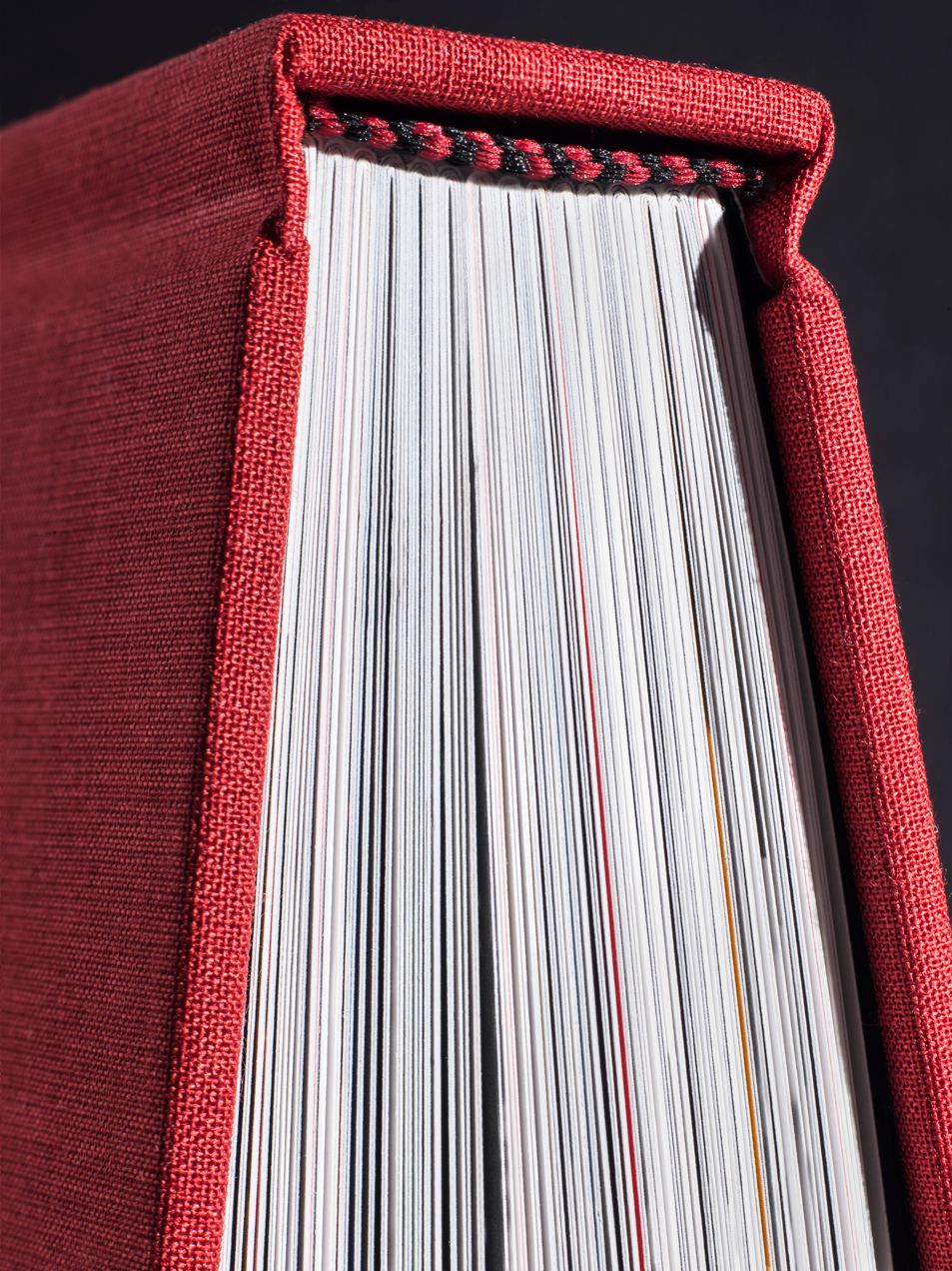
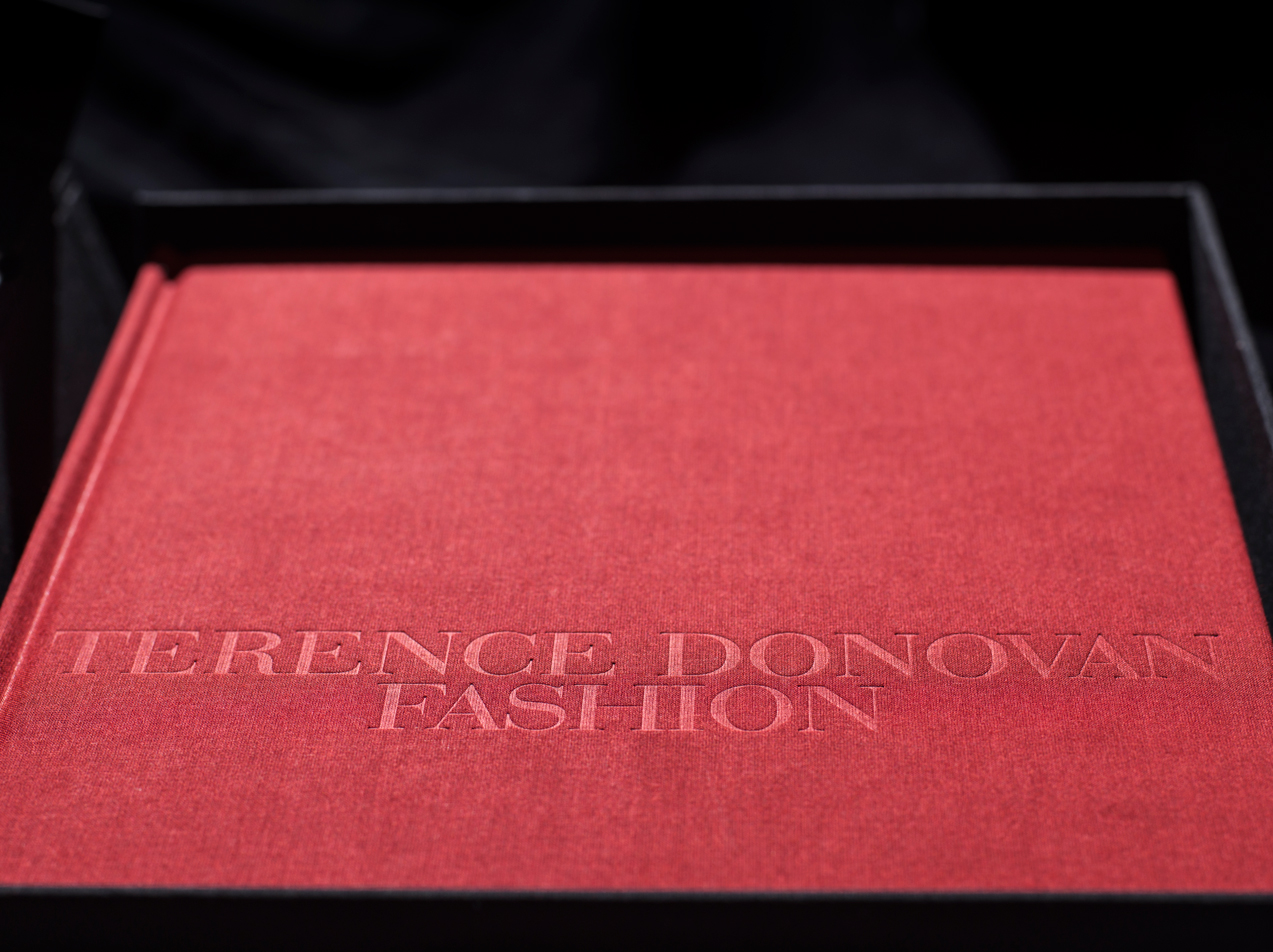
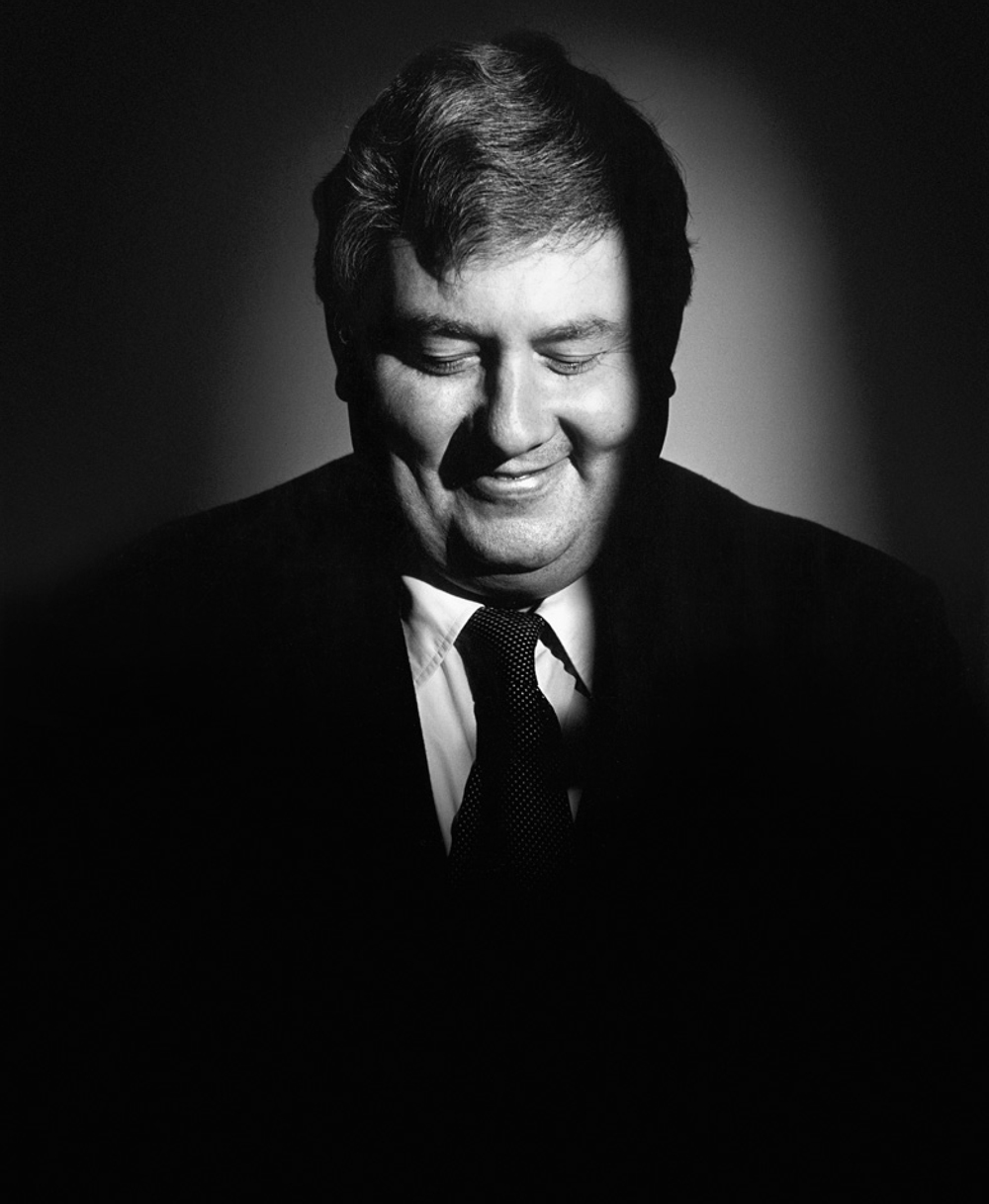
Terence Donovan Fashion special edition

Edited by Diana Donovan and David Hillman
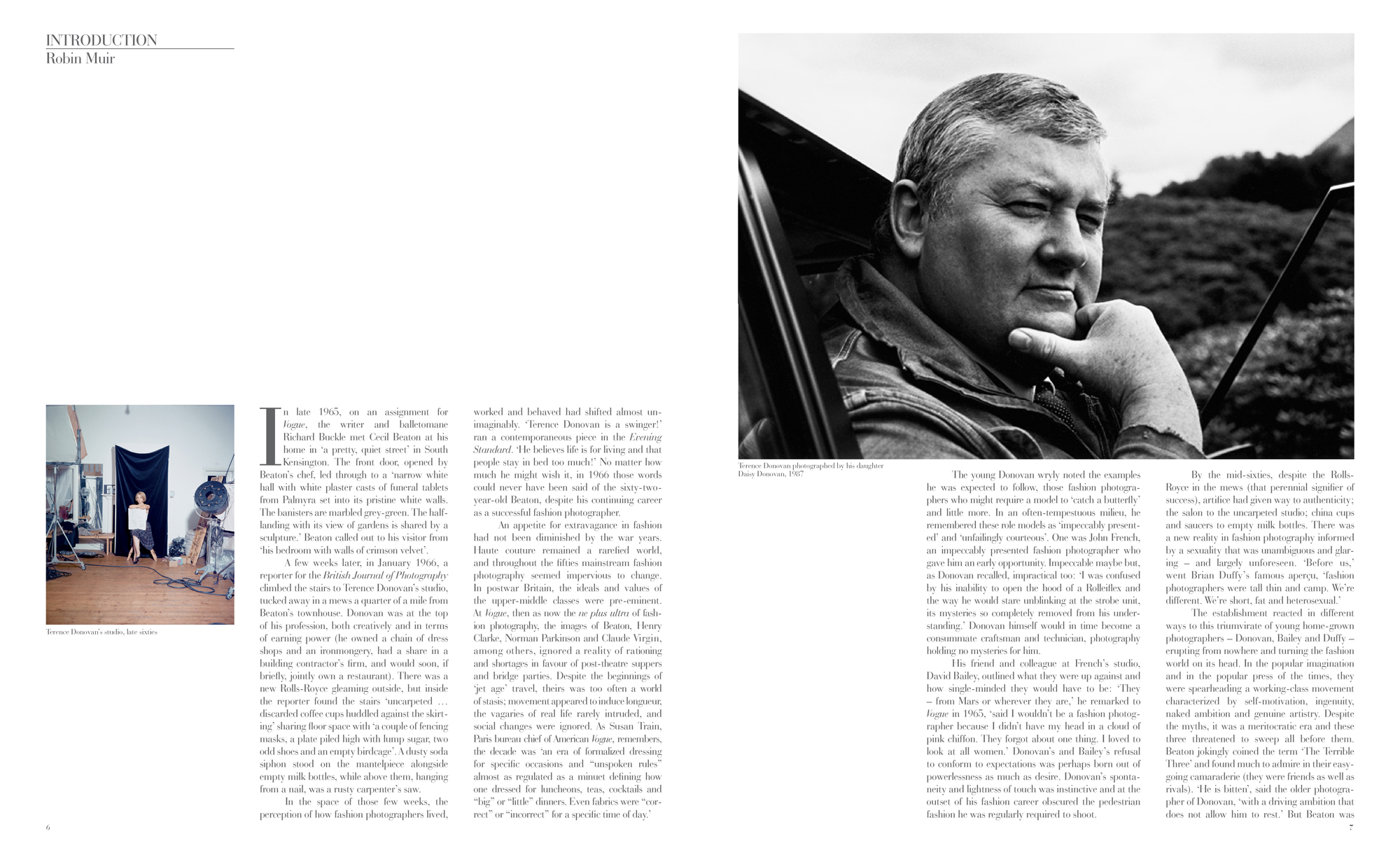
Text by Robin Muir
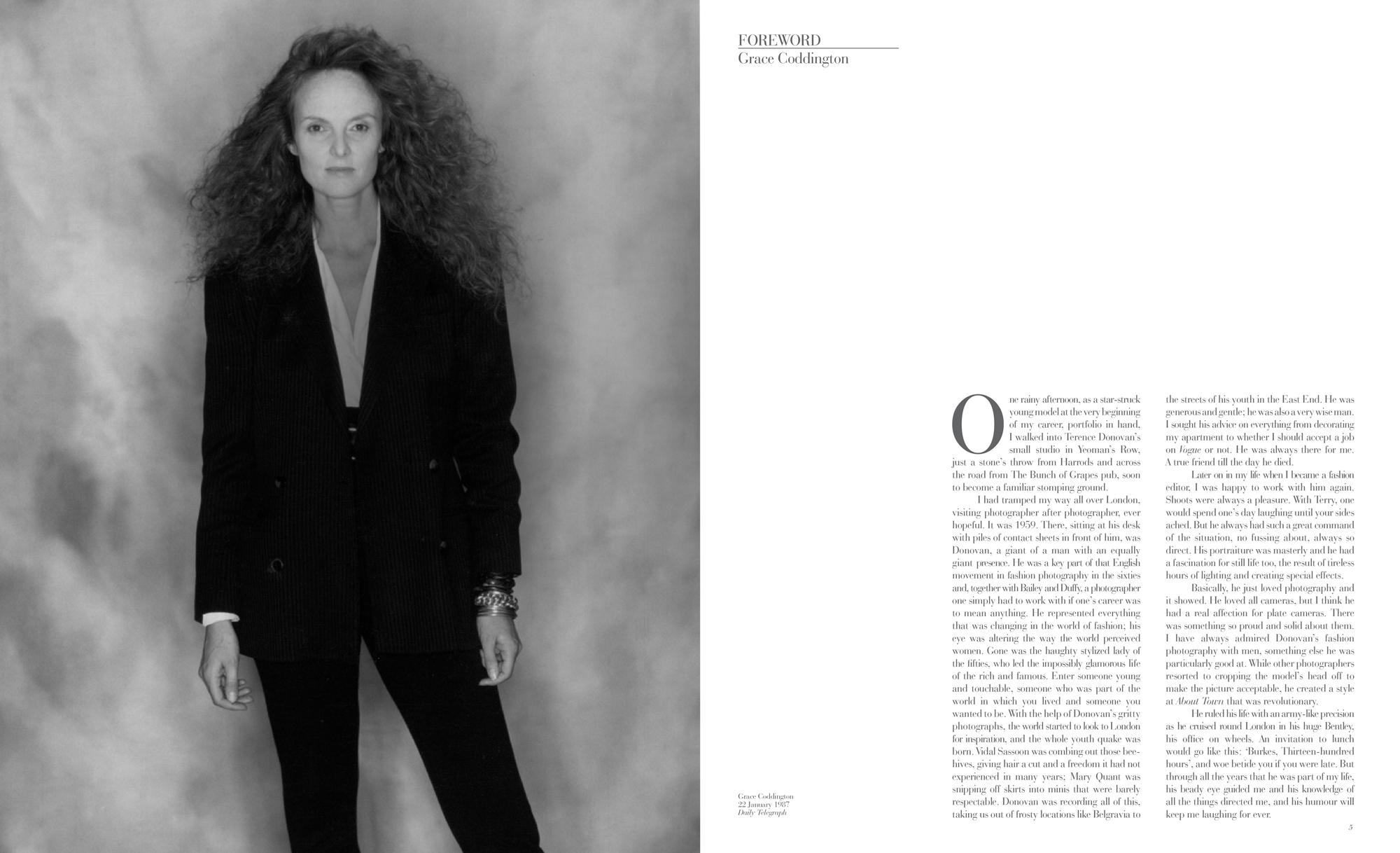
Foreword by Grace Coddington
Designed by David Hillman

‘Flawless’ — New York Journal of Books
‘Superb’ — Observer
‘Stylish’ — Sunday Telegraph, ‘Favourite Books of the Year’

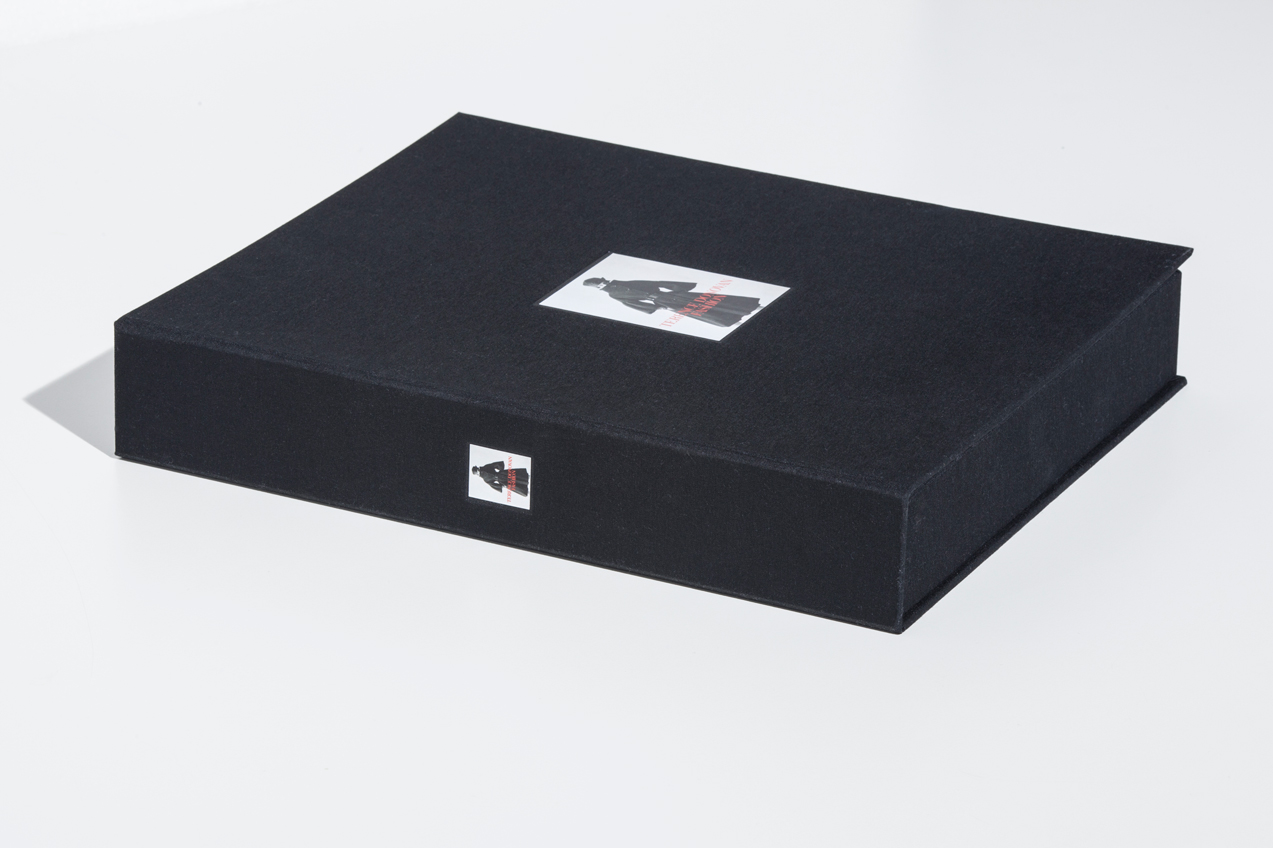
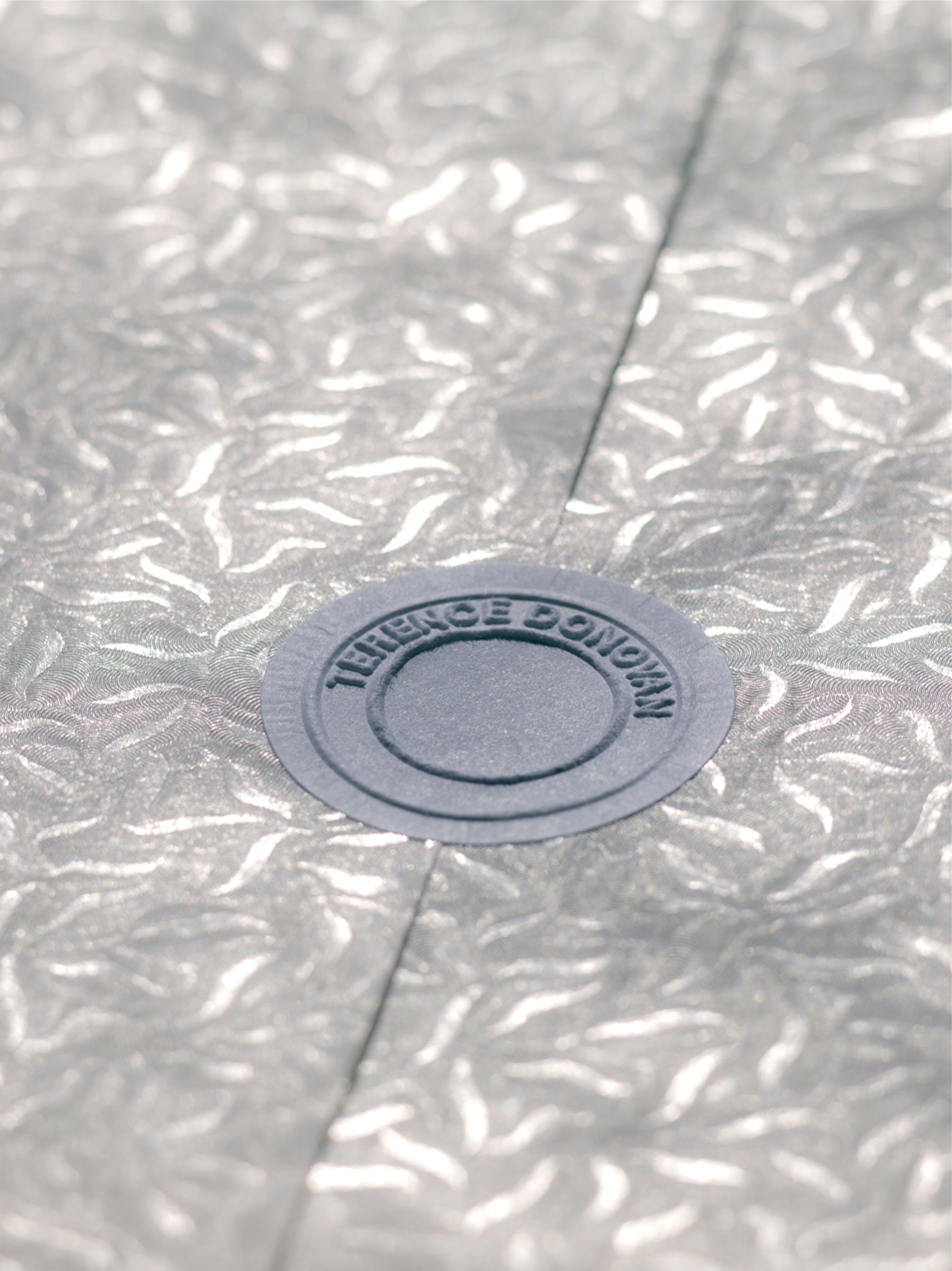
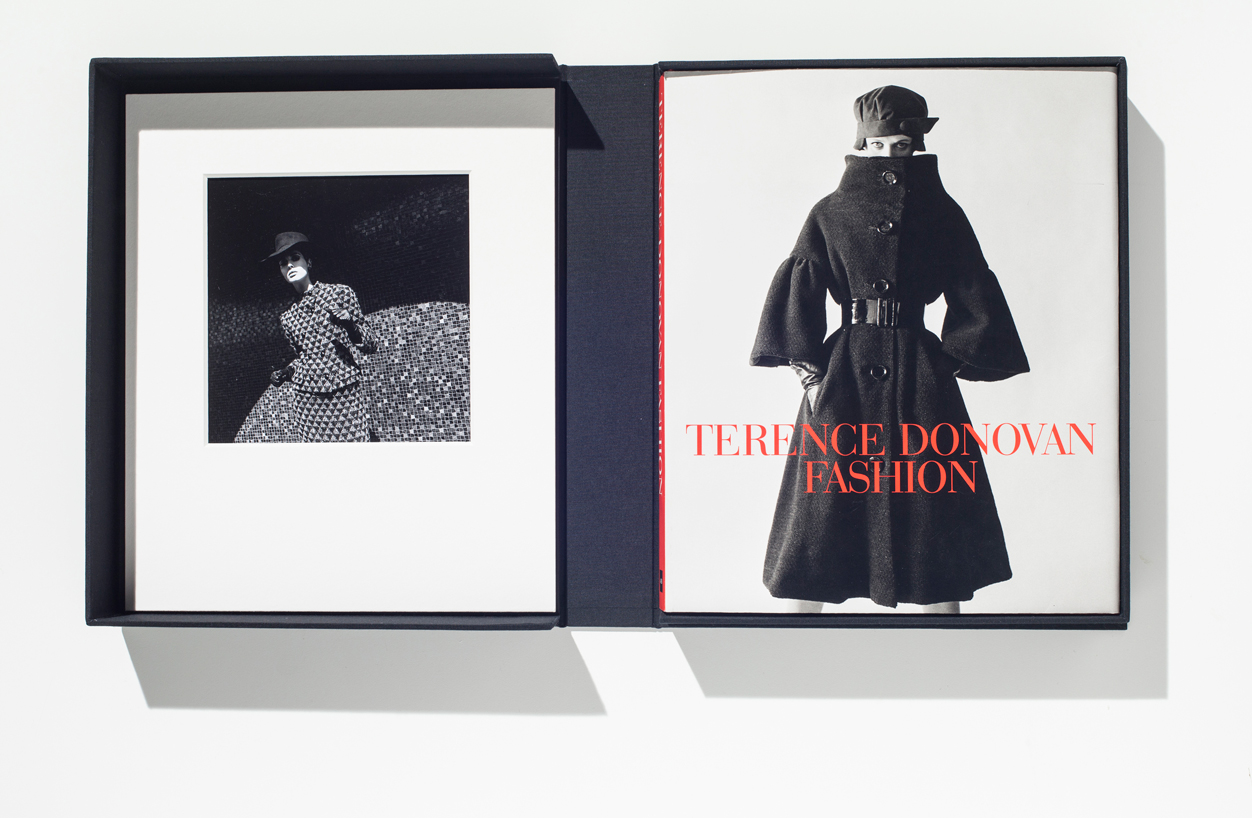
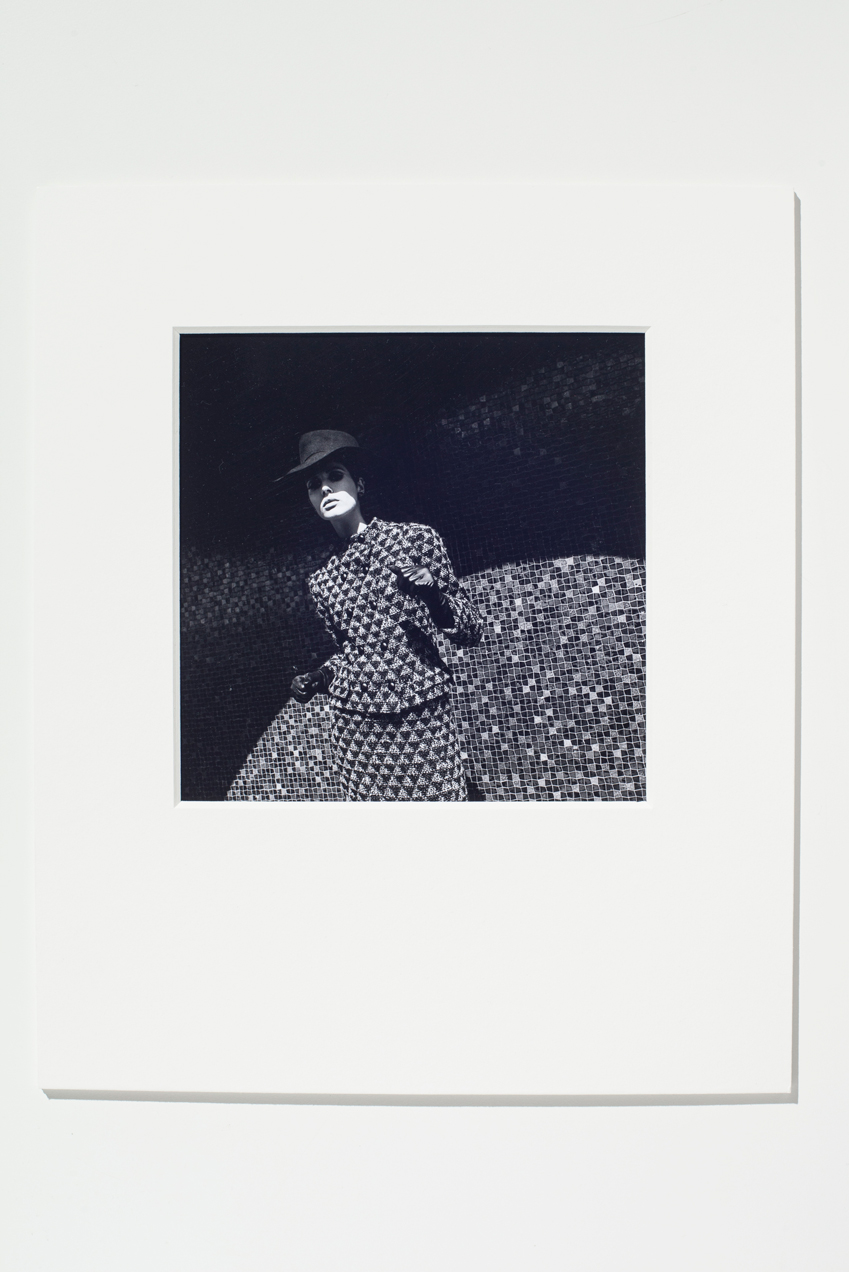
Limited edition of 30 with a silver gelatin print on Ilford Galerie fibre-based paper in an archival mount, signed and numbered by the Terence Donovan Archive, with a signed certificate of authentication

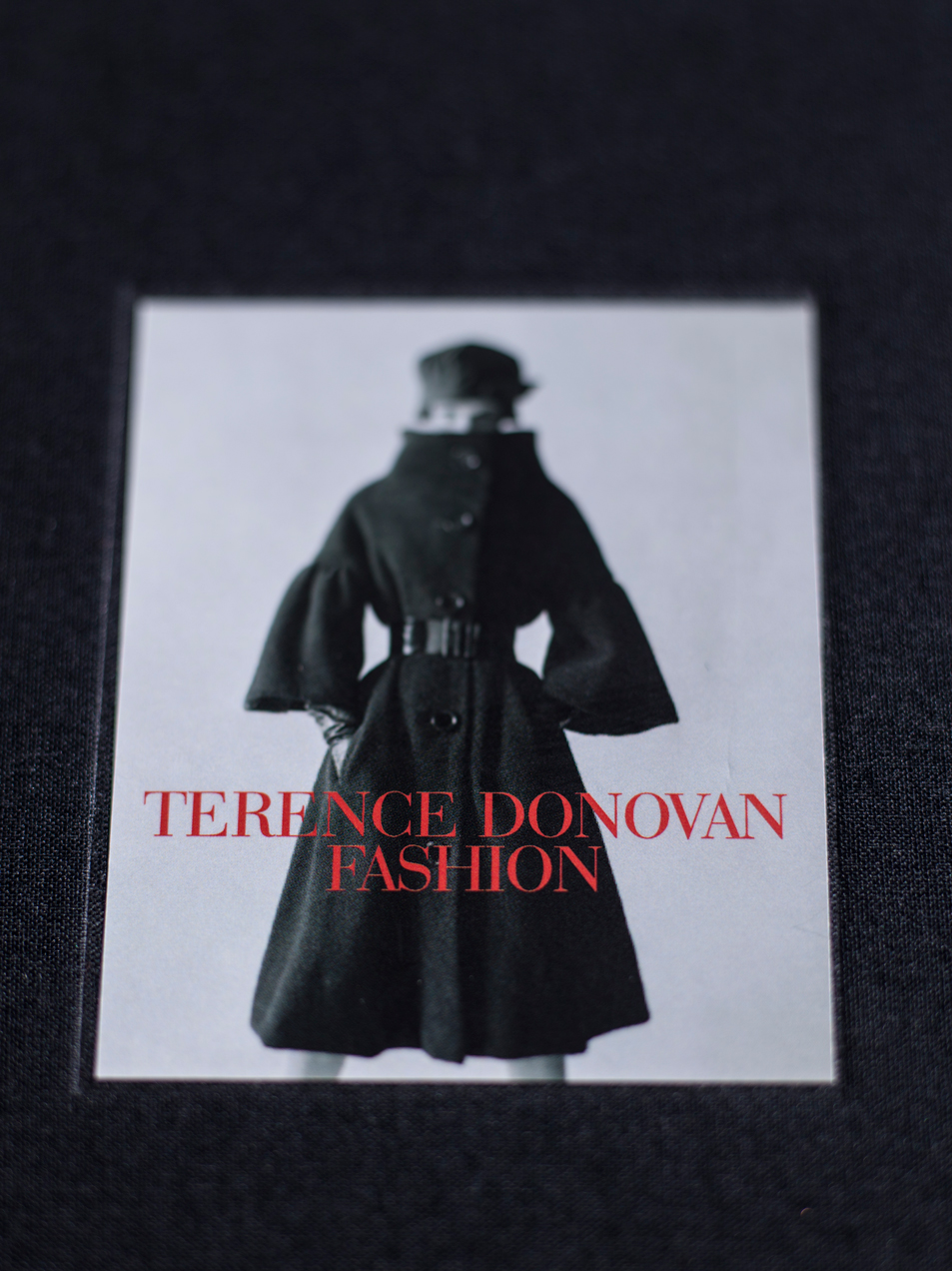
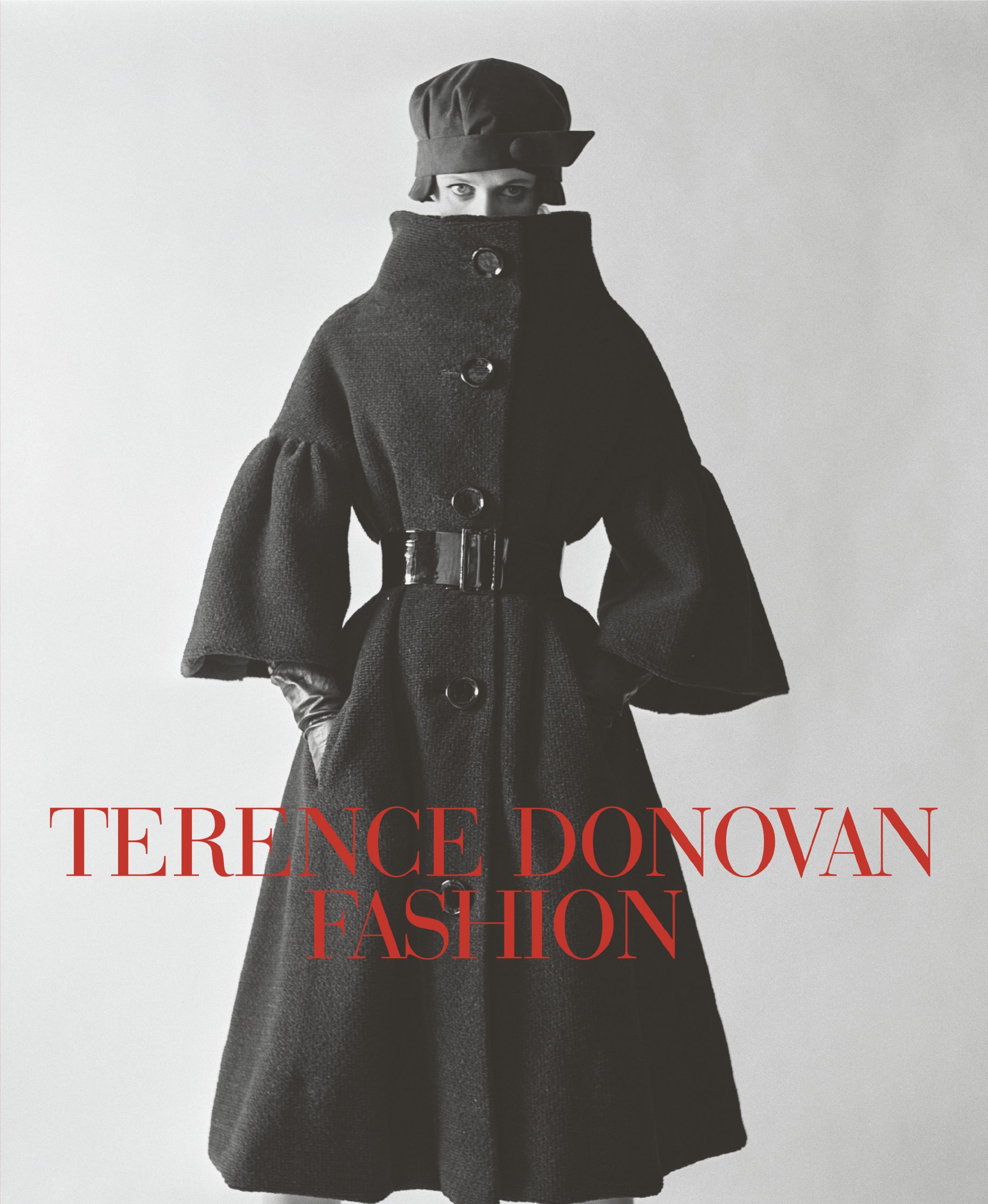
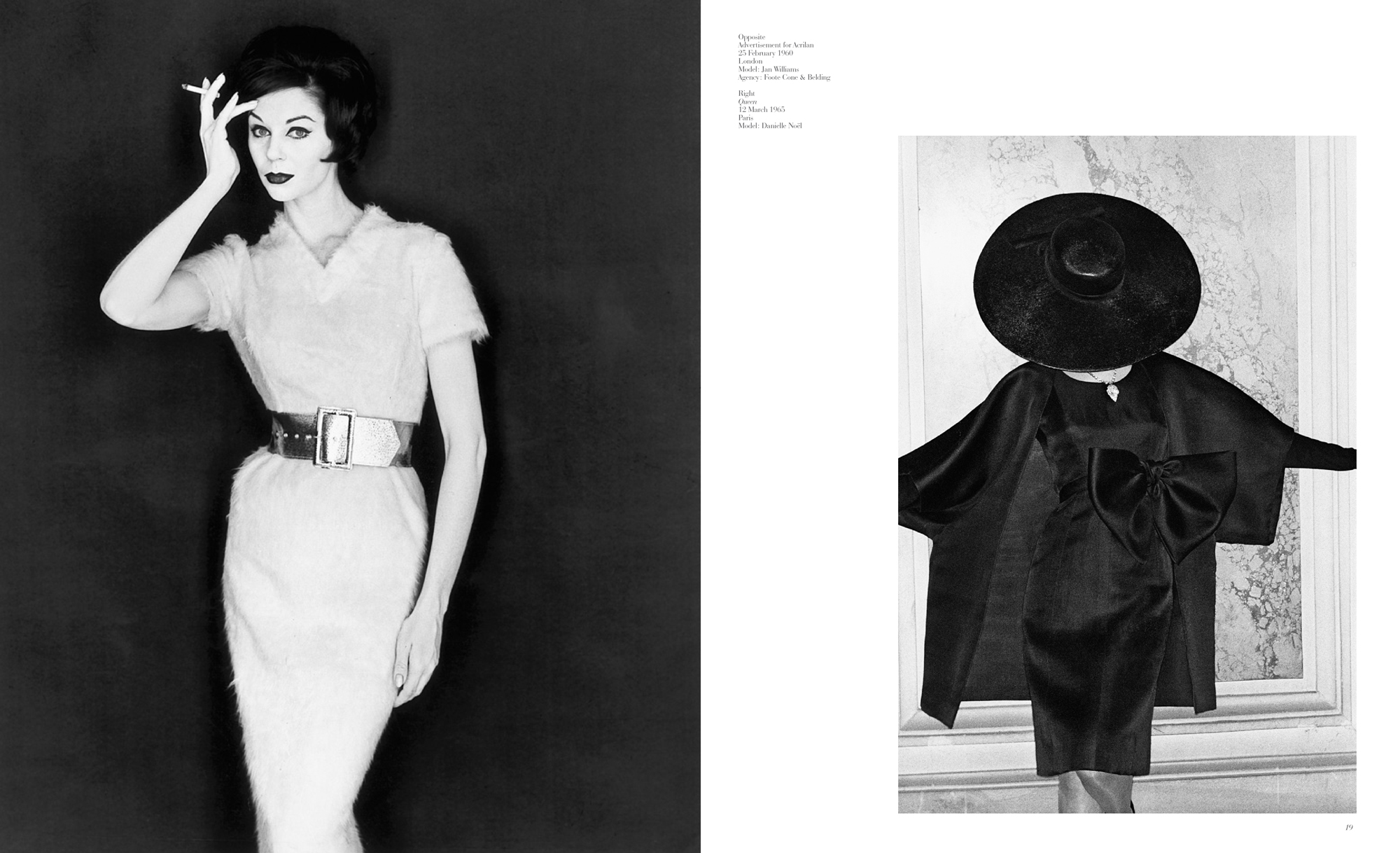
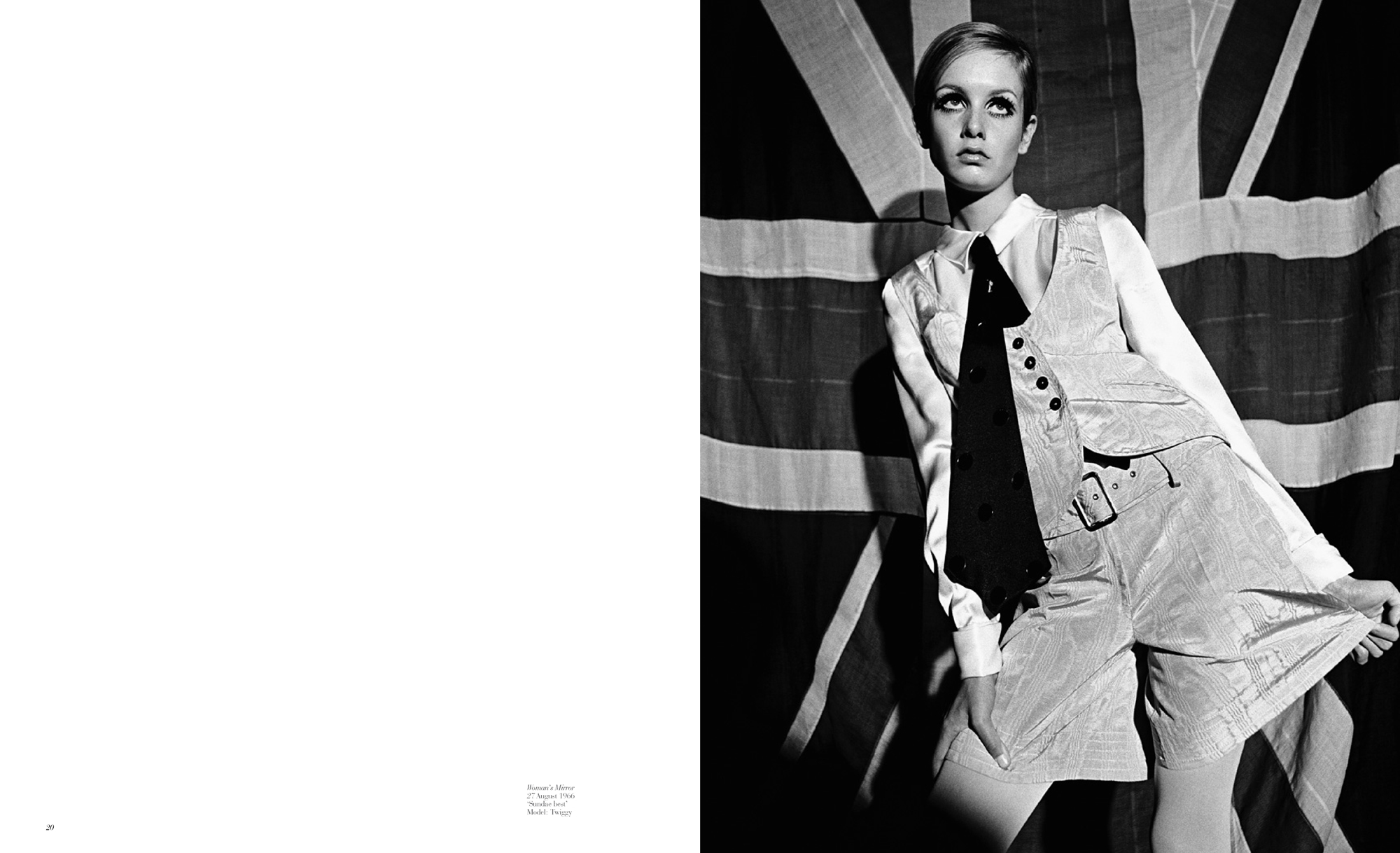
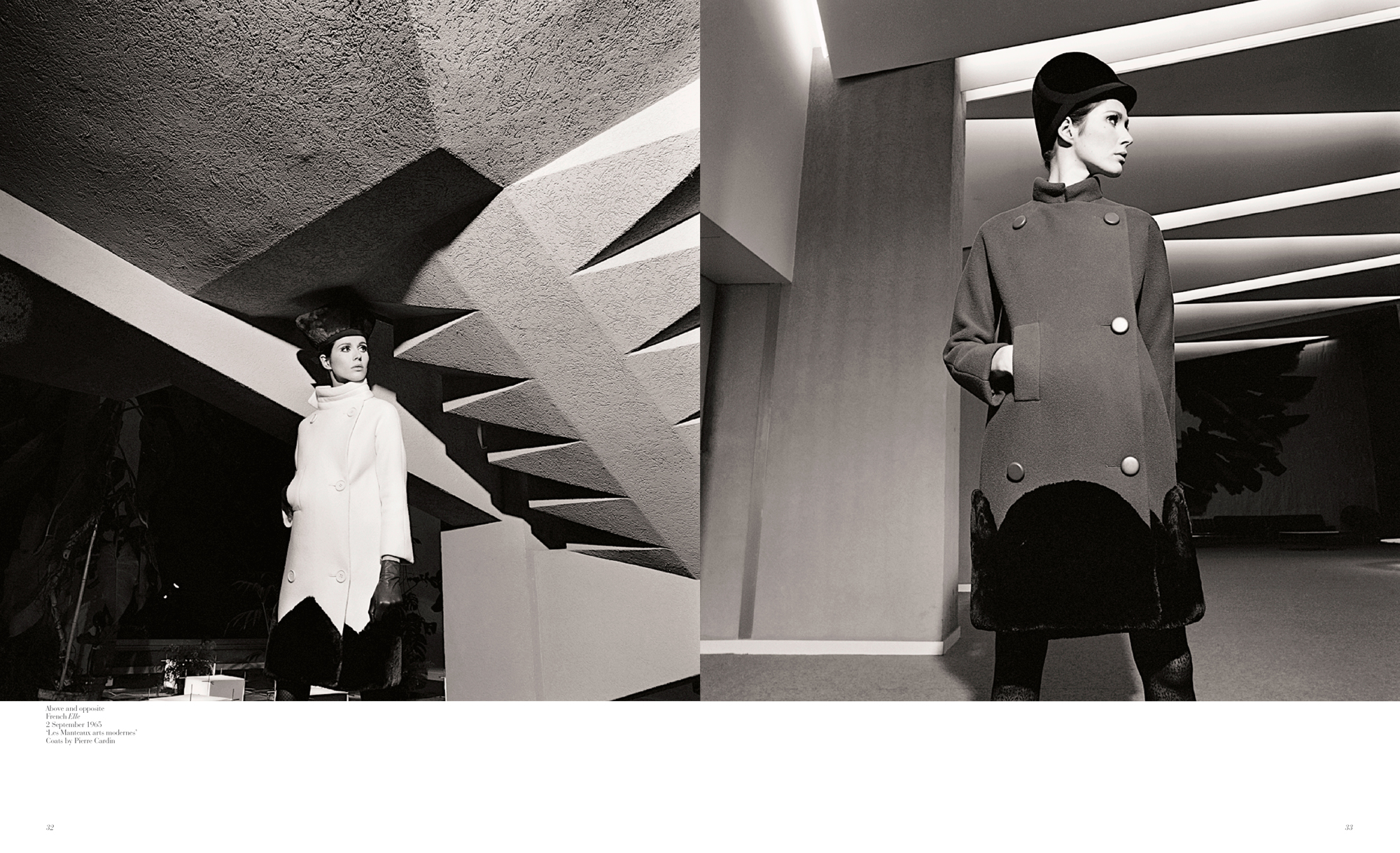
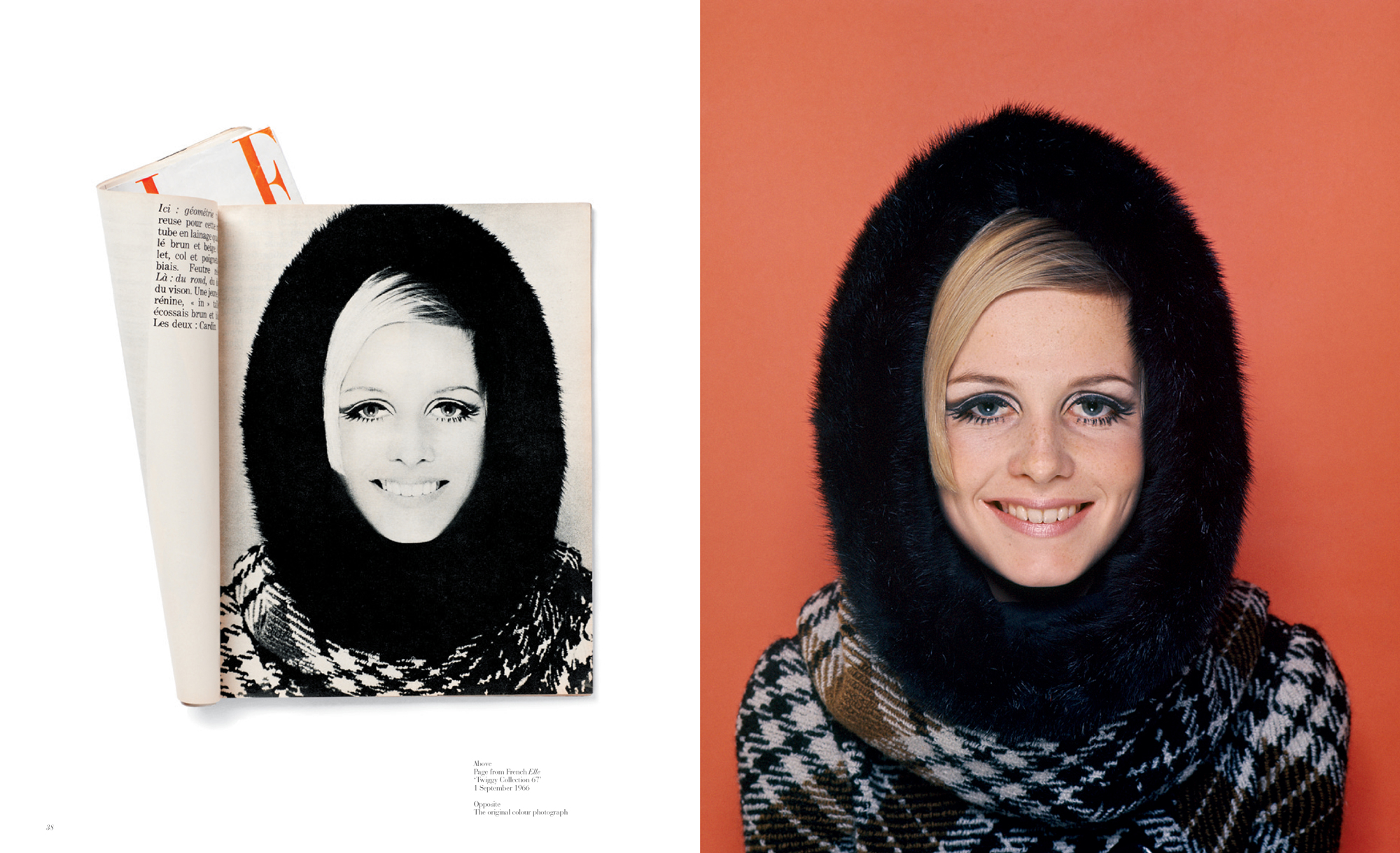
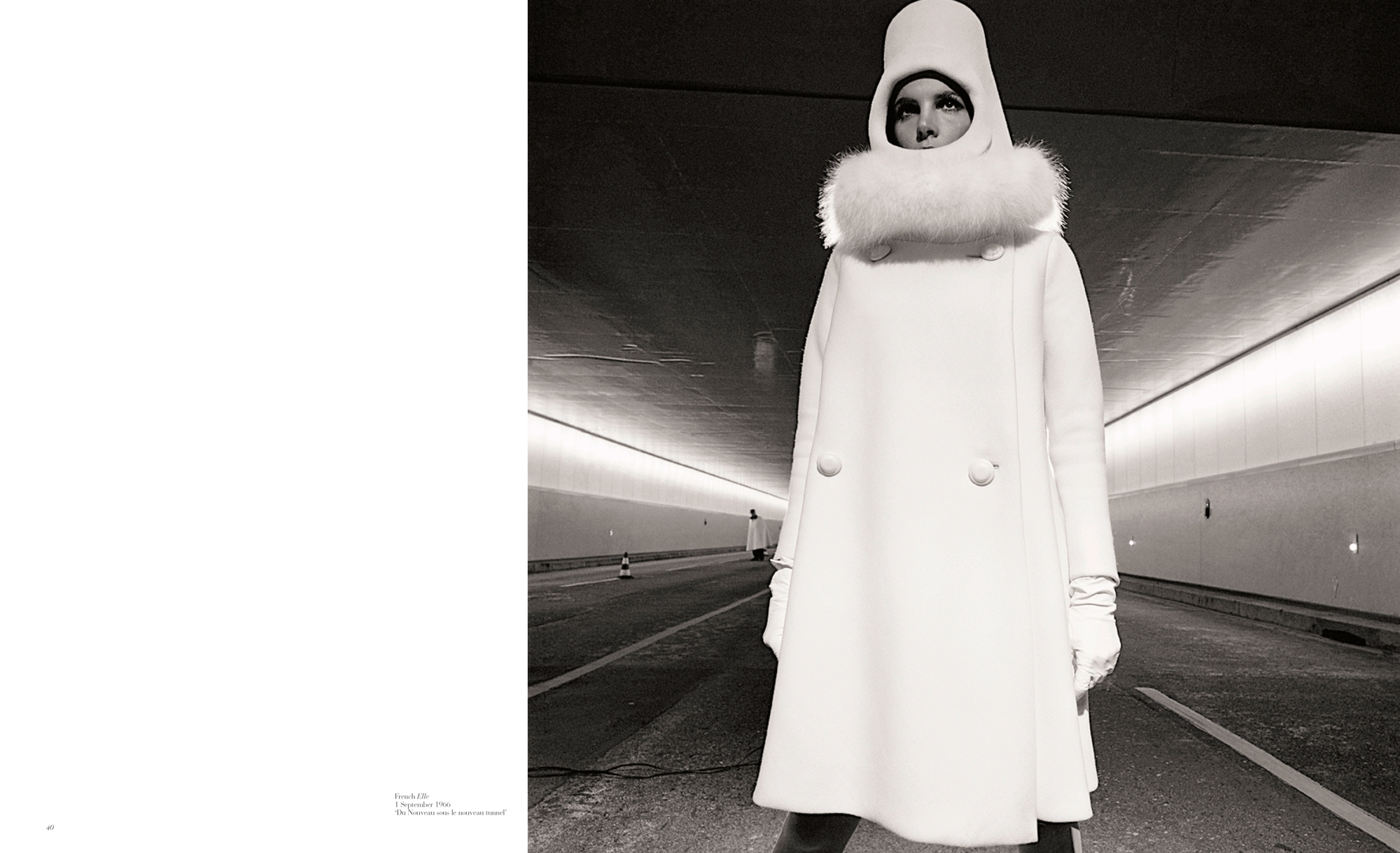
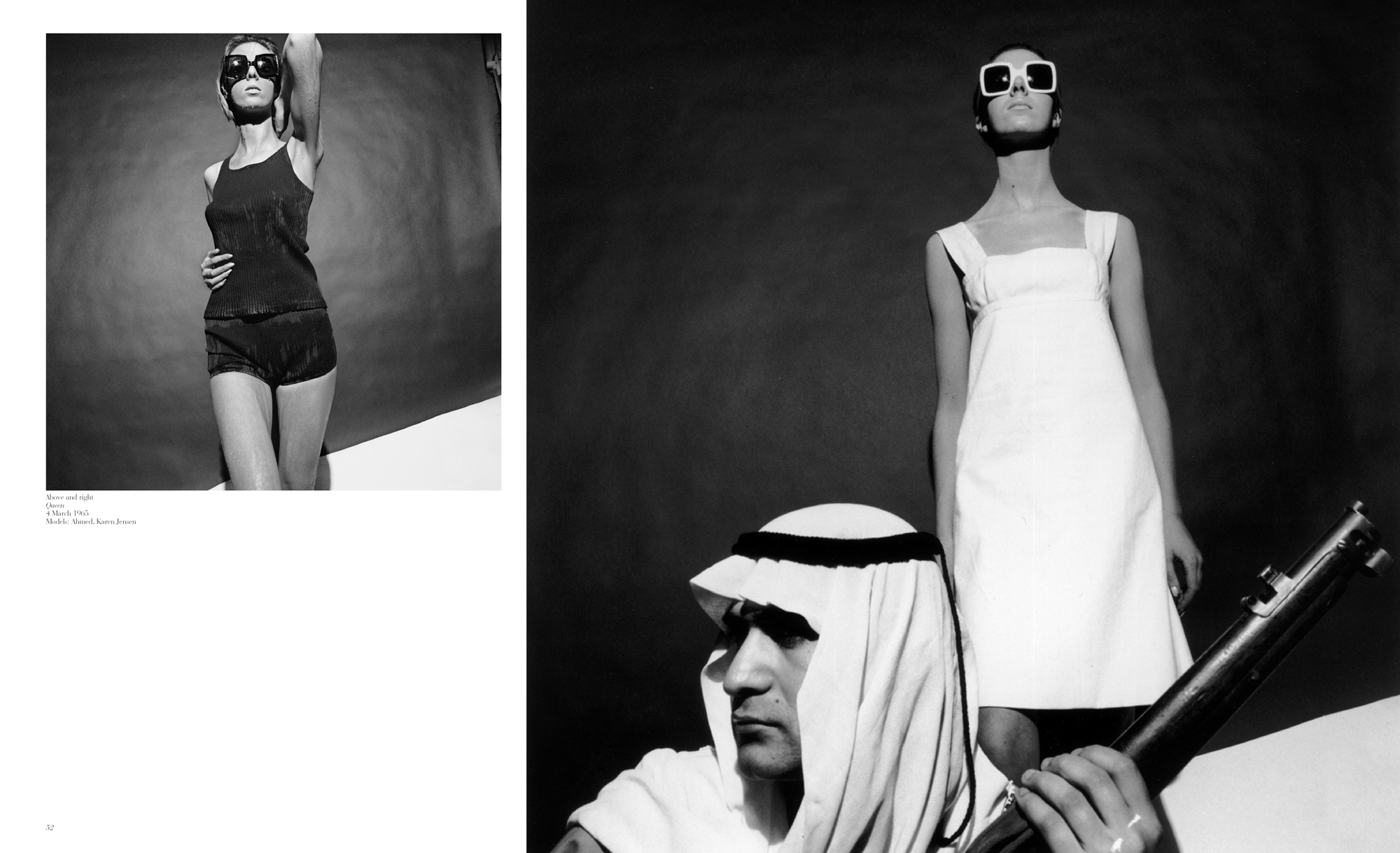
‘In a 1965 shoot for Elle, a gamine model in graphic patterned suit by Dior, leather gloves and fedora is caught in a dramatic arc of light against a mosaic wall. The model appears defiant, punching the air, glaring at the lens and delivering what is now known as “attitude”, but back then would have appeared threatening, radical.’ — Harriet Quick, Observer

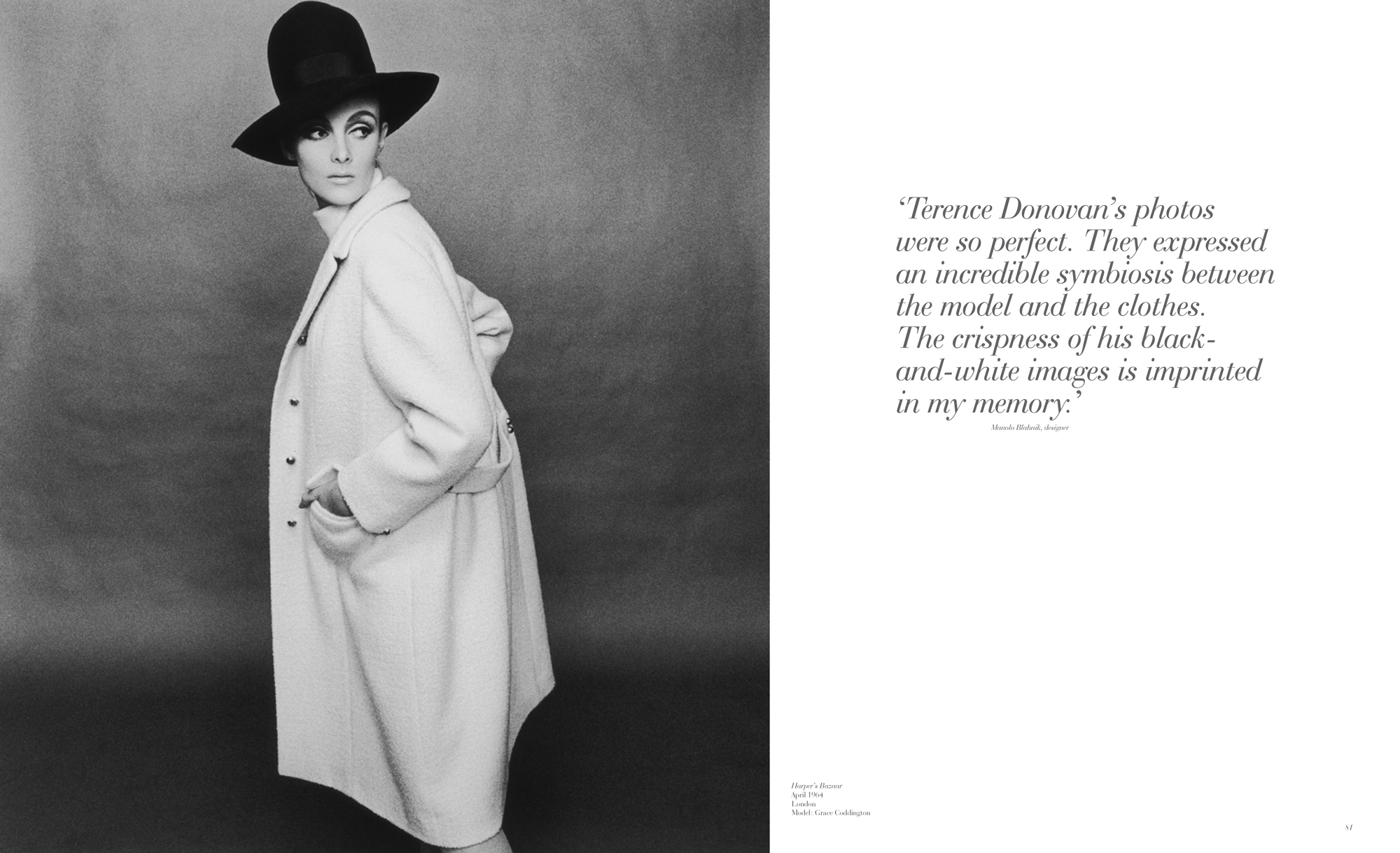
Terence Donovan was one of the foremost photographers of his generation – among the greatest Britain has ever produced. He came to prominence in London as part of a postwar renaissance in art, fashion, graphic design and photography. His working-class background and outlook helped change the face of British fashion photography and made him a major figure of London’s Swinging Sixties. A star in his own right, he was equally at home with celebrities and royalty as well as the ordinary girl on the street, whose mannerisms informed his photographs.

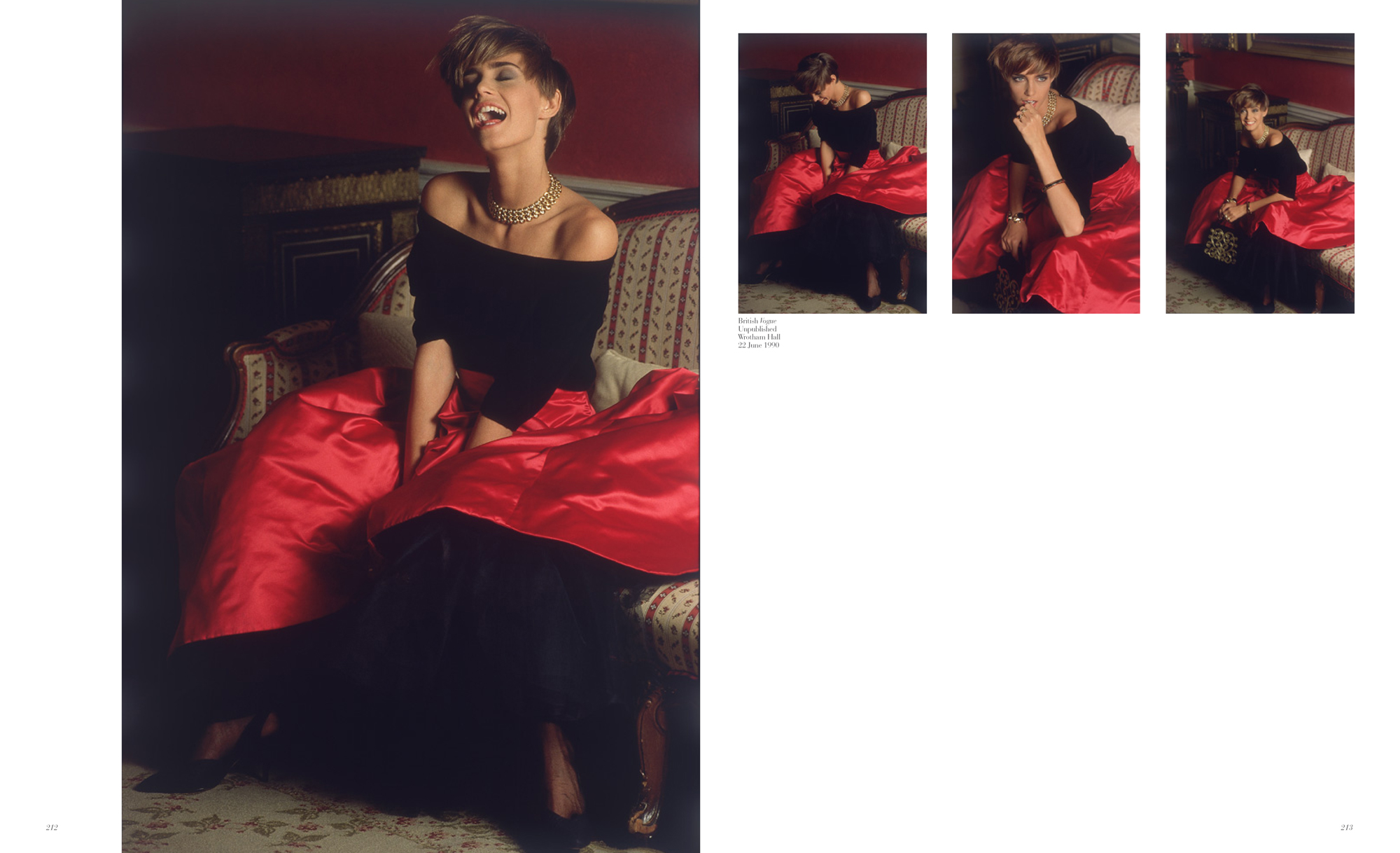
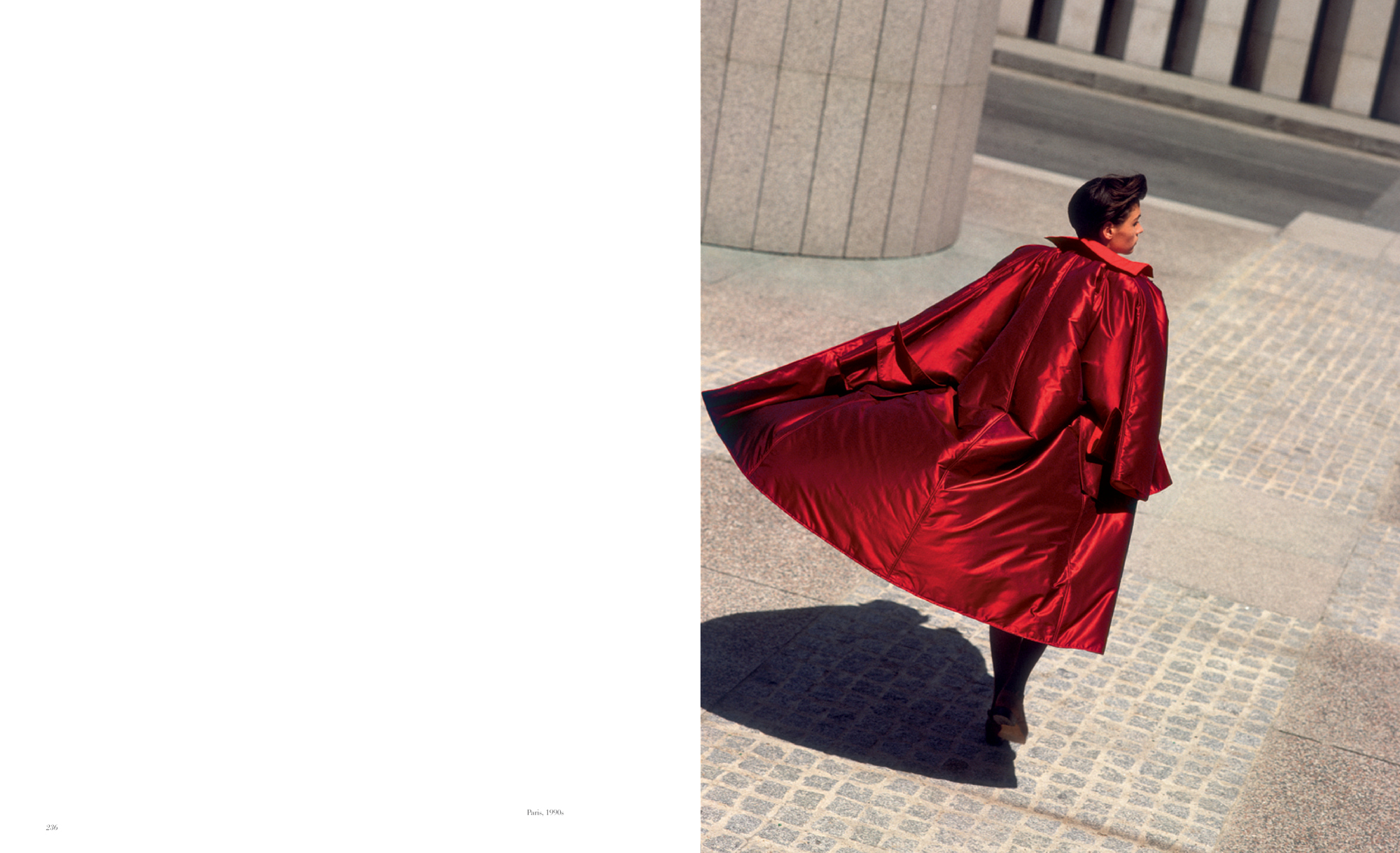
Gifted with an unerring eye for the iconic image, Donovan was also master of his craft, a technical genius who strove to push the limits of what was possible. And yet despite his fame and status, there has never been a publication devoted solely to his fashion work. Terence Donovan Fashion is the first time his fashion pictures have been collected together in book form.

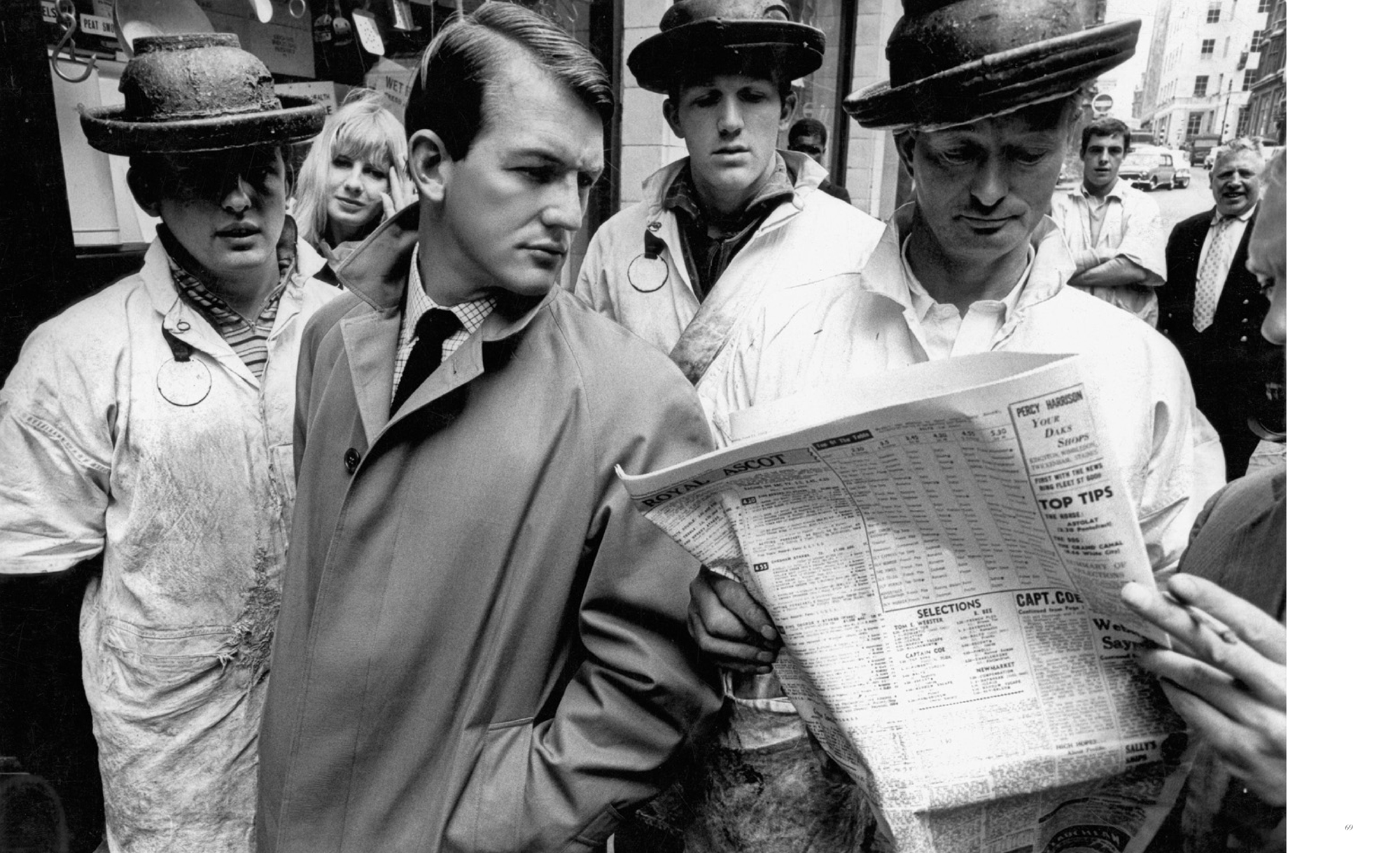
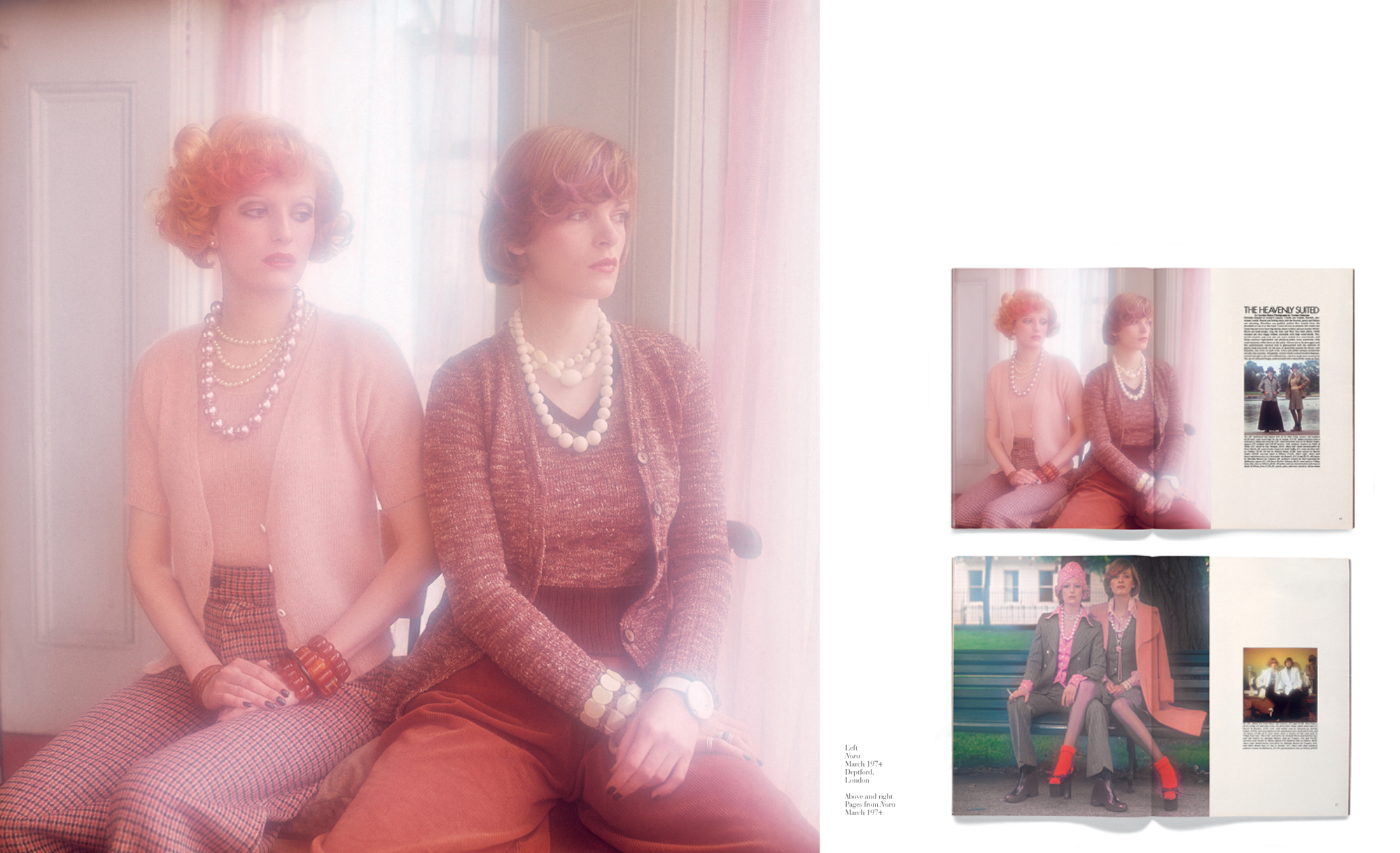
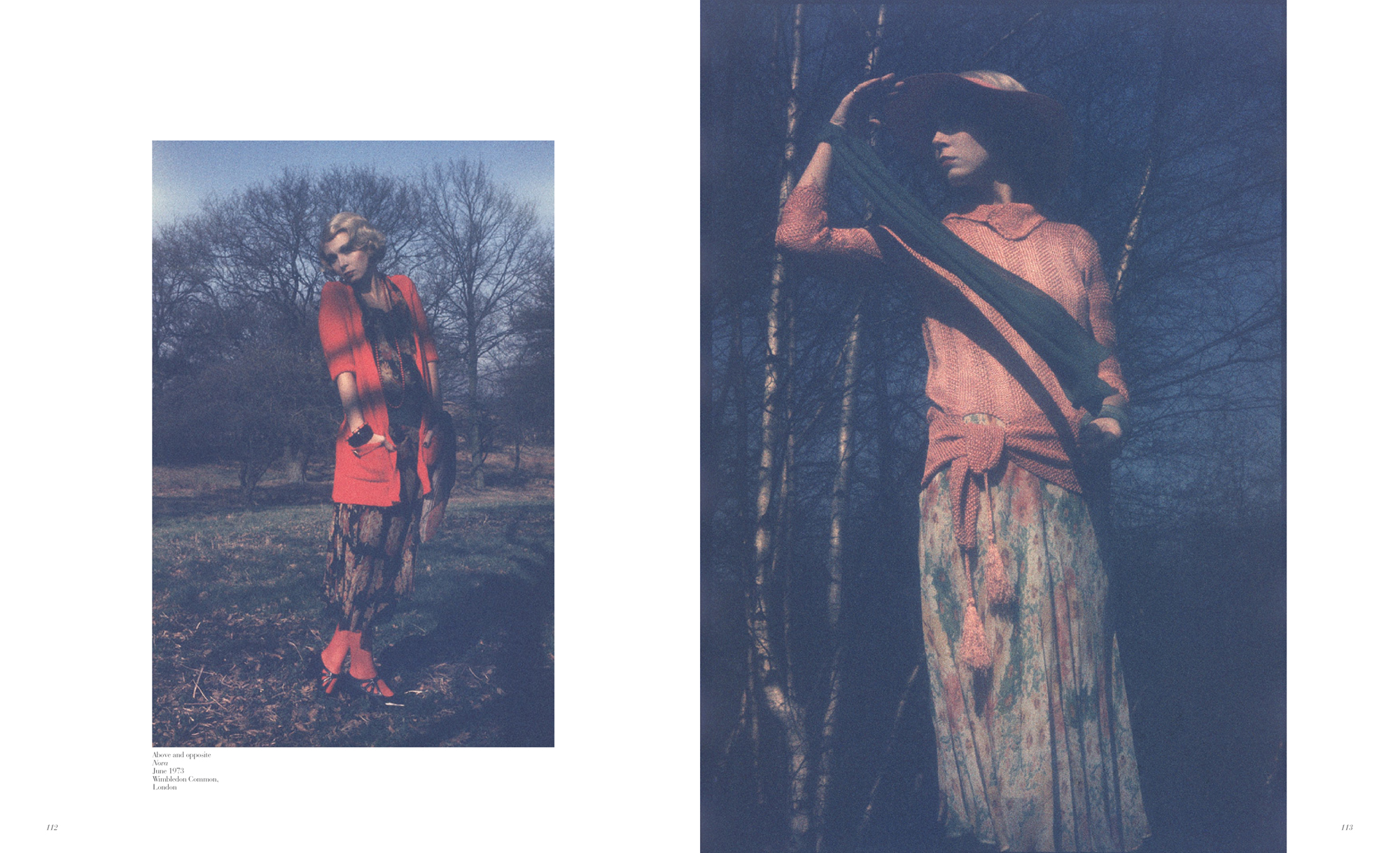
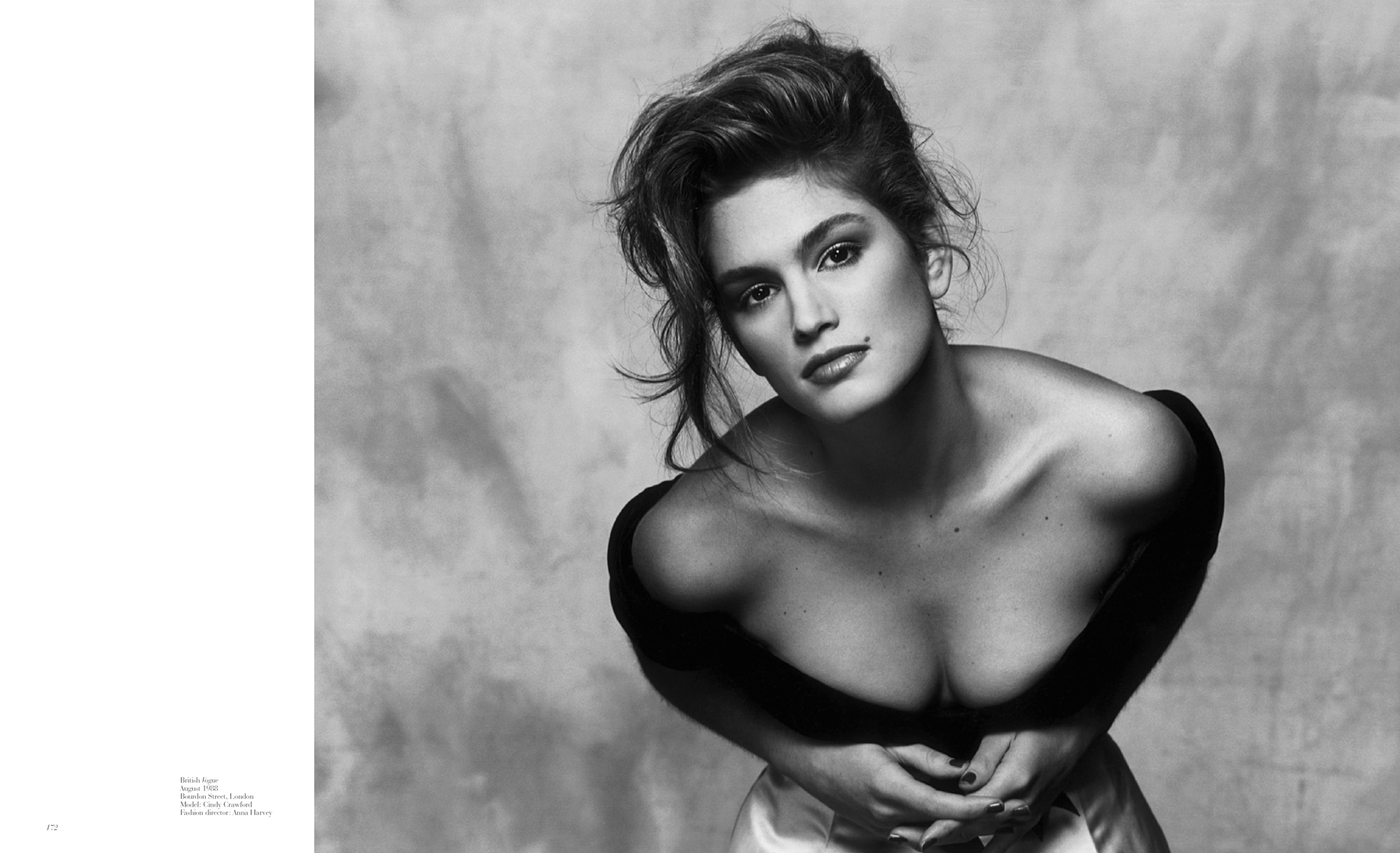
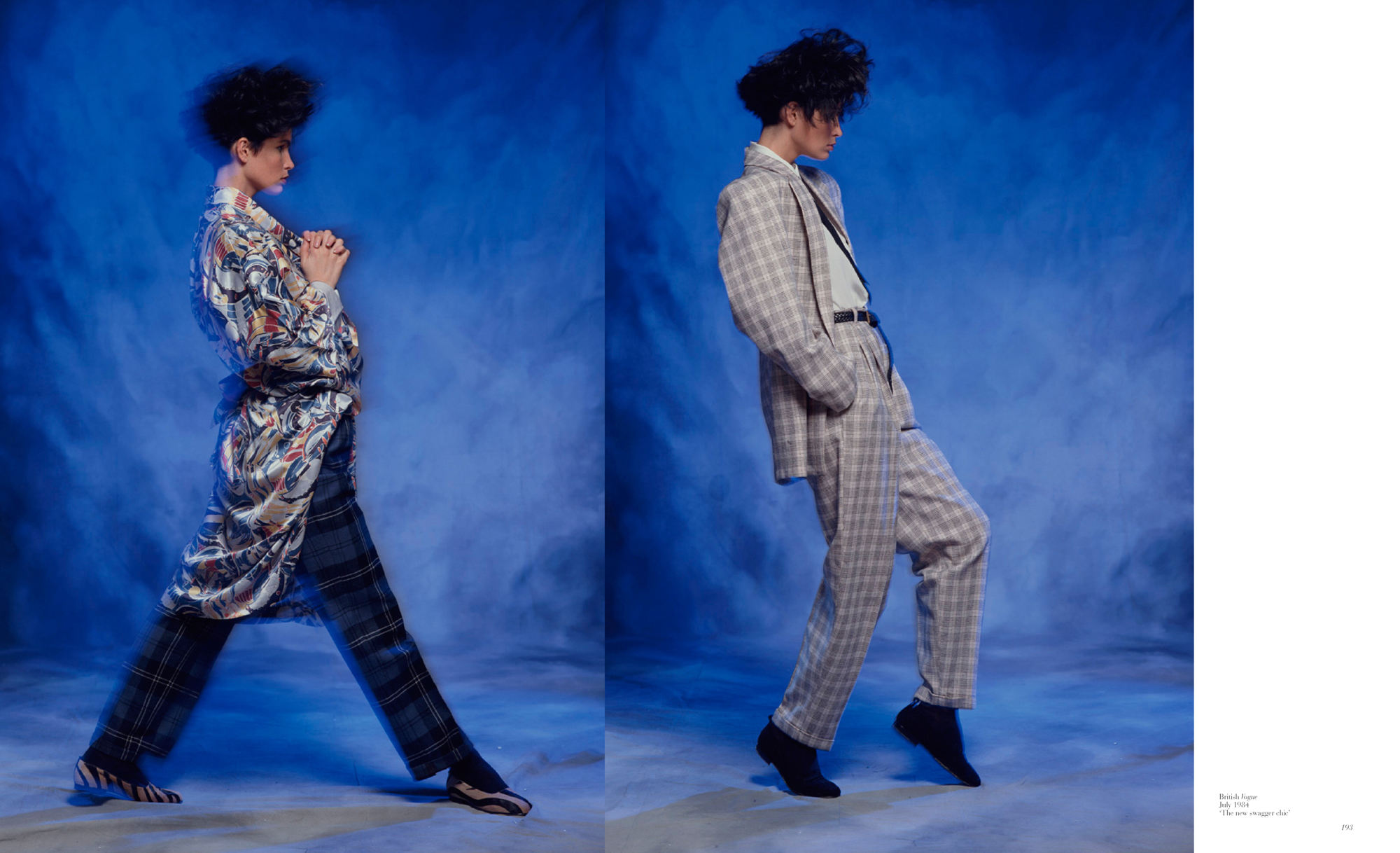
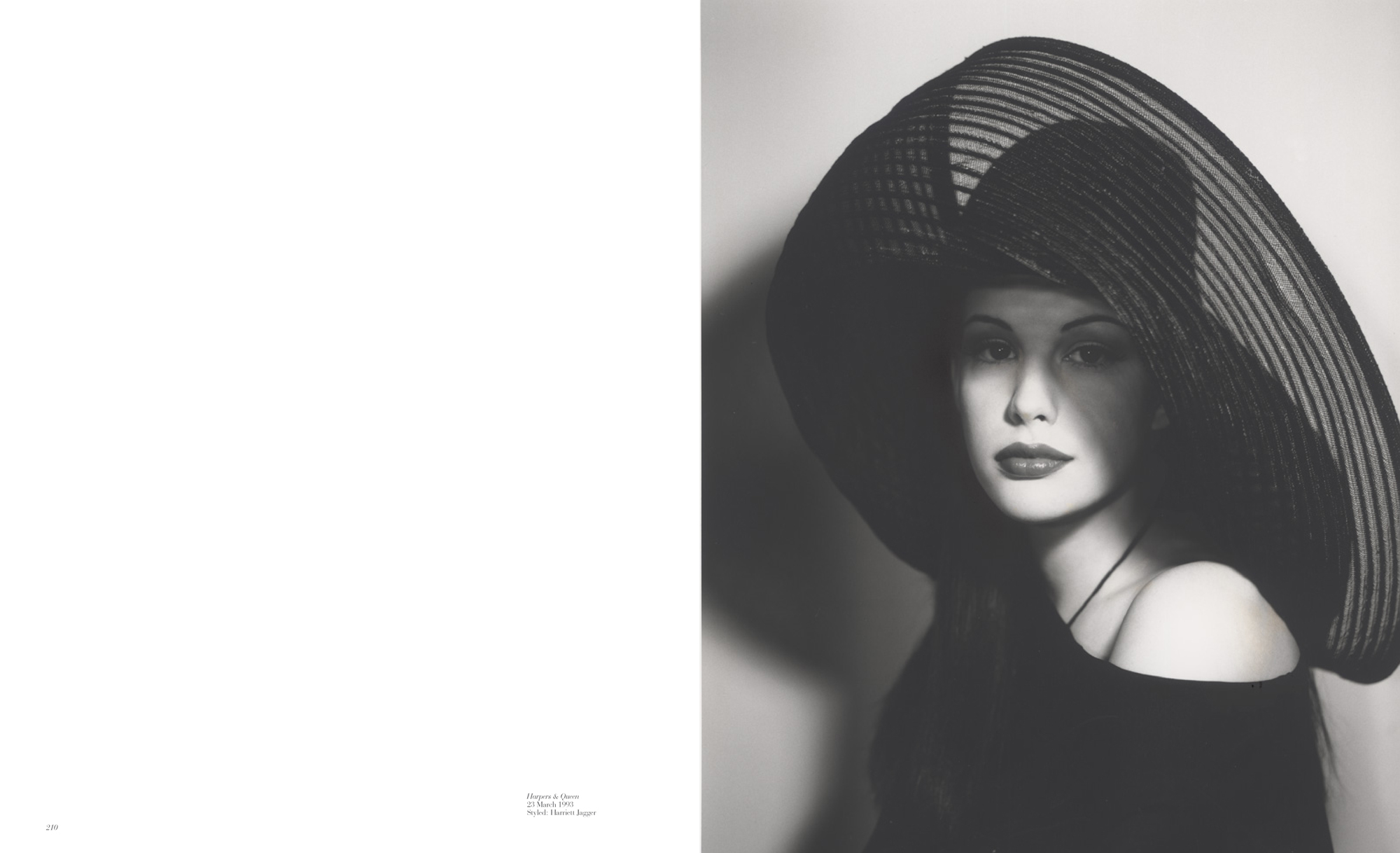
Arranged chronologically, from the gritty monochromatic 1960s and 1970s to the vibrant and colourful 1980s and 1990s, the book reveals how constant invention and experimentation set Donovan apart from his contemporaries and influenced generations to come.

The pictures have been selected by his wife Diana Donovan and the former art director of Nova magazine and Pentagram partner David Hillman, who worked closely with Donovan for over a decade. With a text by the photographic historian Robin Muir, and a foreword by Grace Coddington, creative director of American VogueTerence Donovan Fashion is a landmark in the history of fashion photography.

Terence Donovan Fashion

Edited by Diana Donovan and David Hillman
Text by Robin Muir
Foreword by Grace Coddington
Designed by David Hillman

‘Flawless’ — New York Journal of Books
‘Superb’ — Observer
‘Stylish’ — Sunday Telegraph, ‘Favourite Books of the Year’
‘The story of fashion photography in the UK’ — Herald

_____________

Terence Donovan was one of the foremost photographers of his generation – among the greatest Britain has ever produced. He came to prominence in London as part of a postwar renaissance in art, fashion, graphic design and photography. His working-class background and outlook helped change the face of British fashion photography and made him a major figure of London’s Swinging Sixties. A star in his own right, he was equally at home with celebrities and royalty as well as the ordinary girl on the street, whose mannerisms informed his photographs.

Gifted with an unerring eye for the iconic image, Donovan was also master of his craft, a technical genius who strove to push the limits of what was possible. And yet despite his fame and status, there has never been a publication devoted solely to his fashion work. Terence Donovan Fashion is the first time his fashion pictures have been collected together in book form.

Arranged chronologically, from the gritty monochromatic 1960s and 1970s to the vibrant and colourful 1980s and 1990s, the book reveals how constant invention and experimentation set Donovan apart from his contemporaries and influenced generations to come.

The pictures have been selected by his wife Diana Donovan and the former art director of Nova magazine and Pentagram partner David Hillman, who worked closely with Donovan for over a decade. With a text by the photographic historian Robin Muir, and a foreword by Grace Coddington, creative director of American VogueTerence Donovan Fashion is a landmark in the history of fashion photography.

What others say

‘A superb retrospective … Donovan is a “great”.… Just when you thought there could not possibly be space for another fashion book rooted in the 1960s, this one proves rather compelling.… The heavy paper and high quality reproduction rewards the viewer … a handsome posthumous monograph.’ — Observer

‘Make no mistake: This flawless volume is a love letter and a paean to a brilliant photographer … [a] rare opportunity to see what can only be deemed as a brilliant collection of timeless and classic photos of a caliber that is steadily dwindling … what a beautiful body of work. Mr Donovan left behind for us all to appreciate.’ — New York Journal of Books

‘Terence Donovan’s influence on fashion photography – and visual culture in general – can’t be underestimated.… Ushering in an era of experimentation and adventurousness, Donovan worked hard, combining huge technical proficiency and rigorous professionalism with a larger than life character. This monograph is the first full collection of his fashion work.’ — Wallpaper*

‘An impressive tome dedicated to one of the most prolific fashion photographers … Throughout the book, his obsessive approach to his craft is noticeable.… It is this high standard, page after page, which makes this a memorable publication.’ — Photomonitor

‘A stylish window onto a remarkable period of fashion history.’ — Sunday Telegraph, ‘Favourite Books of the Year’

‘A long-overdue volume’ — Sunday Times, ‘Best Fashion Books of the Year’

‘His pictures will take you through the decades’ — The Times, ‘Favourite Fashion Books’

‘The best fashion photography book of the year’ — 20 Minutos

‘Terence Donovan redefined fashion photography.… It is hard to look at the sixties images in Terence Donovan Fashion and not be impressed. By their sense of nowness, by their casual brilliance. It is possible that nobody has ever done better.’ — Herald

‘Robin Muir, Vogue‘s revered former picture editor, writes brilliantly about the explosive impact of Donovan.’ — Town magazine

‘The success of Terence Donovan Fashion lies in its wide selection of fashion images.… The assured text by Robin Muir illuminates not just his subject’s craft, but also the life and personality of the man himself.… Terence Donovan Fashion takes a portion of Donovan’s prolific output and moves it canon-ward.’ — V&A Magazine

‘[Donovan] changed the face of fashion photography during the Sixties.… If you need any further proof of the man’s reputation, note that the foreword was written by American Vogue creative director Grace Coddington. You don’t get a more stylish seal of approval than that.’ 
— GQ