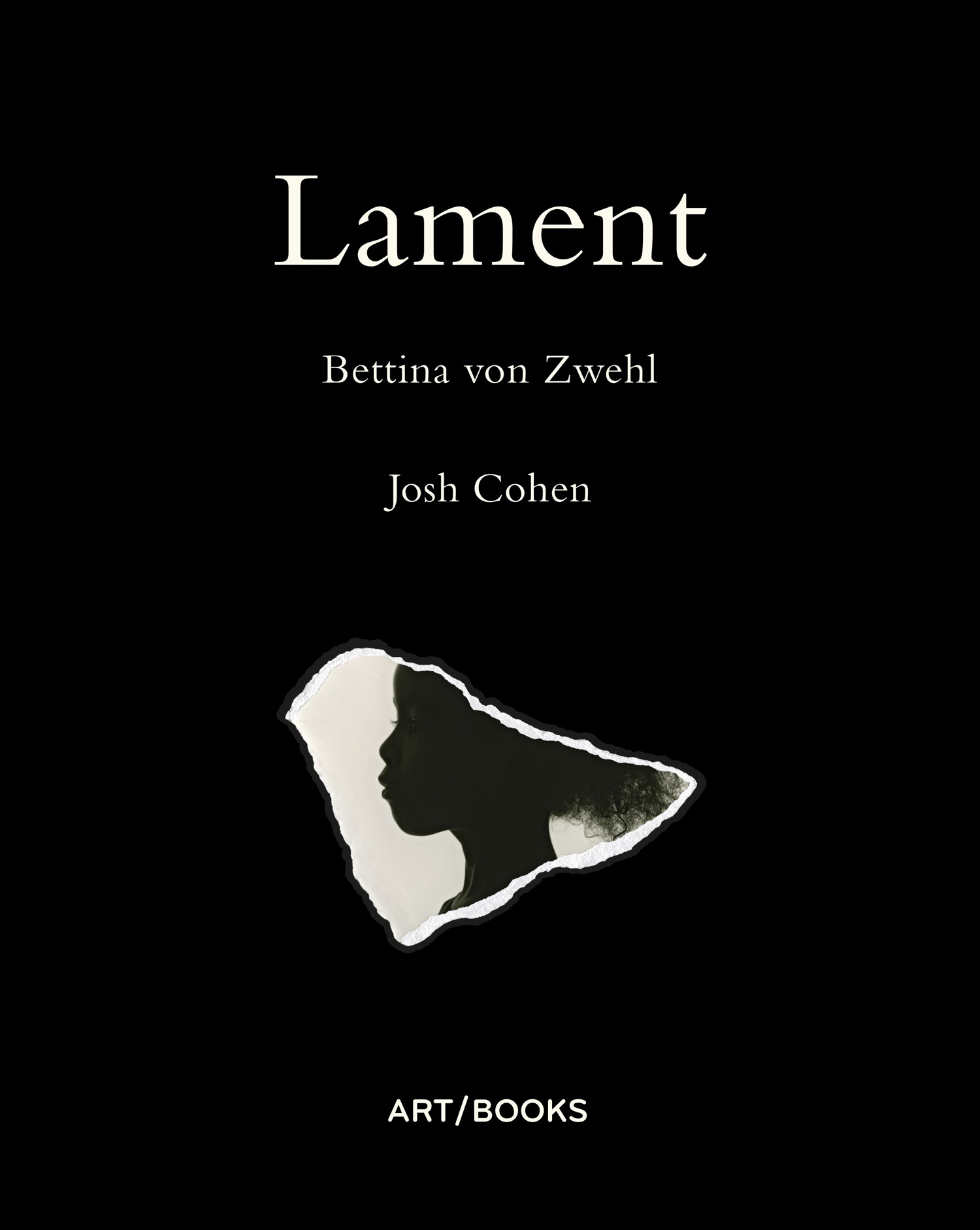
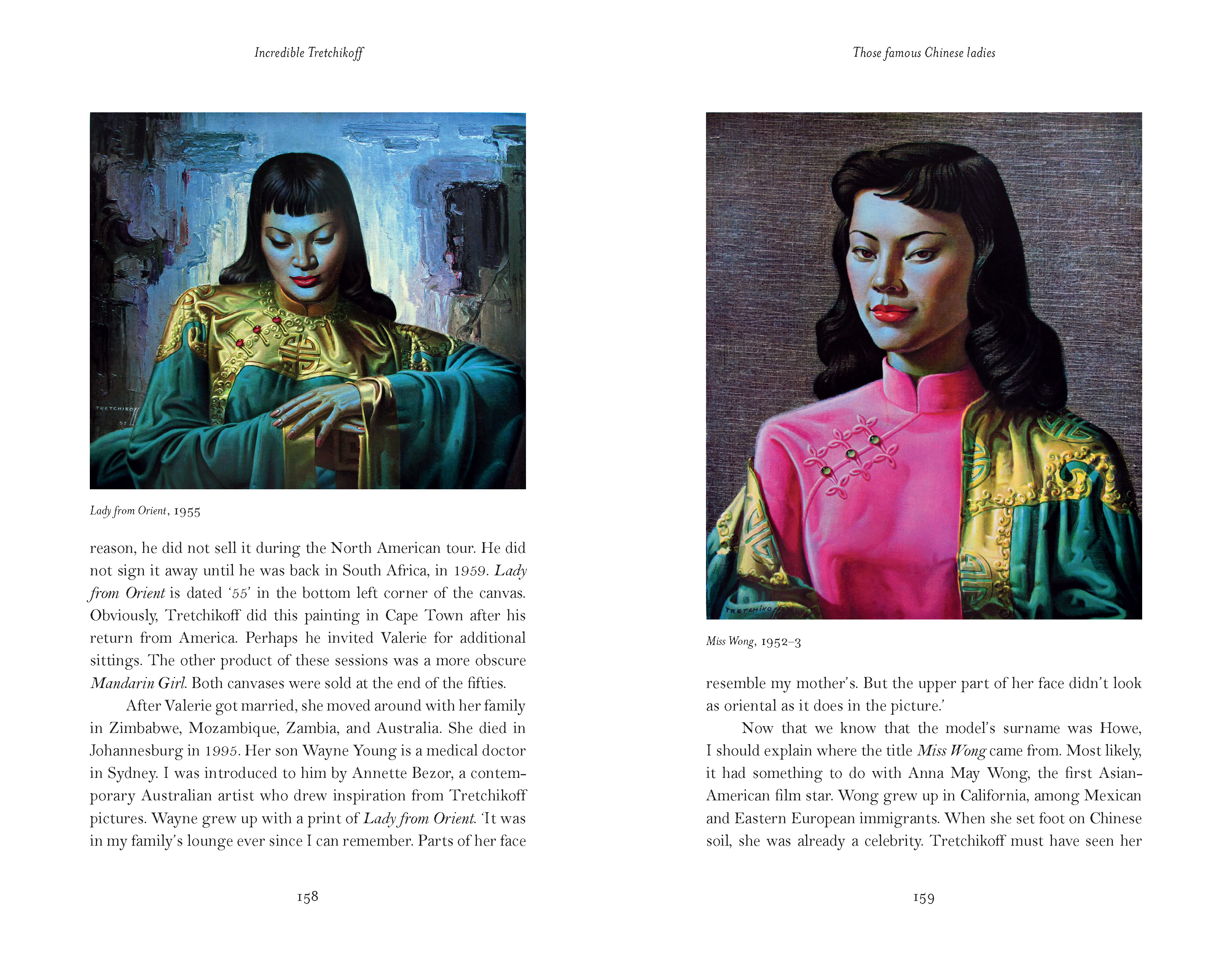
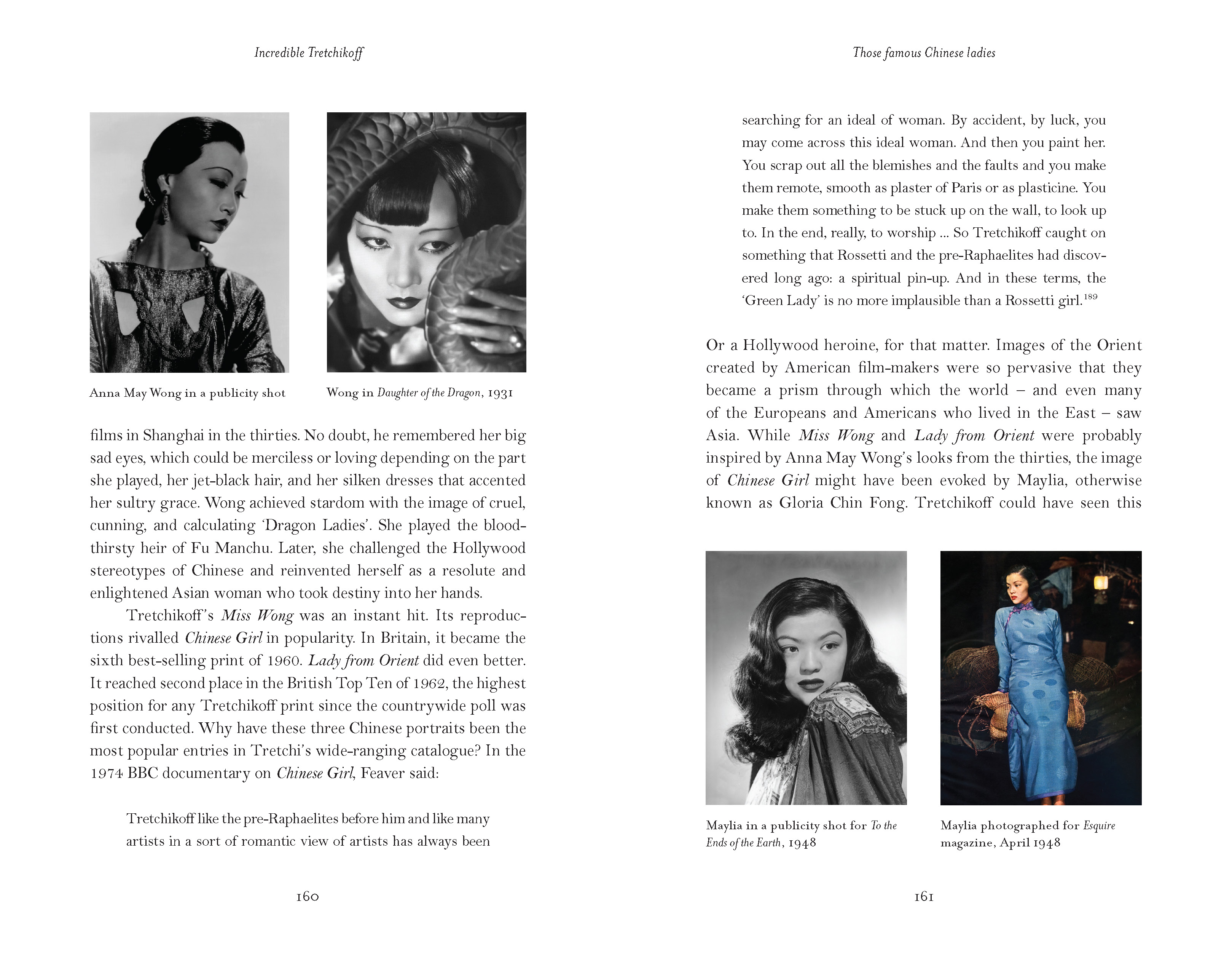
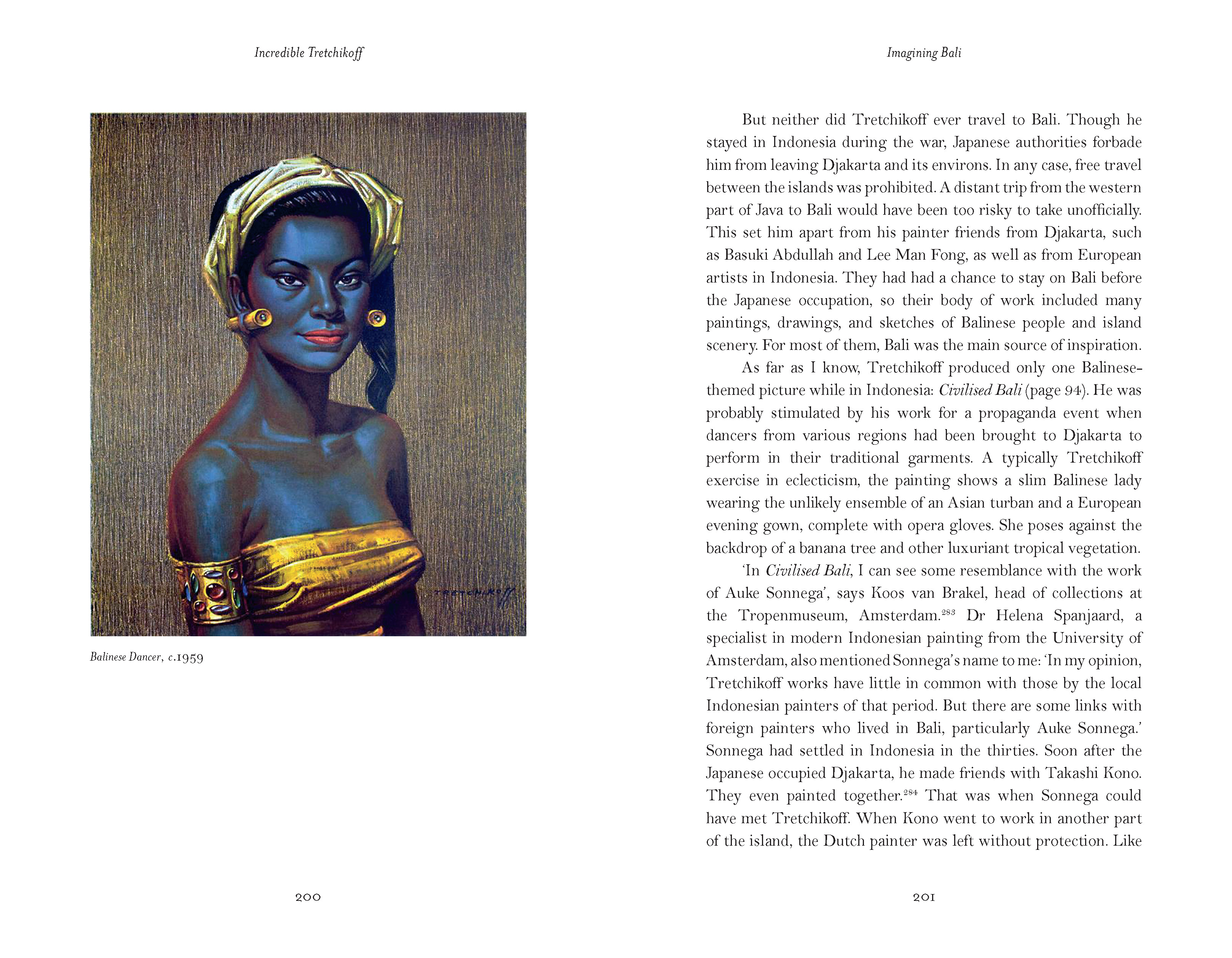
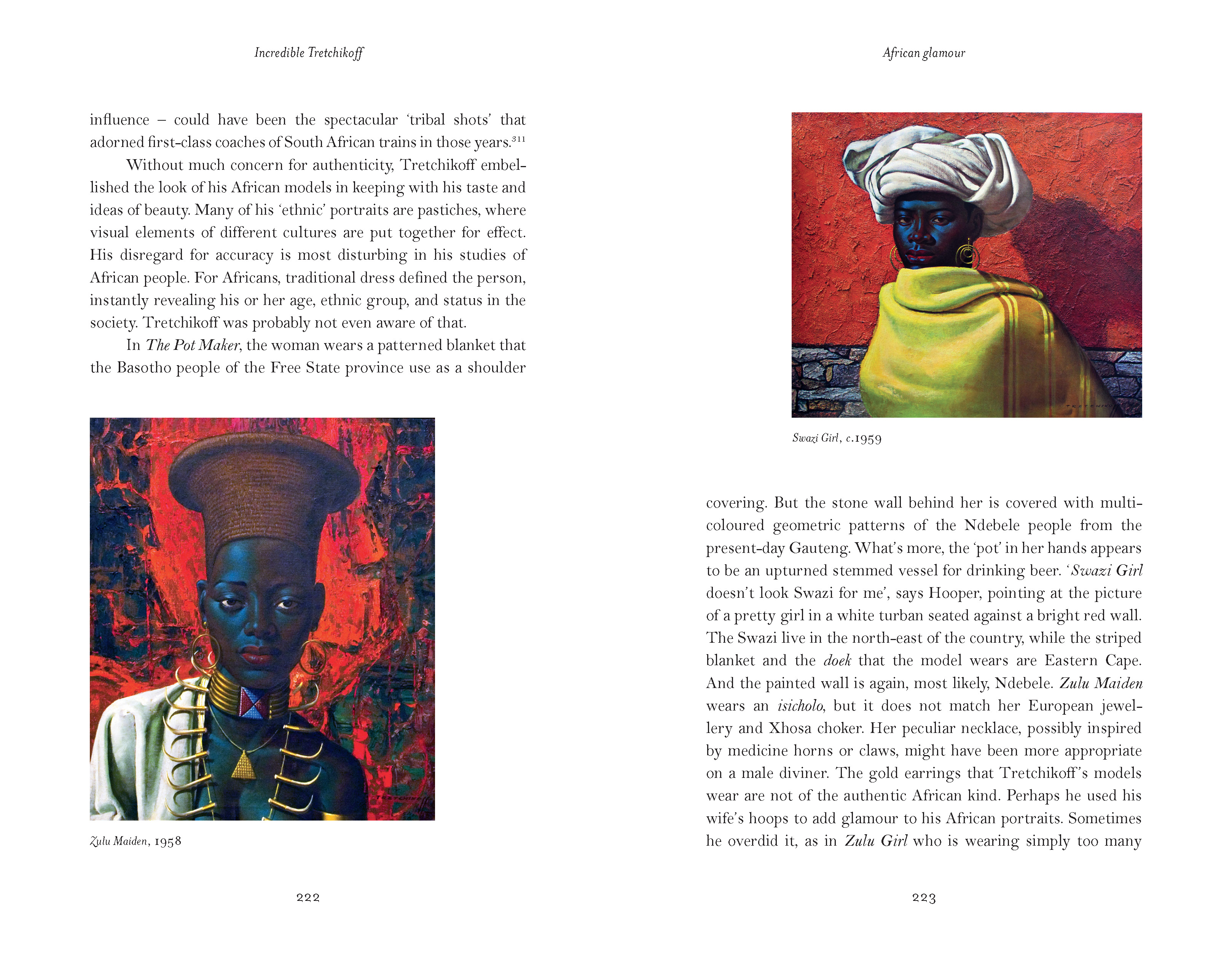
Lament

Bettina von Zwehl and Josh Cohen

Winner of the 2016 Antalis Grand Print Master Award

‘With its handsome layout, words and haunting visual images, Lament is one of the most engaging volumes it has been my pleasure to read, look at and ponder.’ — Times Higher Education
‘A delicate and in-depth exploration of grief, loss and friendship’ — LensCulture
‘In its theme, light and dark, echoing the rhythm of life and death, the book goes back to the foundations of photography.’ — Photomonitor

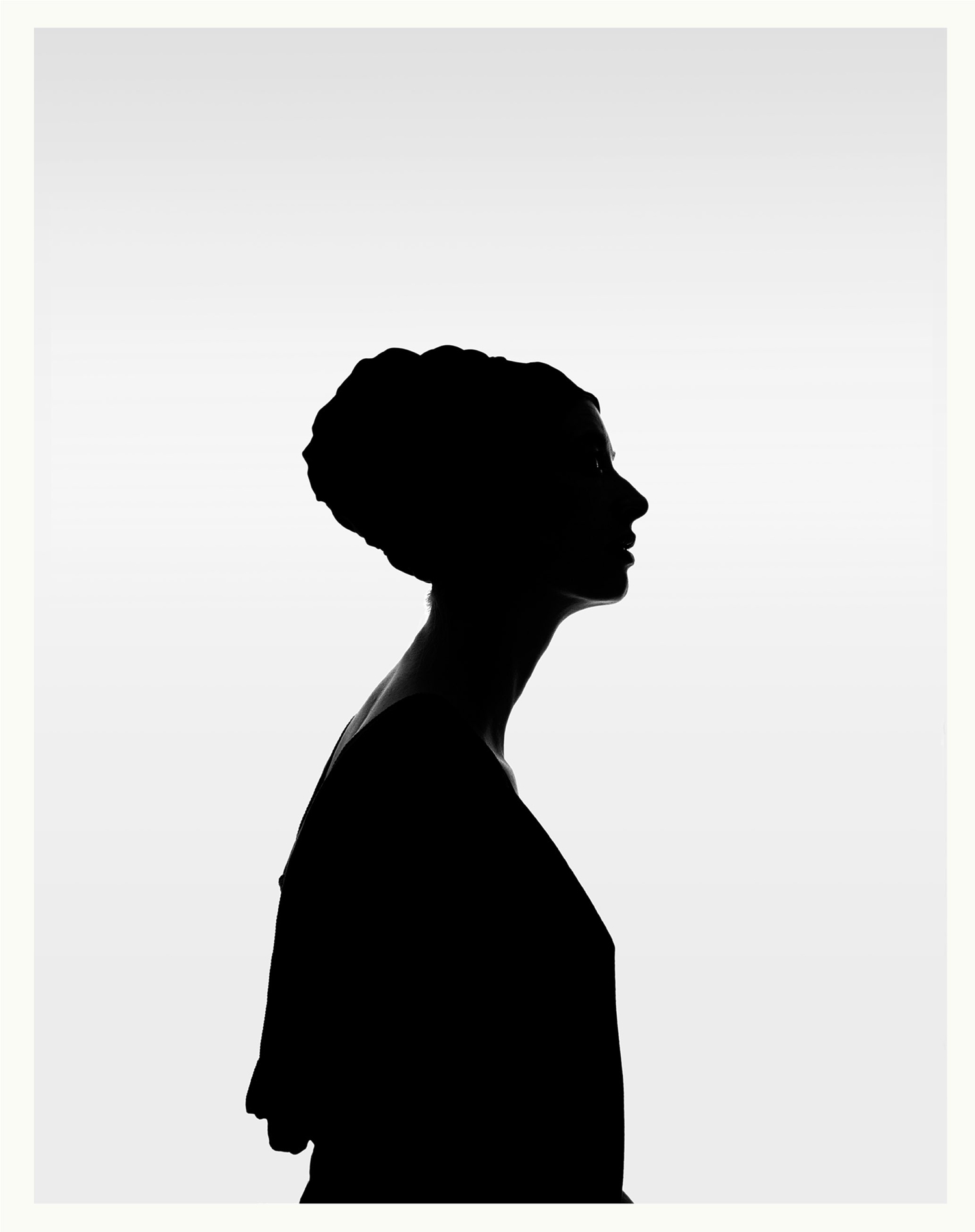
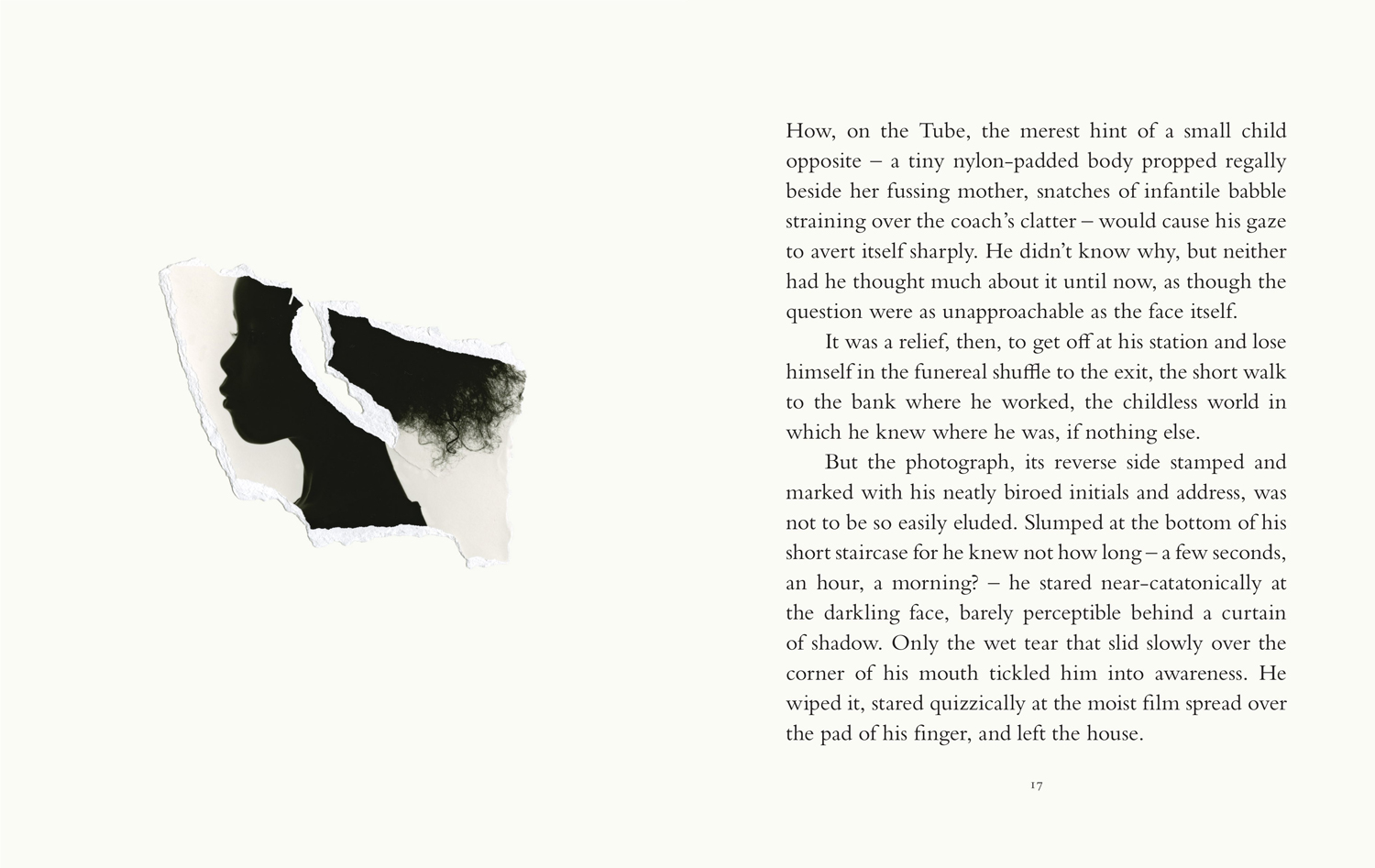
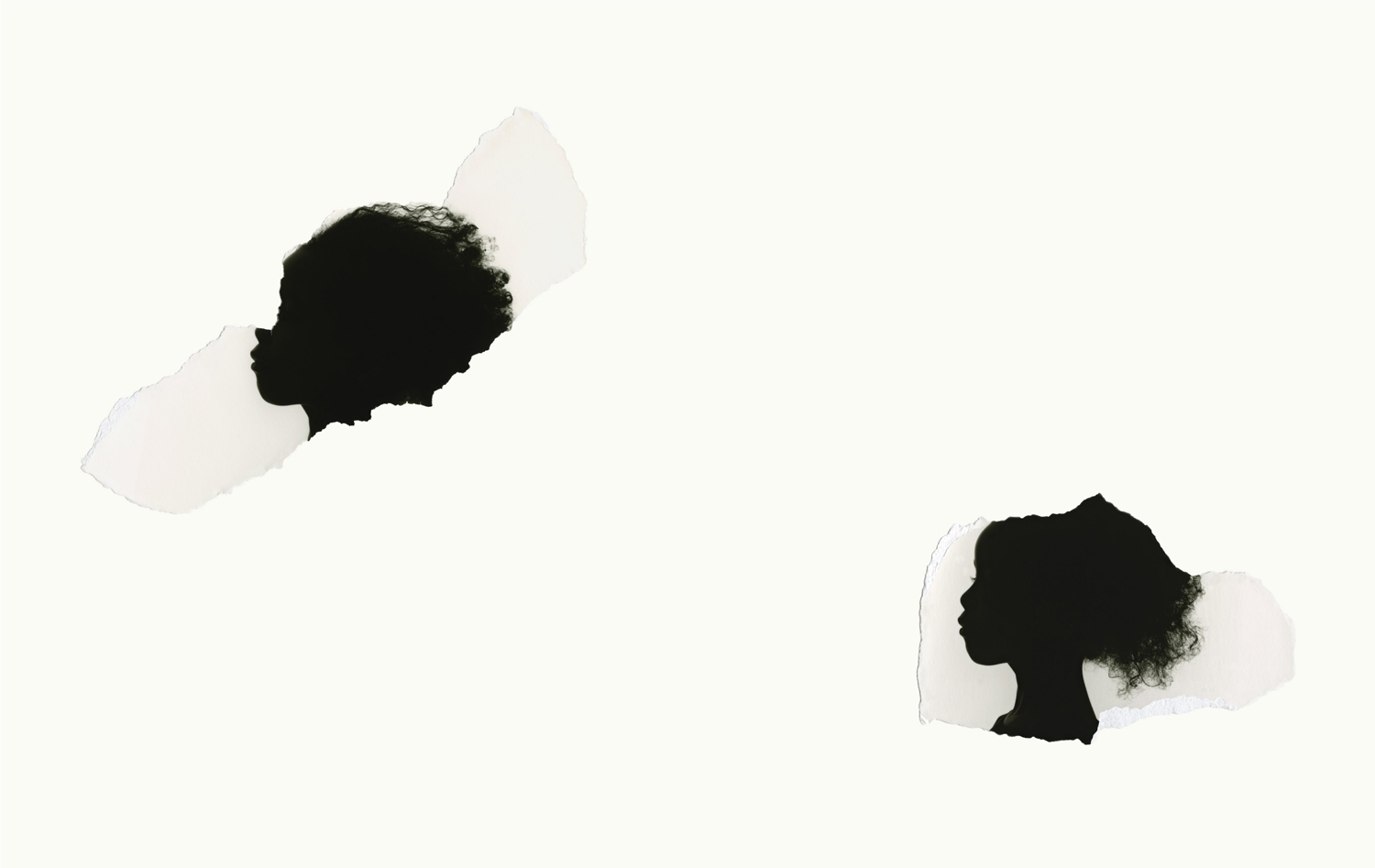
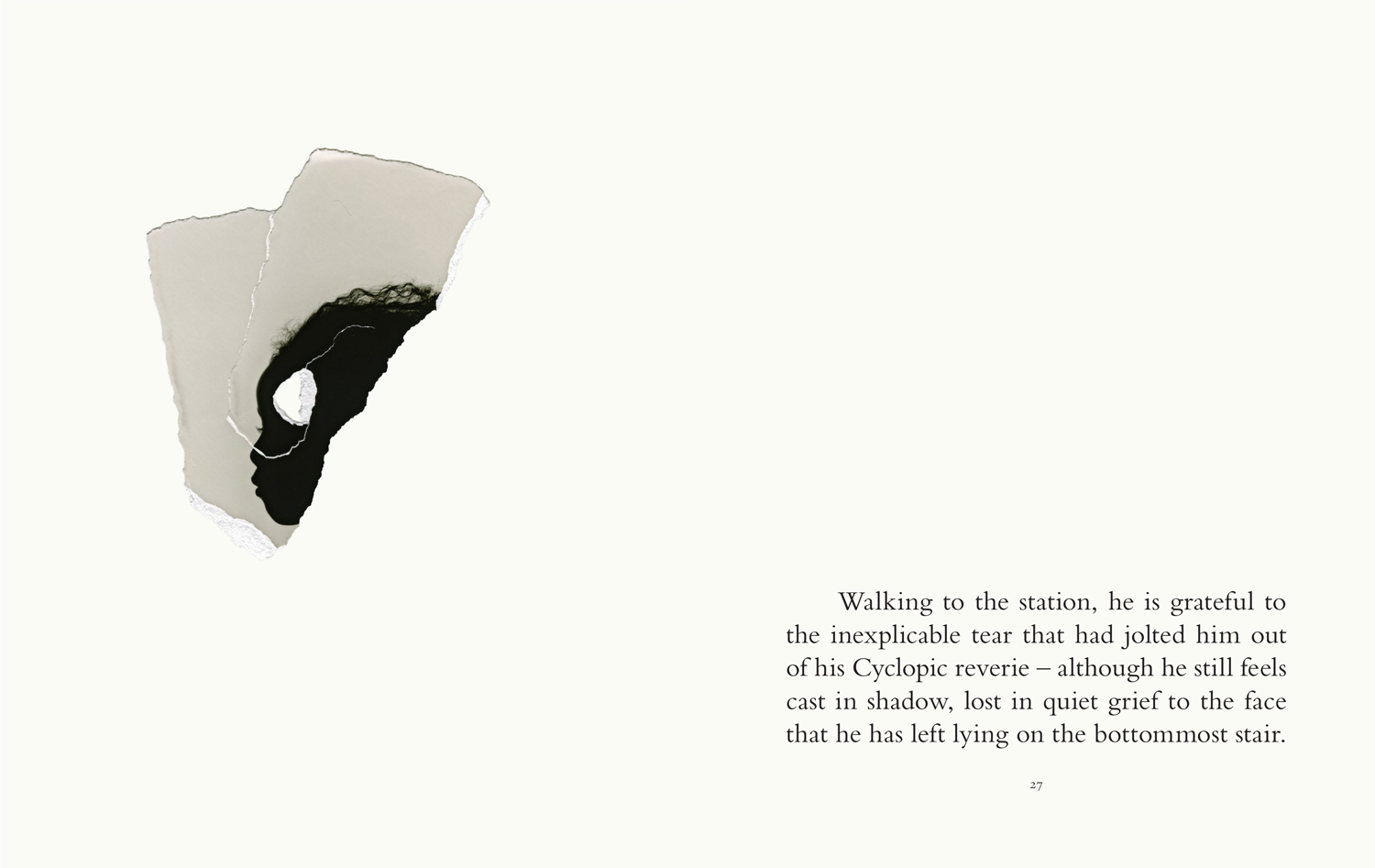
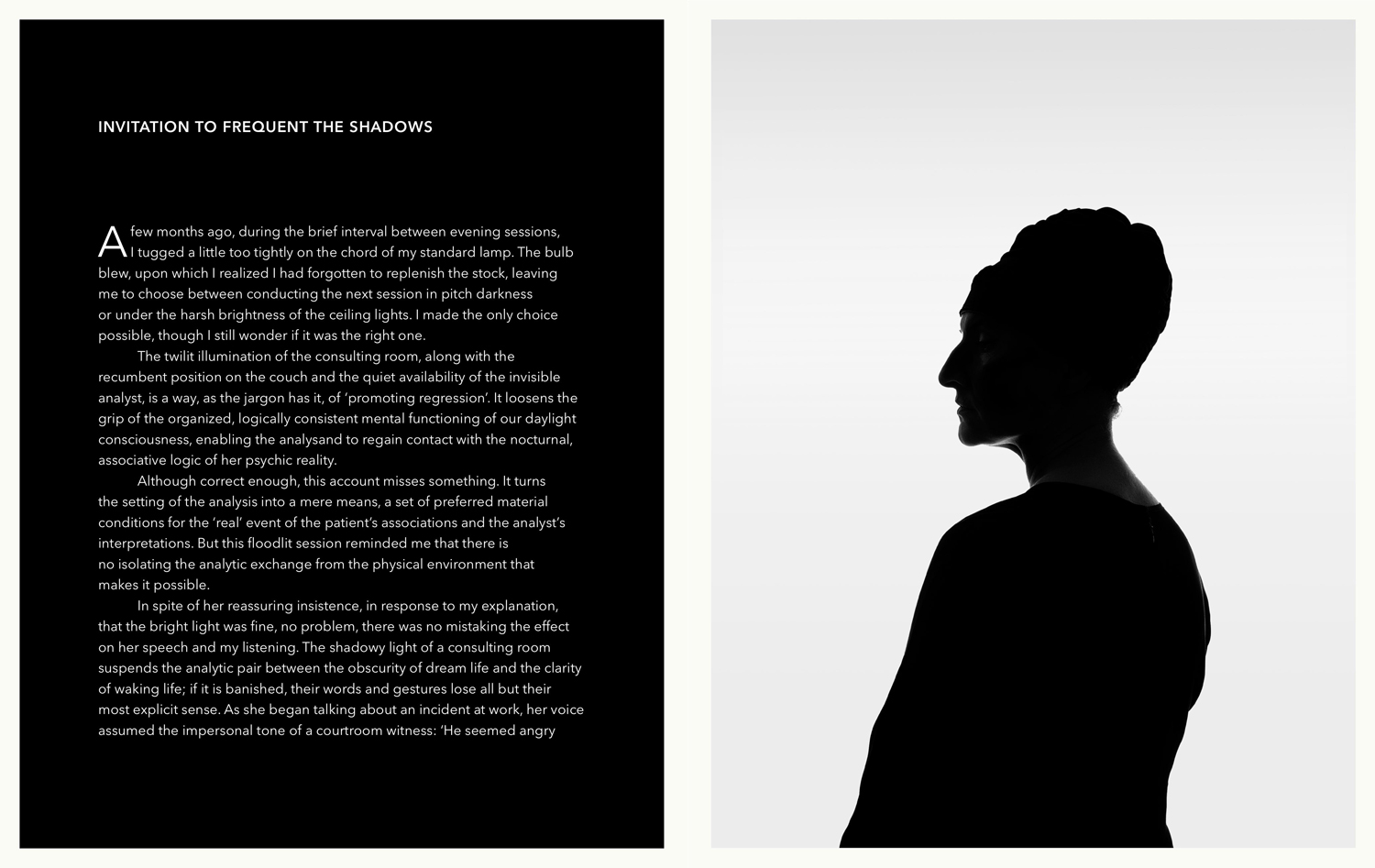
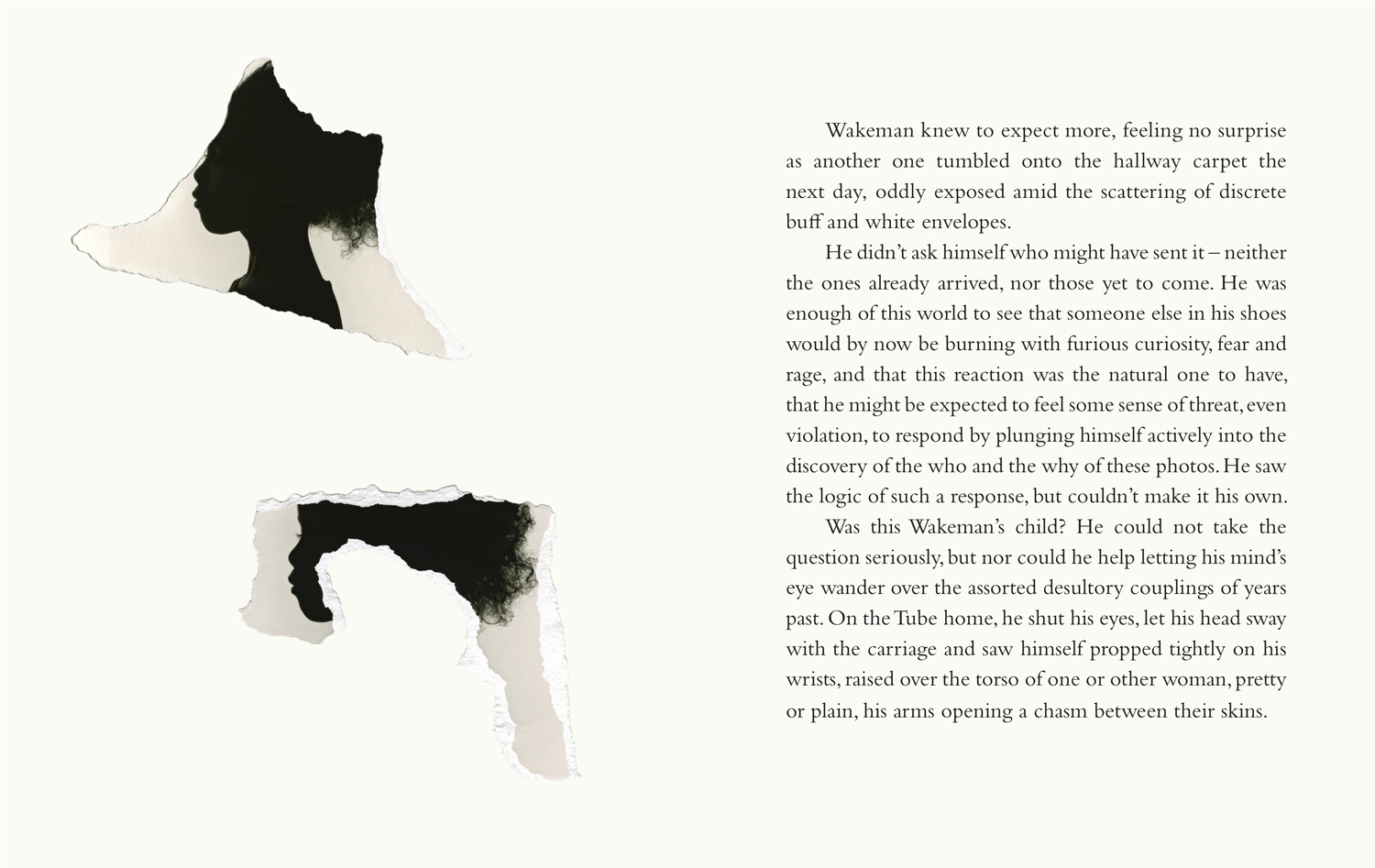
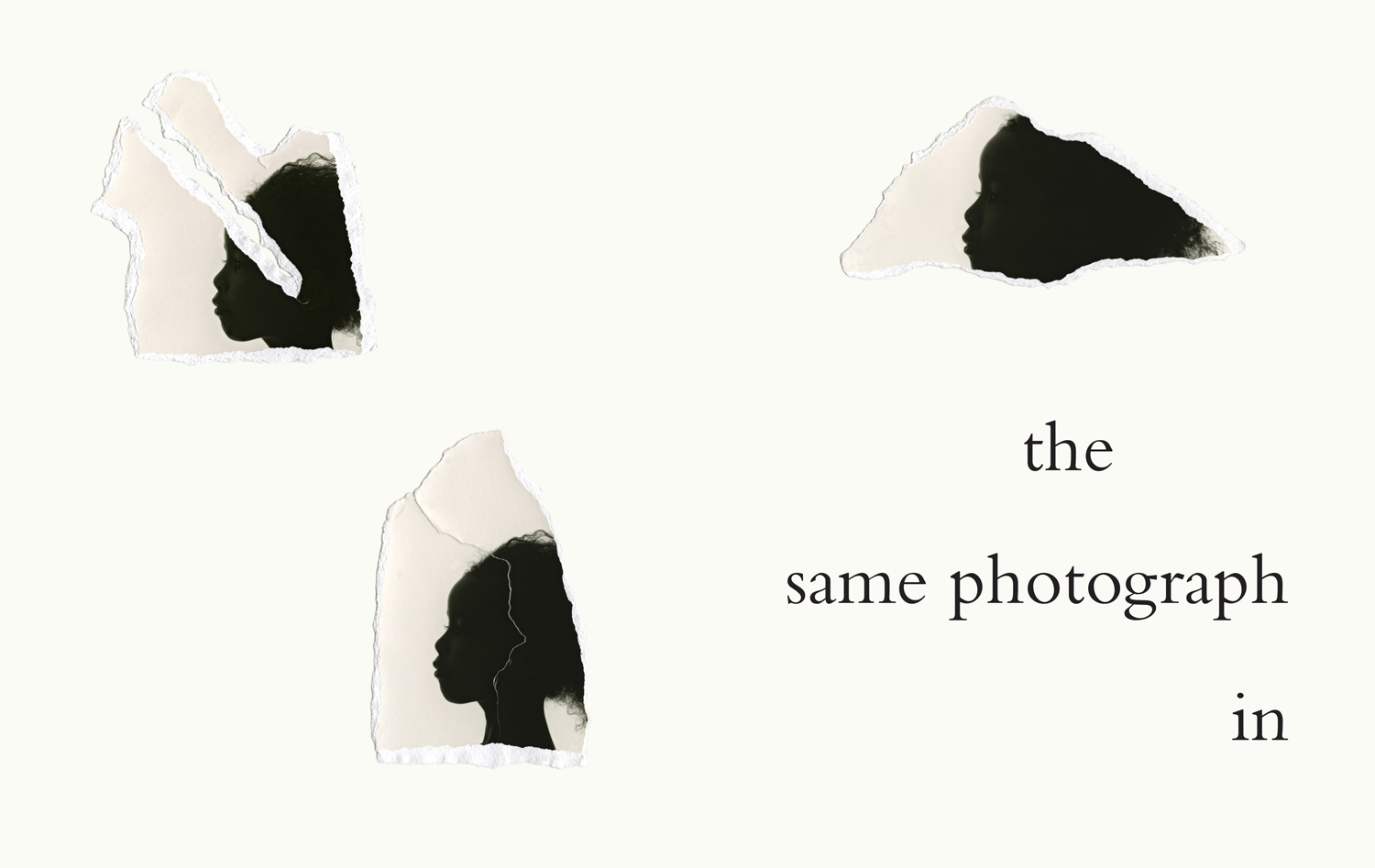
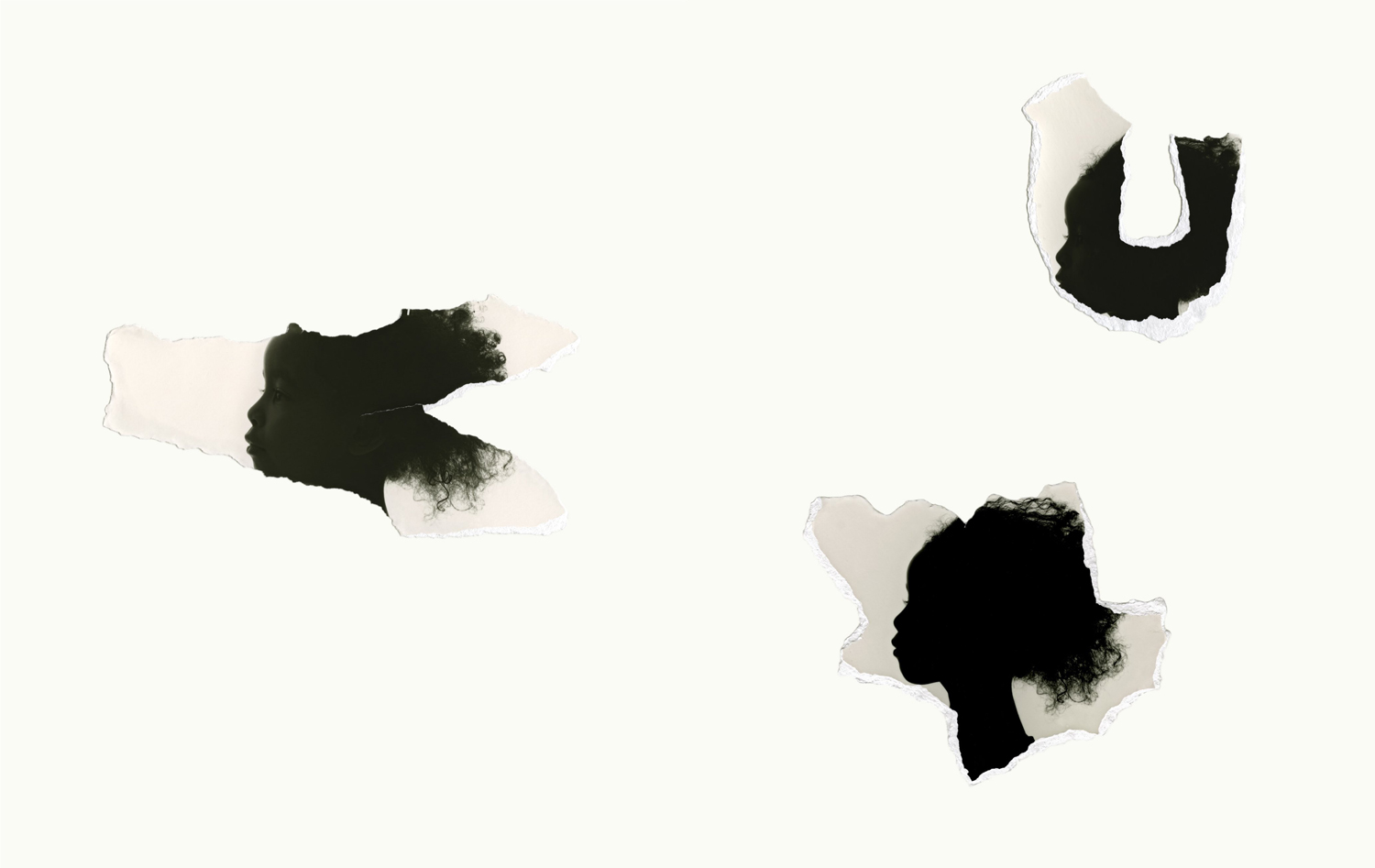
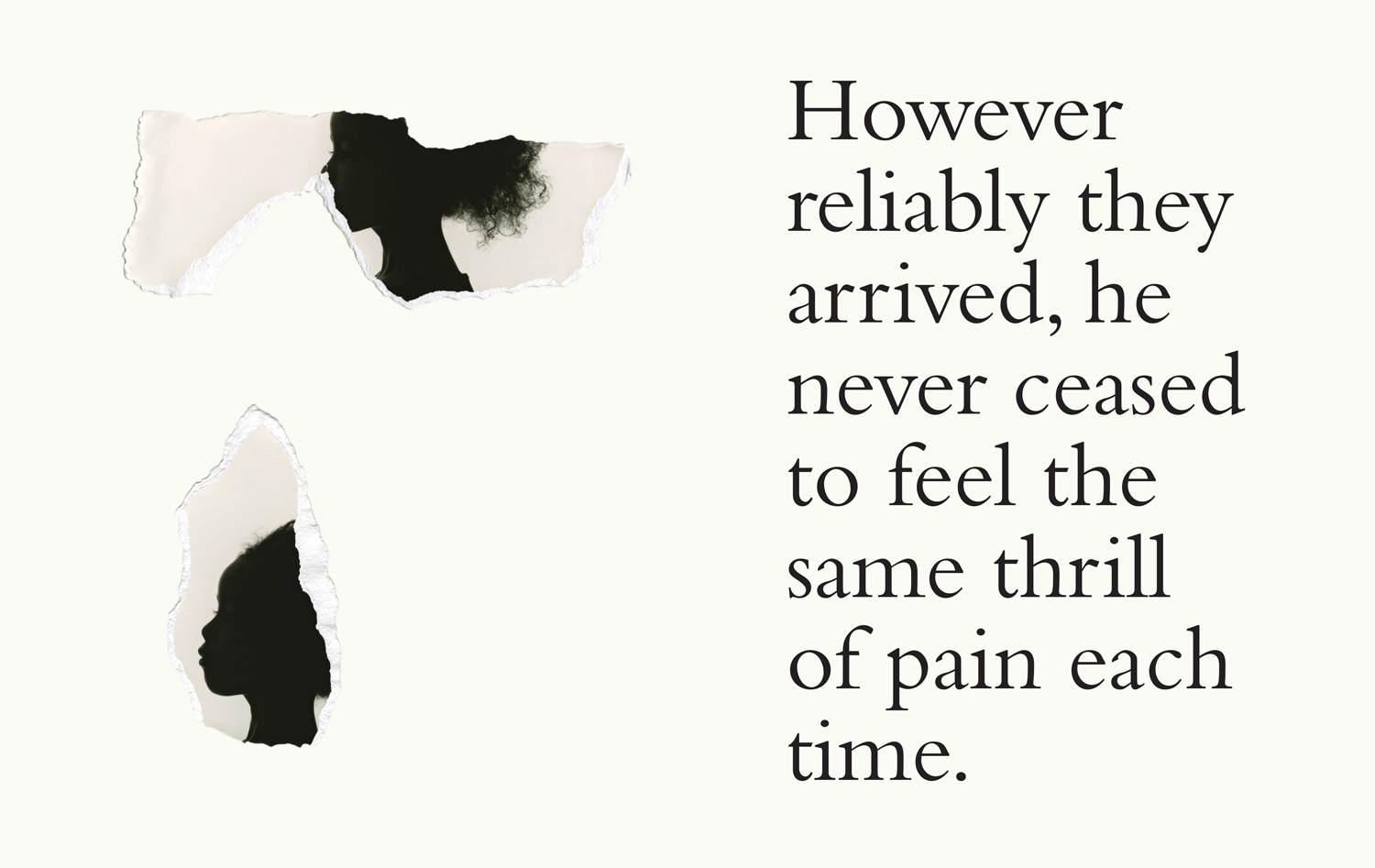
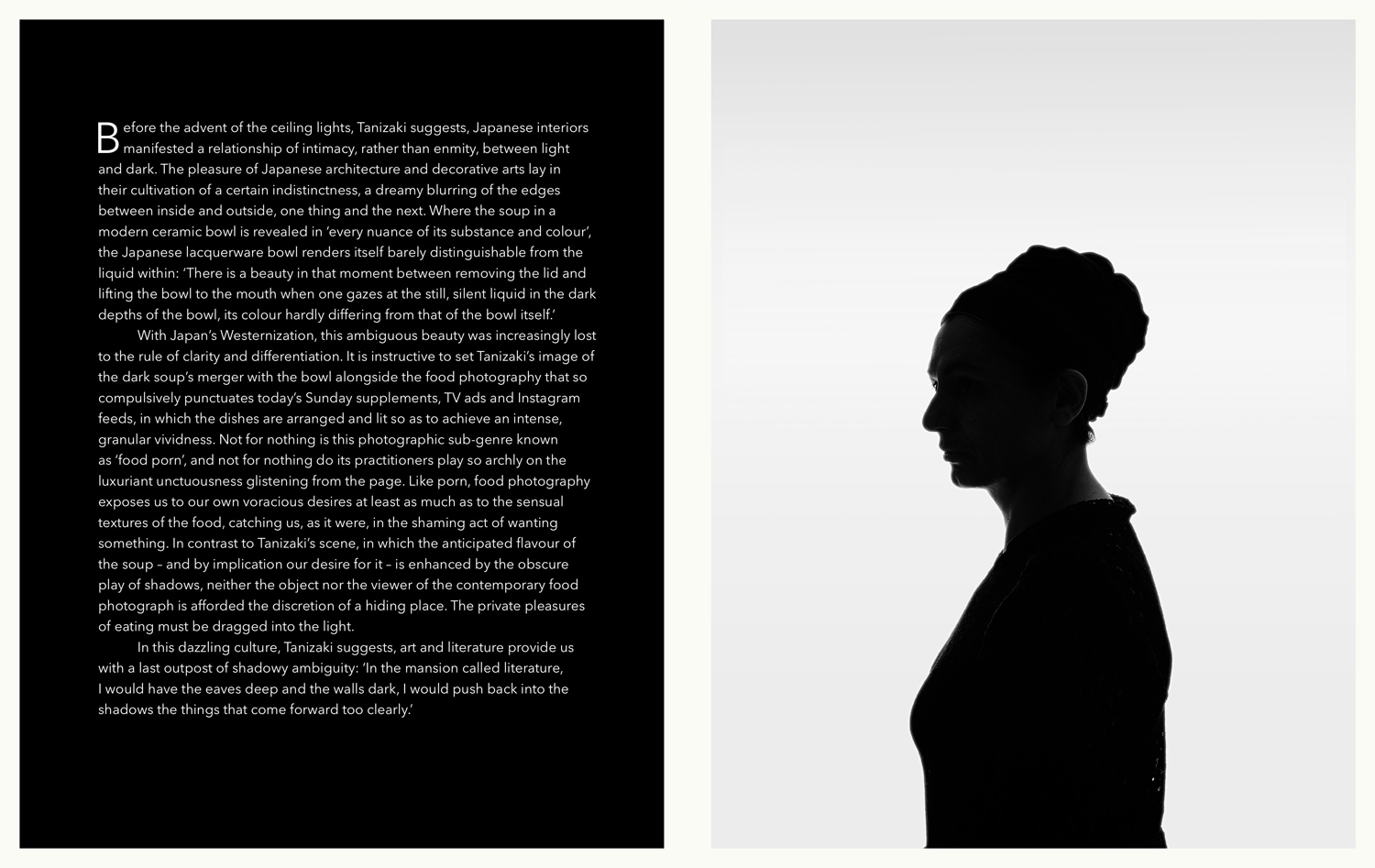
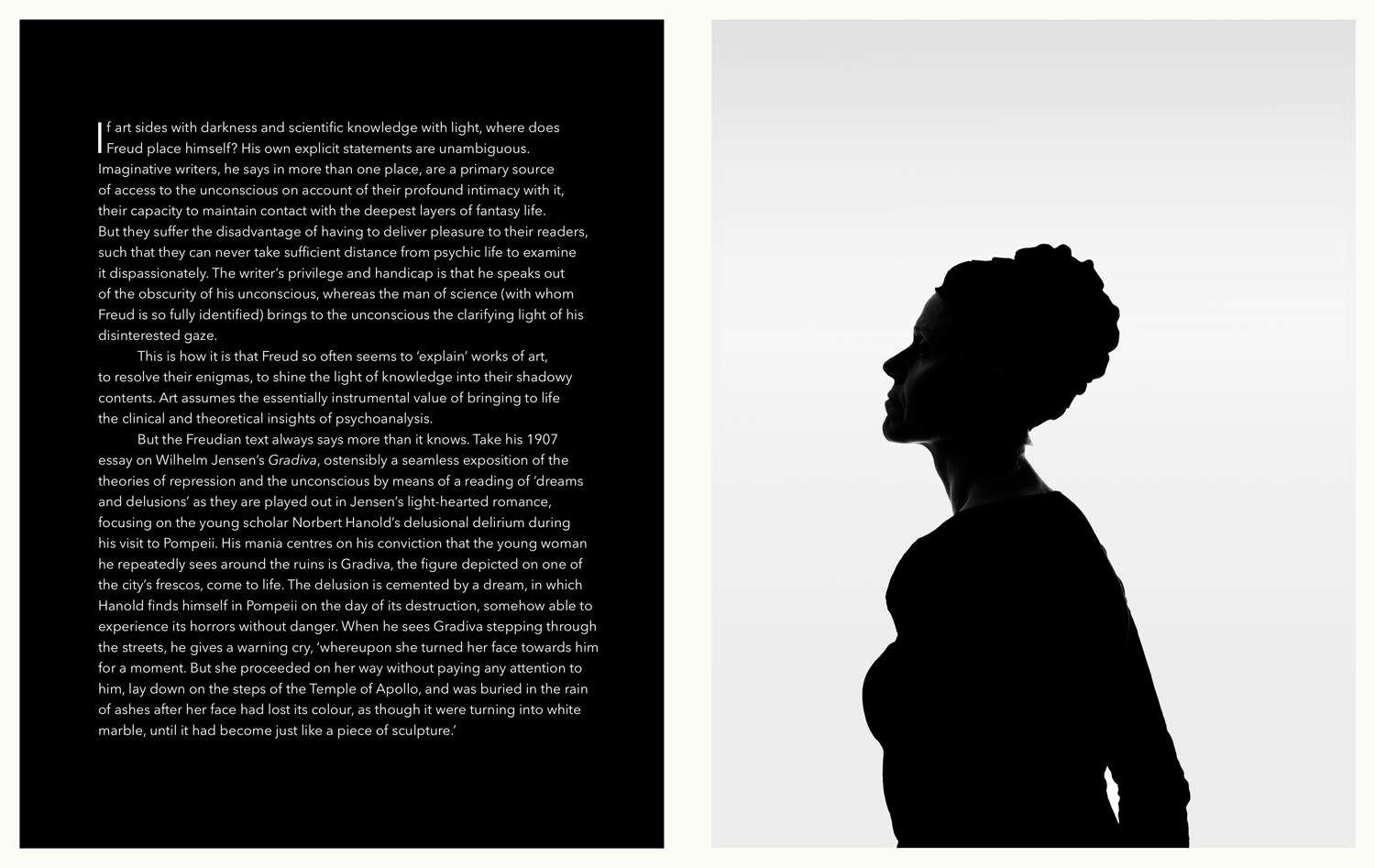
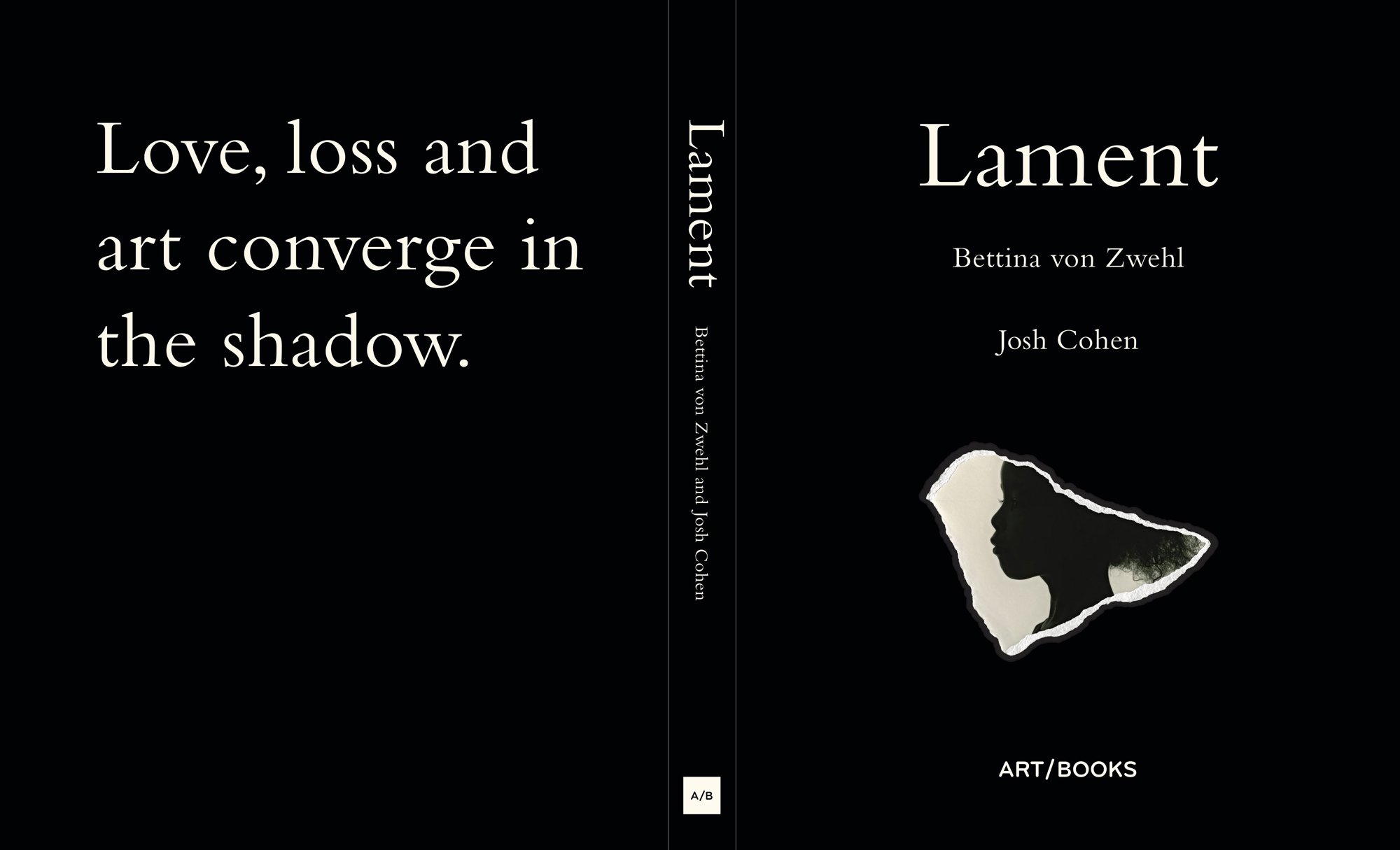
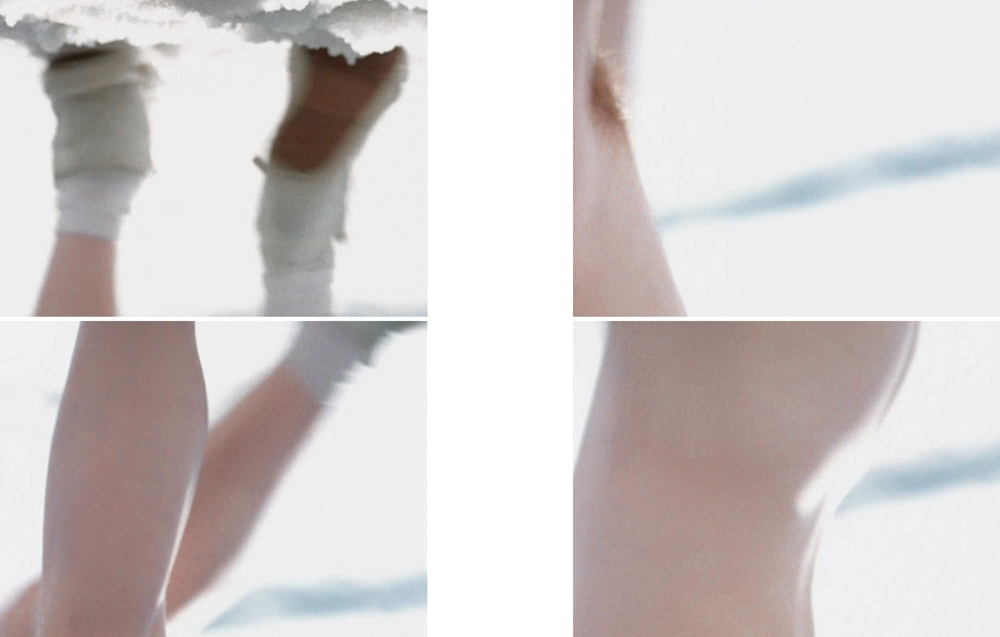
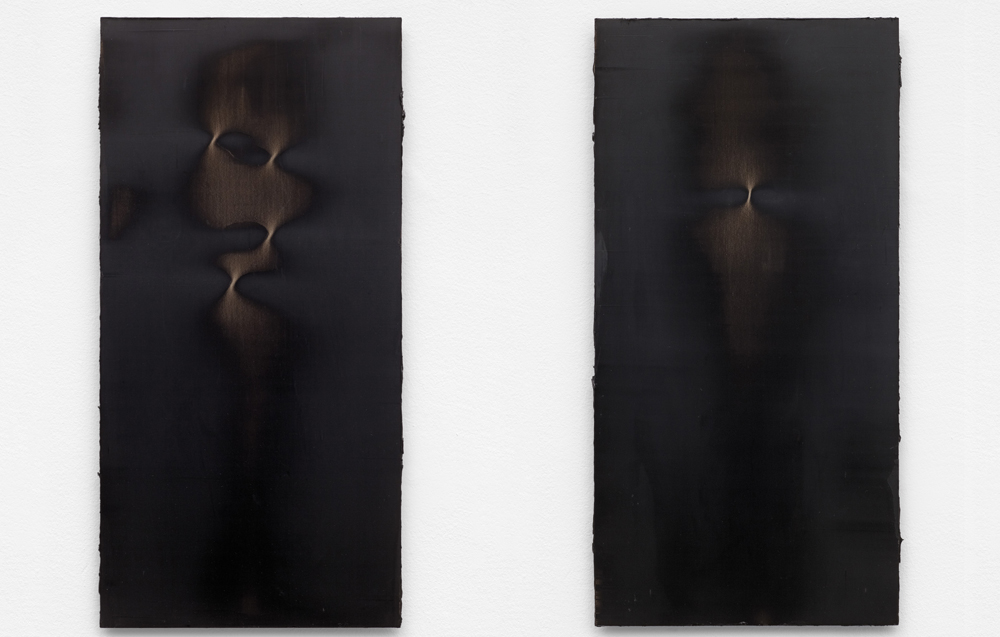
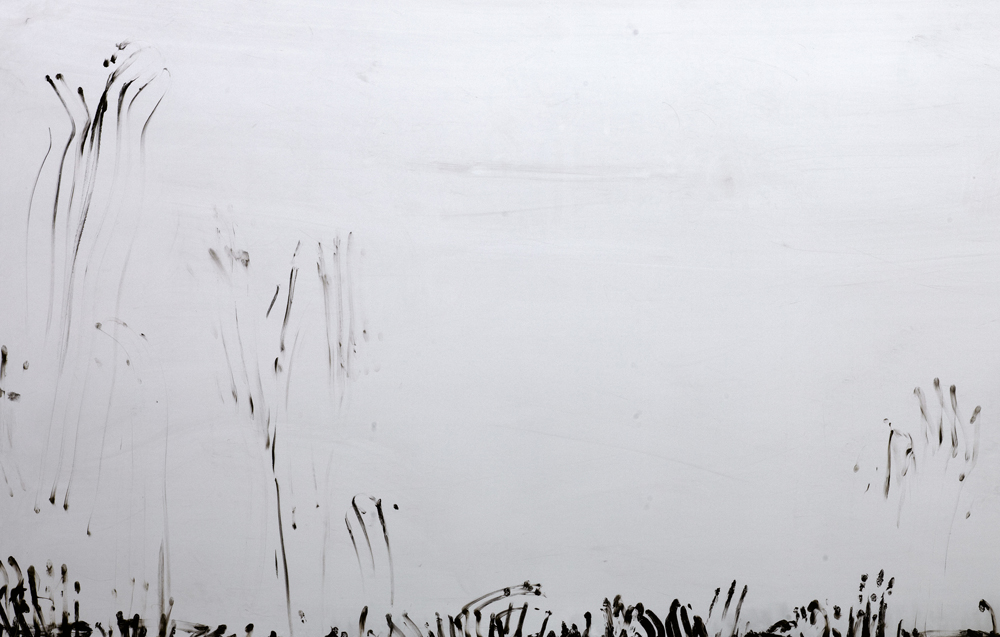
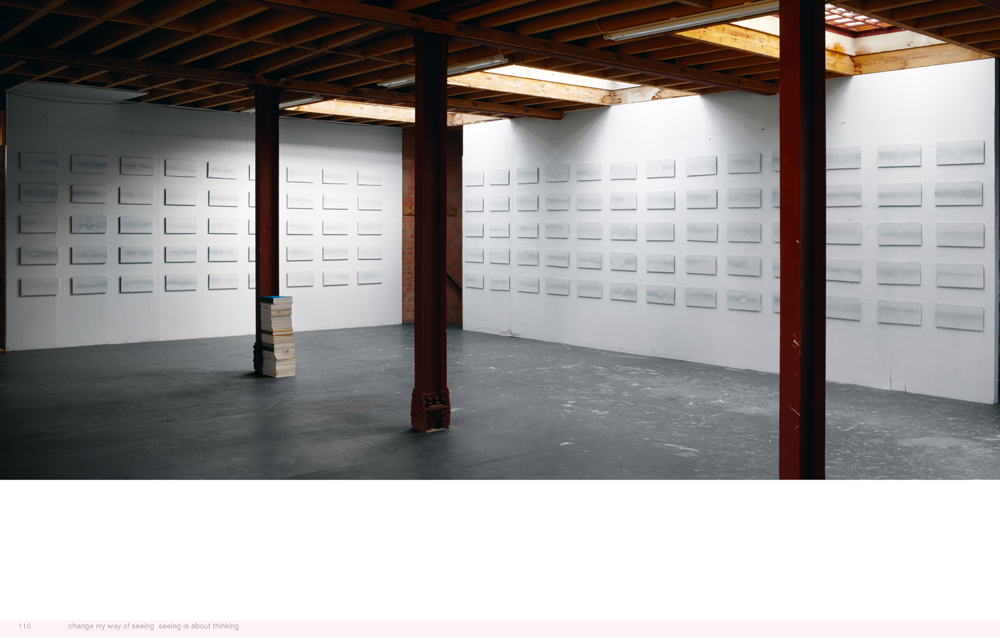
Published to coincide with an exhibition at the Freud Museum in London, this beautiful, original and affecting volume is the result of a unique collaboration between the artist Bettina von Zwehl and the psychoanalyst and academic Josh Cohen. Two series of images by von Zwehl – fifteen black-and-white silhouette portraits of women in near darkness, and fifty fragments of a single repeated photo of a young girl – appear alongside and within two parallel pieces of writing by Cohen – one a critical reflection on light and shadow, truth and lies, the other a short story inspired by the torn fragments – to create an extraordinary hybrid work of art and letters.

Each series of photographs and text can be read separately, but it is through the combination and interplay of word and image that a new narrative emerges and an additional layer of meaning appears in the gaps, folds and blurred edges between the two. The result is a powerful and moving meditation on the themes of light and dark, love and loss, life and death.

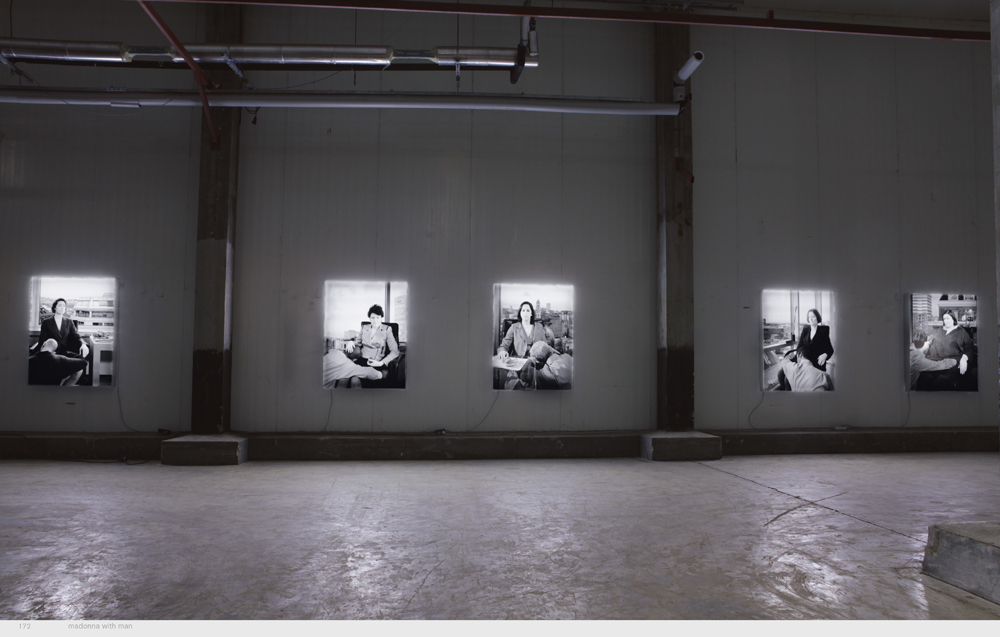
Von Zwehl produced the silhouette portraits of women – which she called Laments – following a residency at the Freud Museum in 2013 / 14. Inspired by Anna Freud’s passionate letters with women friends, they are an expression of the female bonds in the artist’s own life after the sudden death of a close friend.

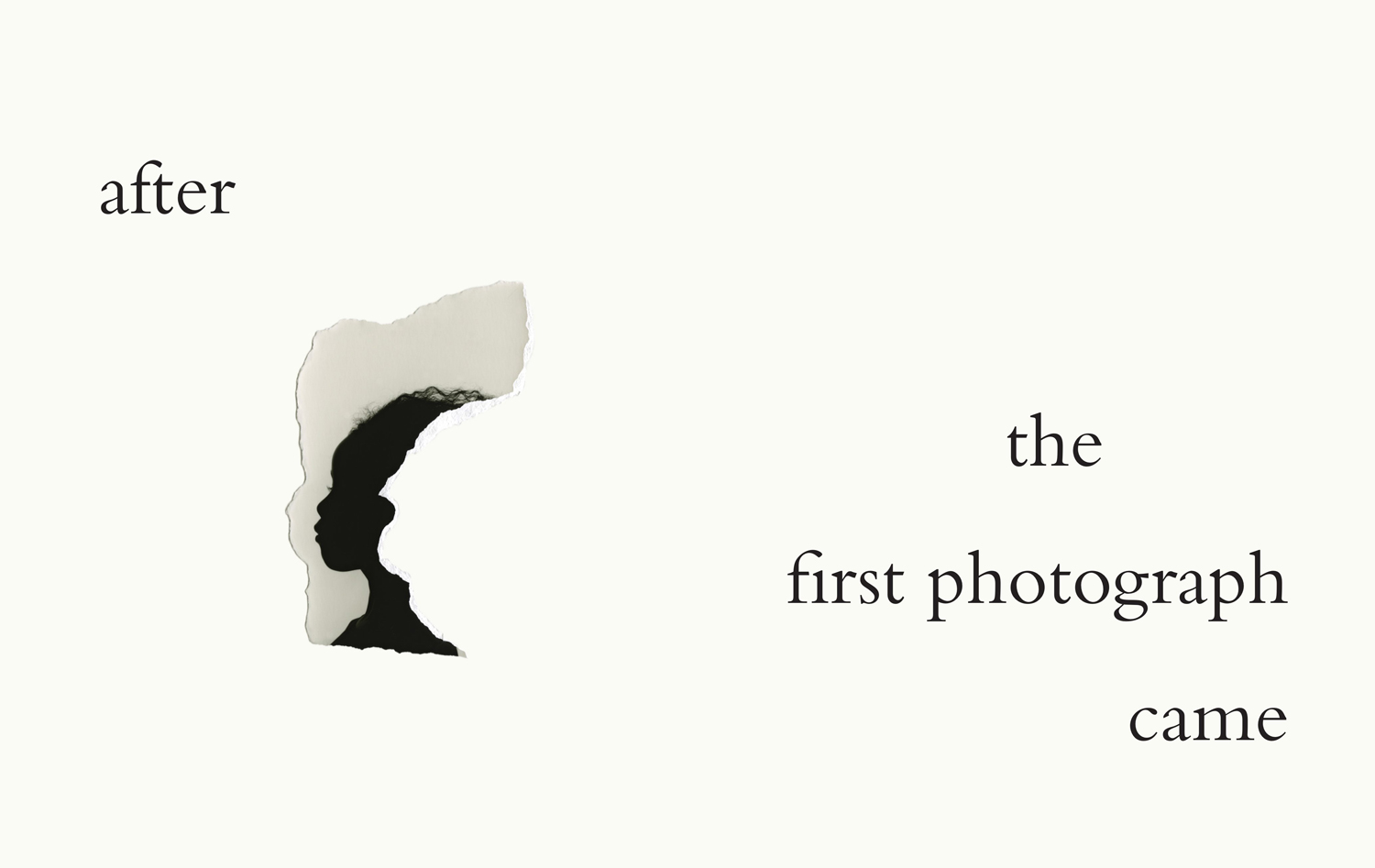
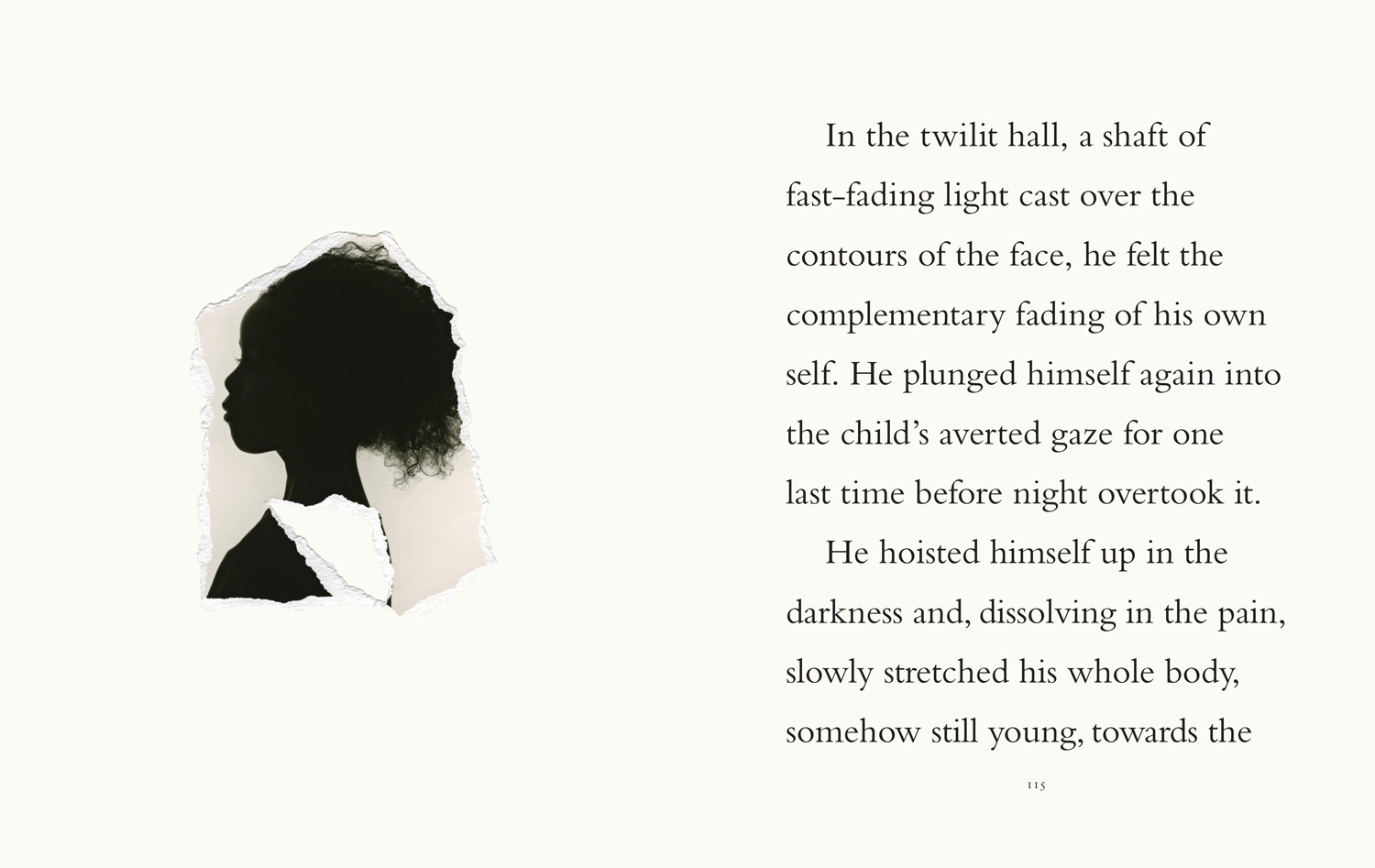
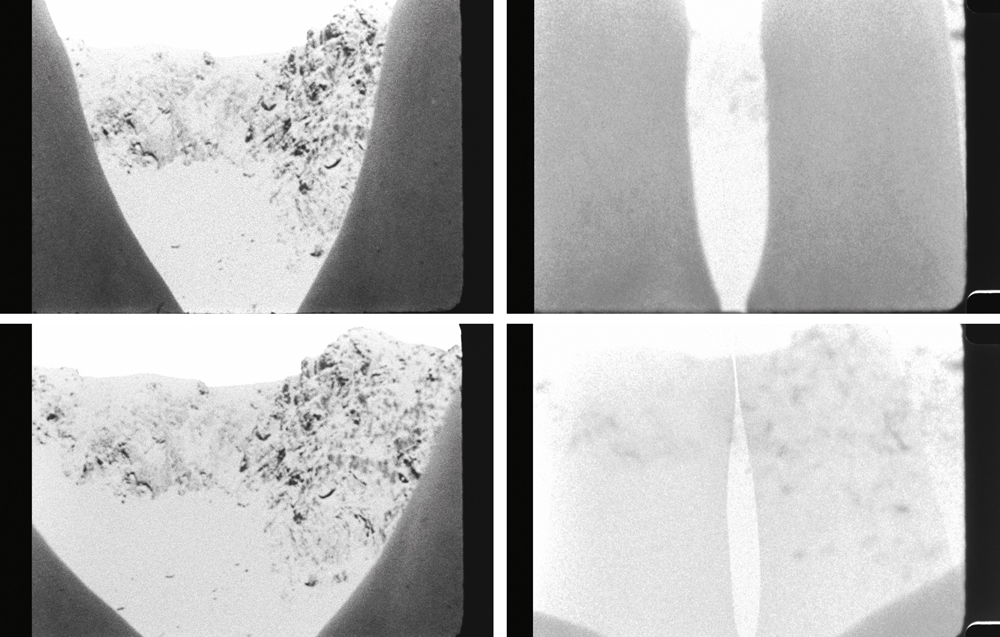
She also made the fifty torn ­­fragments in response to her study of the life and legacy of Anna Freud, as well as her own experience of psychoanalysis. Their title – The Sessions – refers to the patient’s fifty-minute session with the analyst, the artist’s sessions with the child, and her many sessions in the darkroom as she sought the essence of both image and subject. She made each piece by first tearing the photographic paper and then exposing the chosen negative onto it. By breaking down one moment repeatedly and obsessively in this way, infinite possibilities, failures and associations are opened up. At the same time, the torn fragments form an archive of scraps and ‘mistakes’ that echoes the seemingly ‘unimportant’ material stored in the mind of the analysand – material that has the potential to illuminate the patient’s deepest issues.

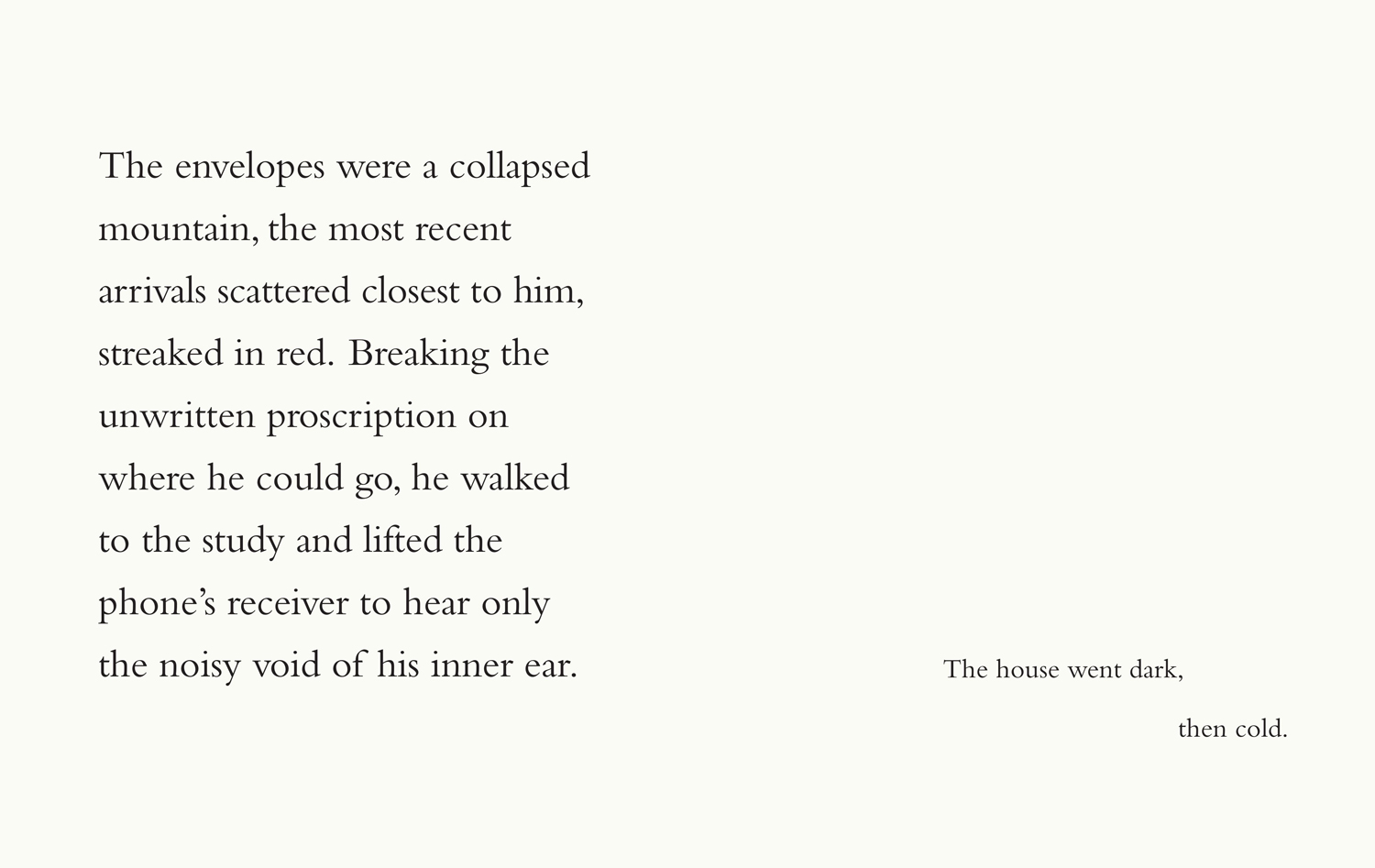
Cohen’s short story ‘The Arrivals’ was written as a response to these fragments, while also evoking various ideas and scenes he had himself encountered in analysis. His parallel essay, ‘Invitation to Frequent the Shadows’, is a critical reflection on light and shadow, art and artifice, and truth and lies prompted by his reading of the Laments portraits, and it continues his ongoing investigations into darkness, privacy and the hidden self.

Bettina von Zwehl is an artist living and working in London. She has built an international reputation for her subtle and unnerving photographic portraits. From early works in which she photographed subjects under a range of exacting conditions to more recent projects that reprise the traditions of the painted miniature, she has consistently explored the nature and limits of portraiture. She was artist-in-residence at the Victoria & Albert Museum in 2011 and had a five-month residency at the Freud Museum in London in 2013–14. Solo exhibitions of her work have been held at a number of leading European and American museums and galleries, including the Sigmund Freud Museum (Vienna, 2016), Freud Museum (London, 2016), Fotogaleriet (Oslo, 2014) National Portrait Gallery (London, 2014), Centrum Kultury Zamek (Poznan, 2011), V&A Museum of Childhood (London, 2009), The Photographers’ Gallery (London 2005) and Lombard Freid Gallery (New York, 2004). Her photographs are held in the collections of the Solomon R. Guggenheim Museum, New York; Mint Museum, Charlotte, North Carolina; Victoria and Albert Museum, Arts Council Collection, London; National Portrait Gallery, London; the Rubell Family Collection, Miami, Florida; and Pier 24 Photography, San Francisco

Josh Cohen is a psychoanalyst and writer and teaches at Goldsmiths University of London. He is the author of The Private Life: Why We Remain in the Dark (2013), which won the BMA Board of Science Chair’s Choice Award for 2014 and was longlisted for the JQ/Wingate Literary Award; How to Read Freud (2005); Interrupting Auschwitz: Art, Religion, Philosophy (2003); and Spectacular Allegories: Postmodern American Writing and the Politics of Seeing (1998), as well as numerous reviews and articles on modern literature, philosophy and psychoanalysis. He was a finalist in the 2015 Notting Hill Editions Essay Prize for ‘The Incurious Rabbit’, part of a book in progress on inertia in psychic and cultural life. He appears regularly in the TLS, Guardian and New Statesman. He is a Fellow of the British Psychoanalytical Society.

Strand

Stuart Haygarth
Texts by Robert Macfarlane and Deyan Sudjic

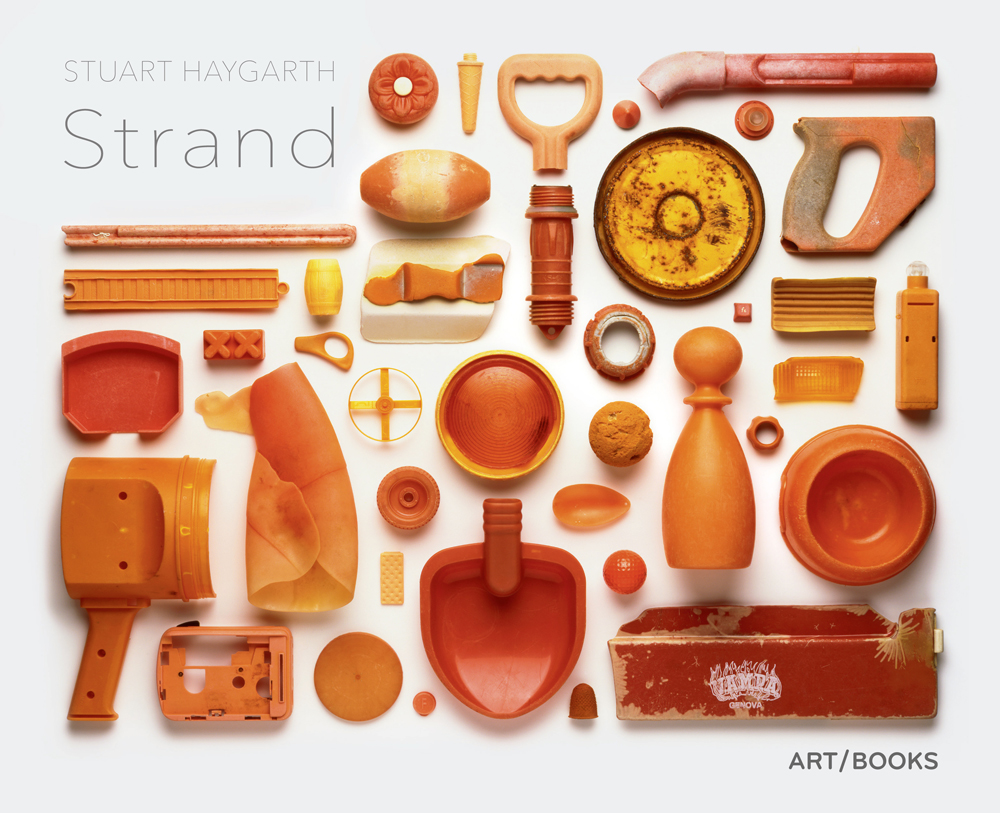
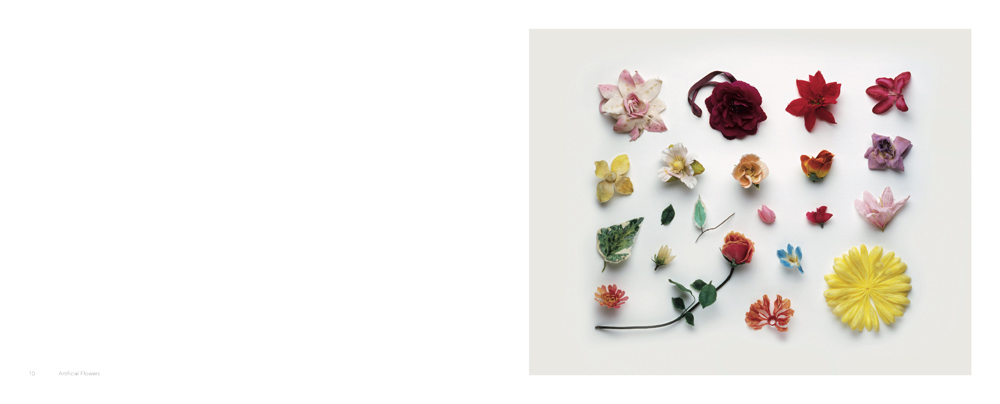
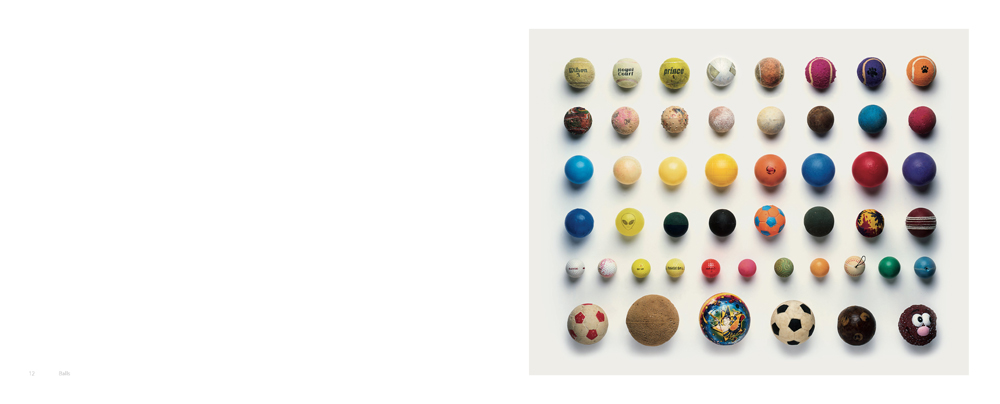
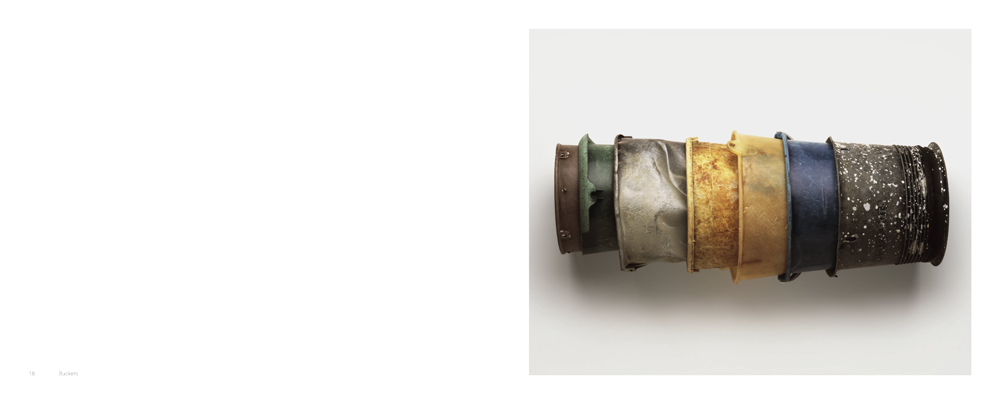
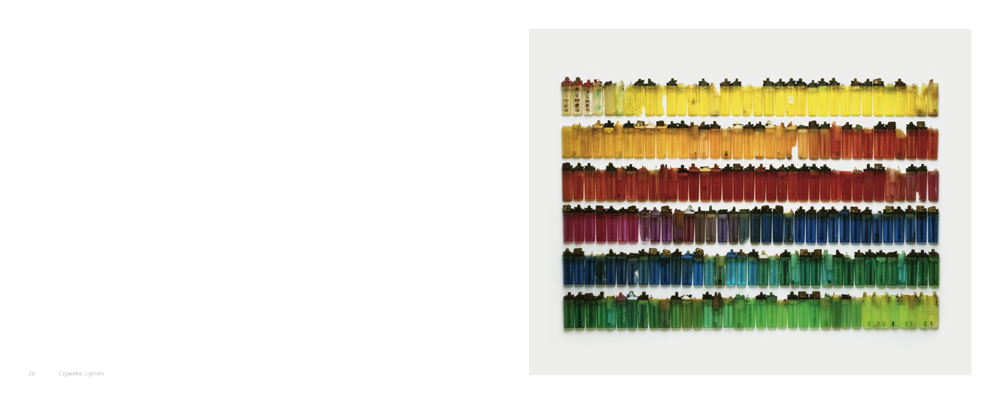
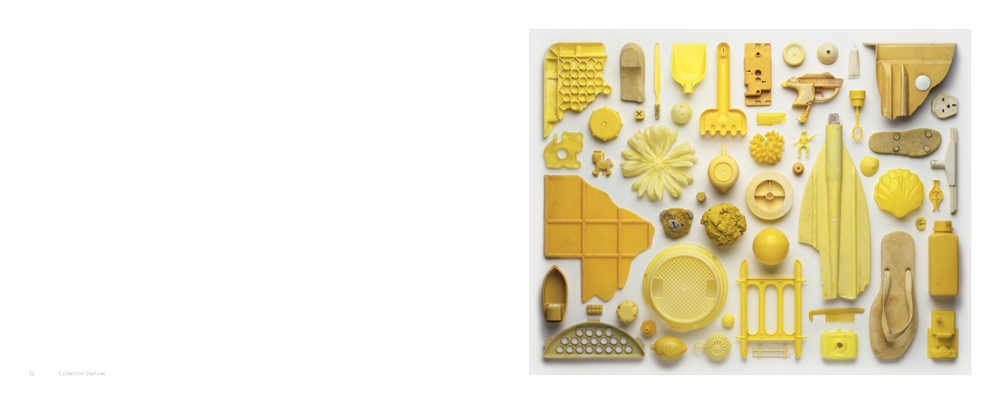
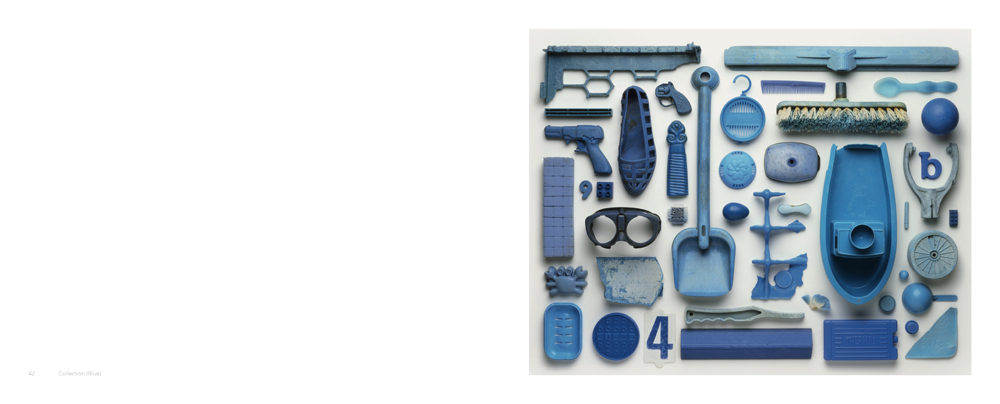
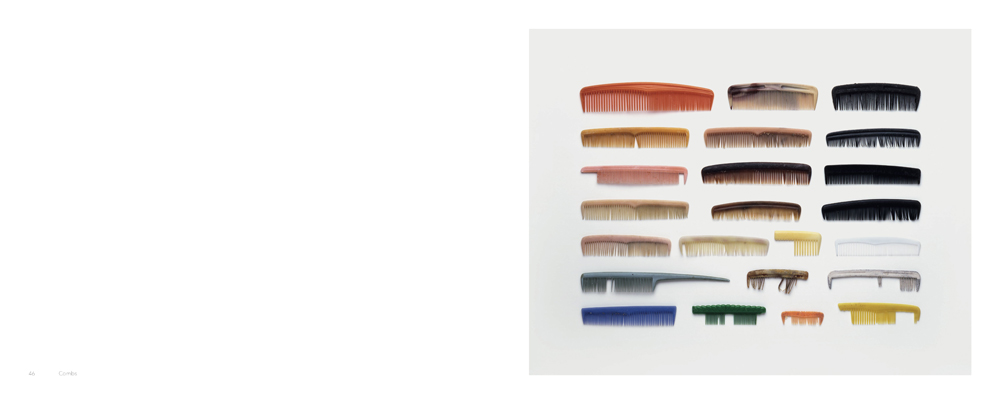
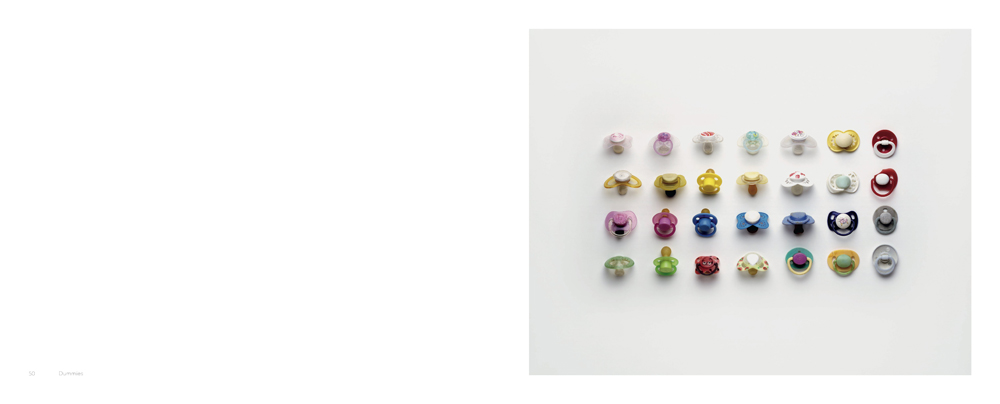
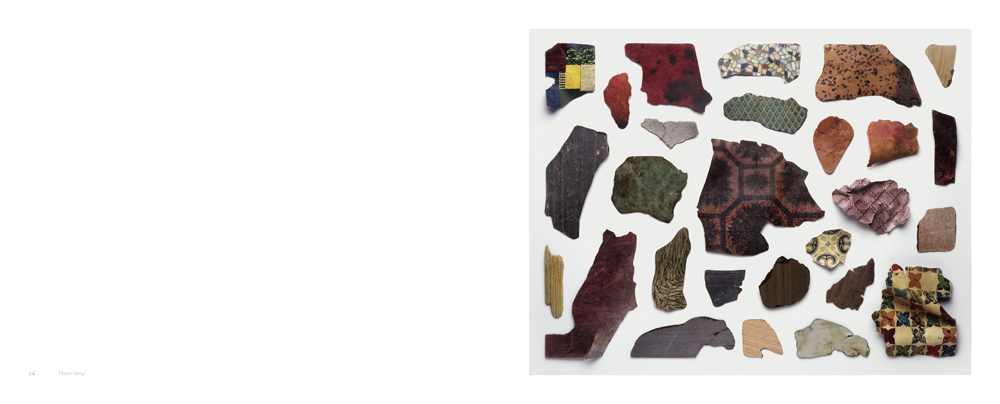
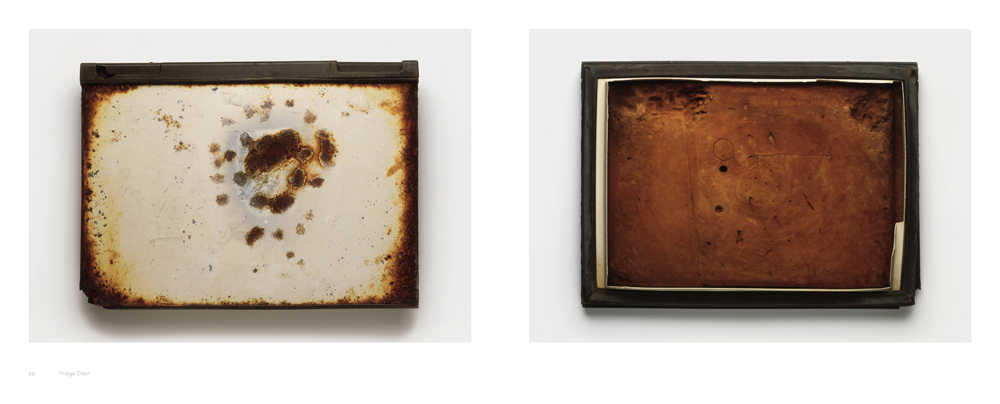
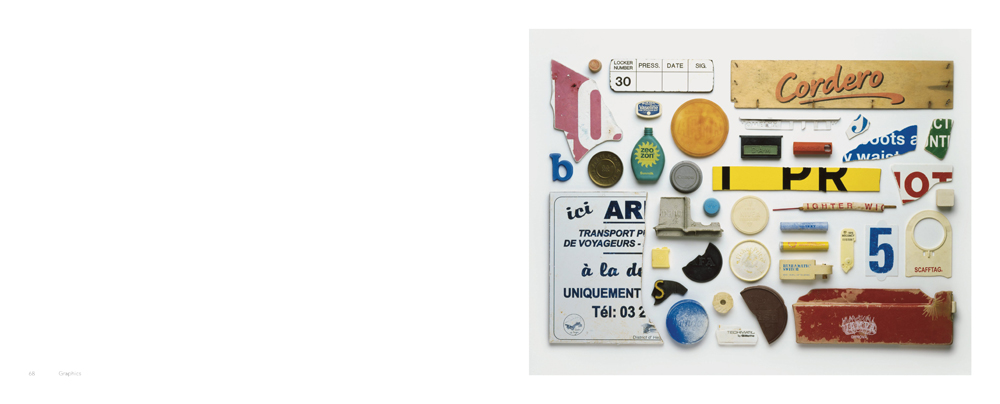
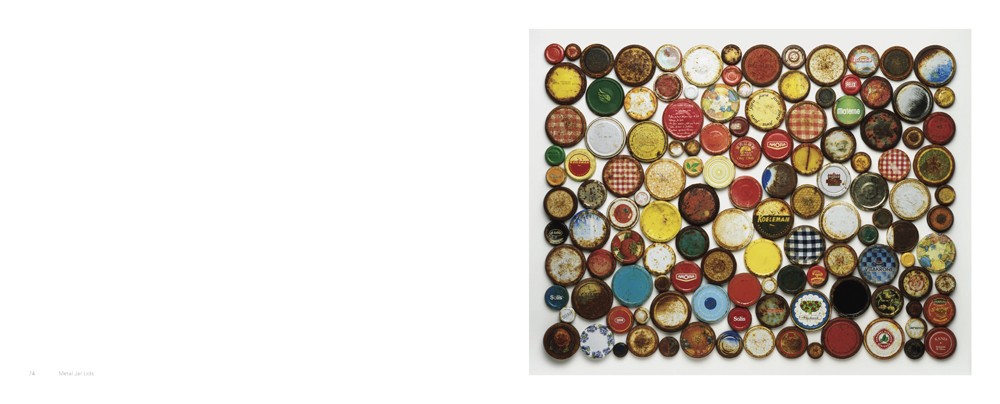
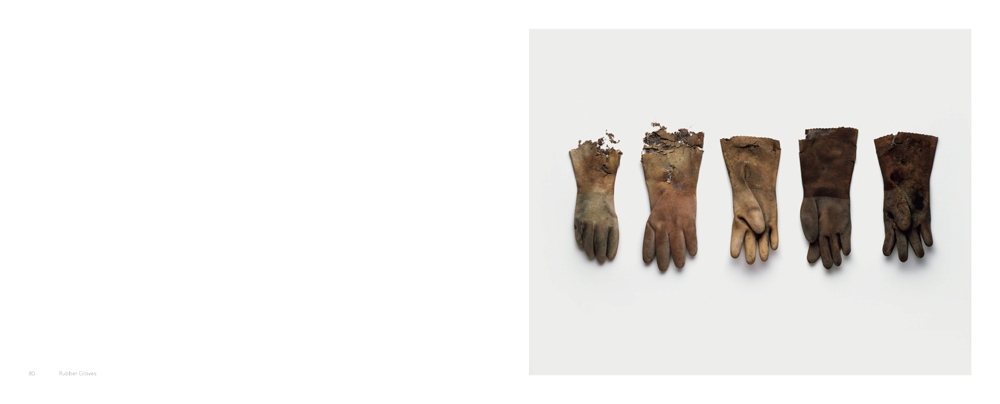
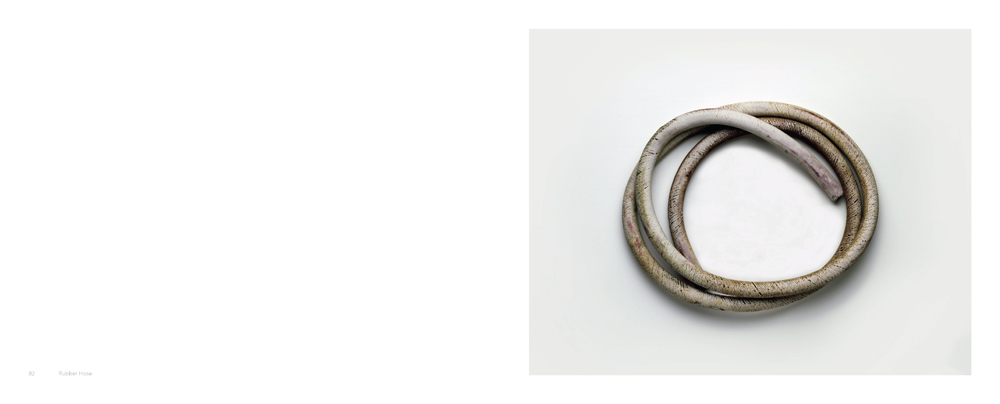
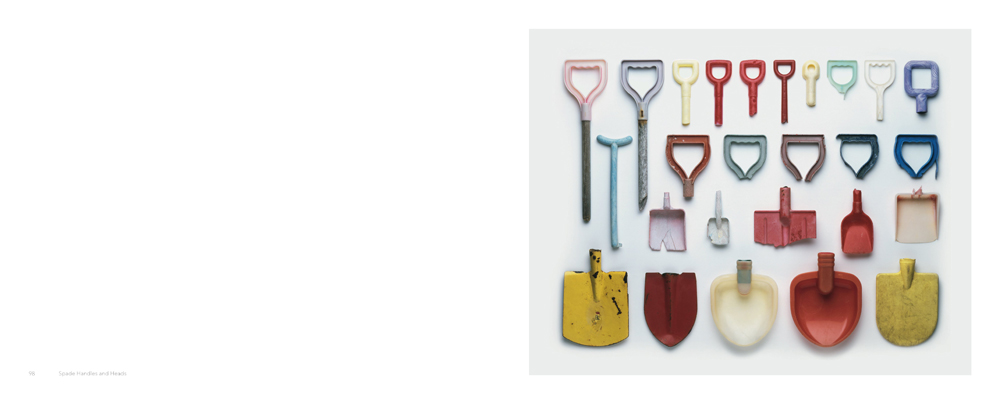
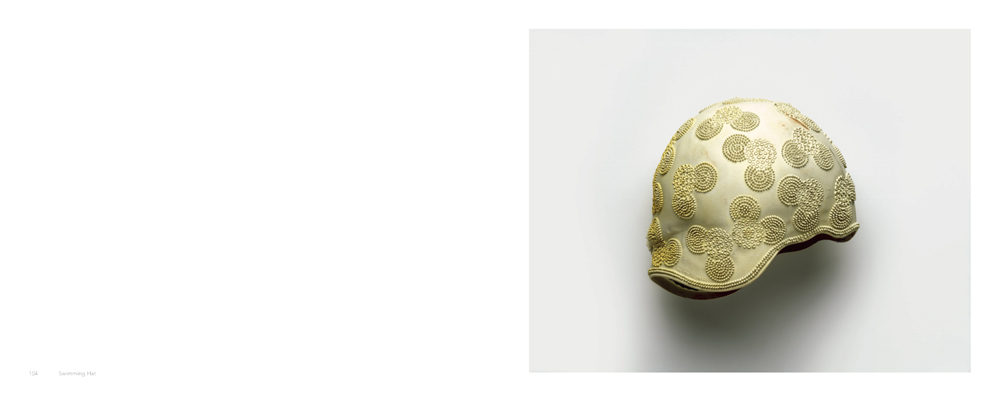
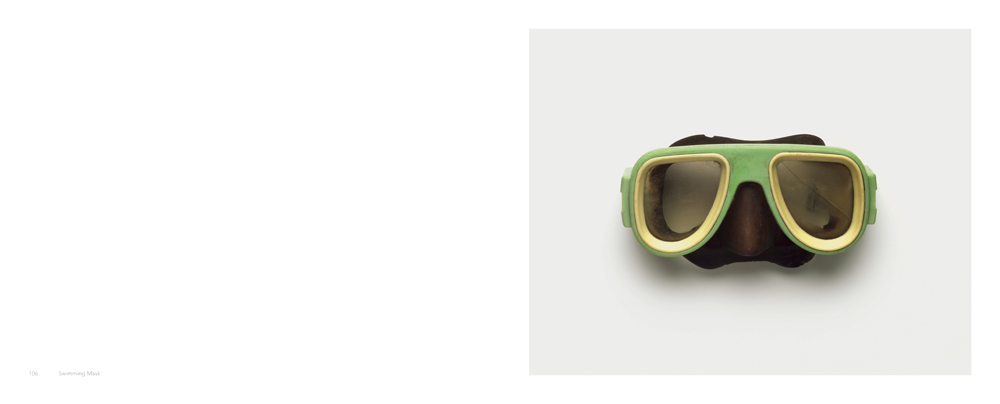
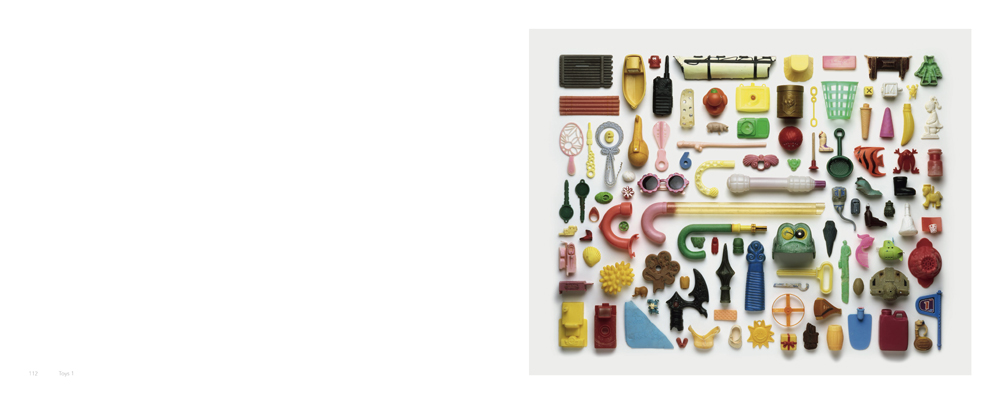
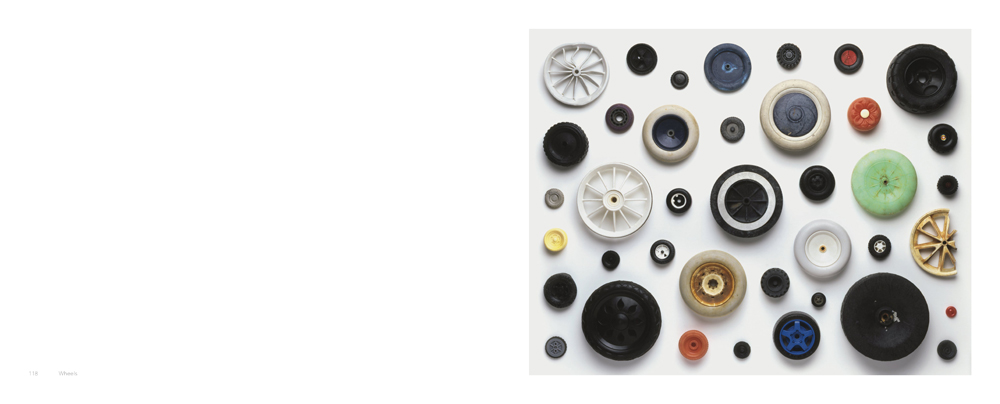
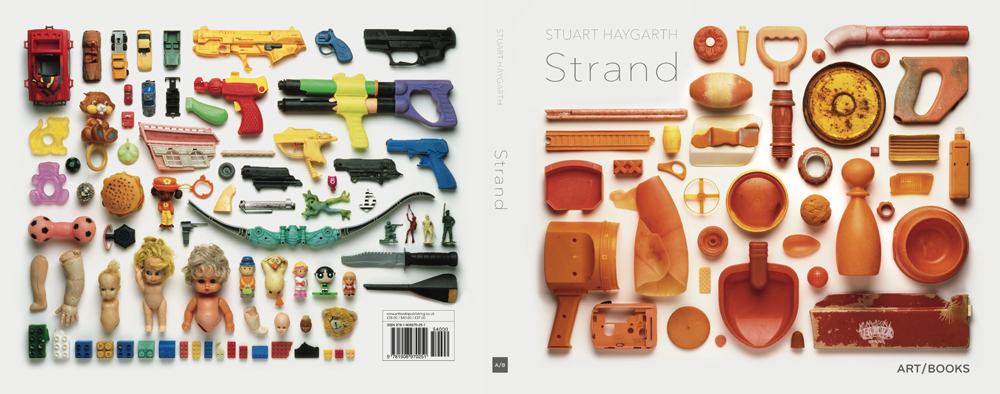
In February 2011, artist Stuart Haygarth did an unusual thing: he started to walk along the entire coast of southern England, with the goal of collecting every man-made item that he came across. He had a purpose in mind, for Haygarth gathers discarded or overlooked objects and elevates them into art, making exquisite artefacts and stunning installations out of common detritus and everyday waste. Yet his practice is as much about the process of collecting and collating materials as it is about the creation of value or beauty. For Strand – the Old English and German word for ‘beach’ – he walked from Gravesend to Land’s End and picked up the thousands of synthetic items left washed up on the shore. Combs, lighters and baby dolls, plastic balls, toys, containers and shoes were just some of the many objects he found on the 500-mile trip. Back in the studio, he categorized each one by type and colour before arranging them into precise compositions and photographing them.

Displaying the formal rigour of the designer and the aesthetic eye of the artist, the resulting images seduce with their beauty and visual immediacy. The objects form an archive of sorts, a fragmented narrative of unknown people’s lives, as well as a material document of Haygarth’s journey. But his beautiful pictures tell another tale too: the story of our reckless pollution of the environment, for each of these manufactured objects has been thrown away and carried by the world’s oceans and seas. They are the flotsam and jetsam of daily life.

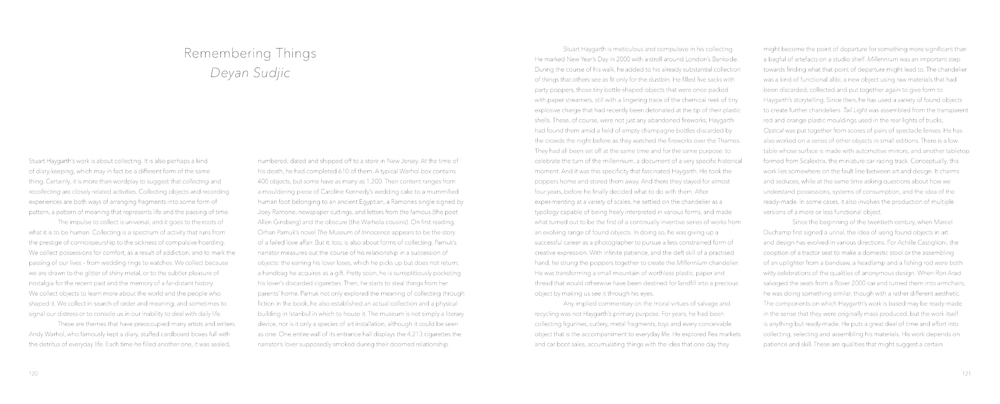
Award-winning academic and nature writer Robert Macfarlane considers the photographs of Strand as evidence of our pollution of the planet with ever-growing mountains of plastic waste, while Deyan Sudjic, director of the Design Museum, discusses Haygarth’s work as part of the tradition of artists, including Marcel Duchamp, Andy Warhol and Joseph Cornell, who collected found objects in order to make art.  

Stuart Haygarth is an award-winning British artist and designer. Originally trained as an illustrator and photographer, he began to make art works from found and collected objects in 2004. Since then, he has had numerous exhibitions and commissions in the United Kingdom, United States, France, Italy, Germany and Japan. He has won design awards from Wallpaper*, Arena and Elle Décor magazines. He is represented by Carpenters Workshop Gallery in London, Paris and New York, and his works have appeared in the Venice Biennale and Design Miami.

Robert Macfarlane is the author of a series of award-winning and internationally best-selling books about landscape, imagination and nature, including Mountains of the Mind (2003), The Wild Places (2007), The Old Ways (2012) and Landmarks (2015). His essays and articles have appeared in venues including Granta, the New York Times, and the Guardian, and his work has been widely adapted for television, film and radio. He is a Fellow of Emmanuel College, Cambridge, and a Fellow of the Royal Society of Literature.

Deyan Sudjic is the former director of the Design Museum in London. His career has spanned journalism, teaching and writing. He was director of Glasgow UK City of Architecture in 1999, and in 2002 he was the director of the Venice Architecture Biennale. He was editor of Domus magazine from 2000 to 2004, and was founding editor of Blueprint magazine from 1983 to 1996. Sudjic has published many books on design and architecture, including, most recently, B is for Bauhaus (2014).


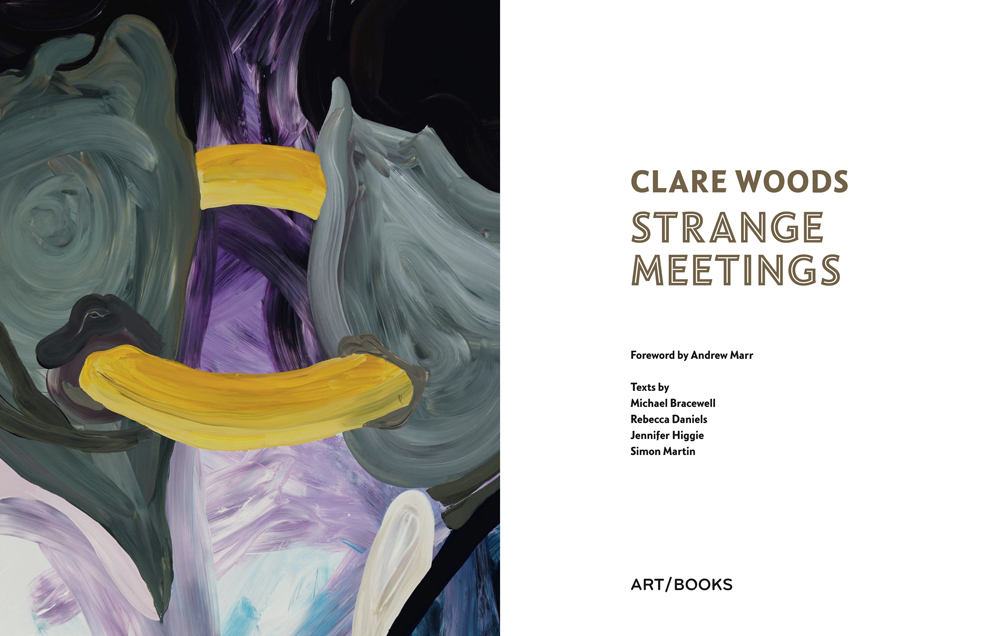
Clare Woods

Strange Meetings

Foreword by Andrew Marr
Texts by Michael Bracewell, Rebecca Daniels, Jennifer Higgie and Simon Martin

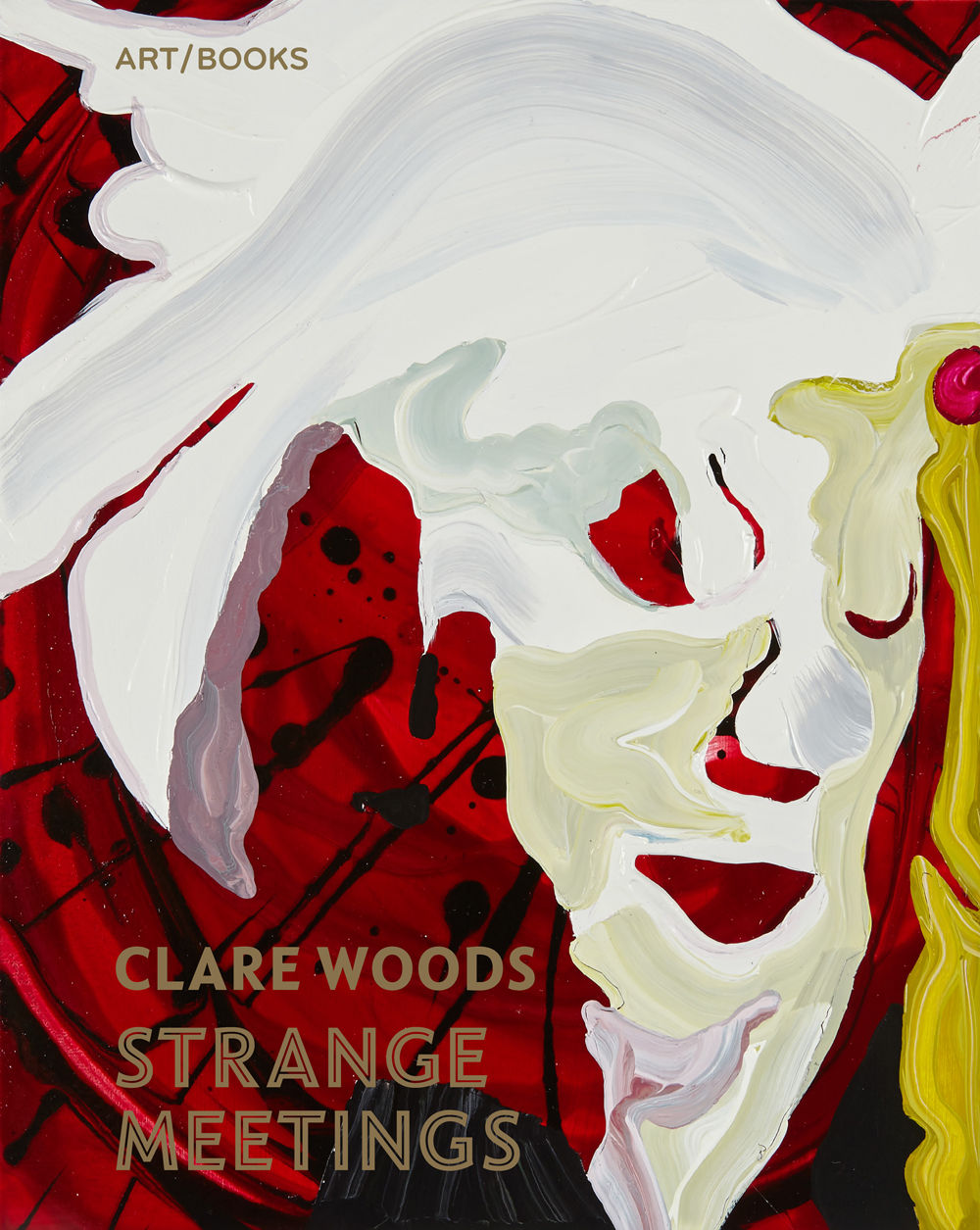
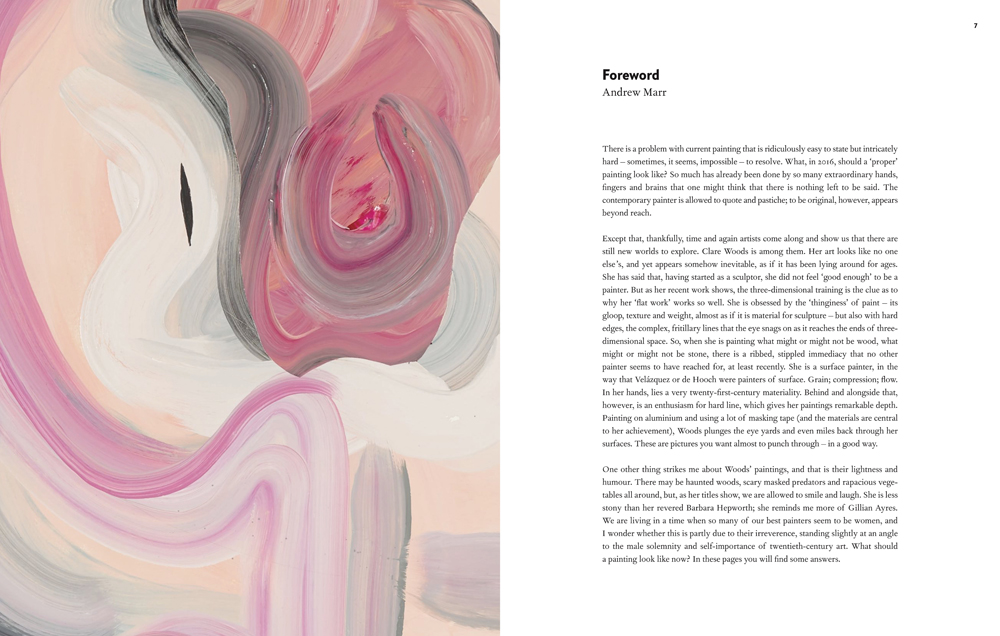
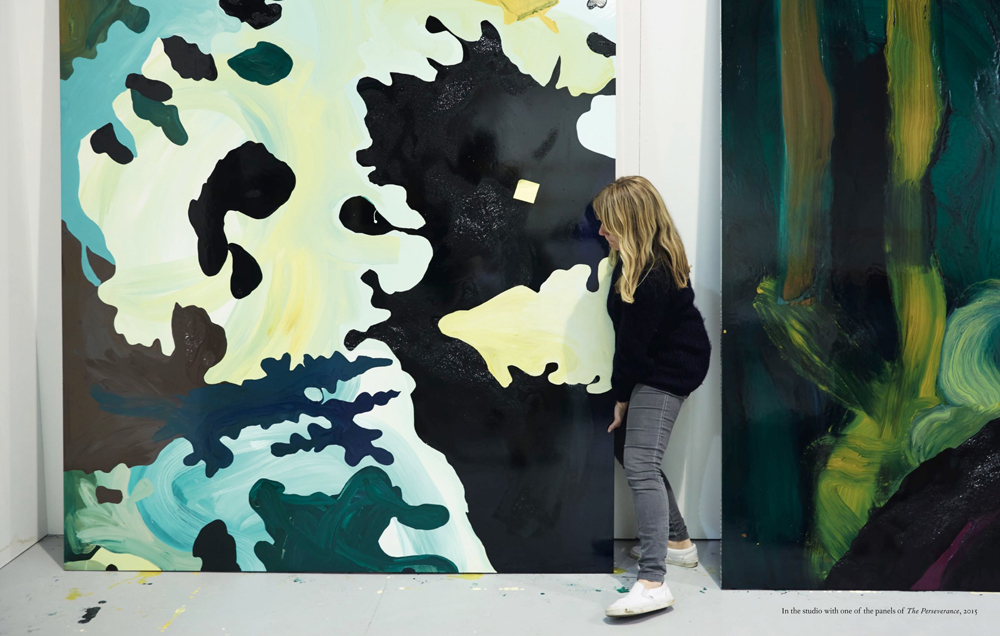
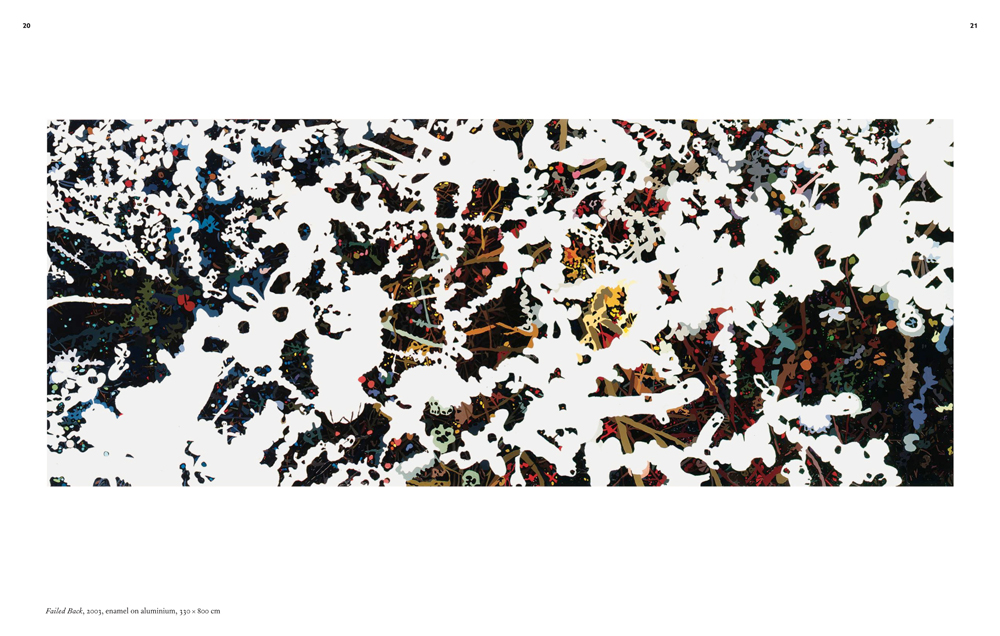
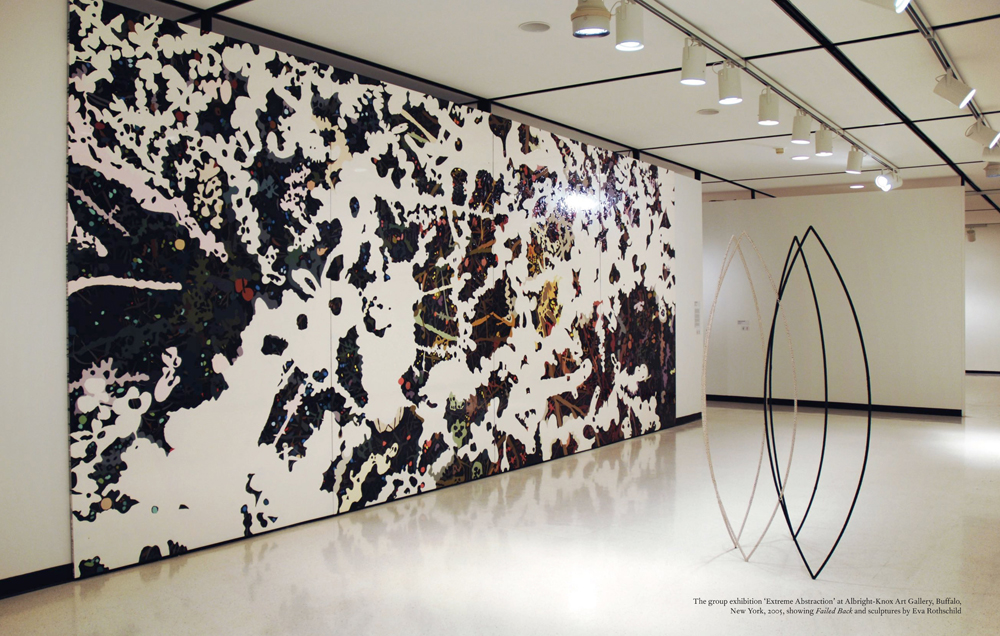
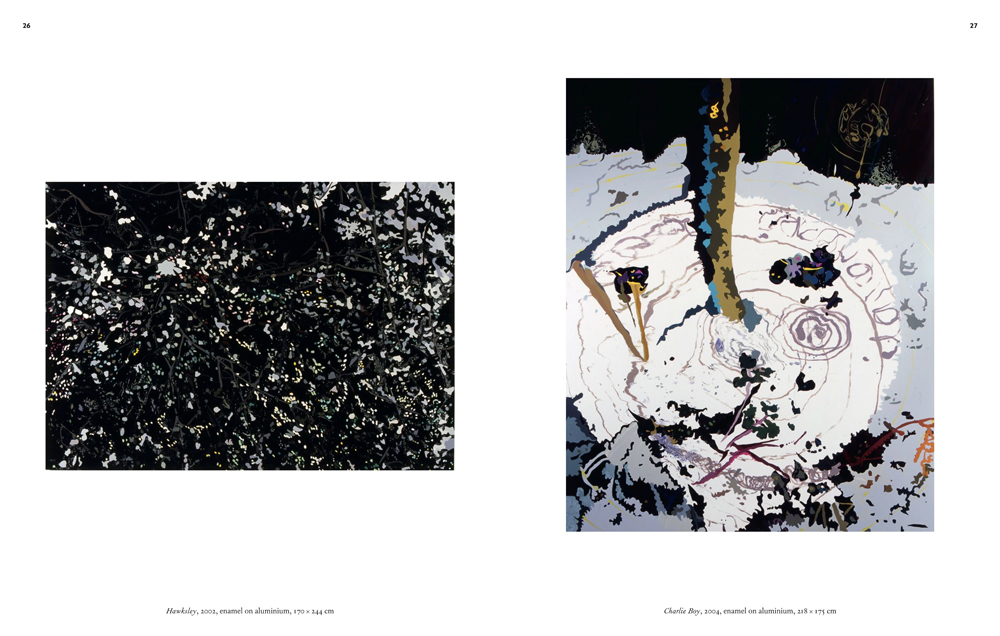
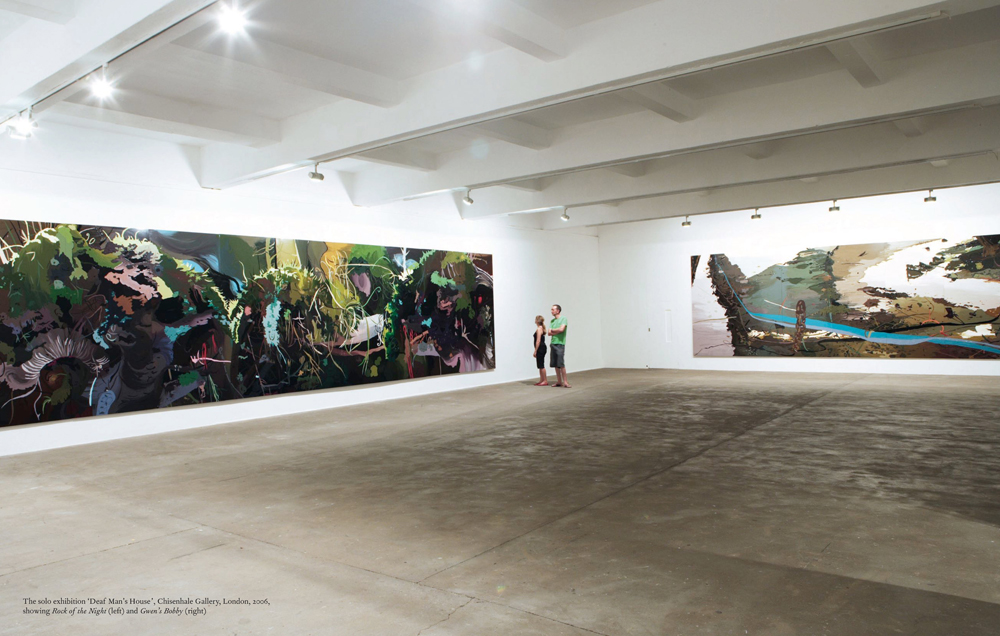
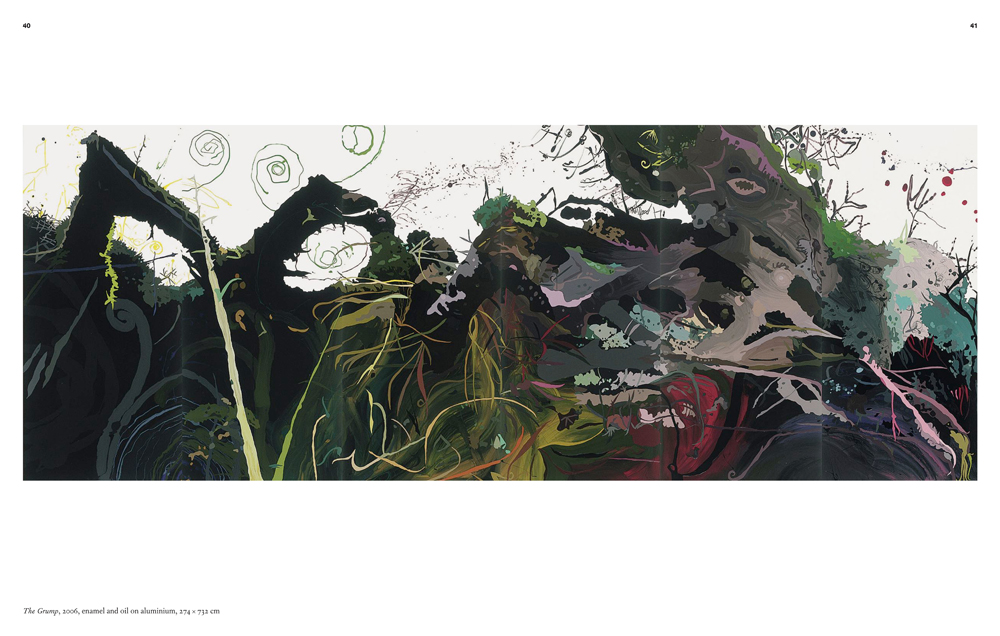
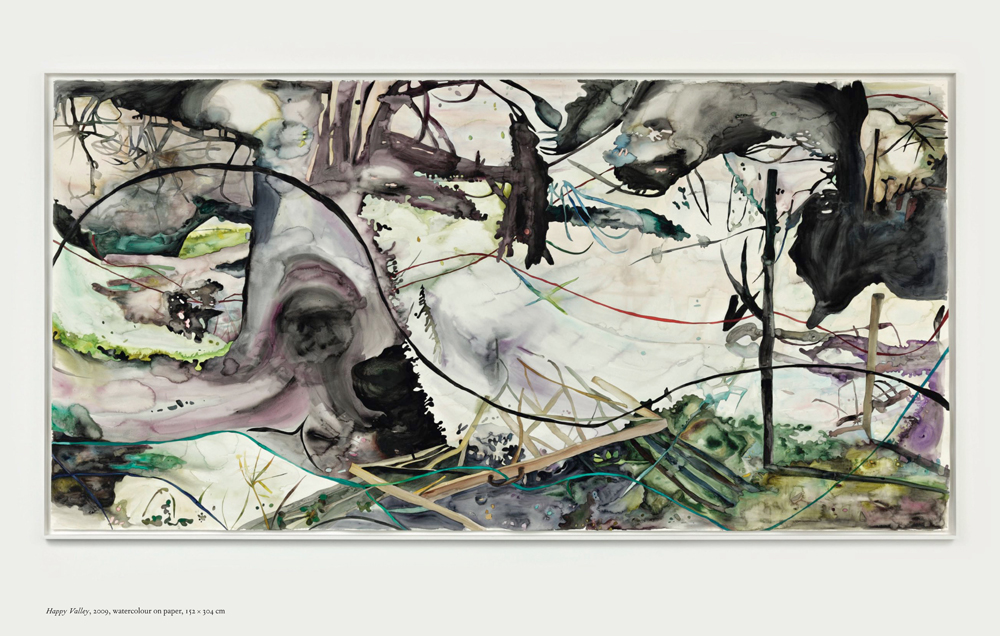
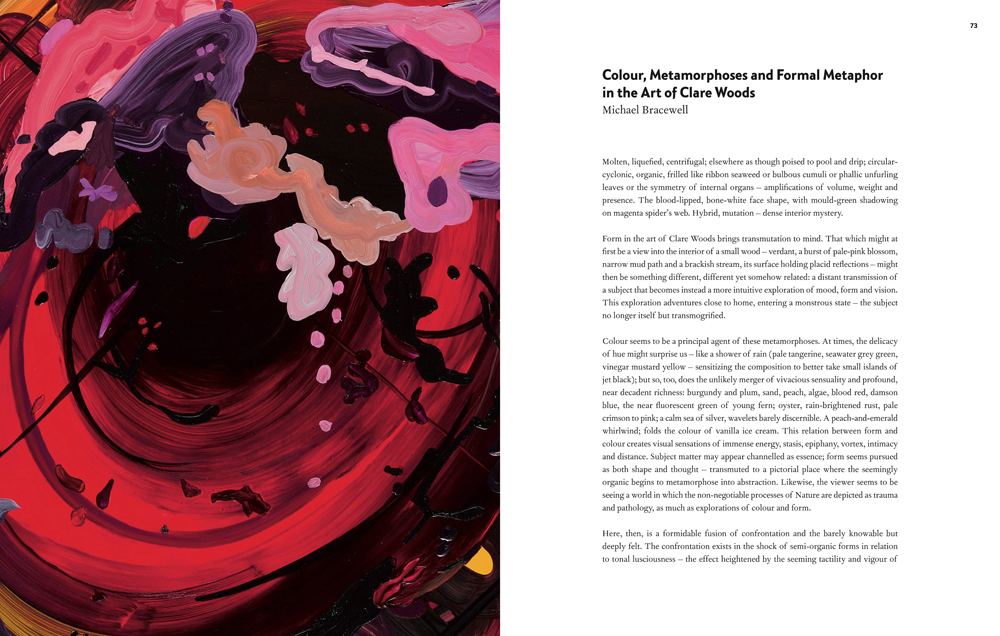
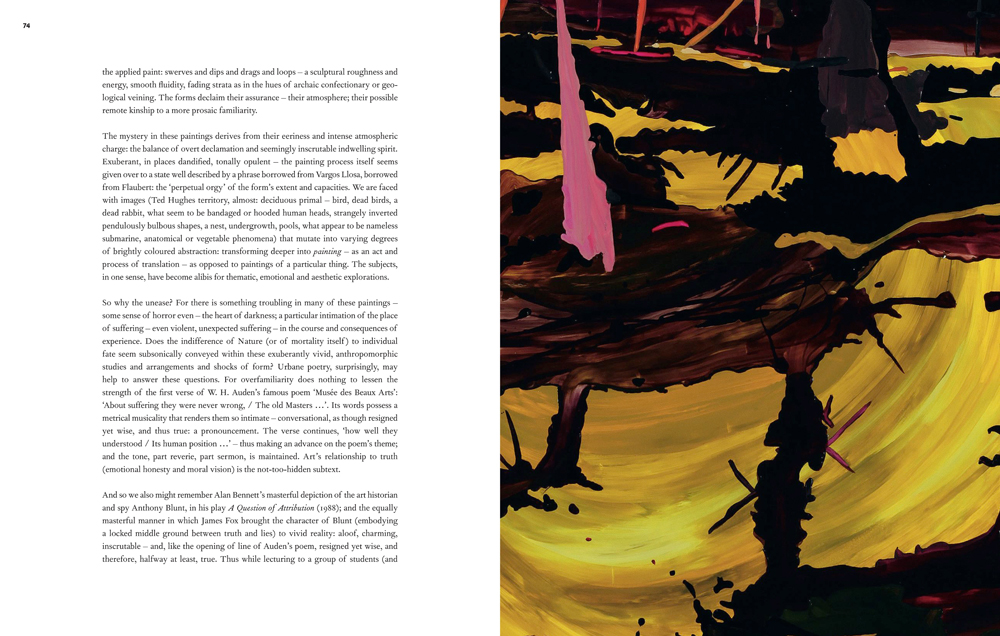
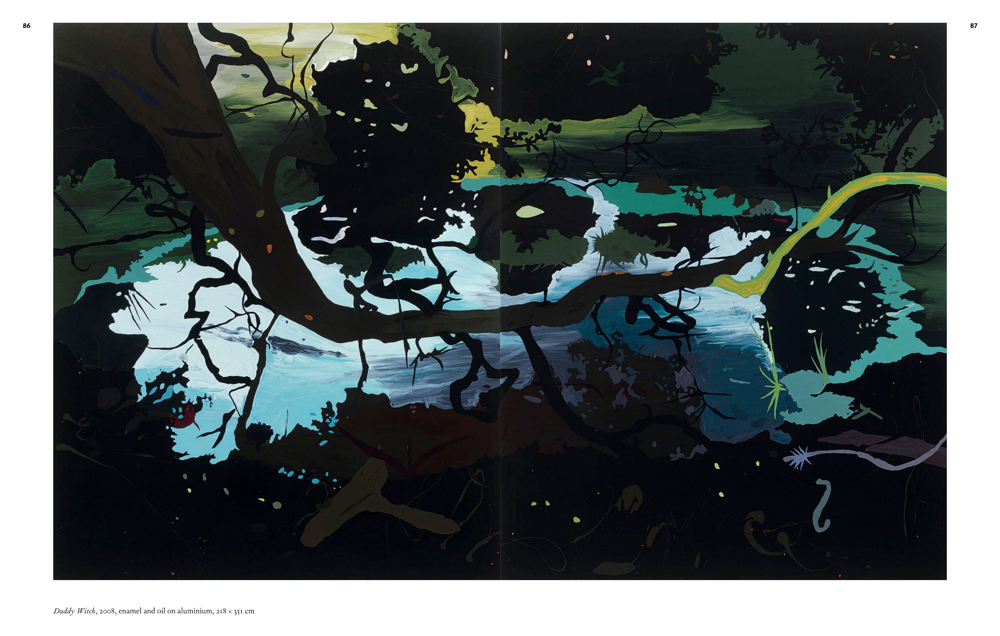
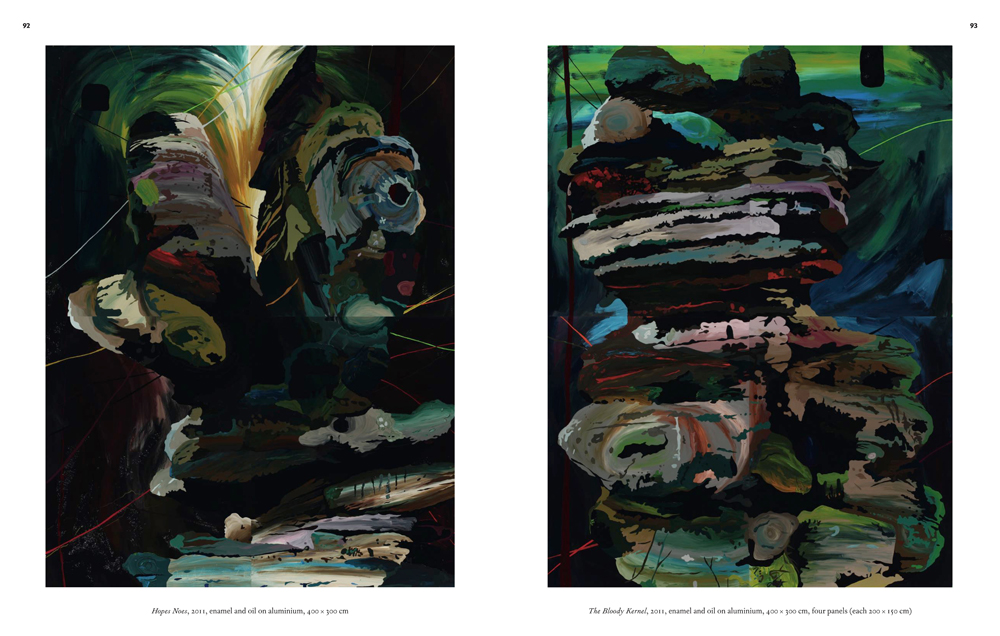
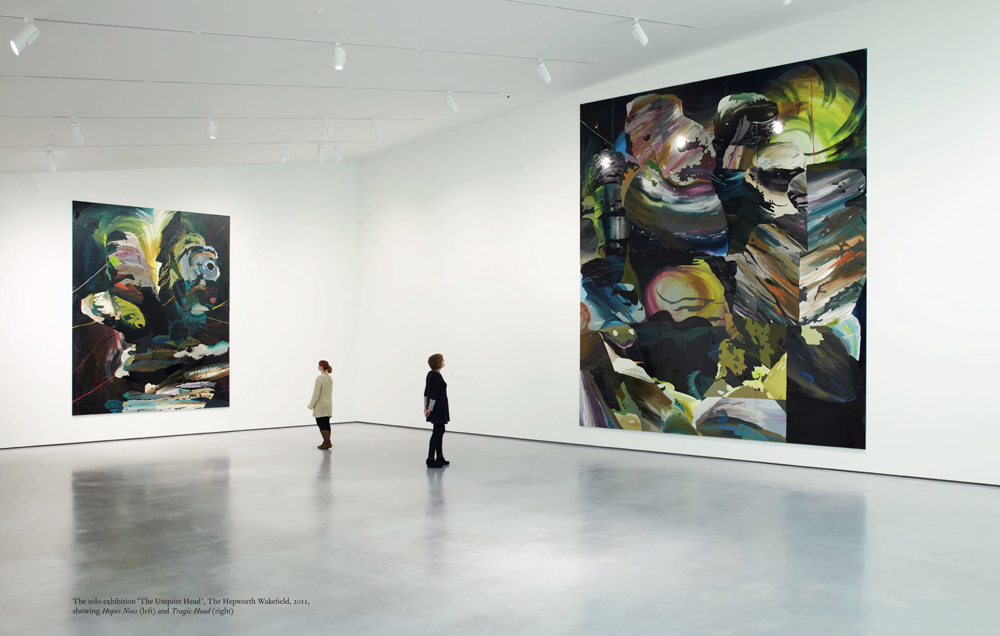
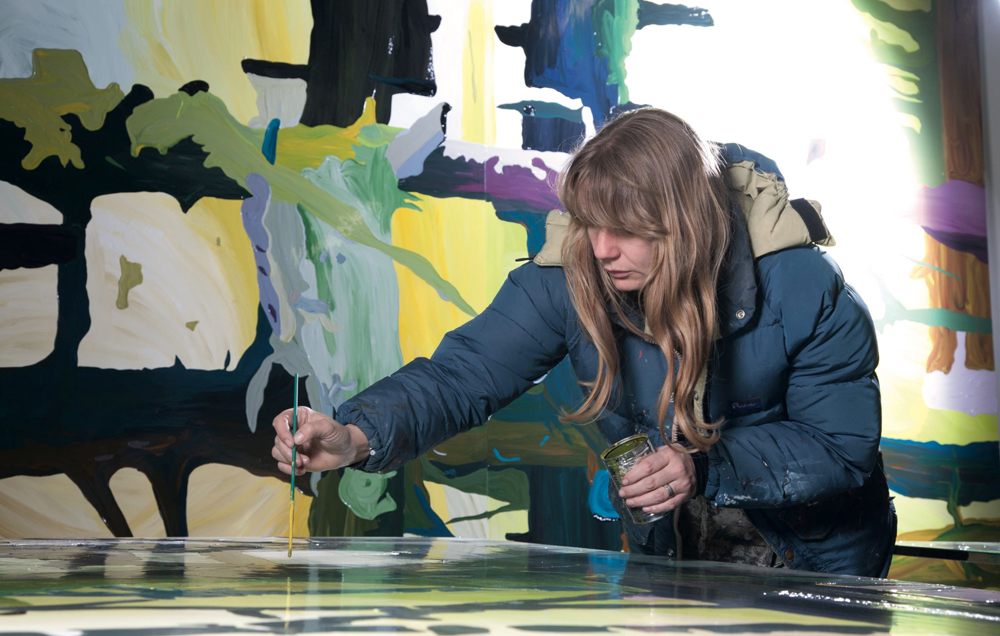
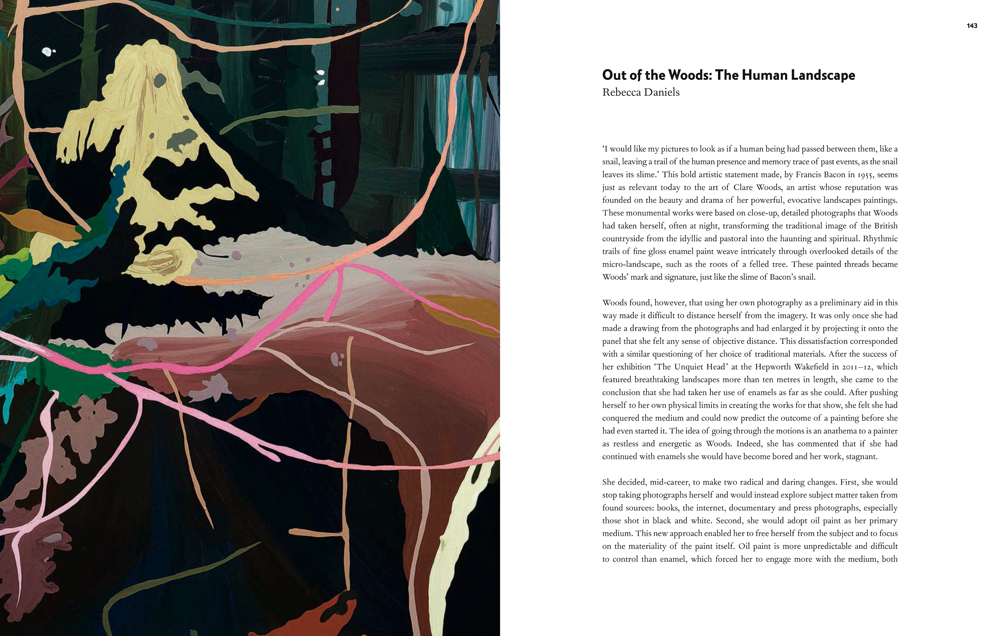
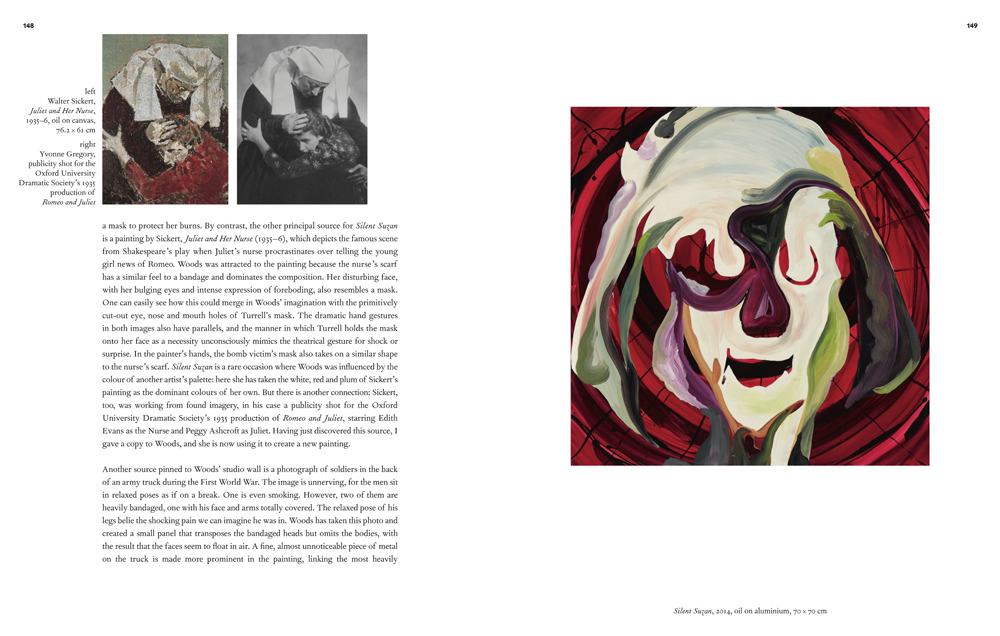
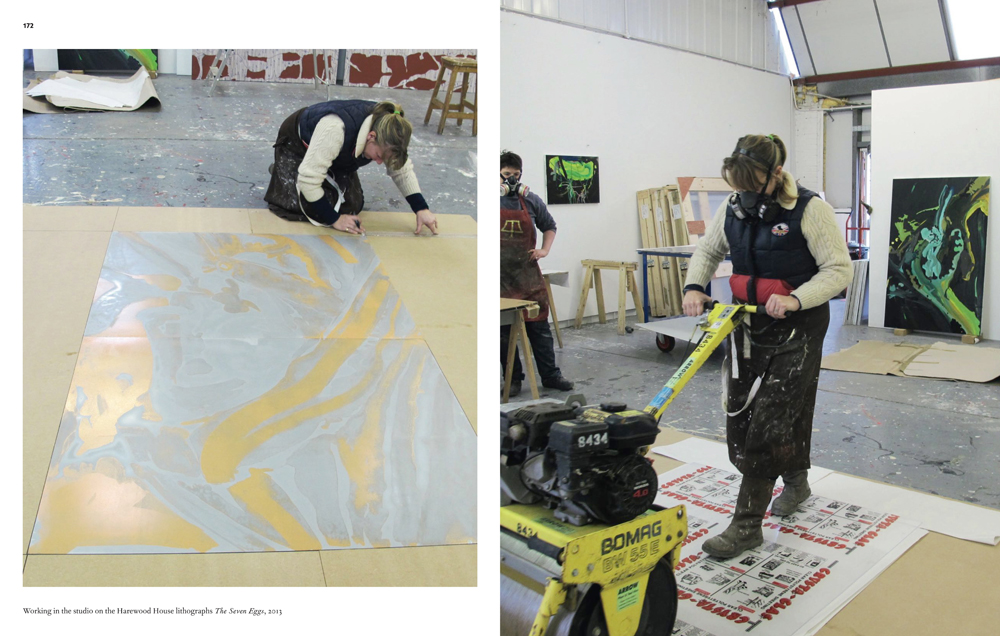
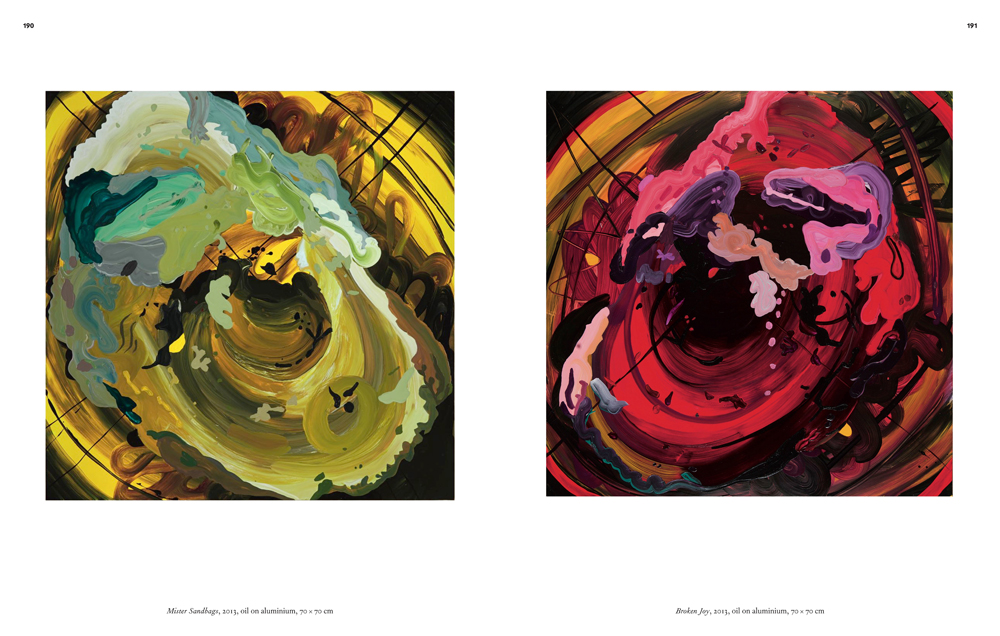
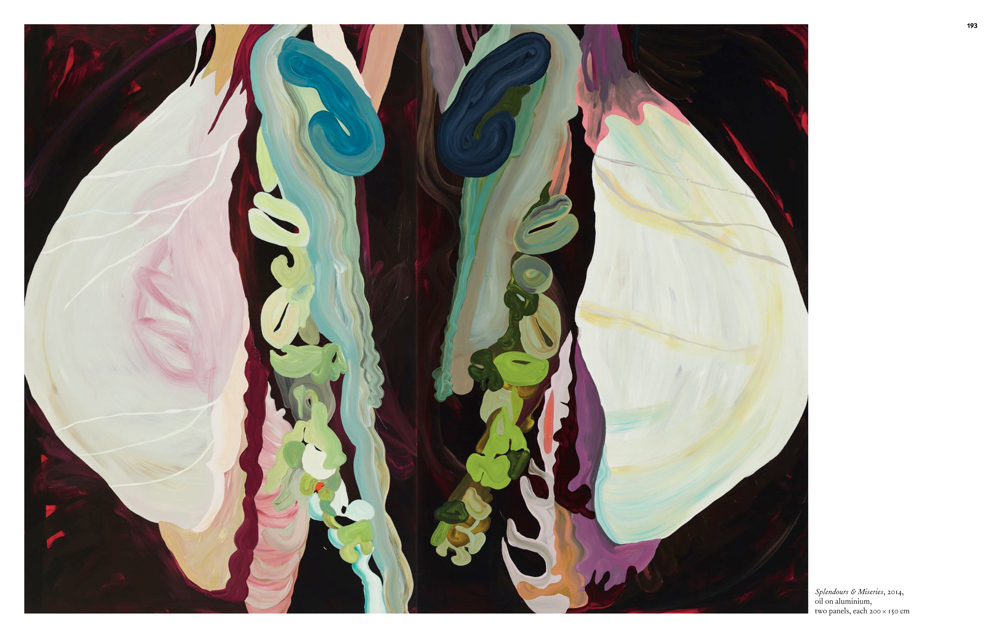
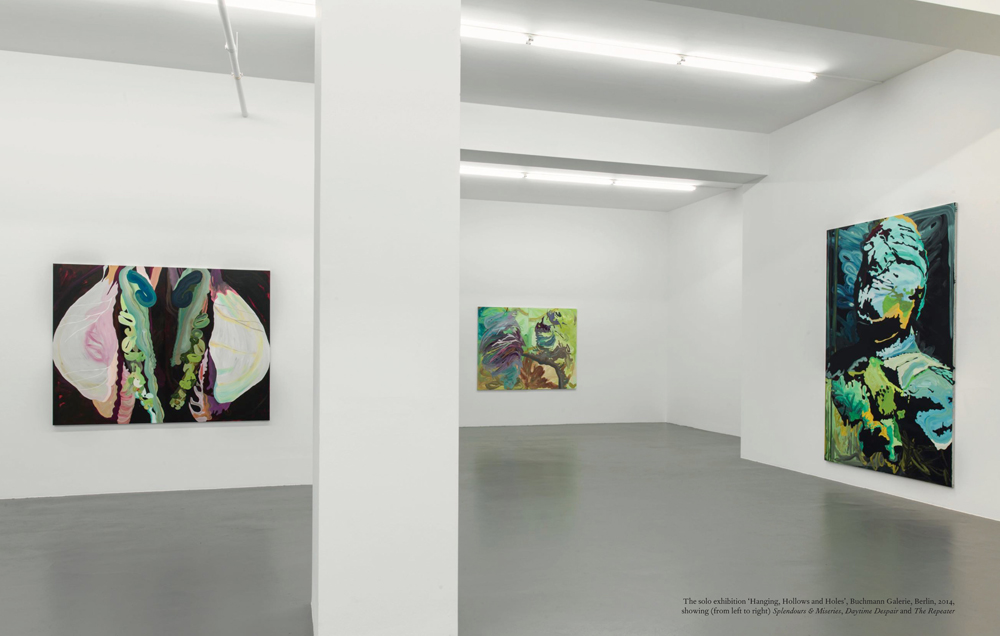
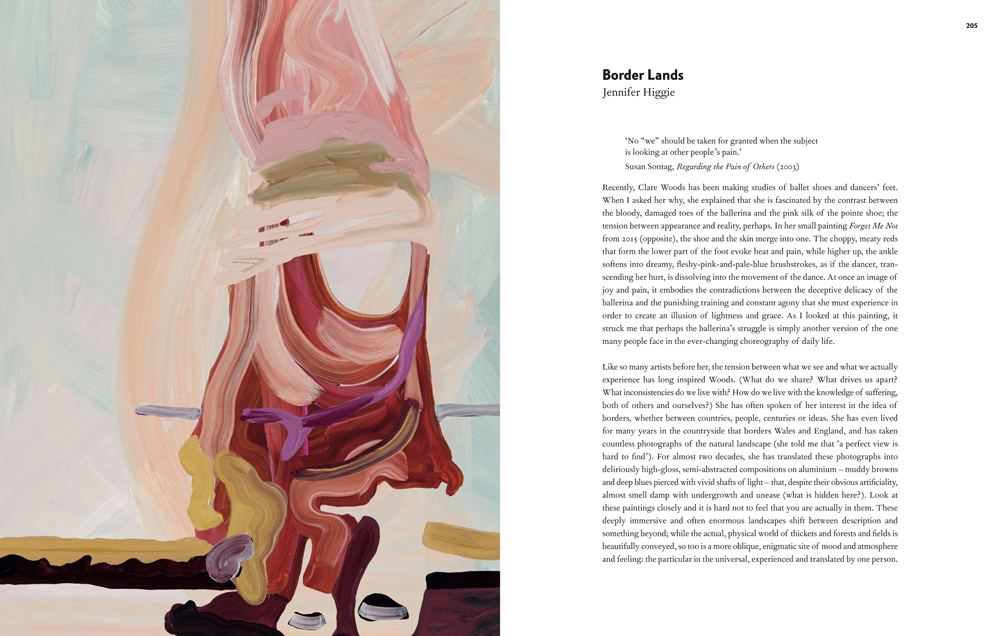
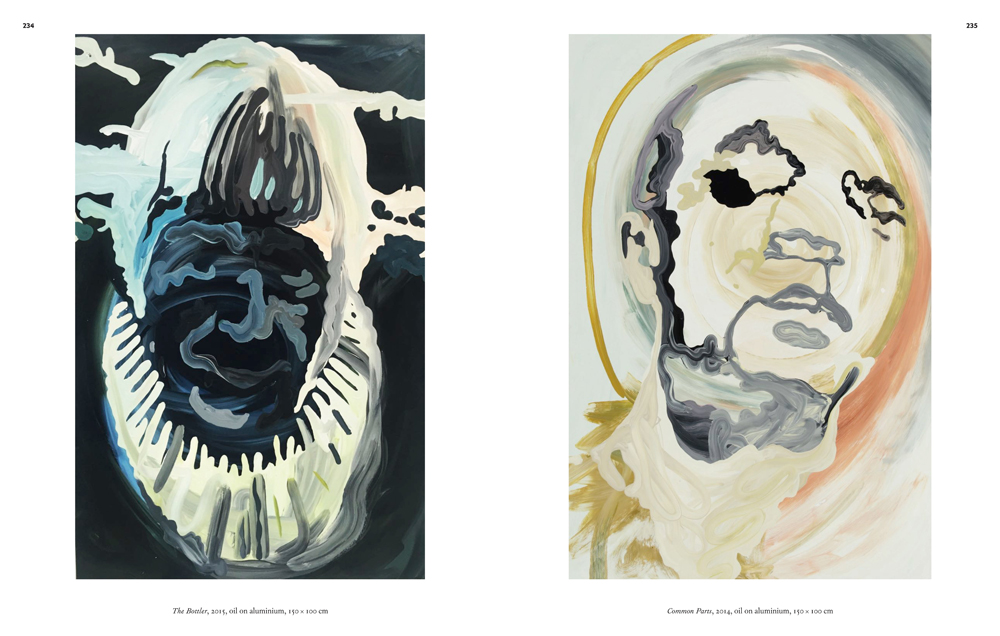
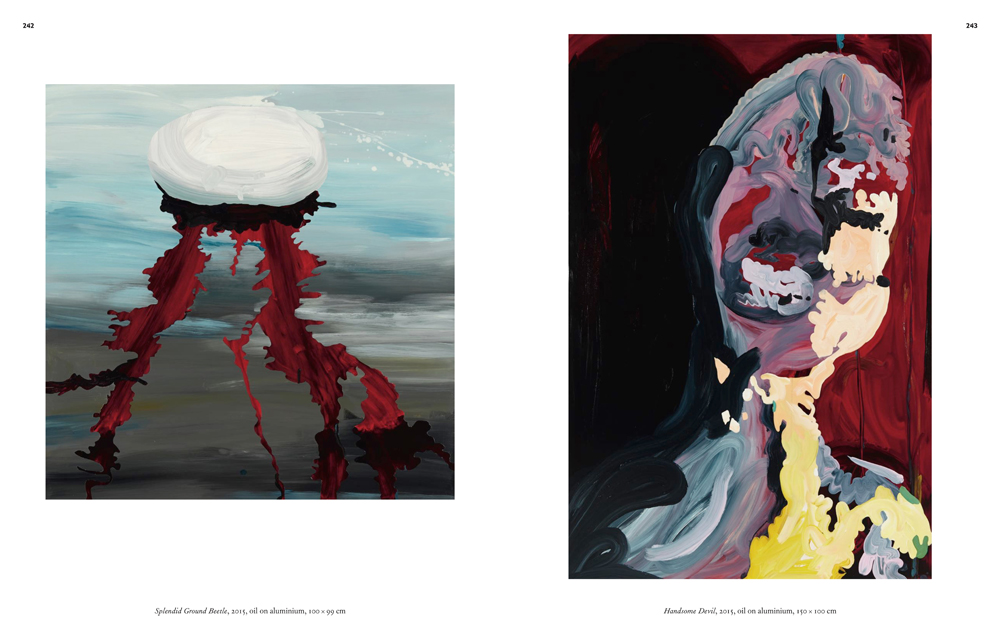
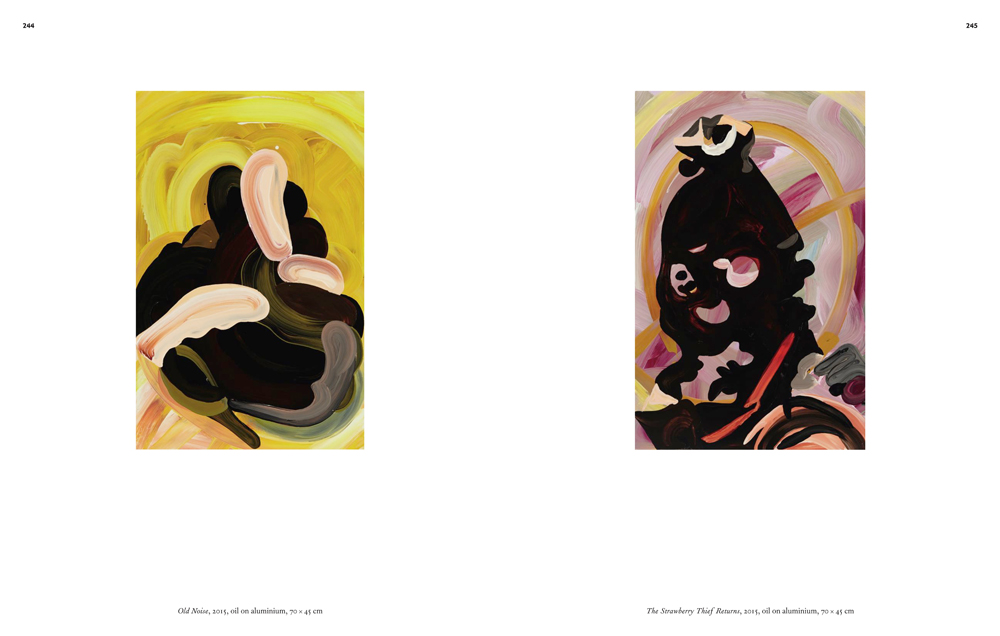
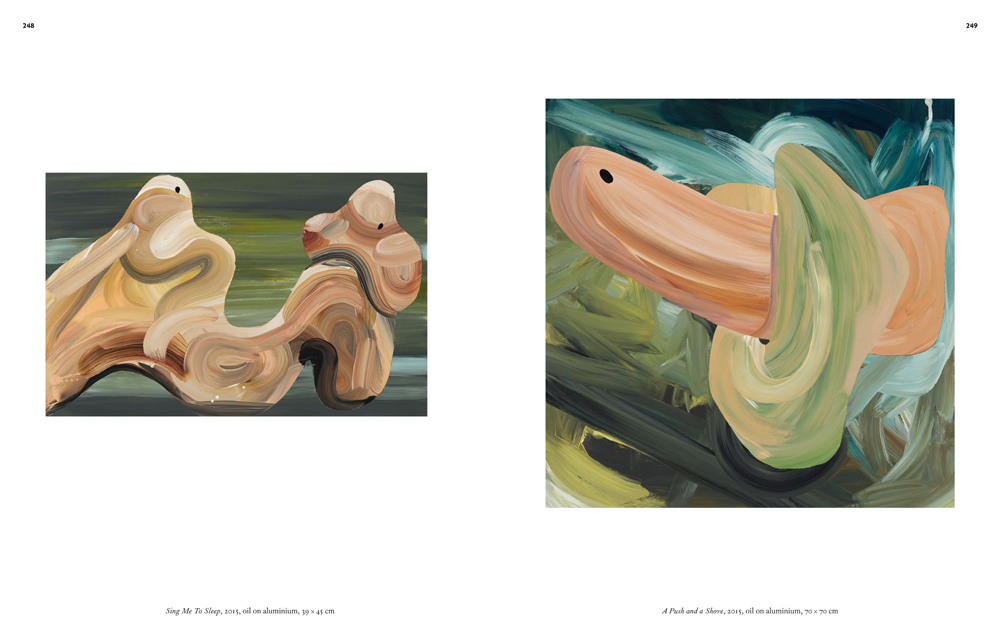
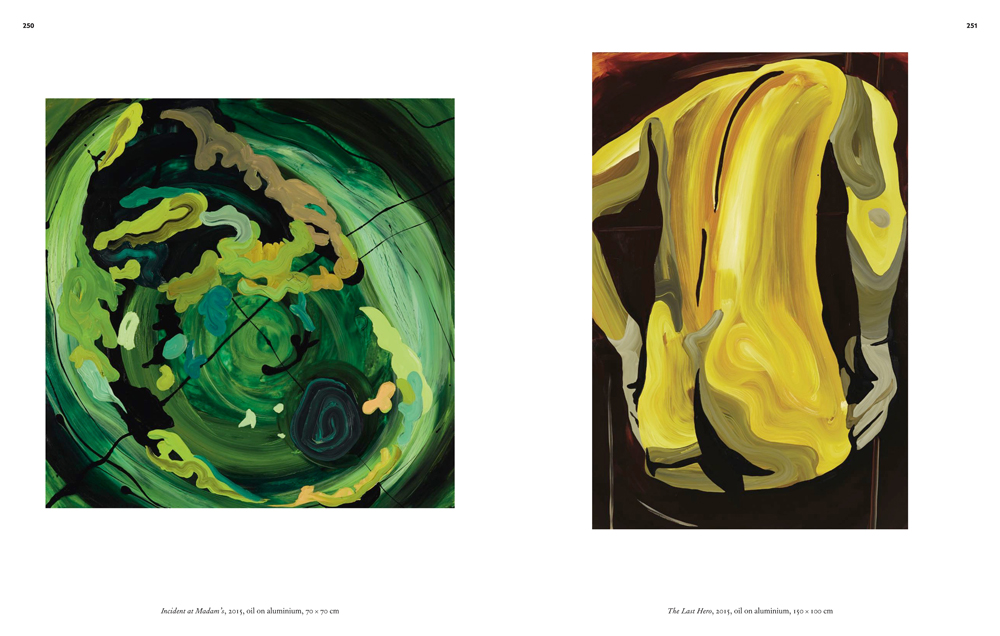
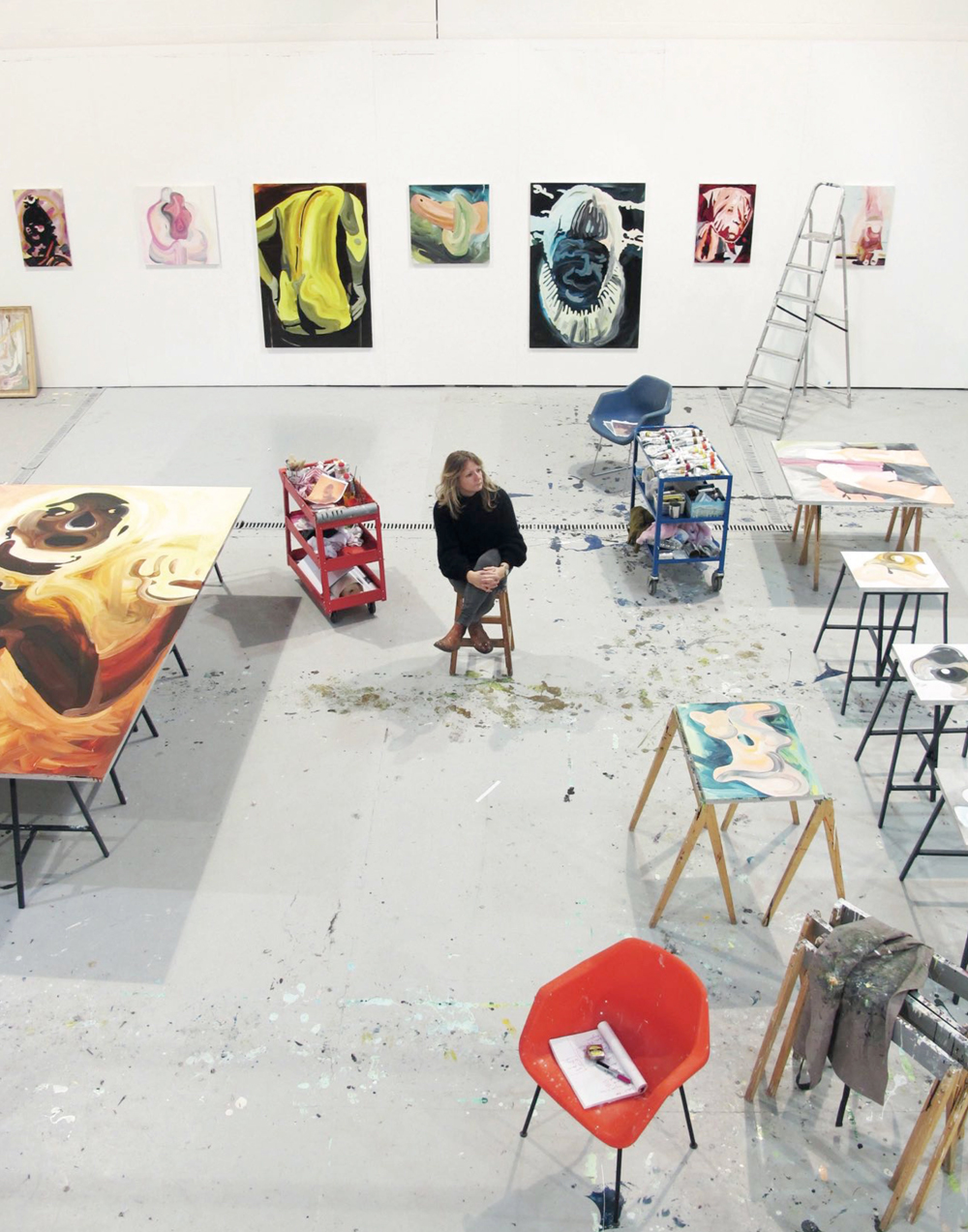
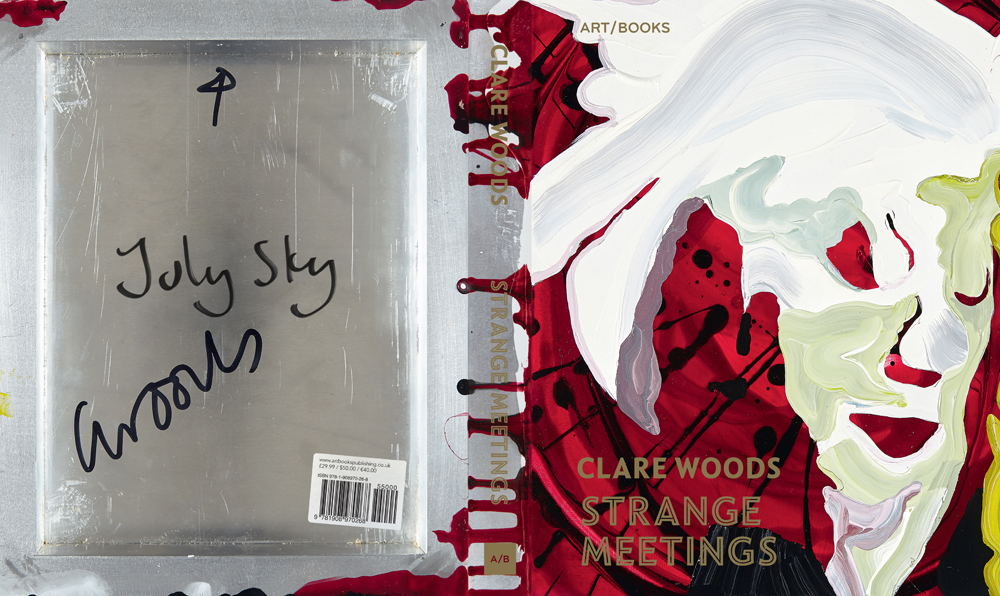
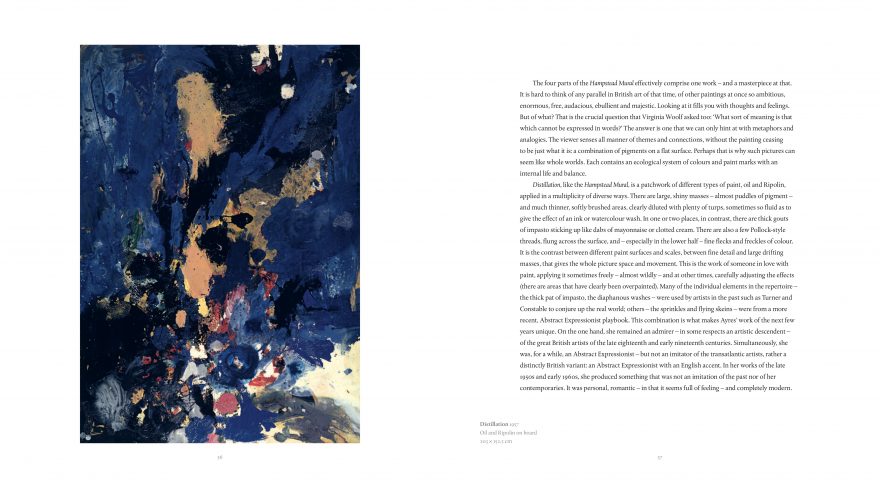
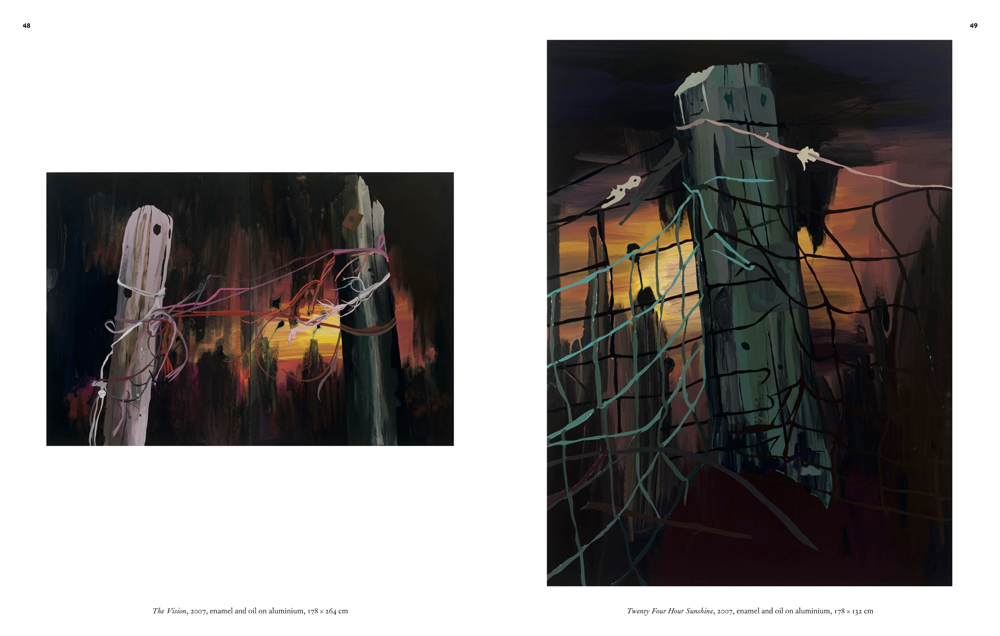
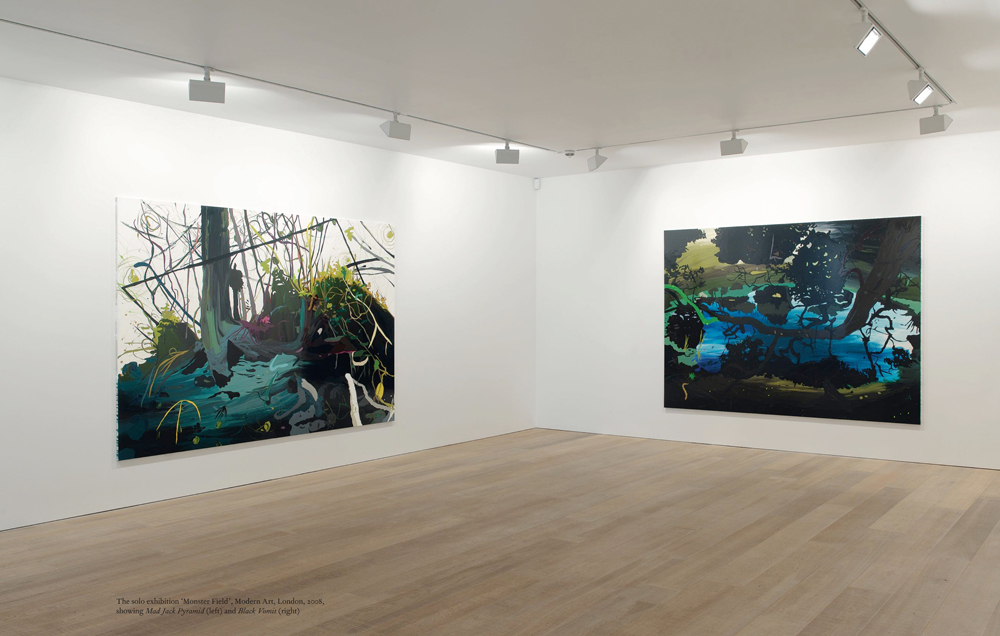
Clare Woods is internationally regarded as one of the most significant painters working today. Her highly colouristic paintings hover between abstraction and representation, expressing both a poetic romanticism and an unnerving psychic charge. This beautifully designed volume presents all the major works from her career to date, from small-scale intimate paintings in oil and enamel to ambitious public commissions and architectural projects. The dynamic layout of the book, with a varied mix of close-up details and installation shots, gives the reader a strong sense of the diverse scale and immersive, push-pull nature of the work. Five prominent writers consider various aspects of Woods’ practice, including her painting technique and use of photographic source material; her engagement with the traditions of landscape and figurative art; the influence of artistic forebears such as Francis Bacon, Barbara Hepworth, Graham Sutherland and Eduardo Paolozzi; and the connections between her life and work.

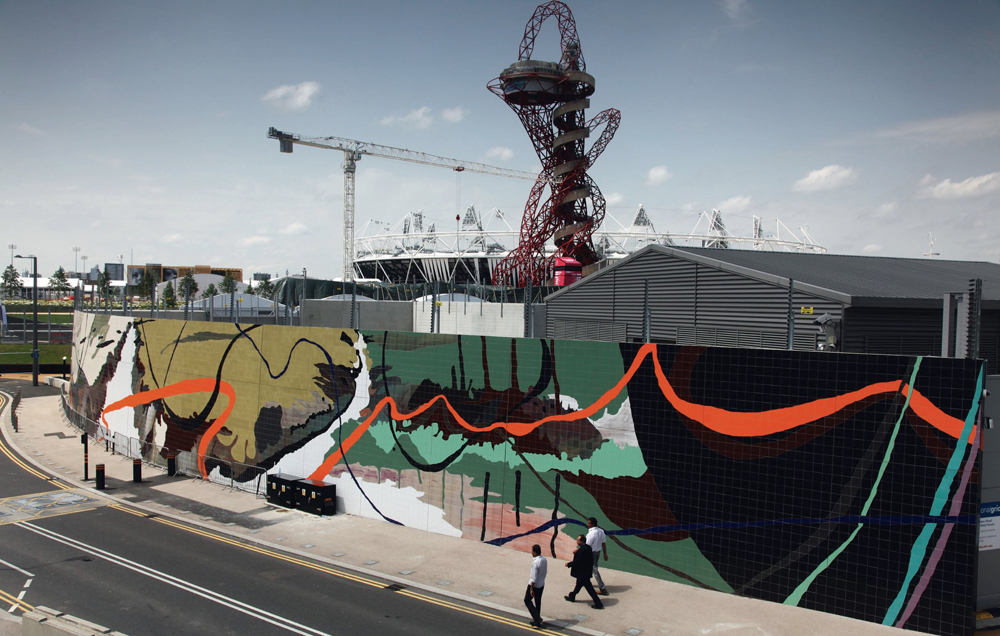
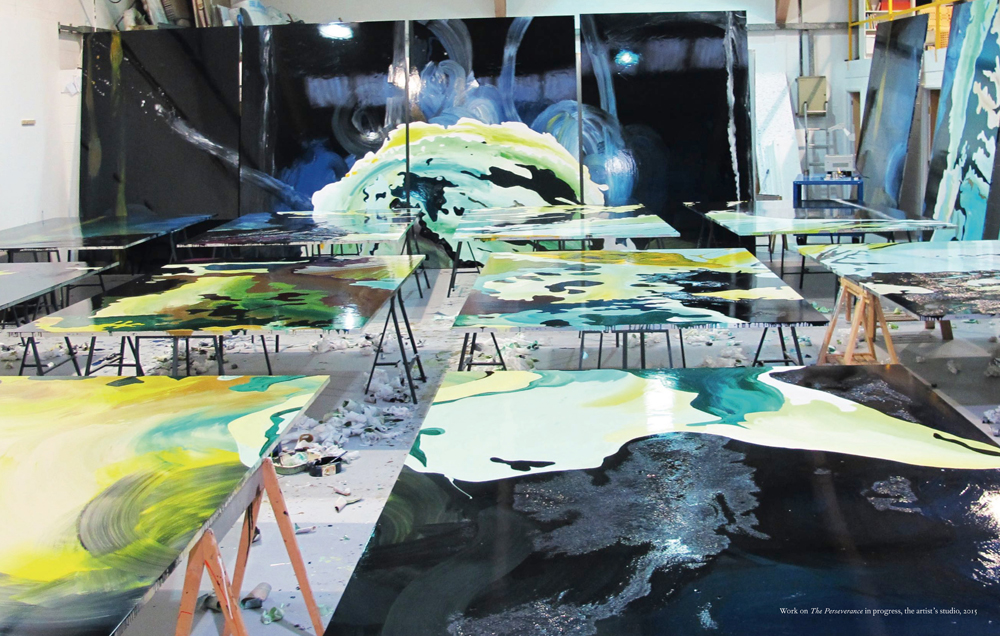
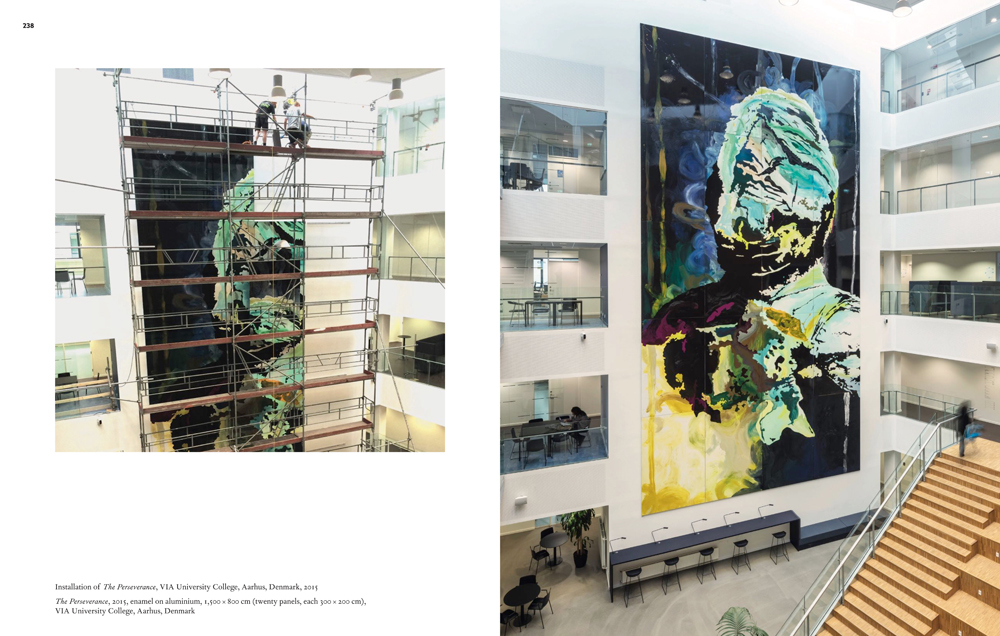
Clare Woods completed her MA at Goldsmith’s College, London in 1999, following a BA at Bath School of Art in 1994. Recent solo shows include a touring exhibition organized by Oriel Davies Gallery, Powys, Wales (2014–16); Martin Asbaek Gallery, Copenhagen (2015); Rebecca Chami Gallery, Athens (2014); Buchmann Galerie, Berlin (2014); New Art Centre, Salisbury (2013); Harewood House, Leeds (2013); Southampton City Art Gallery (2012); and The Hepworth Wakefield (2011). In 2012, she was commissioned to create a permanent ceramic mural for the London 2012 Olympic Park, and in 2015 she produced a 15 x 8 metre painting for Aarhus VIA University College, Denmark. Other public commissions include a vast facade for a residential building in Chelsea, London (2005–7); a permanent ceramic mural at Hampstead Heath Station (2010–11); and a large-scale painting for The Hive library, Worcester (2012). Her work is included in the collection of the Albright-Knox Art Gallery, Buffalo, USA; Arken Museum of Modern Art, Denmark; Arts Council Collection; British Council; CCA Andratx, Mallorca, Spain; Government Art Collection; National Museum Wales, Cardiff; Southampton City Art Gallery; and Tullie House Gallery, Carlisle. She is represented by Buchmann Galerie, Berlin and Lugano, and Martin Asbæk Gallery, Copenhagen.

Michael Bracewell writes widely on modern and contemporary art and is a contributor to frieze, The Burlington and Parkett magazines. His recent publications include Modern World: The Art of Richard Hamilton (2021); Souvenir (2021);  Richard Hamilton: Late Works (2012); Lucy McKenzie (2013); Damien Hirst: The Complete Psalm Paintings (2014); and Kai Althoff (2015). His selected writings on art, The Space Between, were published in 2012.

Rebecca Daniels is the art-historical researcher on the forthcoming Francis Bacon catalogue raisonné. She completed a doctorate on Walter Sickert at the University of Oxford, and while there catalogued the furniture collection in the Ashmolean Museum. She has published extensively on Sickert and Bacon and recently on Henri Matisse. She is a trustee of the Sidney Nolan Trust.

Jennifer Higgie is a writer living in London. She is co-editor of frieze and editor of frieze masters magazine. She has edited and contributed to many books on contemporary art, and her novel Bedlam, which she has recently adapted for the screen, was published in 2006.

Simon Martin is a writer, curator and art historian. He is the Director of Pallant House Gallery in Chichester, where he has curated many exhibitions of modern British and contemporary art. His publications include numerous catalogues and artist monographs, as well as Poets in the Landscape: The Romantic Spirit in British Art (2007) and Conflict and Conscience: British Artists and the Spanish Civil War (2014). He is a trustee of the Charleston Trust and HOUSE Festival, and a member of the Churches Conservation Trust Arts Advisory Panel and the Chichester Cathedral Fabric Advisory Committee.

Andrew Marr is an award-winning broadcaster, journalist and writer. After an extensive career in print journalism, he became the BBC’s political editor in 2000, a position he held for five years. He has written and presented several acclaimed television and radio series for the BBC. His many books include The Battle for Scotland (1992); Ruling Britannia (1996); The Day Britain Died (2000); A History of Modern Britain (2007); The Diamond Queen: Elizabeth II and Her People (2011); and A History of the World (2012).


Dough Portraits

Søren Dahlgaard
With texts by Raimer Stange et al

‘Here’s an artist who does things a little differently – and his perversely brilliant work is all the better for it’ – We Heart
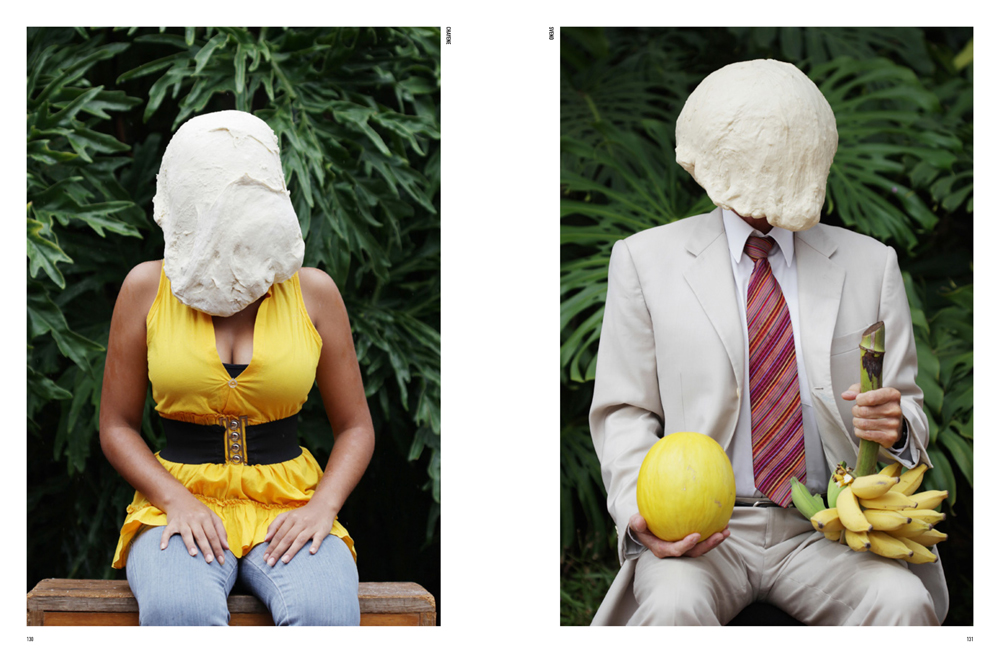
‘Dahlgaard upturns portraiture by taking away that crucial indicator of race, age, gender and, more subtly, character and culture: the face.’ — Sydney Morning Herald
‘Dahlgaard’s photographs are remarkably effective in their interrogation of portraiture, challenging our preconceptions about the relationships between artist, subject and viewer. [The] book documenting this ongoing project reveals the dough portraits as silly, sensitive, insightful and clever’ — The Arts Desk
‘Rich … full of insights’ — Weekendavisen
‘A pleasure walk through this highly alternative portraiture’ — Kunsten.nu
‘Coming across Danish artist Søren Dahlgaard’s series of Dough Portraits is like one of those moments where the skies open, sunlight beams down upon us, and the opera “aahh’s” chime in’ – Lost at E Minor
_____________

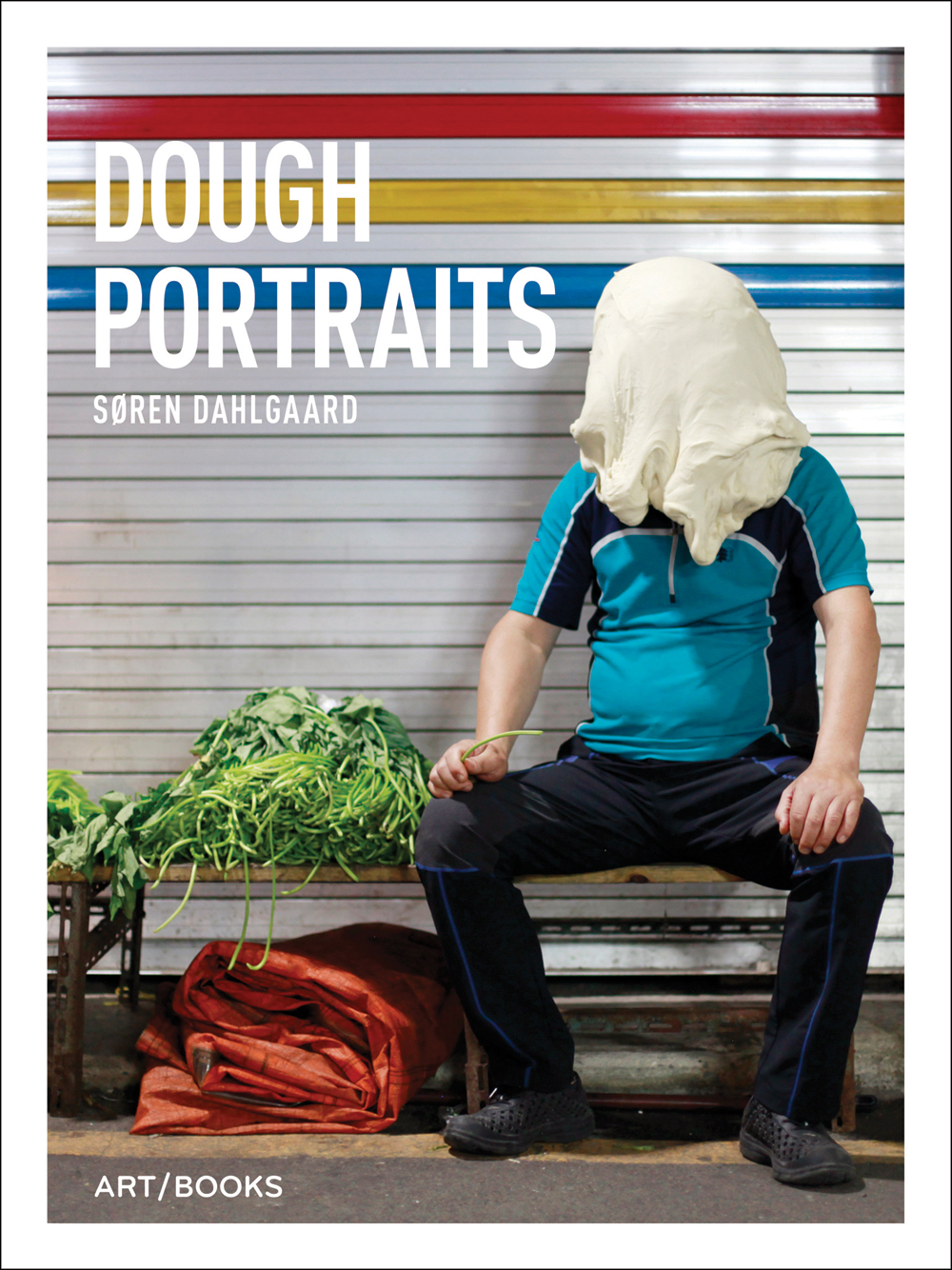
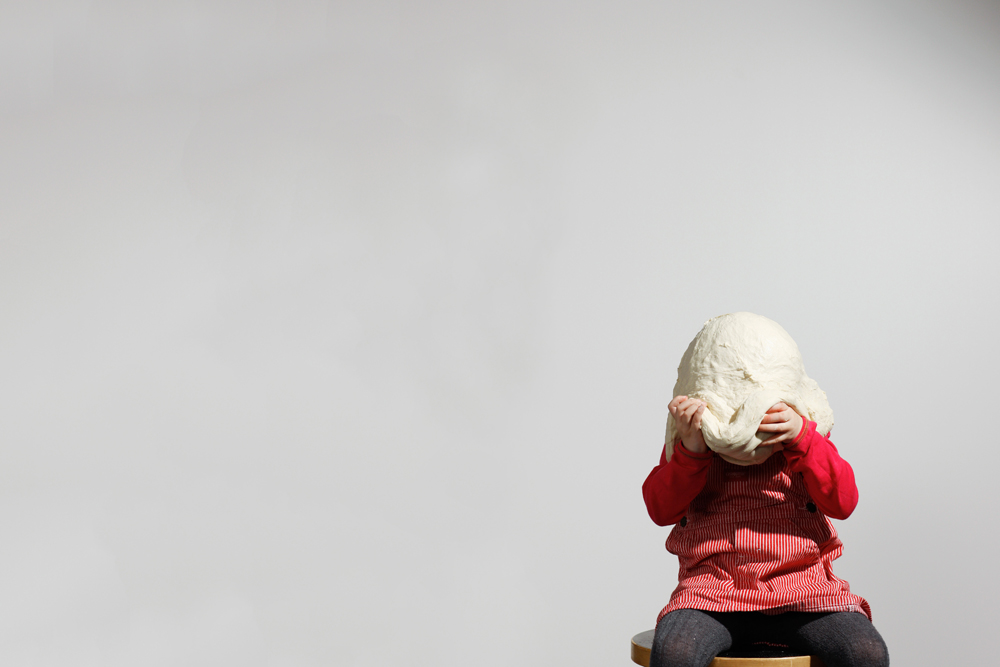
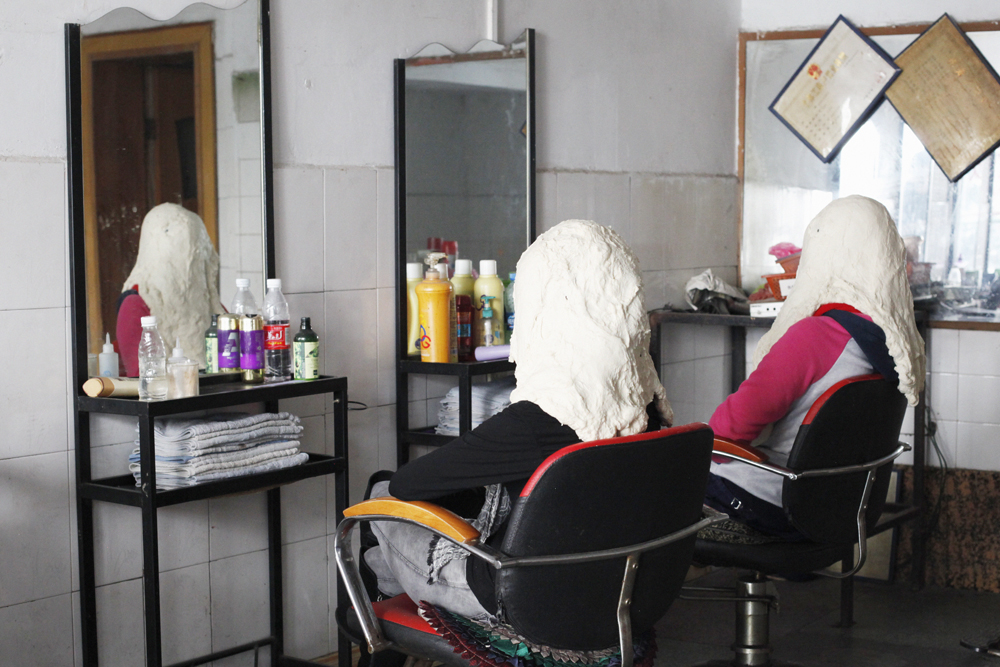
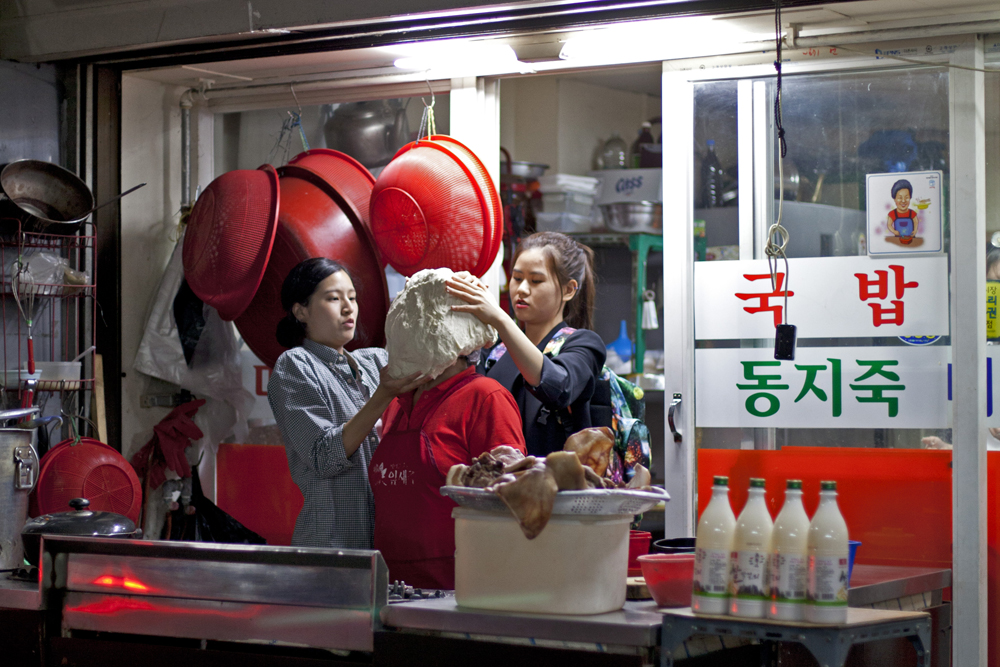
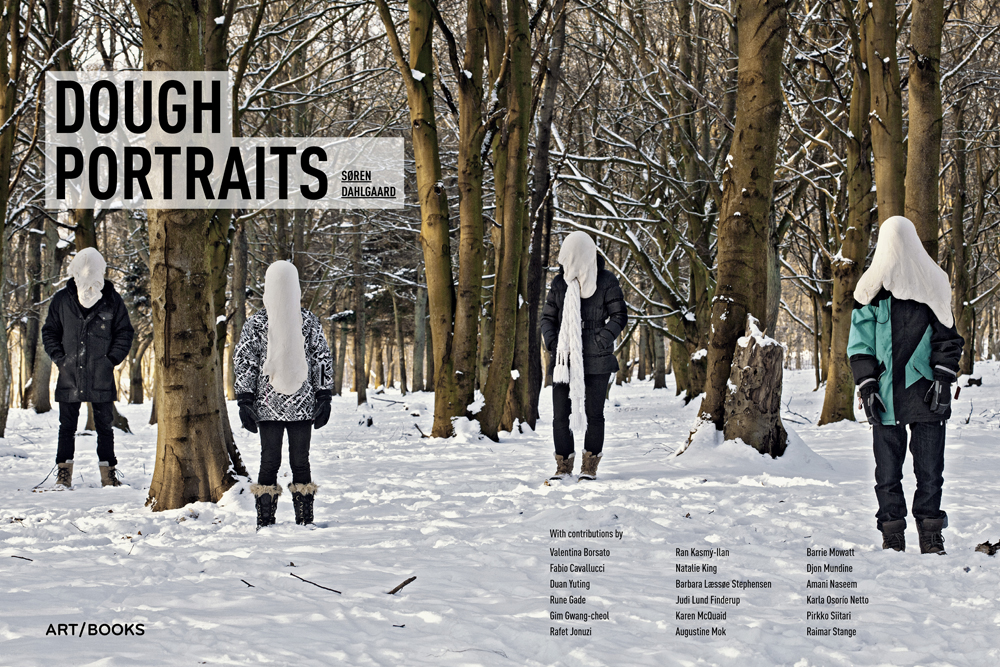
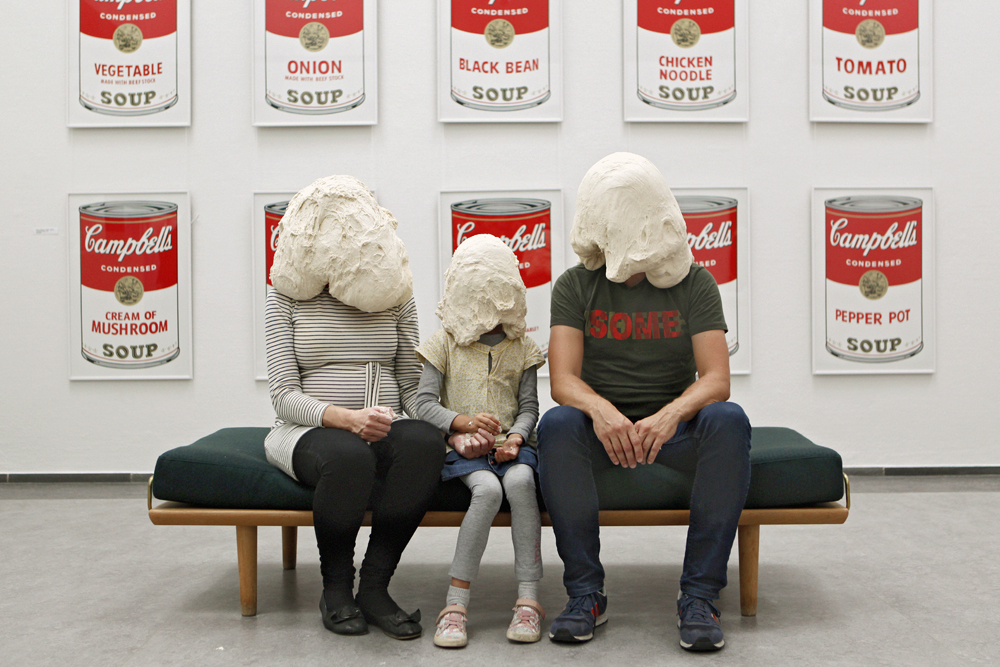
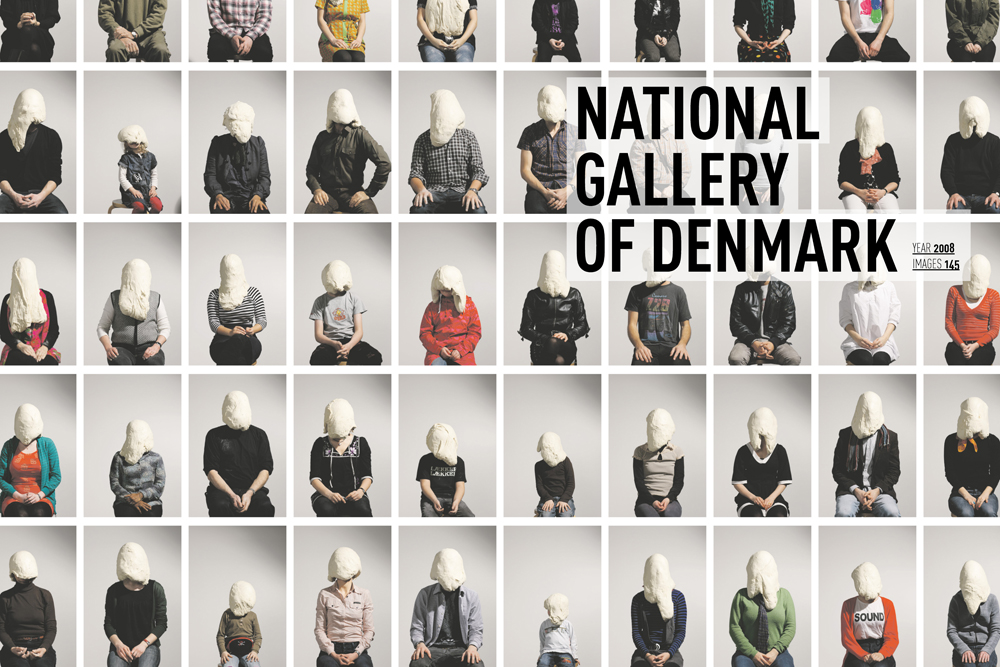
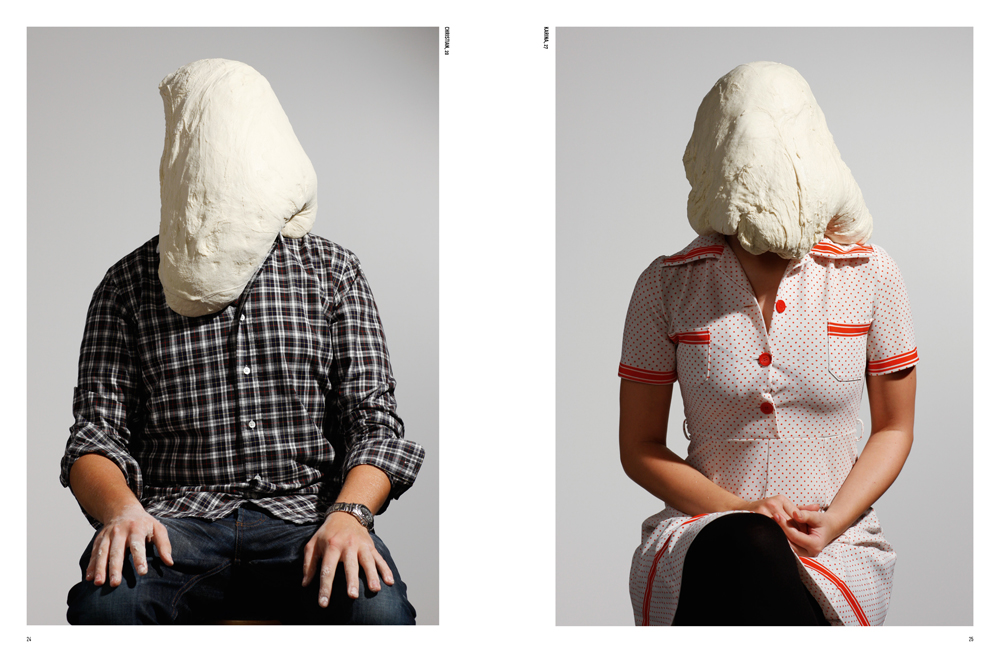
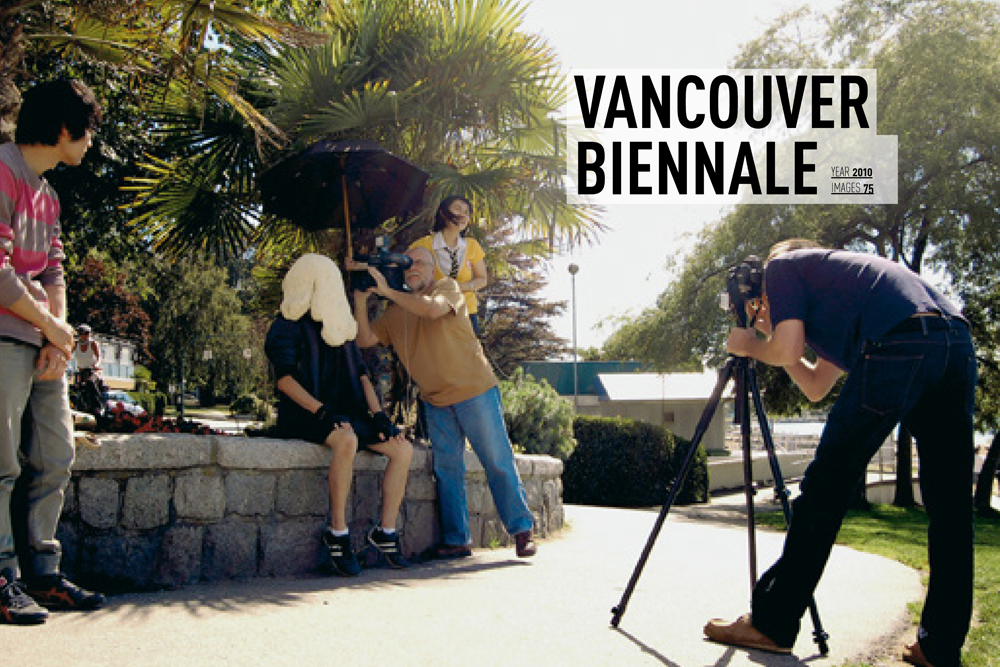
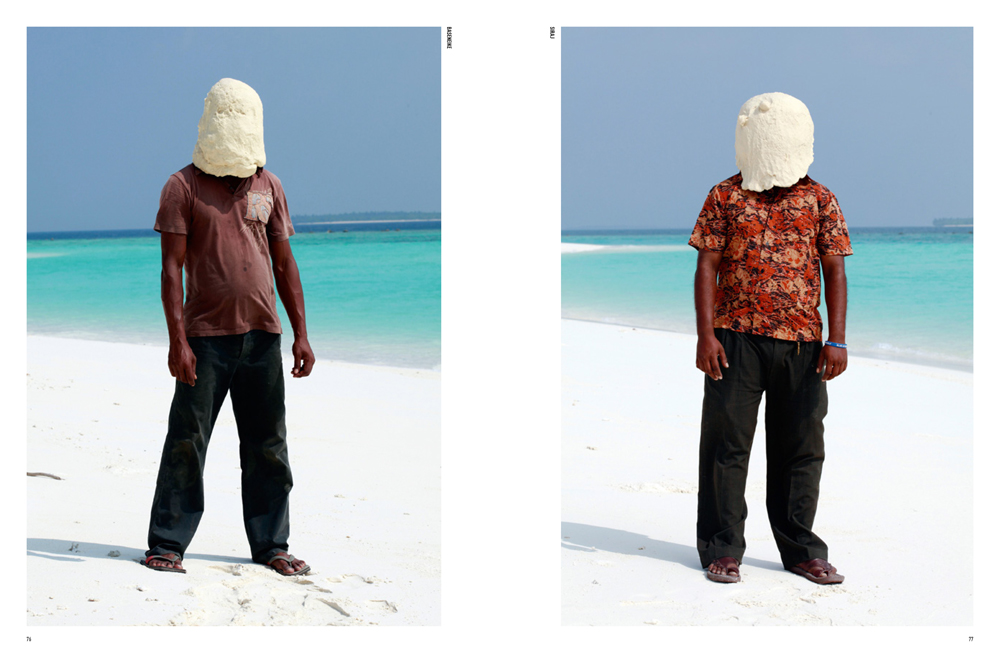
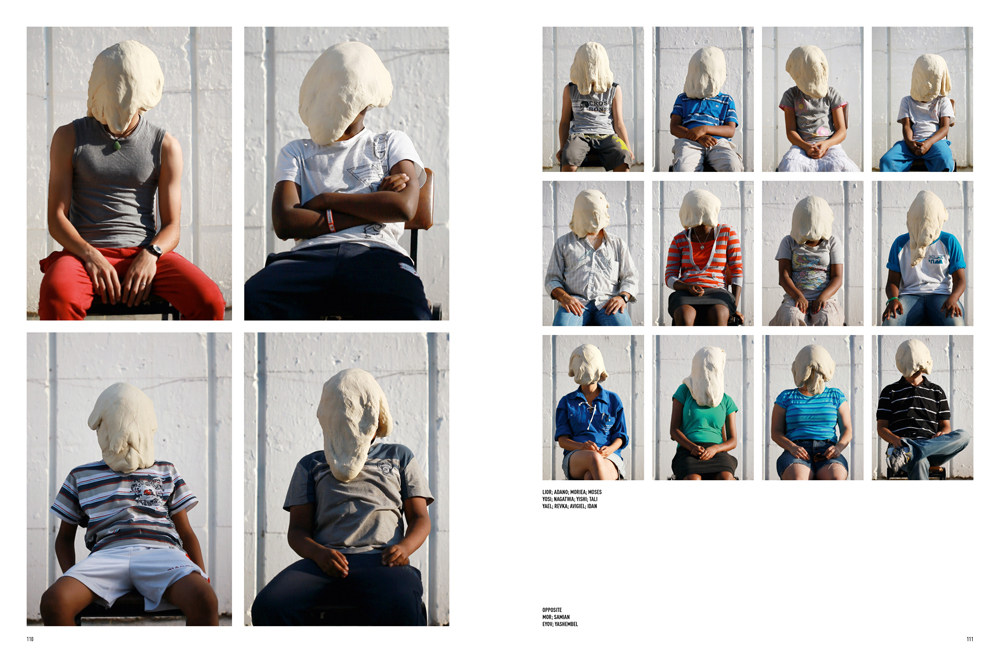
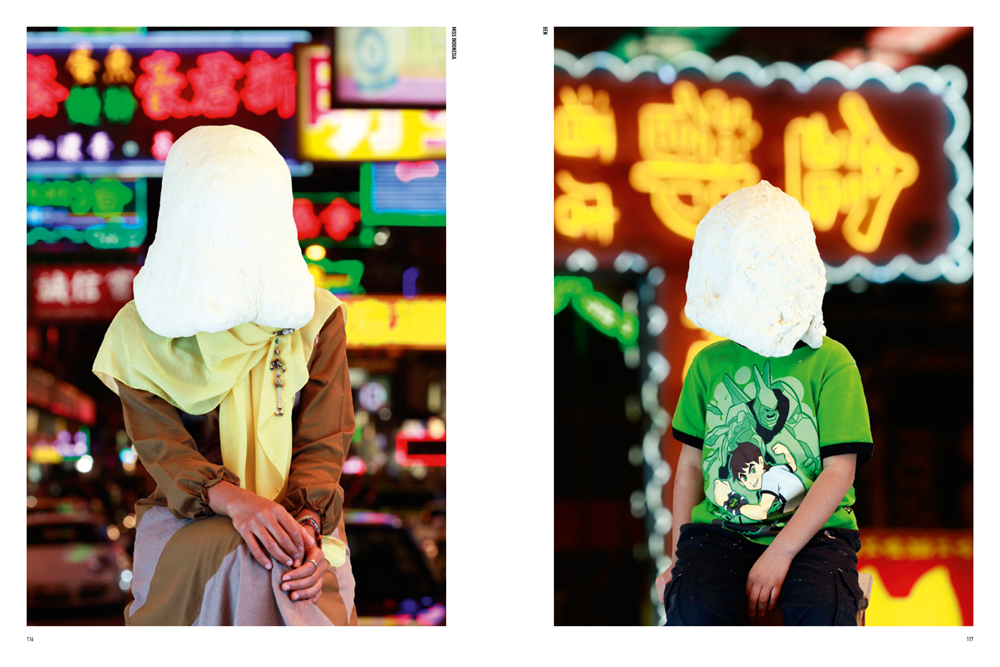
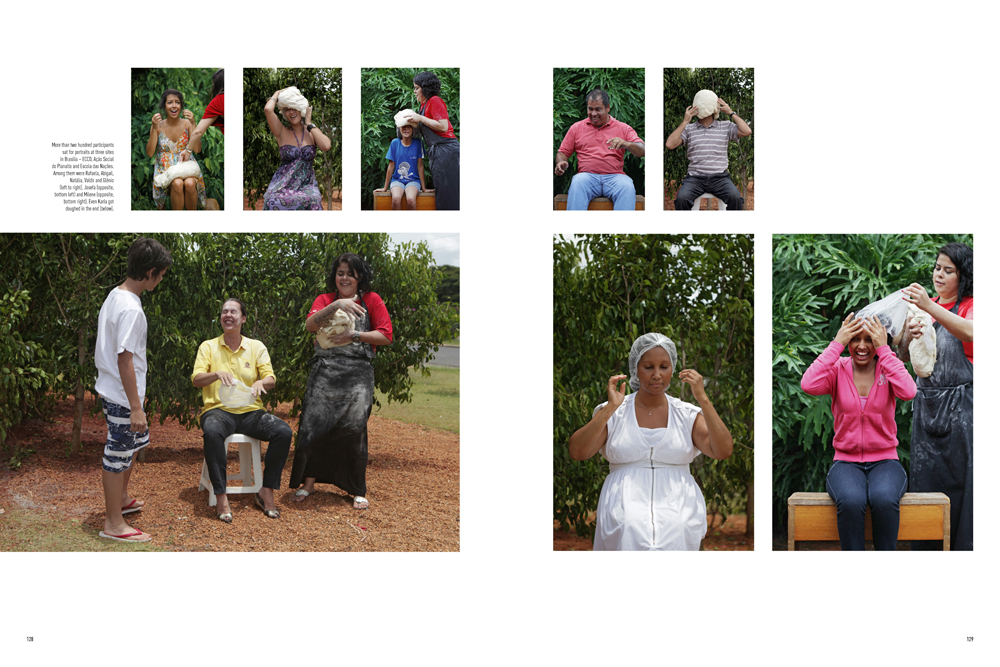
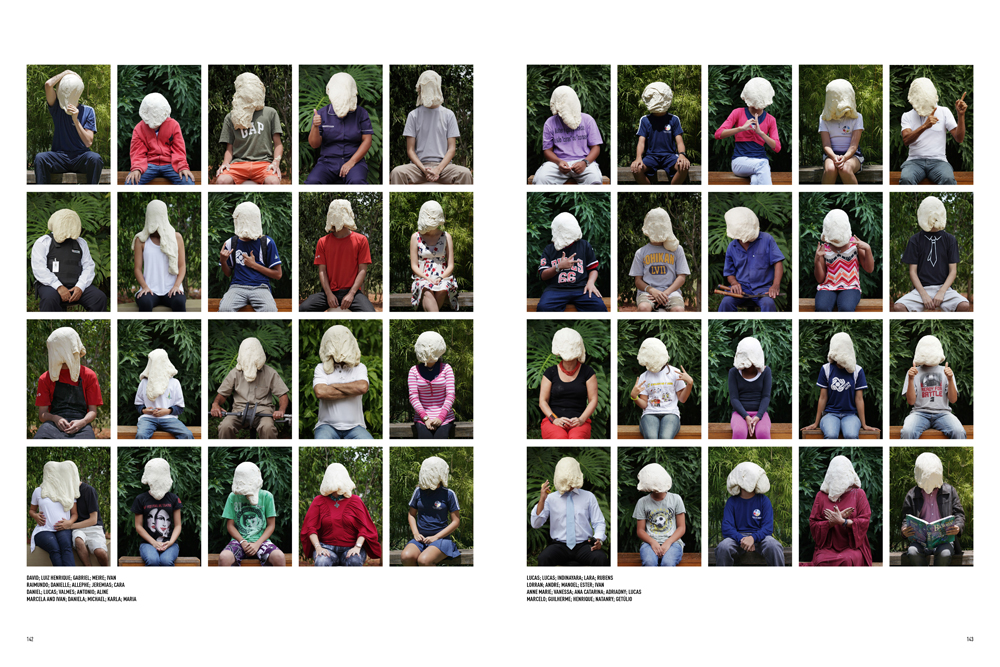
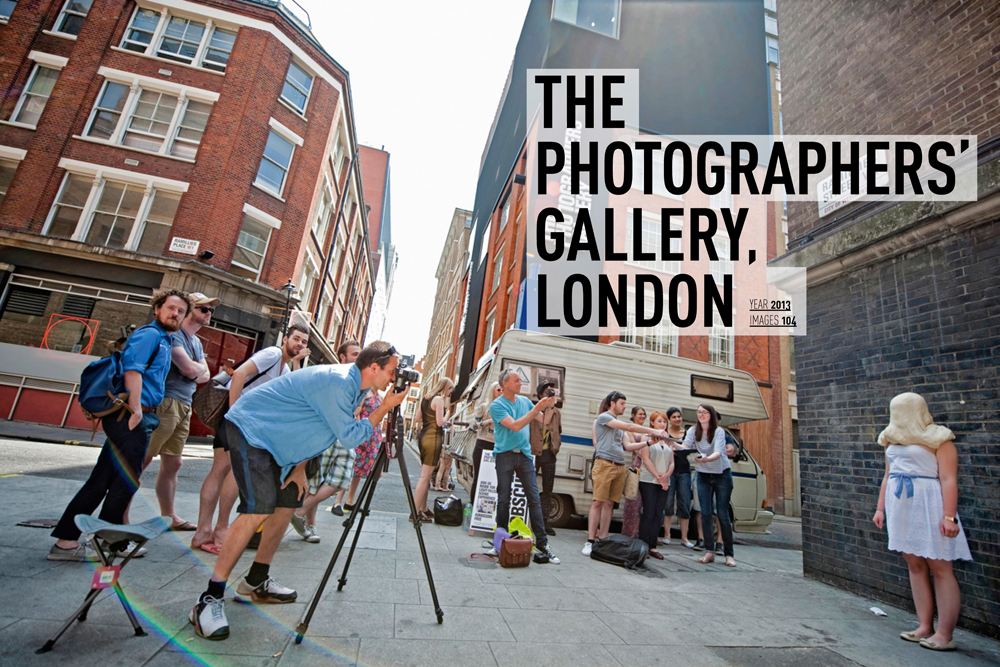
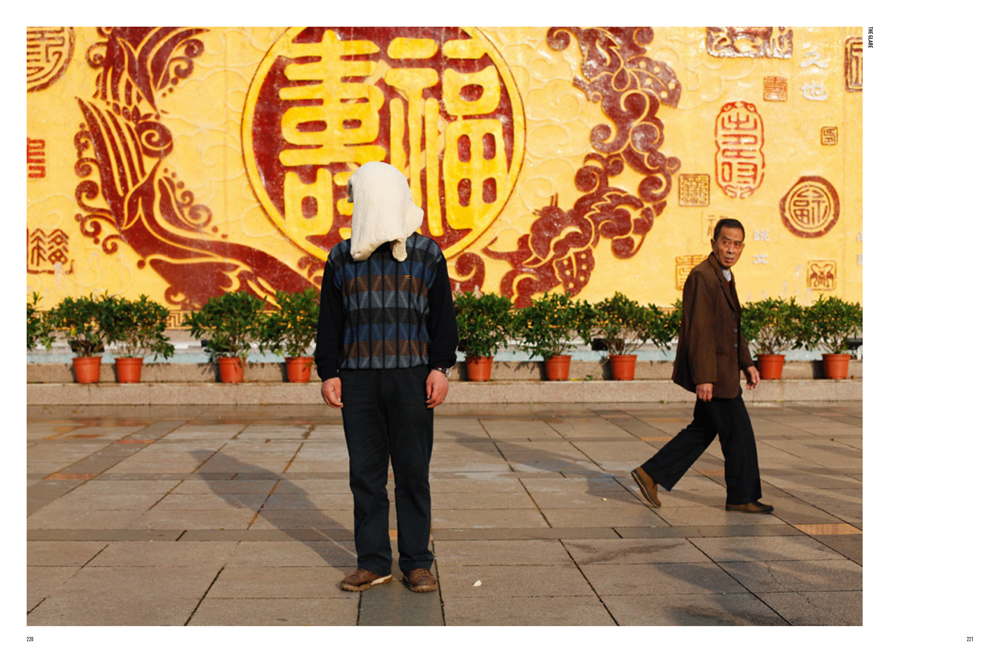
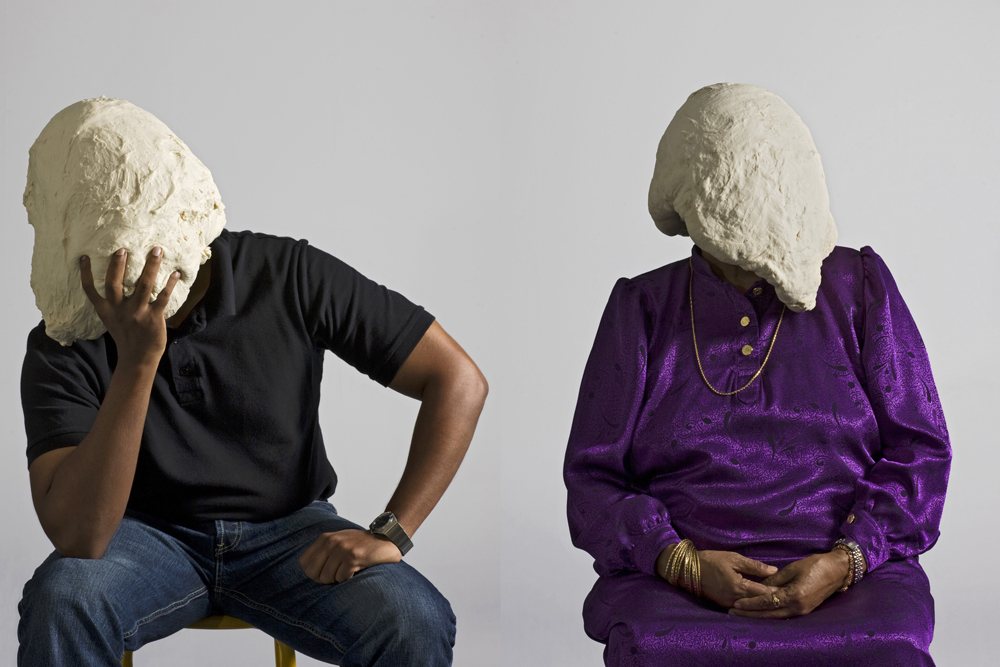
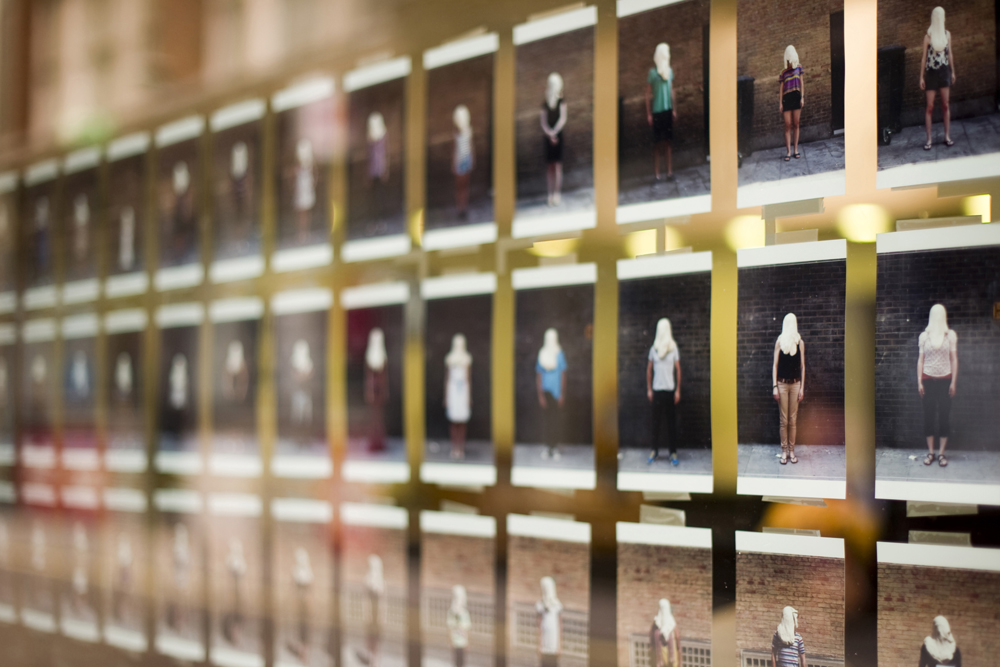
This visually stunning, hilarious and outlandish book presents Danish performance and conceptual artist Søren Dahlgaard’s ongoing series of Dough Portraits, in which he creates absurdist portraits of people with their heads encased in dough. Invited by art galleries, museums, biennales and institutions from all over the world to undertake commissions, he has photographed more than two thousand sitters of all ages and backgrounds in diverse settings in countries as far afield as Canada and the United States, Denmark, Brazil, the Maldives, Finland, Kosovo, China, South Korea and Australia. Collaboration, process and performance are as much elements of the work as the finished image itself, with each participant ‘co-creating’ their own portrait, first by kneading the dough, then by placing it on their head, and then by carefully selecting a pose – all before of an audience of amused or bemused onlookers. As a result, while their faces might be covered, their individual personalities shine through, these sticky lumpen masks revealing as much as they conceal. Humorous and ridiculous as the pictures are, they also carry a darker sense of the uncanny and the sinister. They also allude to the ways we define ourselves and express our own unique identities, as well how we measure the stranger in an age when the covered face is so contested politically and ethically.

Selected portraits from all the main projects in the series are reproduced in colourful splendour and surreal detail, alongside photos and video stills of the shoots as they took place. Commentaries by some of those who commissioned the work, as well as others who were smothered in dough and then photographed or who merely witnessed the events unfold, recount their experiences and reflect on the aesthetic, ethical and social issues raised by Dahlgaard’s transformation of this everyday and universal material into the stuff of art.

Søren Dahlgaard is a Danish artist currrently living in Melbourne, Australia. A graduate of the Slade School of Art in London, he has participated in numerous group exhibitions and had solo shows, projects and commissions at prestigious institutions and biennales all over the world, including Venice Biennale; National Art Gallery, Copenhagen; Louisiana Museum of Modern Art, Denmark; ECCO – Espaço Cultural Contemporâneo, Brasília; Photographers’ Gallery, London; Gwangju Biennale, South Korea; Vancouver Biennale; Lianzhou International Photography Festival, China; HKW Haus der Kulturen der Welt, Berlin; CCA Andratx Contemporary Art Center Mallorca; Tate Modern, London; and MoMA PS1, New York.

Gideon Rubin special edition

Texts by Gabriel Coxhead, Martin Herbert, Aya Lurie, Sarah Suzuki

Special edition presented in a slipcase with a unique gouache-on-cardboard painting, hand-made and signed by the artist, limited edition of only 100 copies (twenty each of five designs)

Coinciding with a touring exhibition of paintings and works on paper, this book is the first monograph on the acclaimed young Israeli painter Gideon Rubin.

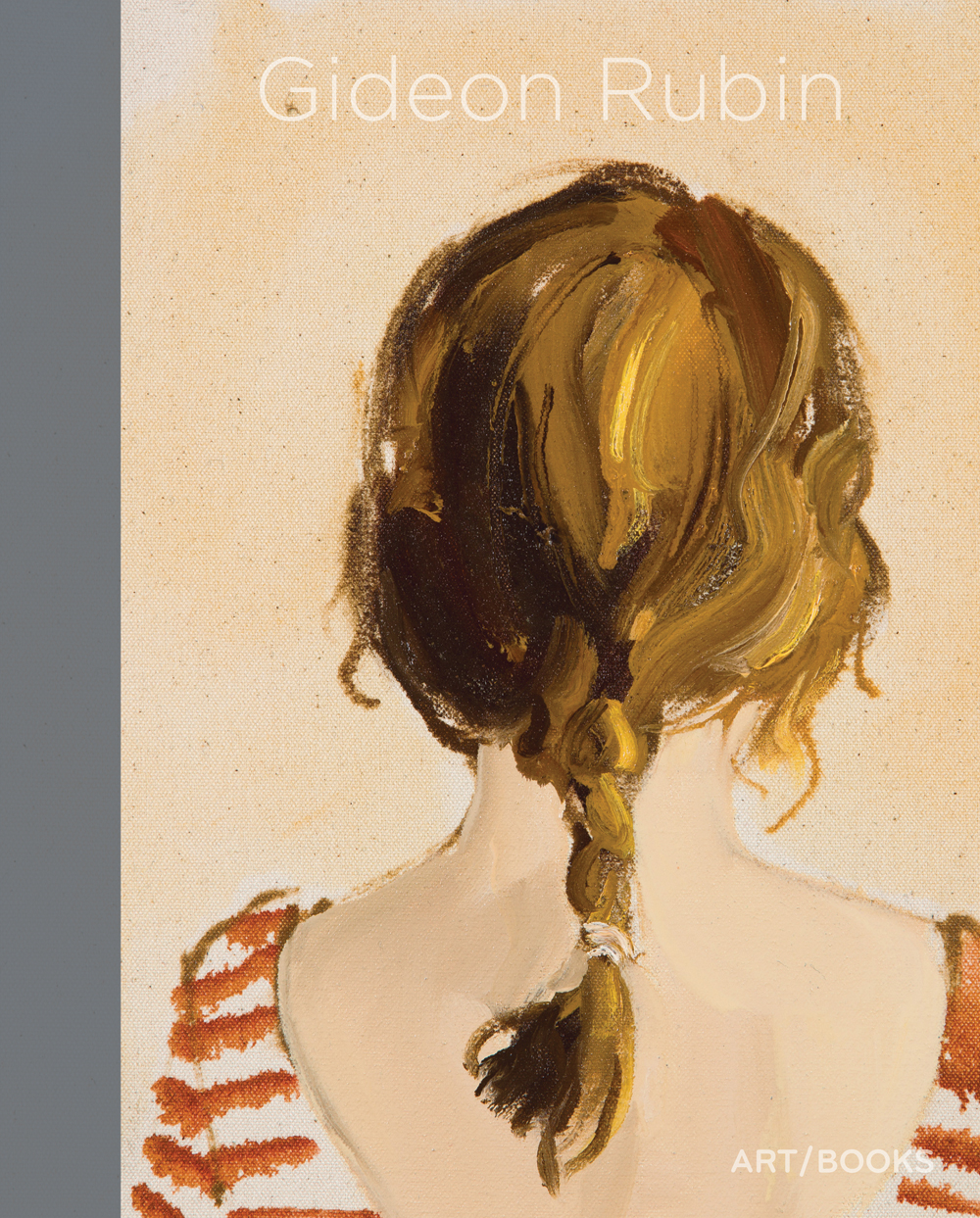
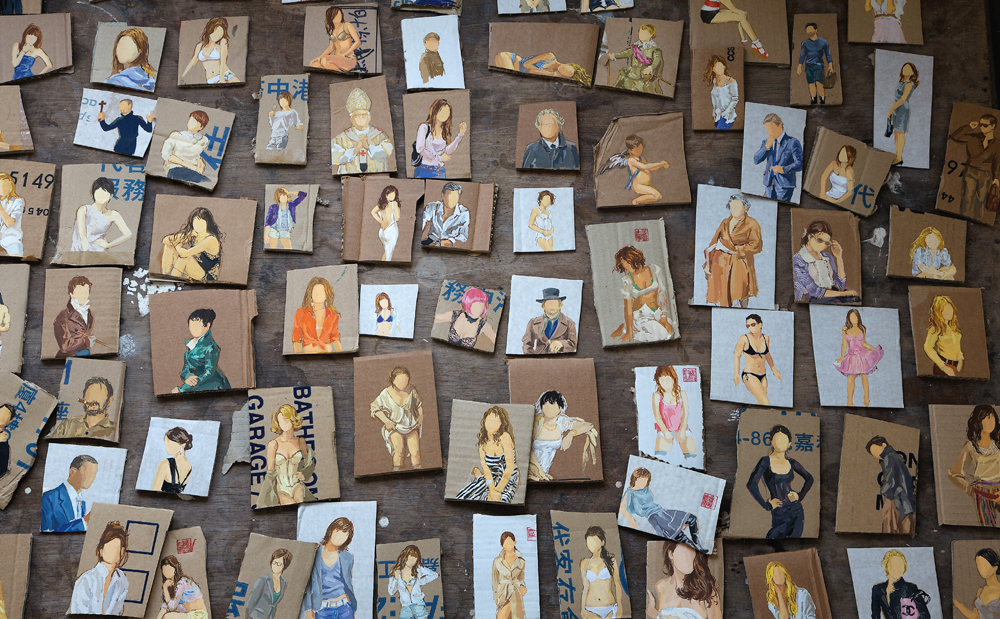
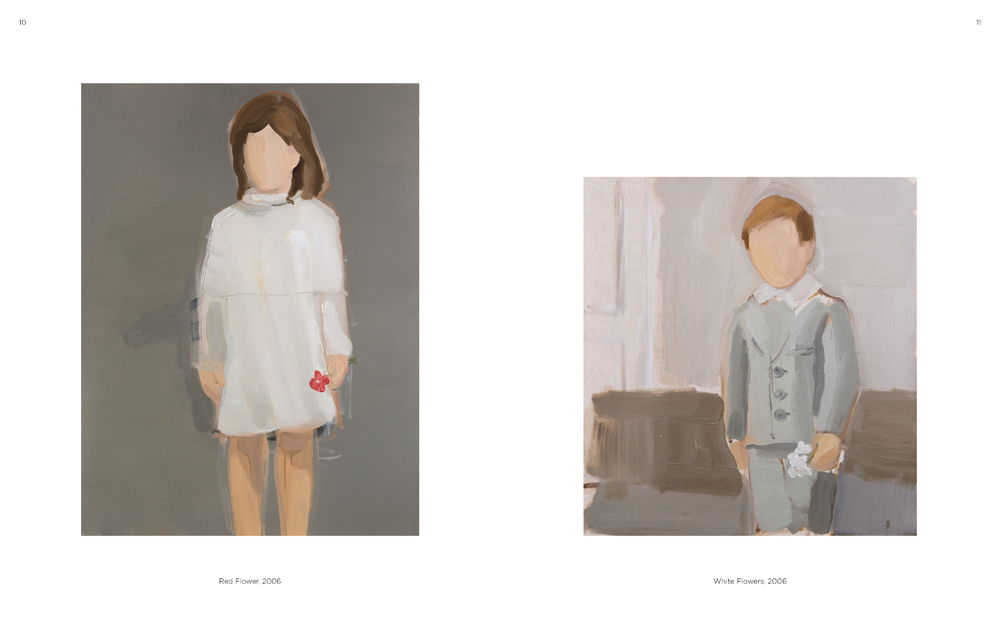
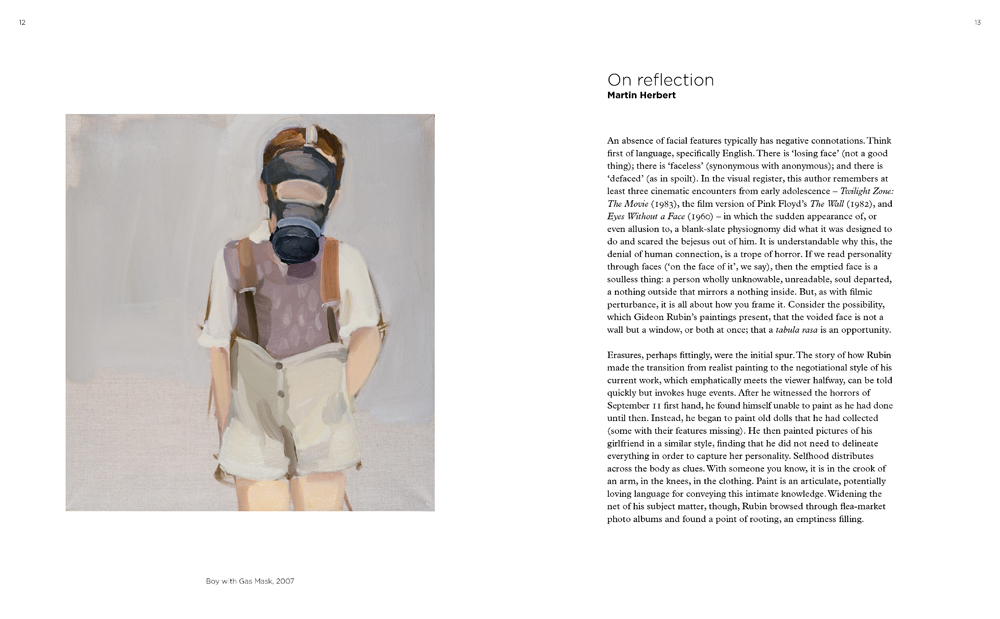
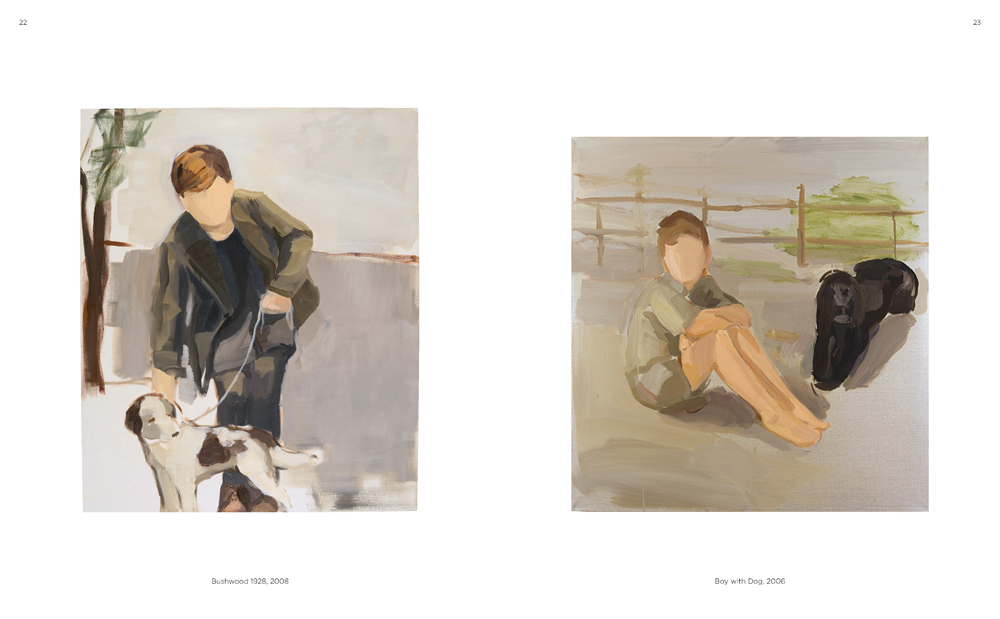
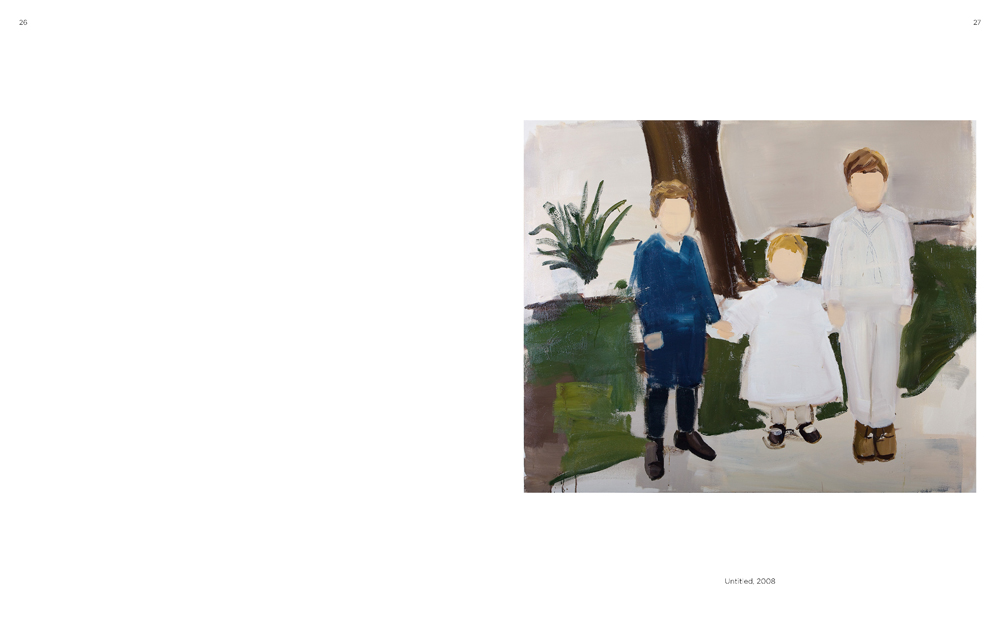
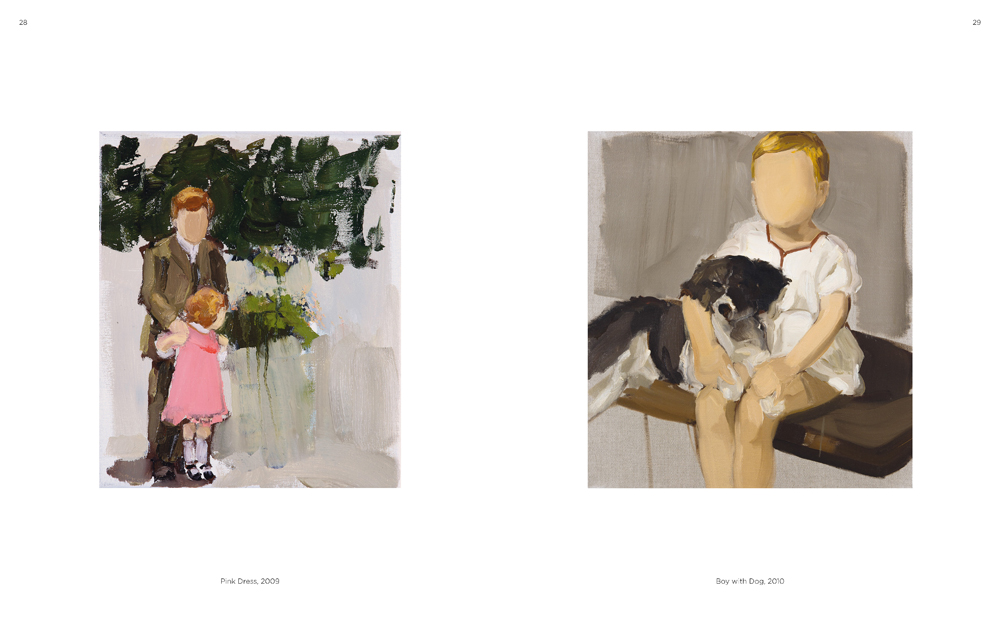
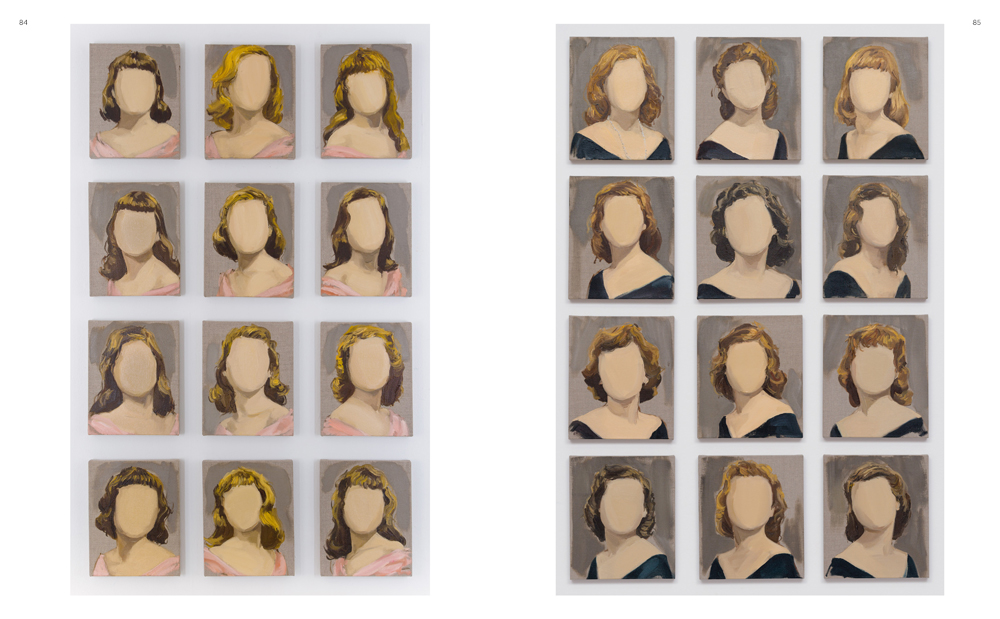
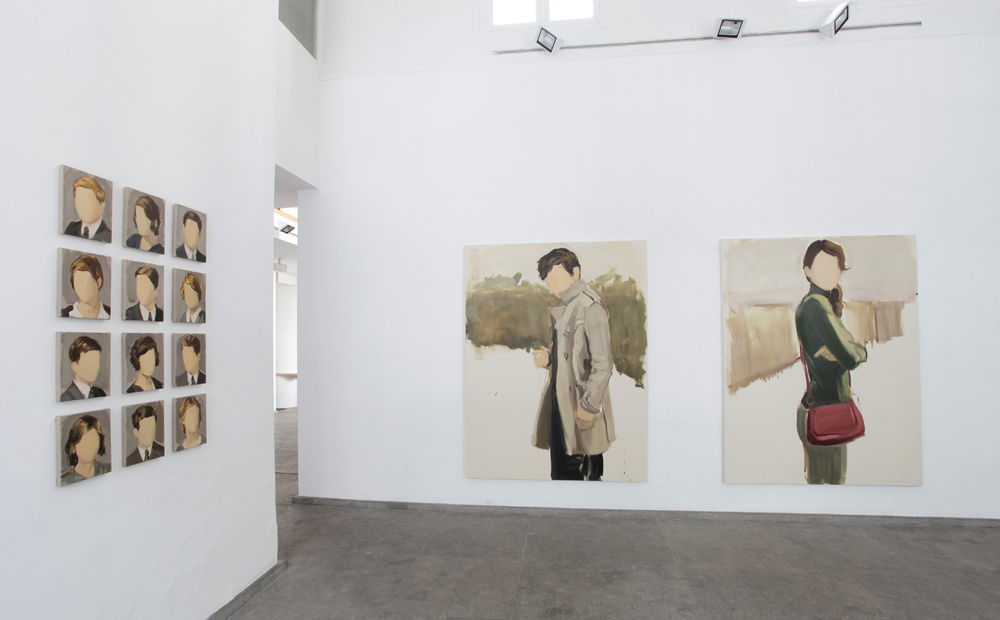
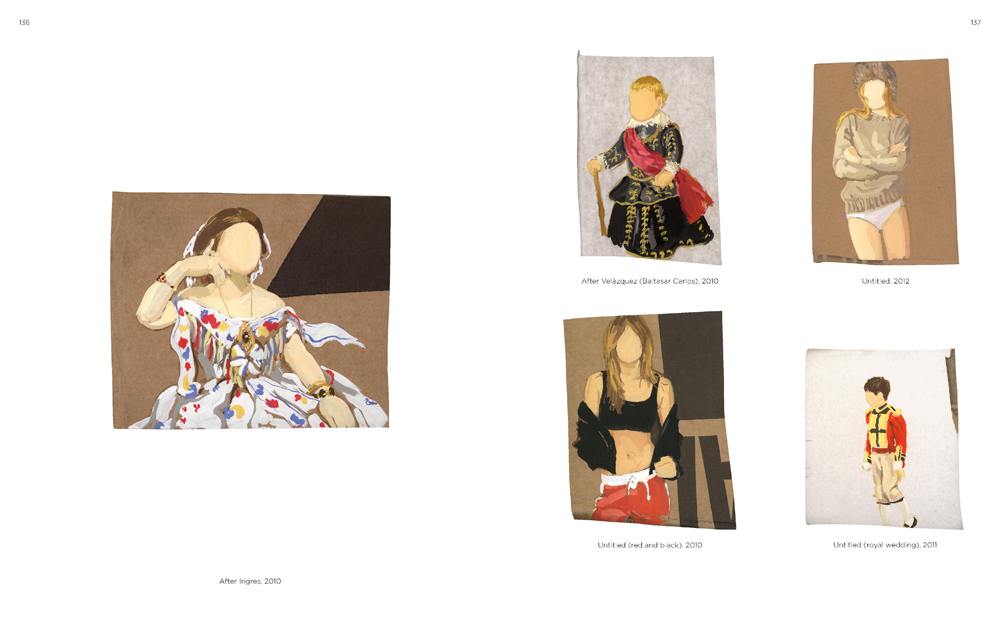
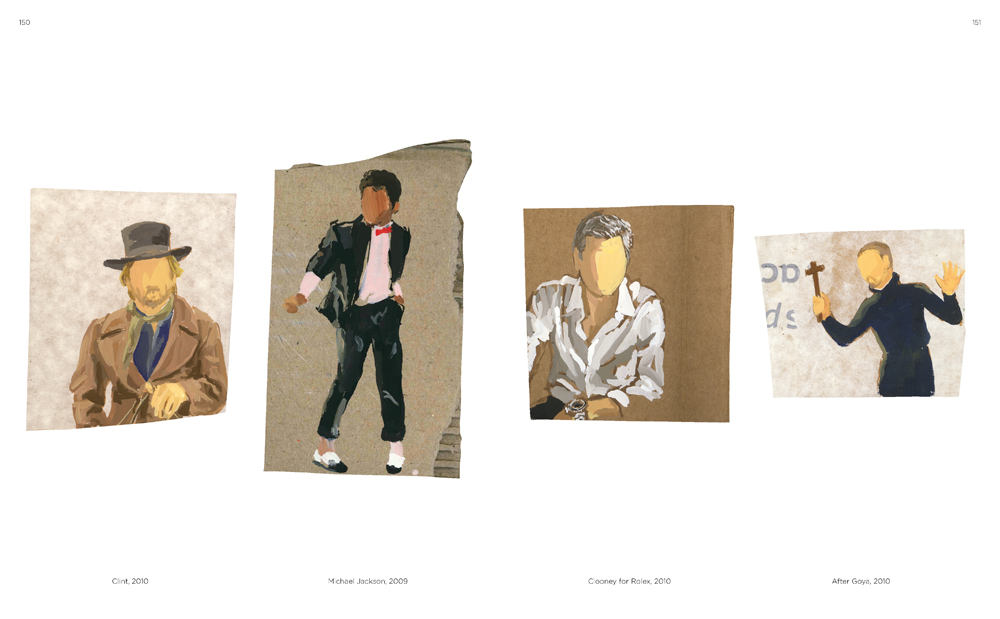
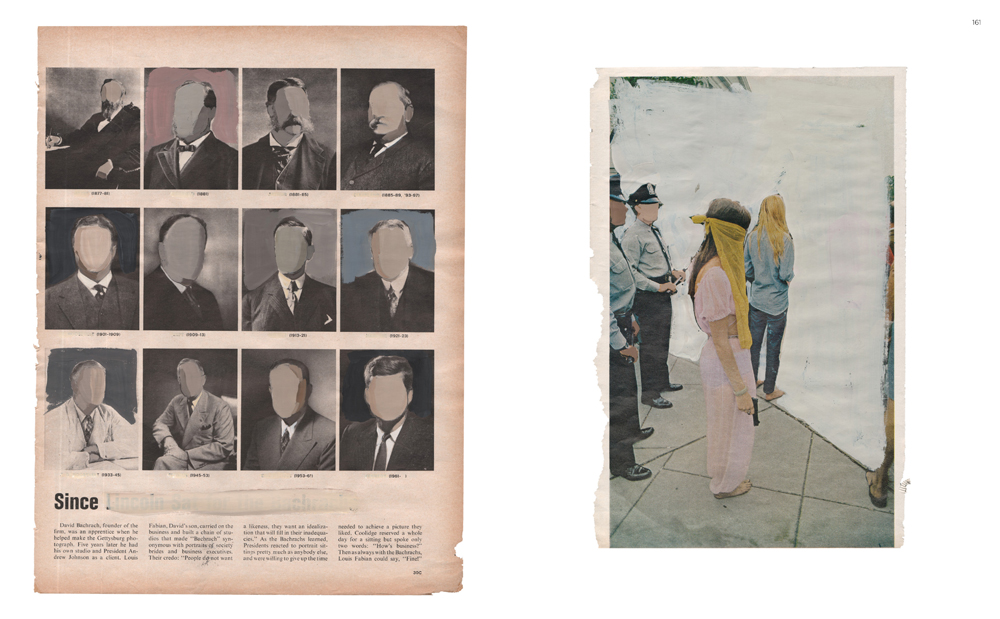
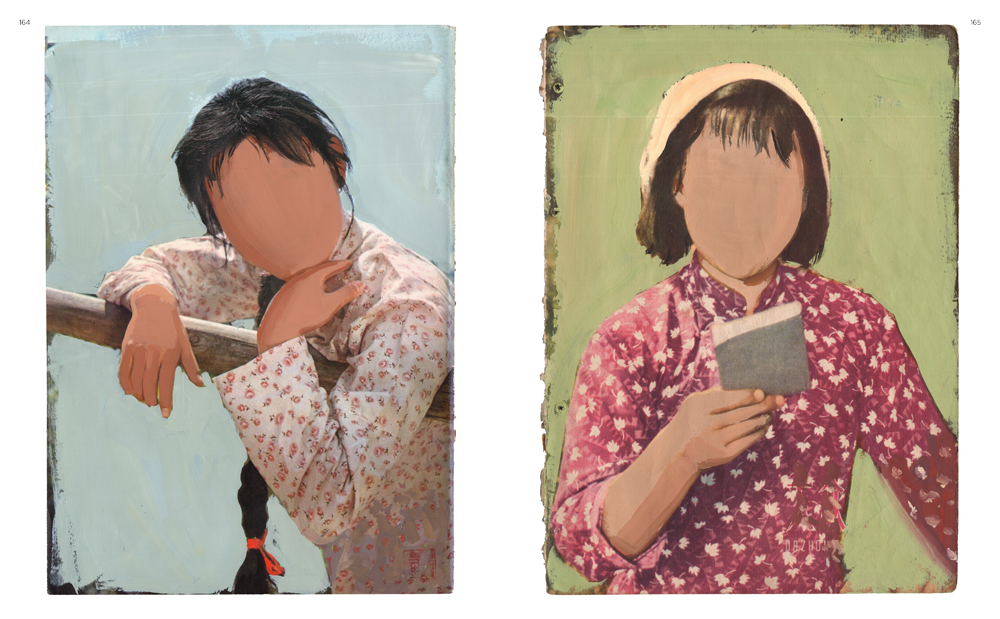
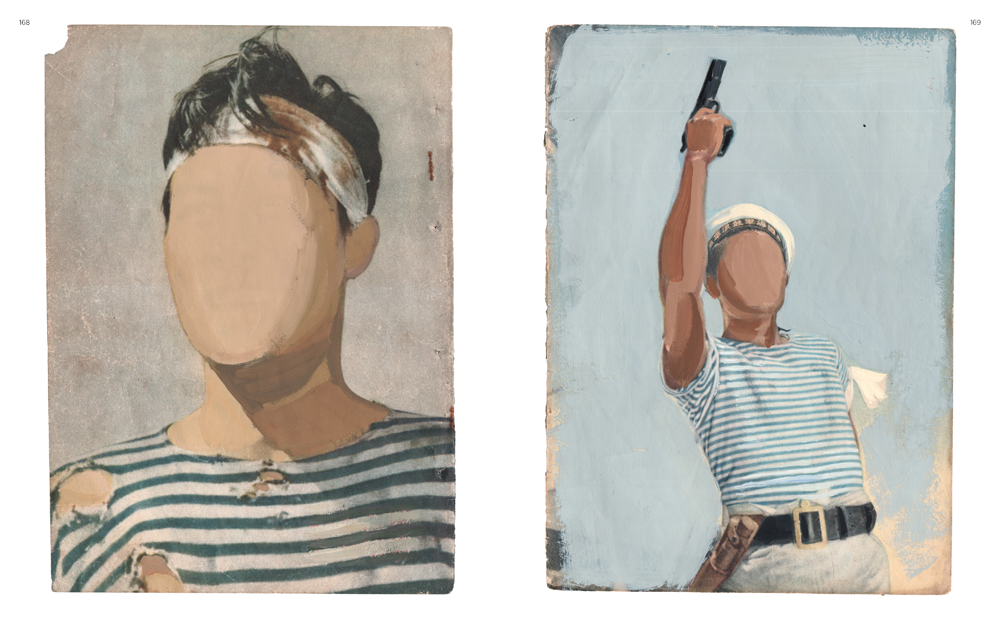
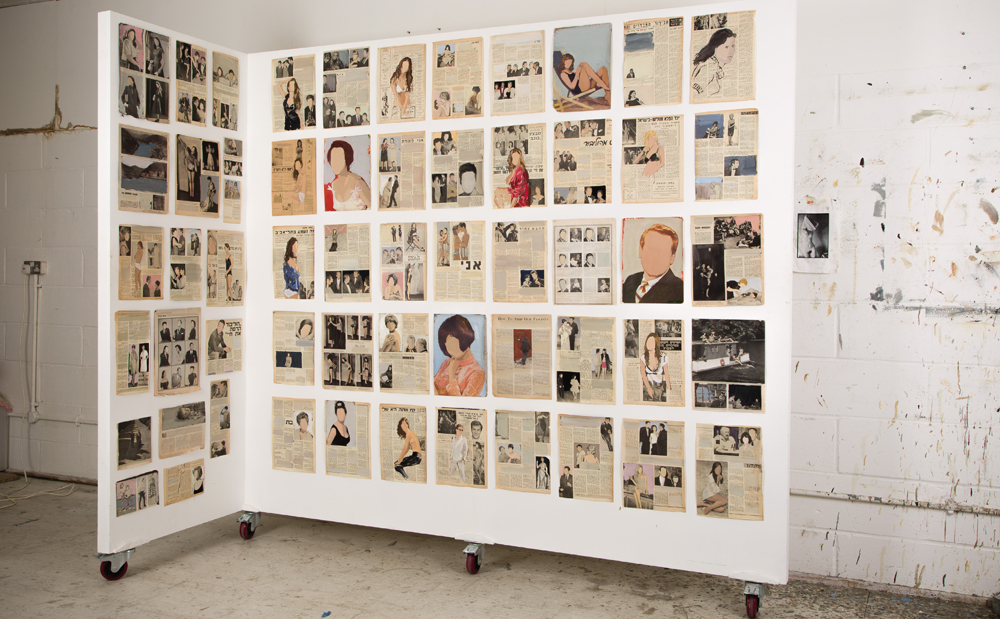
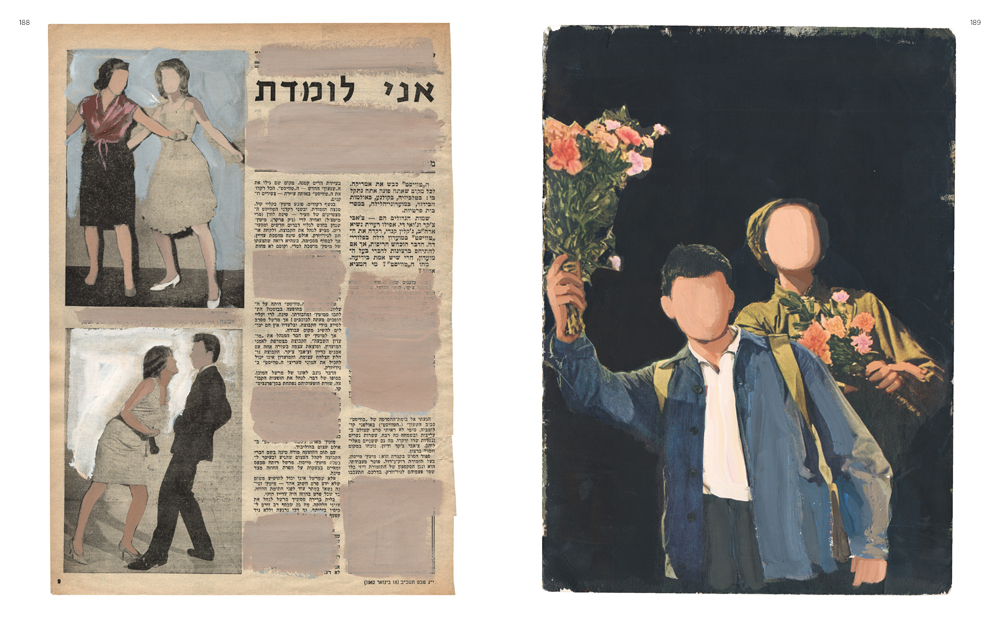
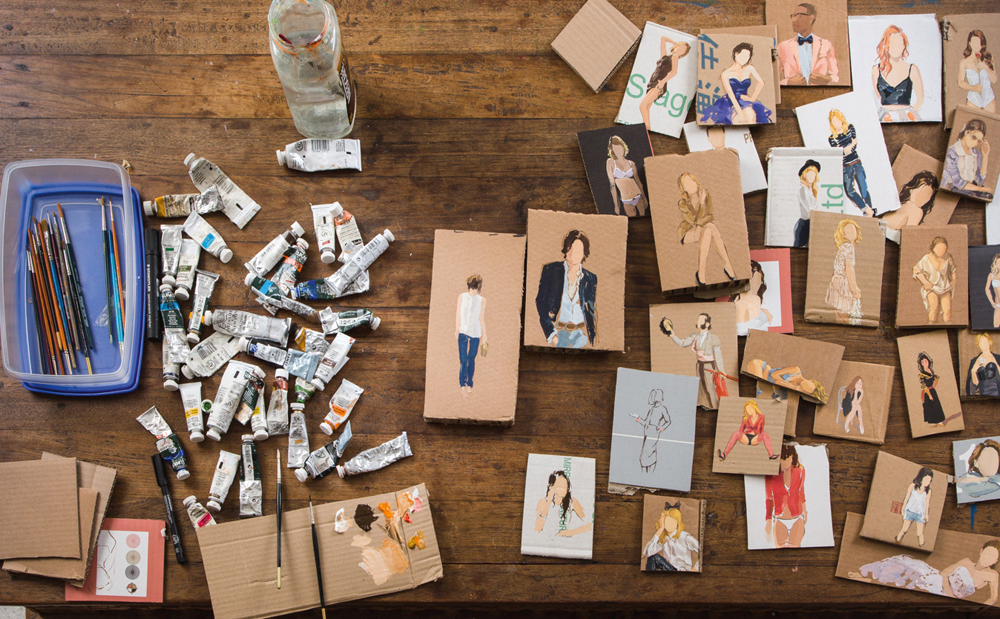
After witnessing the events of 9/11 in New York first hand, Rubin turned his back on his realist way of working and embarked on a method that has become his signature style. Taking found images of strangers in twentieth-century family albums, newspapers, and magazines, he begins a process of visual reduction and obliteration that culminates in an eerie and compelling body of work that is at once enticing and poignant, seductive yet sinister. His small and intimate portraits of faceless figures, full of life but empty of expression, are charming and chilling in equal measure. They unsettle and unnerve, yet feel strangely familiar.

His tiny paintings on cardboard of blank-faced models, actors, pop stars, and politicians – from Che Guevara and Dominique Strauss-Kahn to Amy Winehouse and Cheryl Cole – all reduced to a generic equivalence and interchangeability, comment on the ephemeral nature of the news and the newsworthy and the disposability of our celebrity age.

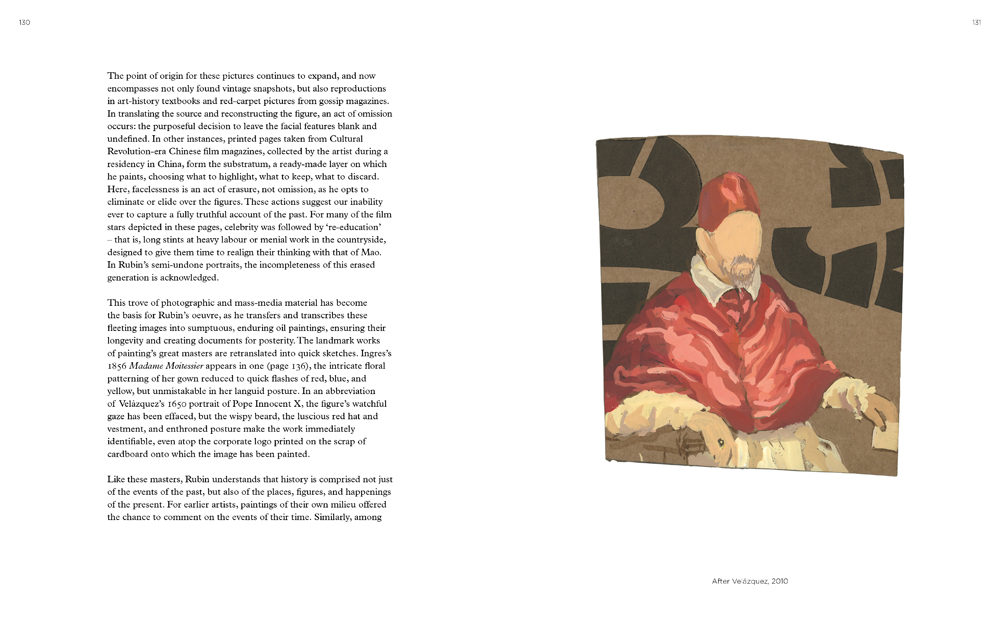
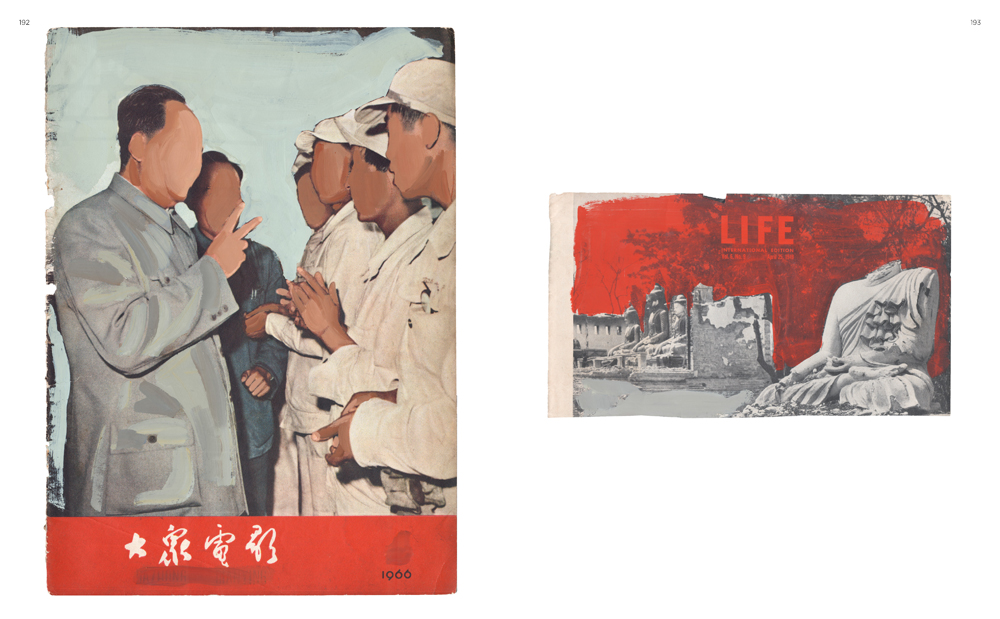
These are works that evoke the selective and transformative processes of memory, but by drawing on Chinese propaganda pamphlets, celebrity magazines, the society pages of newspapers, as well as art history, they also lay bare the shared shorthands through which personality and desire are projected and read. In the age of Instagram and selfies, they remind us that photography, far from an unmediated and direct reflection of reality, is at its core unstable and subject to manipulation, be it in the interests of politics, commerce or diversion.

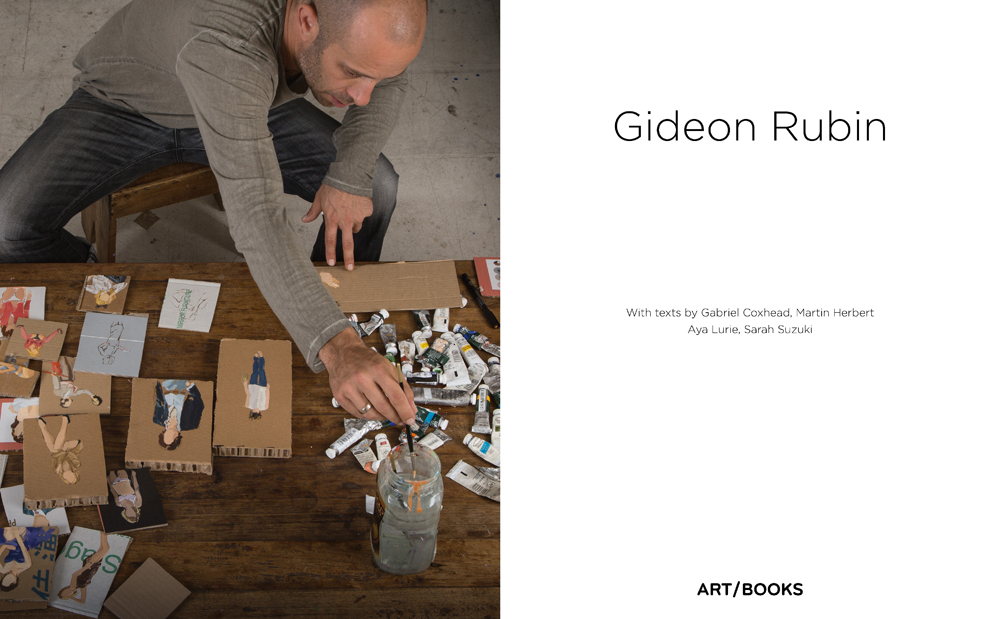
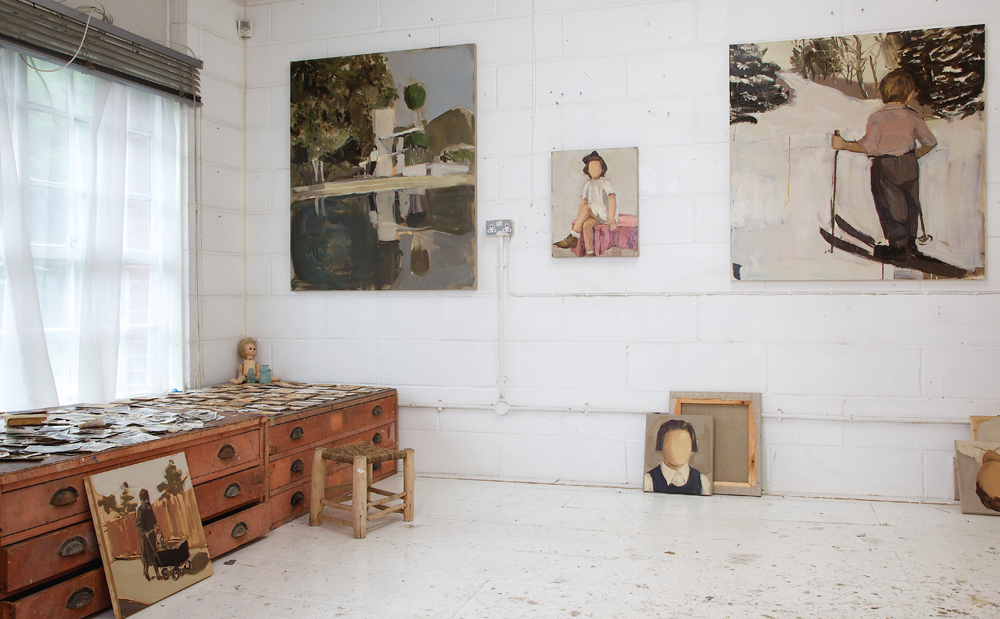
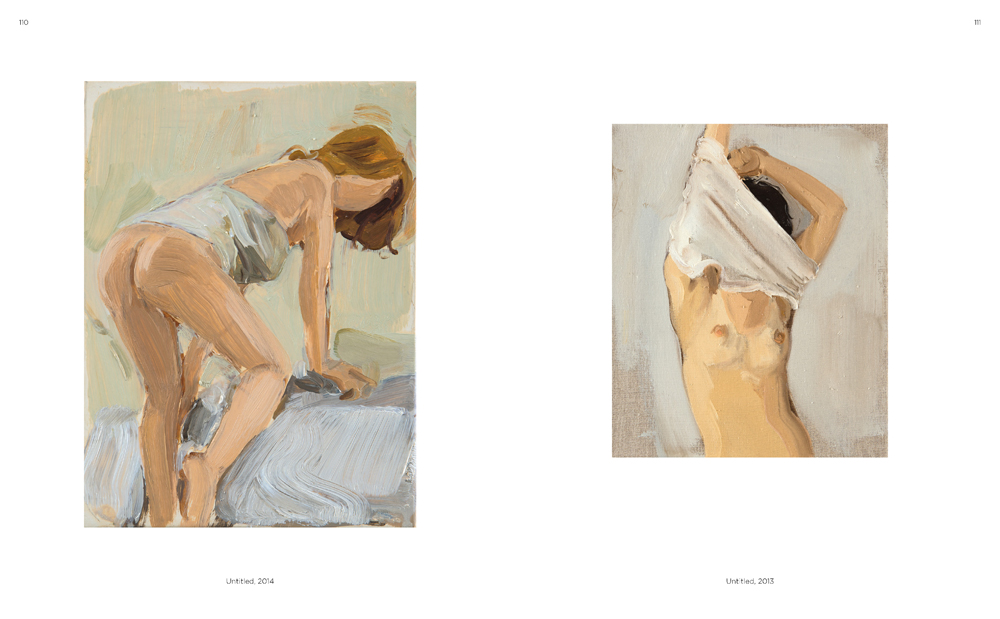
This exquisite book features high-quality reproductions of dozens of works and numerous photographs of the artist and the studio. Four international writers examine how Rubin both challenges and extends the traditions of European painted portraiture. They also consider how he employs the ancient and articulate medium of oil paint to stake a claim for the renewed relevance and enduring value of the hand-crafted picture, and to question the relative status of photography as the supposed carrier of ‘truth’.

Gideon Rubin is an Israeli artist based in London. He received his BFA from School of Visual Arts in New York and his MFA from Slade School of Art in London. He has had numerous international solo exhibitions and appeared in many group shows around the world, and his works are included in private collections in London, Hong Kong, New York, Paris and elsewhere. In 2014, he was awarded the Shifting Foundation Grant and spent time at the Da Wang Culture Highland artist residency near Shenzhen, China. In 2013, he undertook the Outset Israel Bialik Residency in Tel Aviv. He is represented by Galerie Karsten Greve Paris, Cologne and St Moritz; Rokeby, London; Hosfelt Gallery, San Franscisco; and Alon Segev Gallery, Tel Aviv.

Gabriel Coxhead is a writer, art critic and curator based in London. He is a regular contributor to Time Out London and has also written for the Guardian, Jewish Quarterly, Financial Times, Art Review and Cabinet magazine, among other publications.

Martin Herbert is a writer and critic based in Tunbridge Wells and Berlin. He is associate editor of Art Review and Modern Painters, and writes regularly for Art Monthly, Artforum and Frieze. He is the author of Mark Wallinger (T&H, 2011).
Aya Lurie is Director and Chief Curator of Herzliya Museum of Contemporary Art, Herzliya, Israel.
Sarah Suzuki is an associate curator in the Department of Prints and Illustrated Books, Museum of Modern Art, New York.

Gideon Rubin

Texts by Gabriel Coxhead, Martin Herbert, Aya Lurie, Sarah Suzuki

Coinciding with a touring exhibition of paintings and works on paper, this book is the first monograph on the acclaimed young Israeli painter Gideon Rubin.

After witnessing the events of 9/11 in New York first hand, Rubin turned his back on his realist way of working and embarked on a method that has become his signature style. Taking found images of strangers in twentieth-century family albums, newspapers, and magazines, he begins a process of visual reduction and obliteration that culminates in an eerie and compelling body of work that is at once enticing and poignant, seductive yet sinister. His small and intimate portraits of faceless figures, full of life but empty of expression, are charming and chilling in equal measure. They unsettle and unnerve, yet feel strangely familiar.

His tiny paintings on cardboard of blank-faced models, actors, pop stars, and politicians – from Che Guevara and Dominique Strauss-Kahn to Amy Winehouse and Cheryl Cole – all reduced to a generic equivalence and interchangeability, comment on the ephemeral nature of the news and the newsworthy and the disposability of our celebrity age.

These are works that evoke the selective and transformative processes of memory, but by drawing on Chinese propaganda pamphlets, celebrity magazines, the society pages of newspapers, as well as art history, they also lay bare the shared shorthands through which personality and desire are projected and read. In the age of Instagram and selfies, they remind us that photography, far from an unmediated and direct reflection of reality, is at its core unstable and subject to manipulation, be it in the interests of politics, commerce or diversion.

This exquisite book features high-quality reproductions of dozens of works and numerous photographs of the artist and the studio. Four international writers examine how Rubin both challenges and extends the traditions of European painted portraiture. They also consider how he employs the ancient and articulate medium of oil paint to stake a claim for the renewed relevance and enduring value of the hand-crafted picture, and to question the relative status of photography as the supposed carrier of ‘truth’.

Gideon Rubin is an Israeli artist based in London. He received his BFA from School of Visual Arts in New York and his MFA from Slade School of Art in London. He has had numerous international solo exhibitions and appeared in many group shows around the world, and his works are included in private collections in London, Hong Kong, New York, Paris and elsewhere. In 2014, he was awarded the Shifting Foundation Grant and spent time at the Da Wang Culture Highland artist residency near Shenzhen, China. In 2013, he undertook the Outset Israel Bialik Residency in Tel Aviv. He is represented by Galerie Karsten Greve Paris, Cologne and St Moritz; Rokeby, London; Hosfelt Gallery, San Franscisco; and Alon Segev Gallery, Tel Aviv.

Gabriel Coxhead is a writer, art critic and curator based in London. He is a regular contributor to Time Out London and has also written for the Guardian, Jewish Quarterly, Financial Times, Art Review and Cabinet magazine, among other publications.

Martin Herbert is a writer and critic based in Tunbridge Wells and Berlin. He is associate editor of Art Review and Modern Painters, and writes regularly for Art Monthly, Artforum and Frieze. He is the author of Mark Wallinger (T&H, 2011).
Aya Lurie is Director and Chief Curator of Herzliya Museum of Contemporary Art, Herzliya, Israel.
Sarah Suzuki is an associate curator in the Department of Prints and Illustrated Books, Museum of Modern Art, New York.

A K Dolven

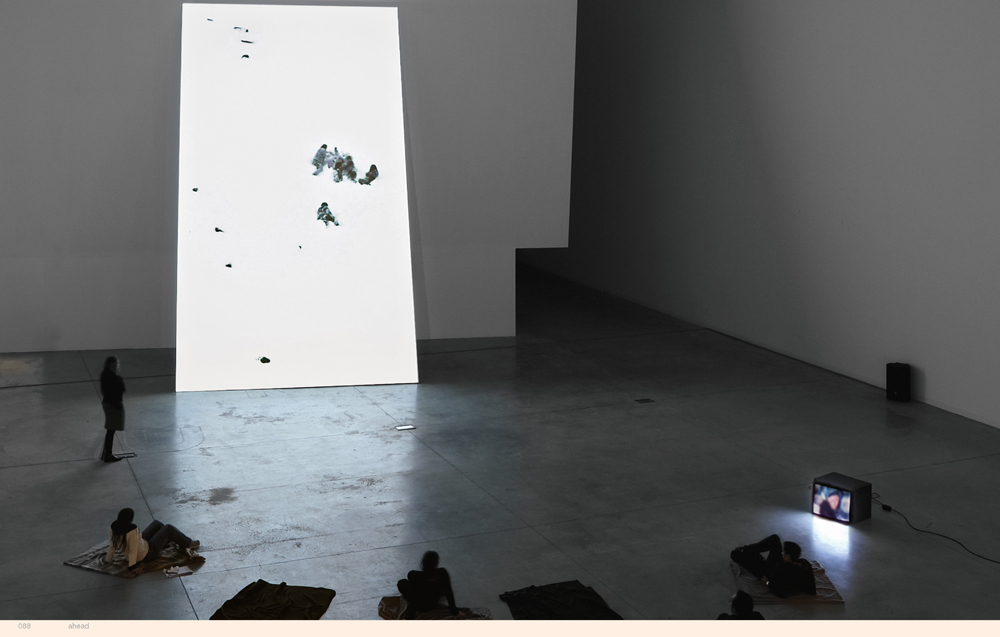
Please Return

Edited by Gaby Hartel
With texts by Ina Blom, Gaby Hartel, Esther Kinsky, Thomas Macho, Mark Ravenhill and Jonathan Watkins

‘Supremely elegant’ — Apollo

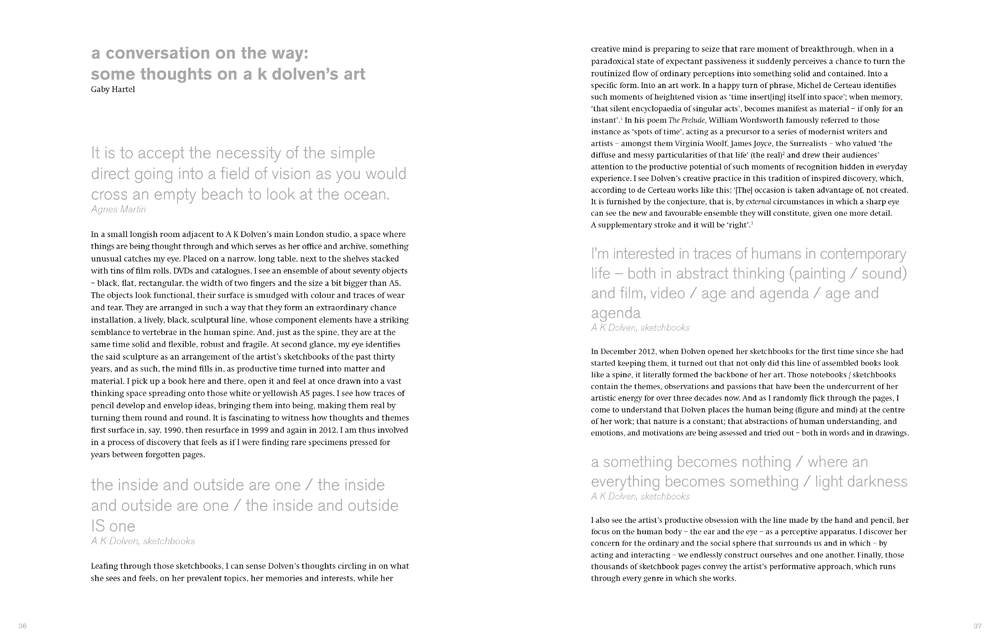
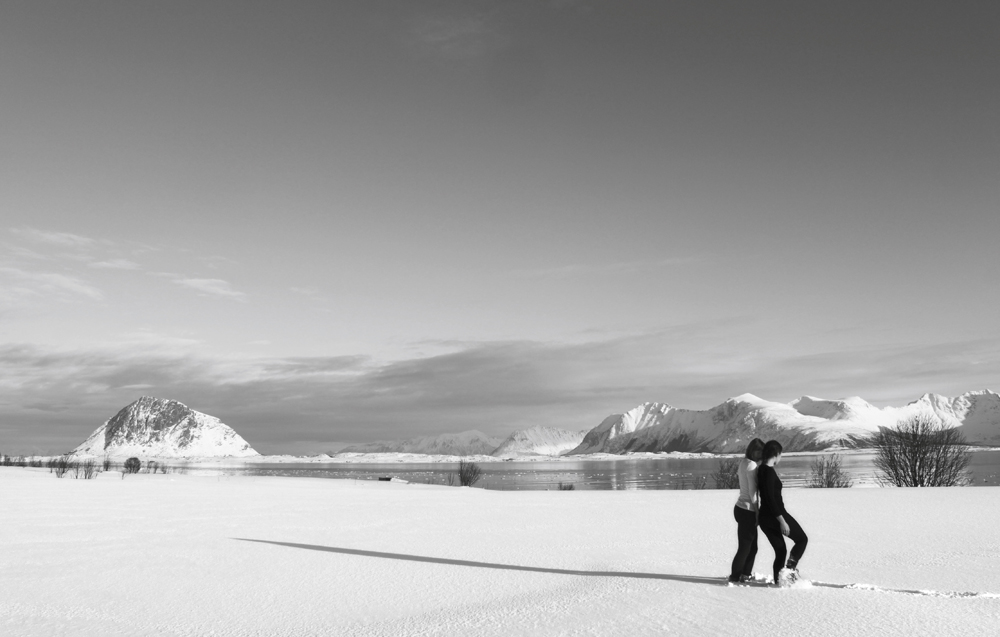
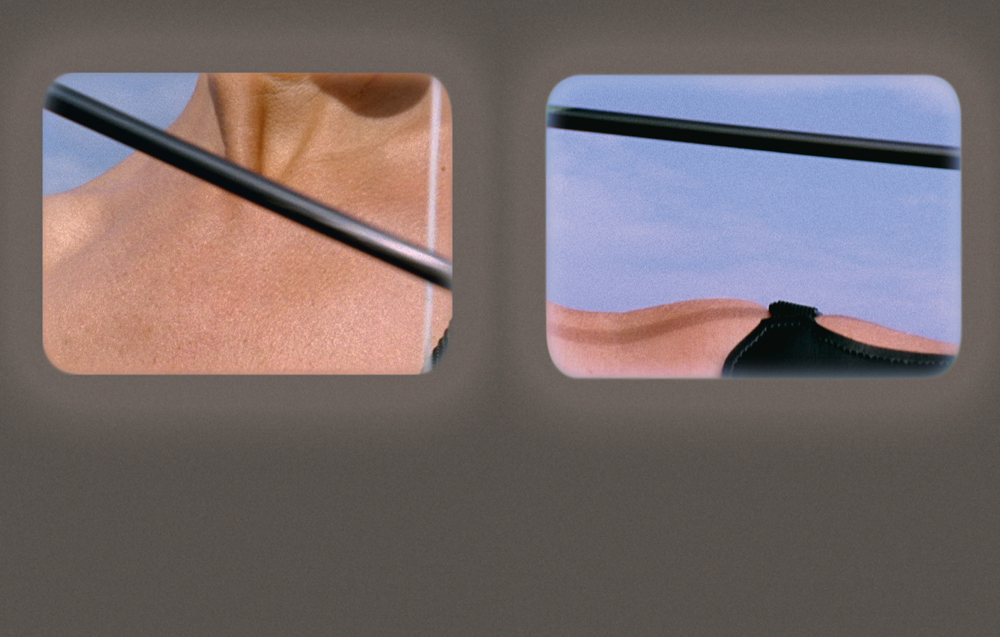
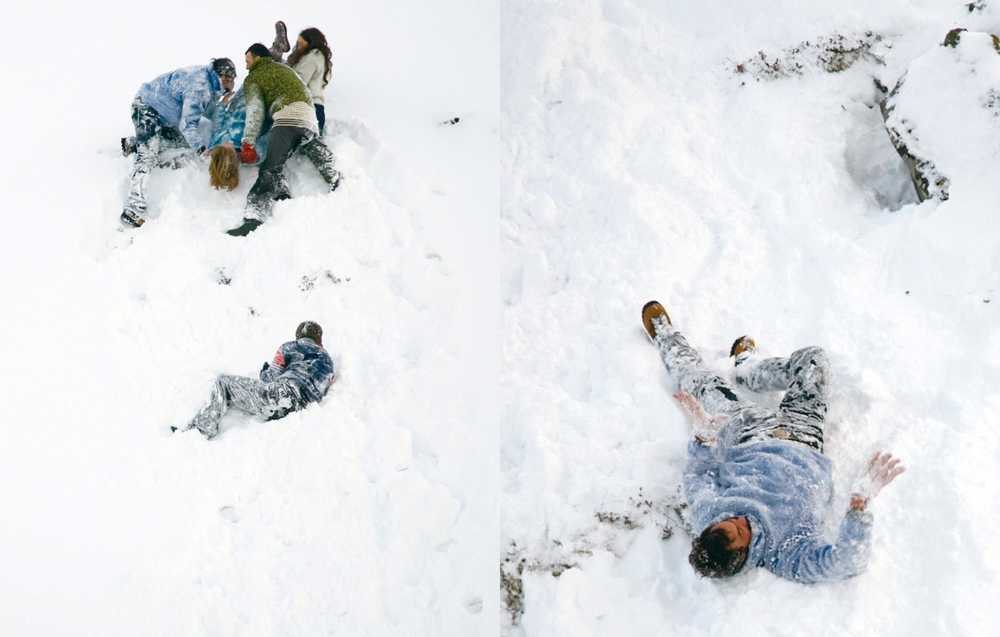
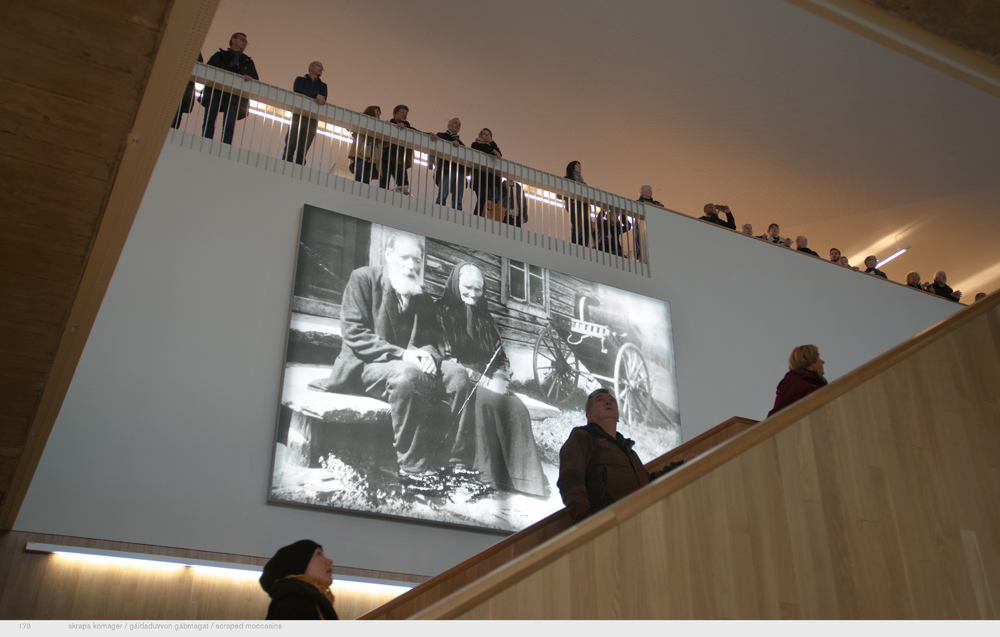
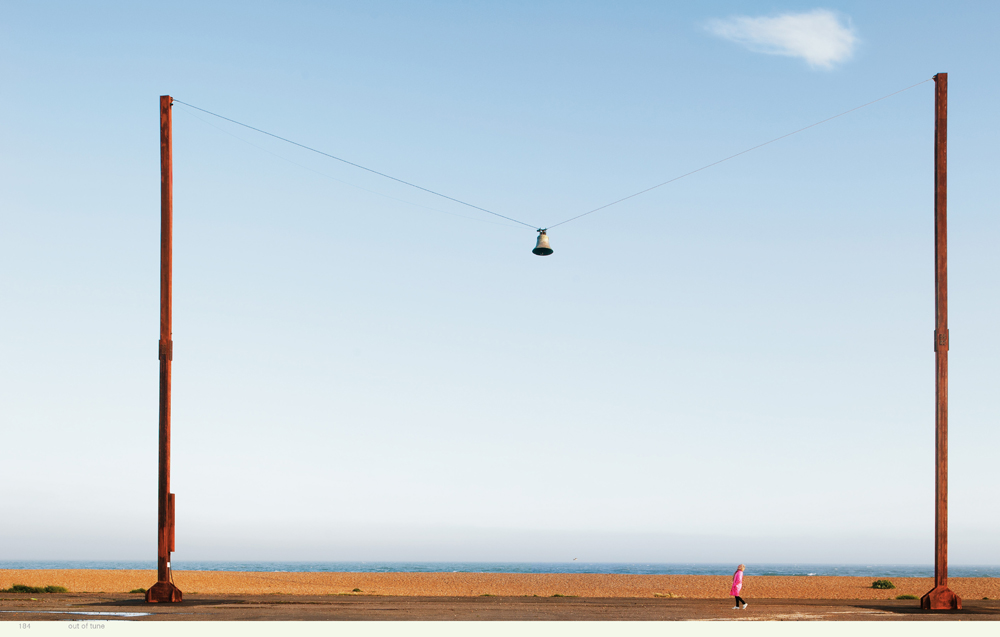
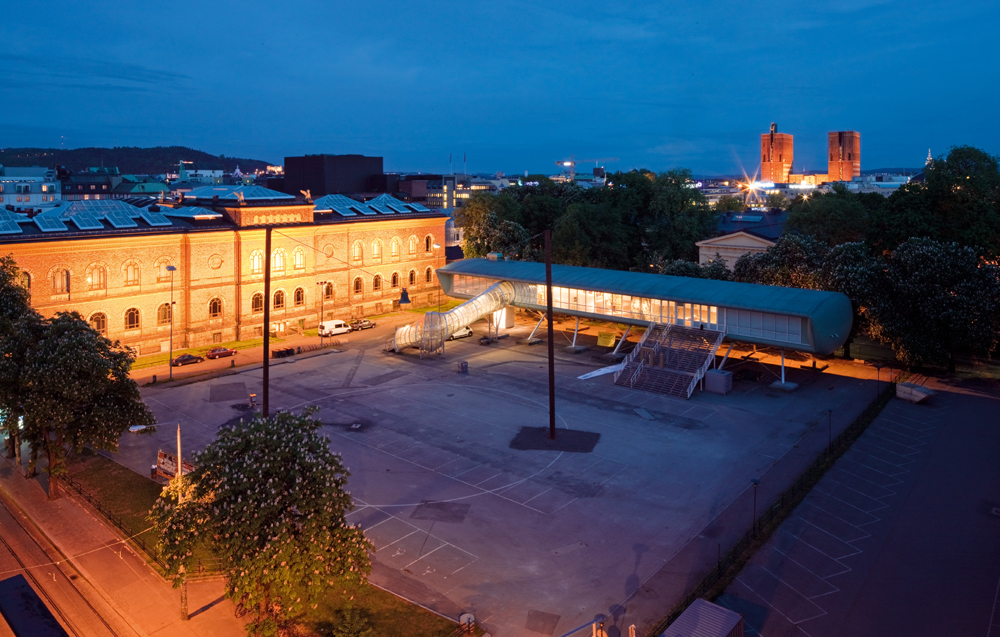
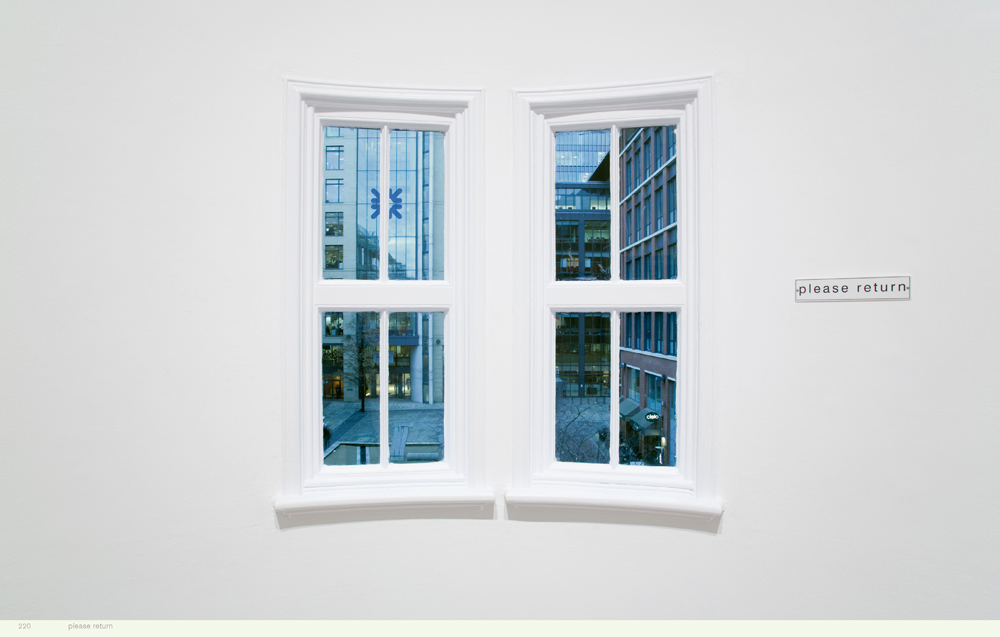
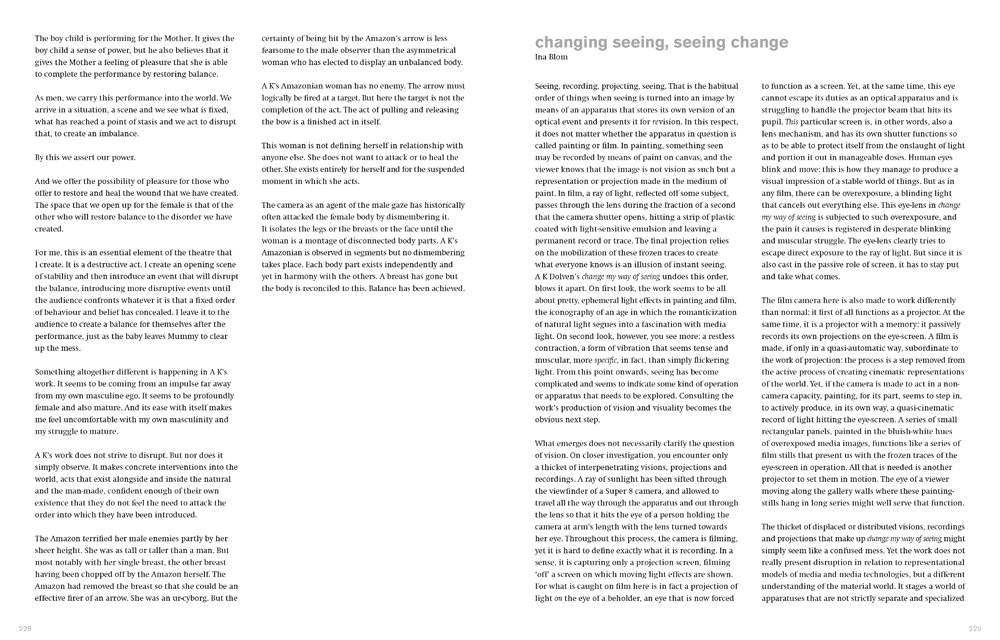
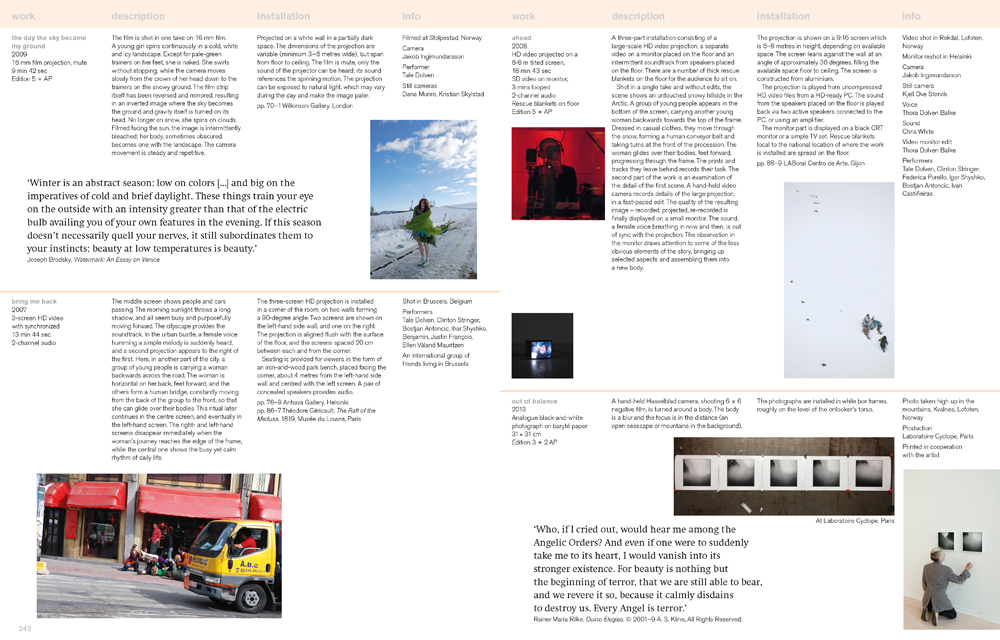
Since the 1990s, acclaimed London-based Norwegian artist A K Dolven has produced a substantial body of work exploring the relationship between individuals and the perception of their environment, the connections that bind inner and outer realities, and the representation of sublime natural forces. Using a diverse range of media, including painting, film, sound and large-scale sculptural installation, she combines seemingly simple, almost minimalistic elements to create complex responses to a particular locale – especially the frozen landscapes of the Arctic Circle in her native Norway – while maintaining a universal voice that resonates far beyond the specifics of the place. Frequently immersive in nature, her works investigate but also induce feelings of discomfort and disorientation in the eye, body and mind of the viewer, an impression of forever being at odds with one’s surroundings as encountered through the various senses.

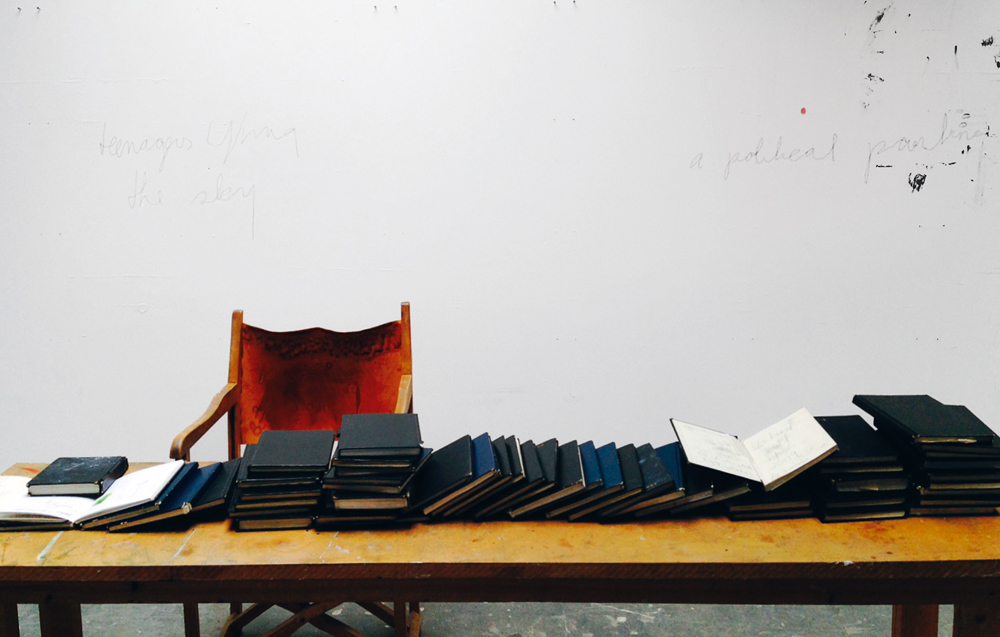
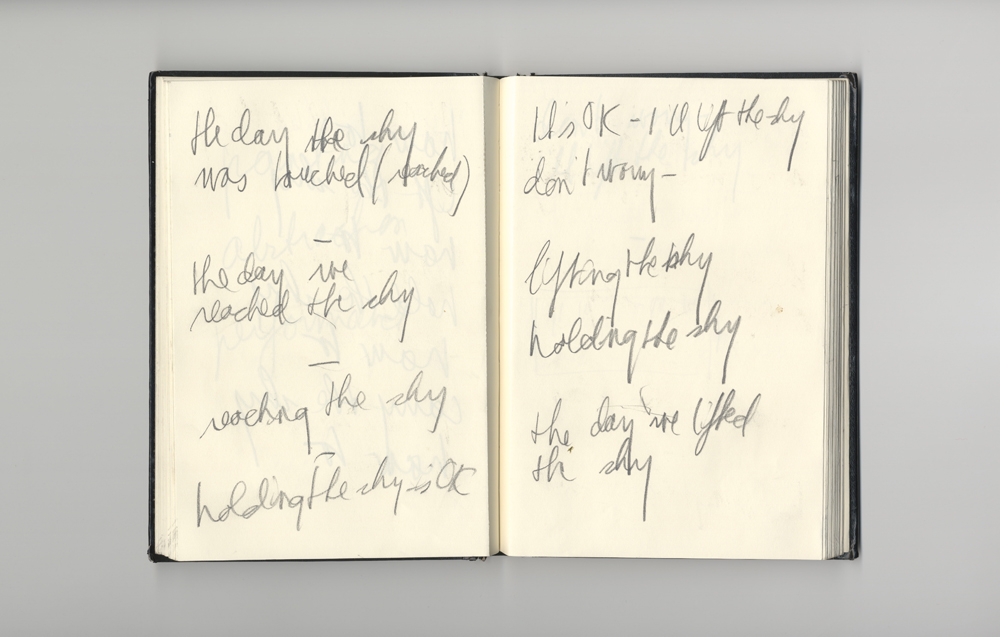
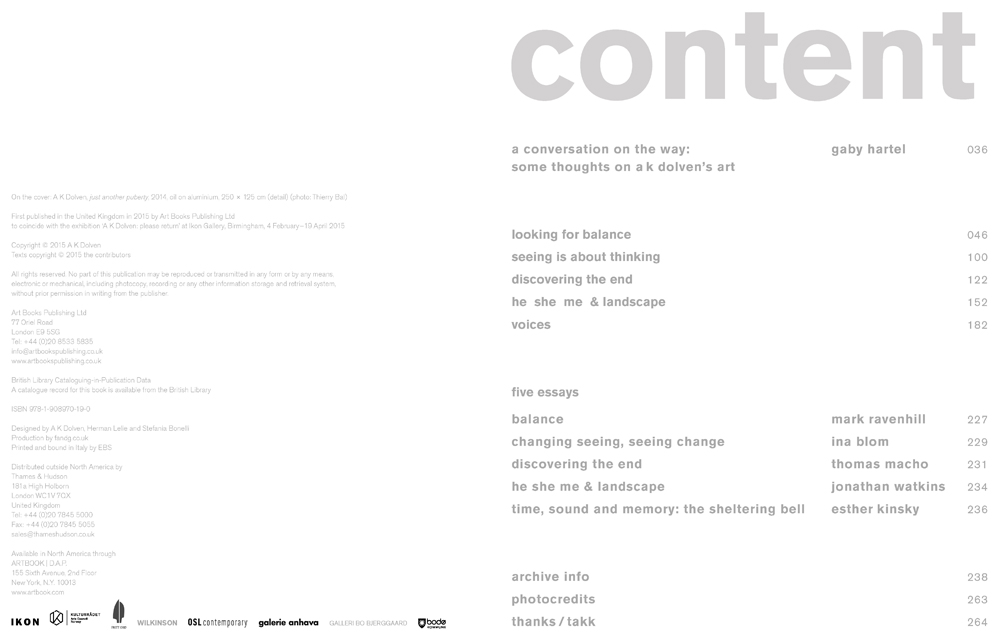
Coinciding with a solo exhibition at the Ikon Gallery, this compelling book presents the past decade of the artist’s practice. In five themed chapters, each artwork is shown in a series of large-scale installation shots and details that replicate the spatial and physical impact of the piece itself. Texts by five internationally renowned writers and thinkers illuminate various aspects of the artist’s work, addressing, among other things, its political significance, emotional intensity and philosophical depth. An introduction by Gaby Hartel considers the importance of A K Dolven’s sketchbooks to the genesis of her ideas, while an illustrated guide to the works presents the artist’s own detailed description of each one with supporting installation notes and background source material.

A K Dolven is one of Norway’s best-known and most highly acclaimed artists. Since 1997, she has lived and worked between London and Lofoten, Norway, and has exhibited widely across Europe, America and Asia. Her work is in major public and private collections around the world. She was awarded the German Fred-Thieler Prize in 2000 and the Swedish Prince Eugen Medal in 2005. In 2013, she was commissioned by the University of Cambridge to create a permanent public artwork in the city.

Ina Blom is an art critic, curator and art historian based in Oslo, Norway. Since 2001, she has been Associate Professor at the Department of Philosophy, Classics, History of Art and Ideas at the University of Oslo. She is a member of the editorial boards of Art History, Journal of the Association of Art Historians and Konsthistorisk Tidsskrift, and is a contributor to Artforum, Parkett, Afterall and Texte zur Kunst

Gaby Hartel is a cultural journalist, radio broadcaster and literary translator based in Berlin and London. She has published extensively on contemporary art, sound and literature.

Esther Kinsky is an award-winning writer and literary translator living and working in Berlin and 
Battonya, Hungary. Her first novel, Summer Resort, was 
published in English in 2011. In 2014, she was longlisted for Deutscher Buchpreis, for her novel Am Fluss, based on a series of walks along London’s River Lea.

Thomas Macho is a philosopher, curator and professor of cultural theory and history at the Humboldt-Universität zu Berlin, Institut für Kulturwissenschaft, which he co-founded. He has published widely on music and art, metaphors of death, silence, and representations of contemporary identity. 

Mark Ravenhill is a playwright, actor and journalist. His plays include Shopping and Fucking (1996), Some Explicit Polaroids (1999) and Mother Clap’s Molly House (2001). In 2012, he became the Royal Shakespeare Company’s Writer in Residence, and is Associate Director of London’s Little Opera House at the King’s Head Theatre. He is a regular contributor to the Guardian.

Jonathan Watkins is an internationally renowned curator and writer and the director of Ikon Gallery in Birmingham, United Kingdom. He has curated significant exhibitions in many countries and directed several important biennials and triennials, including those in Venice, Sydney, Guangzhou, Shanghai, Sharjah and London.


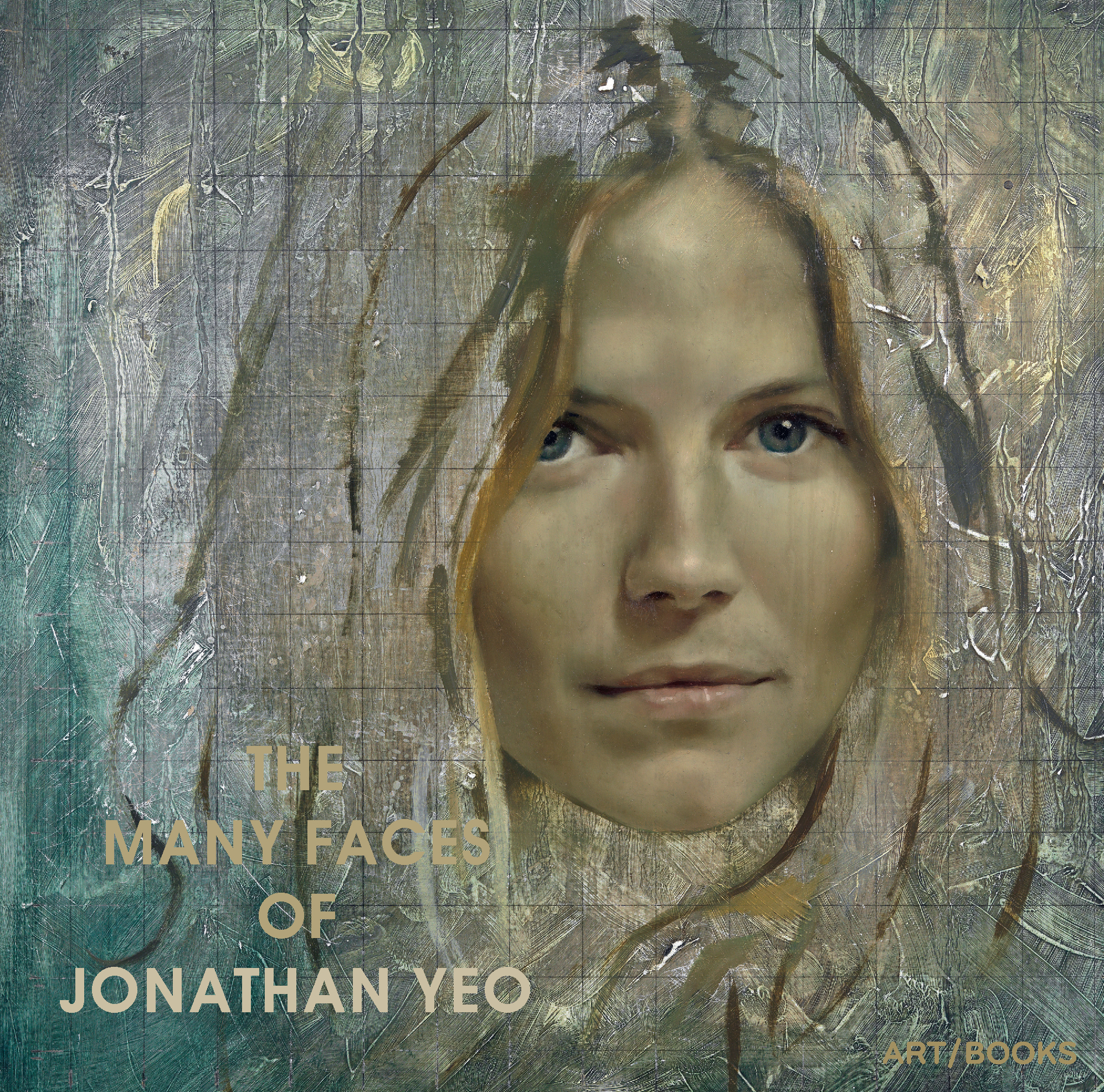
Many Faces of Jonathan Yeo_front jacket The Many Faces of Jonathan Yeo

Texts by Martin Gayford, Giles Coren, Tim Marlow and Sarah Howgate
With contributions from Damien Hirst, Baz Luhrmann, Ivan Massow, Philip Mould, Michael Parkinson, John Quin, Shebah Ronay Yeo and others

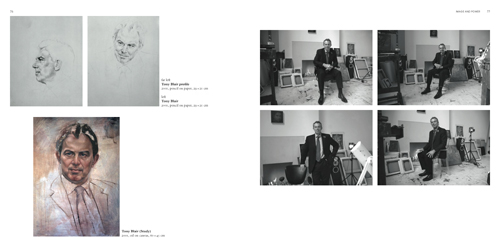
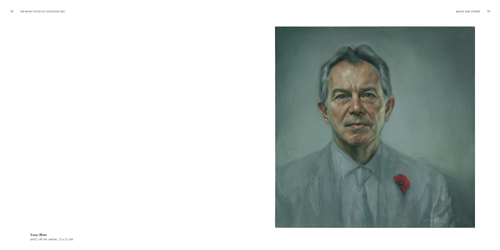
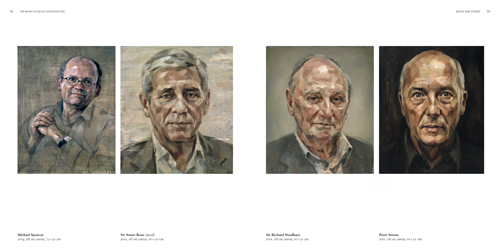
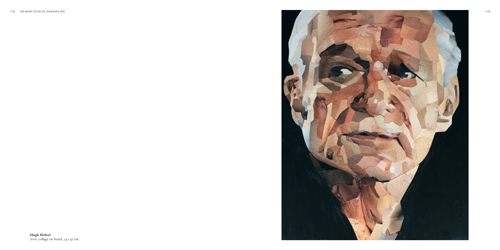
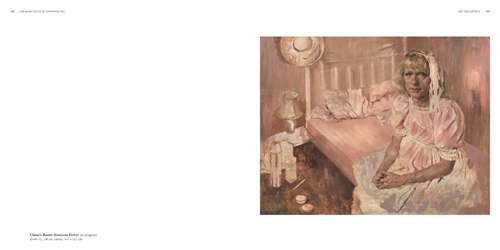
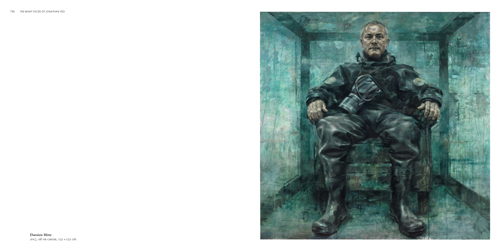
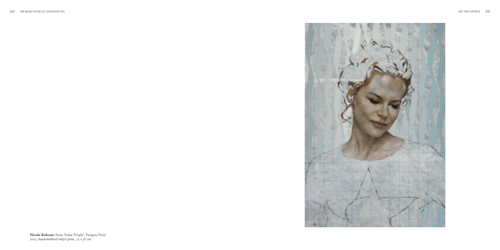
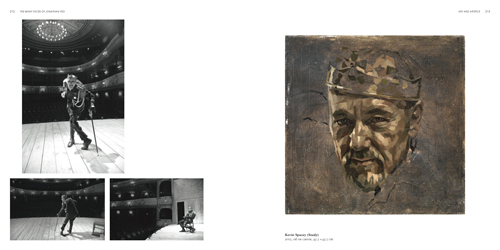
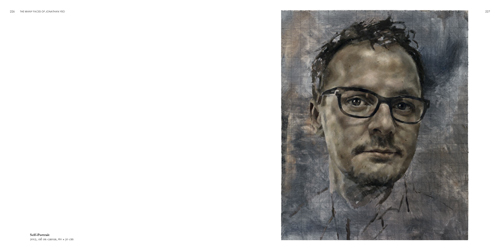
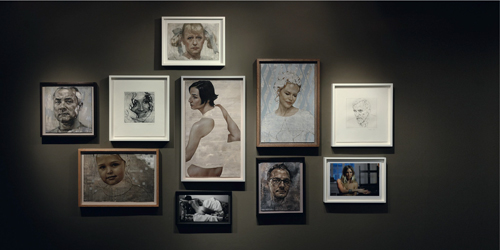
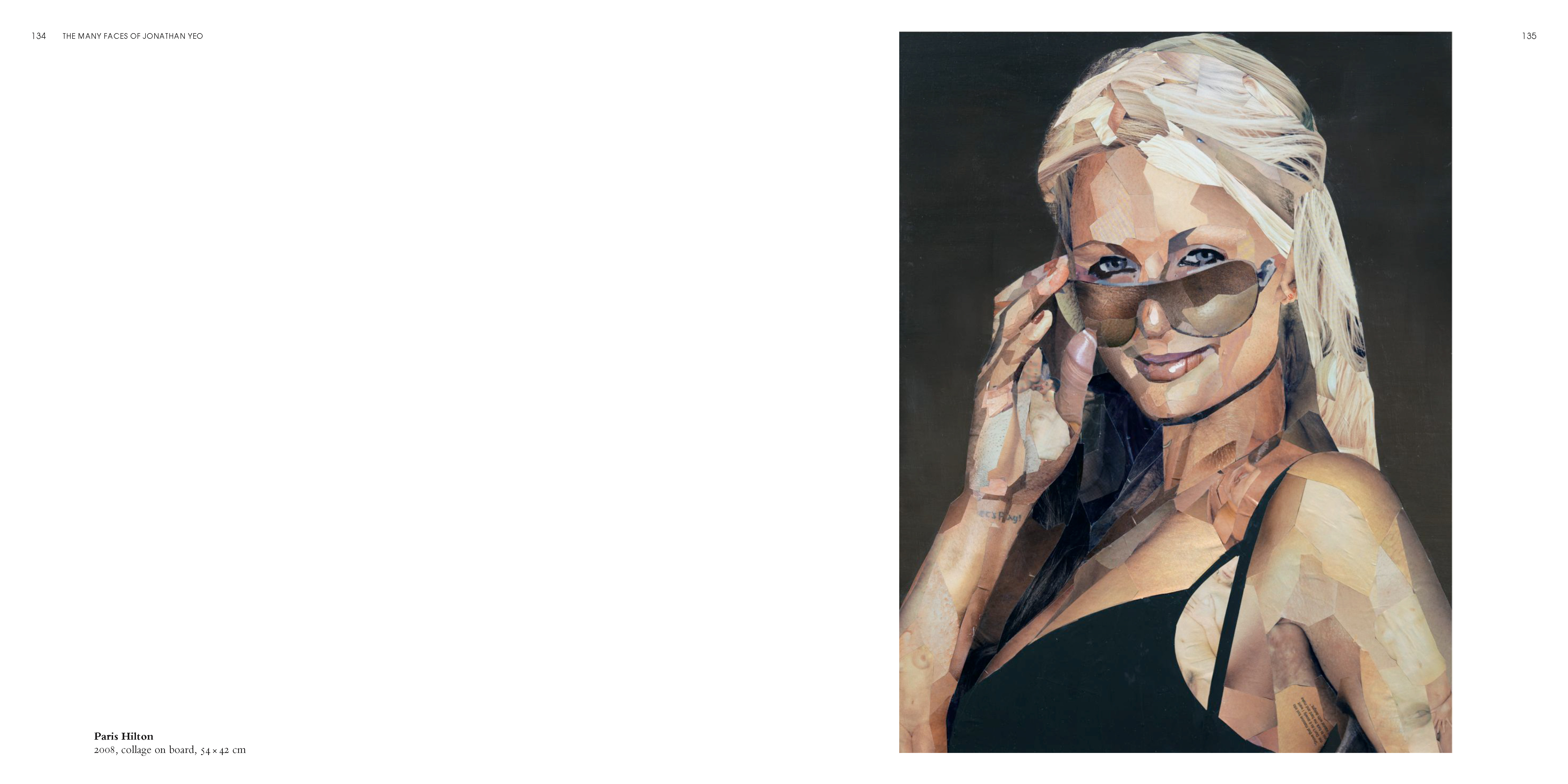
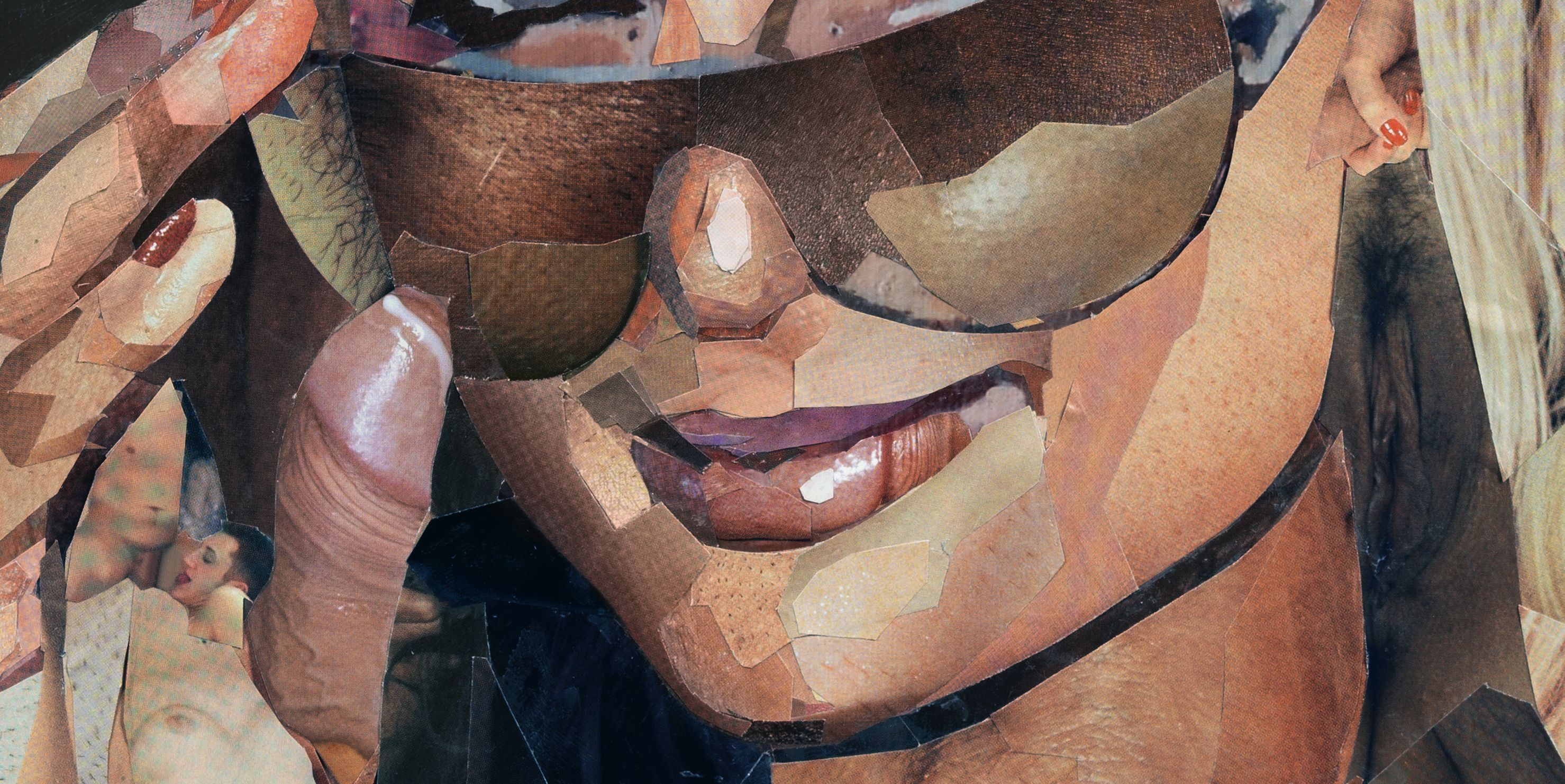
Jonathan Yeo is one of Britain’s best-known portrait painters. Over more than a decade, he has gained an international reputation for painting some of the most famous faces of our age. Models and movie stars, artists and actors, politicians and princes – all have been the subject of his iconic, and often ironic, portraits. Nicole Kidman, Dennis Hopper, Kevin Spacey, Stephen Fry, Damien Hirst, Sienna Miller, Rupert Murdoch, Grayson Perry, Tony Blair and Prince Philip are just a selection of the many household names who have sat for Yeo. Renowned for his distinctive, highly figurative canvases and controversial collages, he employs a range of media and techniques to create a diverse body of work that expands the traditions of portraiture while examining contemporary perceptions of beauty, celebrity and power.

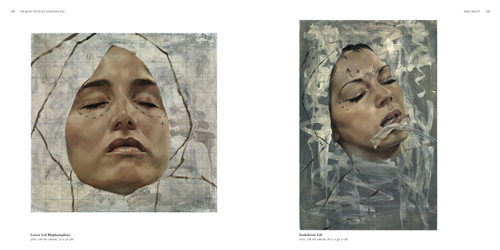
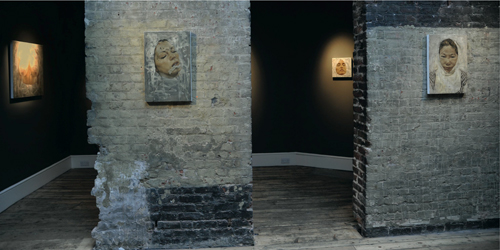
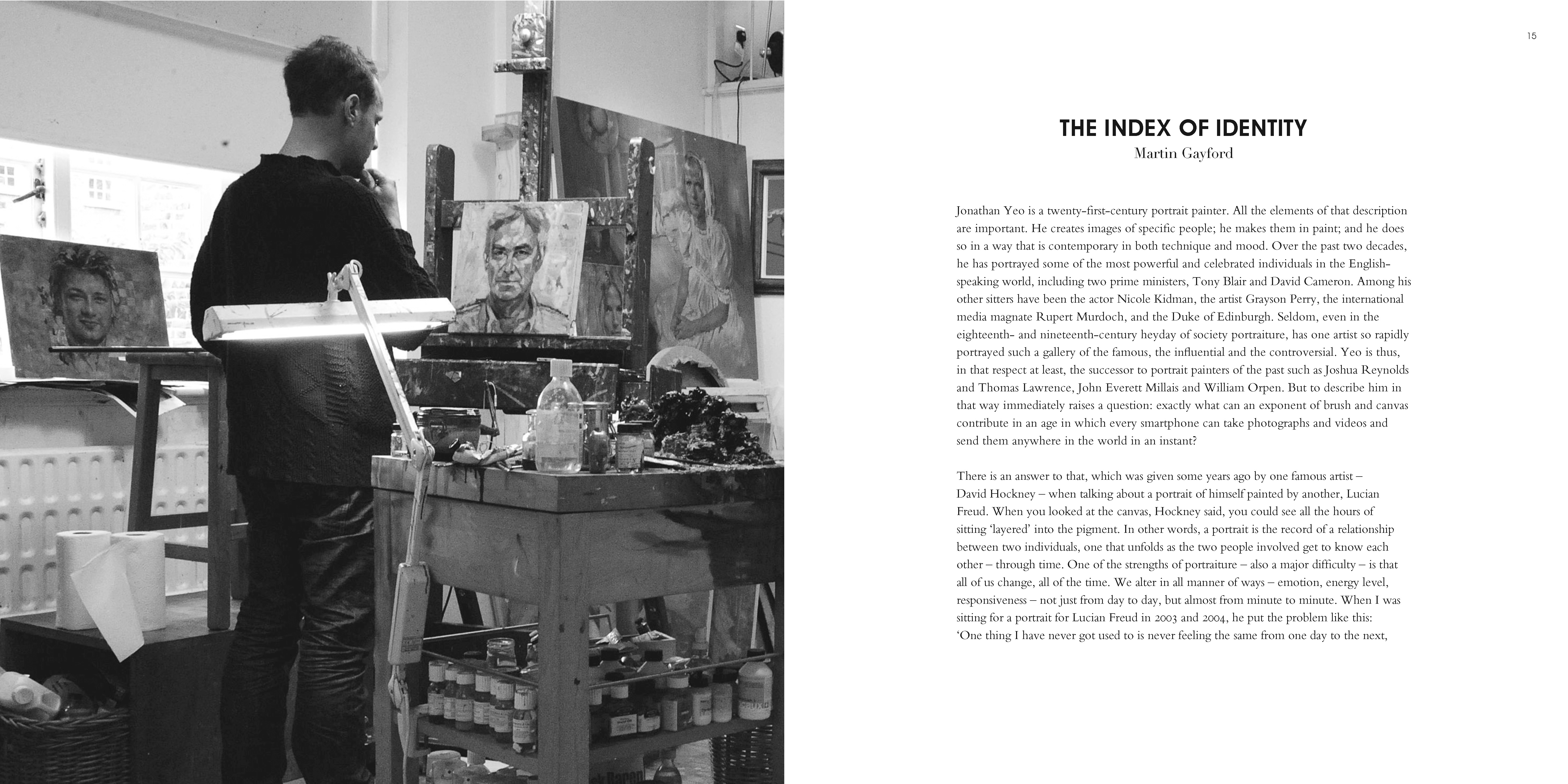
Coinciding with a retrospective exhibition at London’s National Portrait Gallery, The Many Faces of Jonathan Yeo is the first major publication on the artist. Featuring his most popular paintings, drawings, collages and prints, the book also presents several new important canvases never seen before. Alongside his intimate portraits of well-known sitters are dramatic and unsettling studies of cosmetic-surgery patients that document the compulsive and painful pursuit of physical perfection.

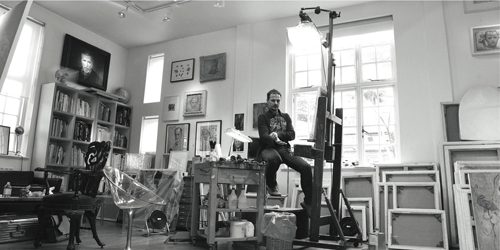
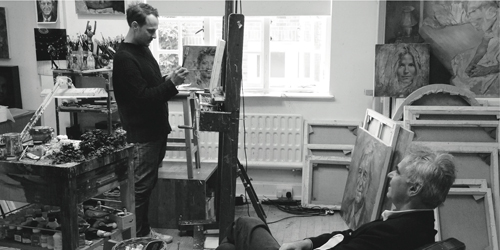
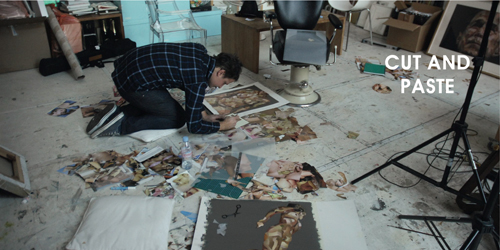
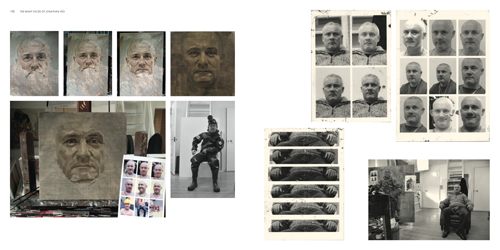
Photographs of the studio and works in progress reveal Yeo’s practice, while contributions from his subjects lift the lid on what it is like to be scrutinized by his exacting, forensic eye and to have oneself captured on canvas for ever. Martin Gayford discusses Yeo’s practice within the traditions of portraiture and compares the experience of being painted by him with that of sitting for Lucian Freud; Giles Coren offers revealing insights from the perspective of close personal friend and contemporary; Tim Marlow interprets the significance of Yeo’s political portraits; while a wide-ranging interview with Sarah Howgate, curator of the National Portrait Gallery show, considers the genesis of Yeo’s work and the relationships with his subjects. More than a monograph on a single artist, this book is also an enlightening exploration of the state of portraiture today, giving an insight into the risks faced by both portraitist and sitter.

Martin Gayford has been art critic for the Spectator and the Sunday Telegraph and is currently chief art critic for Bloomberg News. He is the author of The Yellow House: Van Gogh, Gauguin and Nine Turbulent Weeks in ArlesConstable in Love: Love, Landscape, Money and the Making of a Great PainterMan with a Blue Scarf: On Sitting for a Portrait by Lucian Freud and A Bigger Message: Conversations with David Hockney.

Giles Coren is a writer, food critic and television presenter. He has been a columnist for The Times since 1993 and was named ‘Food and Drink Writer of the Year’ in 2005. He is the author of How to Eat OutAnger Management for Beginners and the novel Winkler.

Tim Marlow is a writer, broadcaster, art historian and director of artistic programmes at the Royal Academy of Arts, London. The former director of exhibitions at White Cube, he has presented numerous television and radio programmes and has written for many newspapers and periodicals. His books include studies of Auguste Rodin and Egon Schiele.

Sarah Howgate has been Contemporary Curator at the National Portrait Gallery since 2001. Among many exhibitions, commissions and displays, she has curated ‘David Hockney Portraits’, ‘Lucian Freud Portraits’ and ‘Alex Katz Portraits’. Publications include The Portrait Now (with Sandy Nairne), David Hockney Portraits and Lucian Freud Portraits


 CNN Ones to Watch (3 parts)


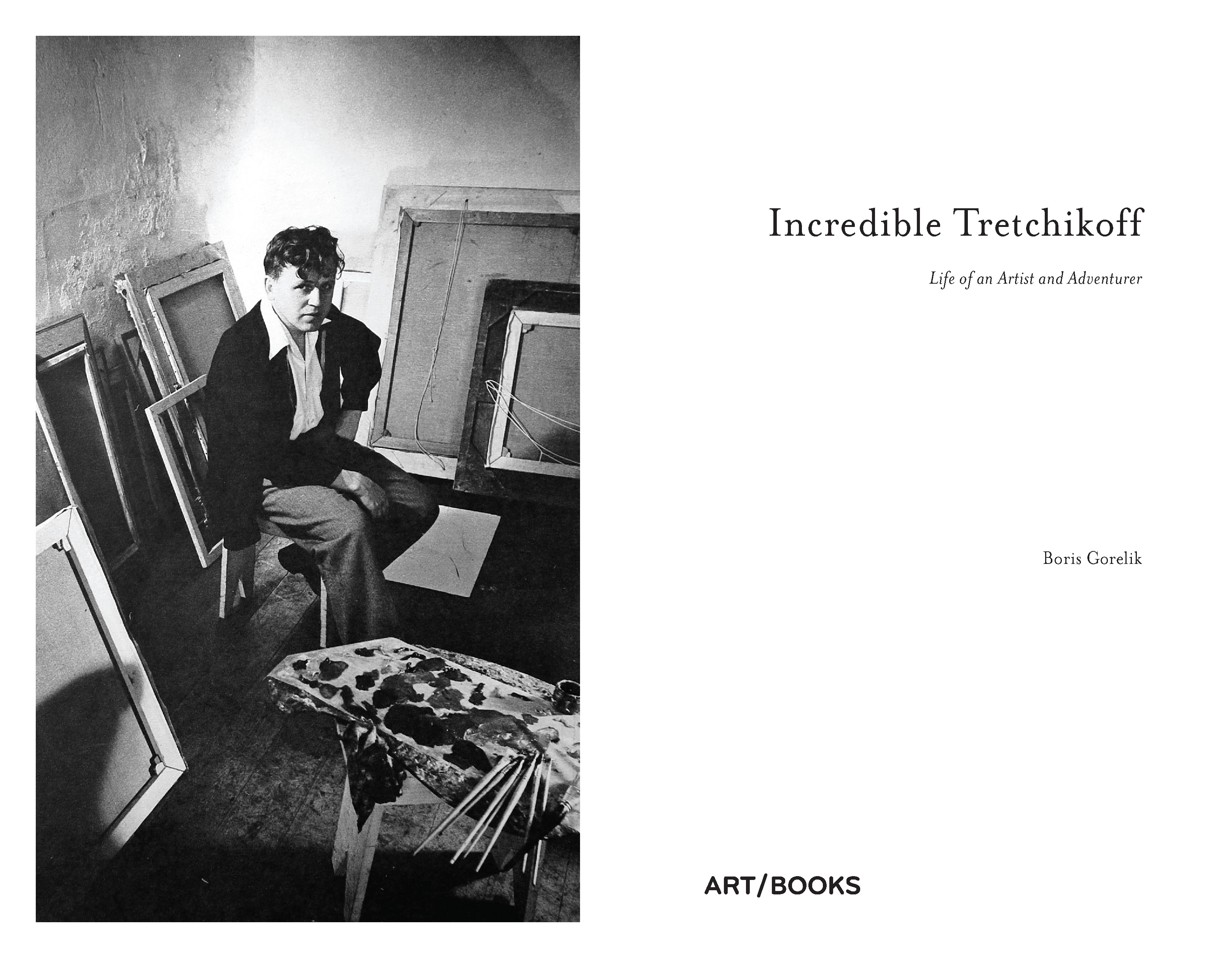
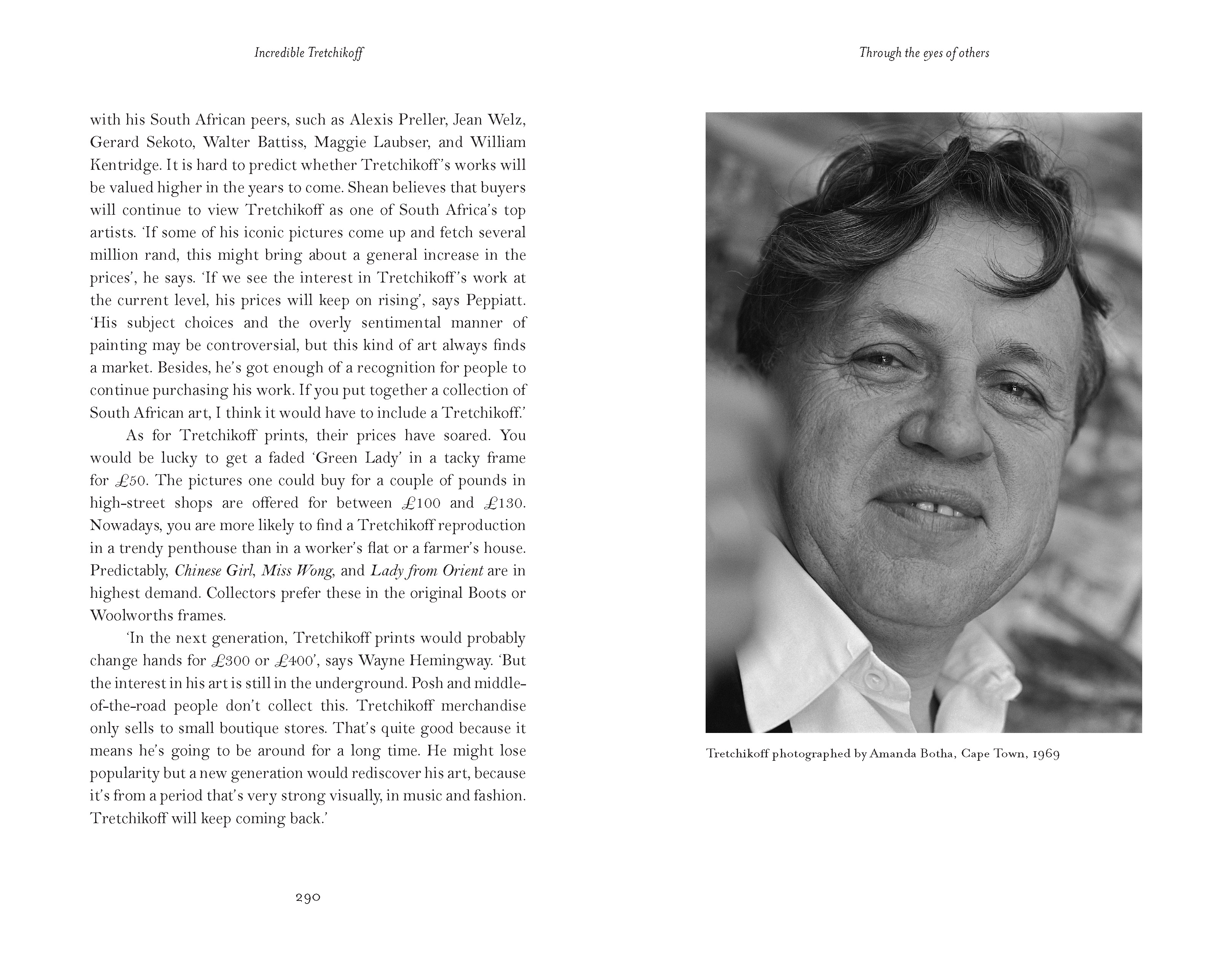
Incredible Tretchikoff

Life of an Artist and Adventurer

Boris Gorelik

‘Engaging … gripping … more than a biography’ — Independent (SA)
‘Fascinating story of an outsider … excellent’ — The Witness (SA)
‘Full of facts’ — Sunday Times (SA)
‘Gorelik has produced a book that gathers together a wealth of information, raising interesting points on many quite contentious issues’ — De Arte
‘Enthralling … highly recommended’ — Historical Novel Society
‘This book is highly recommended’ — Dimitri Tretchikoff

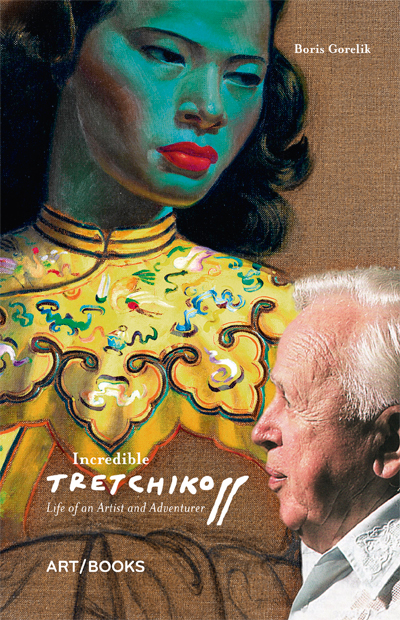
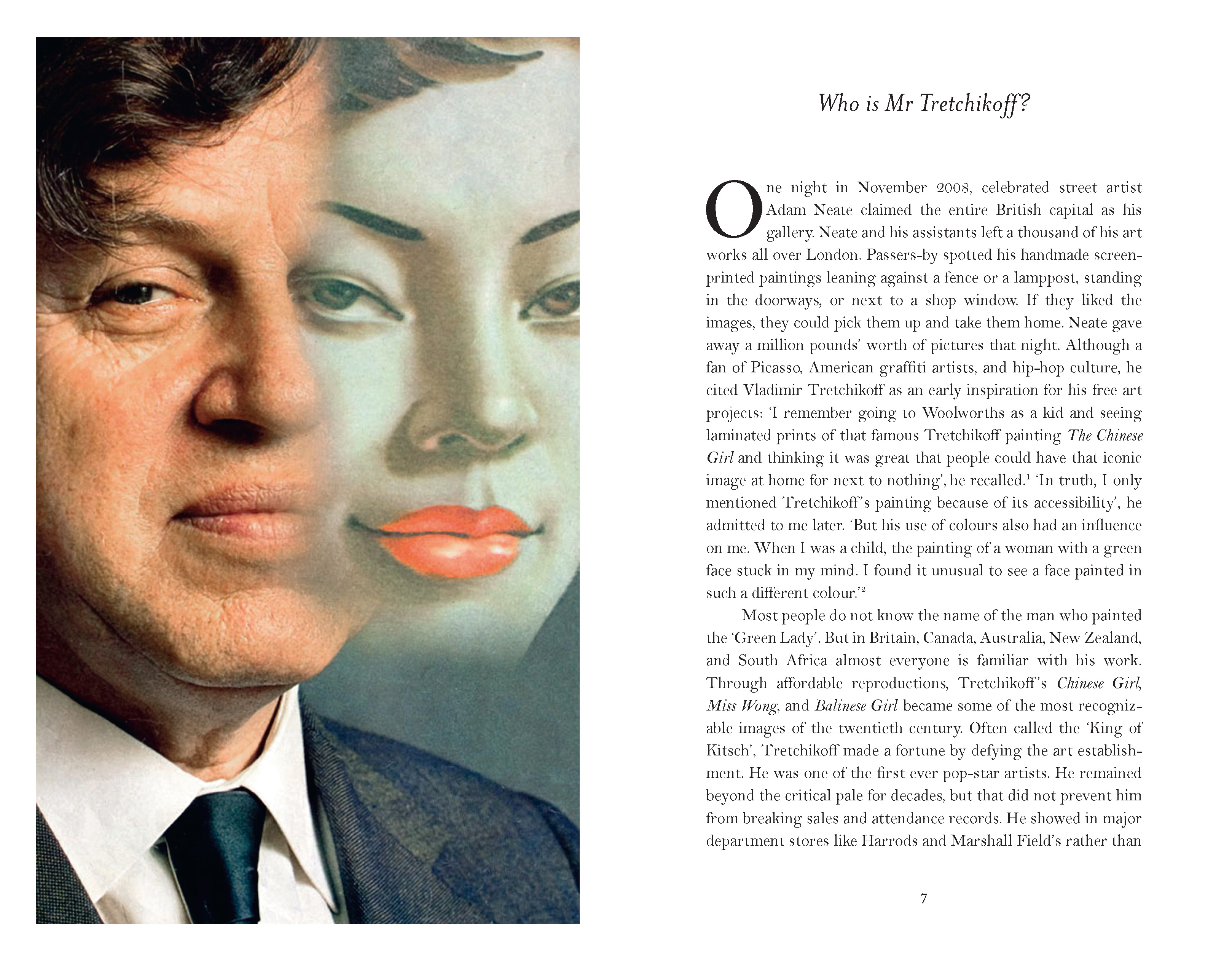
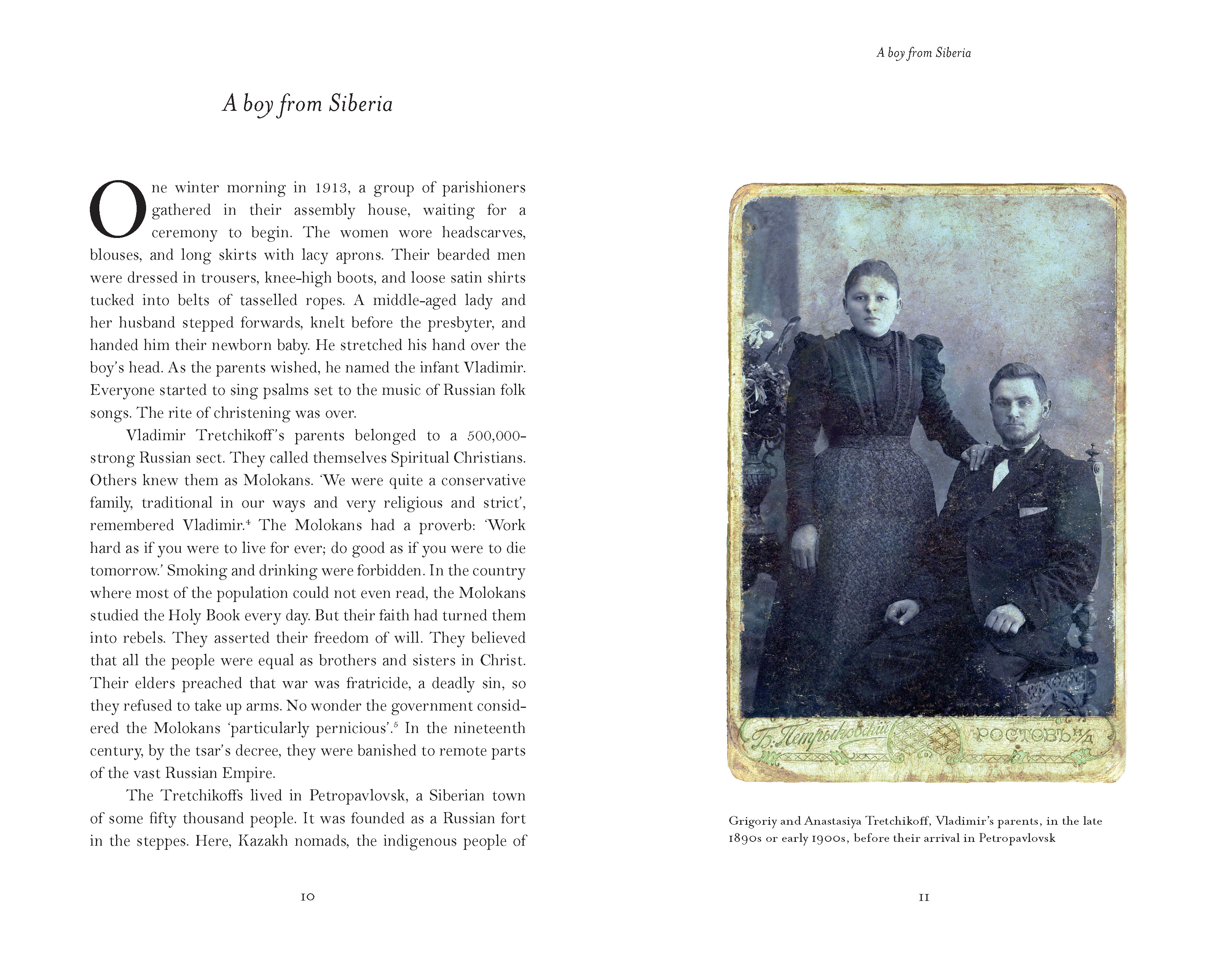
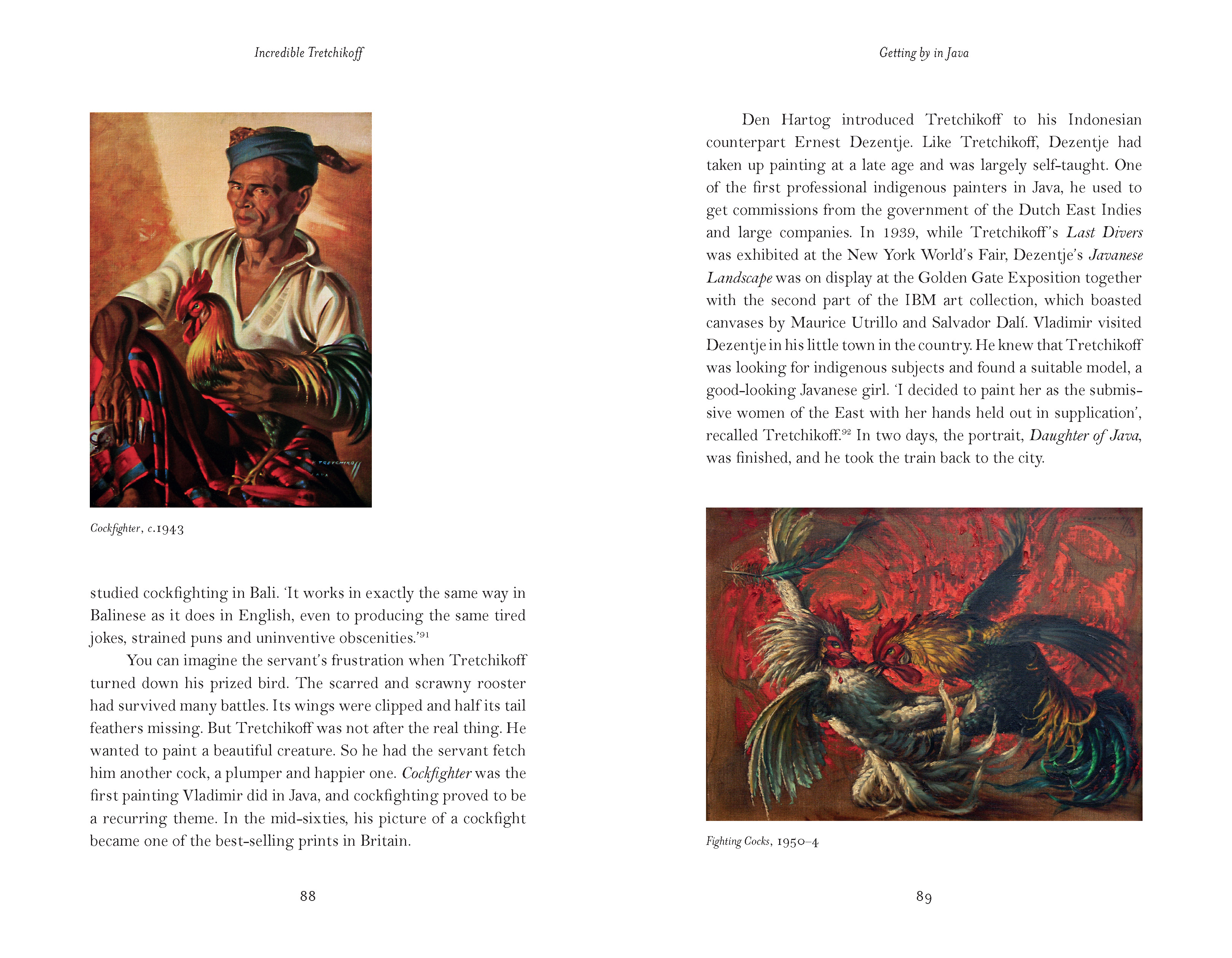
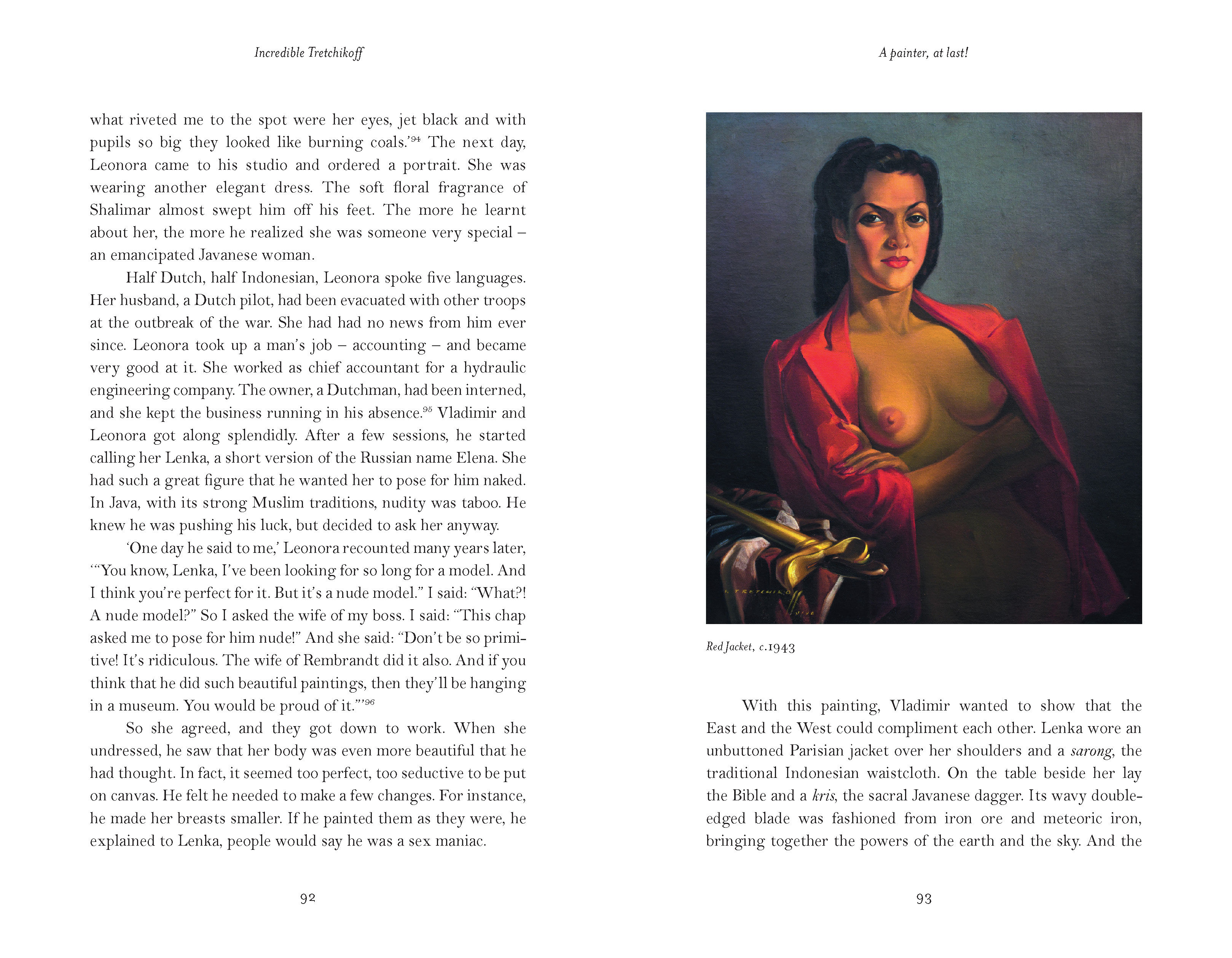
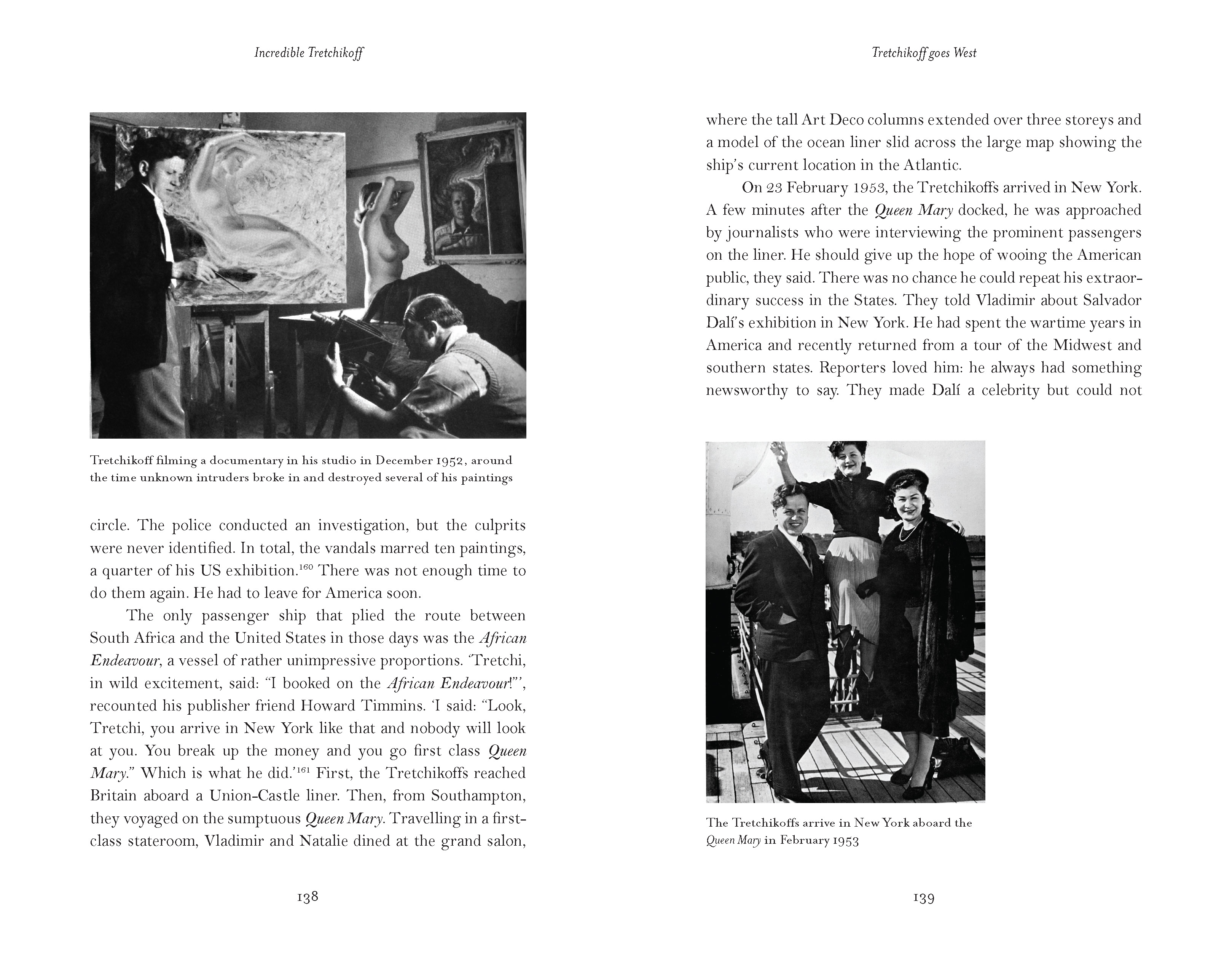
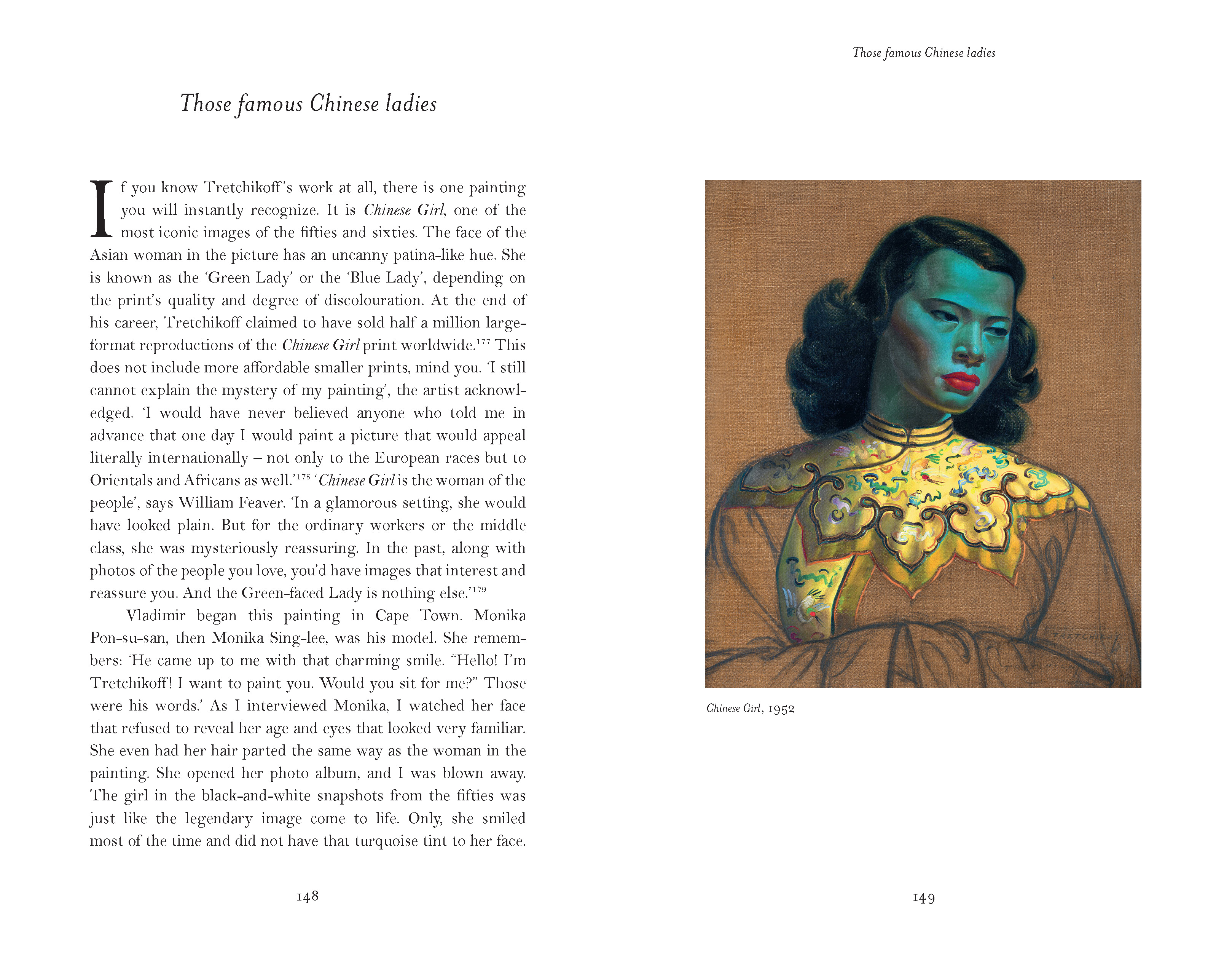
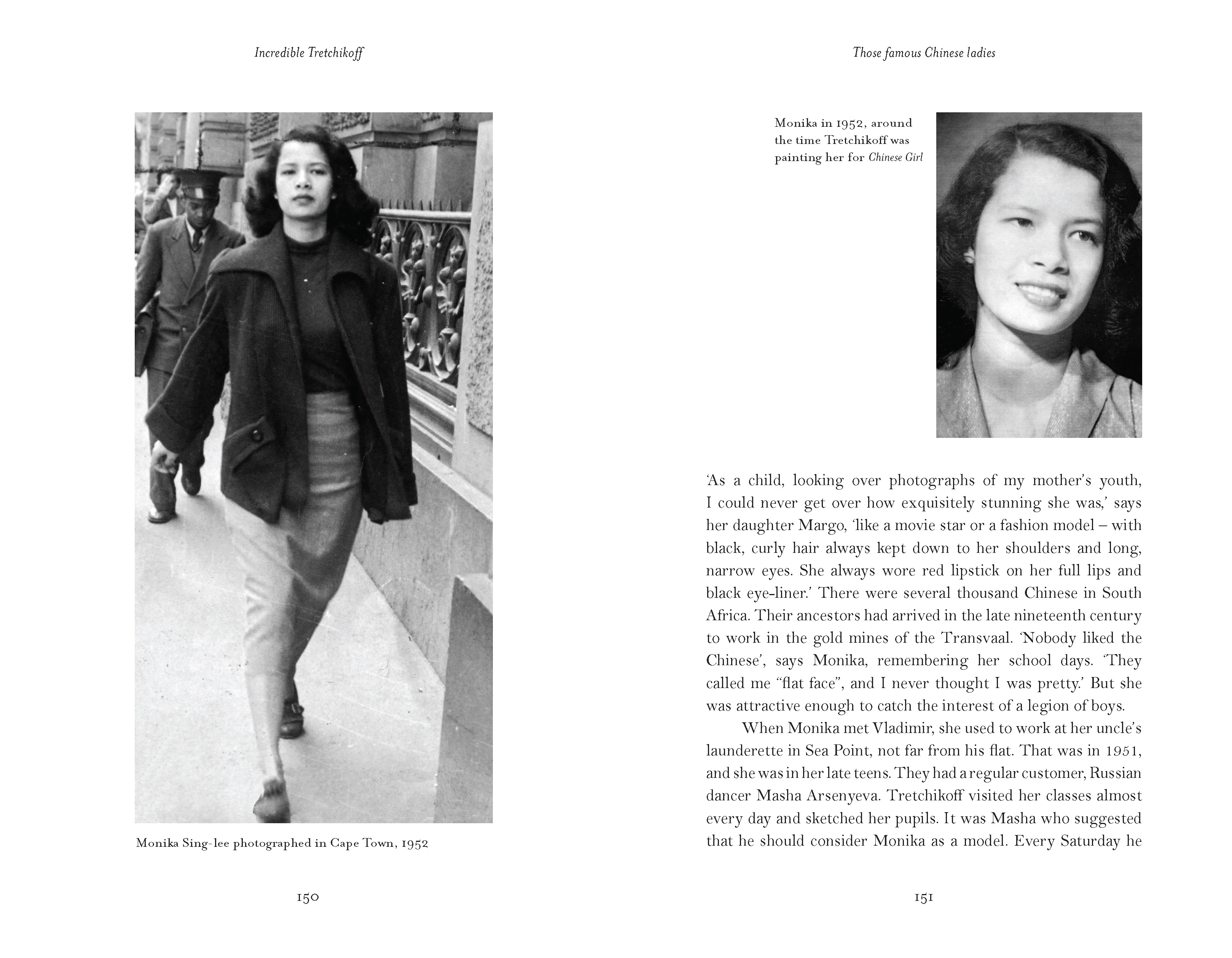
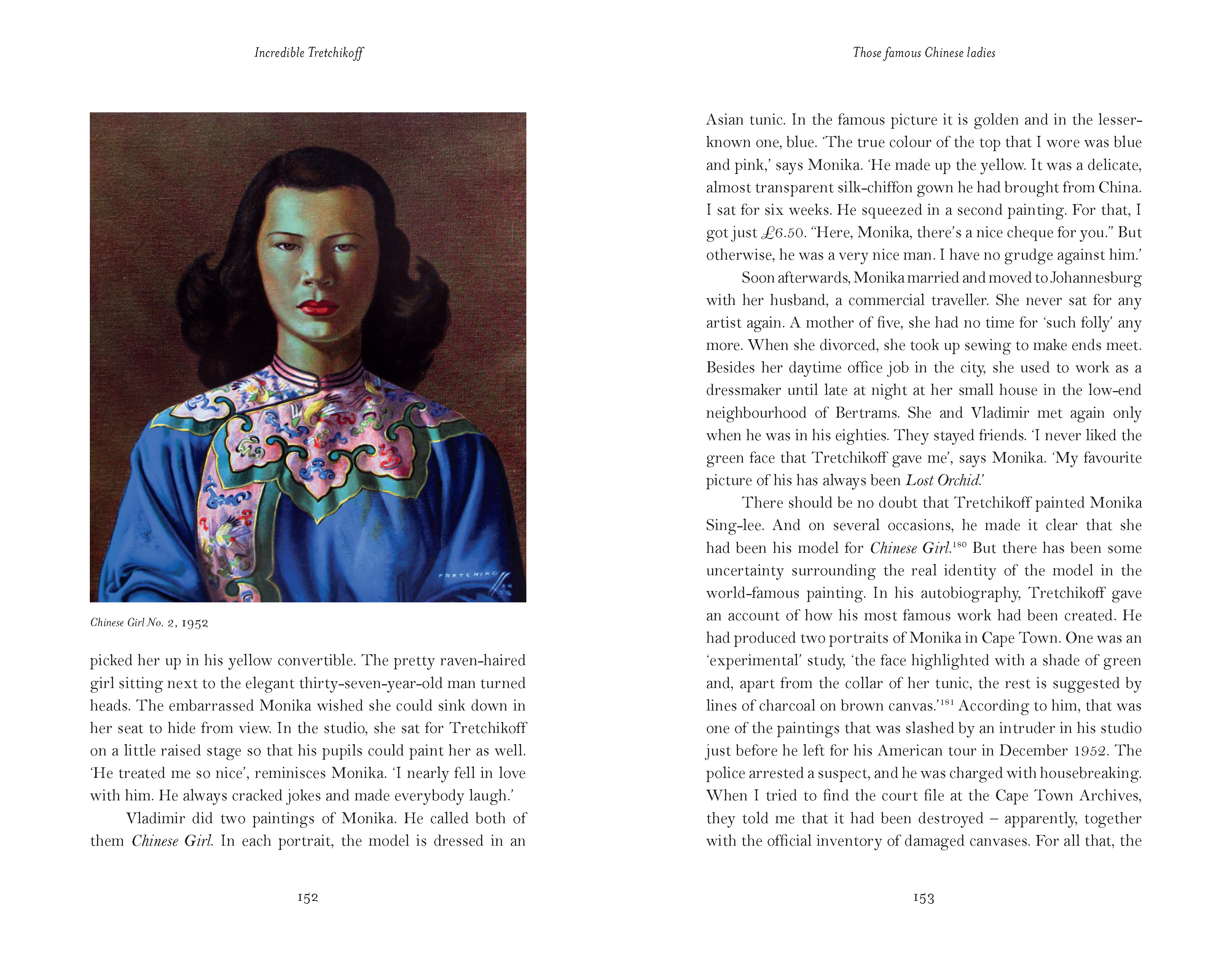
Vladimir Tretchikoff’s Chinese Girl is one of the most famous images of all time. Known as the ‘Green Lady’, it has been reproduced countless times, appearing everywhere from mugs and T-shirts to pop videos and blockbuster films. Tretchikoff lived a life as colourful as his instantly recognizable paintings. Born to a deeply religious Siberian family, he fought poverty, tragedy, captivity and near death to become one of the most celebrated artists of his time. Loathed by the critics yet loved by the public, he defied misfortune and a dismissive art establishment to enjoy phenomenal success in Britain, South Africa, Canada and the United States.

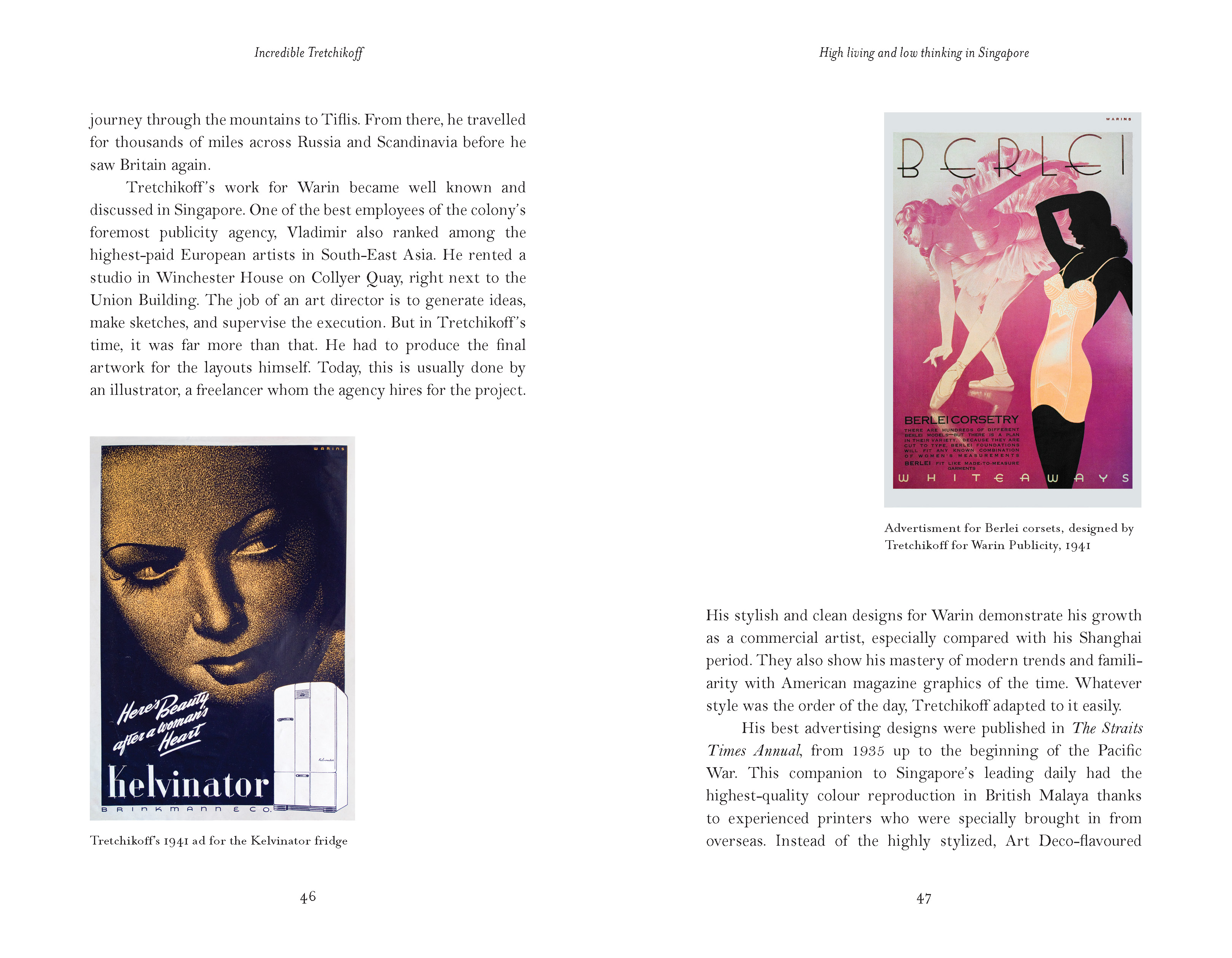
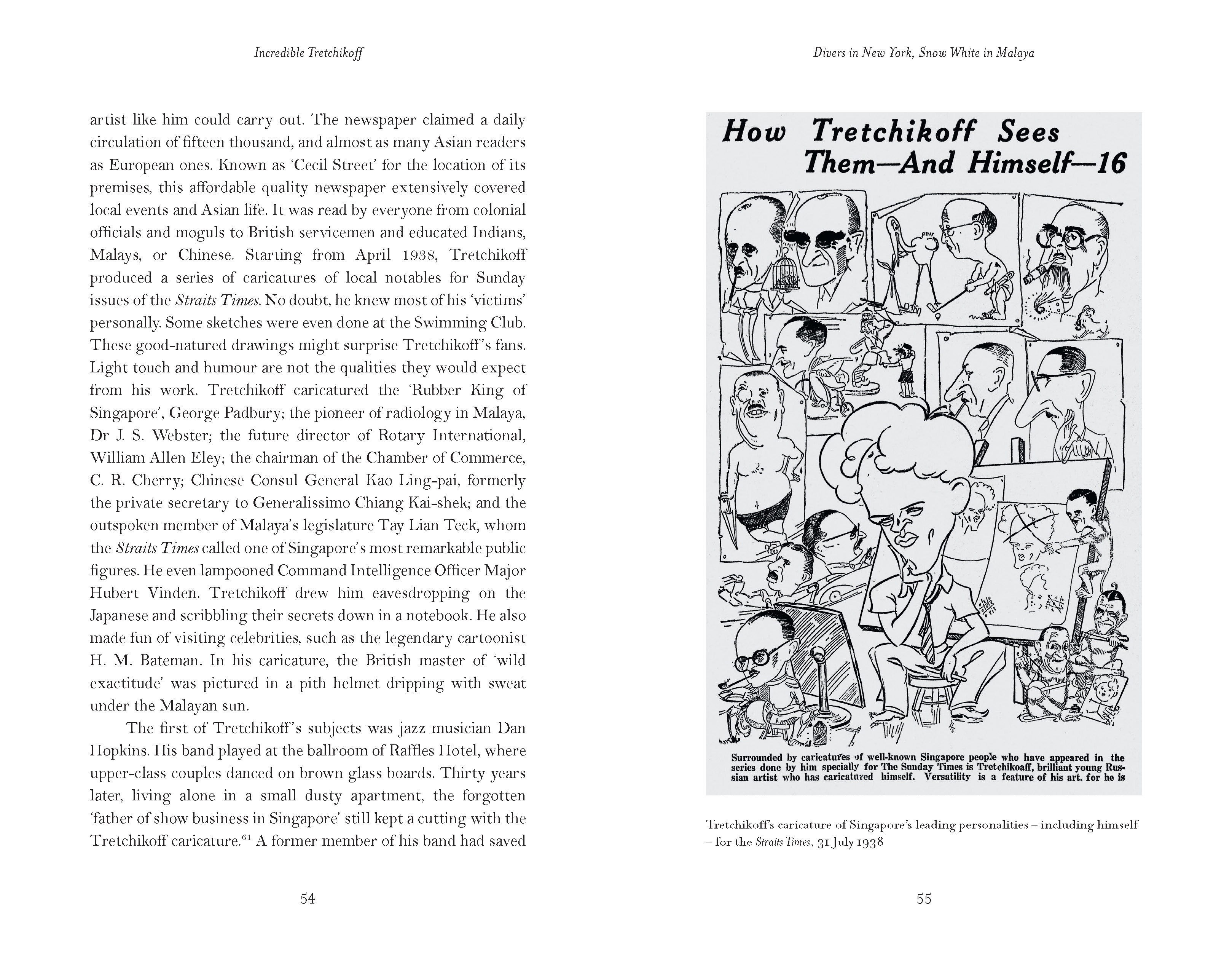
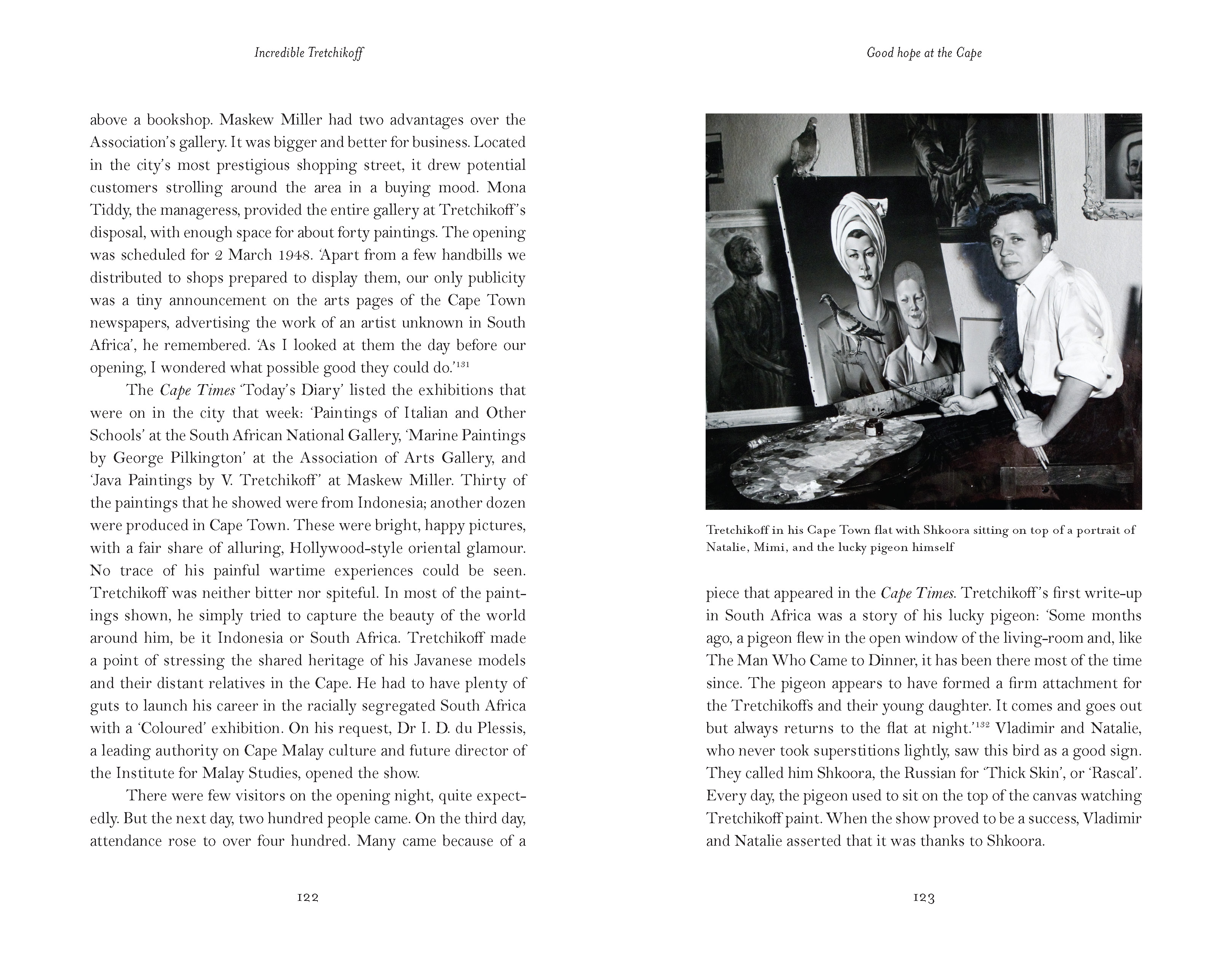
Coinciding with the centenary of his birth, Incredible Tretchikoff tells the enthralling story of this flamboyant artist from his humble beginnings to the spectacular highs and lows of his later career. We hear thrilling accounts of his early years as a Russian orphan in Manchuria and his efforts to make his way as a young man in a strange land. In Singapore in the 1930s, he was accepted into the social elite and his art became talk of the town. Meanwhile, he secretly worked for the British Ministry of Information producing anti-Axis propaganda. But his high living was brought to an abrupt end by the war. He was nearly killed when the Japanese sank the boat on which he was trying to escape; taken prisoner, he was forced to use his artistic skills for the enemy. Accused by his captors of being a spy, he somehow survived, and was eventually reunited with his wife and daughter in Cape Town after the war. Within years, through sheer determination and despite the hostility of the local art community, Tretchikoff had become South Africa’s best-selling artist and his fame had spread across the globe.

With the pace and suspense of a novel, Incredible Tretchikoff matches the drama of its subject’s extraordinary life. It reveals the adventures that lie behind his most famous pictures, while presenting recently uncovered information and previously unseen photographs. This fascinating and gripping book is a fitting record of one of the most popular and controversial painters of the twentieth century.

Boris Gorelik is a writer and researcher based in Moscow.


What others say

‘Gorelik’s publication is relevant and timeous.… [He] has produced a book that gathers together a wealth of information, raising interesting points on many quite contentious issues.… One of [its] merits is that Gorelik … contextualises the times and the climate in which Tretchikoff worked and exhibited, both locally and internationally. What emerges … is the remarkable impact of Tretchikoff’s work the world over.’ — De Arte

Incredible Tretchikoff has the combination of a good story and a compelling trek through questions of aesthetics and popularity, contrasts that sit remarkably easily together. Most important, it reads extremely well.’ — William Feaver, critic and author of Lucian Freud, Frank Auerbach, and Pitmen Painters

‘Tretchikoff gets a long overdue reassessment in this book by Boris Gorelik. He has unearthed many previously unseen works by the artist so often considered the epitome of kitsch. Here his development can be traced via early political cartoons, advertising work, sketches and book jackets in a deco/modernist style, through to the famous prints and right up to date with his continuing influence on a new generation of illustrators and artists. This is, undoubtedly, the definitive biography. Indispensable.’ — Rian Hughes, illustrator, author of Lifestyle Illustration of the 50s

‘If you are fortunate enough to possess a work by Vladimir Tretchikoff, print or original, and would like to learn more about it, I can heartily recommend Boris Gorelik’s biography. At Bonhams, we are the world leader in handling his paintings and Incredible Tretchikoff has become a trustworthy research tool.’ — Giles Peppiatt, director of South African Art and Modern and Contemporary African Art, Bonhams, London

Pushwagner

Edited by Anthony Spira and Natalie Hope O’Donnell
with contributions by Lars Bang Larsen, Martin Herbert,
Natalie Hope O’Donnell, Will Bradley and Petter Mejlænder

Obsessive and sardonic, provocative and visionary, cult Norwegian artist Hariton Pushwagner was fêted as a celebrity in his home country, renowned for his hedonistic lifestyle as well as for his epic satires on modern life. For more than four decades, his depictions of a dehumanized metropolis under perpetual siege from pollution, totalitarianism and mass destruction offered a prescient vision of a world increasingly like our own.

This compelling book, which accompanied the artist’s first international touring exhibition, features all of Pushwagner’s key works, including the graphic novel Soft City, arguably his defining creation, the silkscreen series A Day in the Life of Family Man, and the intricate Apocalypse Frieze paintings, the zenith of his technical and imaginative accomplishment. Critical writings on these and other works, a colourful and frank interview with the artist, and an illustrated biography of his extraordinary life complete this visually striking and timely volume.

Anthony Spira is director of MK Gallery and co-curator of ‘Pushwagner’.

Natalie O’Donnell is an independent writer, curator and translator, and co-curator of ‘Pushwagner’.

Lars Bang Larsen is a writer, art historian and curator based in Copenhagen, Kassel and Barcelona.

Martin Herbert is a writer, critic and lecturer based in Tunbridge Wells and Berlin.

Will Bradley is a British artist, writer and curator based in Oslo.

Petter Mejlænder is a freelance journalist and writer based in Oslo.


The official trailer for the 2011 documentary film about Pushwagner


Watch a day in the life of the Soft City residents – where work and life are a never-changing cycle – in this animation by Pushwagner.
Copyright © 2008 Pushwagner. All Rights reserved.