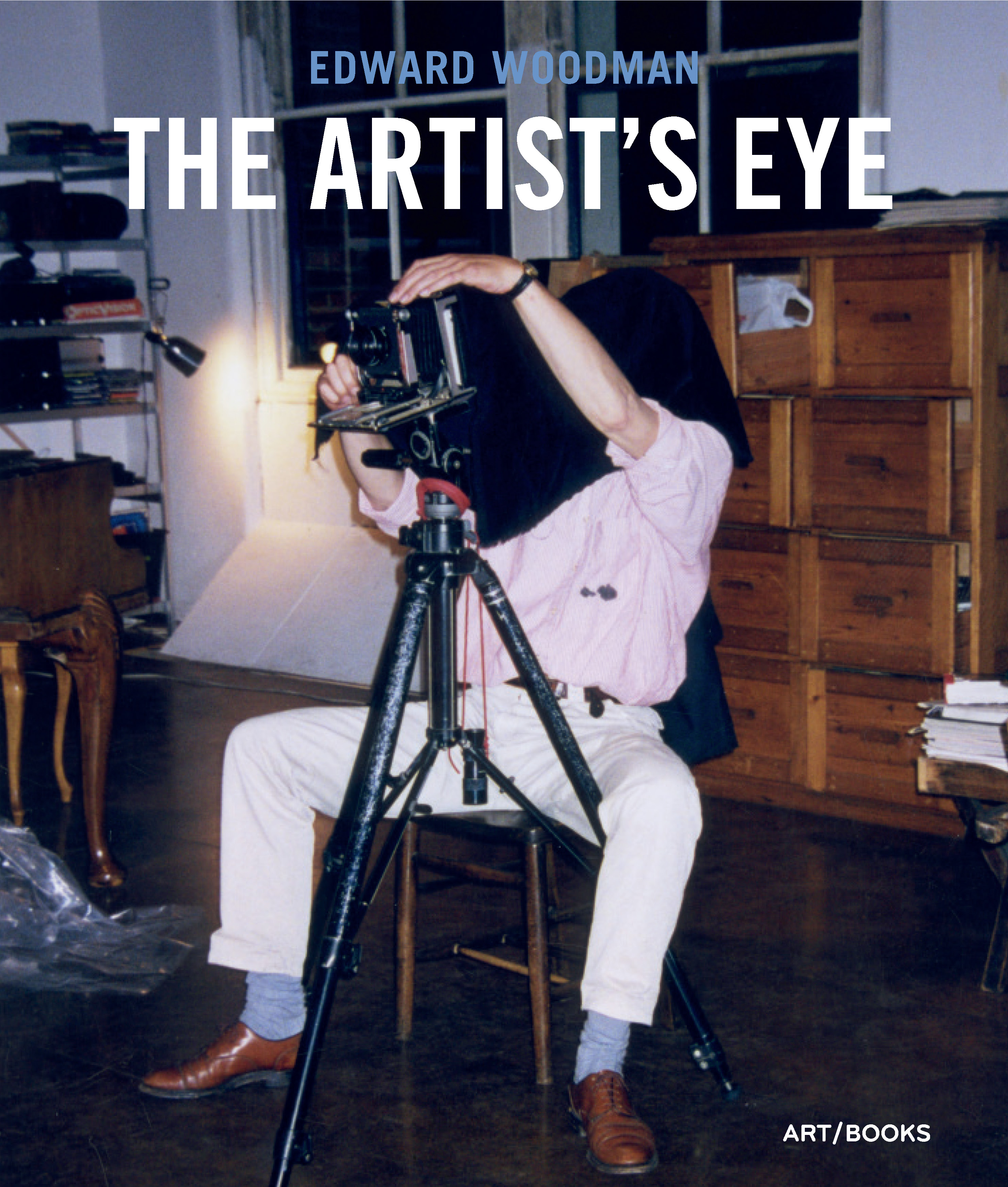
Edward Woodman

The Artist’s Eye

Edited by Gilane Tawadros and Judy Adam
Foreword by Phyllida Barlow
Texts by Gilane Tawadros and Woodrow Kernohan

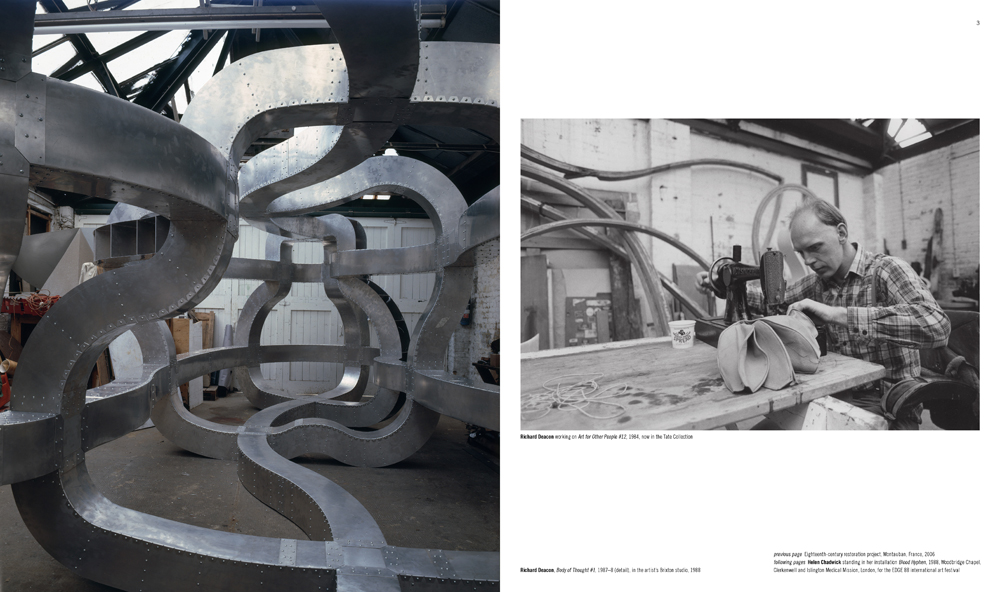
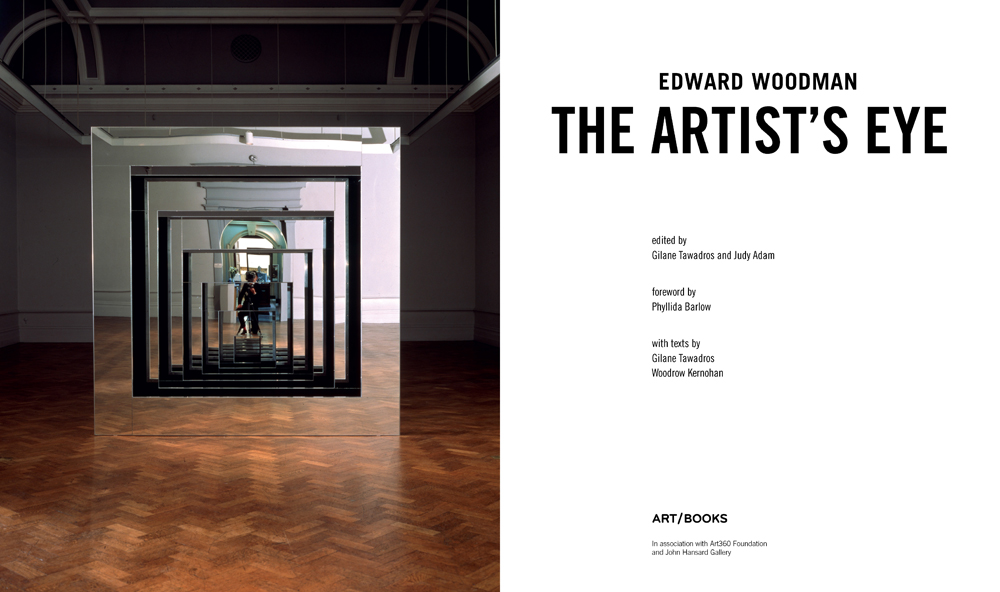
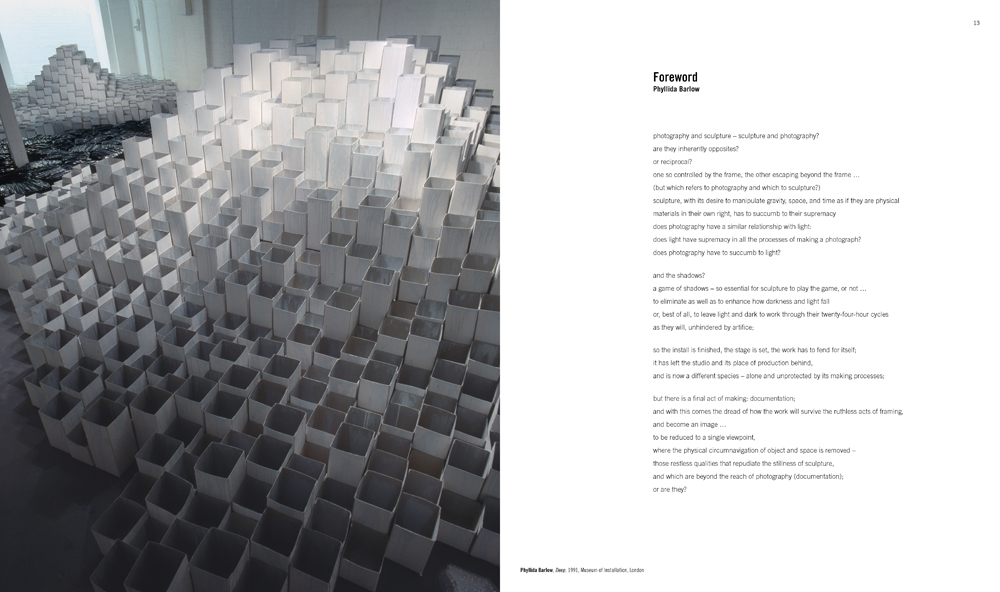
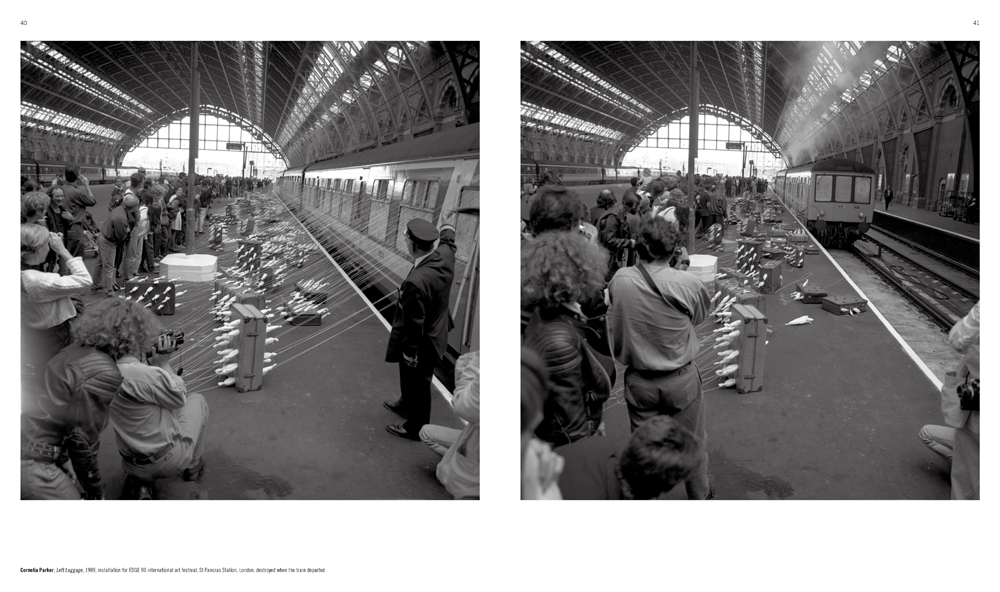
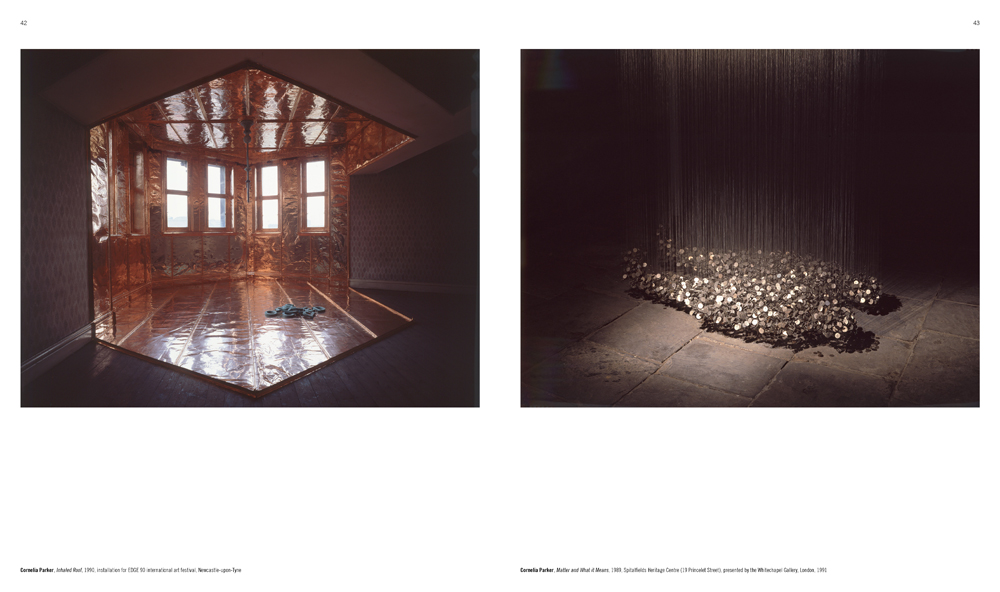
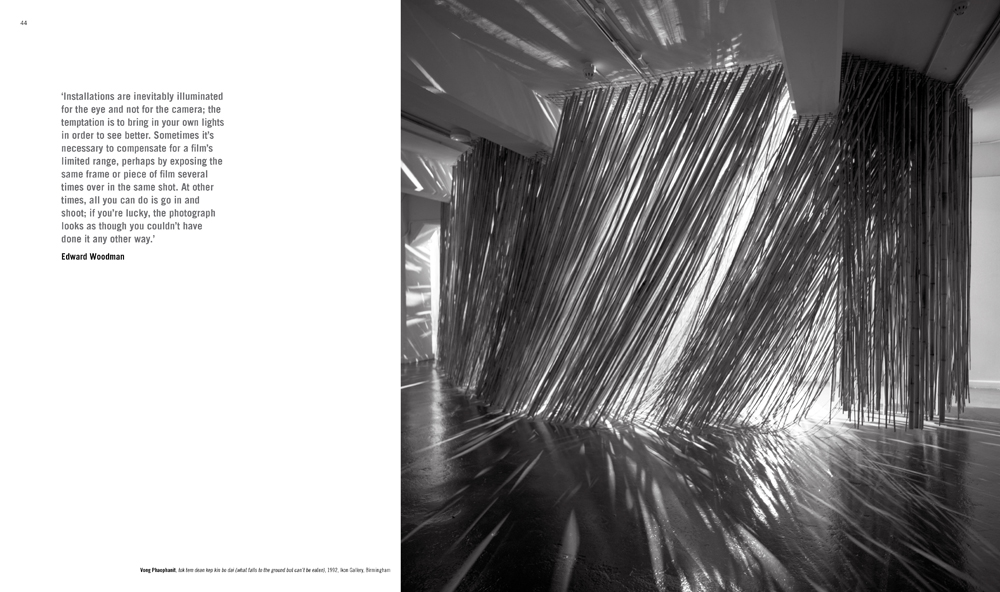
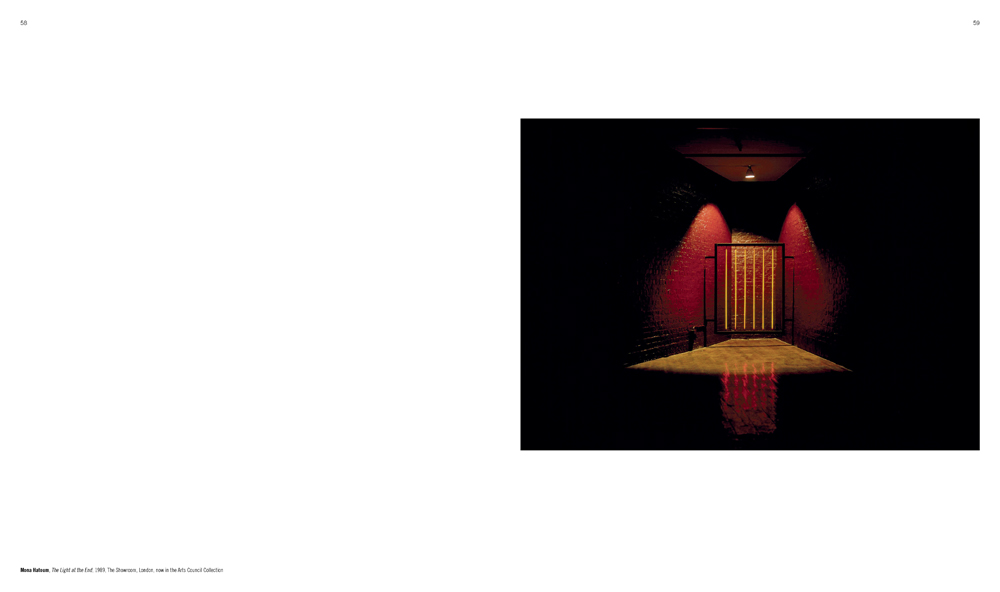
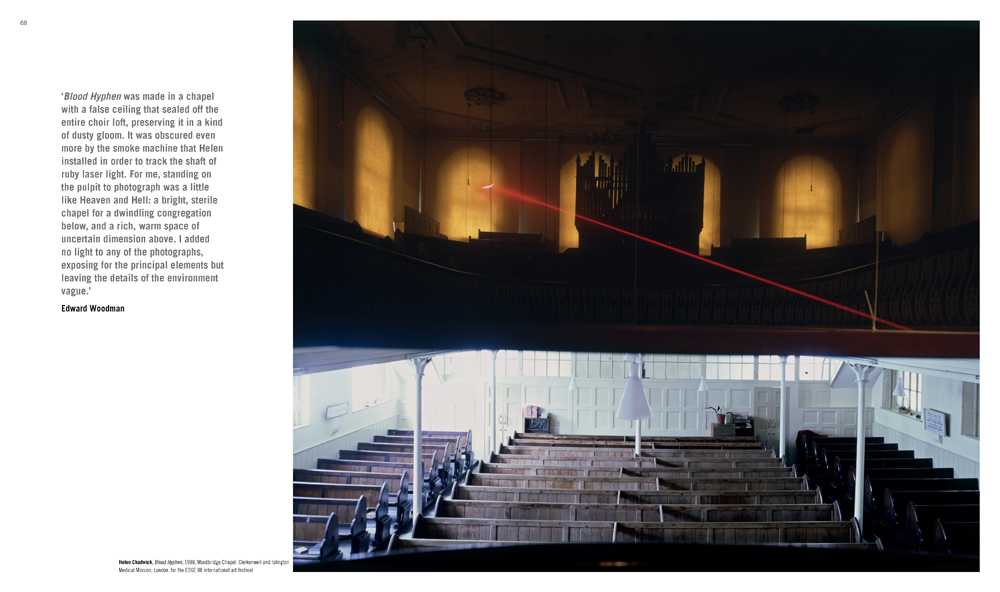
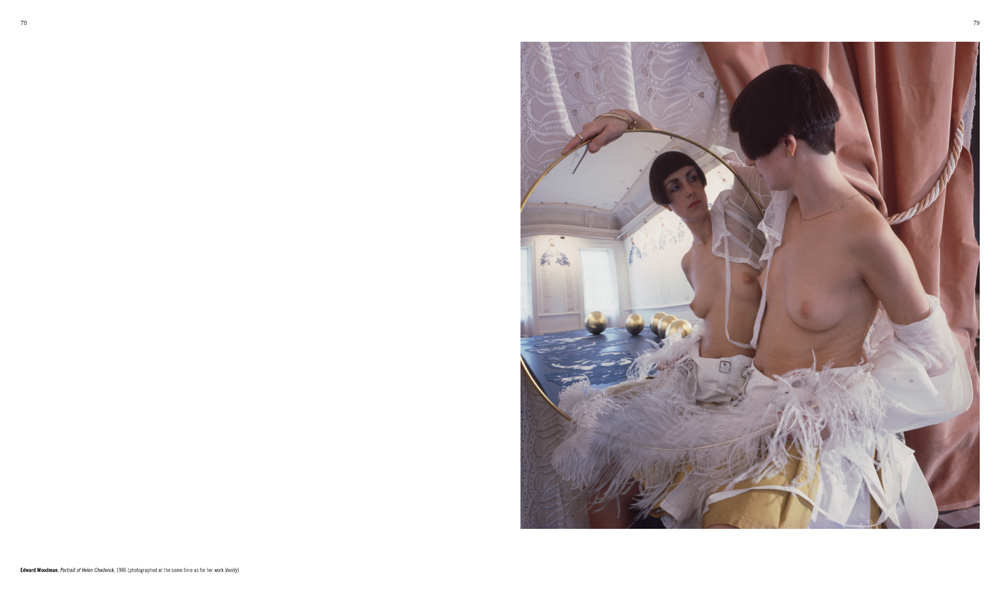
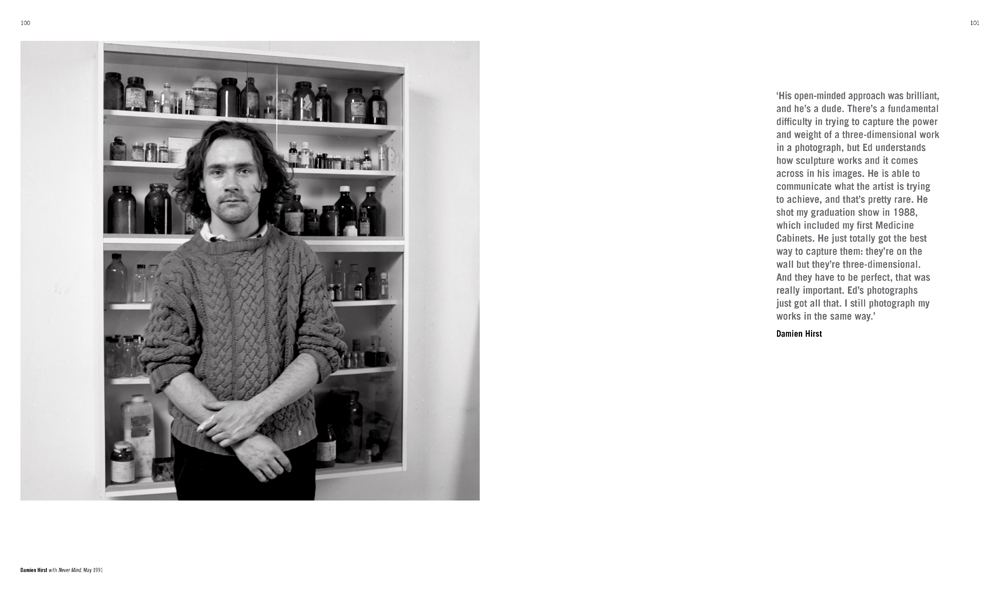
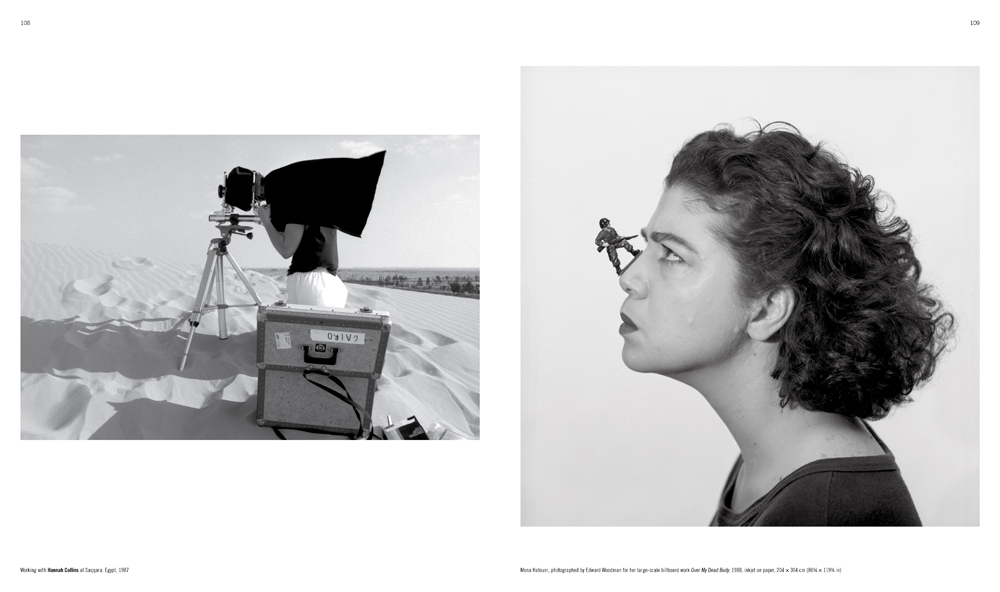
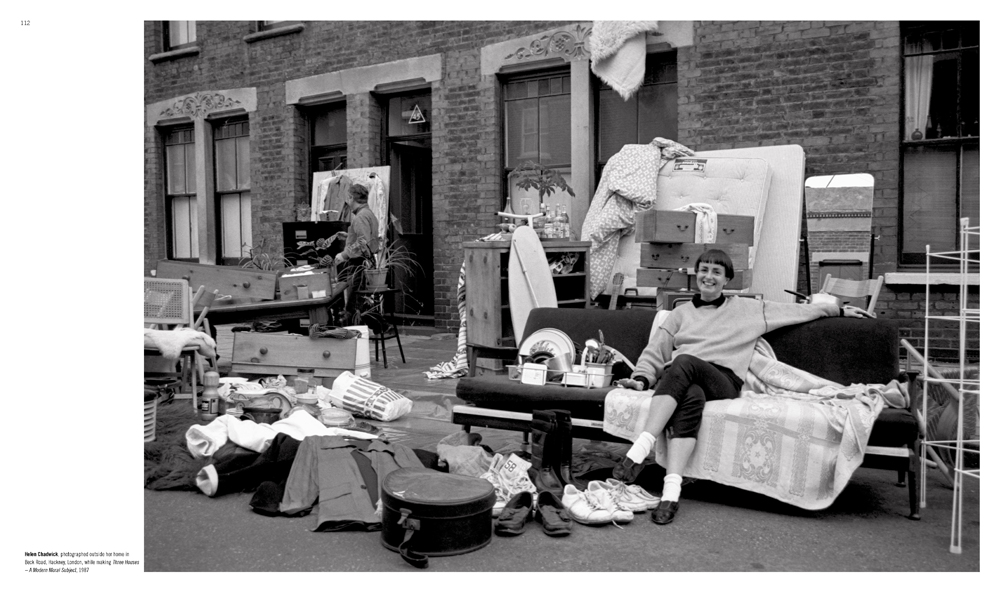
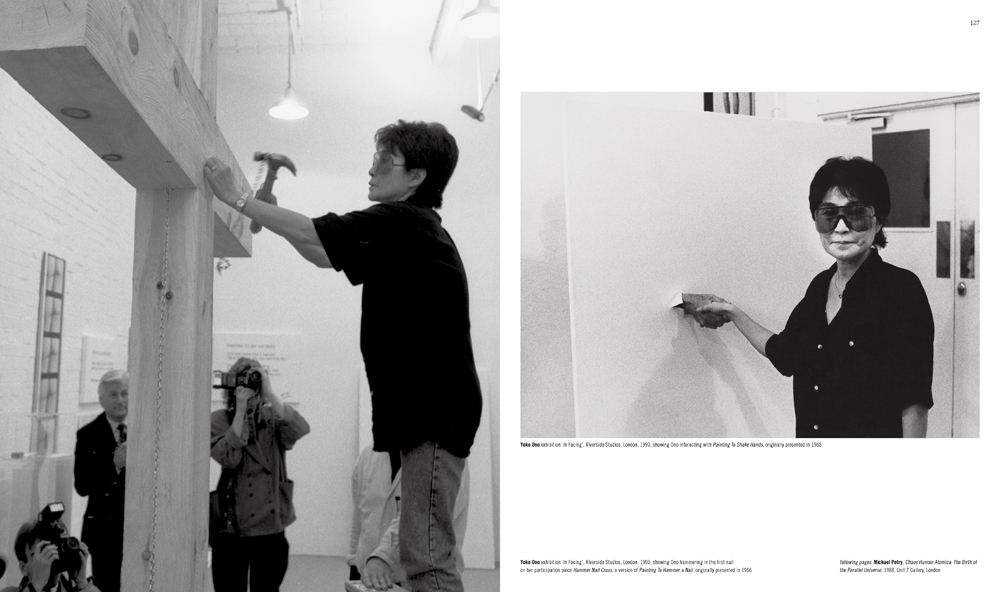
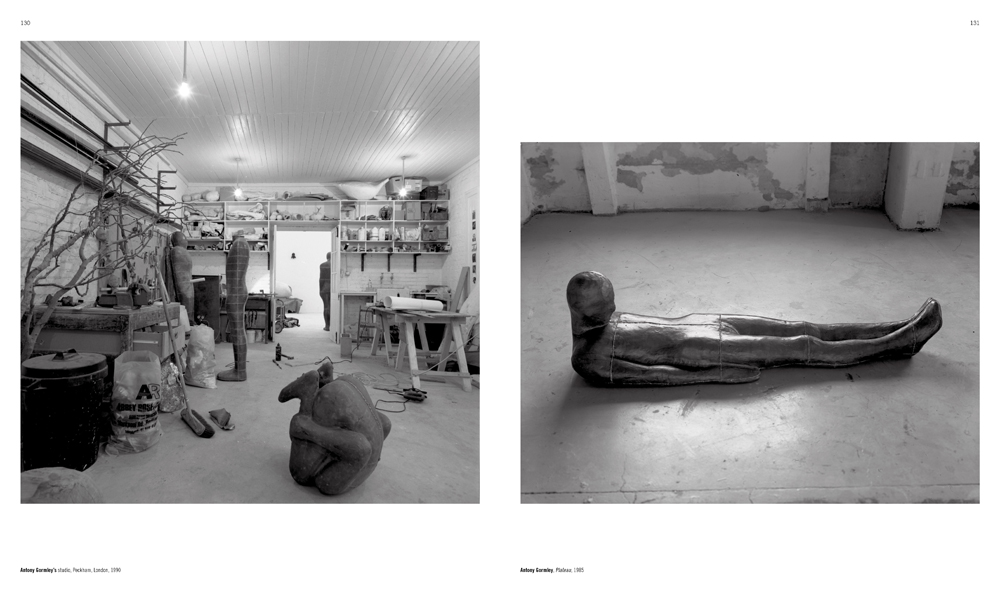
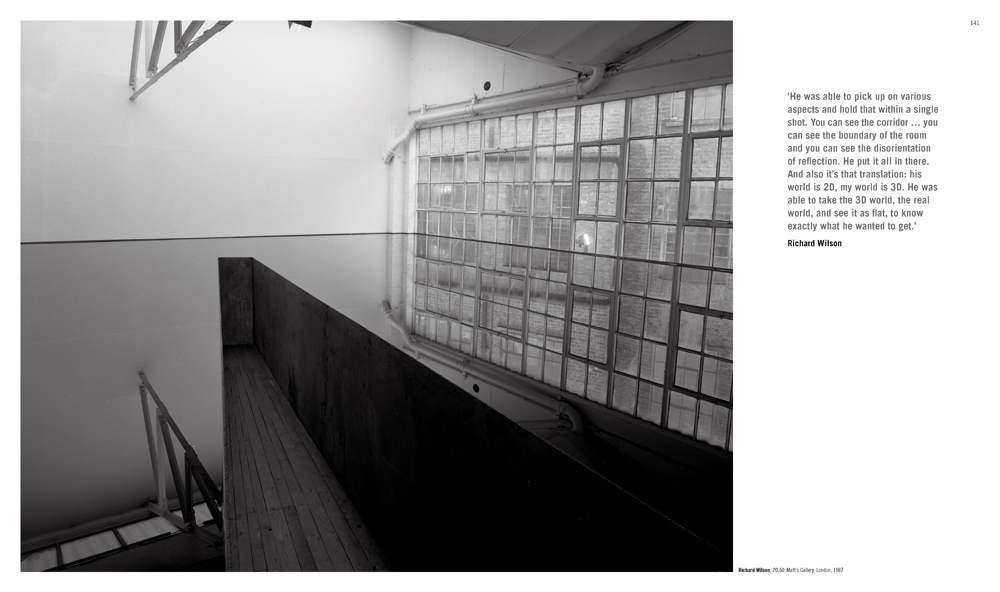
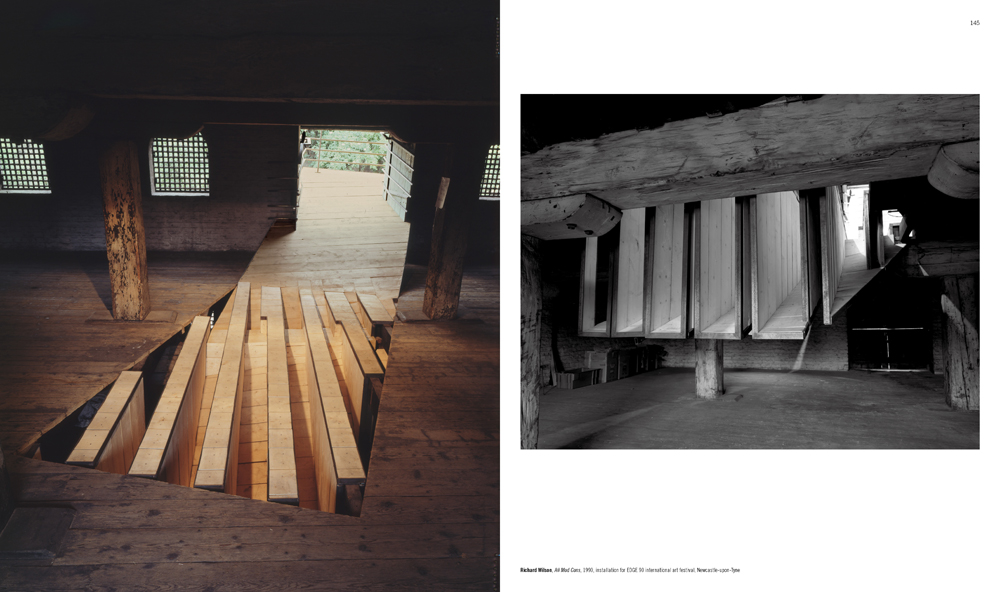
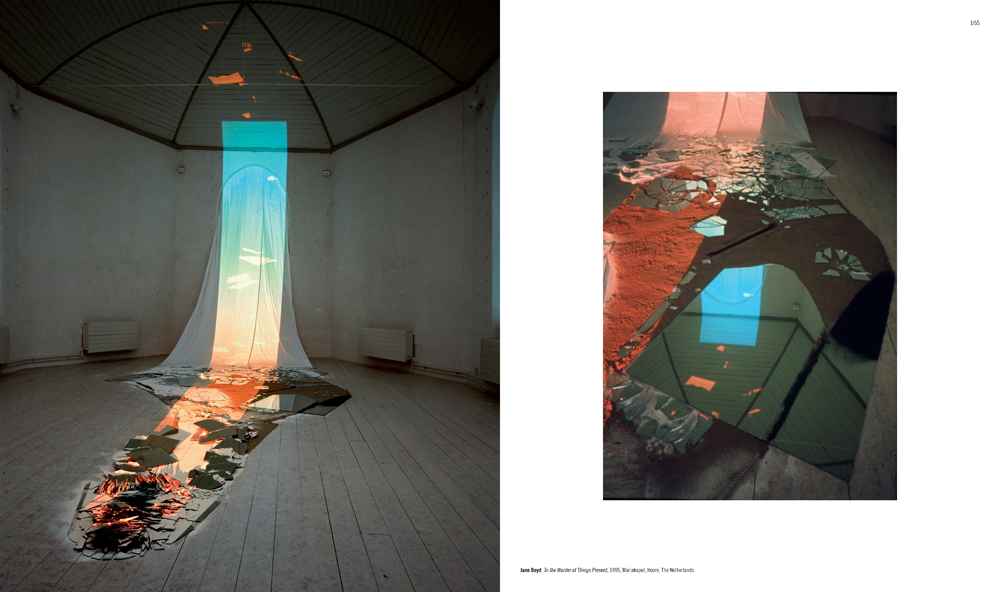
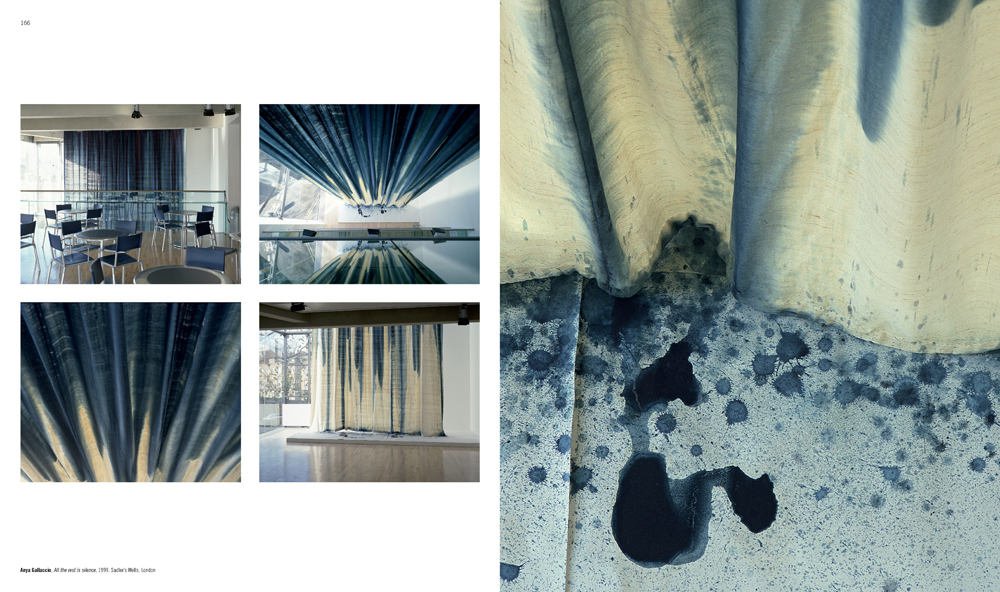
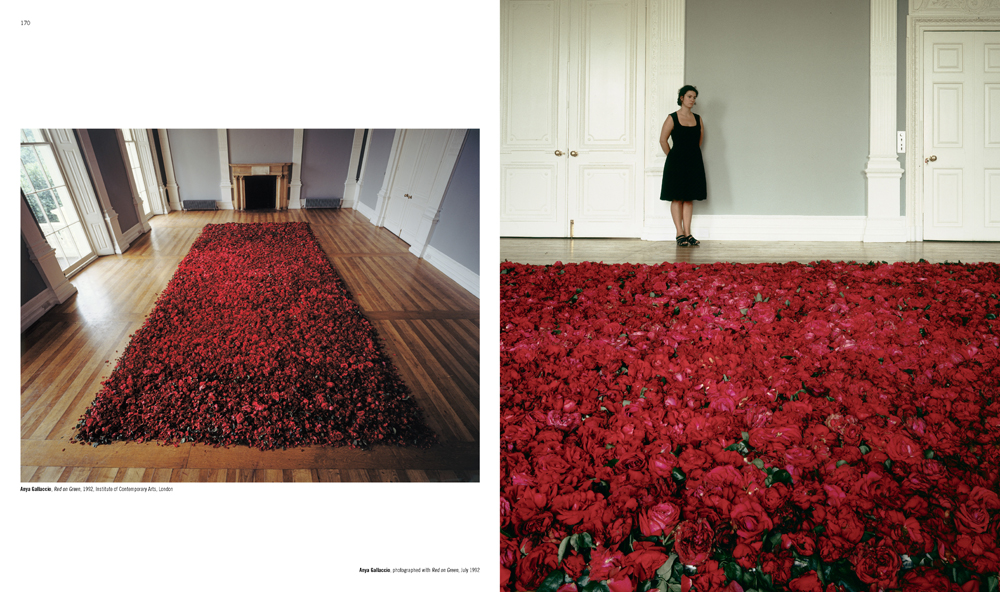
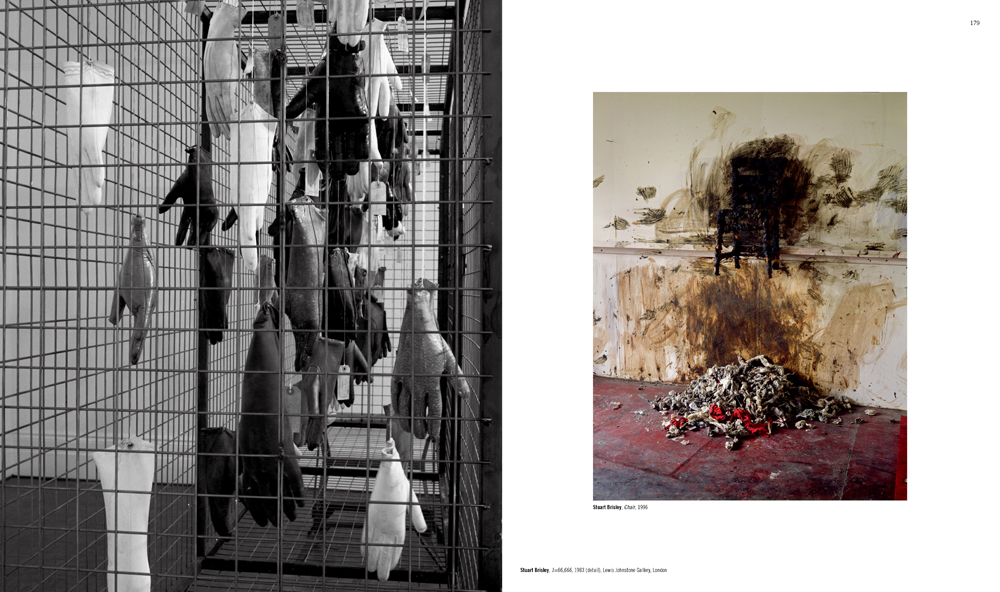
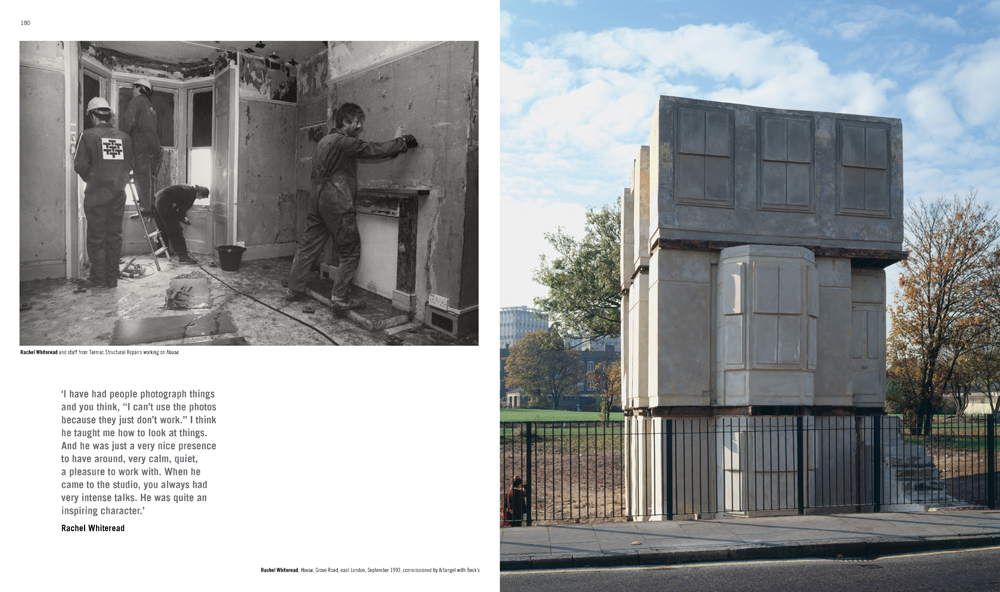
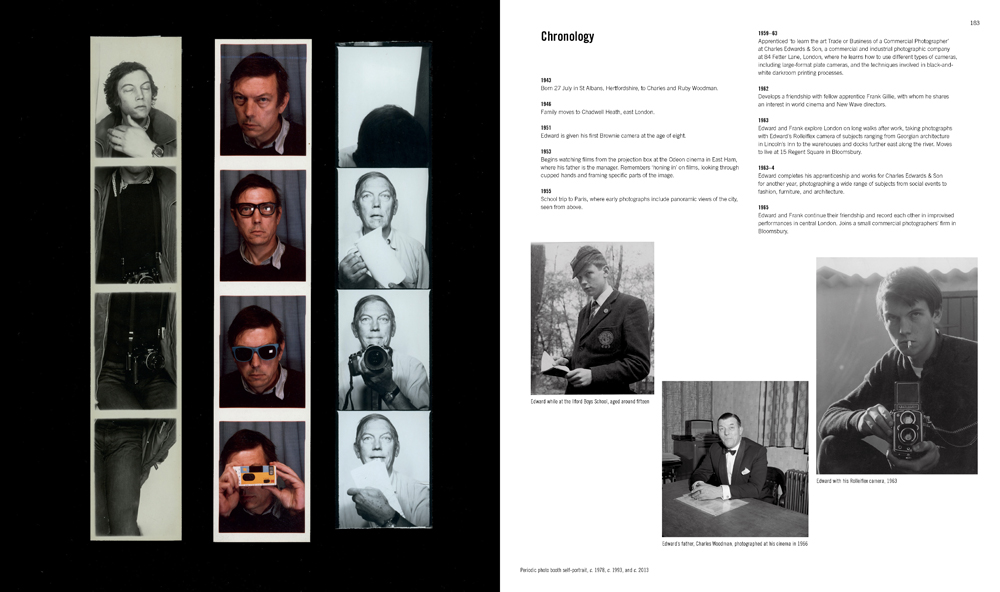
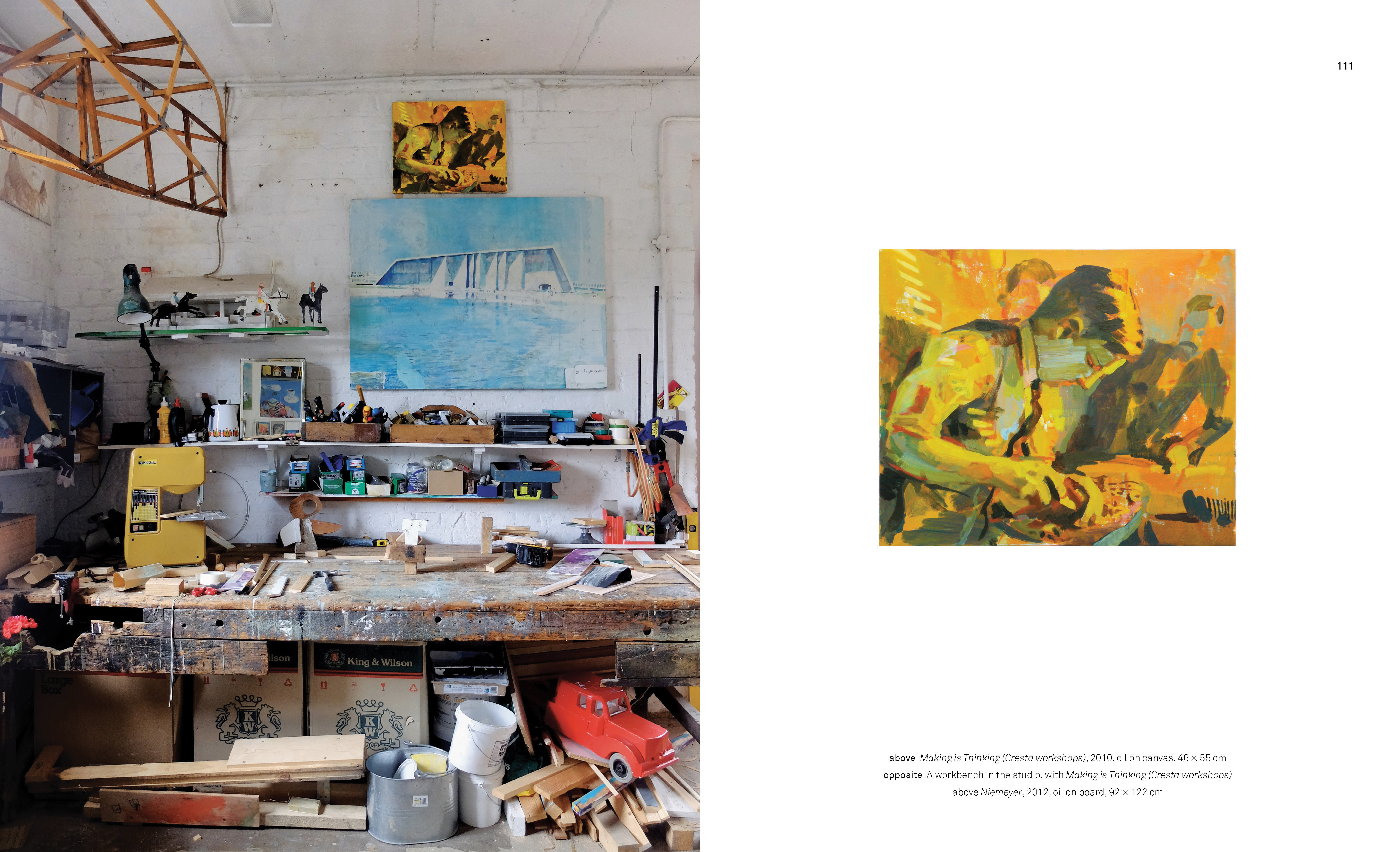
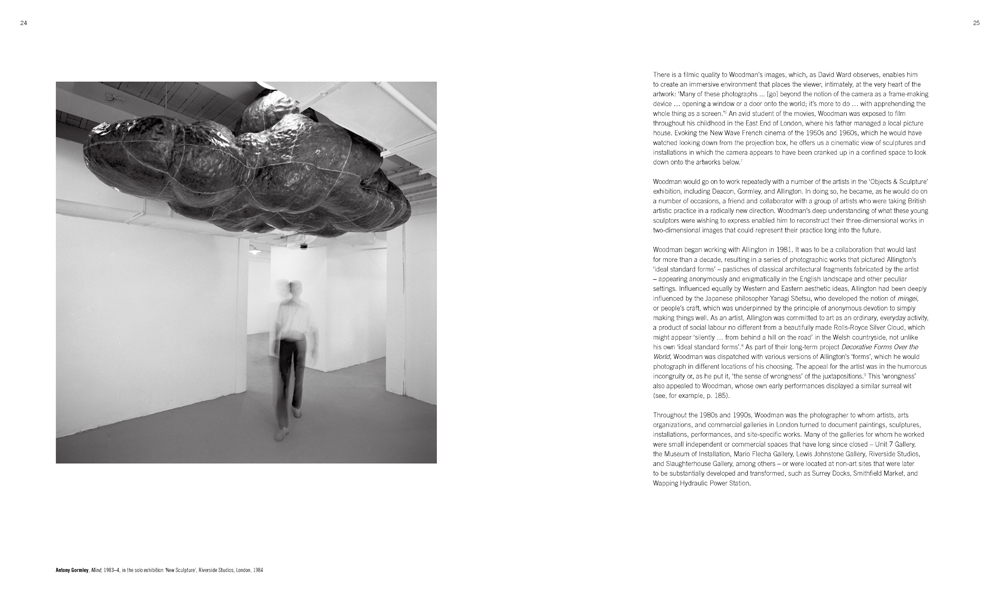
Edward Woodman was the photographer of choice for two generations of British artists, from Richard Deacon, Antony Gormley, and Cornelia Parker to Mona Hatoum, Rachel Whiteread, and Damien Hirst. These and other artists recognized Woodman’s acute sensitivity to their intentions and his unparalleled ability to present their radical works and ideas through photography. But his beautiful and distinctive images go beyond mere documentation, for they are traces of creative relationships that became intrinsic to the artworks and the way they have been received by audiences. As acclaimed sculptor Phyllida Barlow writes in her foreword, Woodman’s ‘images of artists’ works are themselves the work of an artist. His art is a visual poetry.’

Published to coincide with a retrospective exhibition at John Hansard Gallery in Southampton, this book presents many of Woodman’s best-known photographs, including numerous iconic images of the most celebrated works of recent British art and portraits of their makers, as well as subjects captured for personal interest. Frame after frame reveal his extraordinary capacity to create photographs that enable us as future viewers to experience these sculptures, installations, and performances as if we had been there, in the present, sometimes years and decades after the event.

Gilane Tawadros is a curator and writer, based in London. She is the Chief Executive of DACS, a visual artists’ rights management organization. She was the founding director of the Institute of International Visual Arts (Iniva) in London. She has curated numerous exhibitions and has written extensively on contemporary art. Her books include The New Economy of Art (2014), Changing States: Contemporary Art and Ideas in an Era of Globalisation (2004) and Life is More Important Than Art (2007).

Judy Adam is an independent curator and consultant.

Woodrow Kernohan is Director of the John Hansard Gallery in Southampton. He was previously Director/CEO of EVA International, Ireland’s biennial of contemporary art, and Co-Director of the photography festival Brighton Photo Fringe. In 2015, he was also the Curator of the Irish Pavilion at the 56th Venice Biennale.


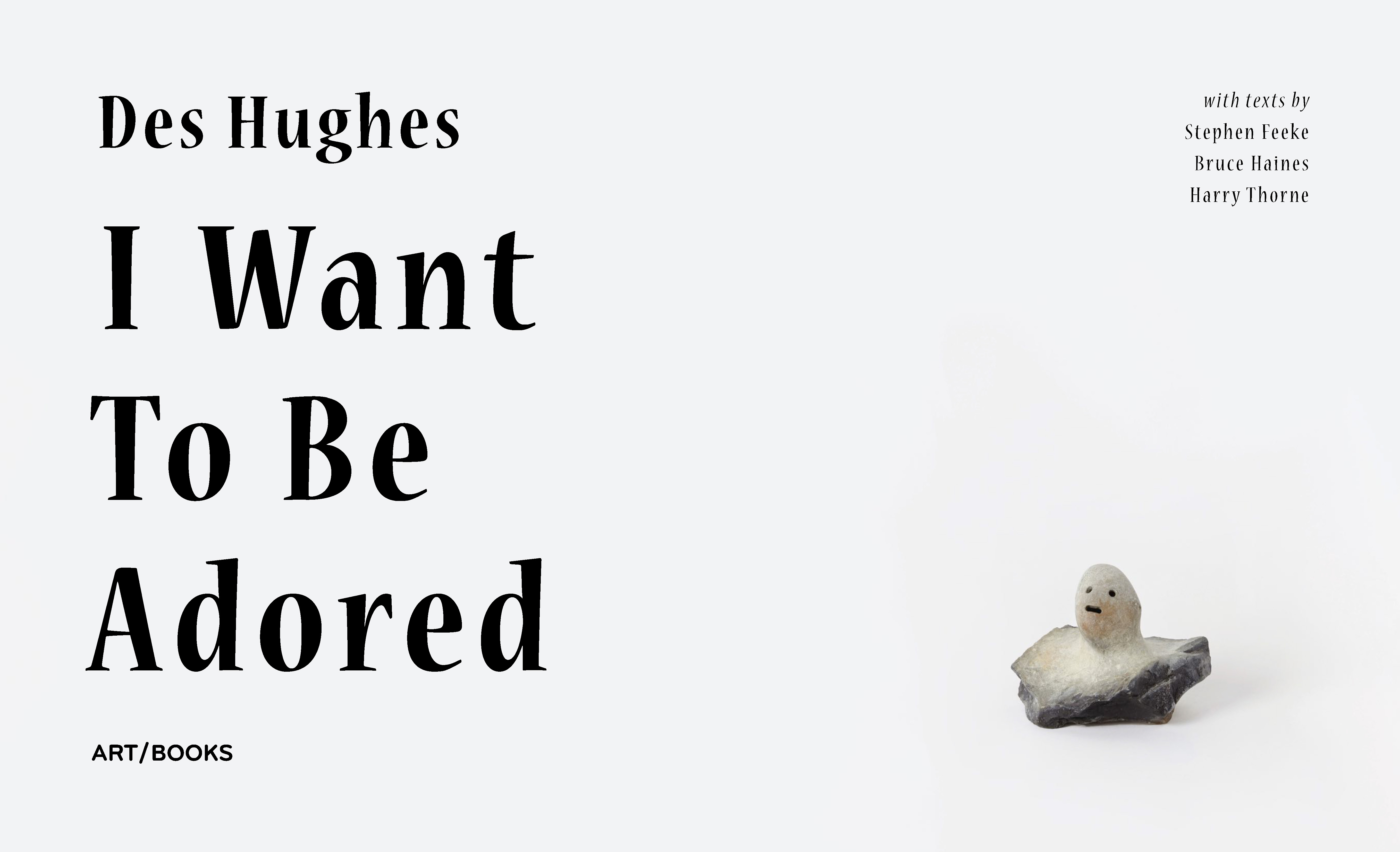
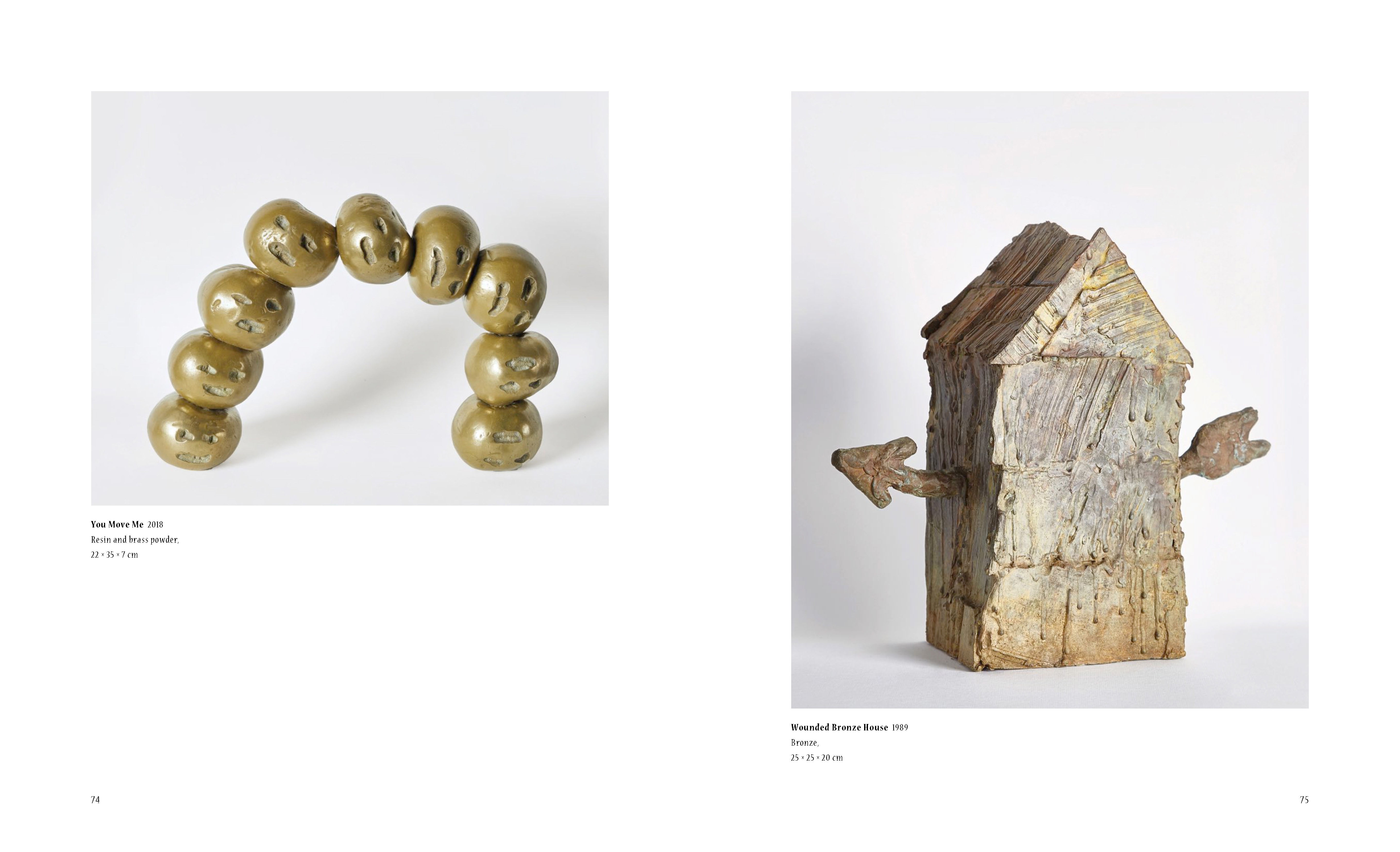
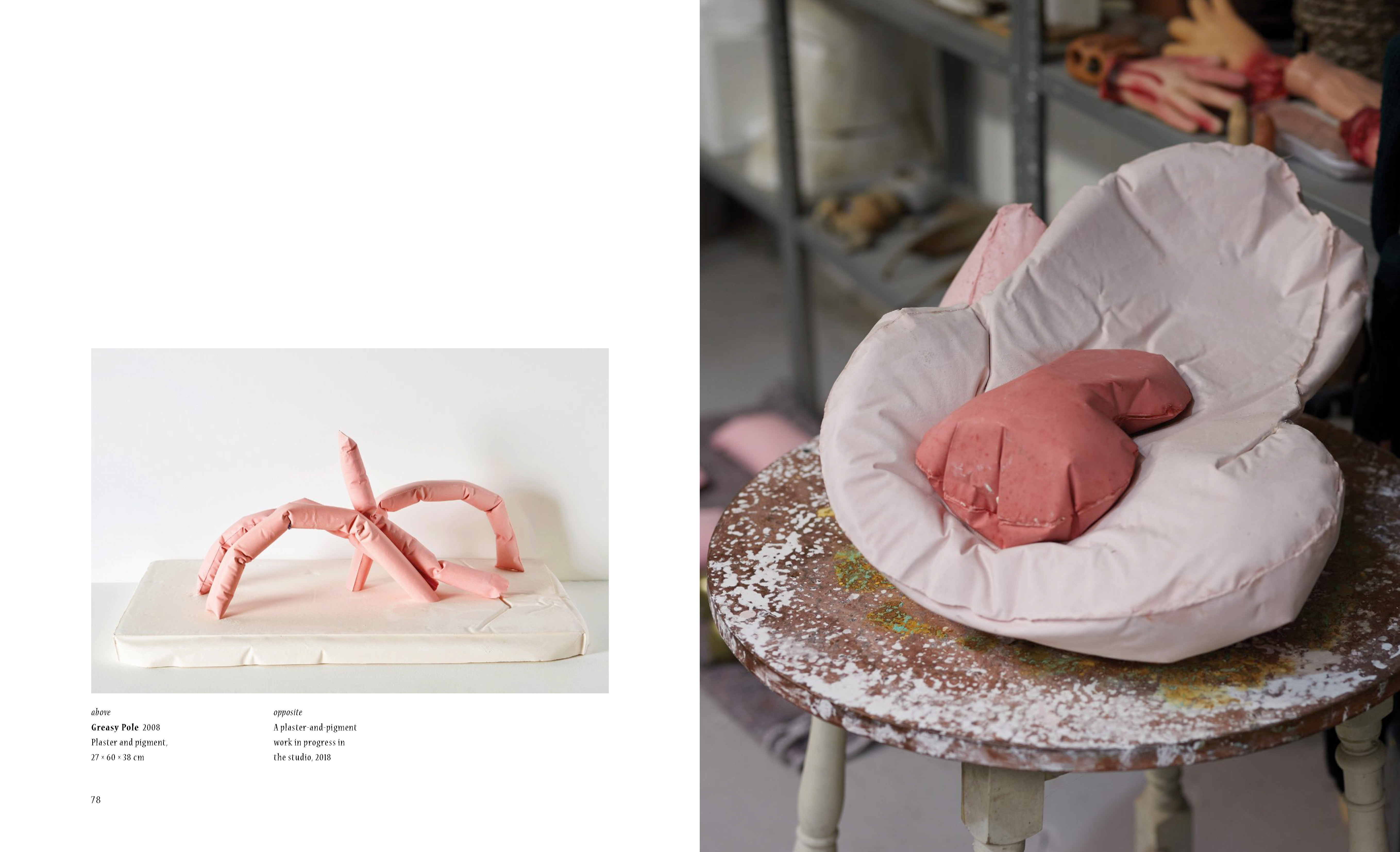
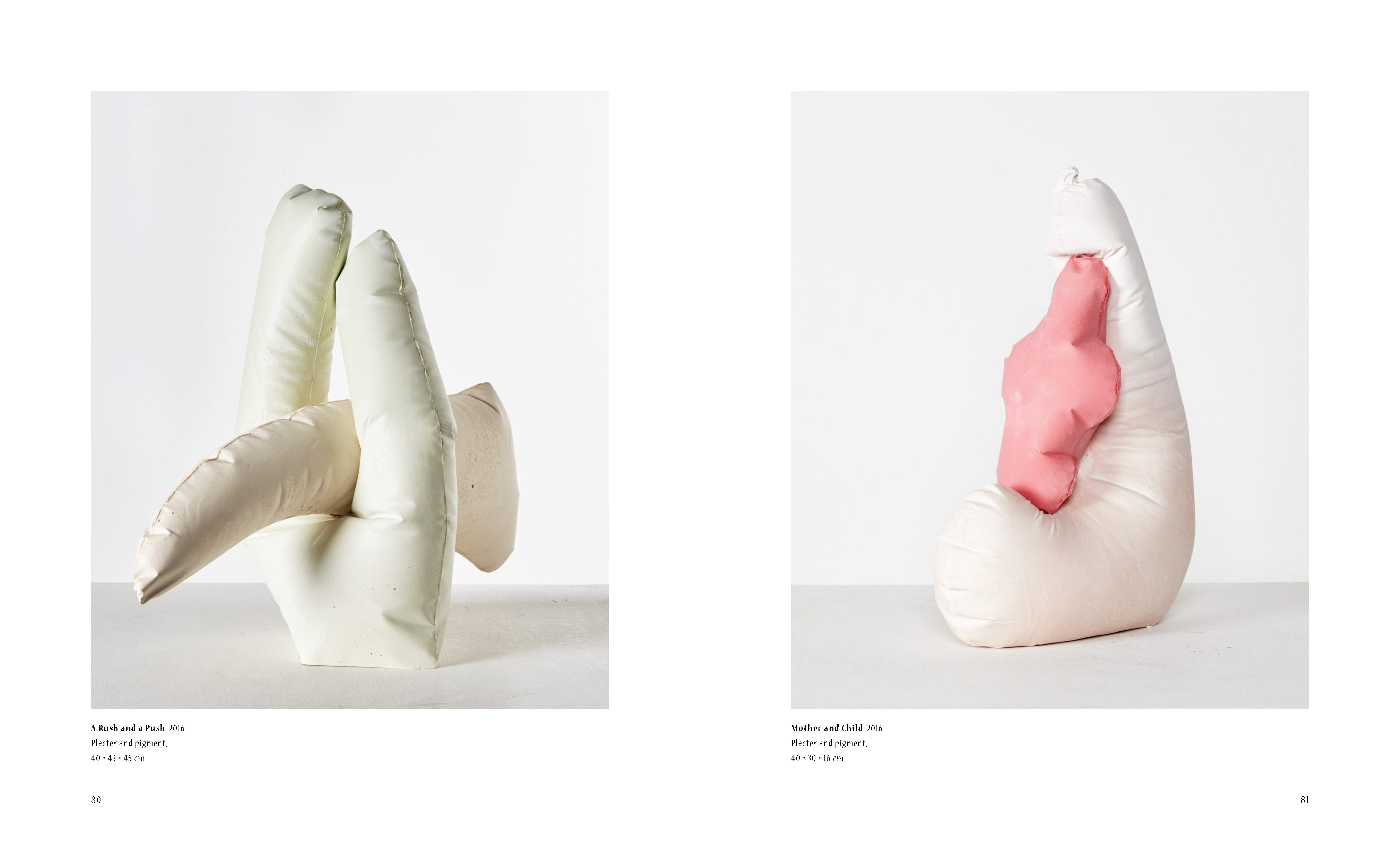
Des Hughes

I Want To Be Adored

Texts by Stephen Feeke, Bruce Haines and Harry Thorne

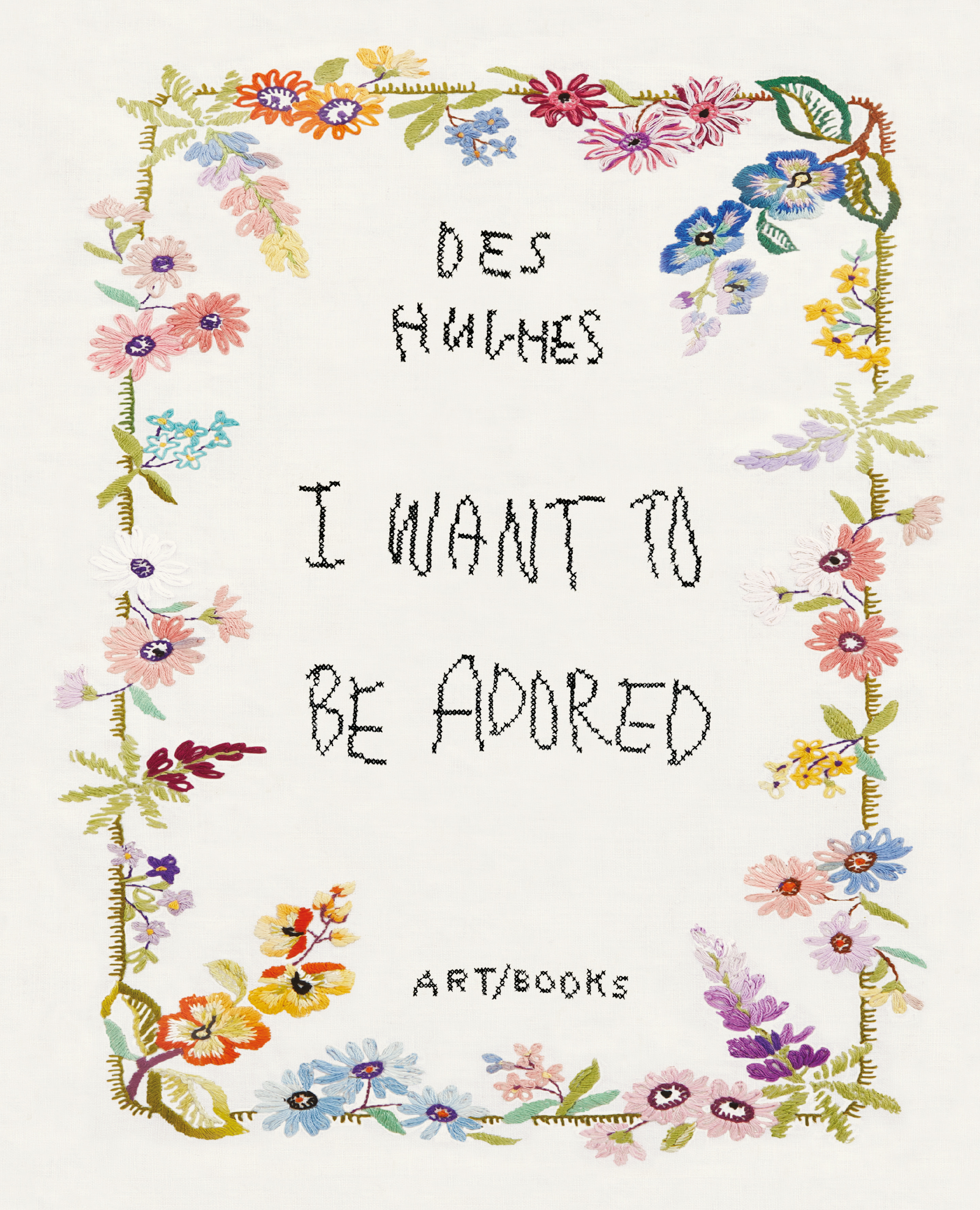
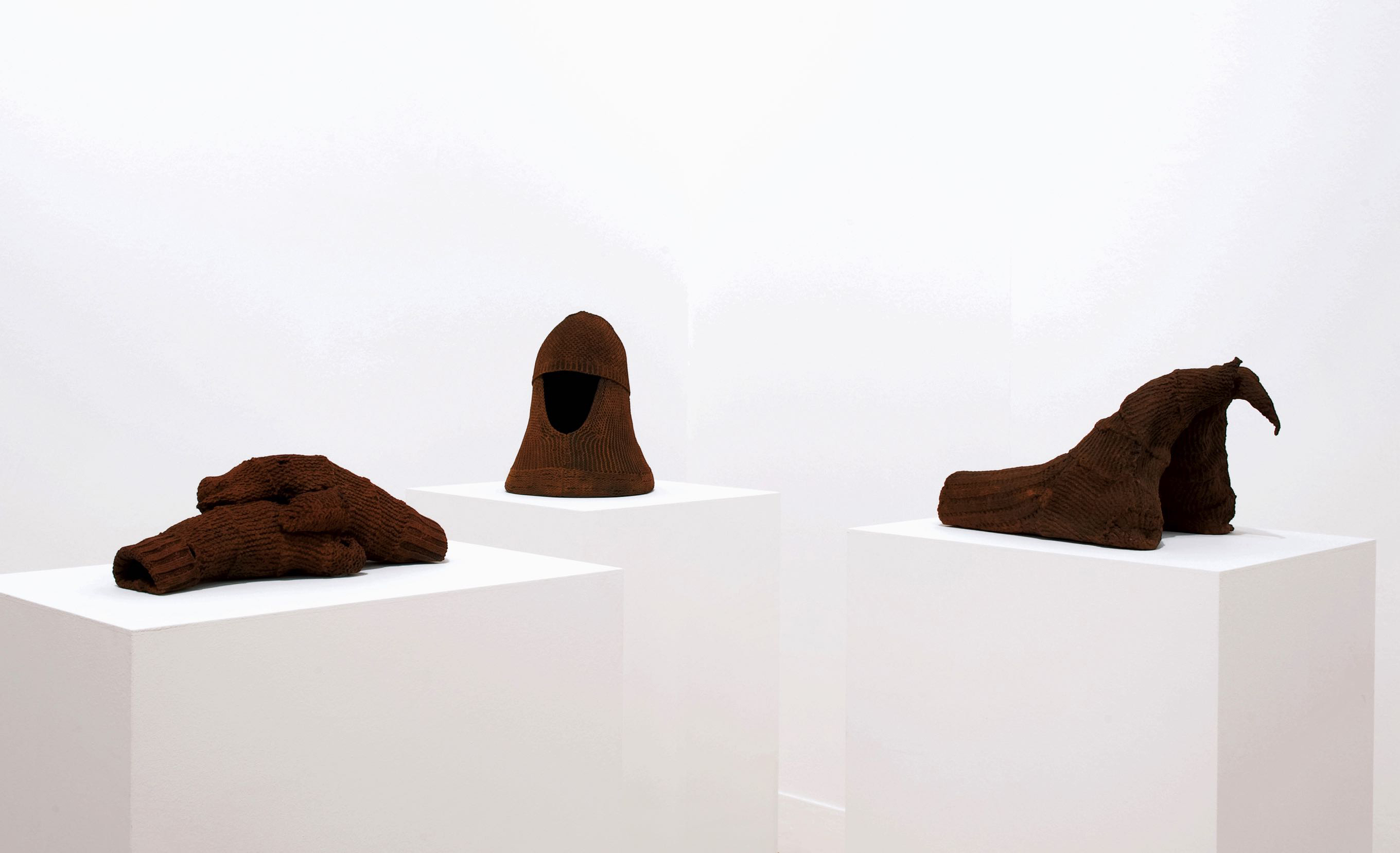
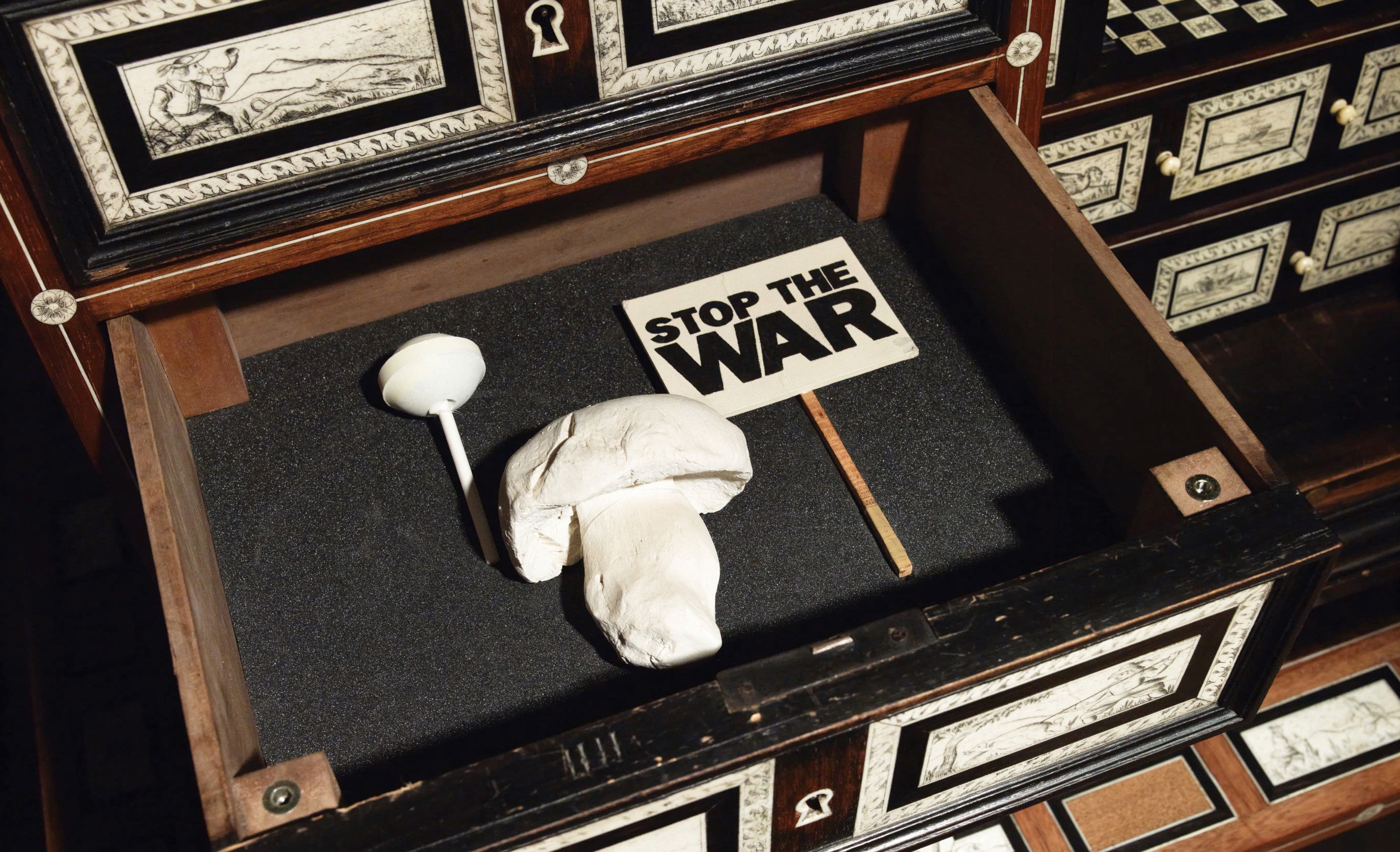
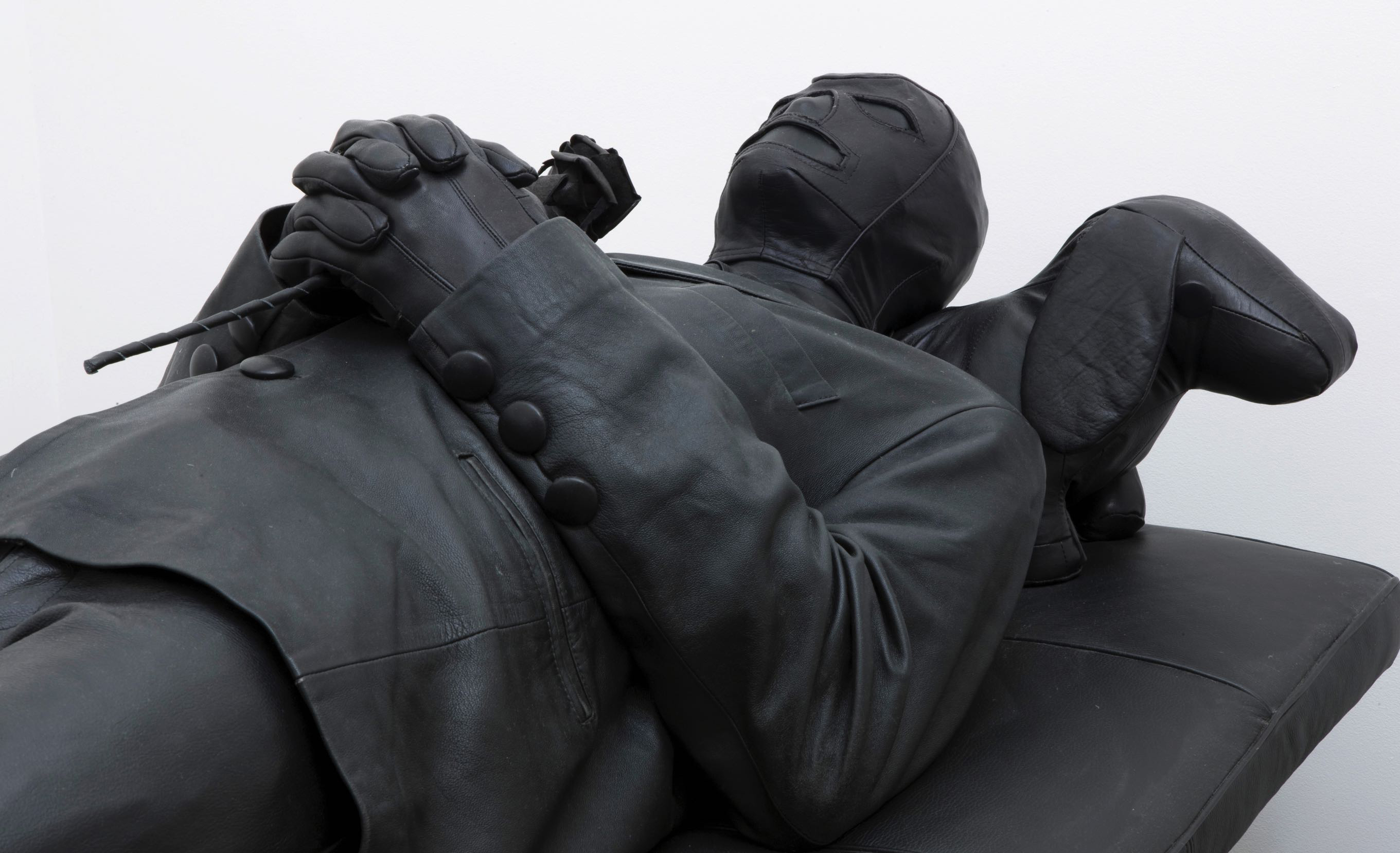
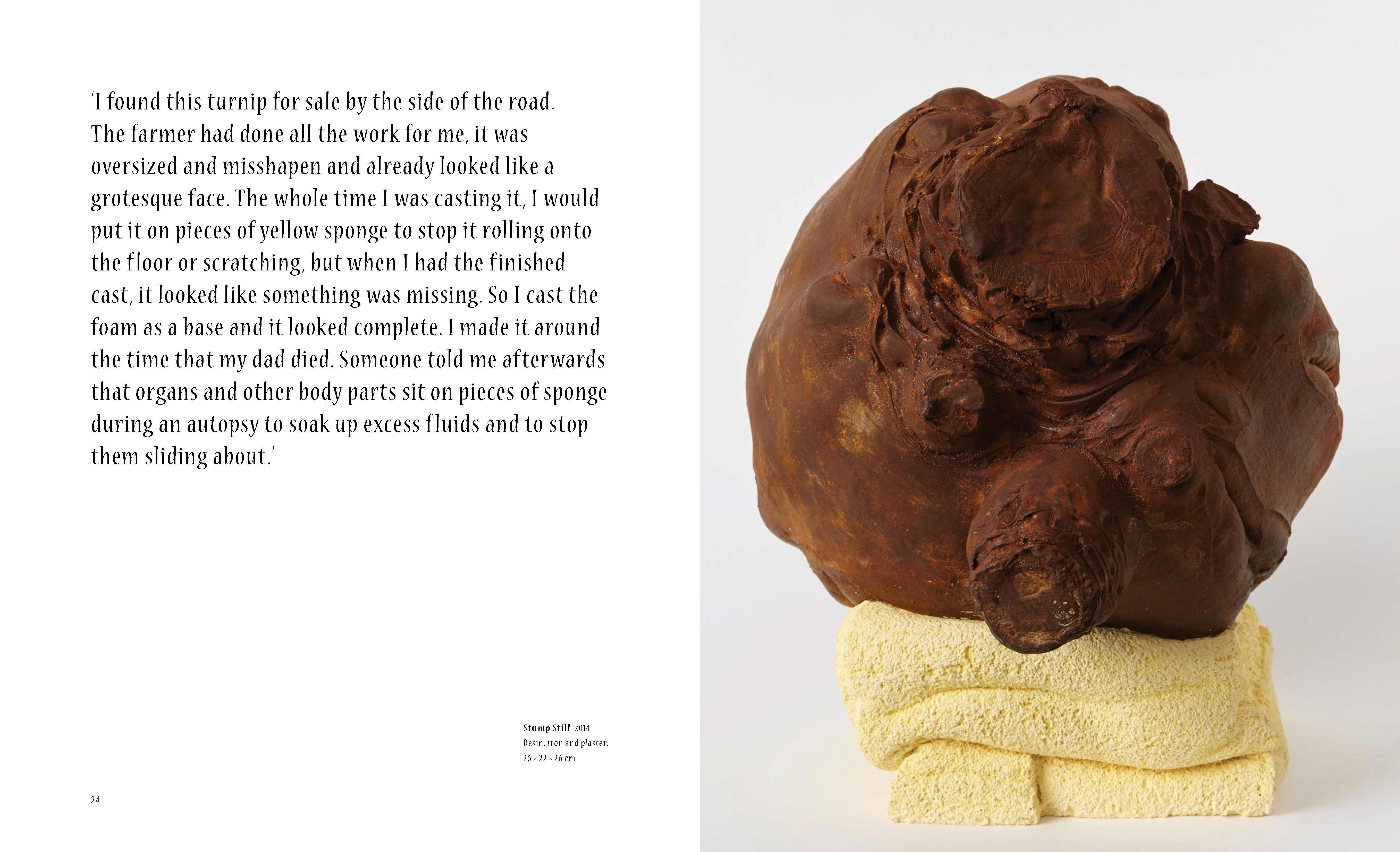
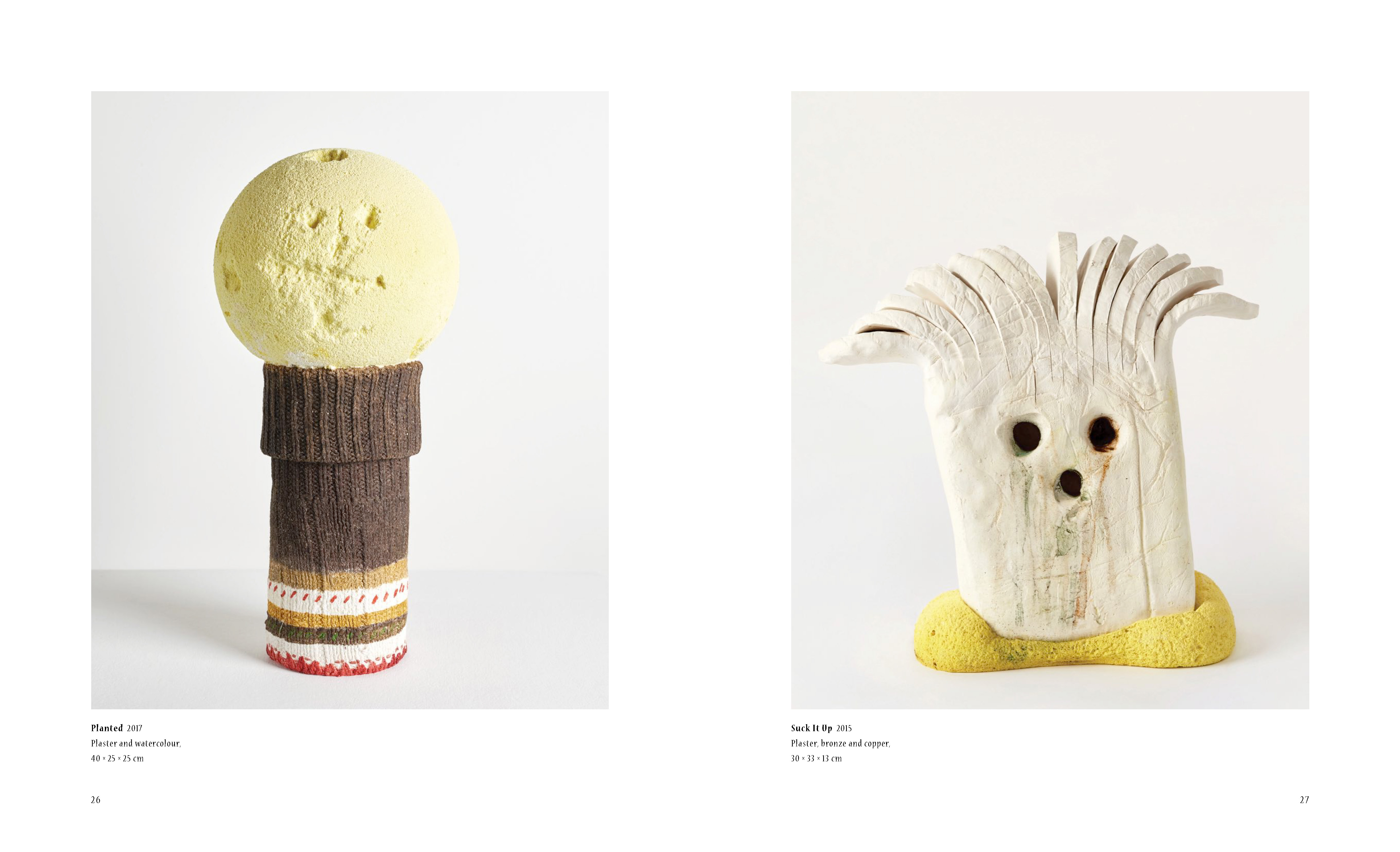
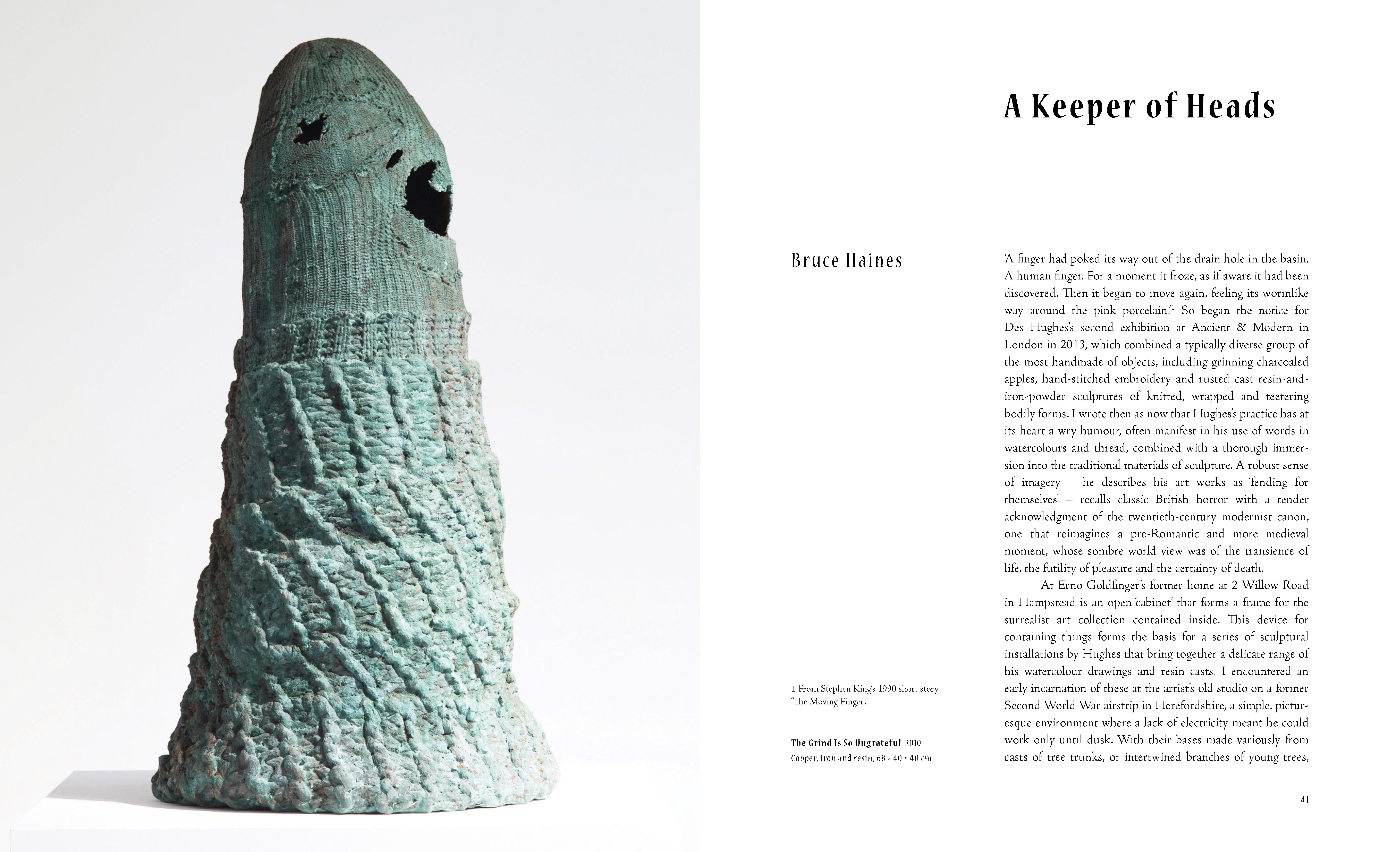
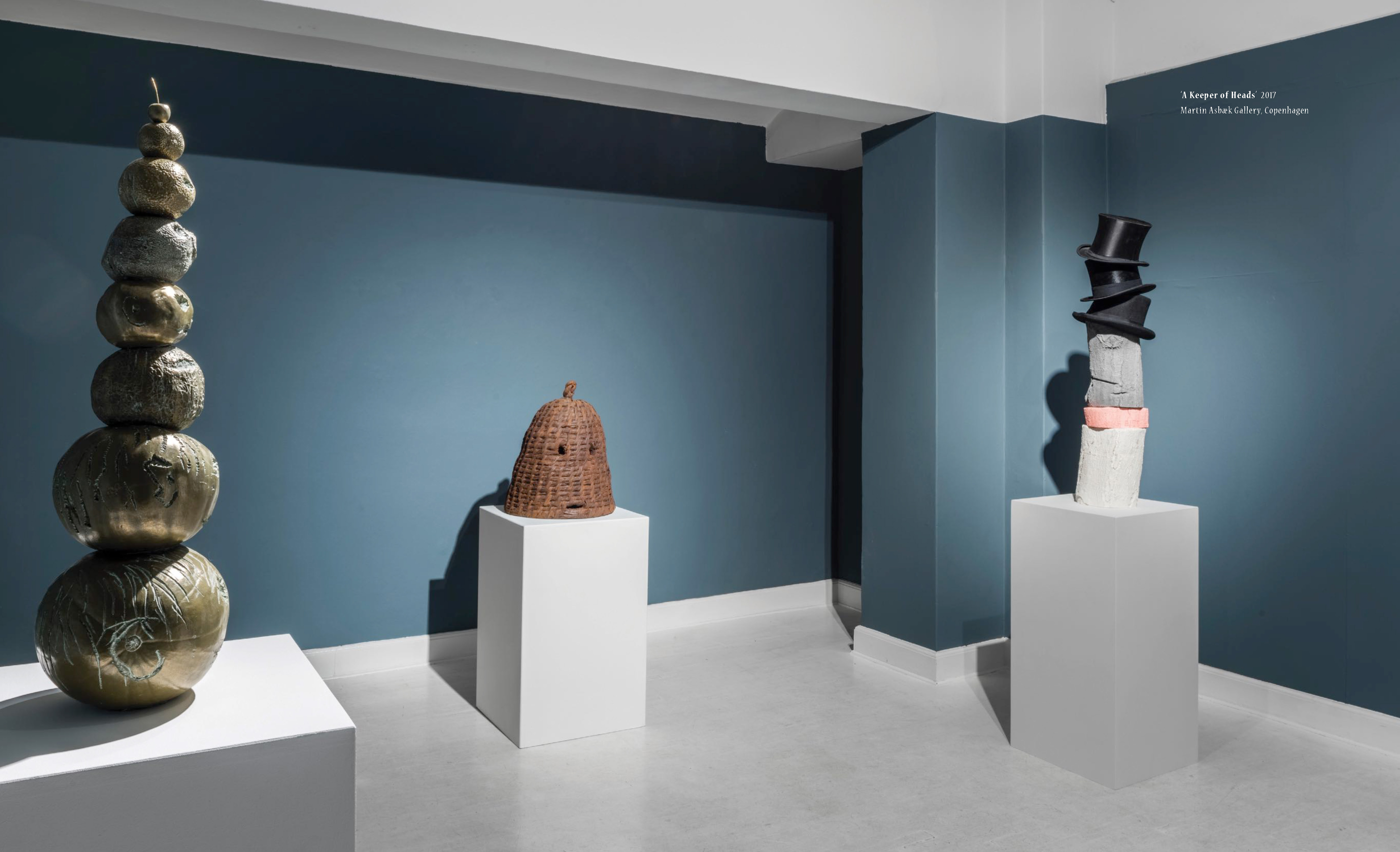
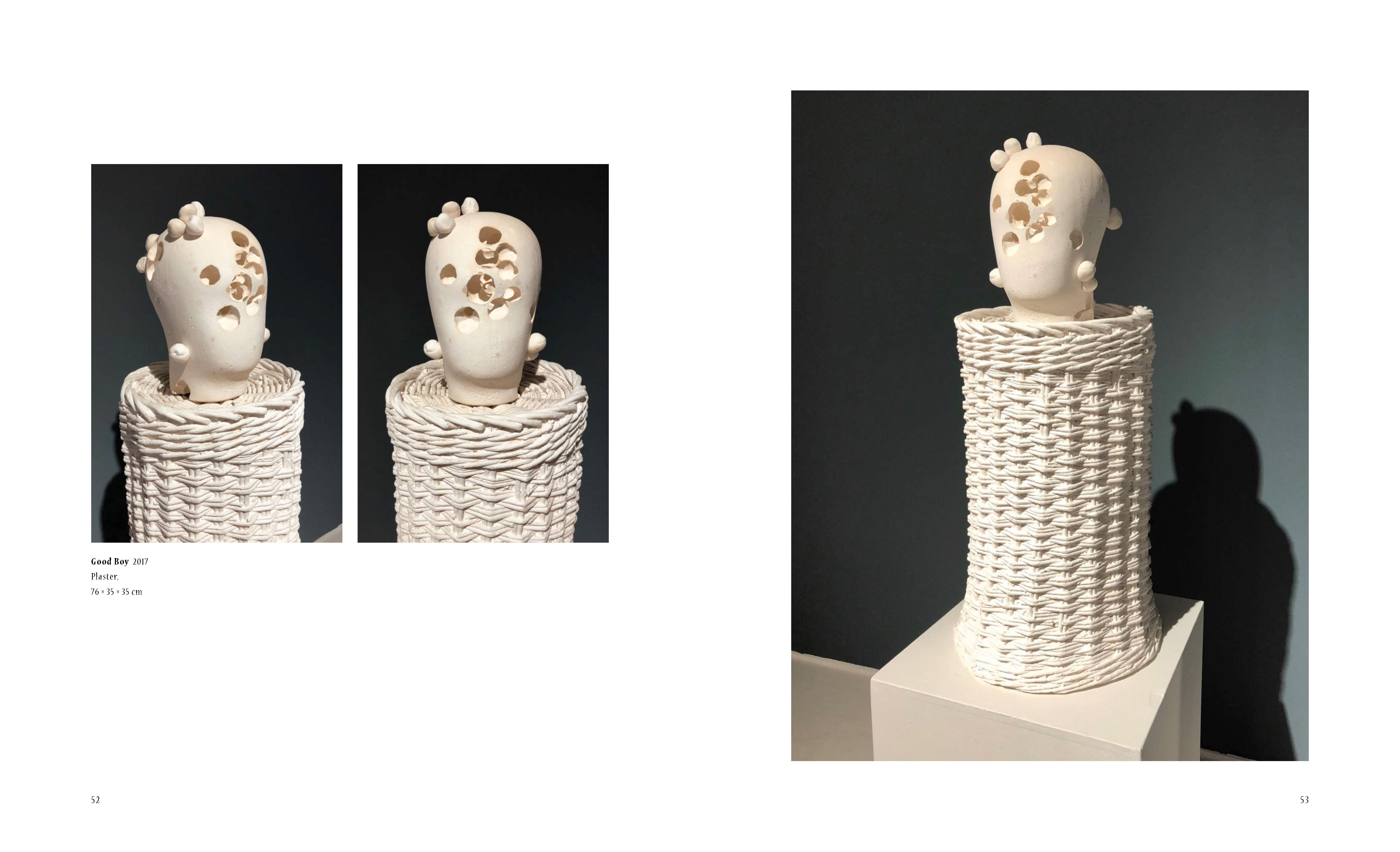
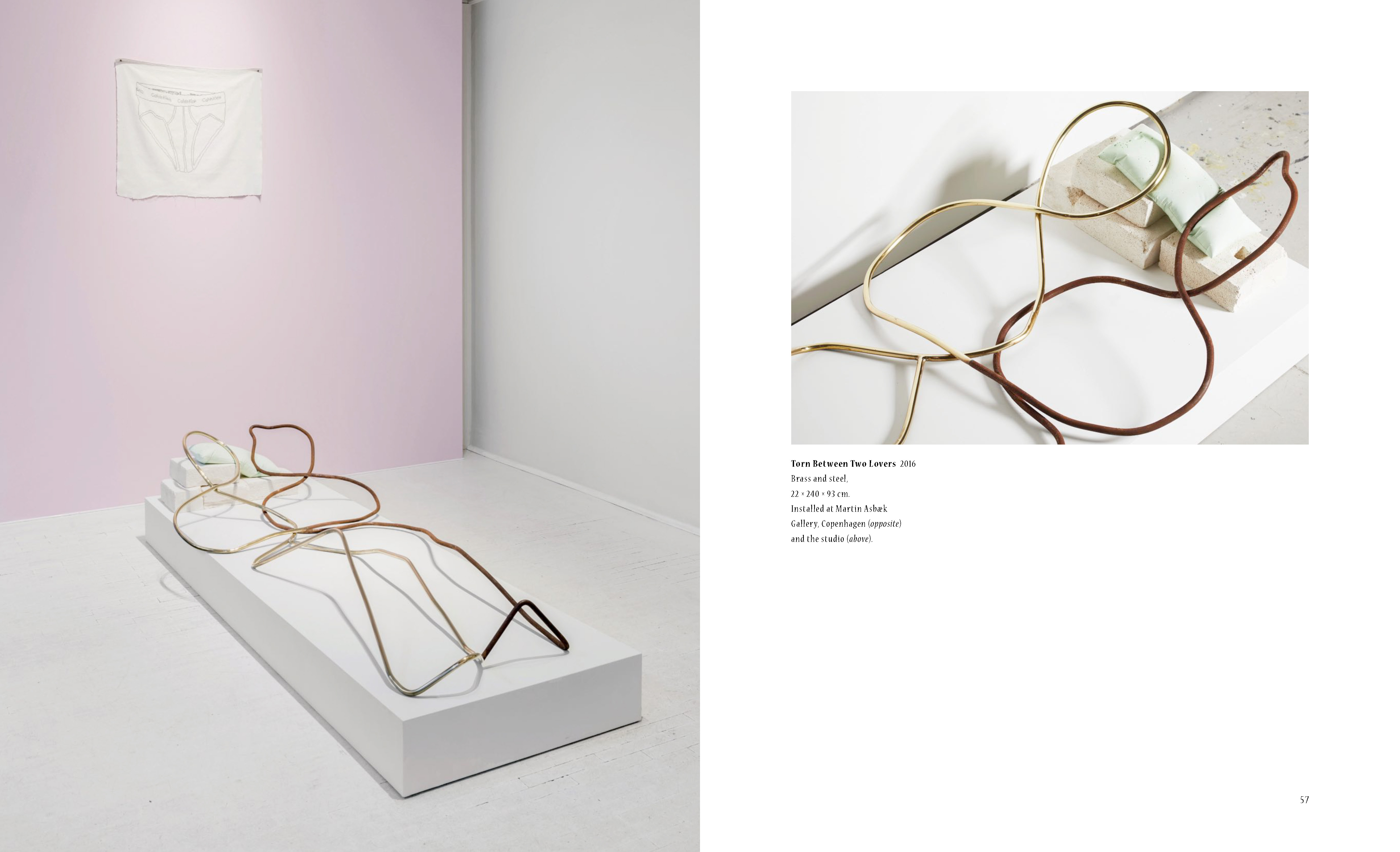
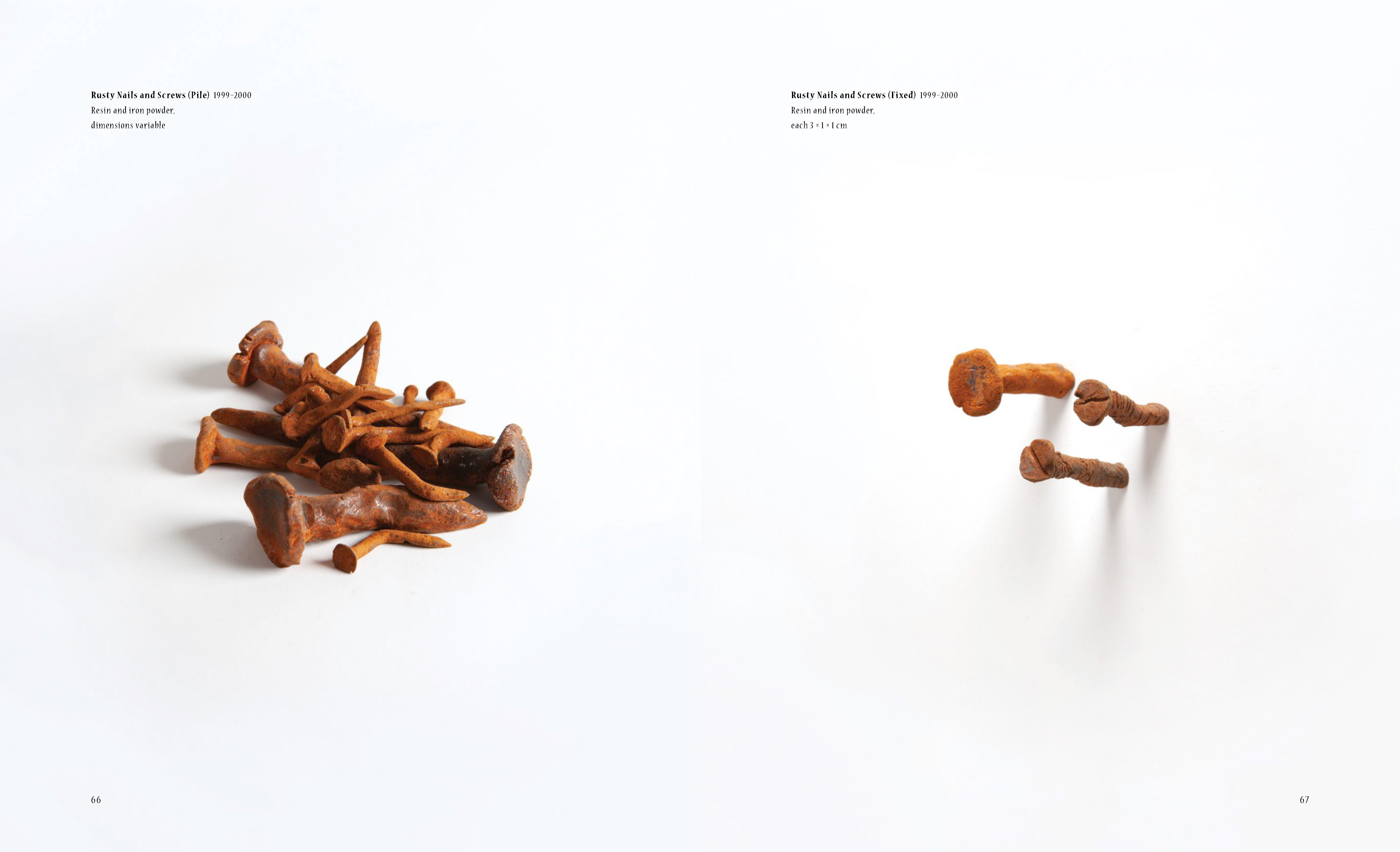
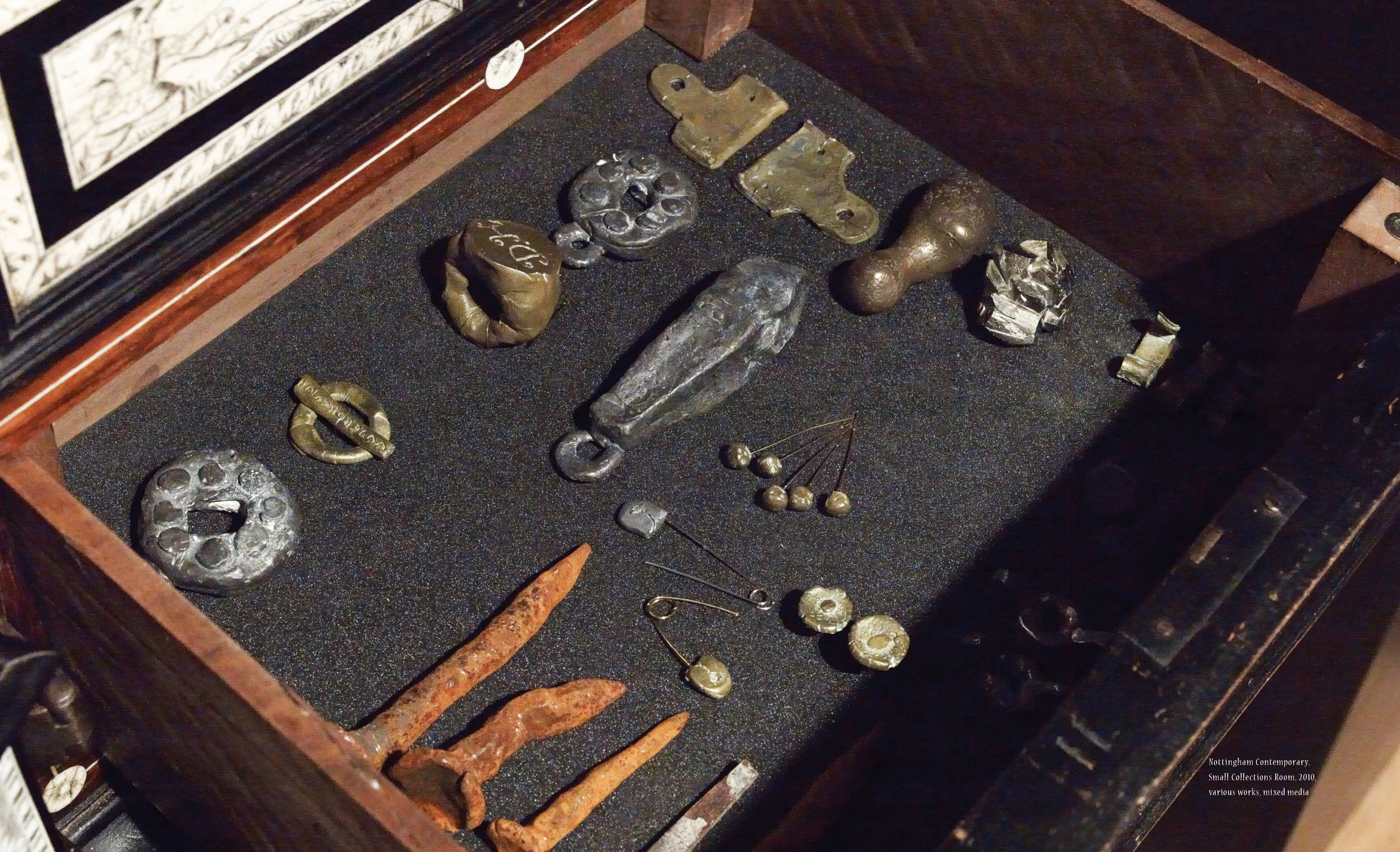
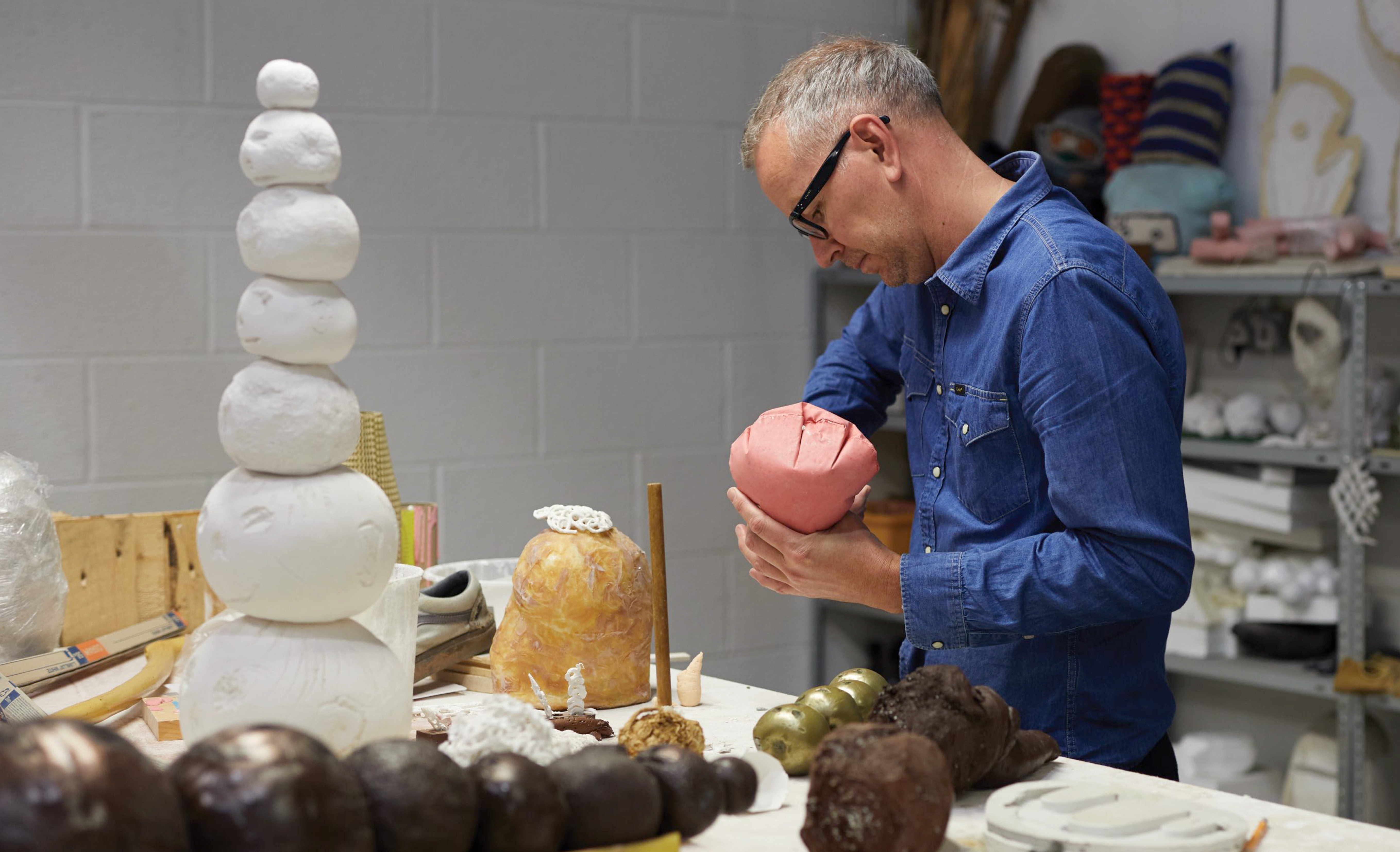
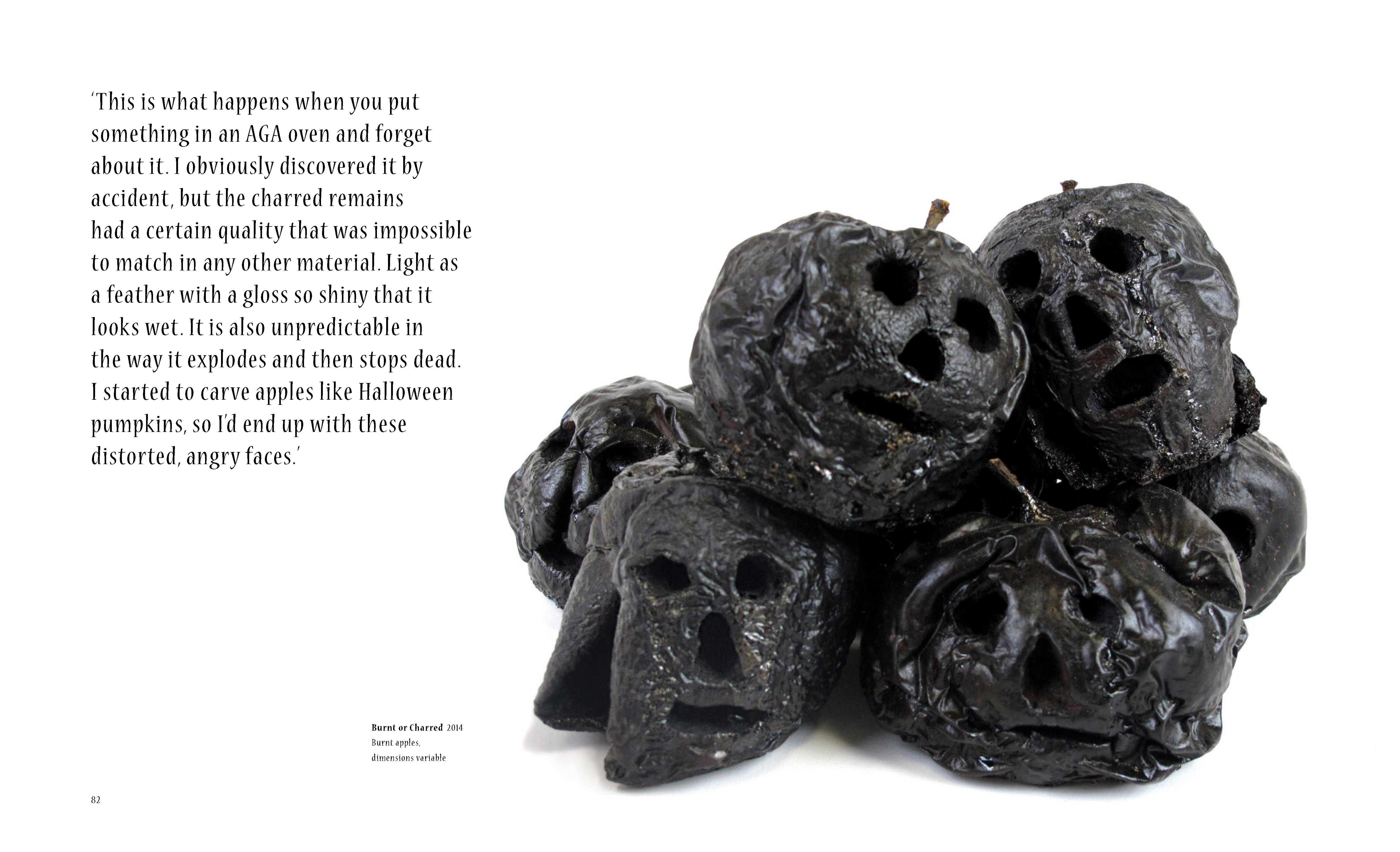
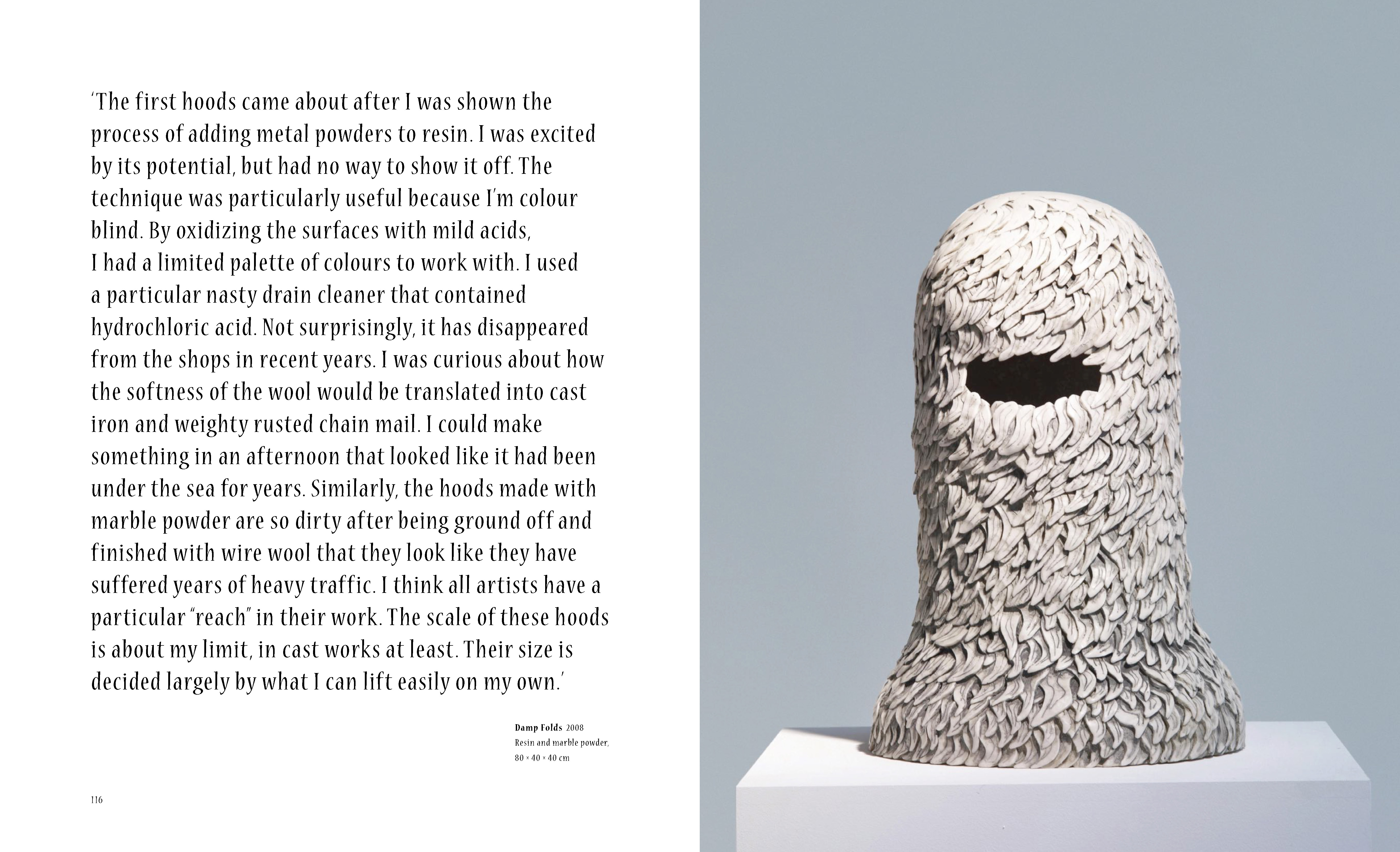
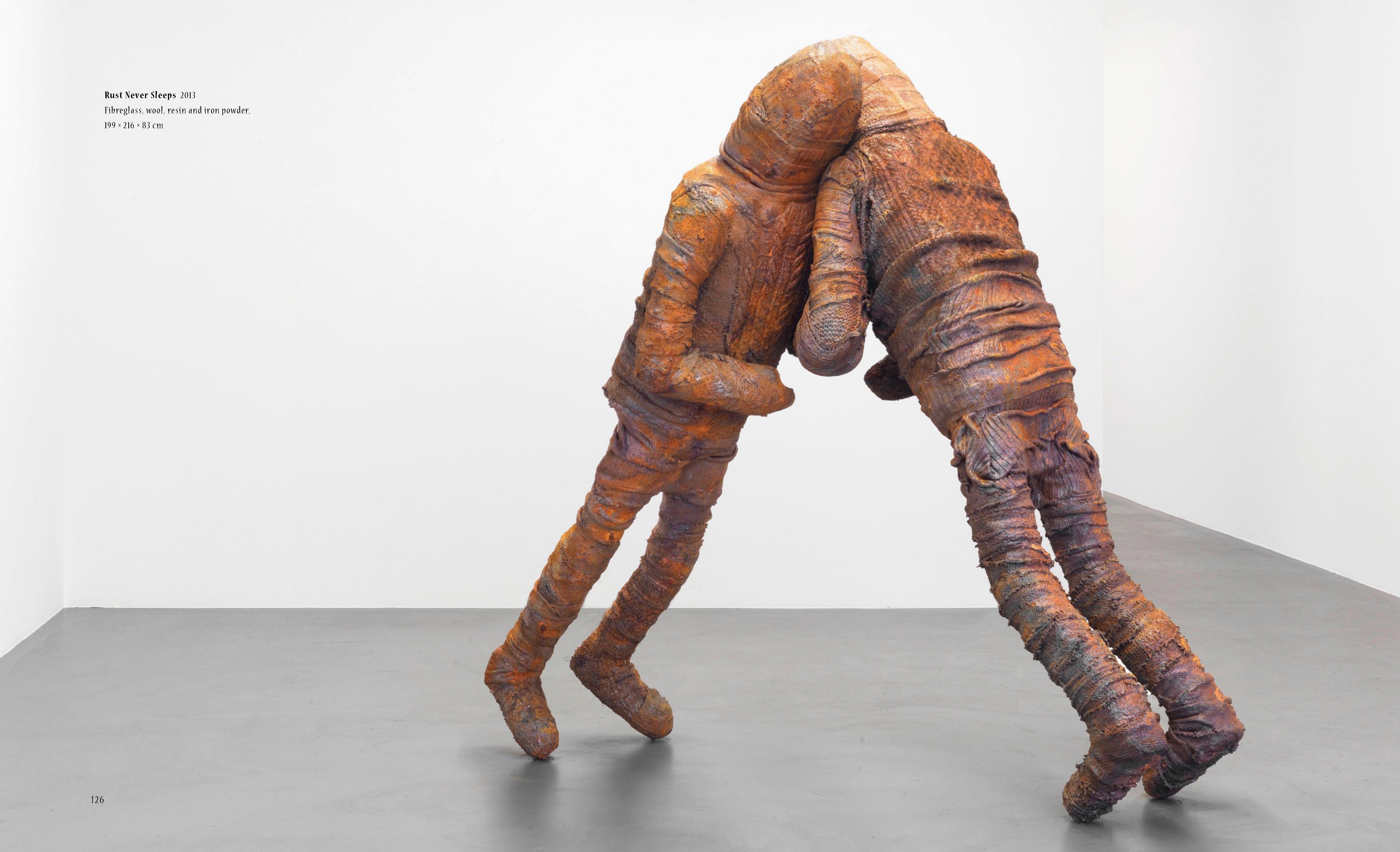
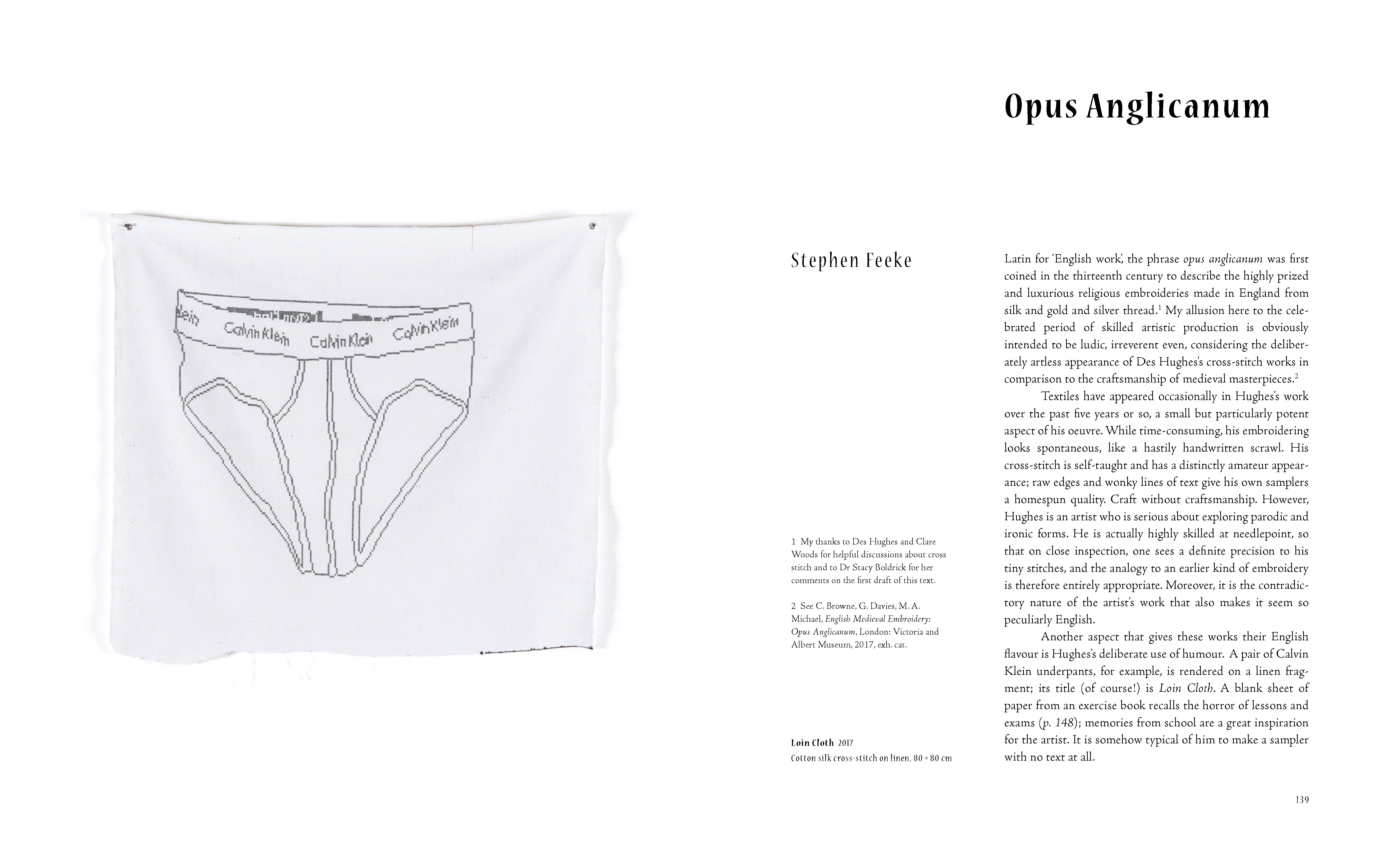
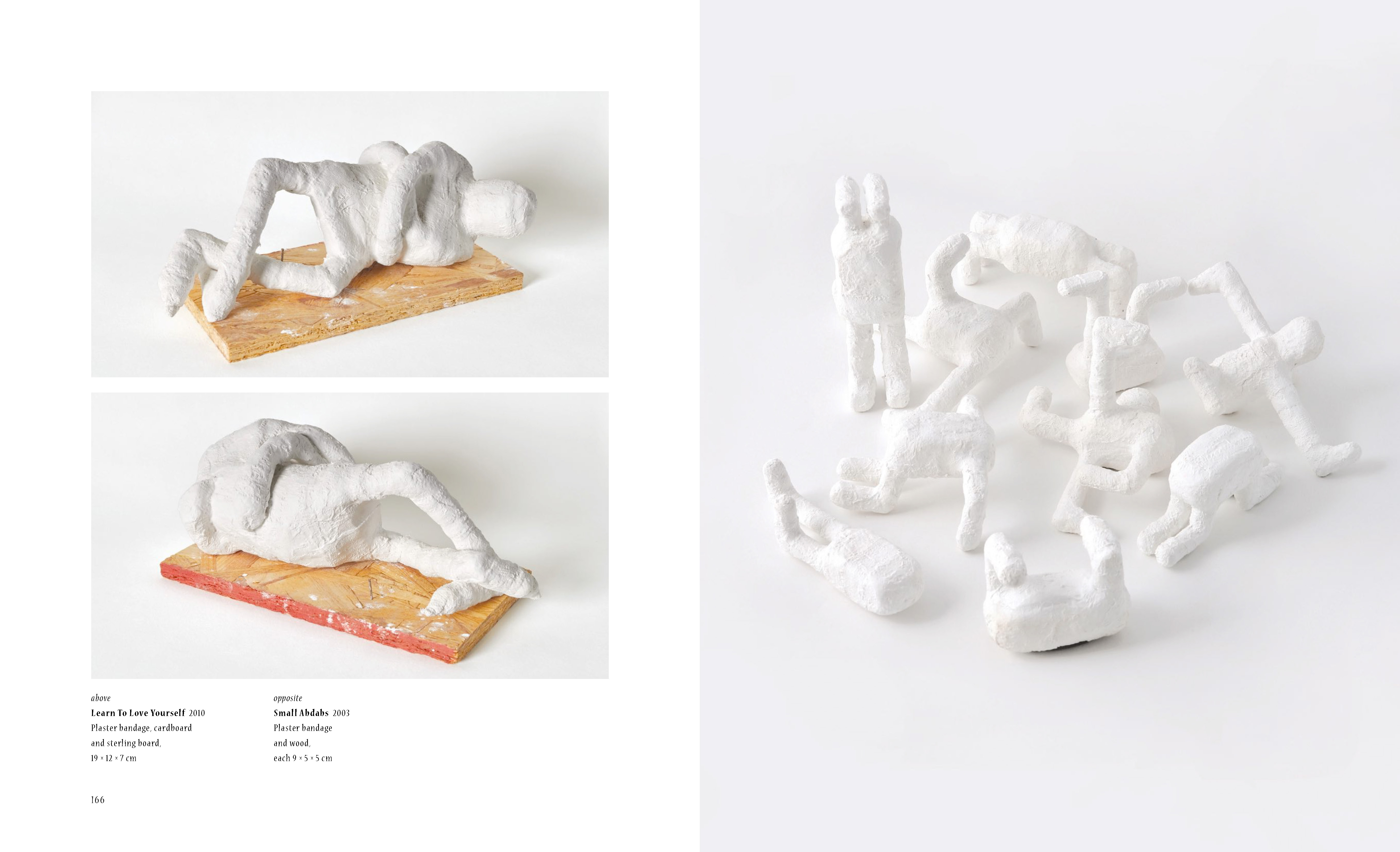
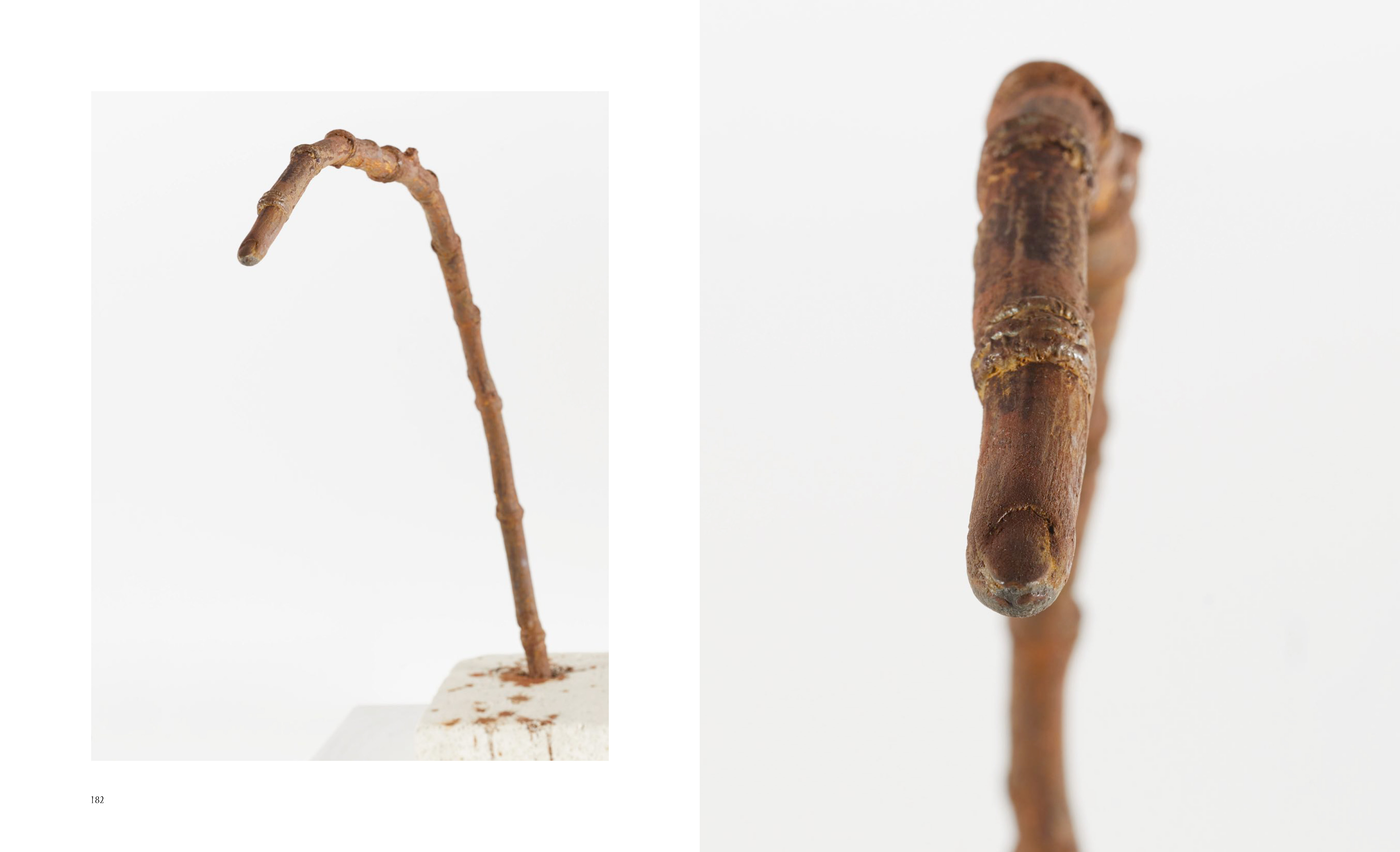
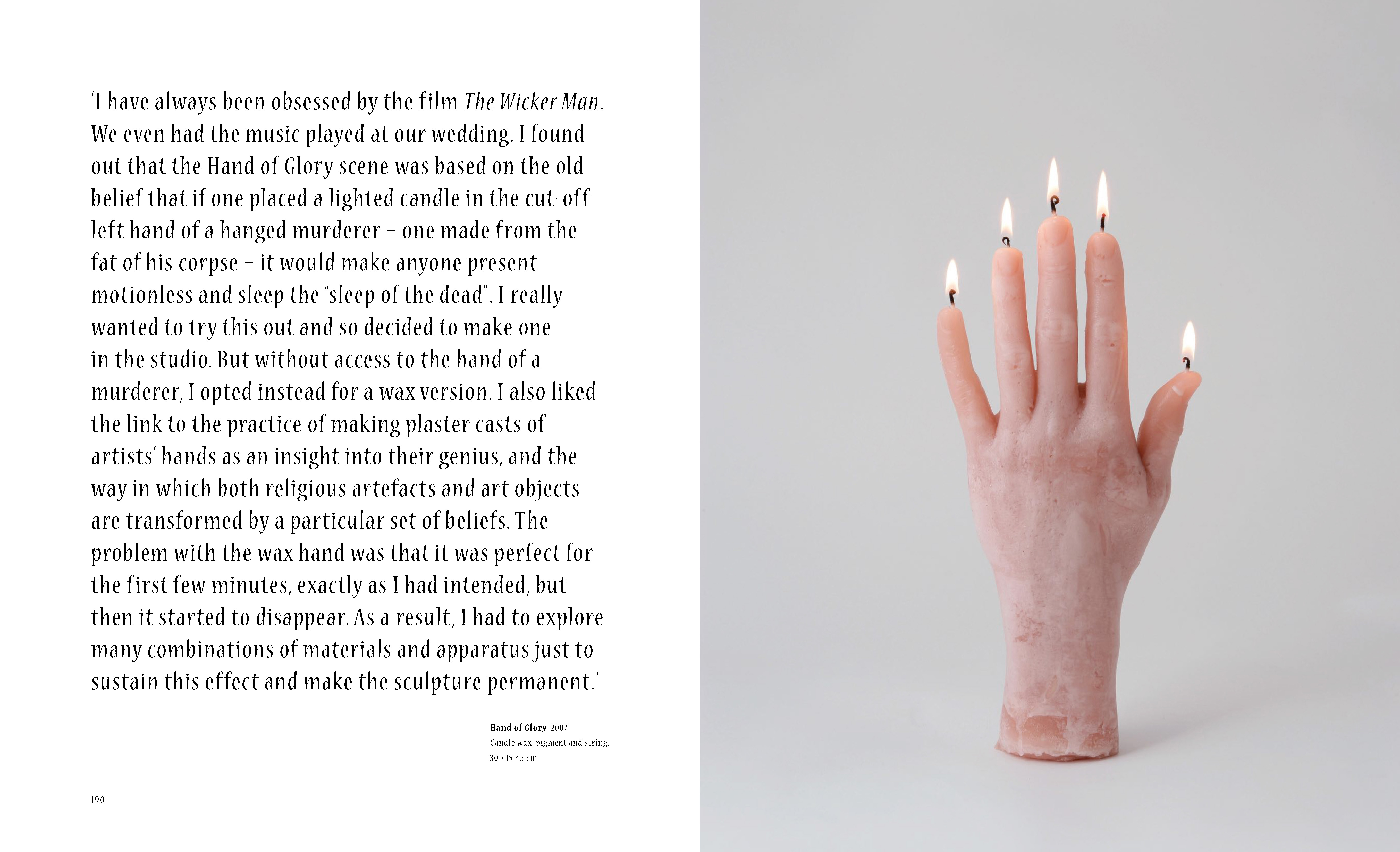
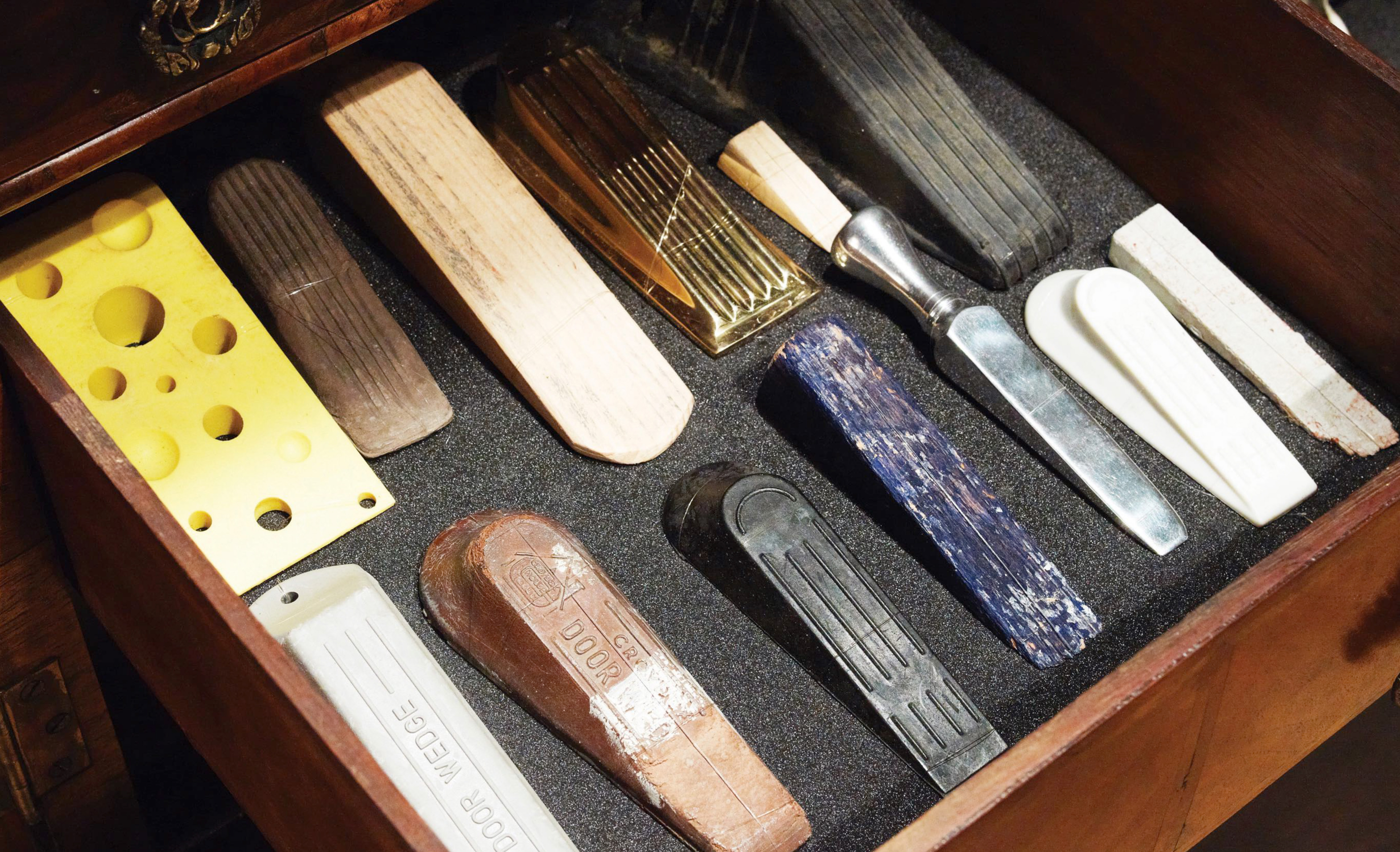
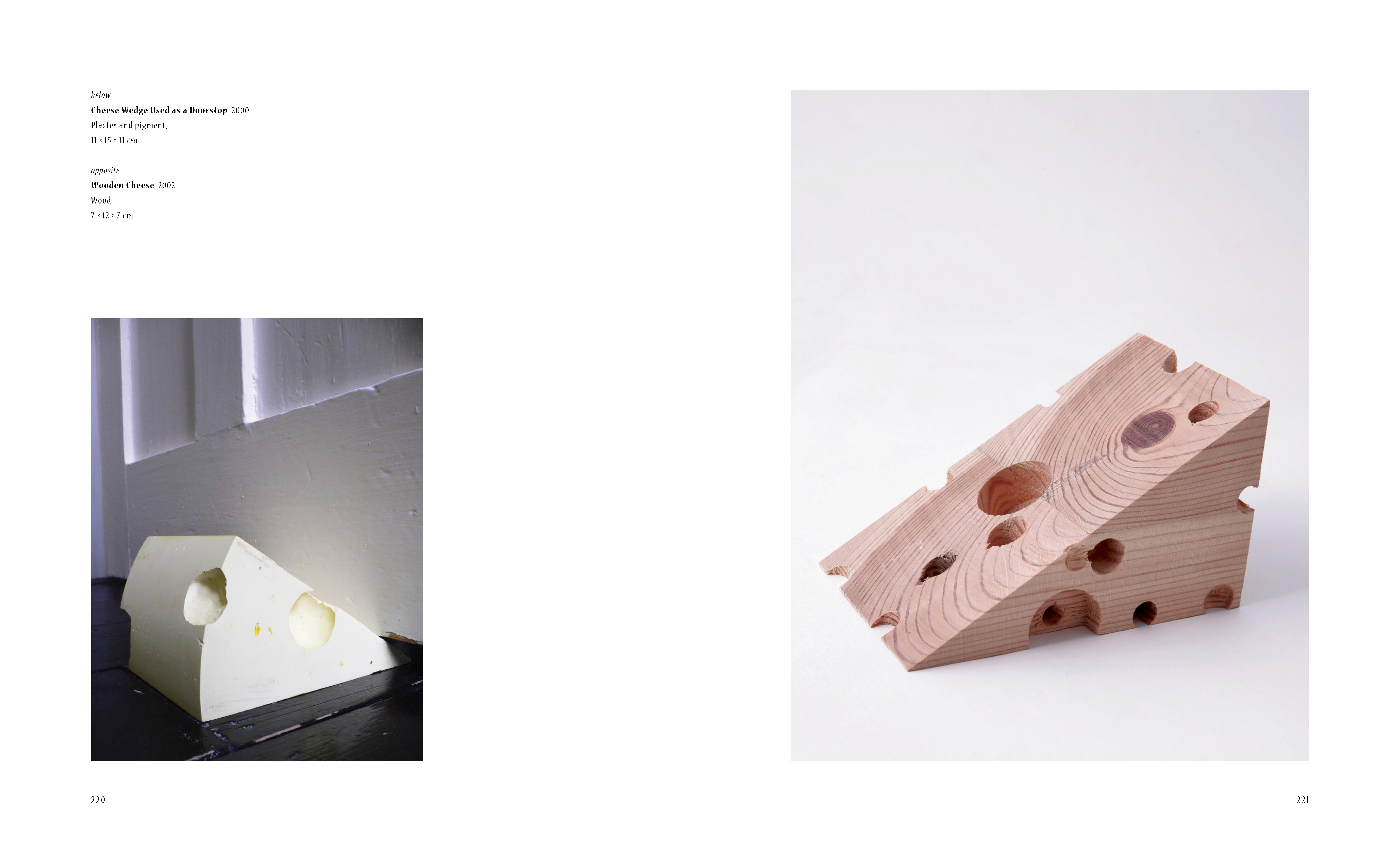
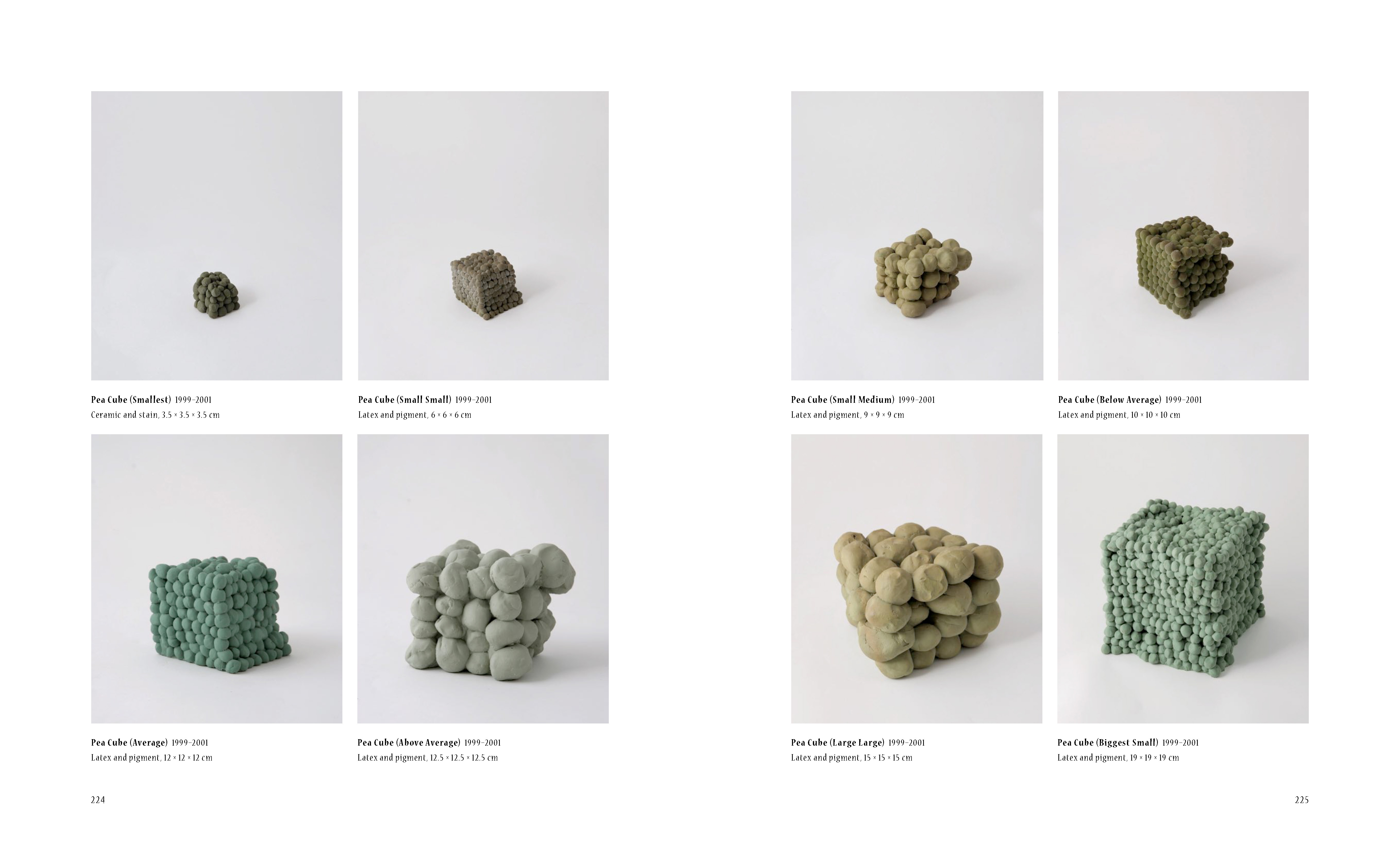
A witty, dark and sensitive humour runs through the work of British artist Des Hughes. His practice is an obsessive, physical enquiry into the traditions of sculpture, rethinking conventional methods and materials. Nothing is as it first appears; crudely modelled clay is meticulously cast in resin but, with the inclusion of marble or iron dust, could easily have been carved from a block of stone or forged in a blacksmith’s furnace. He collects, he dismembers, he puts things back together in fragments, or leaves pieces in an unfinished state – or just leaves them in pieces. He is a Surrealist de nos jours. At the same time, there is always a tender acknowledgment of the canon of modernist sculpture, and of the fragile heroism inherent in the handmade object. Alongside this sculptural work, textiles have also become a potent aspect of his practice. While time-consuming, his embroidering looks spontaneous, like a hastily handwritten scrawl. His cross-stitch is self-taught and has a distinctly amateur appearance; raw edges and wonky letters give his sewn samplers a homespun quality.

In this beautiful and compelling book, Hughes leads the reader through the passages of his creative mind, offering a commentary on his most significant works. Texts by Stephen Feeke, Bruce Haines and Harry Thorne respond to particular aspects of the practice. The result is the first comprehensive monograph on the quiet revolutionary at the heart of contemporary sculpture.

Des Hughes is a British artist who studied at Bath School of Art and Design and Goldsmiths College, University of London. He has had multiple solo exhibitions at galleries including Hepworth Wakefield; Manchester Art Gallery; Laing Art Gallery, Newcastle; Nottingham Contemporary; and Frieze Art Fair, London. He has been in numerous group shows, including at the Tate Britain; Royal Academy; Saatchi Gallery; Henry Moore Foundation and Henry Moore Institute; Kettle’s Yard, Cambridge; New Art Centre; Camden Arts Centre; and in the Sculpture Garden of Frieze Art Fair, London.

Stephen Feeke is Director of the New Art Centre at Roche Court, Salisbury.

Bruce Haines is a gallerist, curator and researcher based in London.

Harry Thorne is a writer and editor based in Berlin. He is assistant editor of frieze magazine and a contributing editor of the White Review.

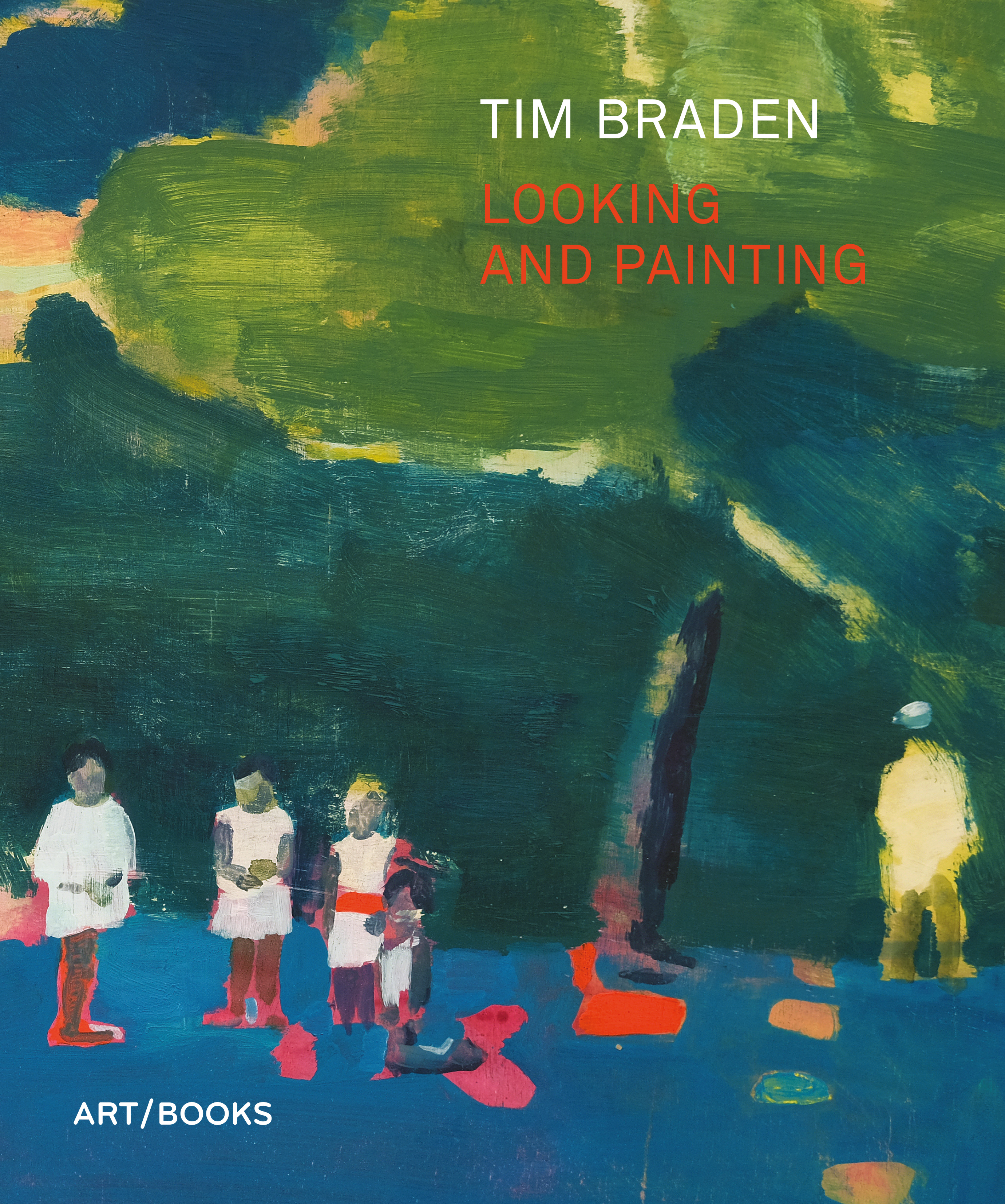
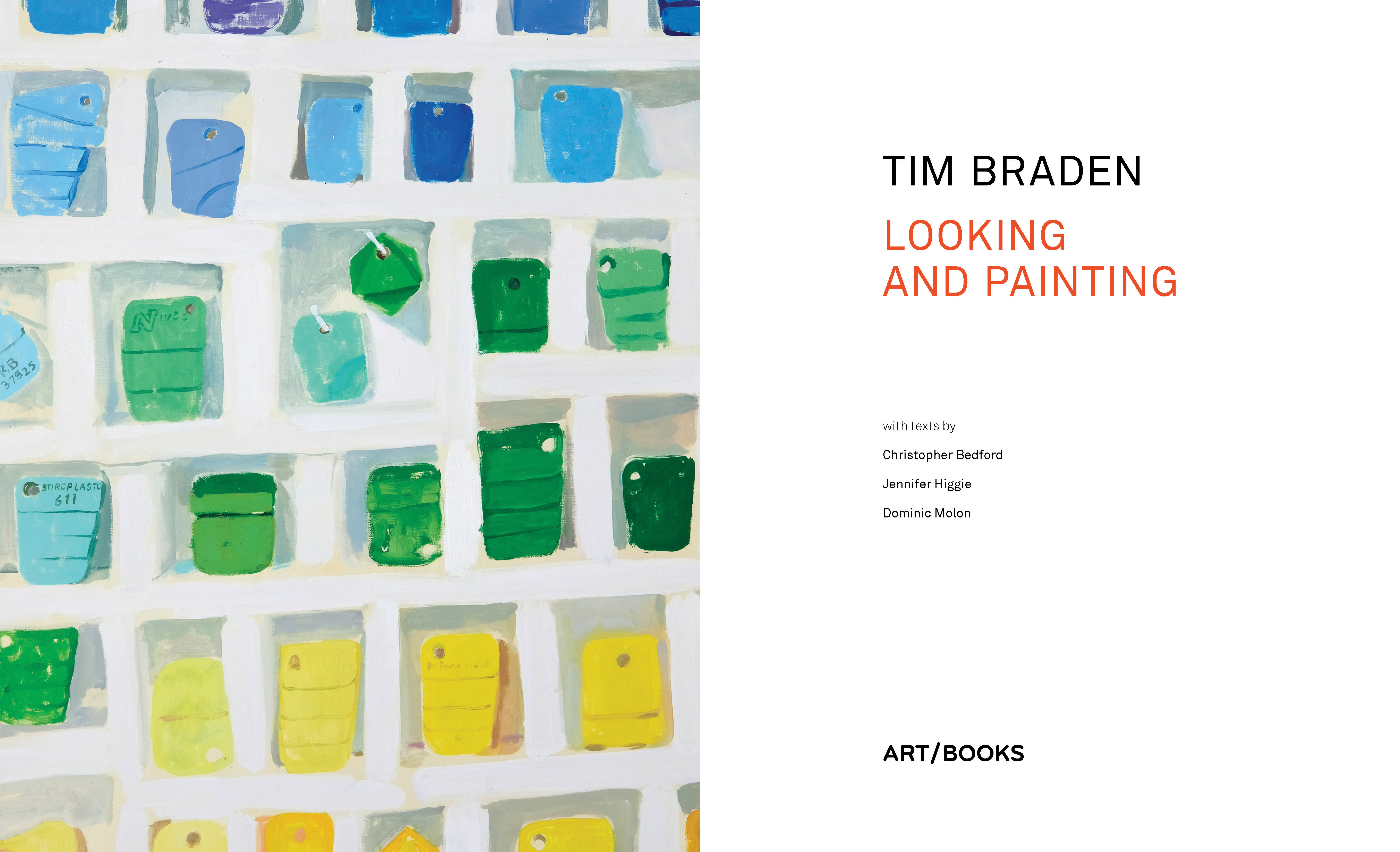
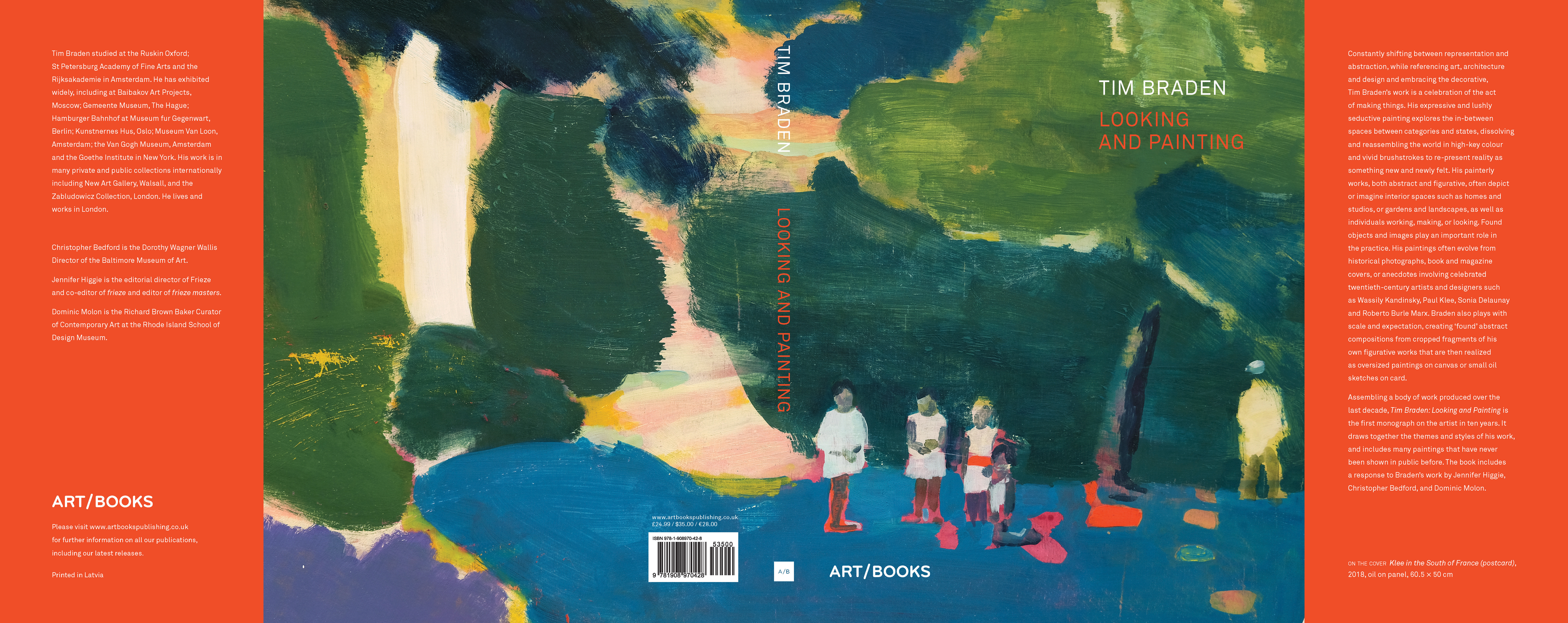
Tim Braden

Looking and Painting

Texts by Christopher Bedford, Jennifer Higgie and Dominic Molon

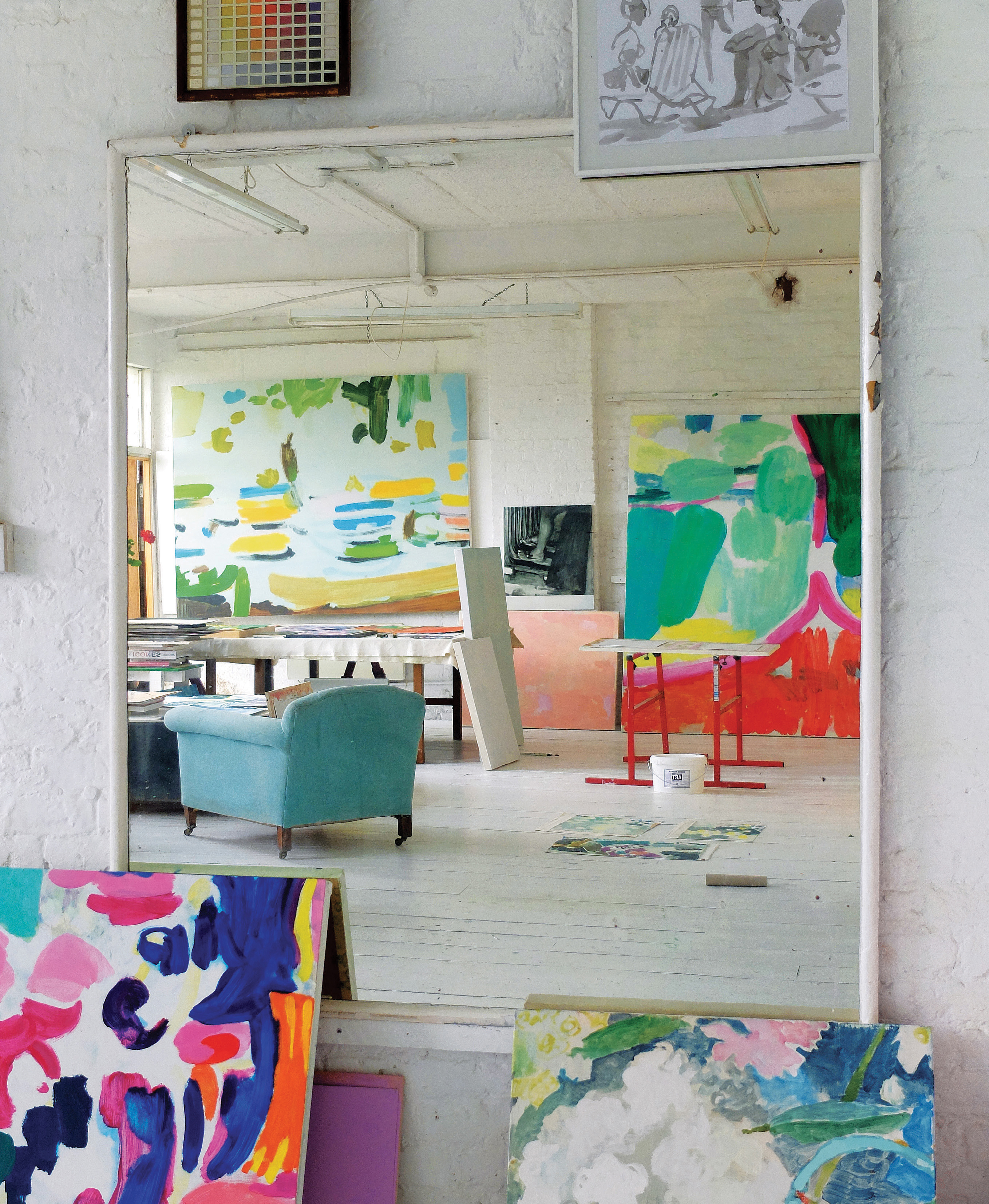
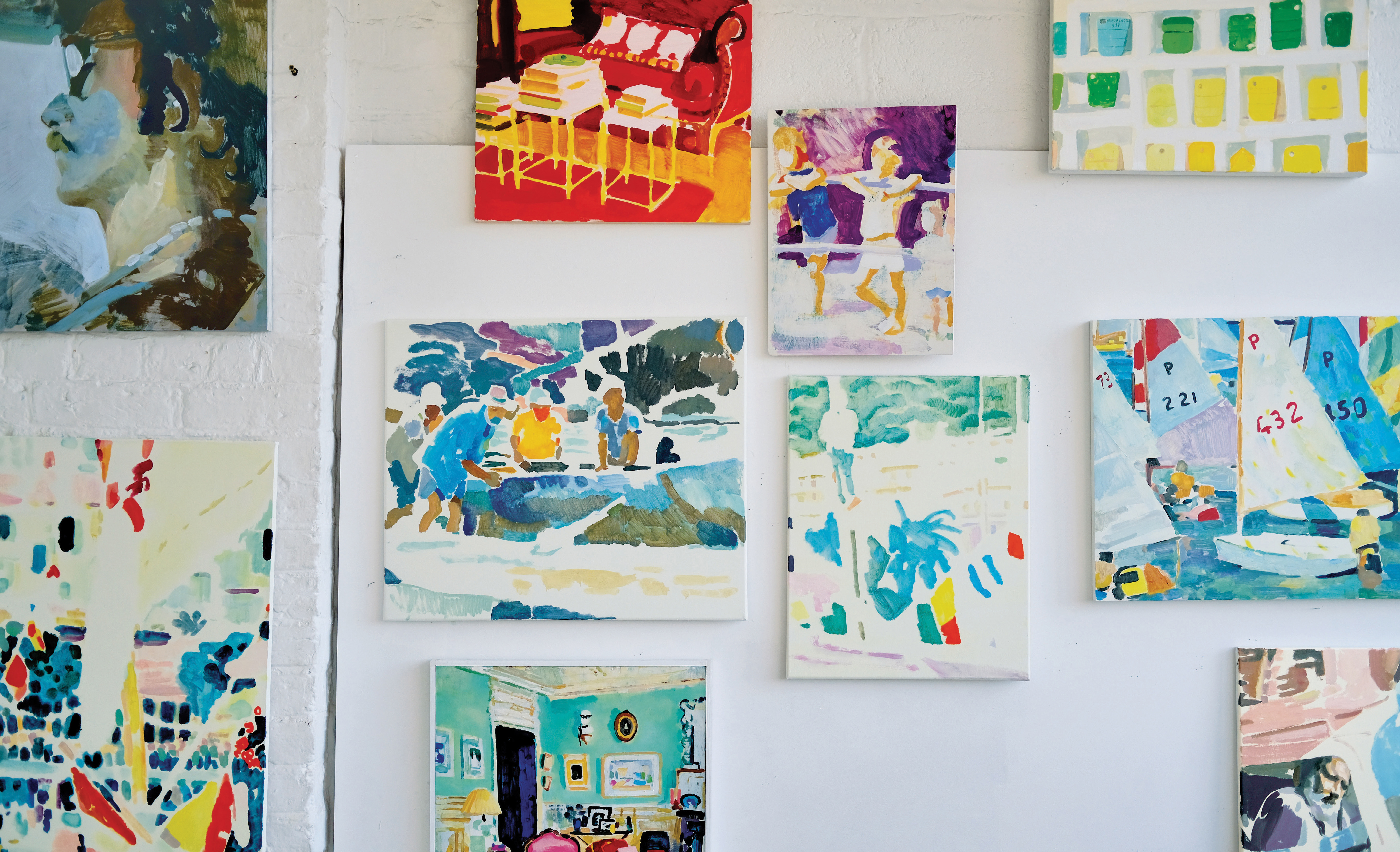
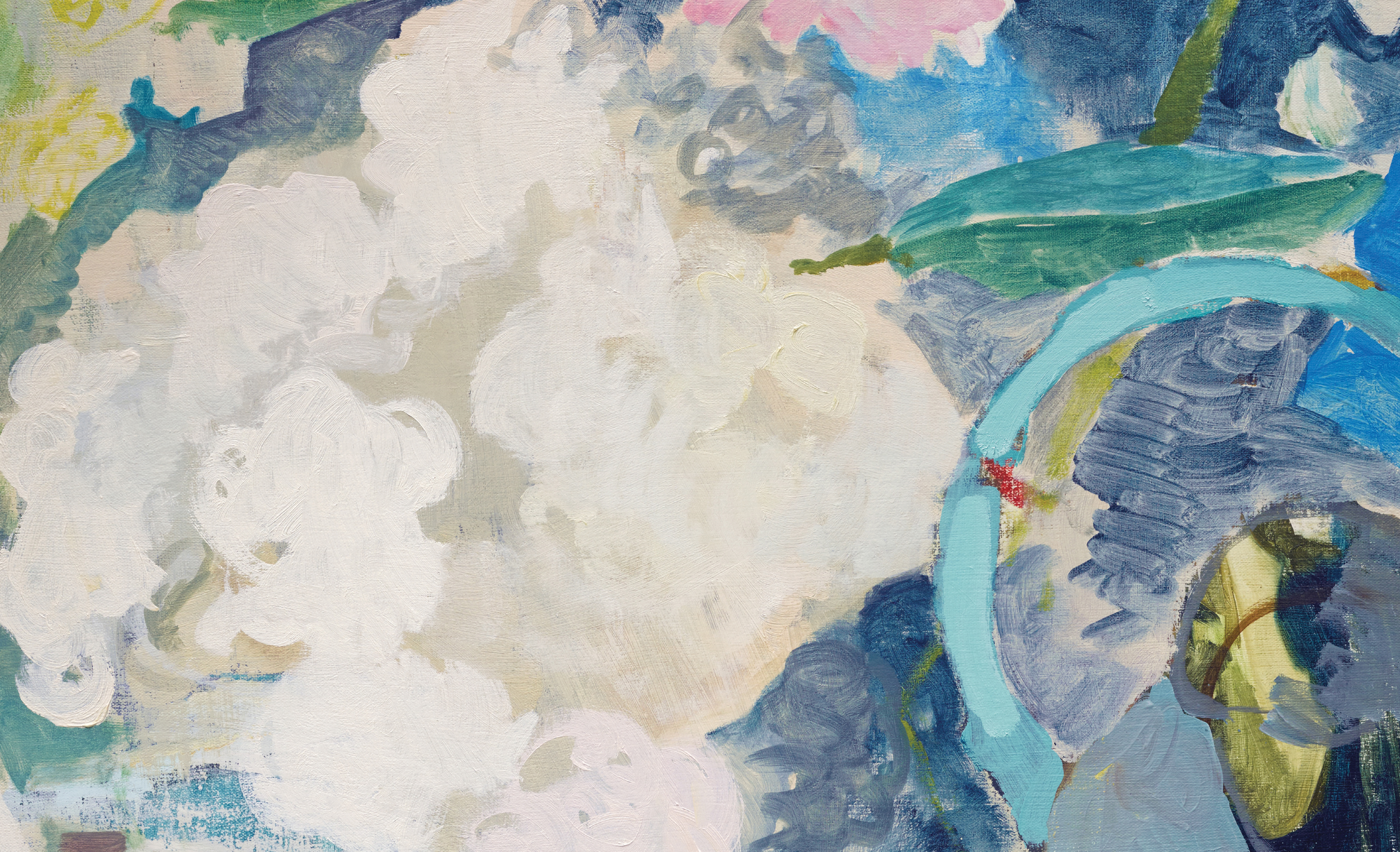
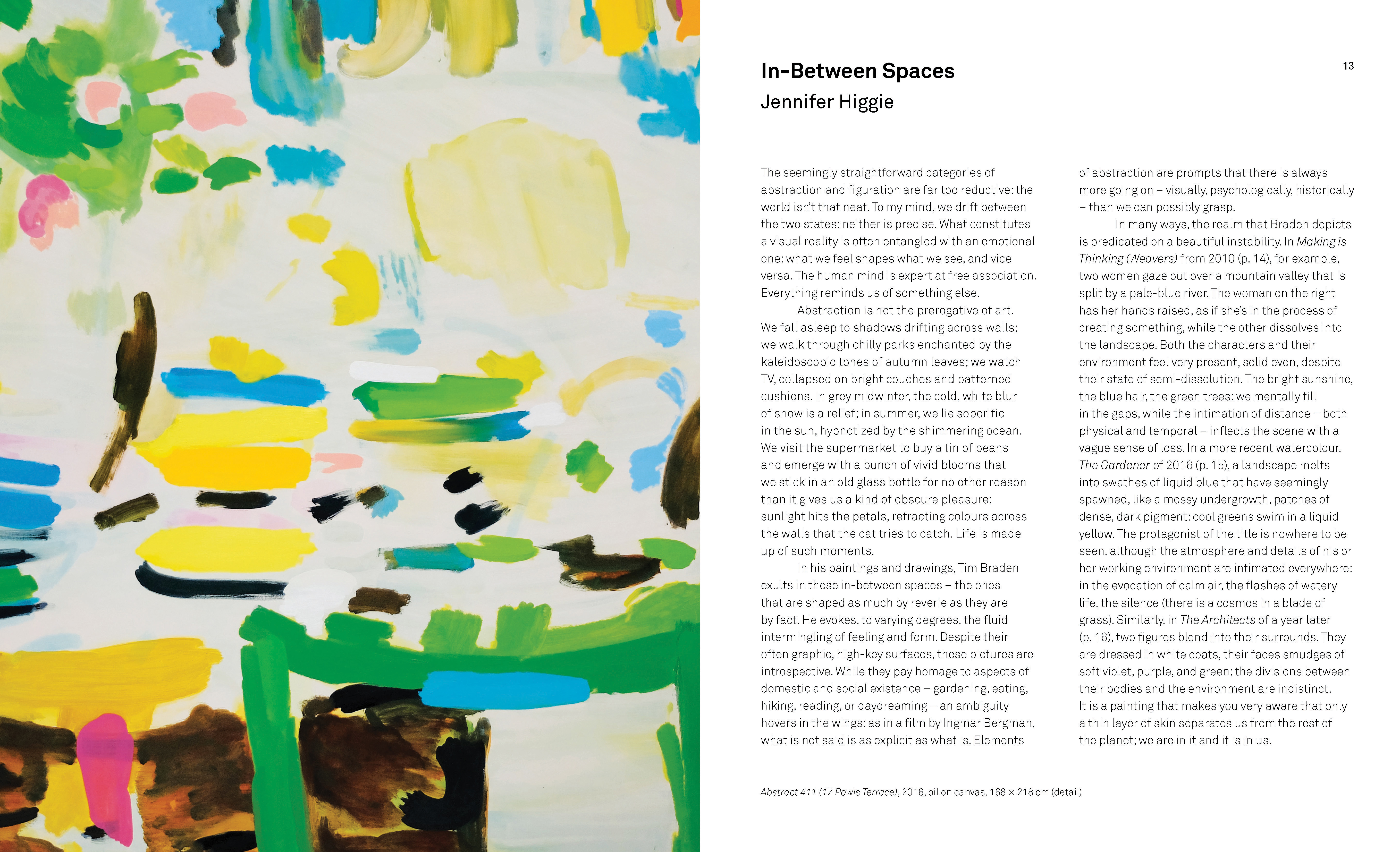
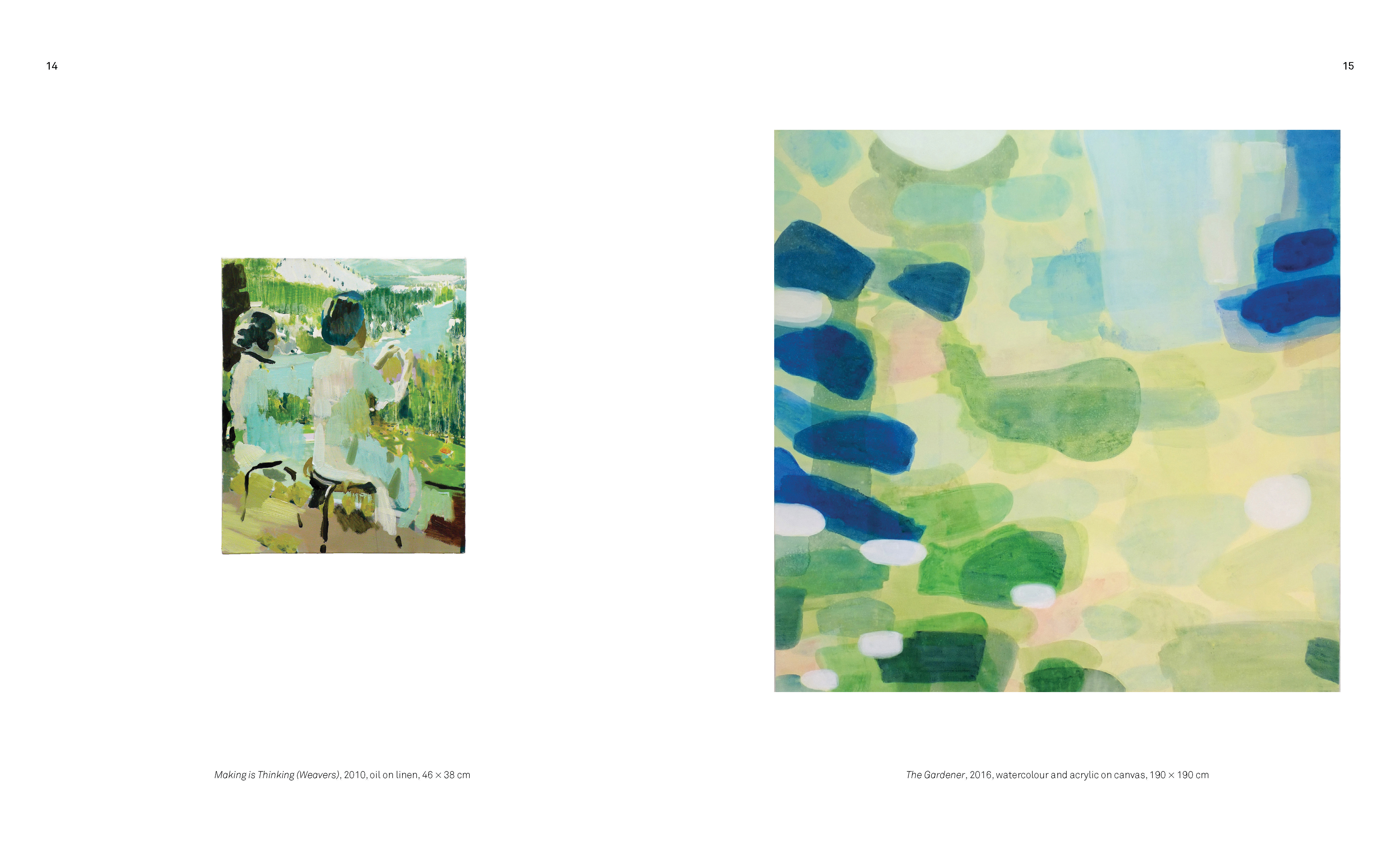
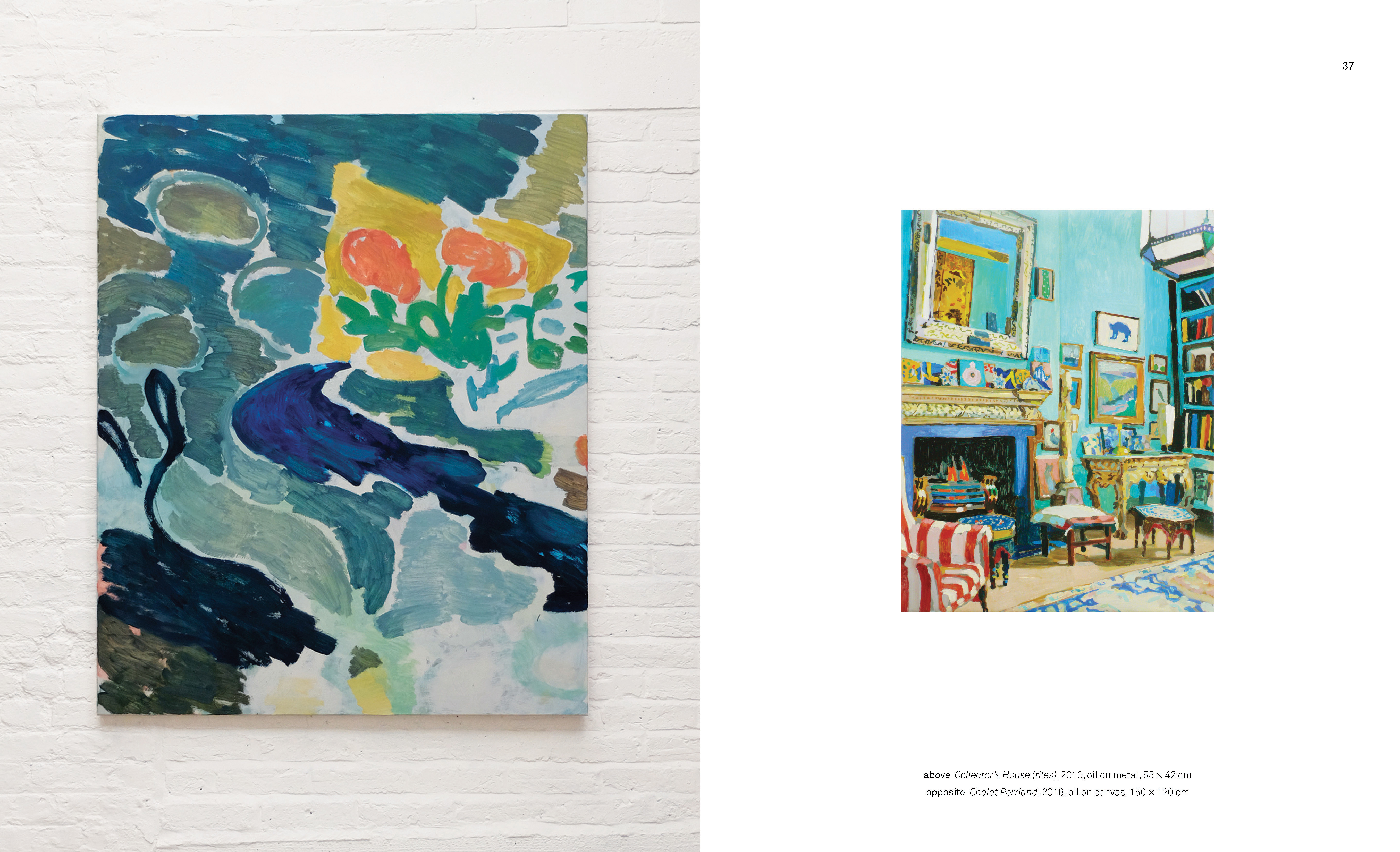
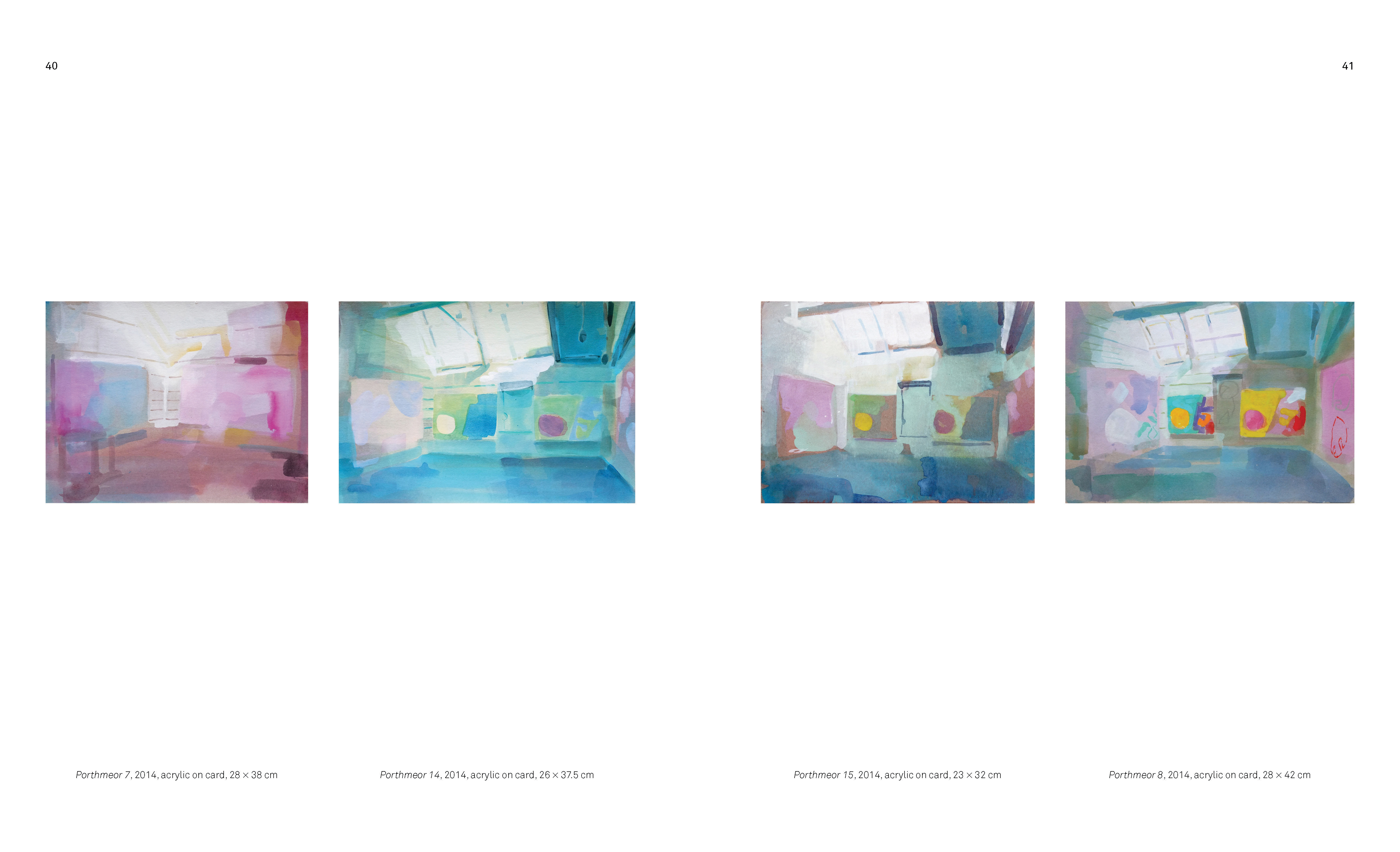
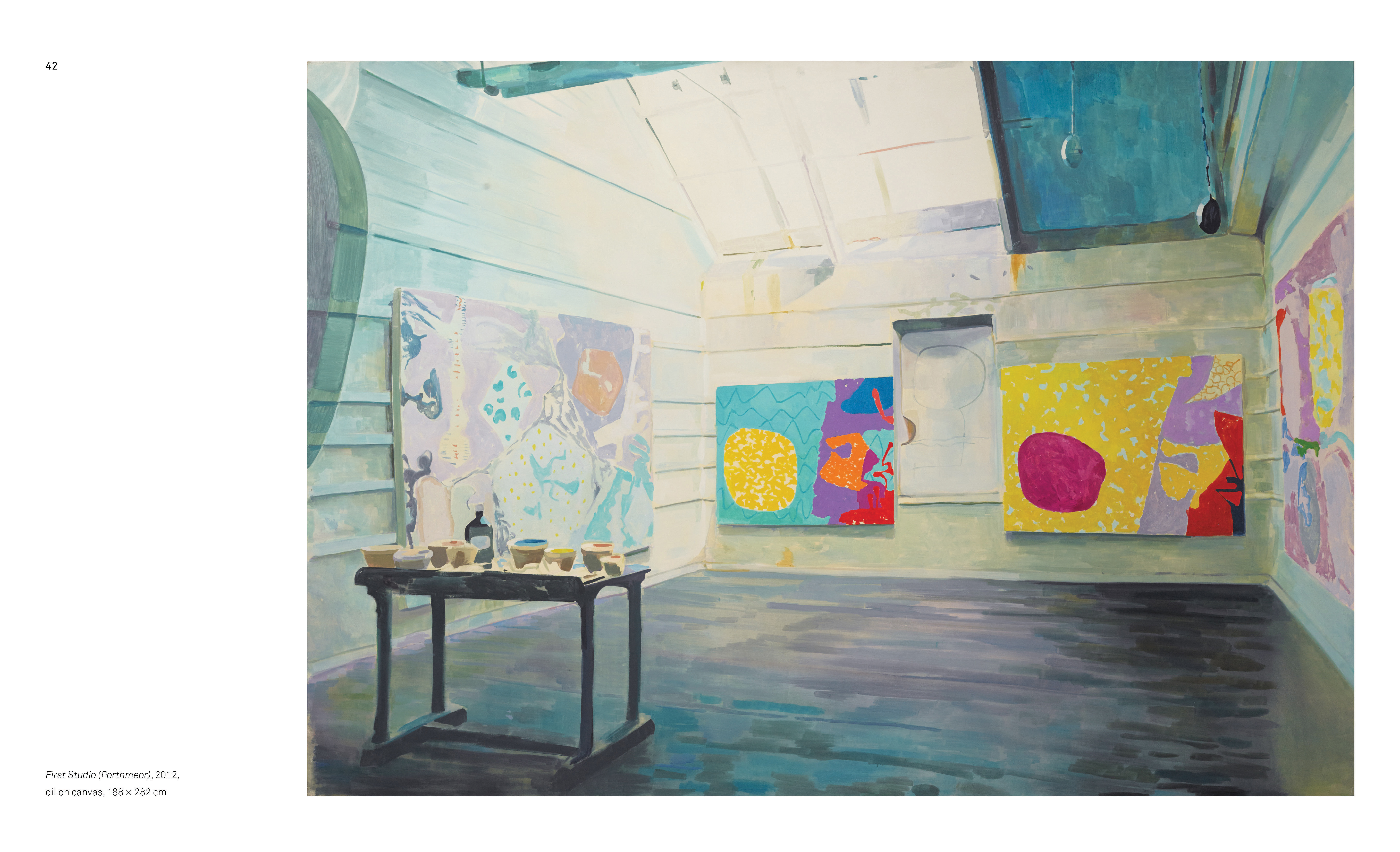
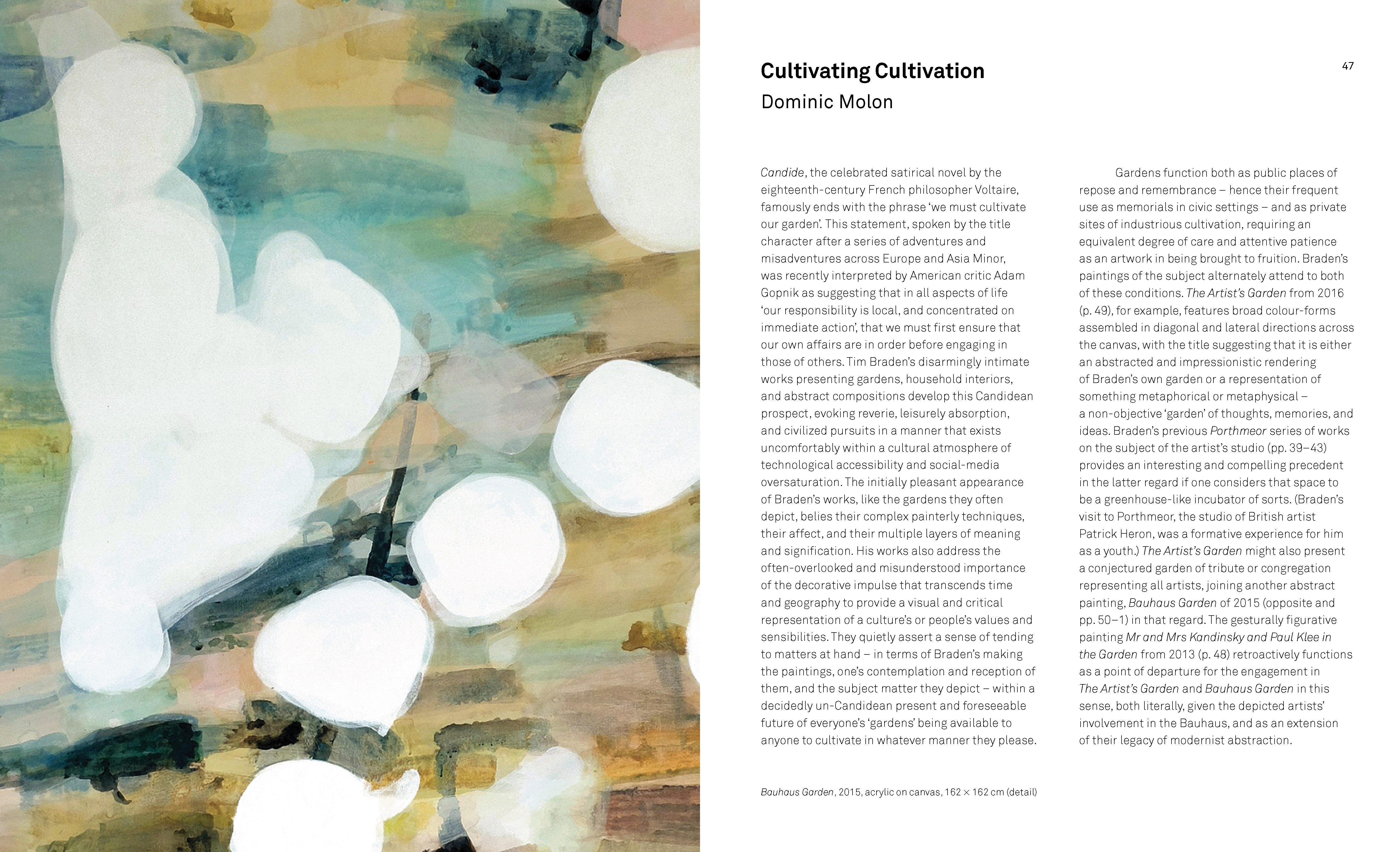
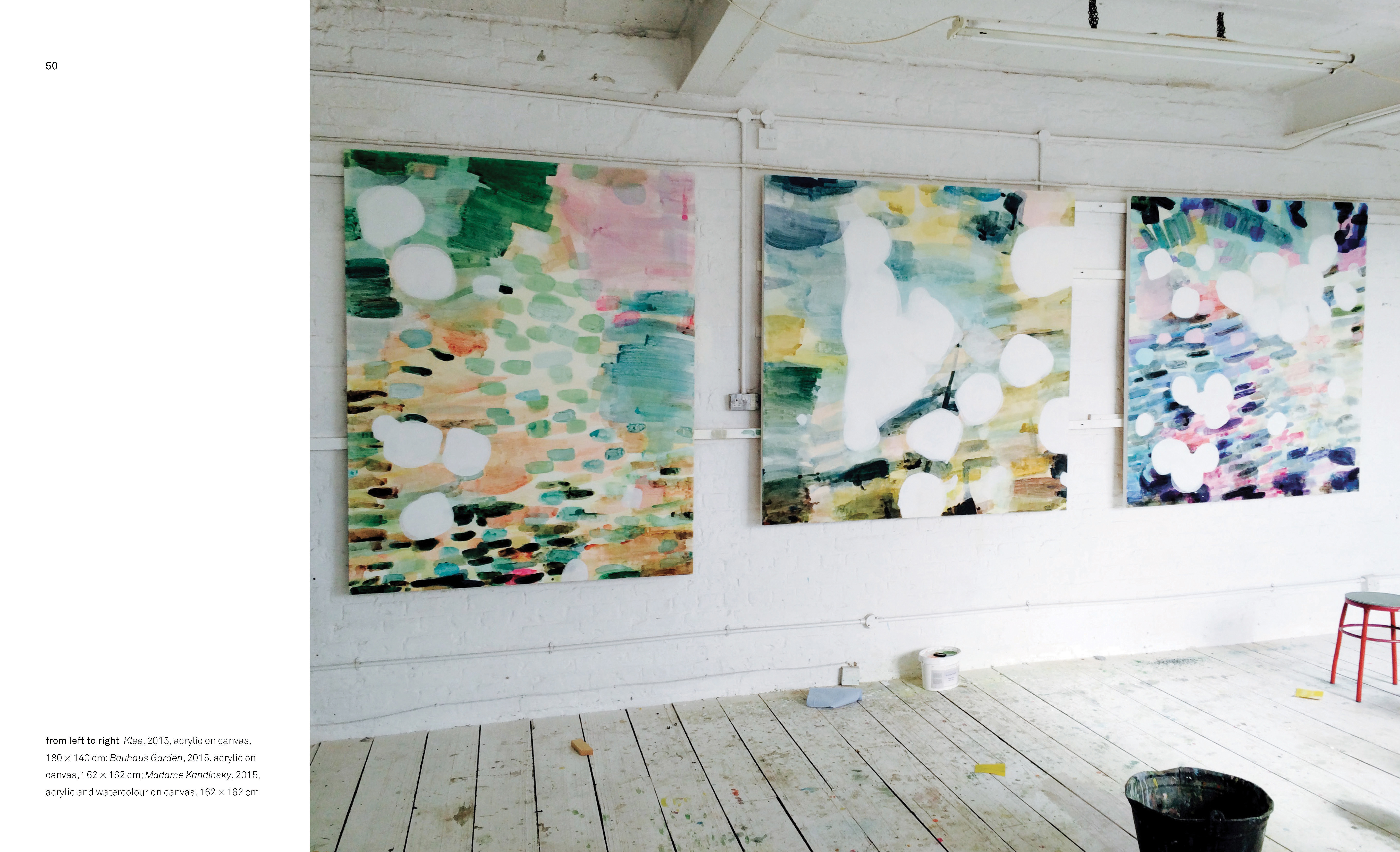
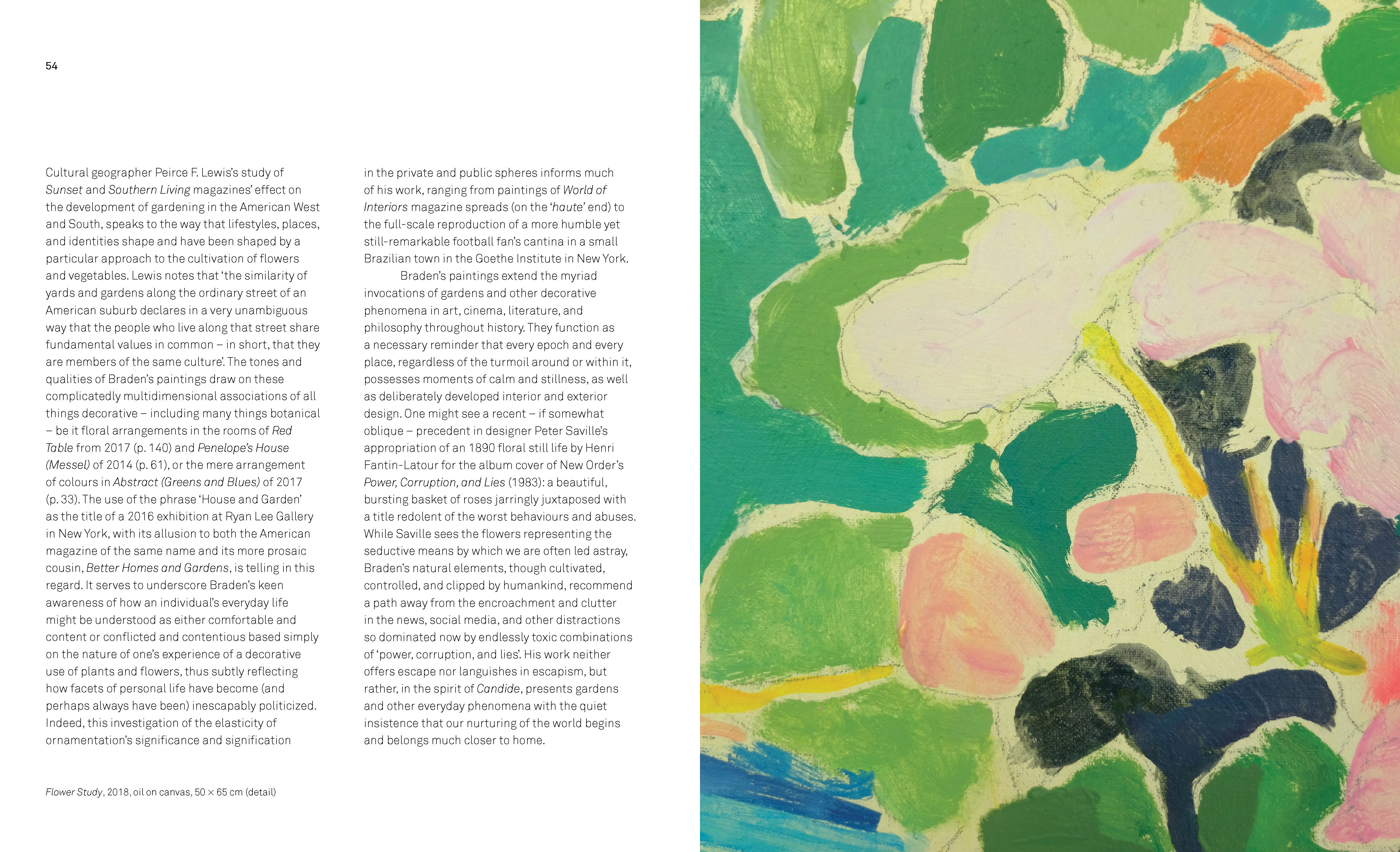
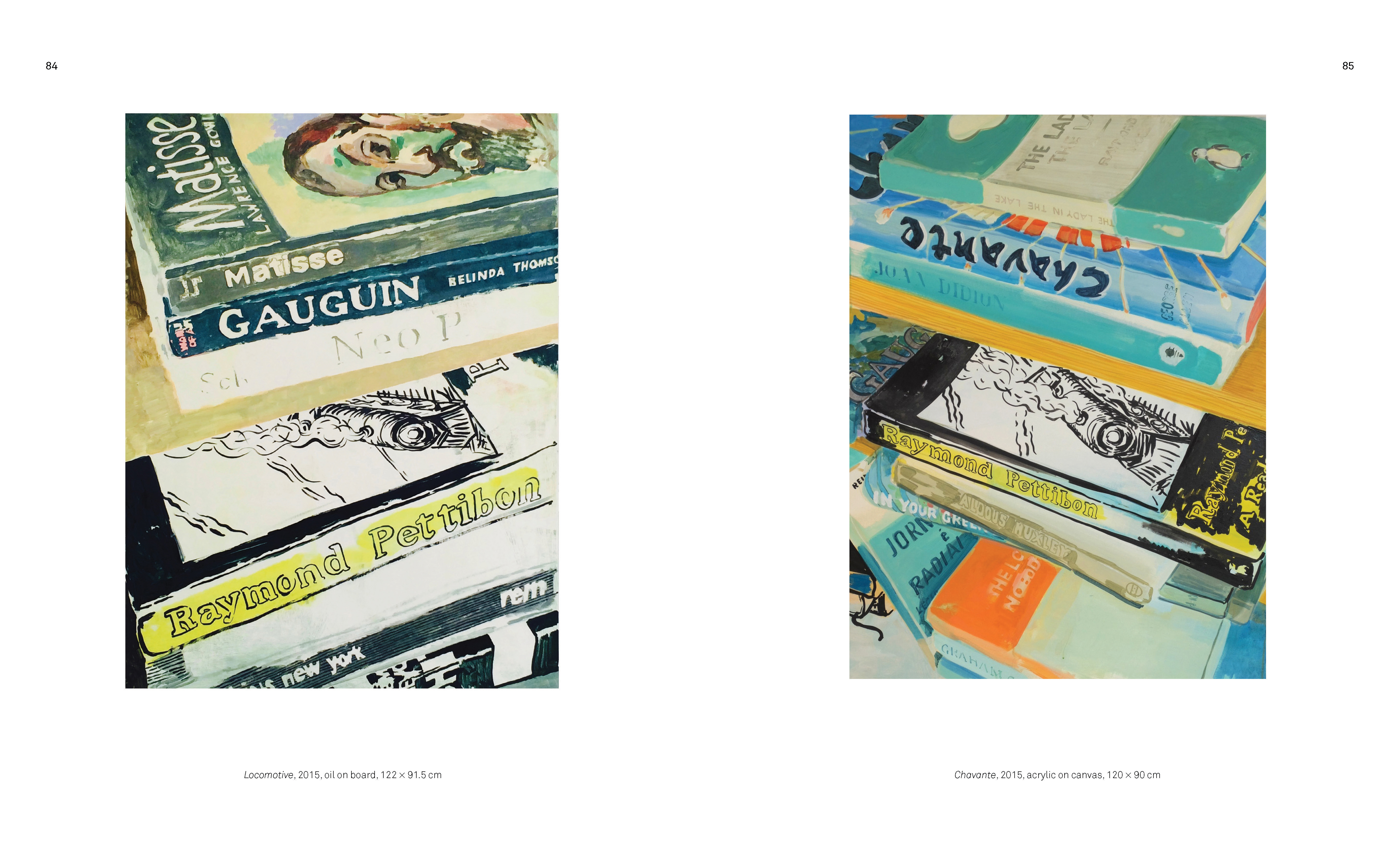
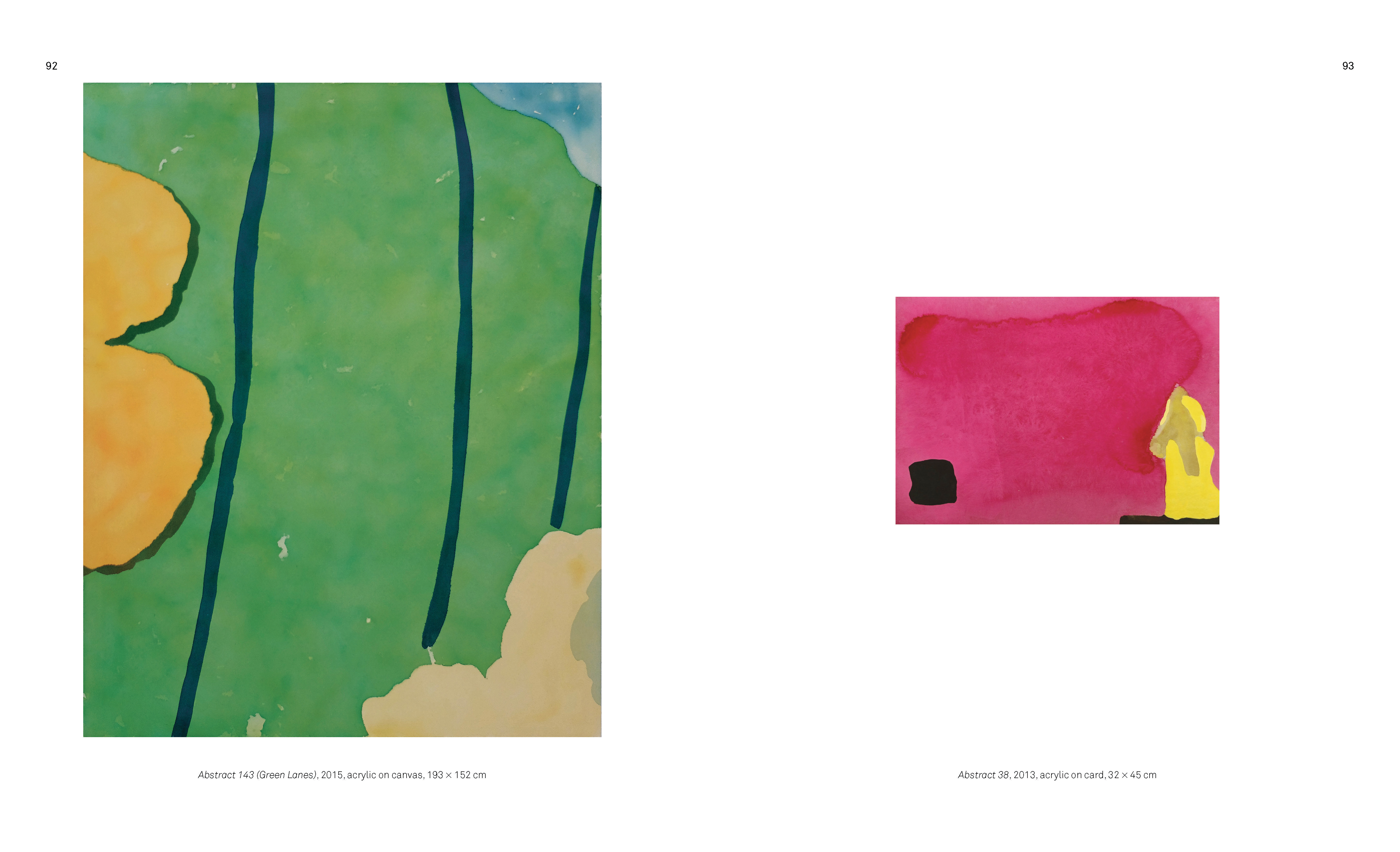
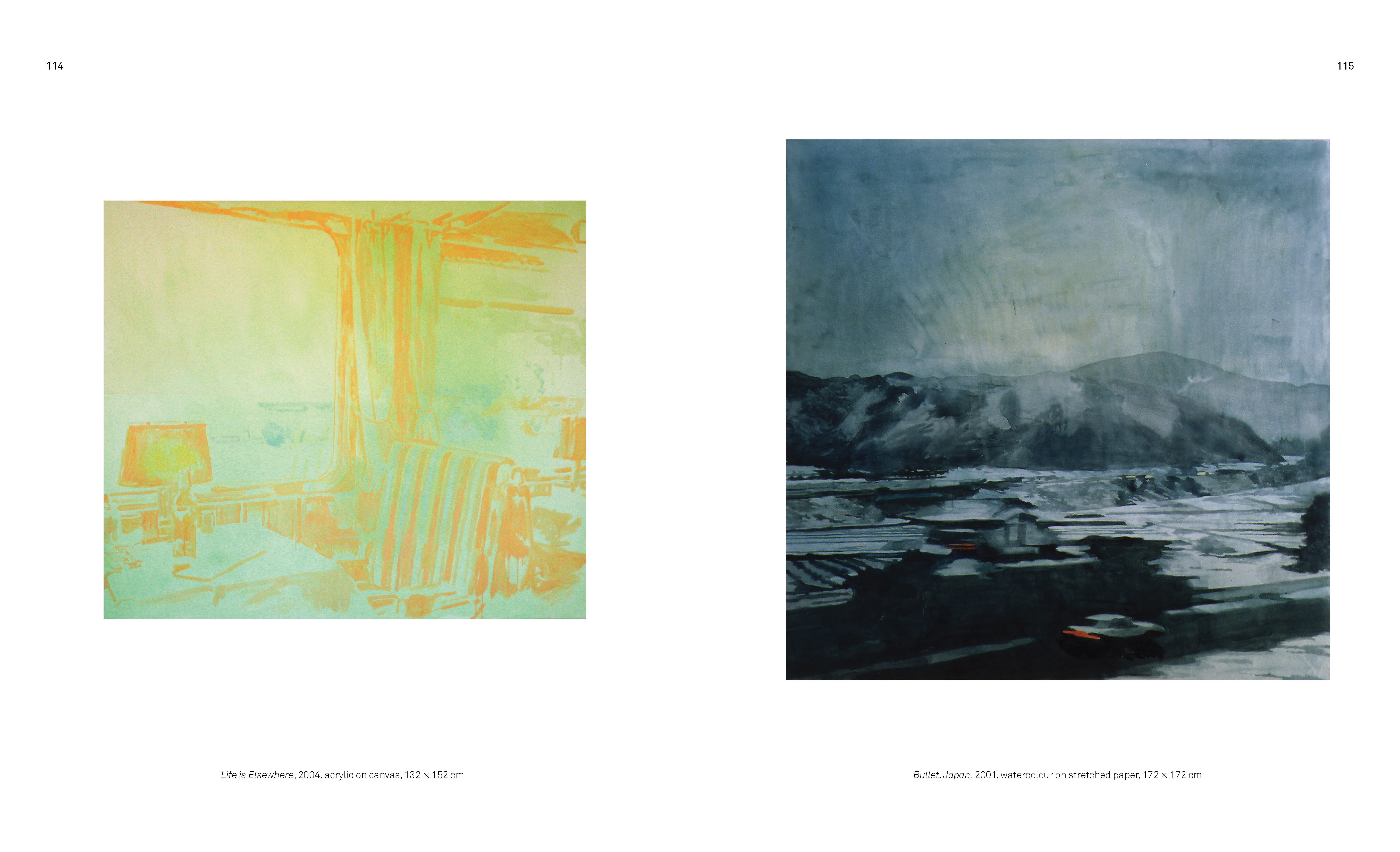
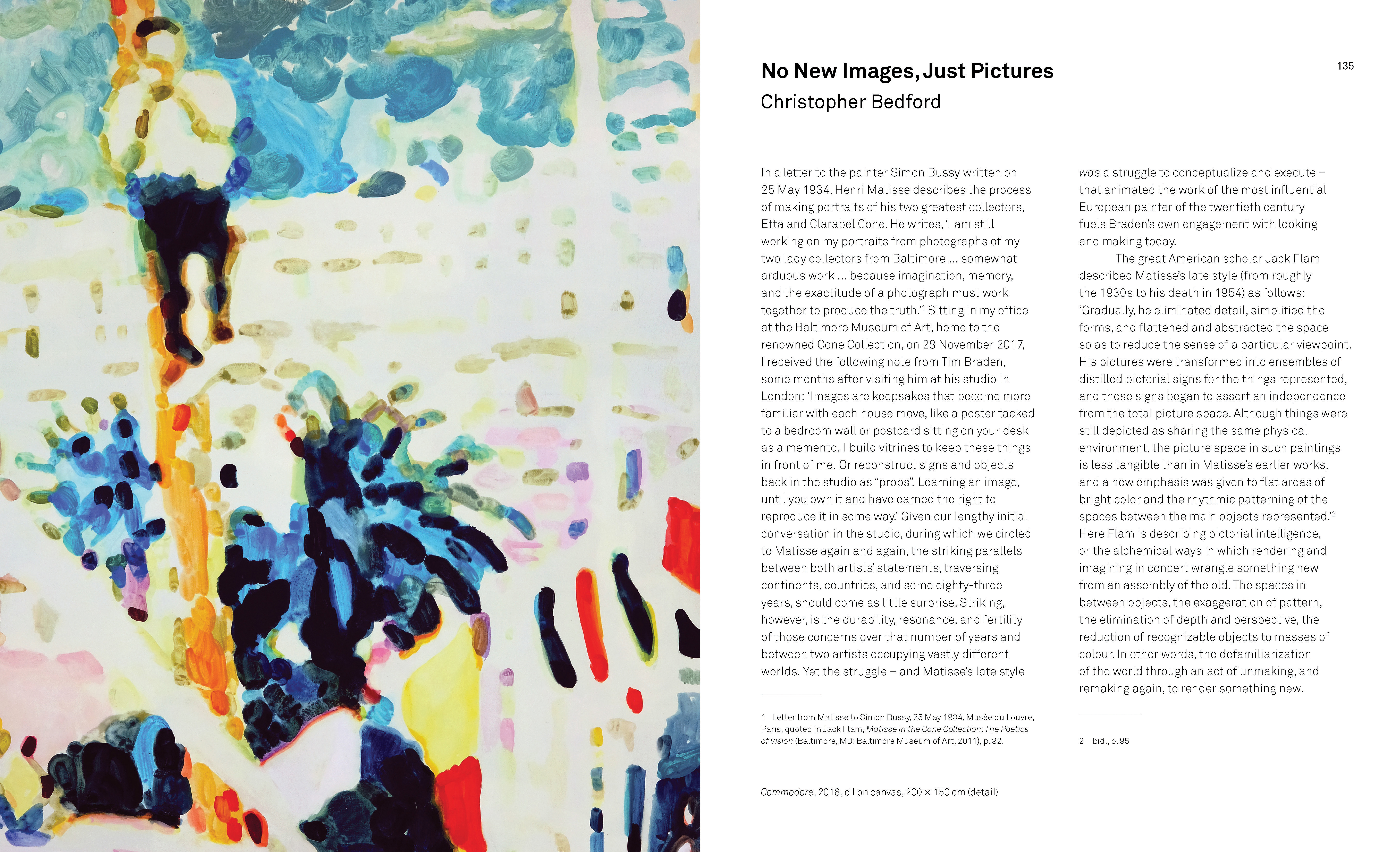
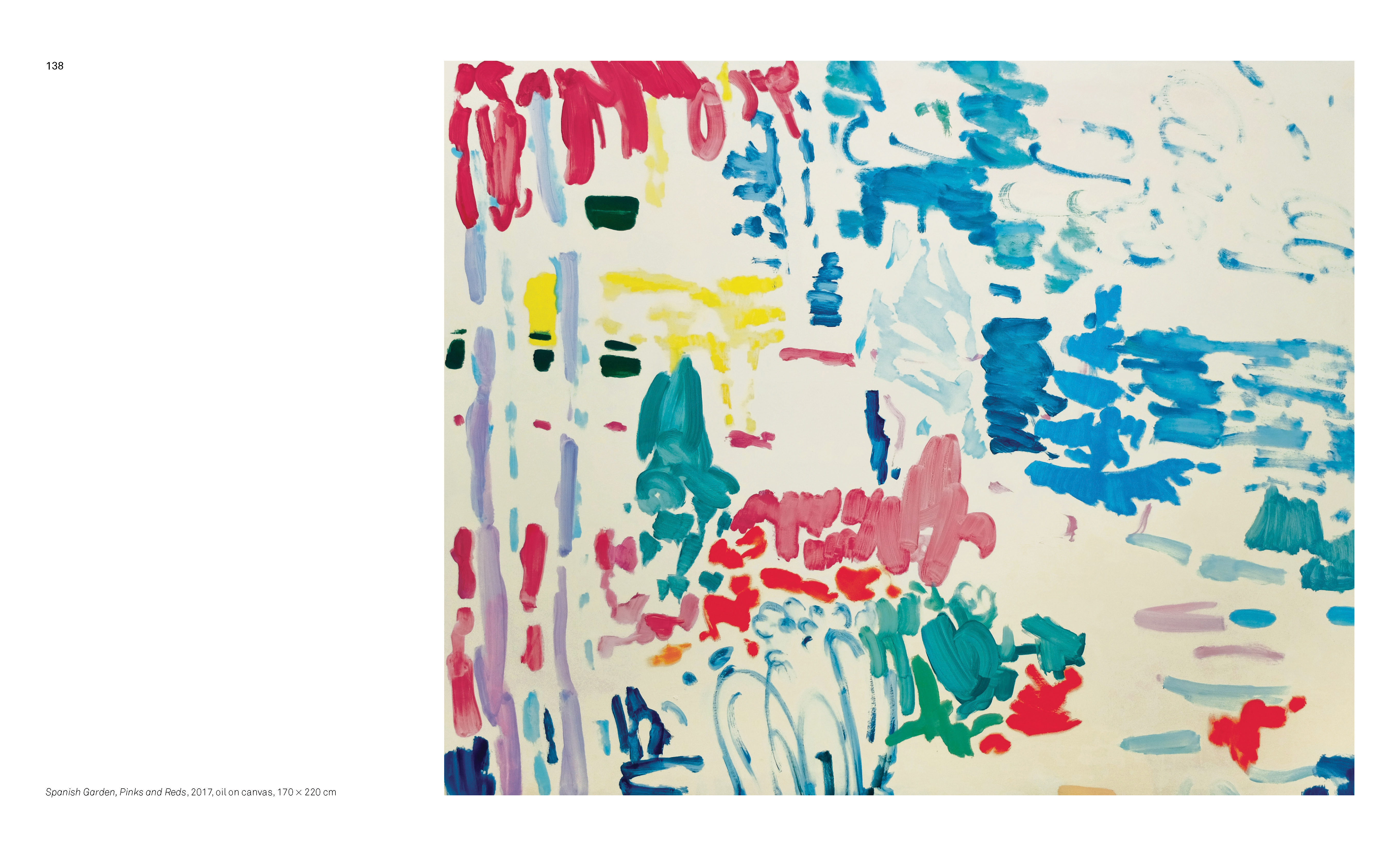
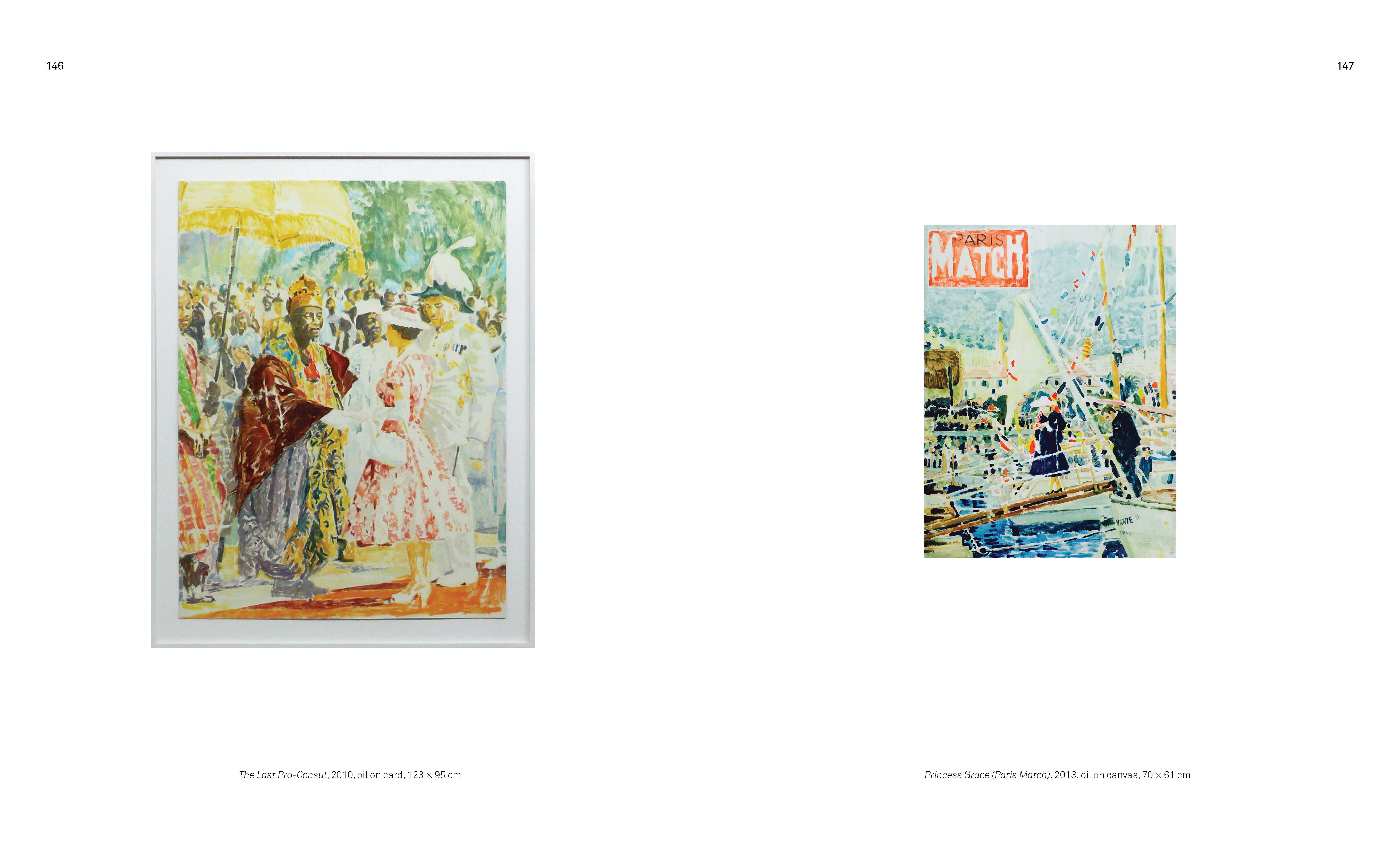
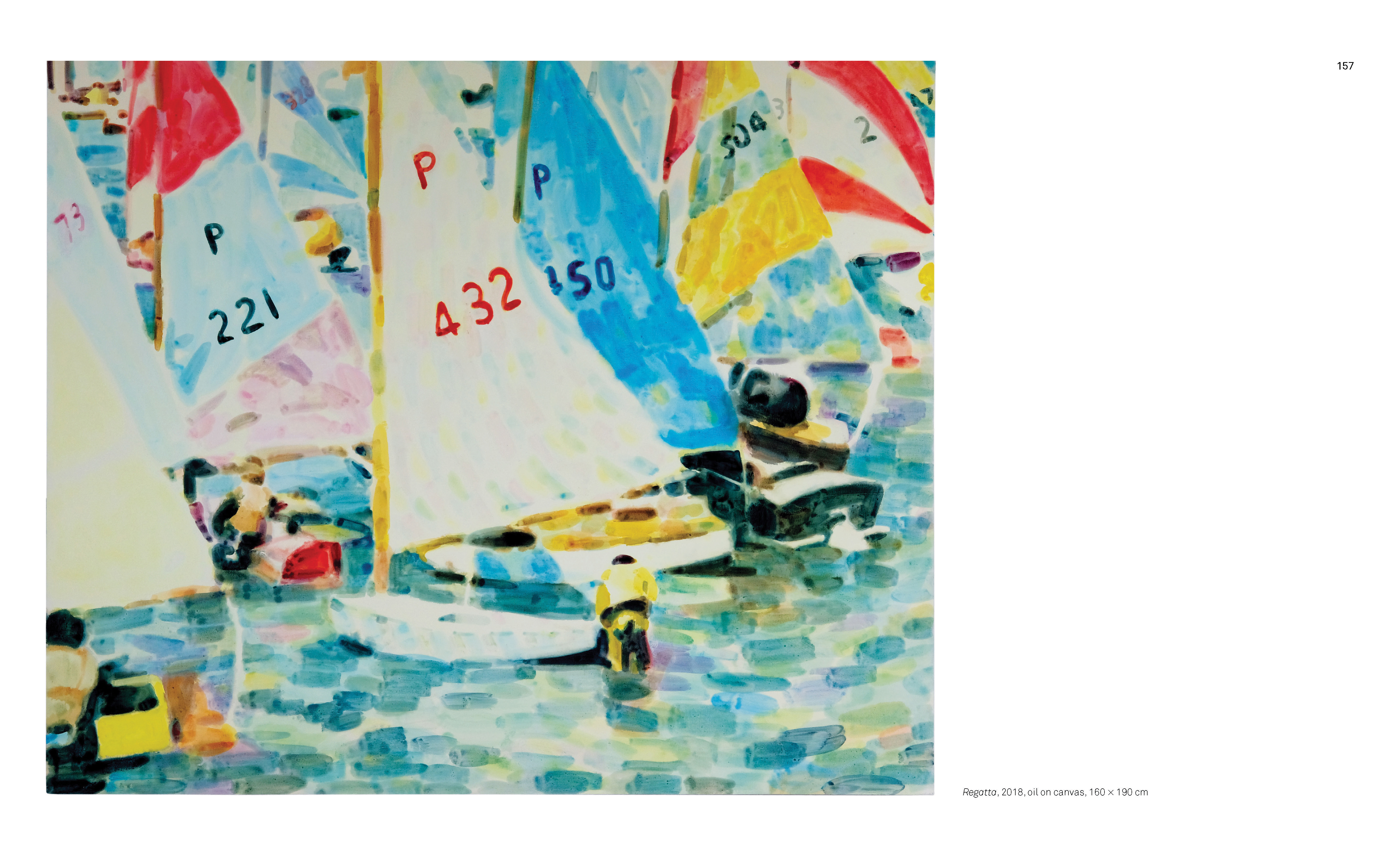
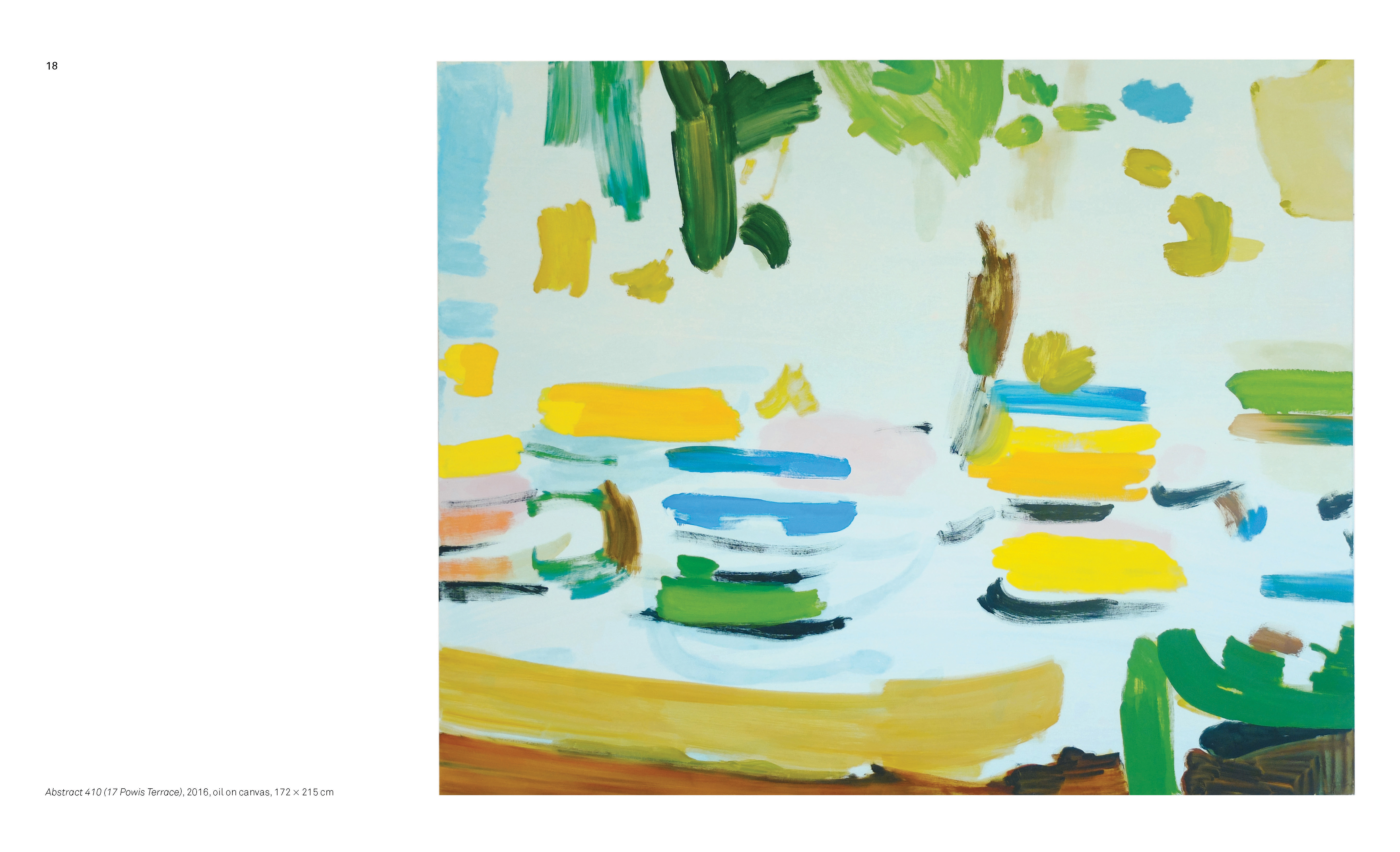
Constantly shifting between representation and abstraction, while referencing art, architecture and design and embracing the decorative, Tim Braden’s work is a celebration of the act of making things. His expressive and lushly seductive painting explores the in-between spaces between categories and states, dissolving and reassembling the world in high-key colour and vivid brushstrokes to re-present reality as something new and newly felt. His painterly works, both abstract and figurative, often depict or imagine interior spaces such as homes and studios, or gardens and landscapes, as well as individuals working, making, or looking. Found objects and images play an important role in the practice. His paintings frequently evolve from historical photographs, book and magazine covers, or anecdotes involving celebrated twentieth-century artists and designers such as Wassily Kandinsky, Paul Klee, Sonia Delaunay, and Roberto Burle Marx. Braden also plays with scale and expectation, creating ‘found’ abstract compositions from cropped fragments of his own figurative works that he then realizes as oversized paintings on canvas or small oil sketches on card.

Assembling a body of work produced over the last decade, Tim Braden: Looking and Painting is the first monograph on the artist in ten years. It draws together the various themes and styles of his work, and includes many paintings that have never been shown in public before. The book includes responses to Braden’s work by Jennifer Higgie, Christopher Bedford, and Dominic Molon.

Tim Braden studied at the Ruskin Oxford; St Petersburg Academy of Fine Arts and the Rijksakademie in Amsterdam. He has exhibited widely, including at Baibakov Art Projects, Moscow; Gemeente Museum, The Hague; Hamburger Bahnhof at Museum fur Gegenwart, Berlin; Kunstnernes Hus, Oslo; Museum Van Loon, Amsterdam; the Van Gogh Museum, Amsterdam; and the Goethe Institute in New York. His work is in many private and public collections internationally including New Art Gallery, Walsall, and the Zabludowicz Collection, London. He lives and works in London.
Christopher Bedford is the Dorothy Wagner Wallis Director of the Baltimore Museum of Art.

Jennifer Higgie is a writer and editorial director of frieze. She is the editor of The Artist’s Joke, author of the novel Bedlam and the children’s book There’s Not One.

Dominic Molon is the Richard Brown Baker Curator of Contemporary Art at the RISD Museum, Rhode Island.

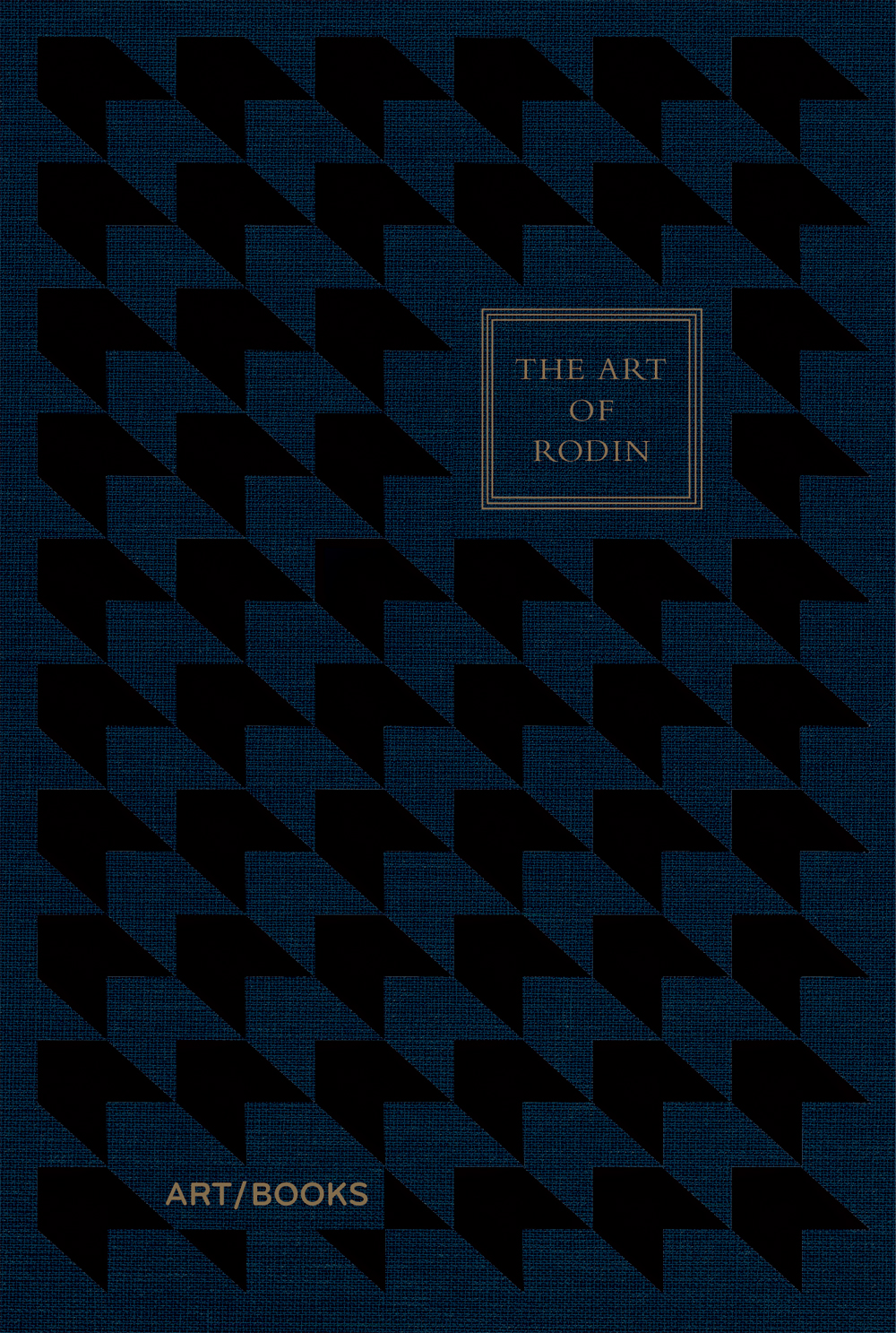
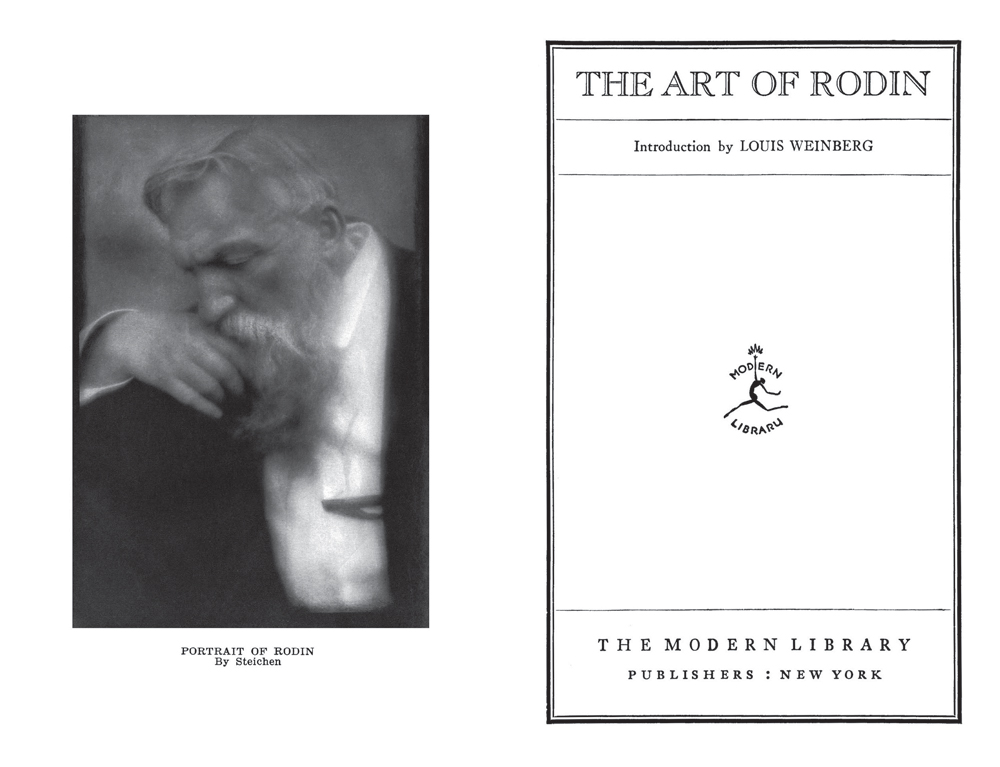
The Art of Rodin

Introduction by Louis Weinberg

An Art / Books Vintage Classic

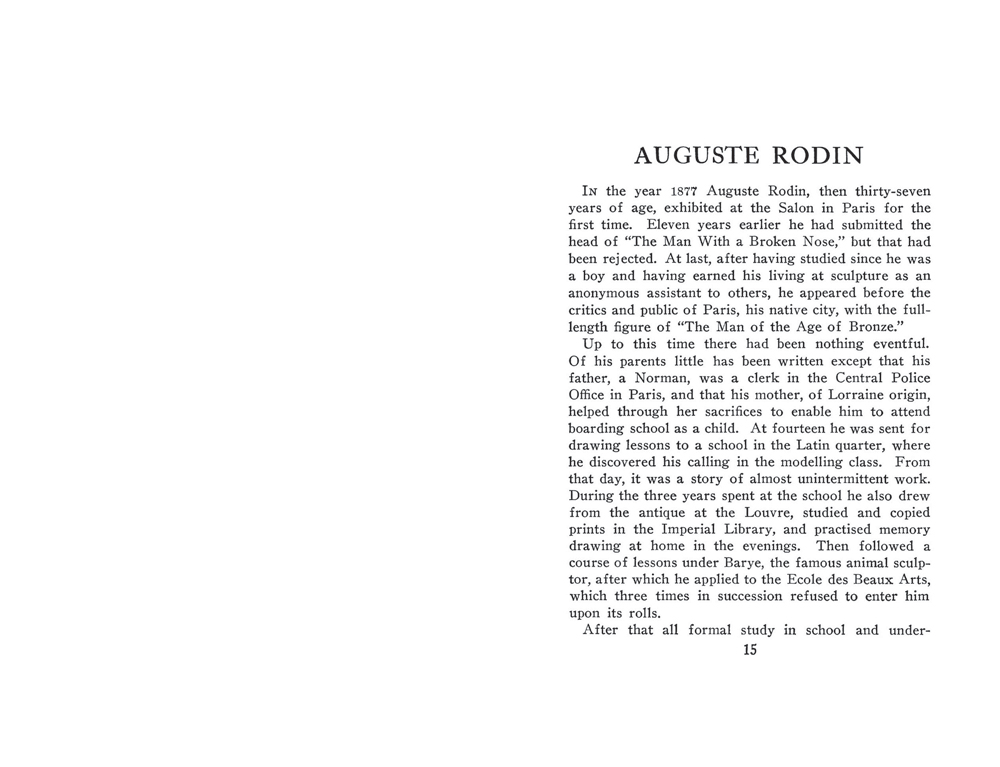
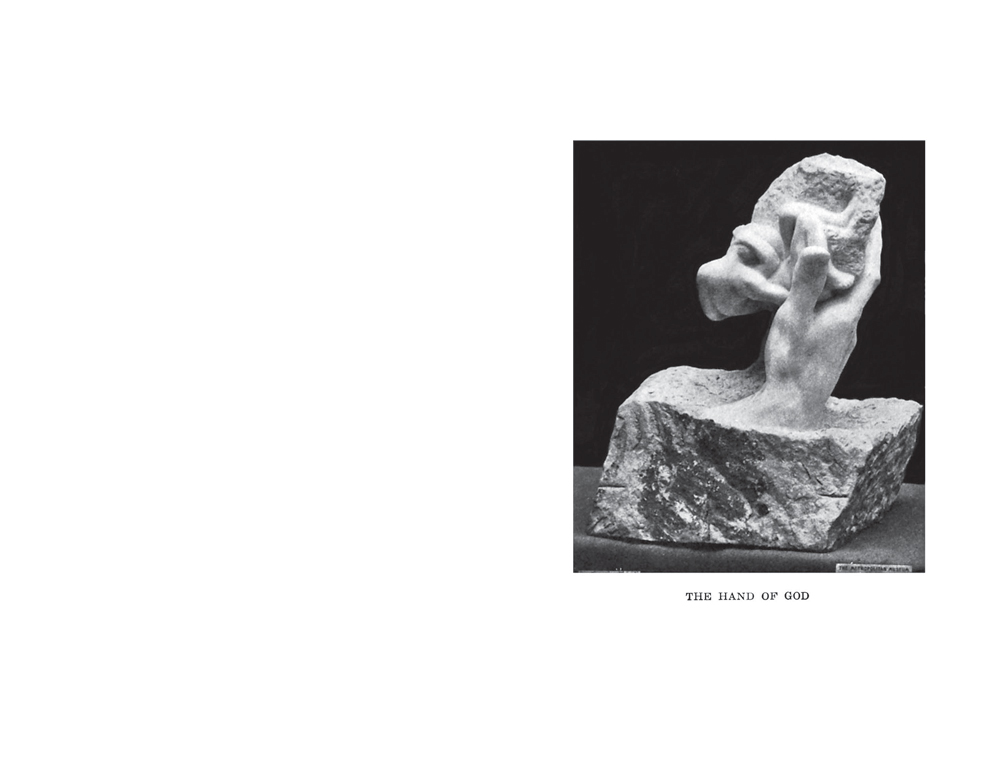
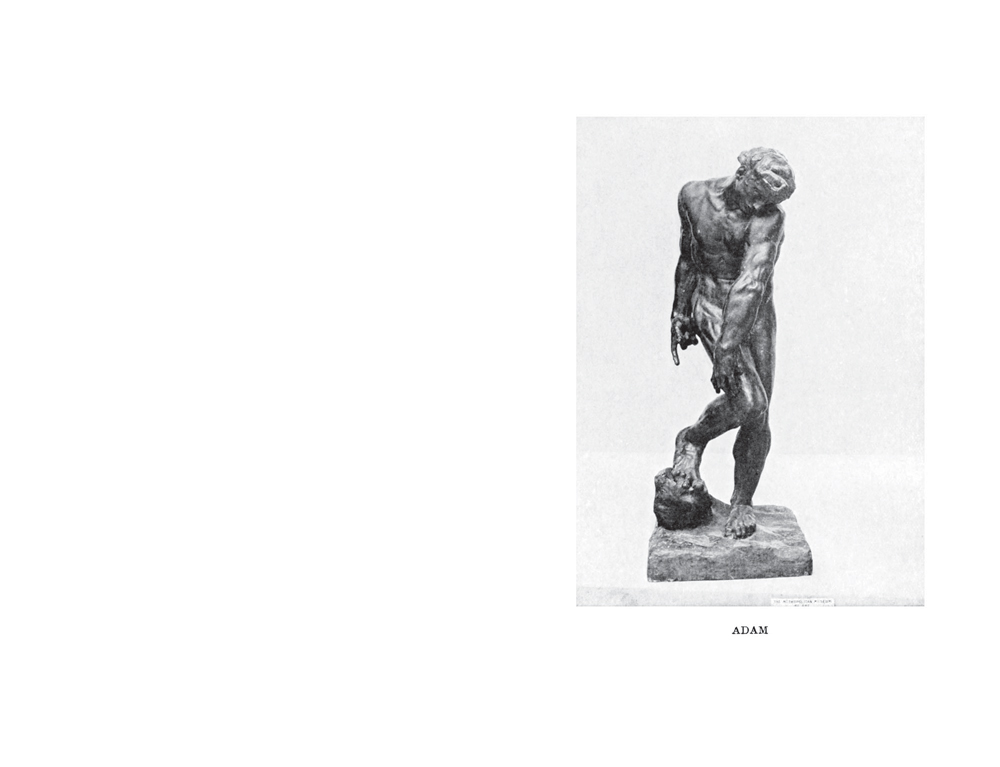
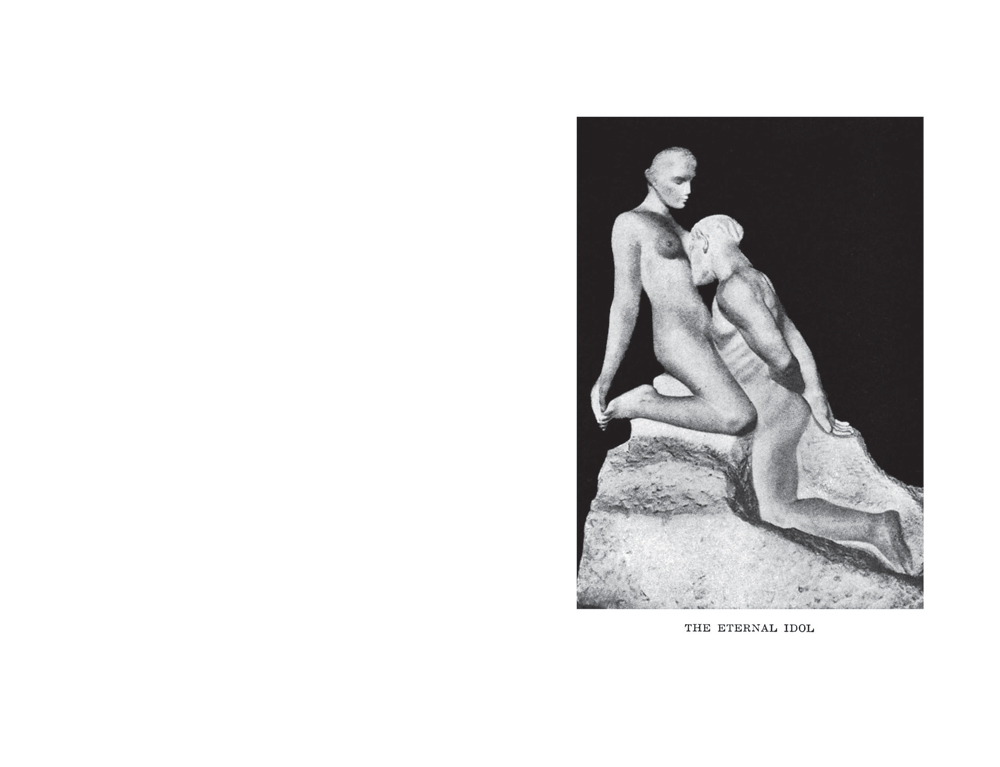
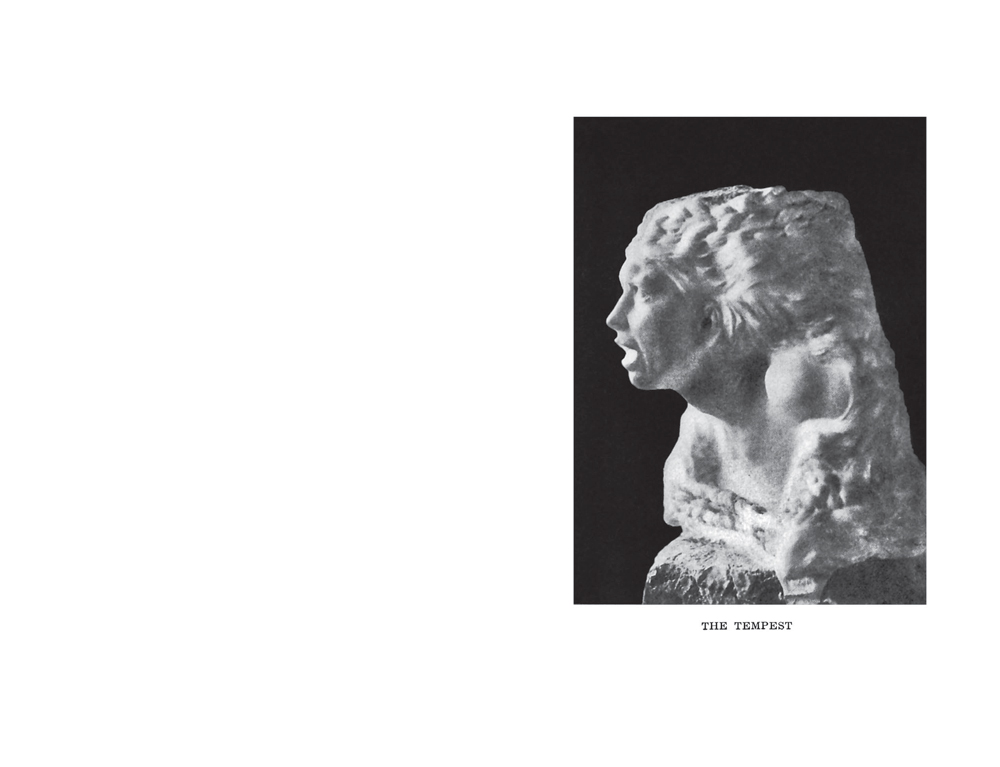
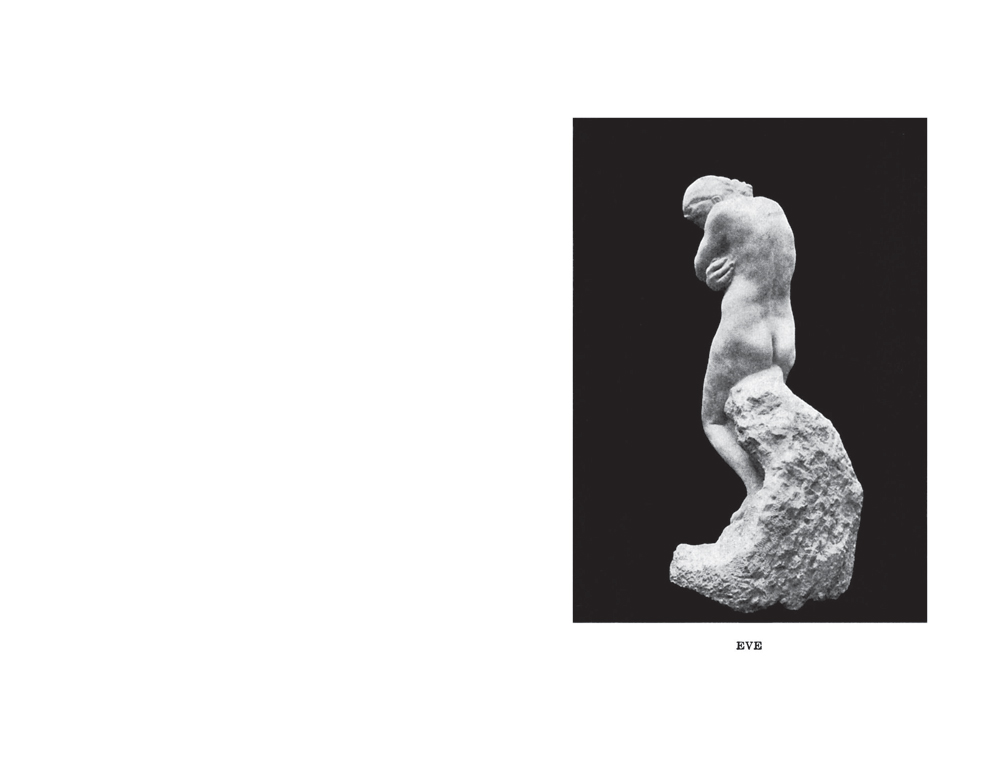
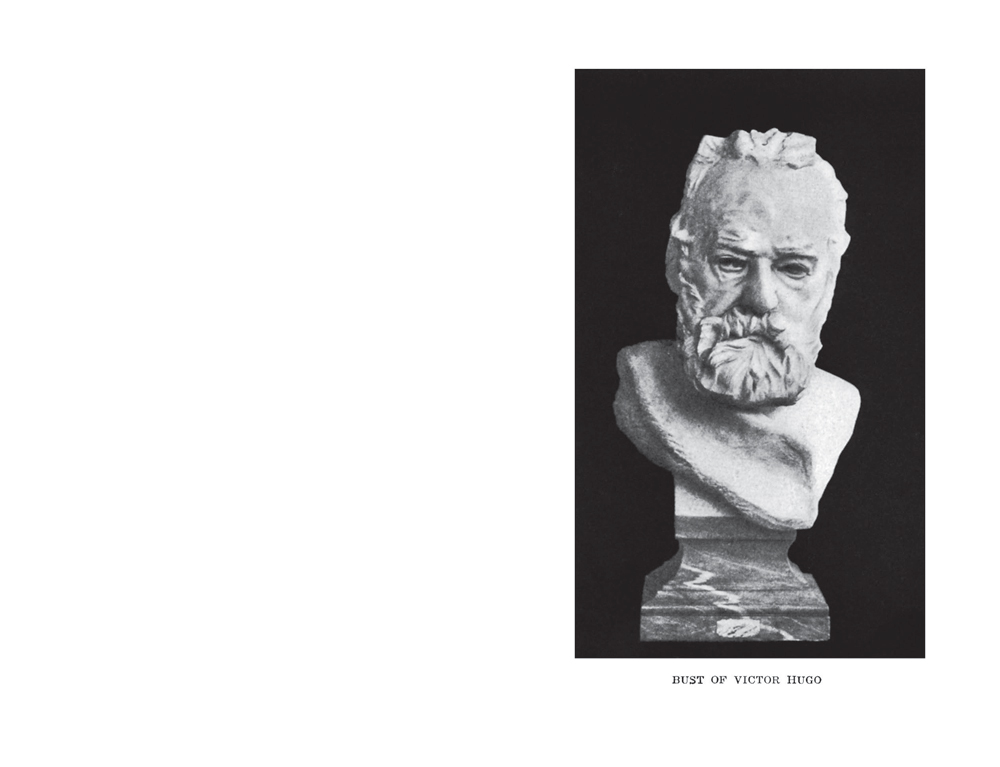
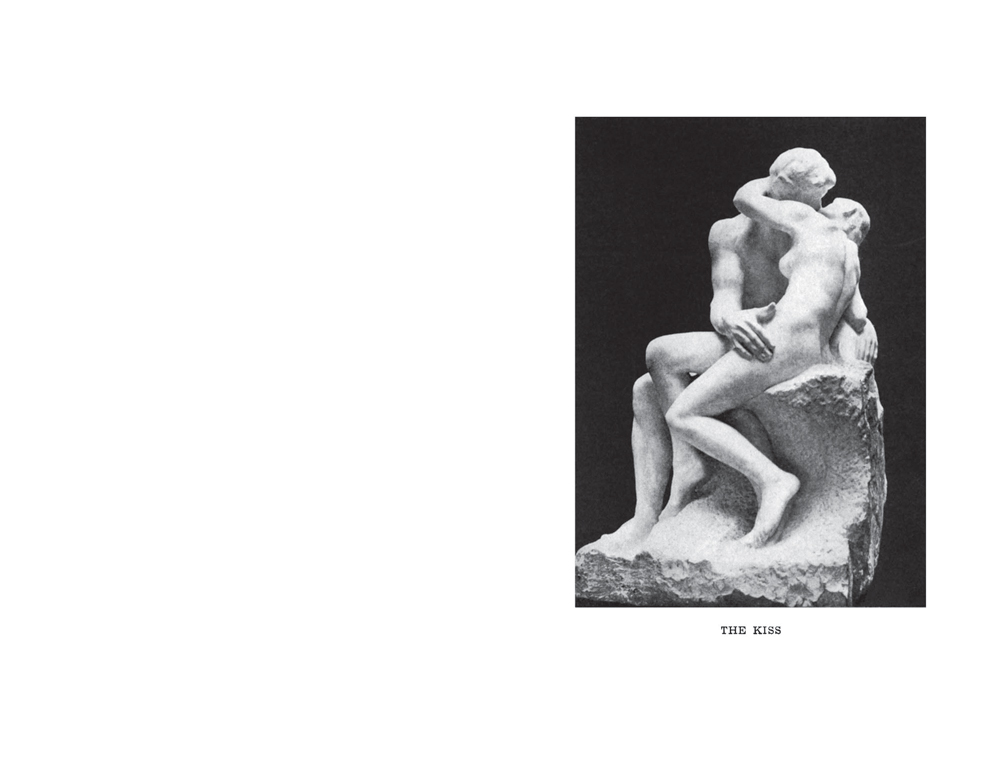
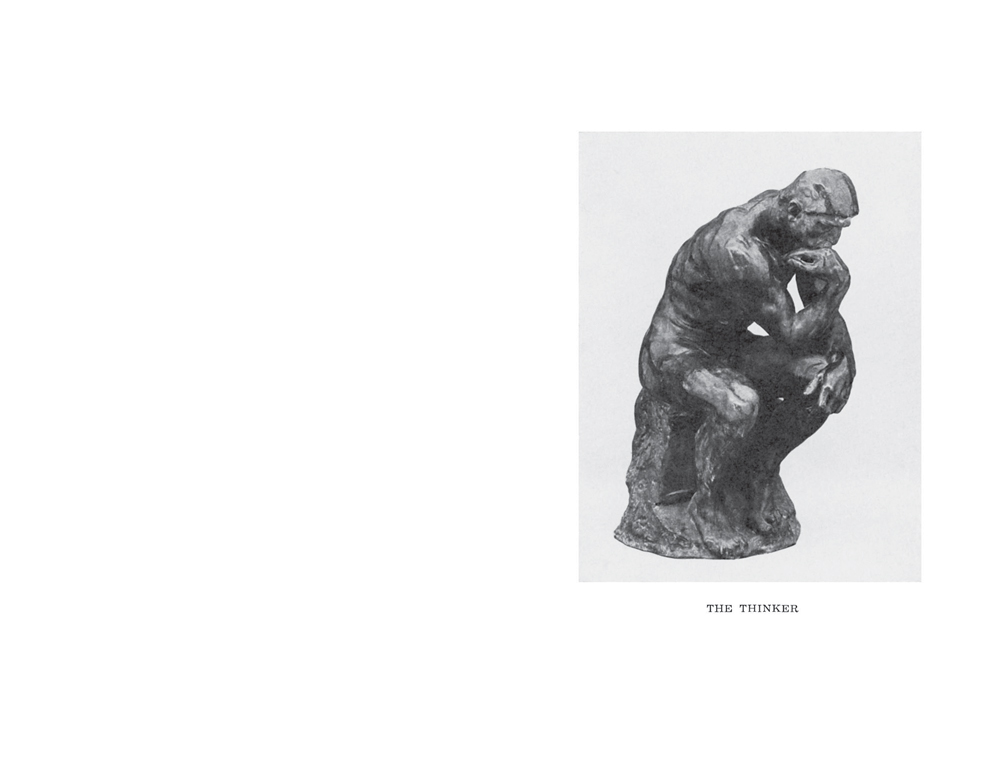
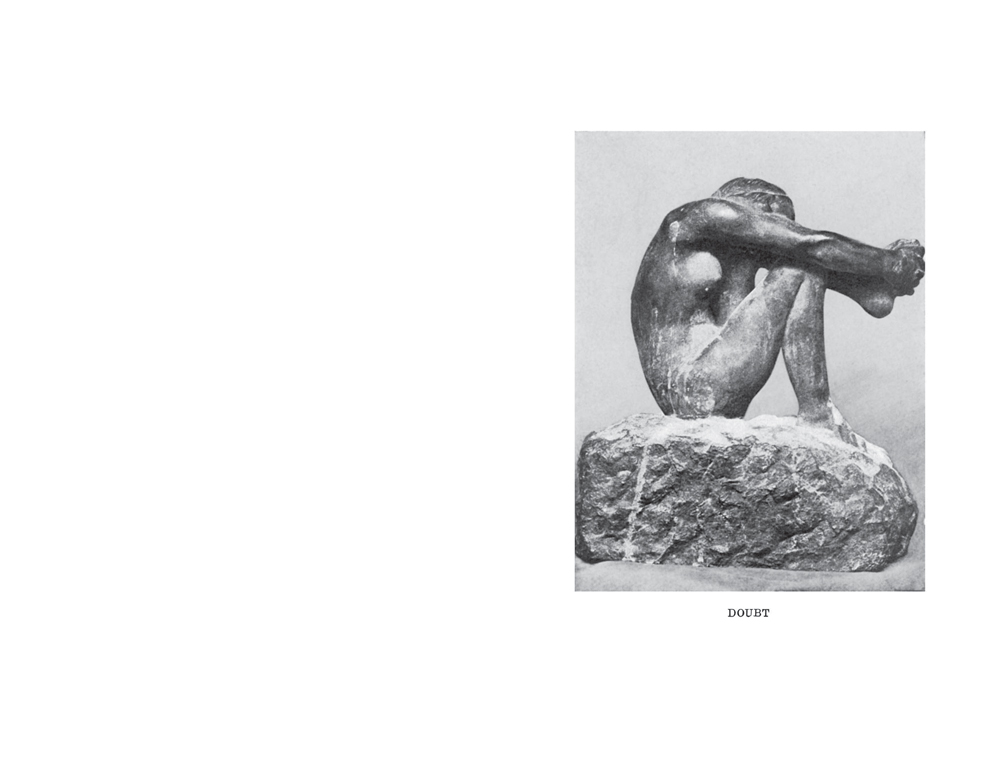
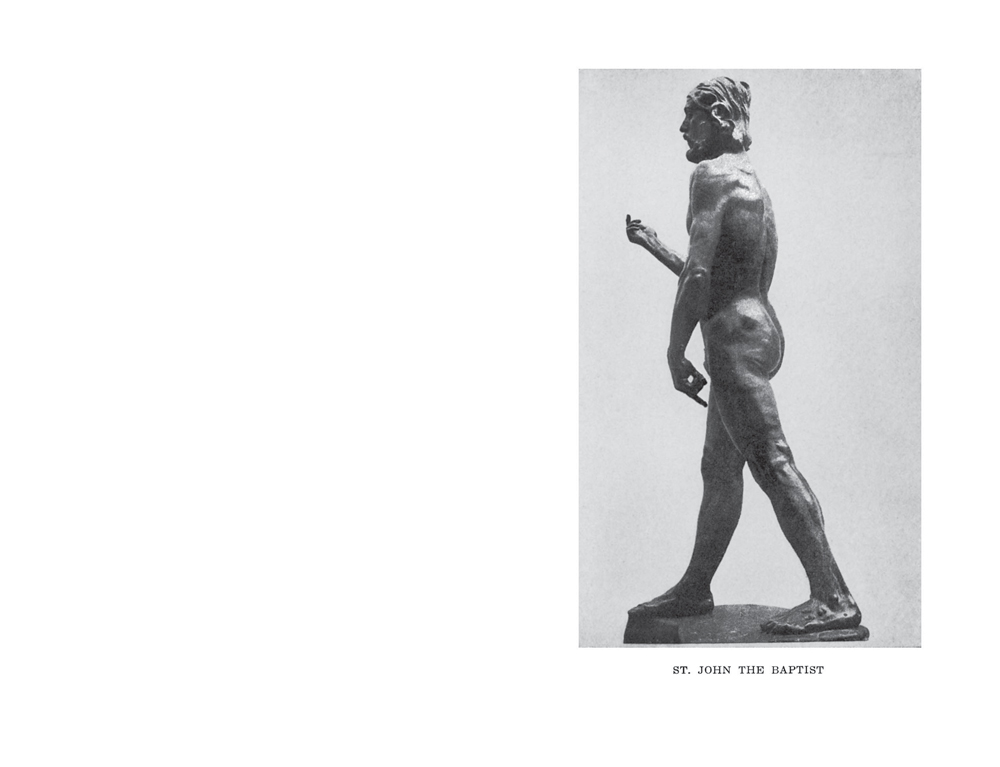
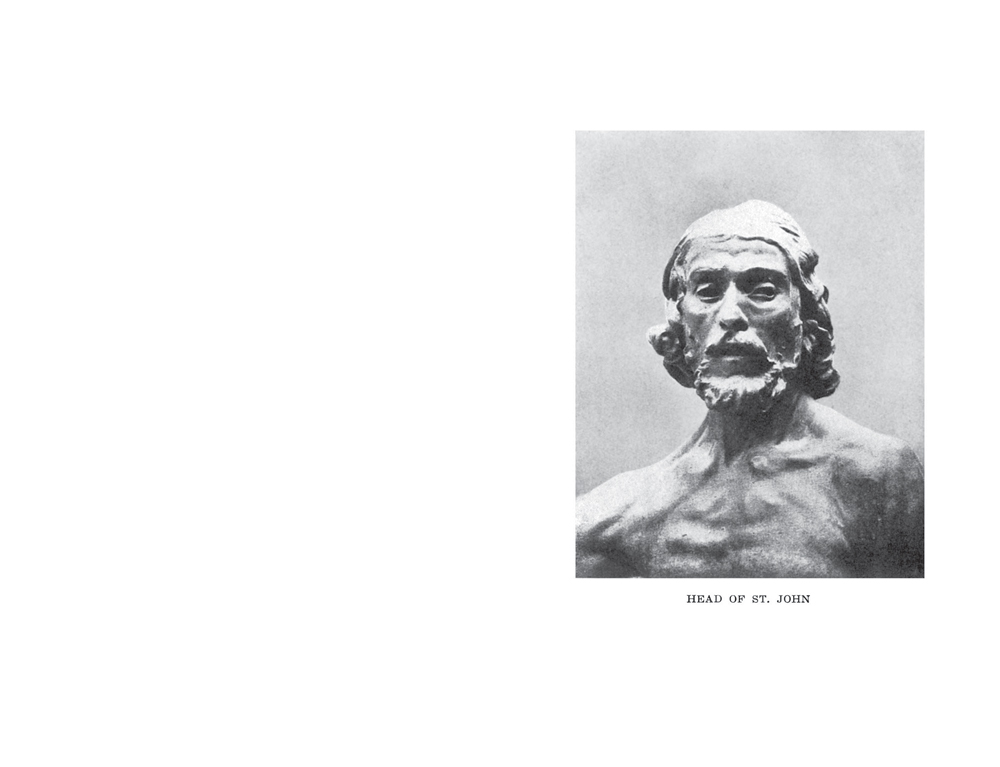
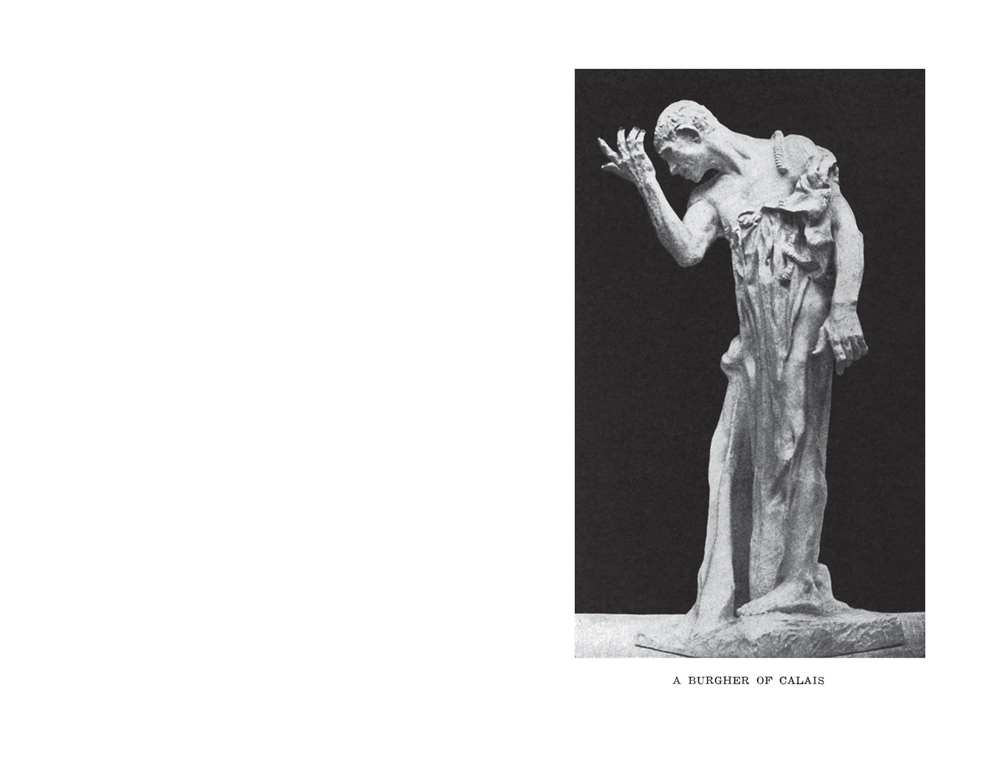
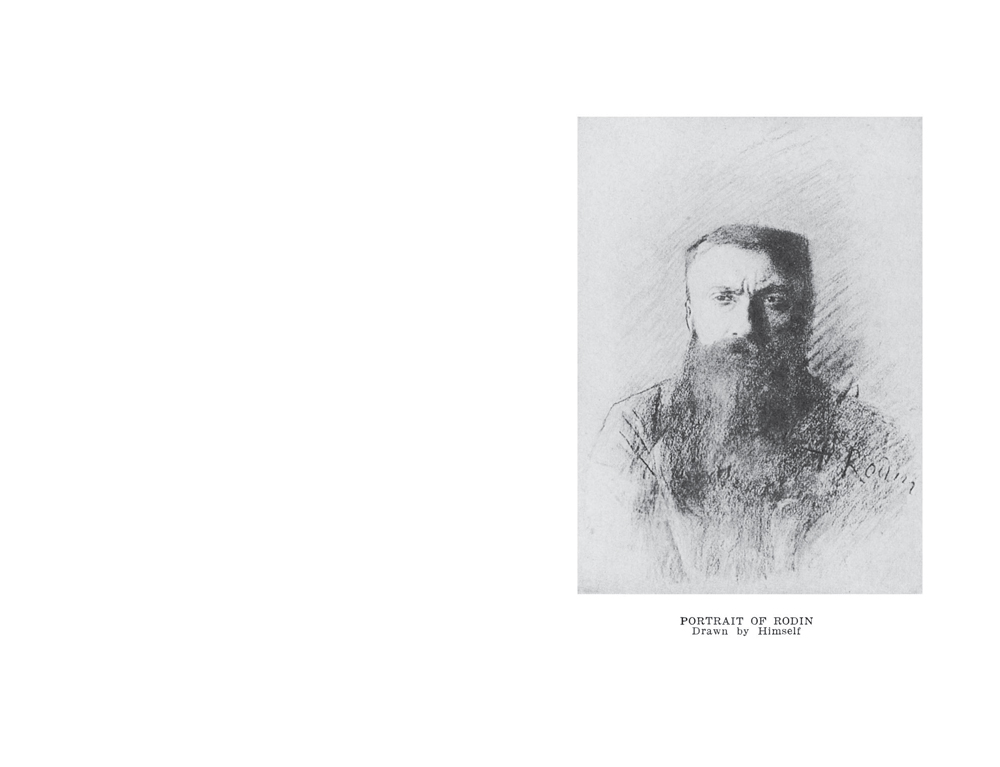
Auguste Rodin is a colossus in the history of art. In a career that spanned the late nineteenth and early twentieth centuries, the Paris-born sculptor rebelled against the idealized forms and practices of traditional art and paved the way for the birth of modern sculpture. While he believed that art should be true to nature, he sought to penetrate beneath the surface appearance and to express inner truths of the human psyche. The hallmarks of his style – its highly eroticized, sometimes explicit character, his use of incomplete figures, his emphasis on formal qualities rather than on narrative, and his desire to retain the marks of the sculptural process – were considered revolutionary at the time. As a result, his intense, evocative works courted controversy, inspiring violent hatred and ardent admiration in equal measure. By the end of his life, however, his reputation was established and he had become one of the most celebrated artists in the world.

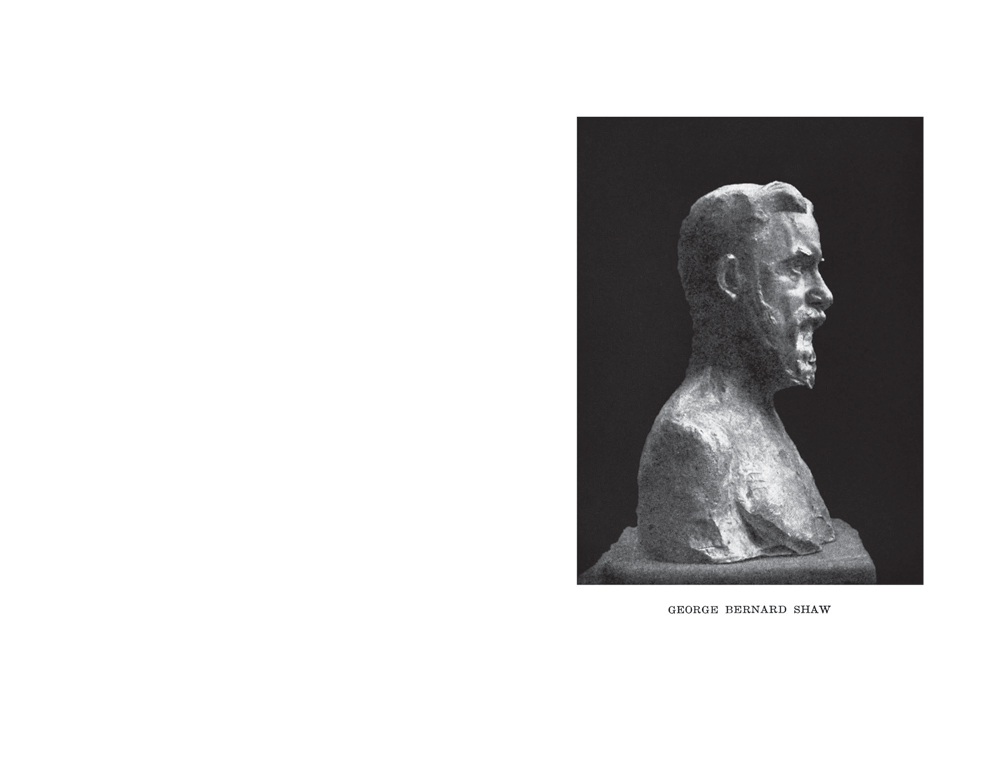
This centenary facsimile edition faithfully reproduces the pages of a 1918 volume published immediately in the wake of Rodin’s death. With an essay by American artist, critic, and teacher Louis Weinberg, it presents almost seventy of Rodin’s greatest works in a beautiful clothbound format for a contemporary audience. It is a perfect gift, collectible and keepsake for any Rodin enthusiast or lover of modern sculpture.

Louis Weinberg (1885–1964) was an artist, writer and professor emeritus of art at City College in New York. He was the author of The Art of Rodin, Color in Every Day Life, America in the Making, and America in the Machine Age.
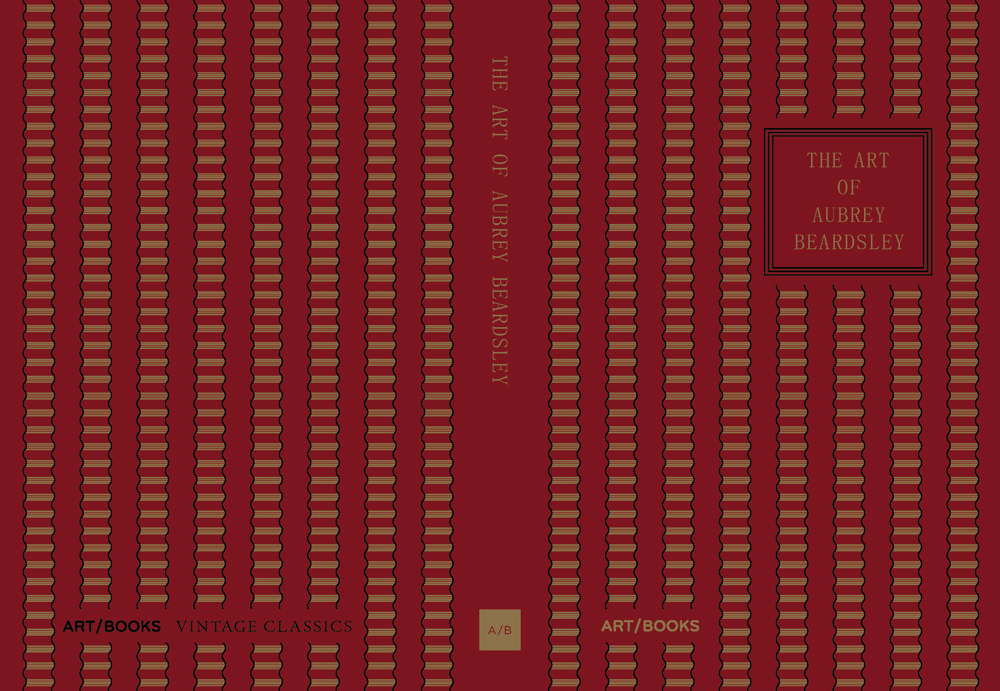
The Art of Aubrey Beardsley

Preface and introduction by Arthur Symons

An Art / Books Vintage Classic

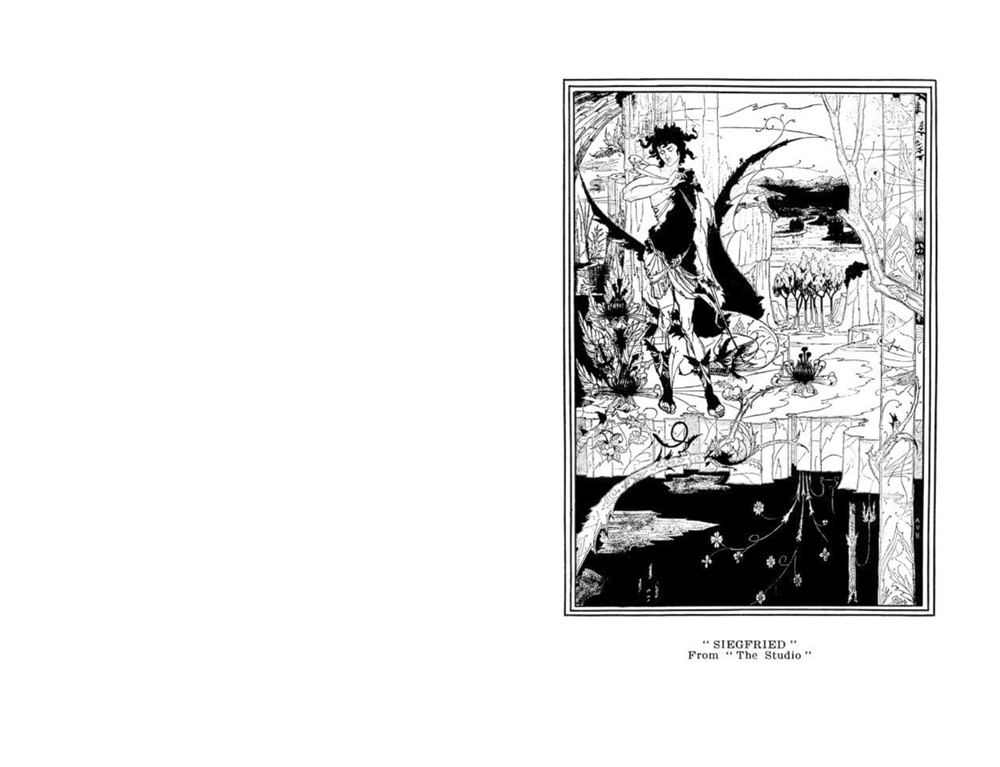
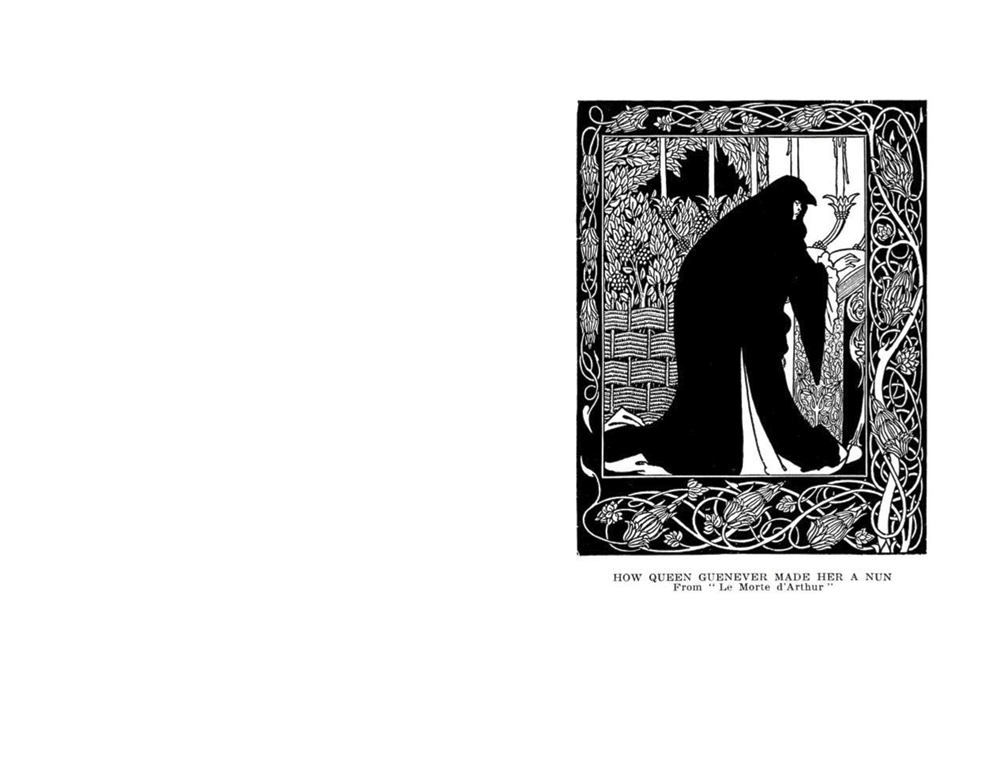
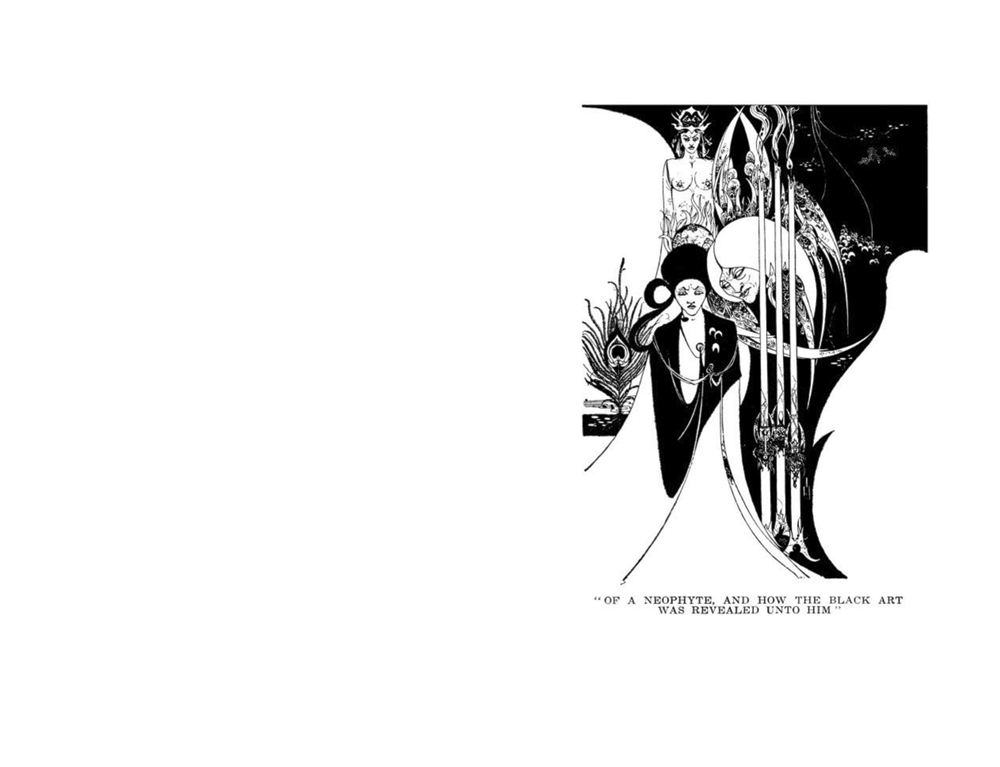
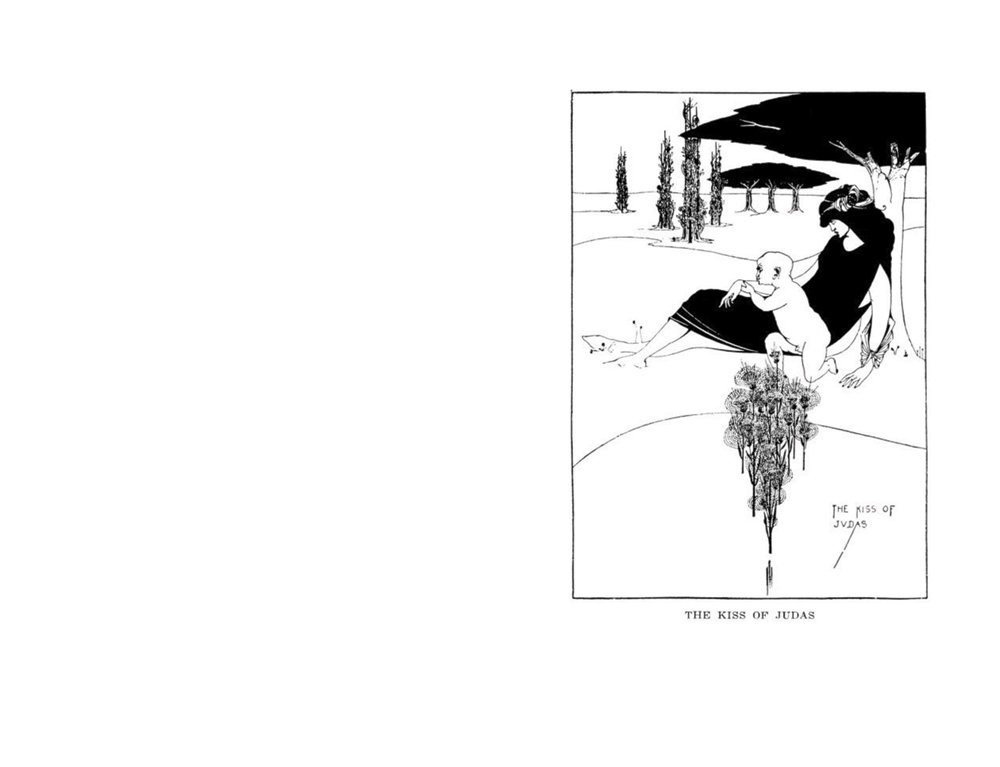
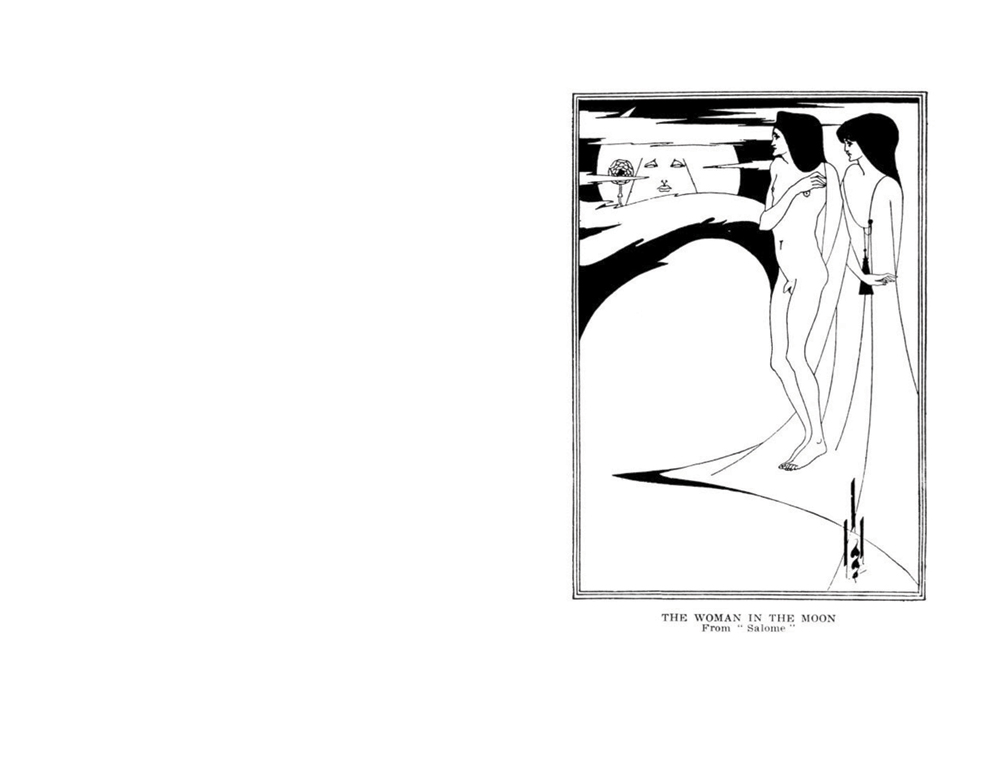
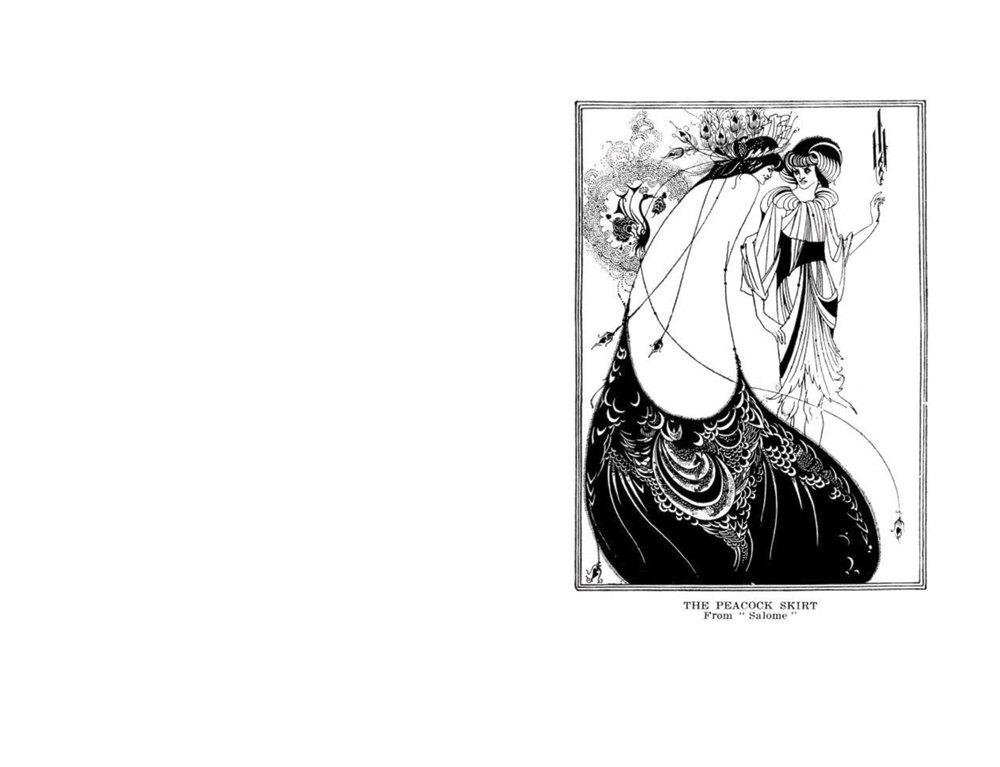
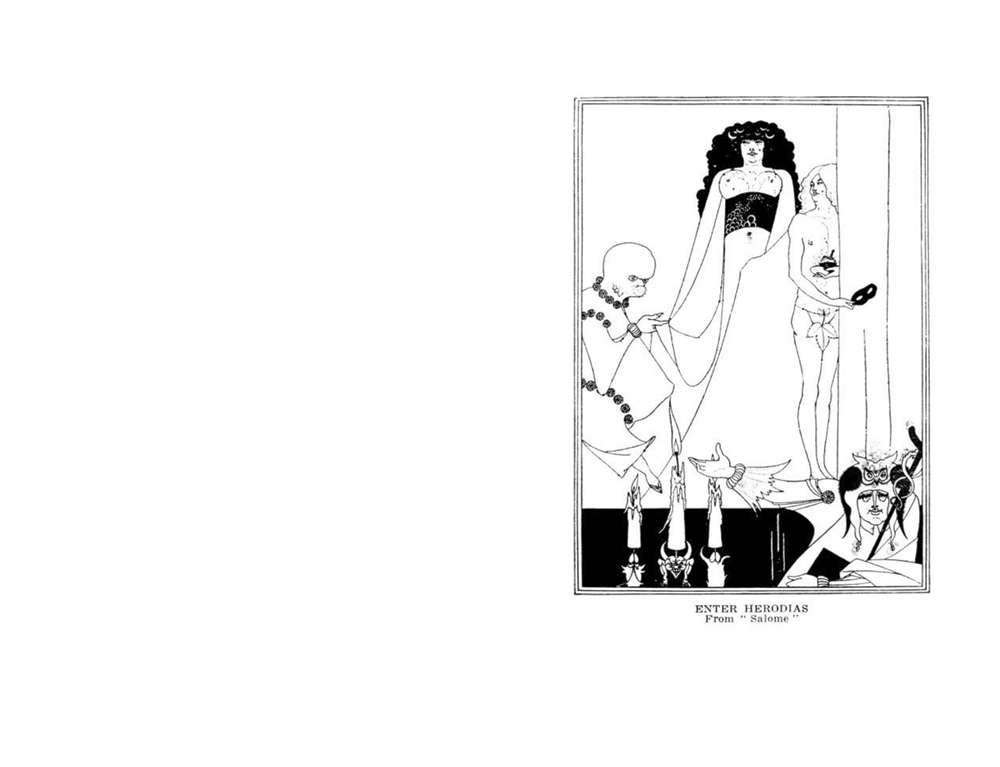
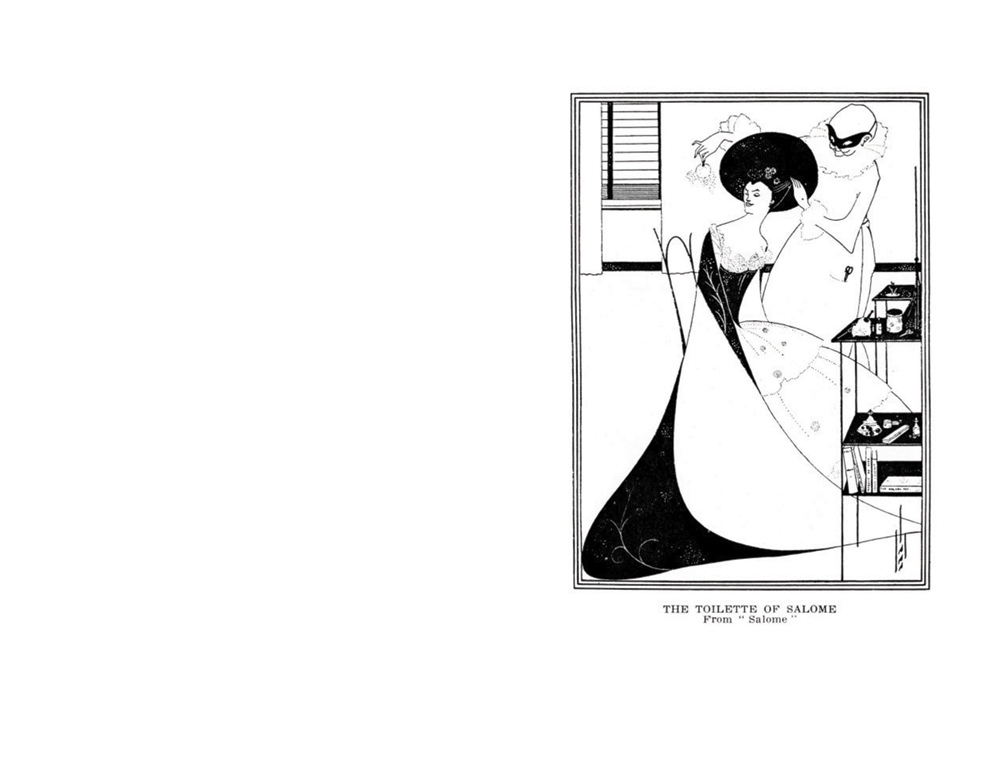
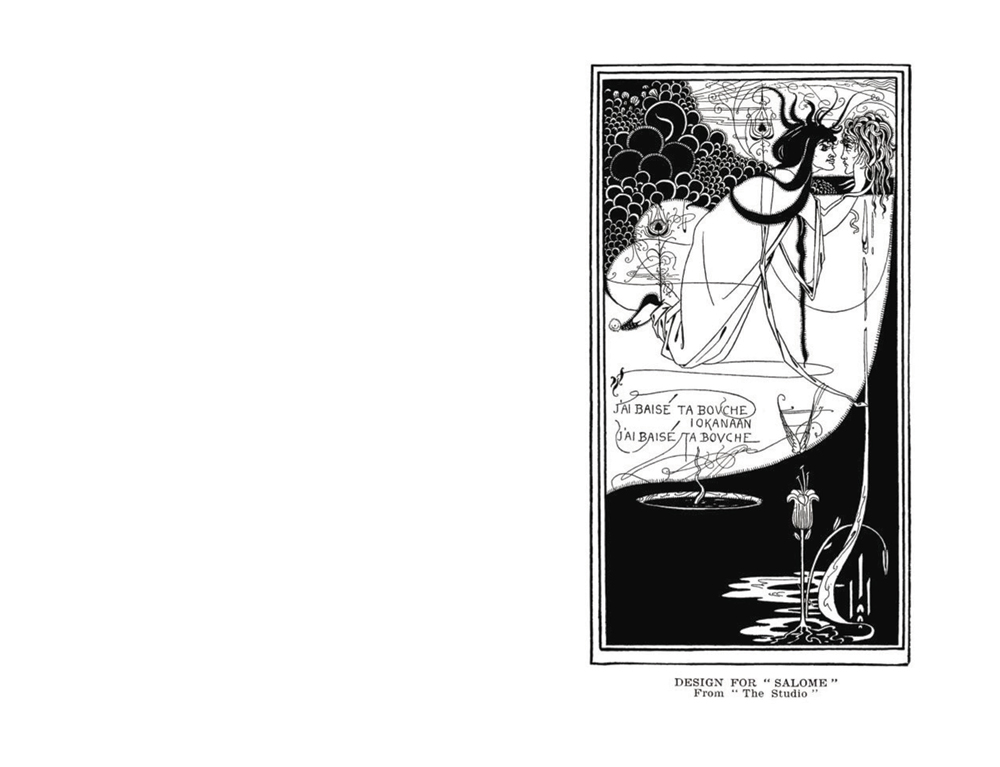
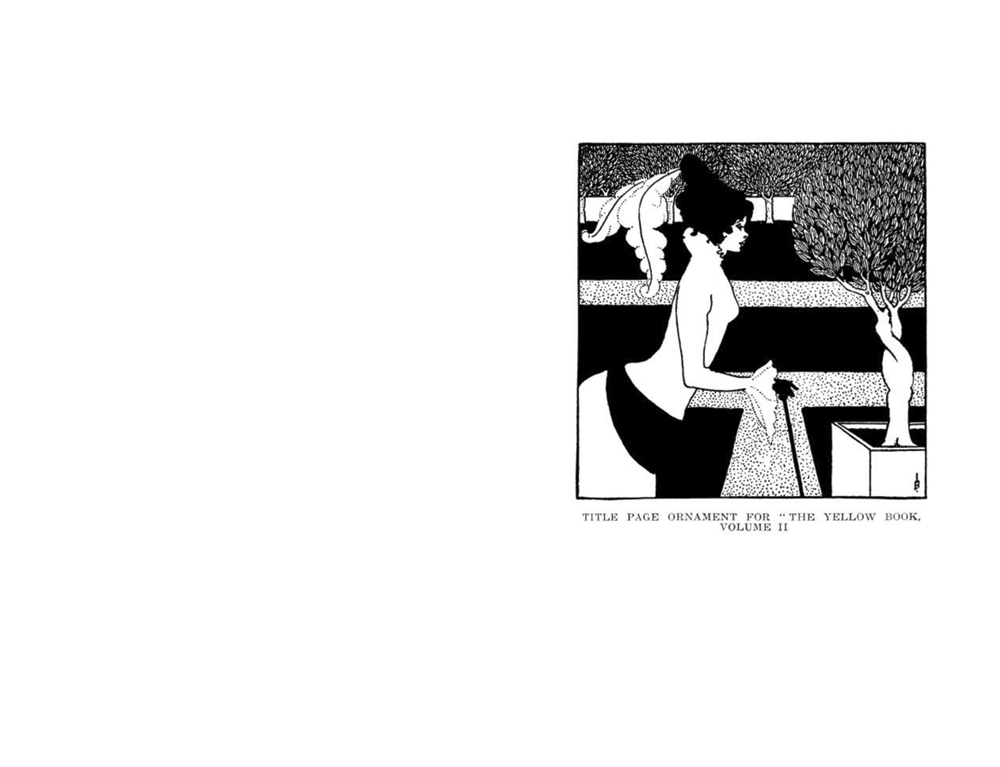
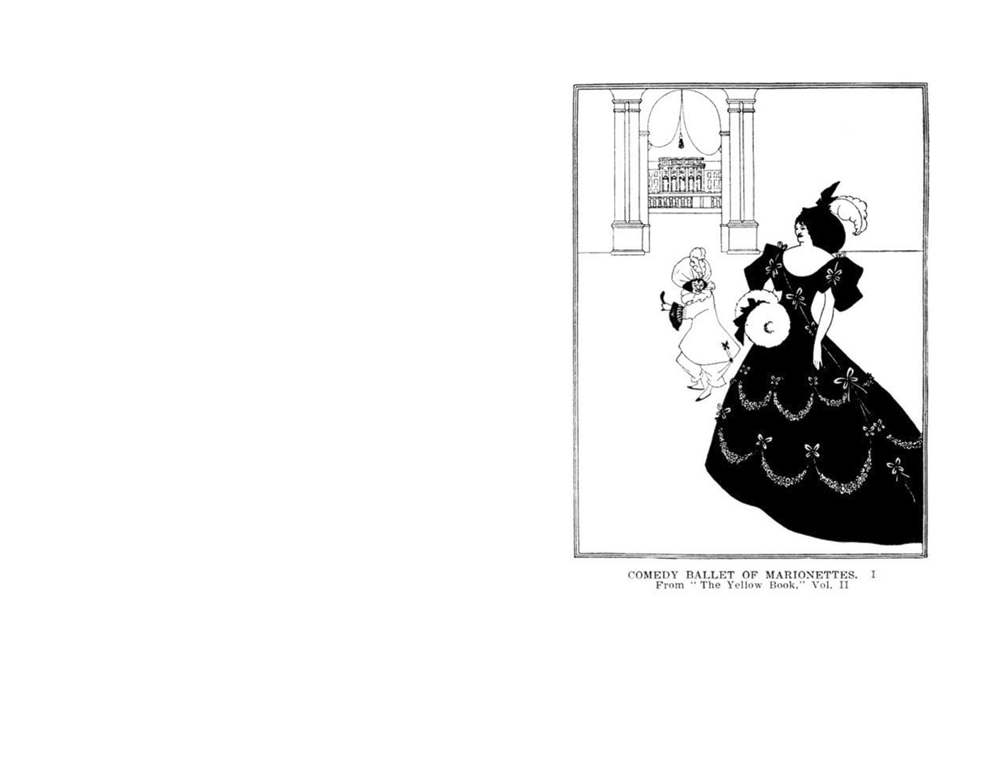
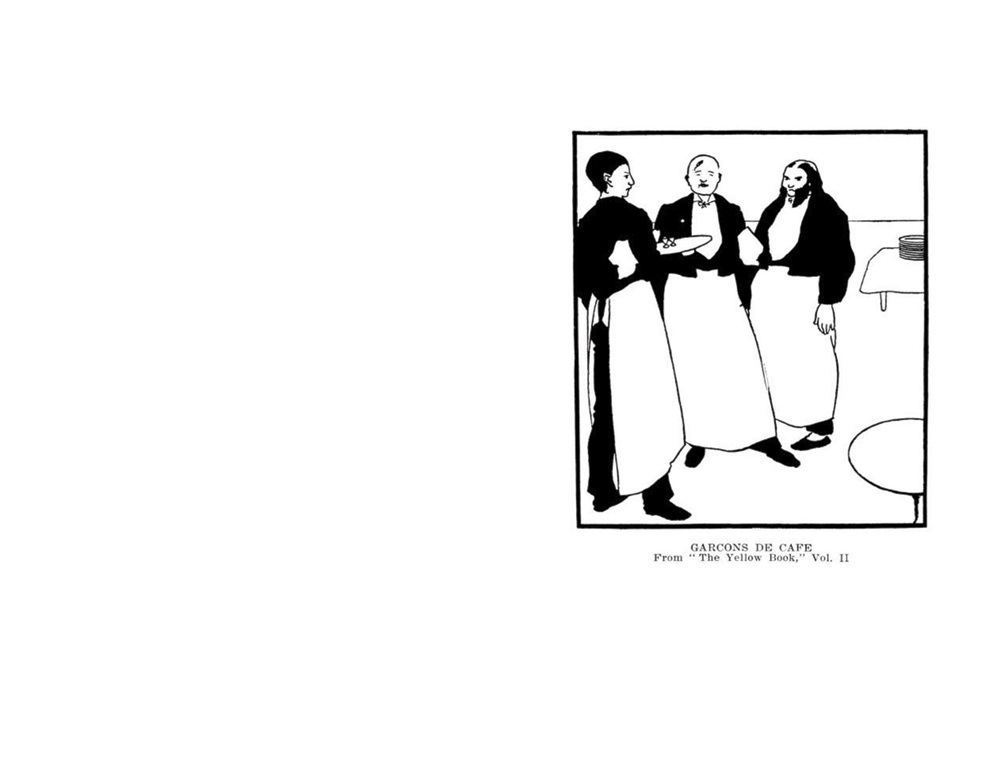
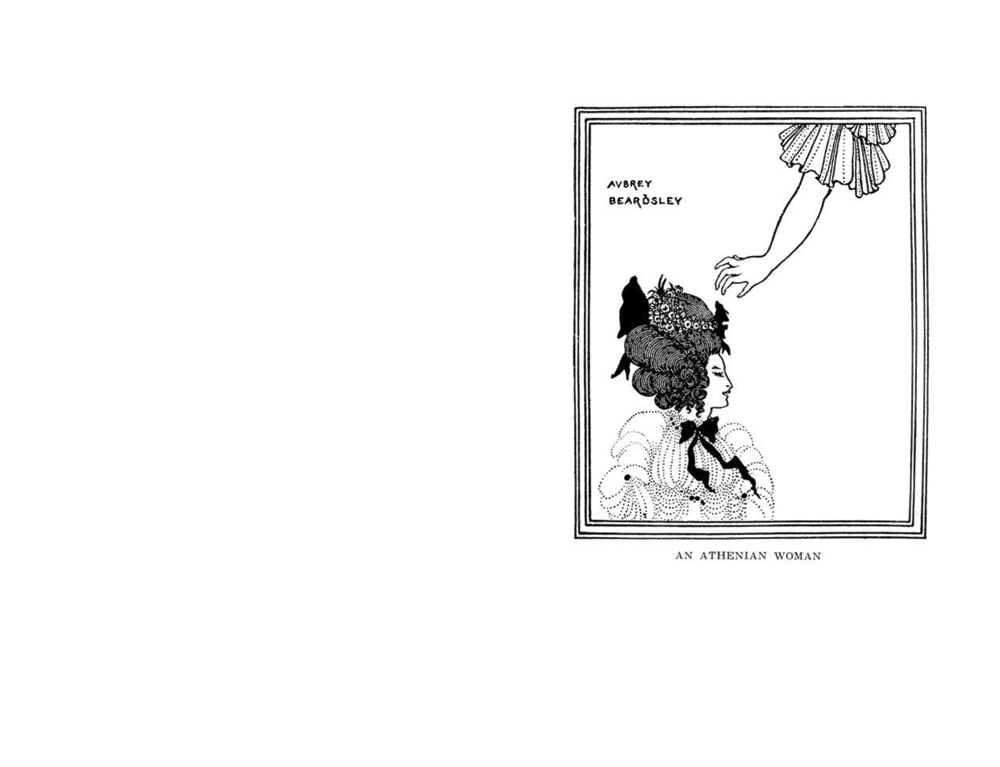
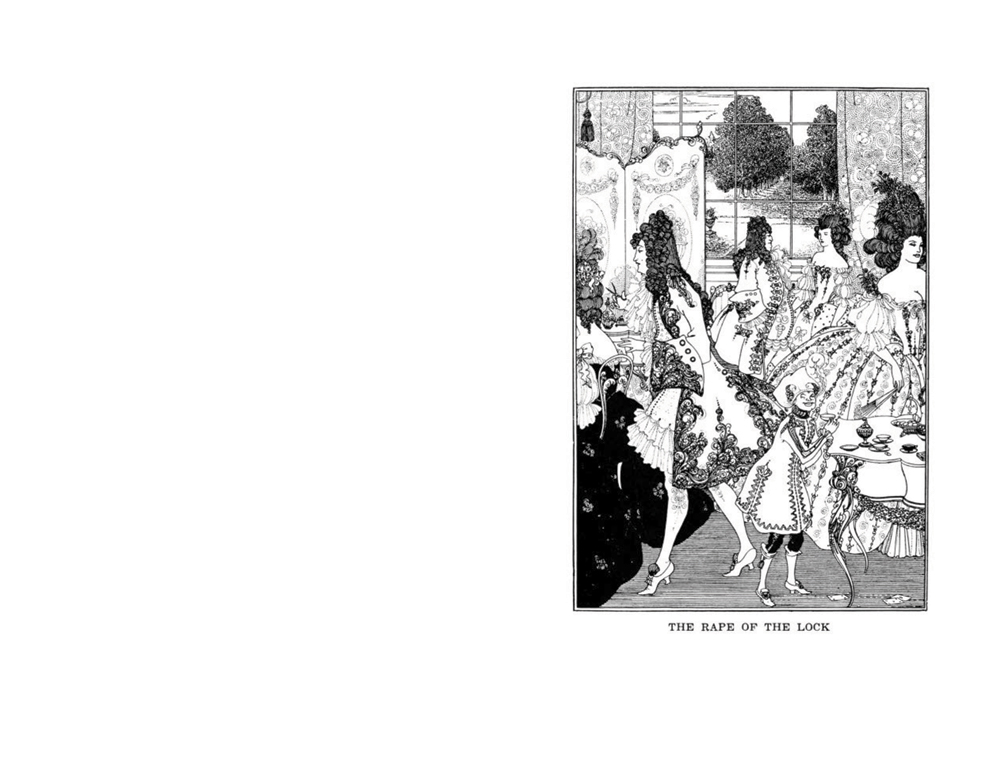
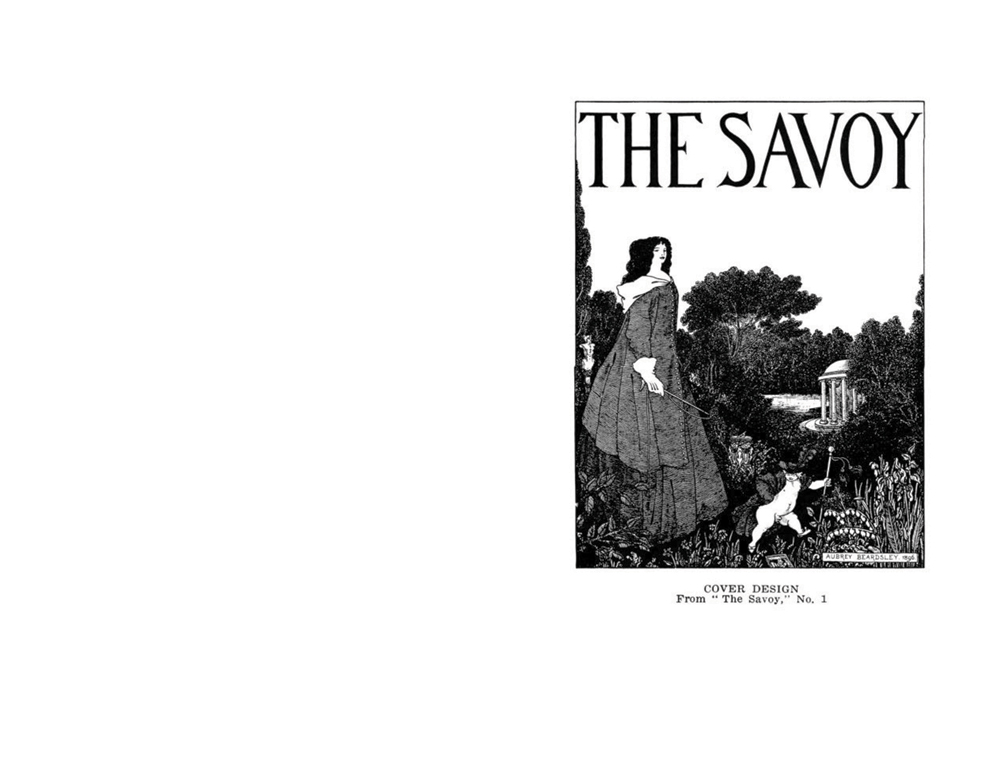
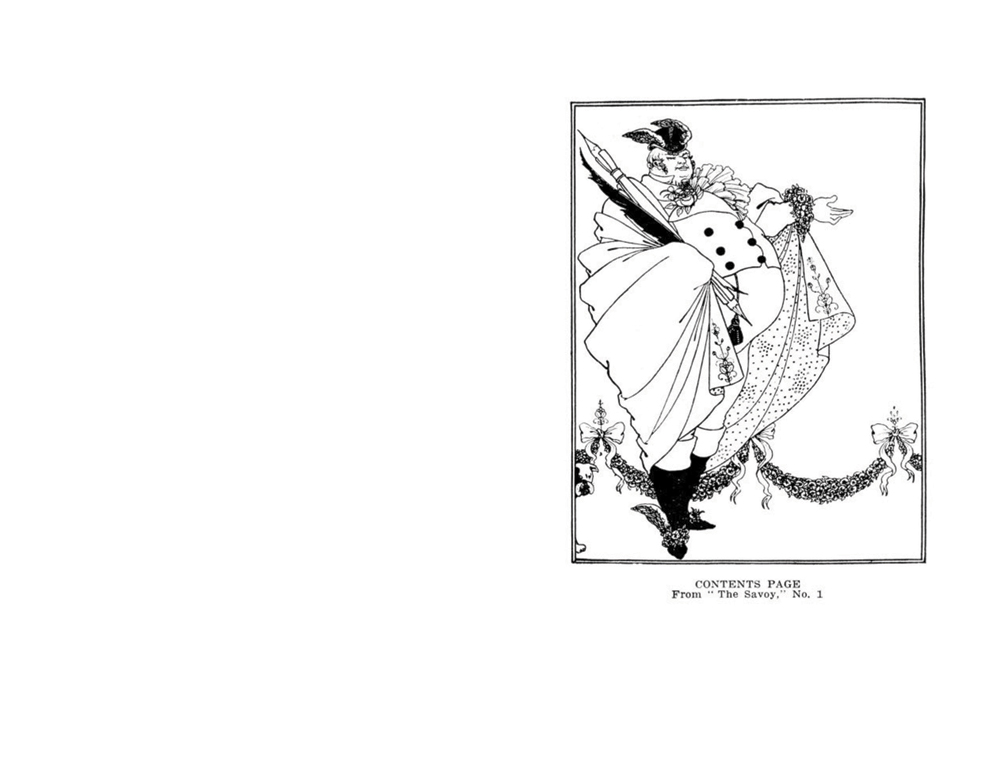
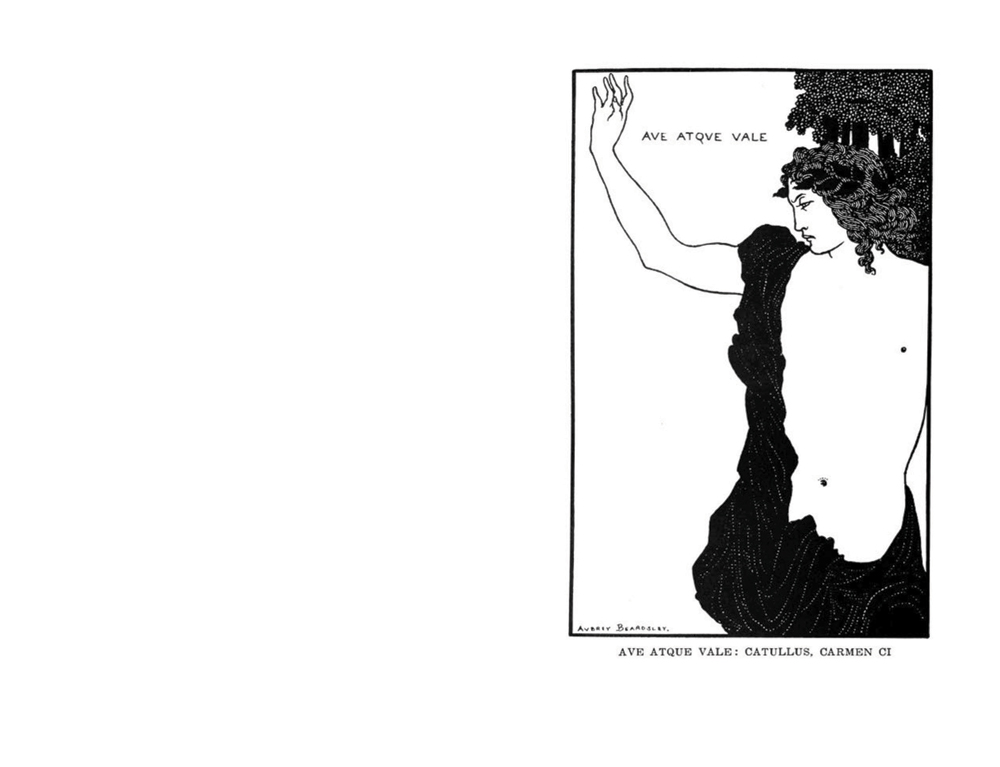
Aubrey Beardsley was a leading figure of the fin de siècle Aesthetic Movement and the most controversial artist in 1890s London. His delicate yet bold drawings of grotesque, sensual and erotic subjects transformed the art of illustration but also scandalized Victorian society with their dark and often perverse imagery. Prolific until his early death at the age of twenty-five from tuberculosis, in just six years and with almost no formal training he produced an enormous body of work that symbolized the decadence of the period.

Published twenty years after he died, The Art of Aubrey Beardsley presented sixty-four of his works in an intimate pocket-sized edition. With a personal memoir and critical appreciation by the poet and editor Arthur Symons, written upon the death of his friend and collaborator, it was the definitive word on the provocative artist’s seductive and individual art, the text becoming a collectors’ item that was privately printed until being published for a wider audience. This centenary facsimile edition faithfully reproduces the pages of the 1918 volume, presented in a special cloth binding with a black-and-gold motif adapted from one of Beardsley’s own designs for a book cover. A perfect gift for any Beardsley enthusiast, this book will also appeal to anyone interested in the fin de siècle era and the beginnings of modern graphic art.

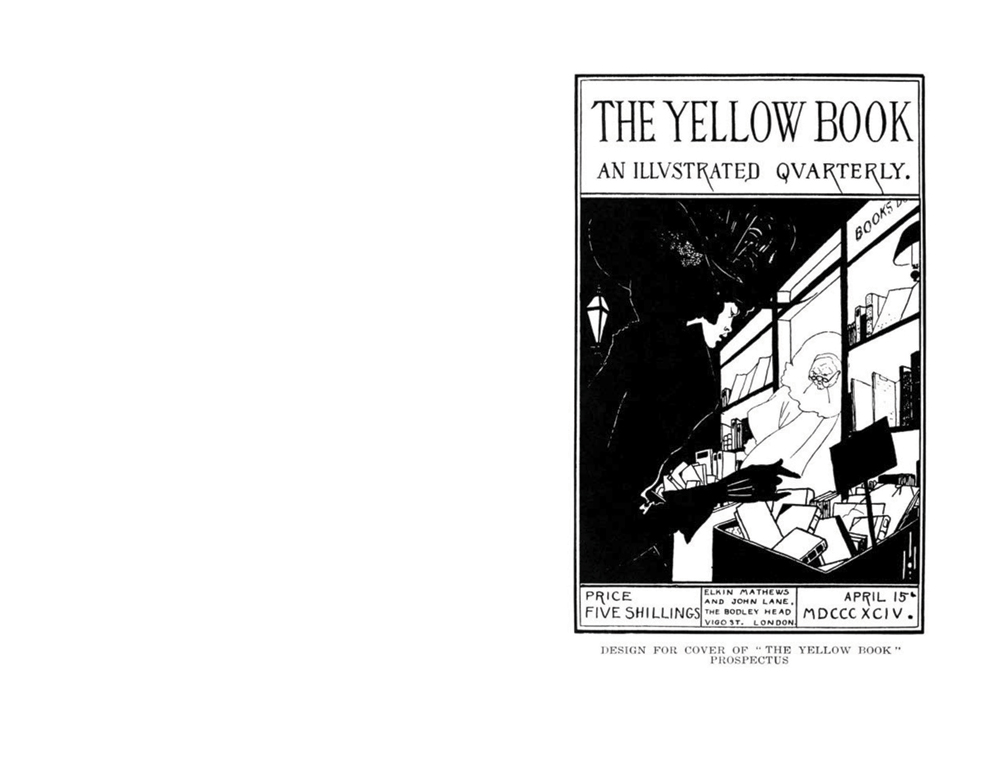
Aubrey Vincent Beardsley (1872–98) was born in Brighton on 21 August 1872. By the age of seven, he was showing signs of the tuberculosis that would eventually kill him. From 1891 to 1892, he took evening classes at the Westminster School of Art, the only formal artistic training he ever received. That year, he visited Paris and discovered the work of Toulouse-Lautrec and Japanese prints, both of which influenced his own style. In 1893, he received his first commission, to illustrate Sir Thomas Malory’s Le Morte d’Arthur. Over the next six years, he completed numerous projects, including illustrations for editions of Aristophanes’ Lysistrata and The Rape of the Lock by Alexander Pope, and drawings for Oscar Wilde’s play Salome. He also co-founded the literary magazines the Yellow Book and the Savoy. By 1897, his health was deteriorating, prompting a move to Menton on the French Riviera, where he died on 16 March 1898.

Arthur Symons (1865–1945) was a British poet, critic and magazine editor and one of the key exponents of Symbolism in Britain. He contributed poems and essays to the illustrated quarterly literary periodical the Yellow Book, whose principal illustrator and first art editor was Aubrey Beardsley. From late 1895 through 1896 Symons edited, along with Beardsley and Leonard Smithers, The Savoy, a short-lived magazine of literature, art, and criticism whose contributors included Yeats, George Bernard Shaw, and Joseph Conrad. Until he suffered a breakdown in 1909, Symons wrote numerous volumes of verse, plays, and essays, including the important The Symbolist Movement in Literature, which would have a major influence on W. B. Yeats and T. S. Eliot.

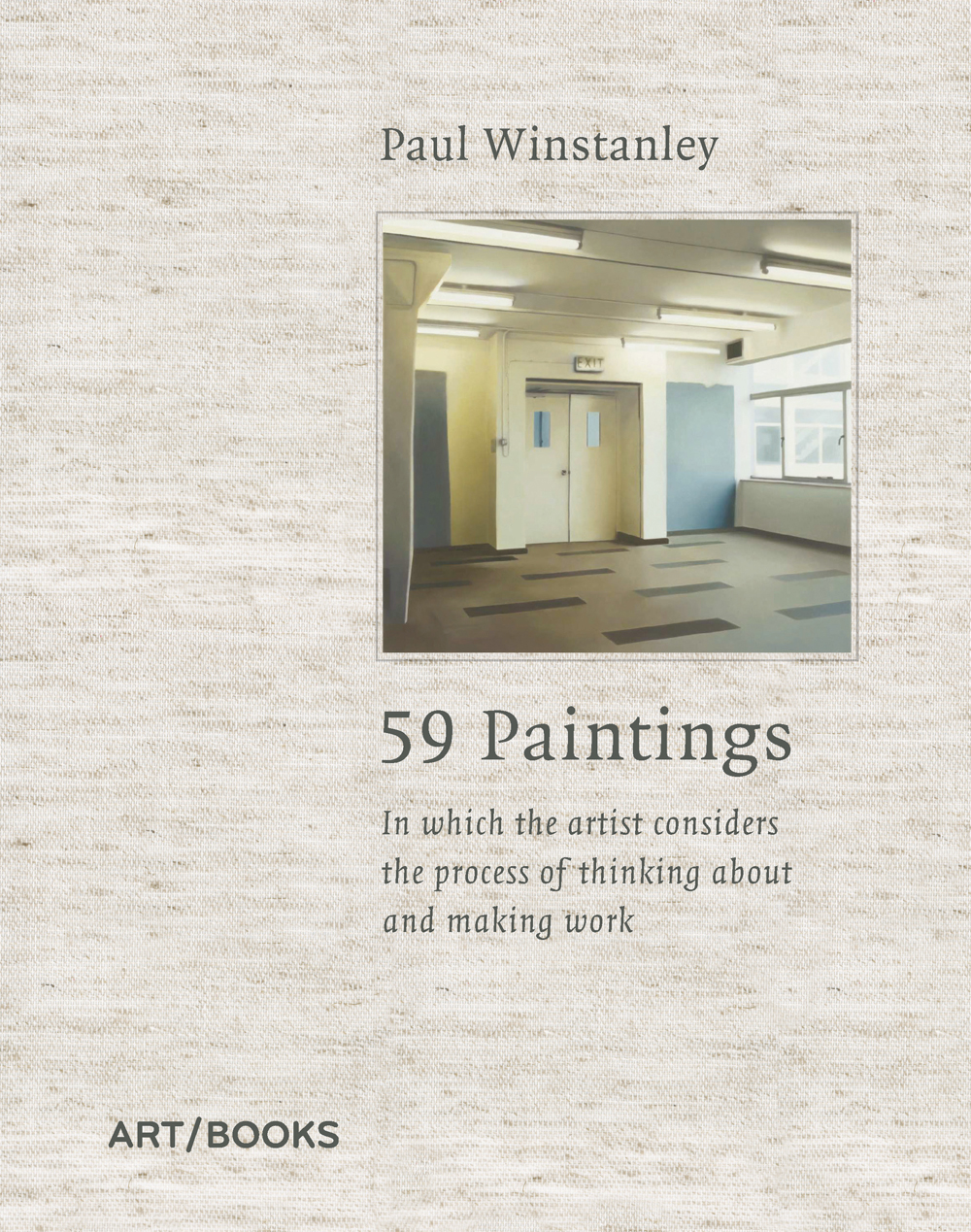
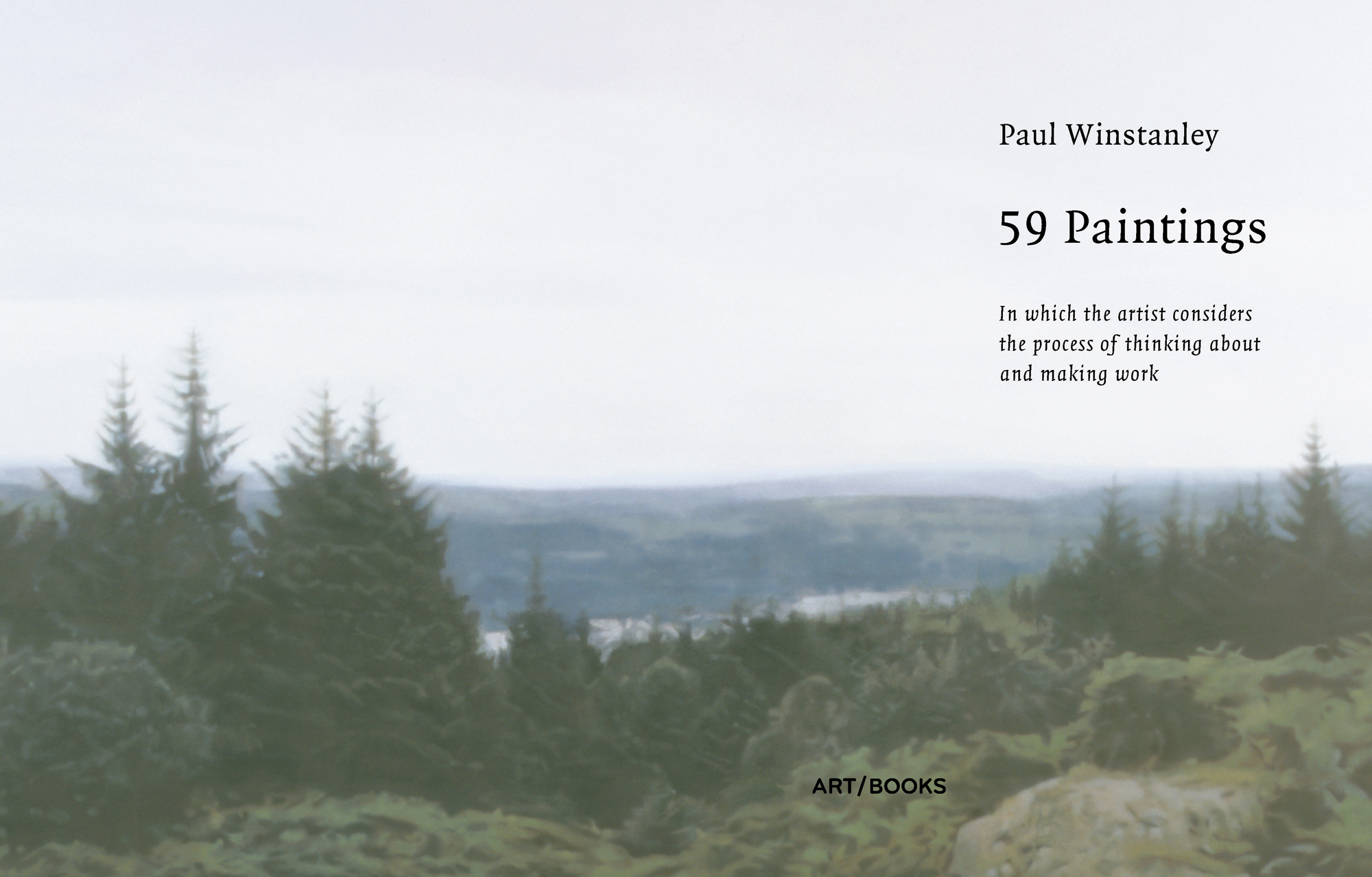
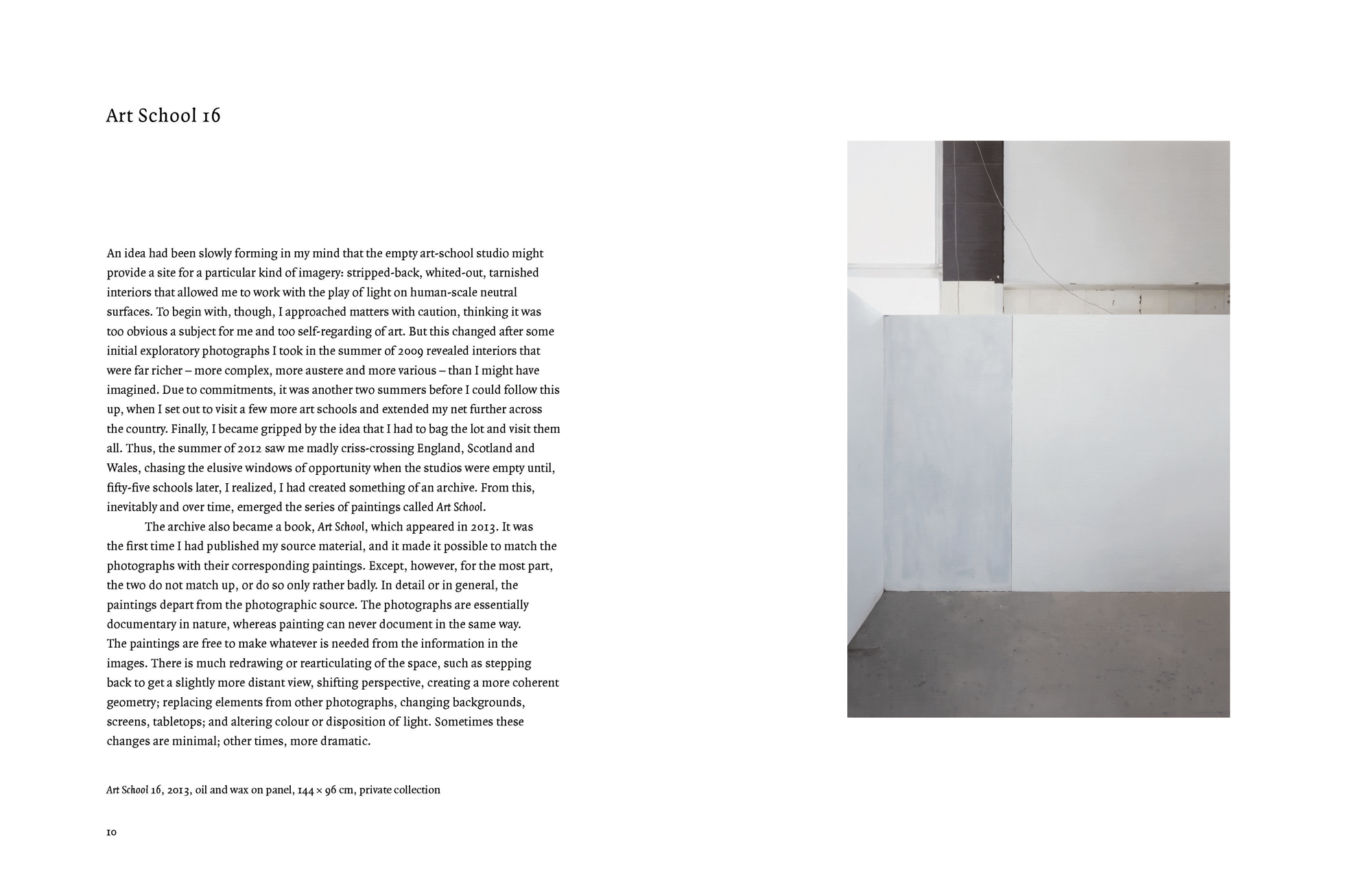
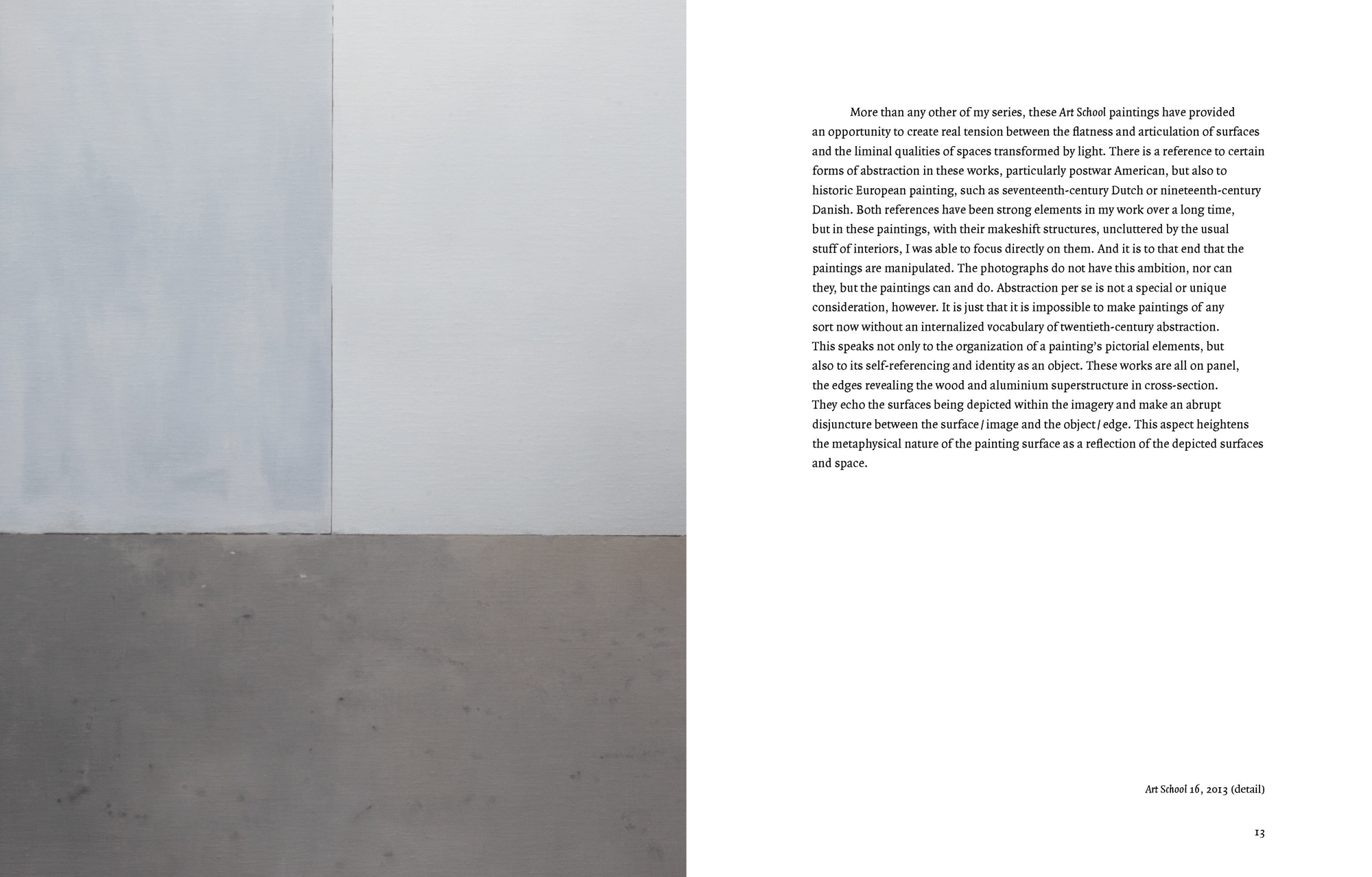
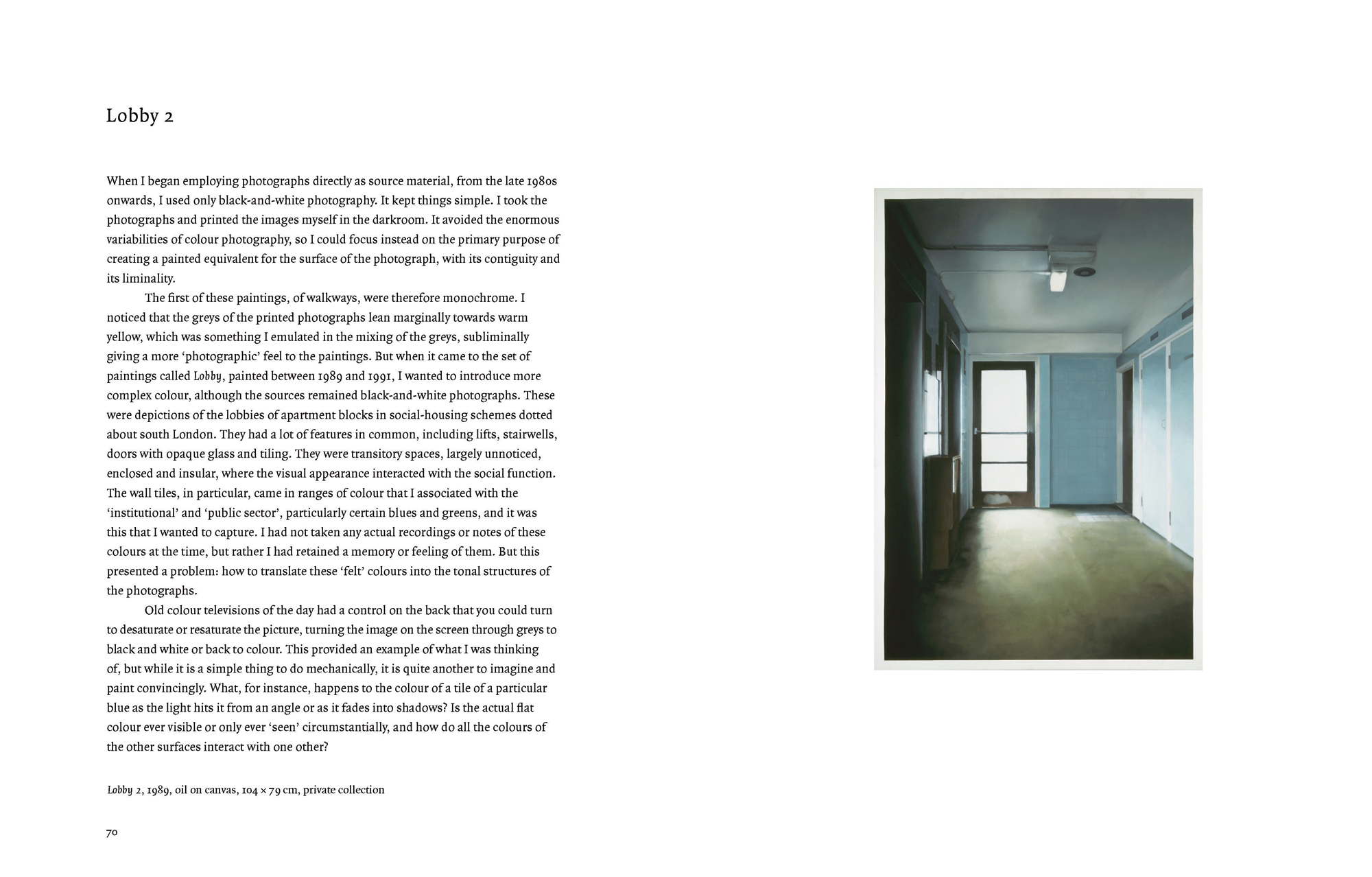
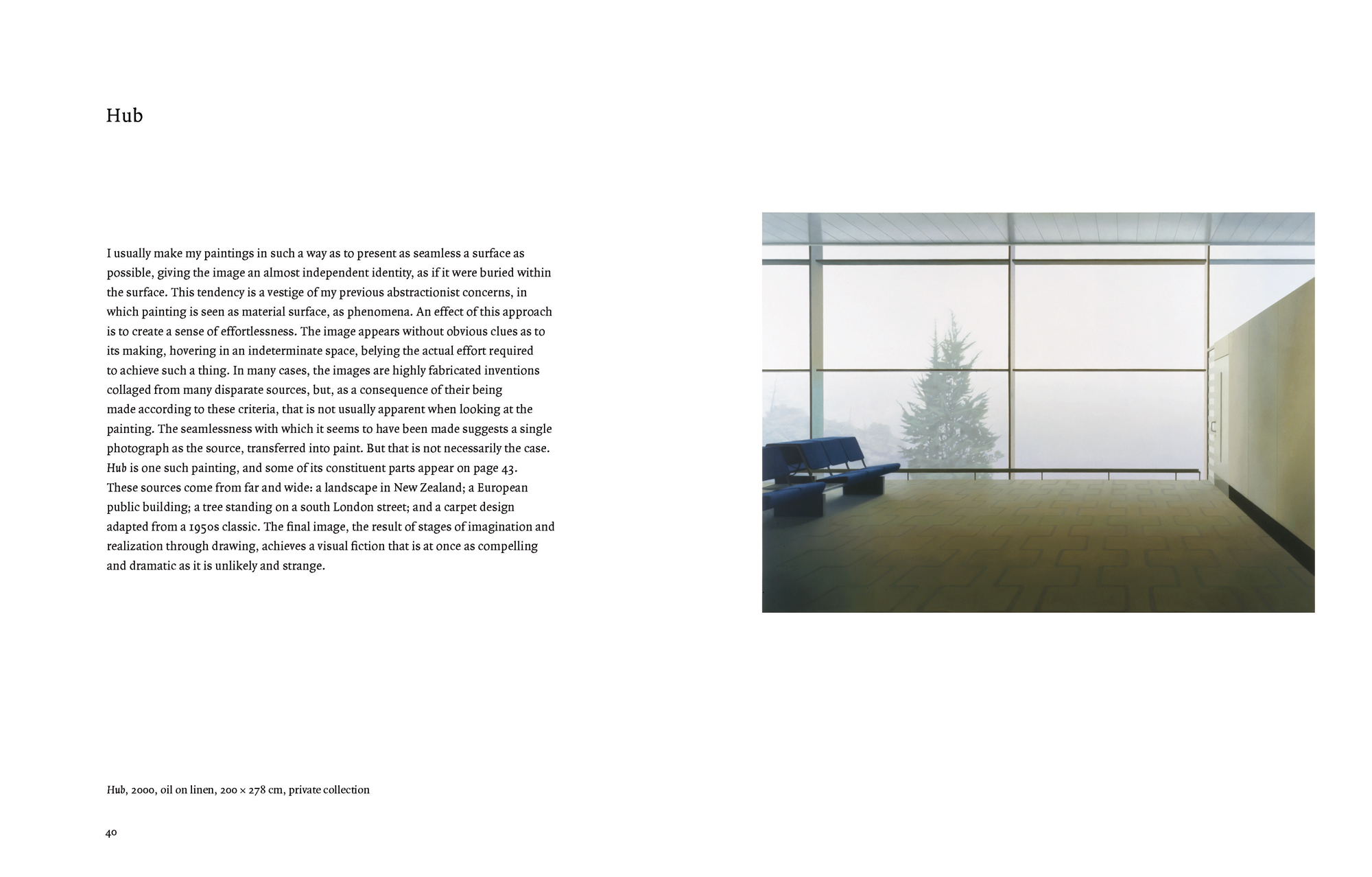
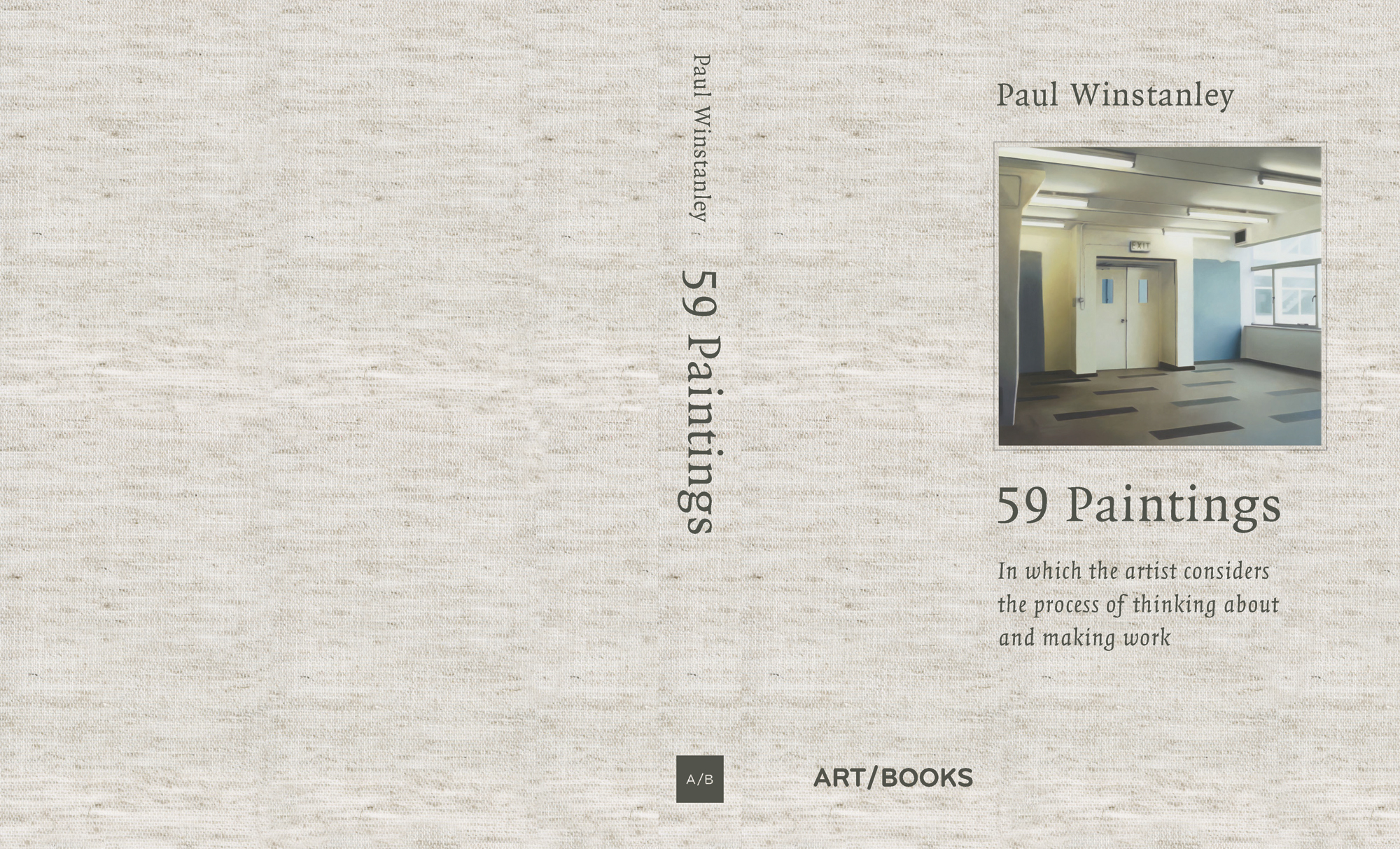
59 Paintings

In which the artist considers the process of
thinking about
and making work

Paul Winstanley

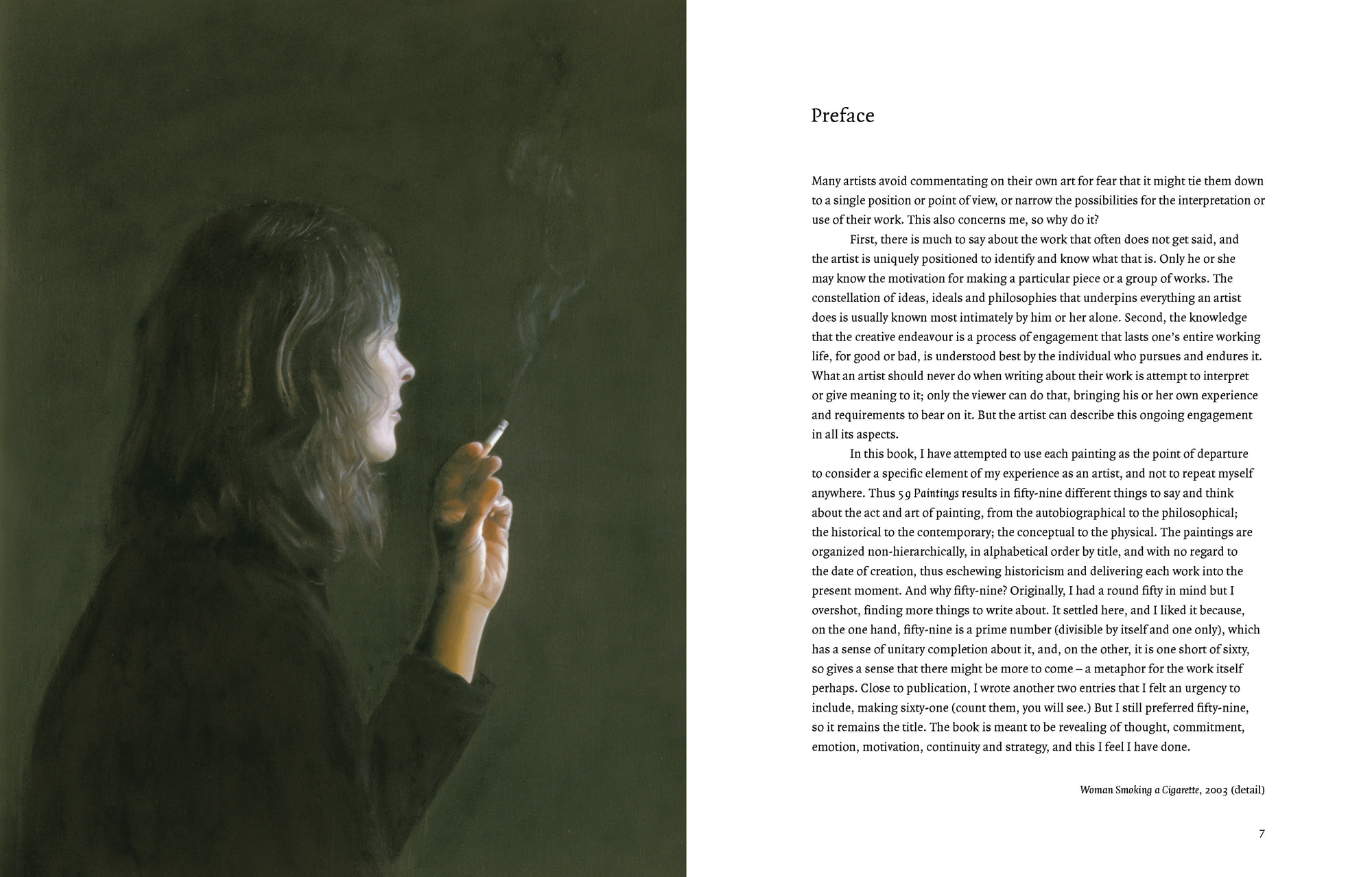
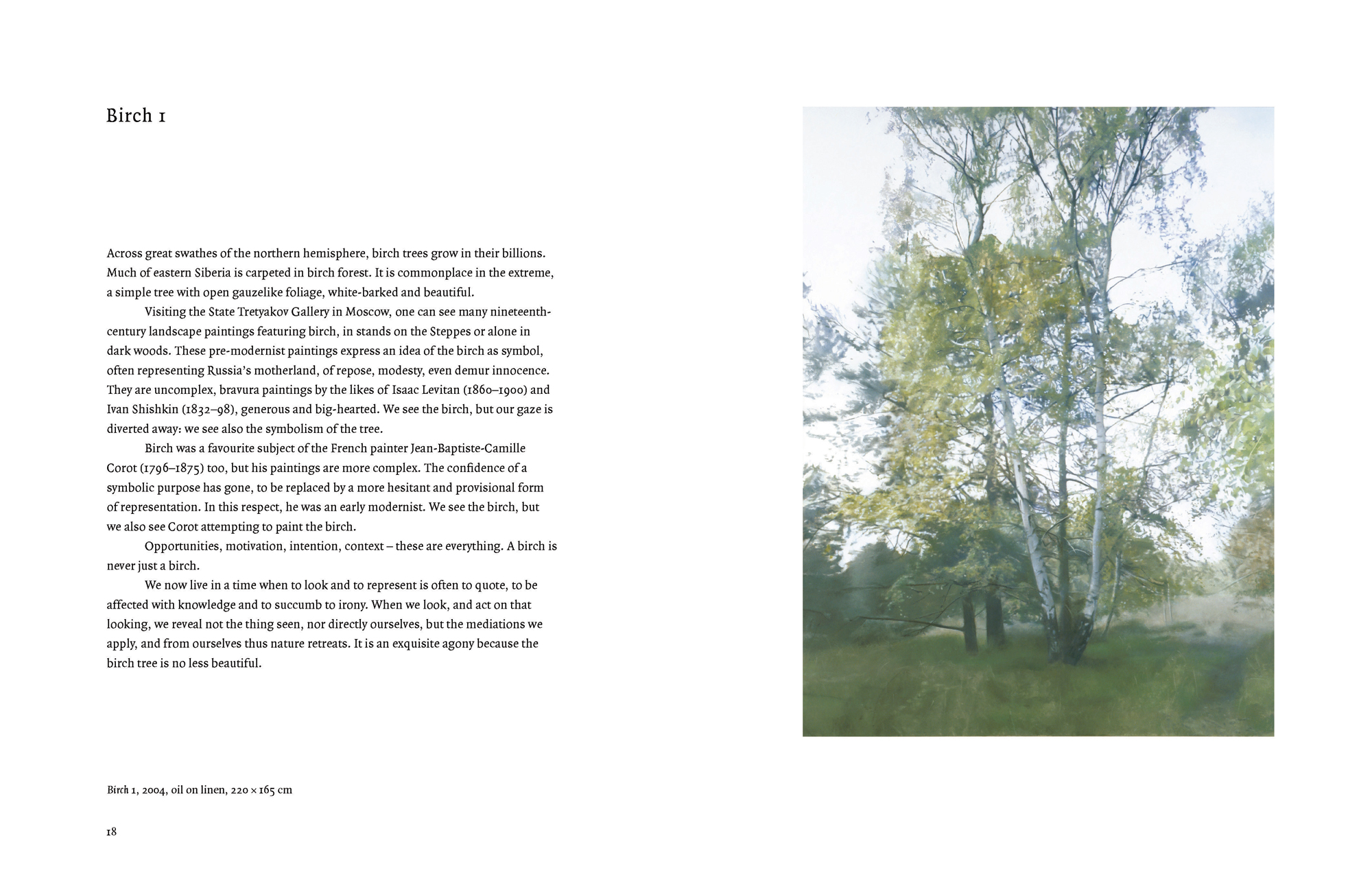
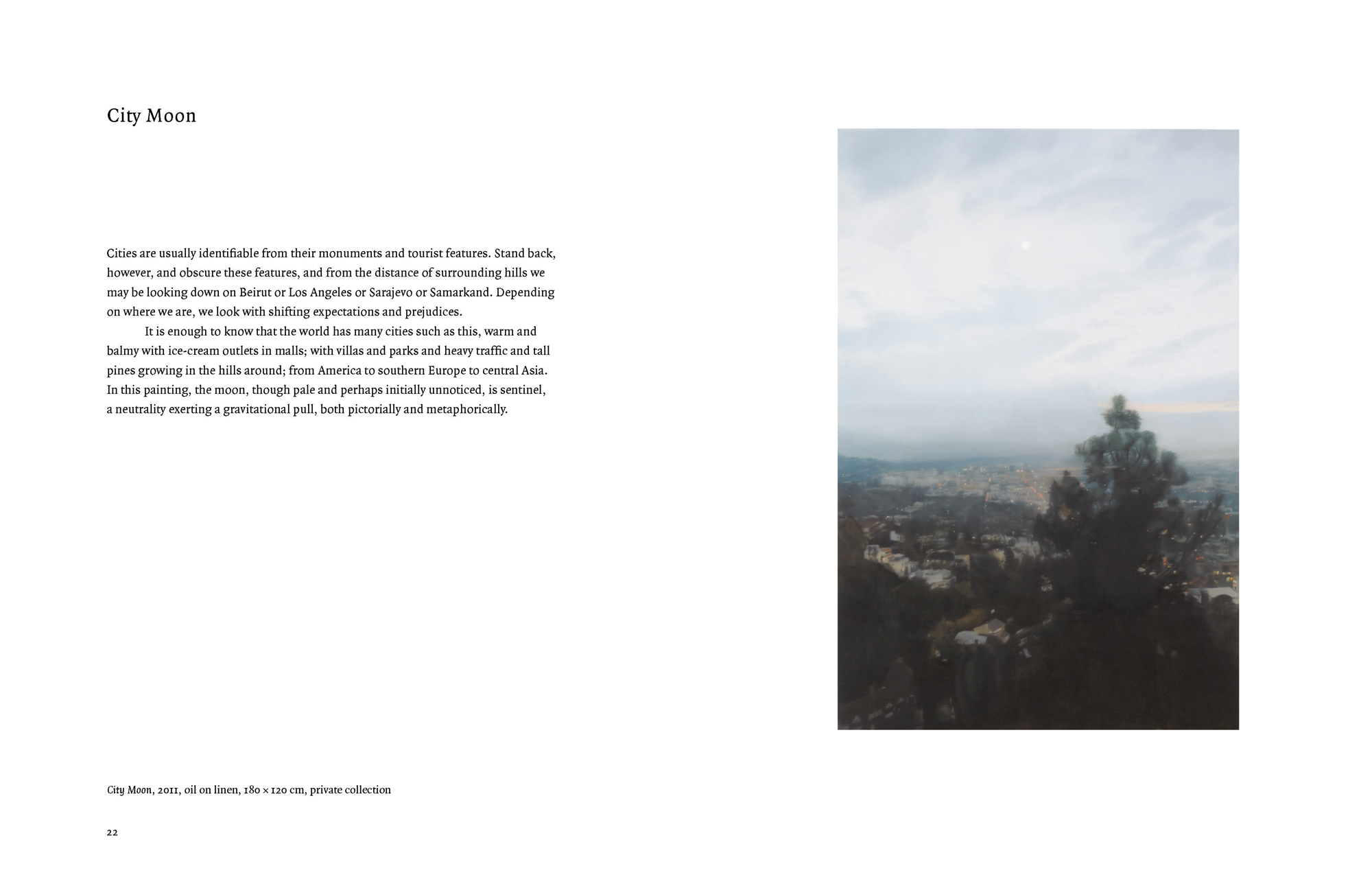
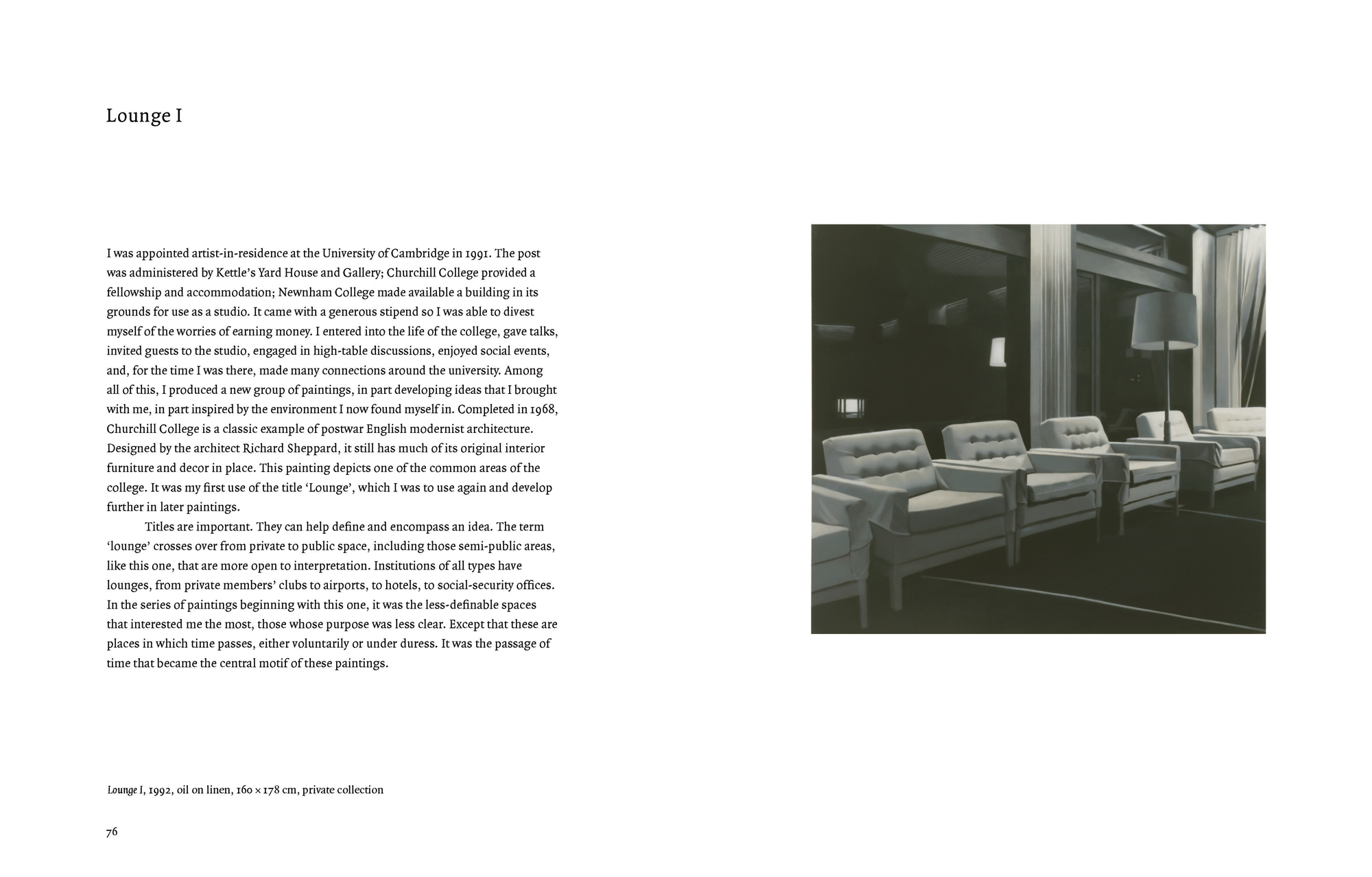
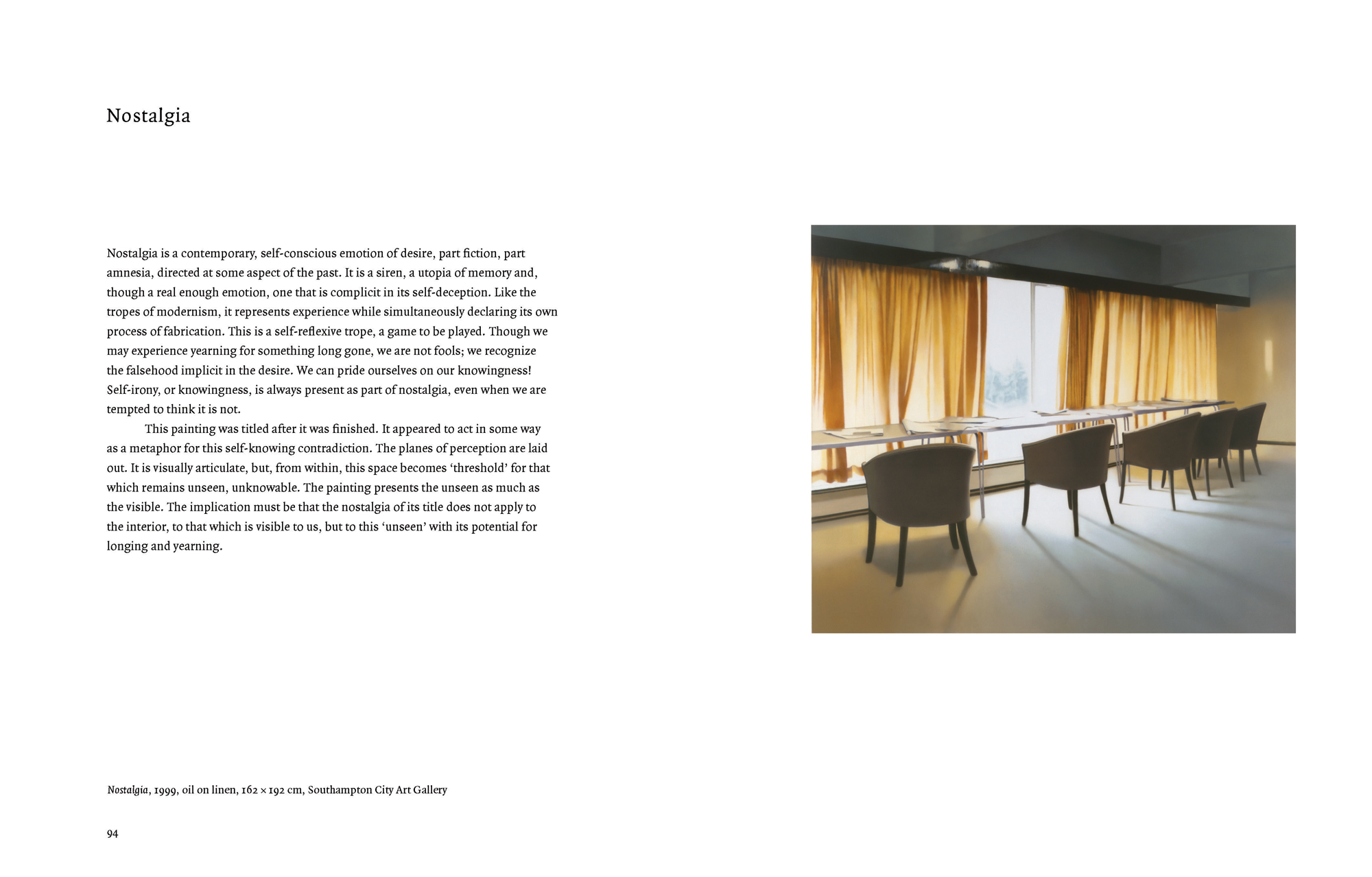
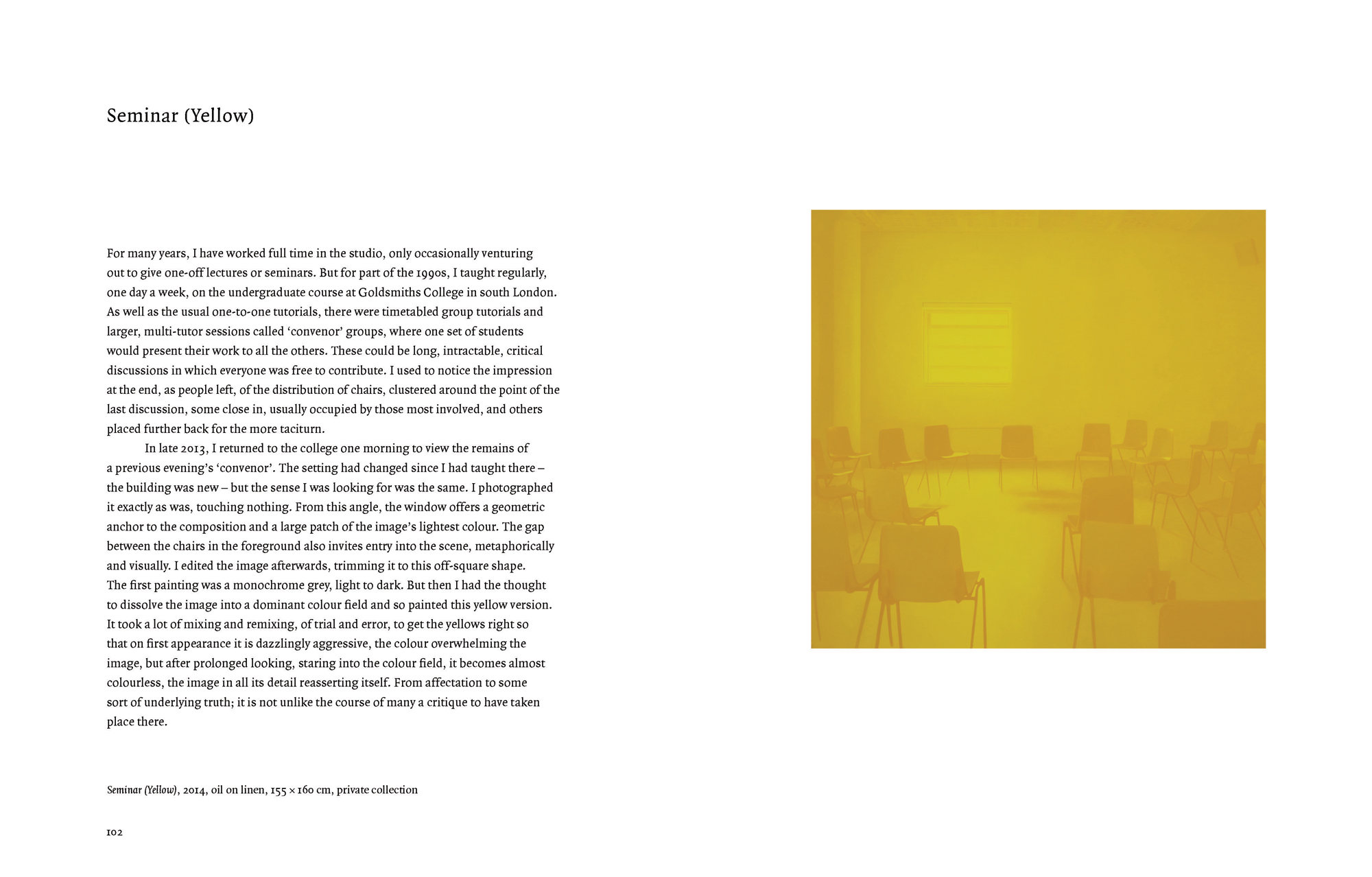
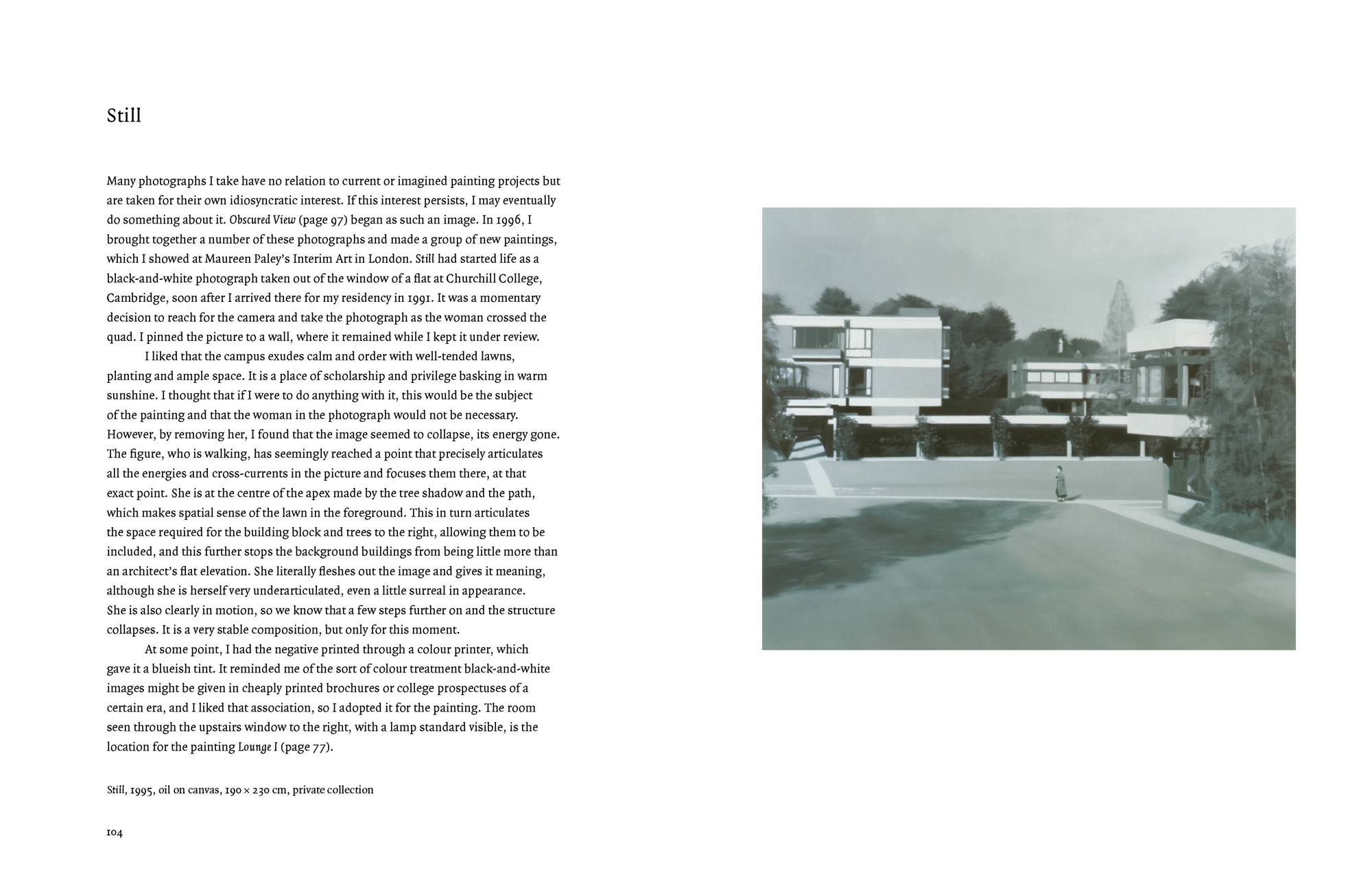
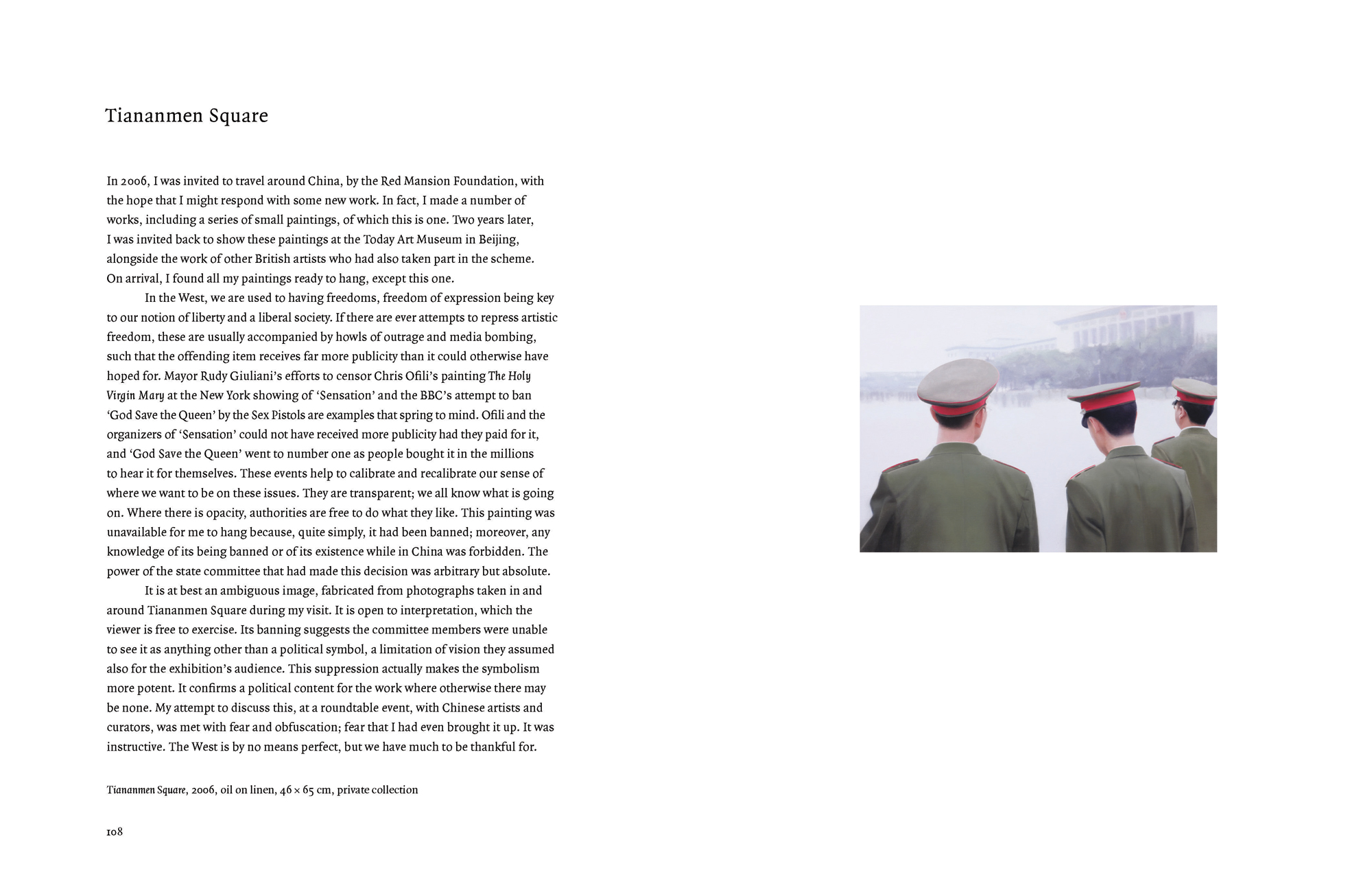
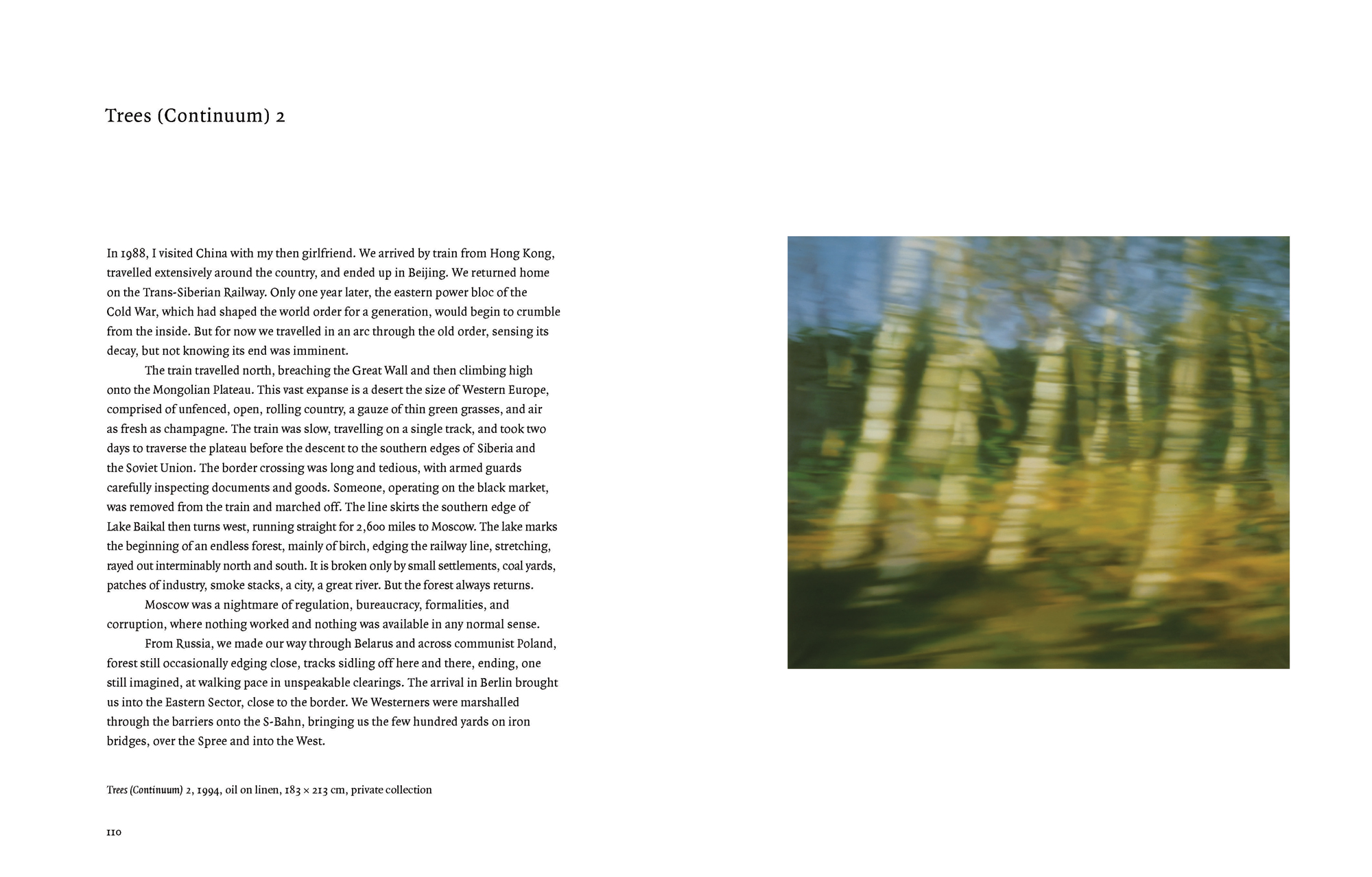
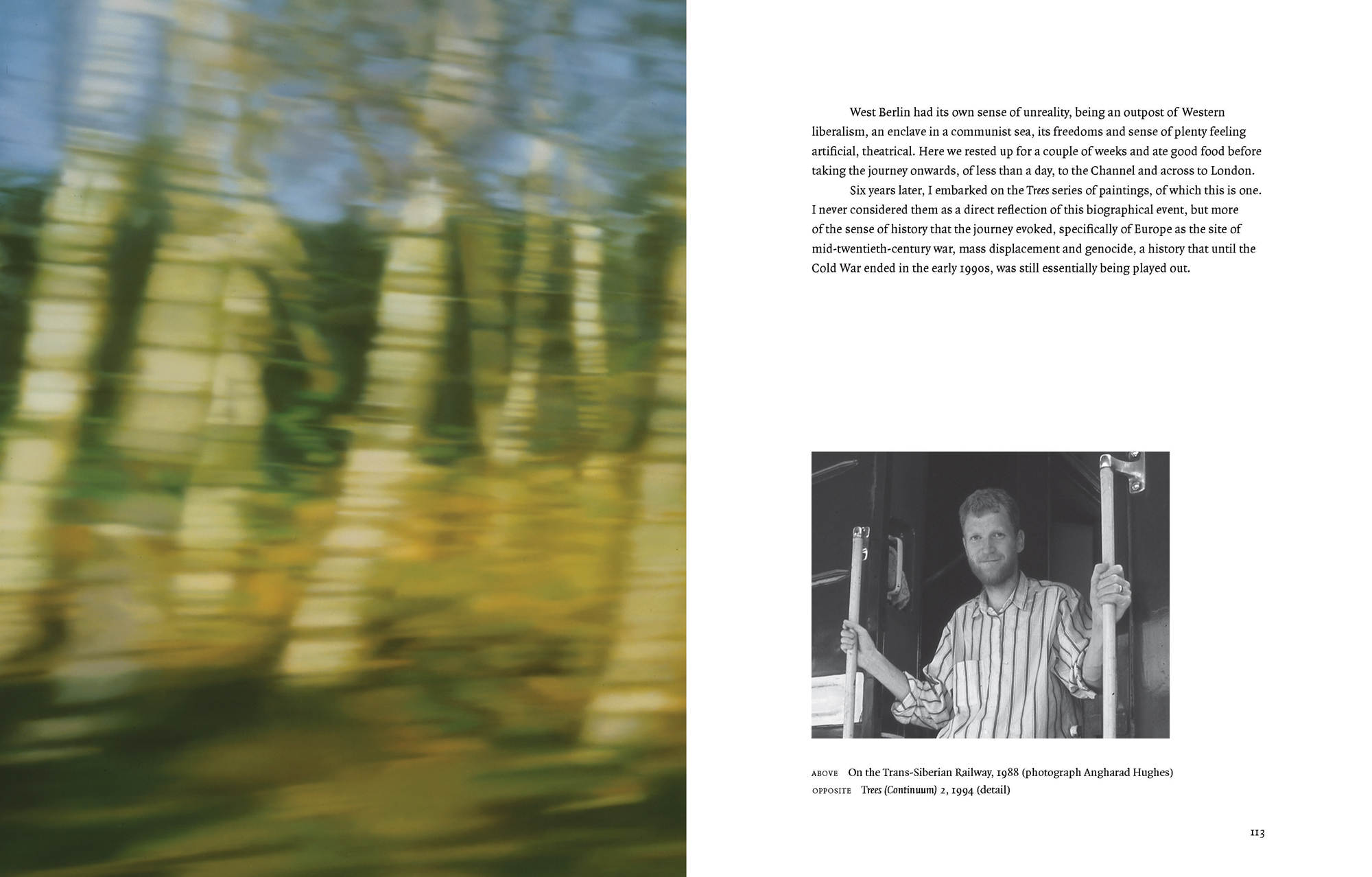
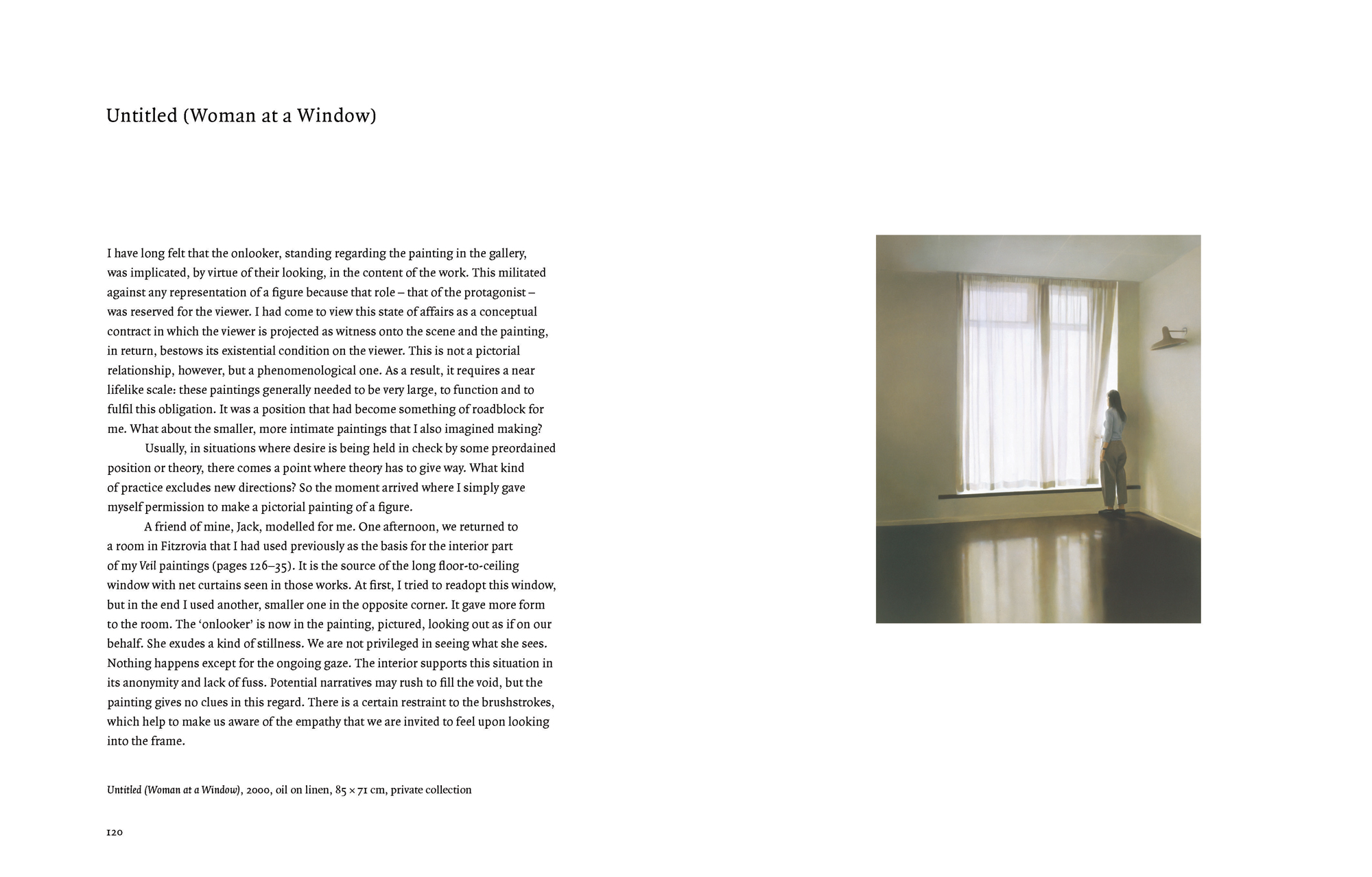
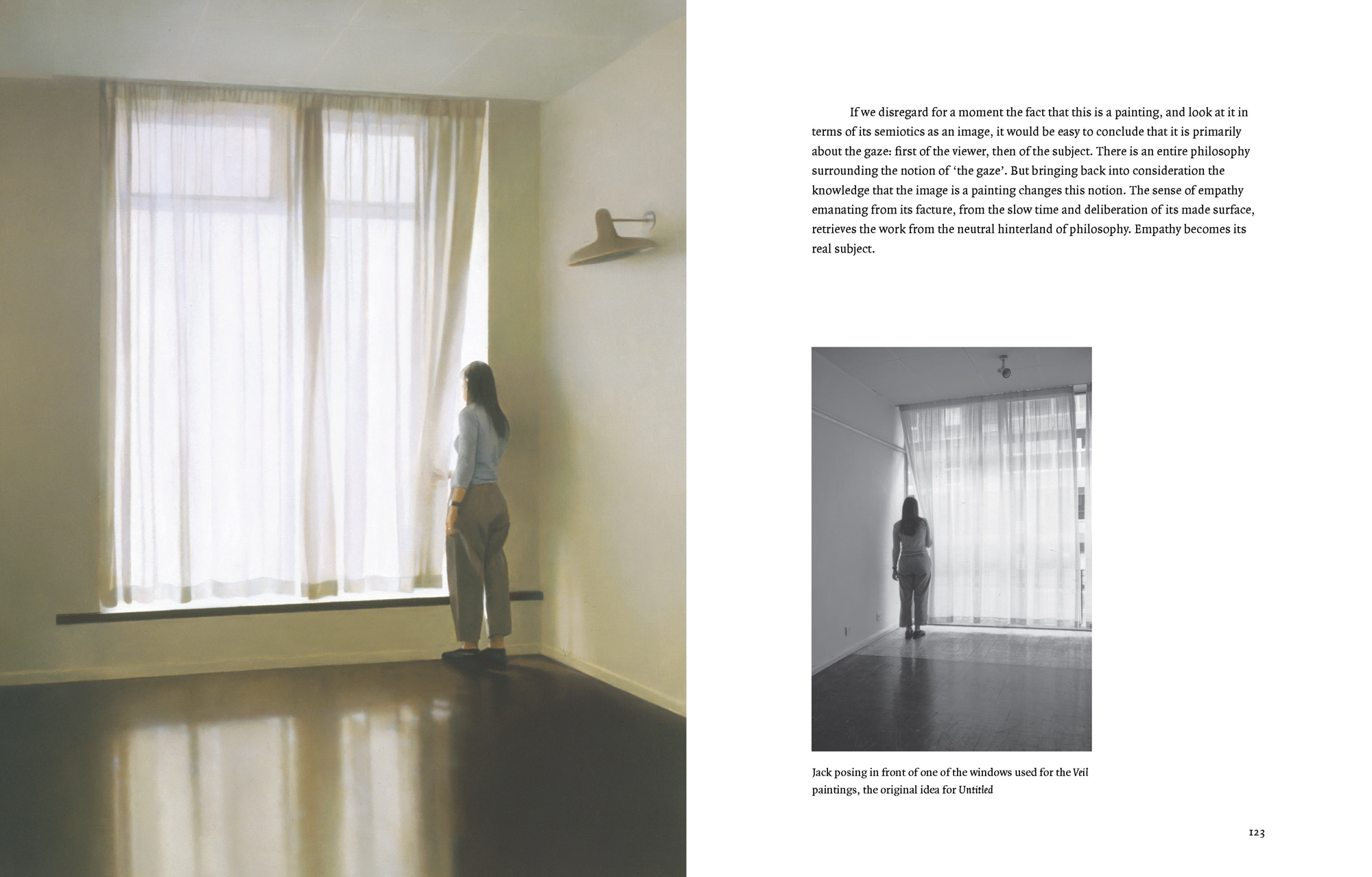
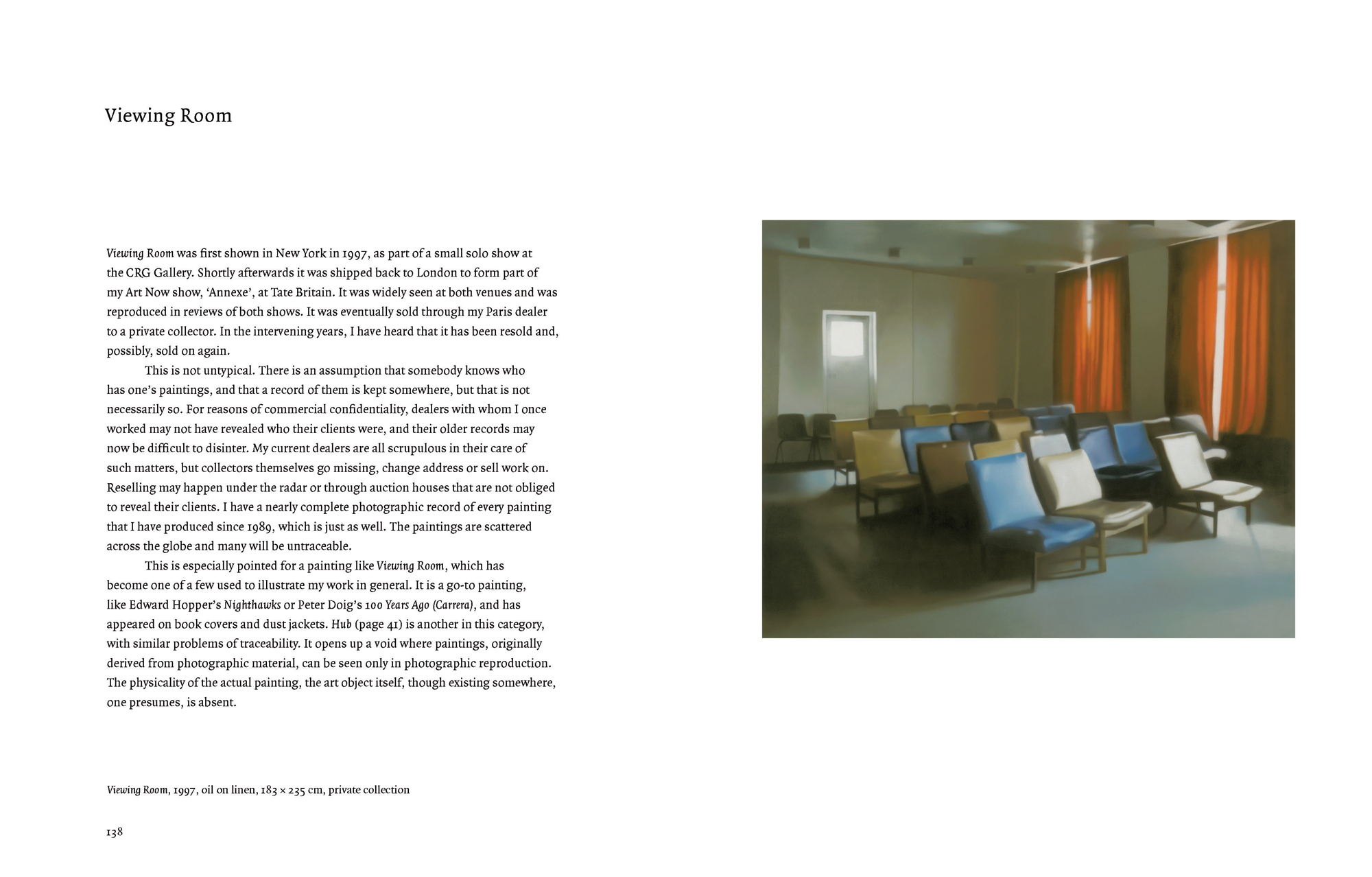
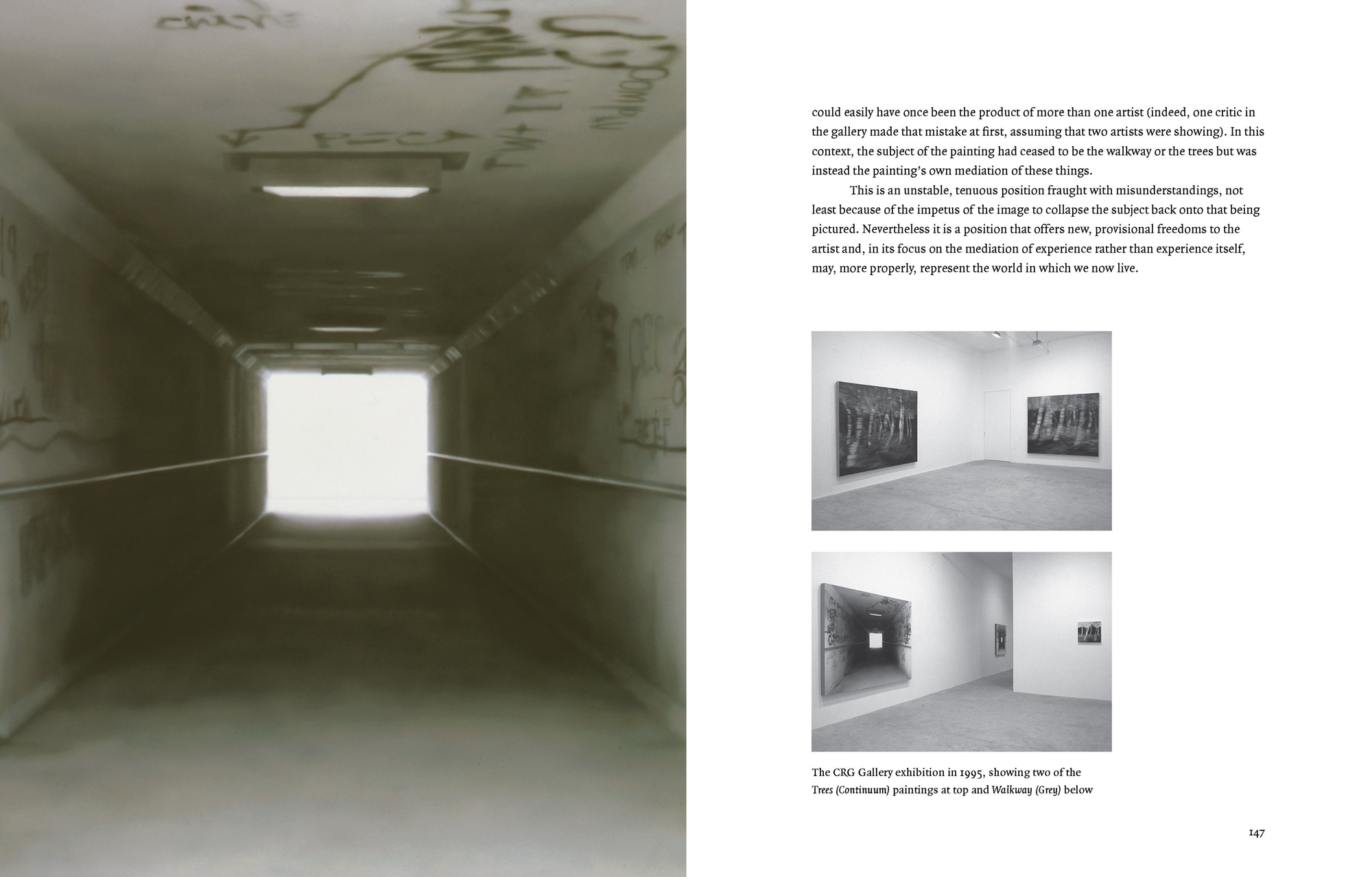
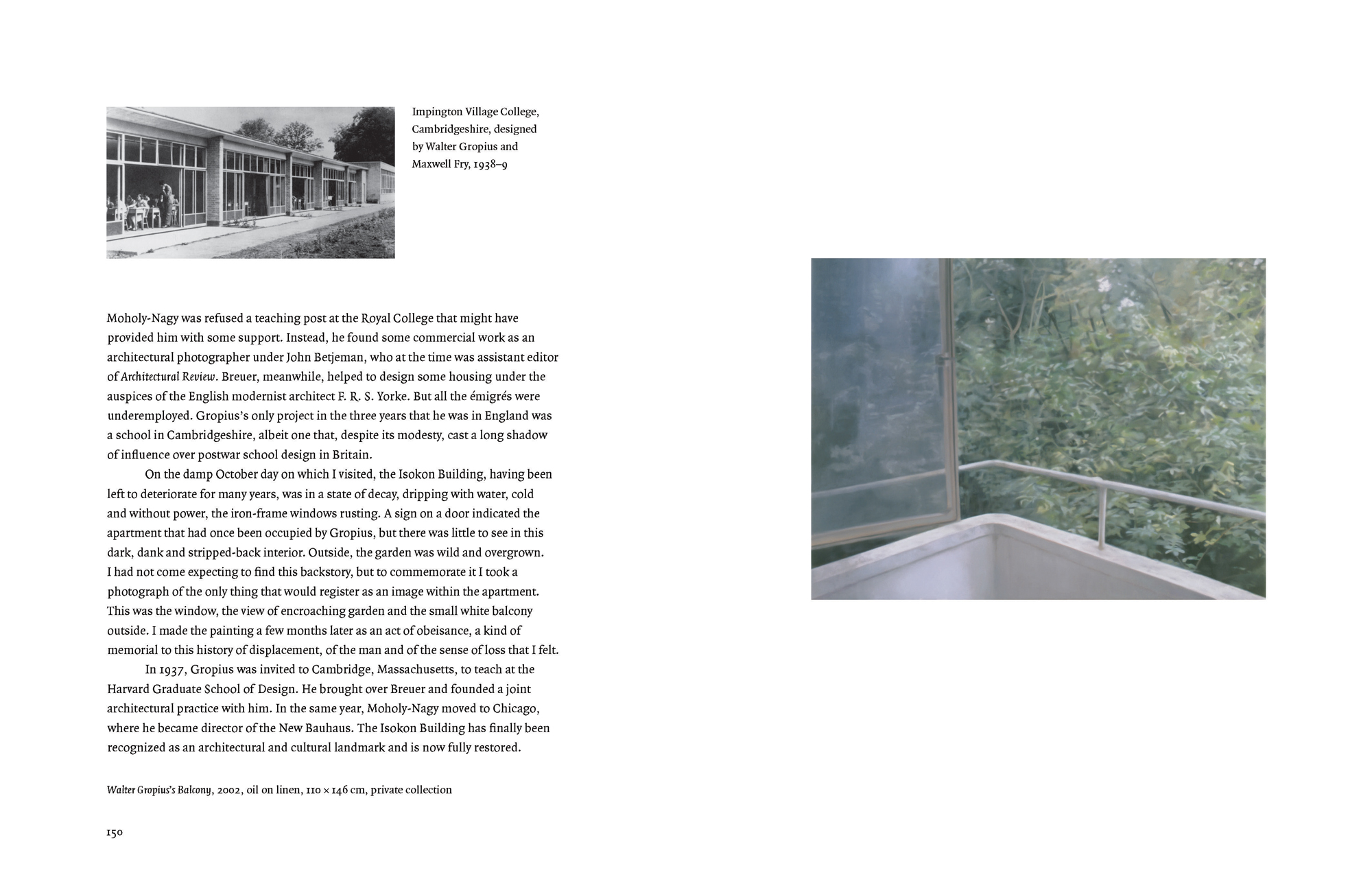
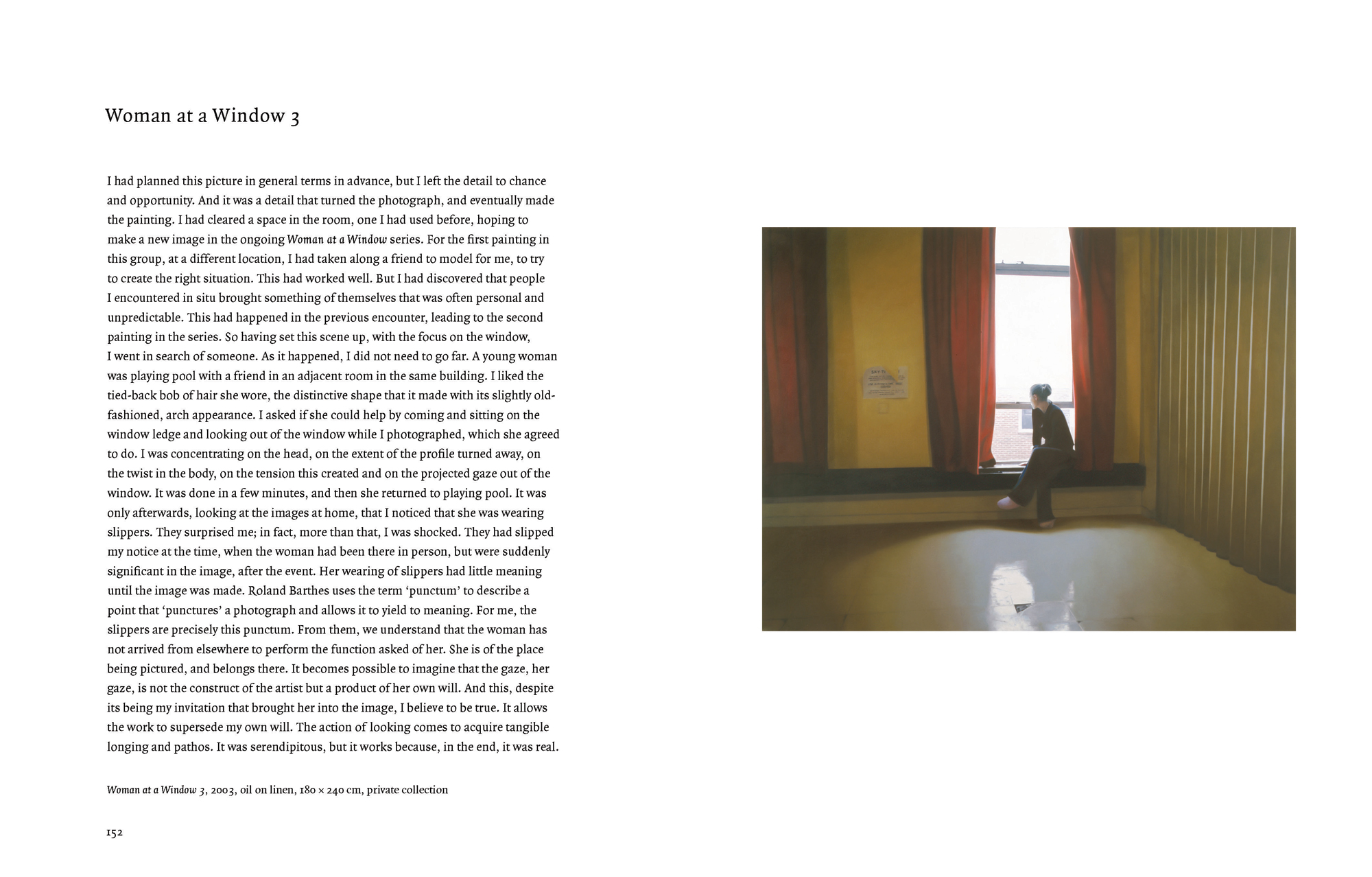
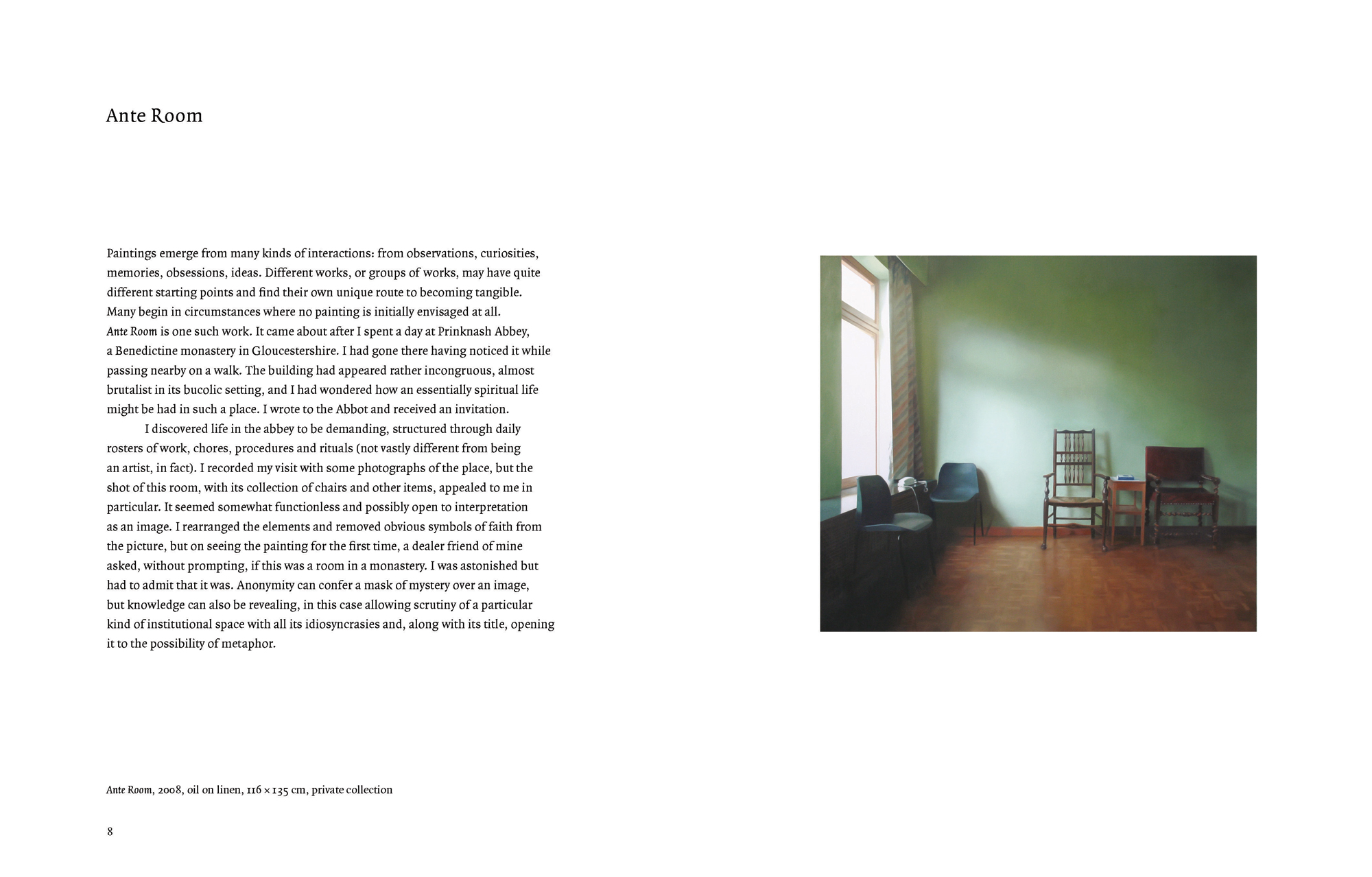
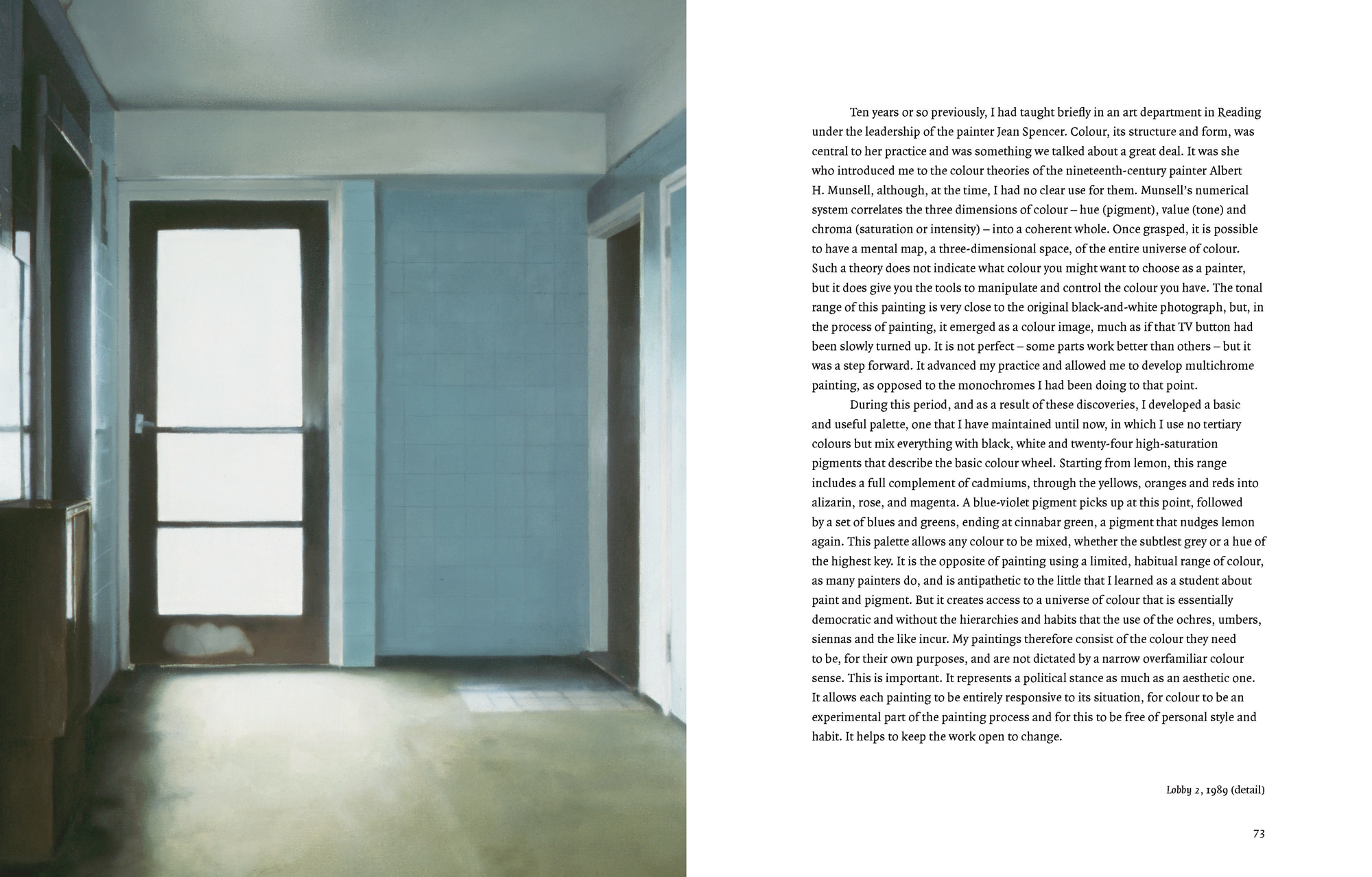
What does a painter think about when he or she sets out to make a work? Where do their ideas and inspirations come from? How do they begin to translate those thoughts into a painted image? Taking his own works as a starting-point, award-winning artist Paul Winstanley presents a series of texts that together reveal what it means to conceive, make and think about paintings. Among the varied subjects that he considers are how a painter seeks out and finds inspiration in life and the world; the relationship between observed and depicted realities; what constitutes ‘truth’ in a painting; how to approach conceptual and technical challenges; the role of the viewer in the transaction at the heart of painting; and the various belief systems that lie behind the business of creating and looking at paintings. The result, a rare monograph on the work of an artist written by the artist himself, is an exquisite personal account of the art and craft of making painted images today.

Paul Winstanley was born in Manchester in 1954. He studied painting at Cardiff College of Art from 1973 to 1976, and at the Slade School of Art in London between 1976 and 1978. He won the first prize of the Unilever Award at the Whitechapel Open in 1989, and two years later was appointed Kettle’s Yard artist-in-residence at the University of Cambridge. He has work in important public and private collections in Europe and the United States. He is represented by Mitchell Innes + Nash, New York; 1301PE, Los Angeles; Kerlin Gallery, Dublin; Galerie Vera Munro, Hamburg; and Alan Cristea Gallery, London. He lives and works in London.


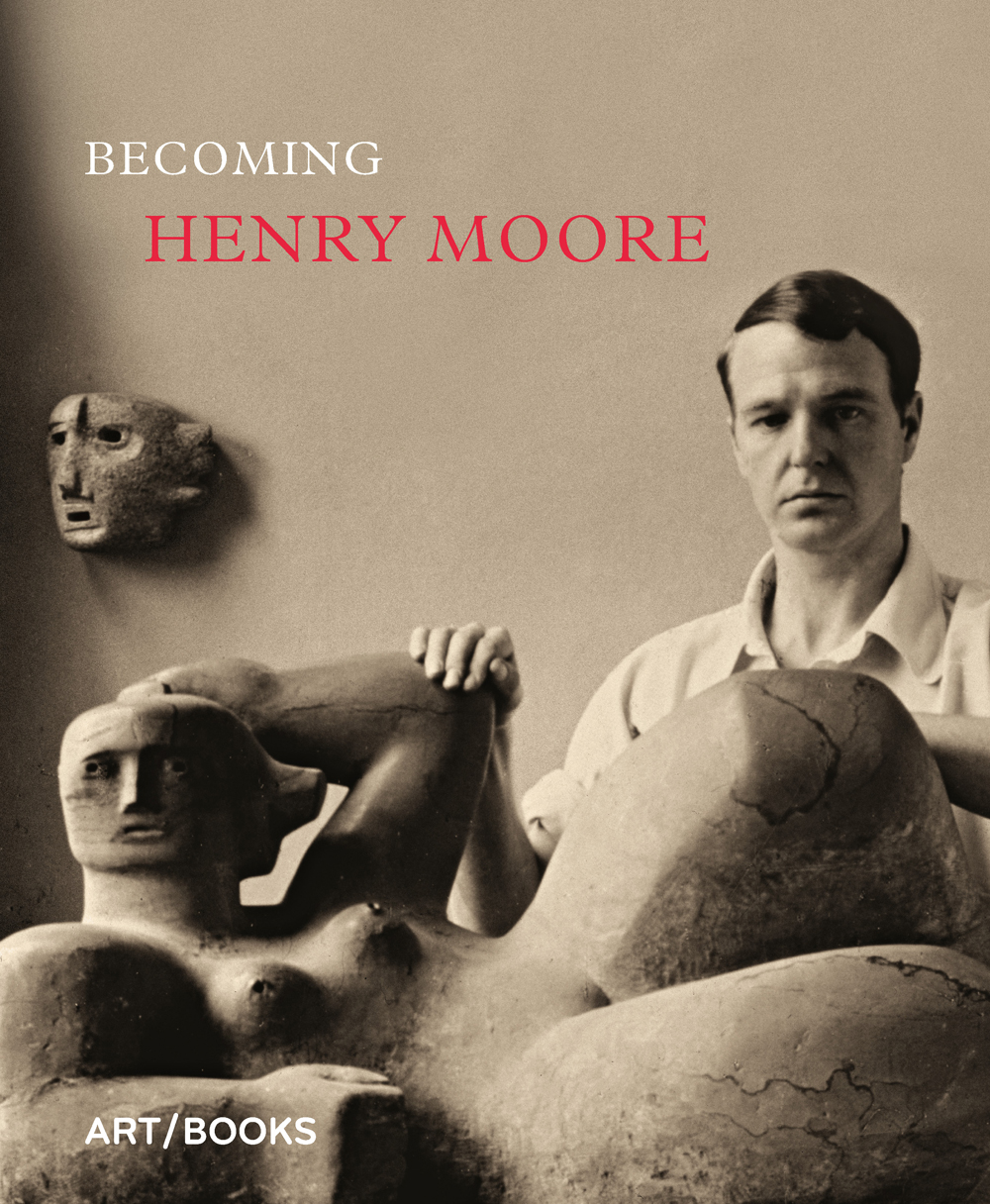
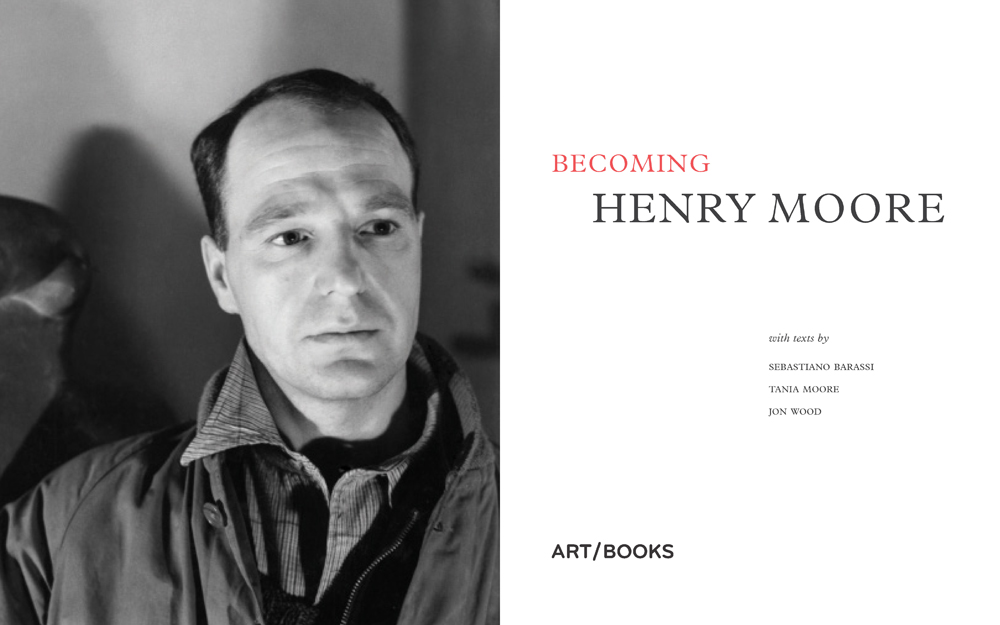
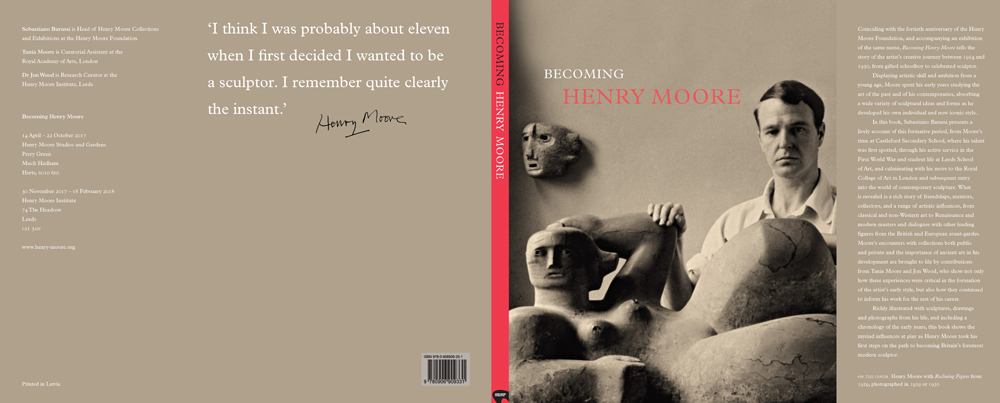
Becoming Henry Moore

Edited by Hannah Higham
Texts by Sebastiano Barassi, Tania Moore, Jon Wood

‘Fascinating look at the birth of a modern master ★★★★’ — Telegraph
‘Visually rich and quietly subversive’ — Times Literary Supplement

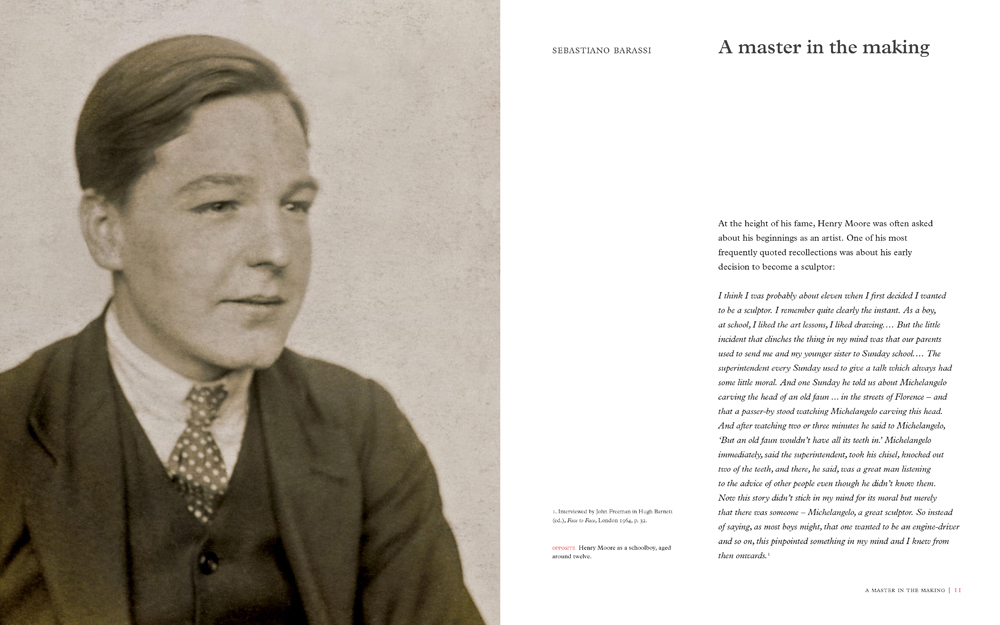
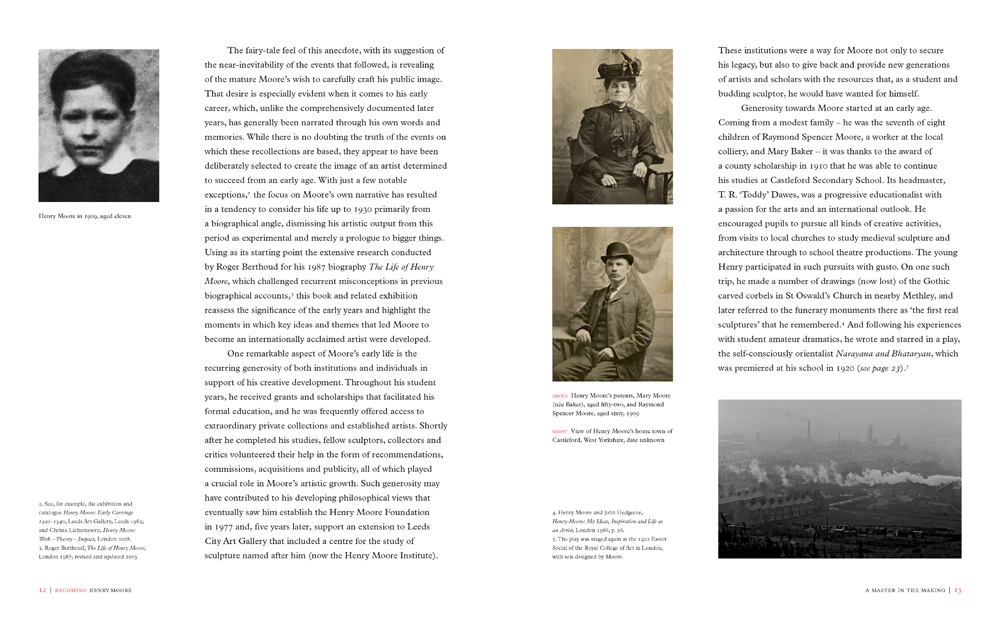
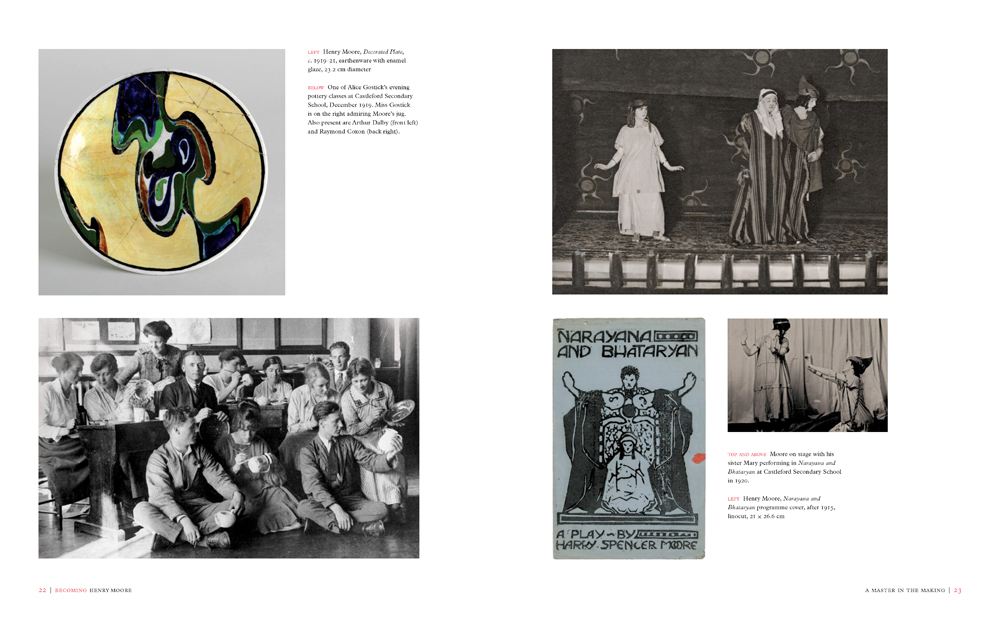
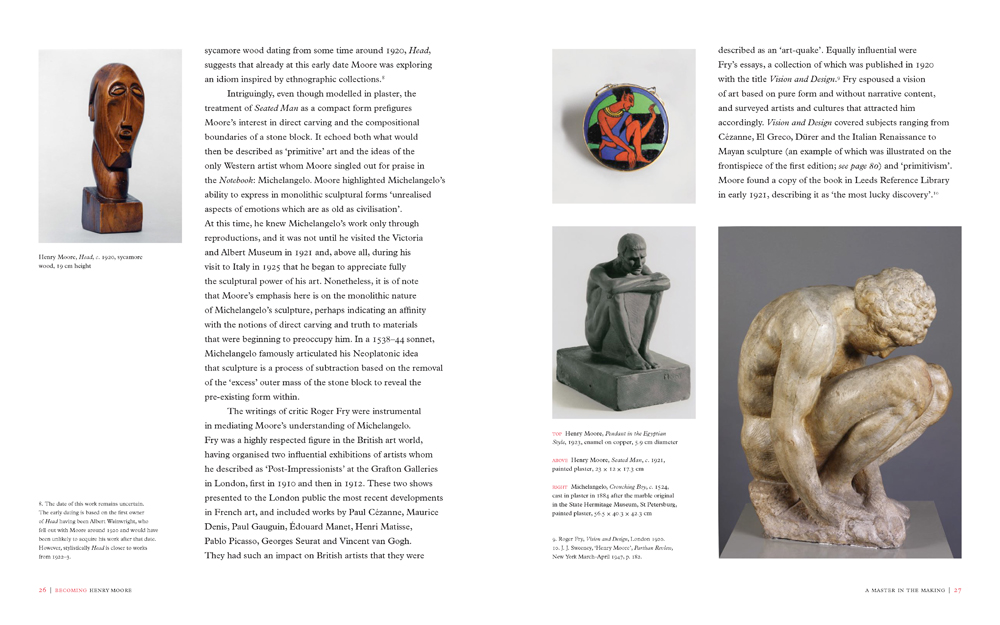
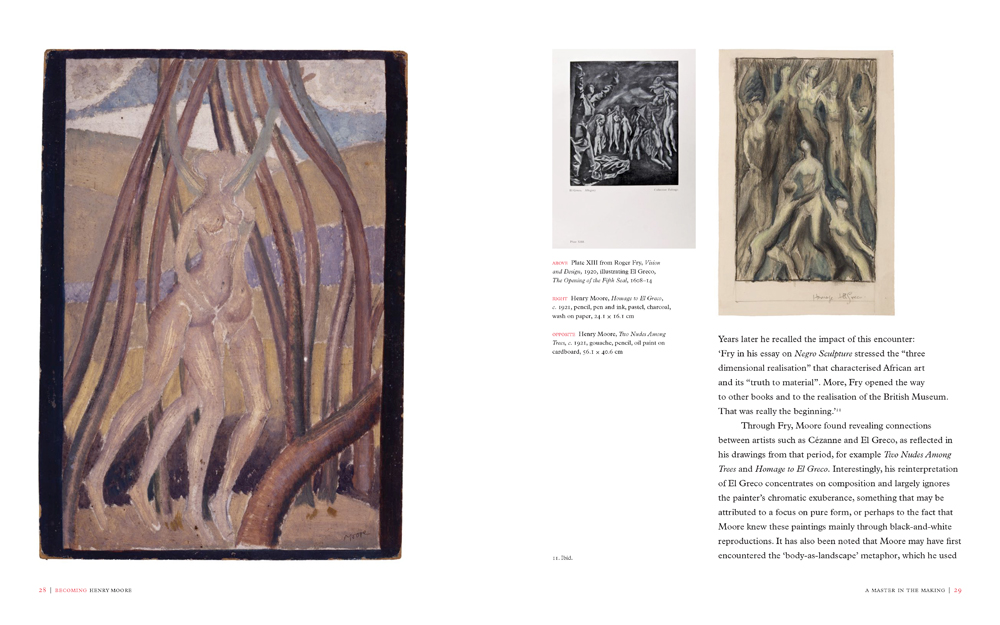
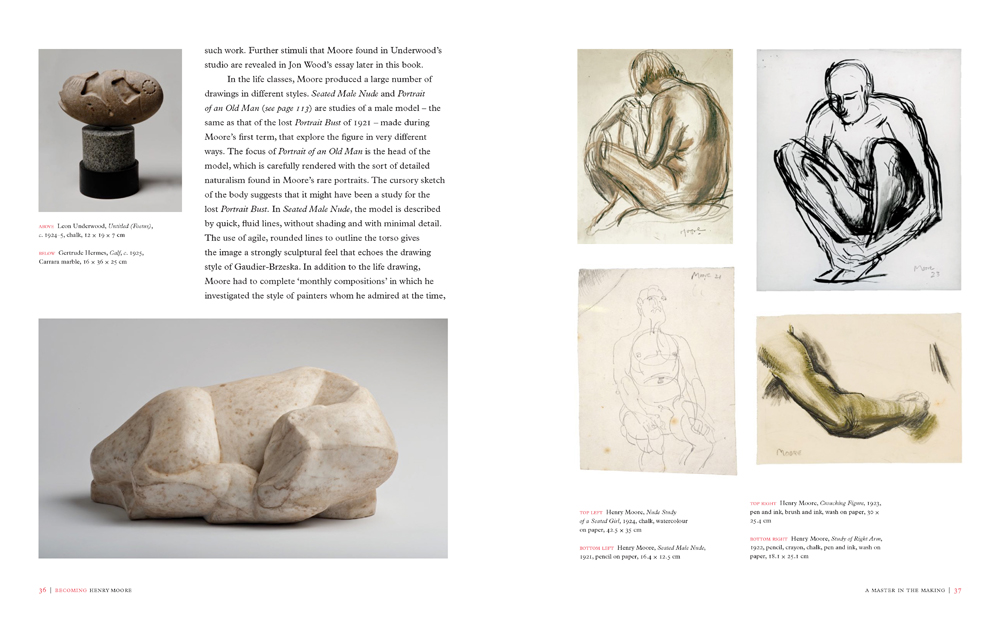
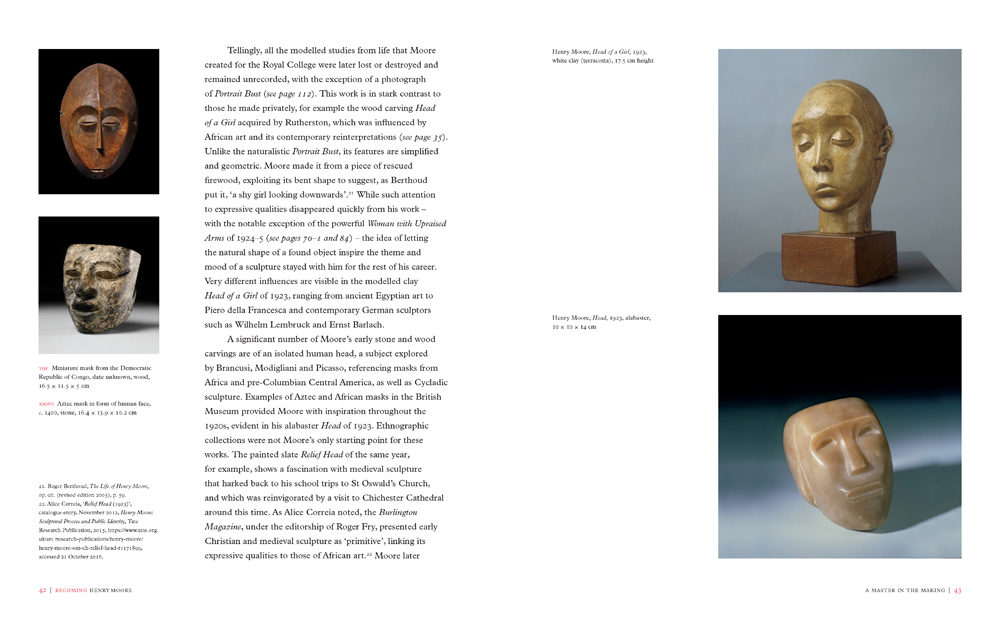
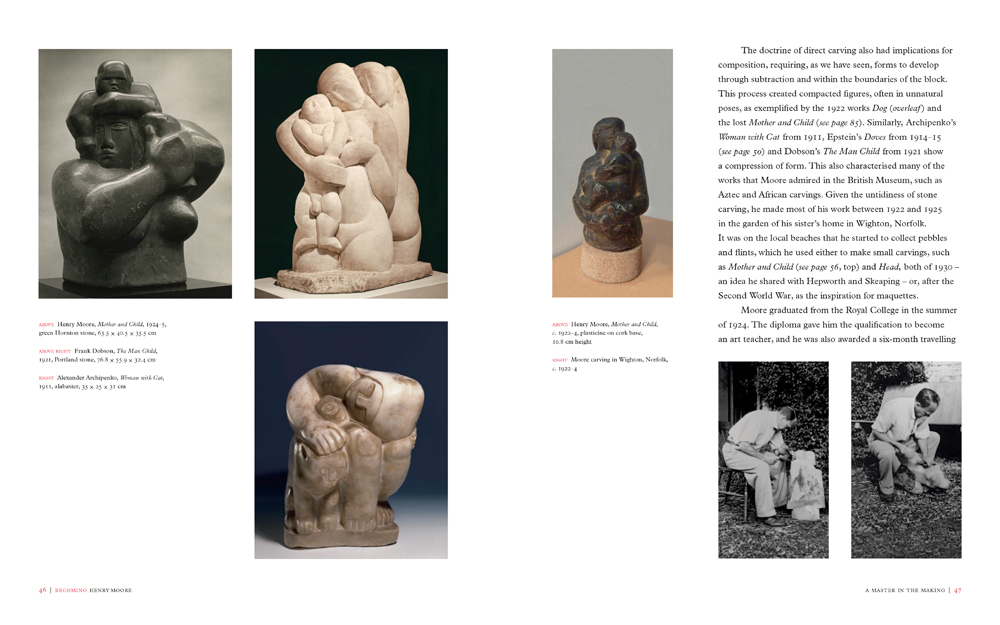
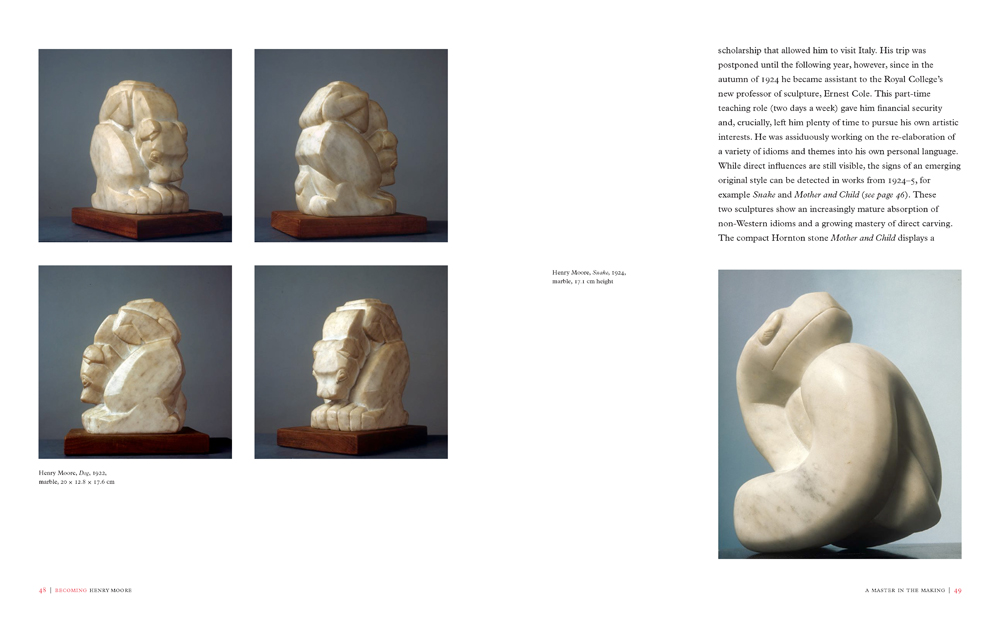
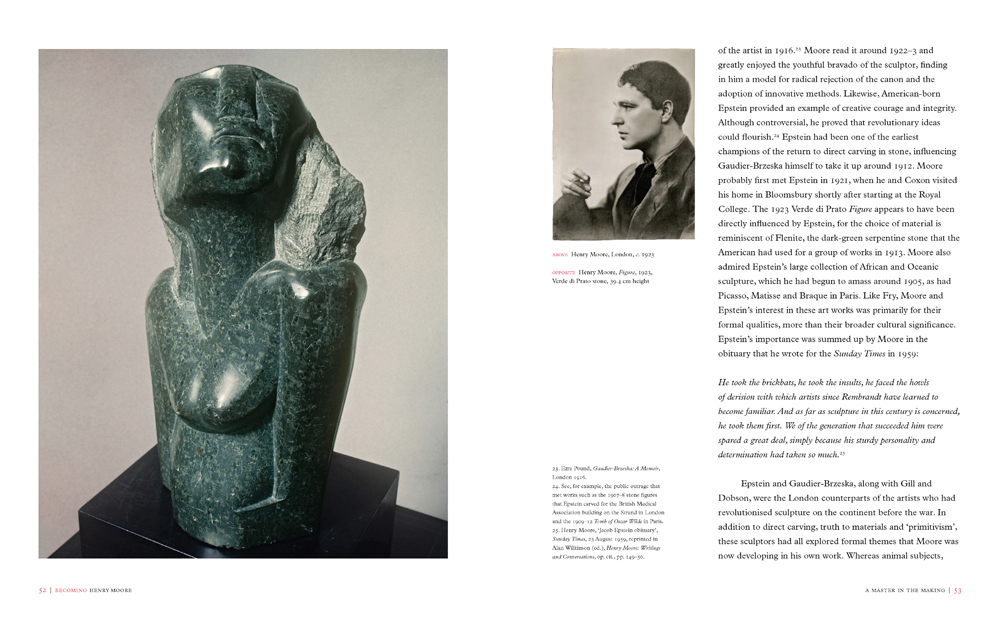
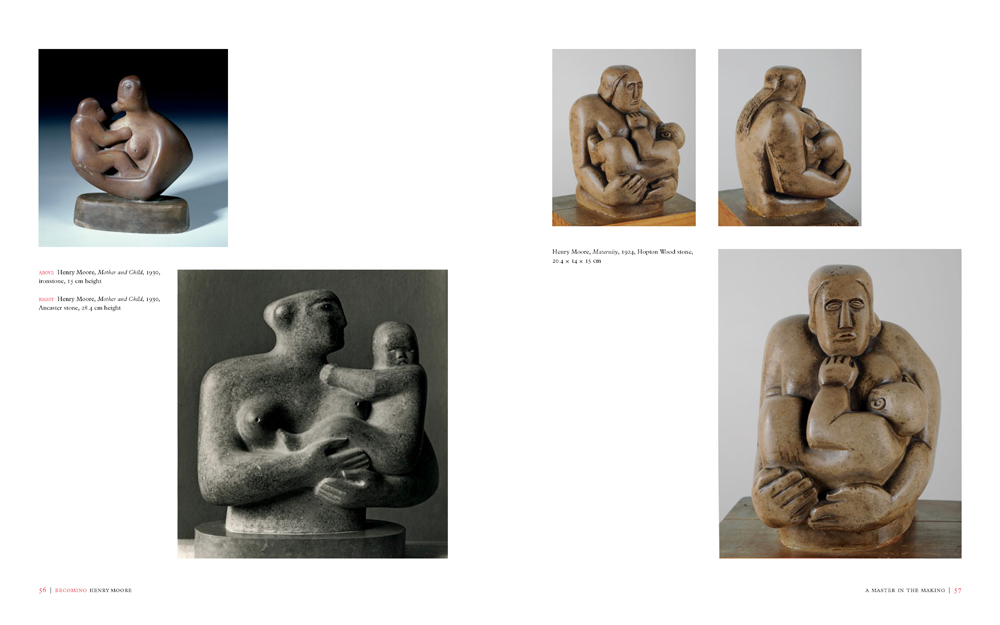
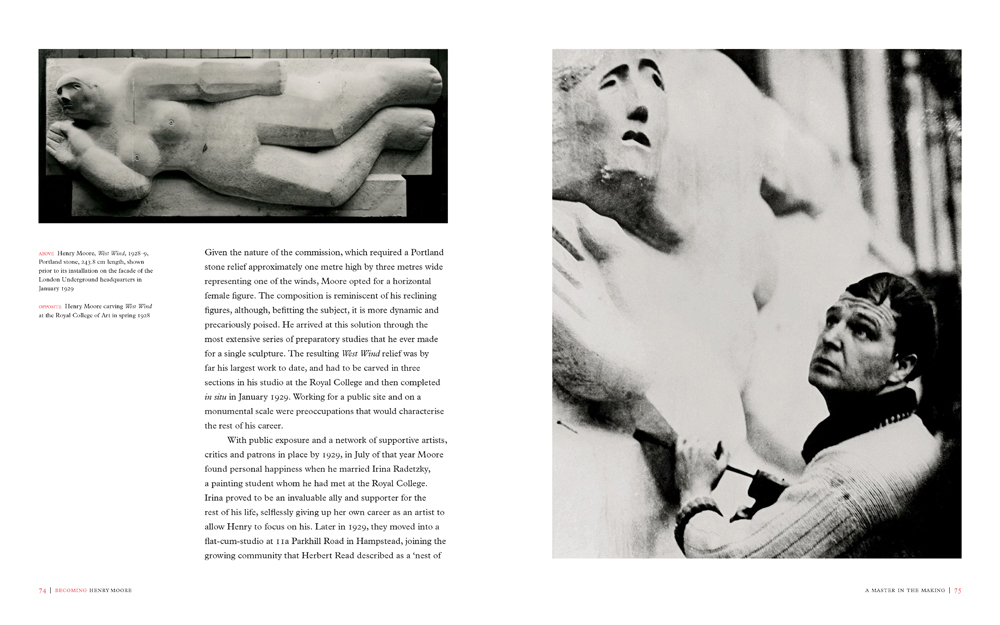
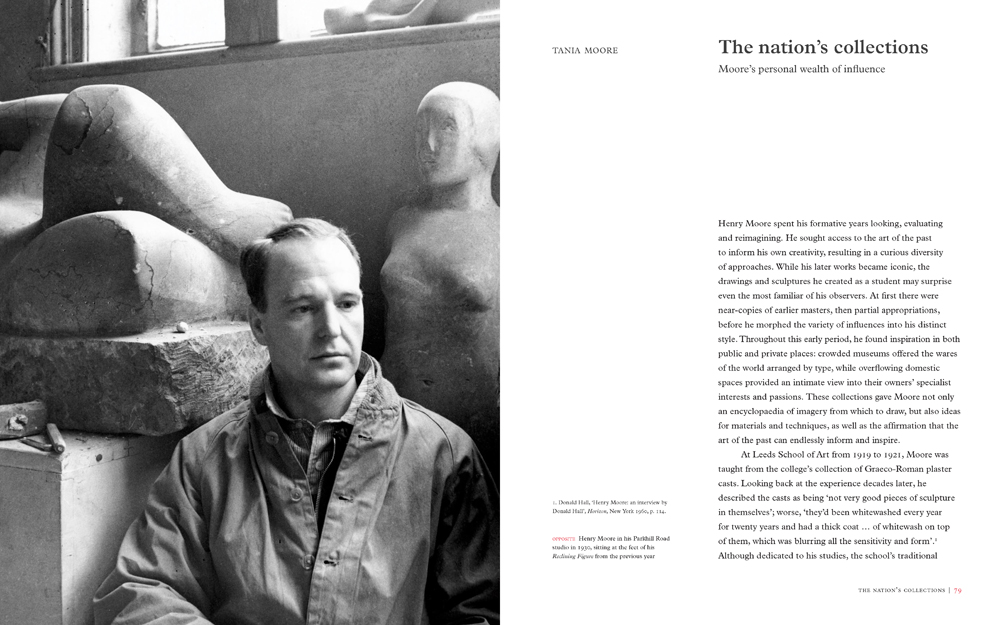
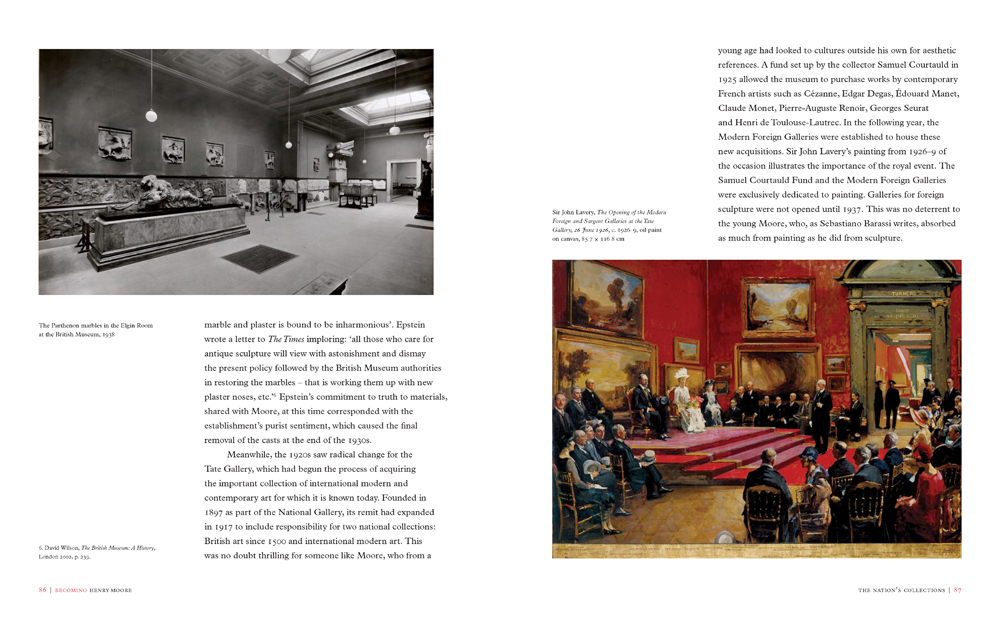
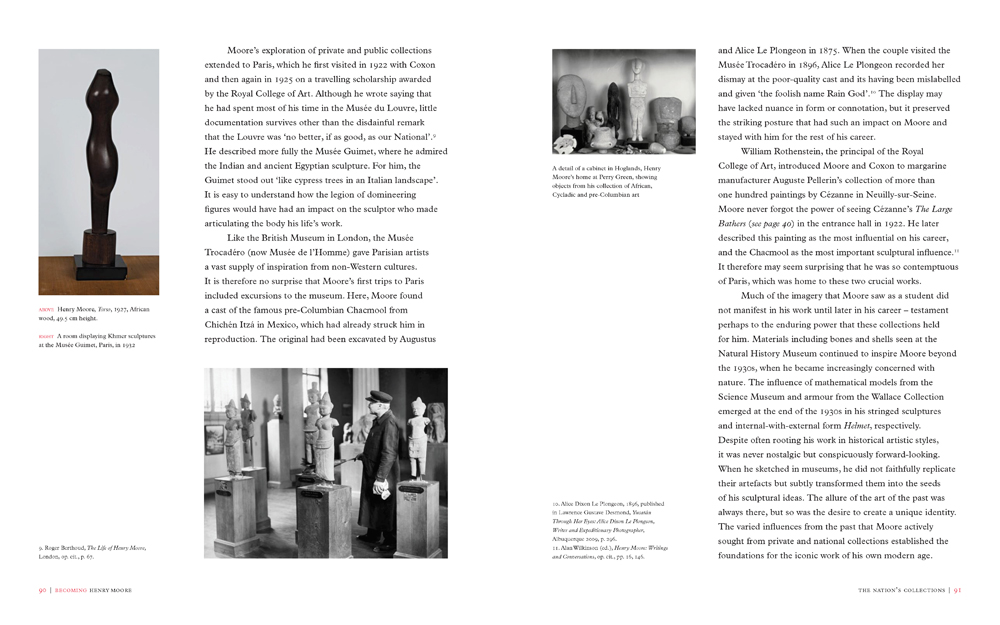
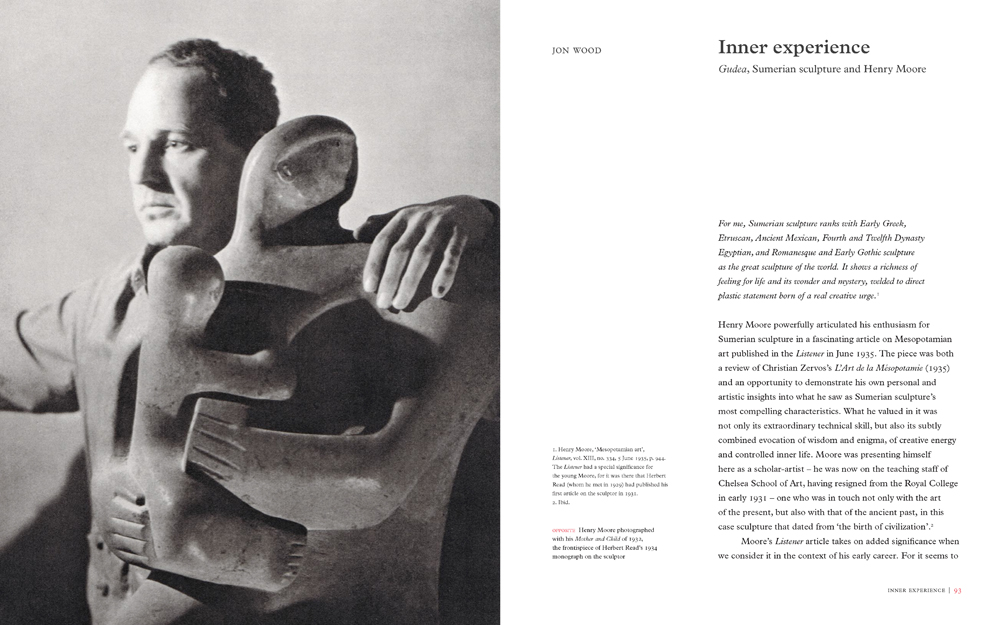
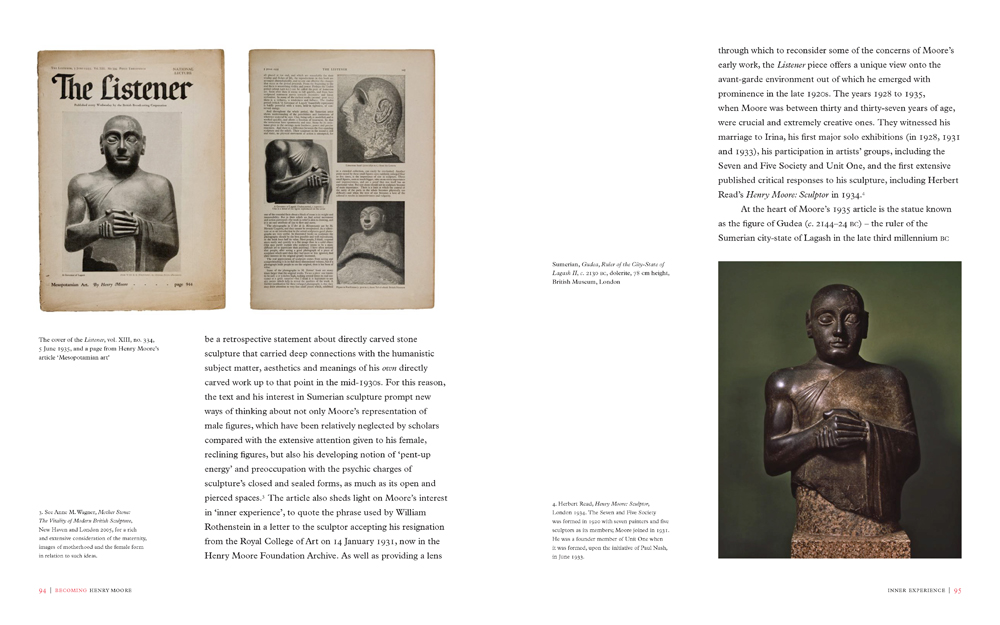
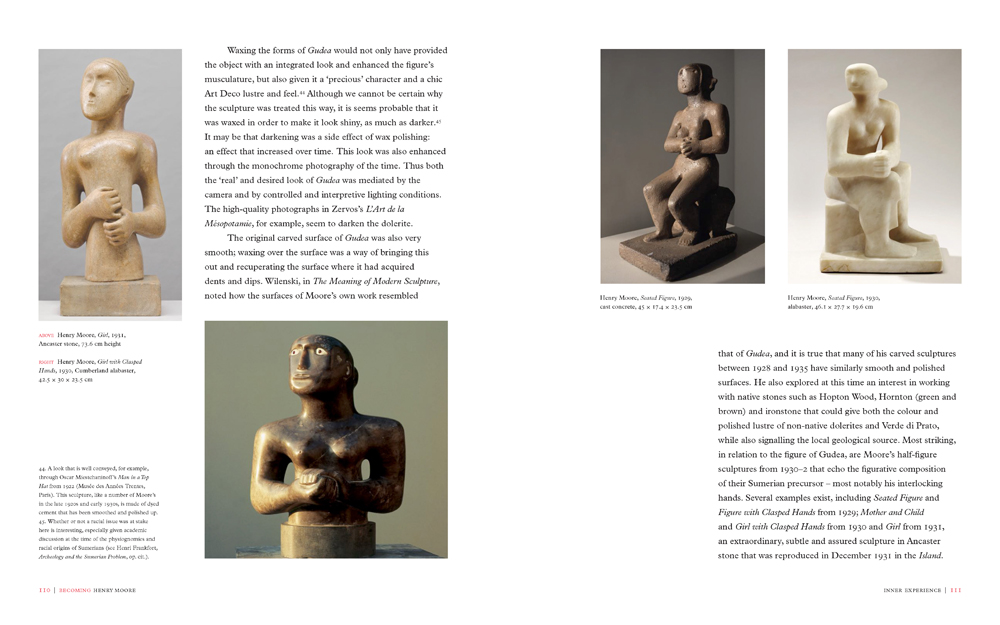
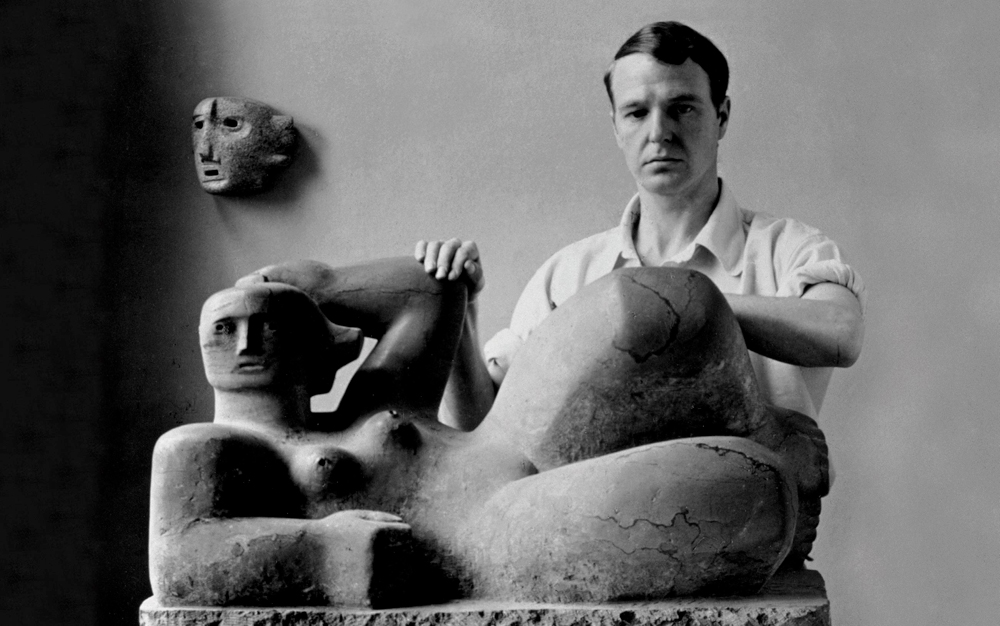
Accompanying an exhibition of the same name, Becoming Henry Moore tells the story of the artist’s creative journey between 1914 and 1930, from gifted schoolboy to celebrated sculptor. Displaying artistic skill and ambition from a young age, Moore spent his early years studying the art of the past and of his contemporaries, absorbing a wide variety of sculptural ideas and forms as he developed his own individual and now iconic style.

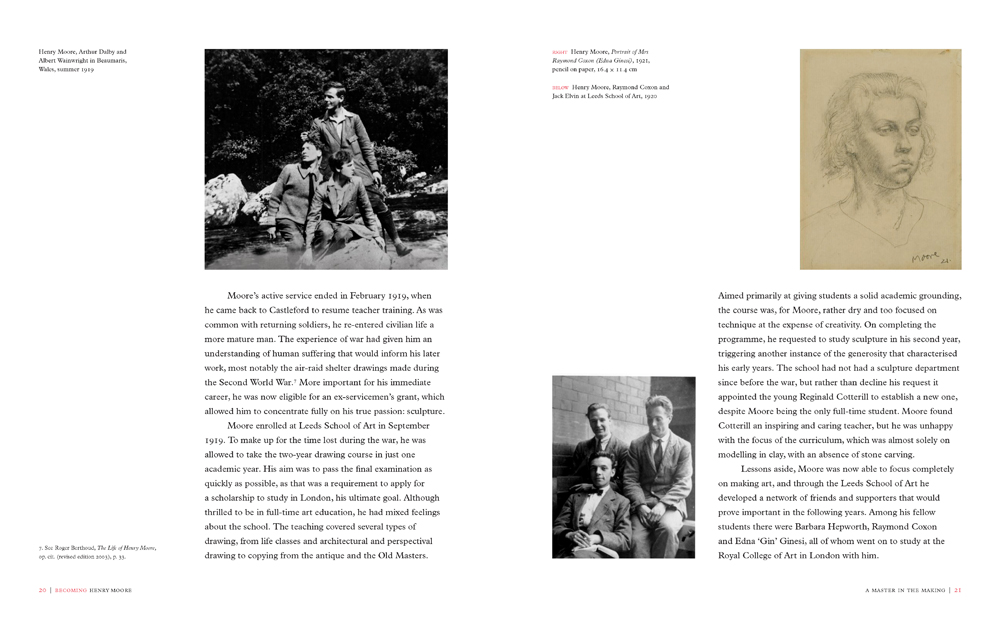
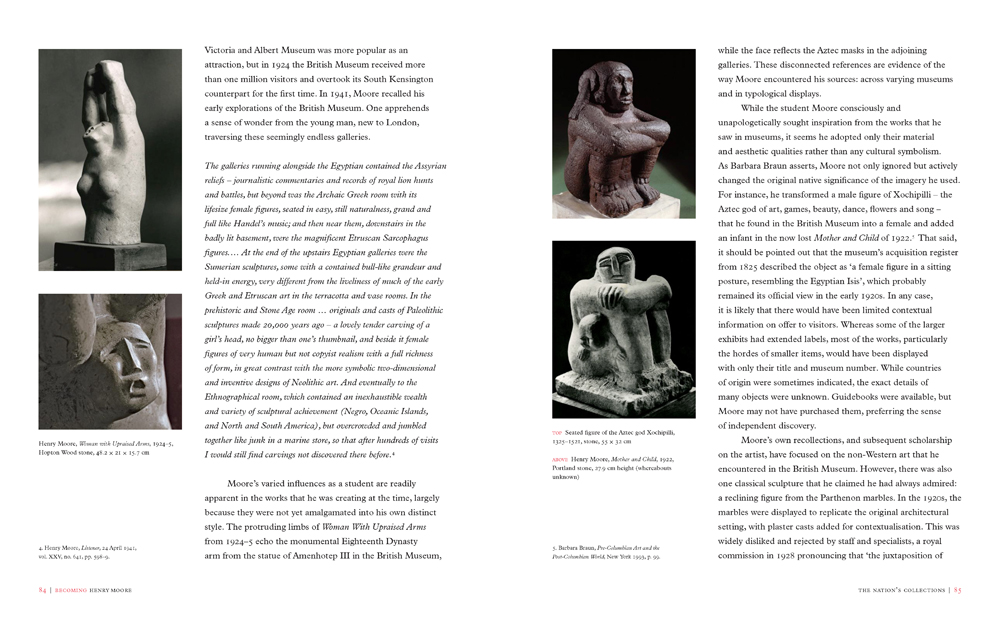
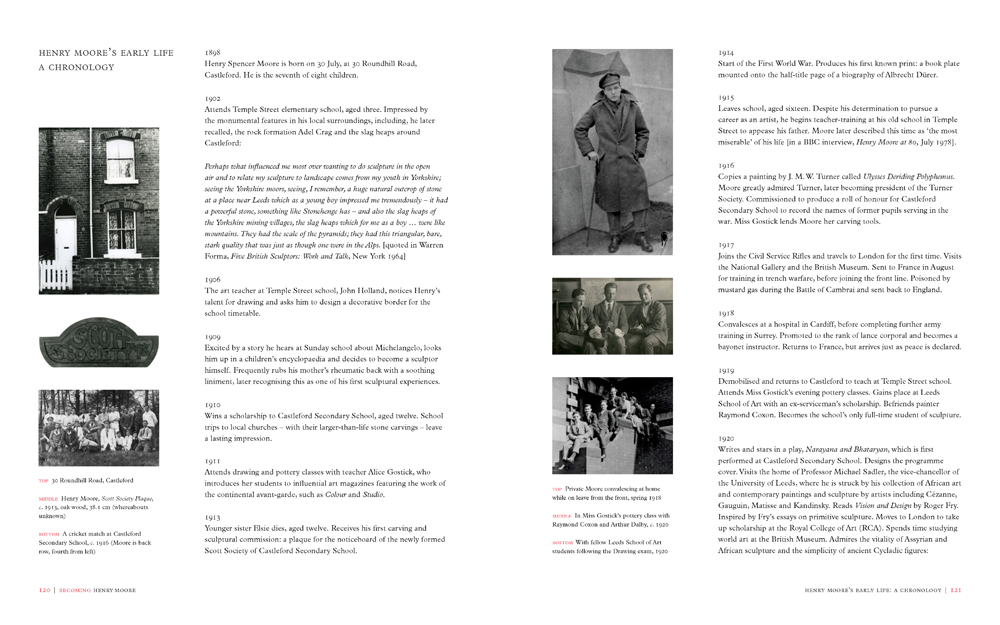
In this beautiful, richly illustrated book, Sebastiano Barassi presents a lively account of this formative period, from Moore’s time at Castleford Secondary School, where his talent was first spotted, through his active service in the First World War and student life at Leeds School of Art, and culminating with his move to the Royal College of Art in London and subsequent entry into the world of contemporary sculpture. What is revealed is a rich story of friendships, mentors, and collectors, and a range of artistic influences, from classical and non-Western art to Renaissance and modern masters and dialogues with other leading figures from the British and European avant-gardes. Moore’s encounters with collections both public and private and the importance of ancient art in his development are brought to life by contributions from Tania Moore and Jon Wood, who show not only how these experiences were critical in the formation of the artist’s early style, but also how they continued to inform his work for the rest of his career.

Richly illustrated with sculptures, drawings and photographs from his life, and including a chronology of the early years, this book shows the myriad influences at play as Henry Moore took his first steps on the path to becoming Britain’s foremost modern sculptor.

Sebastiano Barassi is Head of Henry Moore Collections and Exhibitions at the Henry Moore Foundation
Hannah Higham is Curator at the Henry Moore Foundation.
Tania Moore is Curatorial Assistant at the Royal Academy of Arts, London
Dr Jon Wood is Research Curator at the Henry Moore Institute, Leeds


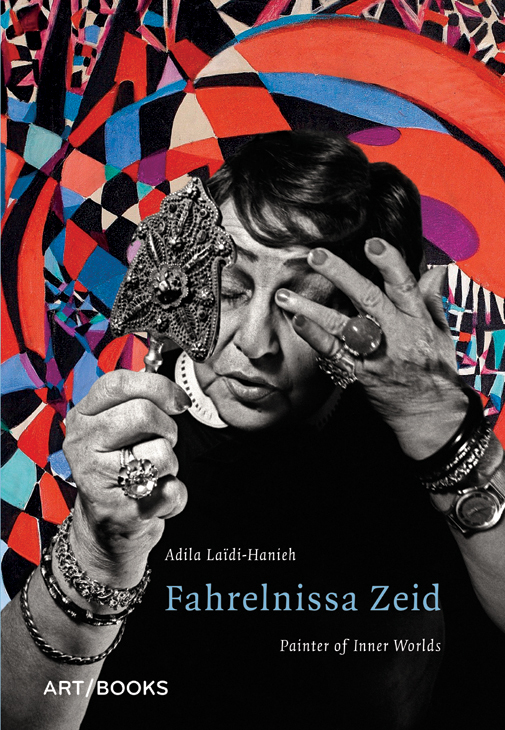
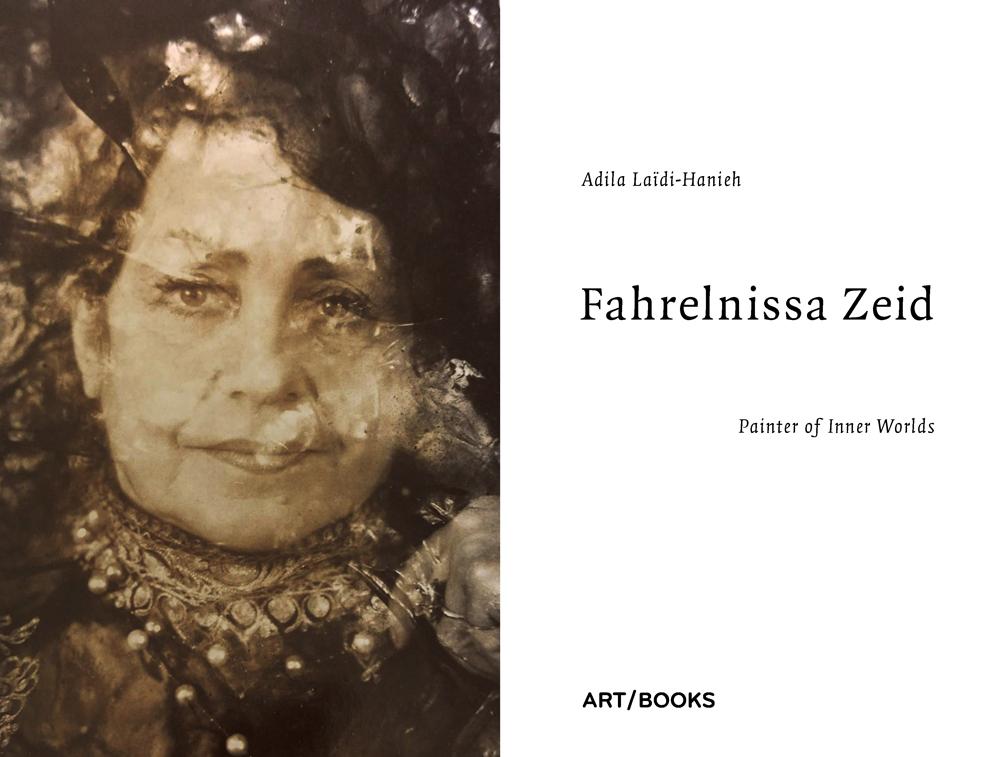
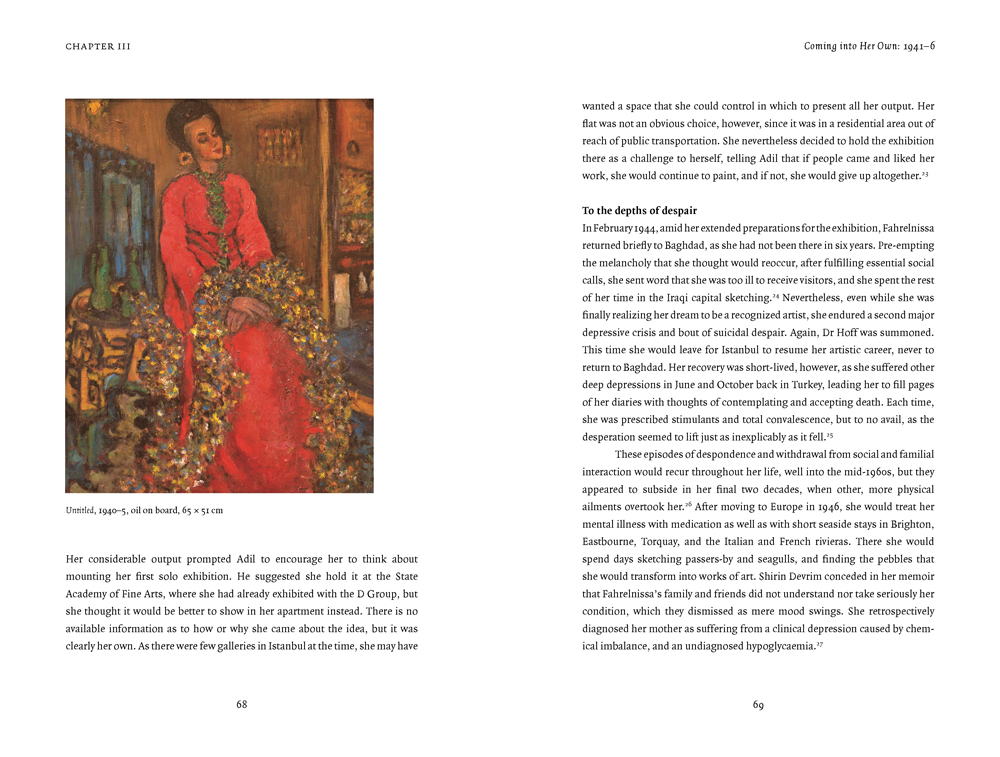
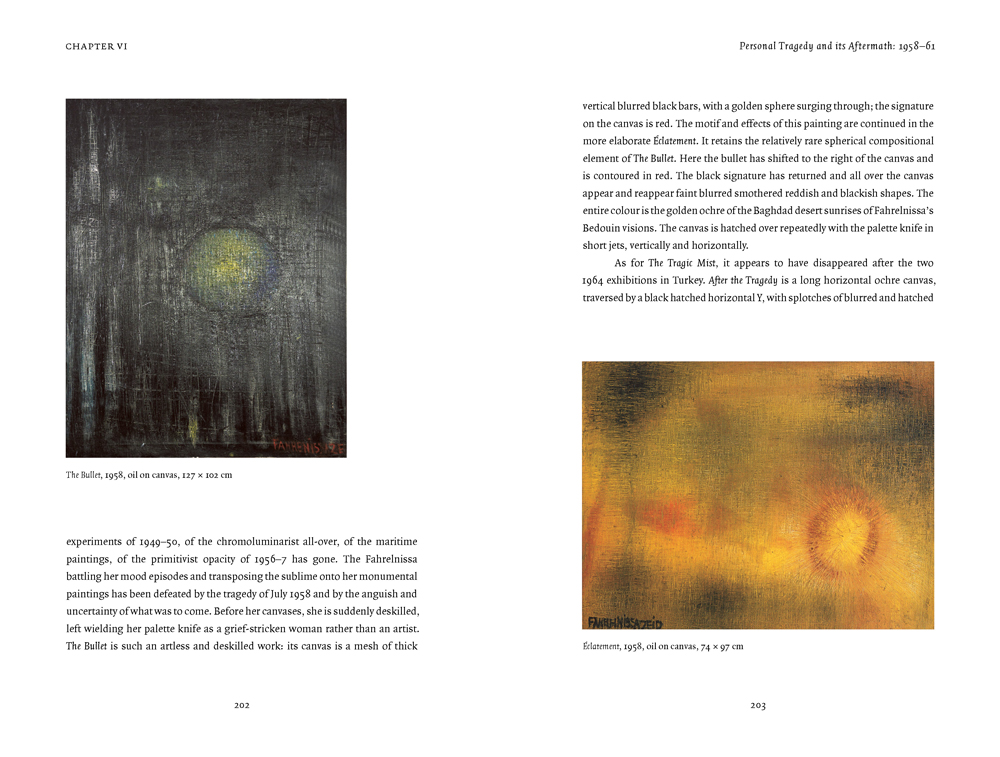
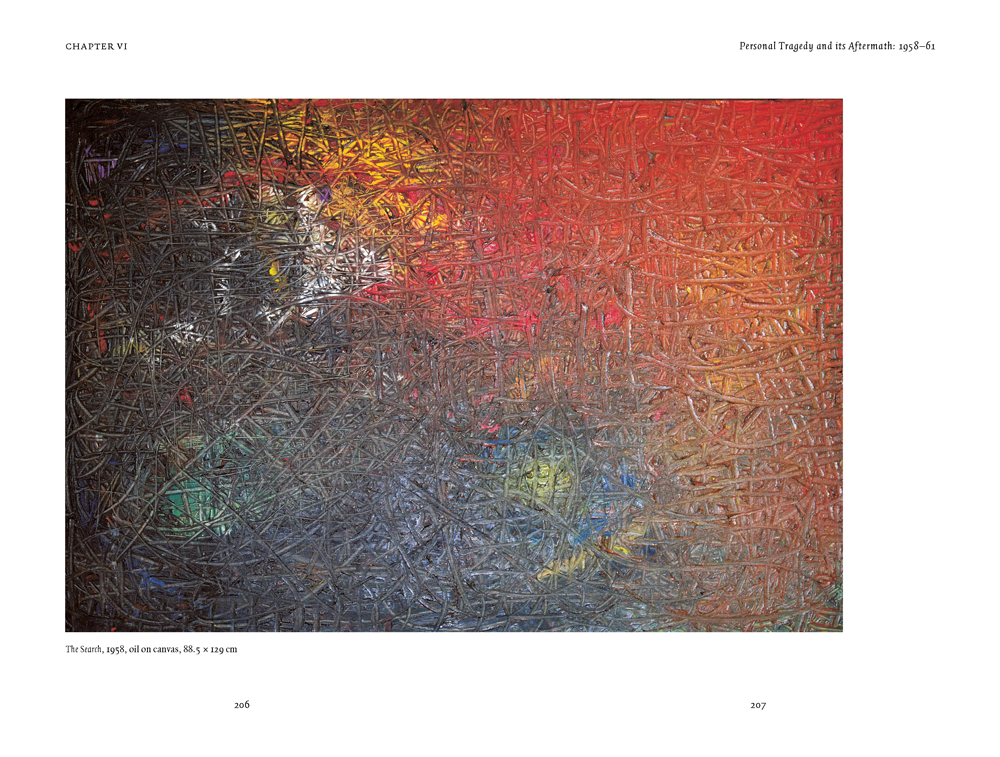
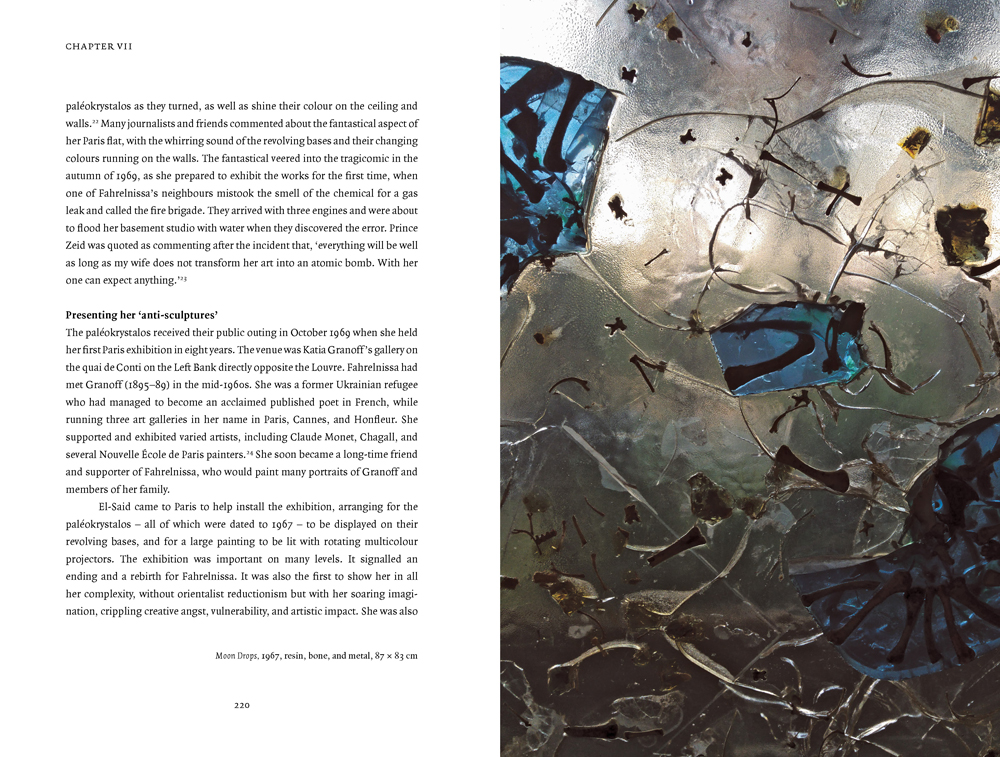
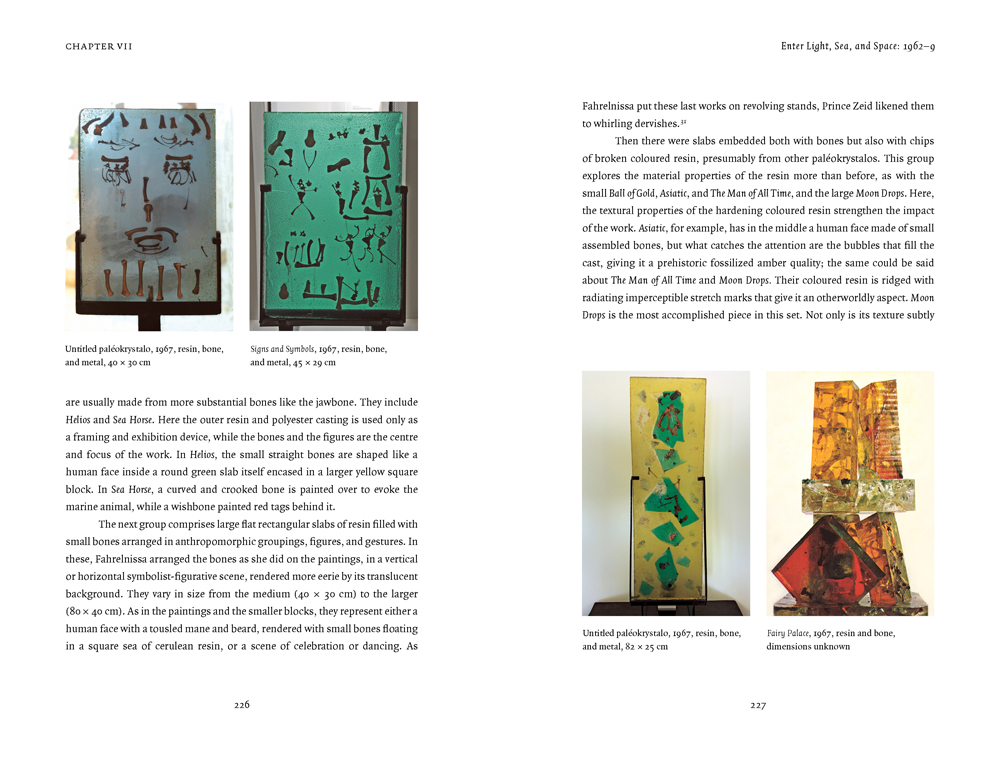
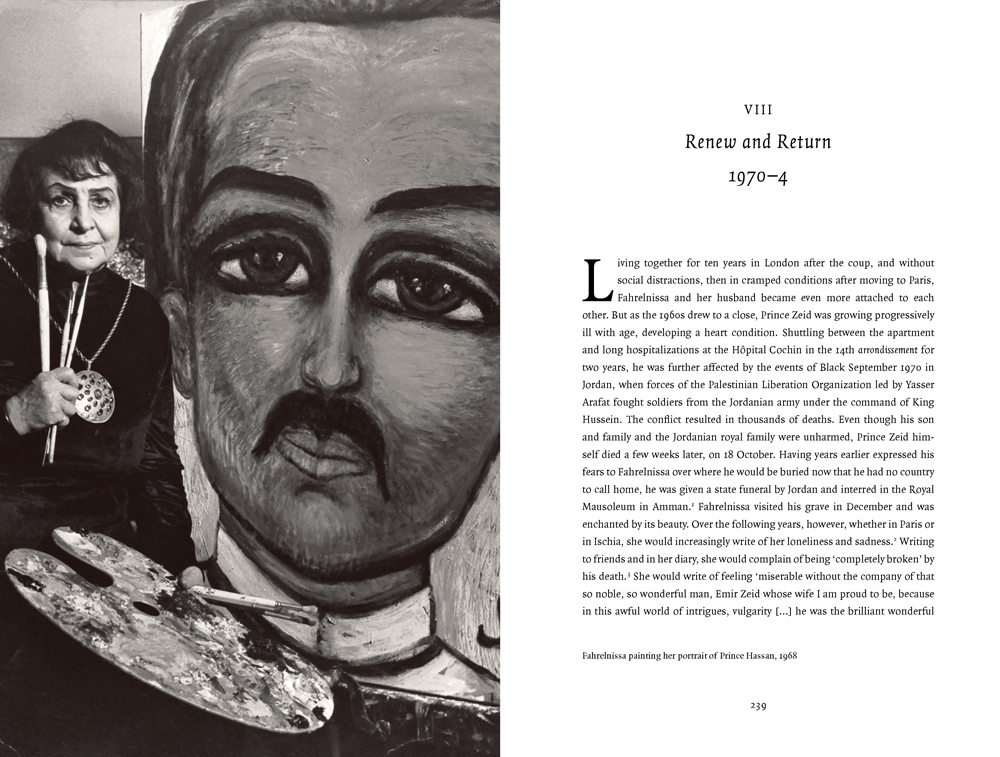
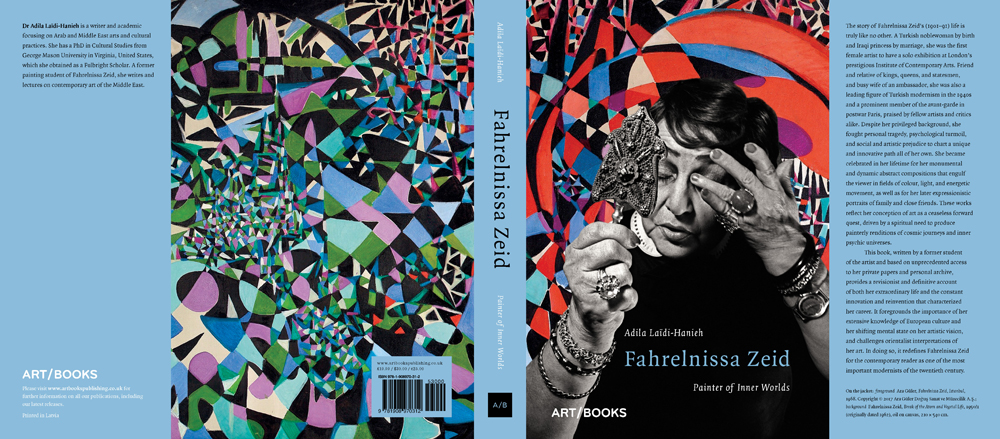
Fahrelnissa Zeid

Painter of Inner Worlds

Adila Laïdi-Hanieh

‘Her biography reads like a novel’ — Evening Standard
‘Laidi-Hanieh’s elegant prose brings to life the rich cultural environment in which Fahrelnissa lived and which she created around her.… The book’s excellent text is enriched by truly stunning images of Fahrelnissa’s paintings, as well as sketches and photos, and a comprehensive chronology of her life events and multiple exhibitions.’ — Jordan Times
‘Elegant … carefully researched … this handsome tome, the product of a thorough investigation into the artist’s life and work, challenges orientalist interpretations of her art. In so doing, it redefines Zeid as one of the foremost modernist painters of the last century.’ — Harper’s Bazaar Arabia
‘[Brings] her work out of the shadows and into the collective consciousness’ — New York magazine 
‘Comprehensive and painstakingly researched … this is a book to read and reread.’ — Cornucopia magazine
‘A timely and much-needed contribution to the study of transnational feminist art histories’ — Third Text

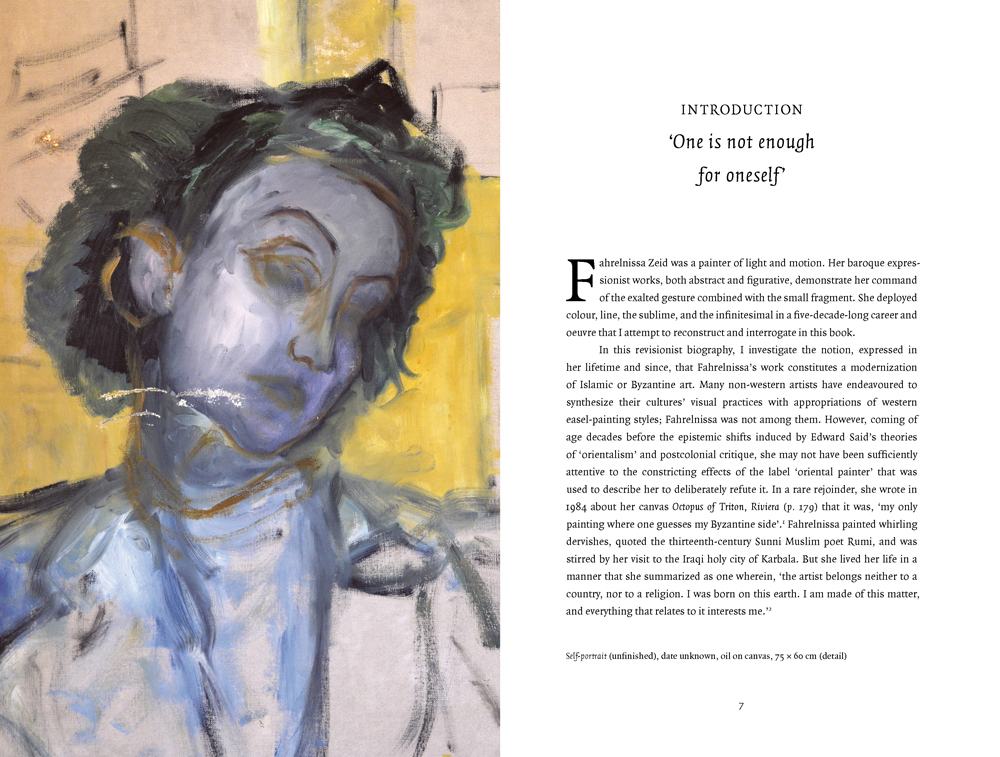
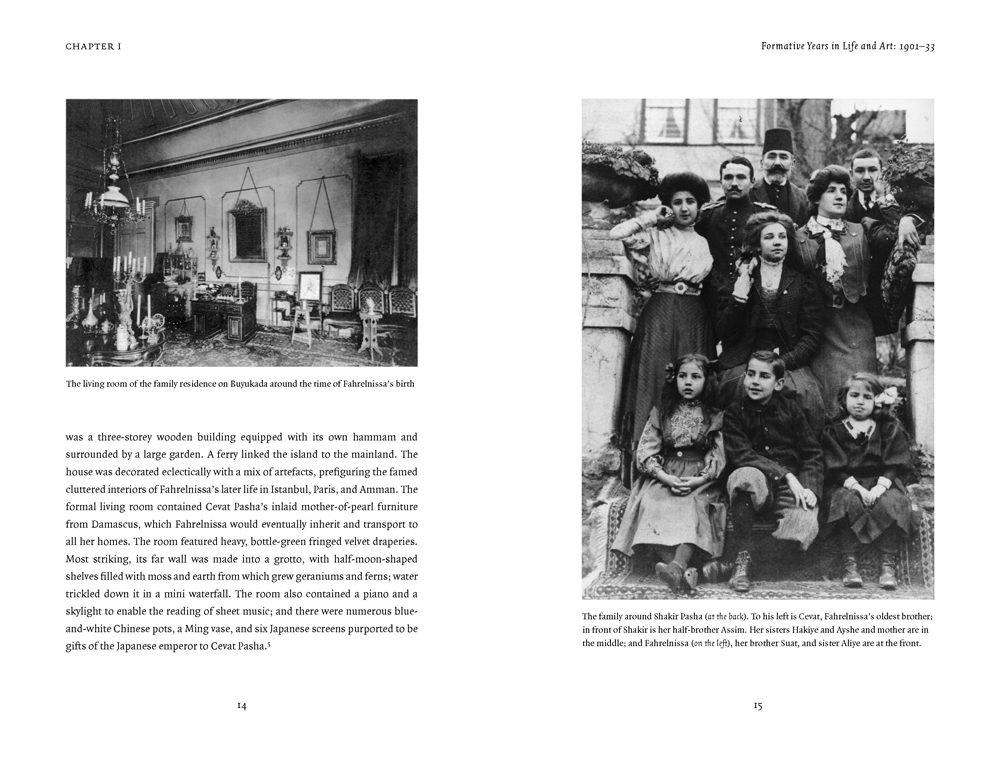
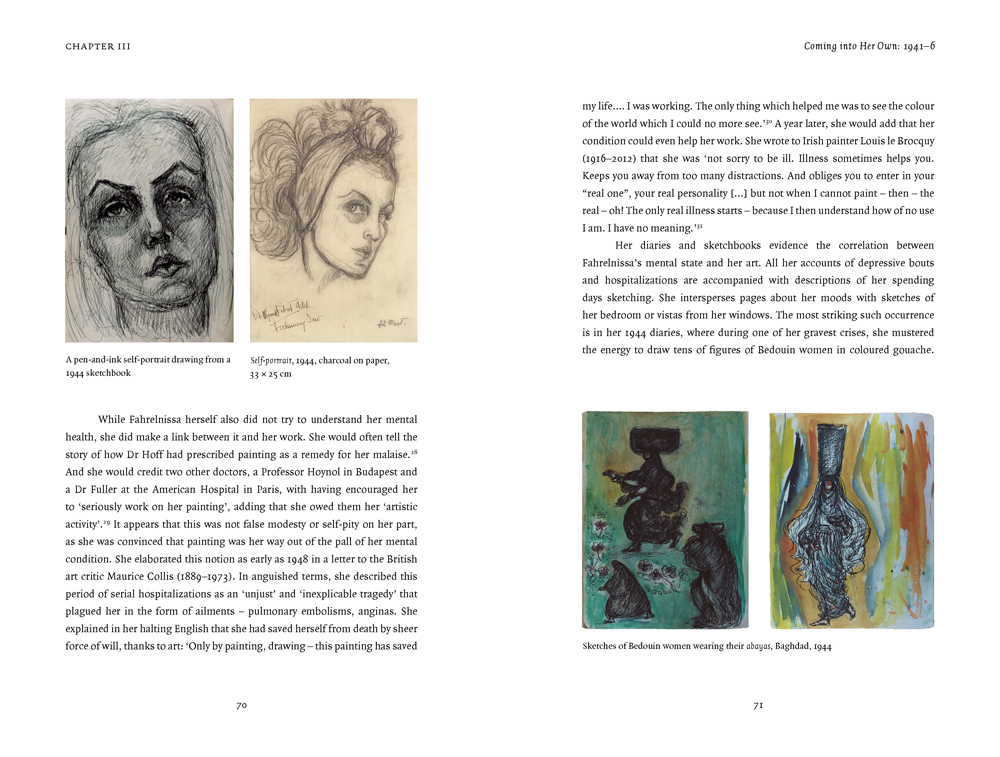
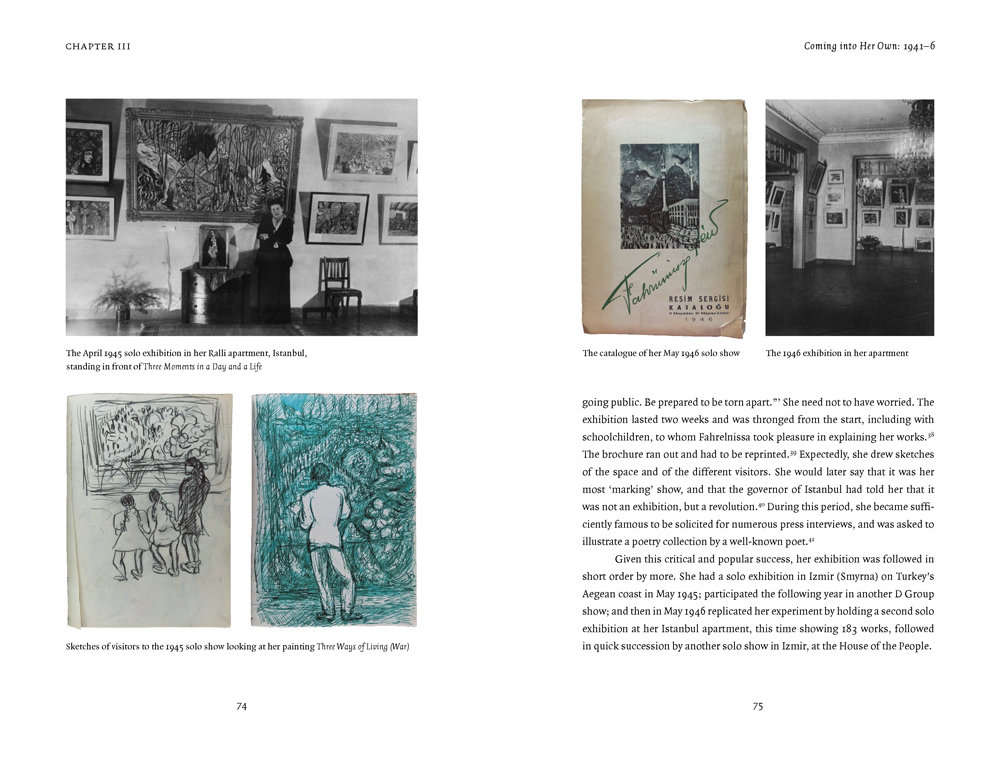
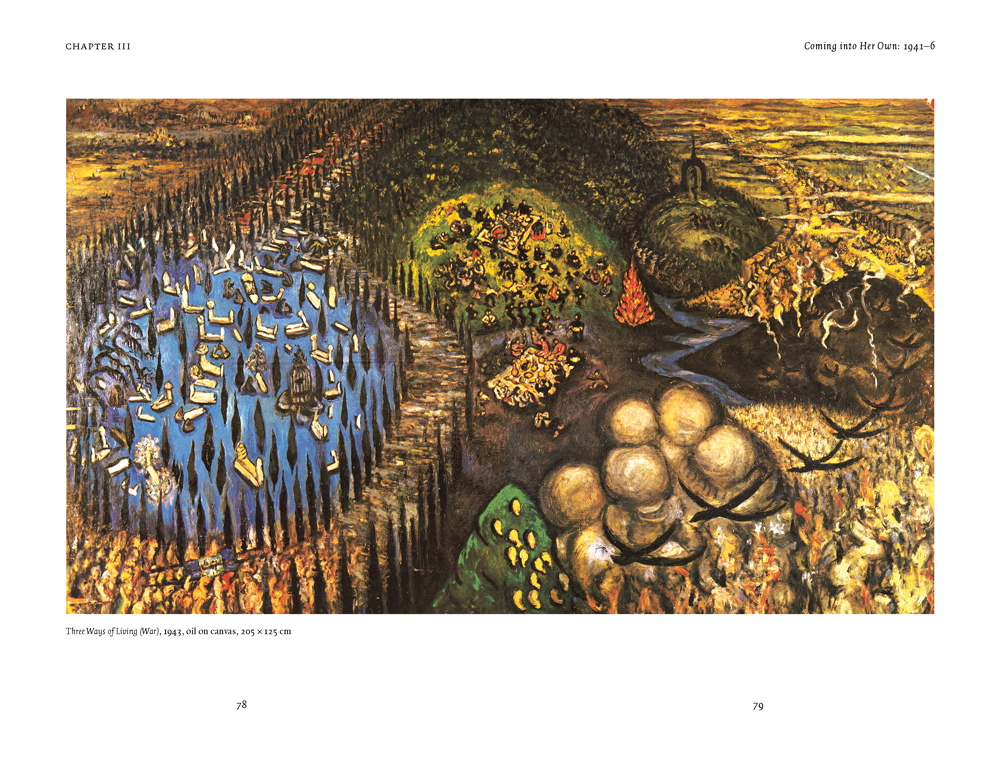
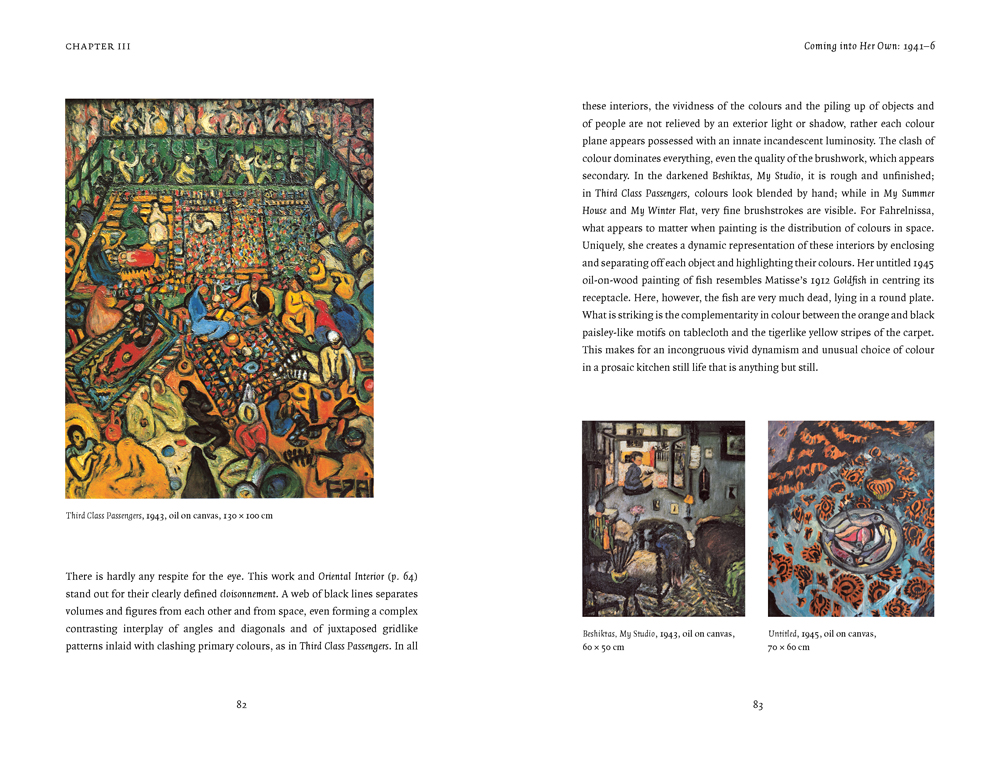
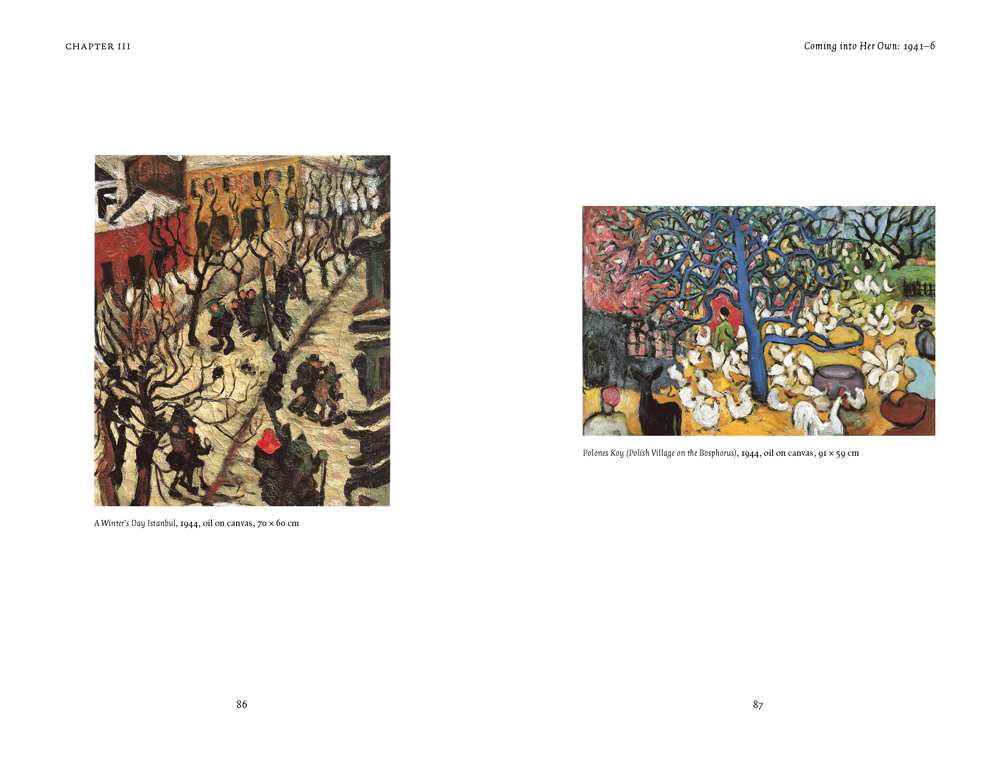
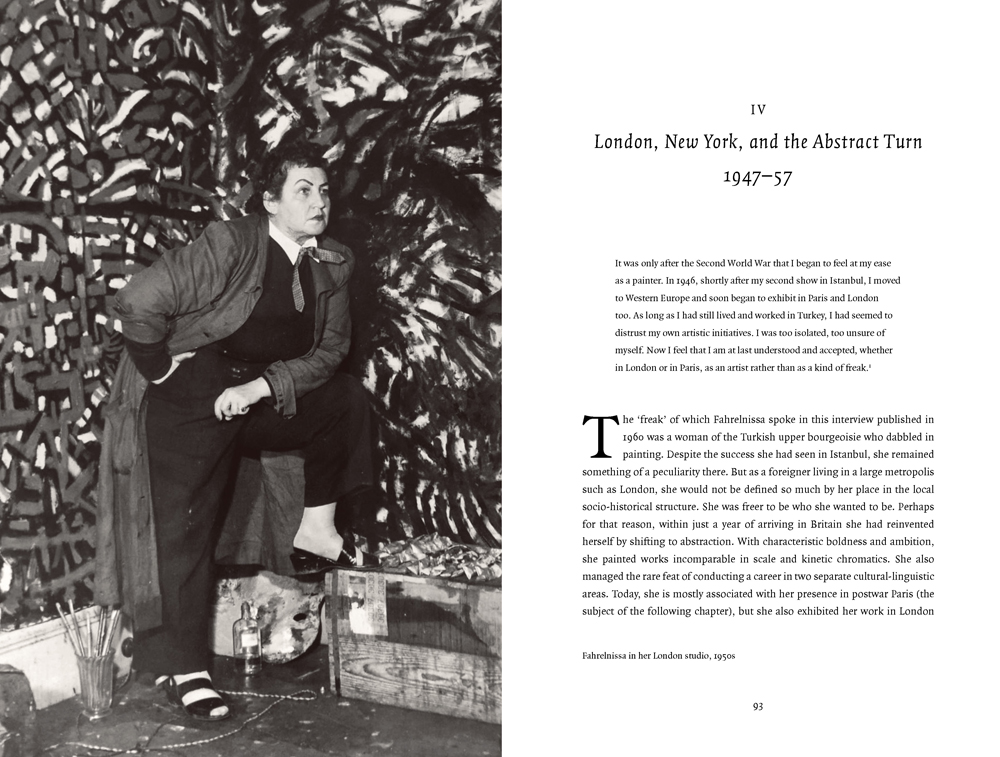
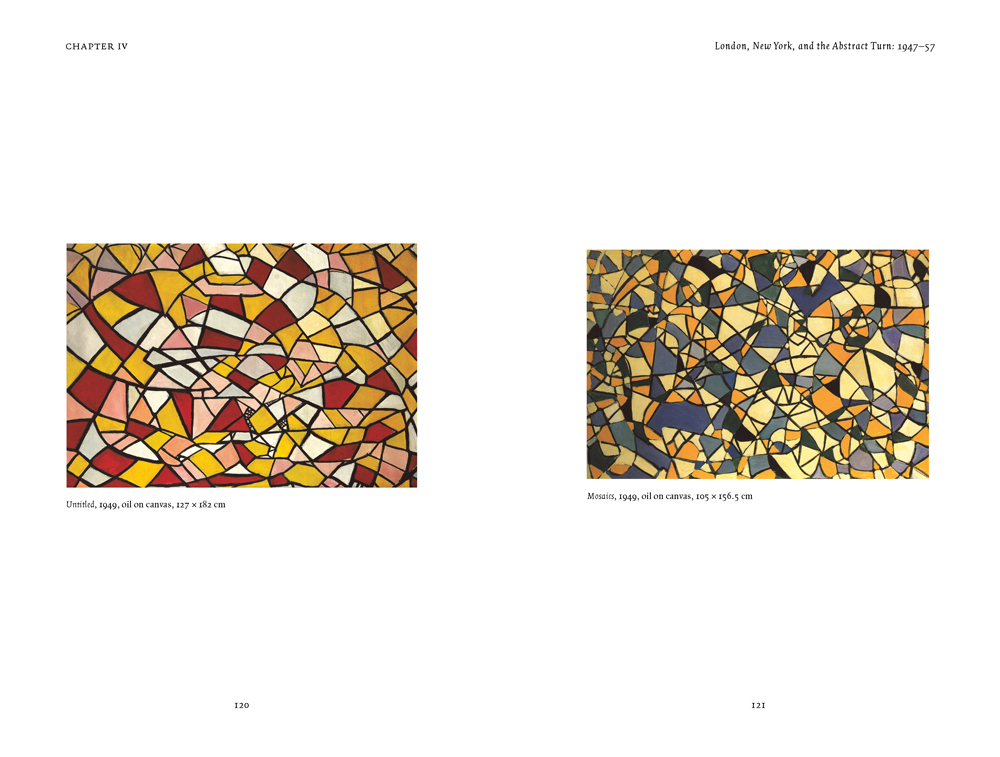
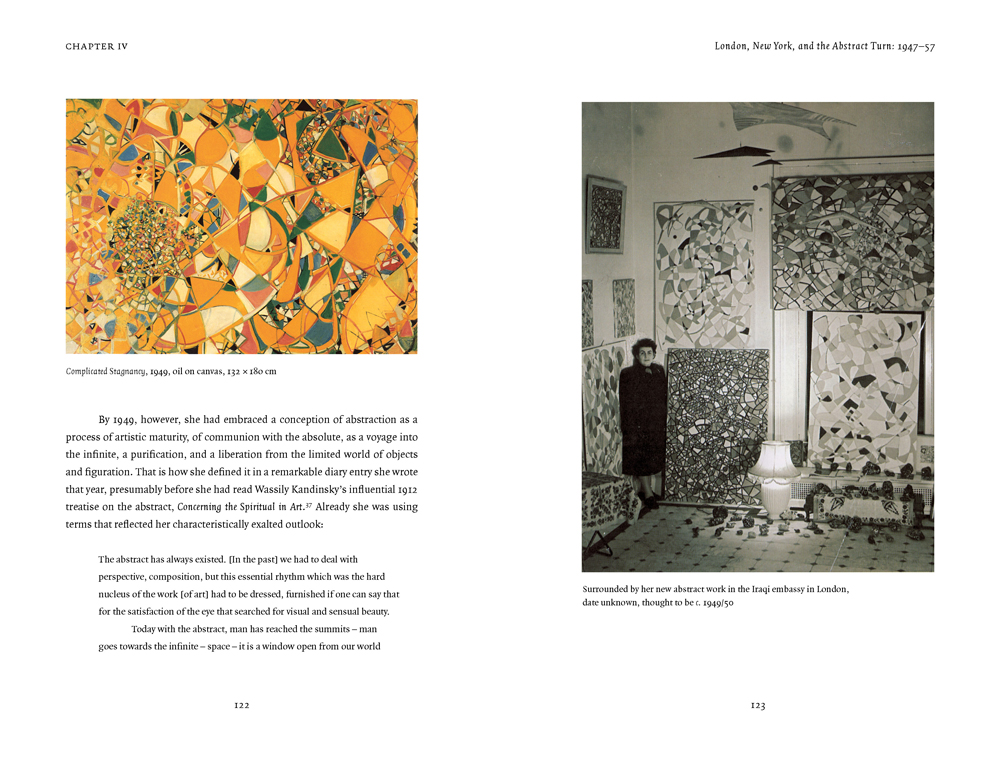
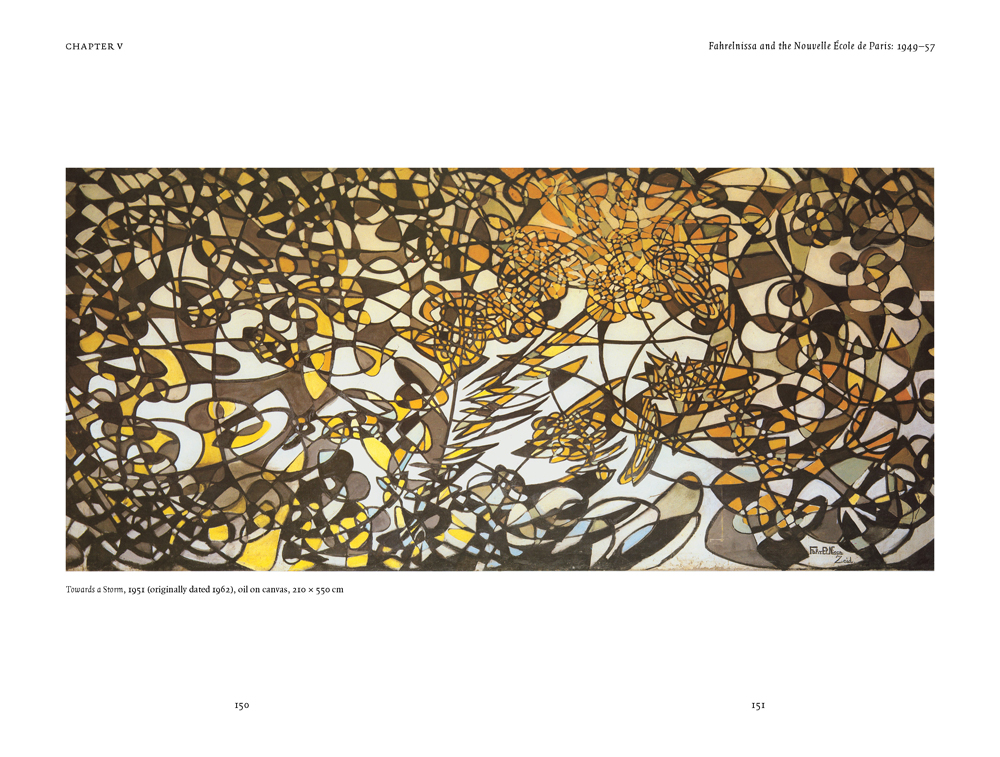
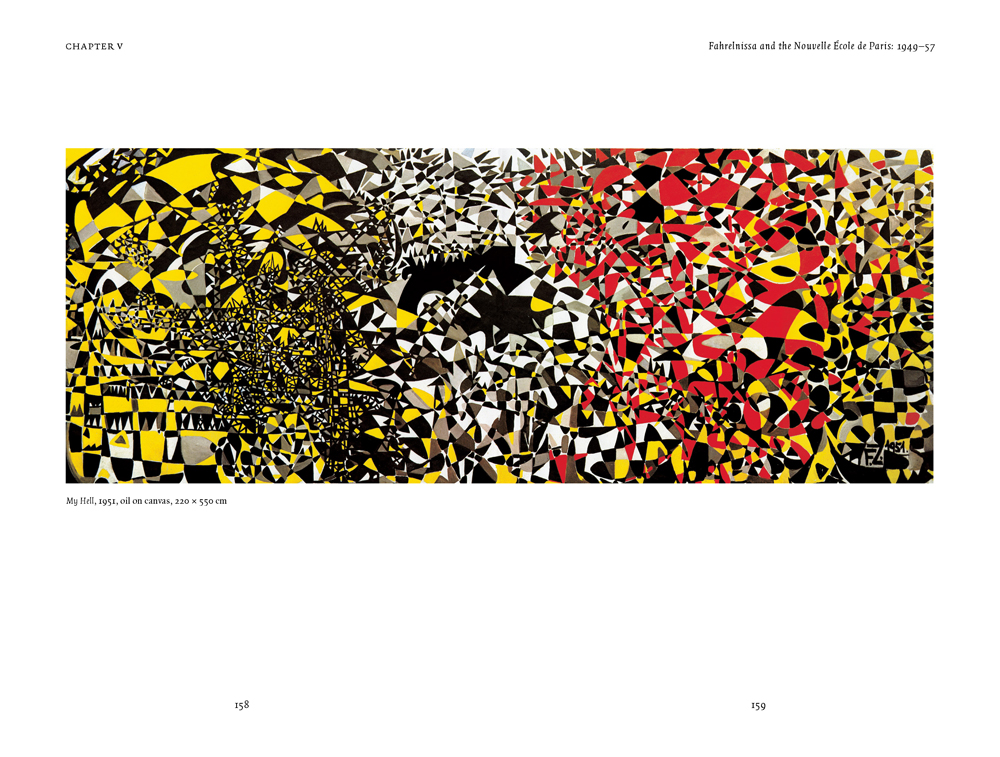
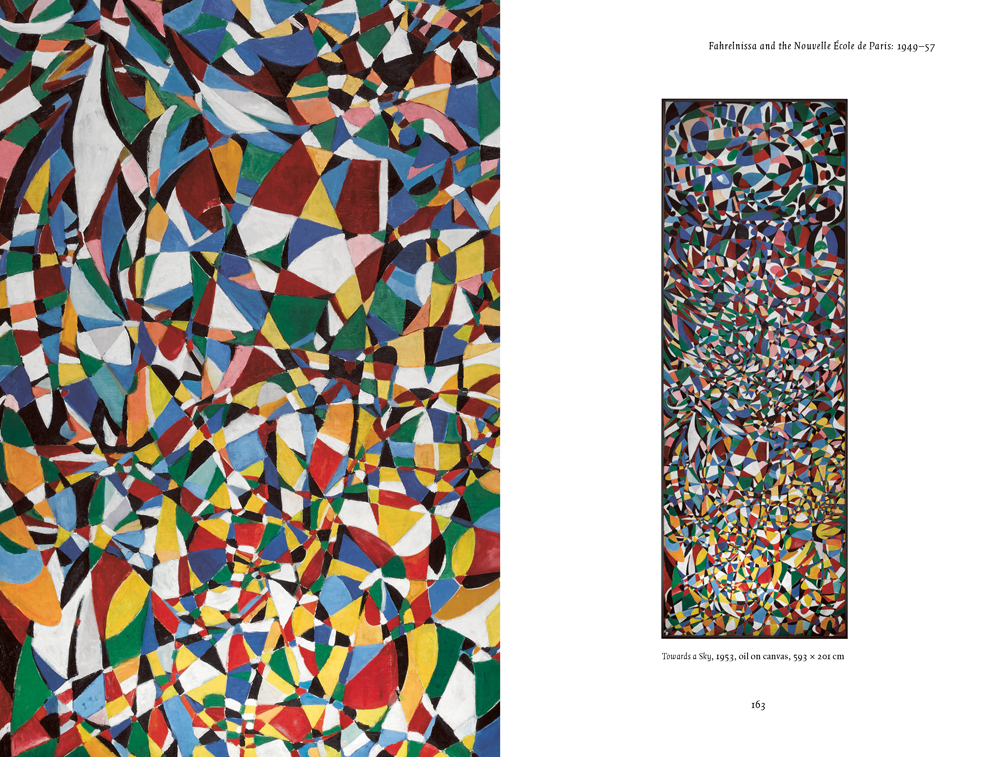
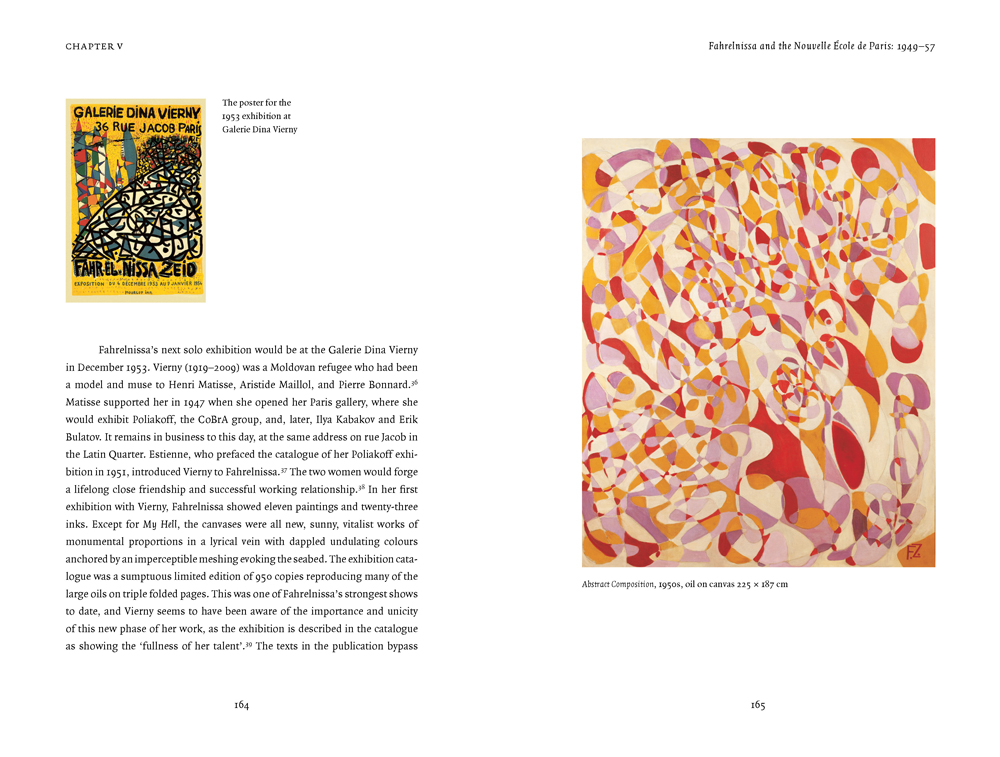
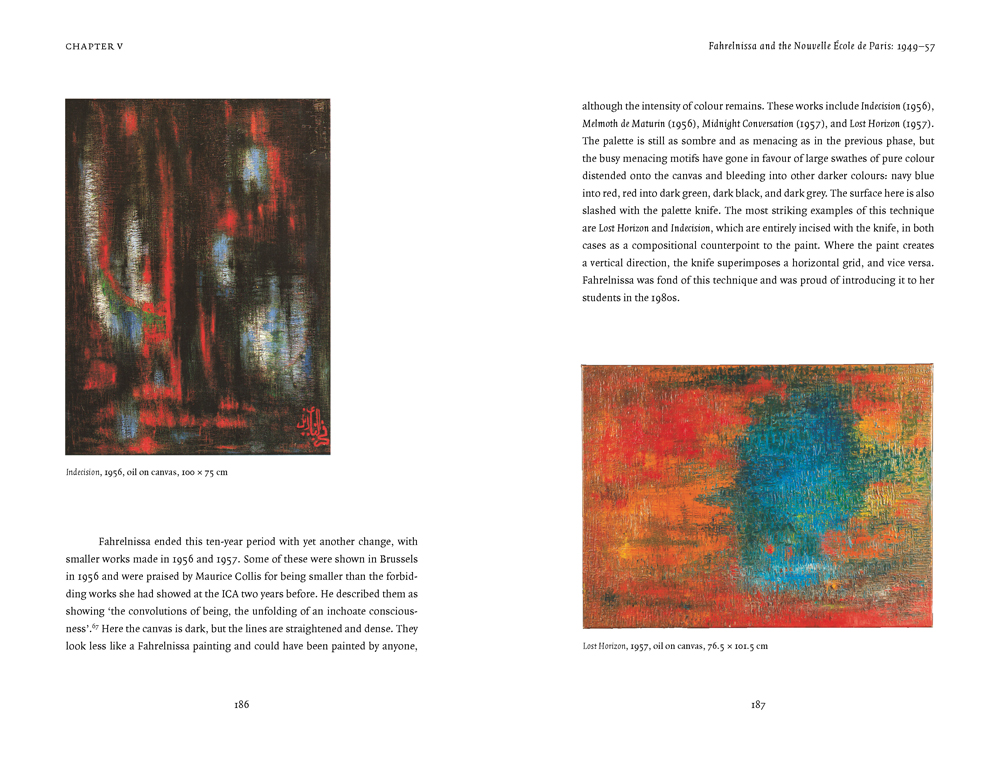
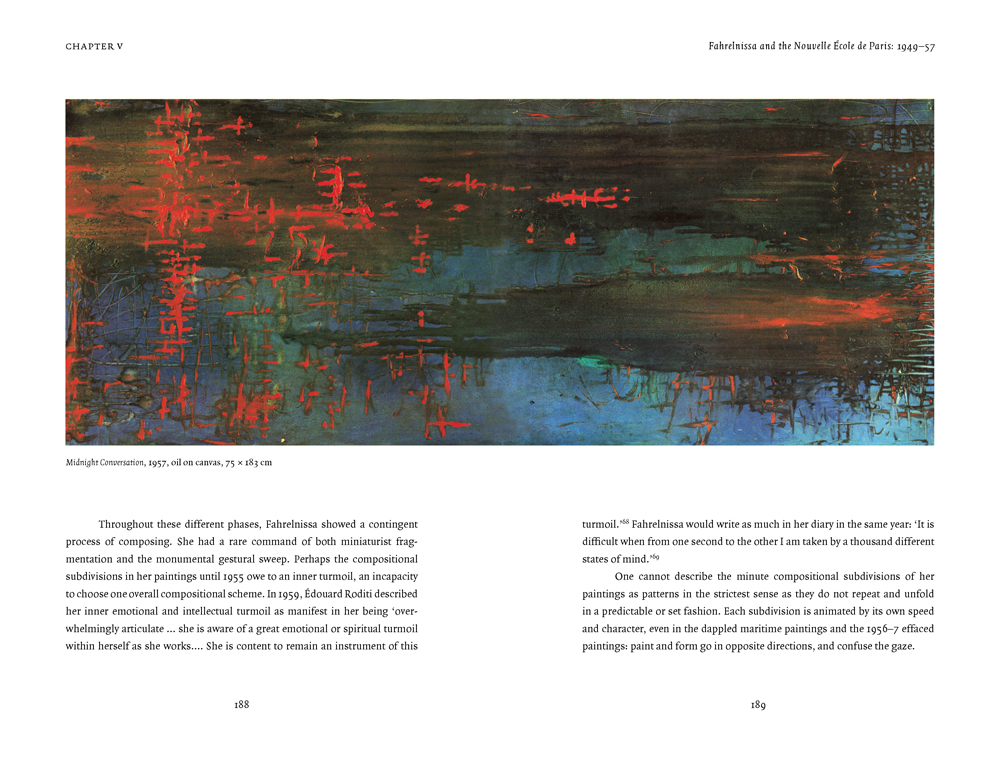
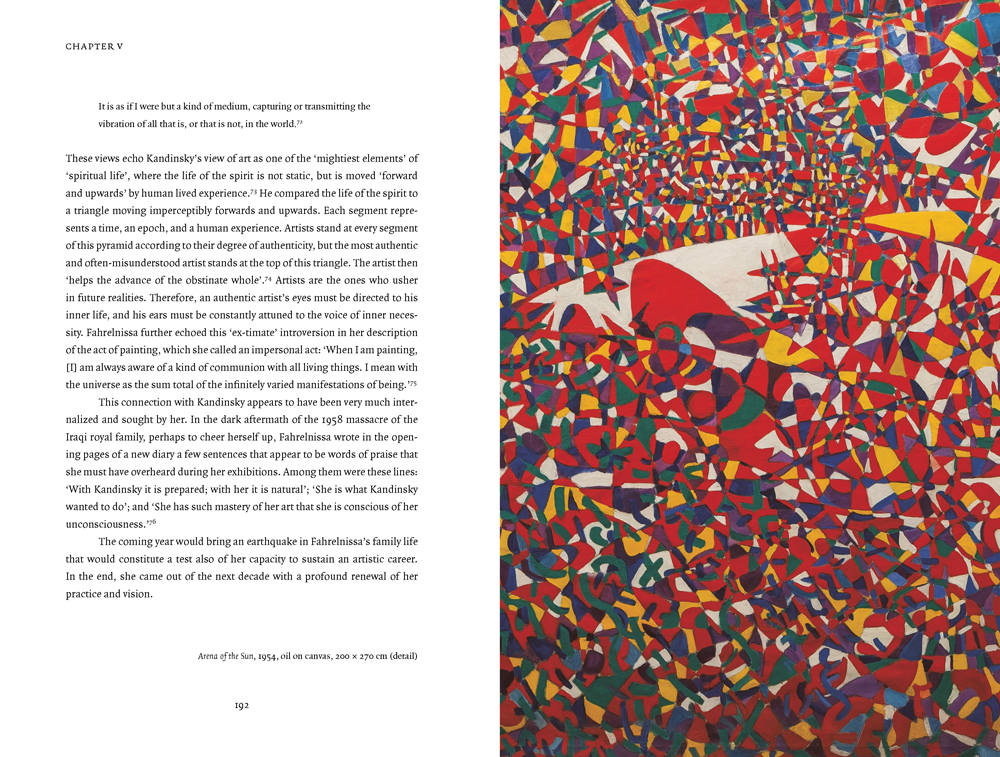
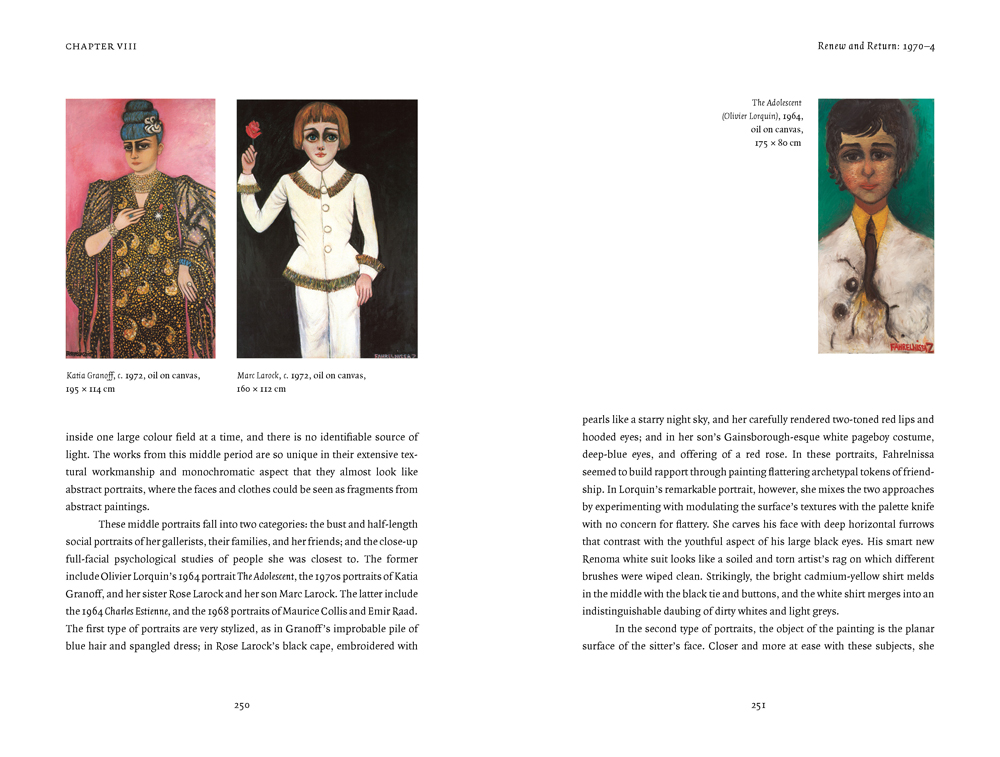
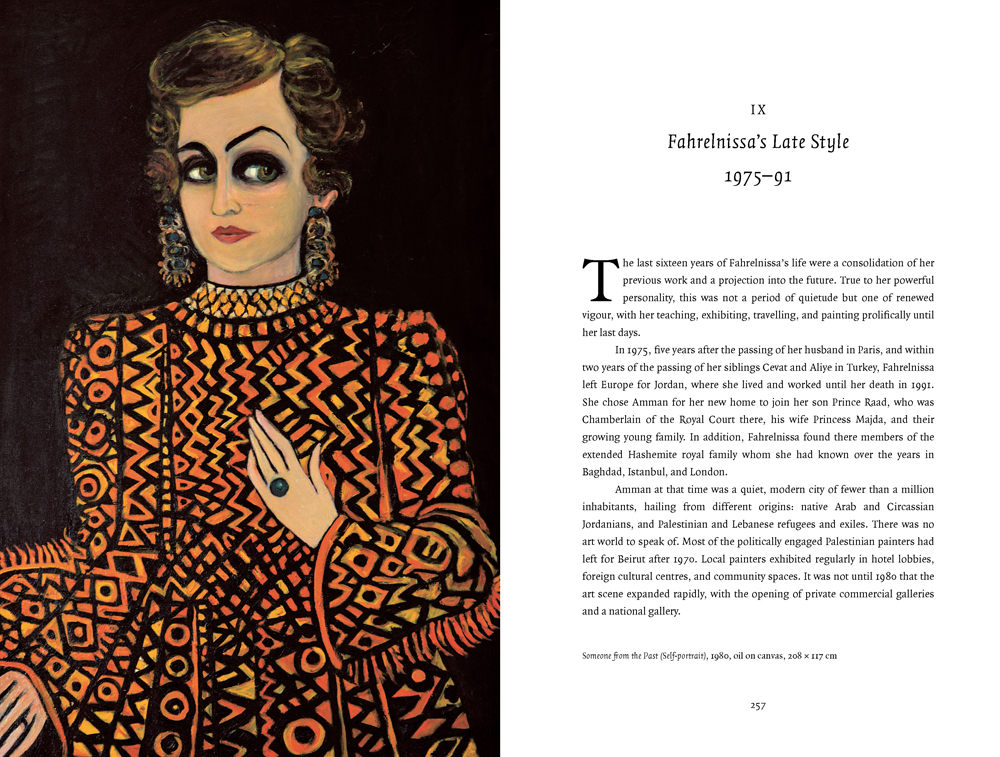
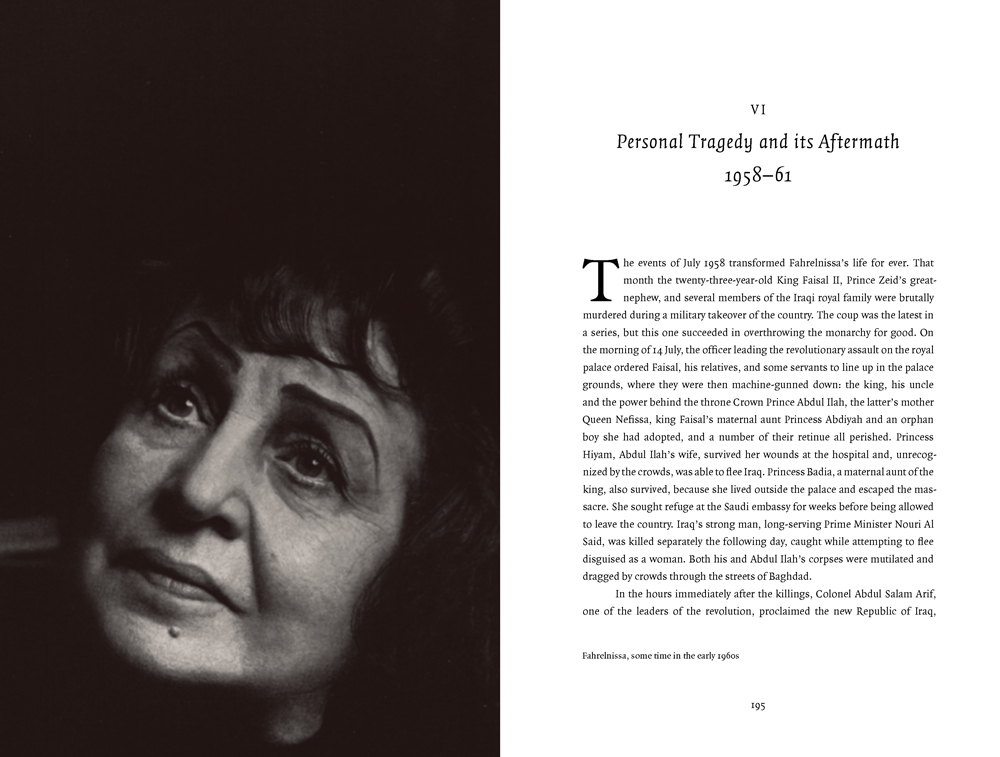
The story of Fahrelnissa Zeid’s (1901–91) life is truly like no other. A Turkish noblewoman by birth and Iraqi princess by marriage, she was the first female artist to have a solo exhibition at London’s prestigious Institute of Contemporary Arts. Friend and relative of kings, queens, and statesmen, and busy wife of an ambassador, she was also a leading figure of Turkish modernism in the 1940s and a prominent member of the avant-garde in postwar Paris, praised by fellow artists and critics alike. Despite her privileged background, she fought personal tragedy, psychological turmoil, and social and artistic prejudice to chart a unique and innovative path all of her own. She became celebrated in her lifetime for her monumental and dynamic abstract compositions that engulf the viewer in fields of colour, light, and energetic movement, as well as for her later expressionistic portraits of family and close friends. These works reflect her conception of art as a ceaseless forward quest, driven by a spiritual need to produce painterly renditions of cosmic journeys and inner psychic universes.

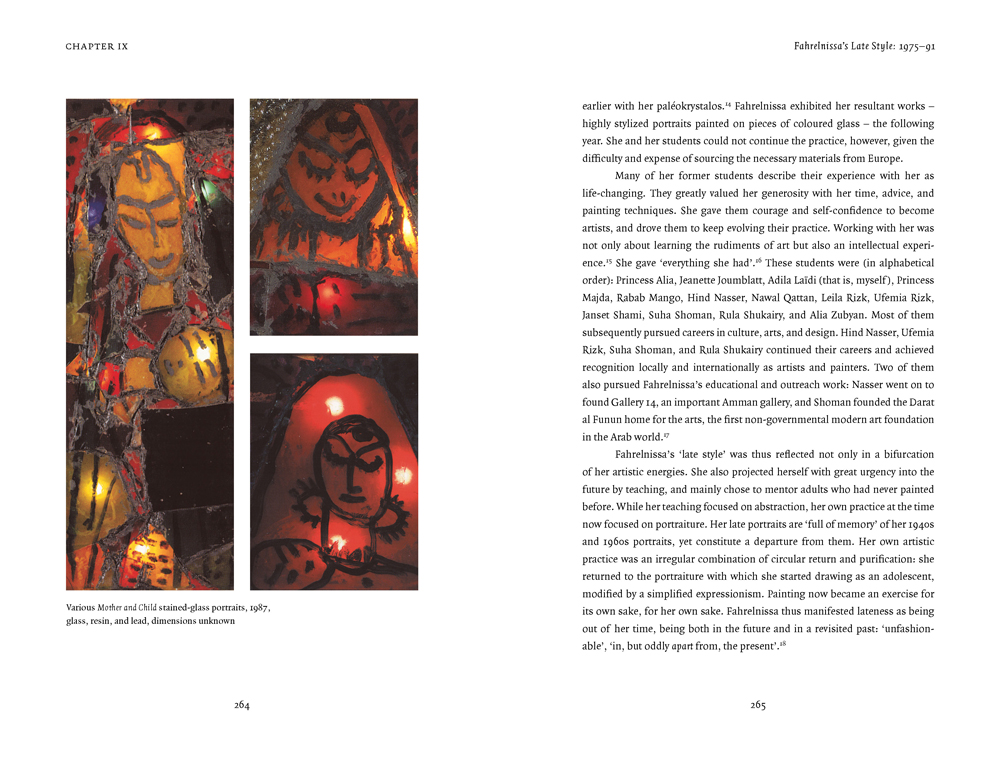
Coinciding with a retrospective exhibition at Tate Modern, this book is written by a former student of the artist and based on unprecedented access to her private papers and personal archive. It provides a revisionist and definitive account of both her extraordinary life and the constant innovation and reinvention that characterized her career right up until her final decades working and teaching in Jordan. It foregrounds the importance of her extensive knowledge of European culture and her shifting mental state on her artistic vision, and challenges orientalist interpretations of her art. In doing so, it redefines Fahrelnissa Zeid for the contemporary reader as one of the most important modernists of the twentieth century.

Dr Adila Laïdi-Hanieh is director of the Palestinian Museum in Birzeit, and a writer and academic focusing on Arab and Middle East arts and cultural practices. She has a PhD in Cultural Studies from George Mason University in Virginia, United States, which she obtained as a Fulbright Scholar. A former painting student of Fahrelnissa Zeid, she writes and lectures on contemporary art of the Middle East.


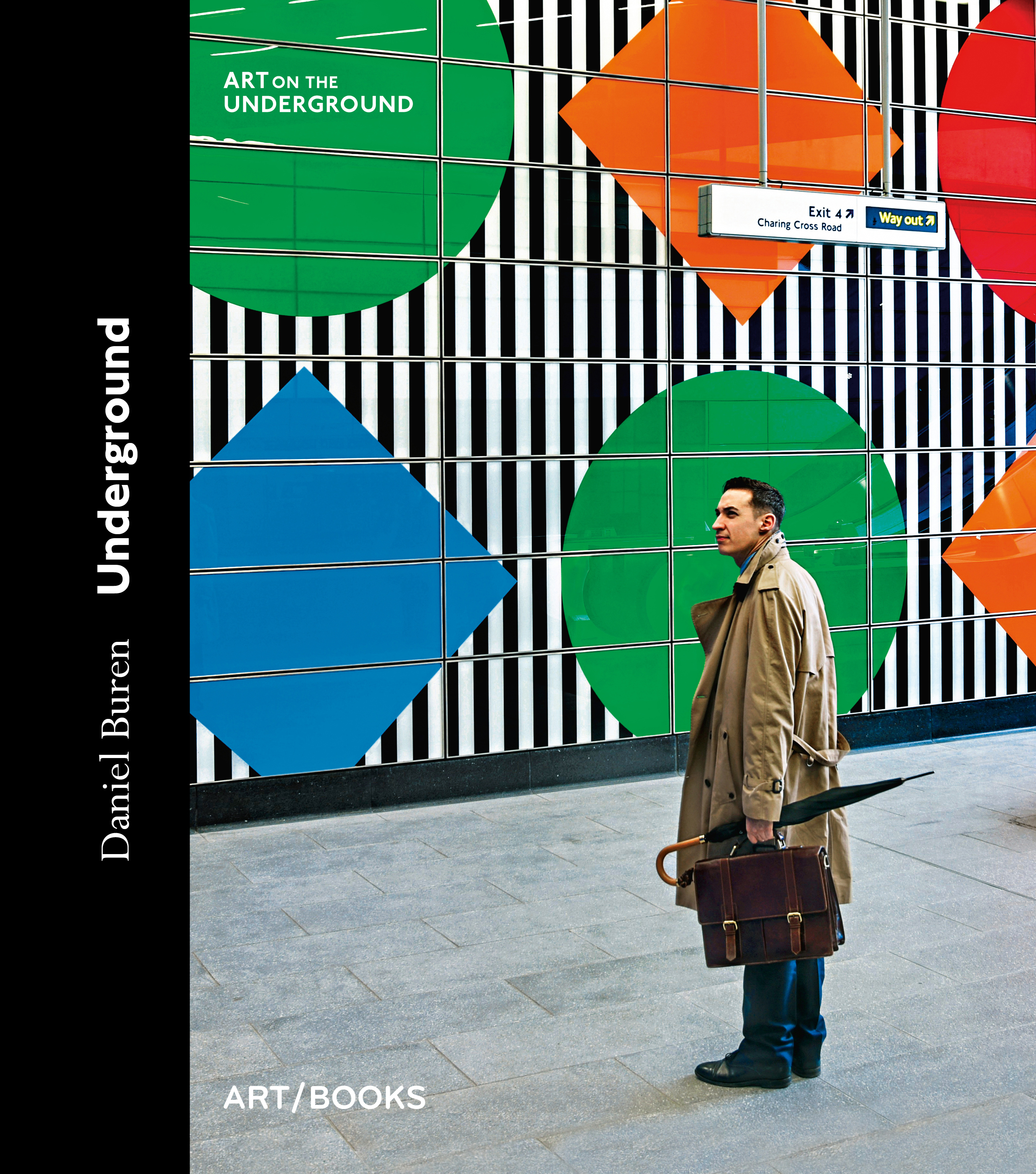
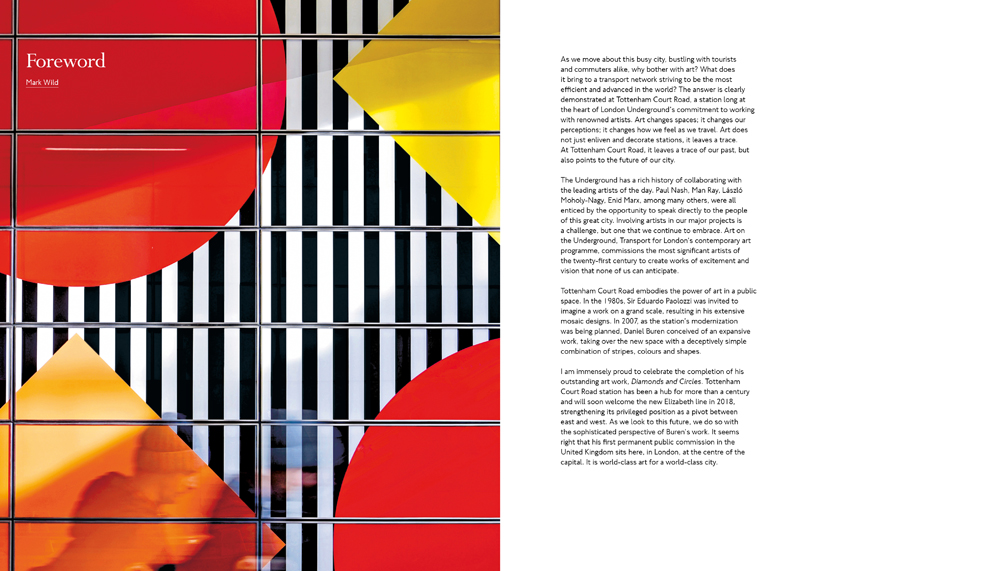
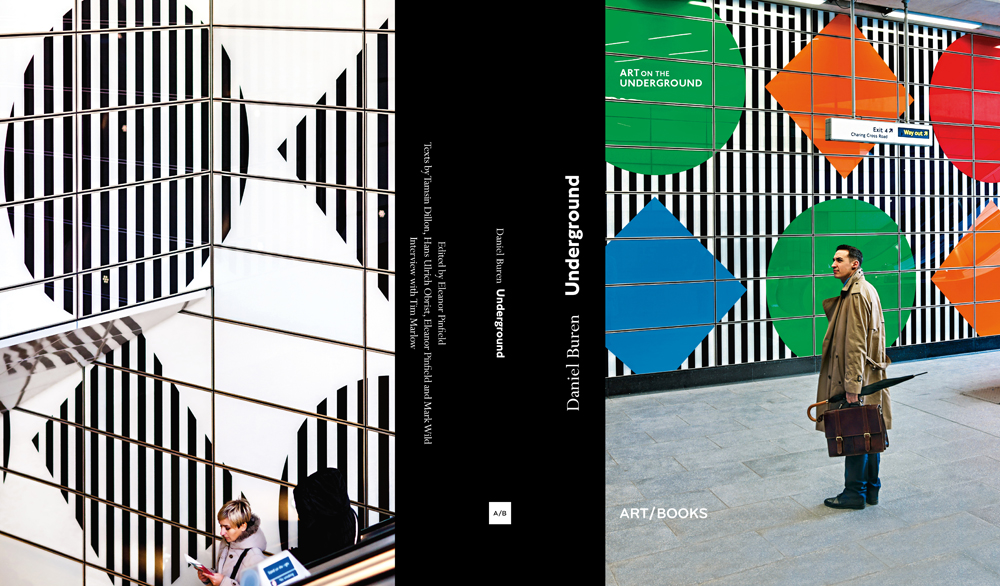
Daniel Buren Underground

Edited by Eleanor Pinfield
Foreword by Mark Wild
Texts by Tamsin Dillon, Eleanor Pinfield, Hans Ulrich Obrist
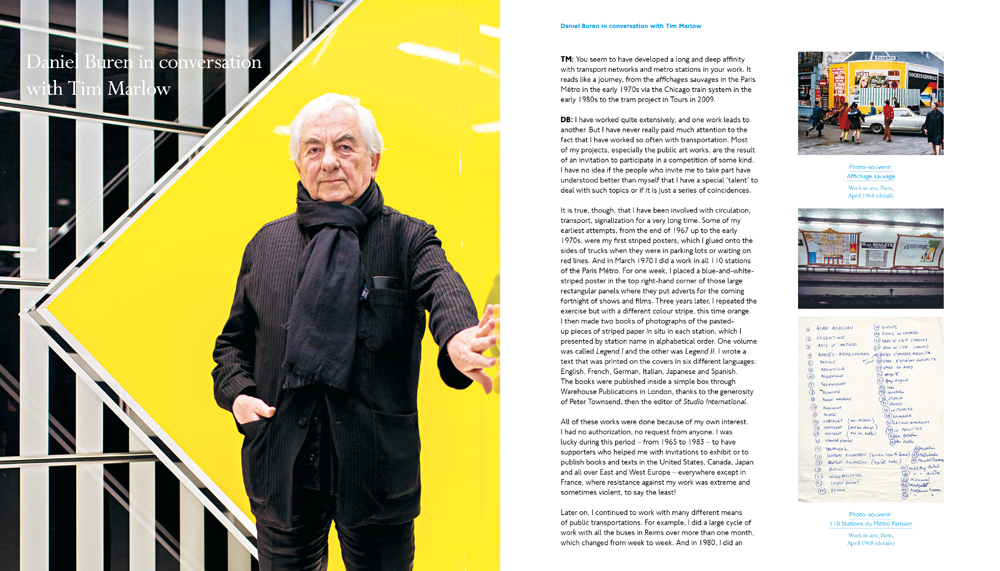
Interview by Tim Marlow

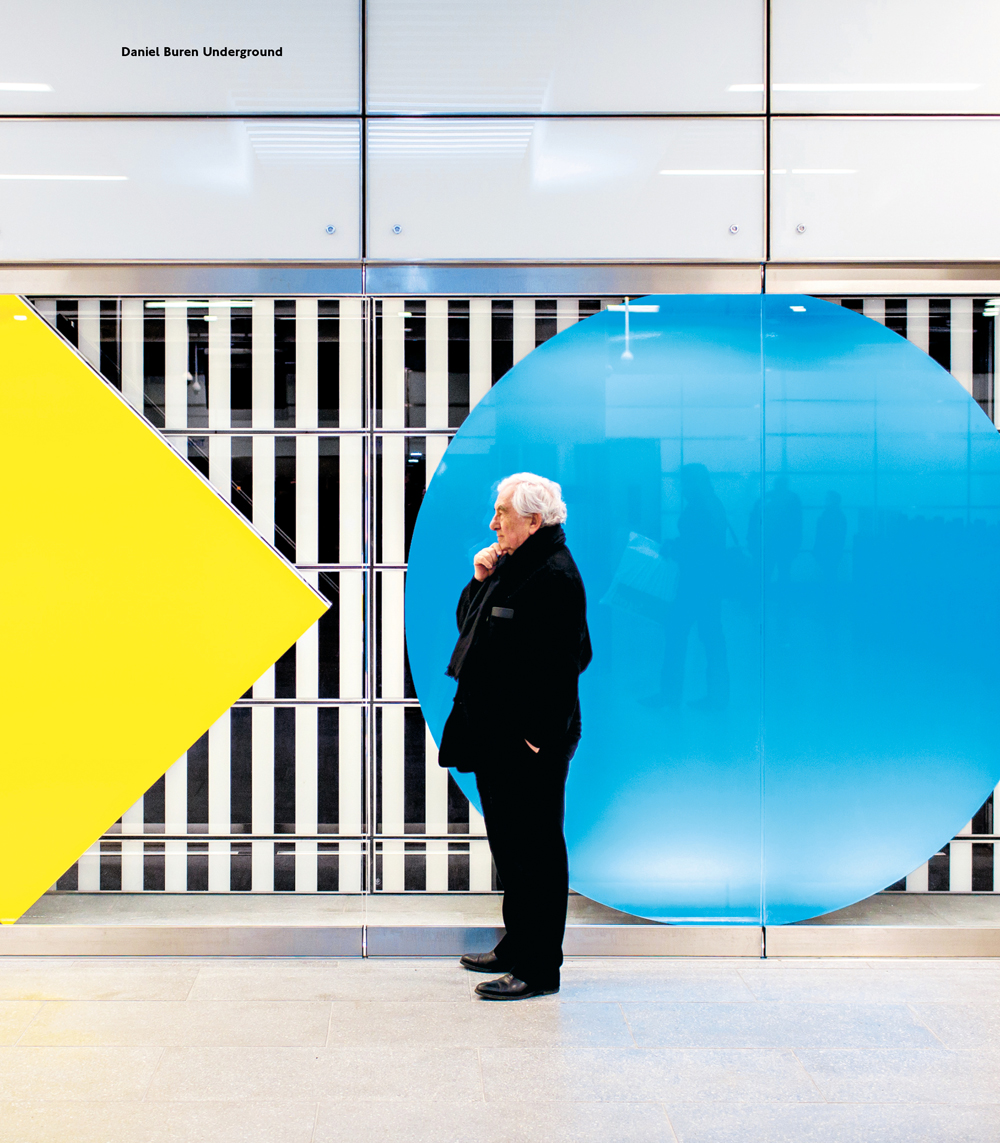
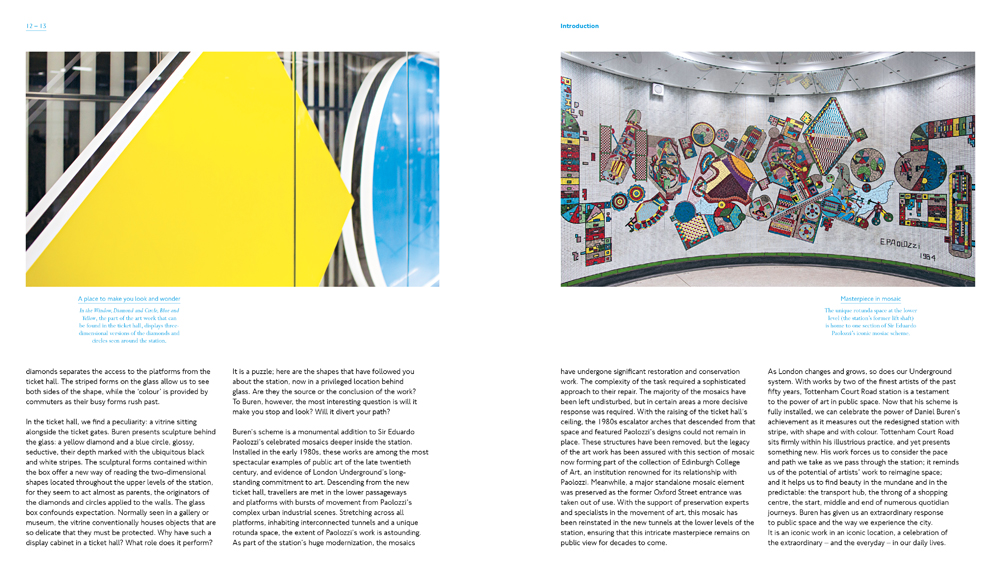
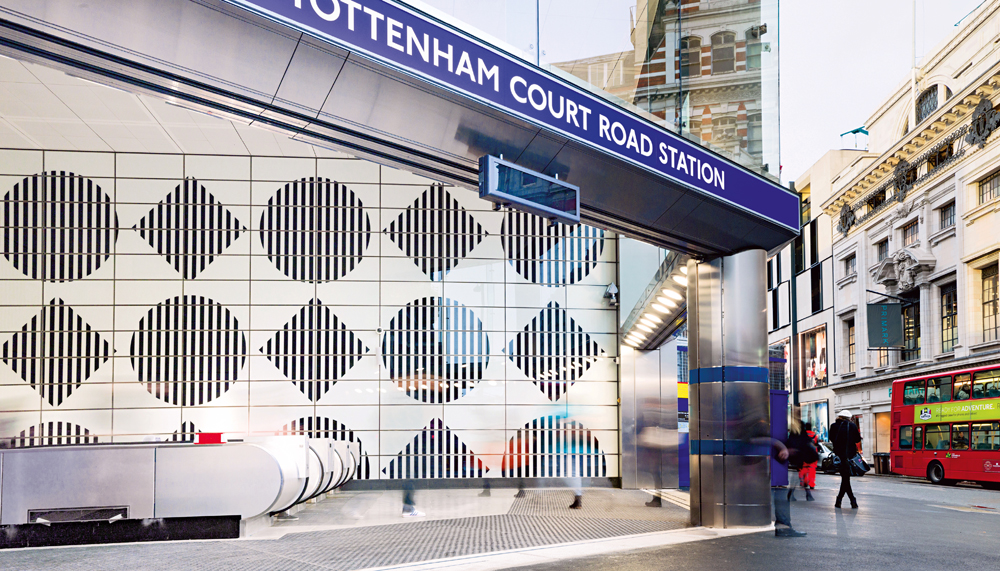
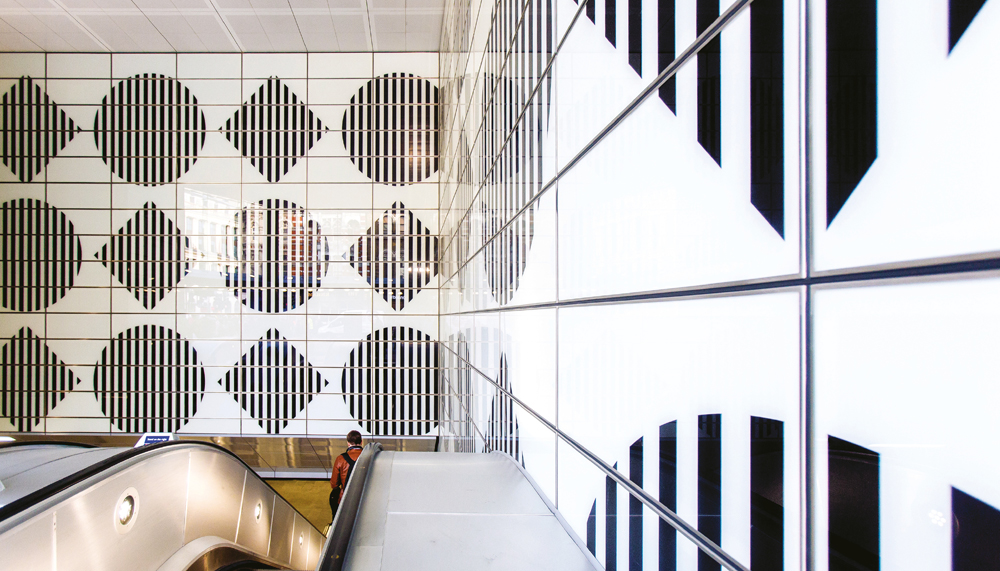
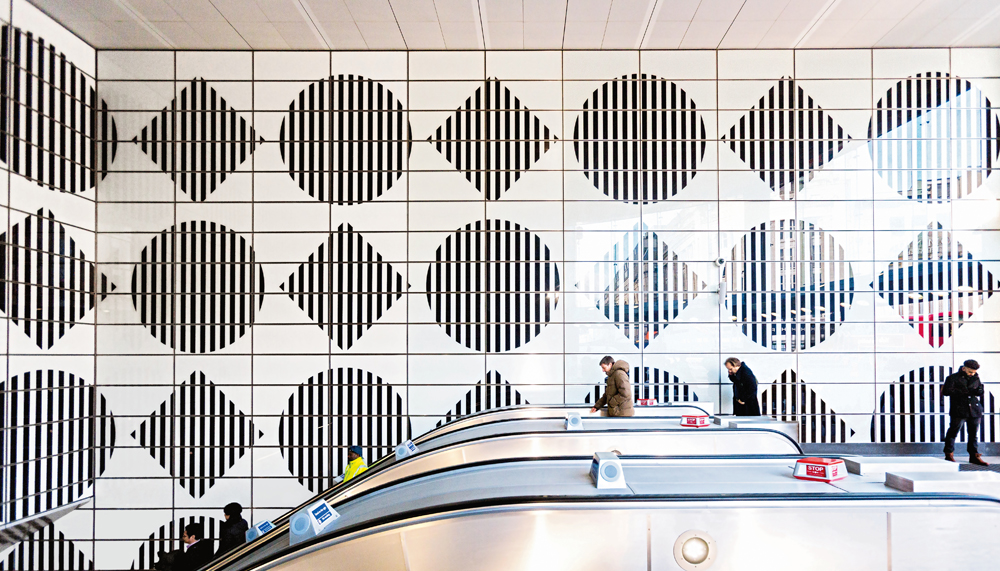
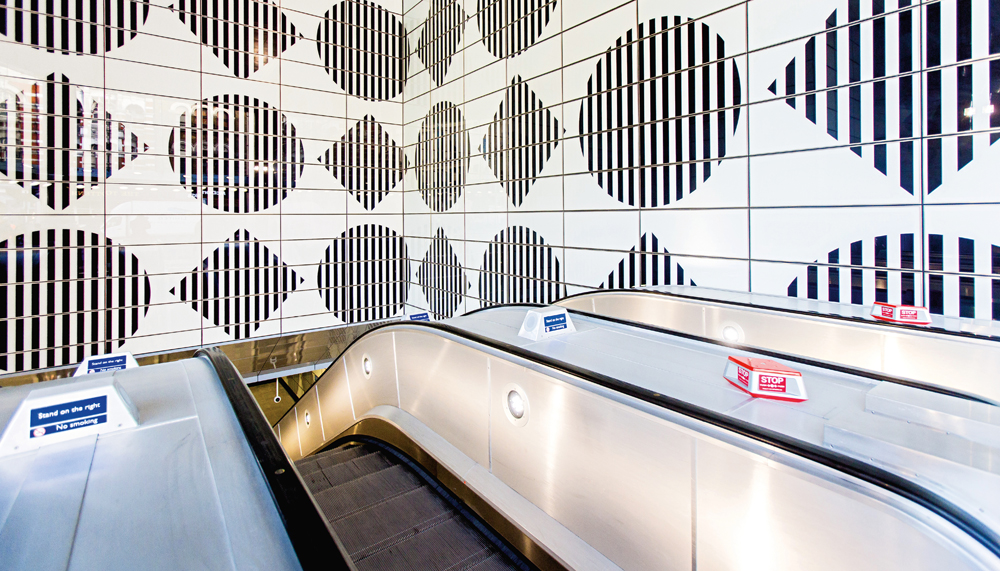
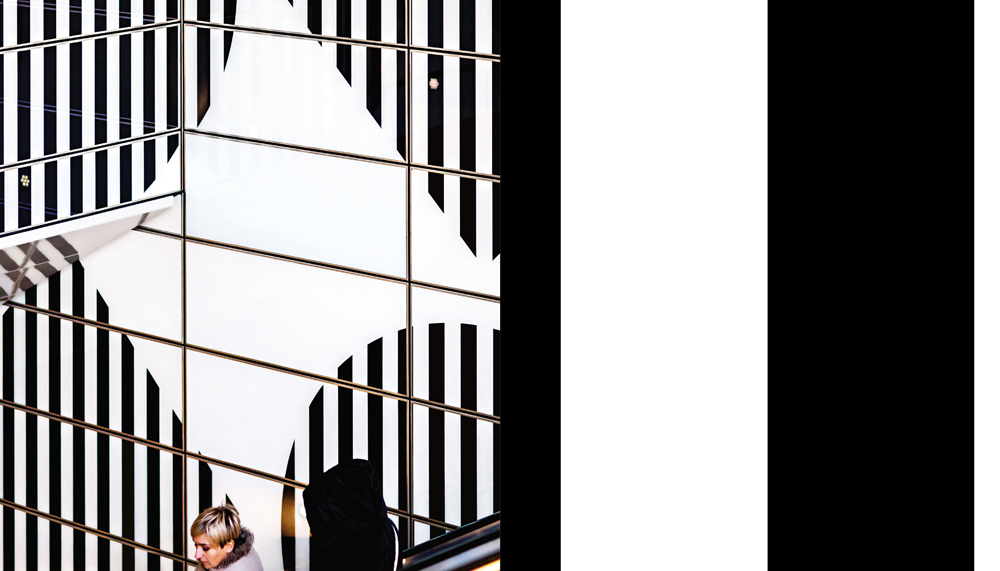
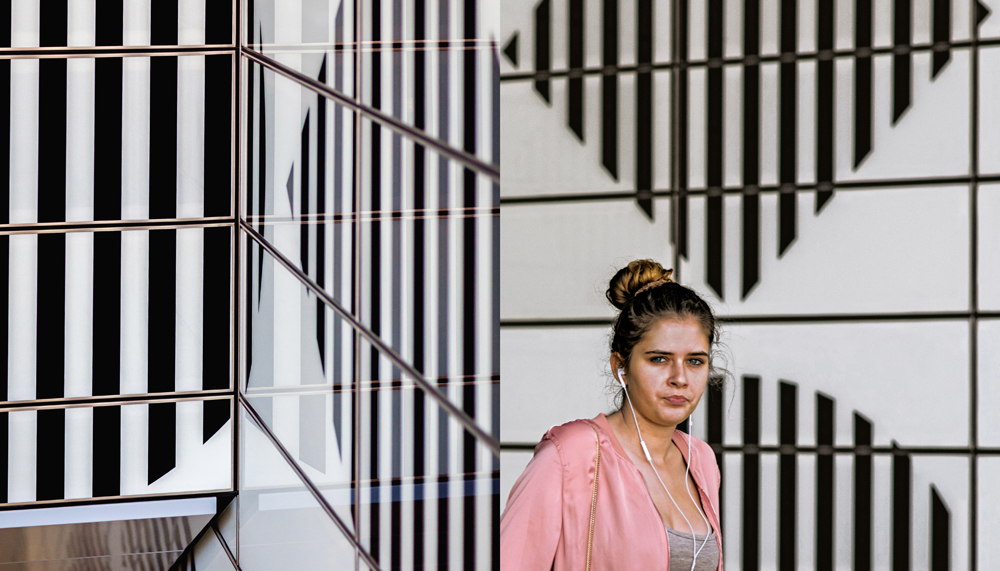
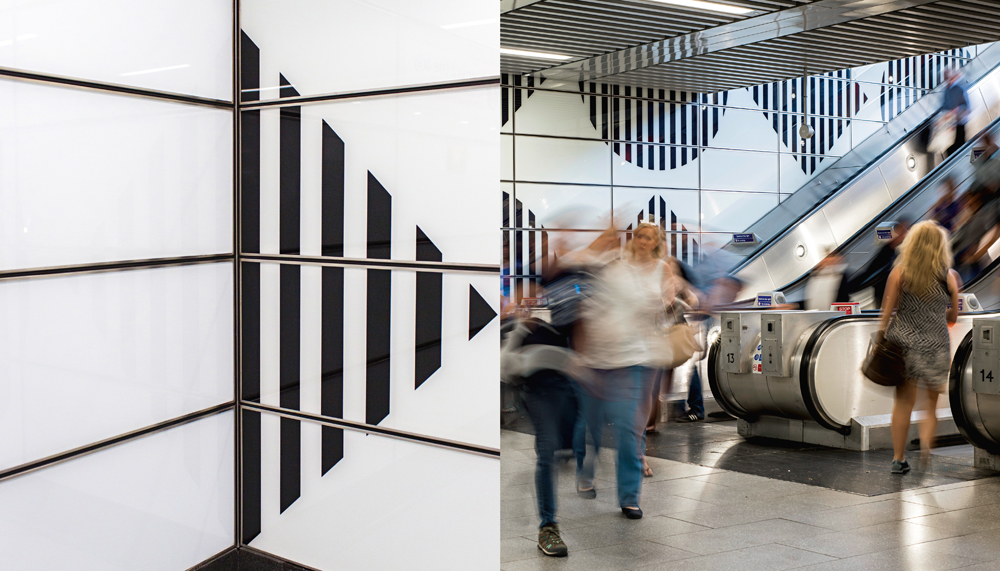
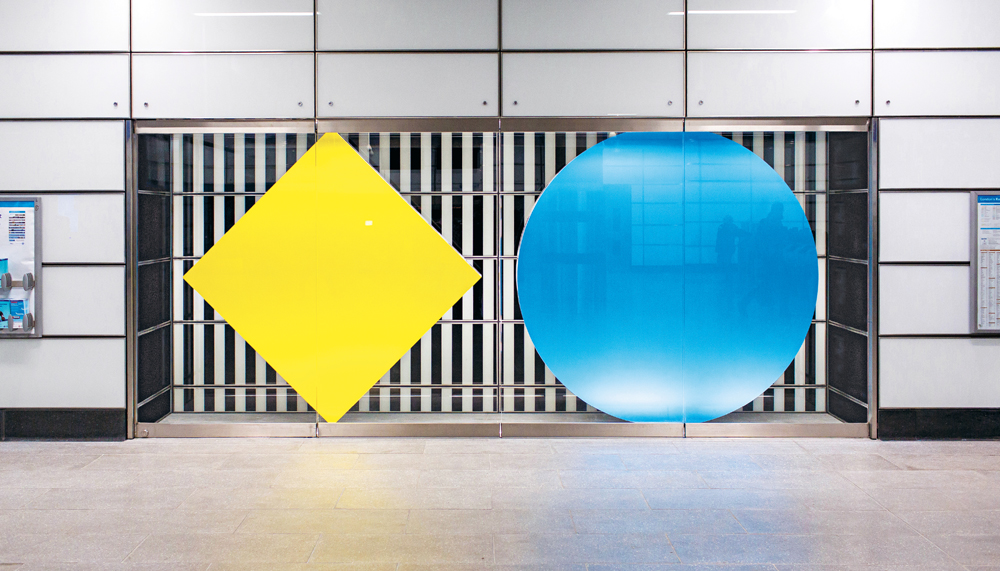
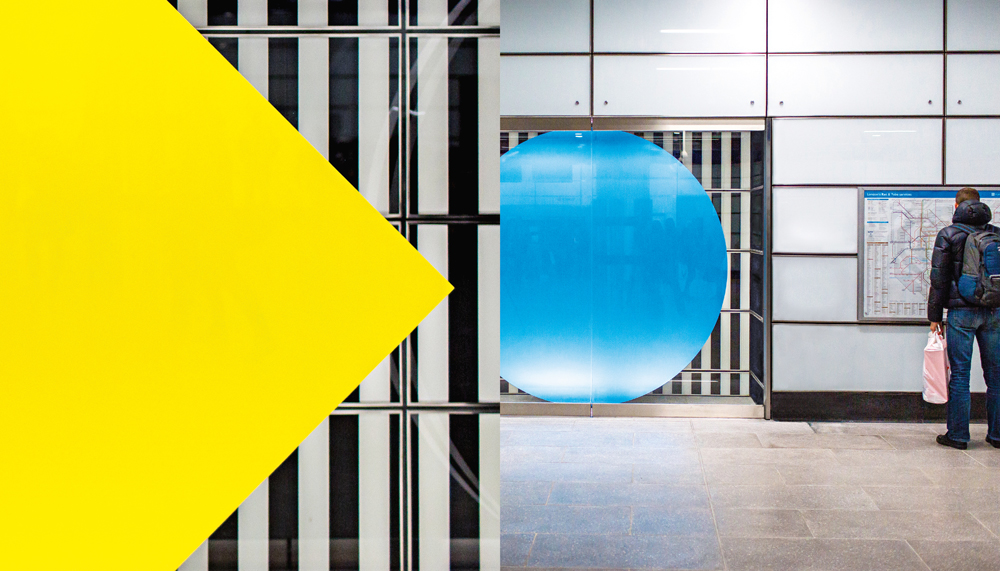
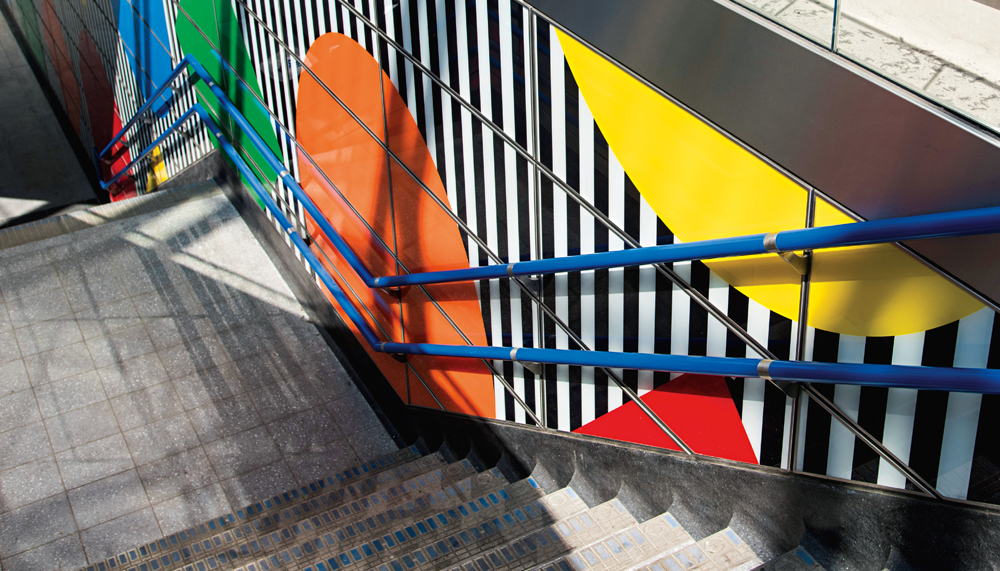
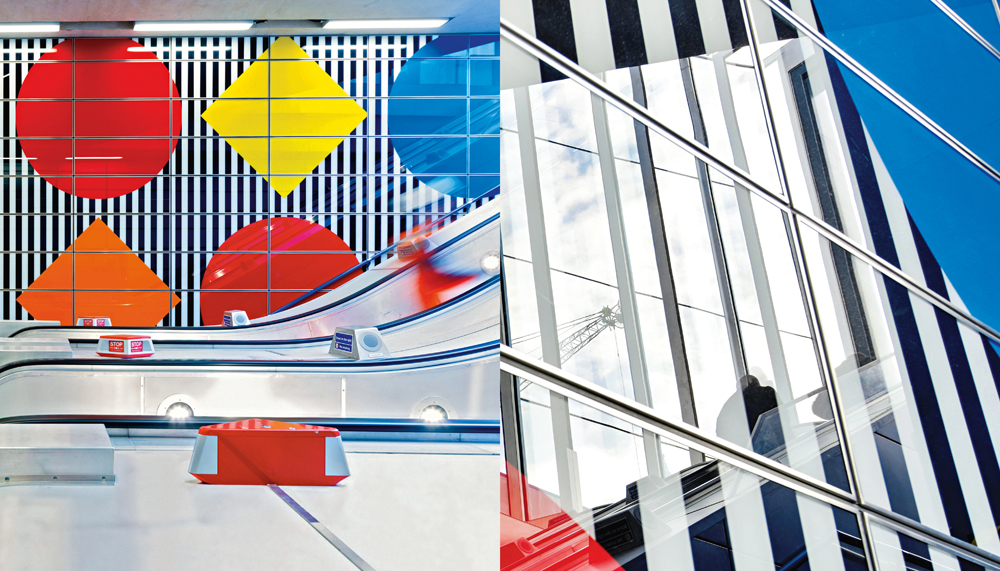
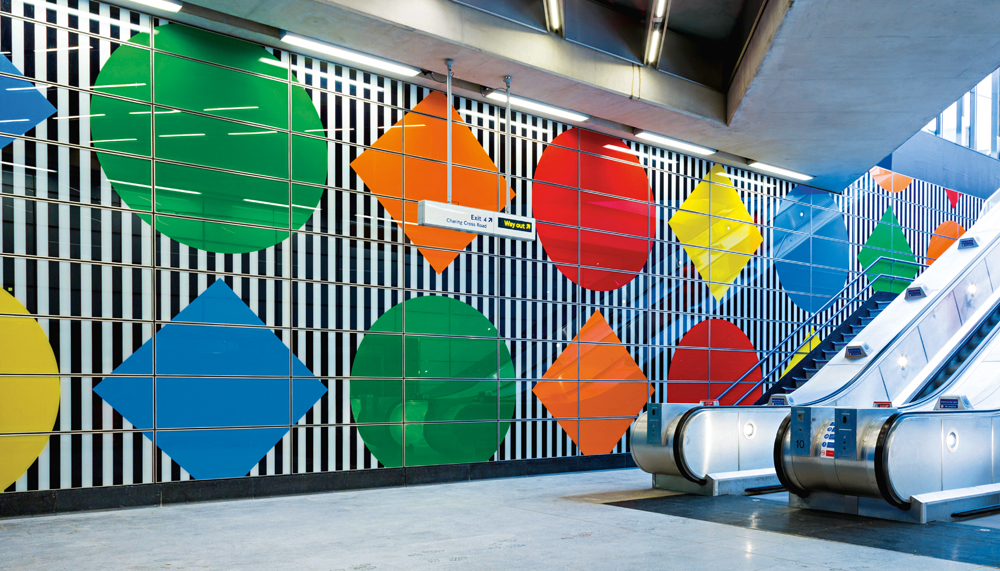
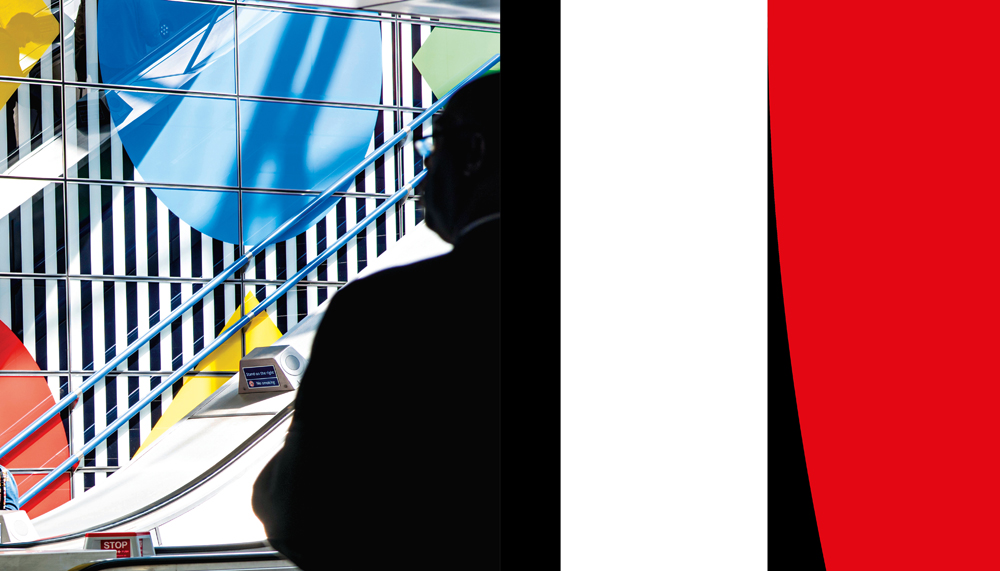
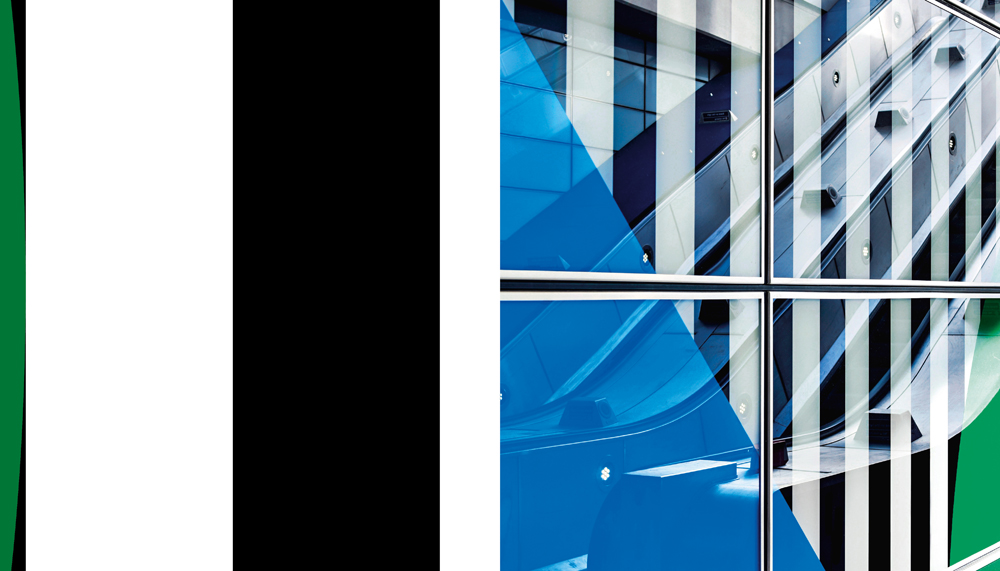
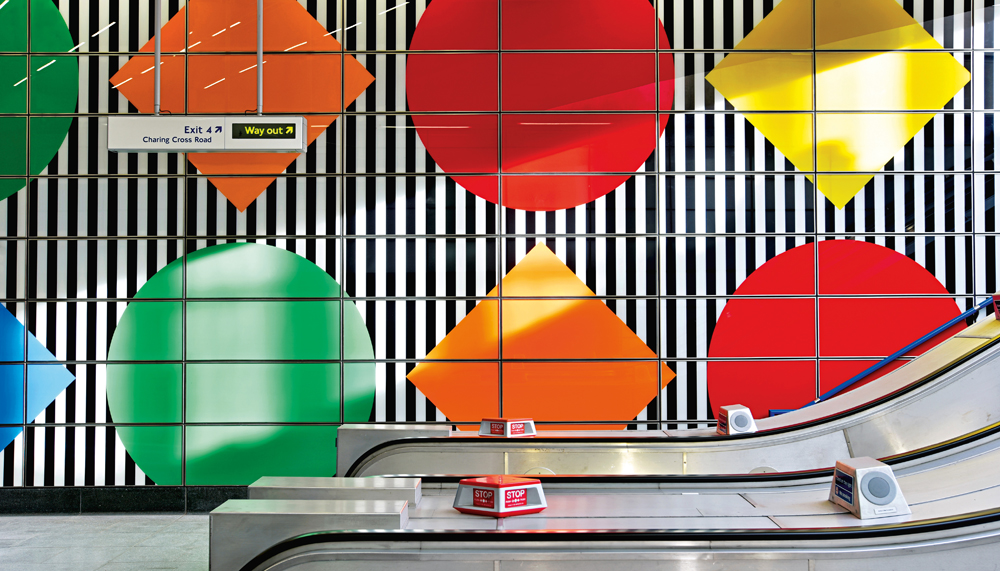
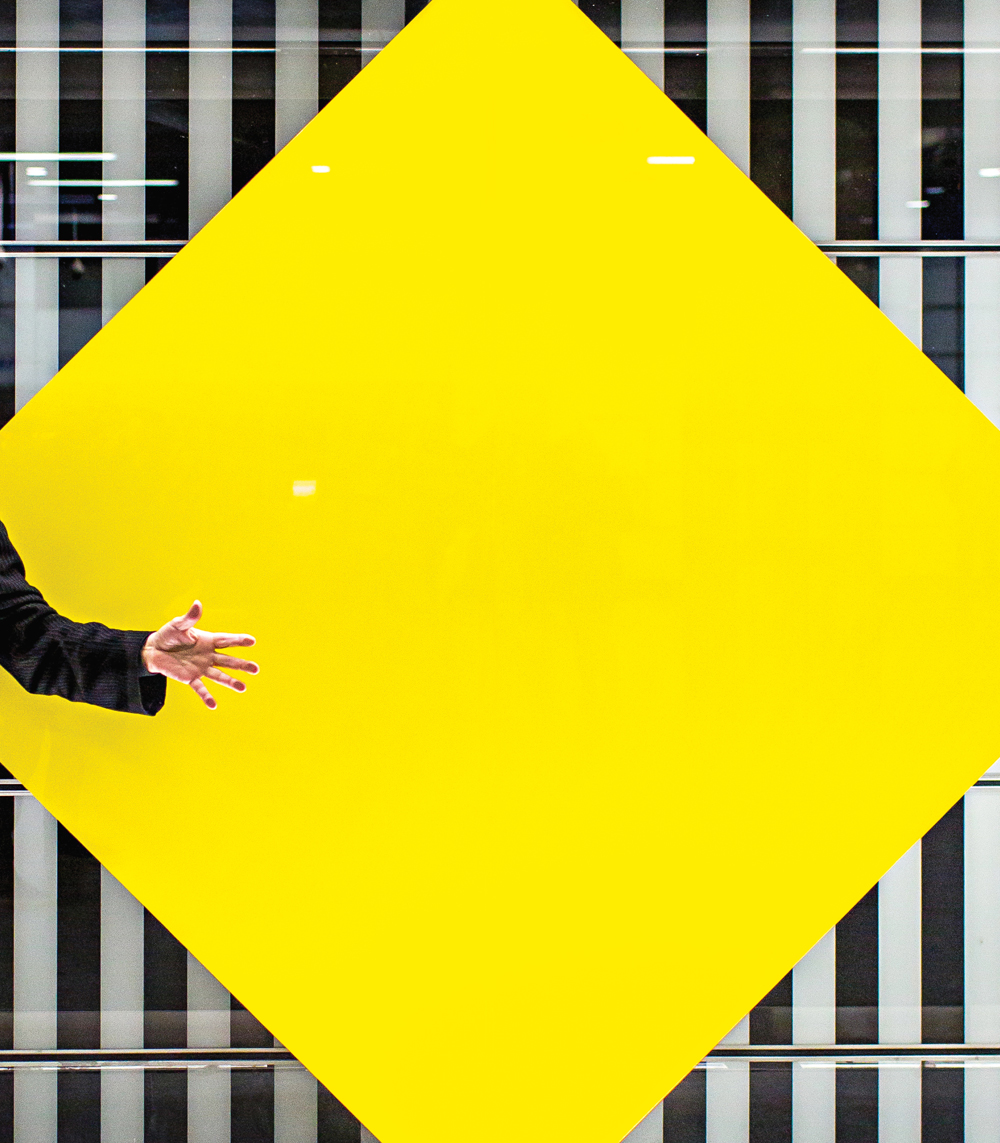
This book tells the story of the first permanent art work in Britain by Daniel Buren, widely considered France’s greatest living artist and one of the pioneers of conceptual art. Commissioned by Art on the Underground, Buren has created an expansive installation within Tottenham Court Road station in central London, taking over the space with a deceptively simple combination of shapes, colours and his trademark stripes.

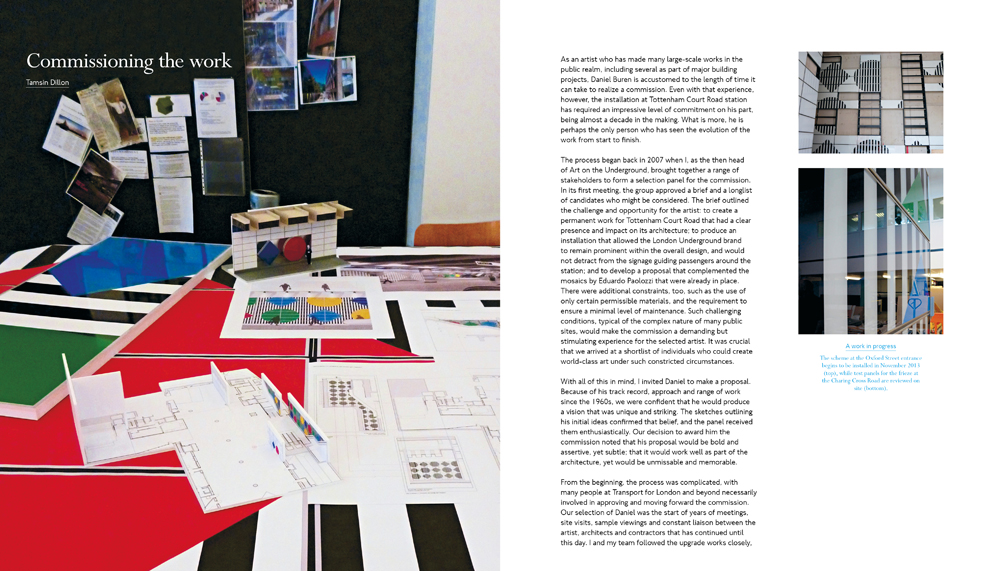
Published to coincide with the unveiling of the completed commission, the book includes stunning installation shots of the work in situ, behind-the-scenes photos of the project in progress, architects’ drawings and plans, and the artist’s notes and sketches. Texts by Eleanor Pinfield and Tamsin Dillon provide the background to the commission, while an essay by Hans Ulrich Obrist places the work in the context of Buren’s wider practice since the 1960s. In a conversation with Tim Marlow, the artist walks the reader through the Tottenham Court Road installation and discusses the work alongside his other transport commissions.

More than a rare monograph in English on one of the most influential international artists of recent decades, this volume also takes the reader on the fascinating journey from initial artistic concept through to realized physical form in the public realm.

Tamsin Dillon is an independent curator and the former Head of Art on the Underground.

Tim Marlow is Director of the Design Museum in London, the former Artistic Director at the Royal Academy of Arts, and a member of the Art on the Underground Advisory Panel. 

Hans Ulrich Obrist is Artistic Director of the Serpentine Gallery, London.

Eleanor Pinfield is Head of Art on the Underground.

Mark Wild is Managing Director of London Underground.

Gillian Ayres

Foreword by Andrew Marr
Texts by Martin Gayford and David Cleaton-Roberts
Designed by Tim Harvey

This book is the definitive monograph on an artist described by many commentators as Britain’s finest abstract painter. For more than six decades, the late Gillian Ayres (1930–2018) has been celebrated for her use of vibrant colour and bold forms to create exuberant compositions full of movement and energy. Unconventional in life and in work, she forged her own individual path regardless of fashion or opinion. Not wishing to conform or to be categorized in any way, she adopted a variety of styles and techniques throughout her career. In the 1950s, she applied oils and household paint with rags and brushes, and by pouring and squirting, in gestural works reminiscent of tachiste painting and Abstract Expressionism. In the 1960s, she created light-filled images in oils and acrylics in keeping with the hedonistic and optimistic mood of that age. In the 1970s, she approached the canvas as an expanse to be filled with an extreme and painterly alloverness. Later in that decade and into the 1980s, she began to use thick and heavy impasto in carefully designed arrangements; and in recent decades, she developed a distinctive style of simplified organic motifs and areas of flat yet intense colour. At all times, Ayres explored the mysterious territory that lies between abstraction and representation, attempting to discover, as she puts it, ‘what painting is, and what can be done with paint’.

Coinciding with a major retrospective exhibition at the National Museum Wales in Cardiff, this beautifully produced volume spans Ayres’ long career, from her student days to the very latest works. It includes all of her major paintings, with a dedicated section on her substantial body of prints. The book also features many photographs of the artist in the studio and at home and other ephemeral materials, making the publication the complete word on this acclaimed and original artist’s life and work.
David Cleaton-Roberts is a director of Alan Cristea Gallery, London. He has written extensively on printmaking, including catalogues o­­­n Gillian Ayres, Tom Wesselmann, Ian Davenport and Jan Dibbets, and articles for Art Review and Printmaking Today. He is currently the vice-president and European representative for the International Fine Print Dealers Association and a patron of the Jerwood Gallery in Hastings.
Martin Gayford is art critic for the Spectator and has held similar posts with the Sunday Telegraph and Bloomberg News. He is the acclaimed author of Man with a Blue Scarf: On Sitting for a Portrait by Lucian Freud; A Bigger Message: Conversations with David Hockney; Michelangelo: His Epic Life; The Yellow House: Van Gogh, Gauguin and Nine Turbulent Weeks in Arles; and Constable in Love: Love, Landscape, Money and the Making of a Great Painter. He is also the co-author with David Hockney of A History of Pictures: From Cave to Computer Screen, and with Philippe de Montebello of Rendez-Vous with Art.

Andrew Marr is an award-winning British author, broadcaster and journalist. His many books include The Making of Modern Britain (2009) and A History of the World (2012).