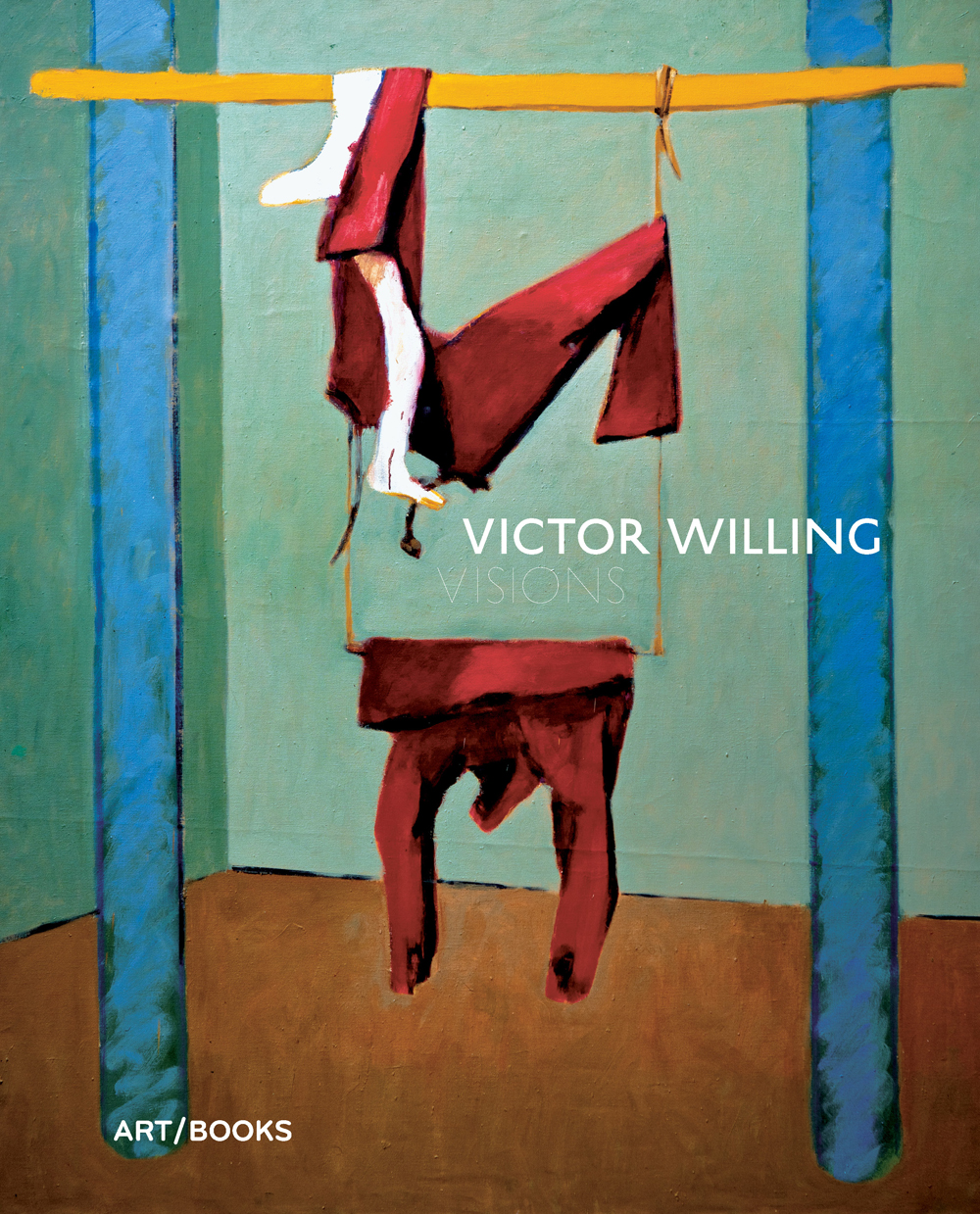
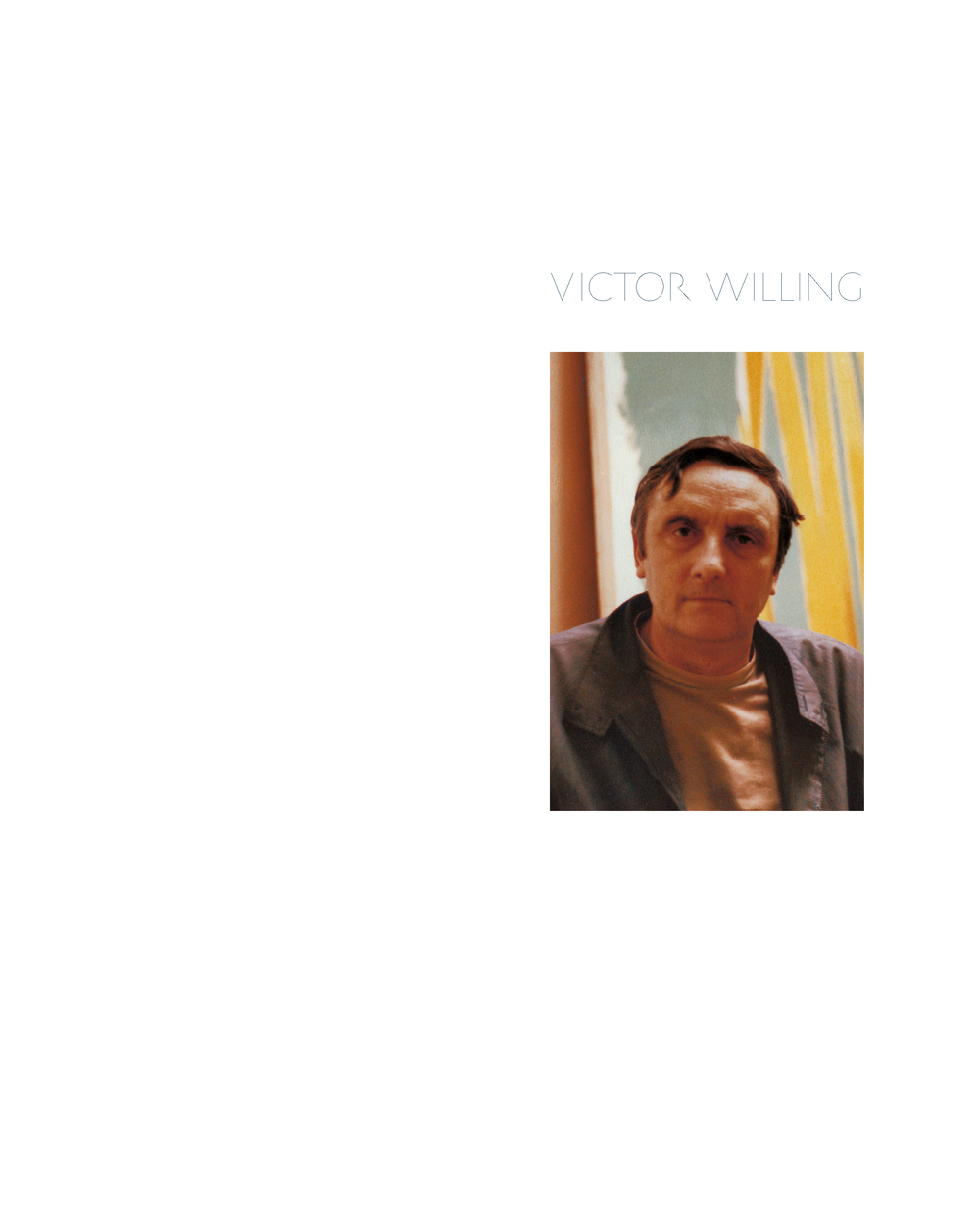
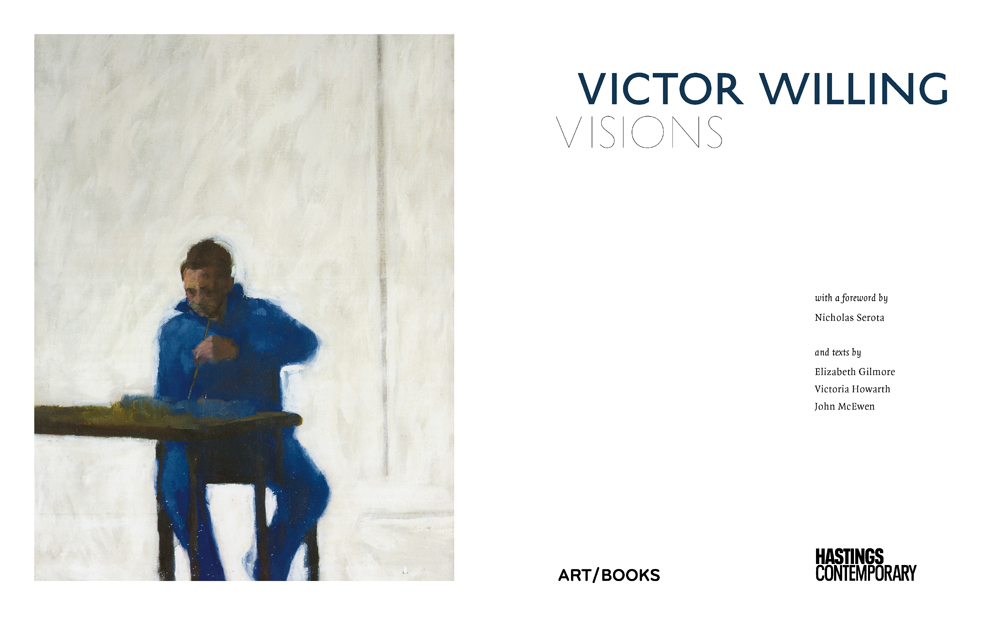
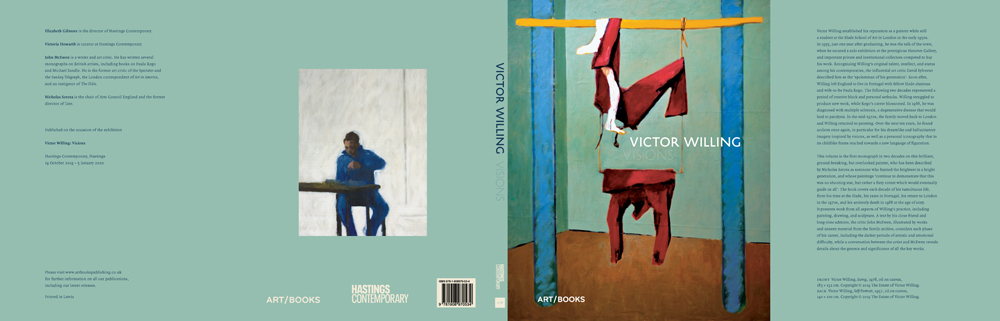
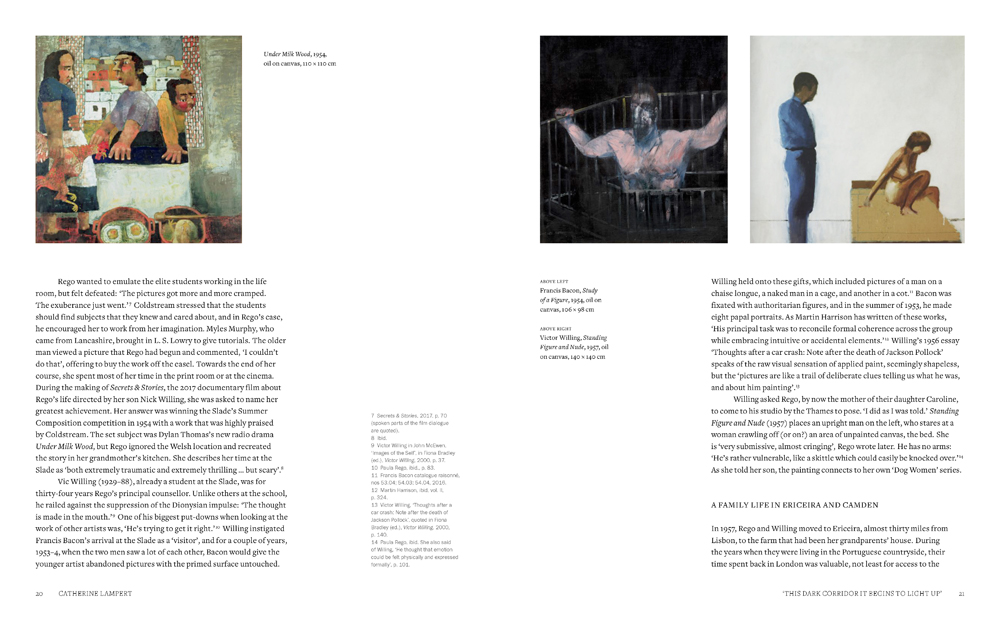
Victor Willing

Visions

Foreword by Sir Nicholas Serota
Texts by John McEwen, Elizabeth Gilmore and Victoria Howarth

‘Finally gives Victor Willing the recognition he deserves’ — Art Newspaper

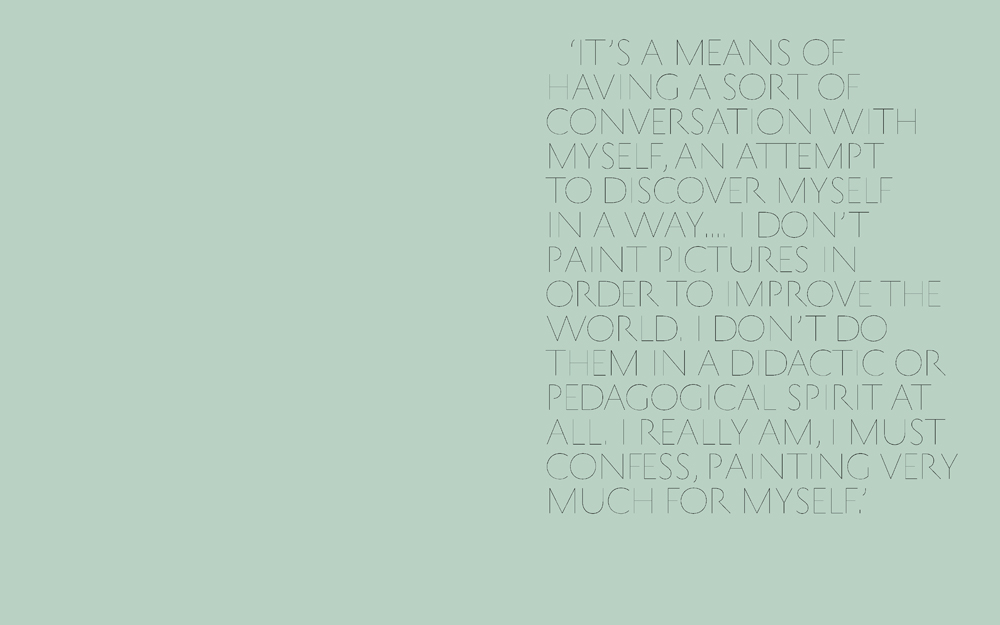
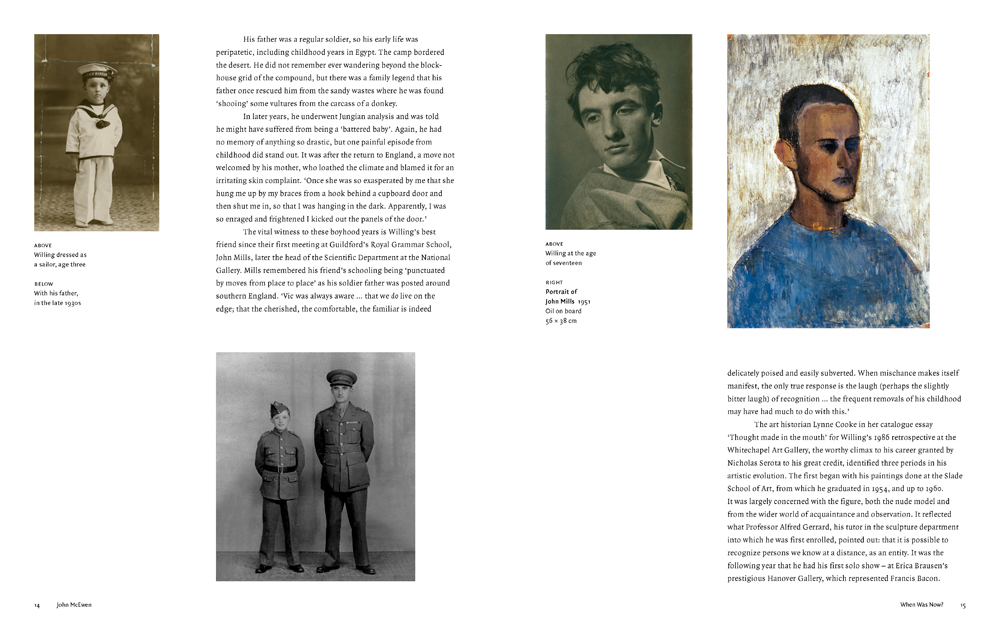
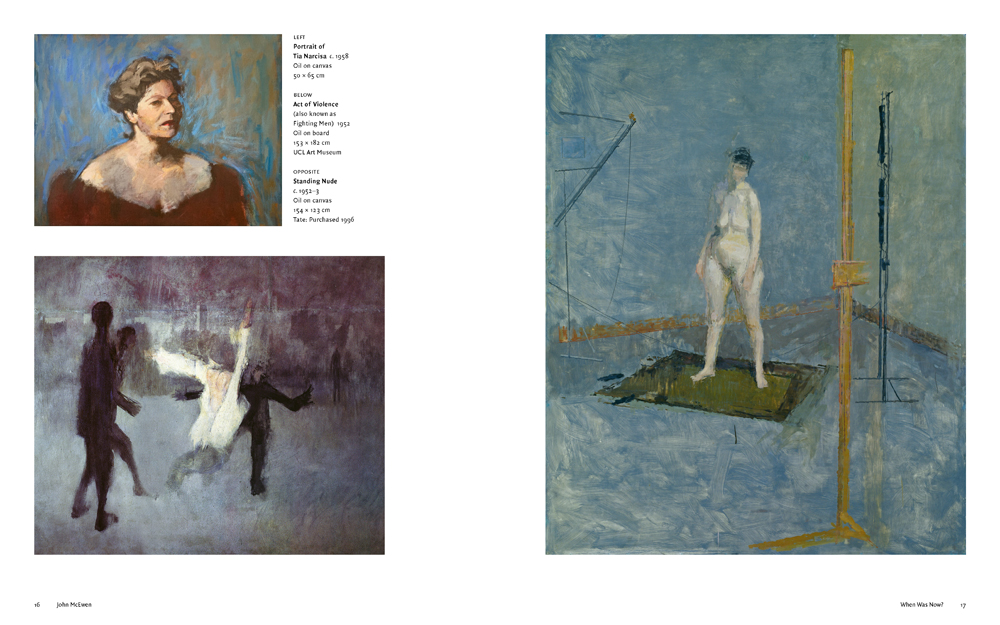
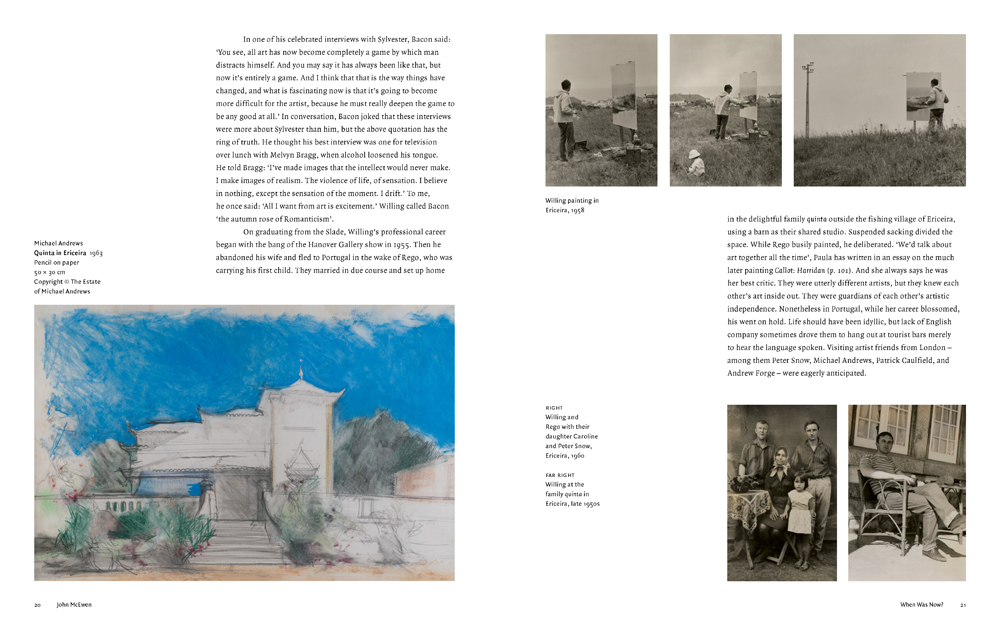
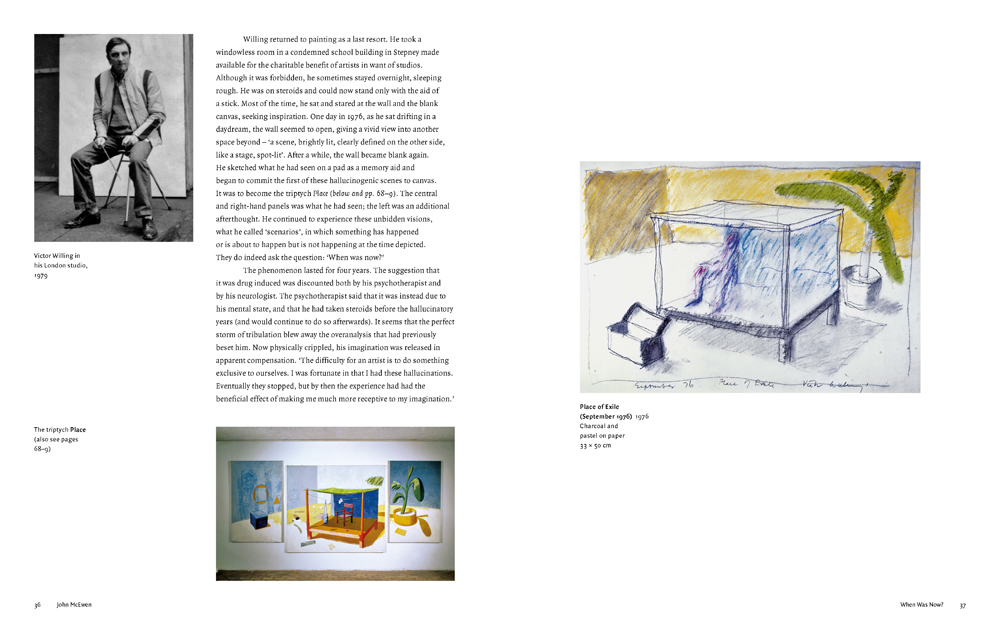
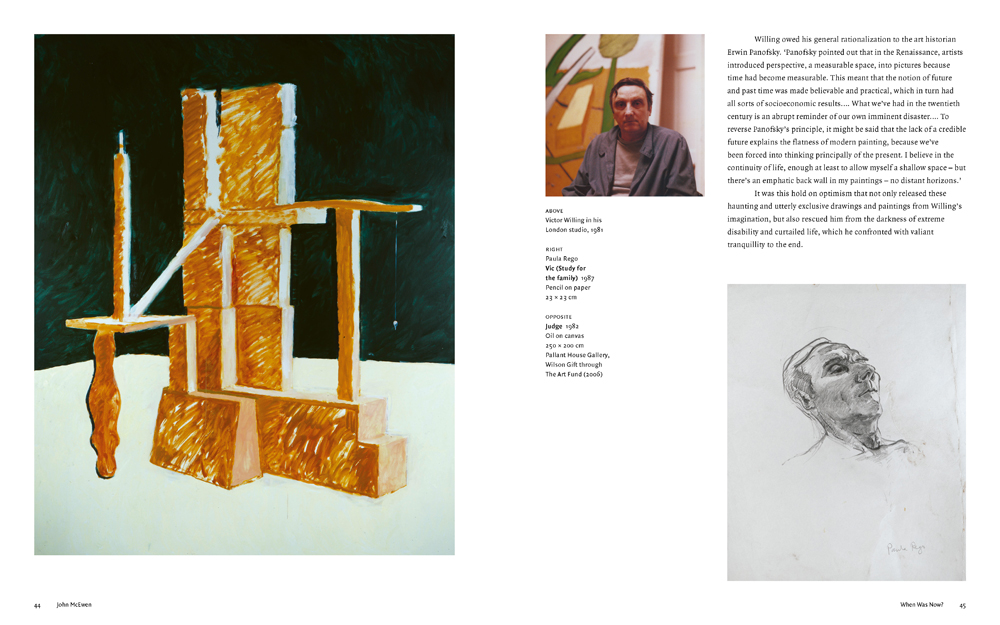
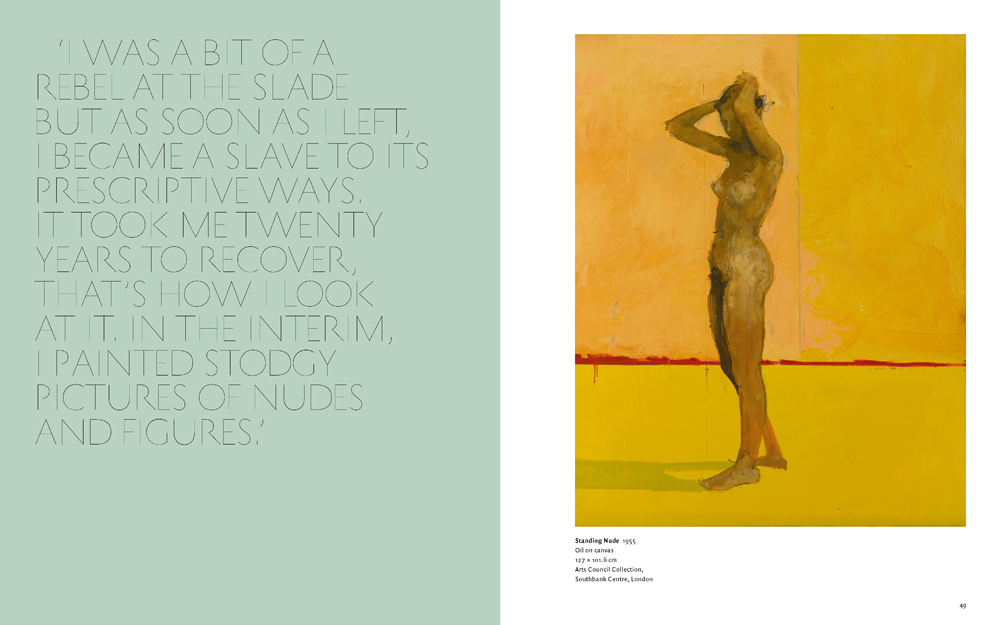
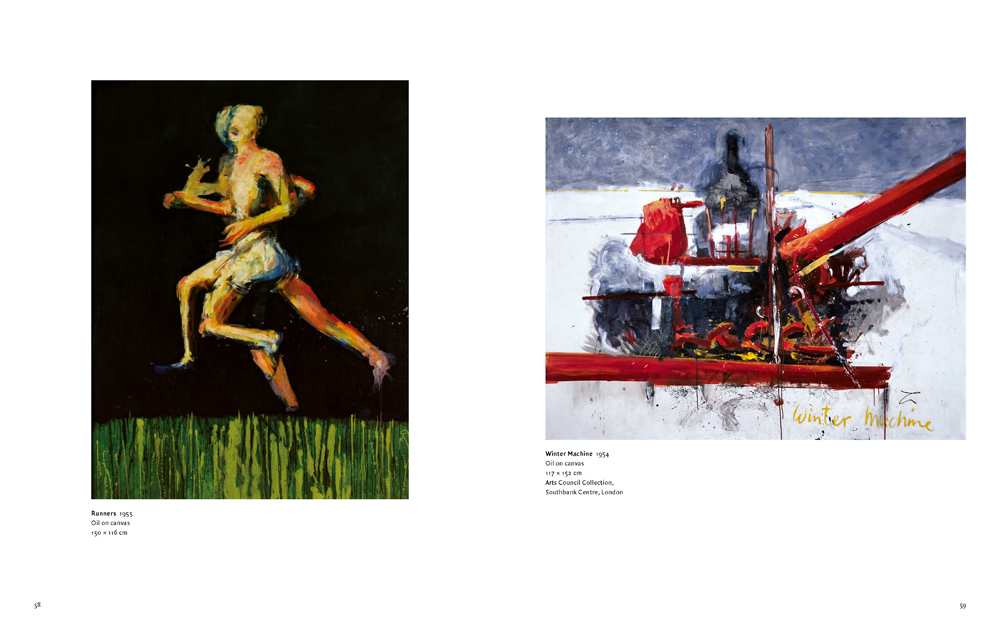
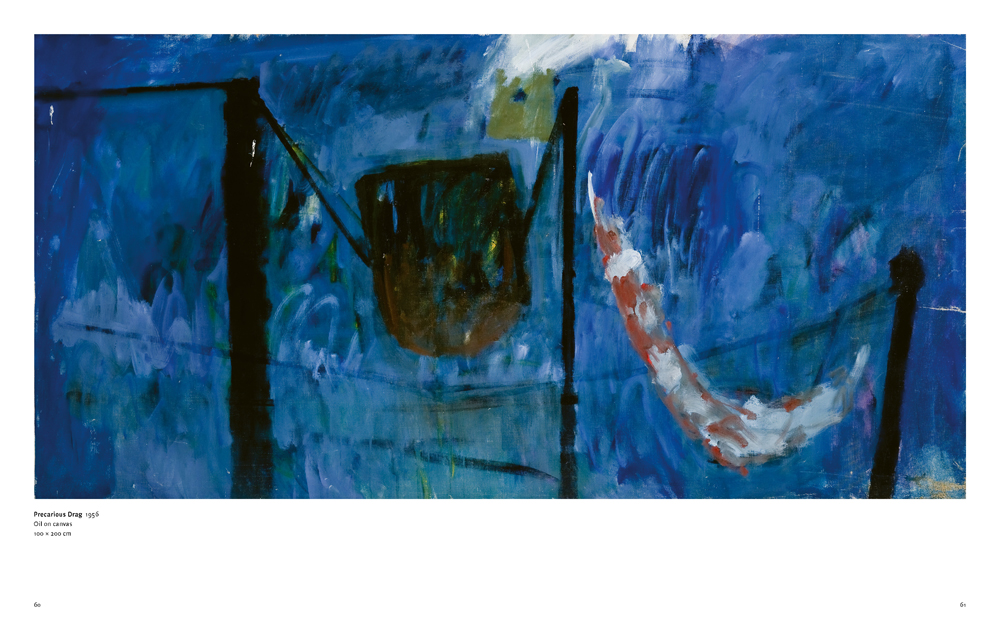
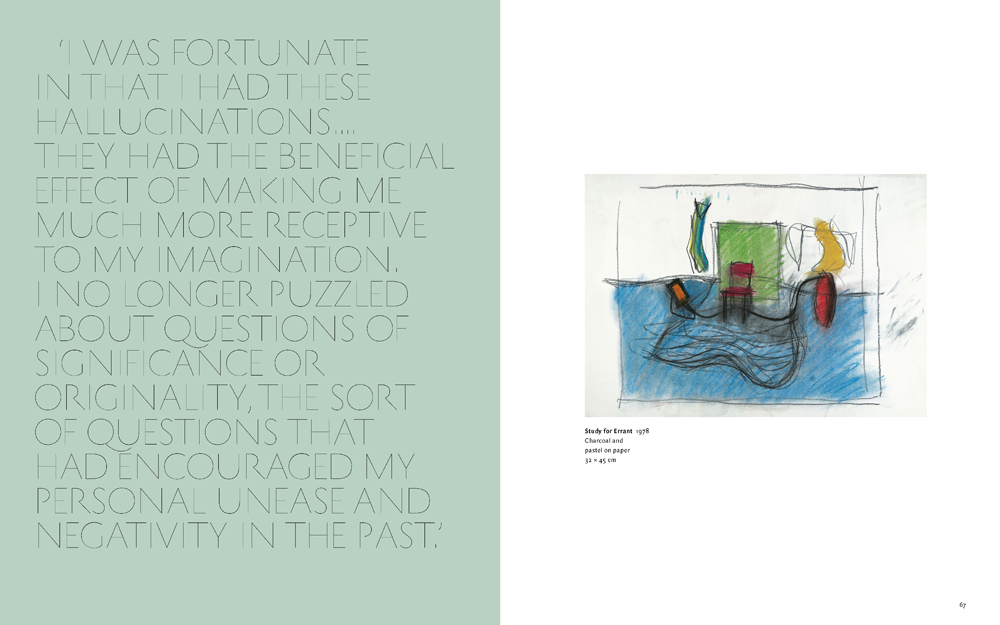
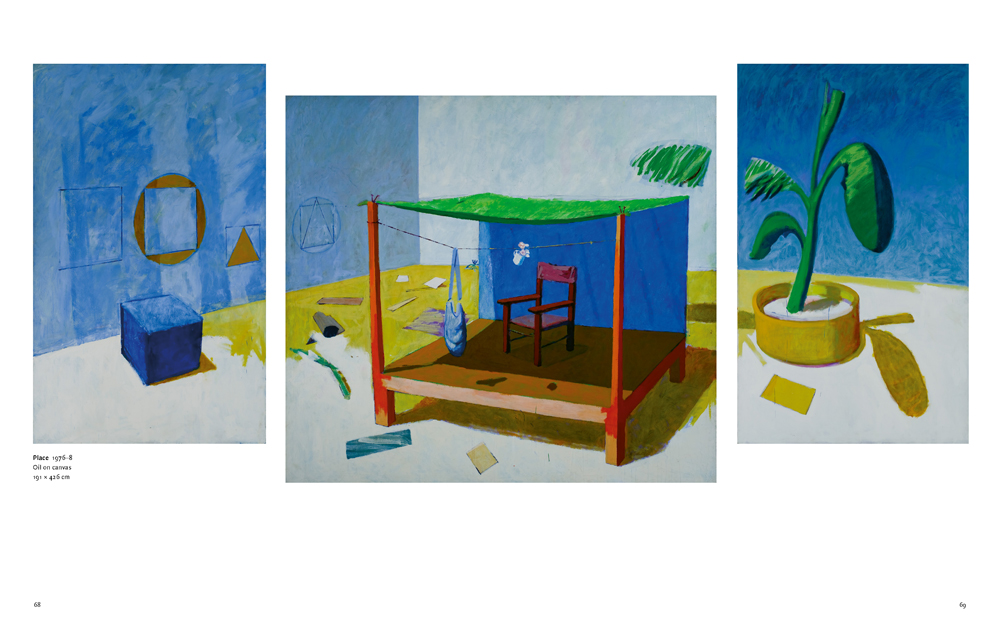
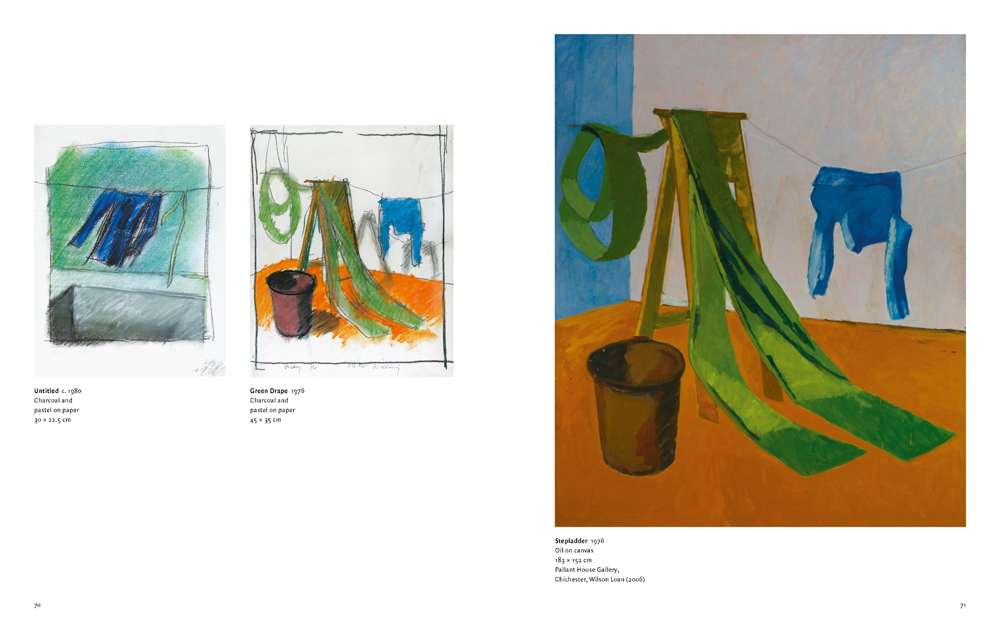
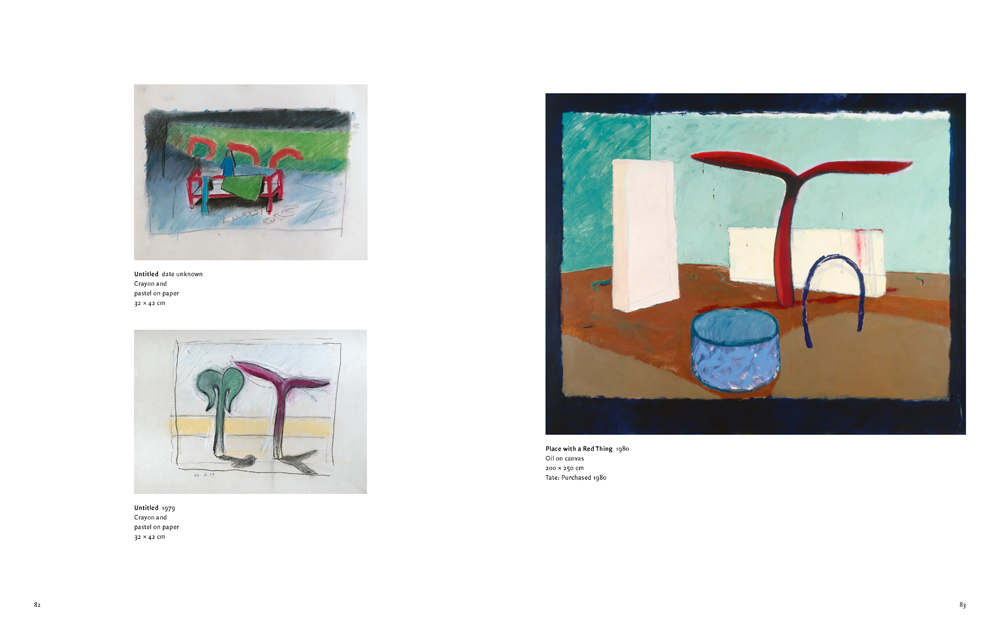
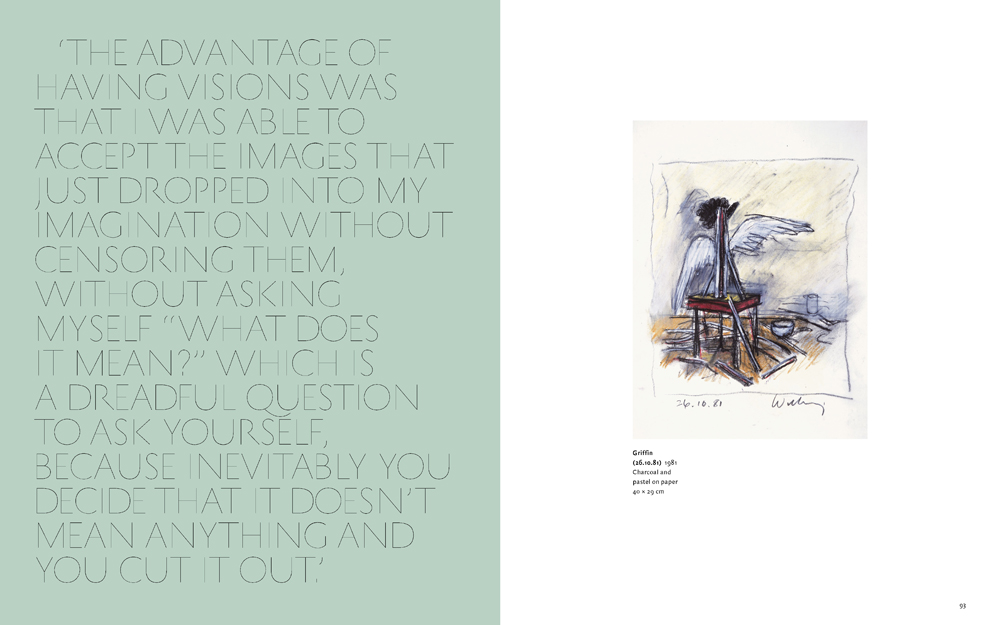
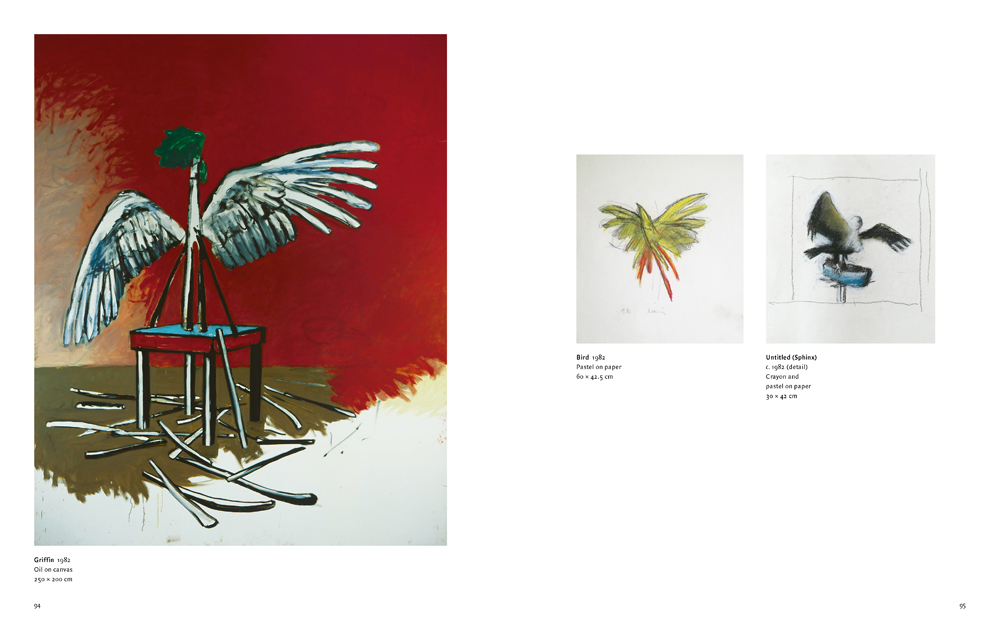
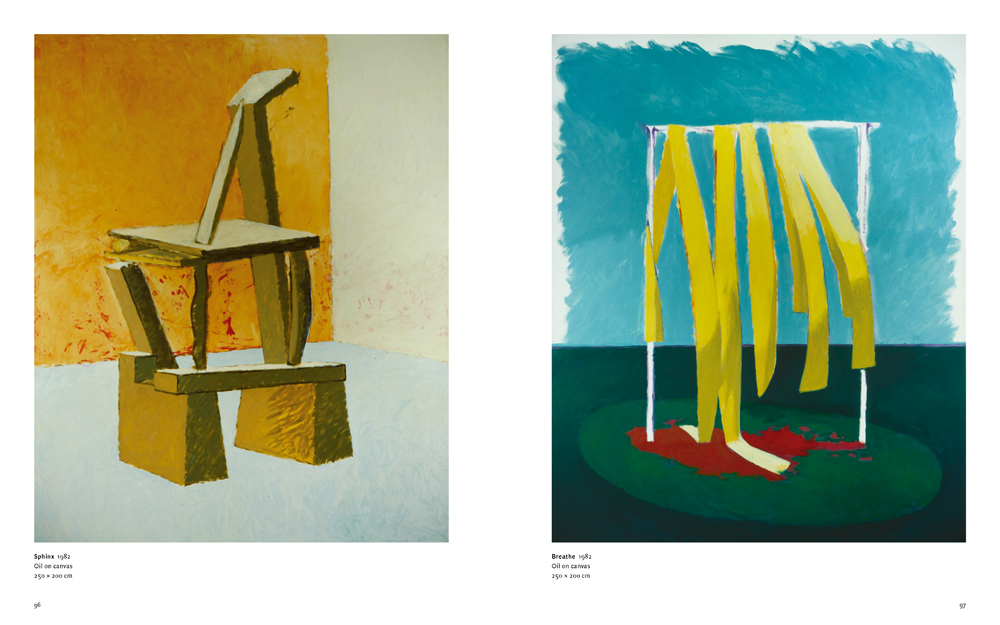
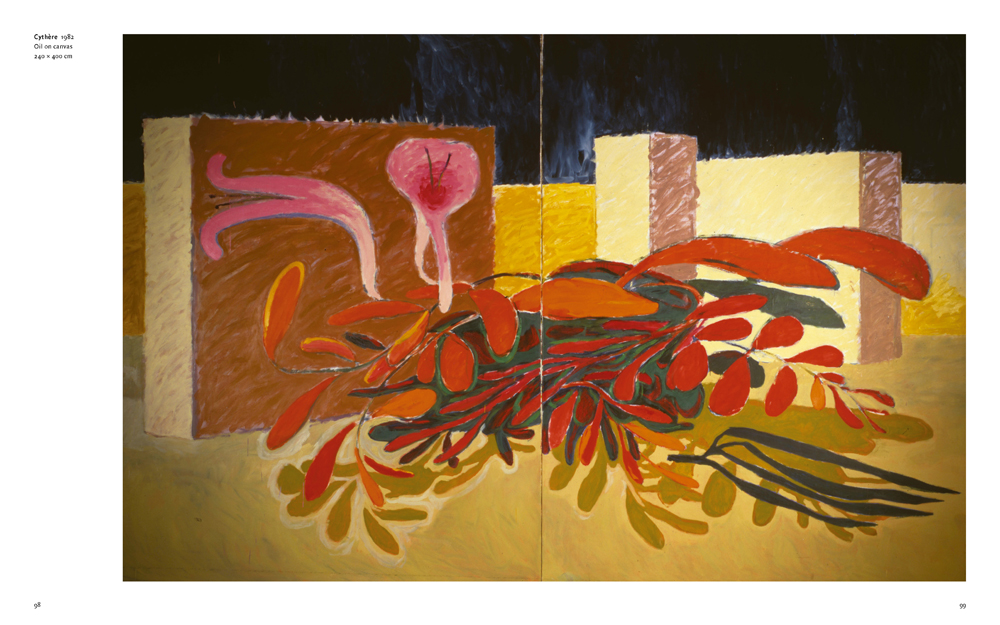
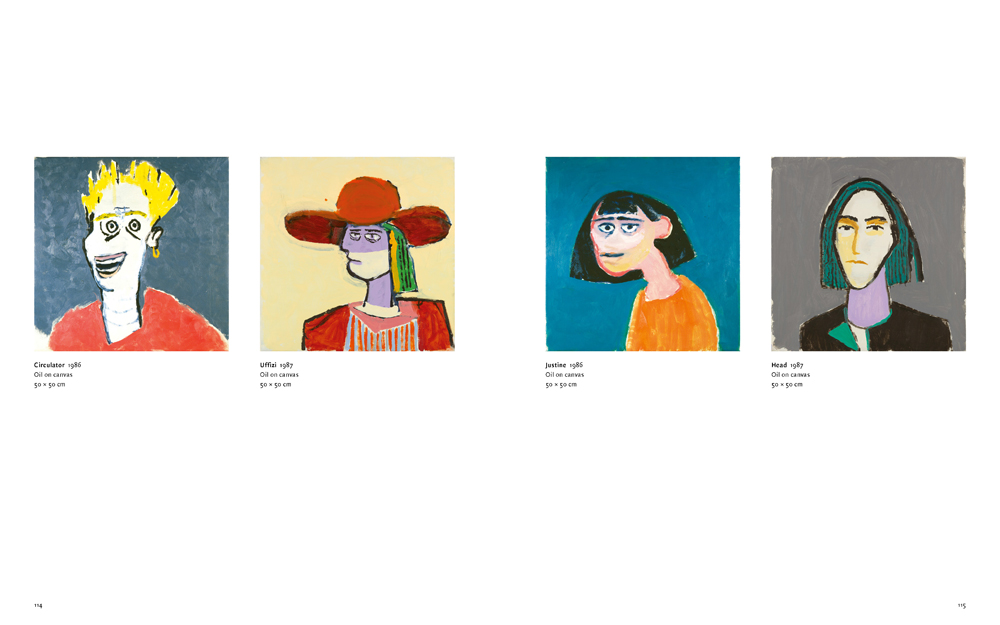
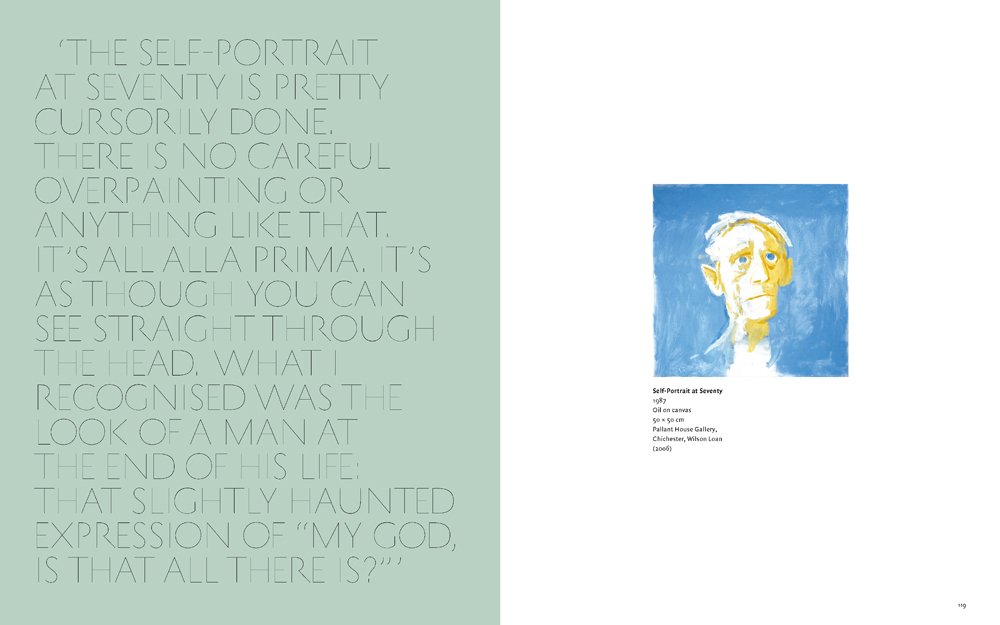
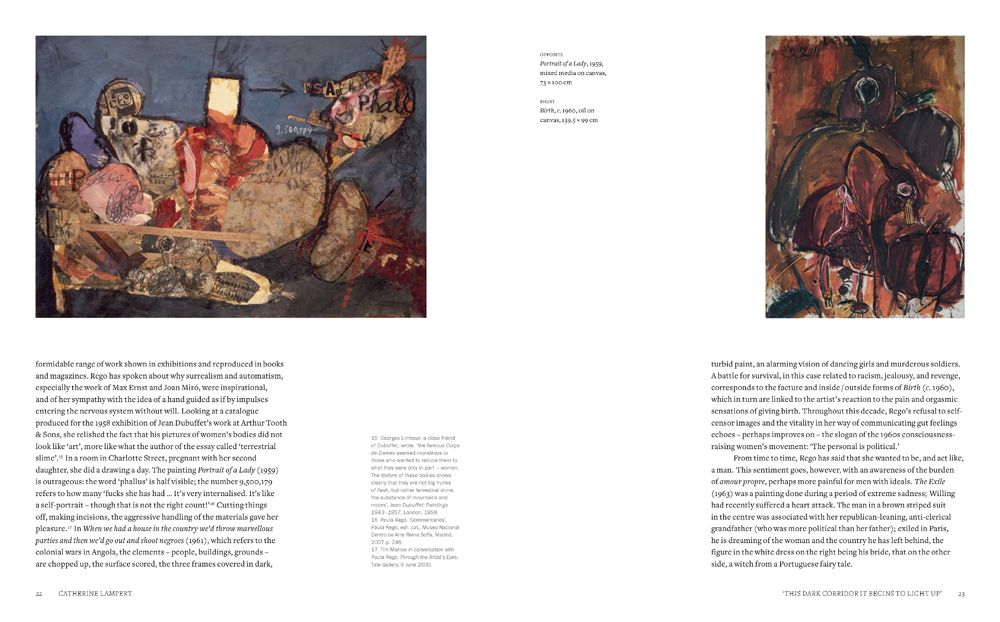
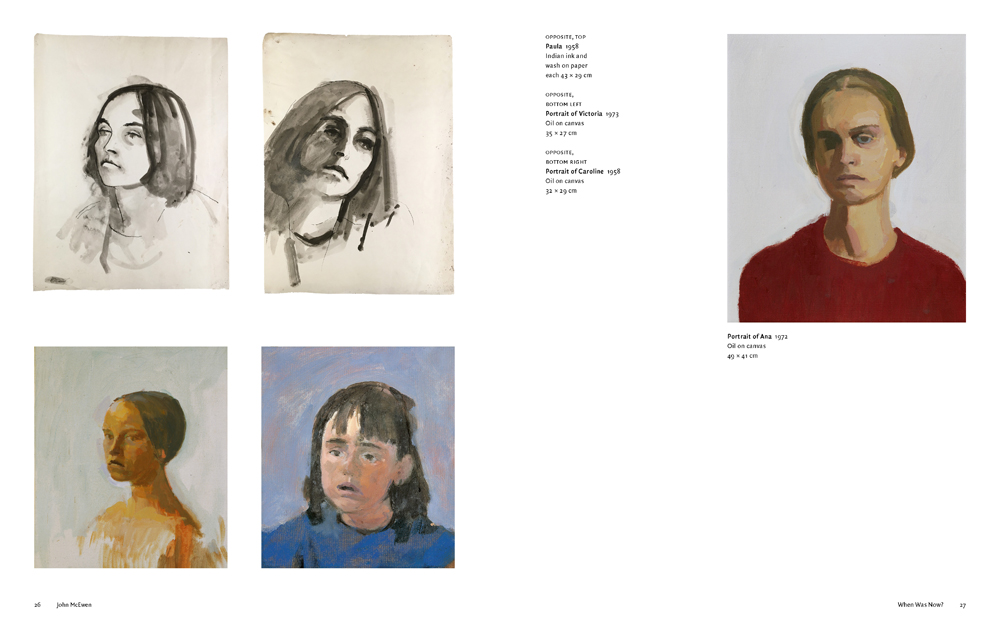
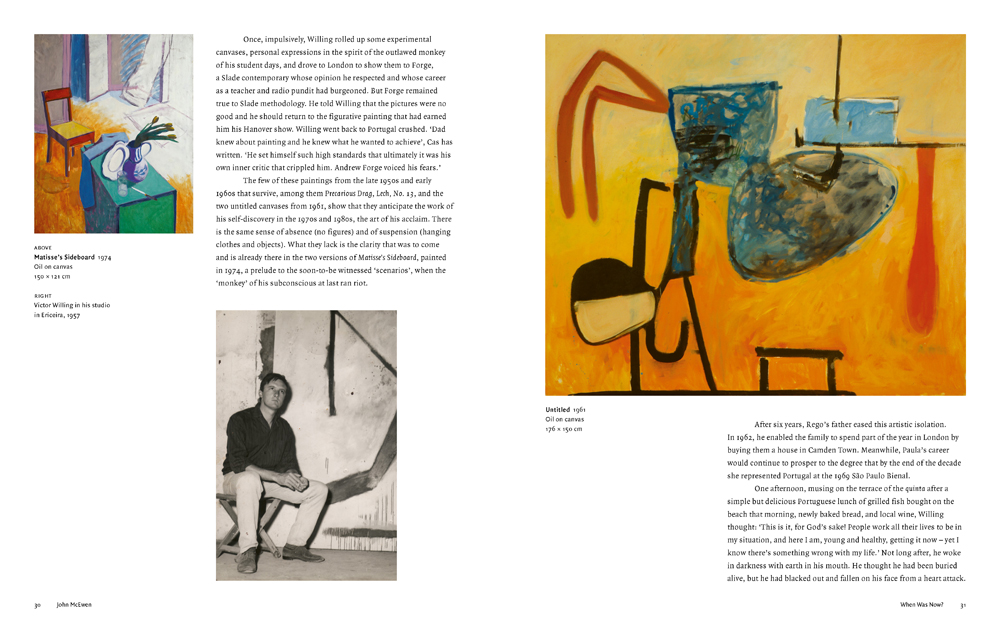
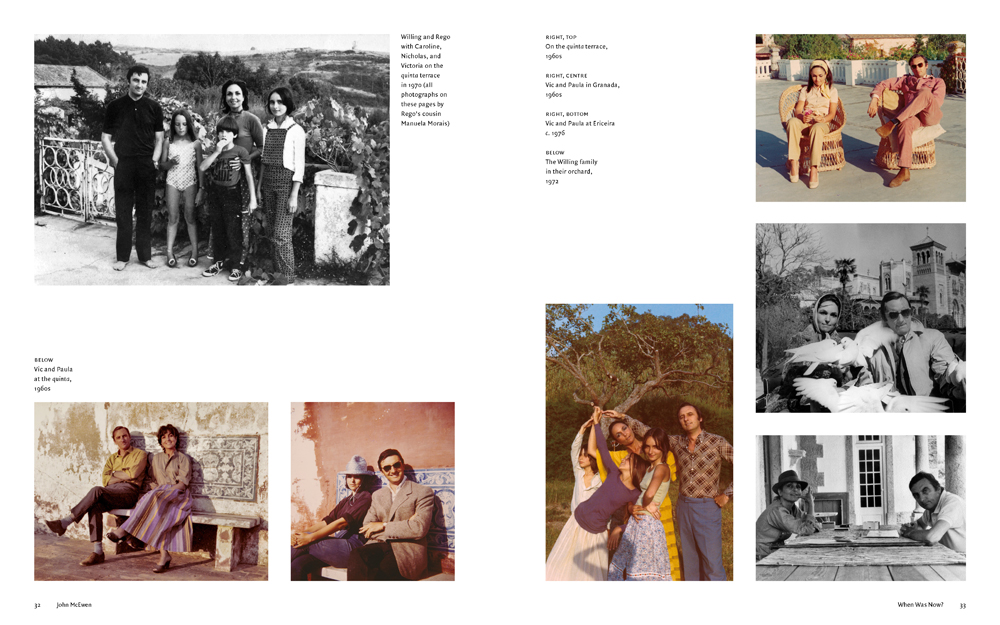
Victor Willing established his reputation as a painter while still a student at the Slade School of Art in London in the early 1950s. In 1955, just one year after graduating, he was the talk of the town, when he secured a solo exhibition at the prestigious Hanover Gallery, and important private and institutional collectors competed to buy his work. Recognizing Willing’s original talent, intellect, and status among his contemporaries, the influential art critic David Sylvester described him as the ‘spokesman of his generation’. Soon after, Willing left England to live in Portugal with fellow Slade alumnus and wife-to-be Paula Rego. The following two decades represented a period of creative block and personal setbacks. Willing struggled to produce new work, while Rego’s career blossomed. In 1966, he was diagnosed with multiple sclerosis, a degenerative disease that would lead to paralysis. In the mid-1970s, the family moved back to London and Willing returned to painting. Over the next ten years, he found acclaim once again, in particular for his dreamlike and hallucinatory imagery inspired by visions, as well as a personal iconography that in its childlike forms reached towards a new language of figuration.

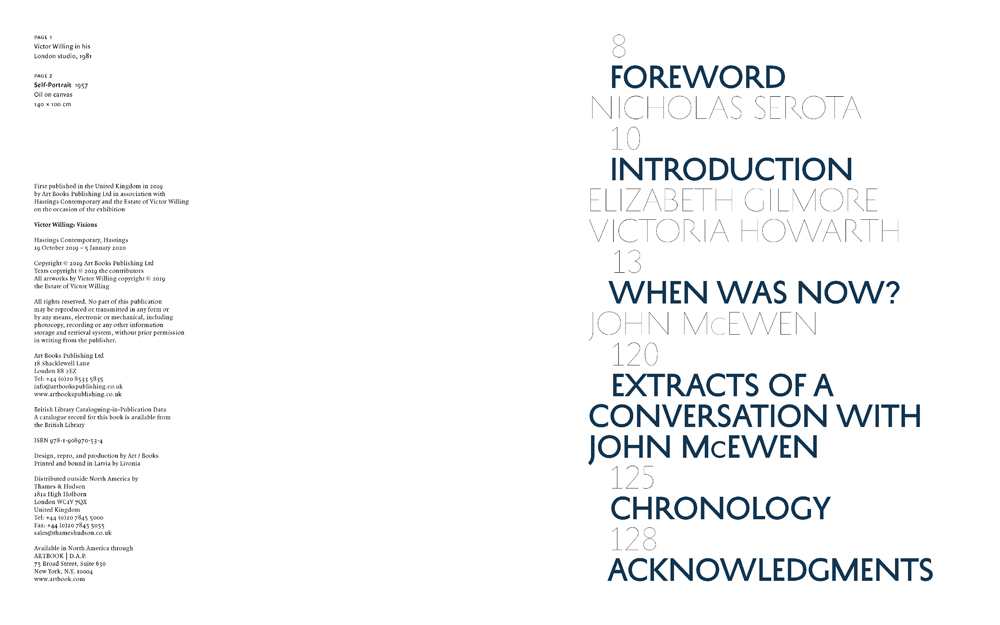
Published to coincide with a major retrospective exhibition at Hastings Contemporary, this volume is the first monograph in two decades on this brilliant, ground-breaking, but overlooked painter, who has been described by Nicholas Serota as someone who burned the brightest in a bright generation, and whose paintings ‘continue to demonstrate that this was no shooting star, but rather a fiery comet which would eventually guide us all’. The book covers each decade of his tumultuous life, from his time at the Slade, his years in Portugal, his return to London in the 1970s, and his untimely death in 1988 at the age of sixty. It presents work from all aspects of Willing’s practice, including painting, drawing, and sculpture. A text by his close friend and long-time admirer, the critic John McEwen, illustrated by works and unseen material from the family archive, considers each phase of his career, including the darker periods of artistic and emotional difficulty, while a conversation between the artist and McEwen reveals details about the genesis and significance of all the key works.

Elizabeth Gilmore is the director of Hastings Contemporary.

Victoria Howarth is curator at Hastings Contemporary.

John McEwen is a writer and art critic. He has written several monographs on British artists, including books on Paula Rego and Michael Sandle. He is the former art critic of the Spectator and the Sunday Telegraph, the London correspondent of Art in America, and an instigator of The Oldie.

Sir Nicholas Serota is the chair of Arts Council England and the former director of Tate.

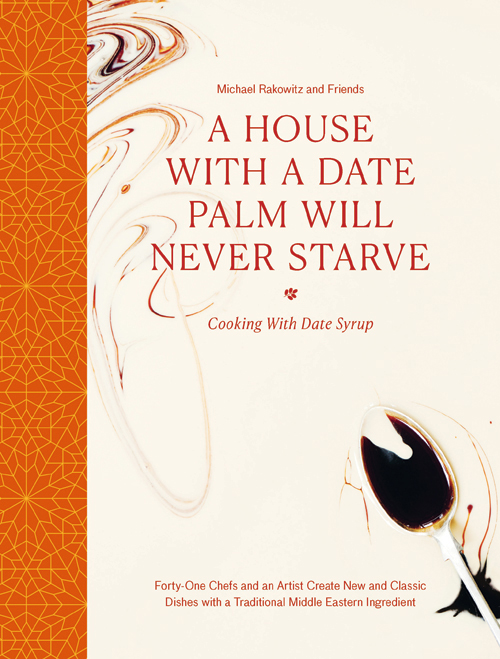
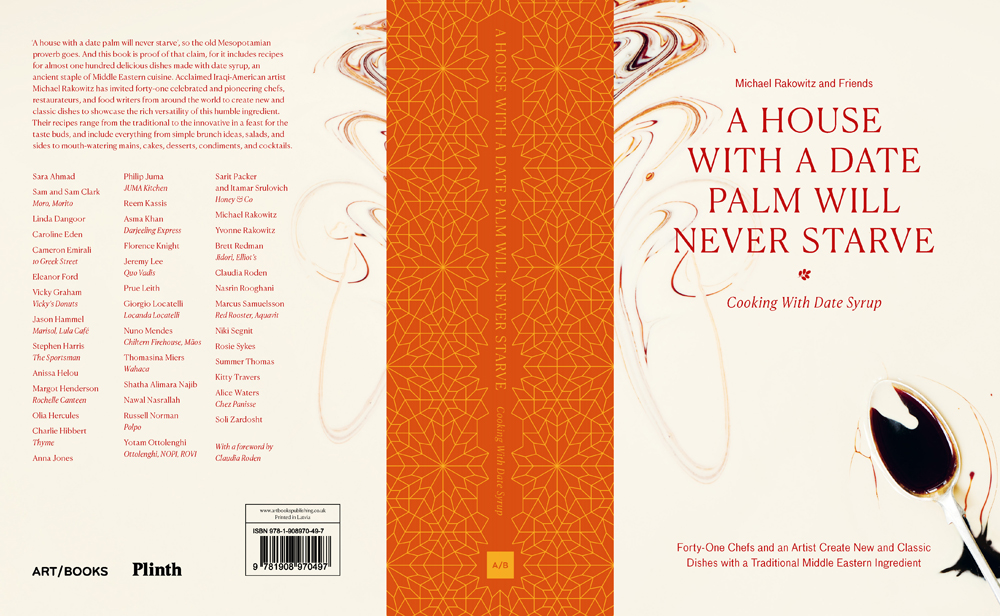
A House With A Date Palm Will Never Starve – collectors’ edition

Cooking With Date Syrup

Forty-One Chefs and an Artist Create New and Classic
Dishes with a Traditional Middle Eastern Ingredient

Michael Rakowitz and Friends

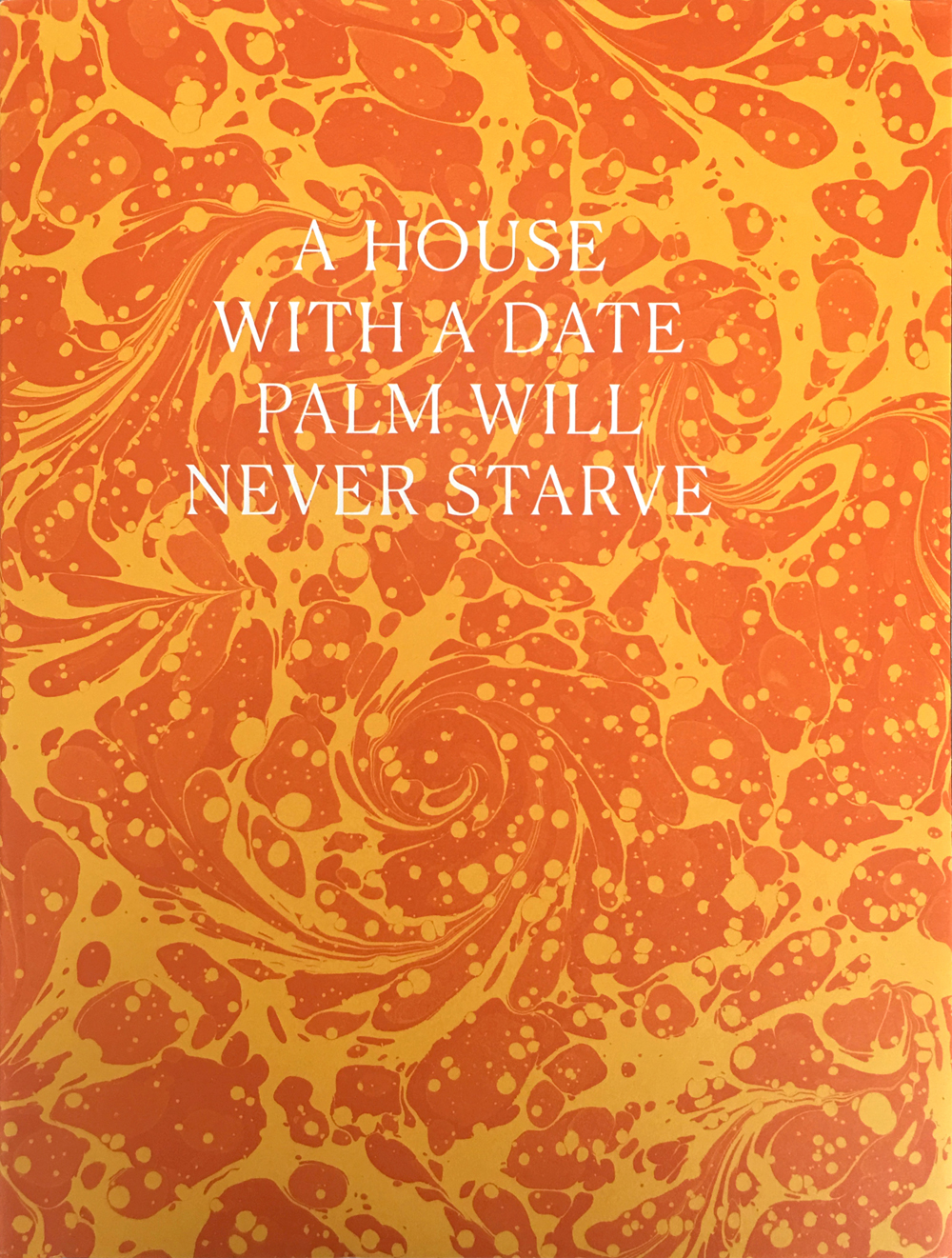
A beautiful collectors’ edition bound in a special jacket printed from handmade marbled paper created from date syrup and tahini, signed and numbered by the artist and limited to just 200 copies

‘Buy the book, it’s lovely!’ — Prue Leith

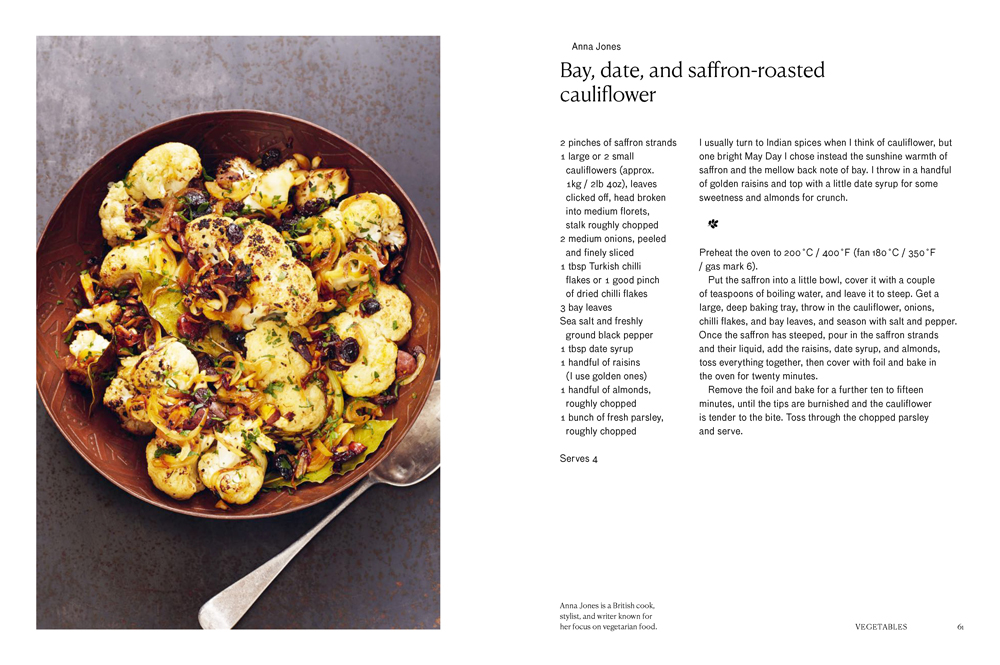
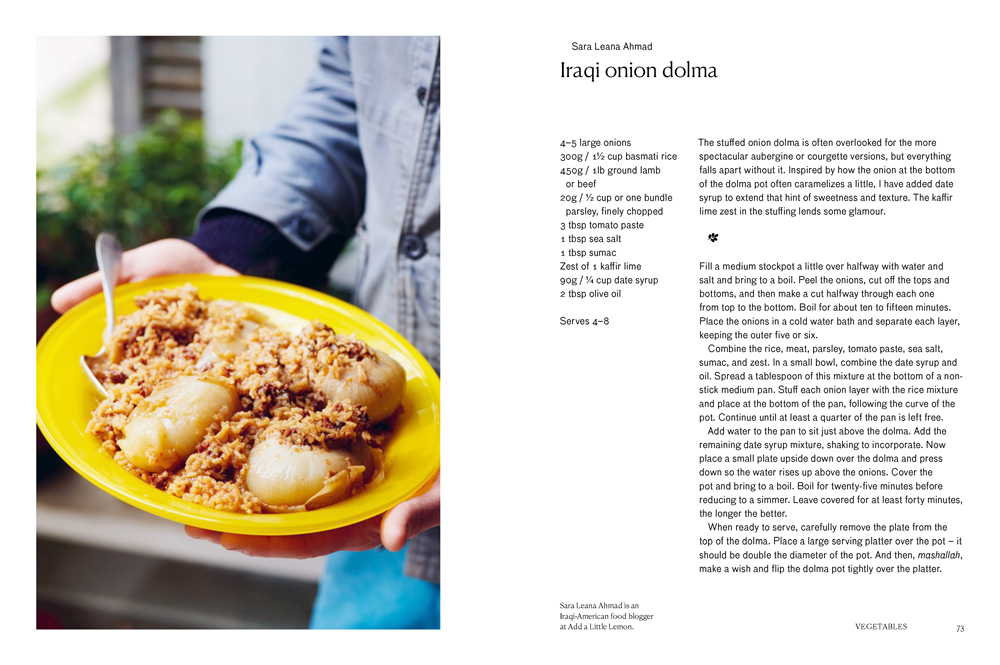
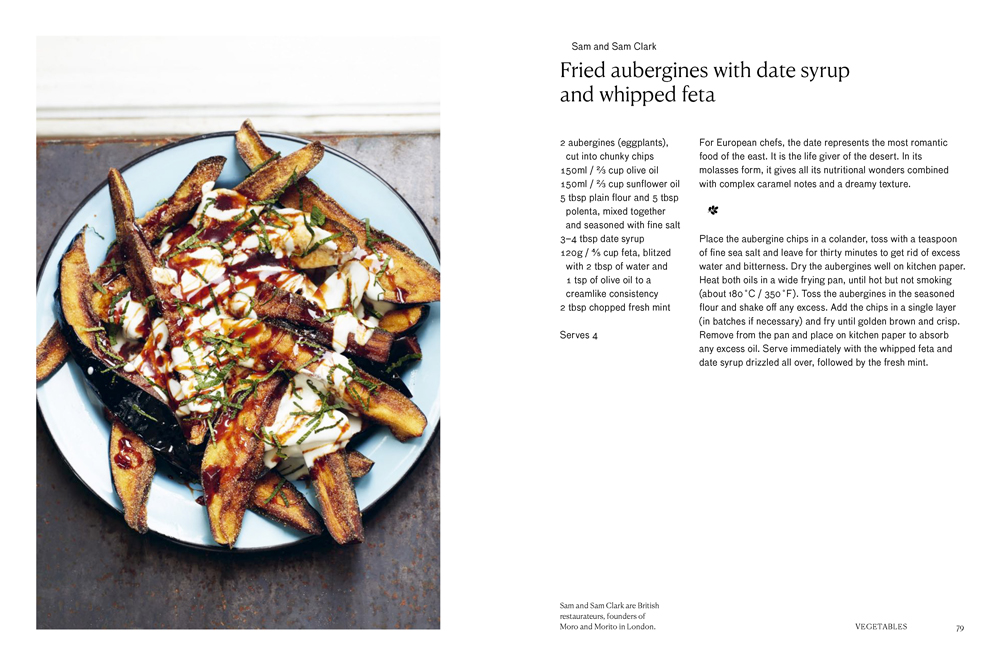
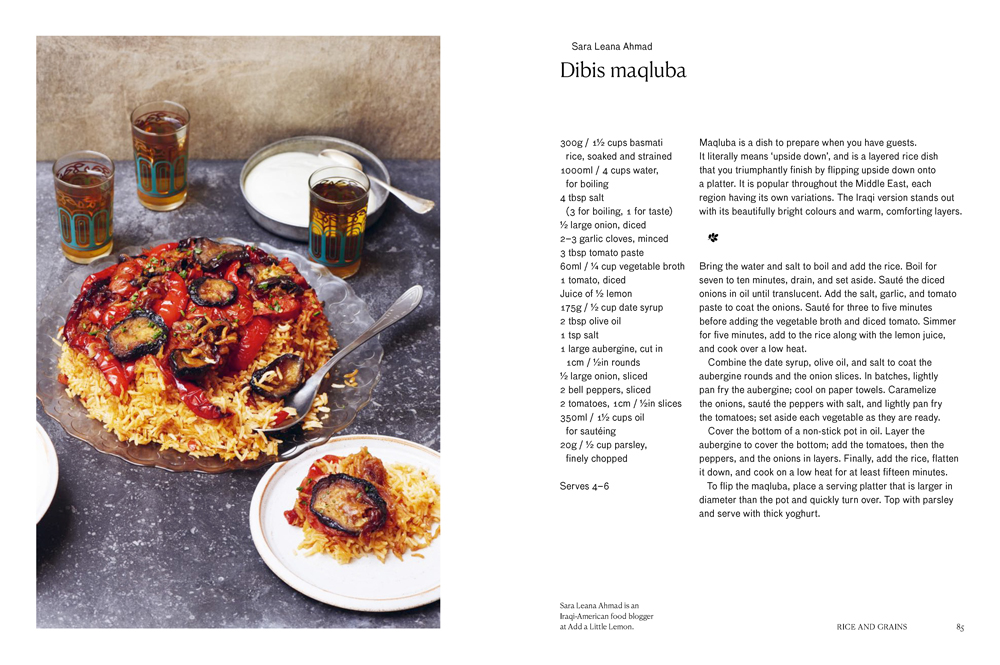
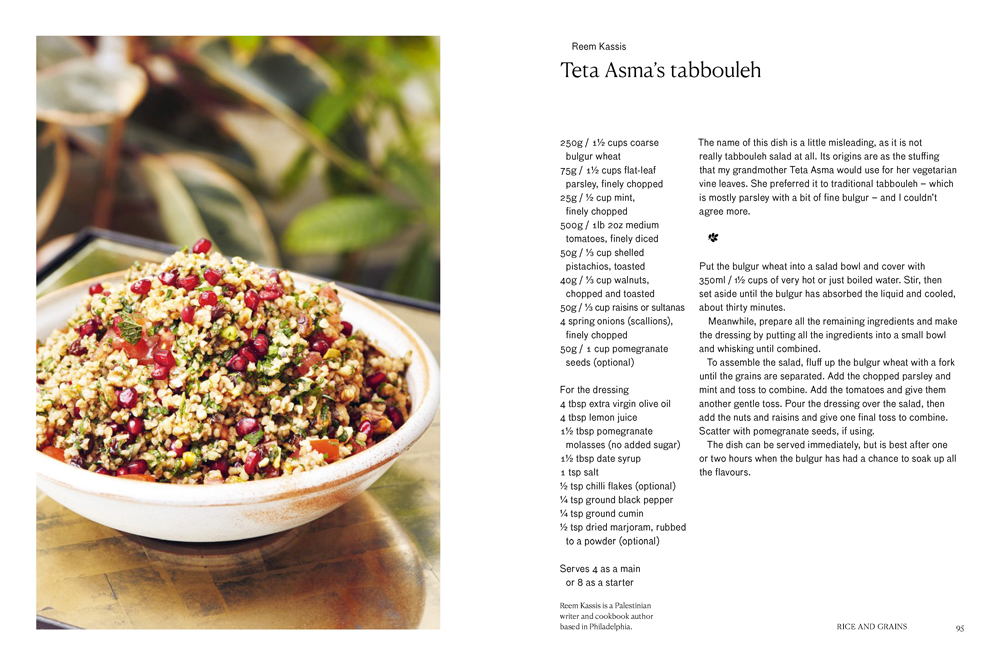
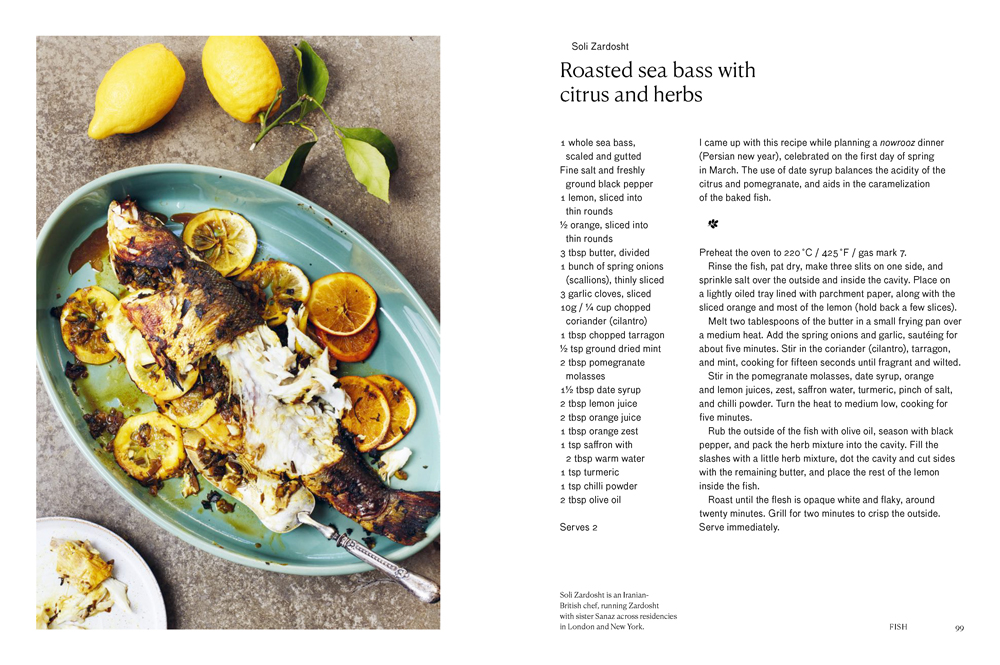
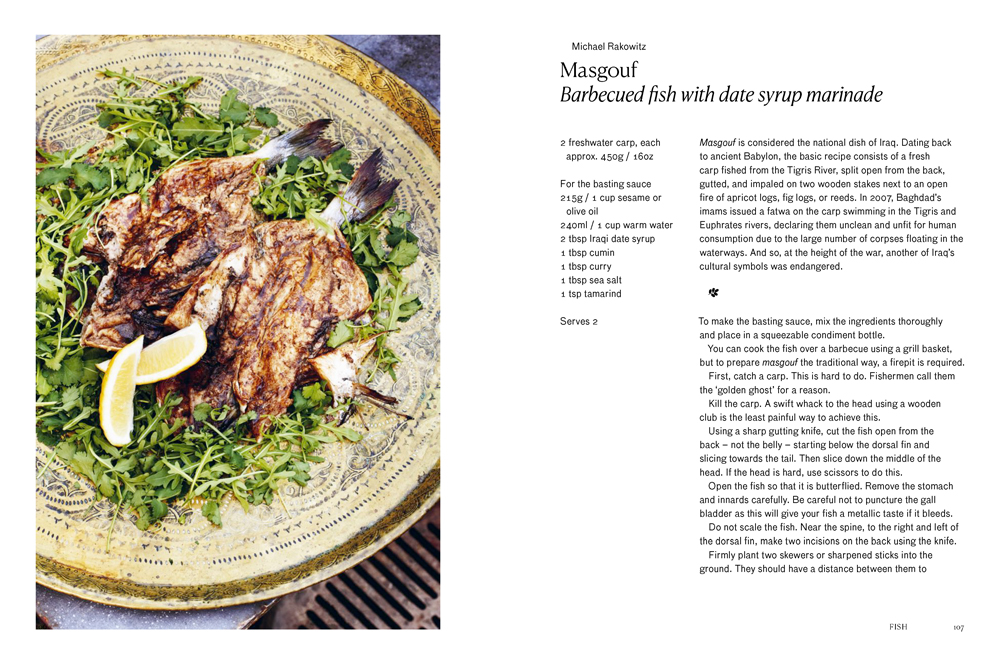
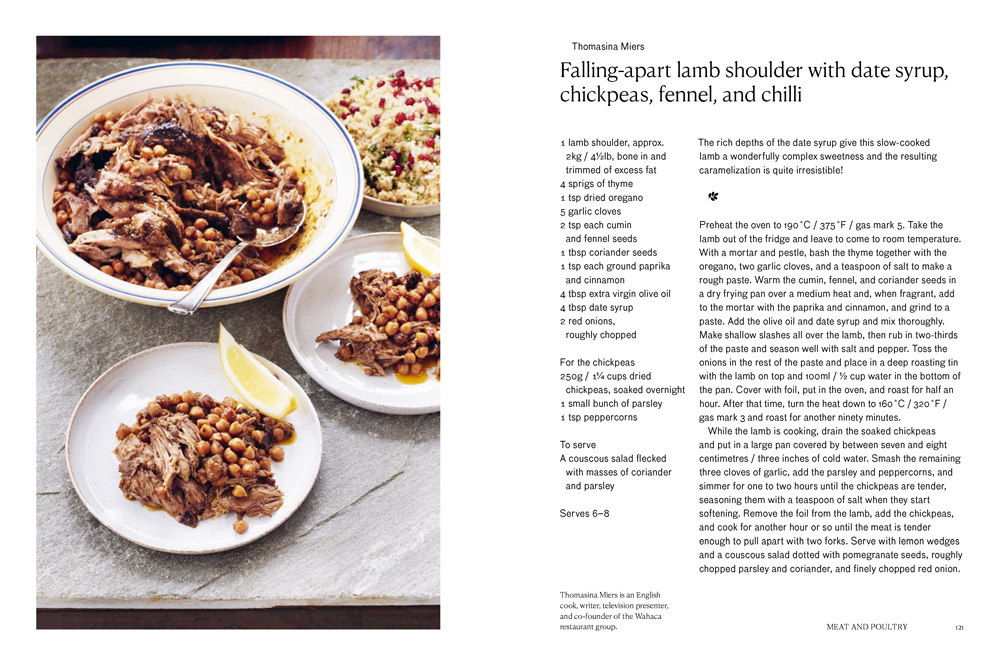
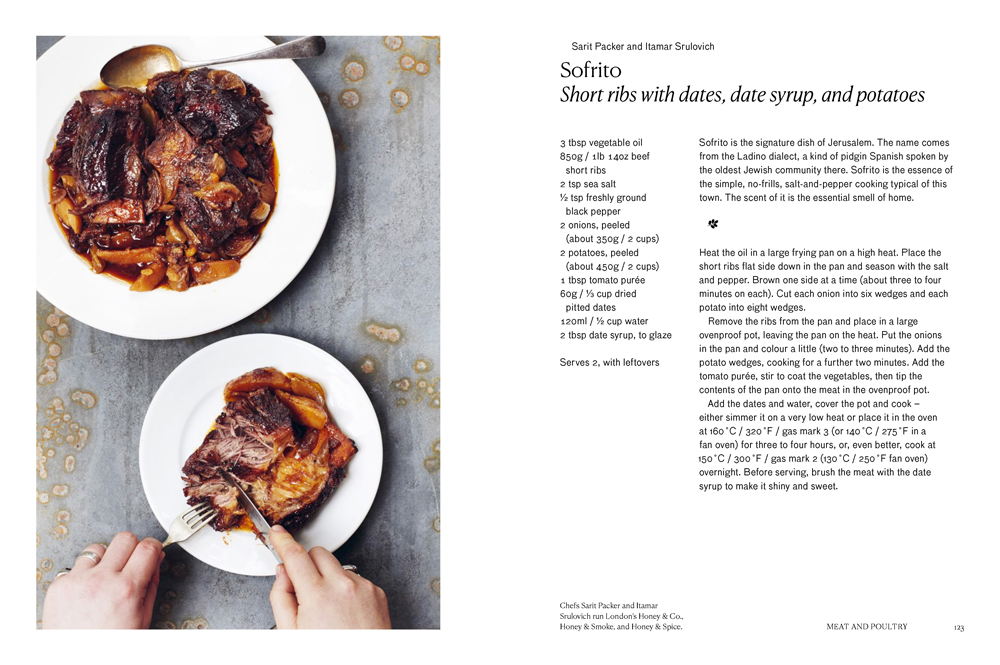
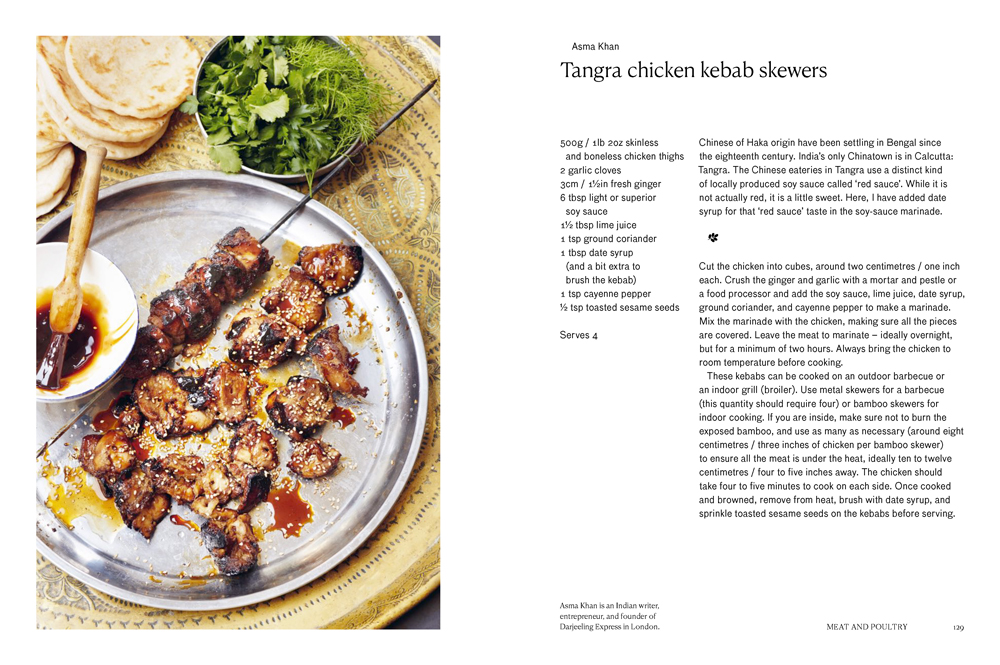
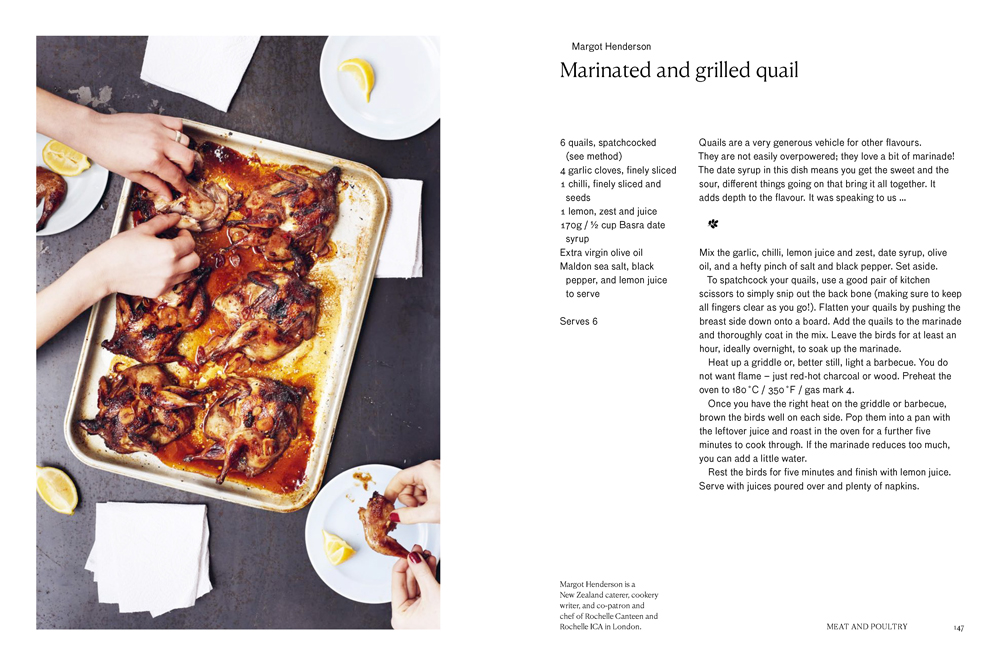
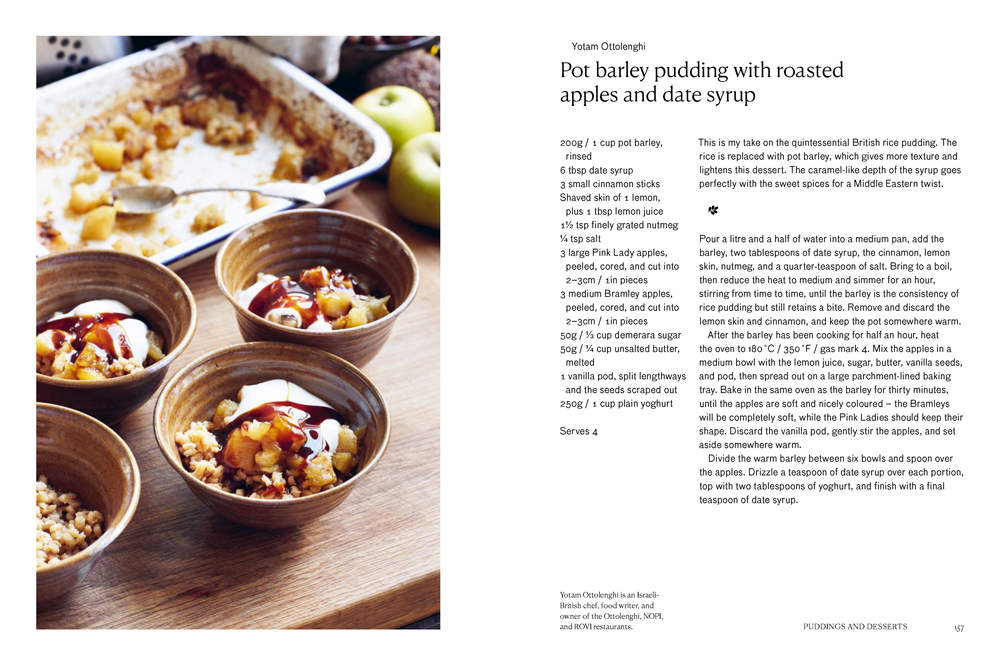
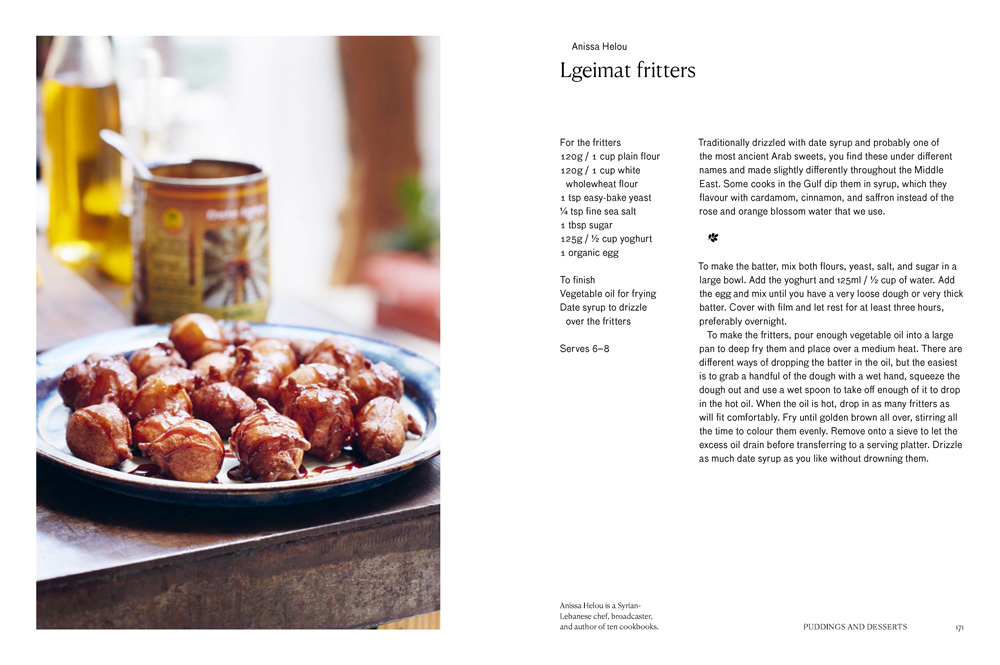
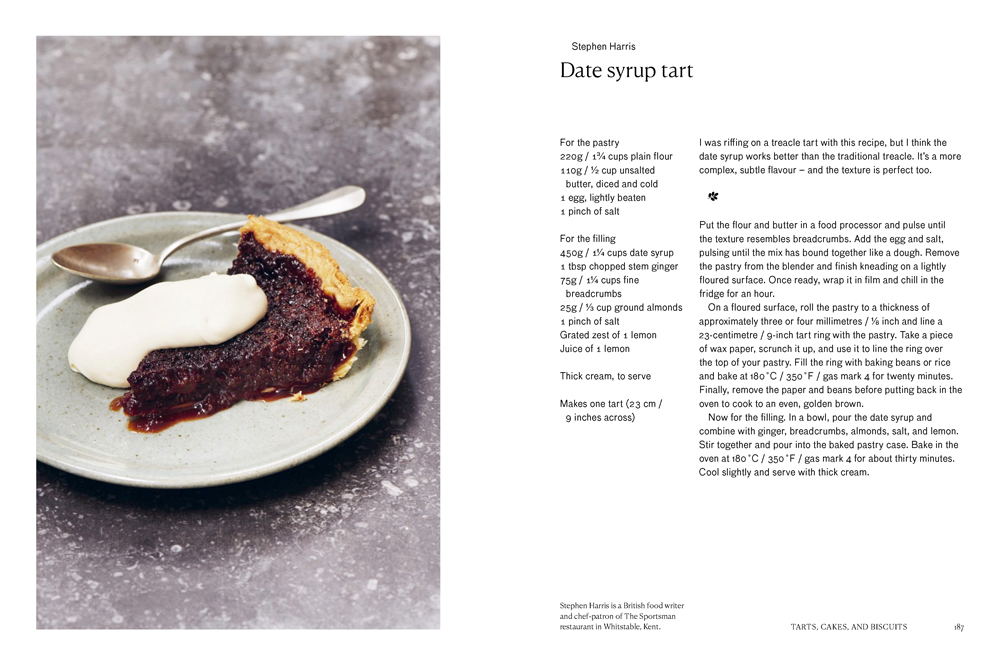
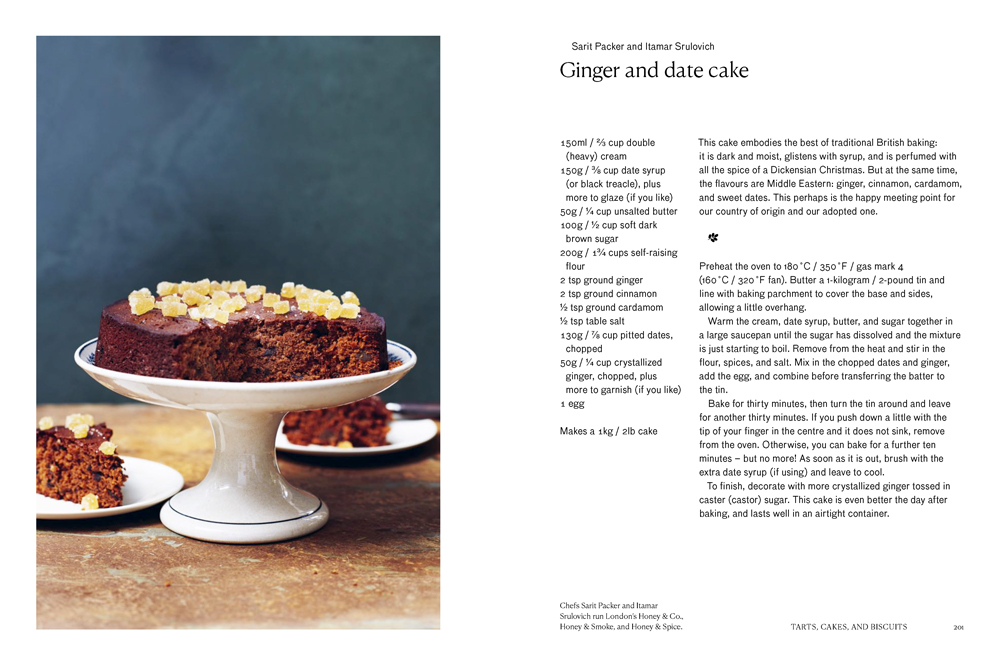
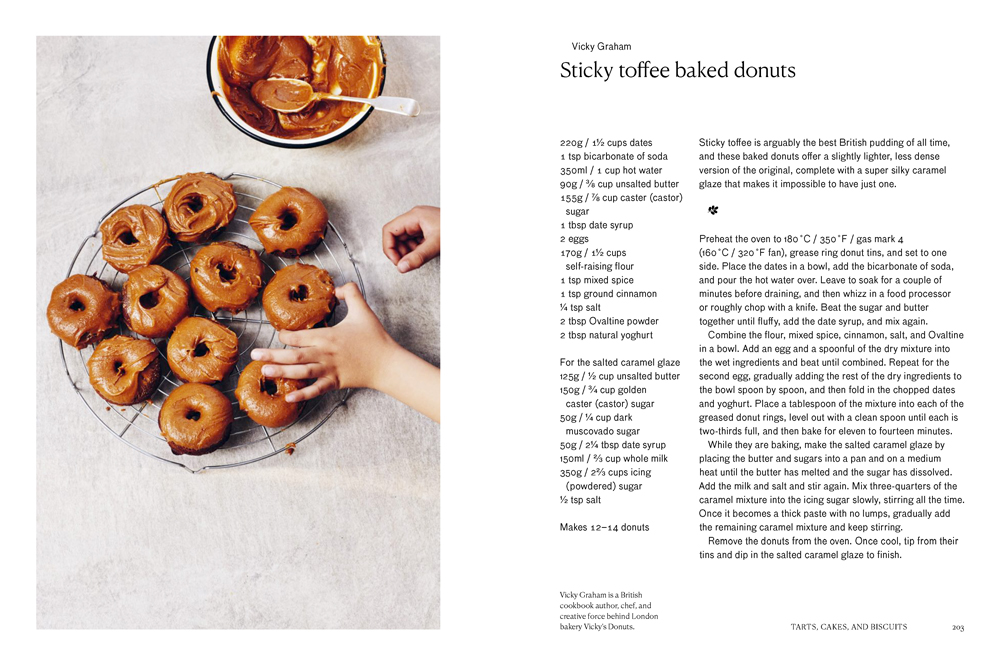
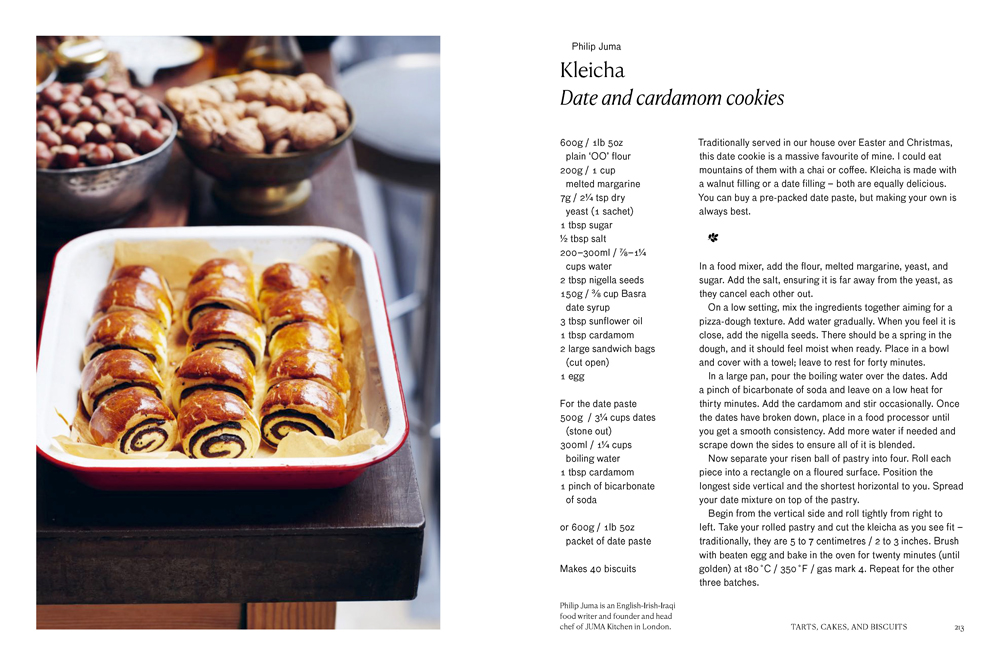
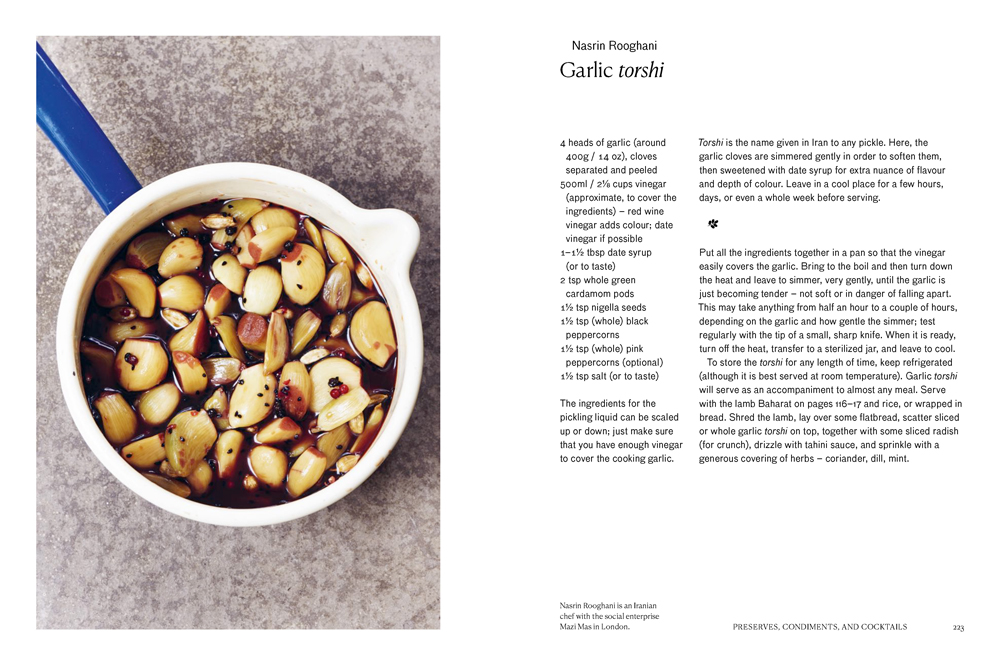
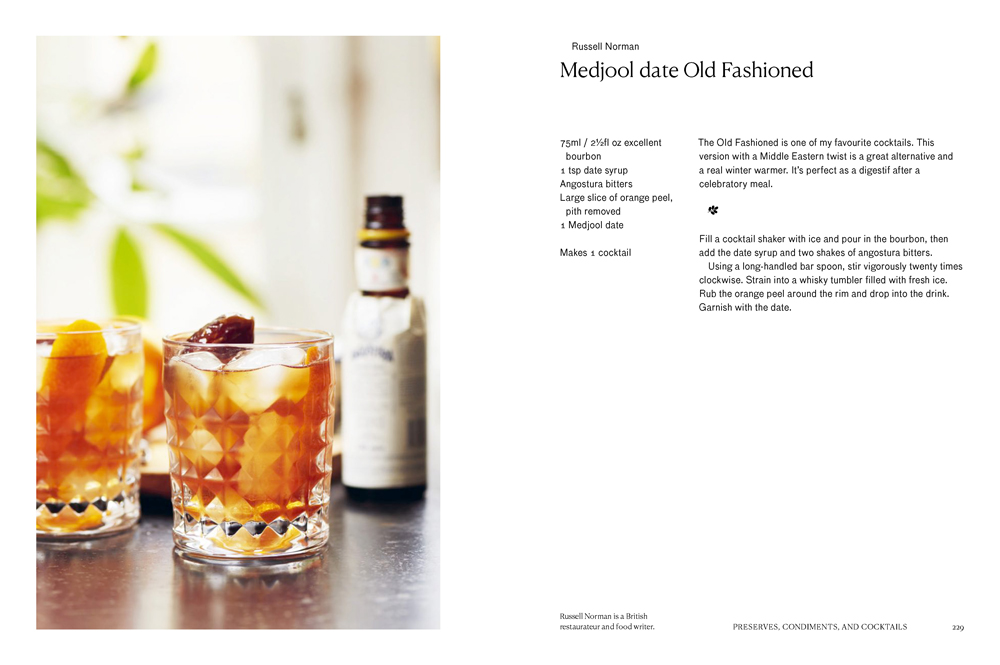
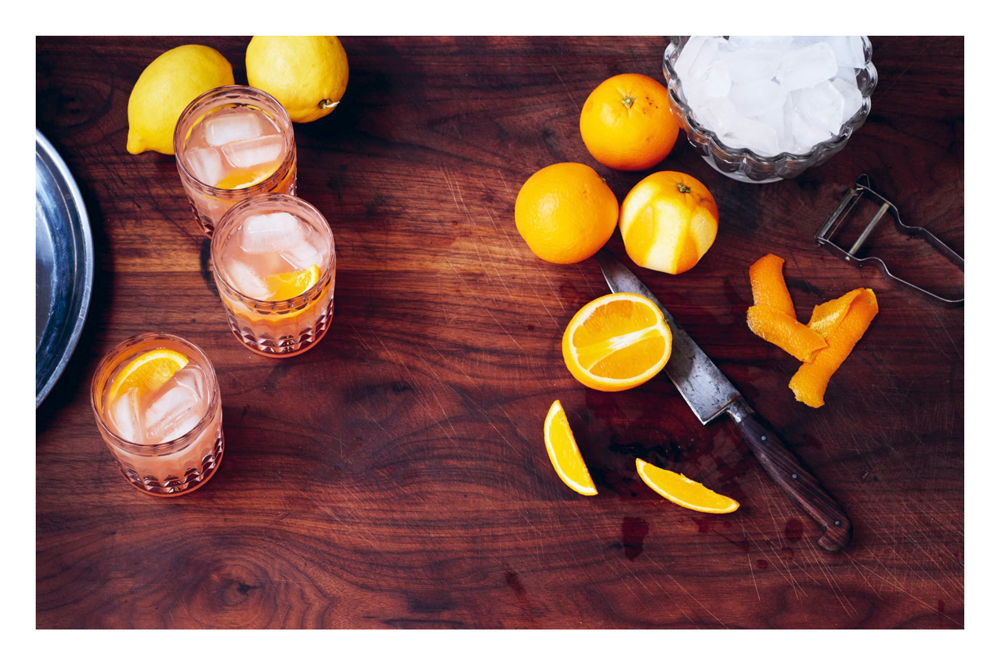
‘A house with a date palm will never starve’, so the old Mesopotamian proverb goes. And this book is proof of that claim, for it includes recipes for almost one hundred delicious dishes made with date syrup, an ancient staple of Middle Eastern cuisine. Acclaimed Iraqi-American artist Michael Rakowitz has invited forty-one celebrated and pioneering chefs, restaurateurs, and food writers from around the world to create new and classic dishes to showcase the rich versatility of this humble ingredient and symbol of Iraqi culture. Their collaboration had its roots in early 2018, when Rakowitz unveiled a winged bull sculpture made from thousands of date syrup cans as the latest commission for the Fourth Plinth in London’s Trafalgar Square. It was a life-size replica of a gigantic lamassu, one of two monumental winged bulls that guarded the gates of the ancient city of Nineveh in modern-day Iraq for three millennia until destroyed by ISIS in 2015. Contributors including Yotam Ottolenghi, Alice Waters, Claudia Roden, Reem Kassis, Prue Leith, Jason Hammel, Nuno Mendes, Thomasina Miers, Giorgio Locatelli, and Marcus Samuelsson responded to his call by creating dozens of sweet and savoury dishes. Their recipes range from the traditional to the innovative in a feast for the taste buds, and include everything from simple brunch ideas, salads, and sides to mouth-watering mains, cakes, desserts, condiments, and cocktails. Easy step-by-step instructions enable the reader to make the recipes at home.

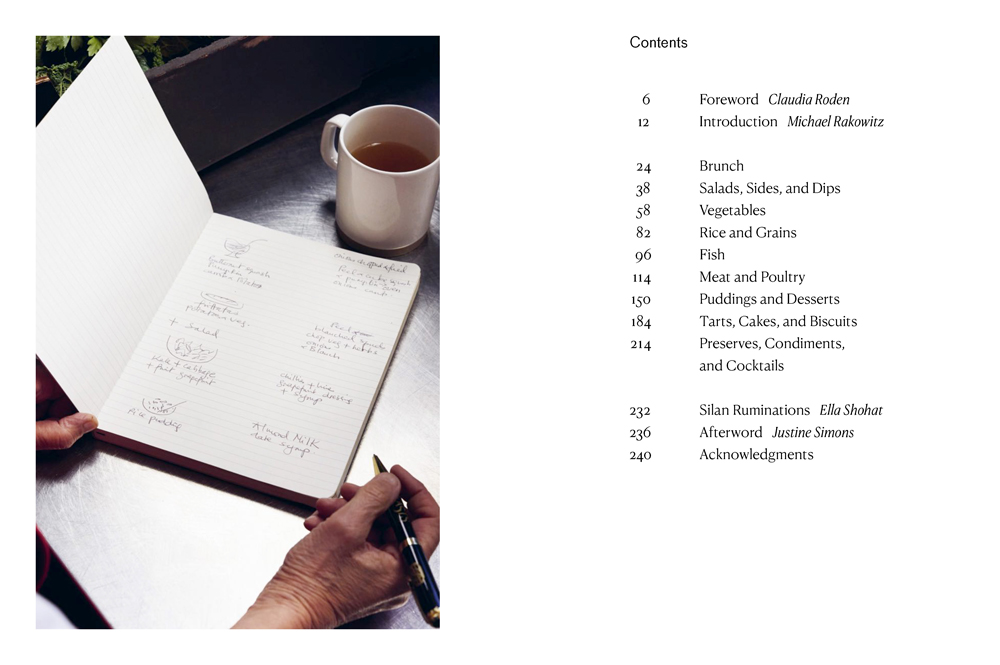
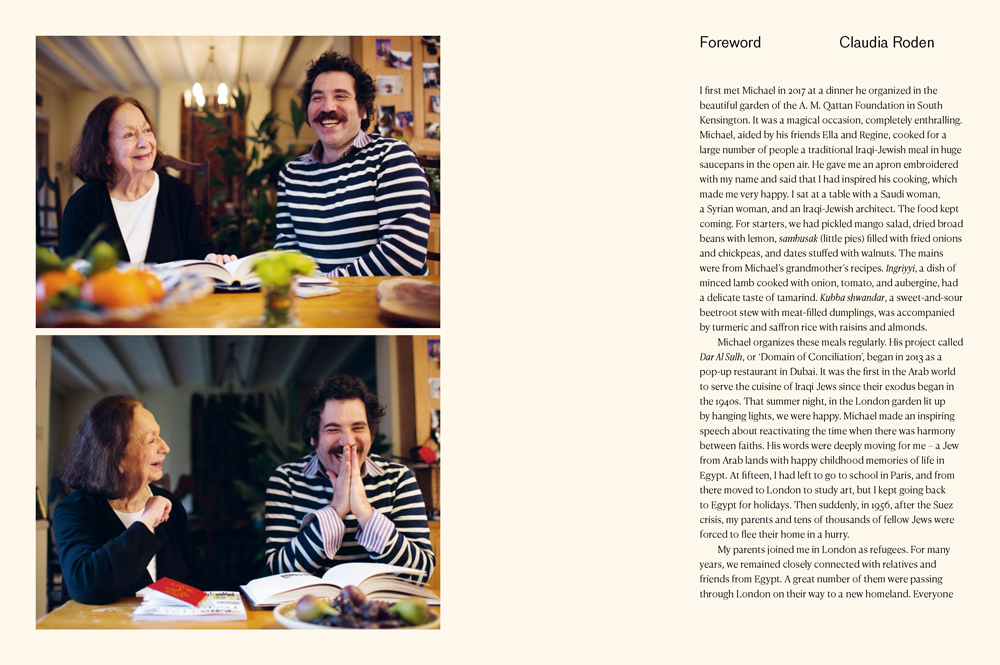
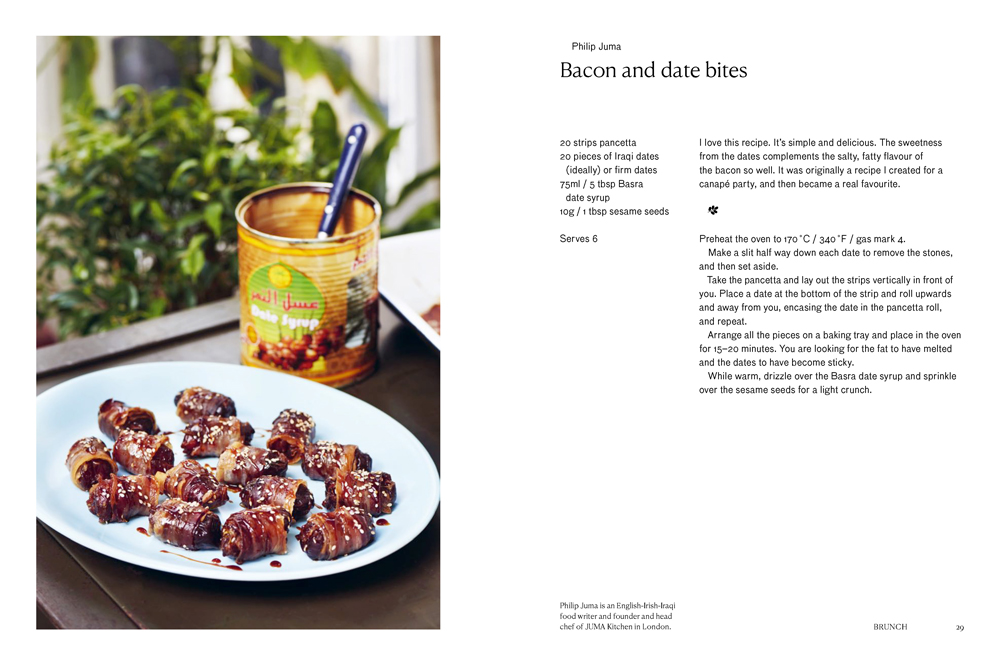
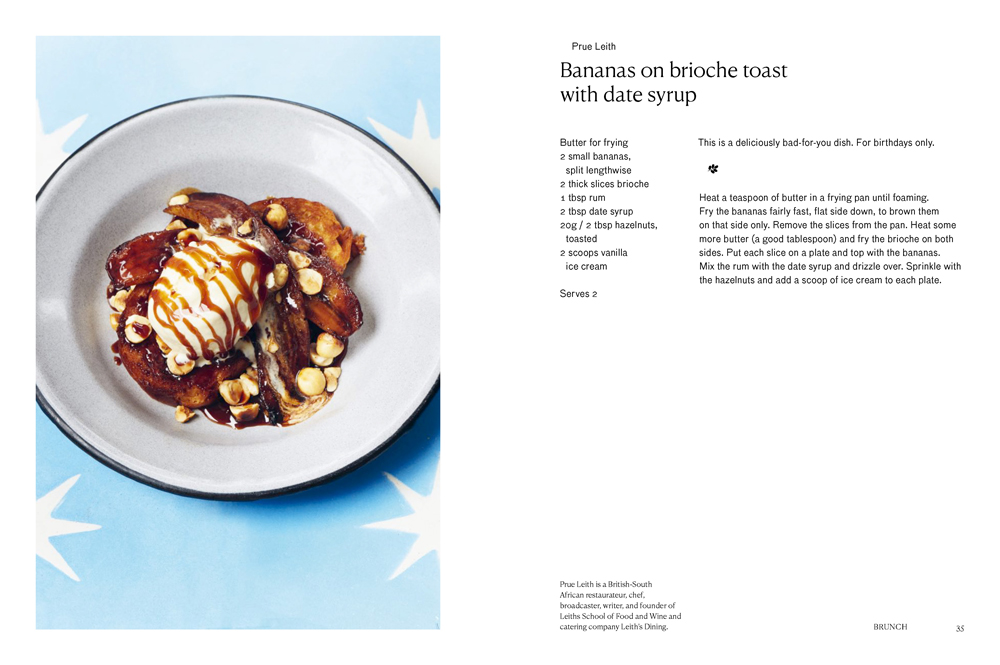
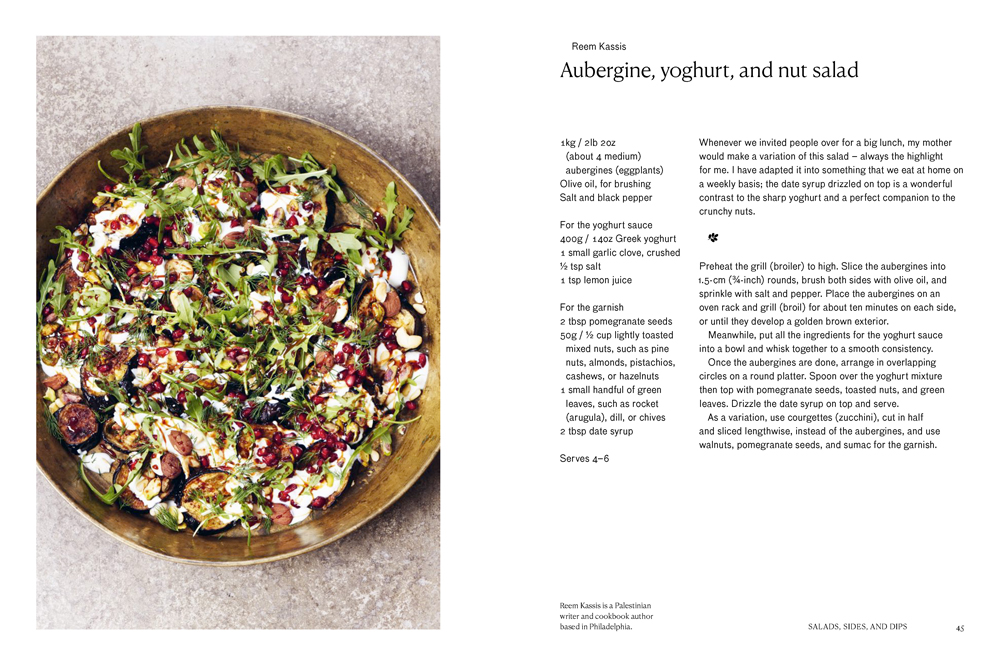
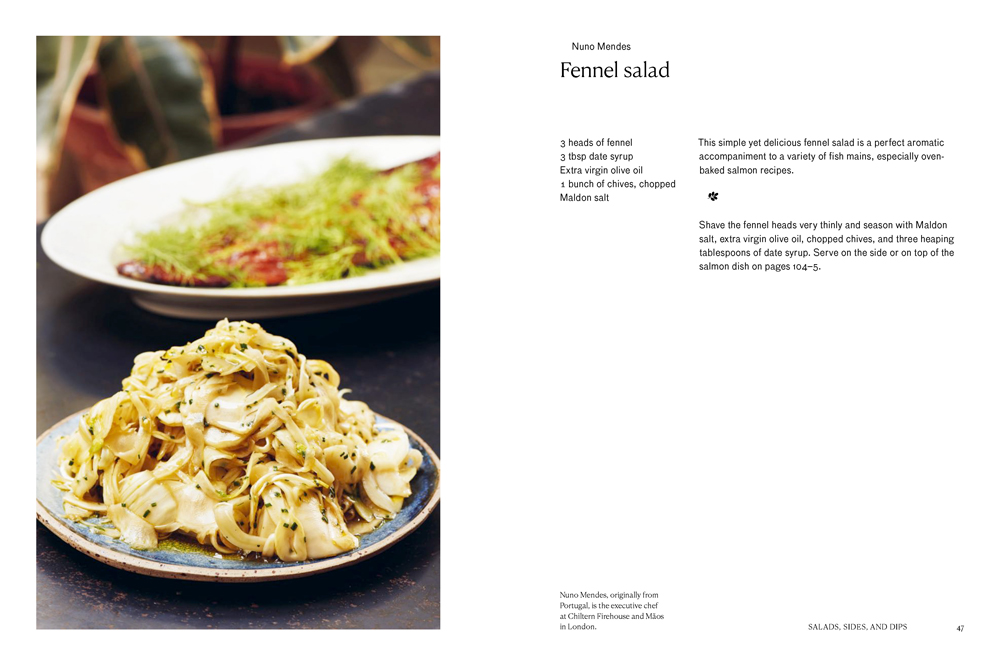
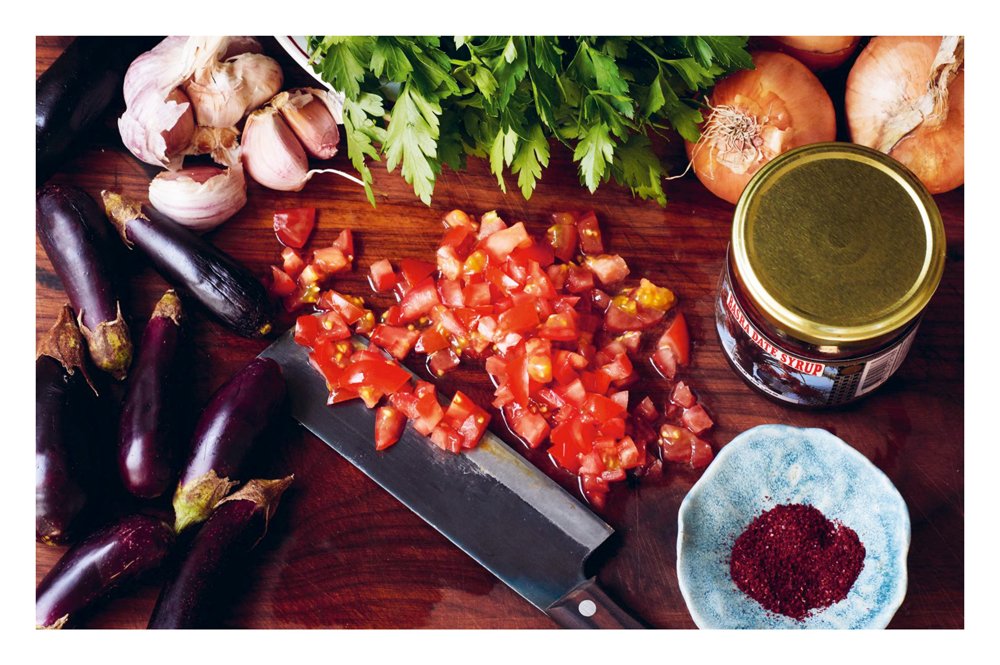
Beautiful photographs of the dishes are accompanied by the artist’s drawings. Completing the volume is a foreword by award-winning food writer and chef Claudia Roden and an appreciation of the importance of the date in Iraqi society by Iraqi-American cultural-studies academic Ella Shohat, while Rakowitz writes about the significance of the syrup to his family and in his work. Coinciding with a major survey of the artist’s work organized by the Whitechapel Gallery in London and the Castello di Rivoli in Turin, this special book will appeal to anyone who loves the cuisine of the Middle East and the politics of food.

Michael Rakowitz is an Iraqi-American artist living and working in Chicago. He is Professor of Art Theory and Practice at Northwestern University and is represented by Rhona Hoffman Gallery, Chicago; Jane Lombard Gallery, New York; and Barbara Wien Galerie in Berlin.

Claudia Roden is an award-winning Egyptian-British cookbook writer and cultural anthropologist. She is the author of many cookbooks including A Book of Middle Eastern FoodThe New Book of Middle Eastern Food and Arabesque—Sumptuous Food from Morocco, Turkey and Lebanon, Mediterranean Cookery, The Food of Italy, and The Food of Spain.

Ella Shohat is an author from a Jewish-Baghdadi family. She is professor of cultural studies at New York University.

Contributors
Sara Ahmad • Sam and Sam Clark (Moro, Morito) • Linda Dangoor •  Caroline Eden •  Cameron Emirali (10 Greek Street) •  Eleanor Ford •  Vicky Graham (Vicky’s Donuts) •  Jason Hammel (Marisol, Lula Café) •  Stephen Harris (The Sportsman) •  Anissa Helou •  Margot Henderson (Rochelle Canteen) •  Olia Hercules •  Charlie Hibbert (Thyme) •  Anna Jones •  Philip Juma (JUMA Kitchen) •  Reem Kassis •  Asma Khan (Darjeeling Express) •  Florence Knight •  Jeremy Lee (Quo Vadis) •  Prue Leith • Giorgio Locatelli (Locanda Locatelli) •  Nuno Mendes (Chiltern Firehouse, Mãos) •  Thomasina Miers (Wahaca) •  Shatha Alimara Najib •  Nawal Nasrallah •  Russell Norman (Polpo) •  Yotam Ottolenghi (Ottolenghi, NOPI, ROVI) •  Sarit Packer and Itamar Srulovich (Honey & Co) • Michael Rakowitz •  Yvonne Rakowitz •  Brett Redman (Jidori, Elliot’s) •  Claudia Roden •  Nasrin Rooghani •  Marcus Samuelsson (Red Rooster, Aquavit) •  Niki Segnit •  Rosie Sykes •  Summer Thomas •  Kitty Travers •  Alice Waters (Chez Panisse) •  Soli Zardosht


An Alphabet of Animals

Carton Moore Park

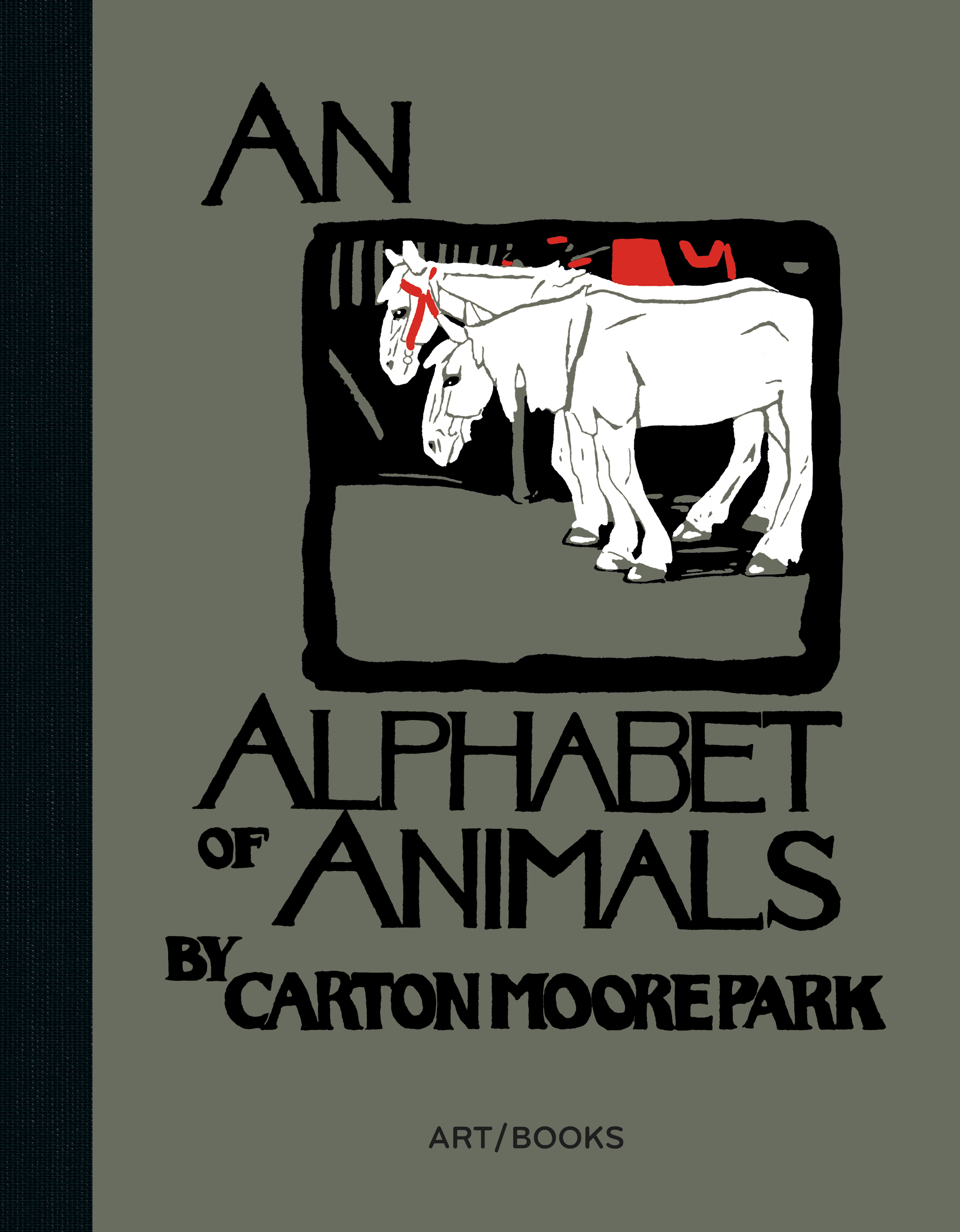
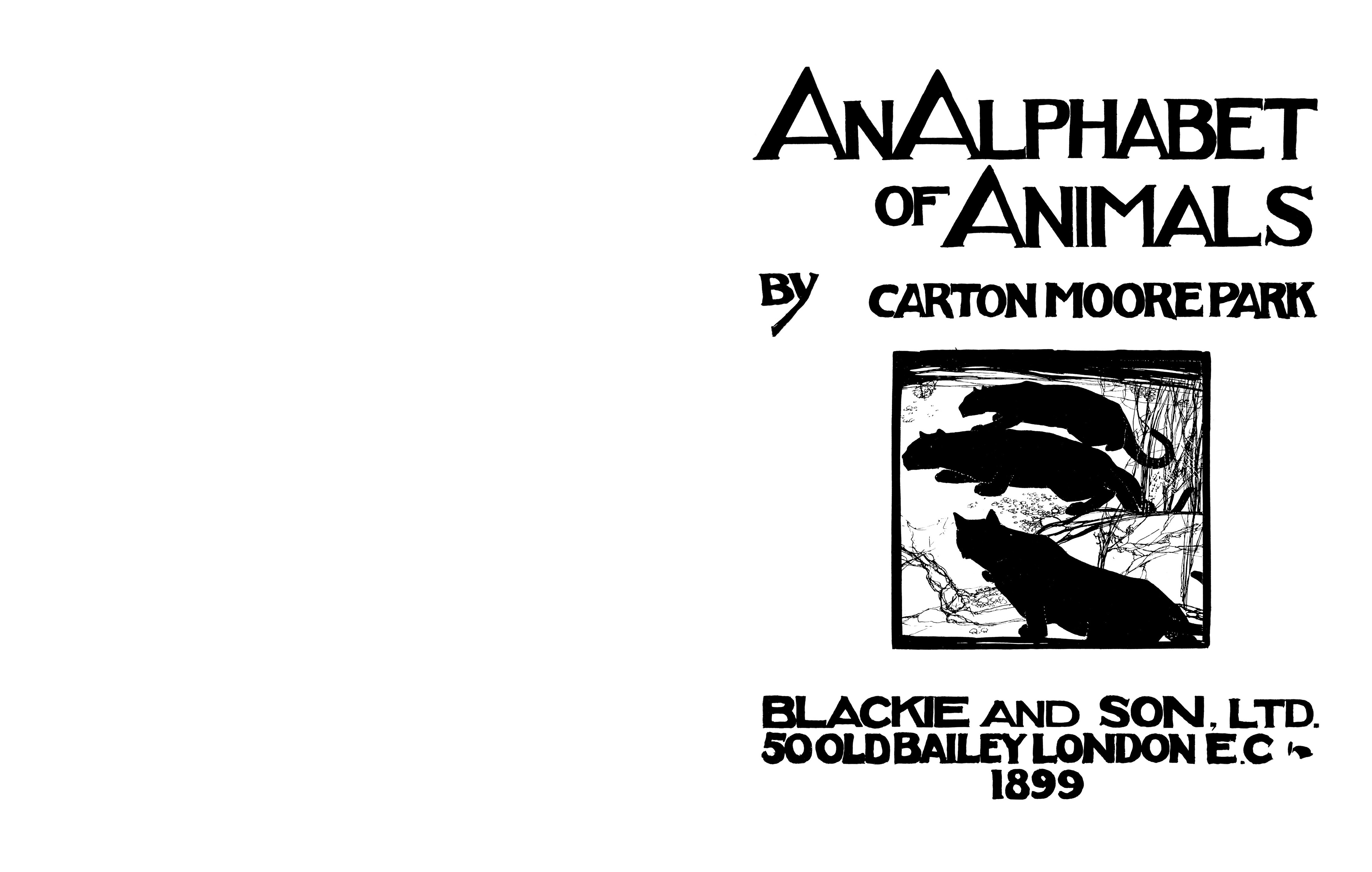
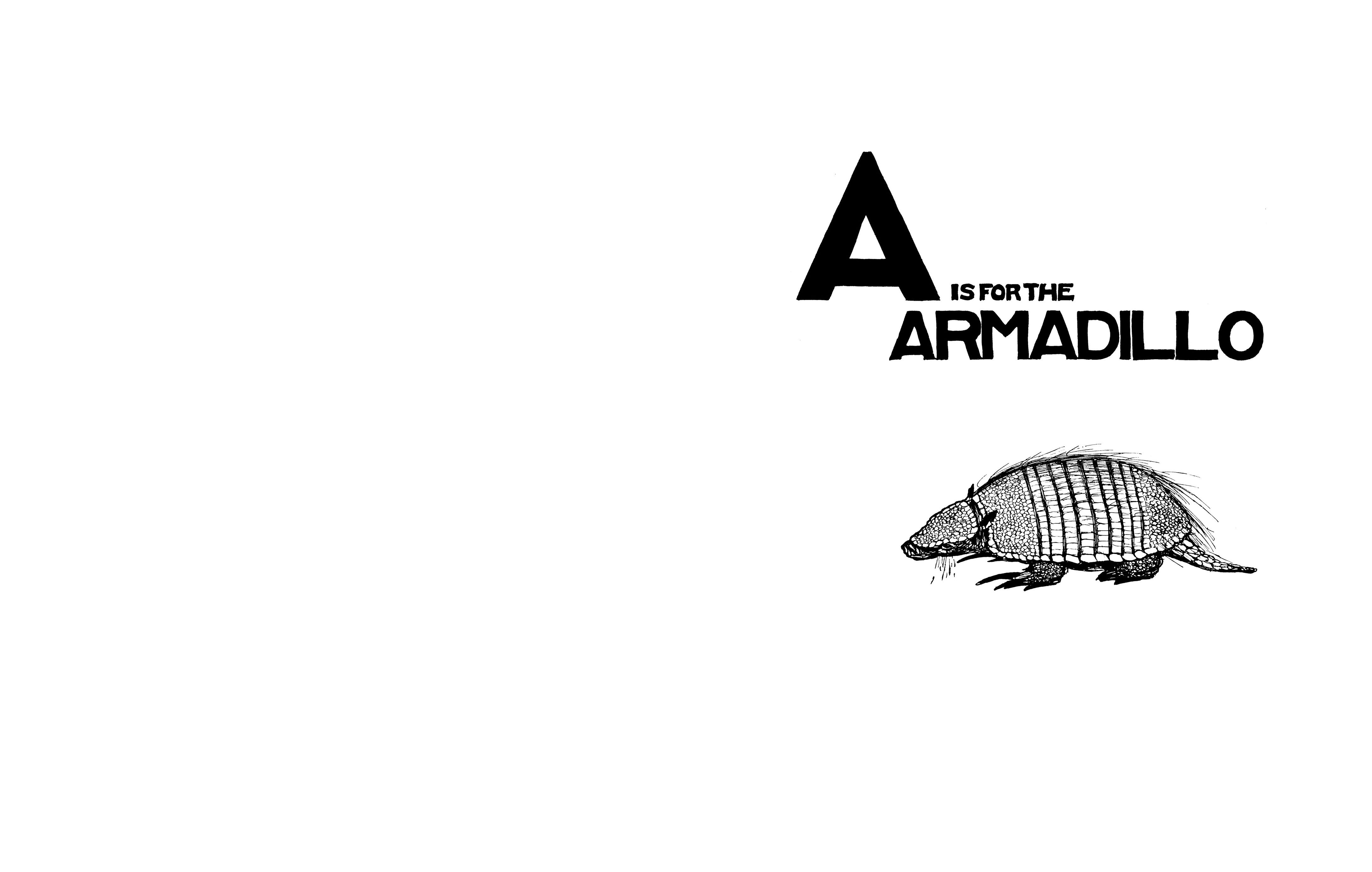
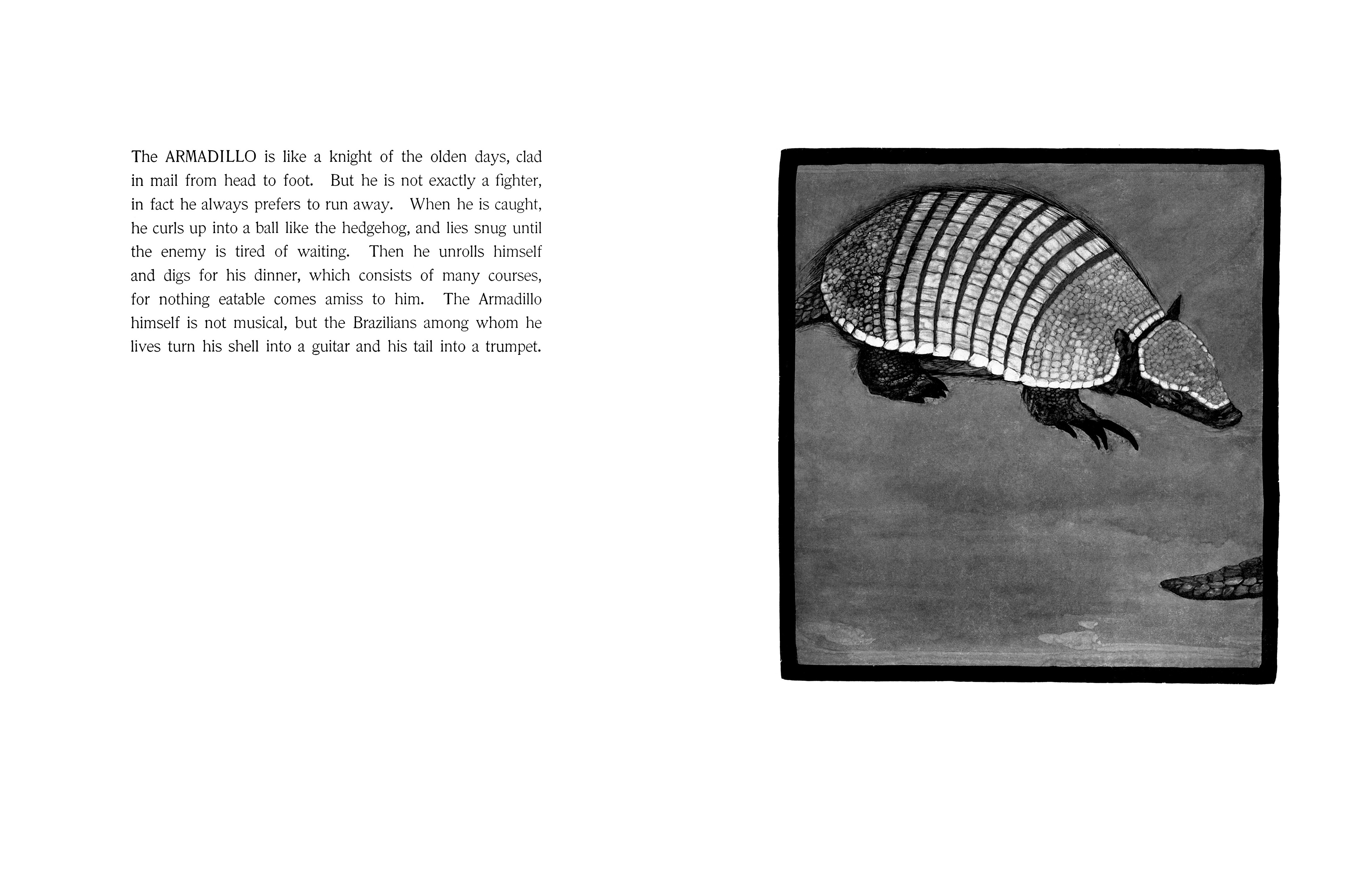
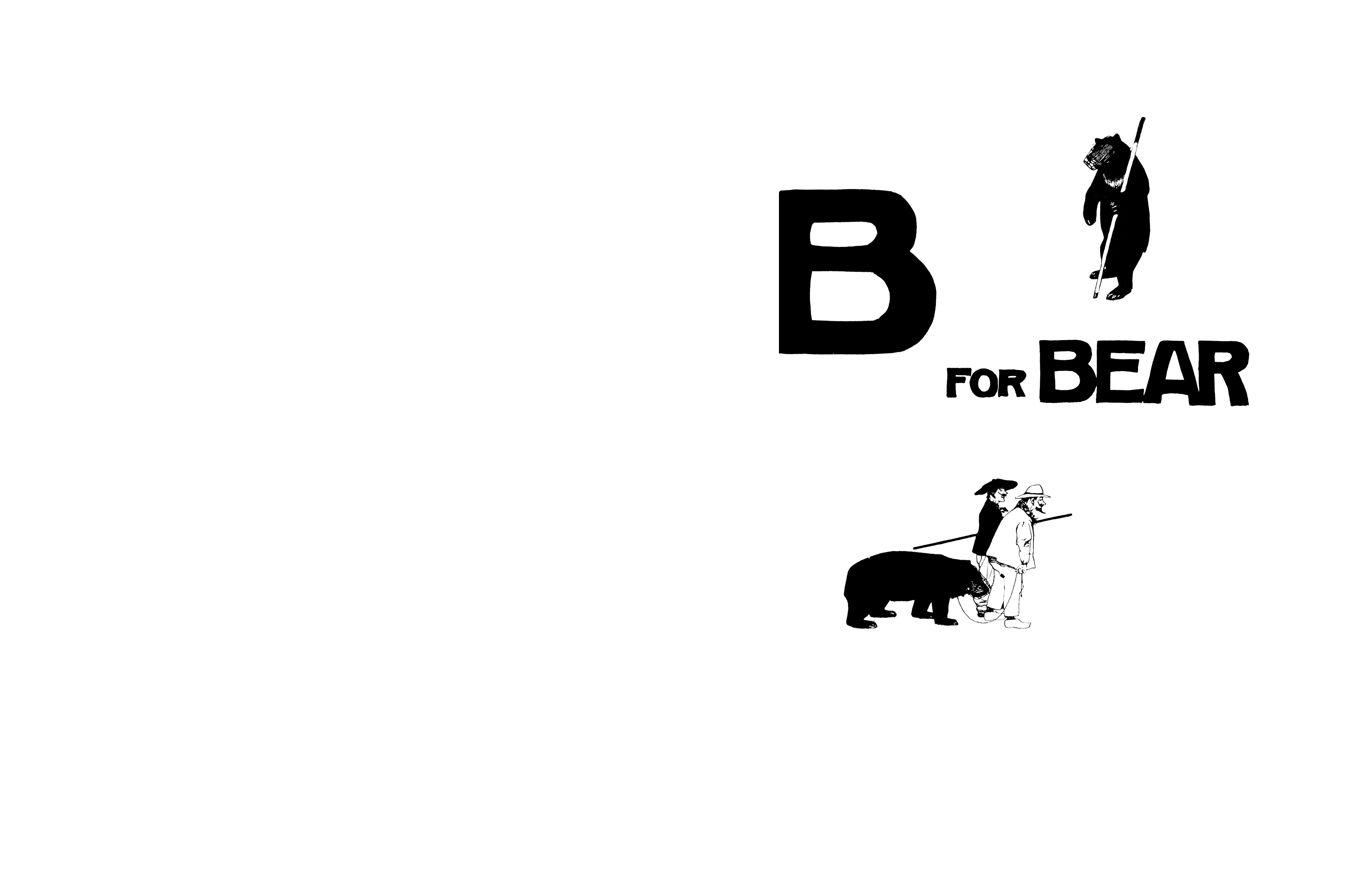
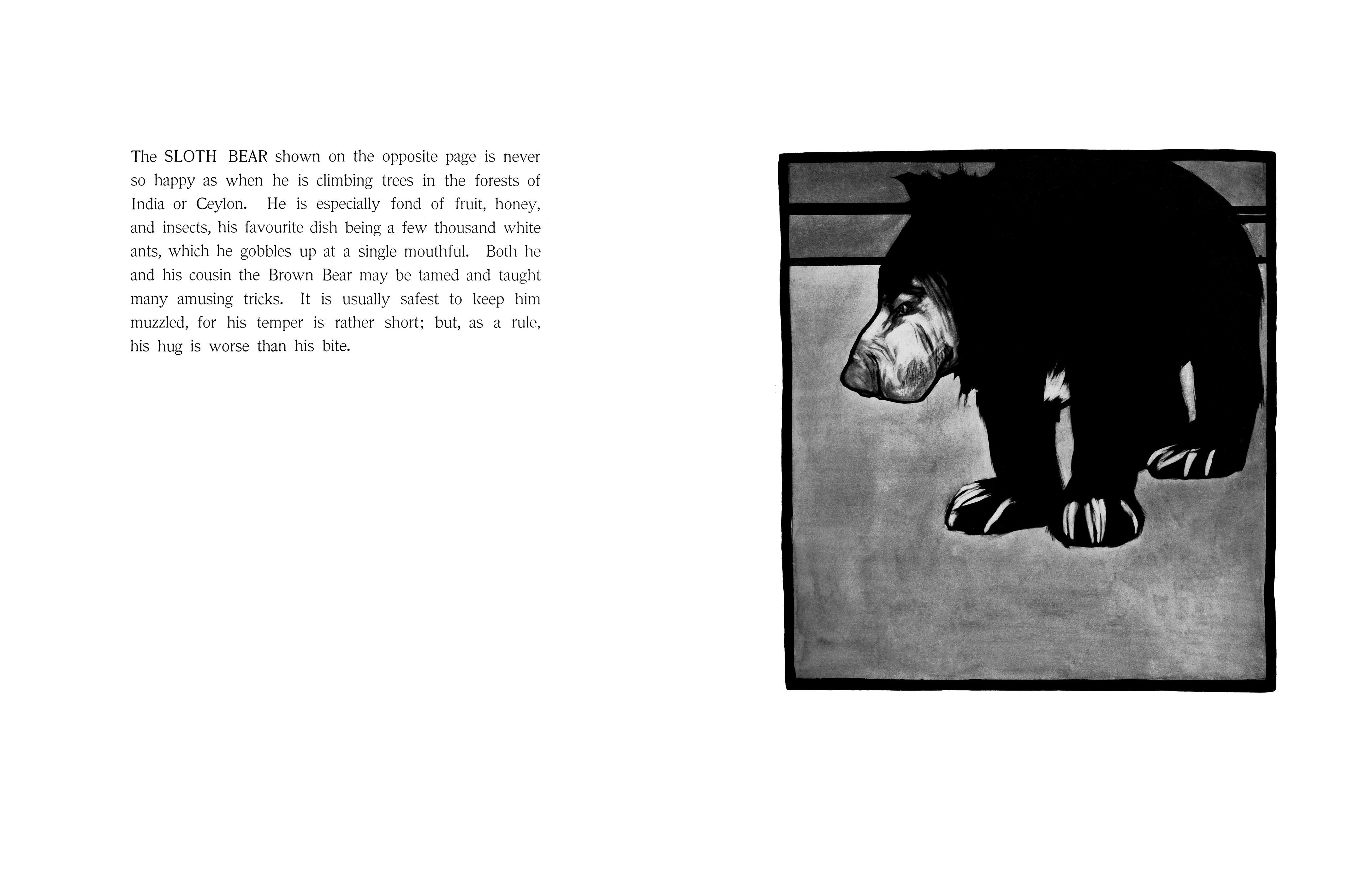
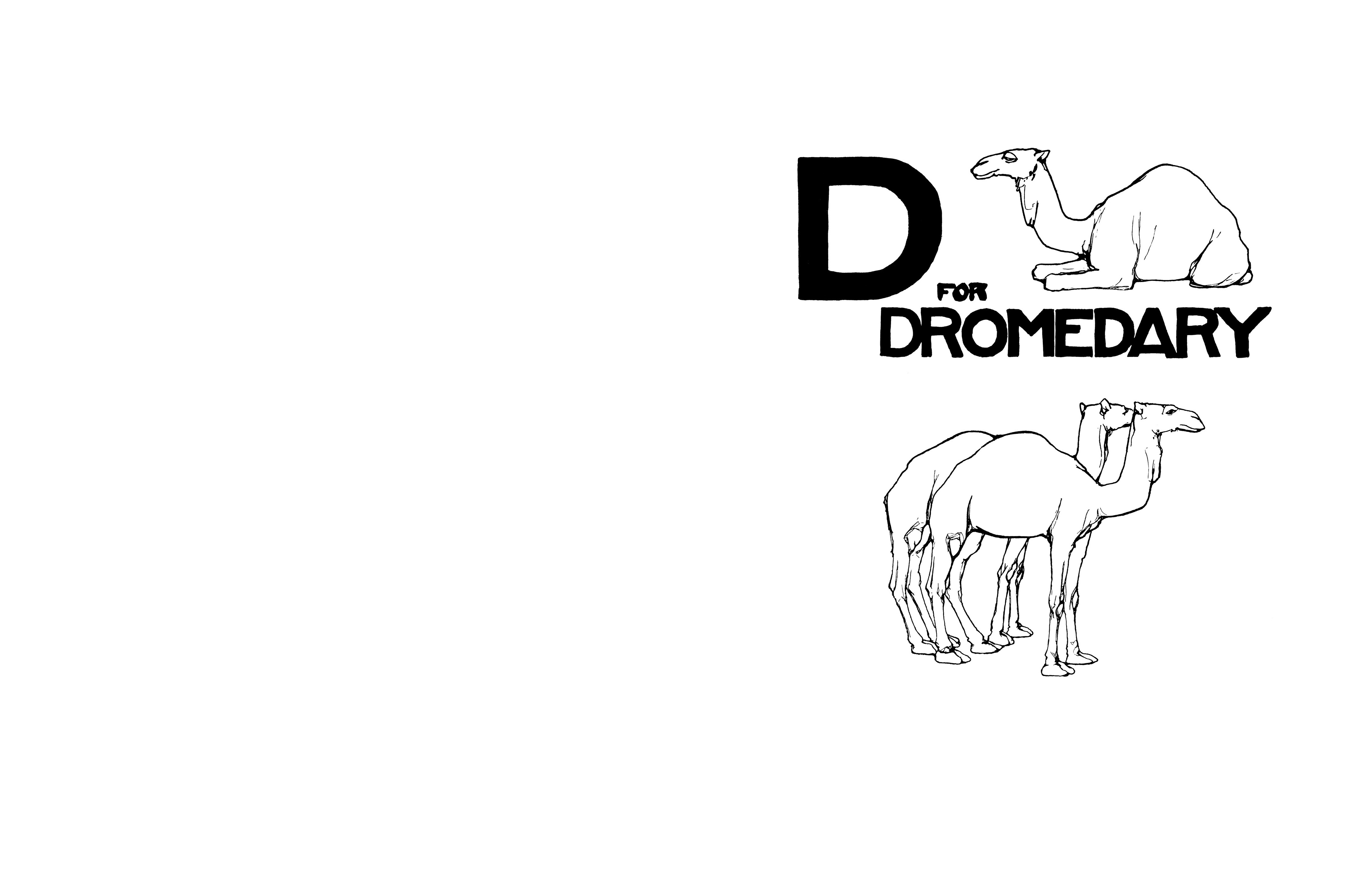
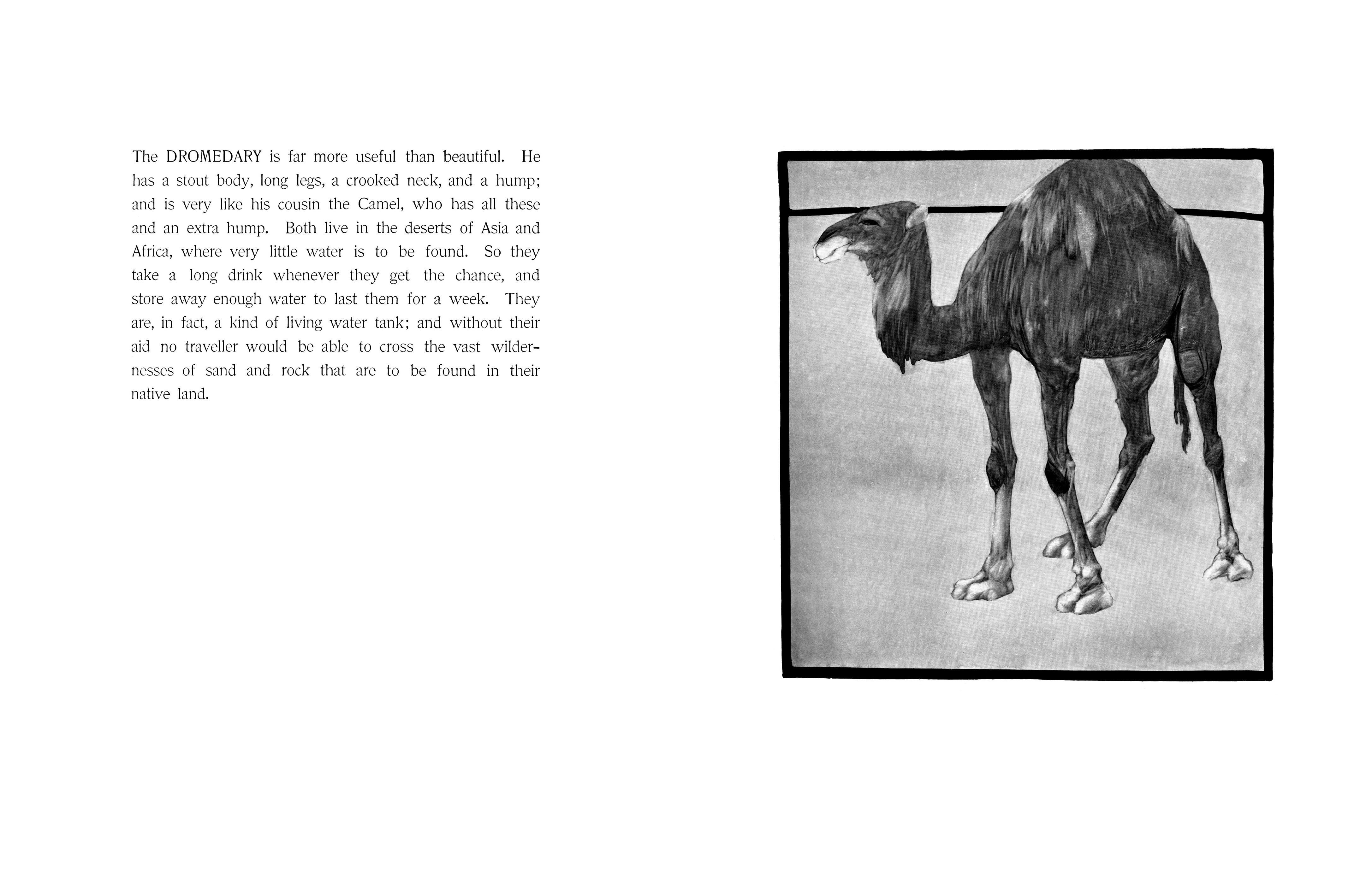
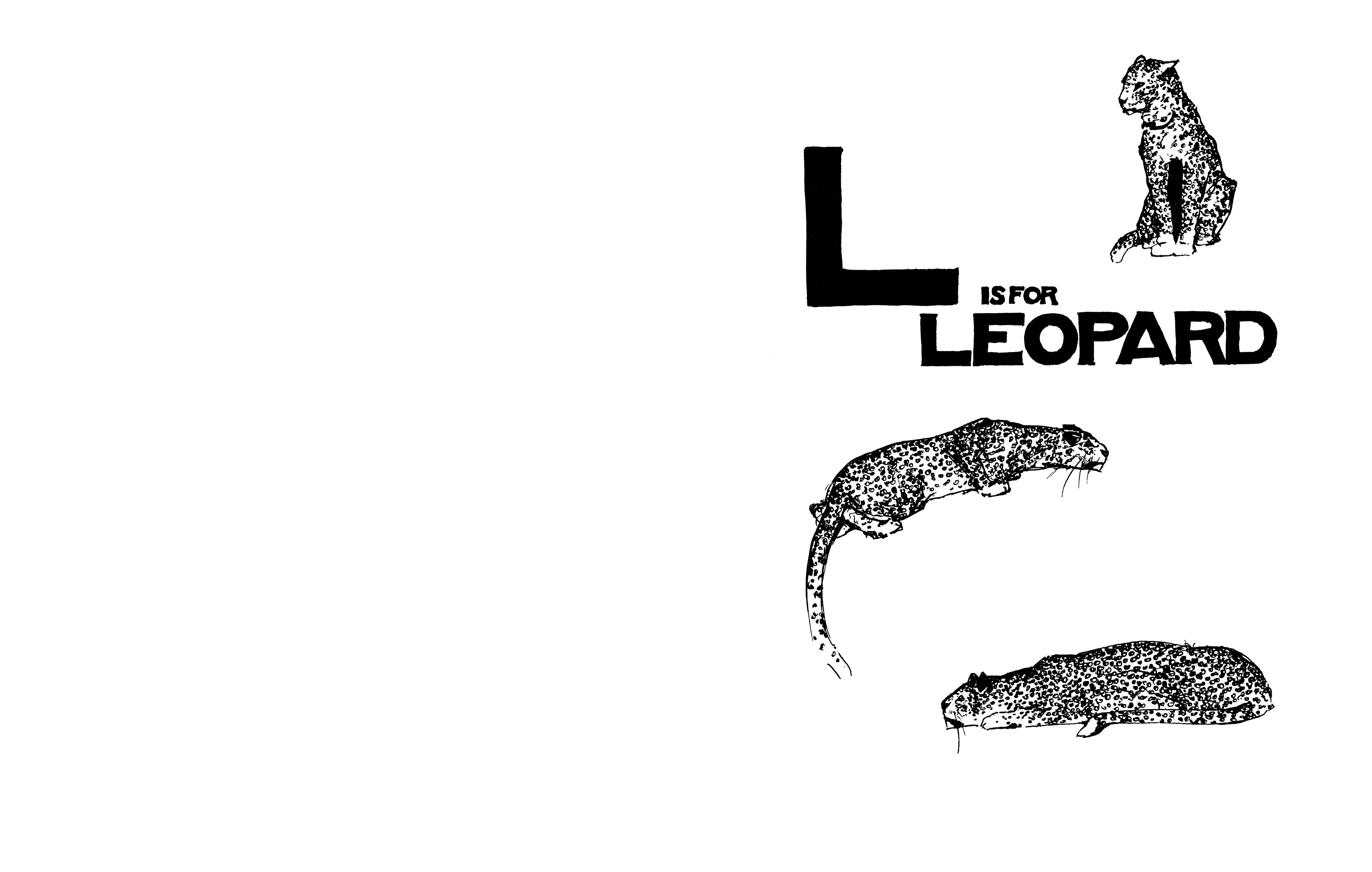
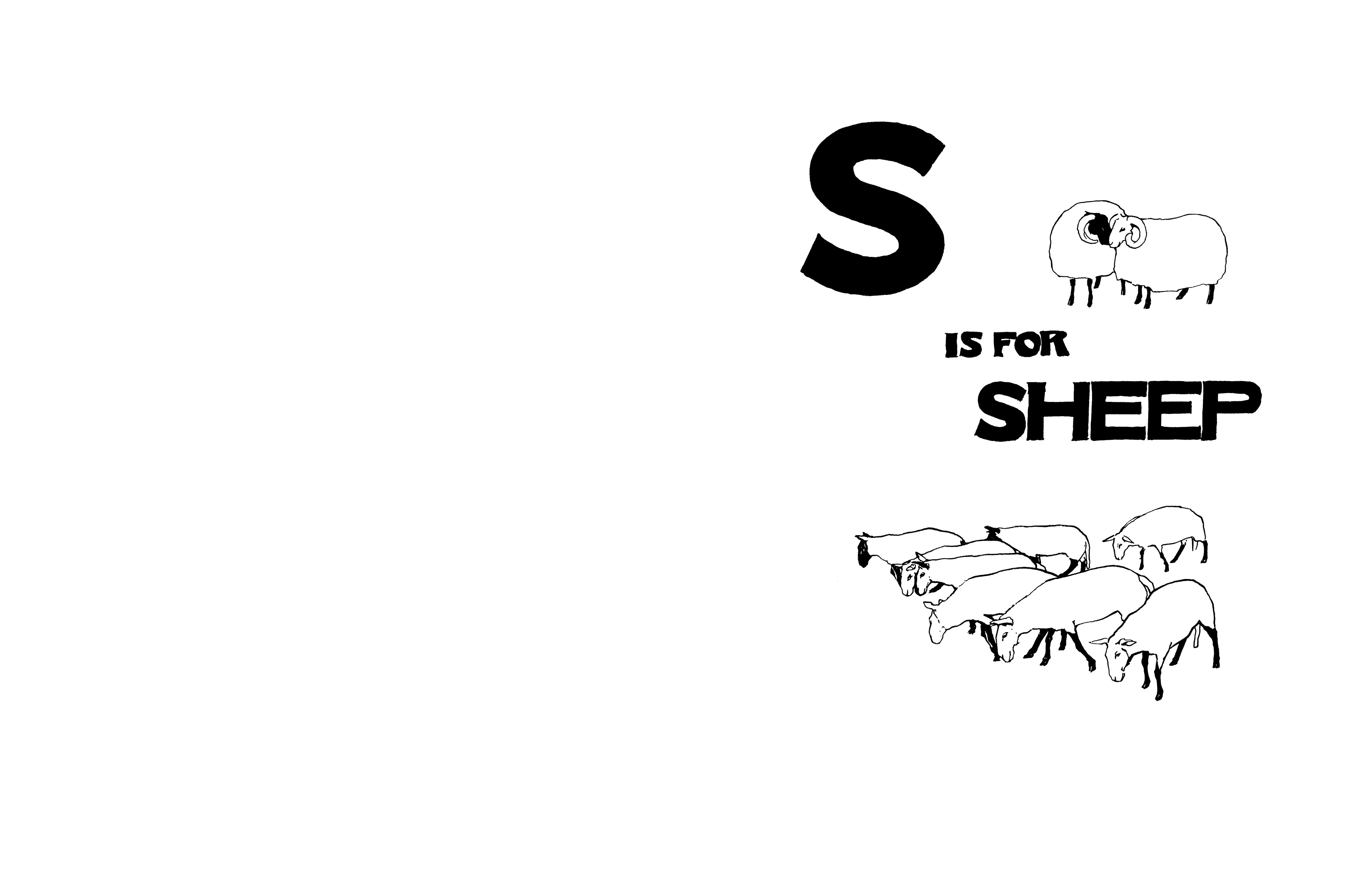
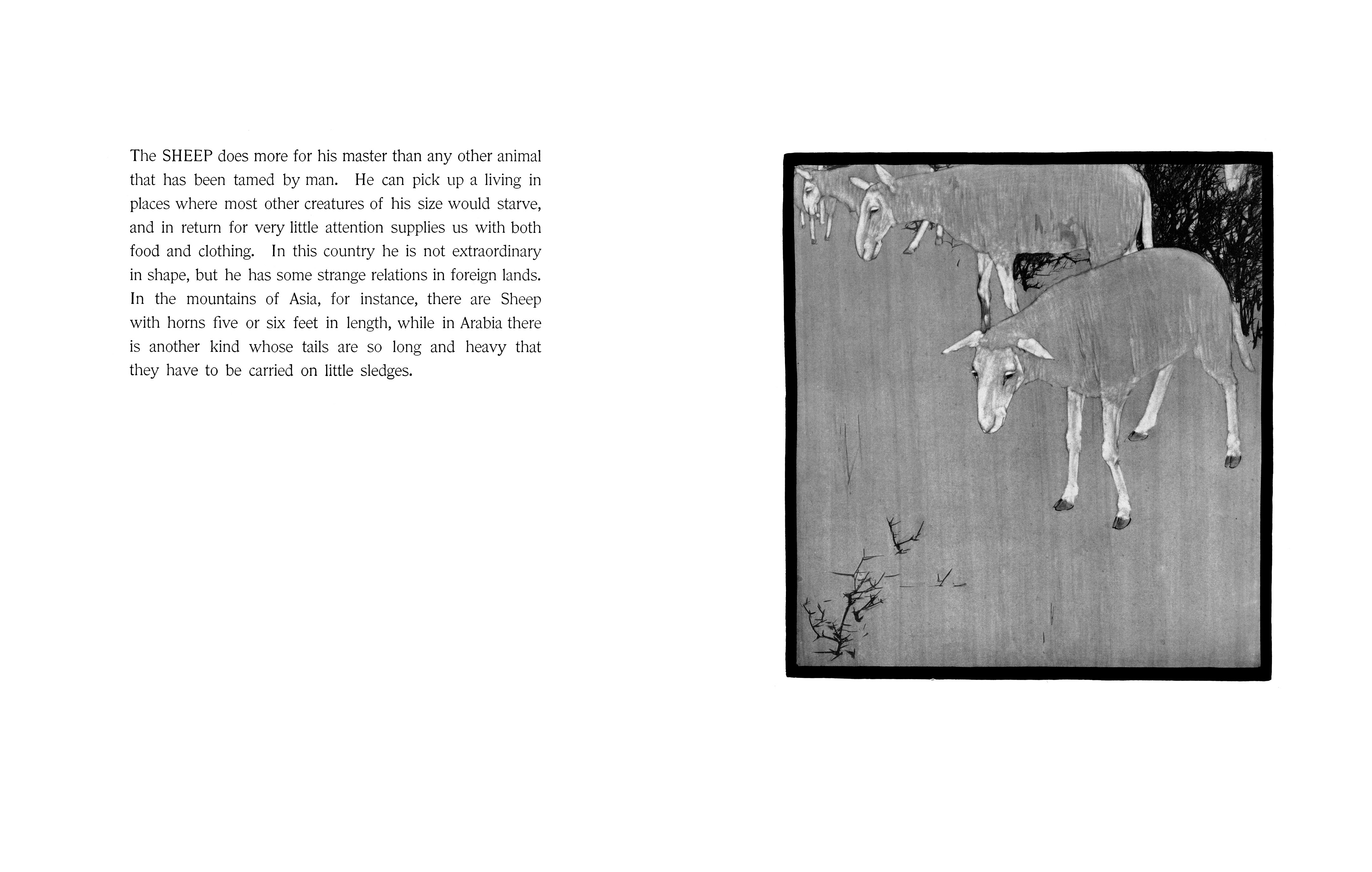
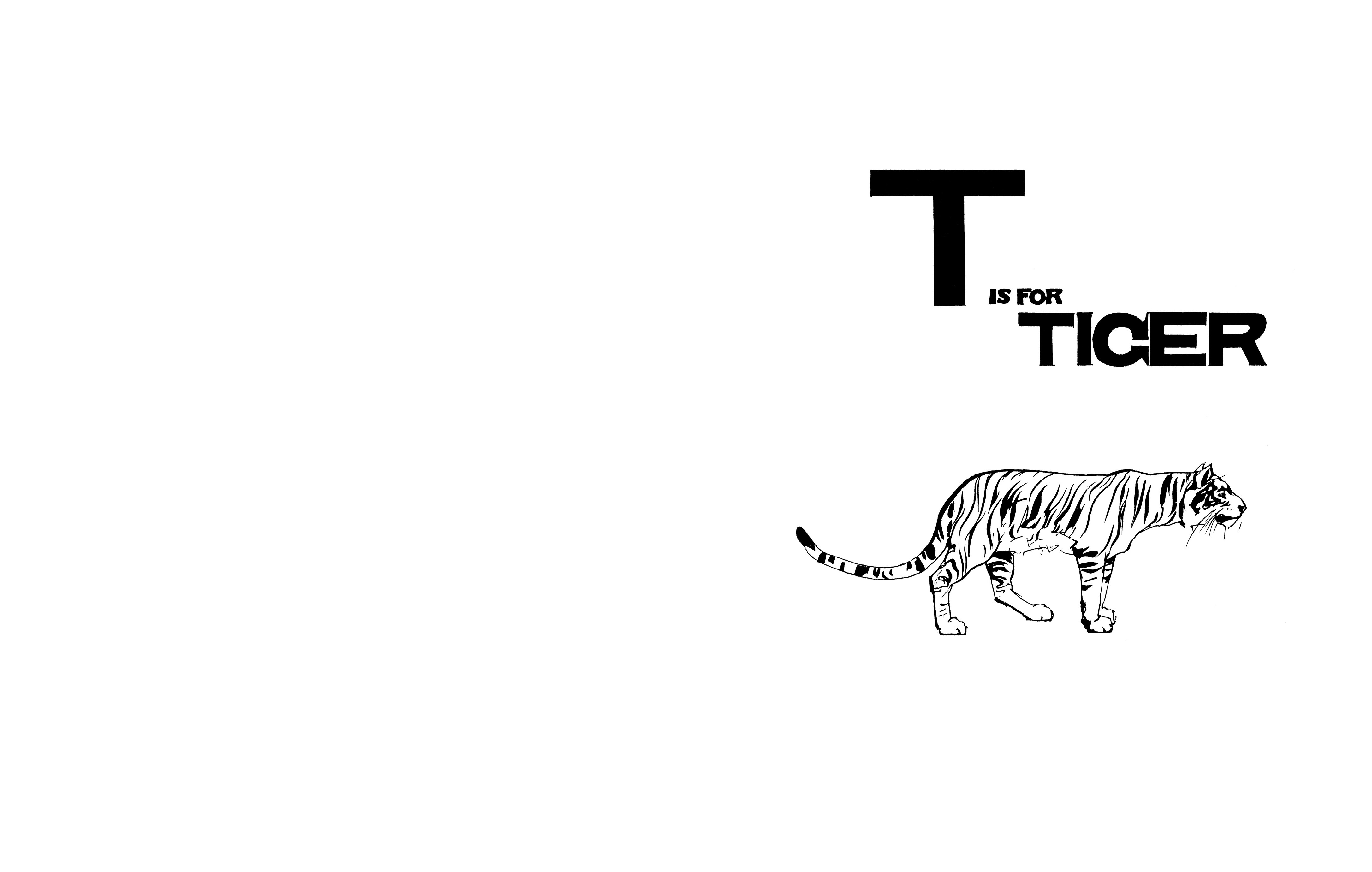
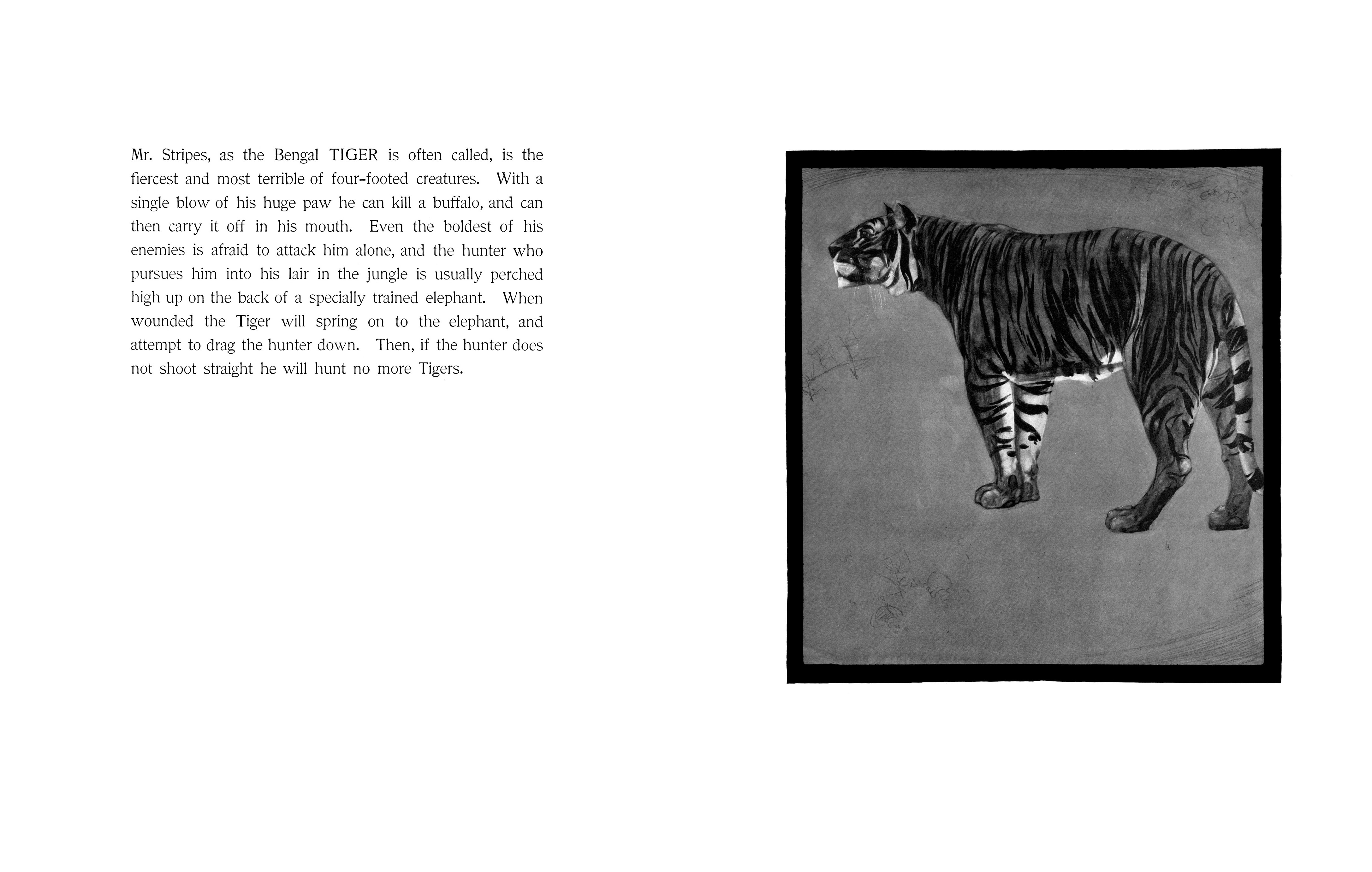
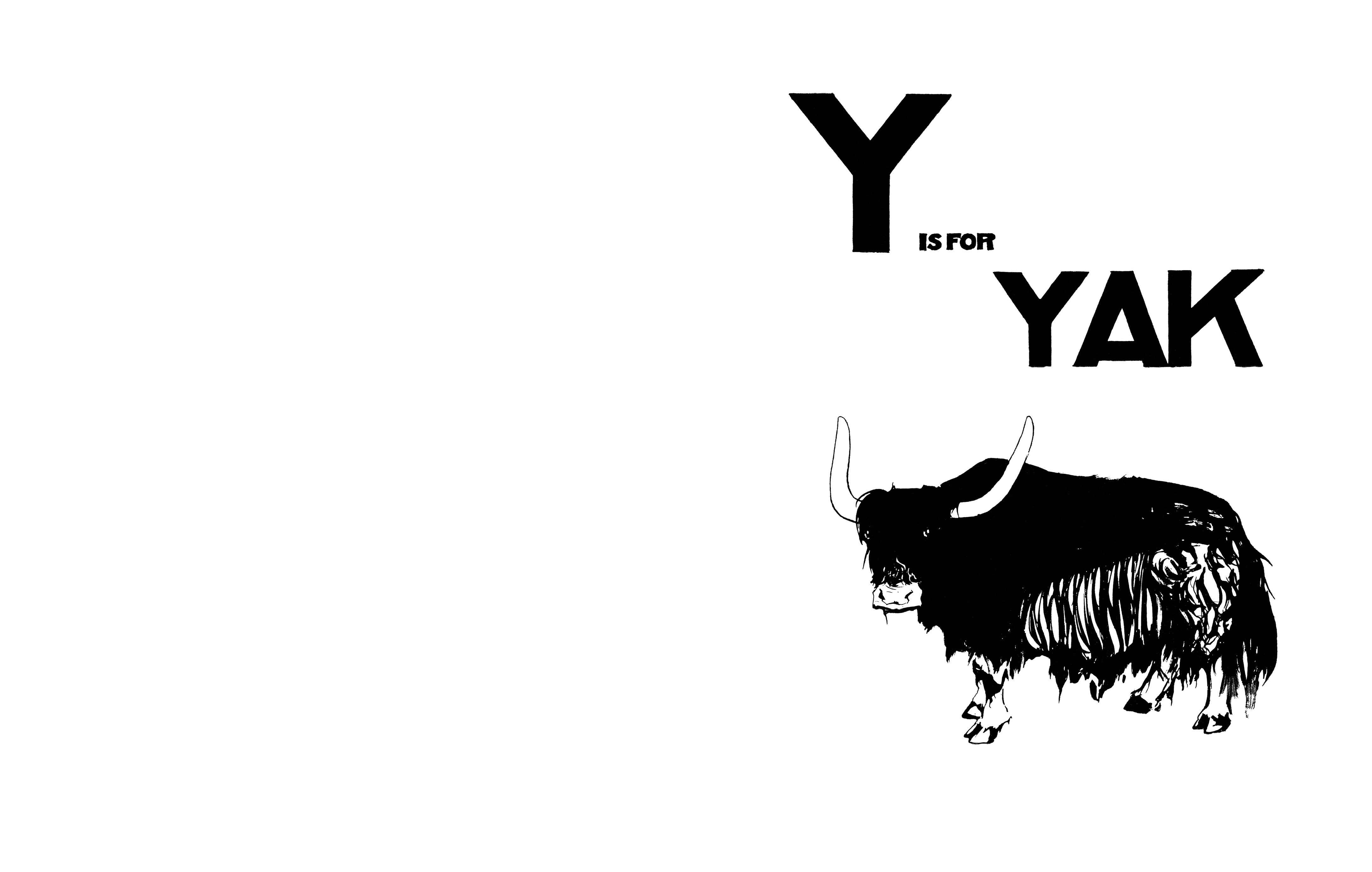
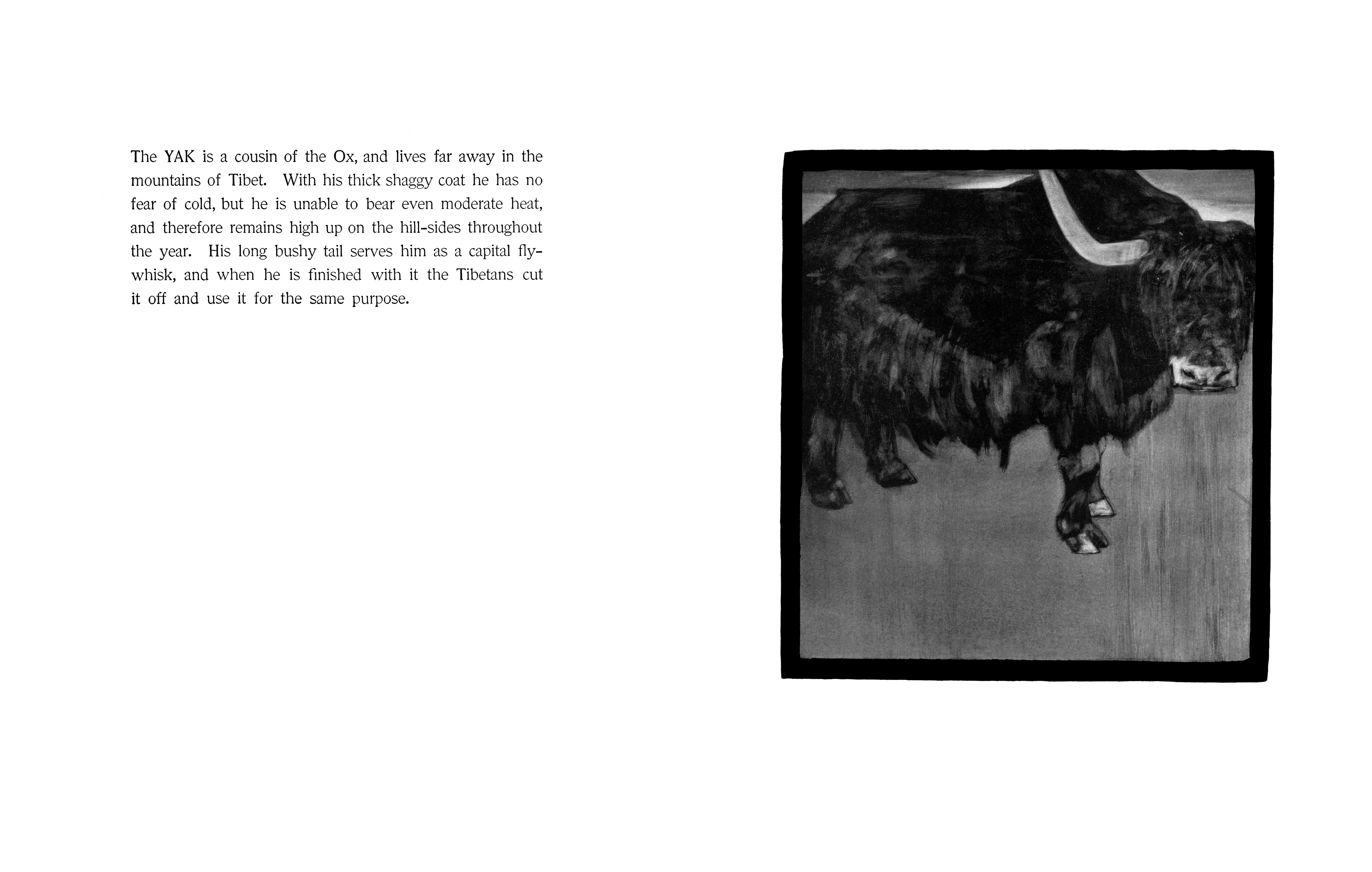
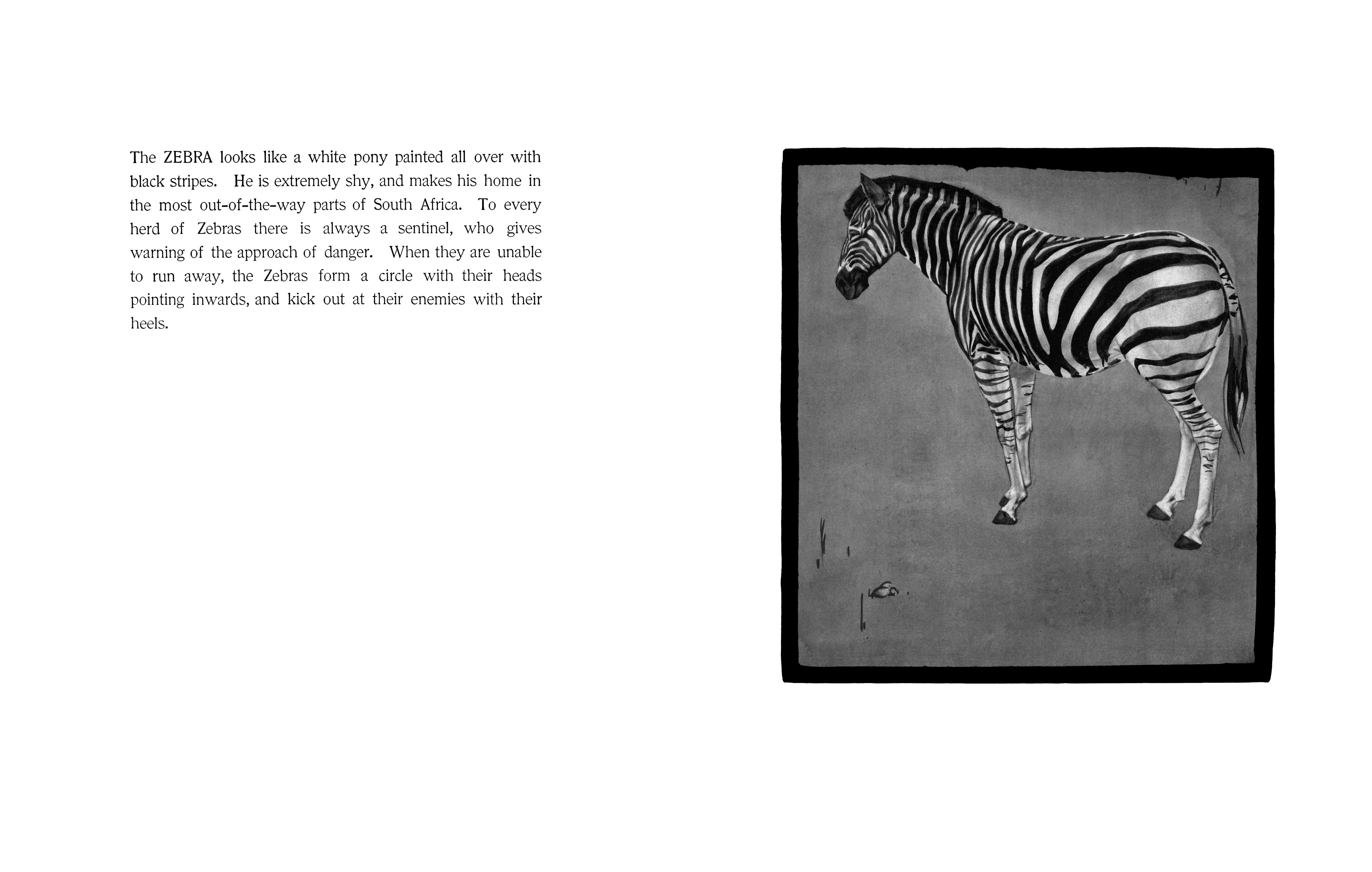
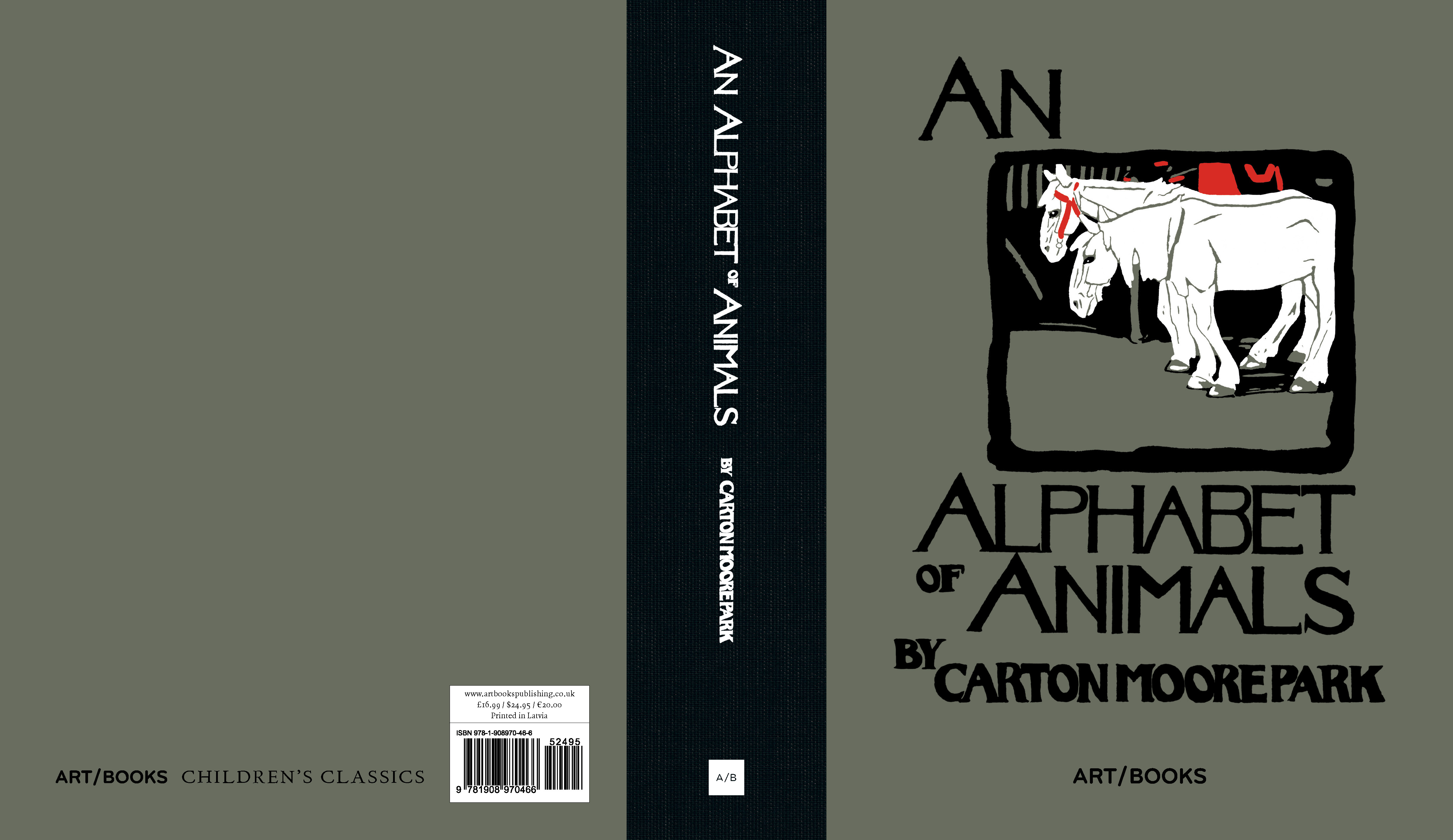
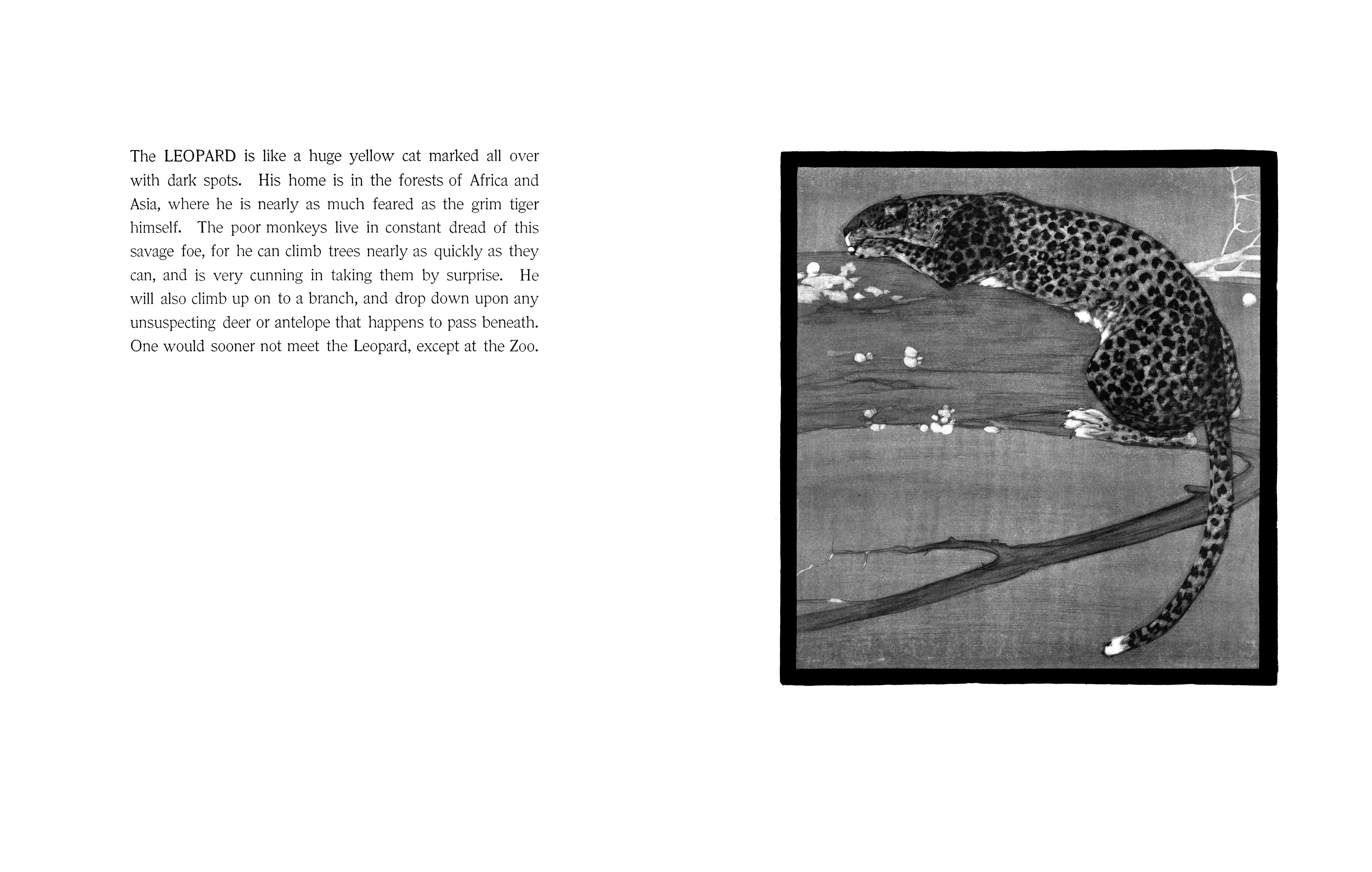
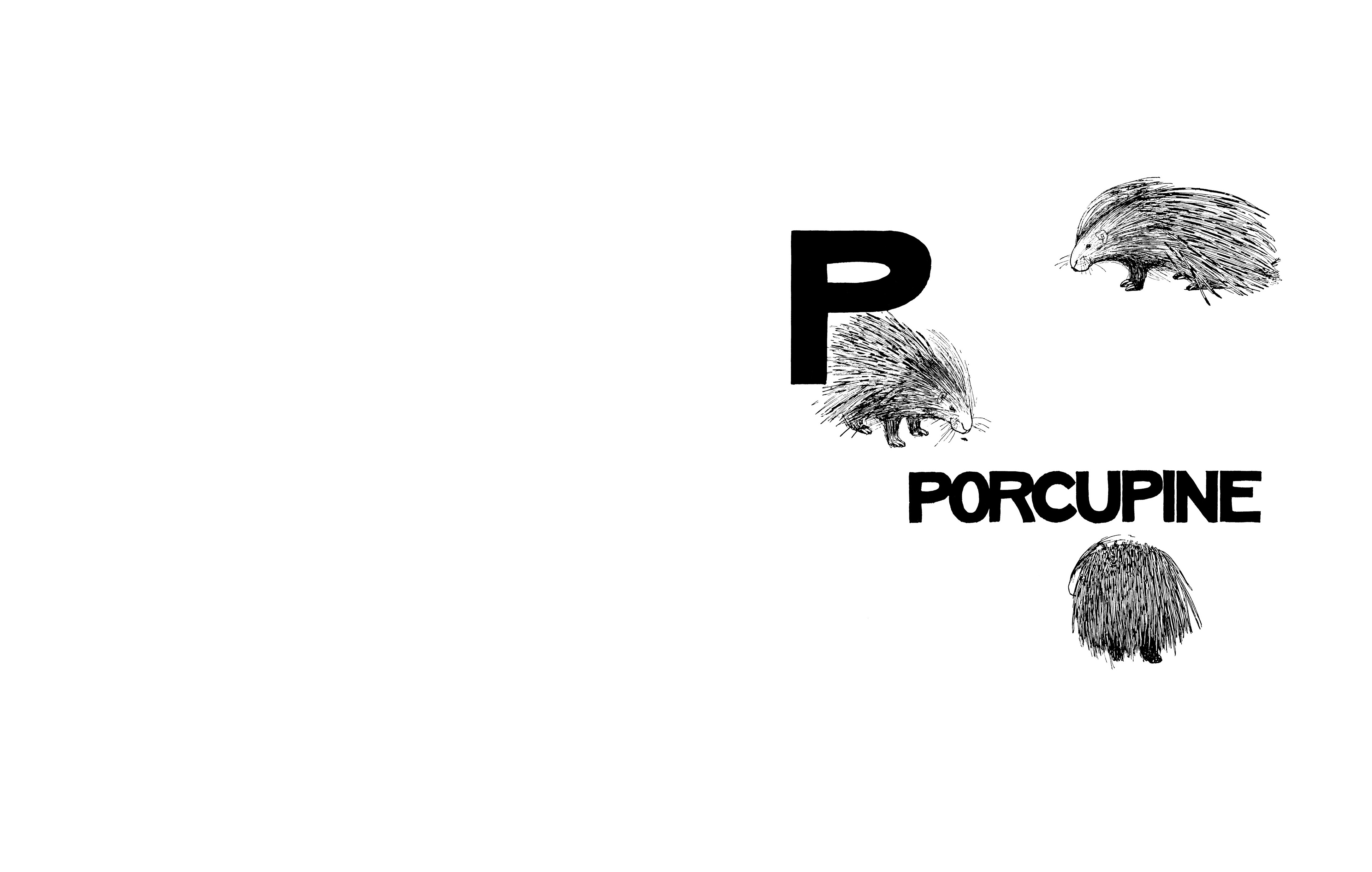
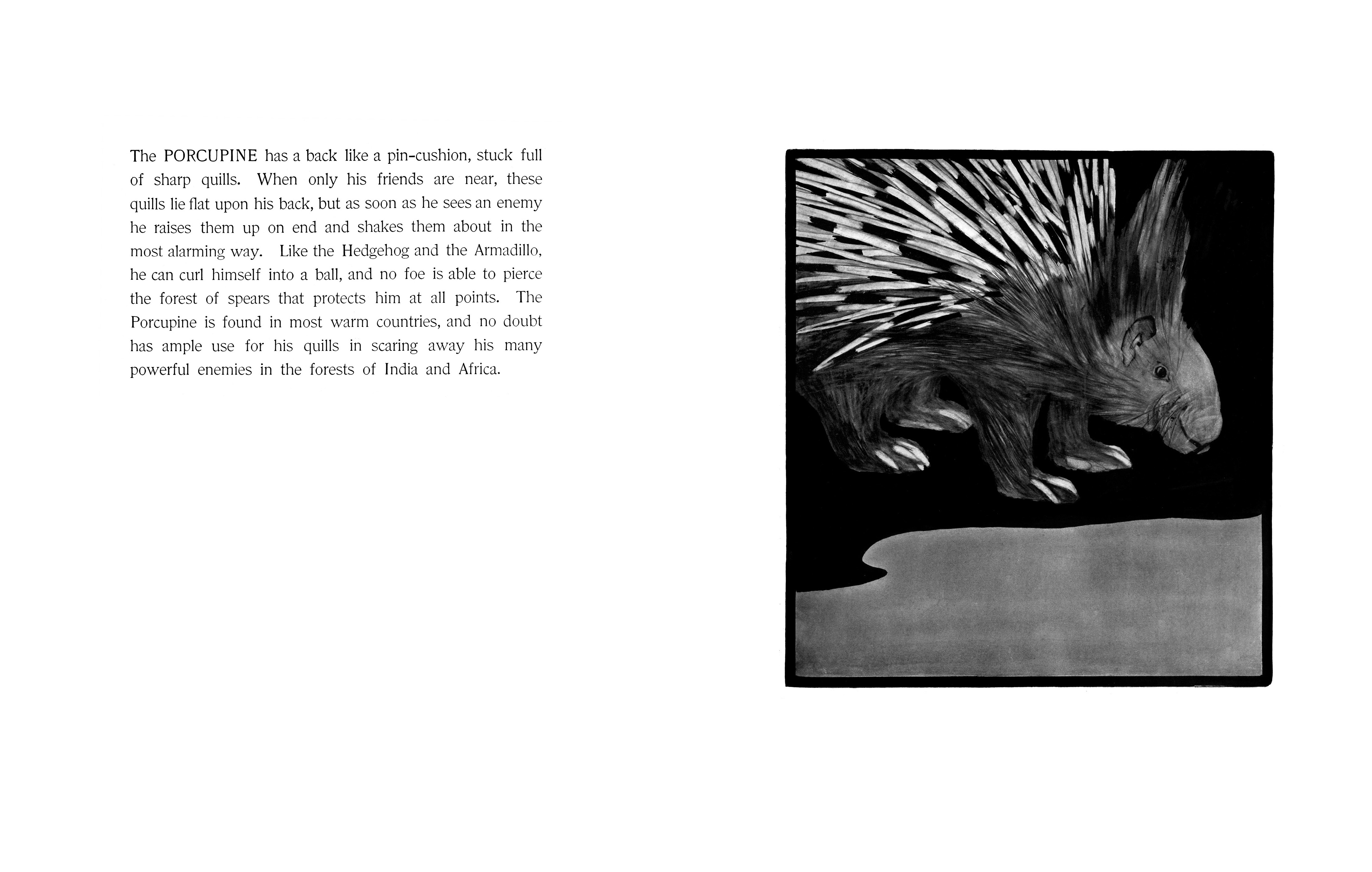
This charming book is a facsimile of a children’s alphabet of animals first published in 1899. Commissioned by Glasgow and London publisher Blackie and Son, it contains a short description and a full-page grisaille drawing for each of the animals, with vignettes accompanying the letters of the alphabet. It was the first publication by Scottish artist Carton Moore Park, who specialized in animal subjects, and whose style was strongly influenced by the art of Japan. The quirky drawings, with their modern-looking cropping and close-up perspective, made the book stand out from all other alphabets of the day. When it was first published, critics acclaimed the artist’s strong handling and accurate anatomical knowledge, as well as his profound appreciation of the habits and movements of each animal depicted and his close sympathy with his subjects. One reviewer wrote that, ‘It is certainly the best book of the kind we have ever seen.’ A hundred and twenty years after it appeared, this exquisite rediscovered volume – very much of its moment but modern in spirit – will enchant and inform
a new generation of children.
Carton Moore Park (1877–1956) was a British painter, illustrator and teacher, born in Scotland. He studies at the Glasgow School of Art between 1893 and 1897. During the 1890s, he was best known for his illustrations of animals, which appeared in Glasgow Weekly Citizen and Saint Mungo. His illustrated books were Alphabet of AnimalsBook of Birds, and A Book of Elfin Rhymes. He lived in London until 1910, when he emigrated to New York, where he spent the rest of his life.

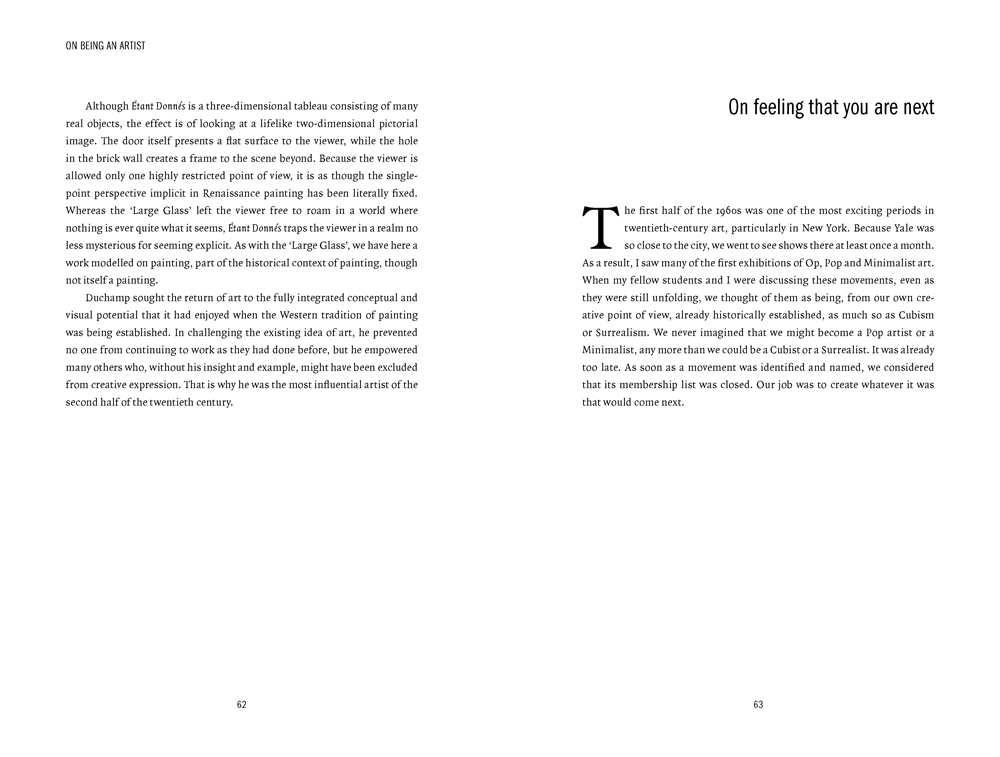
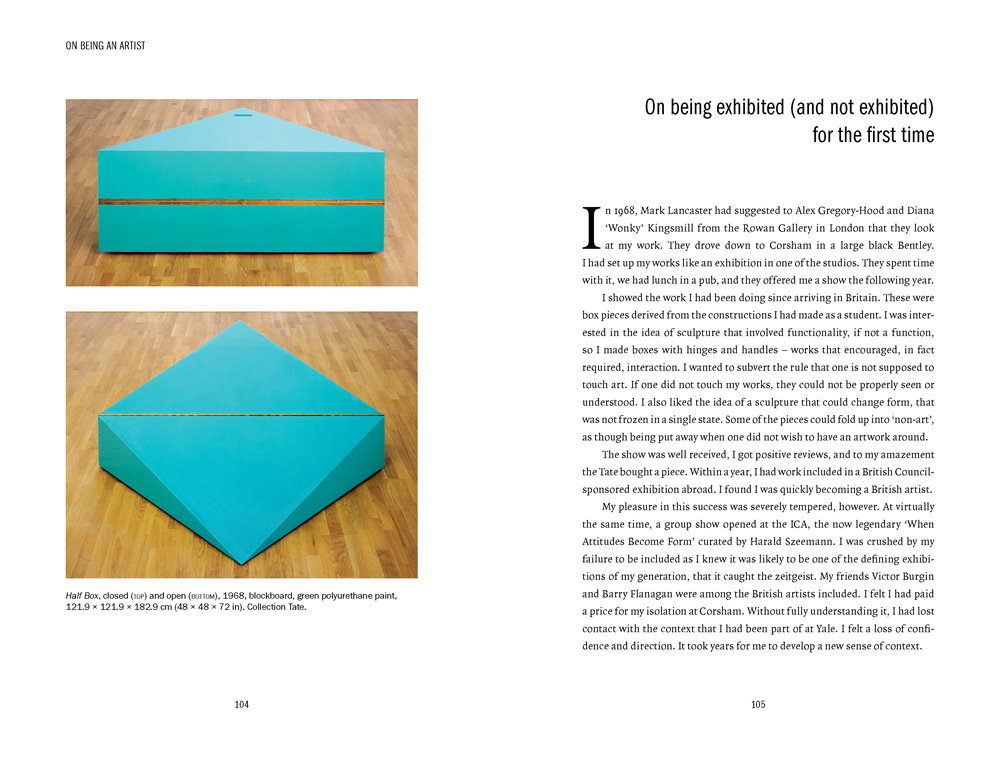
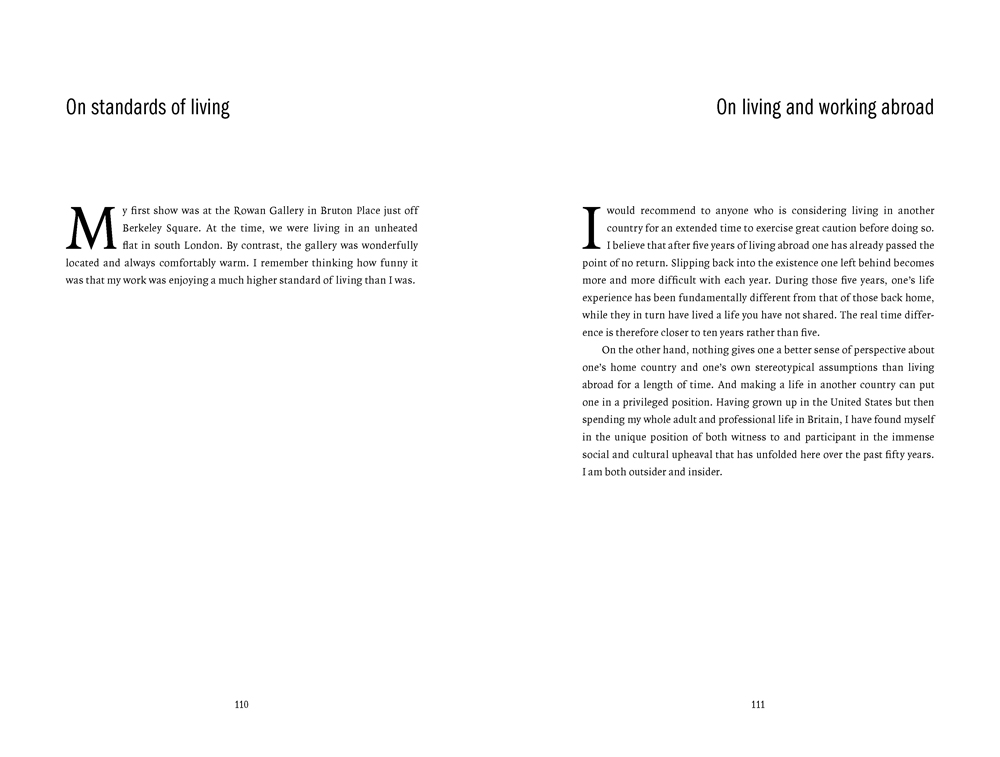
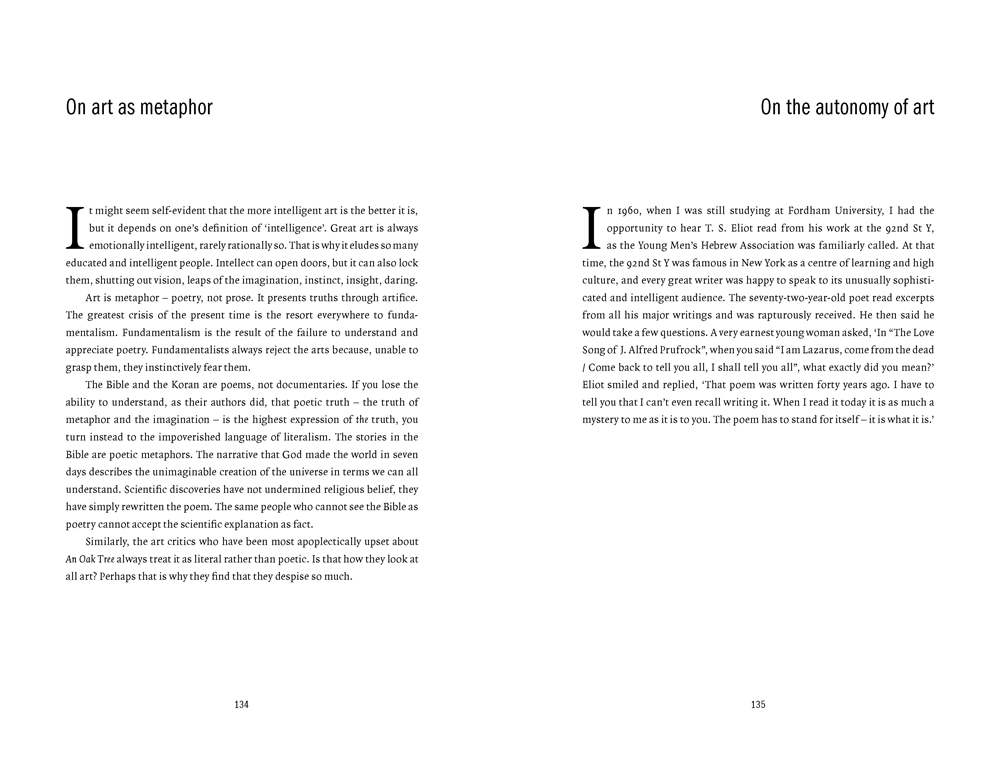
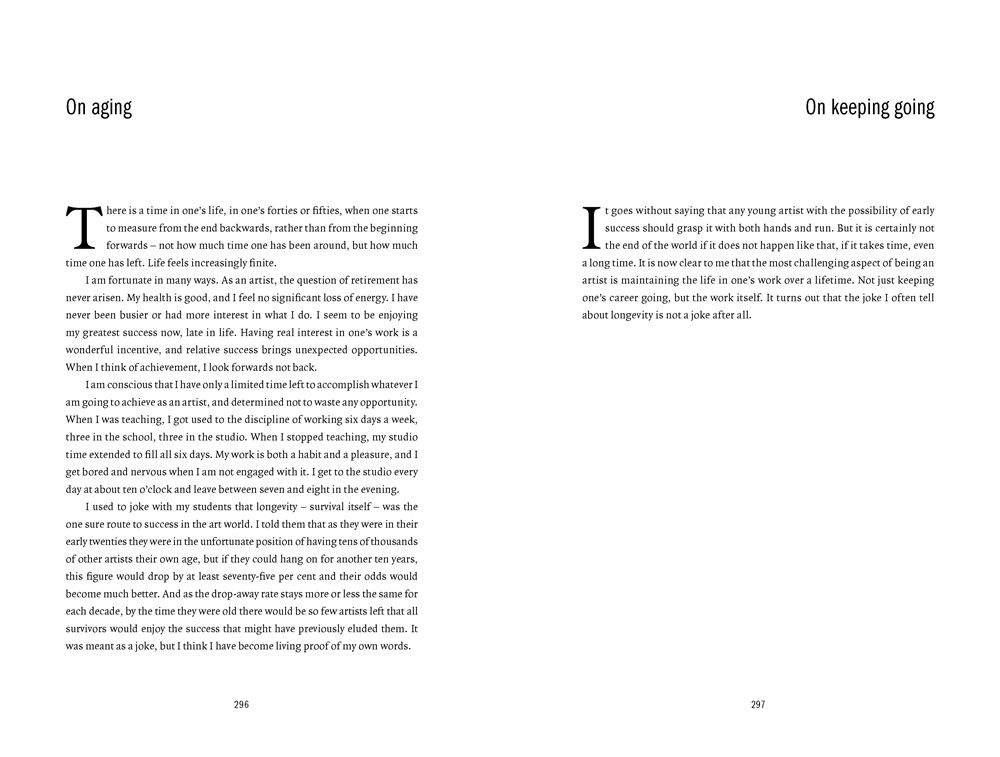
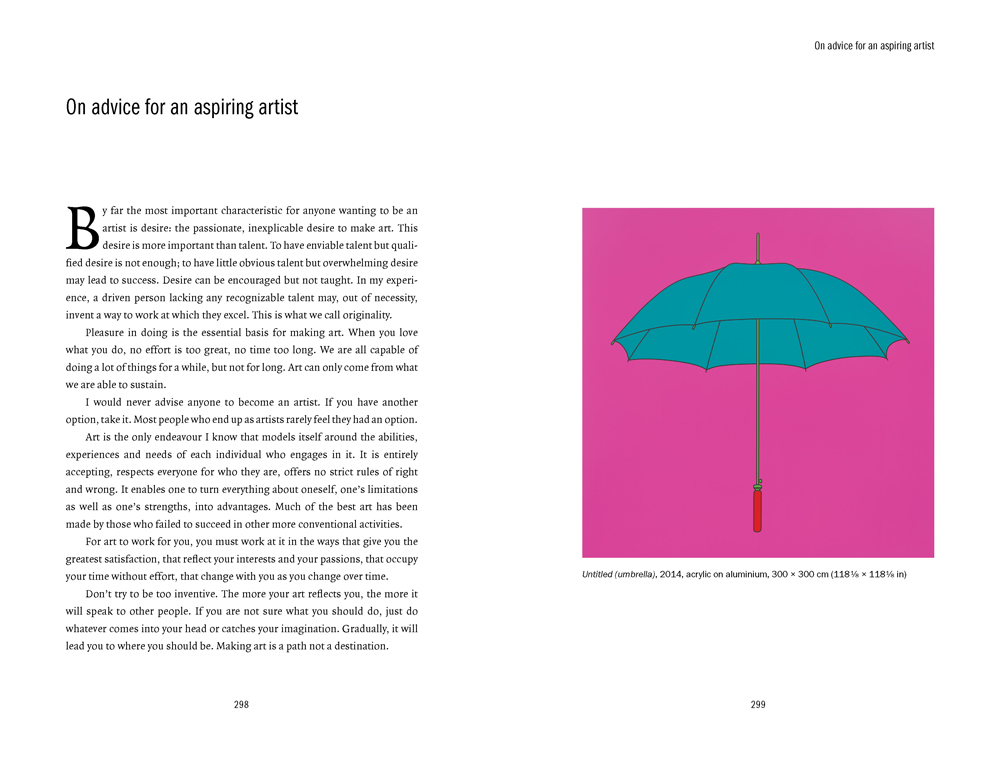
On Being An Artist – paperback

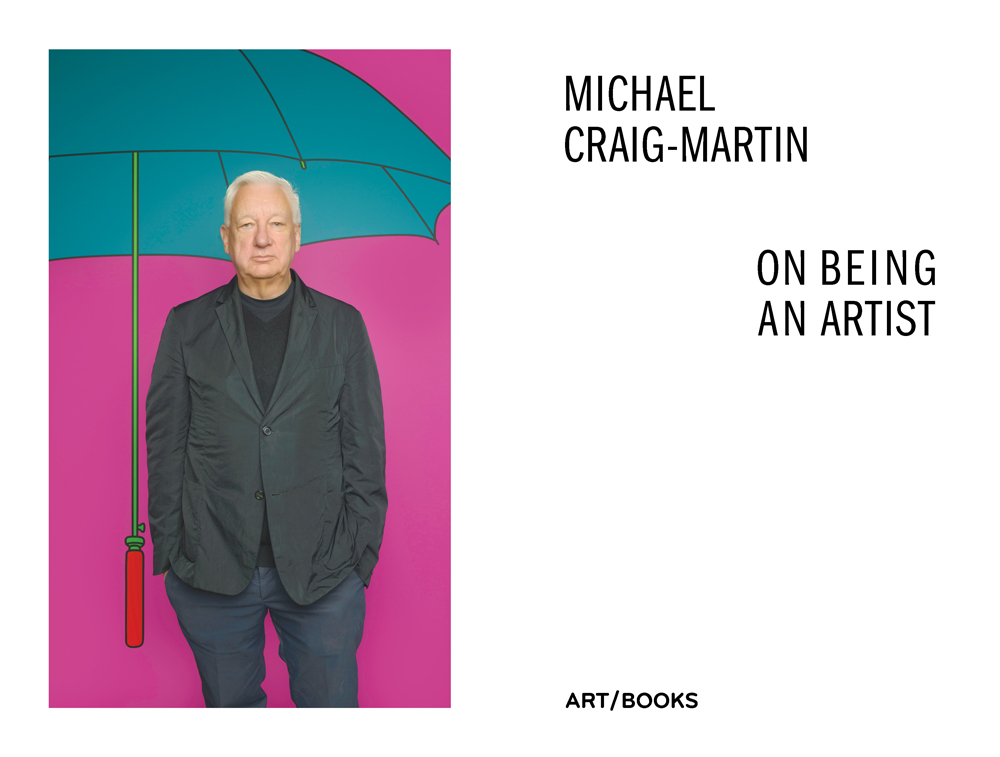
Sir Michael Craig-Martin

NEW IN PAPERBACK

‘One of the best books of an artist’s writings in years: elegant, pithy and full of insights’ — Sir Nicholas Serota, Chair, Arts Council England and former Director, Tate
‘Coherent, absorbing … such a compelling read … Craig-Martin writes brilliantly’ — The Art Newspaper
‘[An] absorbing and important book … a must-have for anyone with the slightest interest in today’s art scene’ — Telegraph, Best Art Books of 2015
‘Extraordinary … positively quakes with brilliance … Brimming with intelligence, Craig-Martin’s book gathers a lifetime of artistic wisdom.… Since finishing [it] I do nothing but recommend it.’ — Art Monthly
‘Erudite, insightful and hugely readable … an intelligent, entertaining and inspiring journey into the mind of one of the leading artistic figures working today’ — It’s Nice That
‘Illuminating … wise and inspiring’ — Art Quarterly
‘A revelation … brilliant … a fascinating record of a life in art’ — RA Magazine 
‘Craig-Martin is the artist-teacher par excellence … On Being an Artist is an engaging book and a useful reminder of the benefits of a life enriched by art and teaching.’ —Visual Culture in Britain
‘Written with force and intelligence … so clear, concise and coherent that we can have no doubt how much, and how well, students will have learned from him’ — Irish Arts Review
‘[Craig-Martin is] a splendid writer, humane, amusing and informative. This is a handsome, wise and often funny book, open and honest about his own life, and interested in the life and work of others.’ — Arts Journal
‘Full of stimulating and often unexpected insights into the contemporary art world, teaching and the practice of art … He writes with an elegant simplicity – totally jargon-free – and is a delight to read. He does much to enliven the ways in which the layman might think about art, and makes the reader not only think, but look – and see.’ — Burlington Magazine
‘An essential read’ — Wallpaper*
‘Only intermittently interesting’ — New Statesman 
_____________

SHORTLISTED Art Book Prize 2016

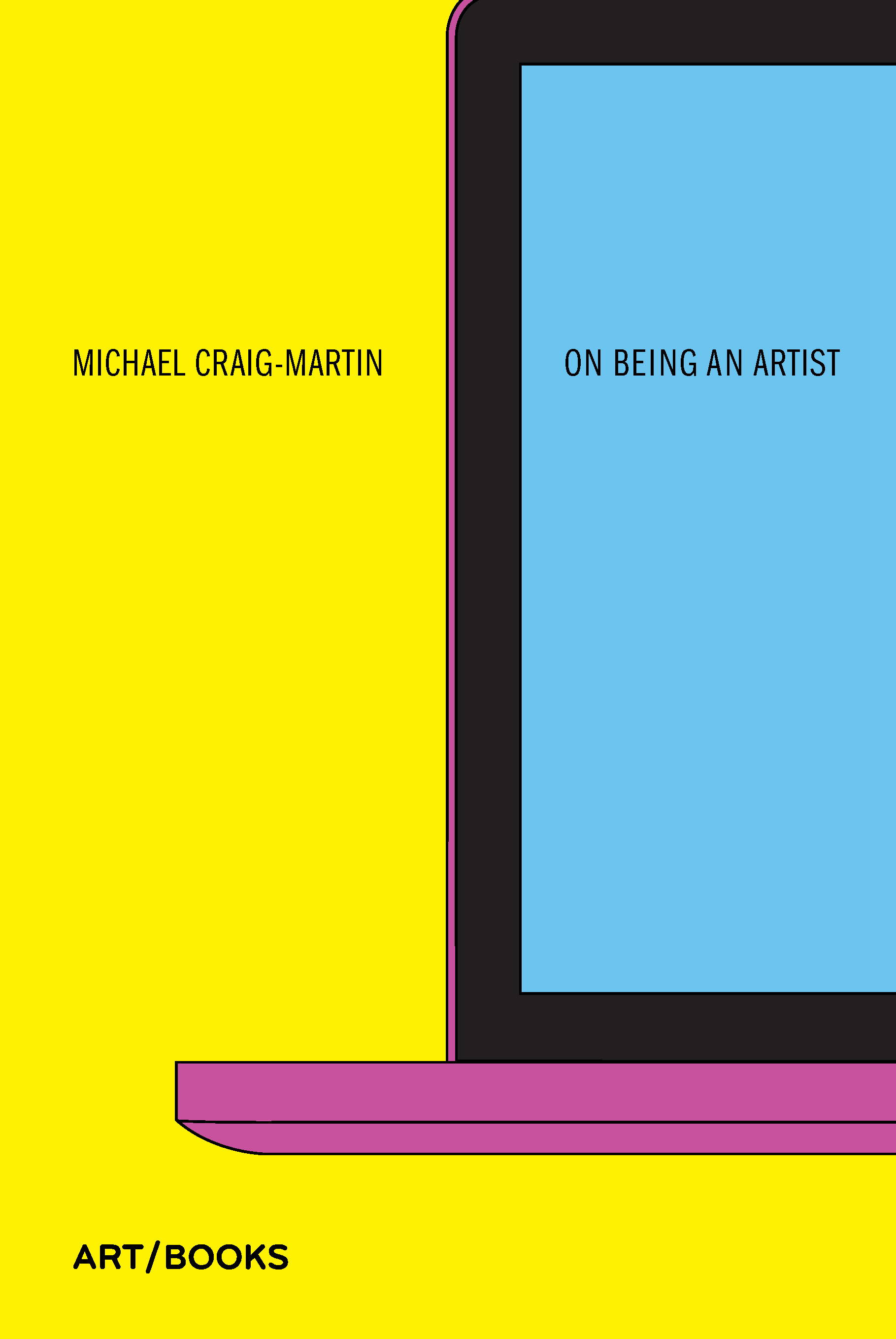
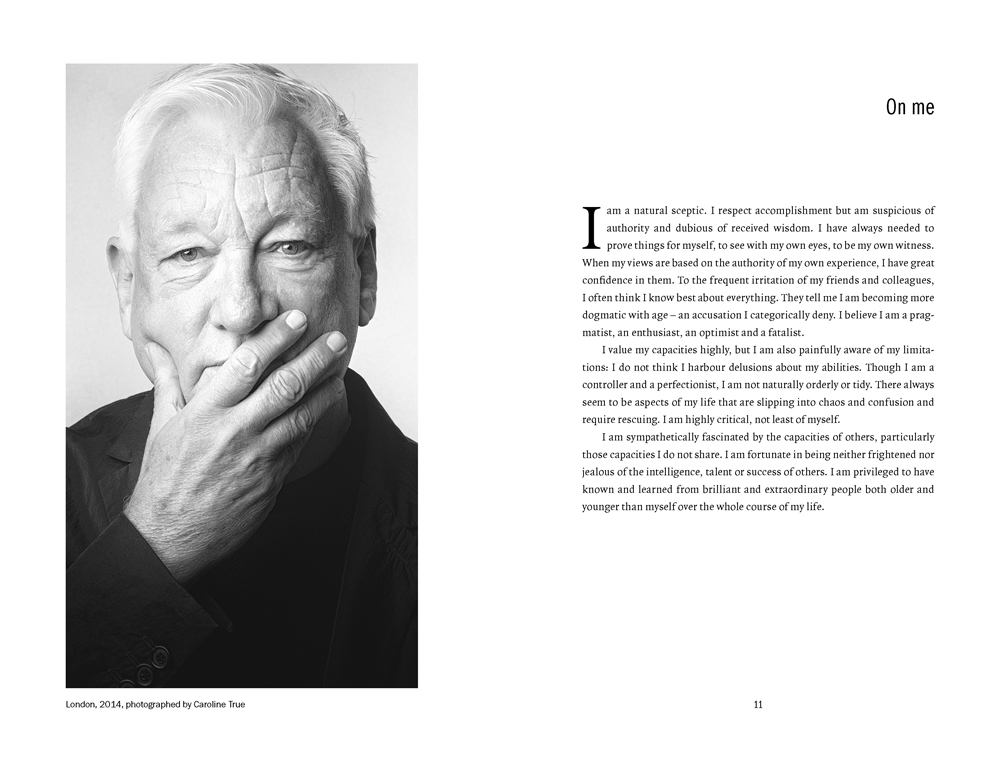
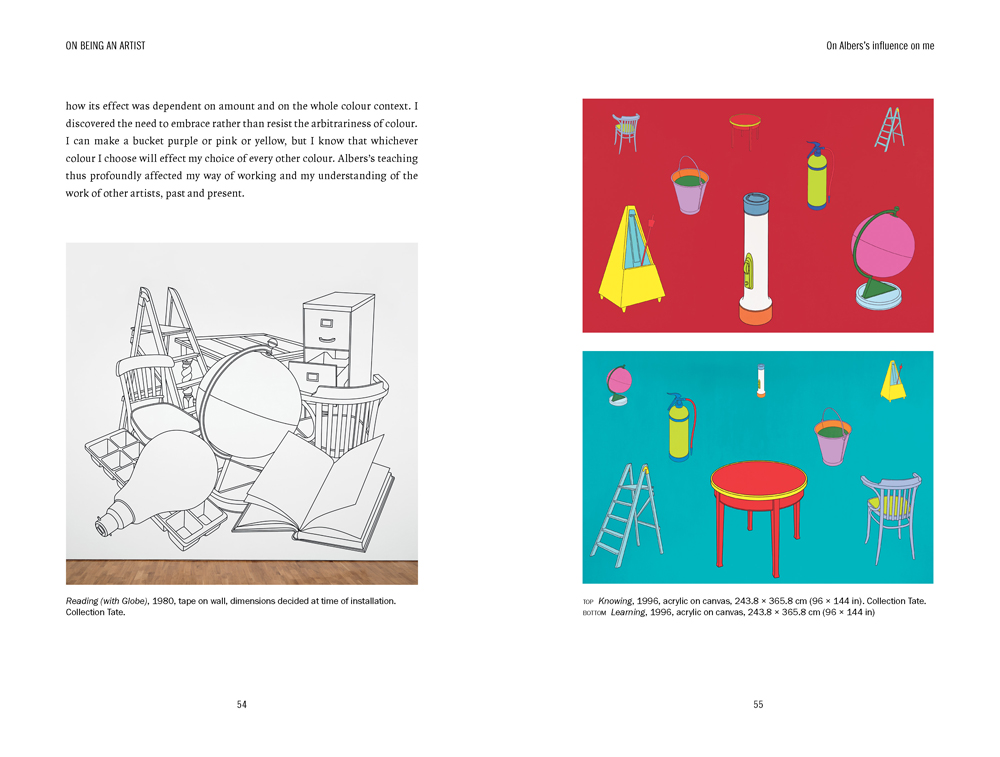
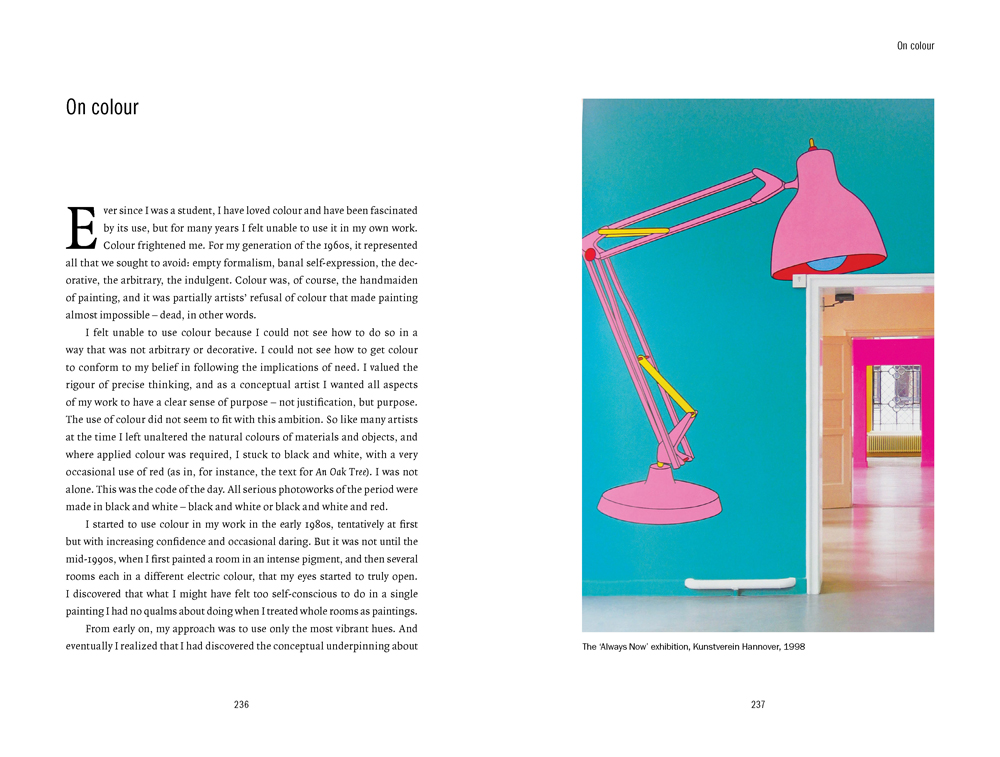
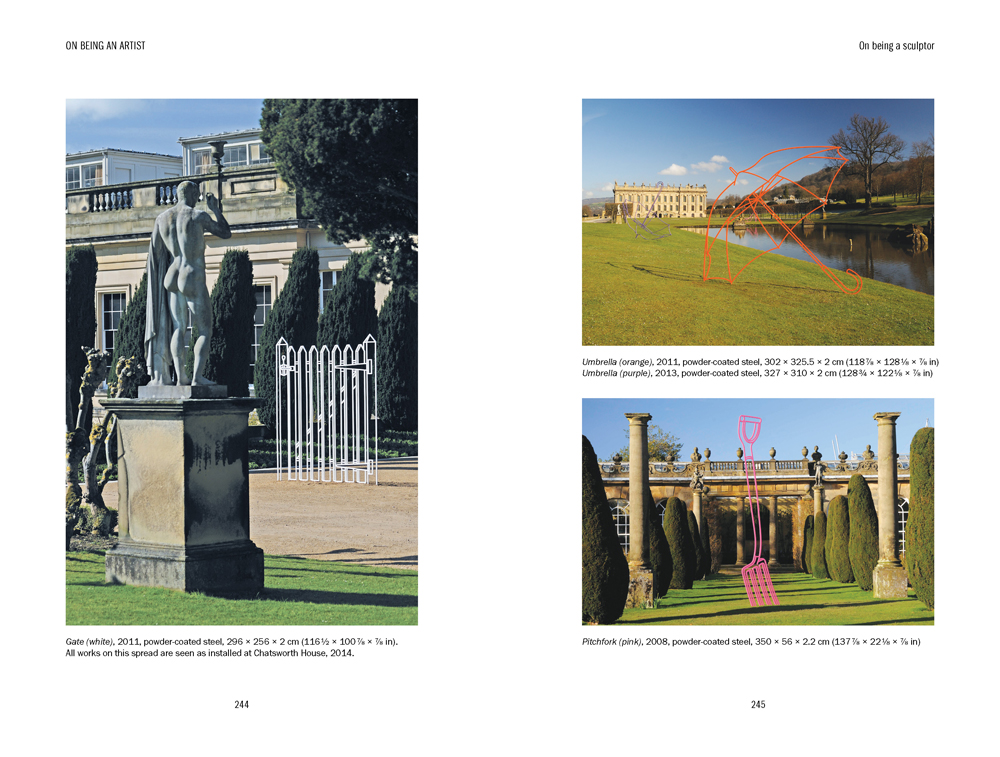
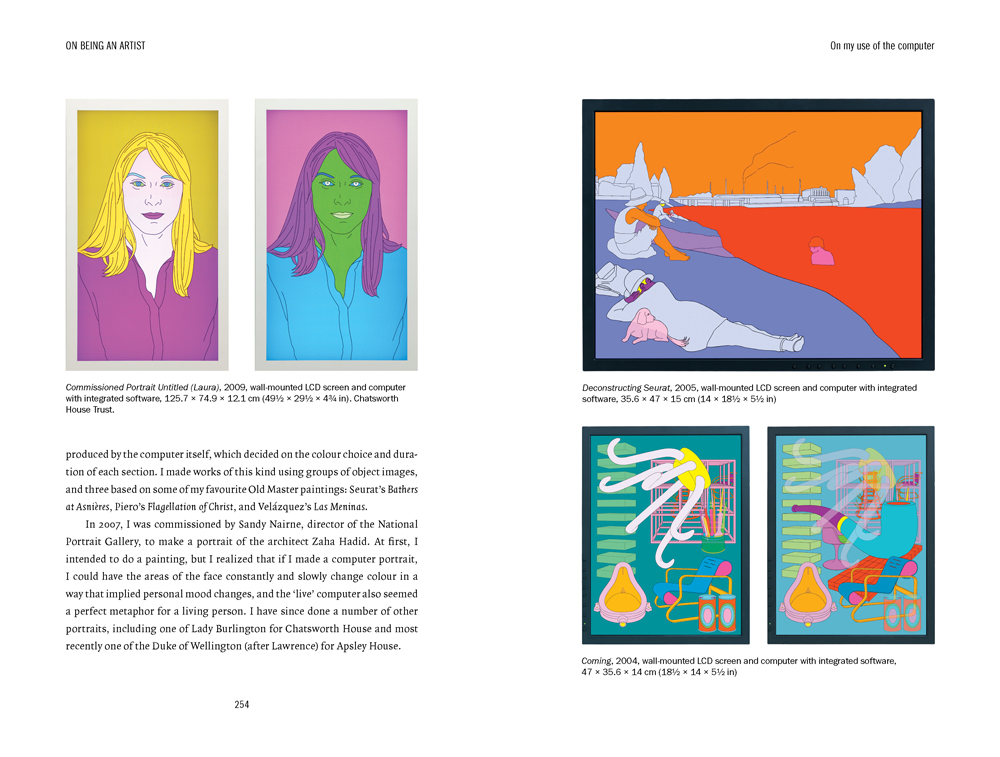
Celebrated artist and influential teacher Michael Craig-Martin’s first book is a lively mix of reminiscence, personal manifesto, anecdote and advice for the aspiring artist.

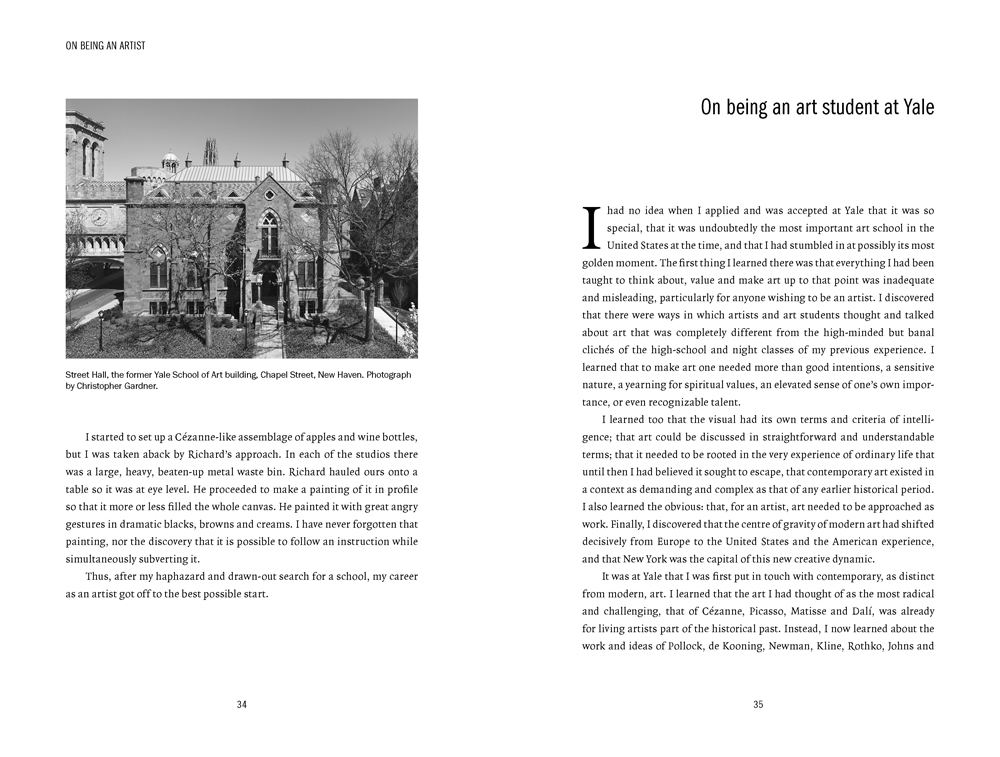
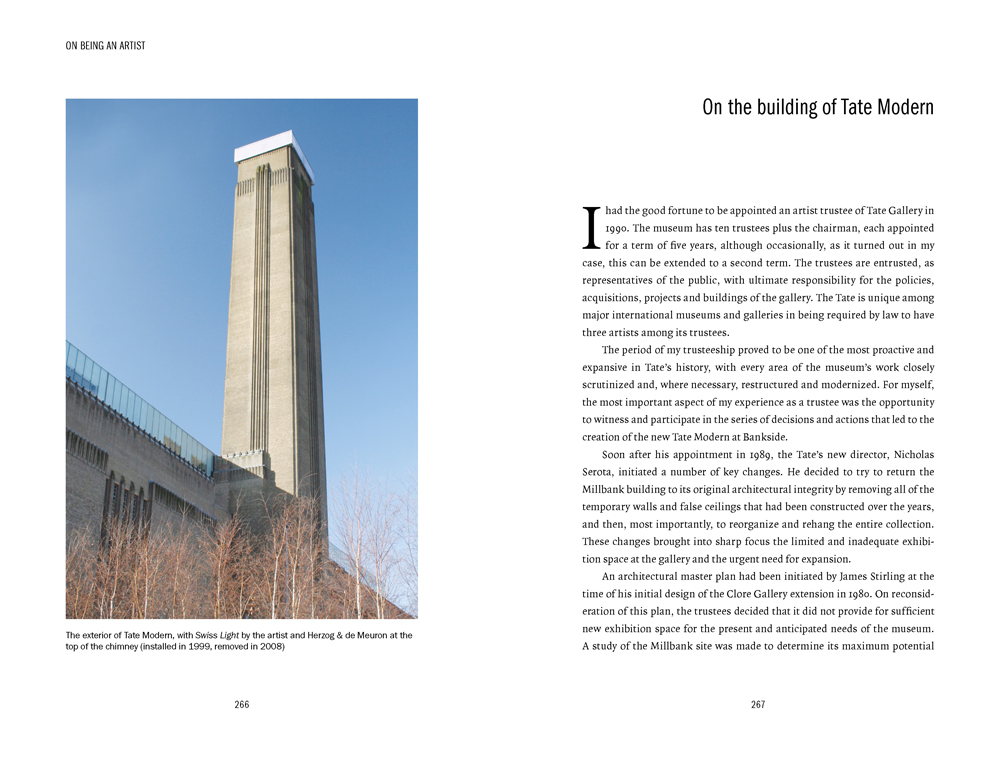
Craig-Martin’s life has been as colourful and varied as his distinctive work. From an early childhood that took him from wartime Dublin to postwar Washington D.C. and Bogotà, and student life in New York and at Yale University, he has gone on to enjoy a successful international career, feted around the world with major exhibitions, high-profile commissions and numerous honours.

In On Being An Artist, Craig-Martin reflects with both wit and candour on the many people, ideas and events that have shaped his professional life. In a series of short and entertaining episodes, he recounts his time studying under the influence of legendary artist Josef Albers at Yale University School of Art alongside Chuck Close, Richard Serra and other soon-to-be-famous radicals; his memories of meeting personal heroes such as Andy Warhol, Jasper Johns and John Cage; his efforts to explain his art to a bewildered astrophysicist at high table at King’s College, Cambridge; his astonishment at seeing the house and art collection of Charles Saatchi for the first time; and his surreal experience of staking out Christine Keeler at the height of the Profumo scandal.

He recalls, too, his first tentative steps as a practising artist and emergence as a key figure of early conceptual art in Britain. He also looks back on his achievements as a teacher at Goldsmiths, where he nurtured two generations of students, among them Damien Hirst and Sarah Lucas, earning himself the sobriquet ‘the godfather of the YBAs’. As he considers the development of his own career and the evolution of the art world over the last half century, he offers the benefit of insights gained from his professional highs and lows, revealing the essential attributes and knowledge that one needs as an artist today. He also tackles controversial issues such as the fashionability of contemporary art, the enduring status of painting, the relevance of life drawing and practical skills, the qualities of art schools, the role of commercial dealers, the importance of speaking clearly about art, and the judgment of what is good and bad in art.
More than the life of one of the most creative minds of our age, On Being An Artist provides lesson after valuable lesson to anyone wishing to know what it means and what it takes to be an artist today.

Sir Michael Craig-Martin CBE, RA was born in Dublin in 1941. At the age of four, he moved with his family to the United States, where he was brought up and educated. Between 1961 and 1966, he studied at Yale School of Art and Architecture. He returned to Europe in the mid-1960s and was a key figure in the first generation of British conceptualists. As a tutor at Goldsmiths College in London from 1973 to 1988 and again from 1994 to 2000, he had a significant influence on two generations of young British artists. He has had major exhibitions and retrospectives at museums and galleries across the world, and has several permanent large-scale installations in Europe and Asia. In 1990, he was appointed a trustee of Tate Gallery; in 2001, he was awarded a CBE; in 2006, he was elected a Royal Academician; and in 2016, he was knighted by Her Majesty Queen Elizabeth II. His work is held in many international museum collections, including Tate, London; Musée National d’Art Moderne, Centre Georges Pompidou, Paris; National Gallery of Australia, Canberra; and Museum of Modern Art, New York. He was curator of the Royal Academy Summer Exhibition 2015.


A House With A Date Palm Will Never Starve

Cooking With Date Syrup

Forty-One Chefs and an Artist Create New and Classic
Dishes with a Traditional Middle Eastern Ingredient

Michael Rakowitz and Friends

‘Buy the book, it’s lovely!’ — Prue Leith

‘A house with a date palm will never starve’, so the old Mesopotamian proverb goes. And this book is proof of that claim, for it includes recipes for almost one hundred delicious dishes made with date syrup, an ancient staple of Middle Eastern cuisine. Acclaimed Iraqi-American artist Michael Rakowitz has invited forty-one celebrated and pioneering chefs, restaurateurs, and food writers from around the world to create new and classic dishes to showcase the rich versatility of this humble ingredient and symbol of Iraqi culture. Their collaboration had its roots in early 2018, when Rakowitz unveiled a winged bull sculpture made from thousands of date syrup cans as the latest commission for the Fourth Plinth in London’s Trafalgar Square. It was a life-size replica of a gigantic lamassu, one of two monumental winged bulls that guarded the gates of the ancient city of Nineveh in modern-day Iraq for three millennia until destroyed by ISIS in 2015. Contributors including Yotam Ottolenghi, Alice Waters, Claudia Roden, Reem Kassis, Prue Leith, Jason Hammel, Nuno Mendes, Thomasina Miers, Giorgio Locatelli, and Marcus Samuelsson responded to his call by creating dozens of sweet and savoury dishes. Their recipes range from the traditional to the innovative in a feast for the taste buds, and include everything from simple brunch ideas, salads, and sides to mouth-watering mains, cakes, desserts, condiments, and cocktails. Easy step-by-step instructions enable the reader to make the recipes at home.

Beautiful photographs of the dishes are accompanied by the artist’s drawings. Completing the volume is a foreword by award-winning food writer and chef Claudia Roden and an appreciation of the importance of the date in Iraqi society by Iraqi-American cultural-studies academic Ella Shohat, while Rakowitz writes about the significance of the syrup to his family and in his work. Coinciding with a major survey of the artist’s work organized by the Whitechapel Gallery in London and the Castello di Rivoli in Turin, this special book will appeal to anyone who loves the cuisine of the Middle East and the politics of food.

Michael Rakowitz is an Iraqi-American artist living and working in Chicago. He is Professor of Art Theory and Practice at Northwestern University and is represented by Rhona Hoffman Gallery, Chicago; Jane Lombard Gallery, New York; and Barbara Wien Galerie in Berlin.

Claudia Roden is an award-winning Egyptian-British cookbook writer and cultural anthropologist. She is the author of many cookbooks including A Book of Middle Eastern FoodThe New Book of Middle Eastern Food and Arabesque—Sumptuous Food from Morocco, Turkey and Lebanon, Mediterranean Cookery, The Food of Italy, and The Food of Spain.

Ella Shohat is an author from a Jewish-Baghdadi family. She is professor of cultural studies at New York University.

Contributors
Sara Ahmad • Sam and Sam Clark (Moro, Morito) • Linda Dangoor •  Caroline Eden •  Cameron Emirali (10 Greek Street) •  Eleanor Ford •  Vicky Graham (Vicky’s Donuts) •  Jason Hammel (Marisol, Lula Café) •  Stephen Harris (The Sportsman) •  Anissa Helou •  Margot Henderson (Rochelle Canteen) •  Olia Hercules •  Charlie Hibbert (Thyme) •  Anna Jones •  Philip Juma (JUMA Kitchen) •  Reem Kassis •  Asma Khan (Darjeeling Express) •  Florence Knight •  Jeremy Lee (Quo Vadis) •  Prue Leith • Giorgio Locatelli (Locanda Locatelli) •  Nuno Mendes (Chiltern Firehouse, Mãos) •  Thomasina Miers (Wahaca) •  Shatha Alimara Najib •  Nawal Nasrallah •  Russell Norman (Polpo) •  Yotam Ottolenghi (Ottolenghi, NOPI, ROVI) •  Sarit Packer and Itamar Srulovich (Honey & Co) • Michael Rakowitz •  Yvonne Rakowitz •  Brett Redman (Jidori, Elliot’s) •  Claudia Roden •  Nasrin Rooghani •  Marcus Samuelsson (Red Rooster, Aquavit) •  Niki Segnit •  Rosie Sykes •  Summer Thomas •  Kitty Travers •  Alice Waters (Chez Panisse) •  Soli Zardosht


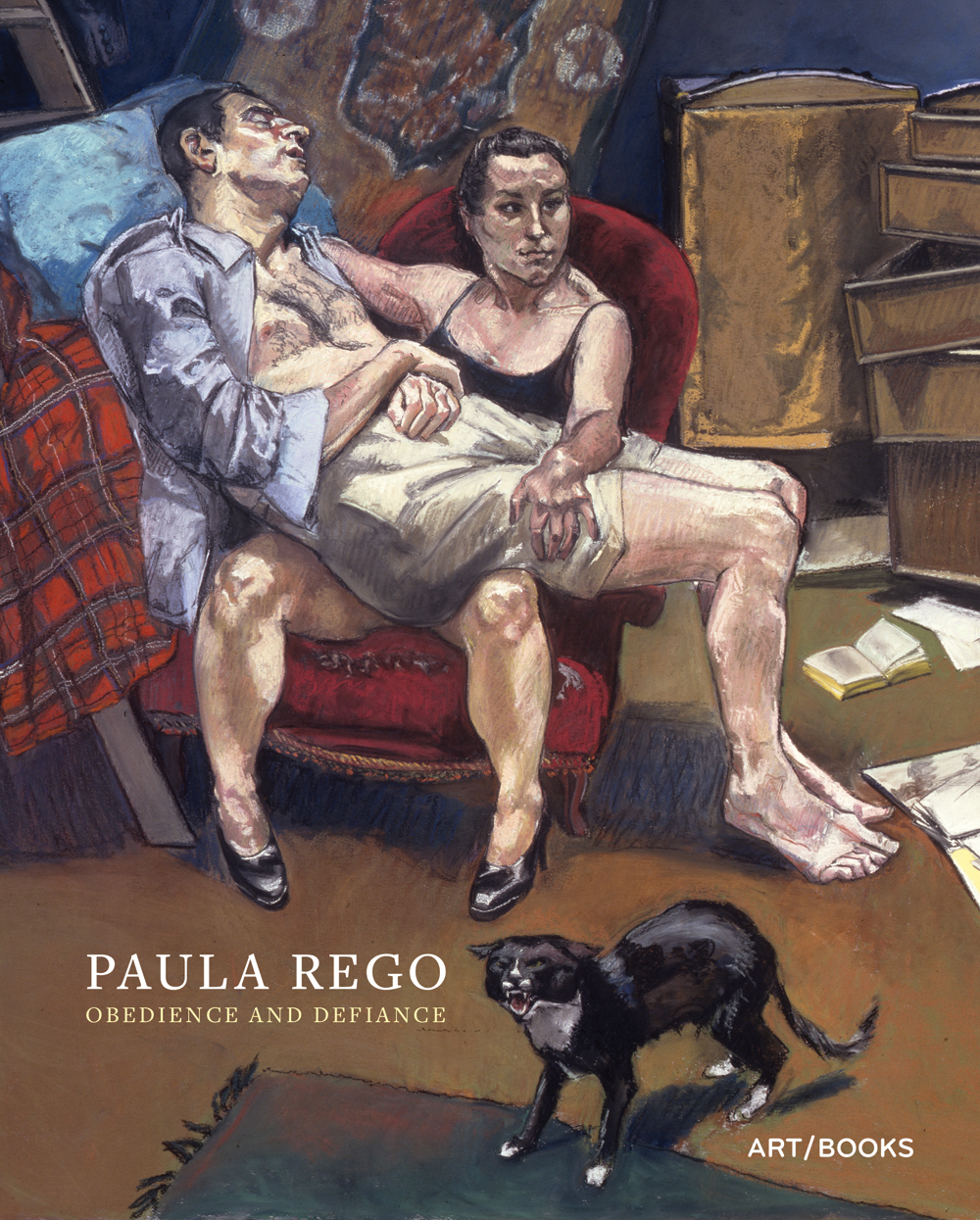
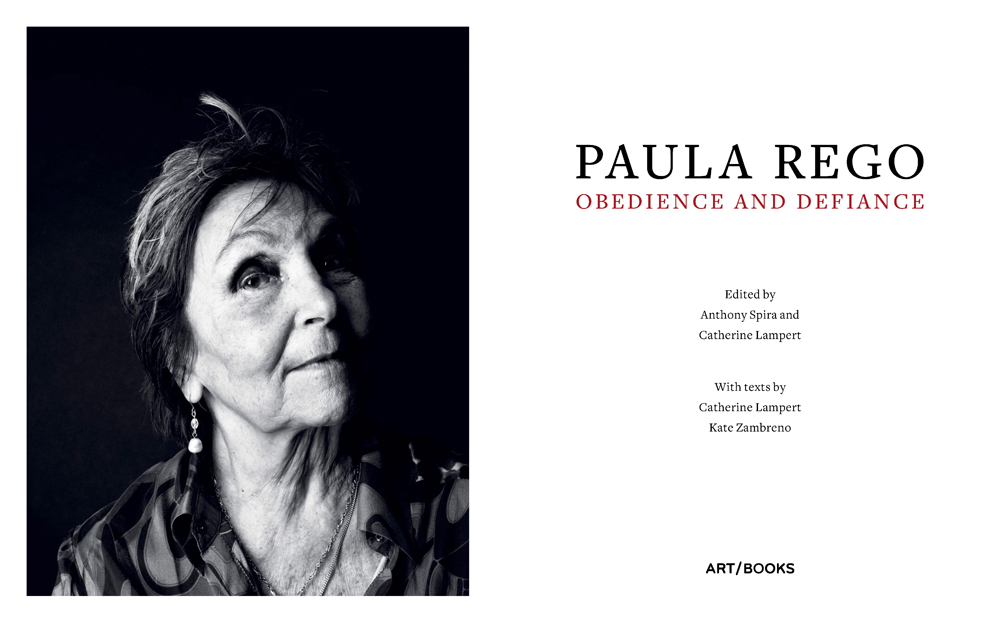
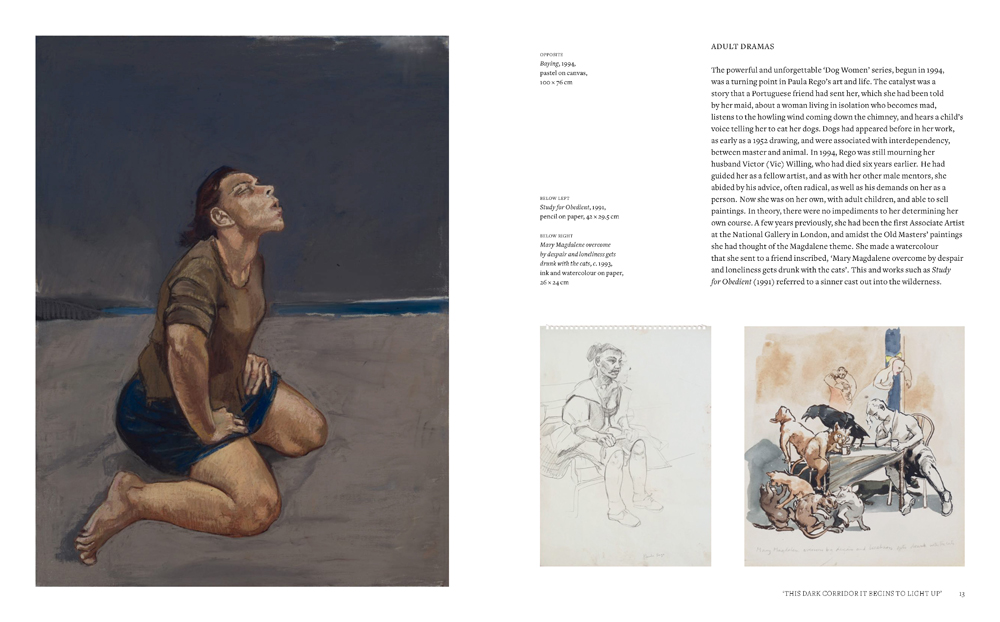
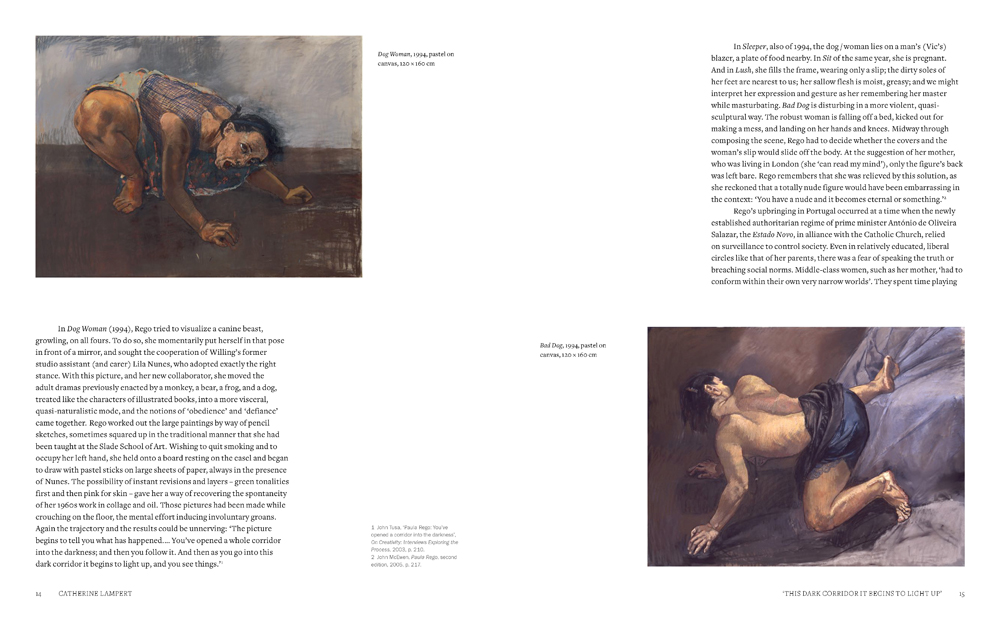
Paula Rego

Obedience and Defiance

Edited by Anthony Spira and Catherine Lampert With texts by Catherine Lampert and Kate Zambreno

‘An unmissable, lifetime-spanning survey – ★★★★★’ — Guardian ‘Unmistakable, unignorable and unmissable – ★★★★★’ — Times ‘Remarkable and powerful’ – Spectator ‘Paint and power, the personal and political, inseparable and incendiary in every work: that is the hard punch delivered by [the] magnificent, important Paula Rego: Obedience and Defiance’Financial Times ‘Provides a welcome addition to the growing library of works on Paula Rego, one of the most important figurative artists working today … Paula Rego: Obedience and Defiance unsettles the dominant narrative according to which Rego’s paintings, prints and drawings are primarily seen as illustrations of her personal story.… Lampert’s insightful essay makes connections across periods and styles of Rego’s work to identify recurrent themes, such as power, control and role playing, highlighting the artist’s willingness to respond to contemporary political issues, particularly those that impact the lives of women. The catalogue provides commentary on each of the works, each beautifully illustrated.’ — Print Quarterly
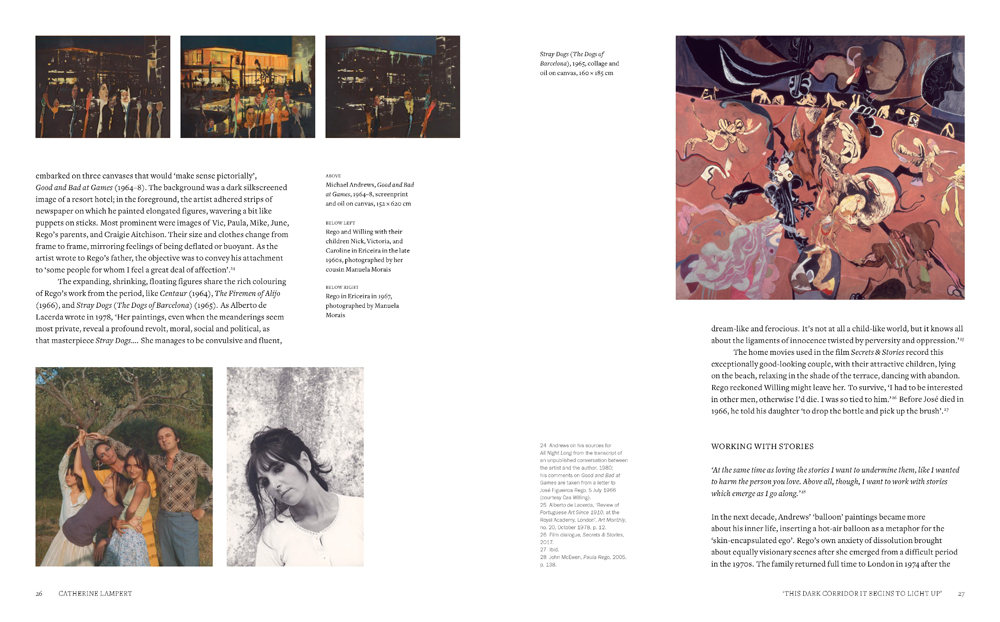
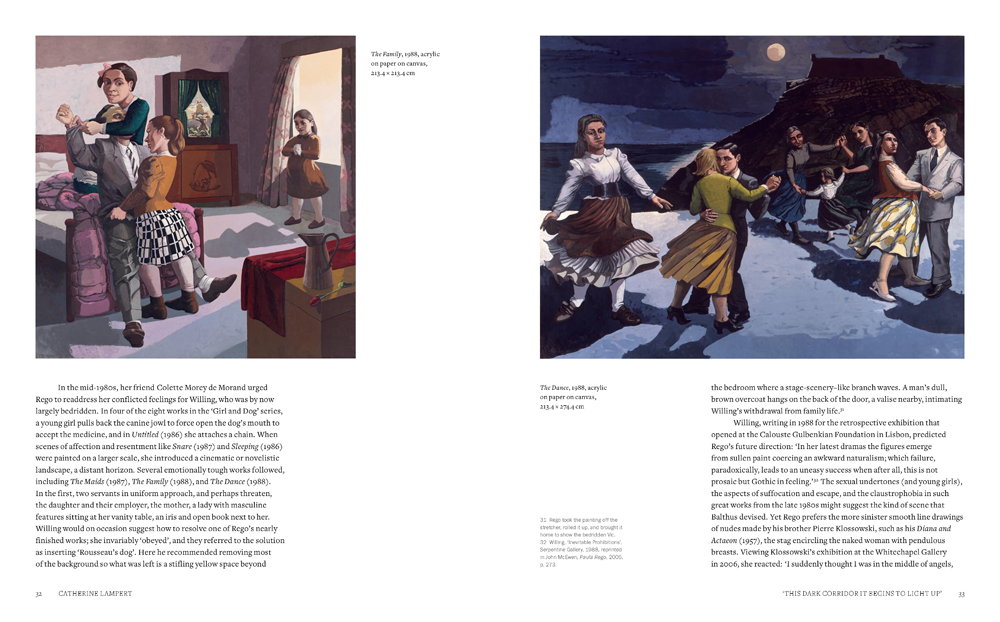
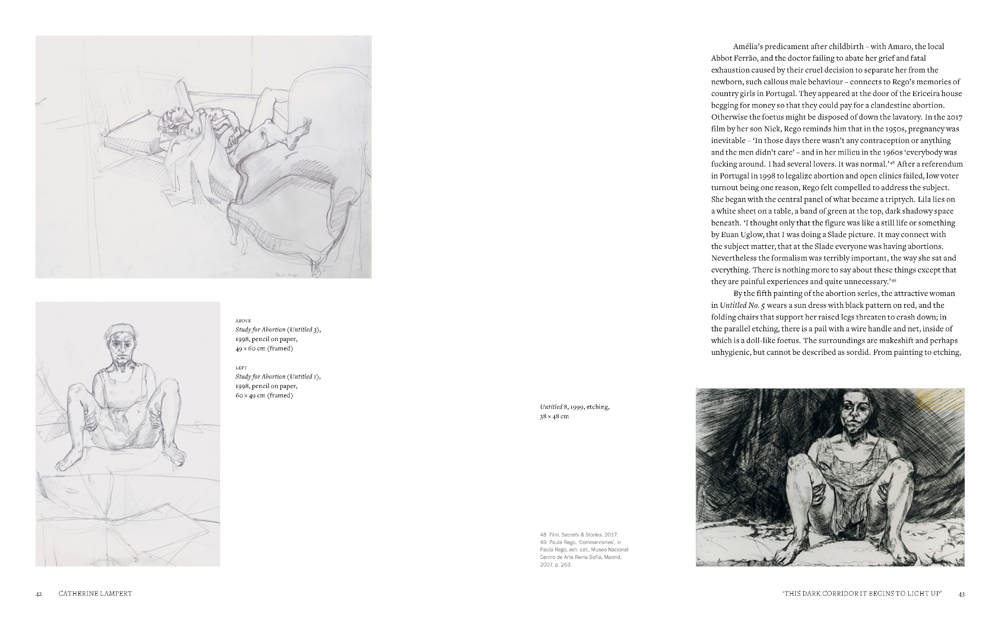
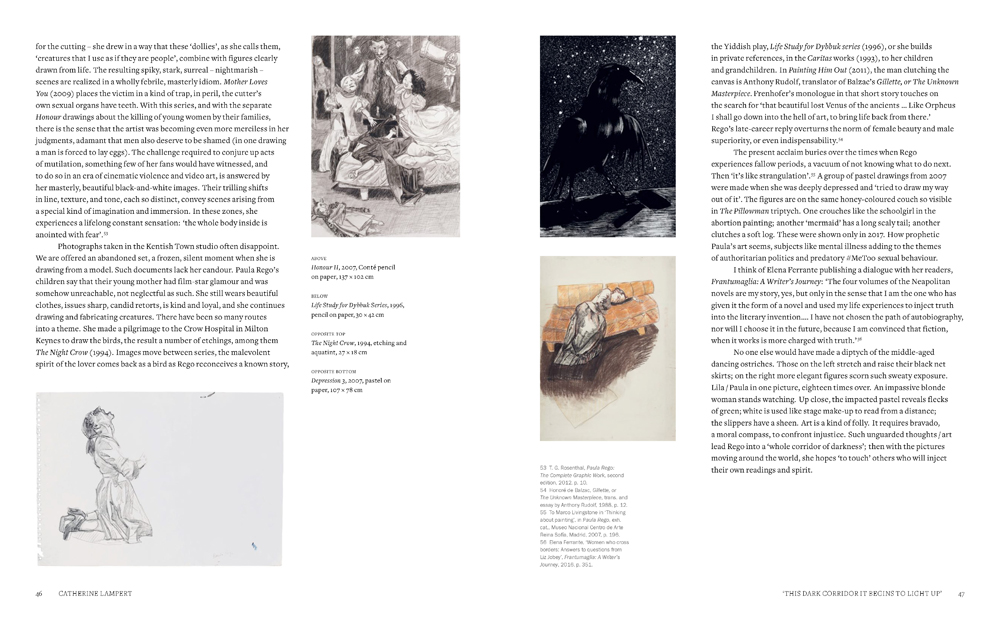
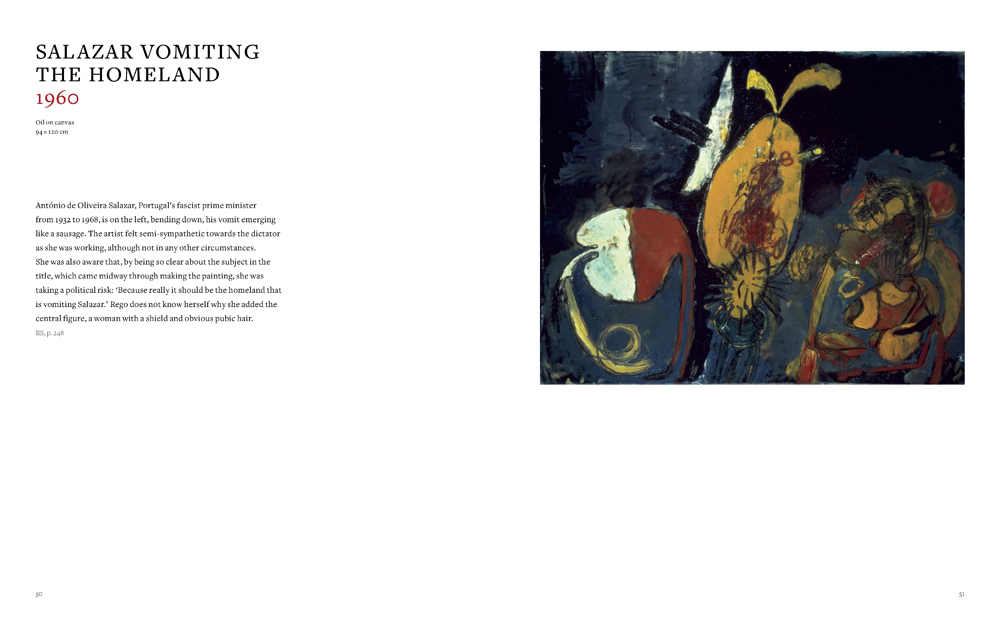
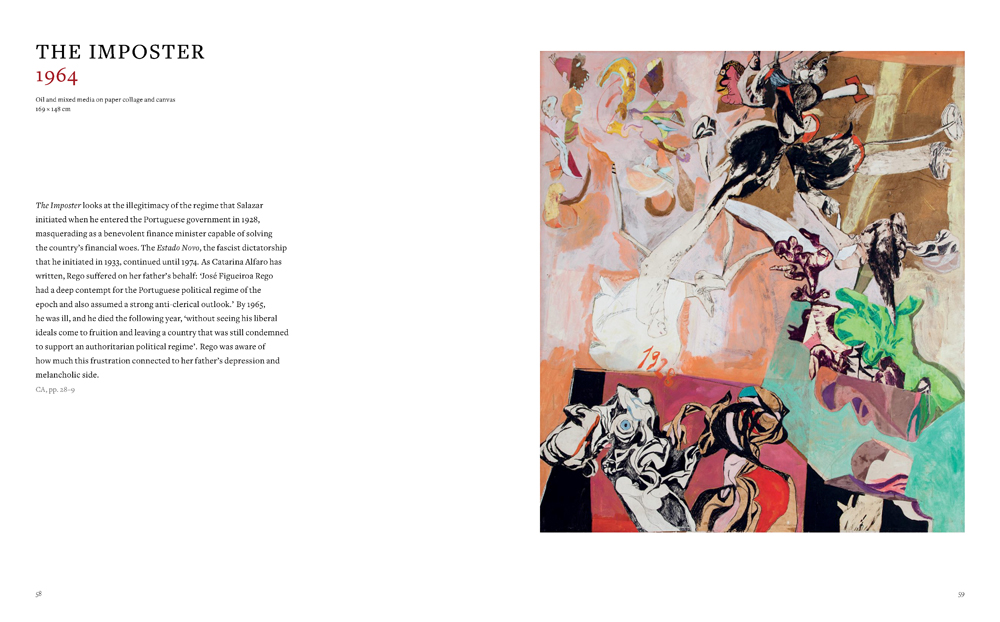
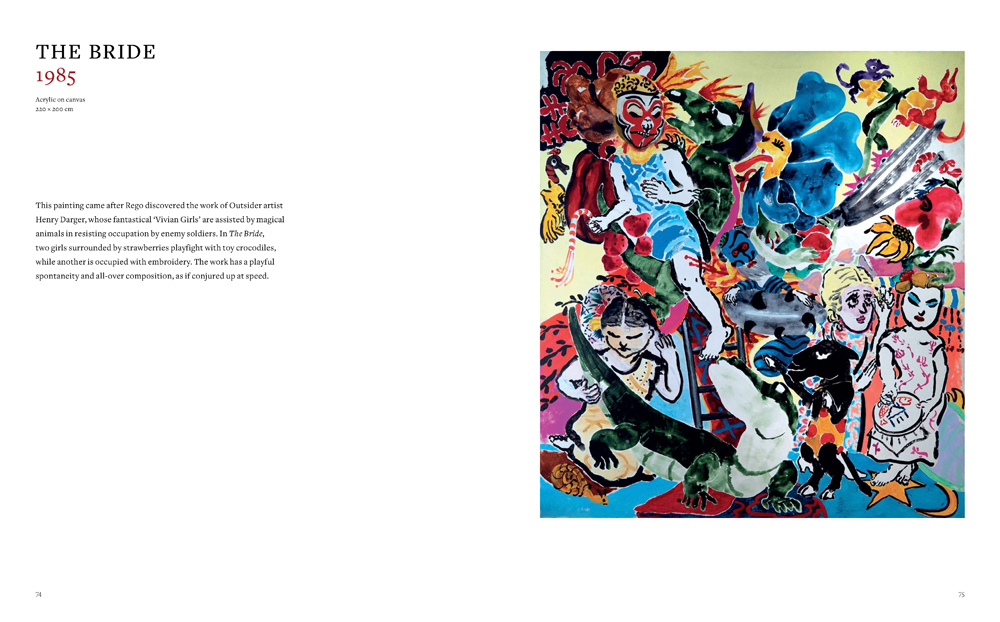
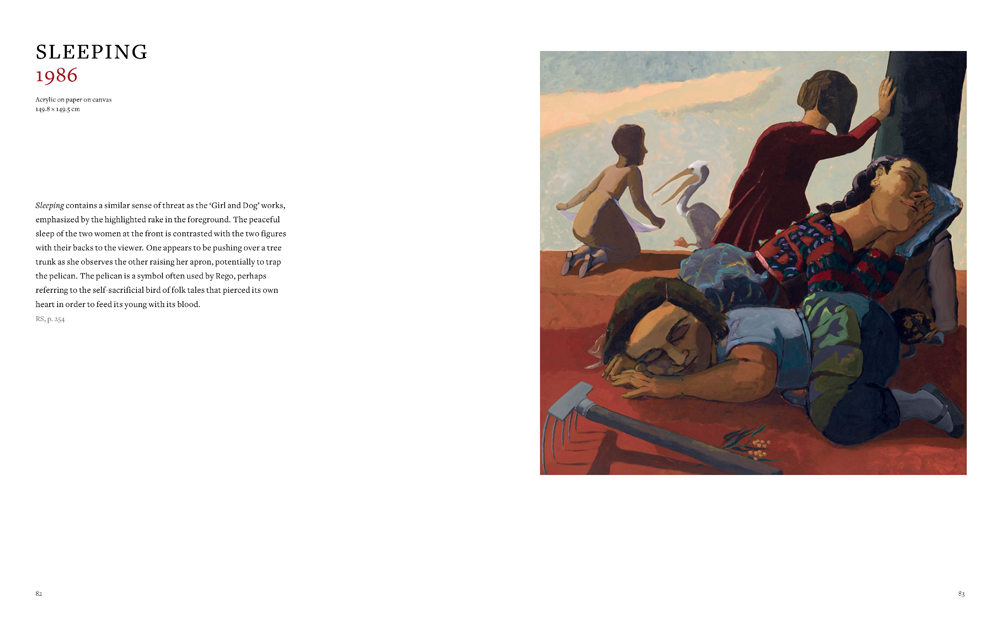
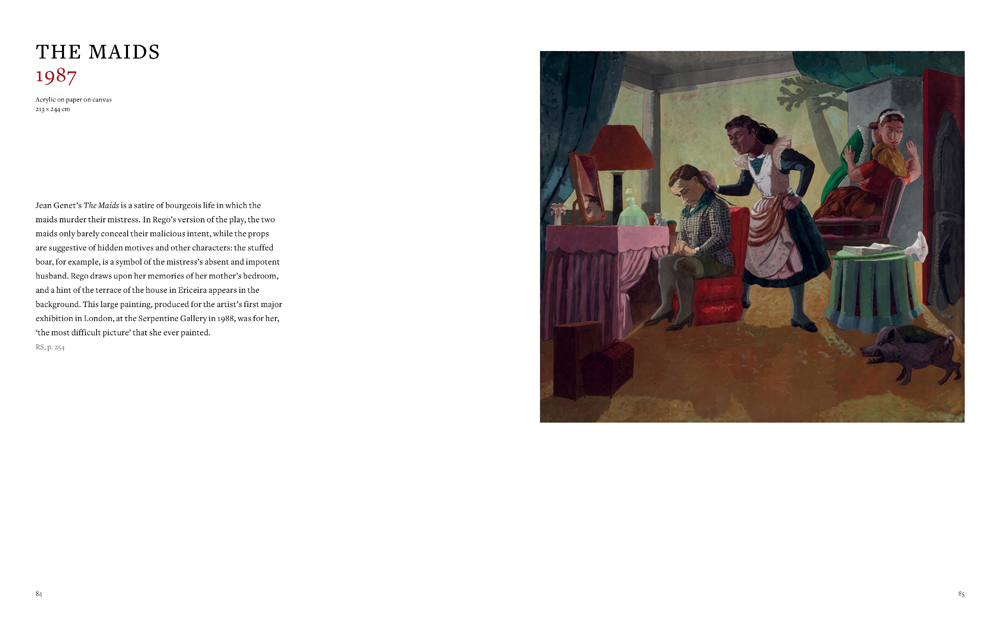
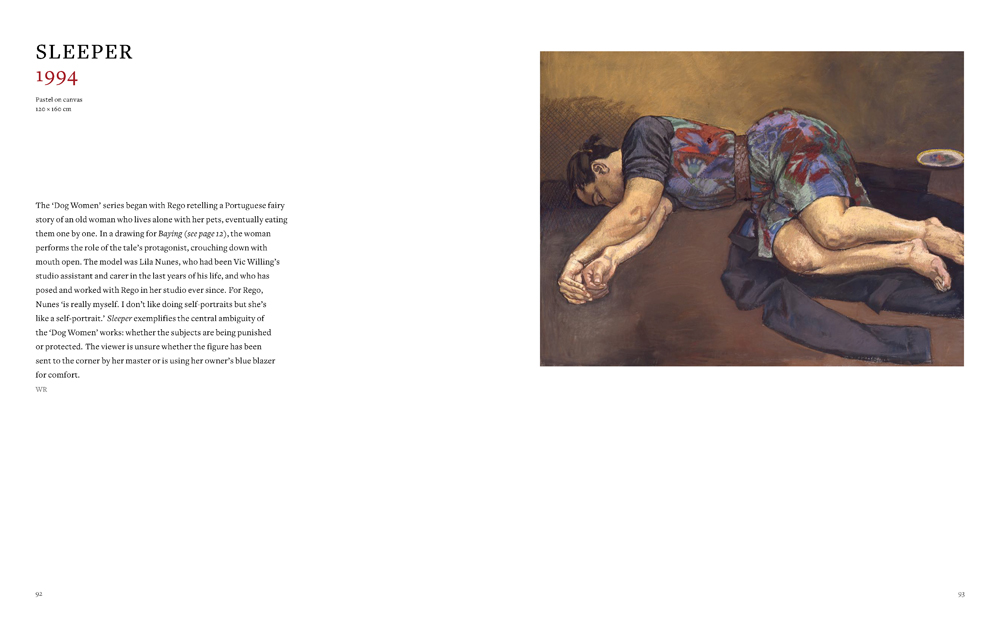
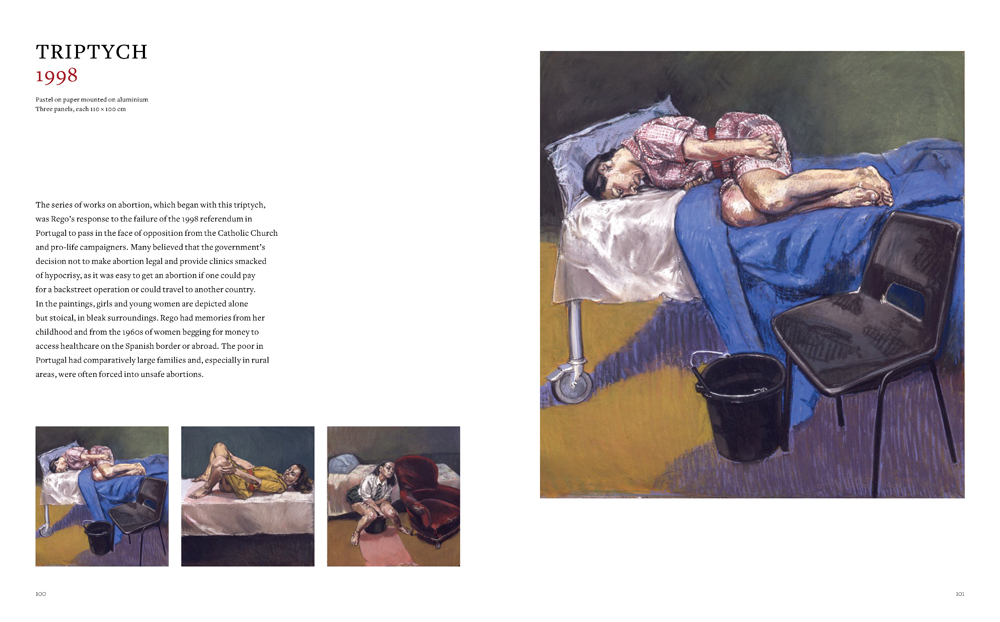
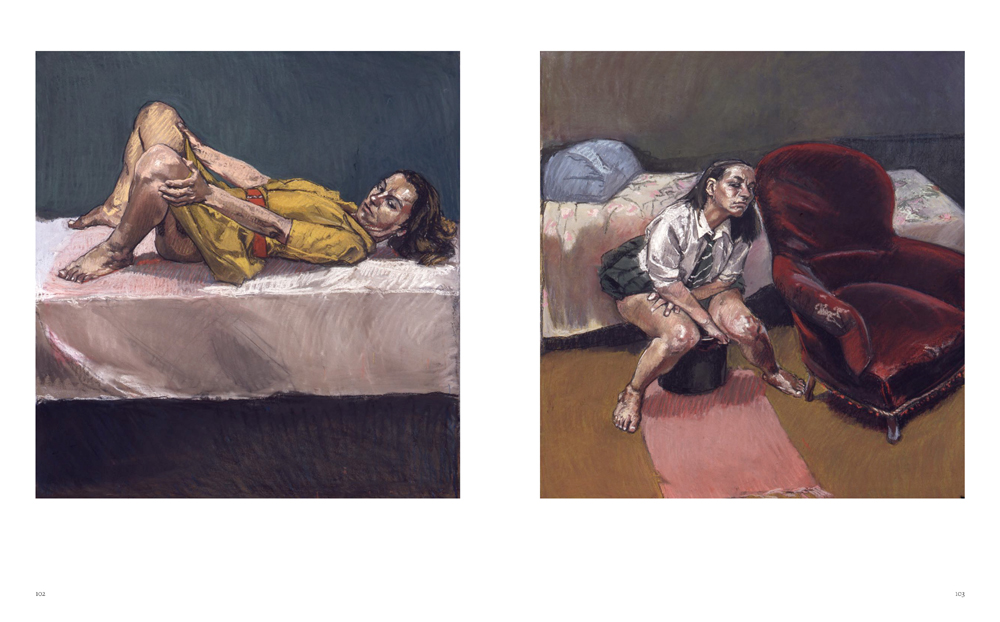
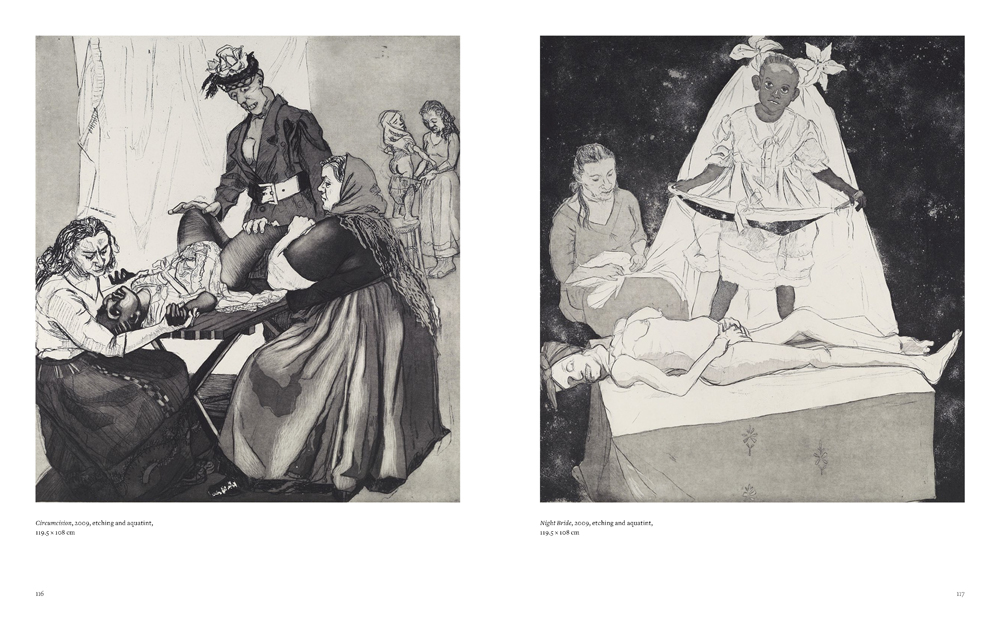
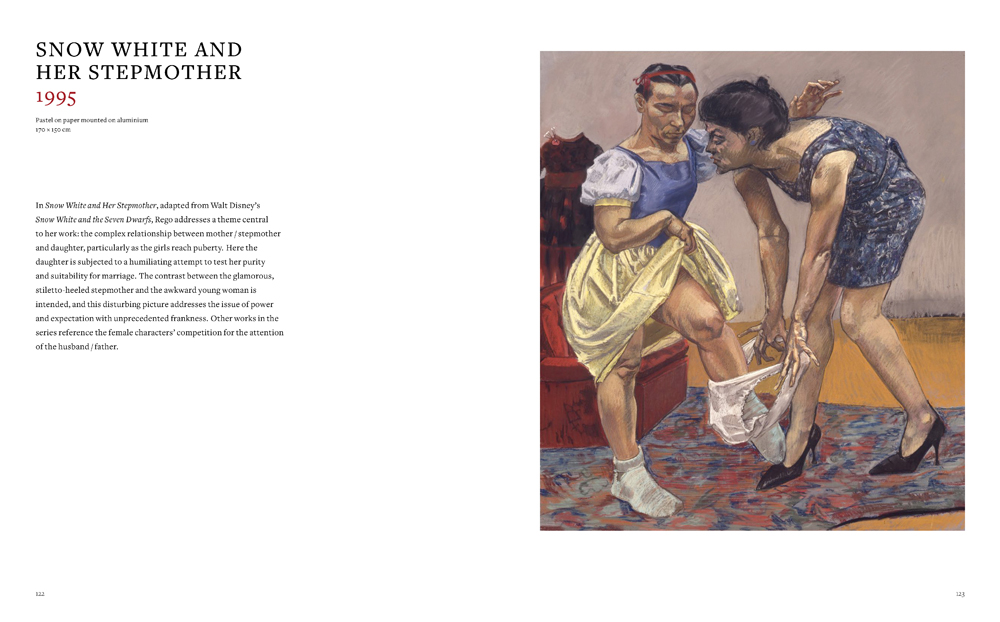
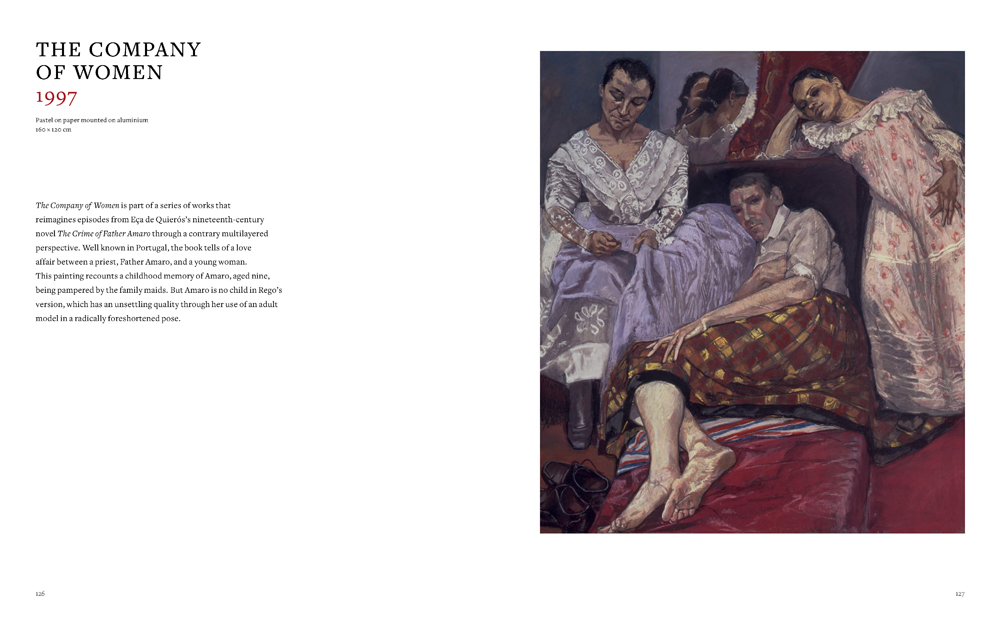
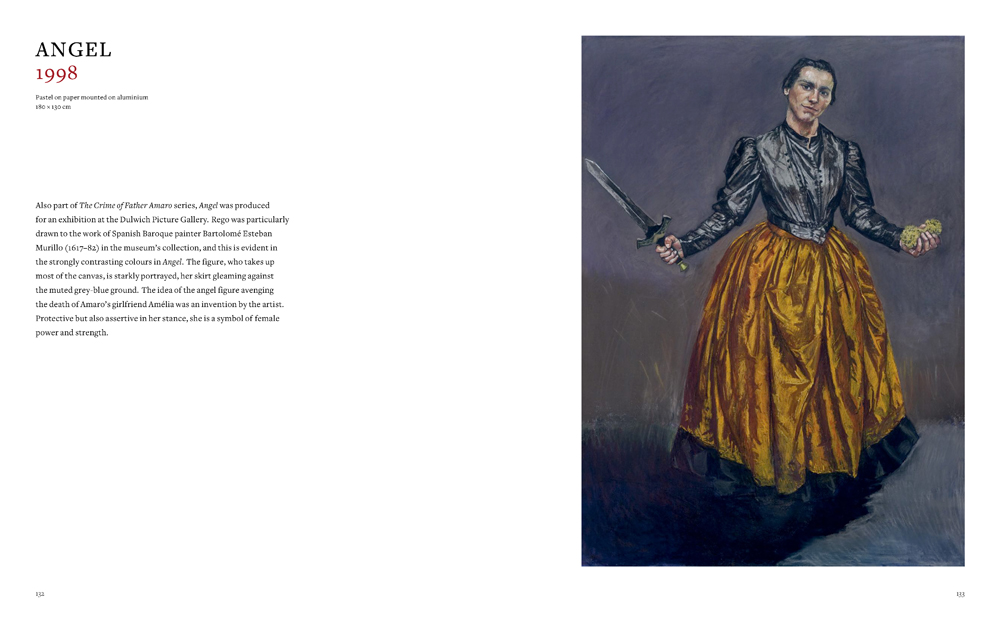
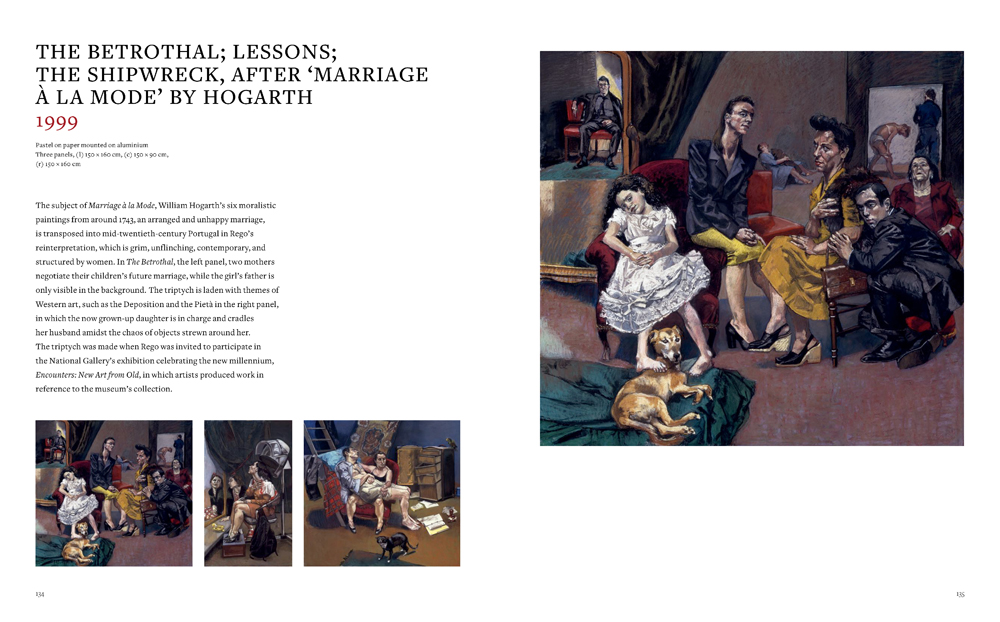
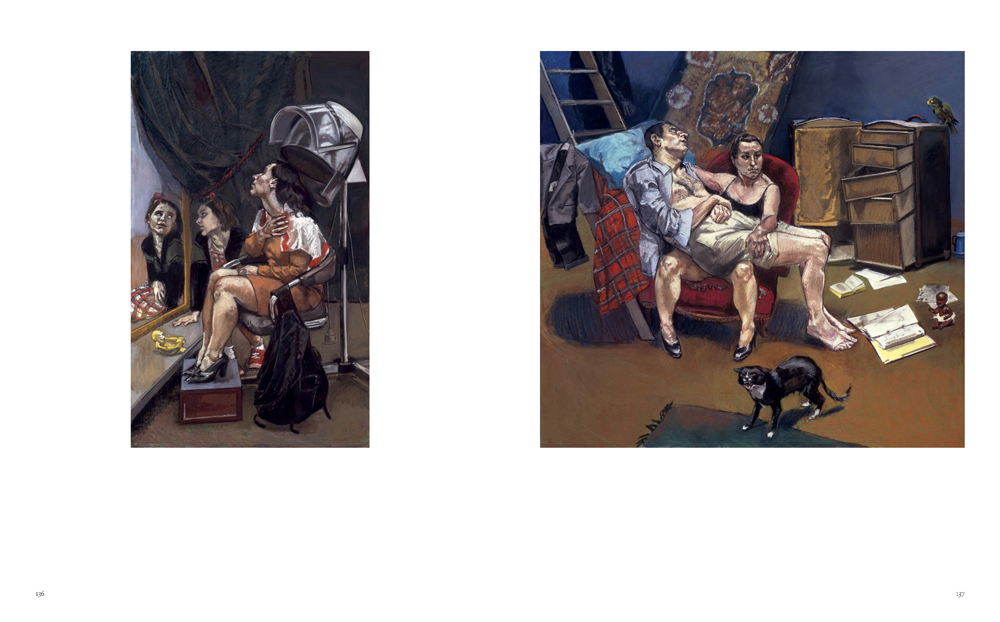
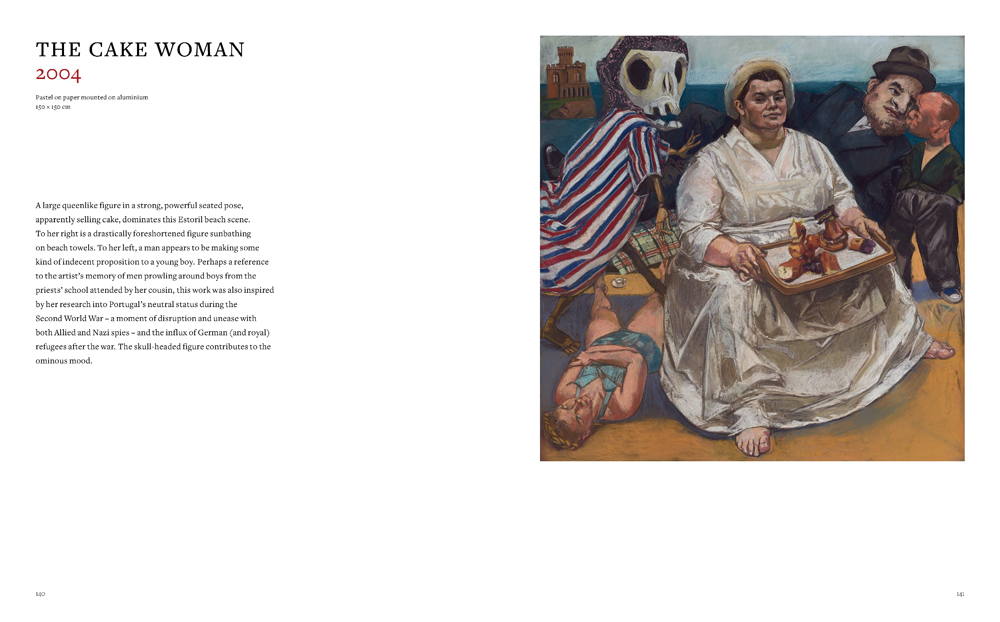
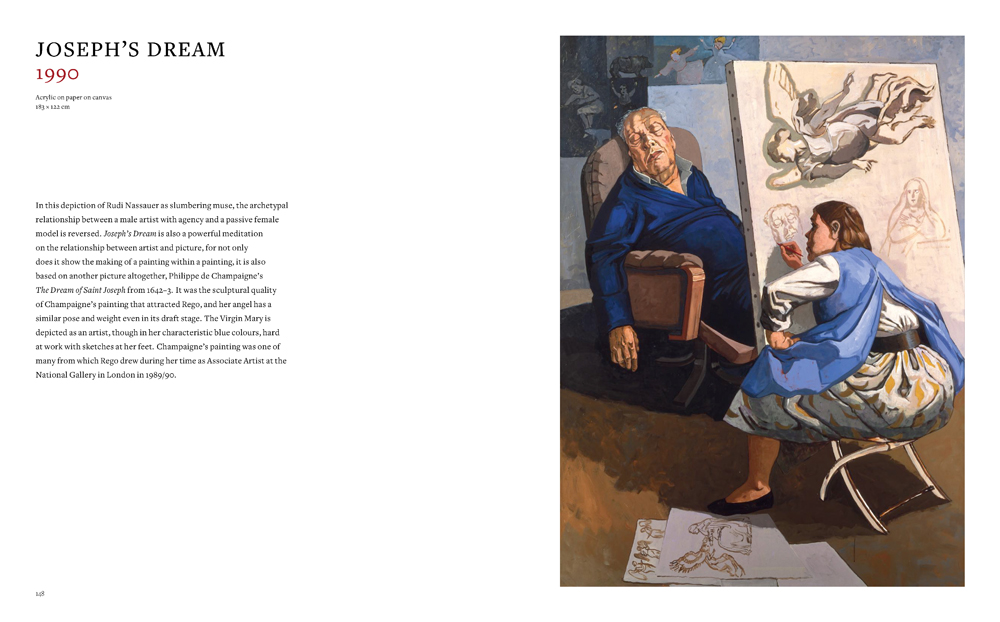
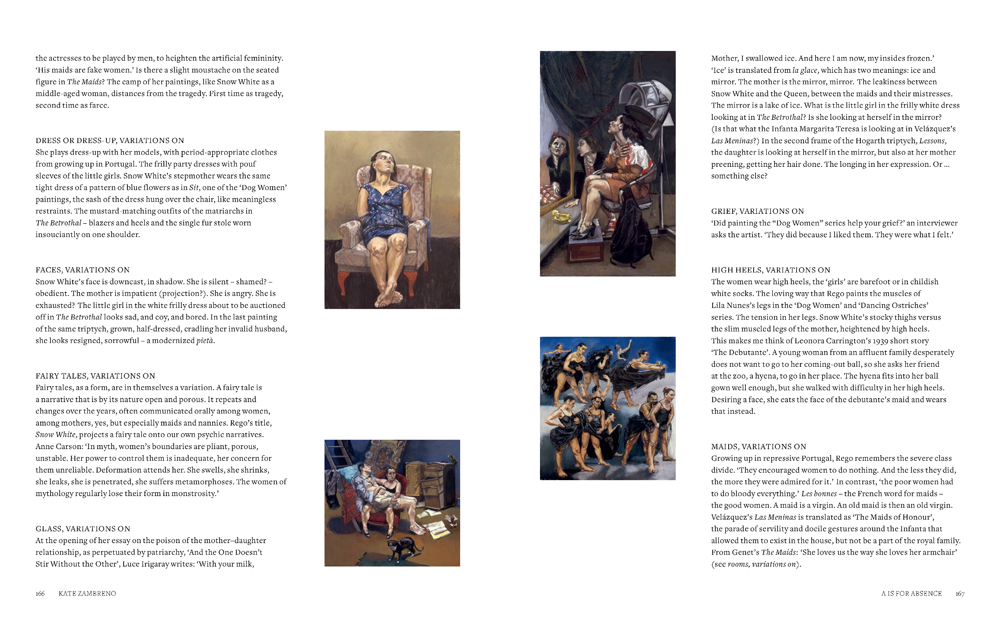
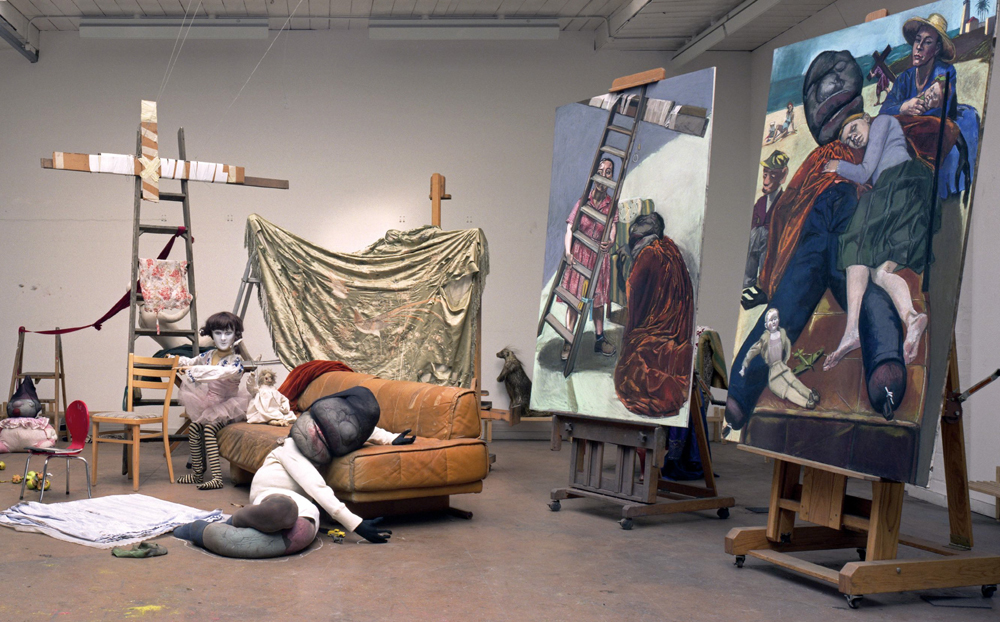
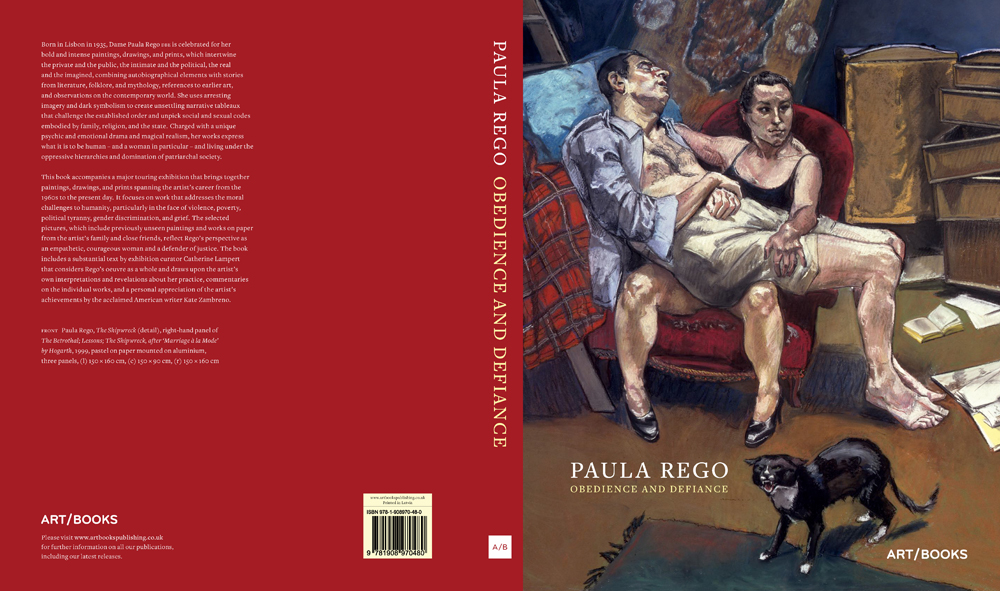
Born in Lisbon in 1935, Dame Paula Rego DBE RA is celebrated for her bold and intense paintings, drawings, and prints, which intertwine the private and the public, the intimate and the political, the real and the imagined, combining autobiographical elements with stories from literature, folklore, and mythology, references to earlier art, and observations on the contemporary world. She uses arresting imagery and dark symbolism to create unsettling narrative tableaux that challenge the established order and unpick social and sexual codes embodied by family, religion, and the state. Charged with a unique psychic and emotional drama and magical realism, her works express what it is to be human – and a woman in particular – and living under the oppressive hierarchies and domination of patriarchal society.

This book, the first comprehensive study of the work of Paula Rego in more than fifteen years, accompanies a major touring exhibition that brings together paintings, drawings, and prints spanning the artist’s career from the 1960s to the present day. It focuses on work that addresses the moral challenges to humanity, particularly in the face of violence, poverty, political tyranny, gender discrimination, and grief. The selected pictures, which include previously unseen paintings and works on paper from the artist’s family and close friends, reflect Rego’s perspective as an empathetic, courageous woman and a defender of justice. The book includes a substantial text by exhibition curator Catherine Lampert that considers Rego’s oeuvre as a whole and draws upon the artist’s own interpretations and revelations about her practice, commentaries on the individual works, and a personal appreciation of the artist’s achievements by the acclaimed American writer Kate Zambreno.

Catherine Lampert is an independent British curator and art historian. She has curated numerous exhibitions at the Hayward Gallery, the Whitechapel Gallery, where she was director from 1988 to 2001, and more recently the Royal Academy of Arts, Tate Britain, the Kunstmuseum Bonn, and MUAC in Mexico City. She has been a friend of Paula Rego’s since the late 1970s.
Anthony Spira is Director of MK Gallery, Milton Keynes

Kate Zambreno is an American novelist and essayist whose work challenges genre and frequently engages with and is inspired by visual art. She is the author of six books, most recently Appendix Project, a collection of talks and essays dealing with grief, time, and philosophy, and Screen Tests, a collection of shorts and art essays. She lives in New York.


Paul Gauguin’s Intimate Journals

Paul Gauguin
Preface by Emile Gauguin
Translated by Van Wyck Brooks

An Art / Books Vintage Classic

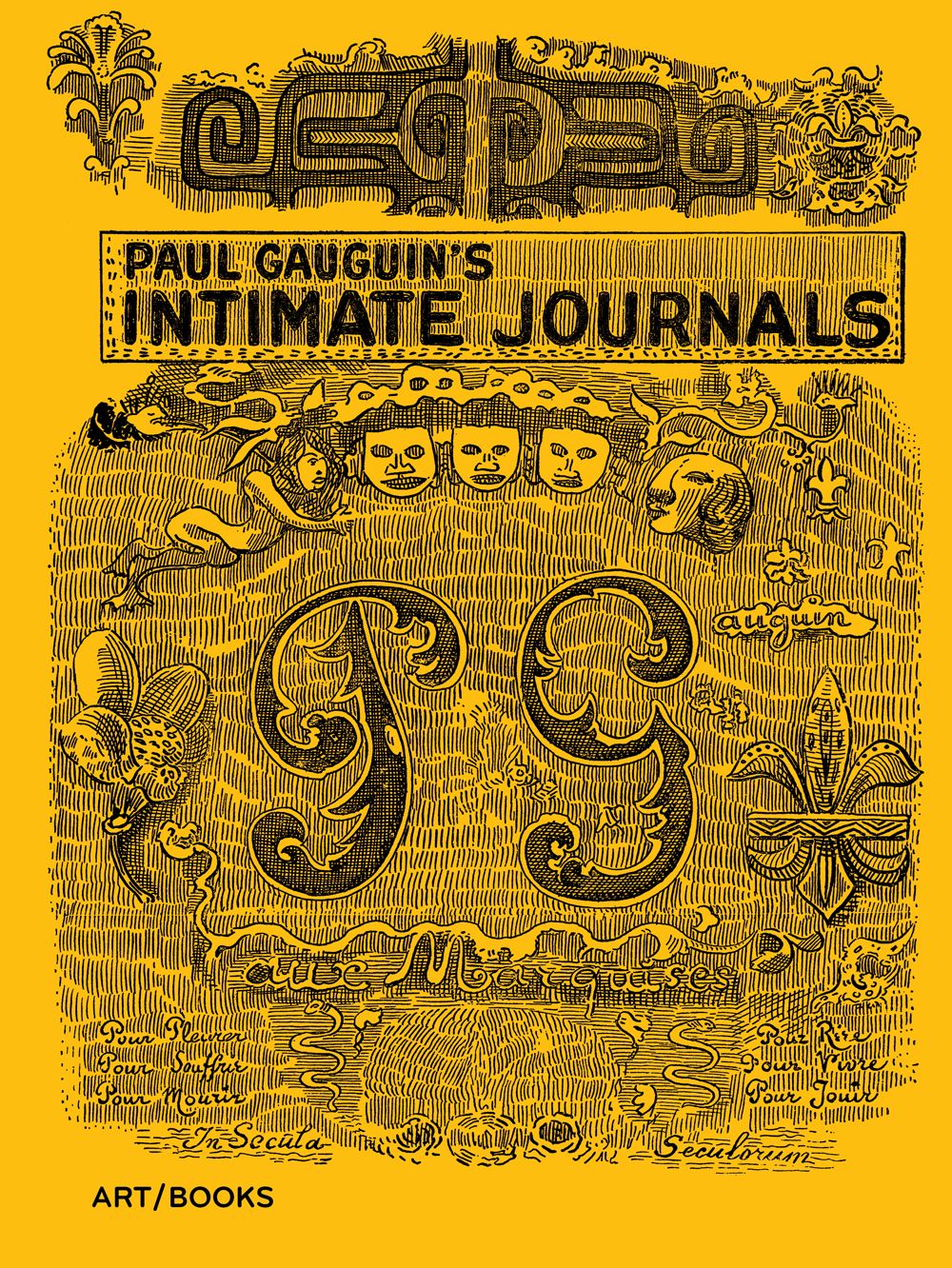
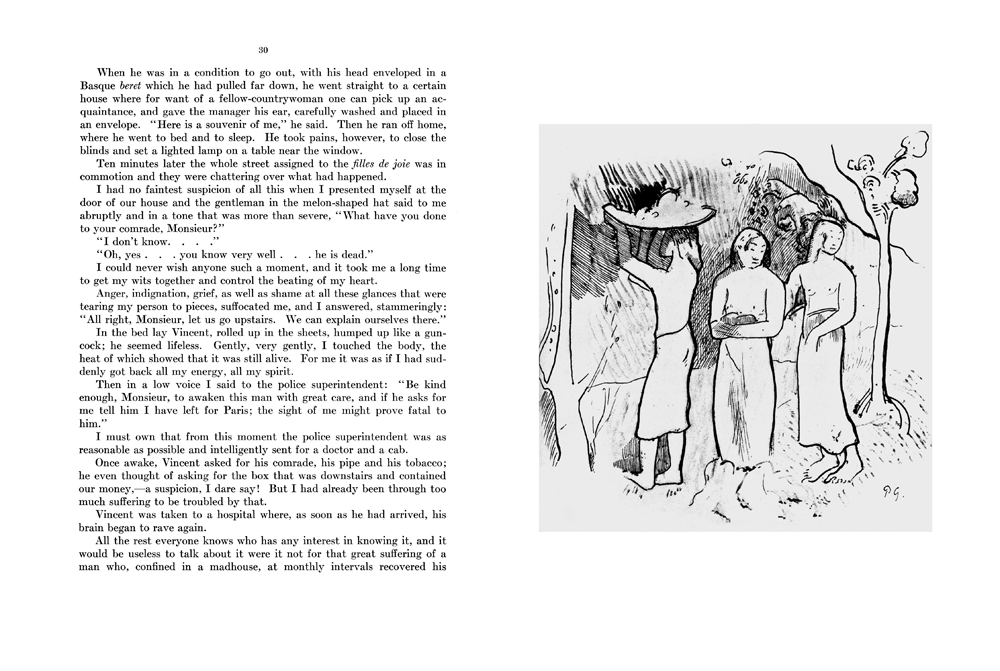
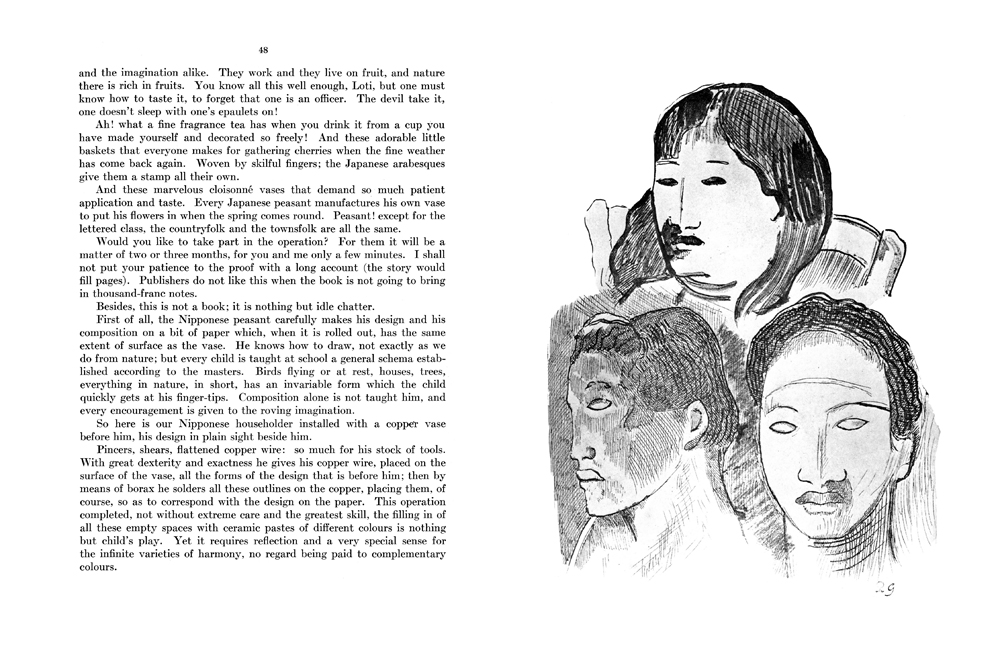
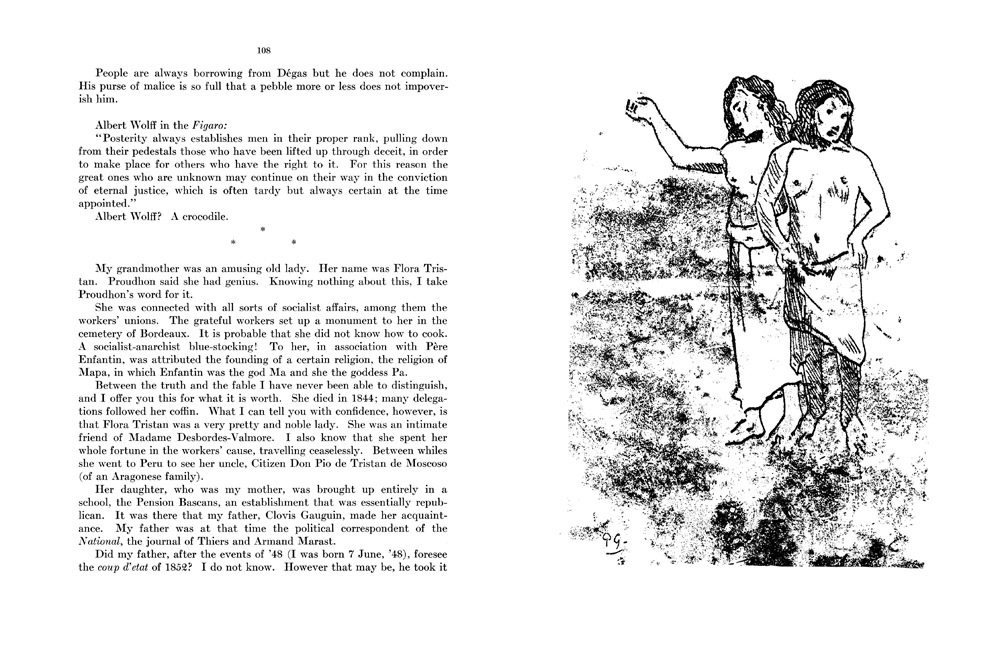
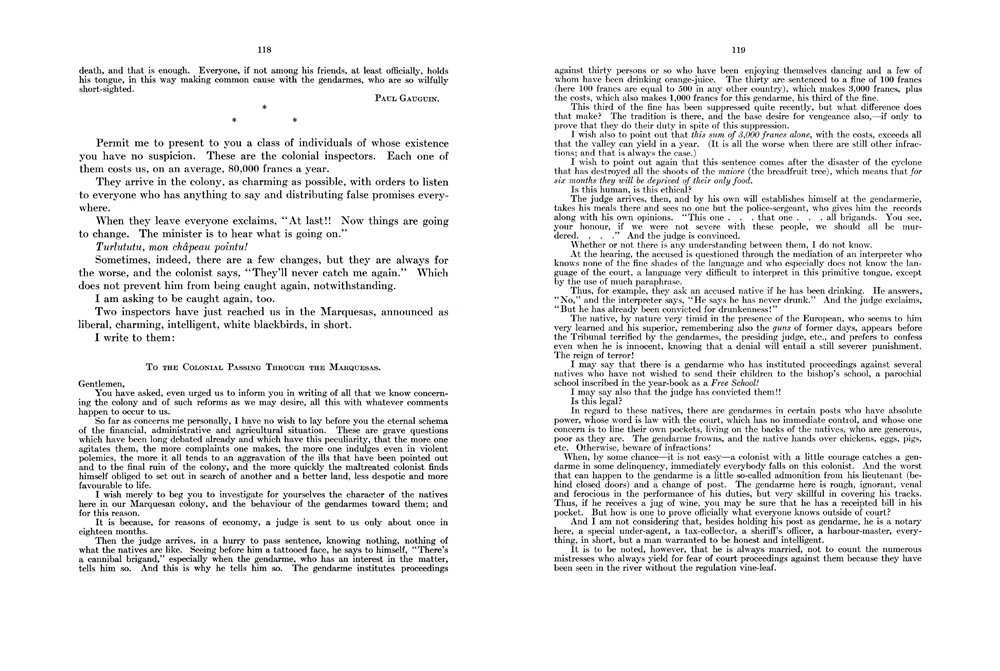
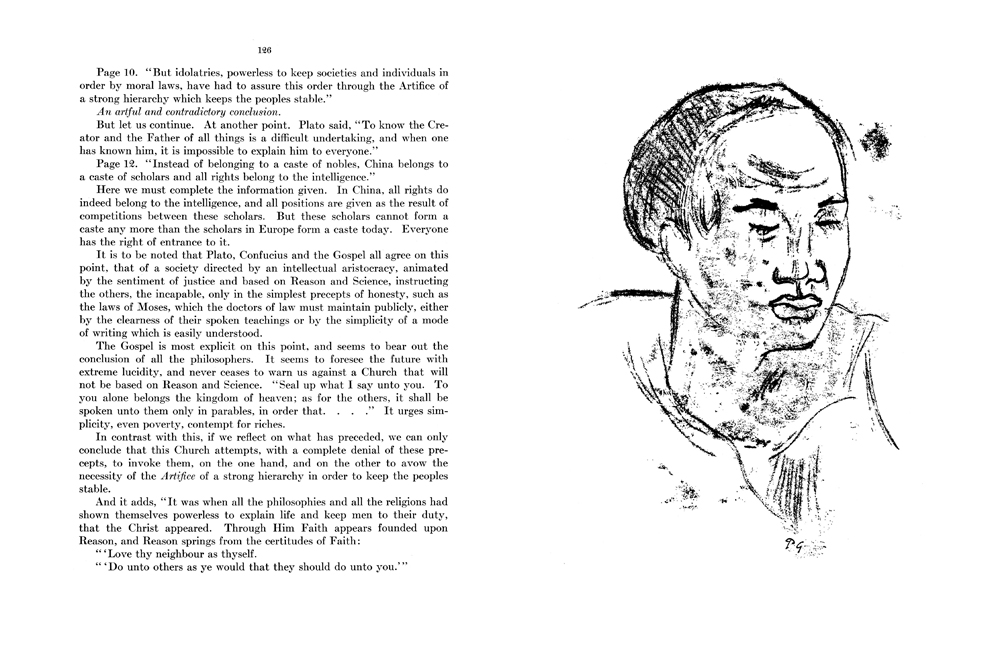
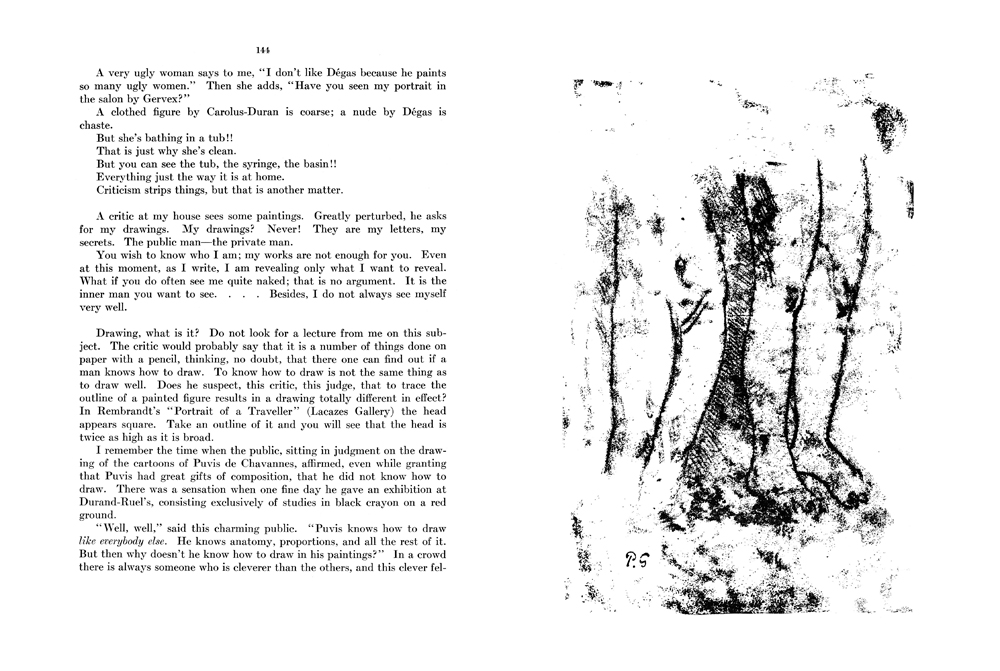
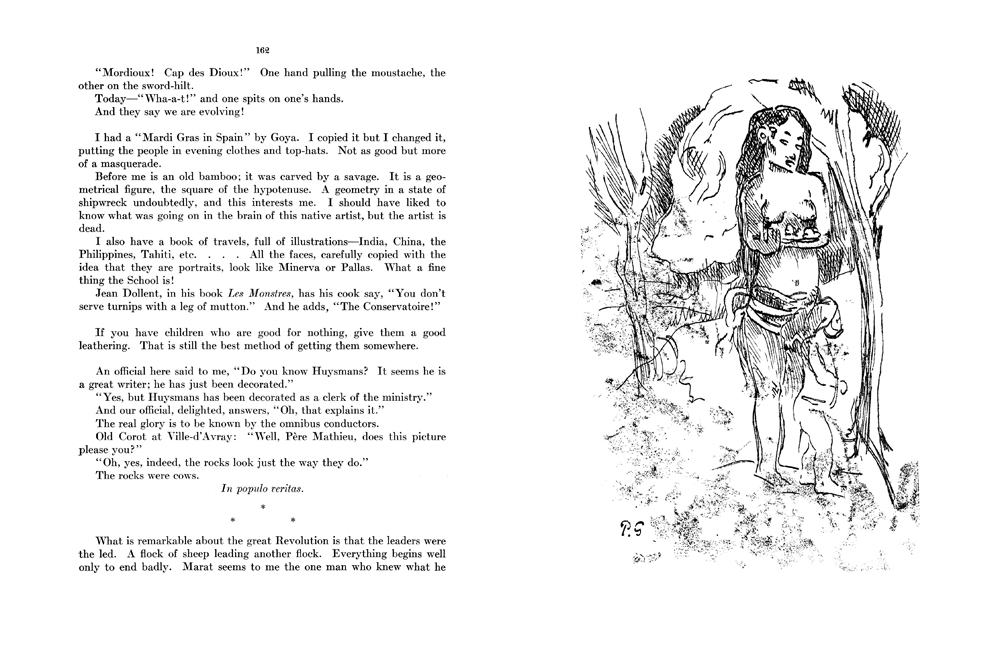
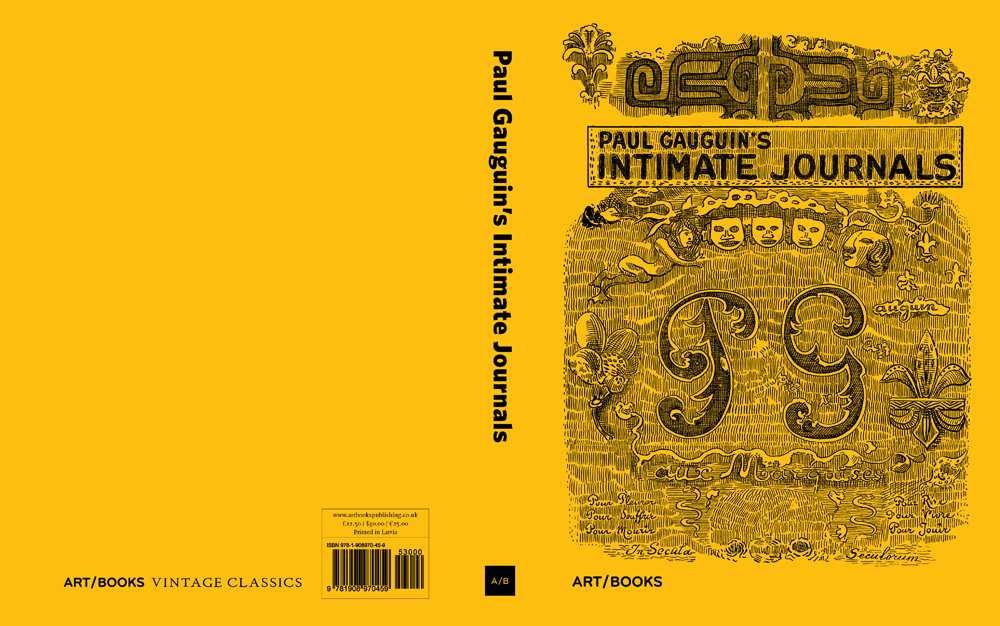
Paul Gauguin is one of the giants of French post-Impressionism and a pioneer of early modernism. A rebel in both art and life, he rejected his bourgeois upbringing and comfortable stockbroker’s job to devote himself to painting. Eventually, dismayed by the ‘hypocrisy of civilization’ and in search of a primitive idyll, he left his wife and children behind in France and took up residence in the South Seas, first in Tahiti and, later, in the Marquesas Islands. In the final months of his life, he wrote this witty and revealing autobiographical memoir with the request that it be published upon his death. It first appeared in French in 1918, and was translated into English three years later. As his son Émile wrote in the preface, ‘These journals are an illuminating self-portrait of a unique personality.… They bring sharply into focus for me his goodness, his humor, his insurgent spirit, his clarity of vision, his inordinate hatred of hypocrisy and sham.’

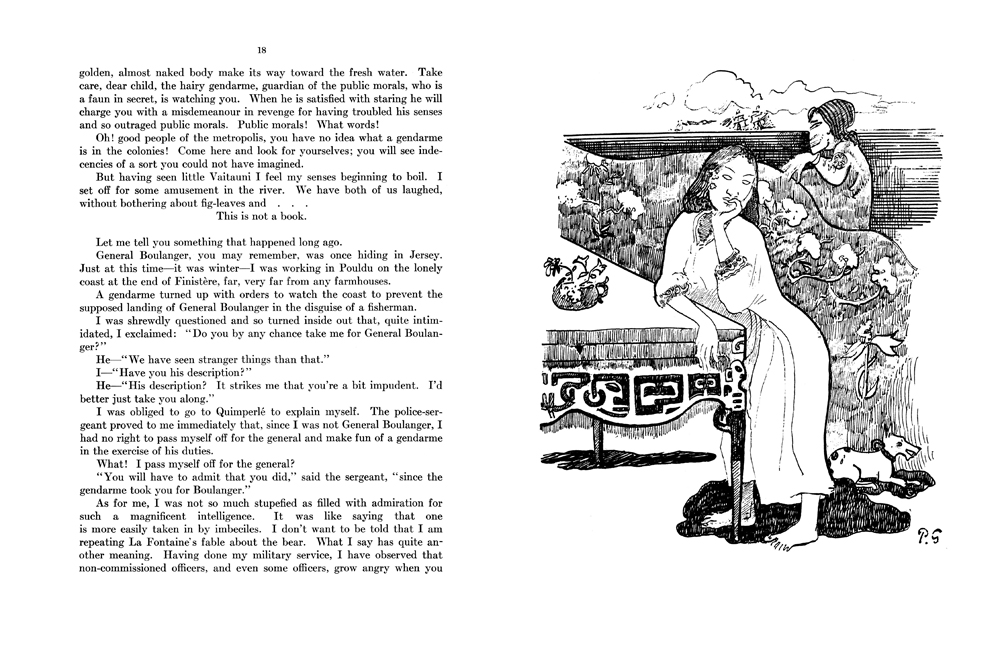
Wide-ranging and elliptical, these candid reflections reveal Gauguin’s inner thoughts on many subjects, including frank views on his fellow artists in Paris, his turbulent relationship with Vincent van Gogh, and the charms of Polynesian women, with glimpses into his often far-from-idyllic existence in the Pacific islands. This facsimile reproduces the first translation of the journals, a rare limited edition privately published in New York in 1921 for a select group of subscribers. With his own full-page sketches, these entertaining and enlightening musings give us a unique insight into Paul Gauguin the man and the artist.

Van Wyck Brooks was an American literary critic, biographer, and historian.

Emile Gauguin was Paul Gauguin’s eldest son. After working as a civil engineer in Colombia, he moved to the United States, where he lived until his death in 1955.


A Book of Elfin Rhymes

‘Norman’
with drawings by Carton Moore Park

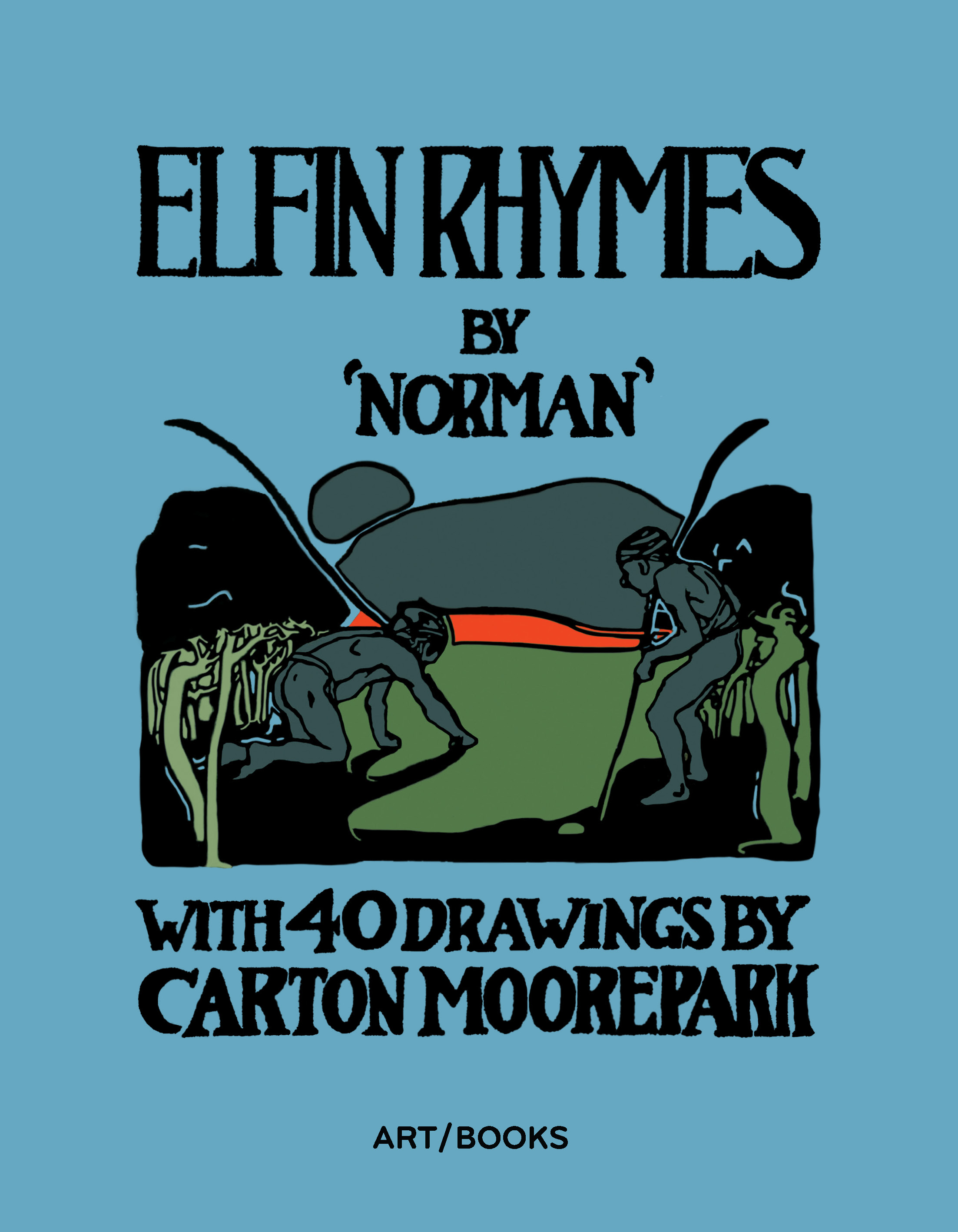
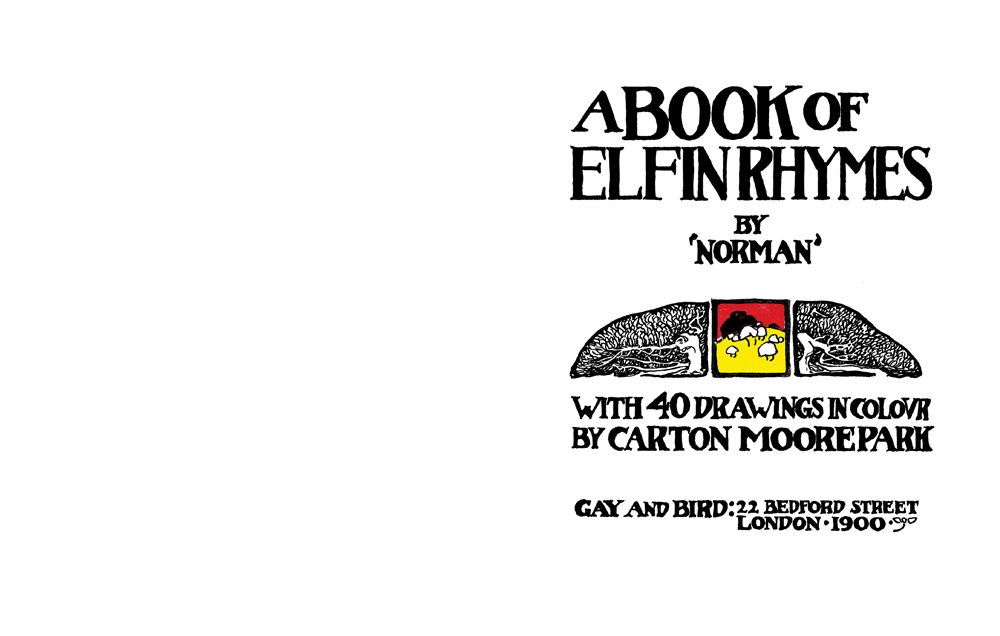
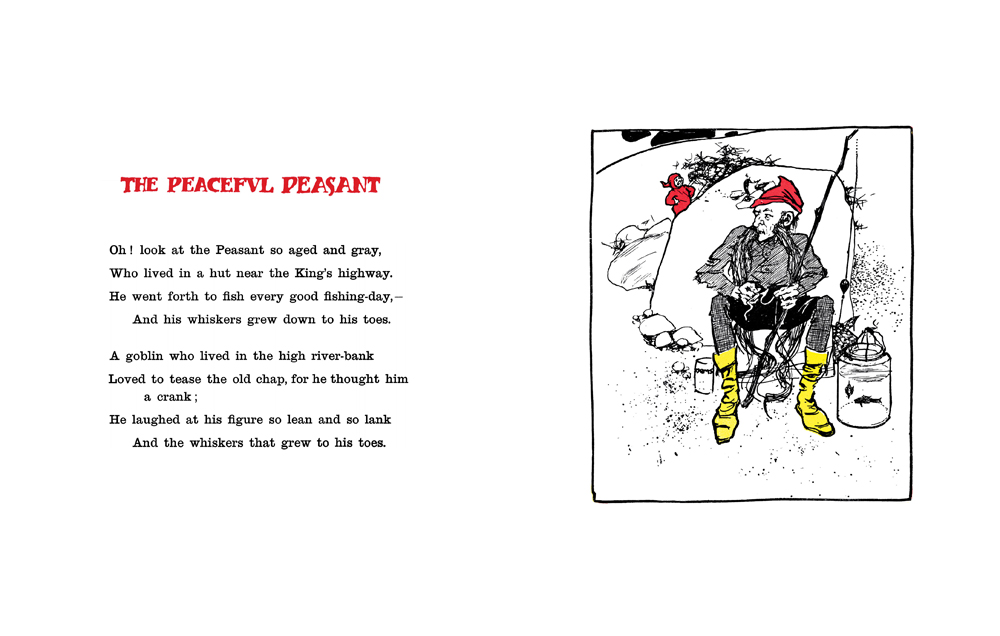
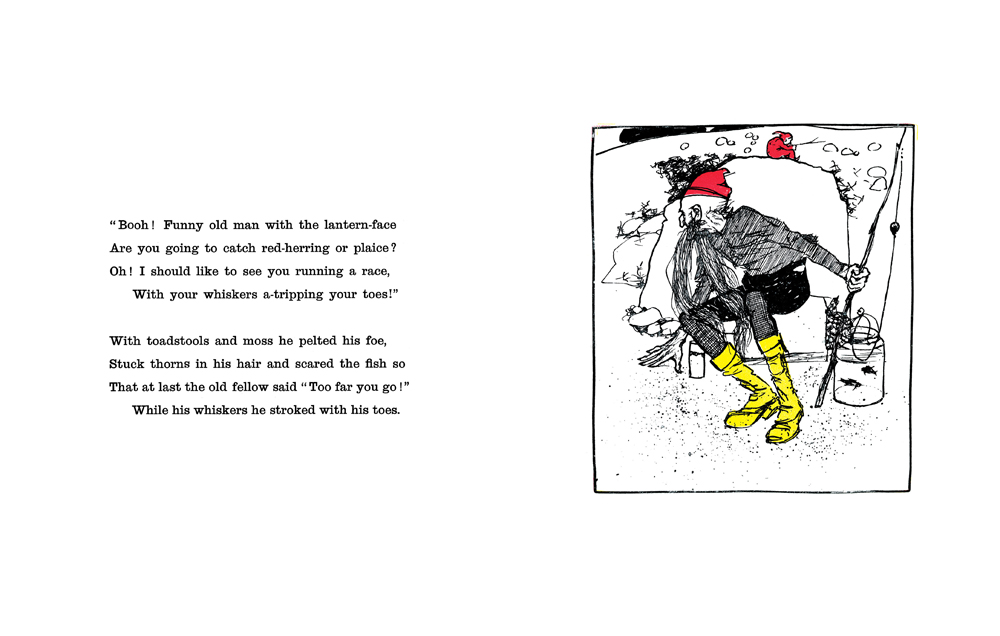
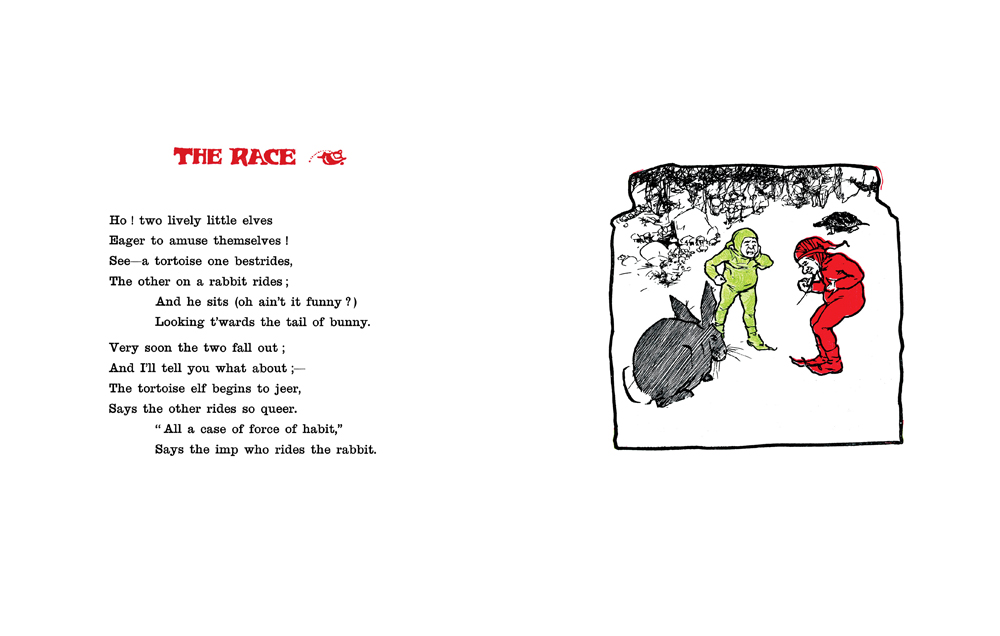
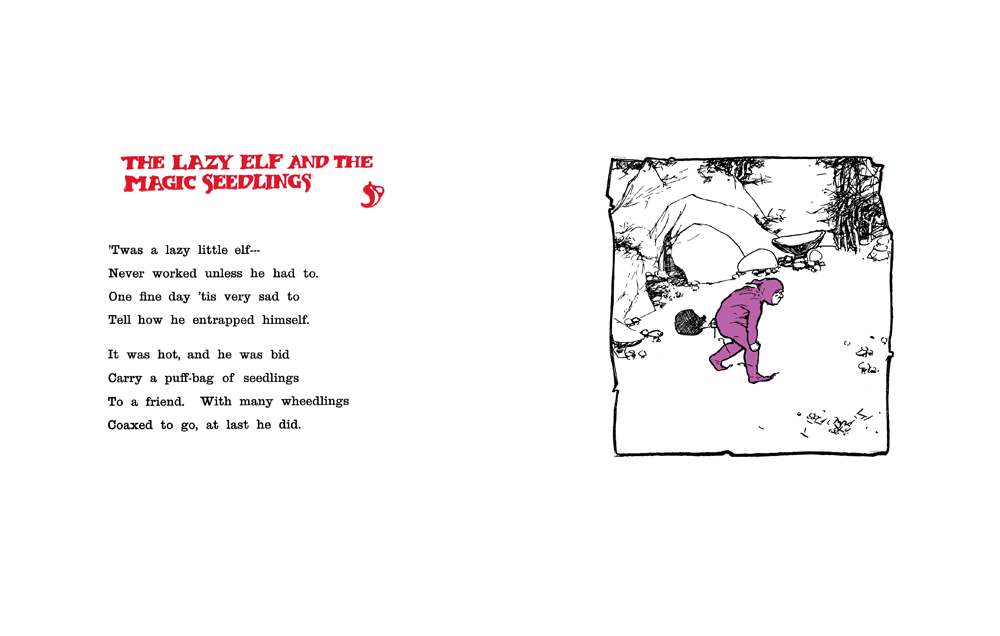
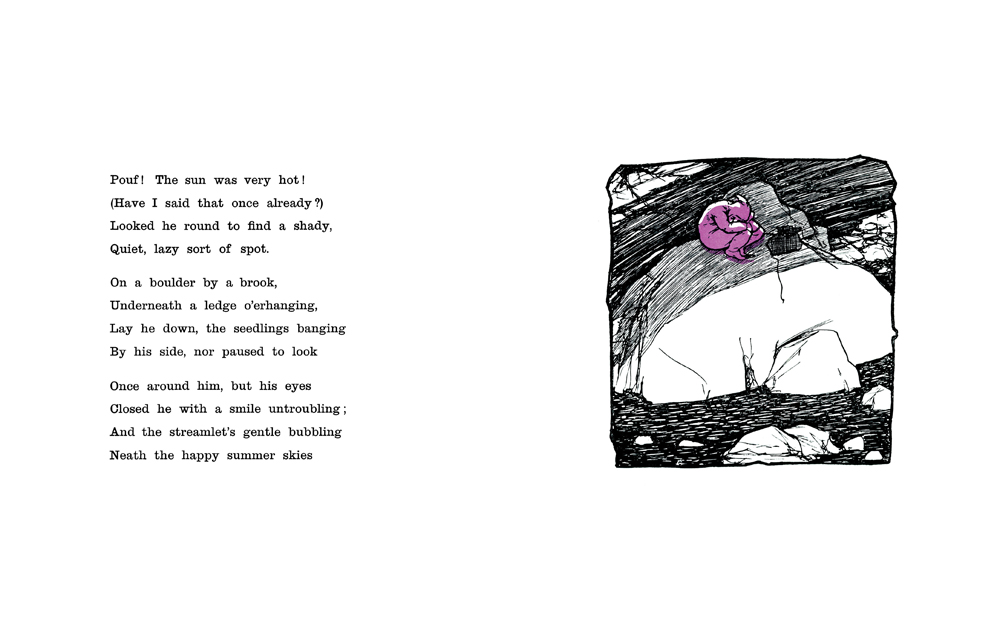
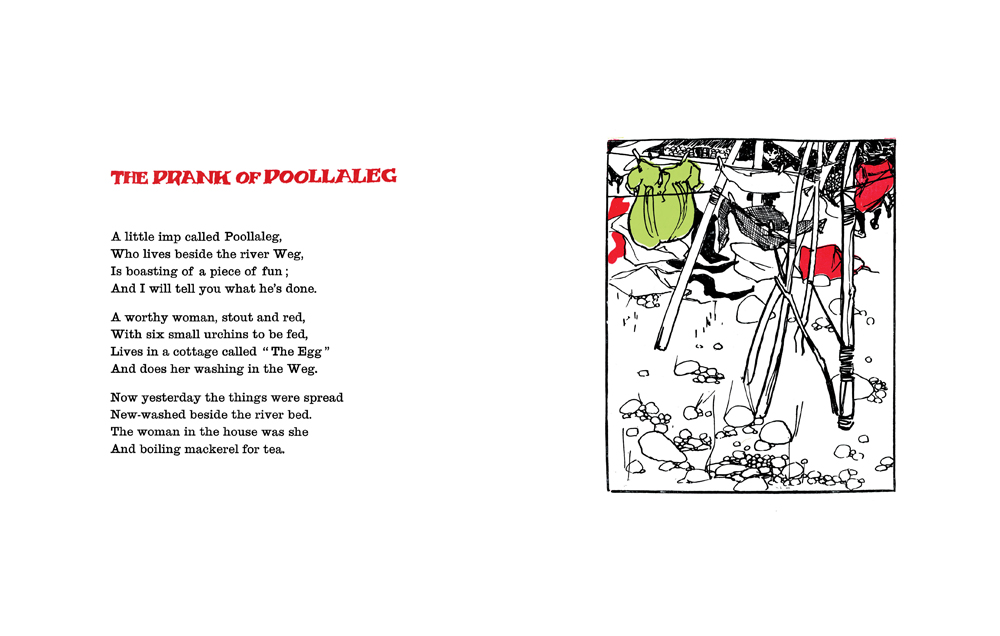
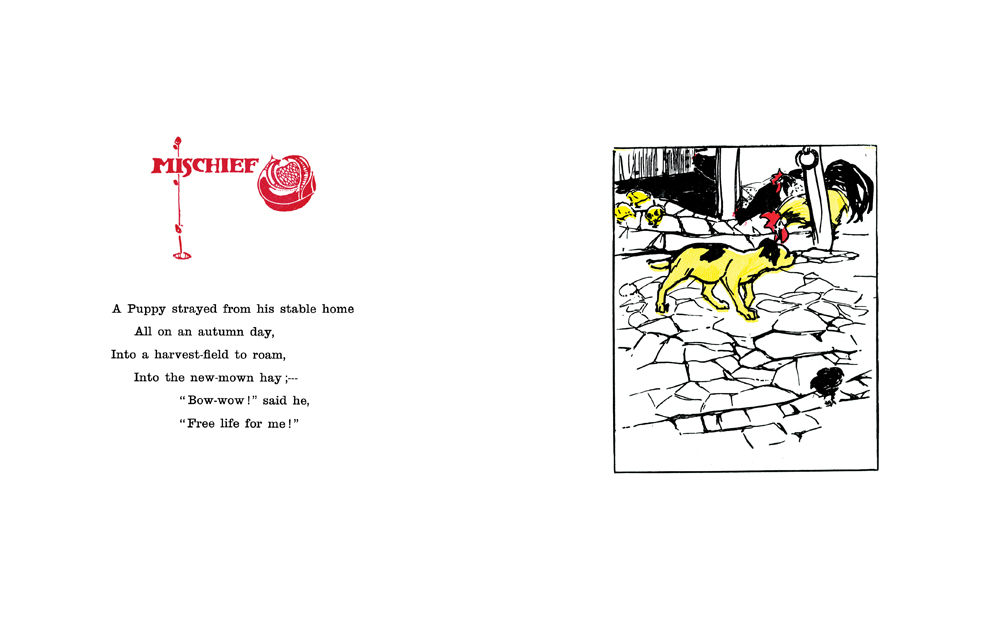
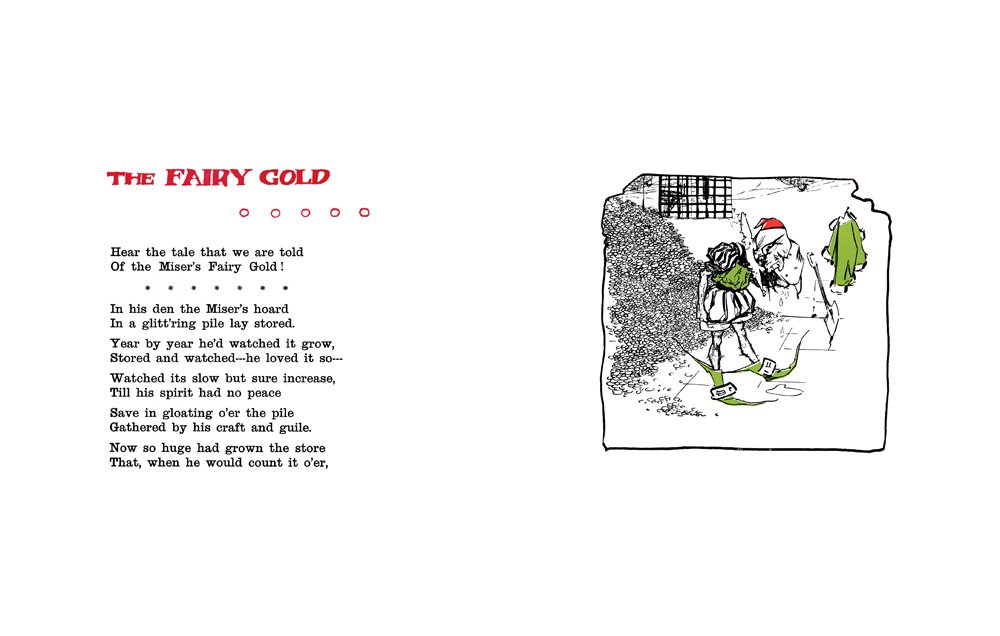
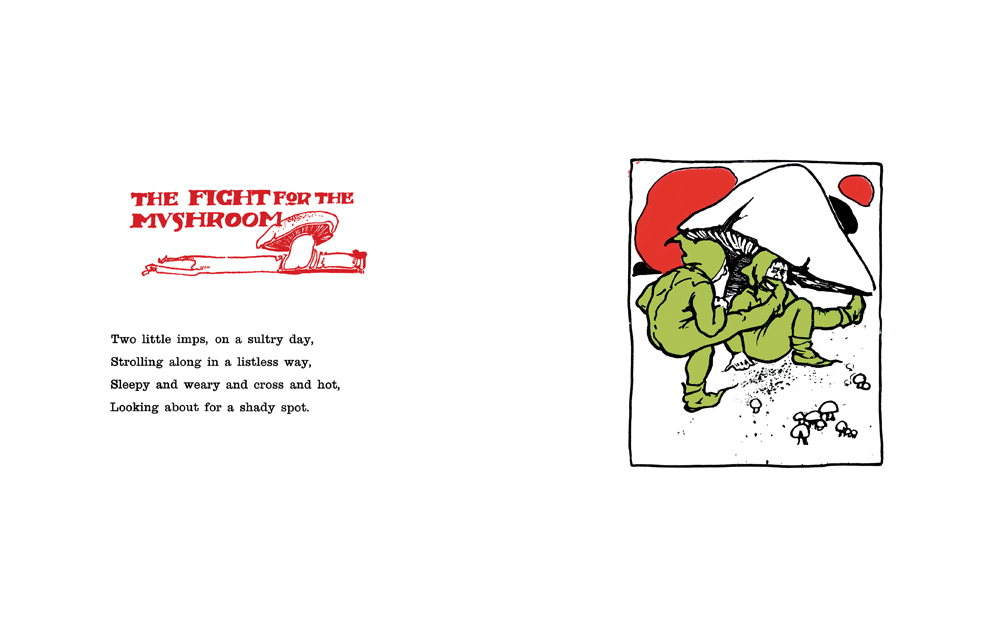
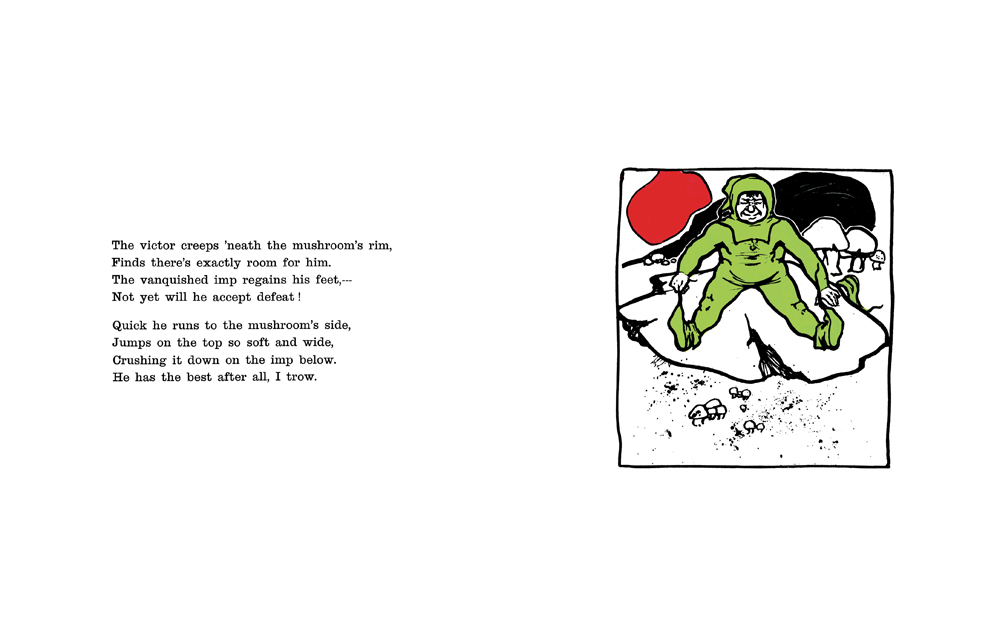
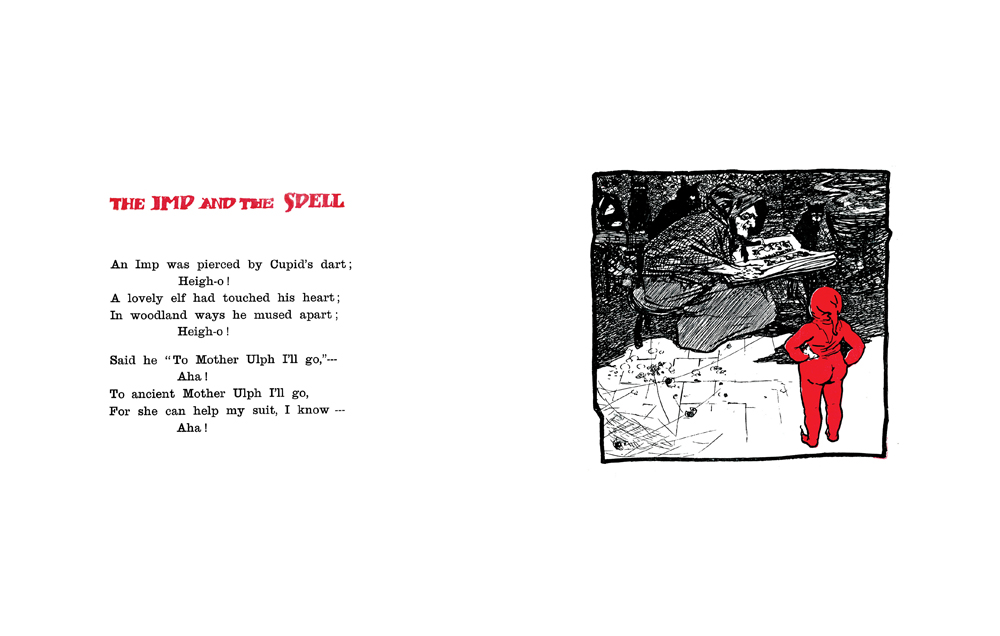
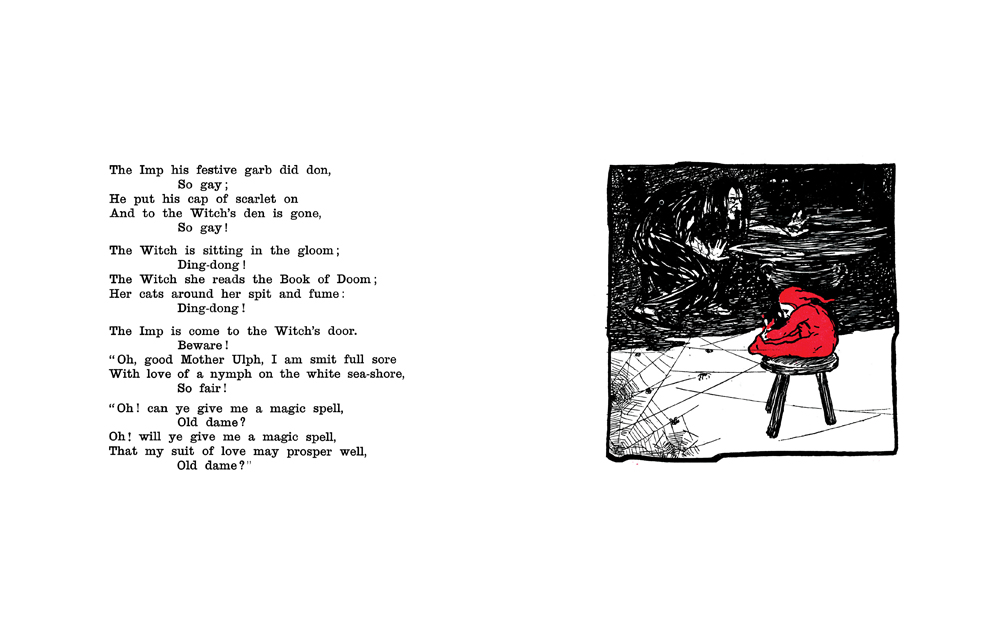
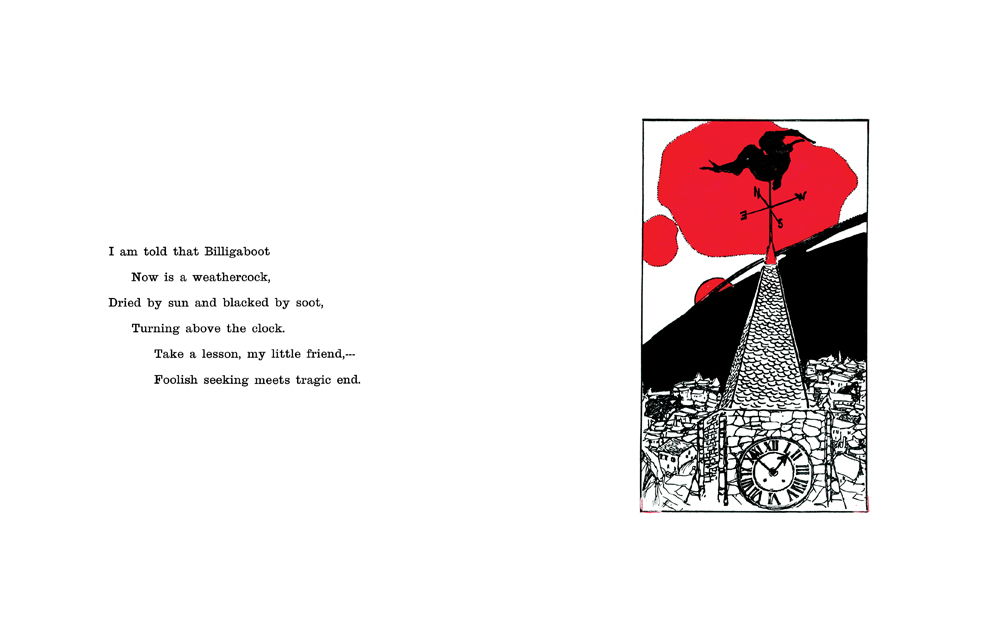
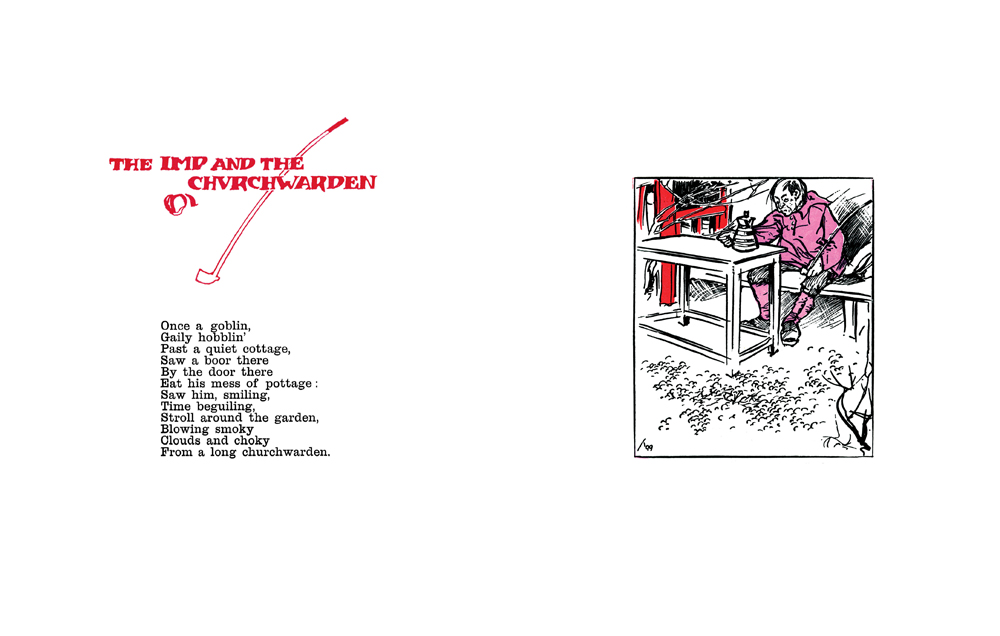
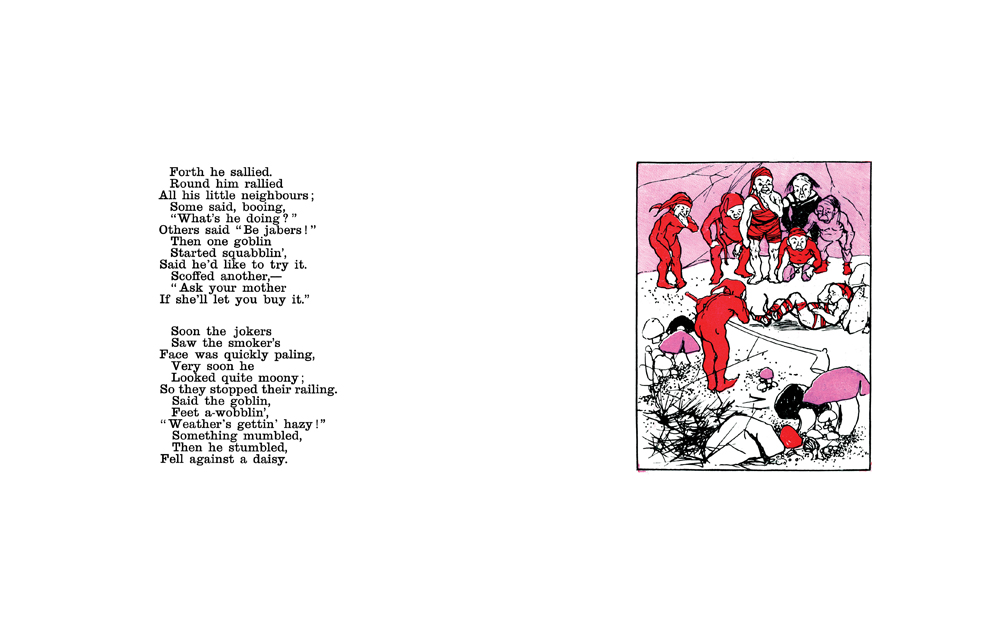
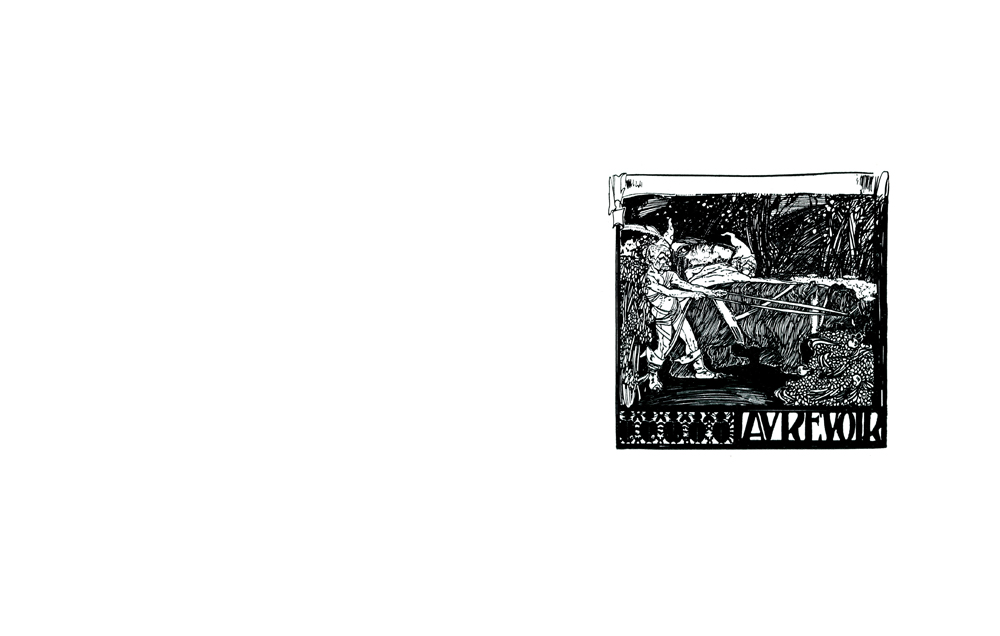
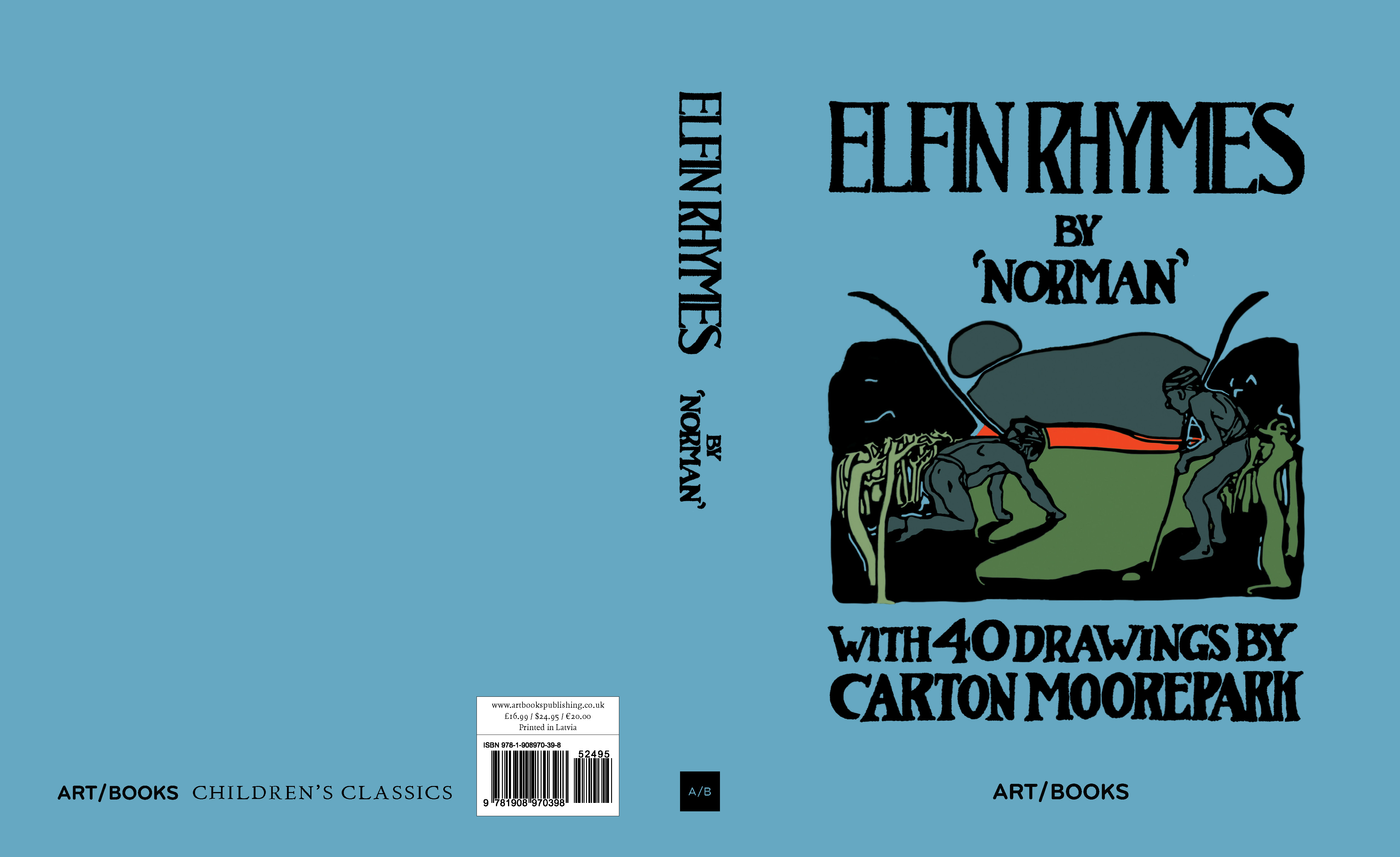
This charming children’s book, written by an anonymous author known only as ‘Norman’ and first published in 1900, features eleven rhymes that capture the mysterious and sometimes ridiculous world of goblins, witches and fairies. Children and parents alike will delight at these stories of naughty imps and elves who love to play pranks, tease and make mischief on humans, animals and one another. And while few of these fairy tales have a happy ending, all of them offer the reader a moral lesson of sorts. Each verse is accompanied by several drawings by illustrator Carton Moore Park in either one, two or three simple colours in a style that not only conveys the magic of the fairy-realm, but also is strikingly modern in character. This facsimile edition is beautifully printed on high-quality paper to create a collectible object that recipients young and old will treasure long into adulthood. It is the latest volume in a series of special facsimiles of historic illustrated children’s titles selected and produced by Art / Books.

Carton Moore Park (1877–1956) was a British painter, illustrator and teacher, born in Scotland. He studies at the Glasgow School of Art between 1893 and 1897. During the 1890s, he was best known for his illustrations of animals, which appeared in Glasgow Weekly Citizen and Saint Mungo. His illustrated books were Alphabet of AnimalsBook of Birds, and A Book of Elfin Rhymes. He lived in London until 1910, when he emigrated to New York, where he spent the rest of his life.

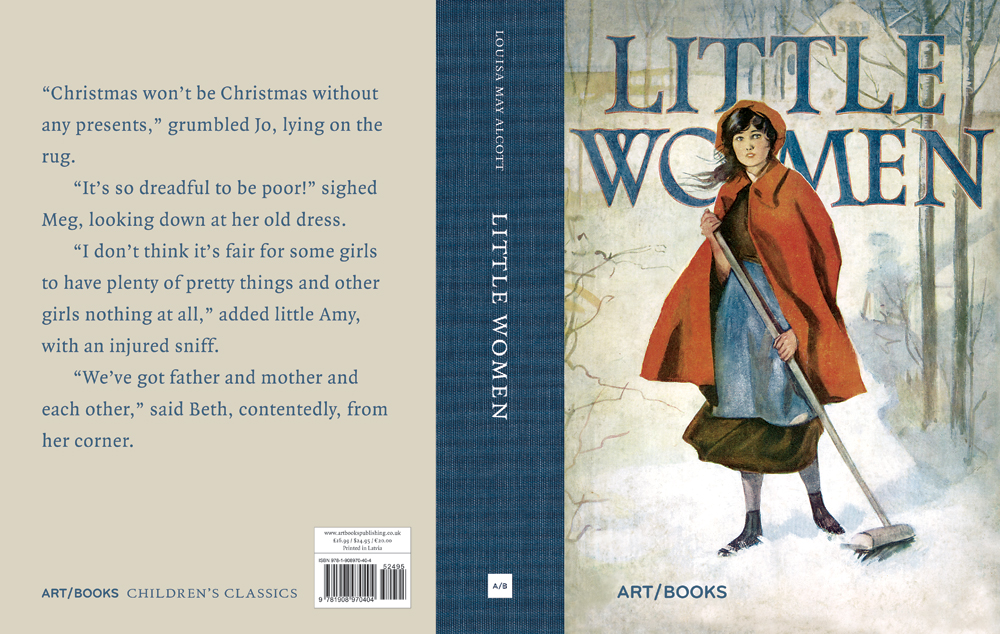
Little Women

Louisa M. Alcott
Abridged by W. Dingwall Fordyce
Illustrations by Norman Little

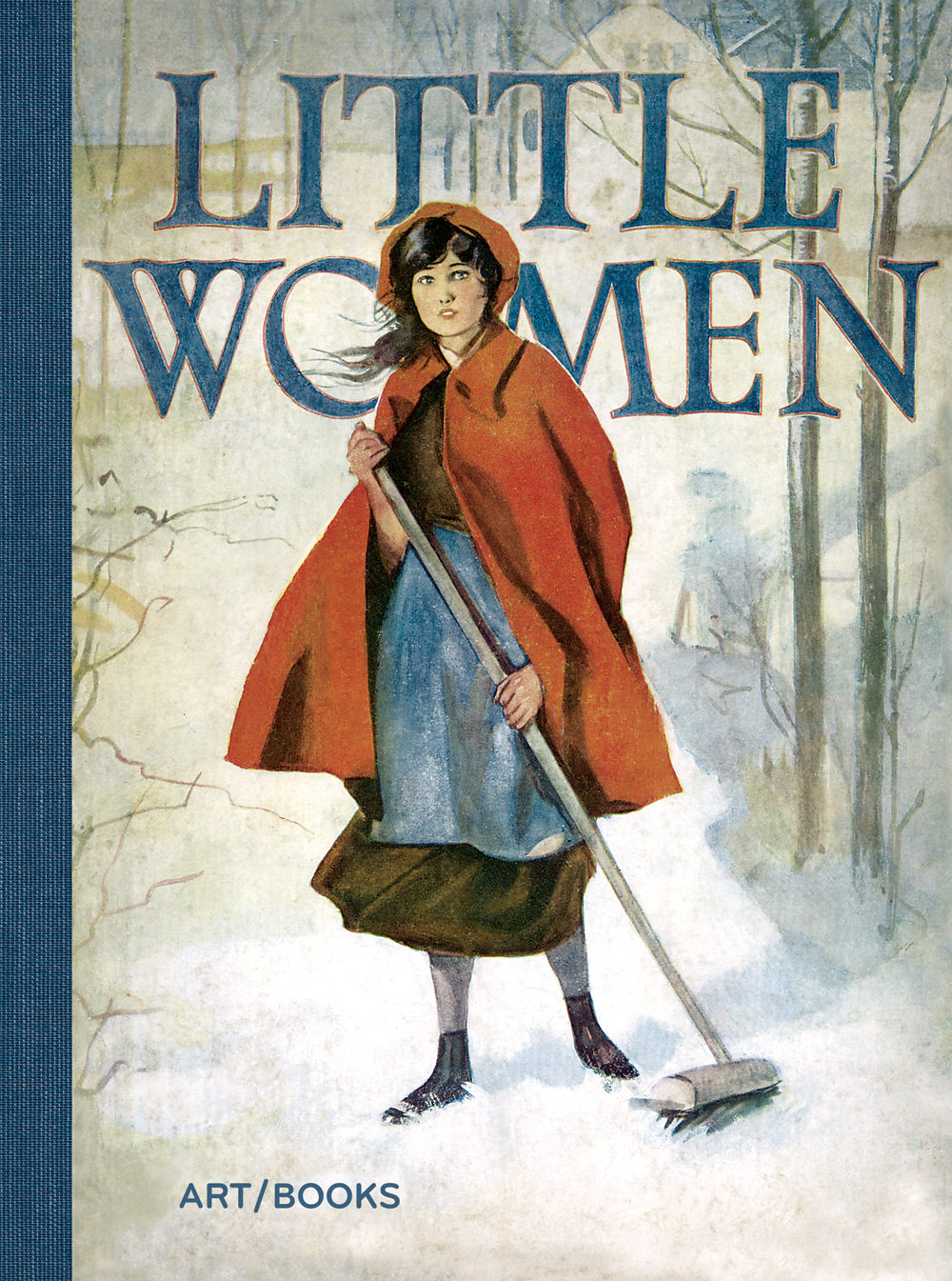
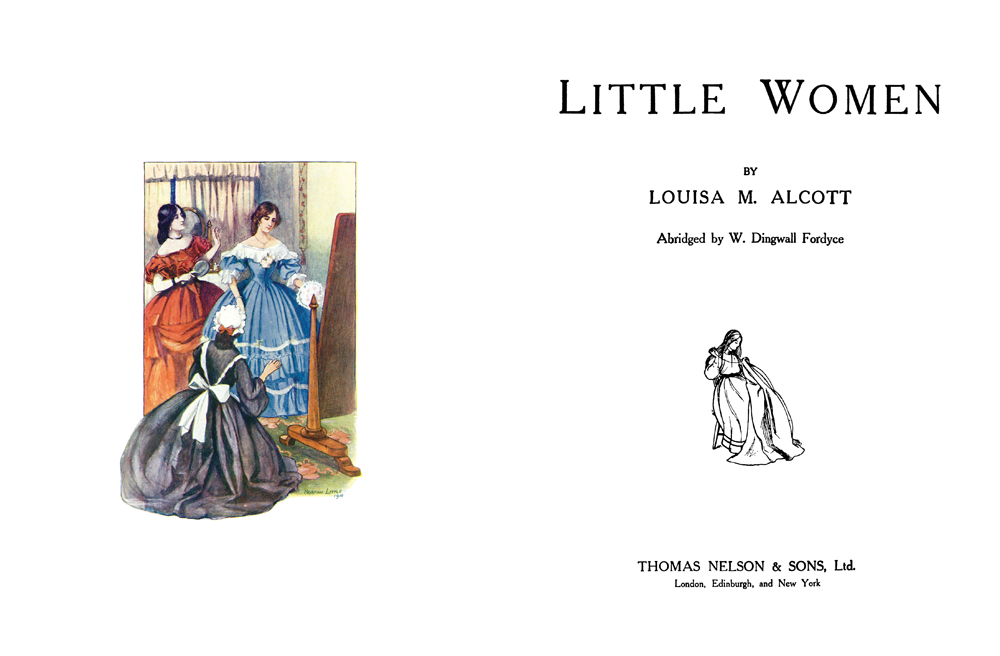
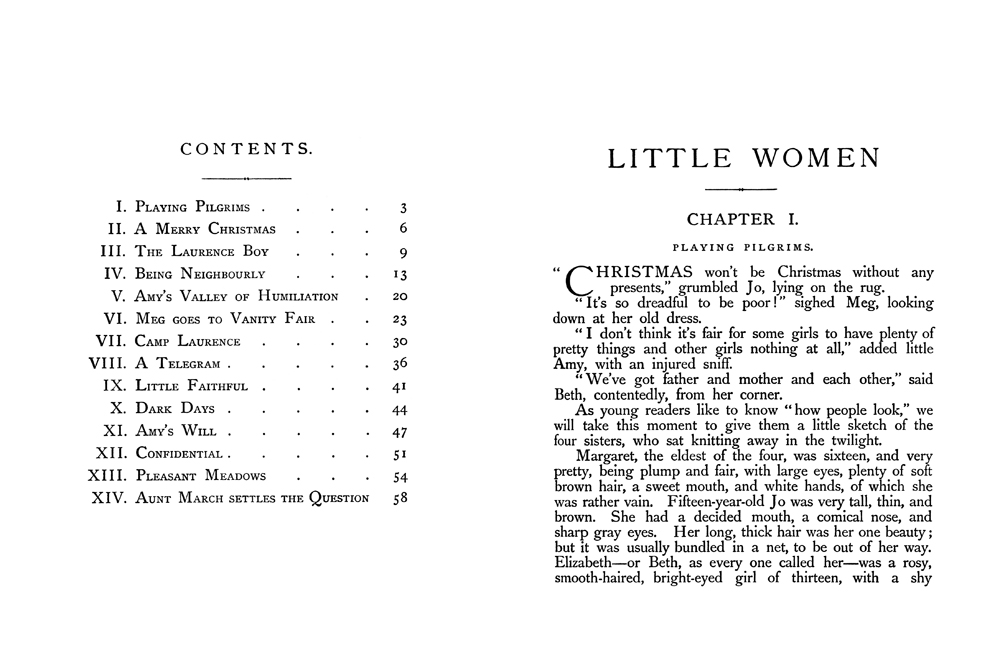
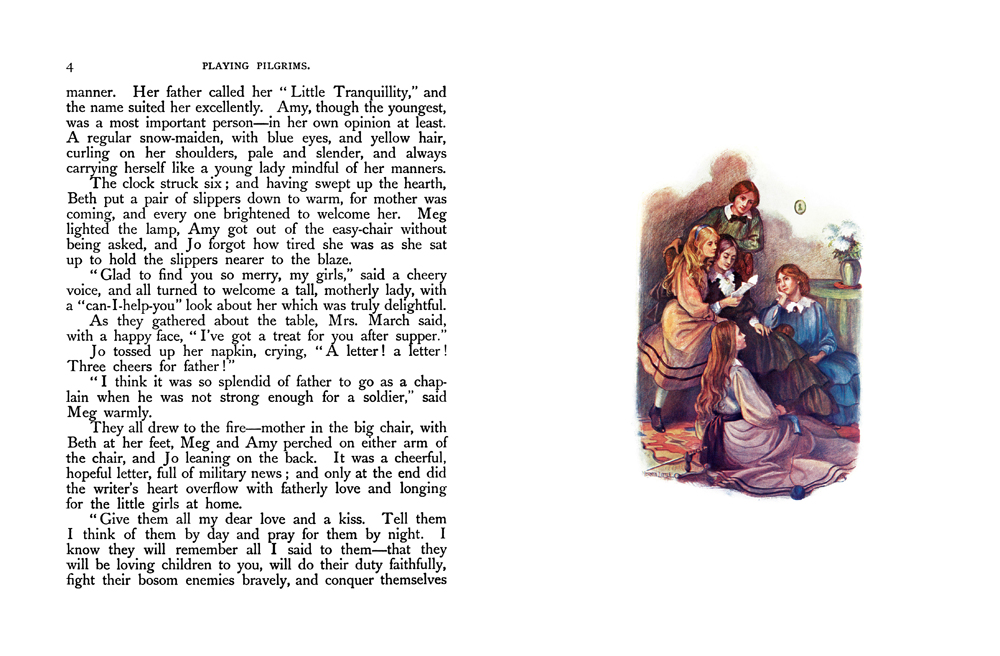
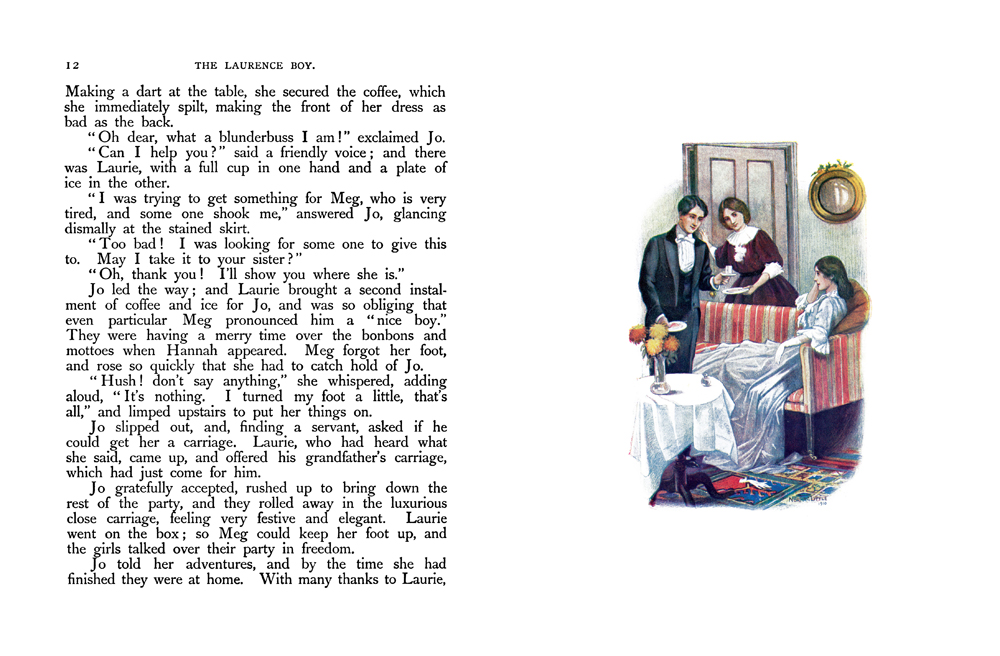
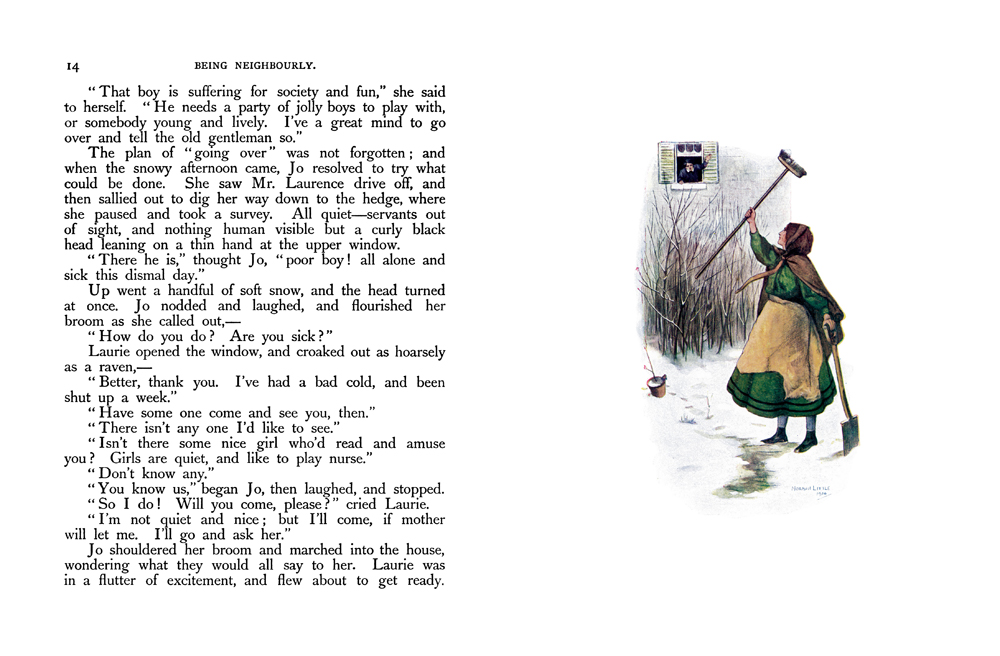
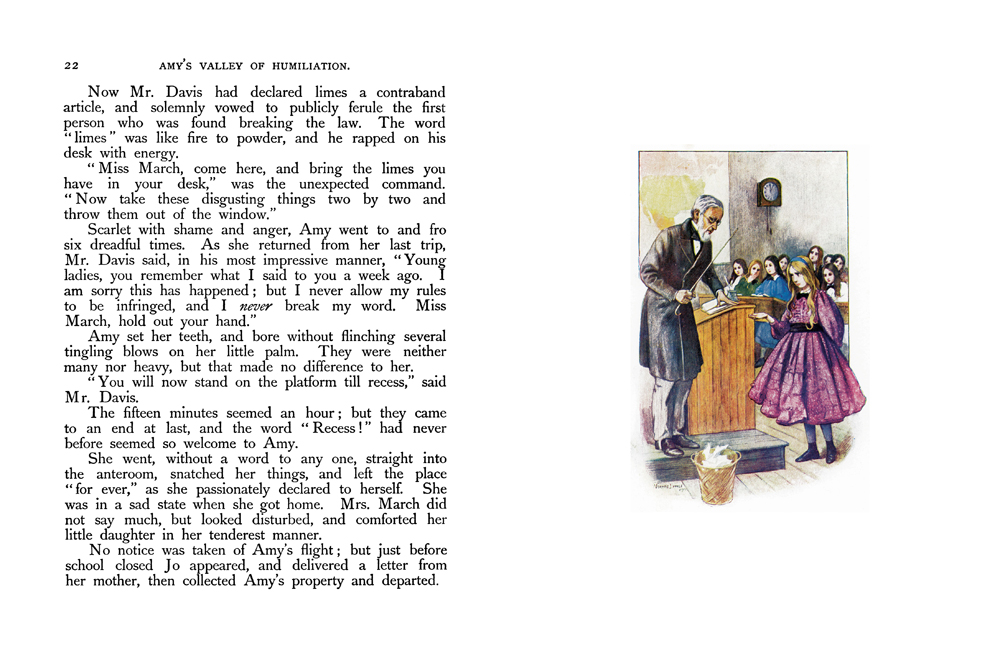
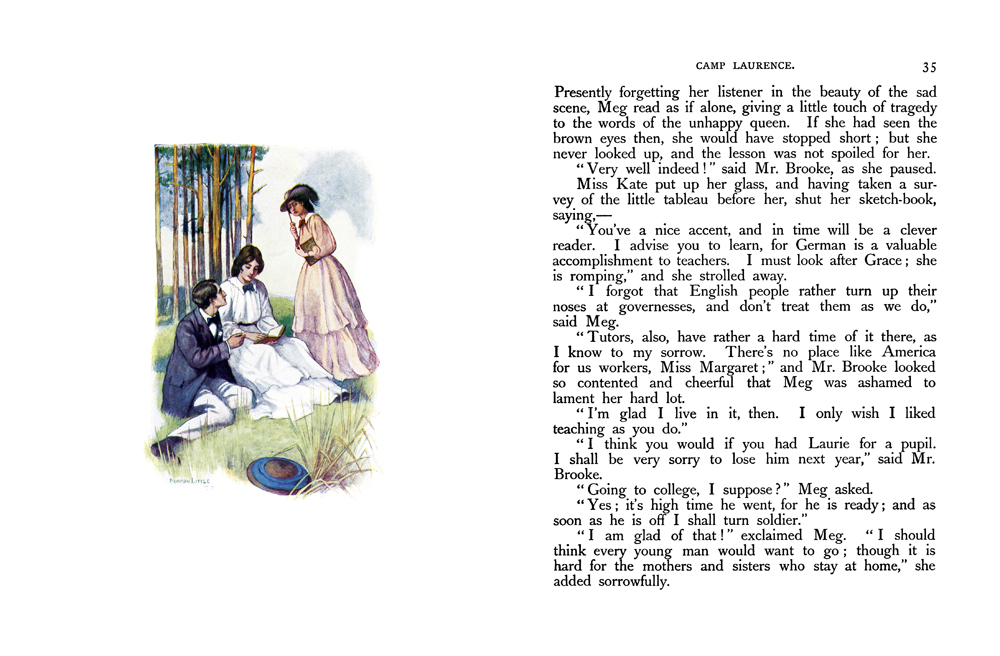
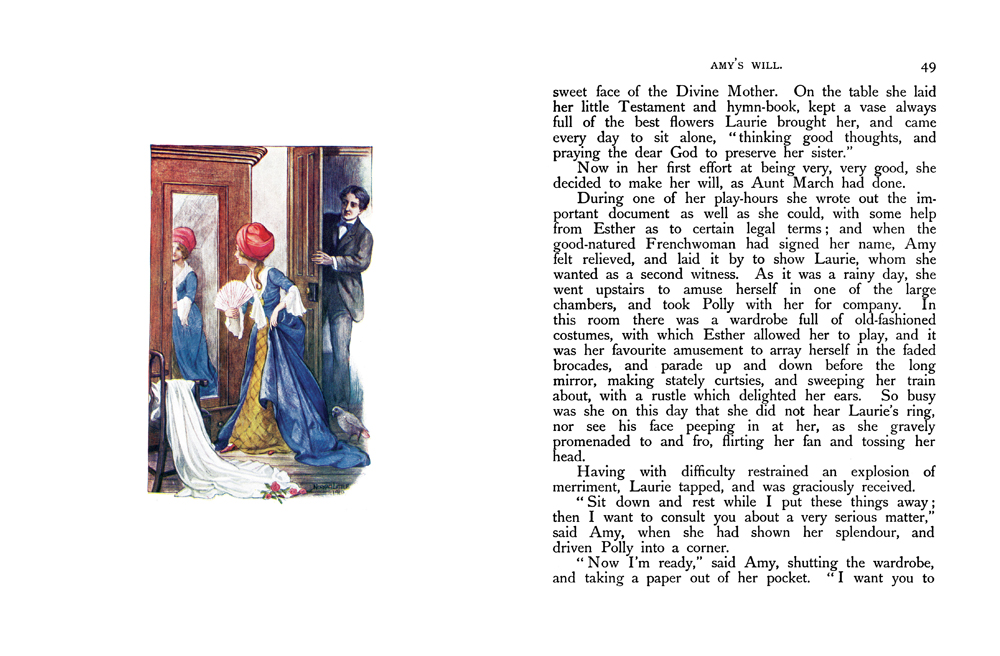
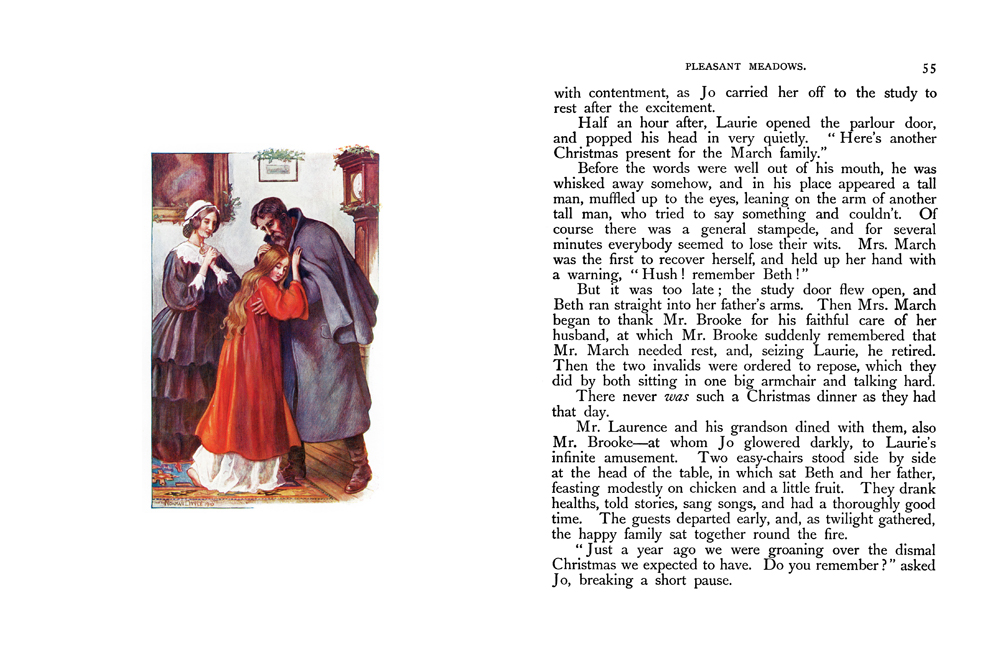
Louisa May Alcott’s beloved children’s novel Little Women is one of the classics of American literature. The novel follows the lives of the March sisters Meg, Jo, Beth and Amy and details their passage from childhood to womanhood during the years of the American Civil War. The story was loosely based on Alcott and her sisters’ own experiences of growing up in Concord, Massachusetts. The book became an immediate roaring success when it was published on 30 September 1868. The first two thousand copies sold out at once and it has never been out of print since. This 150th-anniversary facsimile edition faithfully reproduces an abridged version of the book published in 1910. It presents the story in an easy-to-read format, accompanied by delightful colour drawings illustrating key moments in the story by the Australian artist Norman Little. Beautifully produced as a quarter-bound hardback printed on high-quality paper, it is a perfect gift for readers of all ages.

Louisa May Alcott (1832–88) was an American novelist and poet, best known as the author of the novel Little Women (1868) and its sequels Little Men (1871) and Jo’s Boys(1886).

W. Dingwall Fordyce was the author of the adventure novels for children Our Secret Society, The Gun-Runners, In Search of Gold and The Jewelled Lizard, among other books. He also wrote abridged versions of classic novels, including Jonathan Swift’s Gulliver’s Travels, Nathaniel Hawthorne’s Tanglewood Tales and Louisa M. Alcott’s Little Women.

Norman Little (1883–1917) was an Australian artist and illustrator. He illustrated several books, including The Gateway to Tennyson and Faust and Marguerite, and produced many drawings, watercolours, and oil paintings of rural and military life. One of his paintings is held by the National Army Museum. He served with the Royal Fusiliers 11th Batallion as a lieutenant, and was killed in action in 1917.

Edward Woodman

The Artist’s Eye

Edited by Gilane Tawadros and Judy Adam
Foreword by Phyllida Barlow
Texts by Gilane Tawadros and Woodrow Kernohan

Edward Woodman was the photographer of choice for two generations of British artists, from Richard Deacon, Antony Gormley, and Cornelia Parker to Mona Hatoum, Rachel Whiteread, and Damien Hirst. These and other artists recognized Woodman’s acute sensitivity to their intentions and his unparalleled ability to present their radical works and ideas through photography. But his beautiful and distinctive images go beyond mere documentation, for they are traces of creative relationships that became intrinsic to the artworks and the way they have been received by audiences. As acclaimed sculptor Phyllida Barlow writes in her foreword, Woodman’s ‘images of artists’ works are themselves the work of an artist. His art is a visual poetry.’

Published to coincide with a retrospective exhibition at John Hansard Gallery in Southampton, this book presents many of Woodman’s best-known photographs, including numerous iconic images of the most celebrated works of recent British art and portraits of their makers, as well as subjects captured for personal interest. Frame after frame reveal his extraordinary capacity to create photographs that enable us as future viewers to experience these sculptures, installations, and performances as if we had been there, in the present, sometimes years and decades after the event.

Gilane Tawadros is a curator and writer, based in London. She is the Chief Executive of DACS, a visual artists’ rights management organization. She was the founding director of the Institute of International Visual Arts (Iniva) in London. She has curated numerous exhibitions and has written extensively on contemporary art. Her books include The New Economy of Art (2014), Changing States: Contemporary Art and Ideas in an Era of Globalisation (2004) and Life is More Important Than Art (2007).

Judy Adam is an independent curator and consultant.

Woodrow Kernohan is Director of the John Hansard Gallery in Southampton. He was previously Director/CEO of EVA International, Ireland’s biennial of contemporary art, and Co-Director of the photography festival Brighton Photo Fringe. In 2015, he was also the Curator of the Irish Pavilion at the 56th Venice Biennale.