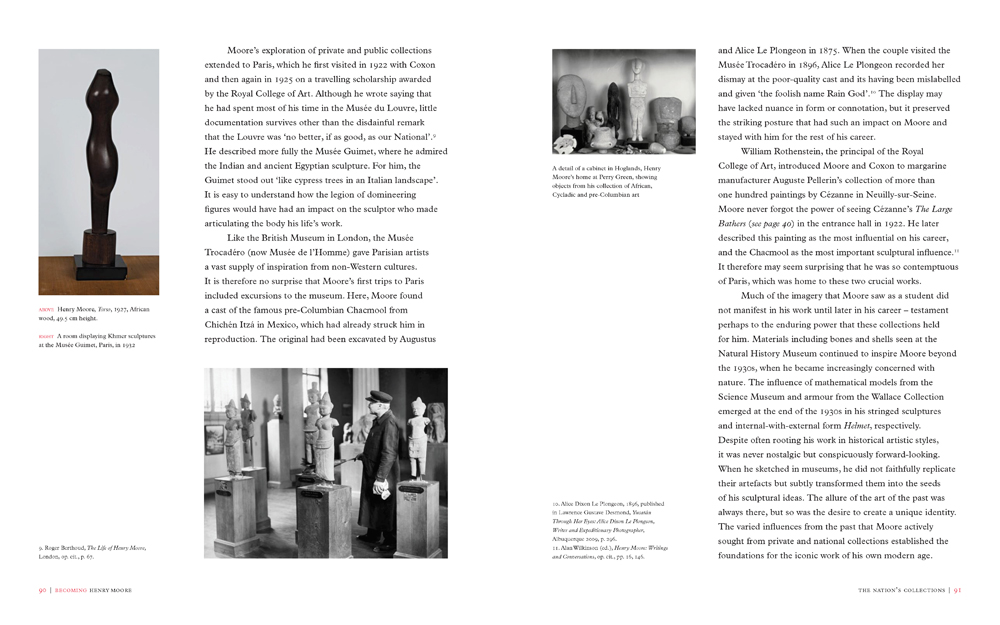
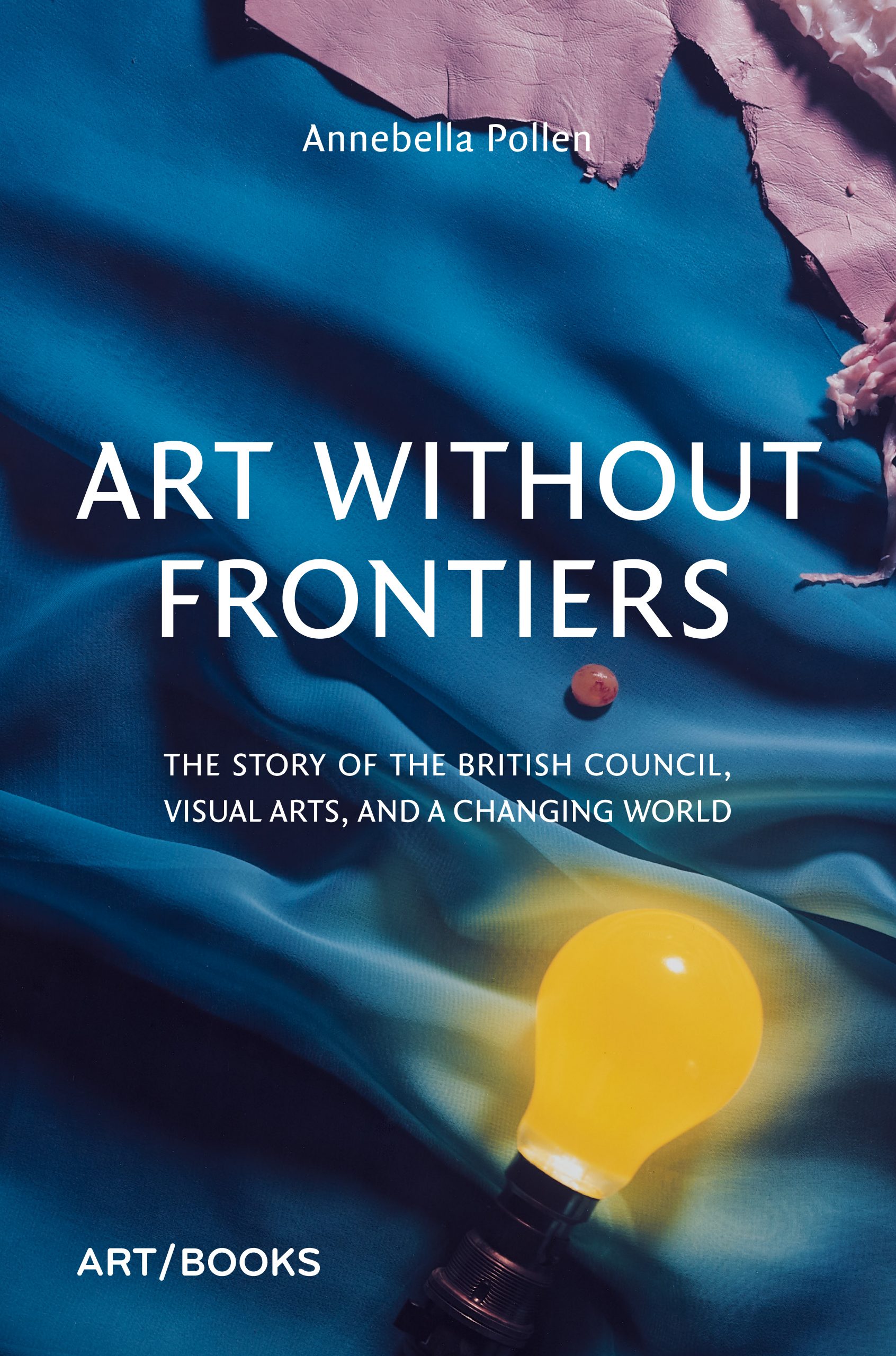
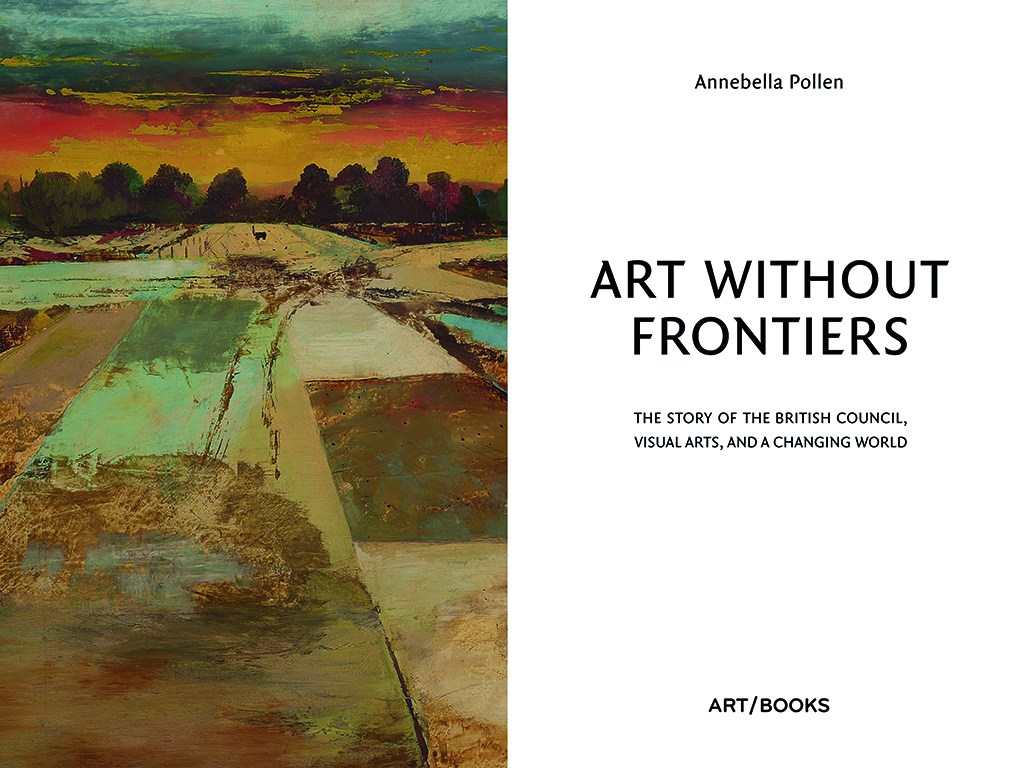
Art Without Frontiers

The Story of the British Council, Visual Arts, and a Changing World

Annebella Pollen

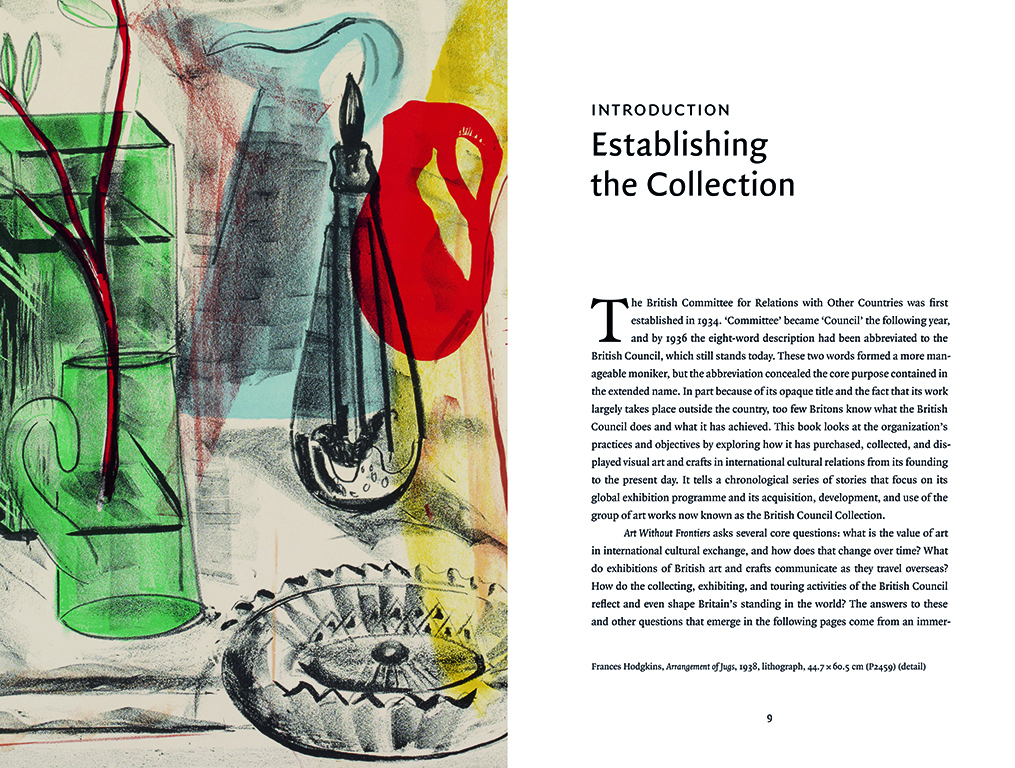
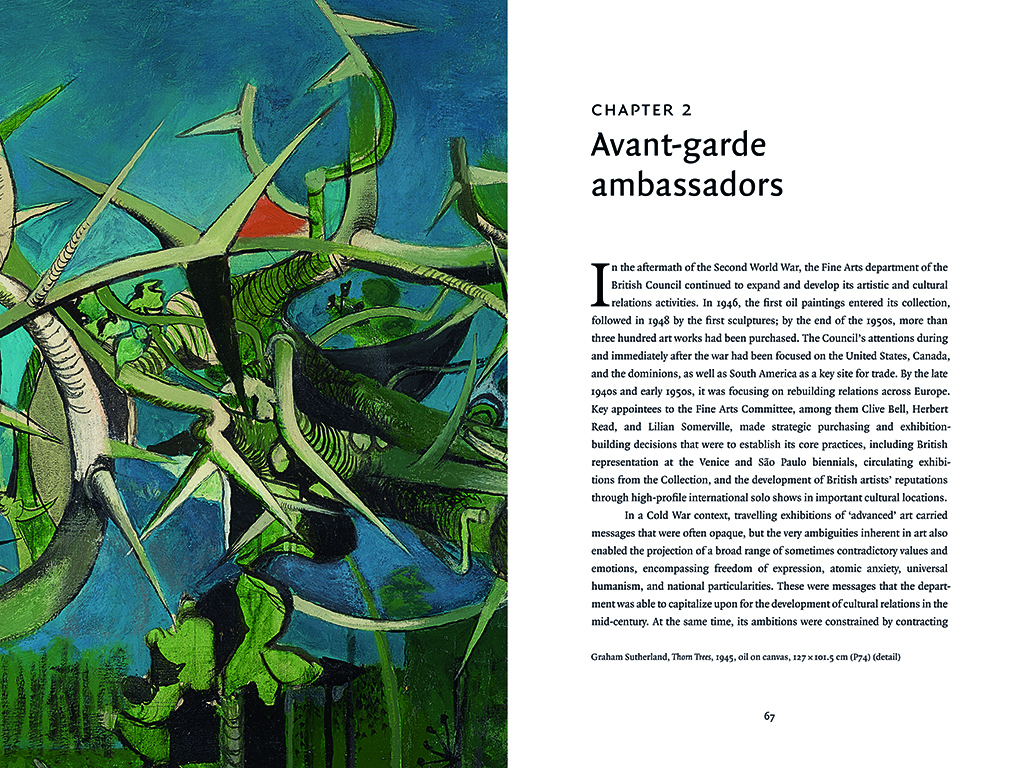
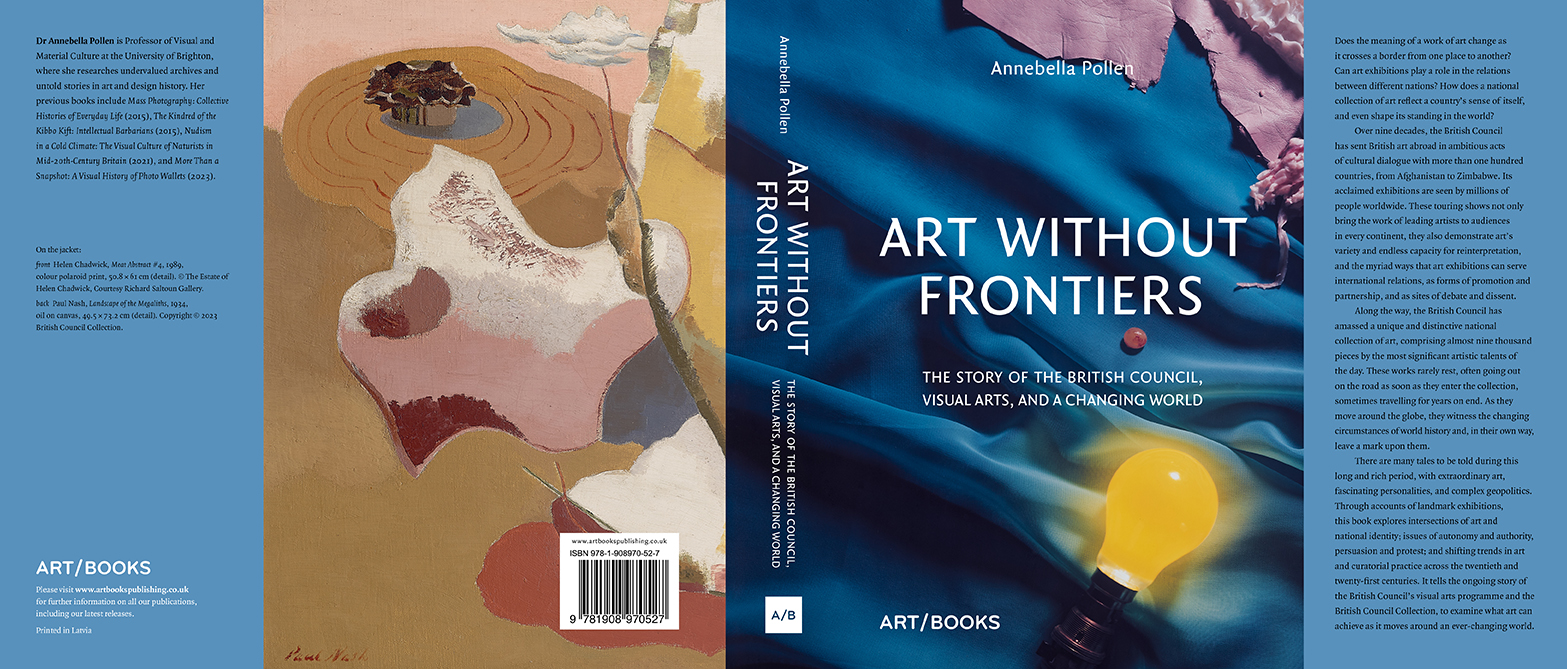
Does the meaning of a work of art change as it crosses a border from one place to another? Can art exhibitions play a role in the relations between different nations? How does a national collection of art reflect a country’s sense of itself, and even shape its standing in the world?

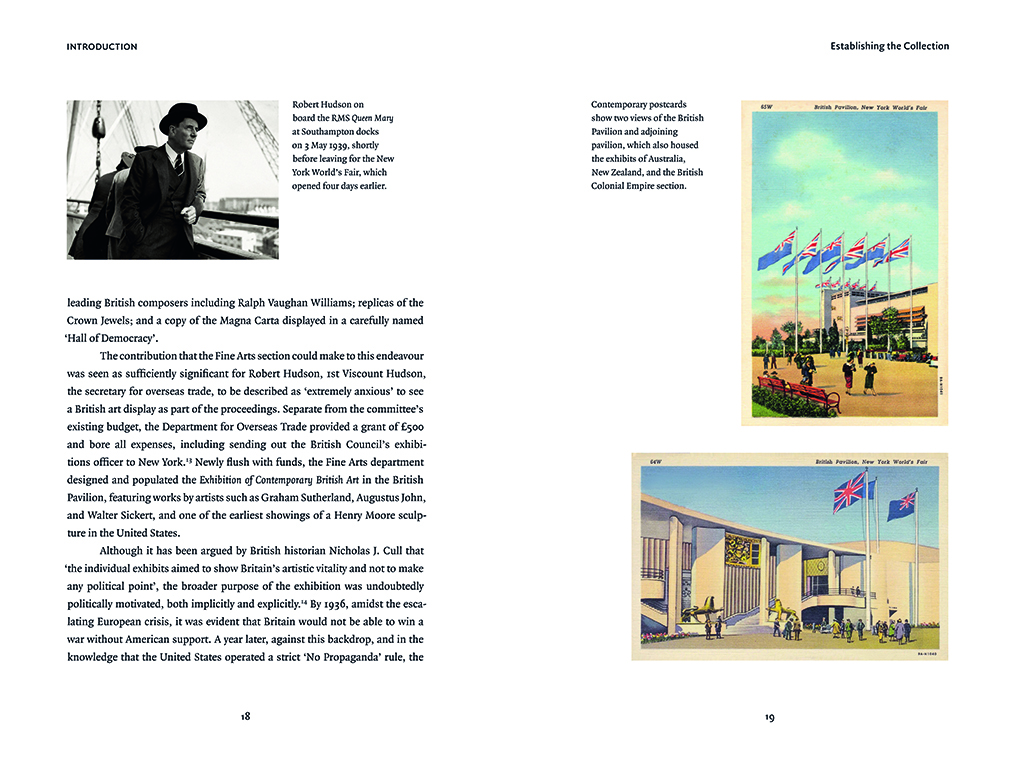
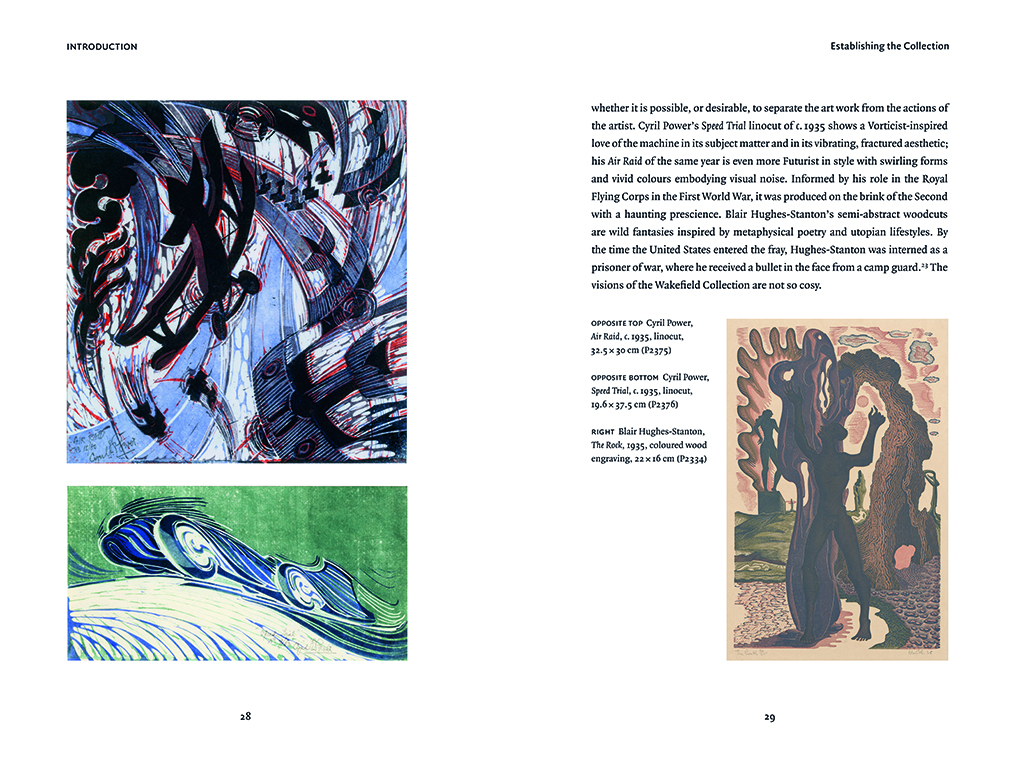
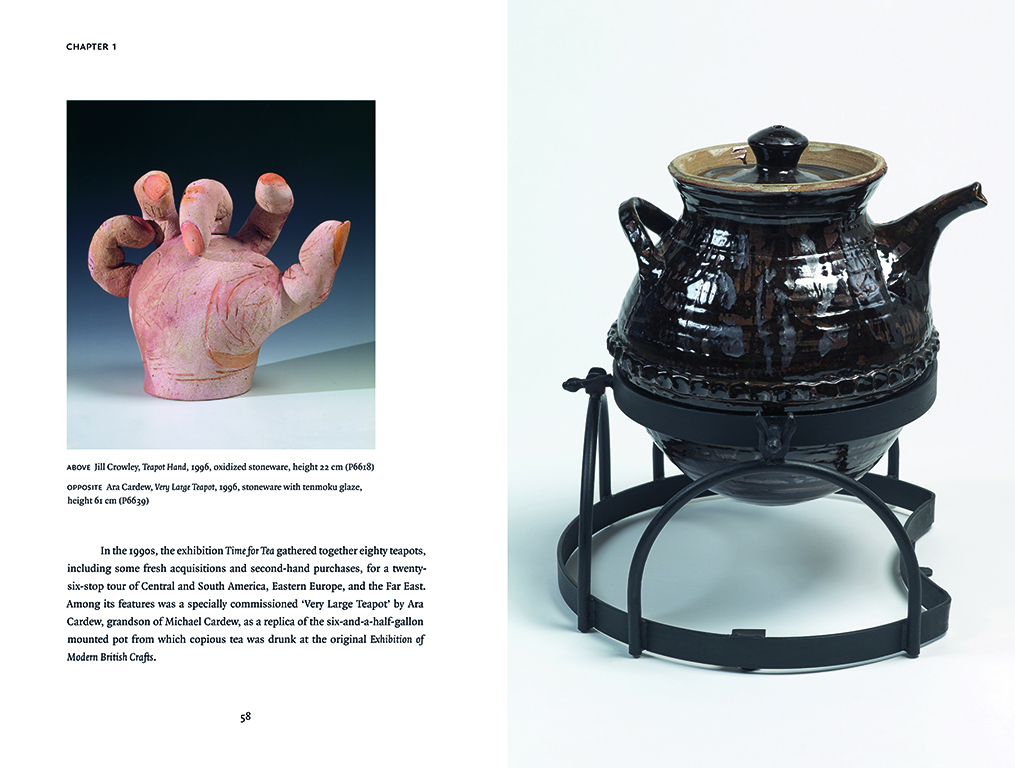
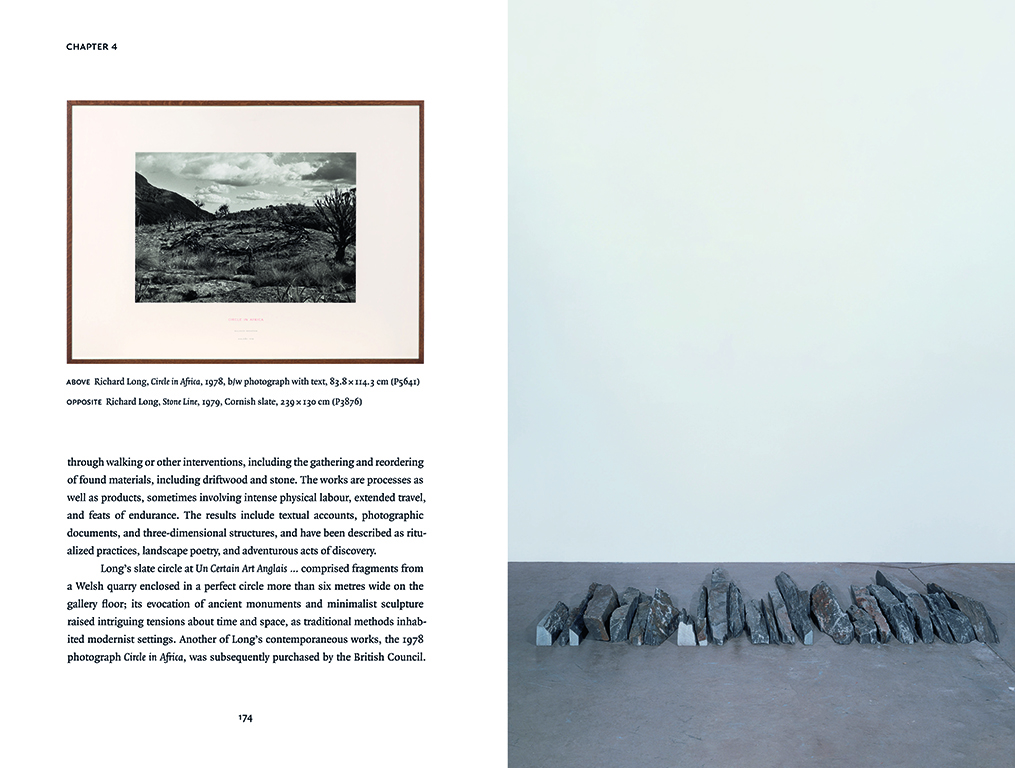
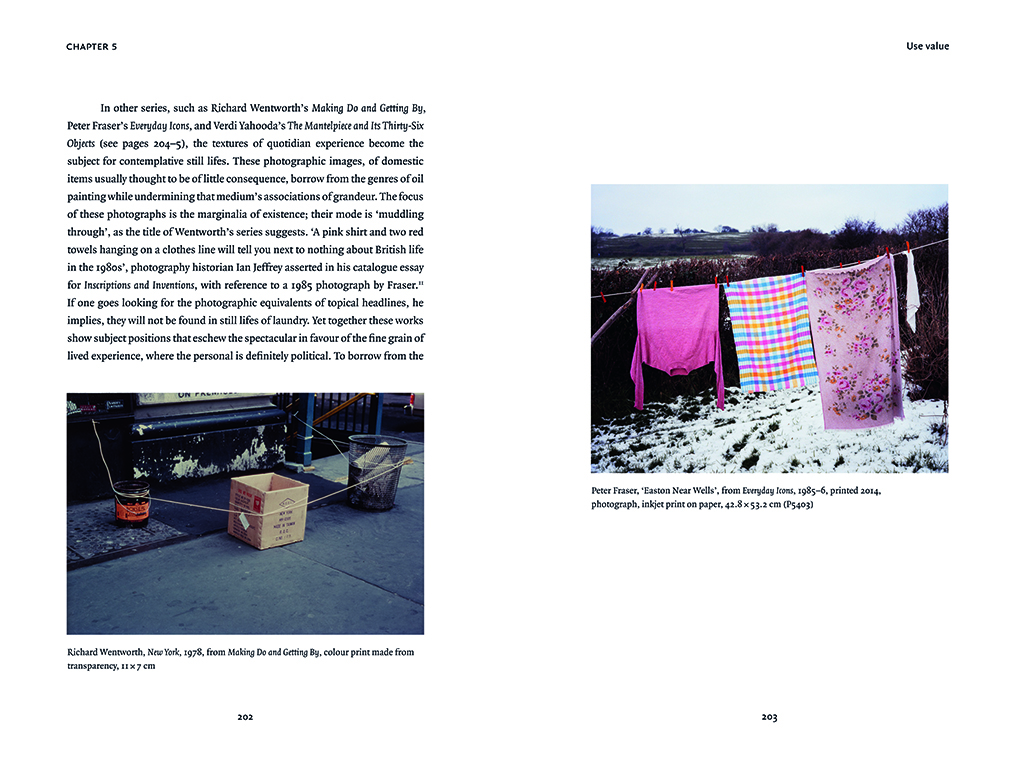
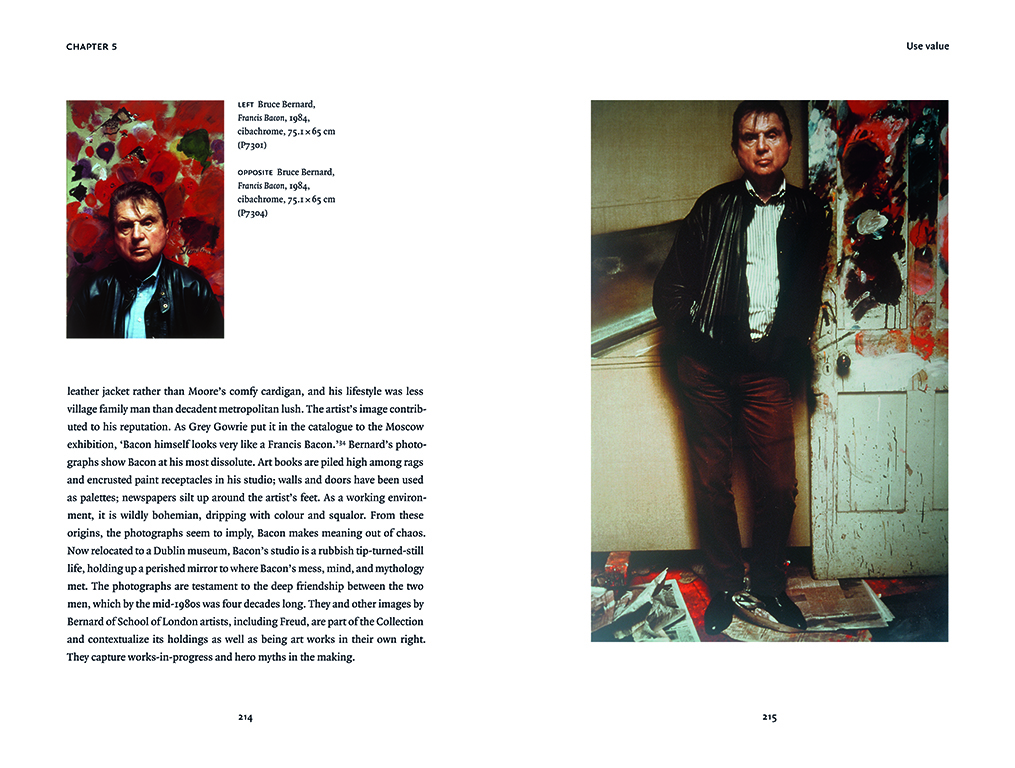
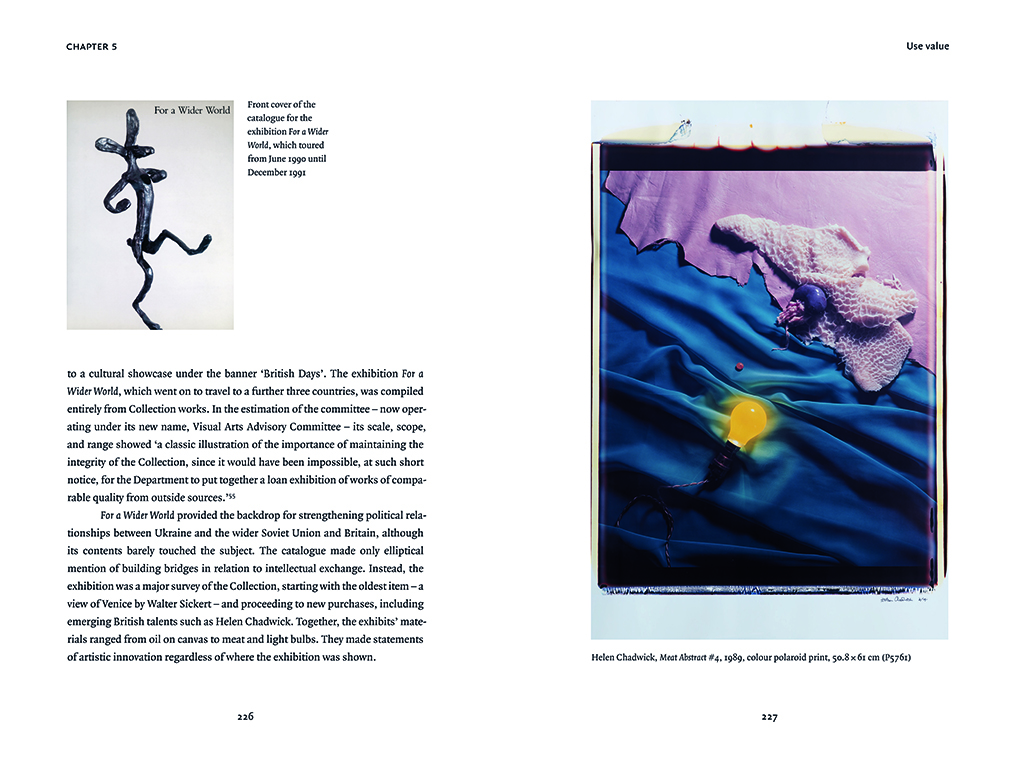
Over nine decades, the British Council has sent British art abroad in ambitious acts of cultural dialogue with more than one hundred countries, from Afghanistan to Zimbabwe. Its acclaimed exhibitions are seen by millions of people worldwide. These touring shows not only bring the work of leading artists to audiences in every continent, they also demonstrate art’s variety and endless capacity for reinterpretation, and the myriad ways that art exhibitions can serve international relations, as forms of promotion and partnership, and as sites of debate and dissent.

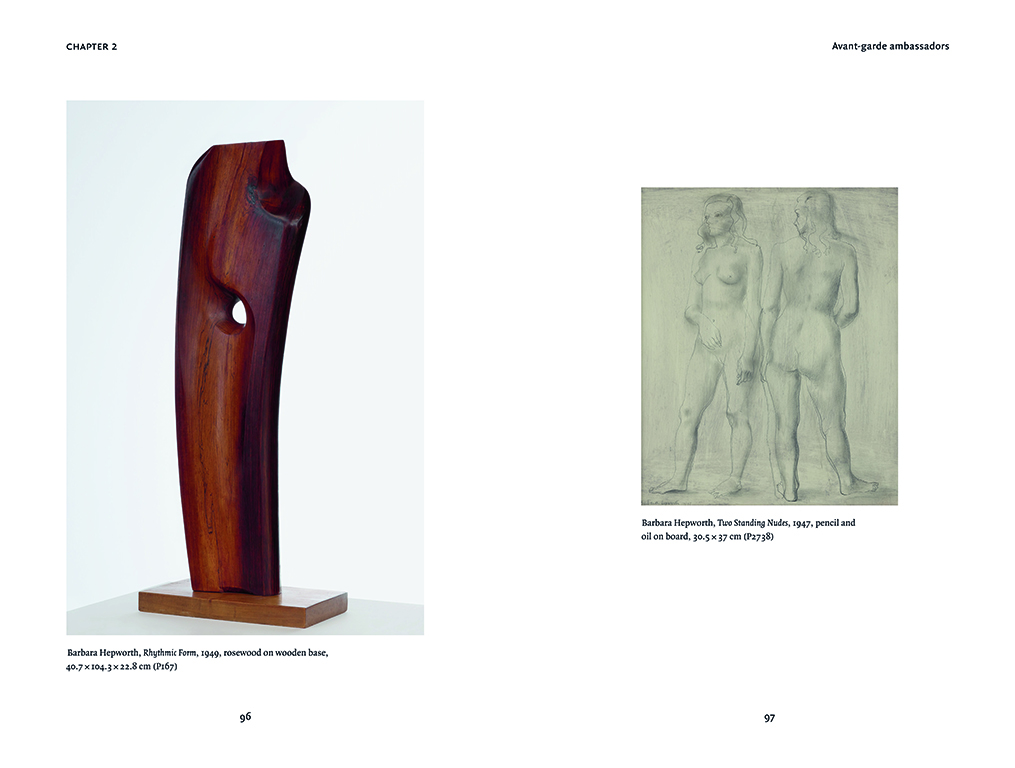
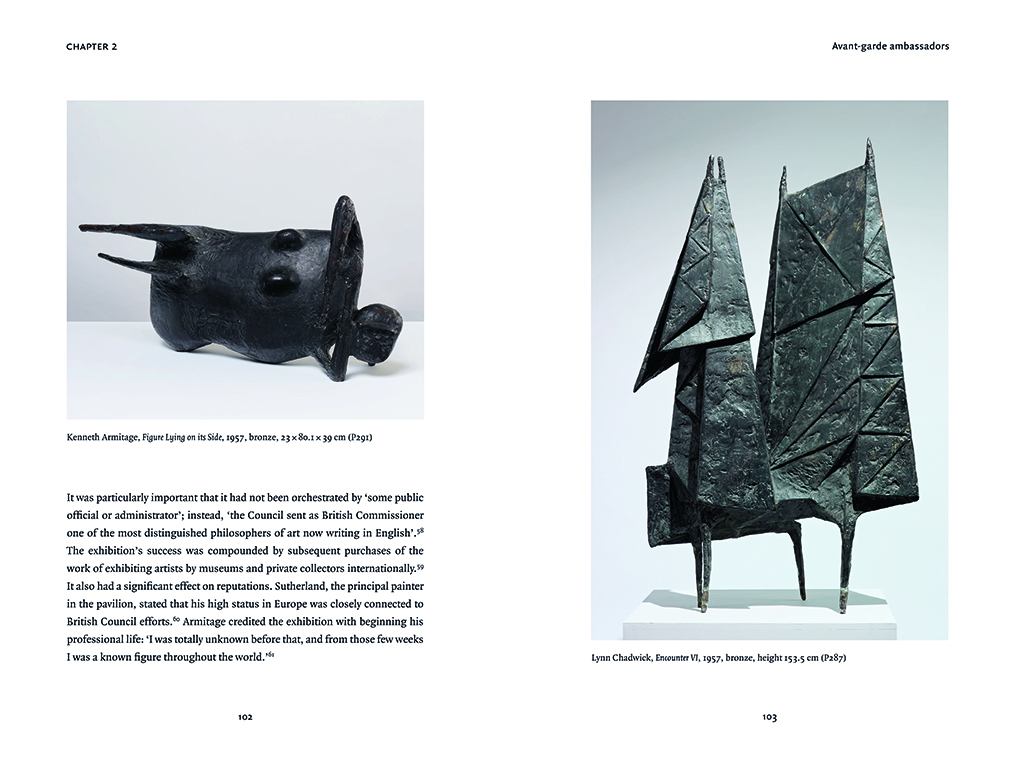
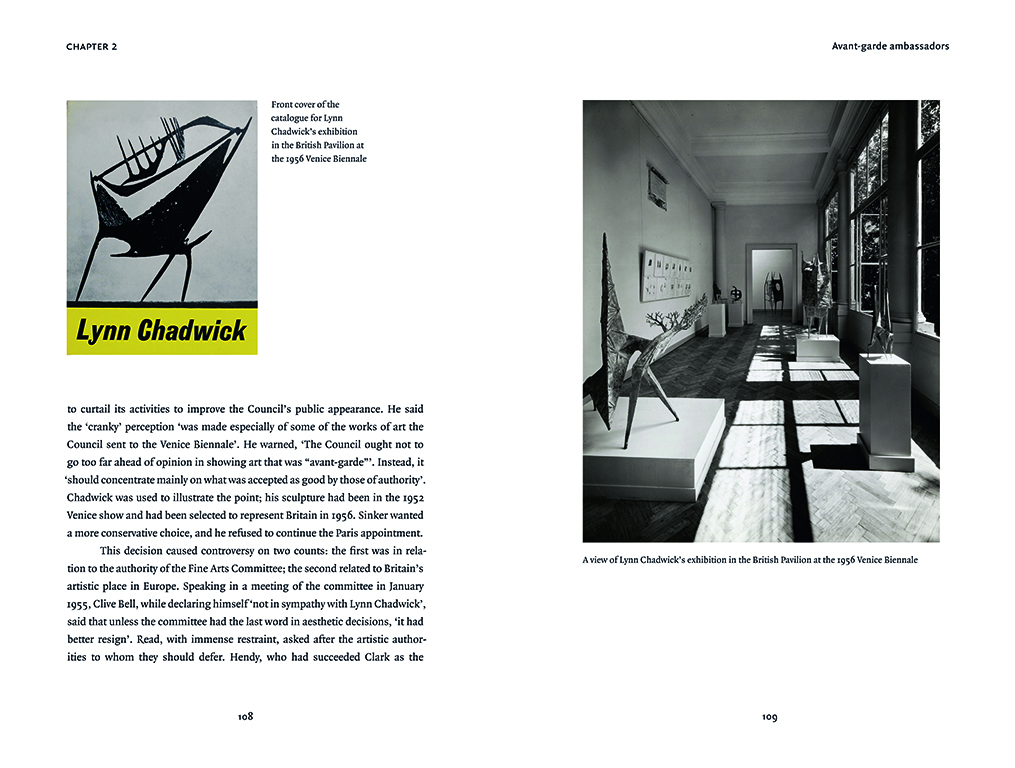
Along the way, the British Council has amassed a unique and distinctive national collection of art, comprising almost nine thousand pieces by the most significant artistic talents of the day. These works rarely rest, often going out on the road as soon as they enter the collection, sometimes travelling for years on end. As they move around the globe, they witness the changing circumstances of world history and, in their own way, leave a mark upon them.

There are many tales to be told during this long and rich period, with extraordinary art, fascinating personalities, and complex geopolitics. Through accounts of landmark exhibitions, this book explores intersections of art and national identity; issues of autonomy and authority, persuasion and protest; and shifting trends in art and curatorial practice across the twentieth and twenty-first centuries. It tells the ongoing story of the British Council’s visual arts programme and the British Council Collection, to examine what art can achieve as it moves around an ever-changing world.

Dr Annebella Pollen is Professor of Visual and Material Culture at the University of Brighton, where she researches undervalued archives and untold stories in art and design history. Her previous books include Mass Photography: Collective Histories of Everyday Life (2015), The Kindred of the Kibbo Kift: Intellectual Barbarians (2015), Nudism
in a Cold Climate: The Visual Culture of Naturists in Mid-20th-Century Britain (2021), and More Than a Snapshot: A Visual History of Photo Wallets (2023).
 

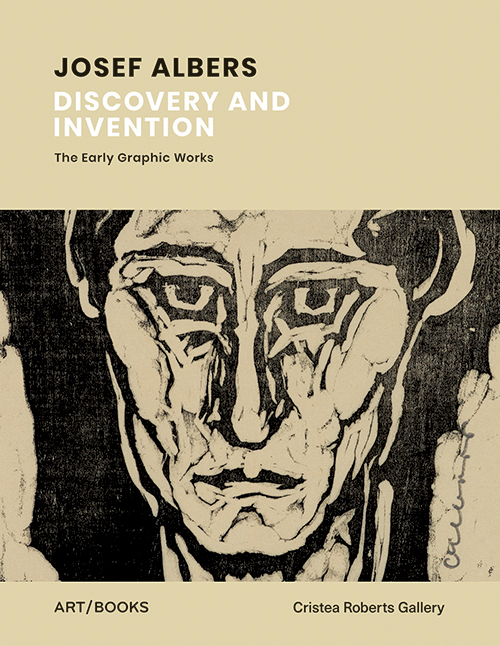
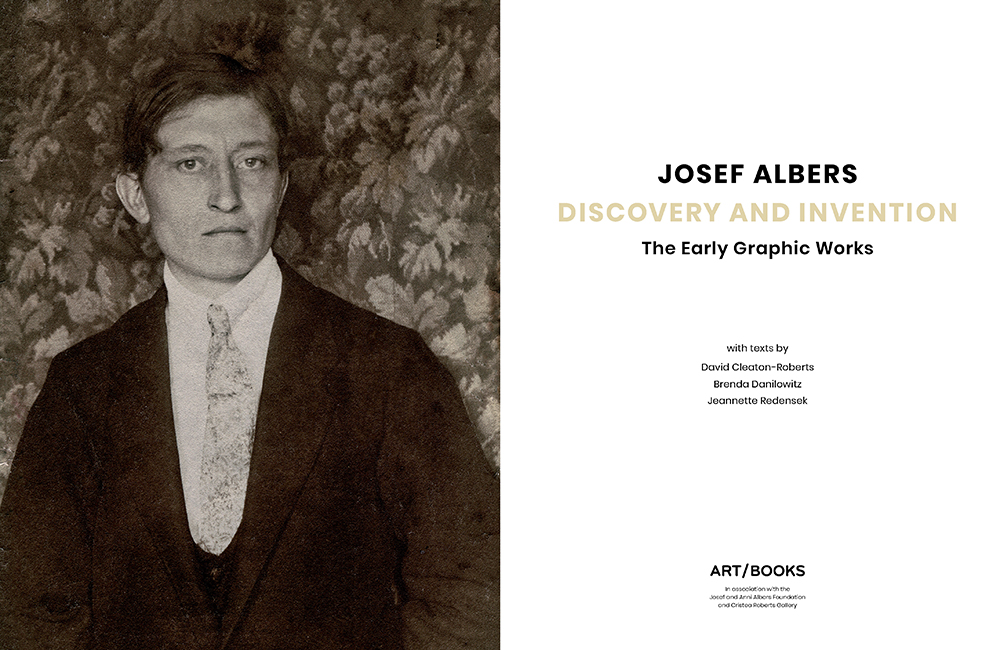
Josef Albers

Discovery and Invention –
The Early Graphic Works

Foreword by David Cleaton-Roberts
Texts by Brenda Danilowitz and Jeannette Redensek 

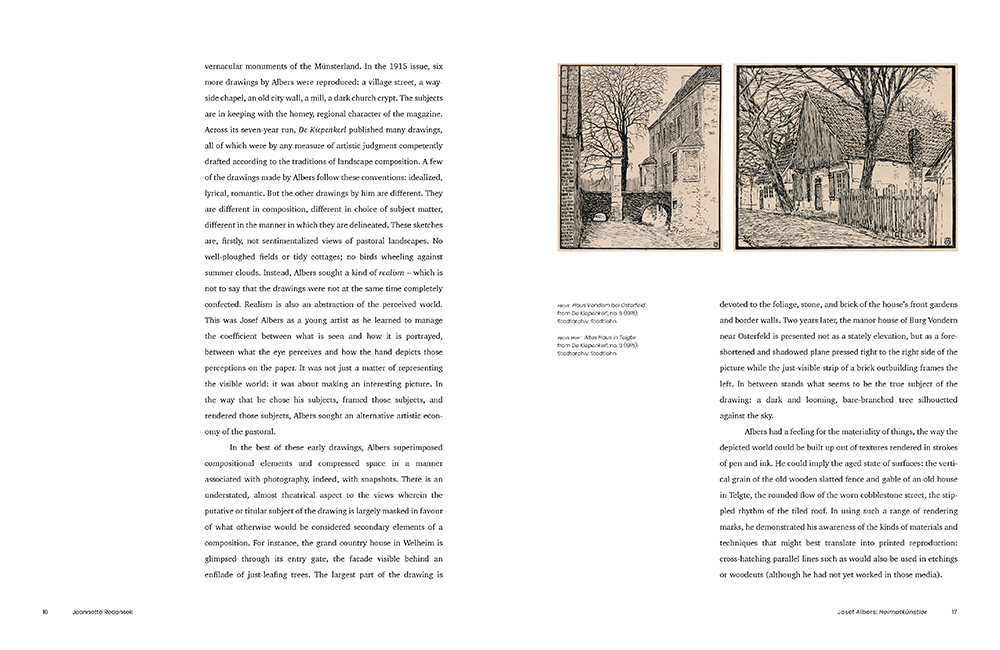
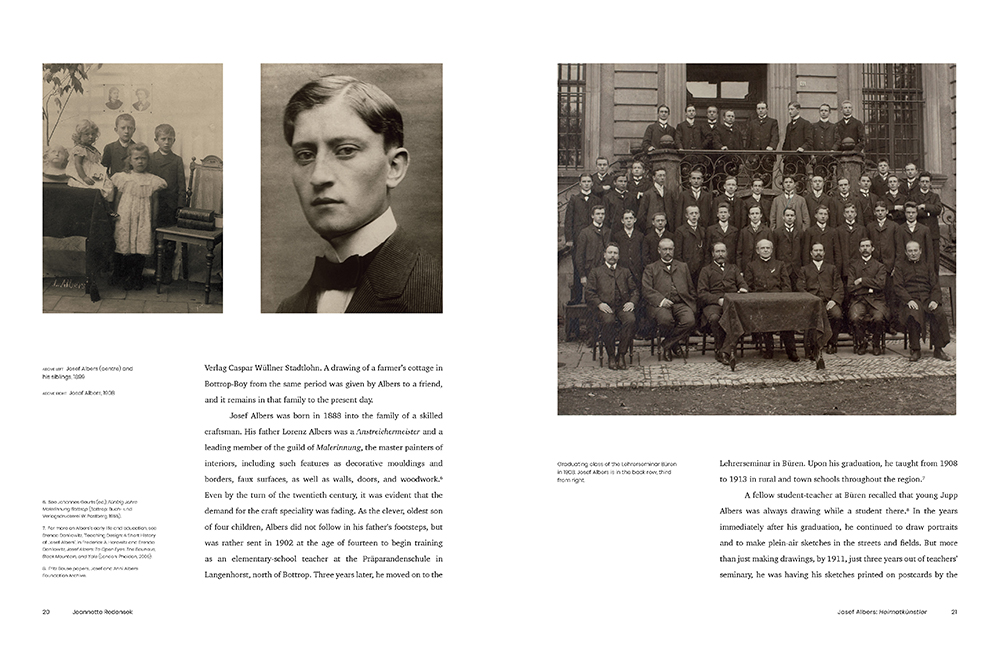
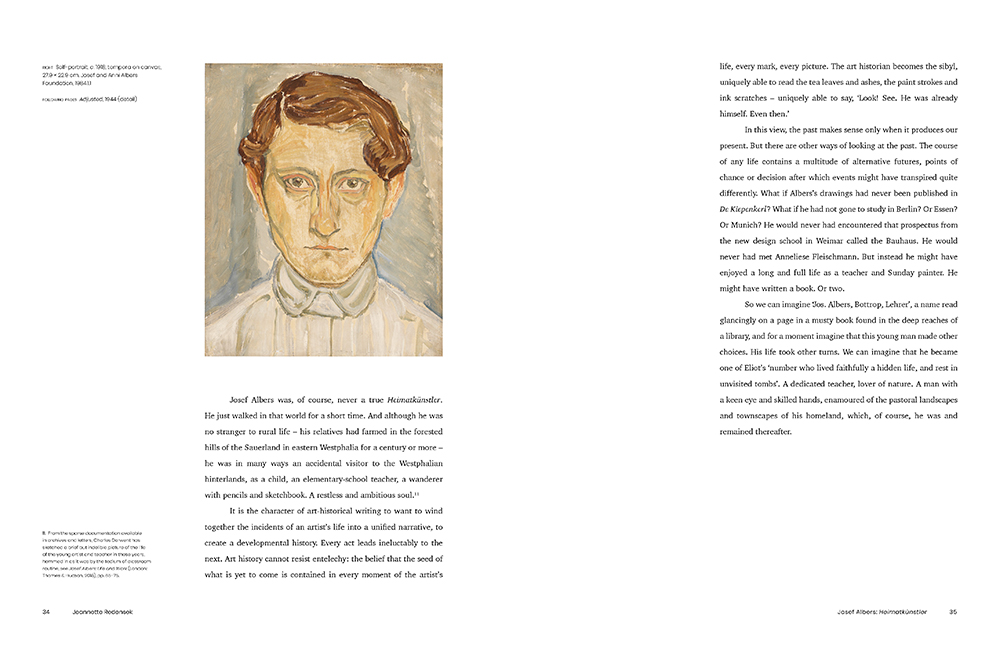
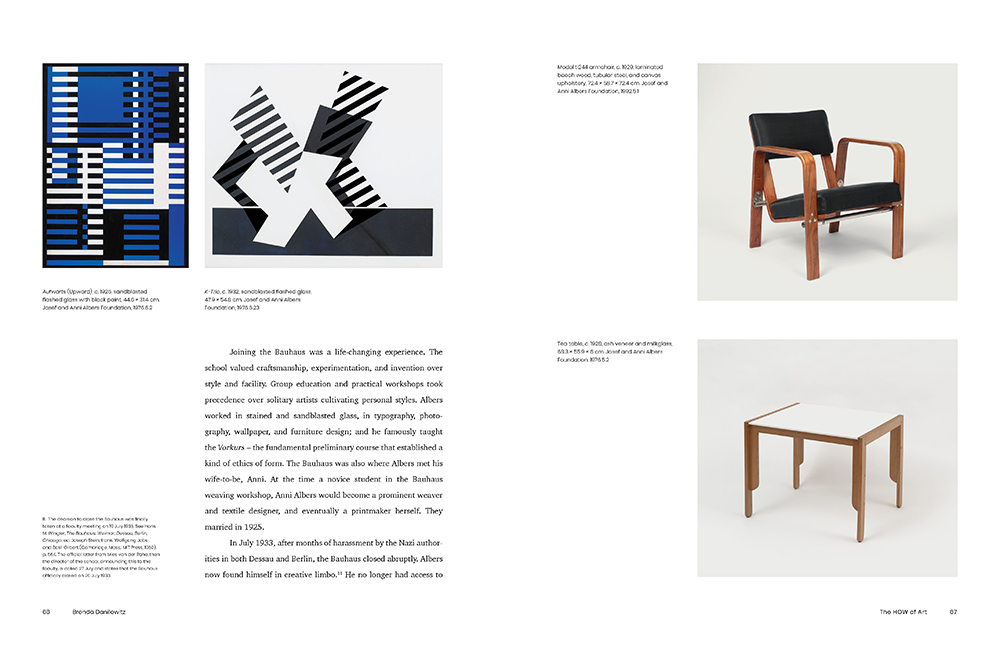
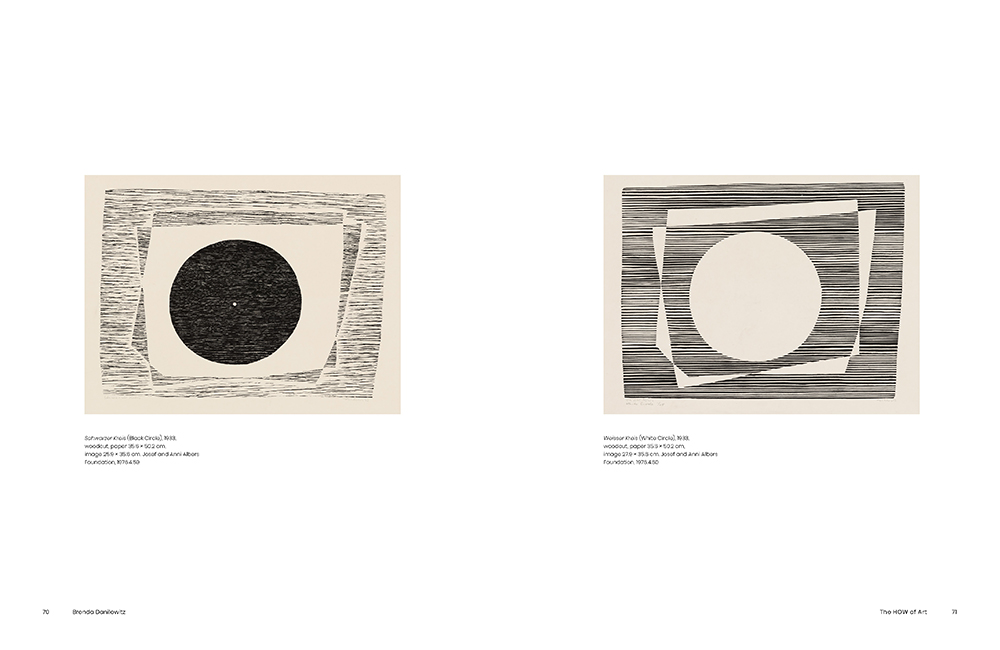
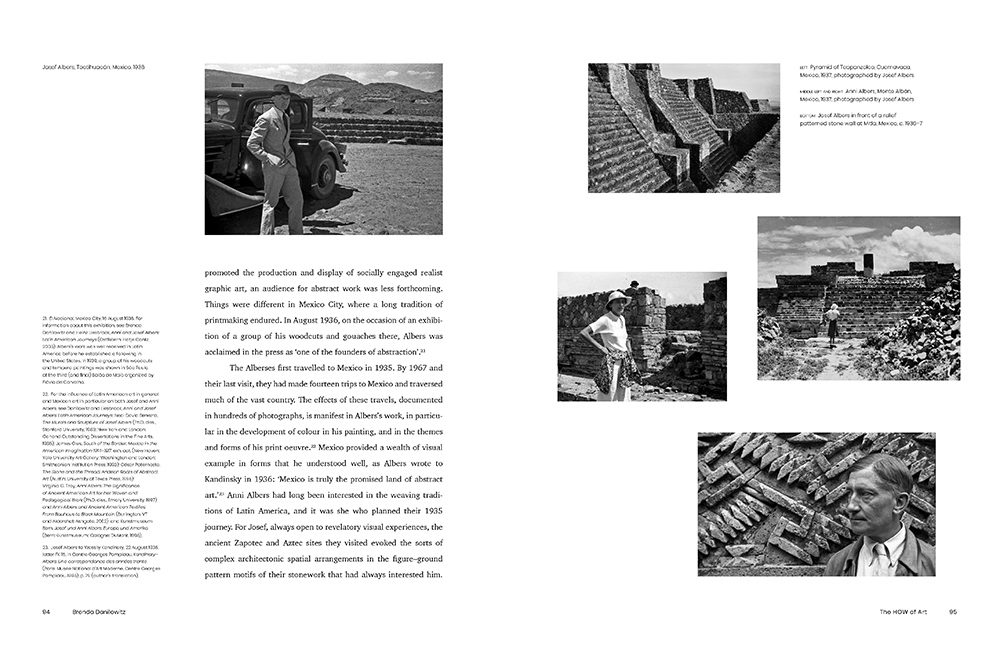
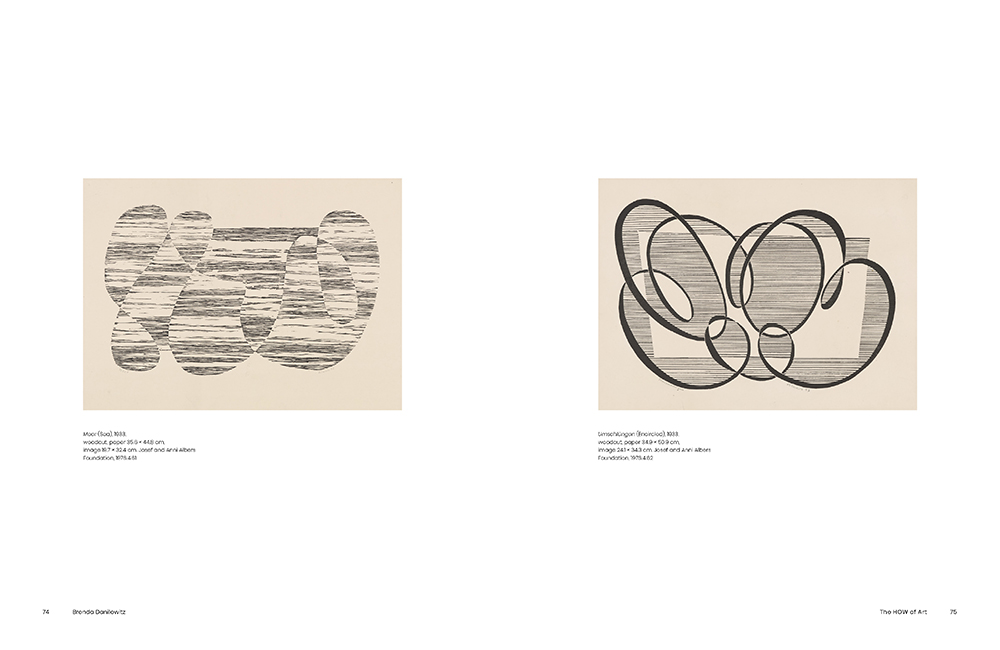
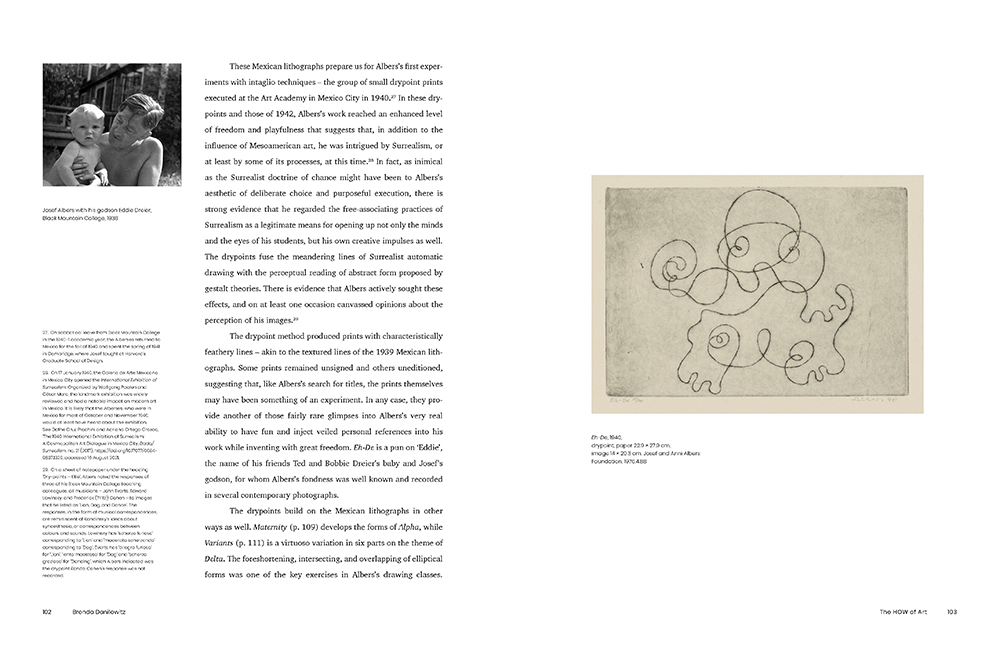
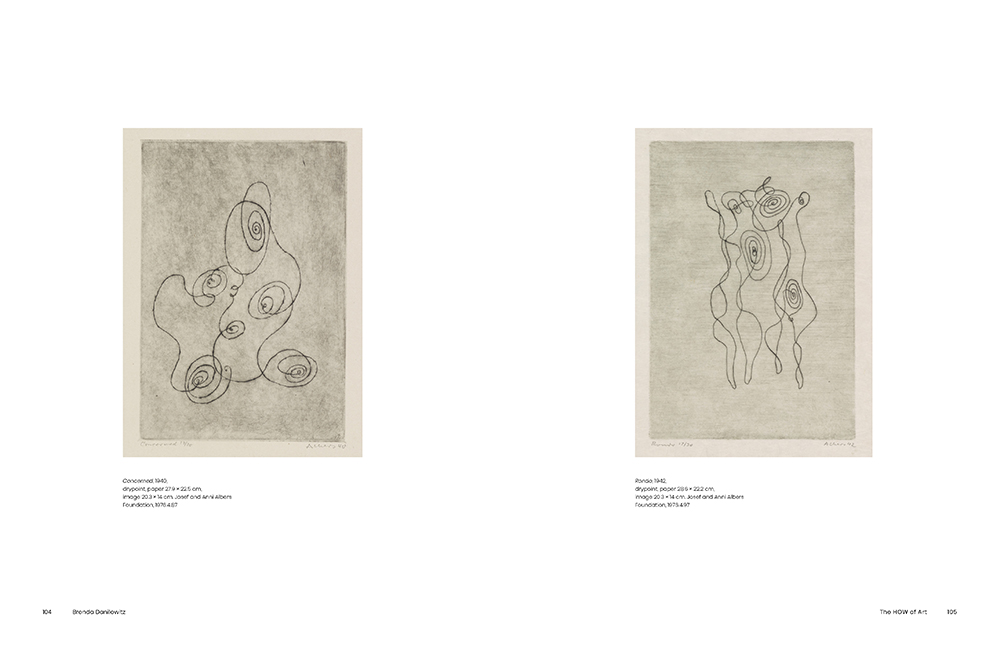
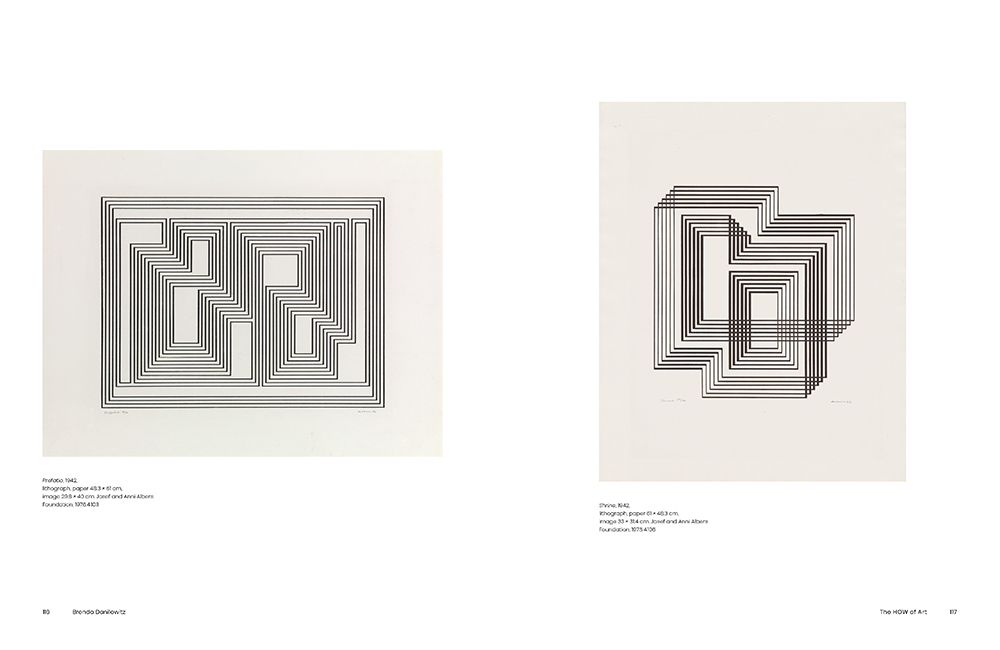
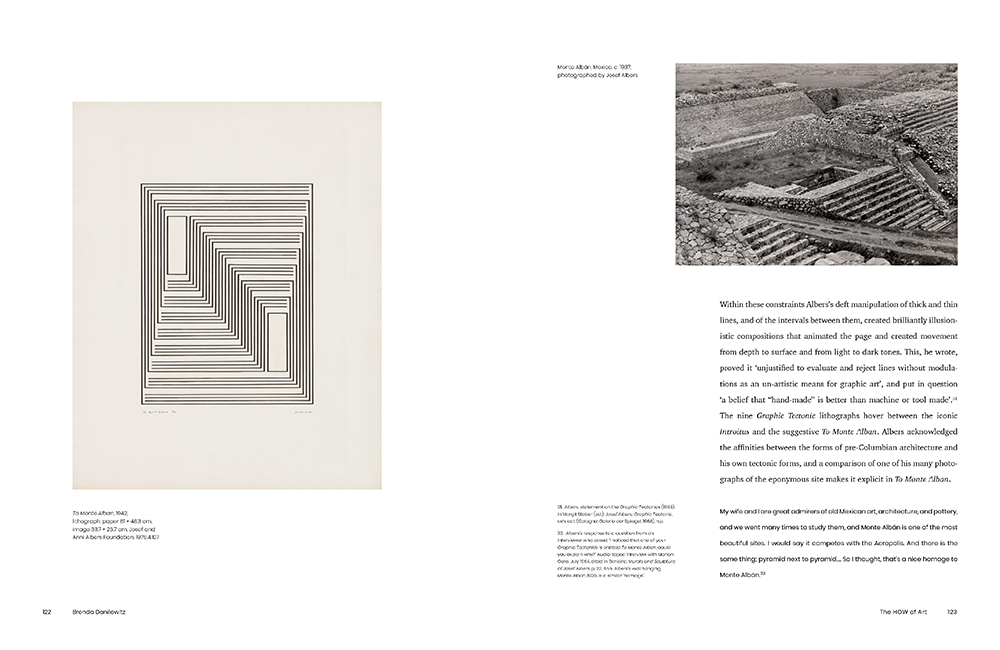
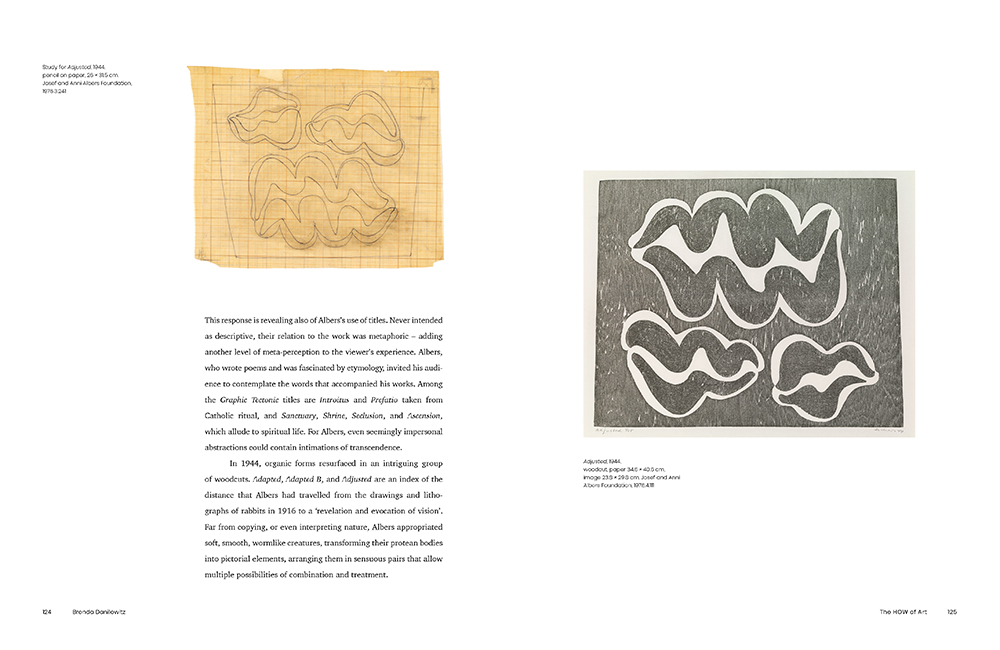
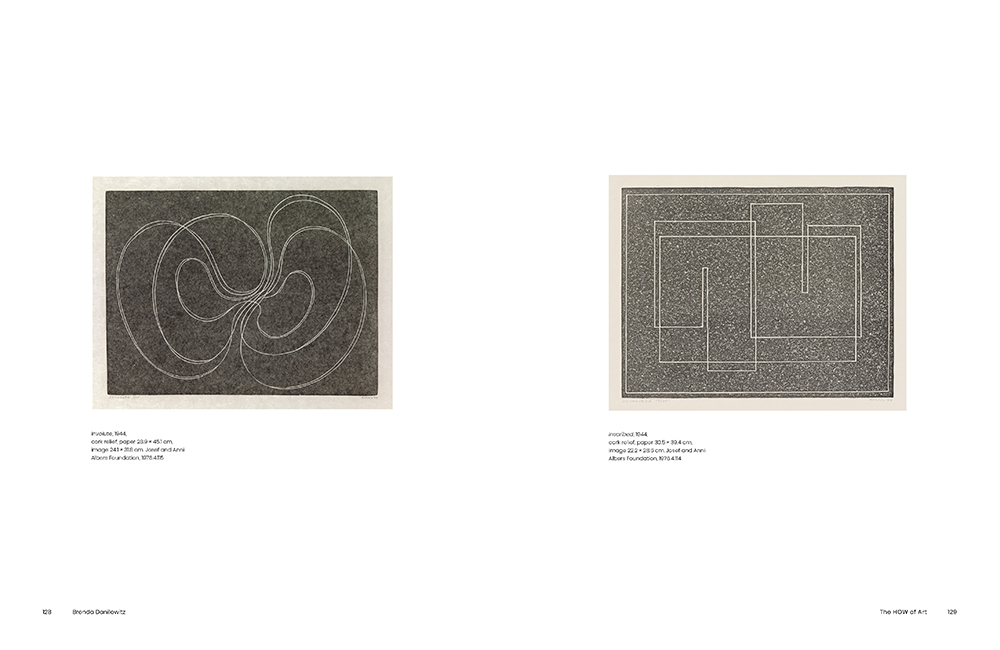
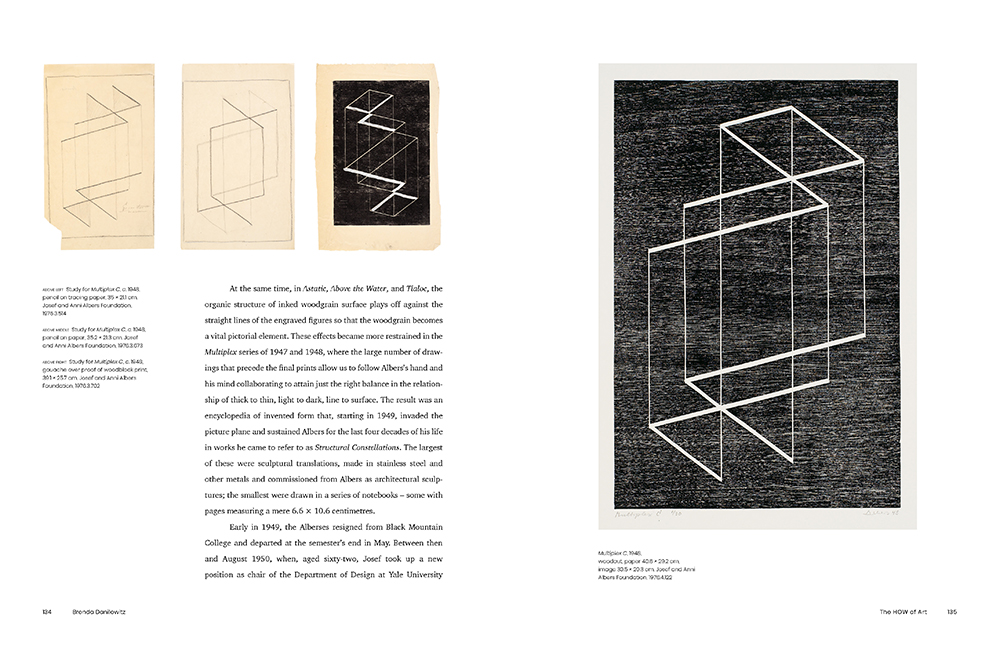
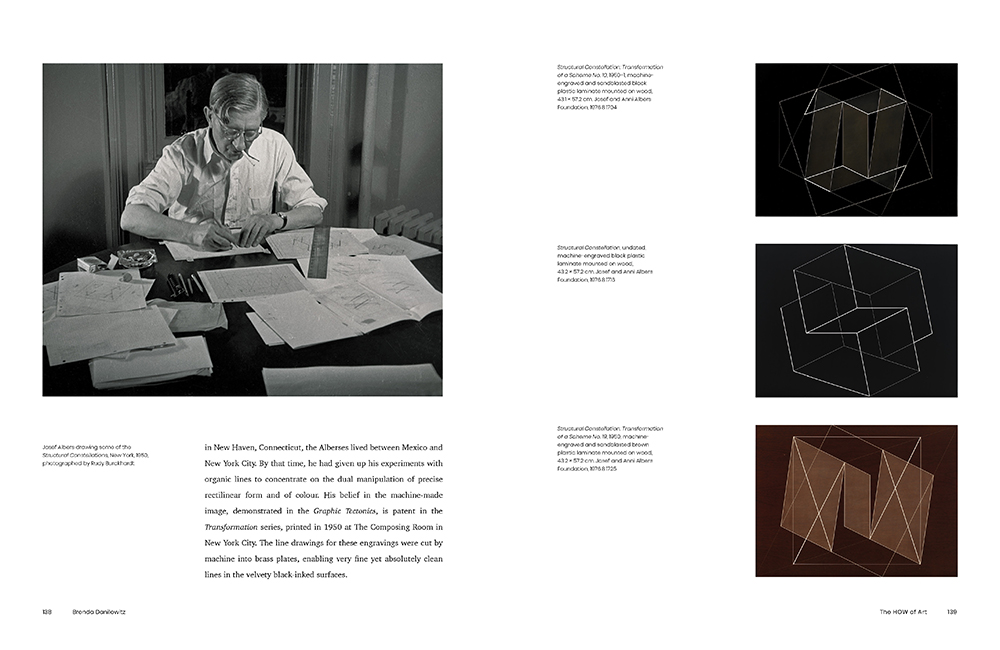
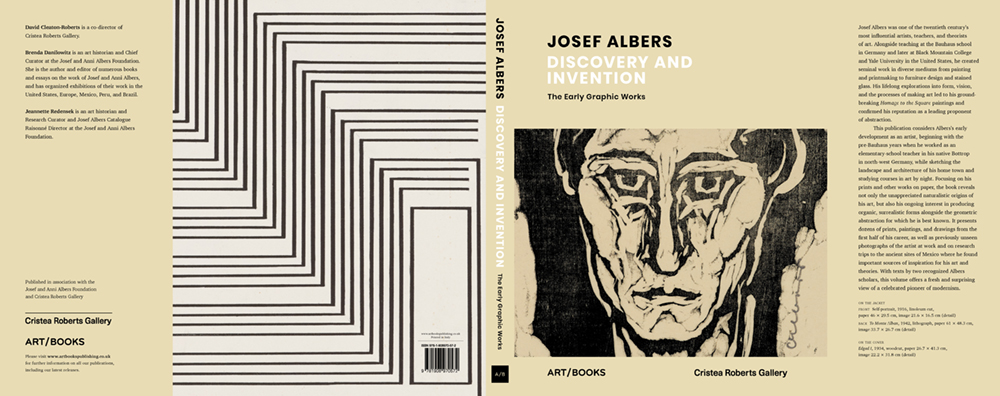
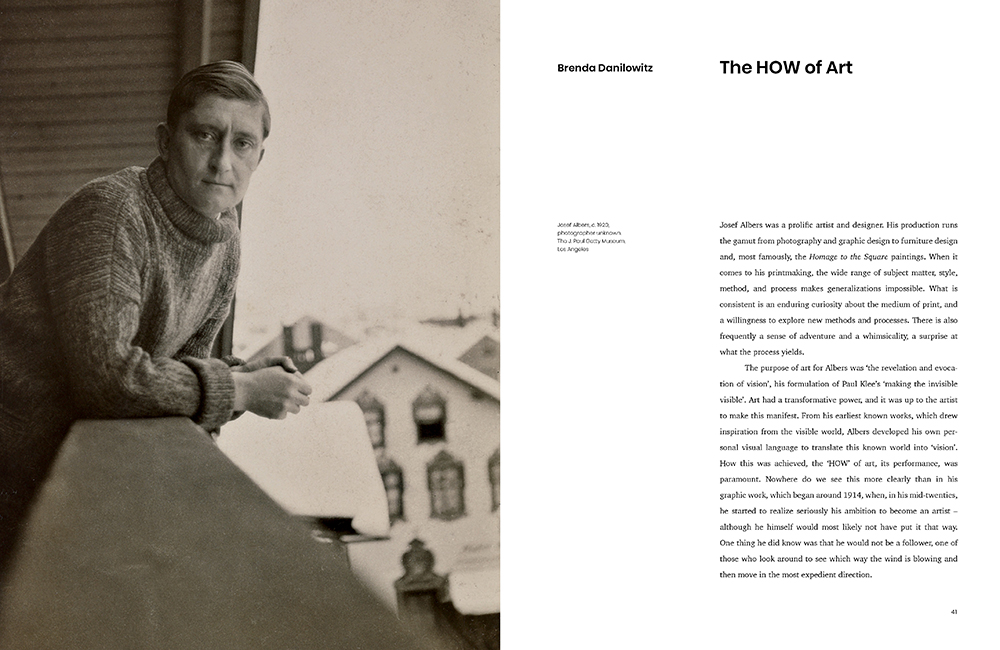
Josef Albers was one of the twentieth century’s most influential artists, teachers, and theorists of art. Alongside teaching at the Bauhaus school in Germany and later at Black Mountain College and Yale University in the United States, he created seminal work in diverse mediums from painting and printmaking to furniture design and stained glass. His lifelong explorations into form, vision, and the processes of making art led to his ground-breaking Homage to the Square paintings and confirmed his reputation as a leading proponent of abstraction.

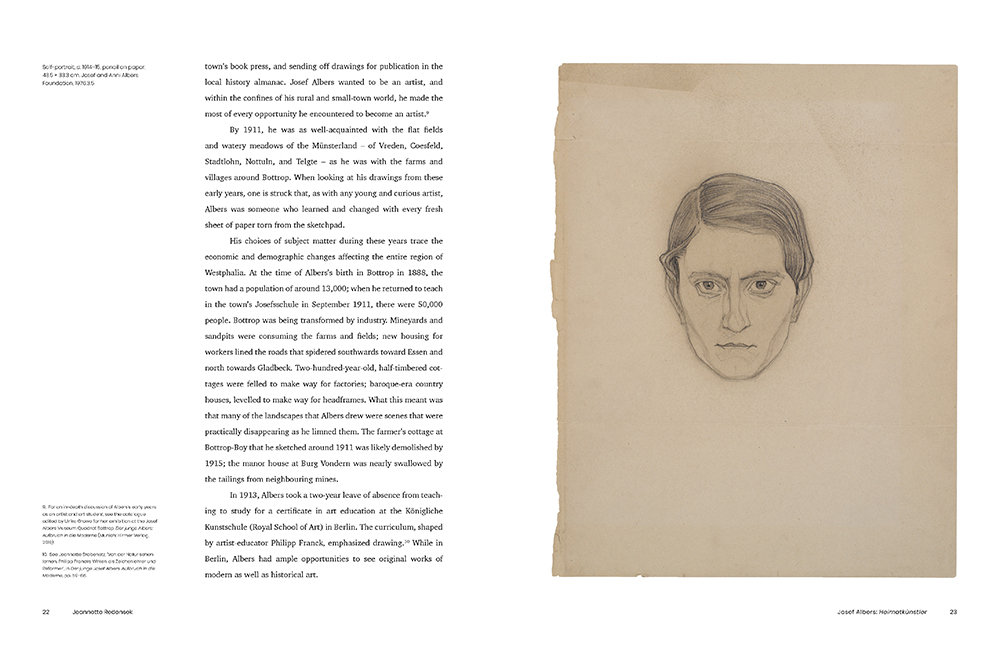
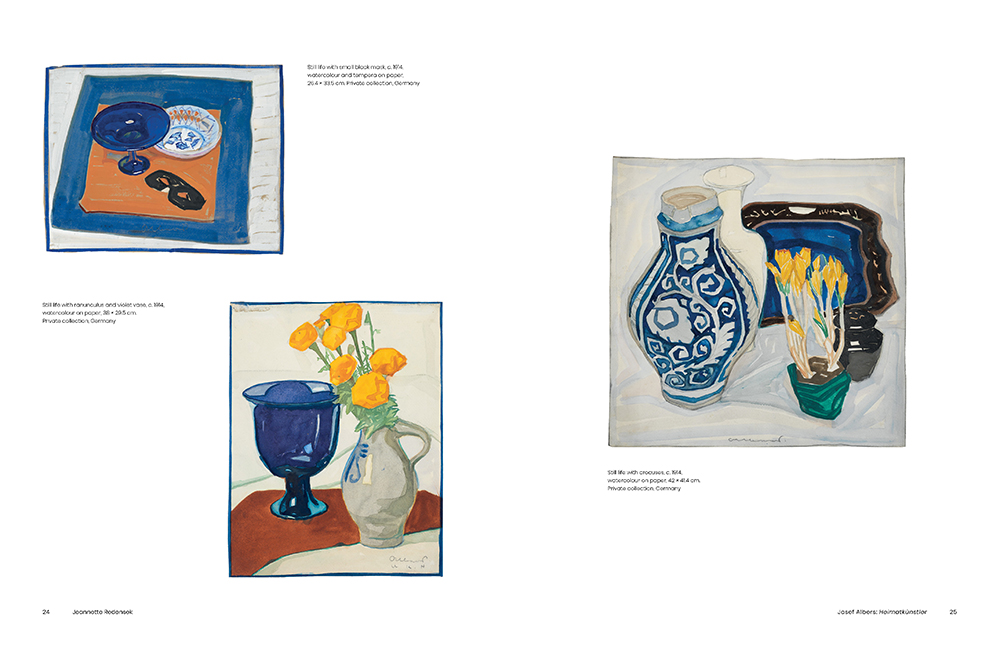
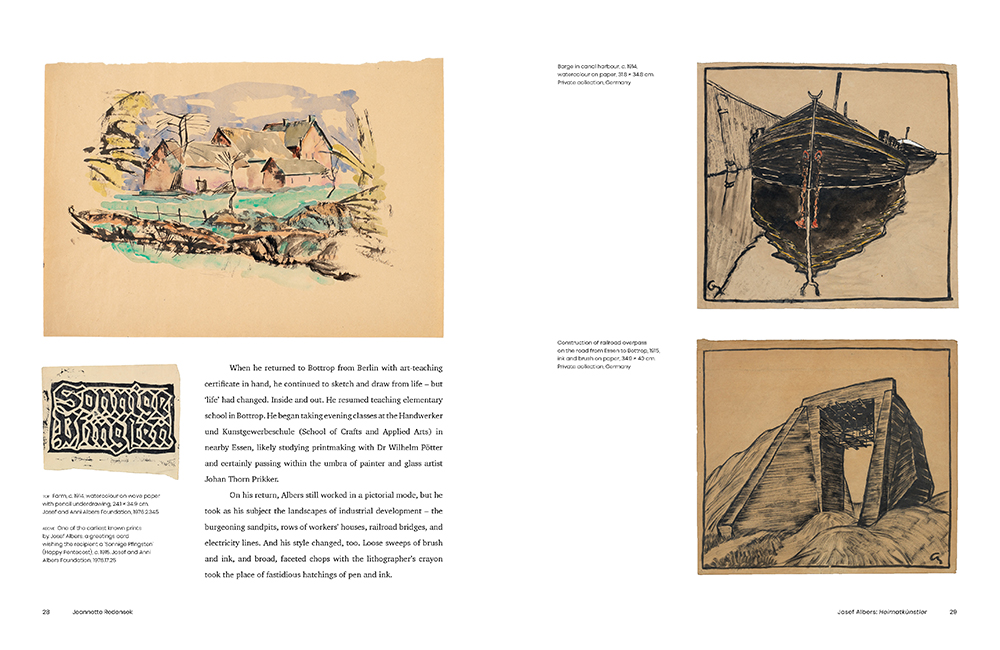
This publication considers Albers’s early development as an artist, beginning with the pre-Bauhaus years when he worked as an elementary-school teacher in his native Bottrop in north-west Germany, while sketching the landscape and architecture of his home town and studying courses in art by night. Focusing on his prints and other works on paper, the book reveals not only the unappreciated naturalistic origins of his art, but also his ongoing interest in producing organic, surrealistic forms alongside the geometric abstraction for which he is best known. It presents dozens of prints, paintings, and drawings from the first half of his career, as well as previously unseen photographs of the artist at work and on research trips to the ancient sites of Mexico where he found important sources of inspiration for his art and theories. With texts by two recognized Albers scholars, this volume offers a fresh and surprising view of a celebrated pioneer of modernism.

David Cleaton-Roberts is a co-director of Cristea Roberts Gallery.

Brenda Danilowitz is an art historian and Chief Curator at the Josef and Anni Albers Foundation. She is the author and editor of numerous books and essays on the work of Josef and Anni Albers, and has organized exhibitions of their work in the United States, Europe, Mexico, Peru, and Brazil.

Jeannette Redensek is an art historian and Research Curator and Josef Albers Catalogue Raisonné Director at the Josef and Anni Albers Foundation. 

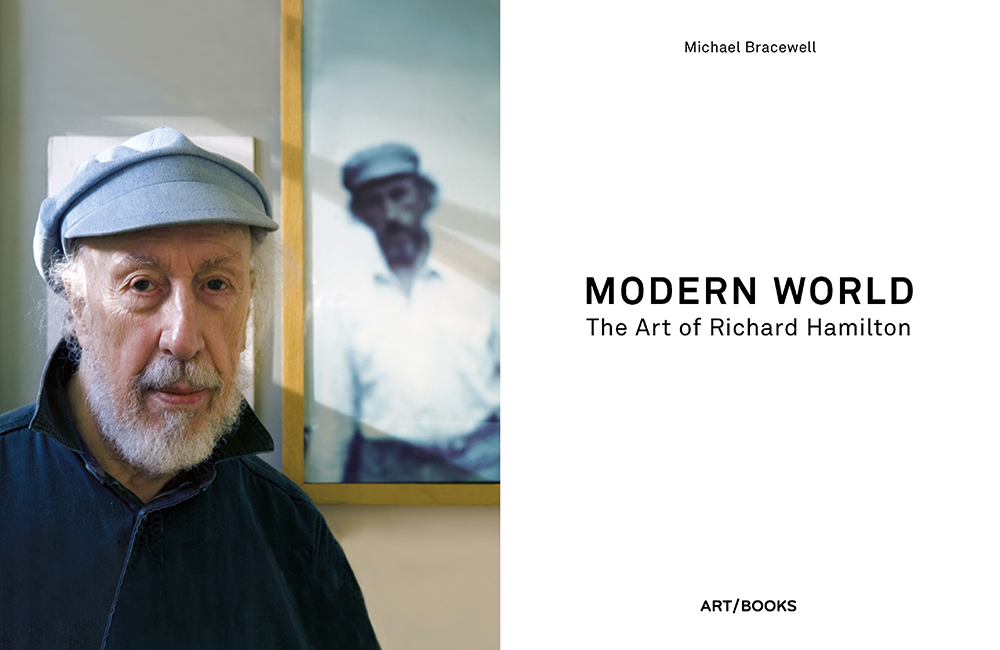
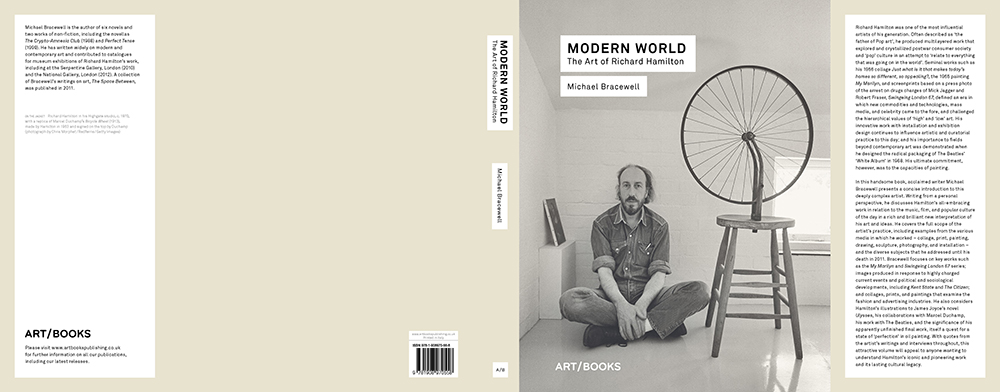
Modern World

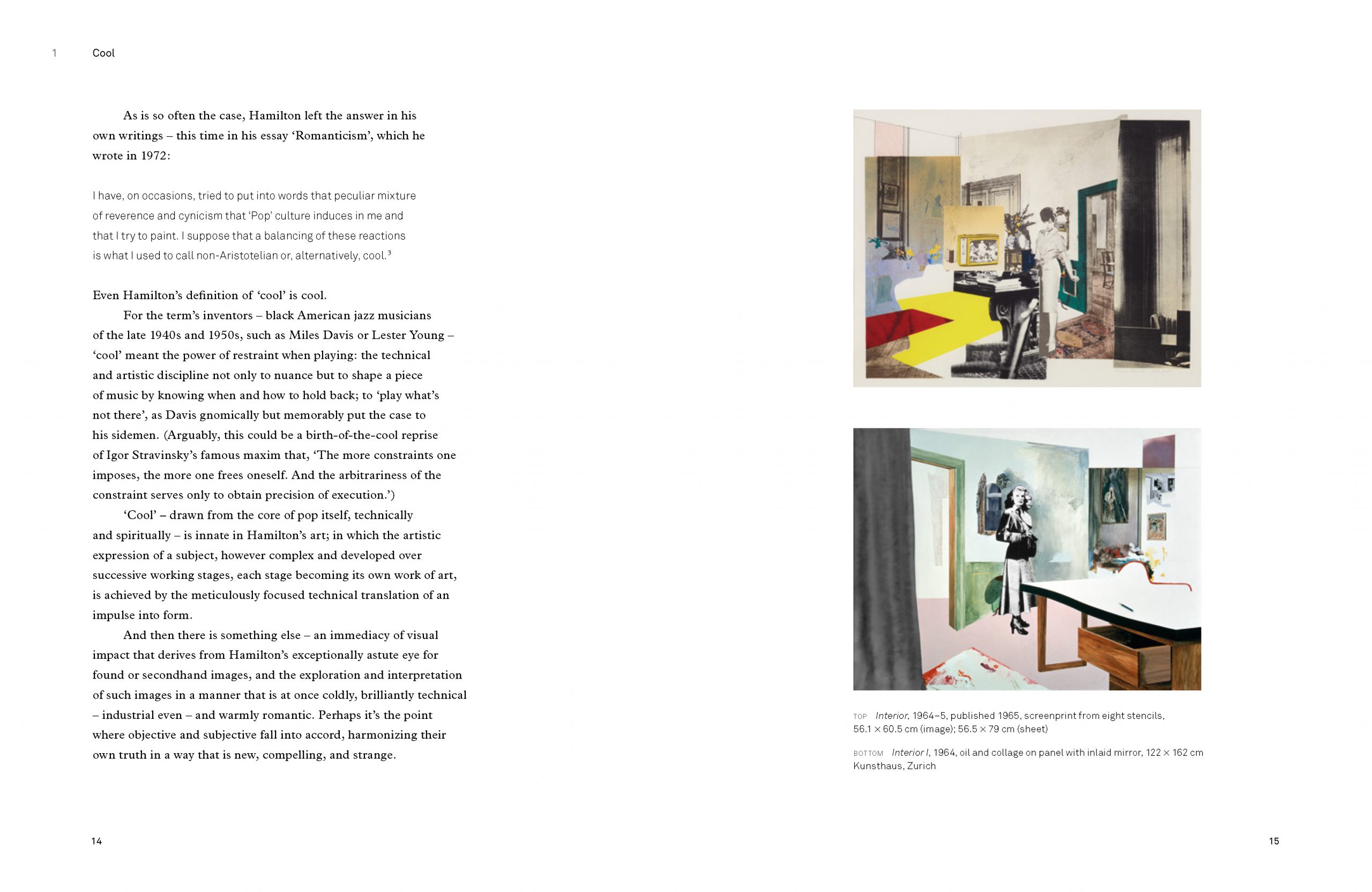
The Art of Richard Hamilton

Michael Bracewell

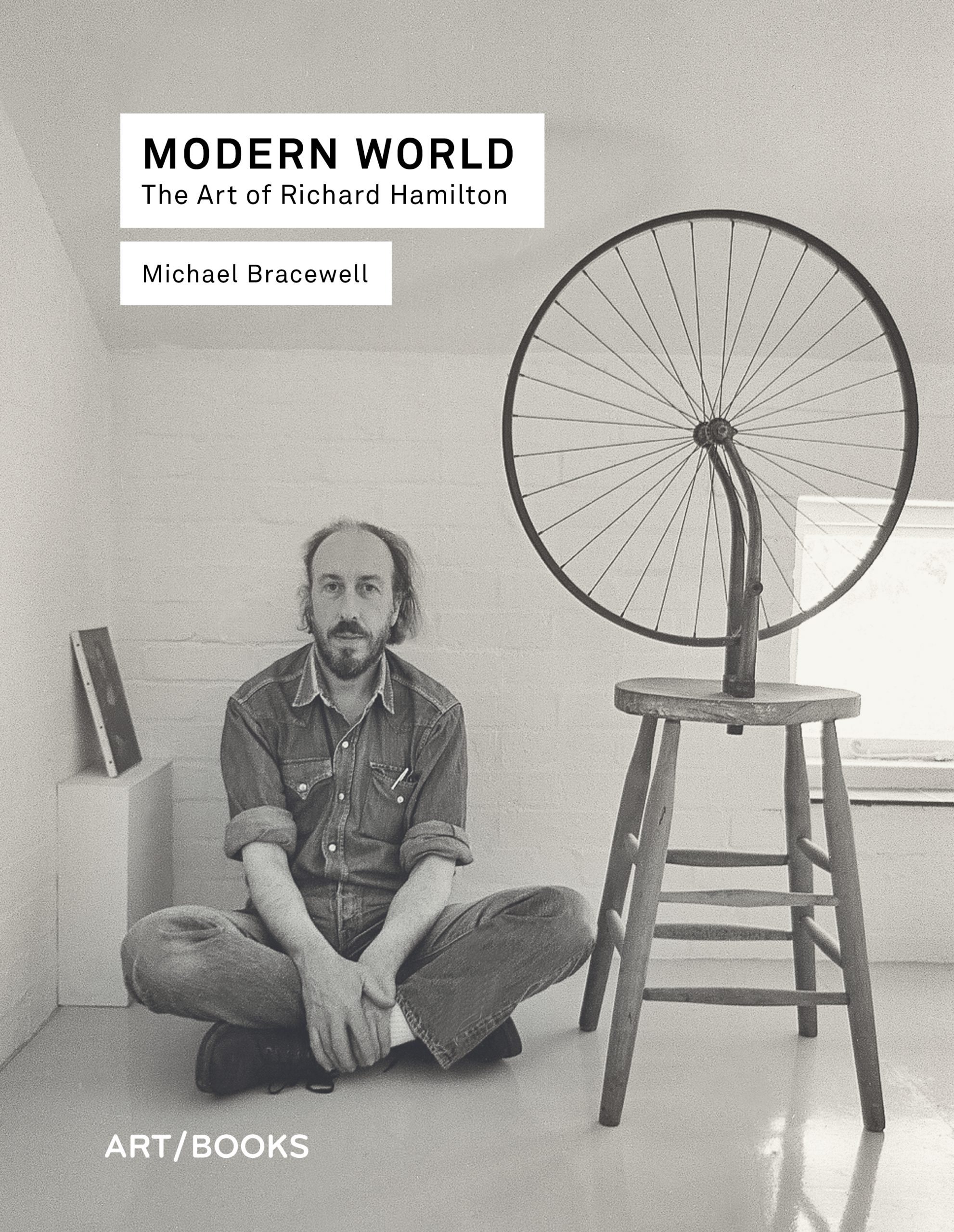
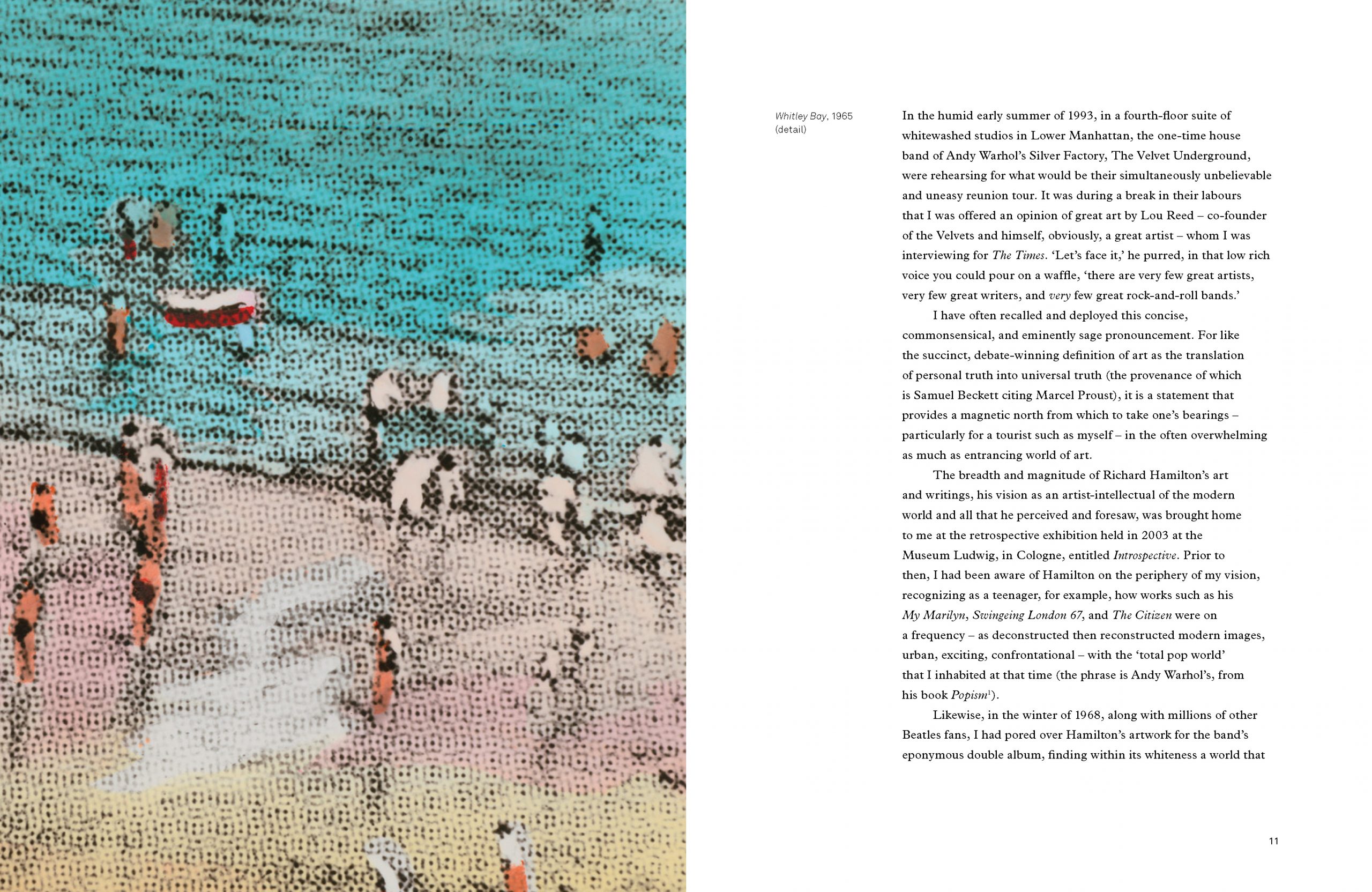
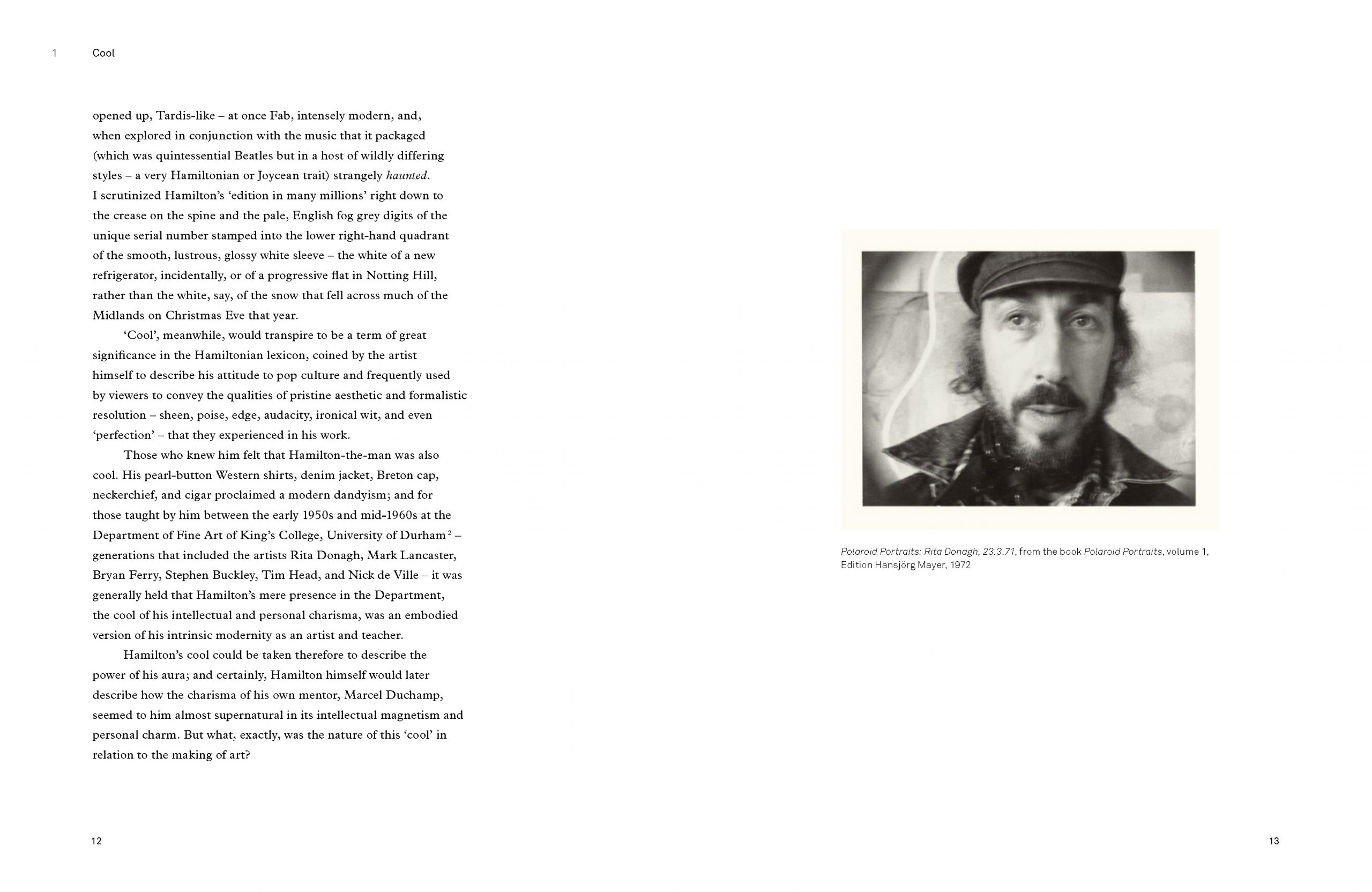
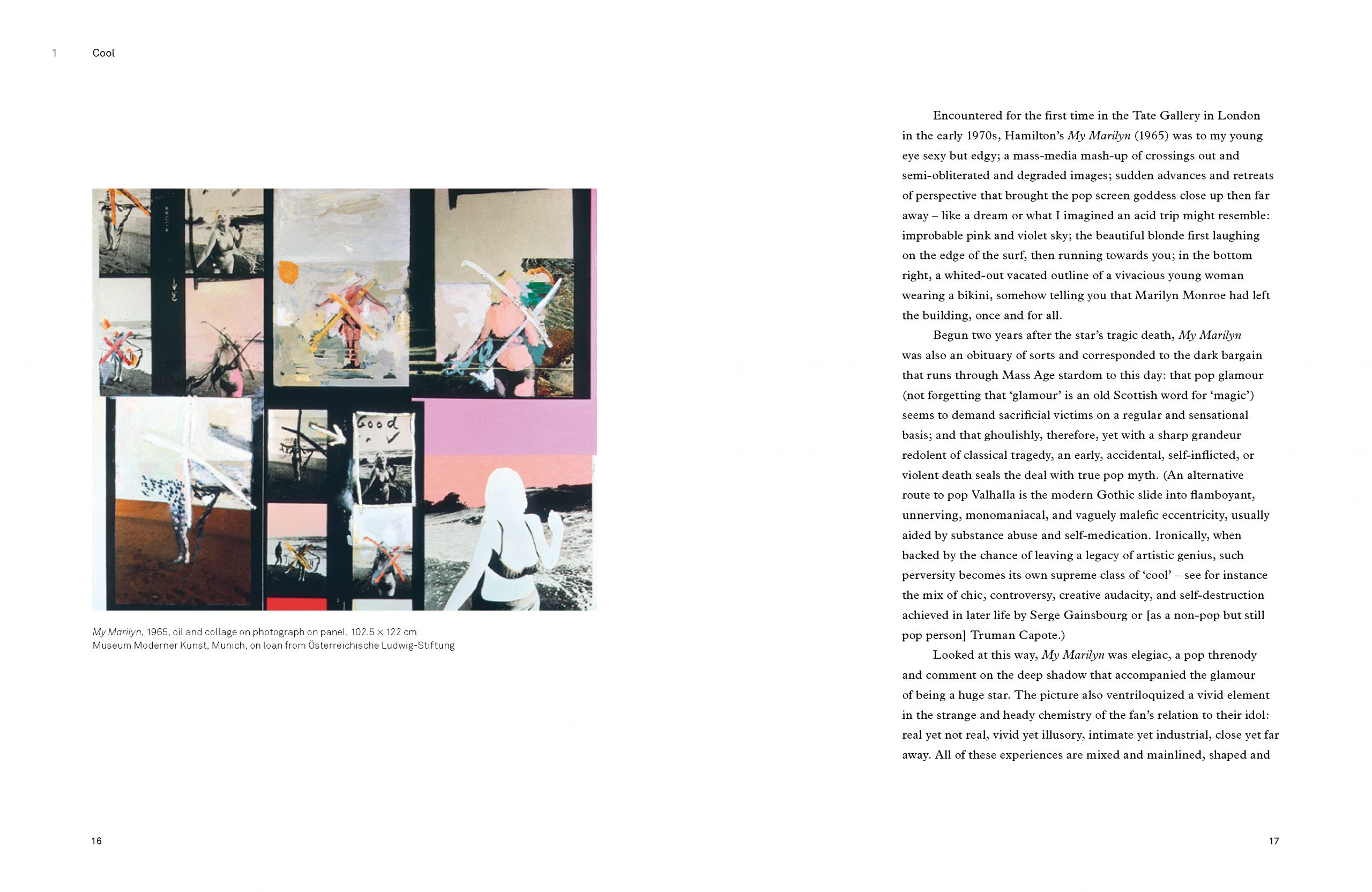
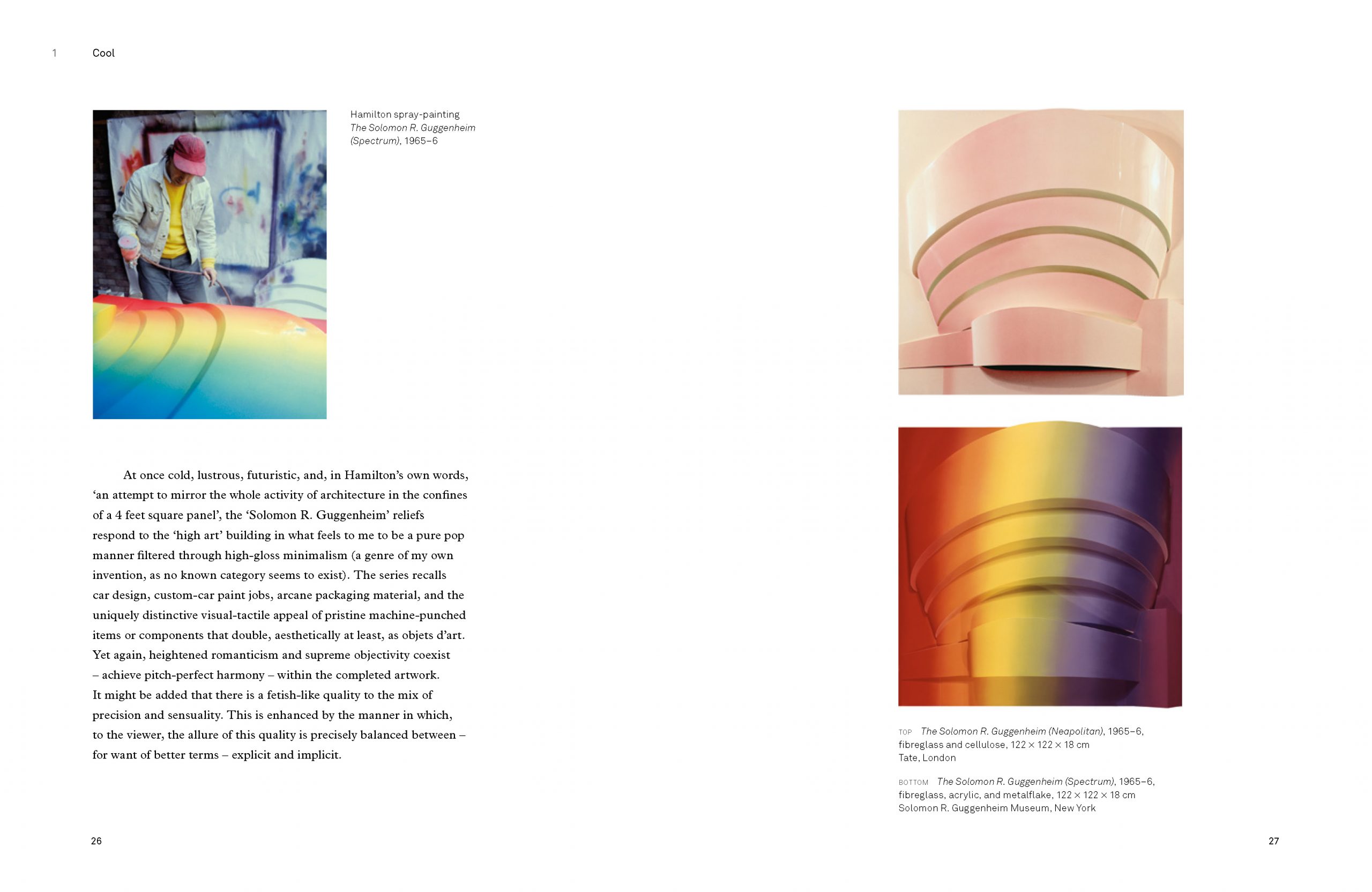
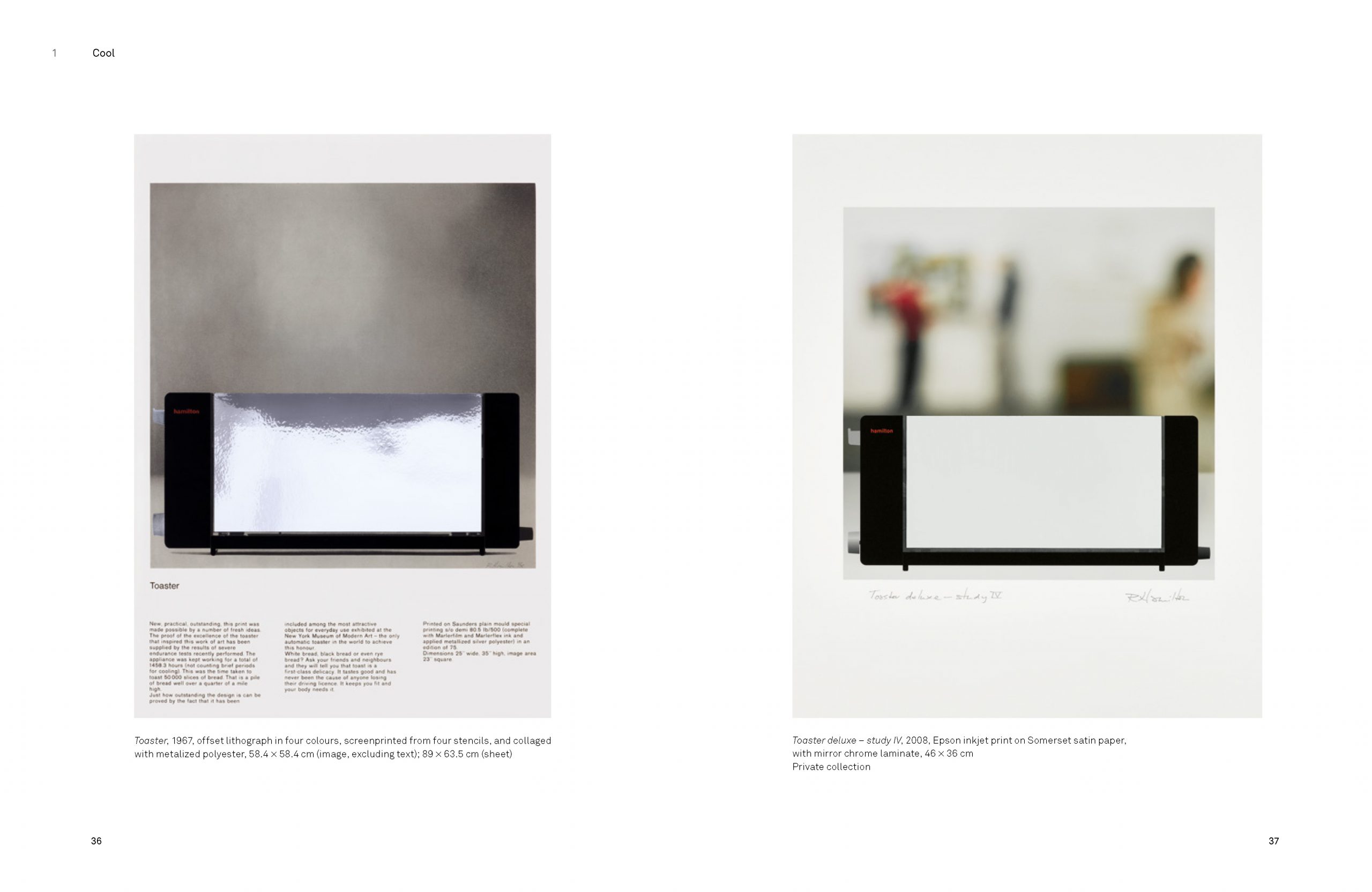
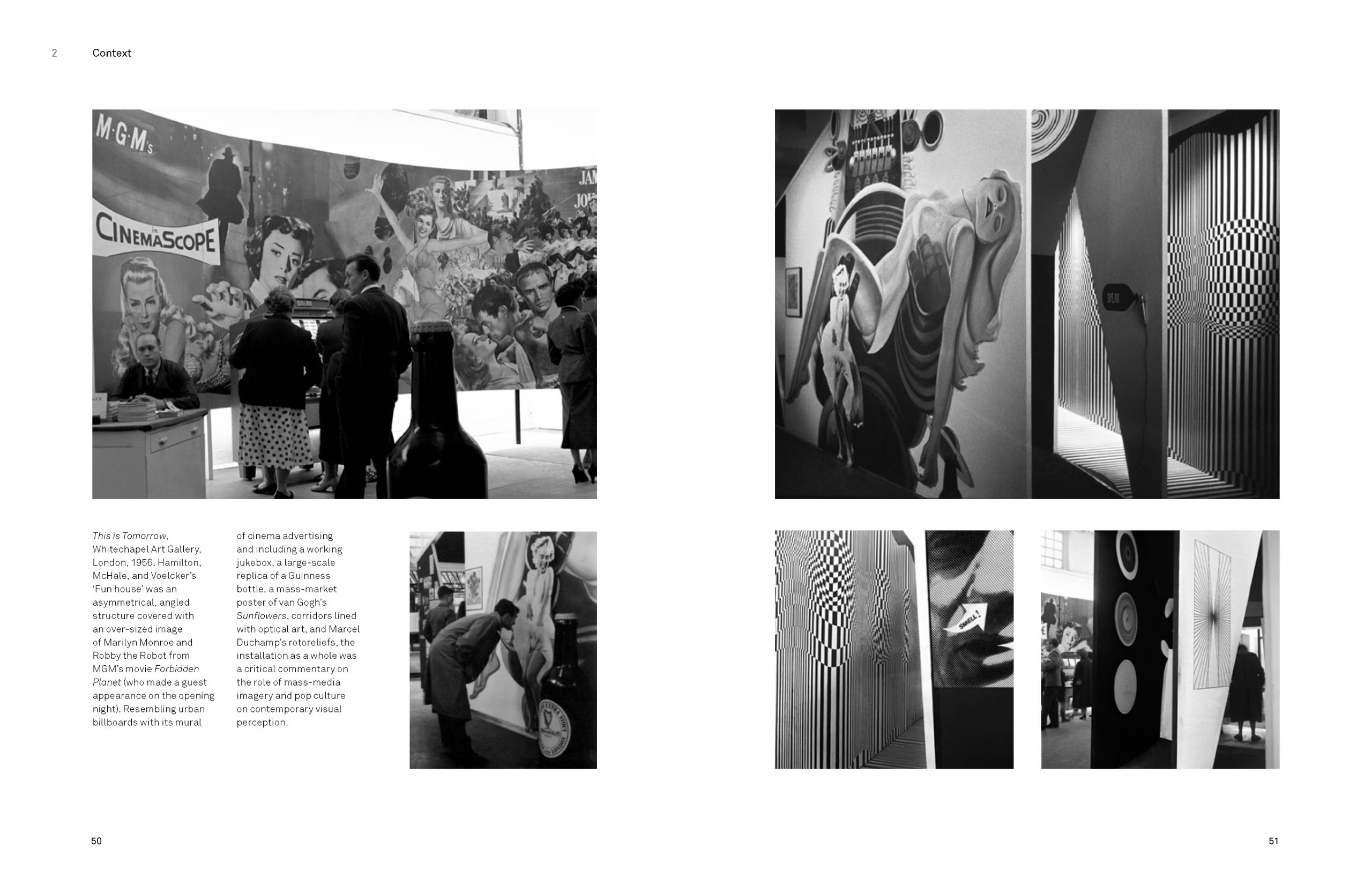
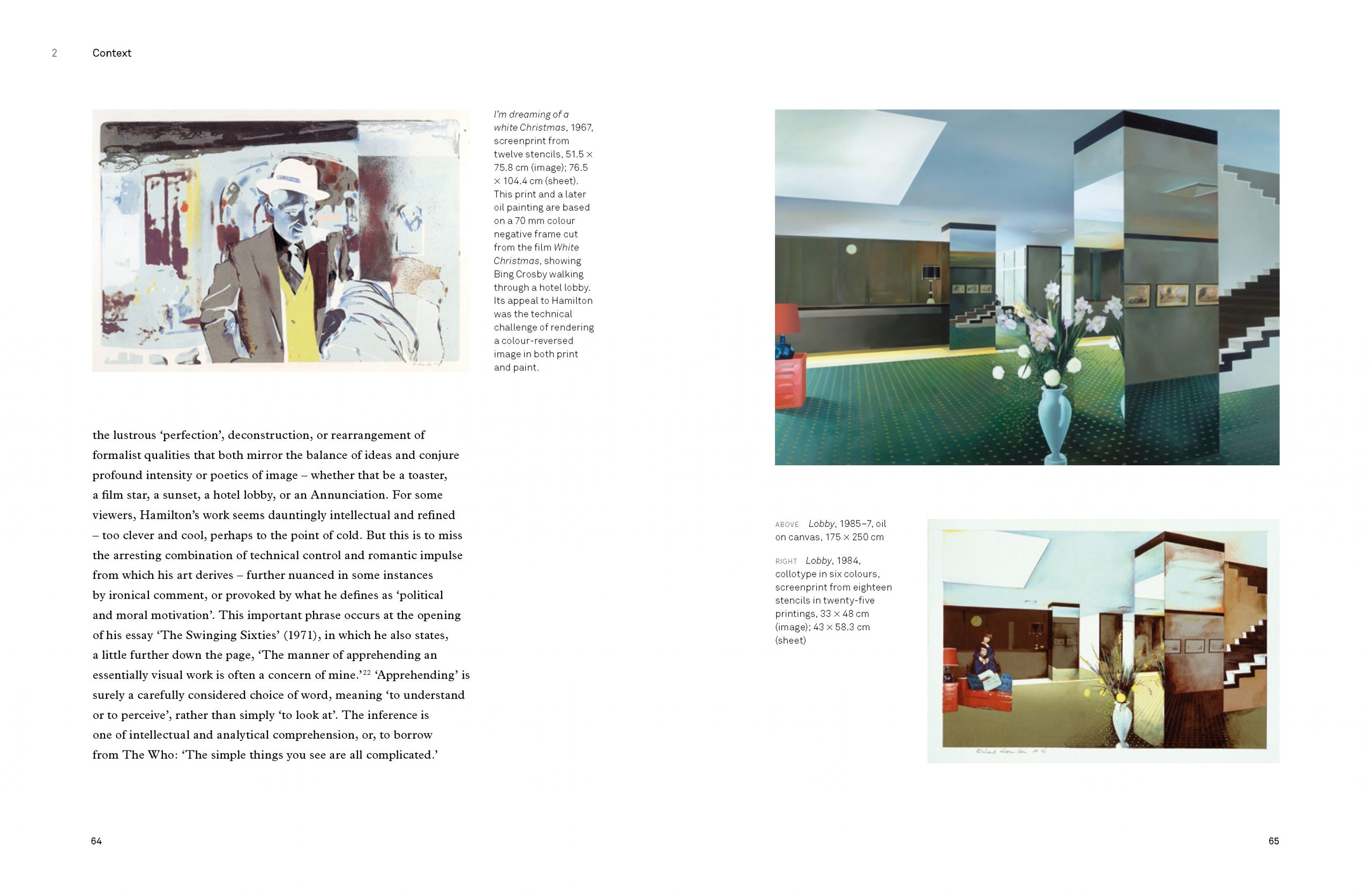
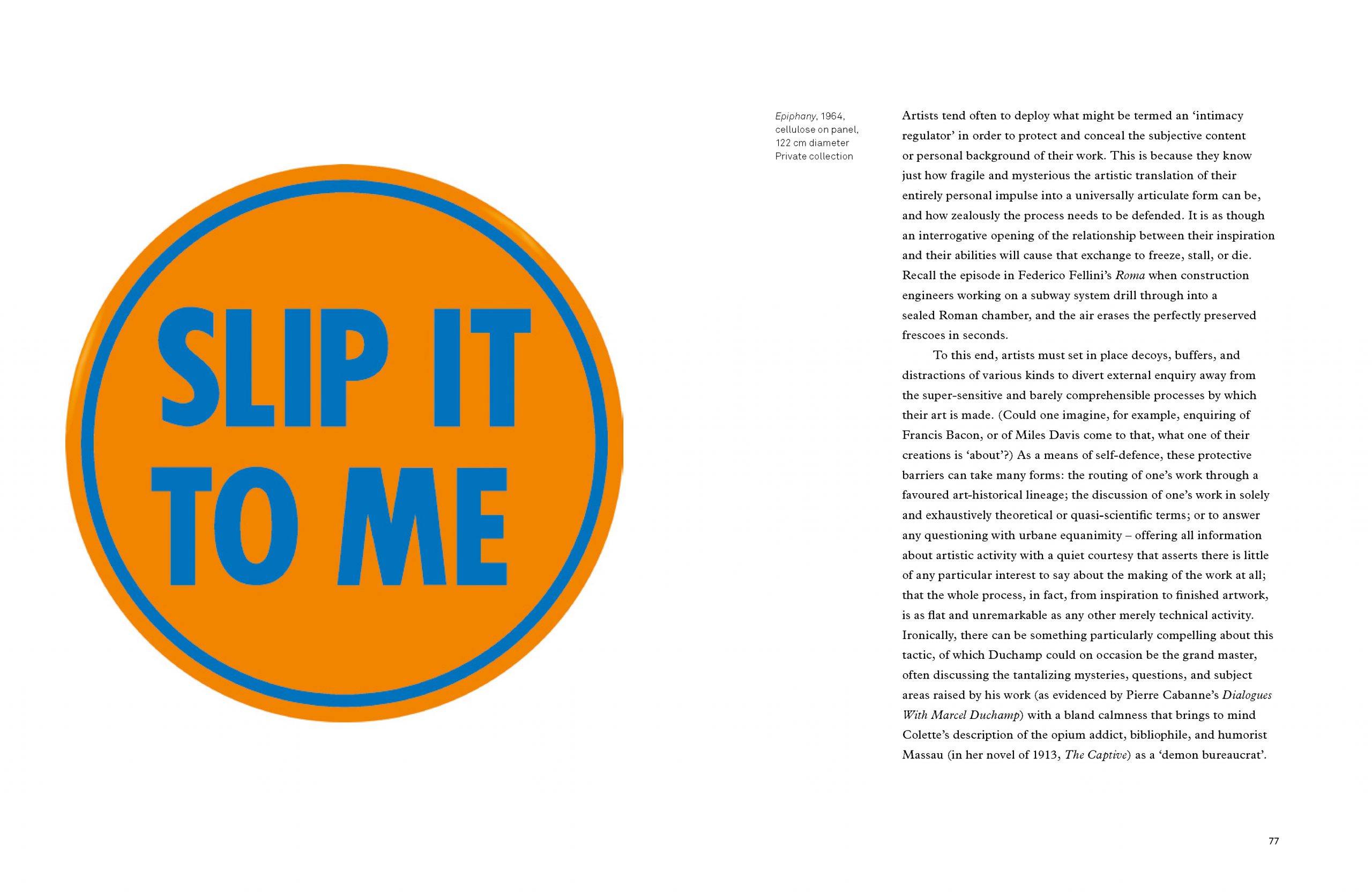
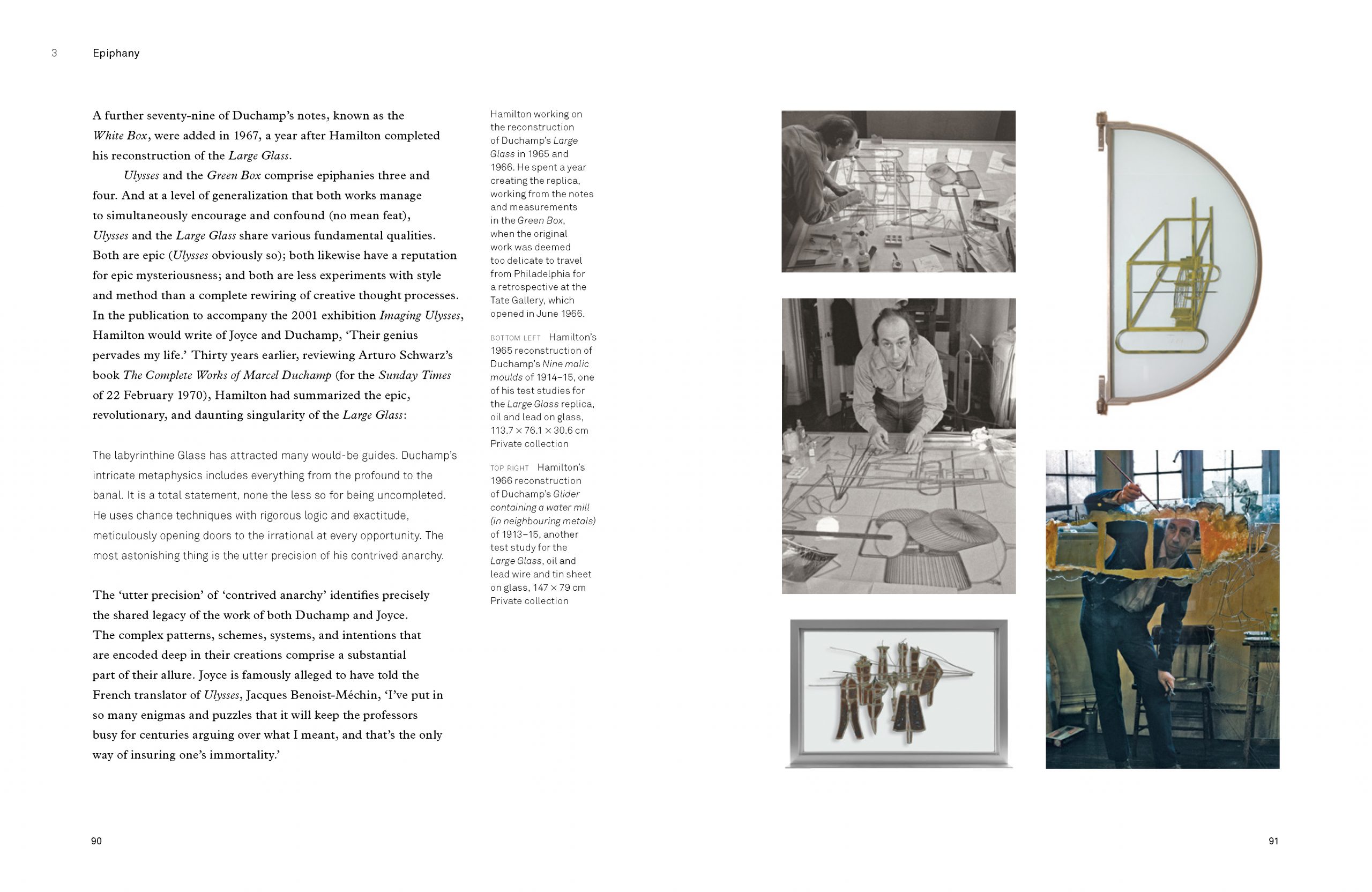
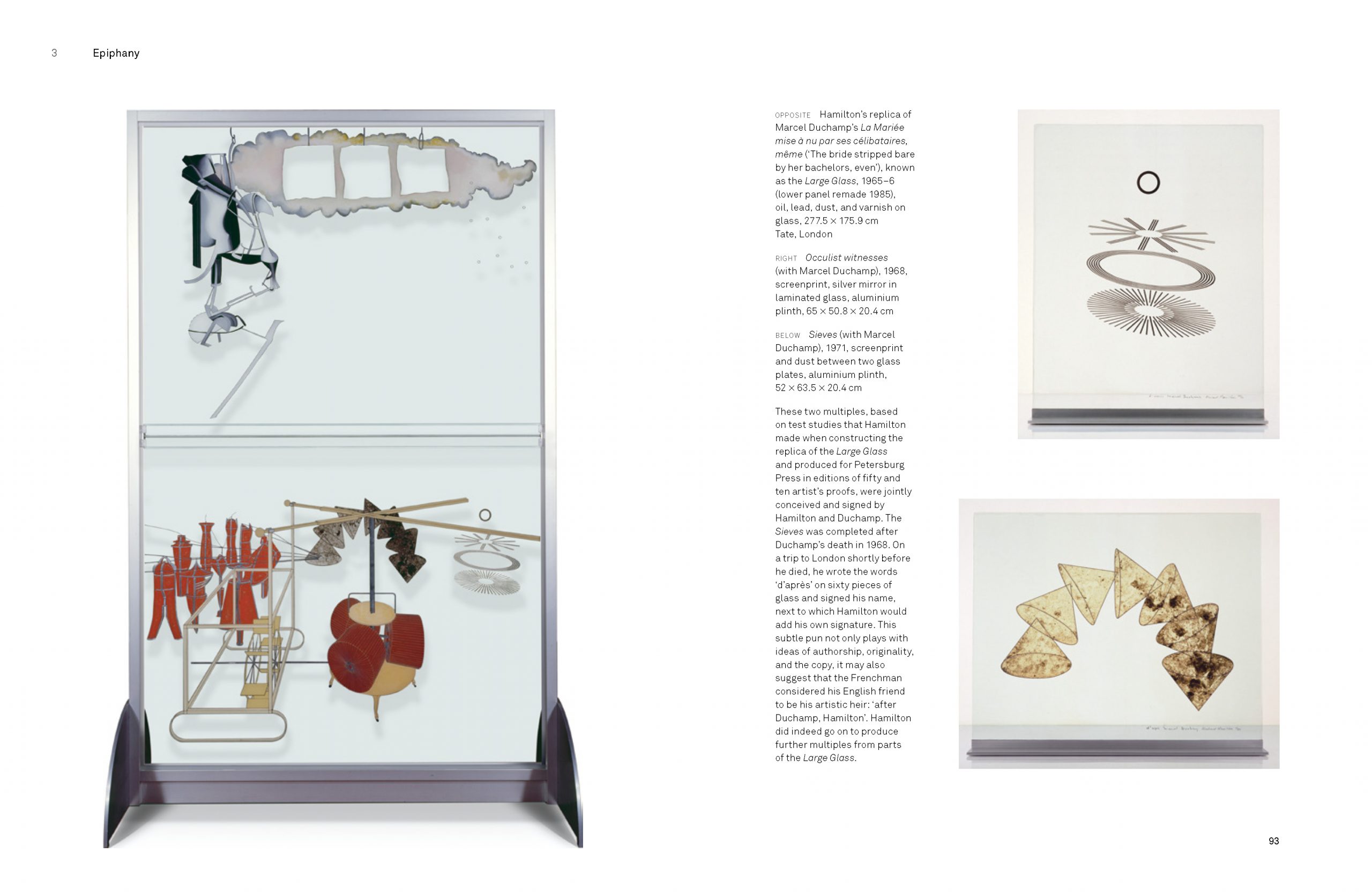
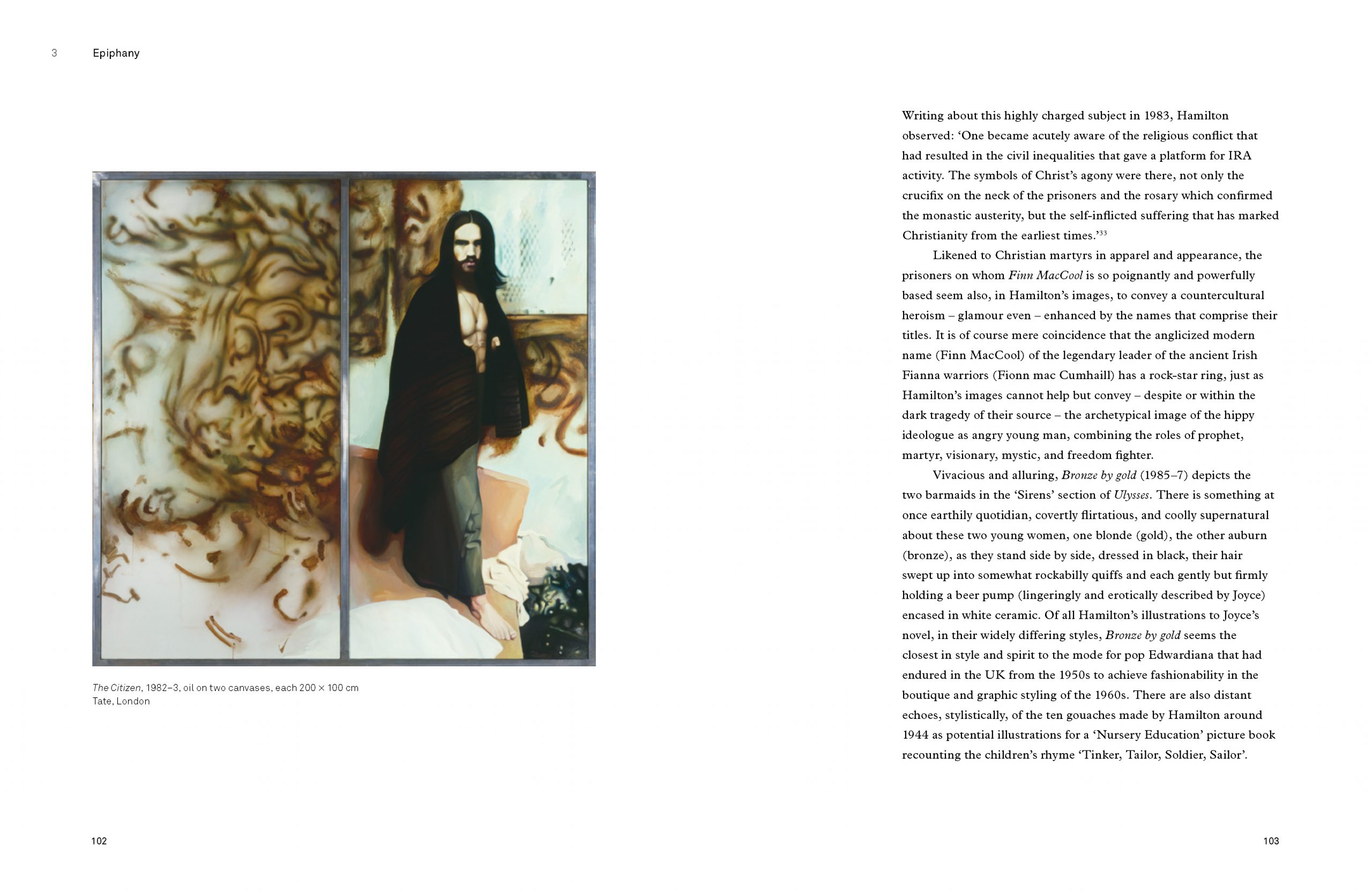
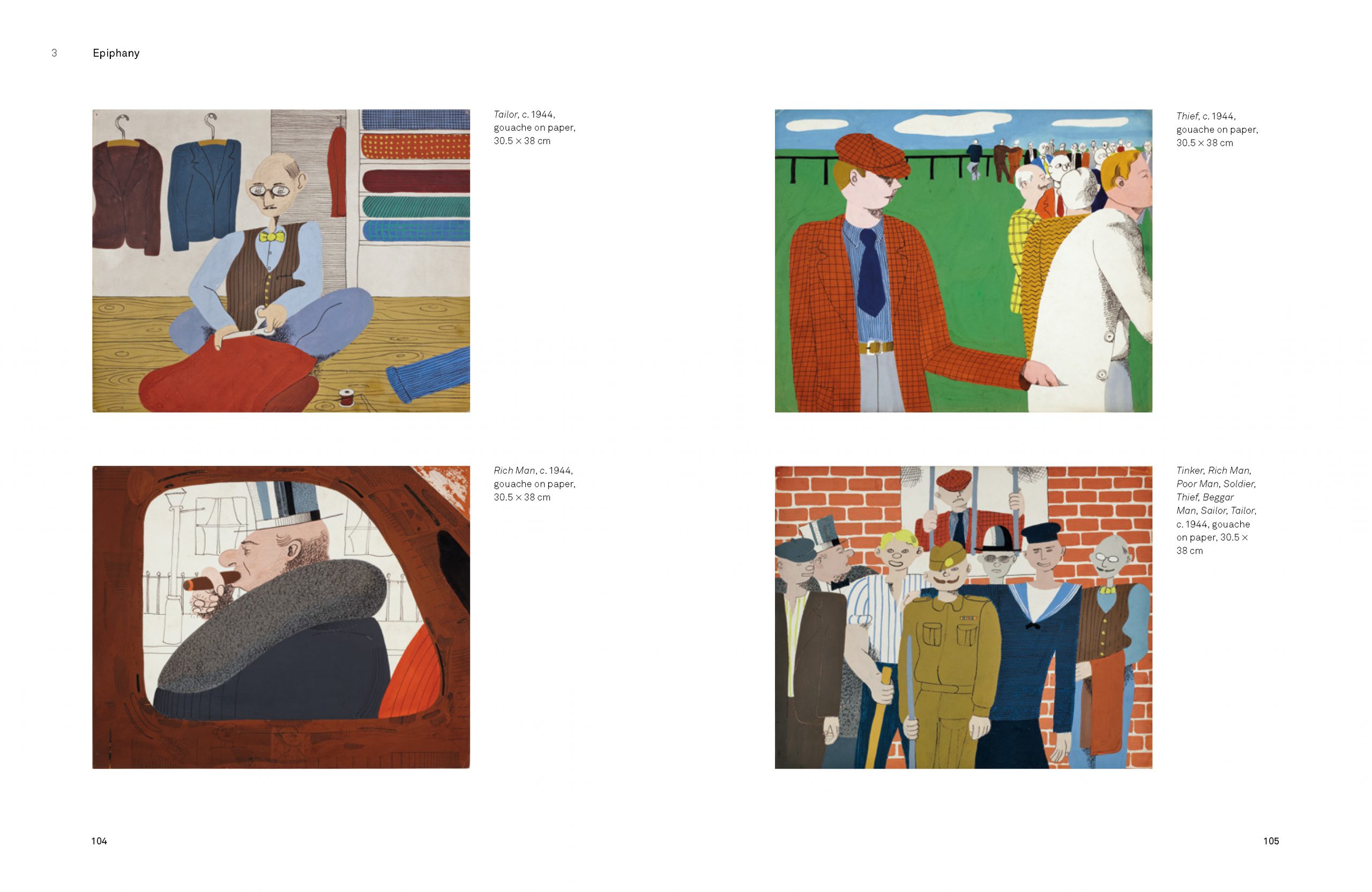
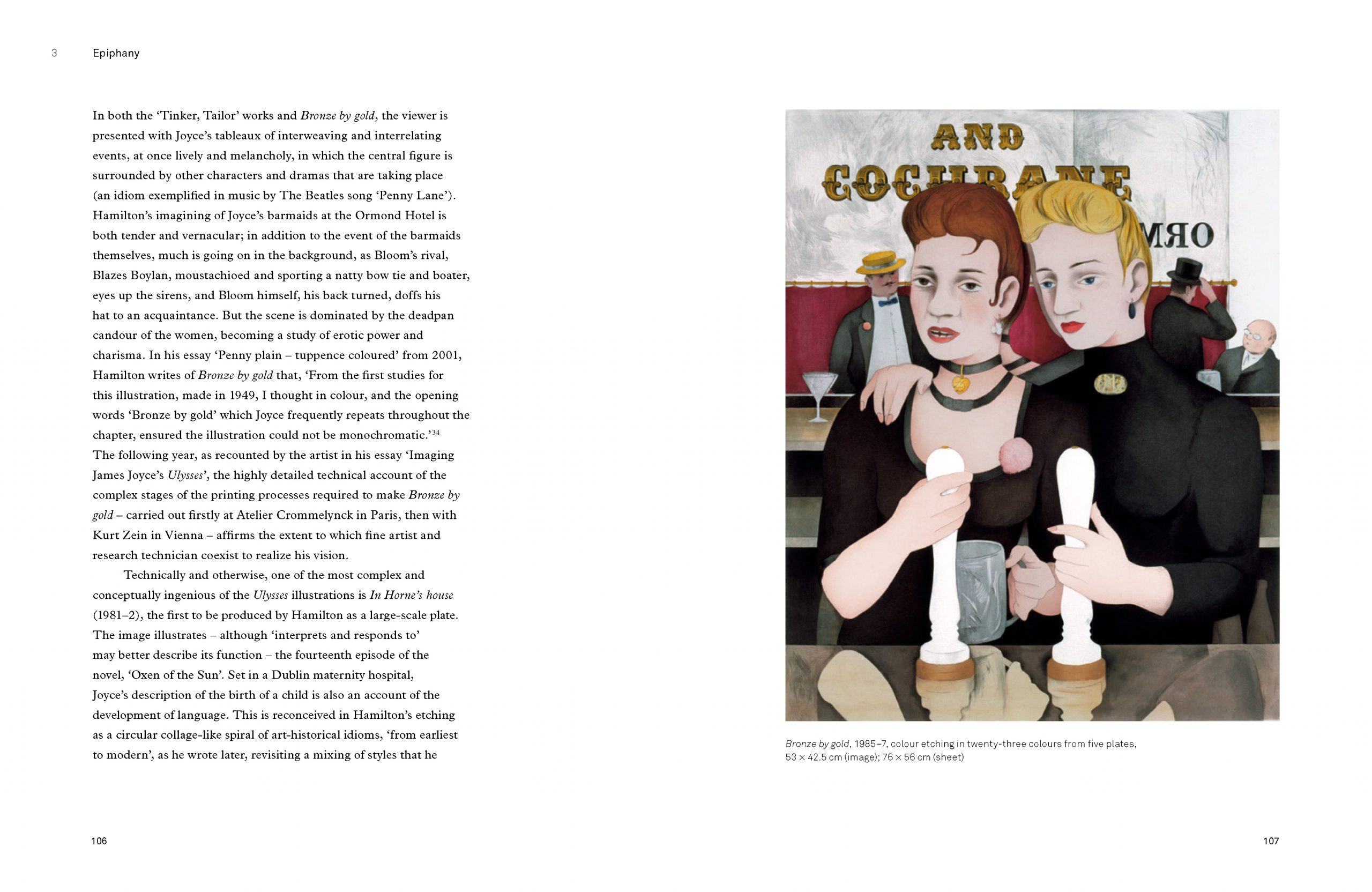
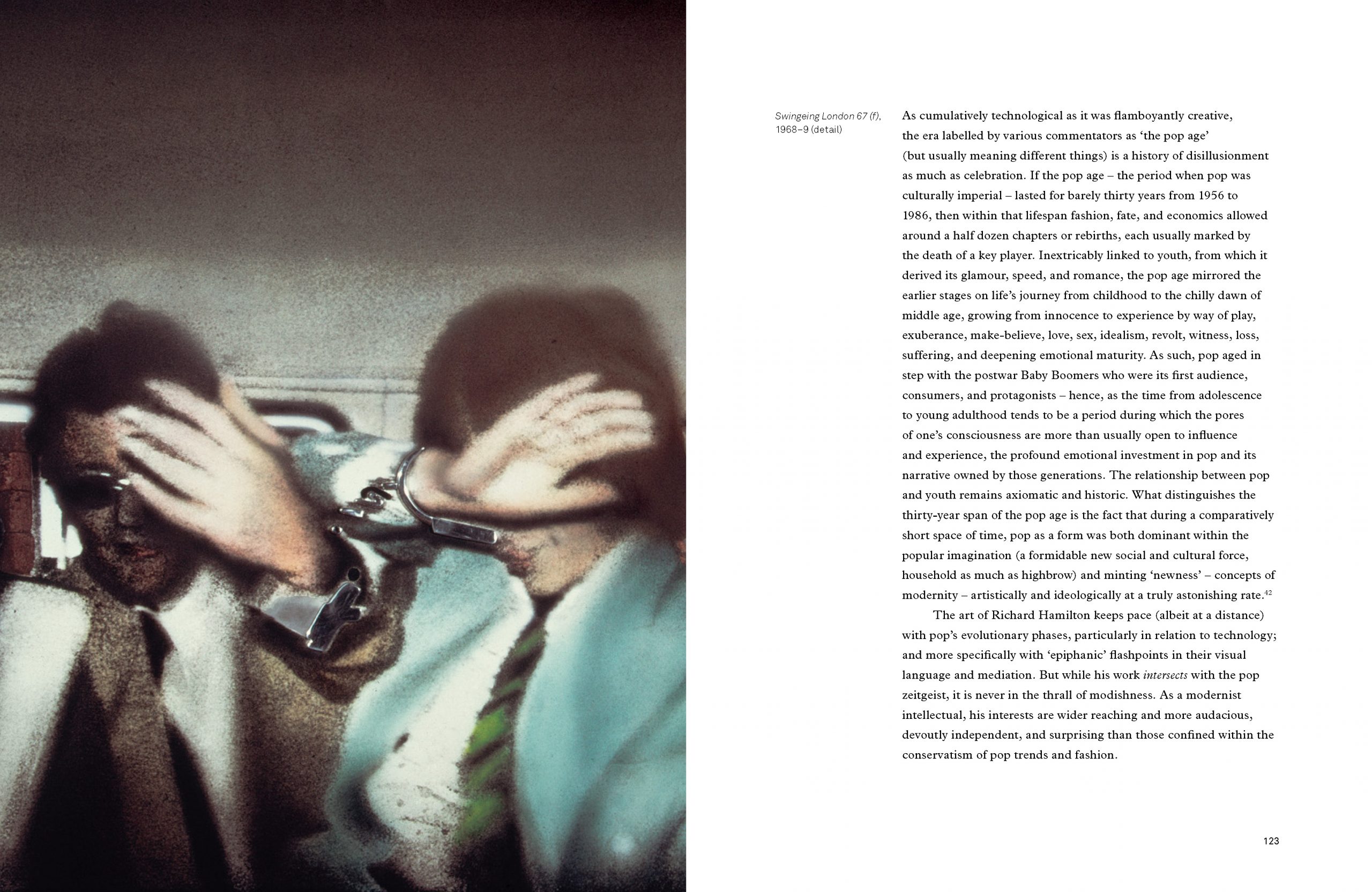
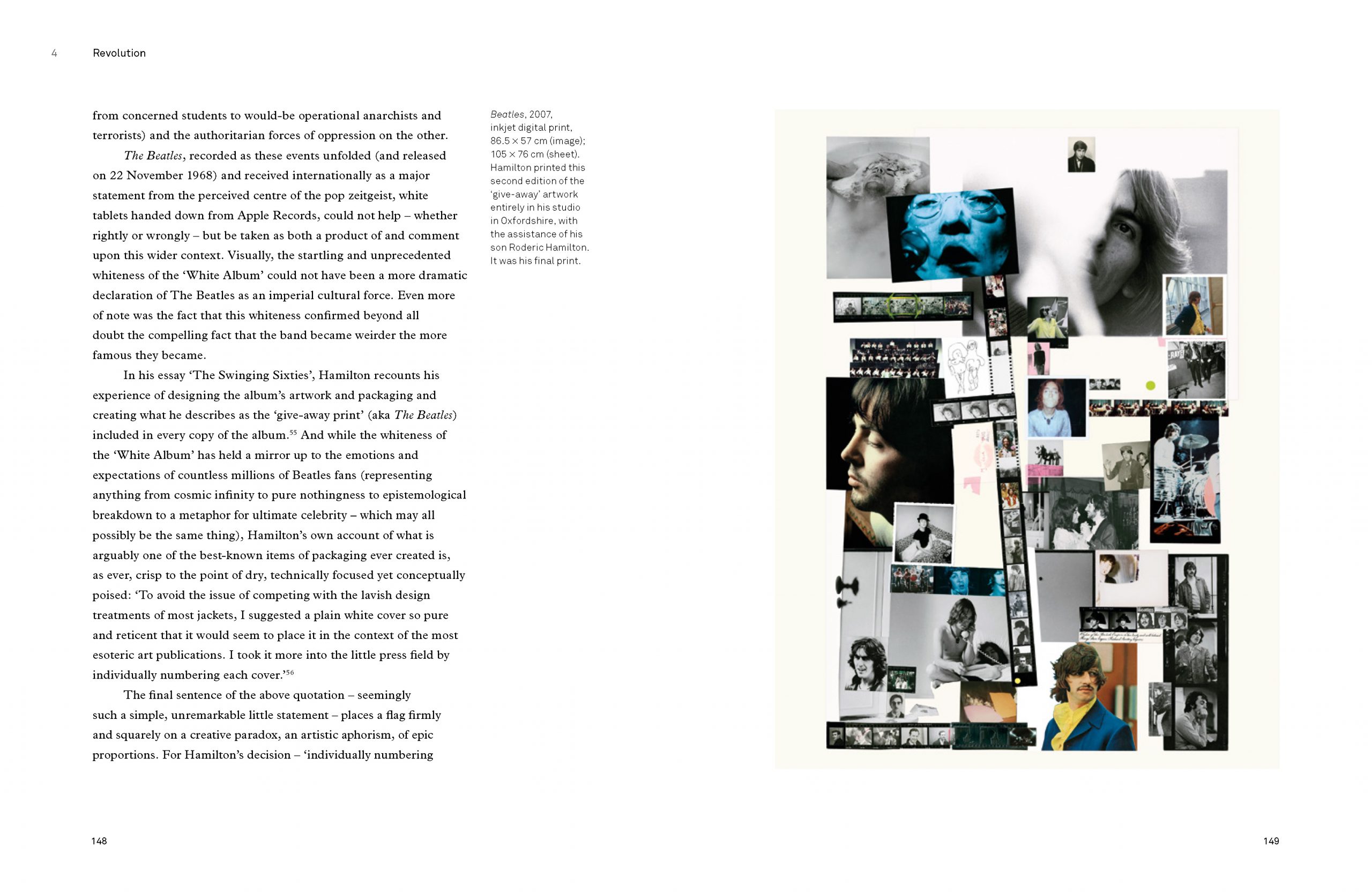
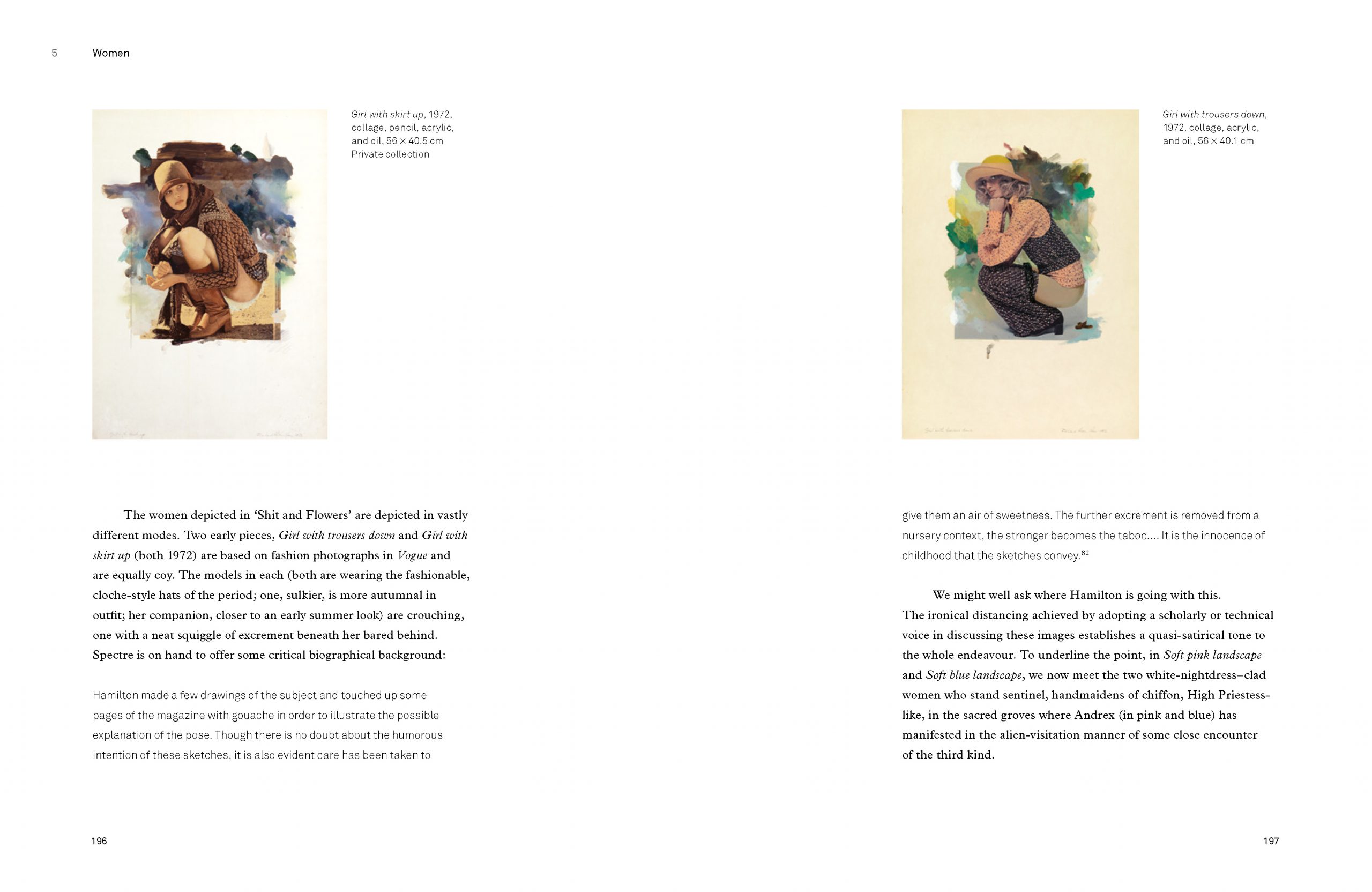
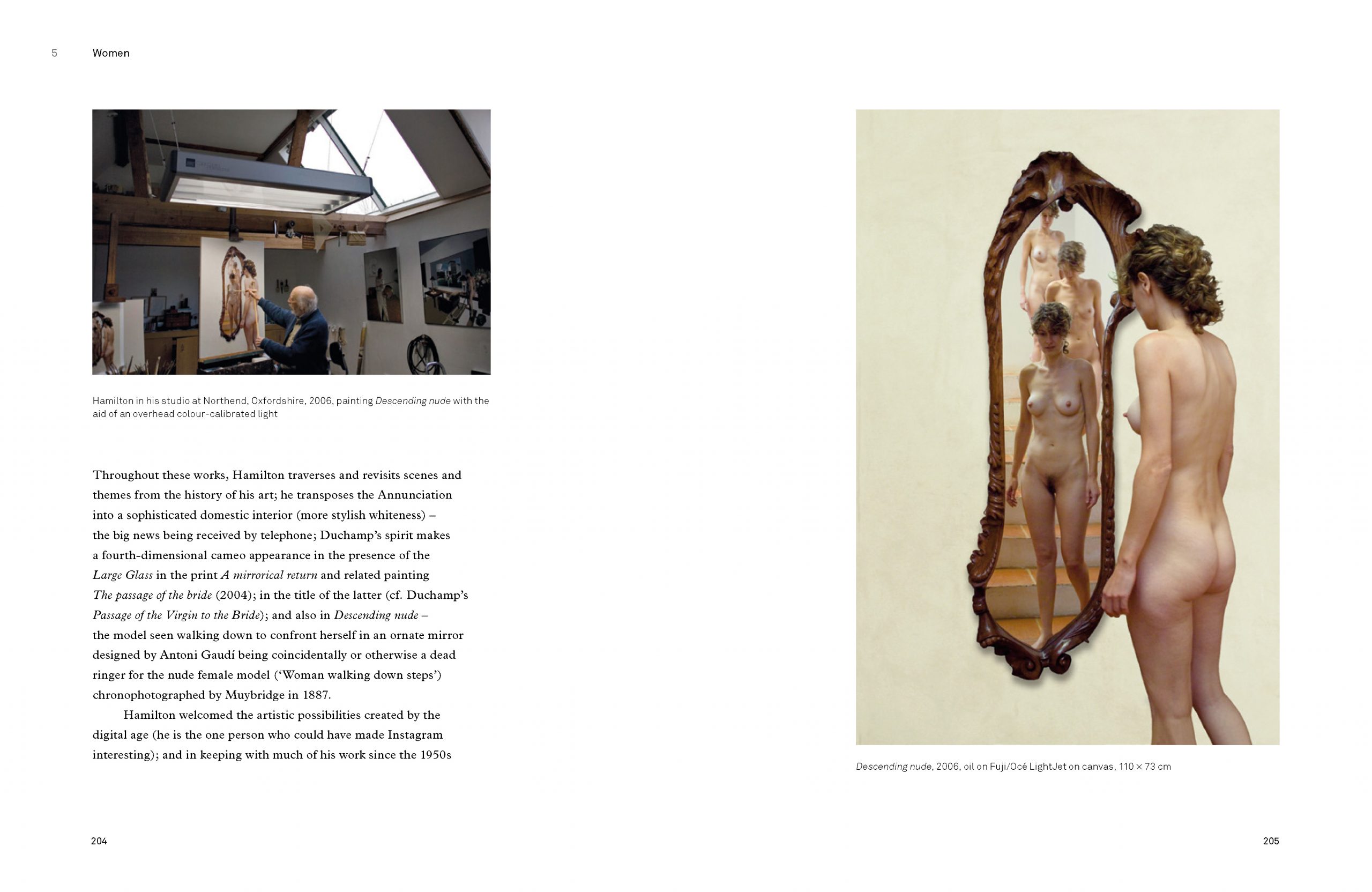
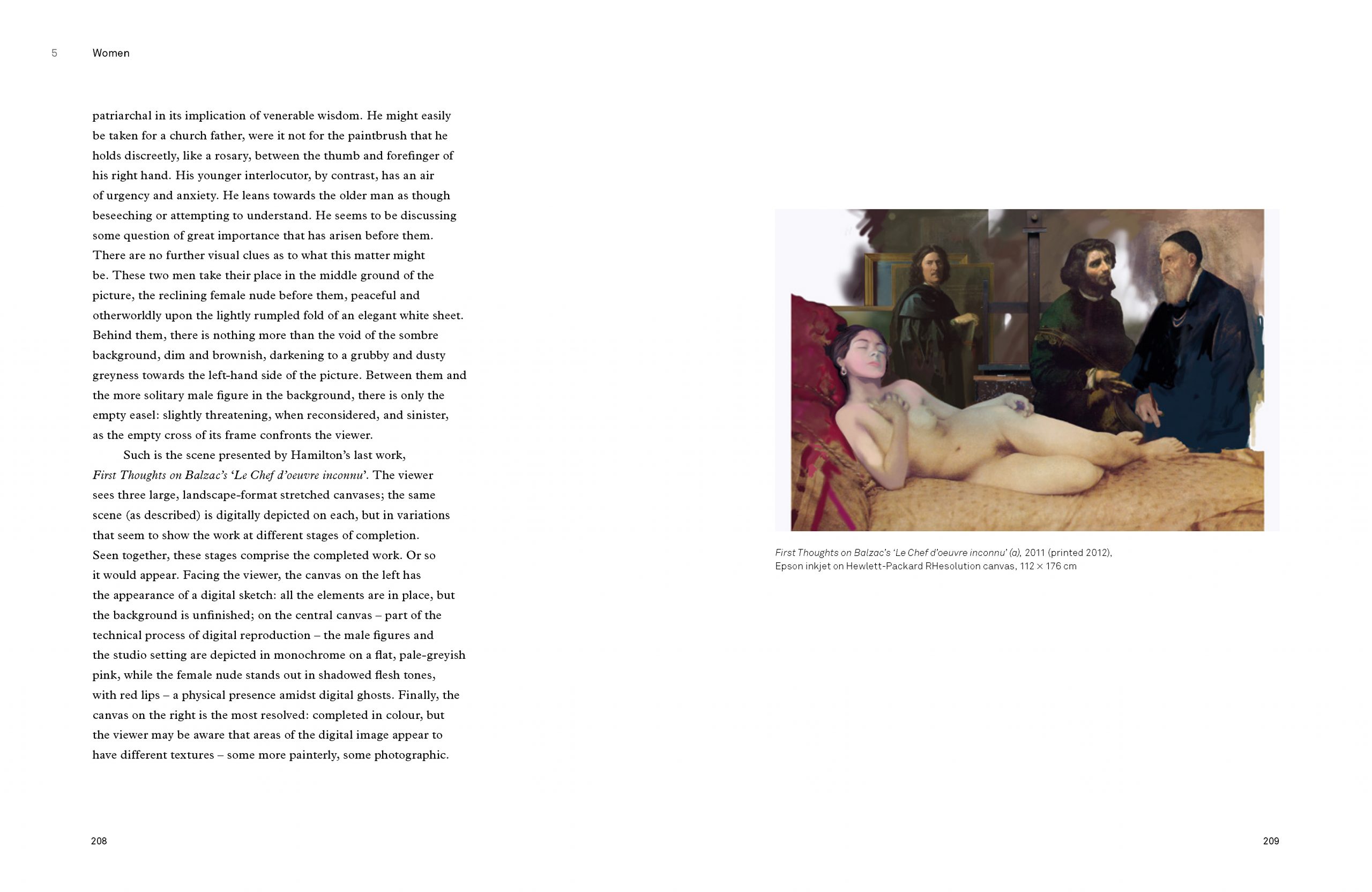
Richard Hamilton was one of the most influential artists of his generation. Often described as ‘the father of Pop art’, he produced multilayered work that explored and crystallized postwar consumer society and ‘pop’ culture in an attempt to ‘relate to everything that was going on in the world’. Seminal works such as his 1956 collage Just what is it that makes today’s homes so different, so appealing?, the 1965 painting My Marilyn, and screenprints based on a press photo of the arrest on drugs charges of Mick Jagger and Robert Fraser, Swingeing London 67, defined an era in which new commodities and technologies, mass media, and celebrity came to the fore, and challenged the hierarchical values of ‘high’ and ‘low’ art. His innovative work with installation and exhibition design continues to influence artistic and curatorial practice to this day; and his importance to fields beyond contemporary art was demonstrated when he designed the radical packaging of The Beatles’ ‘White Album’ in 1968. His ultimate commitment, however, was to the capacities of painting.

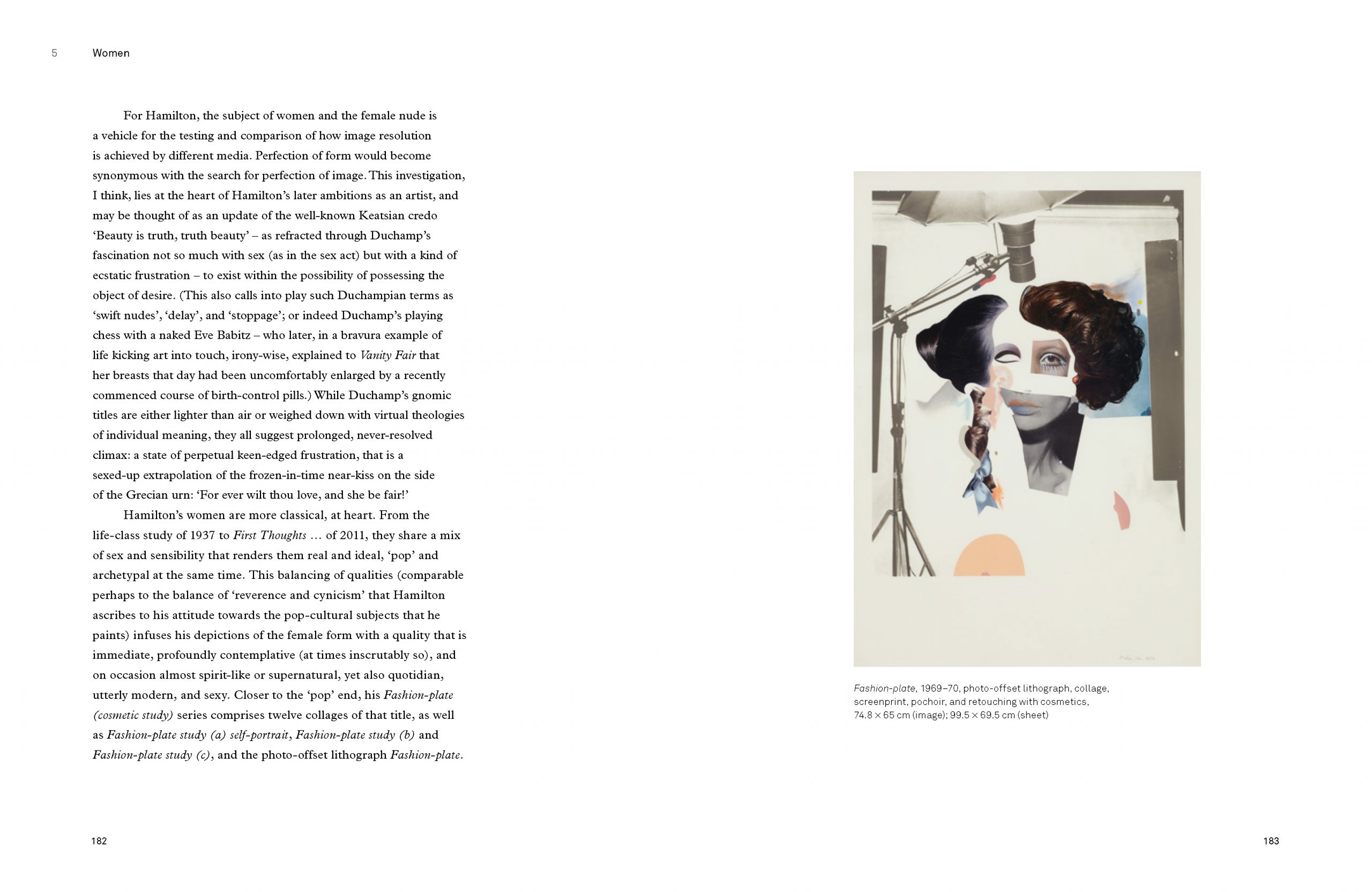
In this handsome book, acclaimed writer Michael Bracewell presents a concise introduction to this deeply complex artist. Writing from a personal perspective, he discusses Hamilton’s all-embracing work in relation to the music, film, and popular culture of the day in a rich and brilliant new interpretation of his art and ideas. He covers the full scope of the artist’s practice, including examples from the various media in which he worked – collage, print, painting, drawing, sculpture, photography, and installation – and the diverse subjects that he addressed until his death in 2011. Bracewell focuses on key works such as the My Marilyn and Swingeing London 67 series; images produced in response to highly charged current events and political and sociological developments, including Kent State and The Citizen; and collages, prints, and paintings that examine the fashion and advertising industries. He also considers Hamilton’s illustrations to James Joyce’s novel Ulysses, his collaborations with Marcel Duchamp, his work with The Beatles, and the significance of his apparently unfinished final work, itself a quest for a state of ‘perfection’ in oil painting. With quotes from the artist’s writings and interviews throughout, this attractive volume will appeal to anyone wanting to understand Hamilton’s iconic and pioneering work and its lasting cultural legacy.

Michael Bracewell is the author of six novels and two works of non-fiction, including the novellas The Crypto-Amnesia Club (1988) and Perfect Tense (1999). He has written widely on modern and contemporary art and contributed to catalogues for museum exhibitions of Richard Hamilton’s work, including at the Serpentine Gallery, London (2010) and the National Gallery, London (2012). A collection of Bracewell’s writings on art, The Space Between, was published in 2011.
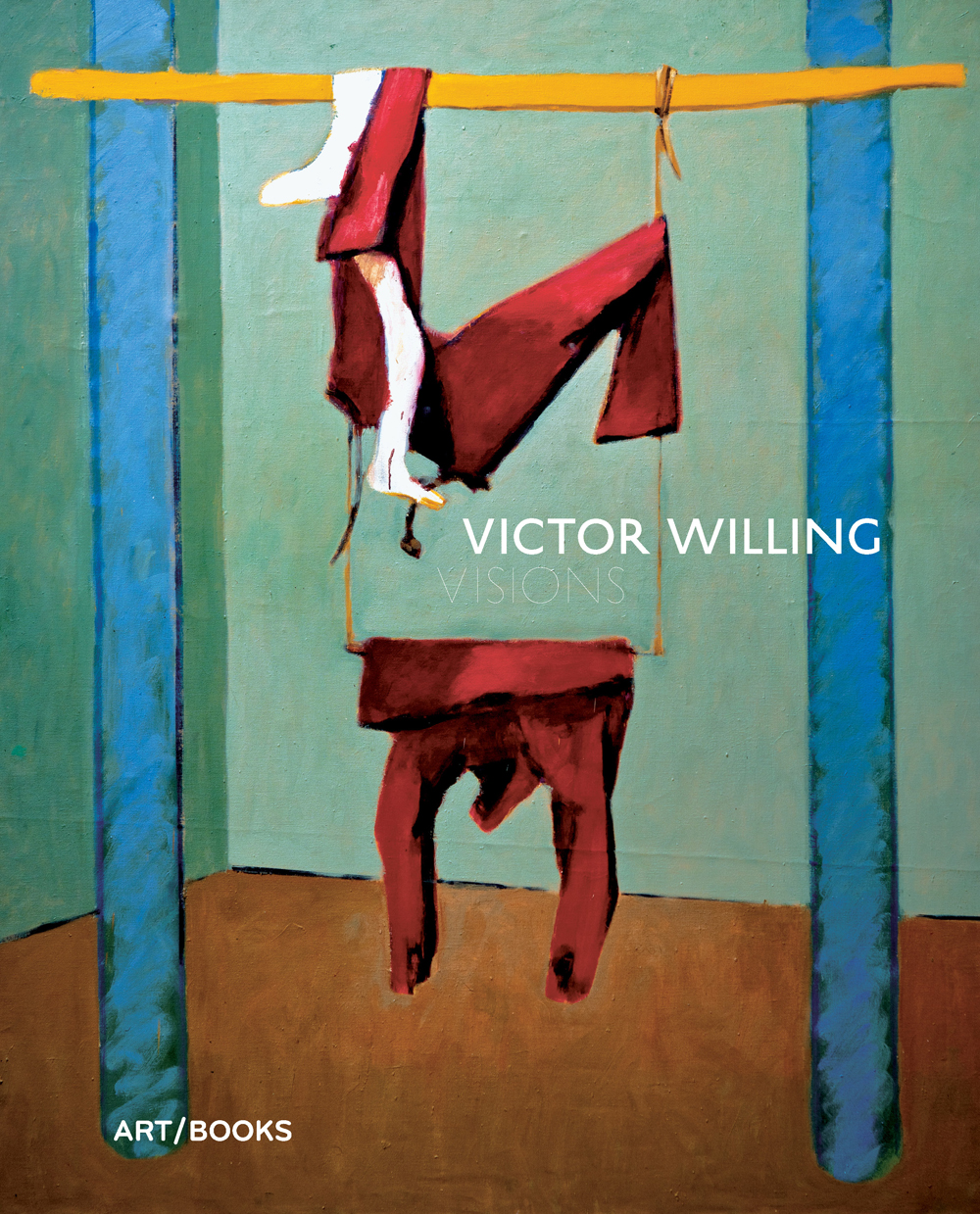
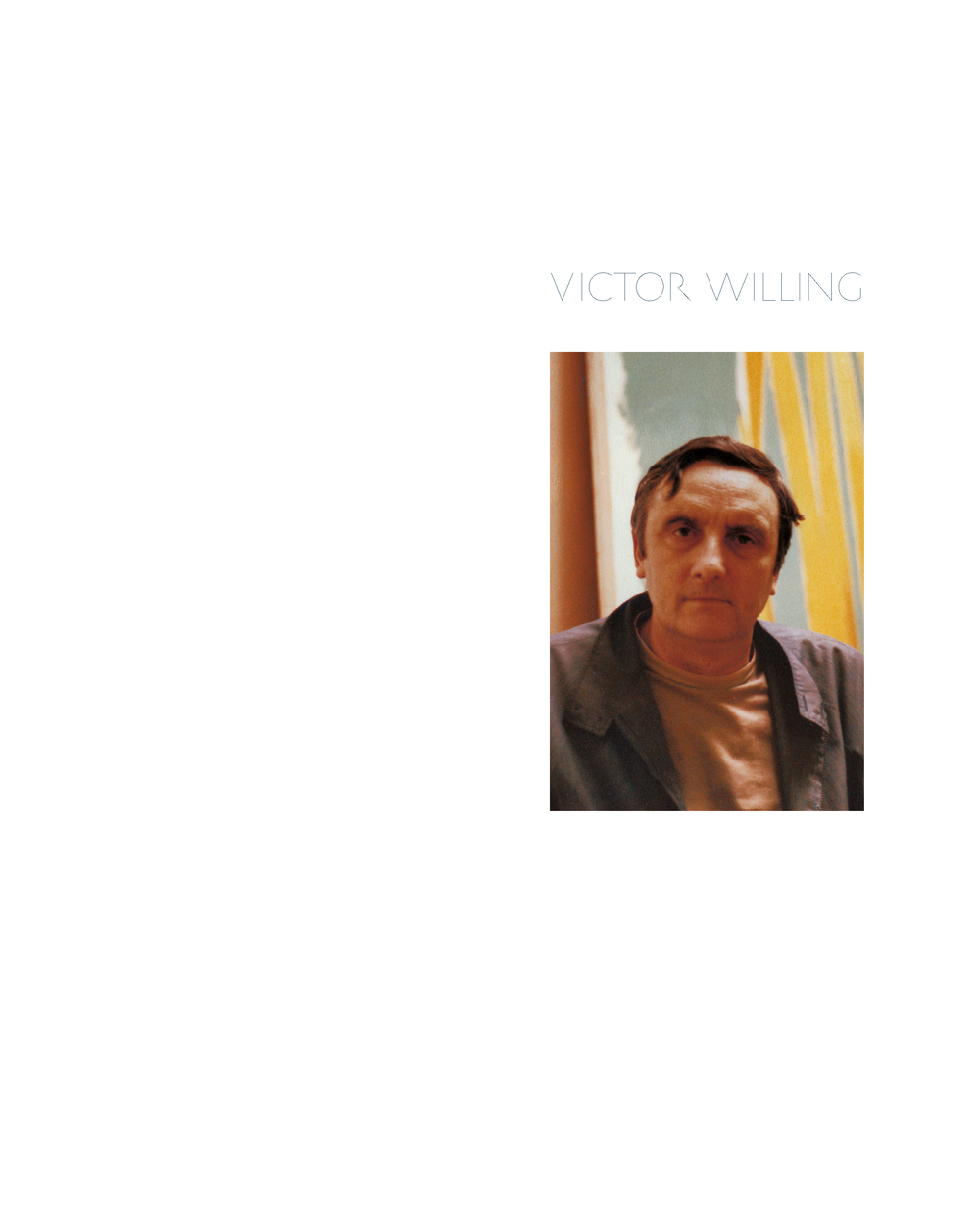
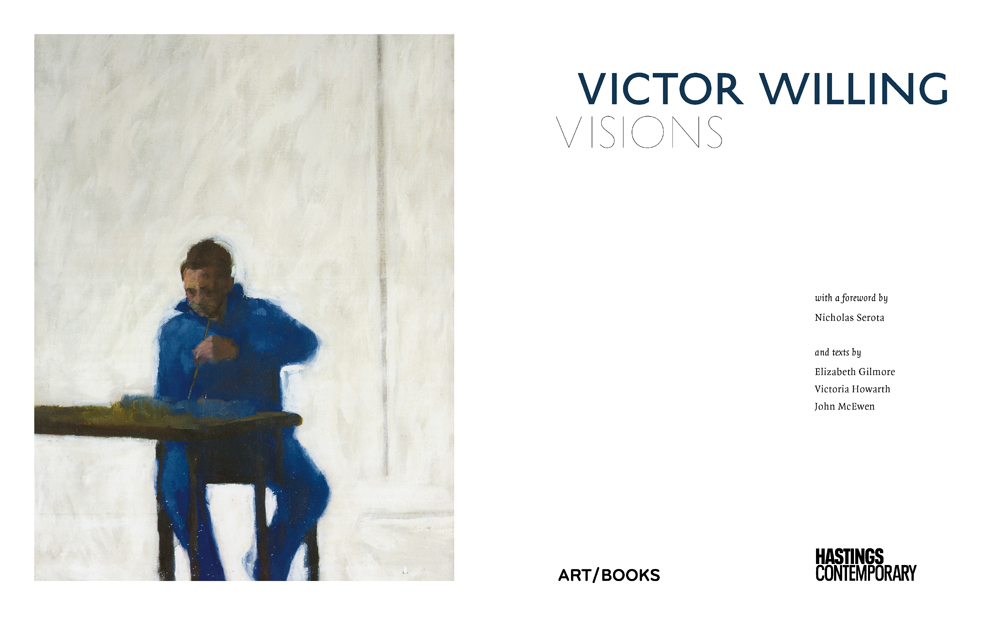
Victor Willing

Visions

Foreword by Sir Nicholas Serota
Texts by John McEwen, Elizabeth Gilmore and Victoria Howarth

‘Finally gives Victor Willing the recognition he deserves’ — Art Newspaper

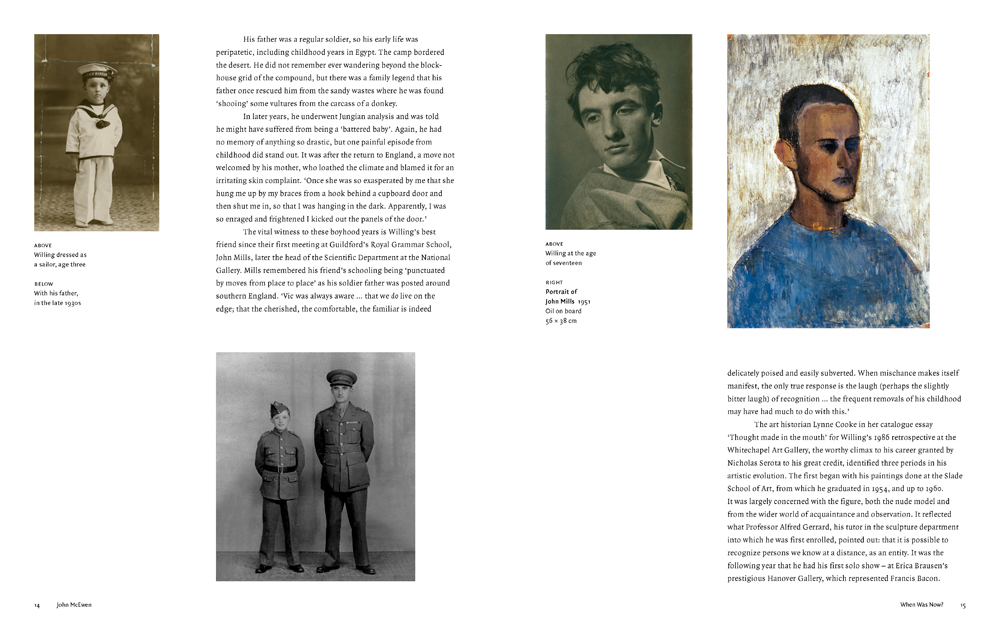
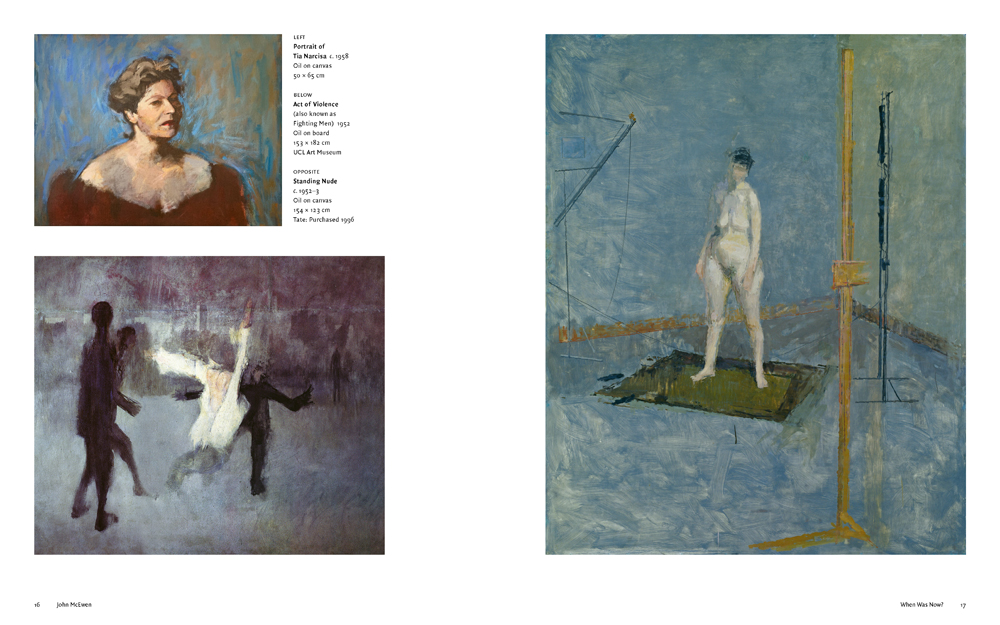
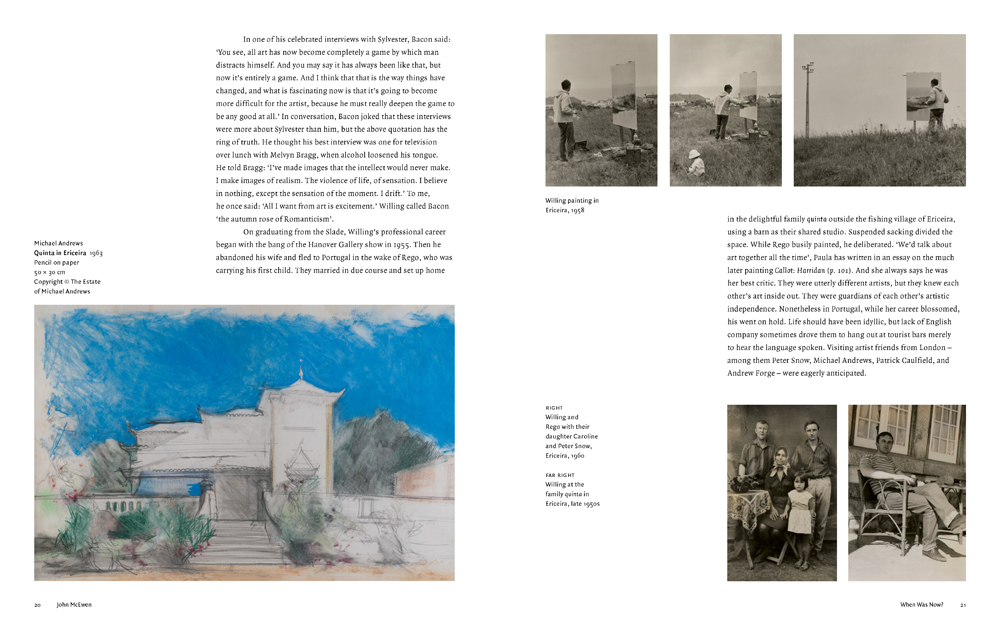
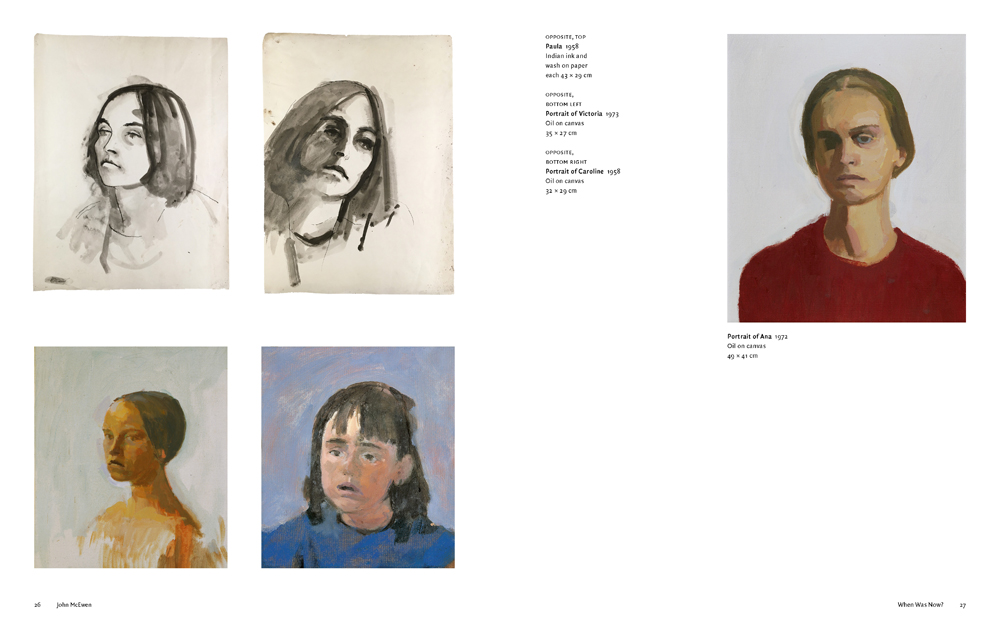
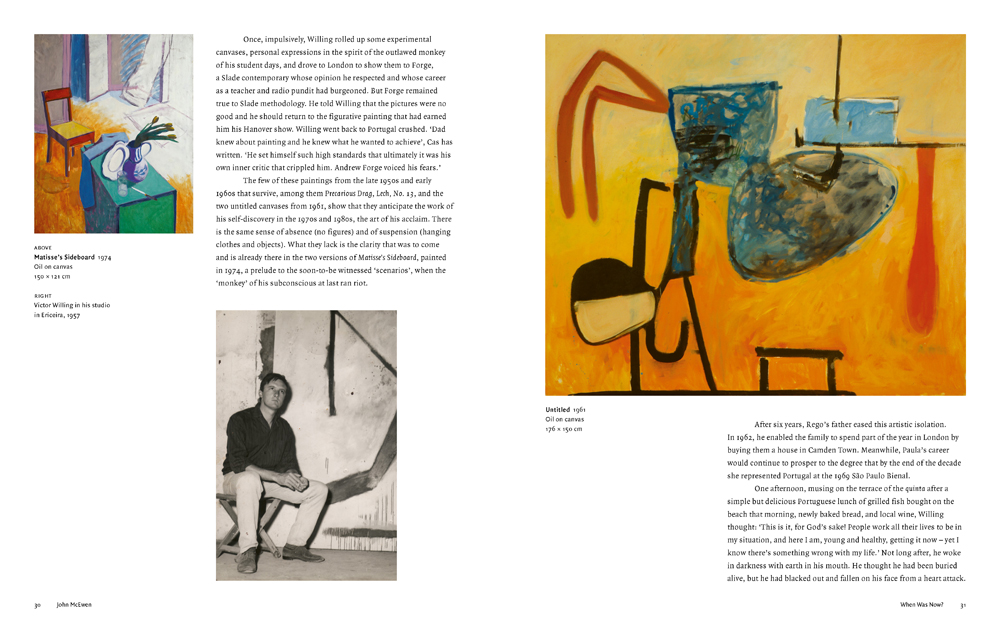
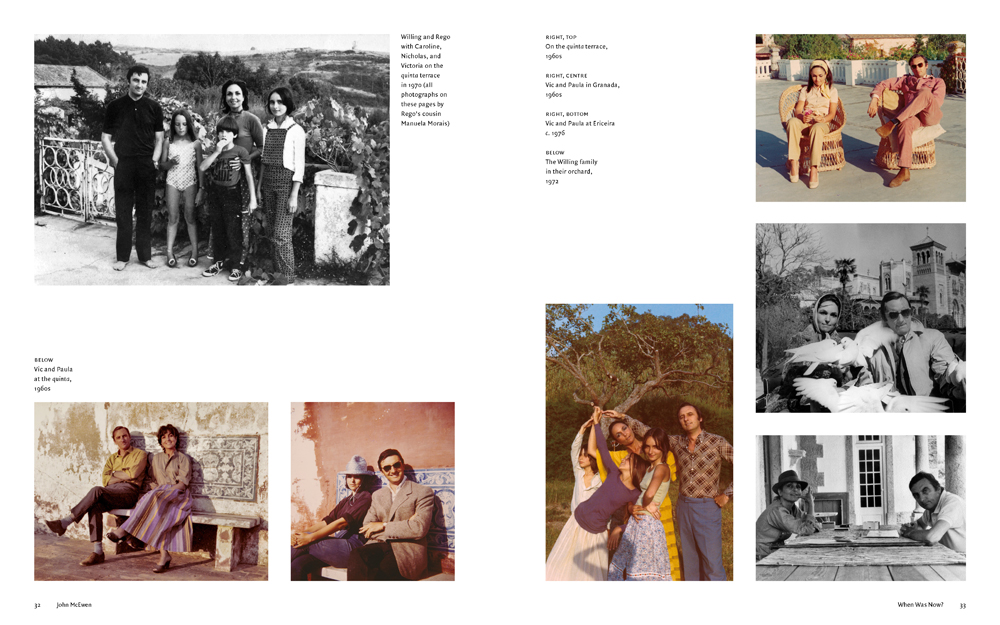
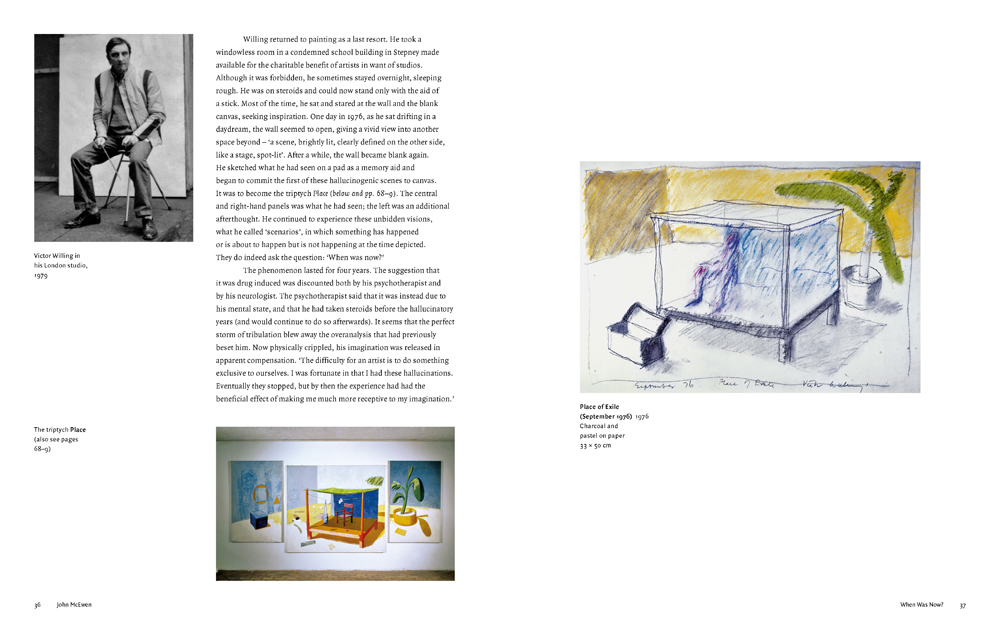
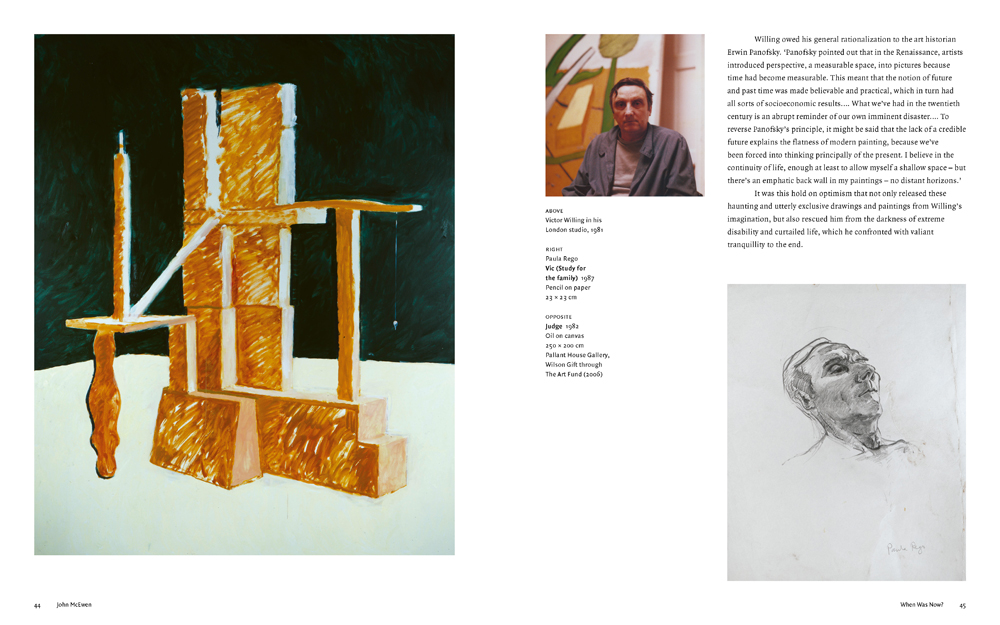
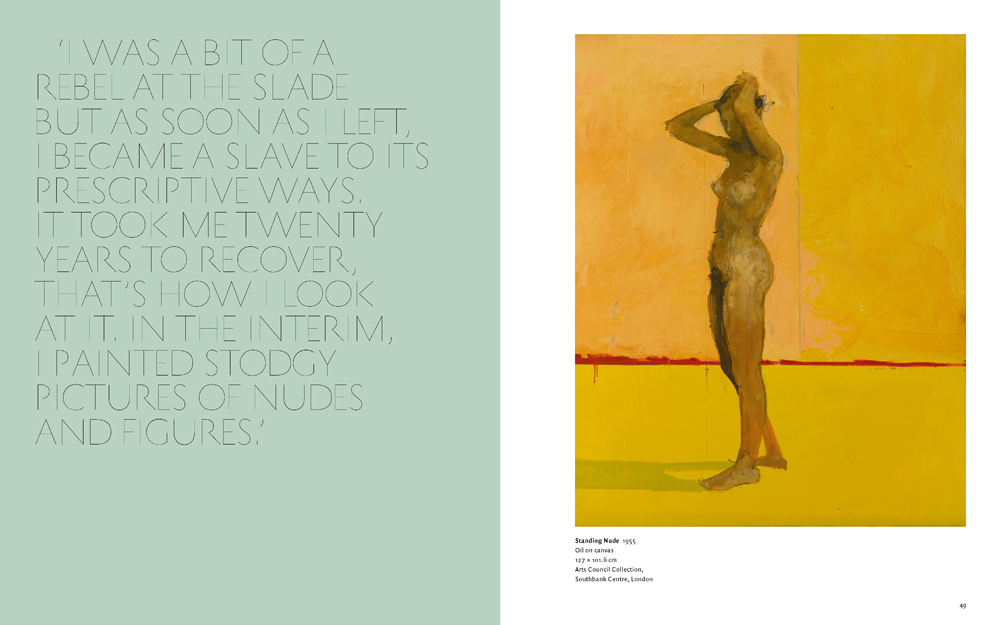
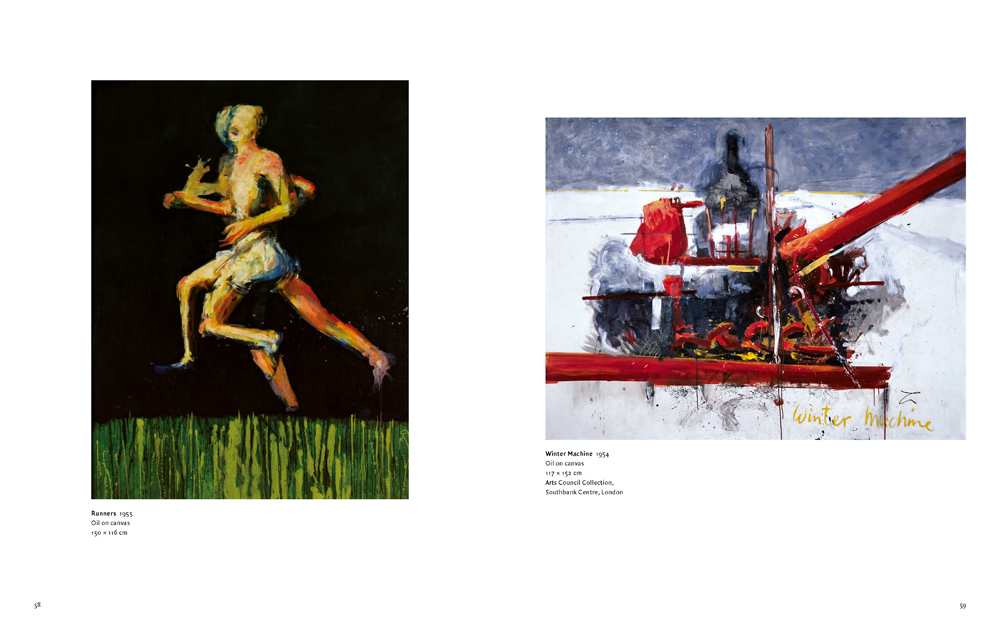
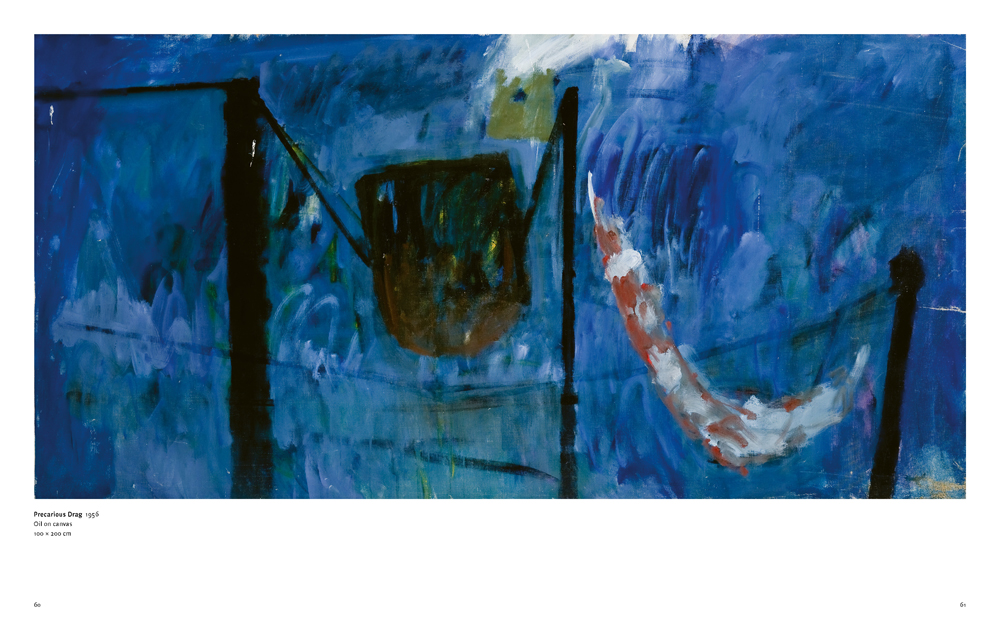
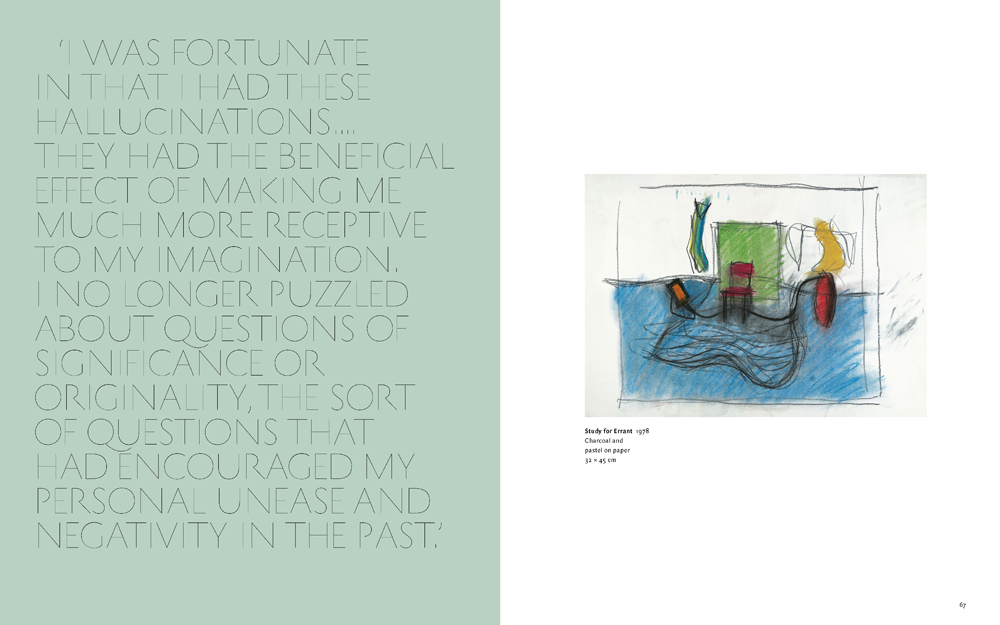
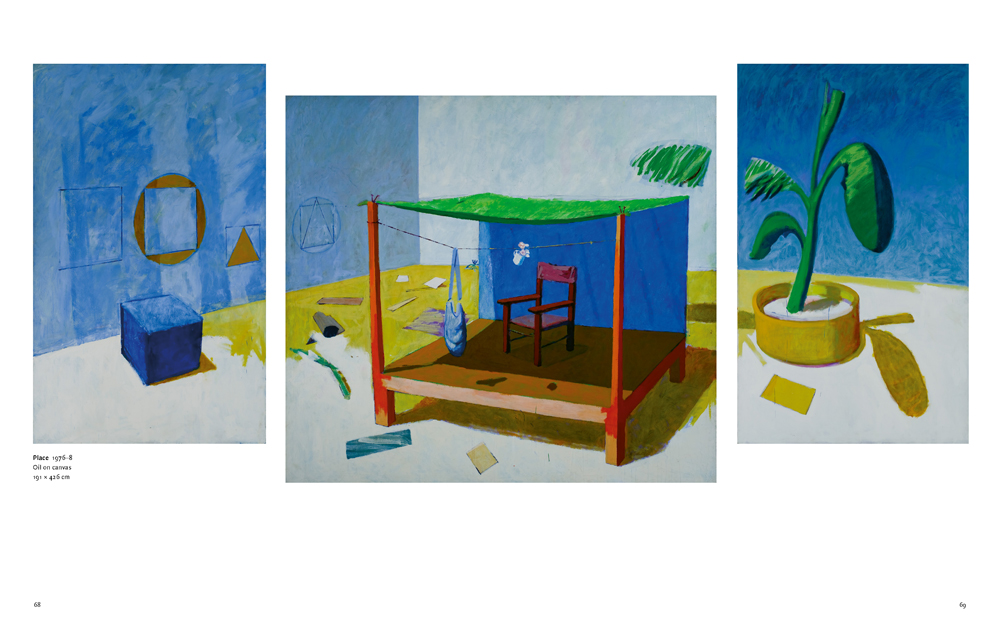
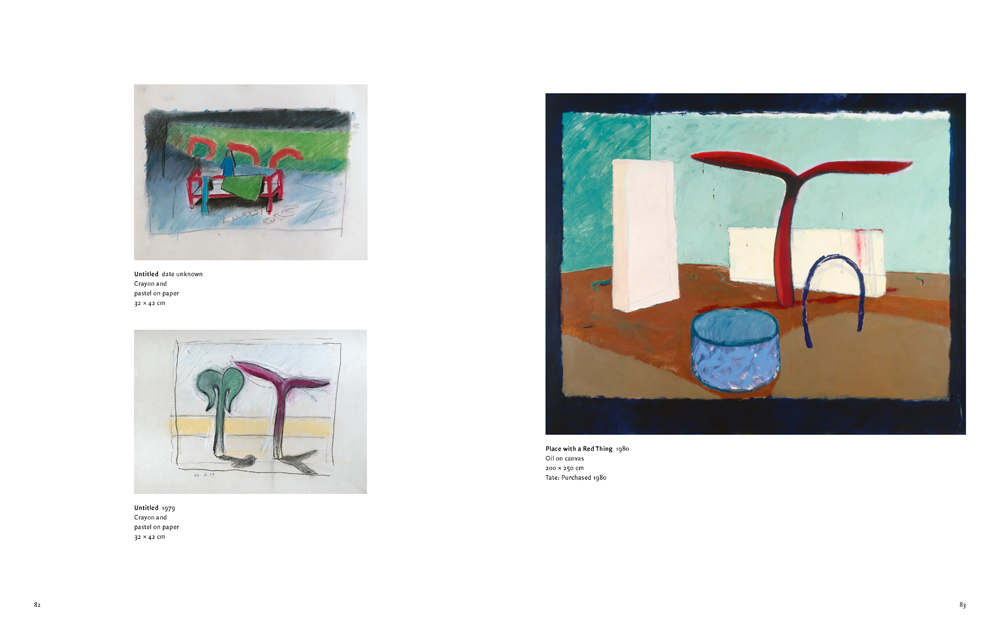
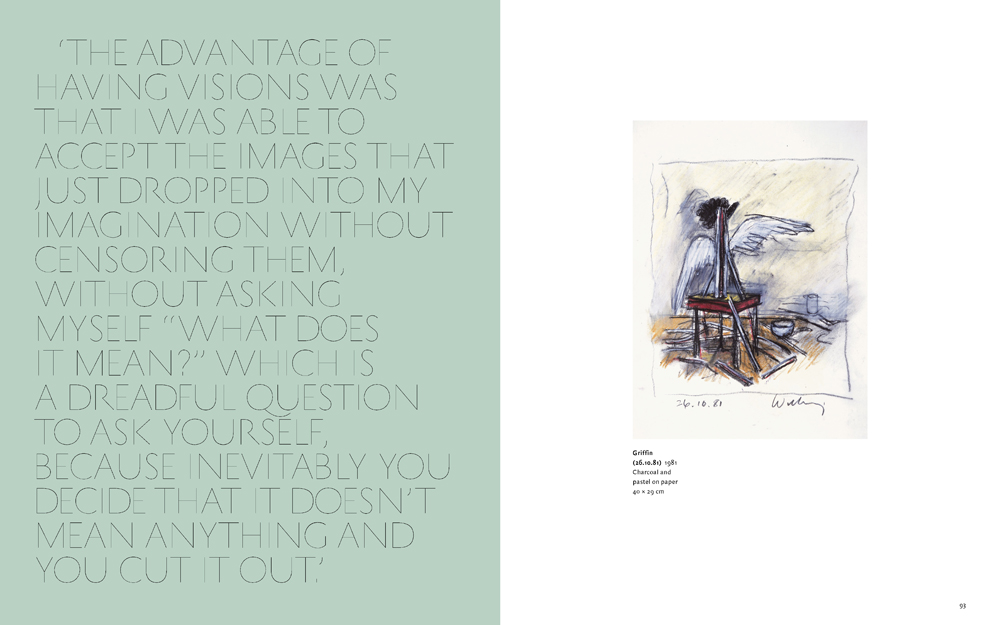
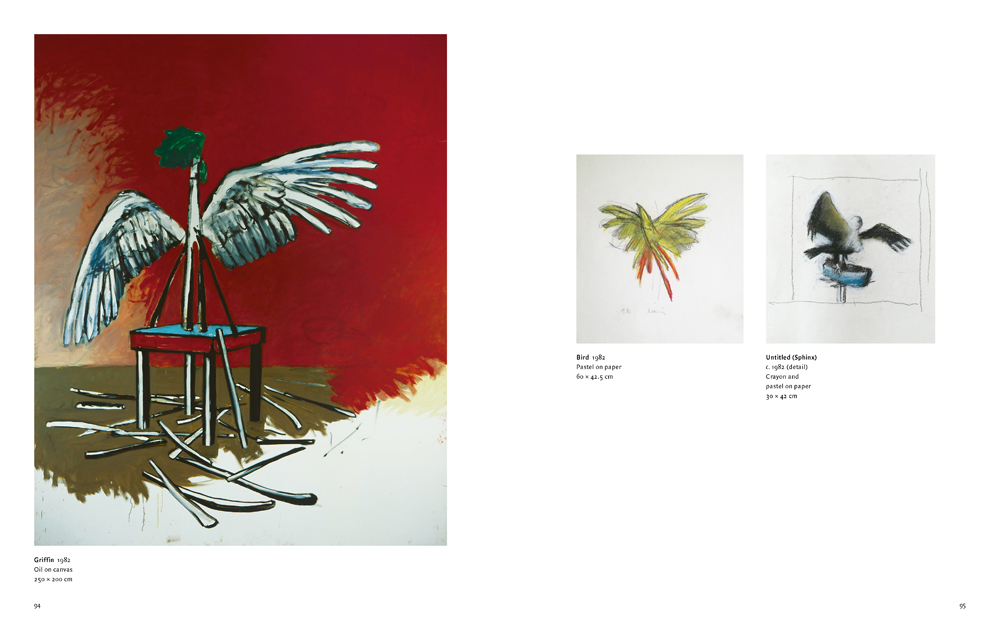
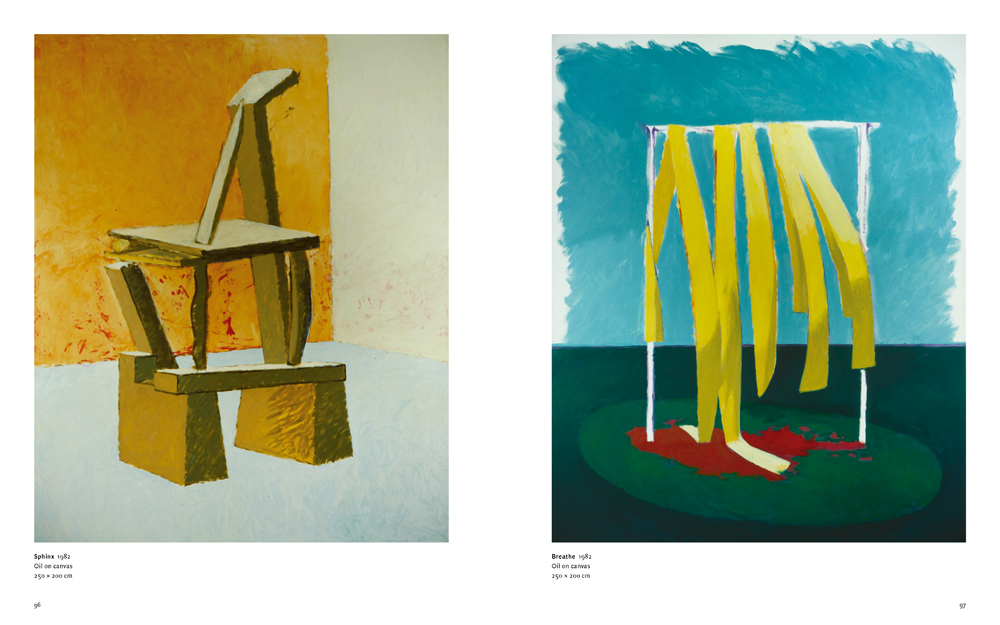
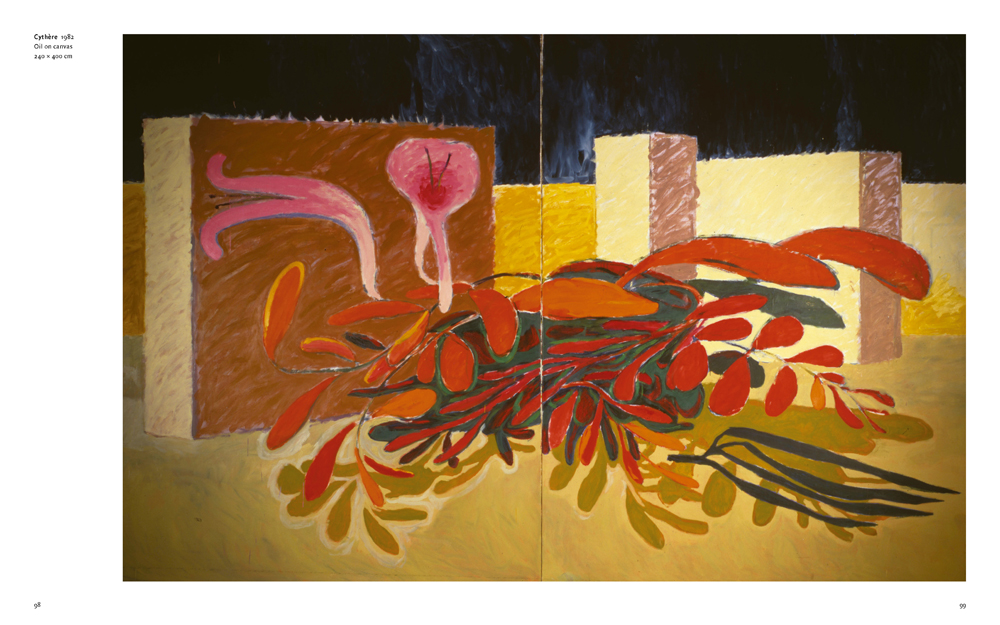
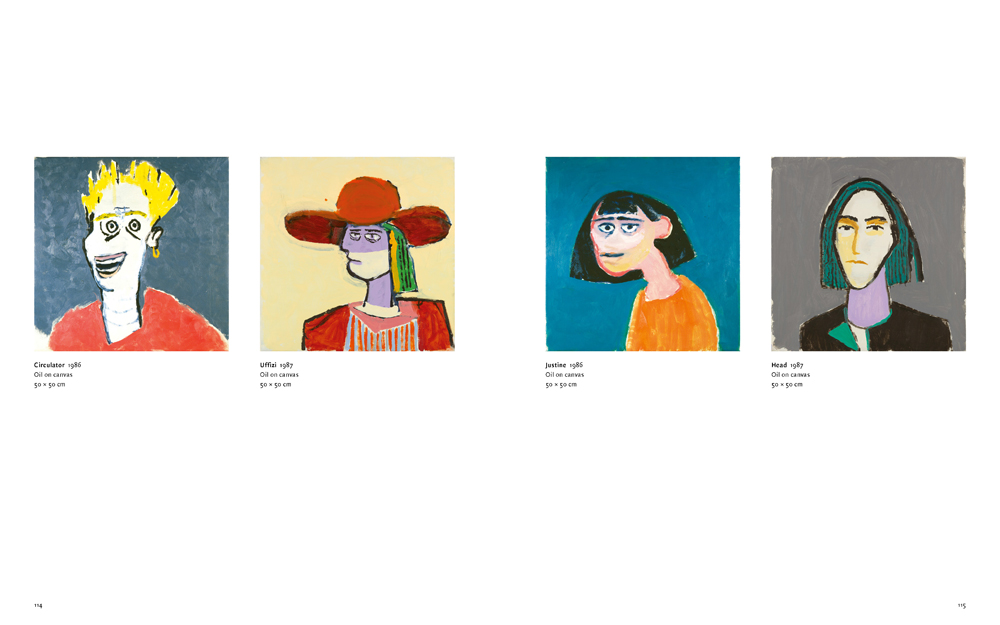
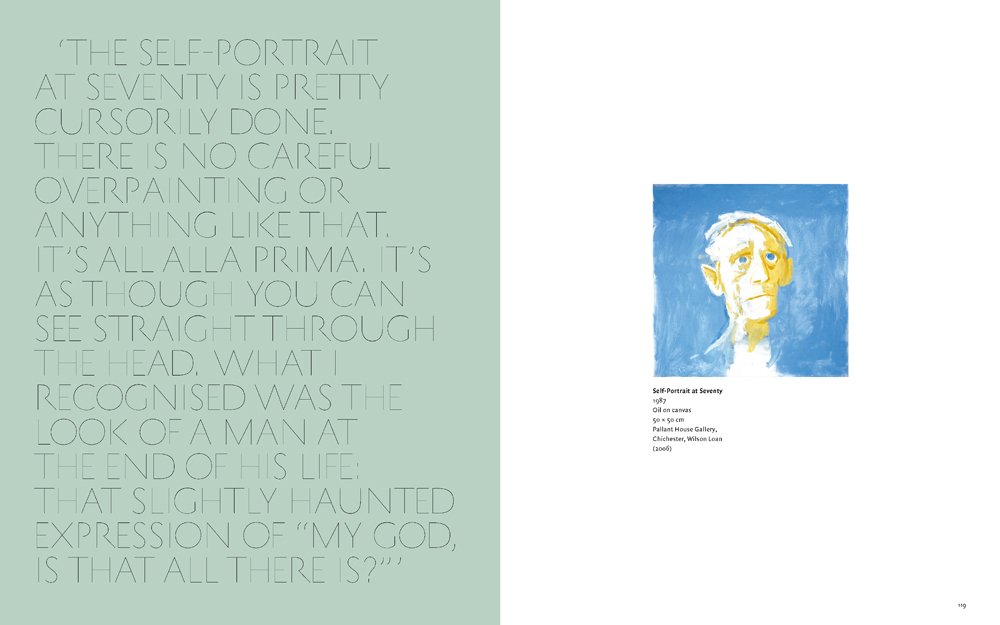
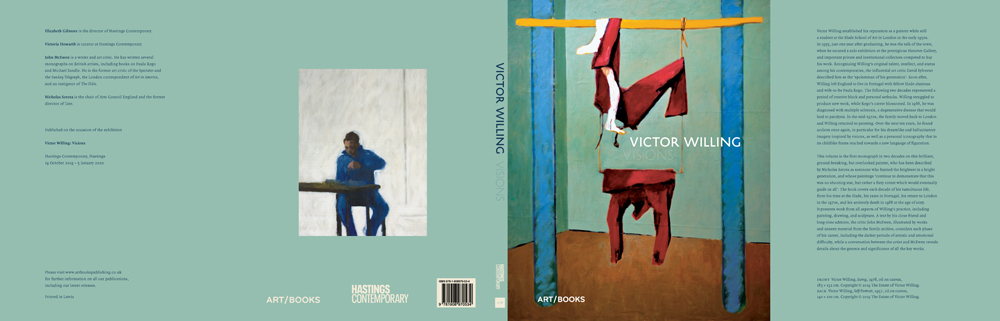
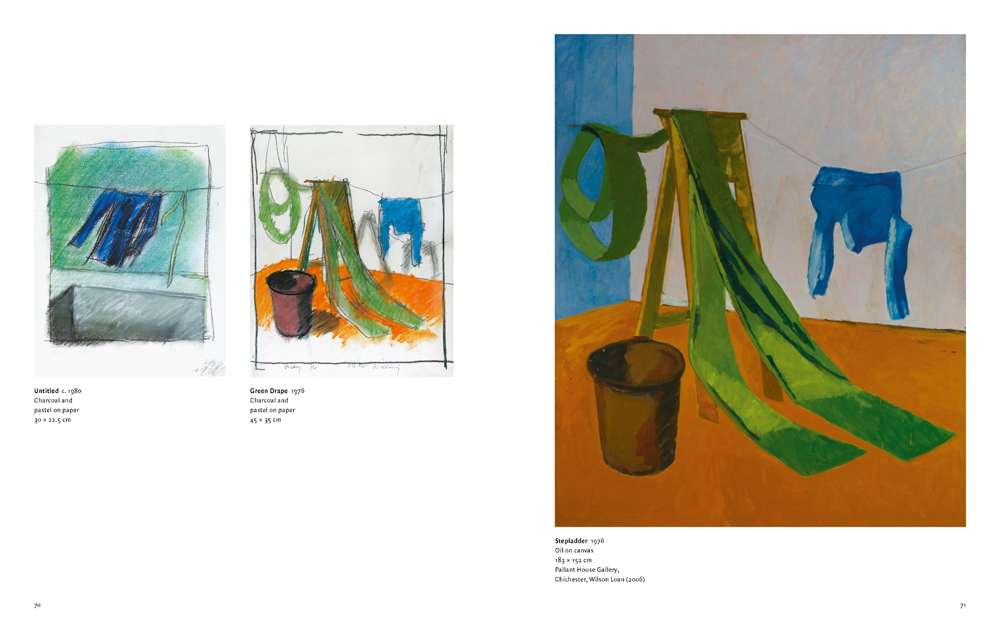
Victor Willing established his reputation as a painter while still a student at the Slade School of Art in London in the early 1950s. In 1955, just one year after graduating, he was the talk of the town, when he secured a solo exhibition at the prestigious Hanover Gallery, and important private and institutional collectors competed to buy his work. Recognizing Willing’s original talent, intellect, and status among his contemporaries, the influential art critic David Sylvester described him as the ‘spokesman of his generation’. Soon after, Willing left England to live in Portugal with fellow Slade alumnus and wife-to-be Paula Rego. The following two decades represented a period of creative block and personal setbacks. Willing struggled to produce new work, while Rego’s career blossomed. In 1966, he was diagnosed with multiple sclerosis, a degenerative disease that would lead to paralysis. In the mid-1970s, the family moved back to London and Willing returned to painting. Over the next ten years, he found acclaim once again, in particular for his dreamlike and hallucinatory imagery inspired by visions, as well as a personal iconography that in its childlike forms reached towards a new language of figuration.

Published to coincide with a major retrospective exhibition at Hastings Contemporary, this volume is the first monograph in two decades on this brilliant, ground-breaking, but overlooked painter, who has been described by Nicholas Serota as someone who burned the brightest in a bright generation, and whose paintings ‘continue to demonstrate that this was no shooting star, but rather a fiery comet which would eventually guide us all’. The book covers each decade of his tumultuous life, from his time at the Slade, his years in Portugal, his return to London in the 1970s, and his untimely death in 1988 at the age of sixty. It presents work from all aspects of Willing’s practice, including painting, drawing, and sculpture. A text by his close friend and long-time admirer, the critic John McEwen, illustrated by works and unseen material from the family archive, considers each phase of his career, including the darker periods of artistic and emotional difficulty, while a conversation between the artist and McEwen reveals details about the genesis and significance of all the key works.

Elizabeth Gilmore is the director of Hastings Contemporary.

Victoria Howarth is curator at Hastings Contemporary.

John McEwen is a writer and art critic. He has written several monographs on British artists, including books on Paula Rego and Michael Sandle. He is the former art critic of the Spectator and the Sunday Telegraph, the London correspondent of Art in America, and an instigator of The Oldie.

Sir Nicholas Serota is the chair of Arts Council England and the former director of Tate.

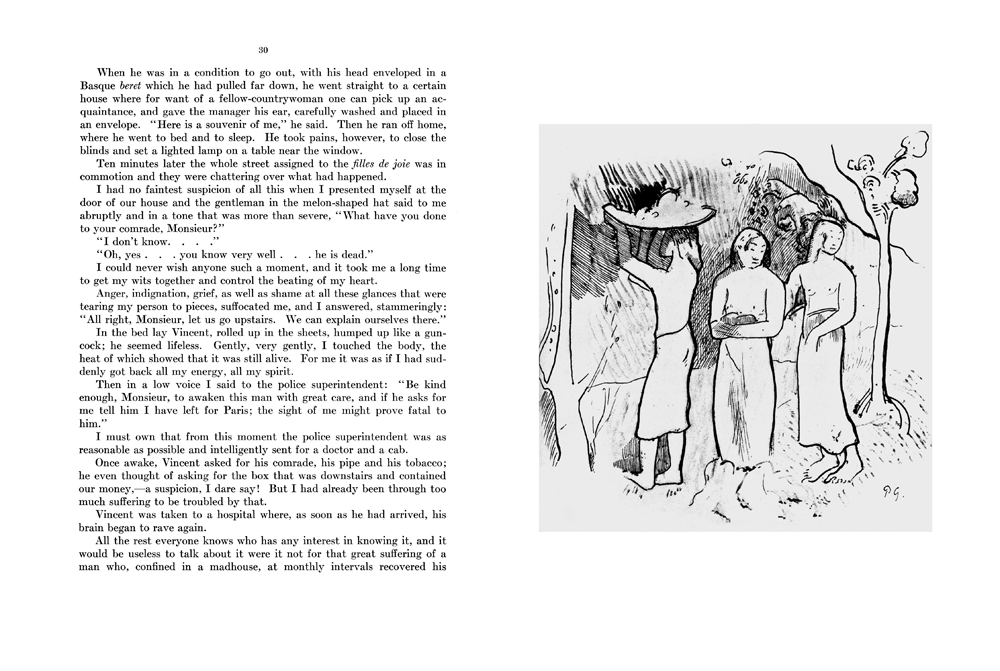
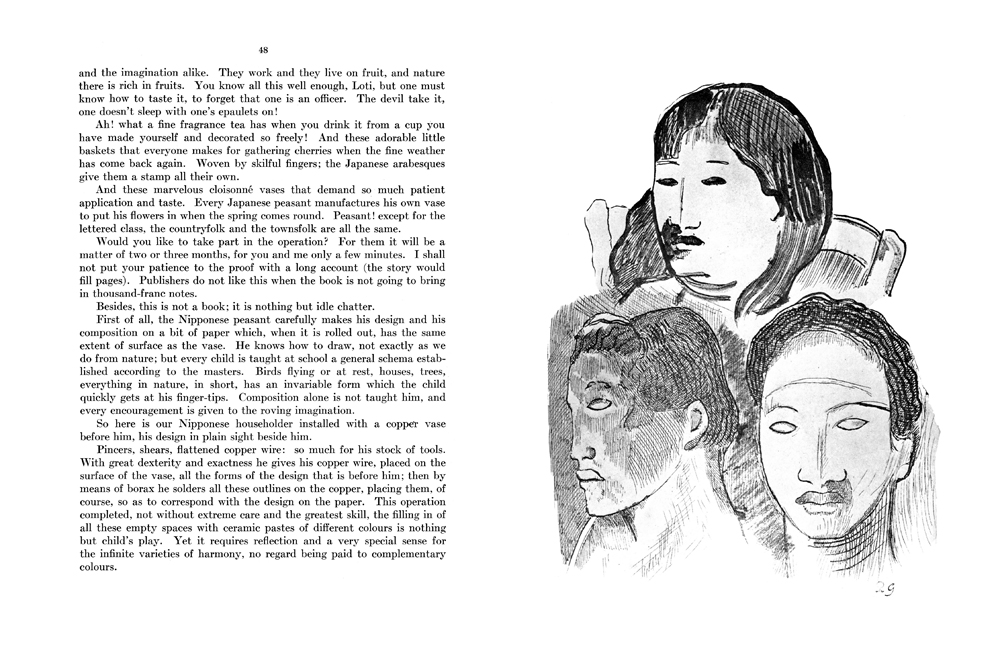
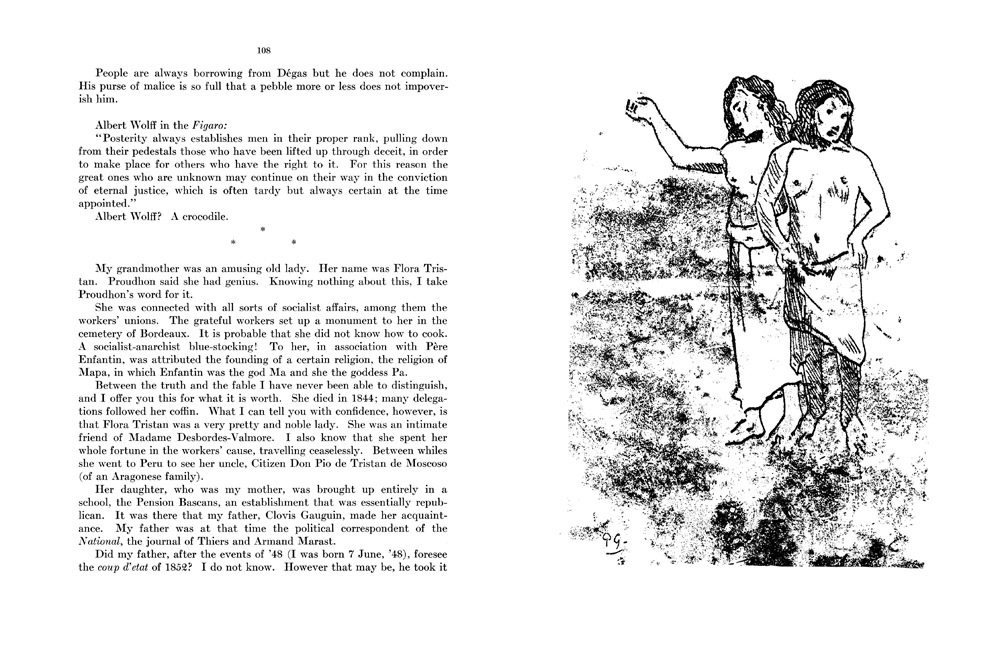
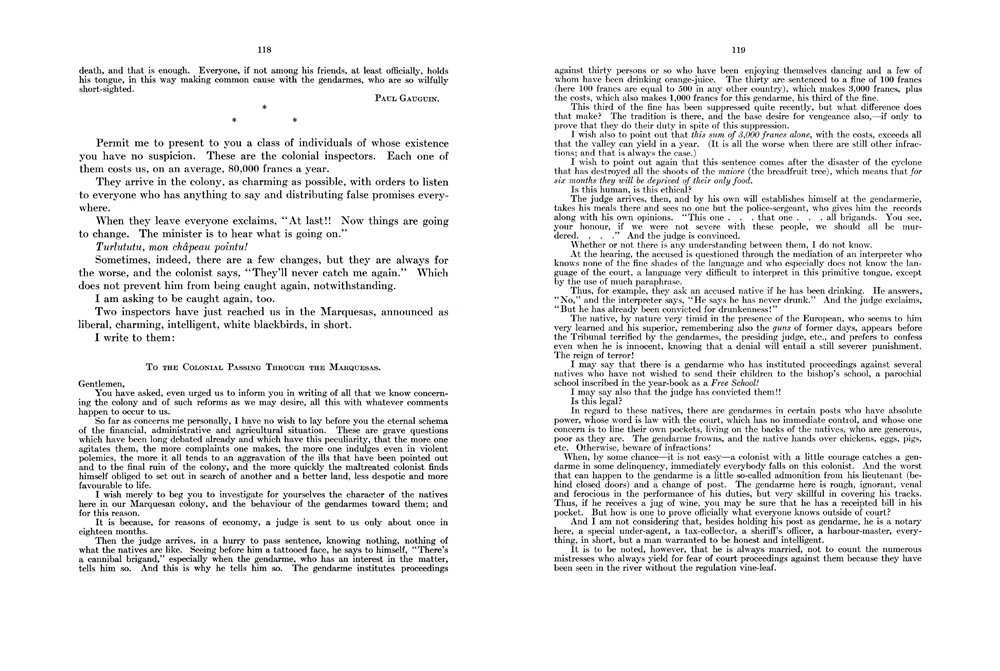
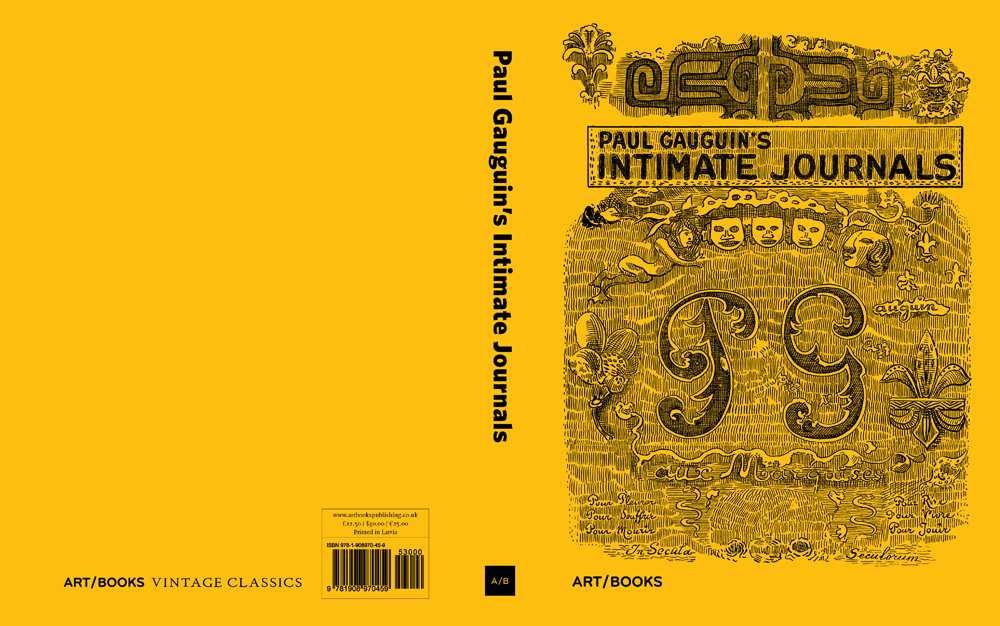
Paul Gauguin’s Intimate Journals

Paul Gauguin
Preface by Emile Gauguin
Translated by Van Wyck Brooks

An Art / Books Vintage Classic

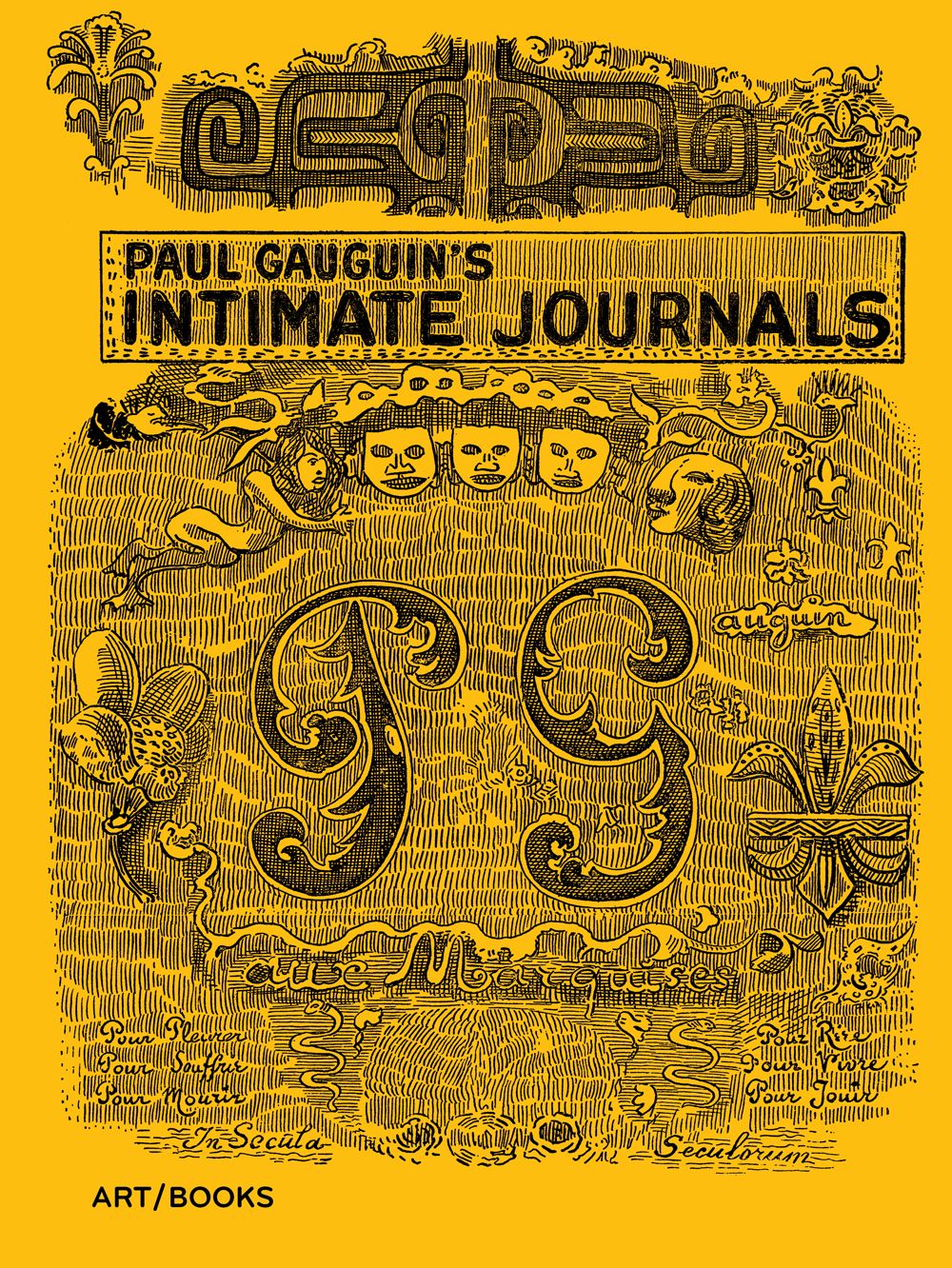
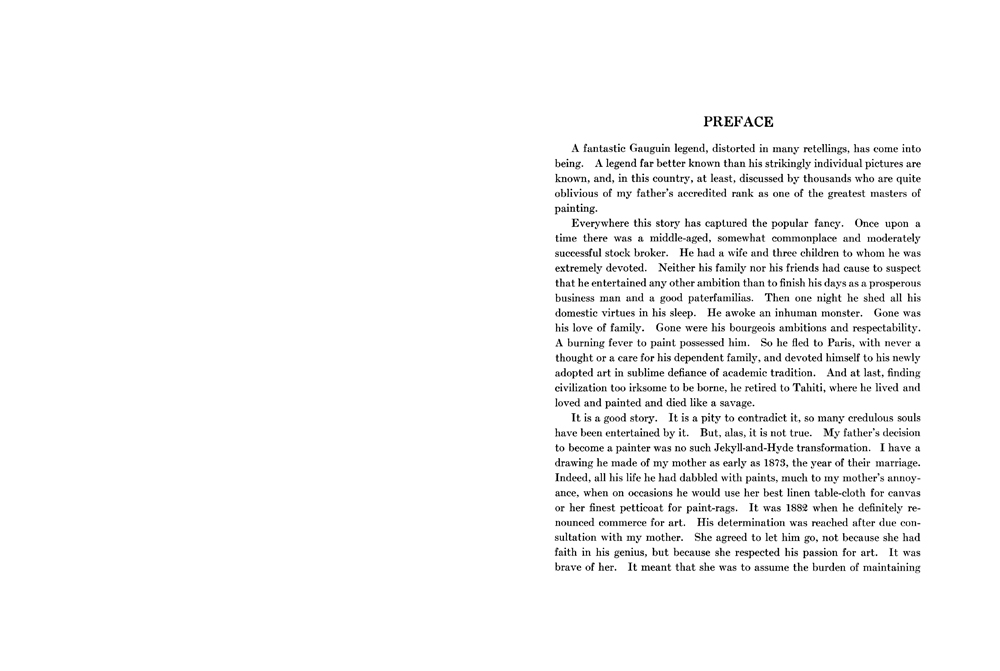
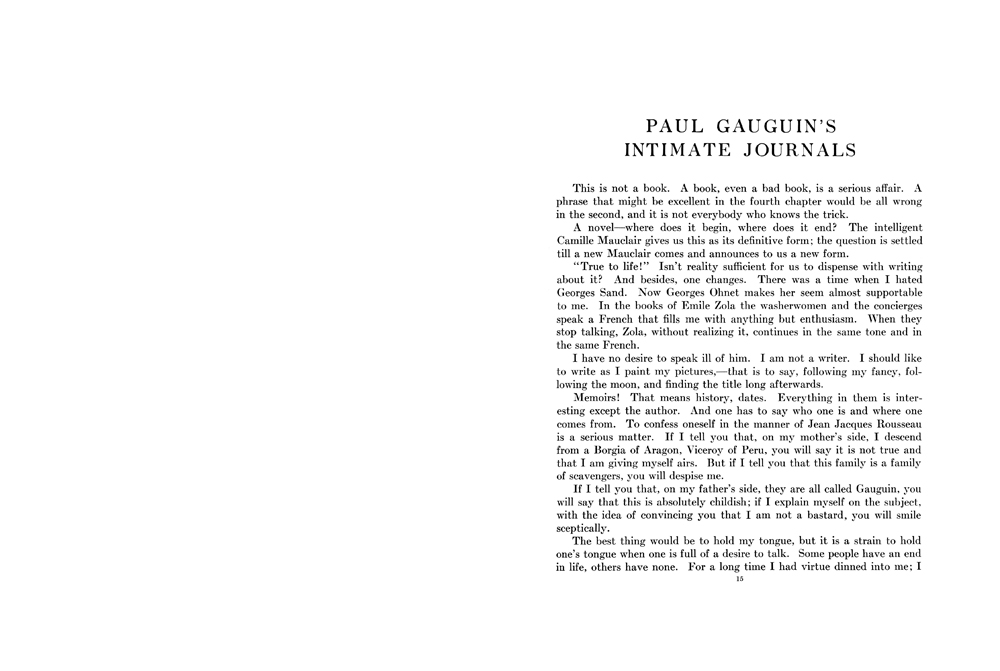
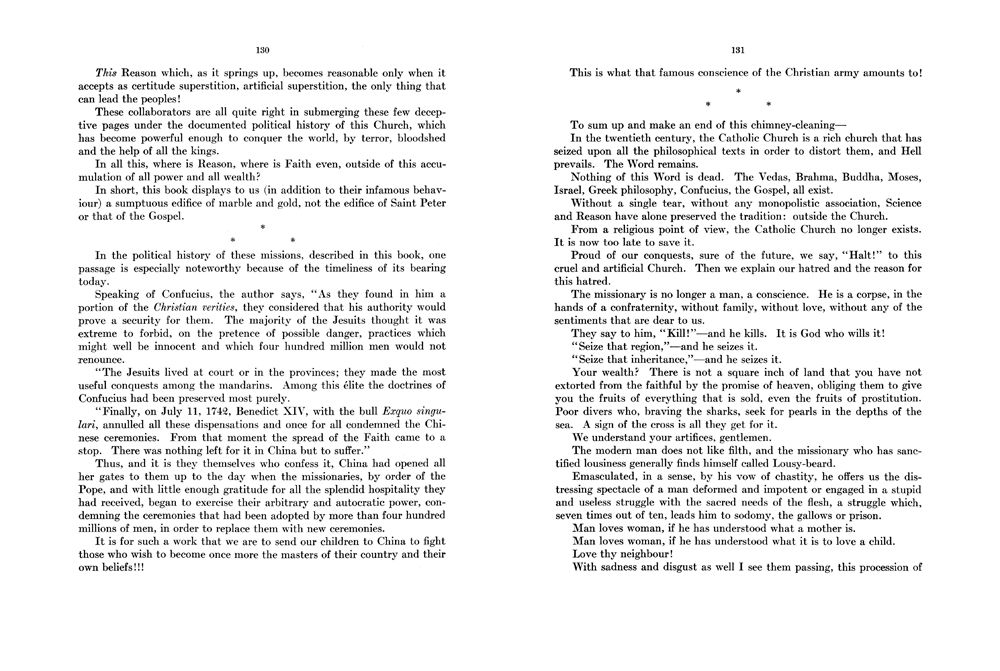
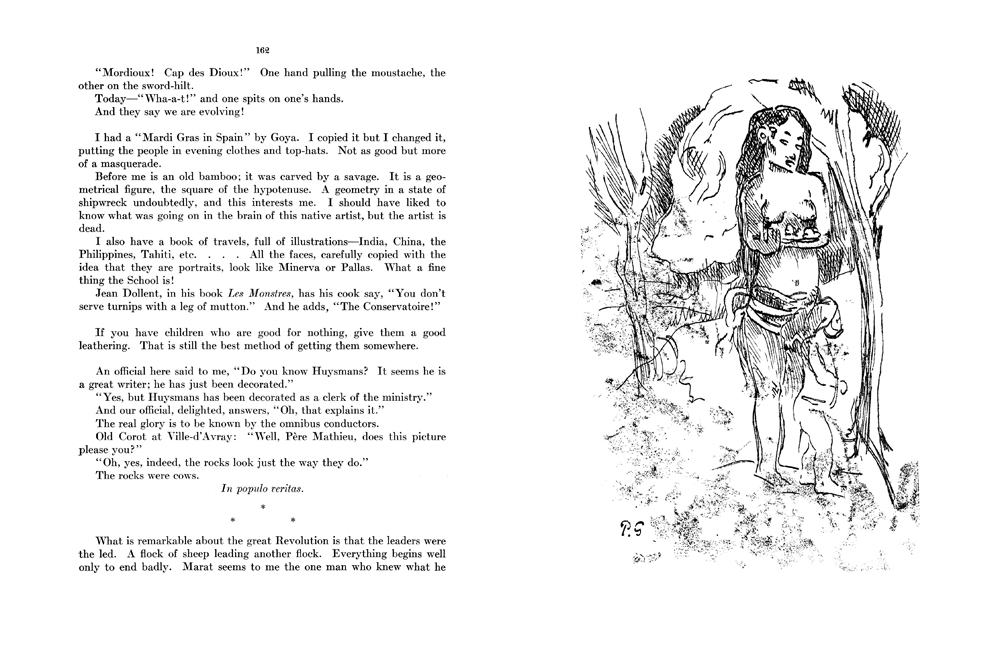
Paul Gauguin is one of the giants of French post-Impressionism and a pioneer of early modernism. A rebel in both art and life, he rejected his bourgeois upbringing and comfortable stockbroker’s job to devote himself to painting. Eventually, dismayed by the ‘hypocrisy of civilization’ and in search of a primitive idyll, he left his wife and children behind in France and took up residence in the South Seas, first in Tahiti and, later, in the Marquesas Islands. In the final months of his life, he wrote this witty and revealing autobiographical memoir with the request that it be published upon his death. It first appeared in French in 1918, and was translated into English three years later. As his son Émile wrote in the preface, ‘These journals are an illuminating self-portrait of a unique personality.… They bring sharply into focus for me his goodness, his humor, his insurgent spirit, his clarity of vision, his inordinate hatred of hypocrisy and sham.’

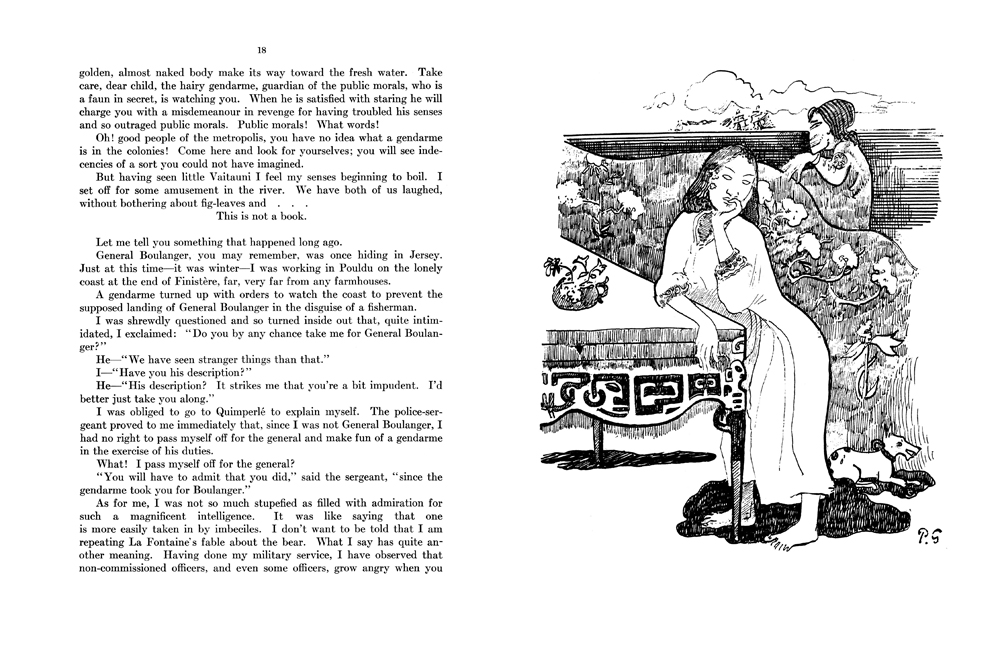
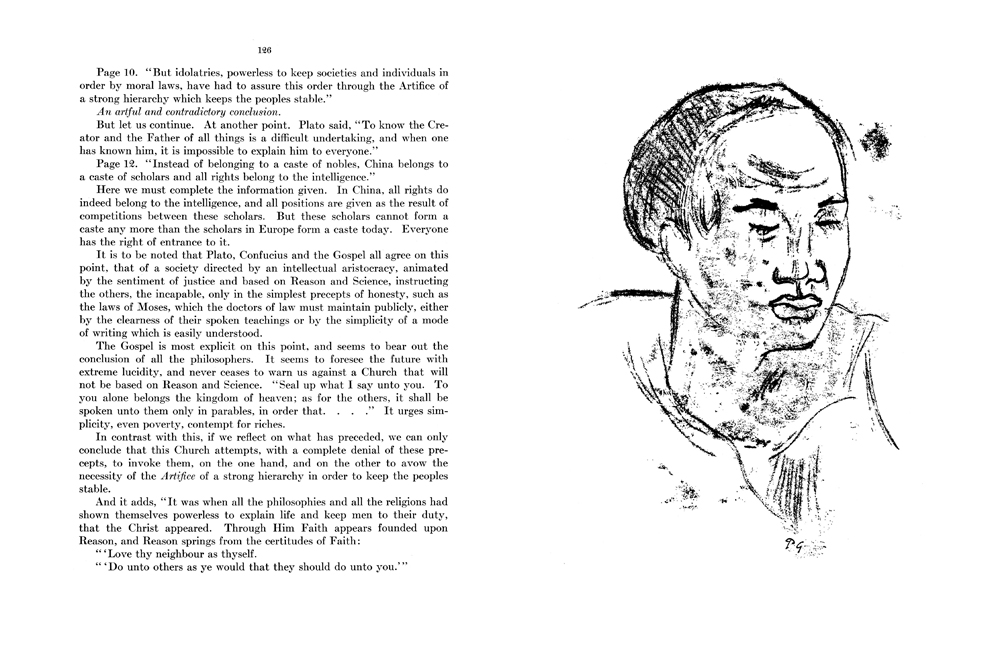
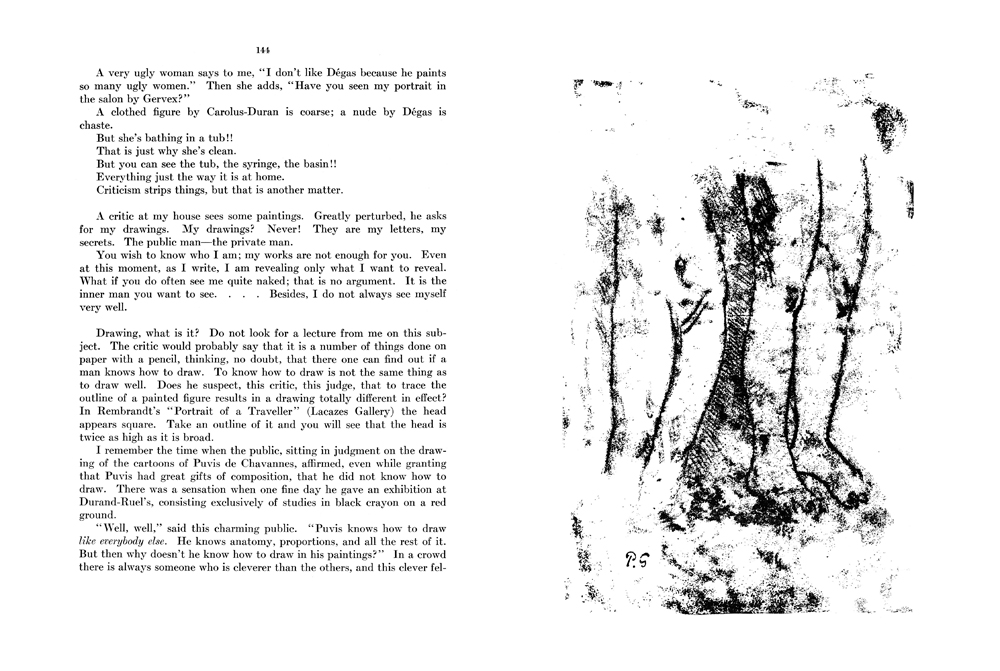
Wide-ranging and elliptical, these candid reflections reveal Gauguin’s inner thoughts on many subjects, including frank views on his fellow artists in Paris, his turbulent relationship with Vincent van Gogh, and the charms of Polynesian women, with glimpses into his often far-from-idyllic existence in the Pacific islands. This facsimile reproduces the first translation of the journals, a rare limited edition privately published in New York in 1921 for a select group of subscribers. With his own full-page sketches, these entertaining and enlightening musings give us a unique insight into Paul Gauguin the man and the artist.

Van Wyck Brooks was an American literary critic, biographer, and historian.

Emile Gauguin was Paul Gauguin’s eldest son. After working as a civil engineer in Colombia, he moved to the United States, where he lived until his death in 1955.


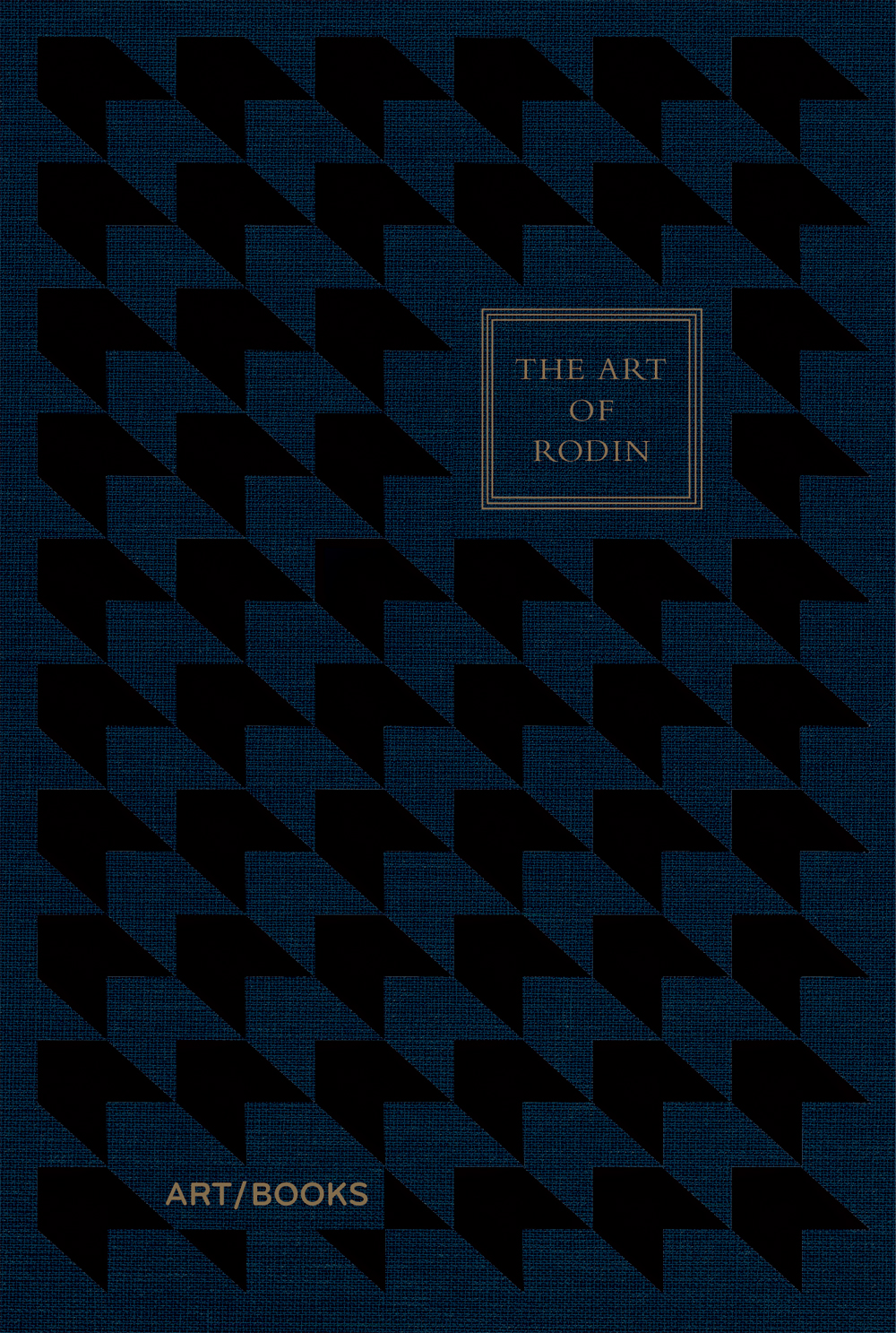
The Art of Rodin

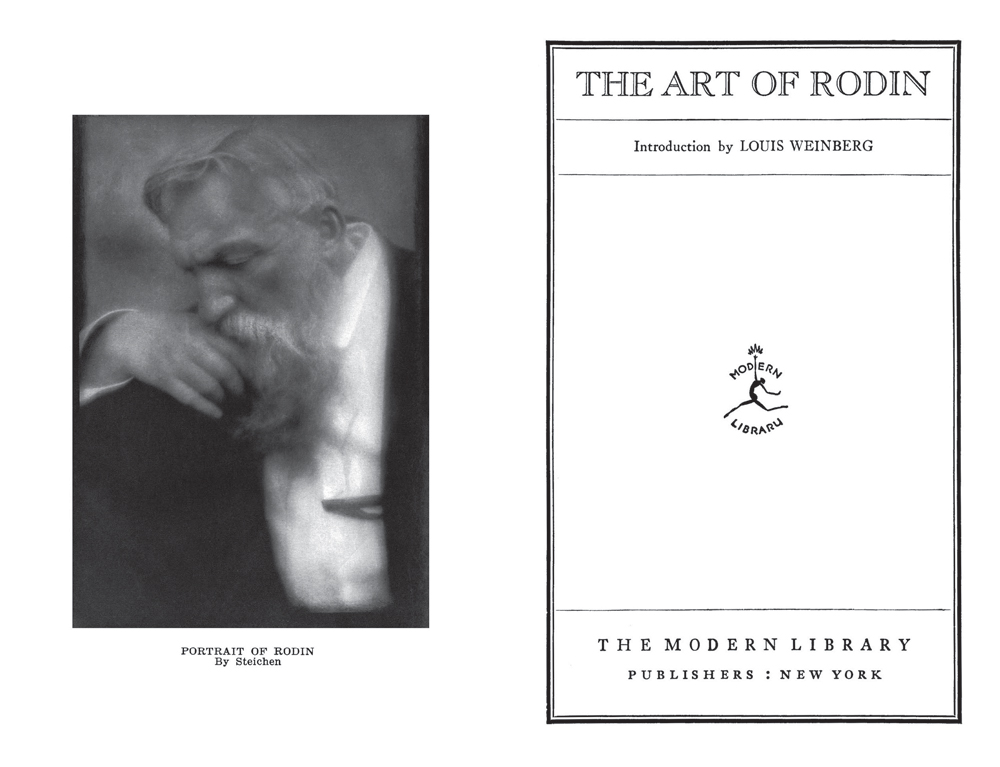
Introduction by Louis Weinberg

An Art / Books Vintage Classic

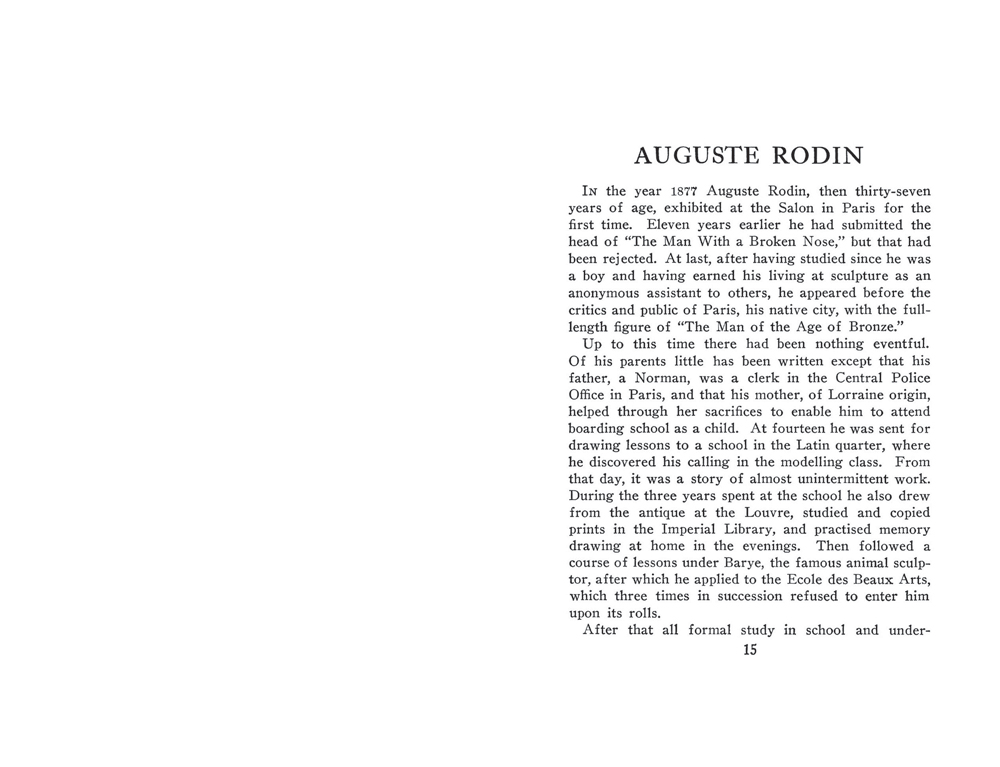
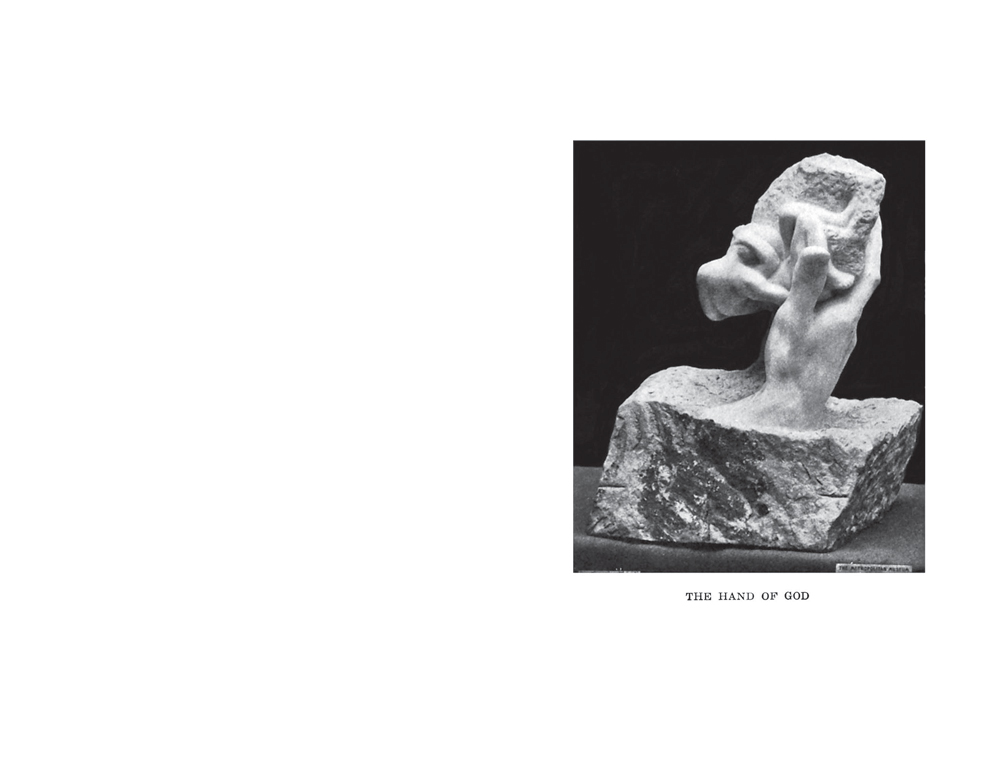
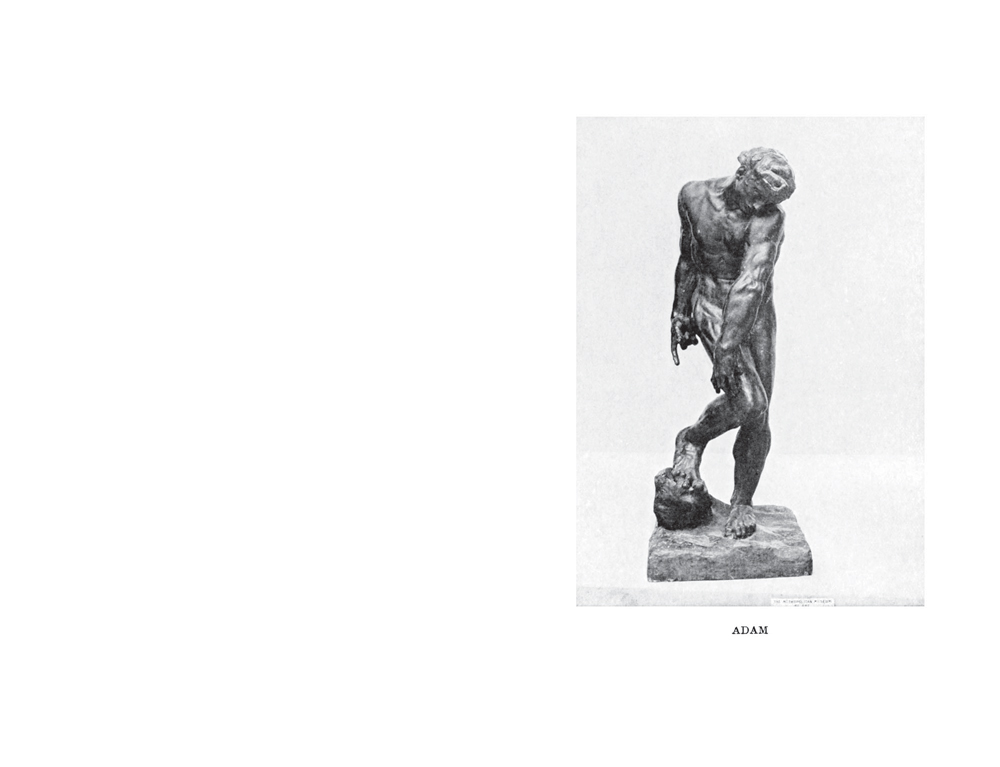
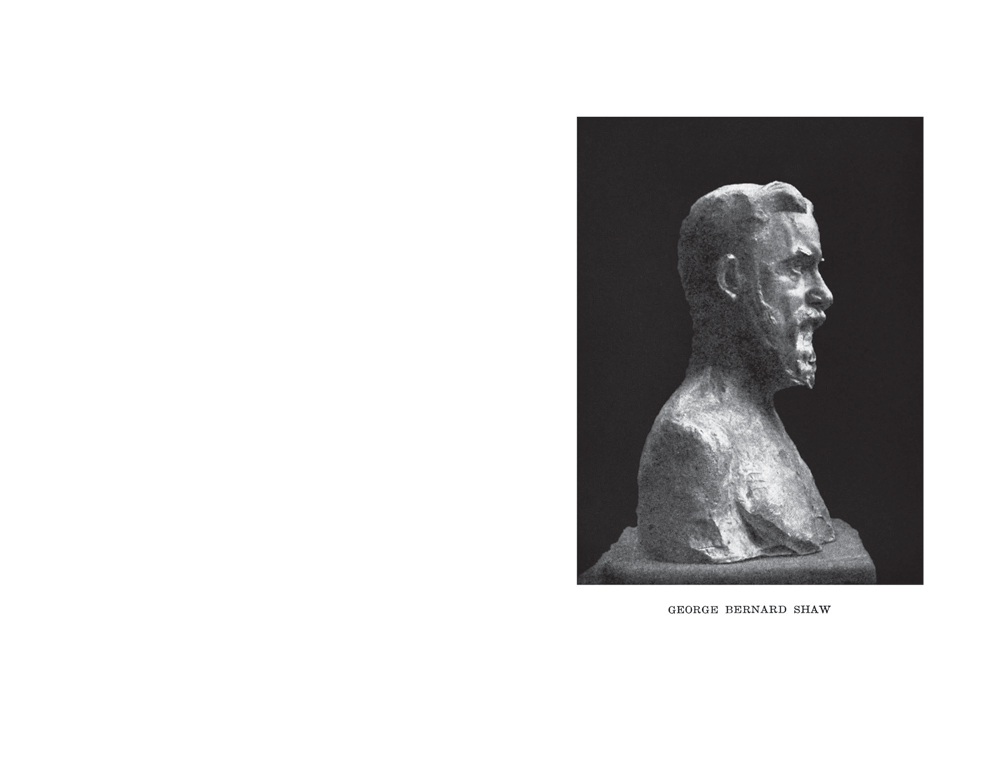
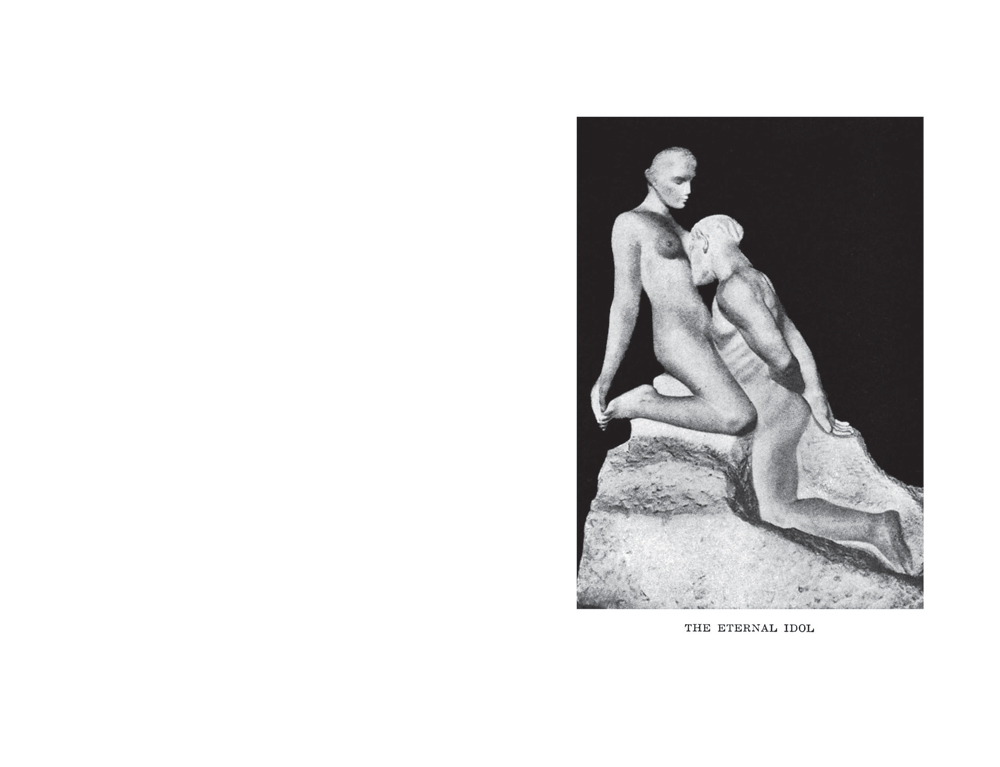
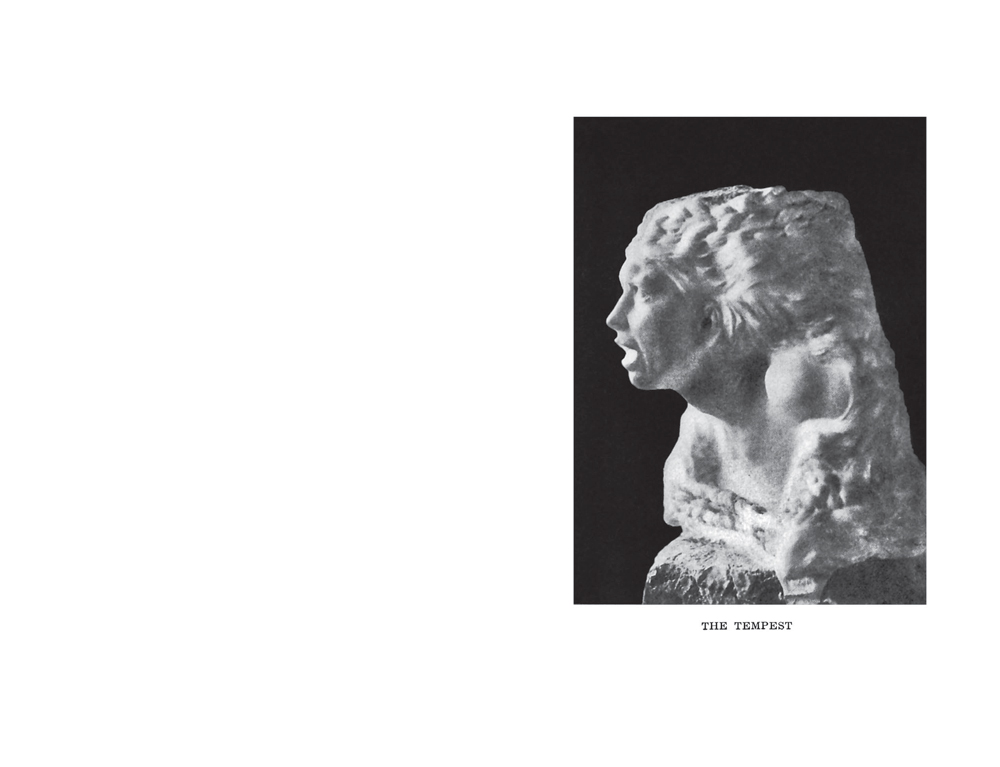
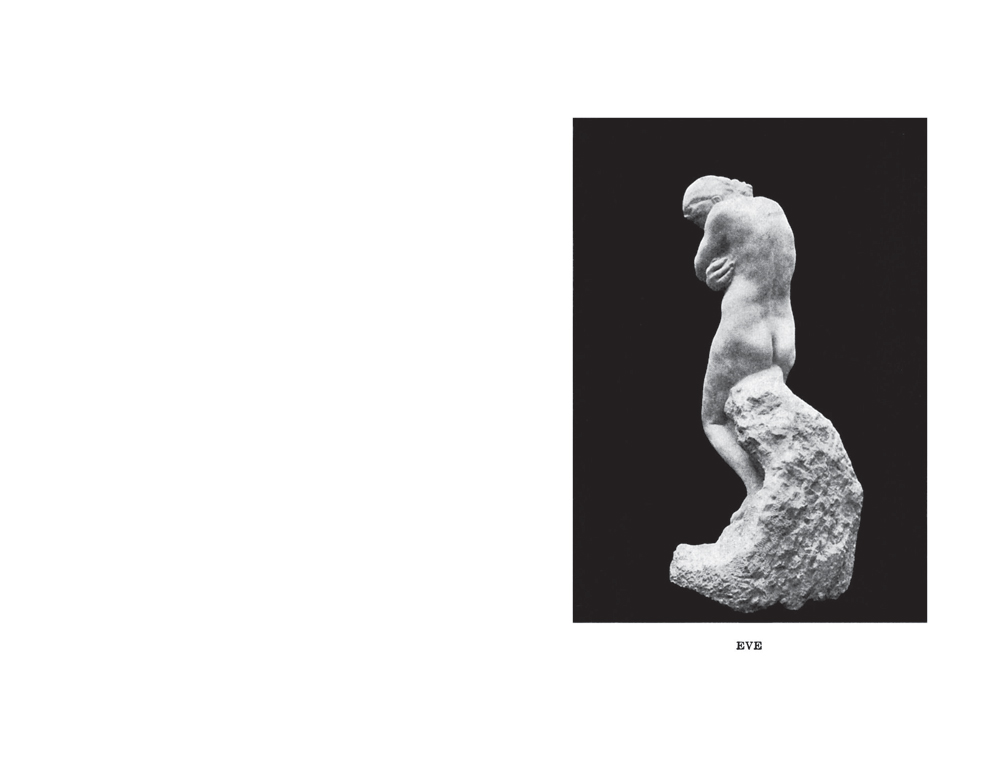
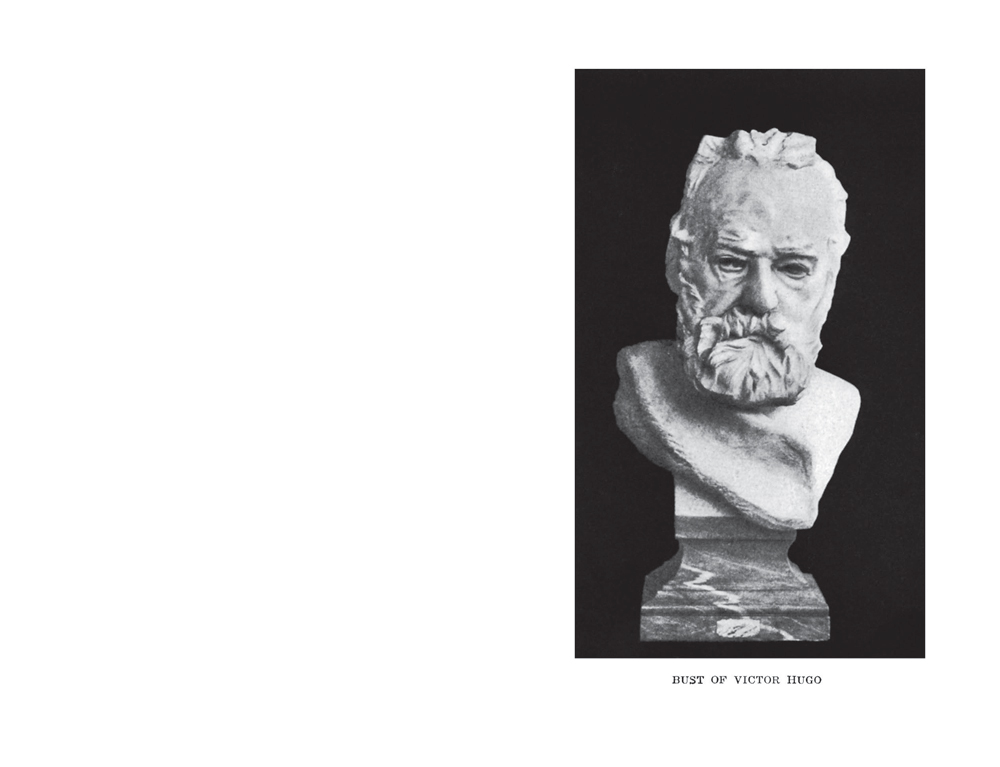
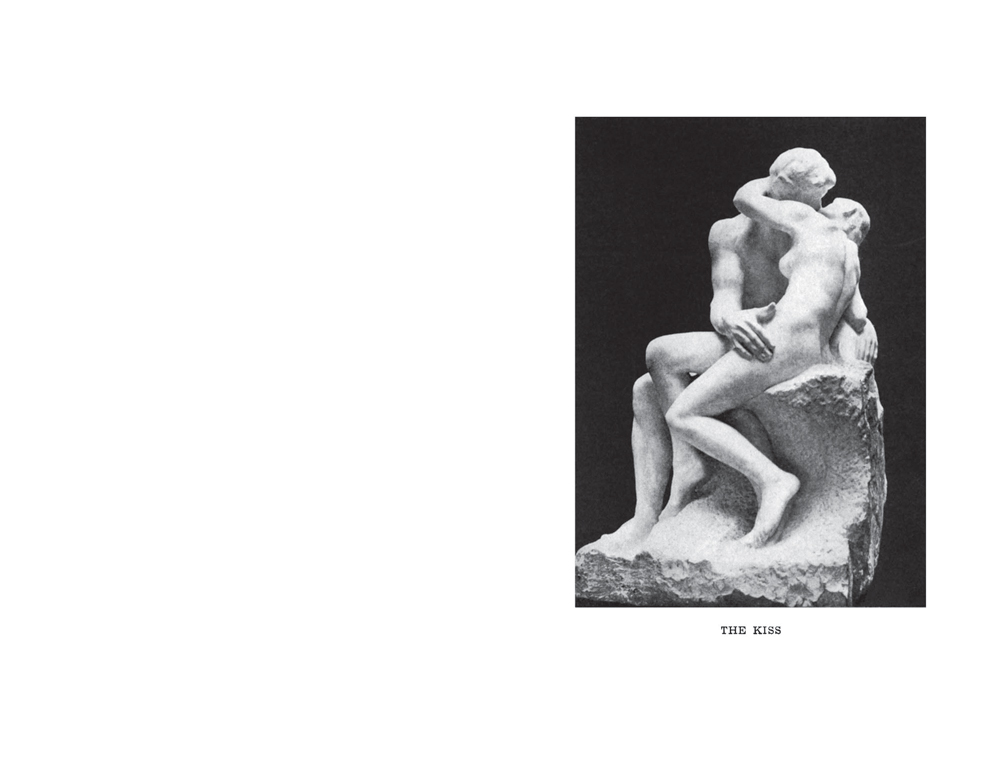
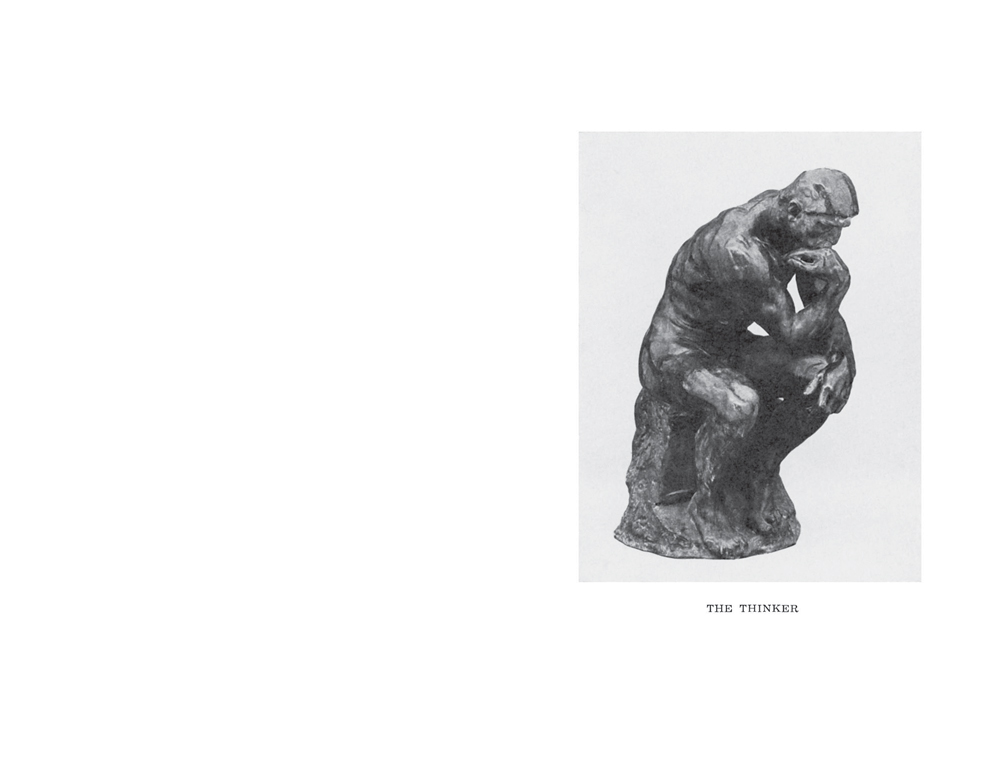
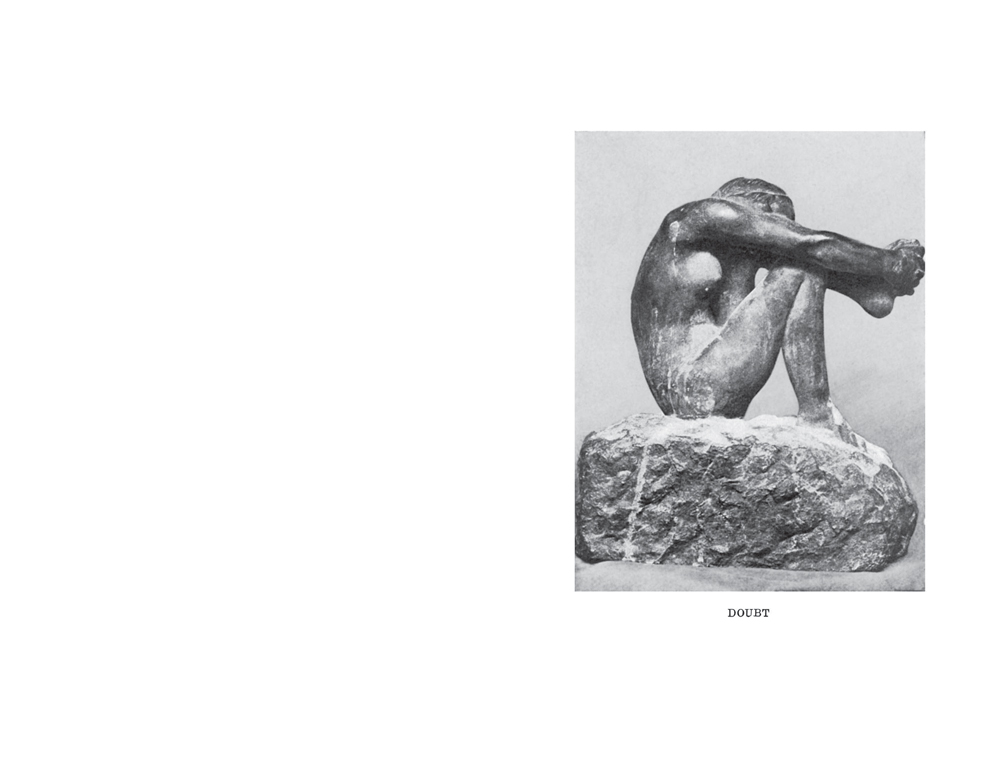
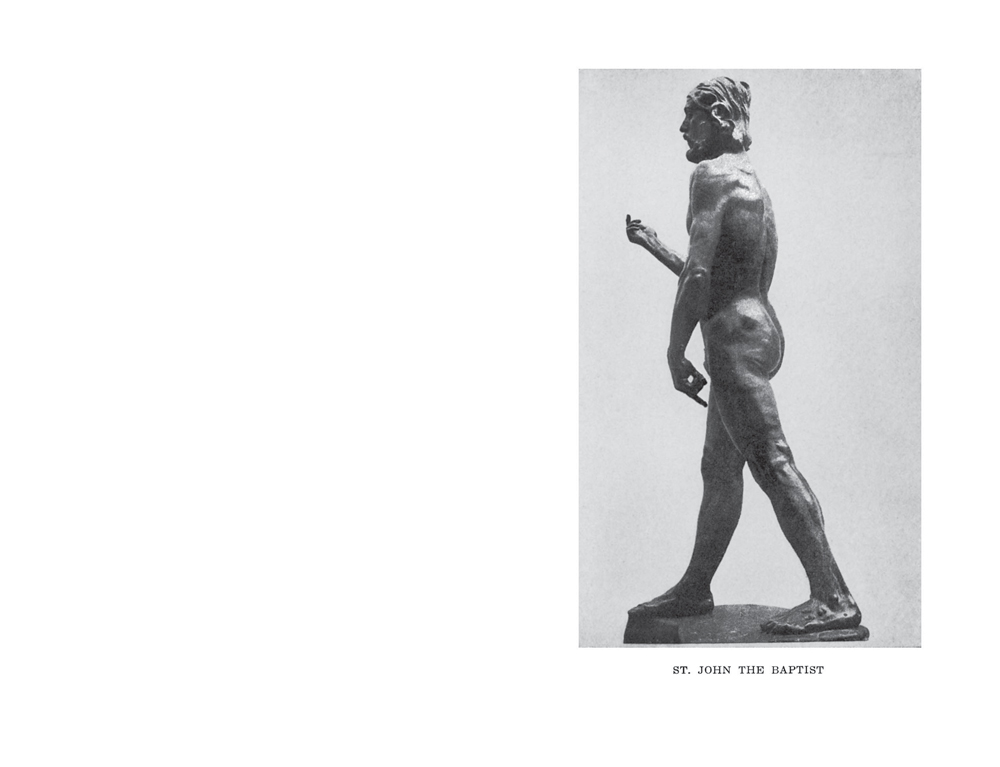
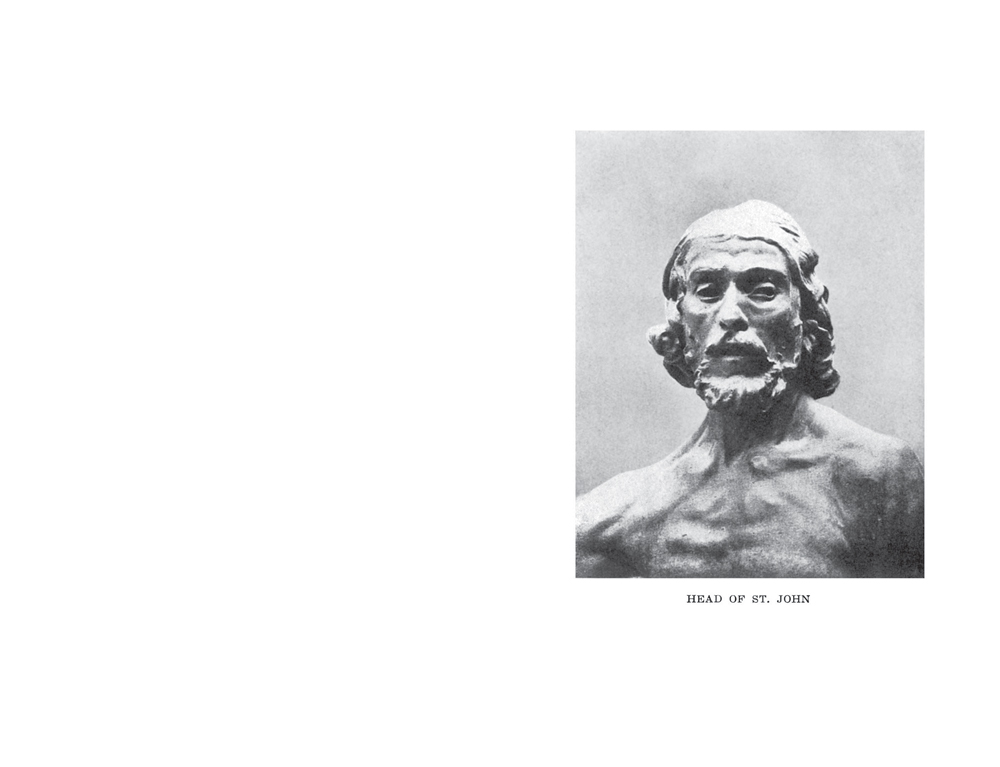
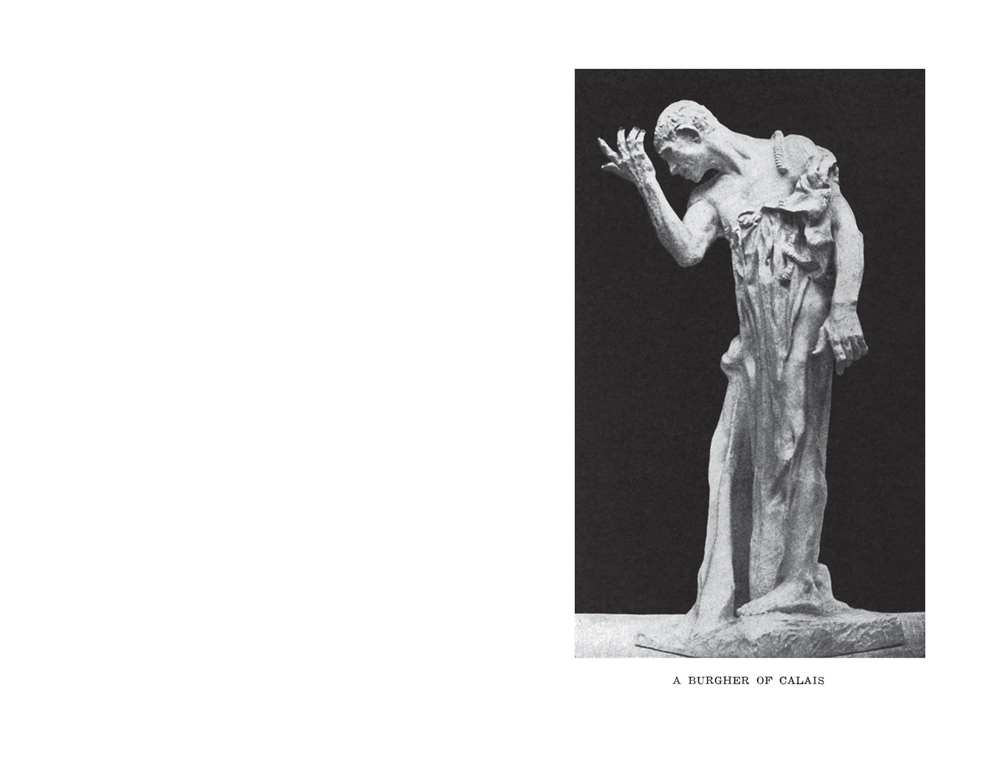
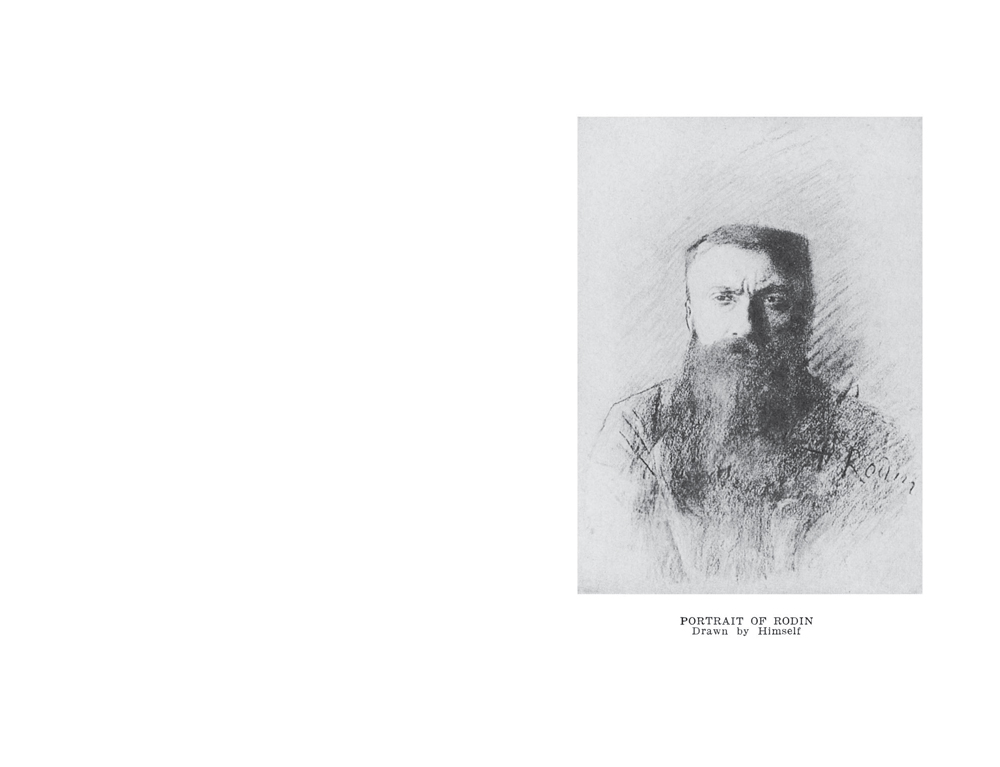
Auguste Rodin is a colossus in the history of art. In a career that spanned the late nineteenth and early twentieth centuries, the Paris-born sculptor rebelled against the idealized forms and practices of traditional art and paved the way for the birth of modern sculpture. While he believed that art should be true to nature, he sought to penetrate beneath the surface appearance and to express inner truths of the human psyche. The hallmarks of his style – its highly eroticized, sometimes explicit character, his use of incomplete figures, his emphasis on formal qualities rather than on narrative, and his desire to retain the marks of the sculptural process – were considered revolutionary at the time. As a result, his intense, evocative works courted controversy, inspiring violent hatred and ardent admiration in equal measure. By the end of his life, however, his reputation was established and he had become one of the most celebrated artists in the world.

This centenary facsimile edition faithfully reproduces the pages of a 1918 volume published immediately in the wake of Rodin’s death. With an essay by American artist, critic, and teacher Louis Weinberg, it presents almost seventy of Rodin’s greatest works in a beautiful clothbound format for a contemporary audience. It is a perfect gift, collectible and keepsake for any Rodin enthusiast or lover of modern sculpture.

Louis Weinberg (1885–1964) was an artist, writer and professor emeritus of art at City College in New York. He was the author of The Art of Rodin, Color in Every Day Life, America in the Making, and America in the Machine Age.

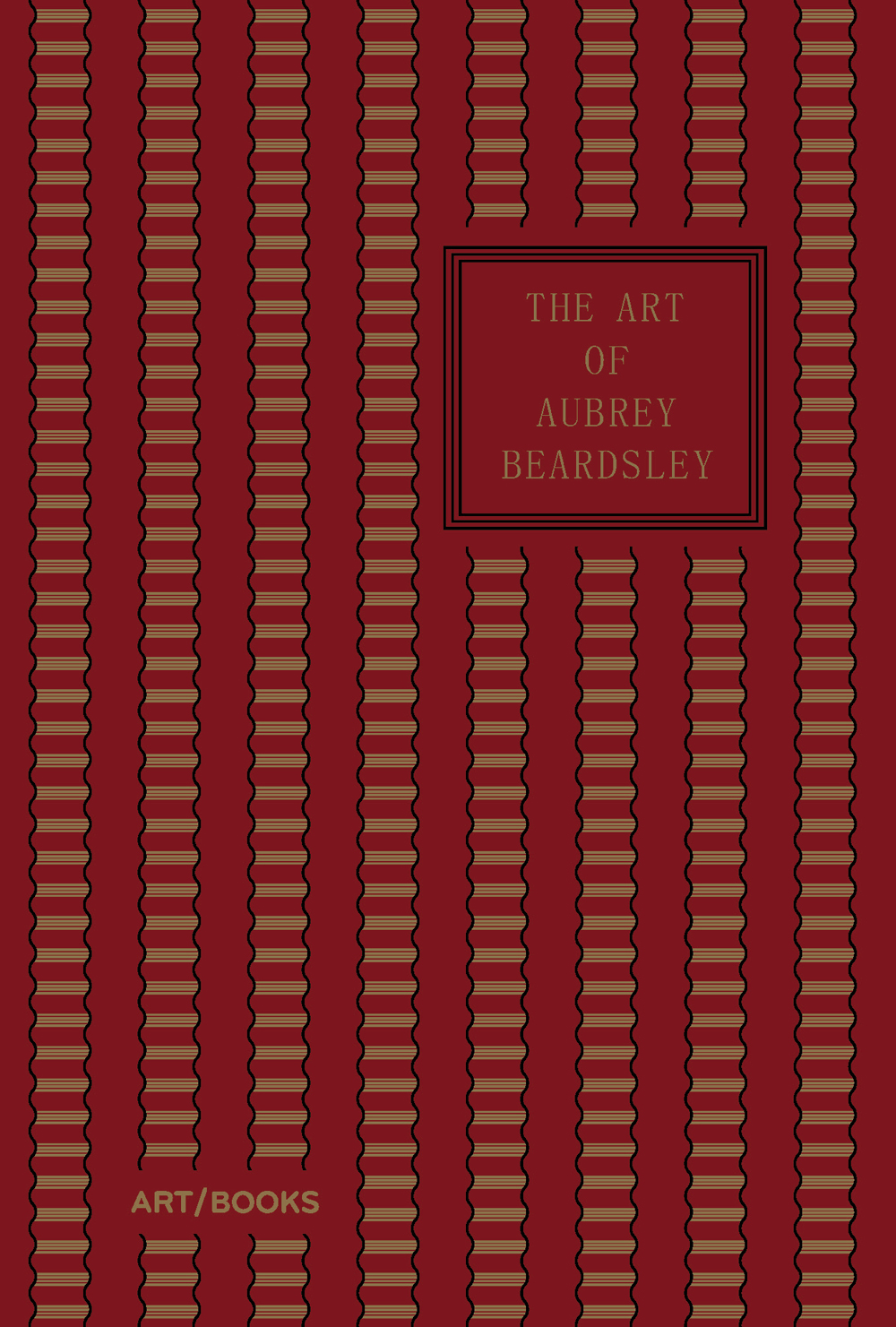
The Art of Aubrey Beardsley

Preface and introduction by Arthur Symons

An Art / Books Vintage Classic

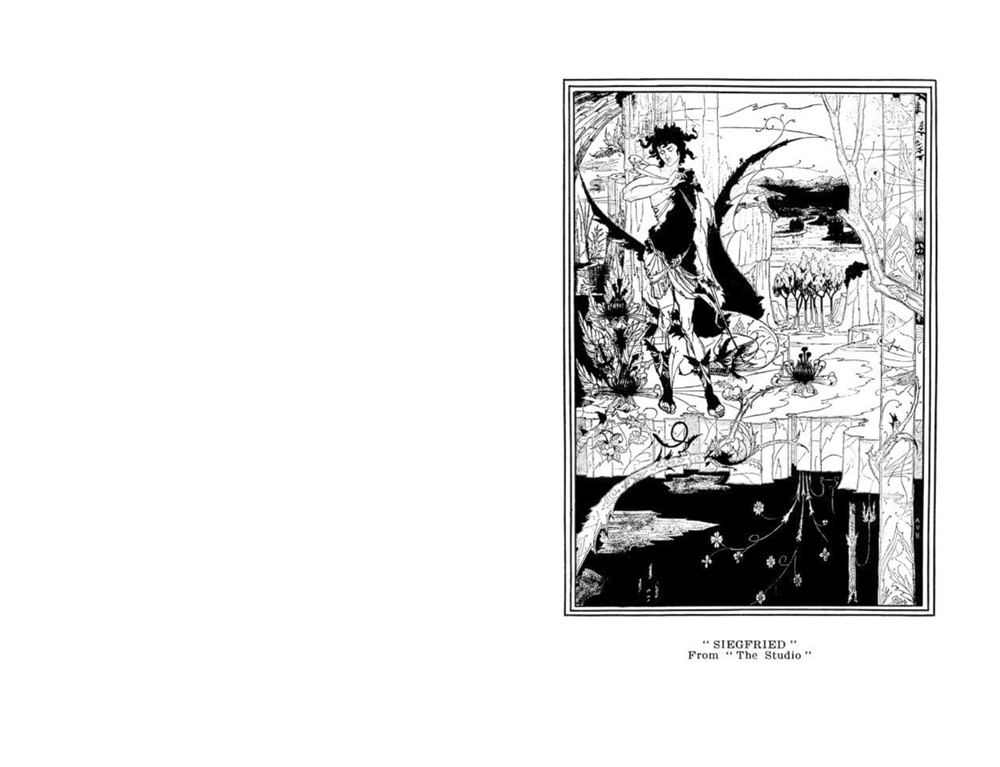
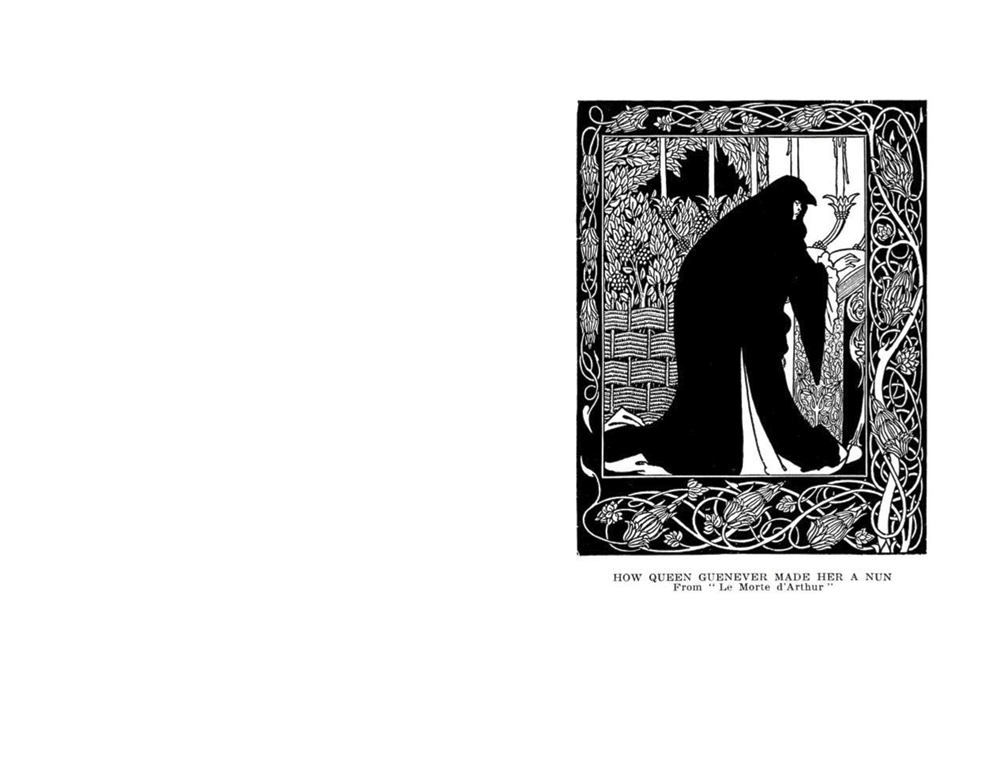
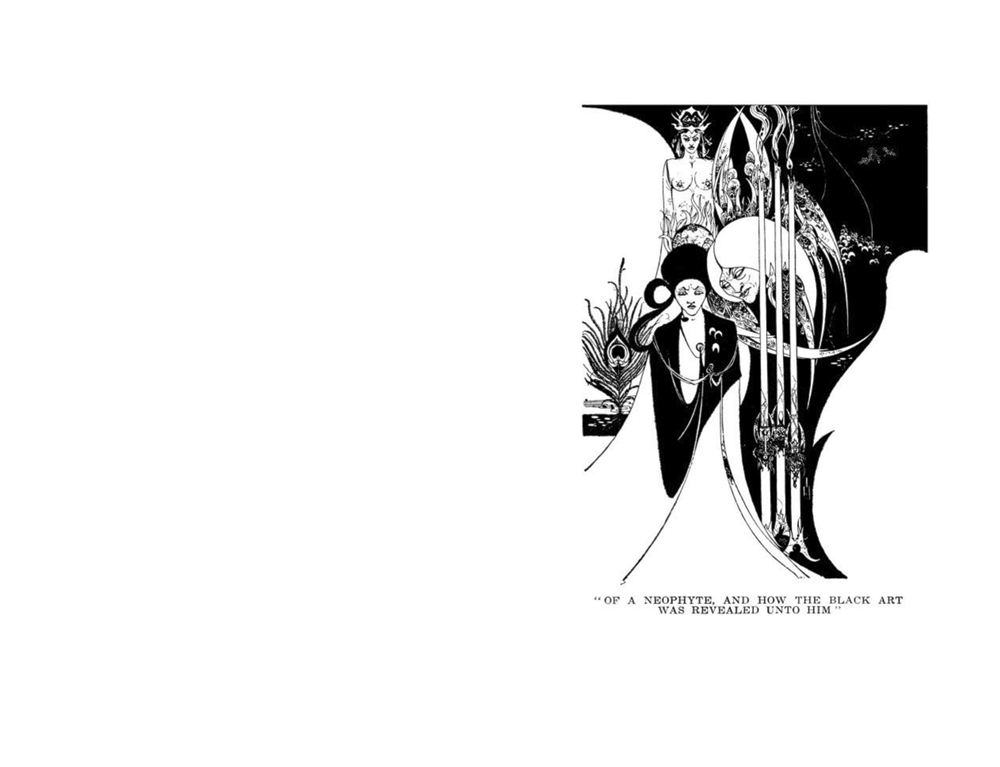
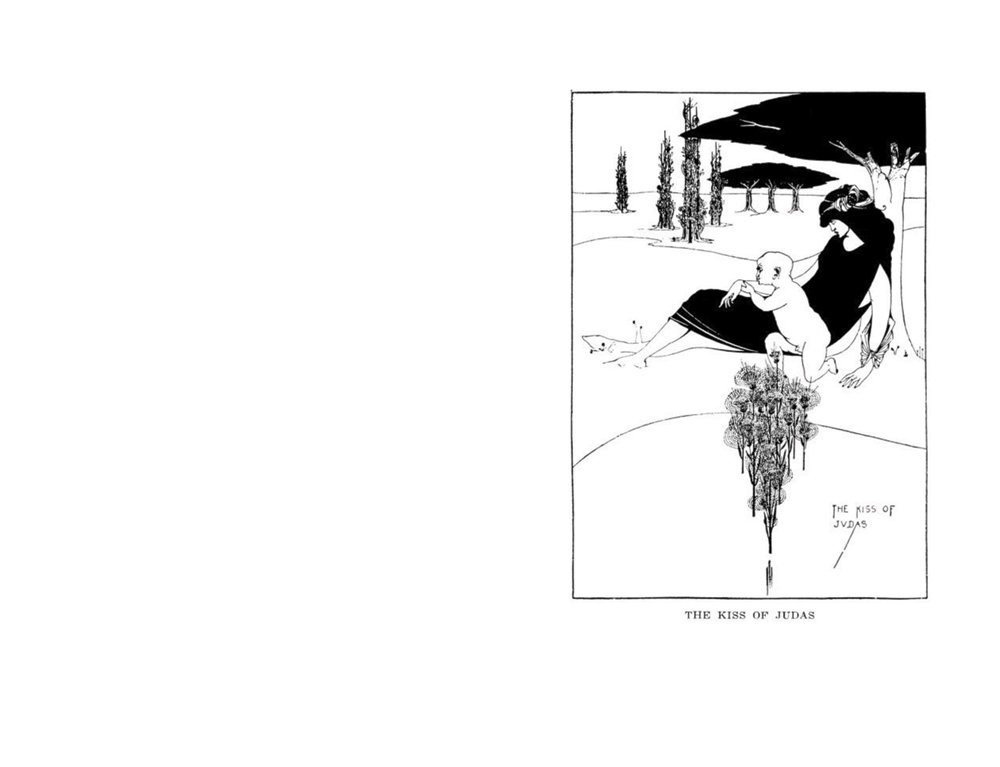
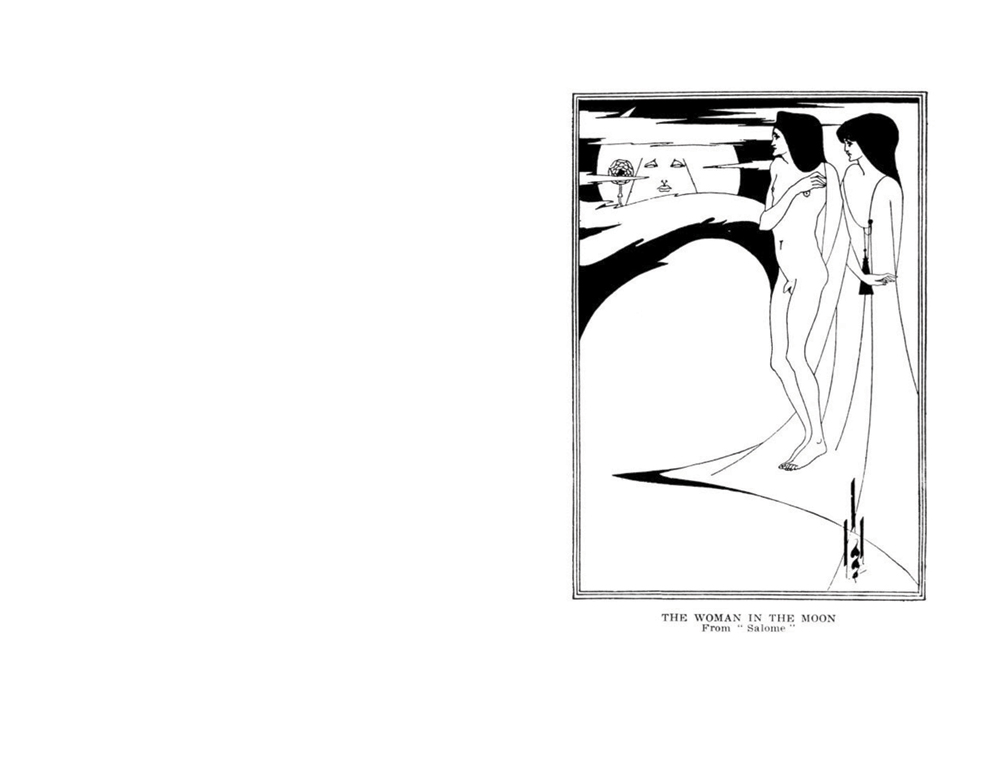
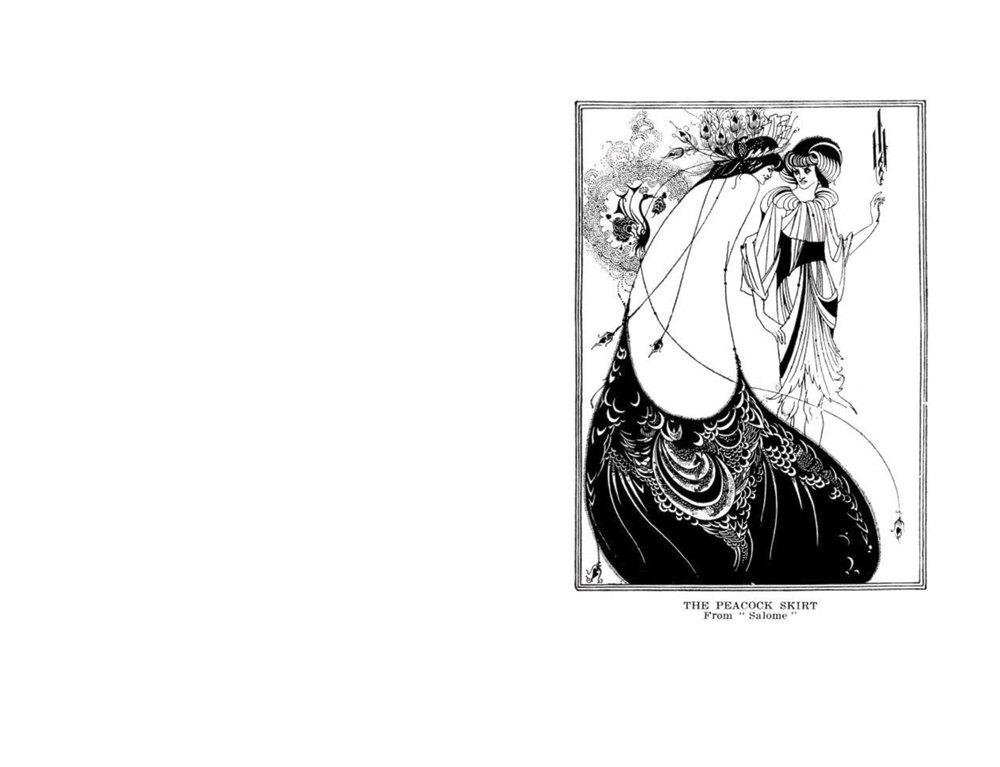
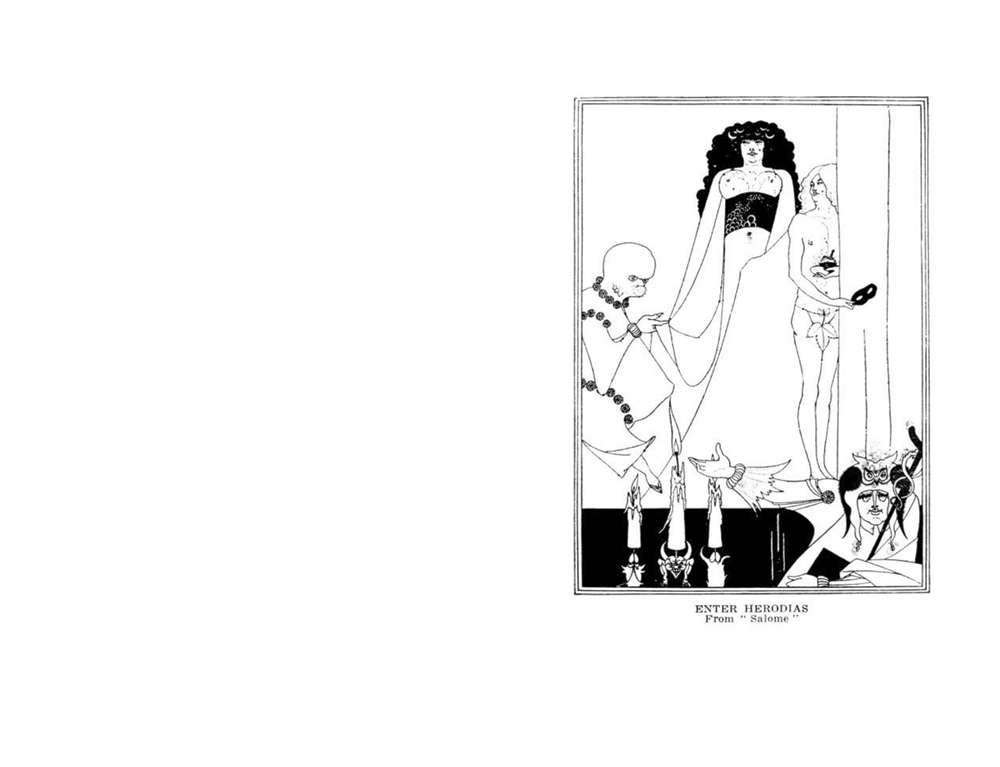
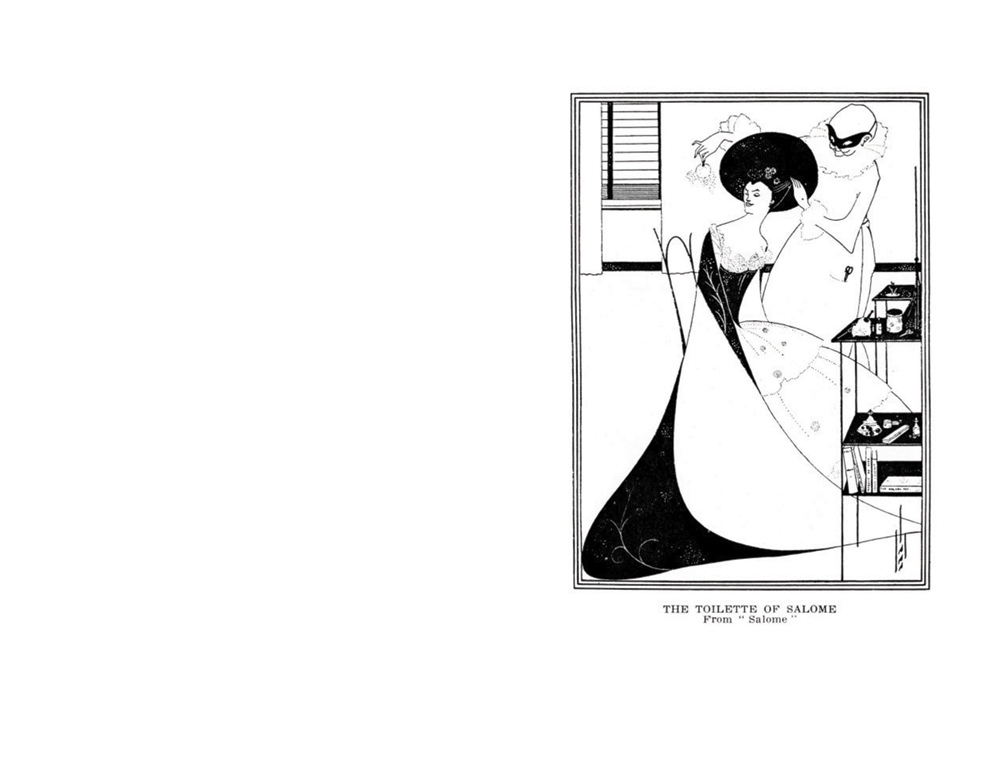
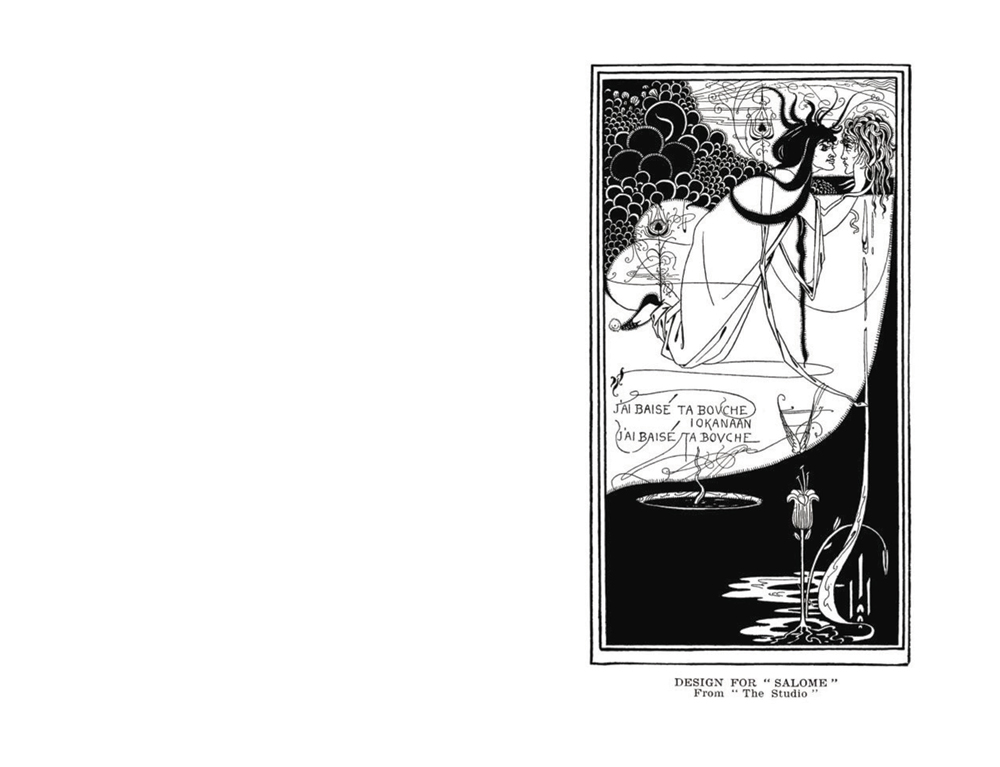
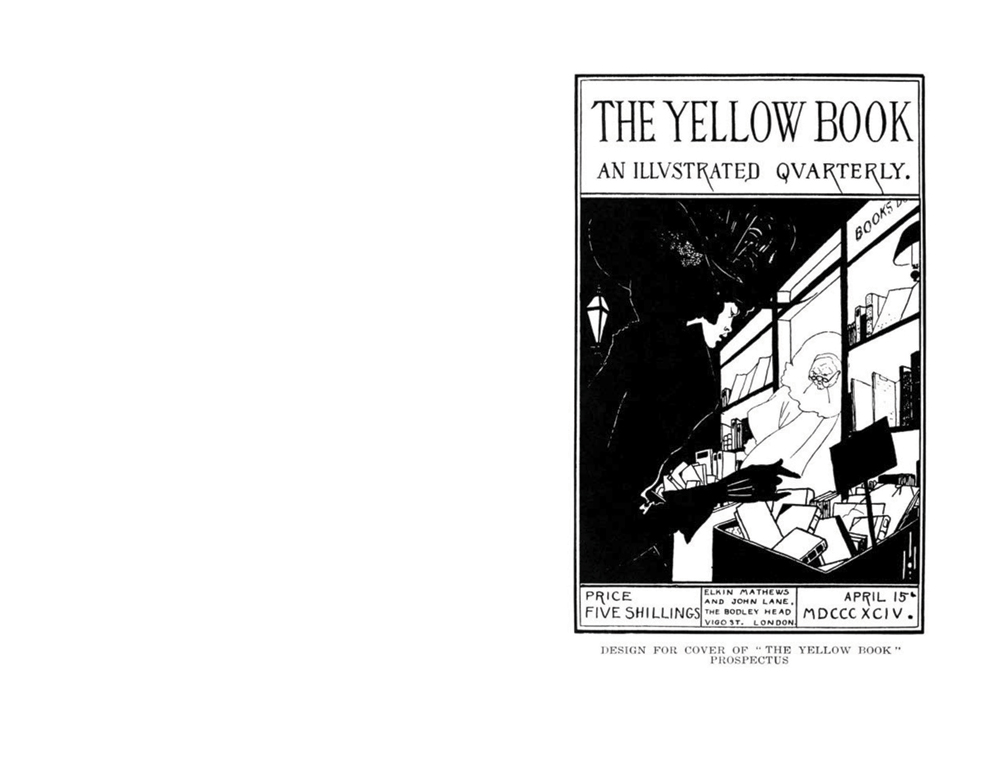
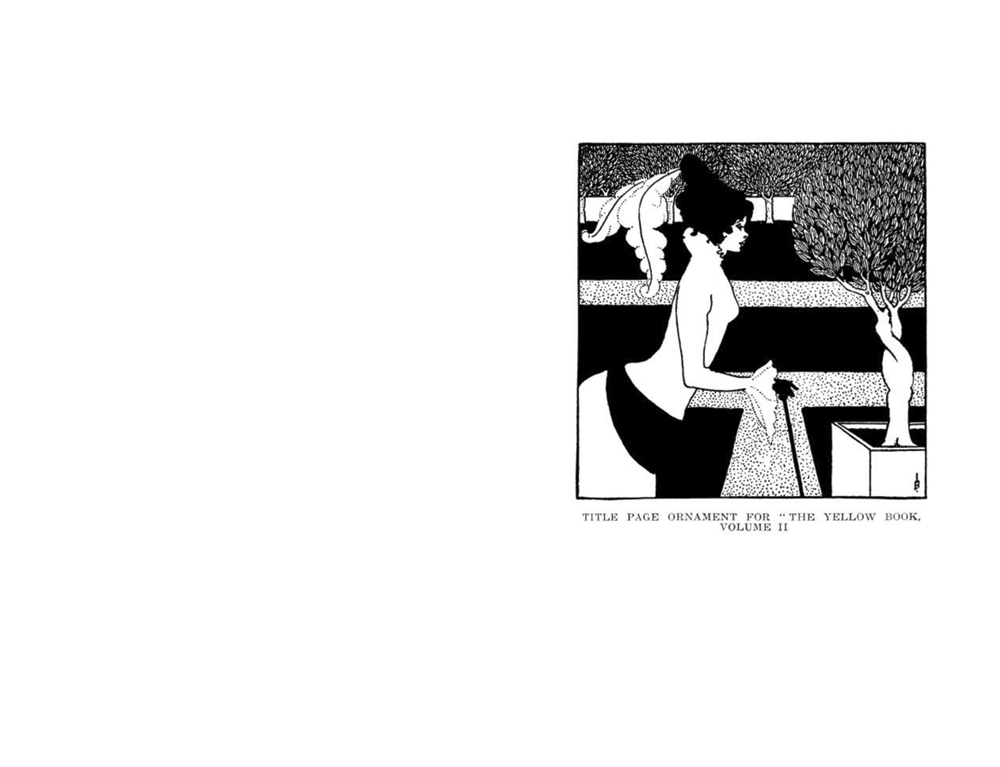
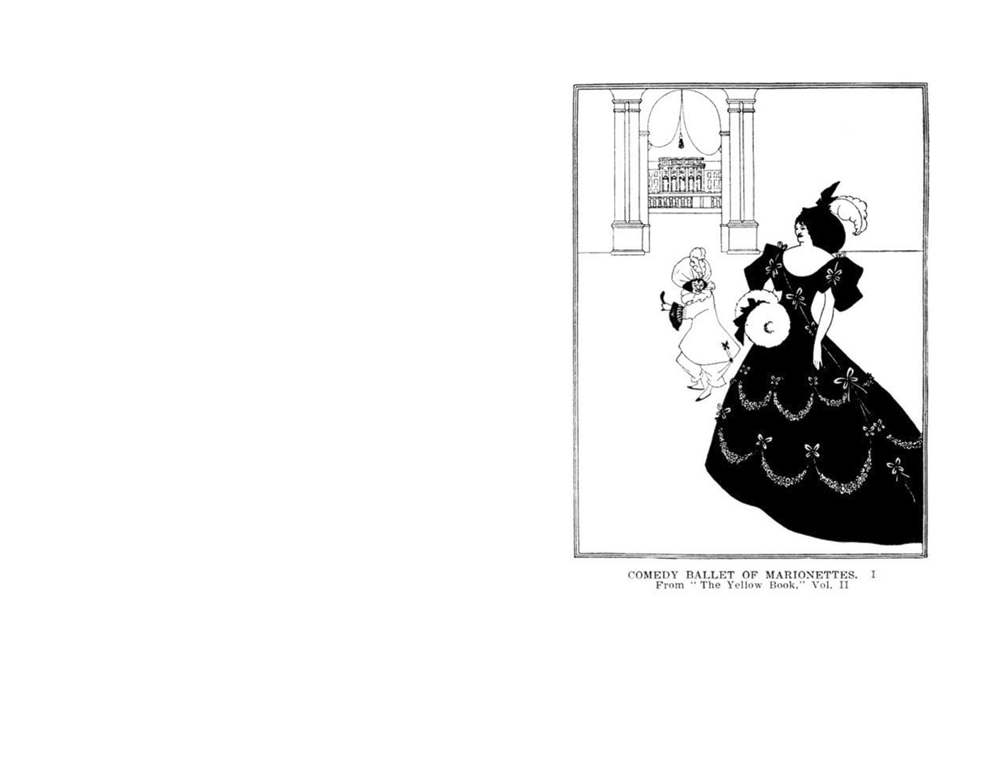
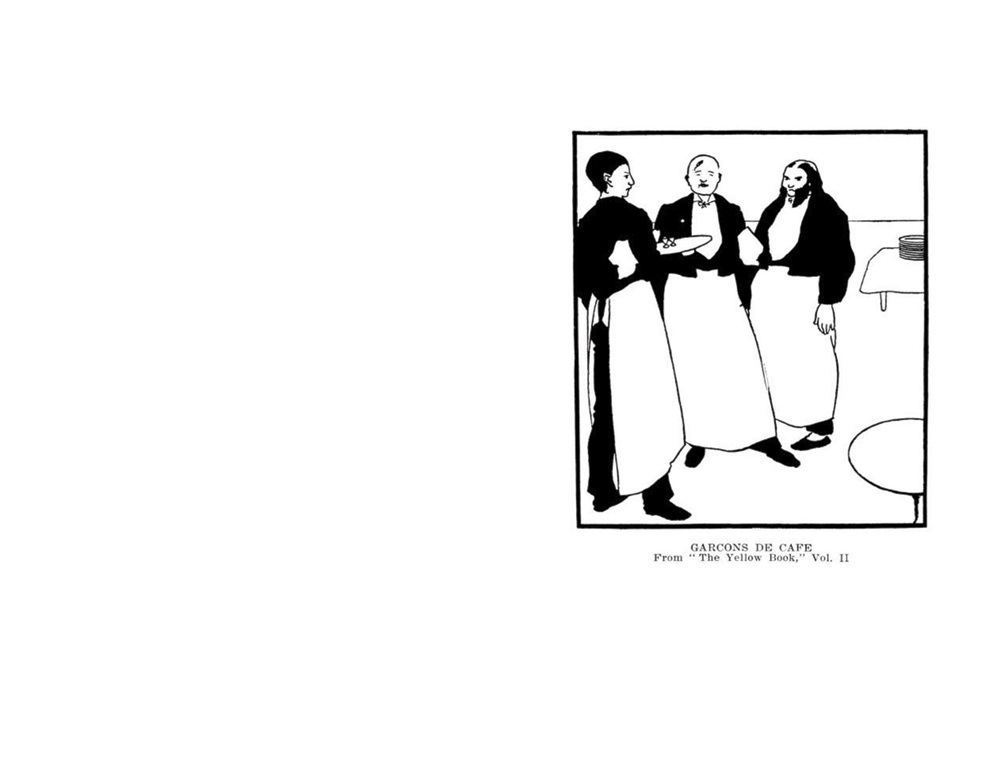
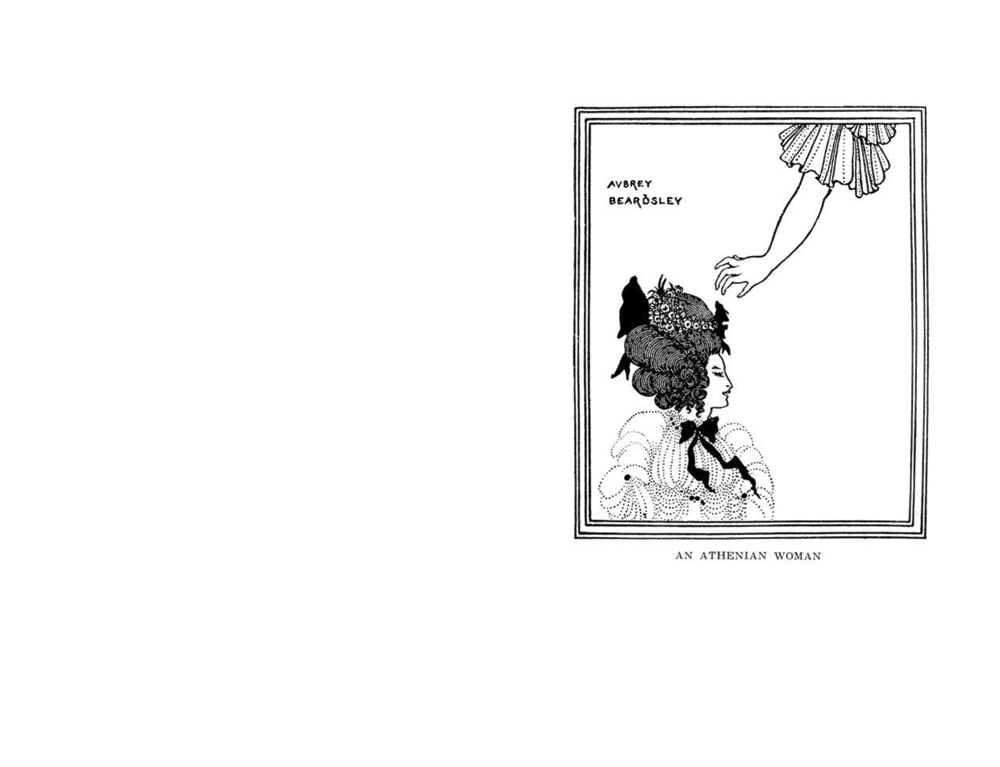
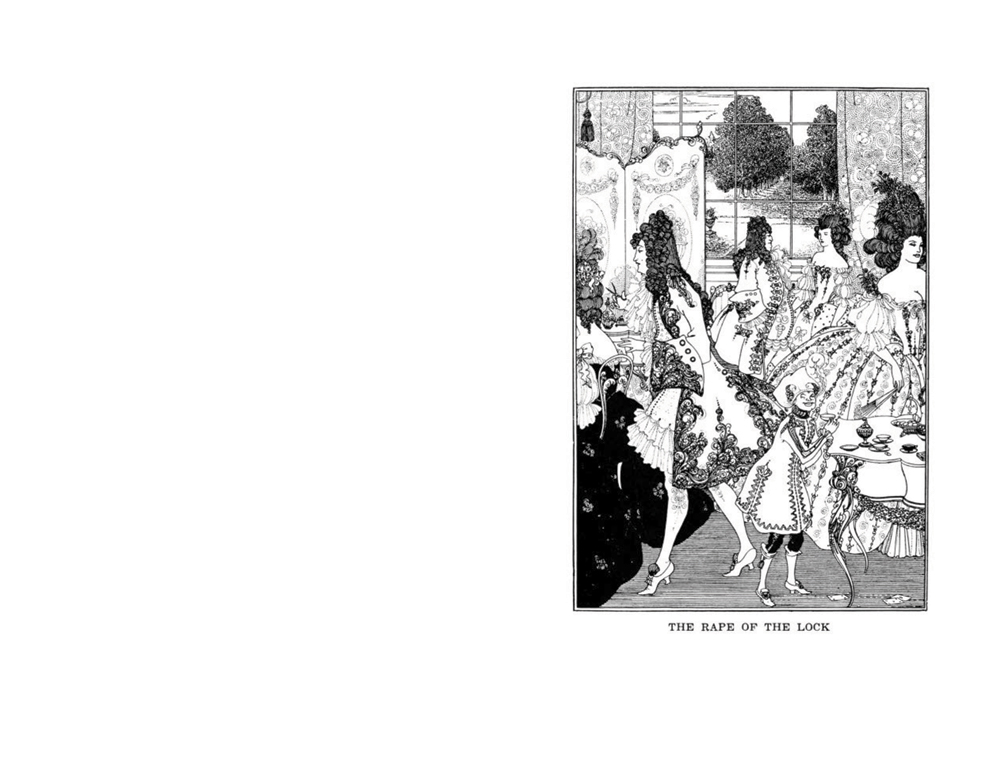
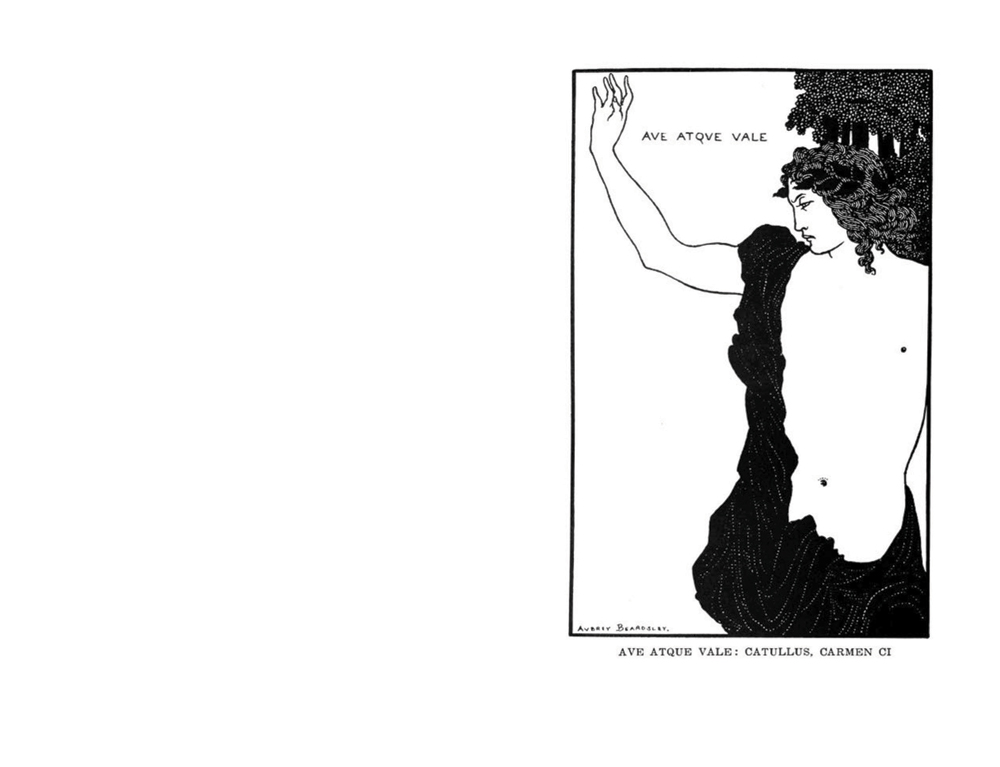
Aubrey Beardsley was a leading figure of the fin de siècle Aesthetic Movement and the most controversial artist in 1890s London. His delicate yet bold drawings of grotesque, sensual and erotic subjects transformed the art of illustration but also scandalized Victorian society with their dark and often perverse imagery. Prolific until his early death at the age of twenty-five from tuberculosis, in just six years and with almost no formal training he produced an enormous body of work that symbolized the decadence of the period.

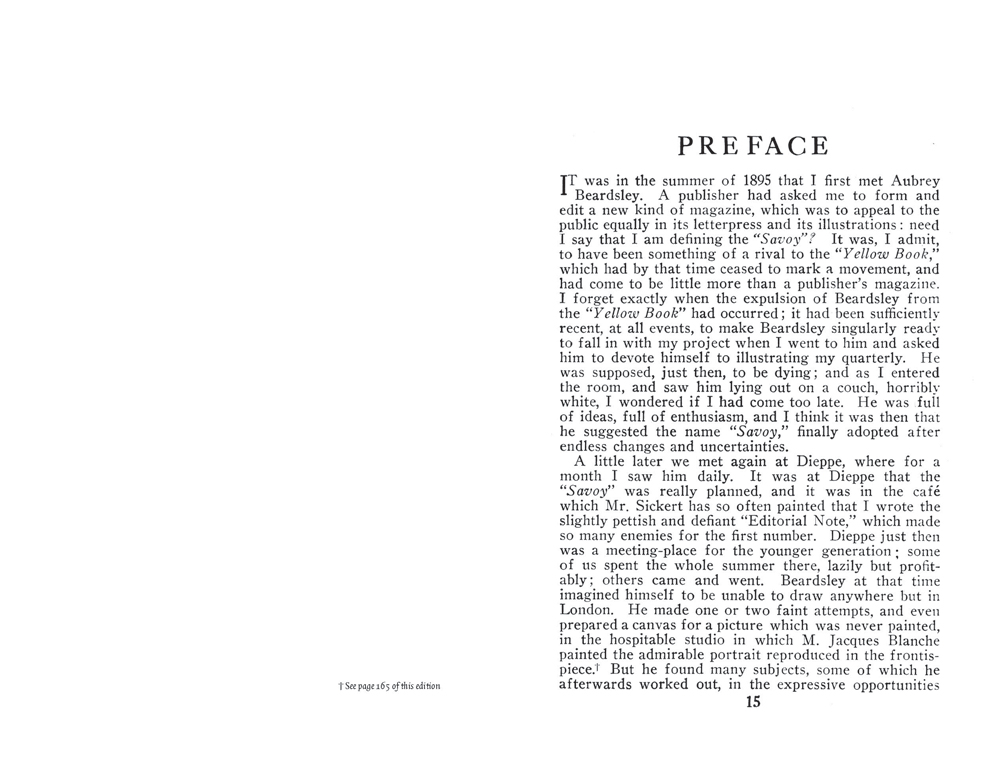
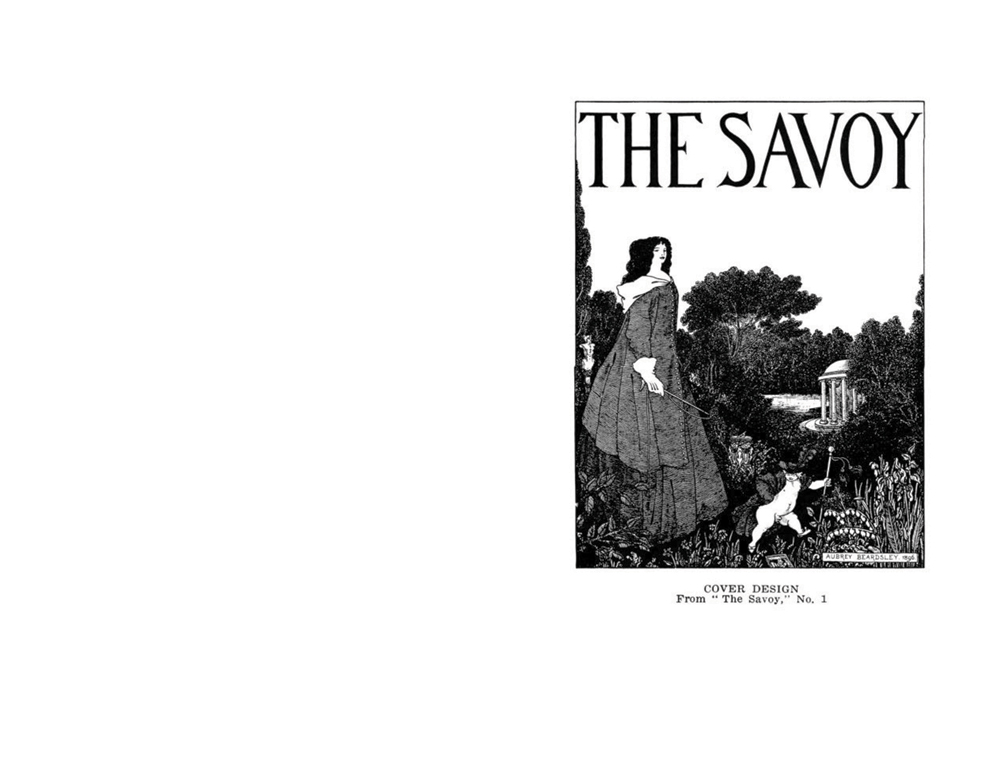
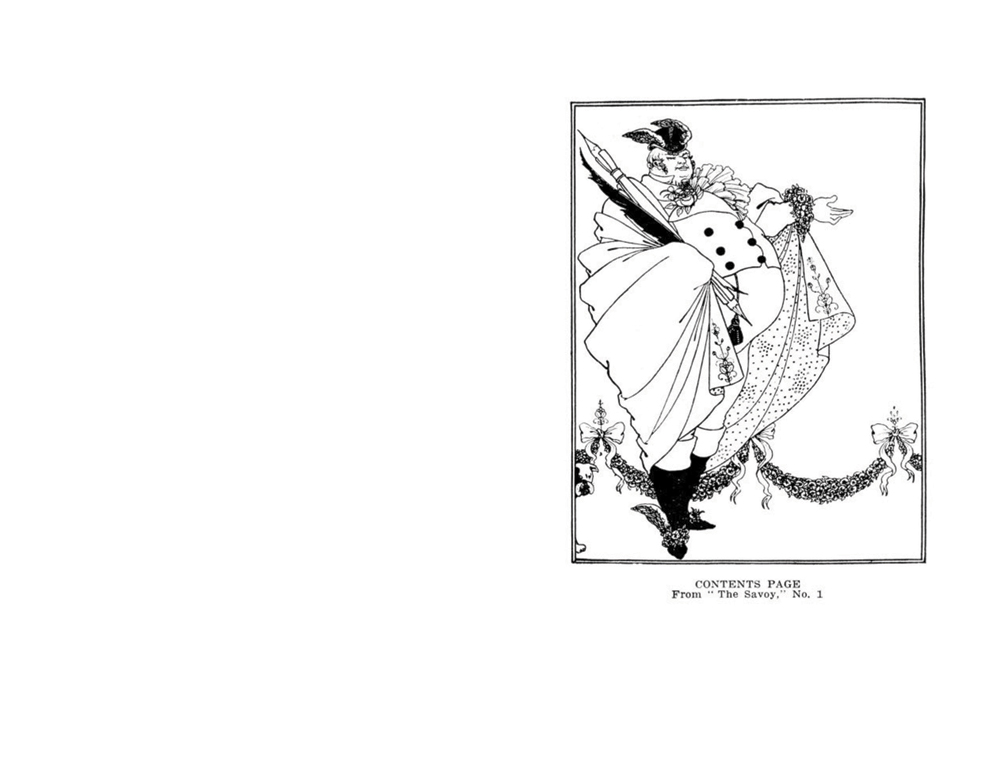
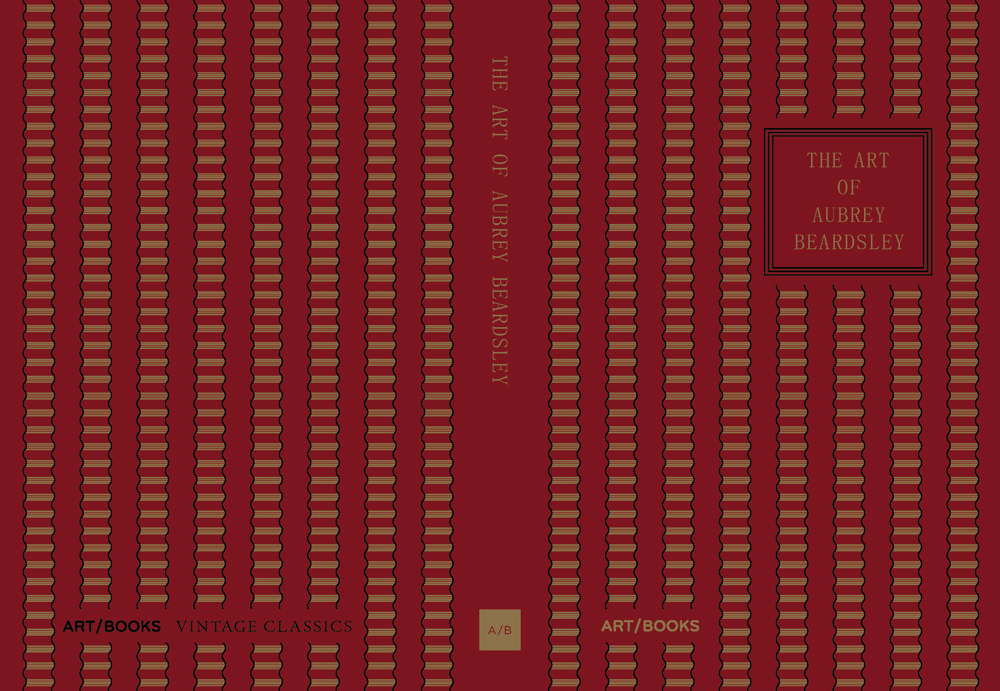
Published twenty years after he died, The Art of Aubrey Beardsley presented sixty-four of his works in an intimate pocket-sized edition. With a personal memoir and critical appreciation by the poet and editor Arthur Symons, written upon the death of his friend and collaborator, it was the definitive word on the provocative artist’s seductive and individual art, the text becoming a collectors’ item that was privately printed until being published for a wider audience. This centenary facsimile edition faithfully reproduces the pages of the 1918 volume, presented in a special cloth binding with a black-and-gold motif adapted from one of Beardsley’s own designs for a book cover. A perfect gift for any Beardsley enthusiast, this book will also appeal to anyone interested in the fin de siècle era and the beginnings of modern graphic art.

Aubrey Vincent Beardsley (1872–98) was born in Brighton on 21 August 1872. By the age of seven, he was showing signs of the tuberculosis that would eventually kill him. From 1891 to 1892, he took evening classes at the Westminster School of Art, the only formal artistic training he ever received. That year, he visited Paris and discovered the work of Toulouse-Lautrec and Japanese prints, both of which influenced his own style. In 1893, he received his first commission, to illustrate Sir Thomas Malory’s Le Morte d’Arthur. Over the next six years, he completed numerous projects, including illustrations for editions of Aristophanes’ Lysistrata and The Rape of the Lock by Alexander Pope, and drawings for Oscar Wilde’s play Salome. He also co-founded the literary magazines the Yellow Book and the Savoy. By 1897, his health was deteriorating, prompting a move to Menton on the French Riviera, where he died on 16 March 1898.

Arthur Symons (1865–1945) was a British poet, critic and magazine editor and one of the key exponents of Symbolism in Britain. He contributed poems and essays to the illustrated quarterly literary periodical the Yellow Book, whose principal illustrator and first art editor was Aubrey Beardsley. From late 1895 through 1896 Symons edited, along with Beardsley and Leonard Smithers, The Savoy, a short-lived magazine of literature, art, and criticism whose contributors included Yeats, George Bernard Shaw, and Joseph Conrad. Until he suffered a breakdown in 1909, Symons wrote numerous volumes of verse, plays, and essays, including the important The Symbolist Movement in Literature, which would have a major influence on W. B. Yeats and T. S. Eliot.

The Christian Year in Painting

John S. Dixon

‘A gorgeous repository of … images’ — Spectator
‘[Dixon’s] depth of knowledge of the Christian liturgy, his enthusiastic educator’s way of presenting, and his smart succinct writing style make this book fascinating … a rich, deeply satisfying read’ — New York Journal of Books

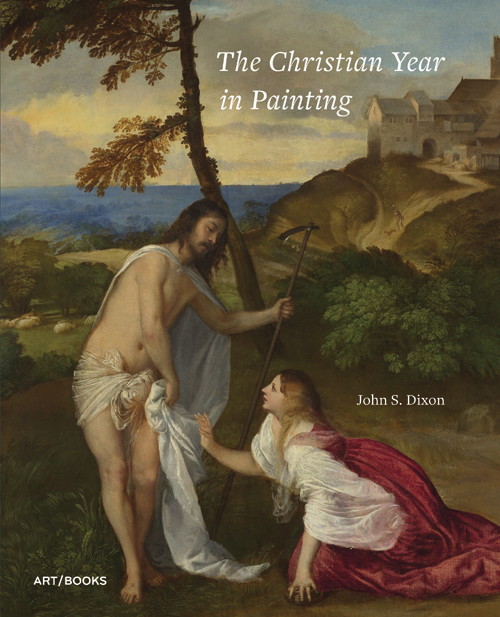
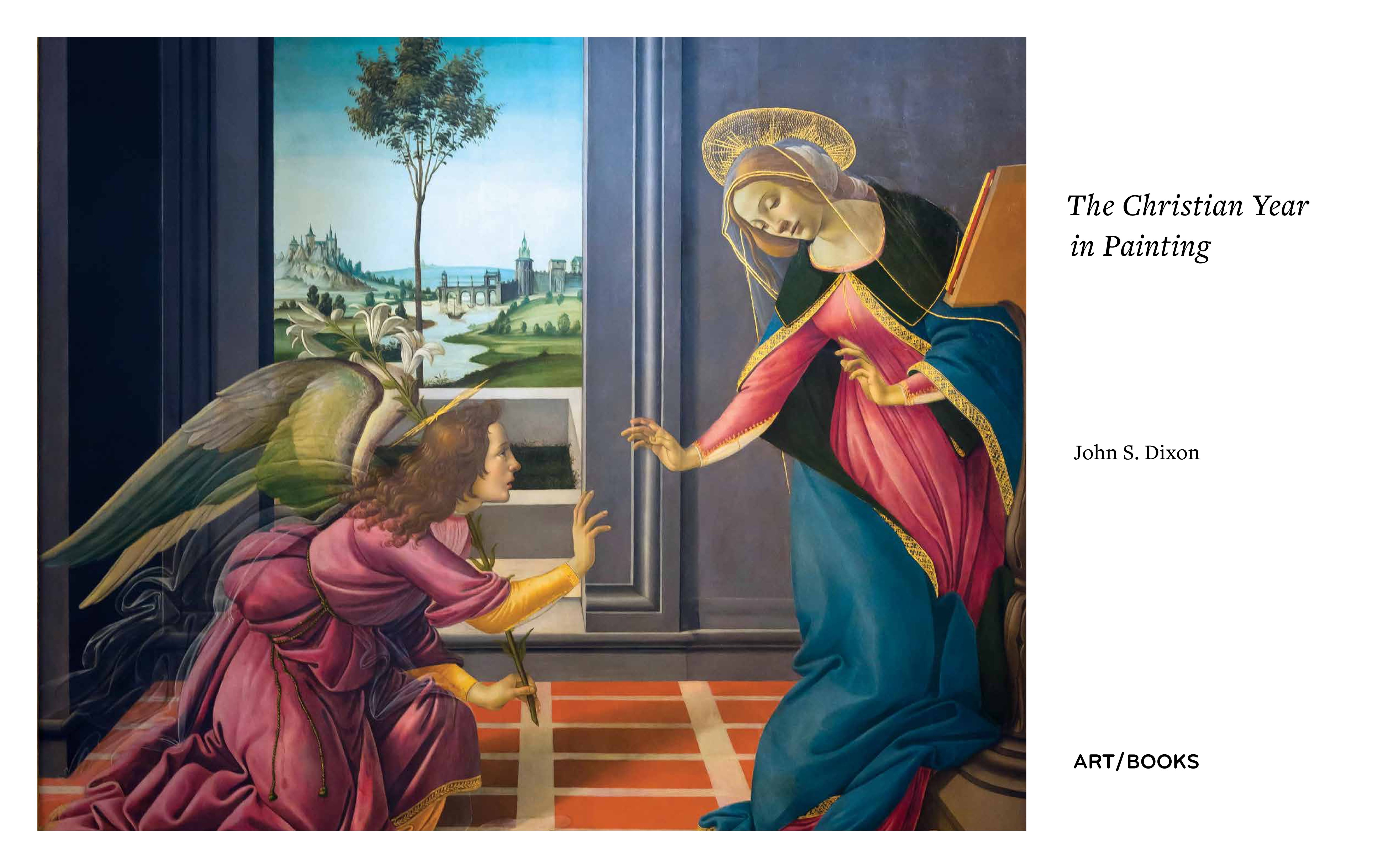
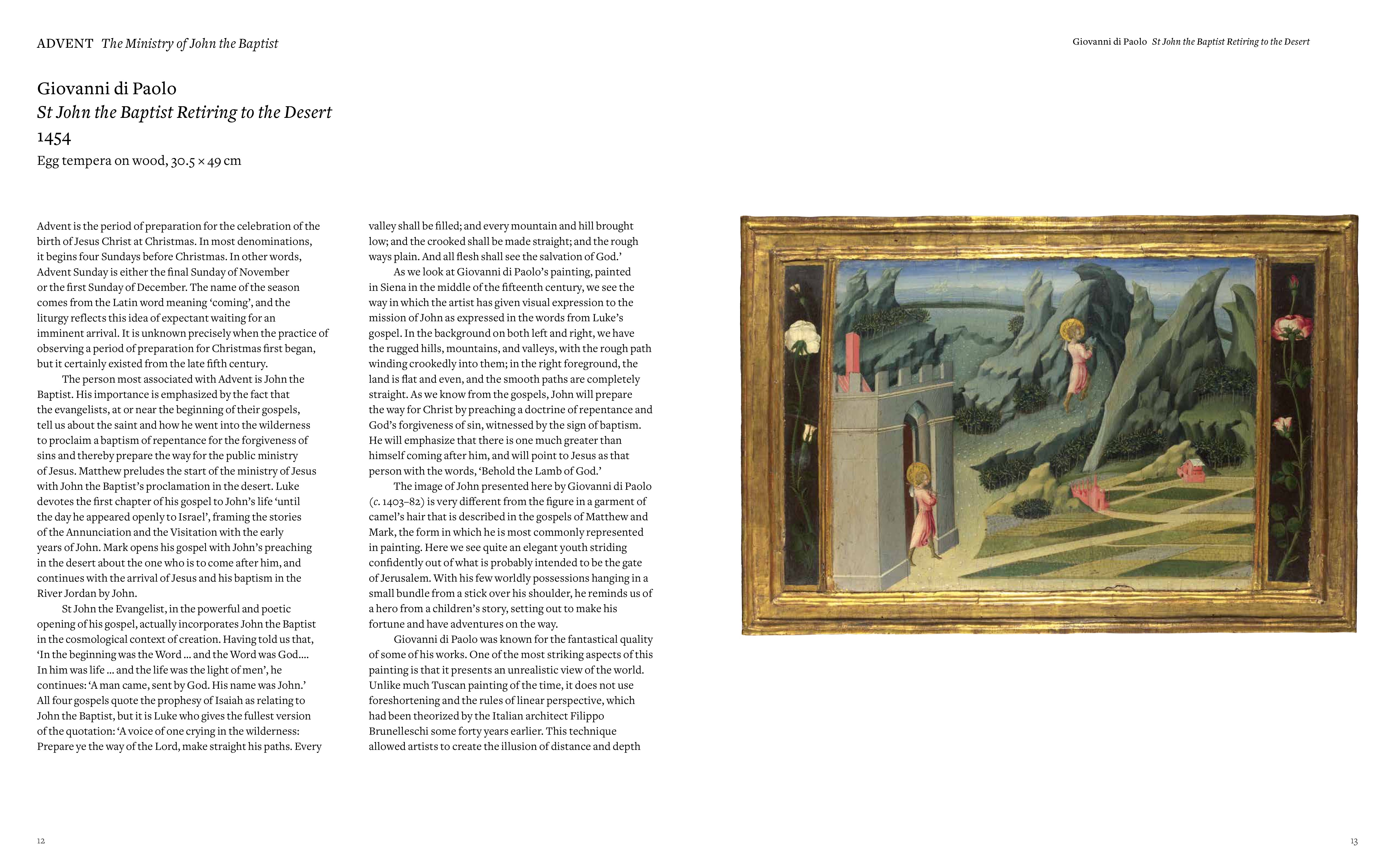
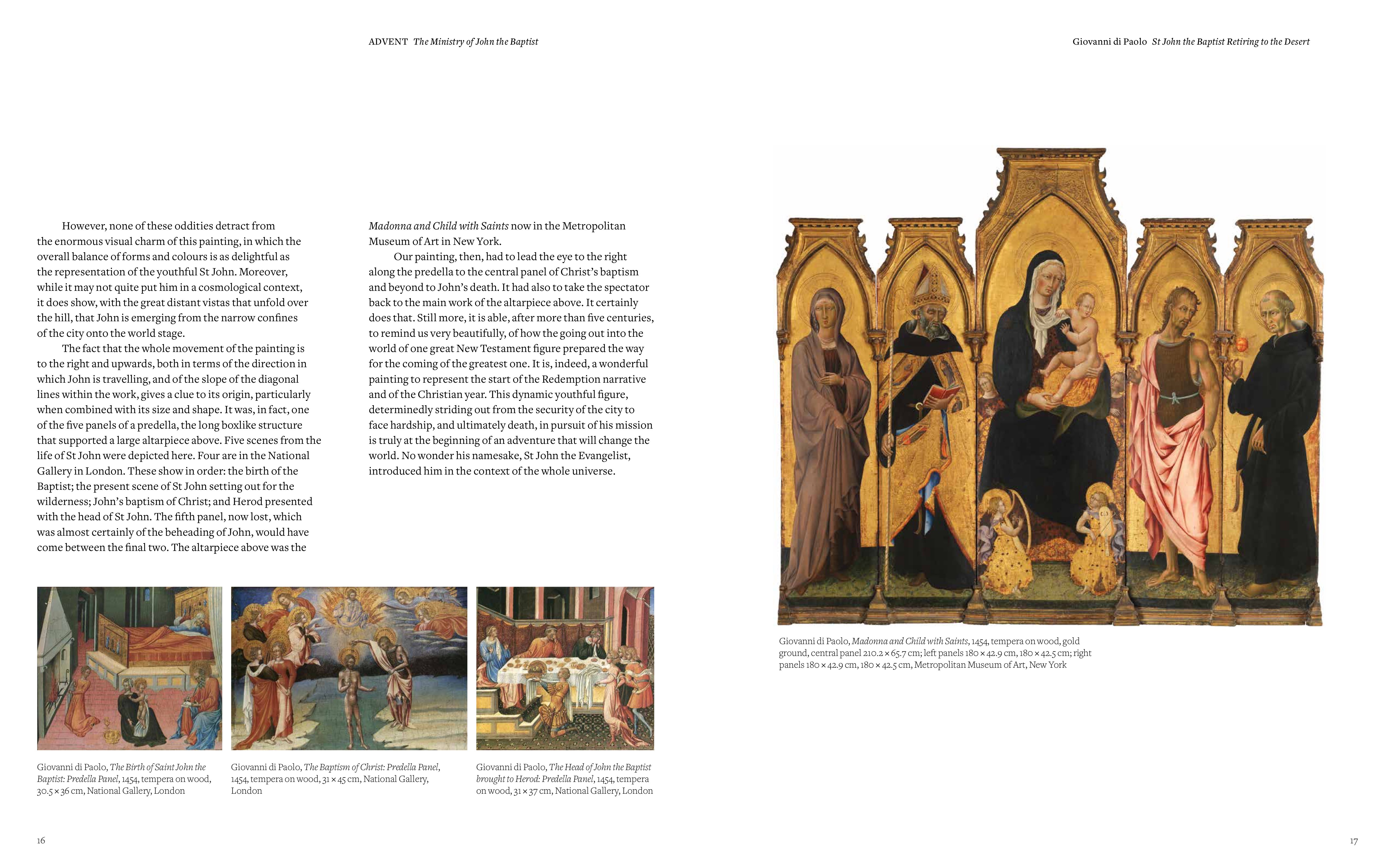
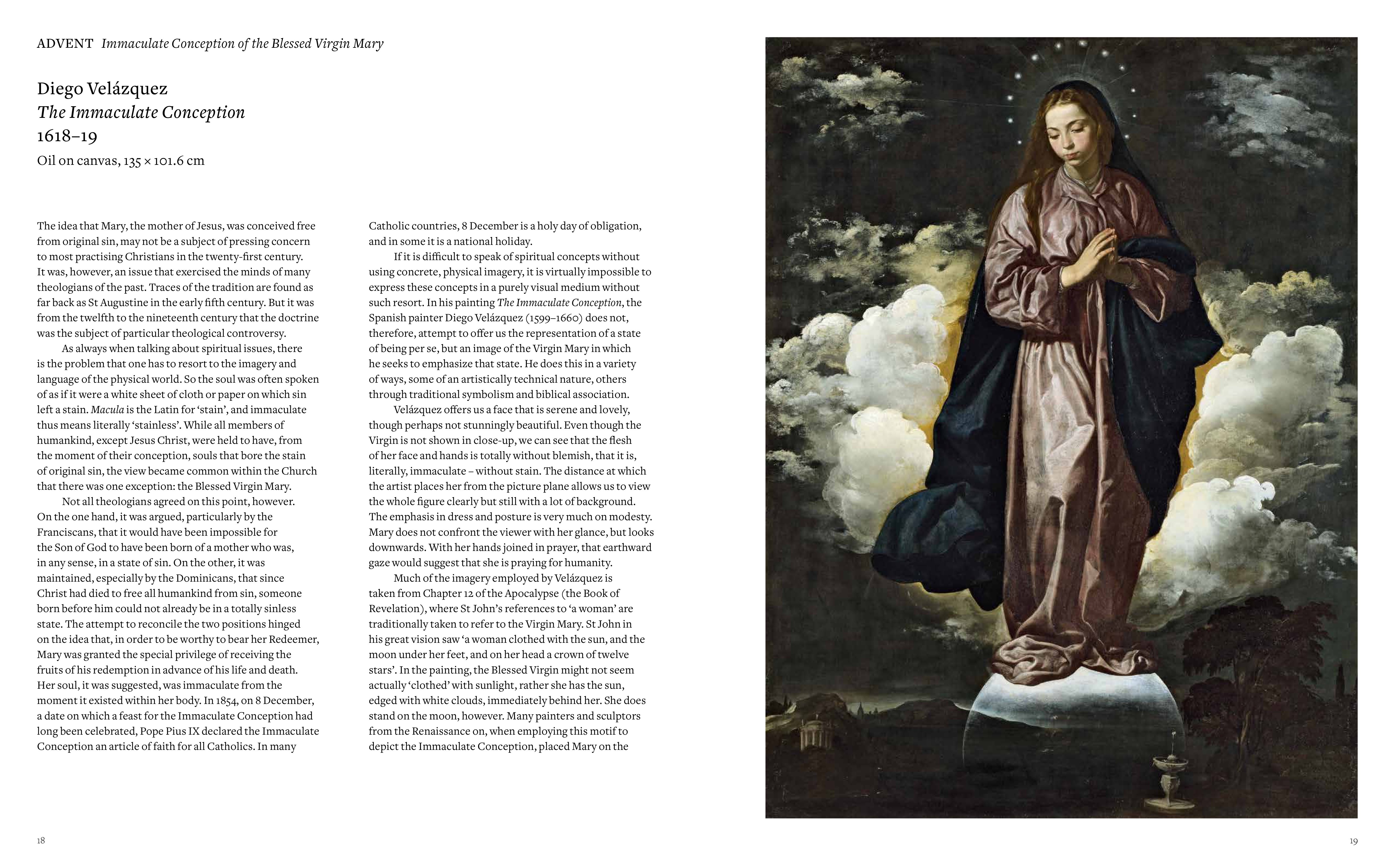
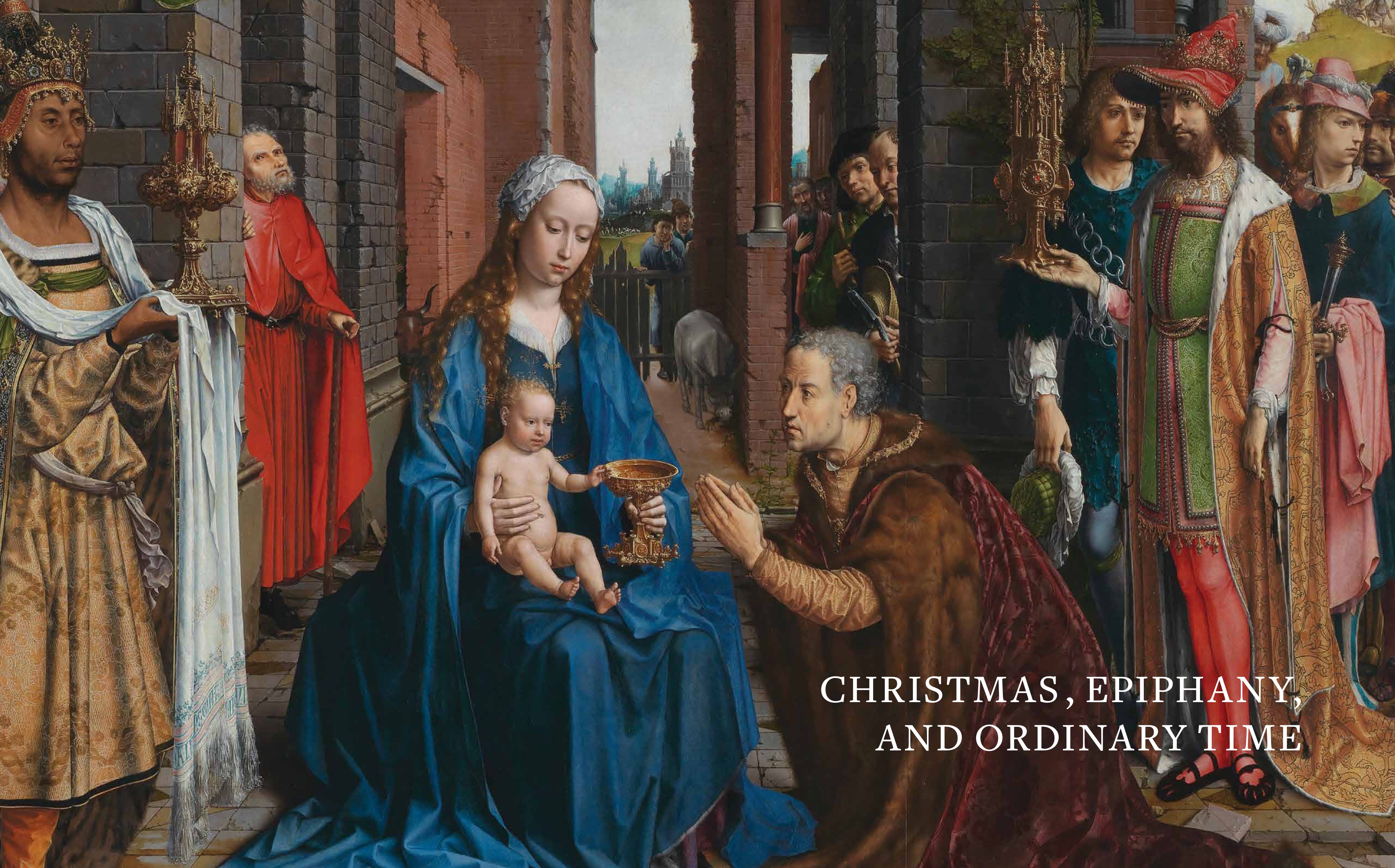
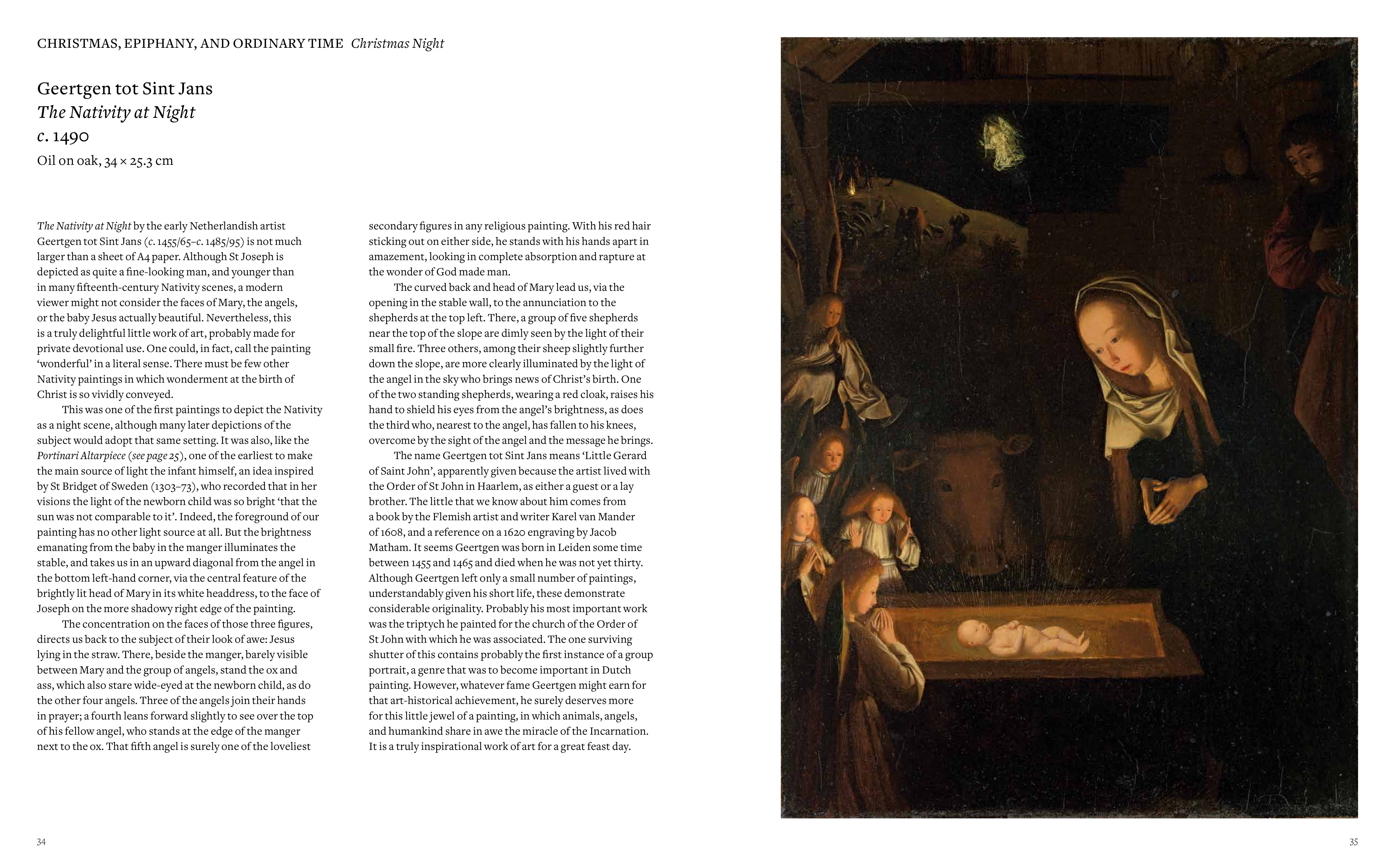
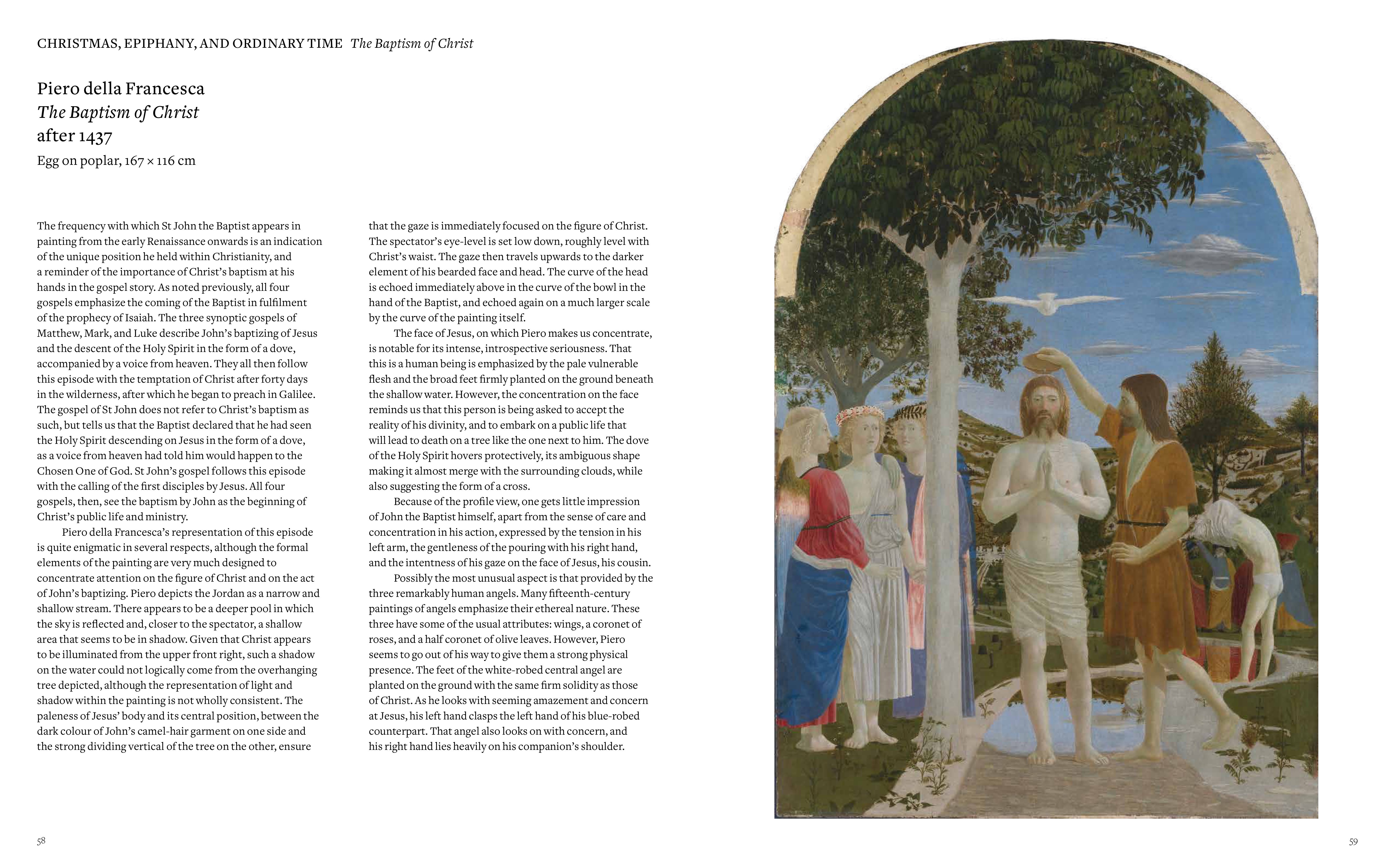
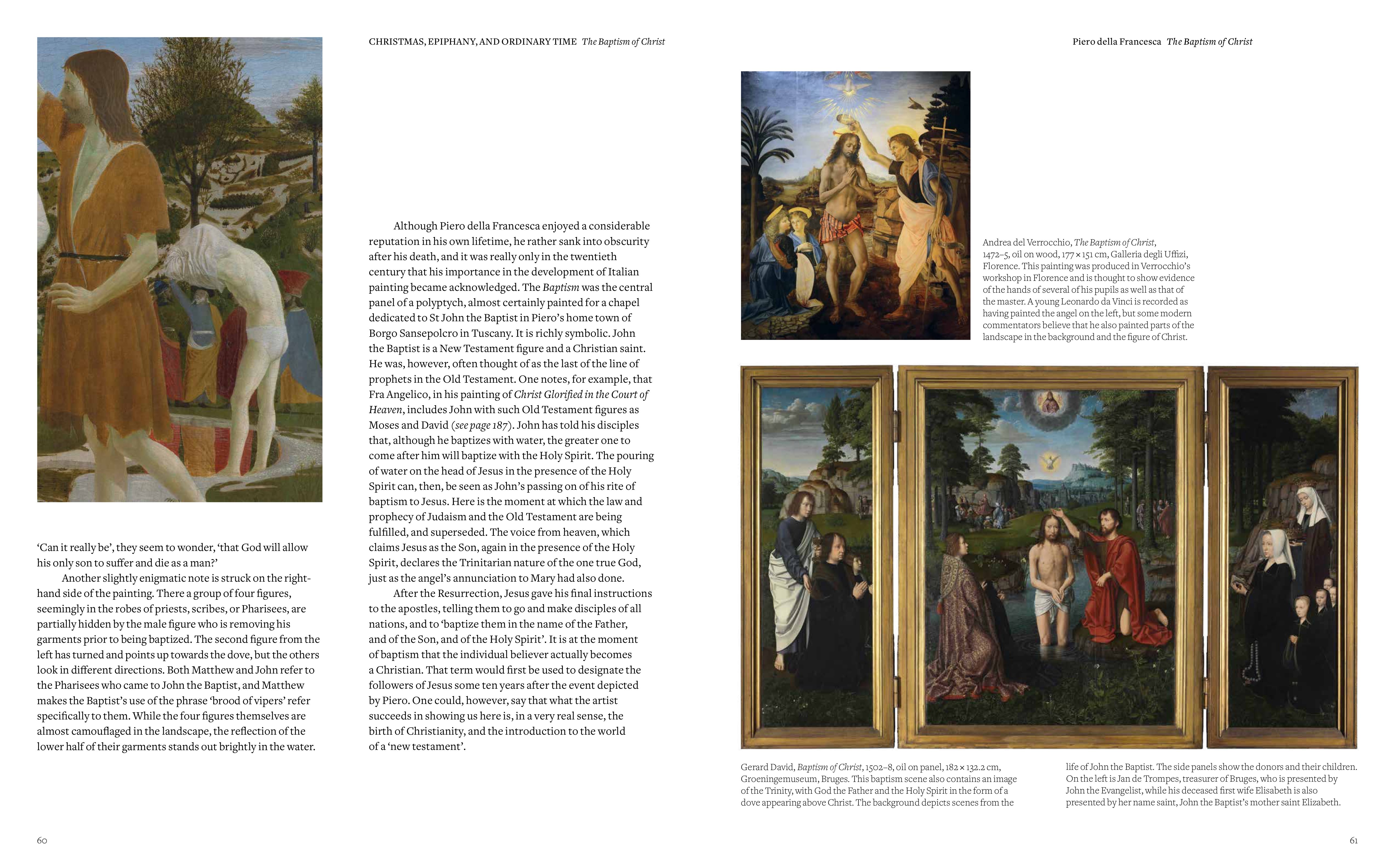
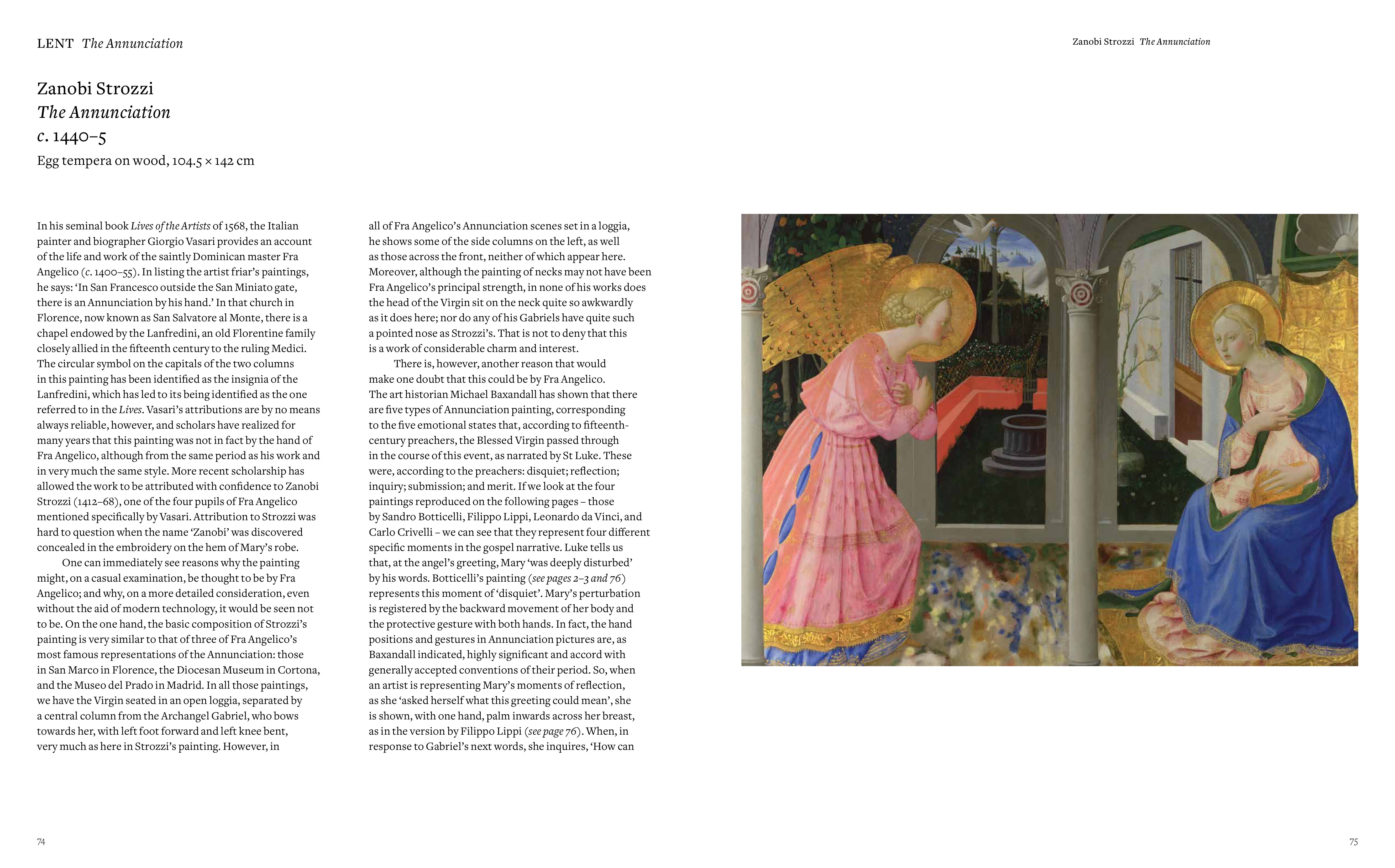
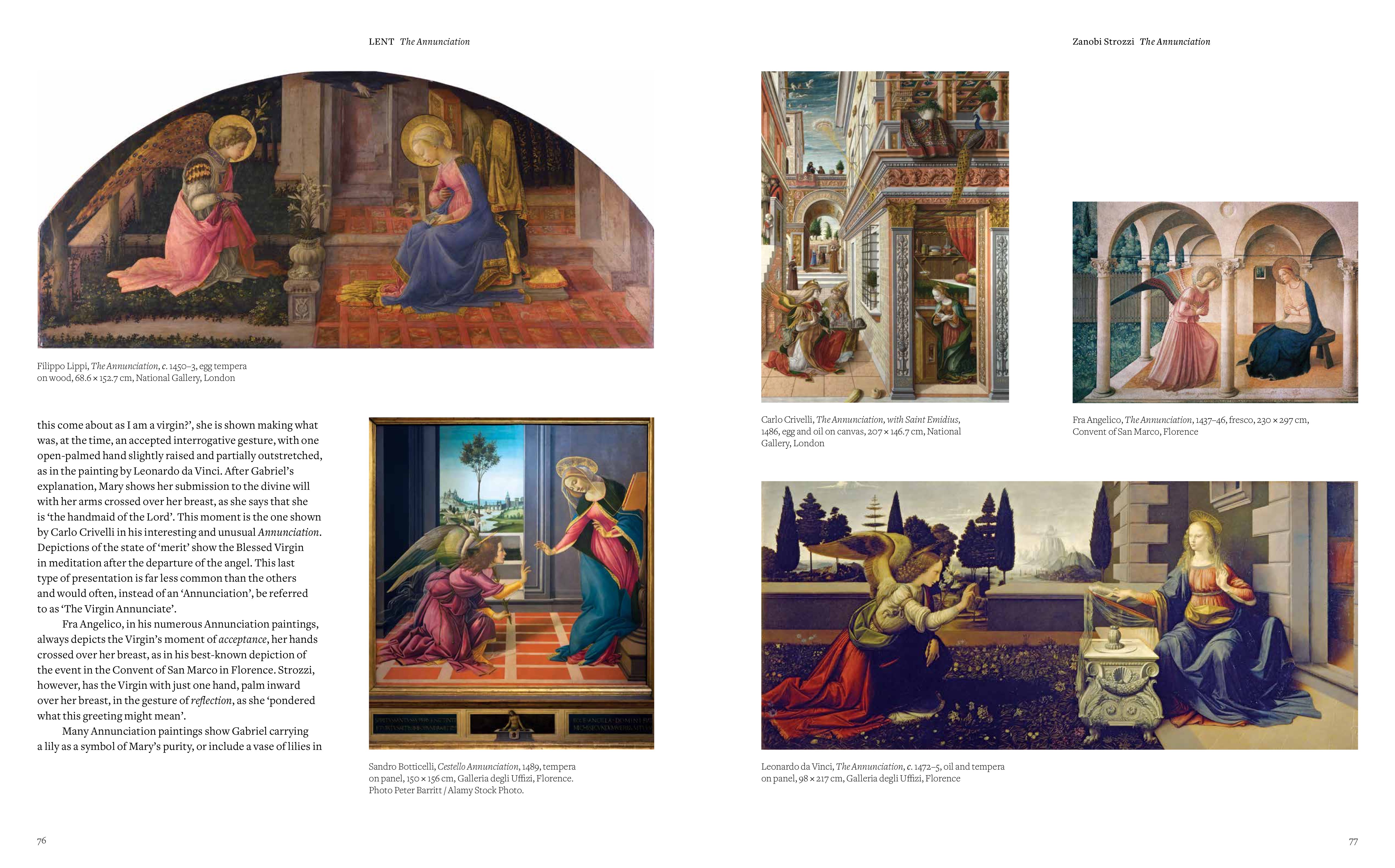
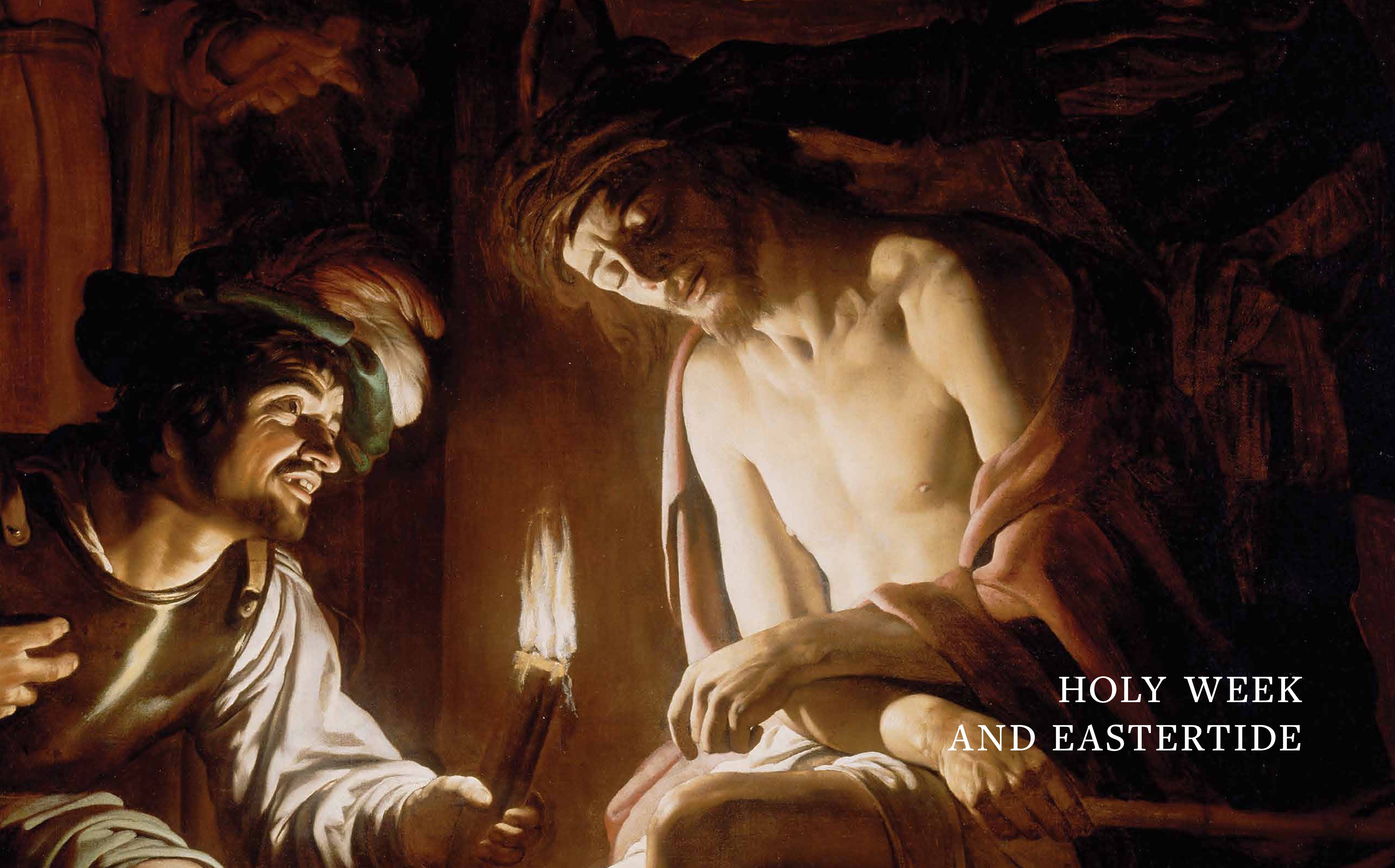
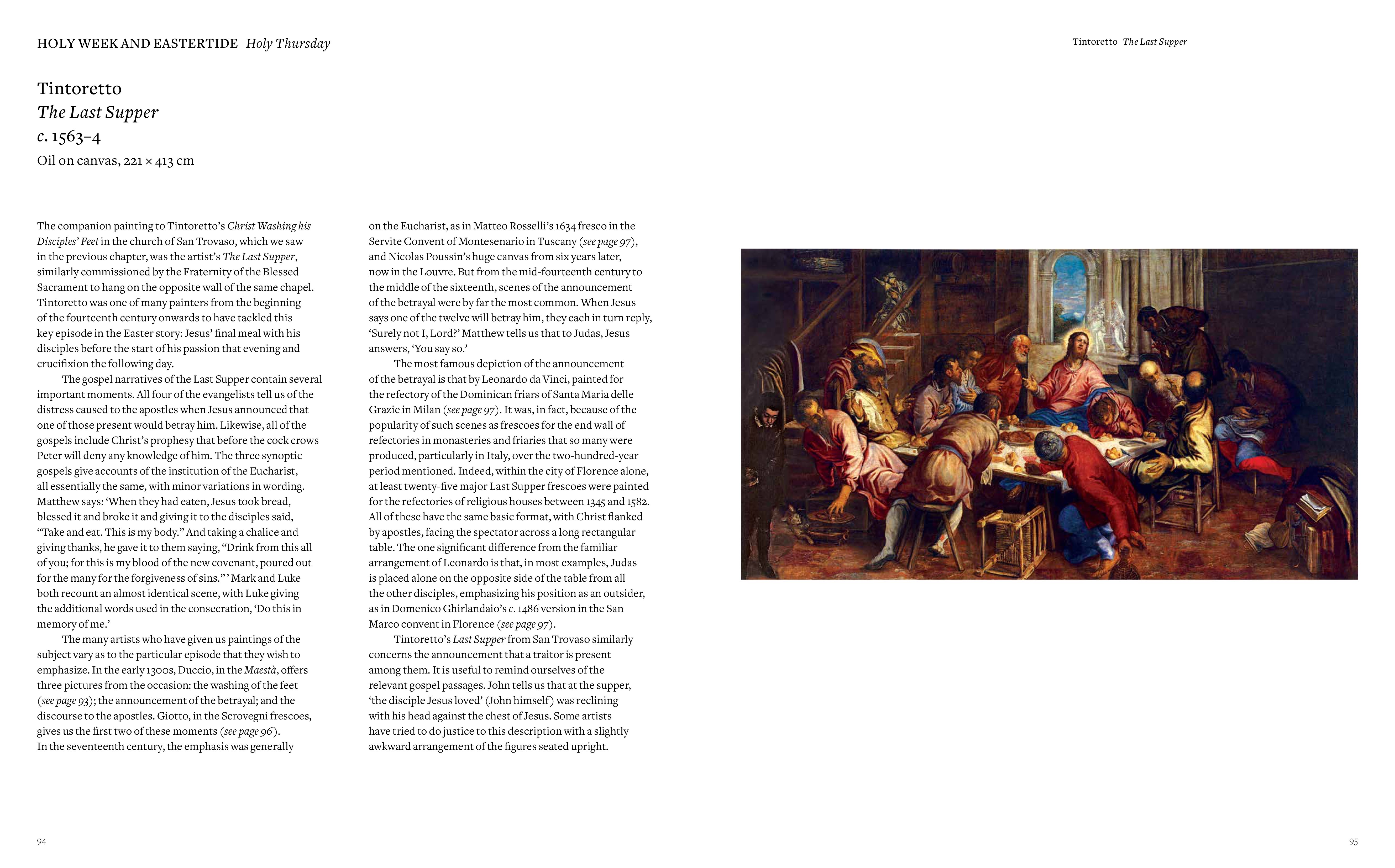
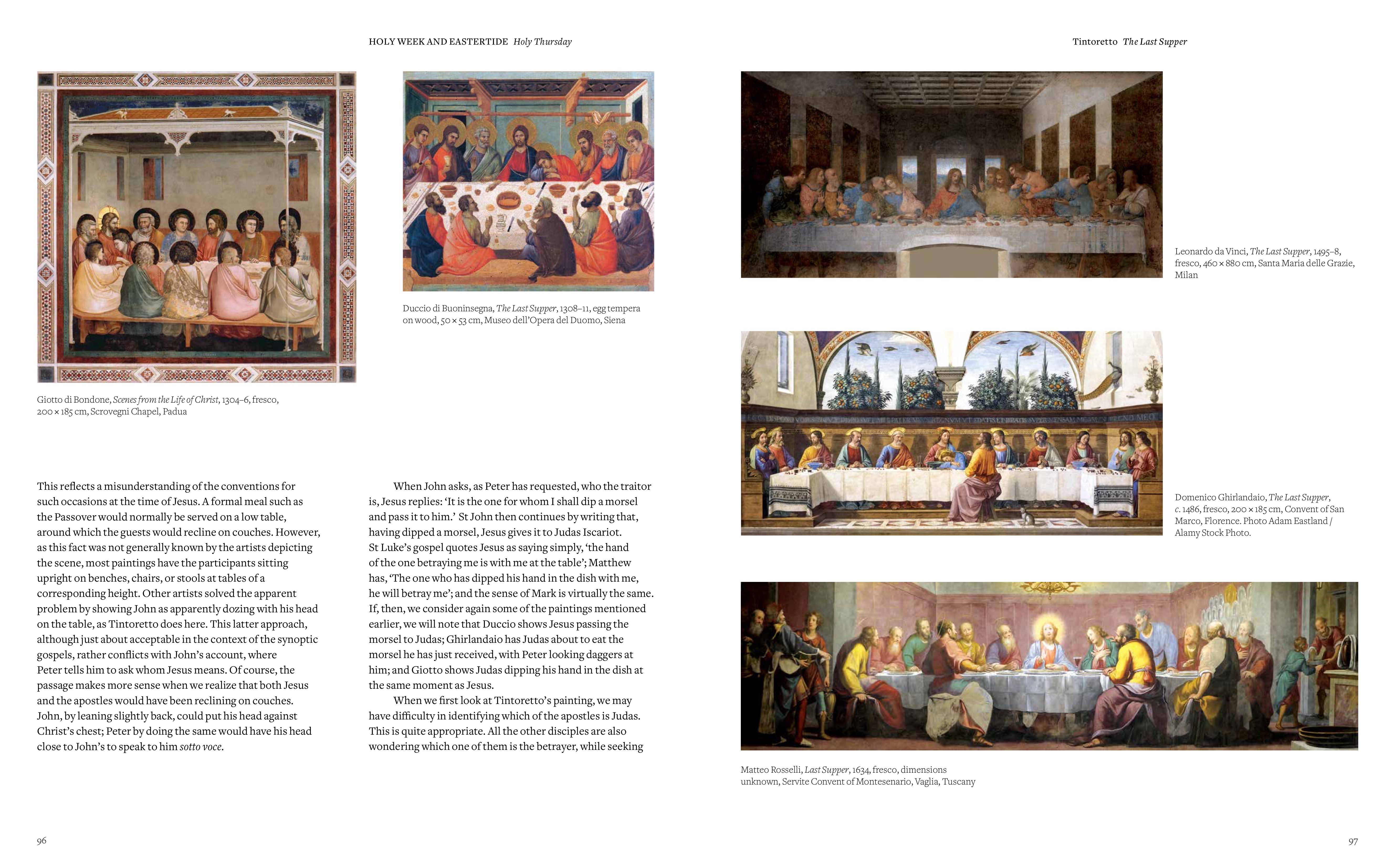
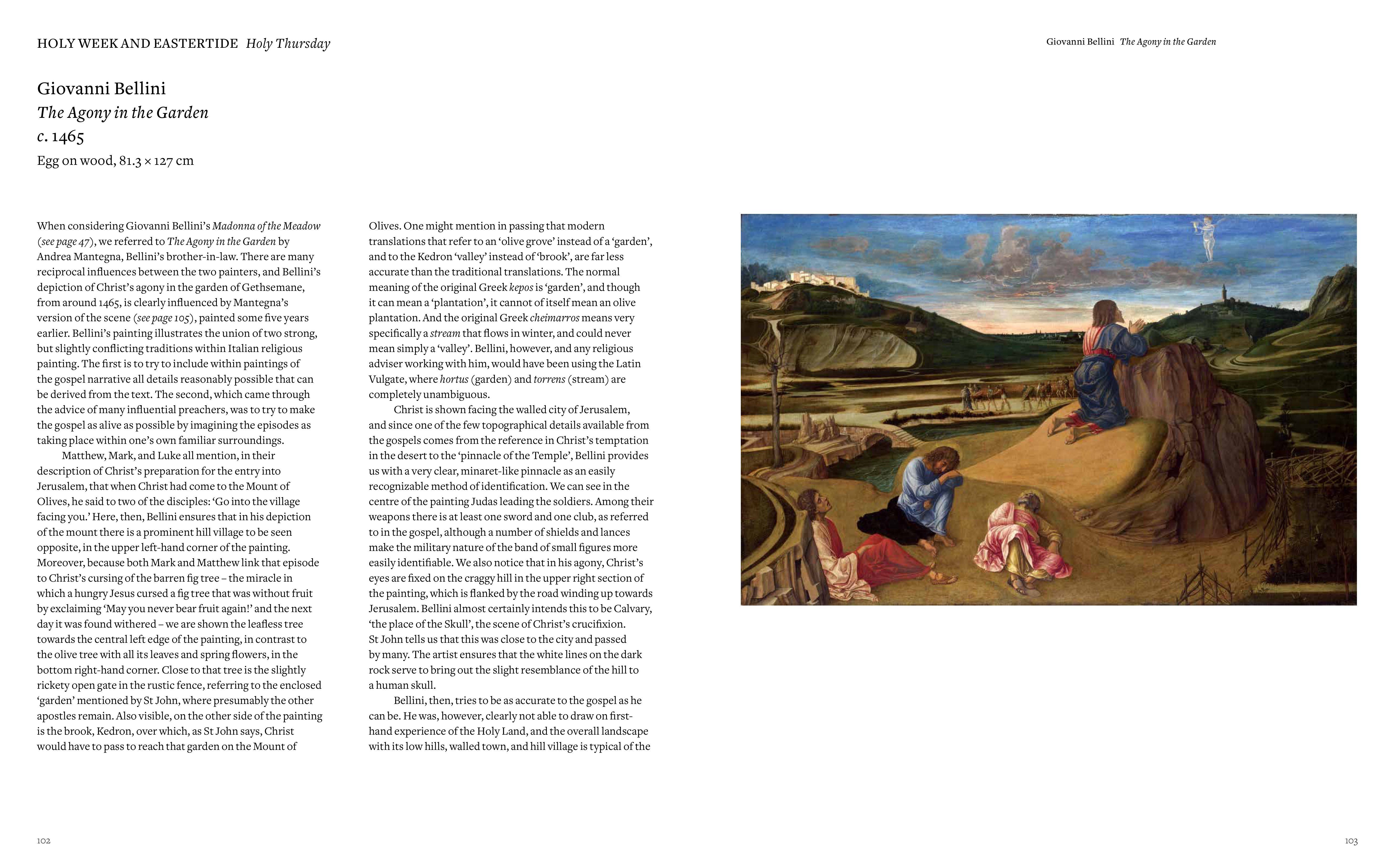
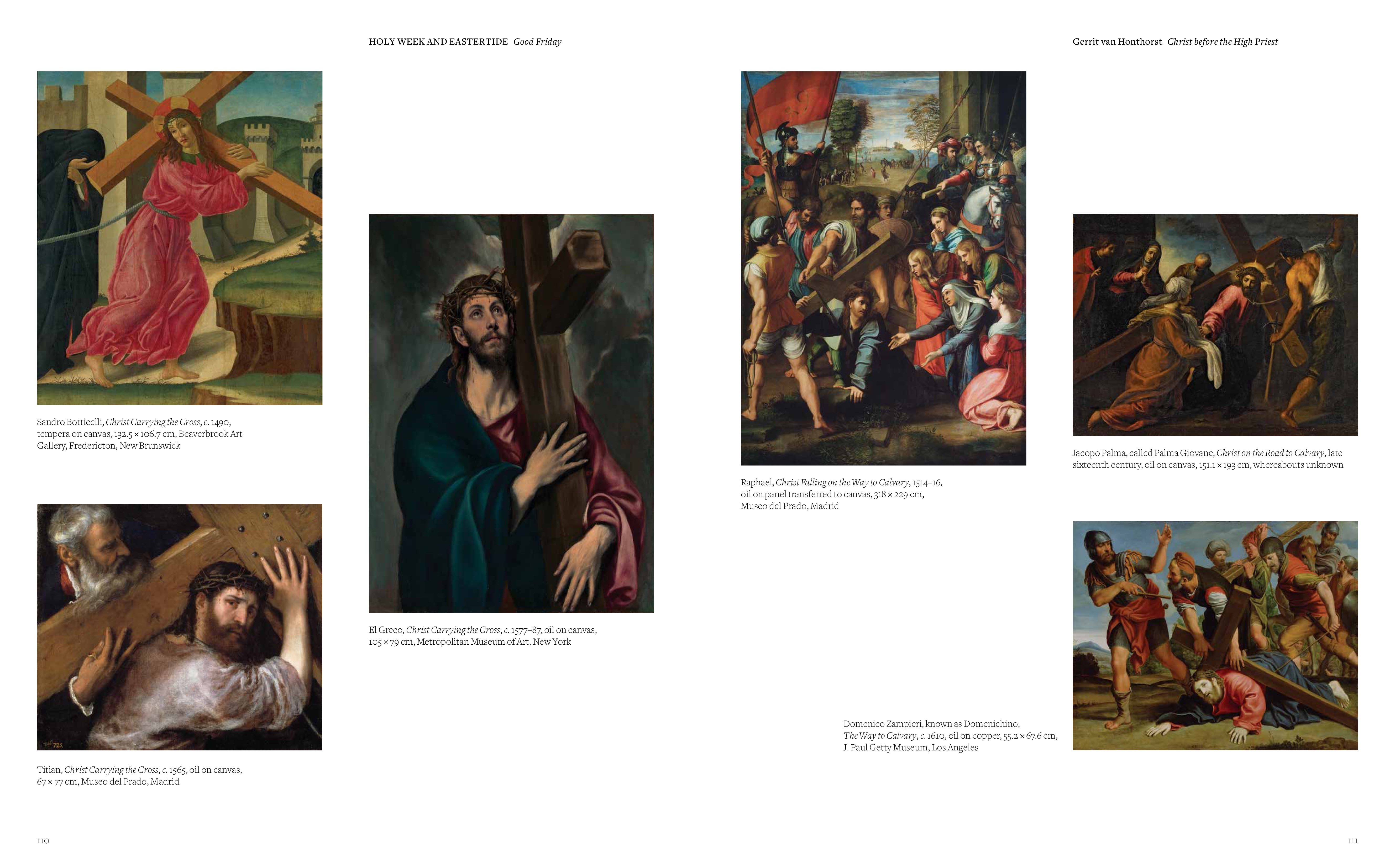
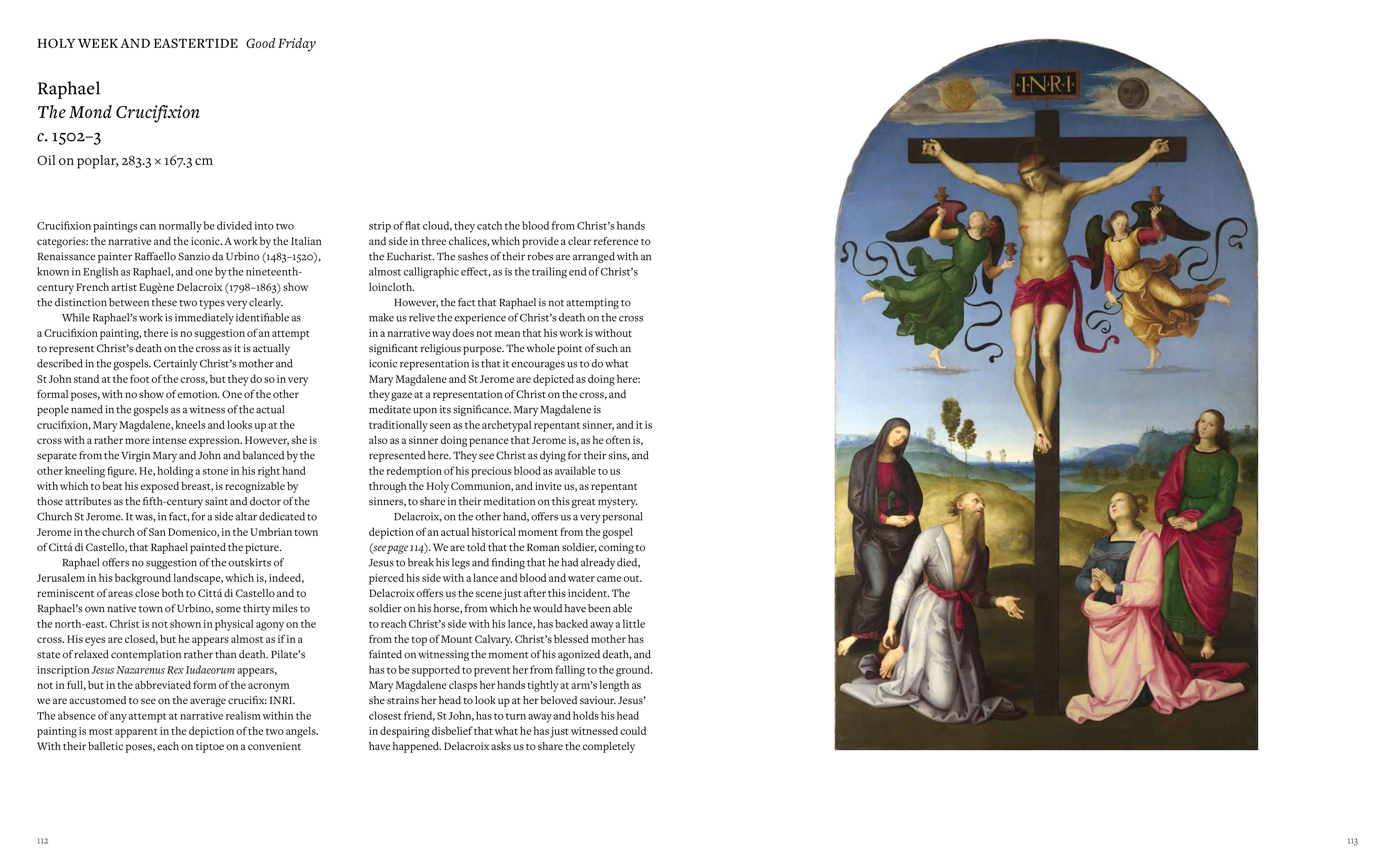
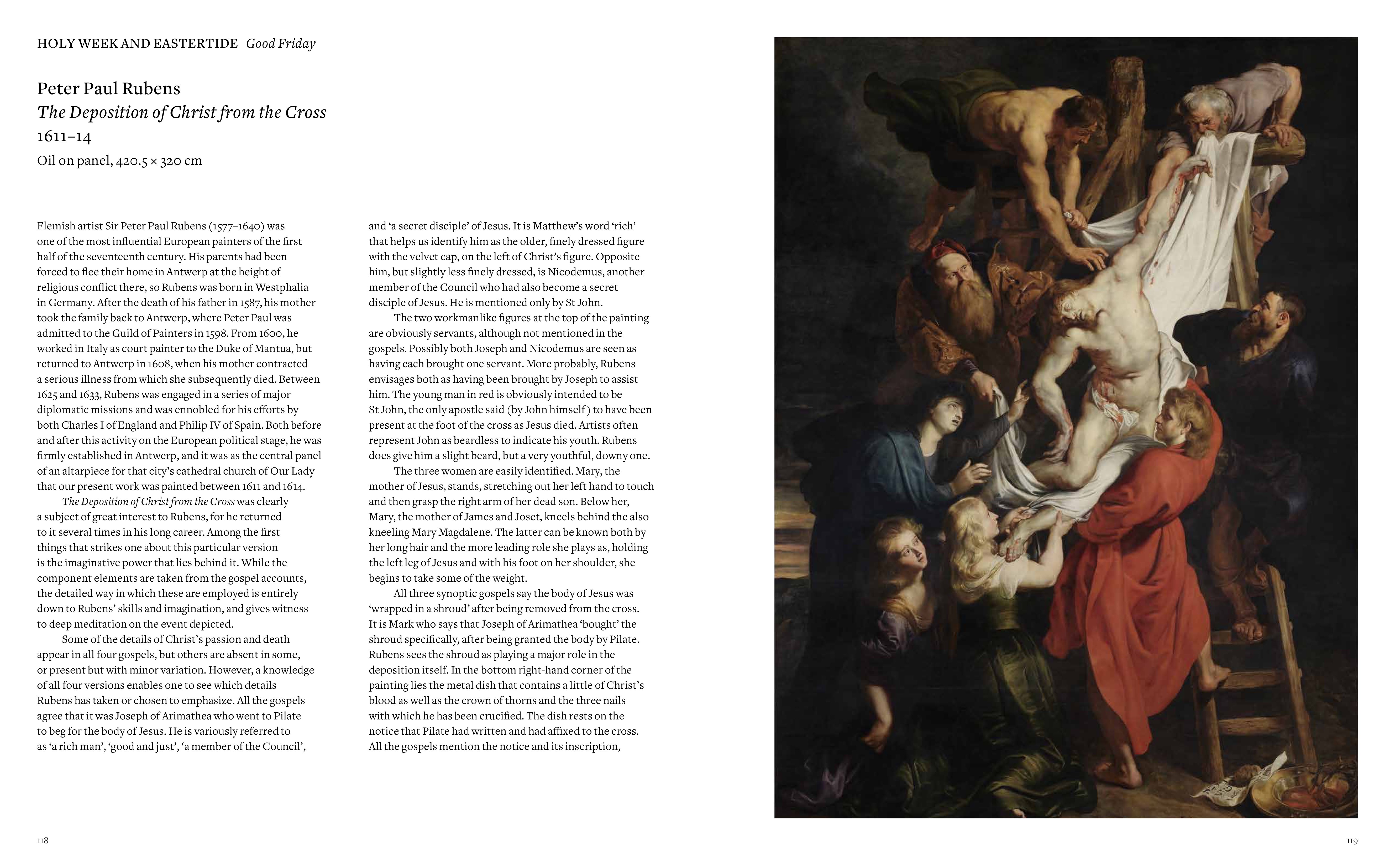
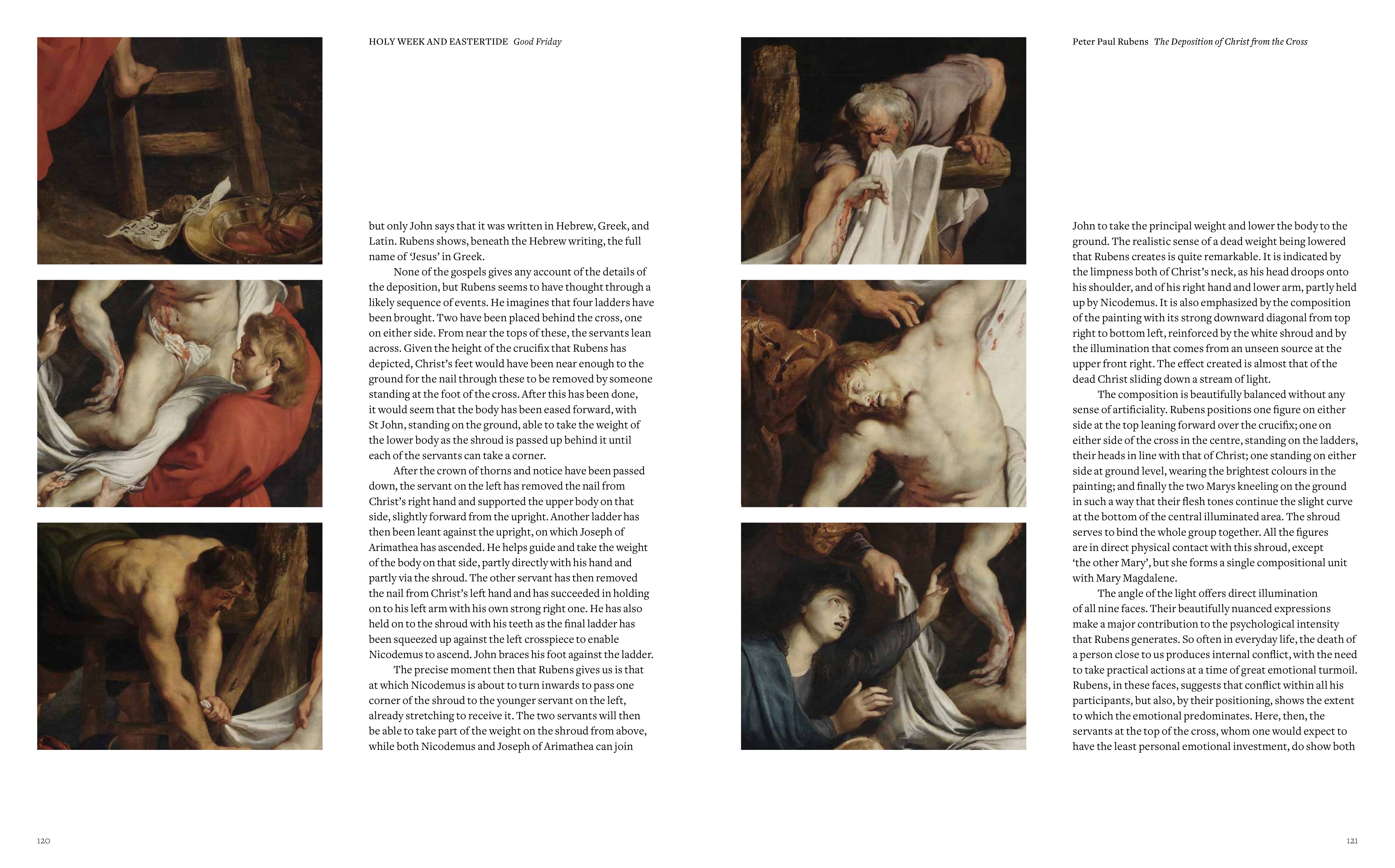
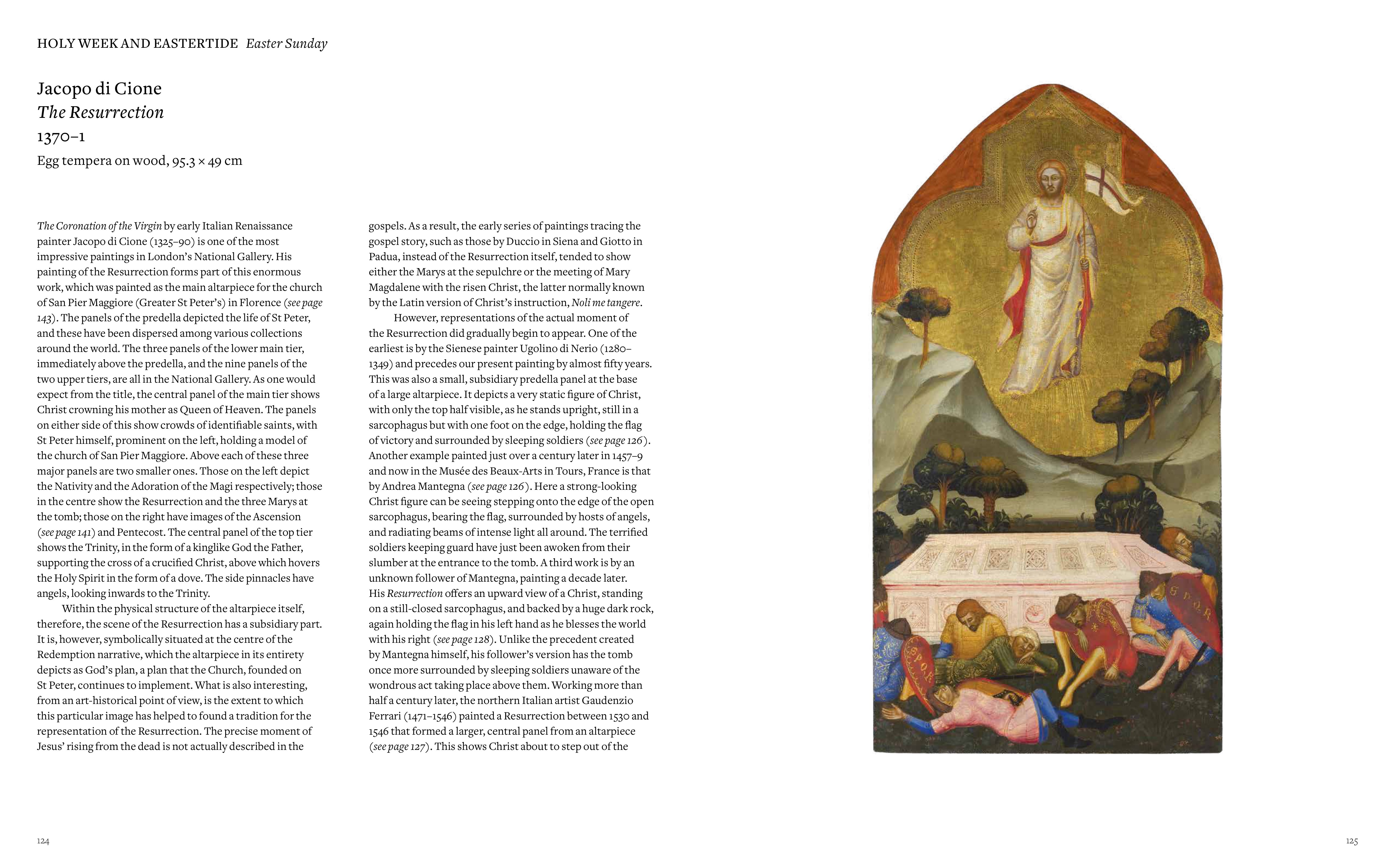
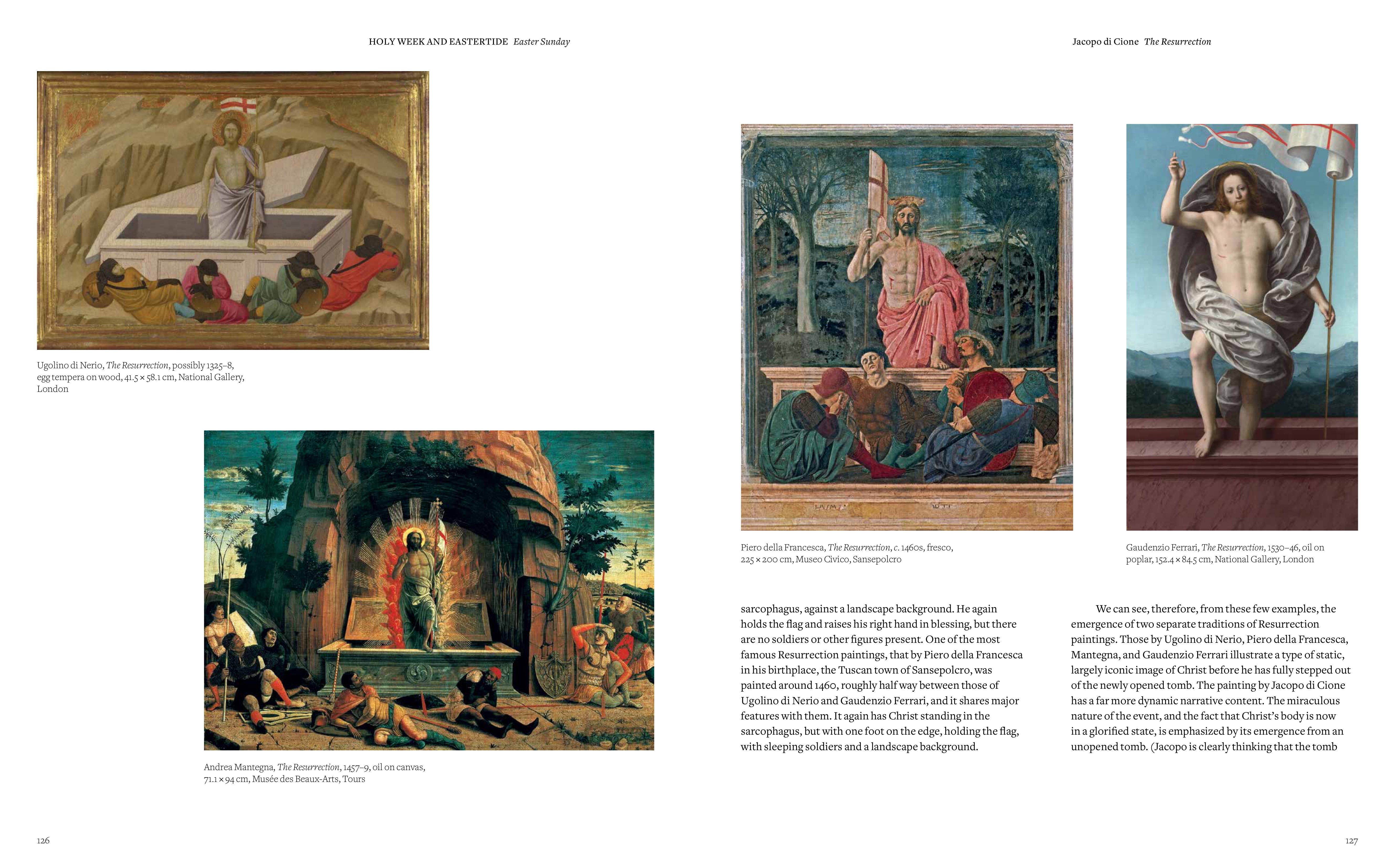
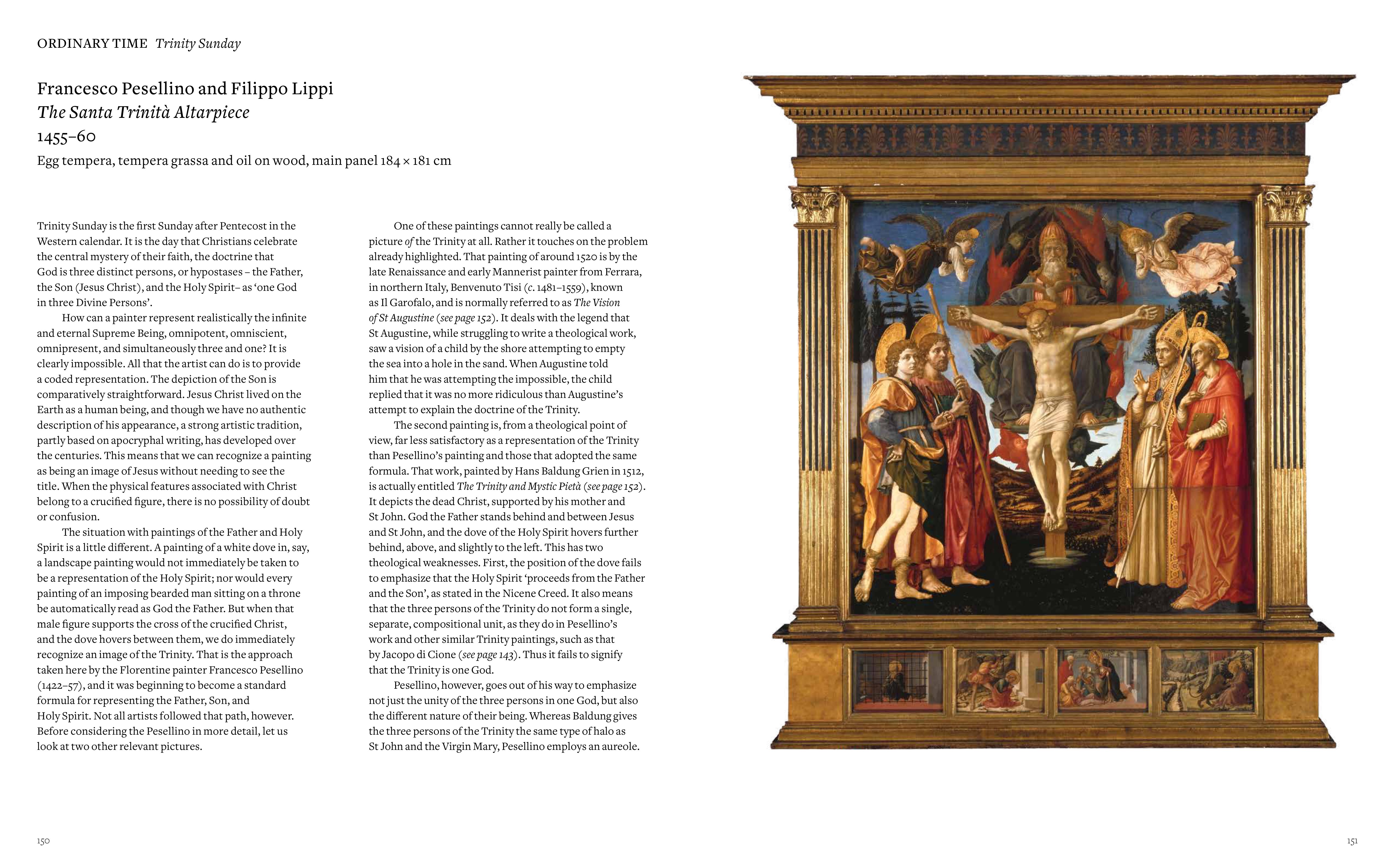
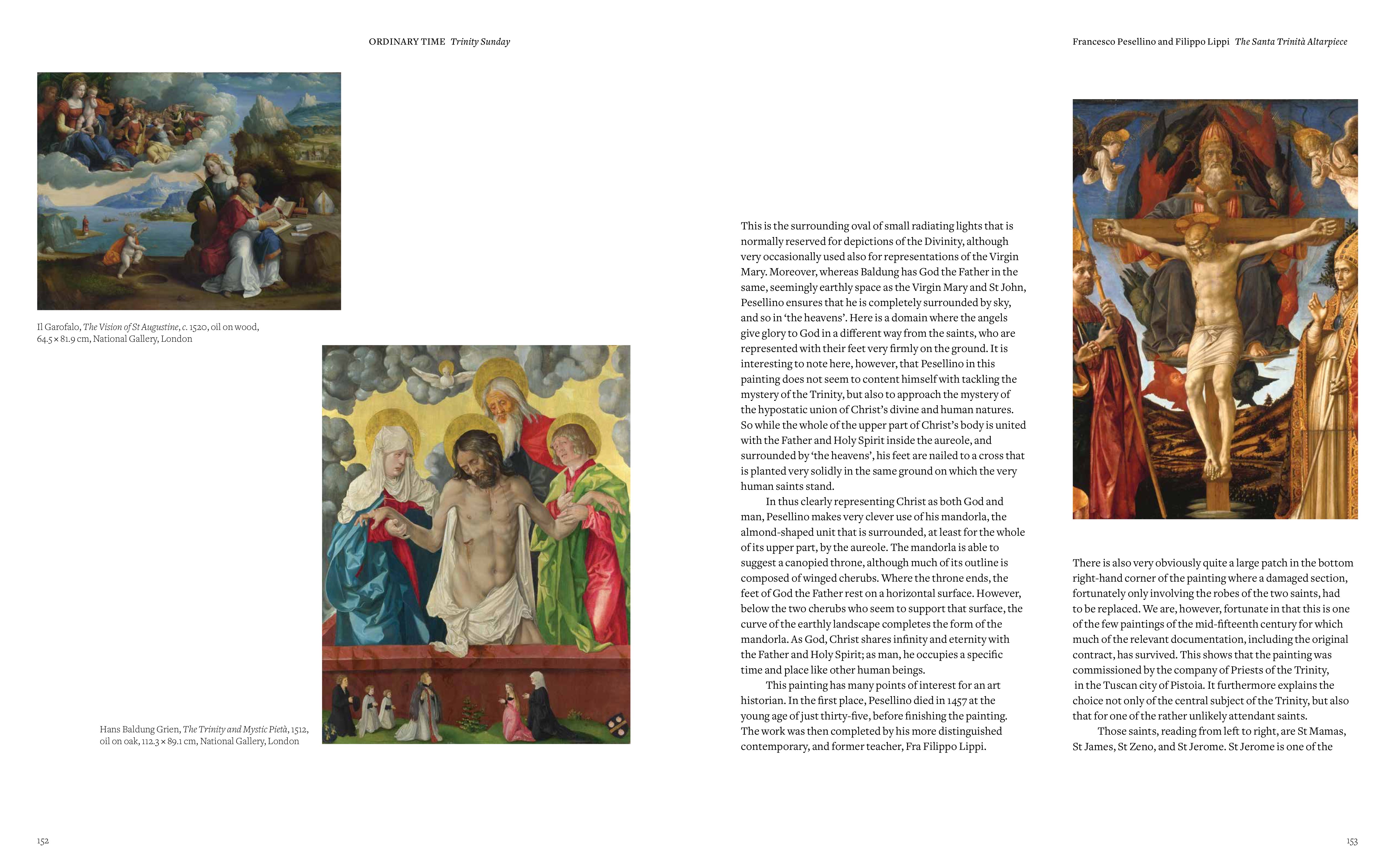
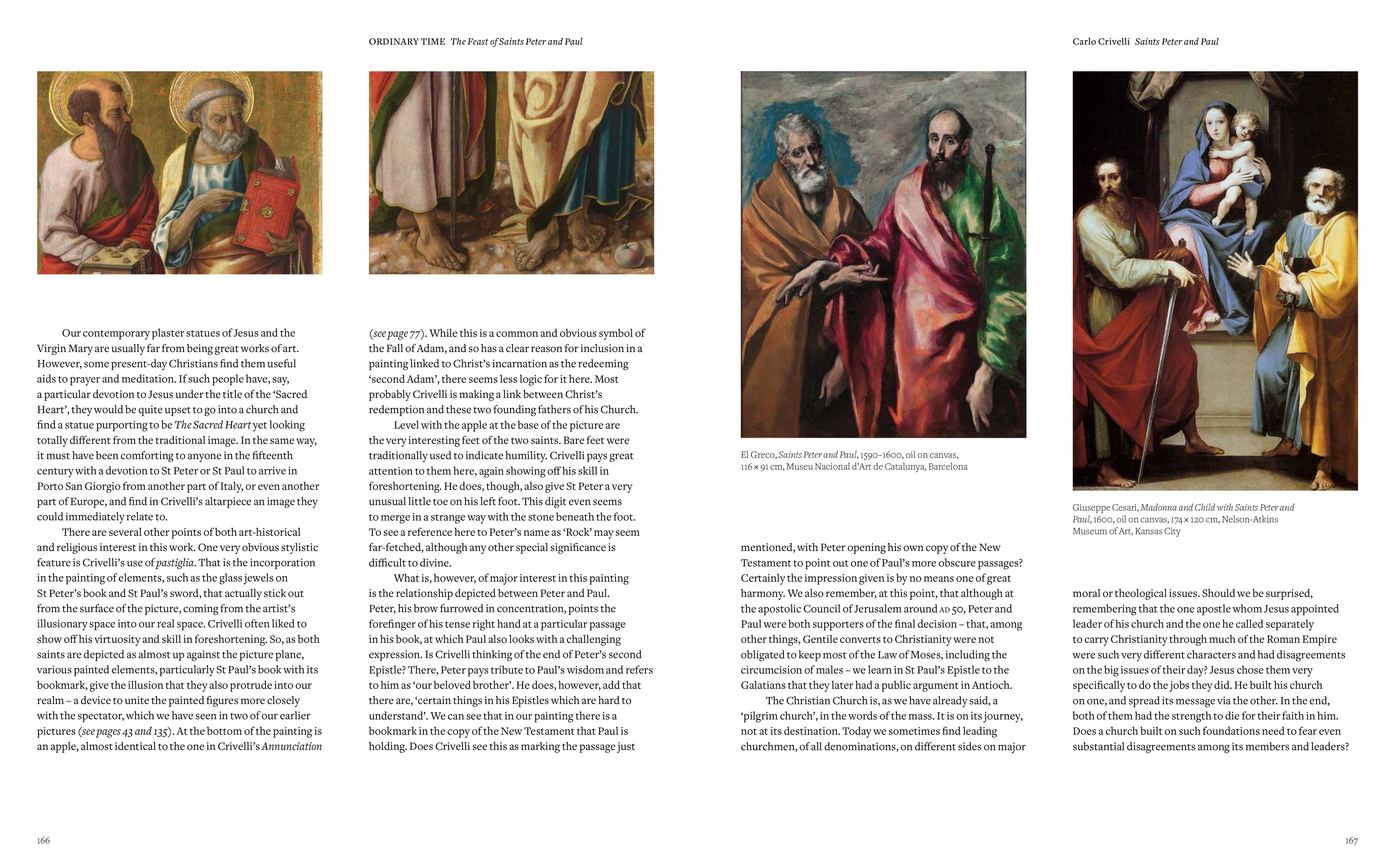
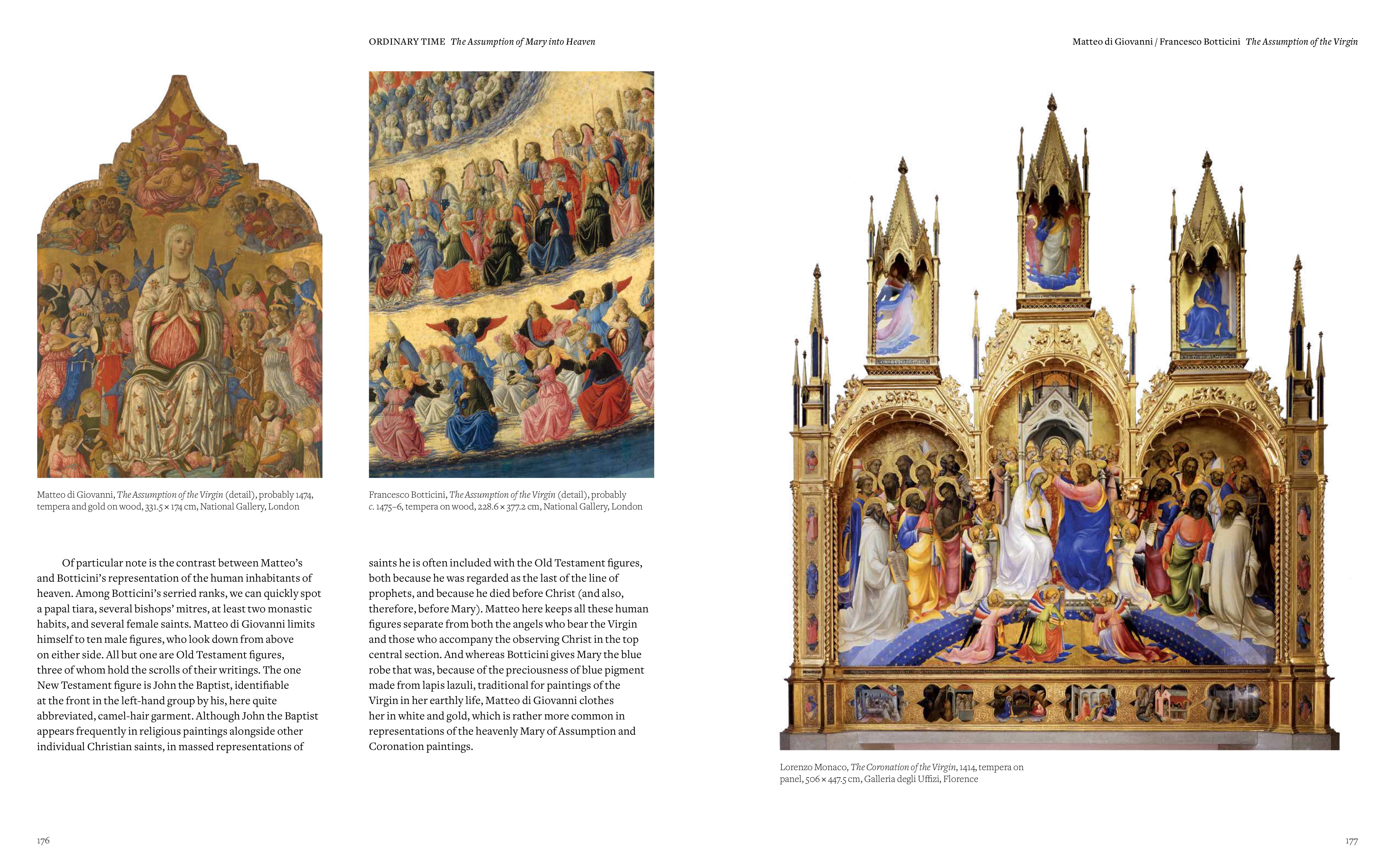
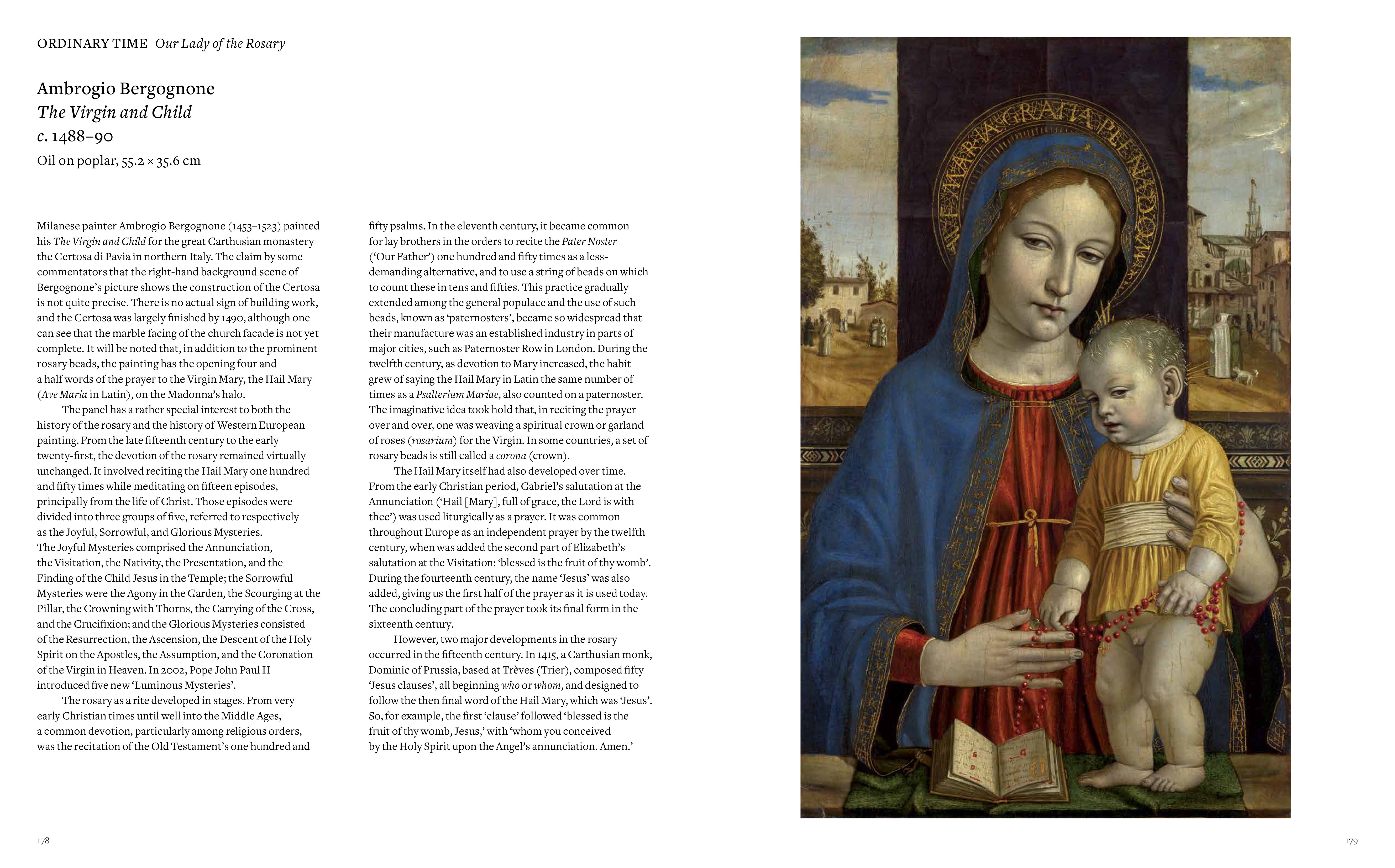
The stories of Christianity and painting have been intertwined since at least the Middle Ages. The painters of the early, high, and late Renaissance in Italy, Spain, and northern Europe learned their art and craft while working in the service of both the Church and devout patrons, producing depictions of scenes from the Bible and the lives of the saints for the benefit and instruction of clergy and worshippers alike. This book follows a course through the Christian year – from Advent and the Christmas season, through Holy Week and Easter, to All Saints’ Day – to present numerous works celebrating the key events and festivals of the liturgical calendar by some of the best-known names from art history.

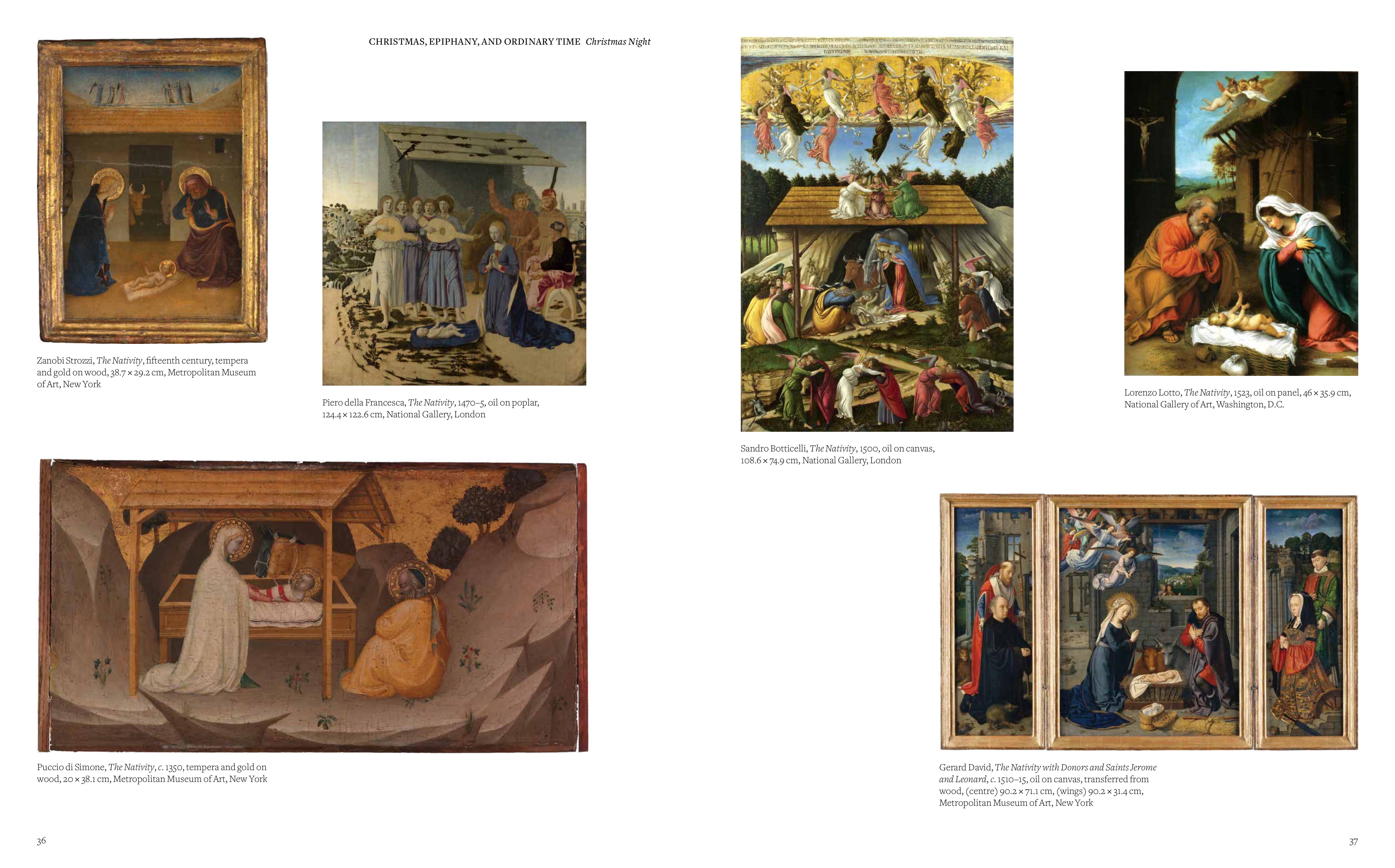
Velázquez, Piero della Francesca, Rembrandt, Raphael, Giotto, Titian, Rubens, and Caravaggio are just some of the many artists included in the book with their celebrated depictions of feasts such as the Immaculate Conception, the Nativity, the Annunciation, the Crucifixion, the Resurrection, Pentecost, and Trinity Sunday.

John S. Dixon guides the reader by offering detailed analysis of the formal qualities and symbolism of each painting, while outlining the biblical stories that inspired their creation and explaining their religious and art-historical significance. Full illustrations and close-up details of the featured works are accompanied by comparative illustrations of paintings and sculptures of the subjects by other masters. This beautiful book will enable all lovers of painting, both Christian and non-Christian, to expand their appreciation of these magnificent works of art.

John S. Dixon is the former Deputy Principal of Trinity and All Saints College in Leeds (now Leeds Trinity University) and a former tutor in art history at the Open University. He has also been for many years the arts correspondent for the weekly newspaper the Catholic Times.

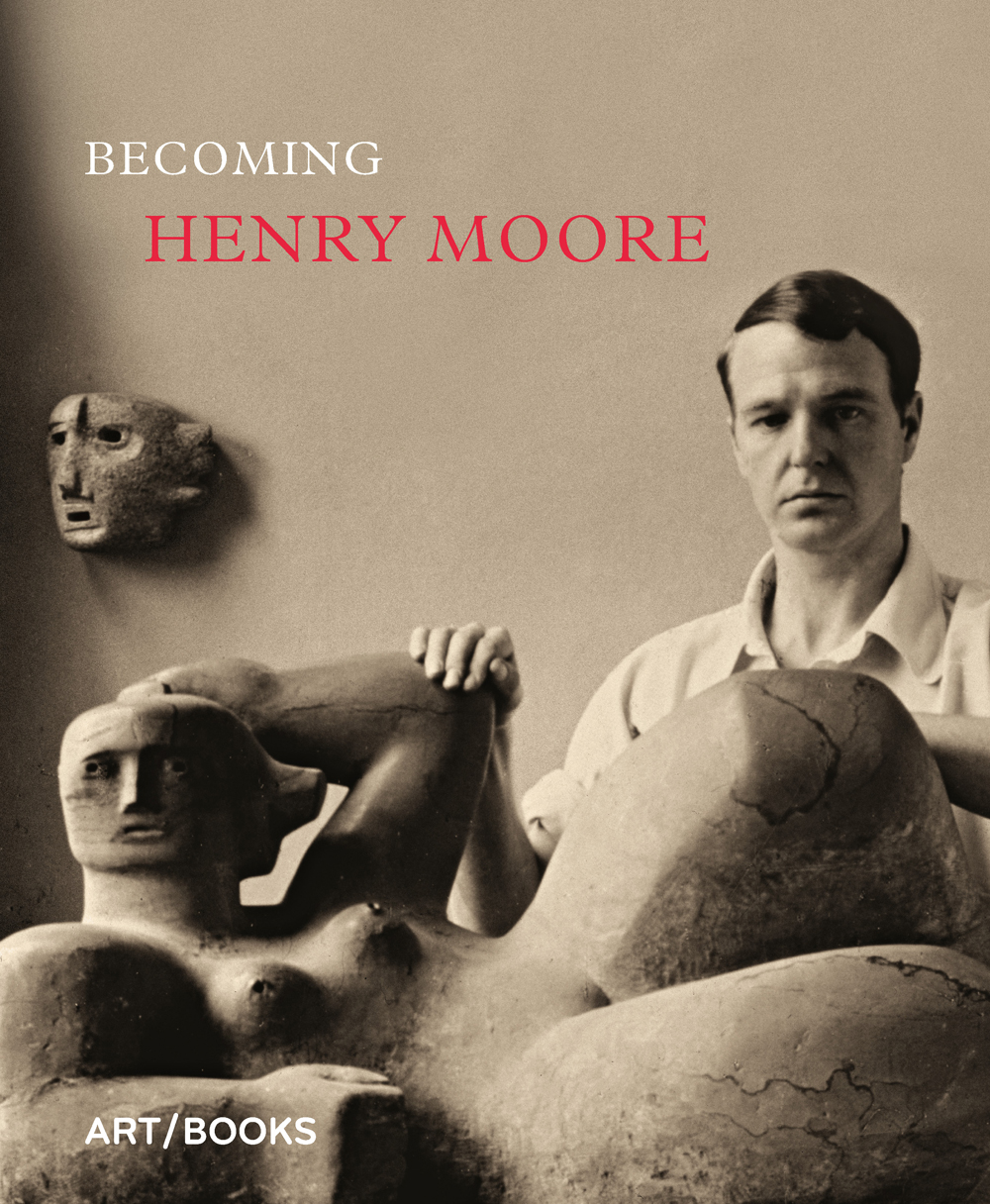
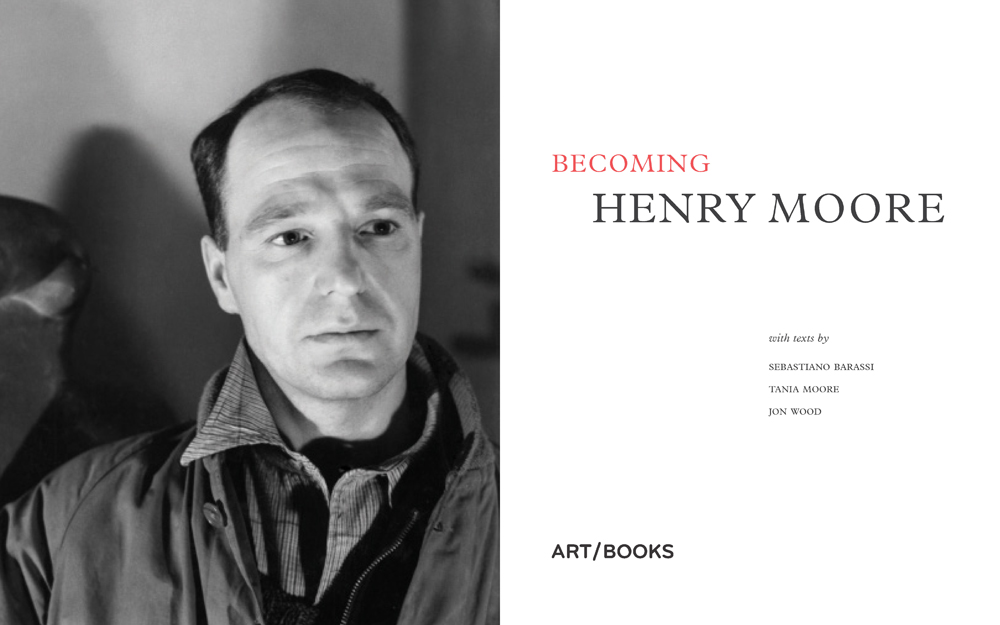
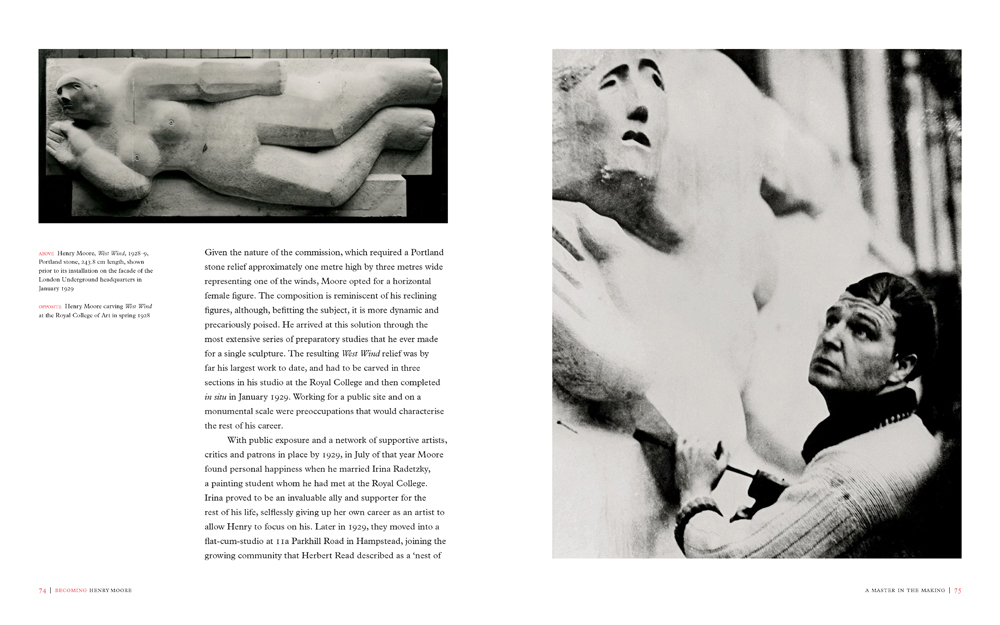
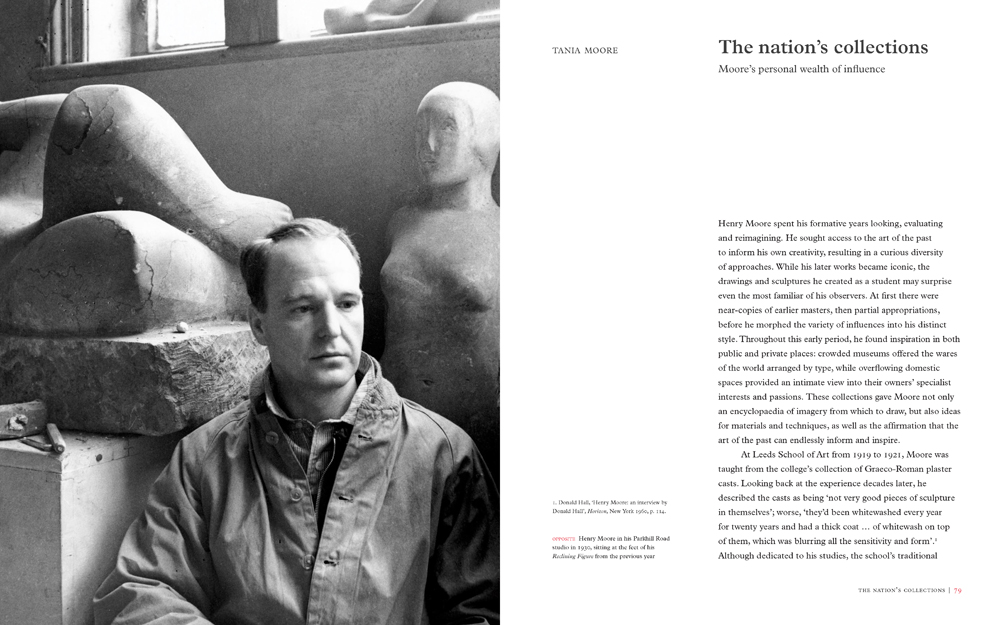
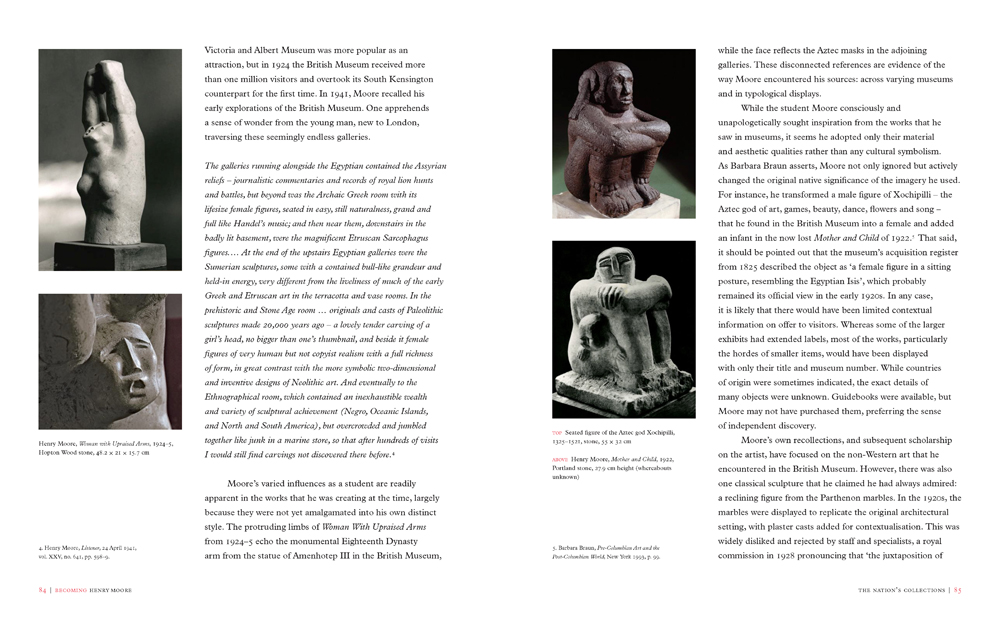
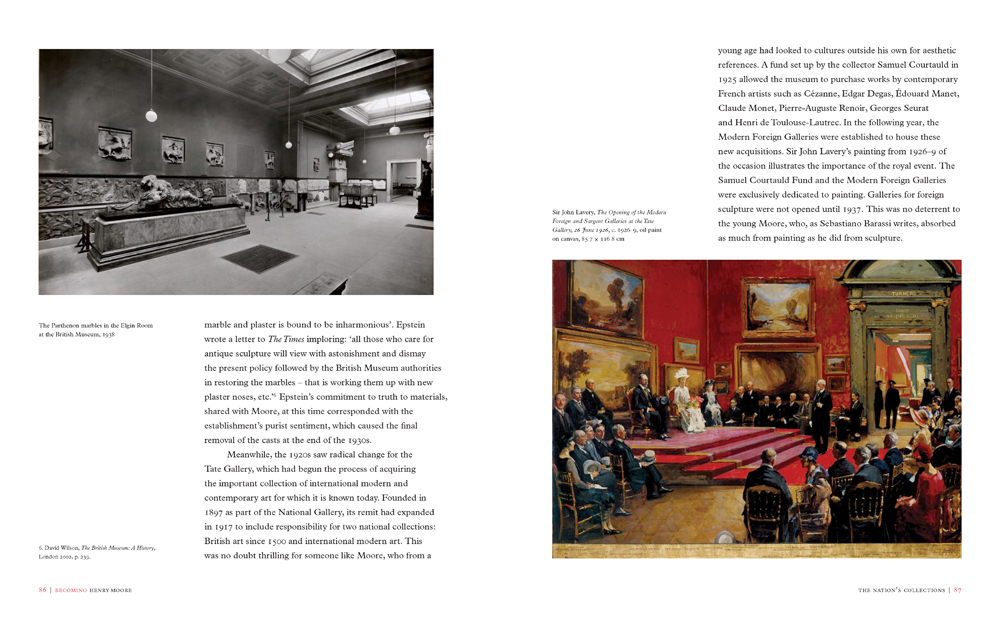
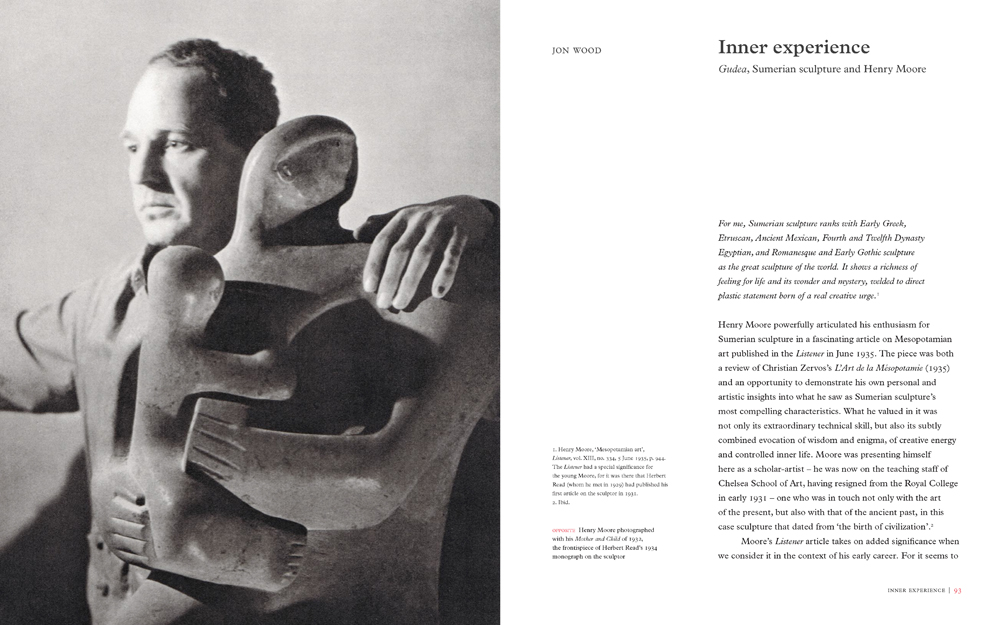
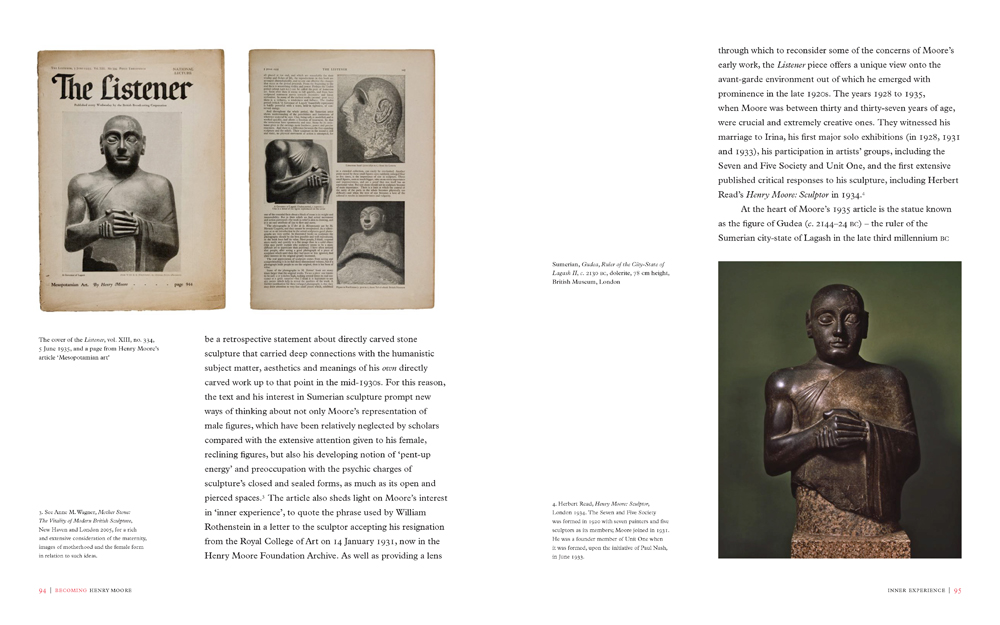
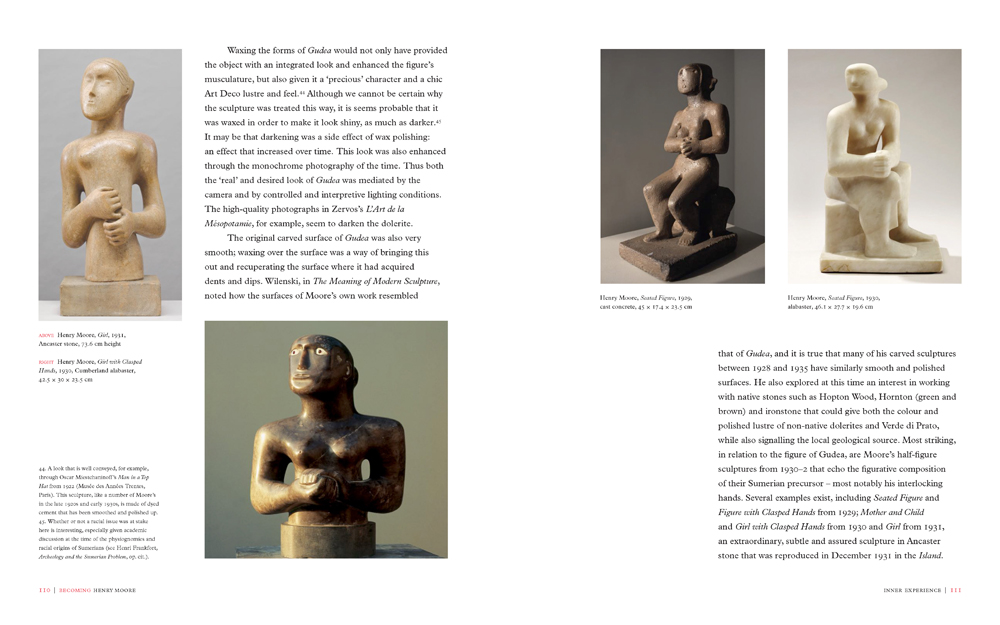
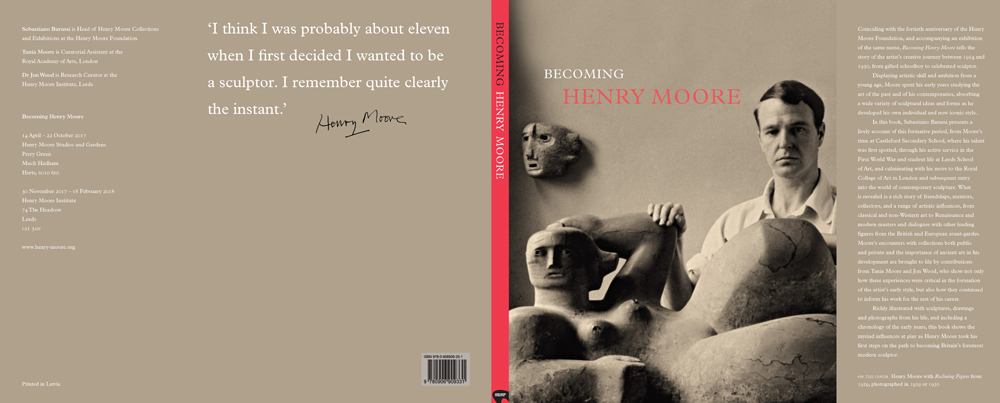
Becoming Henry Moore

Edited by Hannah Higham
Texts by Sebastiano Barassi, Tania Moore, Jon Wood

‘Fascinating look at the birth of a modern master ★★★★’ — Telegraph
‘Visually rich and quietly subversive’ — Times Literary Supplement

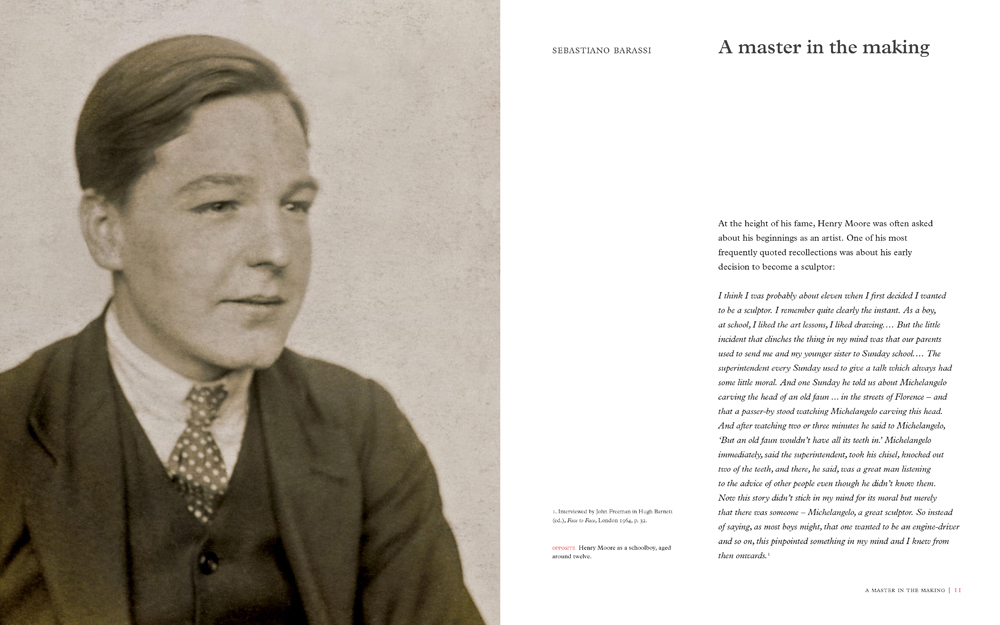
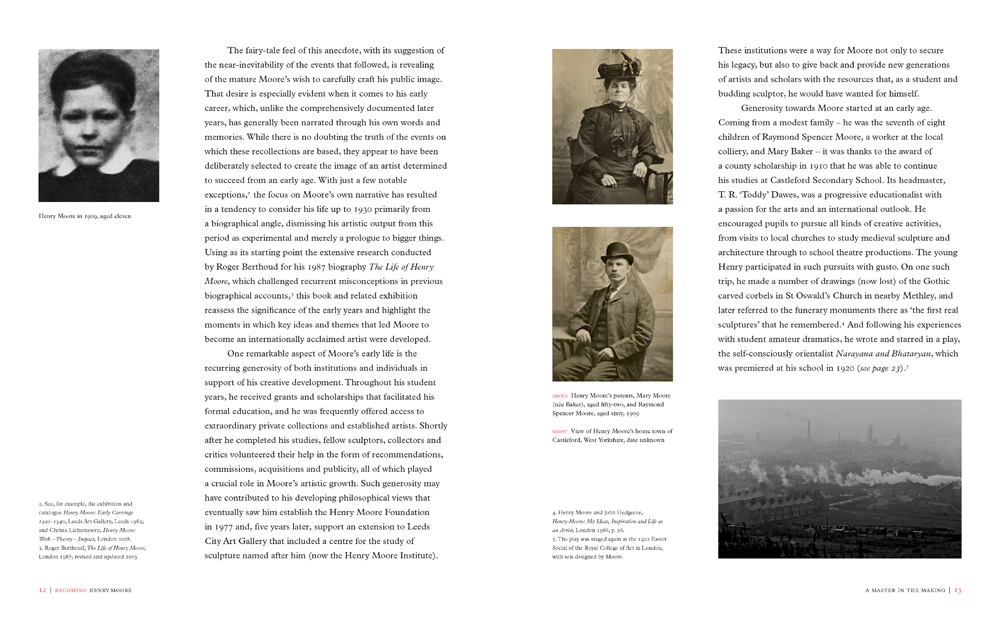
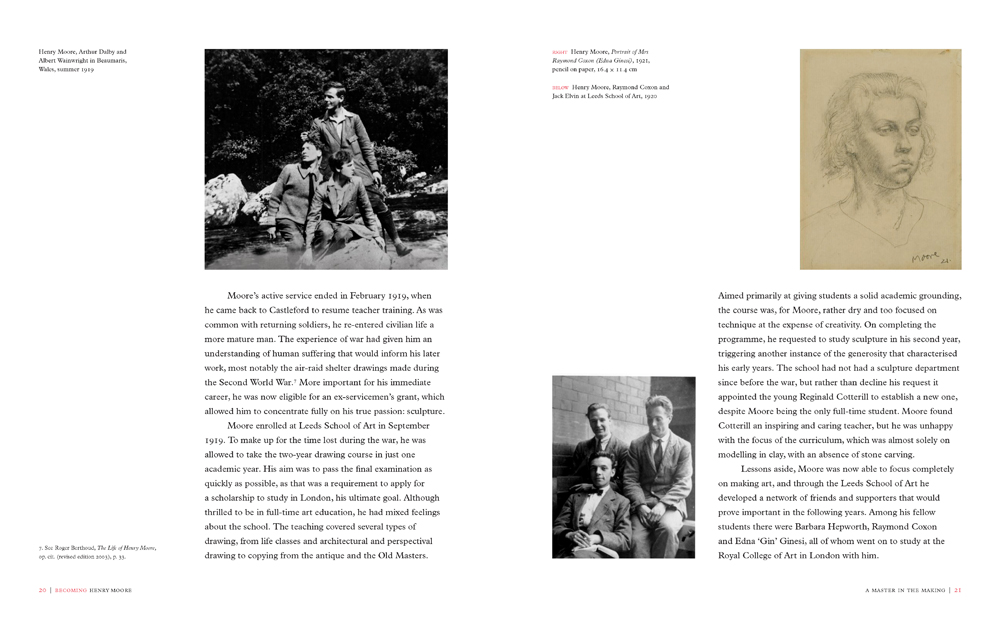
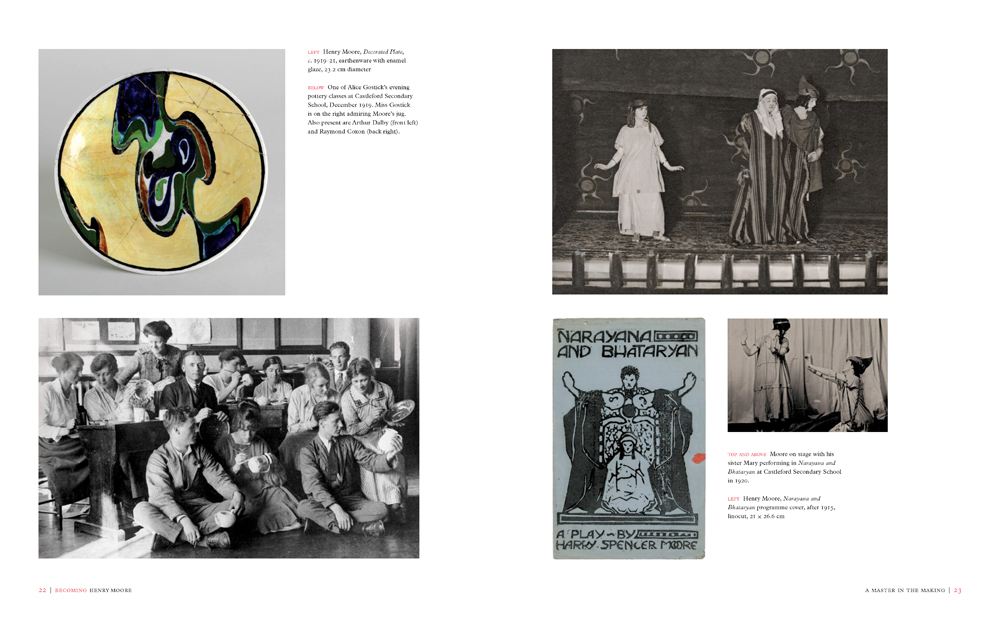
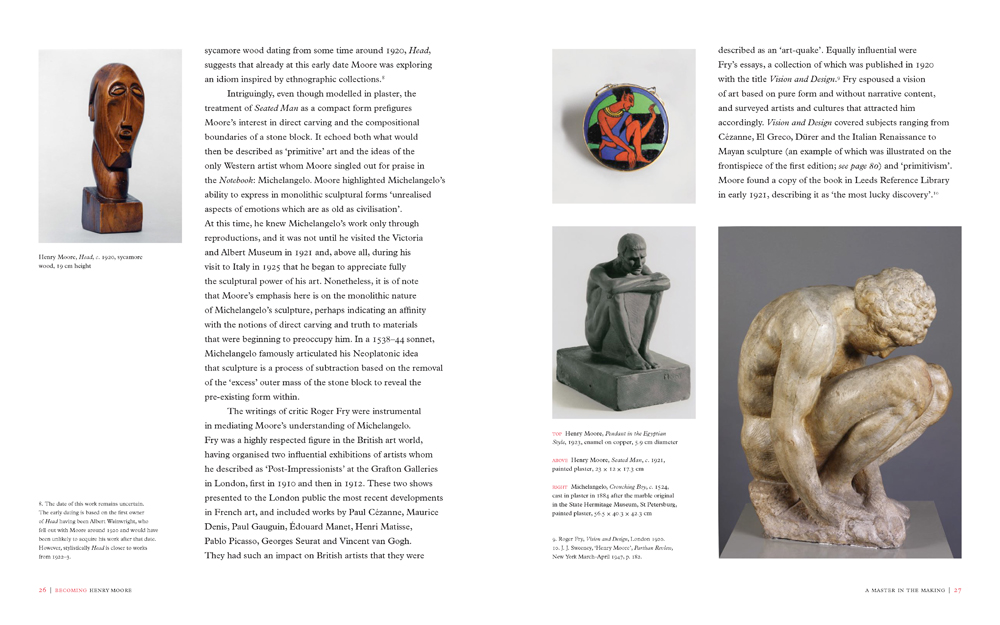
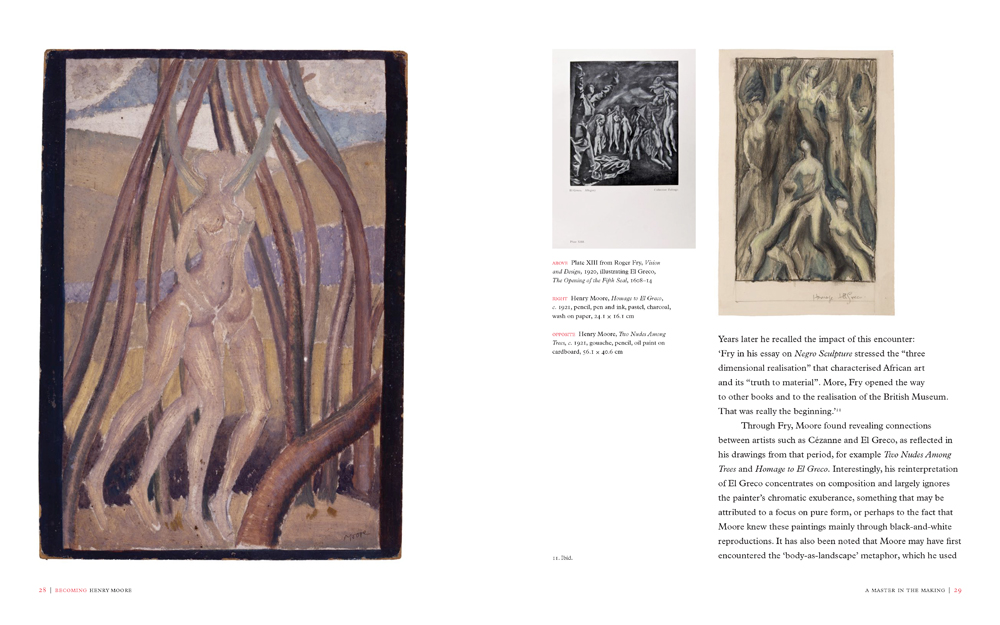
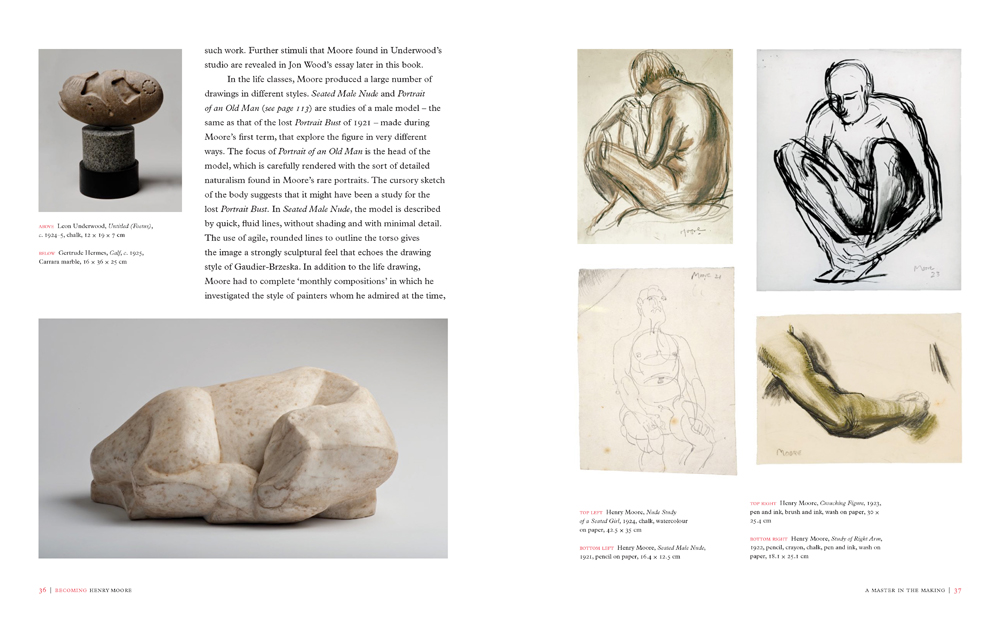
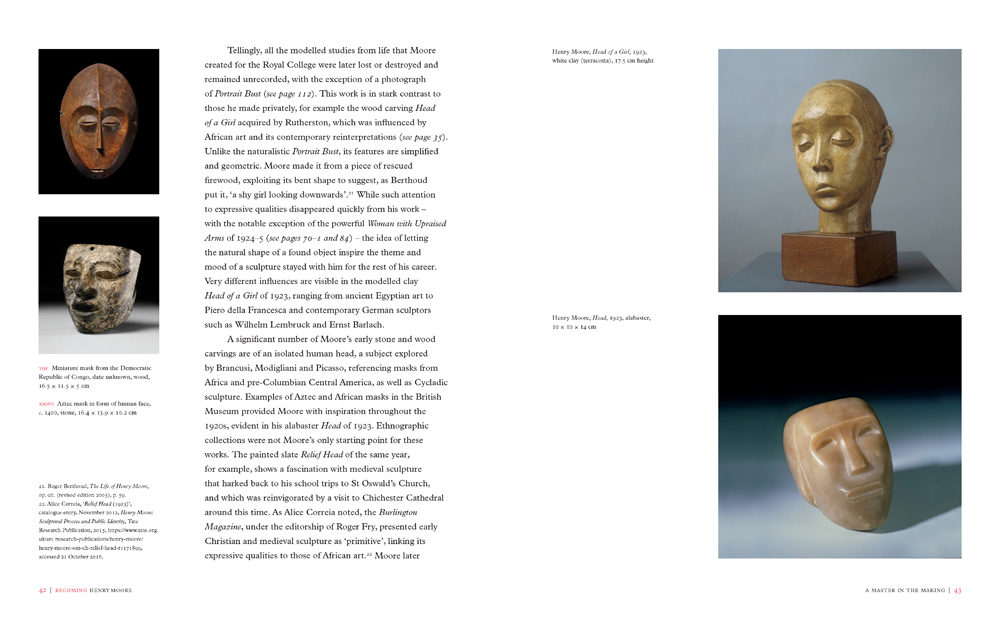
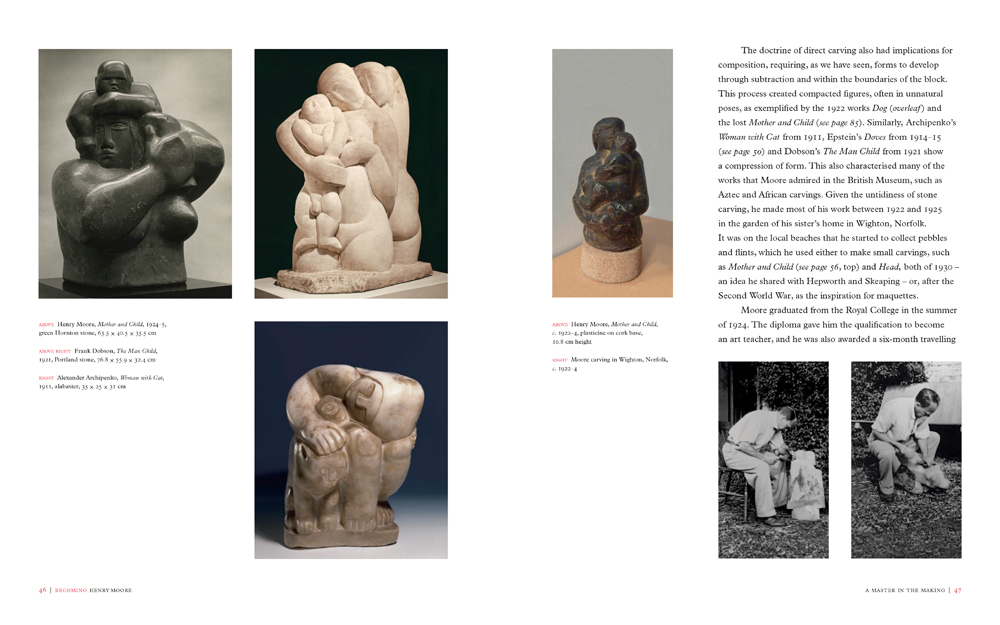
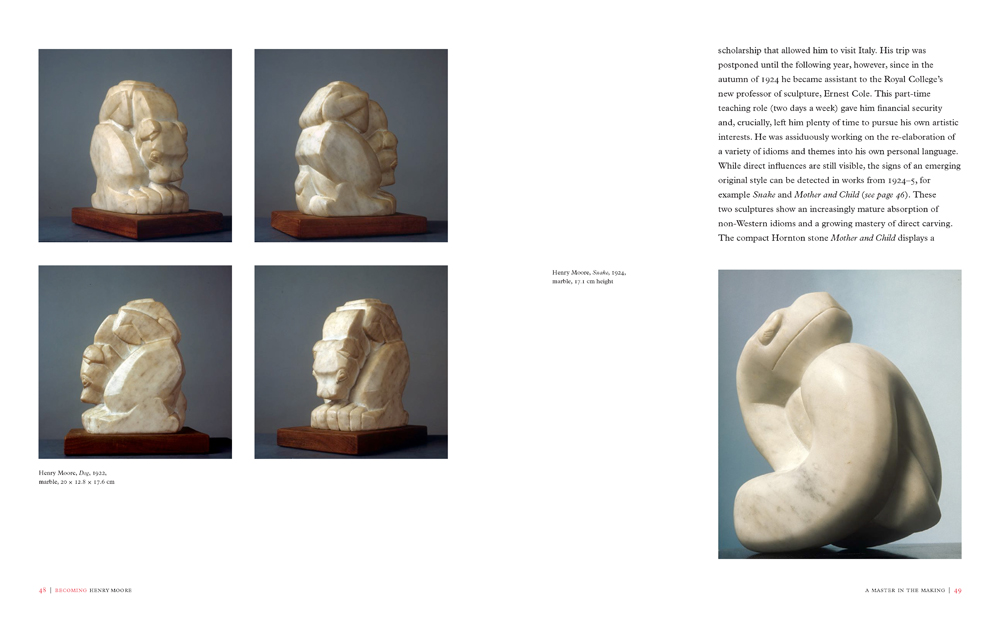
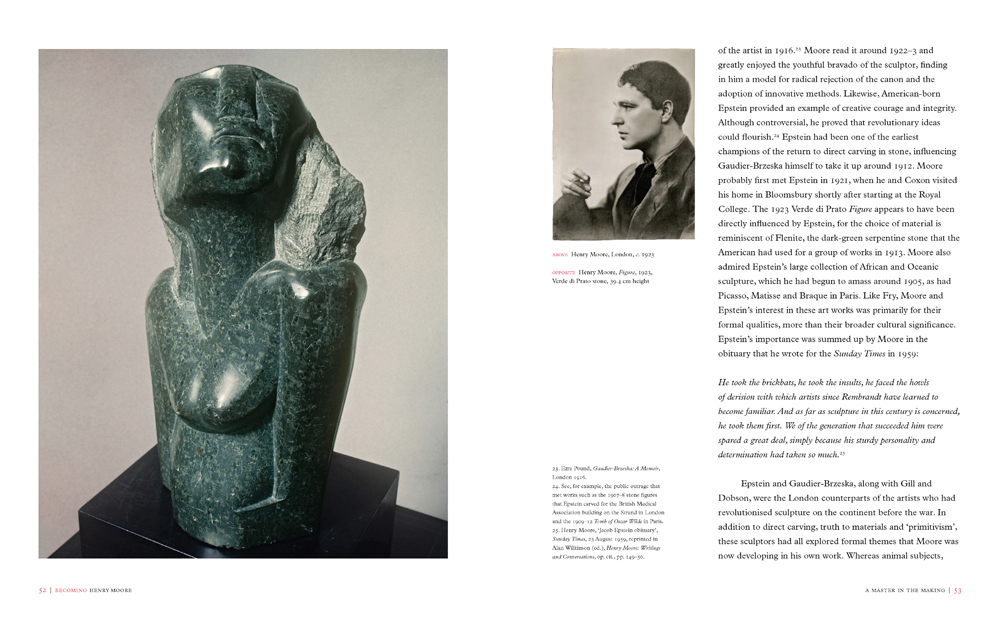
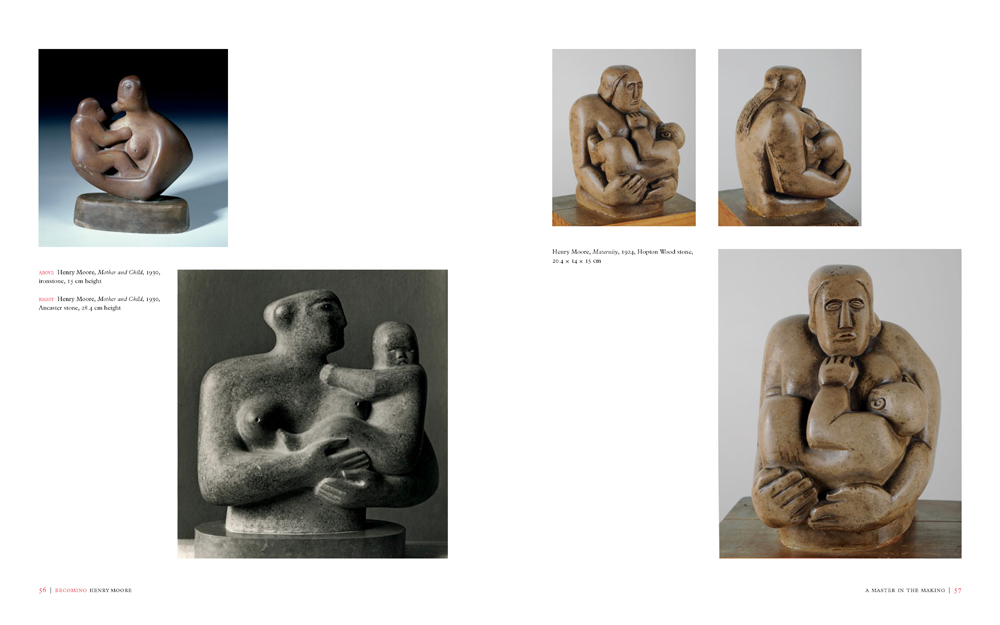
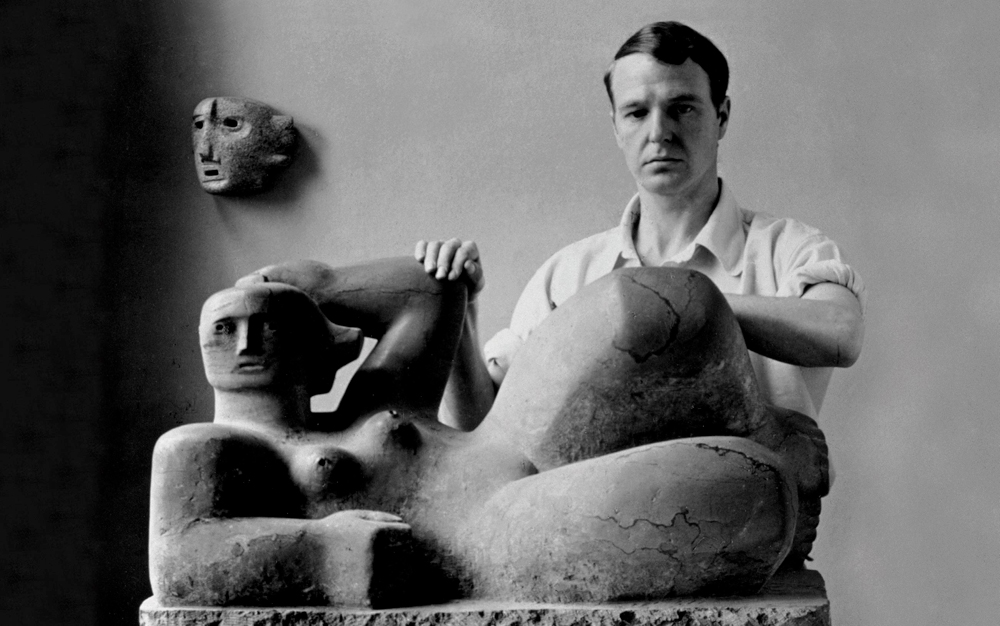
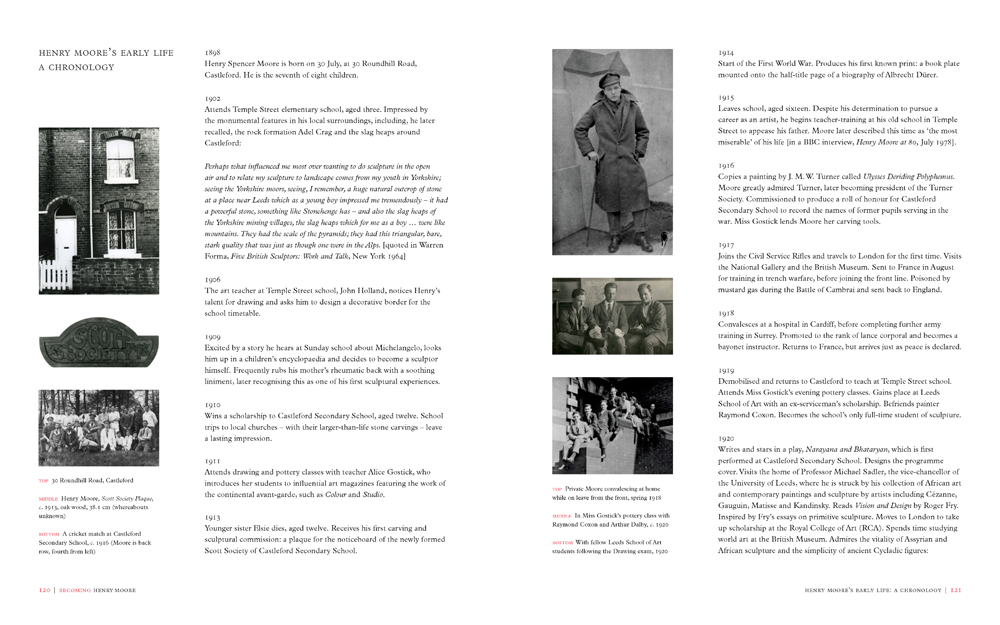
Accompanying an exhibition of the same name, Becoming Henry Moore tells the story of the artist’s creative journey between 1914 and 1930, from gifted schoolboy to celebrated sculptor. Displaying artistic skill and ambition from a young age, Moore spent his early years studying the art of the past and of his contemporaries, absorbing a wide variety of sculptural ideas and forms as he developed his own individual and now iconic style.

In this beautiful, richly illustrated book, Sebastiano Barassi presents a lively account of this formative period, from Moore’s time at Castleford Secondary School, where his talent was first spotted, through his active service in the First World War and student life at Leeds School of Art, and culminating with his move to the Royal College of Art in London and subsequent entry into the world of contemporary sculpture. What is revealed is a rich story of friendships, mentors, and collectors, and a range of artistic influences, from classical and non-Western art to Renaissance and modern masters and dialogues with other leading figures from the British and European avant-gardes. Moore’s encounters with collections both public and private and the importance of ancient art in his development are brought to life by contributions from Tania Moore and Jon Wood, who show not only how these experiences were critical in the formation of the artist’s early style, but also how they continued to inform his work for the rest of his career.

Richly illustrated with sculptures, drawings and photographs from his life, and including a chronology of the early years, this book shows the myriad influences at play as Henry Moore took his first steps on the path to becoming Britain’s foremost modern sculptor.

Sebastiano Barassi is Head of Henry Moore Collections and Exhibitions at the Henry Moore Foundation
Hannah Higham is Curator at the Henry Moore Foundation.
Tania Moore is Curatorial Assistant at the Royal Academy of Arts, London
Dr Jon Wood is Research Curator at the Henry Moore Institute, Leeds


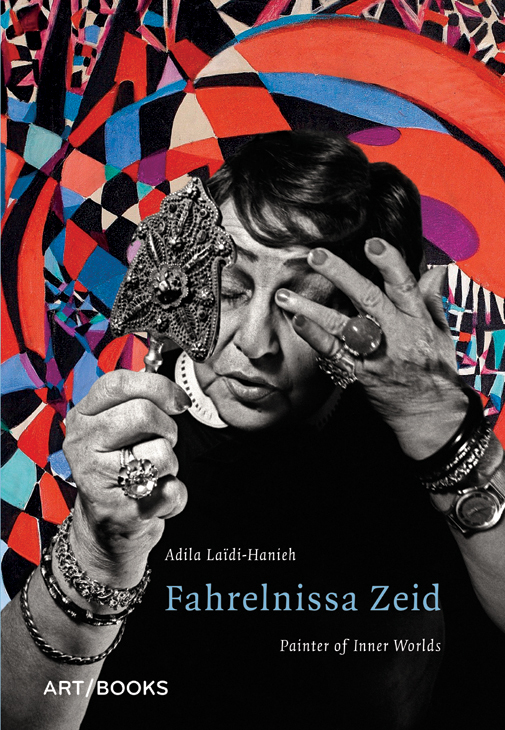
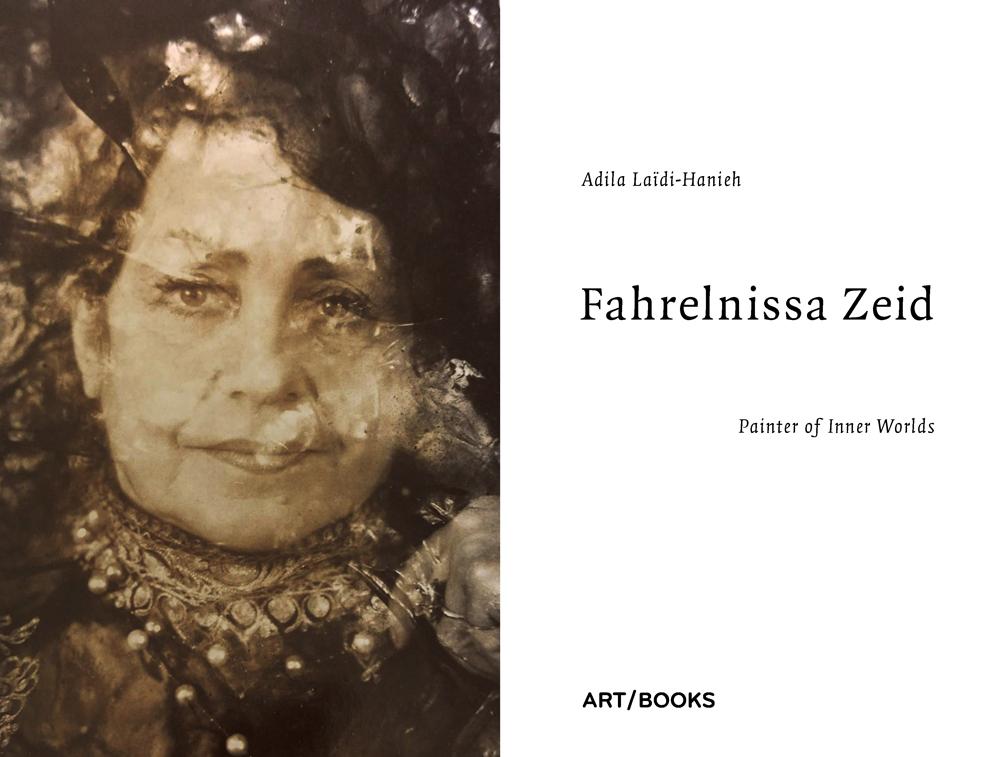
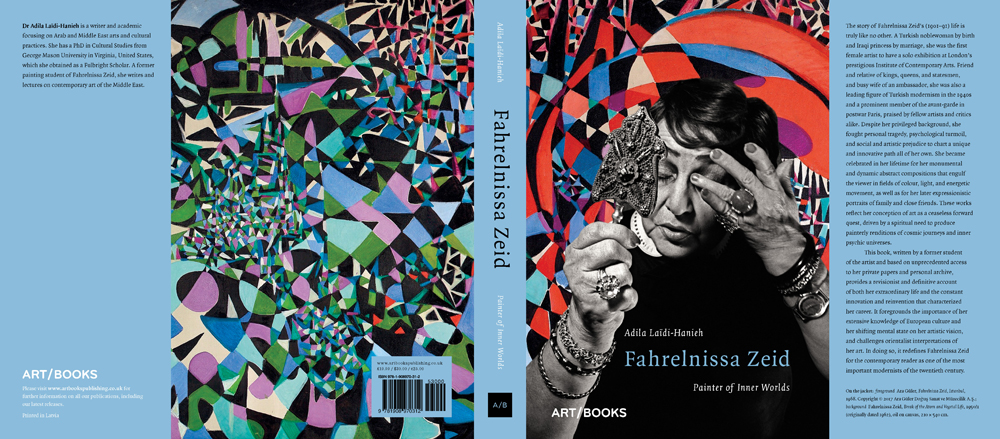
Fahrelnissa Zeid

Painter of Inner Worlds

Adila Laïdi-Hanieh

‘Her biography reads like a novel’ — Evening Standard
‘Laidi-Hanieh’s elegant prose brings to life the rich cultural environment in which Fahrelnissa lived and which she created around her.… The book’s excellent text is enriched by truly stunning images of Fahrelnissa’s paintings, as well as sketches and photos, and a comprehensive chronology of her life events and multiple exhibitions.’ — Jordan Times
‘Elegant … carefully researched … this handsome tome, the product of a thorough investigation into the artist’s life and work, challenges orientalist interpretations of her art. In so doing, it redefines Zeid as one of the foremost modernist painters of the last century.’ — Harper’s Bazaar Arabia
‘[Brings] her work out of the shadows and into the collective consciousness’ — New York magazine 
‘Comprehensive and painstakingly researched … this is a book to read and reread.’ — Cornucopia magazine
‘A timely and much-needed contribution to the study of transnational feminist art histories’ — Third Text

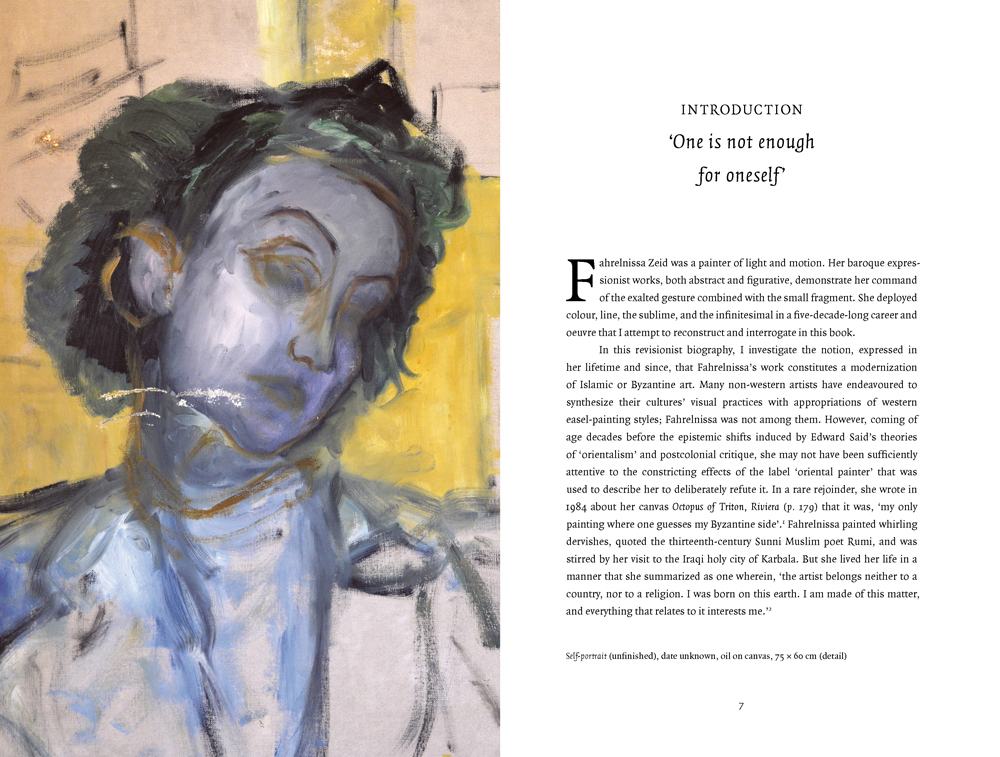
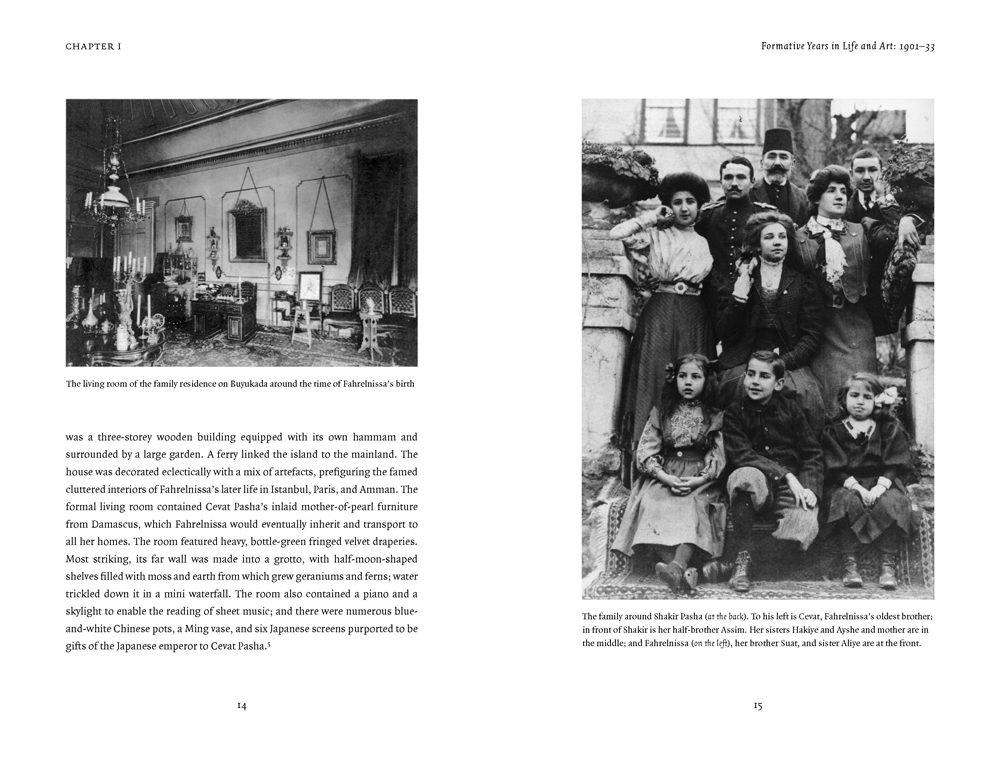
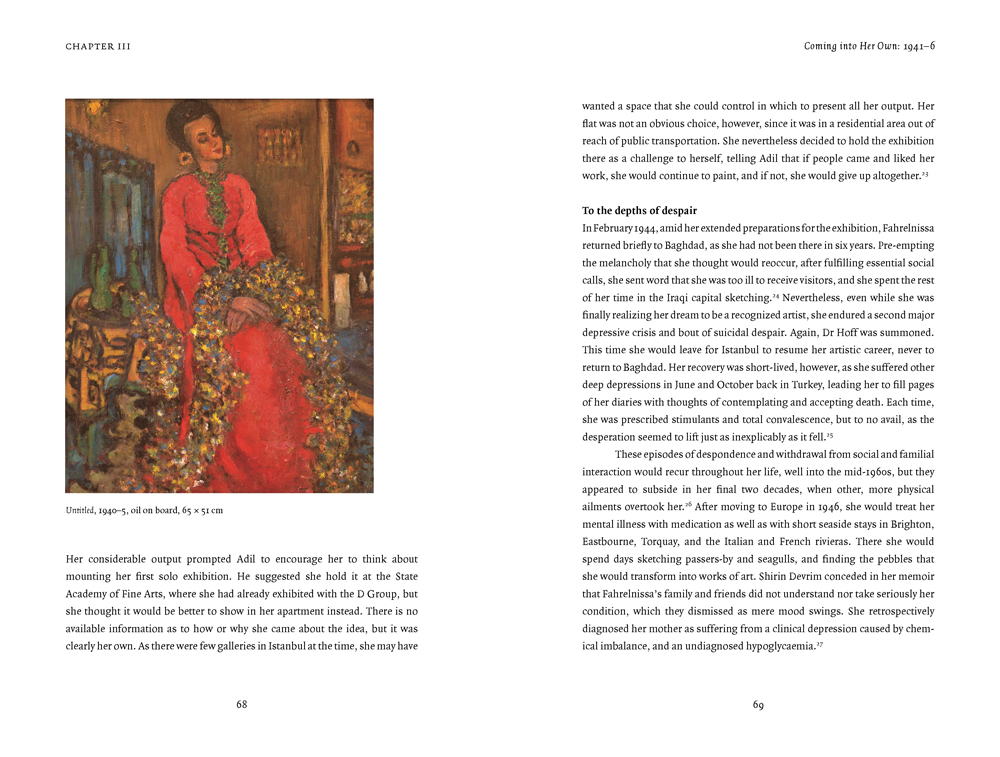
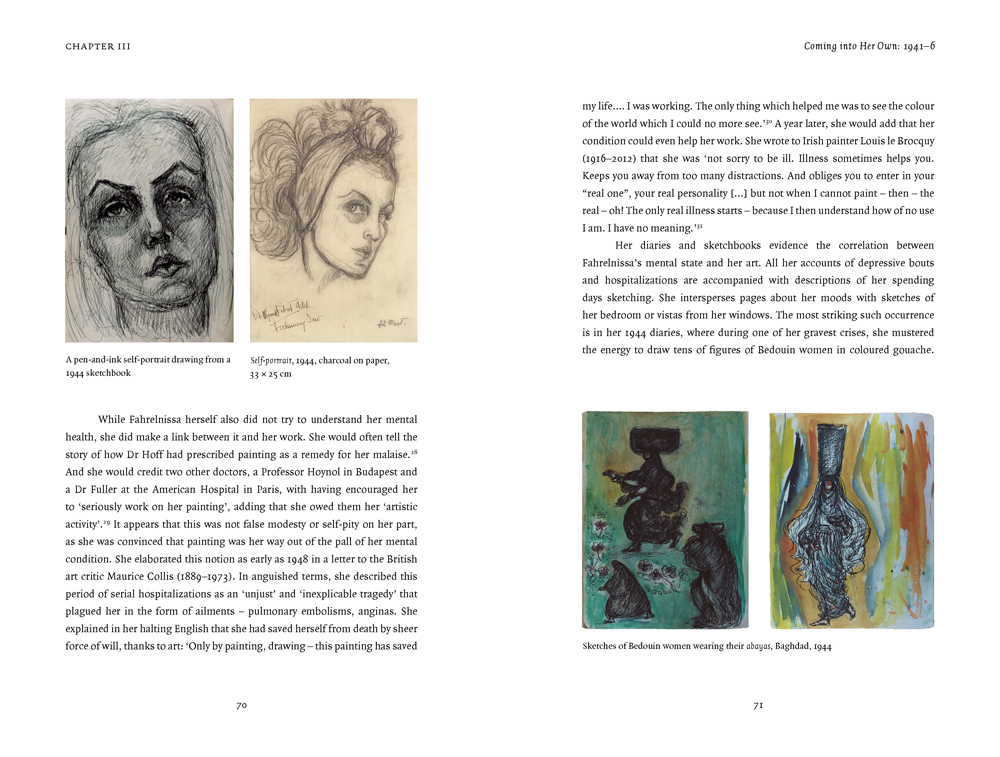
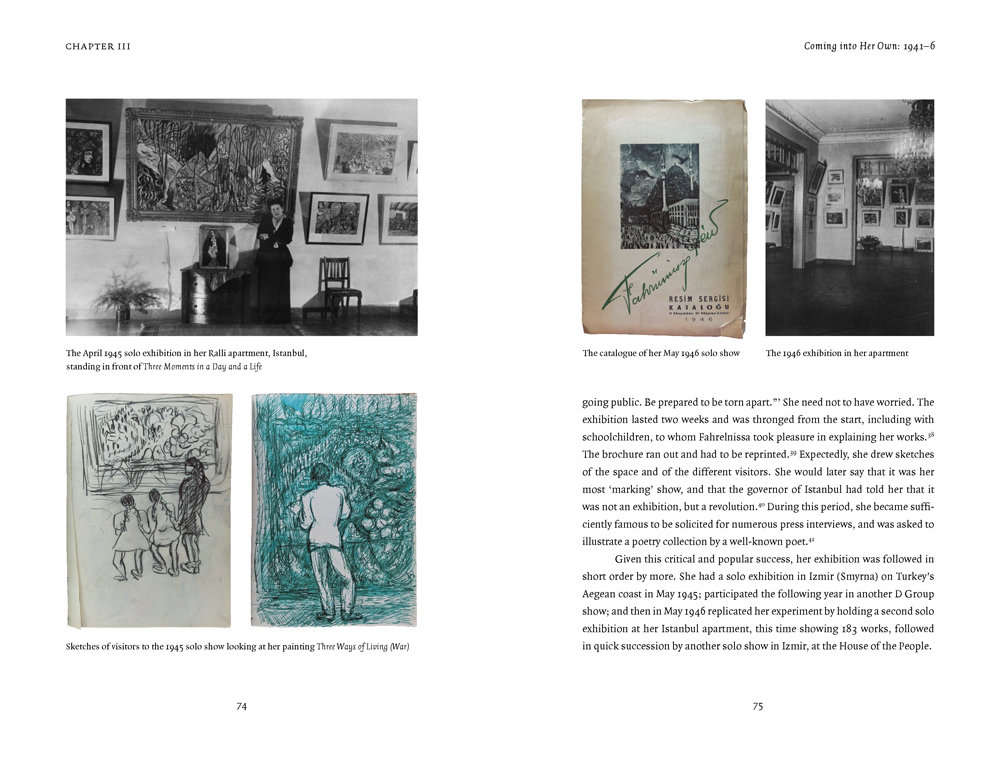
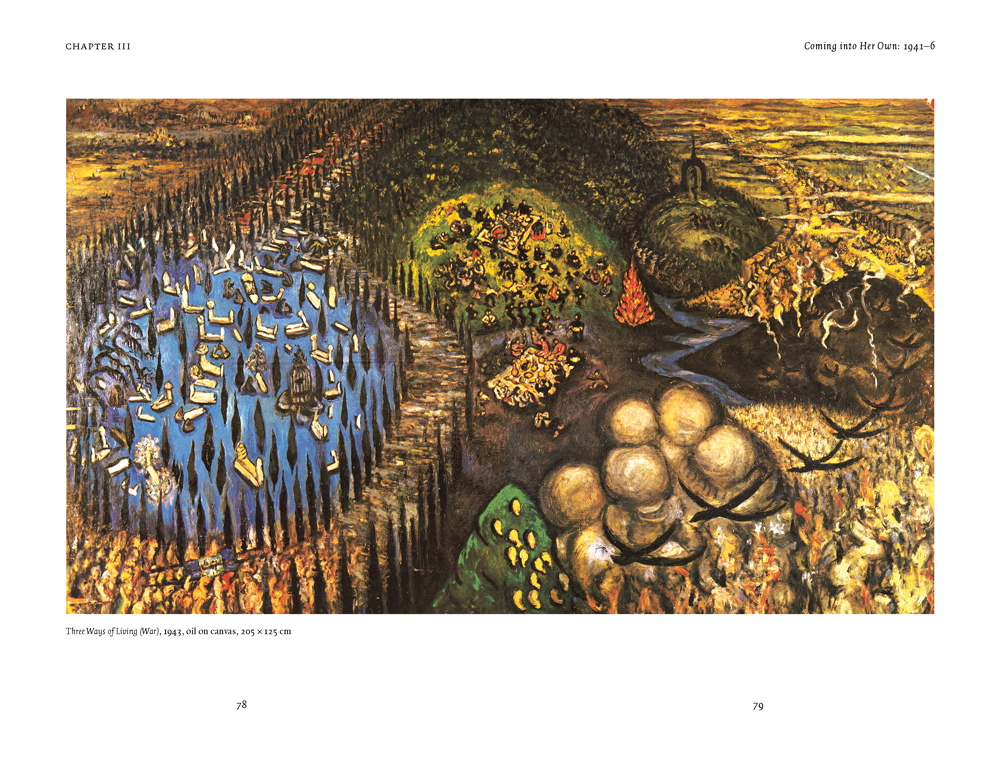
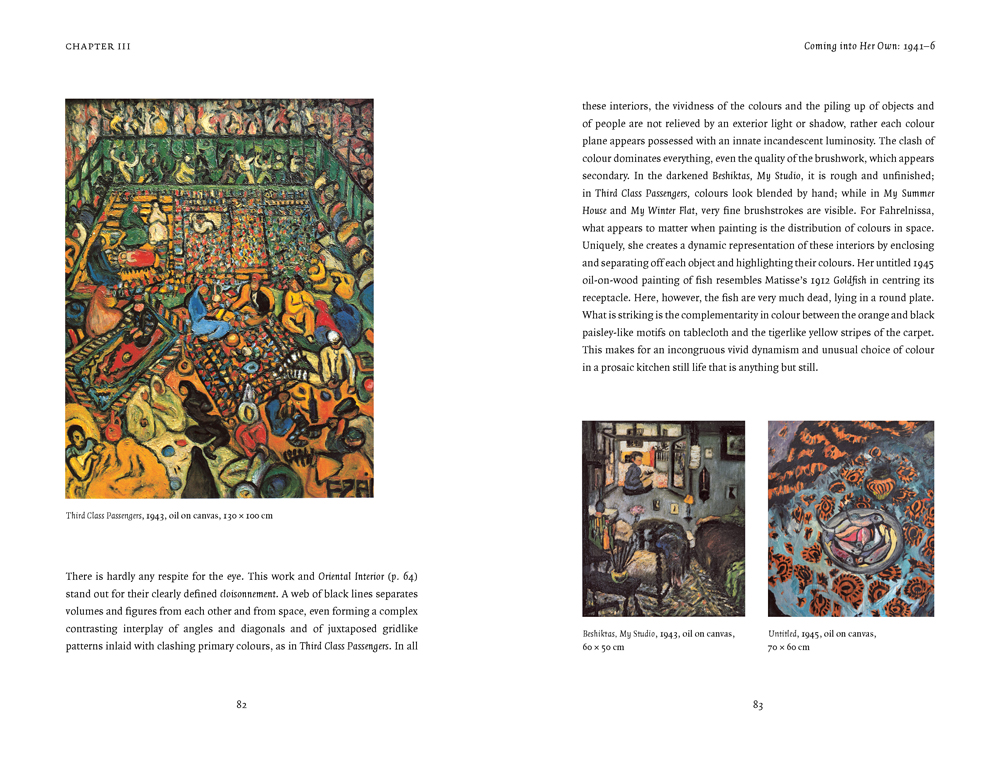
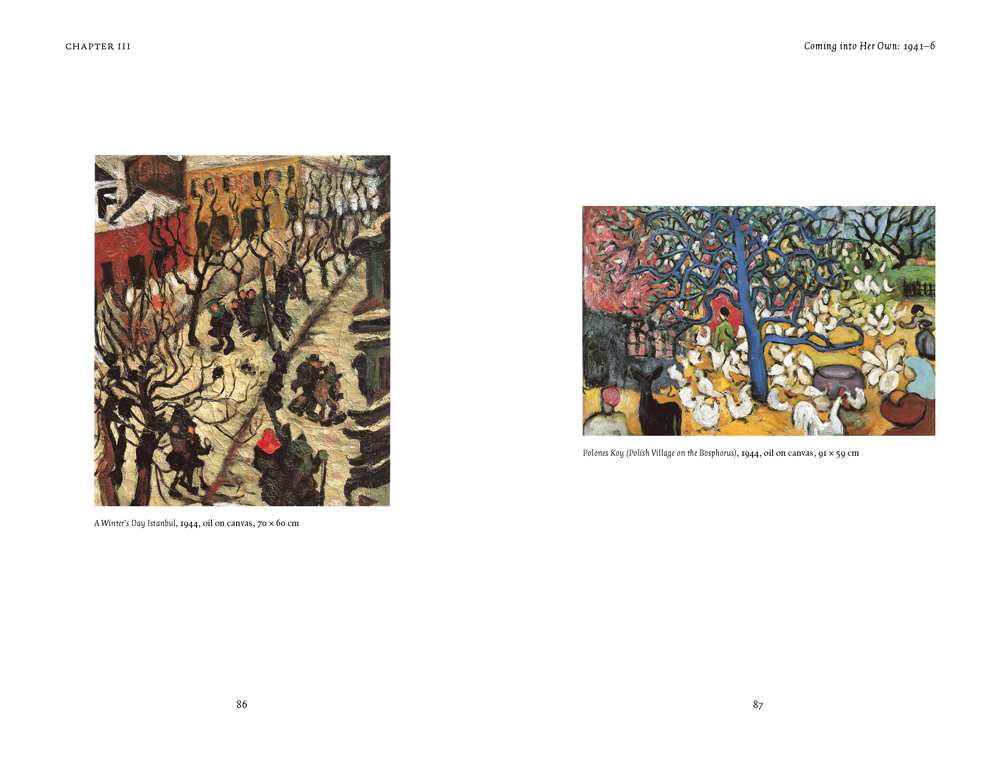
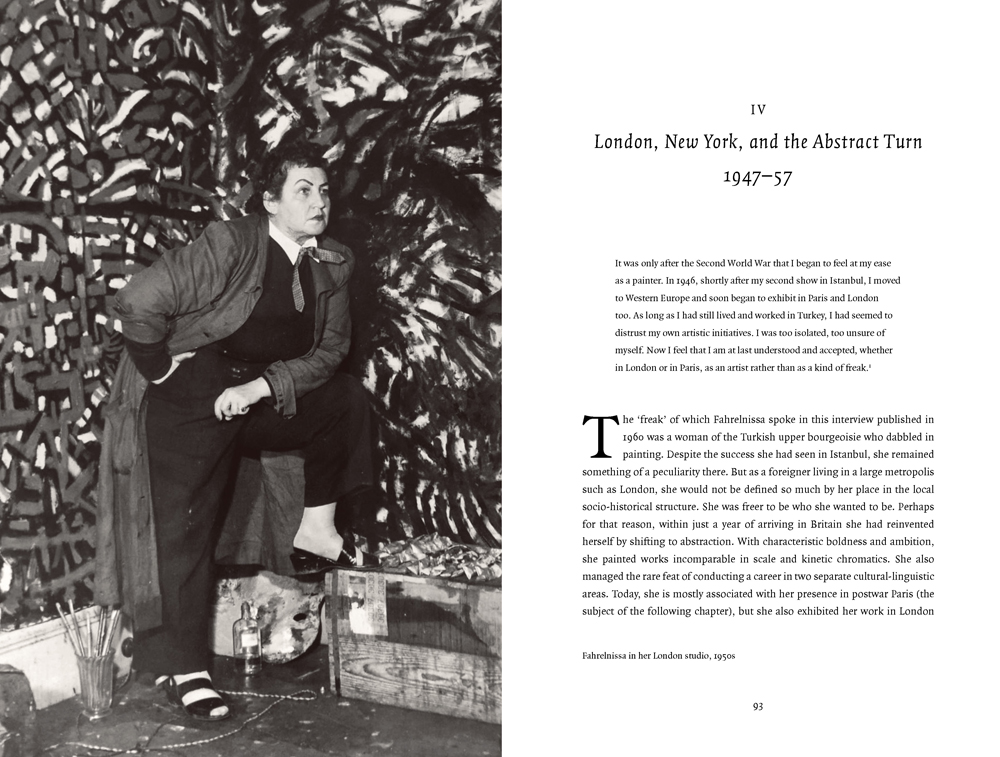
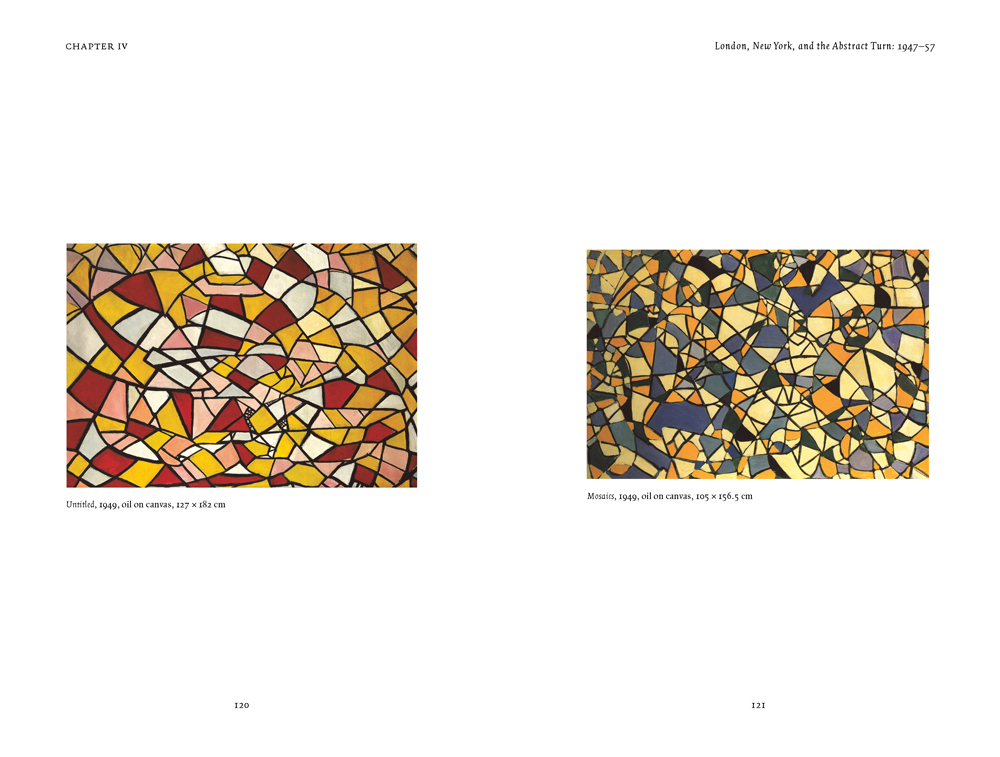
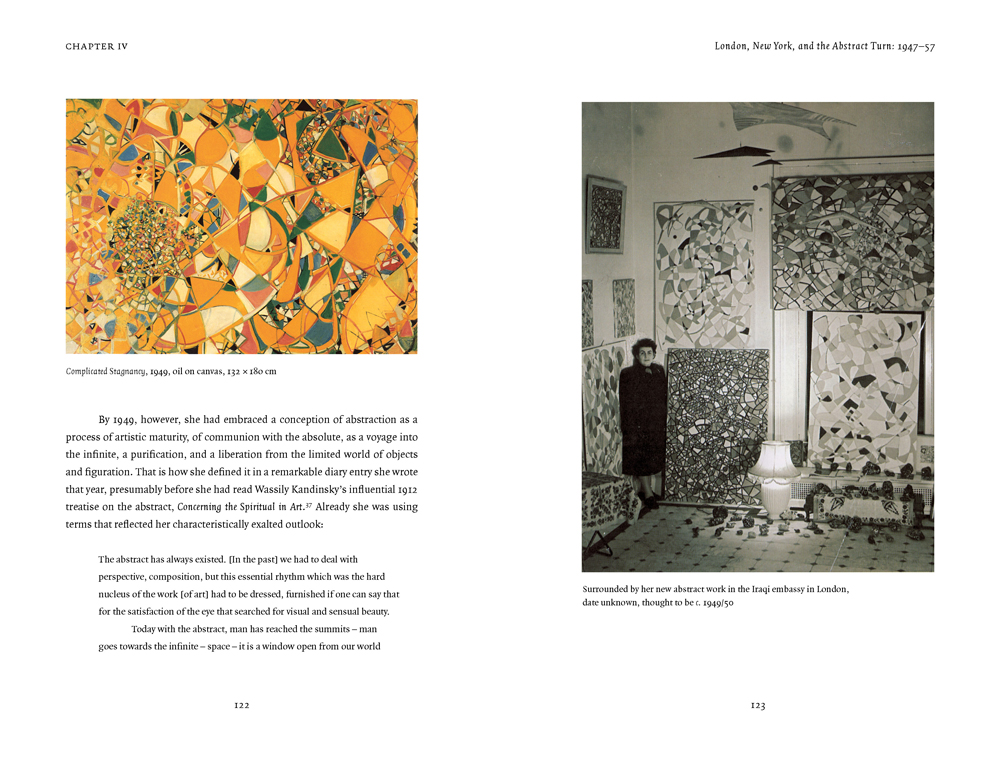
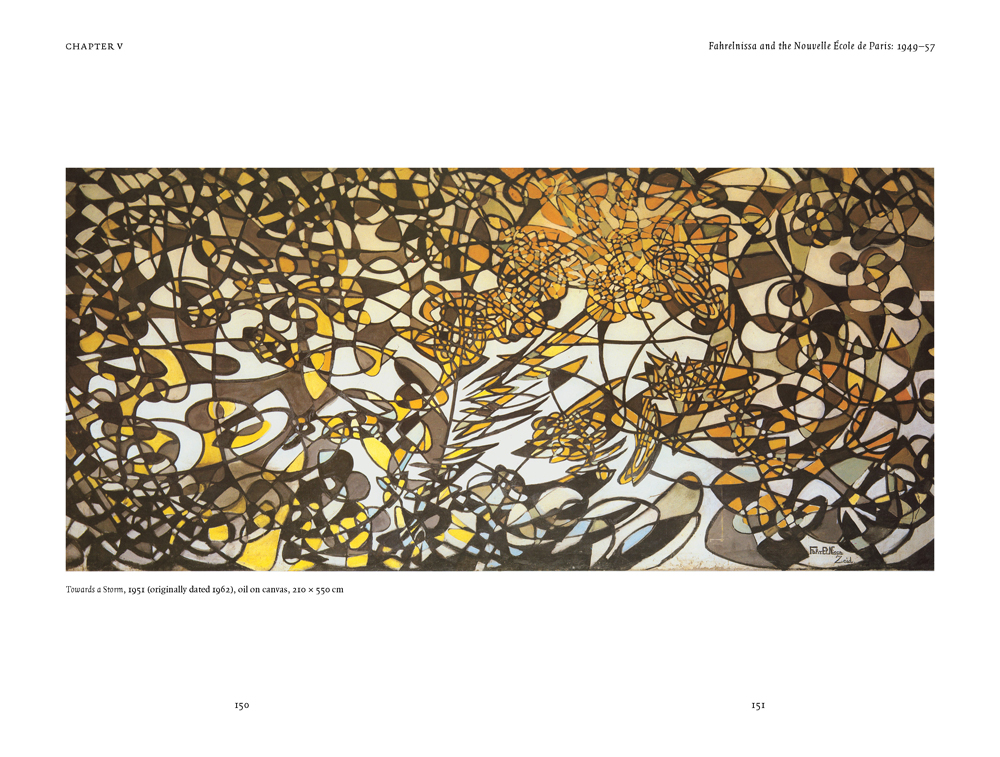
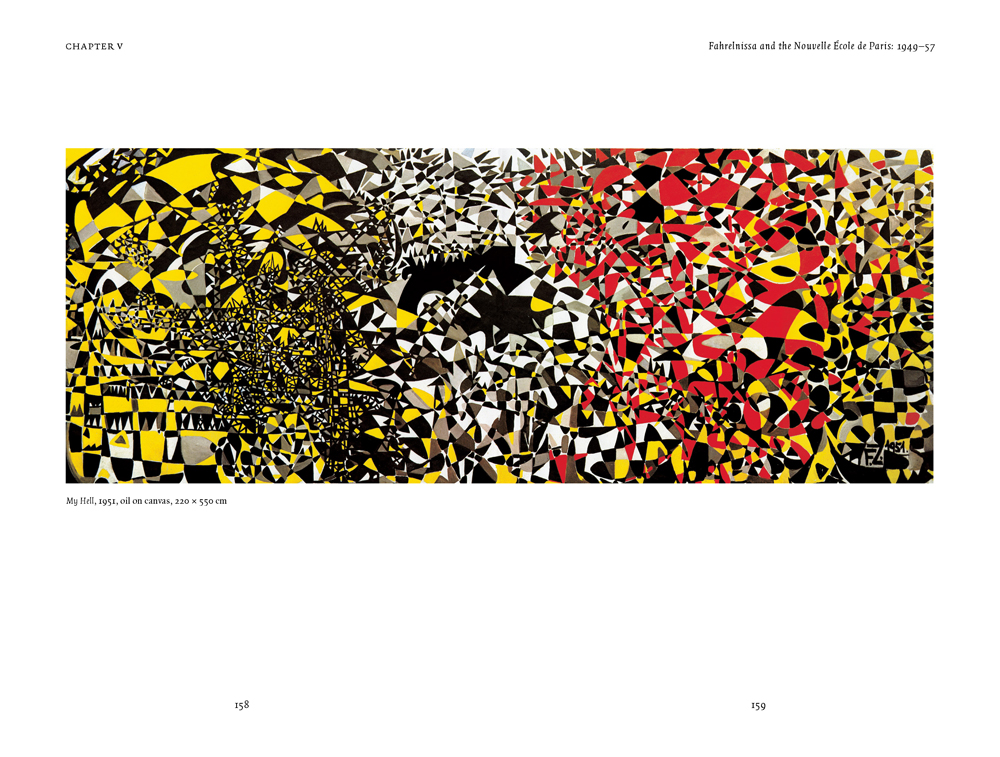
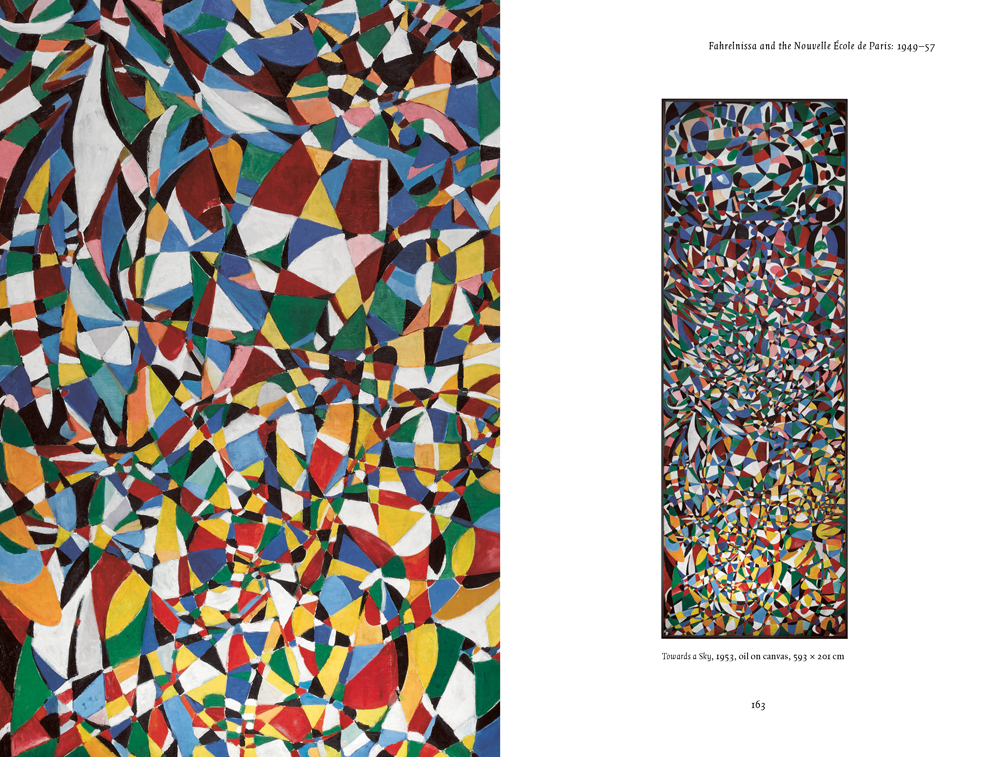
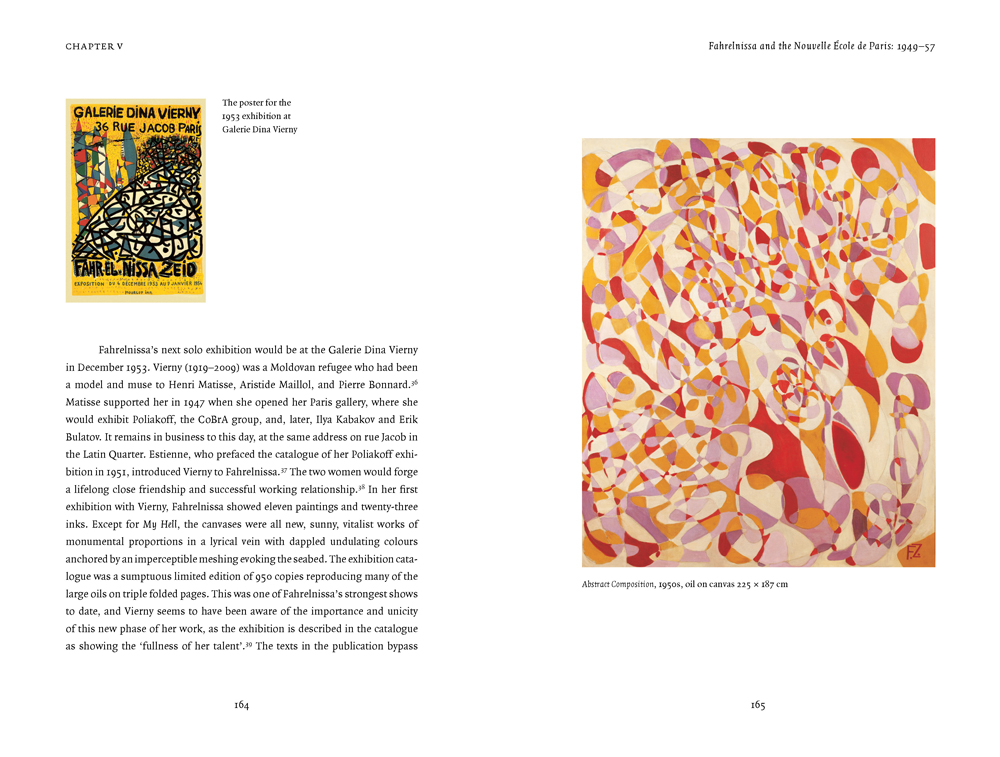
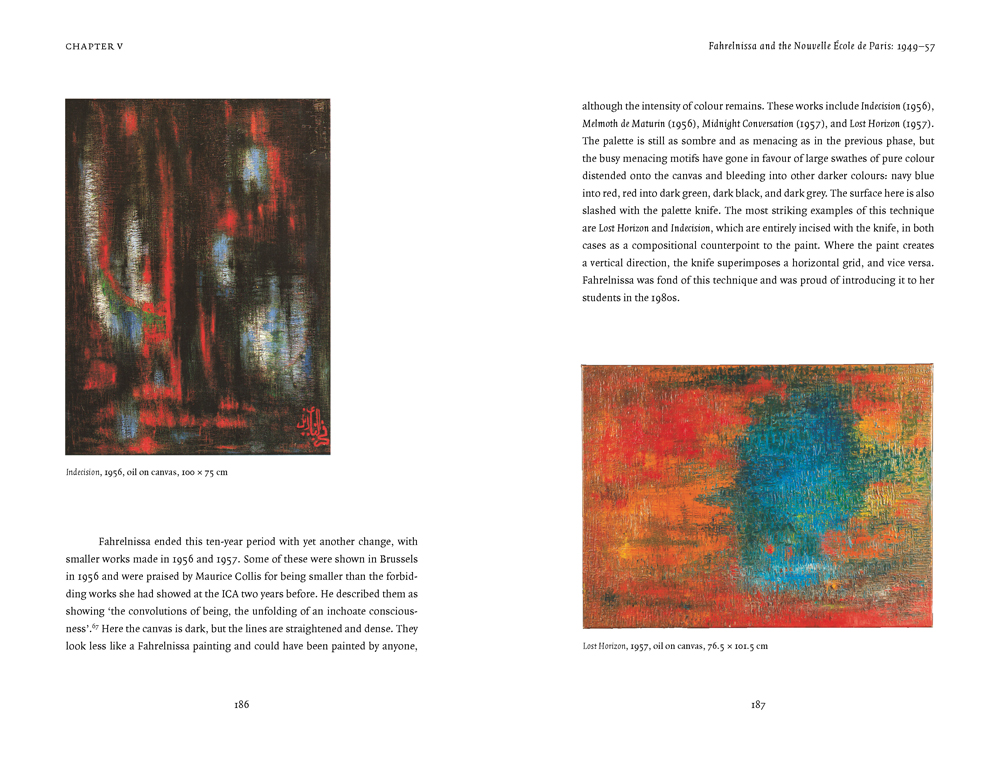
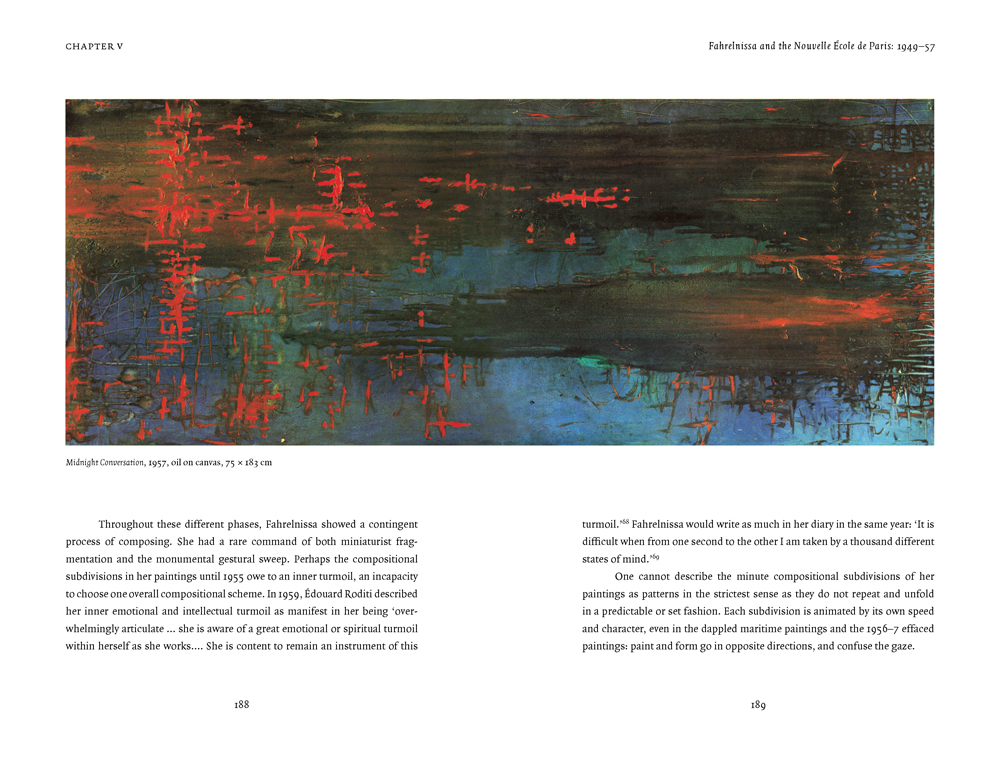
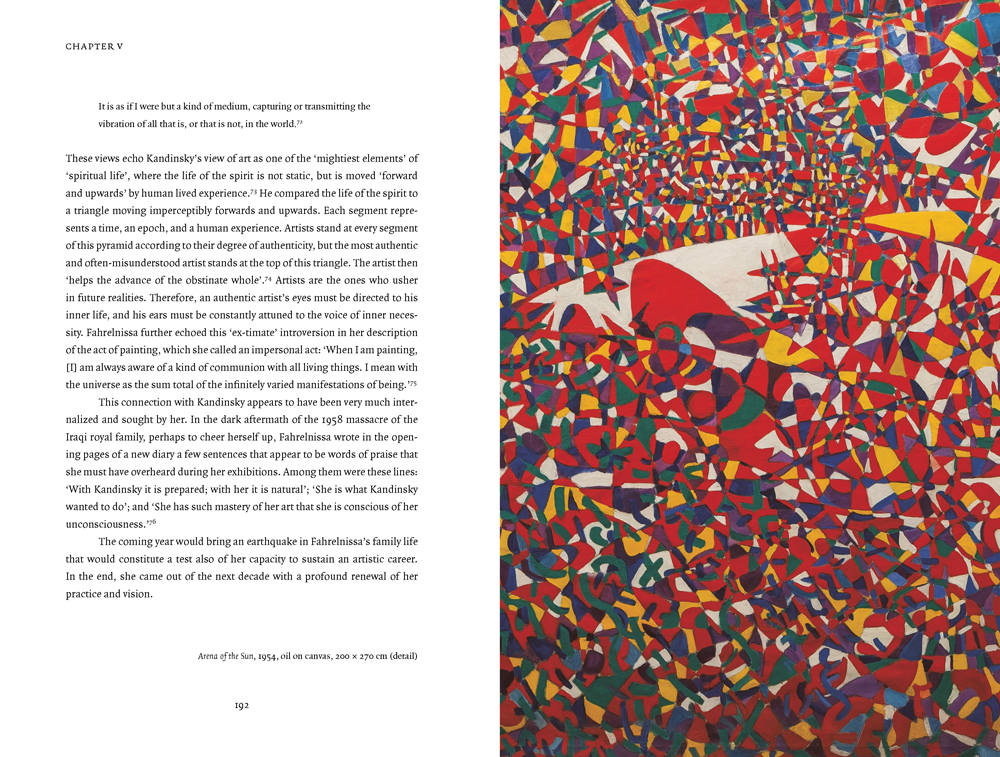
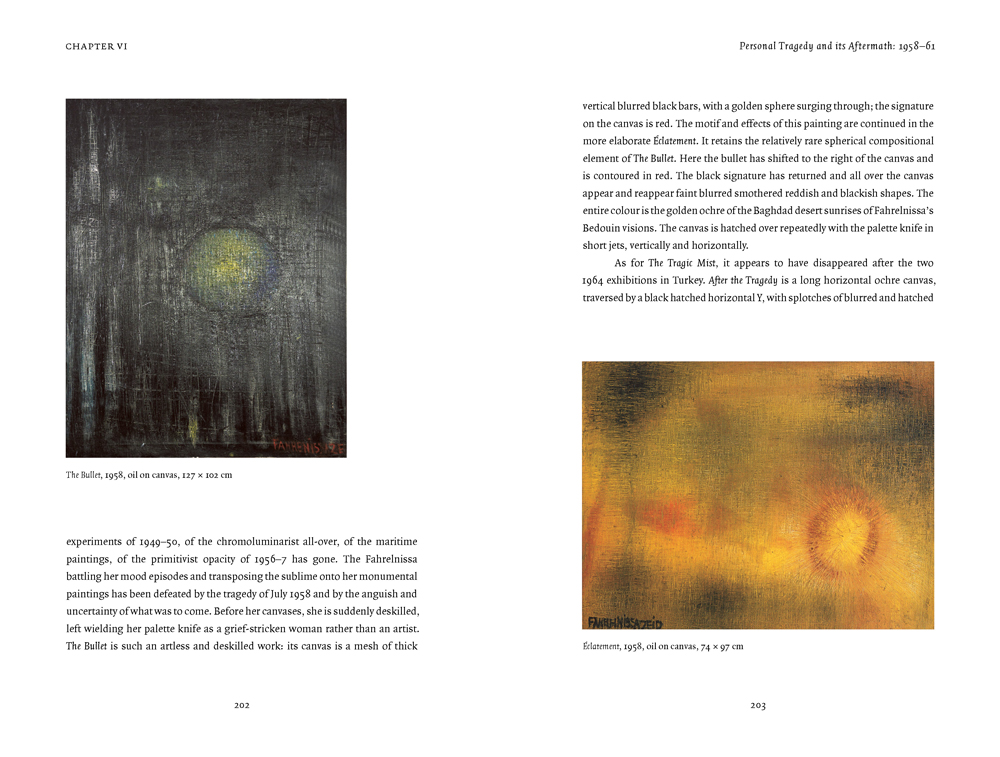
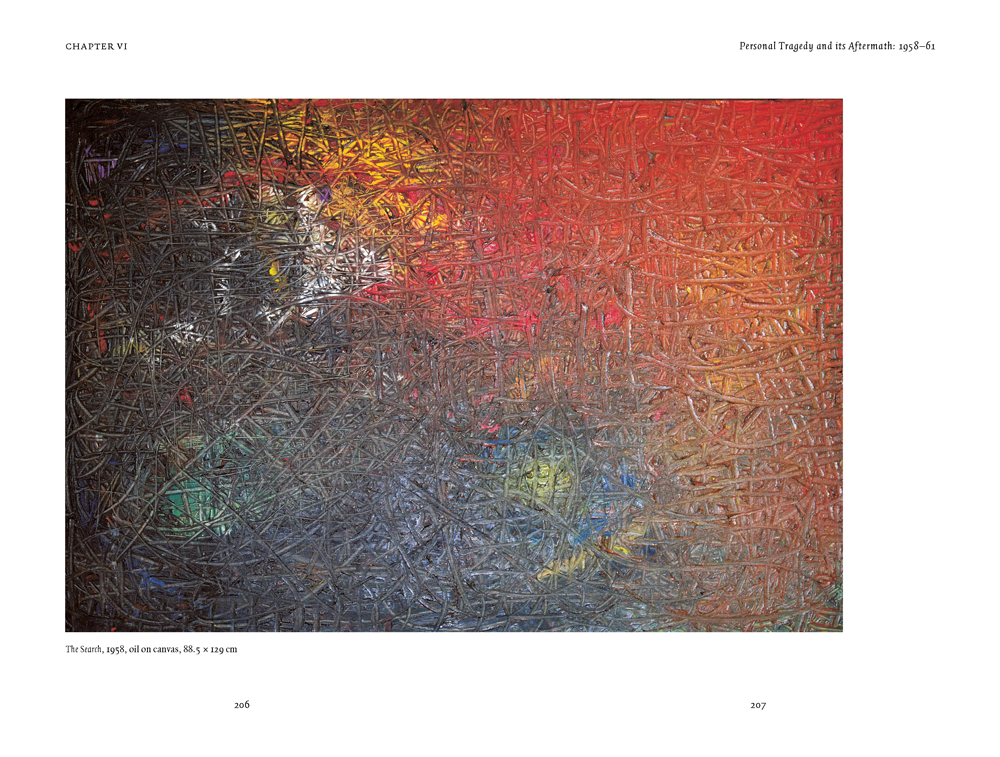
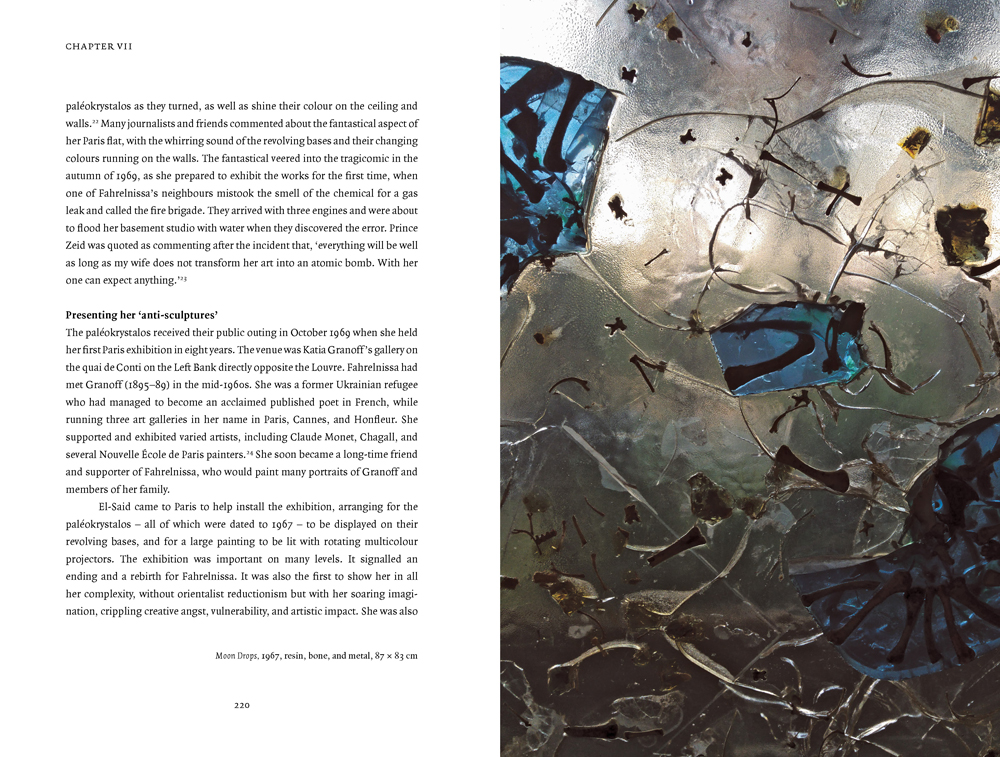
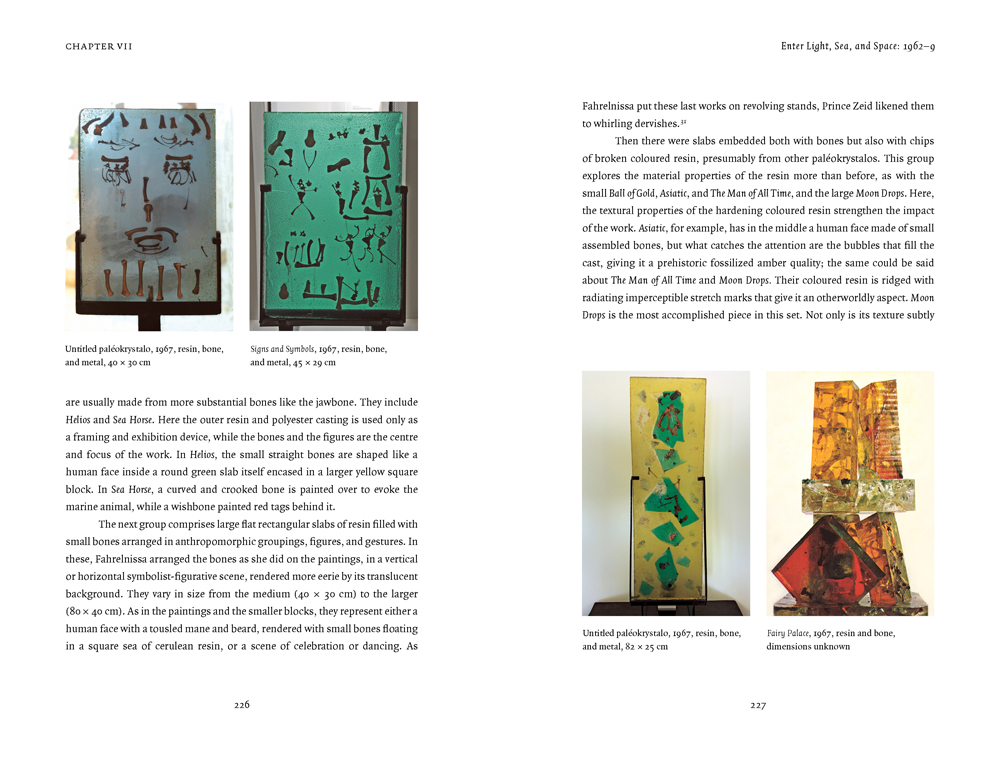
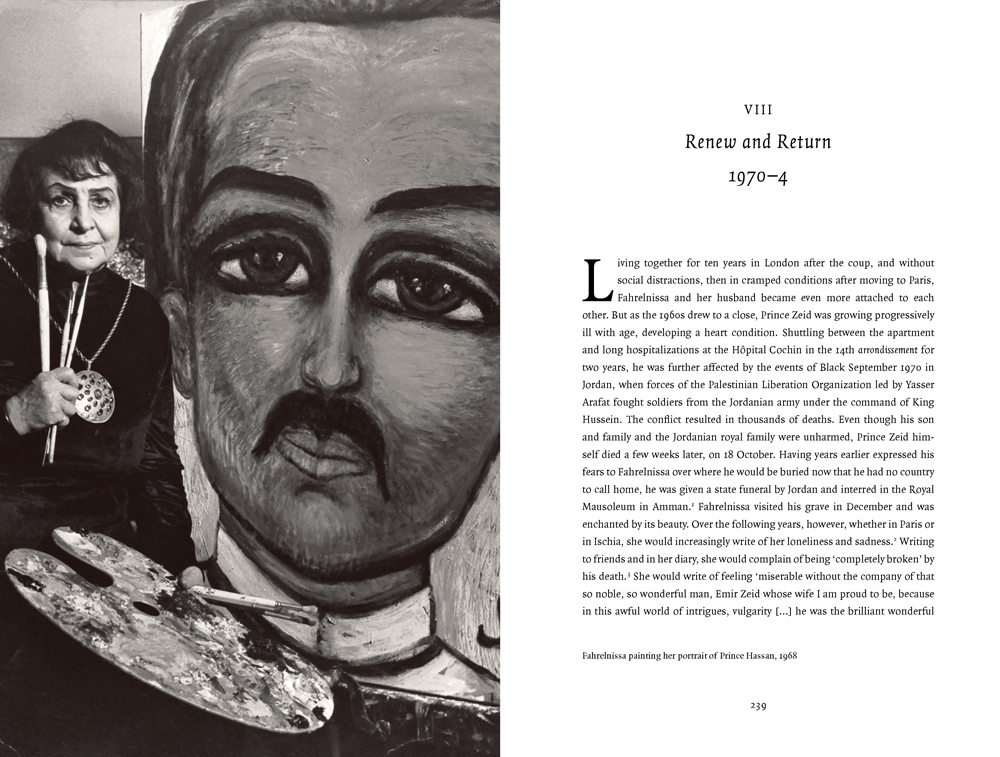
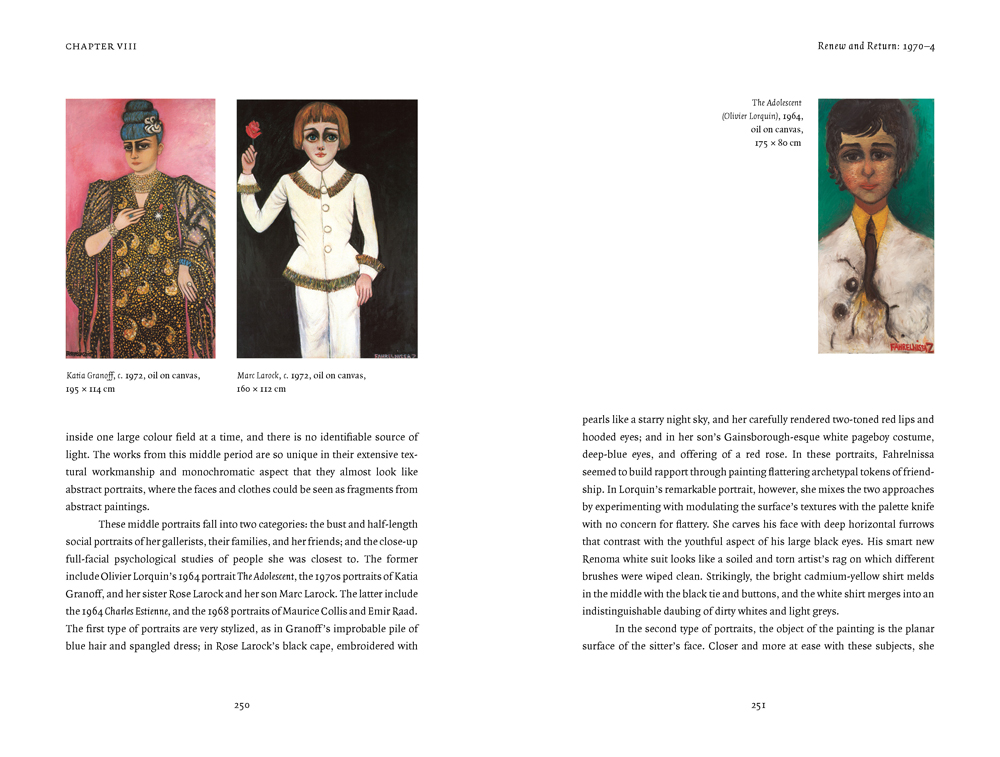
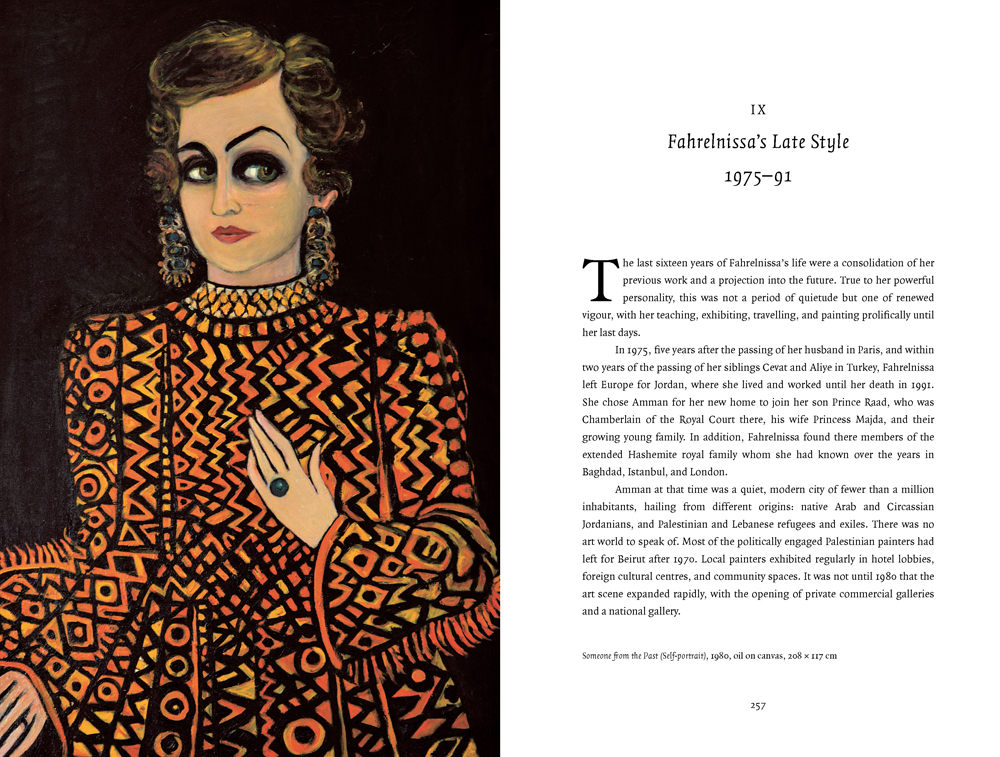
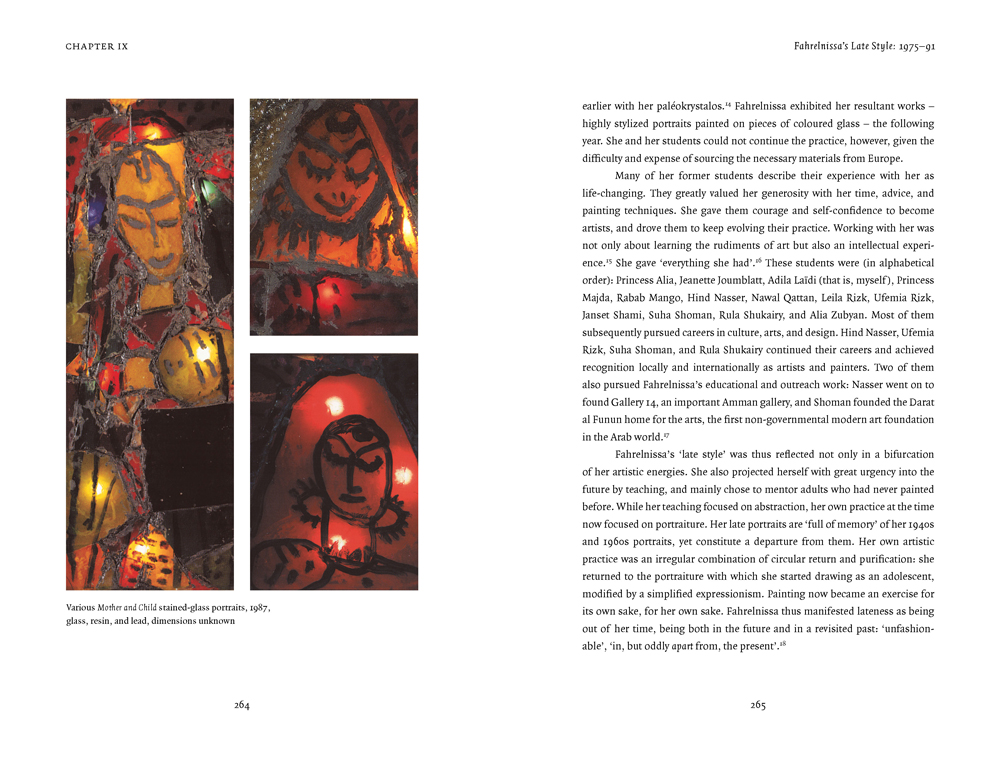
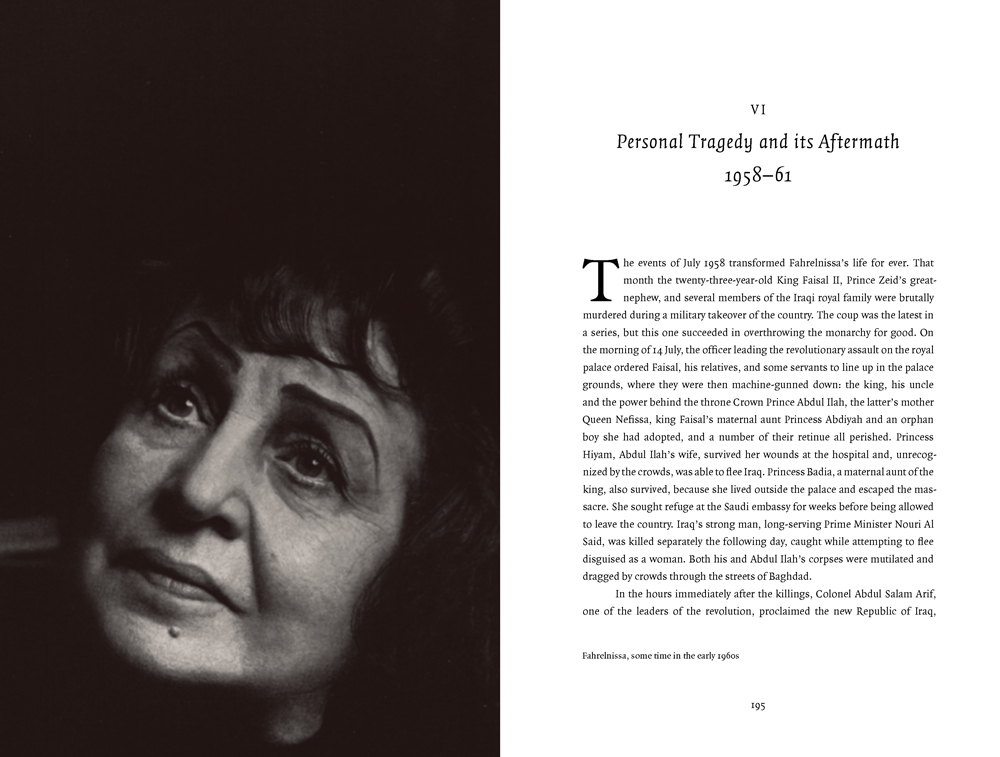
The story of Fahrelnissa Zeid’s (1901–91) life is truly like no other. A Turkish noblewoman by birth and Iraqi princess by marriage, she was the first female artist to have a solo exhibition at London’s prestigious Institute of Contemporary Arts. Friend and relative of kings, queens, and statesmen, and busy wife of an ambassador, she was also a leading figure of Turkish modernism in the 1940s and a prominent member of the avant-garde in postwar Paris, praised by fellow artists and critics alike. Despite her privileged background, she fought personal tragedy, psychological turmoil, and social and artistic prejudice to chart a unique and innovative path all of her own. She became celebrated in her lifetime for her monumental and dynamic abstract compositions that engulf the viewer in fields of colour, light, and energetic movement, as well as for her later expressionistic portraits of family and close friends. These works reflect her conception of art as a ceaseless forward quest, driven by a spiritual need to produce painterly renditions of cosmic journeys and inner psychic universes.

Coinciding with a retrospective exhibition at Tate Modern, this book is written by a former student of the artist and based on unprecedented access to her private papers and personal archive. It provides a revisionist and definitive account of both her extraordinary life and the constant innovation and reinvention that characterized her career right up until her final decades working and teaching in Jordan. It foregrounds the importance of her extensive knowledge of European culture and her shifting mental state on her artistic vision, and challenges orientalist interpretations of her art. In doing so, it redefines Fahrelnissa Zeid for the contemporary reader as one of the most important modernists of the twentieth century.

Dr Adila Laïdi-Hanieh is director of the Palestinian Museum in Birzeit, and a writer and academic focusing on Arab and Middle East arts and cultural practices. She has a PhD in Cultural Studies from George Mason University in Virginia, United States, which she obtained as a Fulbright Scholar. A former painting student of Fahrelnissa Zeid, she writes and lectures on contemporary art of the Middle East.